


Hispanic Actresses Who Are Against AI Usage

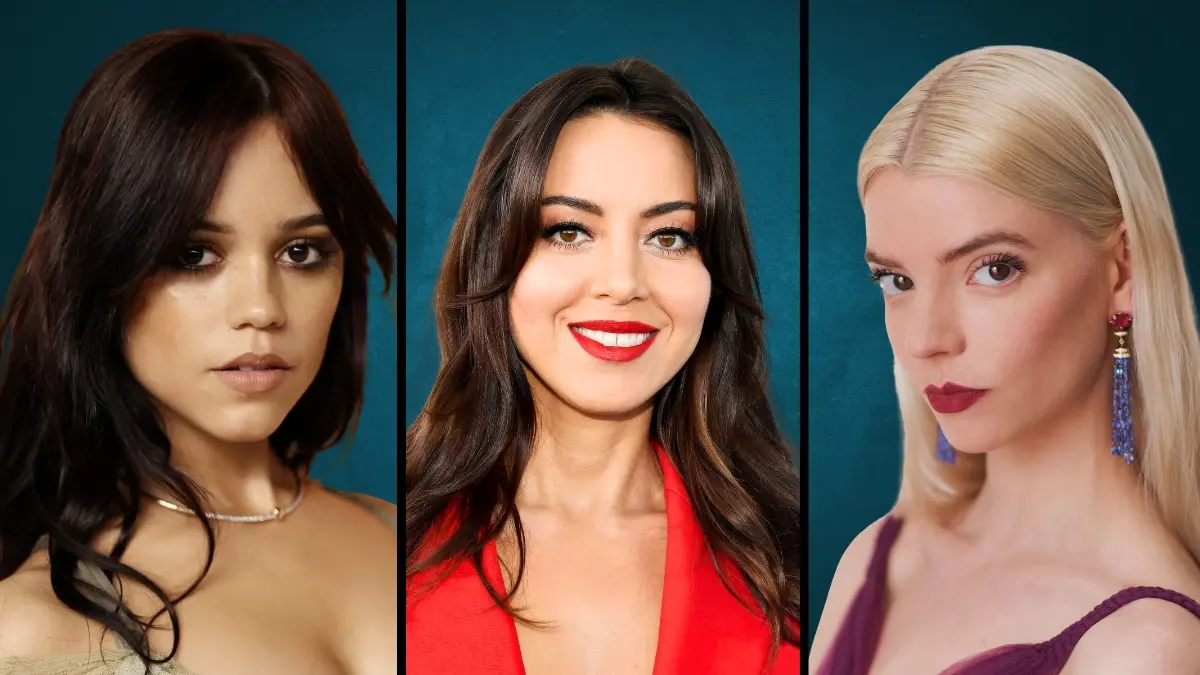


The rapid advancement of artificial intelligence in Hollywood has sparked intense debate regarding the future of human creativity and the protection of individual likenesses. As studios and tech companies explore generative technologies, many performers have voiced serious concerns about consent, compensation, and the potential displacement of working actors. Hispanic actresses have been particularly vocal in this movement, using their platforms to advocate for stricter regulations and the preservation of artistic integrity. These industry leaders are drawing a line in the sand to ensure that technology serves as a tool rather than a replacement for the human experience.
Salma Hayek Pinault
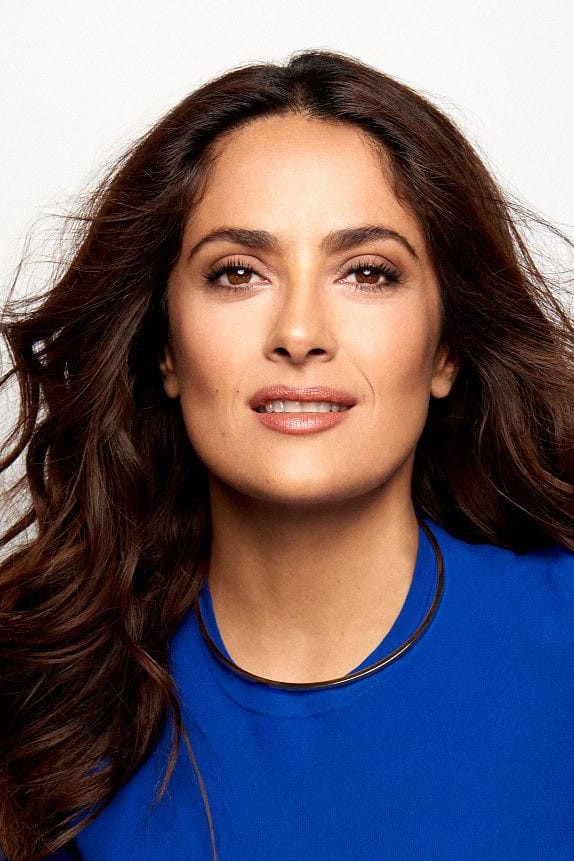
Salma Hayek famously tackled the nightmarish possibilities of artificial intelligence head-on in the ‘Black Mirror’ episode ‘Joan Is Awful’. The actress has spoken candidly about the terrifying realization that contracts could potentially allow studios to use a performer’s likeness in perpetuity without their active participation. Her participation in the dystopian anthology series served as a meta-commentary on the very real negotiations taking place within the industry regarding digital rights. Hayek continues to emphasize that the soul of storytelling requires a human pulse that no algorithm can replicate.
Jenna Ortega
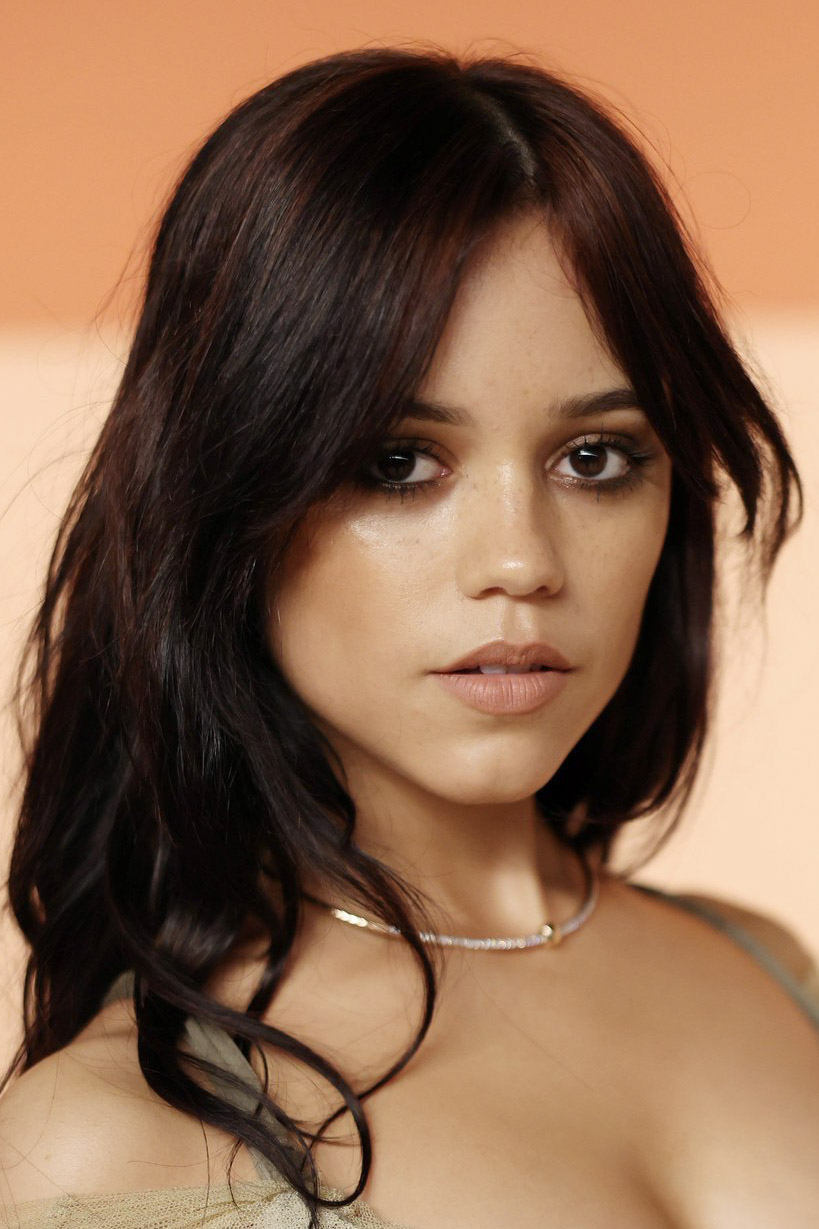
The ‘Wednesday’ star has been a staunch critic of AI, particularly after falling victim to non-consensual deepfake pornography that circulated on social media. Ortega expressed her disgust with the technology, stating in interviews that she “hates AI” and finds the lack of regulation to be terrifying and corrupt. Her traumatic experience highlighted the vulnerability of young actresses in an era where digital tools can be weaponized to exploit their image. She has since become a vocal advocate for legal protections against unauthorized digital replication.
Selena Gomez
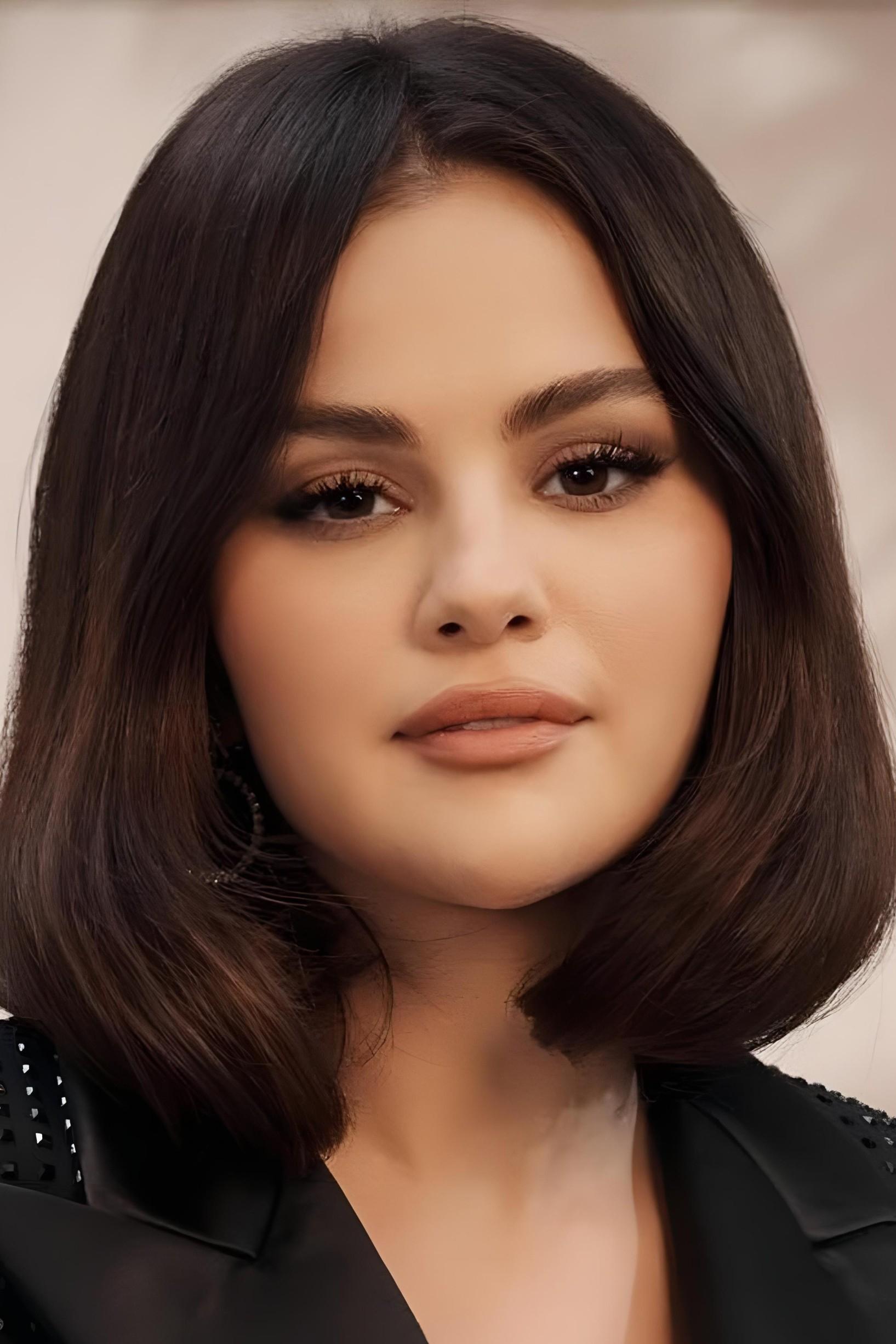
Selena Gomez expressed genuine fear after hearing an AI-generated song that mimicked her voice singing a cover of The Weeknd’s ‘Starboy’. The singer and actress commented “scary” on social media posts sharing the viral track, noting the uncanny and unsettling accuracy of the vocal clone. Gomez has utilized her massive platform to highlight how easily an artist’s identity can be stolen and repurposed without permission. Her reaction underscored the urgent need for legislation that protects a performer’s vocal distinctiveness from being trained on by machines.
Anya Taylor-Joy
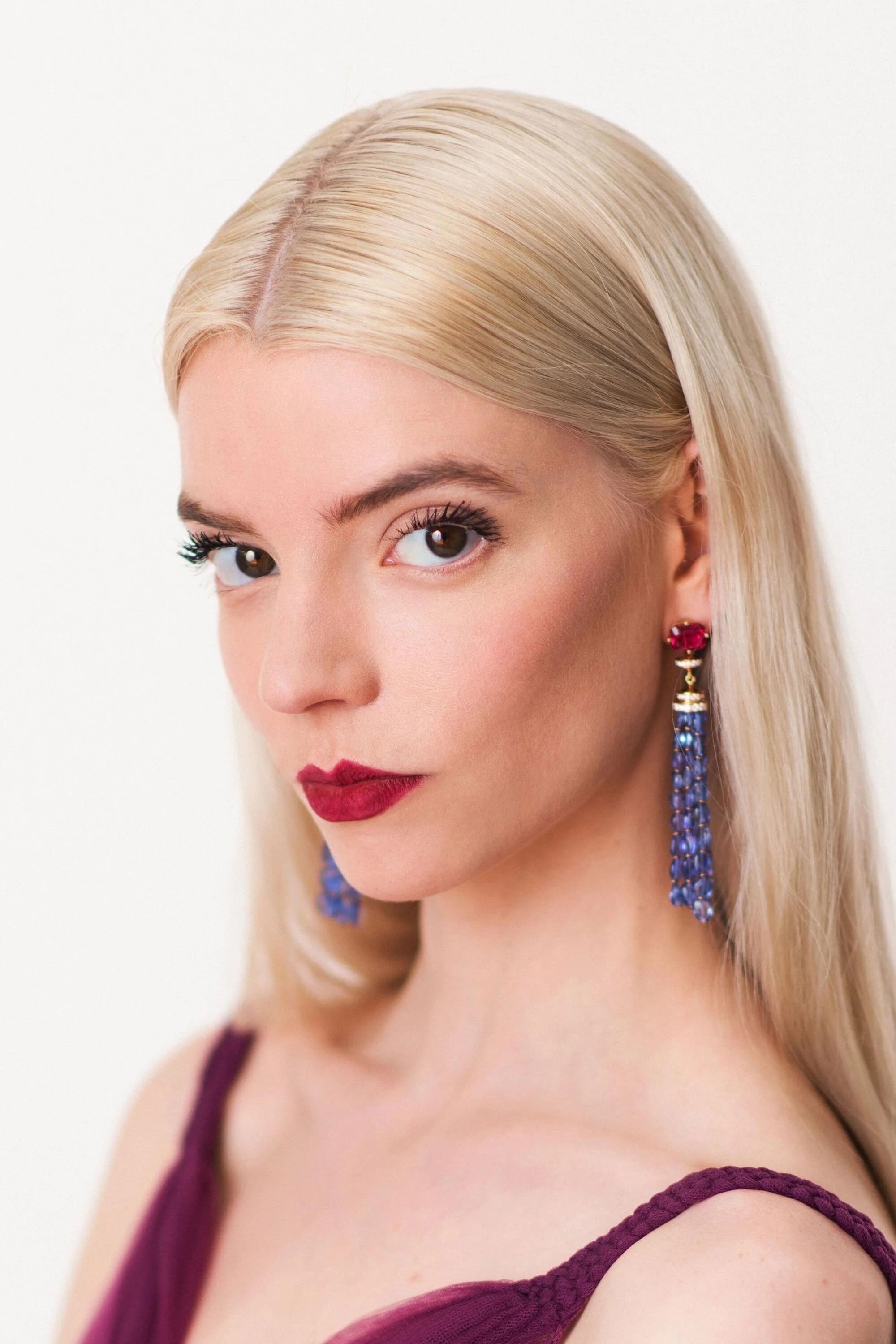
During the press tour for ‘Furiosa: A Mad Max Saga’, Anya Taylor-Joy discussed her mixed feelings about the use of AI to blend her facial features with child actress Alyla Browne. While acknowledging the technical achievement, she admitted the process was “frightening” and emphasized that the lack of consent in any aspect of life is what makes such technology dangerous. She explicitly linked these concerns to the reasons behind the 2023 industry strikes, advocating for honesty and strict consent protocols. Taylor-Joy maintains that while visual effects are a tool, they must not undermine the agency of the actor.
Rachel Zegler
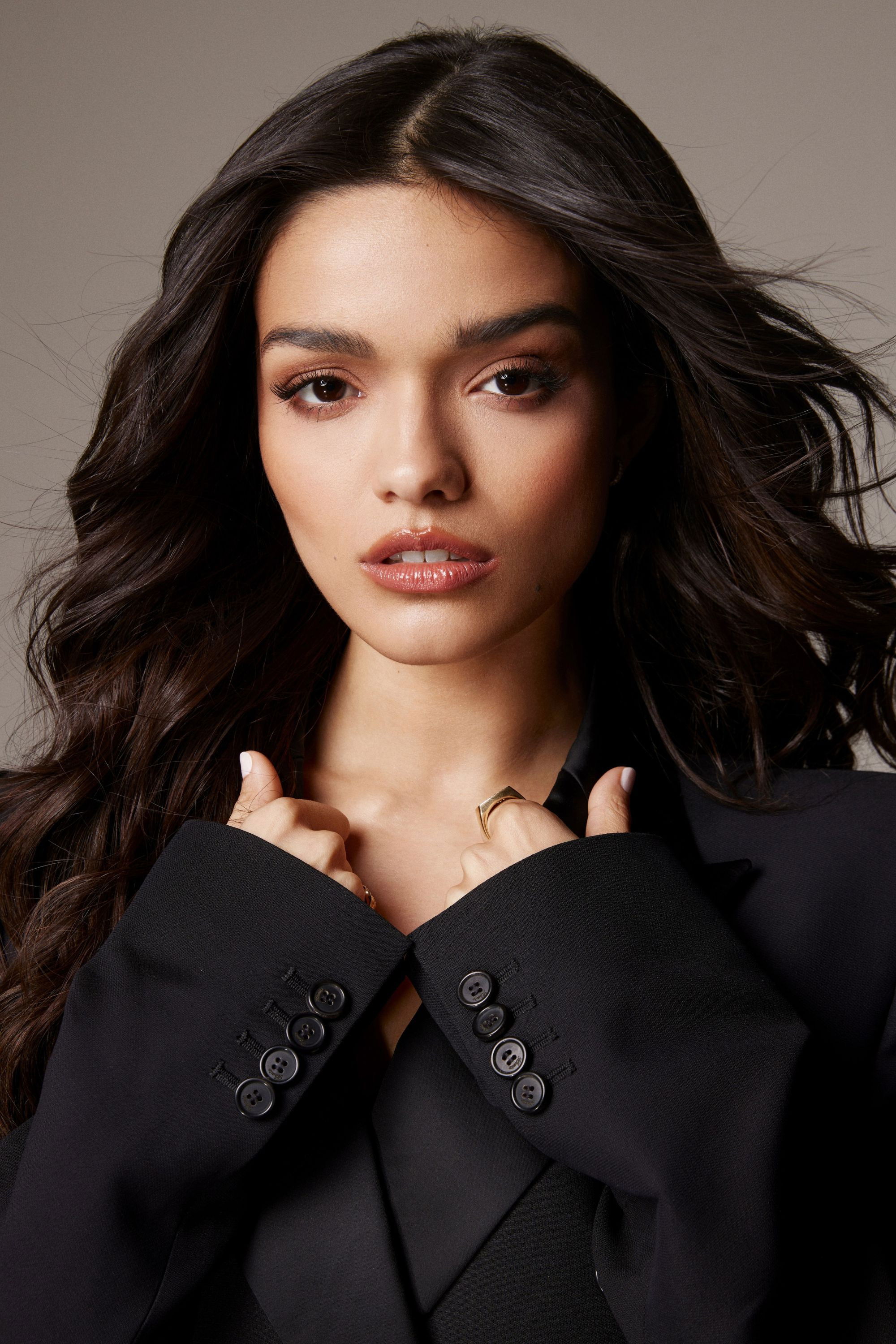
Rachel Zegler was a fiery presence on the picket lines during the SAG-AFTRA strike, frequently speaking out about the “looming threat” of artificial intelligence. The ‘West Side Story’ star voiced her fears that a young actor’s career could be cut short if studios were allowed to scan performers and use their digital likenesses for eternity. She praised the union’s negotiating team for fighting to secure protections that would prevent such a dystopian future. Zegler consistently argues that actors deserve to be paid for their work and that their physical image should not become the property of a corporation.
Rosario Dawson
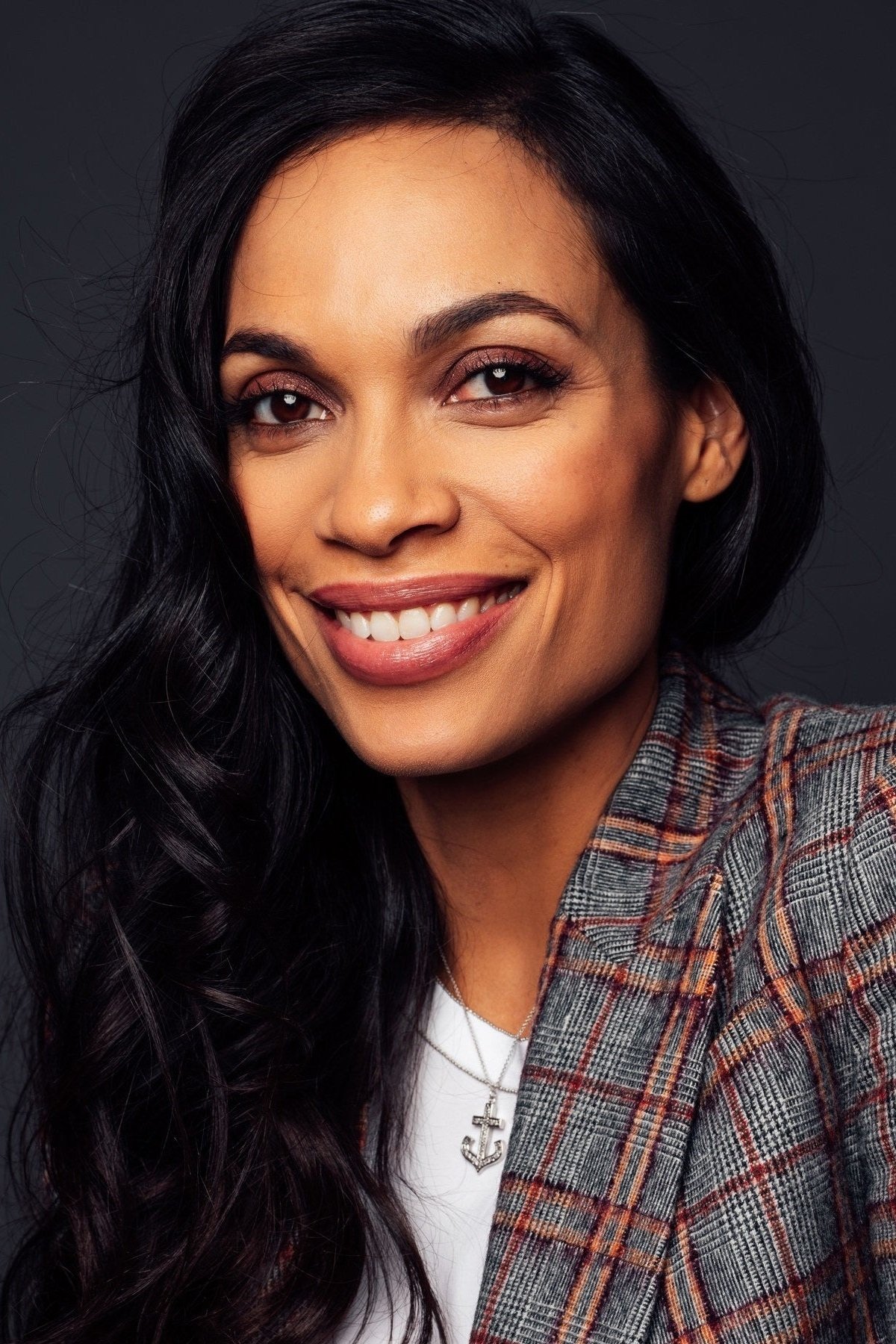
Rosario Dawson joined thousands of other creatives in signing a major open letter that classified the unlicensed use of creative works for AI training as a “major, unjust threat” to livelihoods. The ‘Ahsoka’ actress has long been an activist for various causes and viewed the unregulated expansion of generative AI as a direct attack on the artistic community. By attaching her name to the statement, she called for immediate regulatory measures to stop tech companies from scraping copyrighted material without compensation. Dawson remains a strong proponent of the idea that technology must respect the rights of the humans behind the art.
Aubrey Plaza

Known for her deadpan wit, Aubrey Plaza took a serious stance by signing an open letter to the White House demanding protection for creatives against major tech companies. The ‘The White Lotus’ actress joined a coalition of Hollywood stars urging the government to prevent AI developers from exploiting copyrighted content to train their models. Plaza’s involvement highlighted the broad concern among actors that their past performances were being used to build systems that could eventually replace them. Her support for the initiative emphasized that American innovation should not come at the expense of its cultural workforce.
Liza Colón-Zayas
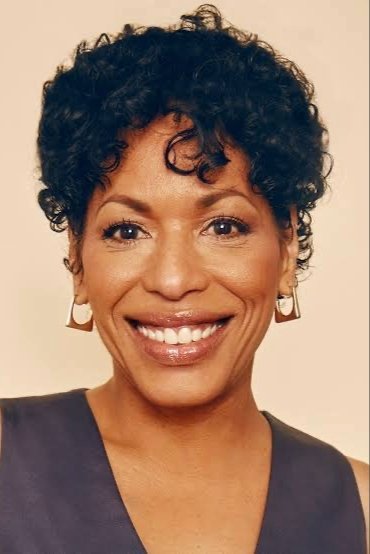
The ‘The Bear’ star Liza Colón-Zayas has been a vocal supporter of union protections, signing the same statement on AI training that warned against the displacement of human artists. As a veteran character actress, her stance highlights the specific dangers AI poses to working-class actors who rely on recurring work that could be automated by digital background characters. She has aligned herself with the broader movement to ensure that the human element of performance is valued over cost-cutting efficiency. Colón-Zayas continues to champion the rights of performers to control how their work is used and monetized.
Karla Souza
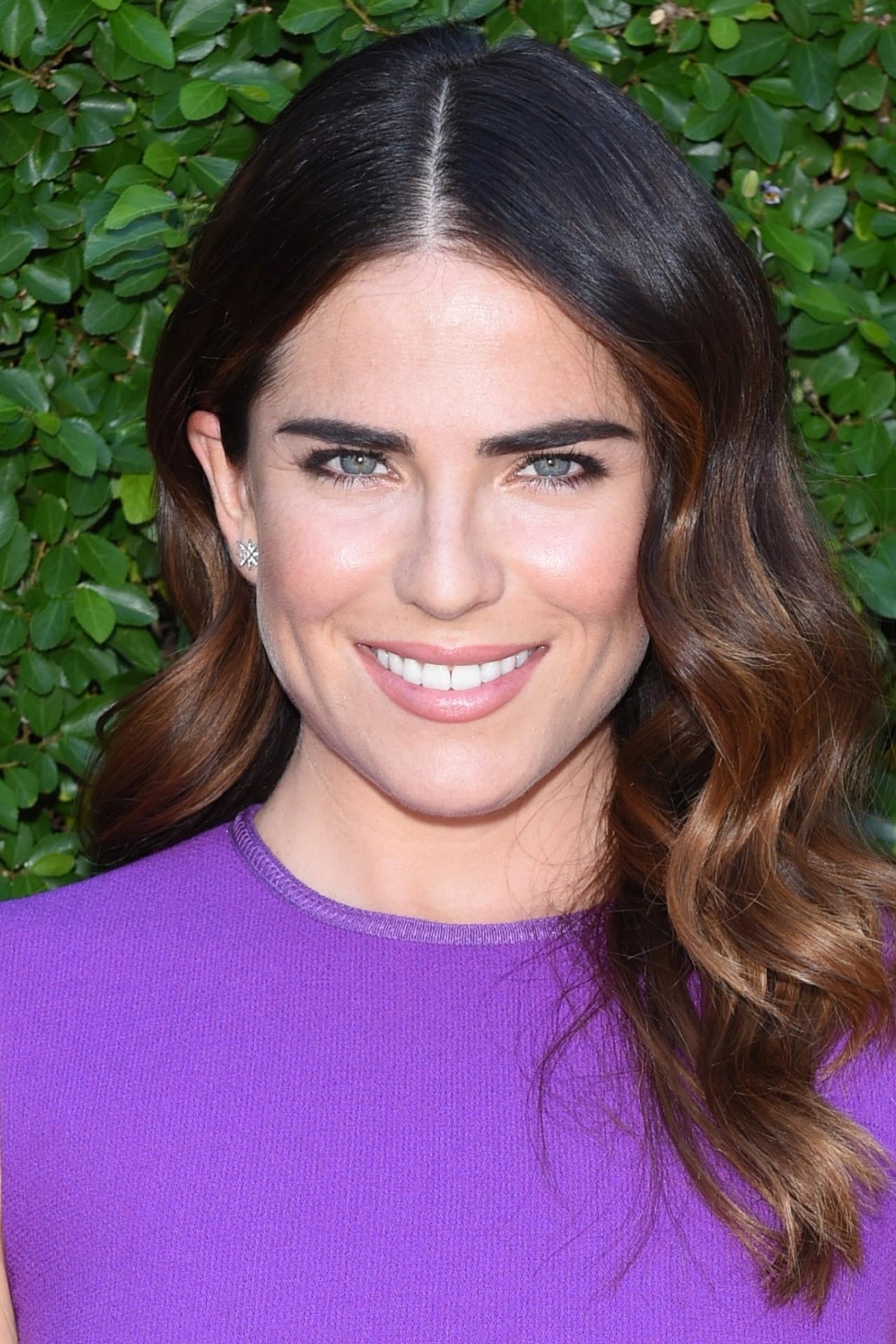
Karla Souza has expressed deep unease regarding the capabilities of AI voice cloning, citing the controversy involving Scarlett Johansson as a wake-up call for the industry. The ‘How to Get Away with Murder’ actress revealed in interviews that she finds the technology “scary” because it threatens to separate an actor’s talent from their consent. She has shared her own experiences with AI tools for language translation but draws a hard line at the unauthorized replication of performance. Souza advocates for a future where technology assists rather than usurps the artist.
Eiza González
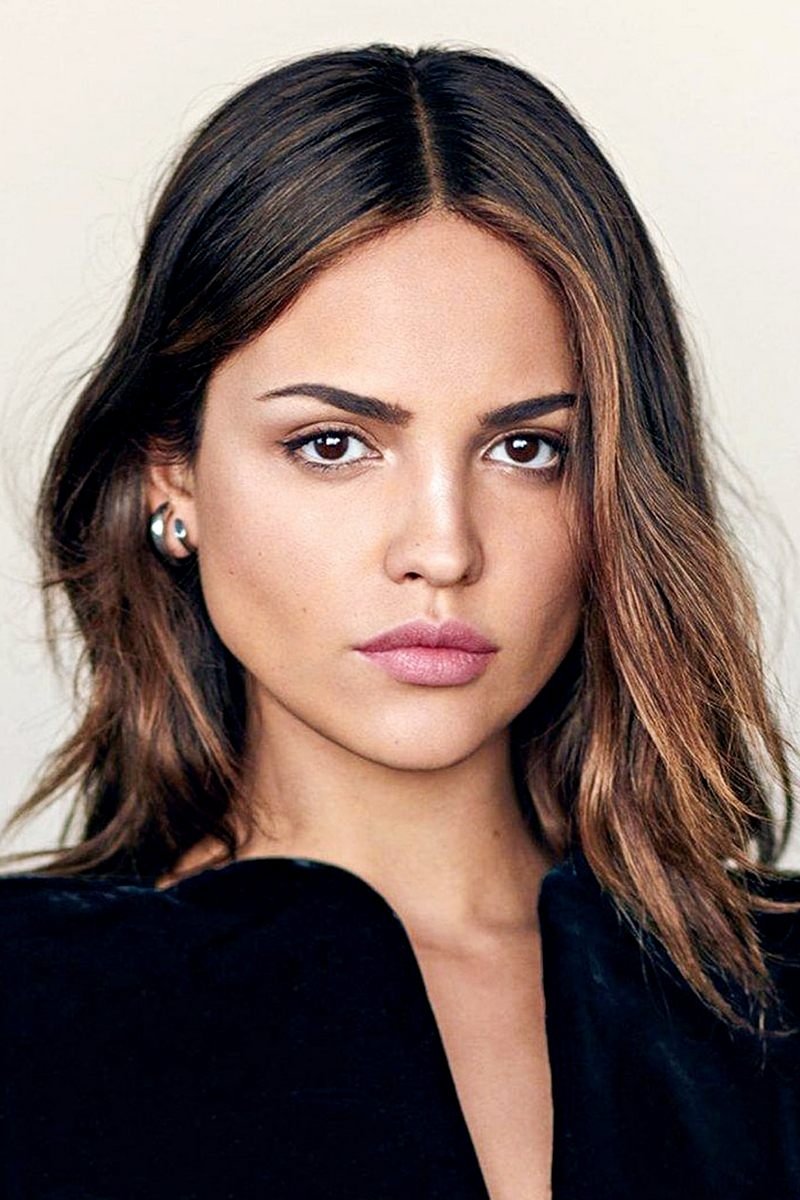
Eiza González recently took to social media to condemn the concept of “AI actors” being signed by major talent agencies. The ‘Baby Driver’ star commented on industry news reports about digital models, calling the normalization of such technology “horrific and terrifying.” She argued that replacing human emotion and lived experience with generated avatars insults the craft of acting. González remains a fierce defender of the human spirit in filmmaking, urging the industry to reject the allure of synthetic performers.
Melissa Barrera
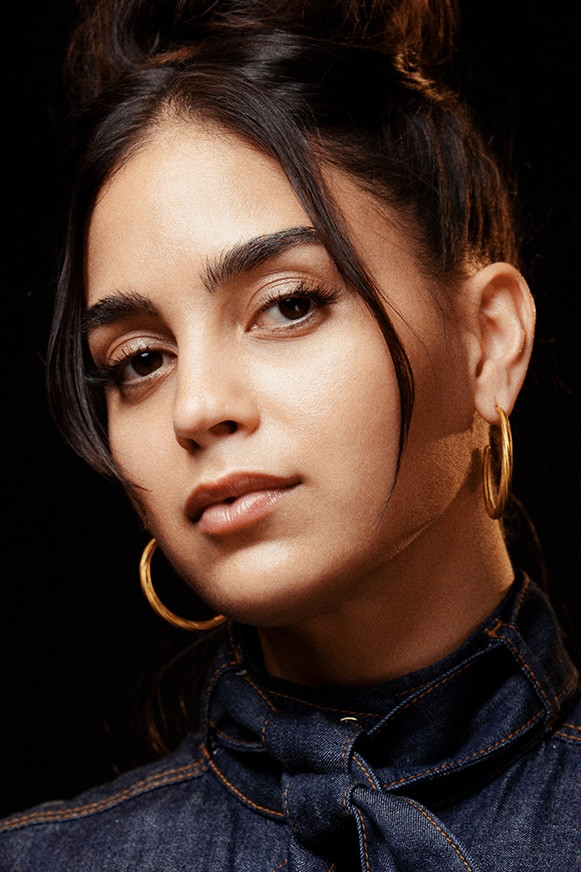
Melissa Barrera has been unapologetically vocal about her distaste for agencies representing AI-generated talent. The ‘In the Heights’ actress used her social media platform to call out the trend, suggesting that actors should leave any representative who supports the replacement of humans with digital entities. Her blunt criticism reflects a zero-tolerance policy toward the automation of the acting profession. Barrera consistently uses her voice to champion the rights of marginalized communities and the sanctity of human labor in the arts.
America Ferrera
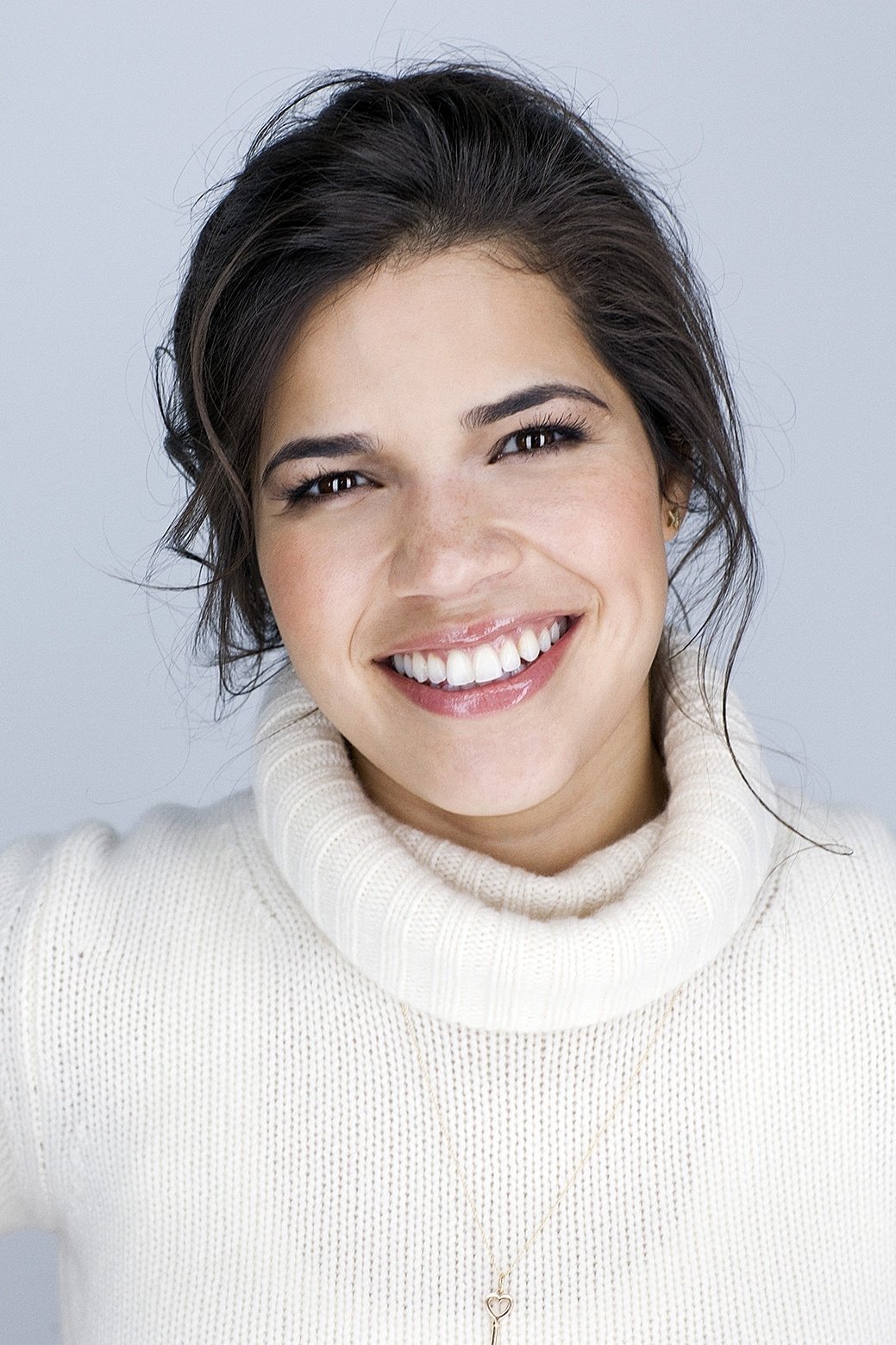
During the pivotal 2023 strikes, ‘Barbie’ star America Ferrera was a constant advocate for the union’s demands, which included robust protections against AI exploitation. She spoke passionately about the need to value human contribution in an industry that is increasingly looking to cut costs through automation. Ferrera emphasized that the fight was not just about money, but about the dignity of the profession and the right to own one’s self. Her leadership helped galvanize support for the contract provisions that now protect actors from having their digital replicas used without consent.
Gina Rodriguez
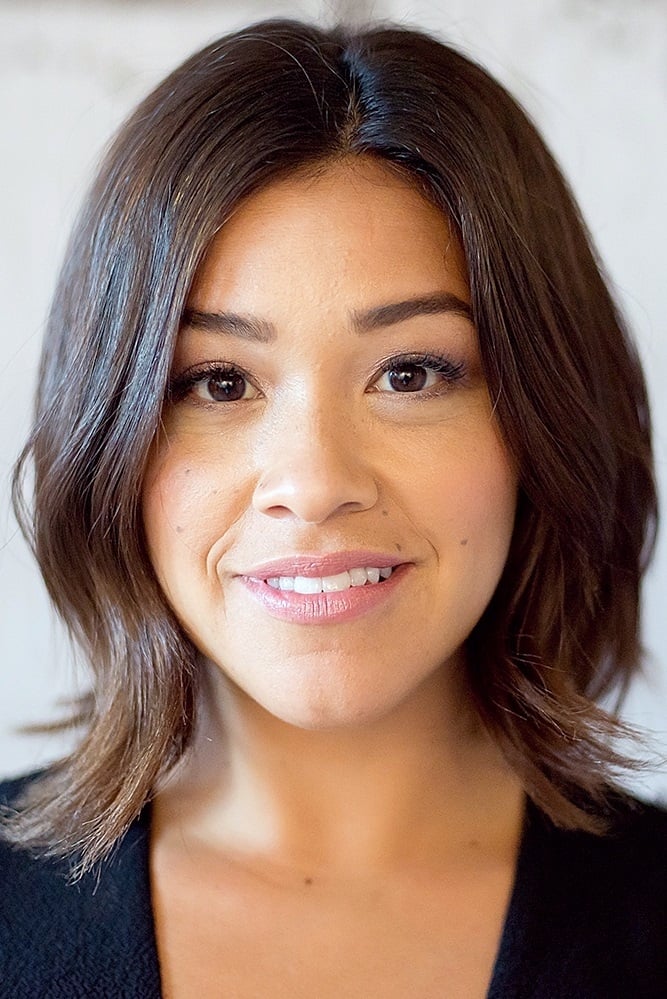
Gina Rodriguez was an active presence on the picket lines, rallying alongside her peers to demand security against the existential threat of artificial intelligence. The ‘Jane the Virgin’ star highlighted that without strict regulations, the industry’s most vulnerable performers would be the first to be replaced by digital scans. She viewed the strike as a necessary stand to ensure that future generations of actors would still have a viable career path. Rodriguez continues to support initiatives that prioritize human storytelling over algorithmic content generation.
Constance Marie

As a dedicated strike captain, Constance Marie spent hours organizing and marching to ensure that the dangers of AI were understood by the public and the studios. The ‘George Lopez’ actress spoke frequently about how background actors were facing immediate threats from proposals to scan them for a single day’s pay and use their likeness forever. She framed the battle against AI as a fight for the survival of the middle-class actor. Marie remains vigilant about the enforcement of the new protections won during the labor disputes.
Eva Longoria
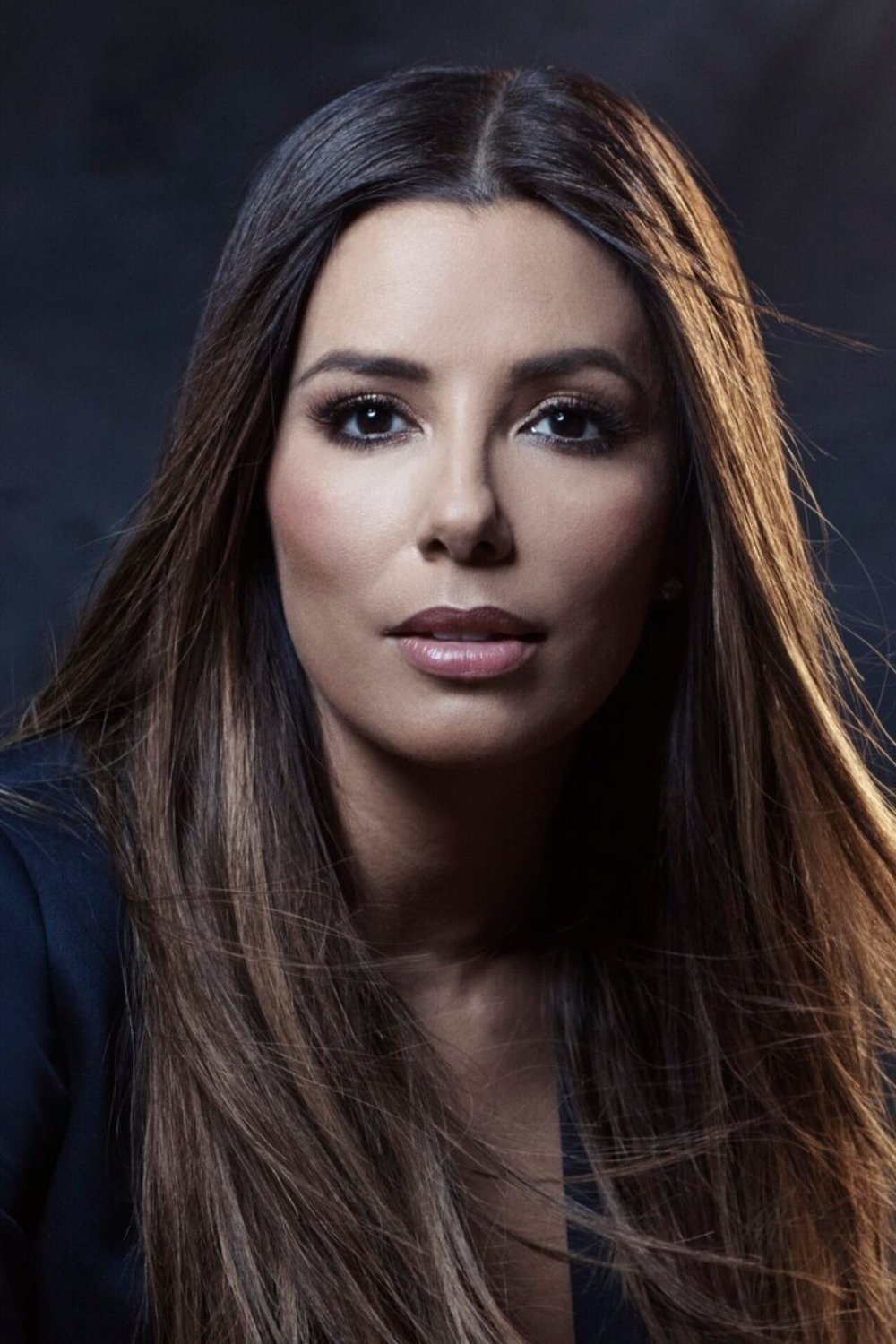
Eva Longoria, a powerful force as both an actress and a producer, threw her full weight behind the union’s efforts to regulate artificial intelligence. She utilized her influence to message that the human element is the non-negotiable core of entertainment, regardless of how advanced technology becomes. Longoria has championed the idea that diverse, authentic stories can only be told by real people with real experiences, not by data sets. Her dual role in the industry allows her to advocate for ethical tech usage from the boardroom to the set.
Share your thoughts on the impact of AI in Hollywood in the comments.

