


Hollywood Actors Who Are Against AI Usage

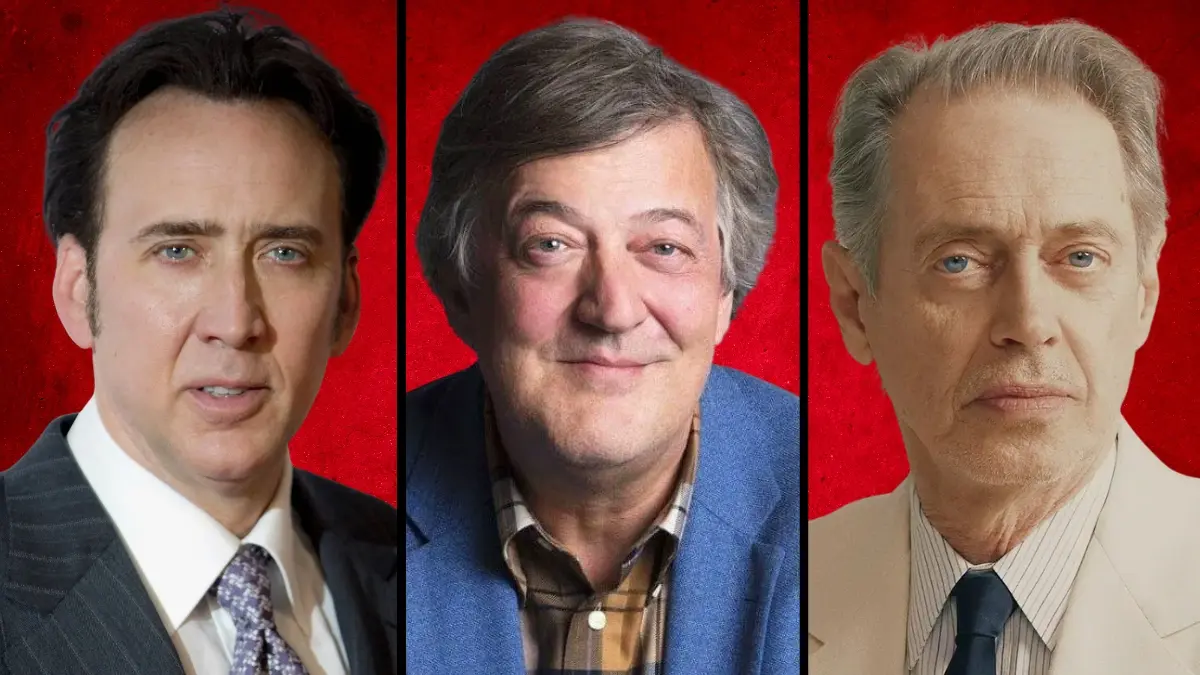


The rapid advancement of artificial intelligence has triggered a massive wave of resistance within the entertainment industry. During the historic 2023 SAG-AFTRA strike, the threat of AI replacing human performances became a central point of contention between actors and major studios. Many leading men in Hollywood have since voiced fears about digital replicas, loss of creative soul, and the unethical scanning of background artists. The following actors have publicly criticized the unchecked integration of AI in film and television.
Nicolas Cage
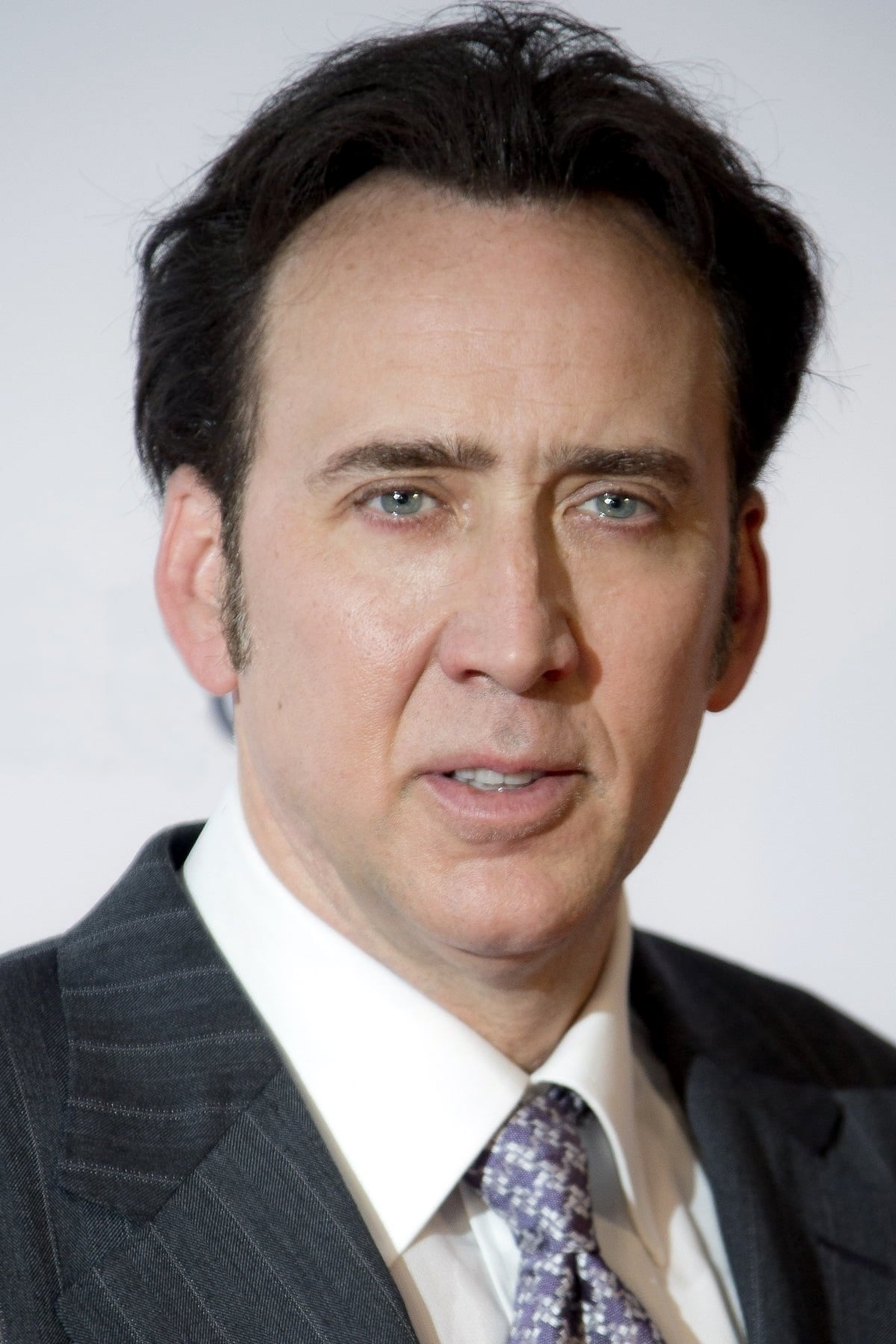
Nicolas Cage has described his fear of artificial intelligence as a nightmare that has become a reality. The star of ‘Face/Off’ expressed horror when he saw his likeness used in ‘The Flash’ for a scene he did not film. He famously referred to the technology as inhuman and warned that it steals the organic performance of an artist. Cage believes that AI cannot replicate the heartbeat and terror that a human actor brings to a role.
Robert Downey Jr.
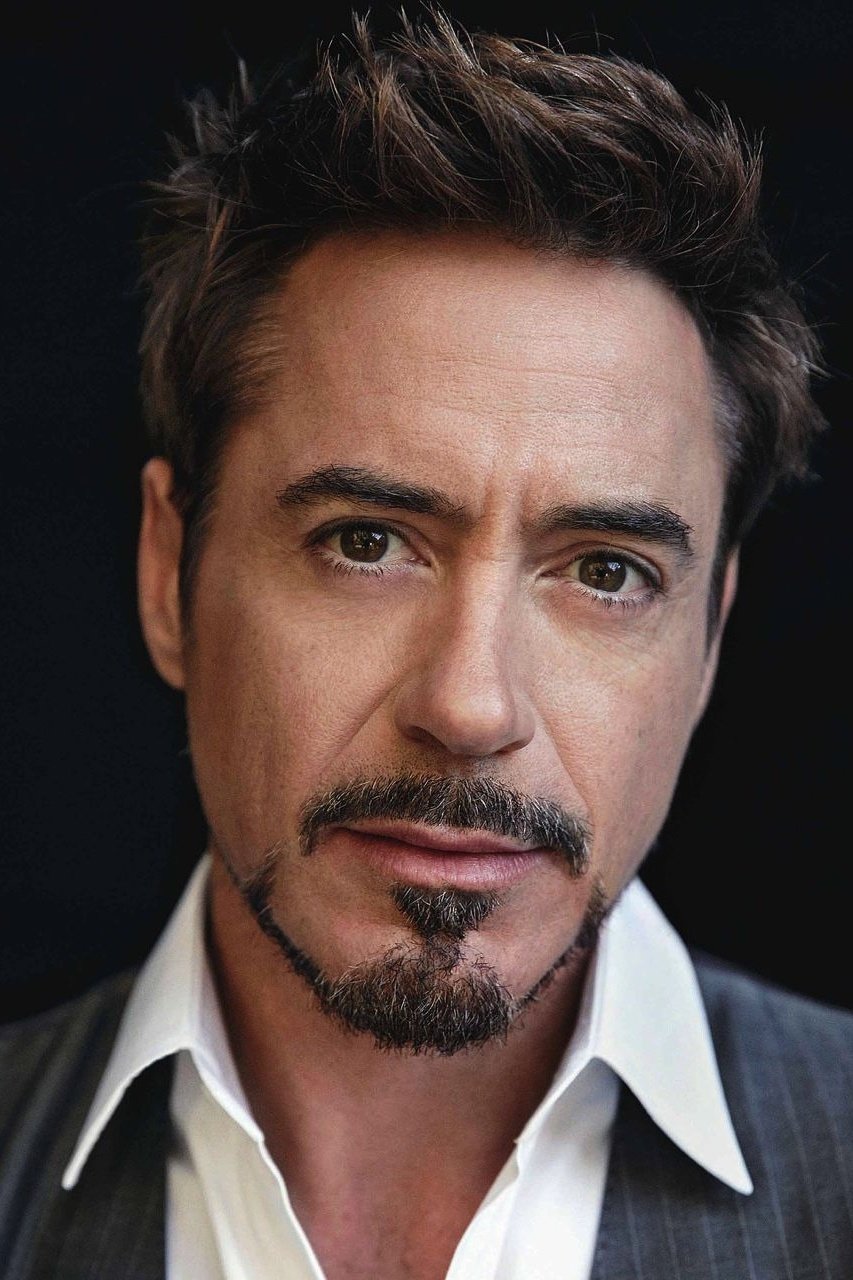
Robert Downey Jr. has threatened legal action against any studio executive who attempts to create a digital replica of his likeness. The ‘Iron Man’ actor stated that he would sue even from the grave to protect his image from being exploited by future technology. He emphasized that he trusts the current leadership at Marvel but worries about future corporate regimes. Downey firmly believes that an actor’s soul and emotional life cannot be hijacked by an algorithm.
Keanu Reeves
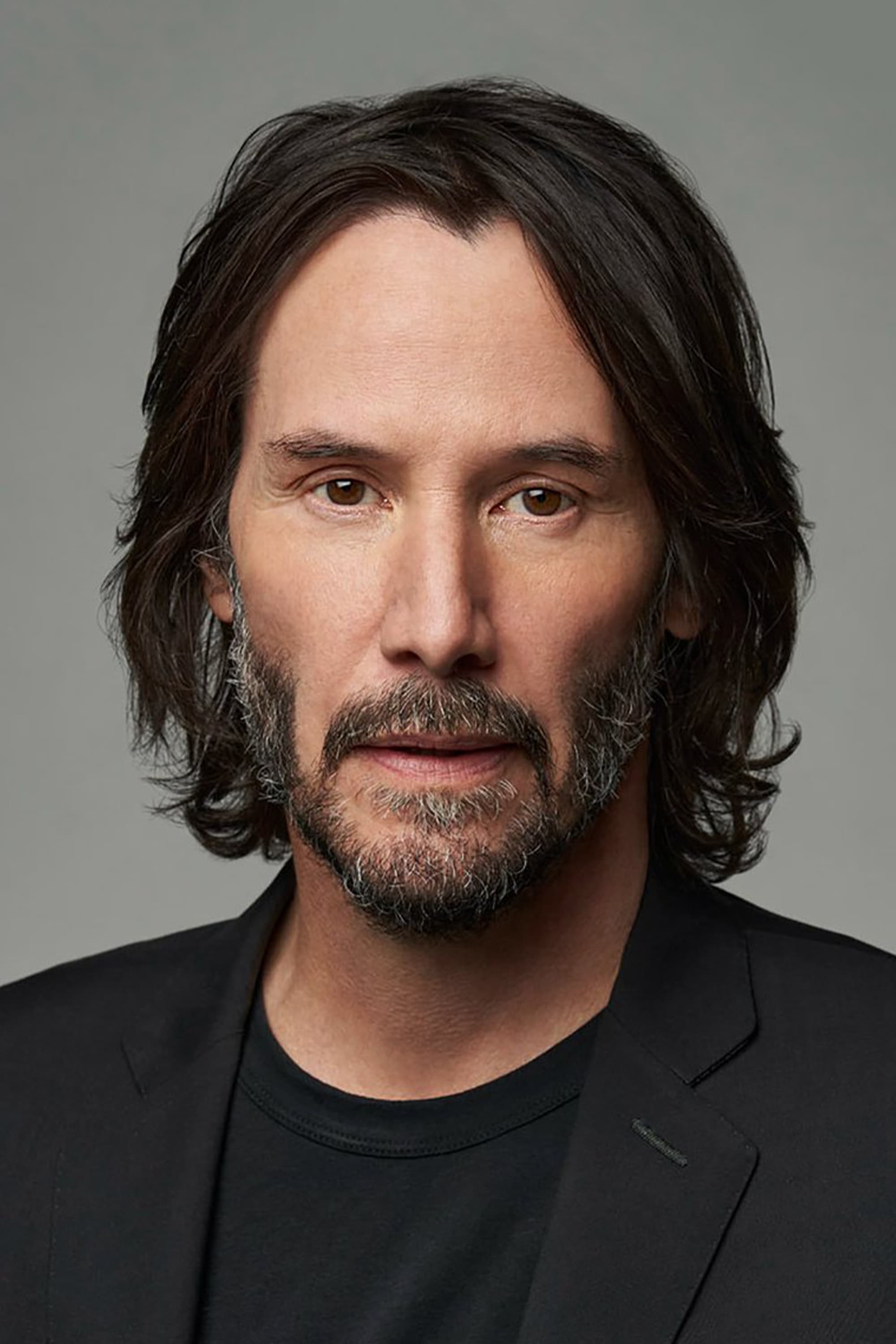
Keanu Reeves has mandated legal clauses in his contracts for years that prohibit the digital manipulation of his performances. The ‘John Wick’ star described deepfake technology as scary because it removes the actor’s agency and viewpoint. He recounted an early experience where a tear was digitally added to his face without his permission which sparked his distrust. Reeves argues that corporate control over an artist’s likeness creates a system where the human element is lost.
Tom Hanks
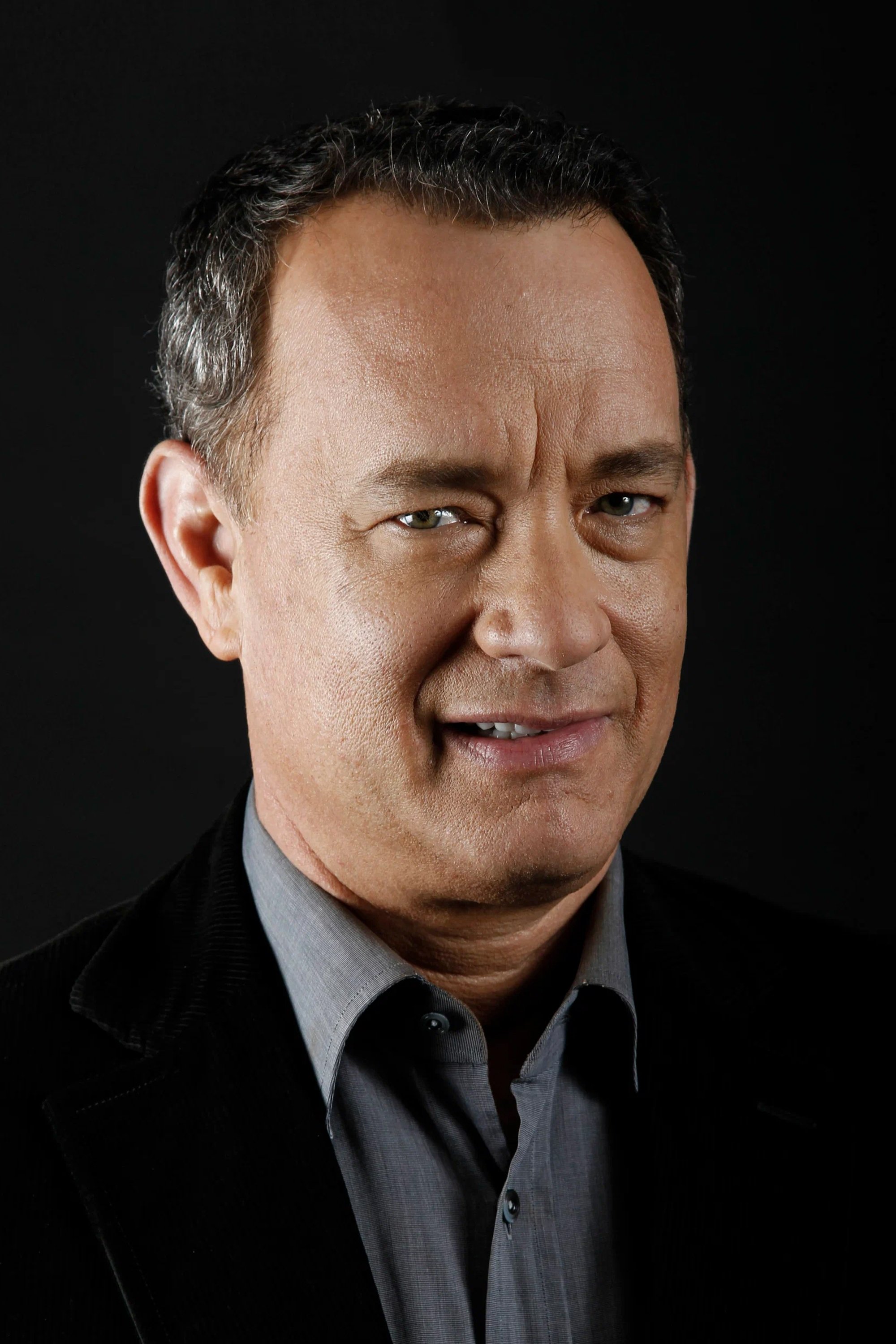
Tom Hanks issued a public warning to his fans after an AI-generated version of him was used to promote a dental plan without his consent. The Academy Award winner has discussed the possibility that he could be hit by a bus and yet continue appearing in movies indefinitely due to this technology. He highlighted the legal and ethical quagmires surrounding intellectual property and digital likenesses. Hanks insists that audiences can tell the difference between a human performance and a computer-generated deepfake.
Samuel L. Jackson
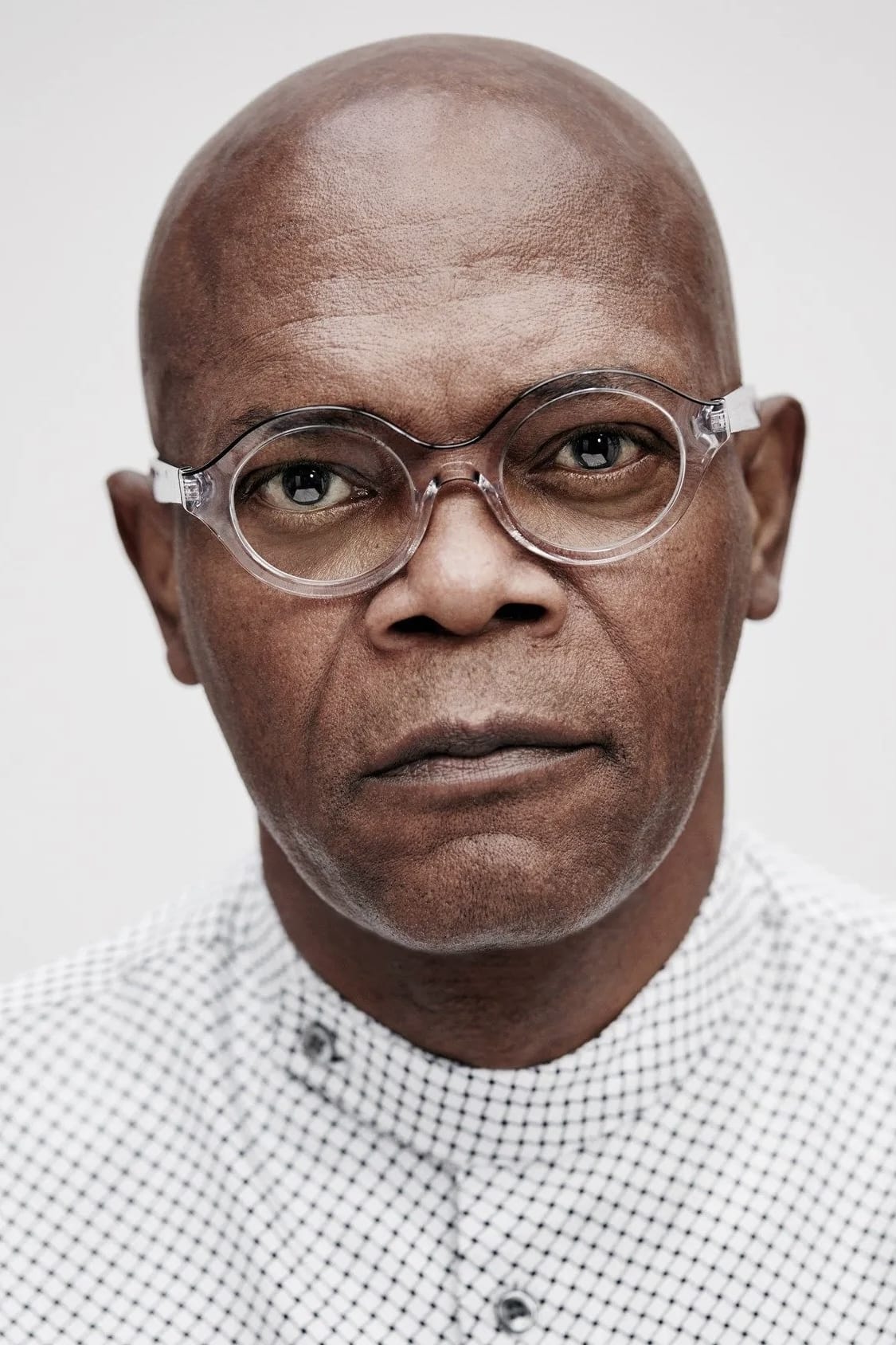
Samuel L. Jackson admits that he meticulously reads through his contracts to cross out any clauses regarding “in perpetuity” use of his image. The ‘Pulp Fiction’ star revealed that he has been wary of digital scanning since his time in the ‘Star Wars’ prequels. He advises younger actors to be vigilant against signing away their likeness rights for future use. Jackson views the technology as a potential tool for studios to avoid hiring actual talent.
Bryan Cranston
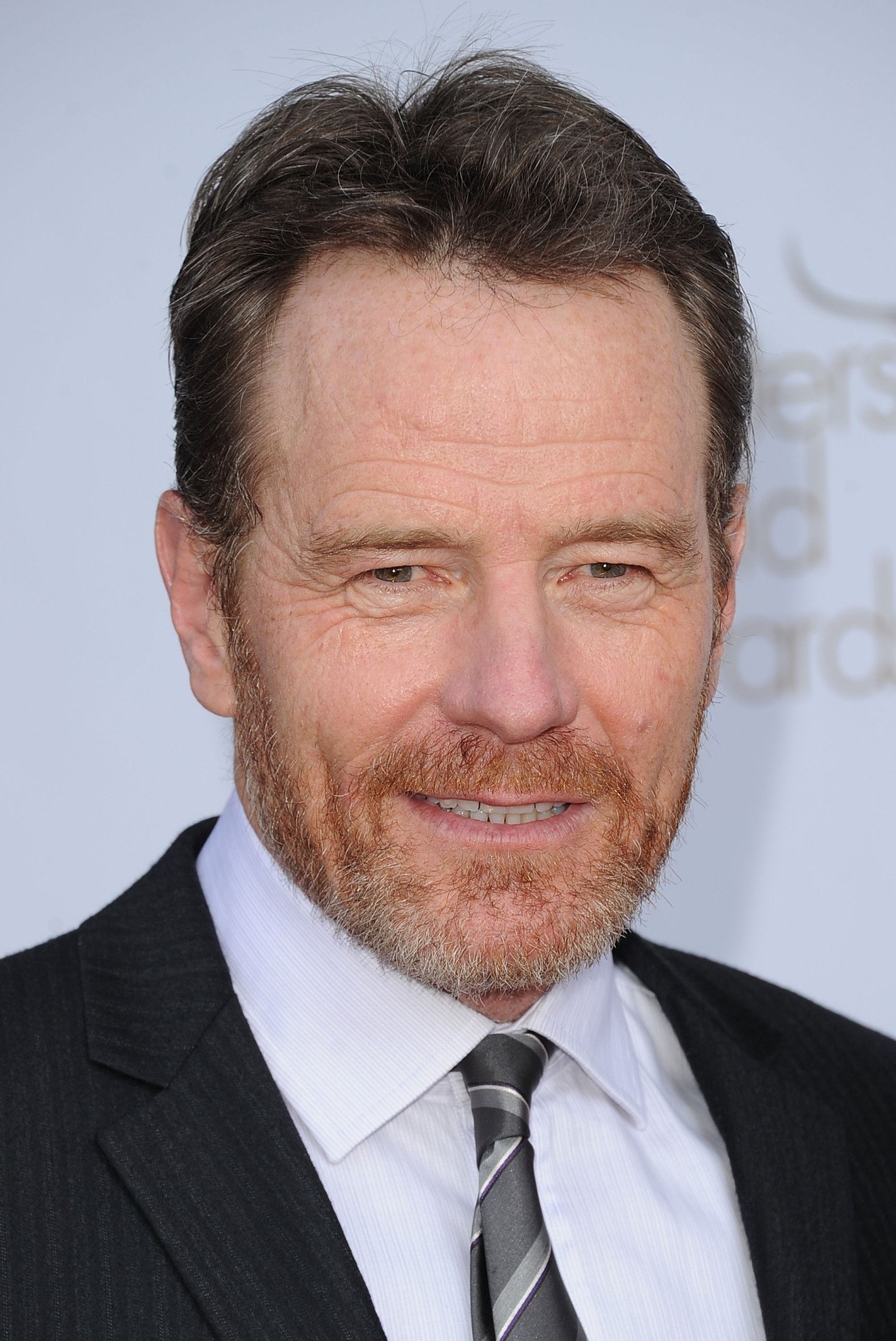
Bryan Cranston delivered a fiery speech in Times Square addressing Disney CEO Bob Iger regarding the use of AI. The ‘Breaking Bad’ actor declared that performers would not allow their jobs to be taken away and given to robots. He argued that the industry shift attempts to remove dignity from the profession of acting. Cranston emphasized that the fight was about preserving the human right to work and earn a living.
Tyler Perry
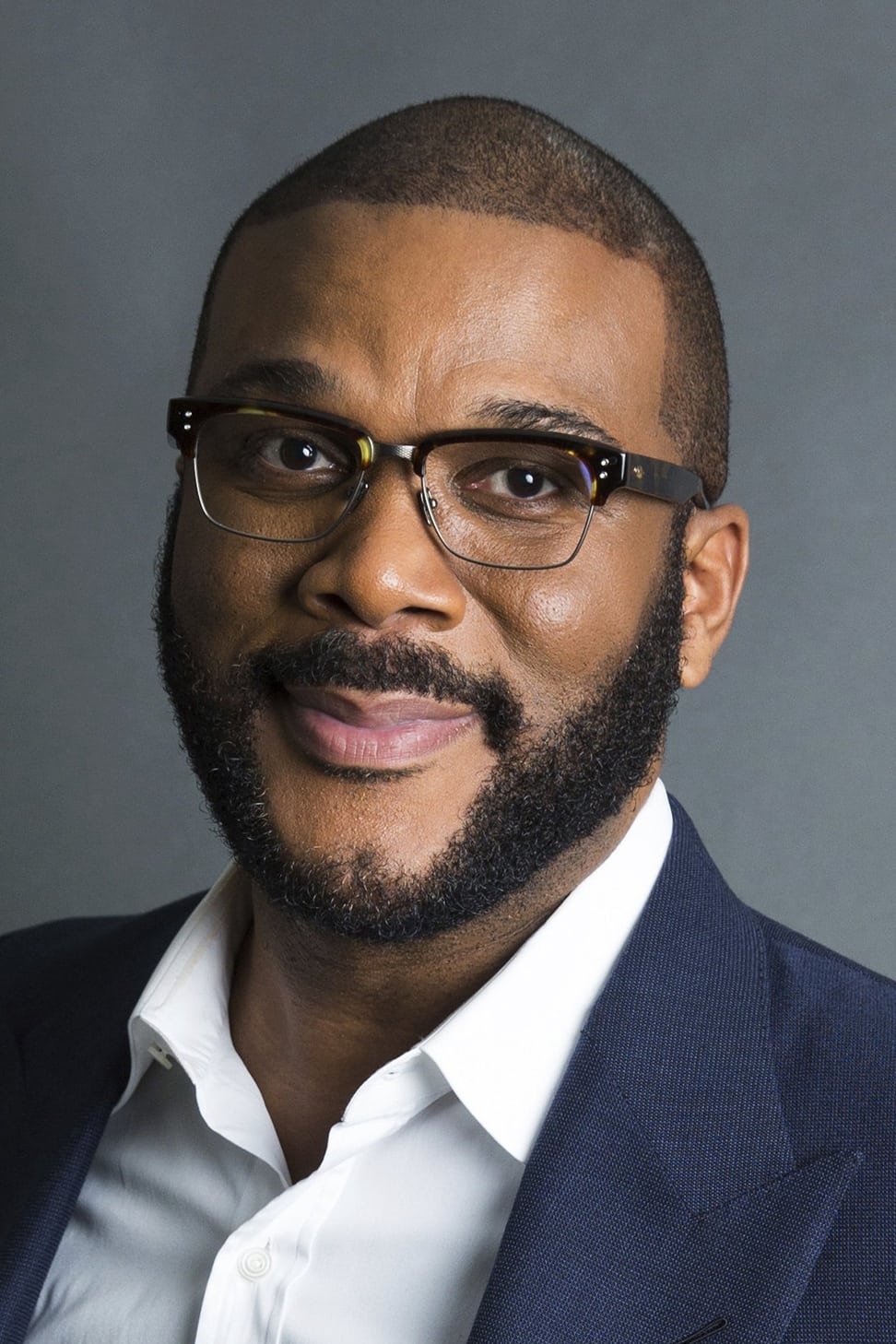
Tyler Perry halted an eight hundred million dollar expansion of his studio in Atlanta after witnessing the capabilities of the AI video generator Sora. The media mogul stated that the technology’s ability to create realistic environments instantly made his physical soundstages potentially obsolete. He expressed deep concern for the jobs of construction workers, set designers, and actors that could be eliminated. Perry called for immediate industry regulations to protect the workforce from this existential threat.
John Cusack
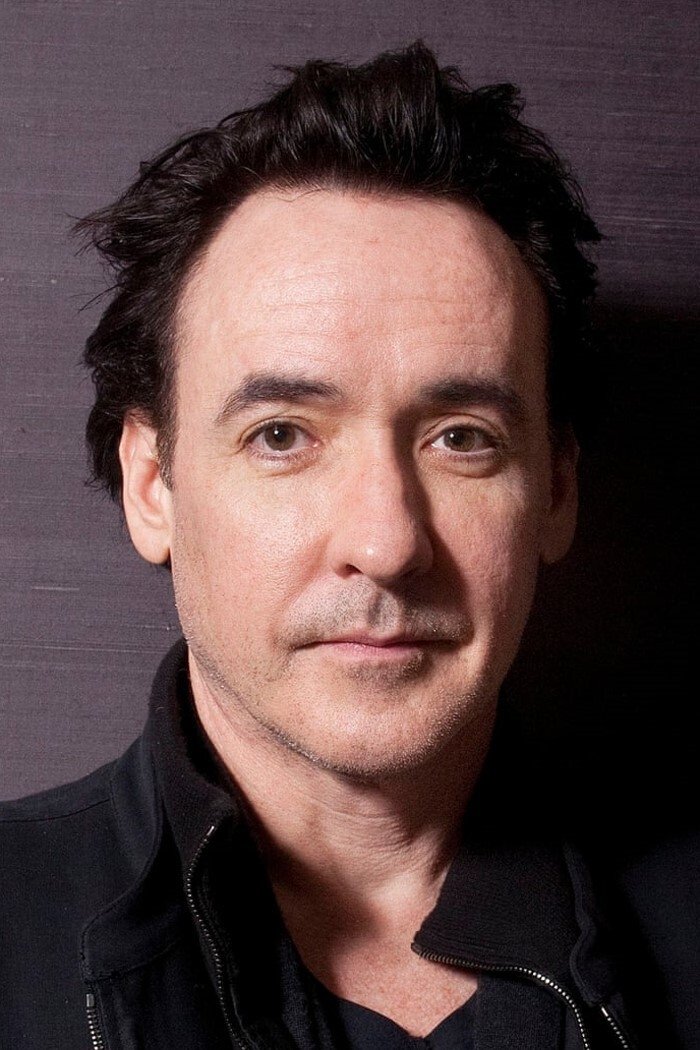
John Cusack has been one of the most aggressive critics of the studio system’s proposal to scan background actors. The ‘Say Anything’ star described the practice of paying extras for one day of work to own their likeness forever as a criminal enterprise. He argues that the studios are engaging in identity theft under the guise of technological advancement. Cusack believes the ultimate goal of these companies is to eliminate human employees entirely to maximize profit.
Brian Cox
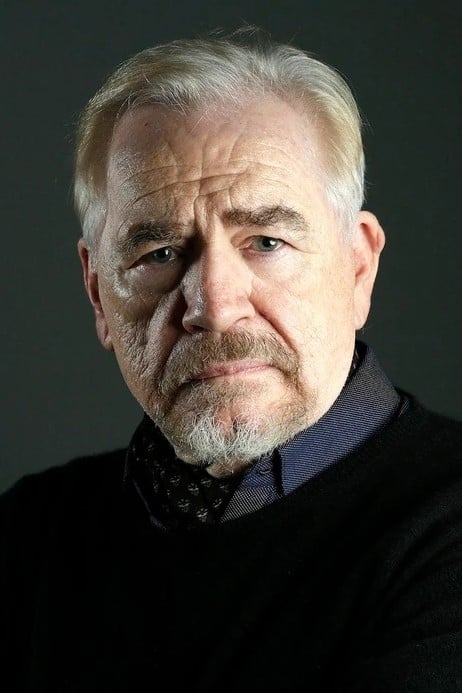
Brian Cox publicly supported the strike and labeled the threat of AI as the “worst aspect” of the labor dispute. The ‘Succession’ actor mocked the idea that a machine could replicate the nuance of a human writer or performer. He warned that without protection, the industry would produce “monkey copies” of art rather than original voices. Cox views the reliance on algorithms as a path toward mediocrity and the destruction of creative standards.
Stephen Fry
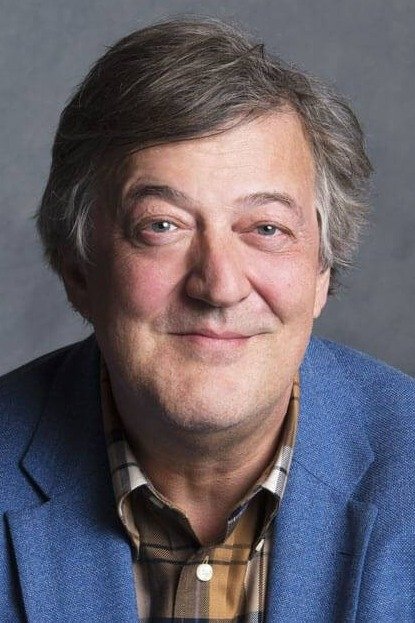
Stephen Fry expressed shock after discovering his voice from the ‘Harry Potter’ audiobooks had been scraped to create an AI narration for a documentary. The British actor revealed that he had not given permission for his voice to be used and that the results were terrifyingly accurate. He warned his peers that this audio theft was just the beginning of deepfake video technology. Fry’s experience highlighted the vulnerability of voice actors in the digital age.
Sean Penn
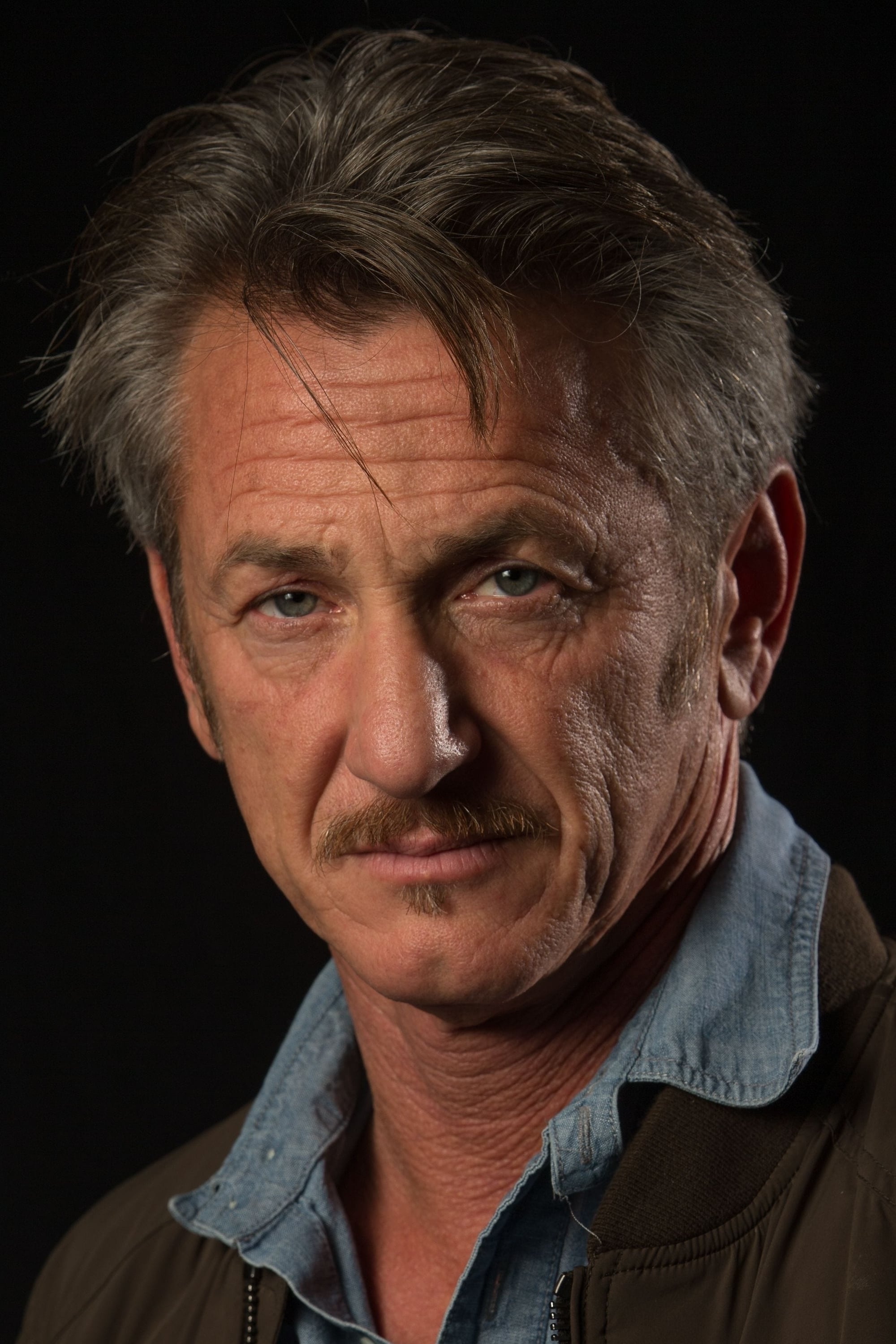
Sean Penn has characterized the use of one’s likeness and voice by artificial intelligence as a “human obscenity.” The ‘Milk’ actor argued that the producers’ proposal to own digital replicas was insulting to the nature of the profession. He questioned the morality of studio heads who would suggest such a trade-off for efficiency. Penn remains a staunch advocate for the physical and emotional labor of human storytelling.
Simon Pegg
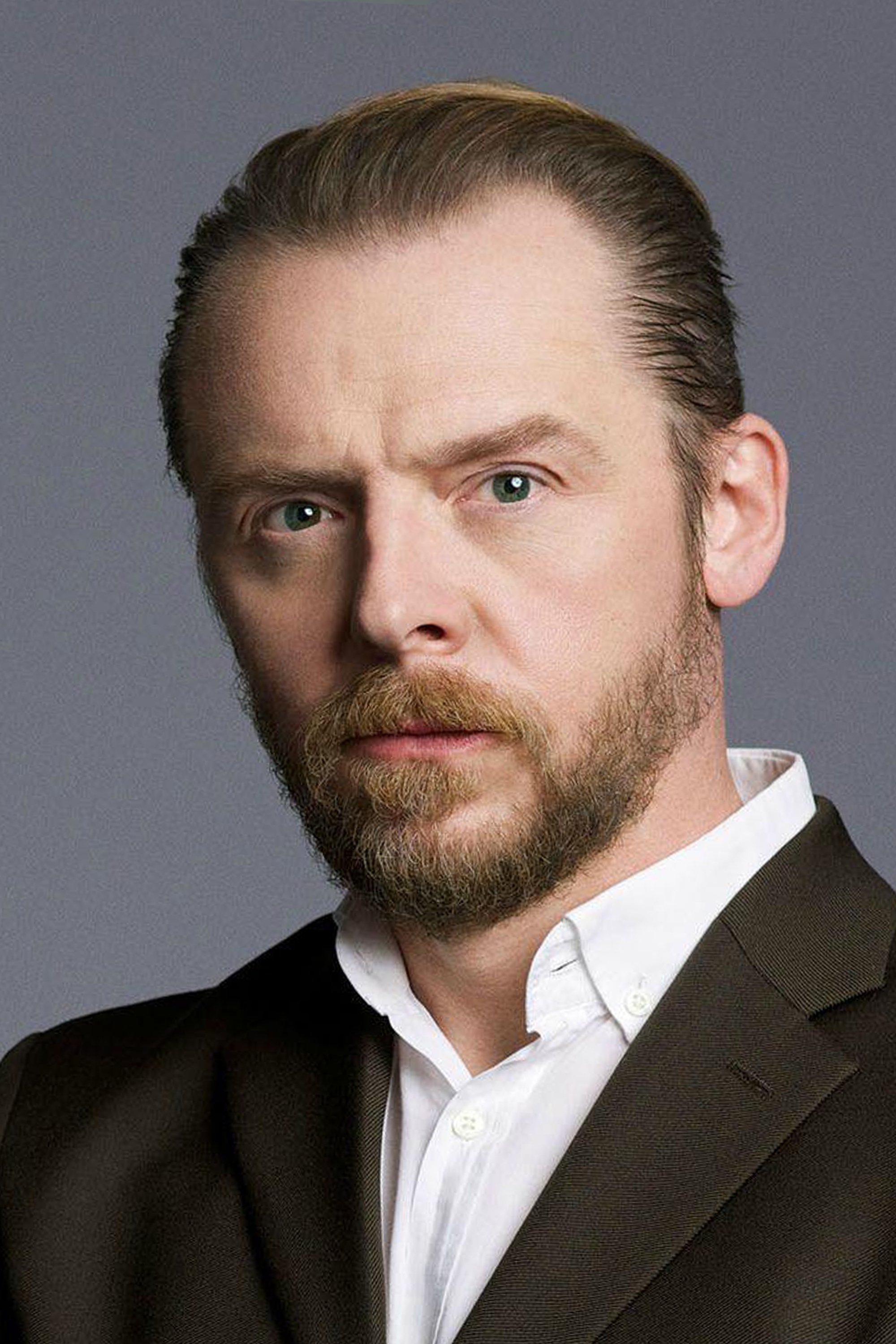
Simon Pegg argues that artificial intelligence lacks the soul and emotional history required to create genuine art. The ‘Shaun of the Dead’ star believes that while AI can mimic mediocrity, it can never replicate the perfection found in human flaws. He has stated that the threat to writers and actors is real and requires strict regulation. Pegg fears a future where entertainment is generated by predictive text rather than human experience.
Seth Rogen
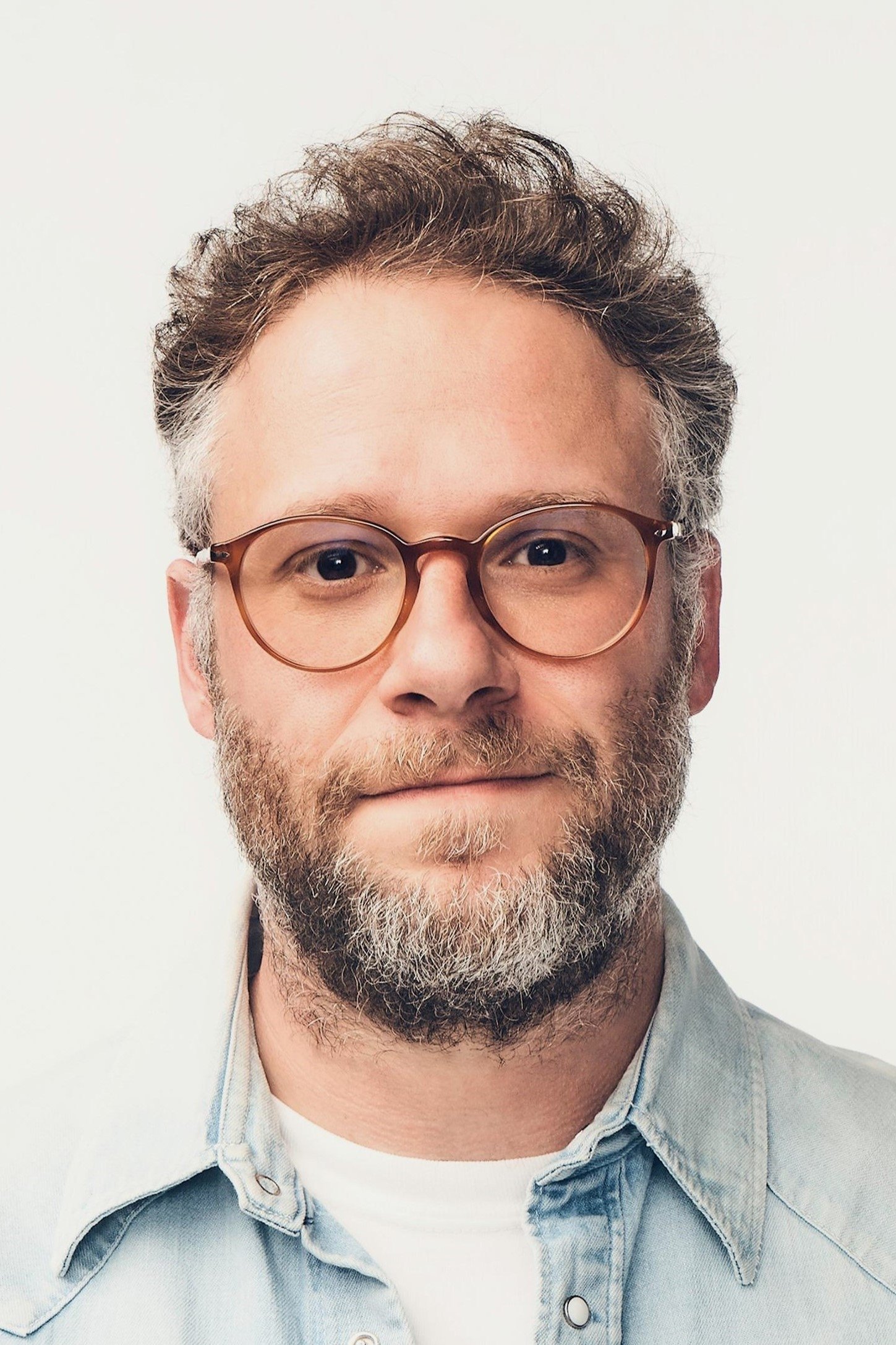
Seth Rogen has dismissed the idea that artificial intelligence can write good comedy or create meaningful film. The ‘Superbad’ star stated that he has no interest in watching movies made by a computer because the machine has no humanity to draw from. He views the studio’s push for AI as a desperate attempt to save money rather than improve quality. Rogen believes that the “magical thinking” of executives regarding AI’s capabilities will ultimately fail.
Ron Perlman
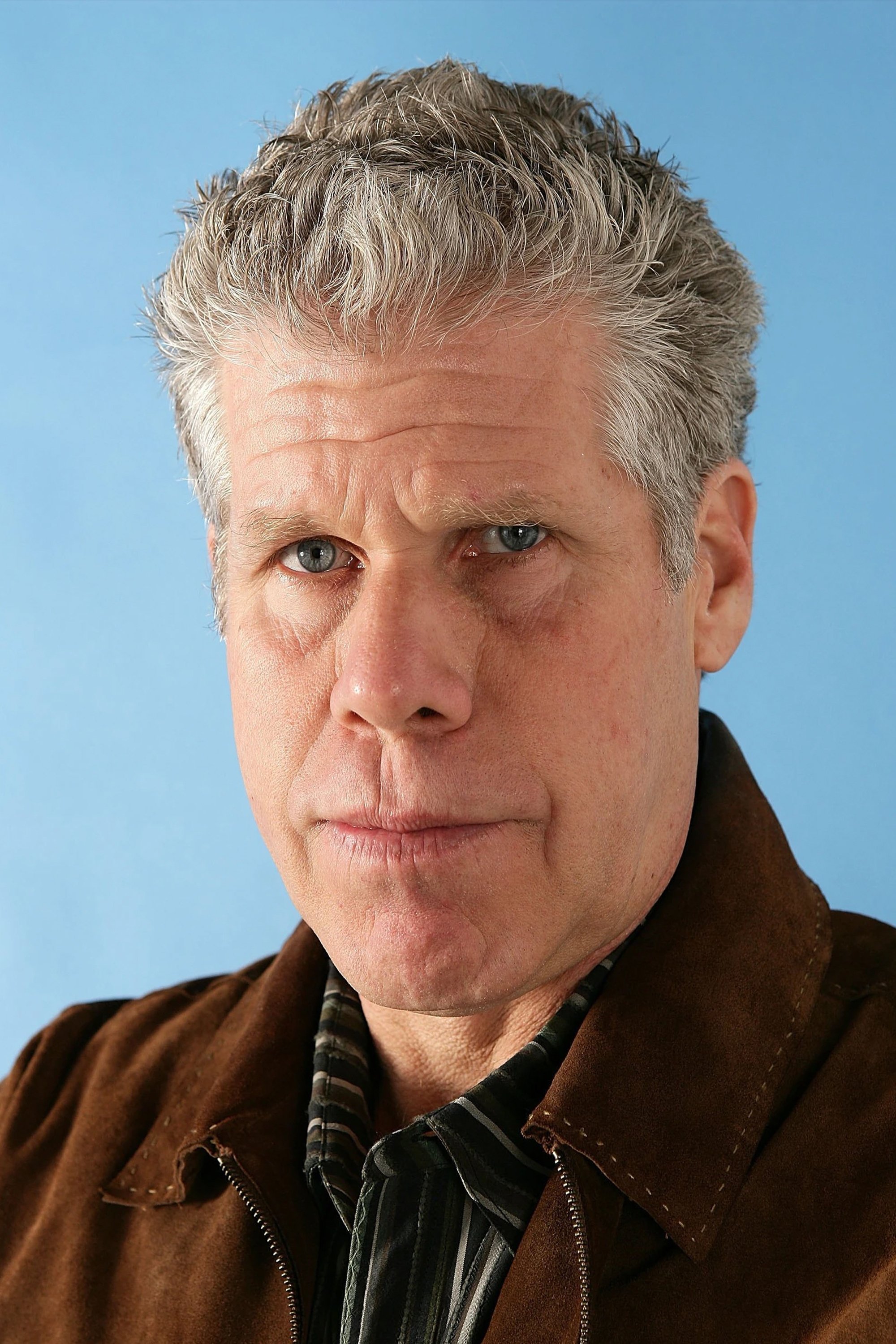
Ron Perlman went viral for a video rant where he criticized a studio executive who wished for striking actors to lose their homes. The ‘Hellboy’ actor connected the cruelty of that statement to the dehumanizing effort to replace actors with digital scans. He threatened that there are many ways to lose a house, implying that the executives were playing a dangerous game. Perlman’s aggressive stance became a rallying cry for the protection of human livelihoods.
Danny Trejo
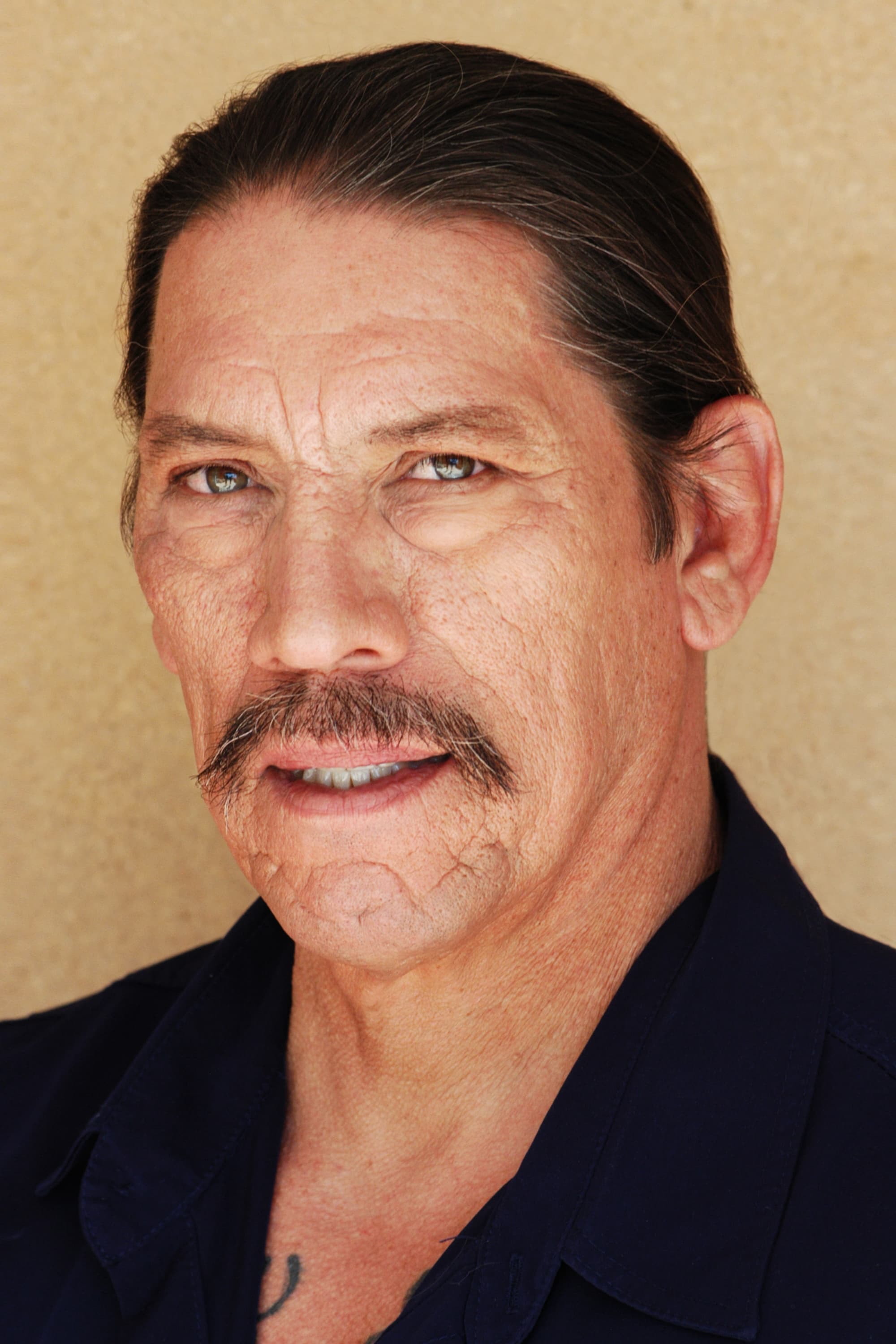
Danny Trejo joined the picket lines to voice his opposition to machines replacing human workers. The ‘Machete’ star stated simply that robots do not have a soul and therefore cannot replace actors. He emphasized that the industry is built on the hearts and spirits of real people, not algorithms. Trejo argued that the move toward AI represents corporate greed over artistic integrity.
Billy Porter
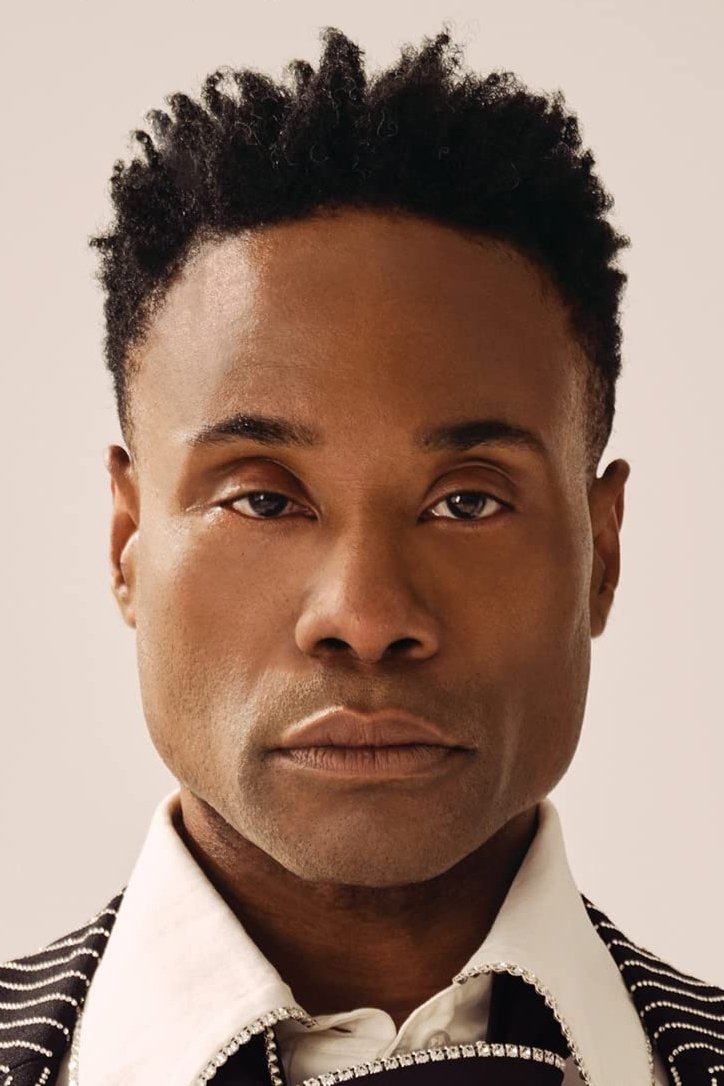
Billy Porter revealed that he was forced to sell his house due to the financial strain of the strike, which was largely fought over AI protections. The ‘Pose’ actor criticized the studios for crying poverty while simultaneously investing in technology to replace workers. He spoke out against the practice of scanning background actors, calling it a direct threat to the entry-level jobs in the industry. Porter highlighted the real-world economic devastation caused by the fear of automation.
Mark Ruffalo
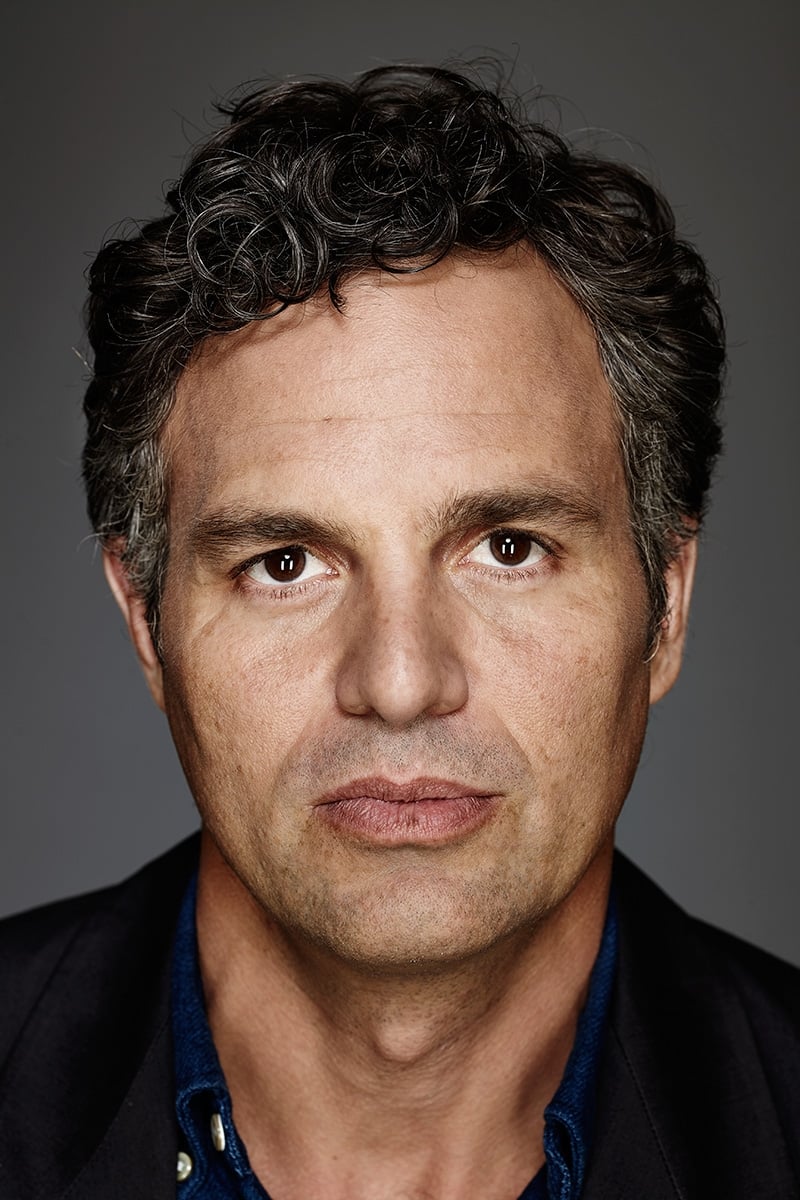
Mark Ruffalo has used his platform to urge actors to prioritize independent films over the “empire of billionaires” pushing for AI. The ‘Avengers’ star argued that the strike was a necessary battle to prevent creators from being replaced by digital assets. He believes that the studio system’s reliance on technology is destroying the collaborative art of filmmaking. Ruffalo advocates for a return to human-centric storytelling that values the workers over the shareholders.
John Cho
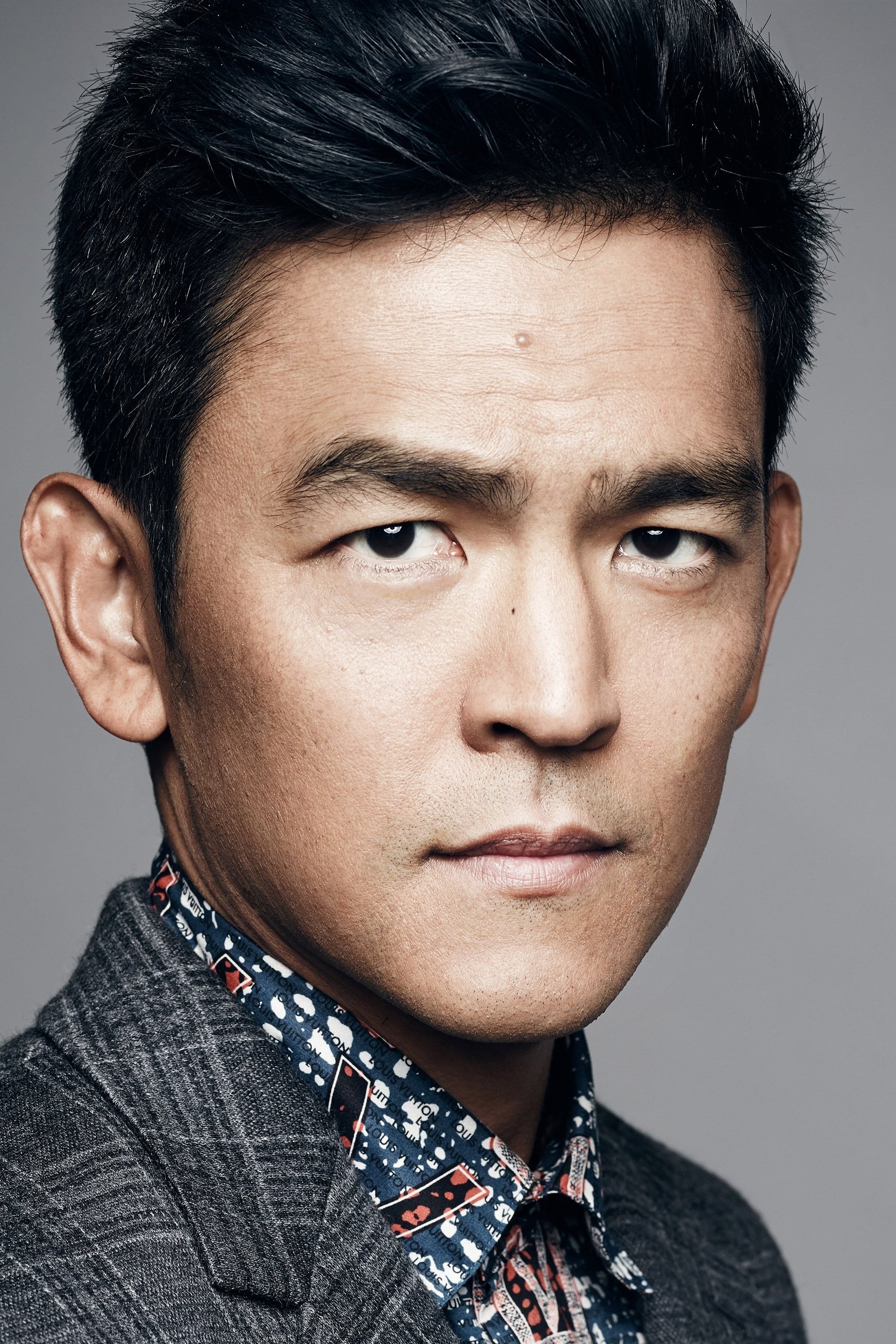
John Cho admitted that the strike made him seriously consider the possibility that AI could put him out of a job. The ‘Star Trek’ actor noted that while some filmmakers are excited about the tools, the labor force is rightfully terrified of replacement. He emphasized that Hollywood is a union town and must resist the urge to automate creativity. Cho’s recent roles have explored the dangers of technology, mirroring his real-life concerns.
Christian Slater
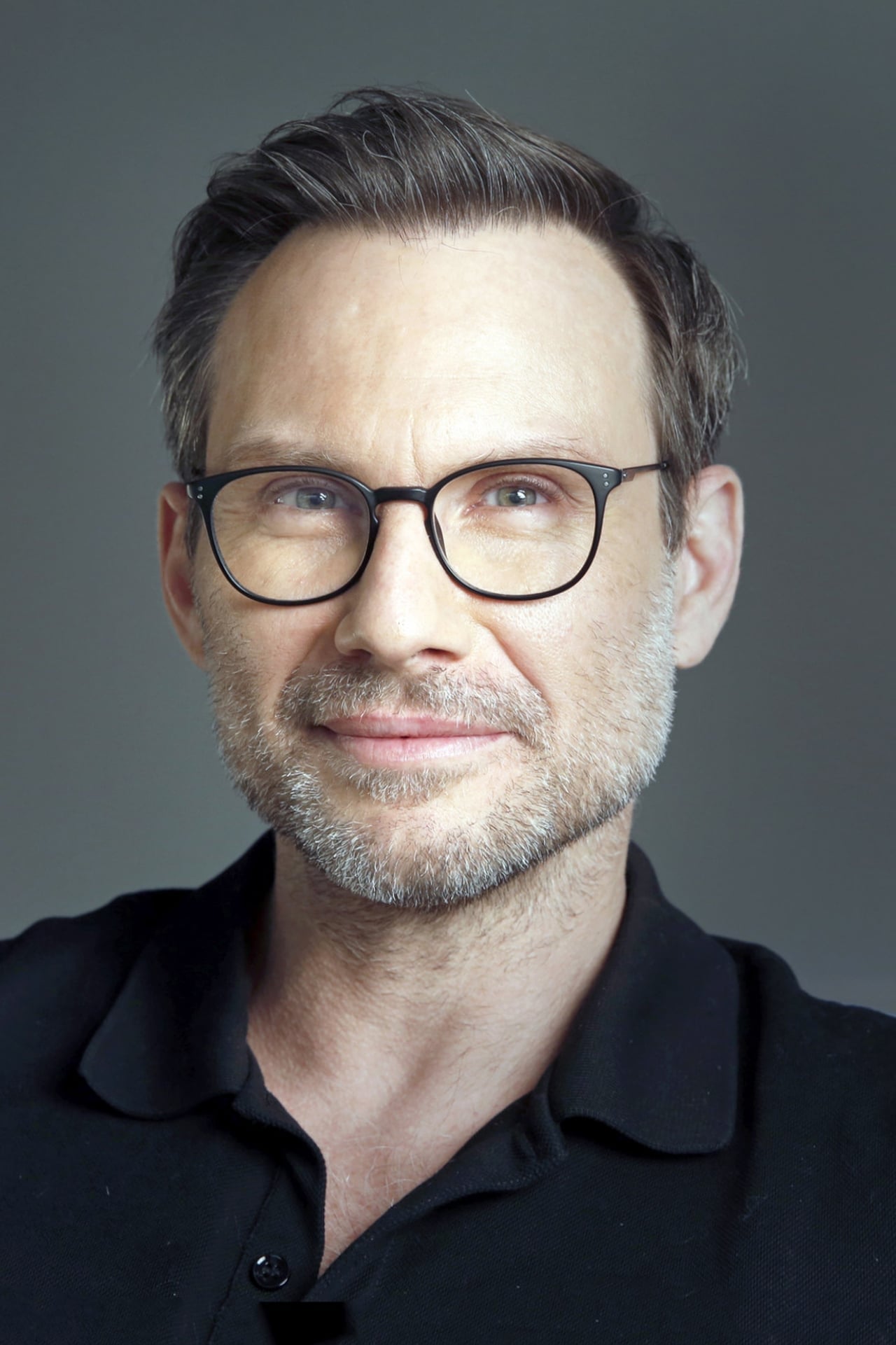
Christian Slater walked the picket lines to honor his father’s legacy and fight for the future of the profession. The ‘Mr. Robot’ star criticized the studios for attempting to use technology to avoid paying fair residuals and wages. He noted that the shift toward digital replication disrespects the craft that actors spend their lives honing. Slater believes that the union must stand firm to prevent the erasure of human performance.
F. Murray Abraham
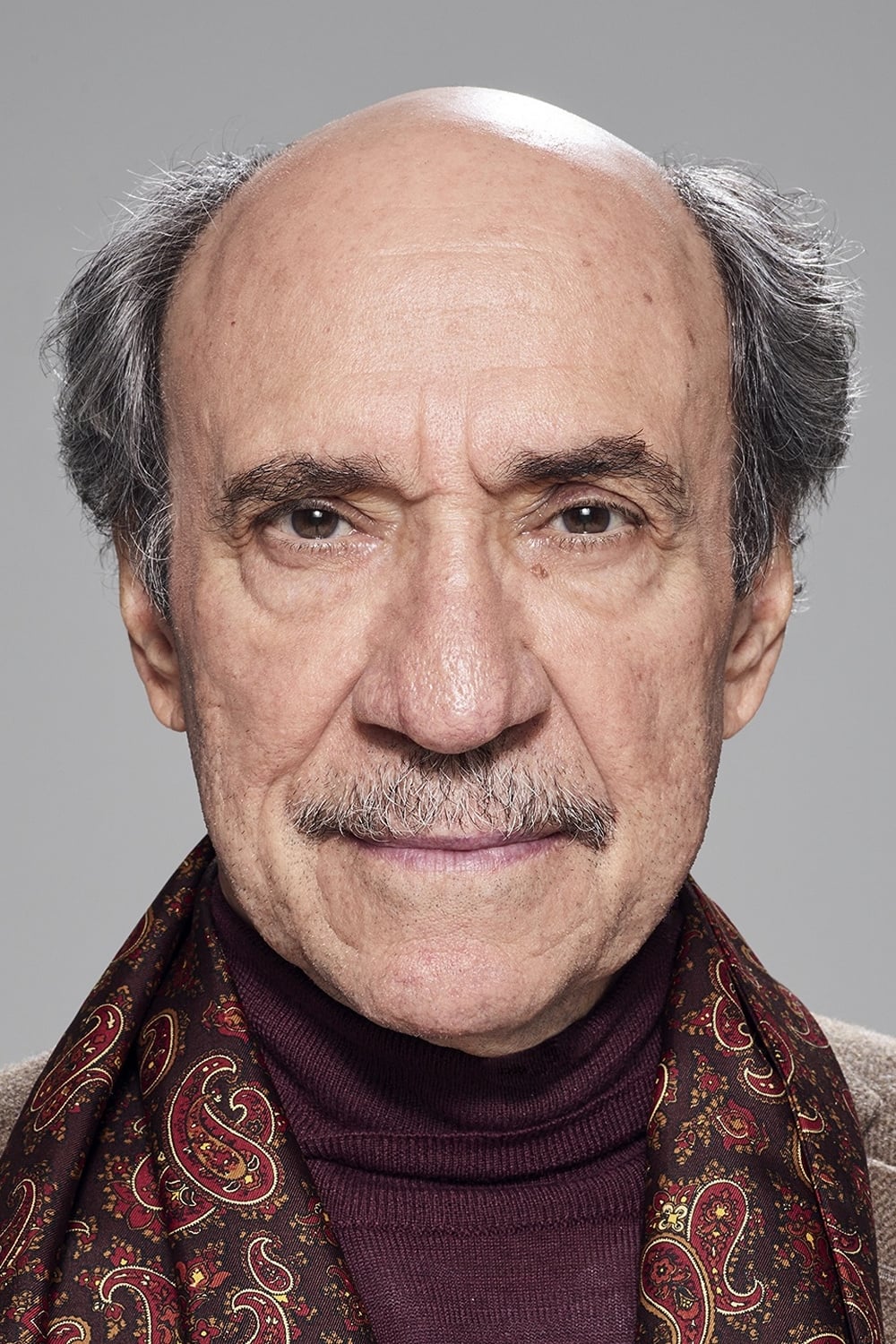
F. Murray Abraham delivered passionate speeches during the strike about the importance of human unity against technological encroachment. The ‘White Lotus’ actor argued that machines cannot replicate the shared experience of theater and cinema. He stated that the union’s fight was essential to ensure that future generations of actors are not reduced to data points. Abraham views the struggle as a moral imperative to protect the soul of the arts.
Brendan Fraser
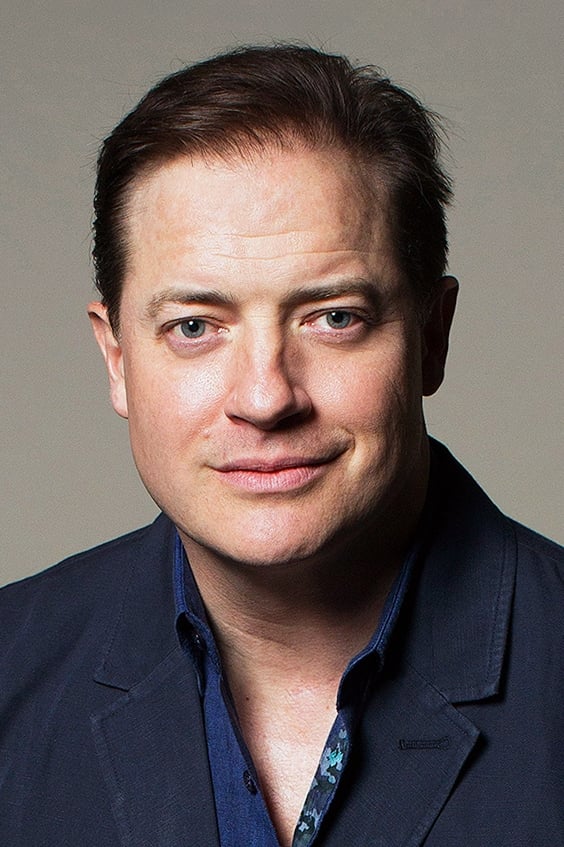
Brendan Fraser was a visible presence on the picket lines, showing solidarity with his fellow actors against the AI proposals. The Academy Award winner for ‘The Whale’ expressed concern that the technology would erode the middle class of working actors. He believes that the physical presence and emotional vulnerability of a person are irreplaceable. Fraser’s support highlighted that even A-list stars recognize the threat to the entire industry ecosystem.
Steve Buscemi
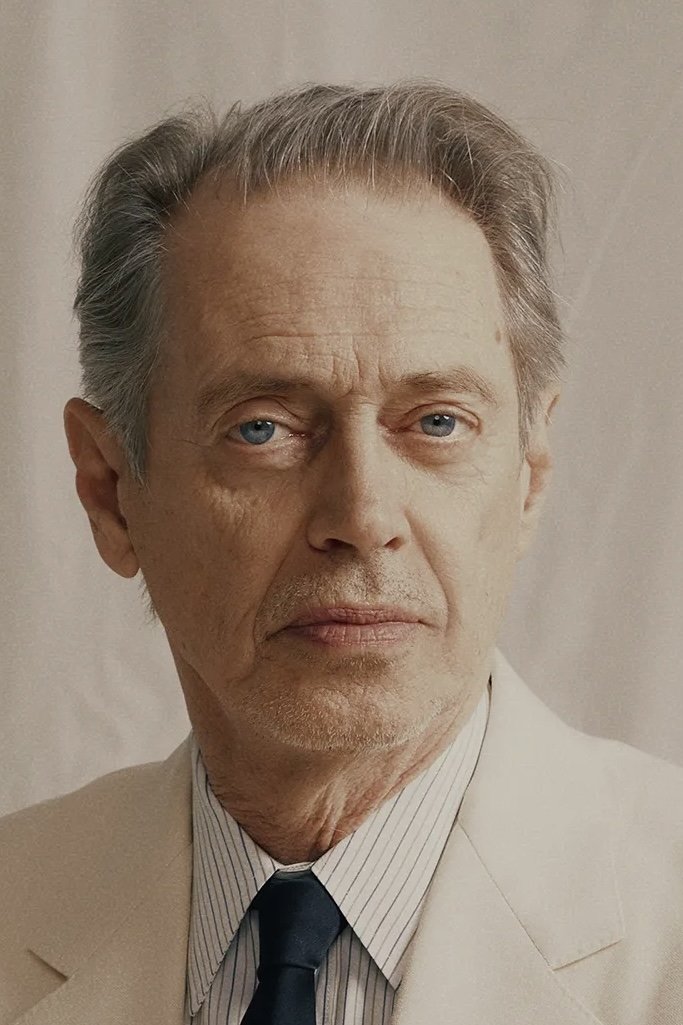
Steve Buscemi marched in New York City and spoke about the dangers of allowing studios to own an actor’s likeness in perpetuity. The ‘Boardwalk Empire’ star argued that the proposals were unfair and stripped performers of their rights. He emphasized that the strike was necessary to set a precedent for how technology interacts with labor. Buscemi believes that without strict contracts, actors will be exploited by digital means.
Kevin Bacon
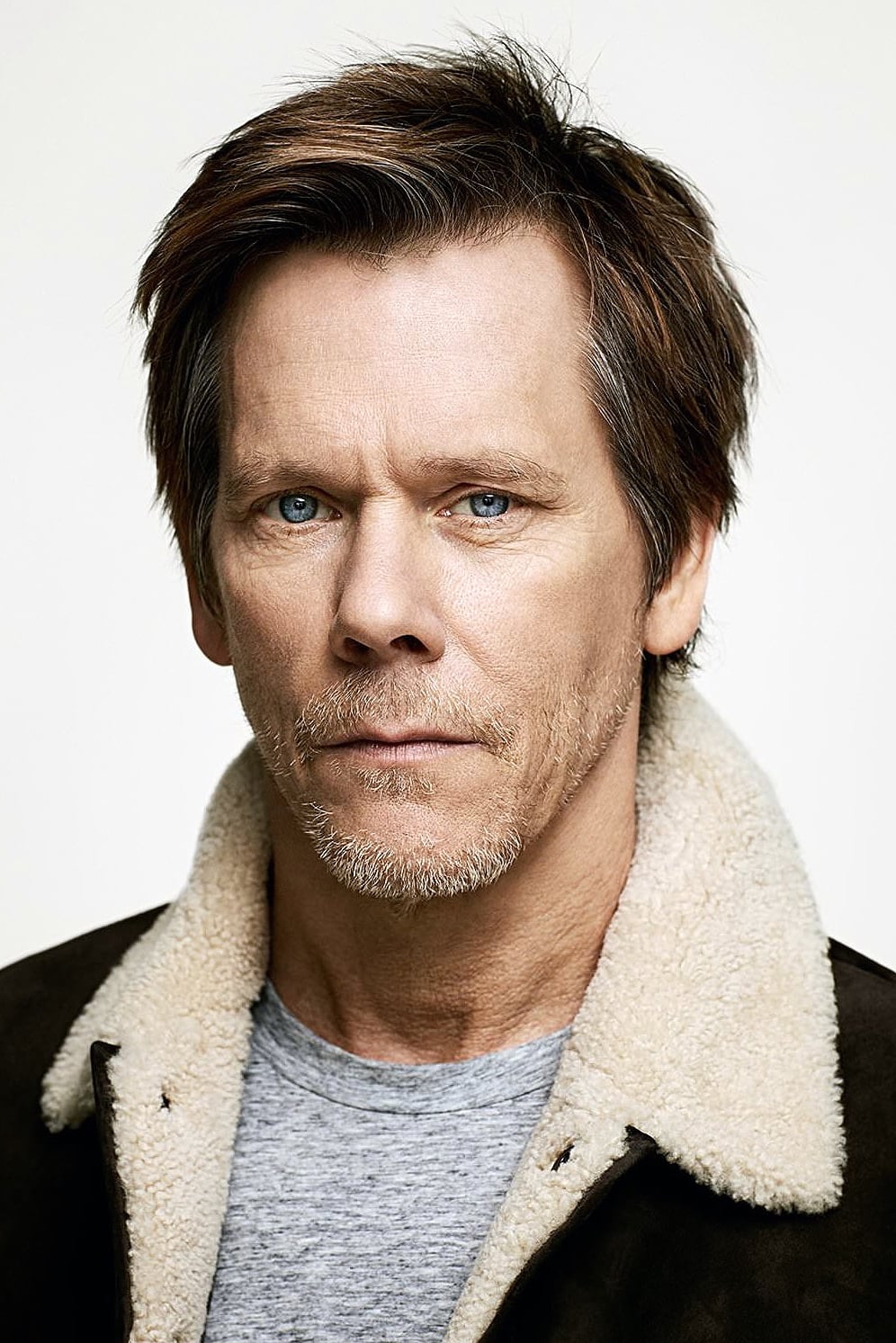
Kevin Bacon stood on the picket lines to protest the lack of transparency and protection regarding artificial intelligence. The ‘Footloose’ star stated that the industry is at a crossroads where the value of human creativity is being tested. He argued that actors must be compensated fairly if their work is used to train algorithms. Bacon’s presence underscored the widespread fear that AI is not just a tool, but a replacement strategy.
Jack Black
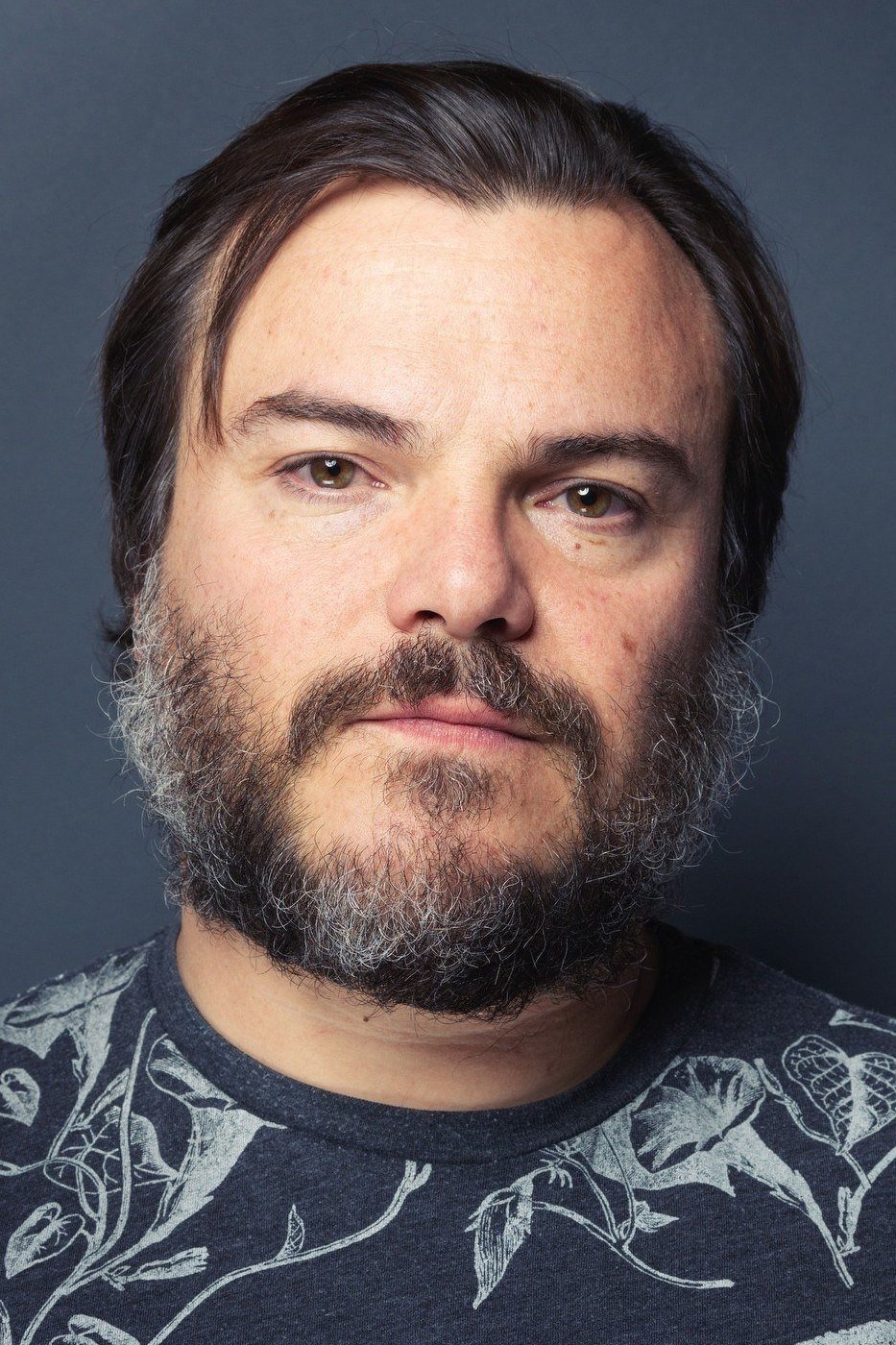
Jack Black joined the strikes and declared that actors would not be replaced by robots. The ‘School of Rock’ star used his signature energy to rally crowds against the studio’s AI proposals. He believes that the comedic timing and physical humor of a human cannot be programmed. Black views the fight as a defense of the unique spark that living performers bring to the screen.
Adam Driver
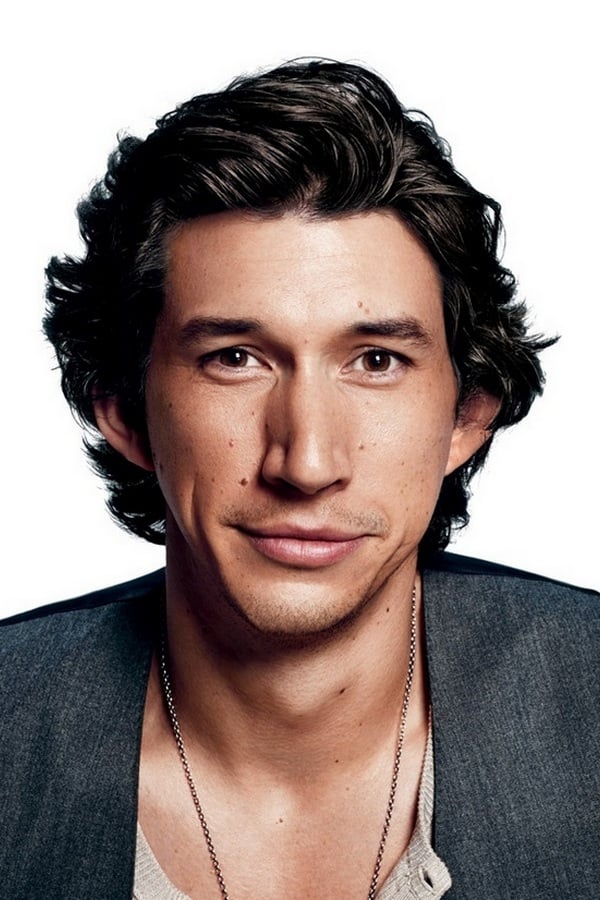
Adam Driver publicly called out Amazon and Netflix for their refusal to meet the union’s demands during the promotion of his film ‘Ferrari’. The actor criticized the streaming giants for not supporting the people who make their content while investing in automation. He questioned why smaller distribution companies could meet the union’s AI terms but the big tech companies could not. Driver’s comments highlighted the disconnect between corporate profits and worker protection.
George Clooney
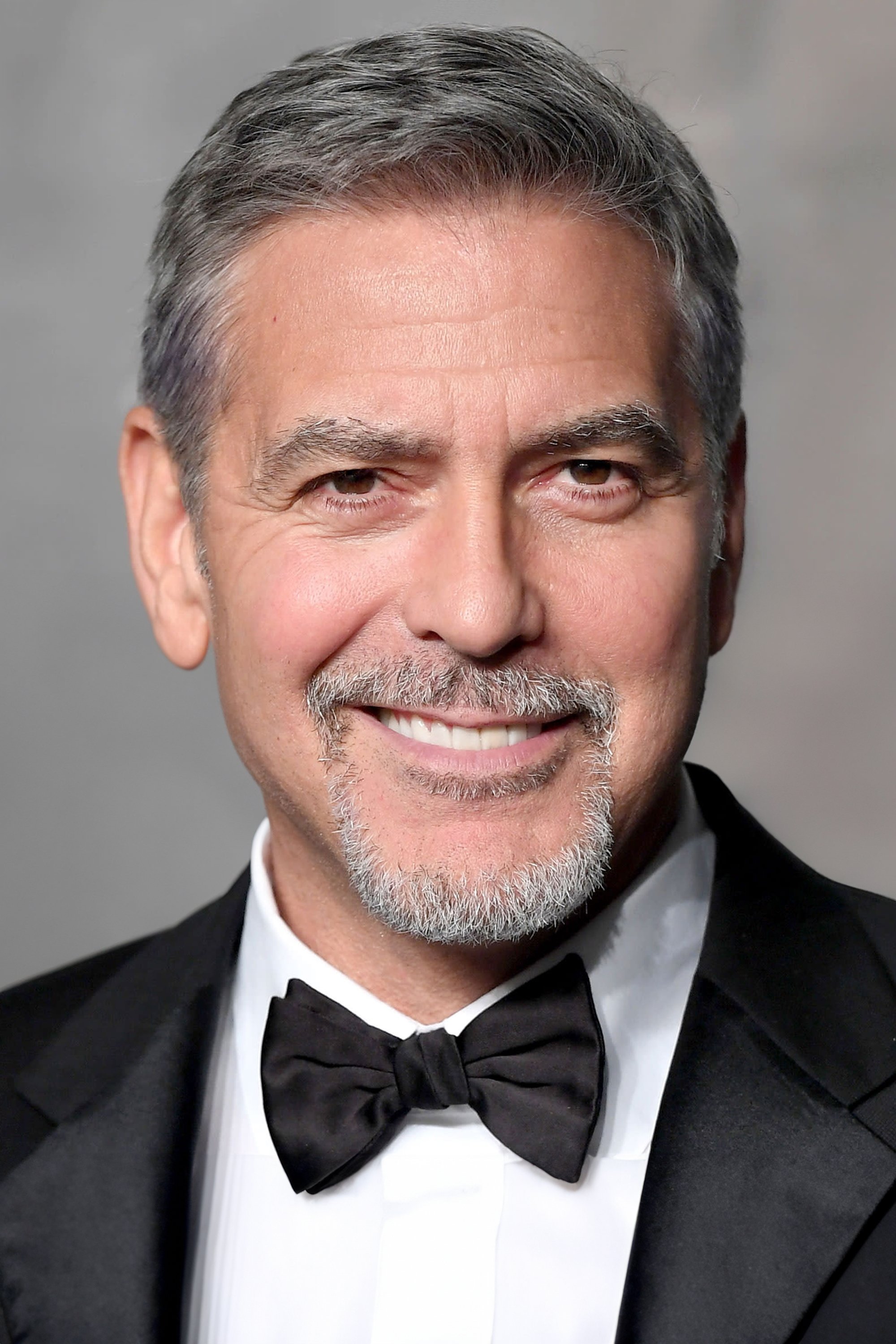
George Clooney led a group of A-list actors who offered 150 million dollars in dues to help end the strike and secure AI protections. The ‘Ocean’s Eleven’ star recognized that the ability to scan and reuse actors was a dealbreaker for the union. He argued that the highest-paid actors had a responsibility to protect the background artists and journeymen from digital replacement. Clooney’s intervention proved that the elite of Hollywood viewed AI as a collective threat.
Ben Affleck
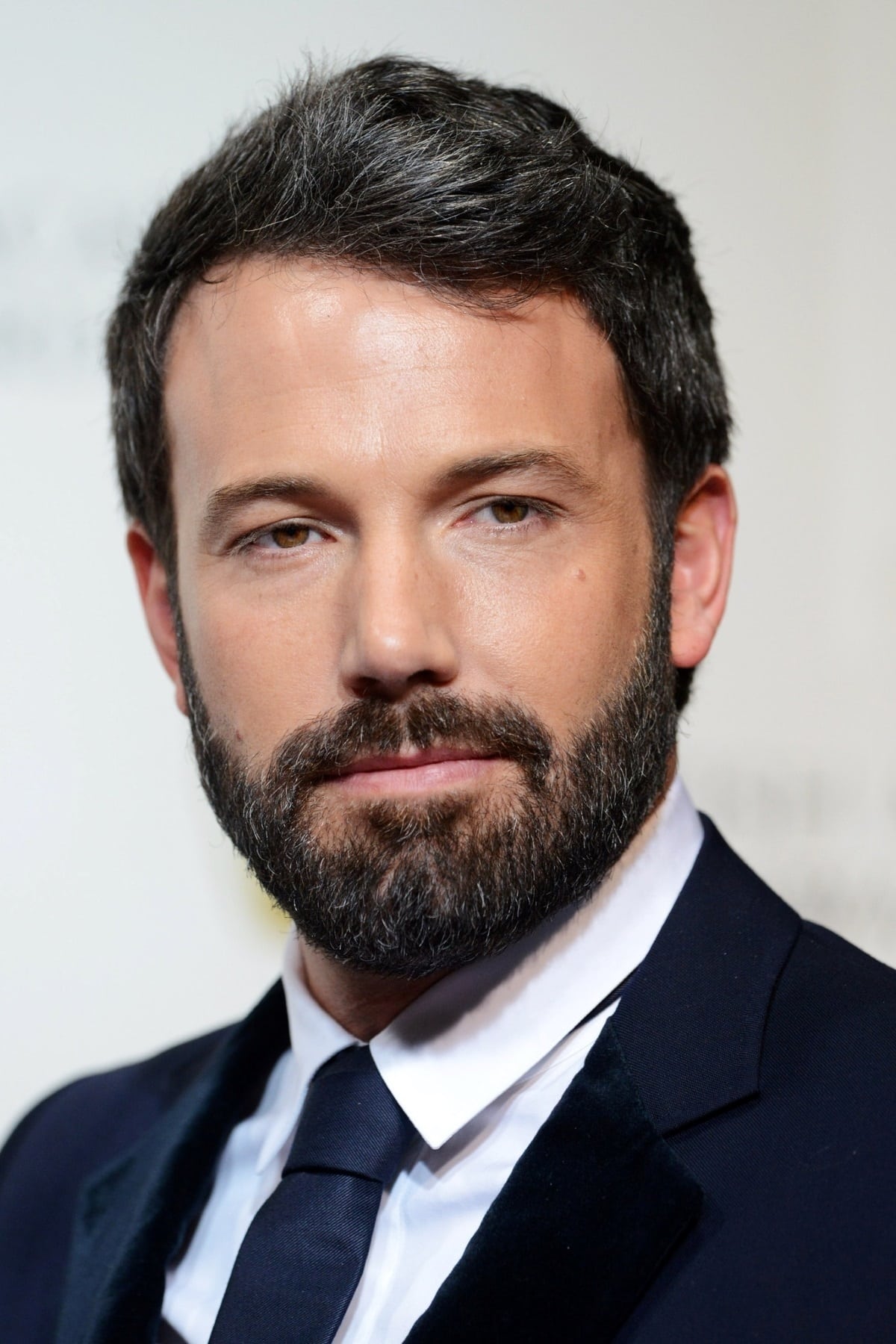
Ben Affleck has spoken about the inevitable “disintermediation” of the industry caused by AI technology. The ‘Air’ director and star believes that while AI can handle technical drudgery, it cannot replace the taste and decision-making of a human artist. He founded Artists Equity to ensure that creators are paid fairly, countering the studio model that seeks to reduce costs via automation. Affleck argues that movies will suffer if they become mere products of algorithmic generation.
Matt Damon
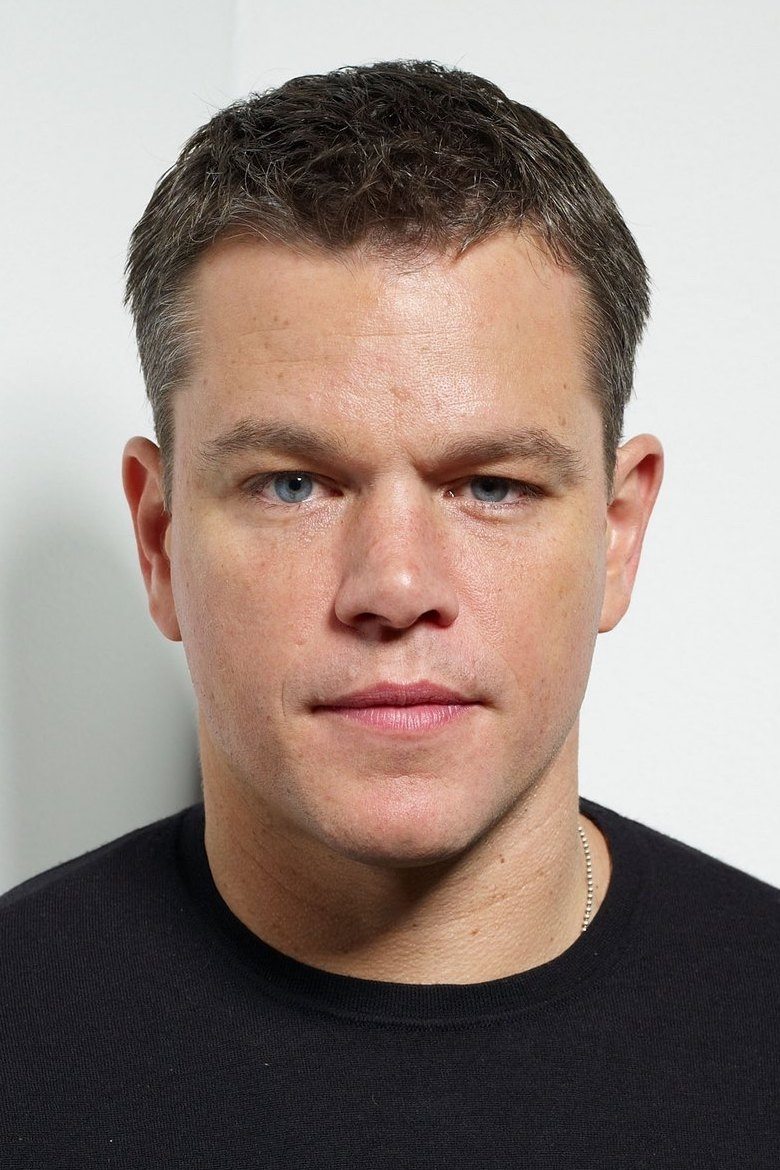
Matt Damon joined his partner Ben Affleck in creating a production model that protects the financial and creative rights of artists. The ‘Good Will Hunting’ star has criticized the streaming model that relies on volume and algorithms over quality and fair pay. He supports the union’s stance that AI should not be used to bypass residual payments or ownership of likeness. Damon believes that the industry must prioritize human capital over technological shortcuts.
Tom Cruise
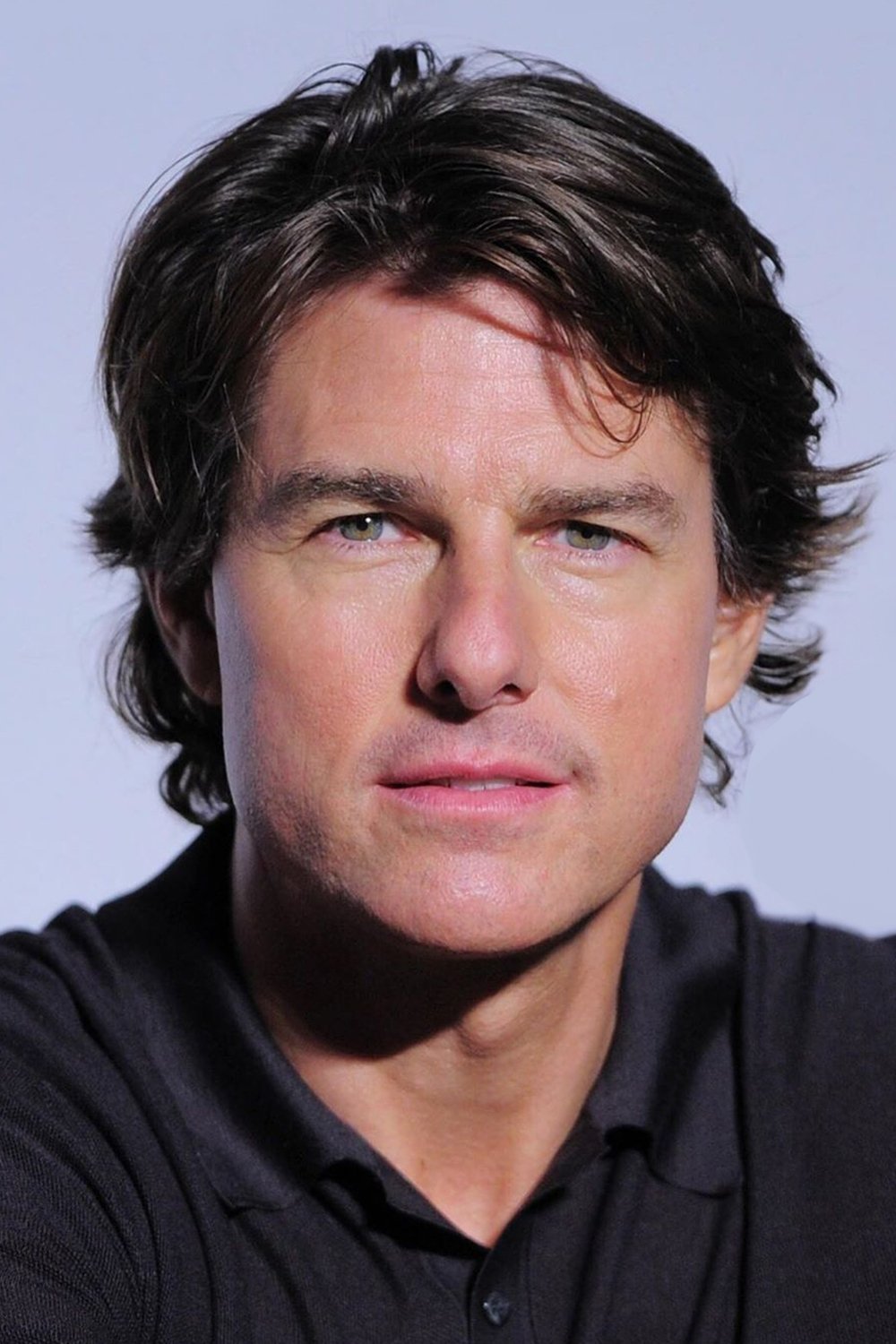
Tom Cruise personally lobbied studio executives during the negotiations to urge them to find common ground on the issue of AI. The ‘Mission: Impossible’ star was particularly concerned about the use of generative AI to replace stunt performers and background actors. He argued that the physical reality of filmmaking is what draws audiences to theaters. Cruise’s involvement highlighted the danger AI poses to the physical and practical side of production.
Anil Kapoor
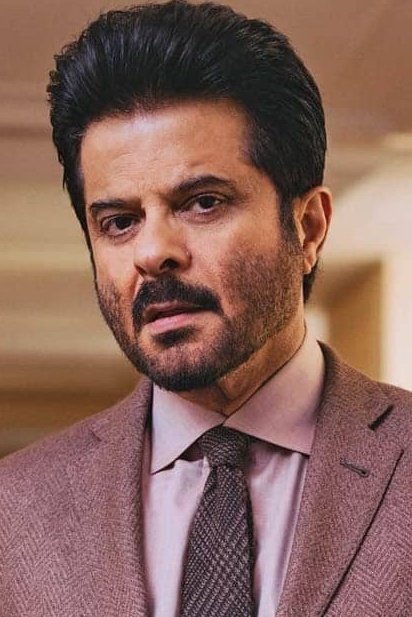
Anil Kapoor scored a major legal victory when he won a court order protecting his likeness and voice from unauthorized AI use. The ‘Slumdog Millionaire’ actor filed the lawsuit to prevent deepfakes and commercial exploitation of his persona. He stated that every actor has the right to protect themselves from having their identity hijacked by technology. Kapoor’s case set a significant global precedent for the rights of performers in the digital age.
Clark Gregg
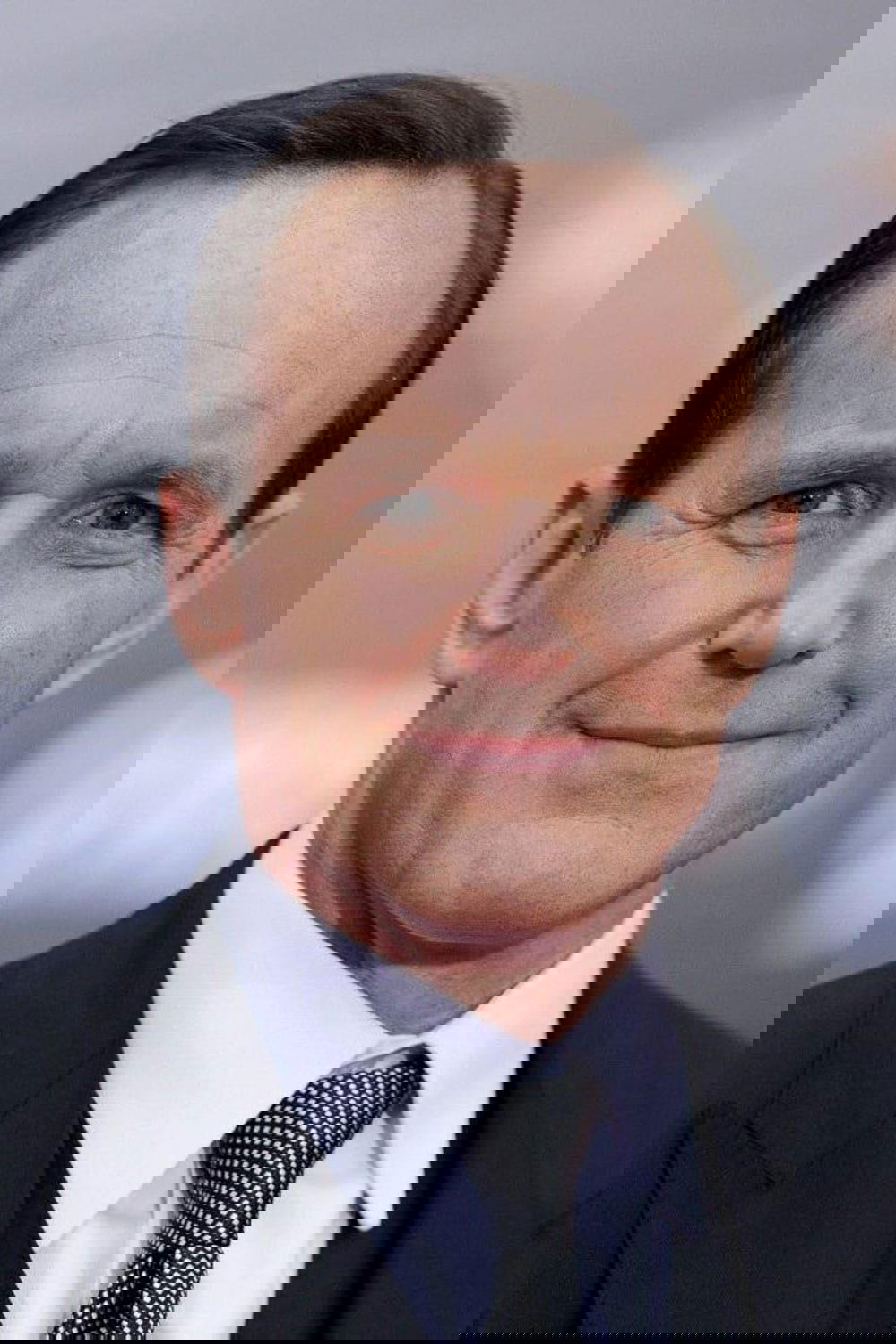
Clark Gregg testified before Congress about the terrifying reality of background actors being scanned for digital doubles. The ‘Agents of S.H.I.E.L.D.’ actor revealed that he had been scanned many times and feared how that data would be used without his consent. He argued that actors are fighting to keep the soul in the art form against a system that views them as megabytes of data. Gregg described the unauthorized use of biometric information as a violation of privacy and labor rights.
LeVar Burton
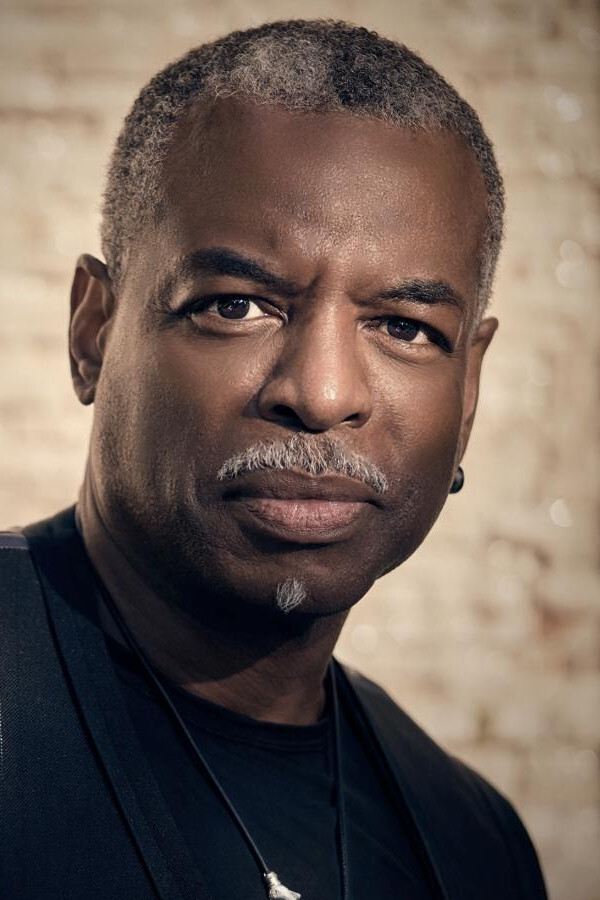
LeVar Burton has expressed his belief that technology has no soul and therefore cannot replace the role of a storyteller. The ‘Star Trek: The Next Generation’ actor criticized the idea of AI hosts replacing human personalities on television. He argues that the audience connects with the humanity and empathy of a real person, which a machine cannot simulate. Burton advocates for the responsible use of technology that aids rather than replaces human connection.
Sean Astin
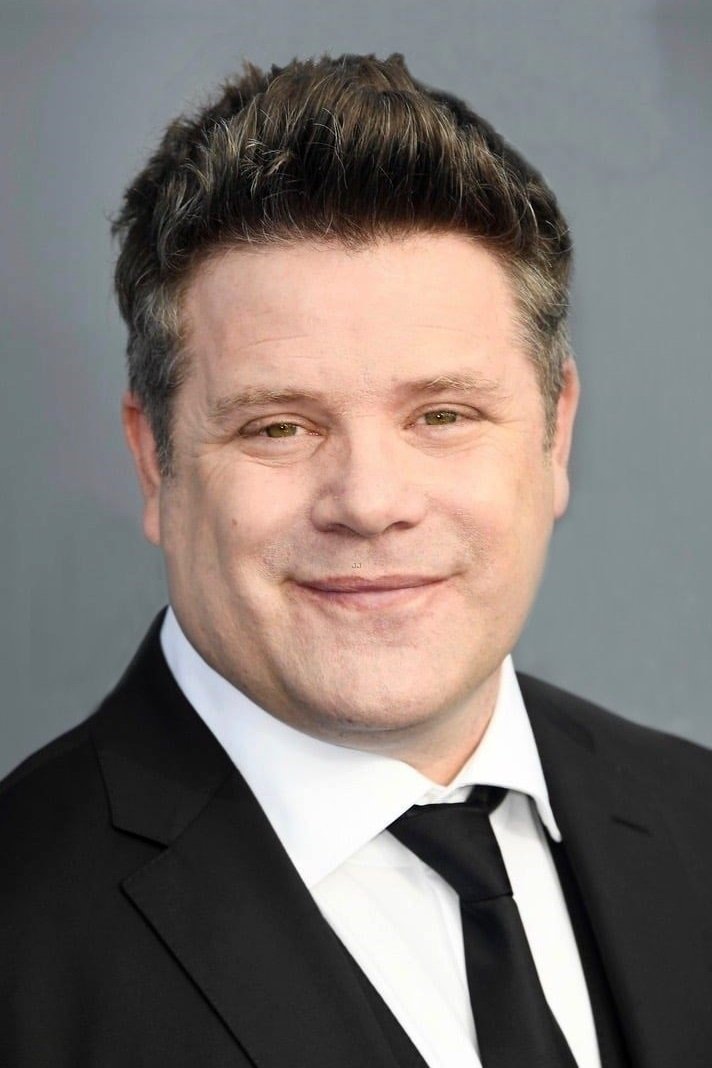
Sean Astin, as a union leader, has been vocal about the “absolute threat” of AI characters like the theoretical agent “Tilly Norwood.” The ‘Lord of the Rings’ star stated that the union is fighting to ensure that synthetic creations do not replace human performers. He argues that audiences want to see real human emotions, not computer-generated approximations. Astin emphasizes that the battle is about consent, compensation, and the truth of performance.
Paul Dano
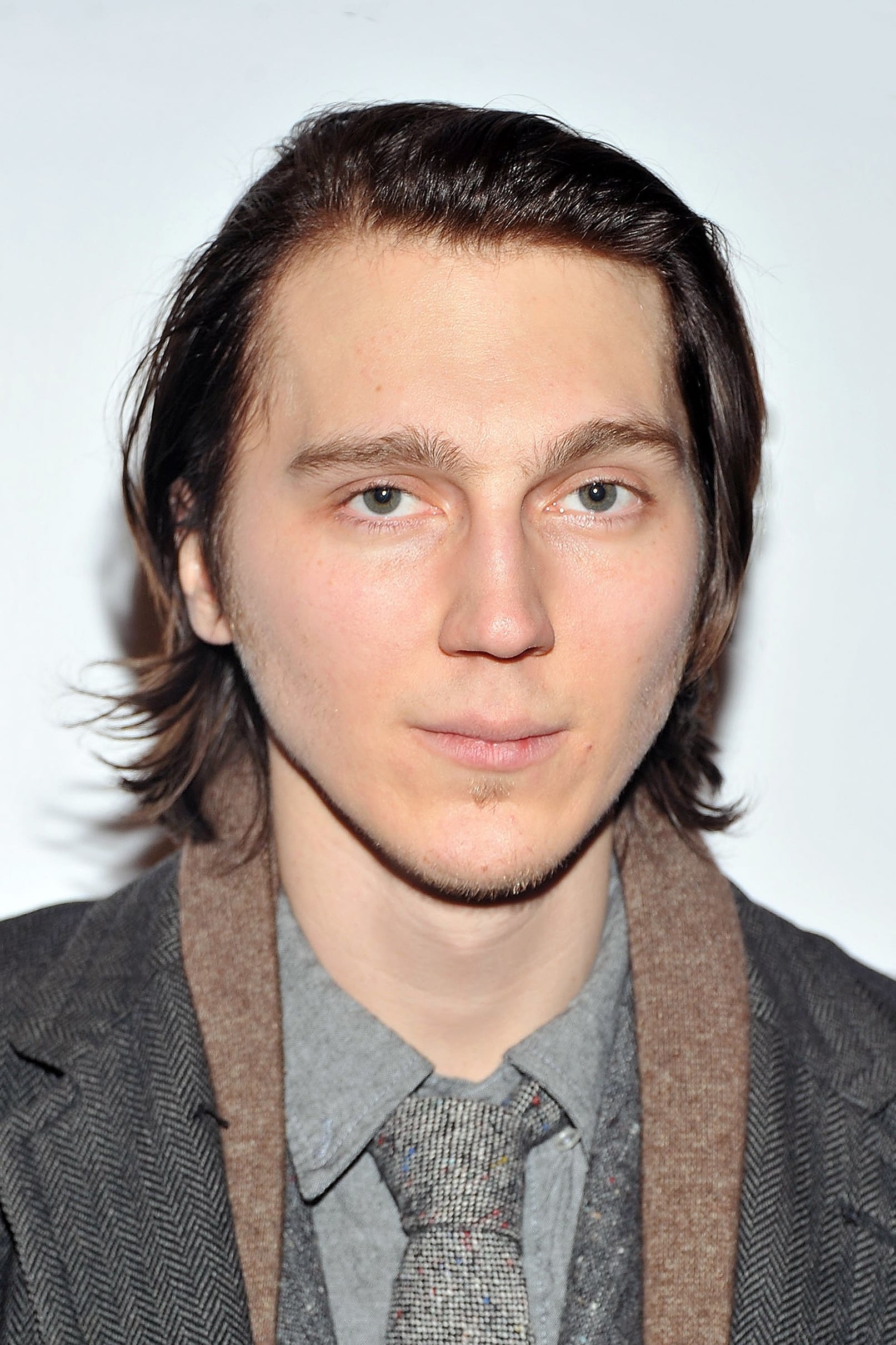
Paul Dano voiced his support for the strike and the necessity of regulating artificial intelligence in the creative process. The ‘The Batman’ actor believes that the vulnerability and unpredictability of human acting are what make cinema compelling. He fears that a reliance on AI will sanitize movies and remove the dangerous, artistic elements. Dano stands with his peers in demanding that technology serve the artist, not the other way around.
Rainn Wilson
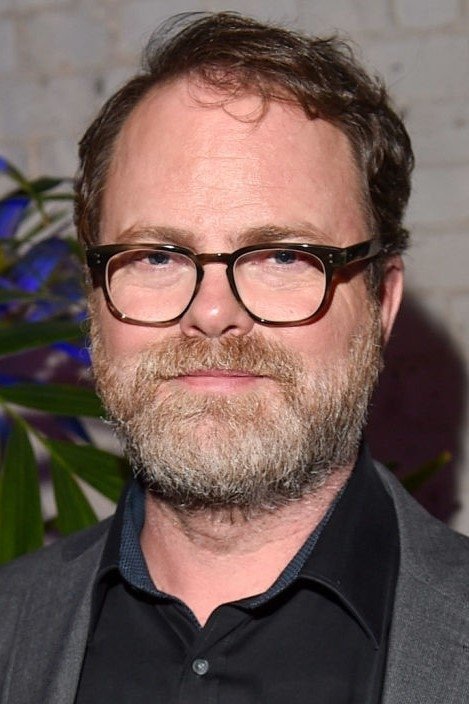
Rainn Wilson used his social media platform to mock the absurdity of the studios’ positions on AI during the strike. The ‘The Office’ star humorously tweeted about “Bears, Beets, Battlestar Galactica, No AI” to show his support for the union. He has seriously criticized the tech industry’s encroachment on creative rights and the lack of regulation. Wilson argues that the human quirks of comedy cannot be generated by a predictive model.
Patton Oswalt
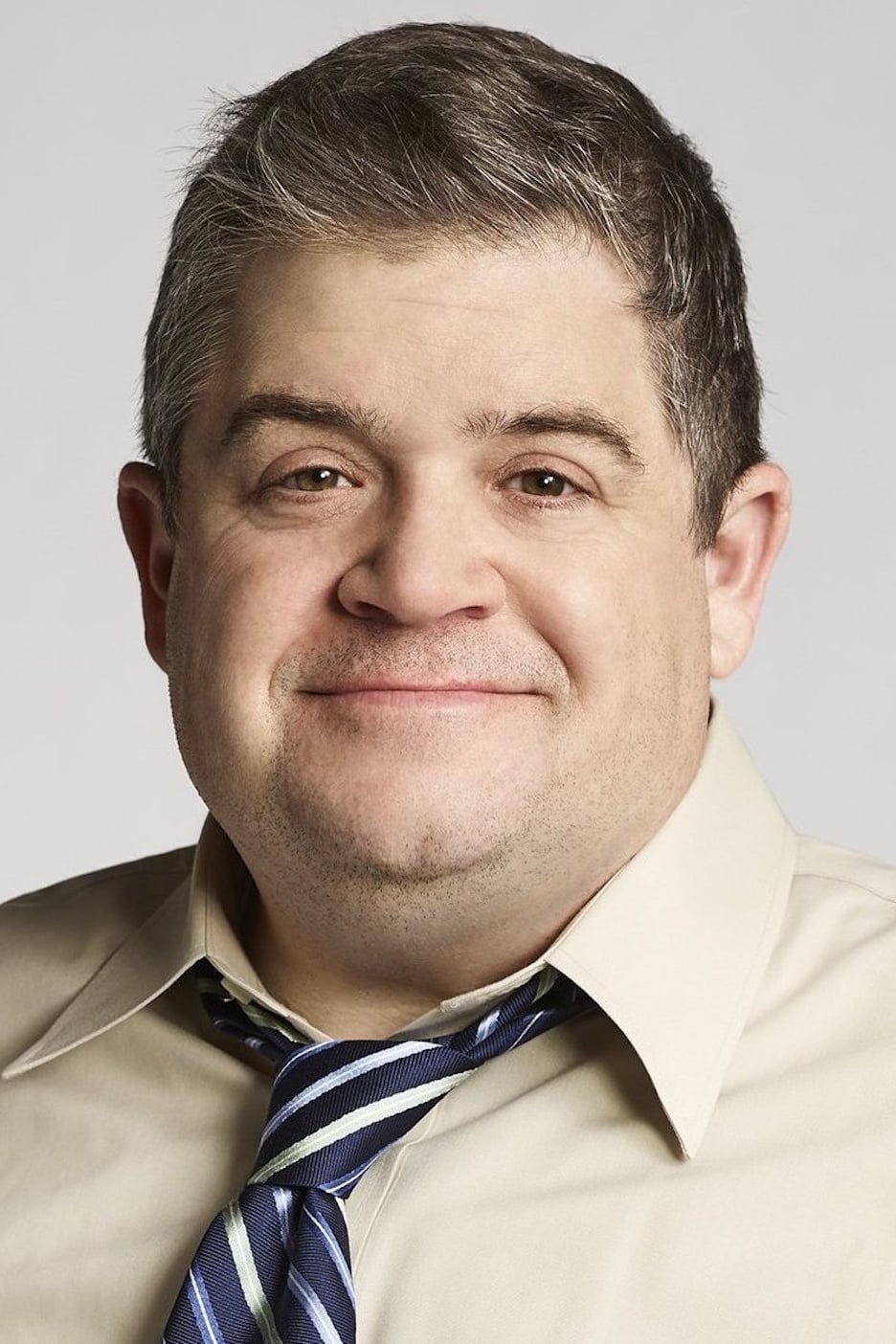
Patton Oswalt has been a vocal critic of the idea that algorithms can replace screenwriters and comedians. The stand-up comic and actor argued that AI-generated material is derivative and lacks the spark of original thought. He supported the strike’s efforts to ensure that machines are not credited as writers or used to undermine human pay. Oswalt believes that the industry is trying to devalue the very creativity that makes it profitable.
Bob Odenkirk
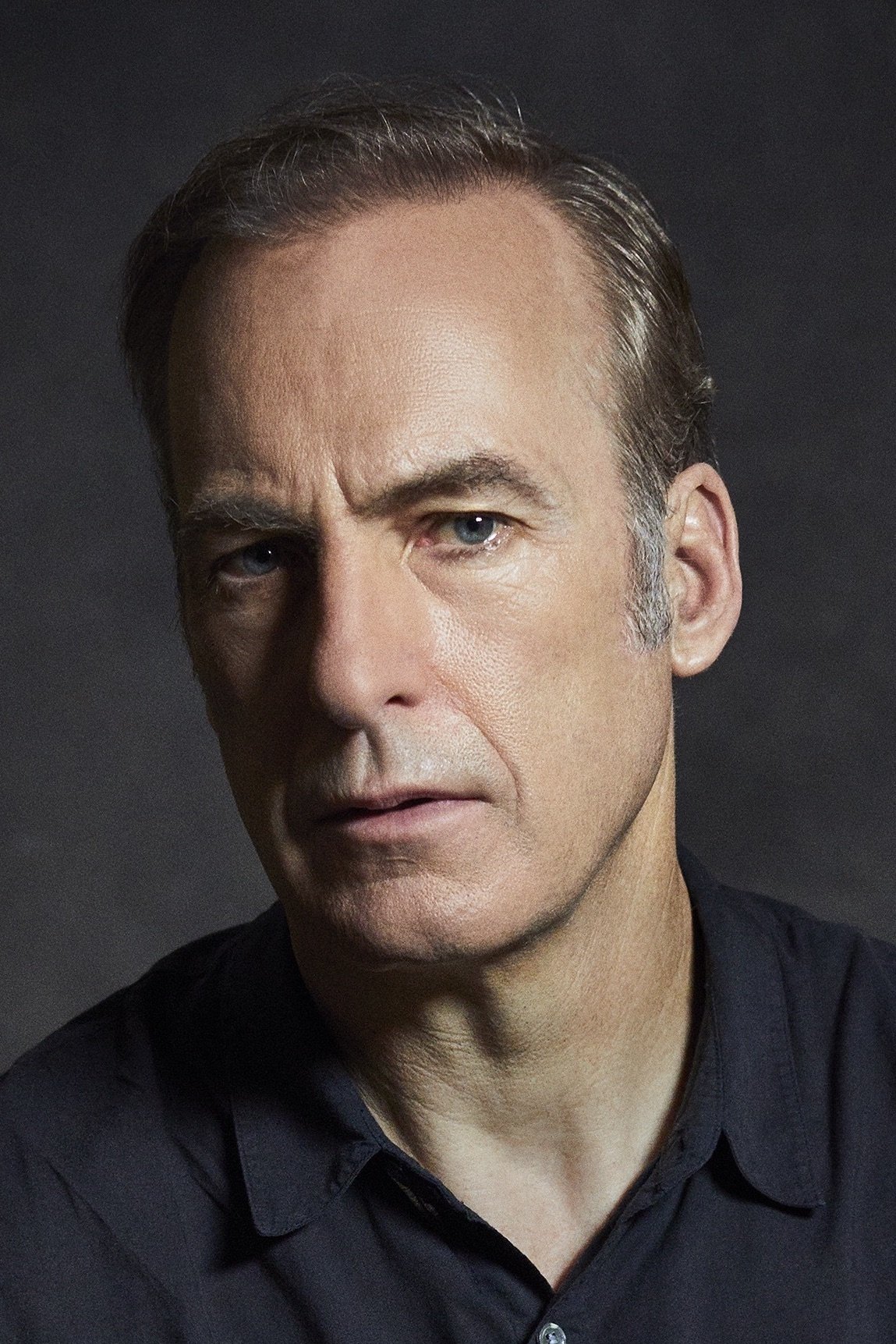
Bob Odenkirk walked the picket lines and spoke out against the studios’ refusal to guarantee protections against AI. The ‘Better Call Saul’ star stated that the actors were asking for basic fairness in the face of changing technology. He argues that it is unethical for companies to use an actor’s work to train a machine to replace them. Odenkirk believes that the human element is the only thing that makes stories worth watching.
Colin Farrell
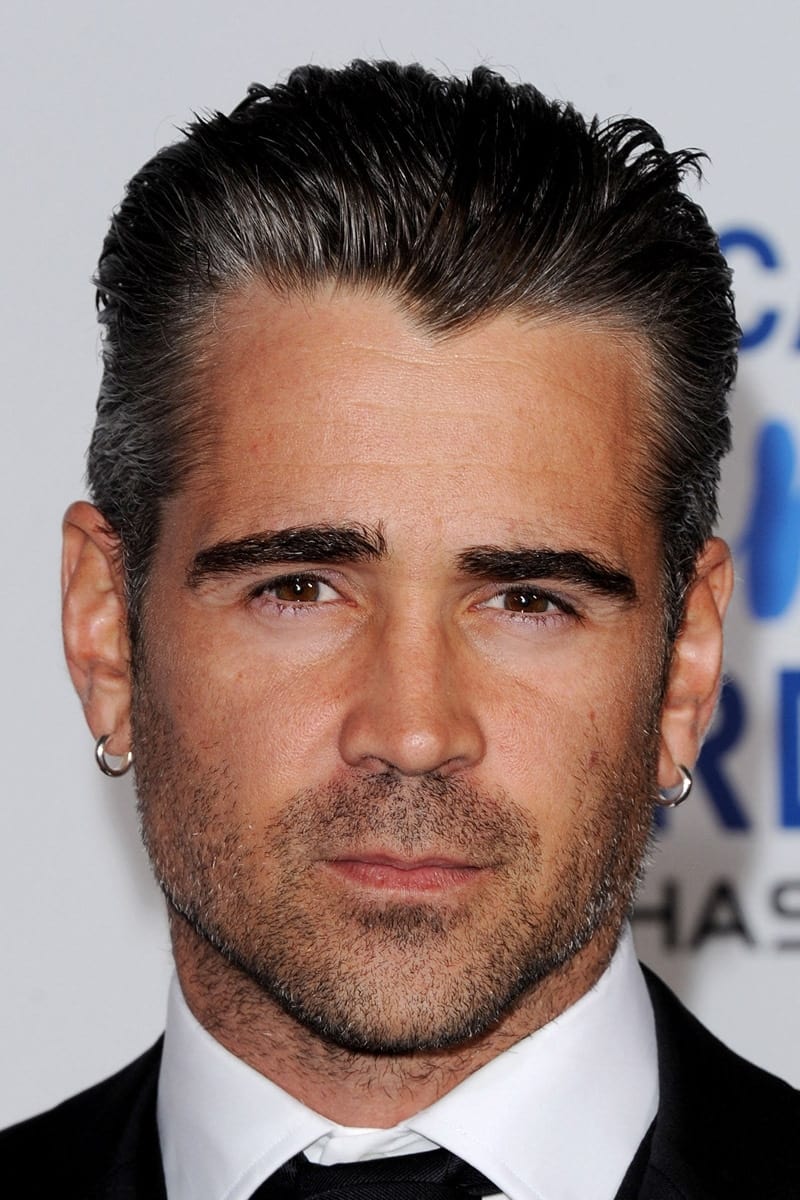
Colin Farrell joined the picket lines to express his concern over the “existential threat” posed by artificial intelligence. The ‘The Banshees of Inisherin’ actor stated that the industry is changing rapidly and workers must be protected from being left behind. He criticized the greed that drives the desire to replace human laborers with digital alternatives. Farrell argues that the strike was essential to draw a line in the sand regarding digital rights.
Tim Robbins
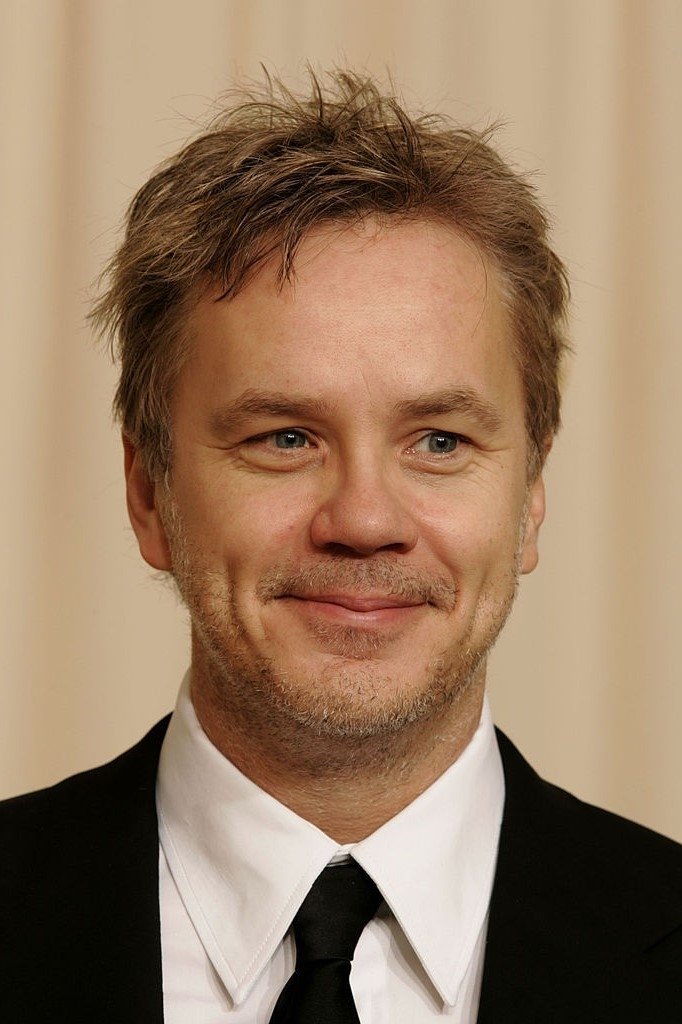
Tim Robbins described the studios’ push for AI as a dehumanizing effort to turn art into a purely commercial product. The ‘Shawshank Redemption’ star argued that the refusal to rule out AI replacements showed a lack of respect for the craft. He believes that the industry is losing its moral compass in the pursuit of efficiency. Robbins advocates for a strict separation between human artistry and machine generation.
Wendell Pierce
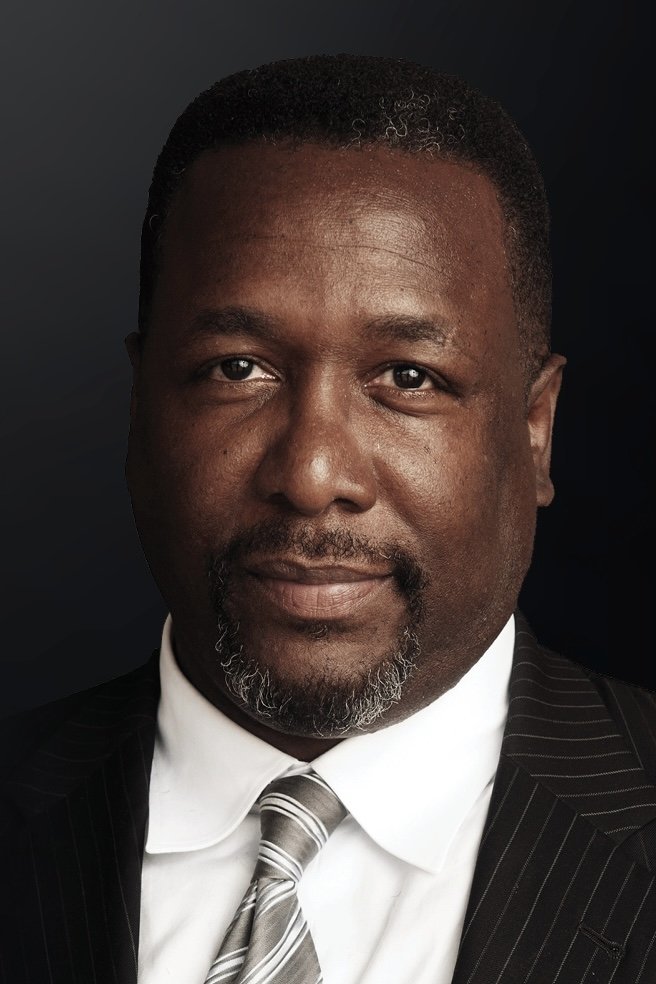
Wendell Pierce has been a staunch advocate for regulation, describing the unauthorized use of creative works to train AI as a major threat. The ‘The Wire’ actor signed statements calling for the protection of artists’ livelihoods against generative technology. He argues that the unlicensed exploitation of an actor’s voice and image is a violation of their civil rights. Pierce believes that without intervention, the technology will be used to dismantle the creative class.
Please share your thoughts on the ethics of AI in Hollywood in the comments.

