


Hollywood Actors Who Are Anti-Woke

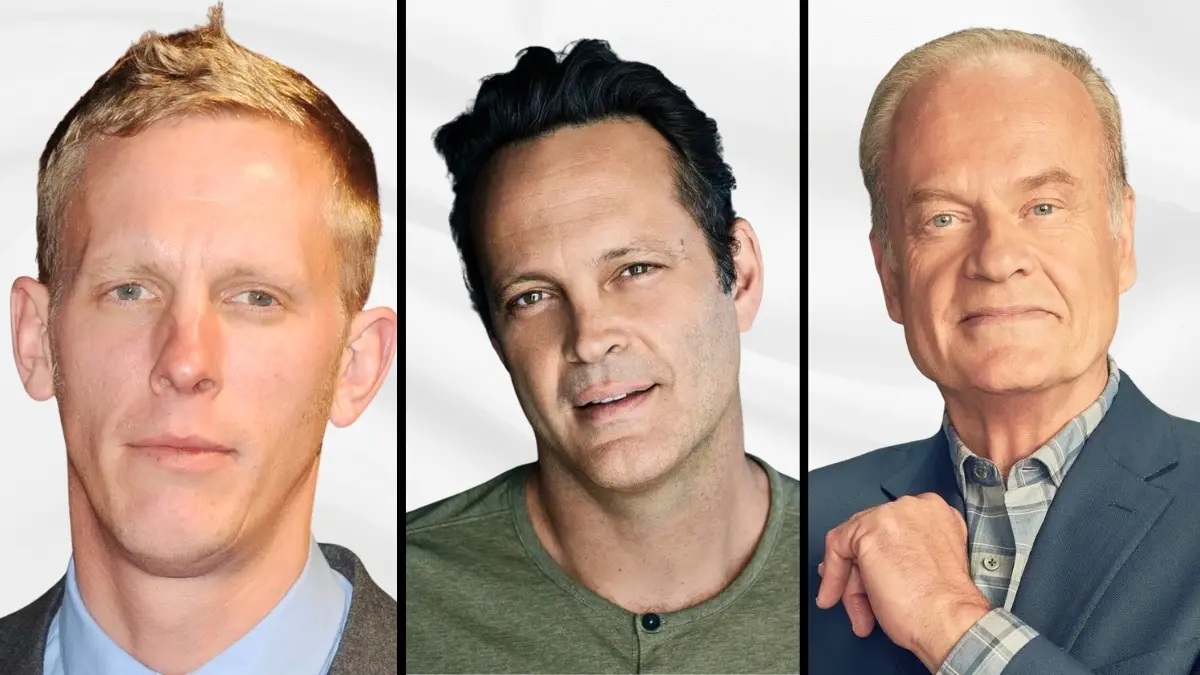


In recent years, a number of male actors with strong ties to Hollywood have spoken out against what they describe as “woke” culture, political correctness, and cancel culture in the entertainment industry. Some focus on how jokes and storytelling are affected by new social norms, while others frame their criticism in terms of free speech, traditional values, or partisan politics. Their comments show up in interviews, social media posts, memoirs, and even political campaigns, and often trigger strong reactions from both supporters and critics. Below are 12 actors who have been publicly associated with an anti-woke stance based on their own statements and the way media and audiences discuss them.
Clint Eastwood
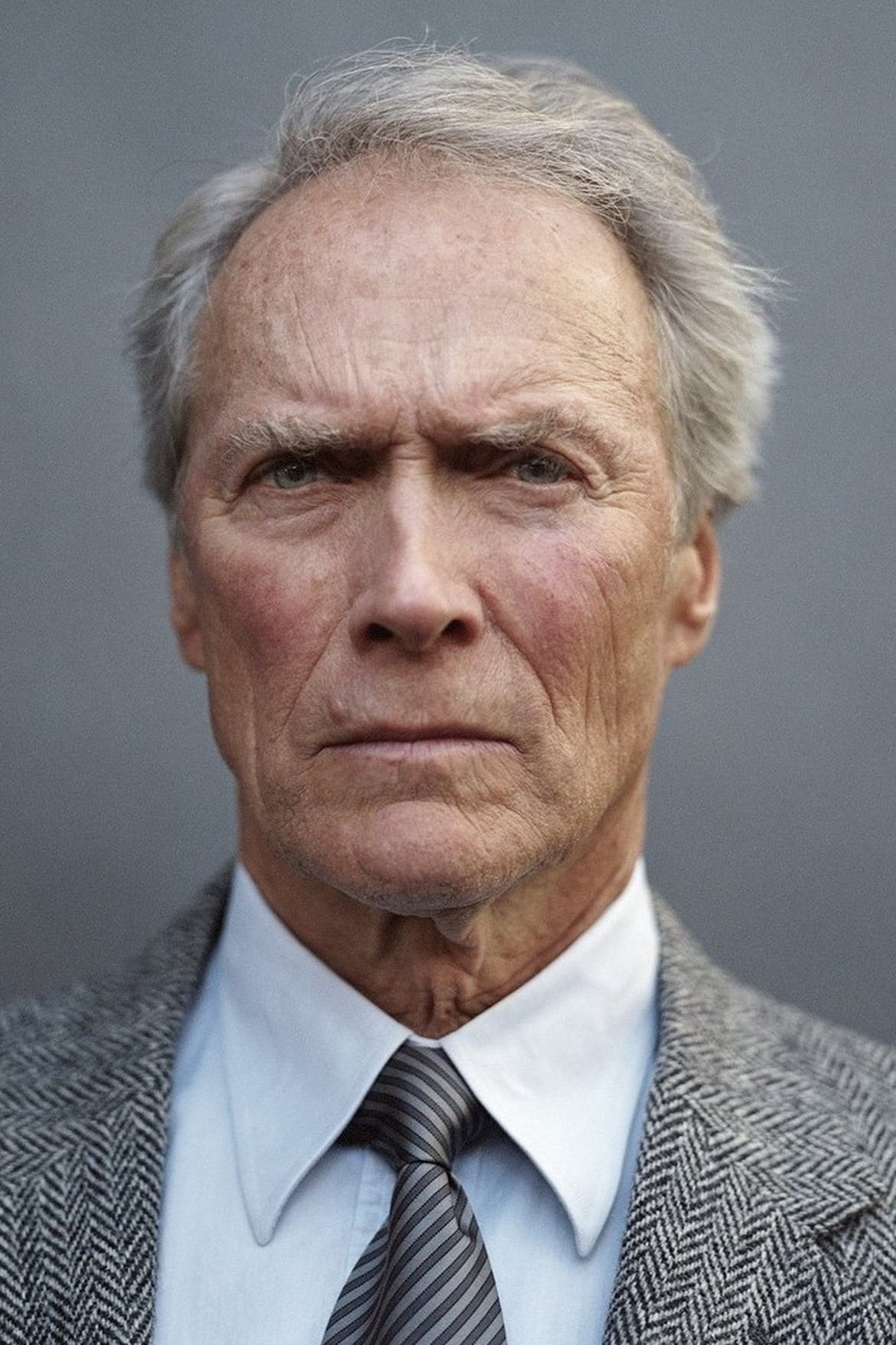
Clint Eastwood has repeatedly criticized modern political correctness, saying in interviews that society has “lost its sense of humor” and tying this shift back to the era after films like ‘Dirty Harry’. He has linked what many now call “woke” culture to an atmosphere where people are wary of speaking freely for fear of backlash. In a widely cited business-news appearance, he spoke about being tired of what he viewed as oversensitivity in public life and entertainment. Eastwood’s long career as an actor and director gives his comments visibility well beyond the usual political-media echo chambers.
Jon Voight
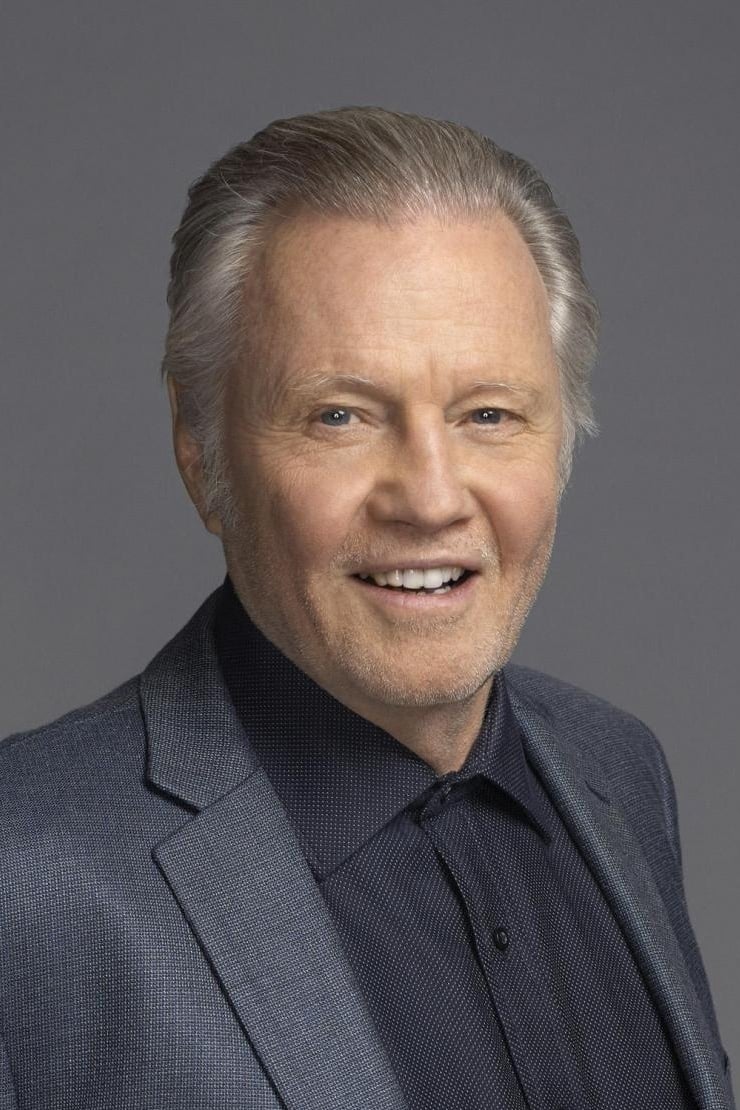
Jon Voight has used interviews and social media videos to argue that Hollywood has been taken over by left-leaning ideology and what he sees as “woke” thinking. In recent years he has spoken on conservative platforms about the “origins of woke Hollywood,” warning that certain political and cultural values now dominate studios and award shows. A detailed profile in a UK newspaper traced his journey from a countercultural, anti-war actor in the 1960s–70s to an outspoken critic of what he calls Marxist and progressive influence in today’s film world. Voight often frames his stance as a defense of traditional American values and an attempt to “make Hollywood great again,” a phrase that appears in coverage of his recent activism.
James Woods
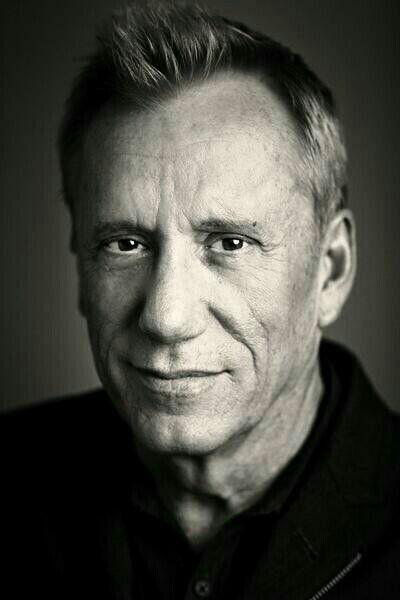
James Woods is one of the most visible conservative actors on social media, using platforms like X (formerly Twitter) to attack progressive politics, identity discourse, and what he and his followers label as woke culture. Coverage of his online activity has highlighted controversial posts about gender-nonconforming children, in which he rejected criticism and emphasized that he did not care what people thought of him. Entertainment-industry reporting has also documented how he lost his agent and, according to sympathetic outlets, became an example of a Hollywood “blacklist” for outspoken conservatives. Commentators regularly place Woods alongside figures like Kevin Sorbo and Kelsey Grammer when discussing actors who clash with mainstream liberal sentiment in the industry.
Tim Allen
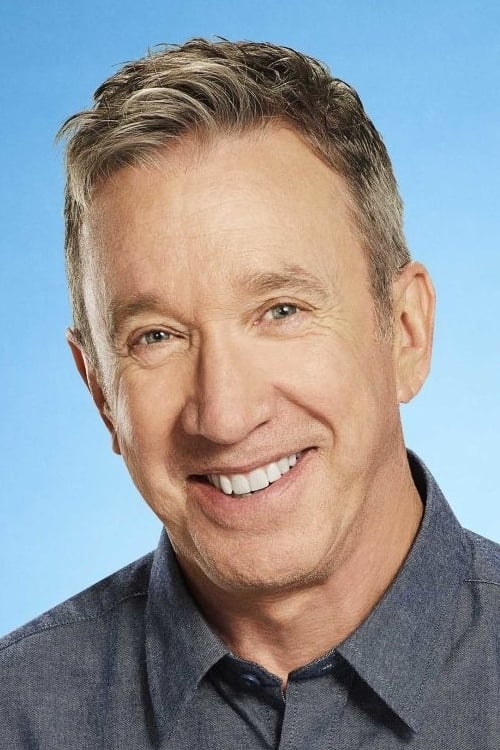
Tim Allen has spoken frequently about political correctness and what he calls “thought police” in modern comedy. In an interview covered by major news networks, he said that stand-up in big venues now requires navigating an audience and culture that are quick to take offense, describing this as a threat to creative freedom. On social media, he drew attention by asking, “Who is the face of woke?” in a post that was widely interpreted as mocking the concept and the people who embrace it. Allen’s shows, including ‘Home Improvement’ and ‘Last Man Standing’, are frequently discussed in political terms by both fans and critics, which keeps his commentary tied to larger debates about “woke Hollywood”.
Kelsey Grammer
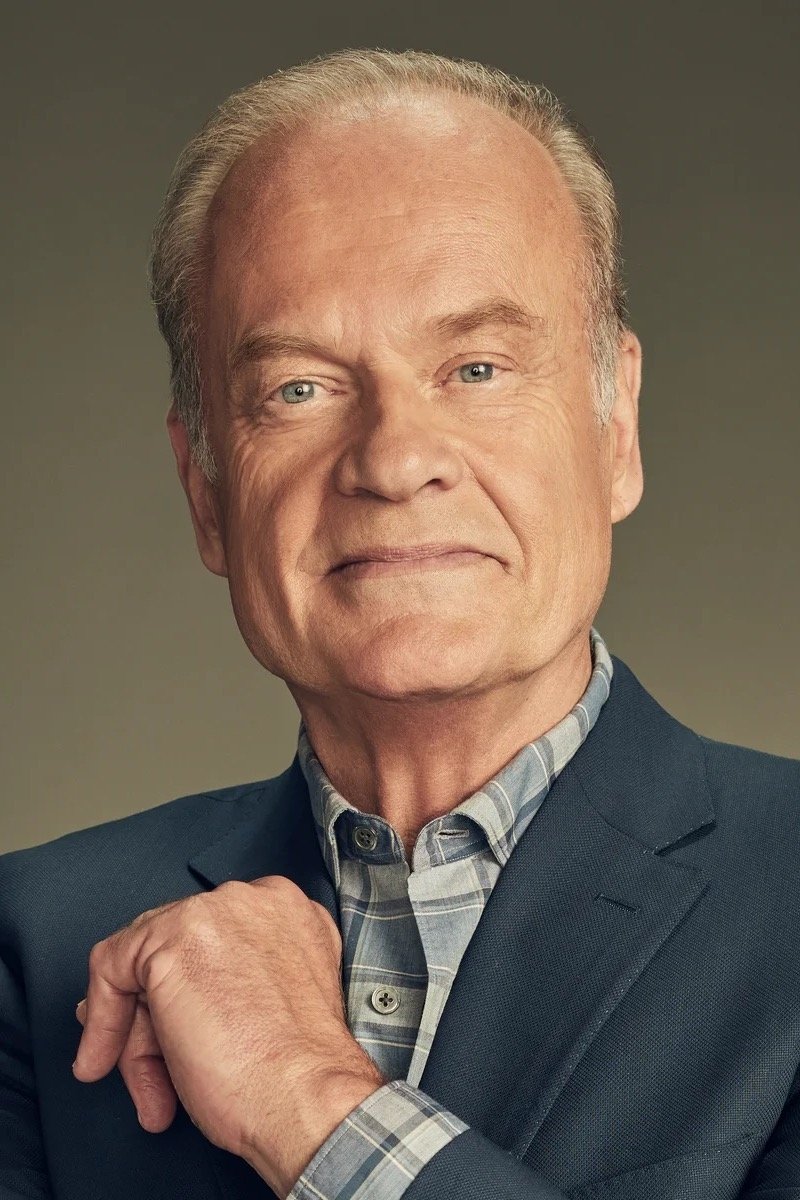
Kelsey Grammer, known worldwide for ‘Cheers’ and ‘Frasier’, has become a prominent conservative voice among Hollywood actors and has publicly maintained his support for Donald Trump in recent interviews. Video segments and political commentary pieces describe him discussing “woke culture” and how he believes certain viewpoints are marginalized in the industry. At the same time, long-form articles point out that he has also championed projects with diverse casts, noting his role as an executive producer on shows featuring Black leads, which complicates simplistic labels. This combination of conservative politics and public criticism of cultural trends has made Grammer a recurring reference point in discussions about an “unwokening” of Hollywood.
Dean Cain
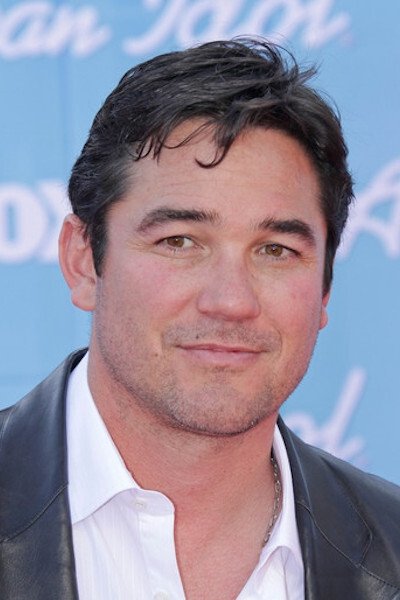
Dean Cain, best known for ‘Lois & Clark: The New Adventures of Superman’, has directly attacked what he calls “woke” re-interpretations of classic characters. In 2025 he criticized James Gunn’s upcoming Superman film for emphasizing immigrant themes and updated slogans, arguing that this approach reflects a broader “woke politics” trend in Hollywood. In interviews, Cain has warned against changing iconic heroes mainly to fit contemporary ideological fashions, urging studios not to make Hollywood “woke” in ways he believes betray original concepts. News coverage has also tied his comments on Superman to his broader support for stricter immigration policy and his willingness to work with law-enforcement agencies, which align him with conservative, anti-woke branding.
Kevin Sorbo
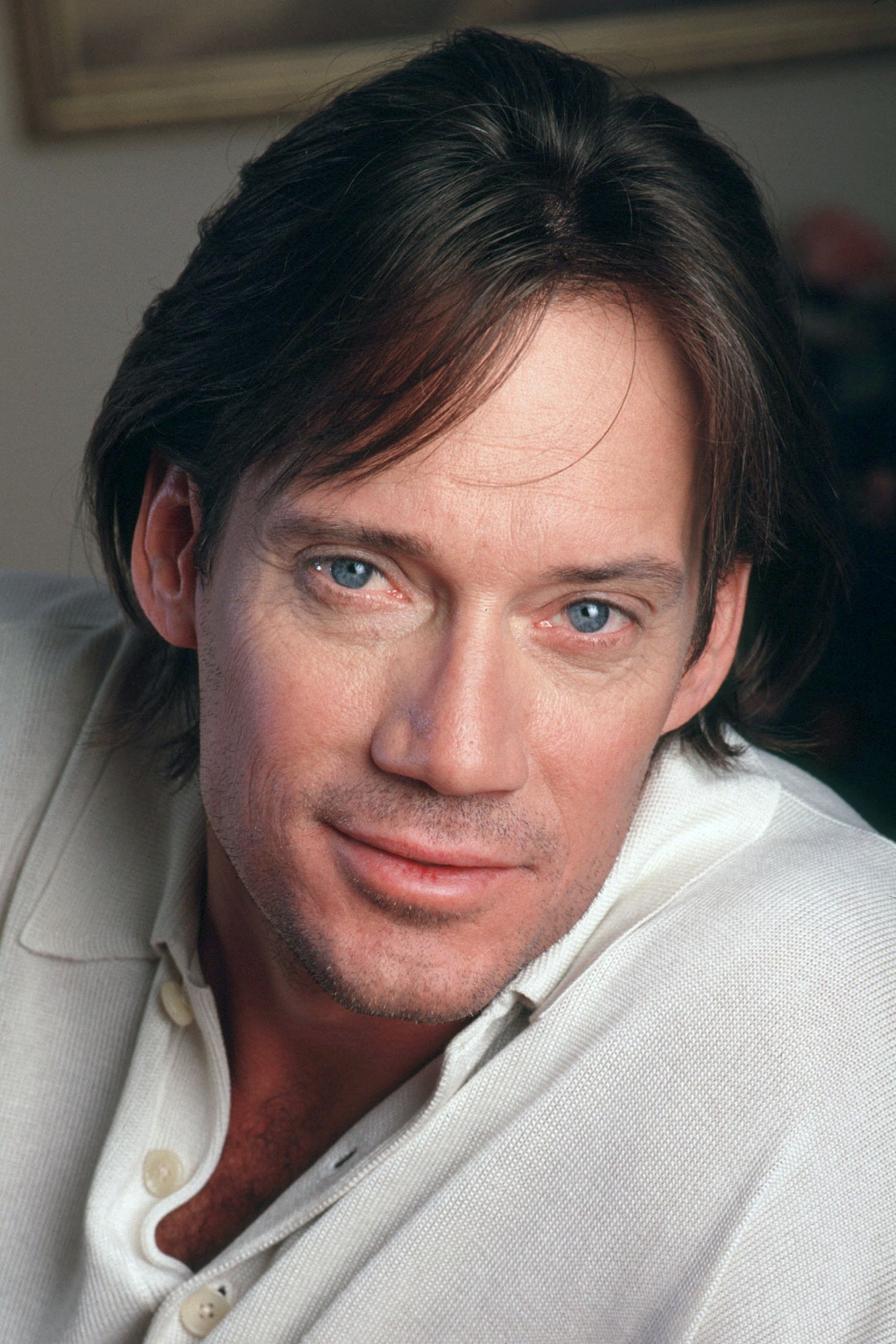
Kevin Sorbo, once widely known for playing Hercules in the 1990s, now frequently appears on conservative media outlets describing himself as an early “cancel culture victim” in Hollywood. He has said in interviews that his manager and agent stopped working with him over his Christian and conservative views, arguing that this effectively blacklisted him from mainstream projects. Sorbo now focuses on faith-based and independent films, which he portrays as alternatives to a “woke” studio system that, in his view, punishes dissenting beliefs. Features in right-leaning entertainment press often cite Sorbo alongside James Woods and Jim Caviezel as examples of performers who left or were pushed out of the traditional Hollywood ecosystem.
Vince Vaughn
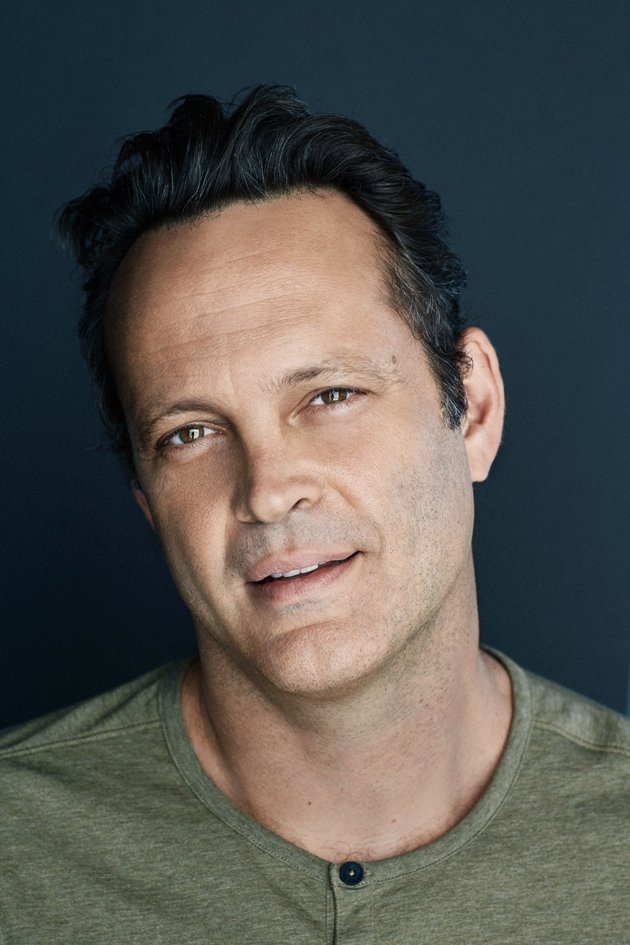
Vince Vaughn has repeatedly criticized how modern political correctness affects comedy, describing many contemporary R-rated comedies that avoid offense as “snoozefests” in recent interviews. In podcast conversations, he has acknowledged feeling the impact of what critics call woke or PC culture, saying that there is clear pressure in Hollywood to self-censor jokes and material. Vaughn’s friendliness with high-profile Republican politicians, including a much-discussed encounter with Donald Trump at a football game, has also been used in news and opinion pieces to frame him as part of an anti-woke cohort of actors. These discussions often present his stance as a defense of older, more irreverent styles of comedy that he believes are harder to make today.
Chris Pratt
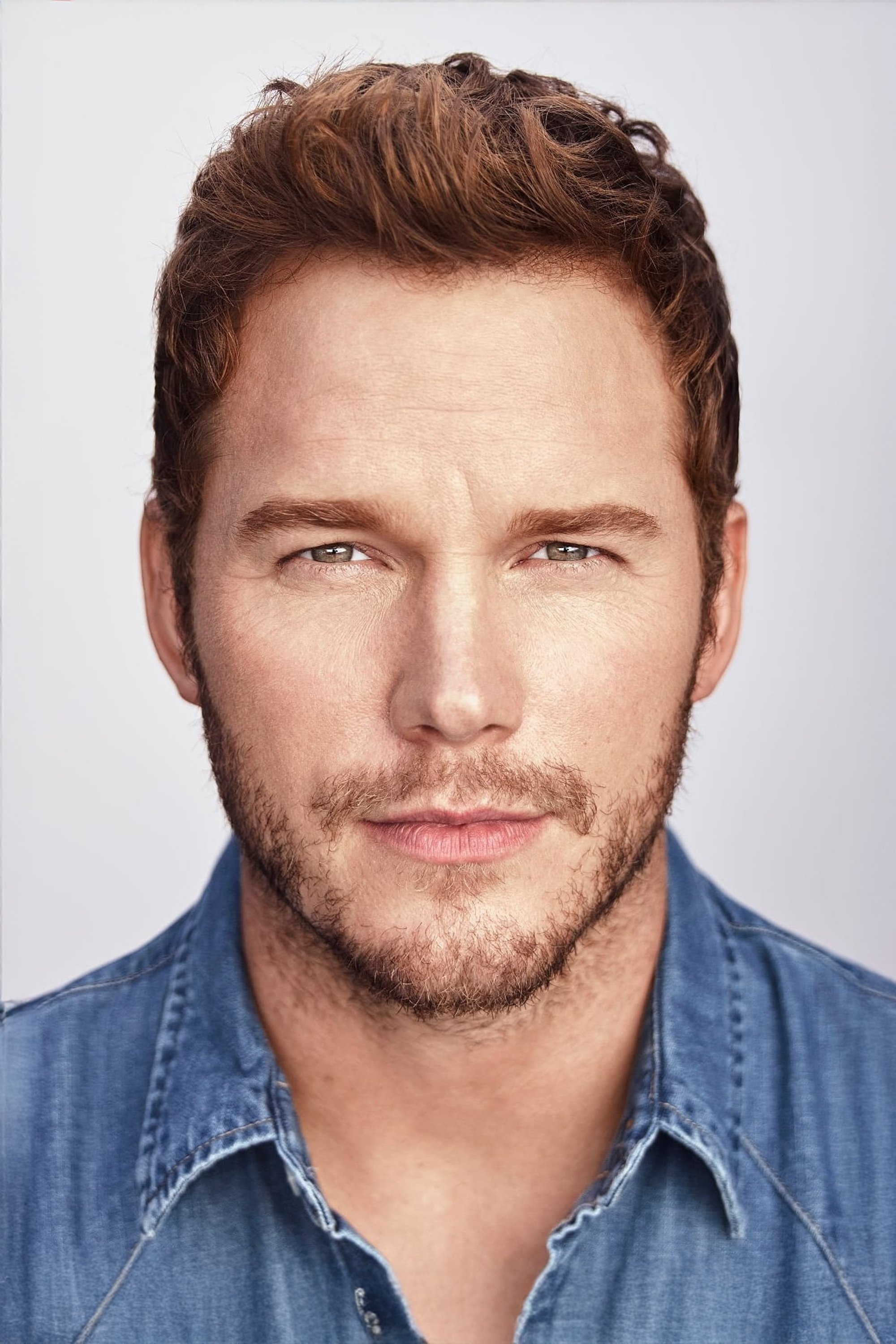
Chris Pratt’s name frequently comes up in culture-war debates, especially after the release of the military thriller series ‘The Terminal List’. When critics denounced the show as a right-wing fantasy, entertainment outlets reported that Pratt shared coverage claiming the series “defies woke critics” and highlighted its strong audience numbers despite negative reviews. He also reposted articles and memes that framed skeptical reviewers as “woke critics,” a label picked up widely in headlines and commentary. Although Pratt rarely uses the word “woke” directly in interviews, media coverage consistently places him at the center of arguments about whether Hollywood punishes openly Christian or politically non-progressive performers. This has led many outlets and online communities to treat him as a de facto anti-woke figure.
Mark Wahlberg
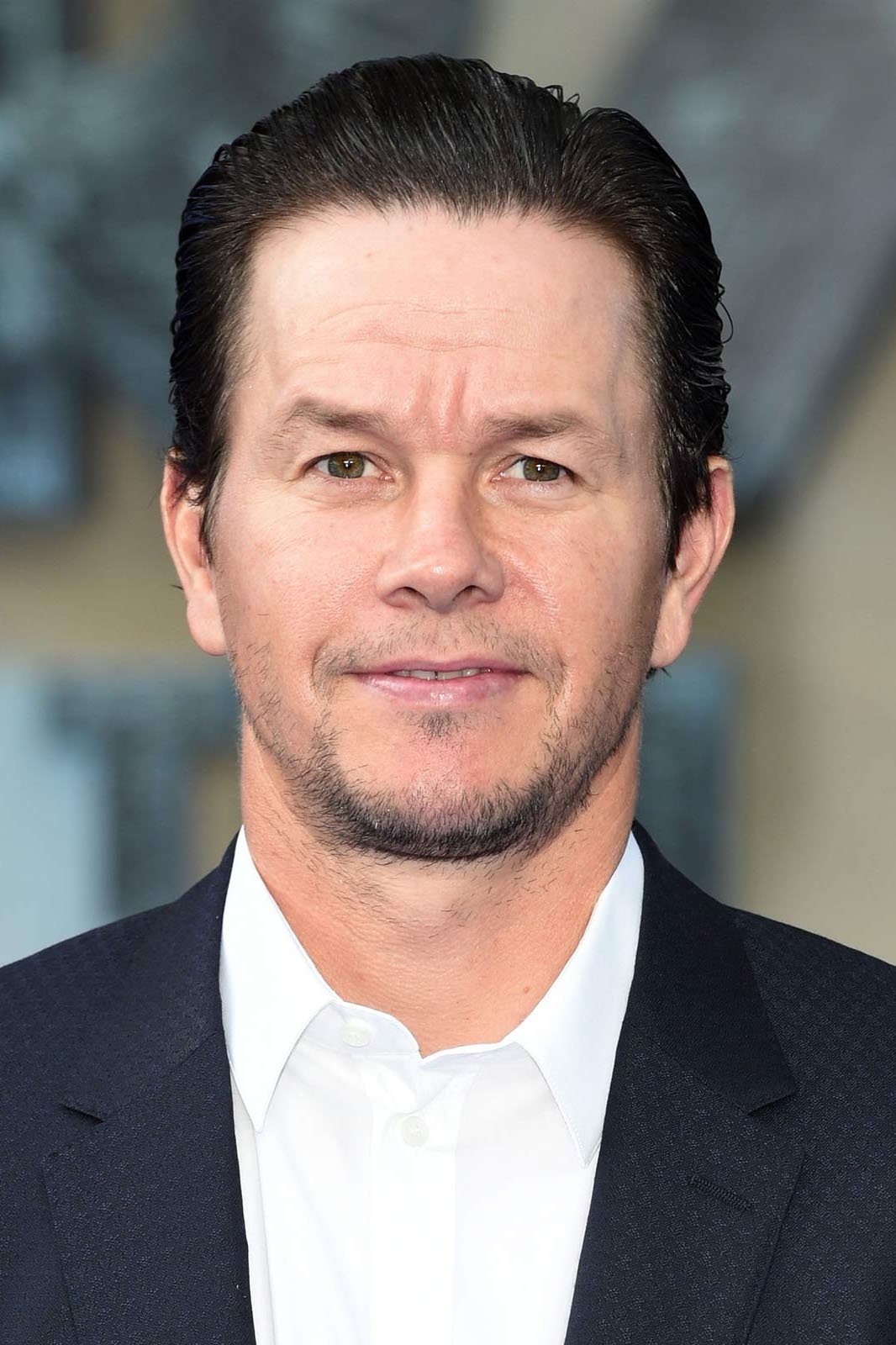
Mark Wahlberg does not speak as frequently in explicit “anti-woke” terms as some others on this list, but he has appeared in multiple debates tied to cancel culture and changing social standards. Opinion pieces examining his past behavior and criminal record have chronicled how online critics and “woke writers,” as some articles phrase it, question his continued success and honors. Conservative and anti-woke commentary sites often group Wahlberg with Mel Gibson and other actors as examples of performers who survived or resisted modern calls for cancellation. Several viral stories claiming he was founding or joining explicitly “anti-woke” studios have since been debunked as satire, but their popularity shows how strongly audiences associate him with resistance to woke Hollywood branding.
John Cleese
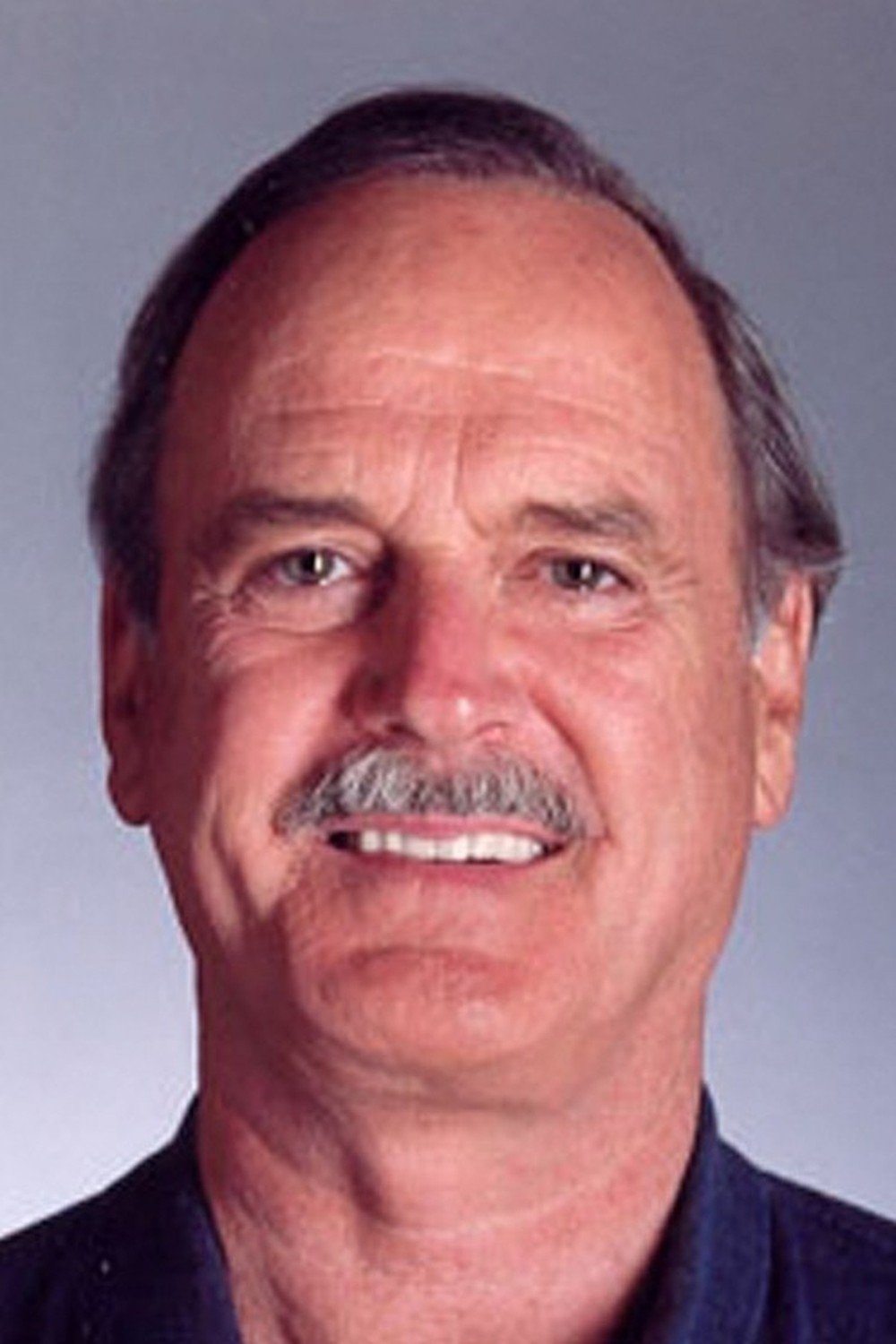
Though best known for British comedy like ‘Monty Python’s Flying Circus’, John Cleese has a long history of working in American and Hollywood-backed productions and has become a high-profile critic of so-called “woke police.” Articles covering his recent public appearances note that he warns about campus speech codes, cancel culture, and an atmosphere where comedians are afraid to tackle certain topics. Cleese has pulled out of university events over what he describes as censorship and has used social media to challenge younger activists on issues like historical guilt and satire. In cultural-war roundups, commentators frequently cite him as an example of an older liberal who believes modern progressive activism has gone too far in restricting speech, effectively placing him in the anti-woke camp despite his non-conservative past.
Laurence Fox
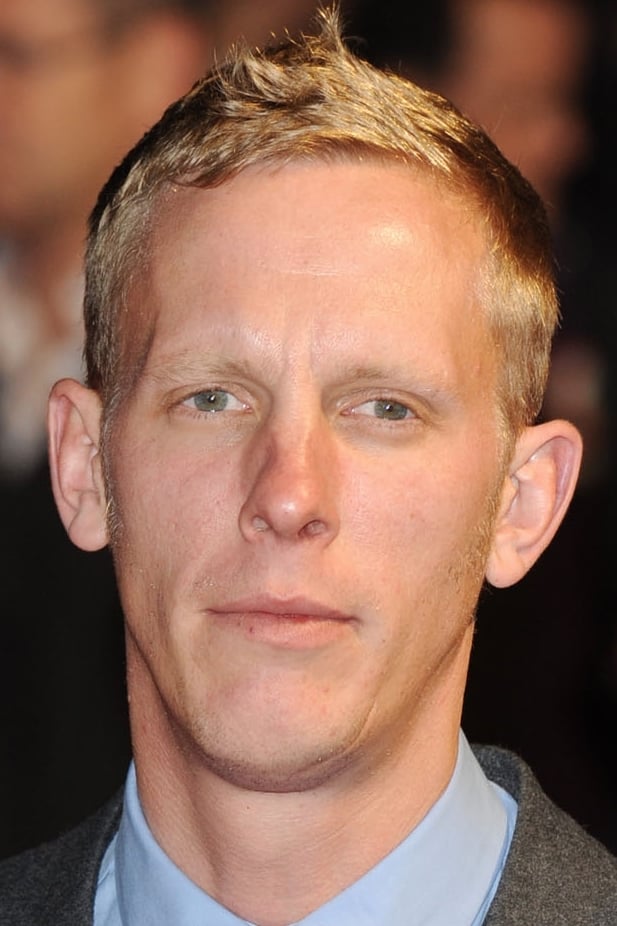
Laurence Fox, who appeared in films such as ‘Gosford Park’ and the series ‘Lewis’, has become more famous in recent years for his political activism than for acting roles. He founded the Reclaim Party in the UK with the stated goal of challenging what he sees as an oppressive woke culture in the arts and public life, arguing that free speech is being eroded by diversity and inclusion policies. Commentary pieces on Hollywood and the broader Anglophone entertainment world often describe him as a central figure in the culture wars, even though his recent work has shifted toward politics and media rather than major studio films. Fox frequently frames his stance as defending actors and writers who feel they cannot express non-progressive views without career consequences, reinforcing his reputation as a committed anti-woke campaigner.
If you follow these actors or their work, share which ones you think have most shaped the anti-woke conversation in Hollywood in the comments.

