


Hollywood Actresses Who Are Against AI Usage

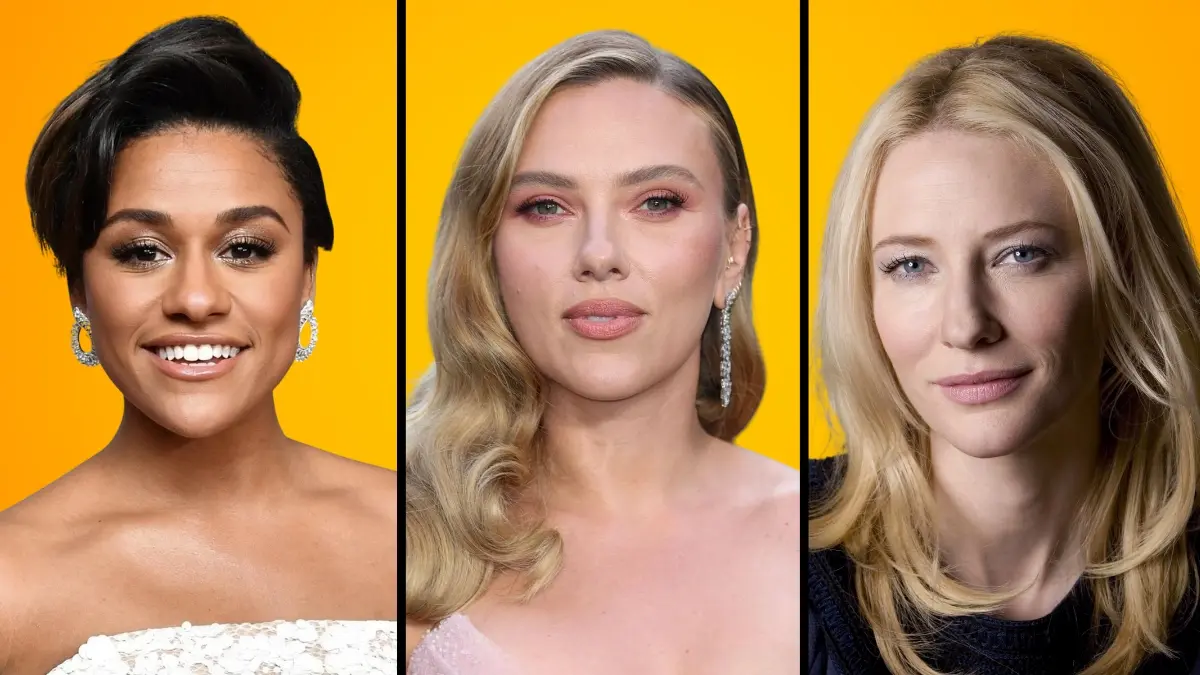


The conversation around artificial intelligence and its place in the creative arts is ongoing, and keeping track of the key figures involved is essential for understanding the movement. Many prominent women in the entertainment industry have raised their voices to ensure that the future of filmmaking remains human-centric and fair. This list breaks down the specific names of the actresses who have taken a stand, serving as a clear reference for those following the issue.
Scarlett Johansson
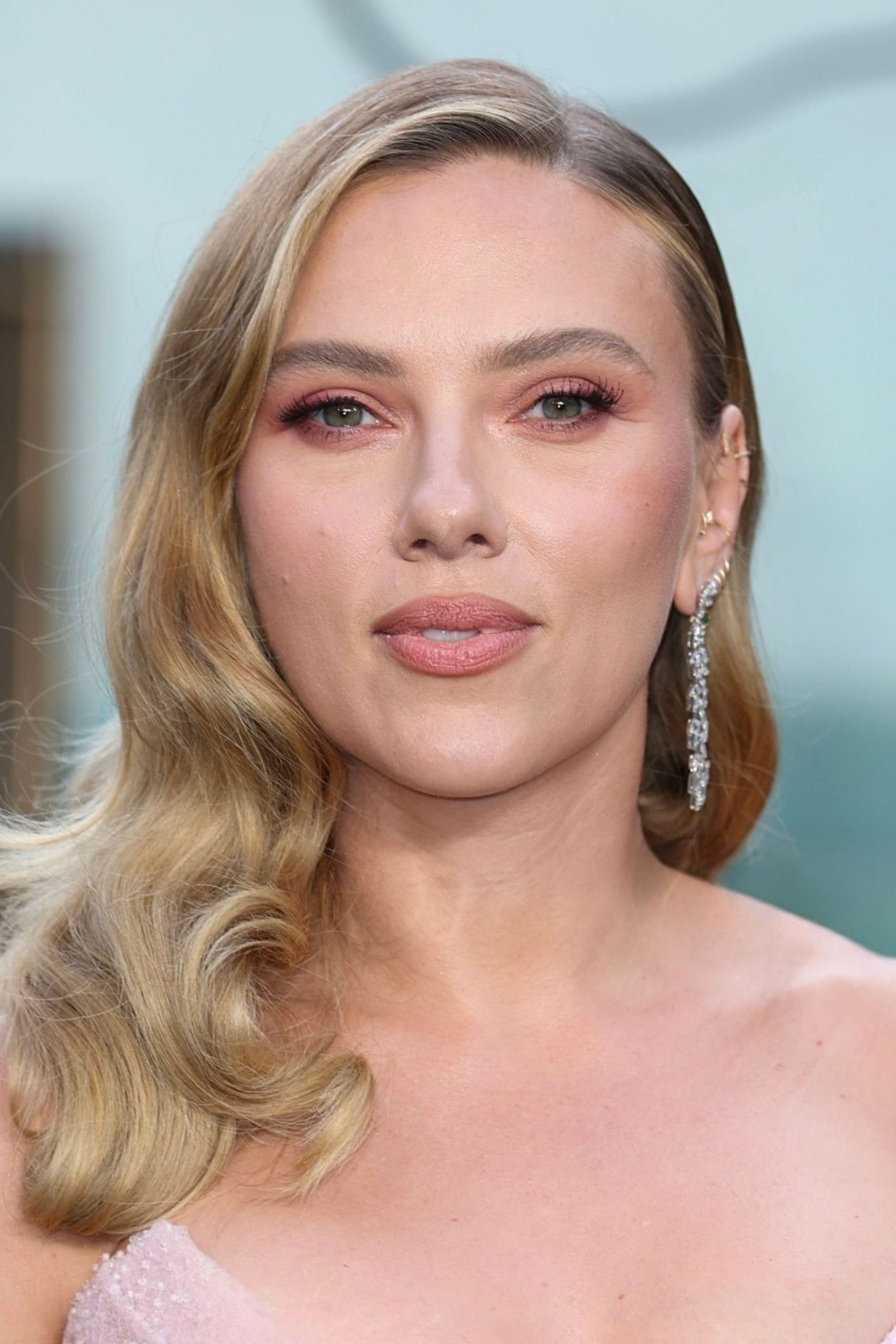
She became a central figure in the discussion regarding voice likeness and consent after a high-profile disagreement with a tech giant. Her actions highlighted the specific vulnerability of actors who have distinct and recognizable vocal qualities. She continues to advocate for legal structures that prevent unauthorized voice cloning. Her leadership has empowered other performers to scrutinize how their own biological data is being used.
Justine Bateman
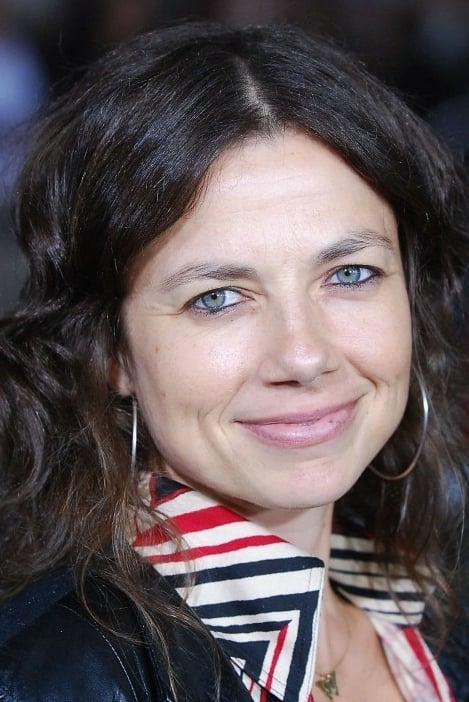
She functions as a primary educator and advisor within the industry regarding the technical and ethical implications of generative AI. Her work focuses on dismantling the idea that technological progress in art is inevitable or always beneficial. She urges guilds to adopt aggressive contract language to protect human jobs. Her background in computer science allows her to speak with authority on the subject.
Sarah Silverman
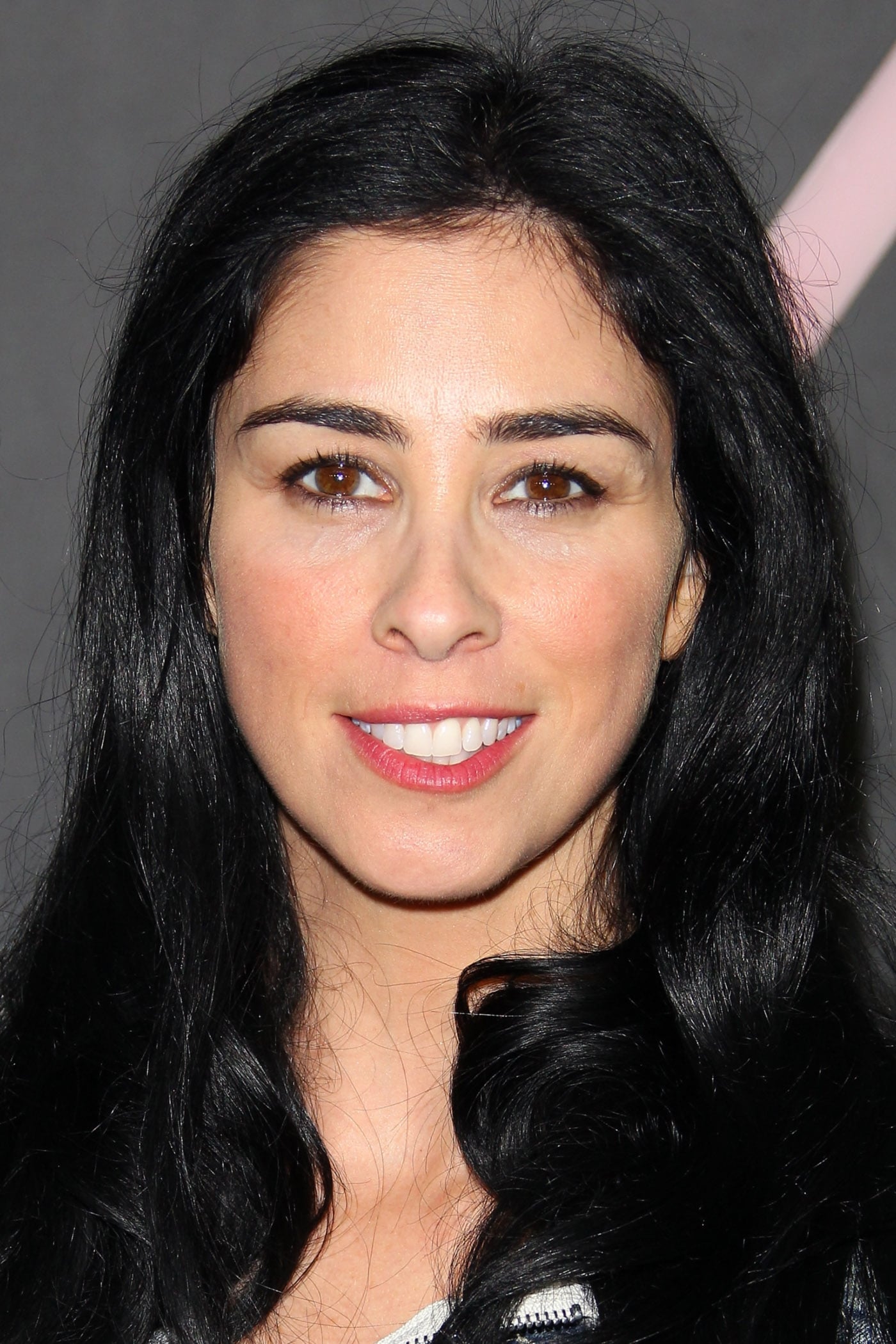
She took legal action to address the use of copyrighted material in training large language models without permission. Her lawsuit brings attention to the rights of authors and comedians whose written work feeds these systems. She argues that consent and compensation are non-negotiable elements of creative labor. Her boldness has encouraged others to consider the value of their intellectual property.
Keira Knightley
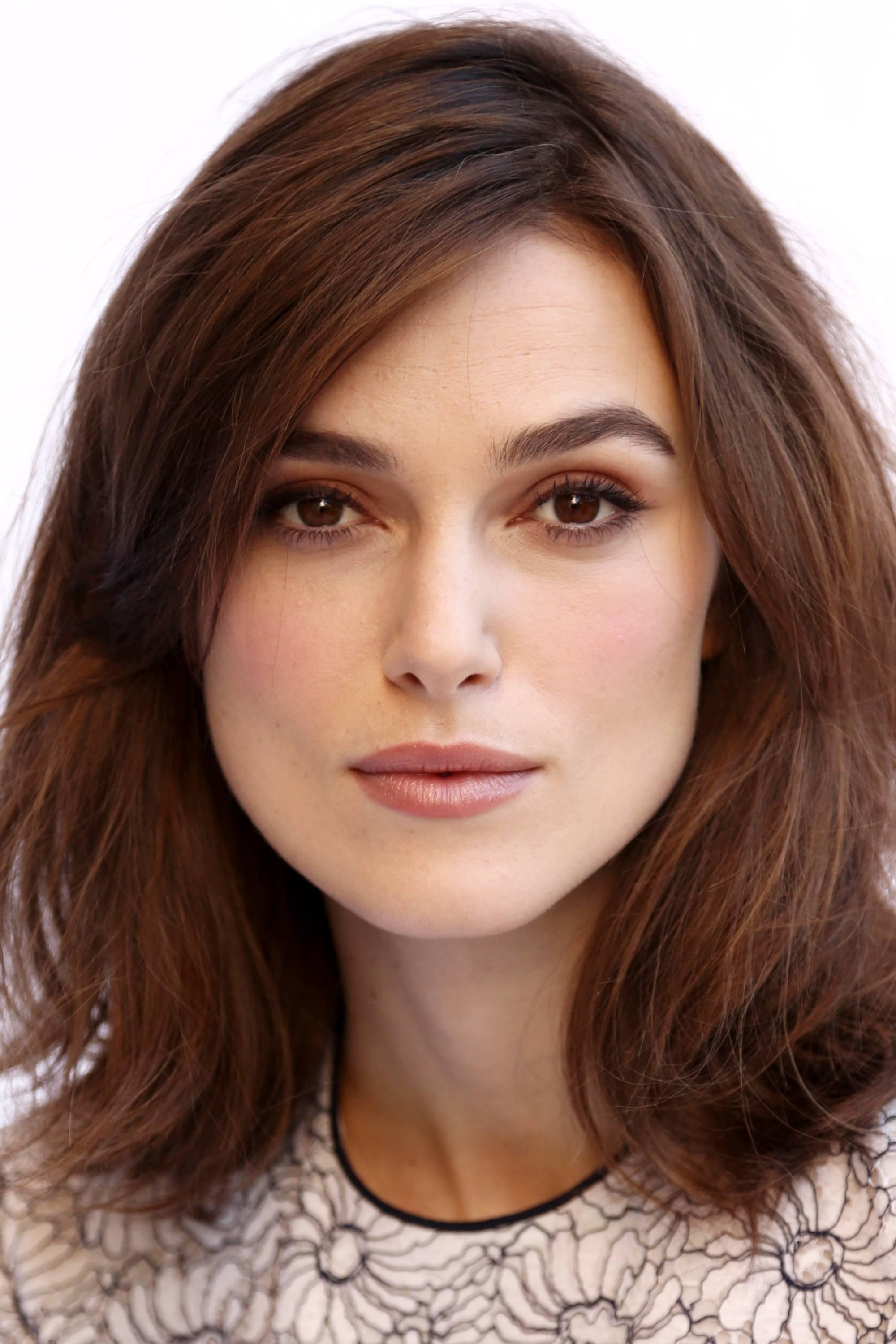
She has been vocal about the need to copyright her face and voice to prevent digital exploitation. She fears a future where studios could use a digital replica of her without her active involvement or payment. Her stance underscores the need for actors to retain ownership of their physical identity. She believes that the nuances of a performance belong to the human who created them.
Julianne Moore
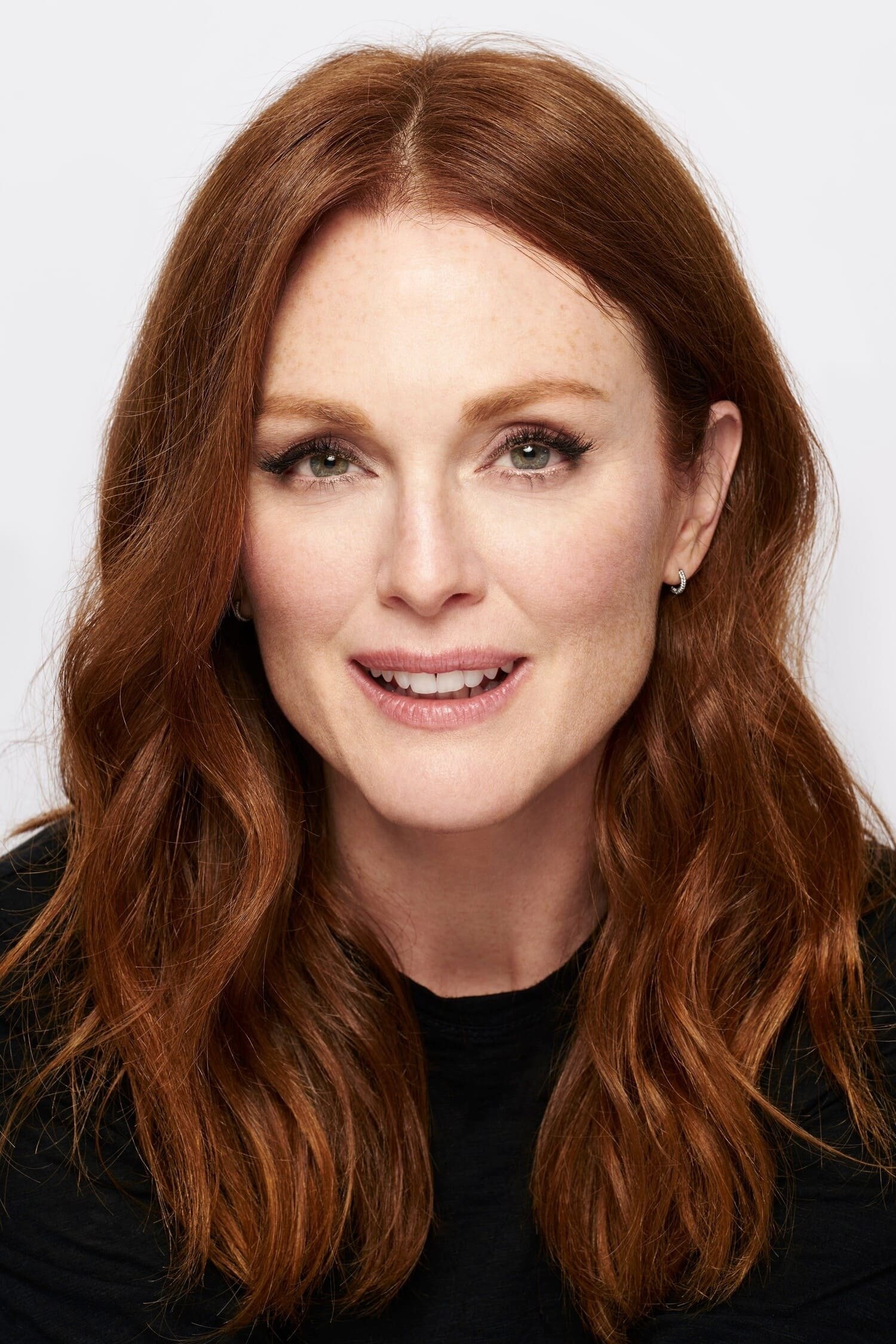
She signed a widely circulated statement that calls for the regulation of generative artificial intelligence in the arts. She believes that the unlicensed use of creative works poses a major threat to the livelihoods of artists. Her support lends significant weight to the movement due to her respected status in the industry. She advocates for a future where human creativity is prioritized over algorithmic generation.
Rosario Dawson
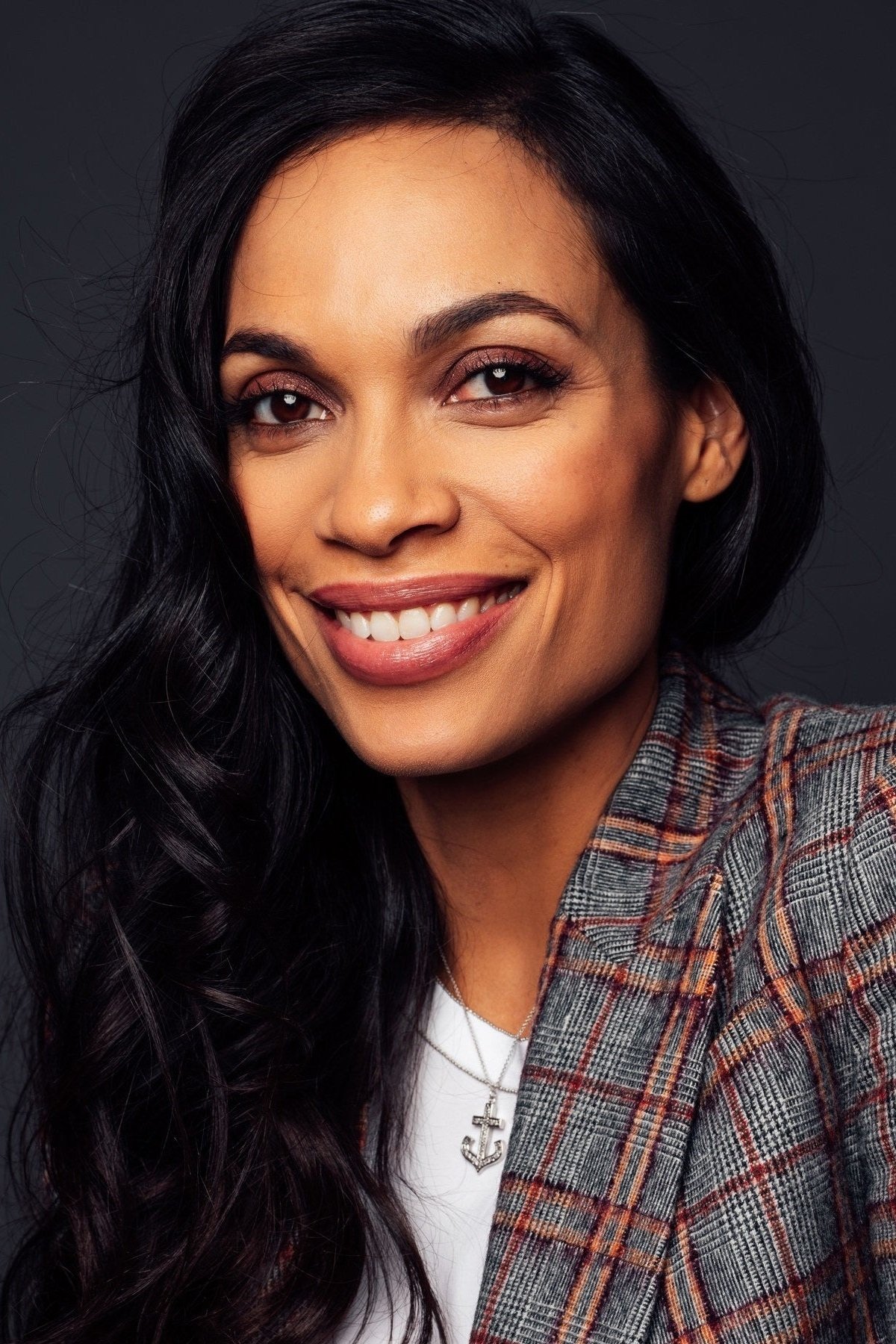
She actively supports the push for contracts that explicitly forbid the replacement of human actors with digital avatars. She believes that the emotional depth of storytelling is derived from human experience and cannot be coded. Her advocacy often bridges the gap between technology and labor rights. She insists that the industry must not lose its human soul in the pursuit of efficiency.
Melissa Joan Hart
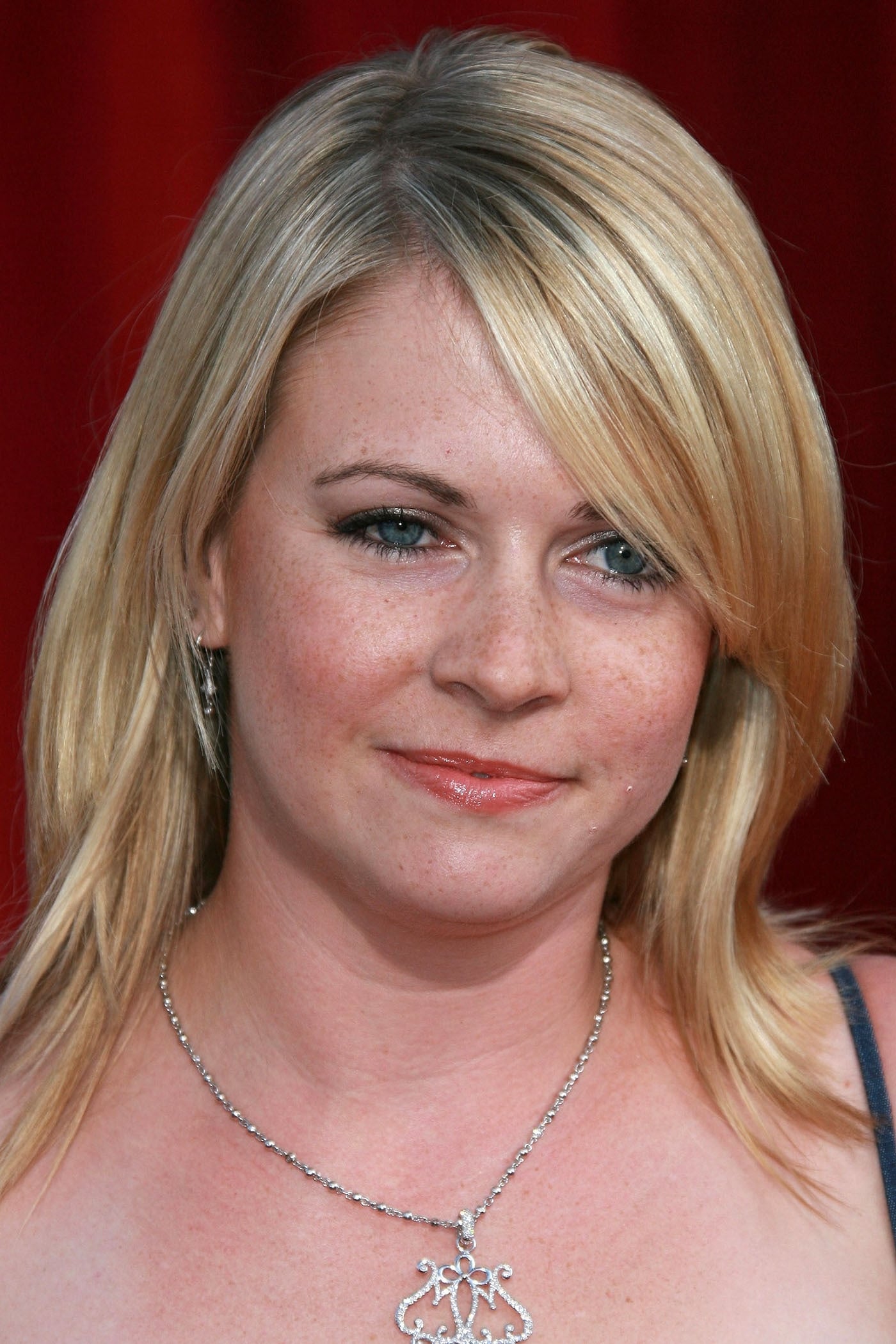
She joined the call for strict regulation of generative AI to ensure that the craft of acting is preserved for the future. She emphasizes that technology should be a tool to assist creators rather than a mechanism to replace them. She supports union efforts to secure guardrails that prevent studios from cutting corners. Her concern is for the sustainability of the profession for the next generation.
Kate McKinnon
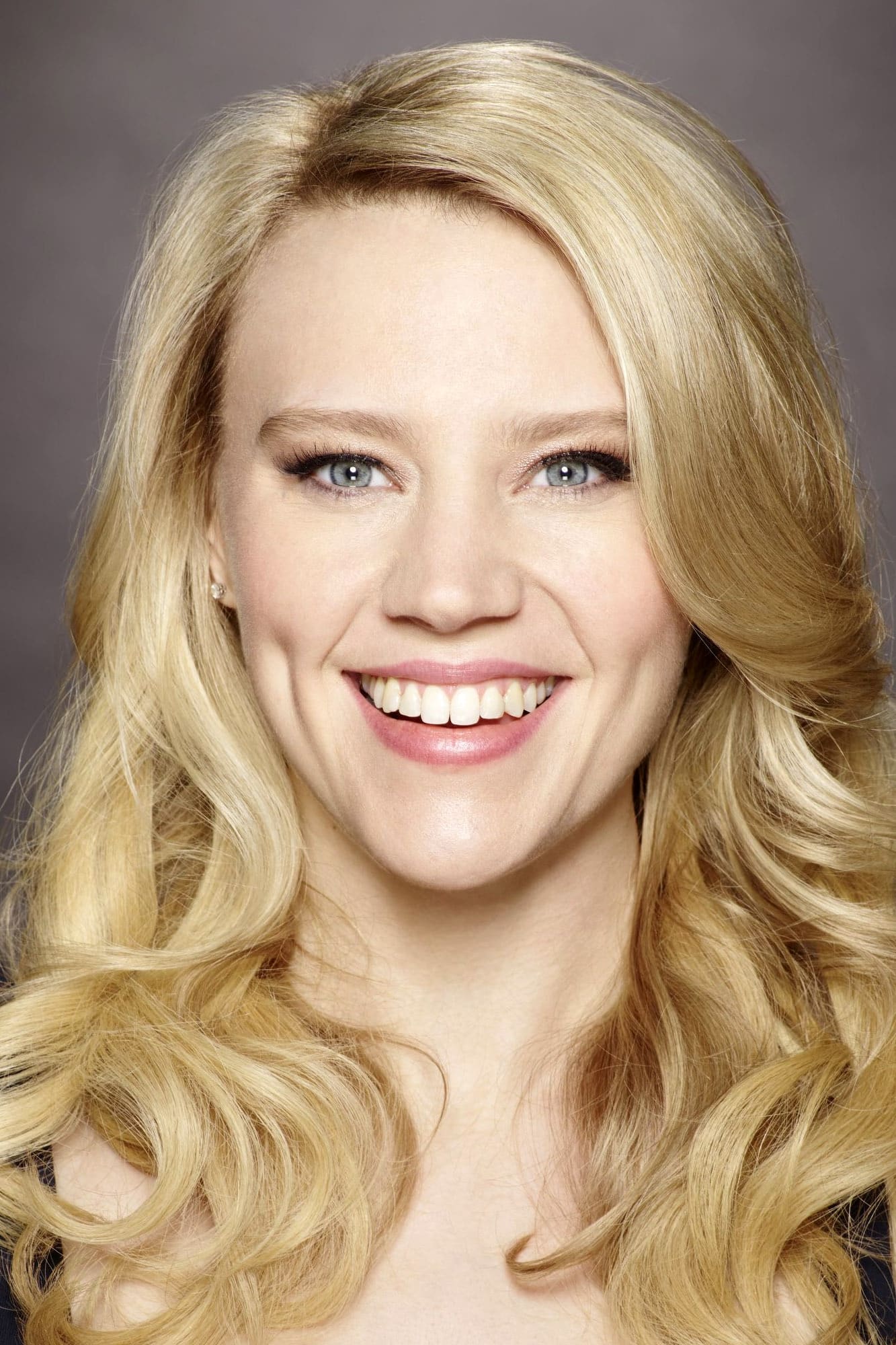
She signed the public statement warning against the threats posed by unlicensed training of AI systems on comedic work. She values the spontaneity and human connection that are central to comedy and difficult for machines to replicate. She advocates for the right of performers to own their unique comedic voices and styles. She worries that algorithms will dilute the quality of humor in entertainment.
Liza Colón-Zayas
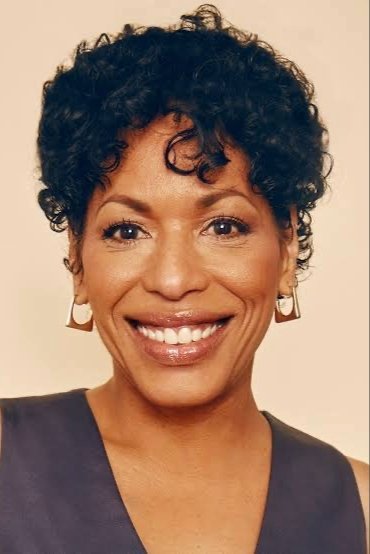
She is part of the collective of actors objecting to the use of their work for training purposes without specific consent. She argues that the unique cultural perspectives actors bring to roles must be protected from appropriation. Her advocacy highlights the concerns of character actors who fear being marginalized by digital crowds. She believes the human element is the bridge between the story and the audience.
Natasha Lyonne
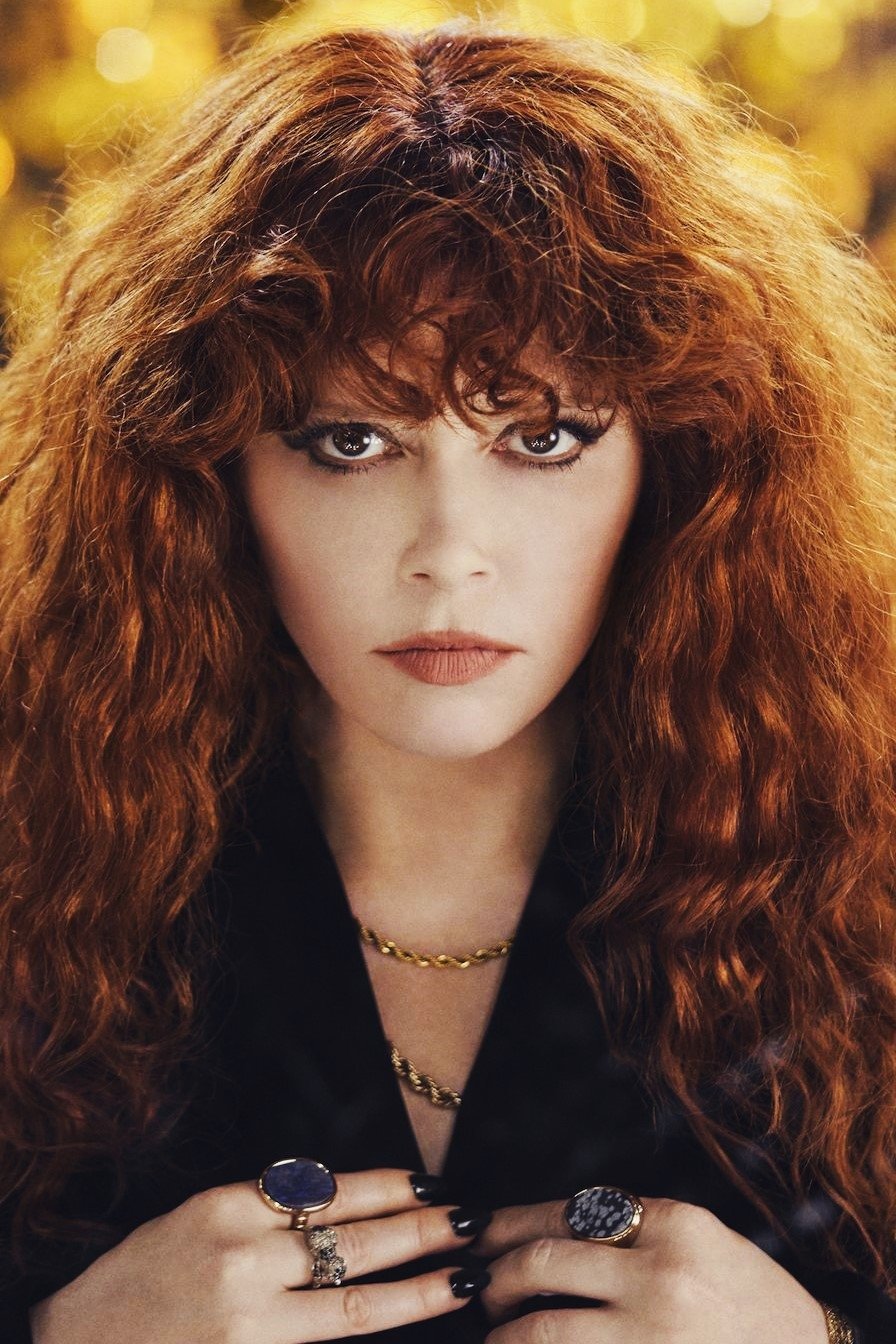
She helped lead a large group of industry insiders in urging the government to maintain strong copyright laws. She argues that weakening these protections would allow tech companies to exploit creative work without consequence. She is a fierce advocate for maintaining legal boundaries around intellectual property. Her leadership demonstrates a commitment to the long-term health of the creative community.
Bette Midler

She has long defended her own likeness and joined the recent push to protect artists from digital exploitation. She signed the letter organized by peers to demand that the government uphold copyright laws strictly. Her past legal battles over sound-alike commercials give her a personal stake in voice appropriation. She remains a powerful voice for the idea that an artist’s identity is their own property.
Aubrey Plaza

She added her signature to the letter urging policymakers to protect creative professionals from unchecked technological expansion. She values the unpredictable nature of human performance and worries that algorithms will homogenize entertainment. She has spoken about the need for weirdness and imperfection in art. Her stance aligns with those who believe automation kills the creative spirit.
Ava DuVernay
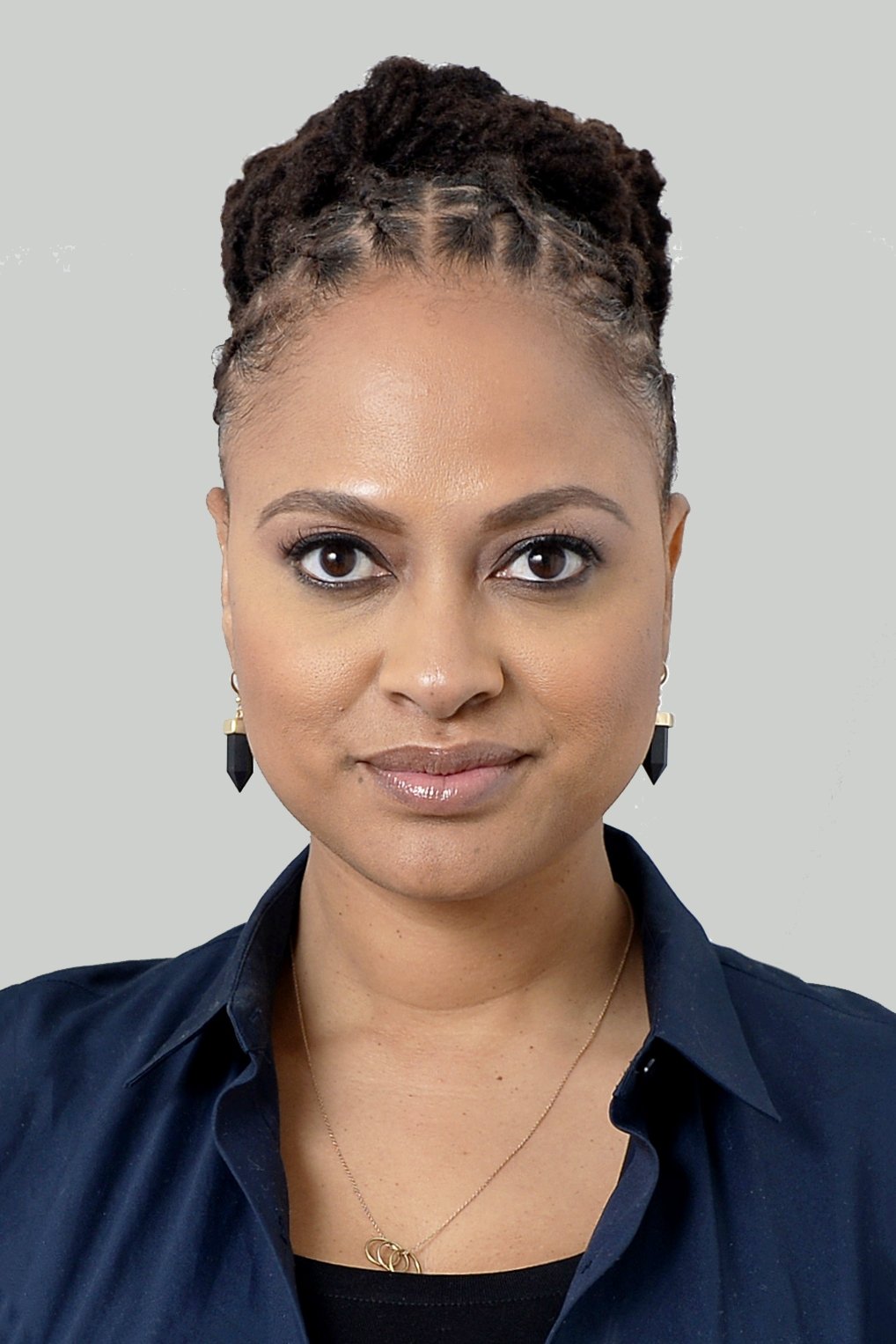
She signed the open letter to the government because she believes in the sanctity of the creative process and human storytelling. She argues that narrative art requires a soul and lived experience that software cannot emulate. Her advocacy extends to ensuring that diverse voices are not drowned out by mass-generated content. She pushes for regulations that prioritize human dignity.
Cara Delevingne
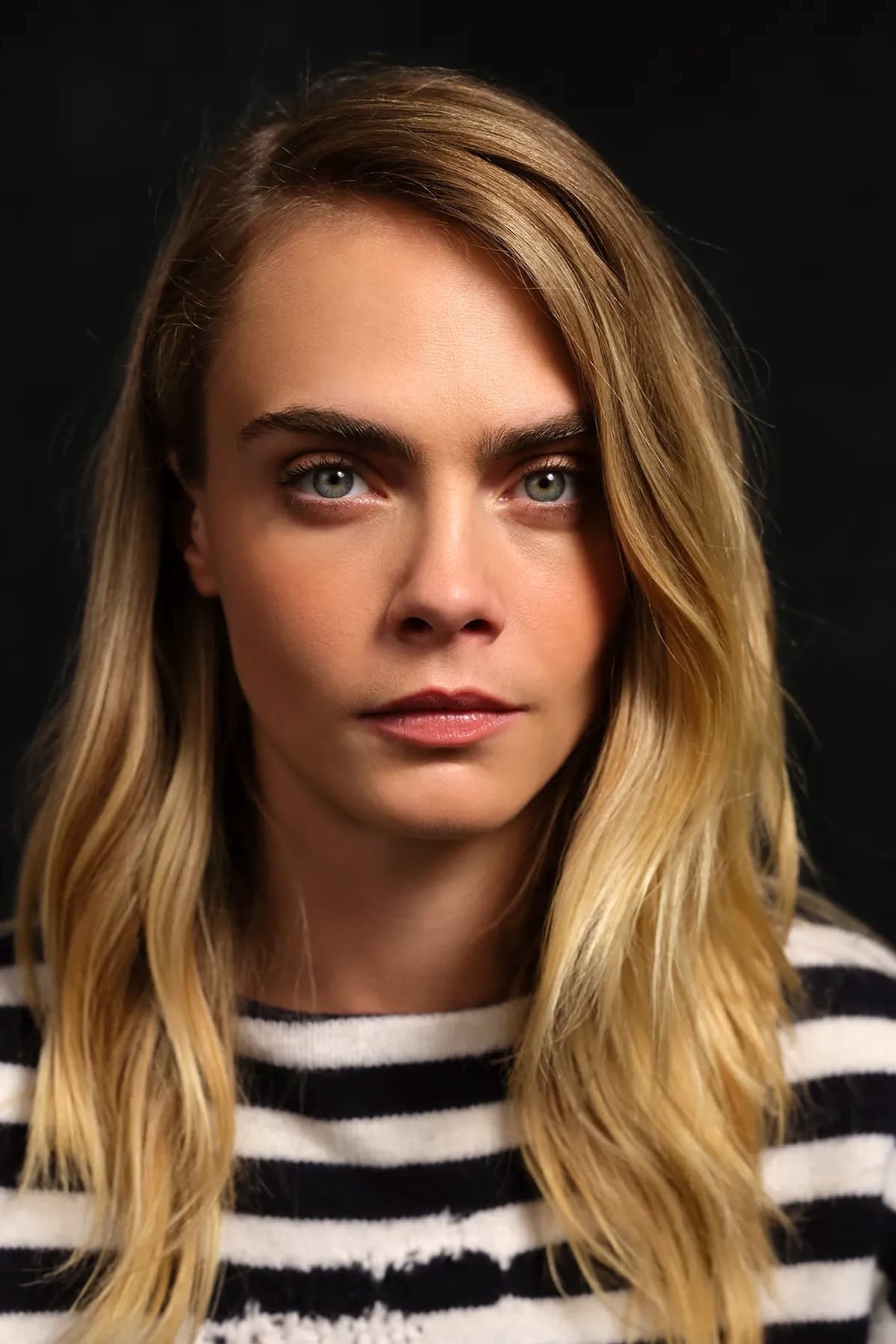
She joined the coalition of artists demanding that their work not be used to train machines without permission. She has expressed concern about the potential for technology to manipulate images and distort reality. Her career in modeling and acting makes her acutely aware of how digital tools can exploit appearance. She supports strict consent protocols for any use of a performer’s likeness.
Chloe Fineman
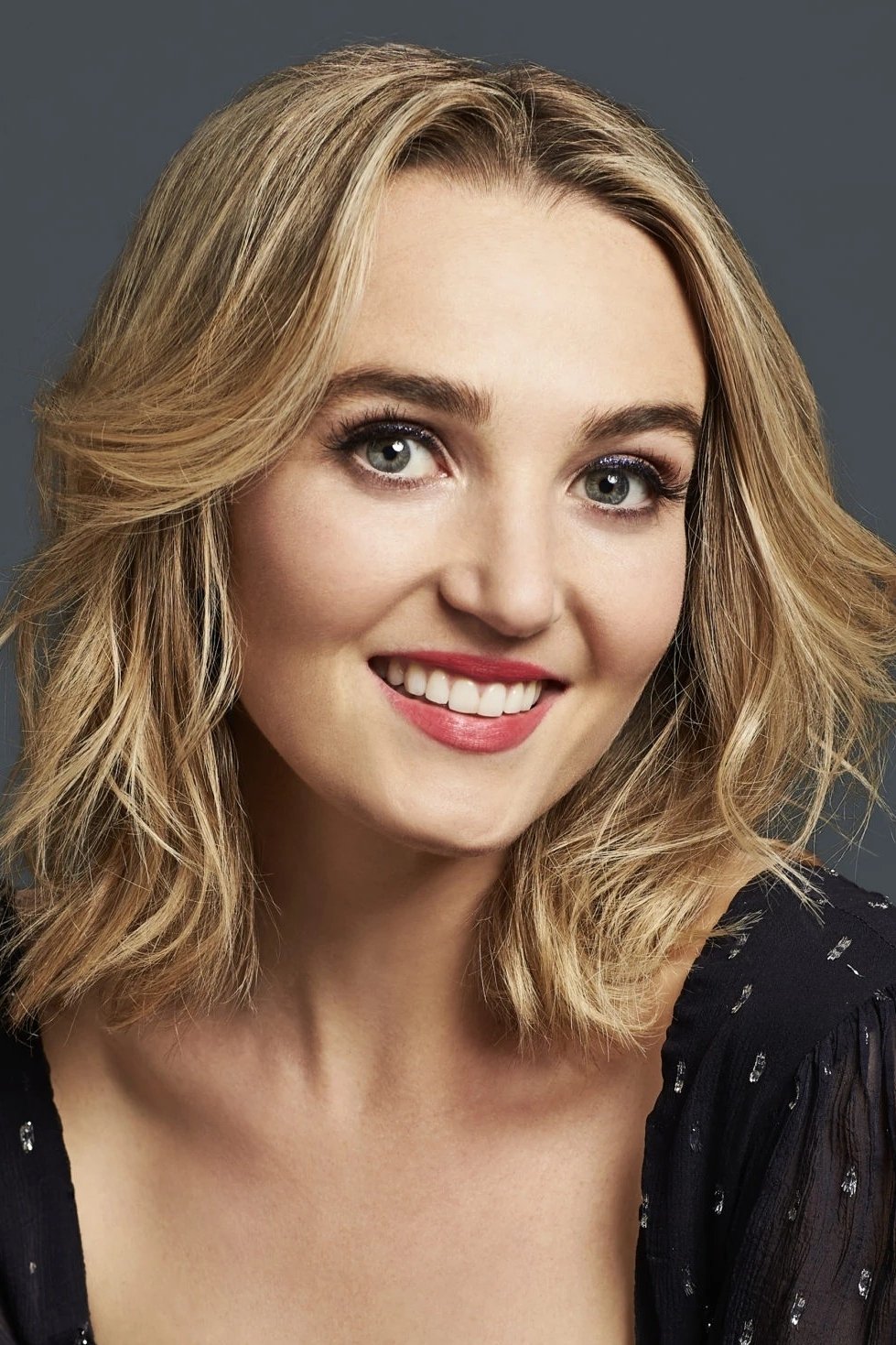
She is another comedian who has signed the letter calling for copyright protections against AI training and voice cloning. She relies on her ability to observe and mimic human behavior in a way that is distinctly personal. She worries that allowing machines to scrape performances will devalue the skill of impressionists. She advocates for the right of performers to own their unique comedic styles.
Cate Blanchett
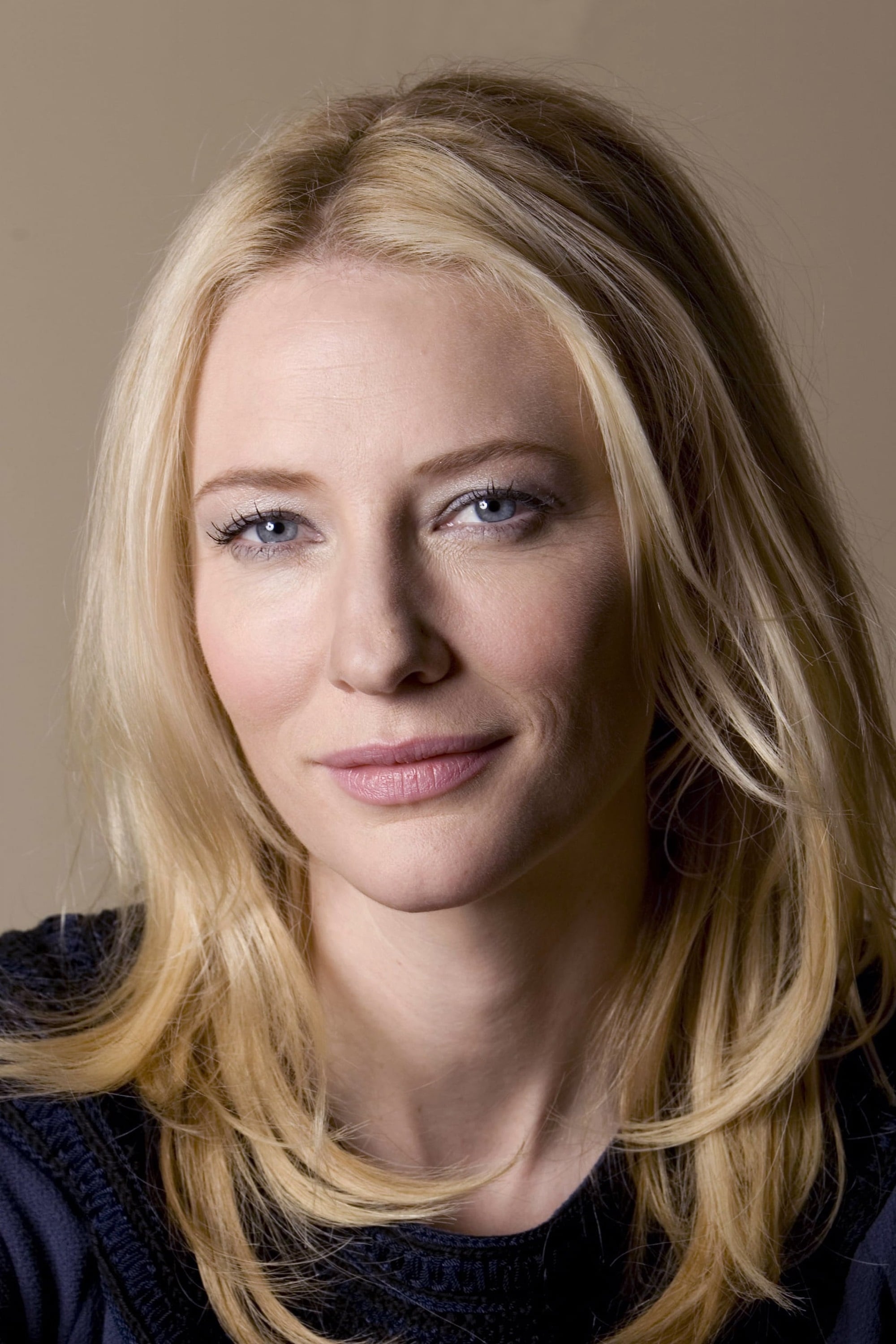
She lent her influential voice to the movement by signing the letter to the White House regarding copyright and AI. She has frequently spoken about the importance of authenticity in cinema and theatre. She believes that the emotional connection between actor and audience is fragile and must be protected. She supports measures that ensure technology remains a tool rather than a master.
Cynthia Erivo
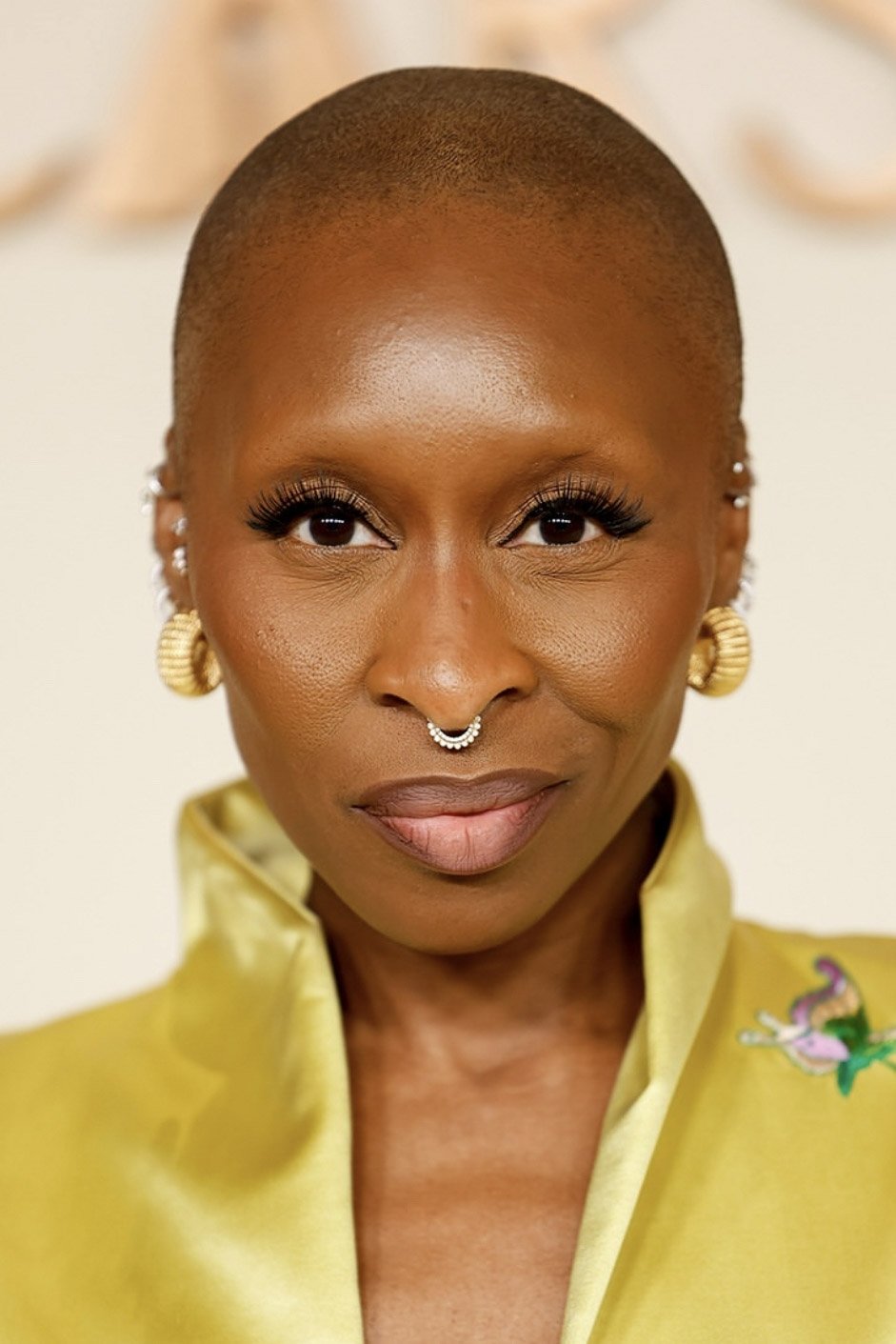
She signed the petition to protect artists because she values the immense training and dedication required to be a performer. She is concerned that shortcuts provided by technology will erode the quality of artistic output. She advocates for fair compensation whenever an artist’s work is used to develop new technologies. She believes that the human voice is a unique instrument that cannot be synthesized.
Phoebe Waller-Bridge
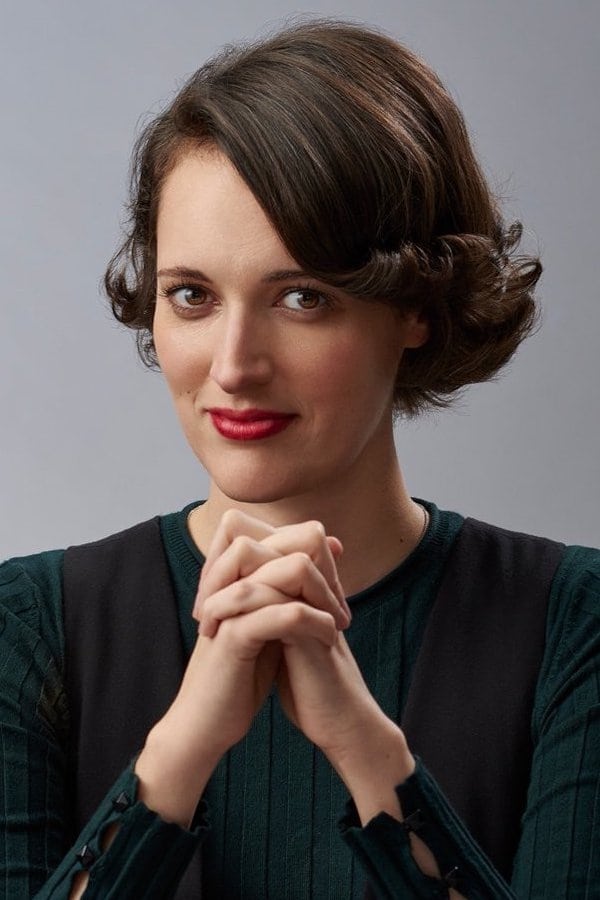
She joined the call for government action to protect copyright laws from being dismantled by tech companies. She writes and performs with a specific voice that is deeply personal and irreplaceable. She fears that generative models will churn out derivative content that lacks true insight. She stands with writers and actors who want to keep the industry human-centric.
Lily Gladstone
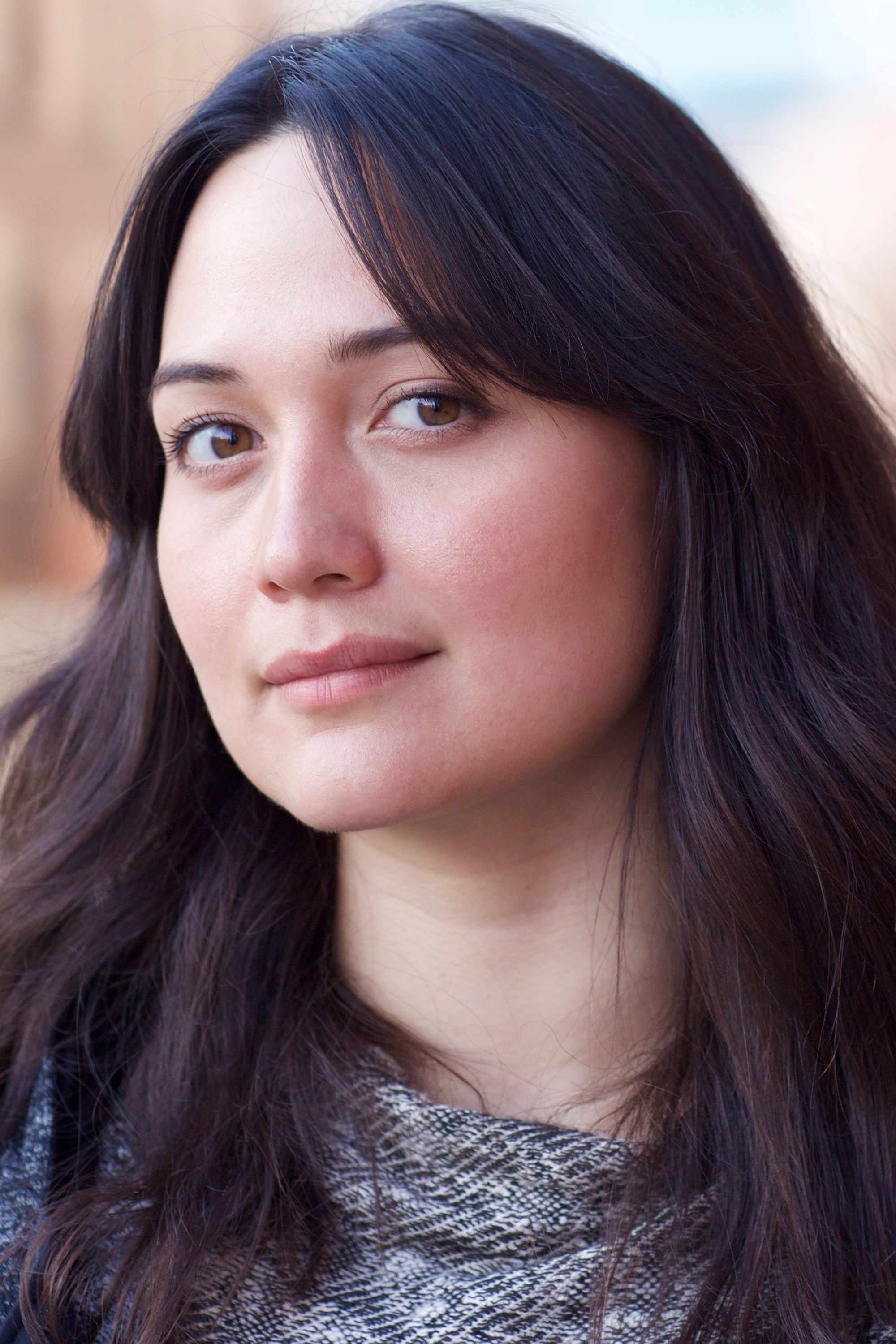
She signed the open letter because she believes in the importance of protecting indigenous and individual stories from data scraping. She argues that performance is an act of spirit that cannot be reduced to code. Her advocacy highlights the need for cultural respect in the age of automation. She supports the union’s efforts to ensure that actors retain control over their digital representation.
Maggie Gyllenhaal
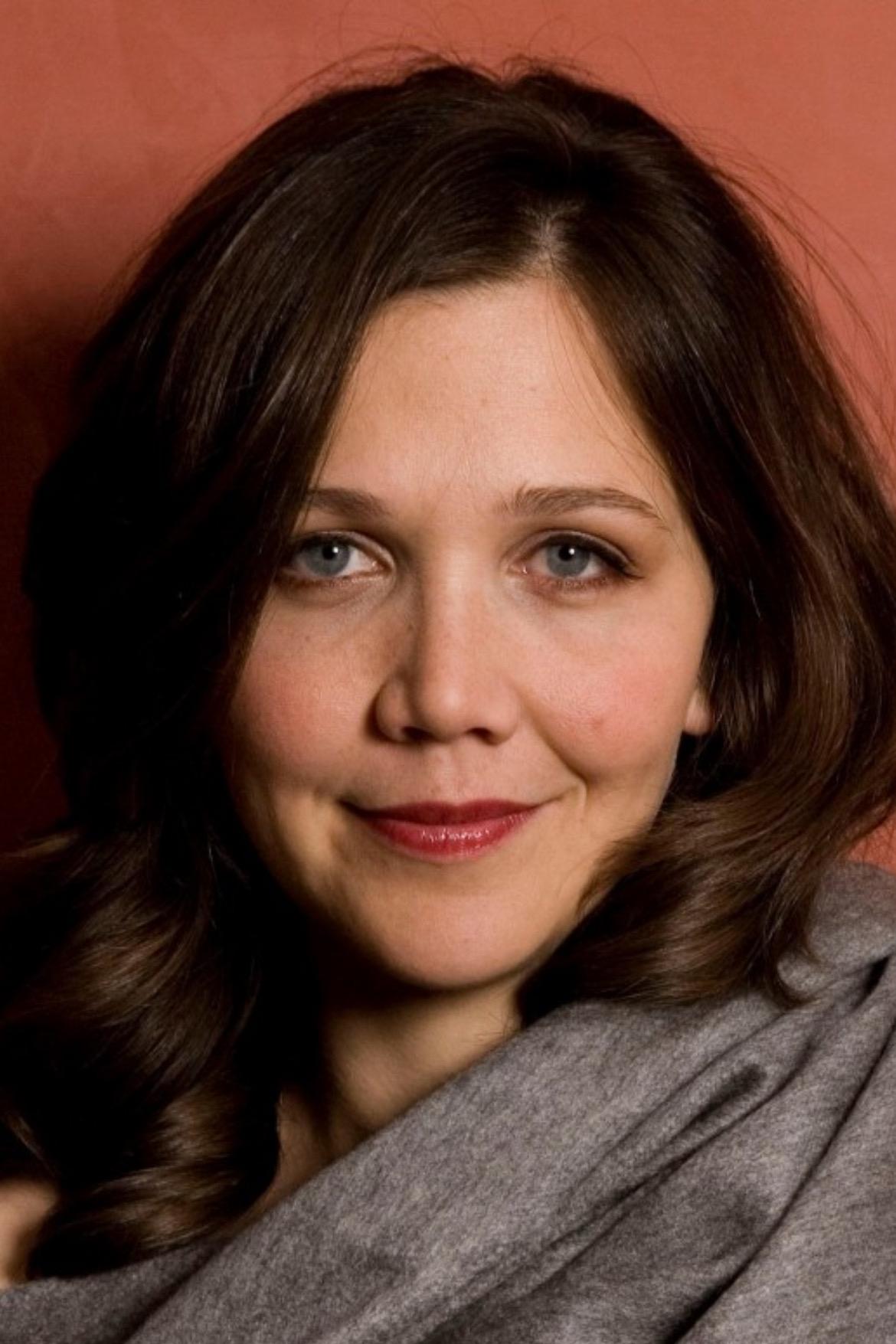
She added her name to the list of creators demanding that copyright laws be enforced strictly in the face of new technology. She values the independent spirit of filmmaking and fears that automation will favor big studios over individual artists. She believes that the nuances of a performance are what make a film worth watching. She advocates for a landscape where human creativity is the primary driver.
Michaela Coel
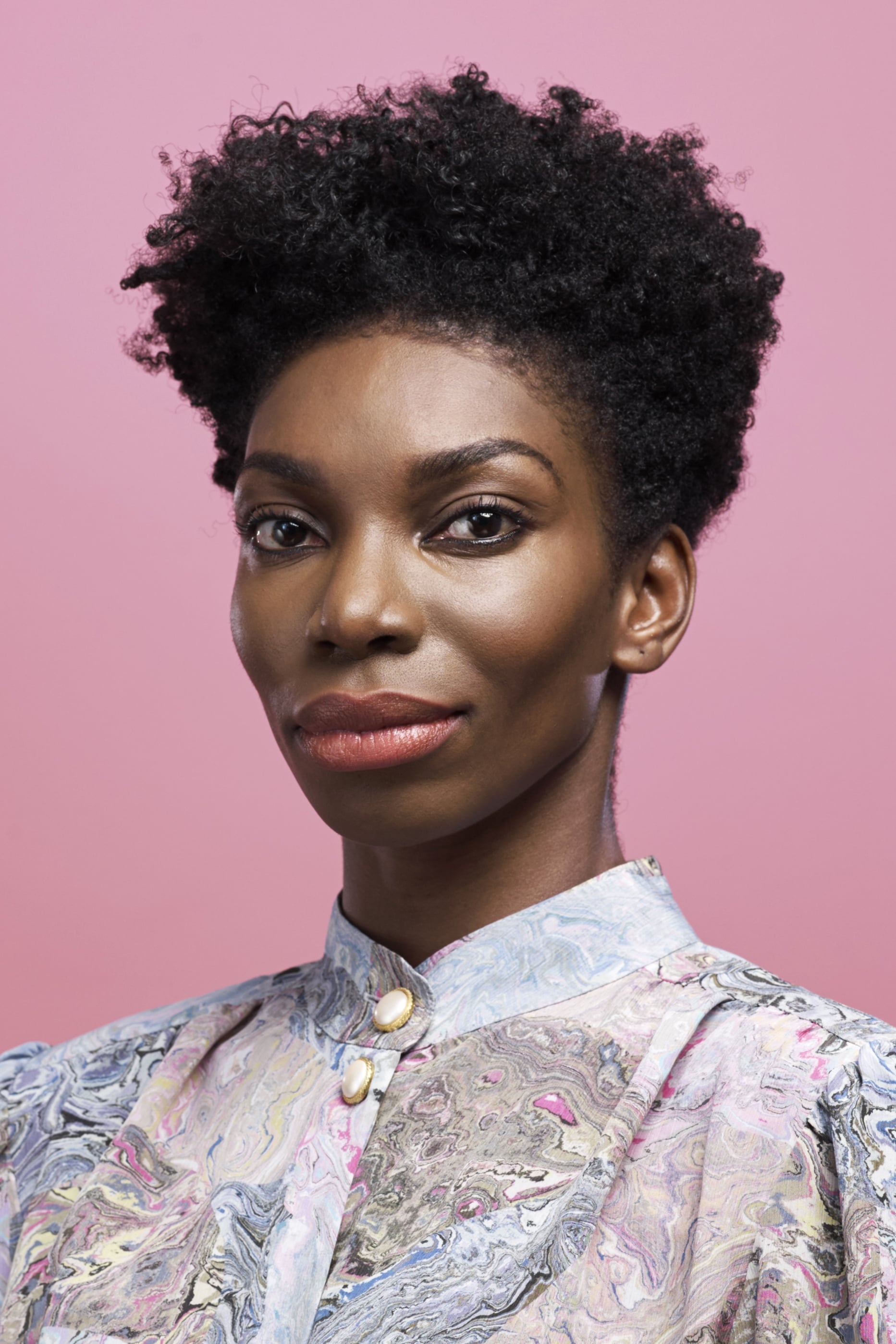
She signed the letter to the government because she understands the labor involved in creating original stories. She is a strong proponent of ownership and retaining the rights to one’s own narrative. She worries that artificial intelligence will be used to recycle existing ideas rather than generate new ones. She supports the fight for a creative ecosystem that rewards human risk-taking.
Kim Gordon
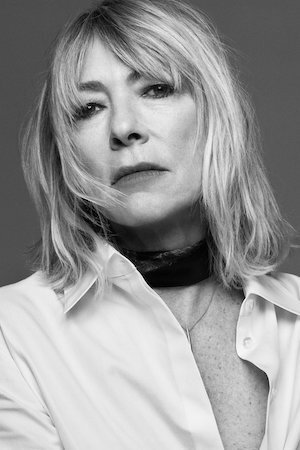
She joined the movement to protect artists from having their work ingested by machines without consent. She has always been an avant-garde figure who values raw and authentic expression. She opposes the commercialization of art through automated means. She believes that the imperfections of human creation are what give it value.
Olivia Wilde
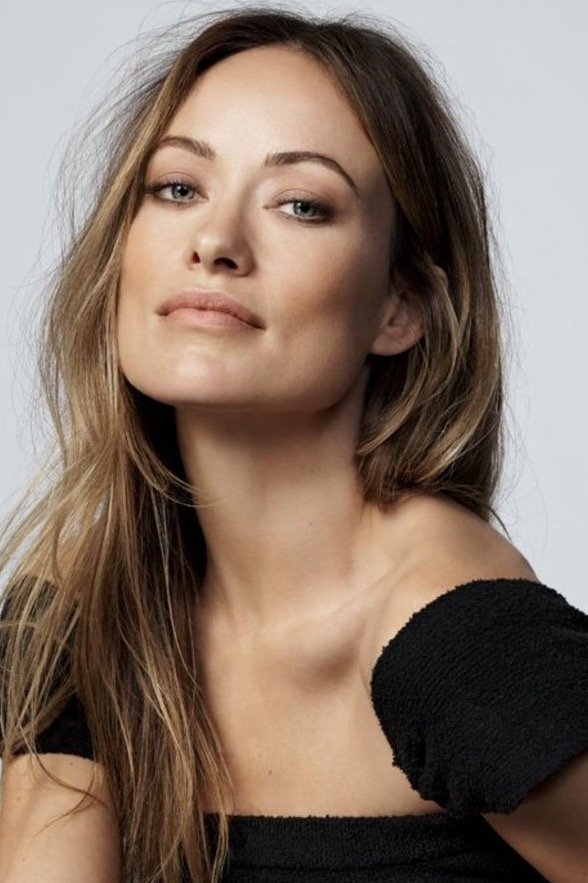
She has been vocal about her support for the strike and the need to regulate artificial intelligence in Hollywood. She signed the letter urging the government to maintain strong copyright protections. She believes that directors and actors must work together to safeguard their professions. She argues that the visual arts rely on human vision and interpretation.
Emily Blunt
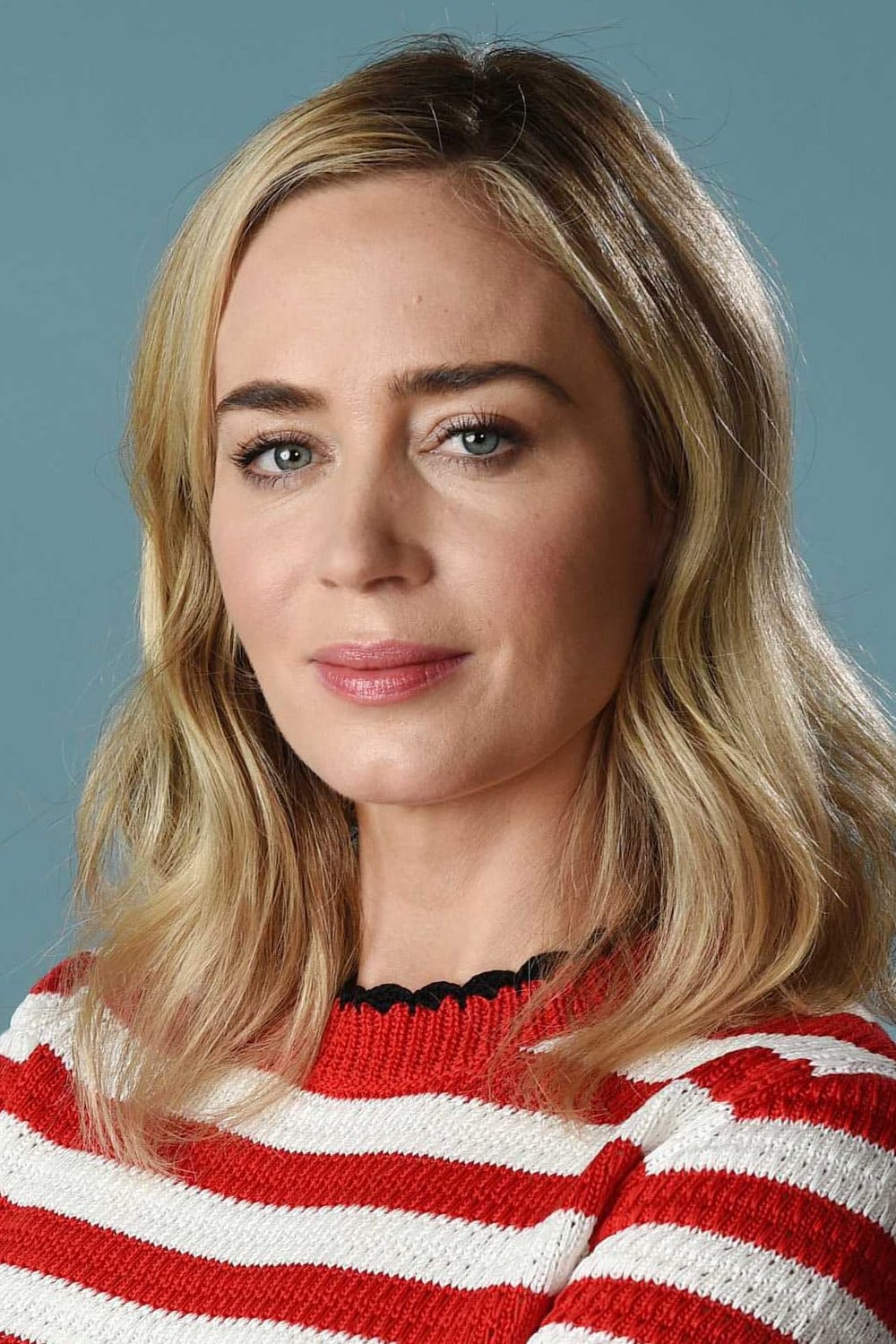
She reacted with strong disapproval to the unveiling of a completely digital actress created by a tech company. She stated that the concept was terrifying and warned agencies against signing such entities. Her comments reflect a deep concern that synthetic performers could take jobs away from real people. She is a staunch defender of the emotional labor that real actors provide.
Whoopi Goldberg
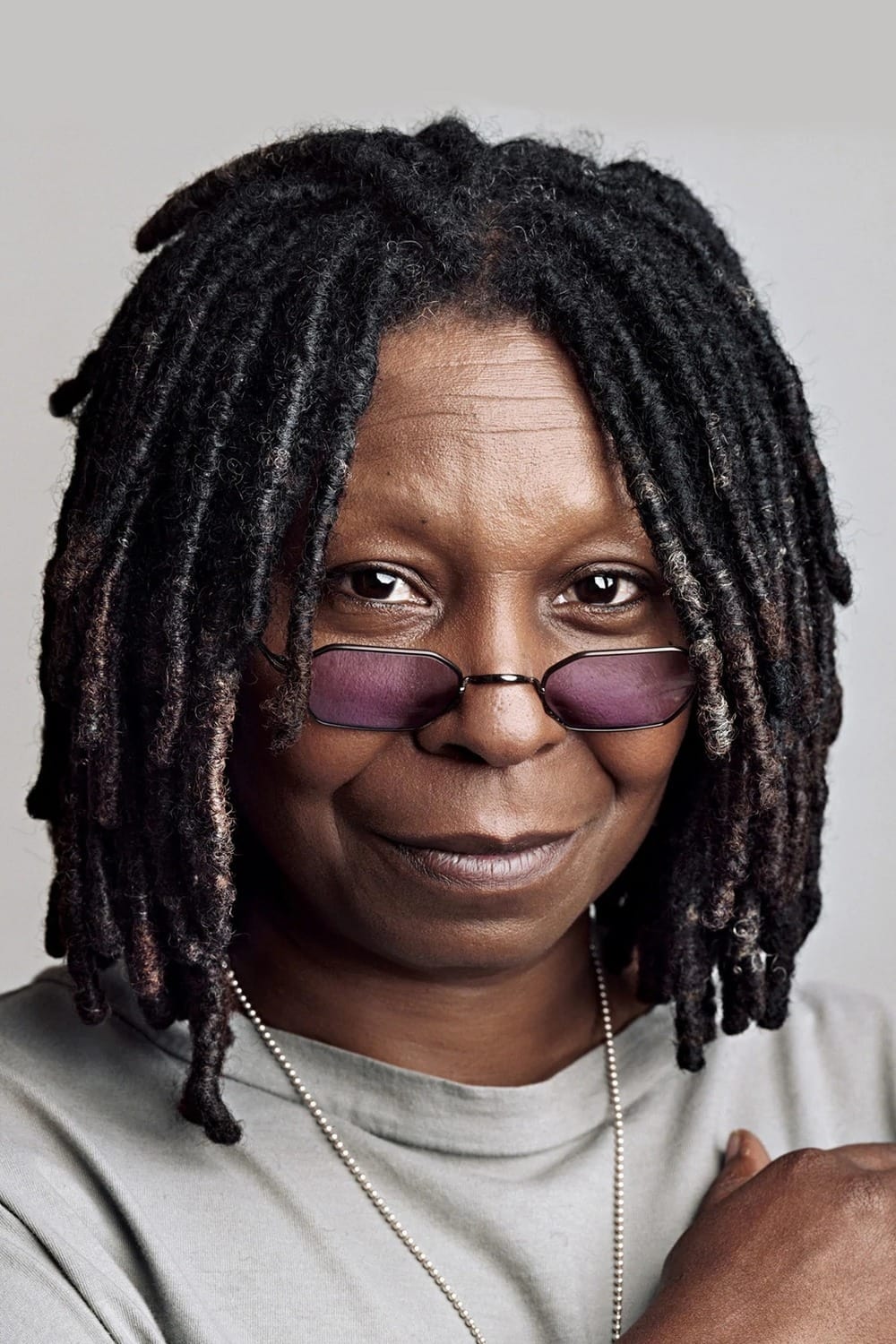
She criticized the creation of AI-generated actors during a television segment and pointed out the unfair advantage they pose. She noted that these digital creations are often an amalgamation of the work of many real stars. She challenged the industry to distinguish clearly between human and synthetic performances. She believes audiences will ultimately prefer the authenticity of a real person.
Melissa Barrera
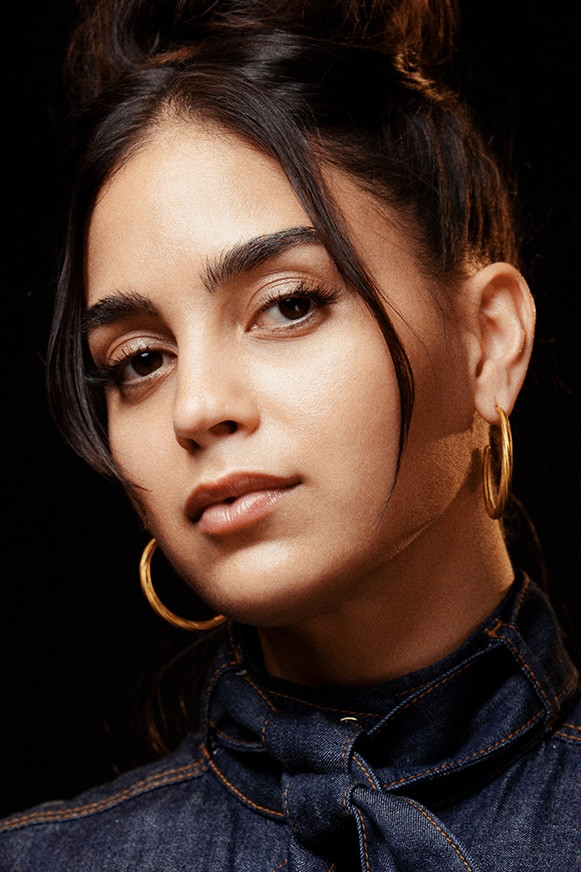
She took to social media to encourage her fellow actors to drop any agent who represents artificial performers. She called the practice gross and urged the industry to read the room regarding the value of human talent. Her outspoken stance mobilized many fans and colleagues to voice their own opposition. She is a passionate advocate for the solidarity of working actors.
Toni Collette
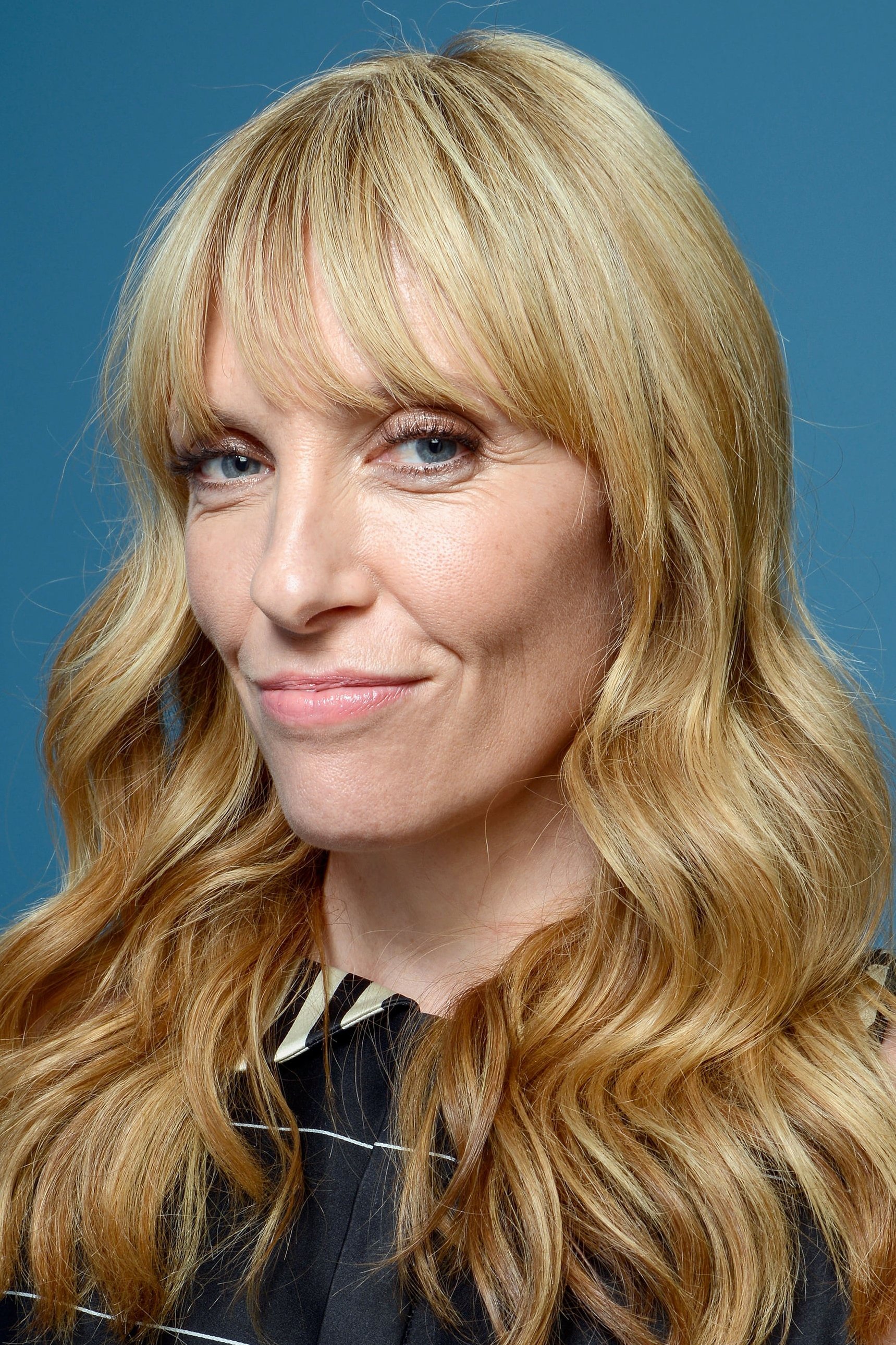
She supported the sentiment that actors should not be represented by agencies that also sign digital avatars. She has built a career on complex and emotional performances that require deep empathy. She fears that the industry will lose its soul if it pivots to synthetic acting. She stands with her union in demanding strict boundaries.
Mara Wilson
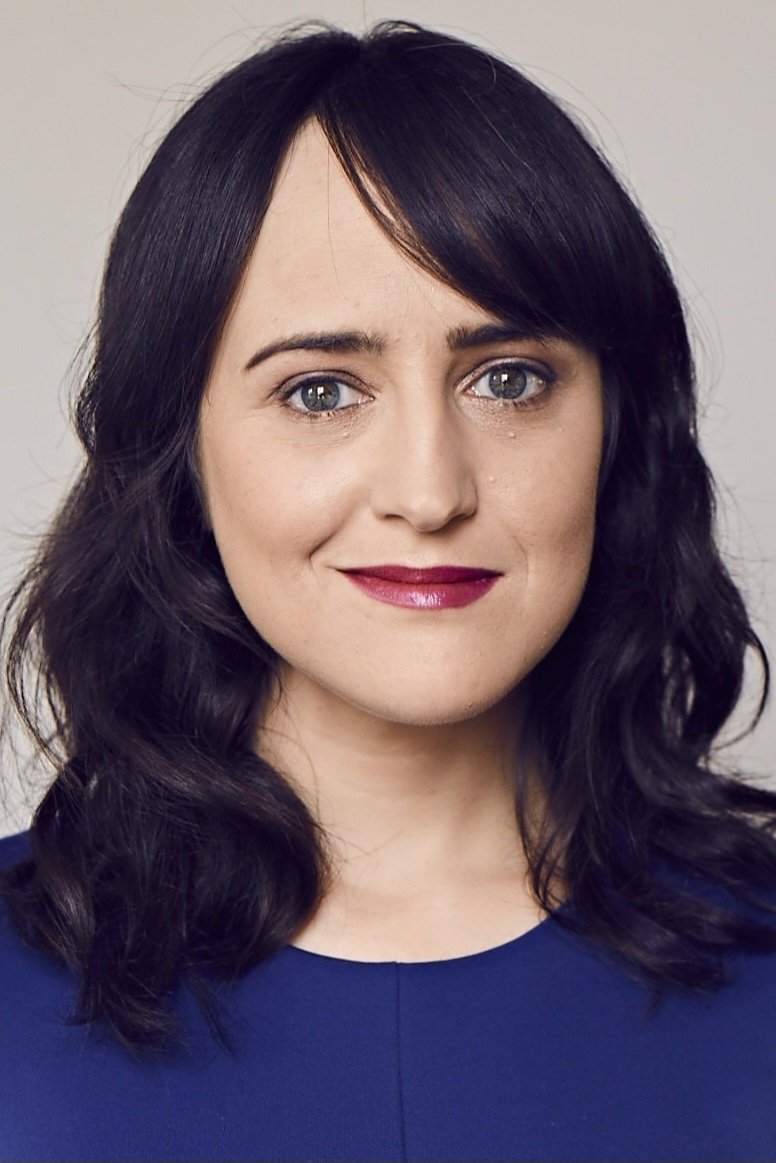
She publicly criticized the creators of a digital actress by stating that they did not actually make anything themselves. She pointed out that the digital figure was built on the stolen work of hundreds of real workers. She is a vocal critic of the way technology companies often disregard the labor of creatives. She uses her platform to highlight the ethical problems with generative media.
Sophie Turner
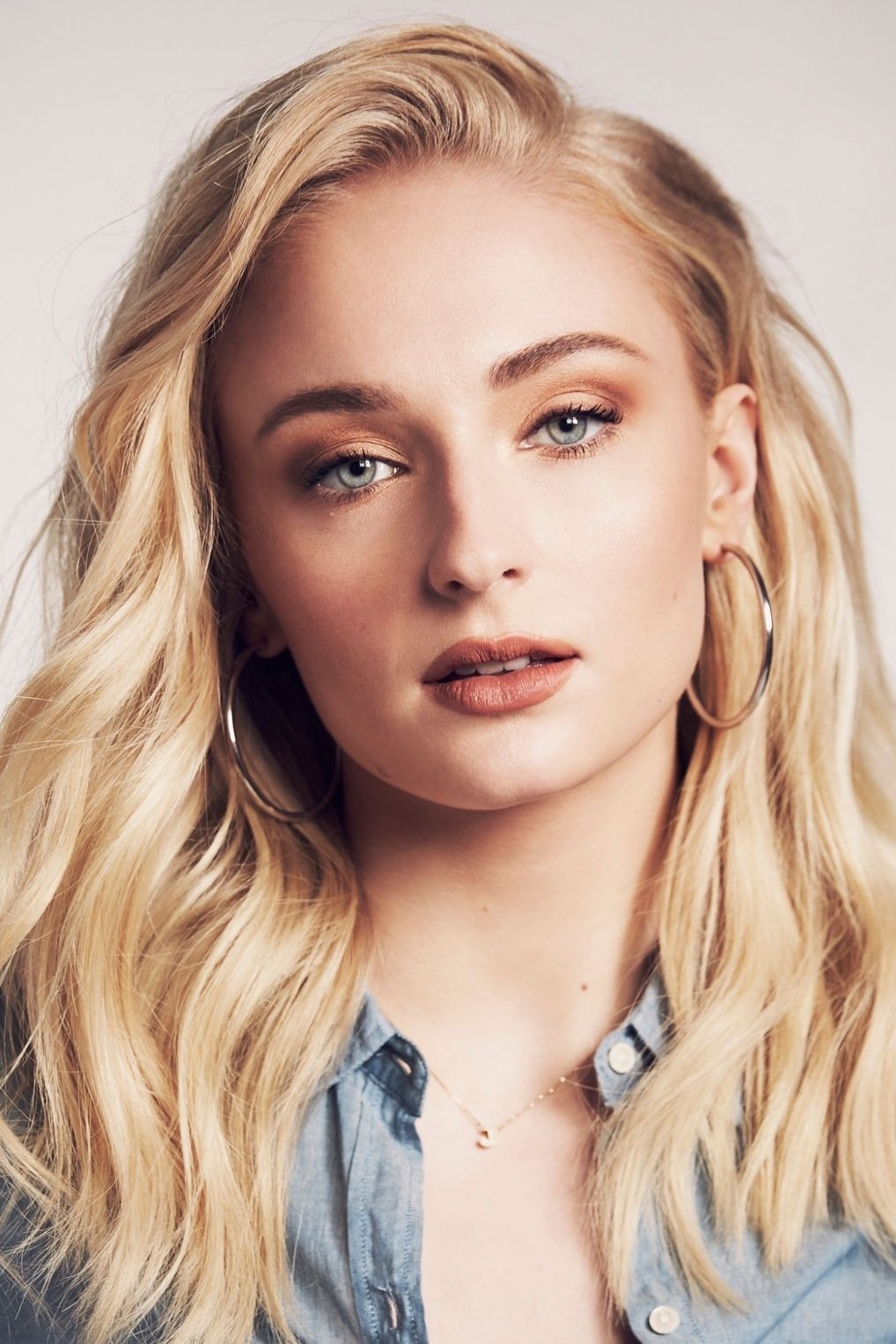
She expressed her disdain for the concept of an AI actress with a brief but clear message of rejection. She believes that the industry should focus on nurturing human talent rather than developing software replacements. Her reaction reflects the general unease among young actors about their future job security. She supports the push for contracts that limit the use of digital doubles.
Jennifer Lawrence
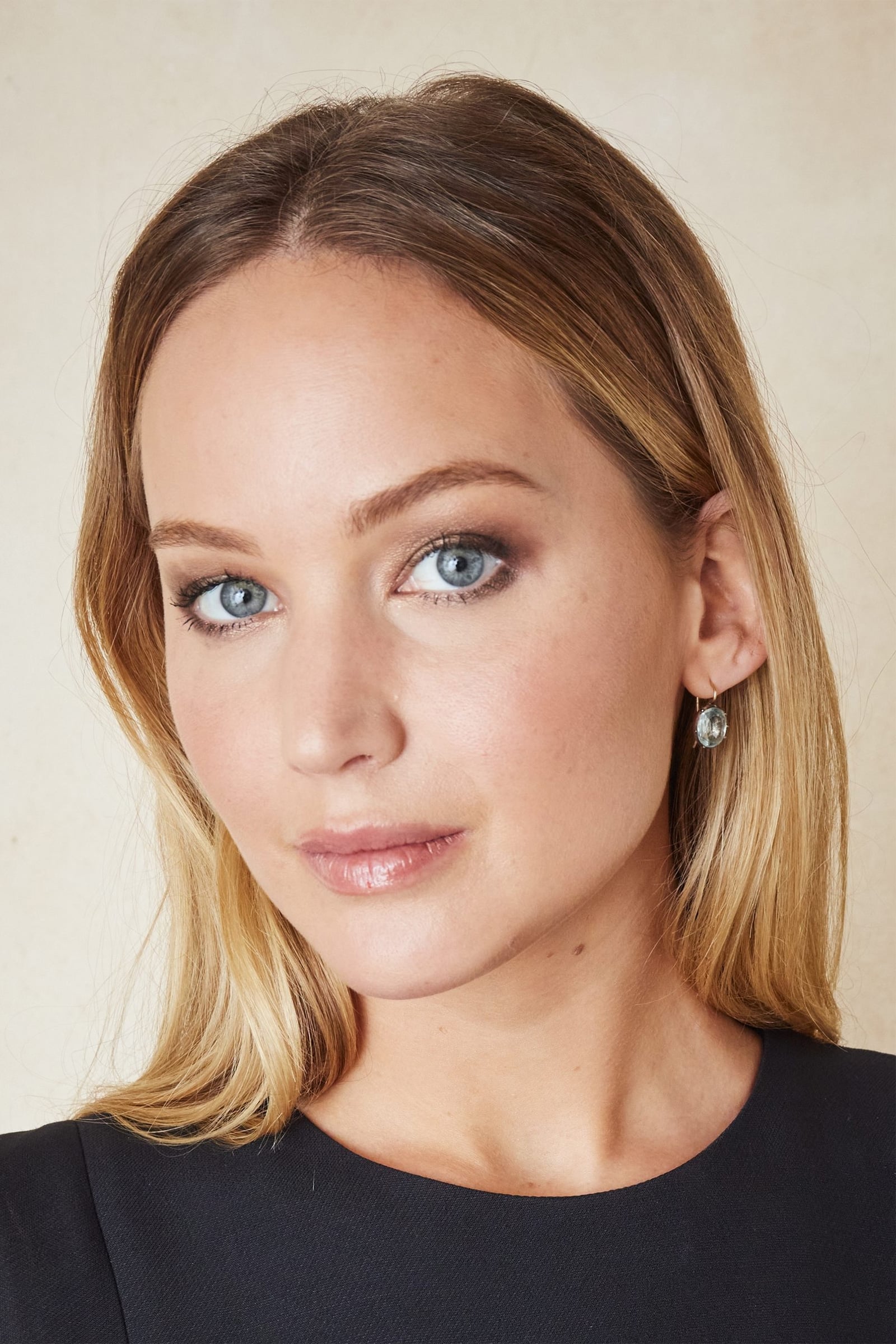
She signed a letter to her union leadership declaring that she was prepared to strike over the issue of artificial intelligence. She believes that actors must not settle for halfway gains when it comes to protecting their likenesses. She argues that the industry is at a critical turning point and requires strong action. She is committed to ensuring that future generations of actors have a viable career path.
Meryl Streep
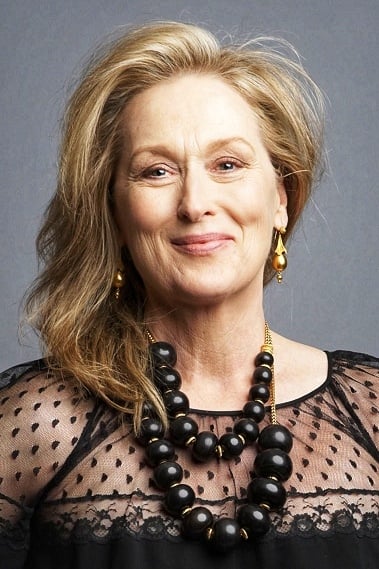
She added her signature to the letter urging the union to take a hard line on artificial intelligence during negotiations. She believes that the integrity of the acting profession is at stake. She has supported her colleagues in demanding that their work not be used to train machines without compensation. Her involvement signaled to the studios that even the most established stars take this threat seriously.
Quinta Brunson
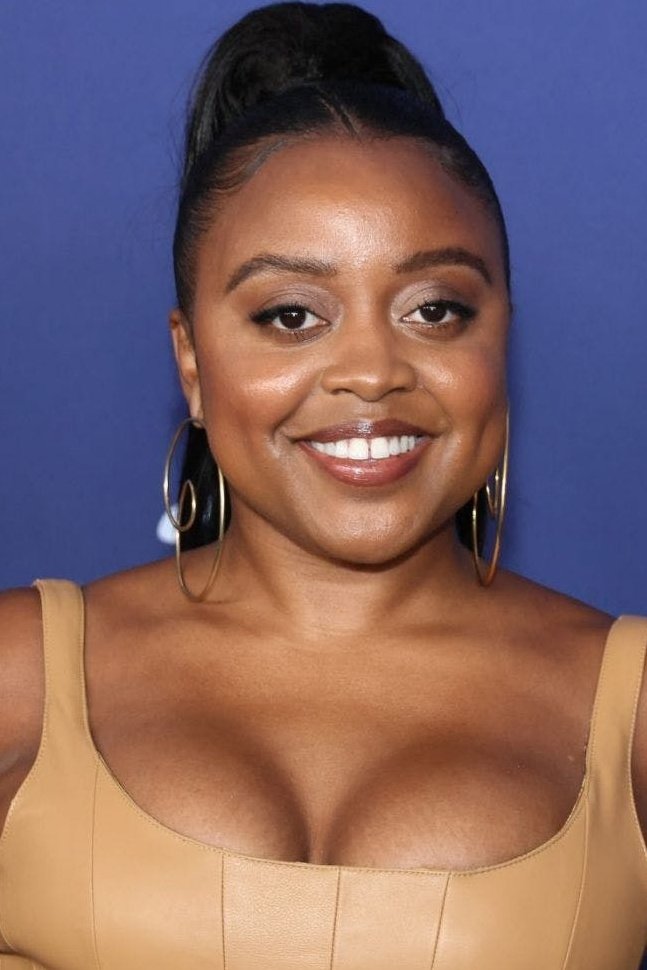
She signed the letter threatening a strike if the union did not secure strong protections against artificial intelligence. She is a writer and performer who values the human voice in comedy. She worries that studios will try to cut costs by using automated tools to write scripts or generate background actors. She advocates for a fair deal that respects the contributions of all creative workers.
Julia Louis-Dreyfus
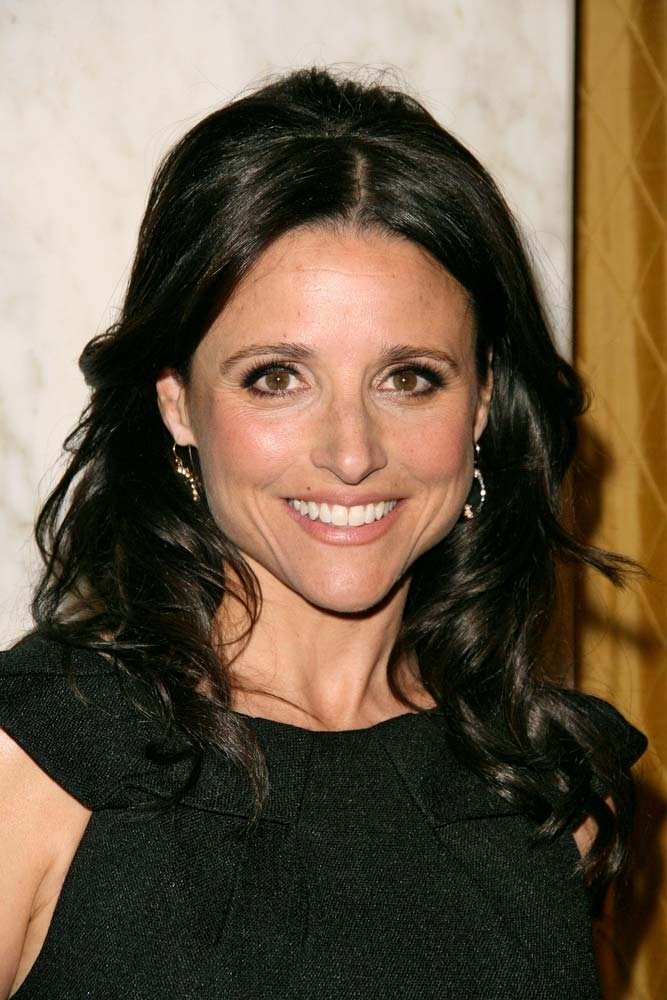
She joined the call for a strike authorization to ensure that the union could fight effectively against the encroachment of technology. She believes that the unique timing and delivery of a comic actor cannot be replicated by a computer. She supports the idea that actors should own their digital replicas and control how they are used. She is a strong supporter of union solidarity.
Amy Schumer
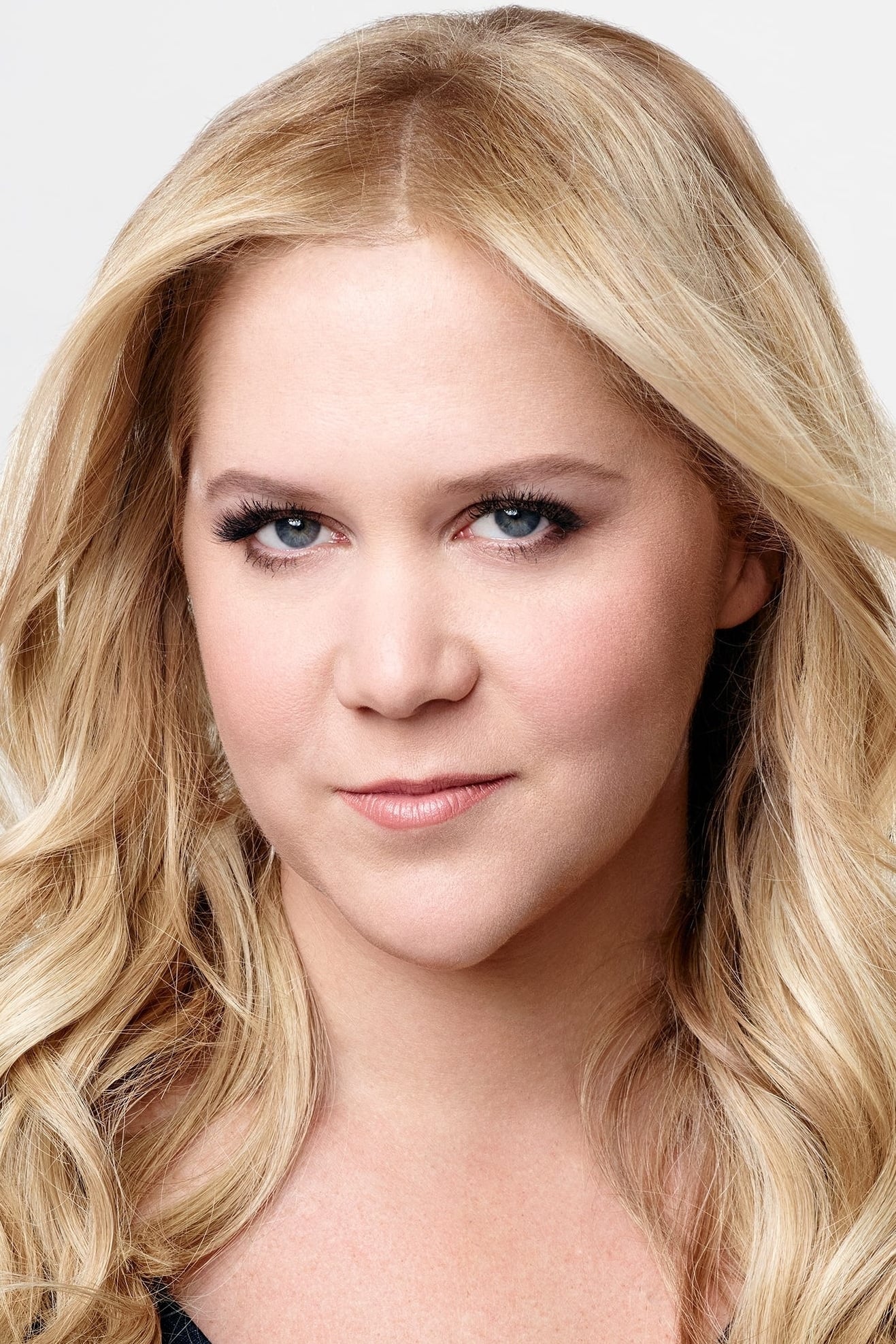
She signed the letter to union leadership because she wants to protect the rights of performers to their own images and voices. She has spoken about the need for women to control their own narratives in the media. She believes that allowing unrestricted use of AI would lead to exploitation. She advocates for clear laws that prevent the unauthorized use of a person’s identity.
Elizabeth Banks
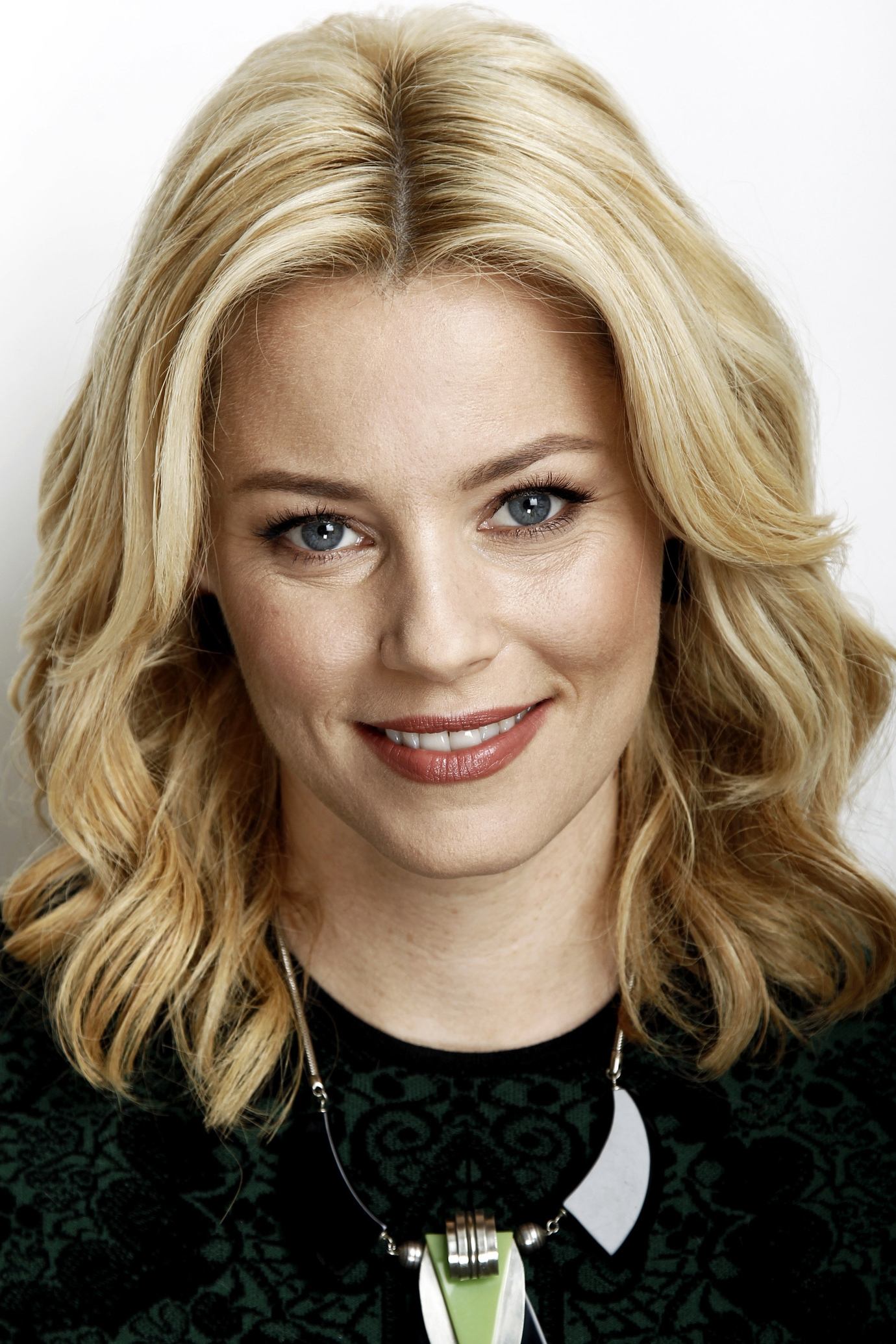
She supported the strike authorization and signed the letter demanding better protections against digital replacement. She is a producer and director who understands the business side but prioritizes the human element. She believes that audiences connect with the vulnerability of real actors. She pushes for a production model that values human labor over digital efficiency.
Alison Brie
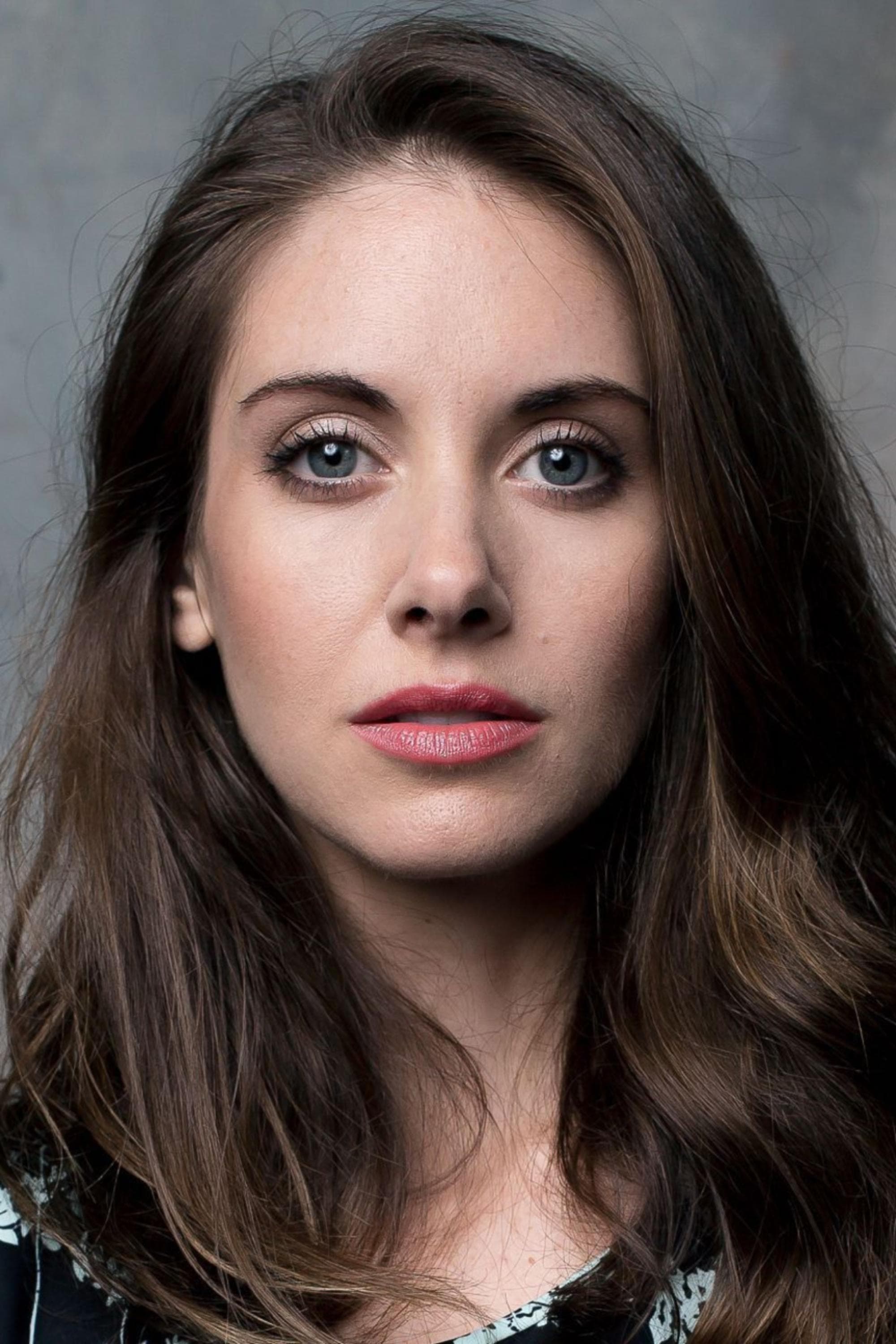
She signed the letter expressing her readiness to strike over the critical issues of streaming residuals and artificial intelligence. She believes that the changes in the industry are moving too fast and require strong regulation. She wants to ensure that actors are not coerced into selling their digital rights. She stands with the community of artists fighting for their livelihoods.
Neve Campbell
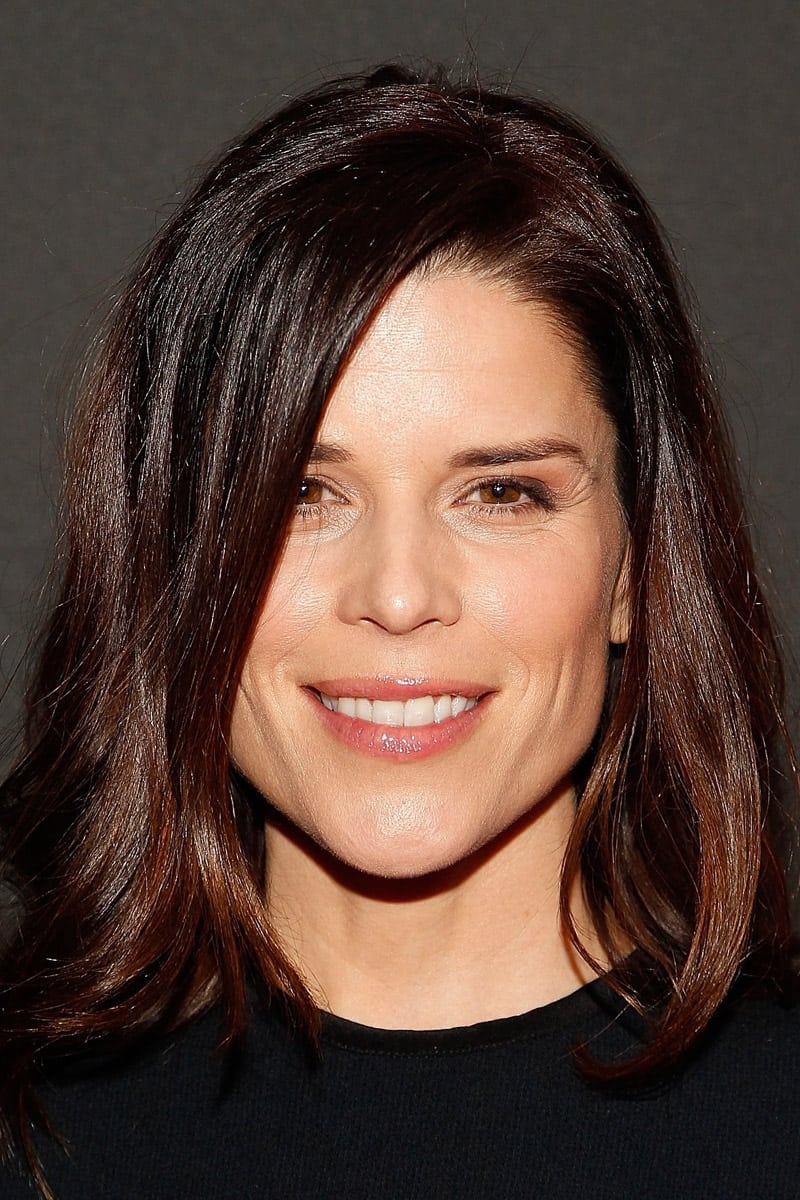
She joined the list of actors demanding that the union protect their likenesses from being used to train AI systems. She values the physical presence of an actor and the emotional weight they bring to a scene. She is concerned that horror and thriller genres could be overrun by cheap digital effects. She supports the fight for fair compensation and consent.
Ariana DeBose
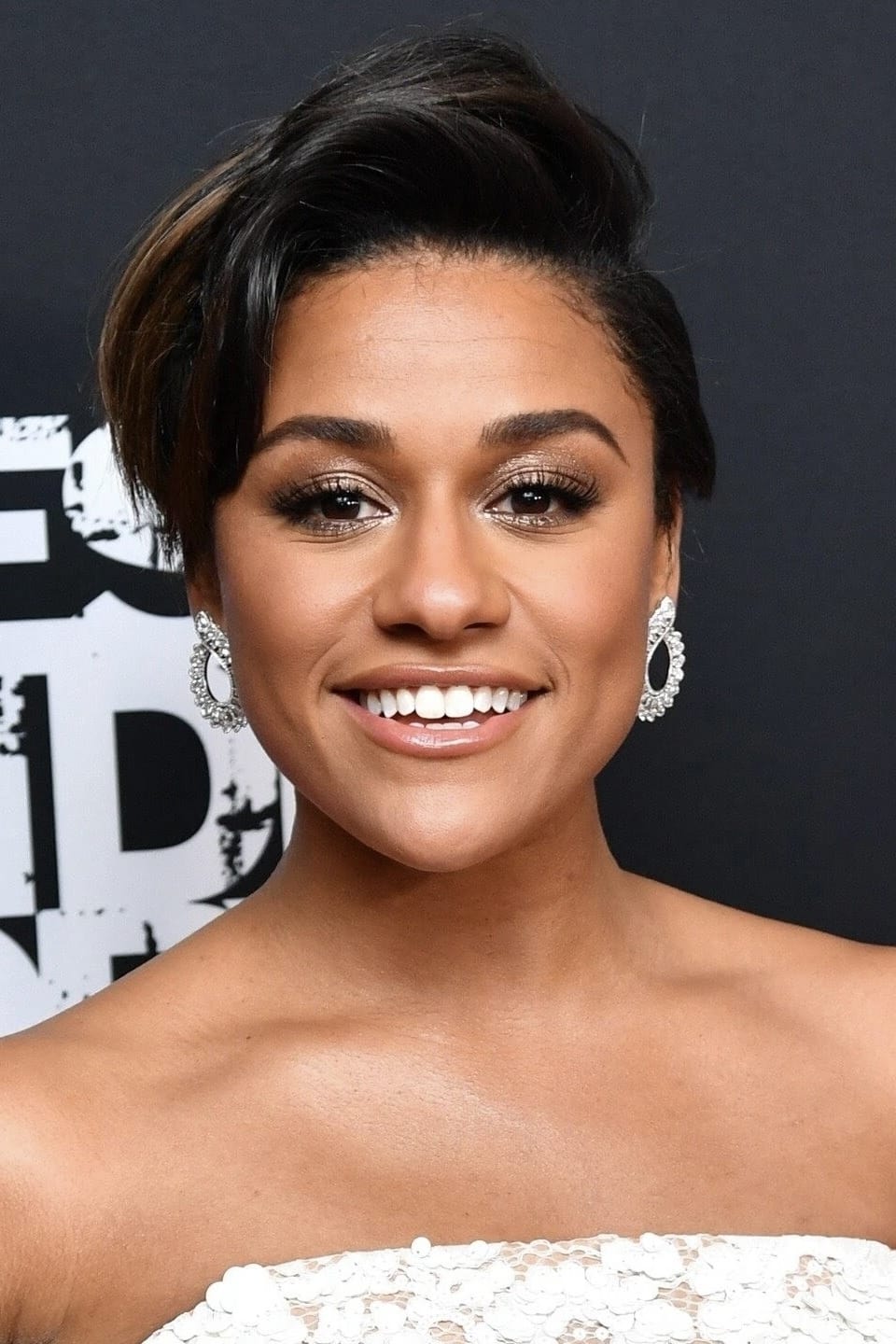
She signed the letter to the union because she believes in the power of live performance and human connection. She is a triple threat who knows that dance and song require a human spirit. She worries that technology will be used to mimic these skills without the years of training. She advocates for the recognition of performance as a unique human skill.
Amy Poehler
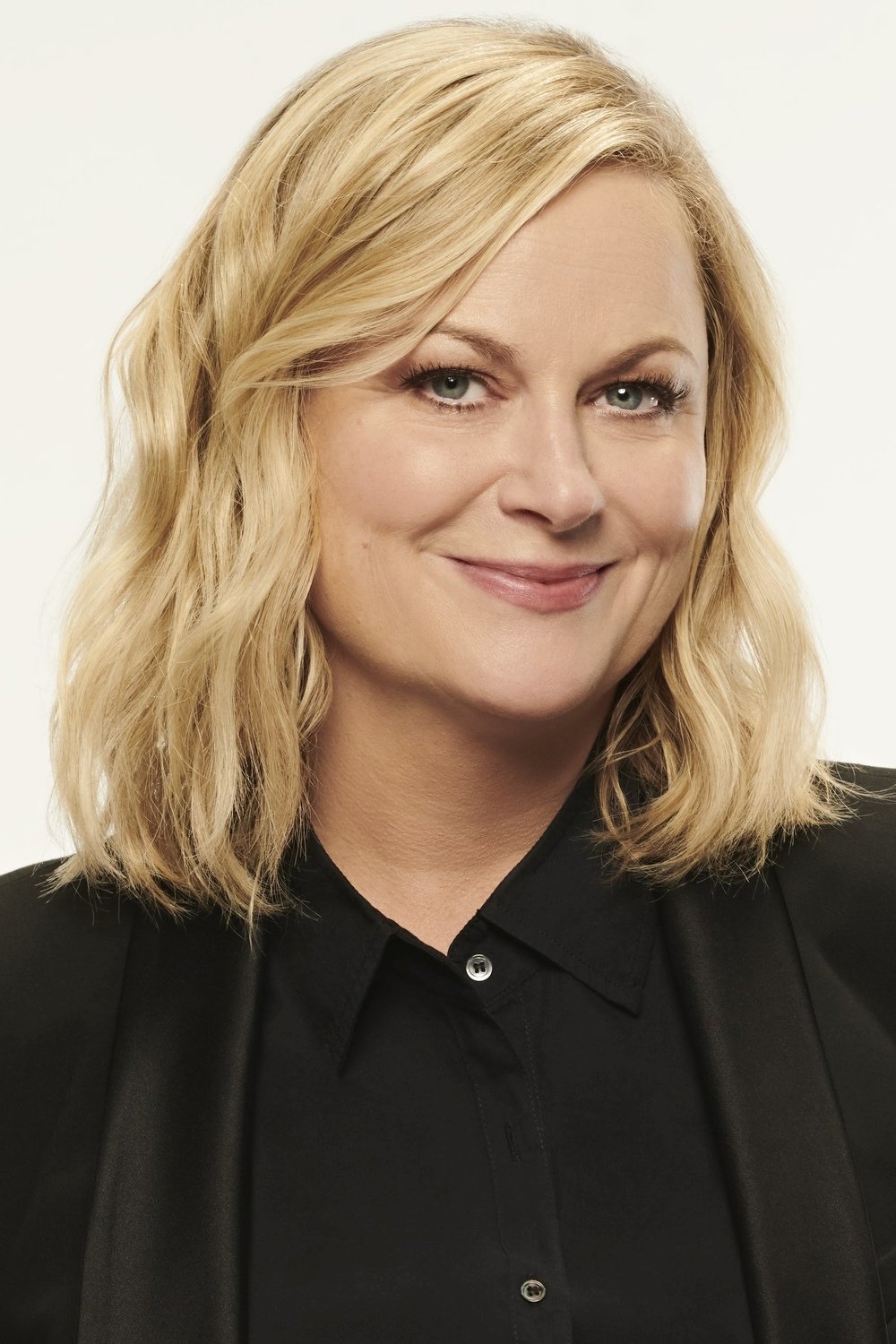
She supported the strike and the demand for AI regulations by signing the letter to union leadership. She believes that improvisation and comedy come from a human place that machines cannot access. She wants to ensure that writers and actors continue to be the primary creators of content. She stands against the use of technology to devalue creative work.
Cynthia Nixon
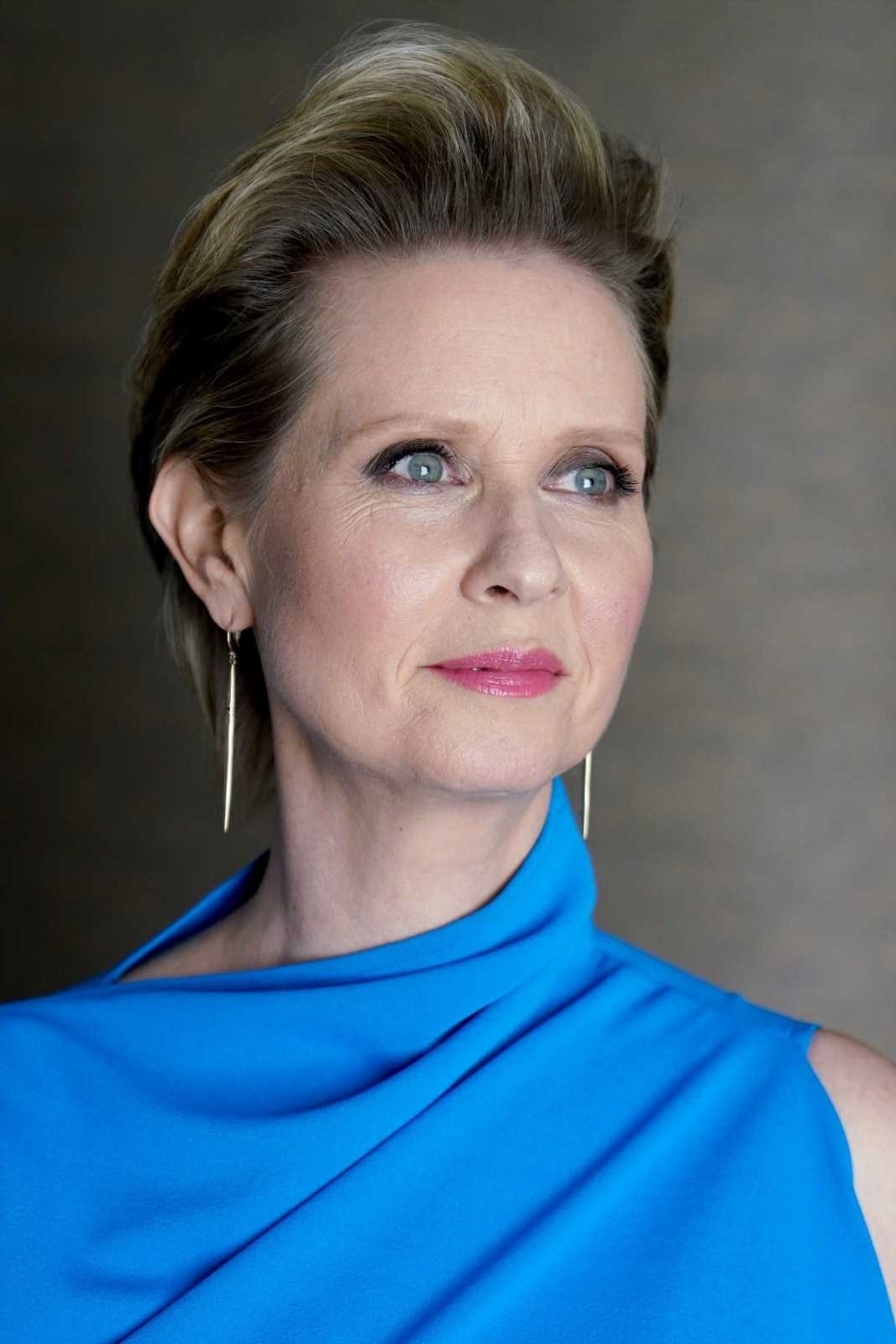
She signed the letter to the union because she is a long-time advocate for labor rights and fair working conditions. She believes that the threat of displacement by artificial intelligence is a labor issue that affects everyone. She supports strong contract language that prevents studios from replacing background actors with digital clones. She is committed to political and social action to protect workers.
Chelsea Handler
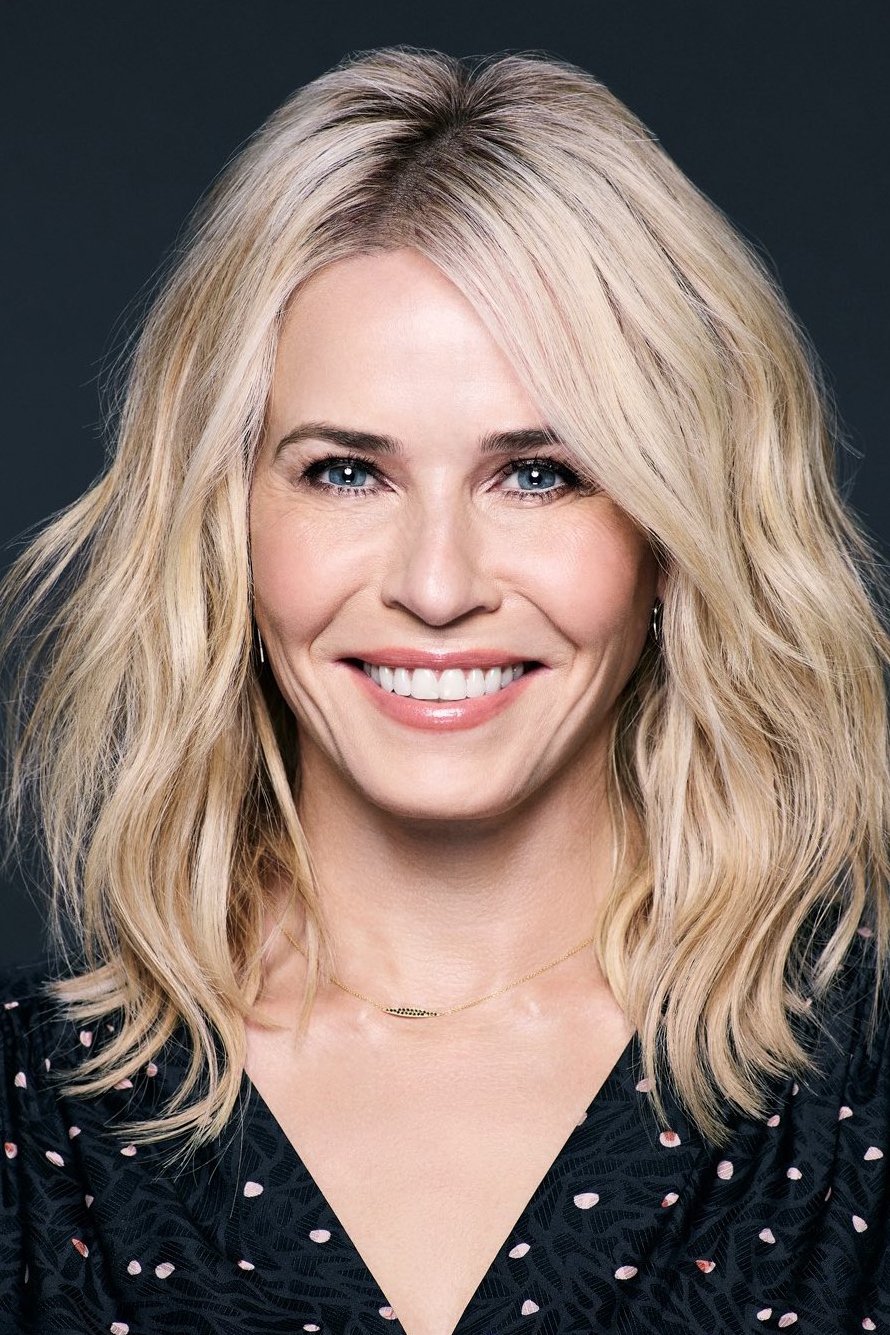
She joined the group of comedians and actors demanding that the union hold the line on artificial intelligence. She is known for her sharp wit and believes that comedy requires a human perspective on the world. She fears that automated content will flood the market and lower the quality of entertainment. She advocates for the protection of the human voice in all media.
Minnie Driver
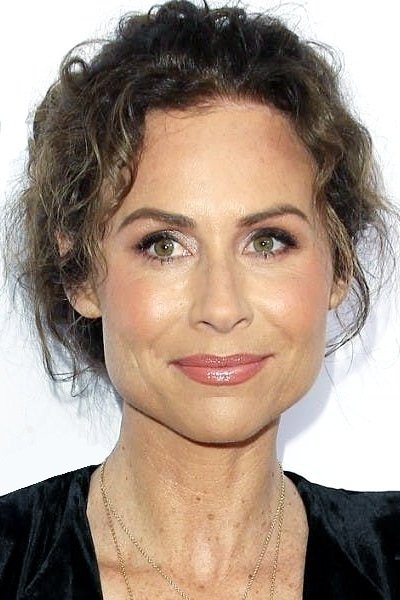
She signed the letter to union leadership because she believes that the craft of acting is being undervalued. She worries about the long-time consequences of allowing studios to own digital replicas of actors. She supports the fight for residuals and consent for any use of a performer’s image. She is a vocal supporter of the idea that art requires humanity.
Maya Hawke
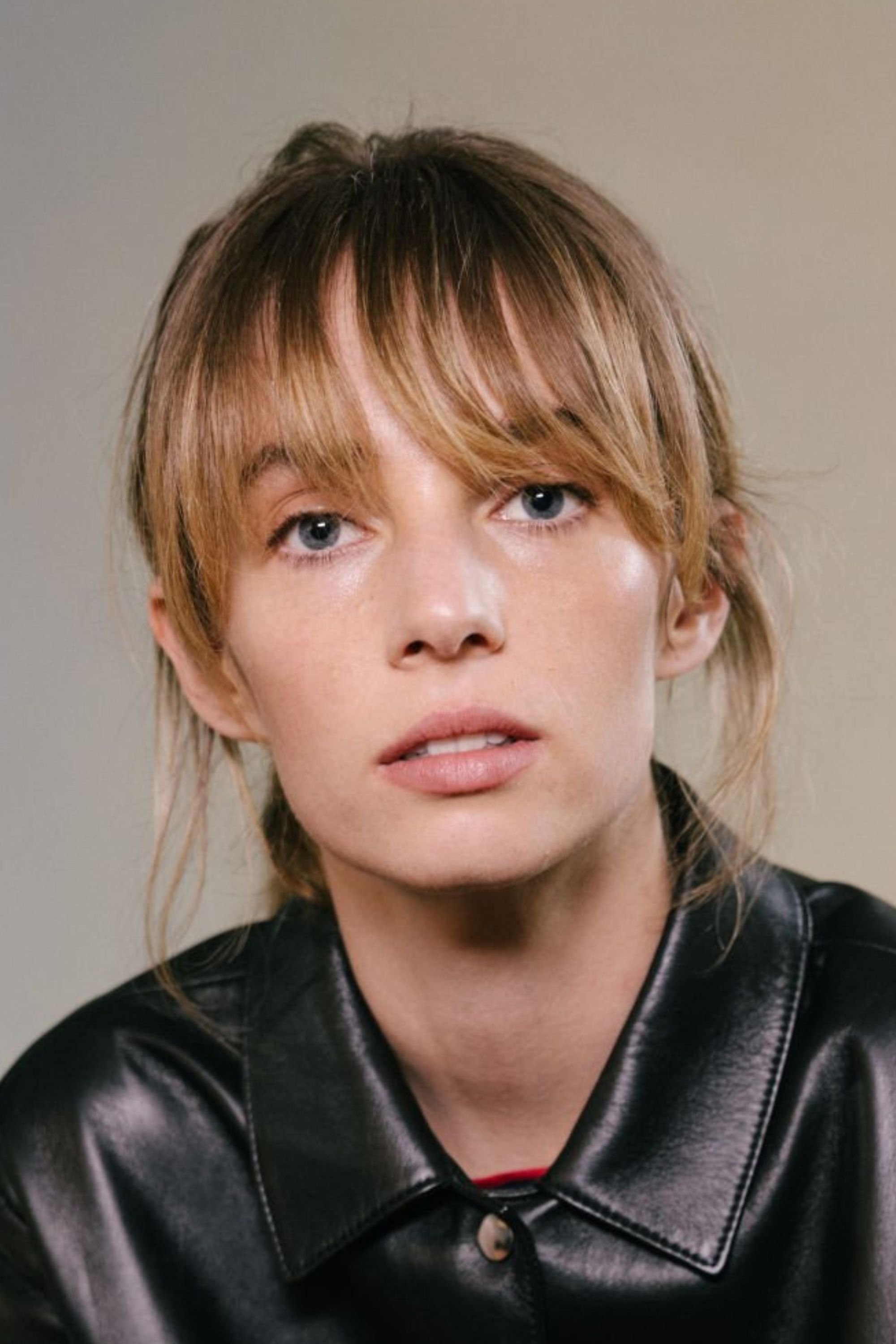
She added her name to the list of actors prepared to strike for better protections against technology. She represents a younger generation of actors who are facing a very different landscape than their predecessors. She believes that it is crucial to establish these rules now before the technology advances further. She supports the union’s efforts to future-proof the profession.
Riley Keough
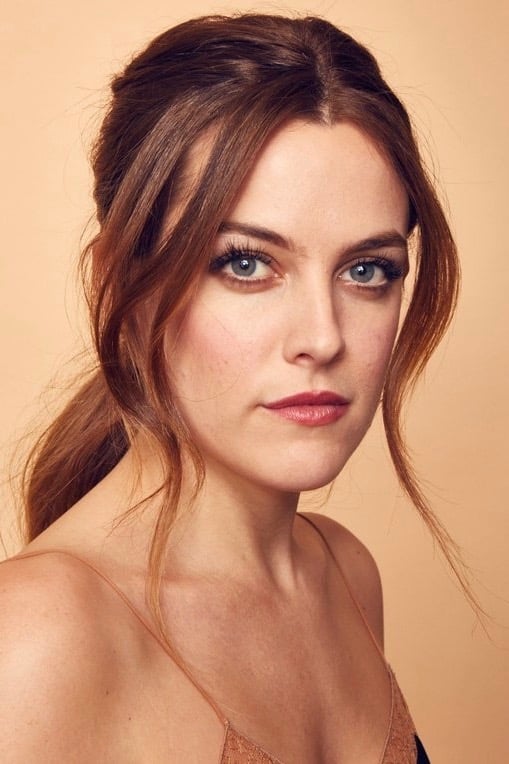
She signed the letter to the union because she values the artistic legacy of her family and the industry. She believes that storytelling is a deeply human tradition that should not be automated. She worries that the unique qualities of individual actors will be lost if digital replicas become the norm. She advocates for the preservation of the human element in film.
Joey King

She joined the call for strict regulations on artificial intelligence because she wants to have a long career in the industry. She is concerned that young actors will be pressured to sign away their digital rights. She supports the union’s fight to ensure that actors are paid for every use of their likeness. She believes that the industry must adapt to protect its workers.
Eva Longoria
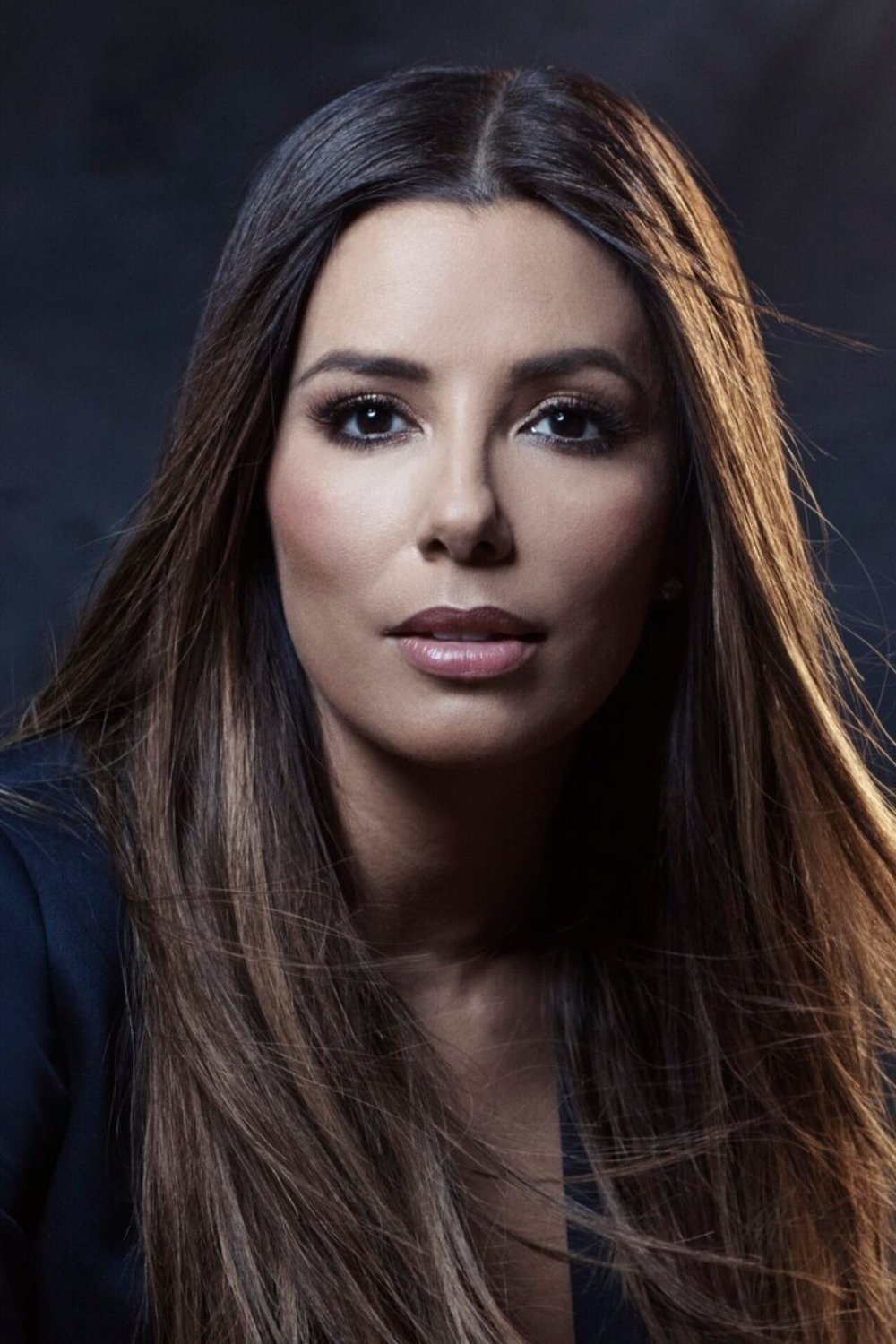
She signed the letter to the union because she is a producer and actor who understands the economics of the business. She believes that while technology can be a tool it should never replace the artist. She advocates for fair wages and the protection of creative rights. She supports the collective power of the union to negotiate these terms.
Marlee Matlin
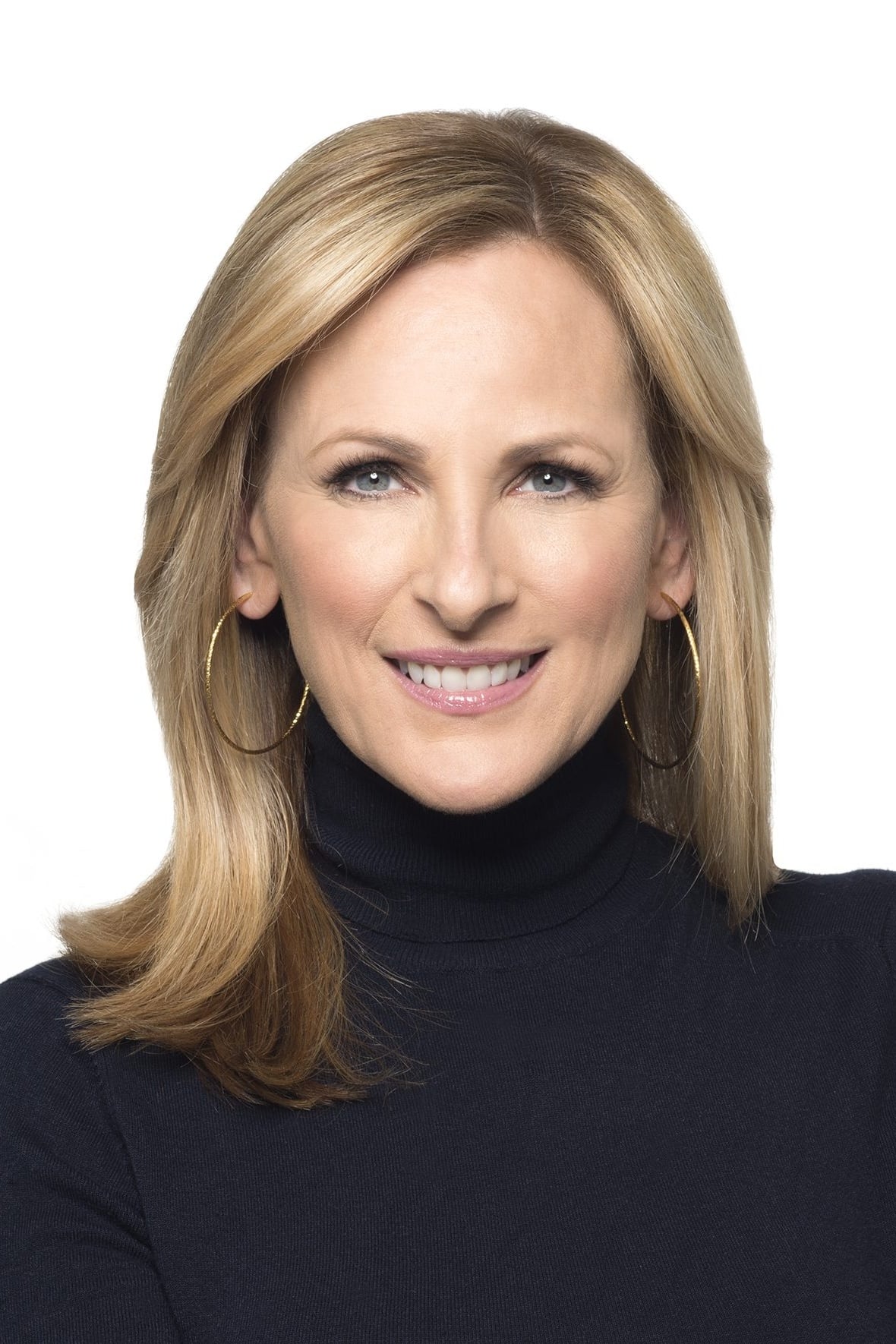
She added her signature to the letter demanding that the union protect the rights of all performers. She is a fierce advocate for disability representation and believes that human diversity cannot be simulated. She worries that AI will be used to erase the need for authentic casting. She stands for the right of every actor to tell their own story.
Debra Messing
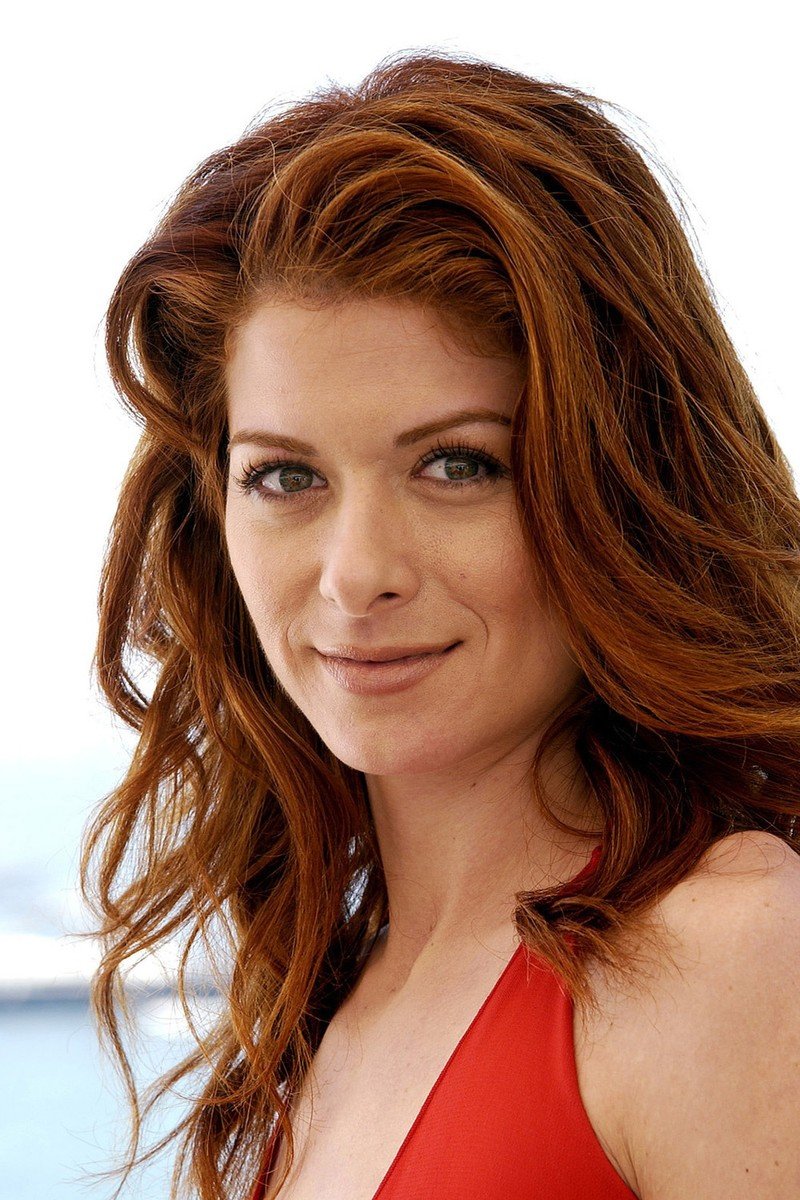
She signed the letter to the union because she believes that the personal connection between actor and character is essential. She fears that artificial intelligence will create a barrier between the audience and the truth of a performance. She supports the fight for contracts that respect the actor’s contribution. She is a strong voice for the value of human emotion in storytelling.
Connie Britton
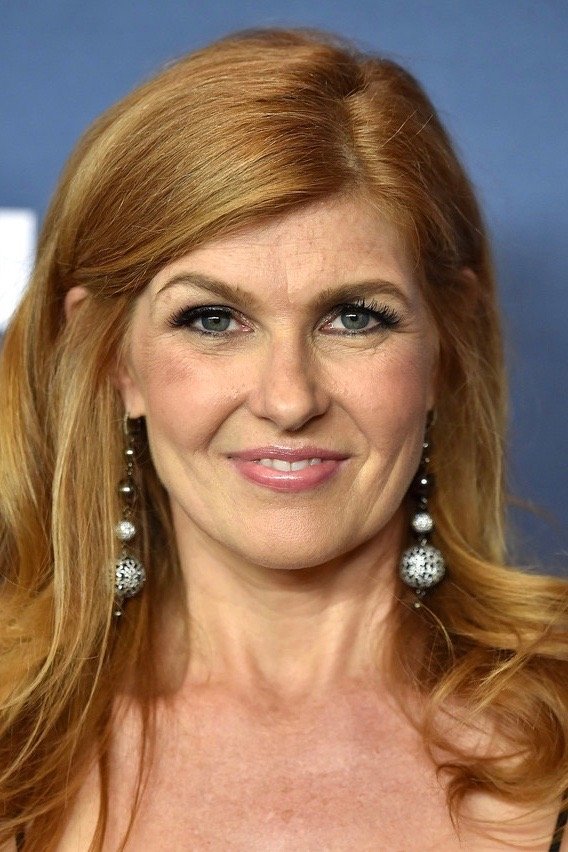
She joined her colleagues in signing the letter to union leadership to demand protection from digital overreach. She believes that the nuances of a dramatic performance are impossible for a machine to understand. She advocates for a industry where human actors are valued for their specific talents. She supports the strike as a necessary step to secure the future.
Troian Bellisario
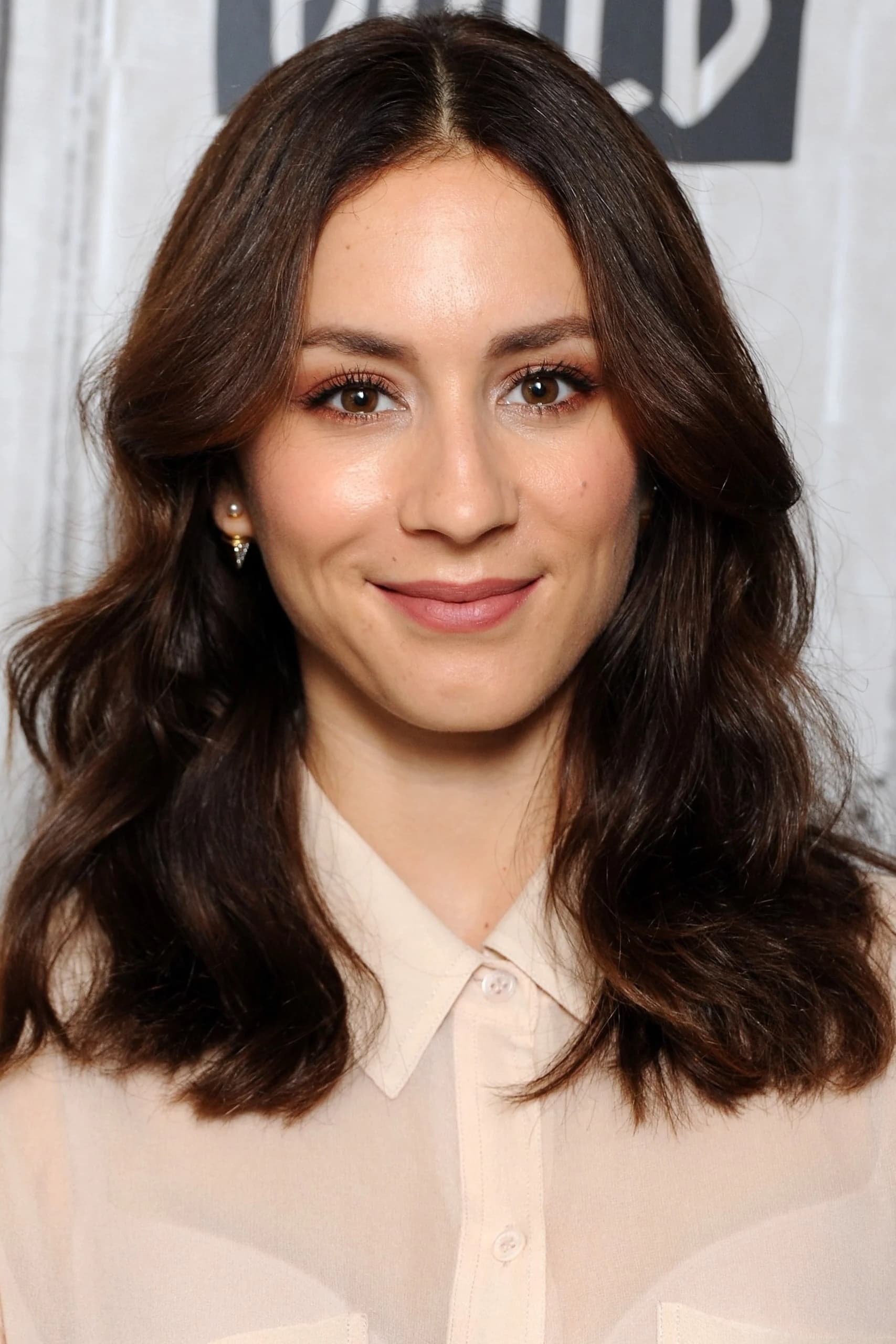
She signed the letter to the union because she is concerned about the ethical implications of artificial intelligence in art. She believes that writing and acting are deeply personal expressions that should remain in human hands. She worries that the industry will prioritize profit over quality if technology is unchecked. She stands with her peers in demanding a fair and human-centered industry.
Leave a comment below to let us know which of these actresses you think is making the biggest impact in the fight against AI in Hollywood!

