


Hollywood Actresses Who Defied The Haters




The history of Hollywood is filled with stories of performers who faced immense public scrutiny, professional rejection, and personal criticism before achieving legendary status. Many of the industry’s most successful women were told they lacked the right appearance, talent, or marketability to succeed. These actresses countered their detractors through consistent excellence, box office success, and critical acclaim. By analyzing their career trajectories, it becomes clear that resilience is often as vital as talent in the pursuit of cinematic longevity.
Meryl Streep
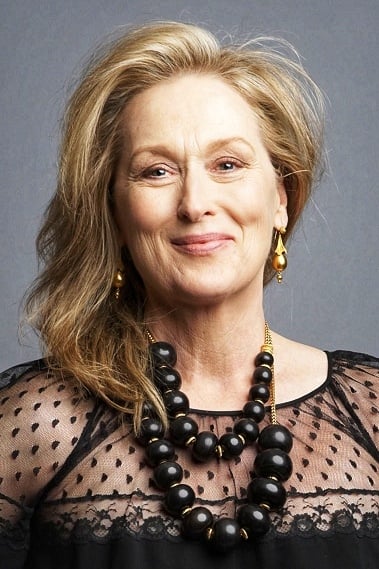
During an audition for ‘King Kong’ in the 1970s, producer Dino De Laurentiis famously referred to Meryl Streep as “ugly” in Italian. Streep understood the remark and responded fluently, asserting her worth before eventually becoming one of the most decorated actresses in history. She overcame early dismissals of her appearance by delivering powerhouse performances in ‘Sophie’s Choice’ and ‘The Deer Hunter’. Her ability to master diverse accents and complex characters eventually silenced those who doubted her leading-lady potential. Today, she holds the record for the most Academy Award nominations of any actor.
Viola Davis
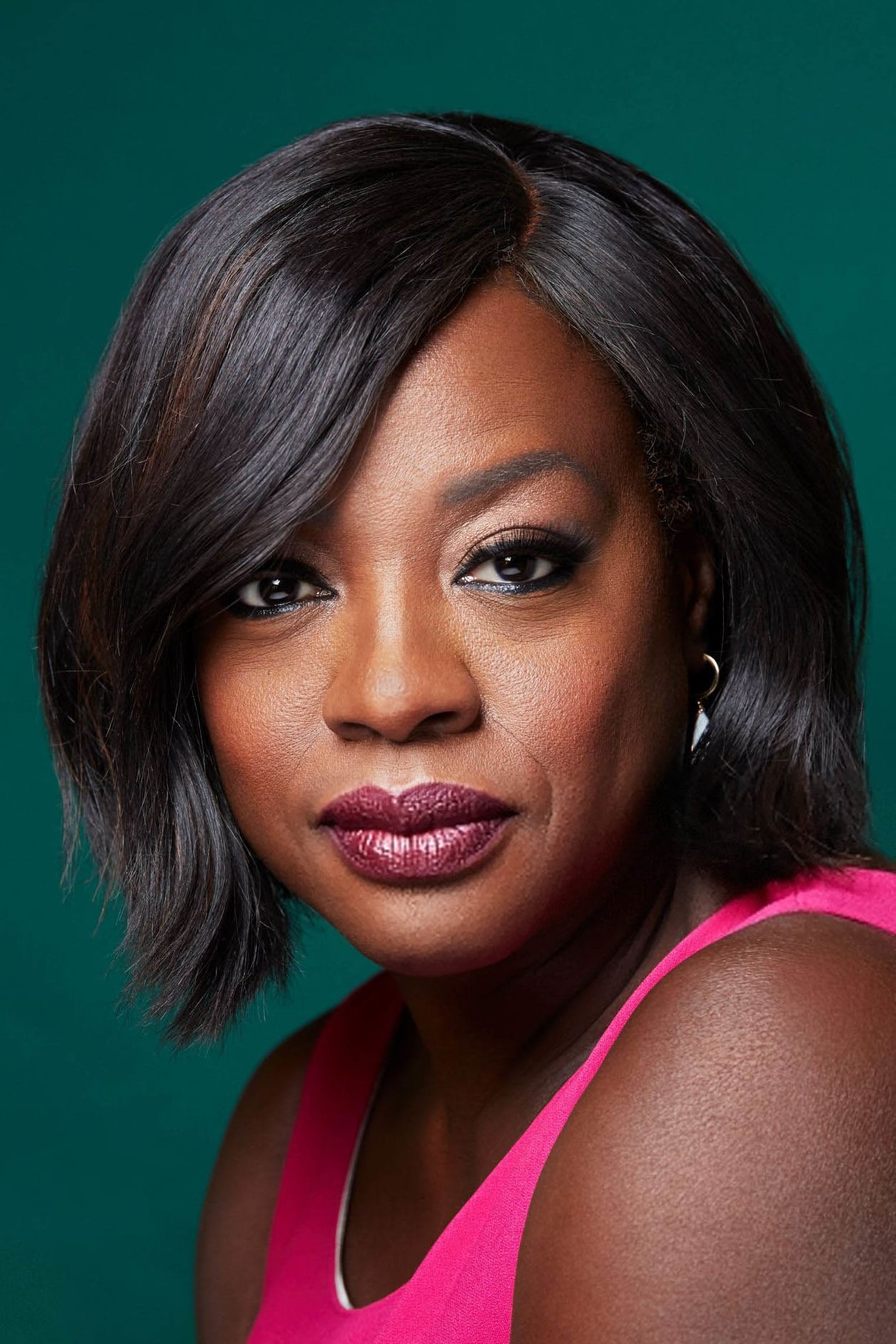
Early in her career, Viola Davis faced criticism regarding her appearance and was told she was not “classically beautiful” enough for leading roles. This narrative persisted even into her television career, but she dismantled these critiques with her commanding performance in ‘How to Get Away with Murder’. She used her platform to speak out against colorism and the lack of opportunities for Black women in the industry. Her talent eventually earned her the Triple Crown of Acting: an Oscar, an Emmy, and a Tony. She remains a vocal advocate for authenticity and representation in Hollywood.
Anne Hathaway
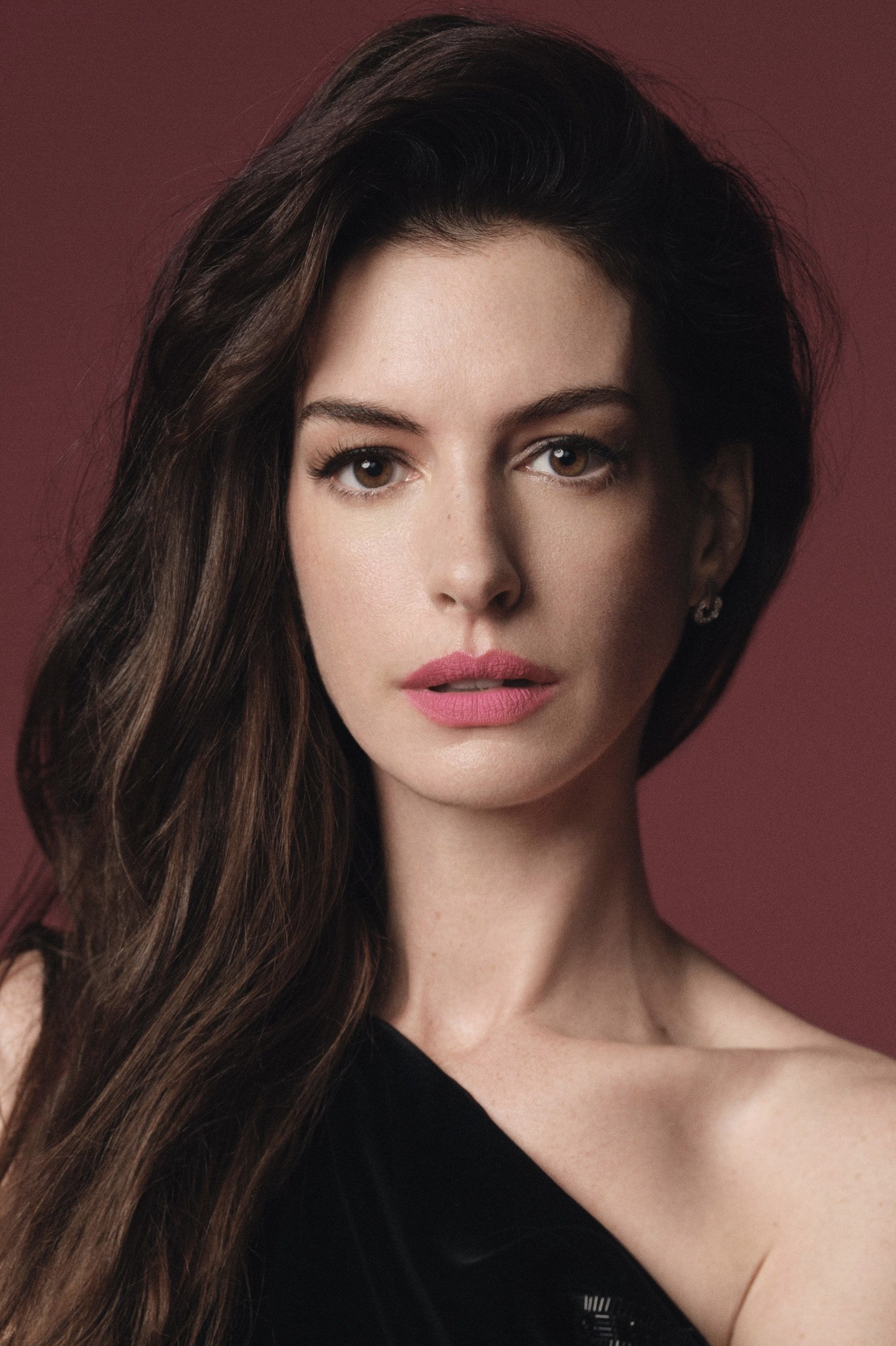
Following her Oscar win for ‘Les Misérables’, Anne Hathaway faced a wave of online vitriol often referred to as “Hathahate.” Critics and social media users targeted her for being “too perfect” or “annoying” during her award season speeches. Hathaway took a step back from the spotlight and focused on diverse roles in films like ‘Interstellar’ and ‘The Intern’. She eventually reclaimed her public image by being open about how the negativity affected her while continuing to deliver professional performances. Her career longevity proves that public sentiment can be overcome through perseverance and grace.
Jennifer Lawrence
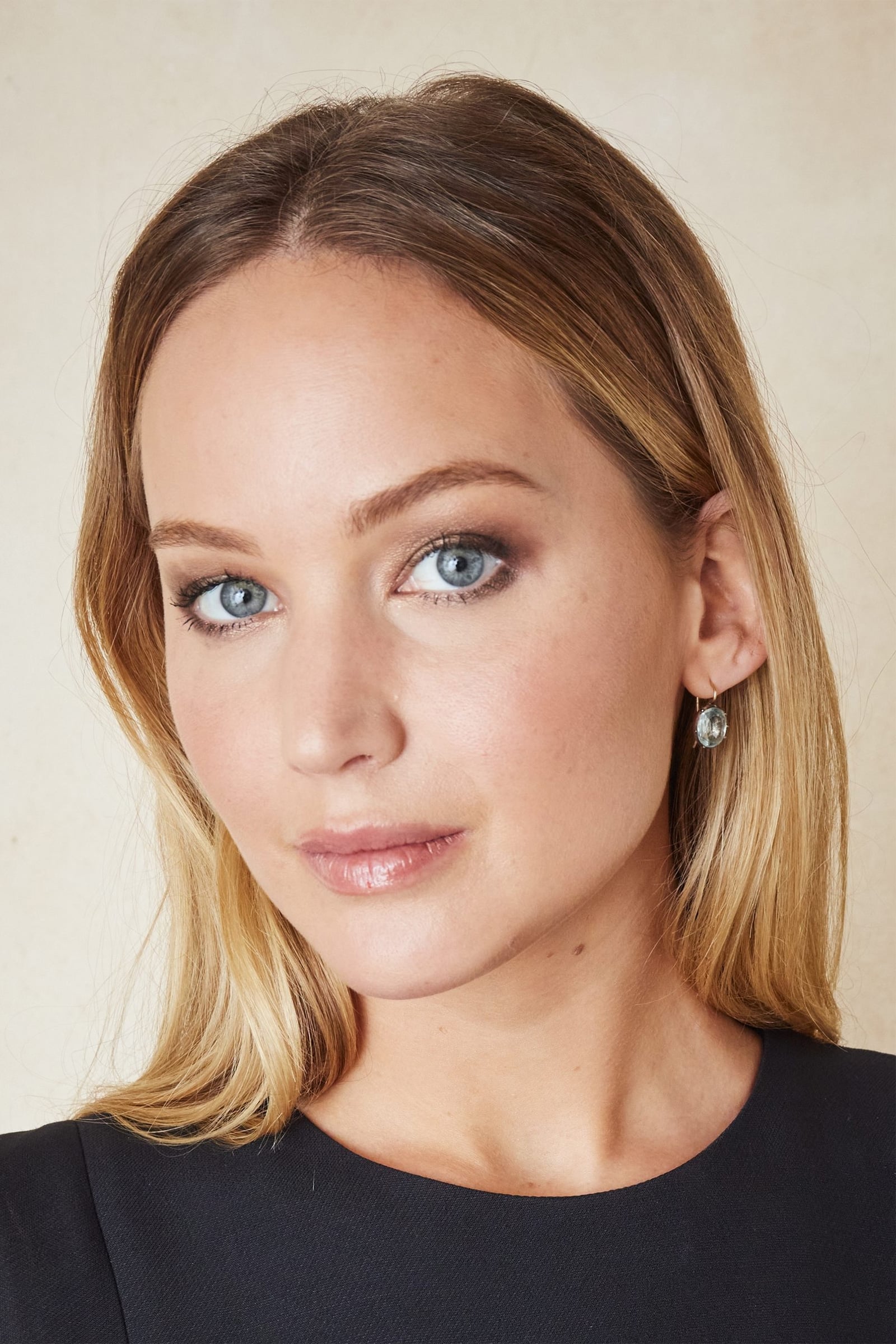
Jennifer Lawrence faced significant body shaming early in her career, with some industry professionals suggesting she needed to lose weight for ‘The Hunger Games’. She refused to diet for the role, arguing that her character should look like a healthy, capable hunter. Critics also targeted her candid personality, labeling it as a curated “relatable” act. Lawrence responded by continuing to speak her mind and focusing on serious dramatic work in ‘Silver Linings Playbook’, for which she won an Academy Award. She successfully transitioned from a franchise star to a respected producer and dramatic lead.
Brie Larson

Brie Larson became a target of intense online harassment after being cast as the lead in ‘Captain Marvel’. Critics questioned her suitability for the role and misinterpreted her advocacy for diversity as hostility toward certain demographics. Despite organized efforts to review-bomb her films, ‘Captain Marvel’ became a billion-dollar success at the global box office. Larson continued to focus on her craft, earning critical praise for her work in ‘Room’ and ‘Lessons in Chemistry’. She has remained steadfast in her commitment to social causes despite the persistent digital backlash.
Reese Witherspoon
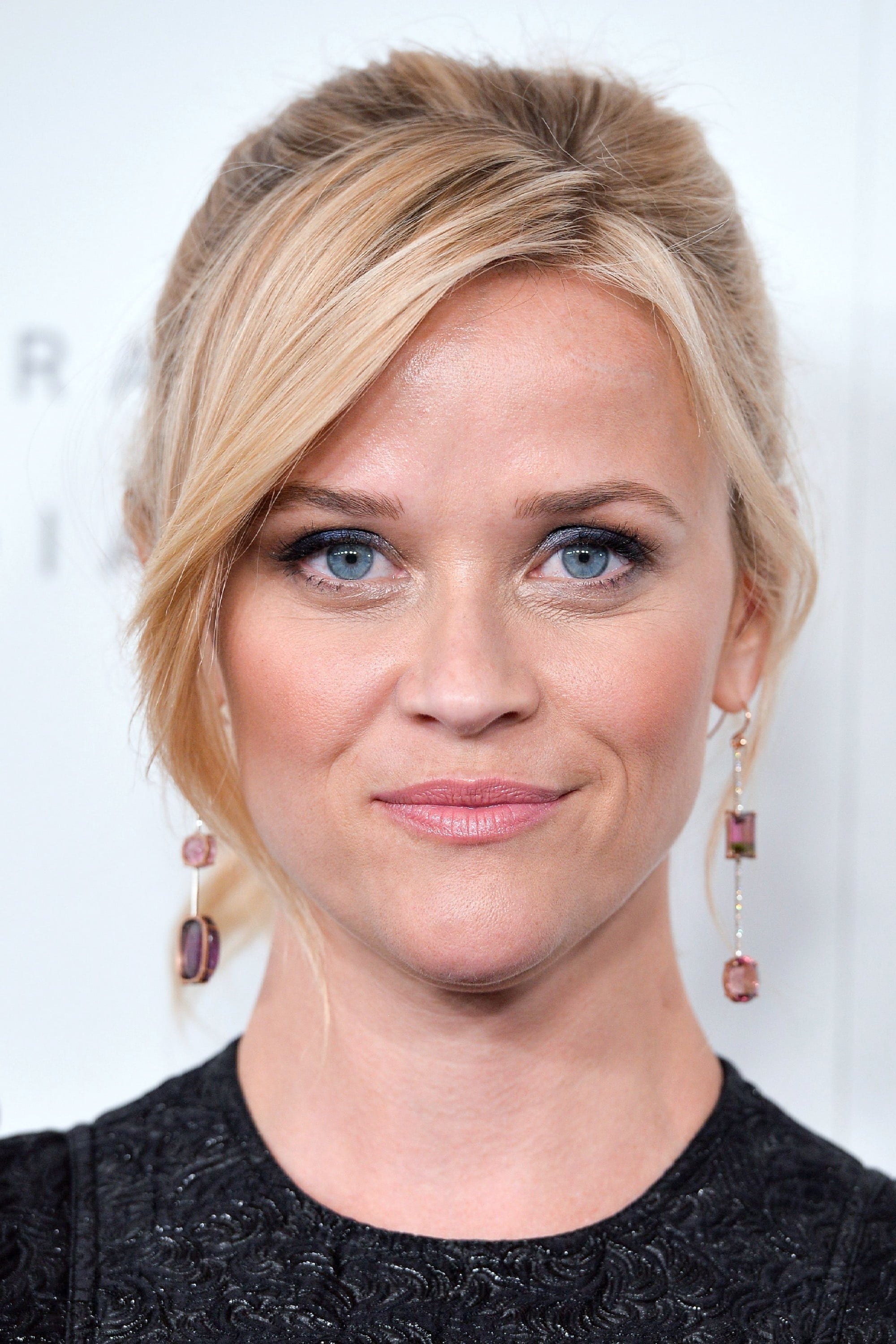
Early in her career, Reese Witherspoon was often pigeonholed as a “cute” actress and told she was too short or not edgy enough for major roles. She defied these expectations by taking on the role of Elle Woods in ‘Legally Blonde’, a character who also fought against being underestimated. When she felt the industry was not providing complex roles for women, she founded her own production company, Hello Sunshine. This move allowed her to produce and star in ‘Big Little Lies’ and ‘Wild’, earning her immense critical respect. She transformed from a romantic comedy lead into one of the most powerful producers in the business.
Charlize Theron
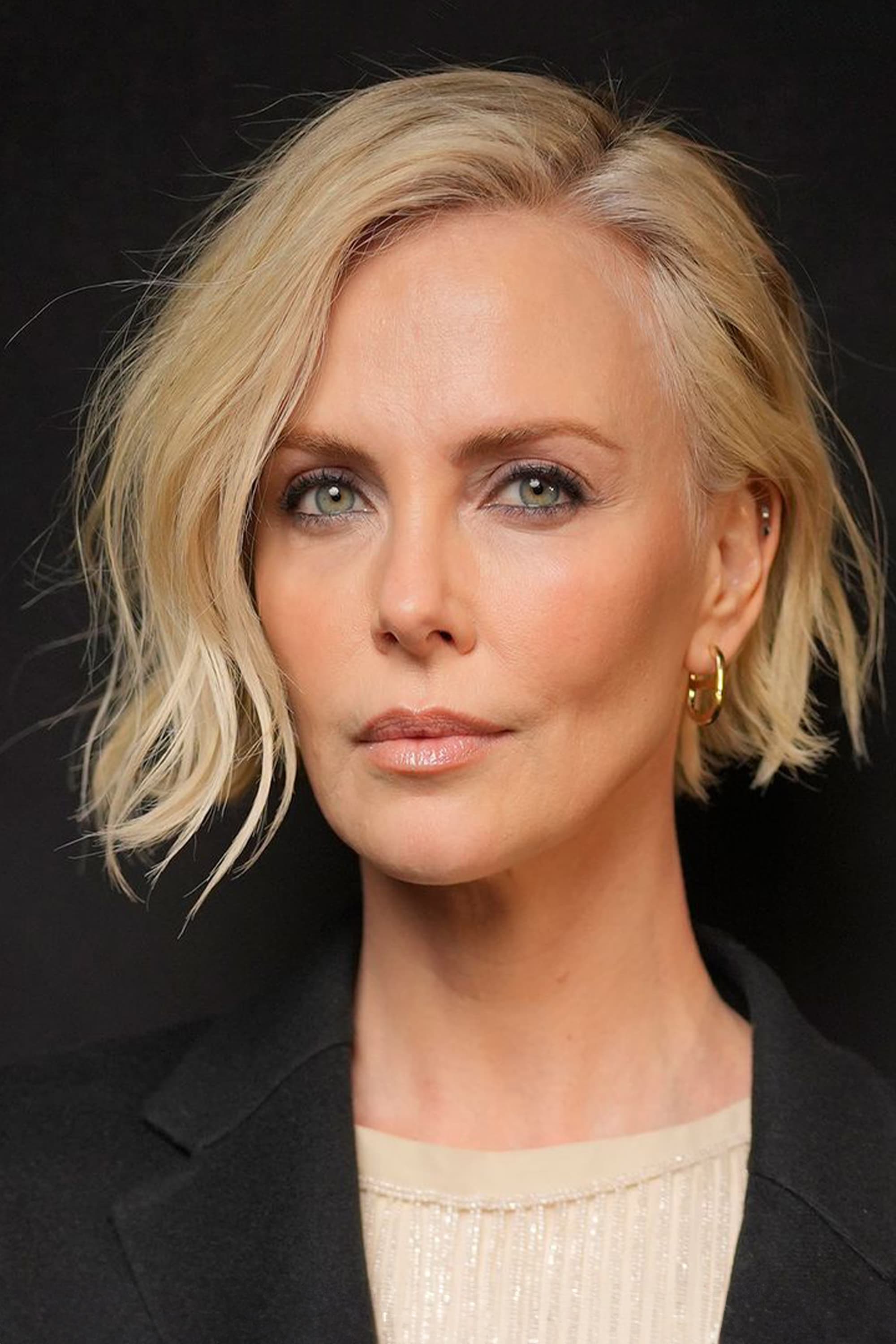
Charlize Theron initially struggled to be taken seriously as a dramatic actress because of her background in modeling. Critics often dismissed her as just a “pretty face” until she underwent a physical transformation for her role in ‘Monster’. Her performance as Aileen Wuornos earned her an Academy Award and proved her willingness to disappear into a character. She further defied expectations by becoming a premiere action star in ‘Mad Max: Fury Road’ and ‘Atomic Blonde’. Theron has consistently broken barriers regarding the types of roles available to women over 40.
Winona Ryder
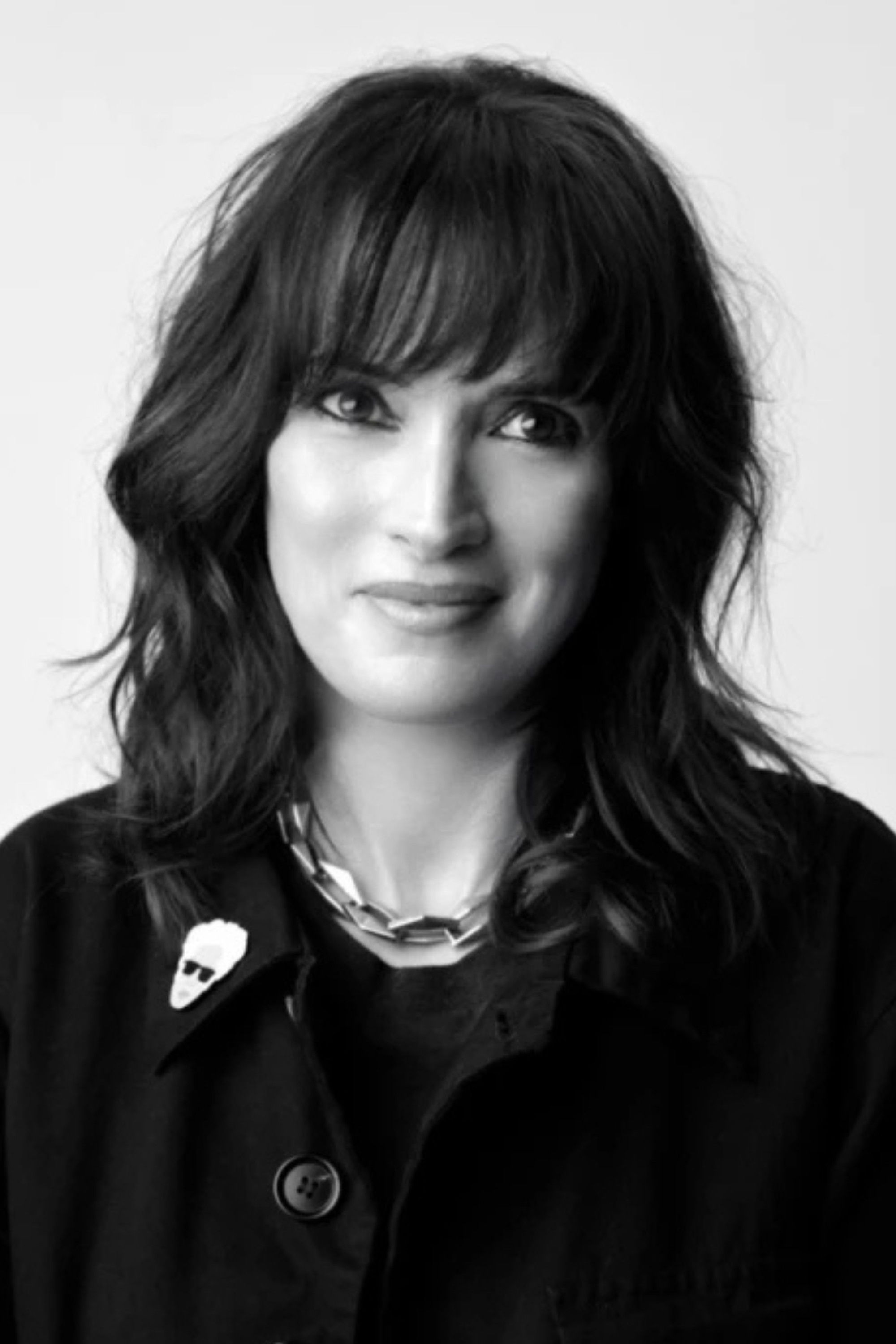
After a highly publicized legal incident in the early 2000s, many critics claimed Winona Ryder’s career in Hollywood was over. She faced years of being sidelined and was frequently the subject of tabloid mockery regarding her personal life. She remained quiet and focused on smaller projects until her major comeback in the television series ‘Stranger Things’. Her portrayal of Joyce Byers reminded audiences of her emotional range and helped propel the show to global popularity. Her resurgence is cited as one of the most successful professional rehabilitations in modern entertainment history.
Margot Robbie

Margot Robbie faced skepticism when she first moved to Hollywood, with many assuming she would be limited to “bombshell” roles after ‘The Wolf of Wall Street’. She intentionally sought out diverse characters to avoid being typecast, including her role as Tonya Harding in ‘I, Tonya’. Beyond acting, she faced doubters when she started her production company, LuckyChap Entertainment, to champion female-driven stories. The massive success of ‘Barbie’, which she produced and starred in, silenced critics who questioned her business acumen. She has become a pivotal figure in modern cinema by taking control of her own creative narrative.
Lady Gaga
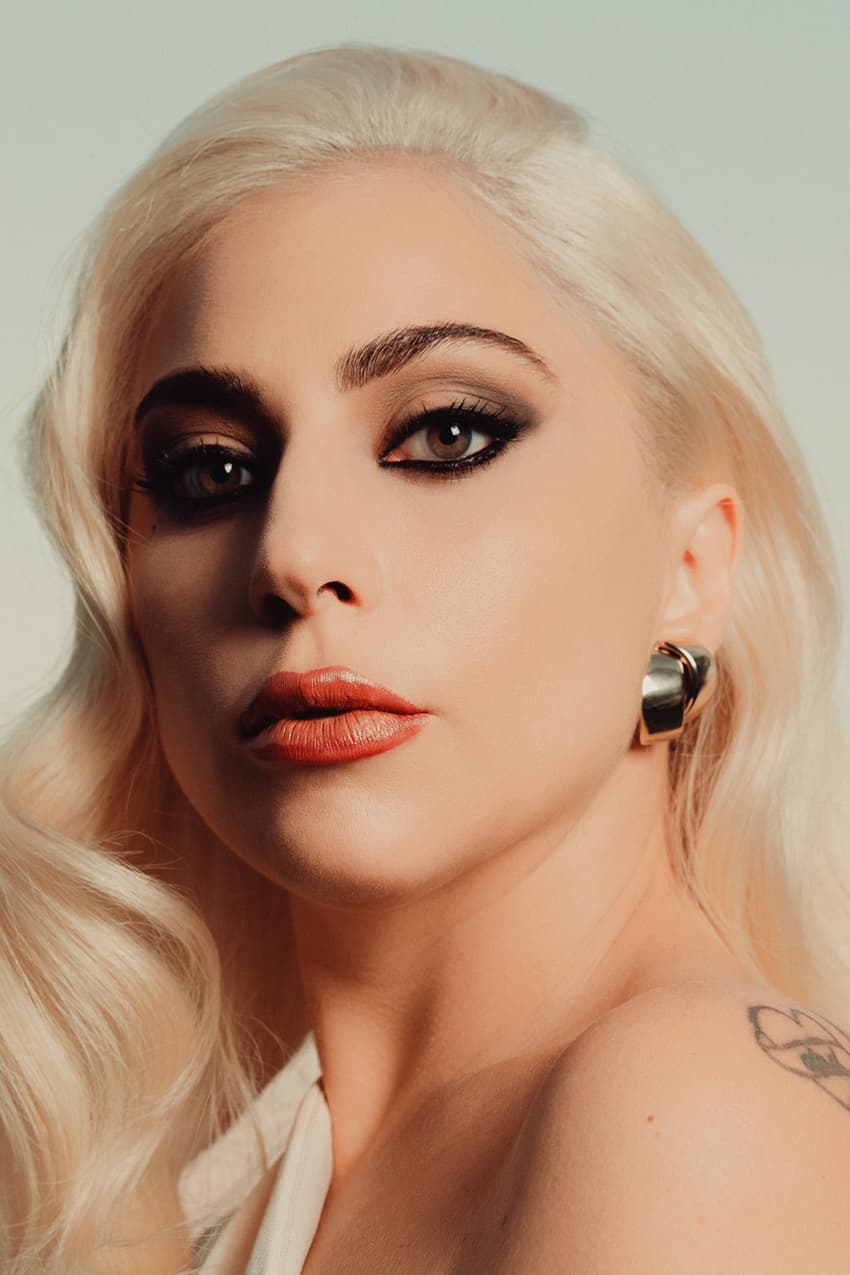
When Lady Gaga transitioned from music to acting, many skeptics believed she was merely a “pop star” seeking attention rather than a serious performer. She proved her critics wrong with a Golden Globe-winning turn in ‘American Horror Story: Hotel’. Her lead performance in ‘A Star Is Born’ earned her an Academy Award nomination for Best Actress and won her an Oscar for Best Original Song. She continued to showcase her range in ‘House of Gucci’, demonstrating a commitment to method acting and character study. Gaga has successfully established herself as a dual-threat powerhouse in both the music and film industries.
Scarlett Johansson

Scarlett Johansson has faced numerous casting controversies and criticisms throughout her decades-long career. Detractors questioned her ability to lead an action franchise, yet her portrayal of Black Widow in the ‘Avengers’ series became a cornerstone of the Marvel Cinematic Universe. She also faced backlash for her role in ‘Ghost in the Shell’, which she navigated while continuing to seek challenging work. Her dual Oscar nominations in the same year for ‘Marriage Story’ and ‘Jojo Rabbit’ solidified her reputation as a top-tier dramatic talent. She remains one of the highest-grossing actresses of all time.
Gal Gadot

When Gal Gadot was cast as Wonder Woman, she was met with significant body shaming from fans who claimed she did not have the “Amazonian” physique described in the comics. Critics also questioned whether an actress with her background and accent could carry a major American superhero franchise. Gadot ignored the negativity and underwent intensive physical training to embody the character’s strength. The 2017 film ‘Wonder Woman’ became a critical and commercial phenomenon, shattering several box office records. Her performance turned her into a global icon and paved the way for more female-led superhero films.
Zendaya

Zendaya faced racial backlash when it was rumored she would play MJ in the ‘Spider-Man’ franchise. Critics argued that the character should look like the original comic book depictions, ignoring her acting capabilities. She chose to ignore the noise and delivered a grounded, modernized version of the character across three films. Her work in ‘Euphoria’ eventually earned her two Emmy Awards, making her the youngest two-time winner in her category. She has successfully transitioned from a Disney Channel star to one of the most respected actresses of her generation.
Halle Berry
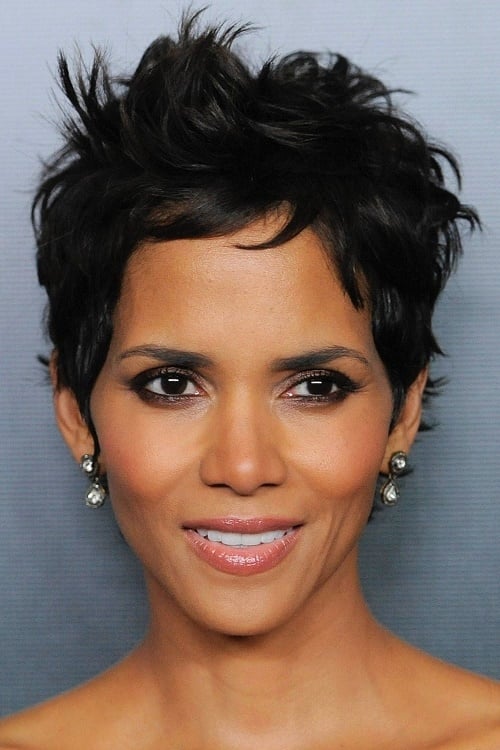
After winning her historic Academy Award for ‘Monster’s Ball’, Halle Berry faced intense scrutiny when her subsequent films, like ‘Catwoman’, were critical failures. She famously accepted her Razzie Award in person, showing a sense of humor and resilience that many found refreshing. Despite the ups and downs of her career and the tabloid focus on her personal life, she continued to work steadily in both blockbusters and independent films. She later made her directorial debut with ‘Bruised’, proving her dedication to storytelling behind the camera. She remains the only Black woman to have won the Academy Award for Best Actress.
Kristen Stewart
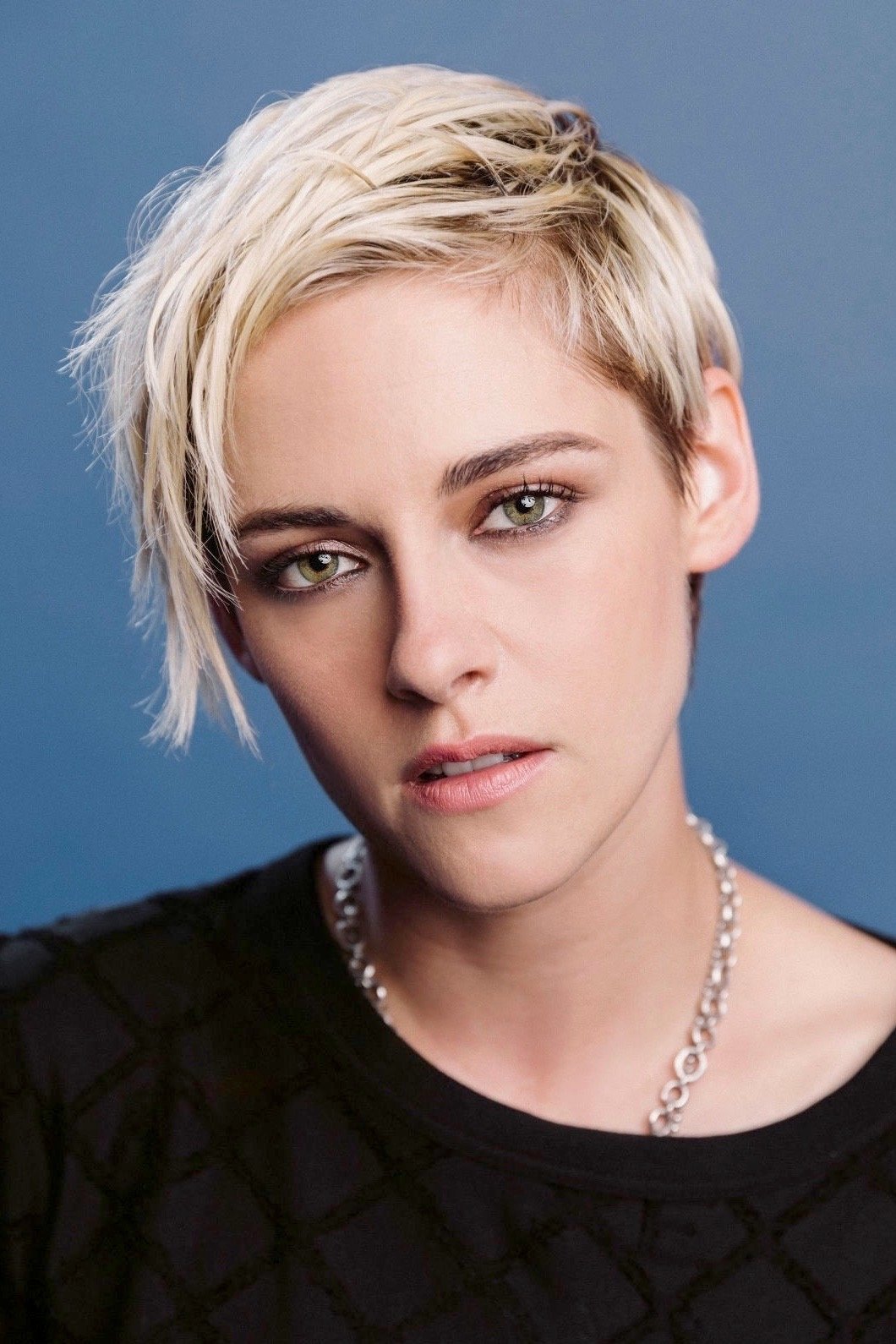
Following the massive success of the ‘Twilight’ saga, Kristen Stewart was frequently criticized for her acting style and public demeanor. Detractors often called her “wooden” and “ungrateful” for the fame she had acquired. She responded by moving away from blockbuster films and focusing on challenging roles in independent cinema, such as ‘Clouds of Sils Maria’. She became the first American actress to win a César Award, France’s equivalent of the Oscar. Her transformation was capped by an Academy Award nomination for her portrayal of Princess Diana in ‘Spencer’.
Emma Watson

Emma Watson faced the daunting challenge of escaping the “child star” label after playing Hermione Granger for a decade. Critics wondered if she had the range to play anything other than a precocious student. She defied these doubts by taking on varied roles in ‘The Perks of Being a Wallflower’ and ‘The Bling Ring’. She also balanced her acting career with her education at Brown University and her work as a UN Women Goodwill Ambassador. Her performance as Belle in the live-action ‘Beauty and the Beast’ proved her continued bankability as a leading lady.
Jennifer Aniston
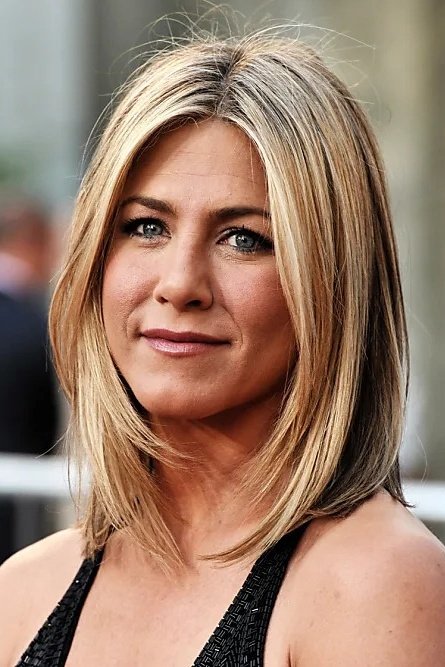
Jennifer Aniston spent years trying to break away from her ‘Friends’ character, Rachel Green, as critics doubted her ability to lead a dramatic film. She was often relegated to romantic comedies that were dismissed by some as “lightweight” fare. She silenced her critics with a gritty, transformative performance in the independent film ‘Cake’, which earned her a Golden Globe nomination. She further established her dramatic credentials as both a star and producer of ‘The Morning Show’. Aniston has successfully navigated the transition from television icon to a respected film and streaming powerhouse.
Julia Roberts
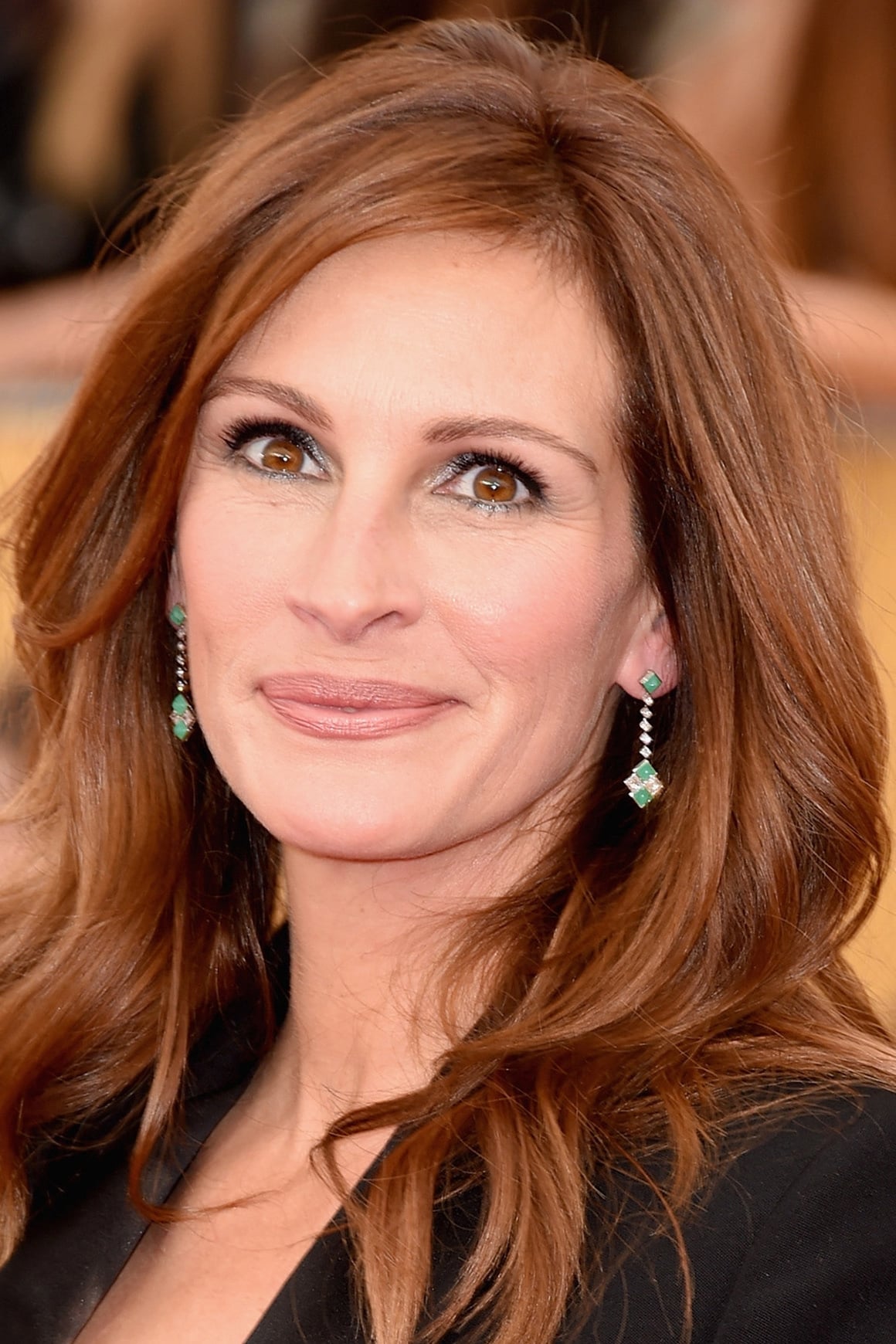
During the peak of her fame in the 1990s, Julia Roberts was often the subject of intense tabloid scrutiny regarding her personal relationships. Critics frequently questioned whether her “America’s Sweetheart” image was sustainable or if she was actually difficult to work with. She responded by consistently delivering box office hits and eventually winning an Academy Award for ‘Erin Brockovich’. Her ability to command high salaries—matching those of her male counterparts—changed the landscape for female pay in Hollywood. She has maintained her status as a global superstar for over three decades.
Nicole Kidman
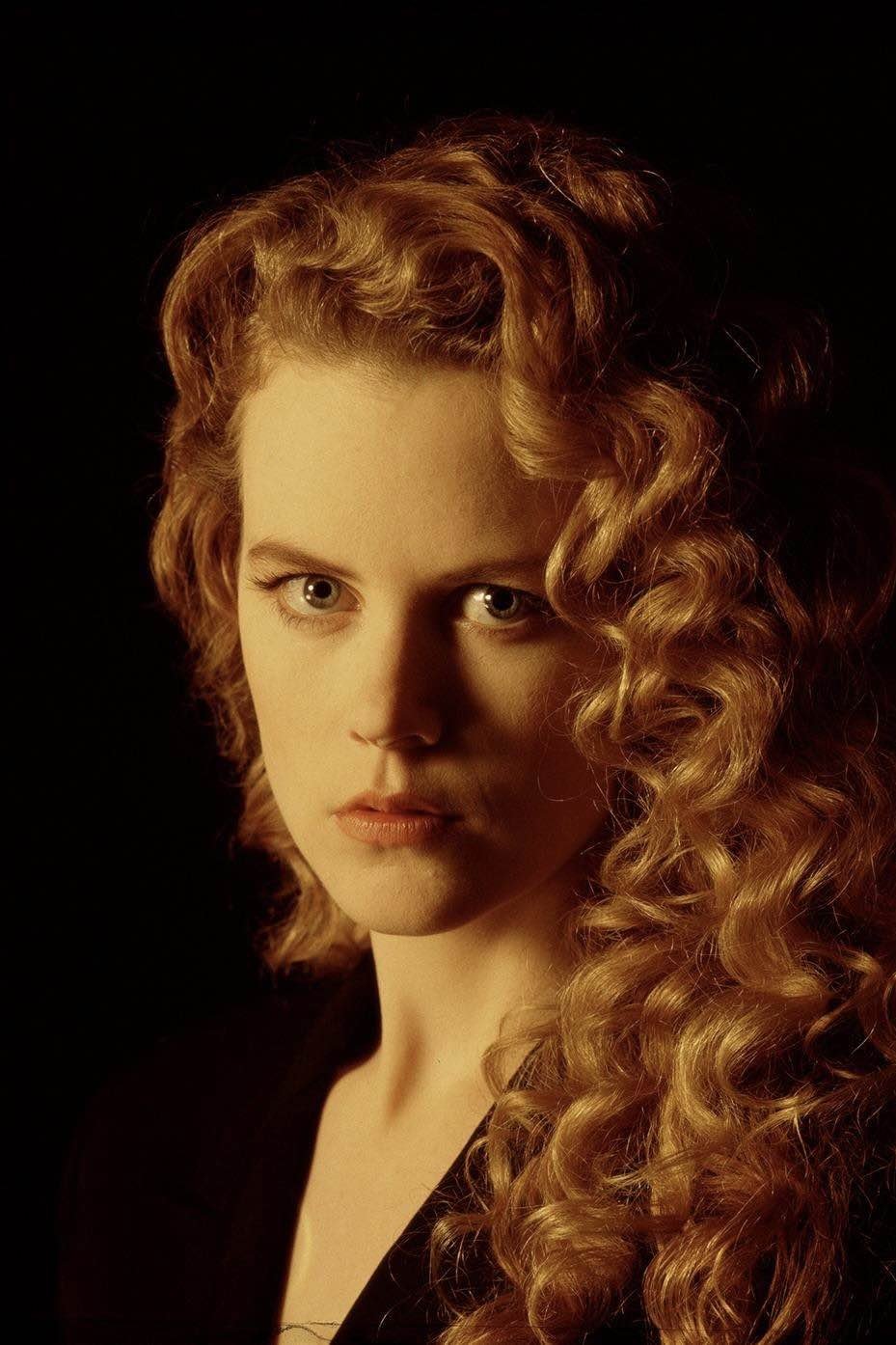
Nicole Kidman has faced recurring criticism throughout her career regarding everything from her acting choices to her physical appearance. Early on, some dismissed her as being primarily known for her marriage to Tom Cruise. She dismantled this perception through a series of bold, transformative roles in ‘The Hours’ and ‘Moulin Rouge!’. Despite periods where the media claimed her “star power” was fading, she reinvented herself as a television powerhouse in ‘Big Little Lies’. Her consistent work ethic and willingness to take risks have made her one of the most respected actresses in the industry.
Kate Winslet
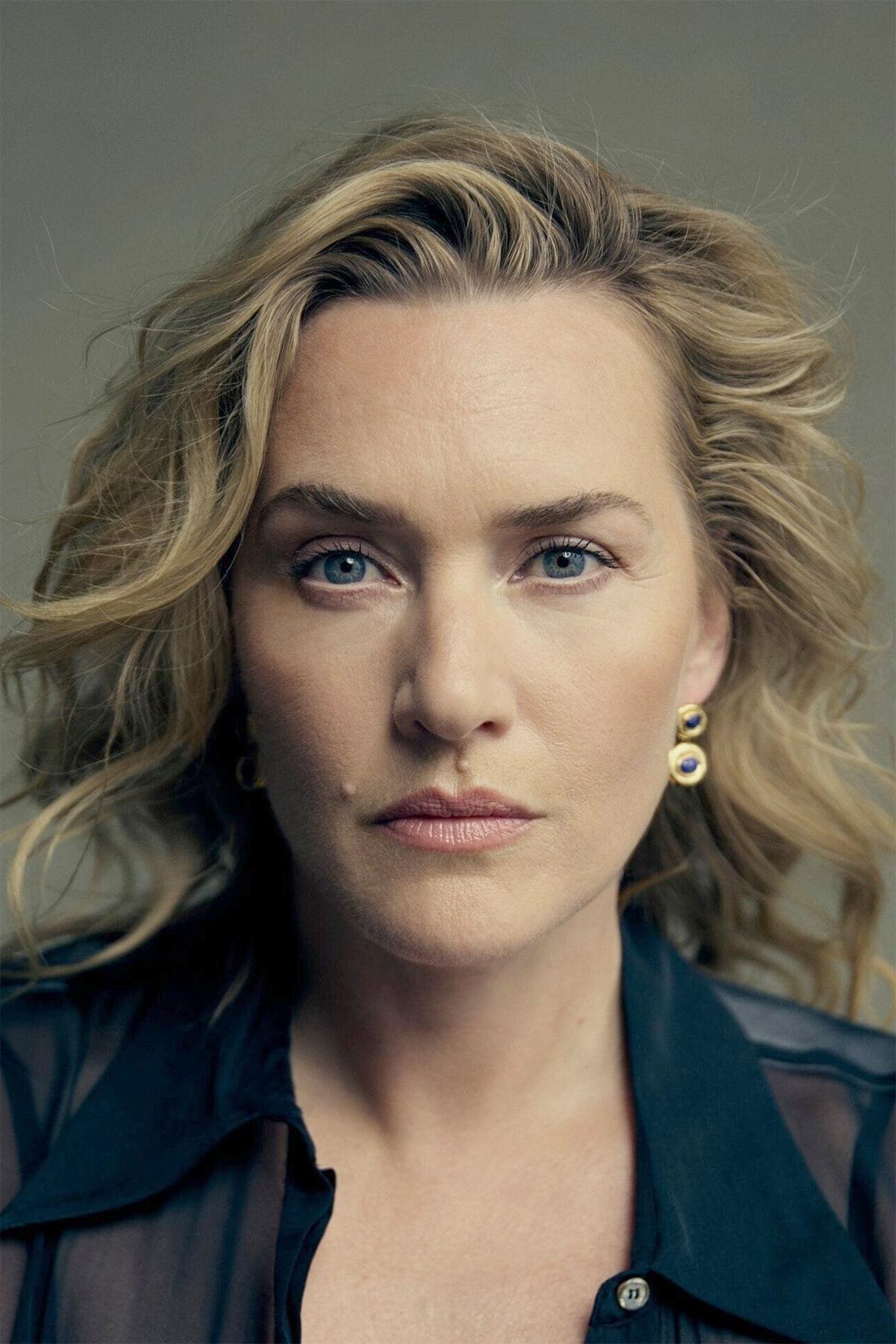
Following the release of ‘Titanic’, Kate Winslet was subjected to relentless body shaming by the British and American press. Critics and comedians often made cruel jokes about her weight, which she has since described as “borderline abusive.” Winslet refused to conform to Hollywood’s thinness standards and focused on honing her craft in prestigious dramas. She went on to win an Academy Award for ‘The Reader’ and multiple Emmy Awards for ‘Mildred Pierce’ and ‘Mare of Easttown’. Her career is a testament to the power of talent and self-worth over superficial industry demands.
Drew Barrymore
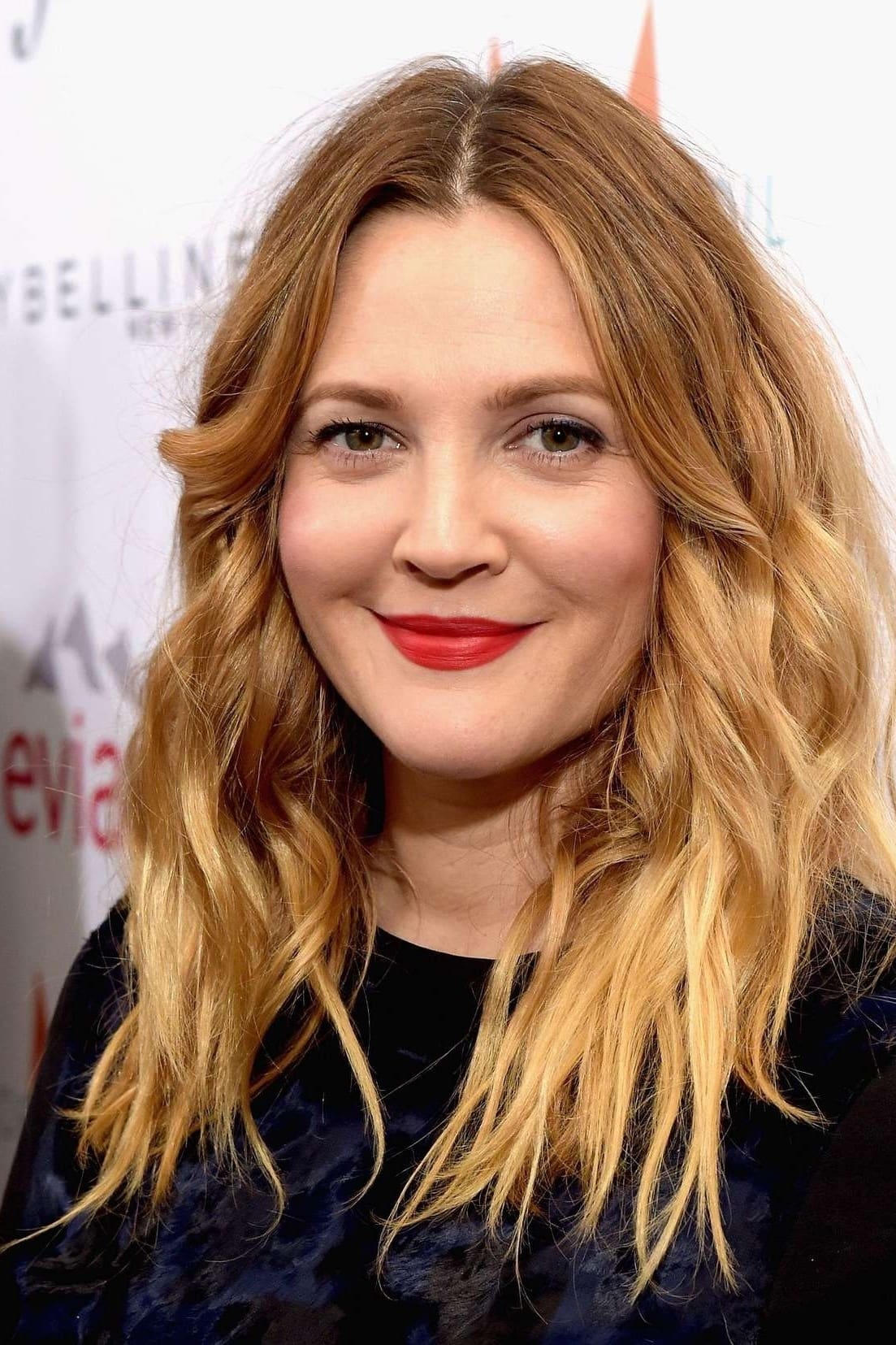
Drew Barrymore faced the ultimate industry dismissal after a highly publicized struggle with addiction as a child star. Many believed she would become a tragic statistic of Hollywood rather than a successful adult actress. She defied the odds by cleaning up her life and launching a massive comeback in the 1990s with films like ‘The Wedding Singer’. She also took control of her career by founding Flower Films, which produced the hit ‘Charlie’s Angels’. Today, she is a beloved talk show host and entrepreneur who turned her early struggles into a story of redemption.
Sandra Bullock
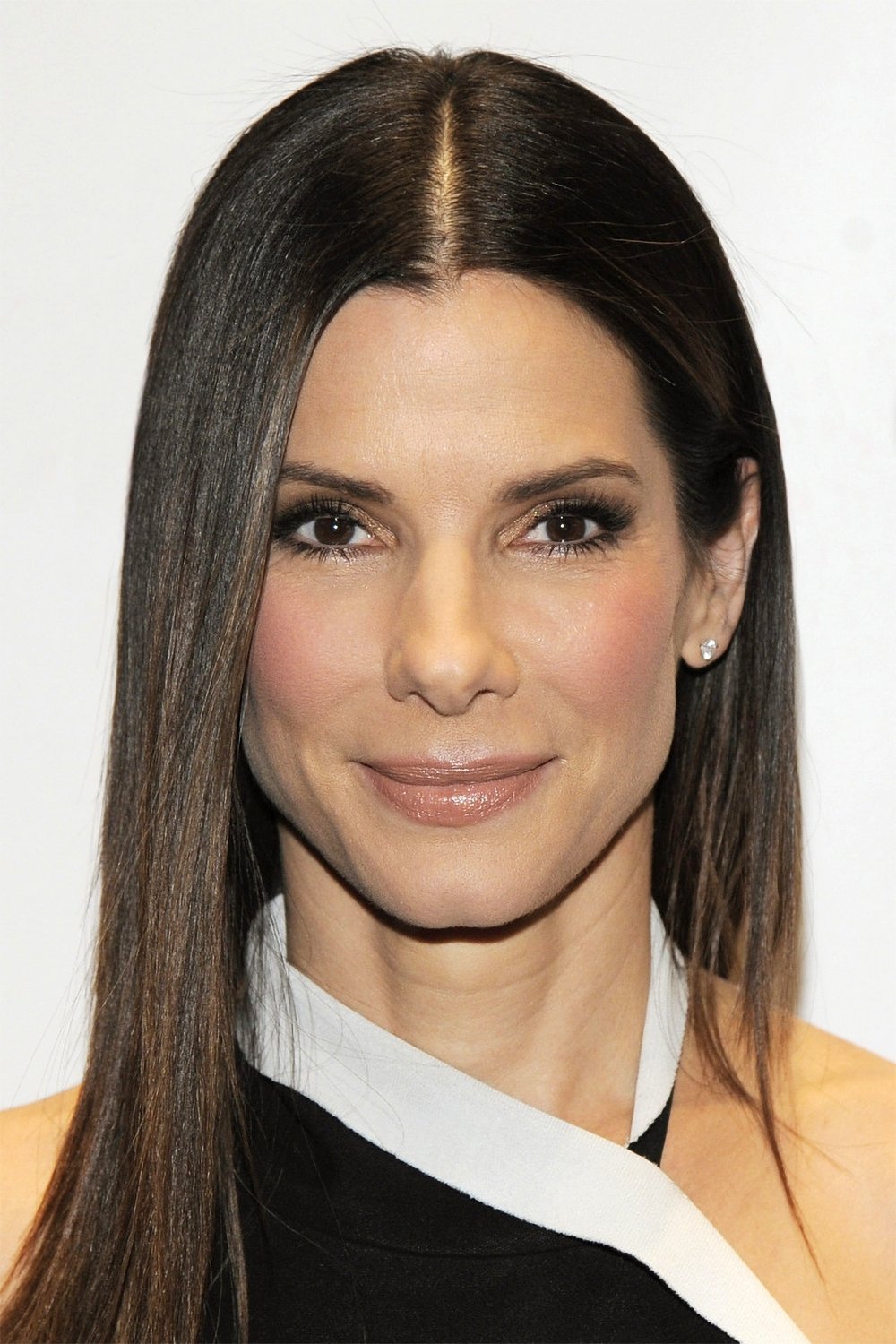
For much of her career, Sandra Bullock was labeled “The Girl Next Door” and was largely overlooked by serious critics who favored dramatic weight over romantic comedy success. She was often told that her brand of humor and charm wouldn’t translate into prestigious awards. She defied these labels by winning an Academy Award for ‘The Blind Side’ and following it up with a critically acclaimed turn in ‘Gravity’. She also became a highly successful producer, overseeing hits like ‘The Proposal’. Bullock proved that an actress could be both commercially dominant and artistically respected.
Angelina Jolie
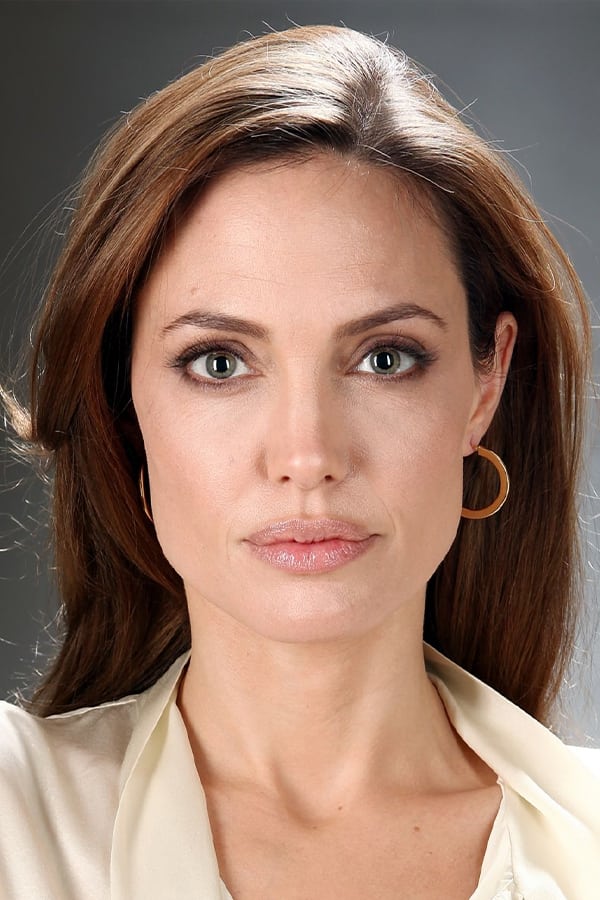
Angelina Jolie was often dismissed by critics early in her career as being more of a “tabloid figure” than a serious actress. Her personal life frequently overshadowed her professional accomplishments in the eyes of the media. She countered this by winning an Academy Award for ‘Girl, Interrupted’ and becoming a massive action star in ‘Lara Croft: Tomb Raider’. She later expanded her career into directing and humanitarian work, using her platform to bring attention to global crises. Jolie’s evolution from “Hollywood rebel” to respected filmmaker and activist is one of the industry’s most significant transformations.
Natalie Portman
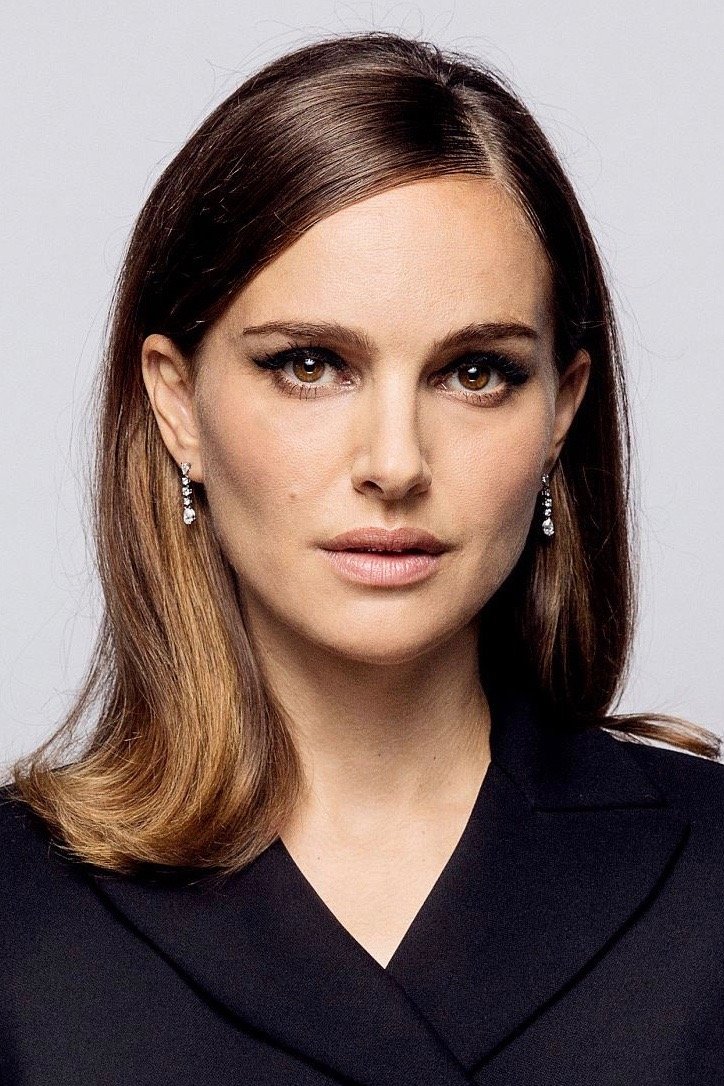
After the ‘Star Wars’ prequel trilogy, Natalie Portman faced harsh criticism for her performance, with some claiming she was a “bad actress” who lacked emotion. She has since admitted that the backlash made it difficult for her to find work for a period. She defied her critics by taking on a variety of roles in independent films like ‘Closer’, which earned her an Oscar nomination. She eventually won the Academy Award for ‘Black Swan’, a role that required immense physical and emotional dedication. Her career proves that early career setbacks can be overcome through artistic growth.
Melissa McCarthy
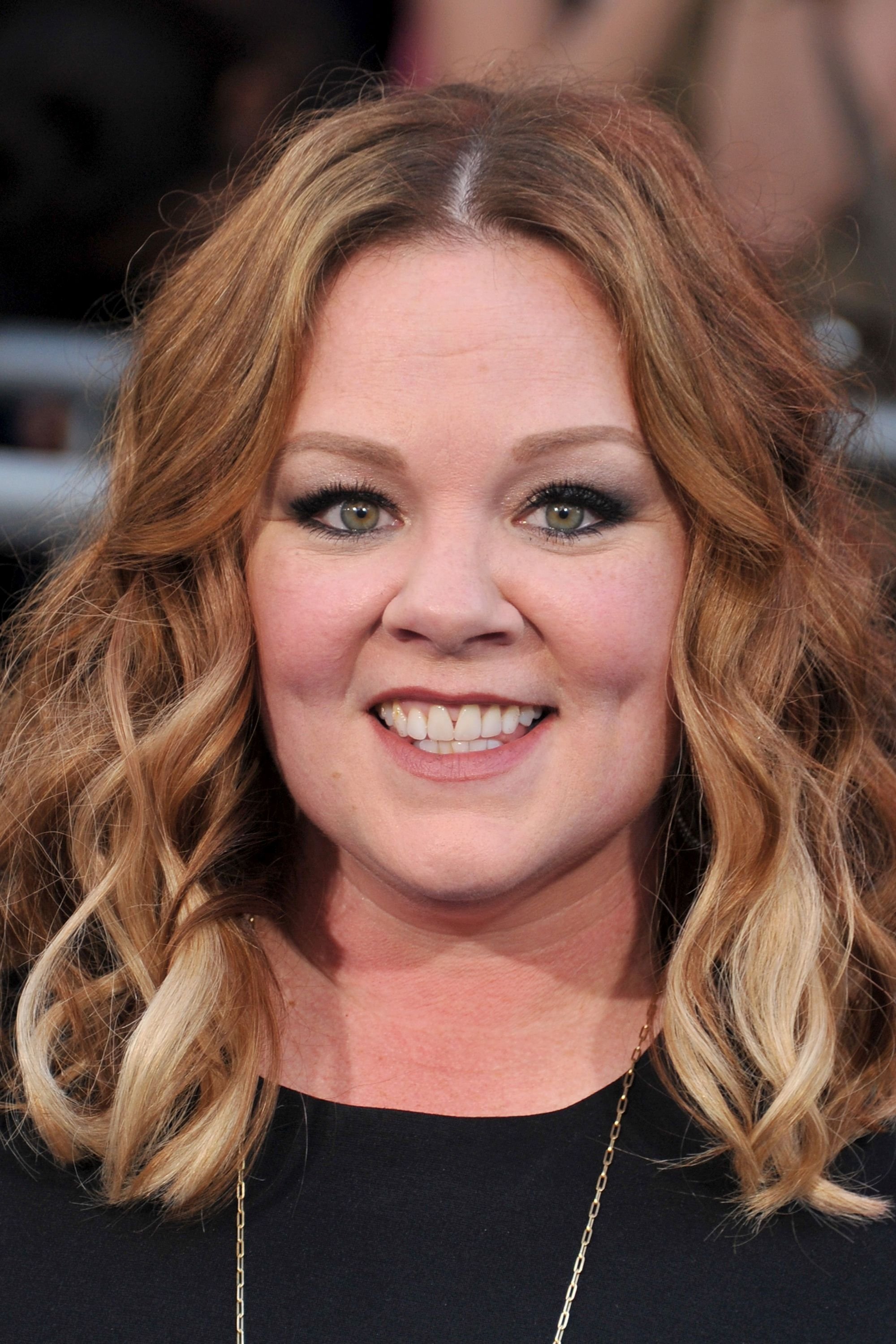
Melissa McCarthy has faced significant body shaming throughout her rise to fame, including a notorious review that referred to her as “tractor-sized.” Some critics also dismissed her brand of physical comedy as being “one-note” or “unrefined.” She responded to the negativity by becoming one of the most bankable stars in Hollywood, with hits like ‘Bridesmaids’ and ‘The Heat’. She also showcased her dramatic range in ‘Can You Ever Forgive Me?’, which earned her an Academy Award nomination. McCarthy has consistently used her success to advocate for more inclusive beauty standards in the media.
Octavia Spencer

Octavia Spencer worked for years in small, uncredited roles before receiving her big break in ‘The Help’. Many in the industry believed she had started her career too late to become a true leading lady or a household name. She defied these expectations by winning an Academy Award and becoming one of the most consistently employed actresses in Hollywood. She broke barriers by becoming the first Black actress to receive two consecutive Oscar nominations after her win. Her career is a prime example of the importance of persistence in a youth-obsessed industry.
Lupita Nyong’o
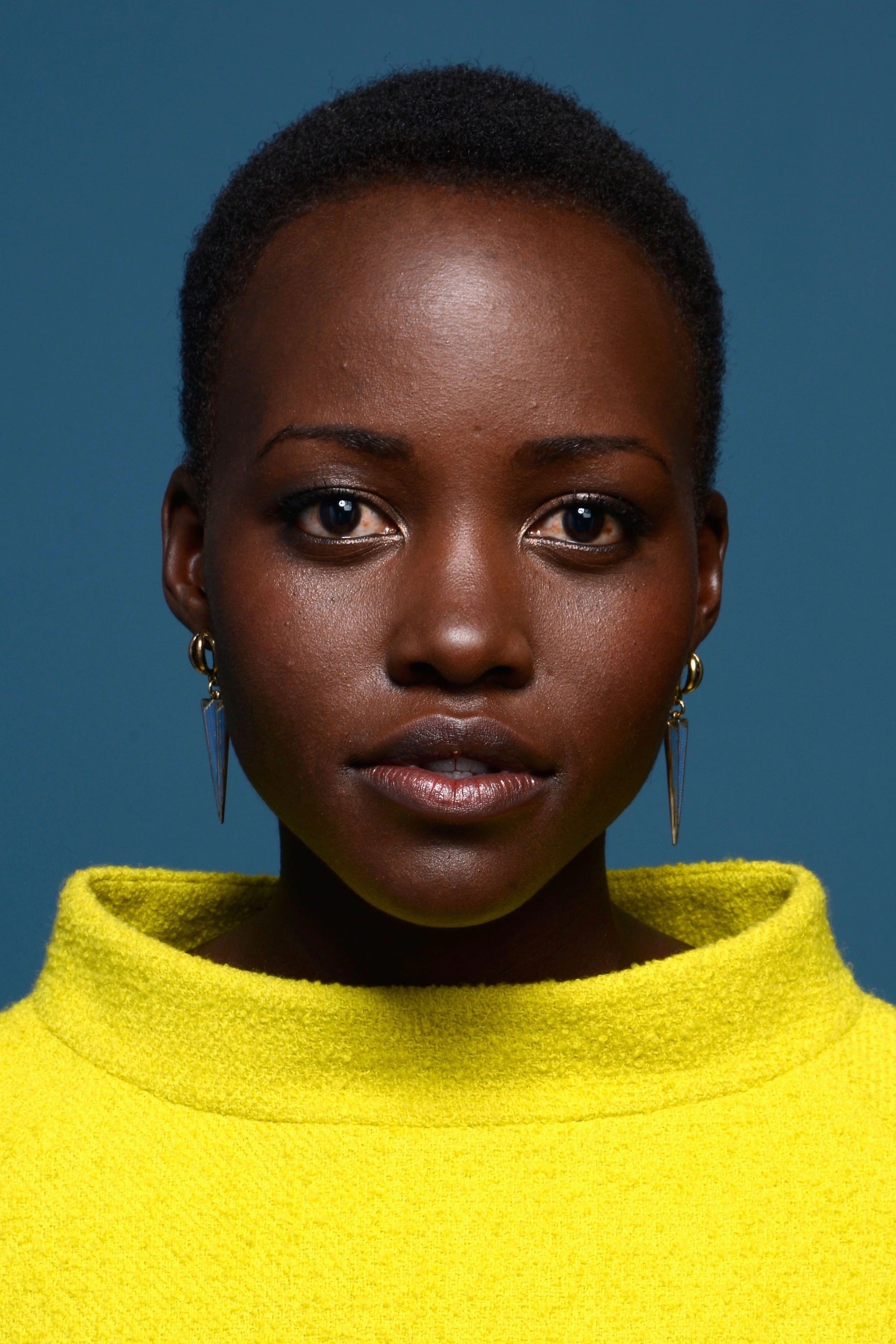
Lupita Nyong’o faced skepticism regarding how her career would progress after her Oscar-winning debut in ’12 Years a Slave’. Some critics wondered if she would face the limited opportunities often afforded to dark-skinned Black women in Hollywood. She defied these doubts by taking on a wide range of roles, from the ‘Star Wars’ franchise to the lead in the horror film ‘Us’. She also became a fashion icon and a best-selling author of a children’s book about colorism and self-love. Her presence has significantly challenged traditional beauty and casting standards in the film industry.
Michelle Yeoh
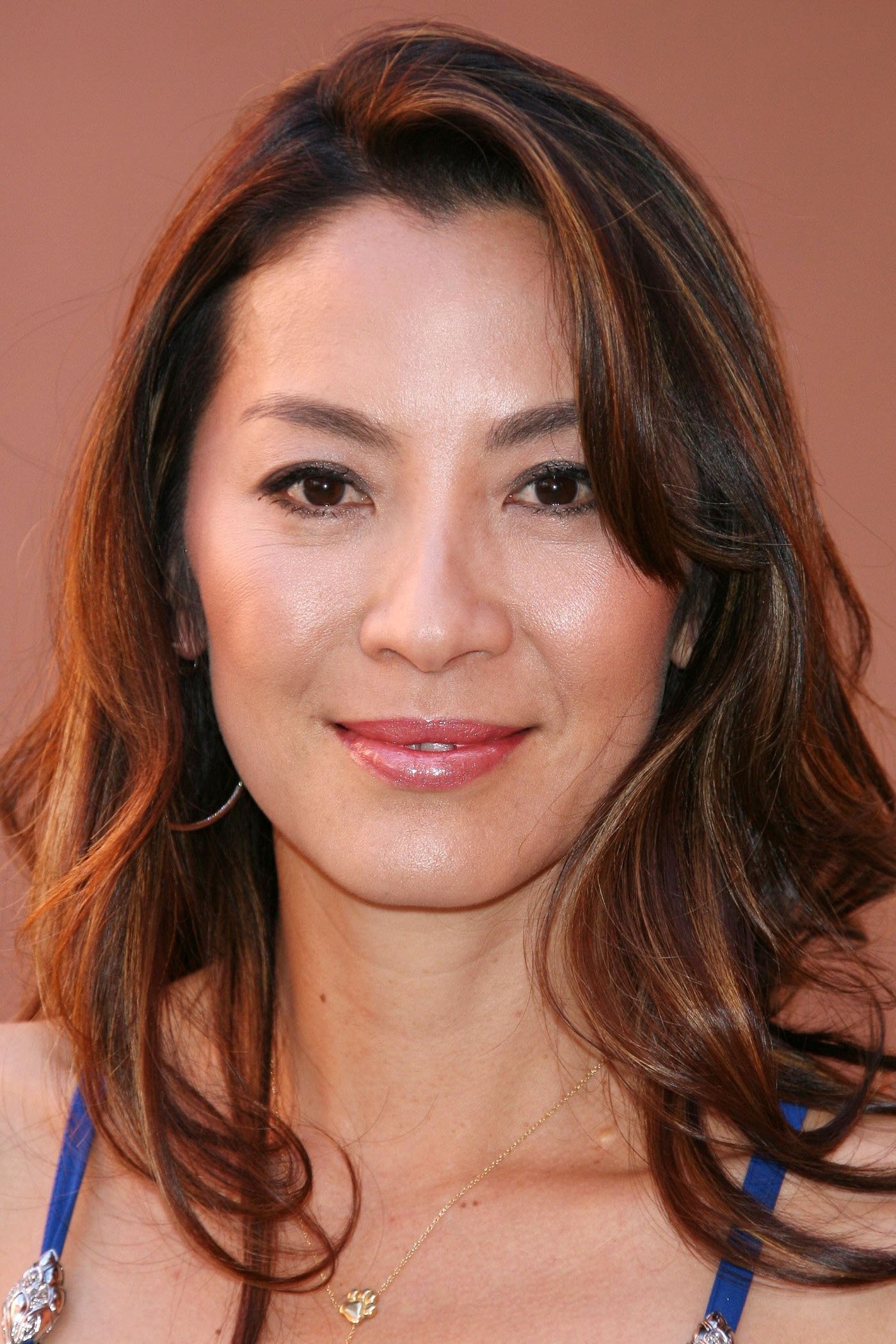
For decades, Michelle Yeoh was primarily known to Western audiences as an “action star” and was often pigeonholed into martial arts roles. Critics and casting directors frequently overlooked her dramatic capabilities due to her age and ethnicity. She defied these limitations with her performance in ‘Everything Everywhere All at Once’, which showcased her full emotional and comedic range. Her historic Academy Award win for Best Actress proved that it is never too late for an actress to reach the pinnacle of her profession. She has become a symbol of empowerment for Asian actors worldwide.
Jamie Lee Curtis
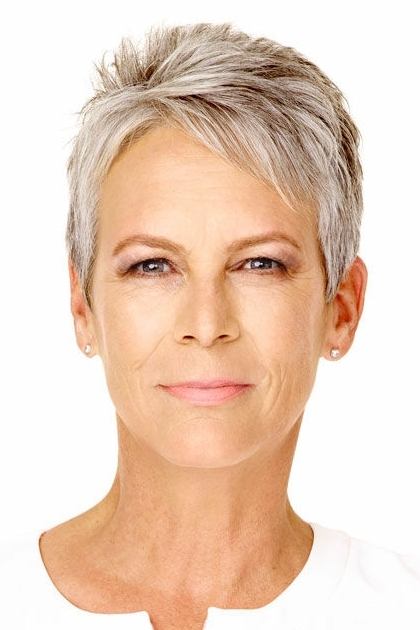
Jamie Lee Curtis was famously labeled a “Scream Queen” early in her career, a title that often limits an actress’s perceived range. Critics questioned whether she could successfully transition into other genres after ‘Halloween’. She defied this by proving her comedic chops in ‘A Fish Called Wanda’ and her dramatic ability in ‘True Lies’. After a period of focusing on her family and writing, she returned to the screen with renewed vigor and won an Oscar for ‘Everything Everywhere All at Once’. Her career has spanned over four decades, proving her versatility and enduring popularity.
Jessica Chastain
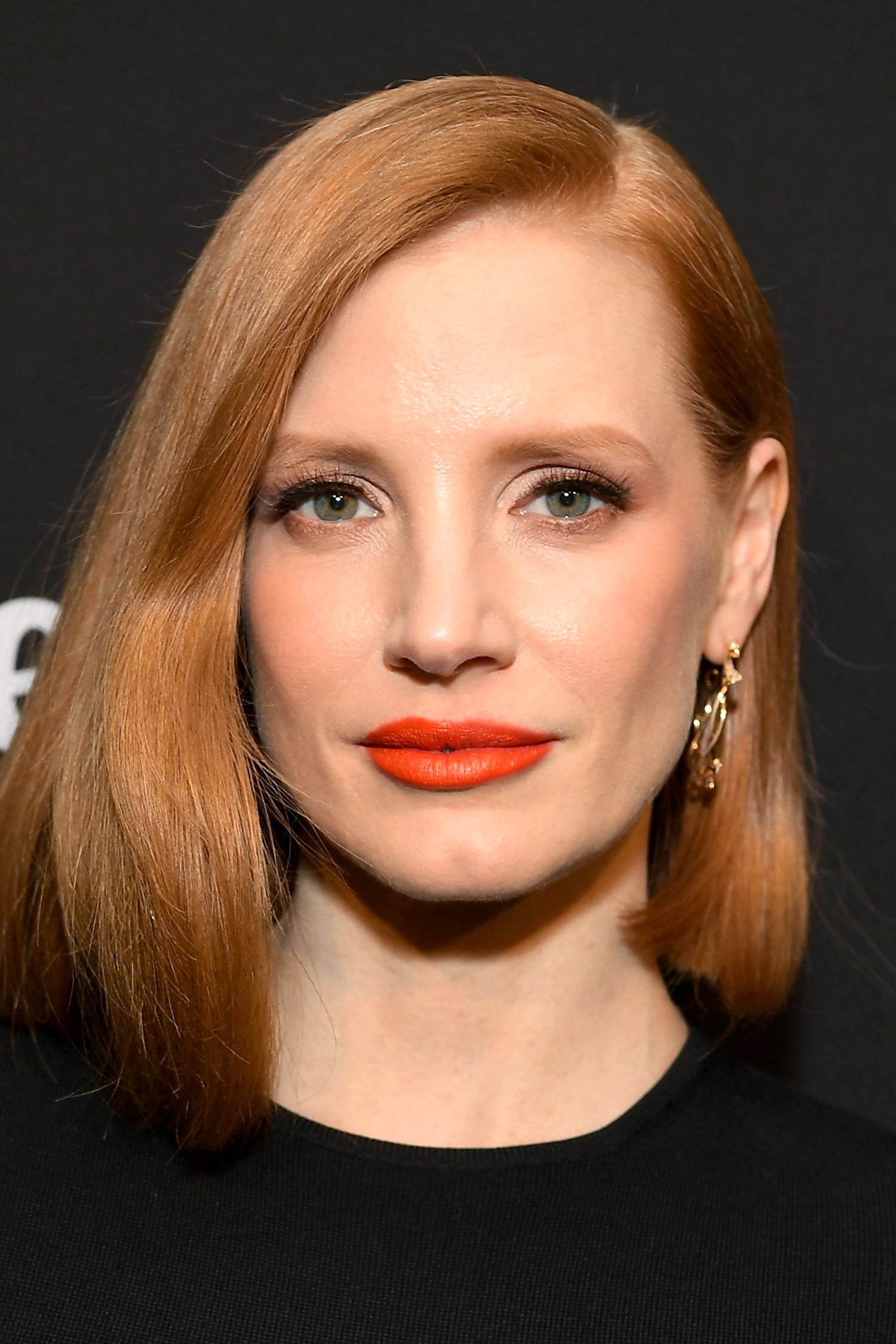
Jessica Chastain faced numerous rejections early in her career, with some casting directors telling her she was “too ginger” or didn’t have the right “look” for lead roles. She remained in the industry for years before her breakout year in 2011, when she appeared in several major films including ‘The Help’. She silenced her doubters by consistently choosing challenging, intelligence-driven roles in films like ‘Zero Dark Thirty’. She eventually won an Academy Award for her transformative role in ‘The Eyes of Tammy Faye’. Chastain is now recognized as one of the most talented and prolific actresses of her era.
Taraji P. Henson
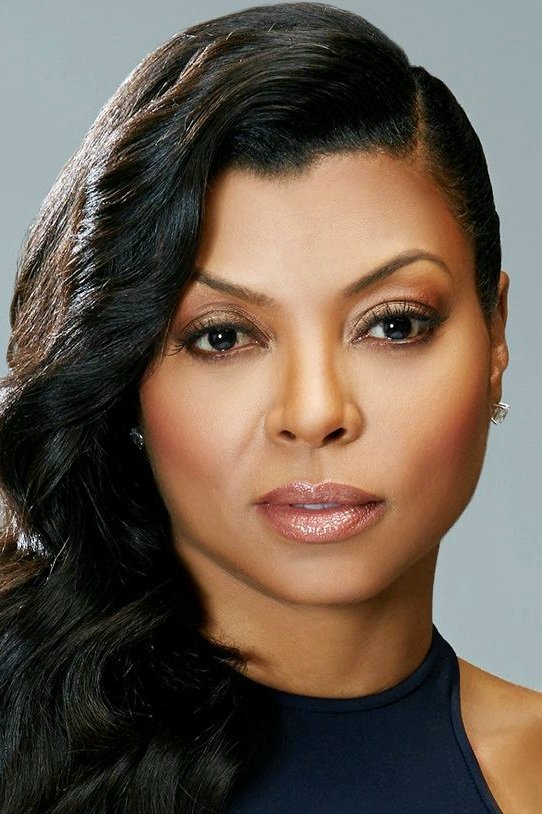
Taraji P. Henson has been vocal about the pay inequities and lack of respect she faced even after being nominated for an Academy Award. Critics and industry insiders often underestimated her drawing power as a lead actress in both film and television. She defied these perceptions with her iconic role as Cookie Lyon on ‘Empire’, which became a cultural phenomenon and earned her a Golden Globe. She continued to prove her worth as a box office draw with the success of ‘Hidden Figures’. Henson remains a prominent advocate for fair treatment and compensation for Black women in entertainment.
Emma Stone

Emma Stone faced early skepticism when she was told she needed to change her voice or her “funny” personality to be a traditional leading lady. Critics also questioned her casting in certain roles, such as her controversial part in ‘Aloha’. She responded by taking on increasingly complex characters, culminating in her Academy Award-winning performance in ‘La La Land’. She further proved her range by collaborating with director Yorgos Lanthimos on ‘The Favourite’ and ‘Poor Things’, for which she won her second Oscar. Stone has become one of the most critically acclaimed and versatile actresses of the 21st century.
Florence Pugh

Florence Pugh has faced public criticism regarding her appearance and her personal life, particularly her choice of romantic partners. Critics on social media have frequently targeted her body, leading her to issue strong statements defending her right to exist without being scrutinized. She defied these detractors by delivering a series of powerhouse performances in ‘Midsommar’ and ‘Little Women’. Her talent has made her one of the most sought-after actresses in both indie films and blockbusters like ‘Black Widow’. Pugh’s refusal to conform to traditional Hollywood expectations has only increased her popularity.
Saoirse Ronan
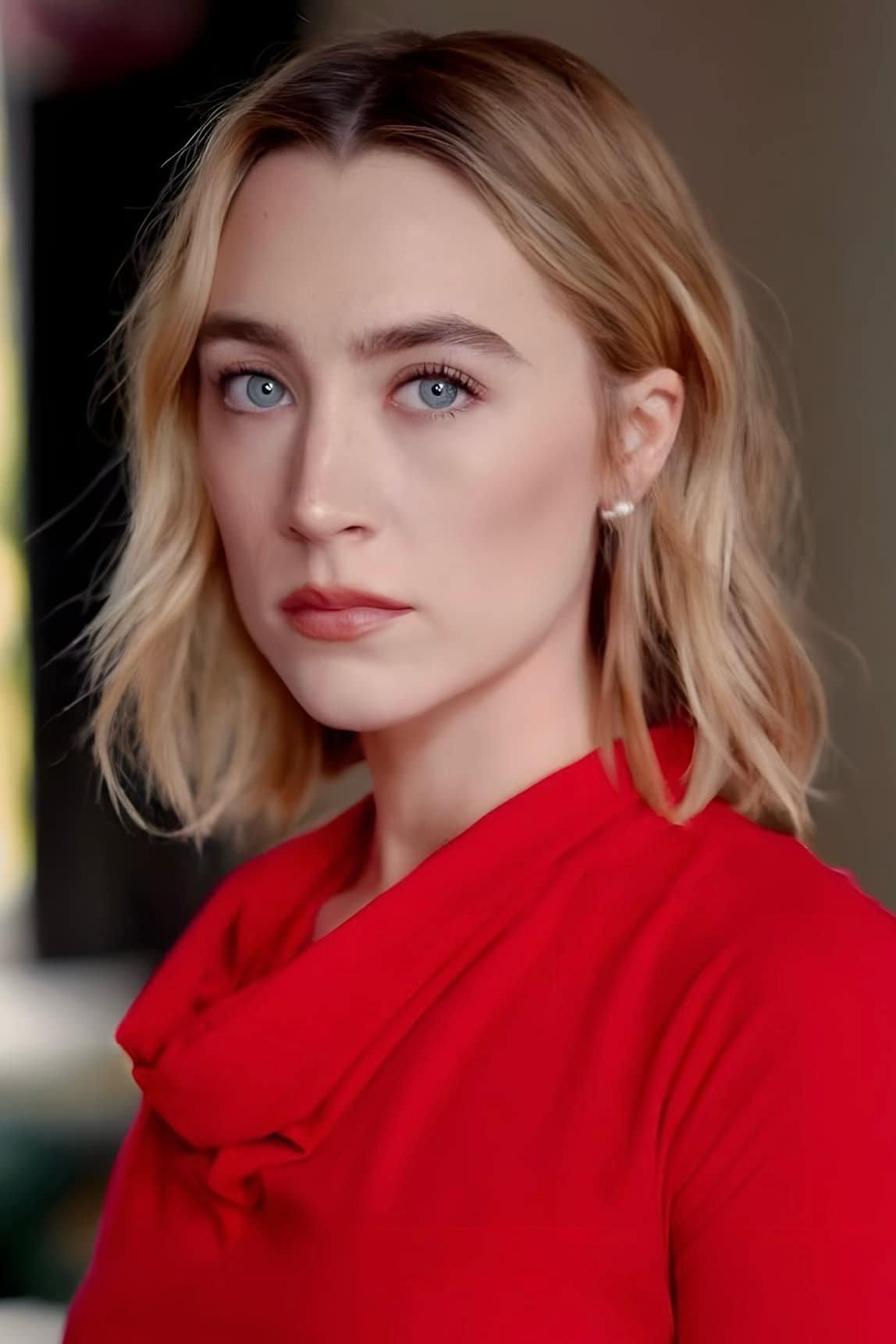
Saoirse Ronan faced the difficult transition from a child prodigy in ‘Atonement’ to a respected adult actress. Many young actors struggle to maintain their career momentum, and critics were curious if she could lead a film on her own. She defied these doubts with her performances in ‘Brooklyn’ and ‘Lady Bird’, both of which earned her Academy Award nominations. By her mid-twenties, she had already secured four Oscar nominations, placing her among an elite group of performers. Her consistent choice of high-quality material has cemented her reputation as a generational talent.
Anya Taylor-Joy

Anya Taylor-Joy was told by some early in her career that her “unconventional” looks might prevent her from becoming a mainstream star. She used her unique features to her advantage, carving out a niche in stylized horror and genre films like ‘The Witch’. Her breakthrough in ‘The Queen’s Gambit’ turned her into a global superstar and proved her ability to carry a major production. She has since moved into massive franchise roles with ‘Furiosa: A Mad Max Saga’. Taylor-Joy has successfully turned what some saw as a limitation into her greatest strength.
Carey Mulligan
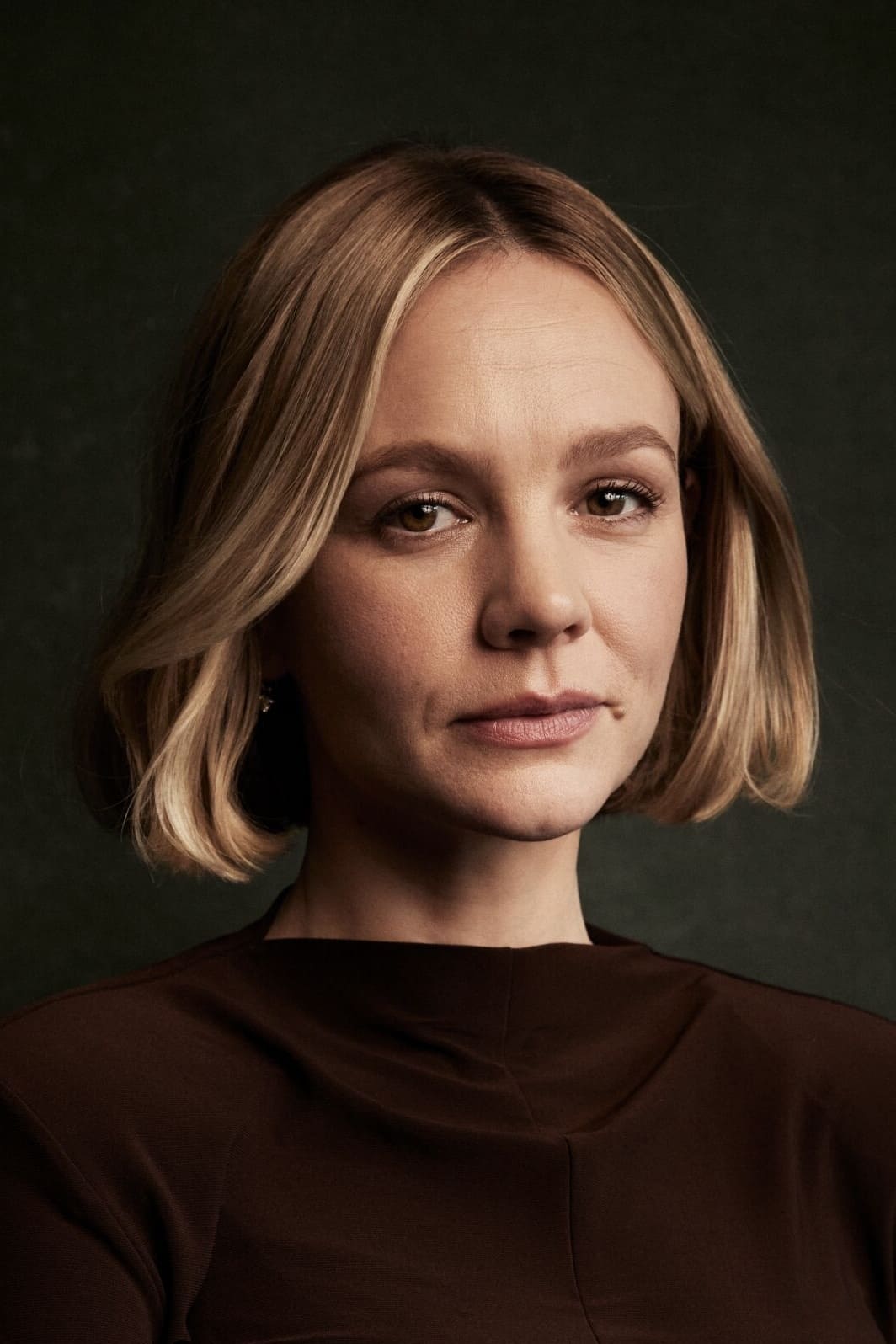
Carey Mulligan has often been criticized by certain segments of the media for her “undramatic” appearance and for not fitting the “glamorous” Hollywood mold. One critic famously wrote a review of ‘Promising Young Woman’ that suggested she wasn’t “hot” enough for the role, sparking a major industry debate. Mulligan responded by calling out the sexism in the critique and continued to deliver award-worthy performances. Her work in ‘An Education’ and ‘Maestro’ has solidified her as one of the most serious and capable actors of her generation. She remains focused on the craft of acting rather than the superficialities of fame.
Helen Mirren
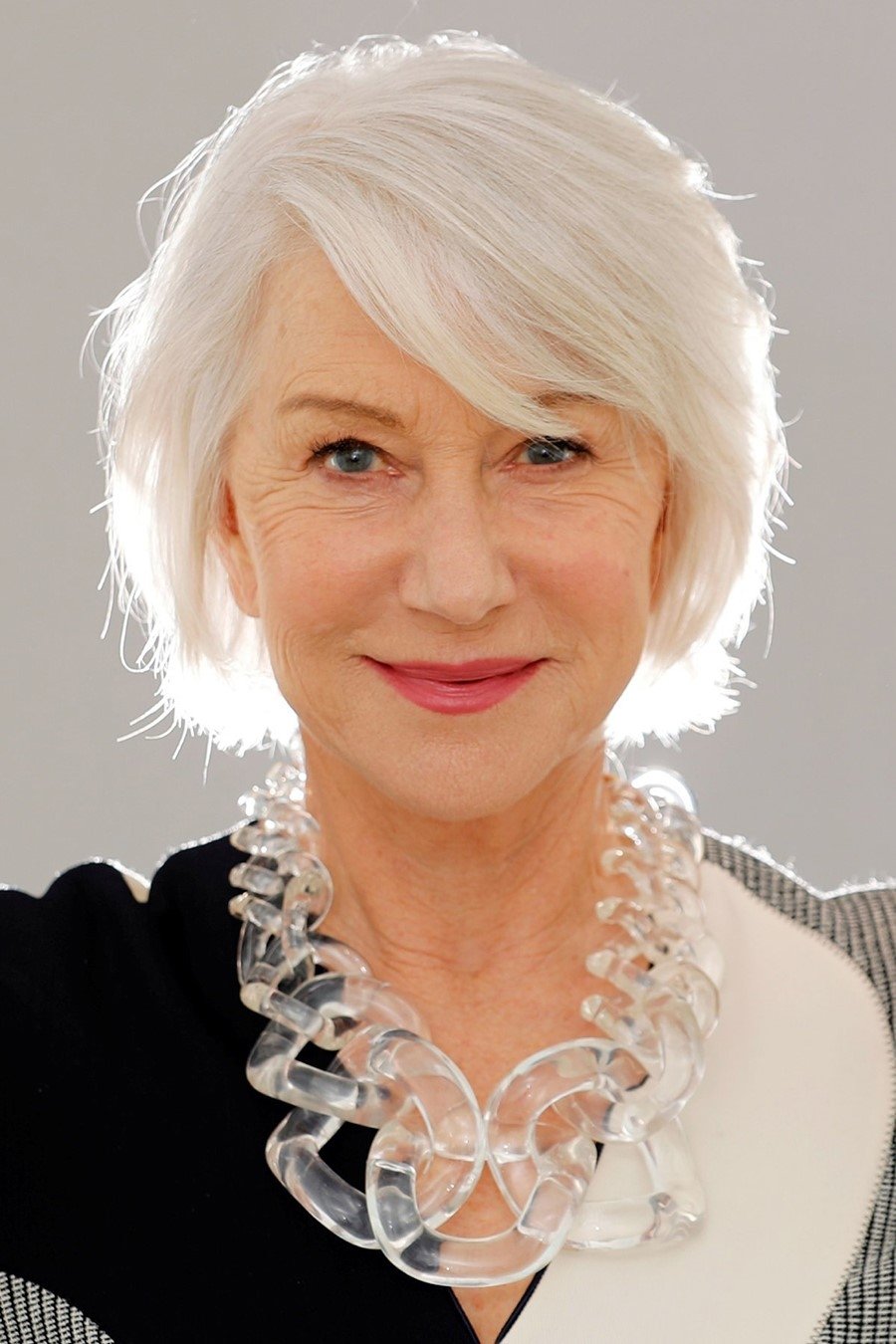
Helen Mirren has faced ageism for decades, with critics often questioning how long she could remain a viable leading lady. In her younger years, she was often reduced to her sexuality, a narrative she fought against by taking on authoritative and complex roles. She defied the industry’s obsession with youth by winning an Academy Award for ‘The Queen’ at the age of 61. She has since become an action star in the ‘Fast & Furious’ and ‘RED’ franchises, proving that age is not a barrier to physical roles. Mirren continues to be one of the most active and respected actresses in the world.
Judi Dench
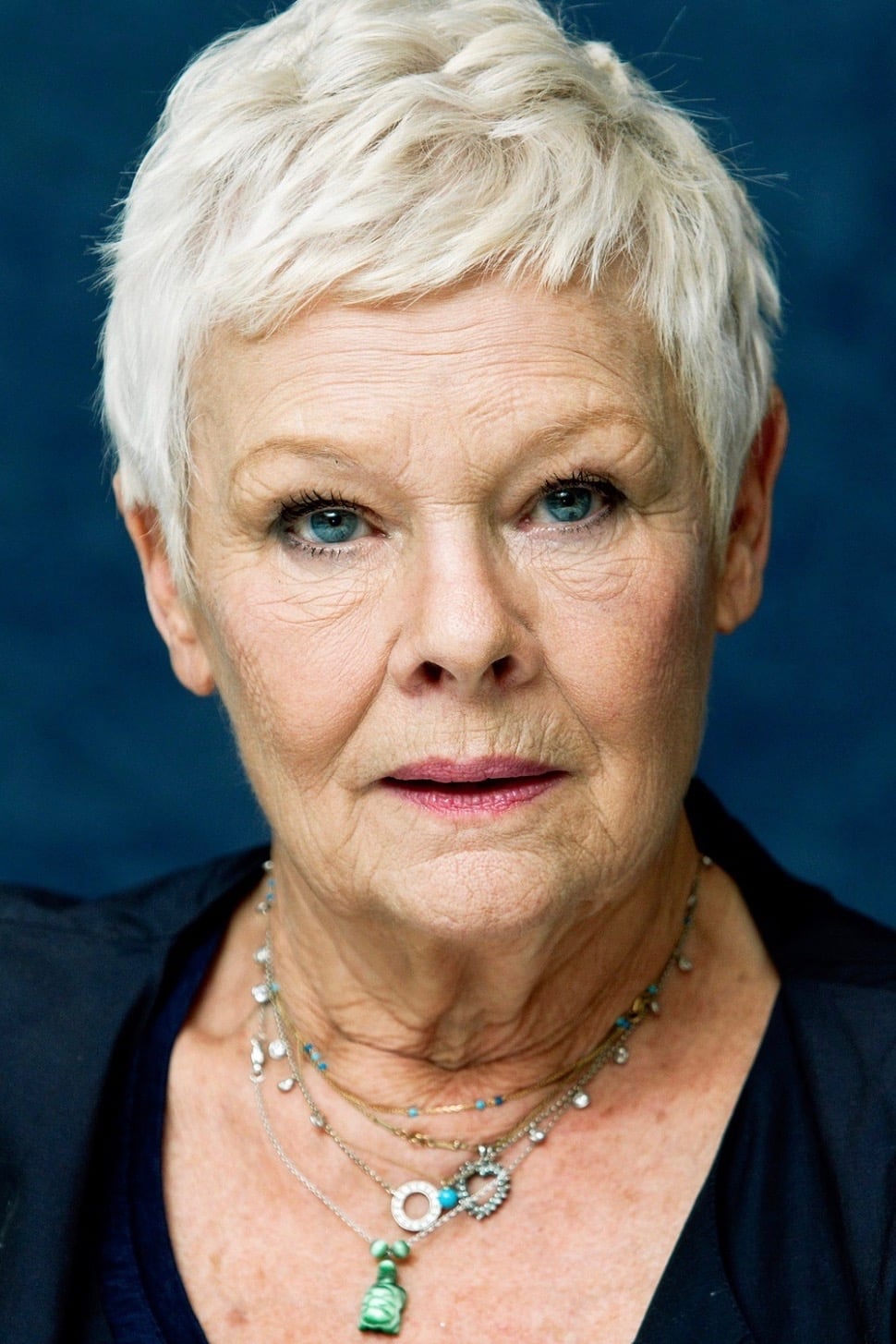
Judi Dench was told early in her career that she would never have a film career because her “face was wrongly shaped.” She primarily worked in theater for many years, where she became a legend, but Hollywood remained out of reach until she was in her 60s. She defied the initial rejection by winning an Academy Award for ‘Shakespeare in Love’ and becoming a global icon as M in the ‘James Bond’ series. Her late-career surge in Hollywood proved that talent can eventually overcome any superficial dismissal. Dench is now regarded as one of the greatest living actresses.
Glenn Close
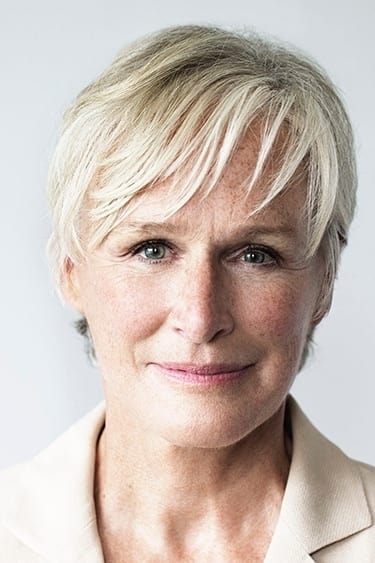
Glenn Close has often been categorized as a “character actress” rather than a traditional leading lady, leading some to overlook her star power. She has also faced the frustration of being the most nominated living actor without an Academy Award win. Despite this narrative, she has maintained a prolific and high-quality career across film, television, and stage. Her performances in ‘Fatal Attraction’ and ‘The Wife’ are considered benchmarks of modern acting. Close’s longevity and consistent excellence have made her an undeniable icon of American cinema.
Julianne Moore
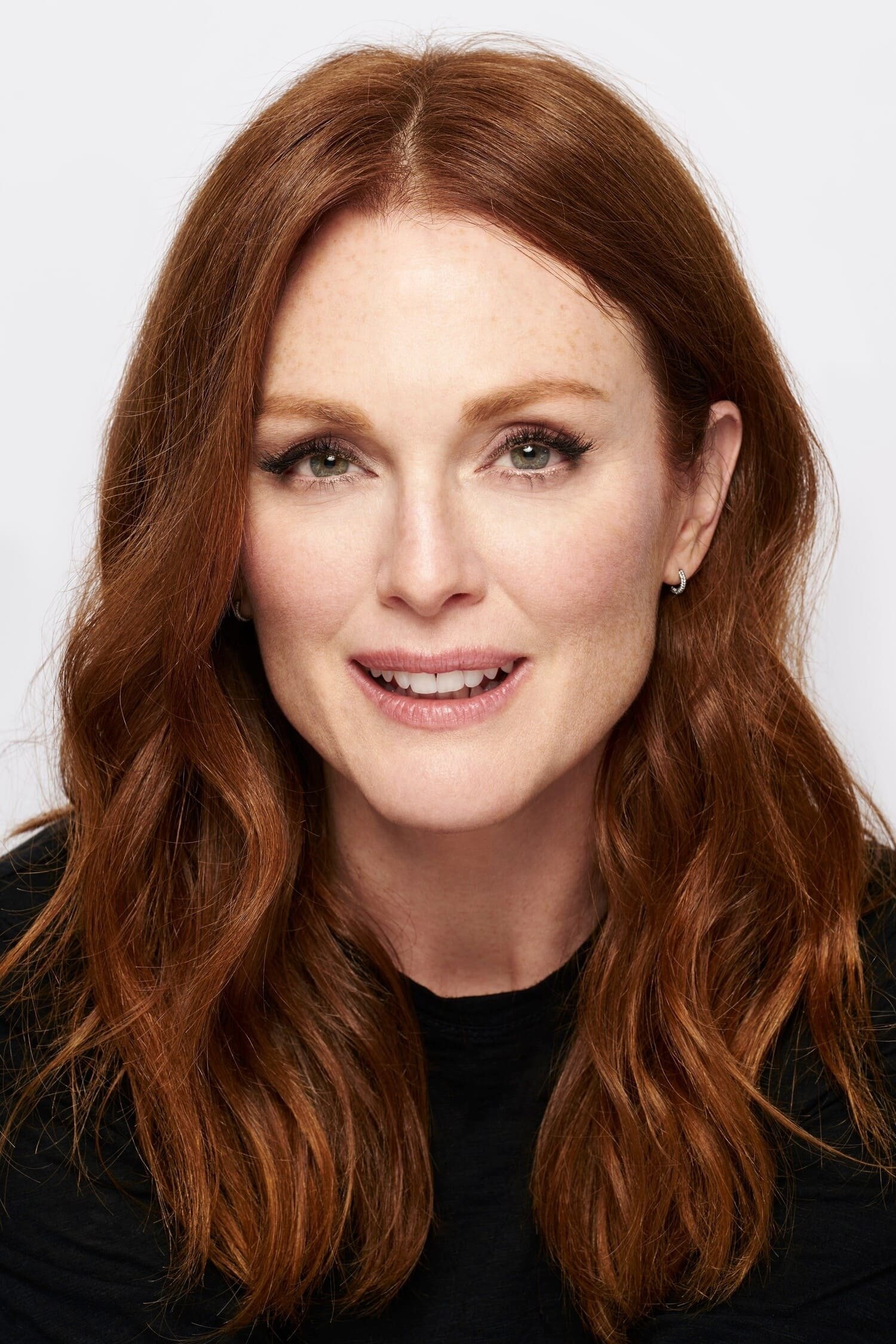
Julianne Moore was told early on that she shouldn’t expect a long career because she was “too pale” and “too red-headed.” She also faced skepticism when she transitioned from daytime soap operas to independent cinema. She defied these doubts by becoming one of the most respected actresses in the indie world before finding mainstream success. Her performance in ‘Still Alice’ earned her an Academy Award and proved her ability to handle deeply emotional subject matter. Moore has successfully balanced blockbusters with challenging artistic projects for over thirty years.
Amy Adams
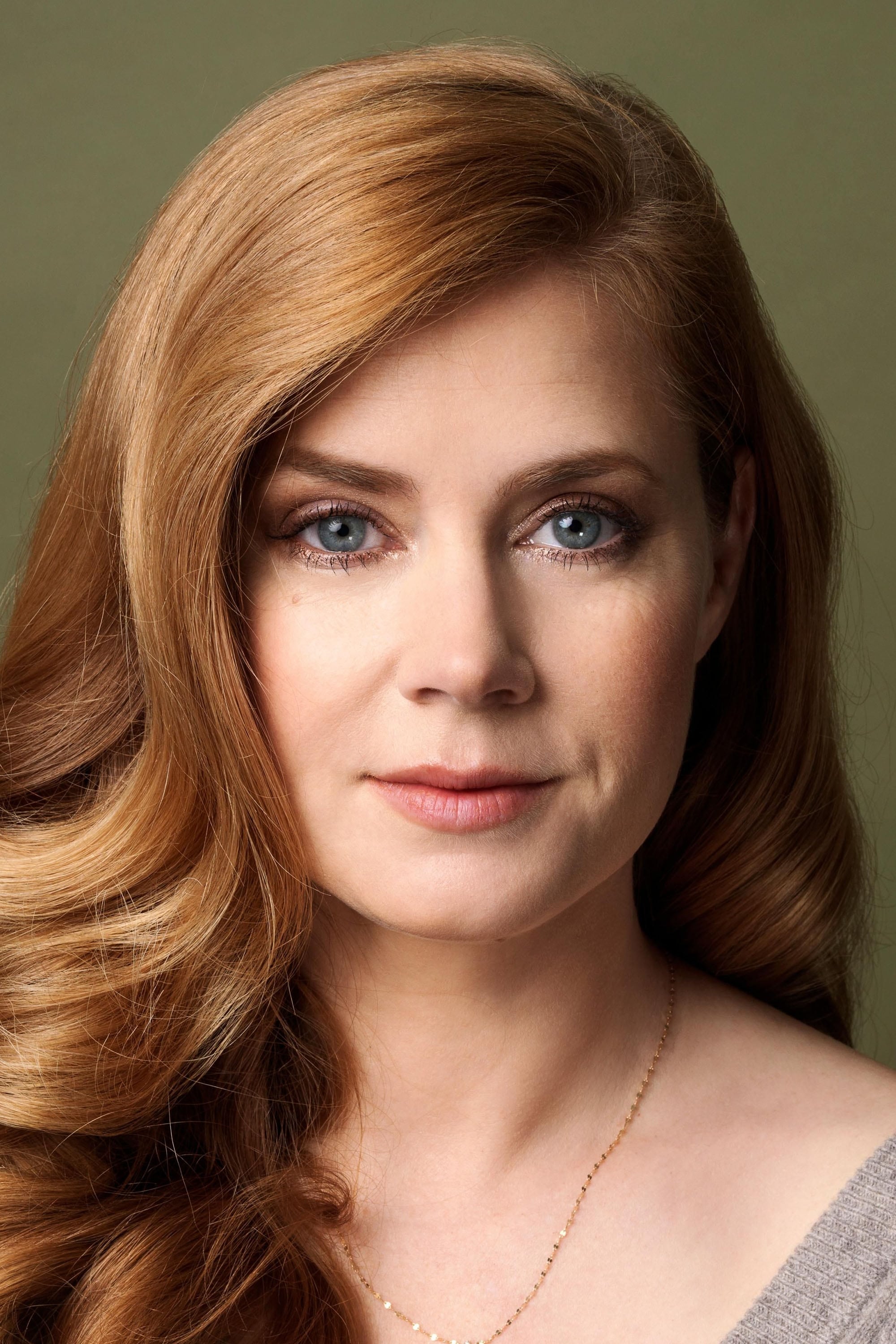
Amy Adams faced years of being told she was “too old” for her breakout role in ‘Junebug’ at age 30. After she achieved fame, she was often criticized for being “too nice” or lacking the “edge” required for serious dramatic weight. She defied these perceptions by earning six Academy Award nominations for a diverse array of roles, from ‘Enchanted’ to ‘The Master’. She also successfully led the science fiction hit ‘Arrival’, proving her commercial and critical viability. Adams is widely regarded as one of the most consistent and hardworking performers in Hollywood.
Cate Blanchett
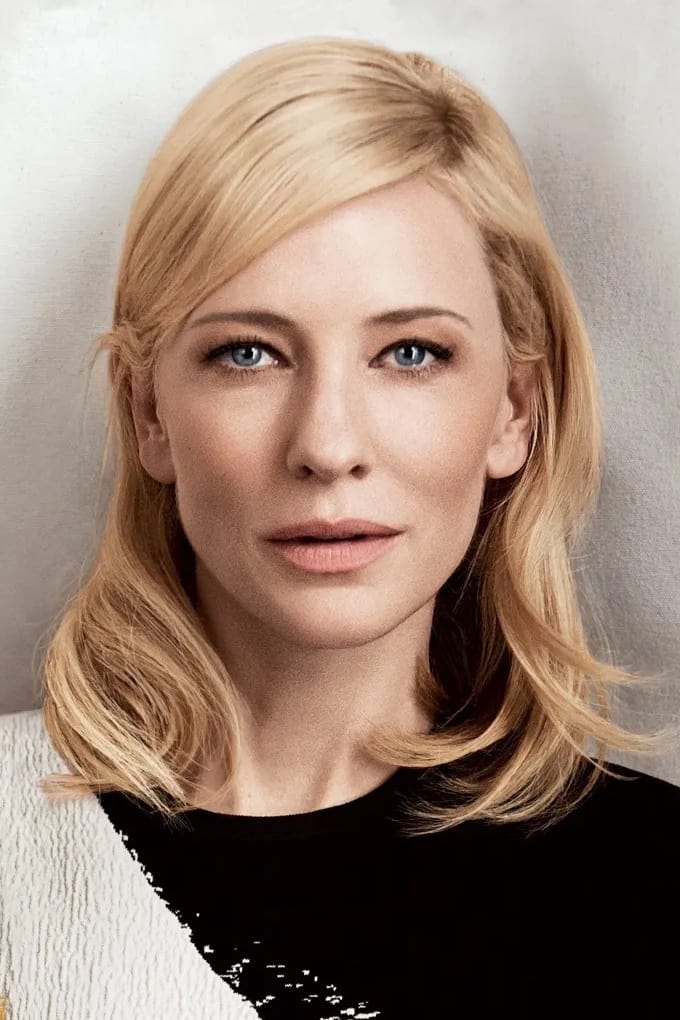
Cate Blanchett faced early critiques that she was “too theatrical” and might not be able to translate her stage presence to the screen. Some critics also questioned her ability to play distinctively American roles given her Australian background. She dismantled these doubts by winning two Academy Awards for very different roles in ‘The Aviator’ and ‘Blue Jasmine’. Her ability to disappear into characters like Bob Dylan in ‘I’m Not There’ further showcased her unparalleled range. Blanchett is now considered one of the finest actors of her generation, respected by critics and peers alike.
Renée Zellweger
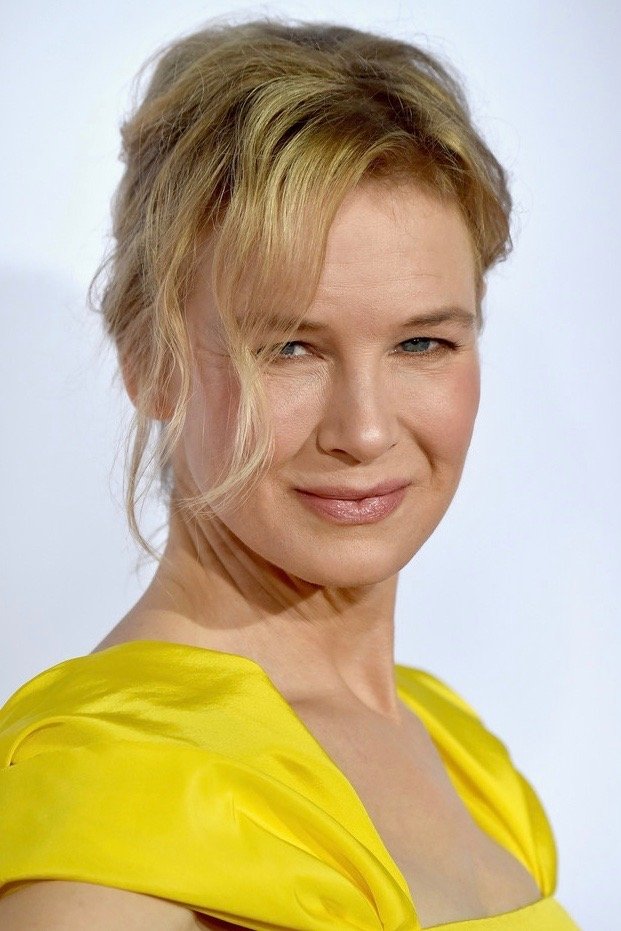
Renee Zellweger faced significant backlash when she was cast as the lead in ‘Bridget Jones’s Diary’, with many British critics claiming an American could not play the role. Later in her career, she became the subject of intense media scrutiny regarding her physical appearance after a period away from the spotlight. She defied the haters by delivering an acclaimed performance that won her an Oscar and two sequels. She then made a triumphant return to the screen, winning her second Academy Award for ‘Judy’. Zellweger’s career is marked by her ability to rebound from personal and professional criticism.
Elizabeth Taylor
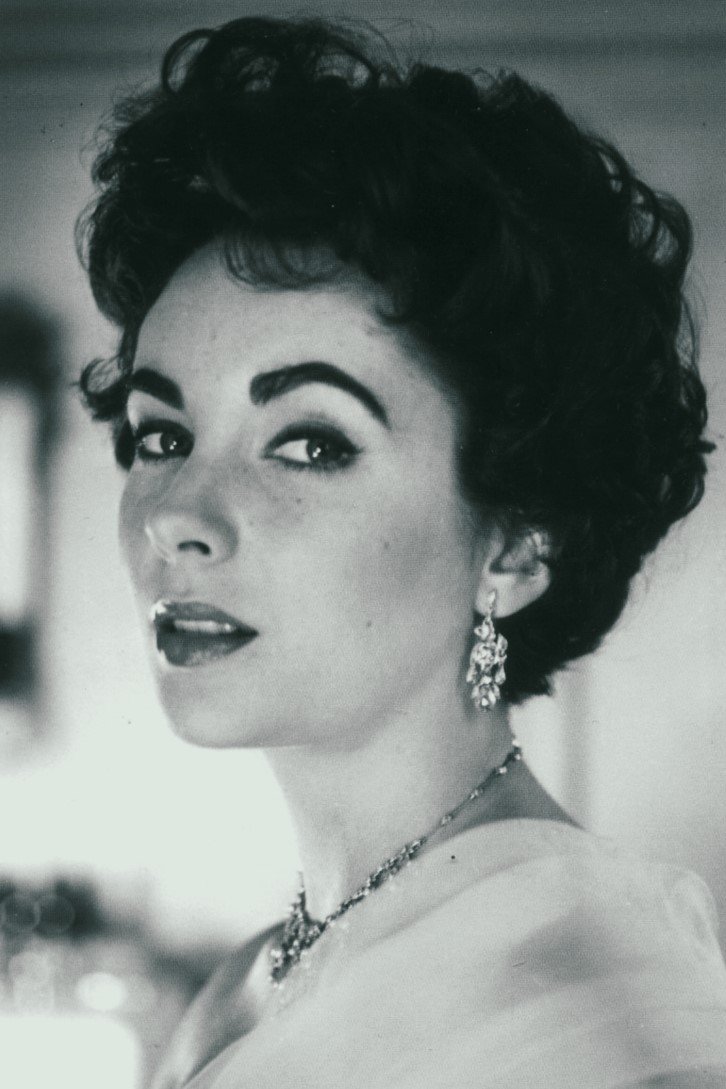
Elizabeth Taylor was often dismissed by critics as being “more of a beauty than an actress” throughout her early career. Her turbulent personal life and numerous marriages frequently overshadowed her professional accomplishments in the press. She defied these perceptions by delivering powerful performances in ‘Who’s Afraid of Virginia Woolf?’ and ‘Butterfield 8’, winning two Academy Awards. She also became a pioneer for female salary negotiations, becoming the first actress to be paid $1 million for a single film. In her later years, she turned her fame into a force for good by becoming a leading advocate for HIV/AIDS research.
Marilyn Monroe
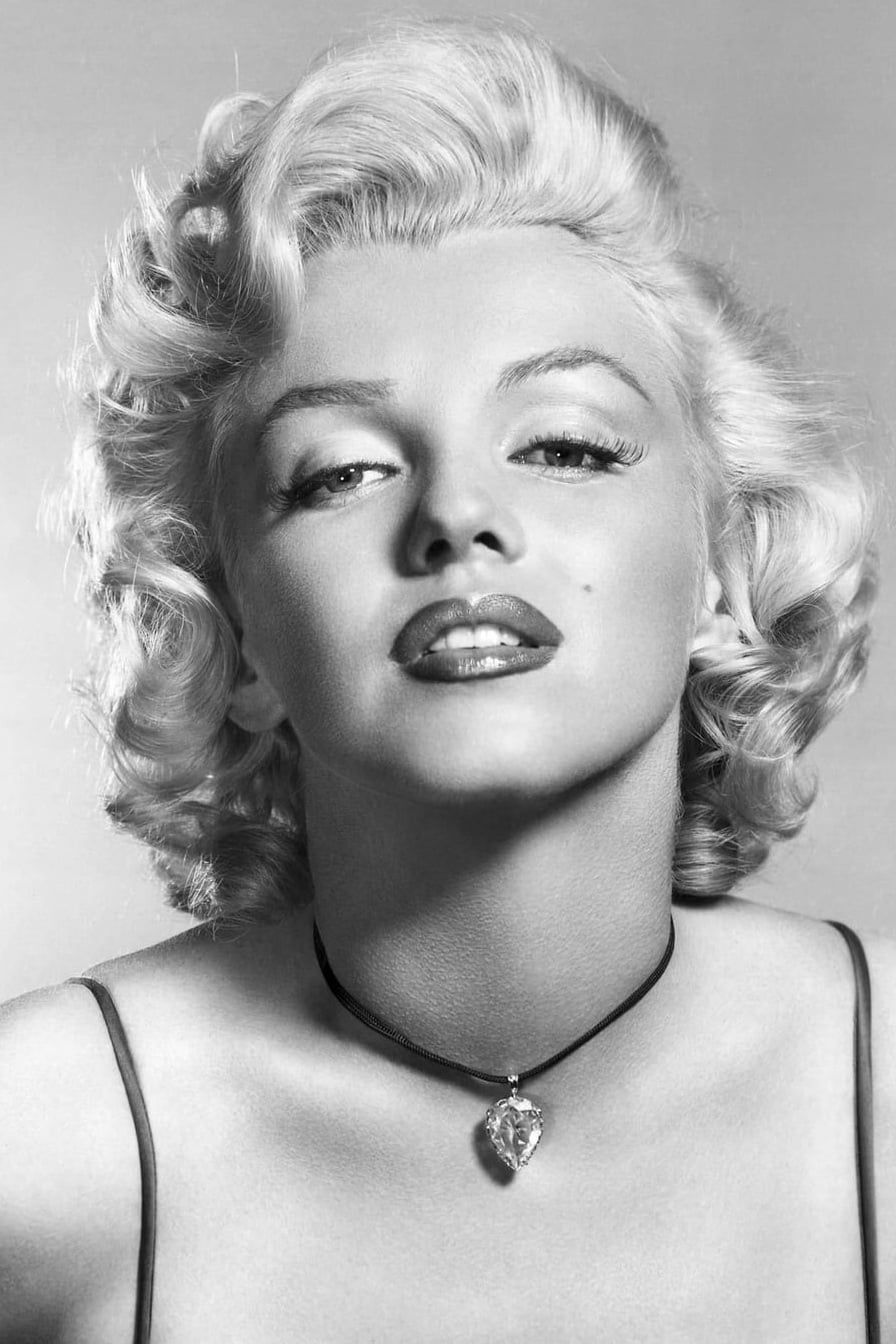
Marilyn Monroe spent her entire career fighting against the “dumb blonde” stereotype that the studios and the media forced upon her. Critics often dismissed her acting ability, suggesting she was merely a product of her appearance and studio marketing. She defied this by studying at the Actors Studio and forming her own production company to gain more creative control. Her performance in ‘Some Like It Hot’ proved her impeccable comedic timing, while ‘The Misfits’ showcased her dramatic depth. Monroe remains one of the most enduring cultural icons, despite the lack of respect she received during her lifetime.
Judy Garland
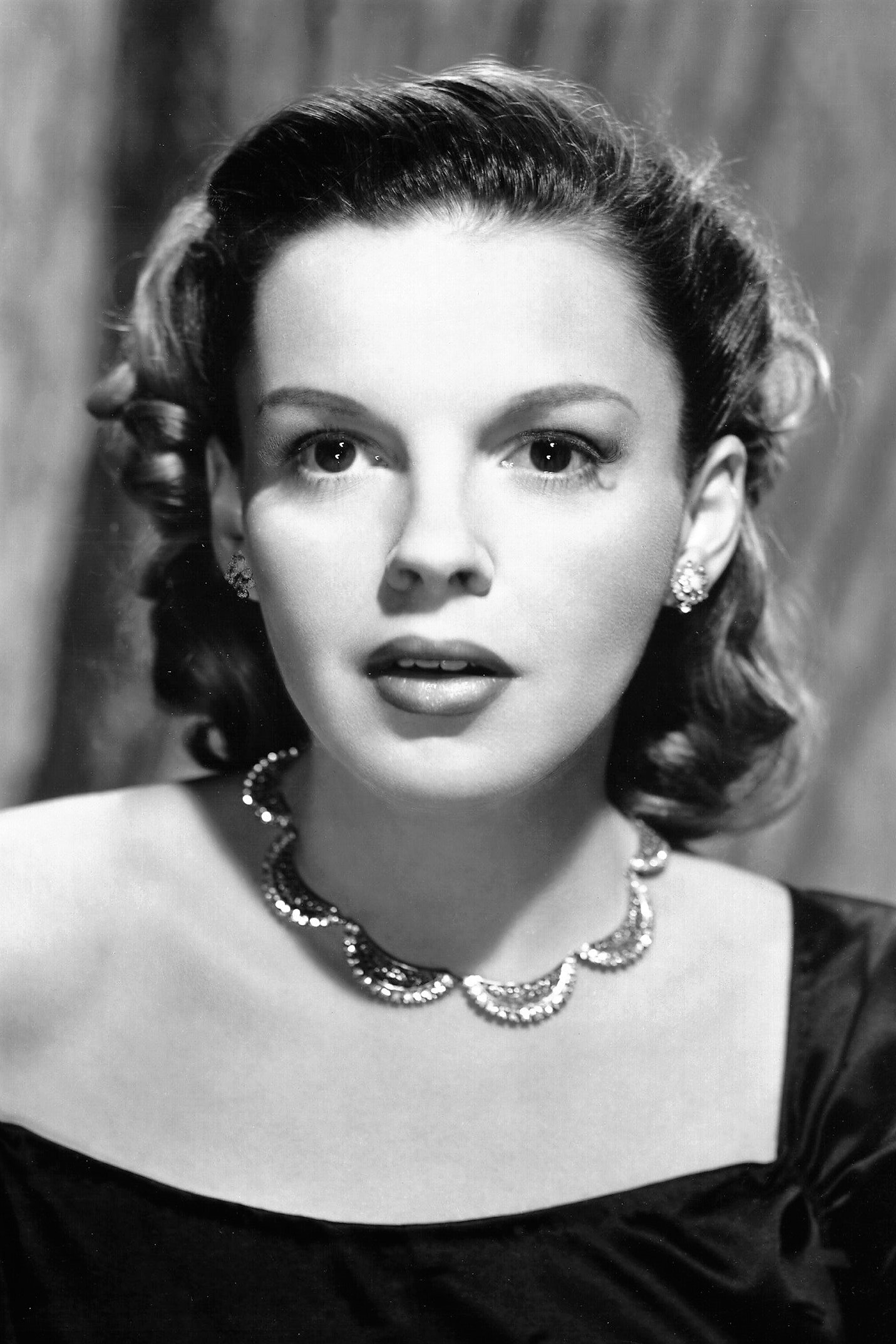
Judy Garland was subjected to horrific criticism regarding her appearance and weight by studio executives during her time at MGM. They famously referred to her as the “ugly duckling” compared to her peers, which led to a lifetime of self-doubt and health struggles. Despite these professional and personal hurdles, she delivered some of the greatest performances in cinematic history, including ‘The Wizard of Oz’ and ‘A Star Is Born’. Her ability to connect with an audience through her vulnerability and talent made her a legend. Garland’s legacy is one of immense talent triumphing over a cruel and demanding industry.
Katharine Hepburn
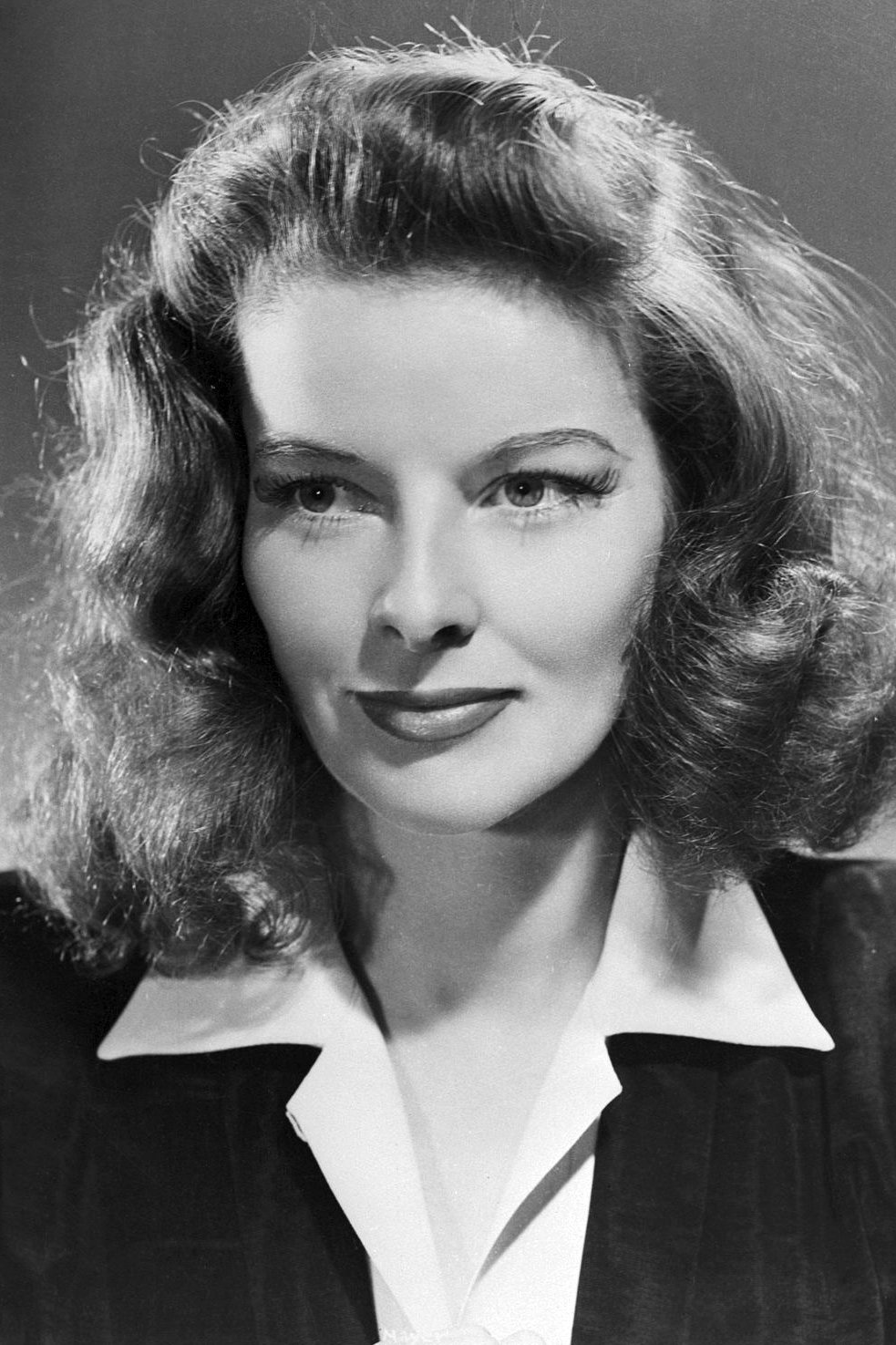
In 1938, Katharine Hepburn was famously labeled “Box Office Poison” by the Independent Theatre Owners of America. Critics claimed her personality was too “haughty” and that audiences had grown tired of her. She defied the industry by buying out her contract and starring in the play ‘The Philadelphia Story’, then negotiating the film rights to ensure her own comeback. She went on to win a record four Academy Awards for Best Actress over her long career. Hepburn’s independence and refusal to conform to Hollywood standards made her a trailblazer for future generations of women.
Bette Davis
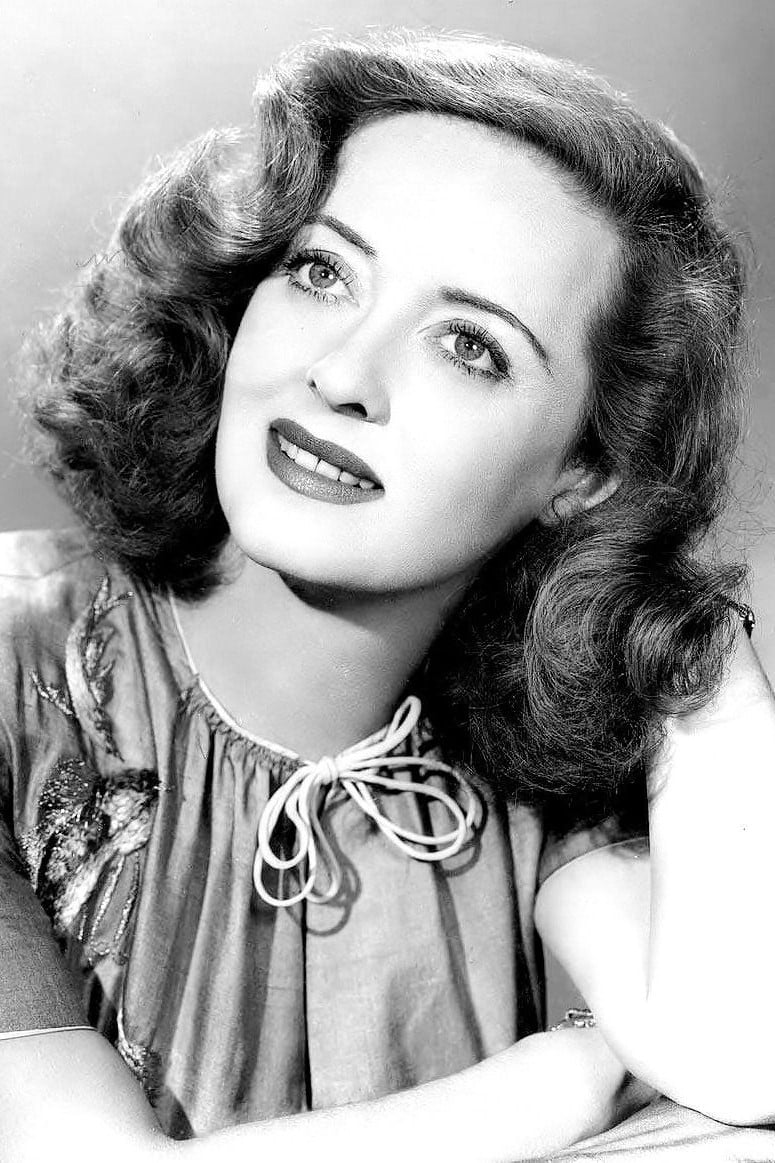
Bette Davis was told early in her career that she had “no sex appeal” and would never be a leading lady. She famously fought against the studio system, even taking Warner Bros. to court to demand better roles. Critics often mocked her intense acting style and unconventional looks, but she used those traits to create iconic characters in ‘All About Eve’ and ‘What Ever Happened to Baby Jane?’. She was the first person to receive ten Academy Award nominations for acting. Davis’s career is a testament to the power of a strong will and undeniable talent in the face of institutional opposition.
Vivien Leigh
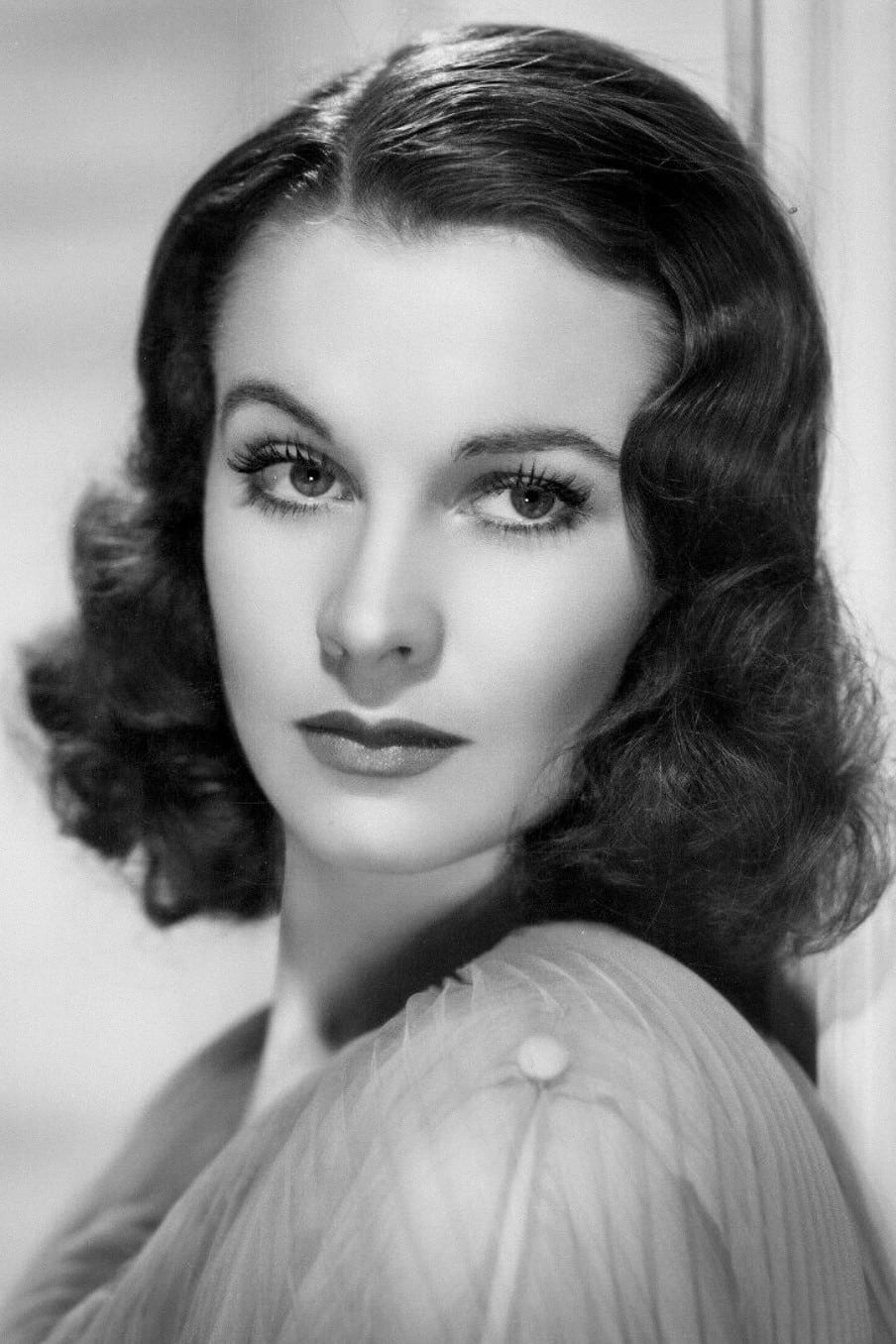
Vivien Leigh faced skepticism when she was cast as Scarlett O’Hara in ‘Gone with the Wind’, as many Americans felt a British actress should not play the iconic Southern belle. She also struggled with bipolar disorder at a time when mental health was poorly understood and often viewed as a professional liability. She defied the initial backlash by winning two Academy Awards for ‘Gone with the Wind’ and ‘A Streetcar Named Desire’. Her ability to deliver legendary performances while dealing with severe personal health challenges is a mark of her immense professional dedication. She remains one of the most celebrated actresses of the Golden Age of Hollywood.
Lucille Ball
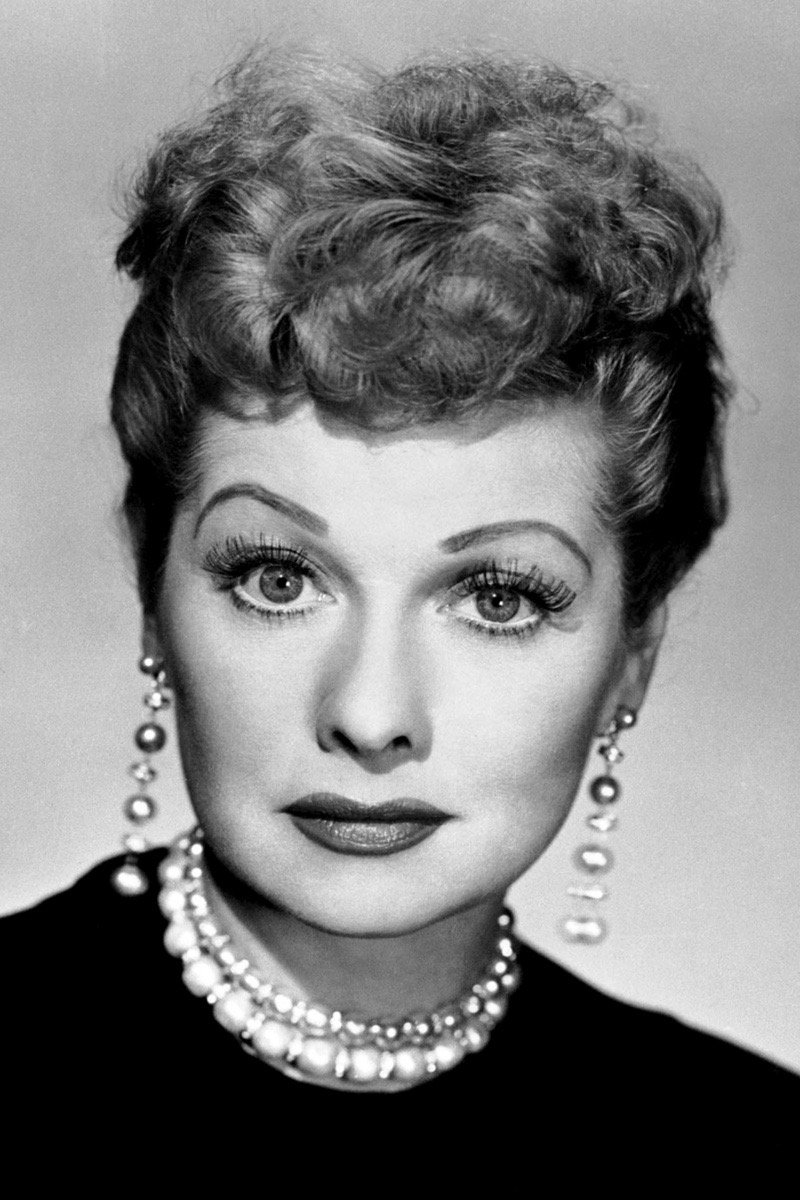
Lucille Ball was told she was “too old” and “washed up” as a film actress by the time she was 40. Her film career had stalled, and critics believed her move to television was a sign of desperation. She defied the industry by co-creating and starring in ‘I Love Lucy’, which became the most popular show in the world. She also became the first woman to run a major television studio, Desilu Productions, which produced ‘Star Trek’ and ‘Mission: Impossible’. Ball’s transition from a struggling film actress to the “Queen of Comedy” changed the landscape of entertainment forever.
Share your thoughts on which of these actresses had the most impressive career turnaround in the comments.

