


Hollywood Rom-Com Queens of the 1990s

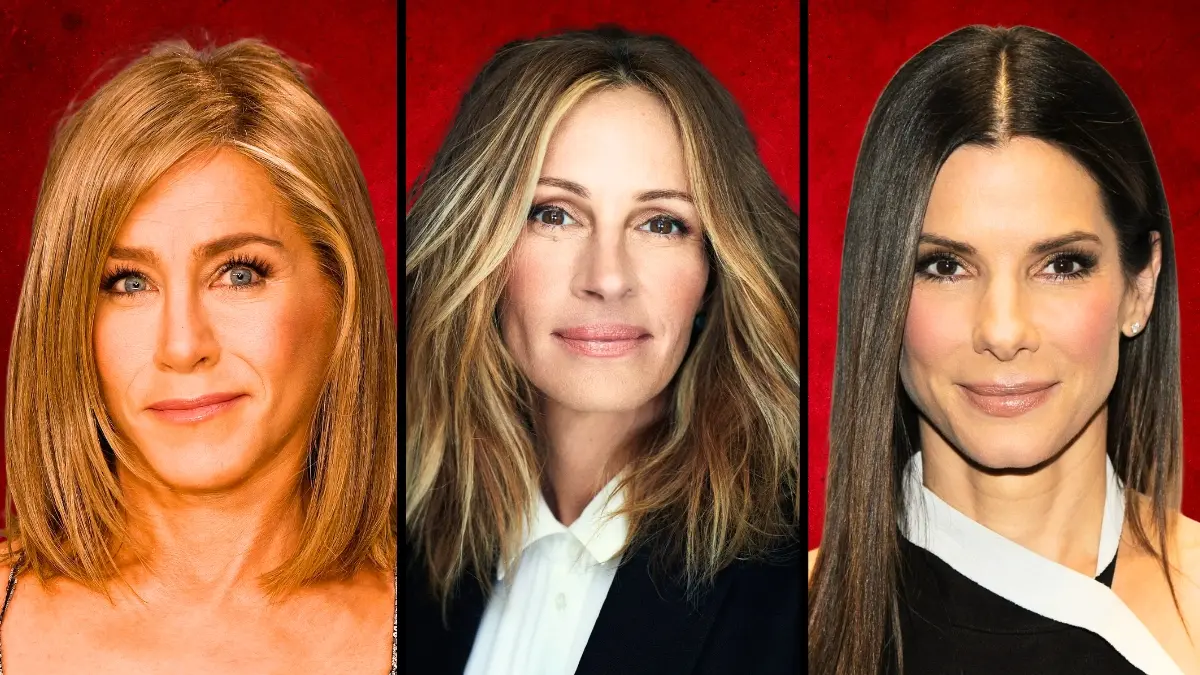


The 1990s set the template for modern romantic comedies, and a generation of leading women defined the era through star-making performances, sharp comic timing, and memorable on-screen pairings. Their films mixed meet-cutes with workplace plots, road trips, mistaken identities, and grand gestures, and those ingredients reshaped studio slates across the decade. You can trace whole trends—bookstore banter, newsroom crushes, best-friend dilemmas—back to the roles these actors anchored.
Below are 25 performers whose names became synonymous with big-screen love stories of the time. You’ll see the span of their work across studio tentpoles, indie favorites, and TV hits with rom-com DNA, plus the collaborators, characters, and franchises that made their stories stick. Titles are listed exactly as they appeared so you can spot your favorites at a glance.
Julia Roberts
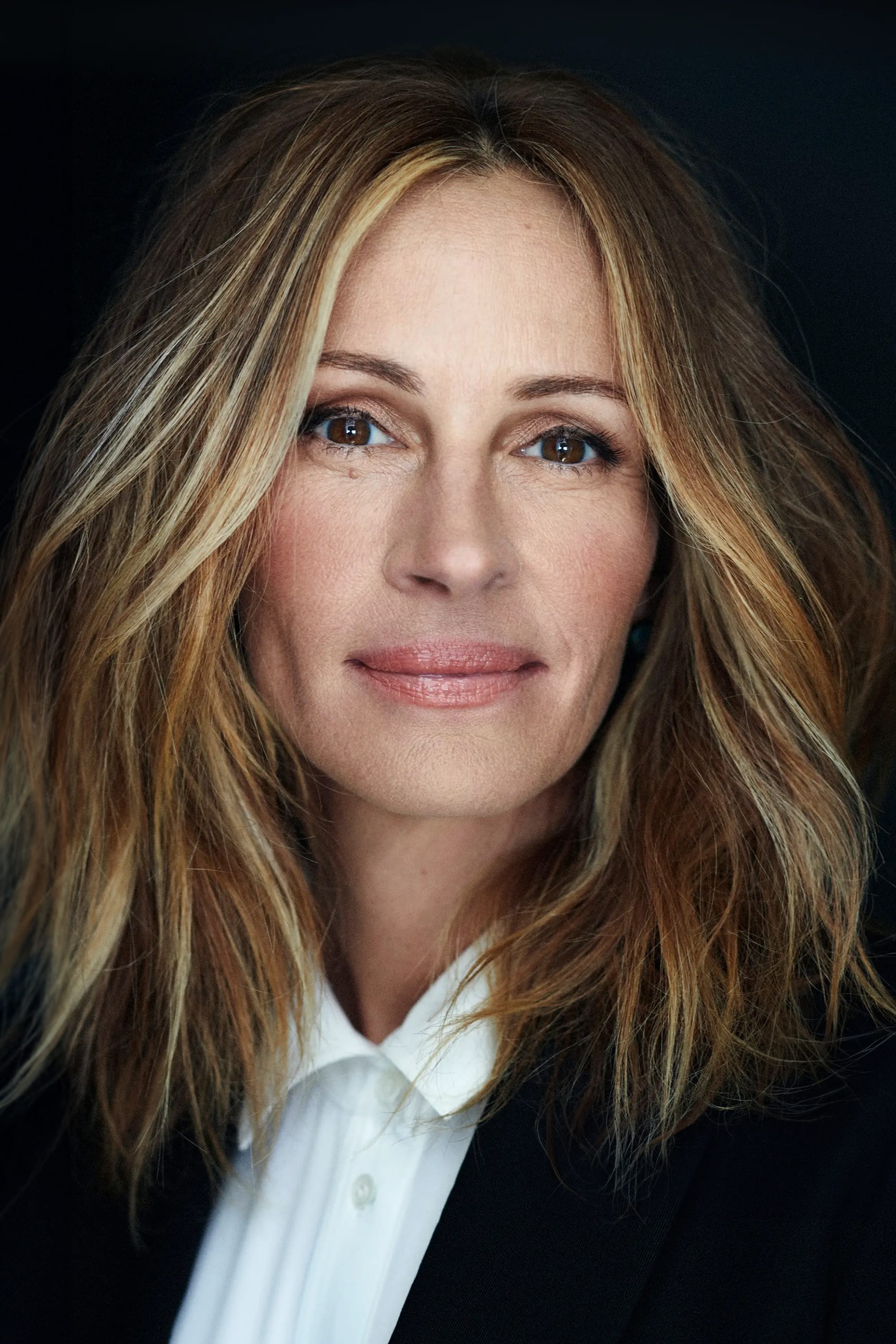
Roberts headlined romantic comedies including ‘Pretty Woman’, ‘My Best Friend’s Wedding’, ‘Notting Hill’, and ‘Runaway Bride’, working with directors Garry Marshall and P. J. Hogan and co-stars such as Richard Gere, Rupert Everett, and Hugh Grant. Her characters—Vivian, Julianne, and Anna—became defining roles that studios built entire marketing campaigns around.
Soundtracks from these films placed singles on radio charts, and their settings—Beverly Hills boutiques, London bookshops, and Chicago newsrooms—turned into travel and retail tie-ins. Roberts’ collaborations with screenwriters like Ronald Bass and Richard Curtis cemented a formula that other projects followed.
Meg Ryan

Ryan’s rom-com run included ‘When Harry Met Sally’, ‘Sleepless in Seattle’, ‘French Kiss’, ‘Addicted to Love’, and ‘You’ve Got Mail’, teaming repeatedly with Nora Ephron and pairing with Tom Hanks, Kevin Kline, and Matthew Broderick. Her roles often centered on publishing, radio, and retail worlds that framed the love stories with workplace rhythms.
Locations such as the Empire State Building and Upper West Side shops became integral to the plots and promotional imagery. The films also featured notable supporting casts—Parker Posey, Greg Kinnear, and Jean Reno—who reinforced the genre’s ensemble feel.
Sandra Bullock
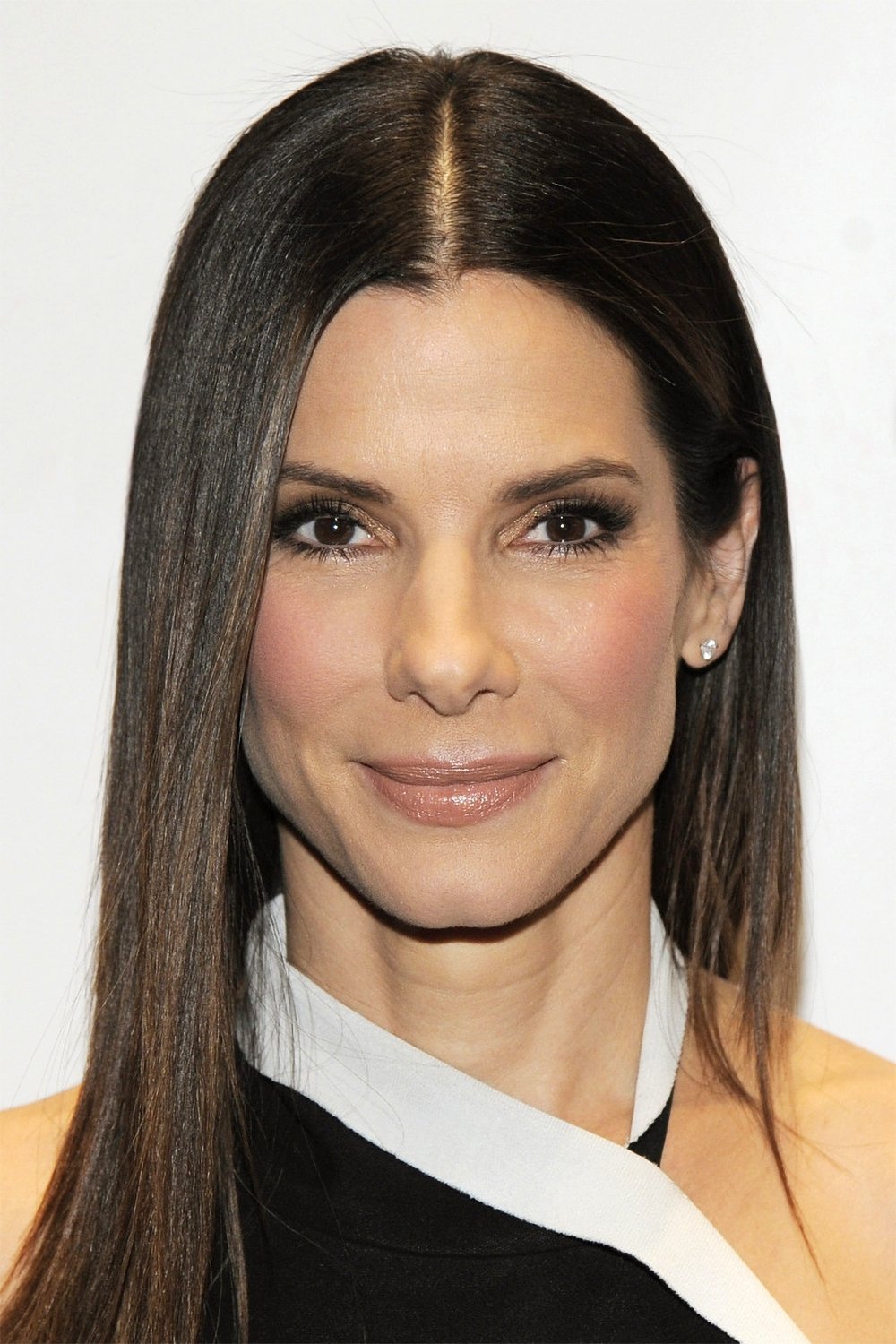
Bullock fronted ‘While You Were Sleeping’, ‘Two If by Sea’, ‘Forces of Nature’, and the ensemble-leaning ‘Hope Floats’, playing characters rooted in transit, art theft capers, and cross-country chaos. She worked opposite Bill Pullman, Denis Leary, Ben Affleck, and Harry Connick Jr., bringing physical comedy into grounded settings.
Her films made strong use of Chicago neighborhoods, coastal towns, and airport set pieces, with production designs that emphasized everyday spaces. Casting often leaned on familial side characters—siblings, parents, and neighbors—who shaped the conflict and resolution.
Drew Barrymore
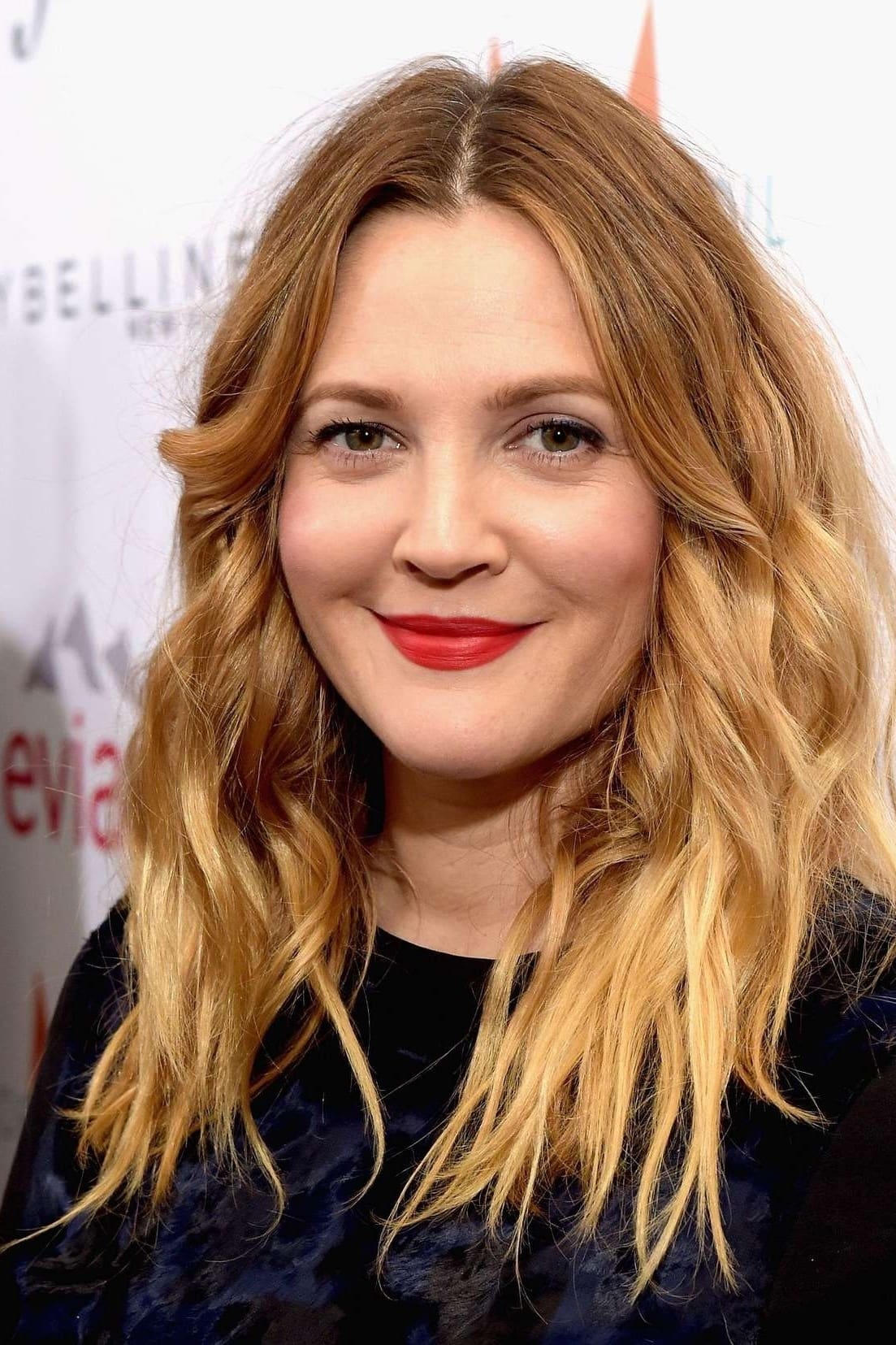
Barrymore’s 90s rom-com work spans ‘The Wedding Singer’, ‘Ever After’ with fairy-tale romance elements, and ‘Never Been Kissed’, which ties a newsroom assignment to a second-chance love story. She partnered on screen with Adam Sandler, Dougray Scott, and Michael Vartan, mixing period-inspired costuming with contemporary school settings.
Her projects incorporated strong soundtrack identities, from new-wave classics to prom-night ballads. The films also folded in newsroom hierarchies and school cliques as plot engines, giving the romances concrete professional or social stakes.
Cameron Diaz

Diaz brought romantic-comedy energy to ‘My Best Friend’s Wedding’, ‘There’s Something About Mary’, and ‘The Mask’, sharing the screen with Julia Roberts, Ben Stiller, Jim Carrey, and Matt Dillon. Her roles ranged from the sunny fiancée to the offbeat object of multiple suitors, often built around high-concept gags.
These productions balanced broad set pieces—hair gel sight gags, football mishaps, and musical interludes—with grounded friend-group dynamics. The films leaned on Florida, Chicago, and Los Angeles backdrops, using real neighborhoods and sports venues to anchor the antics.
Andie MacDowell
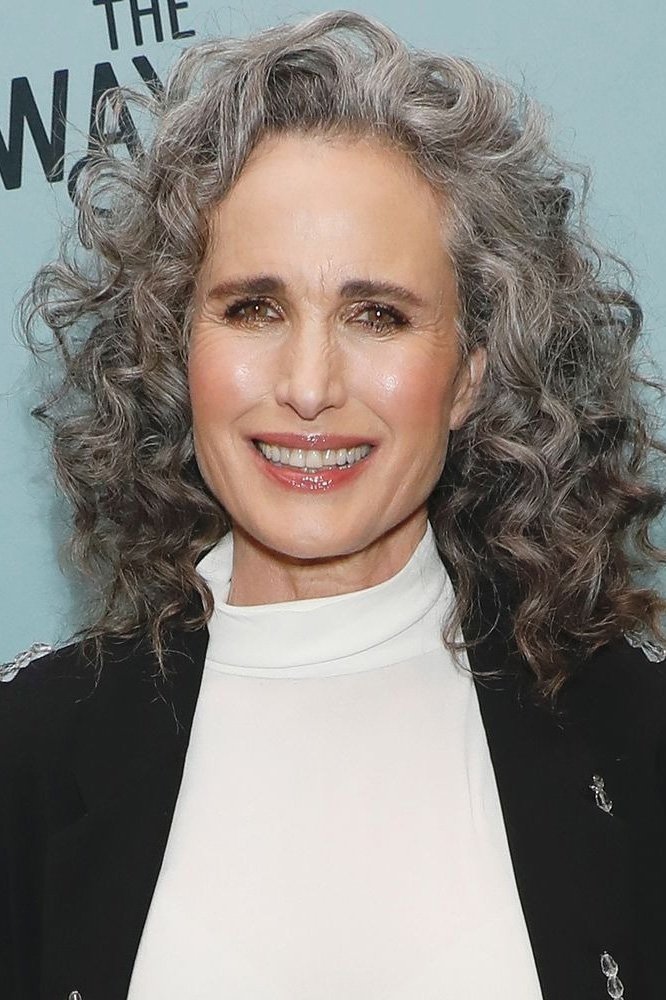
MacDowell starred in ‘Four Weddings and a Funeral’ and ‘Groundhog Day’, collaborating with Hugh Grant and Bill Murray and working under directors Mike Newell and Harold Ramis. Her characters helped define the era’s blend of British-American rom-com sensibilities.
Both titles wove ensemble casts around recurring social rituals—nuptials and a small-town holiday—using repetition and event structure to advance relationships. Wardrobe, weather, and church settings became visual motifs that supported the romantic arcs.
Renée Zellweger

Zellweger’s breakout romantic lead arrived with ‘Jerry Maguire’, where she played an accountant who becomes a manager’s business partner and love interest opposite Tom Cruise. The film integrated sports-agency mechanics with domestic life, using contract deadlines and client meetings to shape the story.
She followed with titles like ‘One True Thing’ and later ‘Bridget Jones’s Diary’, establishing a pipeline from dramatic roles to romantic comedy leads. ‘Jerry Maguire’ also introduced a child side character, played by Jonathan Lipnicki, who became a key element in the film’s family dynamic.
Gwyneth Paltrow
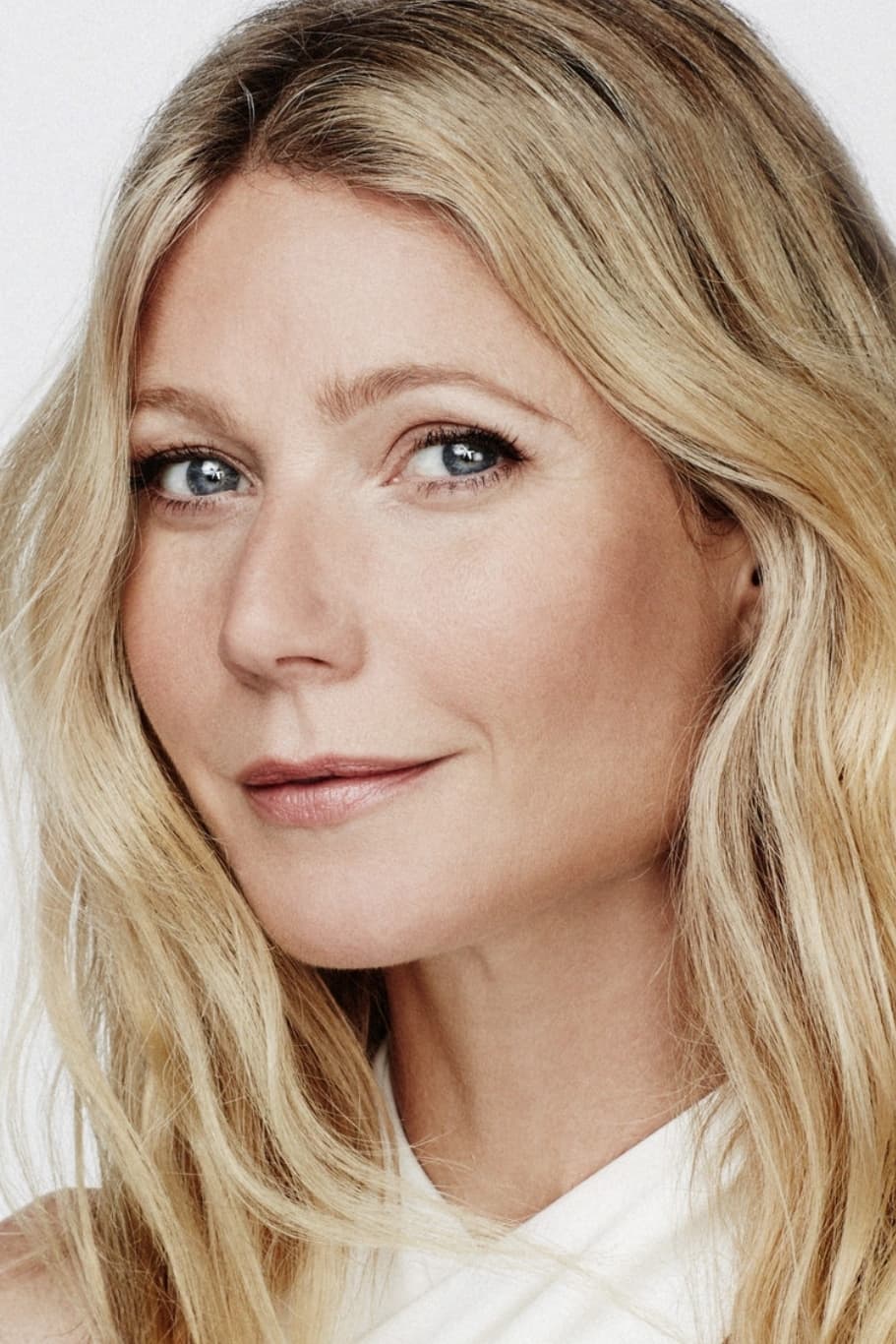
Paltrow headlined ‘Sliding Doors’ and ‘Shakespeare in Love’, both built on clever structural devices—a split narrative and a play-within-a-play. She worked with filmmakers Peter Howitt and John Madden, alongside co-stars John Hannah, Joseph Fiennes, and Ben Affleck.
Production design and costuming were central: London transport and publishing offices shaped one story while theater rehearsal rooms and Elizabethan staging shaped the other. ‘Shakespeare in Love’ earned multiple Academy Awards, with Paltrow recognized for her performance.
Minnie Driver
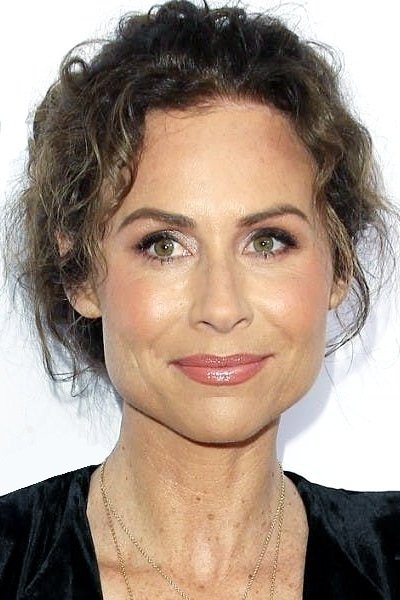
Driver’s romantic-comedy presence includes ‘Grosse Pointe Blank’ and ‘Circle of Friends’, balancing small-town community with hitman-at-a-reunion farce. She shared the screen with John Cusack, Alan Cumming, and Chris O’Donnell, bringing music and radio settings into the mix.
Soundtrack cues—radio booths, reunion playlists, and Irish pub standards—carry plot beats forward. The films’ supporting ensembles, including Joan Cusack and Jeremy Piven, reinforced workplace and hometown networks around the central couples.
Uma Thurman
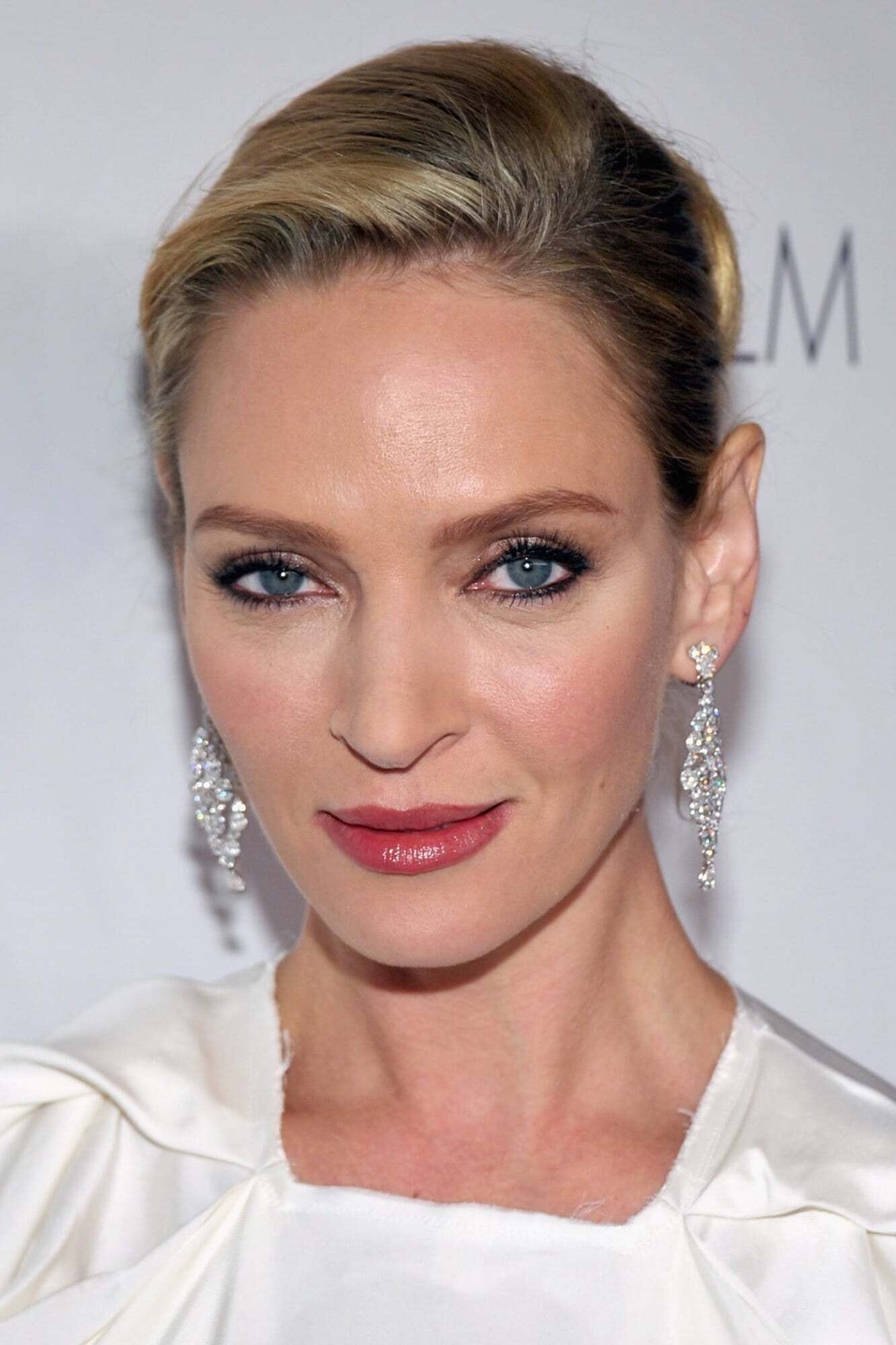
Thurman starred in ‘The Truth About Cats & Dogs’, a Cyrano-inspired story set in talk radio that paired her with Janeane Garofalo and Ben Chaplin. She also appeared in romantic comedy-adjacent titles that played with mistaken identities and media settings.
The radio-show framework let the film integrate call-in segments and on-air advice as plot devices. Location work along seaside promenades and pet-photo shoots supported the comedic misunderstandings at the core of the story.
Janeane Garofalo

Garofalo’s key rom-com entry, ‘The Truth About Cats & Dogs’, positioned her as a radio host whose voice attracts a listener, sparking a look-versus-voice twist. The film used photo assignments, show segments, and neighborly favors as structured beats.
Her other comedies of the decade—such as ensemble appearances—often leveraged media and creative-industry workplaces. Casting combined fashion photographers, veterinarians, and DJs to keep the narrative grounded in everyday professional tasks.
Alicia Silverstone
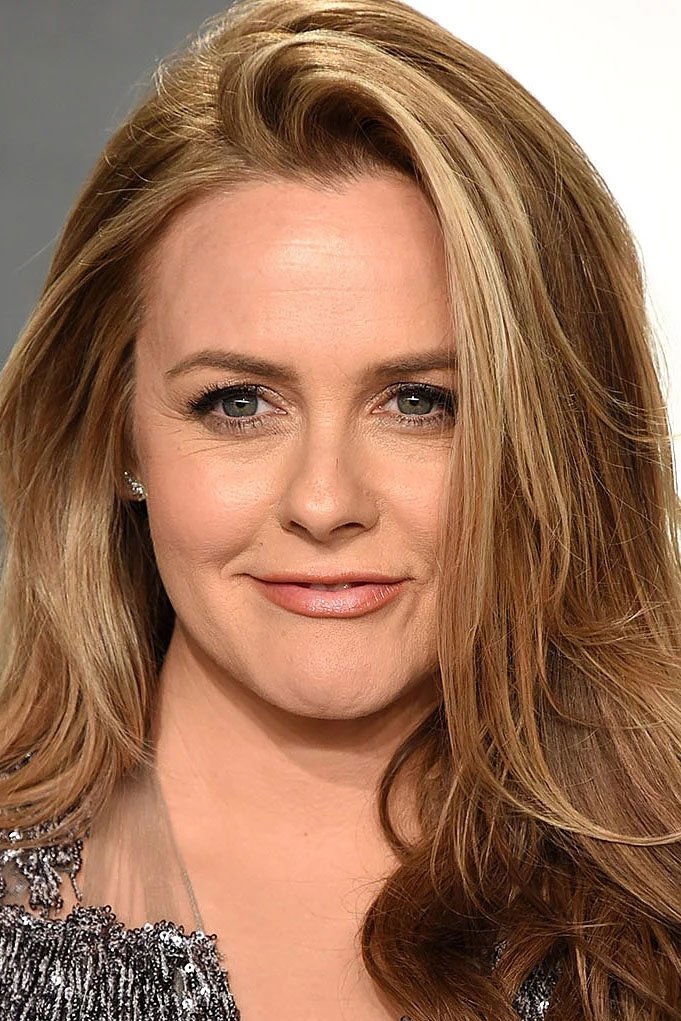
Silverstone led ‘Clueless’, a high-school romantic comedy adapting classic literature to Beverly Hills life, with Paul Rudd and Stacey Dash in the ensemble. The film’s wardrobe, slang, and mall culture became signature elements that moved the romance forward.
The production used campus quads, driver’s-ed scenes, and charity events as recurring set pieces. Its soundtrack and makeover sequences function as plot engines, aligning character growth with romantic developments.
Jennifer Aniston
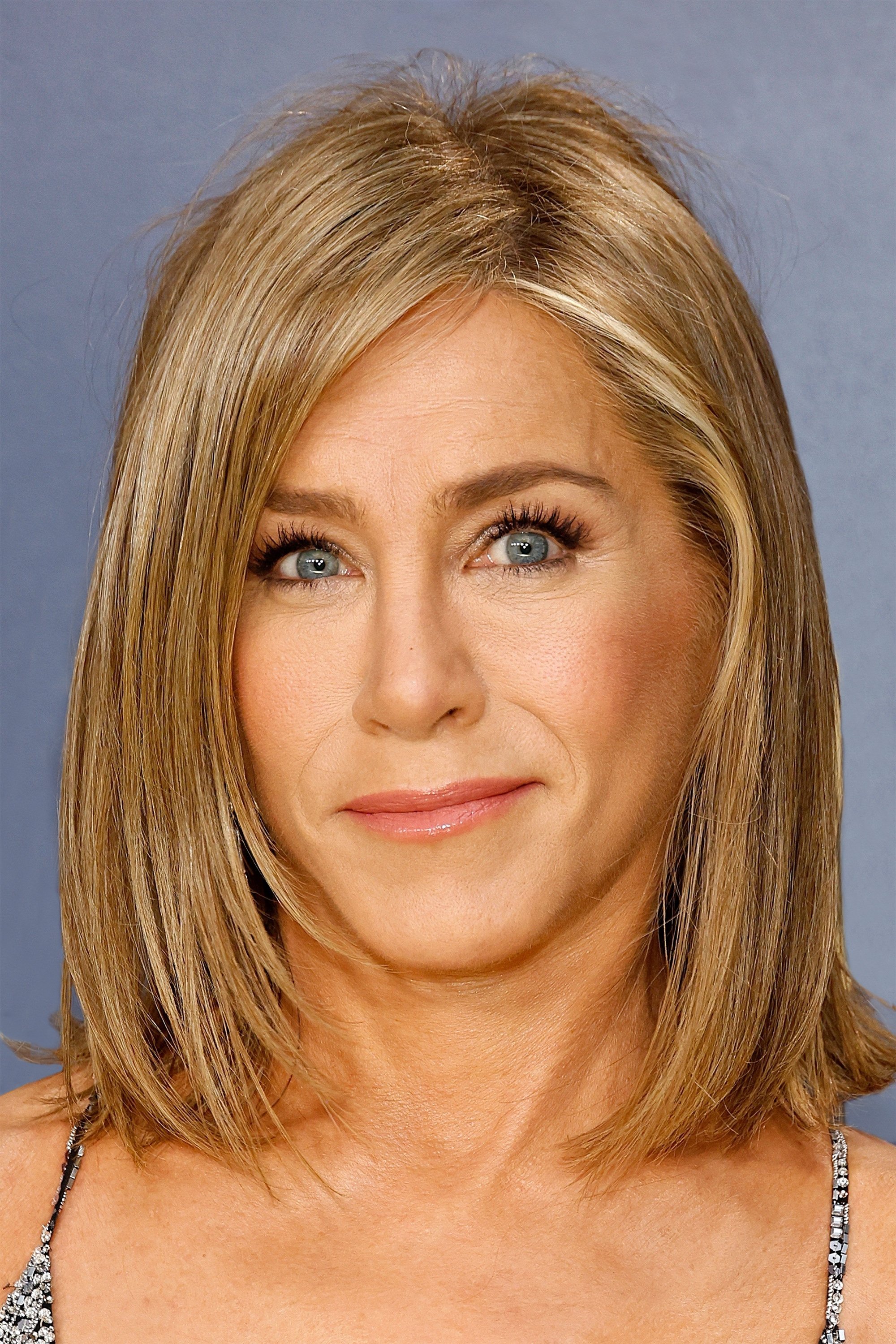
Aniston’s rom-com credentials in the decade span ‘Friends’, which structured relationships around a coffeehouse and Manhattan apartments, and films like ‘Picture Perfect’, which explored advertising and staged relationships within a corporate backdrop. She worked alongside Jay Mohr, Kevin Bacon, and a TV ensemble that became a global staple.
The projects balanced workplace storylines with friend-group subplots, using photo shoots, pitch meetings, and holiday episodes to advance relationships. Recurring sets—Central Perk, cubicles, and photo studios—created familiar rhythms that supported the romantic arcs.
Courteney Cox
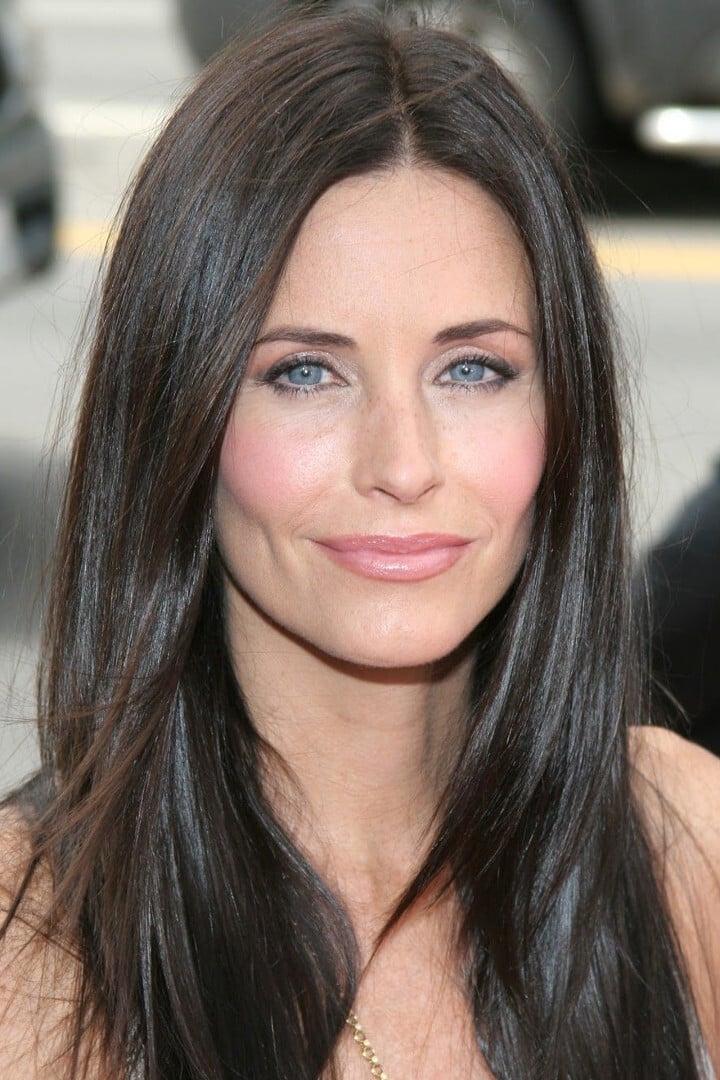
Cox’s central role on ‘Friends’ framed romance through roommates, neighboring apartments, and restaurant kitchens, with storylines that intertwined careers in cooking and office work. She also appeared in comedies that carried similar friend-group dynamics to the big screen.
The series used bottle episodes, themed parties, and holiday gatherings to drive pairings and misunderstandings. Its production model—multi-camera stages and standing sets—enabled quick shifts between dating plots and workplace beats.
Lisa Kudrow
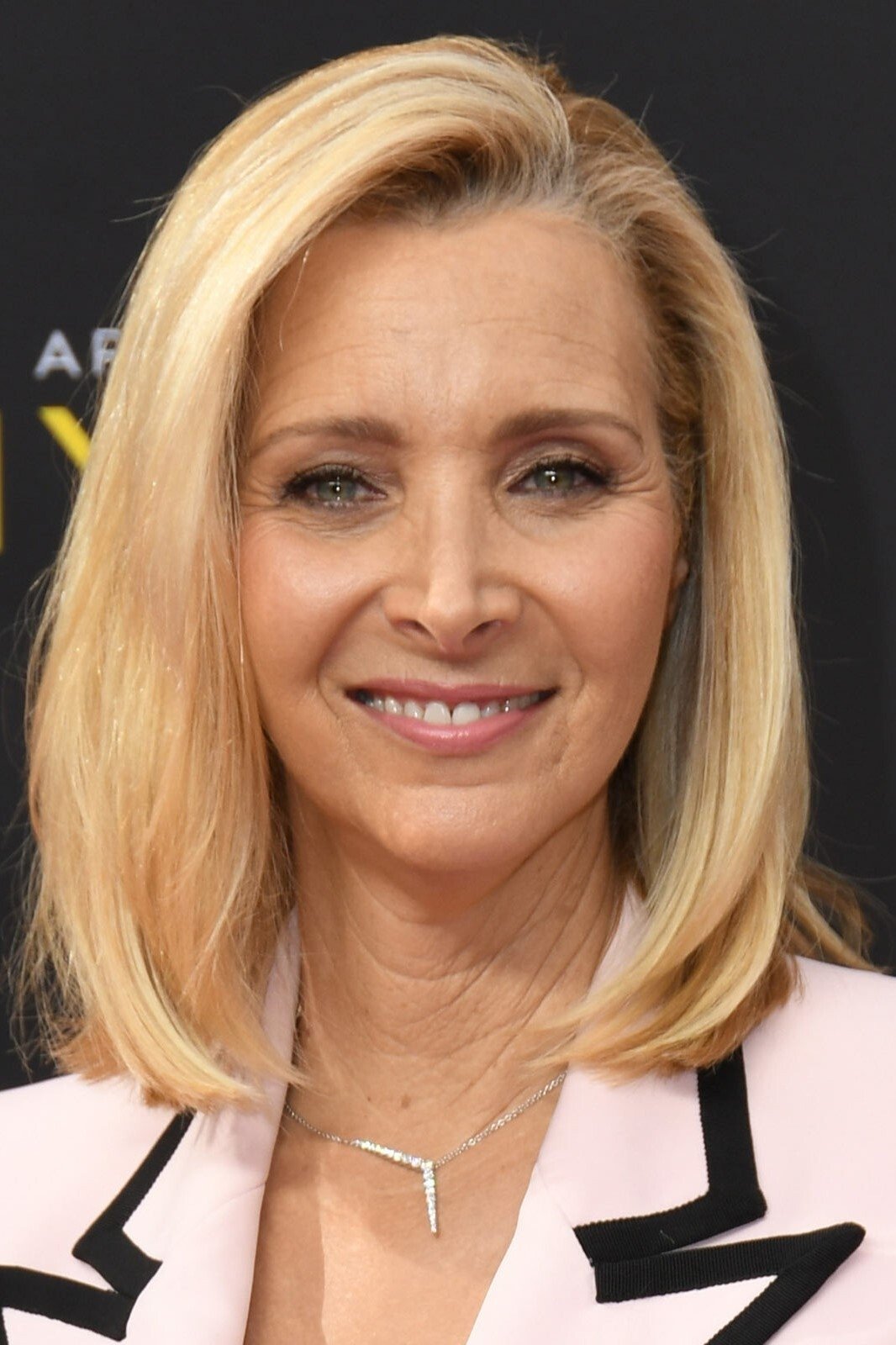
Kudrow’s rom-com footprint includes ‘Friends’ and films like ‘Romy and Michele’s High School Reunion’, pairing her with Mira Sorvino in a story about reinvention before a school event. Her TV work layered music performance, coffeehouse gigs, and relationships across seasons.
‘Romy and Michele’s High School Reunion’ used costume design, choreography, and nostalgic playlists as structural elements. The film’s setup—a reunion invitation—organized the narrative into preparation, arrival, and fallout segments.
Reese Witherspoon
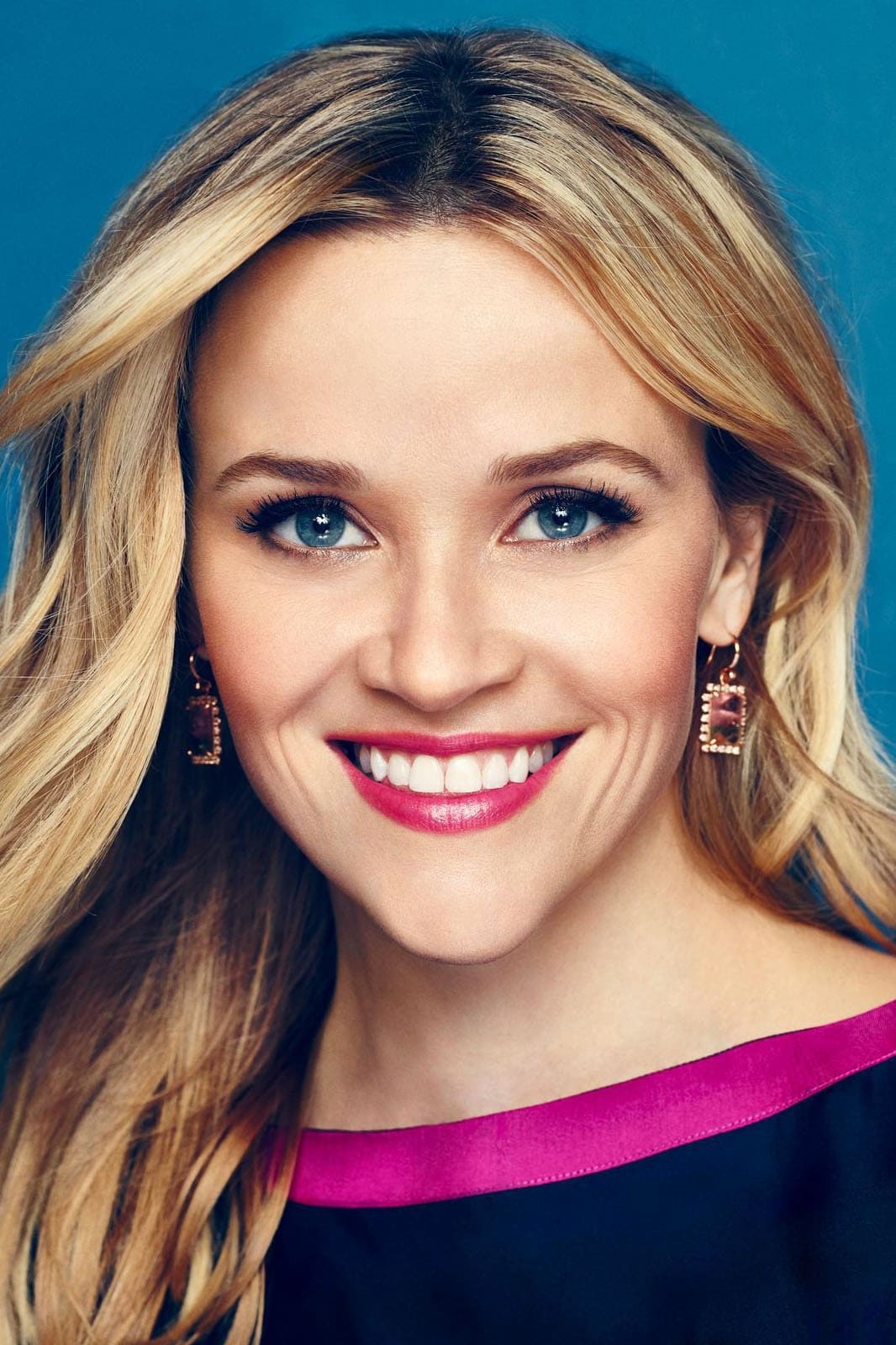
Witherspoon’s late-decade entries include ‘Pleasantville’, which folded budding romances into a satire about a town discovering color, and ‘Cruel Intentions’, which fused classic literature with prep-school intrigue and romantic schemes. She shared the screen with Tobey Maguire, Ryan Phillippe, and Sarah Michelle Gellar.
Production choices—black-and-white to color transitions, prep-school uniforms, and townhouse interiors—were central to the storytelling. The films integrated debate teams, art classes, and journalism clubs as plot mechanisms tied to the relationships.
Salma Hayek

Hayek starred opposite Matthew Perry in ‘Fools Rush In’, a cross-cultural romance set between New York and Las Vegas that tied architecture projects to family traditions. The film used weddings, elaborate dinners, and desert drives as recurring set pieces.
Its ensemble brought together extended families, construction crews, and immigration officials, giving the story concrete logistical hurdles. Visuals alternated between casino lights and church interiors to mirror the couple’s worlds.
Jennifer Love Hewitt
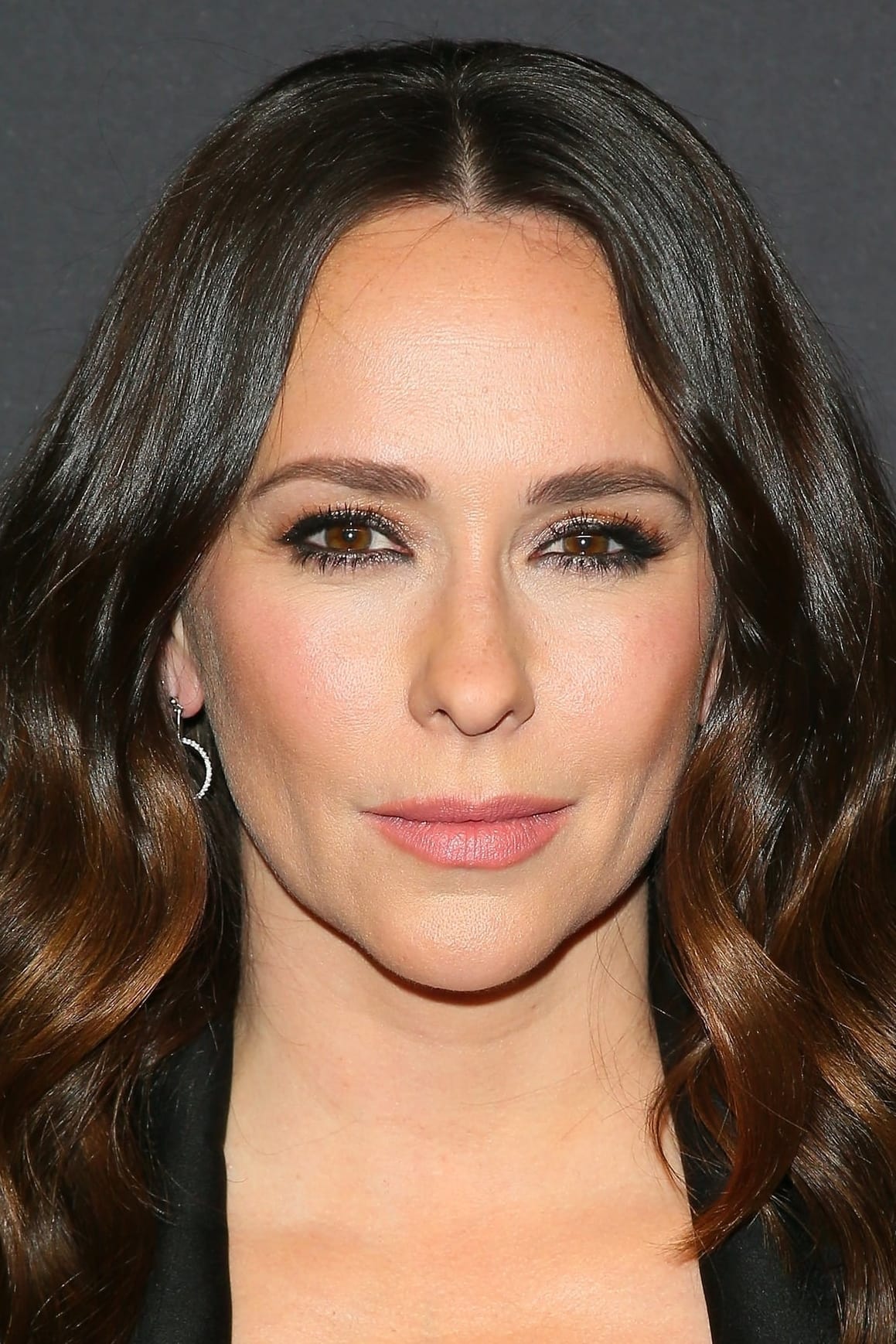
Hewitt anchored teen-leaning romantic comedies such as ‘Can’t Hardly Wait’, appearing within ensemble storylines centered on graduation parties and unspoken crushes. She also led titles that mixed musical performance with romance plots.
Party houses, school hallways, and recording studios served as primary locations. The casts featured intersecting cliques—yearbook editors, jocks, and drama kids—whose interactions pushed the central pairings into the open.
Rachael Leigh Cook
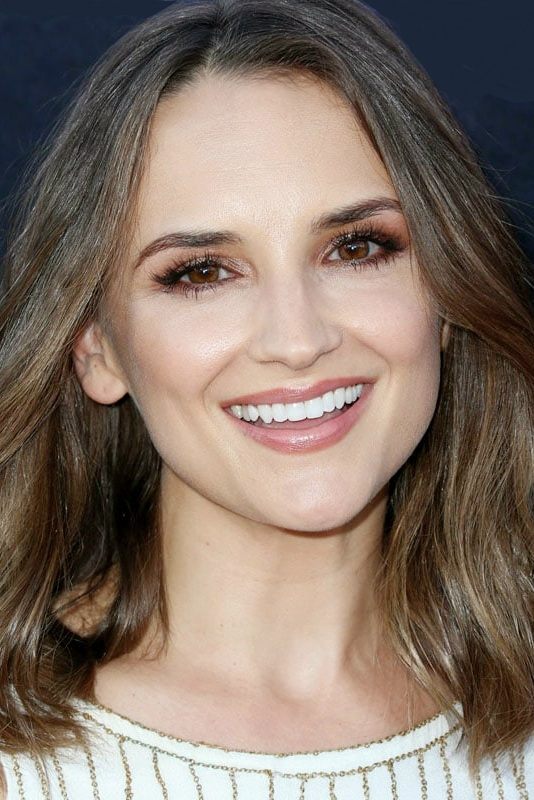
Cook headlined ‘She’s All That’, pairing with Freddie Prinze Jr. in a makeover-era high-school romance that hinged on an art-student identity. The film wove auditions, prom planning, and cafeteria politics into the structure.
It relied on dance numbers, stage performances, and sports fields to move the couple together. Supporting players like Matthew Lillard and Anna Paquin added media-savvy subplots that framed the main relationship.
Sarah Michelle Gellar

Gellar led ‘Simply Irresistible’, blending culinary magic with a restaurant-set romance opposite Sean Patrick Flanery. She also appeared in romantic-scheme stories that played with social competition and elite circles.
Kitchens, department stores, and food-centric montages provided repeated visual motifs. The film used cooking contests and pop-up events as plot checkpoints that paralleled the romantic progression.
Neve Campbell
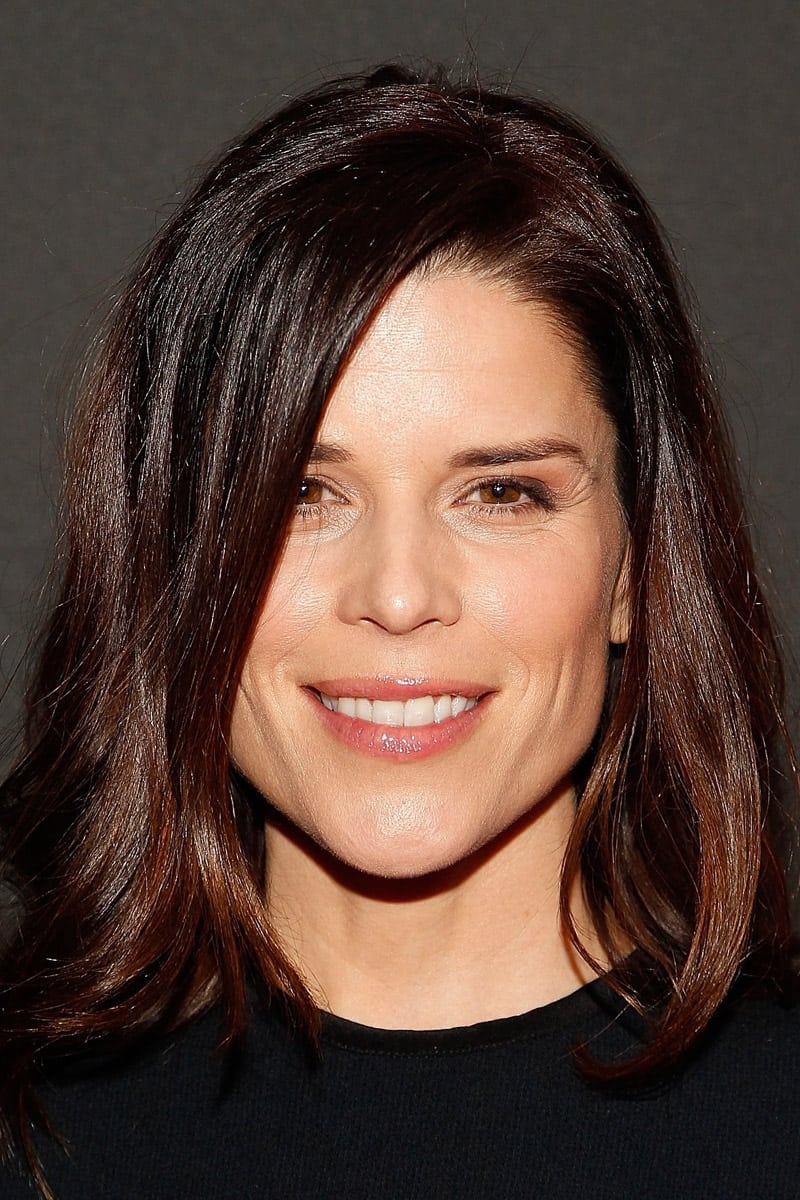
Campbell co-starred in ‘Three to Tango’ with Matthew Perry and Dylan McDermott, a Chicago-set romance tied to architecture commissions and gallery openings. The narrative leveraged mistaken identity and client relationships as key turning points.
Locations included loft apartments, construction sites, and modern art spaces. The supporting cast—Oliver Platt and others—created professional triangles that intersected with the central couple.
Anne Heche
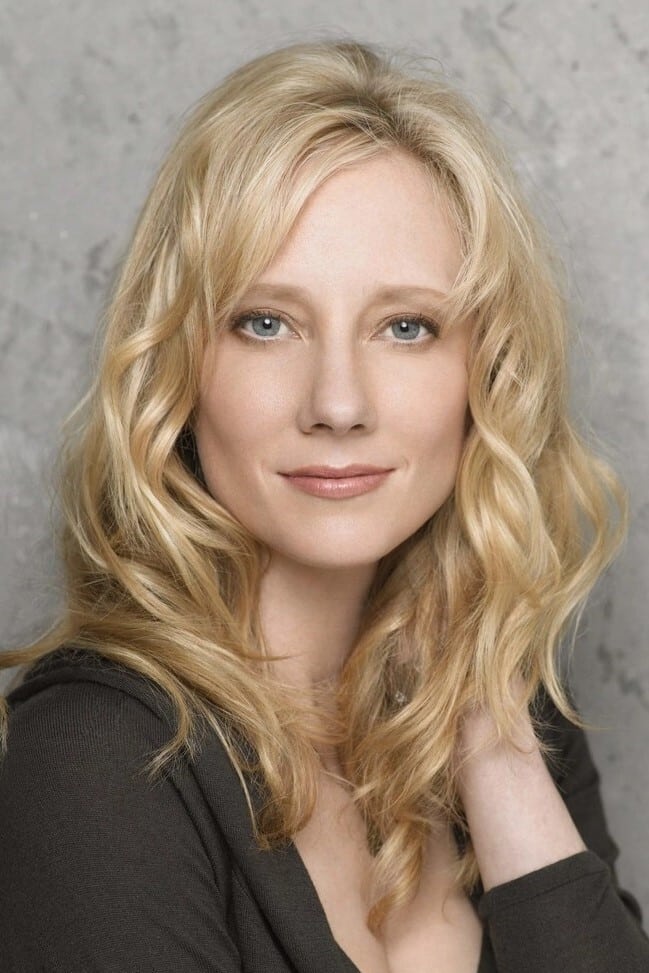
Heche headlined ‘Six Days, Seven Nights’ opposite Harrison Ford, an adventure-romance that strands its leads on an island after a charter-plane mishap. The film balanced survival beats with comedic clashes between a magazine editor and a pilot.
Aviation logistics, weather disruptions, and resort settings structured the story into departure, crash, and rescue phases. Secondary pairings at the resort created parallel romantic complications that resolved alongside the main plot.
Bridget Fonda

Fonda appeared in ‘It Could Happen to You’, a New York-set romance opposite Nicolas Cage that hinges on a shared lottery ticket and diner life. The film intertwined police work, media attention, and neighborhood routines.
Its production used courthouse steps, precinct offices, and Queens diners to ground the narrative. Supporting roles—from Rosie Perez to Wendell Pierce—provided legal and financial obstacles that shaped the outcome.
Michelle Pfeiffer

Pfeiffer starred with George Clooney in ‘One Fine Day’, a story about two single parents juggling work and childcare while crossing paths through Manhattan. The film used newsroom deadlines, school field trips, and broken schedules as narrative drivers.
Locations ranged from ferries to Central Park, with production emphasizing urban logistics like cabs, pay phones, and office lobbies. Child characters had fully mapped routines that forced the leads into repeated cooperation.
Mira Sorvino
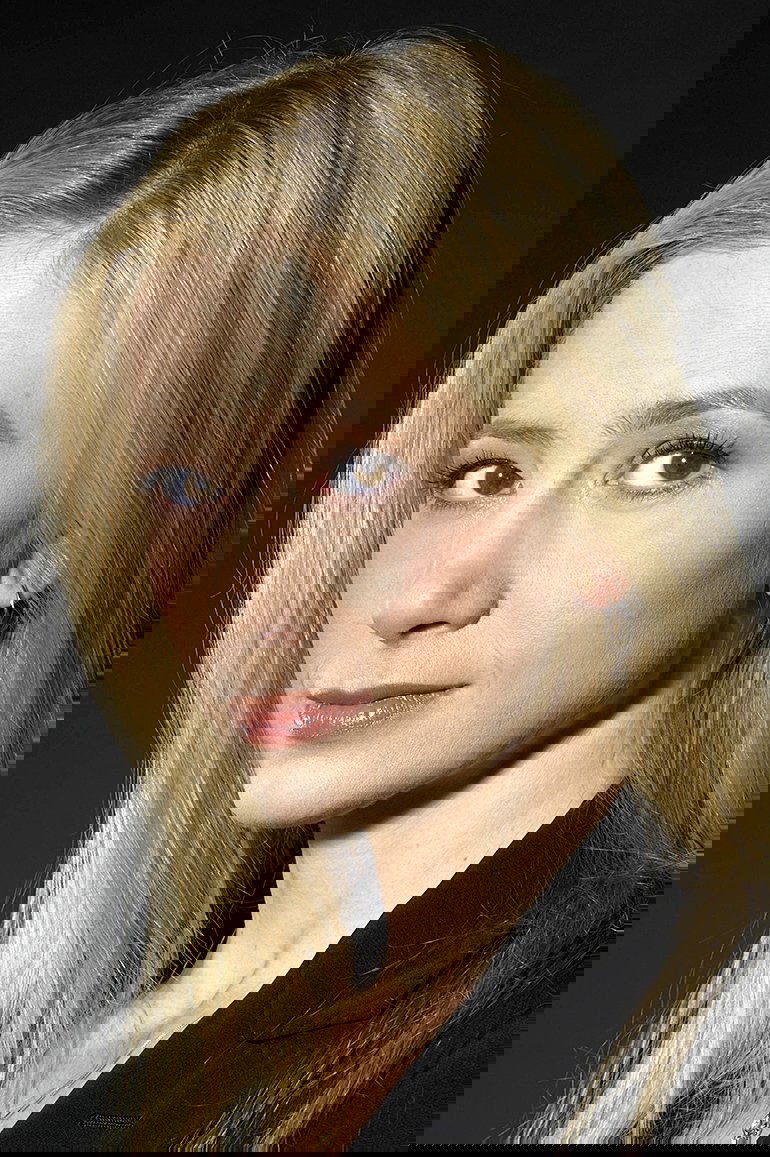
Sorvino co-led ‘Romy and Michele’s High School Reunion’ with Lisa Kudrow, charting a friendship-forward path to romance through a planned return to their alma mater. The film’s structure divided neatly into preparation in Los Angeles, the reunion event, and post-event fallout.
Costume design—most notably handmade outfits—and choreographed dance sequences became signature elements. The ensemble, including Alan Cumming and Janeane Garofalo, provided entrepreneurial, tech, and artistic counterpoints that reframed the central duo’s goals.
Share your favorite 90s rom-com leads and the titles you rewatch most in the comments!

