


Hollywood Rom-Com Queens of the 2000s

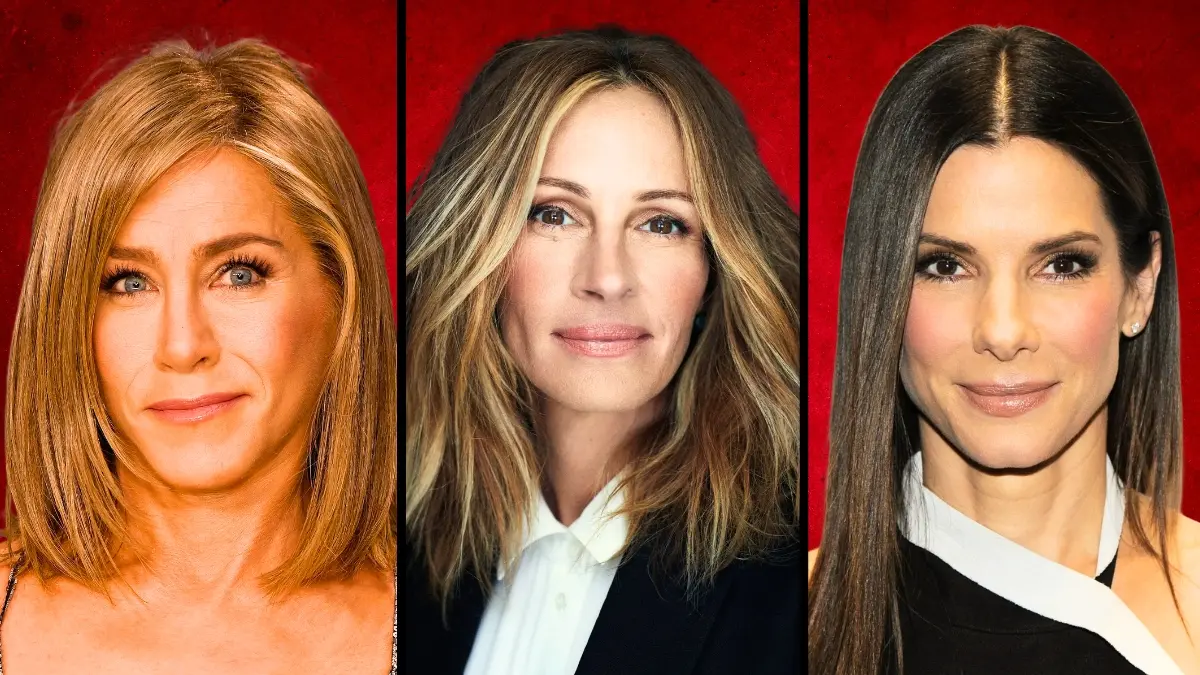


The 2000s delivered a steady stream of romantic comedies that filled multiplexes and weekend watchlists, with a wave of leading women anchoring the charm, timing, and chemistry that defined the era. From workplace mix-ups and high-concept body swaps to destination weddings and big-city meet-cutes, these stars headlined films that paired breezy setups with tightly constructed scripts and polished studio production.
This list spotlights the actresses whose rom-com projects became hallmarks of the decade. You’ll find the titles they carried, the roles they played, the co-stars they teamed with, the studios that backed them, and the production details—everything that helps explain how these movies were put together and why they became mainstays of the genre.
Reese Witherspoon
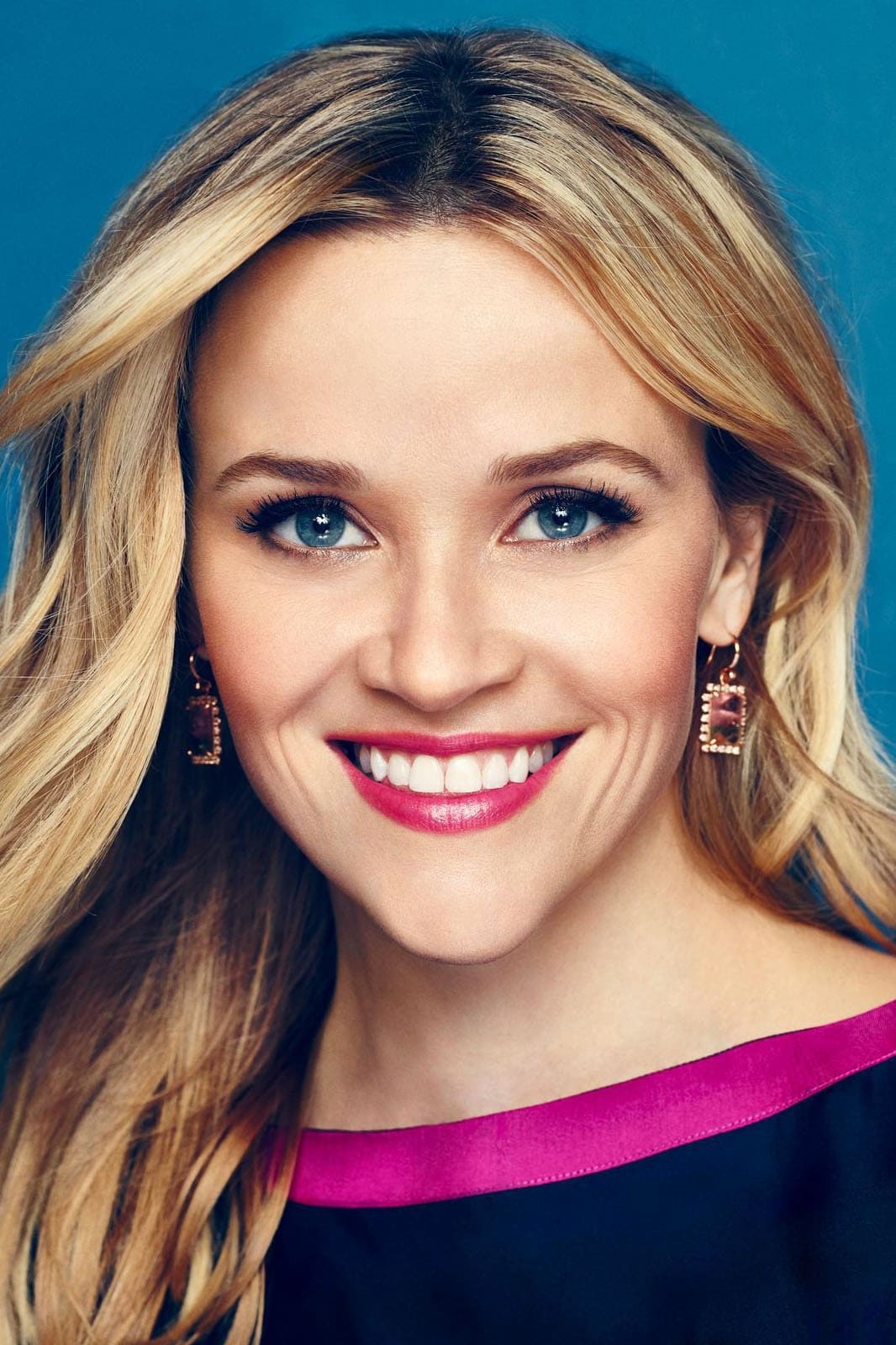
Witherspoon fronted franchise-starting and career-defining hits including ‘Legally Blonde’ and ‘Sweet Home Alabama’, playing ambitious leads whose arcs were shaped by law-school grind and home-town returns. MGM and Touchstone handled major releases, pairing her with co-stars like Luke Wilson, Patrick Dempsey, and Josh Lucas, and emphasizing bright production design, saturated campus and Southern settings, and snappy courtroom and fish-out-of-water set pieces.
She added ‘Four Christmases’ to the mix opposite Vince Vaughn, leaning into ensemble holiday chaos and family-visit structure. The productions relied on punchy montage editing, wardrobe-driven character beats, and soundtracks that blended country, pop, and standards, keeping the tone light while maintaining brisk, sitcom-tight pacing.
Sandra Bullock
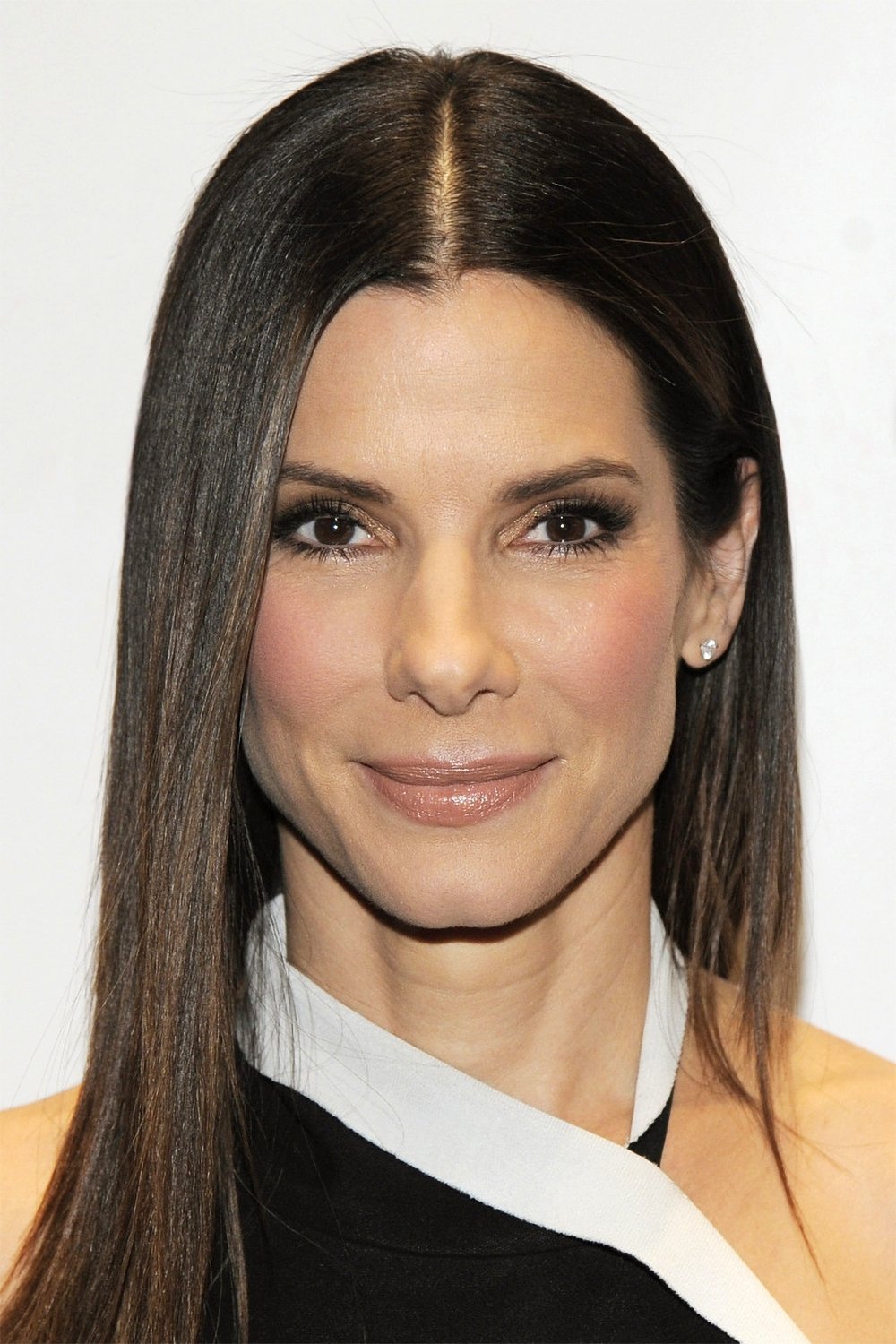
Bullock’s 2000s rom-com slate included ‘Miss Congeniality’ and ‘The Proposal’, built around undercover and faux-engagement premises that gave room for workplace and competition-show satire. Backers included Warner Bros. and Disney labels, with directors leveraging Bullock’s physical comedy in pageant rehearsals, immigration interviews, and office power dynamics, while framing Alamo City and New York-to-Alaska settings with wide, postcard-style location shots.
Pairings with Benjamin Bratt and Ryan Reynolds were supported by character ensembles—pageant contestants, federal agents, and editorial staffers—allowing B-plots to carry parallel gags. Costume and production design underscored transformation arcs, and marketing hinged on high-concept trailers that explained the setups in under a minute.
Jennifer Lopez
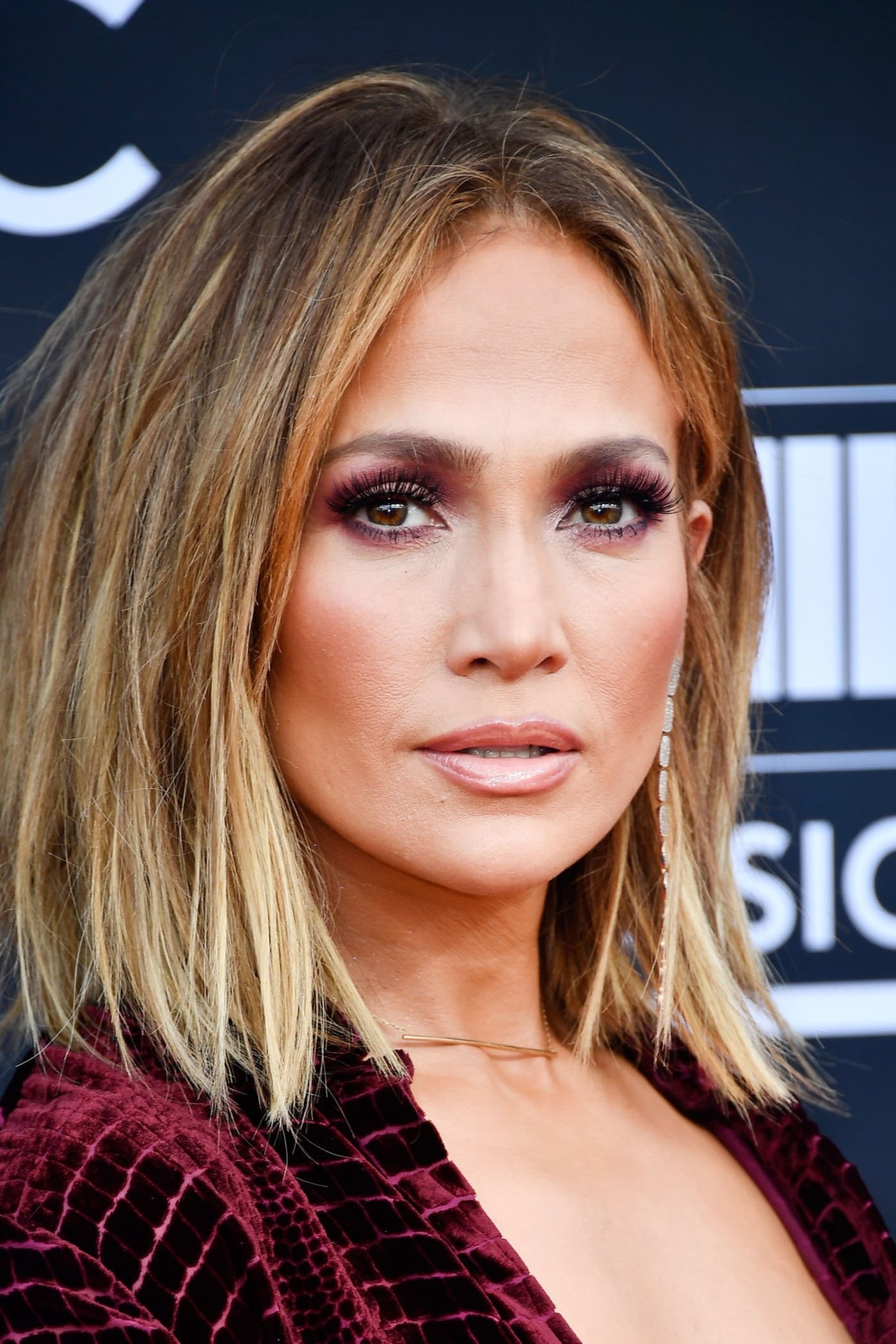
Lopez anchored ‘The Wedding Planner’, ‘Maid in Manhattan’, and ‘Monster-in-Law’, each centered on status gaps, workplace rules, and family interference. Sony and New Line shepherded these projects, casting Matthew McConaughey, Ralph Fiennes, and Michael Vartan as counterparts, while leveraging New York and California locations for upscale hotel, Fifth Avenue, and Beverly Hills backdrops.
Production emphasized aspirational wardrobes and hotel-suite interiors, and publicity leaned on Lopez’s music crossover appeal. The films integrated ballroom, charity gala, and wardrobe-malfunction set pieces, using meet-cute incidents—street rescues, mistaken identity at a hotel, and overbearing relatives—to drive second-act complications.
Kate Hudson
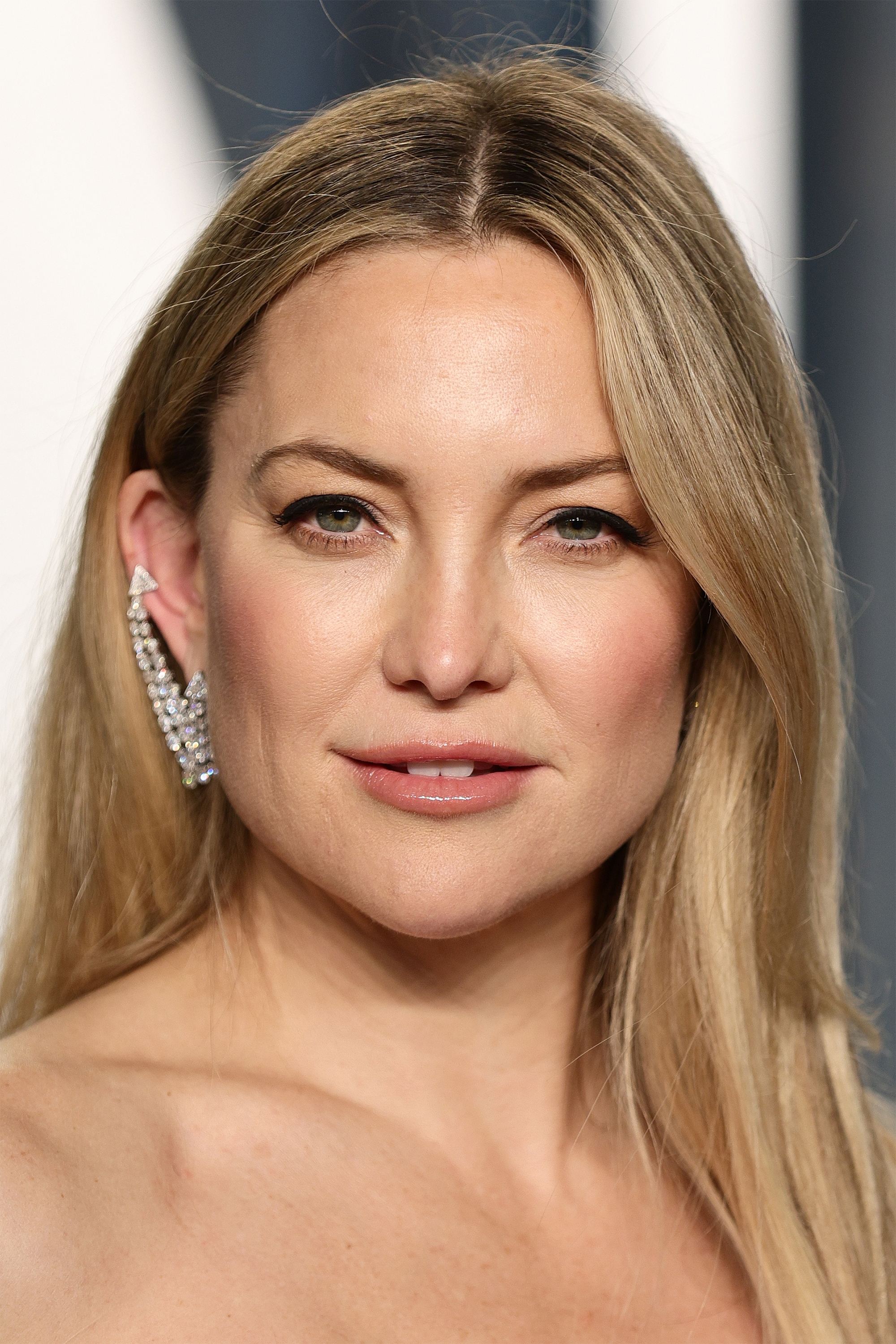
Hudson’s rom-com run featured ‘How to Lose a Guy in 10 Days’ and ‘Bride Wars’, where magazine offices and wedding-planner timelines structured the conflicts. Paramount and Fox cast Matthew McConaughey and Anne Hathaway opposite Hudson, highlighting editorial brainstorms, Madison Avenue shoots, and bridal-boutique sequences that doubled as comedic obstacle courses.
The productions showcased Midtown and Park Avenue exteriors, with location permits enabling street-level montages. Marketing leaned on print-media tie-ins and bridal-industry cross-promotions, while scripts used list articles, vendor mishaps, and venue scarcity to escalate stakes across neatly segmented beats.
Julia Roberts
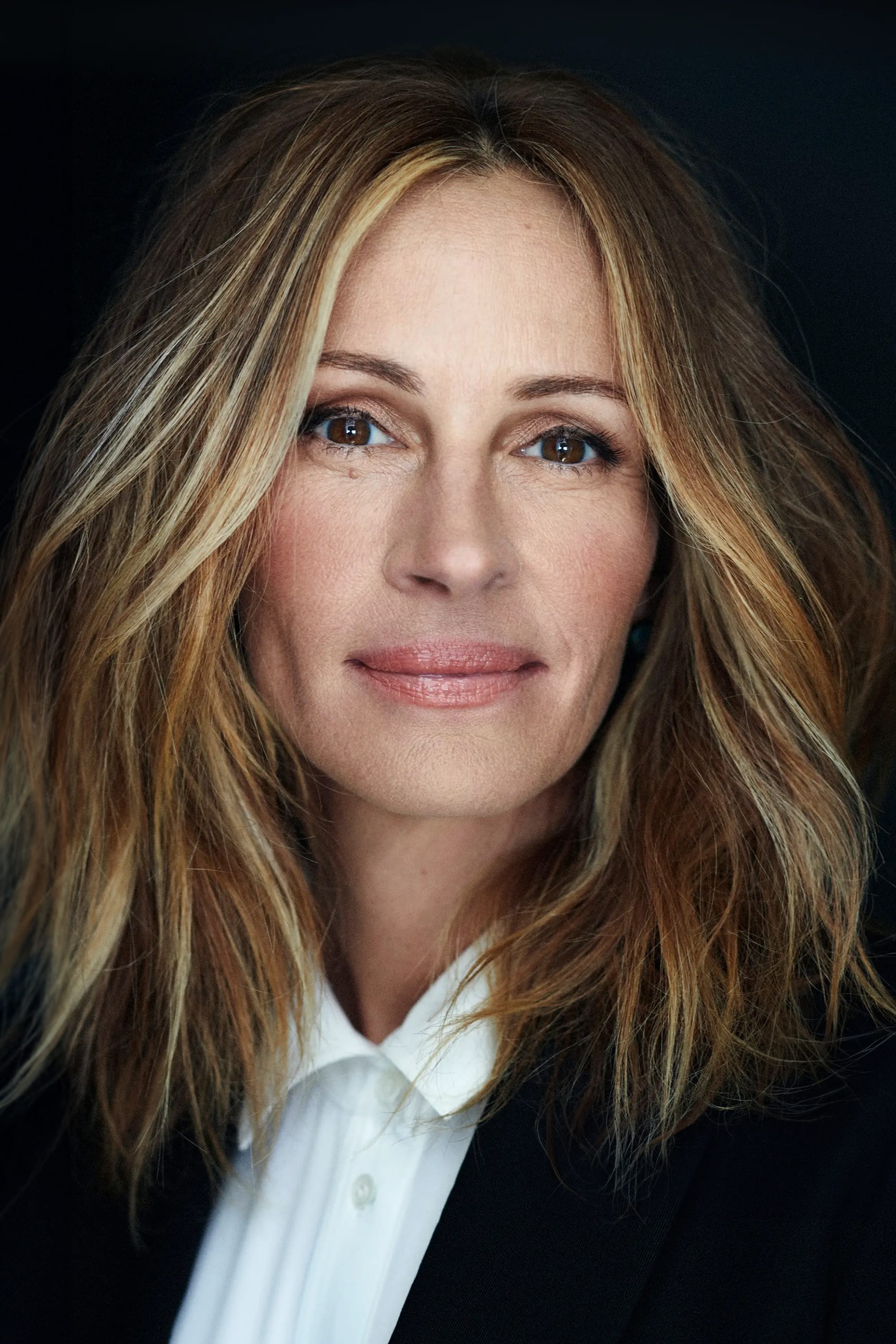
Roberts brought marquee weight to projects like ‘America’s Sweethearts’ and ‘Notting Hill’ carryover appeal that extended into the decade, with studio packages built around press-junket chaos and celebrity-civilian contrasts. Ensemble casting folded in Catherine Zeta-Jones, John Cusack, and Billy Crystal, using hotel ballrooms, studio lots, and London shopfronts for accessible, repeatable settings.
Production favored multi-camera coverage for junket scenes to capture overlapping dialogue. Soundtrack choices balanced Britpop and adult-contemporary staples, and publicity leaned on Roberts’ established romantic-lead profile, positioning her films as four-quadrant date-night options.
Renée Zellweger

Zellweger’s ‘Bridget Jones’ entries defined diary-narration rom-coms, pairing voiceover with workplace and flat-share chaos. Working with Working Title and Universal, the productions cast Colin Firth and Hugh Grant to triangulate the romantic stakes, staging dinner-party mishaps, publishing-house scenes, and holiday gatherings that anchored seasonal releases.
Costume design emphasized signature cardigans, party jumpers, and office wear to mark character beats. Editors intercut diary pages, voicemail gags, and television segments, while marketing leaned on book-to-screen familiarity and poster iconography centered on diaries and quizzical close-ups.
Cameron Diaz

Diaz headlined ‘What Happens in Vegas’ and shared top billing in ‘The Holiday’, delivering odd-couple roommate and vacation-swap premises. Fox and Universal coordinated multi-country shoots, pairing Diaz with Ashton Kutcher, Jude Law, and Kate Winslet, and balancing urban nightlife sequences with countryside cottage interiors designed as cozy visual anchors.
The films used legal penalties and house-swap rules as structural engines for cohabitation gags. Soundtracks blended pop with score motifs tied to holiday and getaway moods, and trailers foregrounded premise clarity with quick cuts between courtroom scenes, airport check-ins, and village lanes.
Anne Hathaway
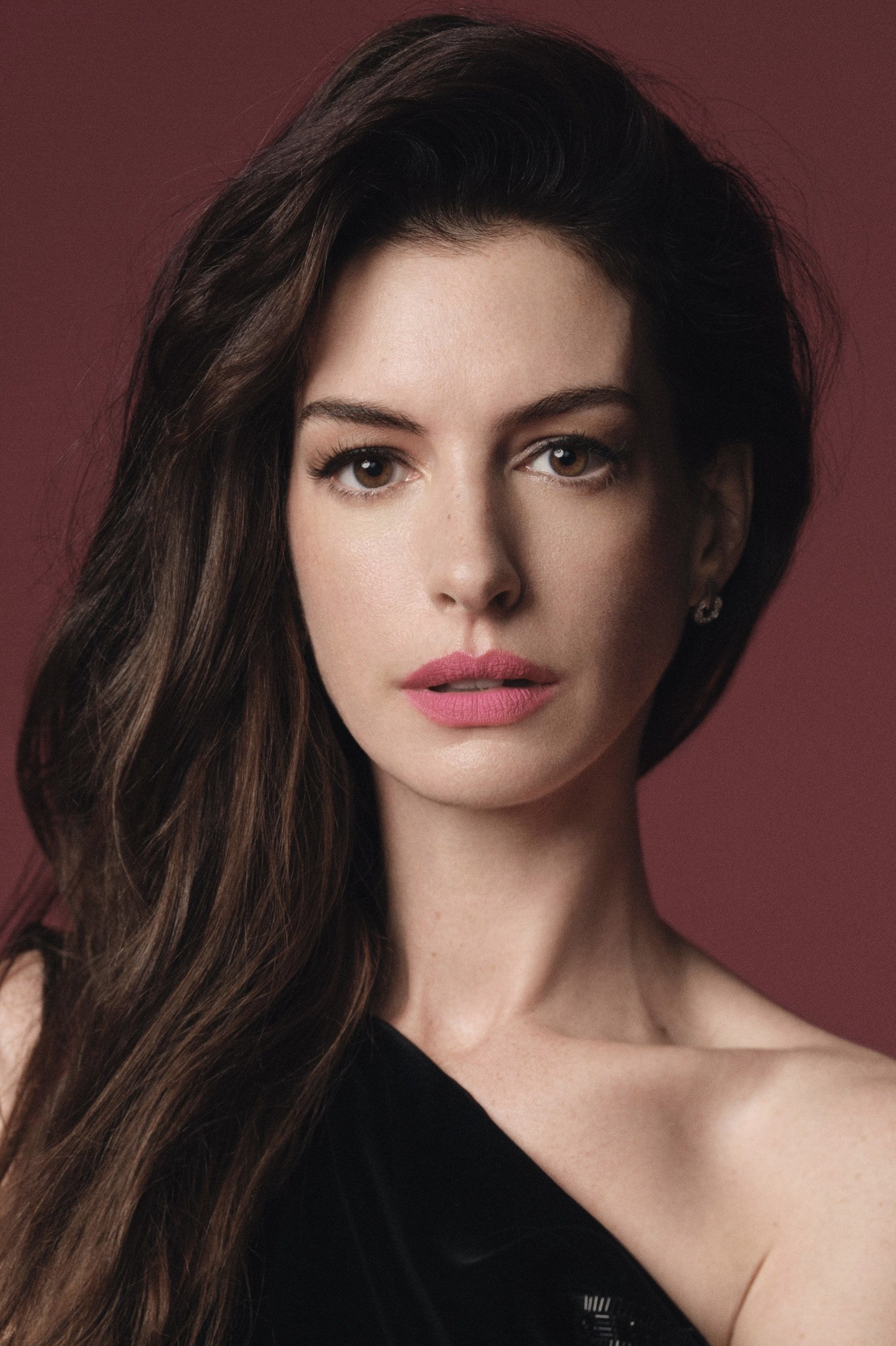
Hathaway’s rom-com entries included ‘The Princess Diaries’ carryover influence and ‘Bride Wars’, emphasizing makeover beats and best-friend rivalries. Disney and Fox supported school-hallway set pieces, palace training montages, and bridal planning, with production designers building symmetrical apartment and boutique sets to mirror character contrasts.
Casting aligned Hathaway with Julie Andrews and Kate Hudson, using mentor-mentee and frenemies frameworks. Wardrobe departments used tiaras, tulle, and tailored workwear as narrative signals, while marketing targeted teen and young-adult demos through mall tours, magazine features, and soundtrack tie-ins.
Katherine Heigl
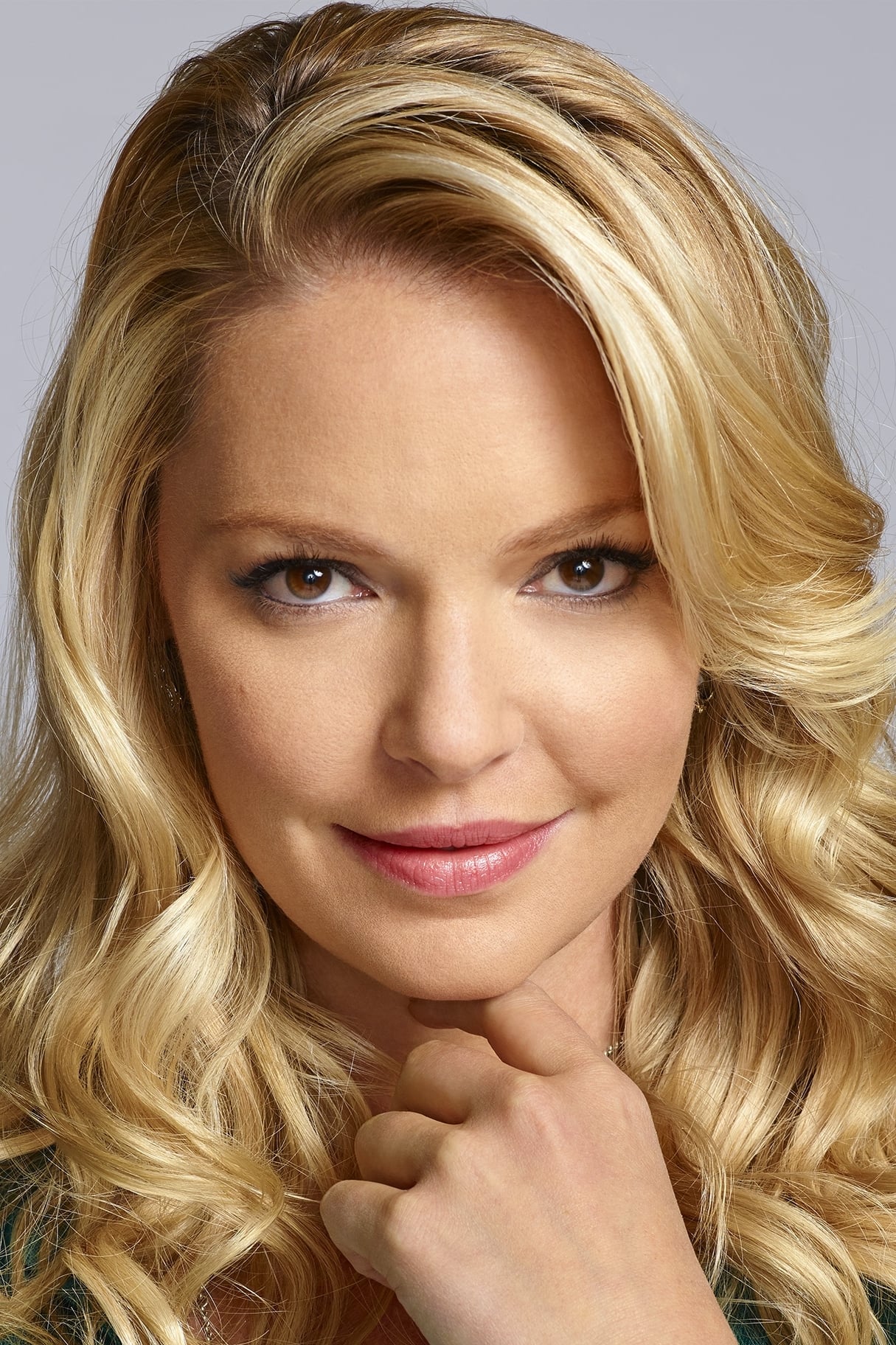
Heigl fronted ’27 Dresses’ and ‘The Ugly Truth’, built around professional competence clashing with romantic logistics and broadcast-media stakes. Fox and Sony paired her with James Marsden and Gerard Butler, setting scenes in news studios, wedding venues, and editorial offices that supplied recurring comedic obstacles.
Production tracked multiple wardrobe quick-changes to support the prolonged bridesmaid gag, cataloging dress silhouettes as visual punchlines. Marketing emphasized workplace banter and opposites-attract formats, with posters and trailers spotlighting checklists, talk-show sets, and aisle-side mishaps.
Jennifer Aniston
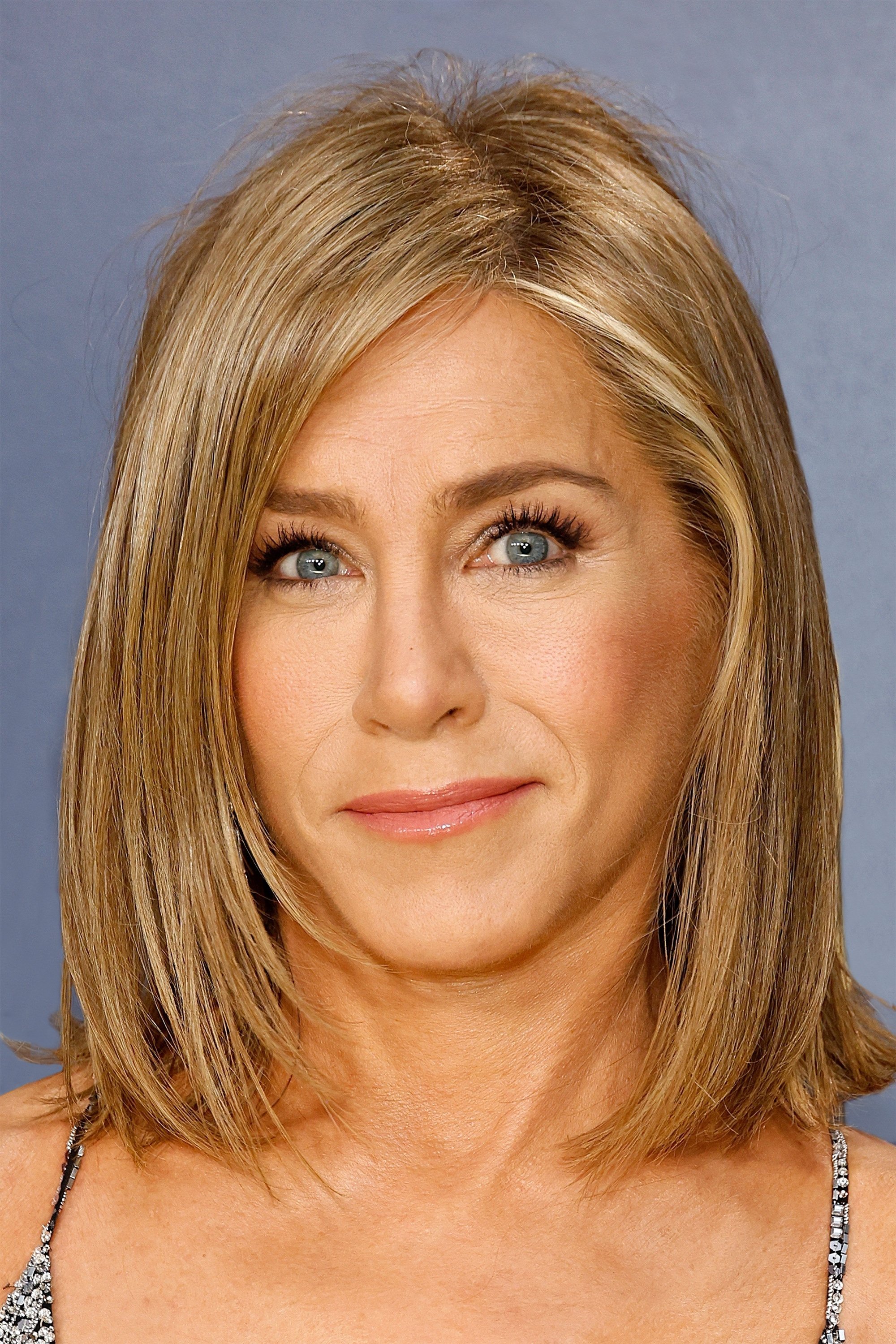
Aniston’s slate included ‘The Break-Up’, ‘Along Came Polly’, and ‘Rumor Has It…’, mixing cohabitation fallouts, risk-averse-meets-free-spirited dynamics, and meta-Hollywood setups. Universal and Paramount situated stories in Chicago and Los Angeles, pairing Aniston with Vince Vaughn, Ben Stiller, and Kevin Costner and using condo divisions, destination bathrooms, and studio backlots as recurring comedic spaces.
Editors leaned on reaction-shot coverage and long takes for argument sequences, while production design split apartments and offices into balanced halves to visualize relationship stalemates. Marketing used ensemble posters and meet-disaster imagery—ferrets, salsa nights, and baseball-diamond proposals—to cue tone immediately.
Rachel McAdams
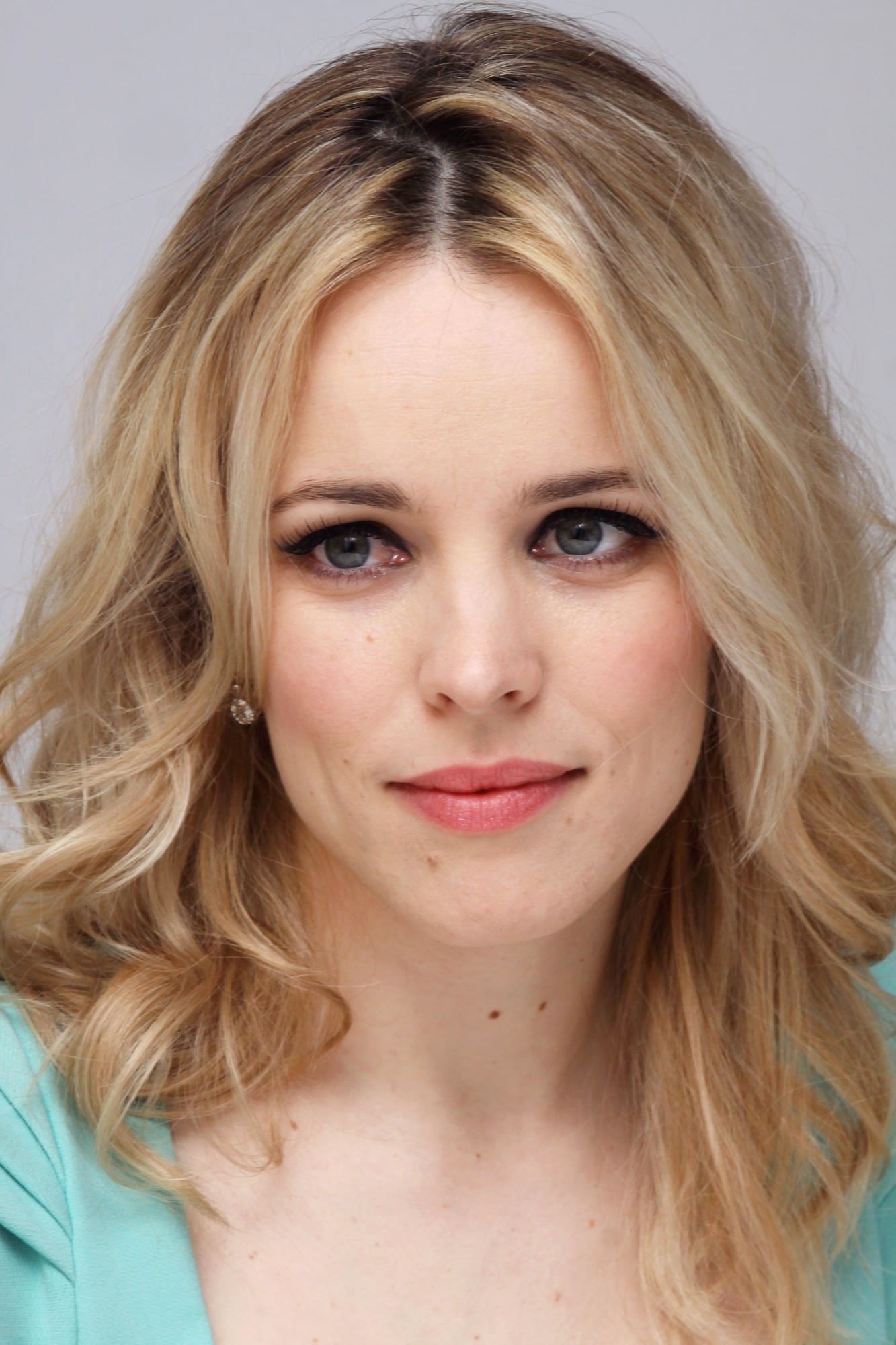
McAdams brought rom-com presence to ‘Wedding Crashers’ and ‘The Time Traveler’s Wife’ adjacent romance, working with New Line and Warner Bros. Her roles often sat inside ensemble mechanics—family estates, reception halls, and bookstore sequences—where supporting characters enabled parallel comedic beats.
Production leveraged East Coast mansions and city libraries, with second units capturing aerials for transitions between party and quiet character moments. Casting integrated Owen Wilson, Vince Vaughn, and Eric Bana, and soundtracks toggled between reception standards and reflective cues to bridge comedy and earnest romance.
Kate Beckinsale
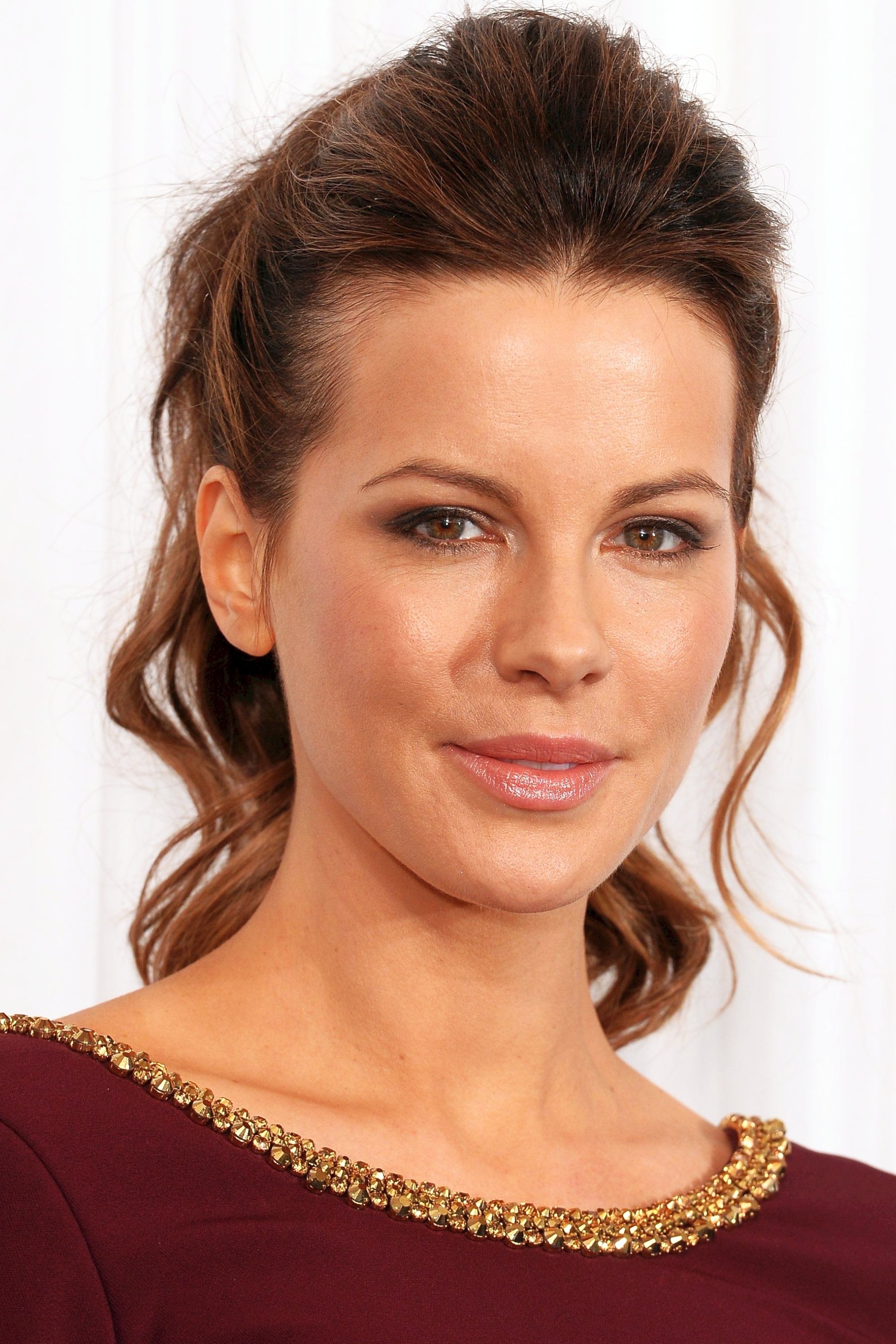
Beckinsale’s ‘Serendipity’ used a found-object premise and New York-to-London cross-cuts, with Miramax coordinating department-store and ice-rink locations to stage recurring rendezvous. Production design leaned on handwritten notes, phone numbers, and book inscriptions as plot devices threaded through prop continuity.
The film paired Beckinsale with John Cusack and layered secondary characters into record-store and wedding-planning subplots. Location permits secured Midtown exteriors at night, and marketing highlighted winter imagery and gift-box visuals to align with holiday corridor release windows.
Jennifer Garner
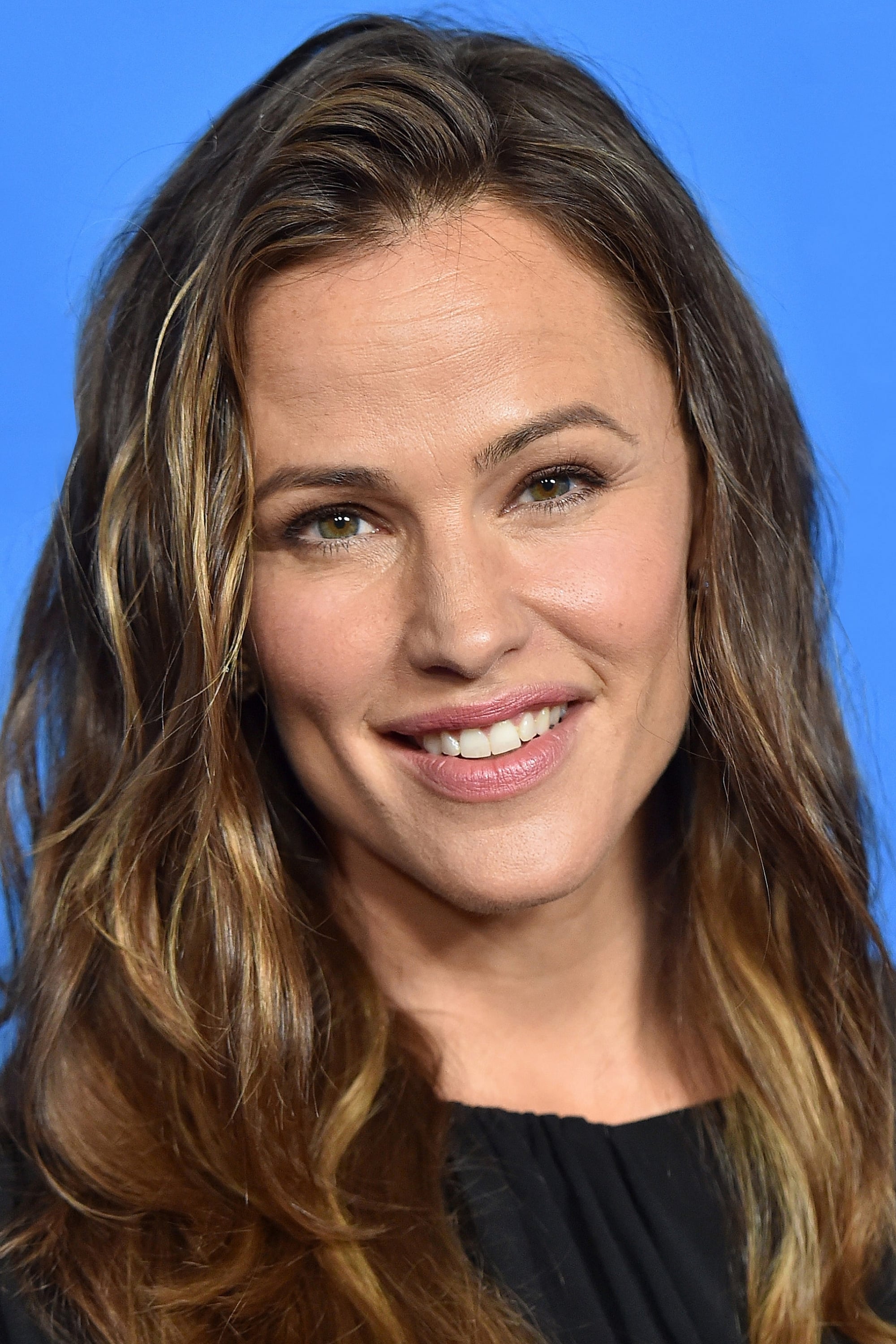
Garner’s ’13 Going on 30′ used a wish-fulfillment jump to bridge teen sensibilities with magazine-editor life. Sony’s production set key pieces in editorial pitch rooms, fashion shoots, and office party dance floors, using choreography and pop needle-drops to pace comedic milestones.
Casting matched Garner with Mark Ruffalo, with prop departments building dollhouses, yearbooks, and magazine mock-ups to carry repeated visual motifs. The campaign emphasized makeover and nostalgia beats, while the edit intercut boardroom stakes with apartment scenes to balance career and personal arcs.
Amy Adams
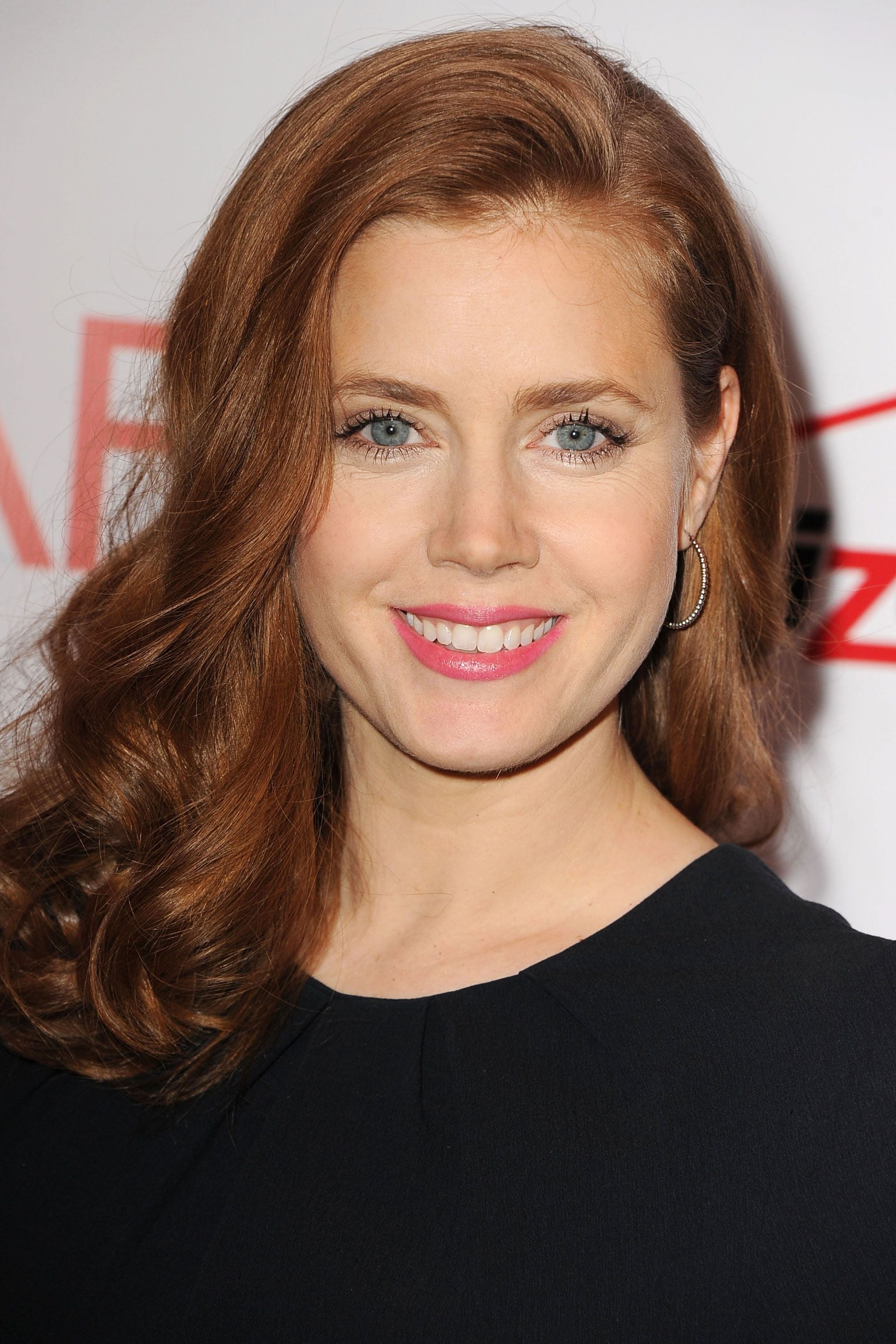
Adams entered rom-com territory with ‘Enchanted’ and later ‘Leap Year’, blending live-action fairy-tale framing with travel-itinerary complications. Disney and Universal coordinated hybrid animation-to-live-action transitions and rural-road segments, anchoring scenes with musical interludes, scenic overlooks, and bed-and-breakfast interiors.
Production required choreography coordination across parks, city squares, and village lanes, while costume teams handled gown-to-streetwear transformations. Casting placed Adams alongside Patrick Dempsey and Matthew Goode, with soundtracks mixing original numbers and light instrumental cues to keep tempo bright.
Isla Fisher
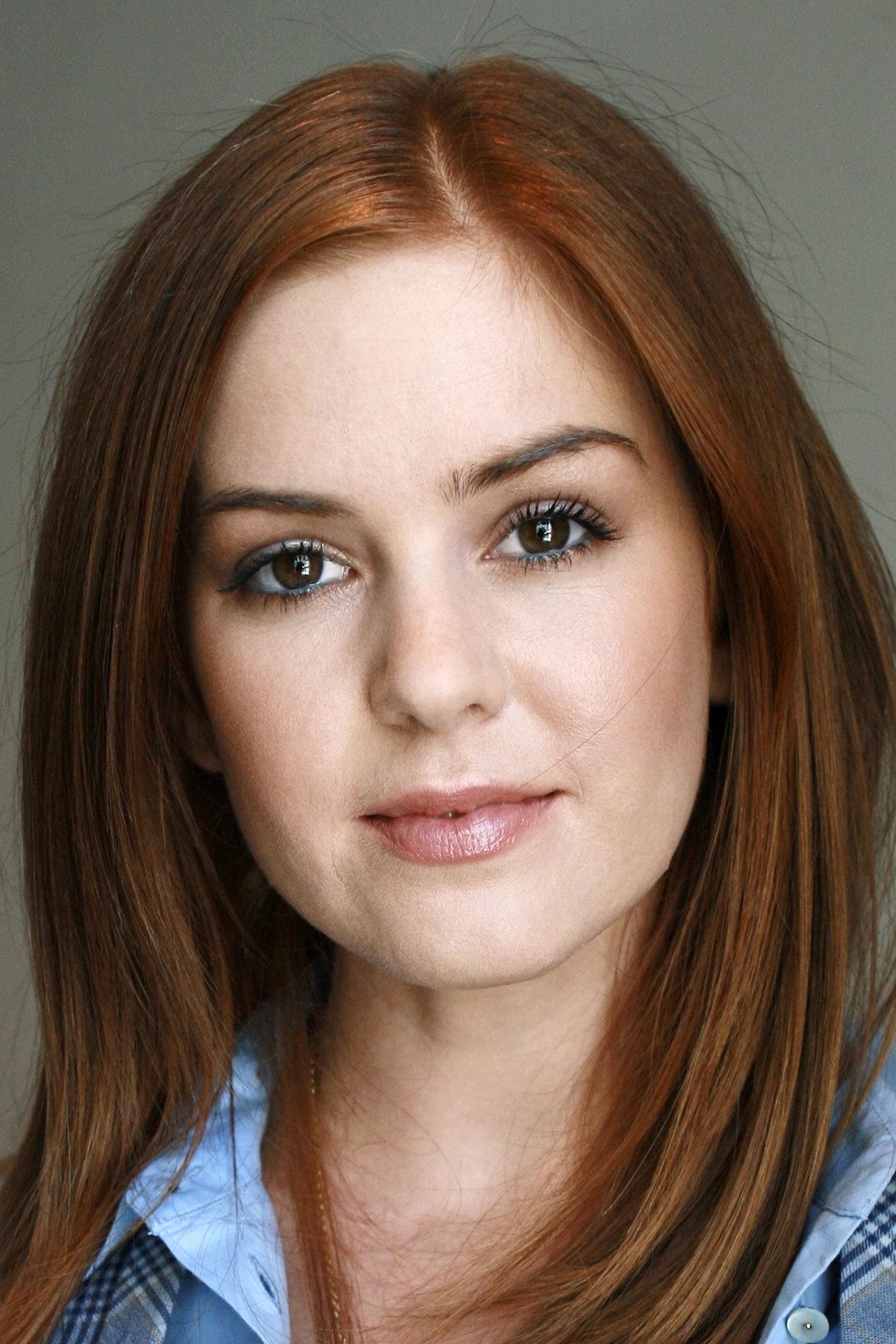
Fisher led ‘Confessions of a Shopaholic’ and featured in ‘Wedding Crashers’, leaning into financial-advice-show satire and reception-crashing mechanics. Disney and New Line used Manhattan offices, thrift shops, and Long Island estates as core locations, with prop departments curating racks of color-coded wardrobe pieces for visual gags.
The productions built out editorial sets, TV studio control rooms, and bridal tents, allowing side characters to deliver cutaway humor. Marketing included retail tie-ins, window displays, and fashion-magazine cross-promotions that extended the films’ closet-centric identity into the campaign.
Mandy Moore
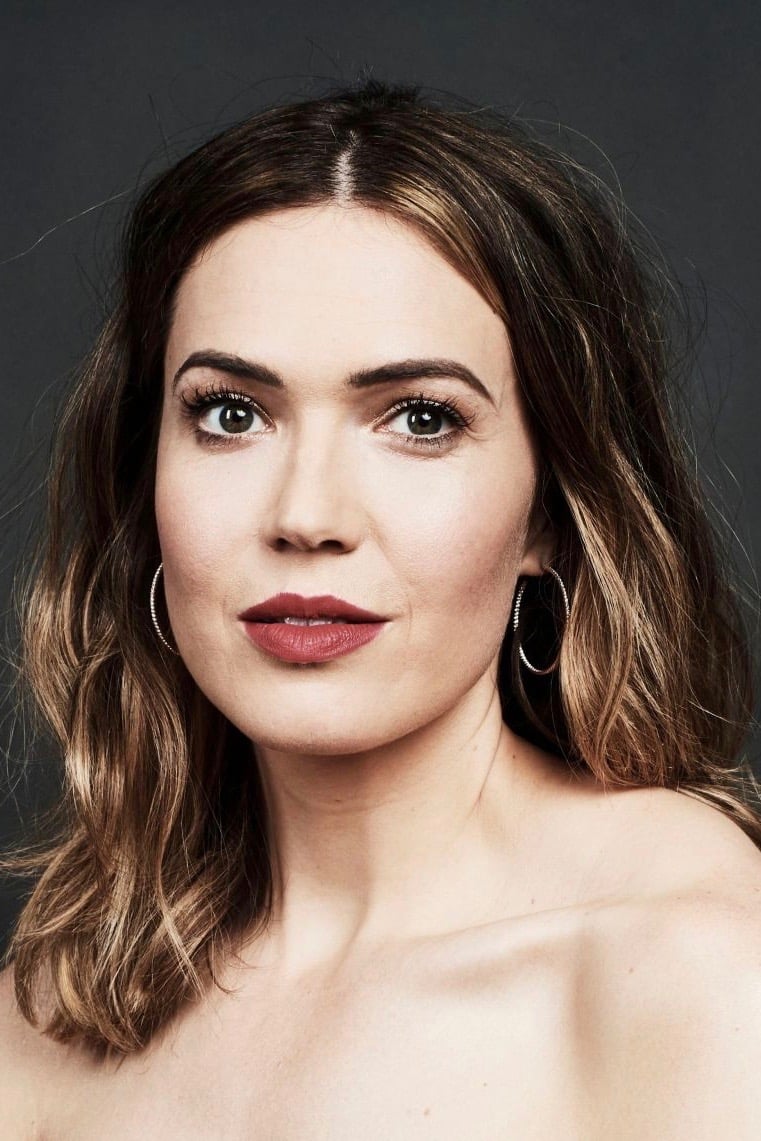
Moore headlined ‘Chasing Liberty’ and ‘Because I Said So’, with road-trip escapes and mother-daughter planning sessions shaping the narrative engines. Warner Bros. and Universal staged European plazas, indie-club stops, and L.A. bakeries as recurring scenic anchors, while scripts used secret-service tailing and matchmaking schemes to trigger complications.
Casting put Moore opposite Matthew Goode and alongside Diane Keaton, with production organizing concert crowd scenes and kitchen-table confrontations. Tie-in campaigns leveraged Moore’s music profile, while soundtracks synced café acoustics and acoustic pop to scene transitions.
Sarah Jessica Parker
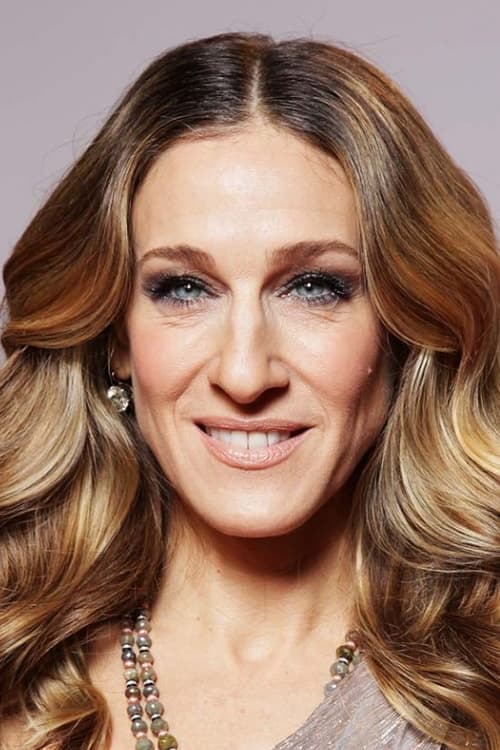
Parker translated ‘Sex and the City’ cachet into film and anchored ‘Failure to Launch’, playing consultant and columnist-adjacent roles within upscale apartment and suburban-nest settings. Paramount and New Line used wardrobe-driven character identifiers and split-level interiors to stage roommate and parental interference sequences.
Co-stars included Matthew McConaughey and ensemble friends who executed staged dates and intervention set pieces. The productions balanced location shoots in Manhattan and cozy neighborhood exteriors, with marketing focusing on lifestyle imagery—closets, brunch tables, and living-room reveal moments.
Queen Latifah
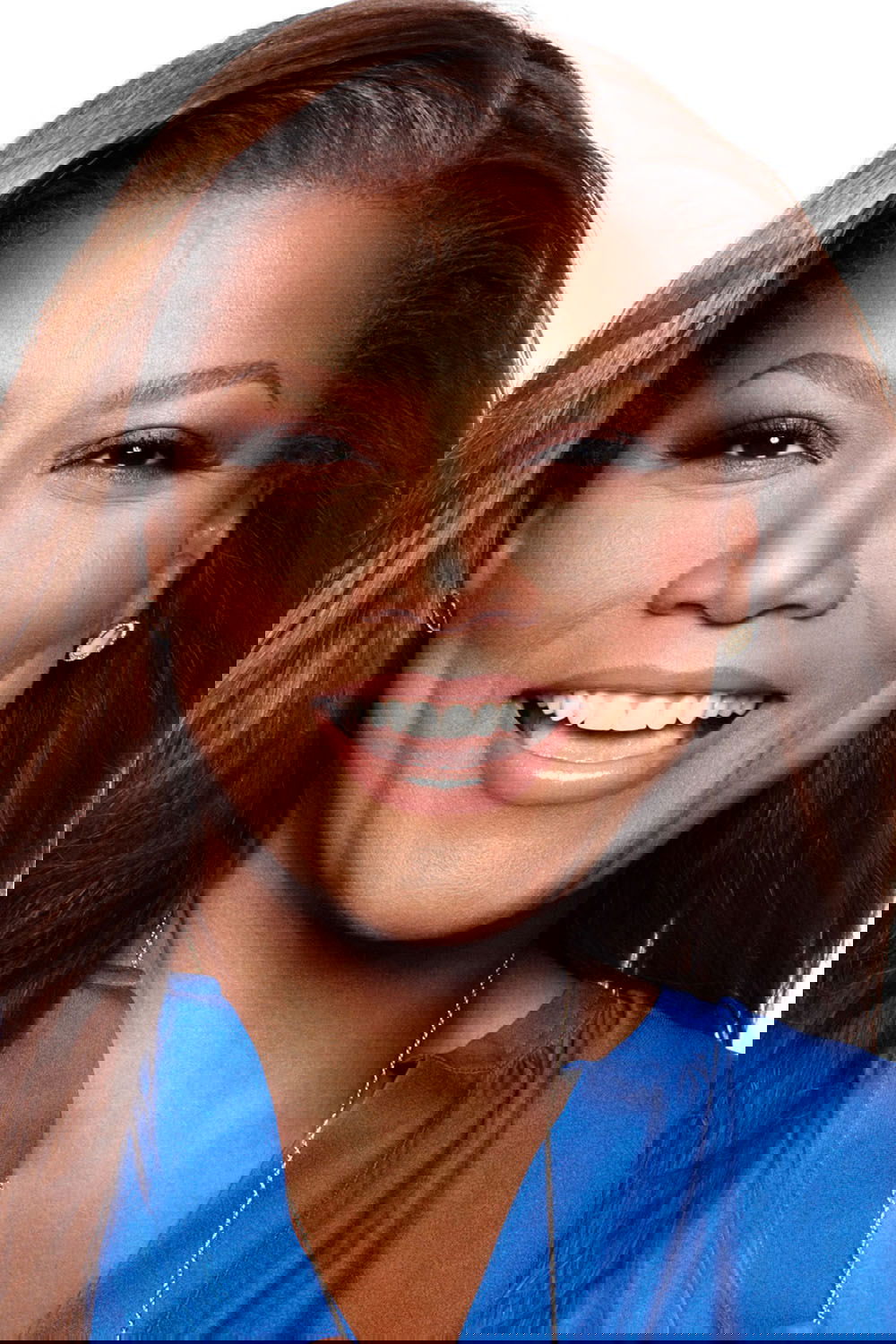
Latifah carried ‘Last Holiday’ and paired with Steve Martin in ‘Bringing Down the House’, with setups centered on life-reassessment and mistaken-identity intrusions. Paramount and Disney labels shot resort kitchens, ski hotels, and suburban living rooms, enabling food-presentation and dance-off gags that required multi-camera coverage.
Her projects featured chefs, lawyers, and congressional hearings as supporting frameworks, letting procedural beats drive comedic stakes. Soundtracks mixed R&B and big-band cues, while publicity highlighted makeover montages and fish-out-of-water encounters that punctuated act breaks.
Nia Vardalos
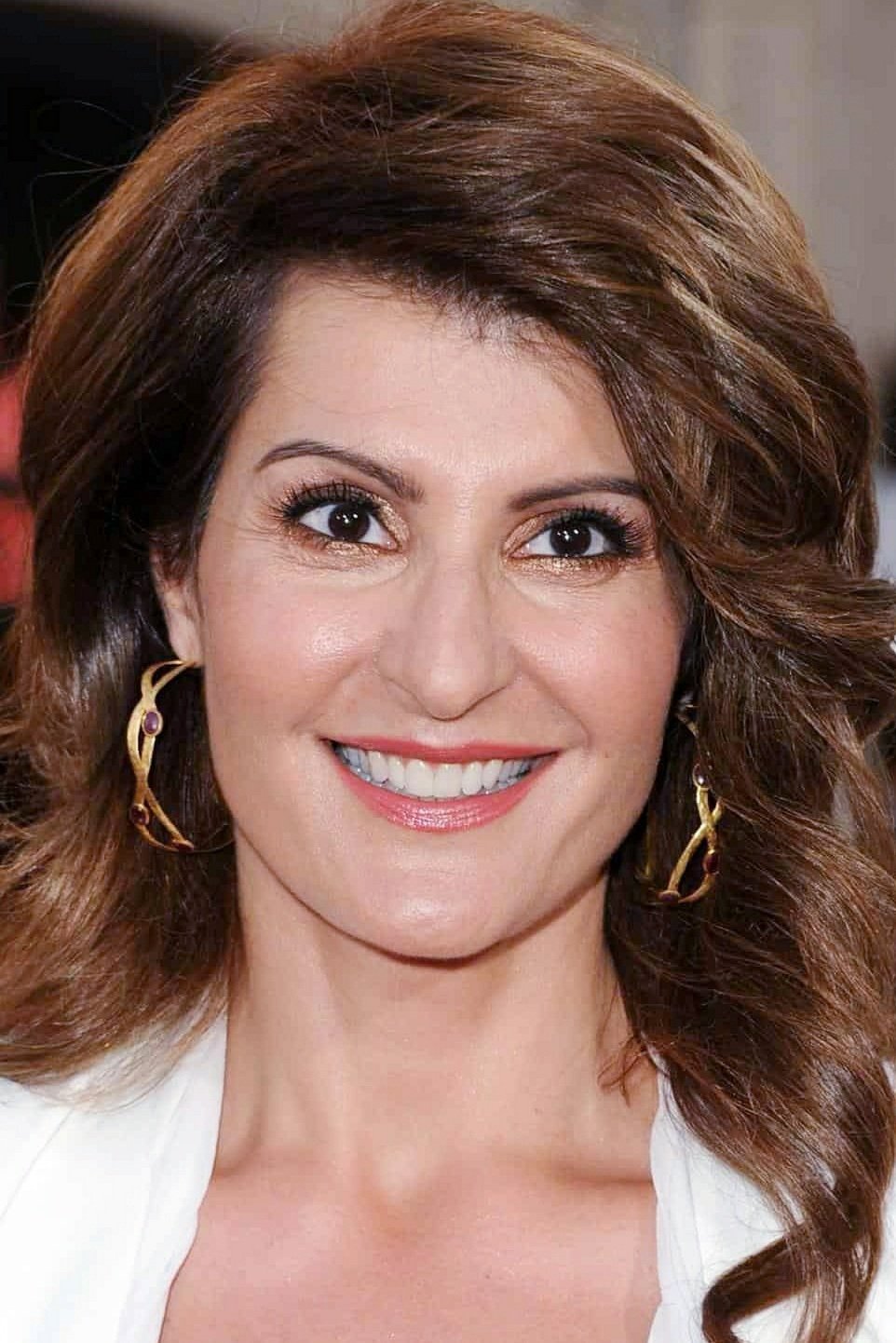
Vardalos’ ‘My Big Fat Greek Wedding’ established a template for culture-clash family rom-coms with indie roots and breakout box-office performance, later extending into spinoffs and ensemble continuations. The production utilized neighborhood diners, travel agencies, and family homes, relying on modest budgets and word-of-mouth to expand theater counts.
Her follow-ups, including ‘Connie and Carla’ and later continuations, kept performer-centric premises in focus. Casting mixed veteran character actors with fresh faces, and marketing emphasized family gatherings, food, and community storefronts that translated across demographics.
Sanaa Lathan
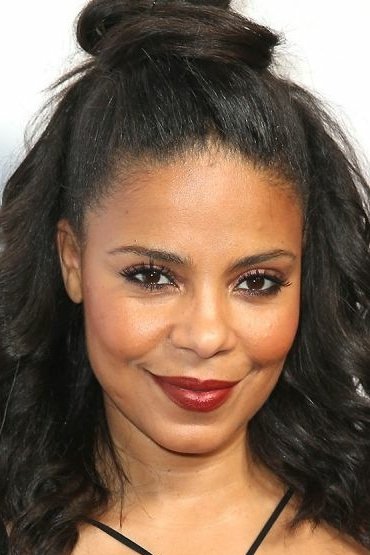
Lathan anchored ‘Something New’, a rom-com that used interior-design projects and blind-date setups to examine class, career, and family expectations. The production employed L.A. residential exteriors, office spaces, and garden build-outs as recurring settings, with prop teams using paint chips and design boards as story devices.
Casting paired Lathan with Simon Baker and built friend-group brunches into the structure for commentary and comedic asides. The film balanced workplace competence with intimate backyard scenes, while the campaign highlighted décor visuals and professional milestones alongside the central romance.
Gabrielle Union
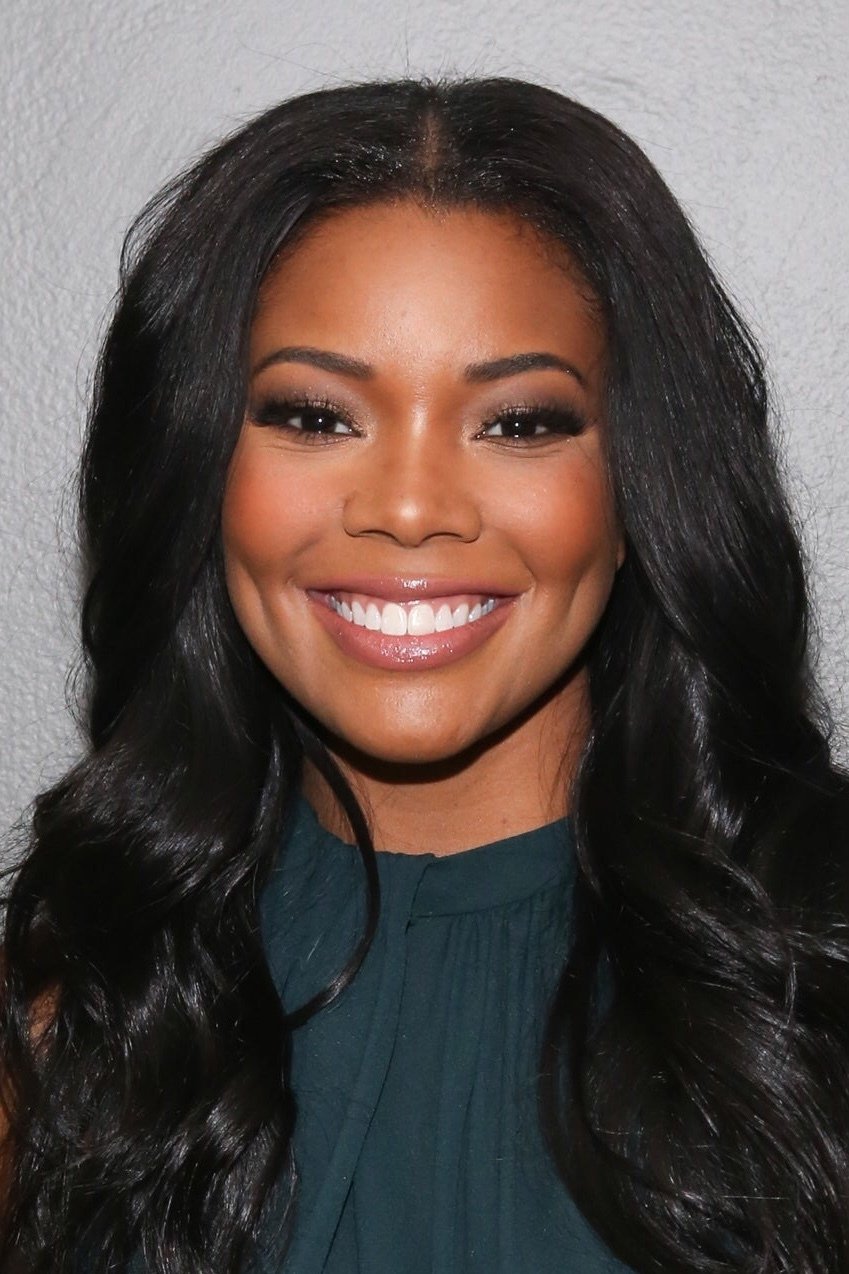
Union starred in ‘Deliver Us from Eva’ and appeared in ‘Think Like a Man’ adjacent ensembles, often playing characters navigating sibling dynamics and rule-bound dating strategies. The projects used barbershops, restaurants, and supermarket aisles as repeatable comedic environments that fit ensemble cross-cutting.
Casting aligned Union with LL Cool J and later ensemble counterparts, while production design created neighborhood hubs for quick transitions between A and B plots. Marketing emphasized dinner-table showdowns and pact-driven setups, allowing trailers to communicate premise through sharp, dialogue-first edits.
Kirsten Dunst
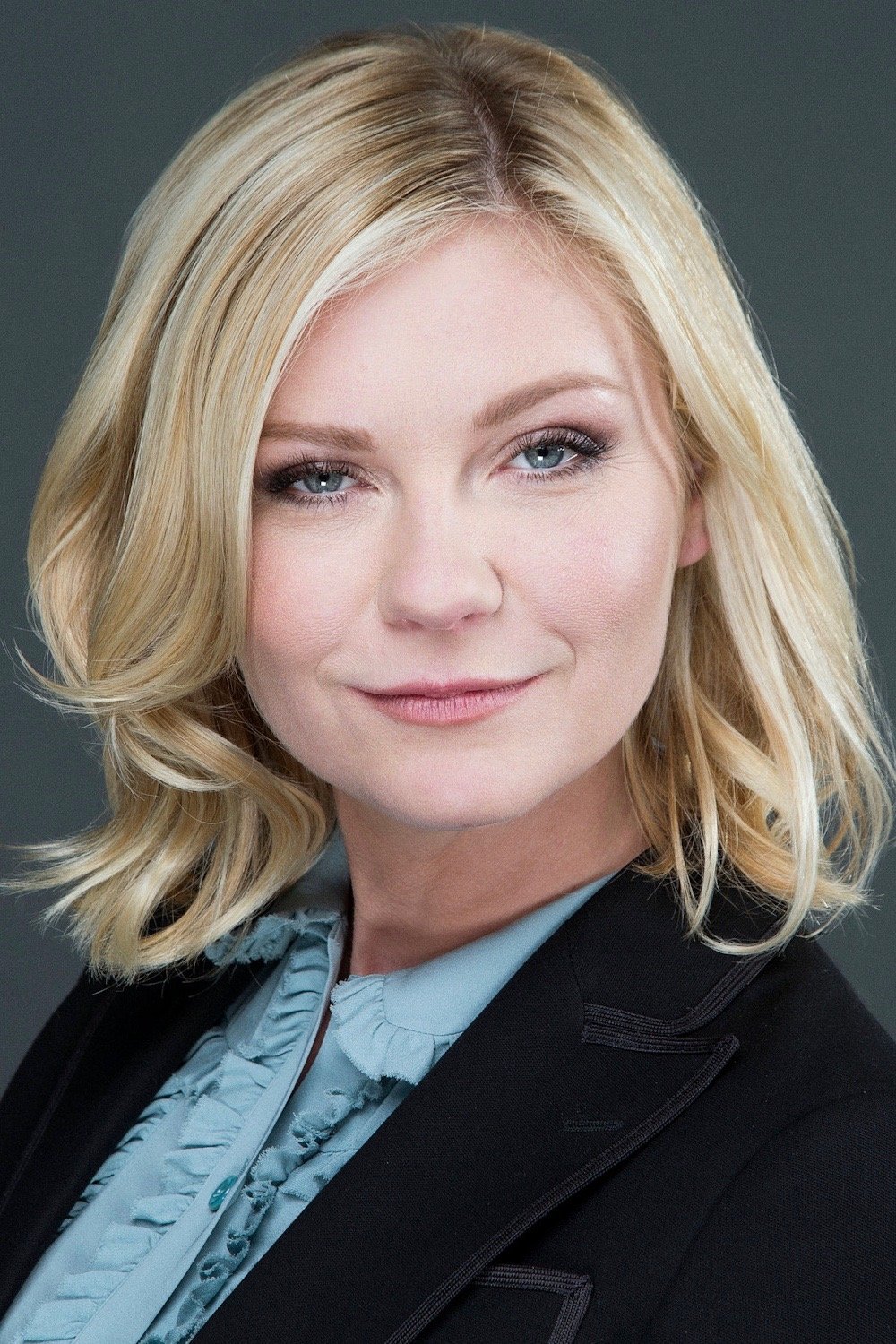
Dunst took on ‘Wimbledon’ and ‘Elizabethtown’, where professional tennis circuits and small-town itineraries provided structural backbones. Universal and Paramount coordinated tournament-court access, locker-room sets, and Kentucky road segments, using aerials and scoreboard graphics to anchor sports and travel beats.
Co-stars Paul Bettany and Orlando Bloom supported arcs that moved between press conferences, family gatherings, and roadside attractions. Soundtracks blended indie and classic rock cues, while production balanced stadium grandeur with intimate porches and hotel corridors to keep scale shifting scene by scene.
Brittany Murphy
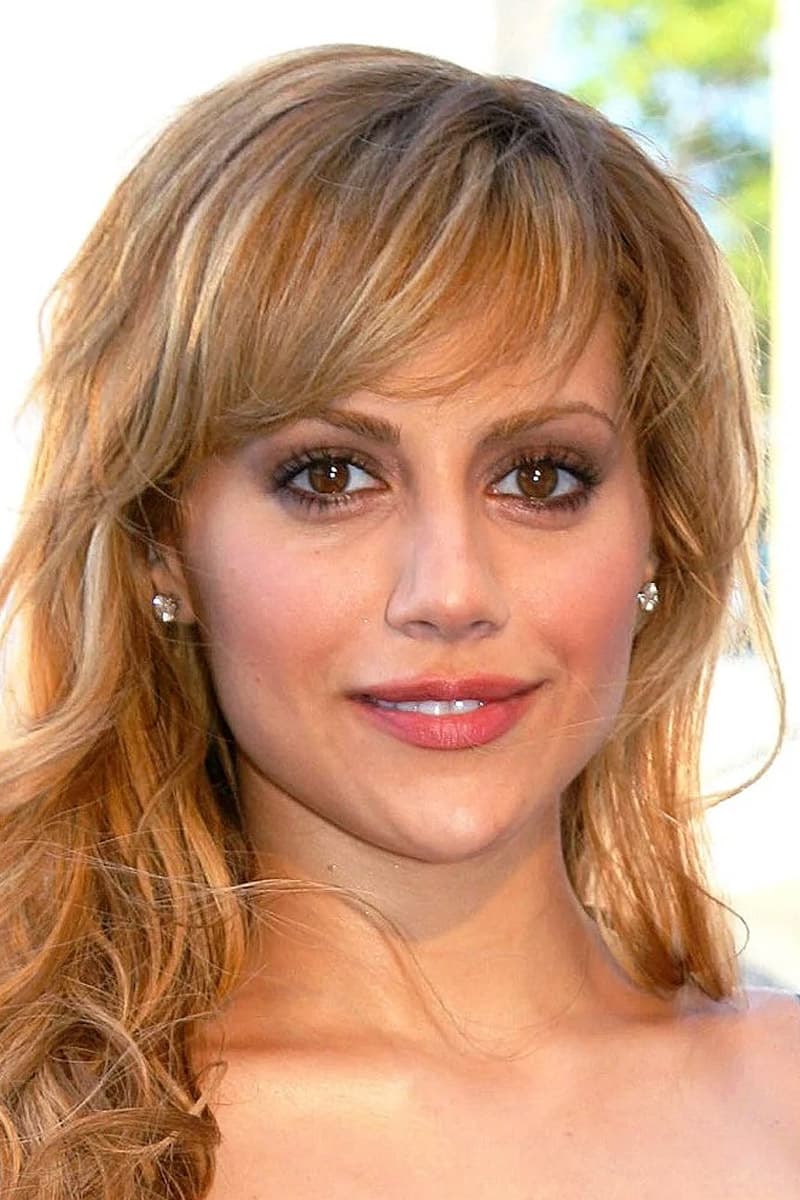
Murphy headlined ‘Just Married’ and ‘Little Black Book’, leaning on honeymoon disasters and daytime-TV-producer mechanics. Fox and Revolution Studios used European hotels, Alpine roads, and studio control rooms, with stunt coordination covering car mishaps and live-show timing.
Casting paired Murphy with Ashton Kutcher and introduced newsroom-style ensembles that enabled headset banter and teleprompter gags. Marketing highlighted travel chaos and on-air reveals, while editors used split screens and blooper-style tags to punctuate comedic beats.
Michelle Monaghan
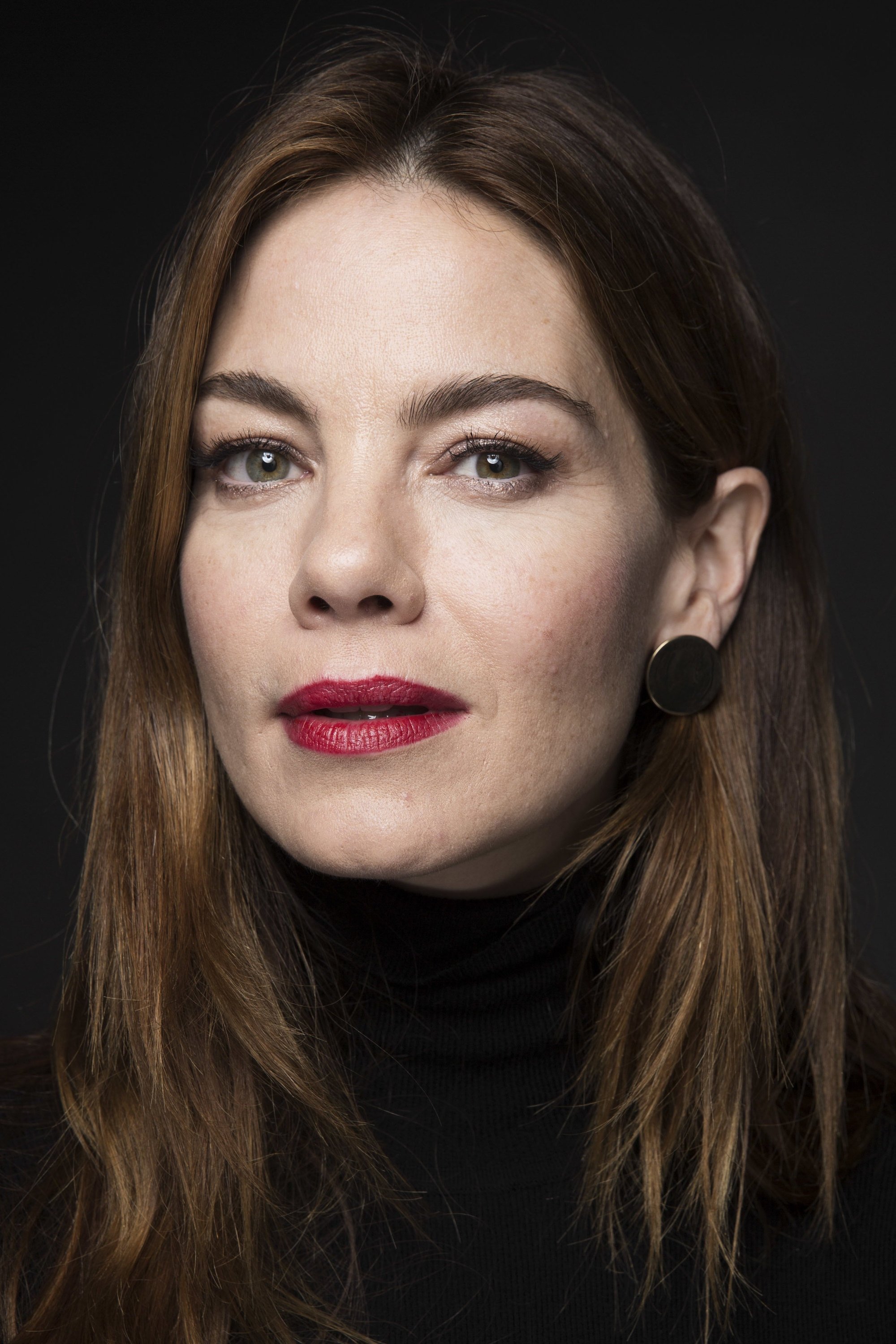
Monaghan led ‘Made of Honor’, a best-friend-turned-wedding-complication setup that split time between New York planning sessions and Scottish estate ceremonies. Sony’s production secured cathedral, heather-field, and castle interiors, structuring sequences around fittings, tasting menus, and family introductions.
Co-stars Patrick Dempsey and Kevin McKidd supported a rivalry that played out through sporting contests and rehearsal-dinner toasts. Costume departments tracked tartan coordination across scenes, and the campaign emphasized destination visuals—kilts, bagpipes, and cliffside shots—to brand the film’s travel angle.
Kate Bosworth
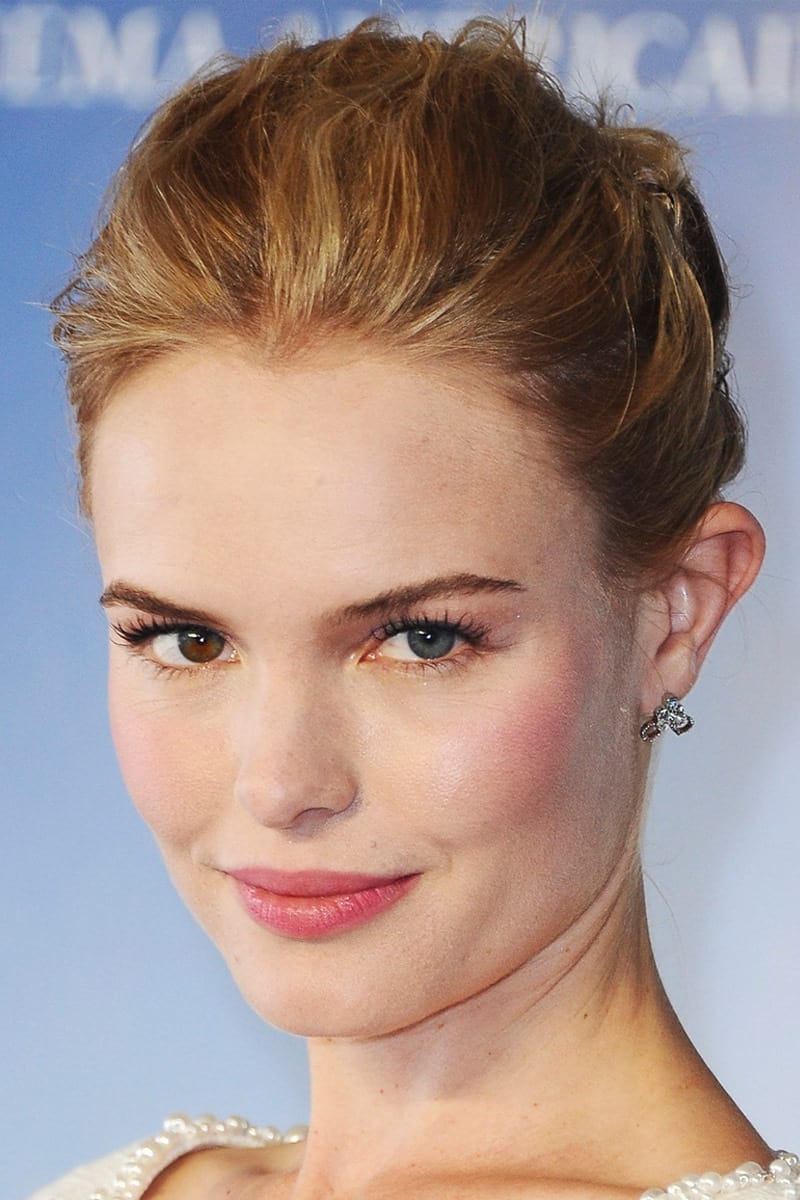
Bosworth starred in ‘Win a Date with Tad Hamilton!’, framing a publicity stunt that turns into a hometown-versus-Hollywood triangle. DreamWorks built grocery-store, small-town diner, and studio-lot sets to contrast everyday routines with celebrity machinery, using tabloids, billboards, and staged photo ops as plot drivers.
Casting placed Bosworth with Josh Duhamel and Topher Grace, and editors cut between fan contests and behind-the-scenes PR meetings. Marketing leaned on contest-entry graphics and red-carpet imagery, making the premise instantly legible in trailers and posters.
Amanda Peet

Peet’s rom-com output included ‘Saving Silverman’ and ‘A Lot Like Love’, combining band-practice farce with friends-to-lovers road itineraries. Columbia and Disney labels used suburban backyards, concert venues, and airport gates as repeatable staging grounds, enabling time-jump structure and reunion beats.
Her projects paired Peet with Jason Biggs and Ashton Kutcher, using voicemail, mix CDs, and missed flights as mechanical devices for near-miss storytelling. Campaigns emphasized buddy ensembles and travel collages, with one-sheet designs built around Polaroid frames and highway signage.
Tell us which rom-com queen you’d add to the list—and which favorite titles you still rewatch—down in the comments!

