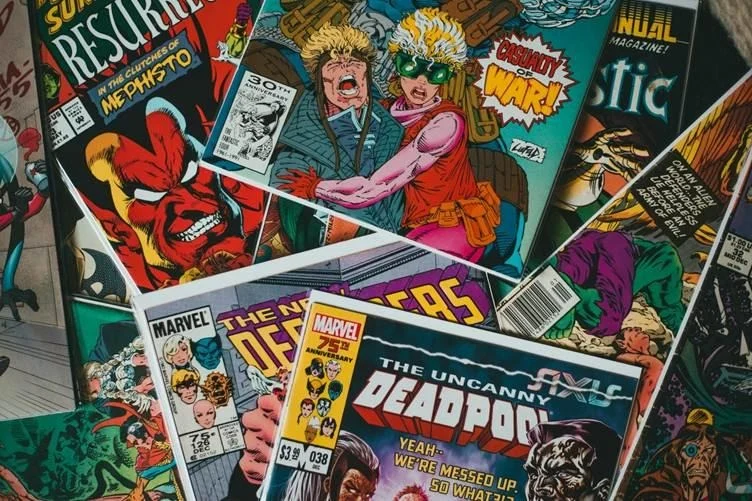
How Comic Book Tropes Inspire Modern Games

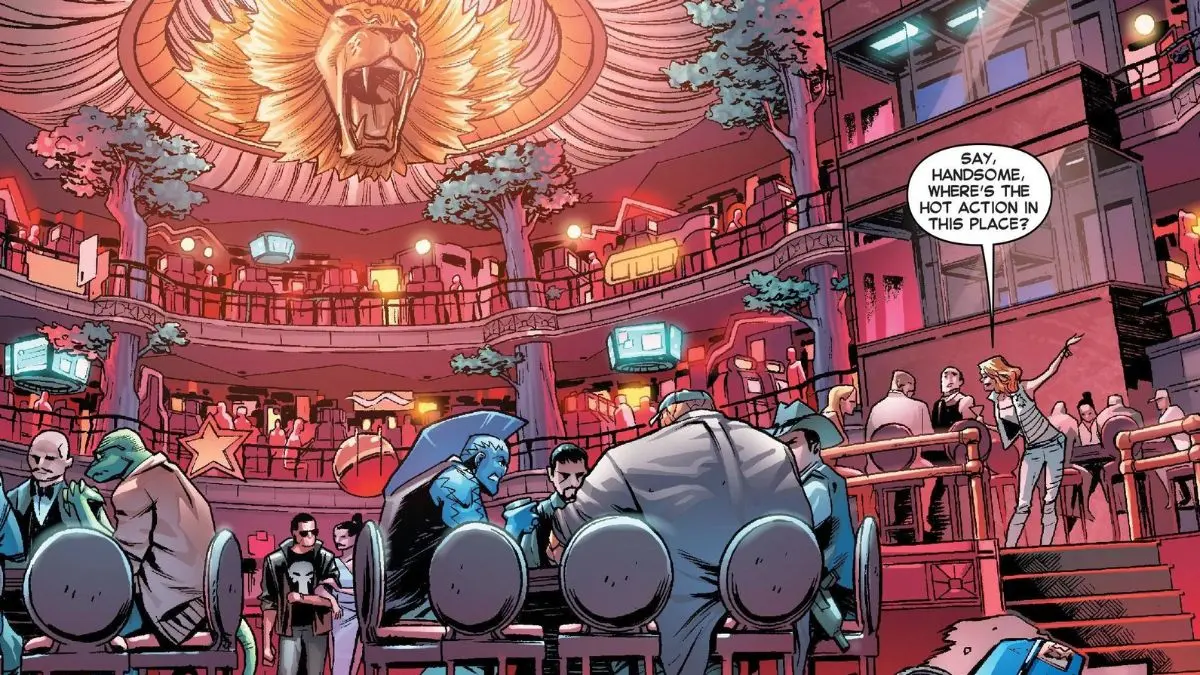

Gambling has long been a visual and narrative staple in comics, offering readers a direct link to themes of risk, luck, and identity. These familiar scenarios create instant tension and enhance storytelling, making them especially resonant. The reflection of these tropes in modern casino games highlights how comics and games both use gambling’s drama and spectacle to capture attention.
When you see a casino scene in a comic, the established language of risk and chance is clear, thanks to enduring storytelling tropes. American football betting, suspenseful dice throws, and dramatic card games all serve greater narrative purposes. They test character identity, suggest betrayal, or drive the story forward. These images have become so embedded in pop culture that they influence how modern casino games are created, in both visual style and game mechanics.
The ongoing interaction between comic book storytelling and game development keeps these tropes current for readers and players. This relationship appears in how design cues and story pacing translate across formats. The outcome is a shared visual language that highlights familiar themes without requiring direct adaptation.
Dynamic comic casino settings create visual impact
The classic comic book casino scene is often marked by strong visual contrasts and heightened suspense. Noticeable lighting, bold shadows, and vibrant flashes of color signal high stakes in an instant. In a single moment, a hero or villain may confront fate.
This technique allows readers to grasp complex emotions or motivations in just a few panels. Comics use this visual shorthand to shrink what could be hours at the game tables into one striking image. Artists emphasize spectacle with their compositions, depicting crowds, croupiers, and stacks of chips to set the atmosphere.
These visual signals now appear in digital interfaces for online slots and table games. Similar use of contrast and color quickly shapes the player’s experience. The connection is both stylistic and thematic, rather than direct copying from comics.
Comic tropes inform narrative and game mechanics
One well-known trope is the lucky streak that suddenly reverses. Comics often show this with sequences that build a character’s confidence before an unexpected loss. This can be reflected in casino games that build anticipation through special features or timed reveals.
In certain slot games, streak-like features mirror the narrative tension found in comics. Another common trope is the tell or trick—characters using marked cards or loaded dice to influence results.
This theme is echoed in games that include wild symbols or hidden bonuses, drawing on unpredictability. The idea of deception adds complexity and intrigue. Similarly, a comic’s panel construction can hide or reveal key information for dramatic effect.
Antiheroes, heists, and the blurred line of skill
Comic book casinos are rarely just settings; they frequently serve as arenas for antiheroes who challenge rules and risk everything. The charismatic risk-taker fits naturally into extended comic narratives and makes readers consider ideas about luck, skill, and personal code.
Modern casino games nod to these character types by presenting witty hosts or rebellious mascots, and by using iconography that suggests defiance. The casino also becomes the site for the heist trope. In comics, characters plan intricate operations within gaming halls, with each step raising tension.
Casino games echo this trope with bonus rounds that involve multiple steps, each escalating the risk and potential reward. The structure of these features can be similar to a heist story’s pacing.
Why these visual and narrative tropes persist
The tension between luck and skill often appears as a central question in both comics and casino games. When a story’s protagonist relies on chance, it raises issues of agency and responsibility. Some games reflect this through choice-based features and suspenseful moments.
Setting luck and skill as opposing forces brings an emotional element to both comic stories and gaming experiences. These tropes remain popular because they offer clear frameworks for high-stakes drama. The language of gambling can be adapted to quickly communicate stakes and emotion.
Comics stand out in their ability to visually condense complex concepts into recognizable images and archetypes. This influence can help shape the look and narrative structure of casino games even without direct adaptation.