How Ted Kaczynski Earned the Unabomber Name and What Netflix’s ‘Unabomber’ Gets Right


The name Unabomber has haunted American true crime for decades, yet few people can explain where it came from. Netflix’s new drama follows Ted Kaczynski’s path from Harvard prodigy and test subject to the Unabomber as the FBI hunts him down, and it lands right on the question of how a reclusive mathematician became a household name.
The story behind the Ted Kaczynski Unabomber name is far less mysterious than the man himself. It began as a piece of government shorthand and ended up as one of the most recognizable nicknames in criminal history. With the film now streaming, it is worth looking at how that label was born and how the movie frames it.
The Unabomber Nickname Origin
The nickname started life inside law enforcement. Postal inspectors and agents from the FBI and the ATF formed the UNABOM Task Force, a combination of the words university and airline bomber. The press then turned that internal designation into the catchier name the public came to know.
The reasoning was tied to who the bomber was hitting early on. After attacks at two Illinois universities and one on an American Airlines cargo hold in 1978 and 1979, Kaczynski was given the nickname Unabomber by an FBI led task force. In other words, the label described a pattern investigators believed they could see before they had any idea who was behind it.
Filmmaker Elliott Halpern, who worked on a docuseries about the case, explained the logic to Oxygen.com by saying the FBI used the UNABOM identifier to refer to the bomb attacks on universities and airlines. That is a small detail, but it shows how a bureaucratic case file title spread into headlines and never went away.
UNABOM FBI Investigation and the Manhunt
The hunt itself became enormous. The UNABOM task force would eventually grow to more than 150 full time investigators, analysts and others. The case stretched across nearly two decades, which is a big part of why the nickname became so deeply lodged in the public imagination.
The bomber was also frustratingly careful. His explosives were carefully constructed, and the wooden boxes containing them were sanded to eliminate fingerprints. Investigators even found a signature detail, since one piece of shrapnel bore the letters FC etched into its surface.
The breakthrough came from the writing rather than the hardware. In 1995 the Unabomber sent the FBI a manifesto of about 35,000 words, and the Attorney General and FBI Director approved its publication. From there, Linda Patrik recognized the ideas in the writings and convinced her husband David Kaczynski to turn his brother in to the FBI.
The end came quietly. Agents surrounded a tiny cabin in Montana and arrested Kaczynski on April 3, 1996. The man who had inspired one of the longest manhunts in American history was finally identified, though the nickname he earned in the early days never changed.
Netflix’s ‘Unabomber’ Movie Explained
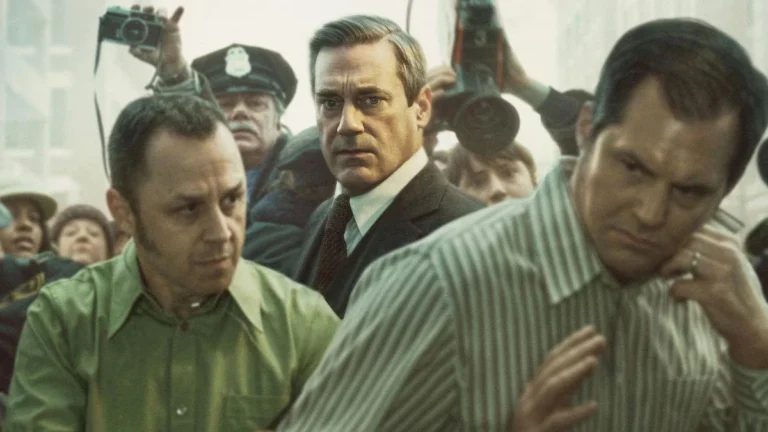
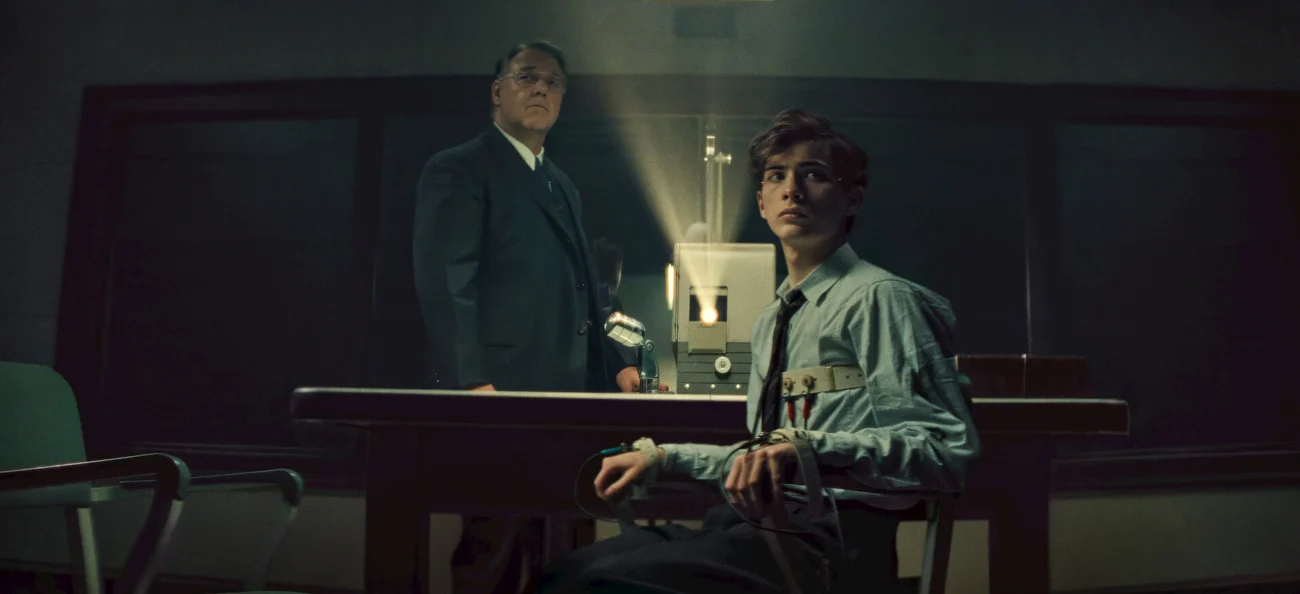
Directed by Janus Metz, the film takes a different approach than a straight procedural. It flashes back and forth between Kaczynski’s struggle to fit in as a young man at Harvard and the investigation by FBI agent Joanne Miller, played by Shailene Woodley. Russell Crowe appears as celebrated psychologist Henry Murray, giving the Harvard scenes a heavyweight anchor.
The screenwriters found their hook in an unexpected place. Writer Nelson Greaves told Netflix that he heard a short NPR anecdote mentioning that Kaczynski had been to Harvard and had been involved in unethical psychological experiments. That spark became the emotional engine of the story.
Critical reaction has been mixed. Variety called it a hokey Netflix retread and said Jacob Tremblay does not convince as the teenage Kaczynski. Others were kinder, and Heaven of Horror gave it three out of five and called Tremblay very impressive as a young Kaczynski.
Ted Kaczynski, Harvard and the Real Story
The Harvard chapter is where the film leans hardest on history. The writers started with a foundation of fact, since Kaczynski did attend Harvard starting in the late 1950s and did take part in experiments led by Professor Henry Murray. What the film does with those experiments is where the creative liberties begin.
Even the director is careful not to overstate the connection. TIME quotes Metz saying, “There are many factors in Ted Kaczynski’s life that contributed to his evolution.” That caution matters, because the film could easily be read as blaming a single cause for everything that followed.
The movie is also open about not being a full biography. Metz said the film offers a filmic take on his story and a narrative opening into the mind of Ted Kaczynski rather than a complete life story. For viewers who want the plain facts, the real timeline is the one that ties the university and airline targets to the nickname the world still uses.
That gap between the real case and the dramatized origin story is exactly what makes the film so easy to argue about. Does a Harvard backstory explain anything about the Unabomber, or does it risk turning a killer into a puzzle to be solved, and where would you draw the line in a movie like ‘Unabomber’?