


Iconic Actors Who Served in the Military

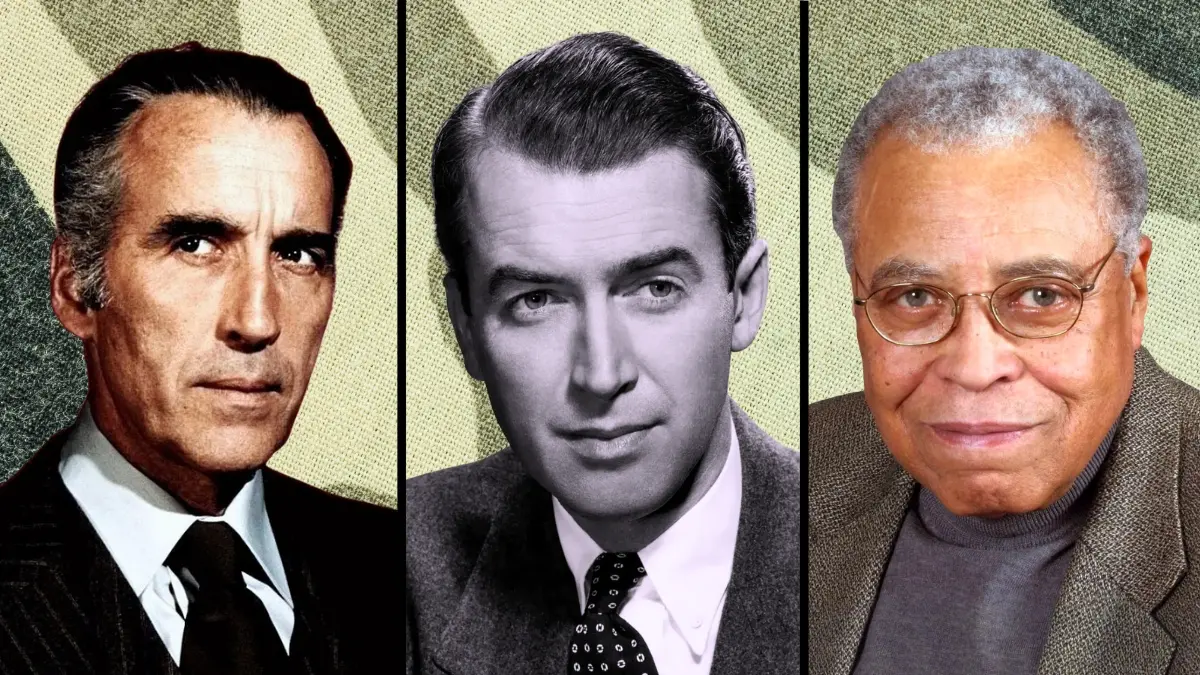


The transition from the battlefield to the silver screen is a path walked by many of cinema’s most legendary figures. These individuals traded their uniforms for costumes, bringing a unique sense of discipline and lived experience to their performances. From World War II veterans to those who served in modern peacekeeping missions, their military backgrounds often shaped their professional work ethic. This list highlights fifty male actors whose service to their countries preceded or coincided with their rise to fame in the entertainment industry.
James Stewart
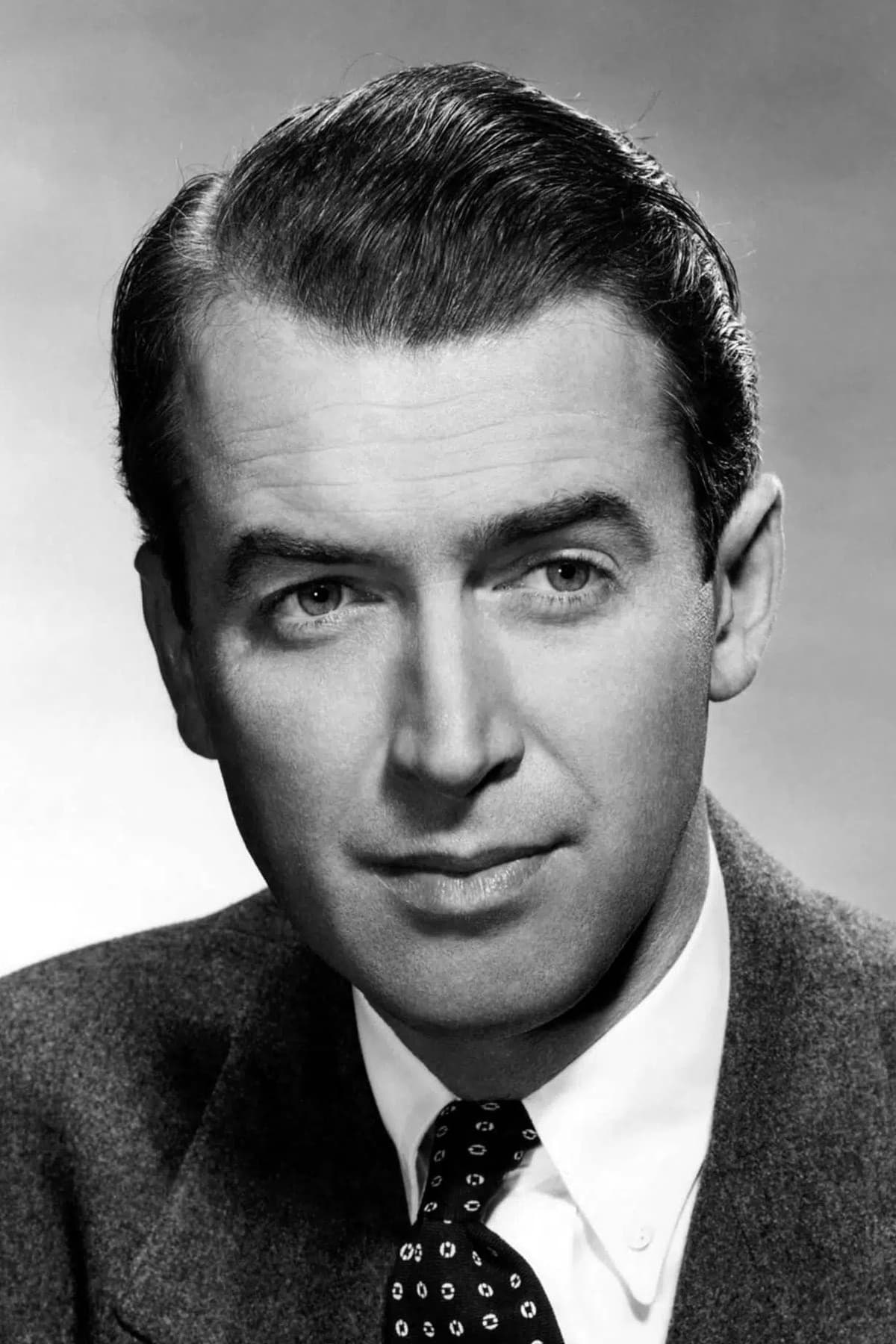
James Stewart began his military service in 1941, enlisting in the United States Army Air Forces shortly before the attack on Pearl Harbor. During World War II, he flew 20 combat missions as a command pilot and earned the Distinguished Flying Cross for his bravery. He remained active in the Air Force Reserve after the war, eventually attaining the rank of Brigadier General in 1959. His real-world experiences as a pilot influenced his grounded and sincere performances in films like ‘It’s a Wonderful Life’. Stewart is remembered as one of the highest-ranking actors in American military history.
Morgan Freeman
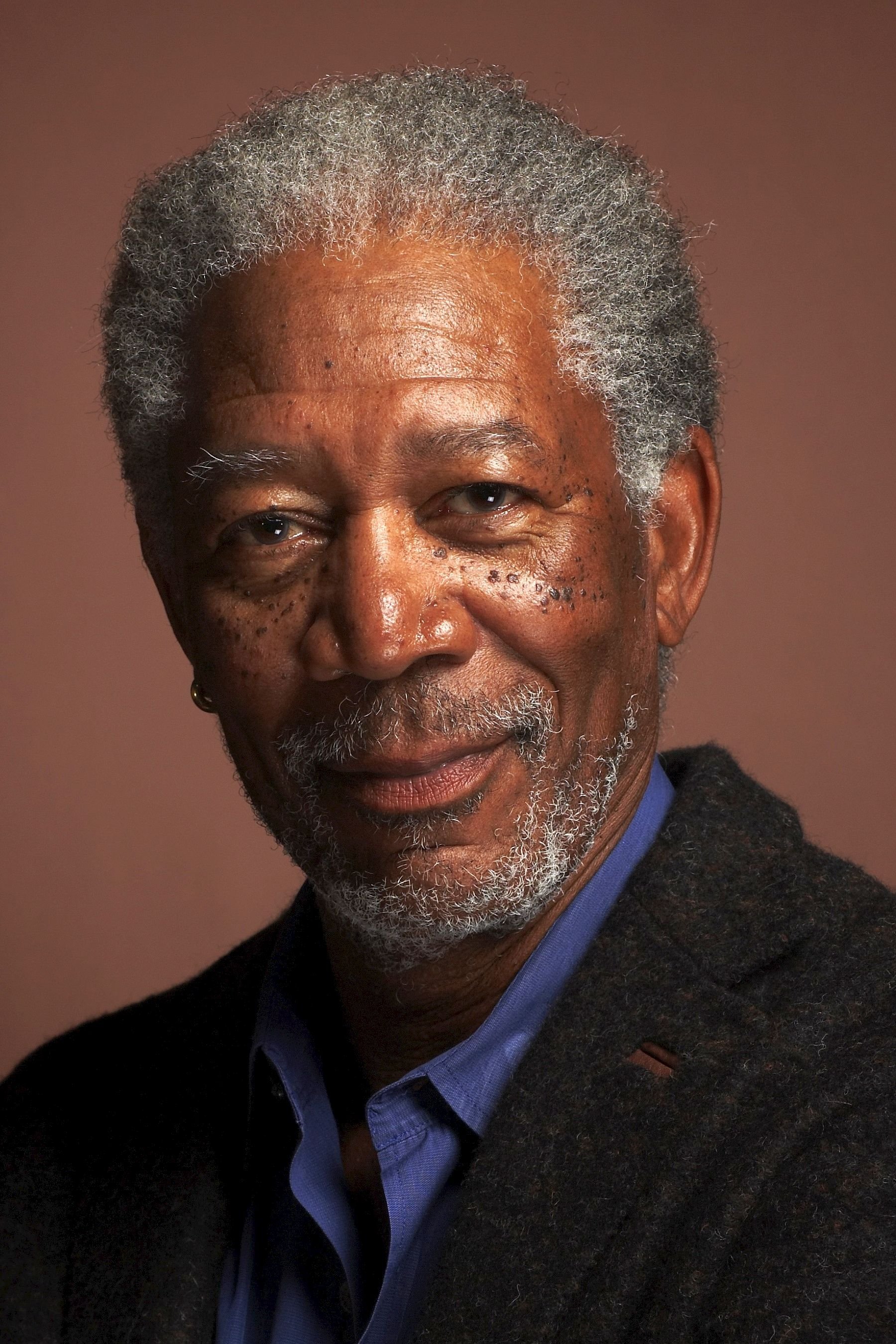
Morgan Freeman joined the United States Air Force in 1955, following his passion for aviation. He served as a radar technician for nearly four years, reaching the rank of Airman First Class. Despite having the opportunity to train as a fighter pilot, he ultimately decided to leave the military to pursue an acting career in Los Angeles. He would later become one of the most respected voices in cinema, starring in ‘The Shawshank Redemption’. Freeman has often credited his time in the service with helping him develop the focus required for his craft.
Adam Driver
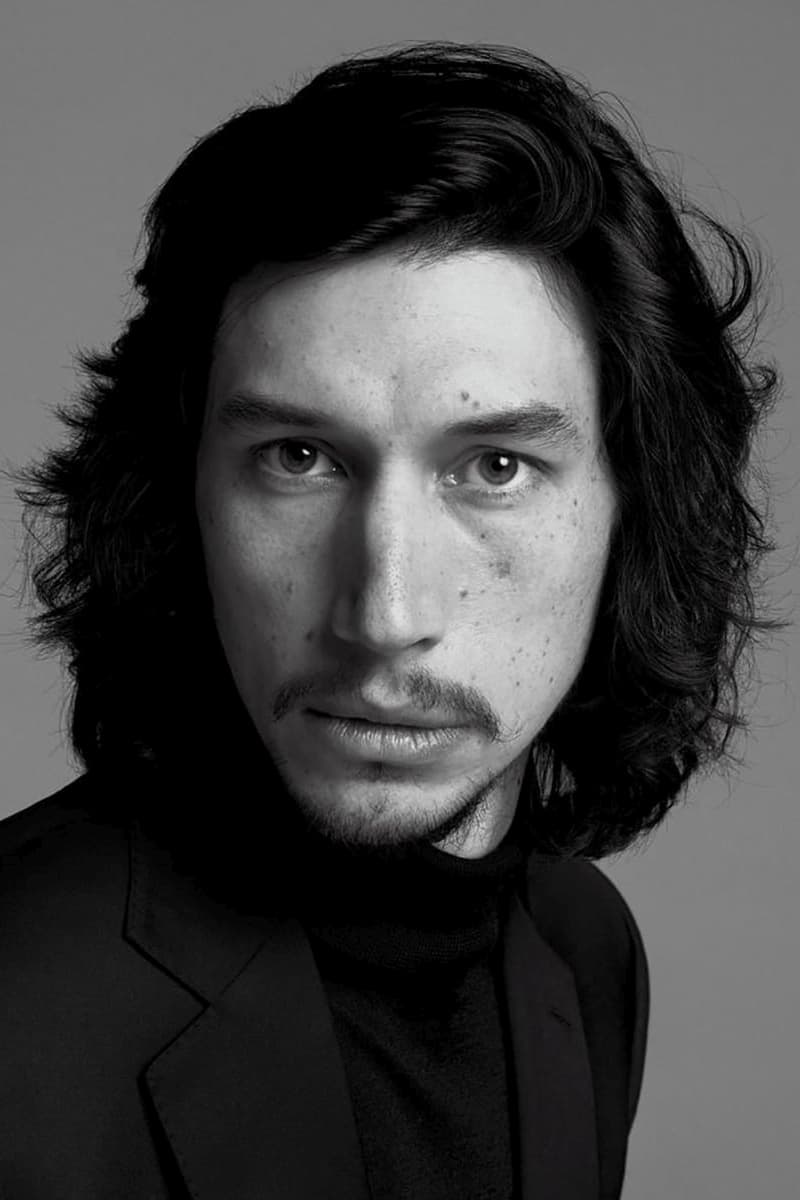
Adam Driver enlisted in the United States Marine Corps shortly after the terrorist attacks on September 11, 2001. He served for over two years as an 81mm mortar man with the 1st Battalion, 1st Marines. Driver was medically discharged after suffering a sternum injury in a mountain biking accident just before his unit deployed to Iraq. This experience led him to co-found Arts in the Armed Forces, a non-profit that brings high-quality theater to active-duty service members. He eventually rose to international stardom through his role as Kylo Ren in ‘Star Wars: The Force Awakens’.
Clint Eastwood
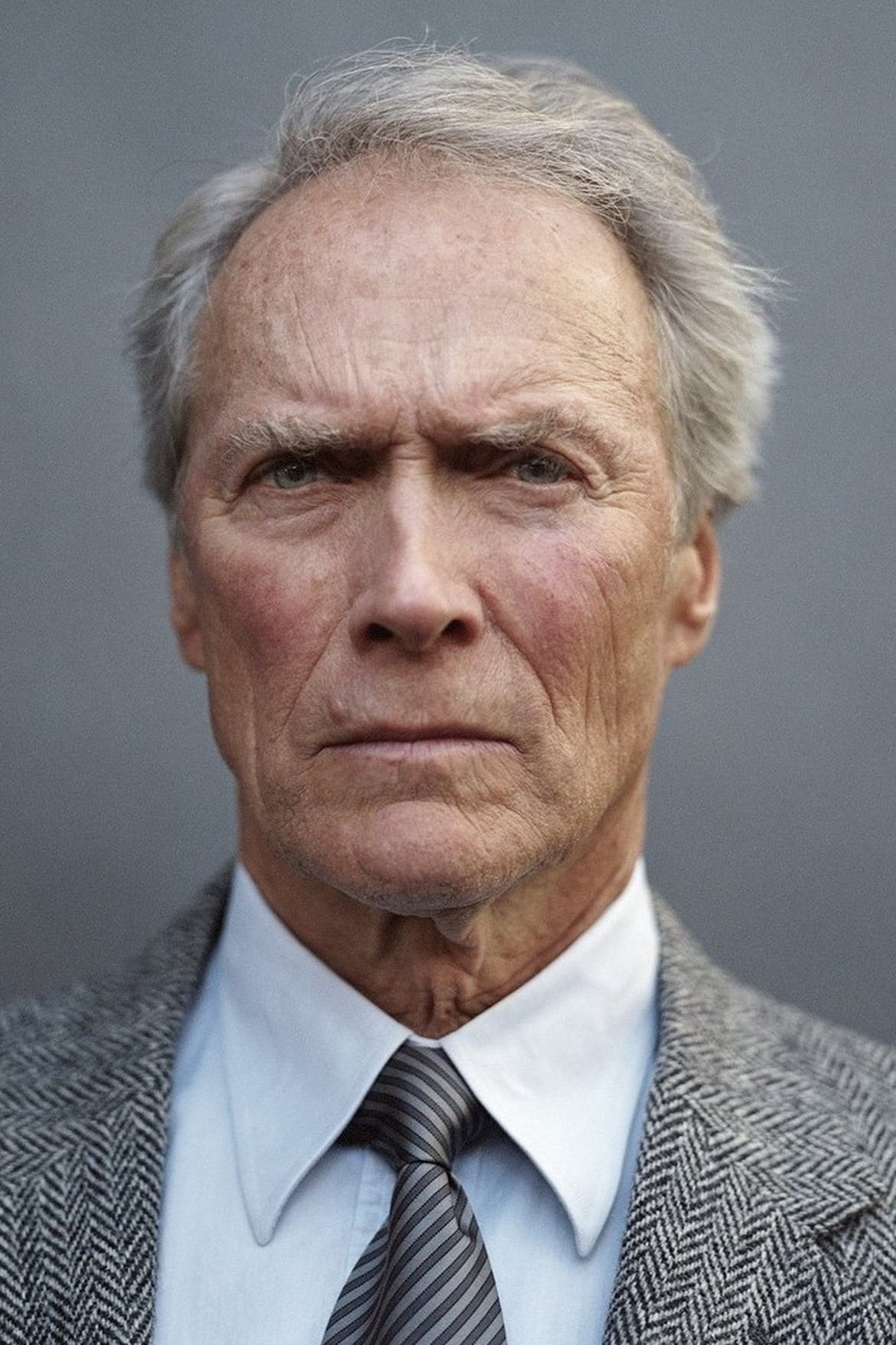
Clint Eastwood was drafted into the United States Army in 1951 during the Korean War. He was stationed at Fort Ord in California, where he served as a swimming instructor for new recruits. During his service, he survived a crash landing in the Pacific Ocean after the military plane he was riding in ran out of fuel. This harrowing experience occurred long before he became a household name in ‘The Good, the Bad and the Ugly’. Eastwood’s disciplined approach to directing and acting is often attributed to his military roots.
Paul Newman
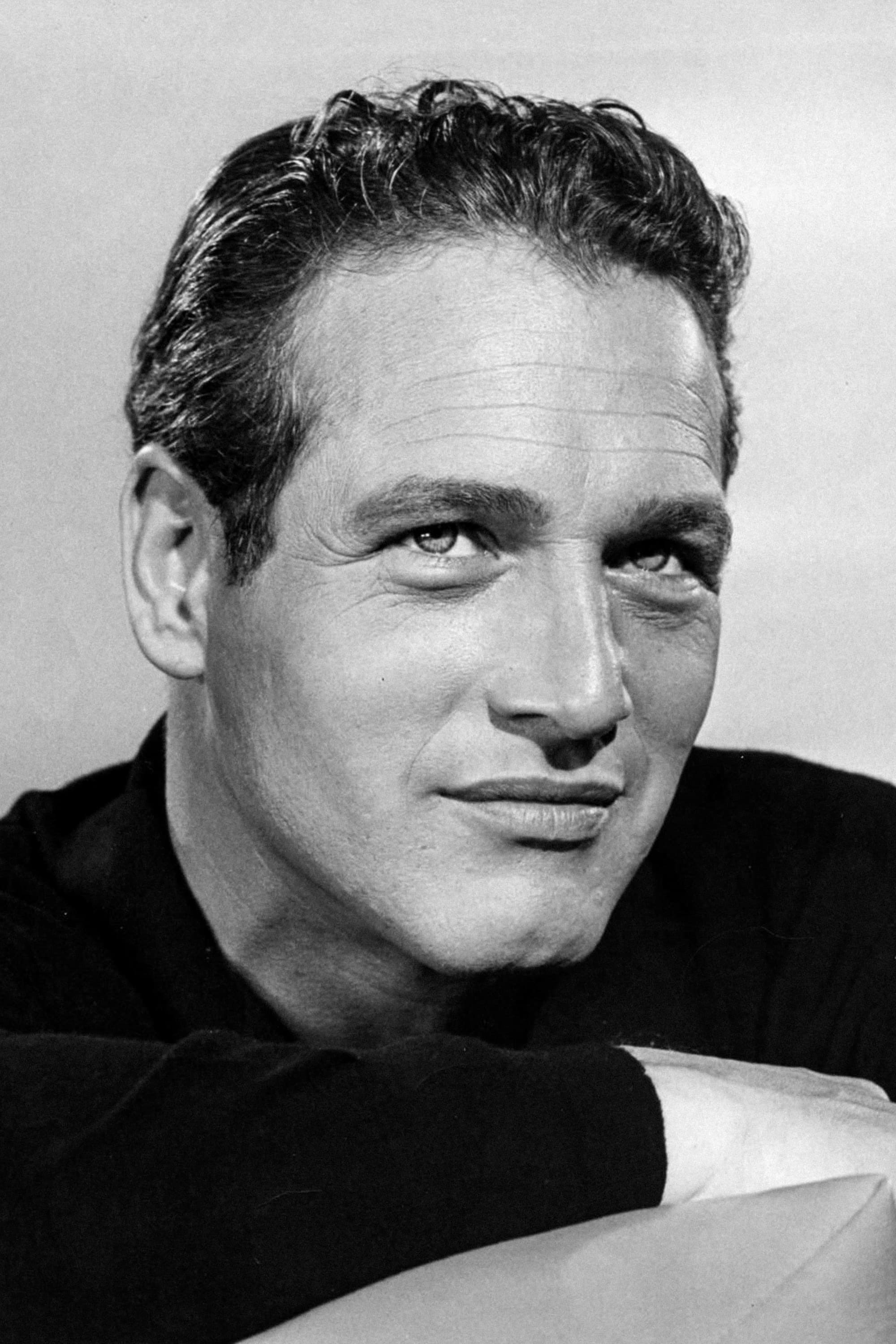
Paul Newman served in the United States Navy during World War II as a radio operator and rear gunner. He initially hoped to become a pilot, but his color blindness prevented him from entering flight school. He was stationed in the Pacific theater and narrowly avoided being part of the Battle of Okinawa when his pilot developed an ear infection. After the war, he used the G.I. Bill to study at Kenyon College and later became a cinematic icon in ‘The Hustler’. Newman remained a lifelong supporter of veterans’ causes.
Sean Connery
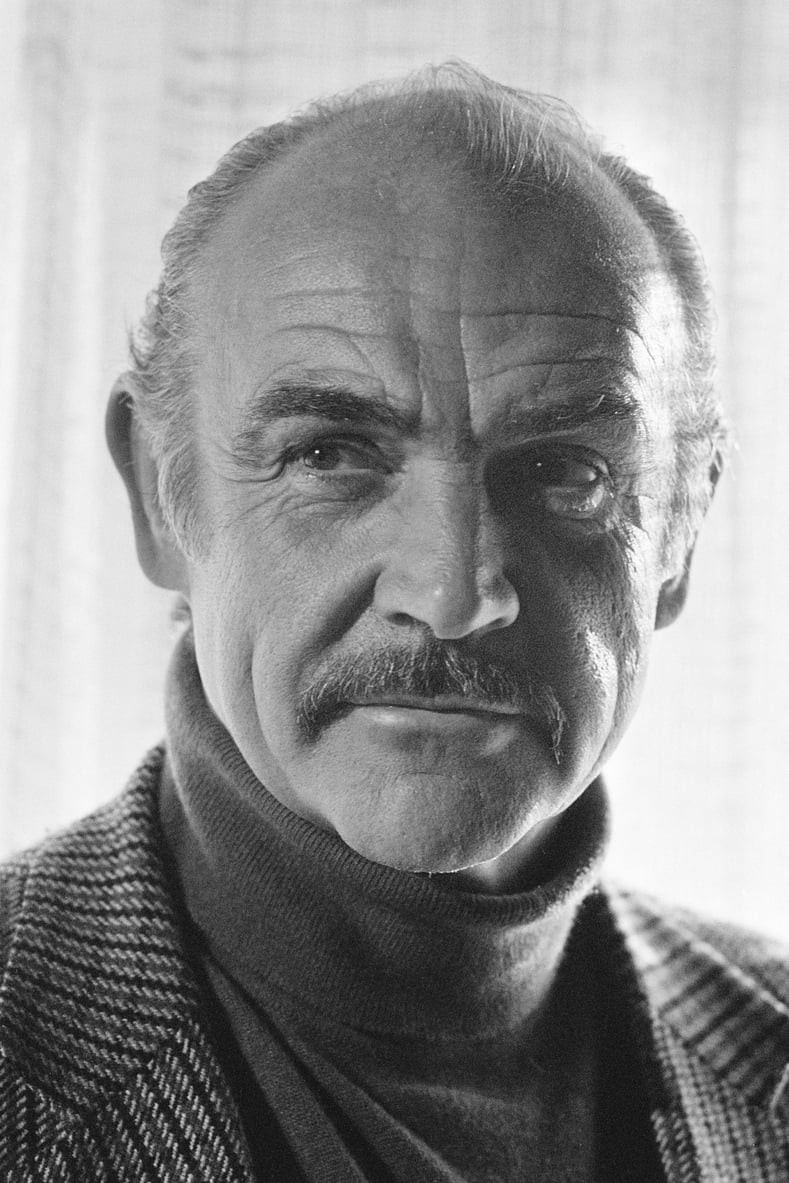
Sean Connery joined the Royal Navy at the age of 16, following a tradition of service in his family. He served for three years before receiving a medical discharge due to a hereditary stomach ulcer. During his time in the Navy, he acquired two tattoos that symbolized his personal commitments: “Mum and Dad” and “Scotland Forever.” After leaving the military, he worked various jobs before finding success as the first actor to play James Bond in ‘Dr. No’. His rugged physicality and disciplined screen presence were hallmarks of his long career.
Michael Caine
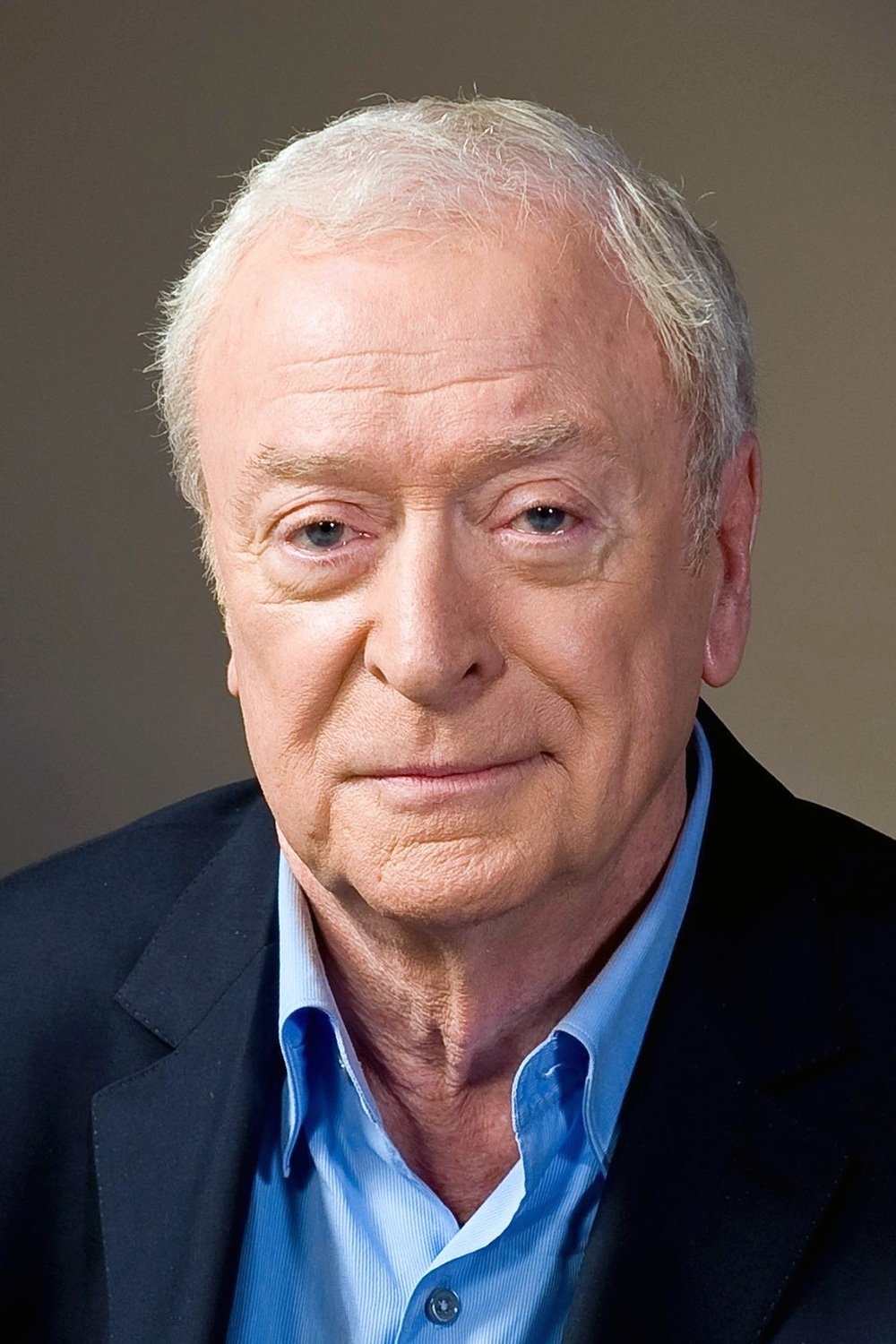
Michael Caine served in the British Army as part of the Royal Fusiliers during the early 1950s. He was sent to fight in the Korean War, an experience that he later described as profoundly life-altering. Caine often spoke about how facing death on the front lines gave him the courage to pursue a difficult career in acting without fear of failure. He rose to prominence in the 1960s with starring roles in ‘Alfie’ and ‘The Italian Job’. His military service remains a central part of his personal identity.
Chuck Norris
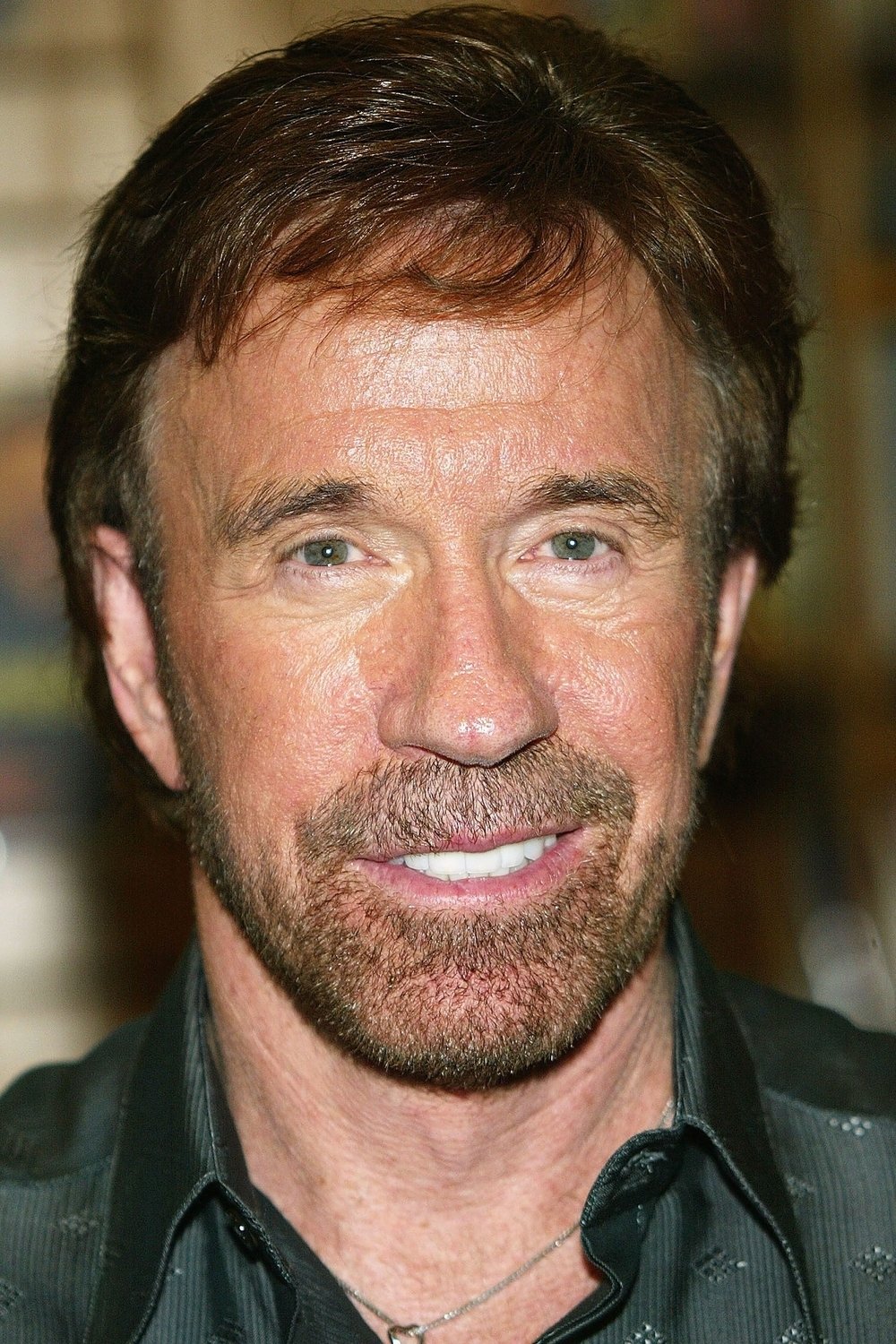
Chuck Norris joined the United States Air Force as an Air Policeman in 1958 and was stationed at Osan Air Base in South Korea. It was during his time in Korea that he began studying Tang Soo Do, which sparked his lifelong interest in martial arts. He eventually earned multiple black belts and became a world karate champion before transitioning into film. Norris used his martial arts skills to become an action star in ‘Way of the Dragon’ and the television series ‘Walker, Texas Ranger’. He remains a vocal advocate for military personnel and veterans.
Tom Selleck

Tom Selleck served in the California Army National Guard from 1967 to 1973 during the Vietnam War era. He reached the rank of Sergeant and served in the 160th Infantry Regiment. While he was already pursuing an acting career, his military service took precedence during his periods of active duty. He eventually became a superstar as the lead in the television series ‘Magnum, P.I.’, where his character was also a Vietnam veteran. Selleck has frequently appeared in recruitment posters and public service announcements for the National Guard.
Gene Hackman
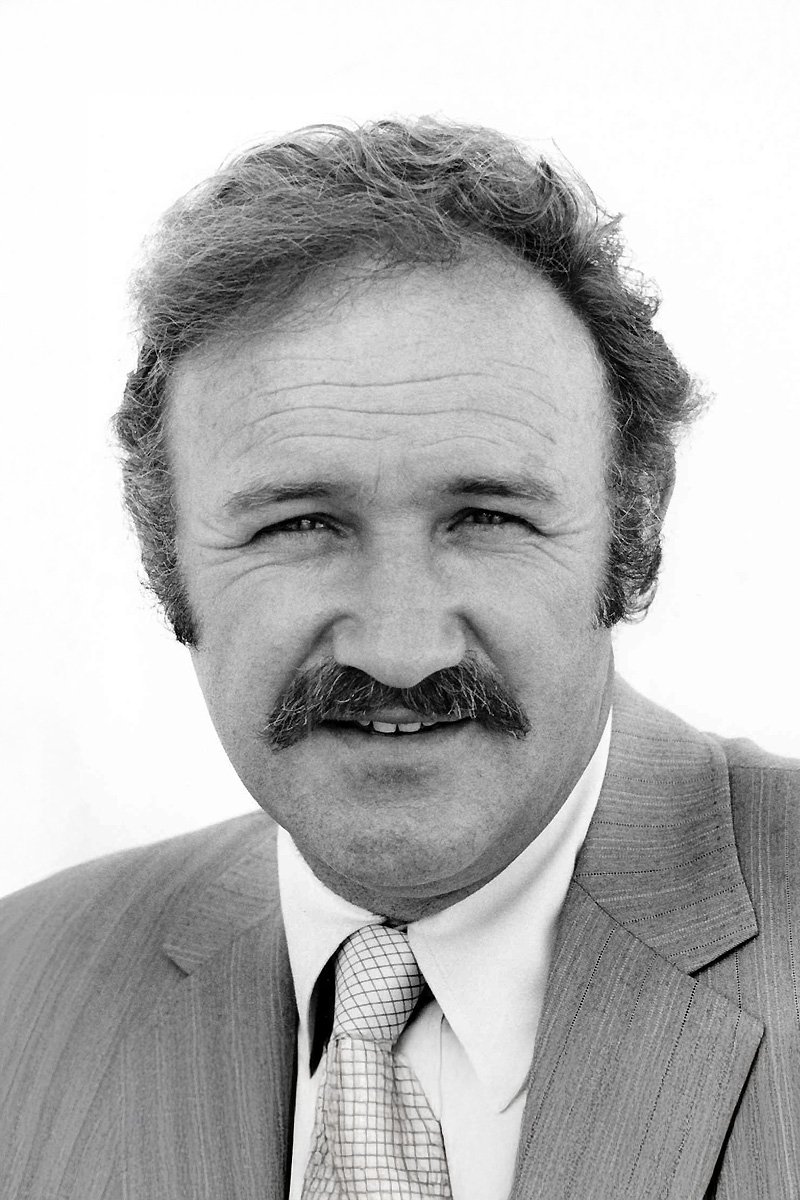
Gene Hackman lied about his age to enlist in the United States Marine Corps at the age of 16. He served for four and a half years as a field radio operator, spending time in China, Japan, and Hawaii. Hackman has credited the Marine Corps with giving him the independence and toughness needed to survive the lean years of his early career. He eventually won two Academy Awards for his work in ‘The French Connection’ and ‘Unforgiven’. His commanding presence on screen often mirrored the authority of his military training.
Humphrey Bogart
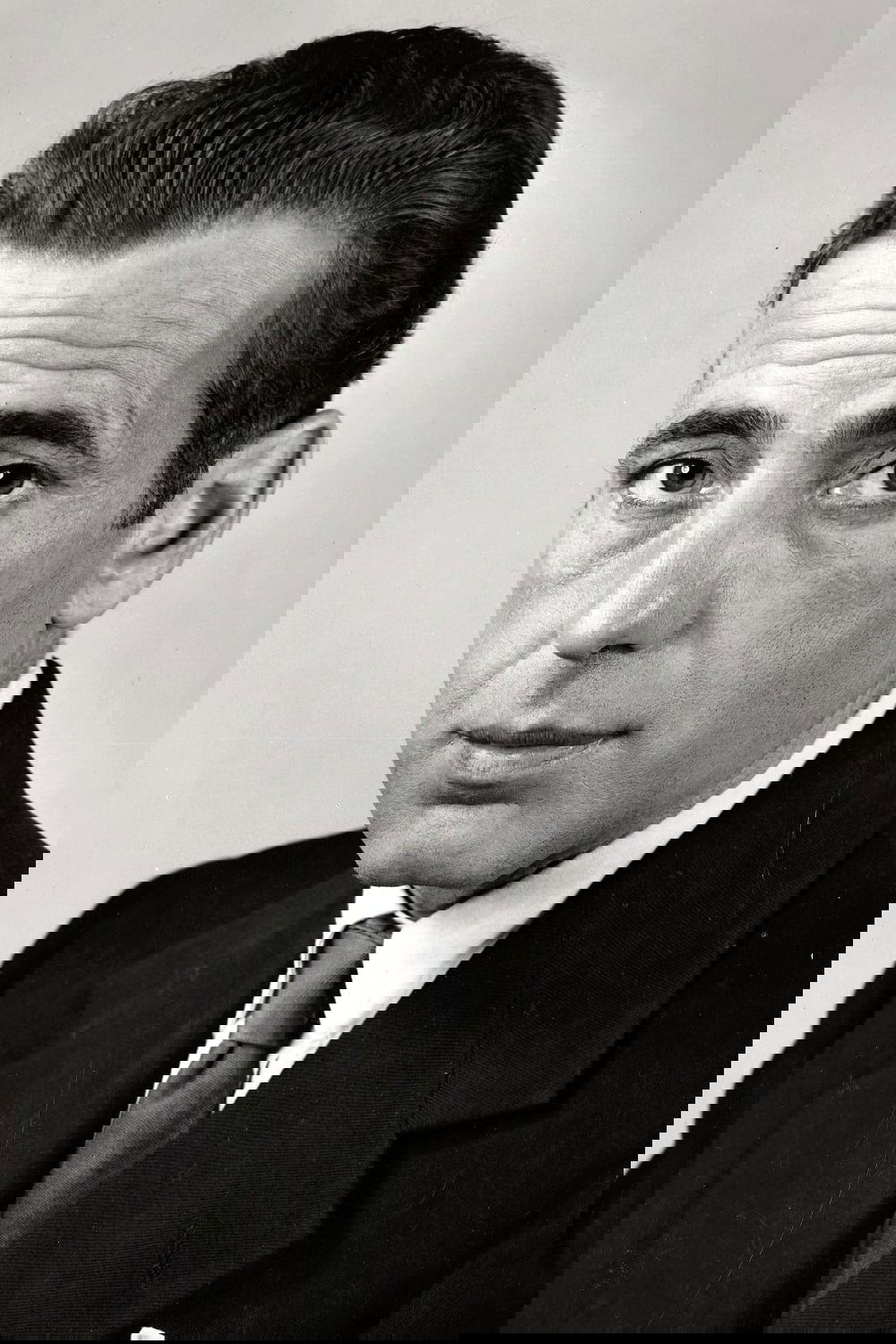
Humphrey Bogart enlisted in the United States Navy in 1918 to serve during World War I. He spent much of his service on the USS Leviathan, a troop transport ship that carried soldiers to Europe. It is widely believed that he received his trademark scar and slight lisp during a naval mishap or a prisoner transfer incident. Bogart’s naval background made him a natural fit for his later roles as hardened sailors or soldiers. He achieved legendary status for his performance in the classic film ‘Casablanca’.
Kirk Douglas
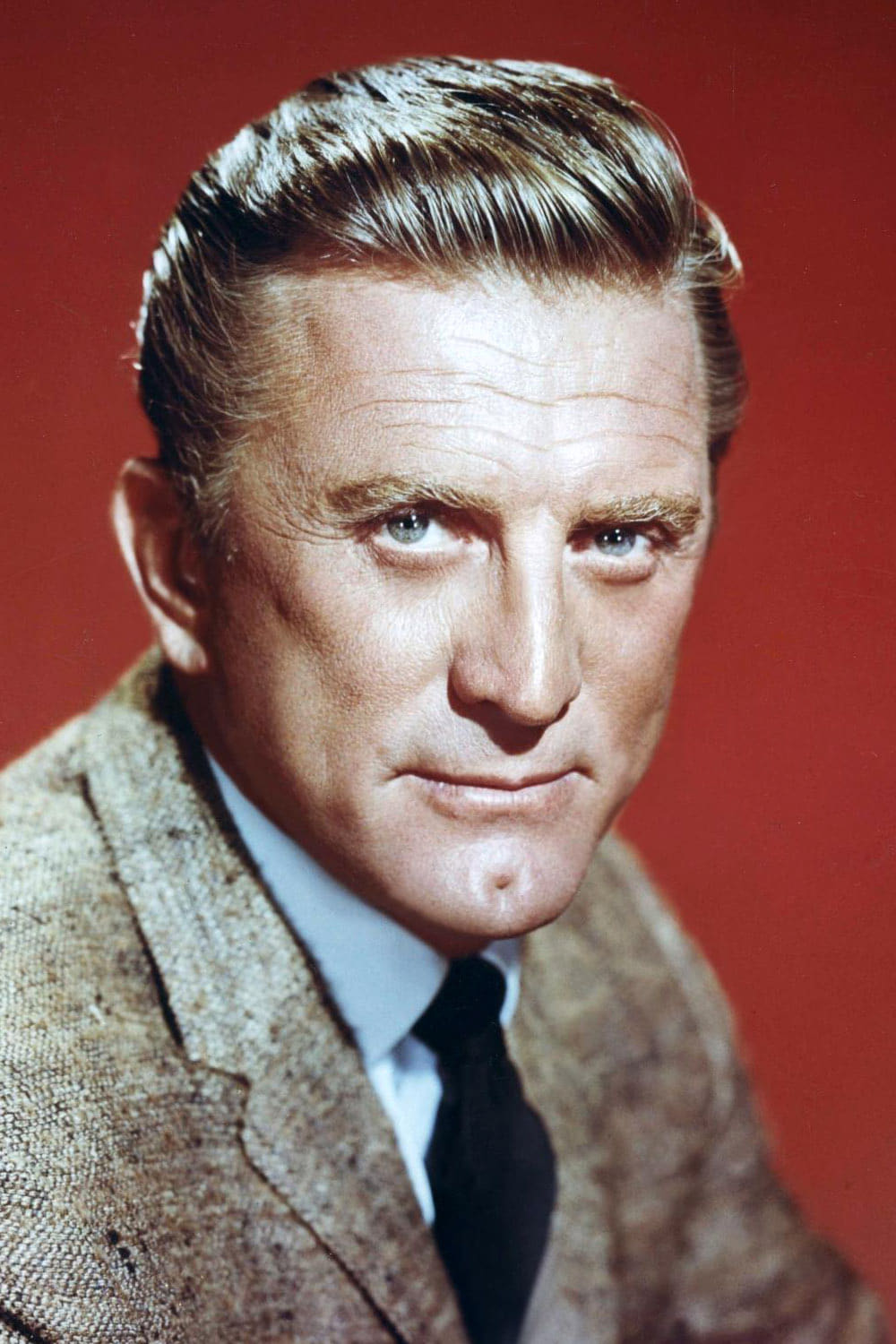
Kirk Douglas joined the United States Navy in 1941, shortly after the United States entered World War II. He served as a communications officer on an anti-submarine warfare vessel in the Pacific. Douglas was medically discharged in 1944 after sustaining injuries from a premature depth charge explosion. Upon returning to civilian life, he utilized his intensity and athletic build to become a leading man in ‘Spartacus’. He was a lifelong supporter of various humanitarian causes and military charities.
Charlton Heston
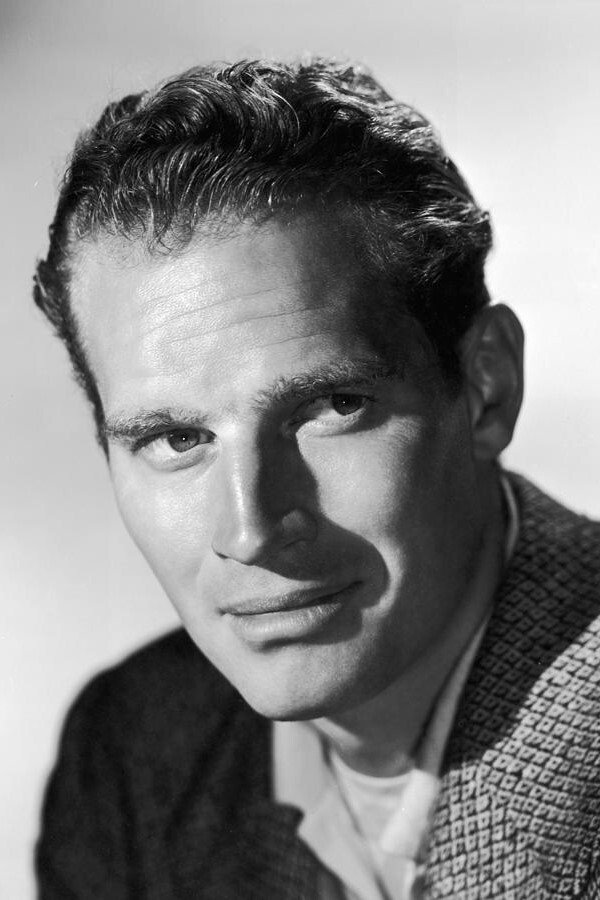
Charlton Heston served in the United States Army Air Forces during World War II for three years. He was stationed in the Aleutian Islands as a radio operator and aerial gunner on a B-25 Mitchell bomber. After his honorable discharge in 1946, he moved to New York to pursue acting and eventually landed major roles in ‘The Ten Commandments’ and ‘Ben-Hur’. Heston’s military service instilled in him a sense of civic duty that he maintained throughout his life. He was known for his advocacy for the Second Amendment and his leadership in the Screen Actors Guild.
Ernest Borgnine
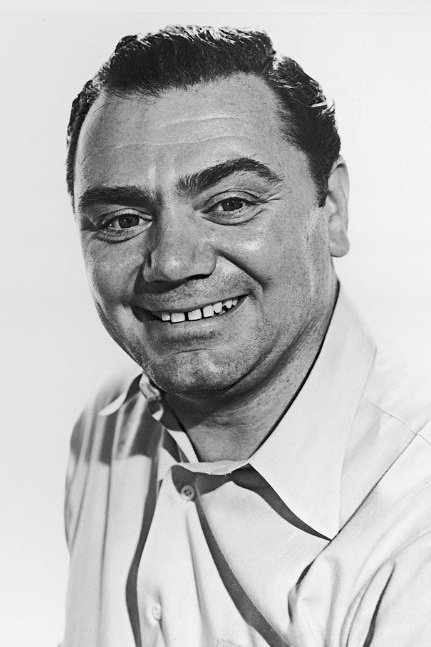
Ernest Borgnine had a lengthy and distinguished career in the United States Navy, spanning a total of ten years. He first enlisted in 1935 and served until 1941, but reenlisted immediately after the attack on Pearl Harbor to serve throughout World War II. He reached the rank of Gunner’s Mate First Class while serving aboard the USS Lamberton. After the war, he turned to acting and won an Academy Award for his performance in ‘Marty’. Borgnine often wore his naval flight wings on his lapel in honor of his service.
Lee Marvin
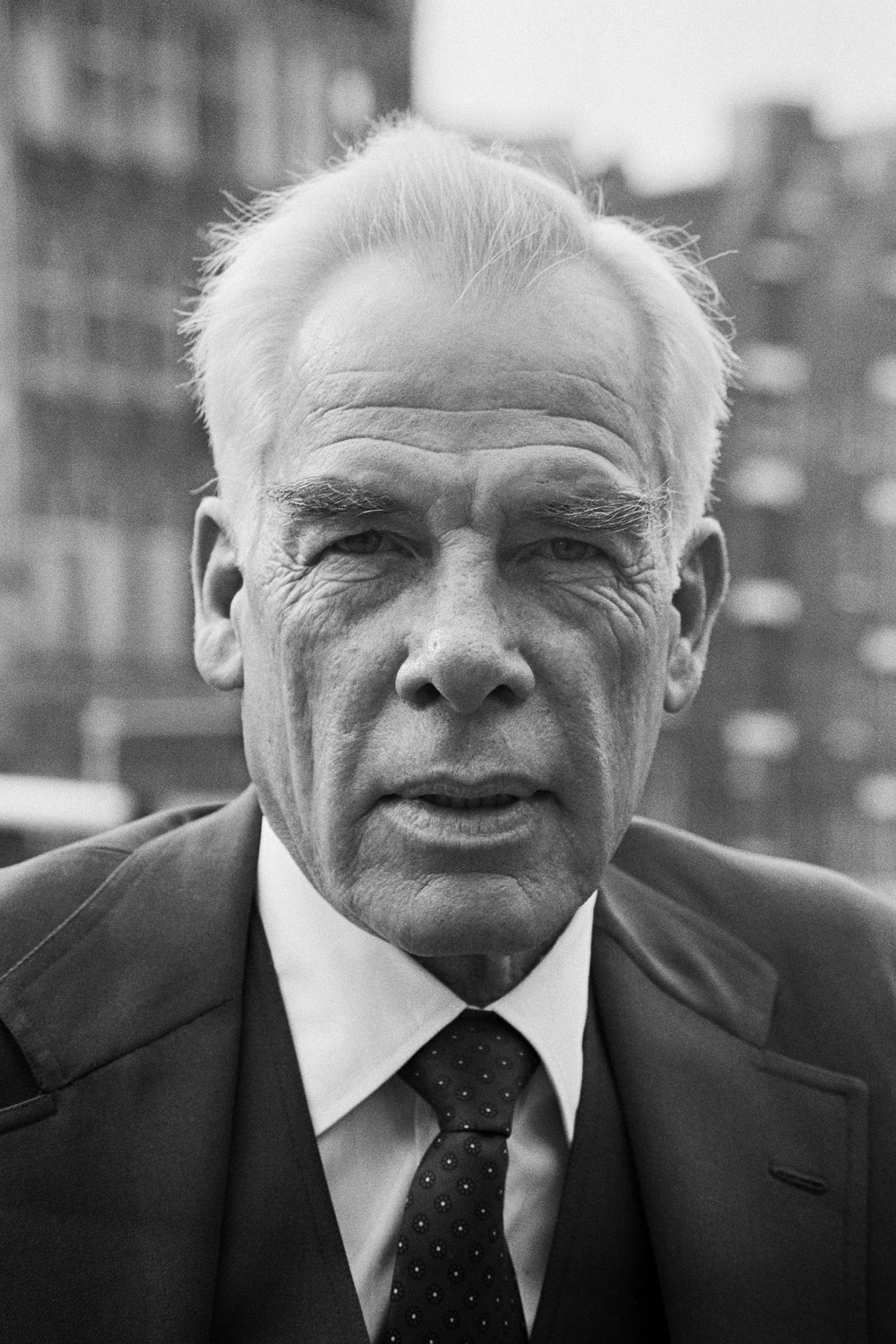
Lee Marvin left high school to enlist in the United States Marine Corps during World War II. He served as a scout sniper in the 4th Marine Division and participated in several amphibious assaults in the Pacific. Marvin was wounded in action during the Battle of Saipan and was awarded the Purple Heart for his sacrifice. His real-life combat experience gave him an unparalleled authenticity when playing military figures in films like ‘The Dirty Dozen’. He is buried at Arlington National Cemetery in recognition of his service.
Charles Bronson
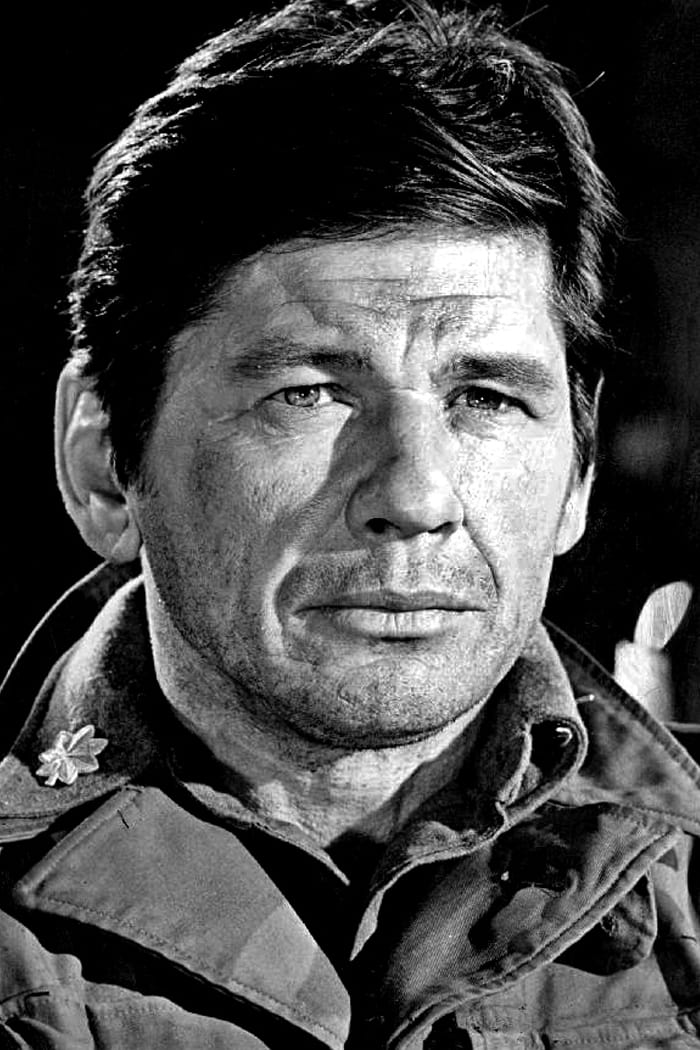
Charles Bronson served in the United States Army Air Forces during World War II as an aerial gunner. He was assigned to the 760th Bomb Squadron and flew 25 combat missions against Japanese targets in the Pacific. Bronson received a Purple Heart for wounds sustained during his service. After the war, he transitioned into acting and became one of the most famous “tough guy” actors in Hollywood. His role in ‘The Great Escape’ drew upon his familiarity with military life and camaraderie.
Steve McQueen
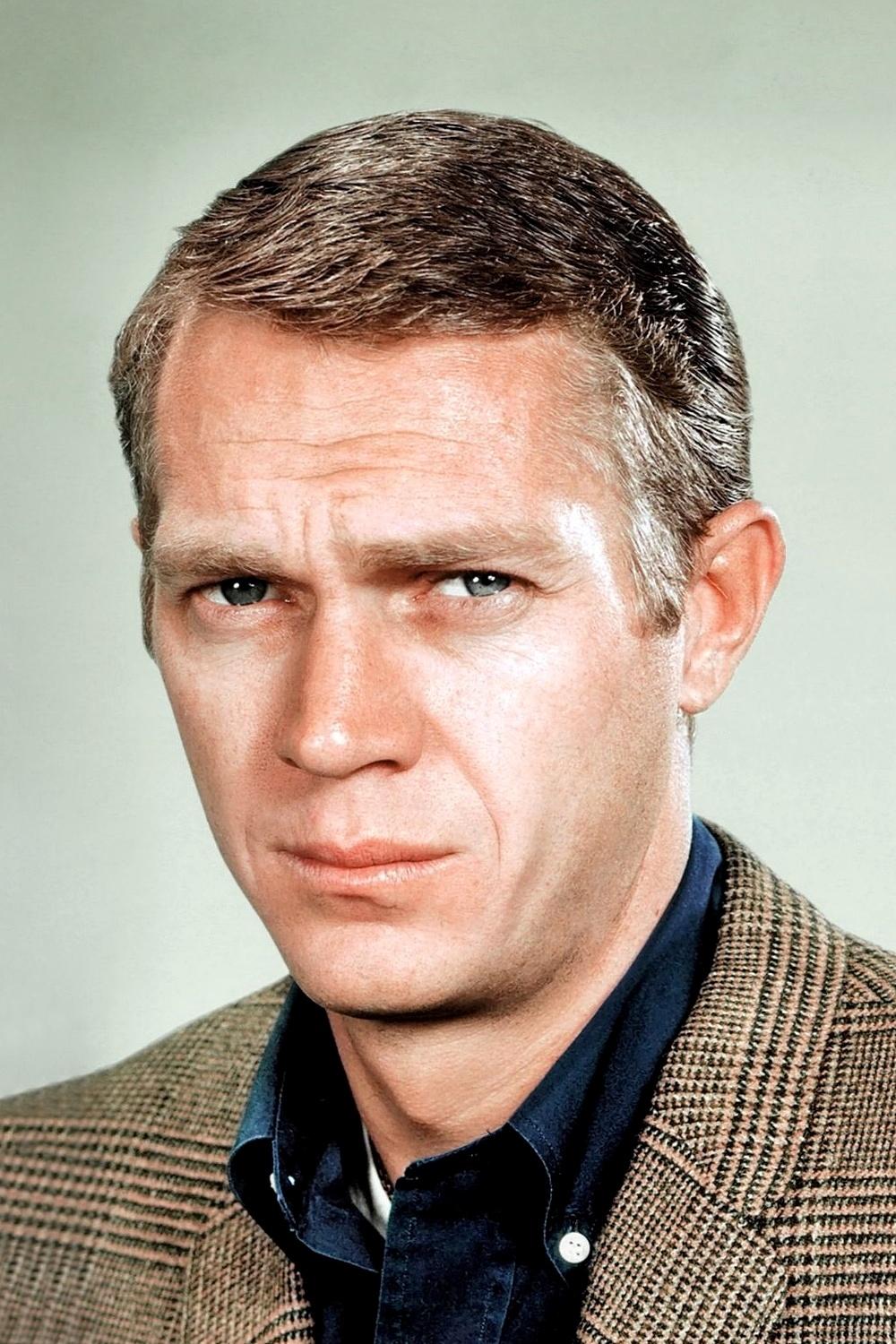
Steve McQueen joined the United States Marine Corps in 1947 and initially struggled with the strict military discipline. However, he eventually embraced the structure and was promoted to the rank of Private First Class. During an Arctic exercise, he famously saved the lives of five fellow Marines by pulling them from a tank before it broke through the ice into freezing water. After his discharge in 1950, he used the G.I. Bill to study acting in New York. He became a cultural icon known as the “King of Cool” in films like ‘Bullitt’.
Mel Brooks
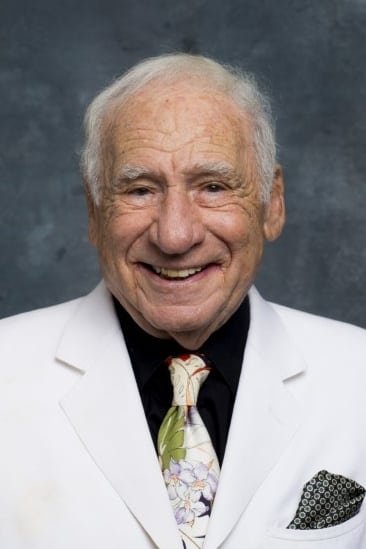
Mel Brooks served in the United States Army during World War II as a combat engineer. His primary duties included defusing landmines and clearing obstacles ahead of the advancing Allied forces. He famously participated in the Battle of the Bulge and recalled hearing German propaganda music playing across the lines during the conflict. After the war, Brooks transitioned into comedy and filmmaking, creating classics like ‘The Producers’ and ‘Blazing Saddles’. He frequently incorporated military satire and historical themes into his creative work.
Don Rickles
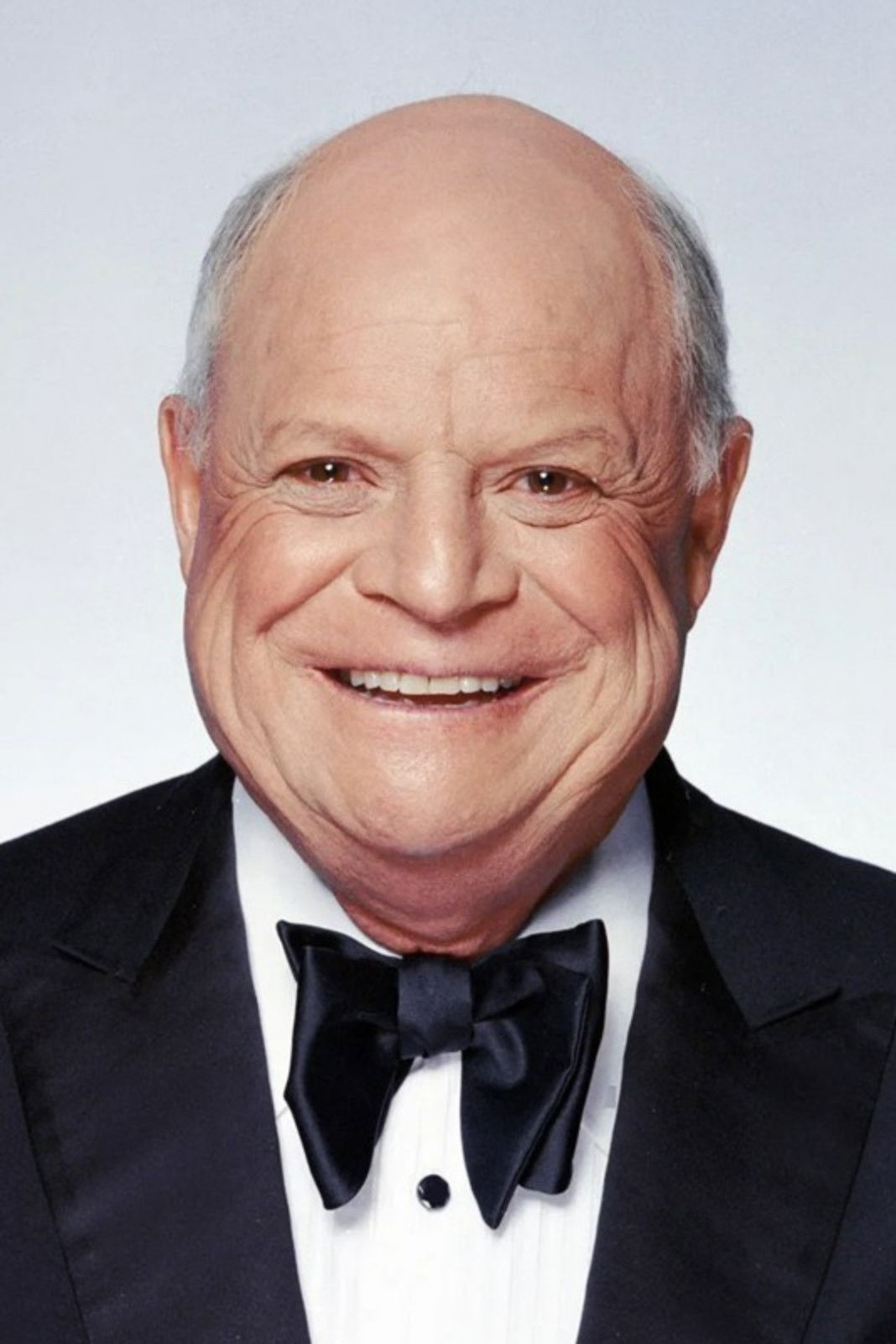
Don Rickles enlisted in the United States Navy after graduating high school in 1944. He served as a Seaman First Class on the USS Cyrene, a motor torpedo boat tender stationed in the Philippines. Rickles often used his military experiences as fodder for his legendary “insult comedy” routines later in his career. While he was primarily known as a comedian, he appeared in several war films, including ‘Kelly’s Heroes’. He remained proud of his naval service throughout his long life in show business.
Sidney Poitier
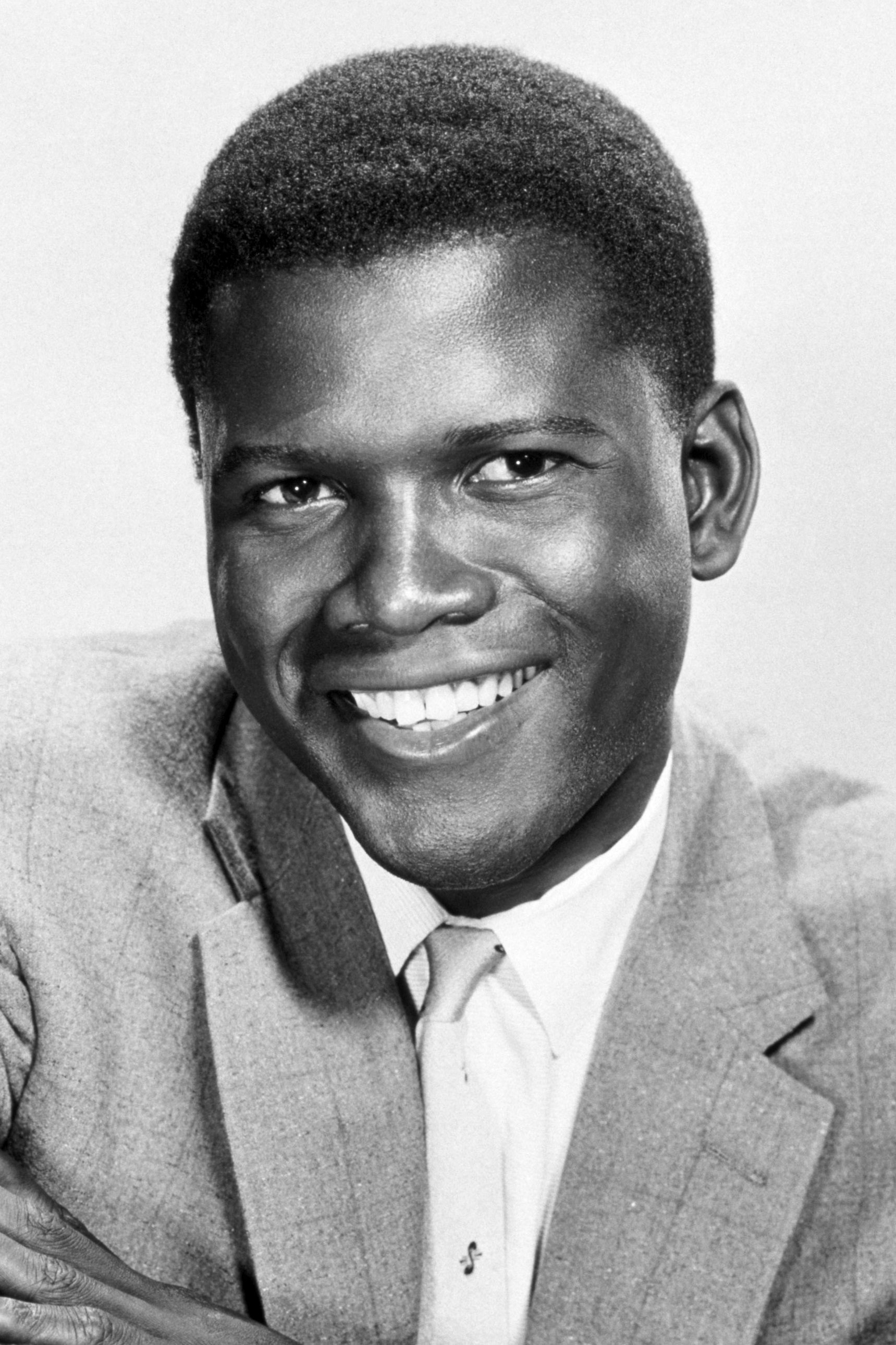
Sidney Poitier lied about his age to join the United States Army in 1943 during World War II. He was assigned to a medical unit at a veteran’s hospital in New York where he worked as an attendant. Poitier found the military environment challenging and eventually received a discharge after serving for roughly one year. He went on to become a ground-breaking actor, being the first Black man to win the Academy Award for Best Actor for ‘Lilies of the Field’. His dignified screen presence helped break down racial barriers in the film industry.
George C. Scott
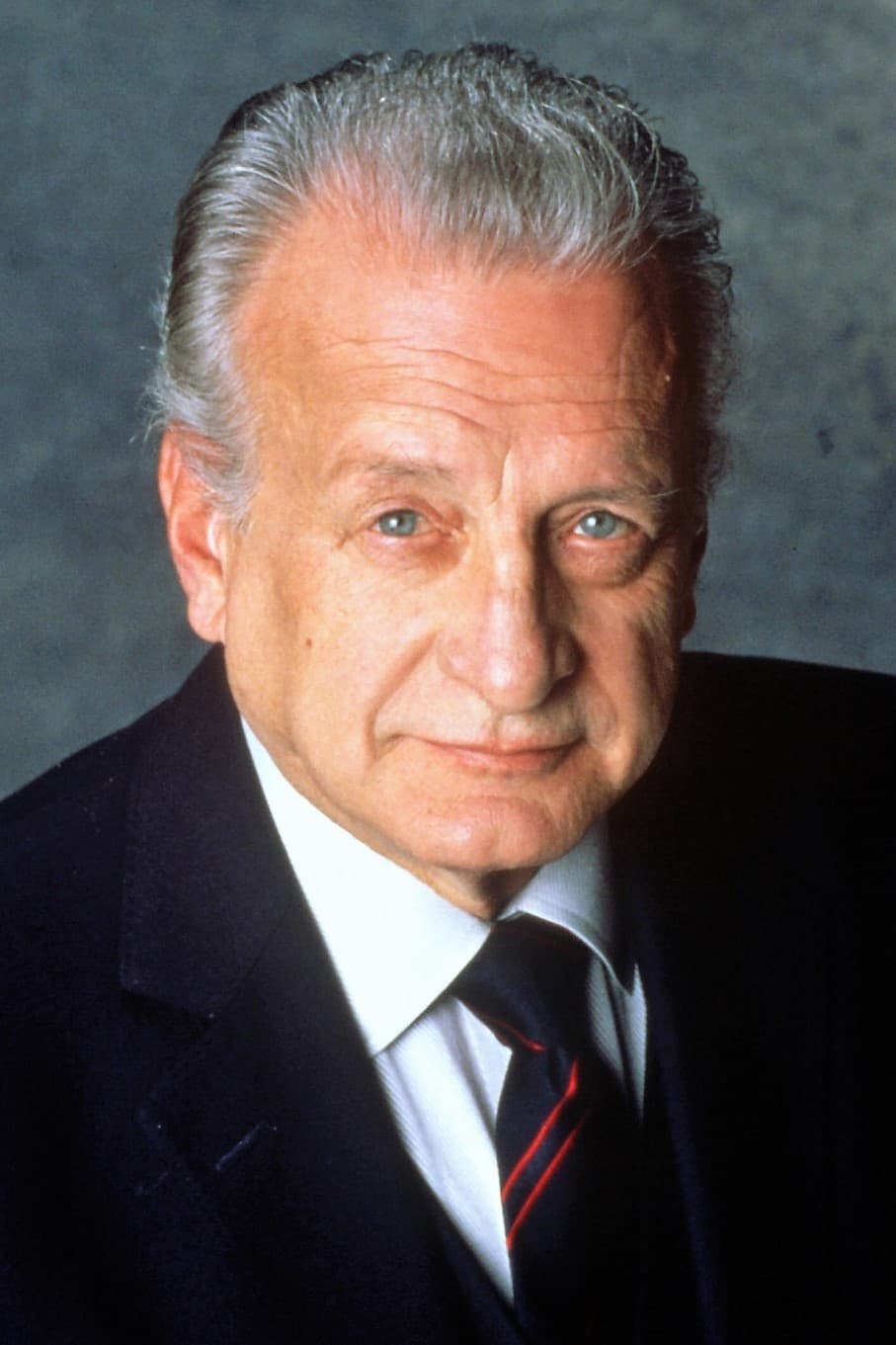
George C. Scott served in the United States Marine Corps from 1945 to 1949. He was stationed at the historic Marine Barracks in Washington, D.C., where he served as a guard at Arlington National Cemetery and taught creative writing. This period of service helped him develop the intense discipline and authoritative voice that became his trademarks. He is perhaps best known for his portrayal of General George S. Patton in the film ‘Patton’. Scott famously became the first actor to refuse an Academy Award for his work in that role.
Christopher Lee
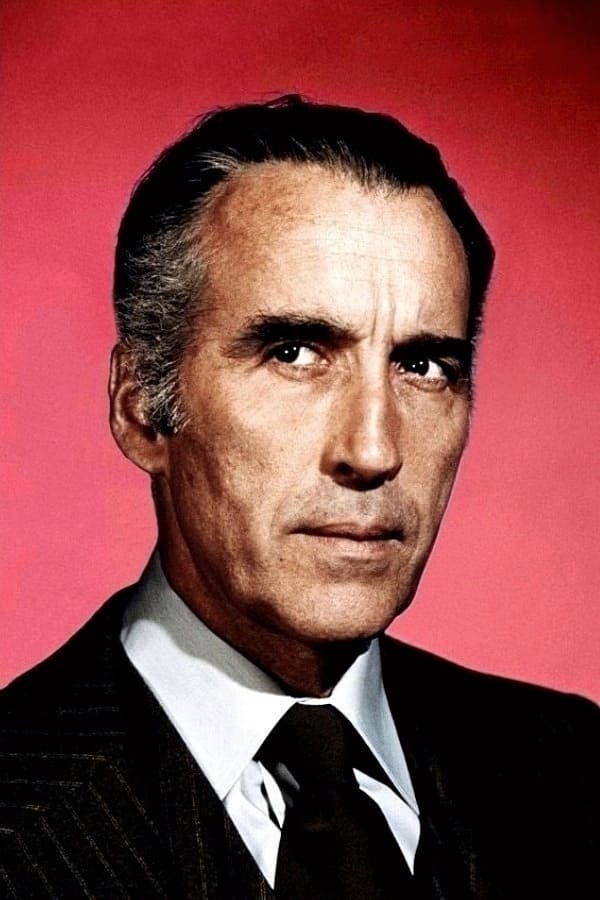
Christopher Lee served in the Royal Air Force and the Special Operations Executive during World War II. While many details of his intelligence work remain classified, he was known to have been attached to the Long Range Desert Group. He served in North Africa and Italy, often working behind enemy lines to facilitate Allied operations. After the war, he became a prolific actor known for his roles in ‘Dracula’ and ‘The Lord of the Rings’. His real-world knowledge of weaponry and tactics lent a unique realism to his villainous characters.
David Niven
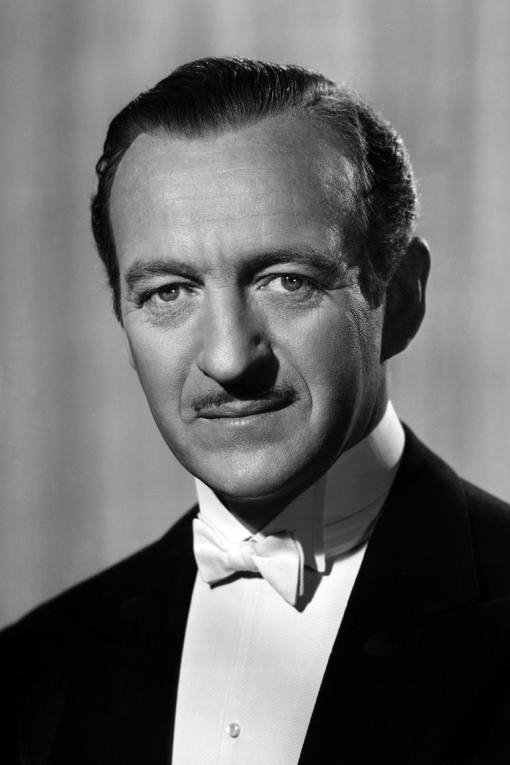
David Niven was a graduate of the Royal Military Academy Sandhurst and served as an officer in the Highland Light Infantry. Although he had already established an acting career in Hollywood, he returned to Britain to reenlist when World War II broke out. He served as a lieutenant colonel in the Commandos and participated in the Normandy landings. Niven was one of the few actors to see active combat during the war while at the height of his fame. He later starred in ‘The Guns of Navarone’, which reflected his wartime experiences.
Alec Guinness
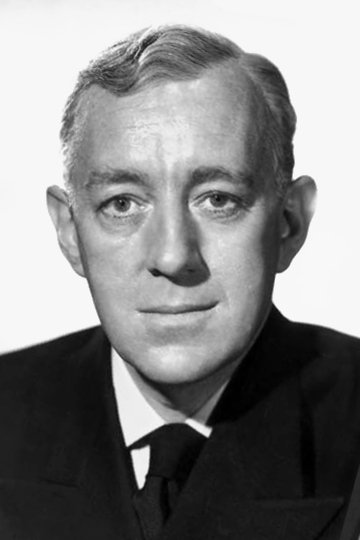
Alec Guinness served in the Royal Navy Volunteer Reserve during World War II. He commanded a landing craft during the invasion of Sicily and the landing at Elba, often operating under heavy fire. Guinness once remarked that his experience as a naval officer taught him more about leadership and human nature than any acting school. He went on to win an Academy Award for ‘The Bridge on the River Kwai’ and gained global fame as Obi-Wan Kenobi in ‘Star Wars’. He was knighted in 1959 for his contributions to the arts.
Harvey Keitel
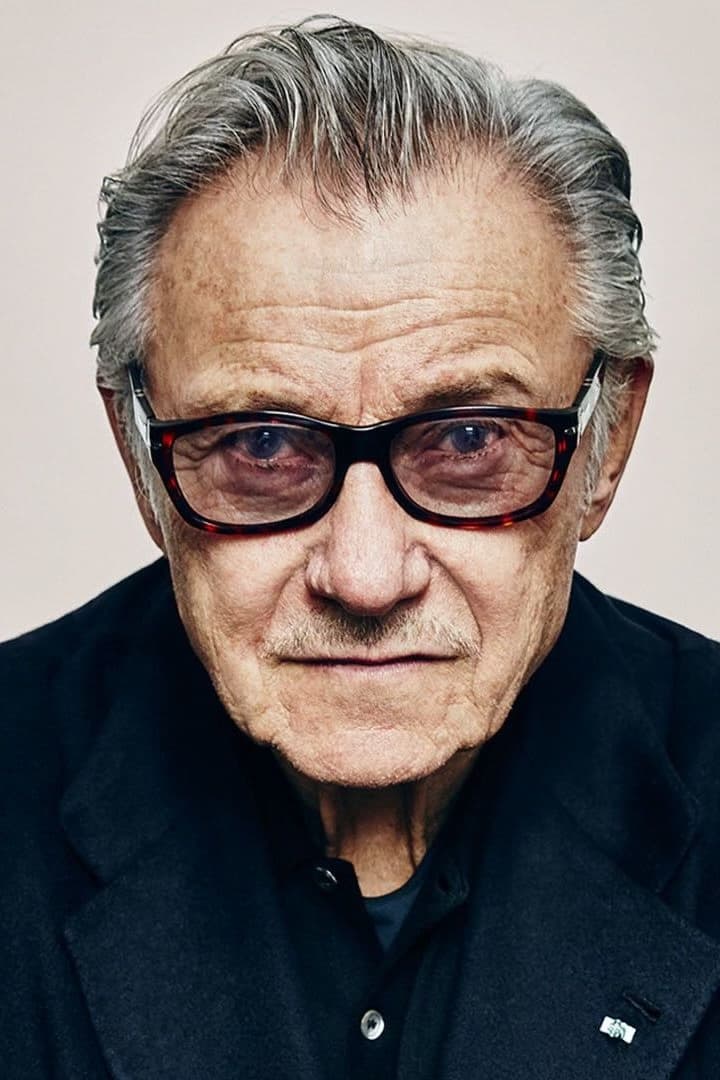
Harvey Keitel joined the United States Marine Corps at the age of 16 and served during the late 1950s. He was deployed to Lebanon as part of Operation Blue Bat in 1958, where he served as a fire team leader. Keitel has often stated that his time in the Marines was a formative experience that gave him the tools to pursue his goals. He brought this intensity to his roles in films such as ‘Taxi Driver’ and ‘Reservoir Dogs’. His military background is frequently cited as a source of his “tough guy” screen persona.
Rob Riggle
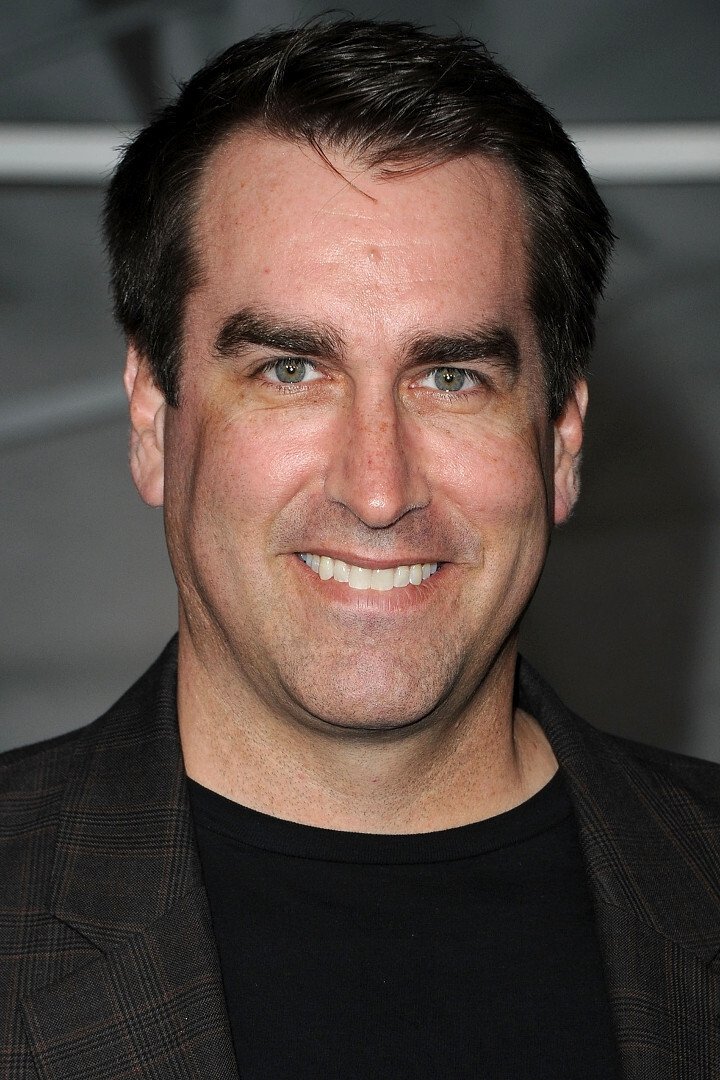
Rob Riggle had a lengthy career in the United States Marine Corps Reserve, retiring as a Lieutenant Colonel in 2013. He served on active duty in Liberia, Kosovo, Albania, and Afghanistan during his 23 years of service. Riggle managed to balance his military commitments with a successful comedy career on ‘The Daily Show’ and in films like ‘The Hangover’. He has received numerous awards for his service, including the Combat Action Ribbon. Riggle continues to be an active supporter of veteran organizations and military families.
Ice-T
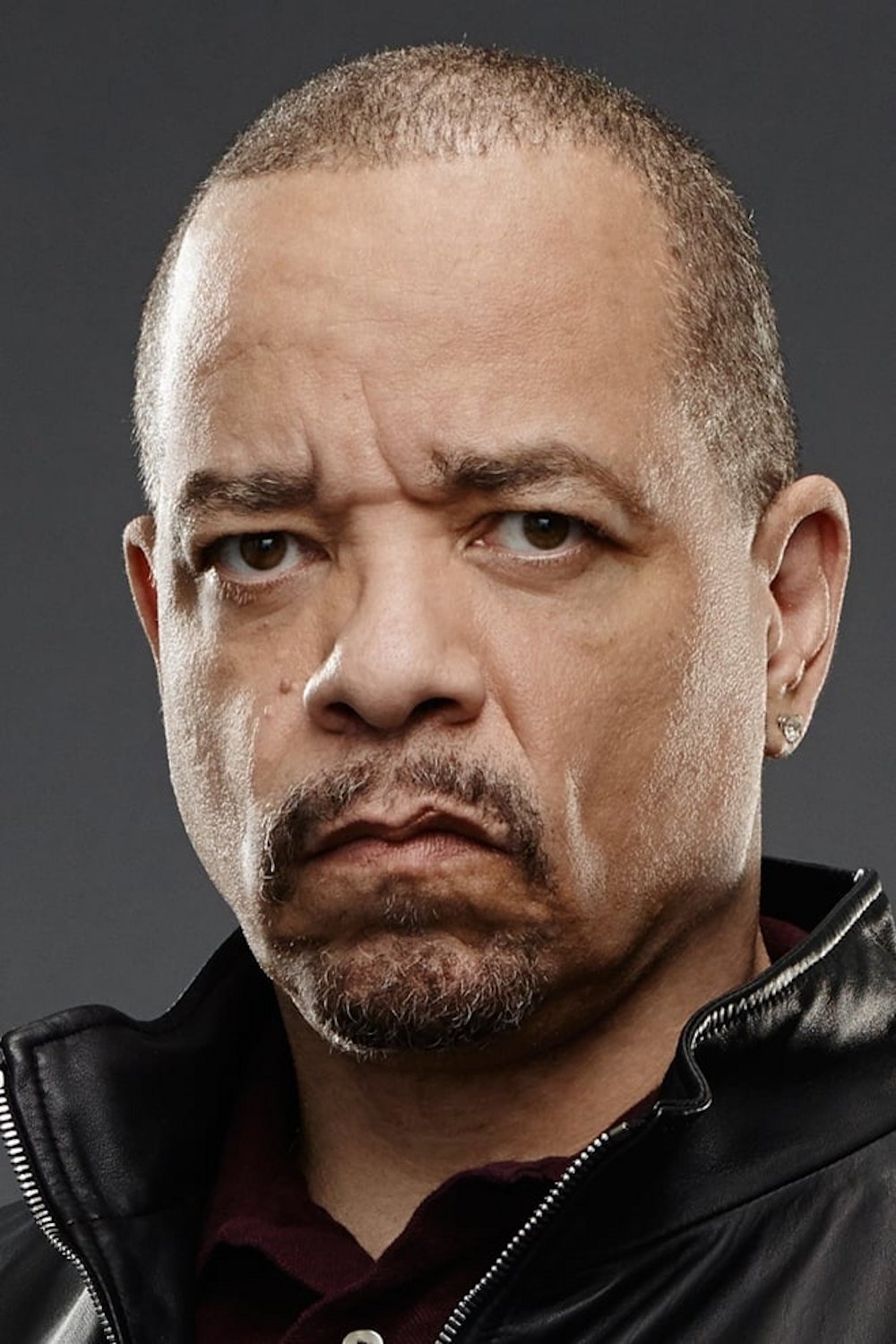
Ice-T, born Tracy Marrow, joined the United States Army in 1979 to support his young daughter. He served in the 25th Infantry Division and was stationed at Schofield Barracks in Hawaii for two years. During his service, he became interested in hip-hop and began developing the skills that would lead to his music career. After his honorable discharge, he became a pioneer of gangsta rap and a longtime star on ‘Law & Order: Special Victims Unit’. He has frequently spoken about how the Army provided him with much-needed structure.
Mr. T

Mr. T, born Lawrence Tureaud, served in the United States Army in the mid-1970s. He was a member of the Military Police Corps and was eventually promoted to the rank of Squad Leader. His physical prowess and discipline led him to be named the “Top Trainee” of his cycle out of 6,000 troops. Following his discharge, he worked as a celebrity bodyguard before being discovered by Sylvester Stallone for ‘Rocky III’. He became a pop culture icon as B.A. Baracus on the hit television series ‘The A-Team’.
Sinbad
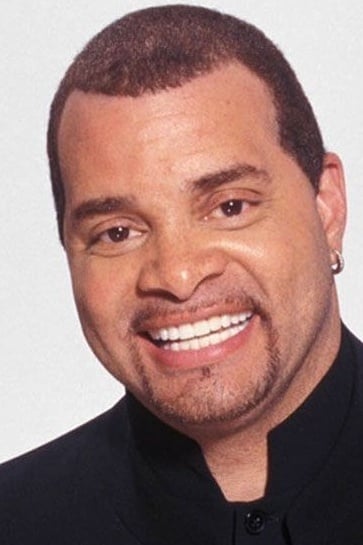
Sinbad, the comedian and actor born David Adkins, served in the United States Air Force as a boom operator. He was stationed at McConnell Air Force Base in Kansas and frequently performed comedy routines for his fellow airmen. His time in the military was marked by a series of rebellious incidents, eventually leading to a discharge in the early 1980s. He later rose to fame through his stand-up specials and roles in films like ‘First Kid’ and ‘Jingle All the Way’. Despite his unconventional exit, he often credits the Air Force for giving him his start in entertainment.
Montel Williams
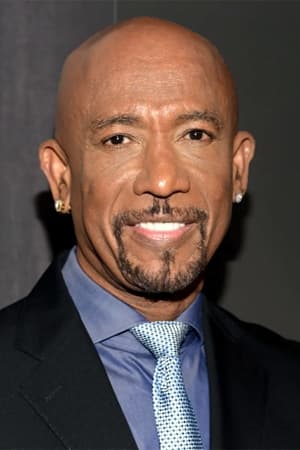
Montel Williams had a highly distinguished military career that spanned both the Marine Corps and the Navy. He enlisted in the Marines in 1974 and was later recommended for the Naval Academy Preparatory School, eventually graduating from the United States Naval Academy. Williams served as a cryptologic officer and reached the rank of Lieutenant Commander before retiring. He became a household name as the host of ‘The Montel Williams Show’, which ran for 17 seasons. His military service earned him several decorations, including the Meritorious Service Medal.
Drew Carey
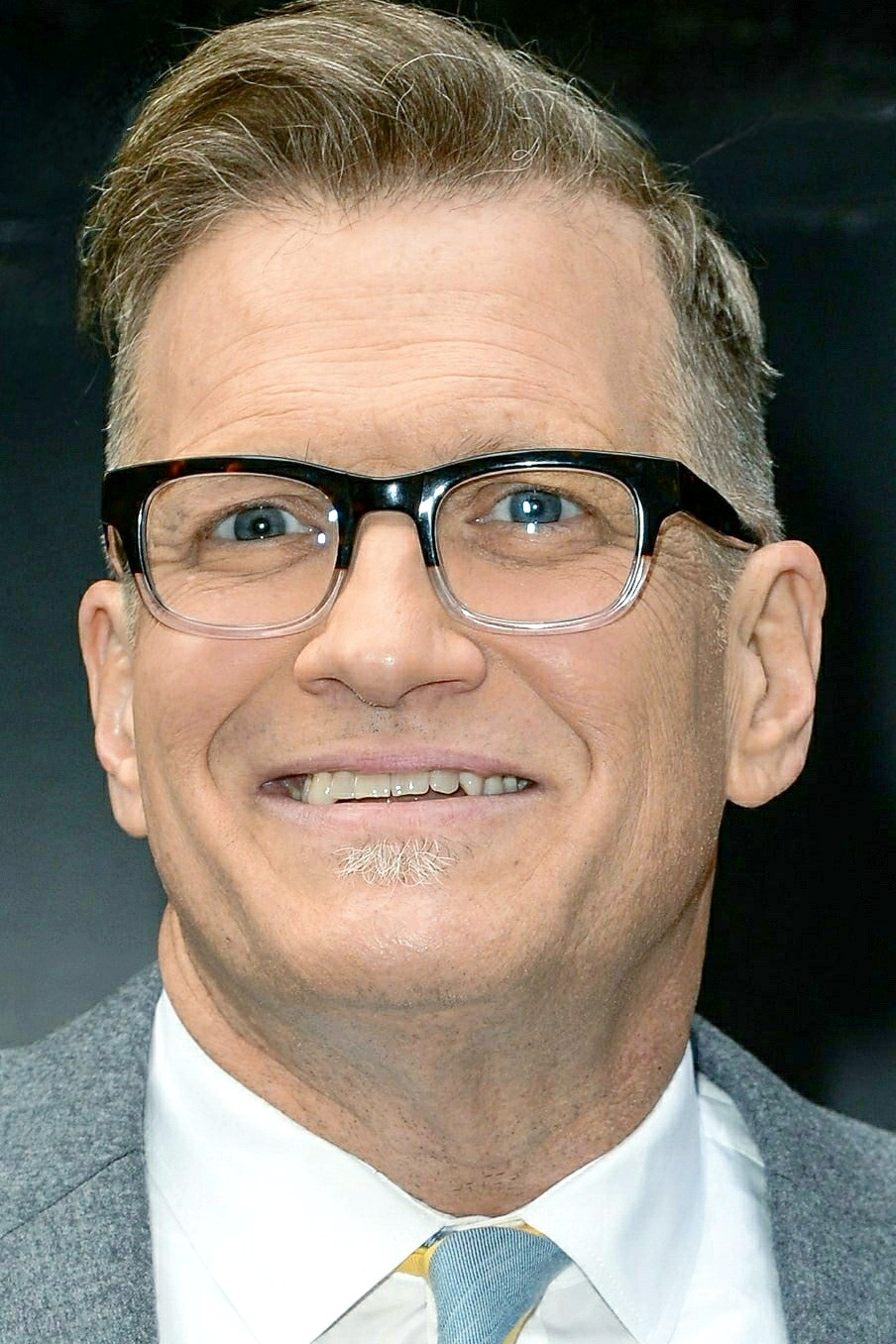
Drew Carey served in the United States Marine Corps Reserve for six years, beginning in 1981. He reached the rank of Sergeant and often credits the military with helping him find his signature look and comedic voice. During his service, he began performing stand-up comedy to earn extra money and entertain his fellow Marines. He later achieved fame with ‘The Drew Carey Show’ and as the host of ‘The Price Is Right’. Carey continues to support the USO and frequently performs for troops stationed overseas.
Jeff Bridges
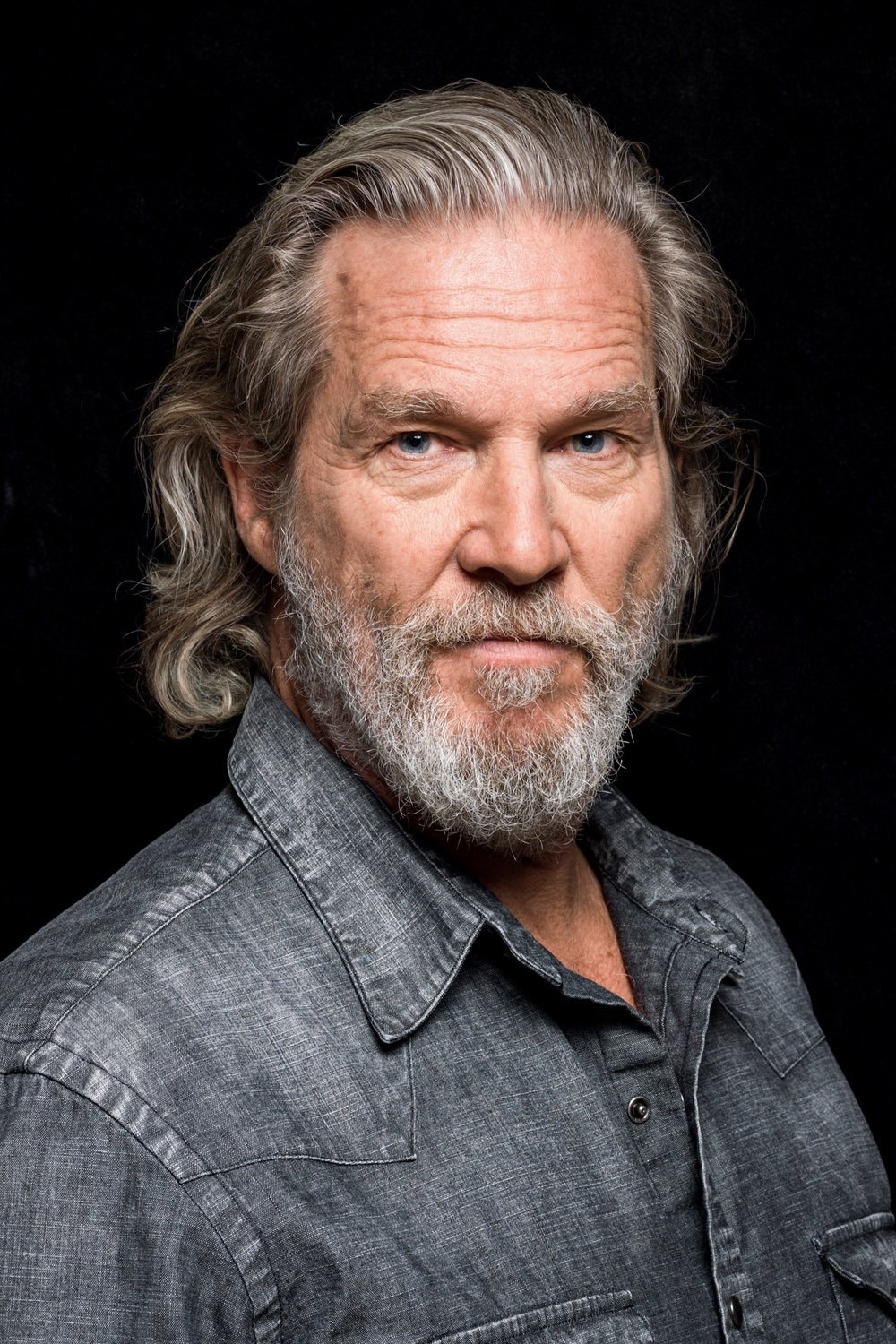
Jeff Bridges served in the United States Coast Guard Reserve from 1967 to 1975. He reached the rank of petty officer second class and spent much of his time working on buoy tenders and performing search and rescue duties. Bridges was part of a family of actors, but his military service provided him with a different perspective outside of Hollywood. He went on to become an Academy Award winner for his role in ‘Crazy Heart’. His relaxed and natural acting style has made him one of the most beloved actors of his generation.
Robert Duvall
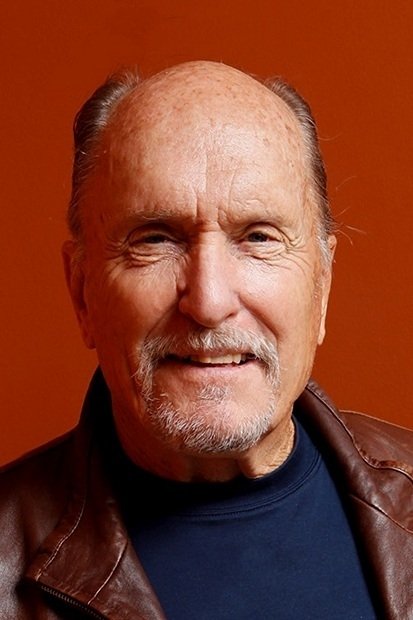
Robert Duvall served in the United States Army for two years during the Korean War era. He was primarily stationed in South Korea and reached the rank of Private First Class. Duvall often utilized his military observations to inform his portrayals of soldiers and commanders throughout his career. His most famous military role was Lieutenant Colonel Bill Kilgore in ‘Apocalypse Now’, where he delivered iconic lines about the battlefield. He won an Academy Award for his performance in ‘Tender Mercies’.
Gene Kelly
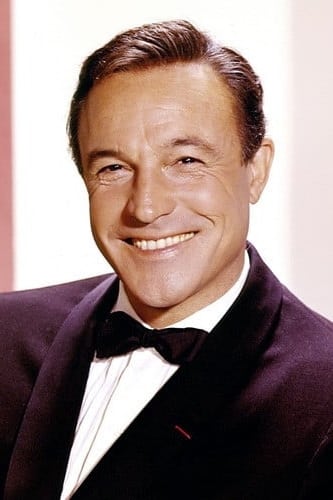
Gene Kelly enlisted in the United States Navy during World War II and served in the Naval Photographic Center. He was tasked with directing and starring in training films for naval personnel, utilizing his expertise in dance and choreography to simplify complex instructions. Kelly reached the rank of Lieutenant Junior Grade and remained committed to his duties until the war’s conclusion. After his discharge, he returned to MGM to star in some of the greatest musicals of all time, including ‘Singin’ in the Rain’. He is remembered as one of the most influential figures in the history of dance on film.
Tony Curtis
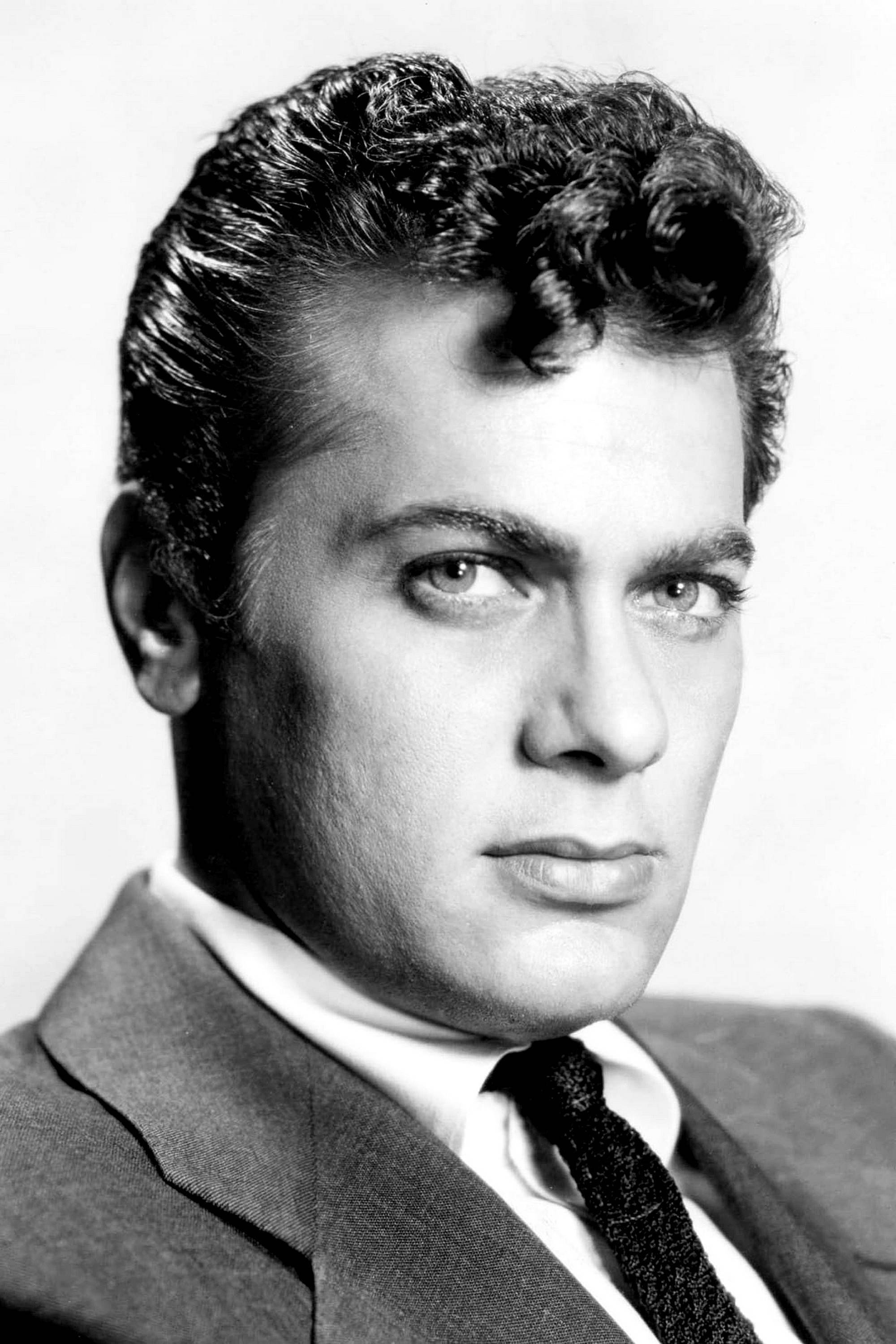
Tony Curtis joined the United States Navy in 1943 after the attack on Pearl Harbor. He served as a signalman aboard the submarine tender USS Proteus in the Pacific theater. While on duty, he witnessed the Japanese surrender in Tokyo Bay from the deck of his ship. After the war, he used the G.I. Bill to attend acting classes in New York, which led to his breakthrough in ‘Some Like It Hot’. Curtis remained active in veteran affairs throughout his life.
Henry Fonda
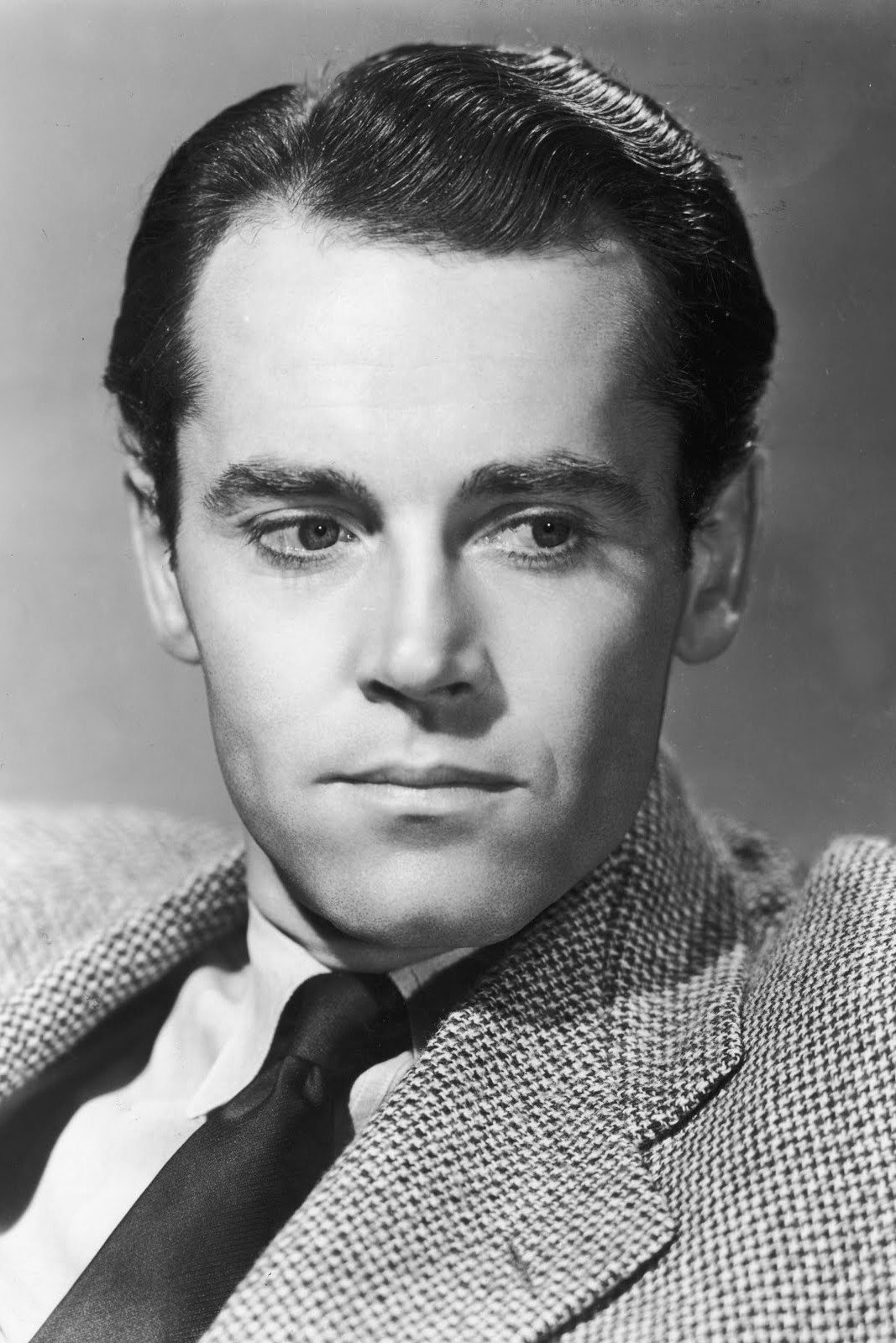
Henry Fonda was already a successful actor when he enlisted in the United States Navy in 1942. He served as a quartermaster on the destroyer USS Satterlee and later as an operations officer in the Central Pacific. Fonda earned a Bronze Star and a Navy Presidential Unit Citation for his service during the war. He returned to Hollywood to star in ‘Mister Roberts’, a role he had previously originated on Broadway. His military service was a point of great personal pride for him.
Rock Hudson
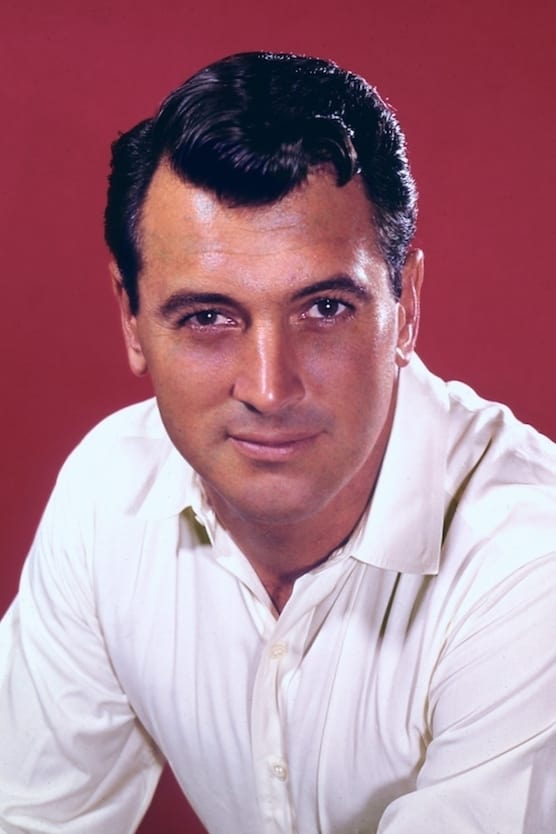
Rock Hudson served in the United States Navy during World War II as an aircraft mechanic. He was stationed in the Philippines and spent much of his time repairing the engines of various naval planes. Following his honorable discharge in 1946, he moved to Los Angeles to pursue an acting career, eventually becoming one of the most popular leading men of the 1950s. He starred in several classics, including ‘Giant’ and ‘Pillow Talk’. Hudson’s military background contributed to the rugged, masculine image he projected on screen.
James Arness
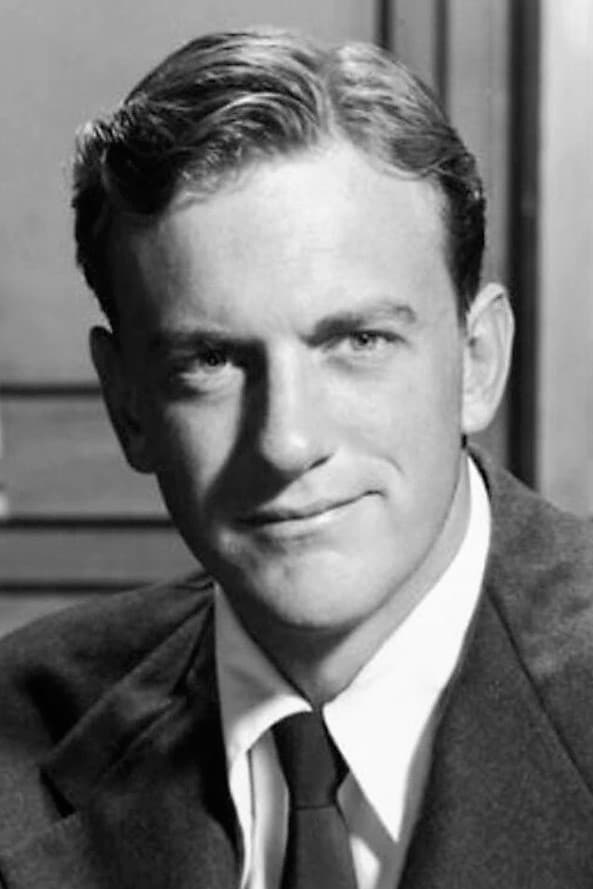
James Arness served in the United States Army during World War II as a rifleman. He participated in the invasion of Anzio, Italy, where he was severely wounded in the leg by machine-gun fire. Arness received the Purple Heart and the Bronze Star for his bravery and sacrifice during the conflict. His injuries caused him lifelong pain, but he successfully transitioned into acting, becoming an icon as Marshal Matt Dillon in ‘Gunsmoke’. At 6’7″, his physical stature and military bearing made him a natural fit for Western roles.
Dennis Weaver
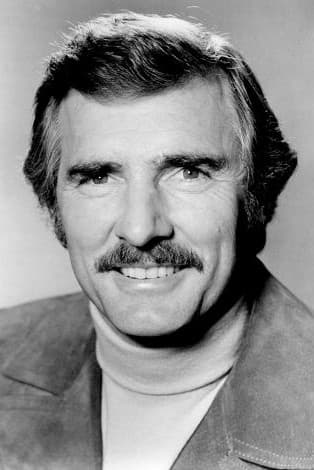
Dennis Weaver served in the United States Navy as a pilot during World War II. He was an exceptional athlete who qualified for the Olympic decathlon trials, a level of fitness he maintained during his service. After the war, he pursued acting and became famous for his roles in ‘Gunsmoke’ and the cult classic film ‘Duel’. Weaver was a staunch environmentalist and advocate for various social causes later in his life. His disciplined approach to his career was often attributed to his naval training.
Alan Alda
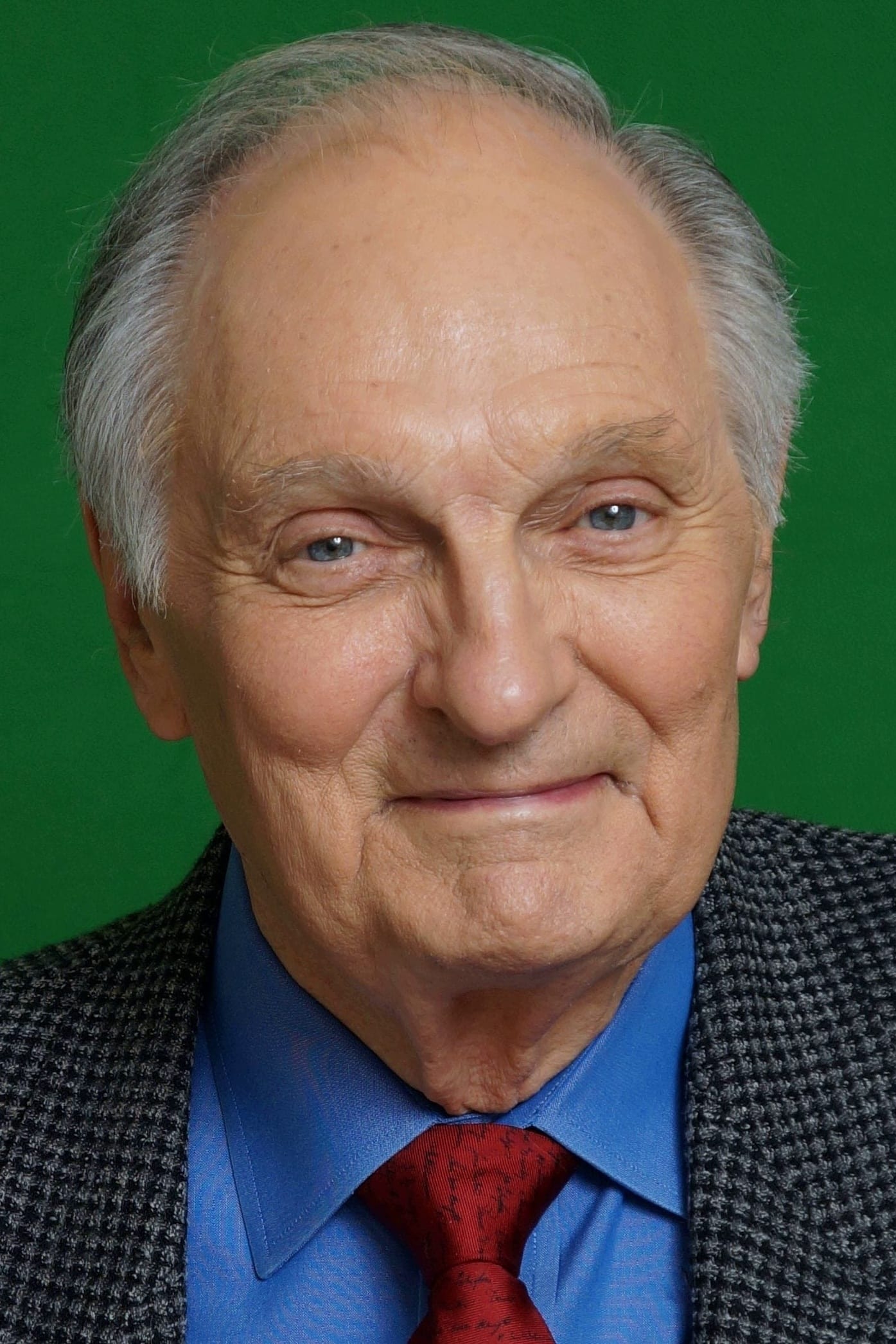
Alan Alda served in the United States Army Reserve following his graduation from Fordham University. He completed a six-month tour of duty in Korea as a gunnery officer in the late 1950s. Although he did not see combat, his time in the military provided him with essential context for his future role in the television series ‘MAS*H’. Alda played the iconic character Hawkeye Pierce, bringing a unique blend of humor and pathos to the horrors of war. He is also a widely respected advocate for science communication and women’s rights.
Jamie Farr
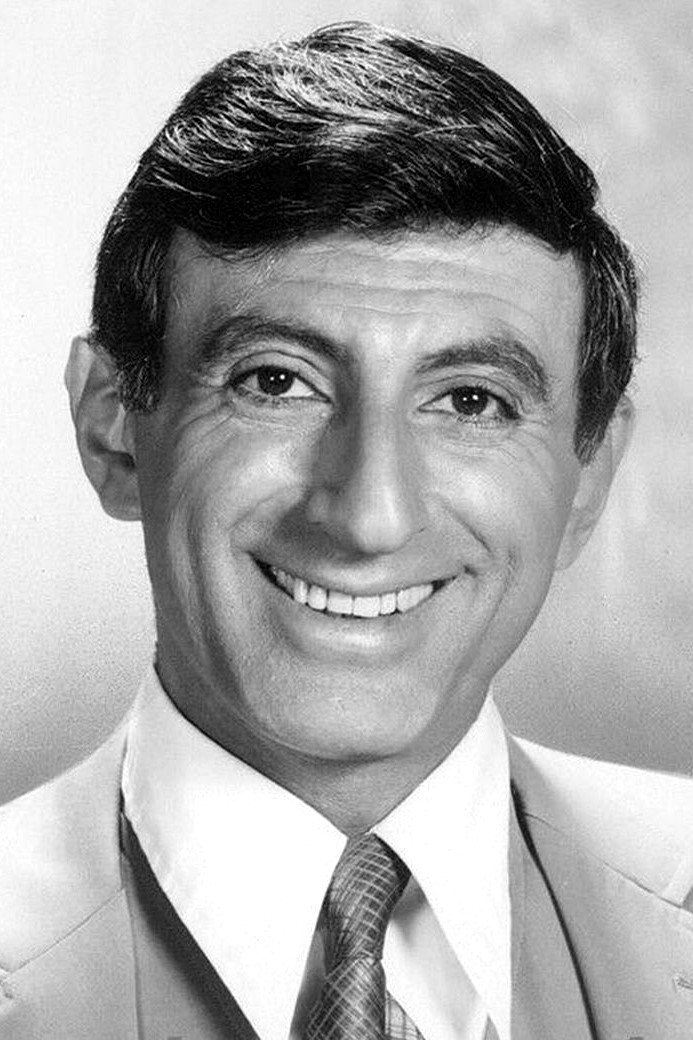
Jamie Farr served in the United States Army during the mid-1950s and was deployed to Korea and Japan. He famously wore his own real-life dog tags while portraying Corporal Maxwell Klinger on the television series ‘MAS*H’. Farr was drafted just as his acting career was beginning to gain momentum, but he served his country with distinction. His character on the show was originally intended to be a one-off, but his performance made him a series regular. He remains a beloved figure among veterans for his authentic portrayal of military life.
Bob Barker
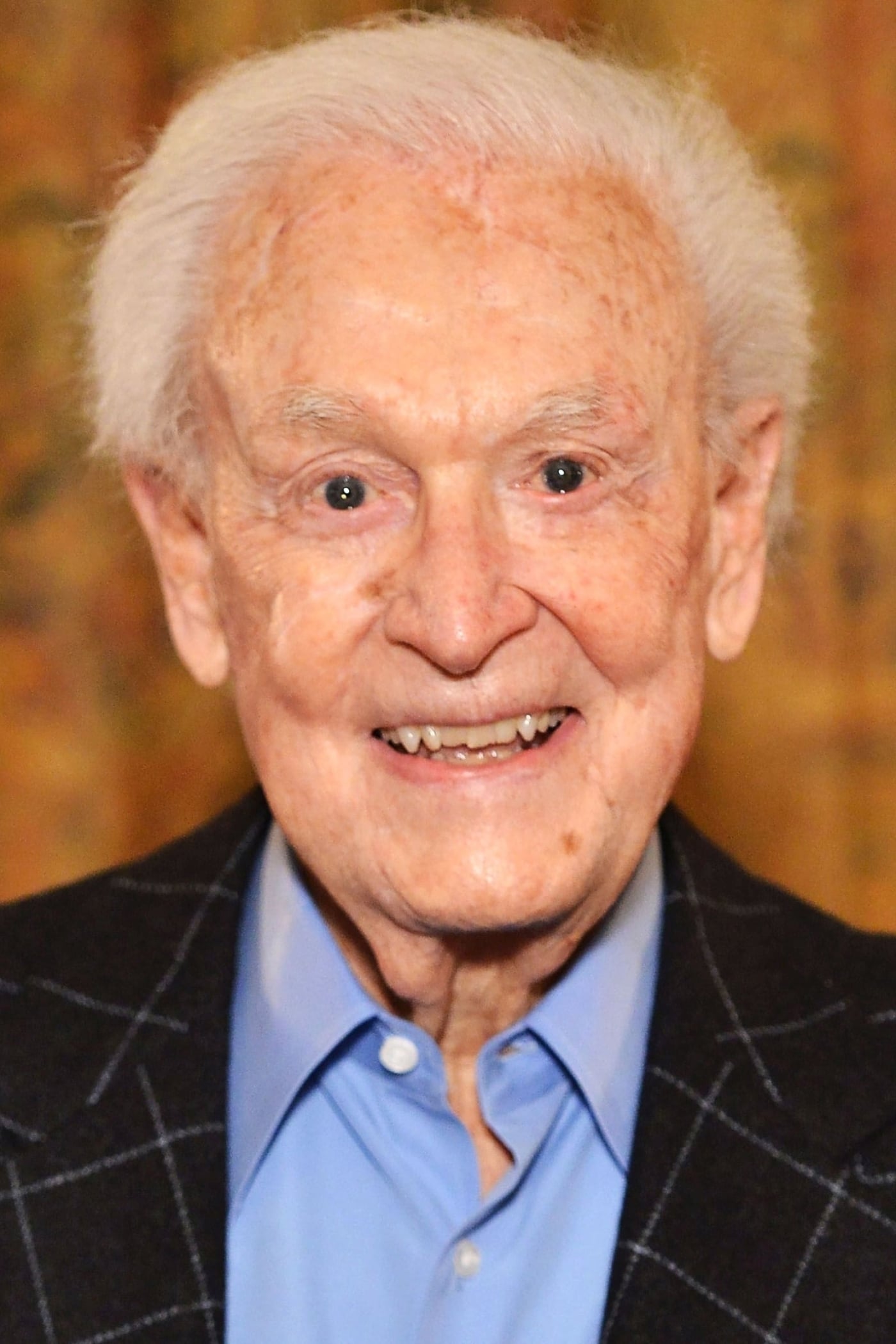
Bob Barker served in the United States Navy during World War II as a fighter pilot. Although the war ended before he could be deployed into combat, he spent several years training to fly various naval aircraft. Barker’s military discipline translated well to his career in broadcasting, where he became the longtime host of ‘The Price Is Right’. He was also a passionate advocate for animal rights throughout his life. Barker often credited the Navy with teaching him the importance of preparation and timing.
Ed Asner
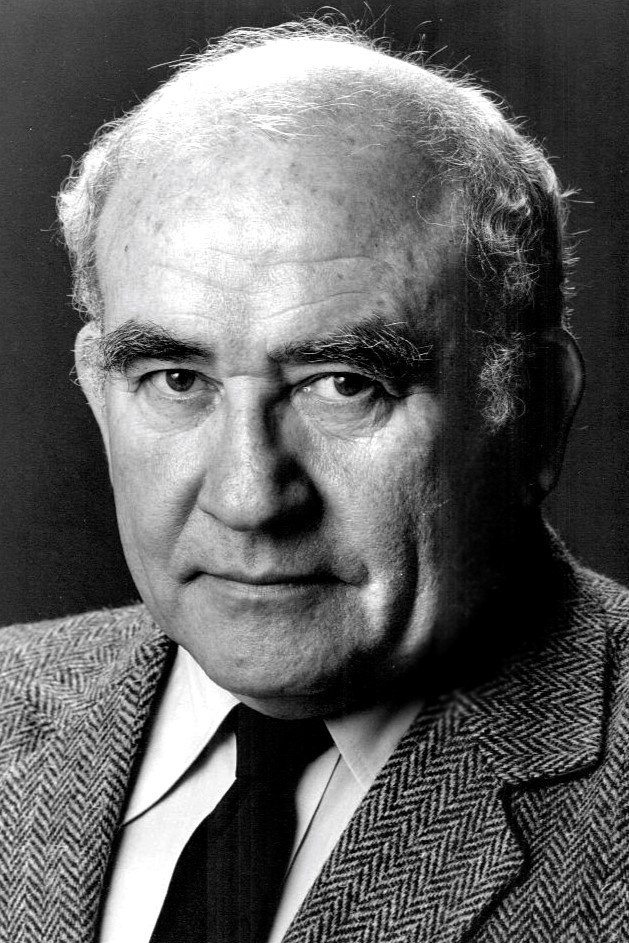
Ed Asner served in the United States Army Signal Corps during the early 1950s. He was stationed in Europe, where he participated in plays for the troops, which helped solidify his desire to pursue an acting career. Asner became one of the most respected character actors in Hollywood, winning multiple Emmy Awards for his role as Lou Grant in ‘The Mary Tyler Moore Show’. He was also a dedicated labor leader, serving as the president of the Screen Actors Guild. His military service was a foundational period for his future activism.
Burt Lancaster
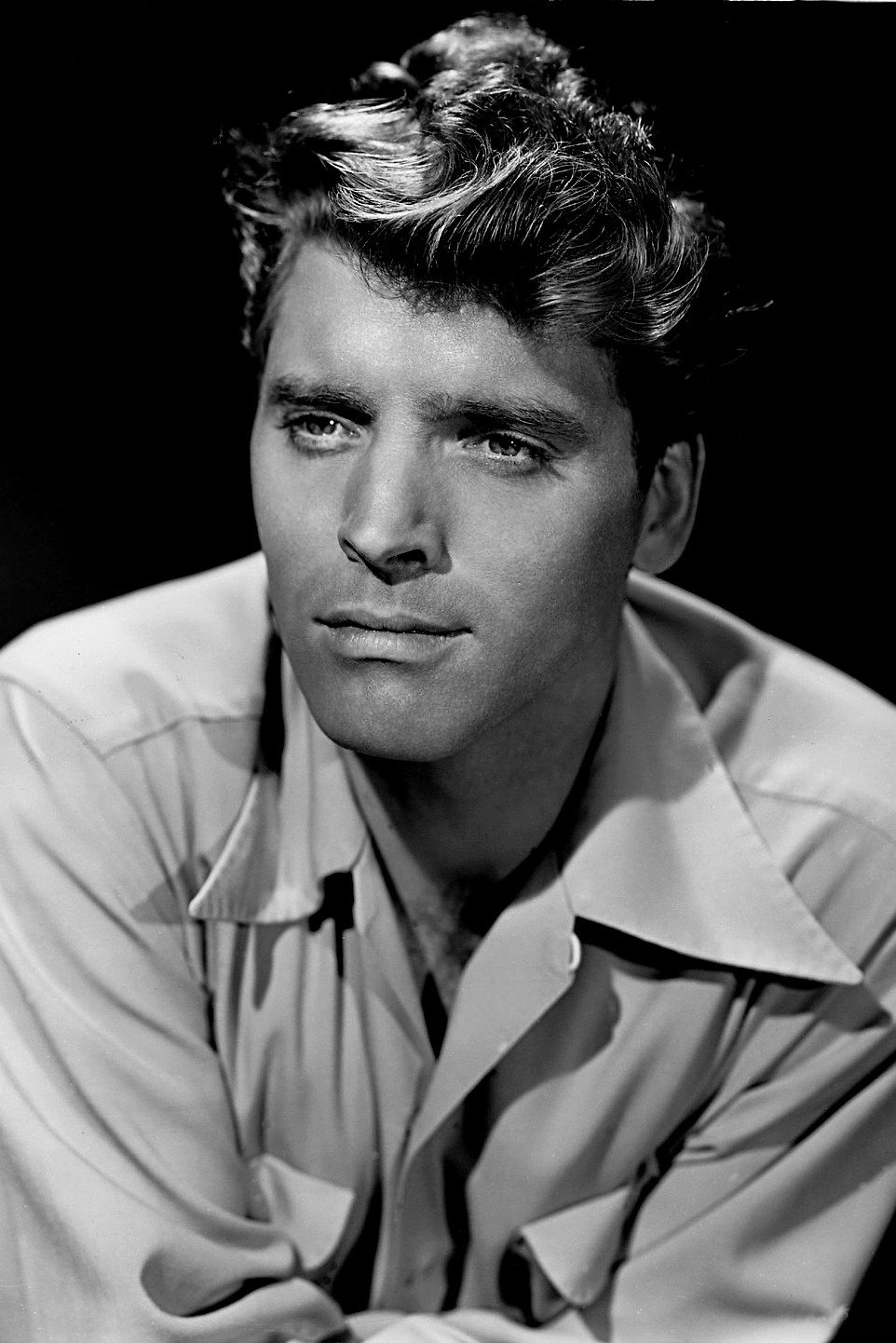
Burt Lancaster served in the United States Army during World War II as part of the Special Services Division. He was tasked with providing entertainment for the troops stationed in North Africa and Italy. This experience allowed him to hone his performance skills while serving in a support capacity during major campaigns. After the war, he became a major star in films like ‘From Here to Eternity’ and ‘Elmer Gantry’. Lancaster was known for his athletic ability and his commitment to progressive political causes.
Telly Savalas
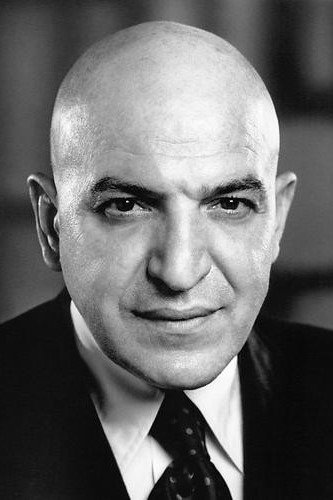
Telly Savalas served in the United States Army from 1941 to 1943 during World War II. He was medically discharged after being injured in a car accident while on duty. Before his discharge, he had reached the rank of Corporal and worked for the State Department as a broadcaster. Savalas later became a global superstar as the lead in the detective series ‘Kojak’. His tough, charismatic screen presence was a hallmark of his successful acting career.
James Earl Jones
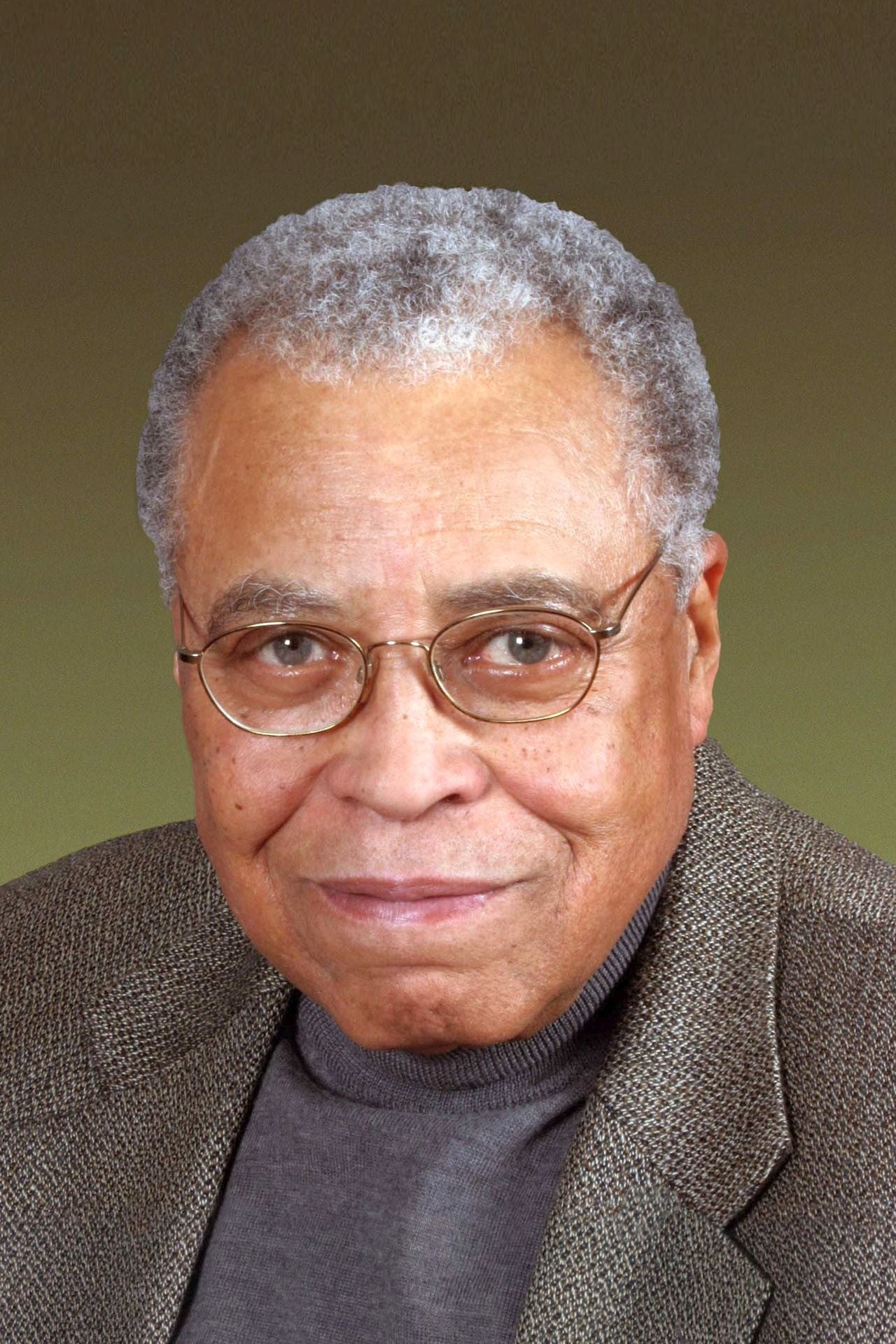
The late James Earl Jones served in the United States Army during the Korean War era. He was commissioned as a second lieutenant and attended the Basic Officers Course at Fort Benning. He later helped establish a cold weather training command in Colorado before his discharge as a first lieutenant. Jones became one of the most prolific actors in history, providing the voice for Darth Vader in ‘Star Wars’ and starring in ‘Field of Dreams’. His deep, resonant voice and commanding presence were world-renowned.
Kris Kristofferson
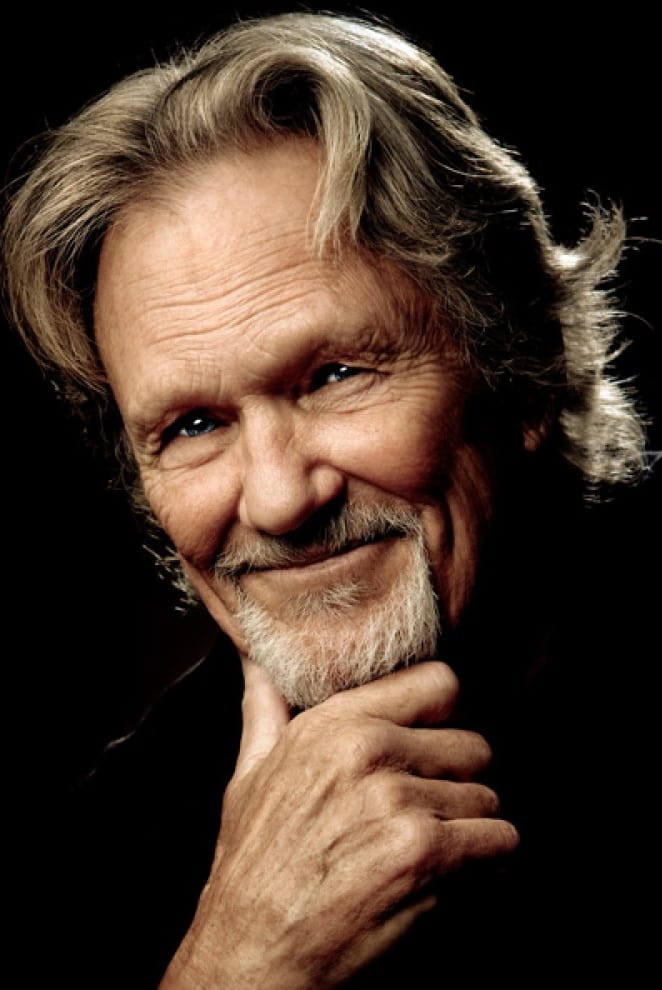
The late Kris Kristofferson had a highly impressive military career as a helicopter pilot in the United States Army. He graduated from Ranger School and attained the rank of Captain while stationed in West Germany during the 1960s. Despite his family’s expectations for a military career, he resigned his commission to move to Nashville and pursue songwriting. He became a legendary musician and actor, starring in ‘A Star Is Born’. Kristofferson’s songs often reflected the blue-collar and veteran perspectives he encountered during his service.
Mickey Rooney
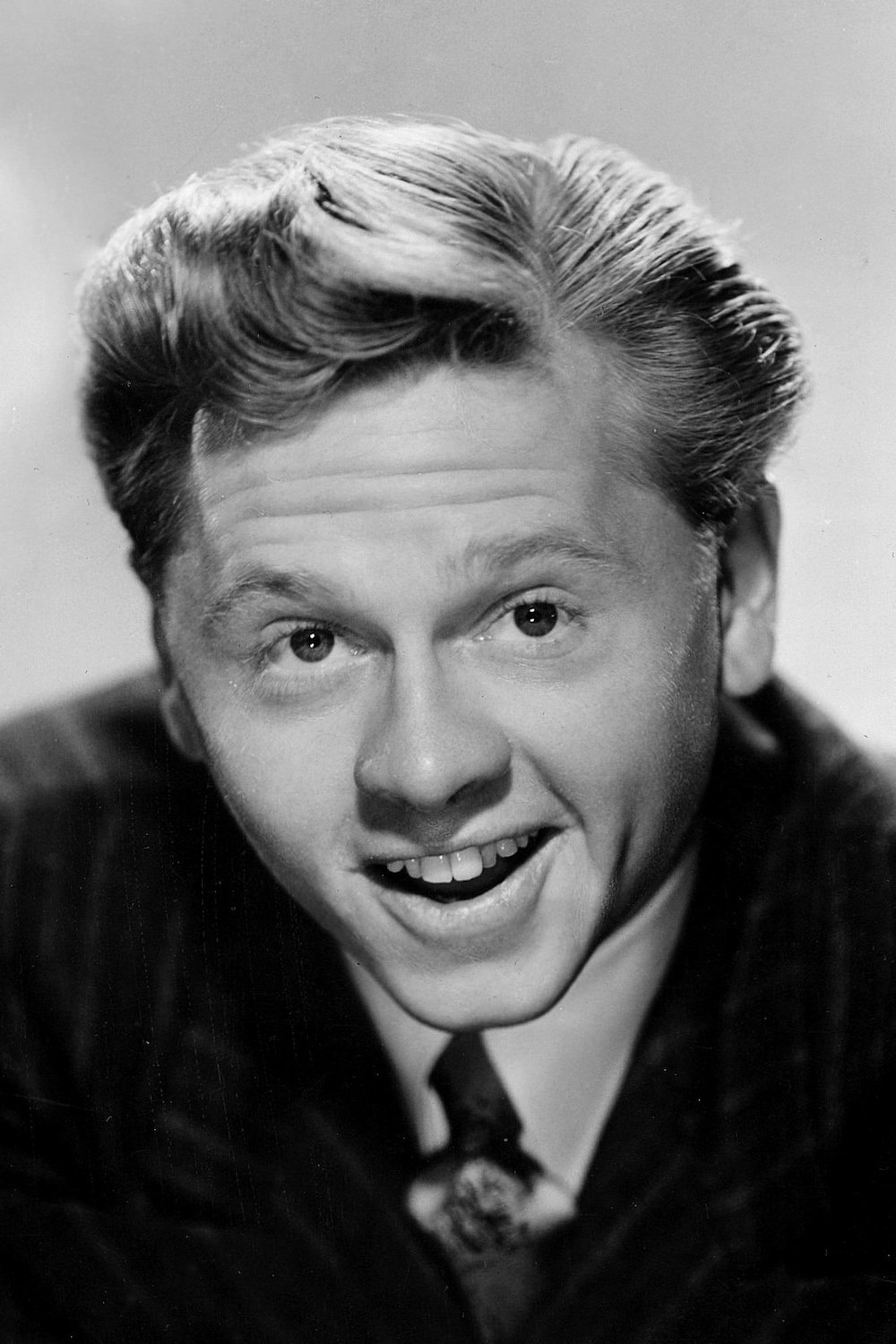
Mickey Rooney served in the United States Army during World War II, enlisting at the height of his fame. He was part of the Special Services and spent nearly two years entertaining more than two million troops across Europe. Rooney was awarded the Bronze Star for performing in combat zones, often close to the front lines. He continued his acting career for several decades after the war, appearing in films like ‘The Black Stallion’. He is remembered as one of the most enduring performers in Hollywood history.
Clark Gable
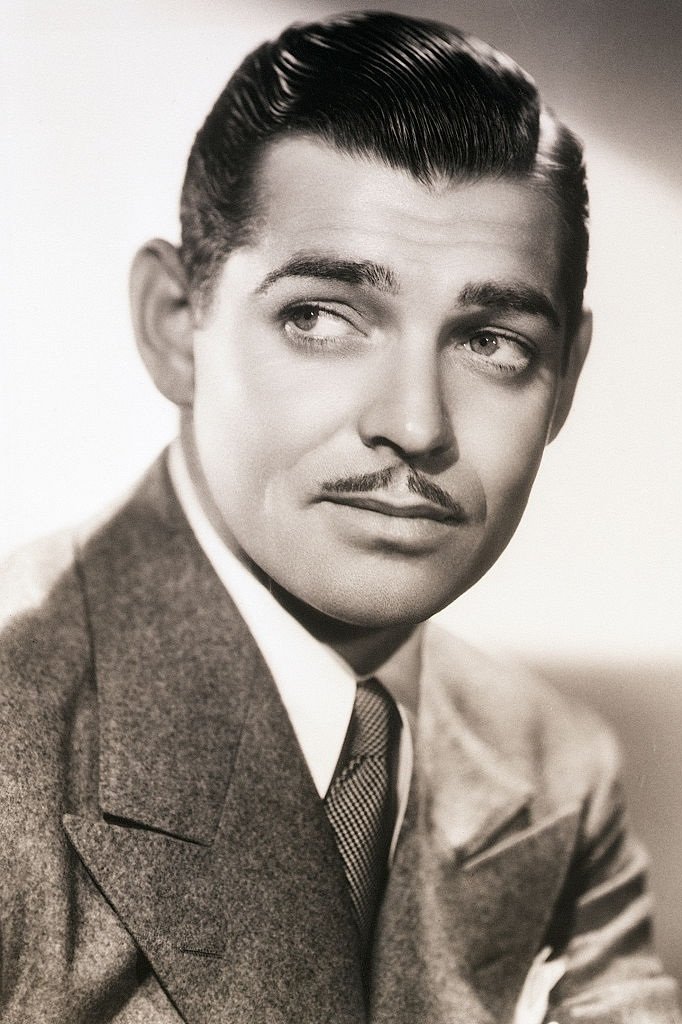
Clark Gable enlisted in the United States Army Air Forces in 1942, following the tragic death of his wife, Carole Lombard. He attended Officer Candidate School and was commissioned as a second lieutenant before being sent to England. Gable flew five combat missions as an observer-gunner on B-17 bombers to film a recruitment documentary. He was awarded the Air Medal and the Distinguished Flying Cross for his service. After the war, he returned to his status as the “King of Hollywood” in films like ‘The Misfits’.
Audie Murphy
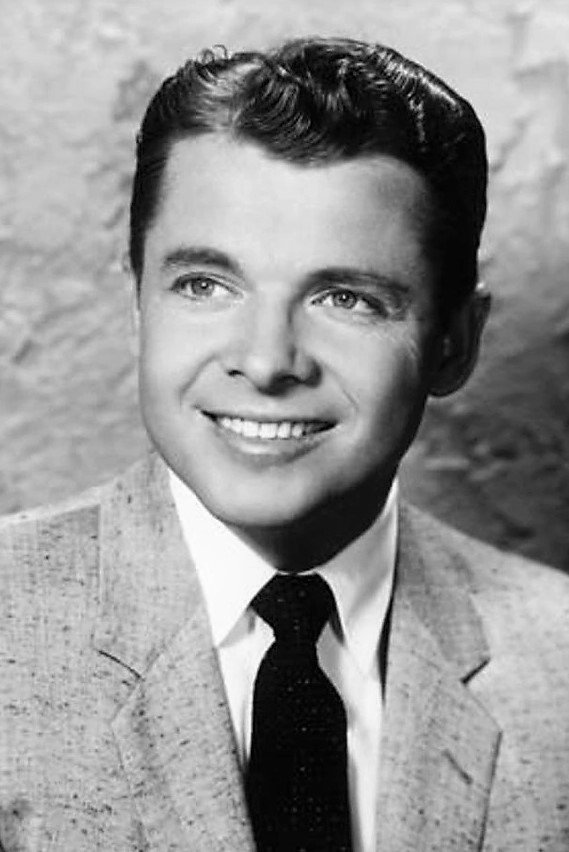
Audie Murphy was the most decorated American soldier of World War II before becoming a successful actor. He received every military combat award for valor available from the U.S. Army, including the Medal of Honor at the age of 19. Murphy parlayed his war-hero status into a film career, famously starring as himself in the autobiographical film ‘To Hell and Back’. He appeared in over 40 films, mostly Westerns, before his untimely death in a plane crash. His life remains the ultimate example of a soldier transitioning to the silver screen.
Please share your thoughts on these actors and their remarkable service in the comments.

