


Insane 1990s TV Shows You Forgot About (& Need To Rewatch Again)



The 1990s represented a unique era of television experimentation where networks took massive risks on bizarre concepts and genre-bending narratives. This decade gave rise to high-concept science fiction and surreal comedies that often confused audiences as much as they entertained them. Many of these series garnered cult followings years after their cancellation due to their distinct visual styles and refusal to conform to standard storytelling tropes. Exploring these forgotten gems reveals a landscape of creativity that laid the groundwork for the prestige television era that followed.
‘Cop Rock’ (1990)
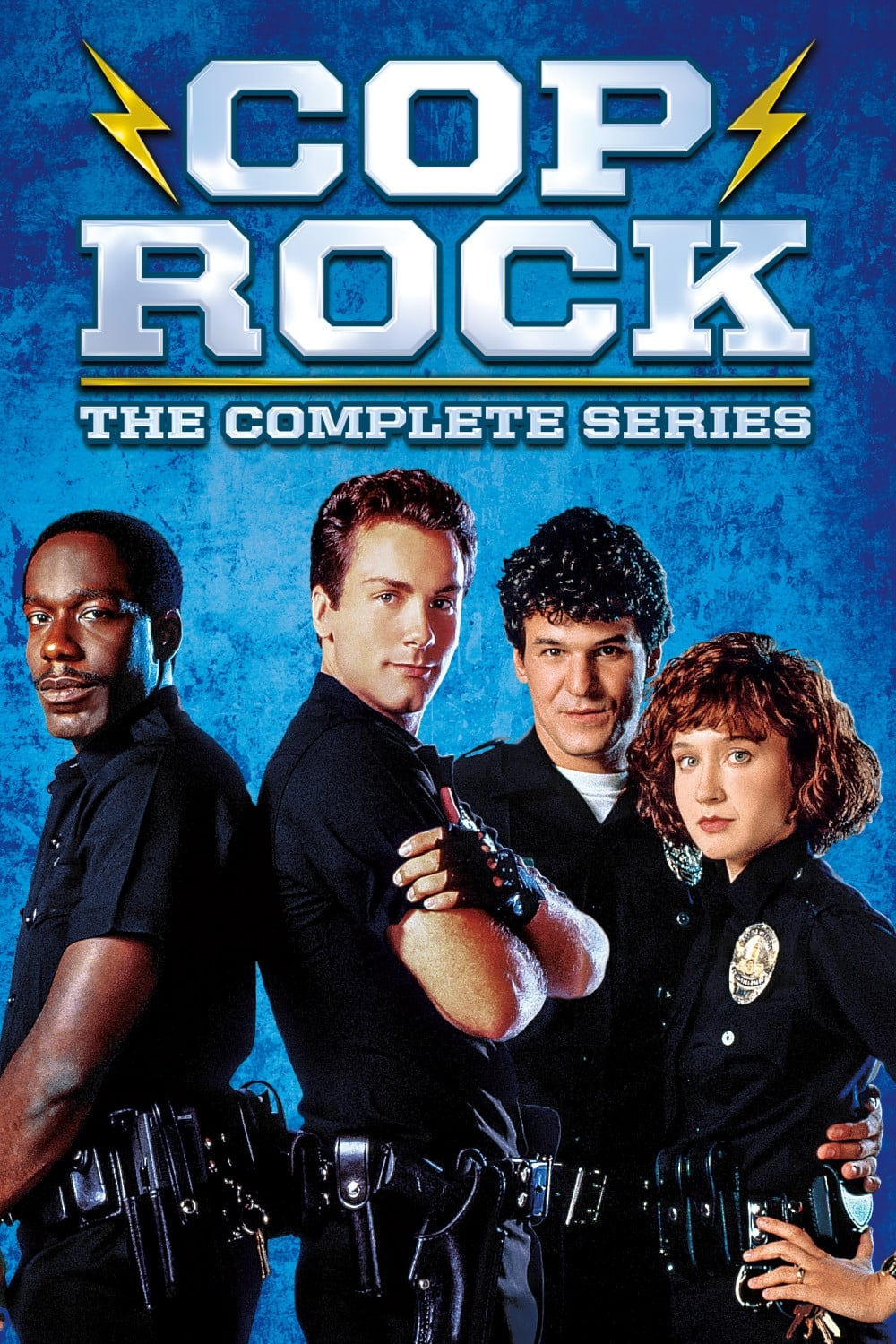
This police procedural attempted to blend serious crime drama with full-scale musical numbers. Characters would break into song during arrests or while processing crime scenes in a gritty Los Angeles setting. The jarring transition from intense legal discussions to choreographed dancing confused viewers and critics alike during its short run. Steven Bochco created this ambitious failure that remains one of the most infamous experiments in broadcast history. It stands as a testament to the willingness of 1990s networks to try absolutely anything to capture an audience.
‘Dinosaurs’ (1991–1994)
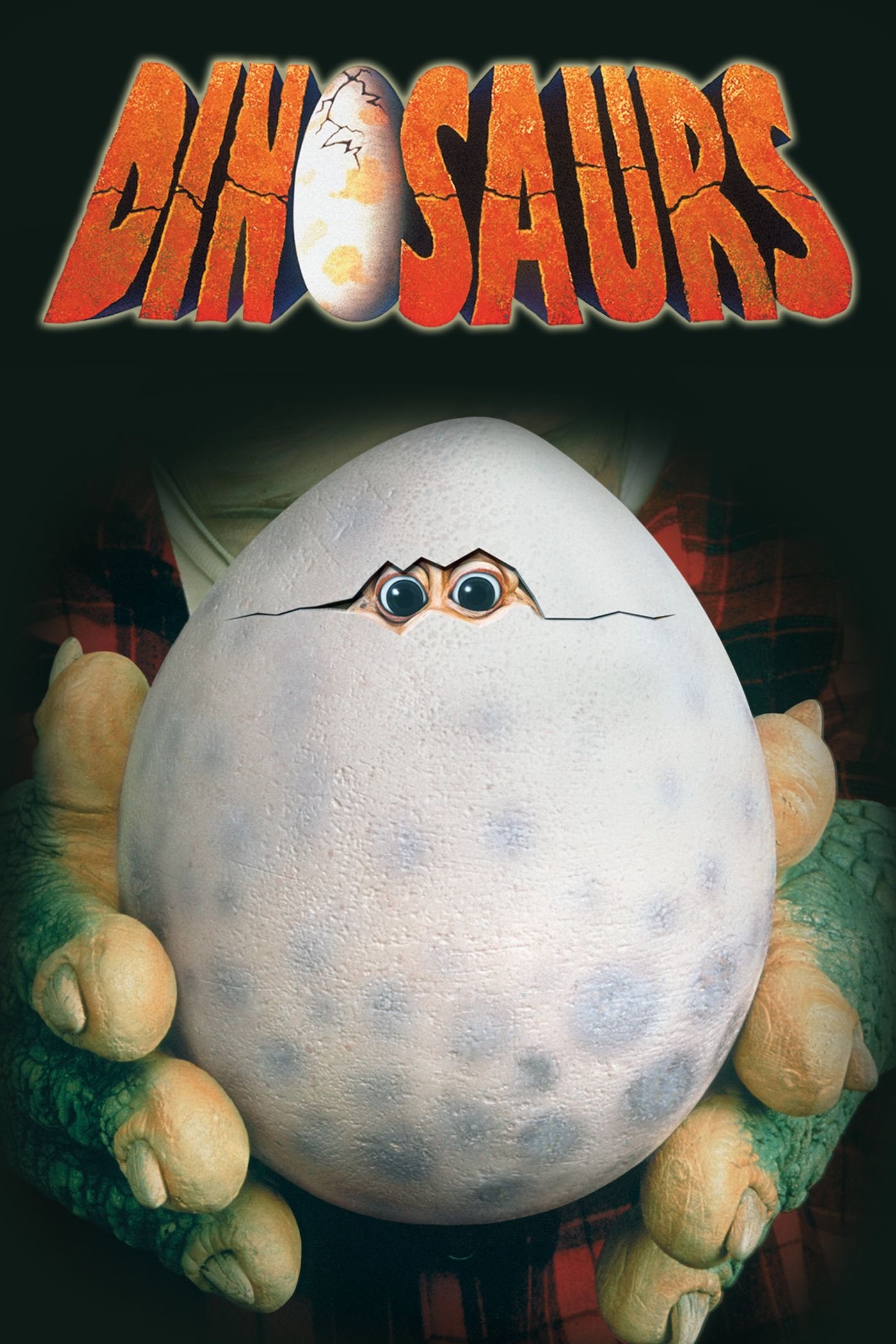
Jim Henson Productions utilized advanced animatronics to tell the story of the Sinclair family in a prehistoric setting. The show functioned as a traditional sitcom that satirized modern American life through the eyes of civilized dinosaurs. Episodes tackled heavy social issues such as environmental destruction and corporate greed while maintaining a family-friendly exterior. The series finale is remembered for its surprisingly dark conclusion regarding the extinction of the main characters. ‘Dinosaurs’ managed to balance slapstick humor with poignant commentary on societal collapse.
‘Eerie, Indiana’ (1991–1992)
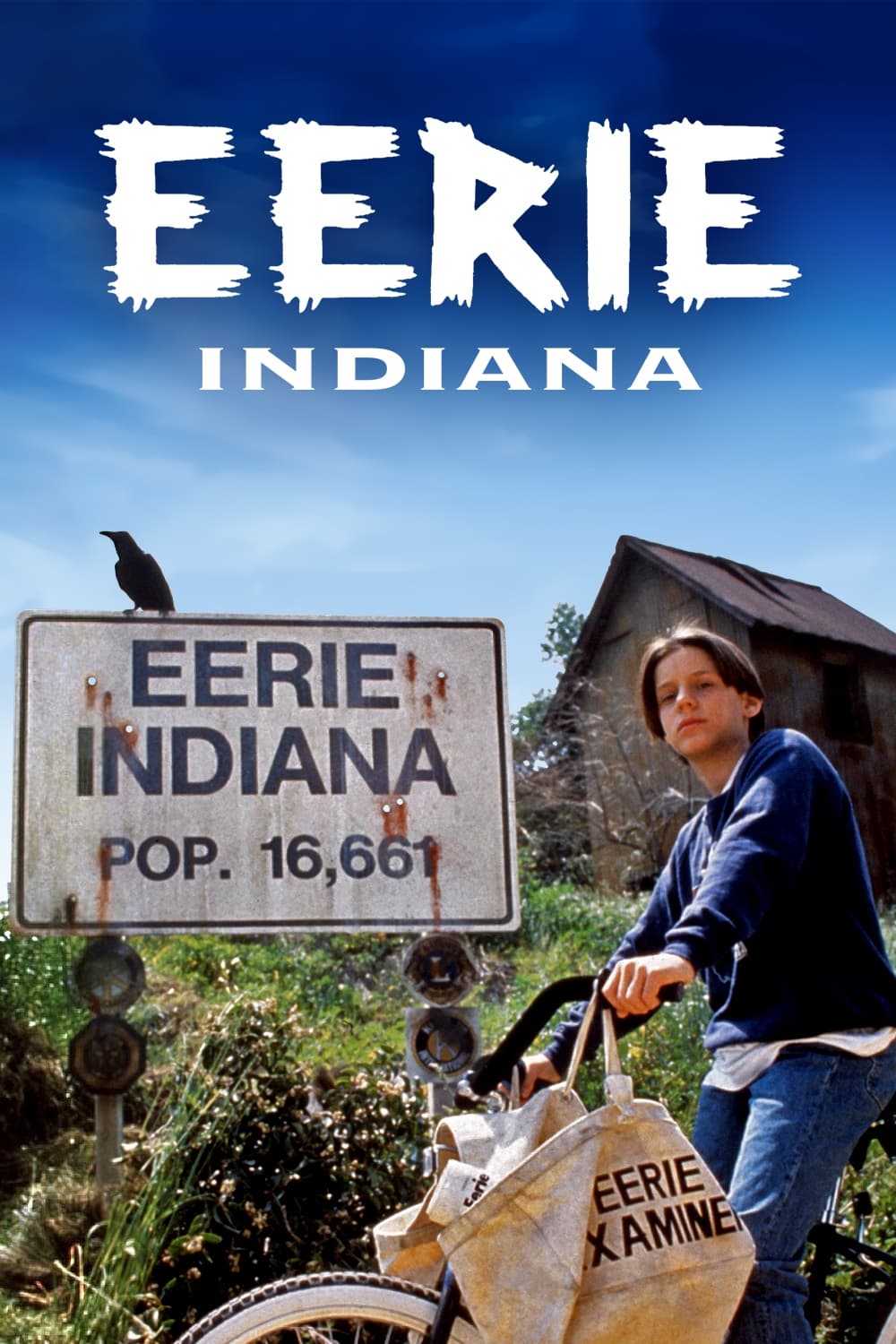
Marshall Teller moves to a small town where urban legends and bizarre phenomena are everyday occurrences. He documents evidence of Elvis Presley living on his paper route and Tupperware that preserves human vitality forever. The show utilized a unique visual style and clever writing that appealed to both children and adults. It functioned as a precursor to later supernatural mystery shows by mixing horror elements with quirky humor. The surreal atmosphere makes it a standout entry in the genre of juvenile fiction.
‘The Adventures of Brisco County, Jr.’ (1993–1994)
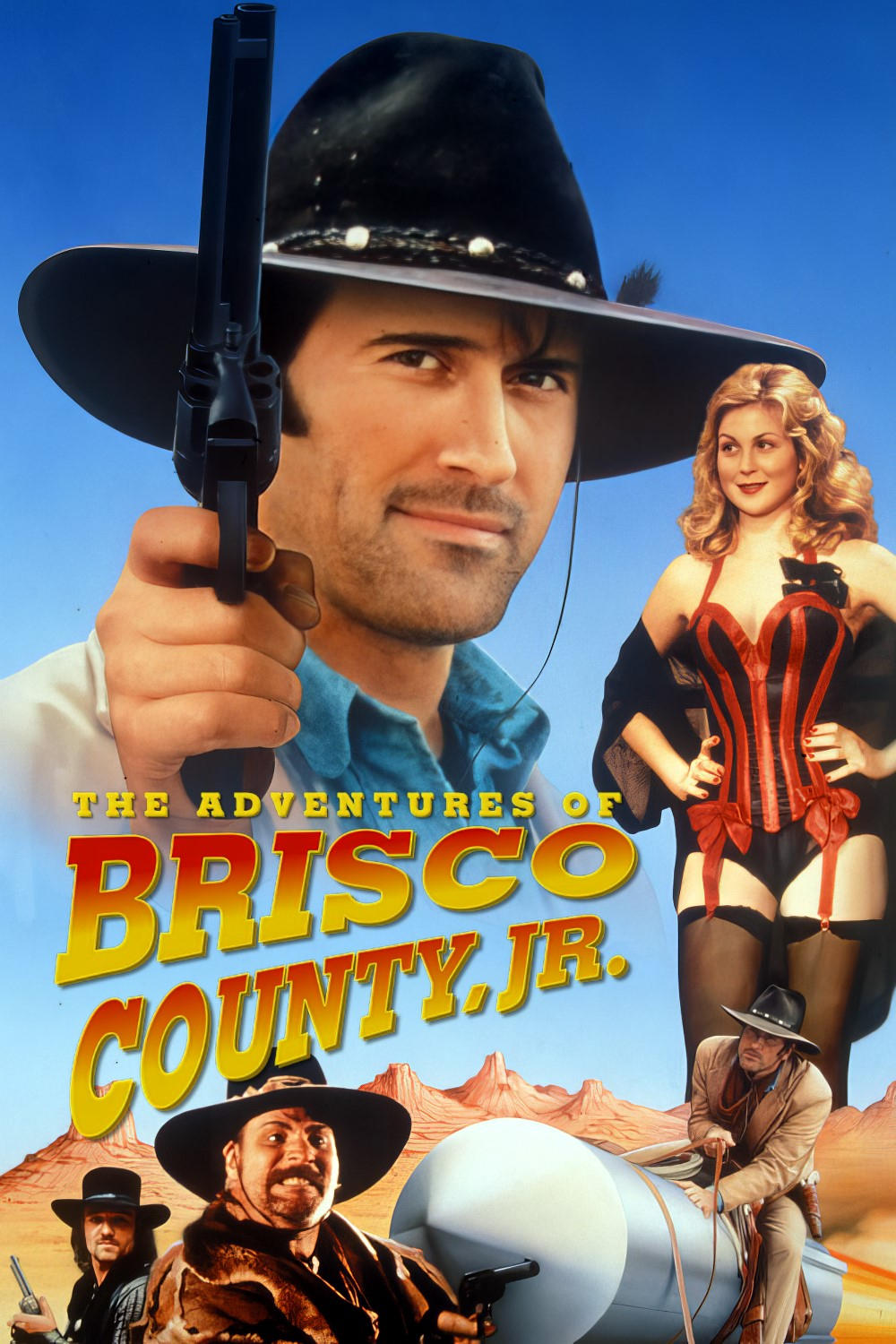
Bruce Campbell stars as a Harvard-educated lawyer turned bounty hunter in the American West. The series blends traditional western tropes with steampunk technology and science fiction elements involving mysterious golden orbs. Brisco uses futuristic gadgets and his wits to track down the outlaw gang that killed his father. Writers infused the script with anachronistic humor and a sense of adventure that defied easy categorization. This genre-mashing approach garnered a devoted cult following despite struggling to find a broad audience during its initial broadcast.
‘Herman’s Head’ (1991–1994)
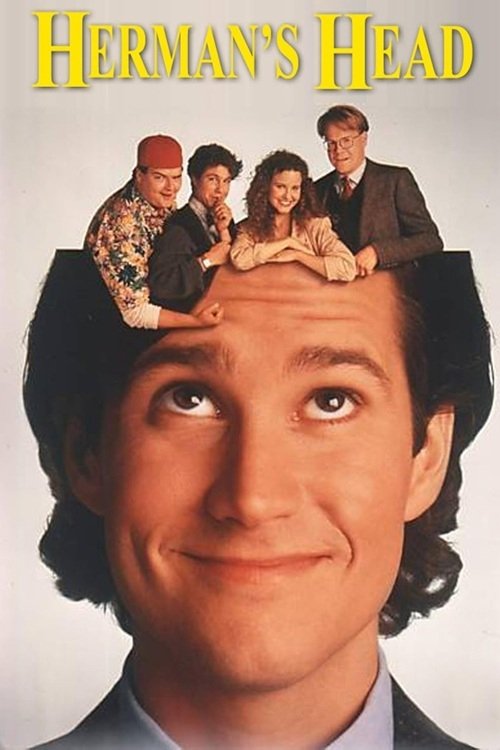
This sitcom visualizes the internal thought processes of a fact-checker named Herman through a Greek chorus of four distinct personalities. These characters represent his intellect, anxiety, sensitivity, and lust as they argue inside his brain to control his actions. The external plotlines follow standard office and dating scenarios while the internal segments offer a chaotic perspective on decision making. It provided an early role for Hank Azaria and Yeardley Smith before their massive success in voice acting. The high-concept premise anticipated later films that would personify human emotions.
‘Wild Palms’ (1993)

This cyberpunk mini-series depicts a dystopian Los Angeles dominated by mass media and virtual reality technology. A patent attorney gets drawn into a conspiracy involving a powerful senator and a revolutionary underground movement. The narrative explores themes of corporate control and the blurring lines between reality and digital hallucination. Oliver Stone produced this stylish drama that featured aggressive visual flair and complex plotting. It remains a fascinating time capsule of early 1990s anxieties regarding the internet and information technology.
‘Profit’ (1996)
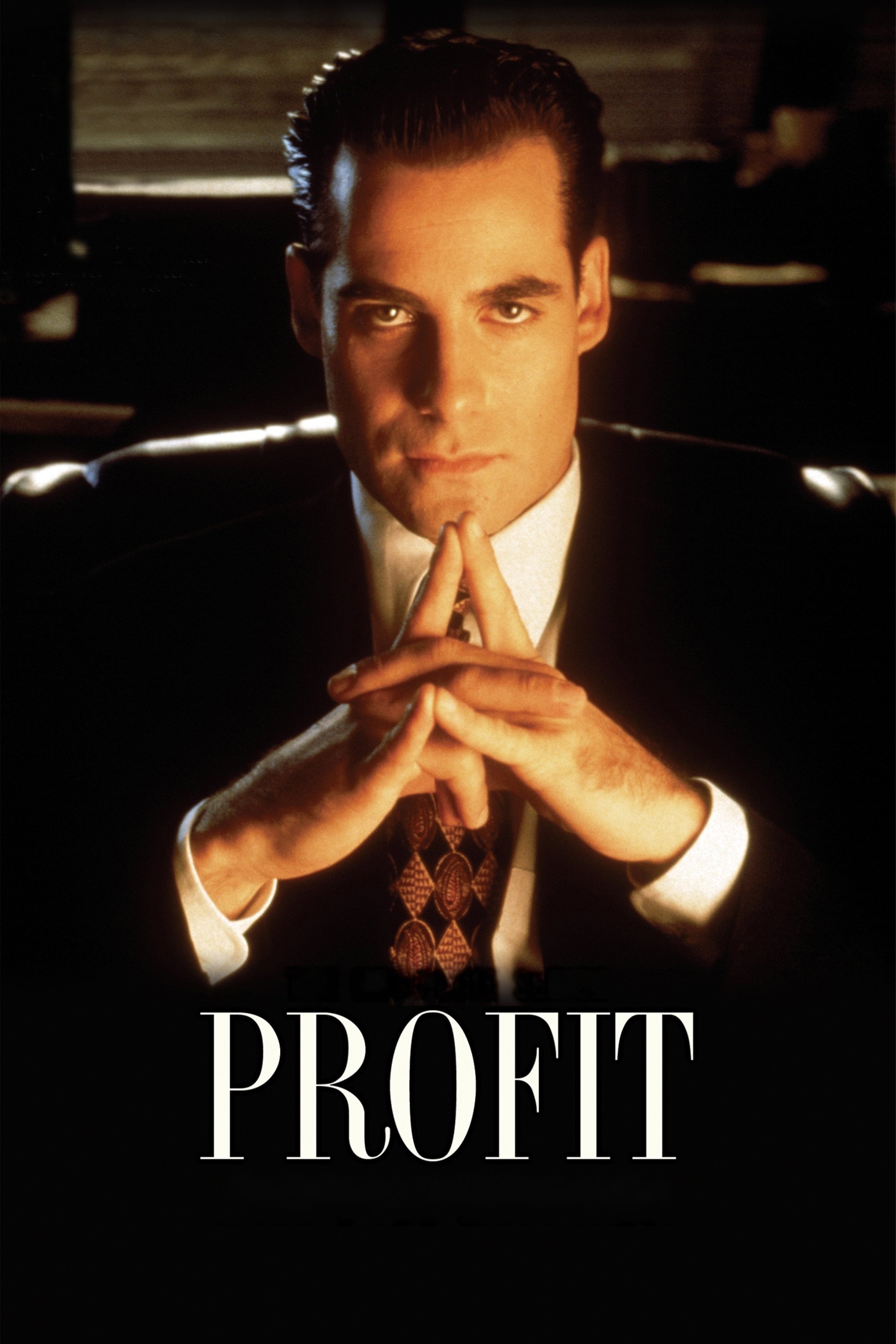
Jim Profit works for a massive conglomerate and destroys his competitors using blackmail and bribery. The show broke ground by featuring a sociopathic protagonist who narrates his Machiavellian schemes directly to the audience. Viewers were unsettled by the lead character who slept in a cardboard box despite his immense wealth and power. The corporate satire was too dark for mainstream audiences at the time and led to a swift cancellation. Critics now consider ‘Profit’ a significant precursor to the anti-hero dramas that dominated the early 21st century.
‘Nowhere Man’ (1995–1996)
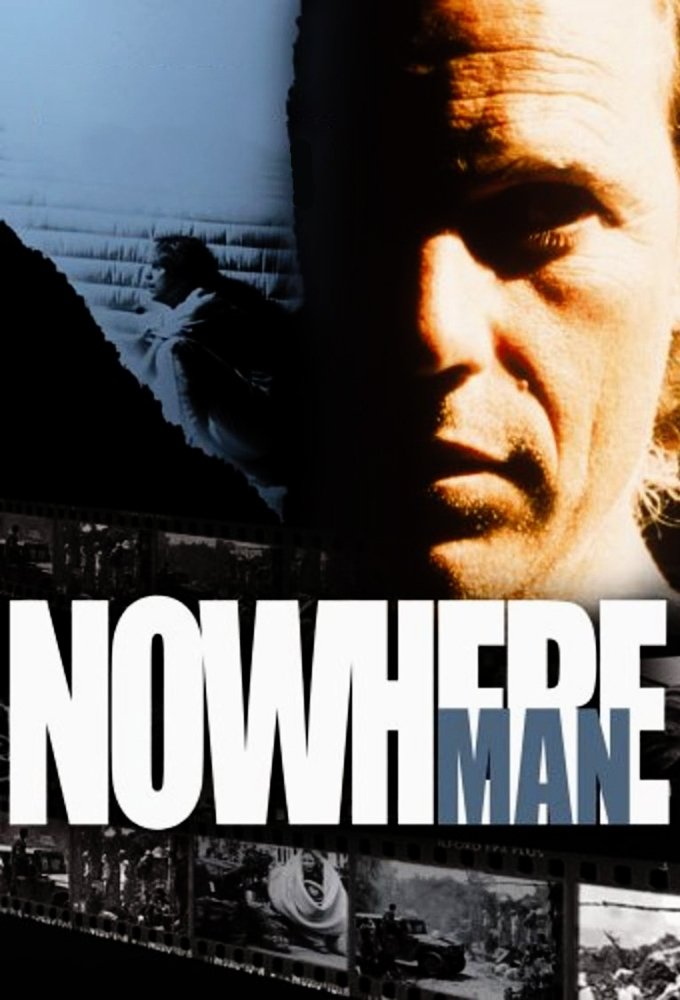
Photojournalist Thomas Veil discovers that his entire identity has been erased by a mysterious organization. He travels across the country searching for answers while evading assassins and people who claim not to know him. The psychological thriller maintained a paranoid atmosphere where no character could be trusted. Each episode unraveled a small piece of the conspiracy without giving away the central mystery. The show effectively tapped into fears of government surveillance and the fragility of personal identity.
‘Space: Above and Beyond’ (1995–1996)
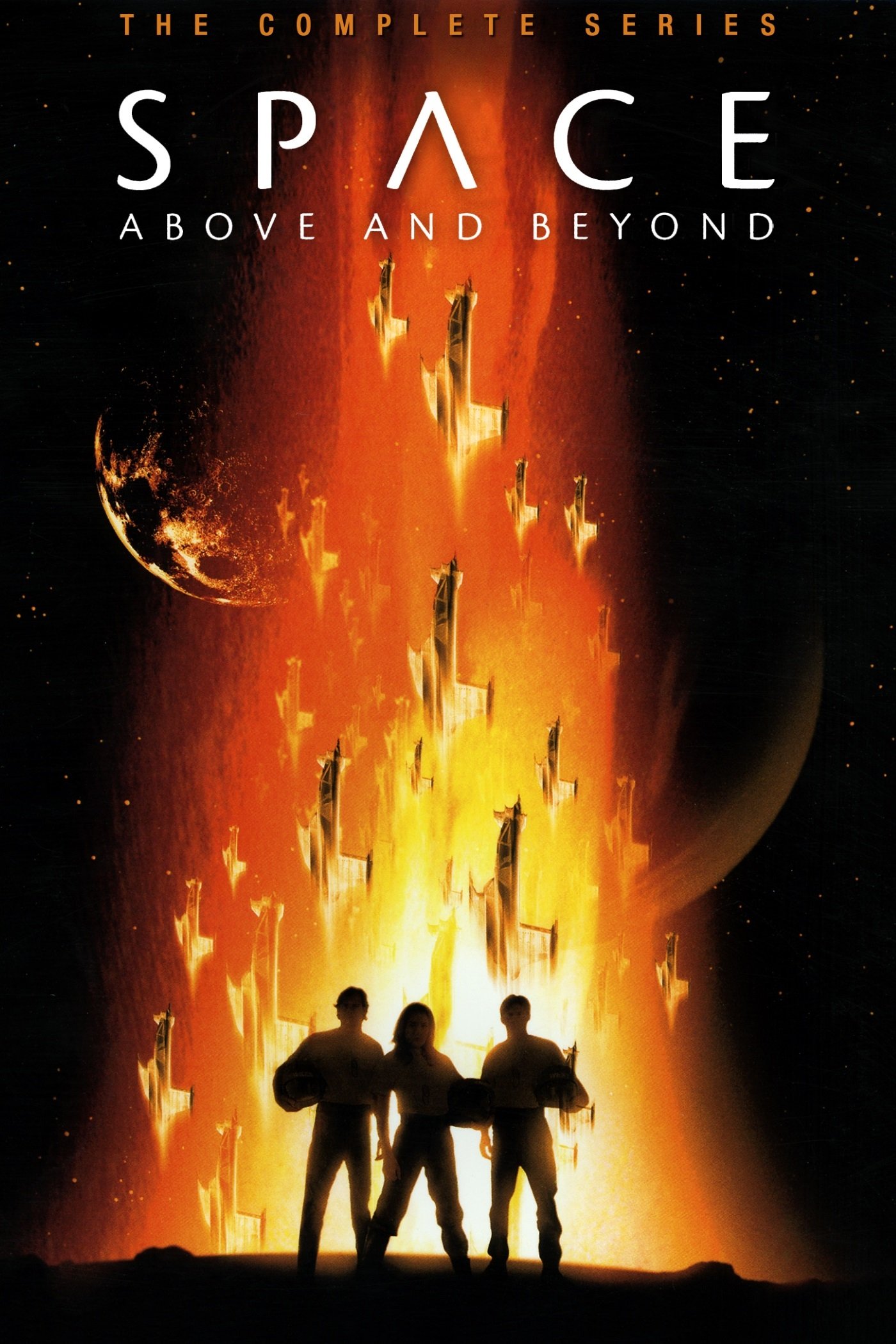
This military science fiction drama follows a squadron of rookie Marines fighting an interstellar war against an alien enemy. The series emphasized the psychological toll of combat and the dehumanizing nature of futuristic warfare. Characters faced high mortality rates and complex moral dilemmas rather than simple heroic victories. The creators focused on gritty realism and the camaraderie of the soldiers living on the carrier USS Saratoga. It offered a somber alternative to the more optimistic space operas of the era.
‘Earth 2’ (1994–1995)

A group of colonists crash lands on a distant planet and must travel across a hostile terrain to reach their intended destination. The show focused on survival mechanics and the political tensions between different factions of the expedition. They encounter a native species called the Terrians who can communicate through dreams and the planetary landscape. The narrative prioritized character development and environmental themes over space battles. ‘Earth 2’ attempted to bring a hard science fiction approach to primetime network television.
‘VR.5’ (1995)

A quiet telephone lineswoman discovers she can enter a virtual reality dimension by using a special headset. She uses this ability to manipulate the subconscious minds of others and uncover secrets about her family history. The show utilized distinctive color filters and visual effects to distinguish the virtual world from the real one. Plots often ventured into espionage and corporate intrigue as a secret organization sought to control her technology. It stands as a unique artifact of the mid-90s obsession with virtual reality capabilities.
‘American Gothic’ (1995–1996)
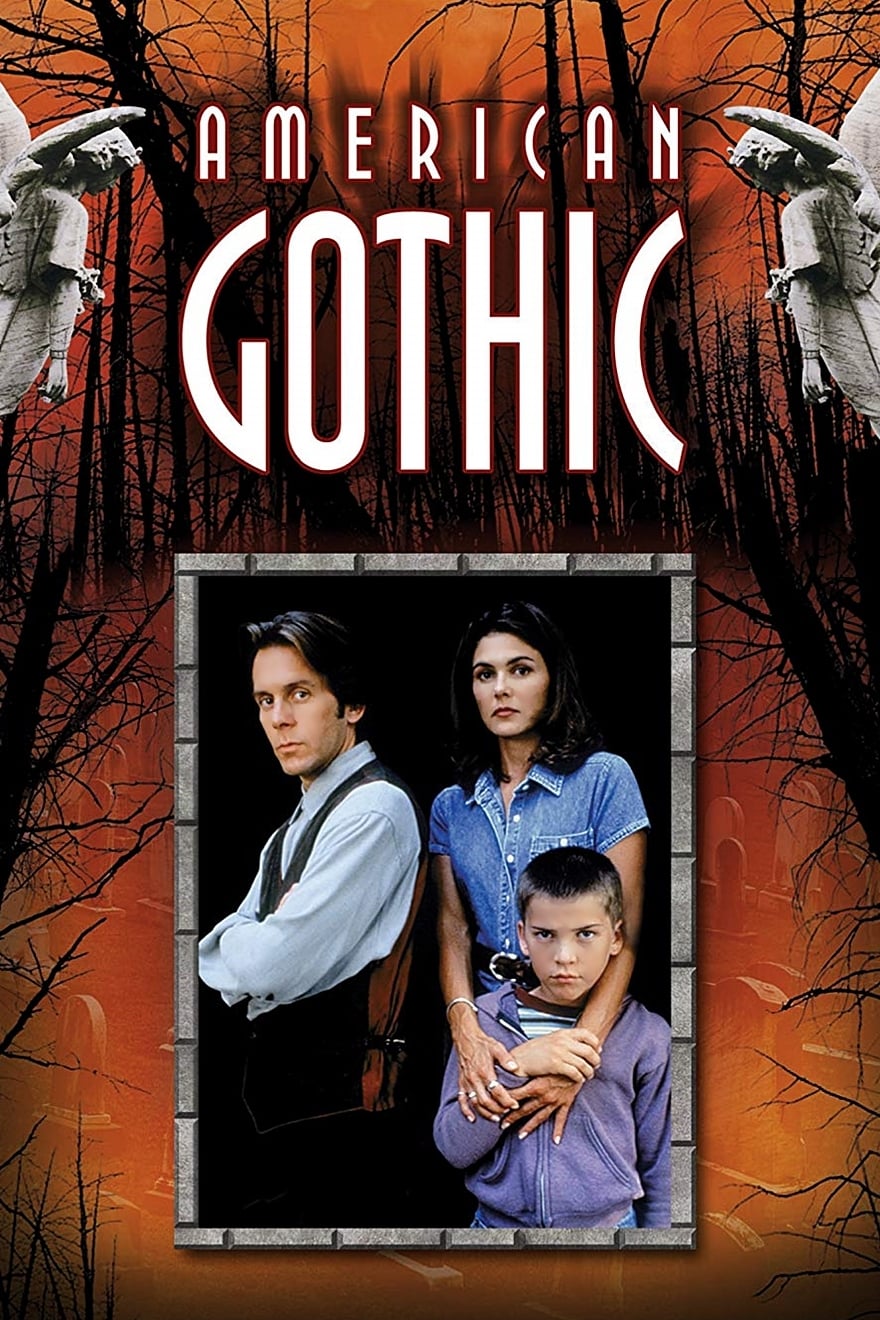
Sheriff Lucas Buck rules the town of Trinity with a charismatic charm and supernatural powers. He manipulates the townspeople into committing dark acts while grooming a young boy to be his successor. The series blended Southern gothic horror with a morality play about the nature of evil. Gary Cole delivered a memorable performance as the manipulative antagonist who always seemed one step ahead of justice. The dark tone and religious imagery set it apart from standard police dramas.
‘Strange Luck’ (1995–1996)

Chance Harper survived a plane crash as a child and now experiences bizarre coincidences on a daily basis. He uses these random occurrences to help strangers and solve mysteries that the police cannot handle. The show explored the concept of fate and synchronicity through a mix of drama and wry humor. D.B. Sweeney played the lead character who viewed his condition as both a gift and a curse. The premise allowed for creative storytelling that did not rely on traditional detective work.
‘The Secret World of Alex Mack’ (1994–1998)
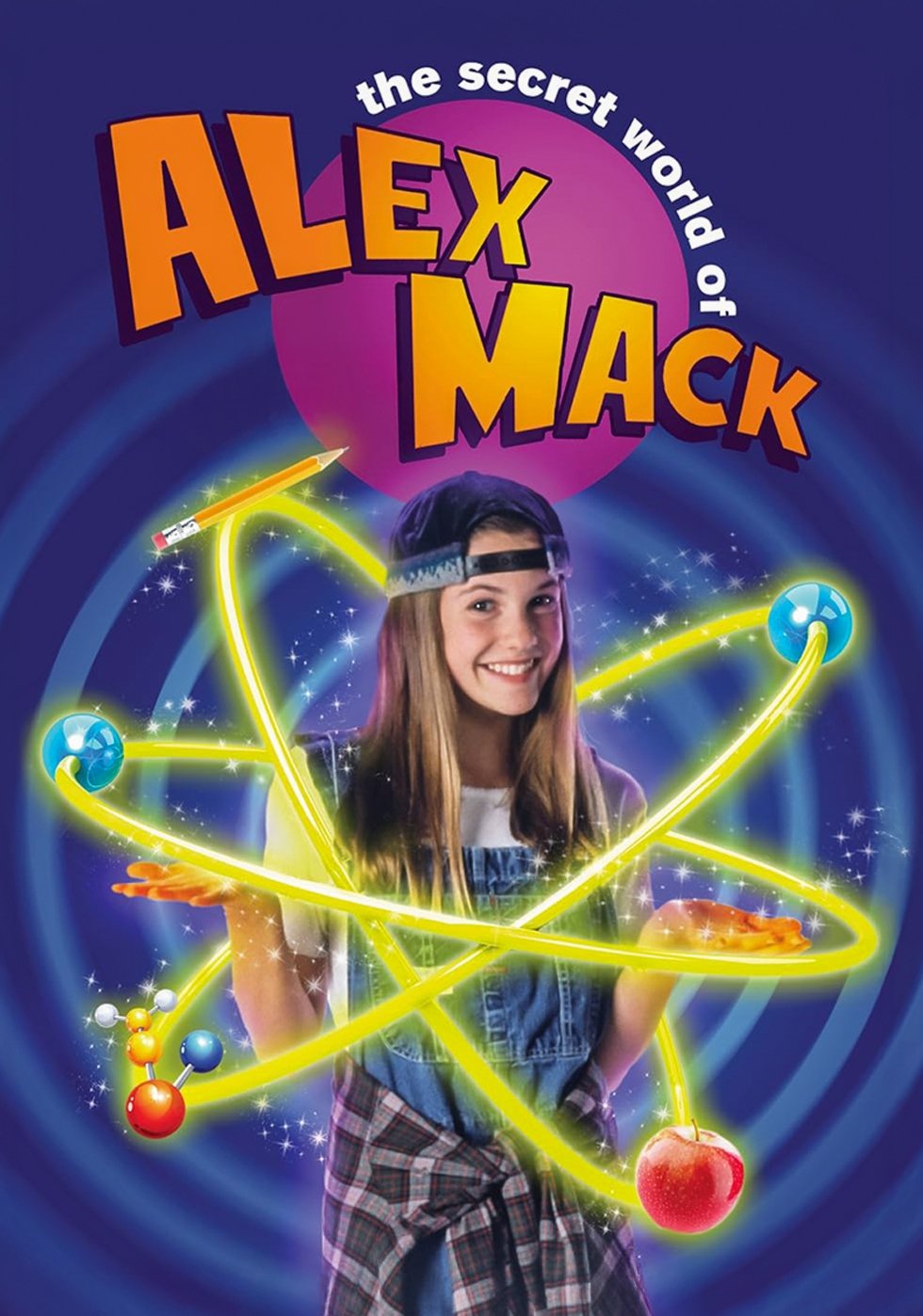
A teenage girl is drenched in a top-secret chemical called GC-161 and gains the ability to telekinetically move objects and turn into a puddle. She must hide her powers from her parents and the chemical plant CEO who wants to experiment on her. The show captured the feeling of 90s youth culture through its fashion and high school setting. It served as a defining series for the Nickelodeon network by mixing sci-fi adventure with adolescent drama. ‘The Secret World of Alex Mack’ remains a nostalgic touchstone for viewers who grew up during the decade.
‘Brimstone’ (1998–1999)
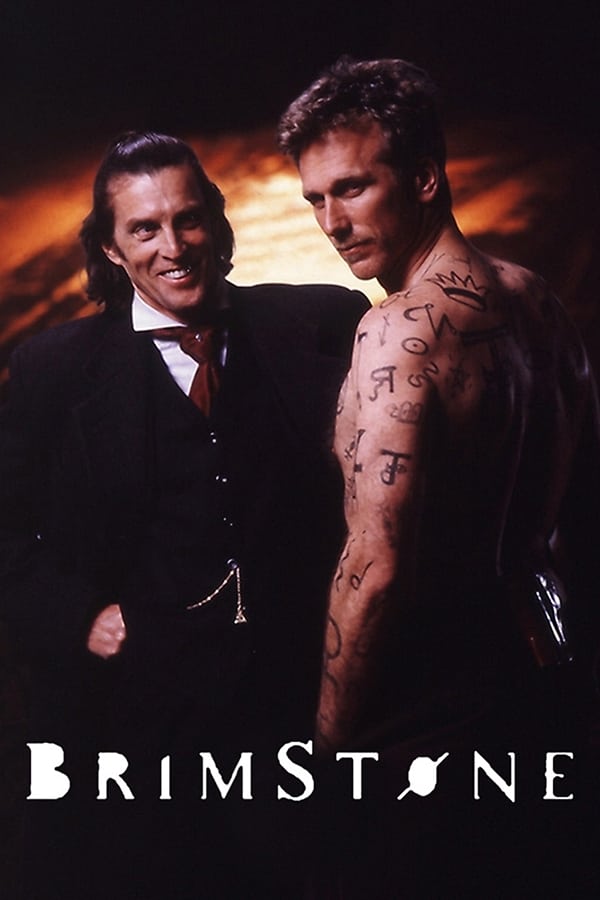
A dead police officer strikes a deal with the Devil to return to Earth and track down escaping souls from Hell. He must capture 113 villains using only his wits and the ability to destroy their eyes which are their windows to the soul. The series featured a dry wit and a unique theological mythology regarding the afterlife. John Glover played the Devil as an amused bureaucrat who enjoyed tormenting the protagonist. The atmospheric production design gave the show a distinct noir aesthetic.
‘Dark Skies’ (1996–1997)
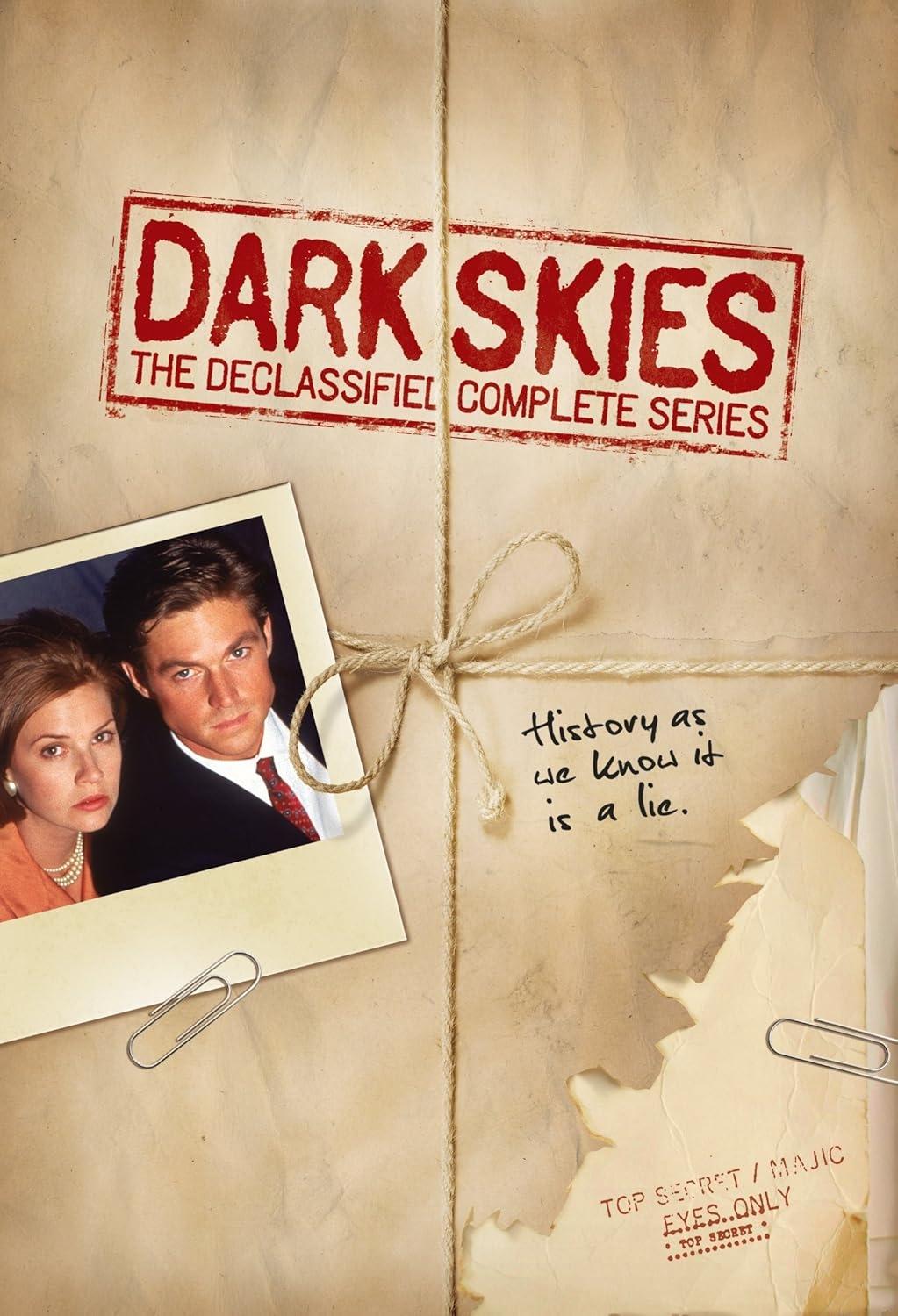
This conspiracy thriller reimagines 20th-century history by inserting an alien invasion plot into real events. The protagonists attempt to expose the alien threat known as the Hive while being hunted by a covert government agency. Episodes incorporated figures like JFK and the Beatles into a narrative about extraterrestrial manipulation. The show aspired to tell a five-season arc covering decades of history but was cut short after one year. It offered a more historical and political alternative to other alien invasion shows of the time.
‘Roar’ (1997)
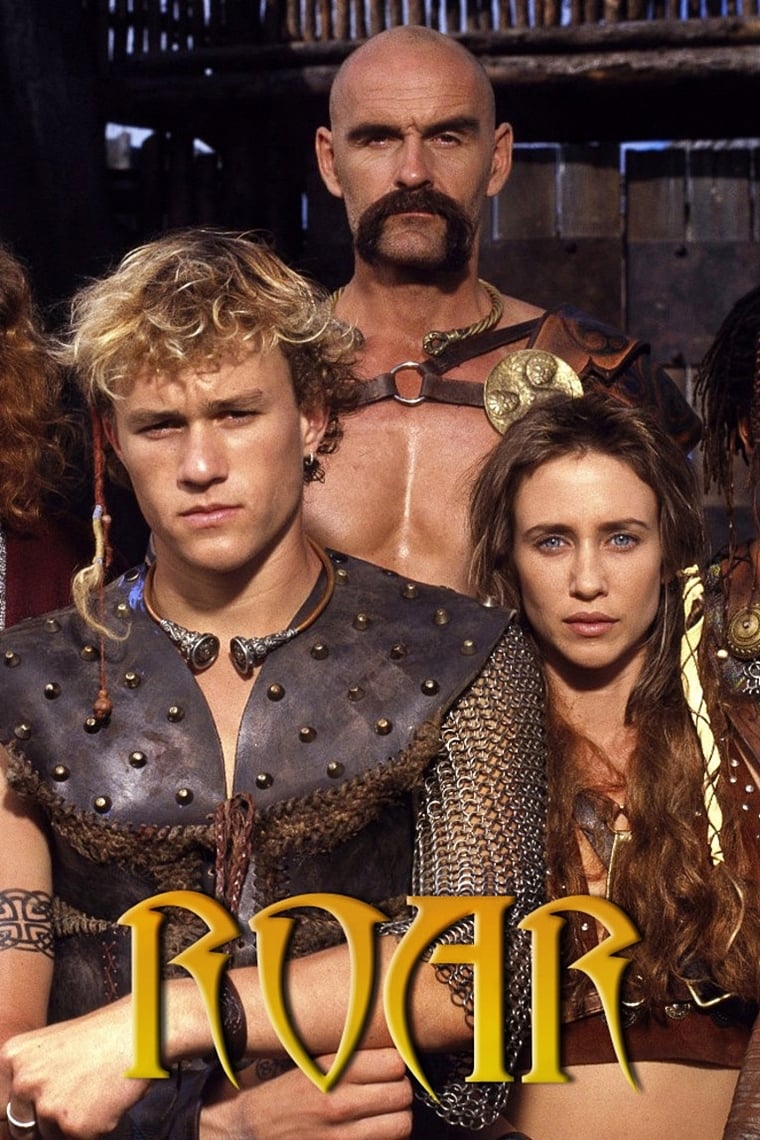
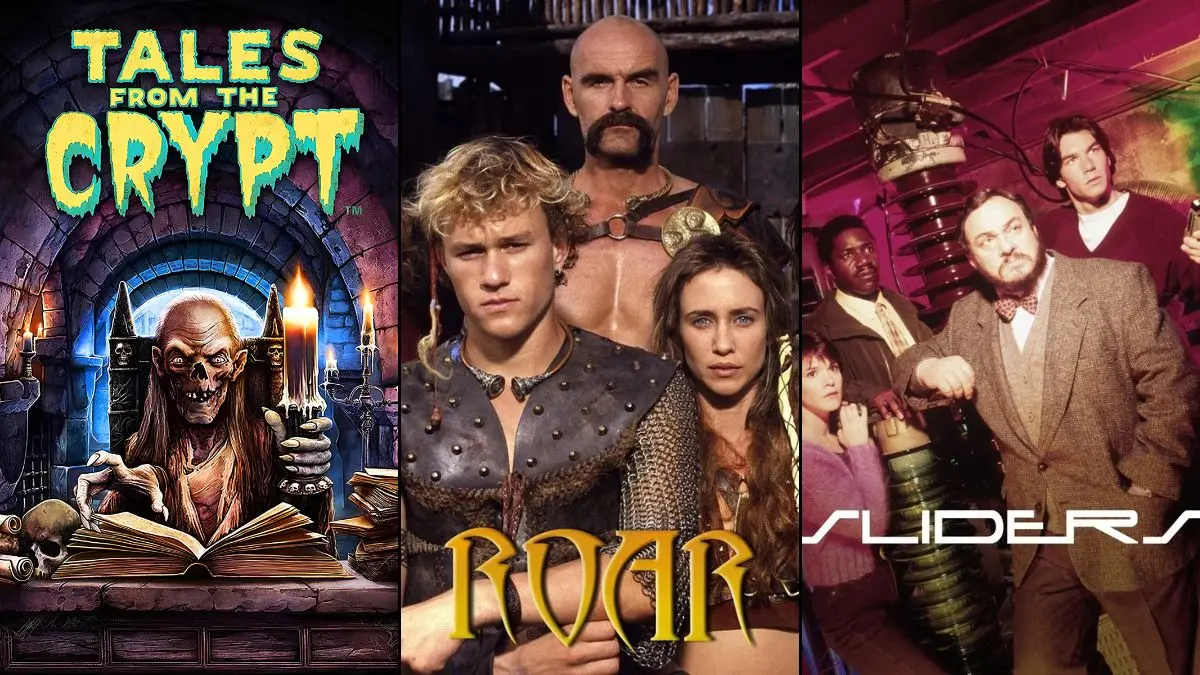
Heath Ledger stars as a young Irish prince in 400 AD who attempts to unite Celtic tribes against Roman invaders. The show combined historical fantasy with modern music and stylized action sequences. Sorcery and mysticism played a significant role as the characters navigated ancient political feuds. The visuals were often gritty and dark to reflect the harshness of the time period. ‘Roar’ is primarily remembered today for introducing Ledger to American audiences before his film career took off.
‘Kindred: The Embraced’ (1996)
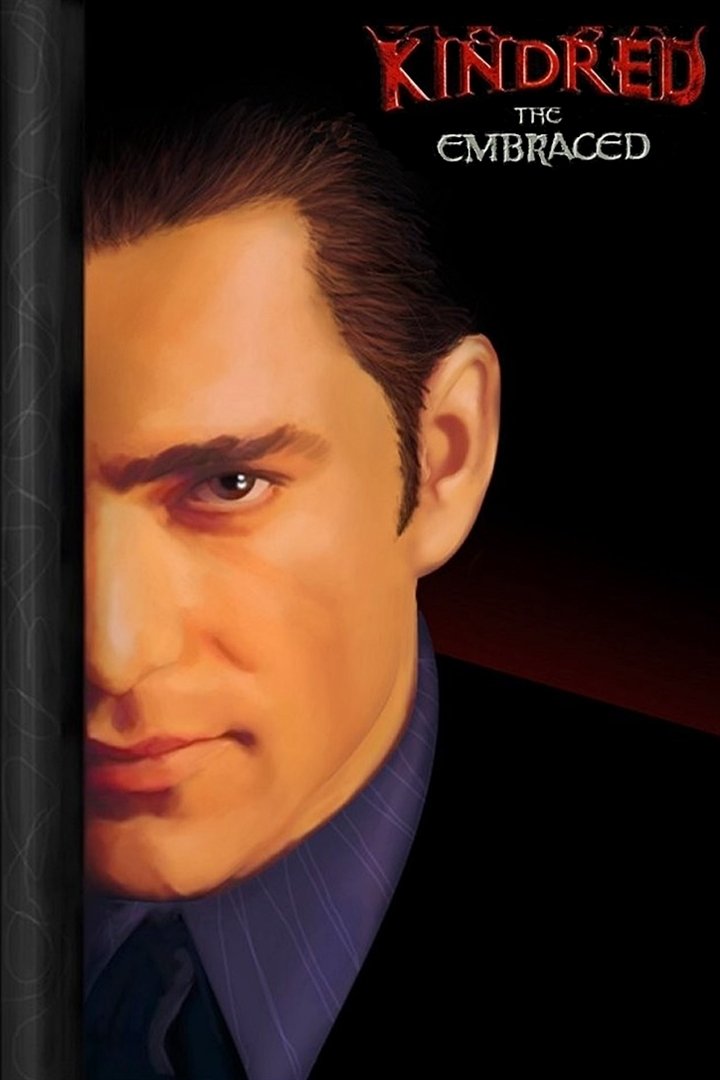
Based on a role-playing game, this series depicts vampire clans operating as organized crime families in San Francisco. A human detective investigates the supernatural underworld while a vampire prince tries to maintain order among the factions. The show treated vampirism as a biological condition rather than a mystical curse. It focused heavily on the political maneuvering and romantic entanglements of the undead characters. The series attempted to bring a sophisticated and adult tone to the vampire genre.
‘Get a Life’ (1990–1992)

Chris Elliott plays a thirty-year-old paperboy who lives with his parents and engages in increasingly surreal behavior. The sitcom actively deconstructed the genre by having the protagonist die in multiple episodes or encounter aliens. The humor was often bizarre and intentionally off-putting to casual viewers. Writers disregarded continuity to focus on the absurdity of the immediate situation. ‘Get a Life’ has influenced generations of alternative comedy with its refusal to be likable or logical.
‘Duckman’ (1994–1997)
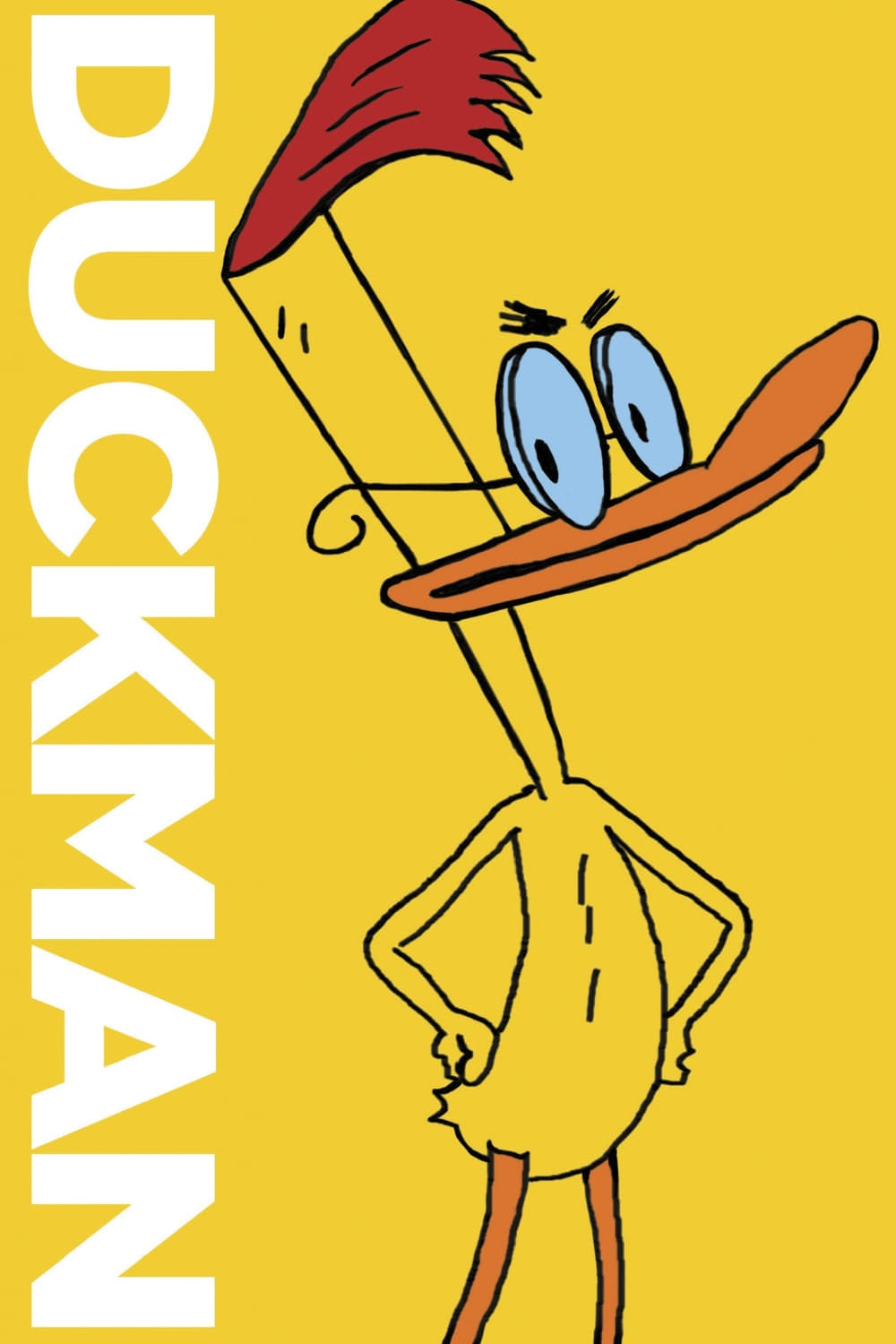
Jason Alexander voices a lewd and incompetent private detective who balances his failing career with a dysfunctional family life. The animated series utilized a scratchy art style and complex layering of jokes that required close attention. It tackled sophisticated themes including philosophy and existential dread while delivering crude humor. The writing was dense and often broke the fourth wall to comment on the medium of television itself. ‘Duckman’ pushed the boundaries of what adult animation could achieve in terms of narrative depth.
‘The Critic’ (1994–1995)
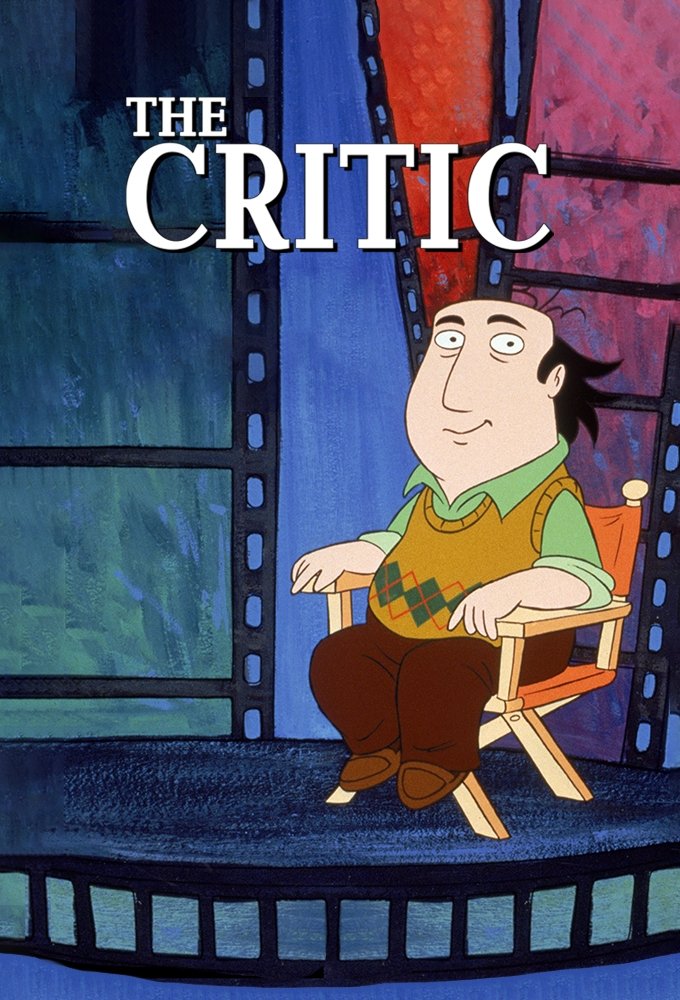
Jay Sherman is a snobbish New York film critic who reviews terrible movies while dealing with his eccentric family. The show featured numerous parodies of popular films that mocked Hollywood trends and celebrity culture. Jon Lovitz provided the voice for the lead character who struggled to find love and respect. The humor was rapid-fire and filled with cultural references that rewarded knowledgeable viewers. It remains a sharp satire of the entertainment industry and the pretension of critics.
‘Dr. Katz, Professional Therapist’ (1995–1999)
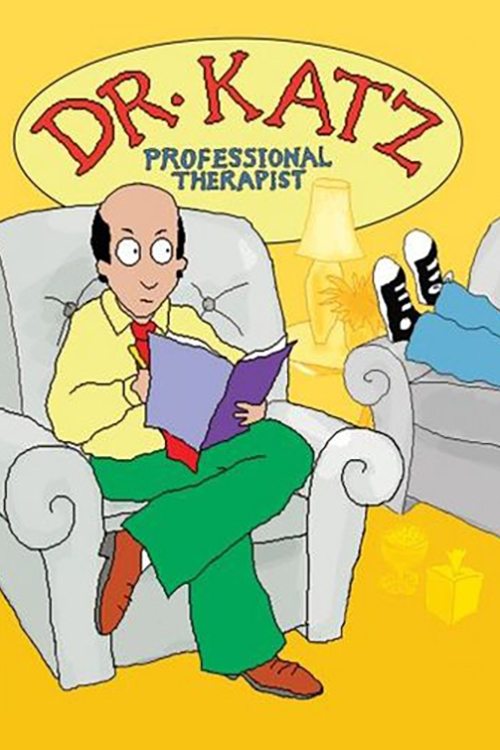
This animated series used a technique called Squigglevision where the outlines of characters constantly vibrated. The plot revolved around a therapist who held sessions with famous comedians who improvised their dialogue. The conversations felt natural and rambling in a way that scripted sitcoms rarely achieved. H. Jon Benjamin gained early recognition as the doctor’s slacker son. The low-stakes atmosphere and dry wit created a relaxing yet hilarious viewing experience.
‘The Maxx’ (1995)
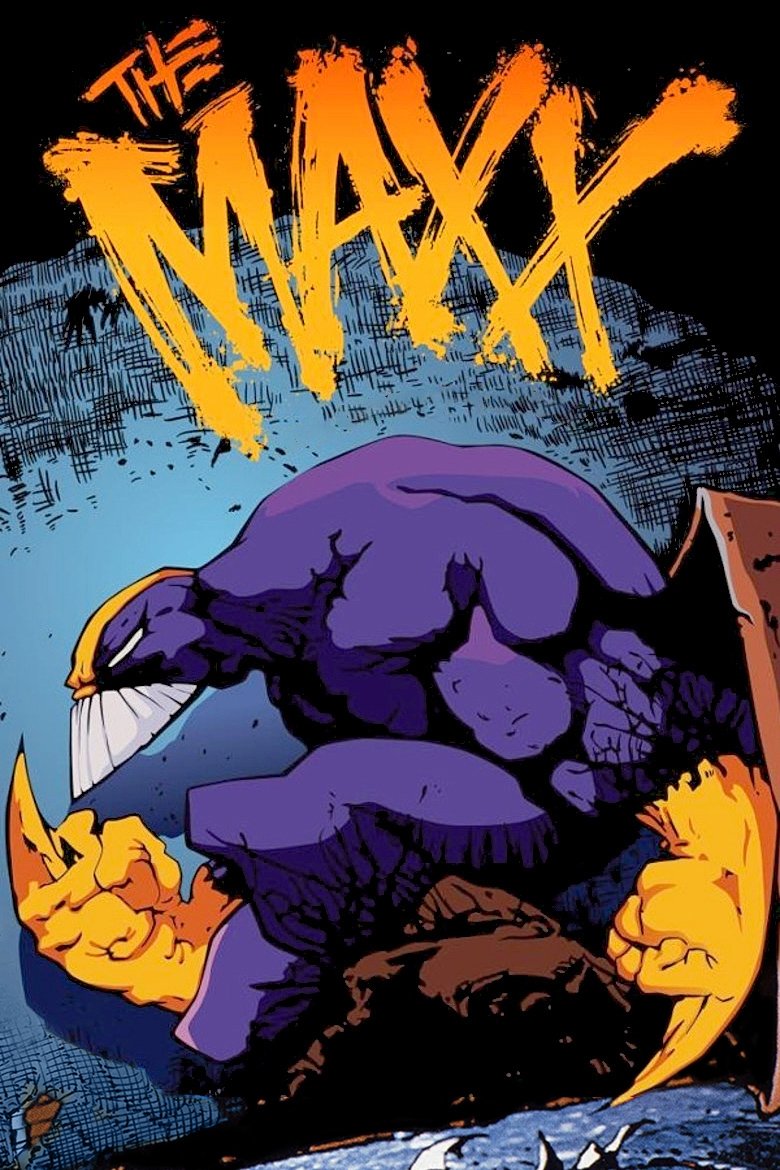
A homeless man believes he is a superhero in a parallel dimension called the Outback where he protects his social worker. The animation style shifted constantly to reflect the unstable mental state of the protagonist. The narrative dealt with trauma and sexual violence in a way that was unprecedented for cartoons on MTV. It was a dark and psychological adaptation of a comic book that did not shy away from disturbing imagery. ‘The Maxx’ stands as a visually experimental masterpiece of 90s animation.
‘Æon Flux’ (1991–1995)
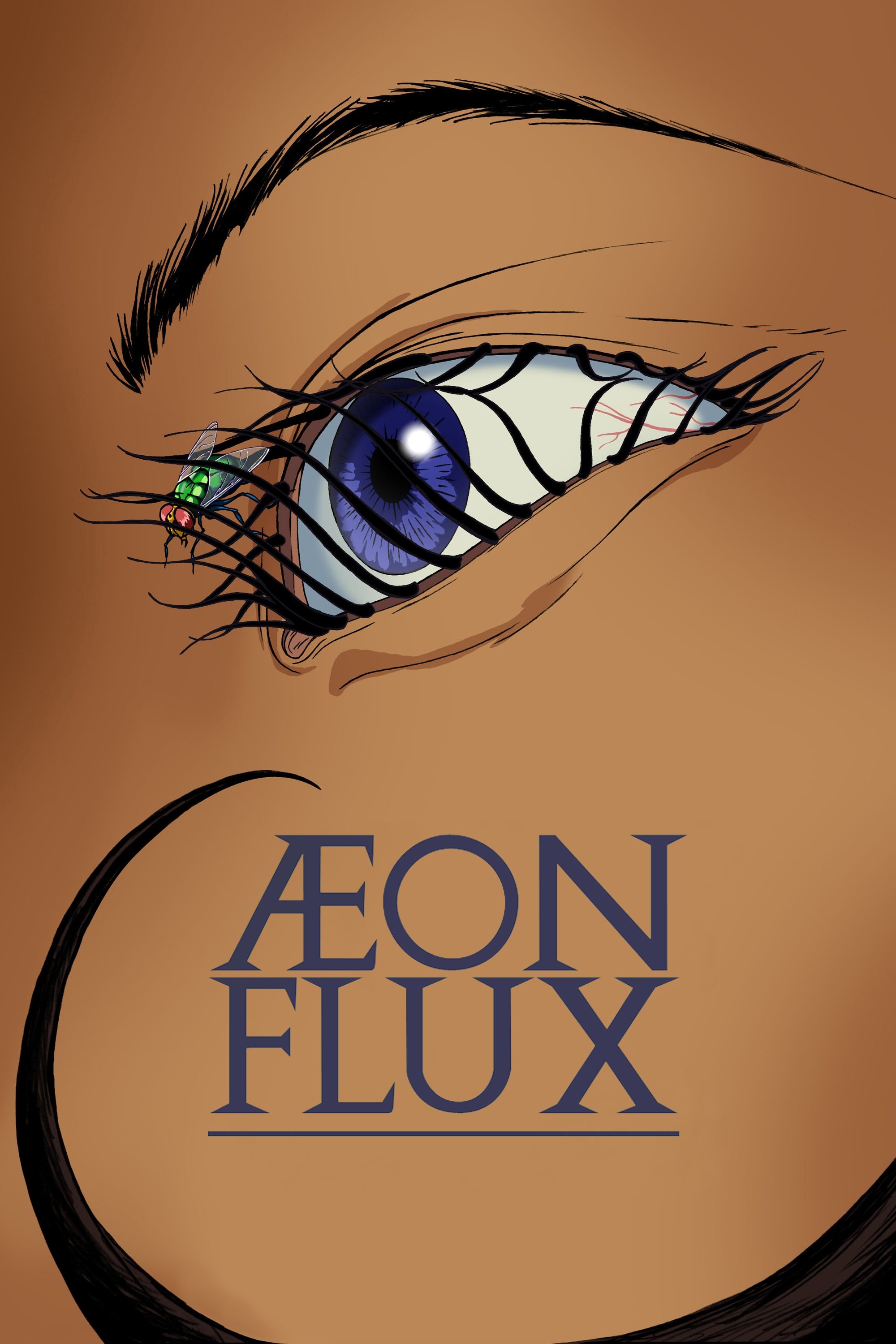
A leather-clad secret agent navigates a dystopian future where two border cities are locked in an ideological war. The storytelling relied heavily on visual cues rather than dialogue and often featured avant-garde directing choices. The protagonist was morally ambiguous and frequently died at the end of episodes only to return in the next. The fluid animation style and complex philosophy made it a staple of late-night television. Peter Chung created a world that was as beautiful as it was confusing.
‘Liquid Television’ (1991–1994)

This anthology series served as a showcase for independent animators to display short films with varying styles. It introduced iconic characters like Beavis and Butt-Head to the world before they received their own spinoffs. The segments ranged from abstract art pieces to narrative shorts and music videos. The show provided a platform for experimental content that had no other place on cable television. ‘Liquid Television’ defined the visual identity of MTV during the early 90s.
‘Parker Lewis Can’t Lose’ (1990–1993)
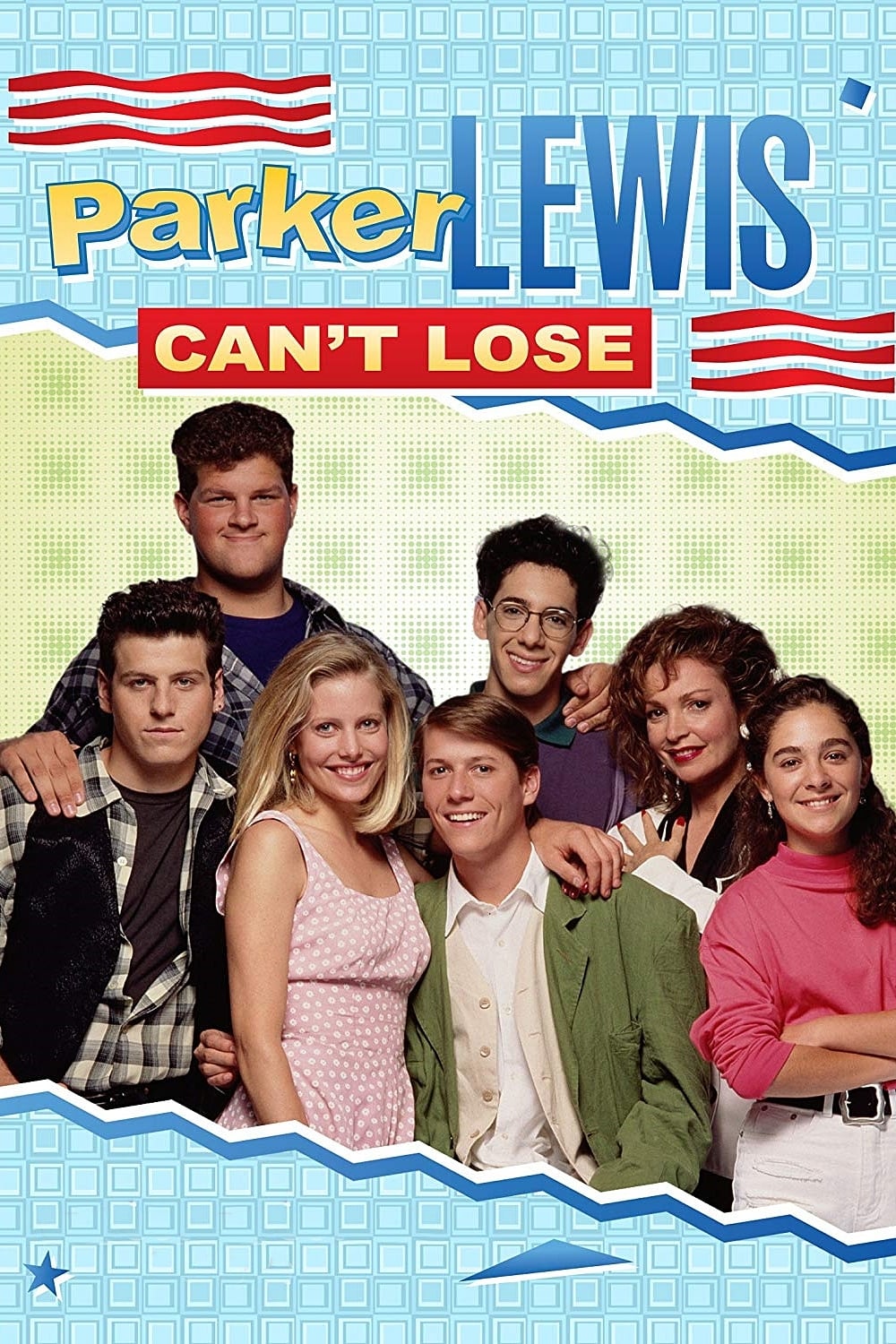
A high school student uses his charm and a network of friends to outsmart authority figures and survive adolescence. The show employed a hyper-stylized single-camera format with cartoony sound effects and quick cuts. It drew comparisons to Ferris Bueller but established its own identity through surreal visual gags. The principal was depicted as a villain who could shatter glass with her voice. This series influenced the visual language of future single-camera sitcoms.
‘Action’ (1999)
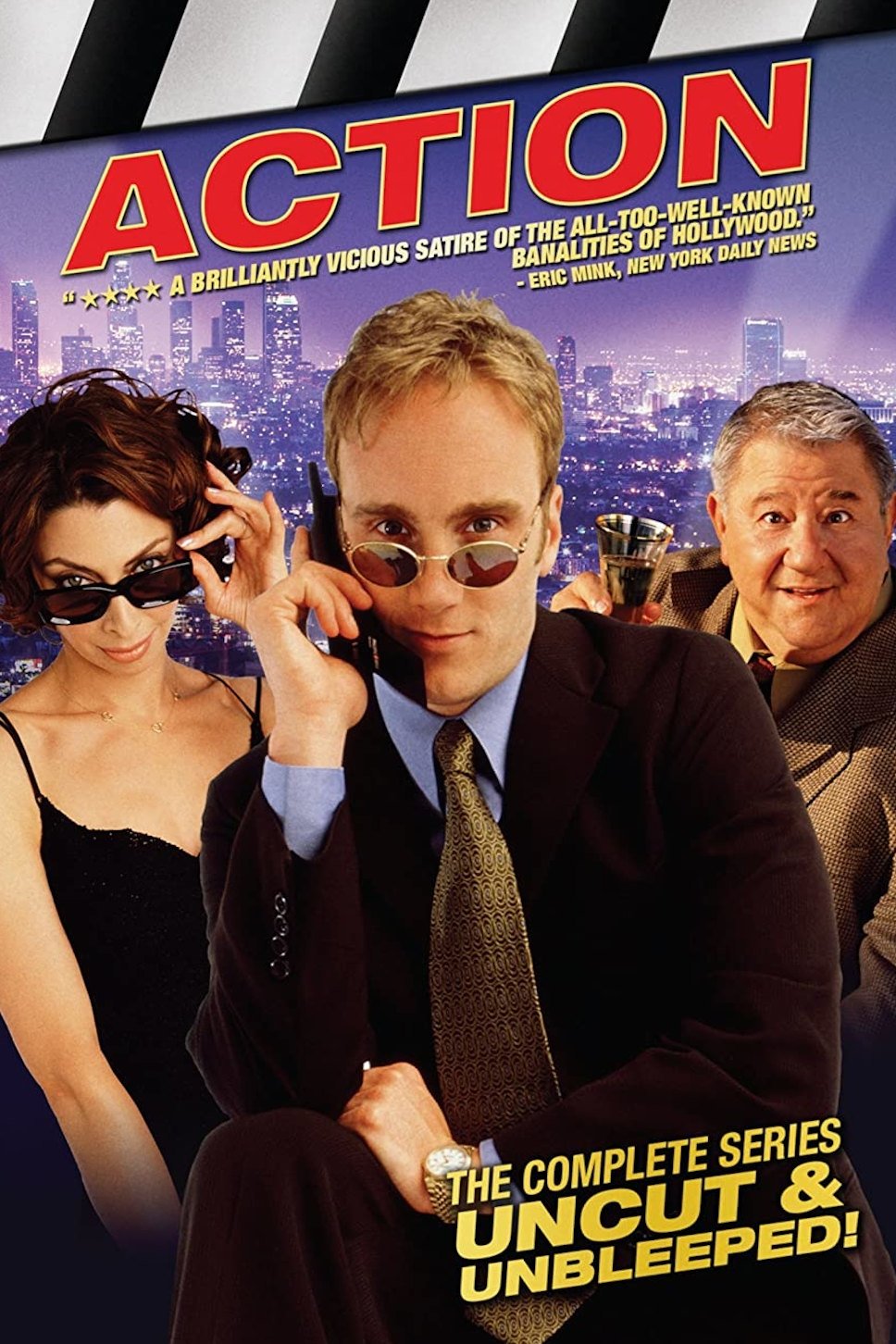
Jay Mohr stars as a ruthless Hollywood producer attempting to bounce back from a box office bomb. The show offered a cynical and profane look at the movie industry that was ahead of its time. It featured cameo appearances from real celebrities playing exaggerated versions of themselves. The dialogue was so risqué that the network had to beep out words constantly during the broadcast. ‘Action’ satirized the ego and greed of show business with biting accuracy.
‘Dream On’ (1990–1996)
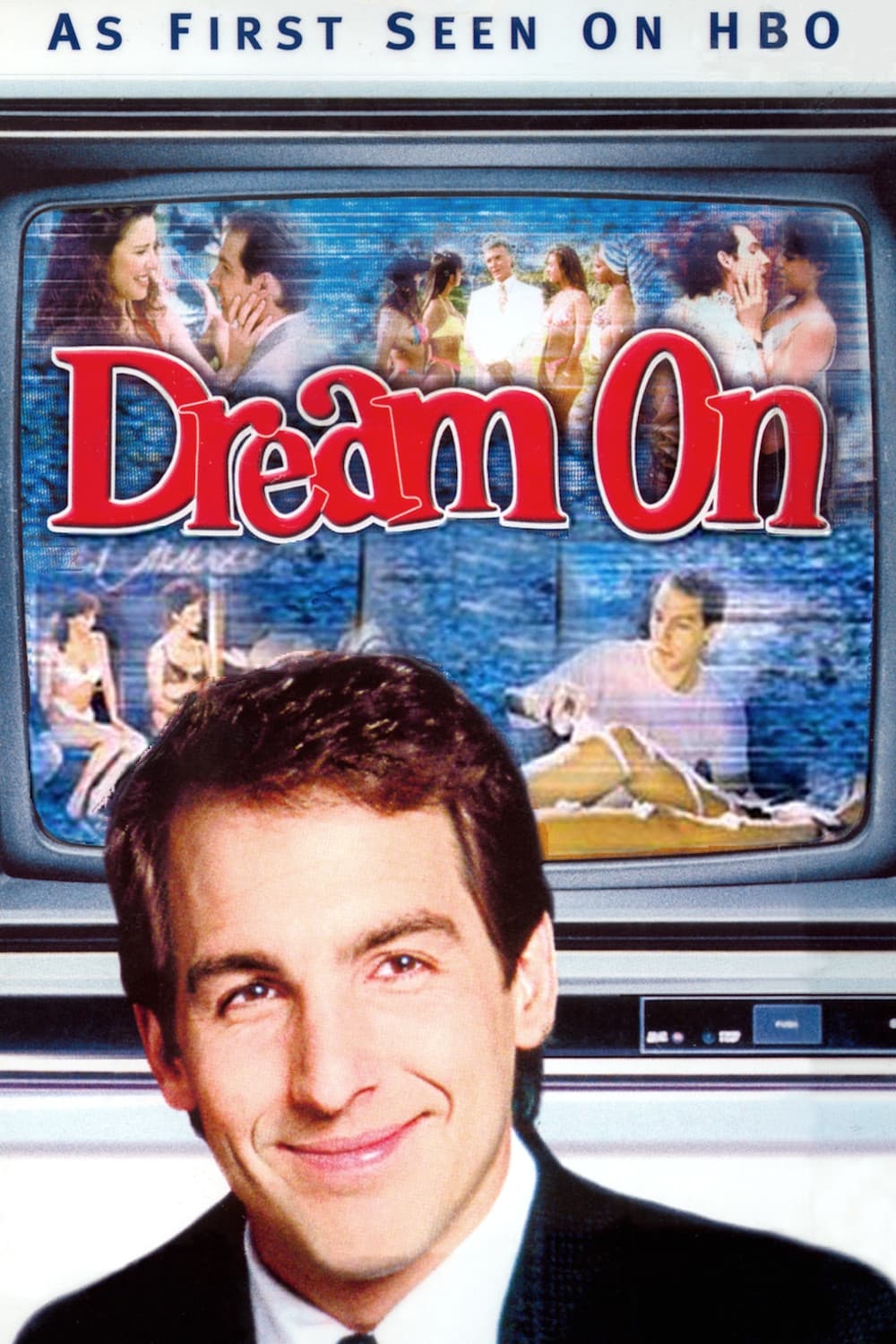
Martin Tupper is a divorced book editor whose inner thoughts are expressed through clips from old black-and-white television shows. The series combined traditional sitcom situations with a unique editing style that contextualized the action through media history. It was one of the first original series for HBO and featured more adult content than broadcast networks allowed. The show explored the idea that the protagonist’s generation was raised by television. ‘Dream On’ effectively merged nostalgia with modern relationship neuroses.
‘Unhappily Ever After’ (1995–1999)
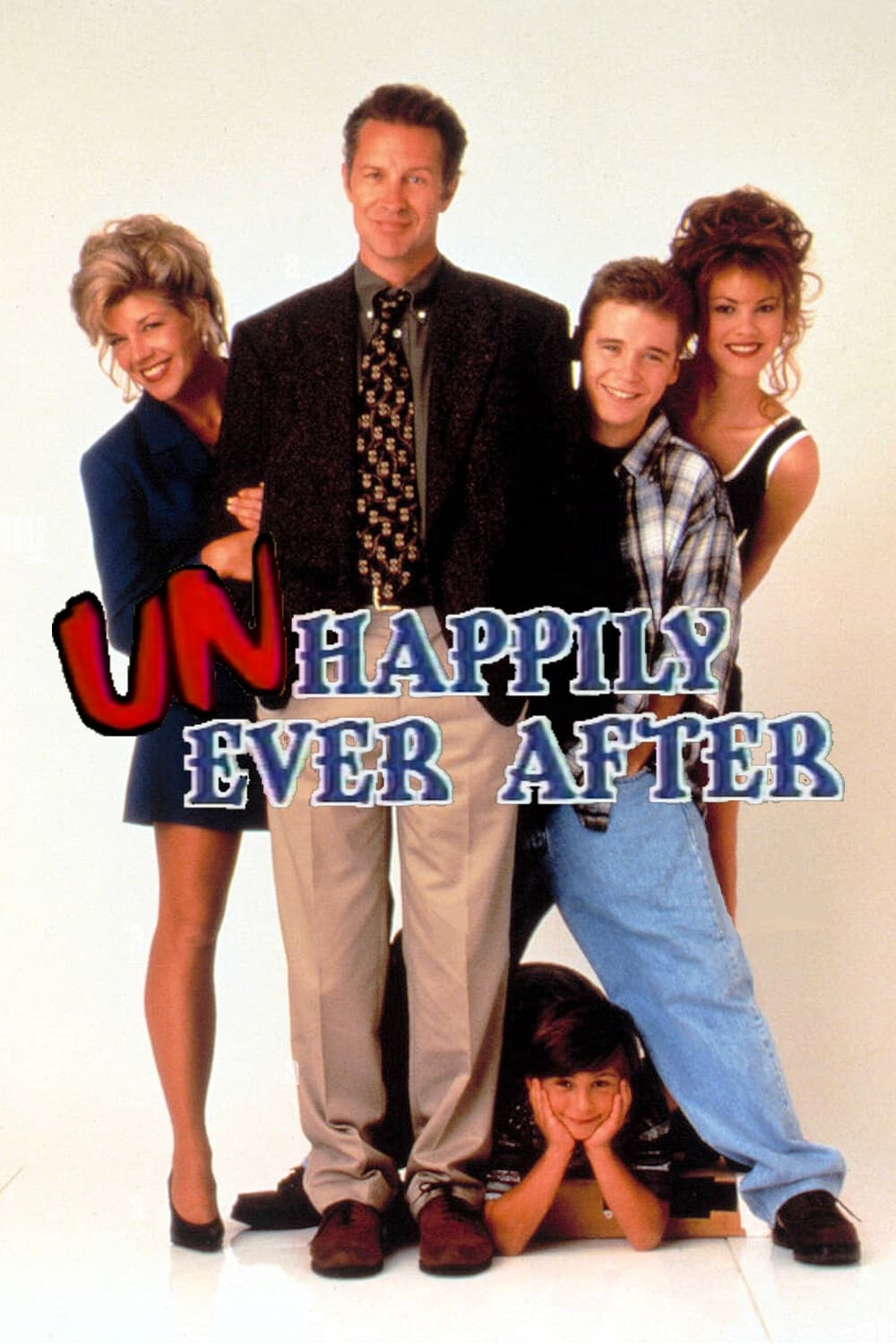
A schizophrenic father moves into a basement apartment after his marriage falls apart and receives advice from a stuffed bunny. The bunny named Mr. Floppy was voiced by Bobcat Goldthwait and provided crude commentary on the family’s dysfunction. The show started as a clone of other working-class sitcoms but quickly became a vehicle for surreal humor. It often broke the fourth wall and addressed the audience directly. The dark comedy found a niche audience by embracing its own absurdity.
‘Weird Science’ (1994–1998)
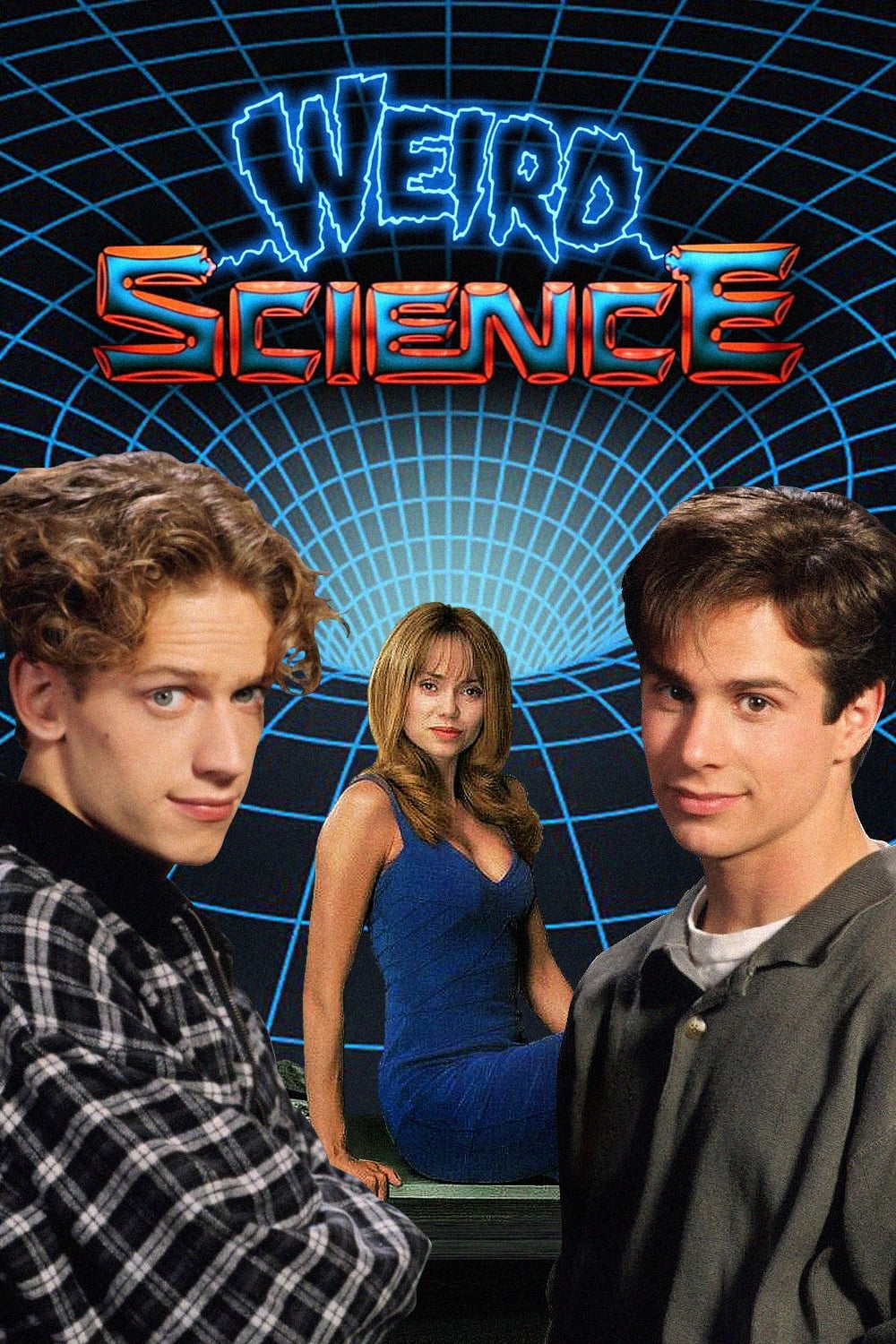
Two teenage computer geeks create a magical genie named Lisa who can grant them wishes. Based on the 1985 film, the series expanded the concept by having the boys deal with the chaotic consequences of their requests. Lisa often used her powers to teach them lessons rather than simply solving their problems. The show explored a variety of sci-fi concepts including time travel and body swapping. It was a staple of the USA Network’s programming block for adolescents.
‘Sliders’ (1995–2000)
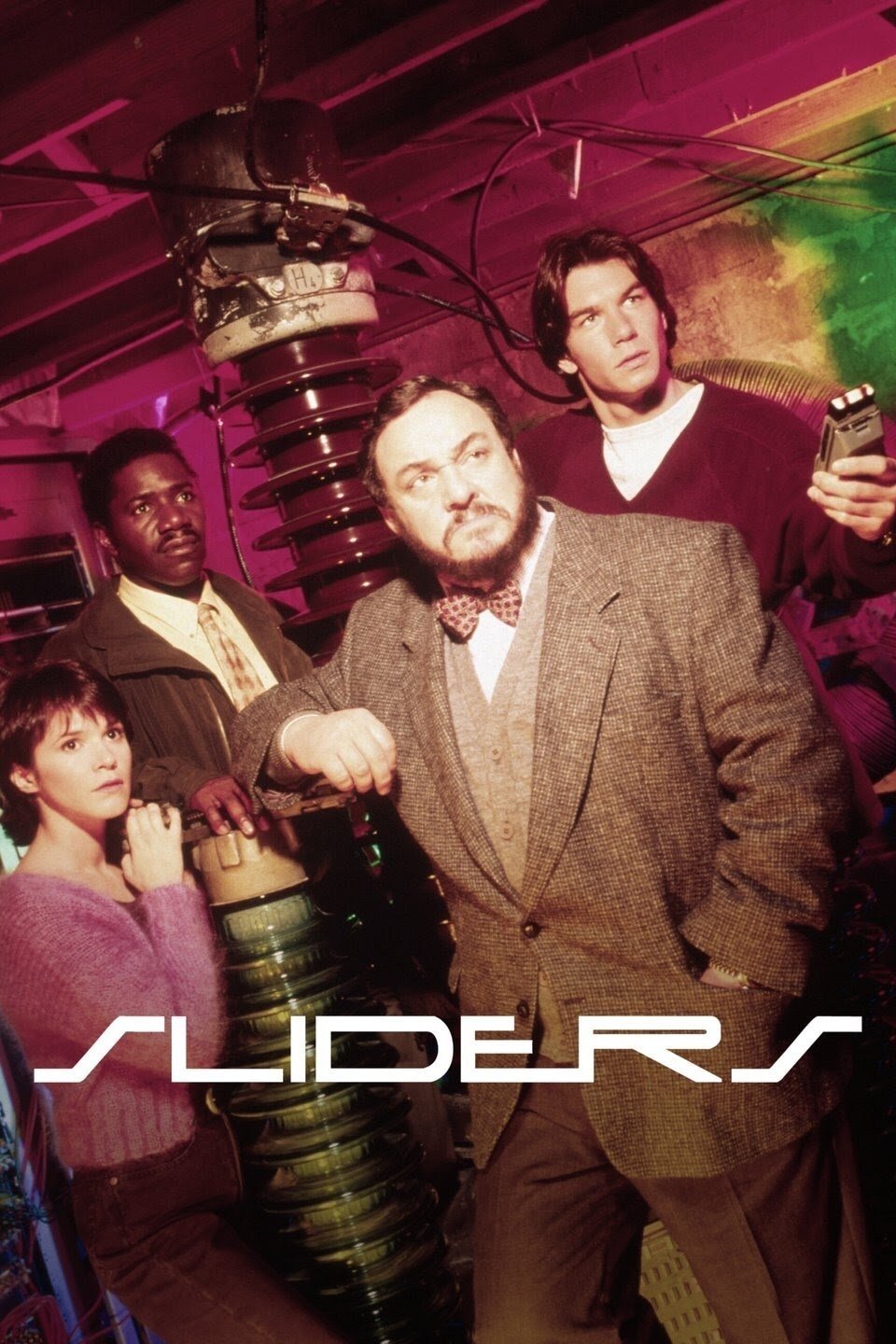
A physics student invents a device that allows a group of travelers to slide between parallel universes. They visit worlds where history took a different path, such as one where the Soviet Union rules America or where men are subservient to women. The early seasons focused on the “what if” scenarios of alternate history and the struggle to find the way home. The premise allowed for an anthology-style format where the setting changed every week. ‘Sliders’ remains a fun exploration of the multiverse concept.
‘Due South’ (1994–1999)
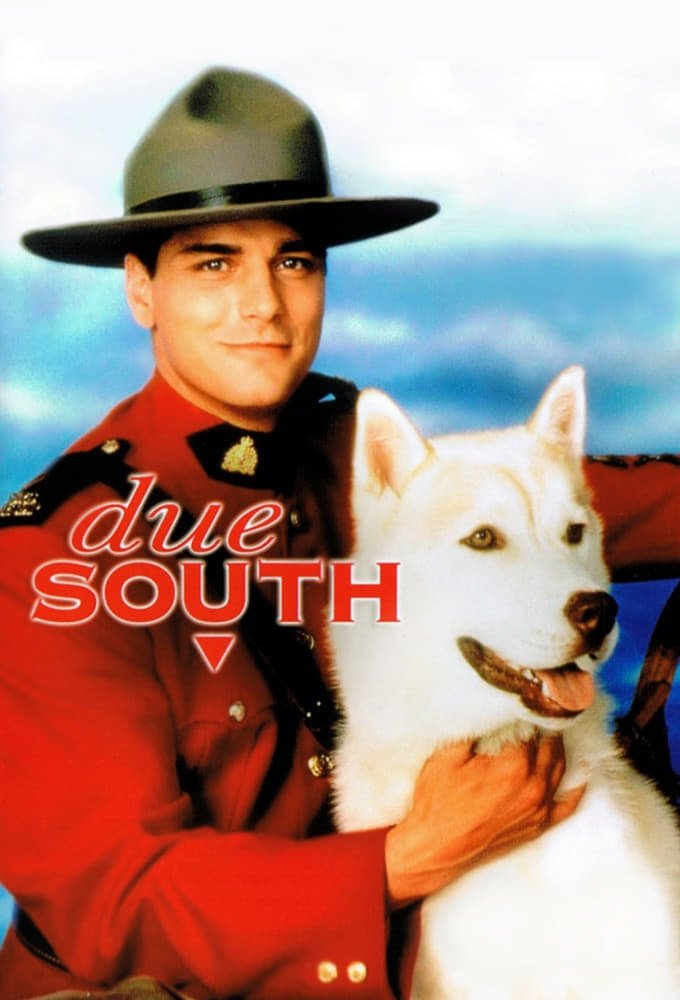
A polite Canadian Mountie teams up with a cynical Chicago cop to solve crimes in the big city. The humor derived from the clash between the Mountie’s uncanny tracking abilities and the gritty urban environment. He is often accompanied by a deaf wolf who serves as his partner and conscience. The show balanced police procedural elements with fish-out-of-water comedy. ‘Due South’ gained a loyal following for its earnest hero and quirky writing.
‘The Sentinel’ (1996–1999)
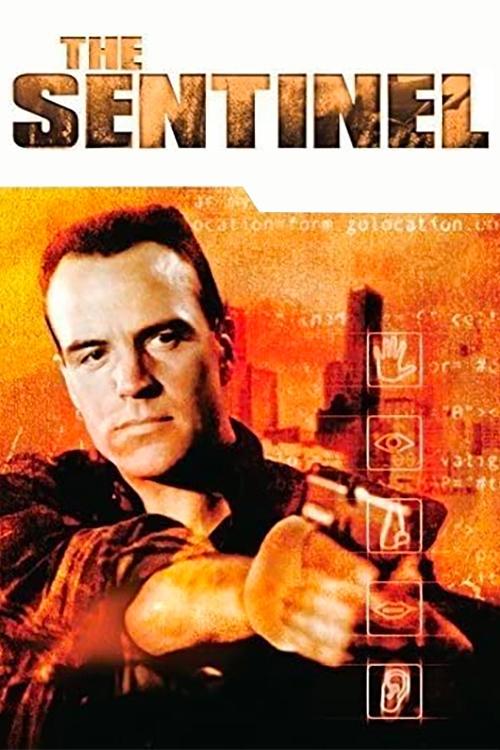
Jim Ellison is a detective who develops hyperactive senses after spending months alone in the Peruvian jungle. He uses his enhanced sight, hearing, and smell to investigate crimes with the help of an anthropology student. The show treated his abilities as a biological imperative rather than a magical superpower. Episodes often involved him learning to control his sensory input to avoid being overwhelmed. It combined elements of a superhero origin story with a standard cop show.
‘Viper’ (1994–1999)
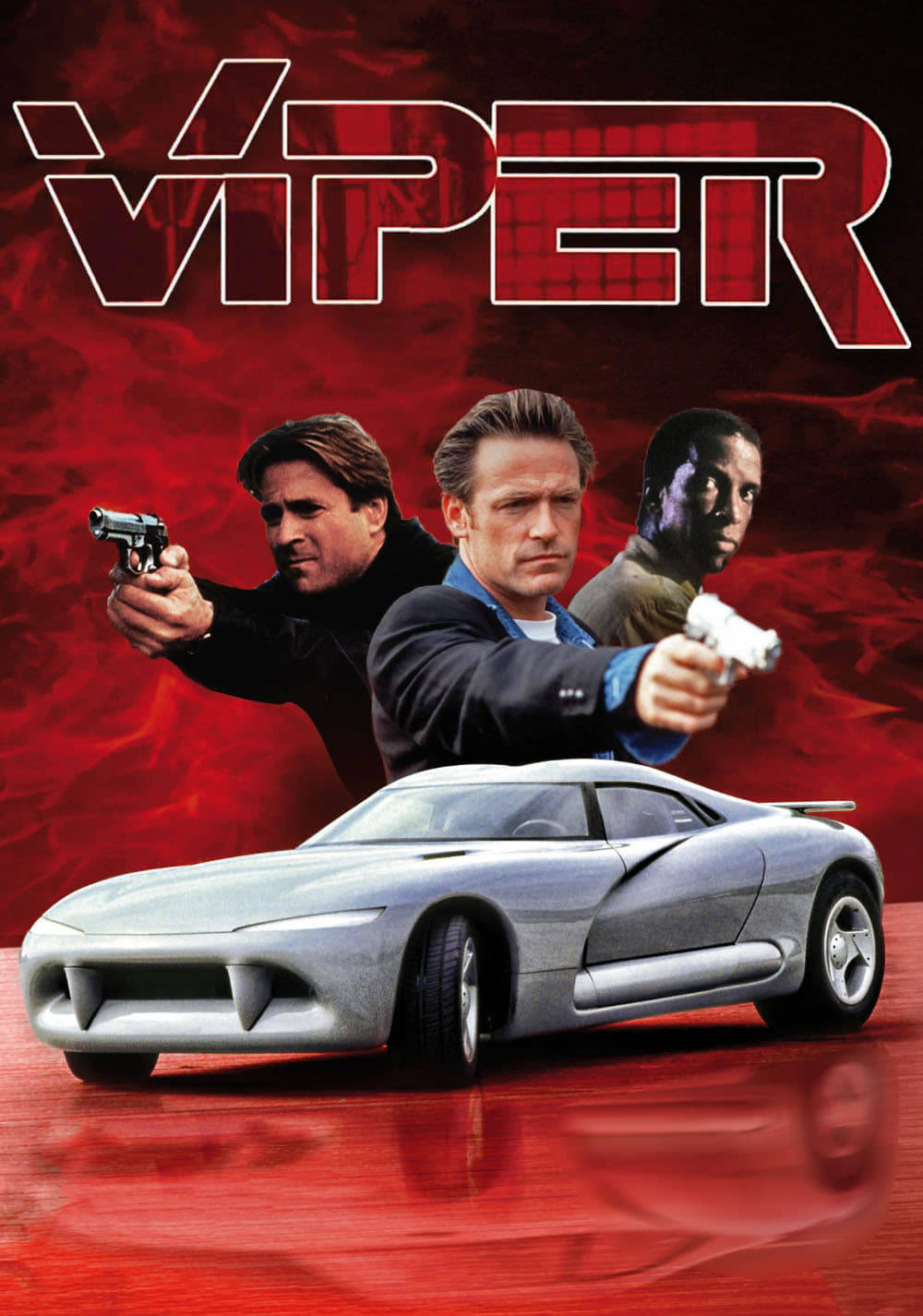
A special task force fights crime in a near-future city using a Dodge Viper that transforms into an armored assault vehicle. The car is equipped with gadgets like holograms and grappling hooks to take down high-tech criminals. The show went through multiple cast changes and retooling but always focused on the technology of the car. It appealed to car enthusiasts and fans of gadget-heavy action series. ‘Viper’ captured the slick aesthetic of 90s syndicated action television.
‘M.A.N.T.I.S.’ (1994–1995)
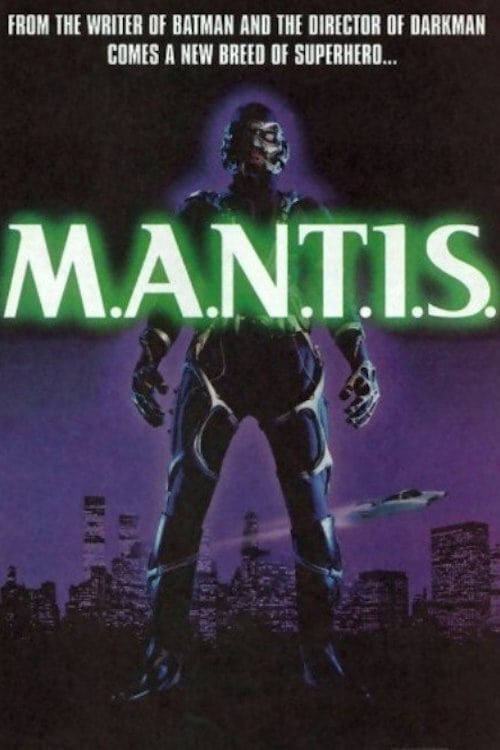
Dr. Miles Hawkins is a paralyzed scientist who invents a powered exoskeleton that allows him to walk and fight crime. He operates as a vigilante to stop criminals that the legal system cannot touch. The show was one of the first to feature a black superhero as the lead on primetime television. It combined social commentary with sci-fi action elements. The series struggled with network interference that altered the tone and cast during its run.
‘SeaQuest DSV’ (1993–1996)
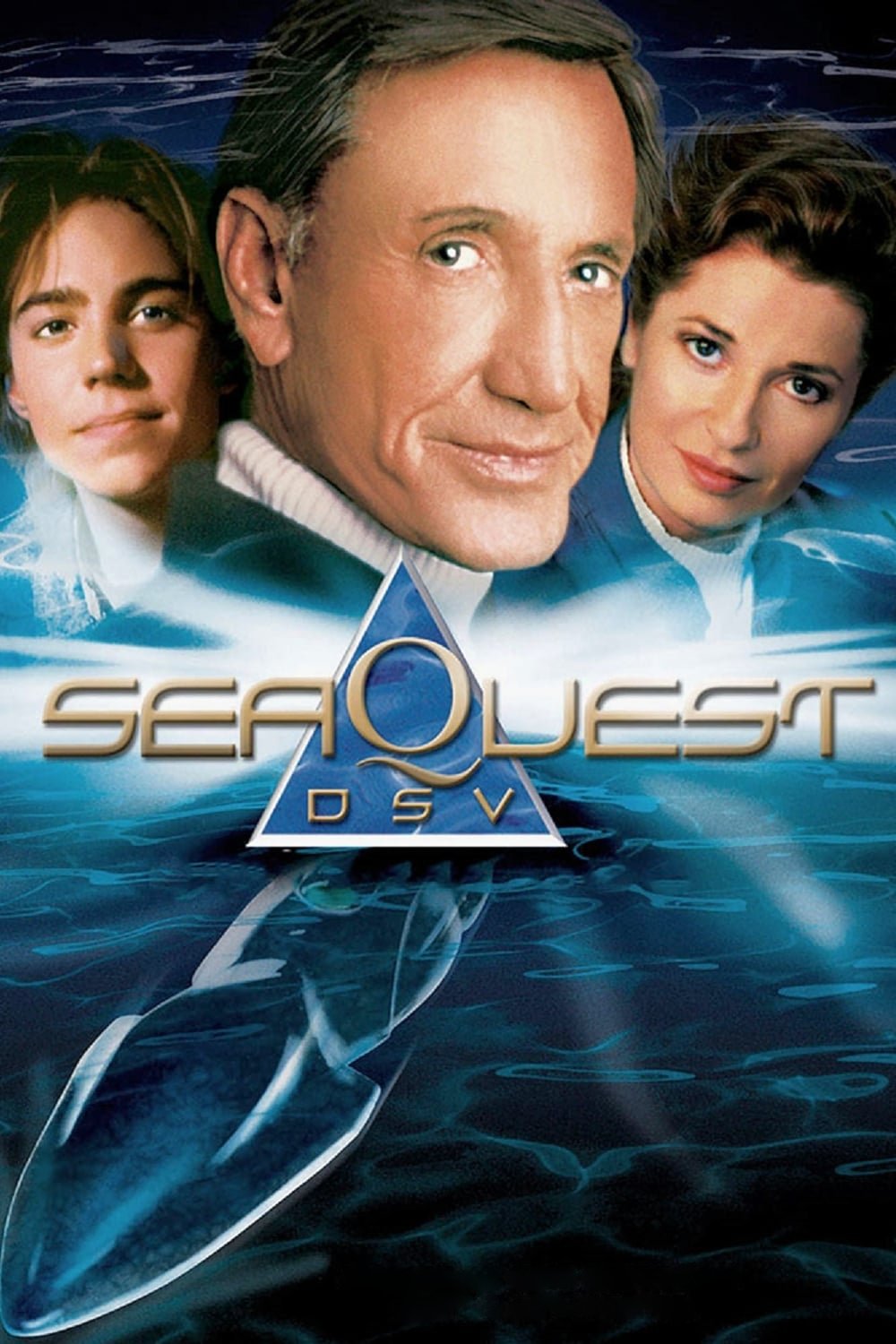
In the mid-21st century, a massive submarine protects underwater colonies and mediates disputes in the ocean. Roy Scheider starred as the captain who preferred science and diplomacy over military force. The show included a talking dolphin named Darwin who could communicate with the crew via a translation device. Scripts often featured educational codas from oceanographer Robert Ballard. ‘SeaQuest DSV’ attempted to be a serious underwater version of Star Trek.
‘TekWar’ (1994–1996)
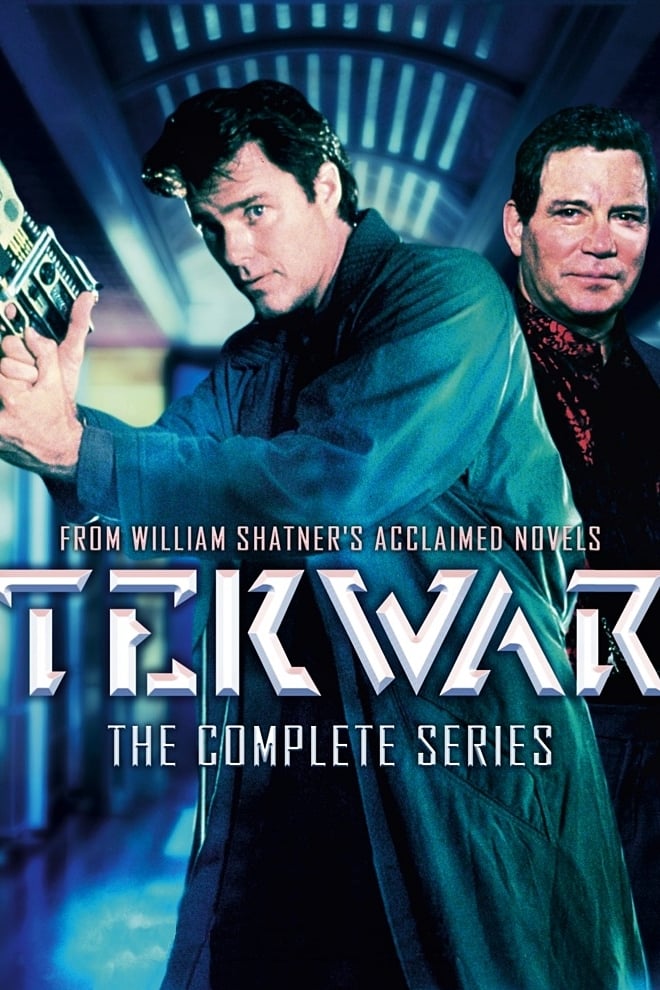
Based on novels by William Shatner, this series is set in a future where an electronic drug called Tek is the scourge of society. A disgraced cop works for a private security firm to clear his name and fight the drug lords. The show featured a cyberpunk aesthetic with virtual reality interfaces and futuristic weaponry. It explored themes of addiction and corporate corruption. ‘TekWar’ is a prime example of the 90s fascination with digital drug metaphors.
‘Forever Knight’ (1992–1996)
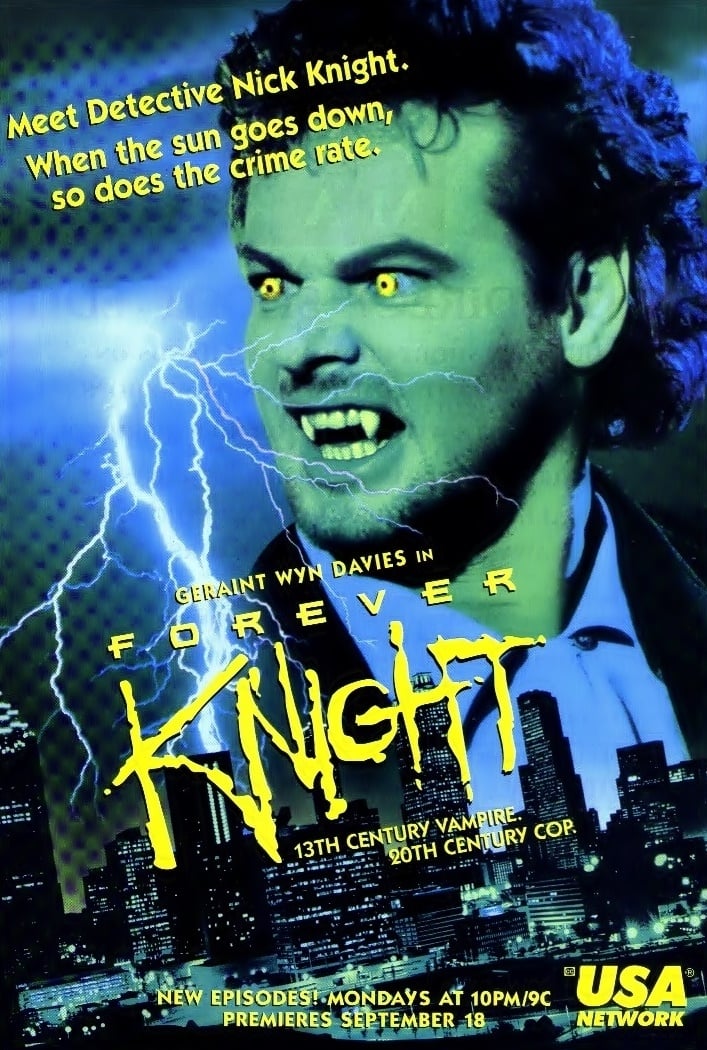
An 800-year-old vampire works as a homicide detective in Toronto while seeking a way to become human again. He uses his vampiric powers to solve crimes but must hide his true nature from his colleagues. Flashbacks revealed his history across different centuries and his relationship with his maker. The show blended noir mystery with gothic romance. ‘Forever Knight’ built a passionate fanbase that organized early internet campaigns to save the show.
‘Poltergeist: The Legacy’ (1996–1999)
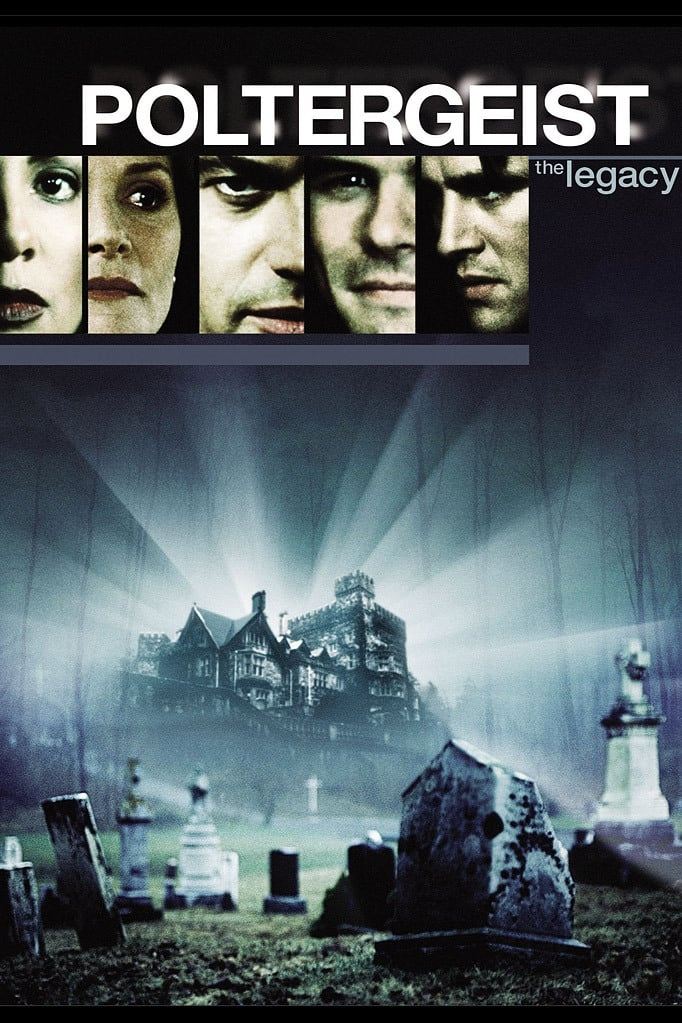
A secret society known as the Legacy operates out of a castle to protect humanity from supernatural dangers. Each member of the team possesses different skills ranging from psychic abilities to combat expertise. The show functioned as an episodic horror series with monsters of the week and ongoing mythology. The atmosphere was consistently dark and moody. It expanded the franchise beyond the movies into a wider world of occult lore.
‘Tales from the Crypt’ (1989–1996)
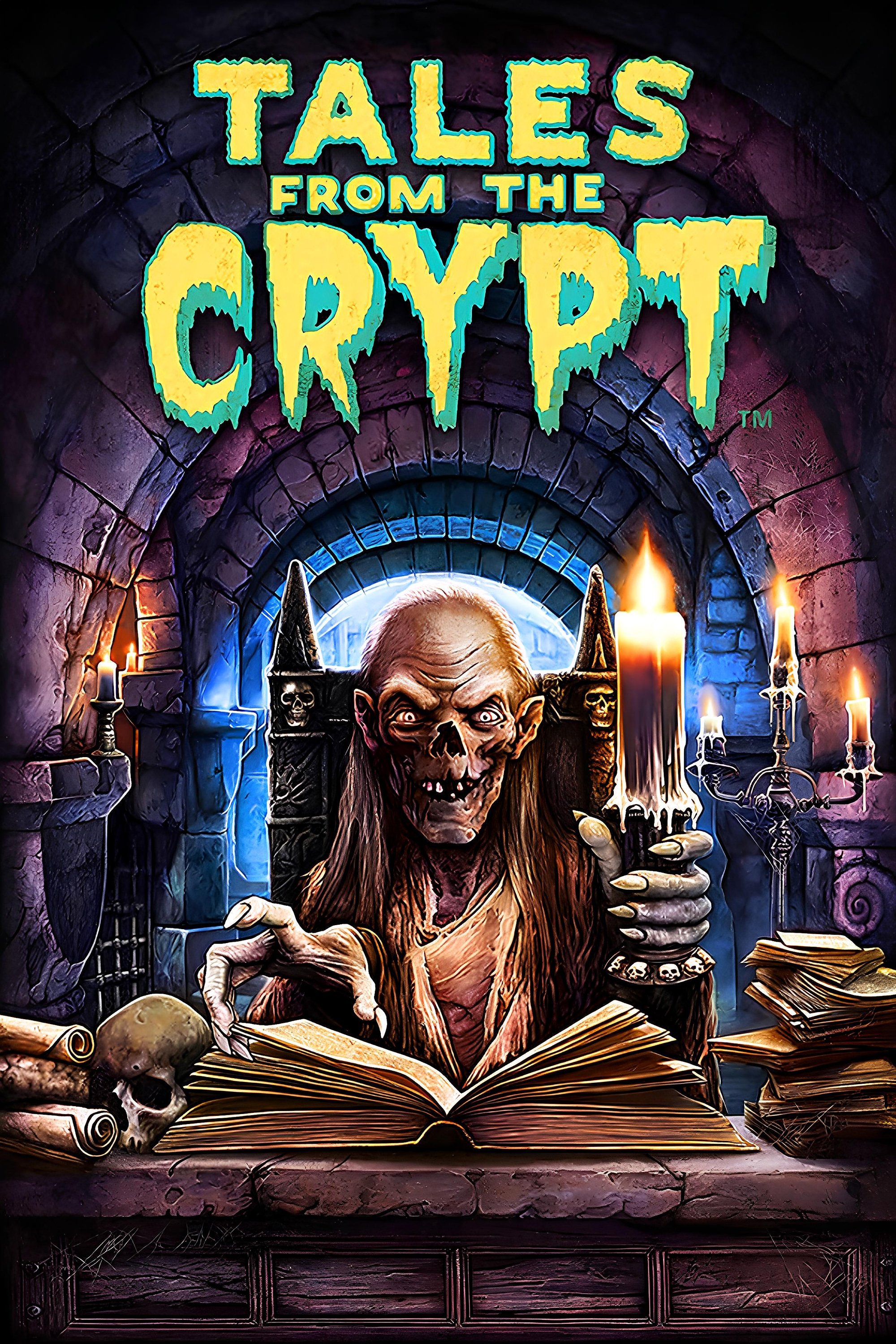
The Crypt Keeper introduces horror stories filled with irony, gore, and dark humor. Based on EC Comics, the anthology series attracted A-list directors and actors who wanted to experiment with the genre. Episodes were unrestricted by broadcast standards and featured graphic violence and adult themes. The puppet host became a pop culture icon with his puns and cackling laugh. It remains the gold standard for horror anthology television.
‘Monsters’ (1988–1991)

This anthology series focused on creature features where practical effects took center stage. Each episode presented a different standalone story involving beasts, aliens, or mutants. The tone ranged from terrifying to campy depending on the writer and director. It provided a low-budget counterpart to other horror anthologies of the time. ‘Monsters’ is remembered for its creative creature designs and distinct opening sequence.
‘Homeboys in Outer Space’ (1996–1997)
Ty and Morris travel the galaxy in a vehicle called the Space Hoopty which is piloted by a sarcastic computer interface. The show attempted to blend urban comedy with science fiction parodies of popular franchises. It was critically panned for its low-budget look and reliance on stereotypes. However, the sheer audacity of the premise has earned it a place in television history. It represents a specific moment in time when networks were willing to greenlight almost any high-concept idea.
‘Shasta McNasty’ (1999–2000)
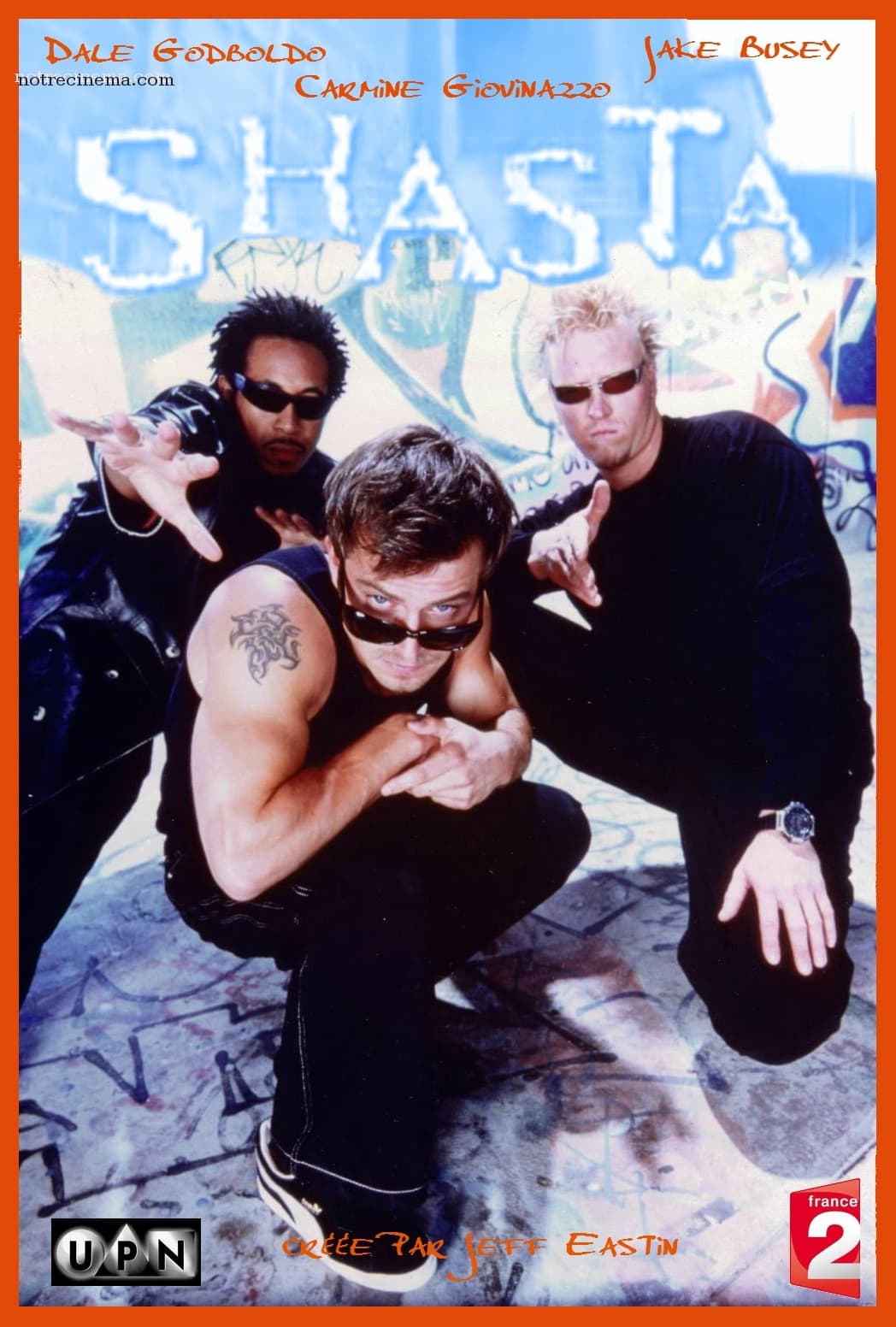
Three friends form a rap-rock band and live in a kitchen in Venice Beach while getting into bizarre misadventures. The show featured a frantic visual style and incorporated musical performances into the narrative. Characters dealt with oddities like a little person landlord and random pop culture cameos. It captured the late 90s rap-rock aesthetic perfectly. The series is often remembered for its strange title and energetic but chaotic execution.
‘Lexx’ (1997–2002)
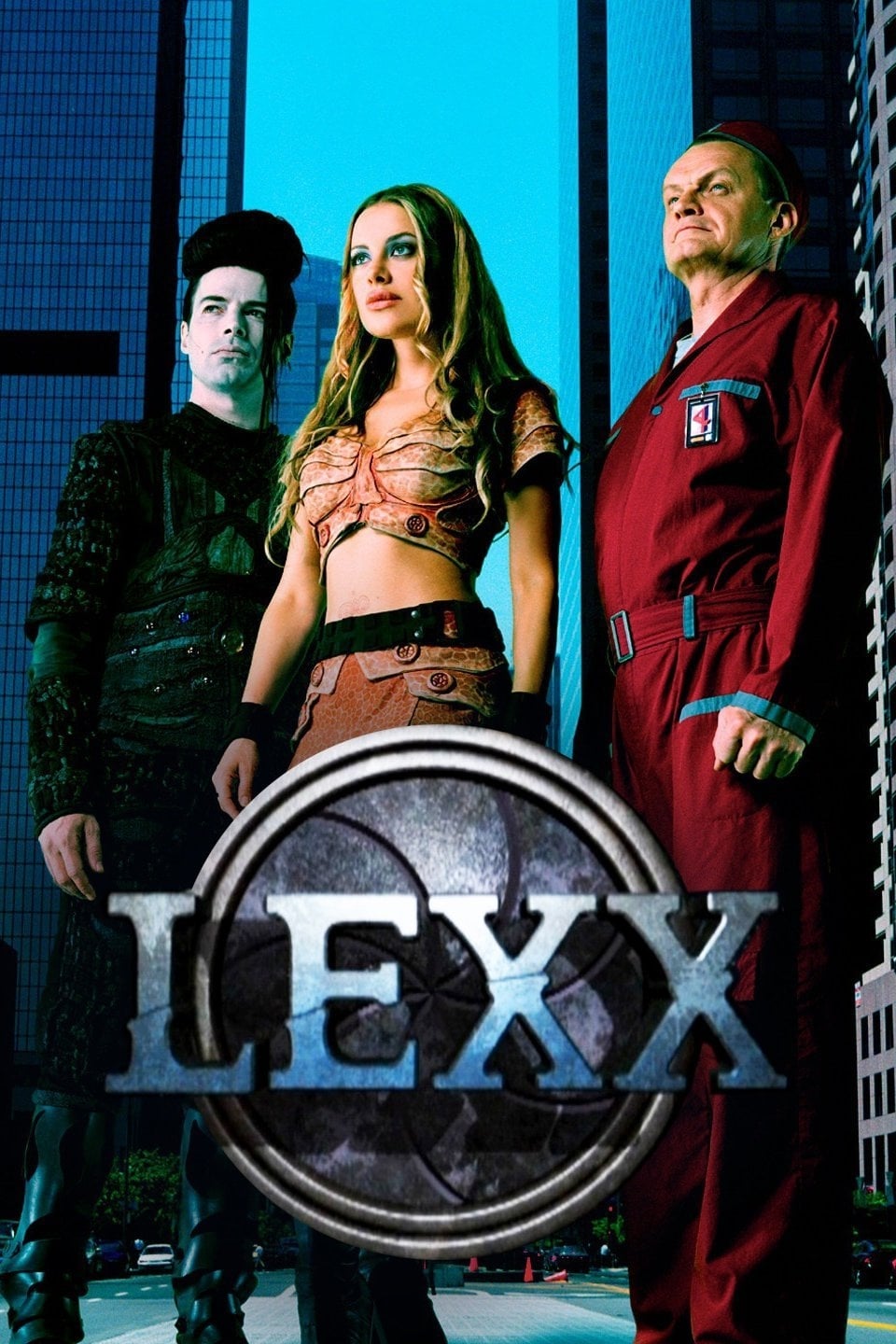
A group of misfits commands a massive living spaceship that is capable of destroying planets. The show originated as a Canadian-German co-production and featured grotesque imagery and sexual themes. The narrative was far weirder and more nihilistic than its American counterparts. It garnered a cult following for its refusal to adhere to good taste or conventional morality. ‘Lexx’ remains one of the most unique and bizarre space operas ever produced.
‘The Pretender’ (1996–2000)
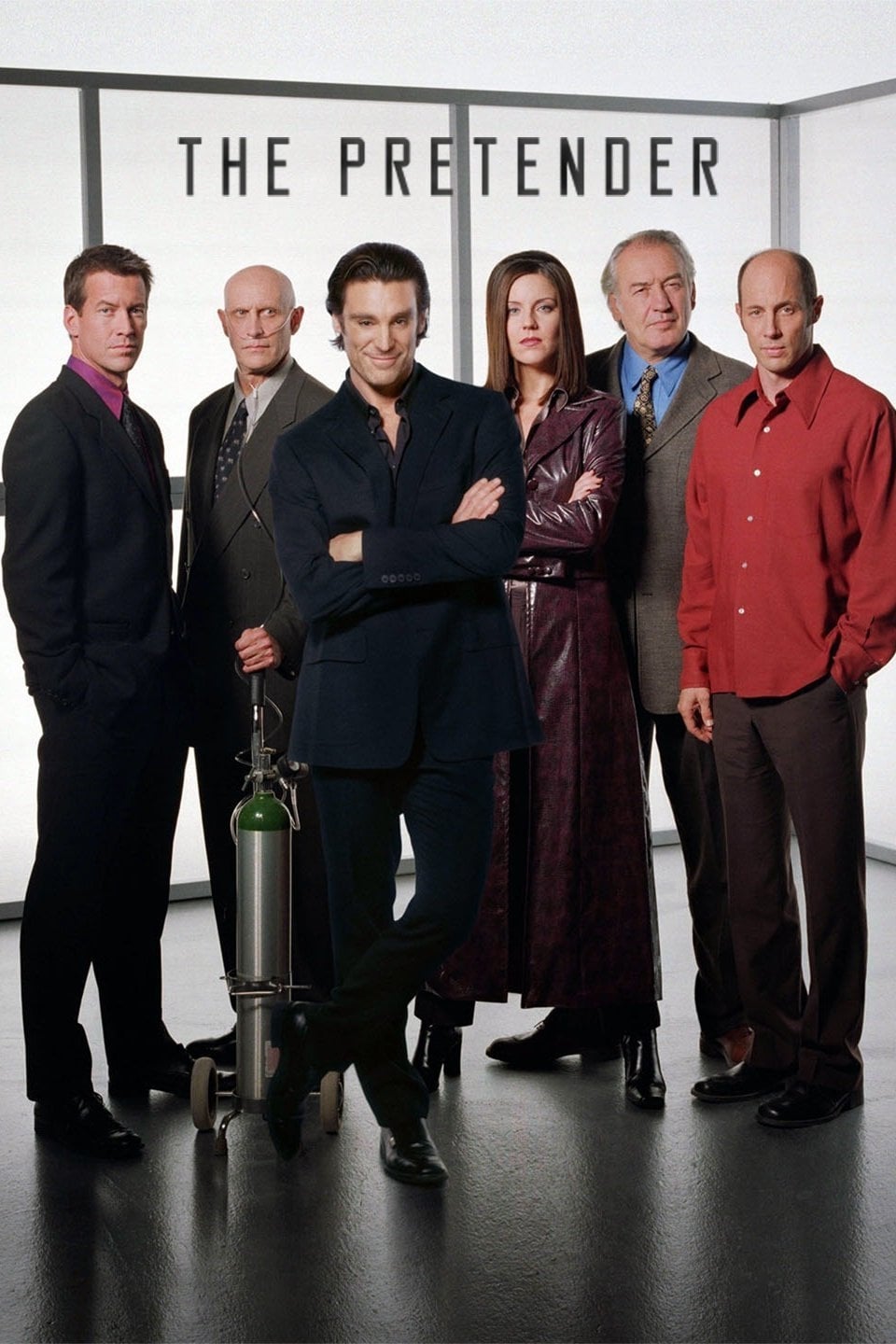
Jarod is a genius who can master any profession or skill in a matter of days. He escapes from the Centre, a facility that exploited his abilities, and travels the country helping people in need. While he saves lives, he is pursued by Miss Parker and a team of operatives who want to recapture him. The show balanced the procedural format with a deep mythology concerning Jarod’s past. It remains a compelling drama about identity and the search for family.
Share your favorite obscure 90s show from this list or the one we missed in the comments.

