


Insane Netflix Series We Still Can’t Believe Were Cancelled

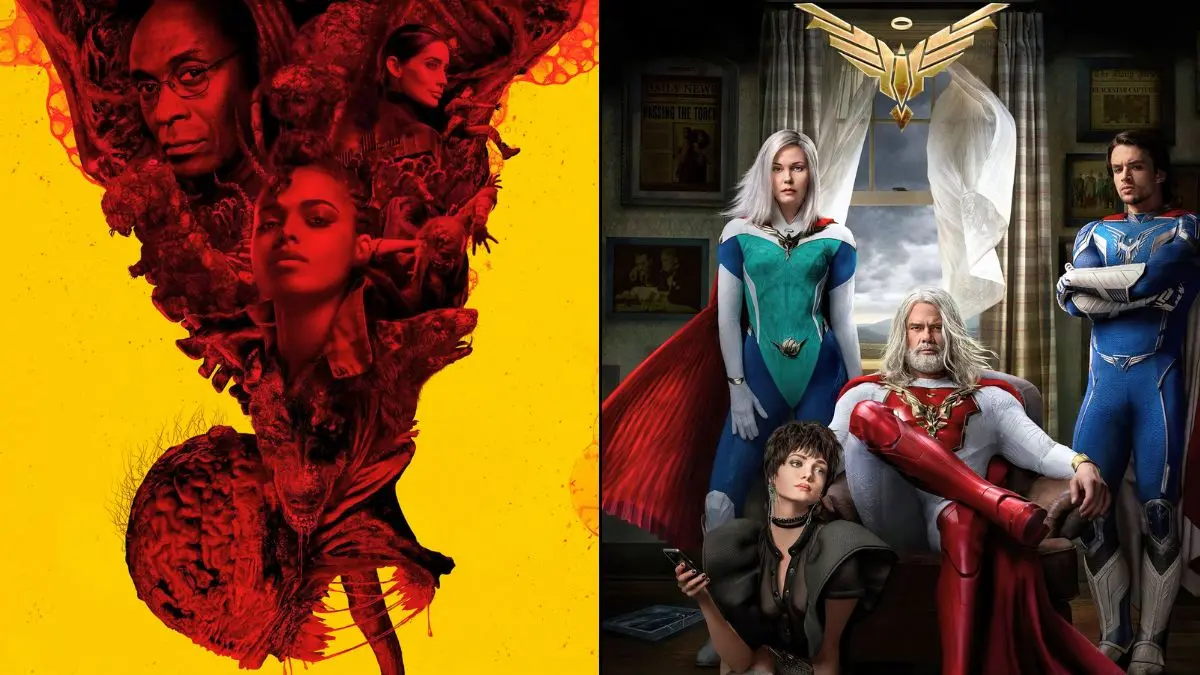


Netflix has delivered a lot of unforgettable shows, and it has also pulled the plug on quite a few that built passionate audiences. Some were cut after a single season that set up big arcs. Others ended right when they seemed to be hitting their stride and expanding their worlds.
Here is a collection of cancelled Netflix series that left behind rich concepts, memorable casts, and storylines that felt like they had much more to explore. Each entry includes the concrete details that defined the show and what the platform ended rather than speculation about why it happened.
‘The OA’ (2016–2019)
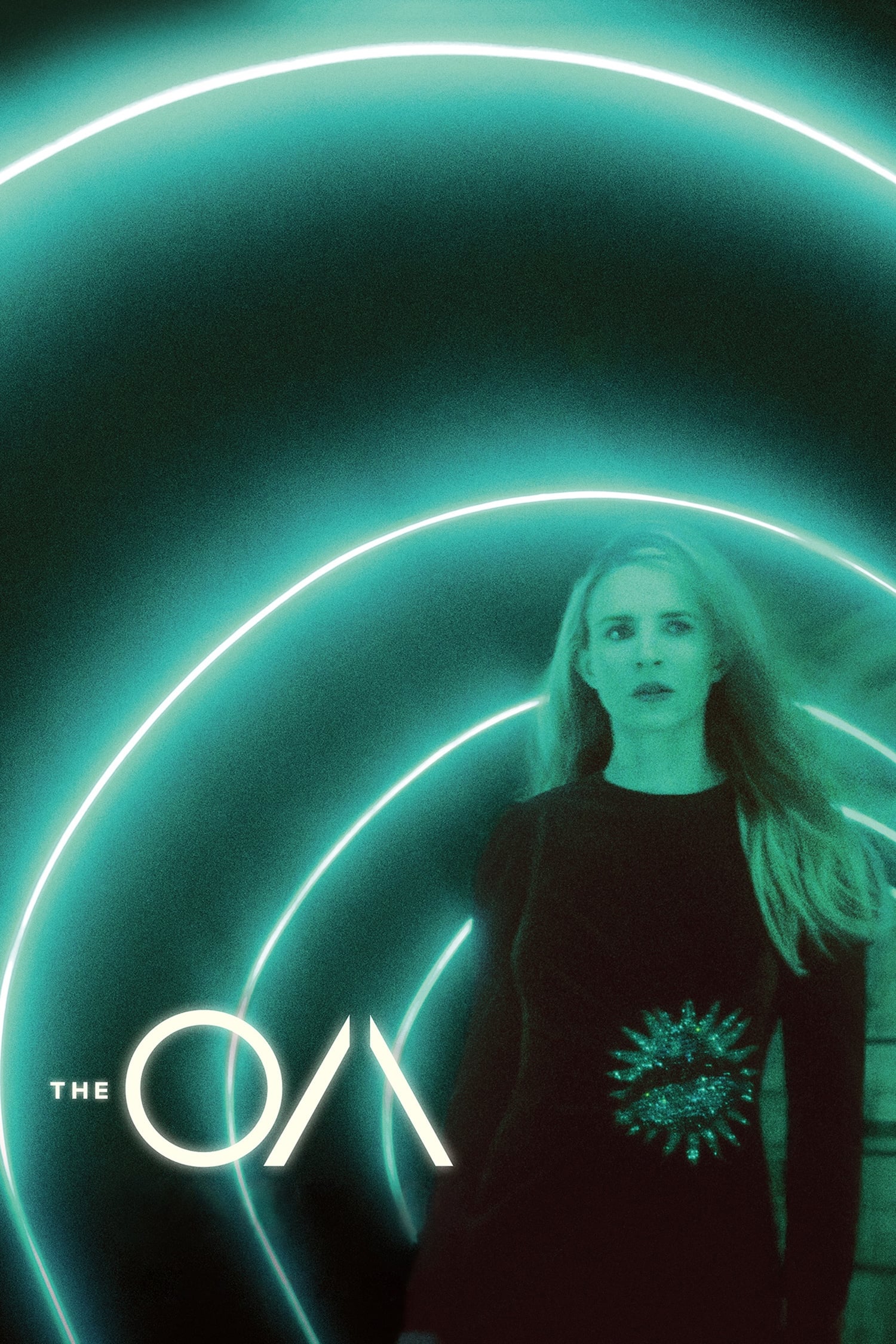
This science fiction mystery followed a young woman who reappears after a long disappearance with new abilities and a plan to assemble a team. The series combined near death experiences, alternate dimensions, and a layered narrative that switched between intimate character studies and big metaphysical ideas.
Across two seasons it built a mythology through shifting perspectives, original choreography, and recurring symbols that connected timelines. The second season introduced a new city, a tech puzzle at the center of the story, and a cliffhanger that positioned the plot for an even wider multiverse.
‘Sense8’ (2015–2018)
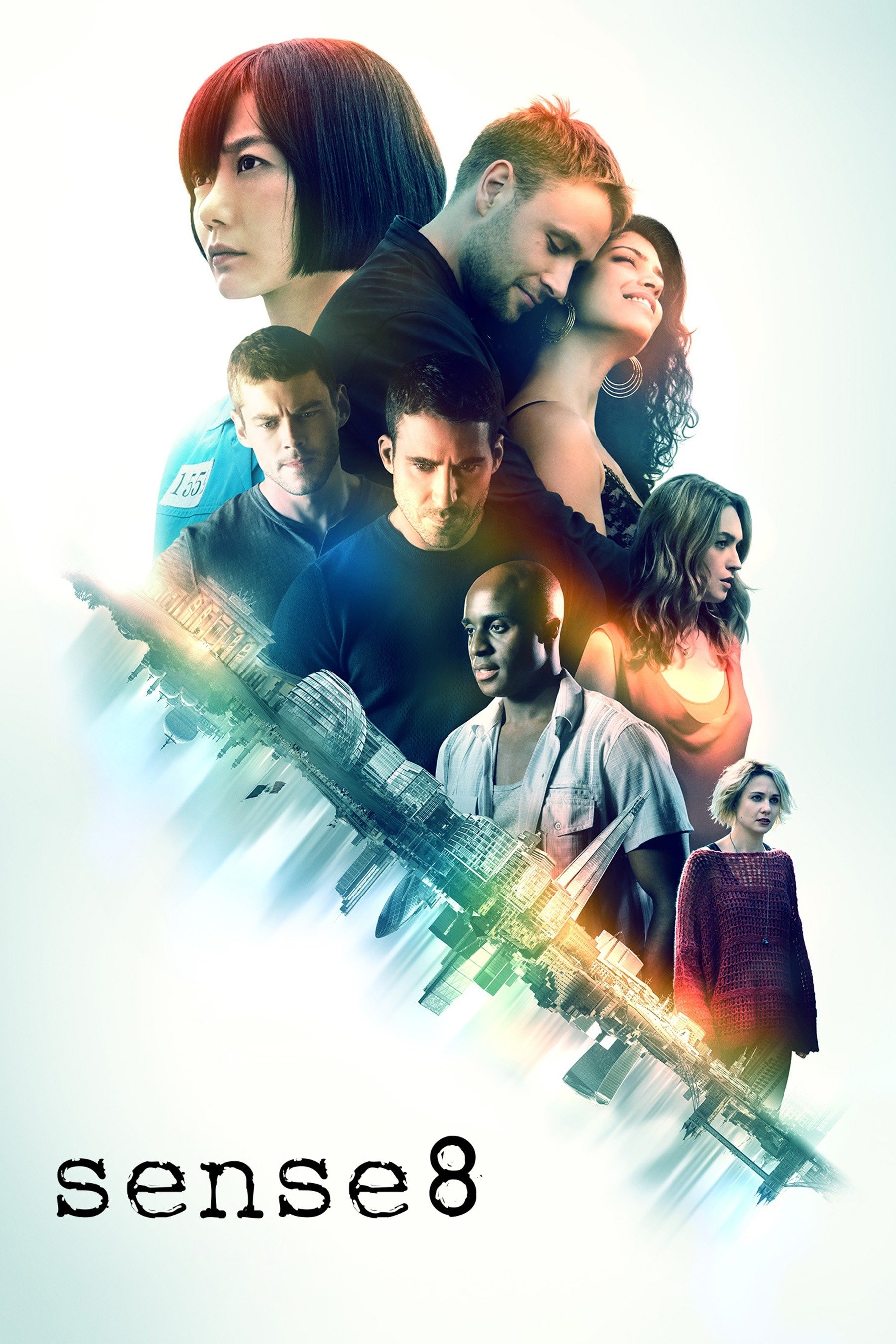
This global ensemble drama focused on eight strangers who become mentally and emotionally linked. The show mapped their connection onto locations around the world and used that link to let characters share skills in tense situations.
Its production included on location shoots across multiple continents and set pieces that intercut between cities in real time. The series concluded with a feature length finale that wrapped up the central conflict while highlighting the collaborative abilities of the cluster.
‘GLOW’ (2017–2019)
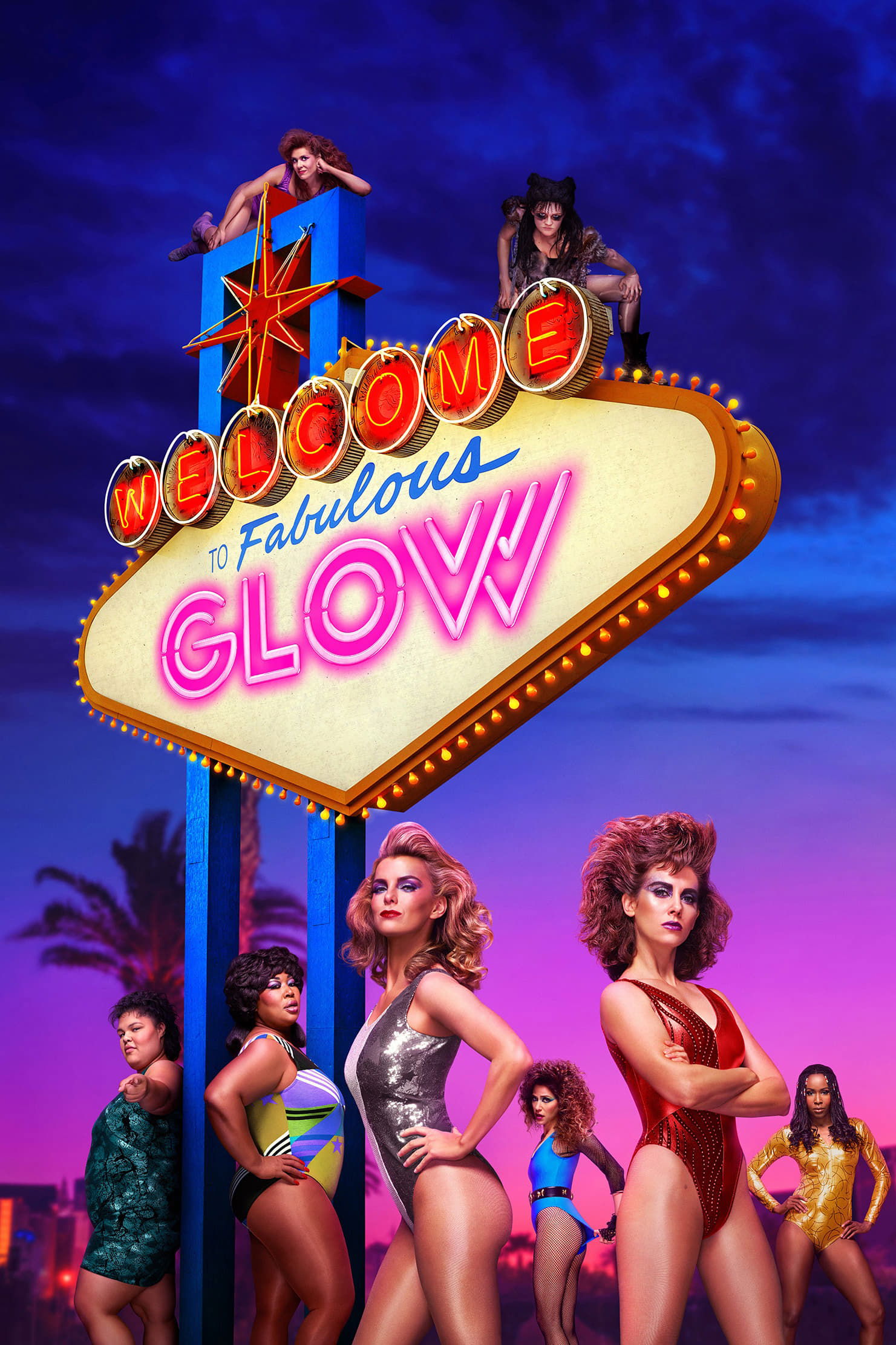
This period dramedy tracked a group of performers who build a women’s wrestling show from the ground up. It recreated the world of televised wrestling with training sequences, custom personas, and evolving backstage dynamics.
The series detailed how matches are scripted and rehearsed and showed the business side of syndication, live events, and creative control. It also followed character arcs through changing storylines inside the ring and production hurdles outside it.
‘The Dark Crystal: Age of Resistance’ (2019–2019)
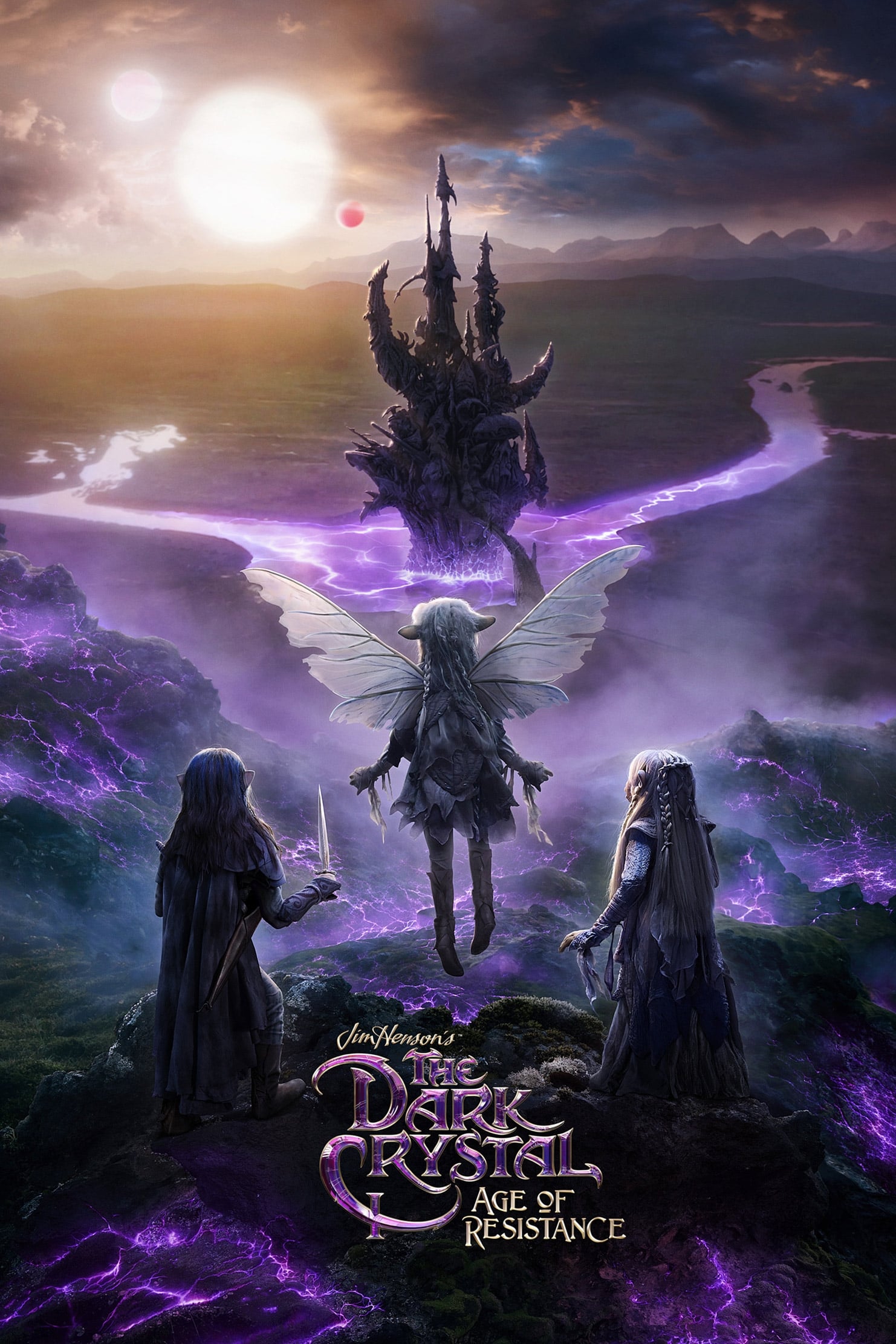
This fantasy prequel expanded the lore of the original film with large scale puppetry and practical effects. The production combined elaborate sets, detailed creature design, and voice performances that matched the physical puppetry on screen.
It explored the politics of Gelfling clans and the resource extraction that drives the Skeksis. The single season traced a rebellion from local disputes to a coordinated resistance with maps, alliances, and artifacts that deepened the canon.
‘Santa Clarita Diet’ (2017–2019)
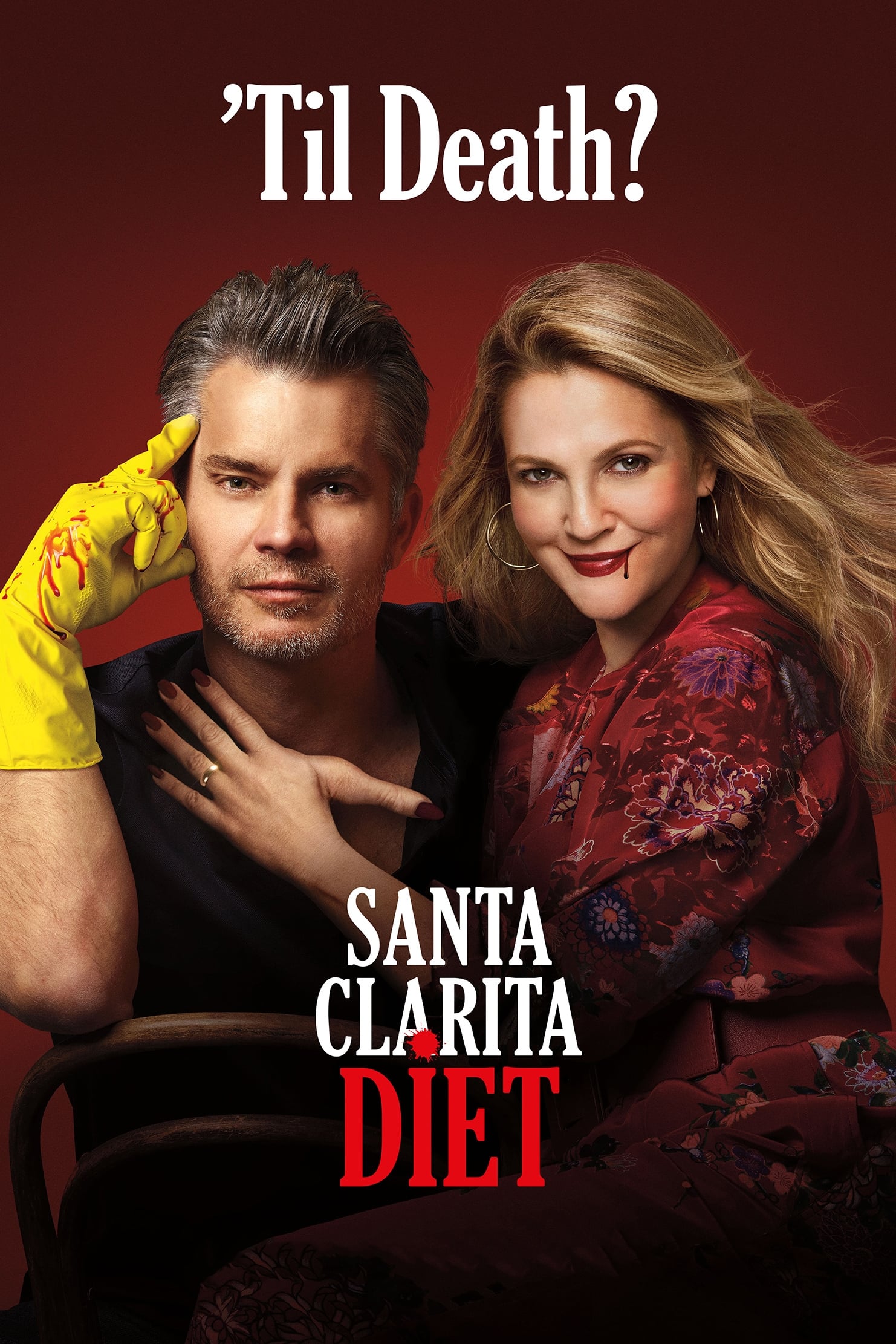
This suburban horror comedy followed a real estate team dealing with an unusual medical condition that changes family routines. The show balanced neighborhood life with a growing rulebook for survival and cleanup.
Its episodes introduced a chain of supply issues, black market contacts, and a research thread as the characters collected evidence and consulted experts. The story tracked containment strategies, cover stories, and the risks of discovery by law enforcement and local rivals.
‘The Get Down’ (2016–2017)
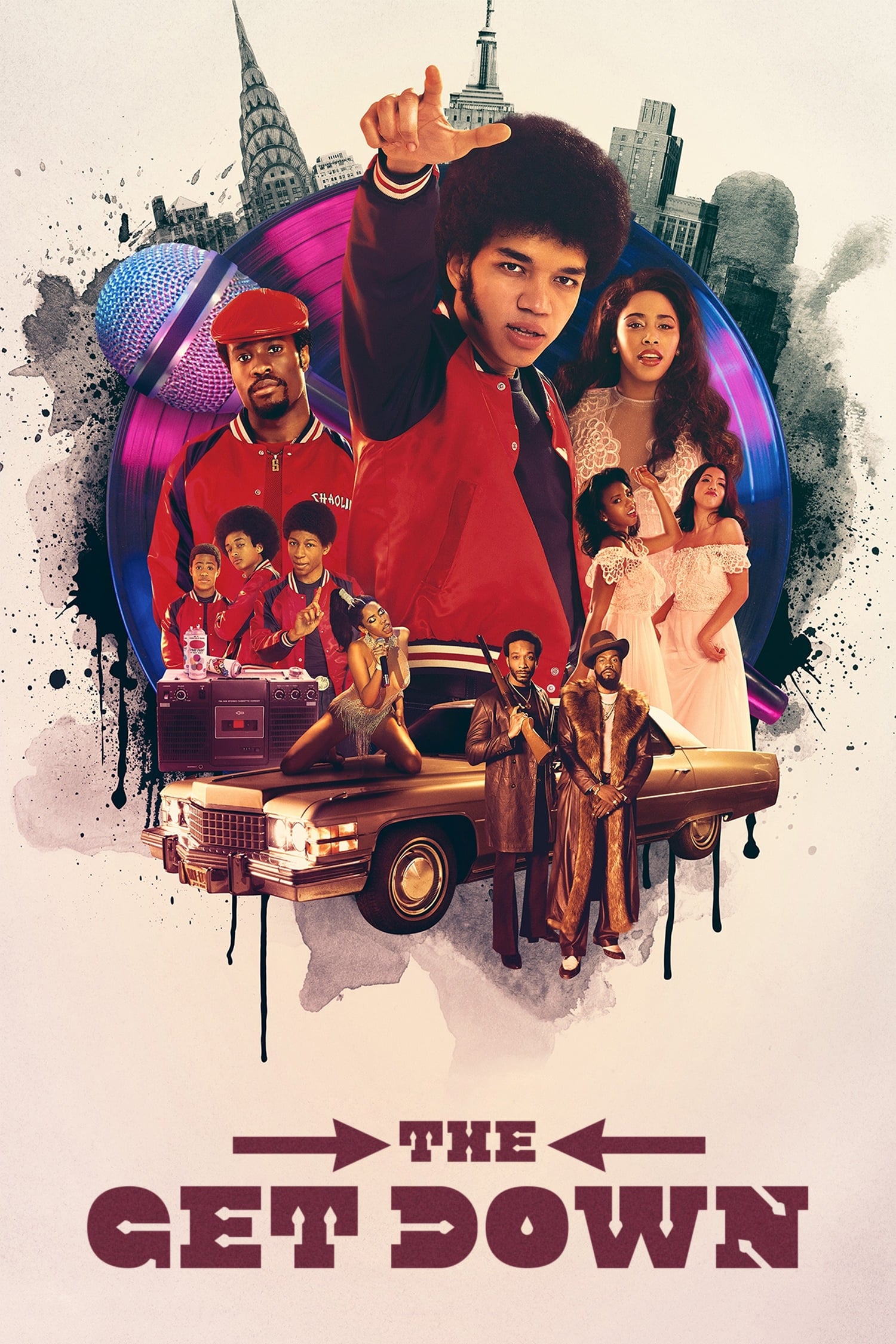
Set in the South Bronx, this musical drama chronicled the rise of hip hop and the decline of disco through teenagers creating a scene. It depicted early DJ techniques, graffiti crews, and the economics of club nights and record deals.
The show included recreated parties, battles, and the mechanics of sound systems. It paired neighborhood history with a fictional group’s path from park jams to professional recordings and mapped the tensions between artistic control and commercial opportunity.
‘Everything Sucks!’ (2018–2018)

This coming of age comedy centered on a high school AV club and drama club collaborating on a student film. It detailed the logistics of camcorders, editing decks, and local theater productions.
The season charted the steps of pre production, location scouting, and costume building on a limited budget. It also showed how school policies and parent involvement shape teen projects from permission slips to performance nights.
‘I Am Not Okay with This’ (2020–2020)
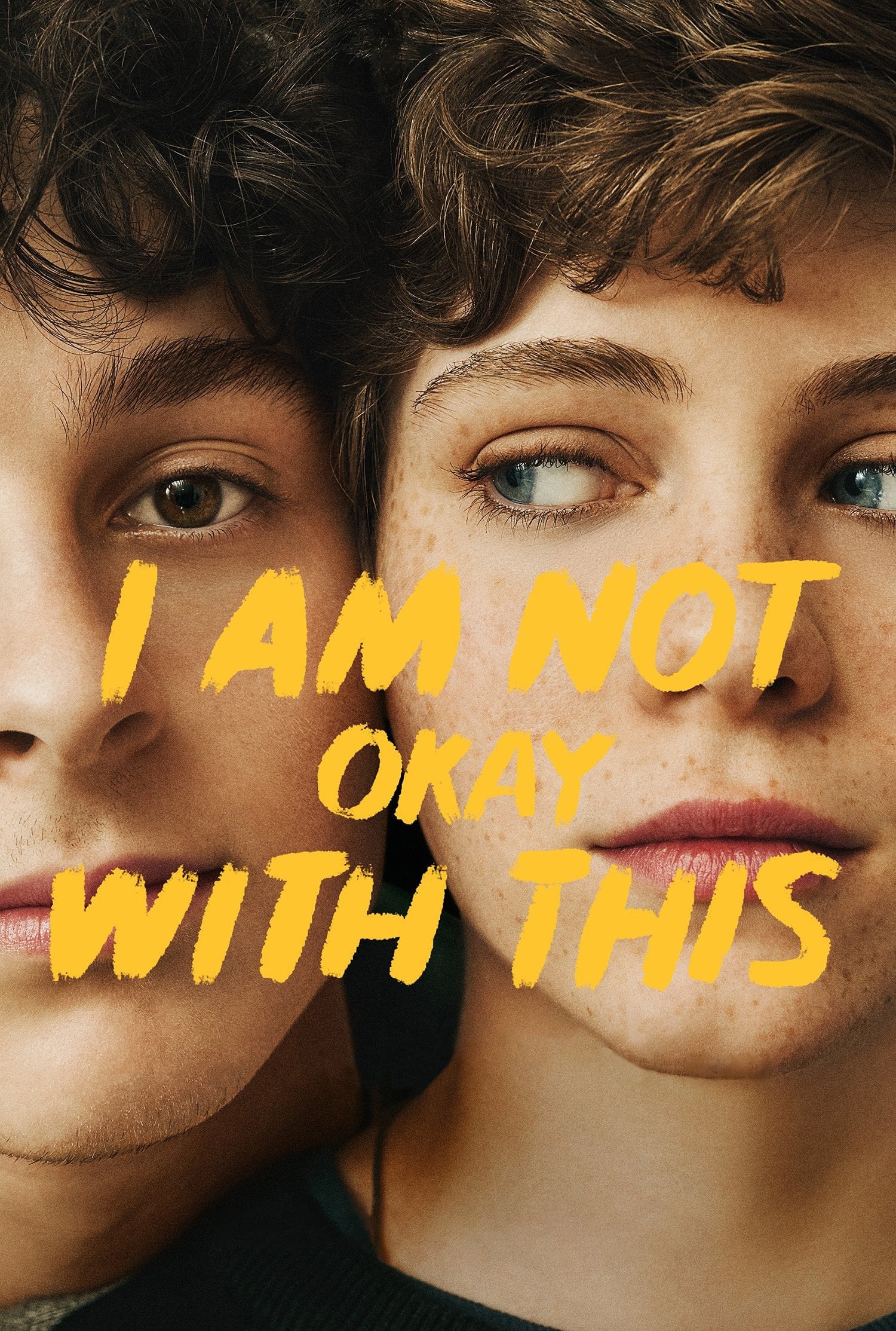
This series followed a teenager managing new telekinetic abilities alongside family and school challenges. Episodes documented how uncontrolled powers affect friendships and public incidents.
The show built a file of incidents, experiments, and triggers as the lead tried to set rules for her abilities. It linked those moments to a larger mystery that pulled in surveillance and a figure tracking events from a distance.
‘The Society’ (2019–2019)
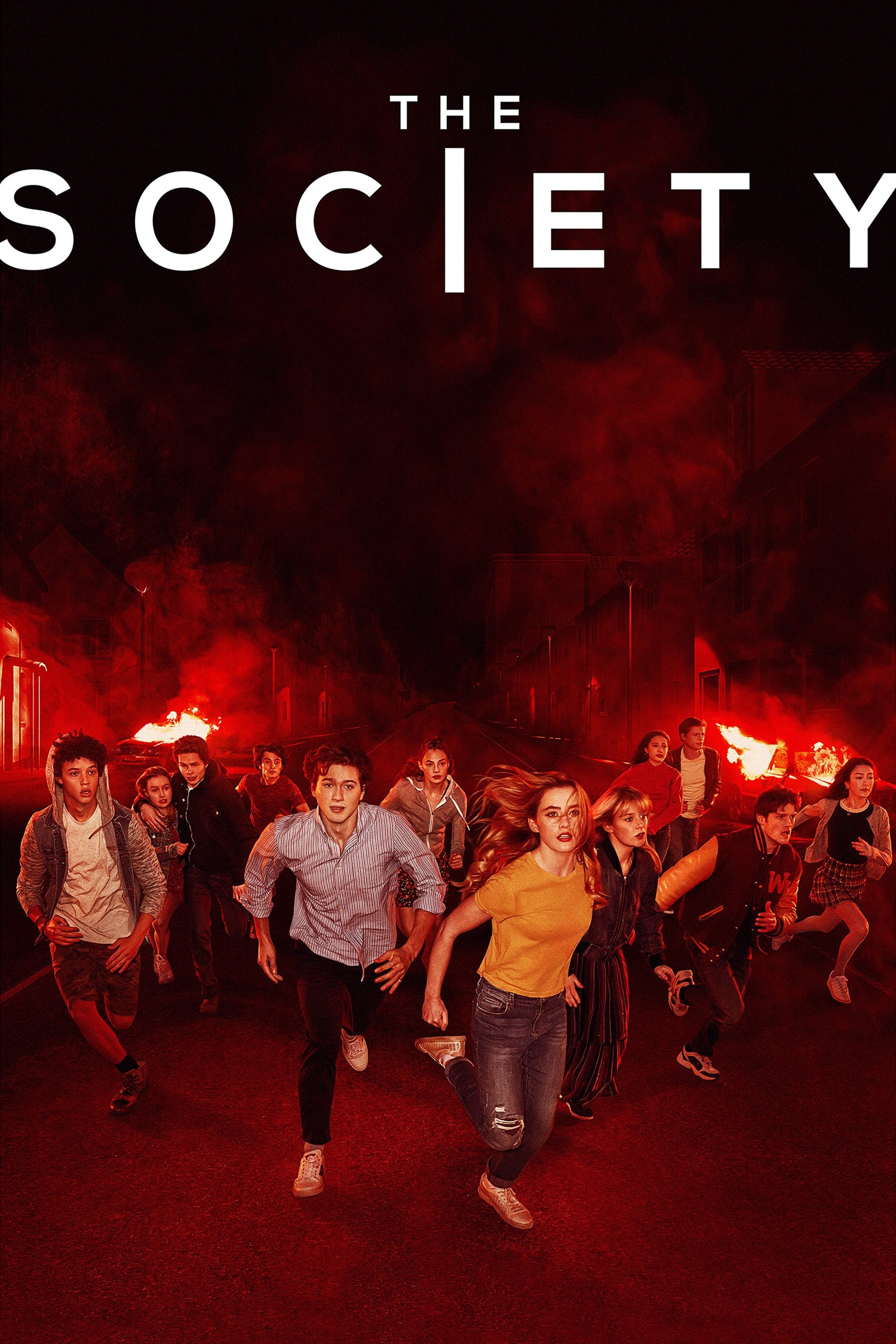
A group of students returned from a cancelled trip to find their town cut off from the outside world. The season traced the creation of a provisional government, food distribution, and security patrols.
It cataloged resource management from crops to electricity and detailed the drafting of laws, trials, and leadership transitions. Plotlines included mapping the town’s borders, studying the environment, and analyzing a possible cause for the isolation.
‘Anne with an E’ (2017–2019)
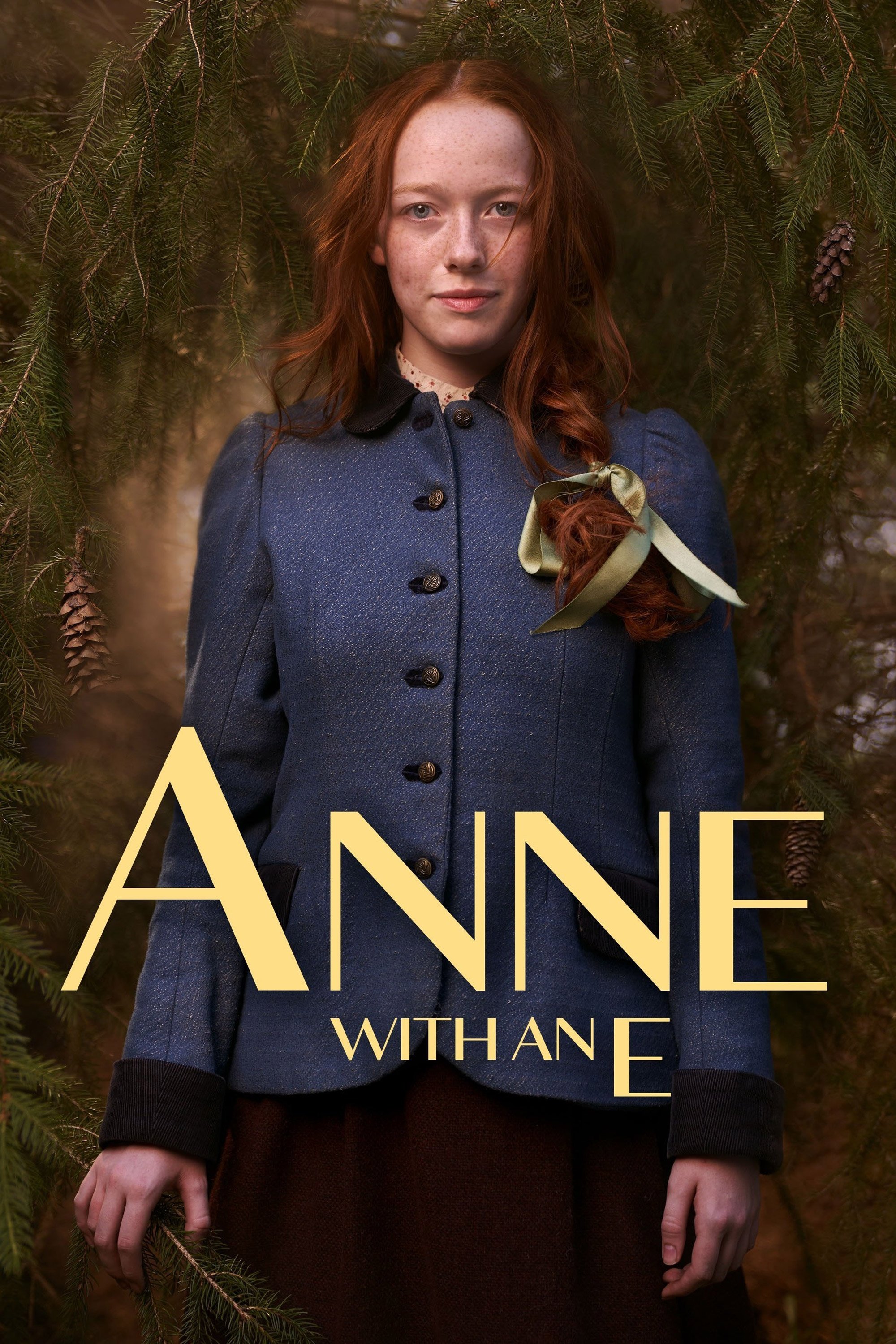
This adaptation of a classic novel expanded on the source material with storylines about education, land rights, and community. It showed how policy decisions affect schools, farms, and local businesses.
The production recreated period classrooms, printing presses, and transportation. Arcs covered adoption processes, court filings, and newspaper campaigns that shaped public opinion in the town.
‘1899’ (2022–2022)
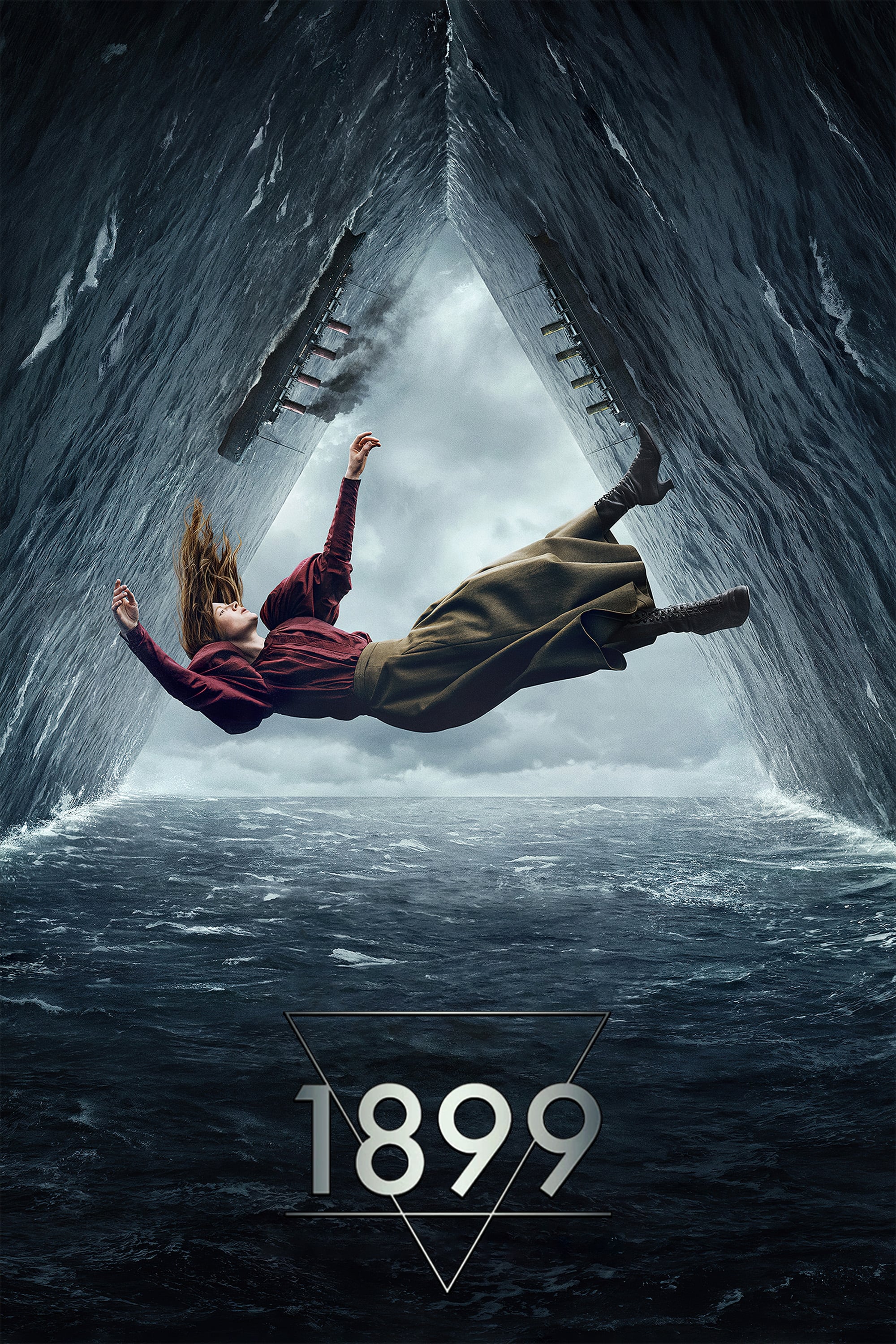
Set on a migrant steamship, this mystery introduced a deserted vessel, encrypted messages, and recurring symbols. The season used diagrams of ship compartments, logs, and navigation tools to drive the investigation.
It layered multilingual communication barriers, passenger lists, and conflicting testimonies into a puzzle that connected personal histories to a concealed experiment. The finale revealed a control system that reframed the setting and set up a larger reveal.
‘Lockwood & Co.’ (2023–2023)
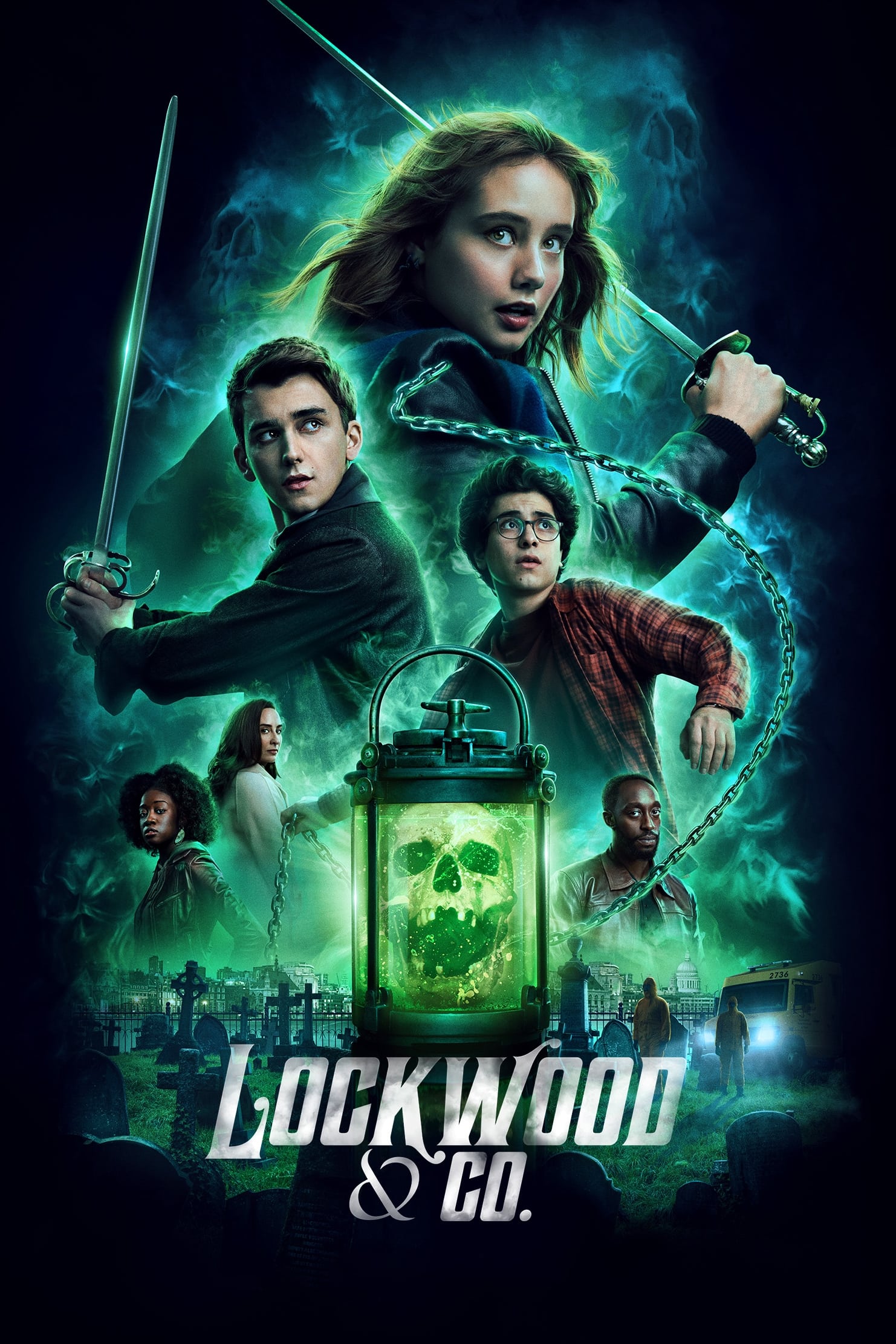
In an alternate Britain plagued by ghosts, three young investigators ran an independent agency. The series laid out rules for ghost types, iron tools, salt, and the protective equipment used during night missions.
It followed case intake, client contracts, and evidence handling through jars, chains, and psychic detection. The plot tied hauntings to black market relics and traced how agencies compete for permits and publicity.
‘Resident Evil’ (2022–2022)
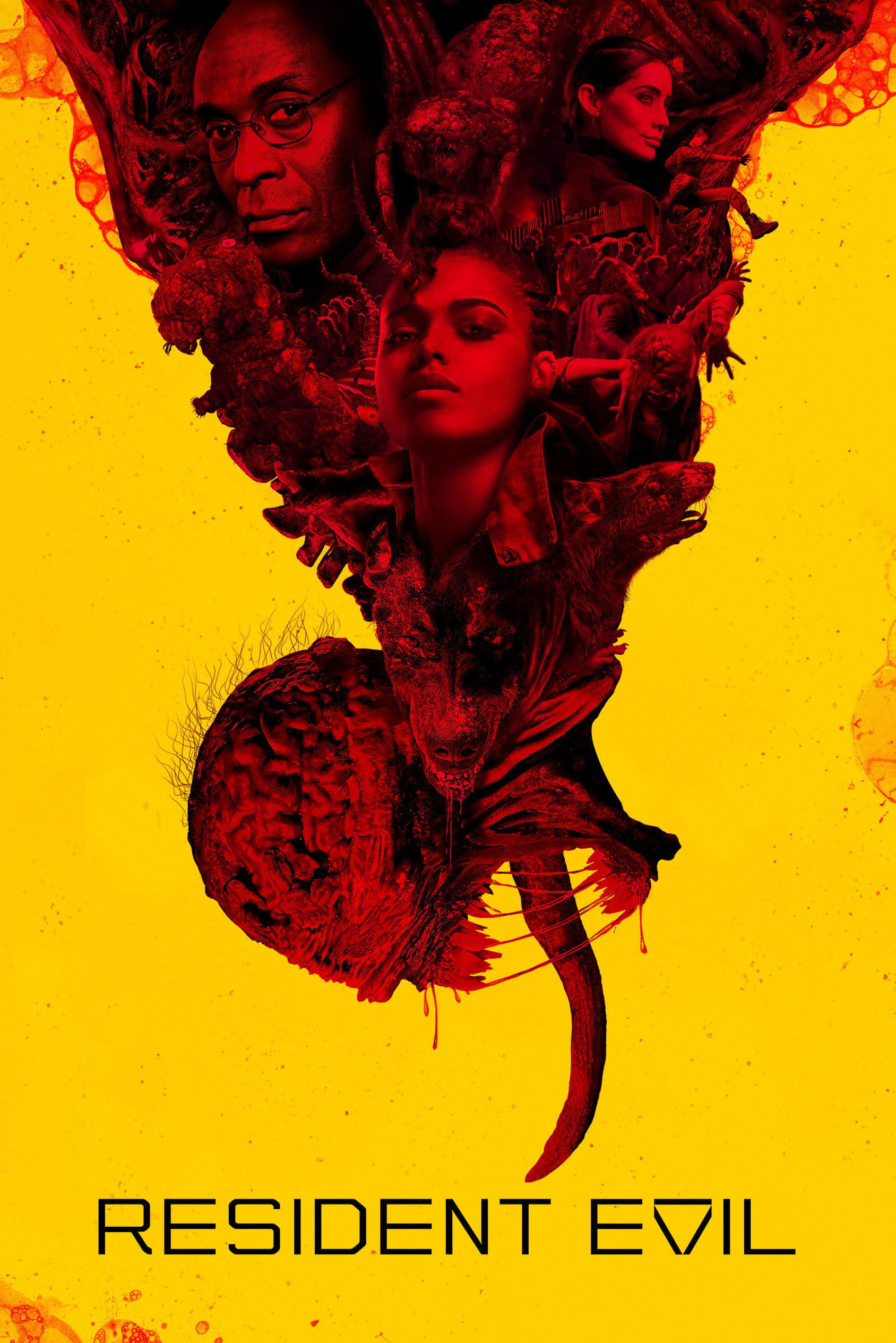
This adaptation alternated between an outbreak’s early days and a future where the virus has reshaped society. It documented lab protocols, corporate security, and field testing as characters unearthed classified programs.
In the later timeline it showed settlement governance, ration systems, and the trade routes that keep survivors supplied. Files, samples, and surveillance footage connected both timelines in a single investigation.
‘Cowboy Bebop’ (2021–2021)
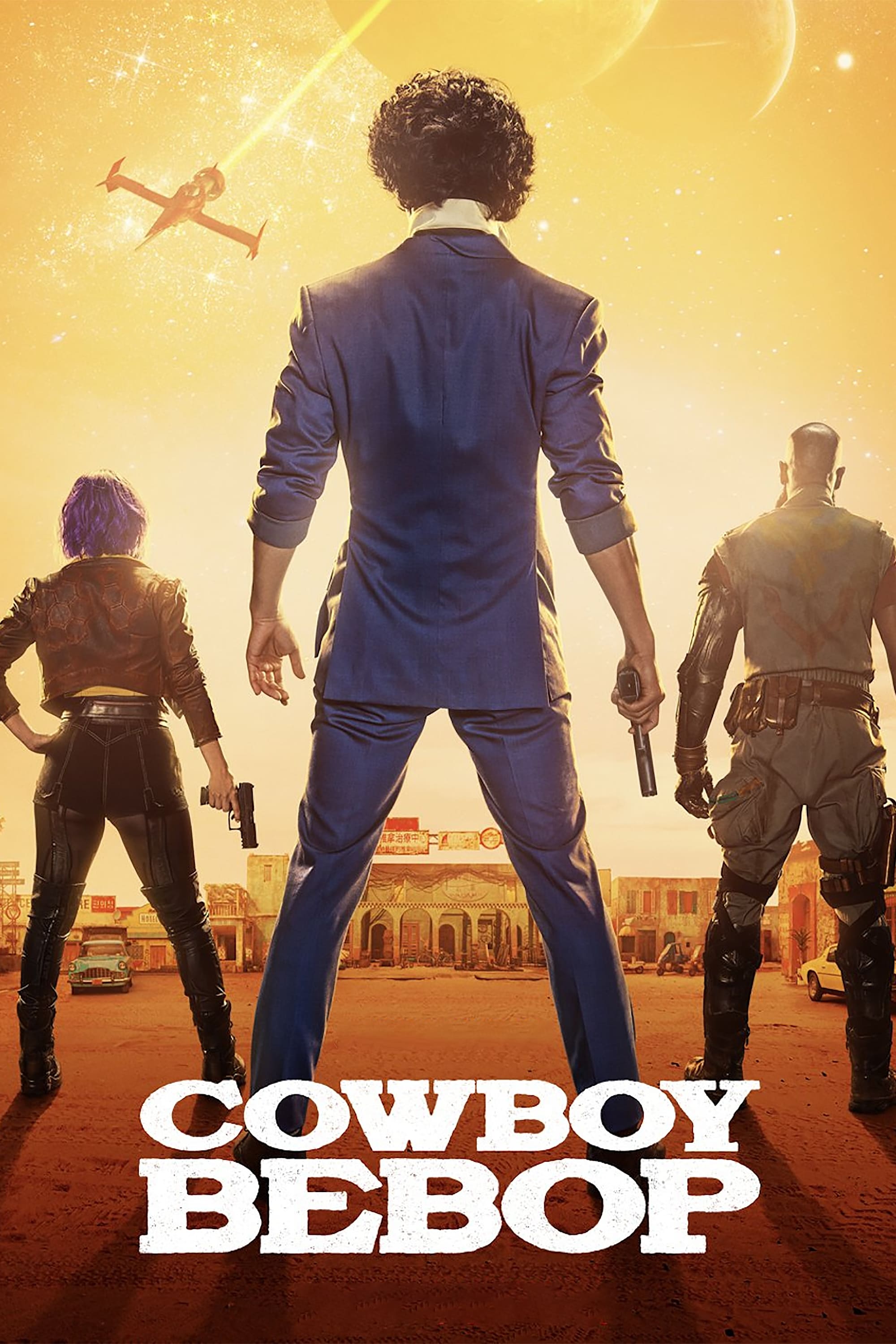
This live action space noir followed bounty hunters traveling between colonies in pursuit of targets. The show laid out the mechanics of bounty postings, credits, and ship maintenance that keep a crew operational.
It recreated iconic locations, fight choreography, and case of the week structures while building a serialized conflict. Character backstories tied into syndicate hierarchies and records that surfaced through databases and contacts.
‘American Vandal’ (2017–2018)
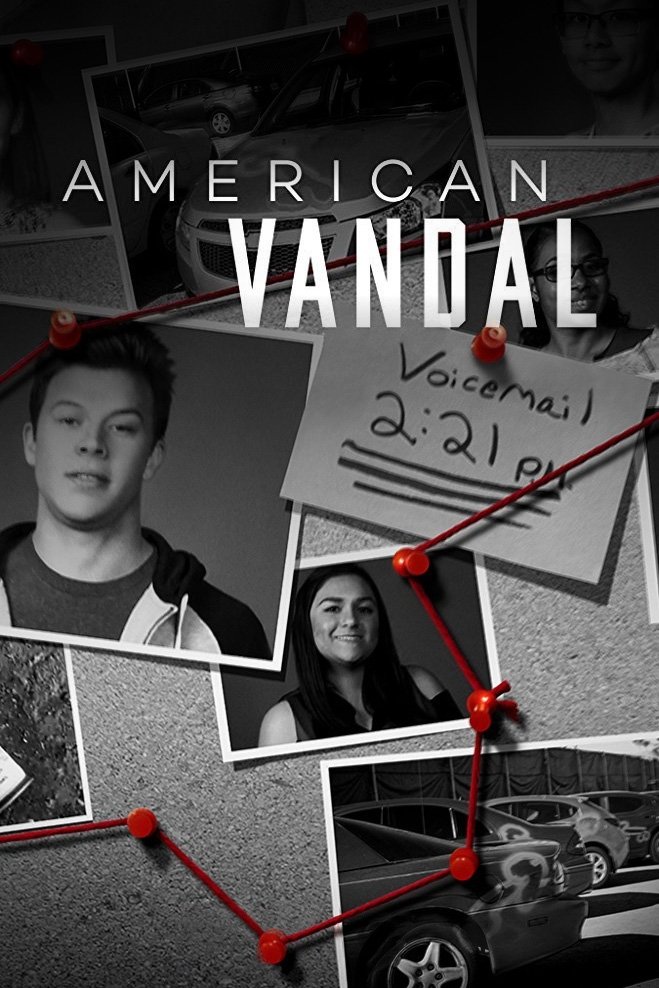
Presented as a true crime satire, this series applied forensic methods to high school pranks and social media scandals. It used interviews, timelines, and geolocation data to test alibis.
Each season traced digital footprints through phone backups, deleted posts, and metadata. The investigations mapped rumor networks and policy responses by administrators as the cases escalated.
‘First Kill’ (2022–2022)
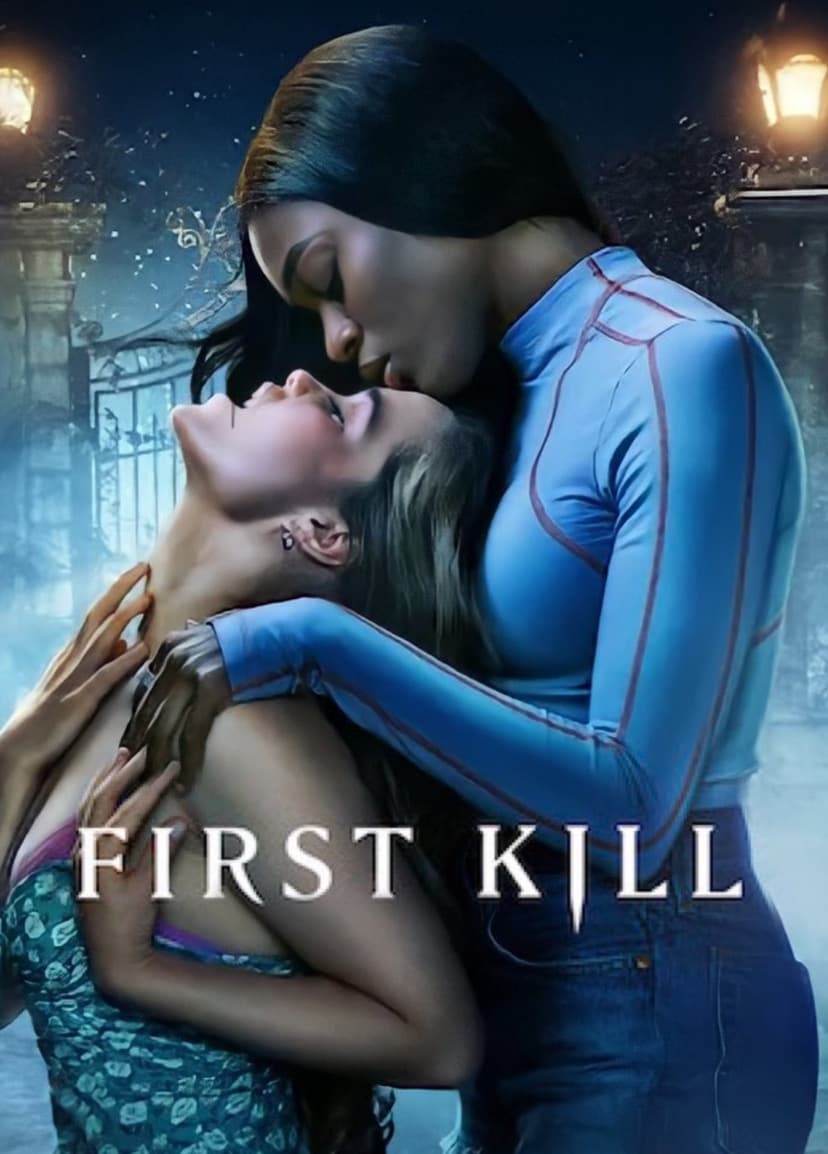
This supernatural drama centered on two families with long standing rules about hunting and tradition. The season established customs, training, and regional governance for both sides.
It detailed the consequences of breaking protocols, including surveillance by councils and interventions by extended relatives. The story tracked how evidence is gathered and how public incidents are contained.
‘Archive 81’ (2022–2022)
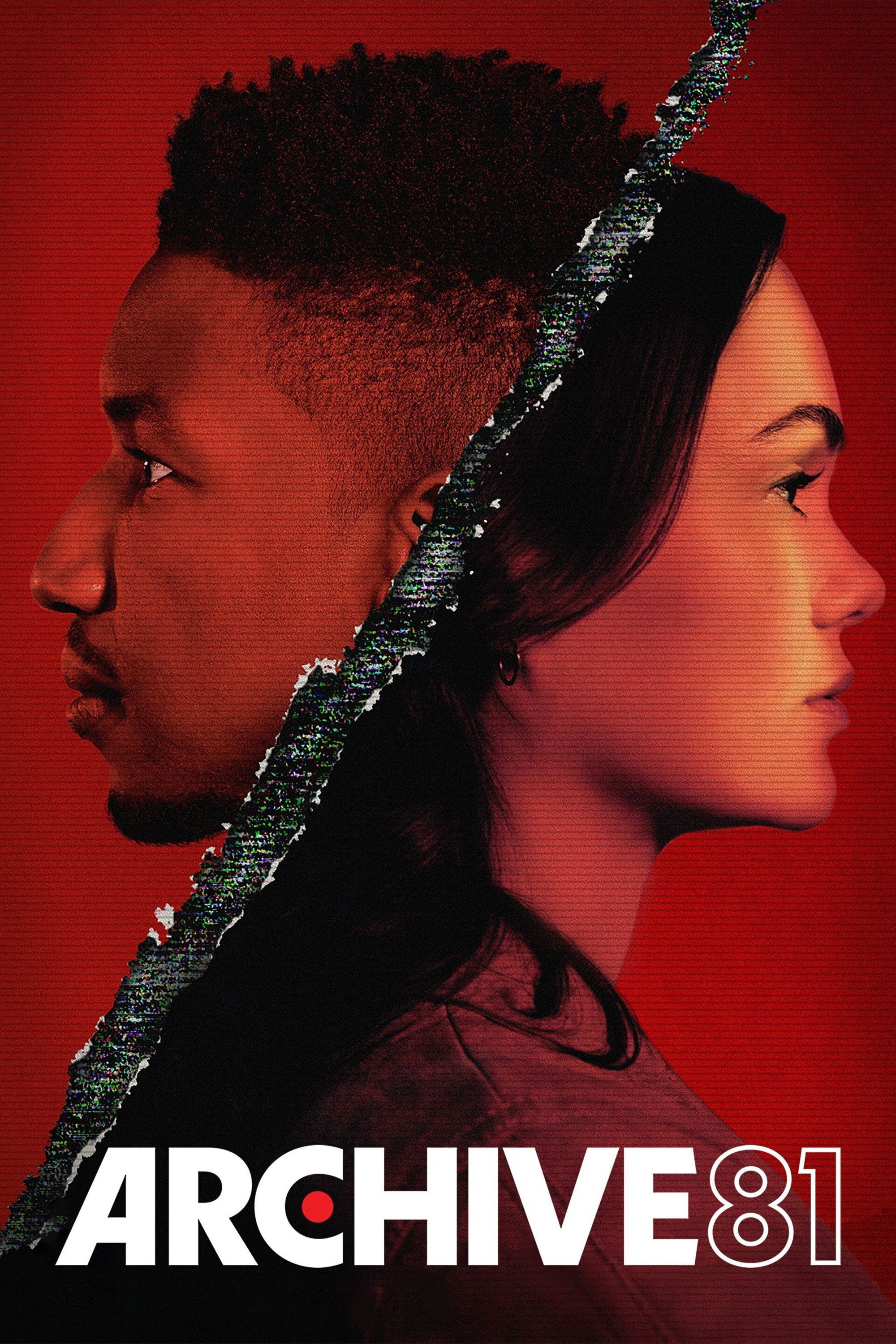
An archivist was hired to restore damaged videotapes linked to a missing filmmaker and a cult. The show depicted tape baking, digitization, and cataloging as clues emerged from degraded footage.
The investigation combined building plans, ritual texts, and tenant records to reconstruct events. Parallel timelines showed how the archive connects to a modern research facility with its own security issues.
‘Jupiter’s Legacy’ (2021–2021)

This superhero saga contrasted the code of an older generation with the realities facing their children. The series used flashbacks to chart an expedition, a trial of character, and the source of powers.
It also documented oversight committees, media management, and financial structures behind a global team. Conflicts arose over response times, collateral damage, and public trust metrics.
‘The Irregulars’ (2021–2021)
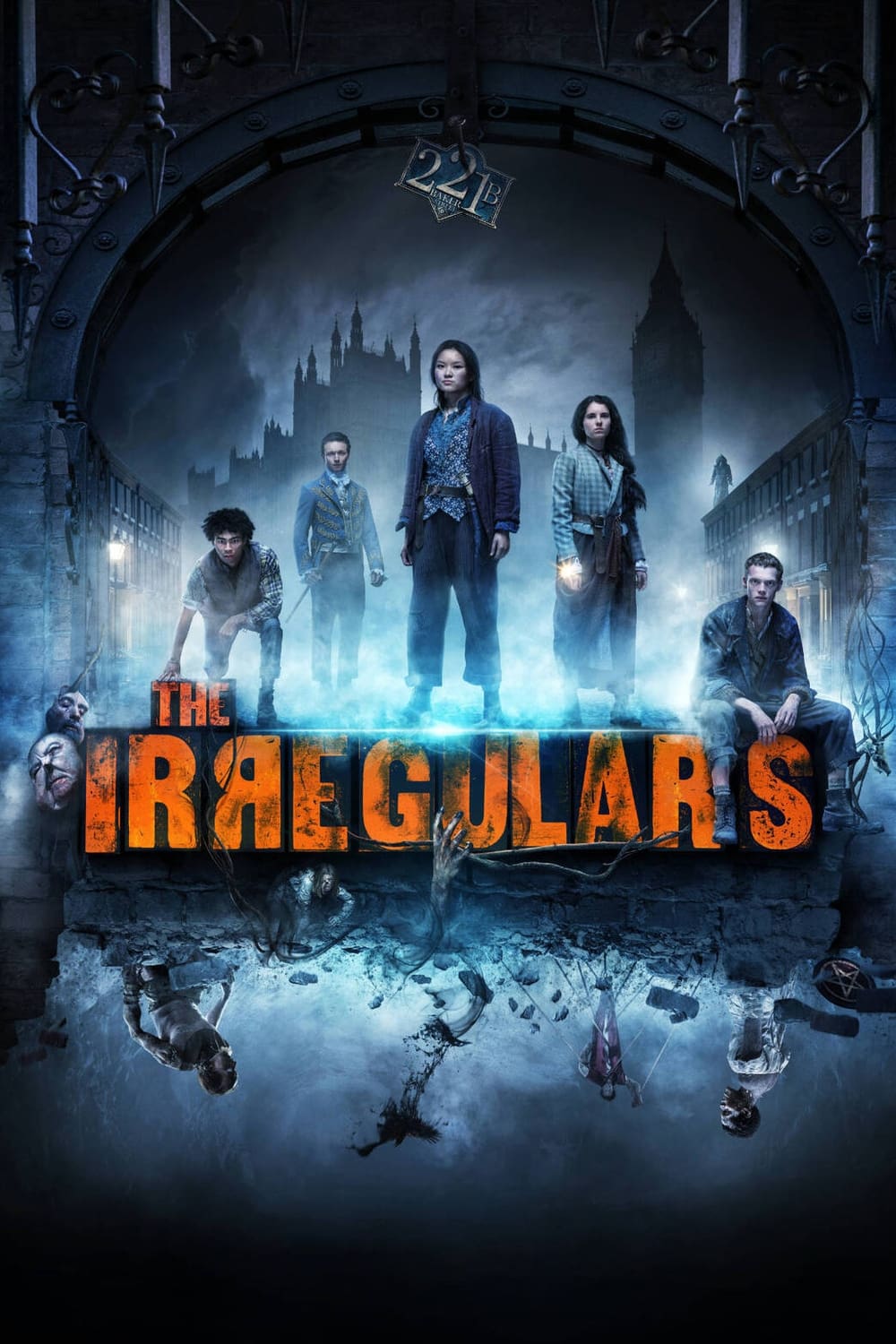
Set in Victorian London, this supernatural mystery followed street teens working cases tied to unusual phenomena. The show tracked how clues move from alleys to archives and into the hands of clients with hidden motives.
Artifacts, journals, and lab samples connected crimes to a larger tear in reality. The season built a casebook of patterns while showing the city’s class systems and the institutions that controlled access to information.
‘Inside Job’ (2021–2022)
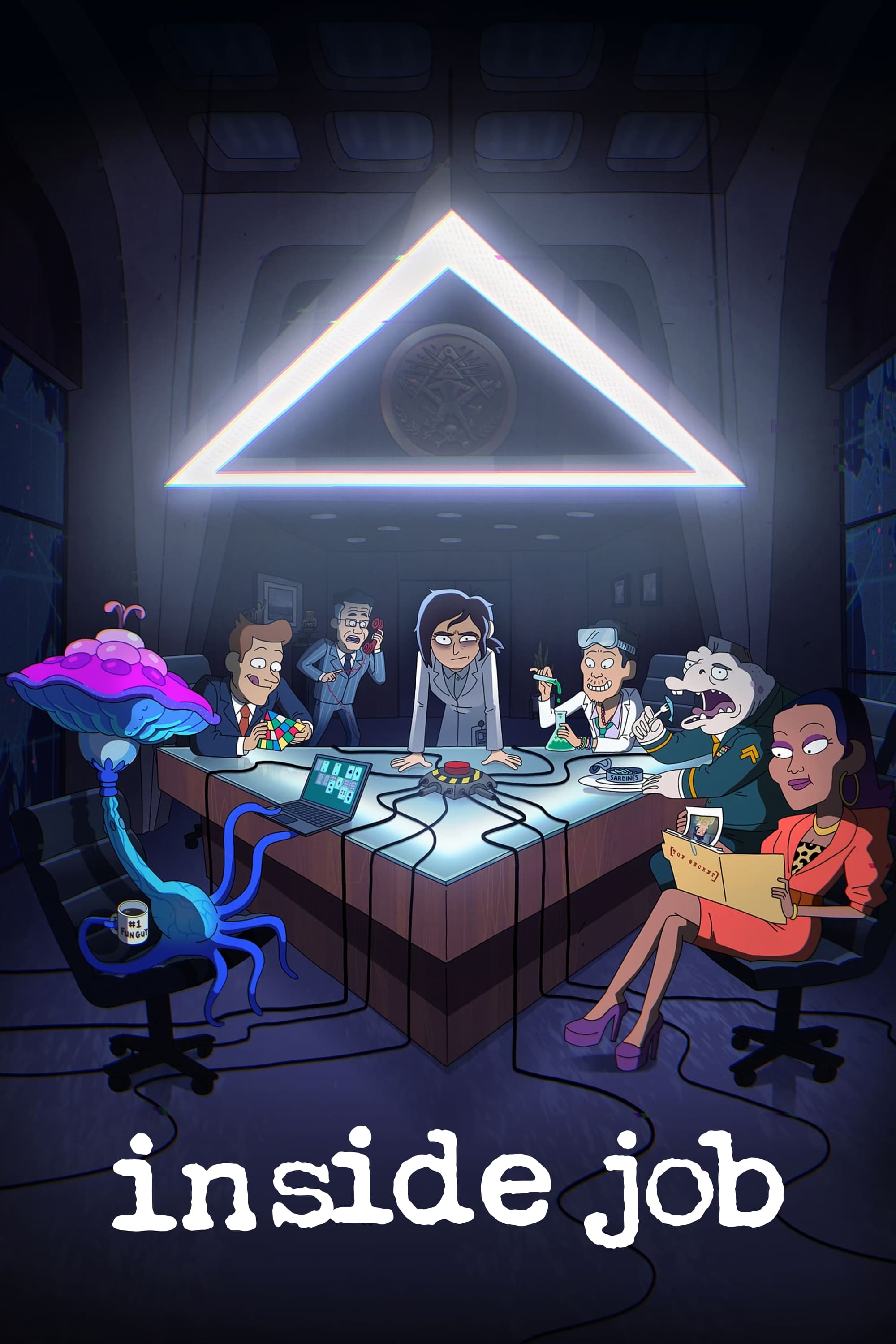
This animated workplace comedy treated conspiracy theories as a corporate product line managed by teams and budgets. Episodes cataloged departments, cover operations, and employee compliance programs.
It followed project proposals from pitch to field test and examined how changes to leadership affect risk assessments. The show documented contingency plans, memory management tools, and audit trails inside a secretive organization.
Share the one cancellation that stunned you most and tell us why in the comments.

