Is ‘Drummer Boy’ Based on a True Story? The Real Inspiration Behind the Musical

Faith-based cinema has evolved dramatically in recent years, shifting away from modest church dramas and toward expansive productions designed for multiplex audiences. Distributors like Angel Studios have found consistent box office momentum by exploring historical eras and emotionally resonant themes. This ambitious cinematic movement reaches a notable milestone with their lavish Revolutionary War musical, blending grand battle sequences with contemporary faith-driven anthems.
Period epics that depict pivotal national struggles naturally ignite intense questions about historical provenance and authenticity. When audiences watch young fighters confront artillery fire while grappling with difficult moral choices, they inevitably wonder whether the central figures actually lived through those hardships. That curiosity has reached a peak following the theatrical debut of this colonial wartime story.
Despite the authentic 18th-century setting, ‘Drummer Boy‘ is not based on a true story or a documented historical family. The Clem brothers, Jeremiah and Benjamin, as well as the resilient enslaved heroine Emmaline, are fictional creations conceived to serve an allegorical narrative. While the American Revolutionary War itself is an undeniable historical reality, the personal drama on screen was authored specifically for modern cinema.
The Fictional Journey of the Clem Family
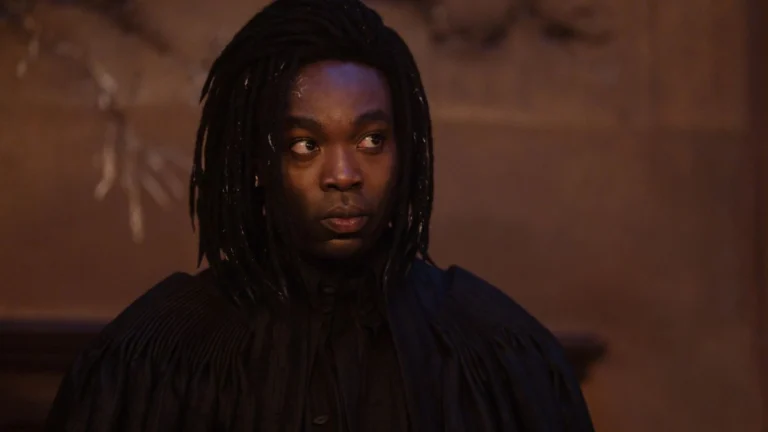
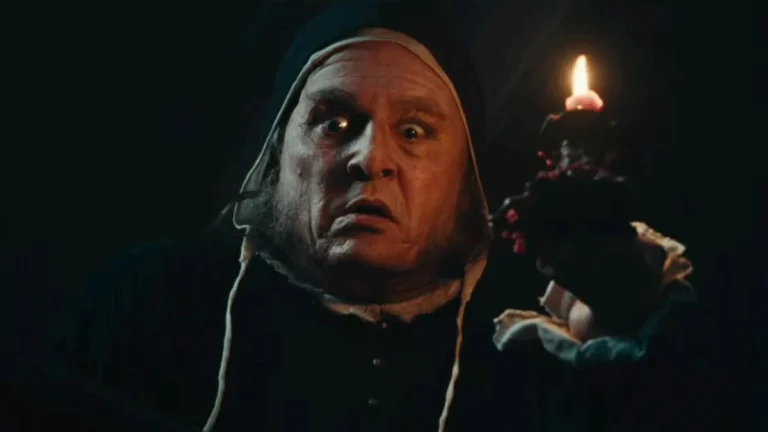
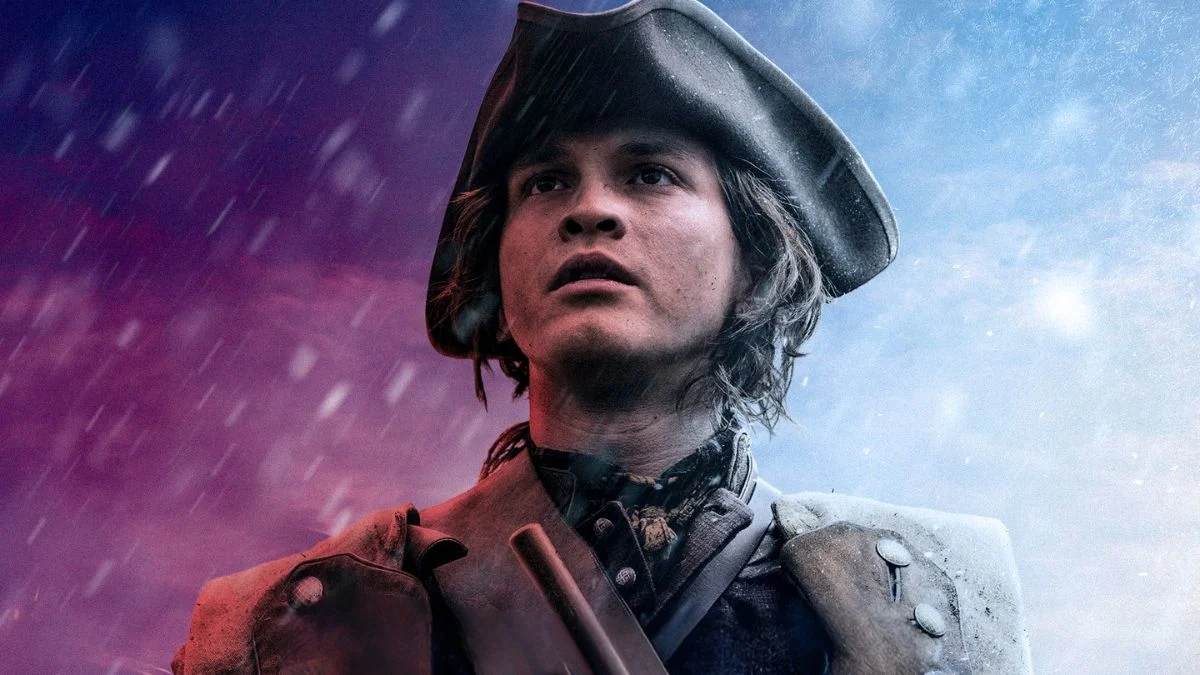
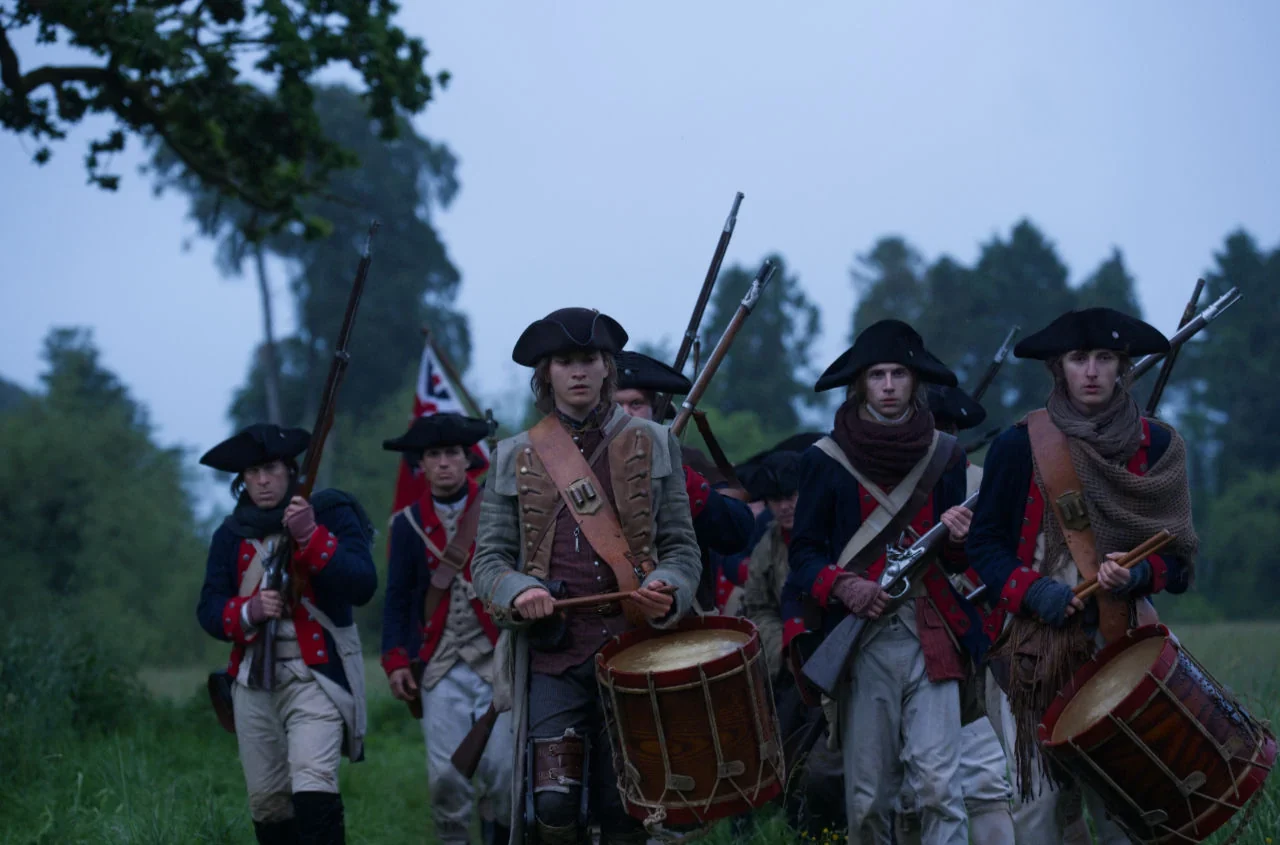
In ‘Drummer Boy’, the narrative follows the fractured Clem household as the colonies ignite into open rebellion against Great Britain. Benjamin Clem, played by Lucas Leach, is an injured young man who finds his military calling as a regimental drummer for the Continental Army under Major John Ambrose. Meanwhile, his older brother Jeremiah, portrayed by Joel David Smallbone, aligns with British Loyalists, putting the siblings on opposite sides of the battlefield.
While the Clem family never existed in colonial archives, the tactical role of drummer boys was an essential element of 18th-century combat. Continental and British forces routinely relied on young percussionists to transmit crucial commands through smoke and cannon fire when vocal shouts failed. By assigning Benjamin this vital post, the filmmakers anchor their fictional characters within real military traditions of the Revolutionary War.
Untangling the Carol and Wartime Legends
Much of the public fascination surrounding ‘Drummer Boy’ stems from its connection to the holiday standard ‘The Little Drummer Boy’. Composed in 1941 by Katherine Kennicott Davis under the title ‘Carol of the Drum’, the beloved carol is an artistic parable rather than a biblical account. The film draws sonic inspiration from the song, weaving its rhythmic motifs into an expansive original score.
“The original inspiration was obviously the little drummer boy and taking his simple gifts and laying it down at the altar for Jesus,” Ben Smallbone explained in an interview with The Christian Post, adding that “Jesus told parables and realized the power of story had a way of skipping the mind and going straight to the heart.” The filmmakers also avoided confusing their story with Johnny Clem, the famous drummer who earned national renown during the American Civil War nearly a century later.
The Real Brotherly Rift That Shaped the Screenplay
While the soldiers in ‘Drummer Boy’ are fictional, the emotional core of the film reflects a very real brotherly conflict. Directors and siblings Ben and Joel David Smallbone spent eight years developing the project following the viral success of their band For King & Country. During that lengthy journey, however, an intense creative falling out caused a painful personal rift between the two collaborators.
Recalling the moment they chose to reconcile, Ben shared that “Joel flew out and we sat in a coffee shop. And we hugged. And we cried together and we apologized for words that were said,” as he recounted in an on-camera discussion. That vulnerable reunion redirected the heart of the screenplay, turning a standard military drama into an intimate examination of brotherly forgiveness and restorative grace.
A Story of Reconciliation and Hope
By balancing armed warfare with internal emotional struggles, ‘Drummer Boy’ functions as a modern parable rather than a strict historical chronicle. Supporting characters like Emmaline, portrayed by India Brown, provide vital historical weight by exposing the moral contradictions of colonists demanding freedom while preserving chattel slavery. Screenwriter Richard L. Ramsey and the directing team wove these contrasting perspectives together to emphasize that true freedom requires spiritual healing.
Ultimately, ‘Drummer Boy’ uses historical fiction to explore profound truths about sacrifice, brotherhood, and redemption. By channeling their real-life family healing into a 250-year-old conflict, the filmmakers created an allegory that speaks directly to modern divides. The rhythmic pulse of Benjamin’s drum serves as a unifying battle cry, reminding viewers that peace often requires laying down personal resentments.
Share your thoughts on the historical setting and the brotherly themes of ‘Drummer Boy’ in the comments below!