


James Cameron Slams Oppenheimer as a “Moral Cop-Out” for Not Showing Hiroshima and Nagasaki Victims

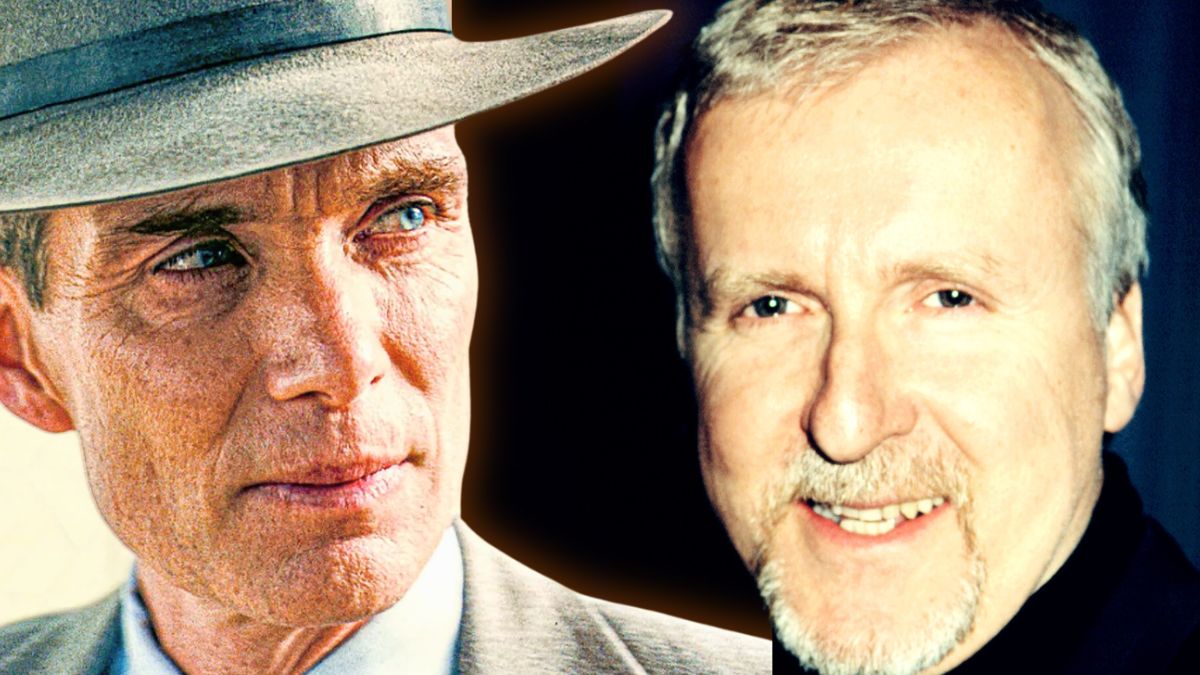


James Cameron, the director behind massive hits like Titanic and Avatar, is now turning his attention to a film that’s deeply personal to him.
But this time, he’s not focused on box office numbers or visual breakthroughs. Instead, he wants to tell the painful and powerful story of what happened to the people of Hiroshima and Nagasaki after the atomic bombs were dropped during World War II.
The idea for the movie comes from a new book called Ghosts of Hiroshima, written by Charles Pellegrino. The book will be released on August 5, which marks 80 years since the bombing of Hiroshima.
It tells real-life stories of people who survived the attacks, many of whom suffered in ways that are hard to even imagine. Martin Sheen will narrate the audiobook version.
Cameron spoke with Deadline about why this project means so much to him. He said he visited one of the last living survivors of the bombings, and before the man passed away, Cameron promised he would help share their story with the world. That moment stayed with him, and now he feels it’s time to act on it.
One story in particular hit Cameron hard. It’s about a man named Kenshi Hirano. He had just gotten married. His wife warned him to take cover.
He survived the first bomb in Hiroshima, but when he returned home, all he could find were pieces of her bones. He picked them up and carried them in a ceramic bowl her parents had given them. Then he got on a train to Nagasaki to return the remains to her family. He arrived just in time for the second bomb.
“I want to tell that story,” Cameron said. “I want to go on his journey, what that must have meant to him and the loss that he was already feeling.”
The book doesn’t try to make a political statement, and Cameron doesn’t want the film to either. He just wants people to understand what really happened. “It’s not a political book,” he said. “It just says, guys, this is what happened.”
Cameron admitted the movie probably won’t make as much money as his previous work. But that doesn’t bother him. He’s not chasing box office records this time. He’s more focused on doing justice to the real people who lived through the horror. He’s been thinking about this film for over 15 years and taking notes the whole time. But he hasn’t written the script yet. He’s waiting for the right time when everything feels ready.
During the interview, Cameron also talked about Oppenheimer, the Oscar-winning film by Christopher Nolan. He praised the filmmaking but said the movie avoided something very important, the impact of the bomb on the Japanese people.
“I love the filmmaking, but I did feel that it was a bit of a moral cop-out,” Cameron said. “There’s only one brief moment where he sees some charred bodies in the audience, and then the film goes on to show how it deeply moved him. But I felt that it dodged the subject.”
He said he’s not afraid to show the hard truth, even if it makes people uncomfortable. Still, he knows he has to be careful not to overwhelm the audience. He wants them to care about the people in the story, not just be shocked by the violence.
“How much hell can an audience absorb and go on to absorb more?” he said. “You’ve got to do it in glimpses, and you’ve got to contextualize it with people that you care about.”
What touched him the most, he said, was how survivors helped each other. Even in the middle of chaos and pain, their first instinct was to care for the people around them.
“That was their first impulse,” he said. “To help other people. I think that’s an amazing thing, if I could capture that.”
When asked directly if he had made a promise to that dying survivor, Cameron didn’t hesitate.
“You’re absolutely right,” he said. “Charlie and I both felt in that moment that we were being challenged to accept a duty, to take a baton.”
He doesn’t plan to make a huge, expensive film this time, but he said some visual effects will still be necessary to show the destruction. The rest will be about human stories, the kind that stick with you long after the movie is over.
“Somehow, I have to make this happen,” Cameron said. “It won’t be quick to make, but I have to do it.”
Have something to add? Let us know in the comments below!

