


James Stewart’s Career: From ‘The Murder Man’ to ‘An American Tail: Fievel Goes West’

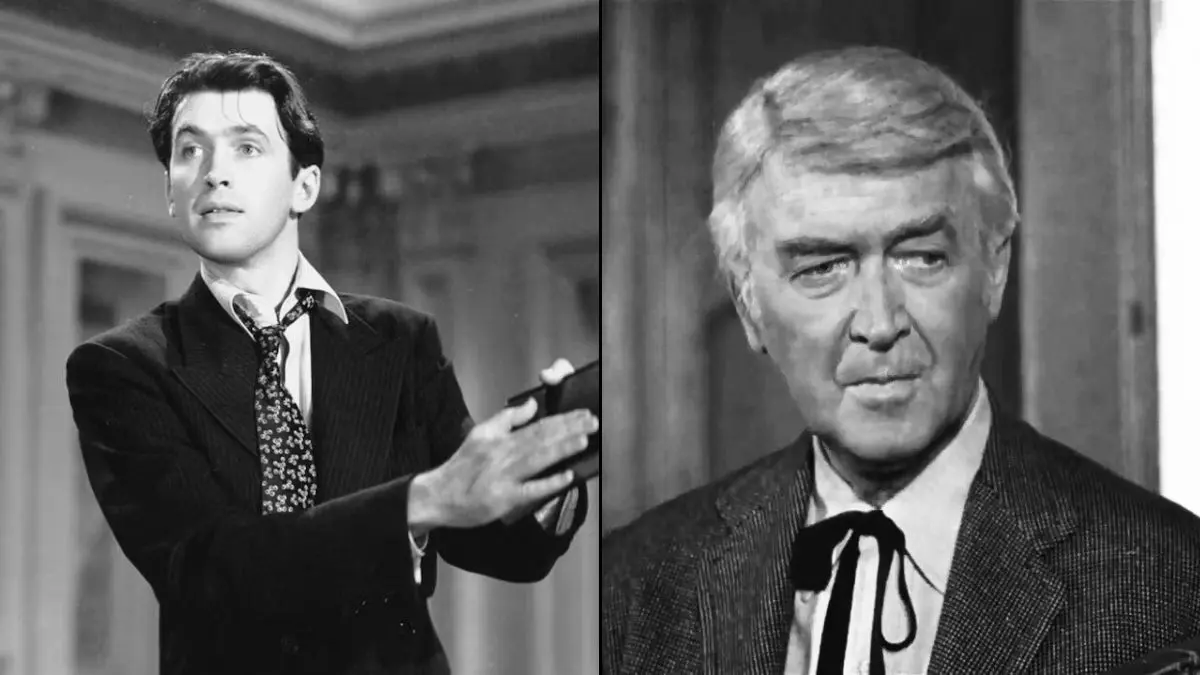


James Stewart was one of Hollywood’s most beloved and enduring stars, an actor whose unique voice and “everyman” quality made him a screen legend. For over five decades, he represented a kind of American ideal, playing characters who were decent, relatable, and often possessed a strong moral compass. His natural, stuttering delivery felt real and unforced, allowing audiences to connect with him in a way they did with few other actors.
From lighthearted comedies and romantic dramas to dark psychological Westerns and suspenseful thrillers, Stewart’s range was extraordinary. He collaborated with some of cinema’s greatest directors, including Frank Capra, Alfred Hitchcock, and John Ford, creating films that have stood the test of time. A decorated war hero and a dedicated family man, James Stewart’s on-screen integrity was a reflection of his off-screen character, cementing his place as a true icon of Hollywood’s Golden Age.
The Murder Man (1935)
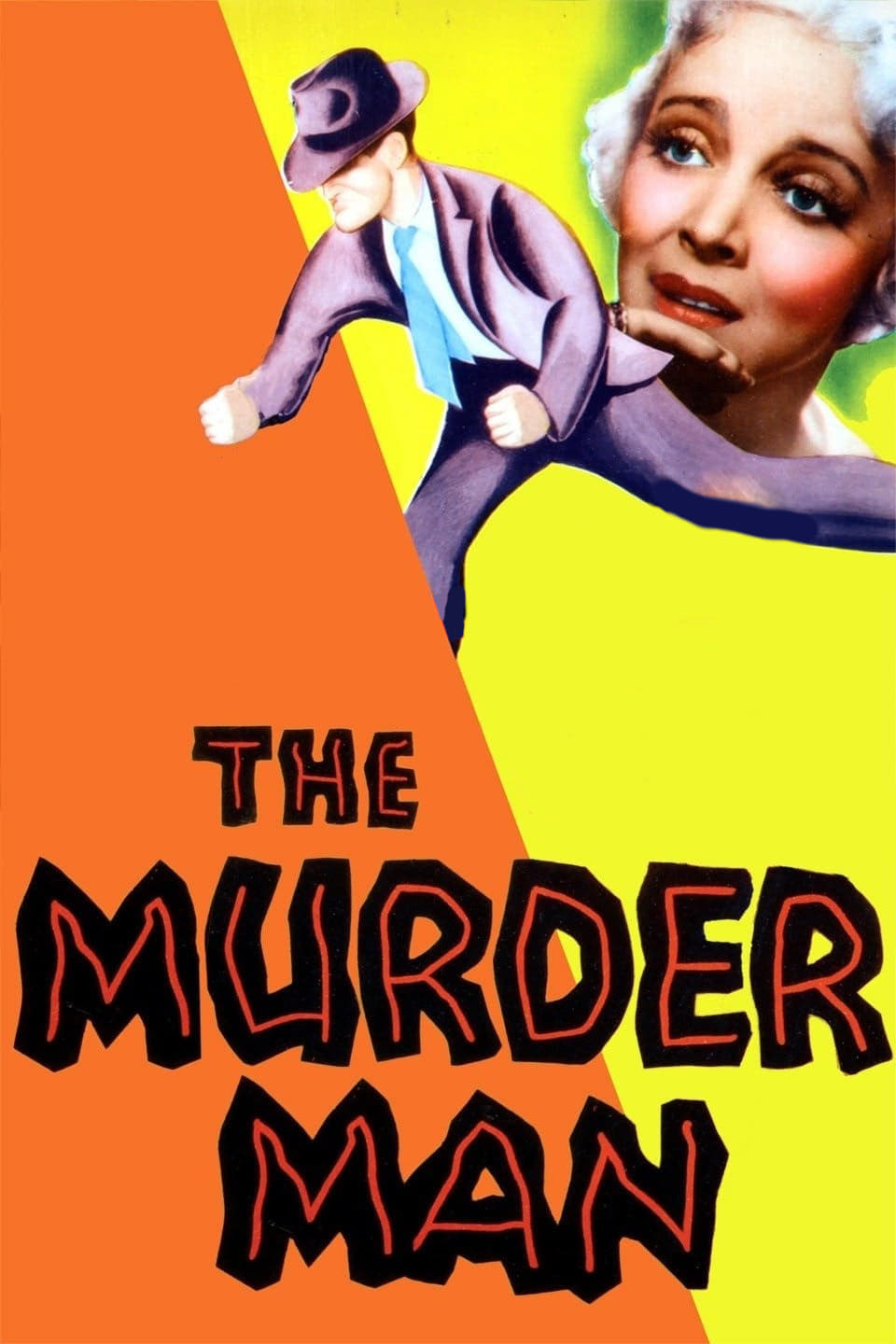
James Stewart made his film debut in a small role as a reporter named Shorty in ‘The Murder Man’. The crime drama stars Spencer Tracy as a newspaper man who specializes in covering murder cases, but he has a dark secret of his own. Stewart’s character appears briefly, asking a few questions in a scene.
Though his part was minor, it was a crucial first step into the world of Hollywood. Stewart was a new contract player at MGM, and this role gave him his first experience on a major studio film set. It was also the beginning of a lifelong friendship with the film’s star, Spencer Tracy.
Next Time We Love (1936)
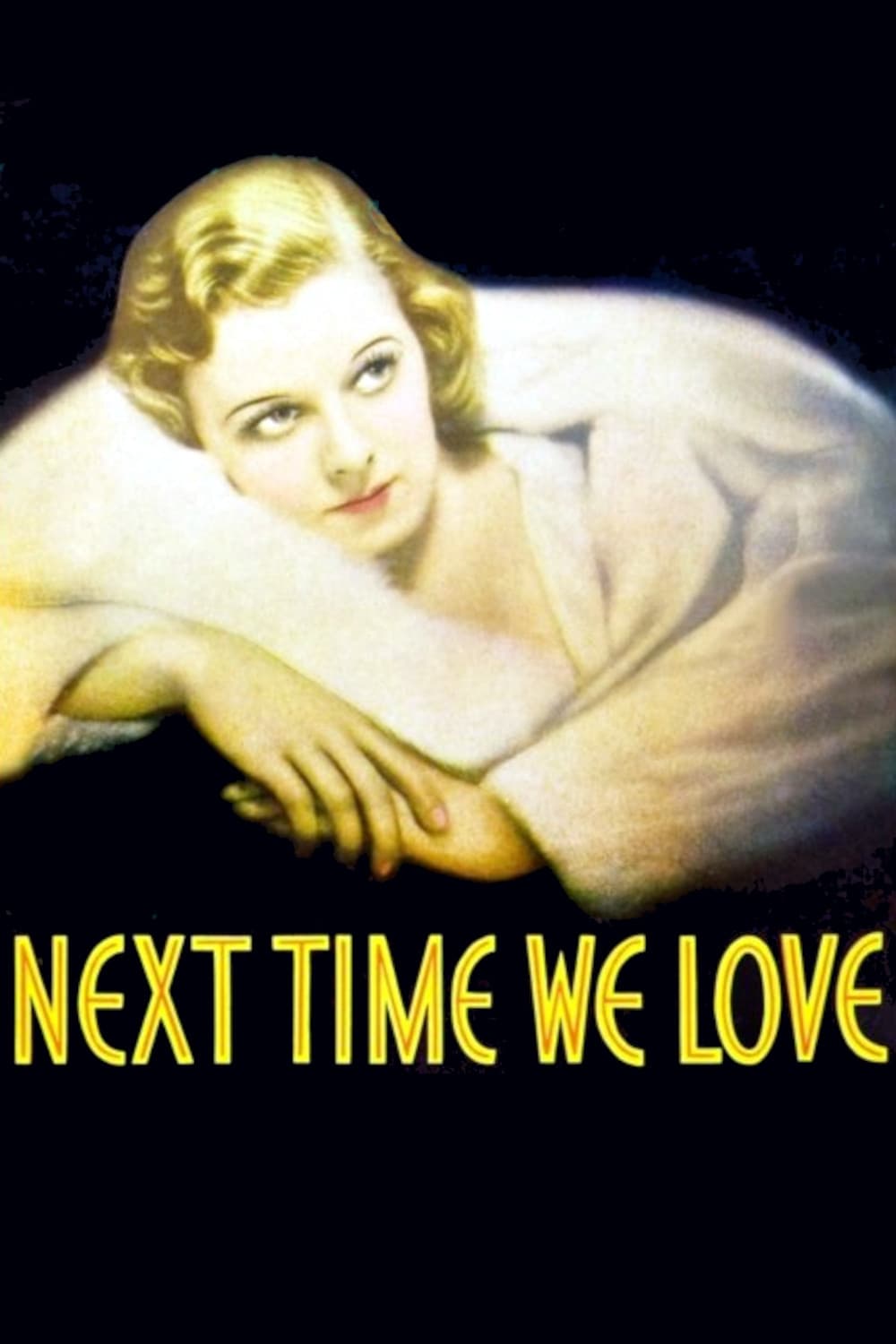
Stewart landed his first significant role in the romantic drama ‘Next Time We Love’. He played Christopher Tyler, a young man whose marriage to a rising actress, played by Margaret Sullavan, is tested by their competing careers and long separations. The film follows their relationship over many years, through ups and downs.
Margaret Sullavan, who had known Stewart from their time in theater, specifically requested him for the part. This vote of confidence gave him his first chance to play a leading man, and his heartfelt performance earned him positive reviews, putting him on the path to stardom.
Rose Marie (1936)
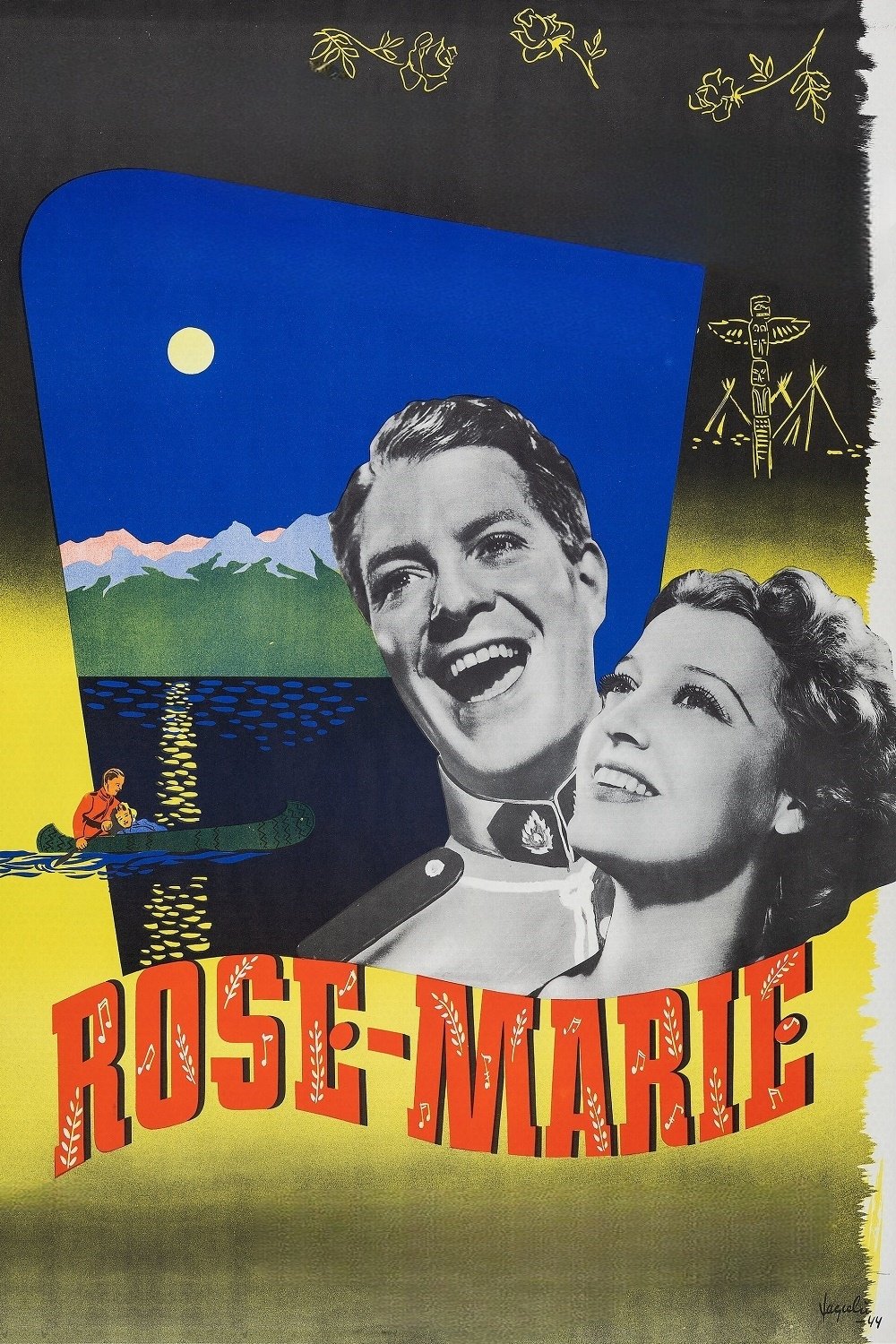
In the famous musical ‘Rose Marie’, Stewart had a supporting role as John Flower, the fugitive brother of the main character, an opera singer played by Jeanette MacDonald. The story follows her journey into the Canadian wilderness to find him, with a Canadian Mountie, played by Nelson Eddy, on her trail.
While Stewart’s role was secondary to the popular singing duo of MacDonald and Eddy, it placed him in a major, high-profile production. The film was a huge box-office success, giving the up-and-coming actor valuable exposure to a wide audience.
Wife vs. Secretary (1936)
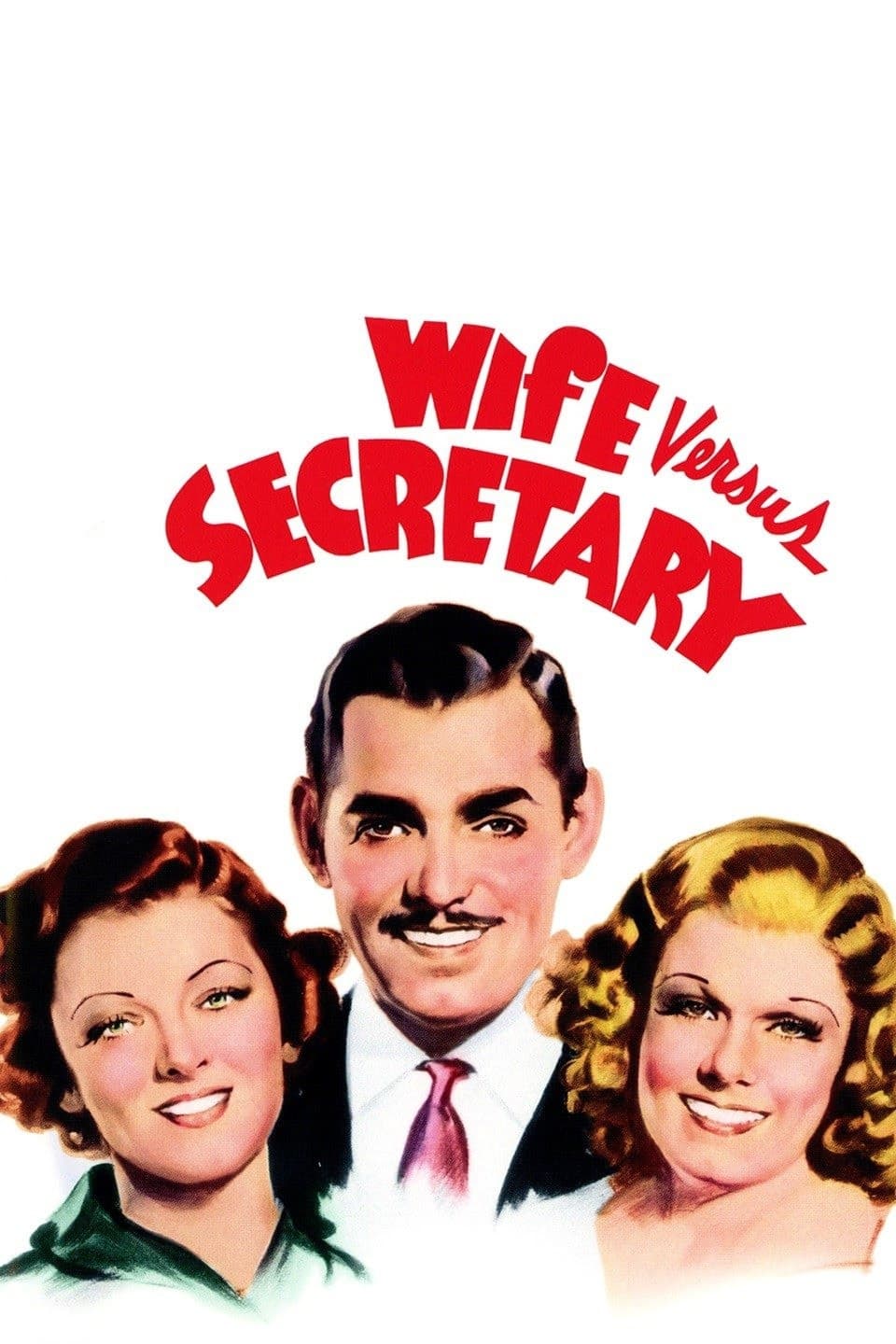
Stewart was part of an all-star cast in the romantic comedy ‘Wife vs. Secretary’. The film stars Clark Gable as a publishing executive, Myrna Loy as his devoted wife, and Jean Harlow as his loyal secretary. Stewart played Dave, the secretary’s frustrated but patient suitor who wishes she would quit her job.
This role put Stewart on screen with some of the biggest stars in Hollywood. Though his part was small, appearing in such a prestigious and popular film helped to raise his profile at the studio and in the eyes of the public.
Small Town Girl (1936)
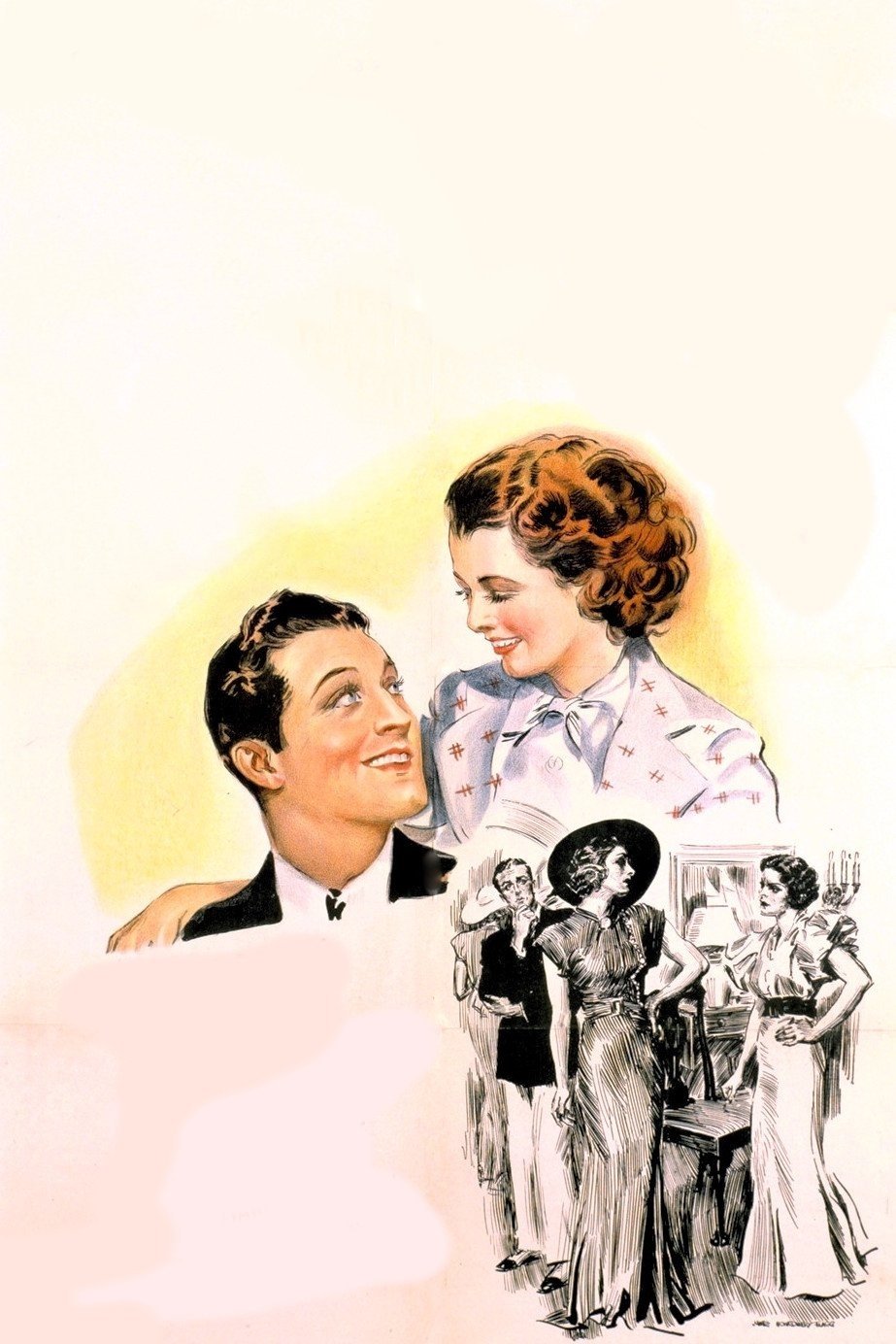
In ‘Small Town Girl’, Stewart played Elmer Clampett, the kind but dull hometown boyfriend of a girl, played by Janet Gaynor, who dreams of a more exciting life. She gets her wish when she impulsively marries a stranger who is just passing through town.
Stewart’s role was that of the reliable but unexciting “boy next door,” a character type he would play often in his early career. The film was a romantic comedy that explored the classic theme of a small-town person yearning for big-city adventure.
Speed (1936)
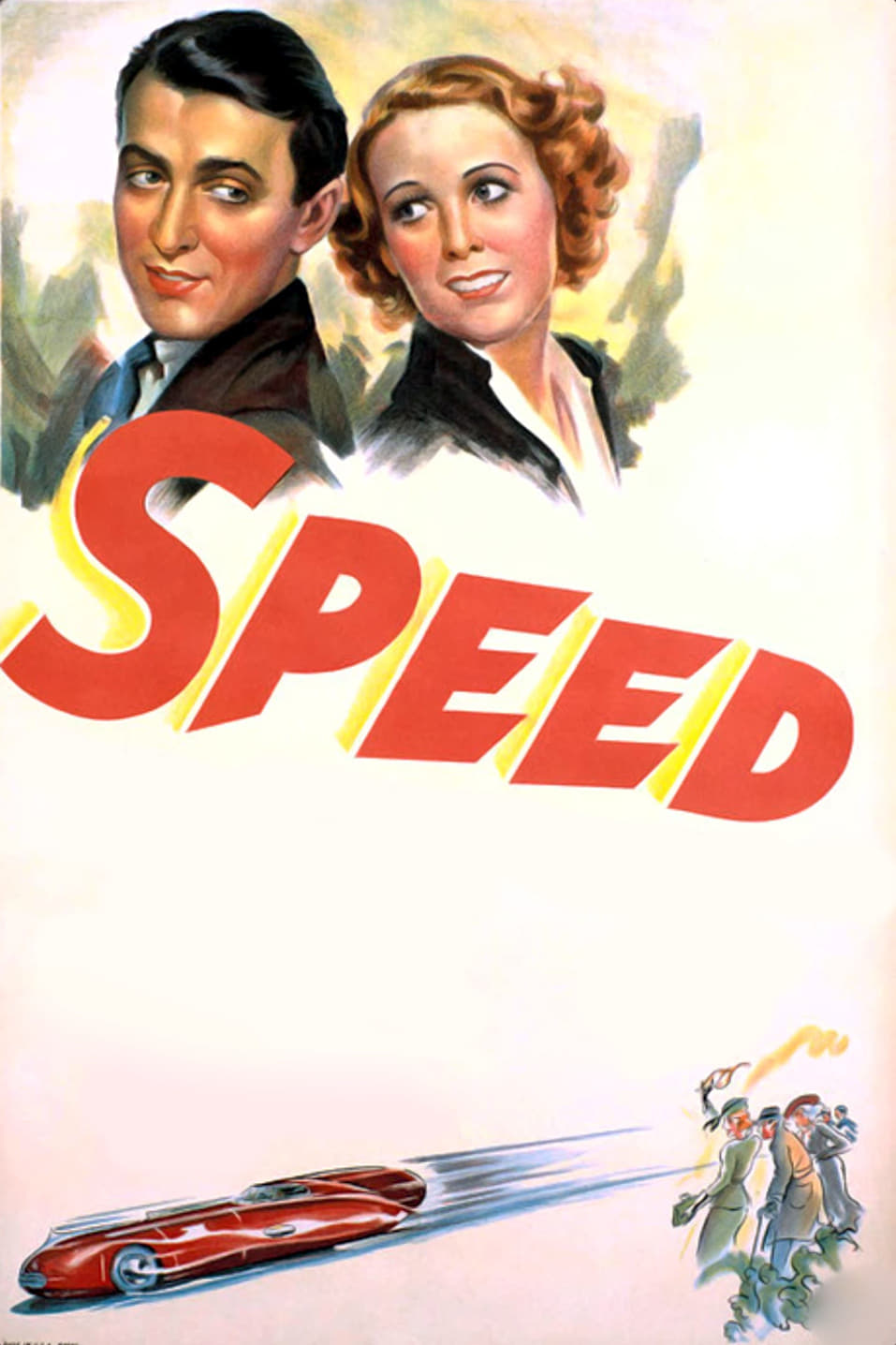
‘Speed’ marked the first time James Stewart received top billing, making it his official debut as a leading star. He played Terry Martin, a brilliant mechanic and test driver who is developing a new high-speed carburetor. The plot involves auto racing, romance, and industrial espionage.
The film was a low-budget B-movie, but it was a crucial step in Stewart’s career. It proved that the studio had faith in him as a leading man, and it gave him his first taste of carrying a film on his own.
The Gorgeous Hussy (1936)
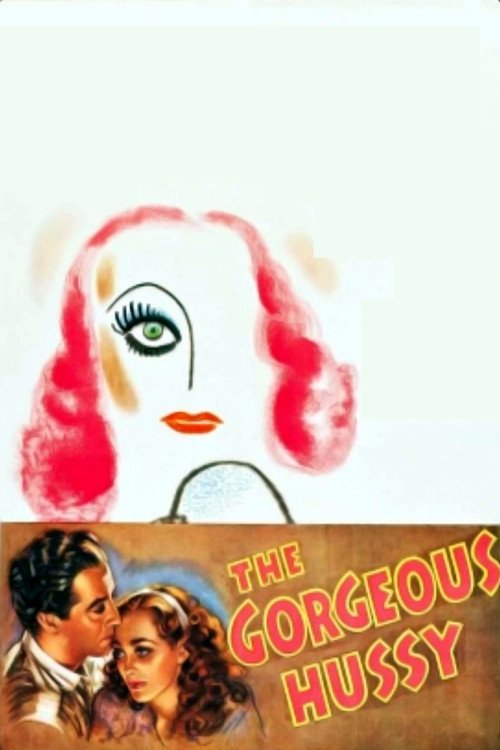
In this historical drama, Stewart played Roderick “Rowdy” Dow, a childhood friend and admirer of Peggy O’Neal, a controversial innkeeper’s daughter in 19th-century Washington D.C. The film, starring Joan Crawford, is a fictionalized account of her influence in the administration of President Andrew Jackson.
The movie was a lavish costume drama from MGM. For Stewart, it was another opportunity to work alongside major stars and gain experience in a different genre.
Born to Dance (1936)

Stewart starred in his first musical, ‘Born to Dance’, opposite Eleanor Powell. He played Ted Barker, a sailor on leave who falls for a hopeful young dancer. The film is famous for Cole Porter’s score, which includes the classic song “I’ve Got You Under My Skin.”
Although not a natural singer or dancer, Stewart’s charming and awkward sincerity fit the role perfectly. He even got to sing a song in the film, proving his versatility and willingness to step outside his comfort zone.
After the Thin Man (1936)
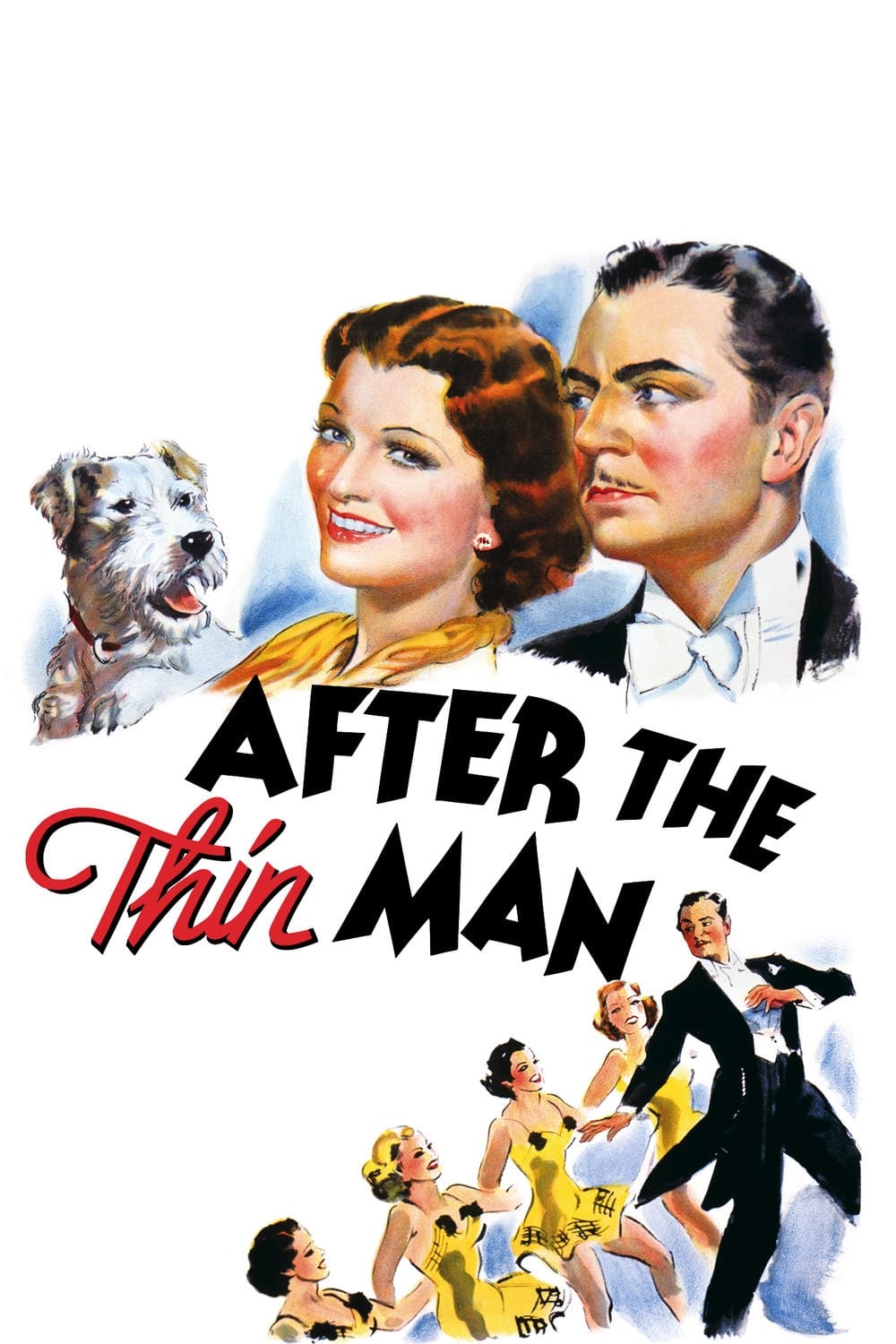
In the second film of the popular ‘Thin Man’ series, Stewart played David Graham. The story once again follows the sophisticated detective couple Nick and Nora Charles as they investigate a murder. Stewart’s character is a young man from a wealthy family who is desperate for help and becomes a prime suspect.
The film was a major hit, and Stewart’s dramatic performance as the tortured and mysterious young man was a standout. It showed his ability to handle more intense, emotional material within a high-profile, successful franchise.
Seventh Heaven (1937)
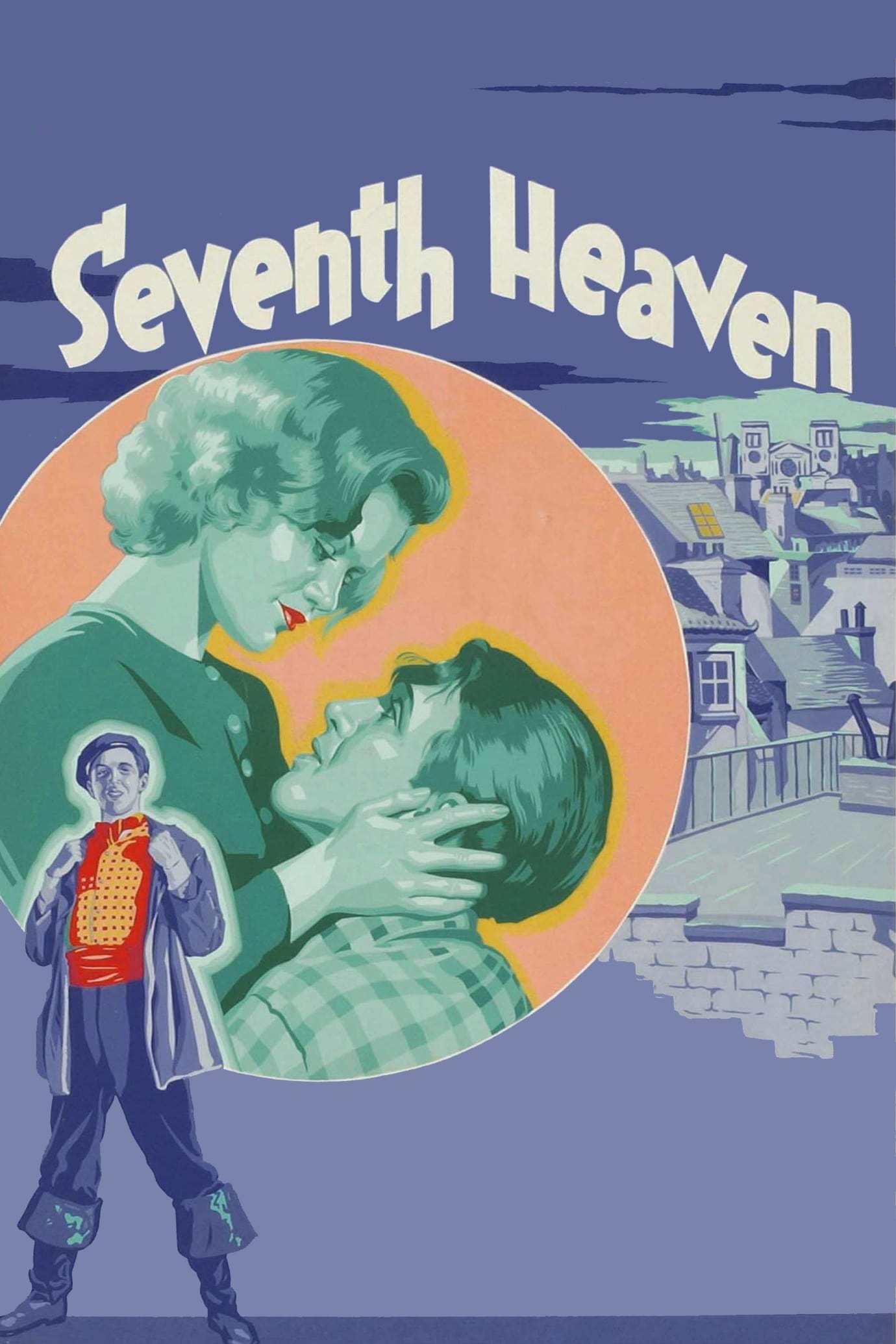
In ‘Seventh Heaven’, Stewart played Chico, a poor Parisian sewer worker who rescues a young woman from her abusive sister. He pretends to be her husband to save her from the police, and the two eventually fall in love just as World War I breaks out. The film was a remake of a famous silent movie.
The role was a departure for Stewart, requiring him to play a French character with a different kind of physicality and emotion. The film was not a major success, but it was a valuable acting challenge for him at this stage of his career.
The Last Gangster (1937)
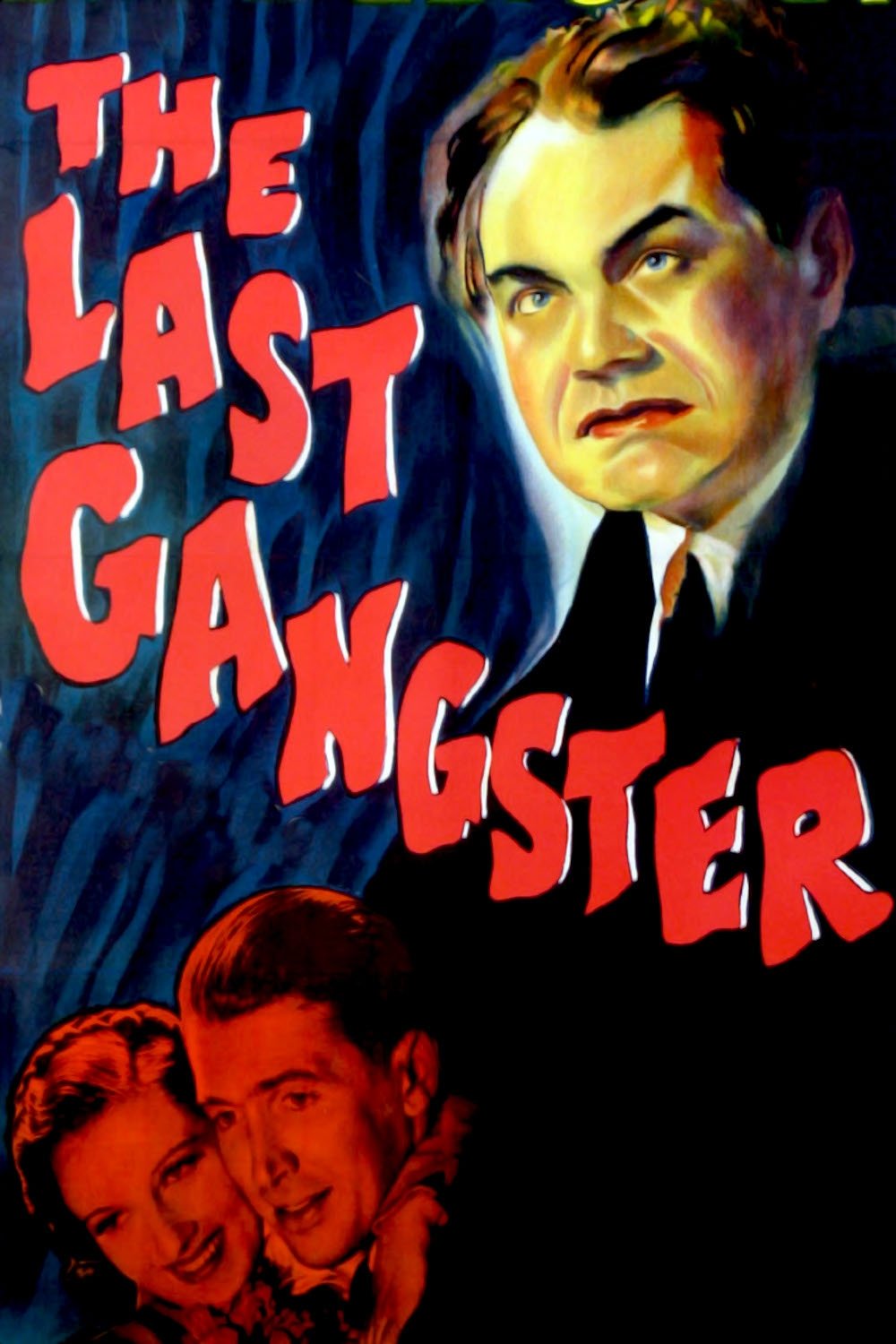
Stewart had a supporting role in this crime drama starring Edward G. Robinson. Robinson plays a powerful gangster who is sent to Alcatraz, and the film follows his life in prison and his eventual return to society. Stewart played Paul North, a journalist who marries the gangster’s ex-wife and raises his son.
In this film, Stewart represented the decent, law-abiding life that stood in contrast to the world of crime. His character was the moral center of the story, a role he would become famous for throughout his career.
Navy Blue and Gold (1937)
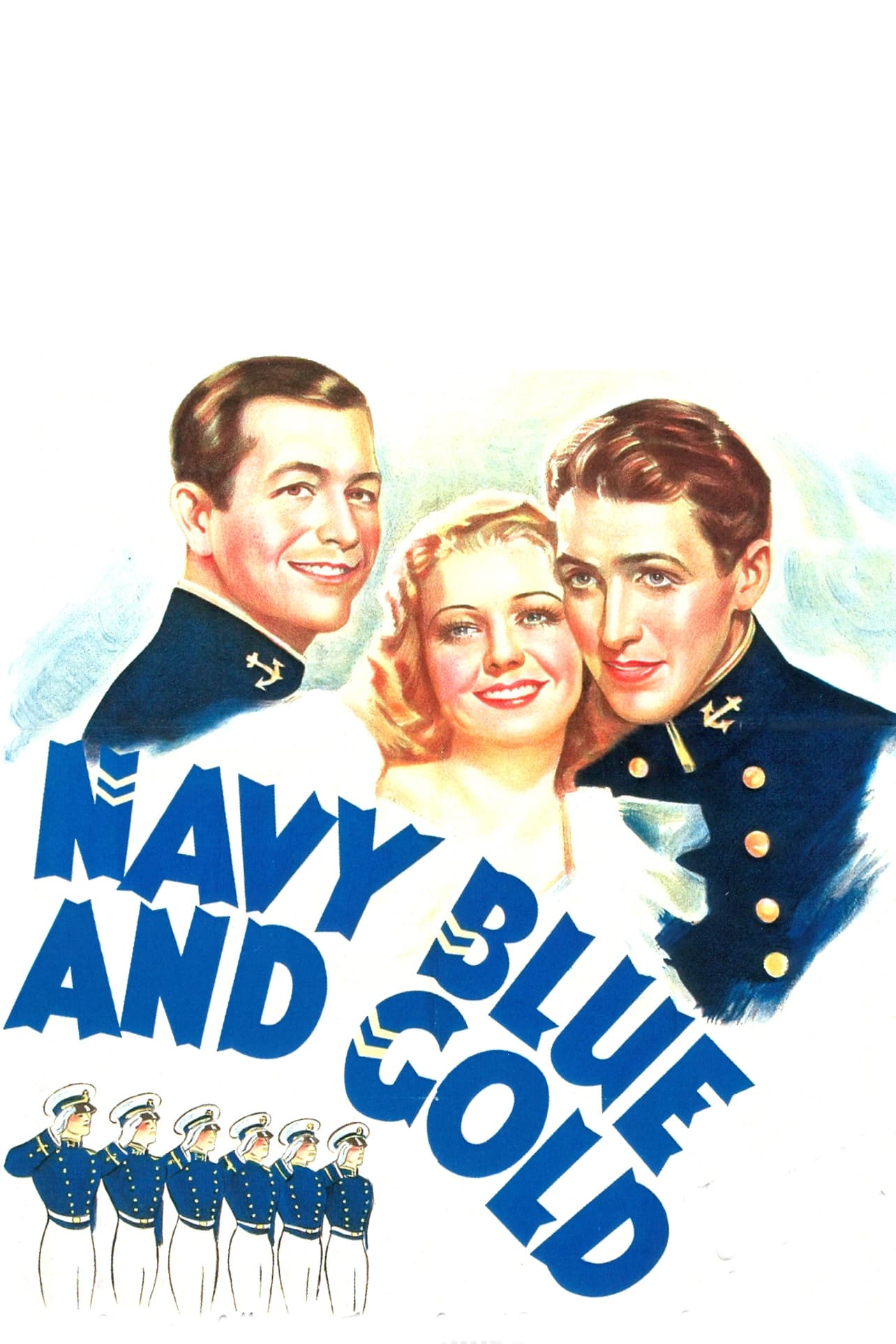
In this film, Stewart played John “Truck” Cross, a football player at the United States Naval Academy. The story follows the lives and friendships of three young midshipmen from different backgrounds as they navigate the challenges of the academy and the football field.
The movie was a patriotic and inspiring story about teamwork and character. Stewart’s role as the determined and principled athlete was a perfect fit for his on-screen persona.
Of Human Hearts (1938)
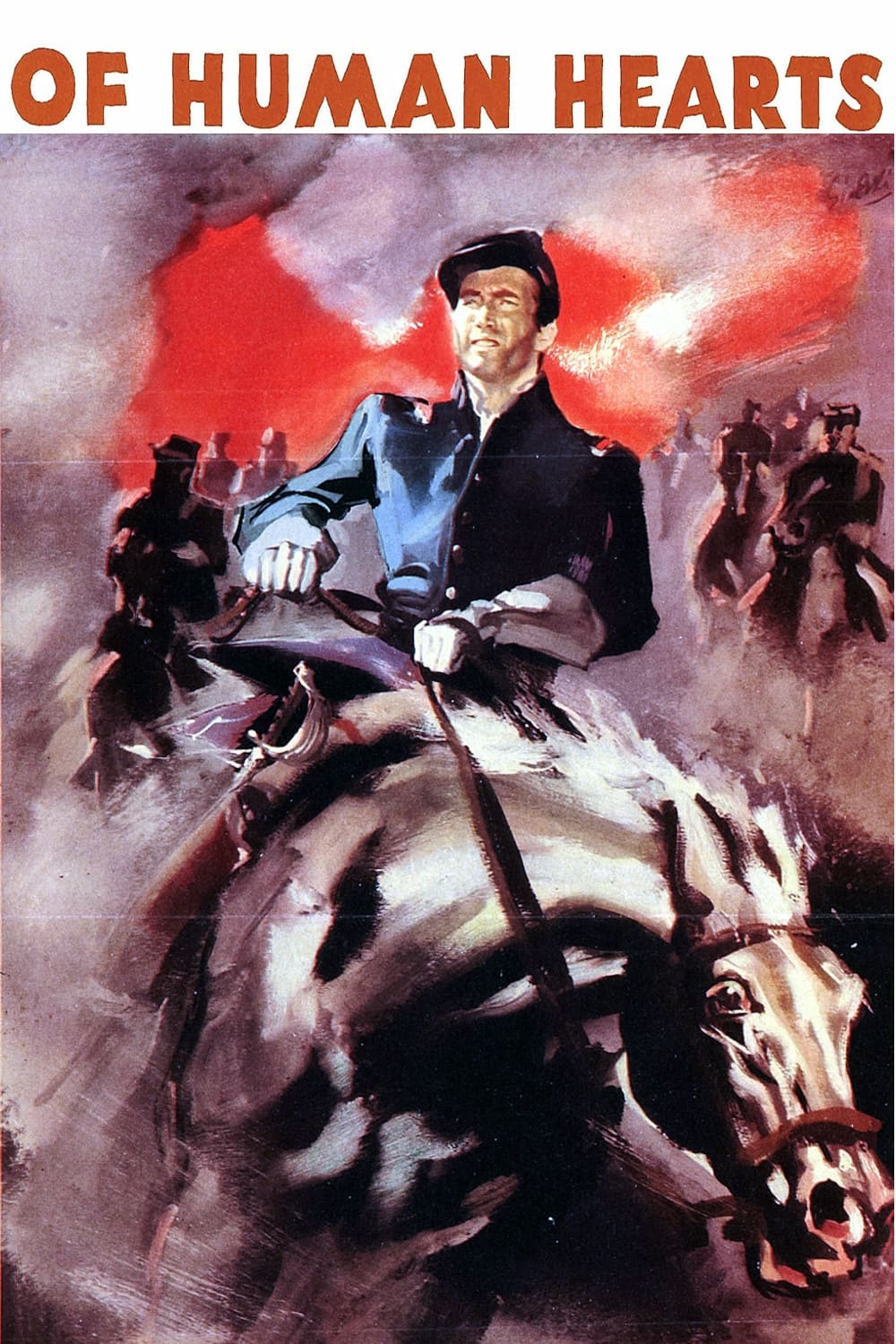
‘Of Human Hearts’ is a historical drama set before and during the Civil War. Stewart played Jason Wilkins, the proud son of a poor preacher who resents his father’s strict ways. He leaves home to become a doctor and grows distant from his family, only to learn a harsh lesson about love and sacrifice.
This film offered Stewart a complex dramatic role, portraying a character’s journey from arrogant youth to humbled man. His emotional performance was praised by critics.
Vivacious Lady (1938)
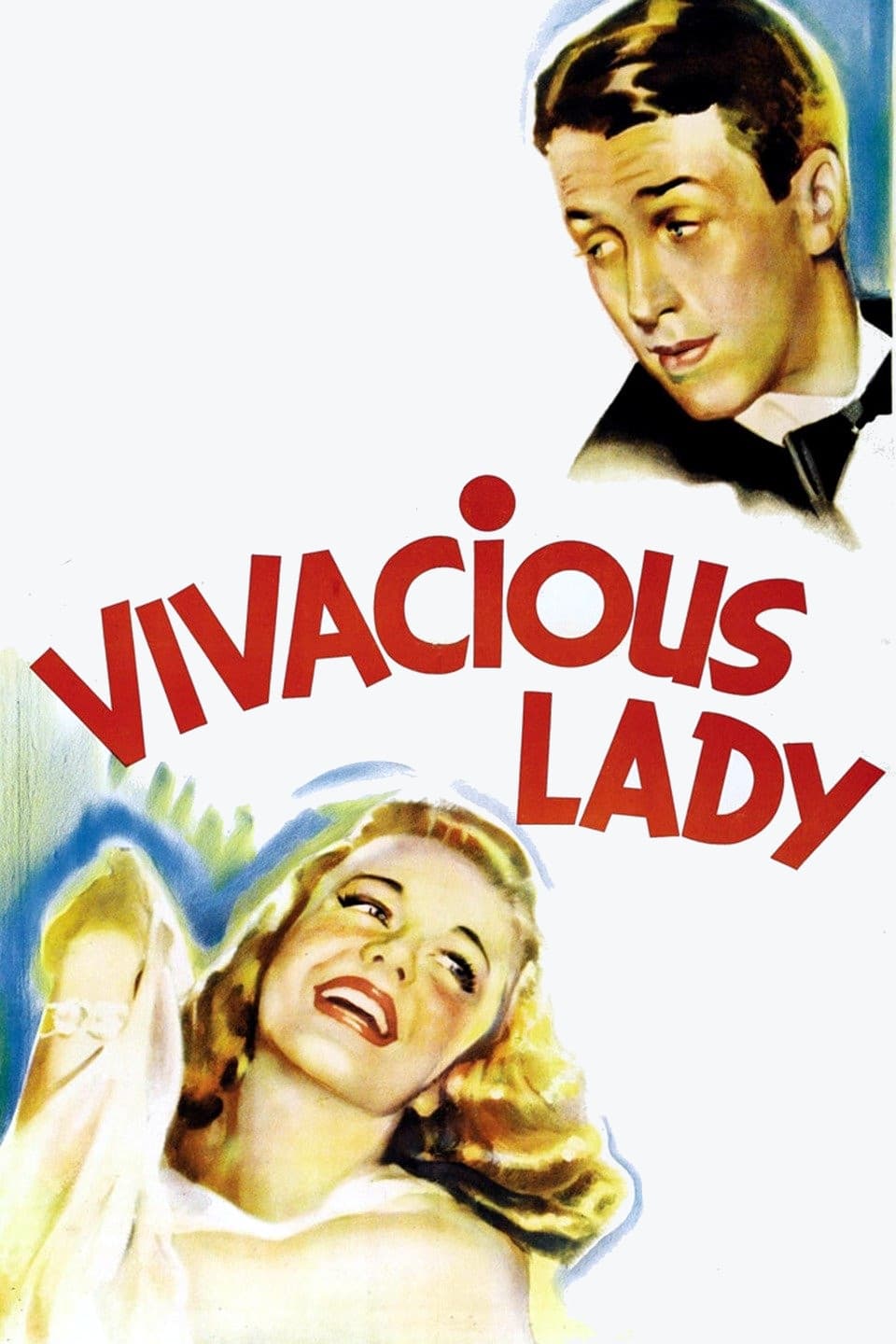
Stewart starred opposite Ginger Rogers in the hit romantic comedy ‘Vivacious Lady’. He played Peter Morgan Jr., a shy botany professor who impulsively marries a nightclub singer. The comedy comes from his attempts to break the news to his conservative family and stuffy university colleagues.
The film was a huge success, thanks to the wonderful chemistry between Stewart and Rogers. His portrayal of the flustered, awkward professor was a masterclass in comedic timing and helped to establish him as a skilled comedic actor.
The Shopworn Angel (1938)

In this romantic drama, Stewart played Private William “Texas” Pettigrew, a naive and good-hearted soldier on his way to fight in World War I. During a brief stop in New York City, he meets and falls for a cynical, worldly actress, played by Margaret Sullavan.
This was the third time Stewart and Sullavan had starred together, and their on-screen chemistry was once again a highlight. Stewart’s performance as the innocent young soldier was touching and sincere.
You Can’t Take It with You (1938)
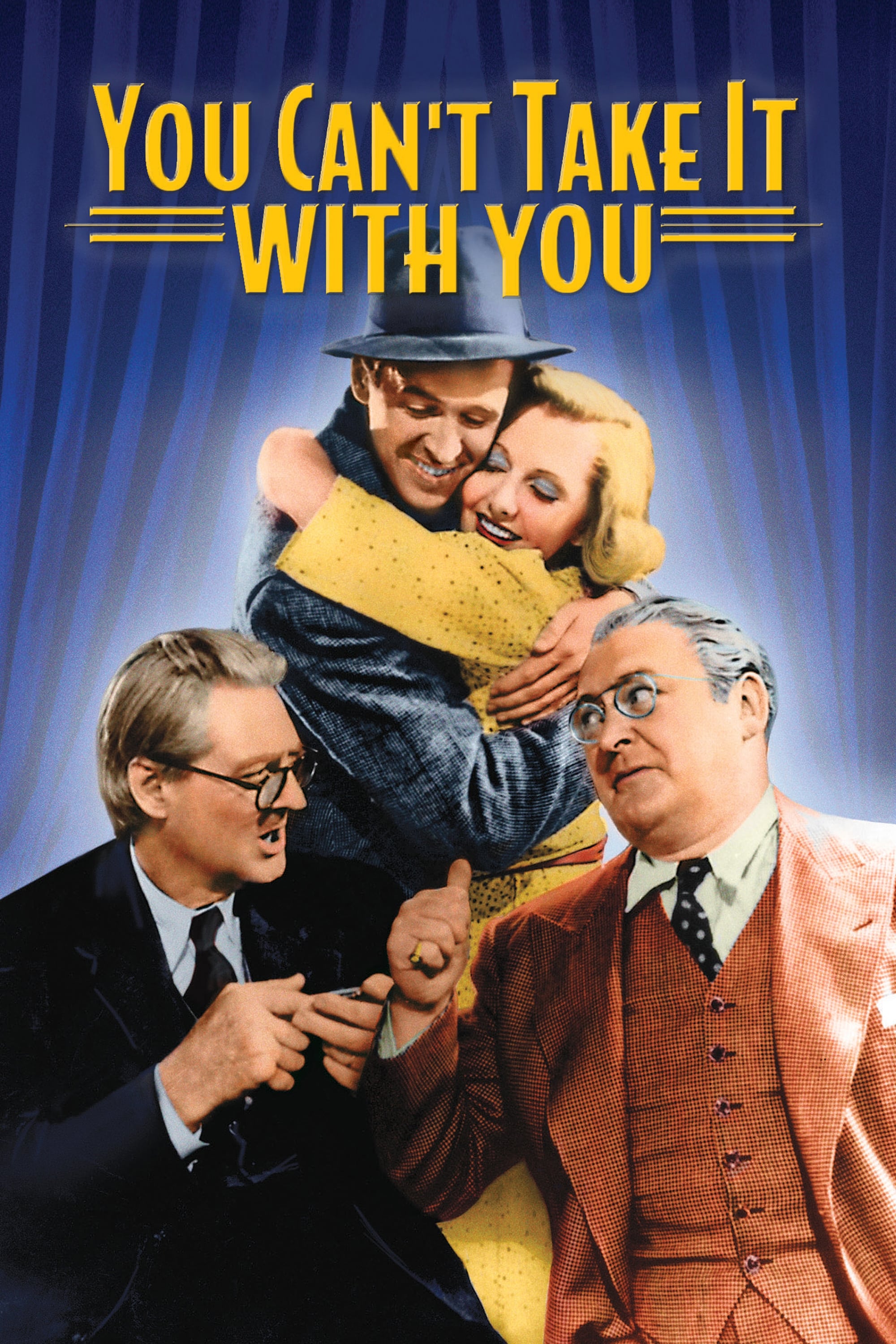
This film marked Stewart’s first collaboration with the acclaimed director Frank Capra. Stewart played Tony Kirby, the son of a wealthy and snobbish banking family. He falls in love with a woman from a large and eccentric family of free spirits, and he must try to bridge the gap between their two very different worlds.
The movie was a massive critical and commercial success, winning the Academy Award for Best Picture. It perfectly established the “Capra-corn” theme of the common man triumphing over greed and cynicism, and Stewart became the ideal actor to portray that theme.
Made for Each Other (1939)
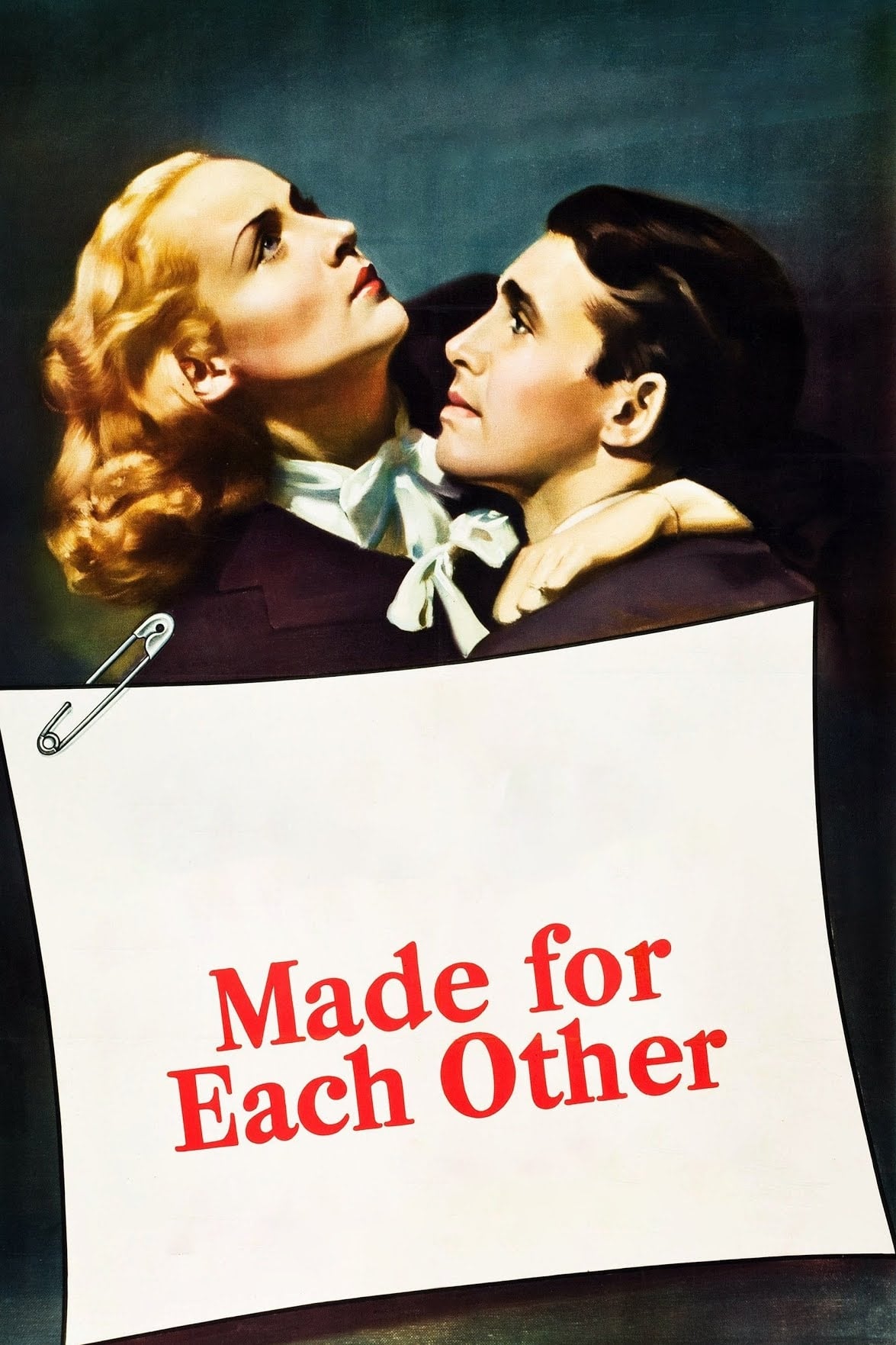
Stewart starred with Carole Lombard in the drama ‘Made for Each Other’. He played Johnny Mason, a young lawyer who marries a woman after a whirlwind romance. The film follows their struggles as a newlywed couple dealing with financial problems, a meddling mother-in-law, and a medical crisis involving their newborn baby.
Unlike a typical romantic comedy, this film took a more realistic and serious look at the challenges of marriage and family life. Stewart and Lombard gave powerful dramatic performances that were praised for their emotional honesty.
The Ice Follies of 1939 (1939)

In this musical, Stewart played Larry Hall, one half of a skating duo with his wife, played by Joan Crawford. Their careers take different paths when she is offered a contract to become a movie star in Hollywood, which puts a strain on their marriage.
The film was designed to be a lavish showcase for the real-life ice skating show, the Ice Follies. Stewart’s role required him to strap on ice skates, though most of the complex skating was done by a double.
It’s a Wonderful World (1939)
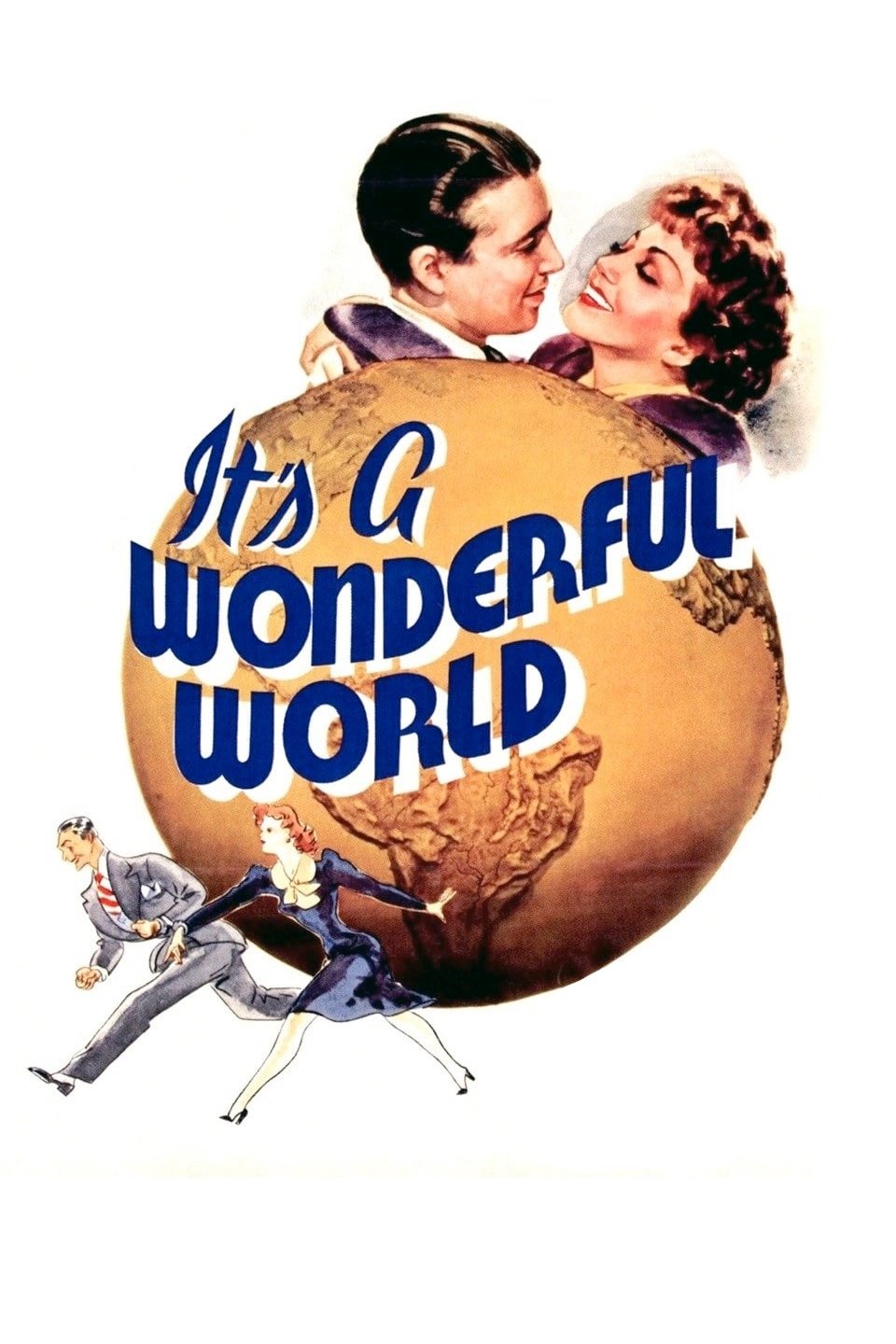
Stewart starred in this fast-paced screwball comedy as Guy Johnson, a private detective who is framed for murder. He escapes from custody and goes on the run, kidnapping a headstrong poetess, played by Claudette Colbert, who eventually agrees to help him clear his name.
The film was a non-stop comedy of errors, featuring witty dialogue and frantic slapstick. It gave Stewart another chance to showcase his comedic talents, playing a character constantly in a state of panic and frustration.
Mr. Smith Goes to Washington (1939)
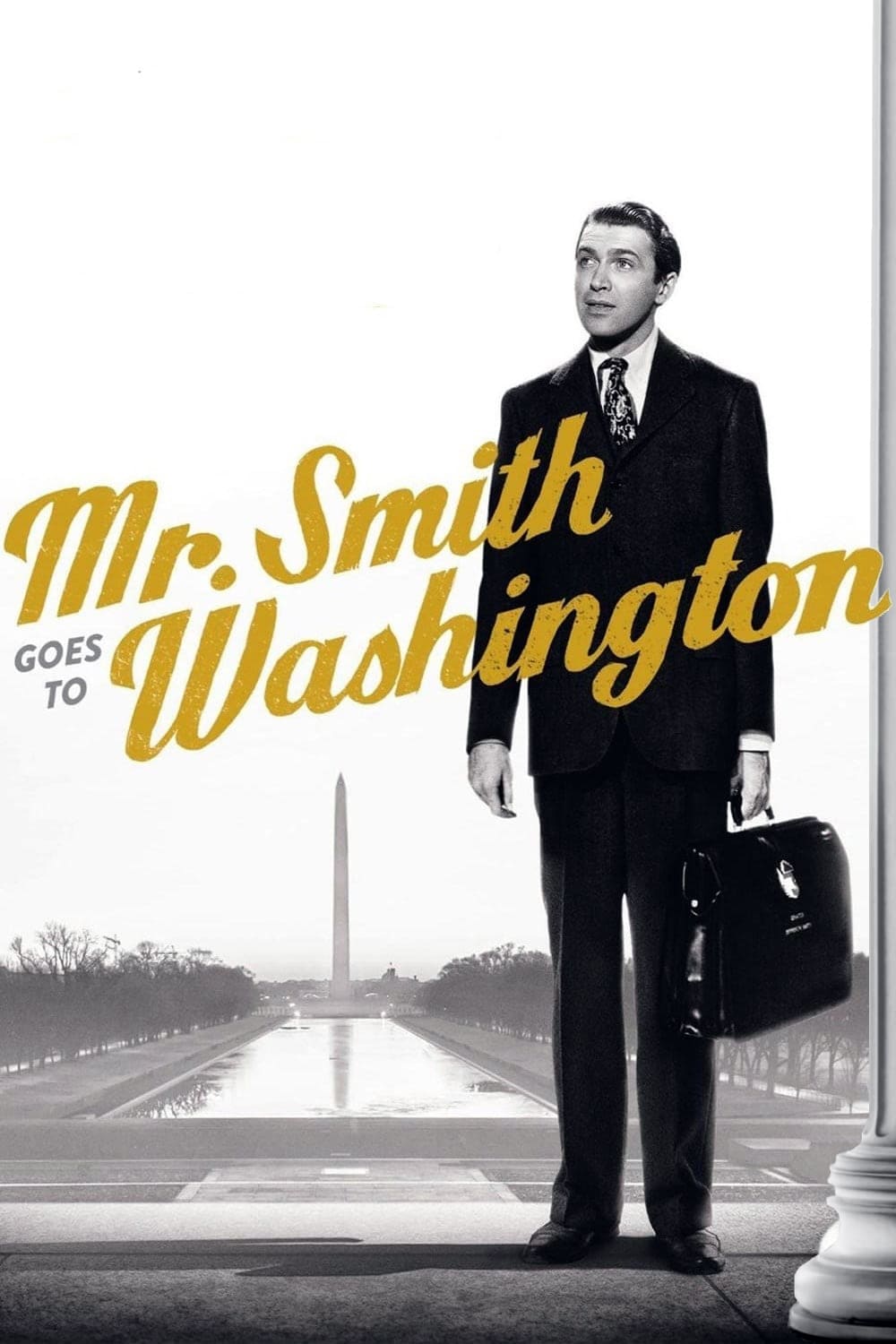
In his second film with Frank Capra, Stewart gave one of his most iconic performances as Jefferson Smith. He plays a naive and idealistic young man who is appointed to the U.S. Senate. He soon discovers the widespread corruption in Washington and launches a heroic, one-man filibuster to expose it.
The film was a powerful statement about democracy and integrity. Stewart’s passionate performance, especially during the exhausting filibuster scene, was incredible, earning him his first Academy Award nomination for Best Actor and cementing his status as a major star.
Destry Rides Again (1939)
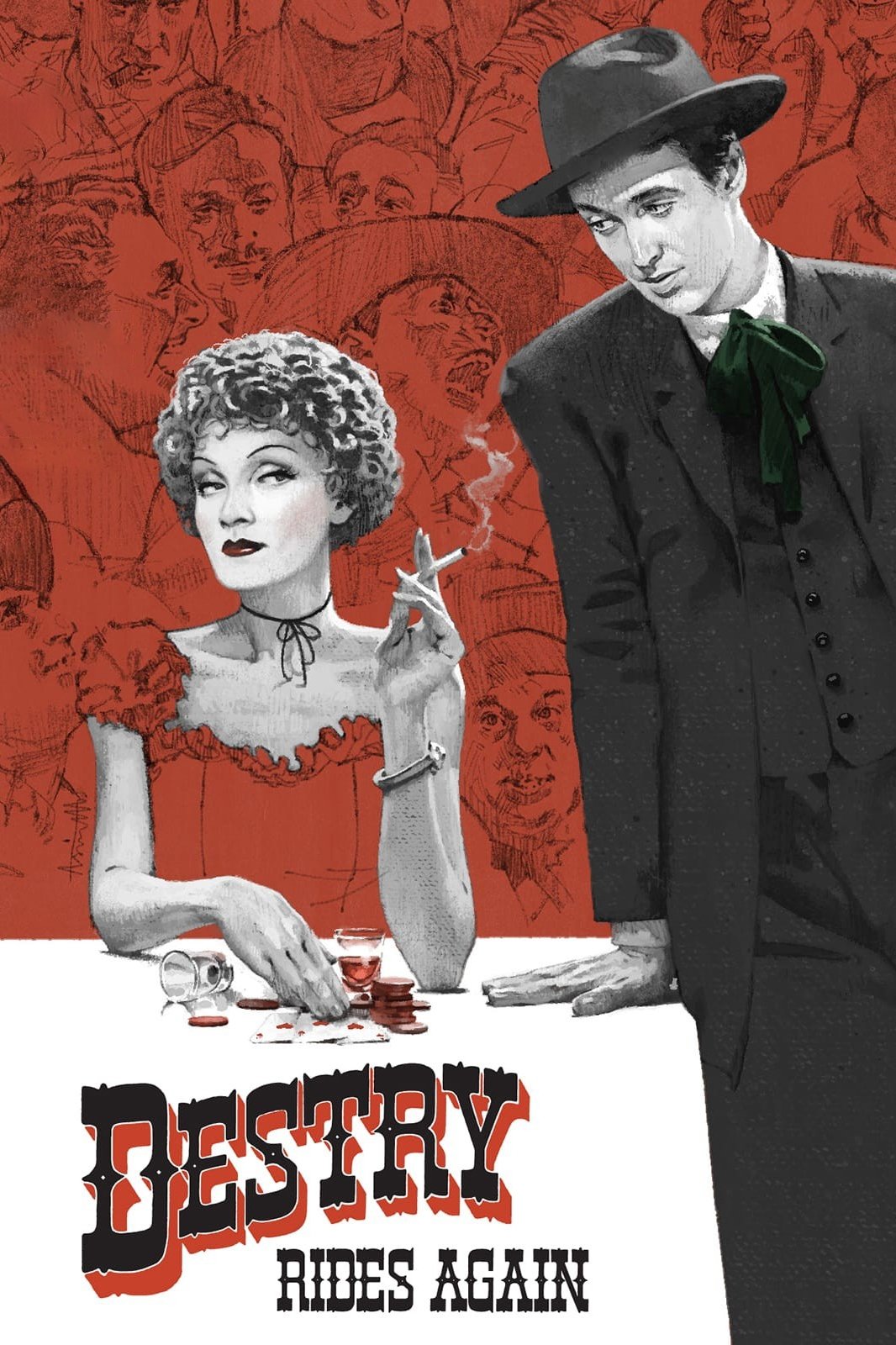
Stewart starred in the classic Western ‘Destry Rides Again’ alongside Marlene Dietrich. He played Thomas Jefferson Destry Jr., a mild-mannered new deputy sheriff who refuses to carry guns. He is hired to clean up a lawless frontier town using his wits and respect for the law rather than violence.
The film was a huge hit and is famous for subverting many Western genre conventions. Stewart’s unique take on the Western hero, combined with Dietrich’s famous saloon brawl scene, made the movie a timeless classic.
The Shop Around the Corner (1940)
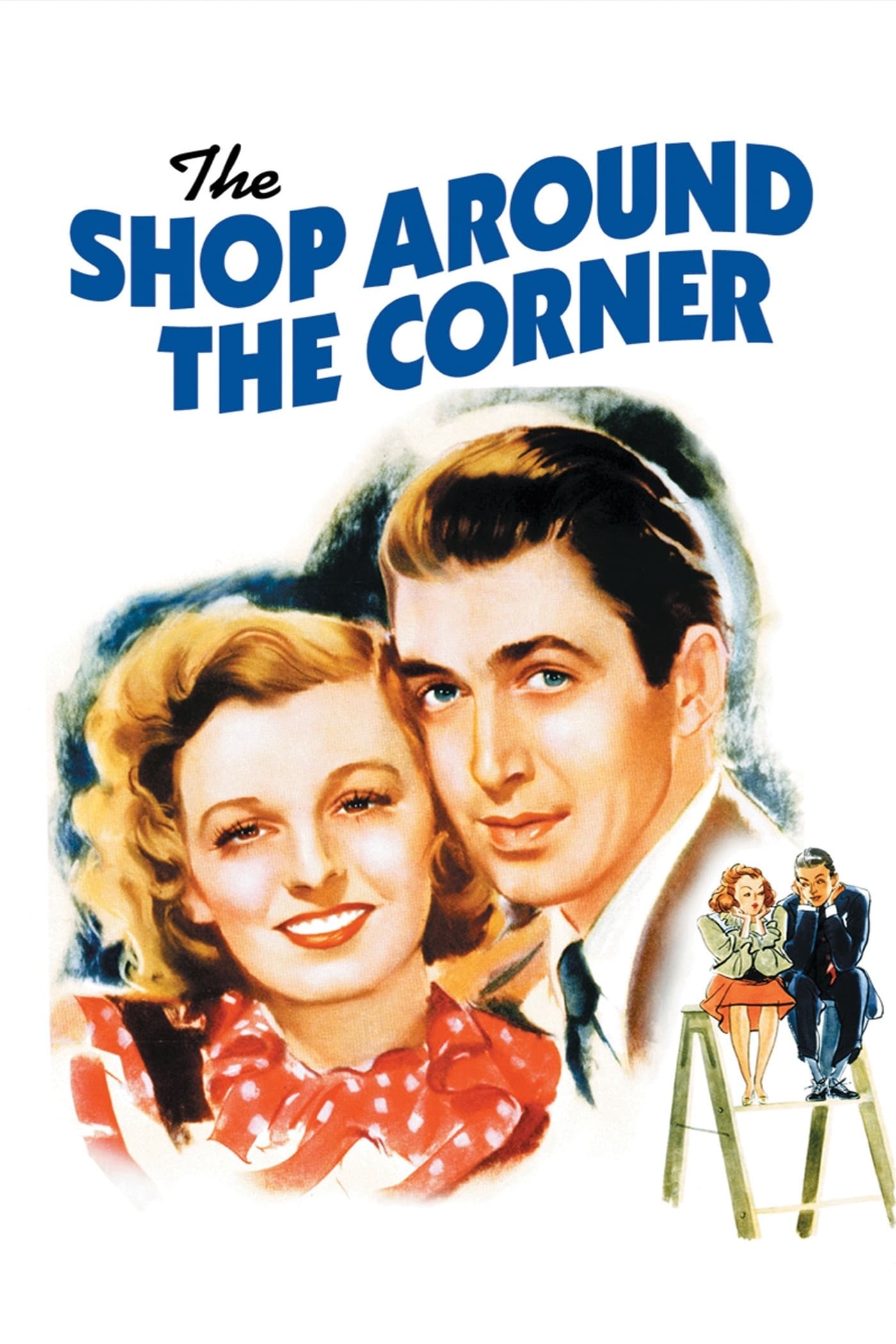
In this beloved romantic comedy directed by Ernst Lubitsch, Stewart played Alfred Kralik. He is the top salesman at a Budapest gift shop who constantly bickers with his new co-worker, played by Margaret Sullavan. Unbeknownst to them, they are also anonymous pen pals who have been falling in love through their letters.
The film is considered a masterpiece of the genre, celebrated for its charm, wit, and humanity. The chemistry between Stewart and Sullavan was perfect, and the film’s clever premise has been remade several times, most famously as ‘You’ve Got Mail’.
The Mortal Storm (1940)
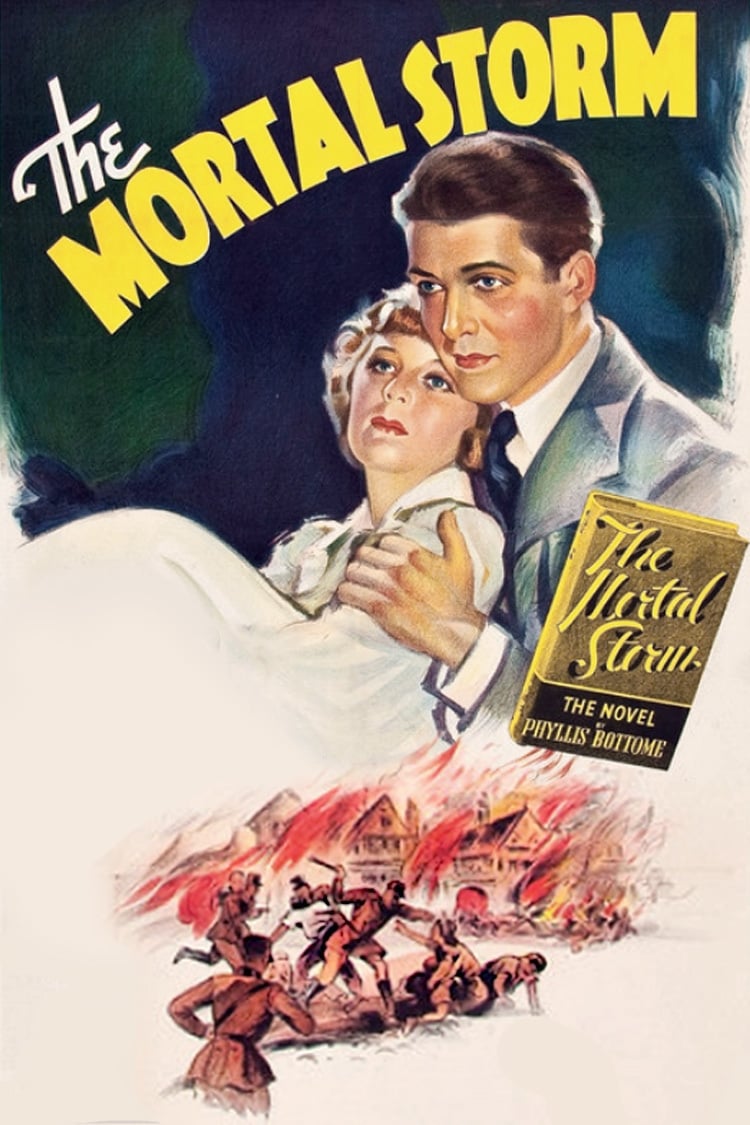
‘The Mortal Storm’ was one of the first Hollywood films to be directly anti-Nazi. The story follows a German family that is torn apart after Hitler comes to power. Stewart played Martin Breitner, a young man who stands up against the Nazi regime and helps the family’s daughter escape the country.
The film was a brave and powerful statement made before the United States entered World War II. Stewart’s role as the principled dissenter was a perfect example of his on-screen persona being used to convey a strong moral message.
No Time for Comedy (1940)
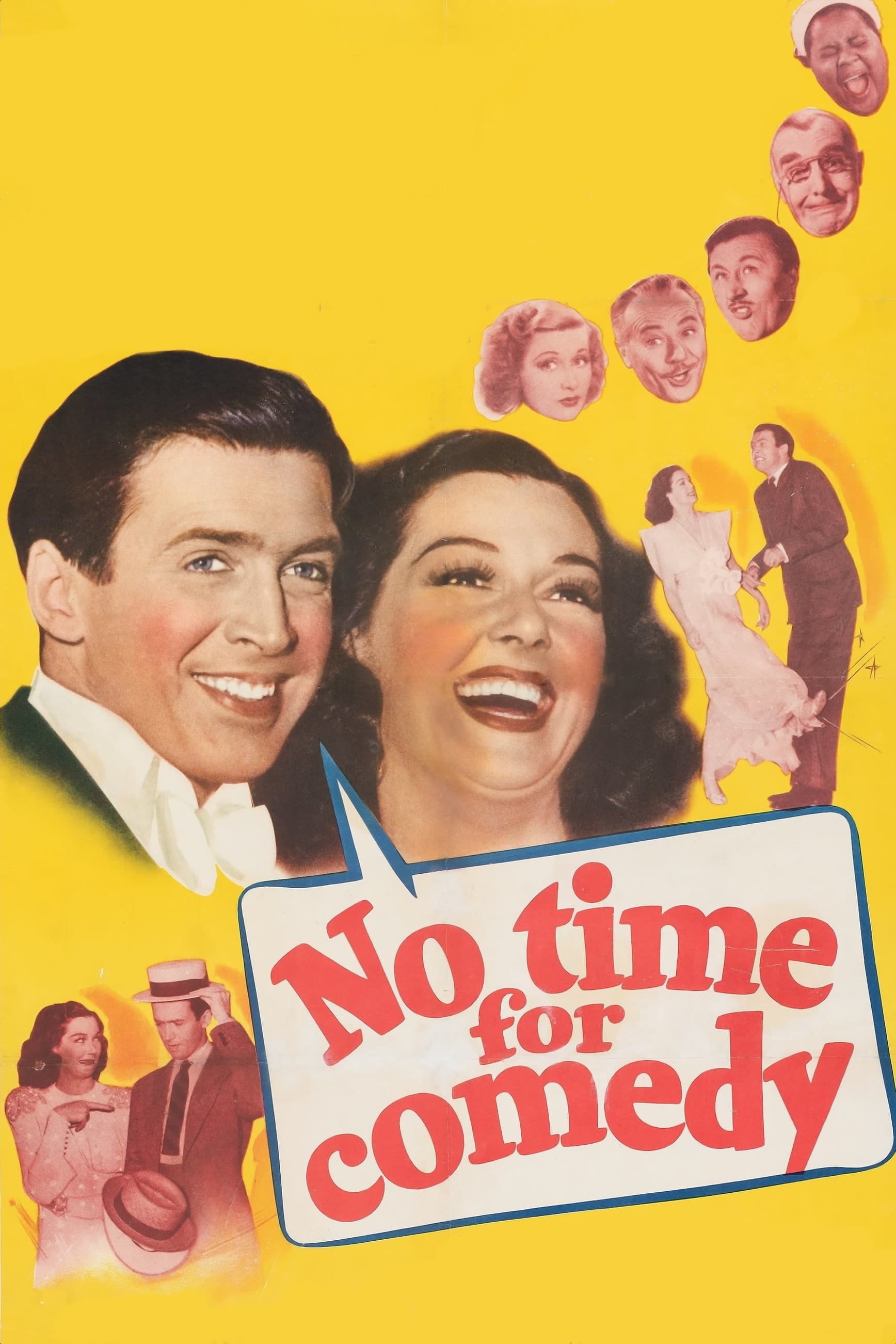
In this comedy, Stewart played Gaylord “Gay” Esterbrook, a playwright famous for writing lighthearted comedies. He gets convinced by a patron’s wife that he should try writing a serious drama, a decision that causes problems for his own marriage and career.
The film was an adaptation of a successful Broadway play. It gave Stewart the chance to play a sophisticated and witty character, a change of pace from his more common “aw, shucks” roles.
The Philadelphia Story (1940)

Stewart won his only competitive Academy Award for Best Actor for his role as Macaulay “Mike” Connor in ‘The Philadelphia Story’. He played a cynical magazine reporter who is sent to cover the high-society wedding of a wealthy socialite, played by Katharine Hepburn. The all-star cast also included Cary Grant.
The film is considered one of the greatest romantic comedies of all time. Stewart’s performance was brilliant, capturing his character’s transformation from a world-weary journalist to a man who rediscovers his romantic ideals. His famous drunken hiccup scene with Cary Grant is a classic moment in film history.
Come Live with Me (1941)
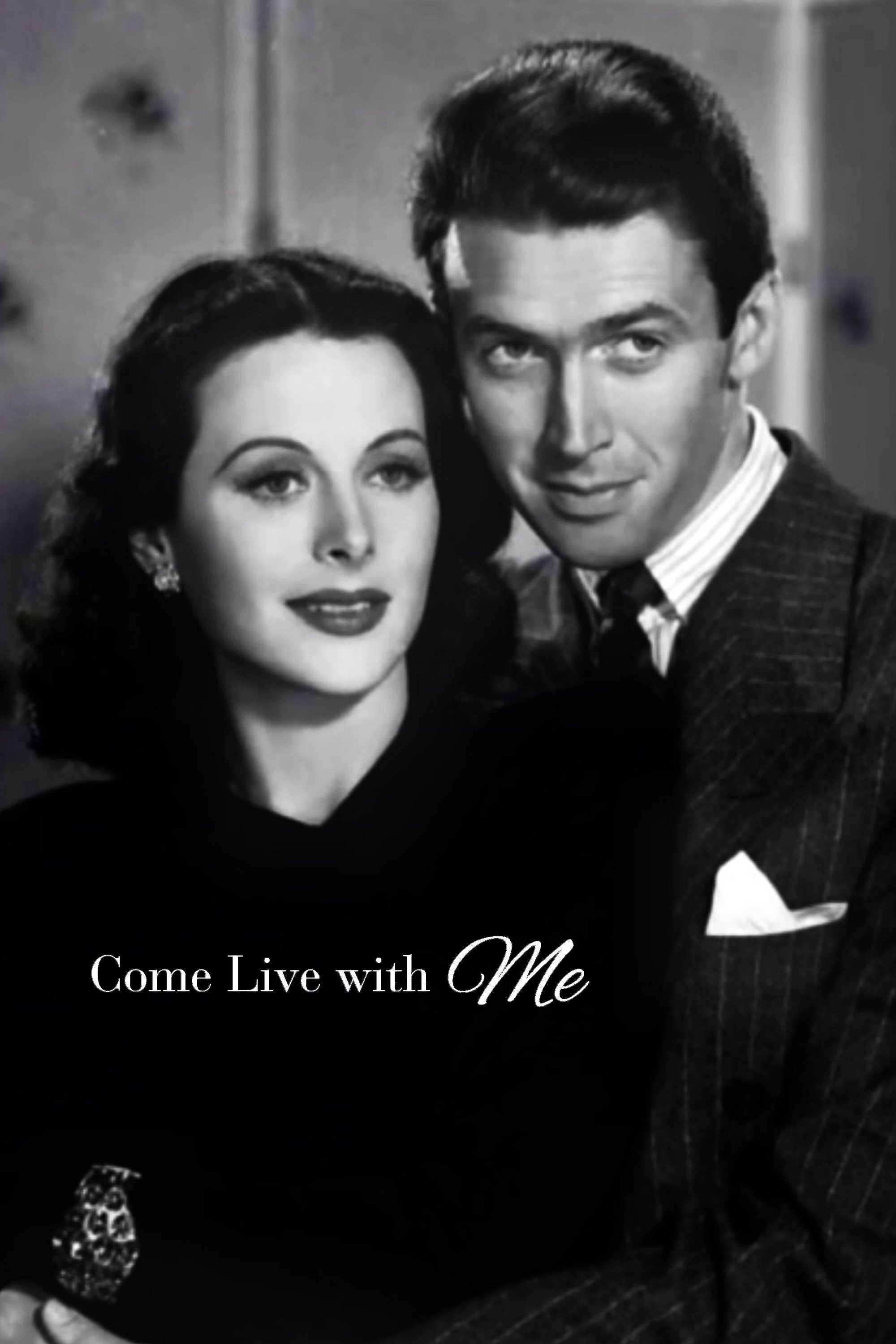
In this romantic comedy, Stewart played Bill Smith, a struggling writer who agrees to a marriage of convenience. He marries a beautiful Viennese refugee, played by Hedy Lamarr, so she can avoid being deported. The arrangement becomes complicated when they start to develop real feelings for each other.
The film was a light and charming comedy that relied on the appeal of its two stars. It was another solid entry in Stewart’s string of successful romantic comedies from this period.
Pot o’ Gold (1941)
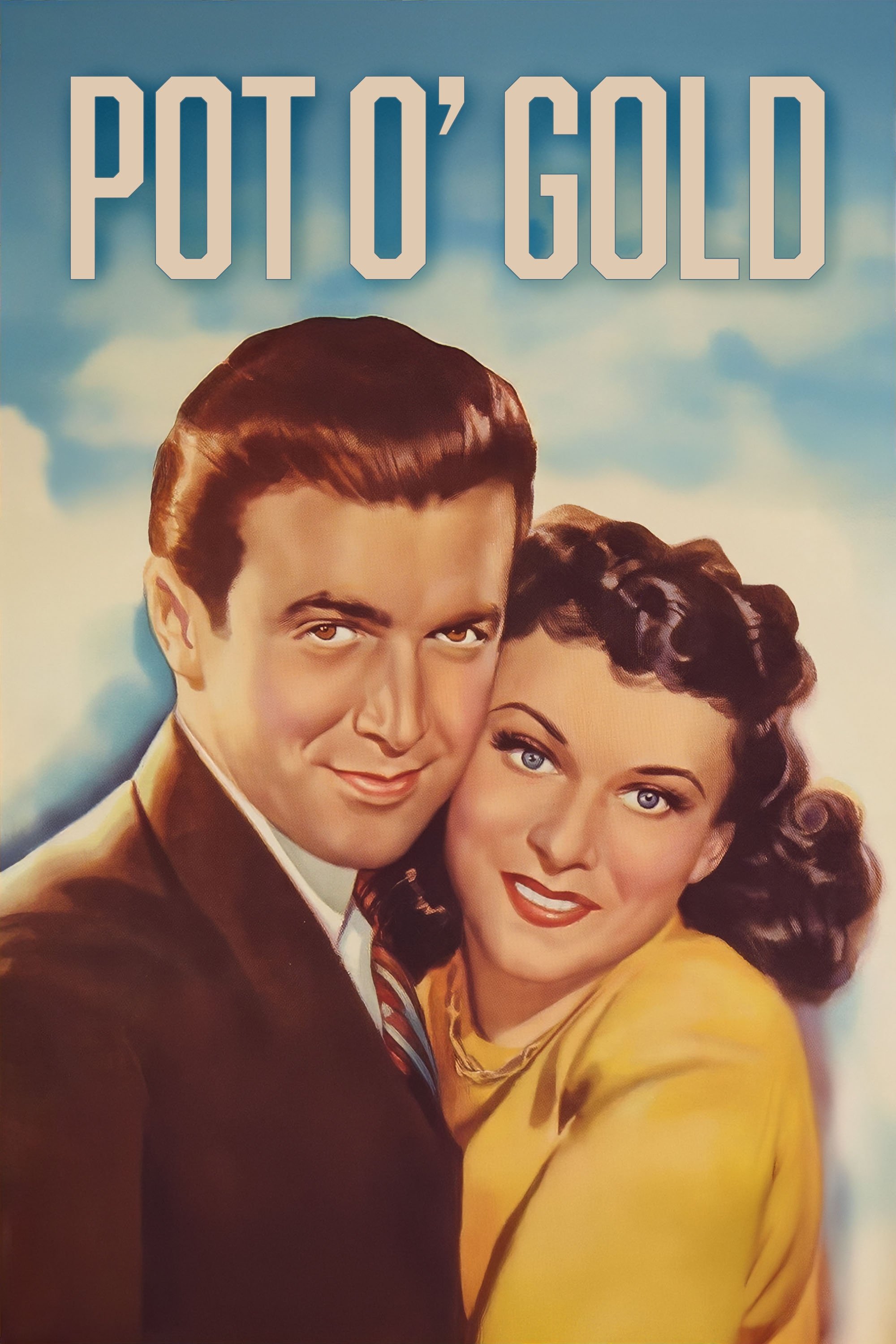
Stewart starred in this musical comedy as James Hamilton “Jimmy” Haskel. He is a music store owner who gets involved with a family of musicians and helps them get a spot on a popular radio talent show called “Pot o’ Gold.”
The film was loosely based on a real-life radio program. It was a lighthearted musical that Stewart himself later said he only made as a favor. It was not one of his more memorable films from the era.
Ziegfeld Girl (1941)
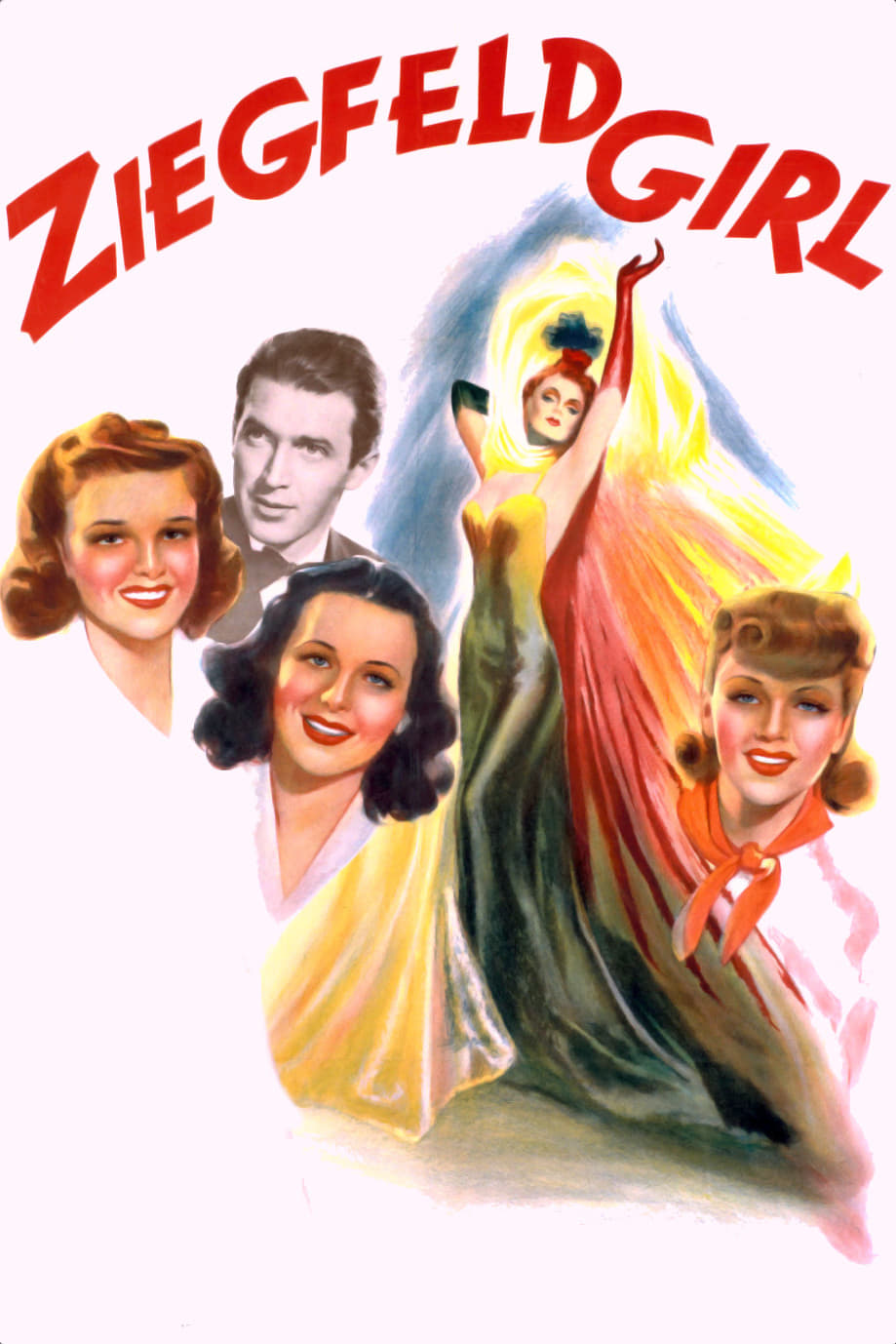
In this lavish MGM musical drama, Stewart had a supporting role as Gilbert “Gil” Young. The film follows the lives of three women who are chosen to be performers in the famous Ziegfeld Follies. Stewart played the truck-driver boyfriend of one of the girls, played by Lana Turner, whose life takes a tragic turn.
This was Stewart’s final film before he left Hollywood to serve in the U.S. Army Air Corps during World War II. His dramatic performance was a powerful send-off before his distinguished military service.
It’s a Wonderful Life (1946)
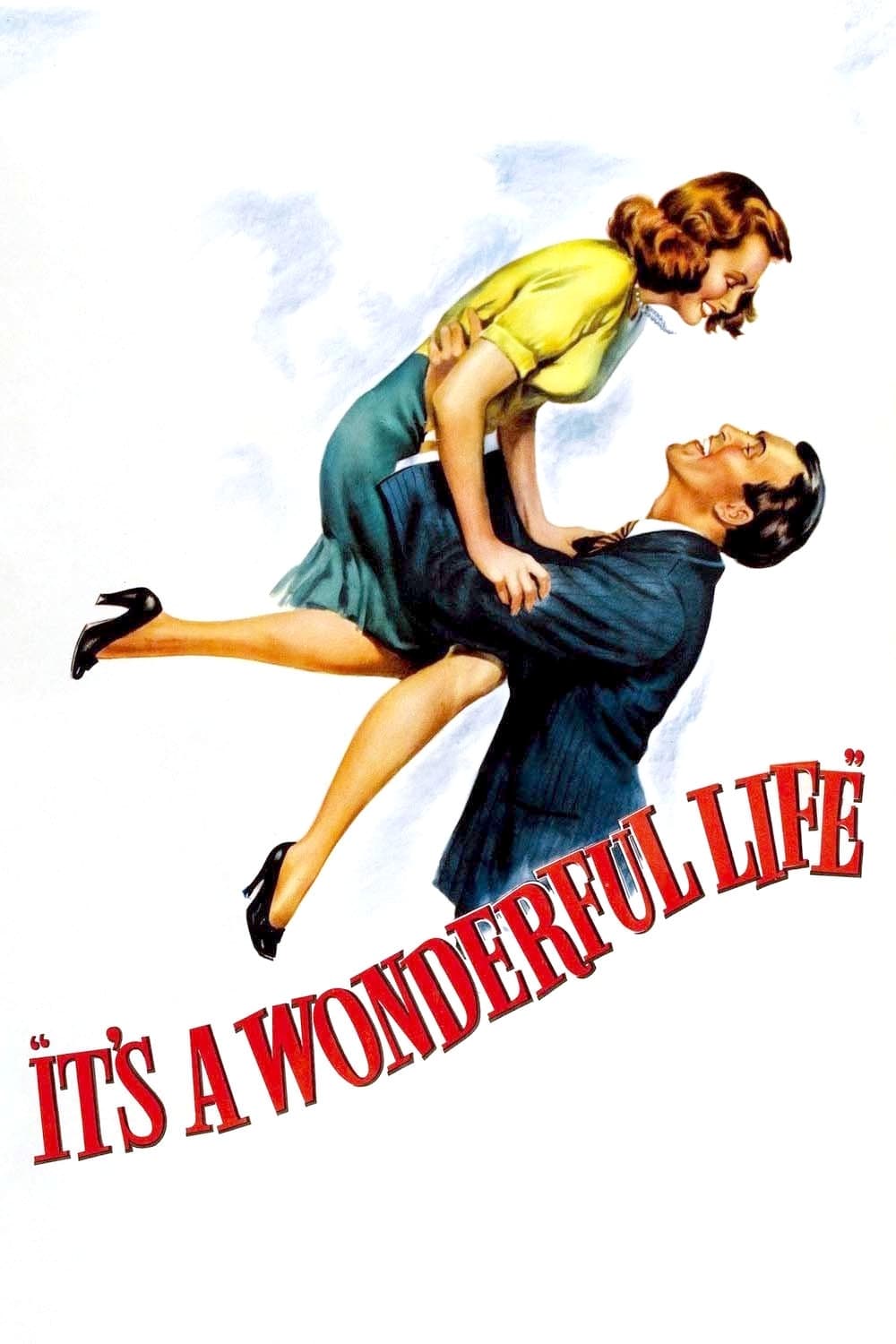
In his first film after the war, Stewart gave the performance for which he is most remembered, as George Bailey in Frank Capra’s ‘It’s a Wonderful Life’. He plays a small-town man who has sacrificed his own dreams to help others. On Christmas Eve, facing financial ruin, he contemplates suicide until a guardian angel shows him what the world would have been like if he had never been born.
Though not a huge hit upon its initial release, the film has since become one of the most beloved movies of all time. Stewart’s passionate and deeply emotional performance as a man rediscovering his own worth is incredible, and it earned him another Academy Award nomination.
Magic Town (1947)

In ‘Magic Town’, Stewart played Lawrence “Rip” Smith, a public opinion pollster who discovers a small town that perfectly mirrors the opinions of the entire country. He sees this as a golden opportunity, but his attempts to exploit his discovery end up ruining the town’s special quality.
The film was an attempt to recapture the Capra-esque feel of his earlier films, but it failed to connect with audiences and critics in the same way. However, it still featured a classic Stewart performance as a man who learns a valuable lesson about community.
Call Northside 777 (1948)

This film was a crime drama shot in a realistic, documentary style. Stewart played P.J. McNeal, a skeptical Chicago reporter who investigates the case of a man who has been in prison for eleven years for a murder he claims he did not commit. The film was based on a true story.
Stewart’s performance was praised for its gritty realism and understated intensity. He portrayed the journalist’s growing conviction with skill, and the film was noted for its use of actual Chicago locations, a rarity for the time.
On Our Merry Way (1948)
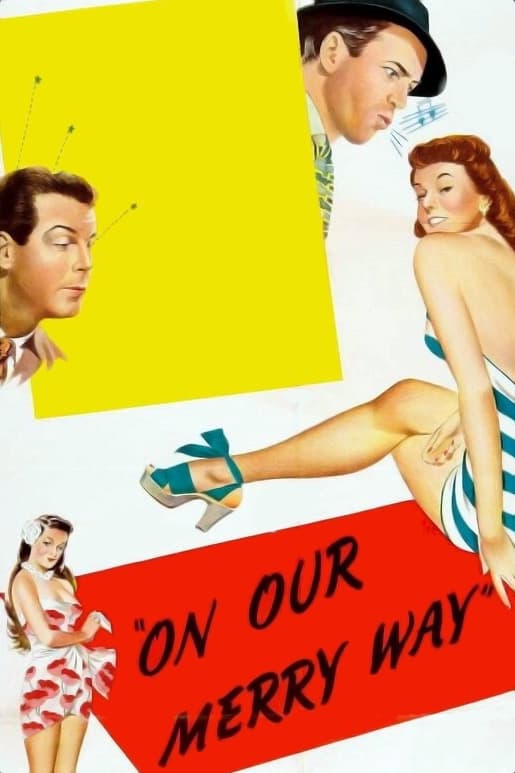
Stewart was part of an ensemble cast in the comedy ‘On Our Merry Way’. The film is an anthology of several stories, linked together by a man who asks people, “What influence has a baby had on your life?” Stewart appeared in a segment with Henry Fonda as two musicians whose lives are complicated by a mix-up.
The film was made up of segments directed by different people, and Stewart’s part was a light, comedic piece. It was notable for reuniting him on screen with his close friend Henry Fonda.
Rope (1948)
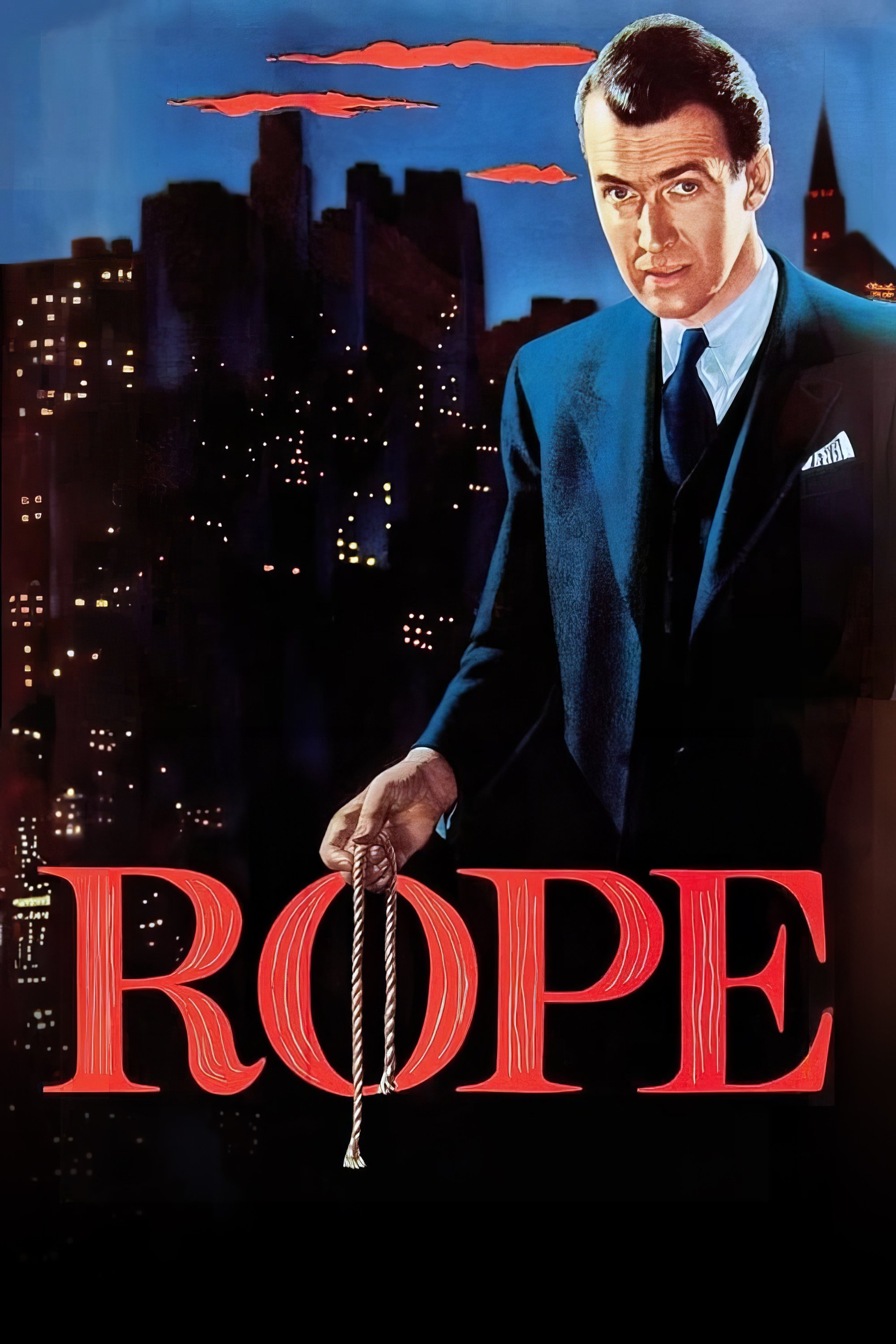
Stewart’s first collaboration with director Alfred Hitchcock was in the experimental thriller ‘Rope’. He played Rupert Cadell, a university professor whose former students have murdered a man just for the intellectual thrill of it. They then host a dinner party with the body hidden in a chest in the middle of the room, and invite their old professor, who slowly begins to suspect the horrifying truth.
The film is famous for being shot in long, uninterrupted takes to make it feel like it is happening in real time. Stewart’s role was complex, as his character’s own philosophical teachings had inspired the murder, and his performance captured the character’s dawning horror and guilt.
You Gotta Stay Happy (1949)
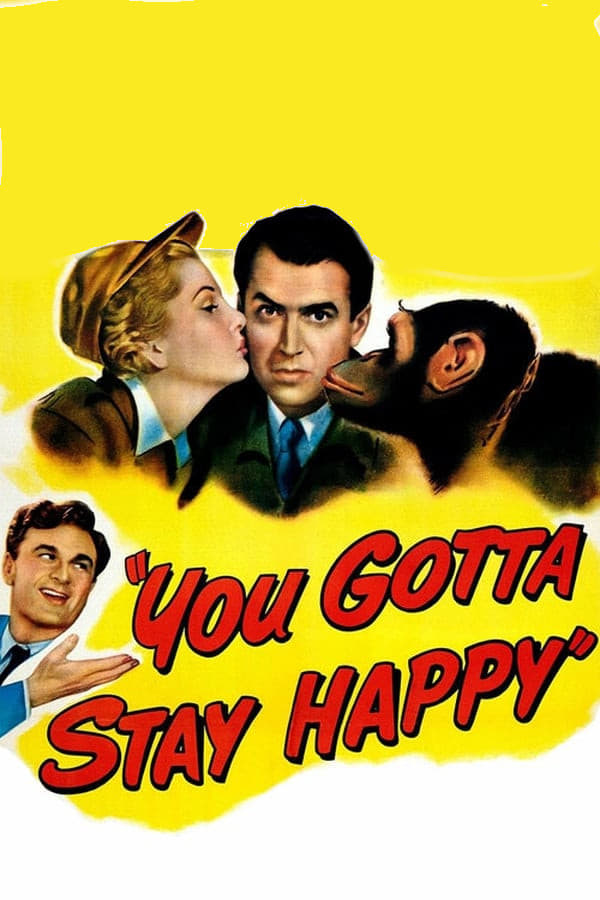
In this screwball comedy, Stewart played Marvin Payne, a former military pilot who is trying to start a cargo airline. His first flight gets complicated when a runaway heiress, played by Joan Fontaine, stows away on his plane, along with a chimpanzee and a collection of other odd cargo.
The film was a fun, chaotic comedy that gave Stewart another chance to play the flustered leading man trying to keep things under control. It was a lighthearted romp that was popular with audiences.
The Stratton Story (1949)
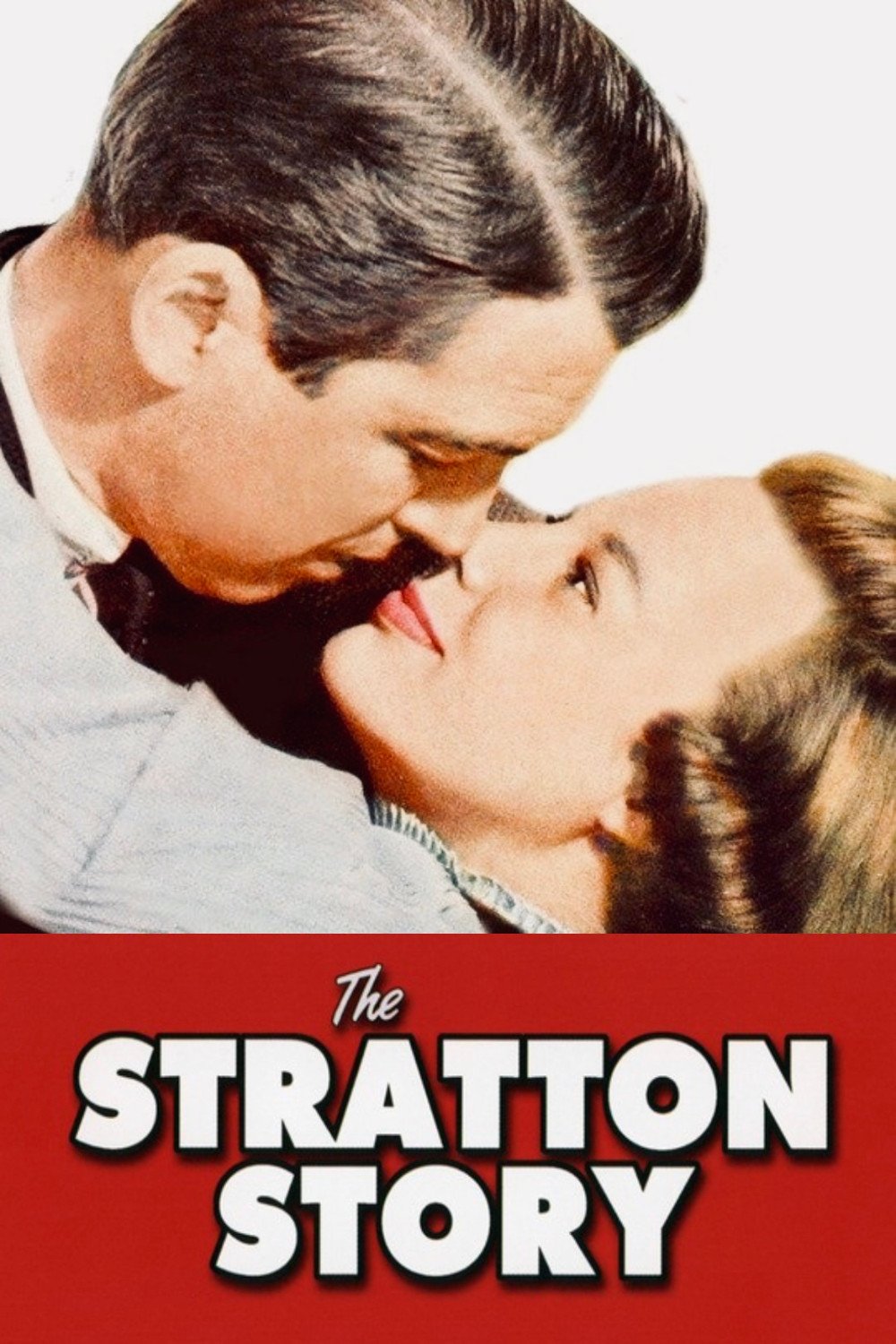
Stewart starred in this biographical film as Monty Stratton, a real-life Major League Baseball pitcher for the Chicago White Sox. The film tells his inspirational story, from his days as a Texas farm boy to his success in the major leagues, and his courageous comeback after his leg was amputated following a hunting accident.
The film was a huge box-office success and was praised for its heartwarming and inspirational story. Stewart’s portrayal of Stratton was sincere and moving, and it became one of his most popular post-war films.
Malaya (1949)

In this war adventure film, Stewart co-starred with Spencer Tracy. Set in Japanese-occupied Malaya during World War II, Stewart played a journalist who helps the U.S. government smuggle rubber out of the country. He recruits his old friend, an imprisoned smuggler played by Tracy, to help with the dangerous mission.
The film was a solid action-adventure that reunited the two close friends on screen. Their easy chemistry was a highlight of the movie.
Winchester ’73 (1950)
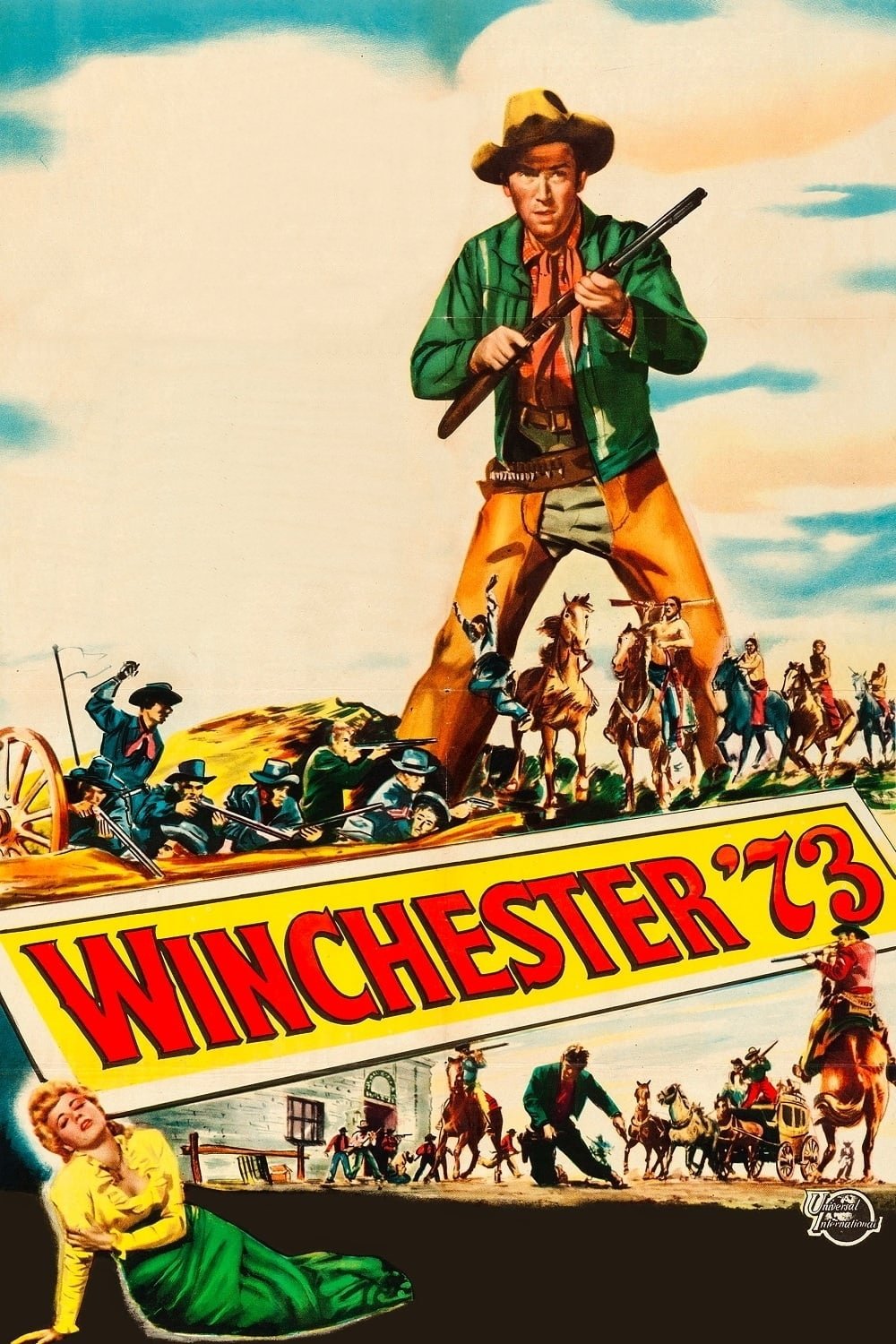
‘Winchester ’73’ was a landmark Western and the first of five Westerns Stewart made with director Anthony Mann. Stewart played Lin McAdam, a man who is obsessively tracking a stolen, one-of-a-kind rifle, as well as the man who stole it—who also happens to be his own brother.
This film marked a turning point in Stewart’s career. The Westerns he made with Mann were darker, more violent, and more psychologically complex than his earlier films. Stewart’s character was a tough, obsessive hero, a stark contrast to his “everyman” persona.
Broken Arrow (1950)
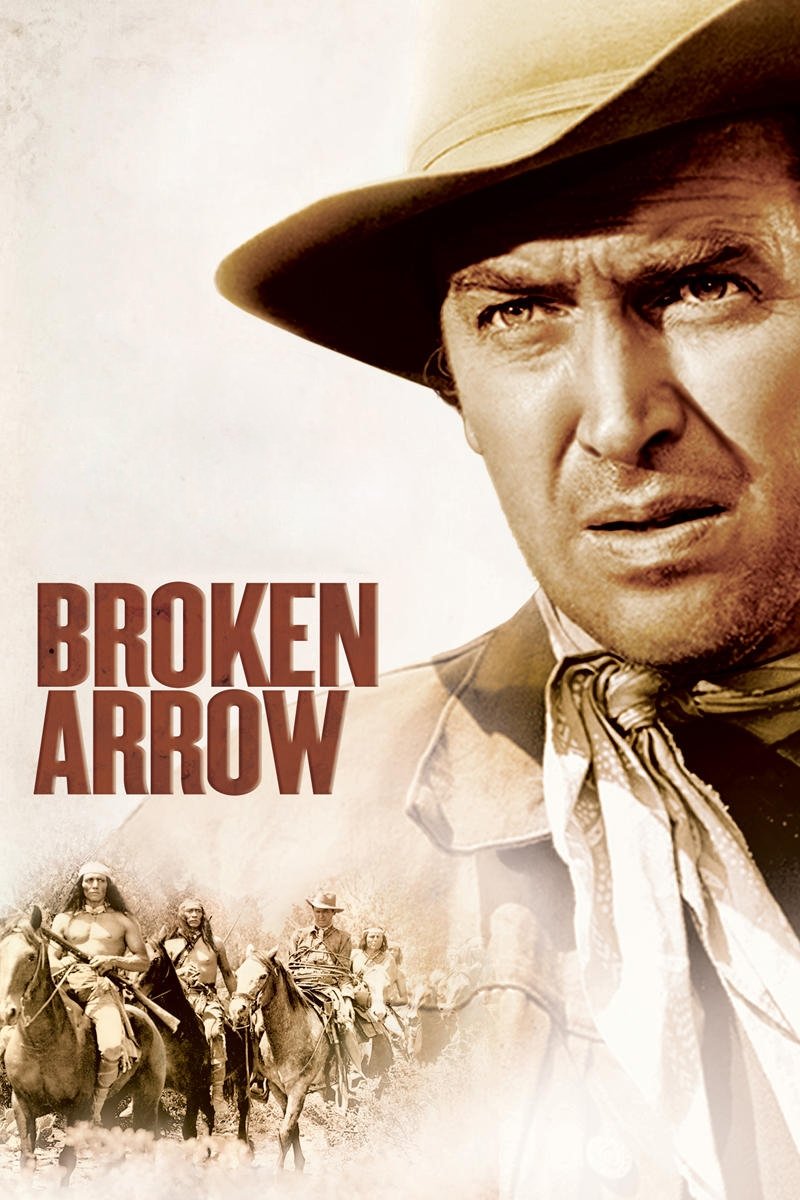
In the Western ‘Broken Arrow’, Stewart played Tom Jeffords, a real-life U.S. Army scout who was instrumental in making peace with the Apache leader Cochise. The film was celebrated for its sympathetic and respectful portrayal of Native Americans, a rarity for the genre at the time.
Stewart’s performance as the man who brokers peace was calm and dignified. The film was a critical and commercial success and is considered an important milestone in the history of the Western genre for its progressive themes.
Harvey (1950)
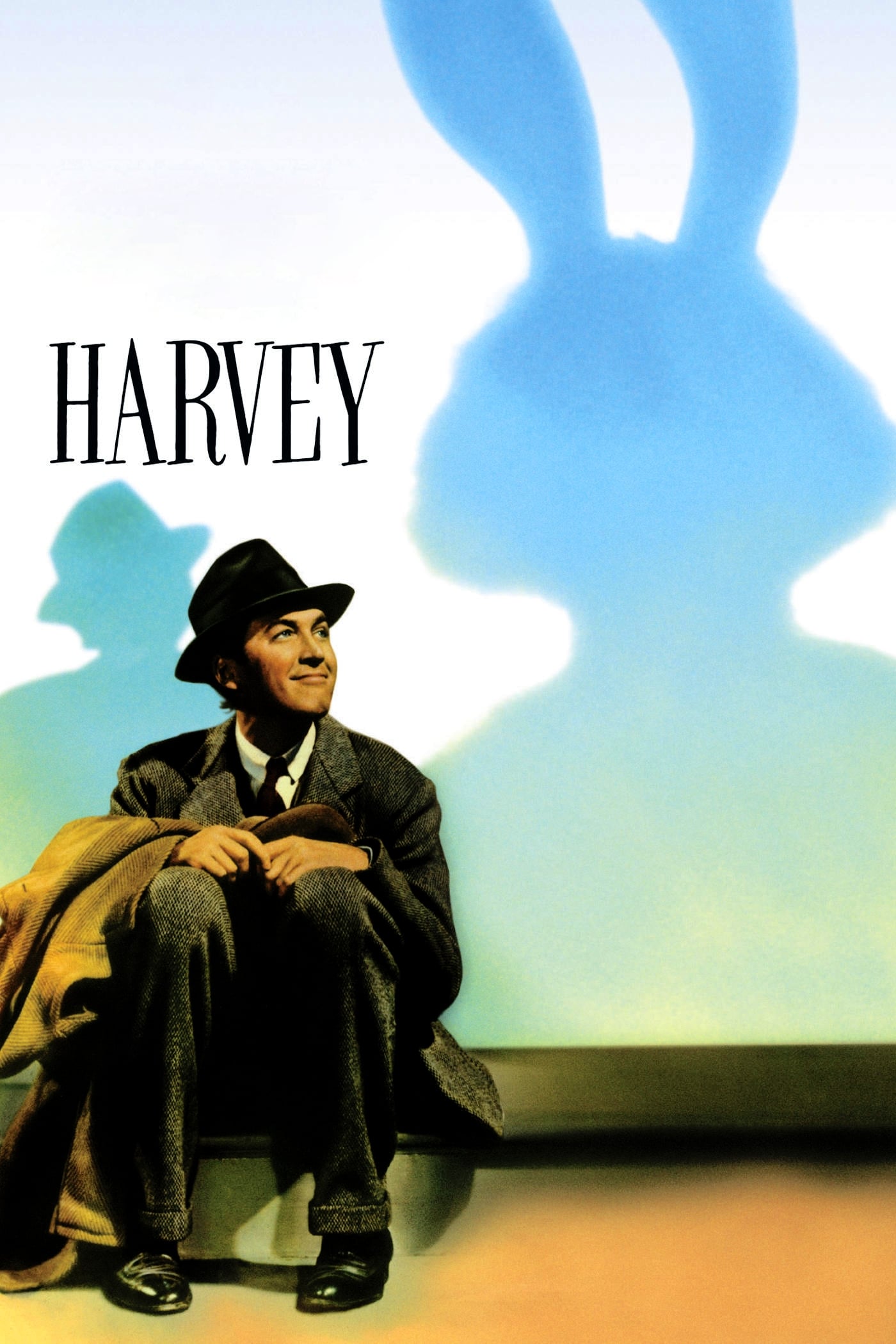
Stewart earned another Academy Award nomination for reprising his stage role as Elwood P. Dowd in the film adaptation of ‘Harvey’. He played a gentle and cheerful man whose best friend is a pooka, an invisible, six-foot-three-and-a-half-inch tall rabbit named Harvey. His eccentric behavior drives his social-climbing sister to try to have him committed to a sanitarium.
The role of Elwood P. Dowd was a perfect fit for Stewart, and it became one of his signature performances. His gentle, charming portrayal of a man who simply chooses to be pleasant is considered a classic of American cinema.
The Jackpot (1950)

In this comedy, Stewart played Bill Lawrence, an ordinary family man who wins a massive collection of prizes on a radio quiz show. His good fortune quickly turns into a nightmare as he struggles to deal with the taxes on his winnings and the chaos the prizes bring to his life.
The film was a satire of consumer culture and the new craze of radio and television giveaway shows. It was another classic Stewart role, playing an average man overwhelmed by extraordinary circumstances.
No Highway in the Sky (1951)

In ‘No Highway in the Sky’, Stewart played Theodore Honey, an eccentric and absent-minded aeronautical engineer. He is convinced that a new model of passenger plane has a fatal design flaw that will cause the tail to fall off after a certain number of flight hours. When he realizes the plane he is on is approaching that limit, he must try to convince everyone on board of the danger.
The film was a tense thriller that also featured Marlene Dietrich. Stewart’s performance as the brilliant but socially awkward scientist was praised for its humor and intensity.
The Greatest Show on Earth (1952)
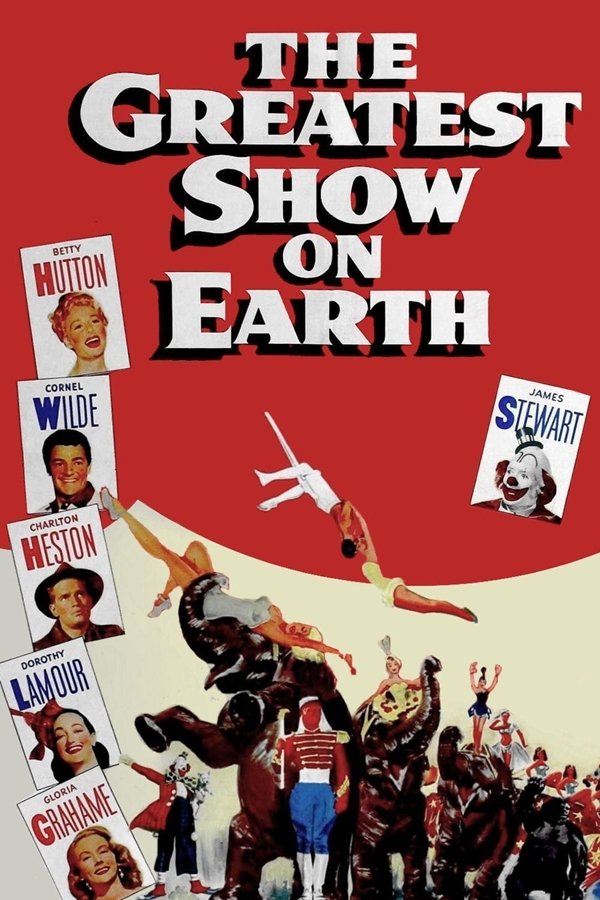
In Cecil B. DeMille’s epic circus film ‘The Greatest Show on Earth’, Stewart had a mysterious role as Buttons the Clown. His character never removes his makeup throughout the entire film, as it is revealed he is a doctor on the run from the law for a mercy killing he performed years earlier.
The film was a massive spectacle that won the Academy Award for Best Picture. Stewart’s performance was a crucial part of the film’s plot, and his identity being kept a secret from the other characters added a layer of mystery to the grand production.
Bend of the River (1952)
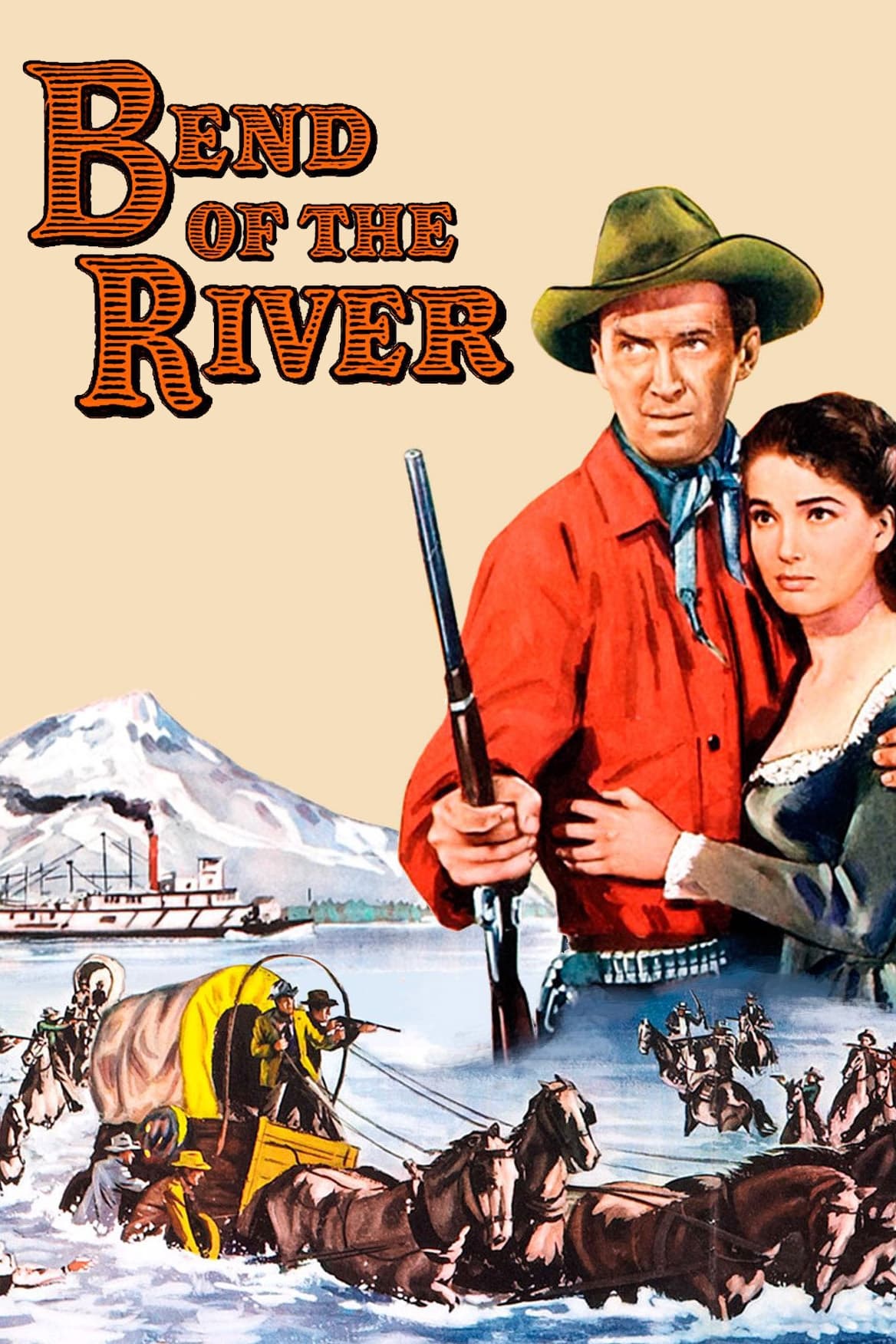
In his second Western with director Anthony Mann, Stewart played Glyn McLyntock, a former border raider who is trying to lead a wagon train of settlers to a new life in Oregon. When their supplies are stolen, he must confront his own violent past to get them back.
‘Bend of the River’ continued the tough, morally complex themes of their first collaboration. Stewart’s character was another flawed hero, a man with a dark past trying to do the right thing. The film was a rugged and action-packed Western.
Carbine Williams (1952)
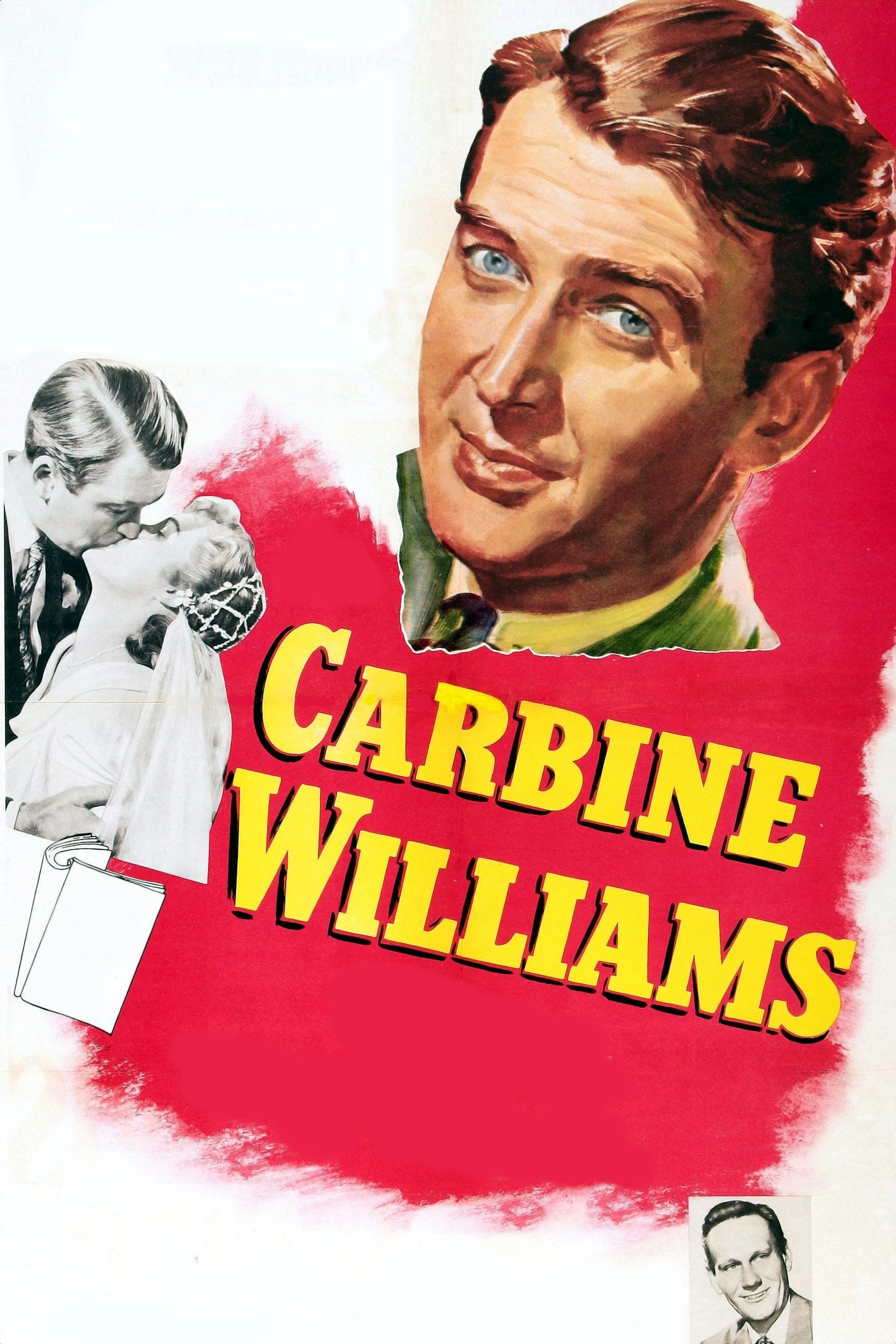
Stewart starred in this biographical film as David Marshall “Marsh” Williams, the real-life inventor of the M1 carbine rifle. The film tells the story of how he was sent to prison after a moonshine raid went wrong, and how he designed the revolutionary firearm while serving his sentence.
The film was an inspiring story of redemption and ingenuity. Stewart’s performance captured the inventor’s stubbornness and determination.
The Naked Spur (1953)
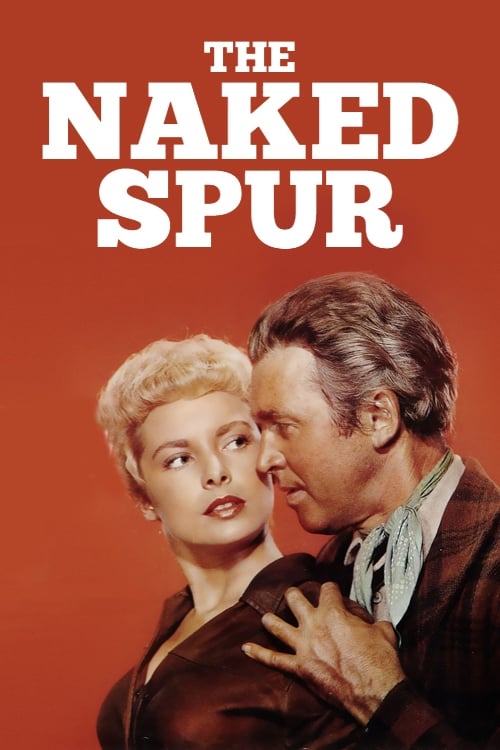
Considered by many to be the best of the Stewart-Mann Westerns, ‘The Naked Spur’ is a tense psychological drama. Stewart played Howard Kemp, a bounty hunter who has become bitter and ruthless after losing his farm. He captures a charming but deadly outlaw and must transport him back to justice, a journey that becomes a battle of wits and wills.
The film is famous for its raw intensity and its complex characters. Stewart’s portrayal of a man consumed by revenge was one of his darkest and most powerful performances, showing a side of his acting talent that audiences had never seen before.
Thunder Bay (1953)
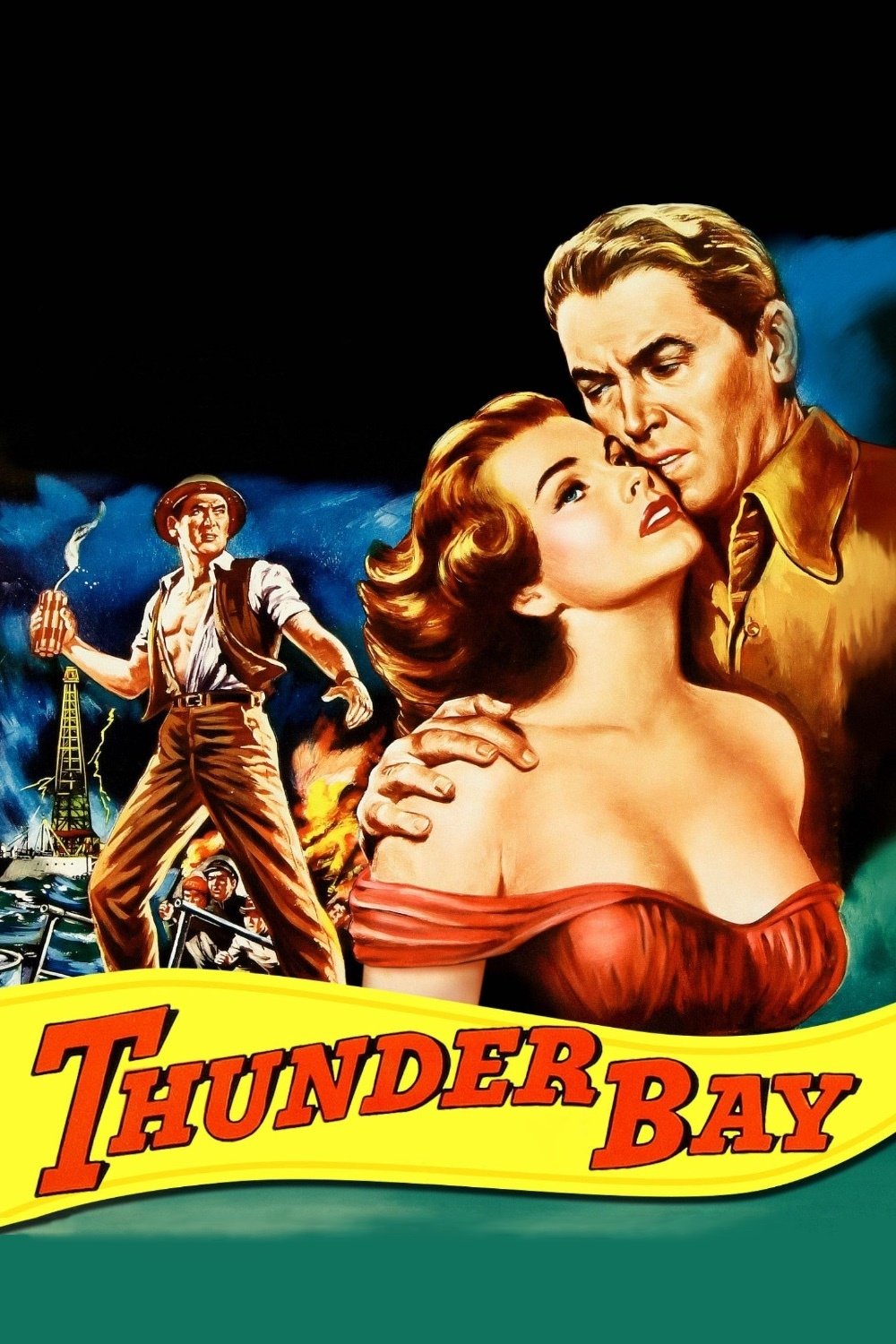
In ‘Thunder Bay’, Stewart played Steve Martin, a pioneering oilman who is trying to build the first offshore oil rig in the Gulf of Mexico. He and his partner face resistance from local shrimp fishermen who believe the drilling will ruin their fishing grounds.
The film was an action-packed drama shot in Technicolor. It was a story of progress versus tradition, with Stewart playing a driven and ambitious innovator.
The Glenn Miller Story (1954)
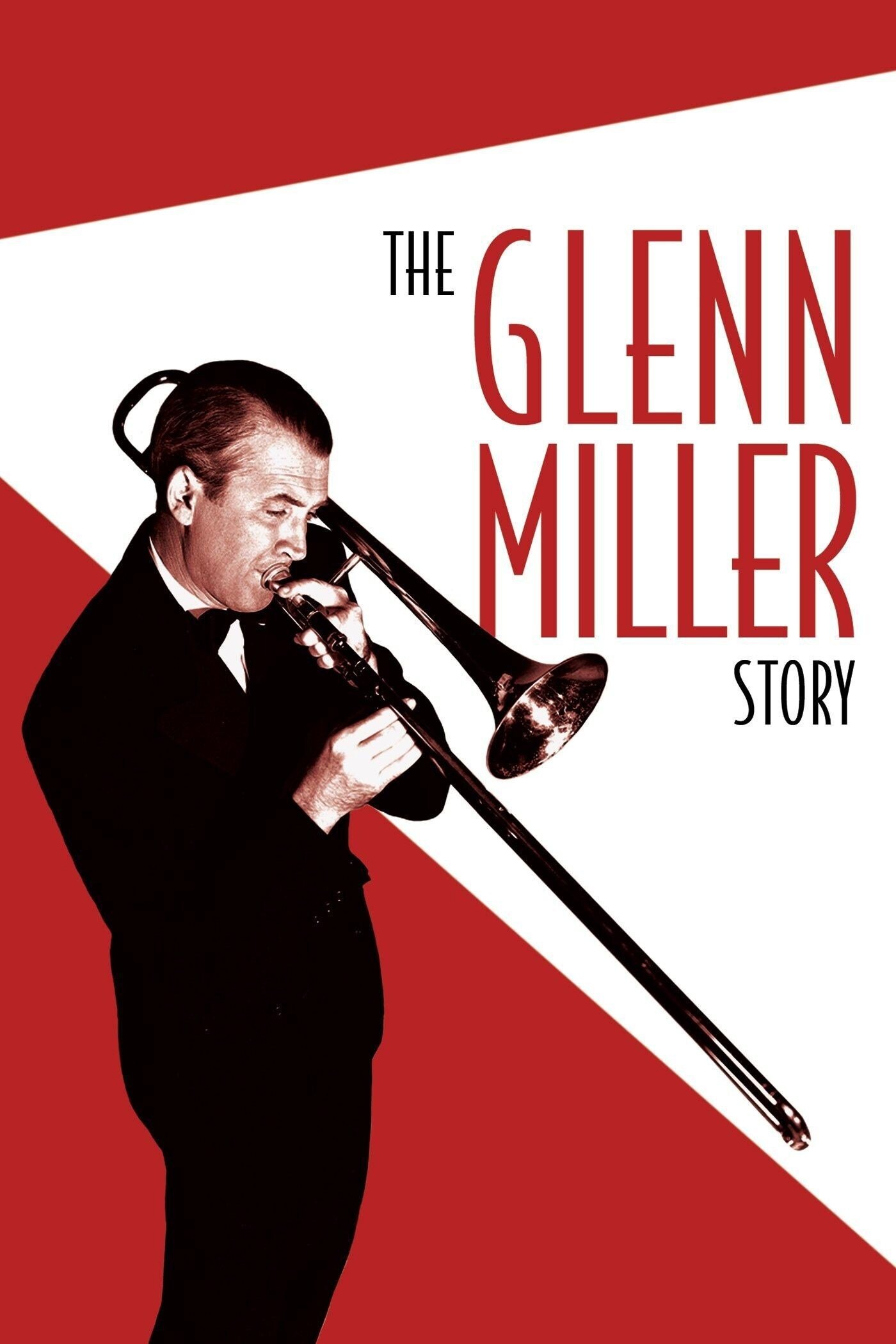
Stewart starred in this incredibly popular musical biopic as Glenn Miller, the famous big-band leader. The film follows his life from his early days as a struggling musician to his rise to international fame, and his tragic disappearance during World War II.
The film was a massive box-office success, thanks to its nostalgic story and its soundtrack filled with Miller’s beloved music. Stewart’s warm and heartfelt performance earned him a BAFTA nomination and was a key reason for the film’s enduring appeal.
The Far Country (1954)
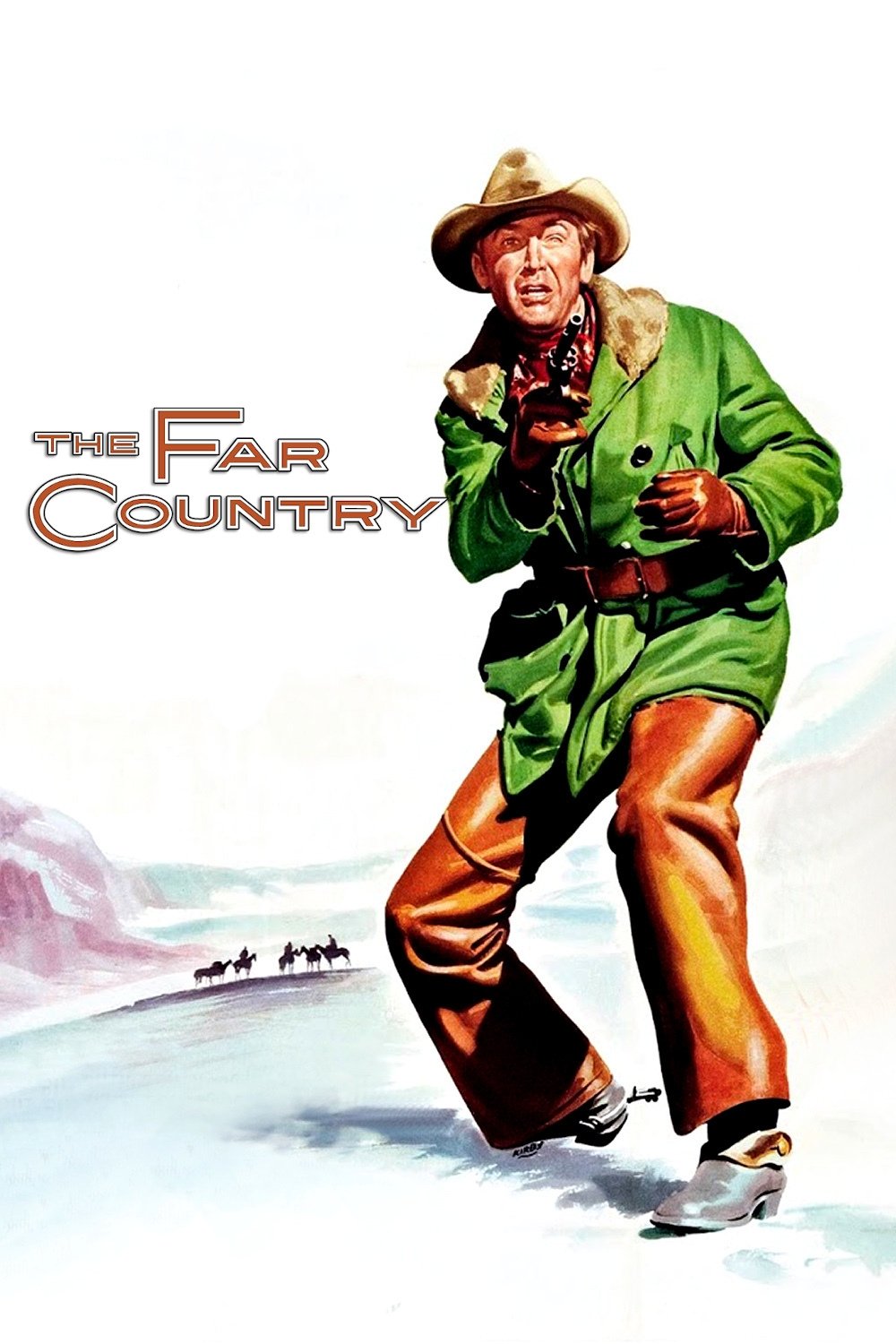
In his fourth Western with Anthony Mann, Stewart played Jeff Webster, a cynical and selfish loner who drives a herd of cattle to the Klondike gold rush territory in Canada. He tries to remain neutral in a conflict with a corrupt local official, but is eventually forced to take a stand.
The film is a story about a man learning the importance of community and responsibility. Stewart’s character arc, from a man who only cares about himself to a hero who fights for others, is the heart of this rugged and visually stunning Western.
Rear Window (1954)
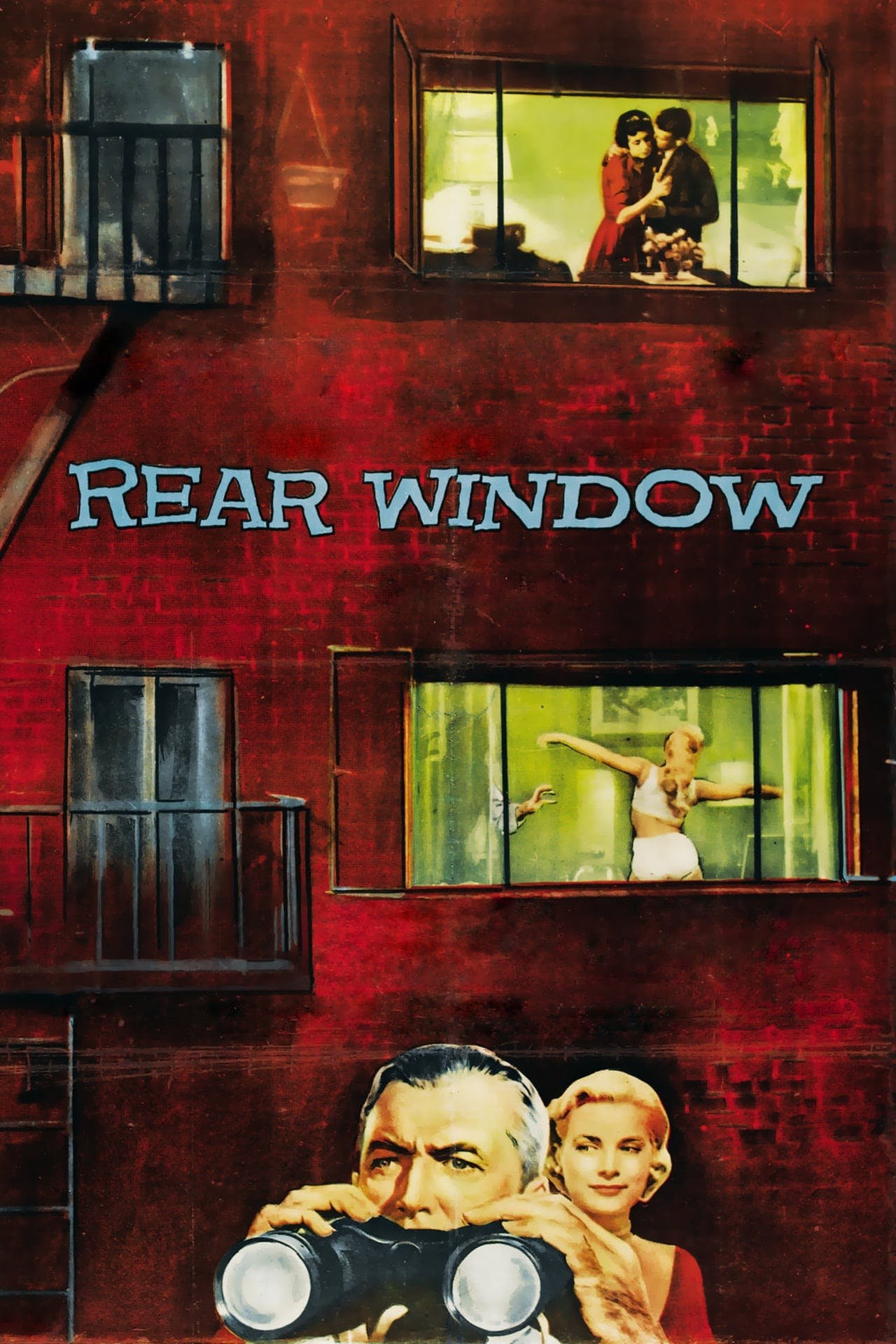
In his second collaboration with Alfred Hitchcock, Stewart starred in the suspense masterpiece ‘Rear Window’. He played L.B. “Jeff” Jefferies, a professional photographer who is confined to a wheelchair with a broken leg. To pass the time, he spies on his neighbors from his apartment window and becomes convinced that one of them has committed a murder.
The film is a brilliant study in suspense and voyeurism, and is considered one of Hitchcock’s greatest works. Stewart gave a masterful performance, conveying all his character’s curiosity, fear, and frustration while being confined to a single room for the entire movie.
The Man from Laramie (1955)
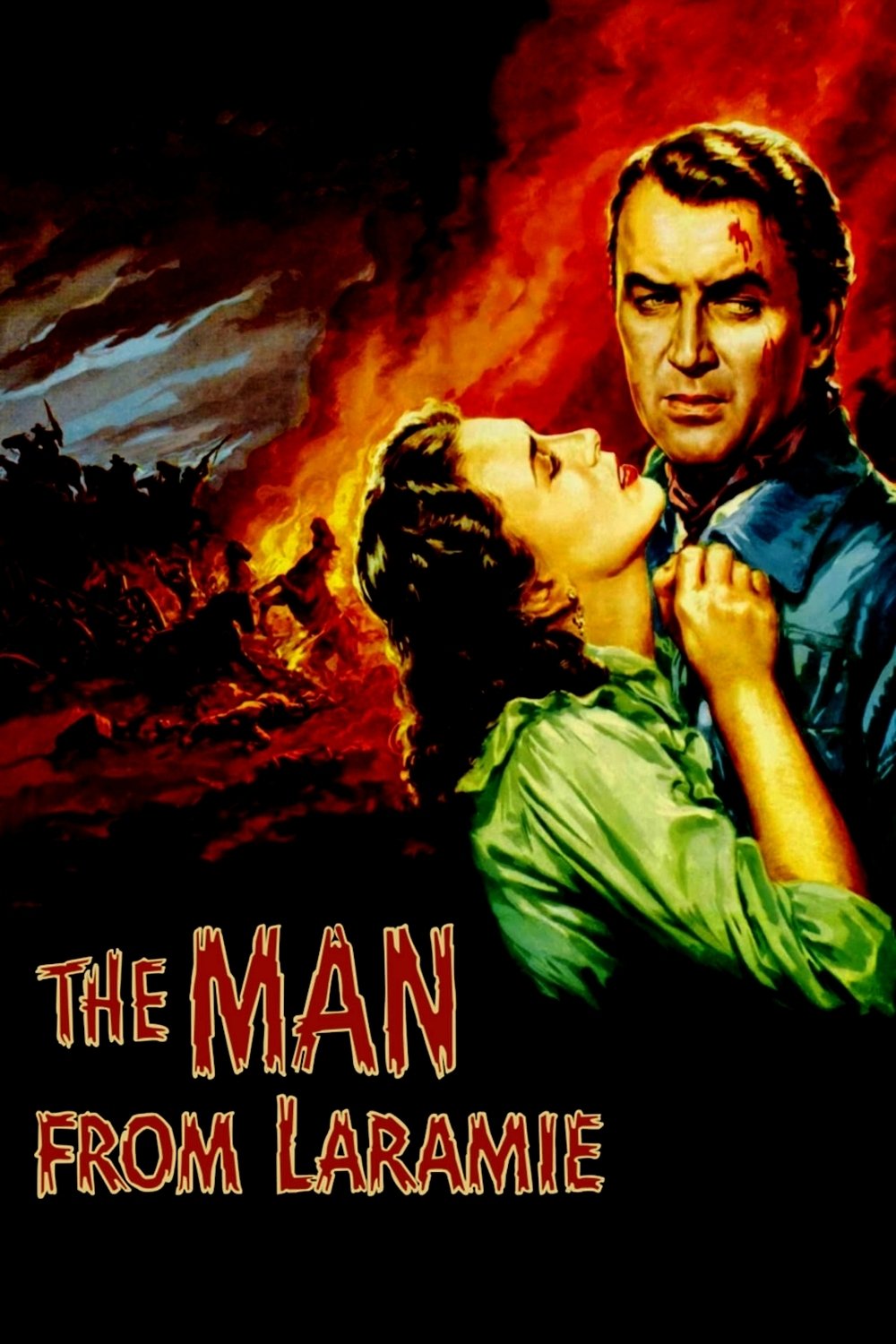
Stewart’s fifth and final Western with director Anthony Mann was ‘The Man from Laramie’. He played Will Lockhart, a man who comes to a remote New Mexico town searching for the person responsible for selling repeating rifles to the Apaches, which resulted in his brother’s death. He becomes entangled in the violent conflicts of a powerful local cattle family.
The film was another dark and complex Western, a fitting end to their celebrated series of collaborations. It featured a powerful performance from Stewart as a man driven by a desire for revenge.
Strategic Air Command (1955)
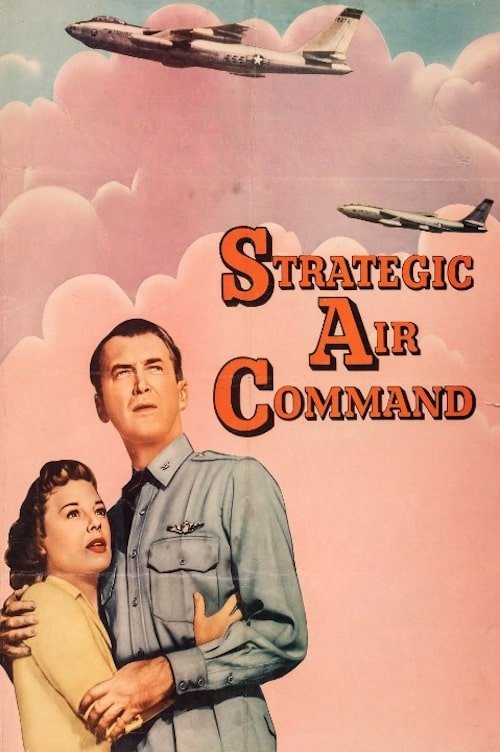
In ‘Strategic Air Command’, Stewart played Lieutenant Colonel Robert “Dutch” Holland, a professional baseball player who is called back to active duty in the U.S. Air Force. The film follows his struggles to balance his military service with his baseball career and his family life.
As a real-life Air Force colonel in the reserves, the role was a personal one for Stewart. The film featured spectacular aerial footage of B-36 and B-47 bombers and was a patriotic tribute to the Air Force during the Cold War.
The Man Who Knew Too Much (1956)
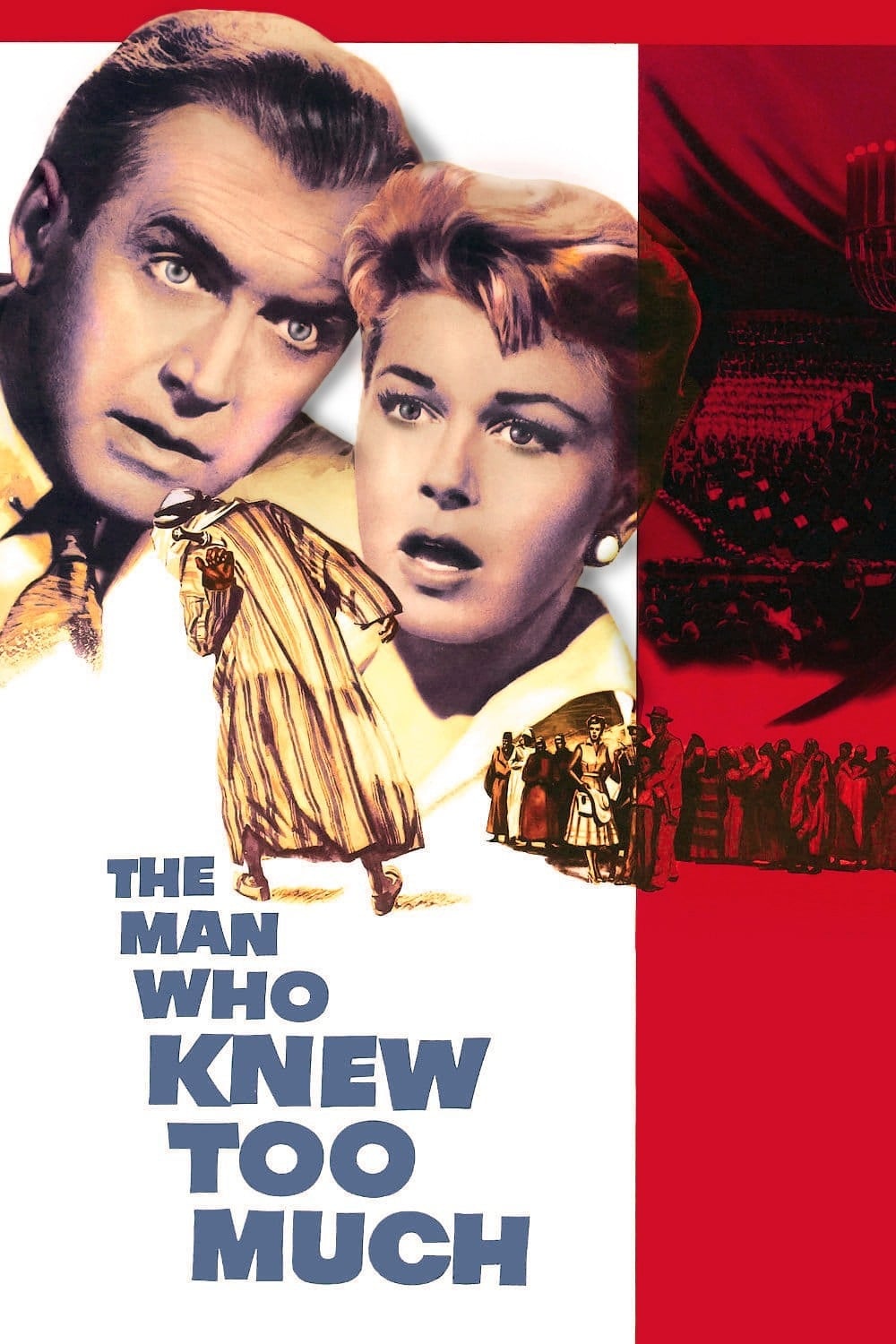
In his third film with Alfred Hitchcock, Stewart starred alongside Doris Day in ‘The Man Who Knew Too Much’. They play an American couple on vacation in Morocco whose son is kidnapped to prevent them from revealing an assassination plot they accidentally stumbled upon.
The film was a tense international thriller, famous for its suspenseful climax set at a concert in London’s Royal Albert Hall. Stewart was excellent as the ordinary man thrust into a desperate situation, trying to save his family.
The Spirit of St. Louis (1957)
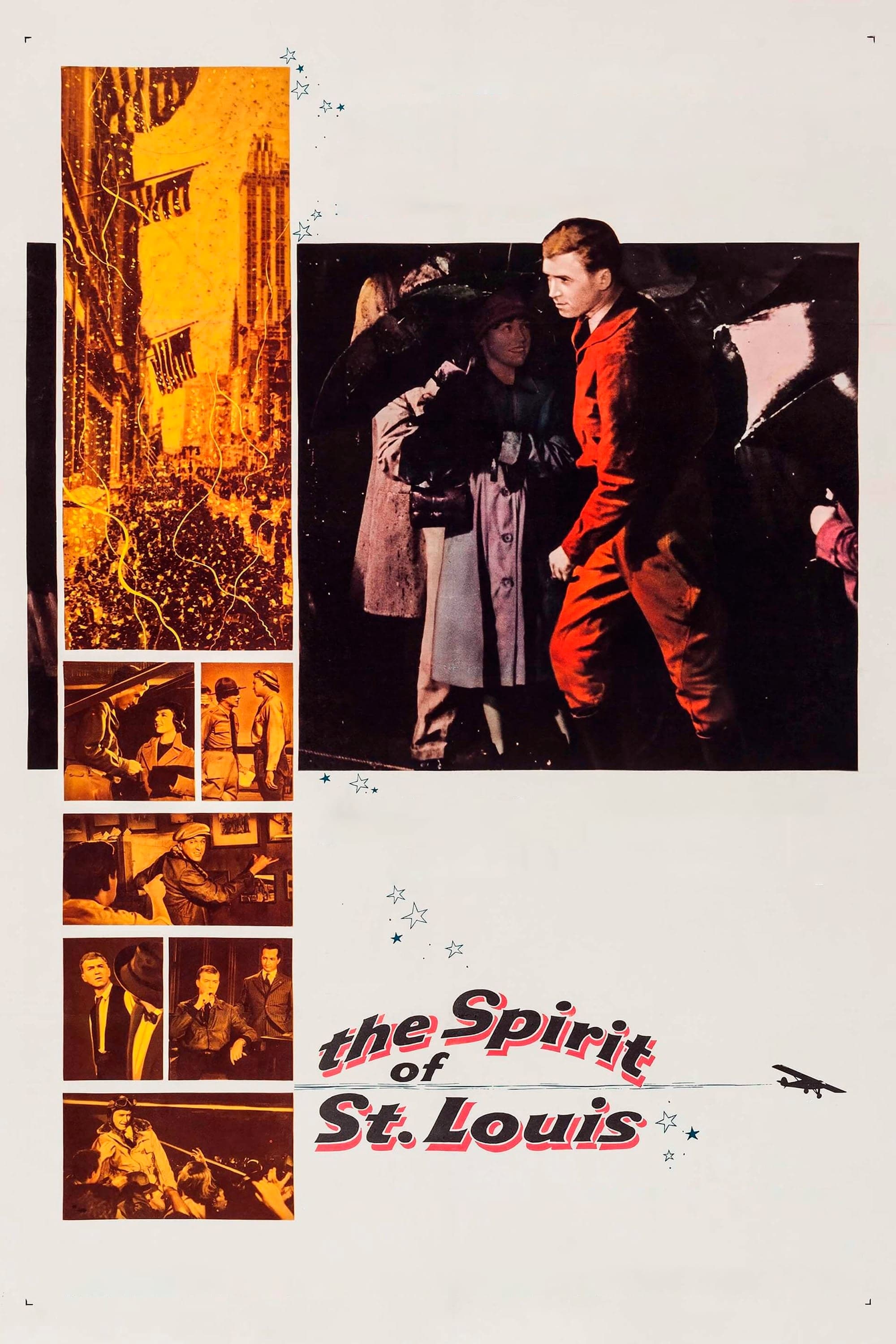
Stewart played the famous aviator Charles Lindbergh in this biographical film directed by Billy Wilder. The movie chronicles Lindbergh’s life leading up to his historic, non-stop solo flight across the Atlantic Ocean in 1927.
Although Stewart was much older than Lindbergh was at the time of the flight, he was passionate about the project due to his own love of flying. He gave a dedicated performance that captured the pilot’s determination and courage.
Night Passage (1957)
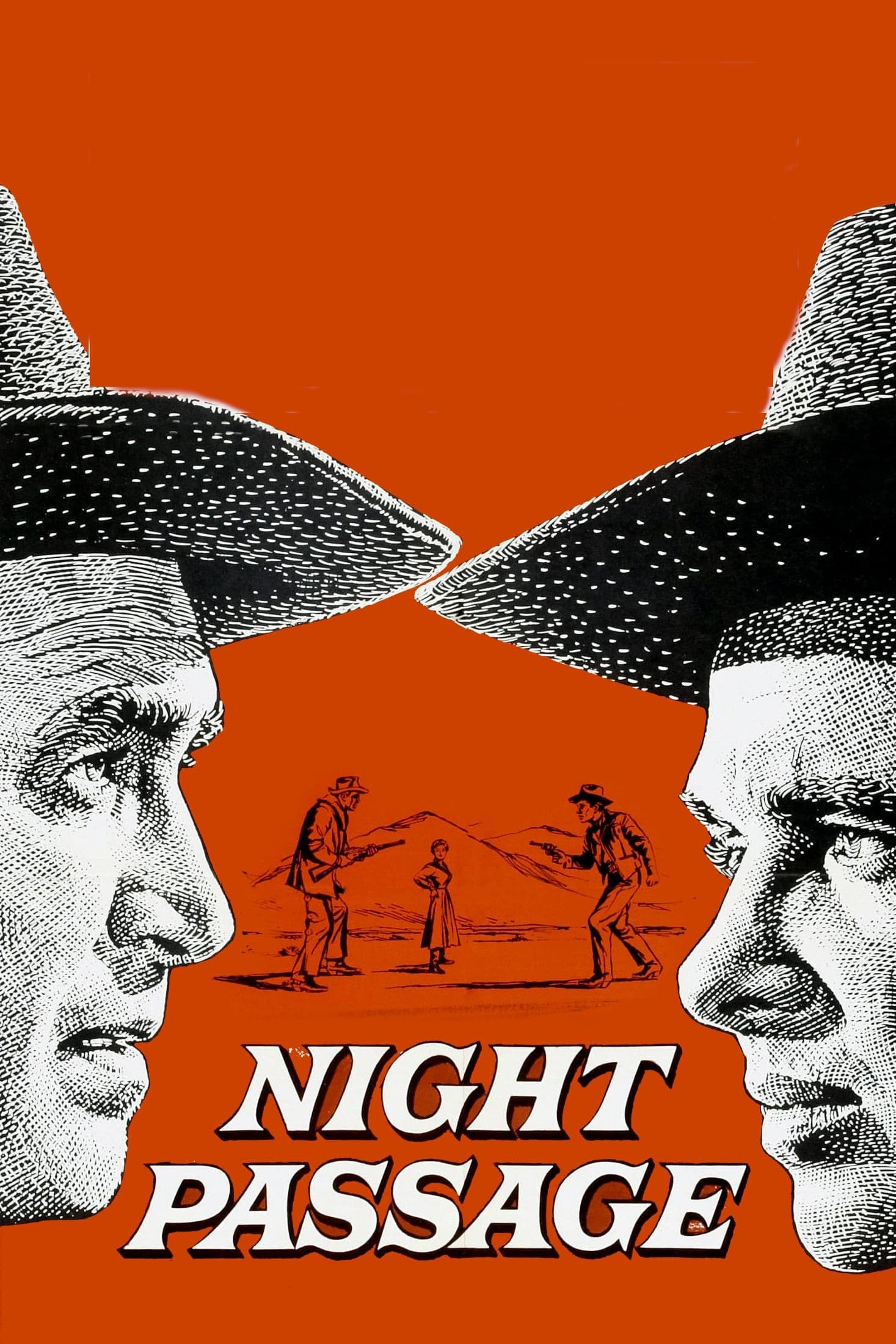
In the Western ‘Night Passage’, Stewart played Grant McLaine, a former railroad man who is hired to protect the railroad’s payroll from a gang of outlaws. The situation becomes complicated because the leader of the gang is his own younger brother.
The film was originally supposed to be another collaboration with Anthony Mann, but they had a disagreement and Mann left the project. The movie is a solid Western, notable for its action sequences and the dramatic conflict between the two brothers.
Vertigo (1958)
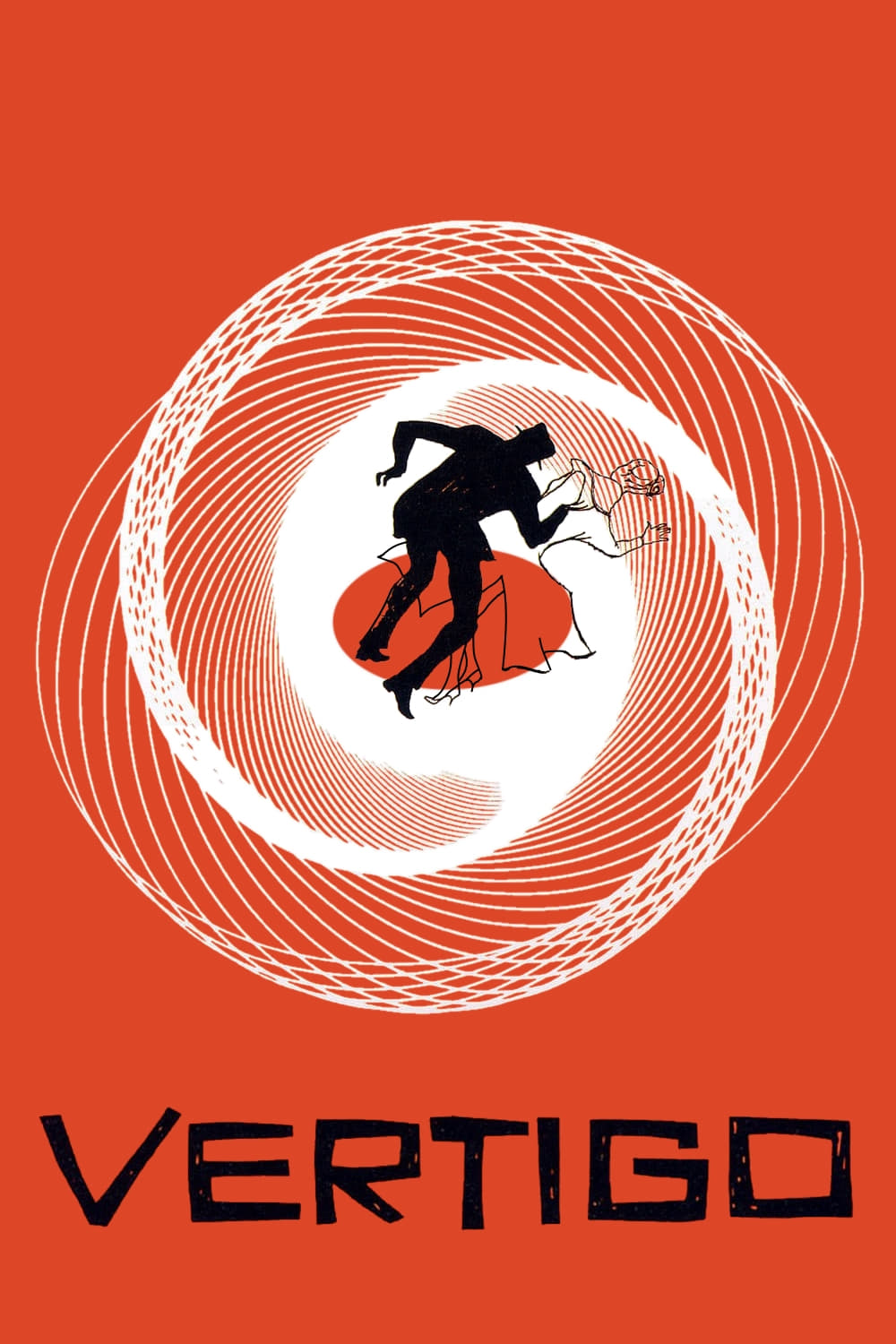
In his fourth and final film with Alfred Hitchcock, Stewart gave one of his most complex and haunting performances in ‘Vertigo’. He played John “Scottie” Ferguson, a retired police detective suffering from a crippling fear of heights. He is hired to follow a mysterious woman and becomes obsessed with her, an obsession that leads to tragedy and madness.
Though not fully appreciated at the time of its release, ‘Vertigo’ is now considered by many critics to be one of the greatest films ever made. Stewart’s portrayal of a man’s descent into psychological torment is raw, dark, and unforgettable.
Bell, Book and Candle (1958)
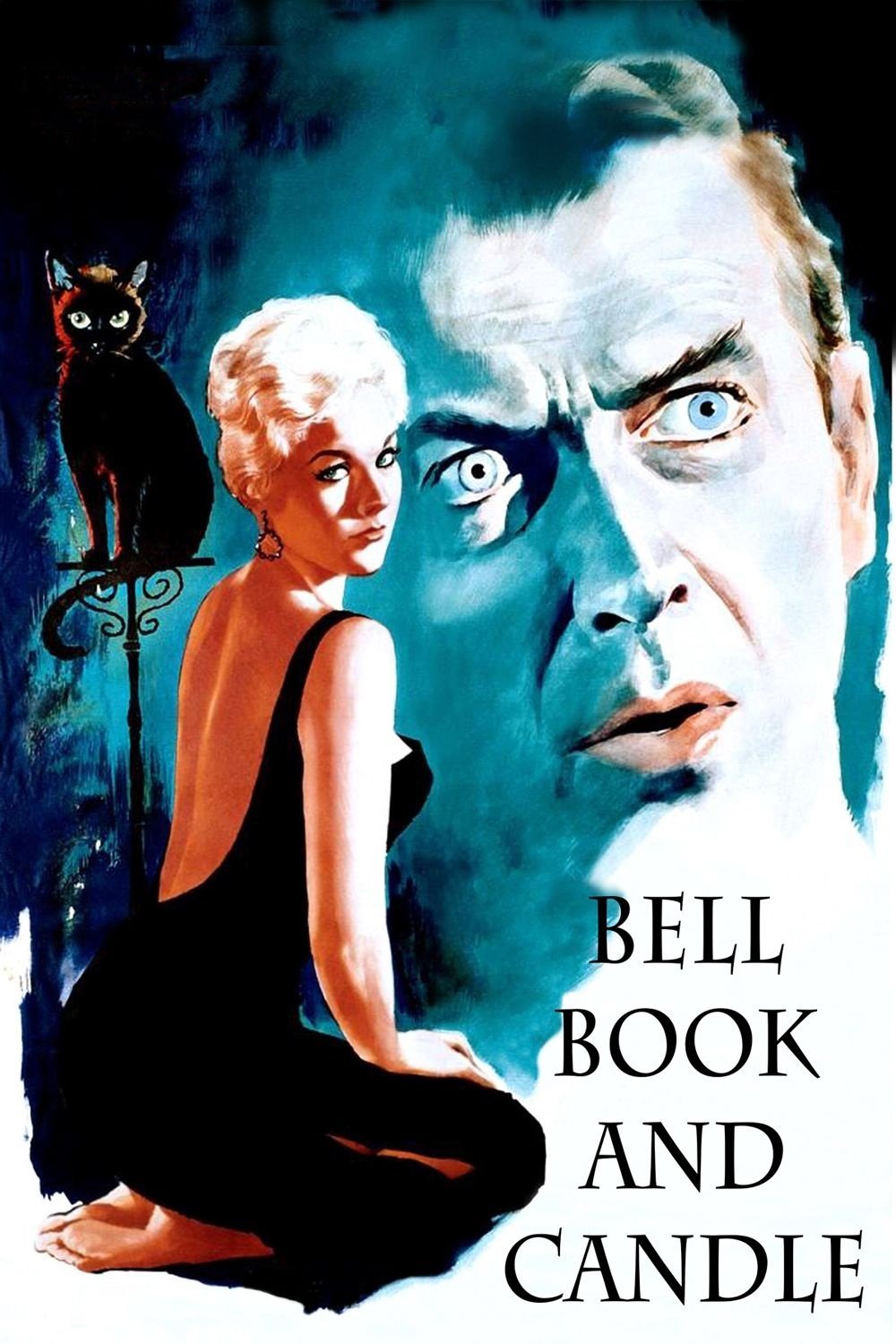
Stewart re-teamed with his ‘Vertigo’ co-star Kim Novak for the romantic comedy ‘Bell, Book and Candle’. He played Shepherd “Shep” Henderson, a publisher who becomes enchanted by his downstairs neighbor, a beautiful woman who also happens to be a witch. She casts a love spell on him, which leads to a series of magical complications.
The film was a light and whimsical fantasy, a stark contrast to the darkness of ‘Vertigo’. It was a charming comedy that also featured Jack Lemmon in a supporting role.
Anatomy of a Murder (1959)
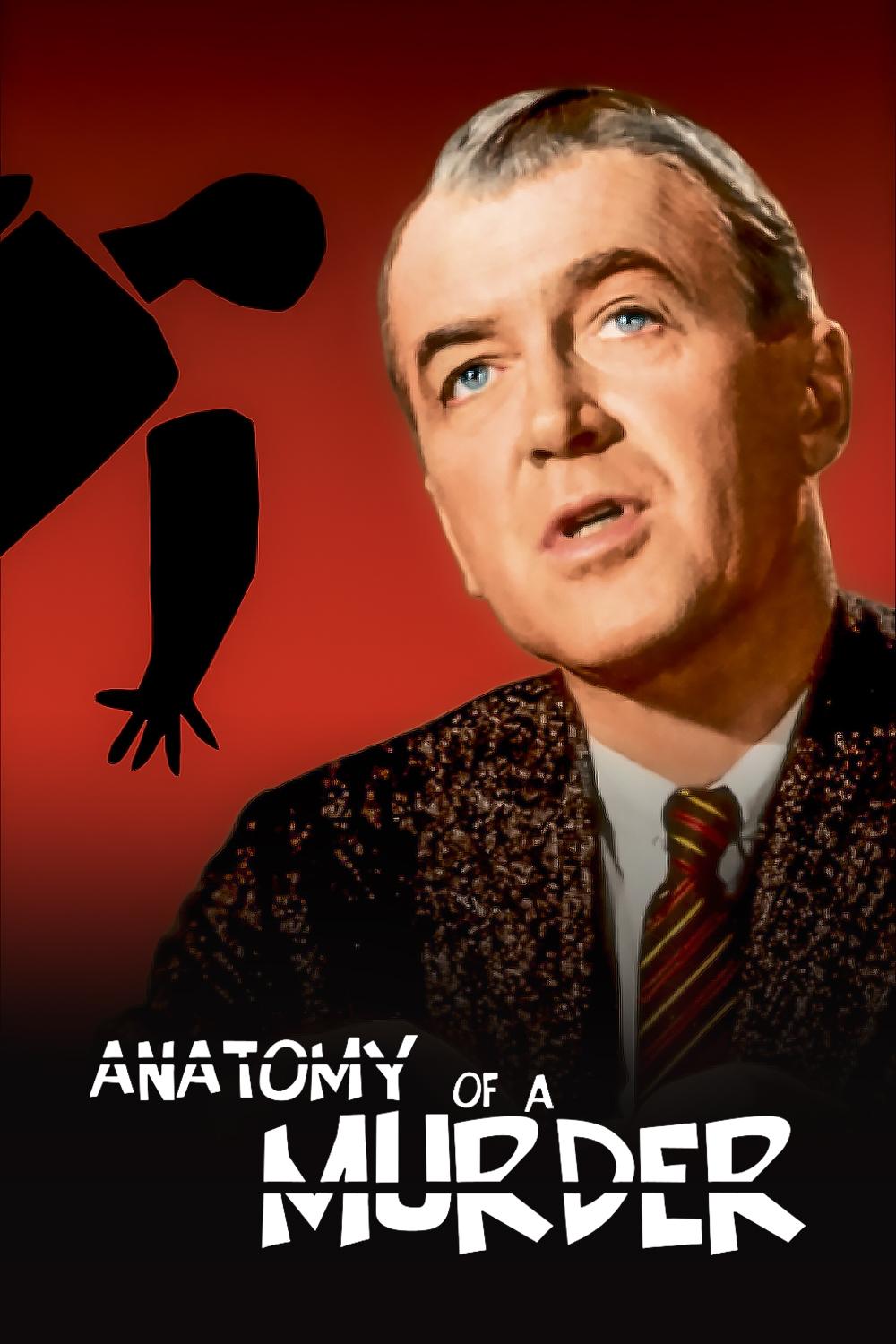
Stewart earned his final Academy Award nomination for his role as Paul Biegler in the courtroom drama ‘Anatomy of a Murder’. He played a small-town lawyer who defends an army lieutenant accused of murdering the man who allegedly assaulted his wife.
Directed by Otto Preminger, the film was groundbreaking for its frank discussion of adult themes and its realistic depiction of a trial. Stewart’s performance as the clever, folksy lawyer was brilliant and is considered one of the best of his career.
The FBI Story (1959)
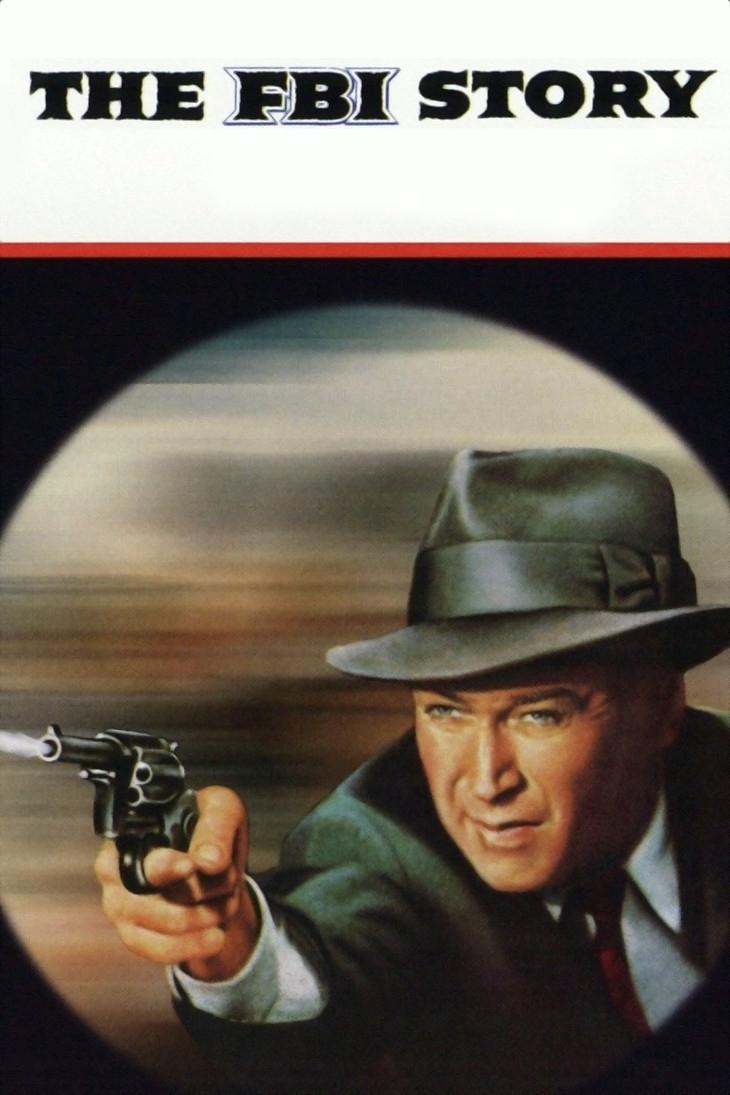
In ‘The FBI Story’, Stewart played John Michael “Chip” Hardesty, a fictional FBI agent whose career spans several decades. The film uses his story to chronicle the history of the Federal Bureau of Investigation, from its early days fighting the Ku Klux Klan to its battles with gangsters and Cold War spies.
The movie was made with the full cooperation of the FBI and served as a patriotic tribute to the agency. It was a large-scale epic that followed one man’s dedicated career in law enforcement.
The Mountain Road (1960)
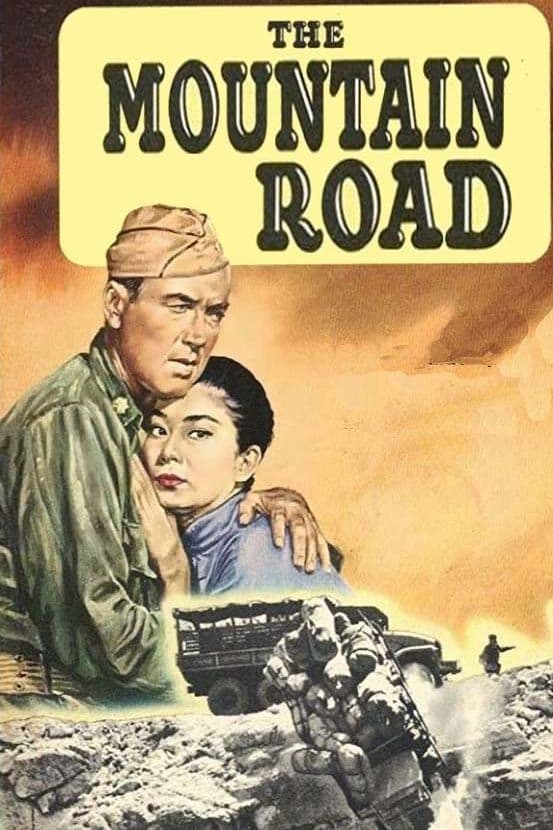
In this World War II drama, Stewart played Major Baldwin, an American army officer in China. He is ordered to destroy a road and a series of bridges to slow down the advancing Japanese army. During the mission, he struggles with the difficult decisions of command and the human cost of war.
The film was a departure for Stewart, as he played a more flawed and conflicted military leader. It was a serious war drama that explored the moral ambiguities of command.
Two Rode Together (1961)
In his first film with legendary director John Ford, Stewart played Marshal Guthrie McCabe. He is a cynical and money-loving lawman who is hired by the U.S. Army to negotiate the return of white captives who have been living with the Comanches for years.
The film was a complex and often cynical look at the Western hero. Stewart’s character was far from the noble lawmen he had played in the past, and his collaboration with Ford produced a gritty and thought-provoking Western.
The Man Who Shot Liberty Valance (1962)
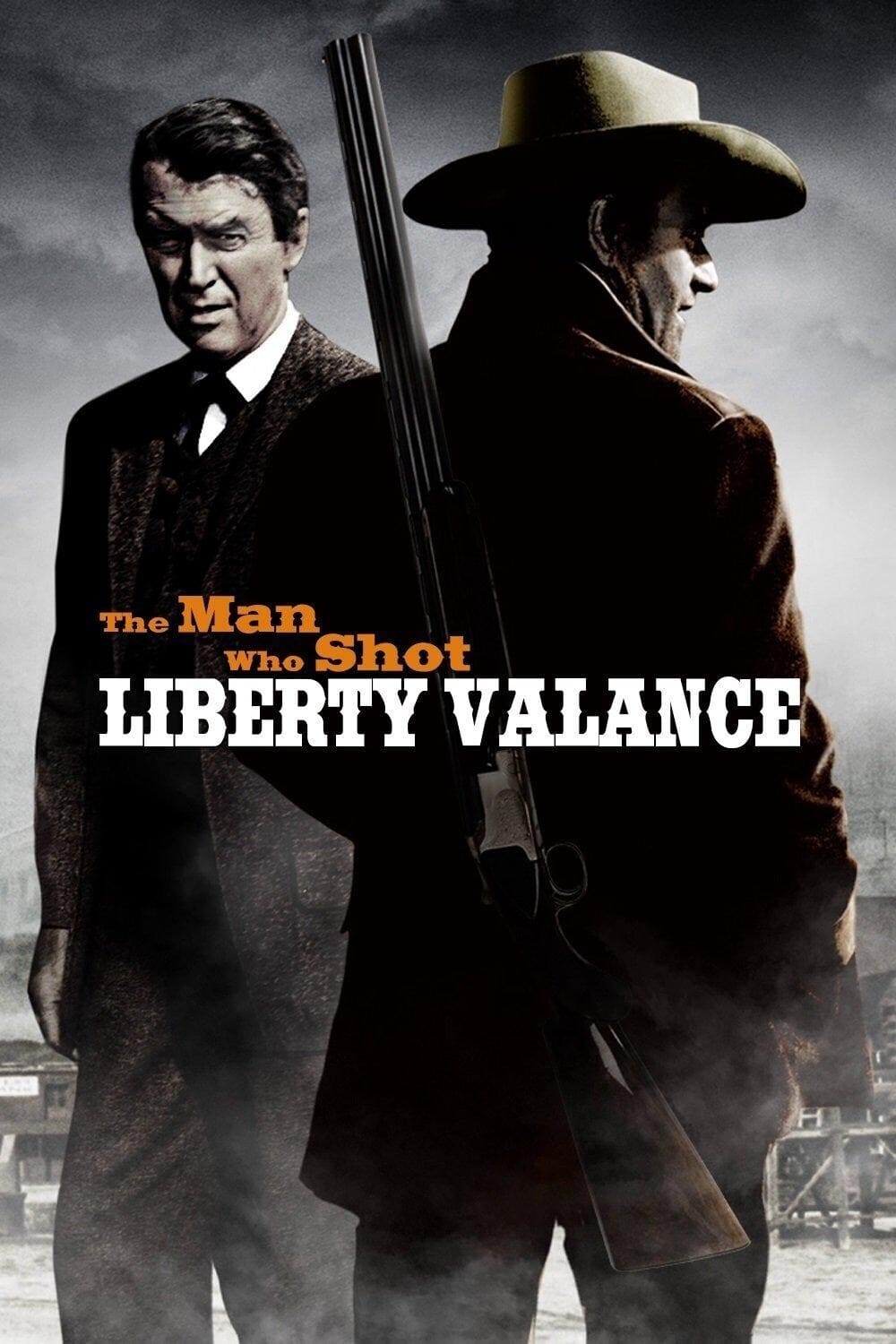
Stewart starred alongside John Wayne in John Ford’s classic Western ‘The Man Who Shot Liberty Valance’. Stewart played Ransom Stoddard, an idealistic lawyer who comes to a frontier town and is terrorized by a brutal outlaw named Liberty Valance. The film is told in flashback, exploring the myth versus the reality of how the West was won.
The movie is considered one of the greatest Westerns ever made. It is a profound meditation on history, legends, and the end of an era. Stewart’s portrayal of the man who brings law and order through education, not violence, is a key part of the film’s complex message.
Mr. Hobbs Takes a Vacation (1962)
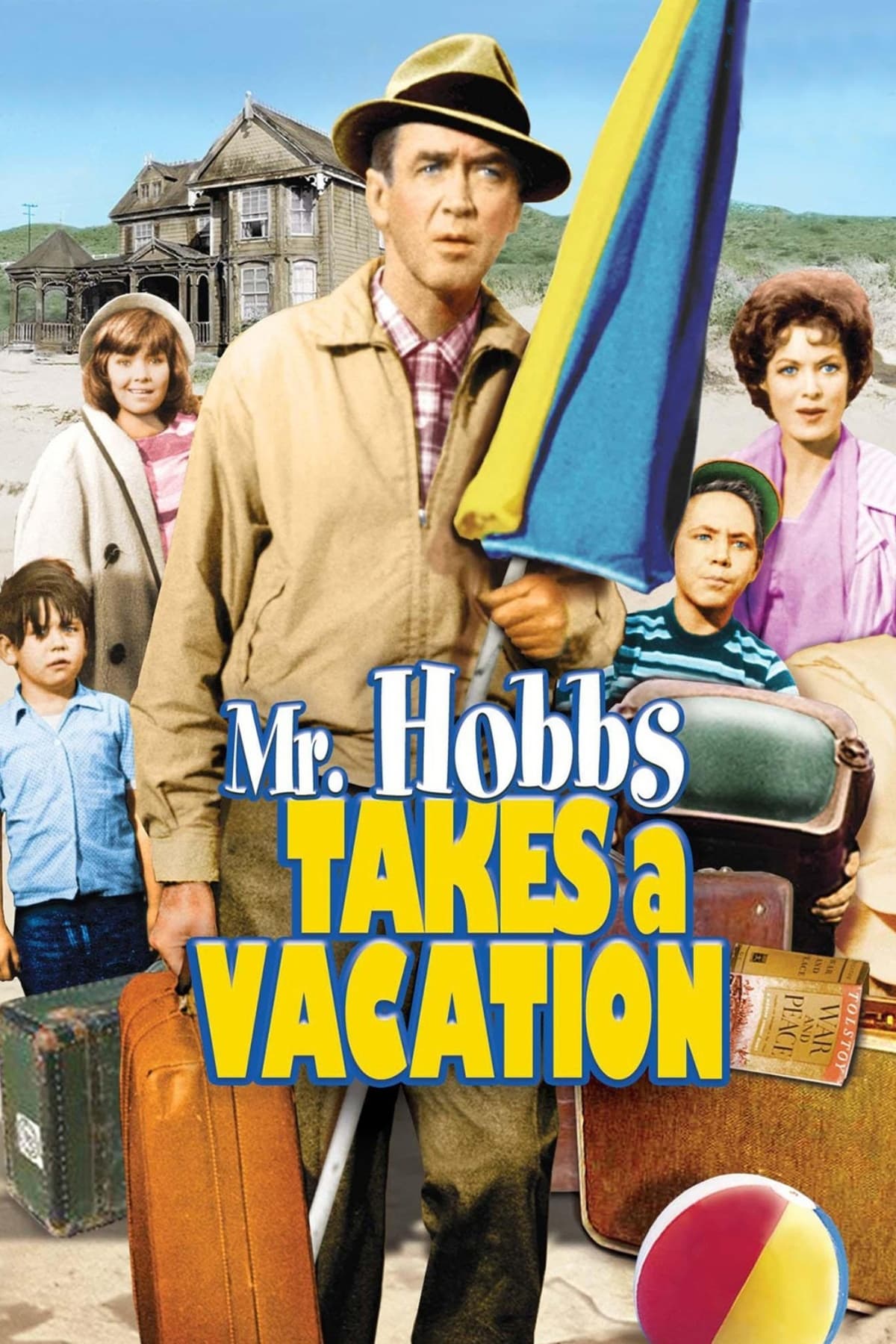
In this family comedy, Stewart played Roger Hobbs, a stressed-out banker who takes his large, extended family on a seaside vacation. The trip turns into a disaster as he deals with a dilapidated beach house, his moody children, and a variety of other chaotic mishaps.
The film was a huge box-office hit and showcased Stewart’s comedic talents. His performance as the perpetually frustrated family man earned him a Golden Globe nomination and a Best Actor award at the Berlin International Film Festival.
How the West Was Won (1962)
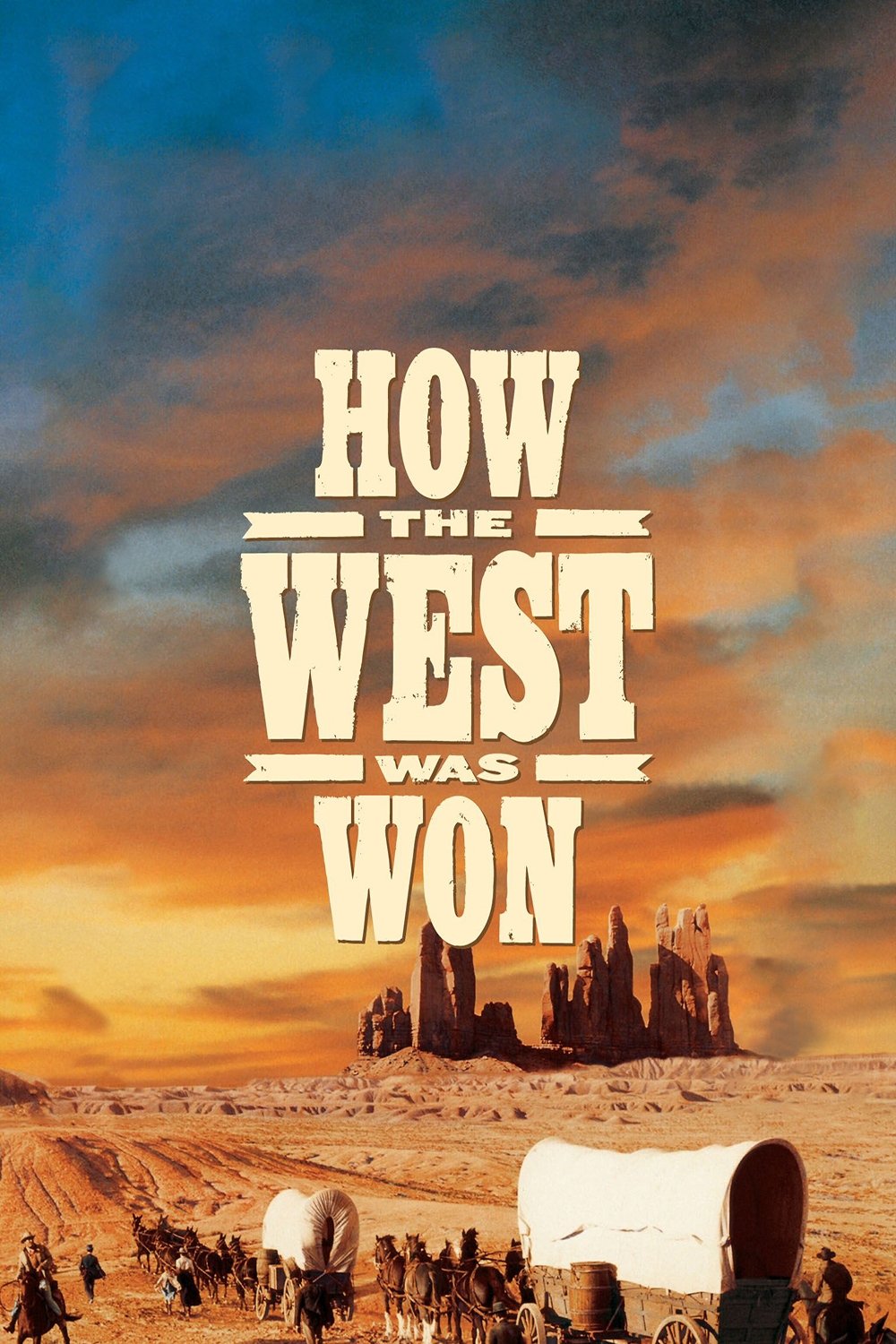
Stewart was part of a massive all-star cast in the epic Western ‘How the West Was Won’. The film tells the story of the settlement of the American West through the eyes of one family over several generations. Stewart appeared in the segment “The Rivers,” playing Linus Rawlings, a rugged mountain man.
The movie was a huge spectacle, filmed in the widescreen Cinerama process. Stewart’s segment was a classic adventure story, featuring a memorable river raft sequence.
Take Her, She’s Mine (1963)
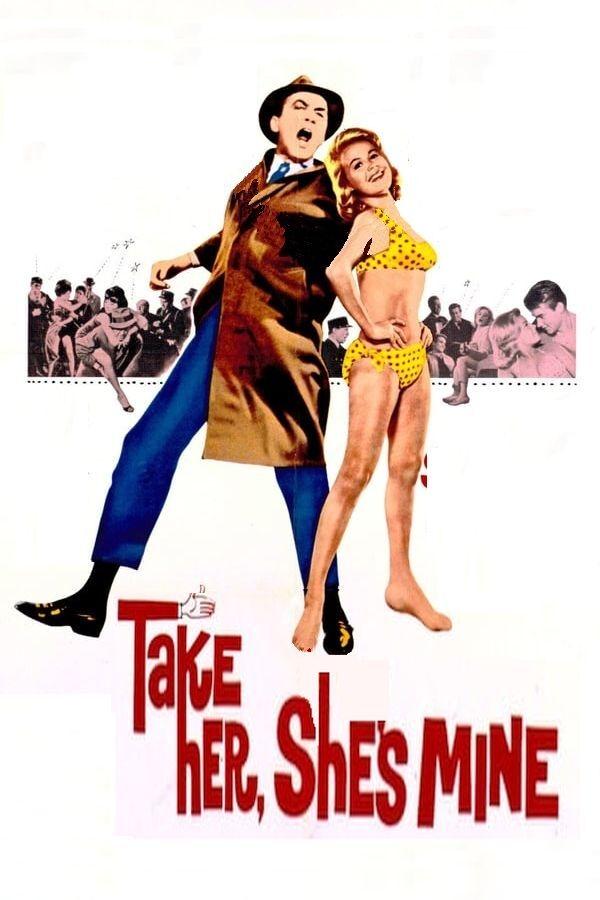
In this family comedy, Stewart played Frank Michaelson, a father who becomes increasingly worried about his daughter when she goes away to college and then on a trip to Europe. He follows her to Paris to make sure she is not getting into trouble, leading to a series of comedic misunderstandings.
The film was based on a Broadway play and was another successful family comedy for Stewart, similar in tone to ‘Mr. Hobbs Takes a Vacation’.
Cheyenne Autumn (1964)
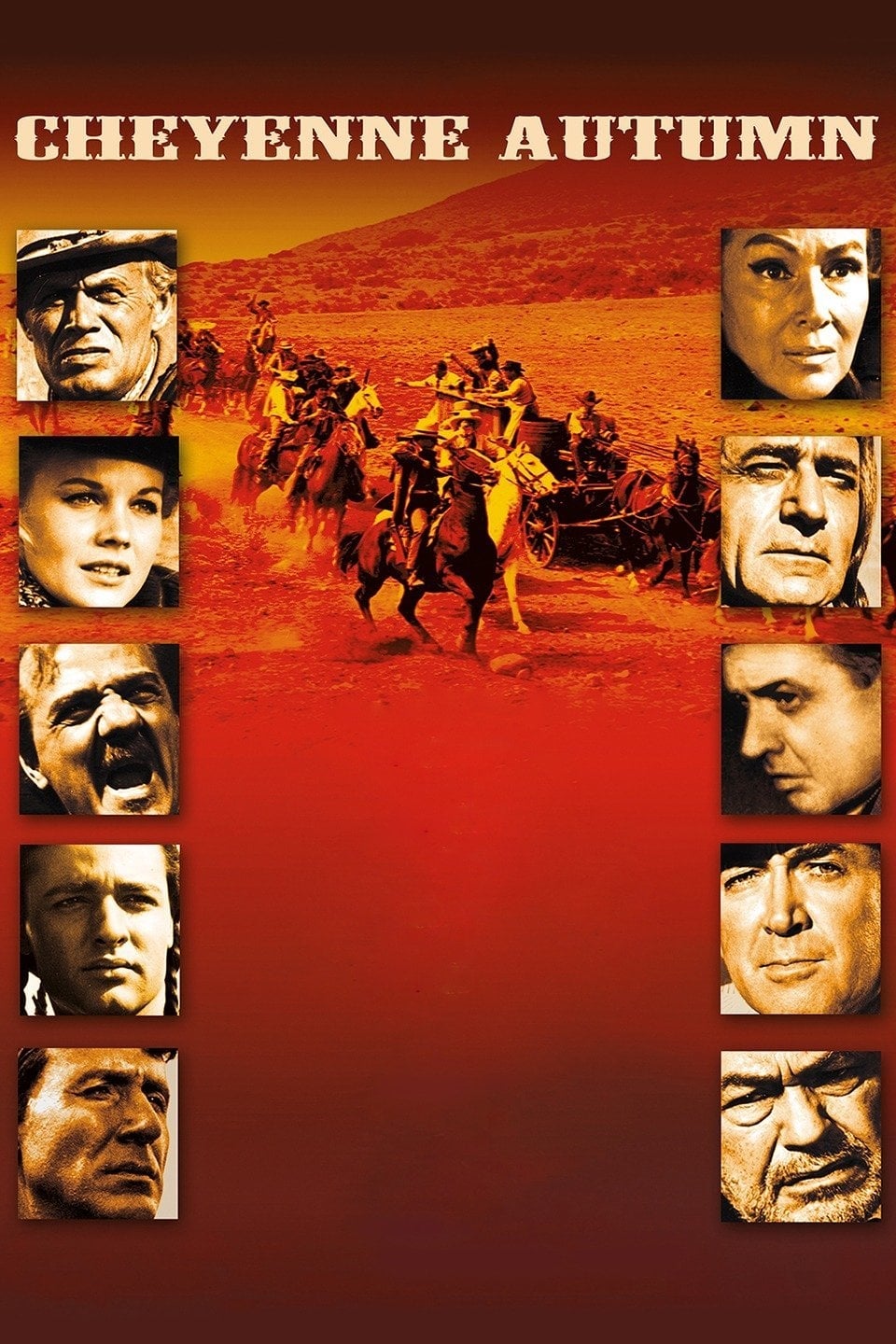
In John Ford’s final Western, ‘Cheyenne Autumn’, Stewart had a small, comedic cameo as the famous lawman Wyatt Earp. The film tells the true story of the Northern Cheyenne’s long and tragic journey back to their ancestral homeland. Stewart’s scene is a lighthearted interlude in an otherwise serious and somber film.
His brief appearance, playing cards with other famous Western figures, was a fun nod to his status as a Western icon. It marked his final collaboration with director John Ford.
Dear Brigitte (1965)
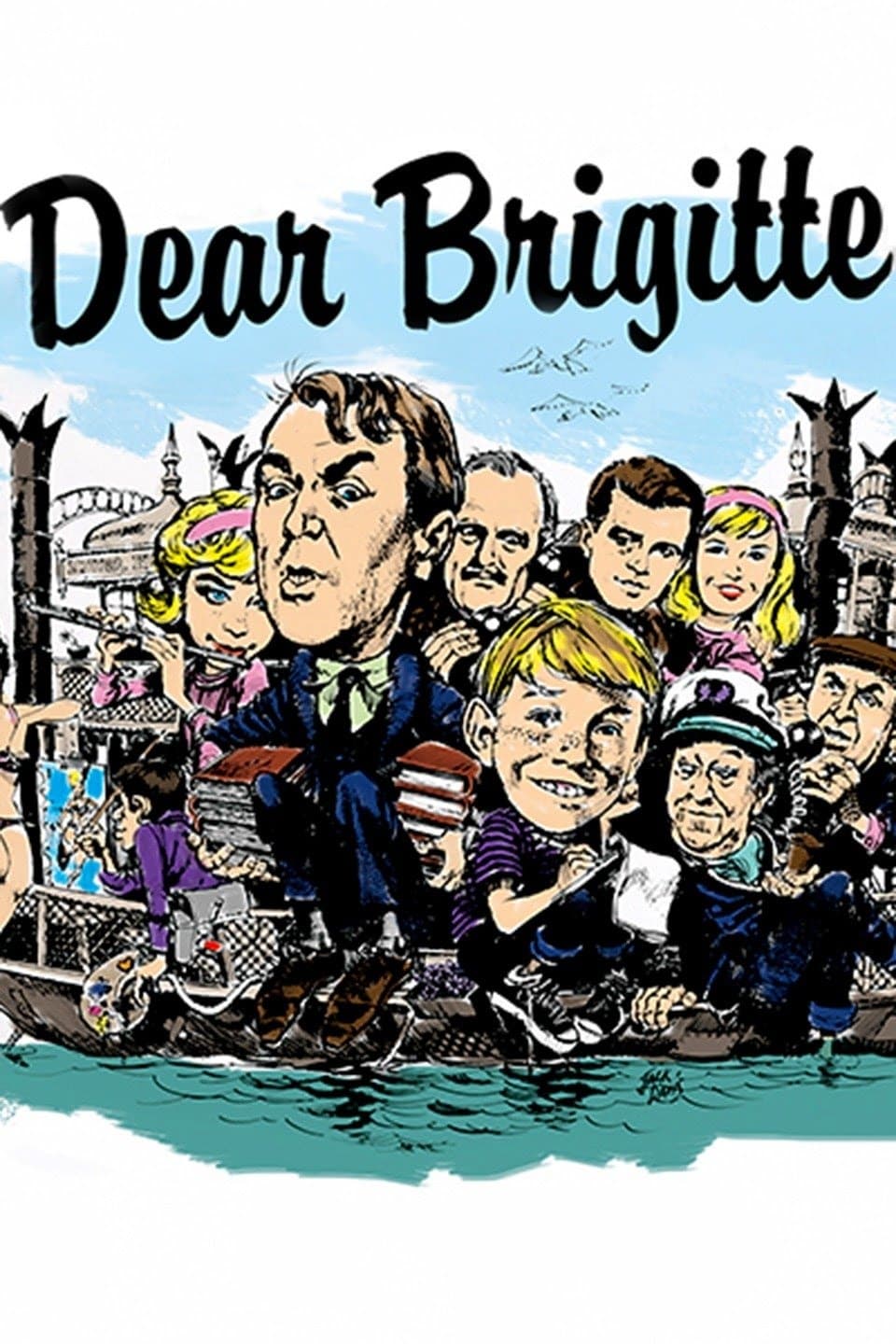
In this comedy, Stewart played Professor Robert Leaf, a poet who is a committed humanist and pacifist. He is horrified to discover that his young son is not only a math genius but is also infatuated with the French movie star Brigitte Bardot.
The film was another family-friendly comedy. It famously featured a cameo by Brigitte Bardot herself, appearing as the object of the young boy’s affection.
Shenandoah (1965)
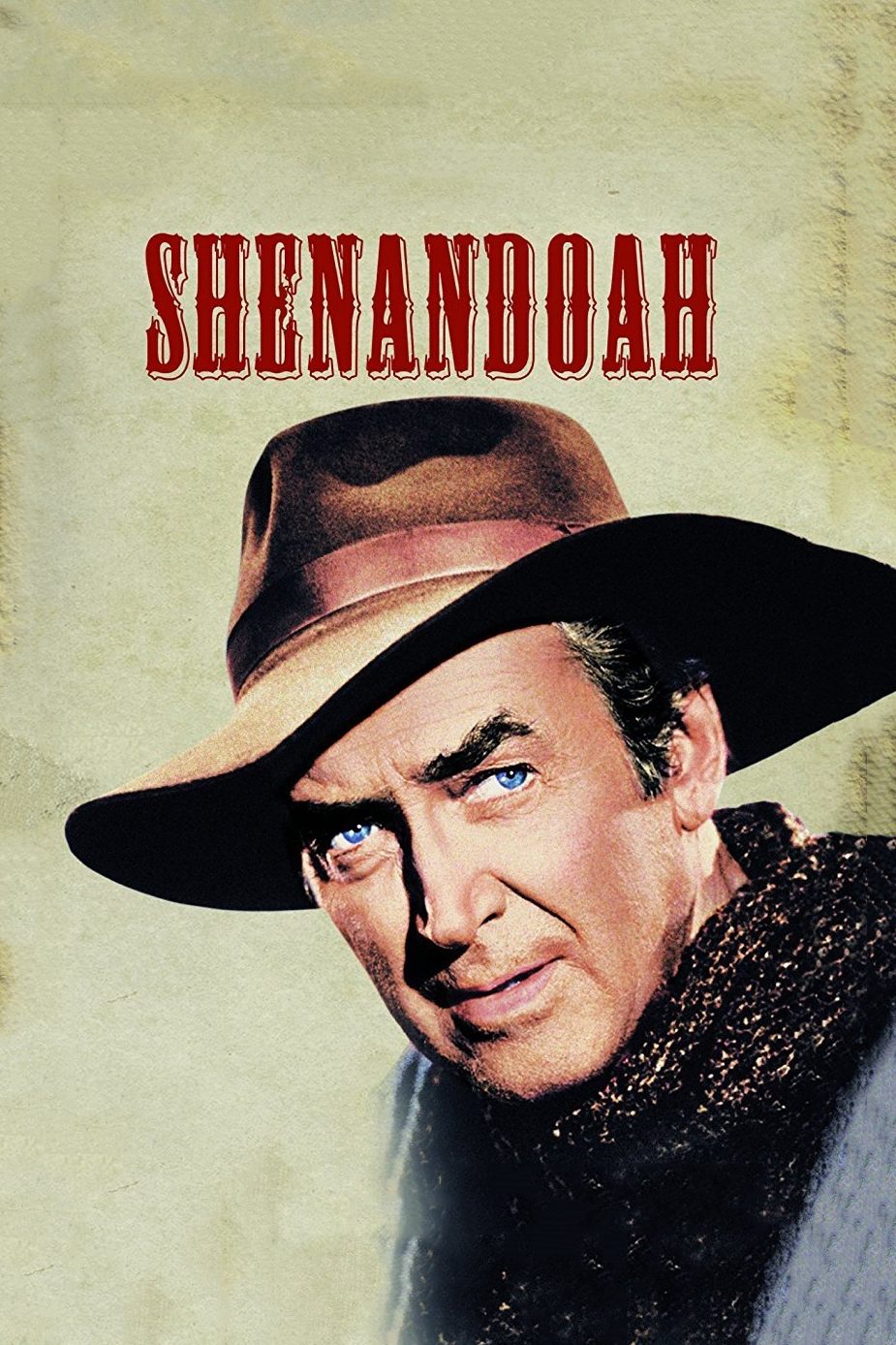
Stewart gave a powerful performance in the Civil War drama ‘Shenandoah’. He played Charlie Anderson, a fiercely independent Virginia farmer who refuses to let his family get involved in the war. He is eventually forced to confront the conflict’s tragic reality when his youngest son is taken prisoner by Union soldiers.
The film was a huge commercial success and was praised for its anti-war message. Stewart’s portrayal of the stubborn but loving patriarch was one of the most acclaimed performances of his later career.
The Flight of the Phoenix (1965)
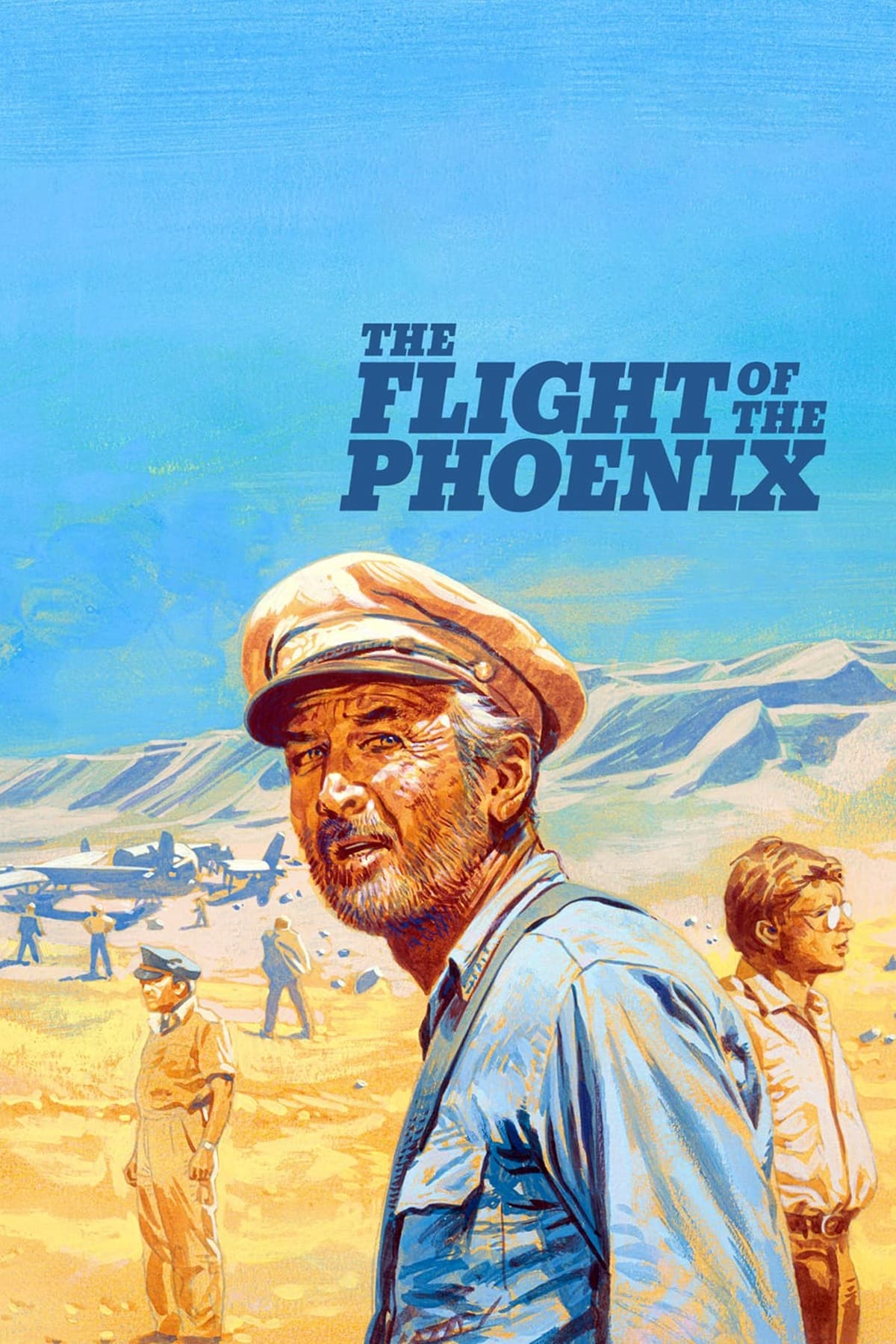
In this adventure drama, Stewart played Captain Frank Towns, the pilot of a cargo plane that crashes in the Sahara desert. As the survivors struggle against the harsh conditions, one of them, a German aircraft designer, proposes a radical plan: to build a new plane out of the wreckage of the old one.
The film is a tense and compelling story of survival and human ingenuity. Stewart gave a strong performance as the pragmatic and world-weary pilot who clashes with the other survivors.
The Rare Breed (1966)
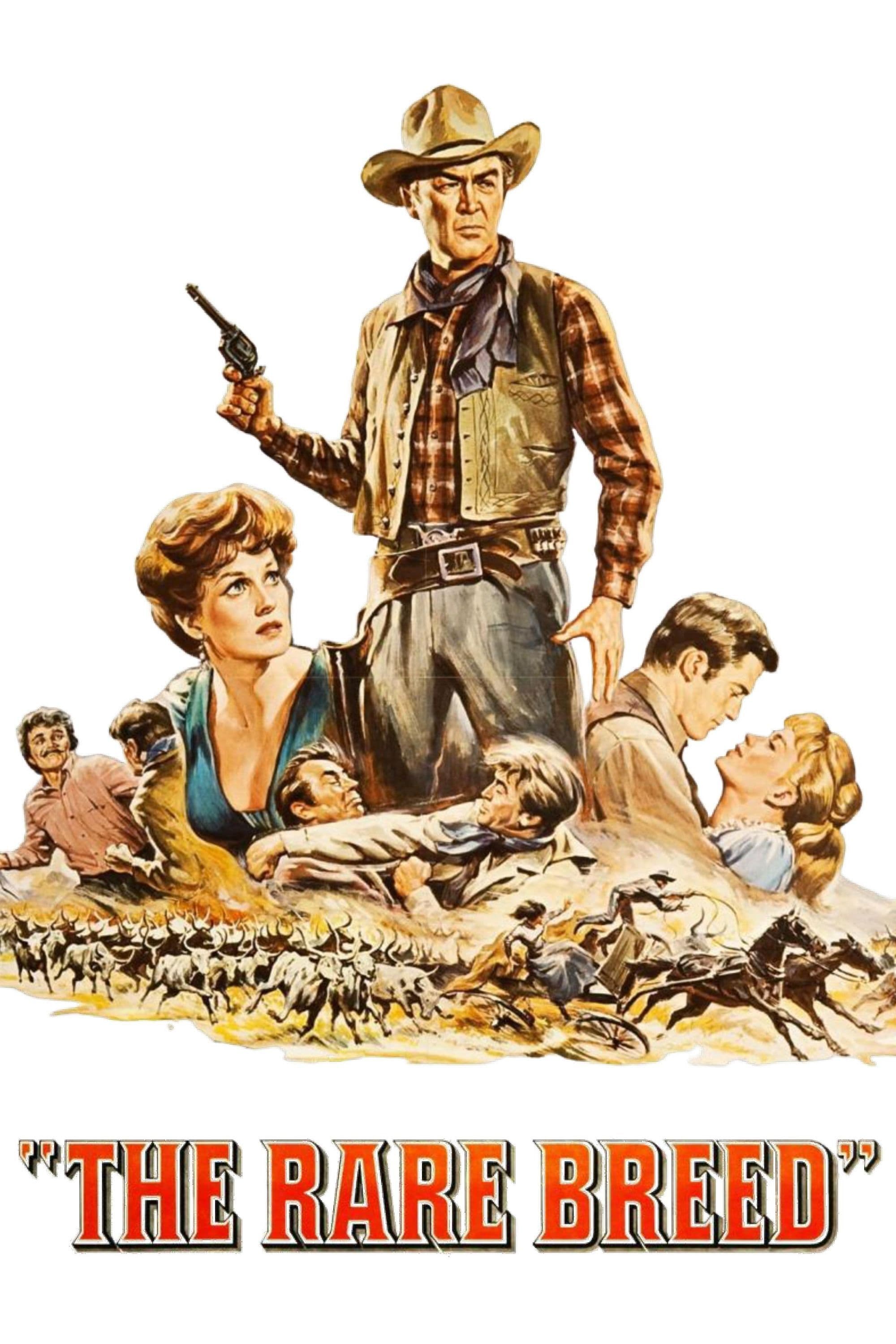
In the Western ‘The Rare Breed’, Stewart played Sam Burnett, a cynical wrangler who is hired to transport a valuable Hereford bull to Texas. The bull is owned by an Englishwoman, played by Maureen O’Hara, who wants to introduce the hornless breed to the American West.
The film was a lighthearted and family-friendly Western. It was more of a gentle comedy than the darker Westerns Stewart was known for in the 1950s.
Firecreek (1968)
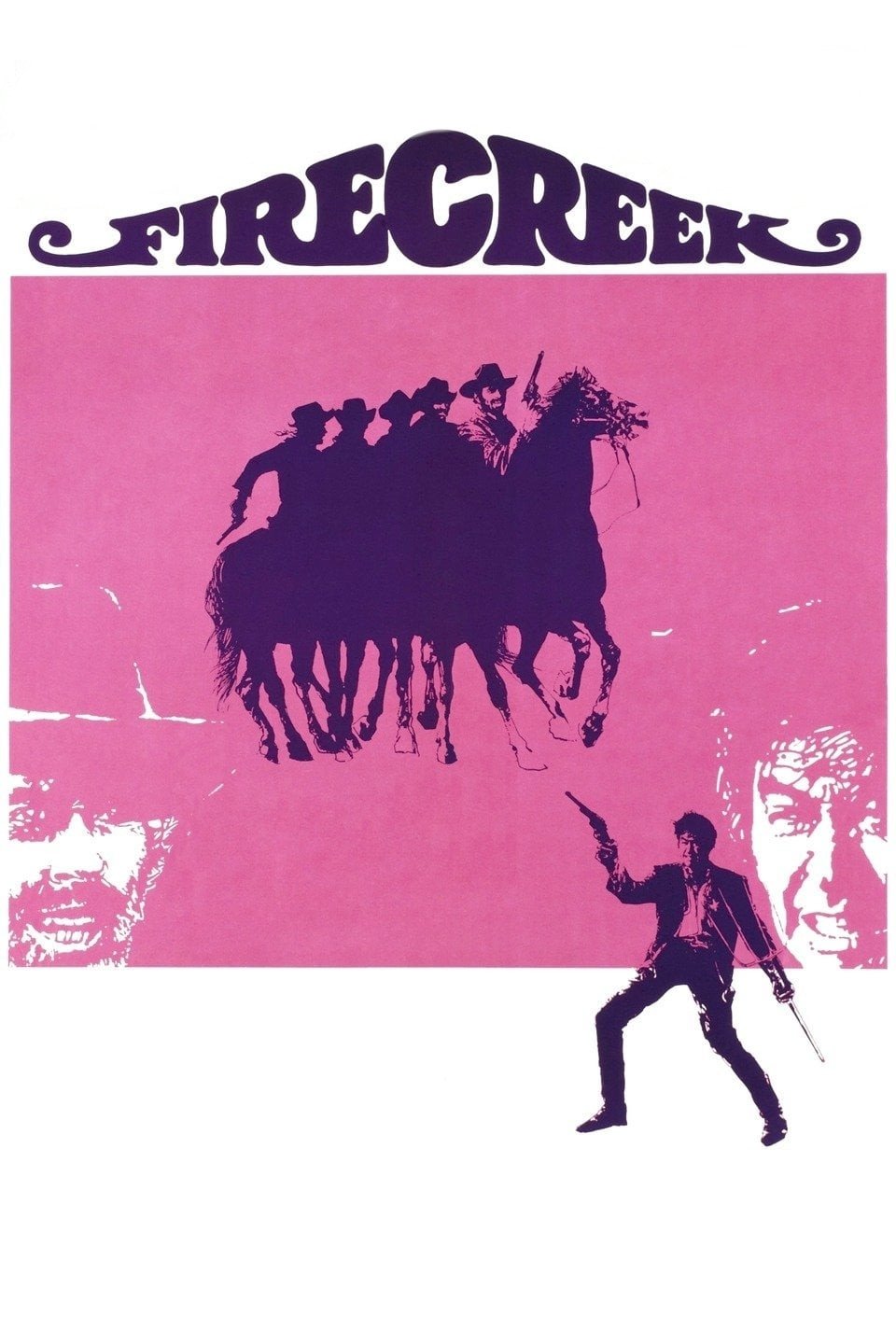
In the dark Western ‘Firecreek’, Stewart played Johnny Cobb, a part-time sheriff in a small, peaceful town. He is a humble farmer who is not a gunman, and he is forced to find his courage when a gang of ruthless outlaws, led by a character played by Henry Fonda, takes over the town.
The film was a grim and violent Western that explored themes of responsibility and courage. It was notable for casting Stewart’s close friend Henry Fonda as the villain, and their final confrontation is a powerful moment.
Bandolero! (1968)
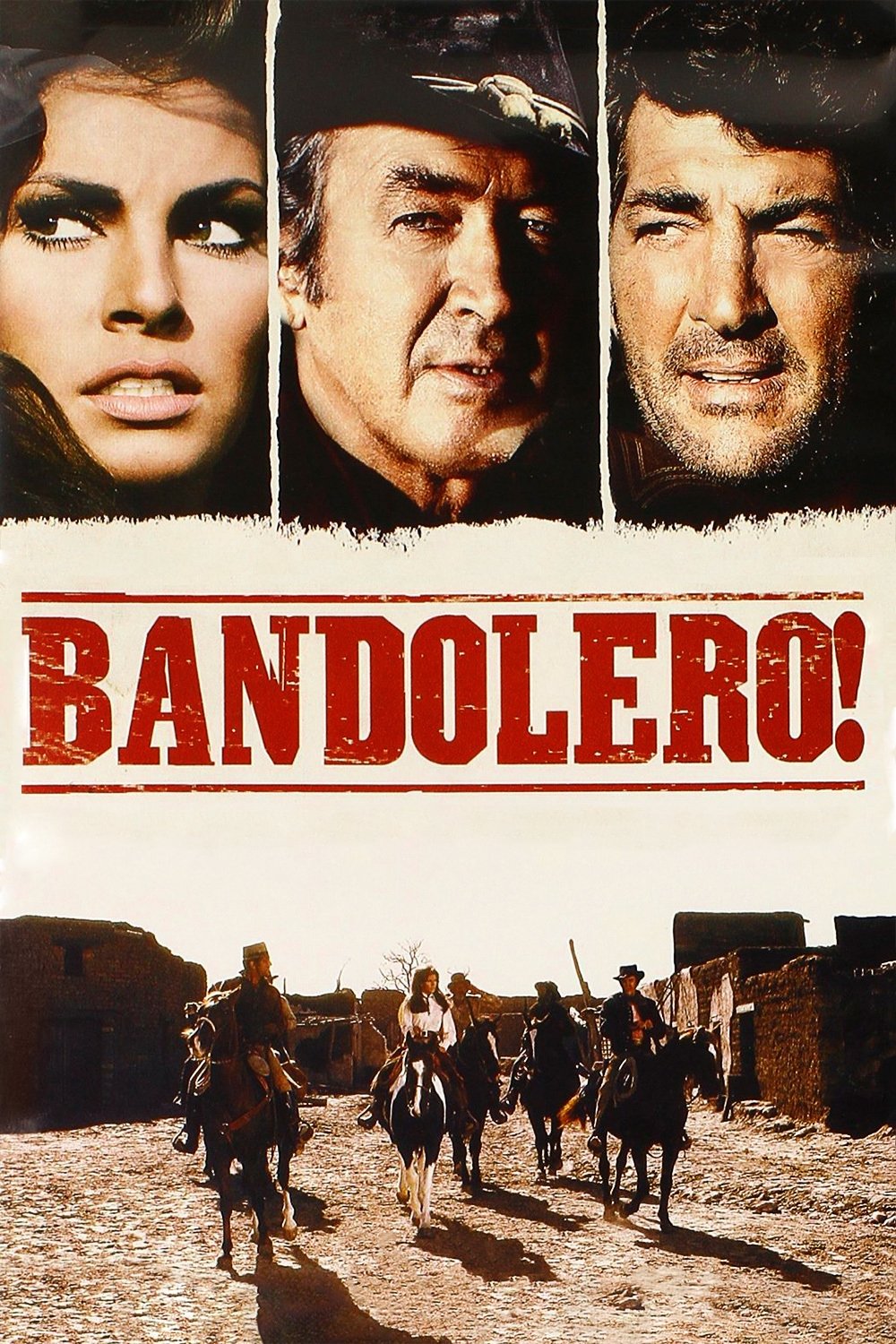
Stewart co-starred with Dean Martin in the Western ‘Bandolero!’. Stewart played Mace Bishop, who poses as a hangman to help his brother, a bank robber played by Martin, escape from jail. They and their gang then flee to Mexico, taking a hostage with them.
The film was an action-packed Western that teamed up two of Hollywood’s biggest stars. It was a solid, entertaining entry in the genre.
The Cheyenne Social Club (1970)
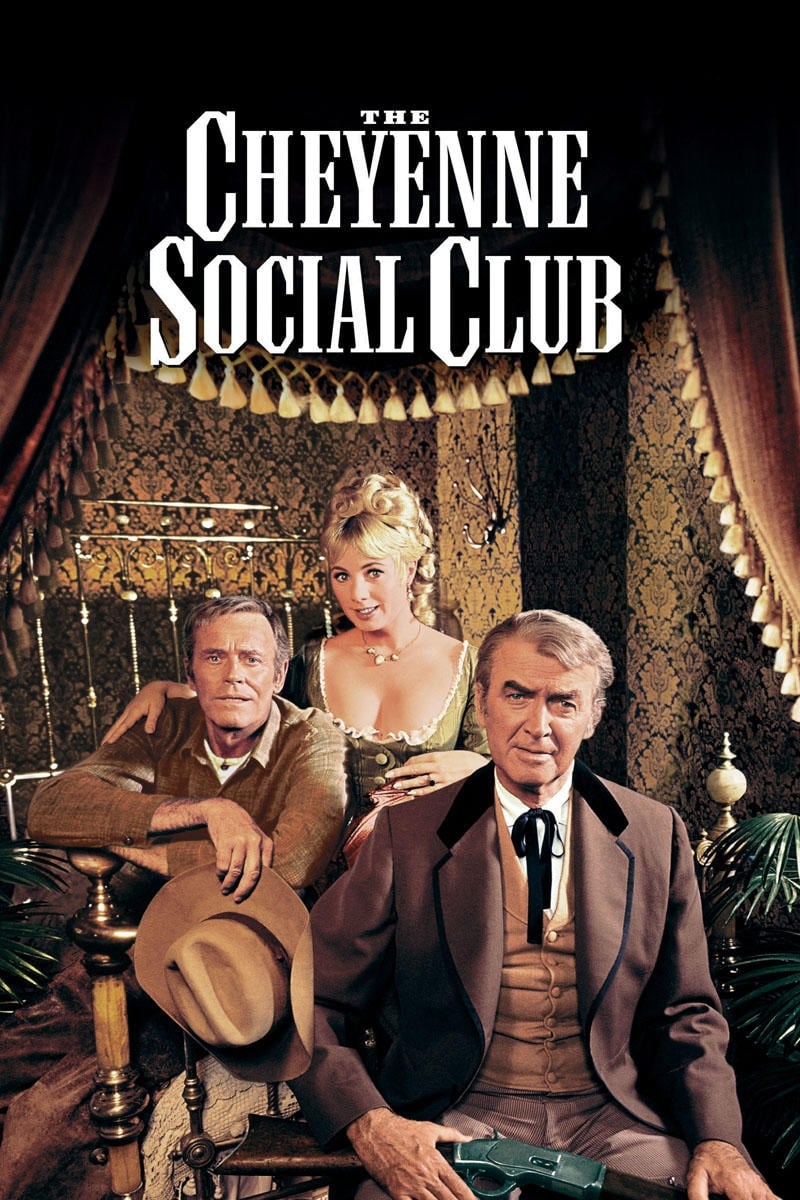
Stewart re-teamed with his ‘Firecreek’ co-star Henry Fonda for the comedic Western ‘The Cheyenne Social Club’. They play two aging cowboys who learn that one of them has inherited a property in a town called Cheyenne. When they arrive to claim it, they are surprised to discover that the property is the town’s most popular brothel.
Directed by the legendary dancer and actor Gene Kelly, the film was a light and charming comedy. The easy chemistry between the two old friends was the main highlight of the movie.
Fools’ Parade (1971)
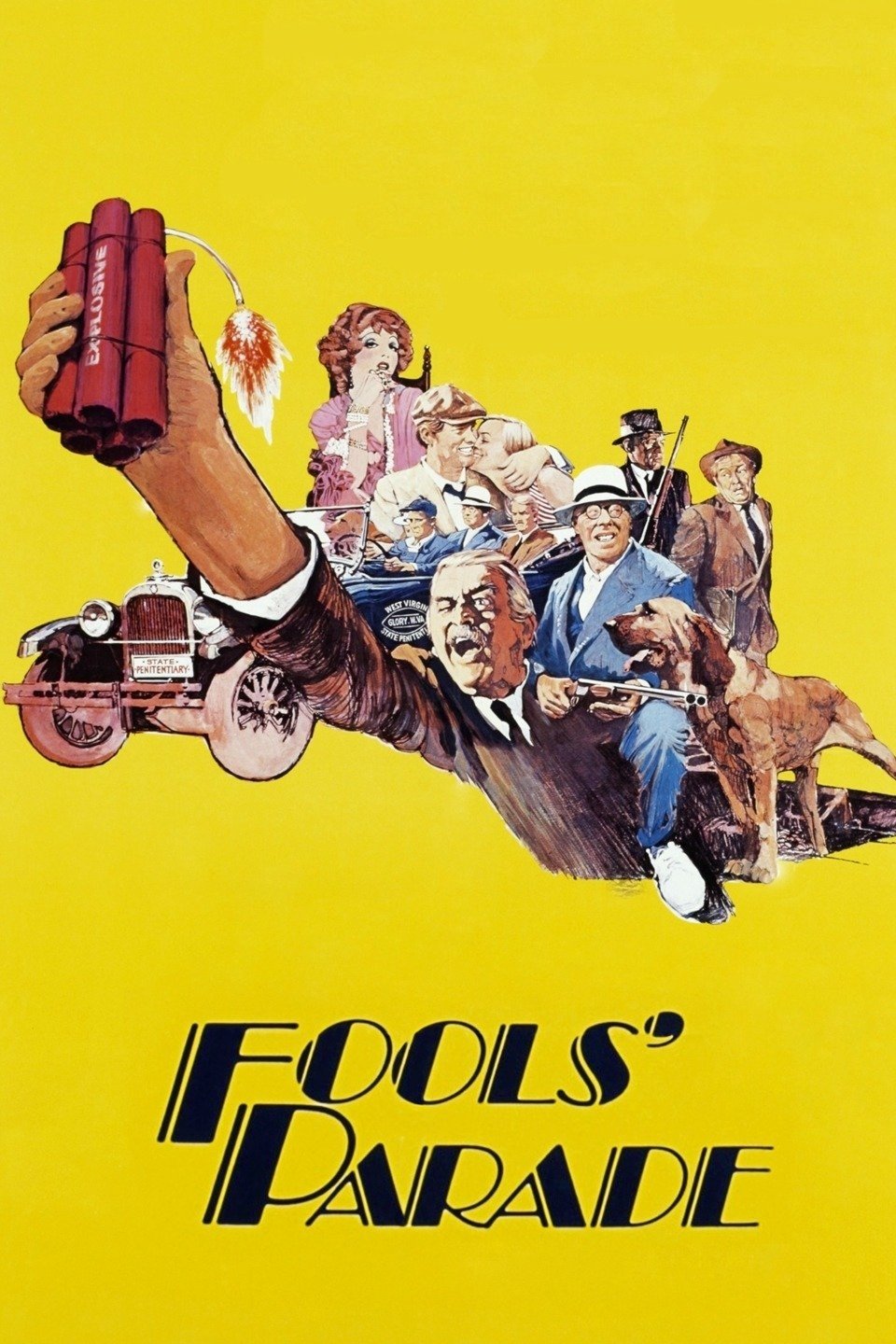
In ‘Fools’ Parade’, Stewart played Mattie Appleyard, a man who is released from a West Virginia prison after serving 40 years. He has a check for over $25,000 in earned savings, but a corrupt prison guard and a banker conspire to get the money from him.
Stewart’s character has a glass eye and only one hand, and he gave a quirky and memorable performance as the clever ex-convict who outwits the men trying to cheat him.
The Shootist (1976)
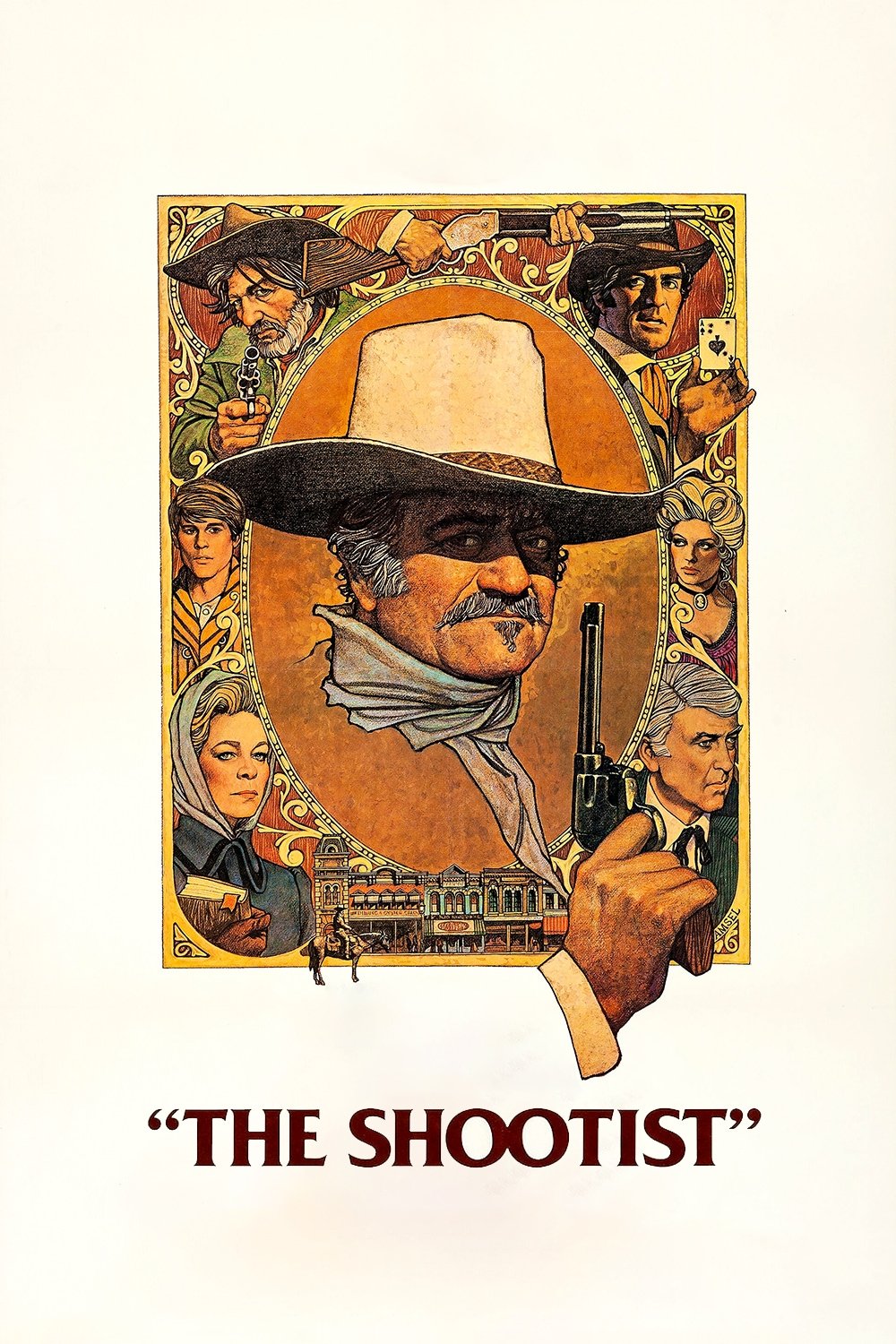
In this classic Western, Stewart had a key supporting role opposite John Wayne in his final film performance. Wayne played an aging, legendary gunfighter who is dying of cancer. Stewart played Dr. Hostetler, the doctor who gives him the grim diagnosis.
The scene between the two Hollywood legends is a quiet and powerful moment in the film. It was a fitting on-screen pairing for two actors who had defined the Western genre for decades.
Airport ’77 (1977)
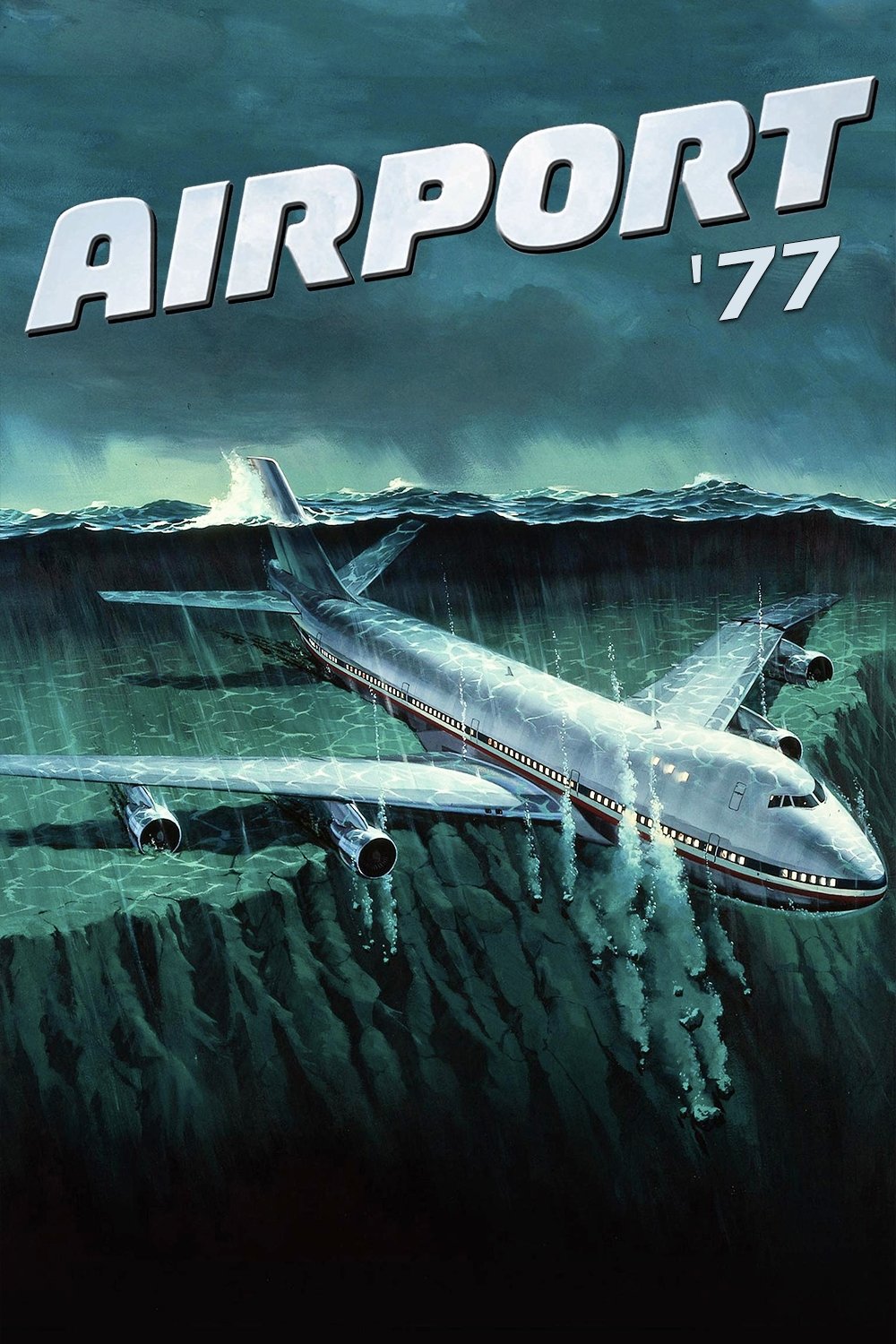
Stewart was part of the all-star cast of the disaster film ‘Airport ’77’. He played Philip Stevens, a wealthy philanthropist whose private Boeing 747 is hijacked by art thieves. The plane crashes into the ocean and sinks, trapping the passengers underwater.
As the owner of the plane, Stewart’s character is a central figure in the drama. The film was a classic 1970s disaster movie, full of suspense and high-stakes action.
The Big Sleep (1978)

In this remake of the classic film noir, Stewart had a supporting role as General Sternwood. The film stars Robert Mitchum as the private detective Philip Marlowe, who is hired by the elderly and wheelchair-bound General to deal with a blackmail case involving one of his daughters.
The setting was updated from 1940s Los Angeles to 1970s London. Stewart’s role was small but pivotal, as his character sets the film’s mystery in motion.
The Magic of Lassie (1978)

In this family musical, Stewart played Clovis Mitchell, the grandfather of a young girl who owns the famous collie, Lassie. When a wealthy man claims ownership of the dog and takes her away, Clovis helps his granddaughter through her heartbreak.
The film was a throwback to the old-fashioned family movies of an earlier era. It allowed Stewart to sing on screen again for the first time in decades.
A Tale of Africa (1980)
Stewart’s final live-action film role was in ‘A Tale of Africa’, a Japanese and American co-production. He played a wise old man who serves as a guide and mentor to a young boy on a journey through Africa.
The film was a family-friendly adventure story set against the backdrop of the African savanna. It was a quiet and gentle end to a legendary live-action acting career.
An American Tail: Fievel Goes West (1991)
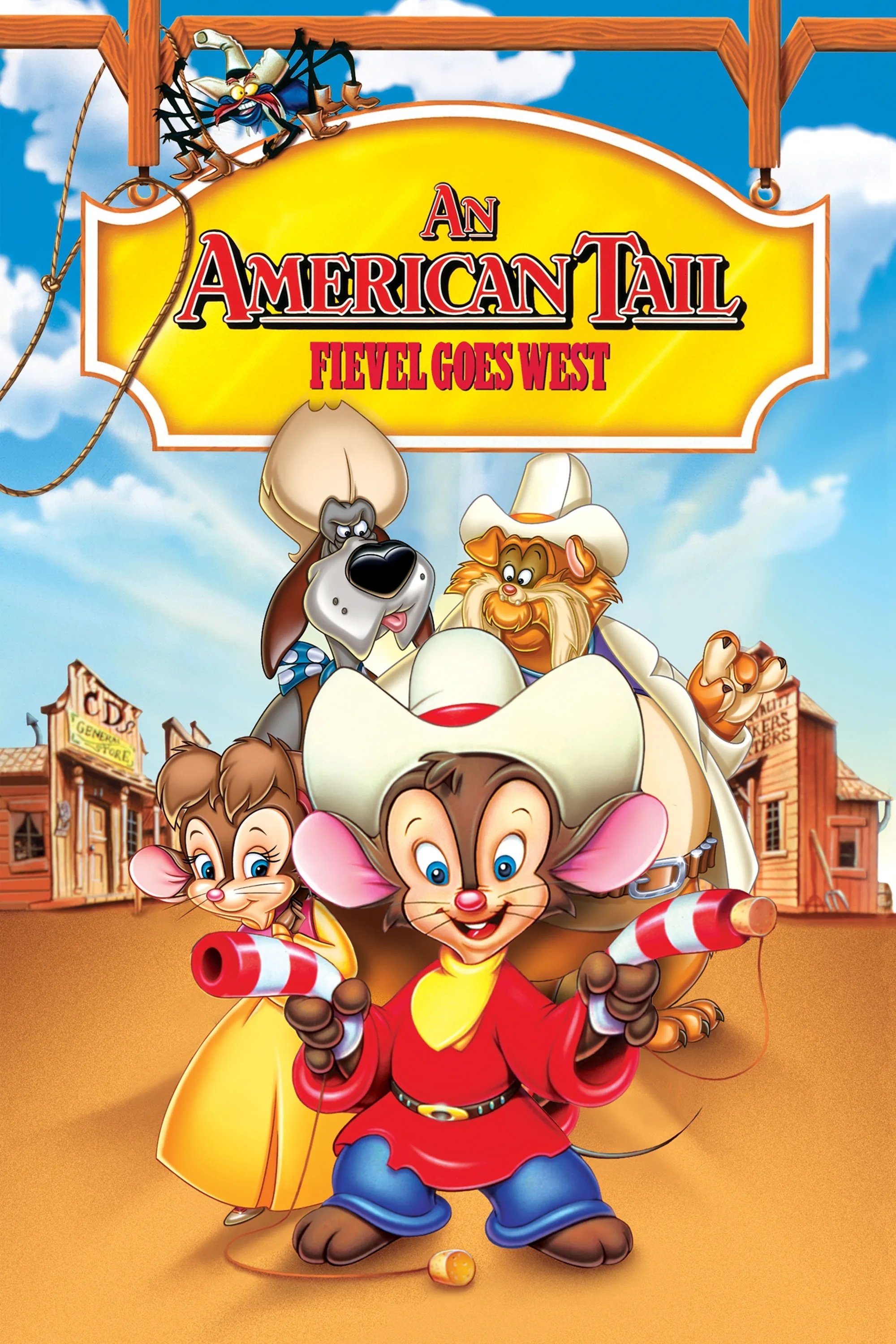
In his final film performance, Stewart provided the voice for the character of Wylie Burp in the animated sequel ‘An American Tail: Fievel Goes West’. Wylie Burp is an aging, legendary dog sheriff who is the idol of the young mouse, Fievel. Fievel convinces him to come out of retirement to train him to be a lawman.
The character was a loving tribute to the Western heroes Stewart himself had played throughout his career. It was a warm, funny, and fitting final role that introduced his iconic voice to a whole new generation of moviegoers.
Which James Stewart character do you believe best represents his enduring “everyman” appeal? Tell us your choice in the comments below.

