


Joe Pesci’s Career: From ‘The Death Collector’ to ‘Day of the Fight’

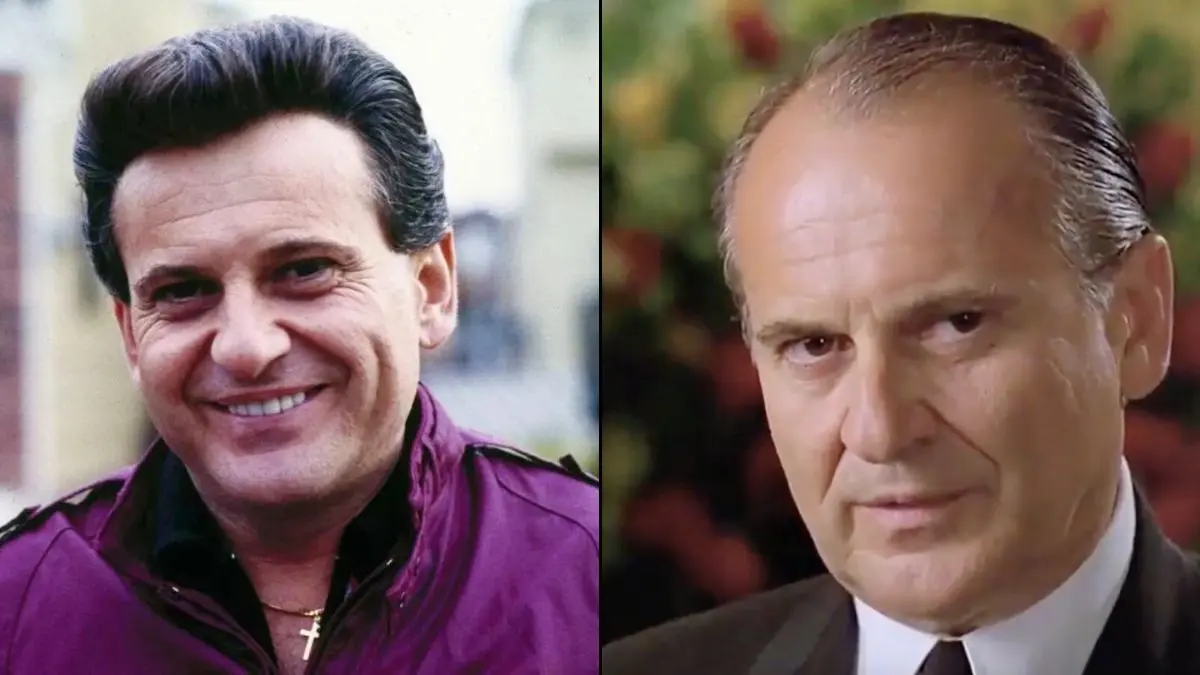


Joe Pesci is an American actor and musician known for his portrayals of tough, volatile characters. His distinctive voice and compact stature often hide an explosive energy that he has brought to some of modern cinema’s most memorable roles. While widely recognized for his work in gangster films, Pesci has also demonstrated a remarkable talent for comedy, creating iconic characters in family-friendly blockbusters.
Throughout his career, Pesci has collaborated with some of Hollywood’s most acclaimed directors, most notably Martin Scorsese, which led to an Academy Award for his performance in ‘Goodfellas’. After announcing his retirement from acting in the late 1990s to focus on his music career, he has made infrequent but impactful returns to the screen. These later roles have shown a more subdued and nuanced side to his acting, proving his versatility and enduring power as a performer.
‘The Death Collector’ (1976)
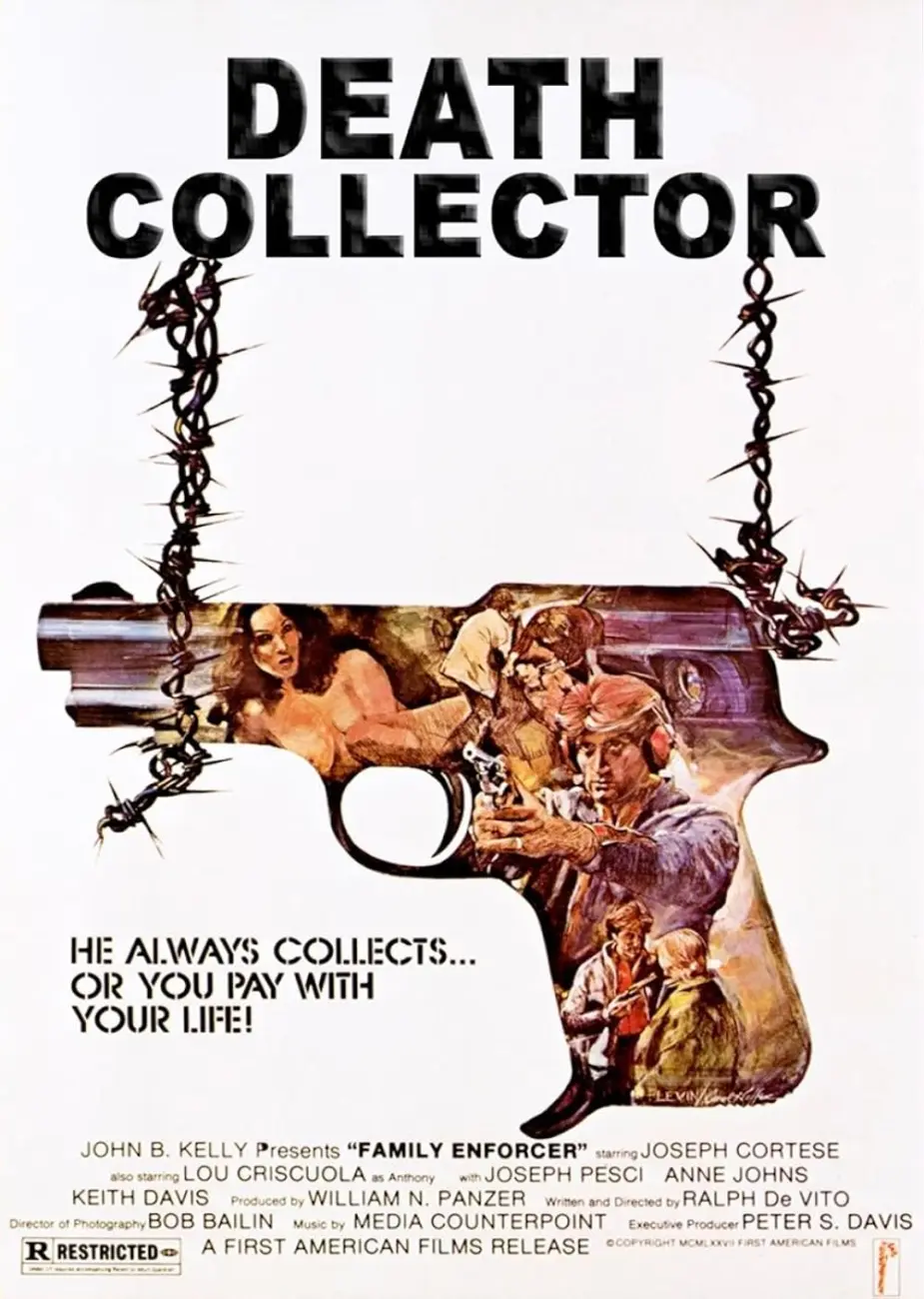
Joe Pesci made his feature film debut in this low-budget crime drama. He plays Joe Salvino, a small-time crook who gets involved with a collection agency for the mob. The film follows his journey as he rises through the ranks of the local organized crime scene, getting deeper into a world of violence and debt collection.
Pesci’s performance in this early role caught the attention of actor Robert De Niro, who was impressed by his realistic portrayal of a streetwise tough guy. This would prove to be a pivotal moment for Pesci’s career, as De Niro later recommended him to director Martin Scorsese for a role in ‘Raging Bull’, launching him into stardom.
‘Raging Bull’ (1980)
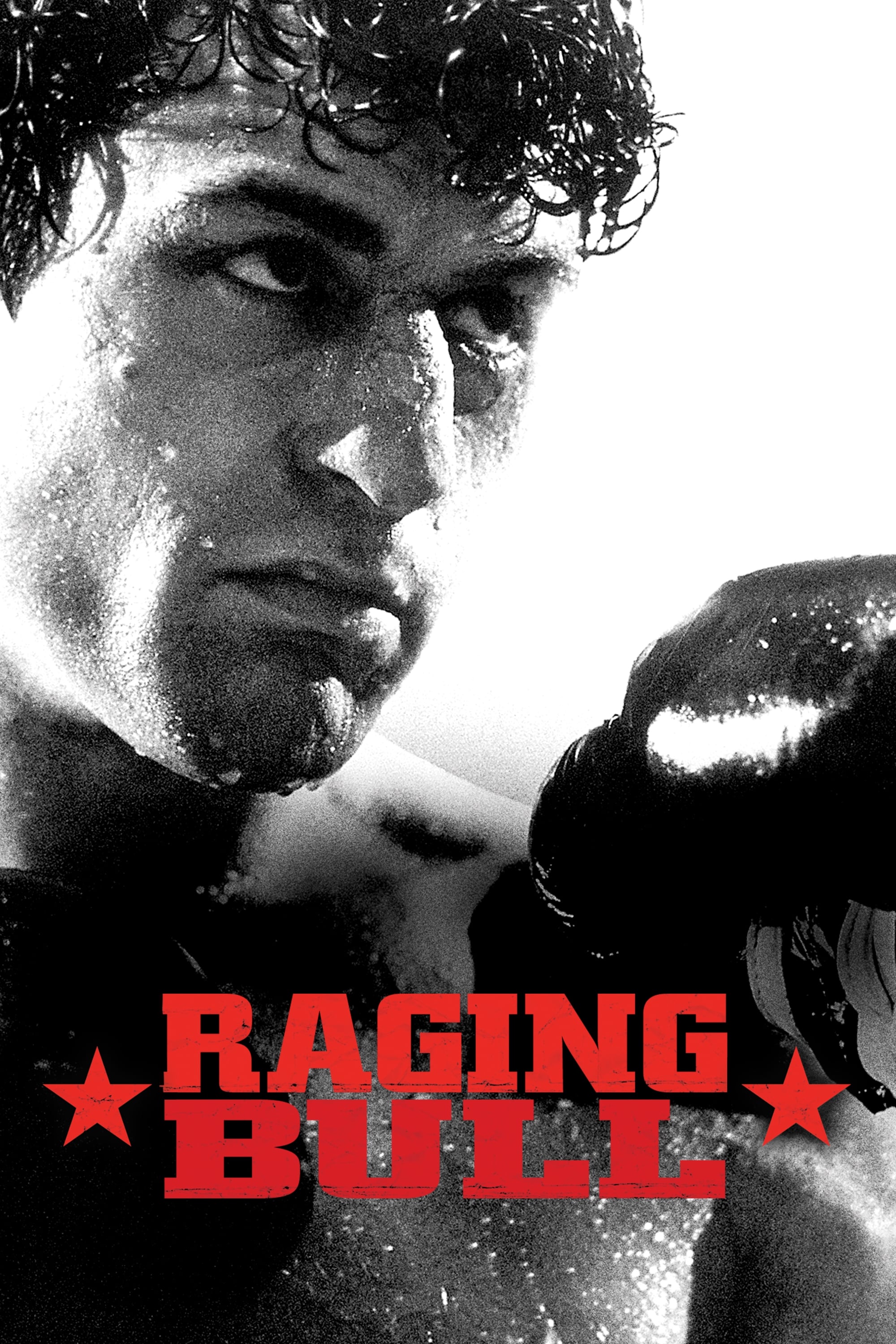
In this acclaimed biographical film, Joe Pesci plays Joey LaMotta, the brother and manager of middleweight boxer Jake LaMotta. The film, directed by Martin Scorsese, chronicles Jake’s rise in the boxing world and his self-destructive behavior fueled by rage and jealousy outside the ring. Pesci’s character is the loyal but long-suffering sibling who tries to guide Jake’s career.
Pesci’s performance earned him an Academy Award nomination for Best Supporting Actor and established him as a major talent. He provides the film with much of its heart and conscience, acting as the grounded counterpoint to his brother’s explosive volatility. The naturalistic chemistry between Pesci and Robert De Niro became a hallmark of their many future collaborations.
‘I’m Dancing as Fast as I Can’ (1982)

This drama tells the story of a successful television documentary producer who becomes addicted to Valium. When she decides to quit the drug cold turkey, her life begins to unravel, leading to a complete mental and physical breakdown. The film is a harrowing look at prescription drug dependency and its devastating consequences.
Joe Pesci has a supporting role in the film as Roger. He is part of the world that the protagonist navigates as she struggles with her addiction and recovery. The role is a more dramatic and less volatile part than many of his more famous characters, showcasing his range as an actor early in his career.
‘Dear Mr. Wonderful’ (1982)
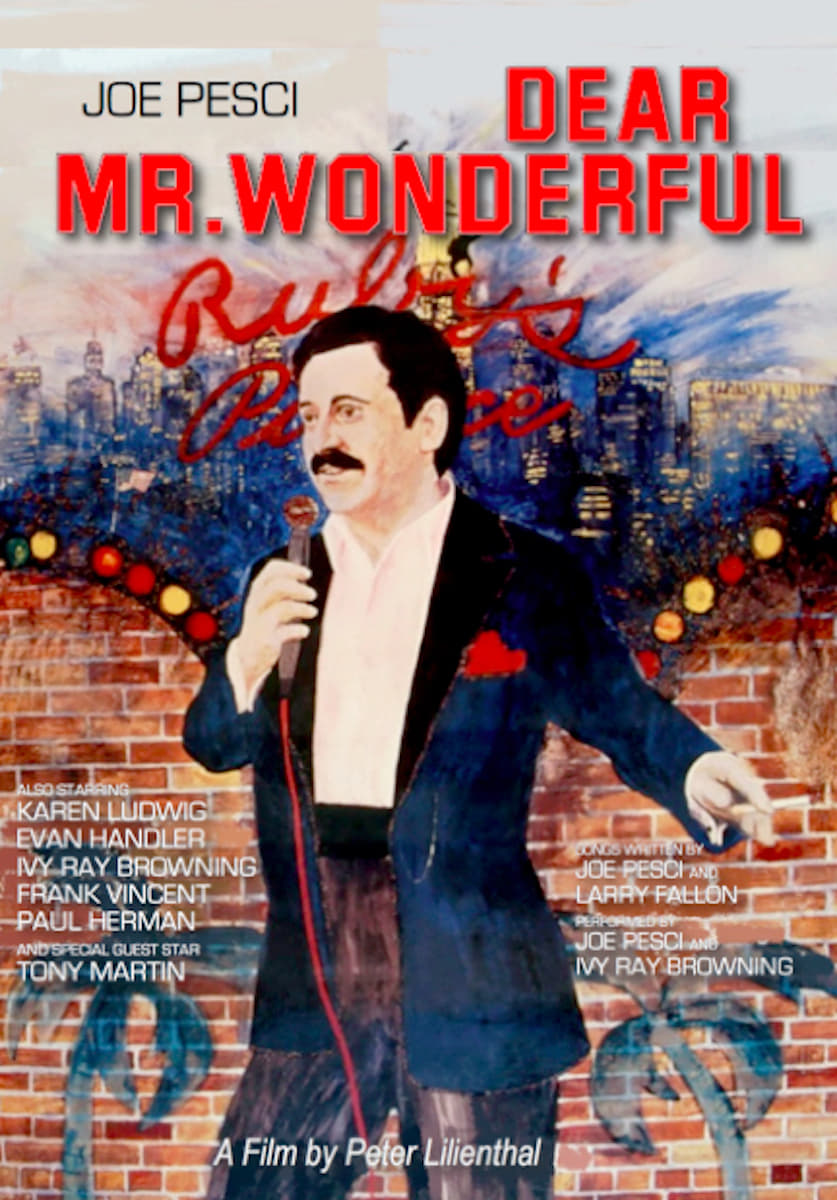
In this film, Joe Pesci takes on the lead role of Ruby Dennis, the owner of a bowling alley and aspiring lounge singer in New Jersey. Ruby dreams of making it big in Las Vegas, but he is held back by his responsibilities to his family, his business, and his community. He faces financial struggles and deals with the various characters who frequent his establishment.
The film is a character study of a man with big dreams but limited opportunities. Pesci delivers a nuanced performance that is both comedic and poignant, as he portrays Ruby’s hopes and frustrations. The role allowed him to showcase his musical talents, as he performs several songs throughout the film.
‘Eureka’ (1983)

This drama follows the story of a gold prospector who strikes it rich in the Yukon but finds that his immense wealth brings him nothing but misery and paranoia. The story spans two decades, following him from his discovery of gold to his later life on a Caribbean island, where he lives in a lavish but isolated mansion with his family.
Joe Pesci plays Mayakofsky, a Miami-based mobster who becomes involved with the prospector’s son-in-law and his business interests. Pesci’s character is part of the web of greed and corruption that ultimately surrounds and destroys the wealthy protagonist. His role represents the dangerous forces that are drawn to the main character’s immense fortune.
‘Easy Money’ (1983)
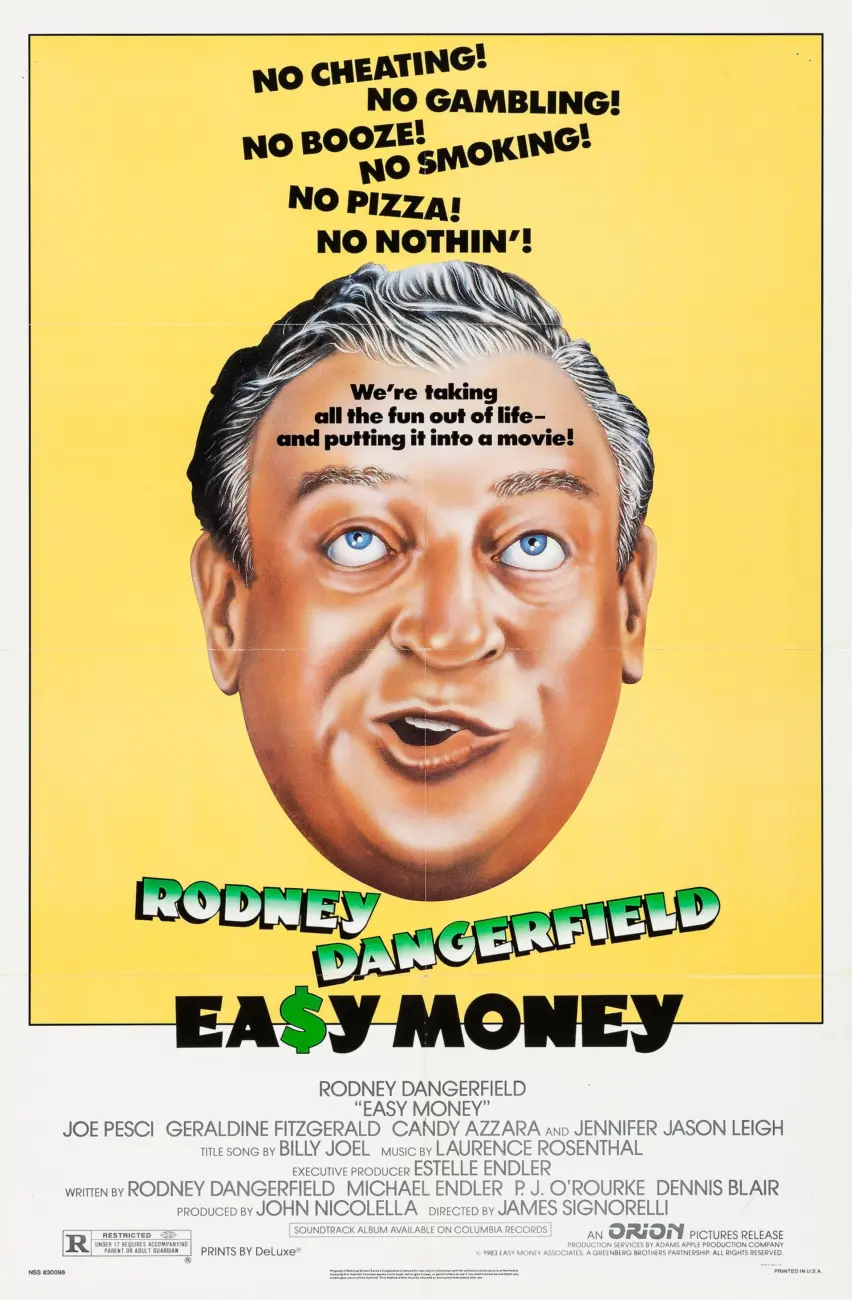
In this comedy starring Rodney Dangerfield, Joe Pesci plays Nicky Cerone, the best friend of the main character. The story follows a hard-living, working-class family man who stands to inherit a fortune from his wealthy mother-in-law. The catch is that he must give up all his vices, including drinking, smoking, and gambling, for an entire year.
Pesci’s character, Nicky, is a loyal friend who tries to support the protagonist through his difficult year of forced clean living. However, he also represents the temptations of the old lifestyle that his friend is trying to leave behind. The film is a lighthearted comedy that showcases Pesci’s talent for playing comedic sidekick roles.
‘Once Upon a Time in America’ (1984)
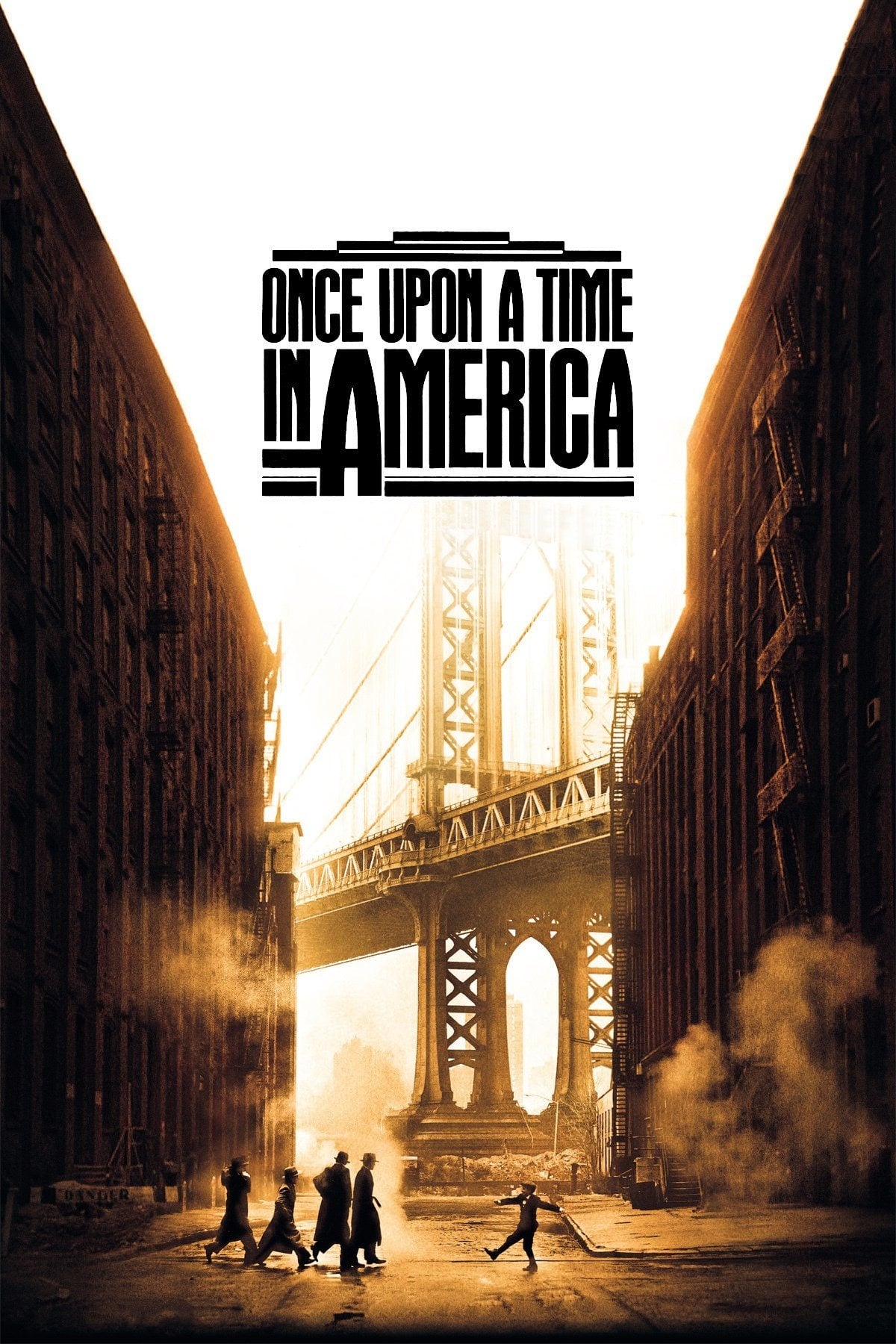
In Sergio Leone’s epic crime saga, Joe Pesci plays Frankie Minaldi, a powerful mob boss. The film tells the story of a group of Jewish ghetto youths in New York who rise to become prominent gangsters during the Prohibition era. The narrative spans several decades, following the friends through their lives of crime, betrayal, and regret.
Although Pesci’s role is relatively small, it is a significant one within the film’s complex narrative of shifting power in the criminal underworld. He represents the established Italian-American mafia with which the main characters must contend. His appearance adds to the film’s sprawling and authentic depiction of American organized crime.
‘Everybody in Jail’ (1984)
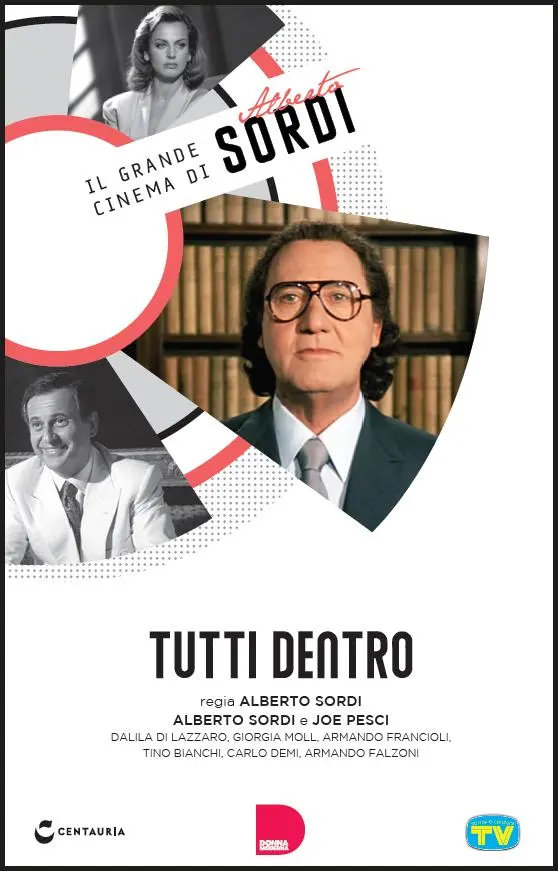
This Italian comedy, titled ‘Tutti dentro’ in its original language, stars Joe Pesci as Corrado Parisi. The film is a satirical look at the Italian justice system and the issue of wrongful imprisonment. The story revolves around a judge who issues a flurry of arrest warrants, leading to the imprisonment of many innocent people, including Parisi.
The film follows the chaotic and often absurd experiences of the characters who find themselves suddenly and inexplicably behind bars. Pesci’s role is a central part of this ensemble comedy, which uses humor to critique the inefficiencies and injustices of the legal system. It’s a rare international project in Pesci’s filmography.
‘Man on Fire’ (1987)
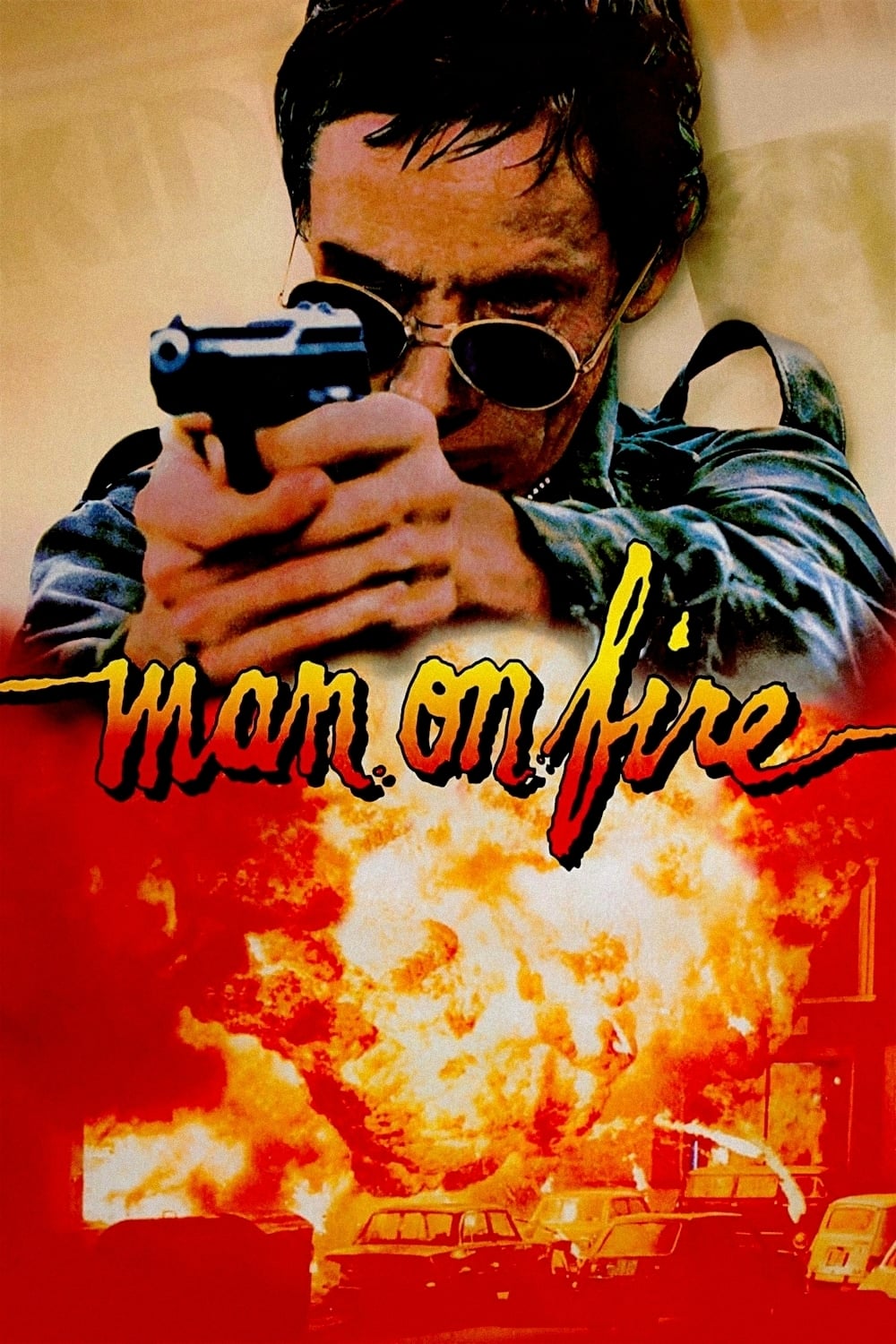
In the original version of this action-thriller, Joe Pesci plays David Coolidge. The story follows a former CIA agent who is hired as a bodyguard for the young daughter of a wealthy couple in Italy, a country plagued by kidnappings. Despite his jaded and detached demeanor, he forms a close bond with the girl.
When the girl is kidnapped, the bodyguard embarks on a violent and relentless quest for revenge against those responsible. Pesci’s character is a friend and contact who provides the protagonist with information and support during his mission. This supporting role sees Pesci in a more subdued and helpful capacity.
‘Moonwalker’ (1988)
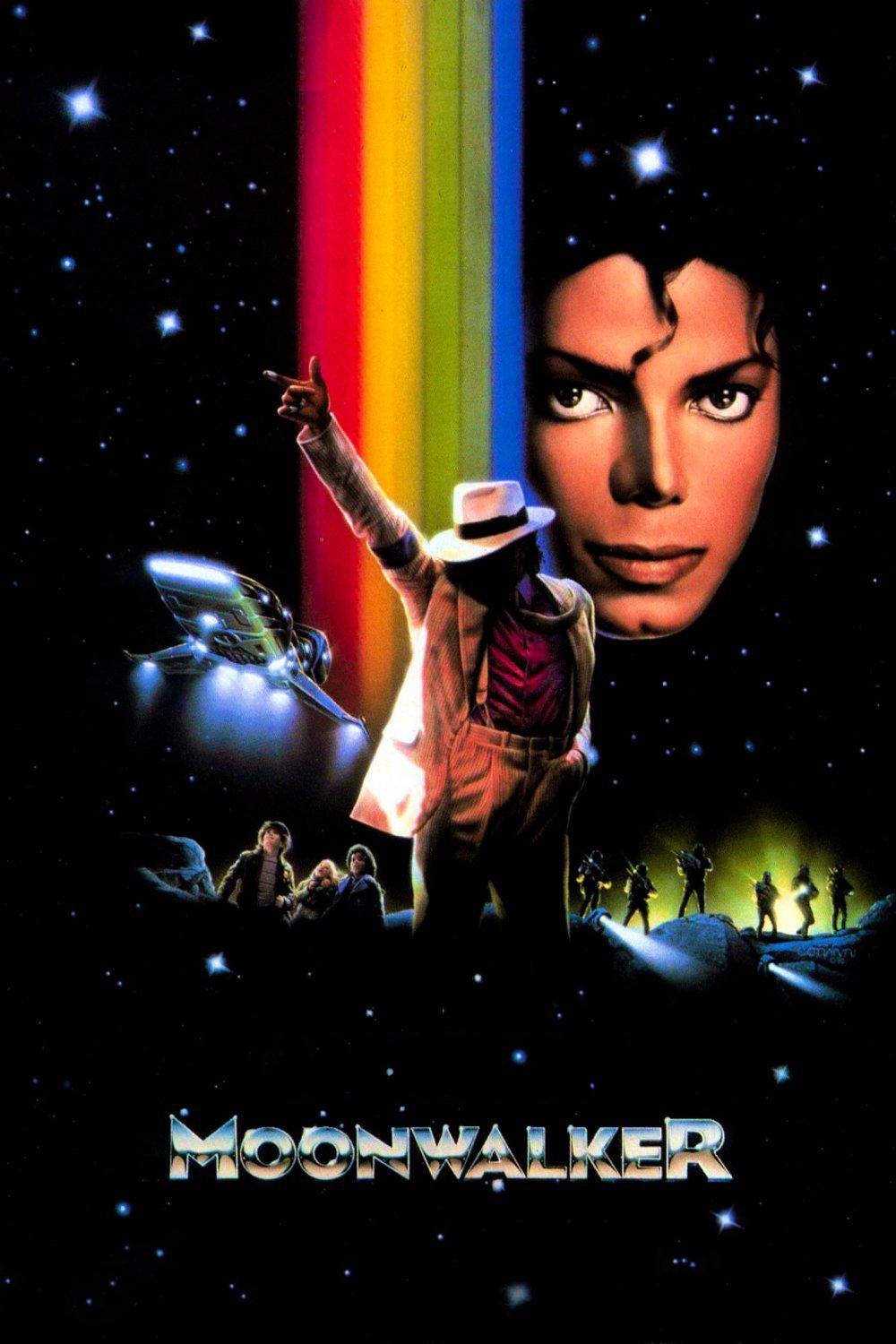
This experimental musical film stars Michael Jackson in a series of short films and music videos. The centerpiece of the film is a long segment titled “Smooth Criminal,” in which Jackson’s character must save a group of children from a ruthless drug lord named Frankie “Mr. Big” Lideo, played by Joe Pesci.
Mr. Big is a powerful and cartoonishly evil villain who commands a private army and wants to get the entire world’s population addicted to drugs. Pesci’s performance is over-the-top and menacing, a perfect fit for the film’s fantasy-like and stylized tone. He serves as the primary antagonist in this imaginative and visually creative project.
‘The Legendary Life of Ernest Hemingway’ (1988)
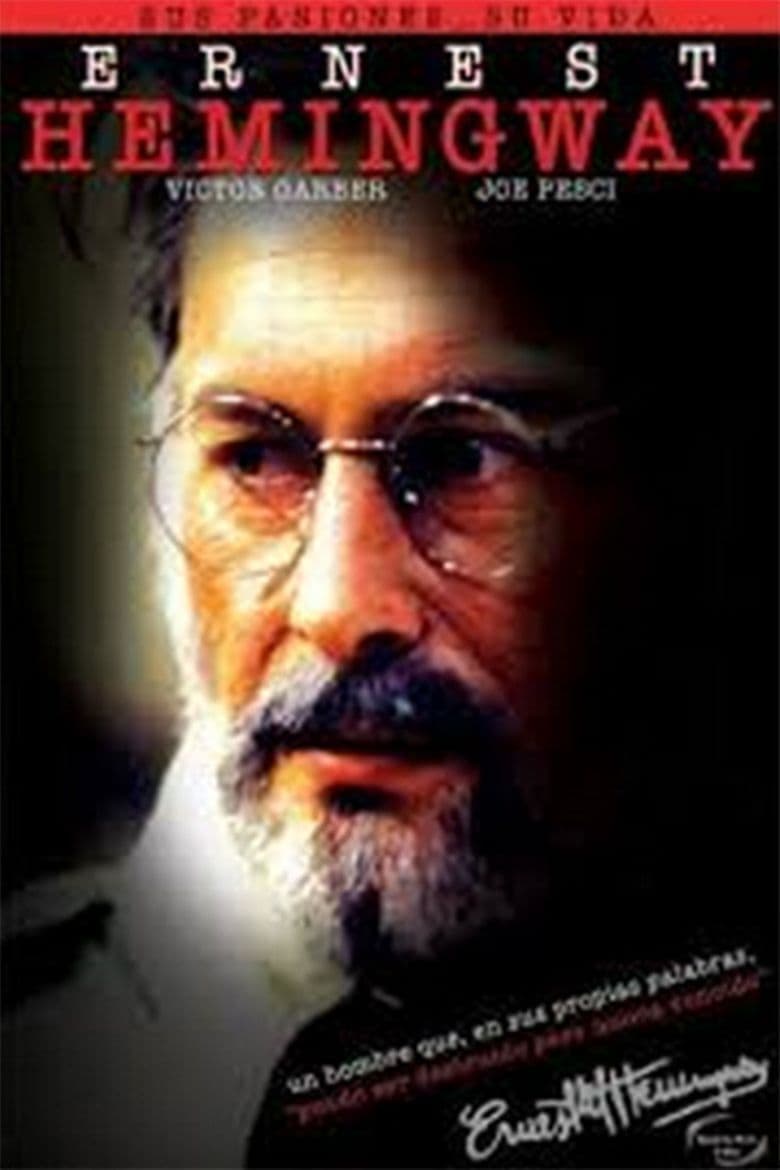
This Italian biographical television film chronicles the tumultuous life of the famous American author Ernest Hemingway. The film explores his adventures as a war correspondent, his four marriages, and his struggles with fame and alcoholism, leading up to his eventual suicide.
Joe Pesci portrays John Dos Passos, a fellow American novelist and a contemporary of Hemingway. Dos Passos was part of the “Lost Generation” of writers who lived in Paris in the 1920s and had a complex and often strained friendship with Hemingway. Pesci’s role helps to populate the rich literary and historical world that the film depicts.
‘Lethal Weapon 2’ (1989)
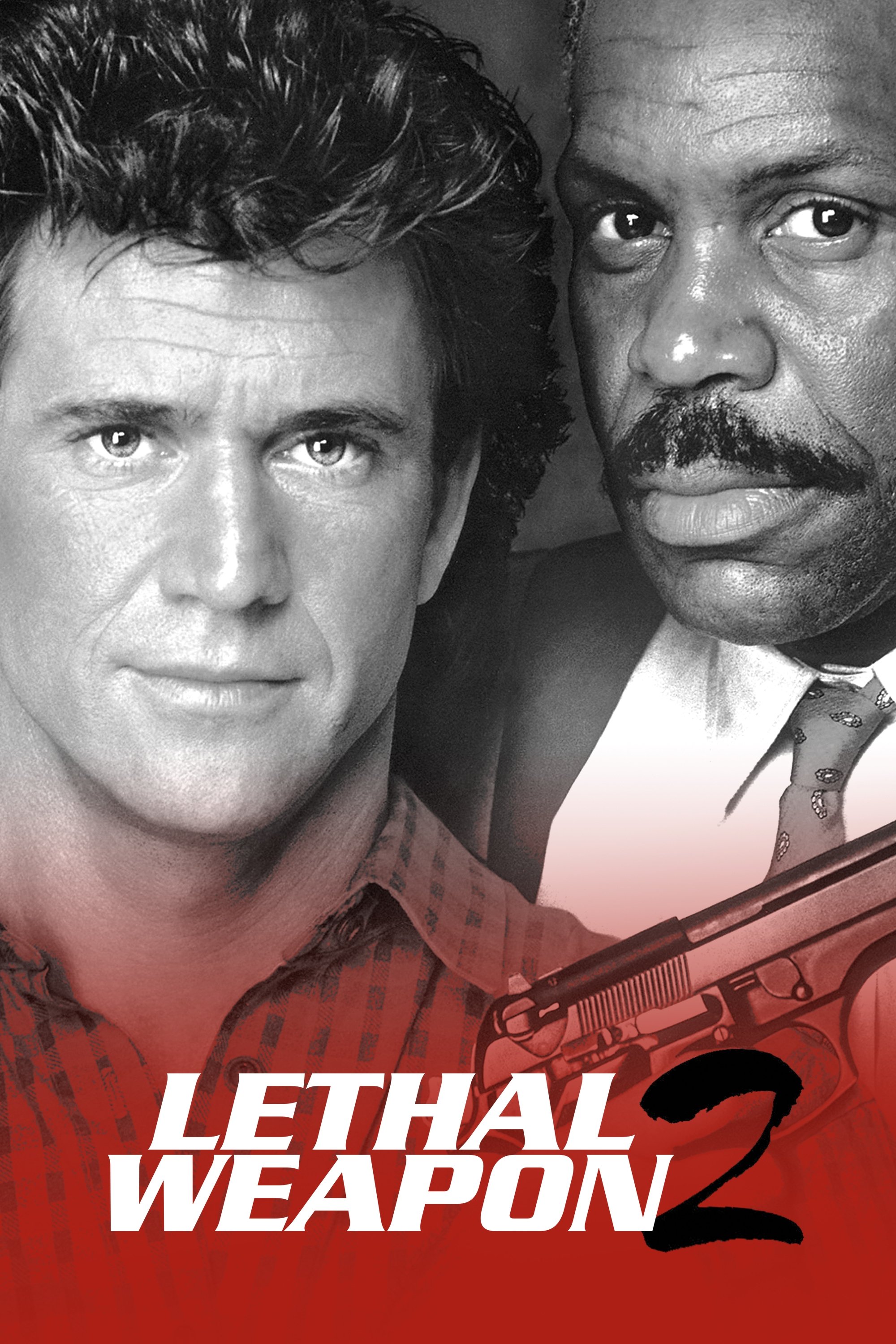
Joe Pesci joined this blockbuster action-comedy franchise in its first sequel, introducing the iconic character of Leo Getz. Getz is a fast-talking, annoying federal witness who is under the protection of detectives Riggs and Murtaugh. He was laundering money for a group of South African diplomats who are using their diplomatic immunity to cover up a drug smuggling operation.
Pesci’s character adds a new layer of comedic energy to the film, and his manic, motormouthed performance became an instant fan favorite. The chemistry between Getz and the two lead detectives was a highlight of the movie, and the character would go on to become a staple of the ‘Lethal Weapon’ series.
‘Catchfire’ (1990)

In this thriller directed by Dennis Hopper, Joe Pesci has a brief, uncredited cameo as Leo Carelli. The story follows a conceptual artist who witnesses a mob killing and goes on the run to escape the hitman hired to silence her. The film is known for its troubled production history and exists in several different cuts.
Pesci’s appearance is a small, blink-and-you’ll-miss-it moment in the film. He appears alongside other notable actors in cameo roles, adding a bit of star power to the background of the main story. It’s a minor but interesting footnote in his filmography from a very busy year.
‘Betsy’s Wedding’ (1990)
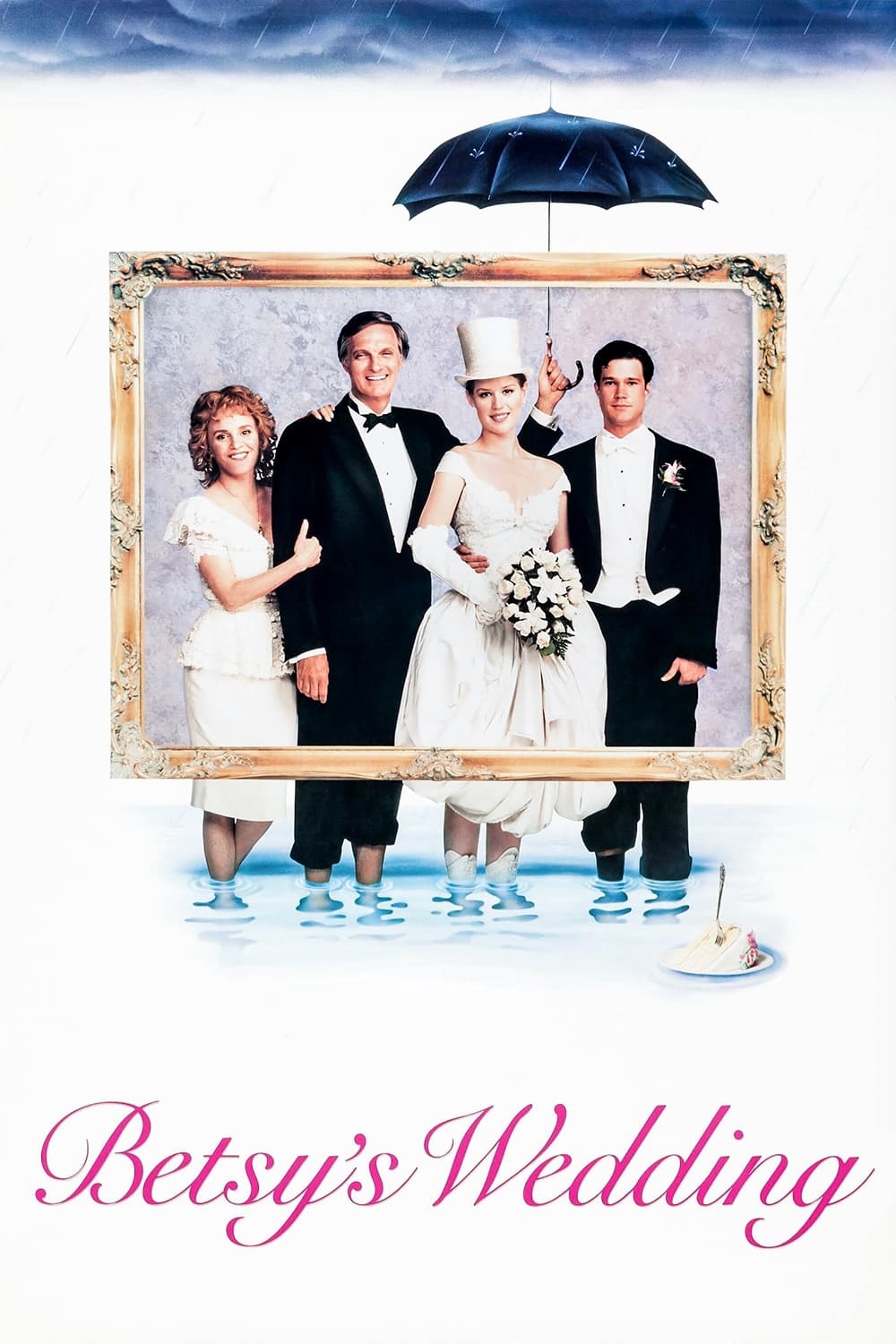
In this comedy written, directed by, and starring Alan Alda, Joe Pesci plays Oscar Henner. The story revolves around a father who is trying to plan the perfect wedding for his daughter, Betsy. To afford the lavish wedding she wants, he gets involved with Oscar, his shady brother-in-law, who offers him financial help that comes with some criminal strings attached.
Pesci’s character is a smooth-talking, high-end loan shark who pulls the well-meaning father into a world of trouble. The role allows Pesci to blend his comedic talents with his more familiar gangster persona, creating a character who is both charming and menacing.
‘Goodfellas’ (1990)
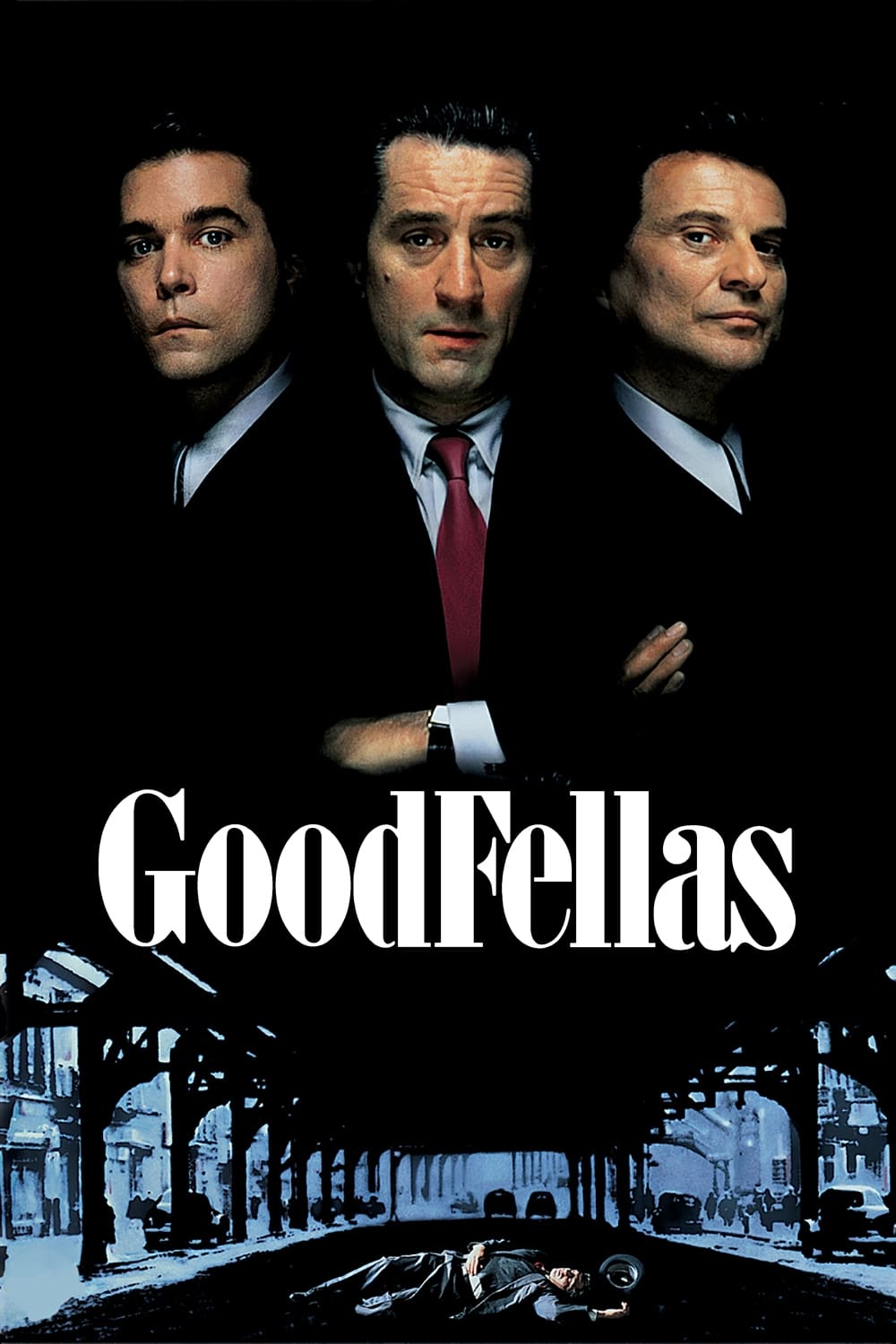
Joe Pesci won the Academy Award for Best Supporting Actor for his electrifying performance as Tommy DeVito in Martin Scorsese’s masterpiece. Based on a true story, the film chronicles the rise and fall of mob associate Henry Hill. Tommy DeVito is his close friend, a volatile and psychopathic gangster known for his unpredictable and explosive temper.
Pesci’s portrayal of Tommy is terrifying and unforgettable, a human hand grenade who could detonate at any moment. From the iconic “Funny how?” scene to his shocking acts of violence, Pesci created one of the most memorable gangsters in film history. The performance is a tour de force of controlled chaos and raw menace.
‘Home Alone’ (1990)

In this beloved family comedy, Joe Pesci plays Harry Lyme, one-half of the “Wet Bandits,” a pair of bumbling burglars. Harry and his partner, Marv, plan to rob a series of wealthy suburban homes during the Christmas holiday. They set their sights on the McCallister house, believing it to be empty, but they soon discover it’s being defended by the resourceful eight-year-old Kevin.
Pesci showcases his comedic talents as the slightly more intelligent but equally inept leader of the criminal duo. His frustration and pain as he falls victim to Kevin’s elaborate and painful booby traps are a huge source of the film’s humor. The role introduced Pesci to a whole new generation of young fans and became one of his most iconic.
‘The Super’ (1991)
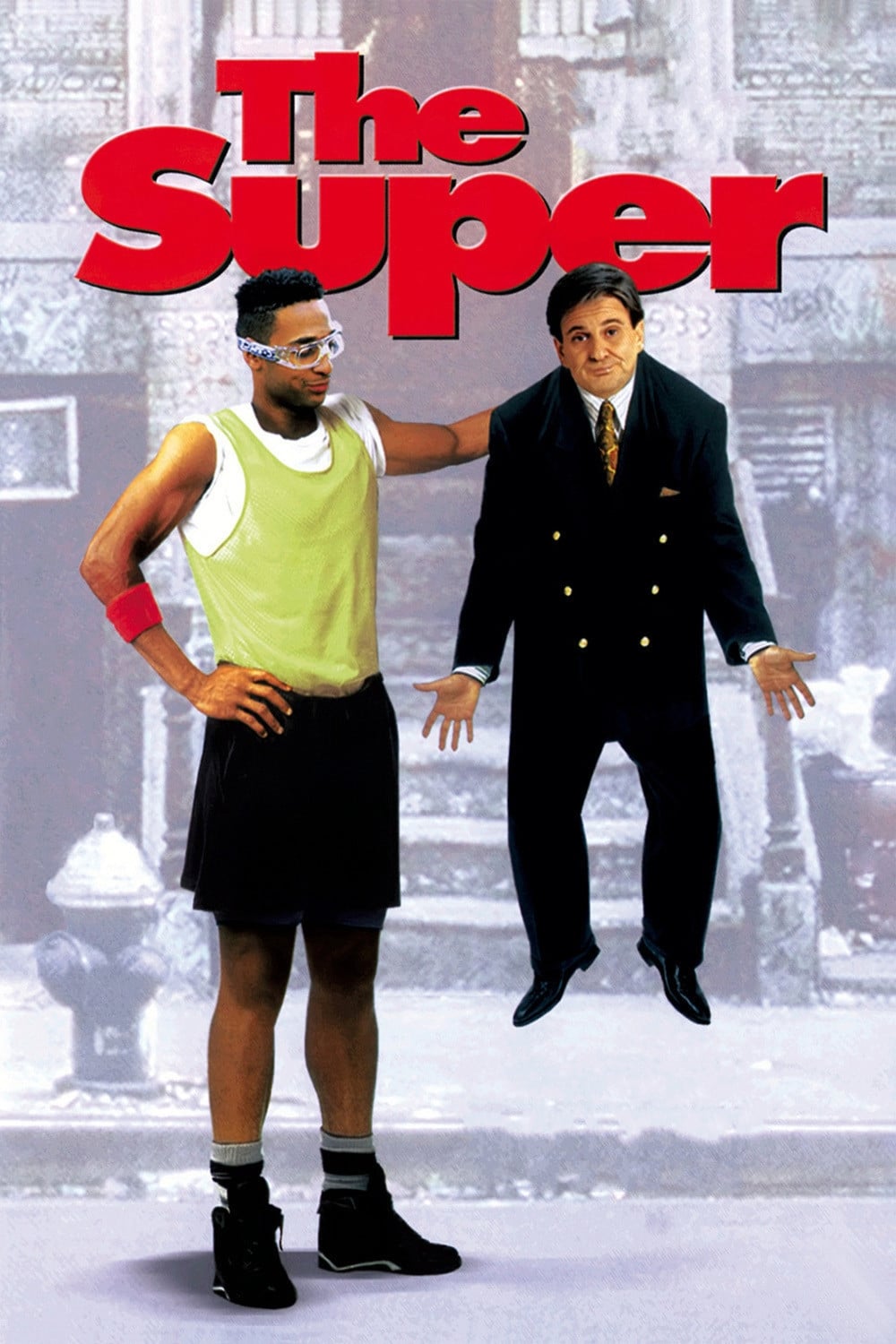
In this comedy, Joe Pesci stars as Louie Kritski Jr., a ruthless and wealthy slumlord. After his father is convicted of a housing code violation, Louie is sentenced by a judge to live in one of his own dilapidated tenement buildings until it is brought up to code. He must contend with crumbling infrastructure, rats, and the angry tenants he has been exploiting for years.
The film is a story of redemption, as the spoiled and prejudiced landlord slowly begins to empathize with the people living in his building. Pesci carries the film as the lead, transforming from a selfish villain into a more caring and responsible person. The role allows him to explore a full character arc, blending comedy with social commentary.
‘JFK’ (1991)
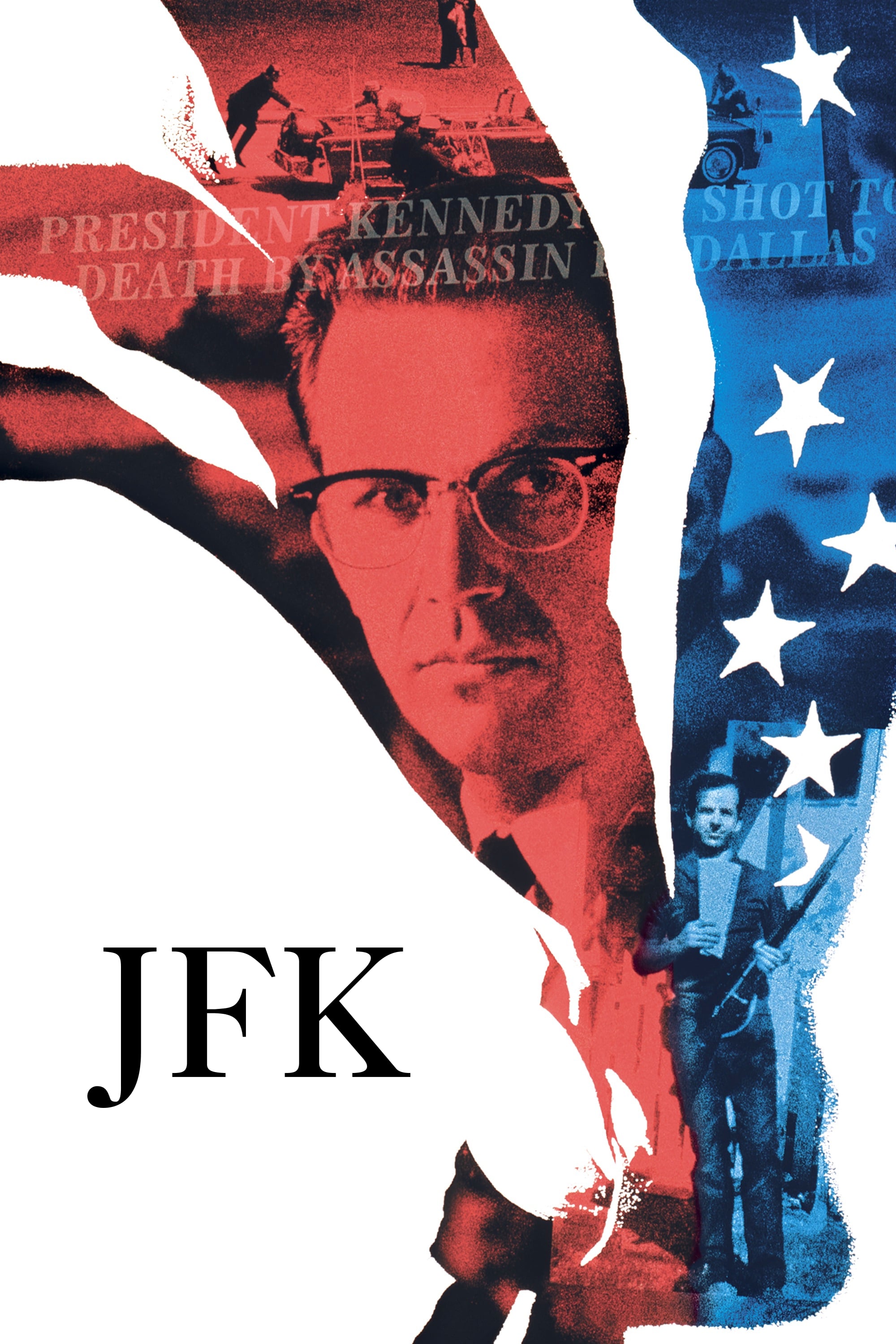
In Oliver Stone’s controversial historical thriller, Joe Pesci plays David Ferrie, a real-life figure connected to the investigation into the assassination of President John F. Kennedy. The film follows New Orleans District Attorney Jim Garrison as he uncovers a vast conspiracy behind the president’s death. Ferrie was an eccentric pilot and a key, if mysterious, player in Garrison’s investigation.
Pesci’s portrayal of Ferrie is flamboyant, paranoid, and intense. He wears a conspicuous wig and false eyebrows, and his scenes are filled with nervous energy and a sense of desperation. It is a powerful and memorable supporting performance, adding to the film’s atmosphere of paranoia and conspiracy.
‘My Cousin Vinny’ (1992)
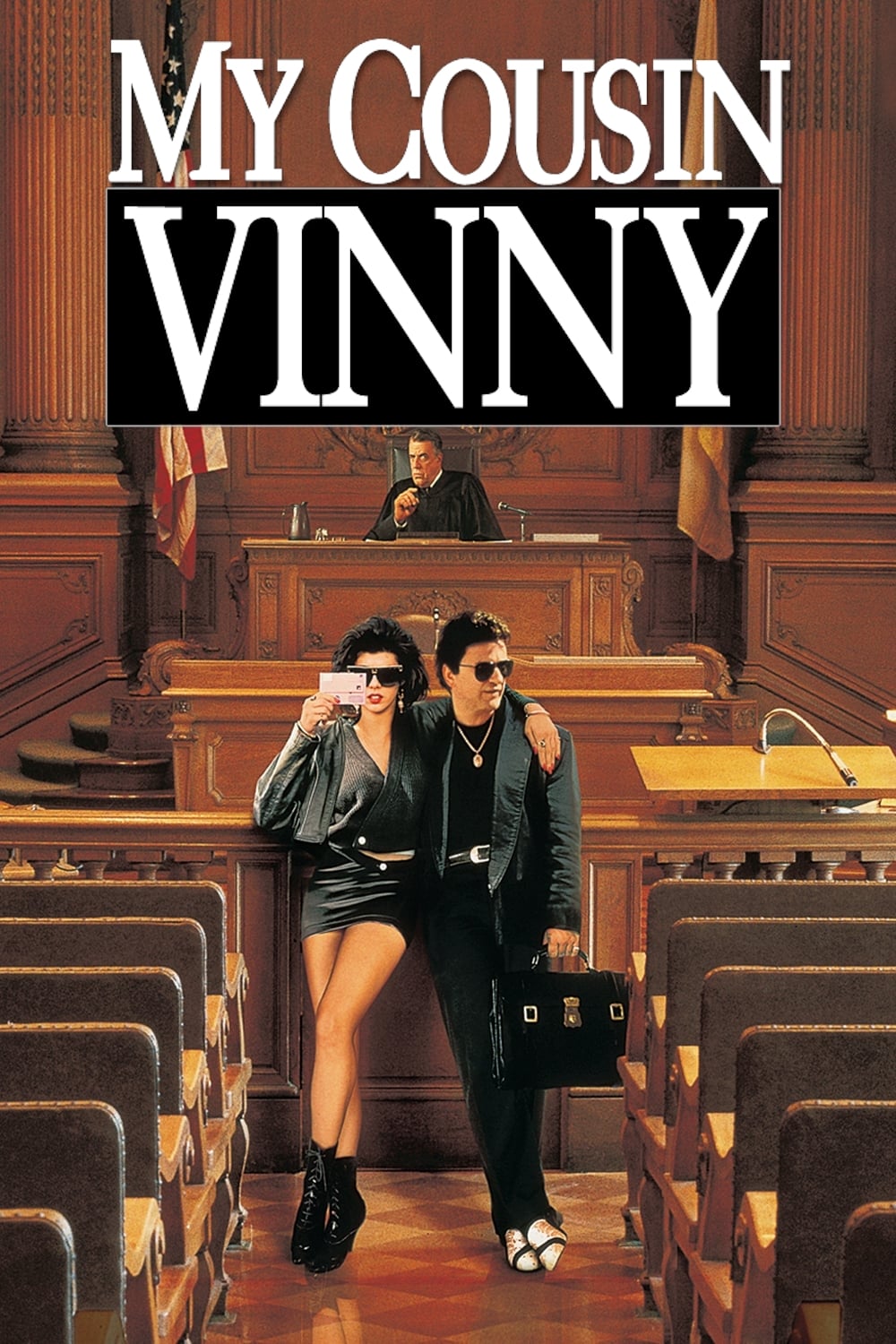
Joe Pesci stars in the title role of this classic comedy as Vincent “Vinny” Gambini, a loud, inexperienced, and out-of-place lawyer from Brooklyn. Vinny travels to rural Alabama with his fiancée to defend his young cousin, who has been wrongly accused of murder. With no trial experience and a limited understanding of courtroom procedure, Vinny must somehow win an impossible case.
The film is a showcase for Pesci’s comedic timing and charisma. His performance as the fish-out-of-water lawyer who uses his street smarts to navigate the rigid world of the Southern legal system is iconic. The chemistry with Marisa Tomei, who won an Oscar for her role, is a highlight of this beloved and endlessly quotable film.
‘Lethal Weapon 3’ (1992)
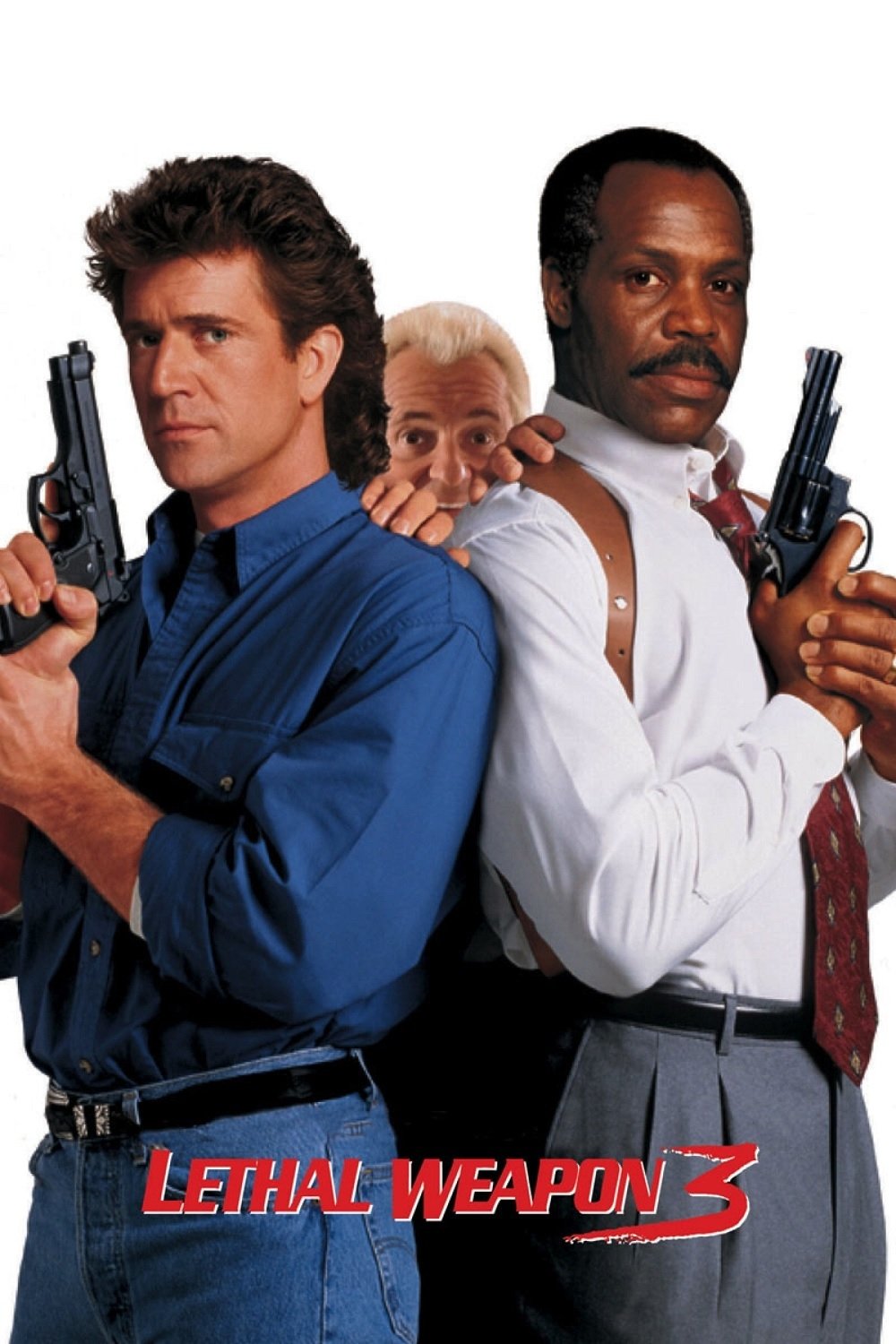
Joe Pesci returns as the fast-talking Leo Getz in the third installment of the popular action franchise. This time, Leo is working as a real estate agent and gets entangled in Riggs and Murtaugh’s investigation into a corrupt former cop who is selling automatic weapons on the streets. Leo’s involvement, as always, complicates matters for the detective duo.
Once again, Pesci provides the film with much of its comedic relief. His character is as annoying and accident-prone as ever, but he has also become a genuine, if high-maintenance, friend to the two main characters. His presence solidifies his status as an indispensable part of the ‘Lethal Weapon’ family.
‘The Public Eye’ (1992)
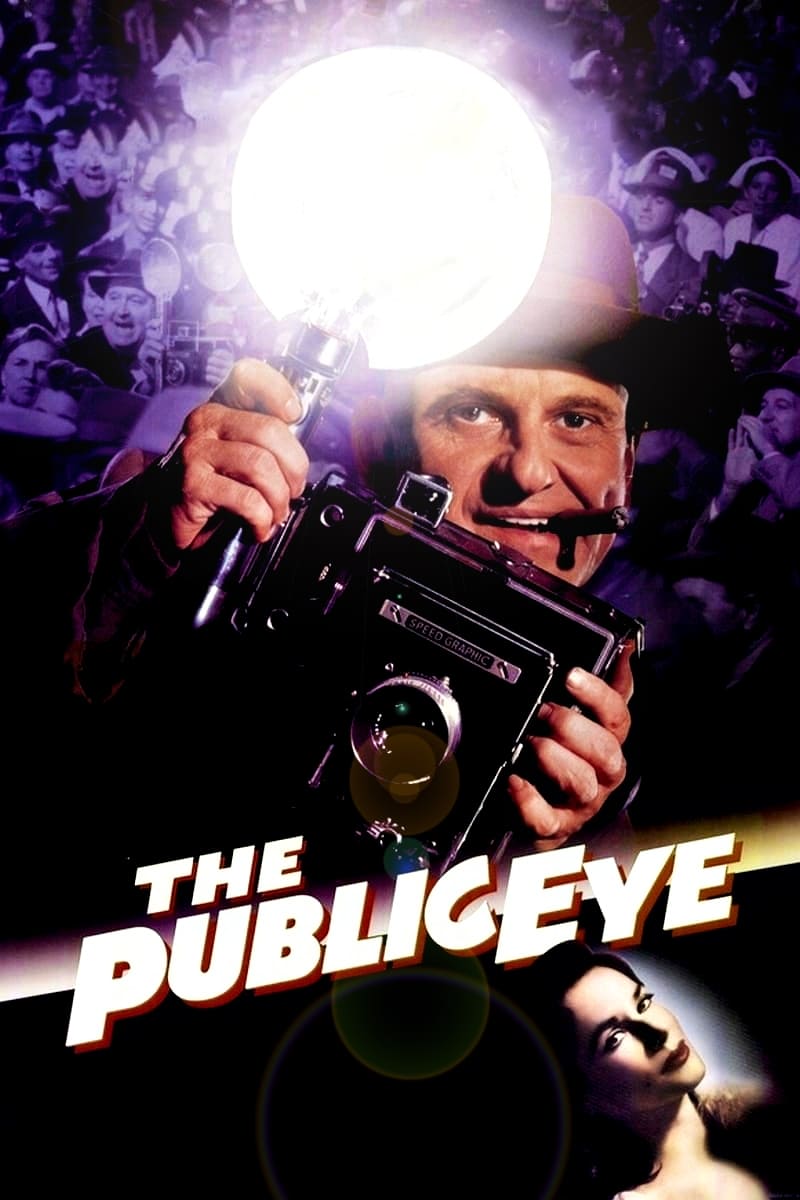
In this noir-inspired drama, Joe Pesci stars as Leon “Bernzy” Bernstein, a freelance crime photographer in 1940s New York City. Known for his ability to get the perfect, gritty shot of crime scenes and tragedies, Bernzy is a fixture in the city’s dark underbelly. His life changes when a beautiful nightclub owner asks him to investigate the shady figures trying to take over her late husband’s club.
The film is a stylish and atmospheric character study, loosely based on the life of the famous photographer Weegee. Pesci delivers a more subdued and introspective performance than usual, portraying a lonely and obsessive artist who is more comfortable observing life through his camera lens than participating in it.
‘Home Alone 2: Lost in New York’ (1992)
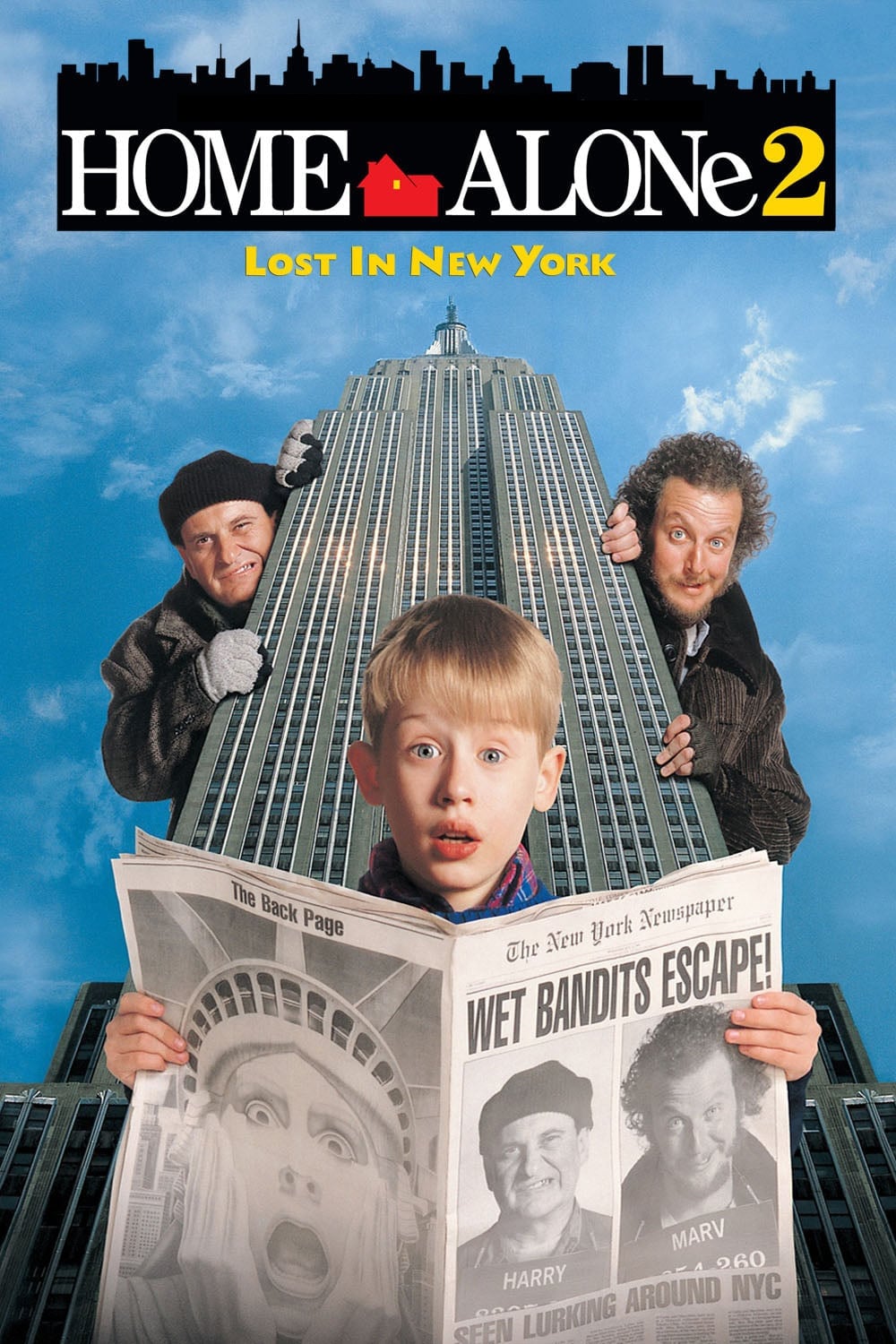
Joe Pesci reprises his role as the bumbling burglar Harry Lyme in this successful sequel. After escaping from prison, Harry and his partner Marv travel to New York City to start a new crime spree. By a stroke of bad luck, they once again run into their old nemesis, Kevin McCallister, who is lost in the city after taking the wrong flight.
The newly dubbed “Sticky Bandits” plan to rob a massive toy store on Christmas Eve, but Kevin is there to stop them with a new and even more painful array of booby traps set up in a vacant townhouse. Pesci once again brings his comedic A-game, enduring another round of slapstick punishment for the audience’s delight.
‘A Bronx Tale’ (1993)
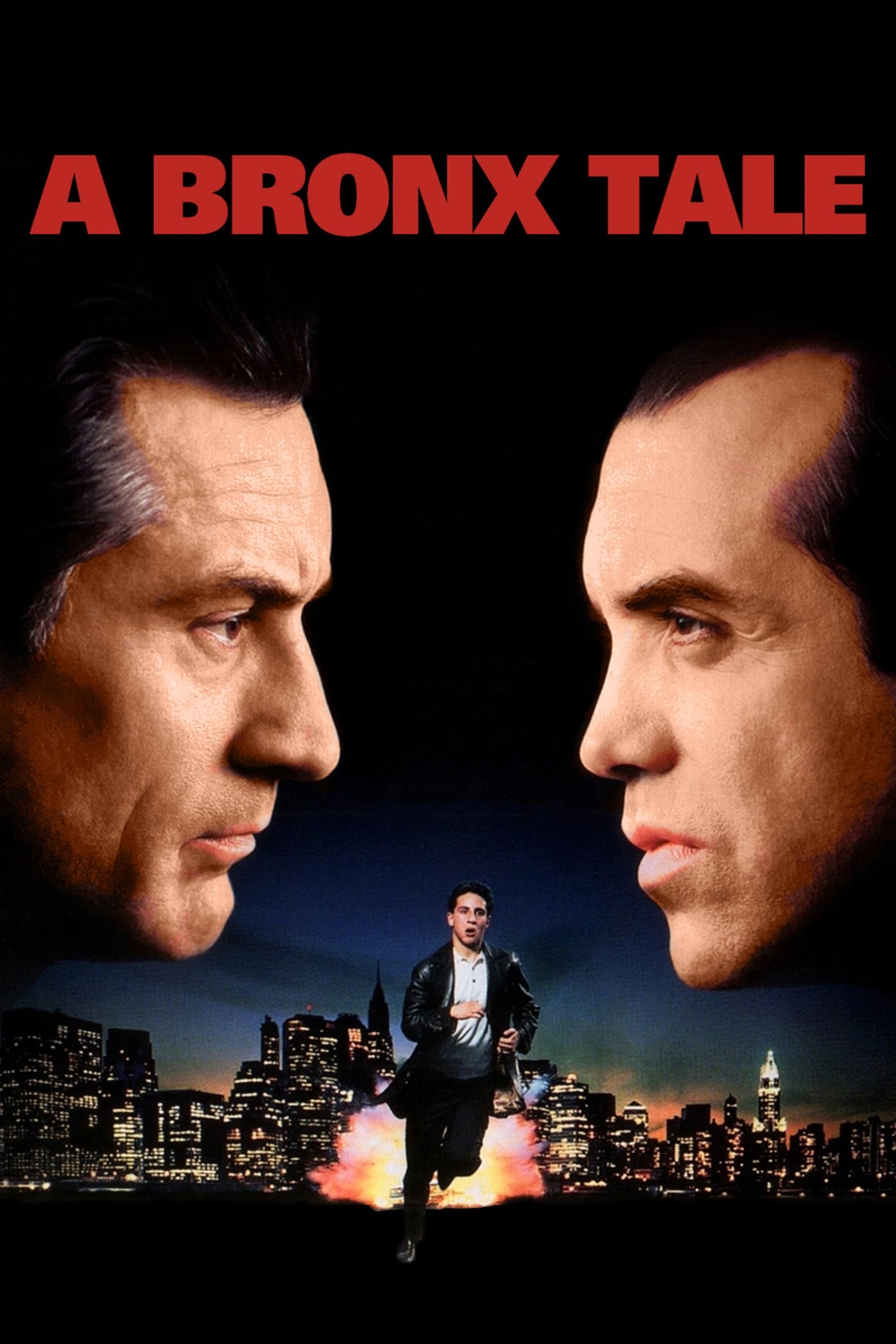
In this coming-of-age crime drama directed by and starring Robert De Niro, Joe Pesci has a memorable cameo role as Carmine. The film tells the story of a young boy who is torn between his honest, hardworking father and a charismatic local mob boss who takes him under his wing.
Pesci’s character appears in a single scene, sitting in the back of the mob boss’s club. When a group of disrespectful bikers enters the bar, Carmine is the first one to confront them, leading to a brutal and decisive fight. His brief but impactful appearance is a nod to his long history of playing tough guys alongside De Niro.
‘Jimmy Hollywood’ (1994)
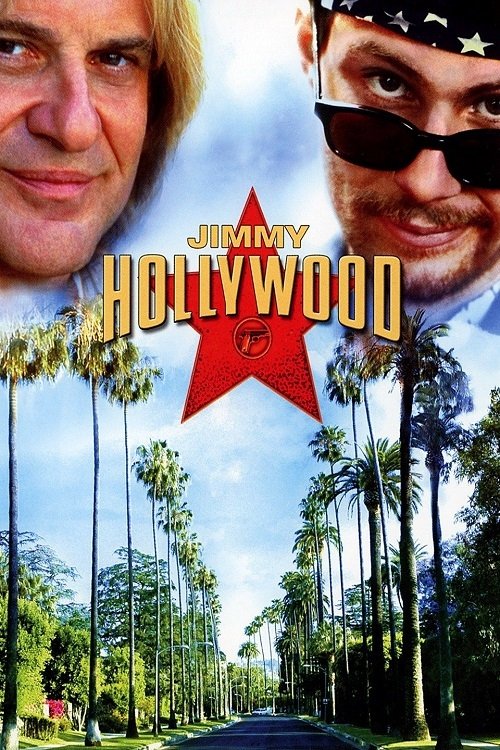
In this dark comedy, Joe Pesci stars as Jimmy Alto, a struggling actor in Hollywood who dreams of making it big. Frustrated with his lack of success and the rampant crime in his neighborhood, he and his simple-minded best friend decide to take the law into their own hands. They form a vigilante group, calling themselves the “S.O.S. Brigade,” and start capturing criminals.
Jimmy begins sending videotaped statements to the media, creating a fictional leader for his group named “Jericho.” He becomes a local folk hero, but his newfound fame as a vigilante threatens to spiral out of control. The film is a satirical look at fame, desperation, and the blurred lines between reality and performance in Hollywood.
‘With Honors’ (1994)
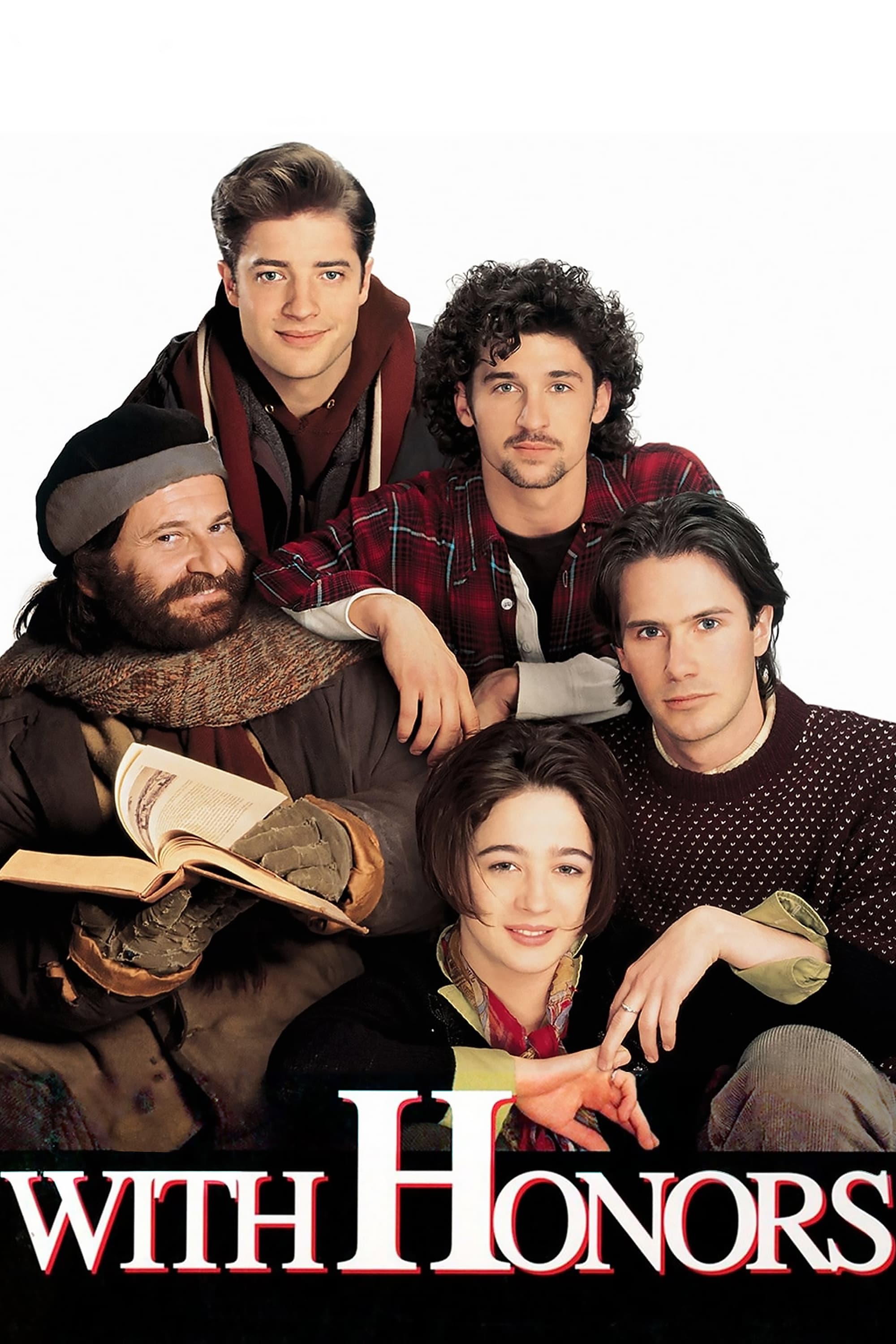
Joe Pesci plays a very different kind of role in this drama, starring as Simon B. Wilder, a homeless man living on the campus of Harvard University. The story follows a brilliant but uptight honors student who loses the only copy of his thesis. Simon finds it and agrees to return it one page at a time in exchange for food and shelter.
What begins as a transactional relationship develops into a deep and life-changing friendship. Simon, though uneducated in the traditional sense, is full of wisdom and life experience, and he teaches the young student valuable lessons about life that he can’t learn in a classroom. Pesci delivers a moving and heartfelt performance as the cantankerous but wise man.
‘Casino’ (1995)
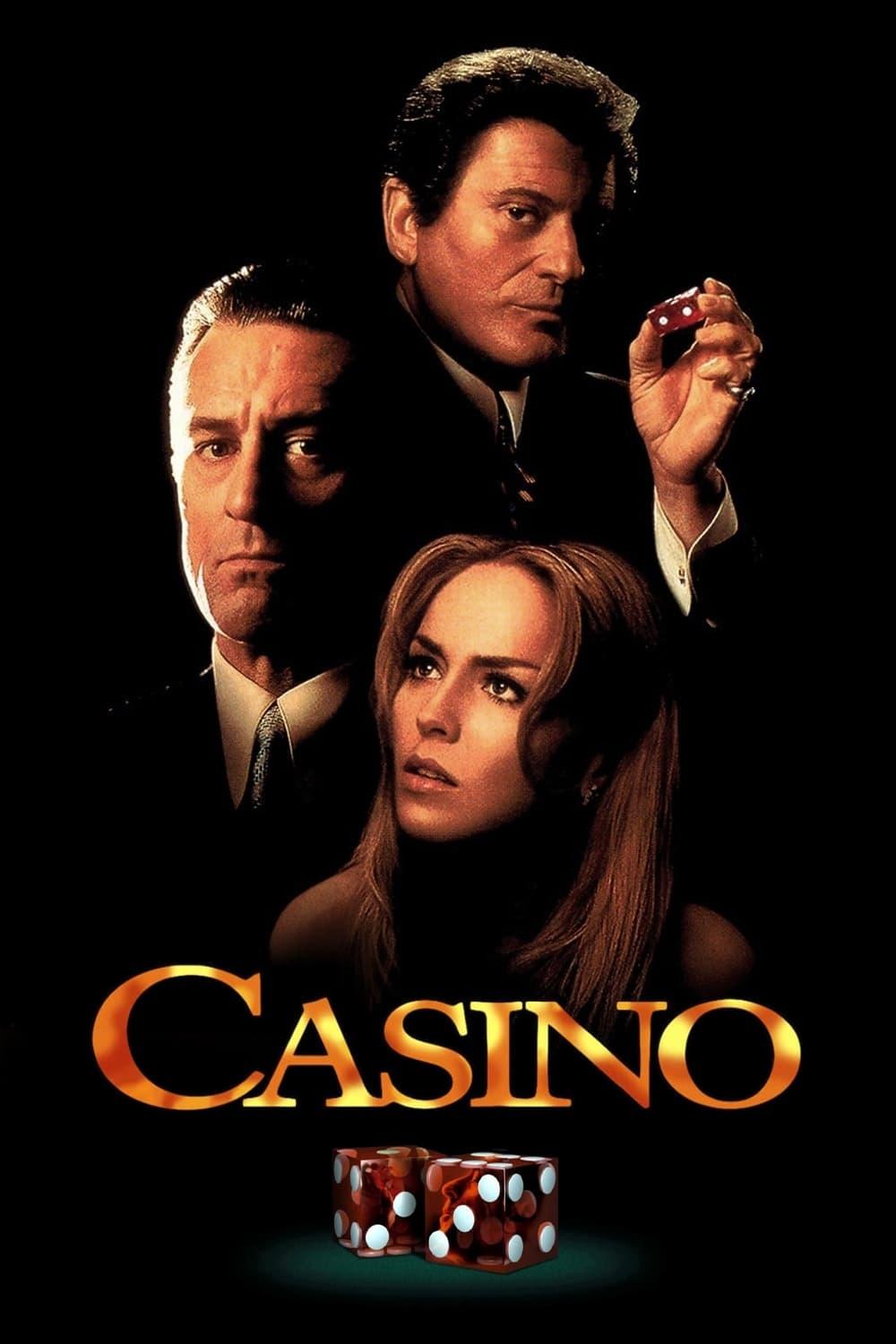
In his final collaboration with Martin Scorsese and Robert De Niro for many years, Joe Pesci plays Nicky Santoro, a ruthless and violent mob enforcer. The film chronicles the rise and fall of a Las Vegas casino run by De Niro’s character, a mob associate sent to oversee the operations. Nicky is sent along with him to protect the casino’s interests and ensure the skim goes back to the bosses.
Nicky’s uncontrollable temper and his independent criminal activities in Las Vegas ultimately lead to the downfall of the entire operation. Pesci’s performance is a return to the explosive energy of his ‘Goodfellas’ role, but with an added layer of recklessness and entitlement. He is a force of pure destruction, a character who is as charismatic as he is terrifying.
‘8 Heads in a Duffel Bag’ (1997)
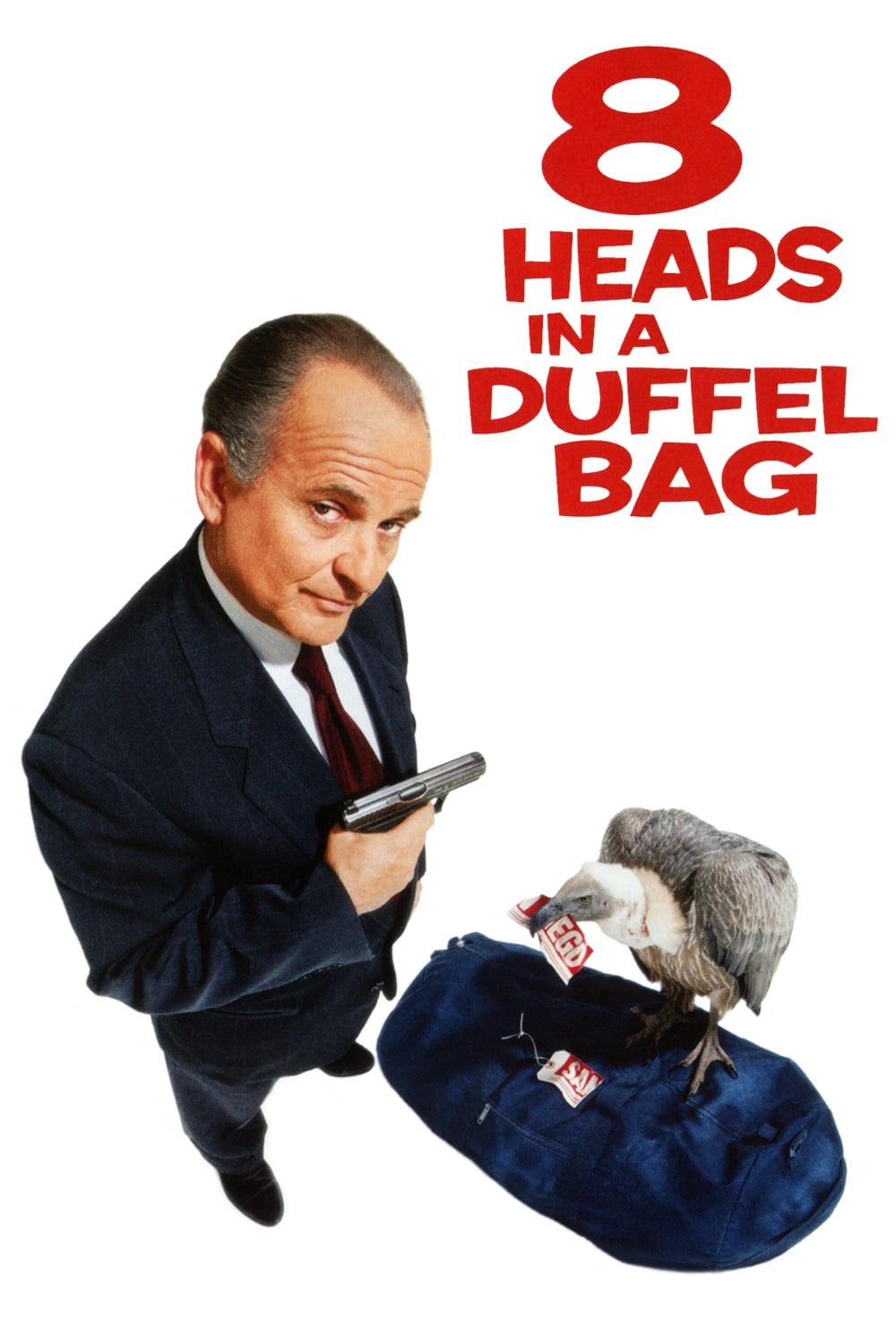
In this dark comedy, Joe Pesci stars as Tommy Spinelli, a mob hitman who is tasked with transporting a duffel bag full of severed heads across the country as proof of a successful hit. Through a baggage mix-up at the airport, his bag gets swapped with that of a young medical student heading on vacation with his girlfriend’s family.
Tommy must track down the student and retrieve the heads before his bosses find out he’s lost them. The film is a farcical comedy of errors, with Pesci playing the increasingly frustrated straight man in a series of absurd situations. The role is a lighthearted take on his more serious gangster characters.
‘Gone Fishin” (1997)

This buddy comedy stars Joe Pesci and Danny Glover as two dim-witted but well-meaning best friends from New Jersey named Joe and Gus. The two friends win a trip to go fishing in the Florida Everglades, a lifelong dream of theirs. Their simple fishing trip quickly turns into a chaotic adventure involving a boat thief, a treasure map, and a series of comical mishaps.
Pesci and Glover, who had previously shown great comedic chemistry in the ‘Lethal Weapon’ films, are paired here as the two leads. The film is a light, slapstick comedy that relies on the charm and interplay between its two stars as they stumble from one disaster to the next.
‘Lethal Weapon 4’ (1998)

Joe Pesci makes his final appearance as Leo Getz in the fourth installment of the action franchise. Leo is now working as a private investigator and is still a close, if annoying, friend of Riggs and Murtaugh. He once again gets caught up in their investigation, this time involving a ruthless Chinese Triad leader who is smuggling illegal immigrants.
By this point in the series, Leo has become an integral part of the group, and his relationship with the main characters has evolved into a genuine, albeit dysfunctional, family dynamic. Pesci’s performance continues to provide the film with some of its funniest moments, rounding out his memorable tenure in the blockbuster series.
‘The Good Shepherd’ (2006)

After an eight-year hiatus from acting, Joe Pesci returned to the screen for a cameo role in this spy thriller directed by Robert De Niro. The film tells the story of the founding of the Central Intelligence Agency through the eyes of one of its top agents. It is a long and complex look at the history of espionage and the personal sacrifices made by those involved.
Pesci plays Joseph Palmi, a powerful Mafia don who is approached by the CIA for assistance. His character is based on the real-life mobster Santo Trafficante Jr. In a single, powerful scene, Pesci demonstrates that he had lost none of his commanding screen presence, delivering his lines with a quiet authority and menace that was both familiar and new.
‘Love Ranch’ (2010)
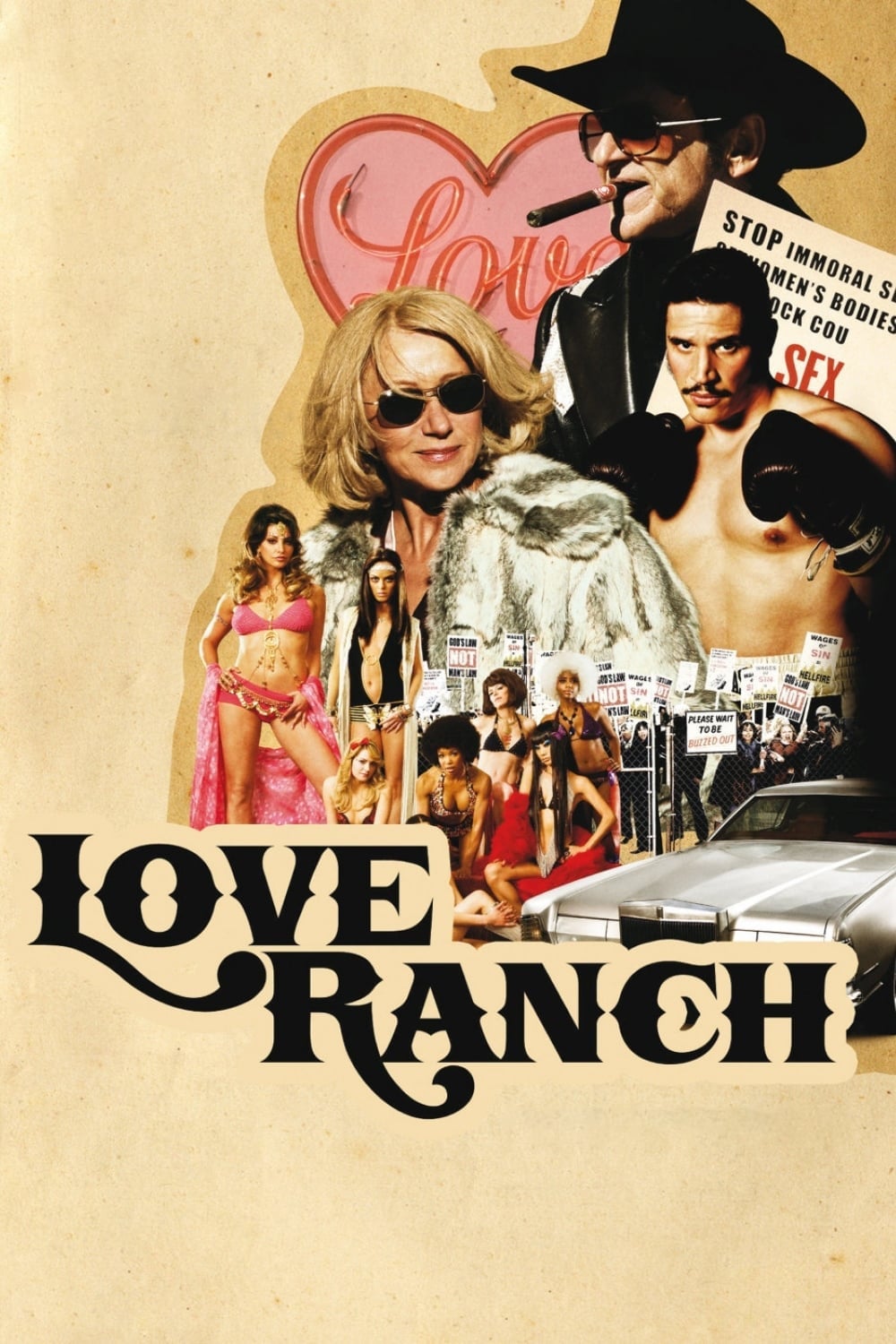
In this drama based on a true story, Joe Pesci stars as Charlie “Charlie Goodtimes” Bontempo. He and his wife run the first legal brothel in Nevada, the “Love Ranch.” Their lives and their business are thrown into turmoil when they decide to manage a famous heavyweight boxer from Argentina, and Charlie’s wife falls in love with him.
The film is a dramatic look at a complex love triangle and the volatile world of boxing and prostitution in the 1970s. Pesci’s character is a charismatic but controlling man who struggles to maintain his grip on his wife and his business. The role was a rare leading part for Pesci in the later stage of his career.
‘Savva. Heart of the Warrior’ (2015)

In this Russian animated fantasy film, Joe Pesci provides the English-language voice for the character of Komar. The story follows a young boy who dreams of becoming a great warrior. To save his village from a pack of vicious hyenas, he embarks on a magical journey to find a legendary champion to help him.
The film is a colorful and imaginative adventure for young audiences. Pesci’s involvement in the English-language dub shows his willingness to take on a variety of different projects. His distinctive voice brings a unique flavor to the character in this international animated feature.
‘The Irishman’ (2019)
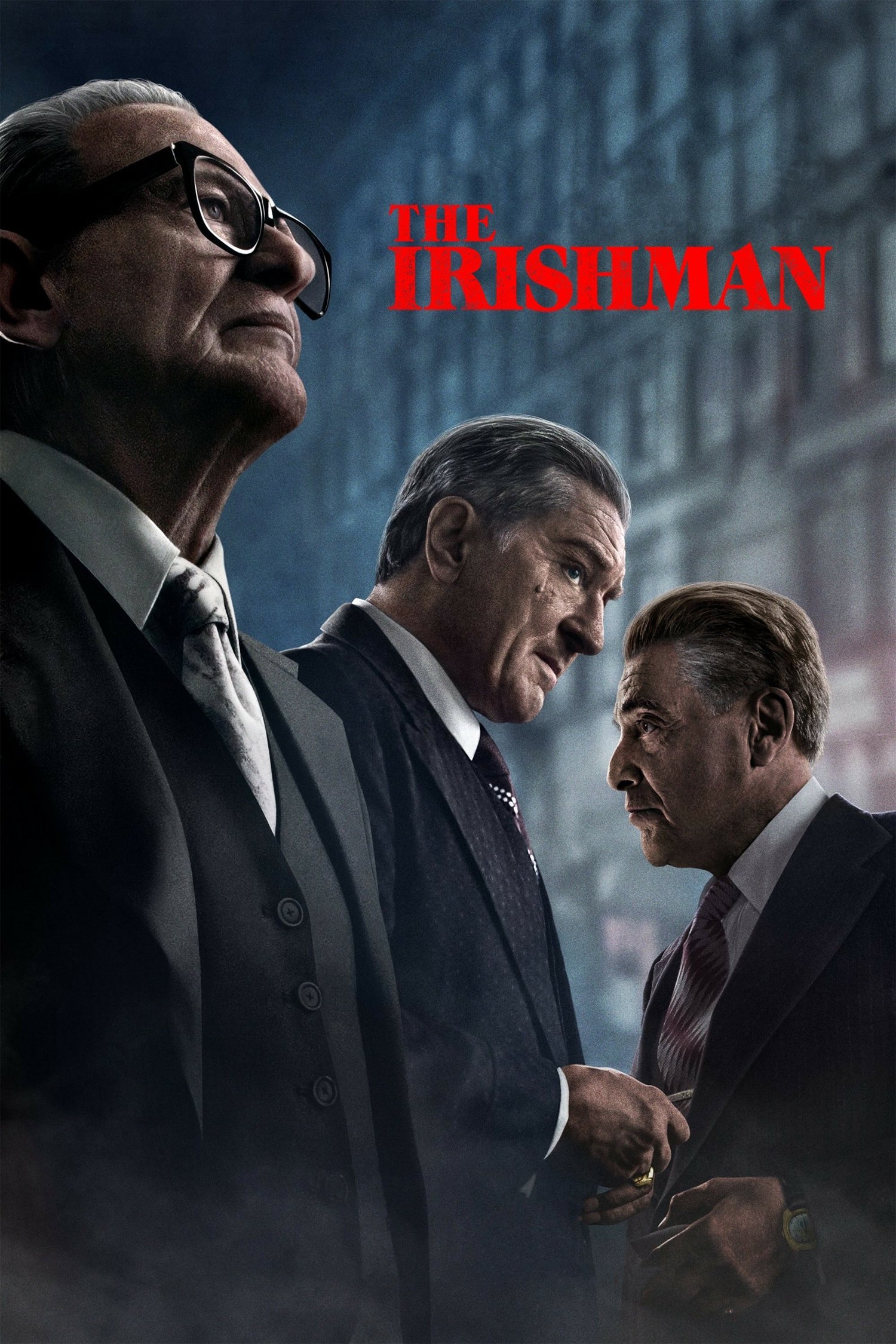
Joe Pesci came out of retirement for his critically acclaimed role as Russell Bufalino in Martin Scorsese’s epic crime film. The movie tells the story of Frank Sheeran, a truck driver who becomes a hitman for the mob, and his relationship with Teamster leader Jimmy Hoffa. Russell Bufalino is the quiet, powerful head of the Bufalino crime family who introduces Frank to Hoffa.
In a striking departure from his previous gangster roles, Pesci’s portrayal of Russell is remarkably subdued and understated. He exudes power not through explosive outbursts, but through quiet confidence and watchful eyes. The performance earned him an Academy Award nomination and was hailed by many as one of the best of his career, a masterful turn that showed a whole new side of his talent.
‘Day of the Fight’ (2023)
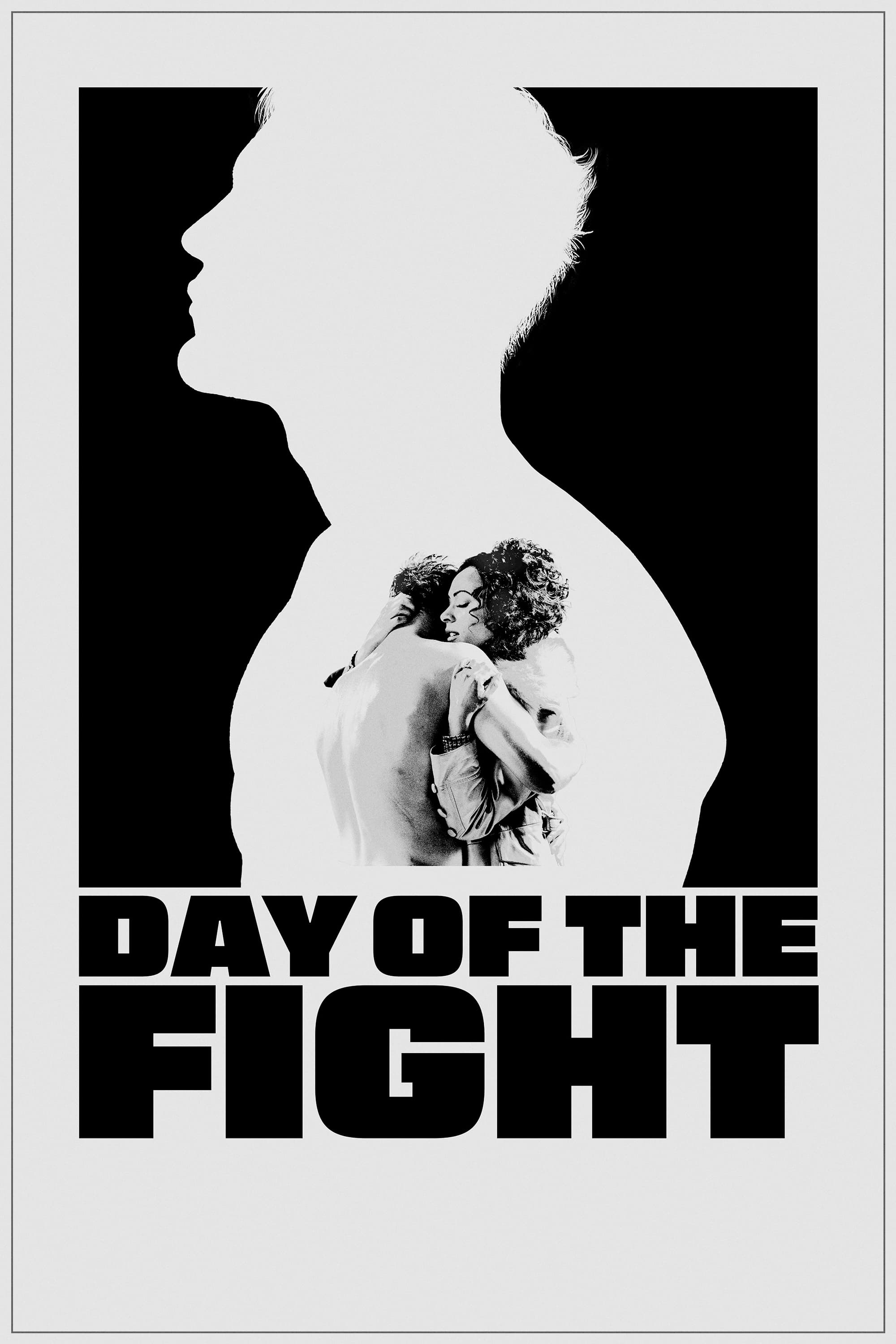
In this boxing drama, Joe Pesci plays the father of the main character. The film follows a once-celebrated boxer on the day of his first fight since leaving prison. As he prepares for his comeback, he reflects on his past and tries to mend his relationships with his family and his community.
Pesci’s role is that of the supportive but concerned father, who has watched his son go down a difficult path. The part allows him to once again play a more dramatic and paternal character, adding a veteran presence and emotional weight to the story of a fighter’s redemption.
Let us know which Joe Pesci character made the biggest impression on you in the comments section.

