


Kanye “Ye” West Claims Antisemitic Remarks Were Part of His Creative Process in Latest Legal Twist

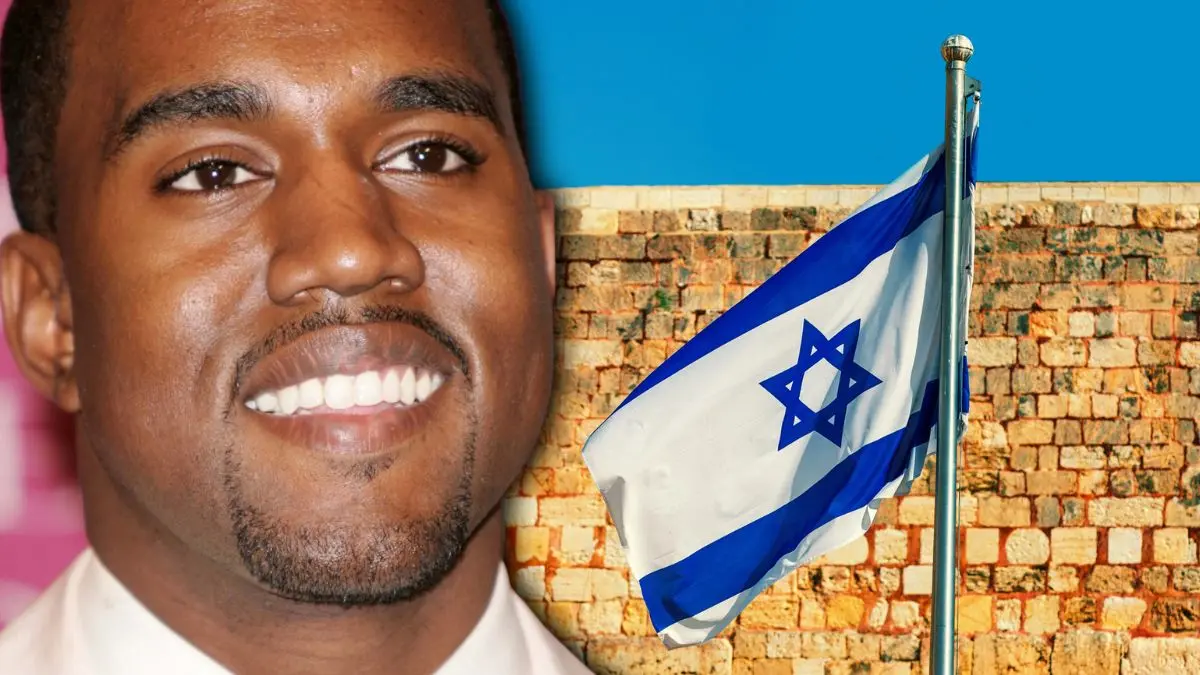


Kanye West, now legally known as Ye, is facing renewed scrutiny after his attorneys claimed in court that some of his antisemitic comments were part of his creative work. This comes weeks after Ye issued a public apology in The Wall Street Journal, blaming his past statements on a brain injury from a car accident over 20 years ago and a later diagnosis of bipolar disorder.
Ye’s legal team, led by Andrew and Katie Cherkasky, filed documents in the California Court of Appeals trying to stop a workplace harassment lawsuit brought by a former marketing staffer at his lifestyle company.
The ex-staffer alleges that while promoting Ye’s Vultures 1 album in 2024, he compared himself to Hitler, sent p****** material, and texted her calling her a “b***.” Her attorney, who is Jewish, said at the time of the lawsuit that Ye “waged a relentless and deliberate campaign of antisemitism and misogyny against my client.”
The rapper’s controversial statements have often appeared publicly, particularly on X, where last year he wrote messages such as “I LOVE HITLER NOW WHAT B*****” and “IM A NAZI.” In January, Ye took out a full-page ad in The Wall Street Journal apologizing for these remarks. “I am not a Nazi or an antisemite. I love Jewish people. … I regret and am deeply mortified by my actions in that state and am committed to accountability, treatment and meaningful change,” he wrote.
Despite the apology, Ye’s lawyers argue in court that the communications in question were part of his creative process. The filing states, “The communications she challenges — creative directives, conceptual drafts, provocative imagery, marketing strategy and staffing decisions shaping a public-facing message — were not collateral to Ye’s art; they were part of its development.”
They claim that Ye’s public and private personas are a continuous performance meant to challenge societal taboos.
The lower court rejected this interpretation. The judge described the filing as “rife with defects, specious arguments, and misstatements of law” and noted that the witness declarations lacked proper foundation. Ye was ordered to pay $79,000 in attorney fees for attempting to dismiss the lawsuit.
The case raises questions about the limits of artistic expression and free speech in the workplace. Ye’s legal team maintains that his life and work are inseparable, effectively giving him protection for provocative language. The plaintiff argues that the First Amendment does not protect workplace harassment. The Court of Appeals in Los Angeles will decide whether the case moves forward into the discovery phase.
In addition to this lawsuit, Ye is also involved in another court case regarding a California home he purchased for $57.3 million in 2021, which was later destroyed and allegedly caused bodily harm to a man who claims Ye forced him to live there continuously. Both Ye and his wife, Bianca Censori, are expected to testify at the trial.
This case highlights the tension between freedom of expression and accountability for harmful behavior in professional settings. Ye’s argument that his controversial statements are art challenges traditional legal boundaries. Personally, it seems difficult to justify workplace harassment under the banner of creativity. What do you think about this legal defense? Share your thoughts in the comments.

