‘Lanterns’ Creator Damon Lindelof Says Creative Risk Is Worth Fan Backlash: ‘Nobody Goes to Bed Worrying About Pissing off Fans’


Adaptation discourse has become one of the most predictable rituals in modern pop culture, with nearly every new film or television project drawn from existing source material facing some level of fan scrutiny before it even airs. Few creators have found themselves at the center of that cycle as consistently as Damon Lindelof.
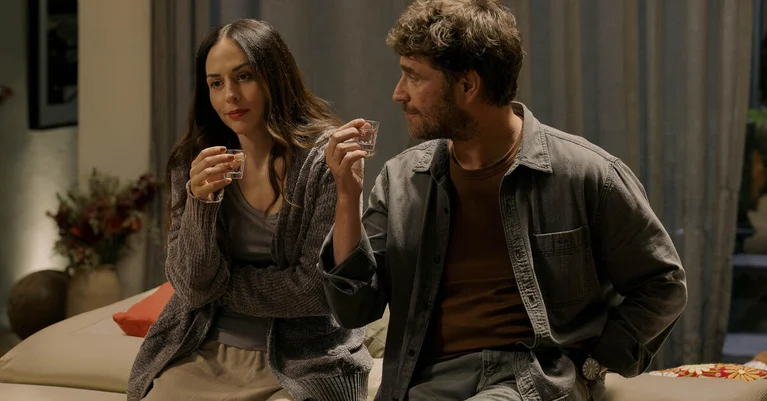
The Emmy-winning writer behind “Lost,” “Watchmen” and “The Leftovers” has built a career adapting beloved intellectual property, and his latest project, HBO’s “Lanterns,” has followed that same pattern. Ahead of its premiere, a vocal segment of fans pushed back against the show’s decision to ground the cosmic Green Lantern Corps in a desaturated, small-town Nebraska murder mystery rather than the more traditional, colorful superhero spectacle many expected.
Now that “Lanterns” has premiered to strong reception, Lindelof is directly addressing the broader cycle of adaptation backlash that’s followed him throughout his career, arguing that creative risk-taking remains essential even when it upsets vocal corners of a fandom. His comments reflect a philosophy he’s carried across projects ranging from “Watchmen” to “Star Trek” to “Star Wars.”
“Nobody who does what we do goes to bed at night, saying, ‘All that I care about is whether or not I pissed off the fans.’ They go to bed at night, going, ‘Did I do anything worthwhile creatively?'” Lindelof told The Hollywood Reporter, framing the fear of upsetting fans as secondary to pursuing meaningful creative work.
Lindelof went further in explaining his broader philosophy on adapting existing material, describing an inherent tension between honoring source material and evolving it into something new. He acknowledged that taking on any preexisting intellectual property involves a certain amount of hubris, since by definition, adaptation requires source material to change and evolve rather than simply be replicated on screen.
That mindset extends to some of the show’s most debated creative choices, including the decision to portray Kyle Chandler’s Hal Jordan as an older, weathered version of the character rather than the more idealized hero fans typically associate with the role. Lindelof has previously described navigating fandom expectations as inherently contradictory, noting that fans often simultaneously demand fresh, original storytelling while also expecting familiar elements to remain untouched.
“Lanterns” isn’t the only high-profile adaptation to draw this kind of scrutiny in 2026. Christopher Nolan’s “The Odyssey” faced its own wave of pre-release criticism over creative liberties taken with Homer’s ancient text, only to go on to become one of the year’s biggest box office successes despite the initial backlash.

Despite defending creative risk-taking broadly, Lindelof has been careful to distinguish between meaningful storytelling choices and change made purely to provoke a reaction. He’s previously emphasized that risks within “Lanterns,” including the shocking reveal of Hal Jordan’s eventual death that closed the show’s premiere episode, weren’t made simply for the sake of causing controversy, but had to be earned through genuine emotional stakes within the story.
That approach appears to be resonating with audiences so far, with “Lanterns” posting strong premiere numbers for HBO despite the pre-release skepticism surrounding its tonal departure from typical Green Lantern storytelling. Lindelof has also pushed back on the idea that pure fan service represents a safer creative path, arguing that audiences often reject overly deferential storytelling just as strongly as they reject bold reinterpretations.
With “Lanterns” continuing its eight-episode run weekly on HBO and HBO Max, Lindelof’s comments serve as a broader defense not just of his own show, but of an entire approach to adaptation that’s become increasingly contentious across the industry. Whether that philosophy continues paying off creatively and commercially may ultimately depend on how the rest of the season’s riskier storytelling choices land with viewers.
Damon Lindelof says upsetting fans shouldn’t stop creators from taking meaningful creative risks. Where do you stand?
Have something to add? Let us know in the comments!