


Late-Blooming Actors Who Broke Through After 40

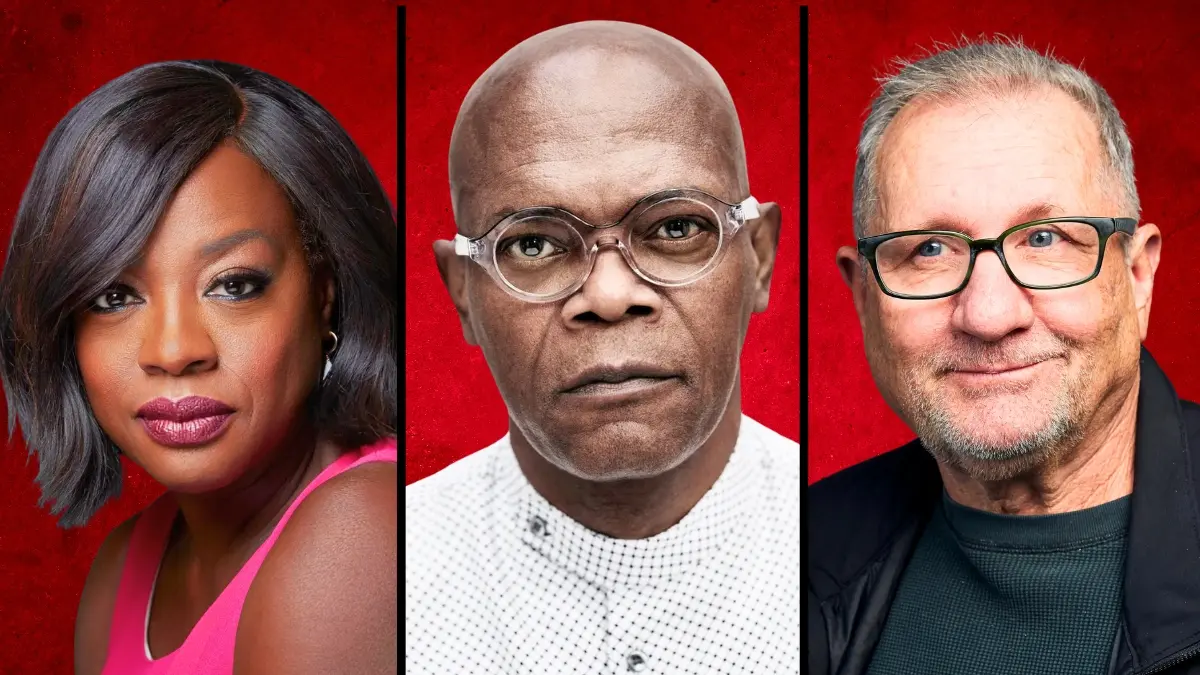


Making it big in front of the camera does not always happen in your twenties. Plenty of performers kept at it for years before the role that finally changed everything. This list gathers actors who hit their stride only after turning forty and shows how persistence and craft can carry a career across decades.
Each entry focuses on concrete milestones like the role that moved the needle, the age when it happened, and what came next. You will see people who shifted from character parts to leading work, or from local recognition to global attention, all thanks to performances that arrived once they were well into midlife.
Samuel L. Jackson
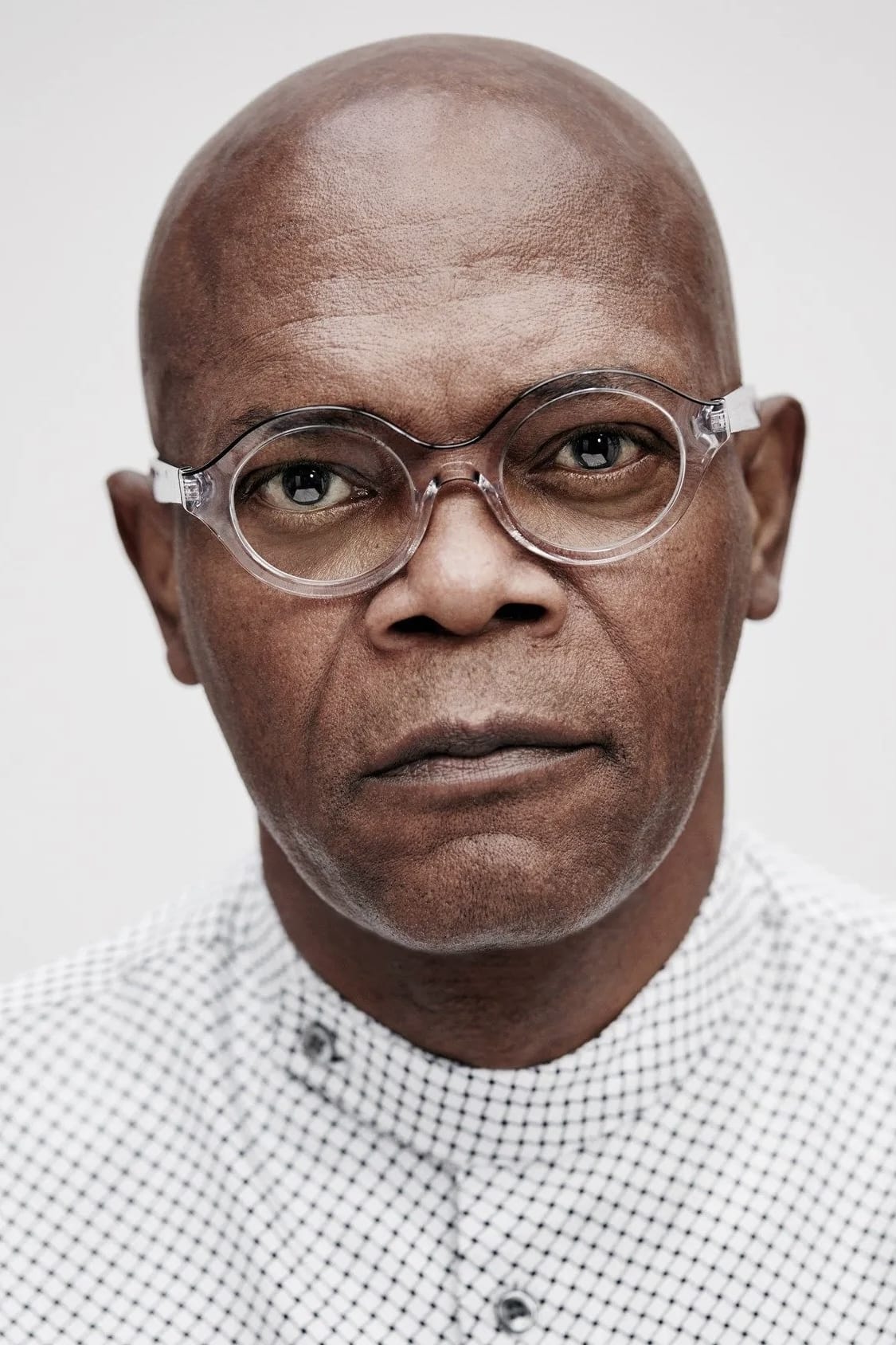
Before his mainstream breakthrough he spent years on stage and in supporting film parts while also working through personal challenges. He appeared in notable projects like ‘Do the Right Thing’ and ‘Jungle Fever’ and built a reputation as a reliable presence who could elevate a scene. His turn in ‘Pulp Fiction’ came in his mid forties and moved him into top billing.
That role brought festival attention and major award nominations and it opened the door to a long run of high profile work. He went on to anchor franchises and collaborate with directors across genres with key appearances in titles like ‘Jackie Brown’, ‘Unbreakable’, and the ‘Avengers’ series.
Bryan Cranston
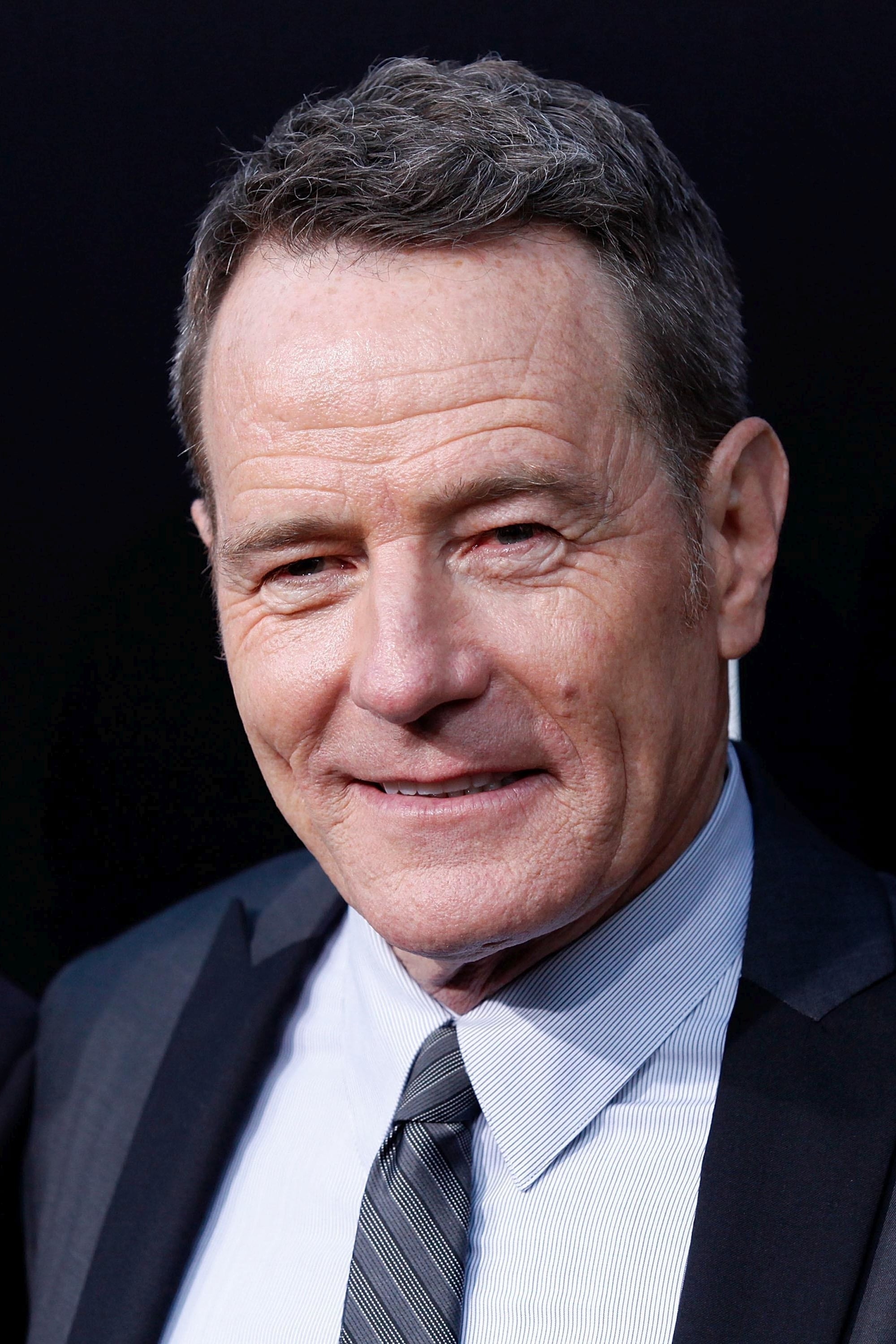
He trained in theater and collected steady television credits for years including guest shots and recurring parts. His first broad recognition arrived in his early forties with ‘Malcolm in the Middle’, which showcased his range and timing.
His dramatic breakthrough arrived in his early fifties with ‘Breaking Bad’. That performance led to multiple major awards and international acclaim and it positioned him for leading roles in film and on Broadway along with prestige projects like ‘Trumbo’ and the limited series ‘Your Honor’.
Steve Carell
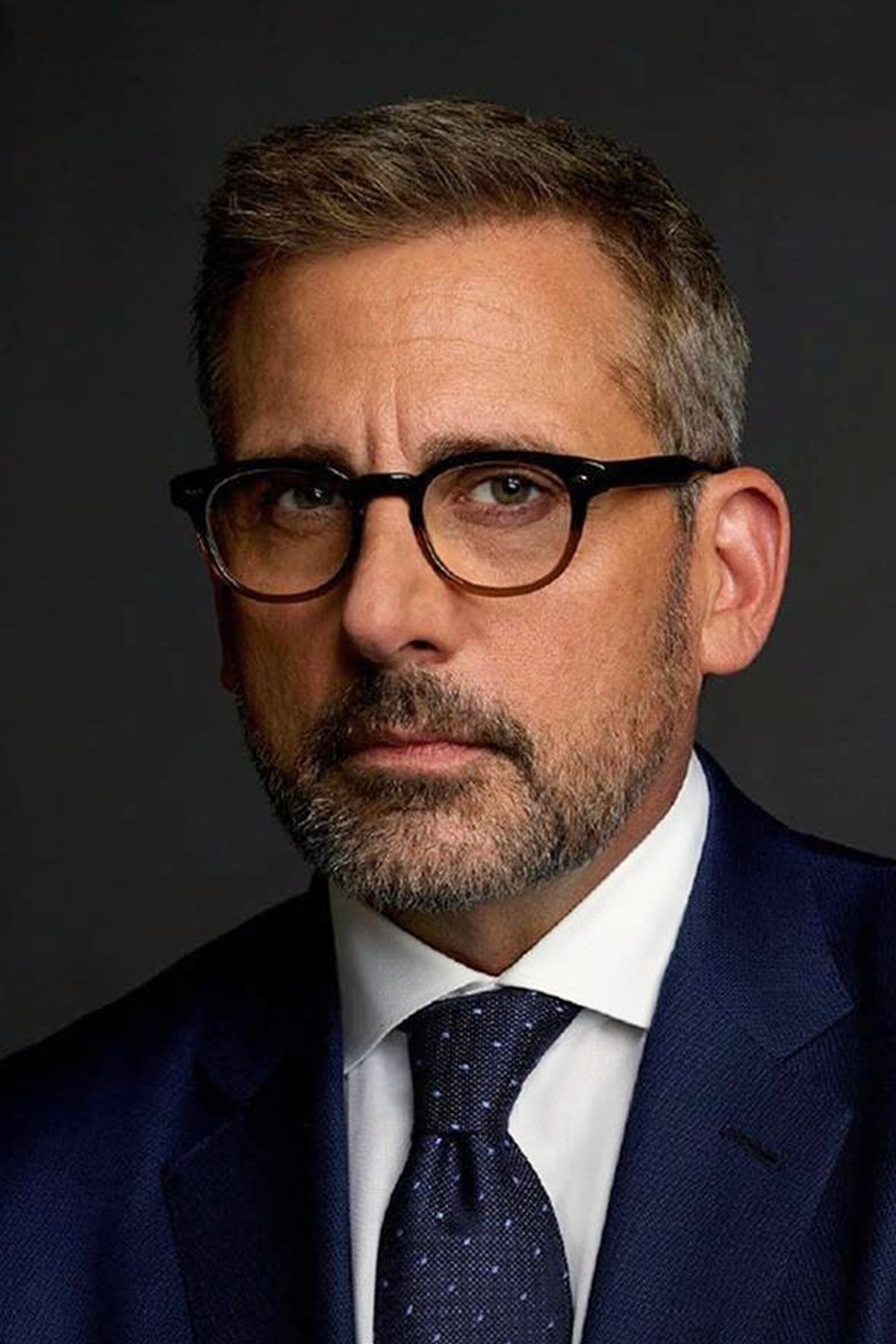
He spent the nineties and early two thousands in sketch ensembles and as a correspondent on ‘The Daily Show’. His feature work picked up and he started landing larger parts while still known mainly for comedy writing rooms and supporting roles.
In his early forties he became the face of ‘The Office’ and fronted the hit film ‘The 40-Year-Old Virgin’. The one two punch turned him into a bankable lead and gave him a path to acclaimed dramatic turns in projects like ‘Foxcatcher’ and ‘The Big Short’.
Melissa McCarthy
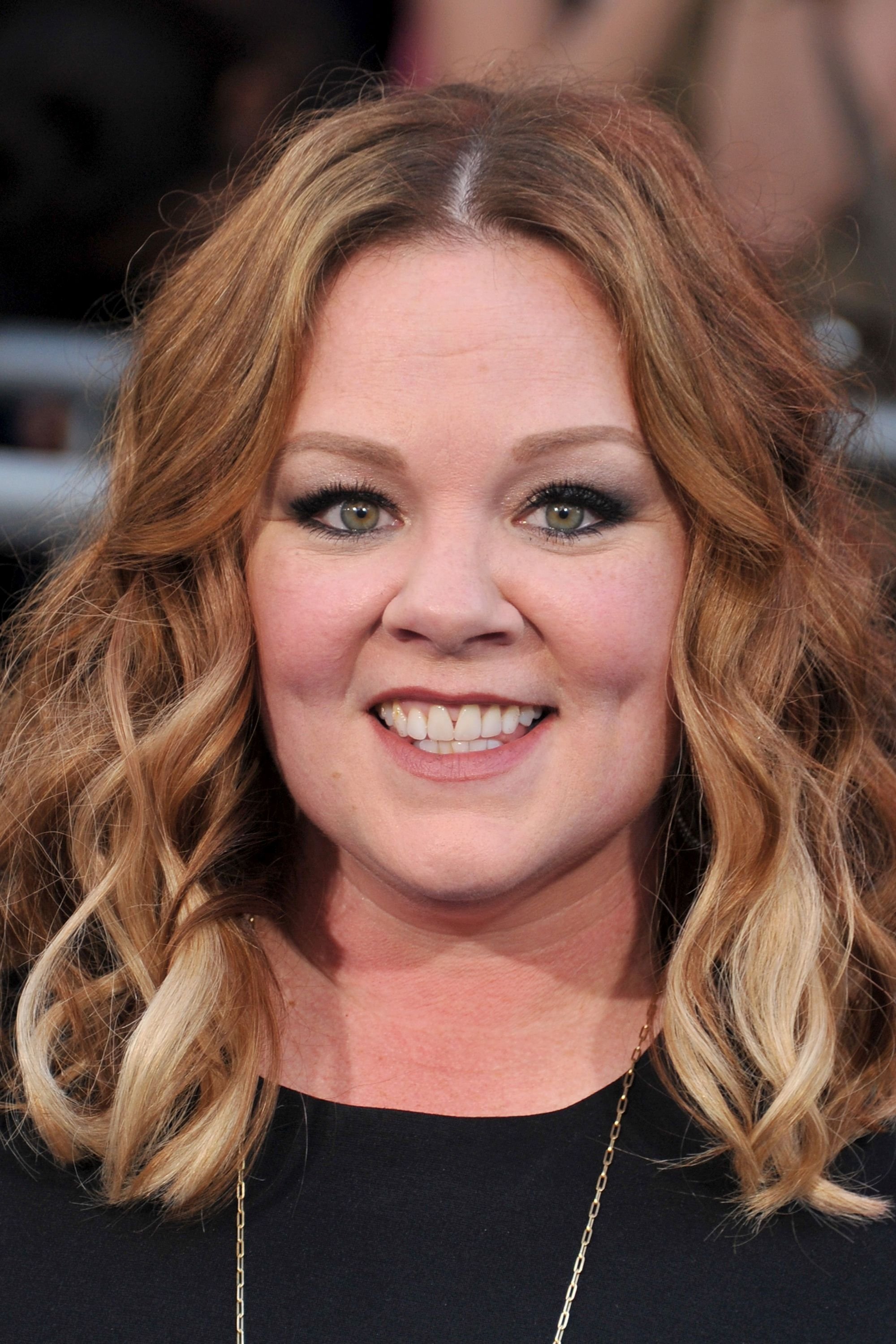
She began on the stage and in improv and worked for years in supporting parts on television and in films. Viewers knew her from ‘Gilmore Girls’ and from ensemble work that showed sharp timing and physical comedy.
Her big leap arrived in her early forties with ‘Bridesmaids’. That breakout led to an Academy Award nomination and a run of star vehicles along with later dramatic recognition in ‘Can You Ever Forgive Me’ and a continued presence across television through ‘Mike and Molly’.
Christoph Waltz
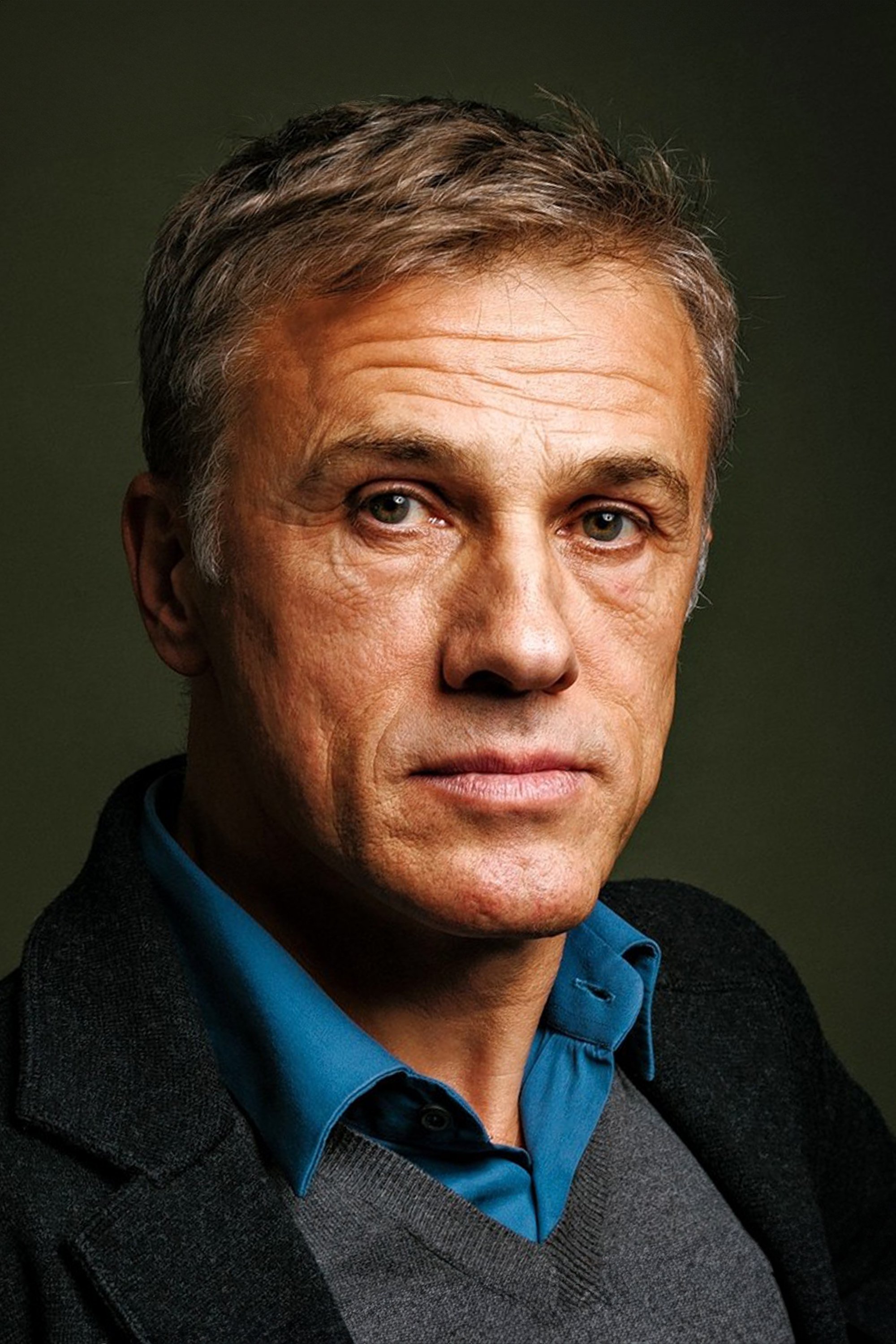
He built a long career in European television and theater and often played precise and restrained characters. Despite steady work he was not widely known to international film audiences.
His global breakthrough came in his early fifties with ‘Inglourious Basterds’. The role earned top festival honors and major awards and it led directly to high profile projects like ‘Django Unchained’, ‘Spectre’, and ‘Big Eyes’.
Alan Rickman

He trained at RADA and made his name on the stage, including a standout performance in a celebrated production of ‘Les Liaisons Dangereuses’. On screen he had only a few credits and very little film visibility.
That changed in his early forties with ‘Die Hard’ where his turn as Hans Gruber became immediately memorable. The performance launched a film career that included ‘Robin Hood Prince of Thieves’, ‘Sense and Sensibility’, and his long running role in the ‘Harry Potter’ series.
Morgan Freeman
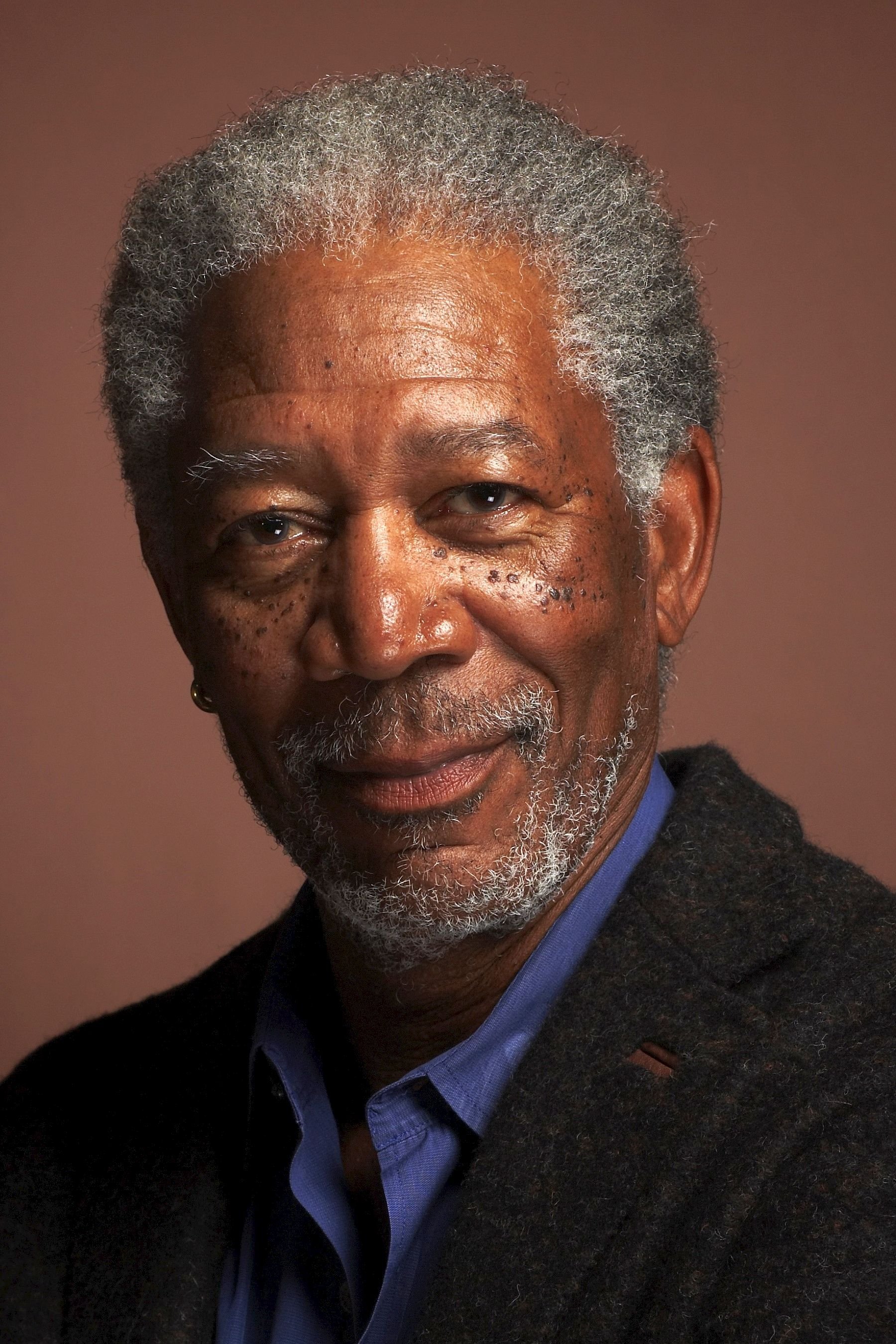
He worked in theater and on educational television with ‘The Electric Company’ and built a strong résumé in supporting parts. Casting directors valued his presence but wide recognition took time.
A wave of acclaim arrived in his early fifties with leading roles in ‘Street Smart’ and ‘Driving Miss Daisy’. Those performances led to major awards and opened the way to enduring classics like ‘The Shawshank Redemption’, ‘Se7en’, and ‘Million Dollar Baby’.
Judi Dench

A titan of the British stage, she won top theater honors long before film audiences knew her well. She appeared in British television and features but remained primarily a stage star.
Her international film breakthrough came in her sixties with ‘Mrs. Brown’ followed by ‘Shakespeare in Love’. Those roles brought major awards and established her screen persona, which continued through ‘Philomena’ and her long run as M in the ‘James Bond’ series.
Leslie Nielsen
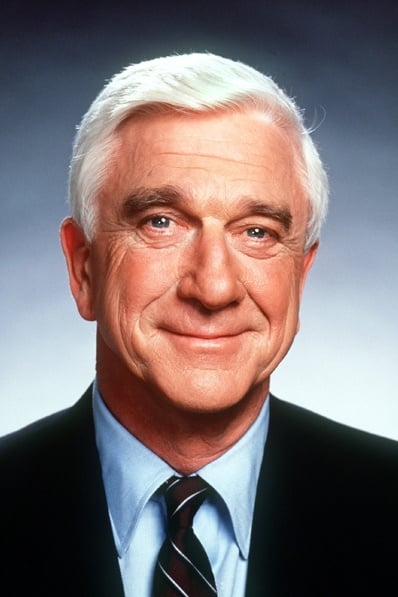
For decades he played straight dramatic roles in film and television and rarely touched broad comedy. His résumé covered adventures, westerns, and police stories with a serious lead image.
The reinvention arrived in his mid fifties with ‘Airplane!’. Playing it straight inside a spoof created a new lane that led to ‘The Naked Gun’ films and a string of successful comedies that defined the rest of his career.
Bob Odenkirk
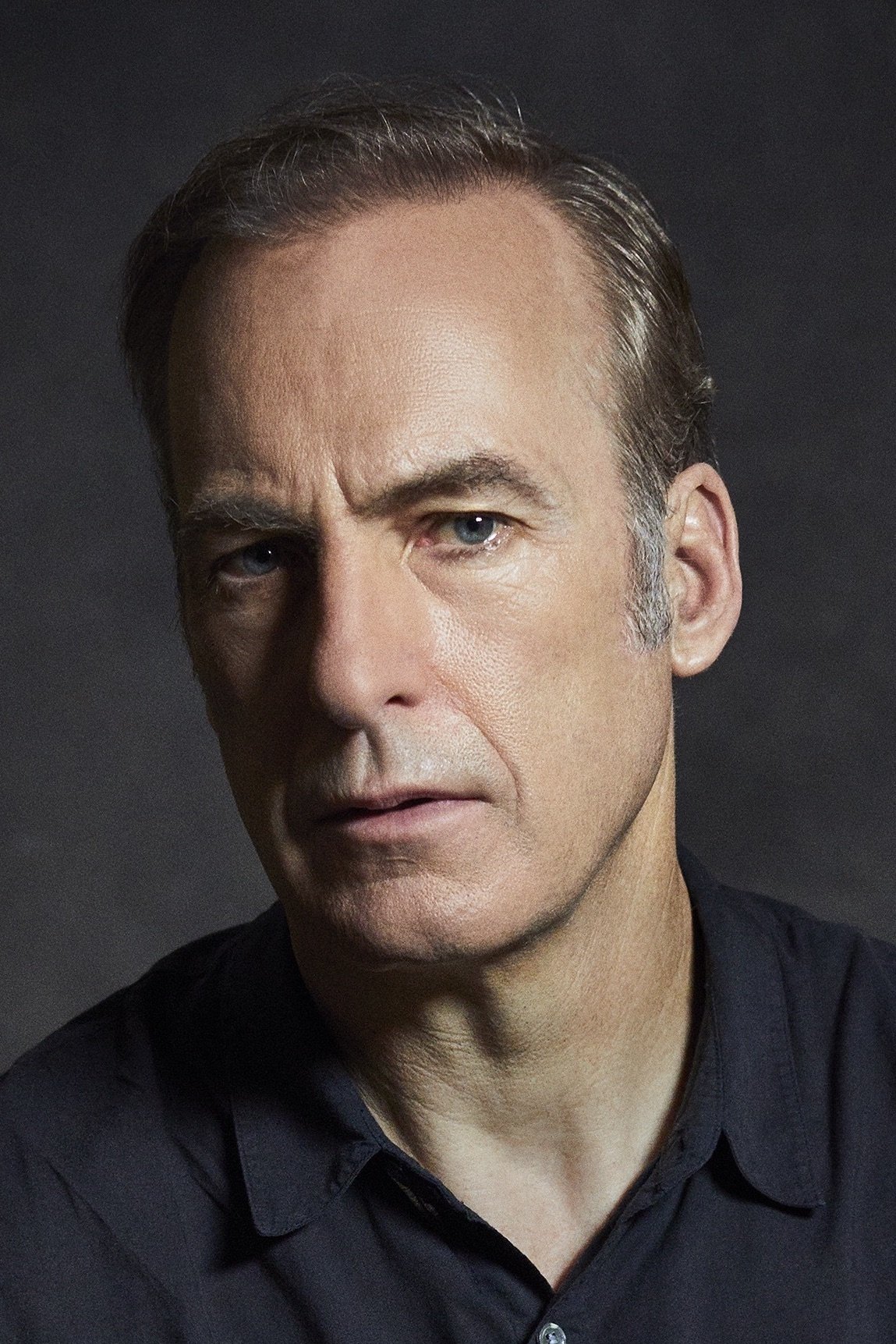
He spent years as a writer and performer in sketch comedy with ‘Mr. Show’. He directed and produced and often appeared in small film roles while building a reputation behind the camera.
His acting profile shifted in his late forties with ‘Breaking Bad’ where he played Saul Goodman. That exposure led to the spinoff ‘Better Call Saul’ and to leading roles in features like ‘Nobody’ along with awards recognition for his layered dramatic work.
Octavia Spencer
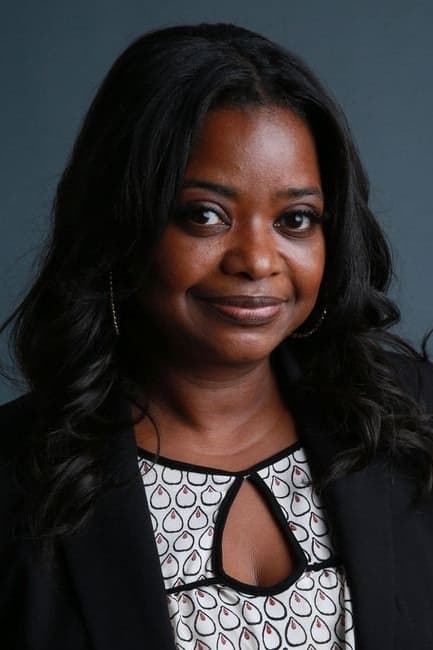
She worked as a casting assistant and then transitioned into acting with numerous supporting parts. For years she appeared in films and television episodes that showed her versatility without placing her at the center.
Her breakthrough came in her early forties with ‘The Help’ which brought an Academy Award and industry wide attention. She continued with major roles in ‘Hidden Figures’, ‘Fruitvale Station’, and the series ‘Truth Be Told’.
Viola Davis
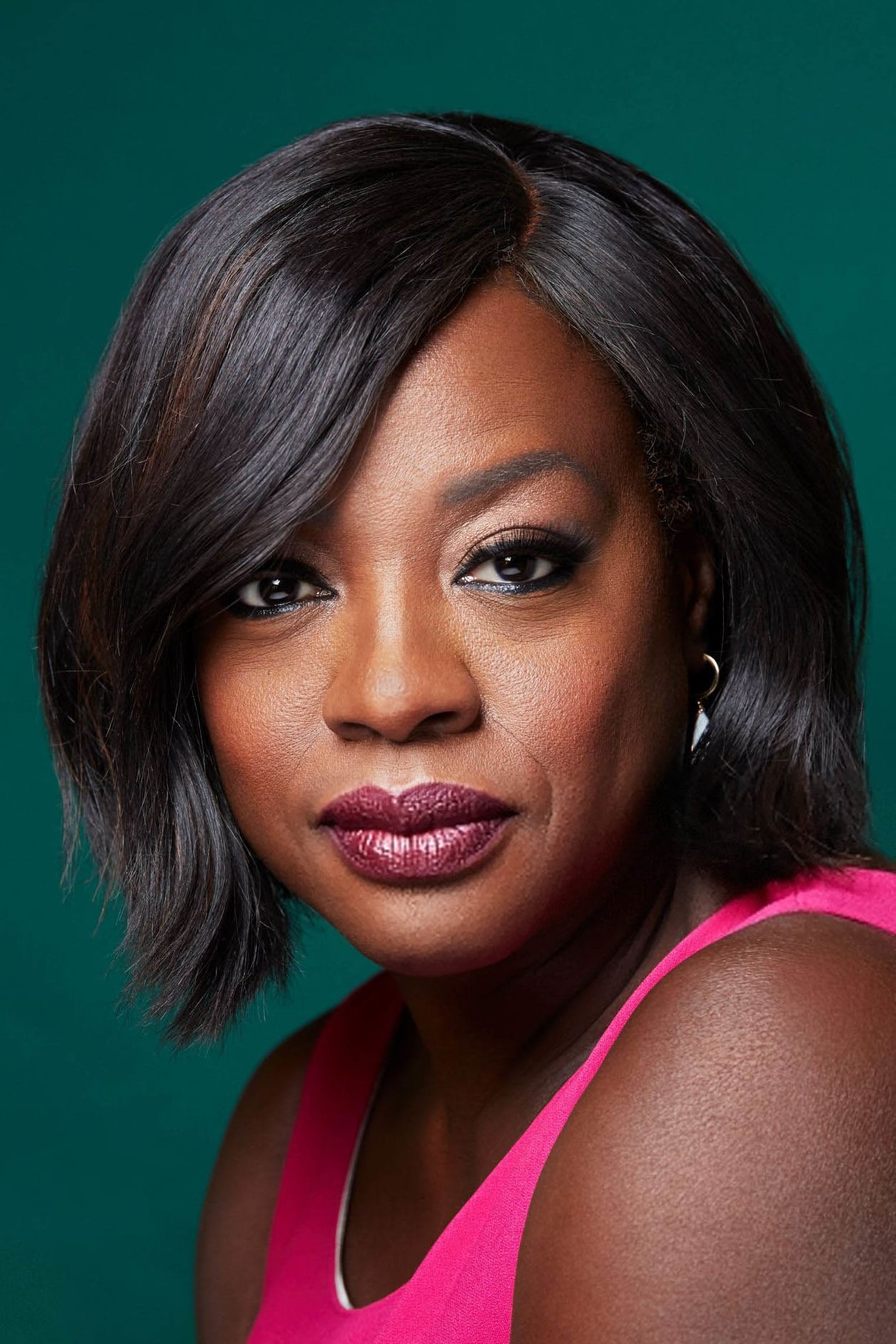
She built a formidable stage career with multiple top theater awards and consistent film and television work. Casting directors turned to her for intensity and depth in supporting parts.
Her film breakthrough arrived in her early forties with a brief but pivotal turn in ‘Doubt’. That set up leading roles in ‘The Help’ and a network drama lead in ‘How to Get Away with Murder’, which brought historic awards and long running visibility.
Margo Martindale
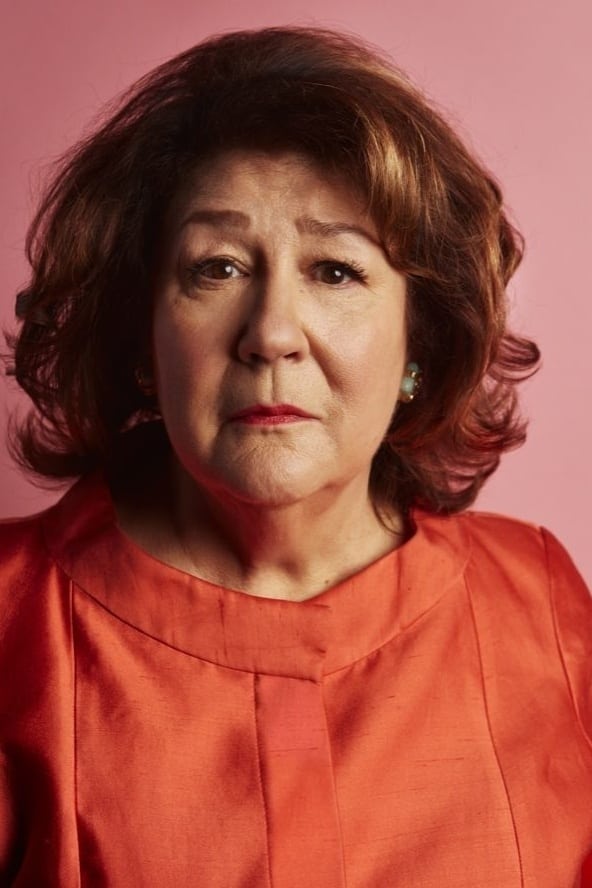
She spent decades as a character actor on stage and screen and worked steadily without widespread name recognition. Her filmography included period dramas and contemporary tales with directors who value precision.
The spotlight arrived in her late fifties with ‘Justified’. That performance earned major television awards and led to prominent roles in ‘The Americans’, ‘Sneaky Pete’, and scene stealing turns in features.
J.K. Simmons
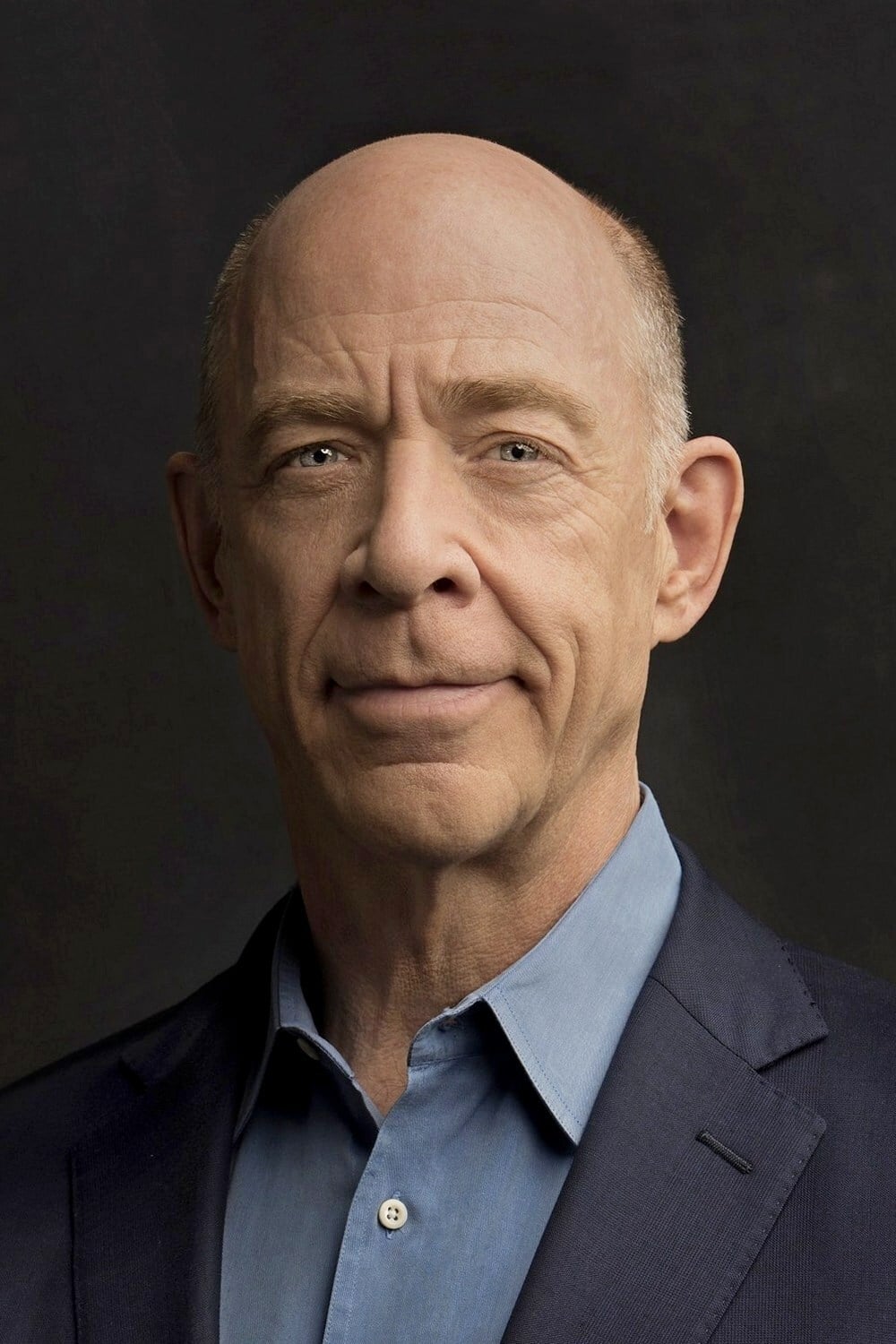
He trained as a singer and stage actor and moved through national tours and Broadway before turning to television. His early screen work included guest roles and commercial campaigns.
He broke through in his early forties with the prison drama ‘Oz’ and later achieved global attention with ‘Whiplash’. The latter brought an Academy Award and led to major parts in ‘Being the Ricardos’, the ‘Spider-Man’ films, and numerous animated projects.
Richard Jenkins
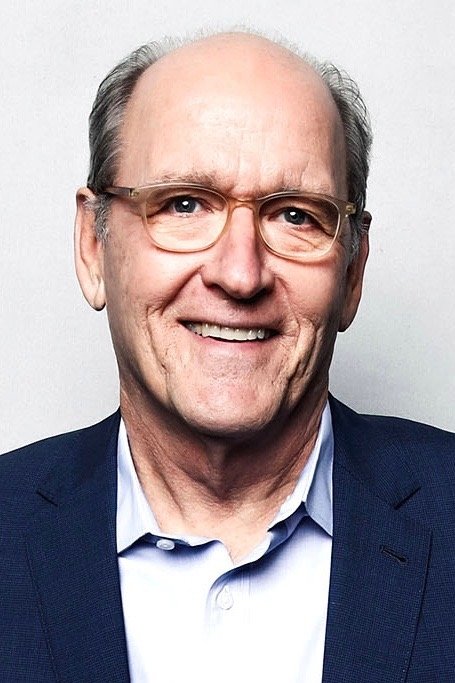
He spent years as a theater actor and appeared often in supporting film and television roles. Many viewers recognized his face without knowing his name.
His first major leading role came in his early sixties with ‘The Visitor’. The performance earned an Academy Award nomination and set up prominent work in ‘The Shape of Water’, ‘Olive Kitteridge’, and ‘Six Feet Under’.
Gene Hackman
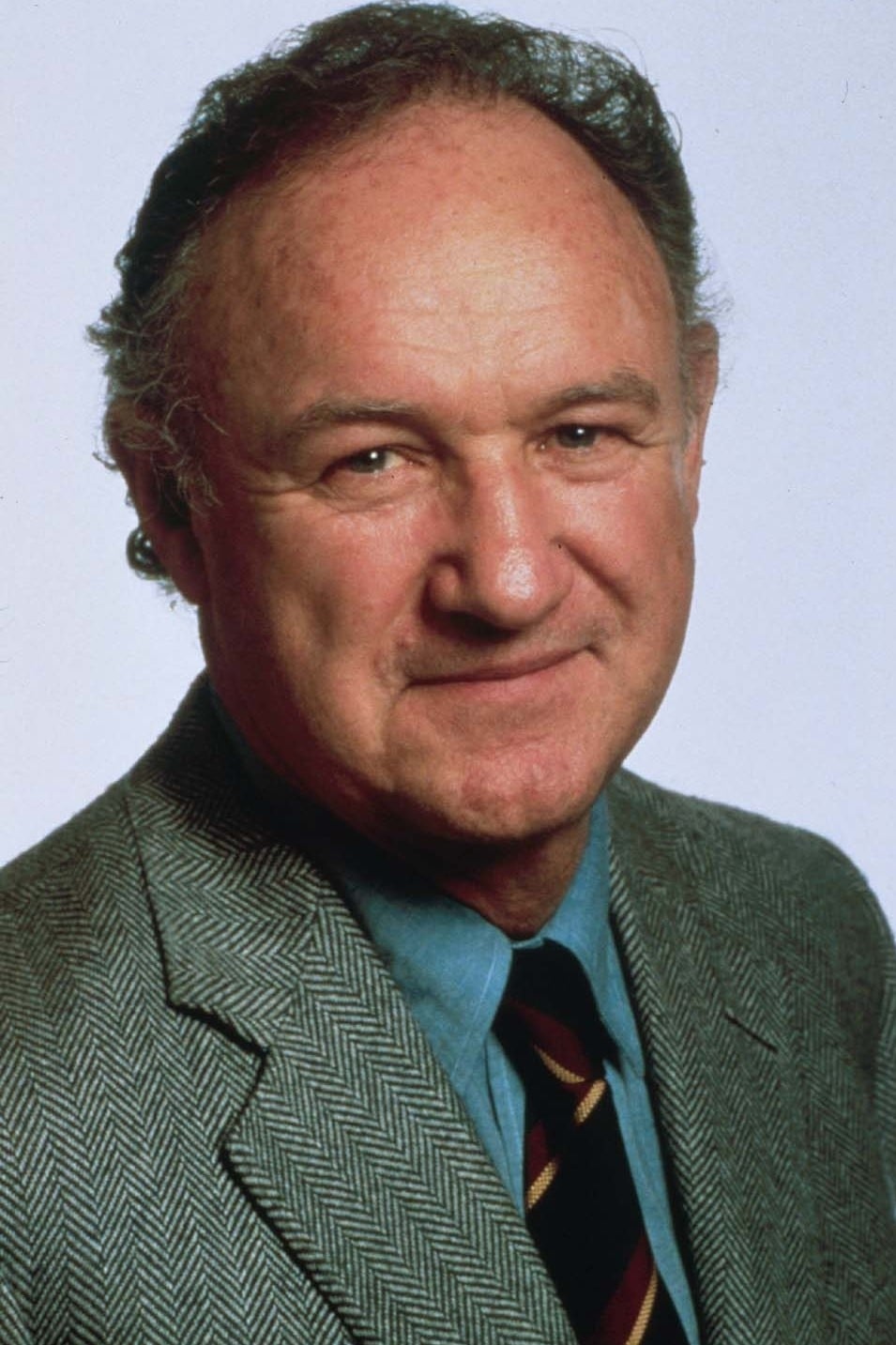
He trained at the Pasadena Playhouse and rose through stage and supporting screen roles while often cast as intense or conflicted men. For a long time he was a dependable presence rather than a star.
His breakthrough arrived in his early forties with ‘The French Connection’. The role brought an Academy Award and propelled a career that spanned ‘The Conversation’, ‘Unforgiven’, and ‘Hoosiers’.
Tommy Lee Jones
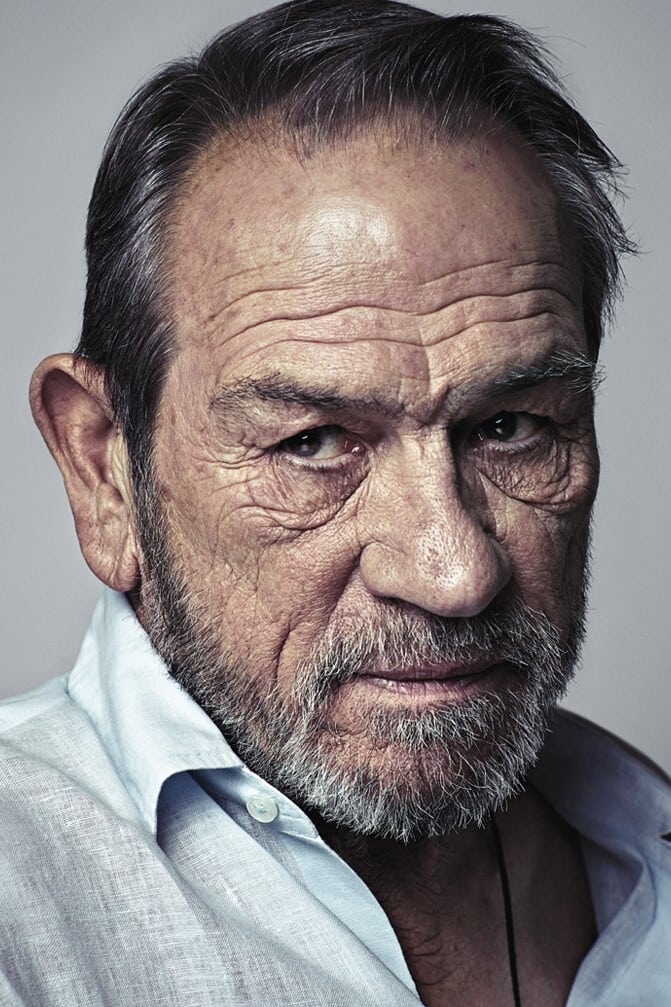
After Harvard and early stage work he appeared in television movies and supporting film roles. He earned steady notice without the profile of a marquee name.
His leap to broad fame came in his late forties with ‘The Fugitive’. That performance earned an Academy Award and set him up for leads in ‘Men in Black’, ‘No Country for Old Men’, and ‘Lincoln’.
Ed O’Neill
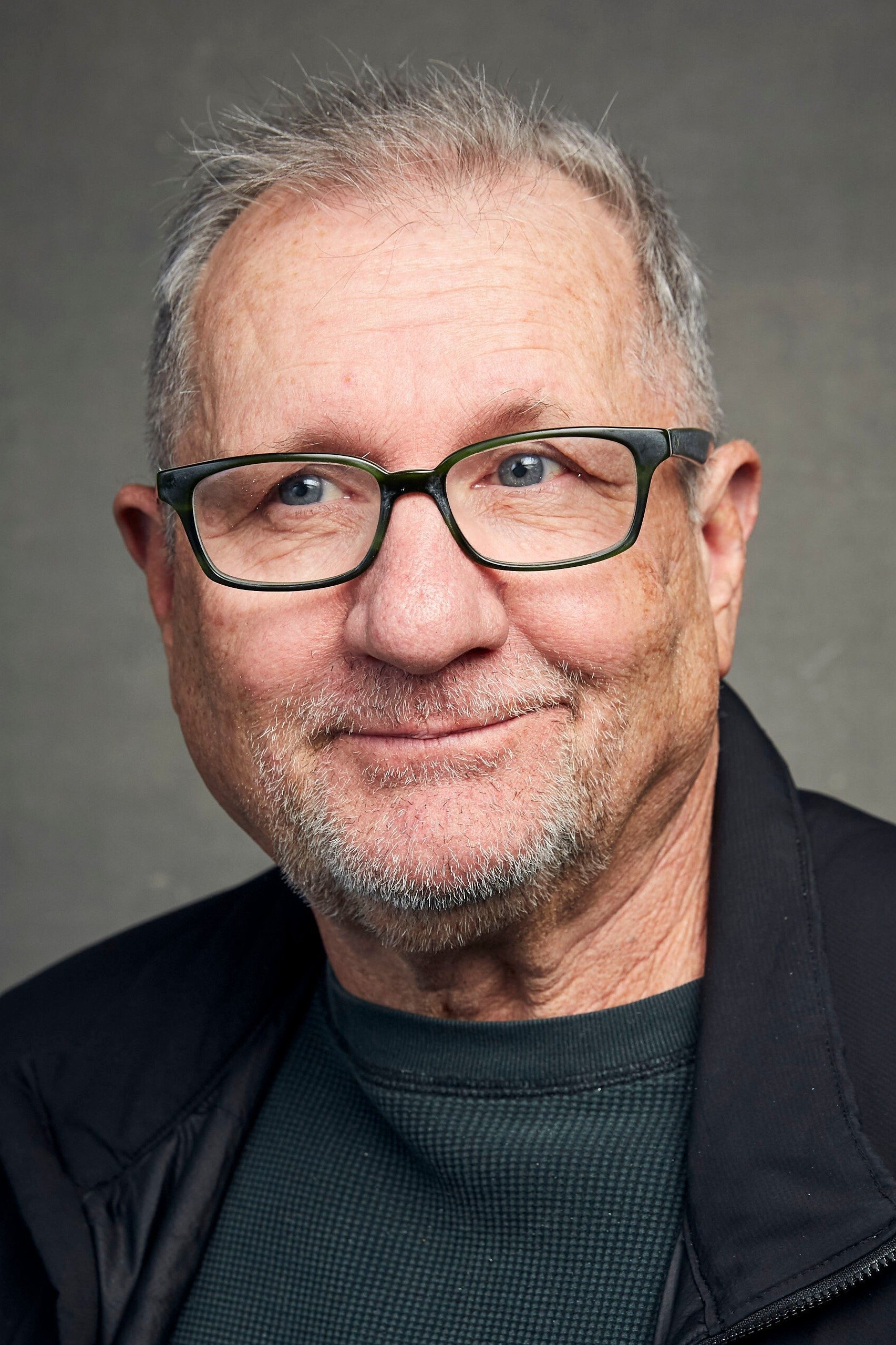
He worked in regional theater and took small television and film parts while holding day jobs along the way. Casting directors saw a blue collar authenticity that later became central to his success.
His breakthrough came in his early forties with ‘Married with Children’. The long running sitcom made him a household name and later he returned to prime time prominence with ‘Modern Family’, earning multiple award nominations.
Peter Capaldi
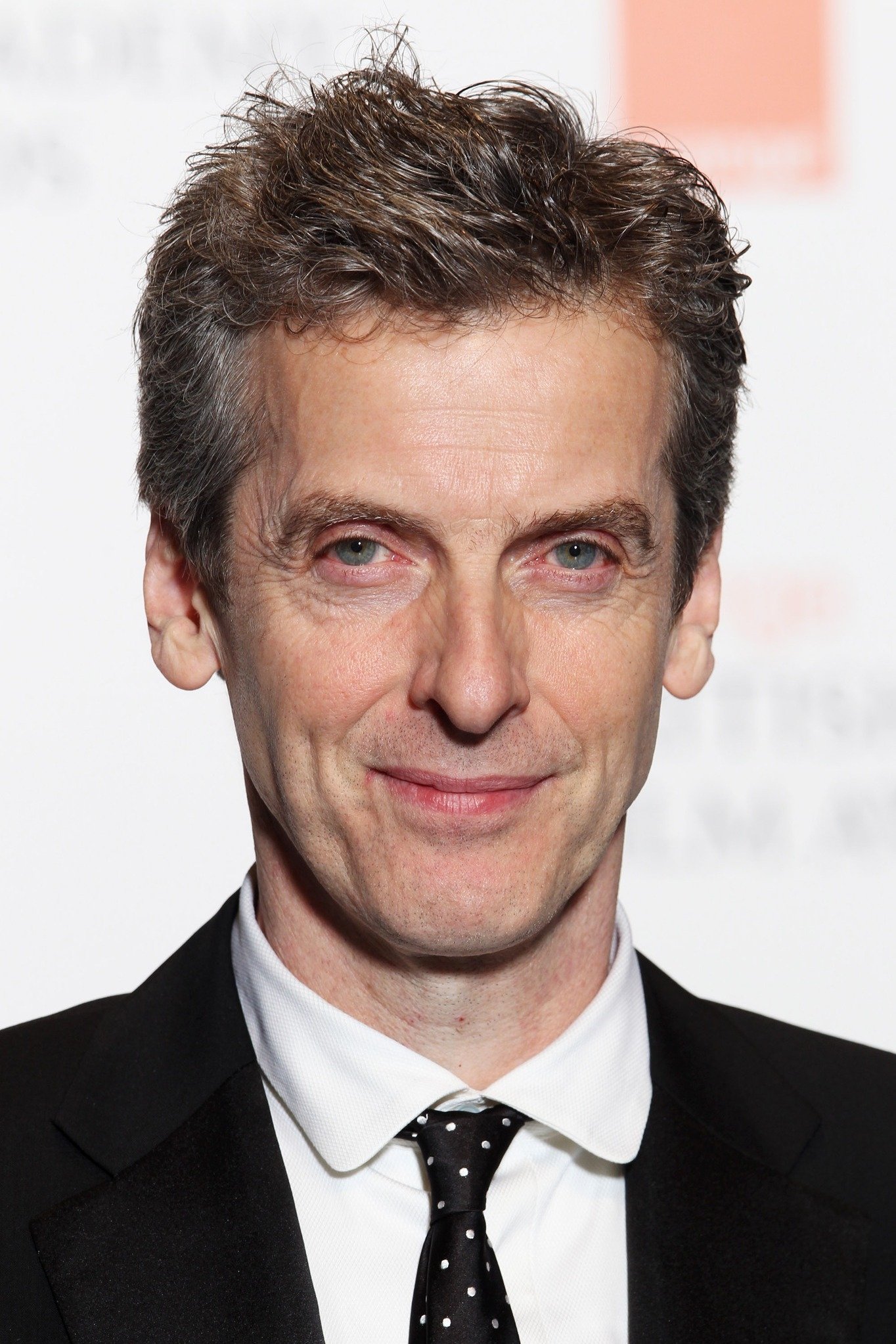
He acted in film and television for years and also directed, winning a short film Academy Award as a filmmaker. Despite that achievement he was not widely known to mainstream audiences.
His on screen breakthrough arrived in his mid forties with ‘The Thick of It’. That role led to a celebrated stint as the Doctor in ‘Doctor Who’ and to high profile film and television projects across the UK and beyond.
Melissa Leo
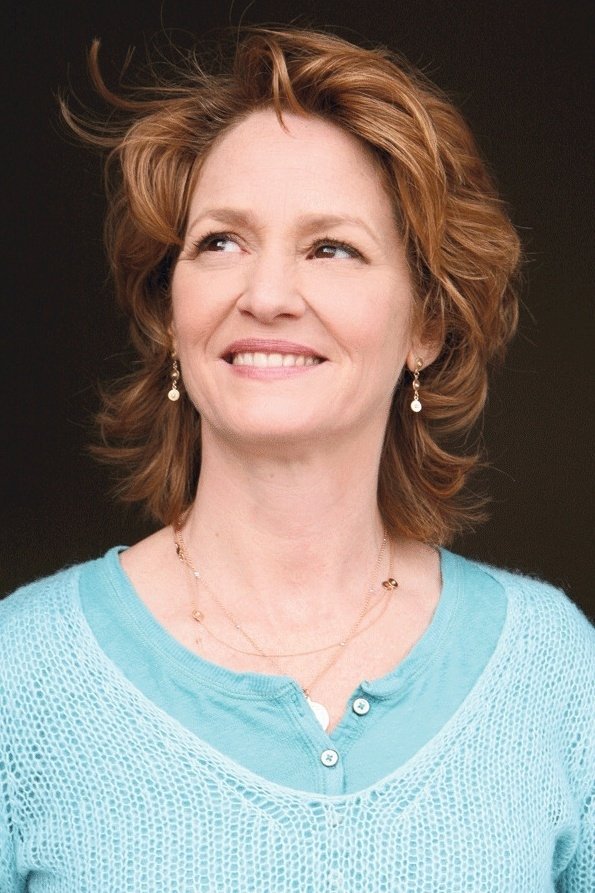
She began in soap operas and independent films and worked consistently through the nineties and two thousands. She often played working class characters with lived in detail.
Her breakout leading performance came in her late forties with ‘Frozen River’. That work earned an Academy Award nomination and led quickly to roles in ‘The Fighter’, ‘Treme’, and ‘I Know This Much Is True’.
Bill Nighy
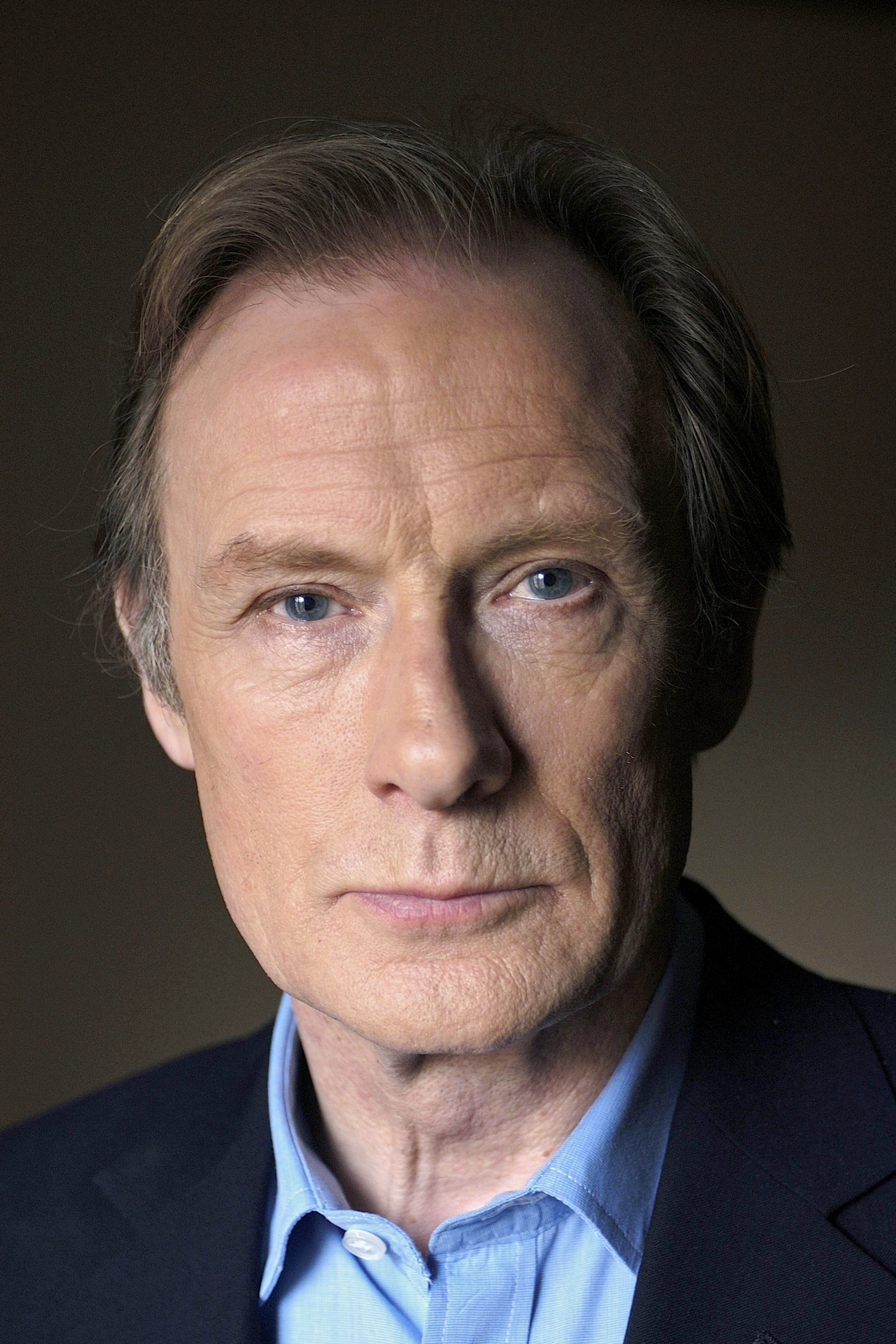
A veteran of British theater and television, he logged decades of work before international recognition. His dry delivery and musical background informed many supporting roles.
His global breakthrough came in his early fifties with ‘Love Actually’. The performance opened doors to franchise work in ‘Pirates of the Caribbean’ and ‘Underworld’ and later to acclaimed leads like ‘Living’.
Phyllis Smith
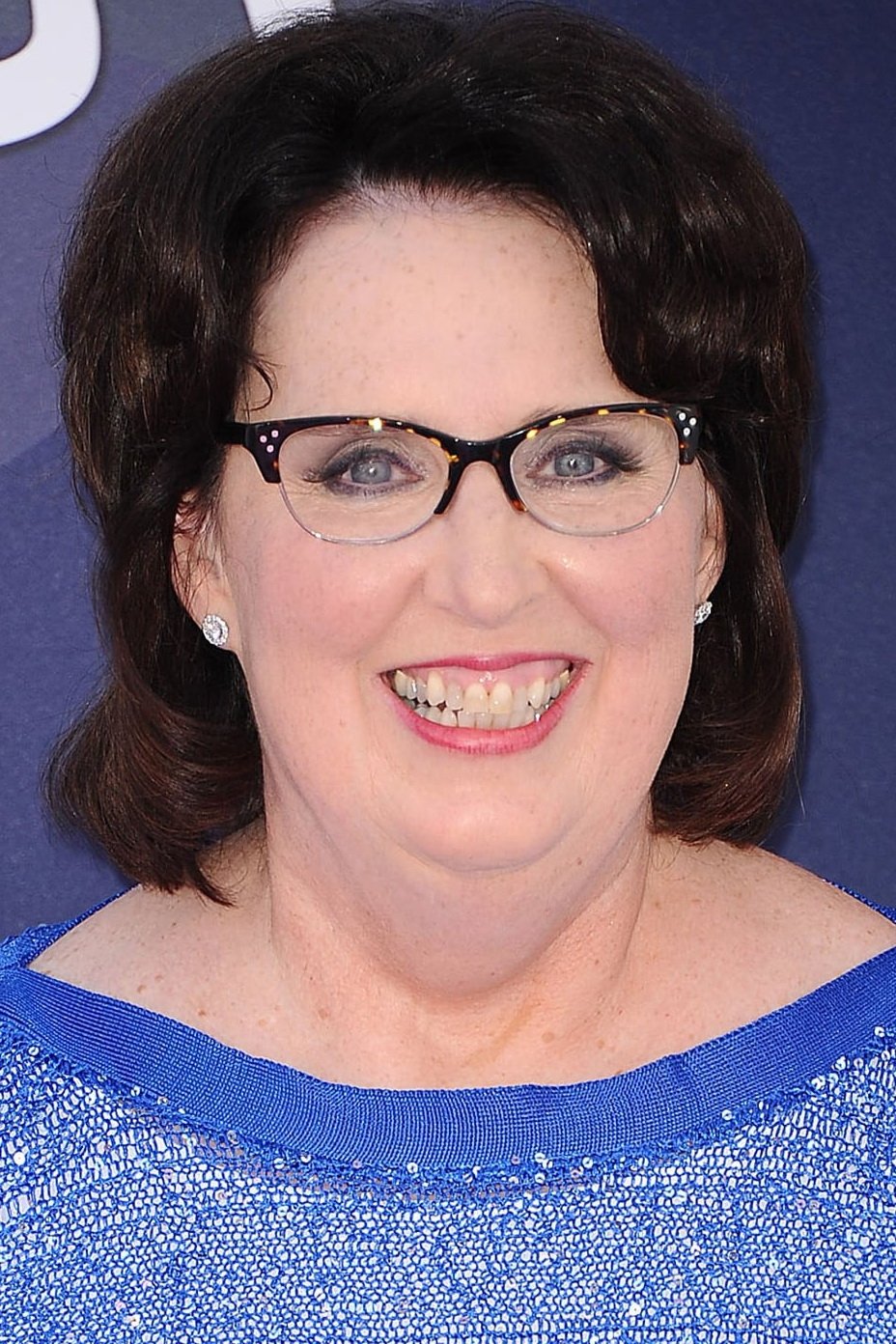
She worked as a casting associate and appeared as an extra while building industry experience behind the scenes. Performance was not her primary job for many years.
Her acting breakthrough arrived in her early fifties with ‘The Office’. The role brought long term visibility and led to voice work in ‘Inside Out’ and to further television roles that built on her unique timing.
John Mahoney
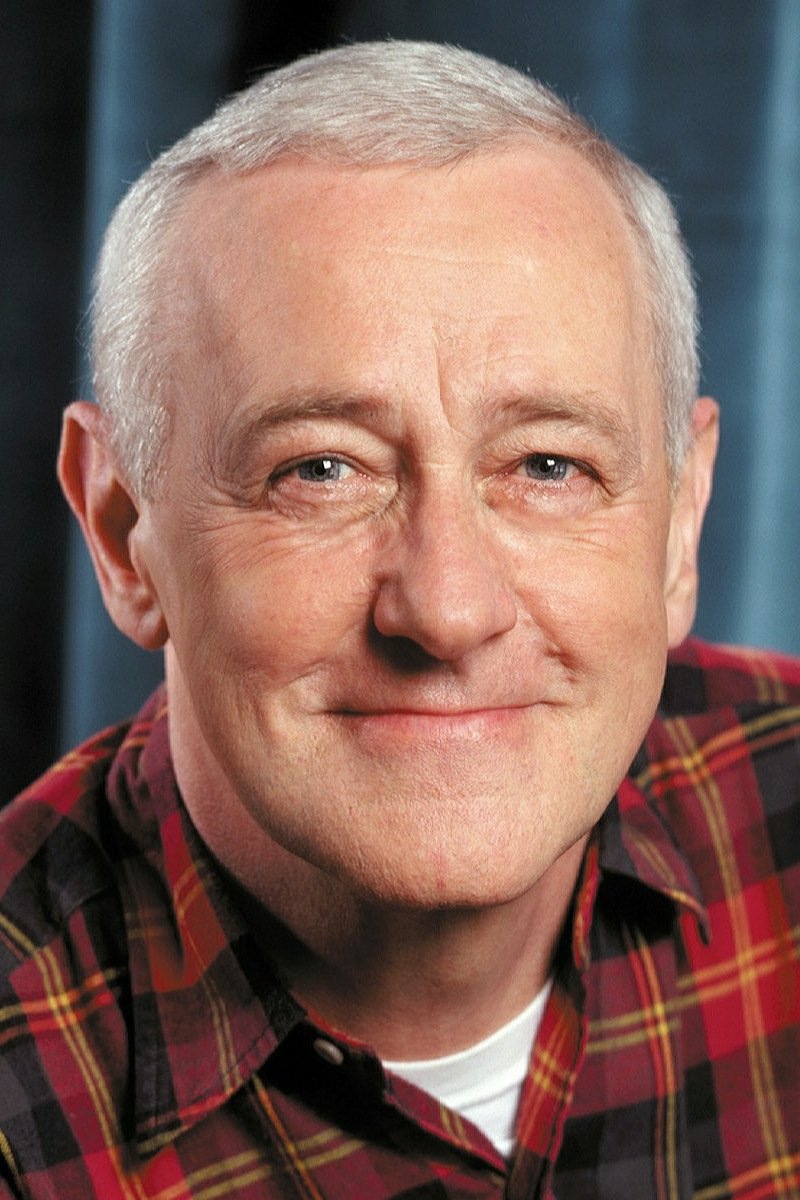
He joined Chicago’s Steppenwolf Theatre after a career outside acting and quickly earned stage acclaim. Film roles followed with respected directors who noticed his grounded style.
His late blooming television breakthrough arrived in his early fifties with ‘Frasier’. The role of Martin Crane earned two Emmy nominations and sustained a long run while he continued stage work and film appearances.
Ann Dowd
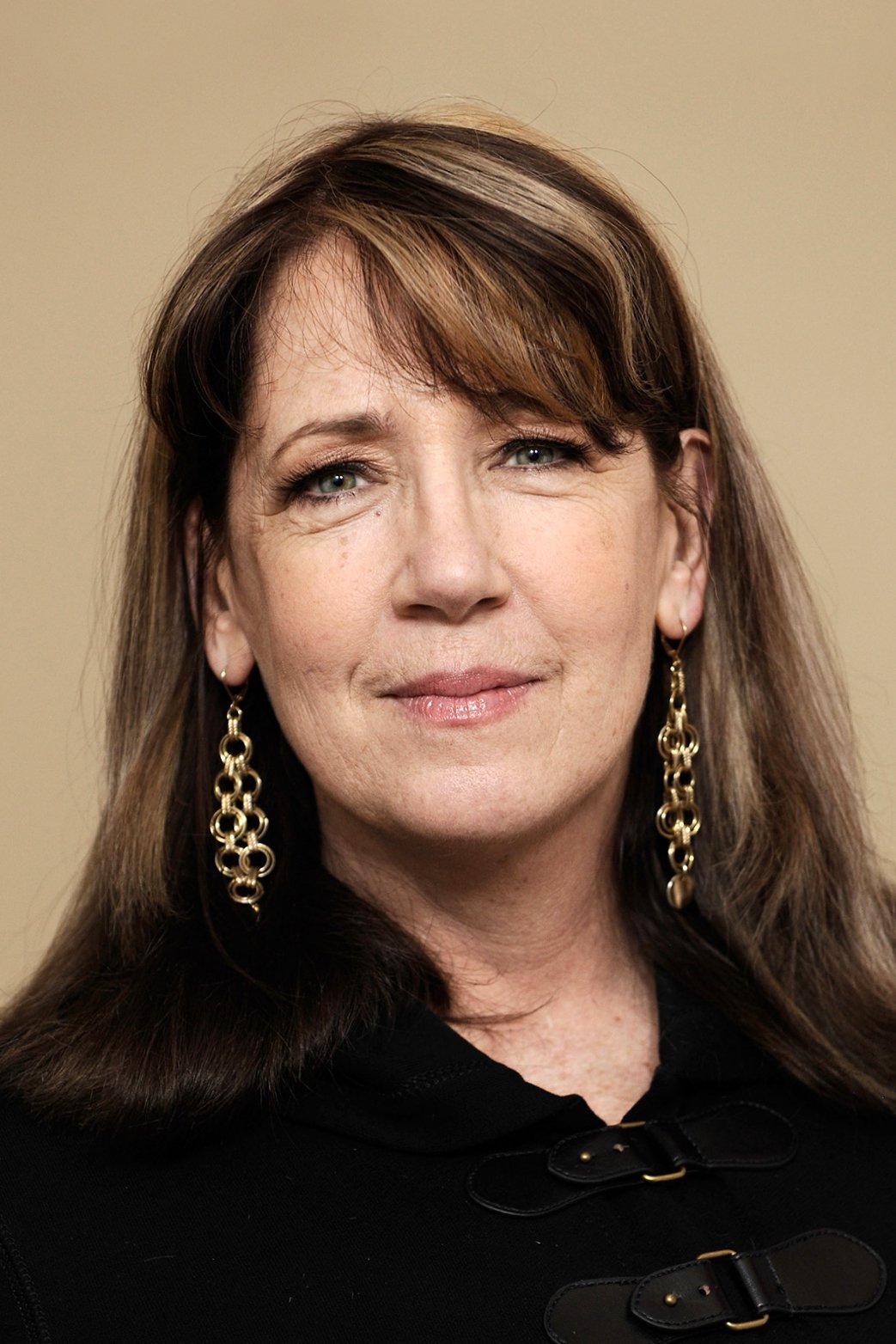
She trained at DePaul and built decades of stage and screen credits, often as a nurse, mother, or authority figure. The parts were steady but rarely central.
Her major breakout came in her mid fifties with ‘Compliance’. That performance brought a wave of critics prizes and preceded her award winning turn as Aunt Lydia in ‘The Handmaid’s Tale’ along with roles in ‘The Leftovers’ and ‘Hereditary’.
James Cromwell
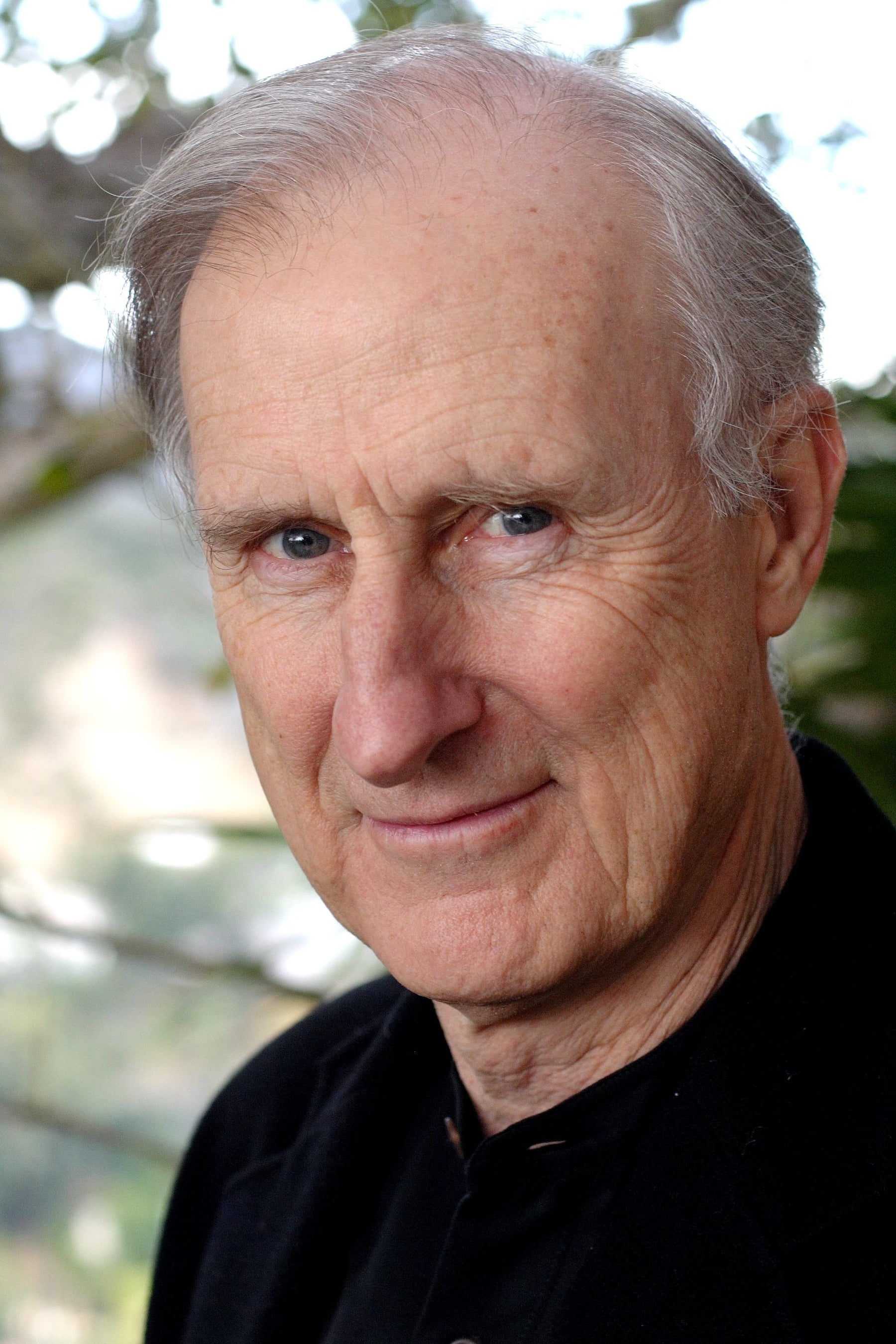
He acted on stage and television for many years and frequently played tall and imposing authority figures. Despite constant work he remained largely in the background.
His breakout film turn arrived in his mid fifties with ‘Babe’. The role earned him an Academy Award nomination and led to key performances in ‘L.A. Confidential’, ‘The Green Mile’, and ‘Succession’.
Share your favorite late blooming success stories in the comments and tell us who else belongs on this list.

