


Late-Blooming Actresses Who Broke Through After 40

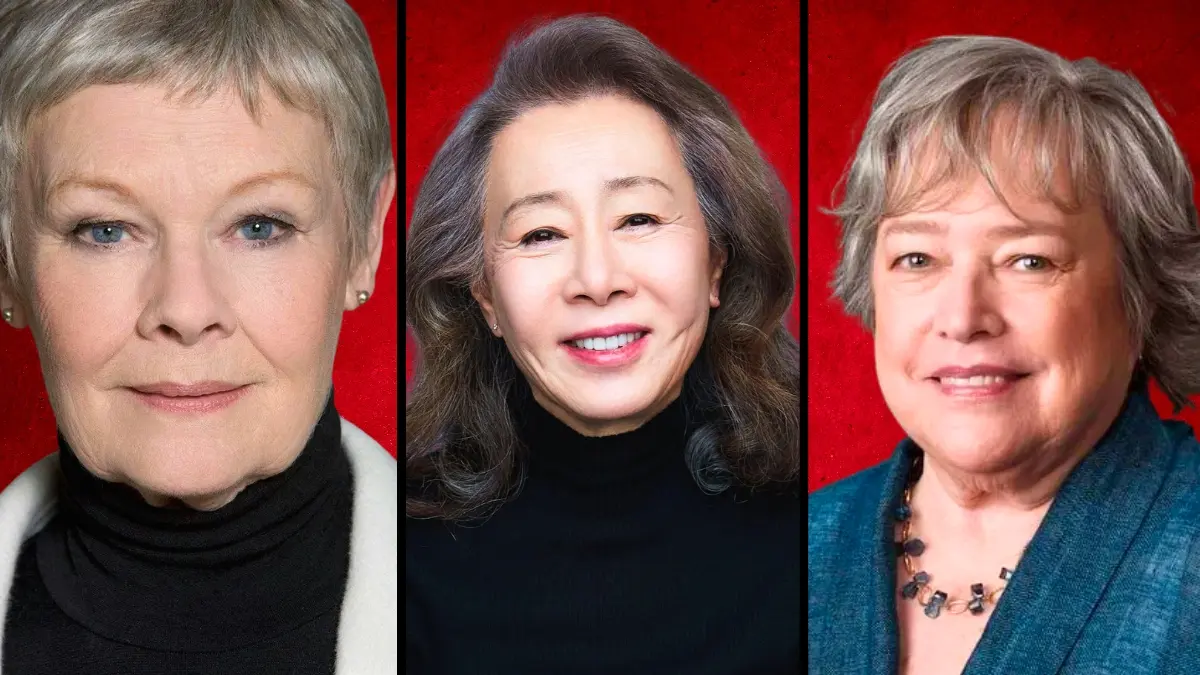


Many performers build steady résumés for years before the right role brings their work to a wider audience. For these actresses, that moment arrived after 40, when experience and persistence met opportunity and turned into sustained visibility and major awards. The path was not quick, but the results reshaped careers and expanded who gets seen as a leading talent.
This list highlights concrete turning points such as first major awards, breakout characters that became cultural touchstones, and long running shows that introduced them to new audiences. You will find ages at breakthrough, notable roles across film and television, and the kinds of projects that kept momentum going once the door finally opened.
Kathy Bates
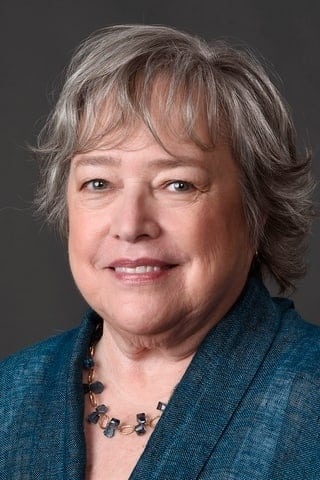
Kathy Bates moved from celebrated stage work and supporting screen roles to mainstream recognition when she won Best Actress for ‘Misery’ at age 42. That single performance changed casting conversations and led to a run of prominent films including ‘Fried Green Tomatoes’ and ‘Dolores Claiborne’, plus memorable appearances in large ensemble hits like ‘Titanic’.
She converted that breakthrough into a durable second act across mediums. Bates earned additional Oscar and Emmy nominations, won multiple Emmys for television work, and became a key figure in anthology series such as ‘American Horror Story’, proving consistent drawing power well into later decades of her career.
Viola Davis
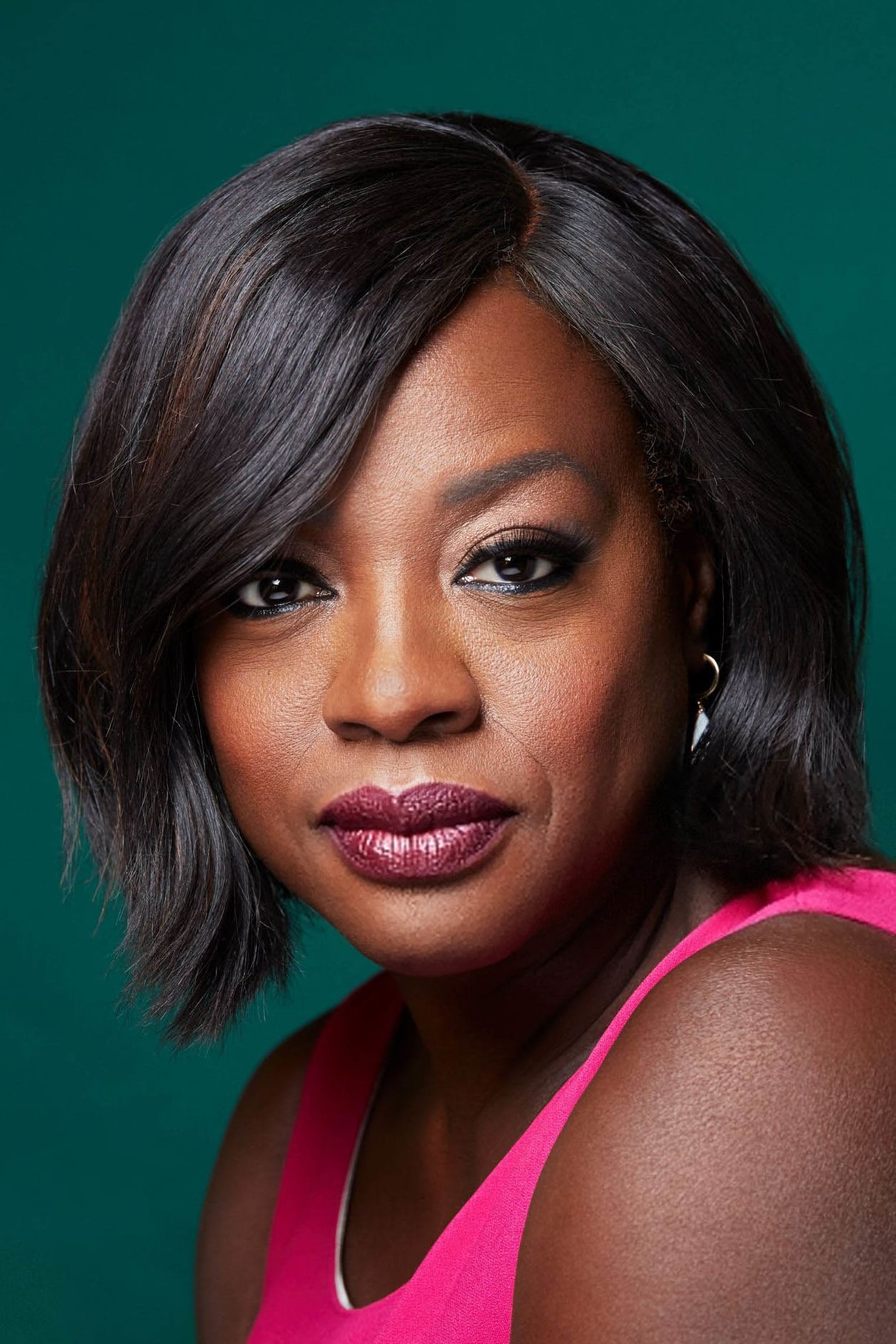
Viola Davis drew widespread attention with a brief but pivotal role in ‘Doubt’ after turning 40, which led to her first Academy Award nomination and a surge in major offers. She then led ‘The Help’ and anchored ‘How to Get Away with Murder’, stepping into headline status on both big and small screens.
Her post breakthrough run includes an Oscar win for ‘Fences’ and historic milestones across film, television, and audio that placed her among the most decorated performers of her generation. She achieved EGOT status after adding a Grammy to multiple Emmys, Tonys, and an Academy Award, all following the initial spotlight that arrived in her forties.
Judi Dench

Judi Dench transitioned from revered stage star to international screen presence after 60 when ‘Mrs Brown’ earned major accolades and introduced her to a global film audience. That momentum dovetailed with her tenure as M in the James Bond series, which placed her in one of cinema’s most visible roles.
Her late blooming screen ascent produced a Best Supporting Actress win for ‘Shakespeare in Love’ and a string of nominations across prestige dramas and ensembles such as ‘Philomena’ and ‘Notes on a Scandal’. The result was a late career run of awards and leading parts rarely afforded to actresses starting that chapter so late.
Margo Martindale
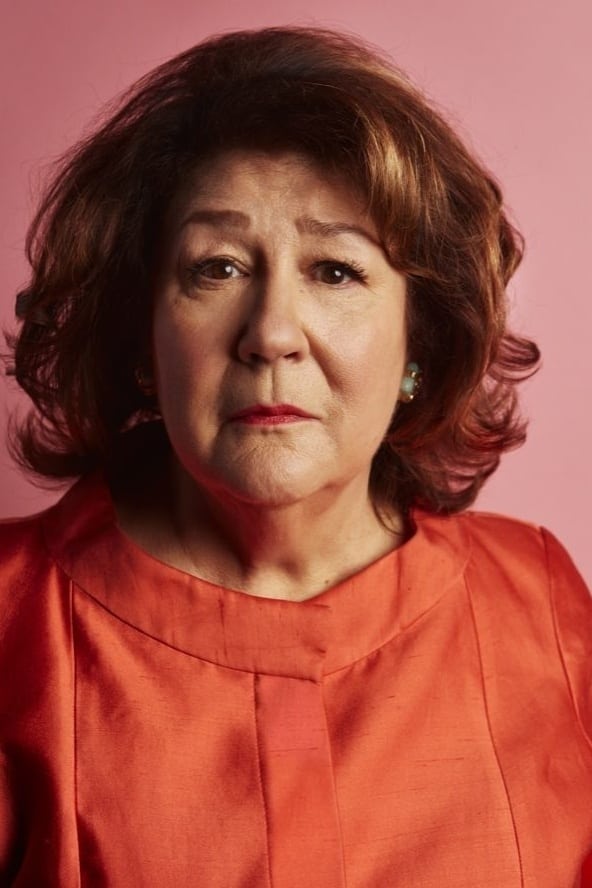
Margo Martindale’s performance as Mags Bennett in ‘Justified’ arrived near age 60 and earned her a Primetime Emmy, instantly raising her profile with audiences and creators. The role showcased a commanding range that reframed her from dependable character actor to in demand scene stealer.
She followed with acclaimed work in ‘The Americans’, winning additional Emmys and becoming a repeat presence in high quality dramas and comedies. Martindale’s post breakthrough credits span film, cable, and streaming, with consistent awards recognition that began only after her forties.
Ann Dowd
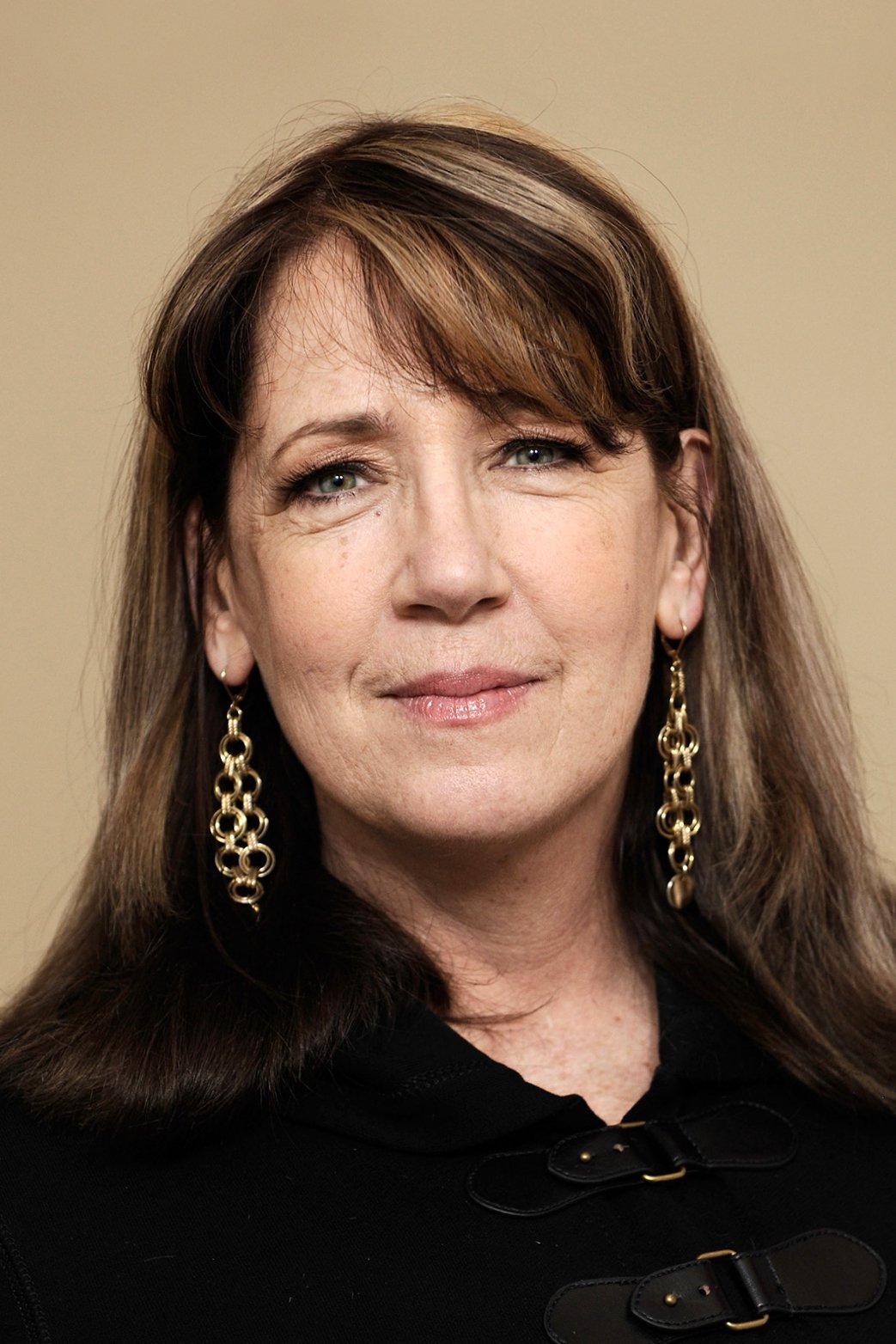
Ann Dowd’s breakthrough came in her mid fifties with ‘Compliance’, a small independent film that led casting directors to re evaluate her capabilities for complex antagonists and mentors. That momentum led directly to Aunt Lydia in ‘The Handmaid’s Tale’, a role that brought her an Emmy and widespread name recognition.
Dowd has since moved between prestige television and notable films while retaining a reputation for transformative character work. Appearances in projects like ‘The Leftovers’, ‘Hereditary’, and ‘Mass’ kept the spotlight on performances that arrived long after most performers would expect a first wave of fame.
Phyllis Smith
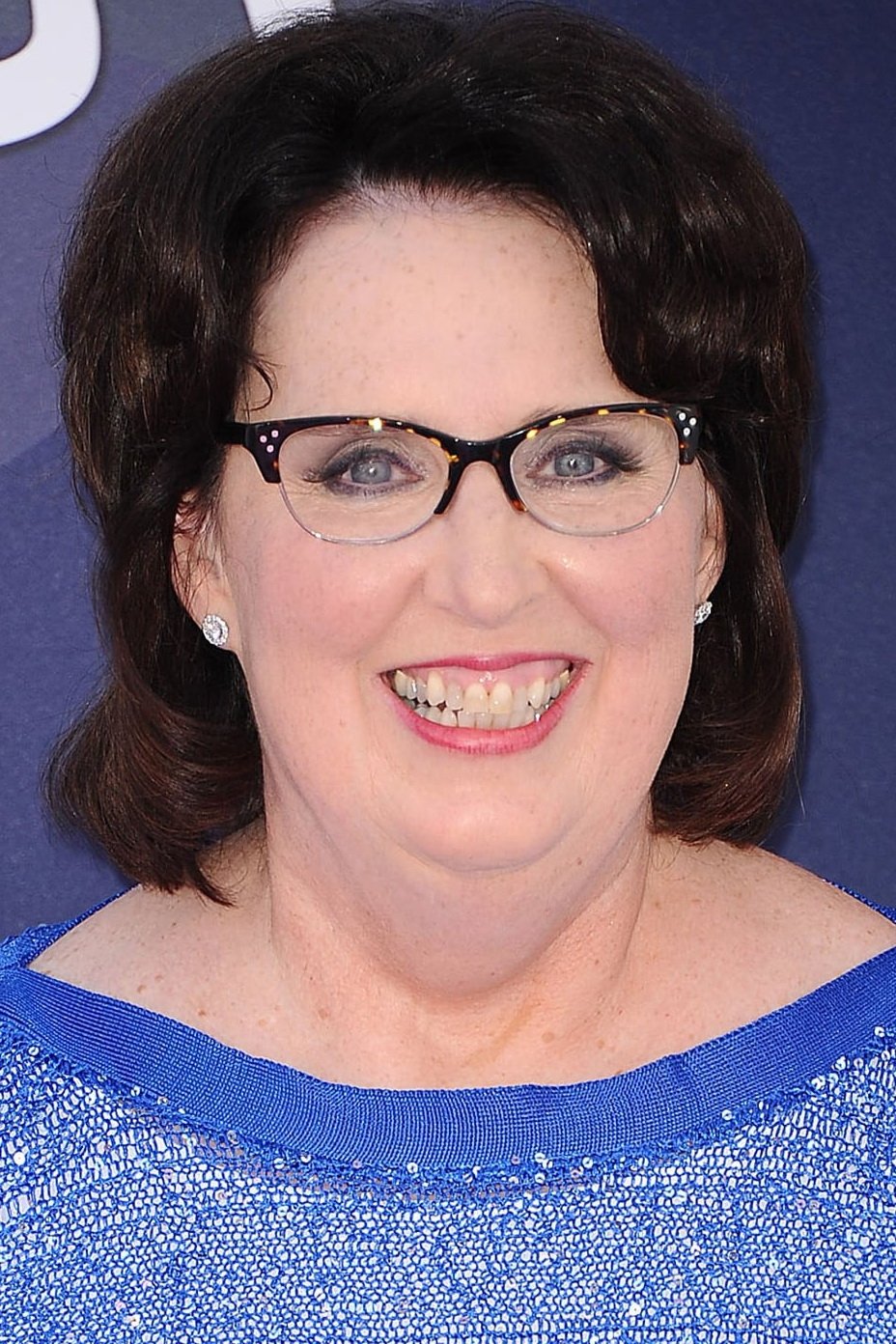
Phyllis Smith was working as a casting associate when she was invited to read lines during auditions for ‘The Office’, which unexpectedly led to being cast as Phyllis Vance in her fifties. The series became a cultural staple and made her a familiar face to a massive television audience.
She broadened that success with voice acting as Sadness in ‘Inside Out’, introducing her to an even younger demographic while adding film to her résumé. The late start in front of the camera turned into a steady stream of work across television and animation after the show ended.
Olivia Colman

Olivia Colman spent years in British comedy including ‘Peep Show’ before her international film breakthrough with ‘The Favourite’ after turning 40, which brought a Best Actress Oscar and propelled her to leading roles worldwide. The shift from comedic supporting parts to dramatic leads marked a decisive career pivot.
She sustained that rise by headlining major series such as ‘The Crown’ while maintaining a presence in acclaimed films like ‘The Lost Daughter’. Colman’s career after 40 features frequent award nominations and wins that expanded her profile far beyond her early television work.
Imelda Staunton
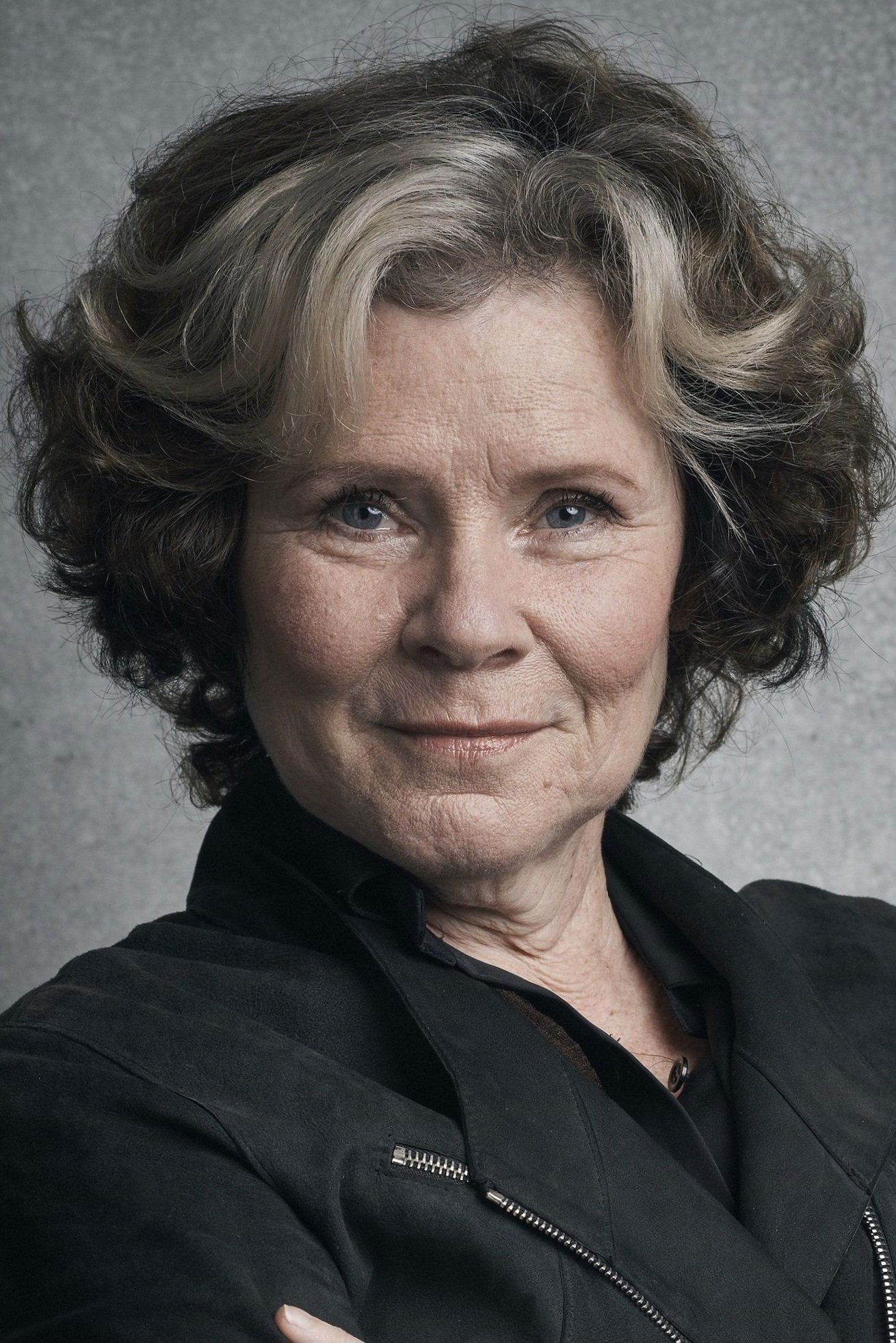
Imelda Staunton’s performance in ‘Vera Drake’ vaulted her to global recognition in her late forties, earning major awards and nominations that changed the course of her screen career. The film validated decades of stage and supporting screen work and elevated her to top tier casting lists.
She consolidated that success with memorable roles in franchises and prestige television, including Dolores Umbridge in ‘Harry Potter’ and Queen Elizabeth II in ‘The Crown’. Staunton’s post breakthrough trajectory demonstrates sustained leading status that began close to 50.
Brenda Blethyn
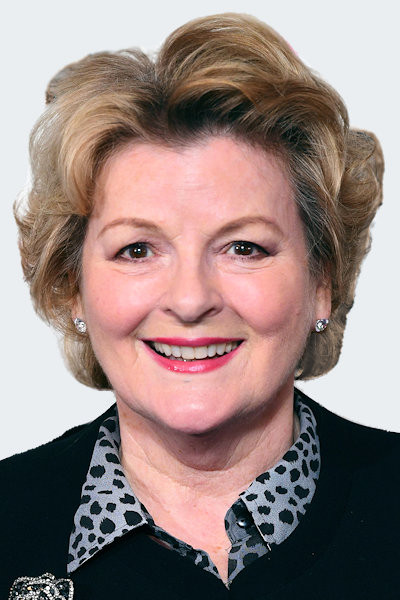
Brenda Blethyn broke through internationally with ‘Secrets & Lies’ at 50, taking top festival honors and major award nominations that introduced her to global film audiences. The performance positioned her as a leading dramatic actor with a distinctive presence.
She later became the face of long running crime drama ‘Vera’, anchoring an enduring series that reinforced her bankable status on television. Blethyn’s career after that milestone balanced independent films with a flagship TV role that kept her in the public eye year after year.
Shohreh Aghdashloo
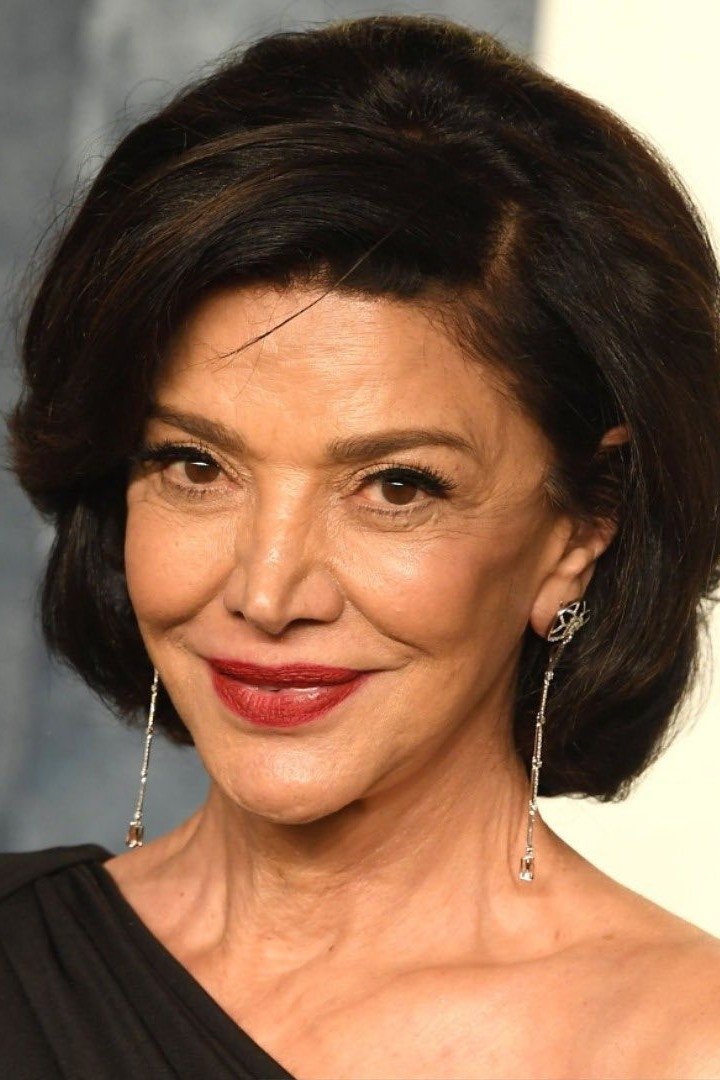
Shohreh Aghdashloo reached worldwide attention with an Academy Award nomination for ‘House of Sand and Fog’ in her early fifties, a turning point that opened doors in American film and television. The nomination highlighted a long career that had previously been centered outside Hollywood.
She built on that momentum with prominent television roles in ’24’ and ‘The Expanse’, the latter giving her a multi season arc that showcased her command of science fiction storytelling. Aghdashloo’s voice work in games and animation further expanded her late blooming screen influence.
Jacki Weaver
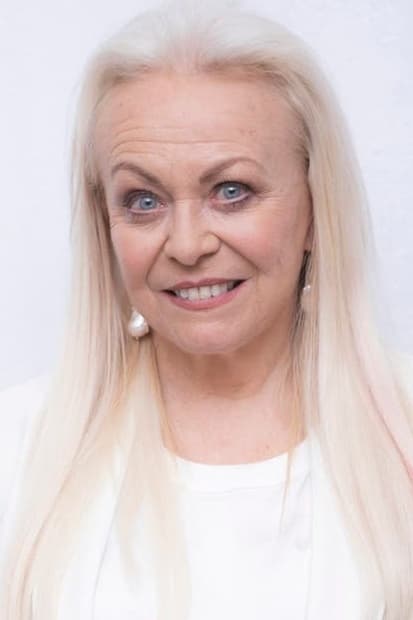
Jacki Weaver’s international breakthrough arrived with ‘Animal Kingdom’ in her sixties, which led to an Academy Award nomination and a new wave of offers from American producers. She quickly followed with a second Oscar nomination for ‘Silver Linings Playbook’, securing her status with audiences outside Australia.
She has stayed busy across film and television, including appearances in ‘Yellowstone’ and a mix of independent and studio projects. Weaver’s late arrival to global attention translated into a prolific schedule that continued well after that first nomination.
Youn Yuh-jung
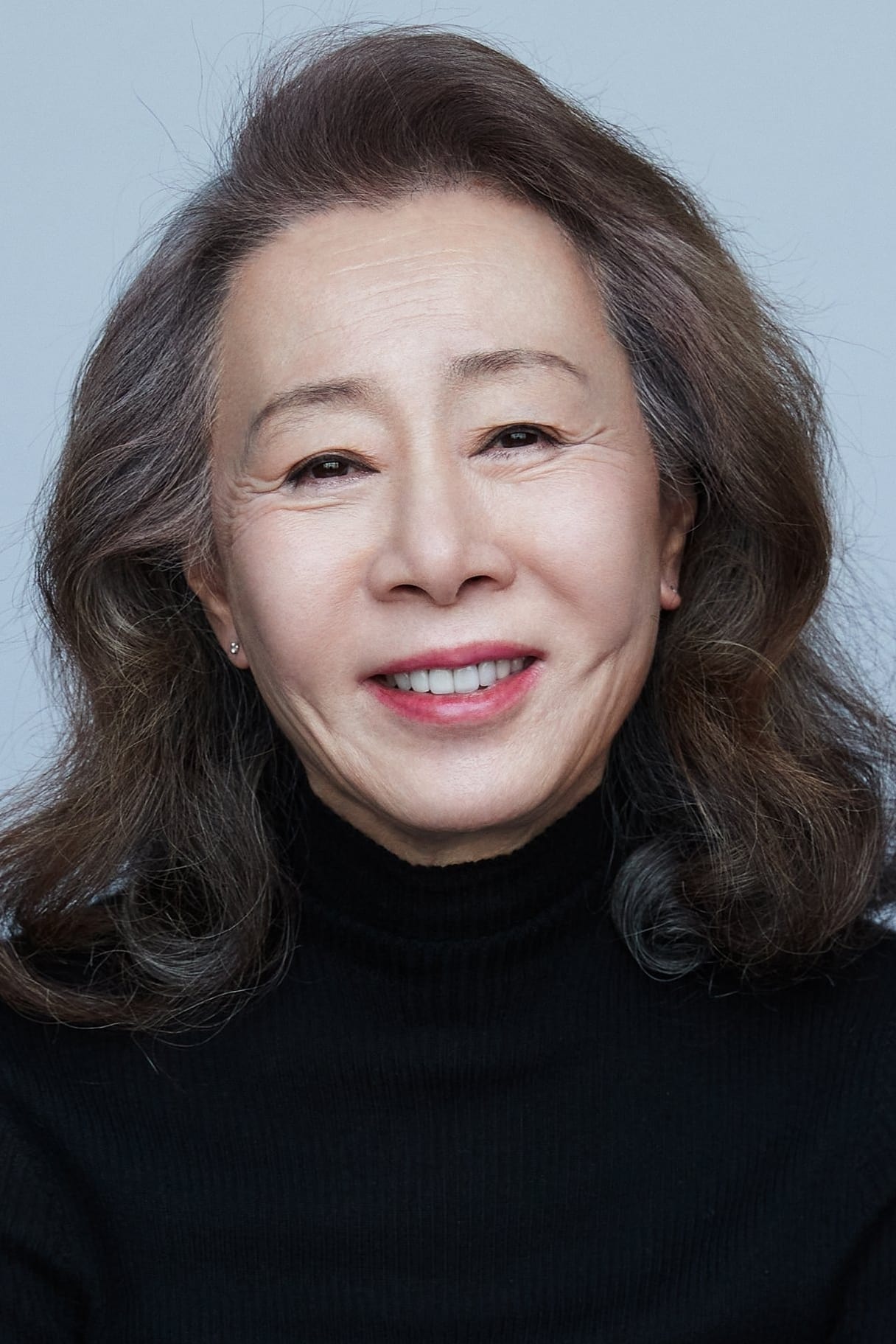
Youn Yuh-jung made history after 70 with an Academy Award for ‘Minari’, becoming the first Korean actor to win an Oscar for acting. The honor capped decades of acclaimed work in Korea while introducing her to a broad international audience.
Following that milestone she took on English language projects and high profile series, expanding her presence beyond Korean cinema. The award accelerated cross border casting and placed her in demand for roles that leveraged her dry wit and dramatic depth.
Lesley Manville
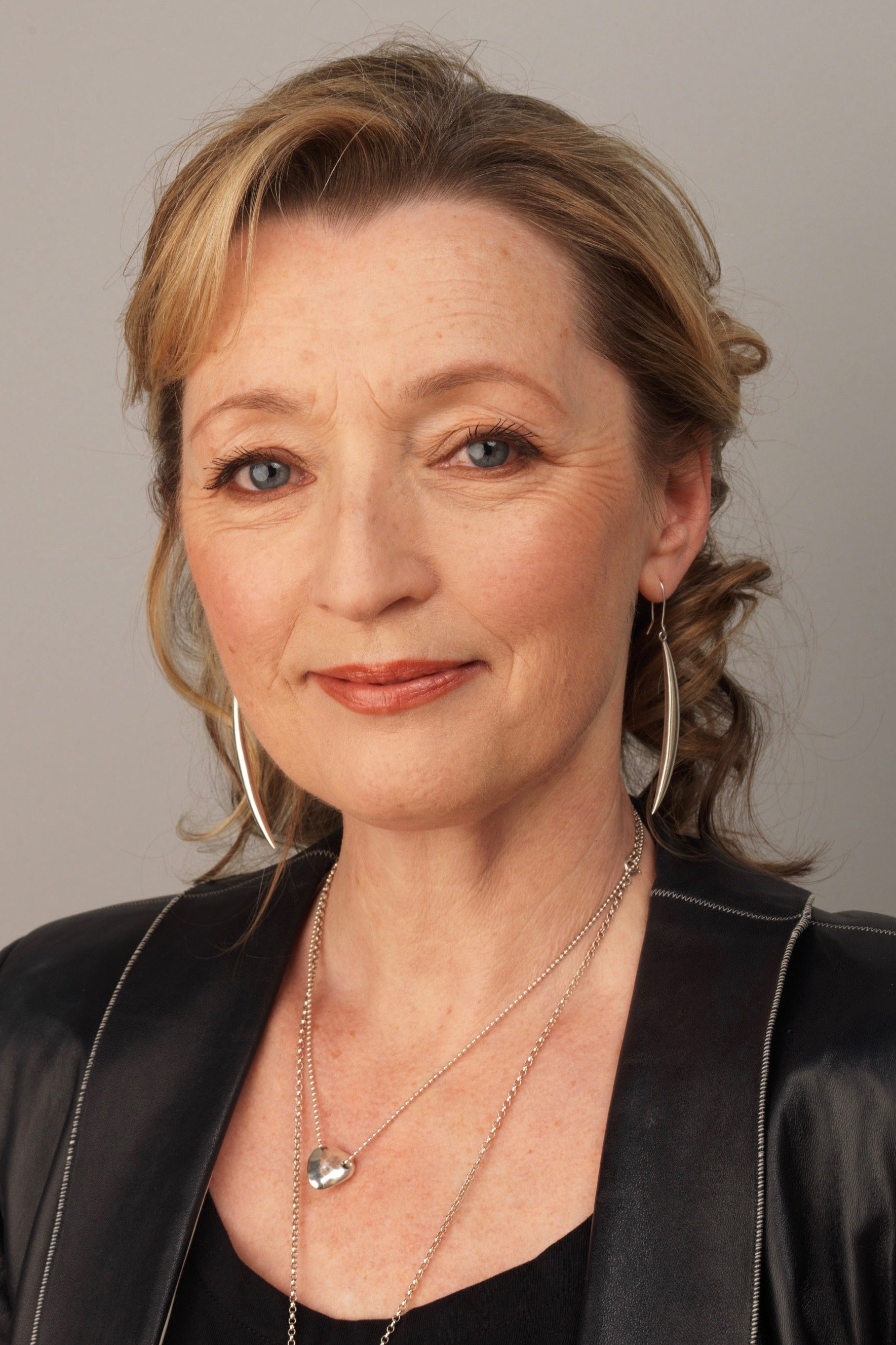
Lesley Manville’s turn in ‘Phantom Thread’ brought a late career Academy Award nomination in her early sixties and spurred a fresh round of leading television roles. The film highlighted the precision she had honed over years with British theatre and film collaborators.
She capitalized with acclaimed work in ‘Mum’, ‘Harlots’, and ‘The Crown’, as well as the feature ‘Mrs. Harris Goes to Paris’. Manville’s post nomination period shows sustained momentum with a mix of prestige television and audience friendly films.
Lorraine Toussaint
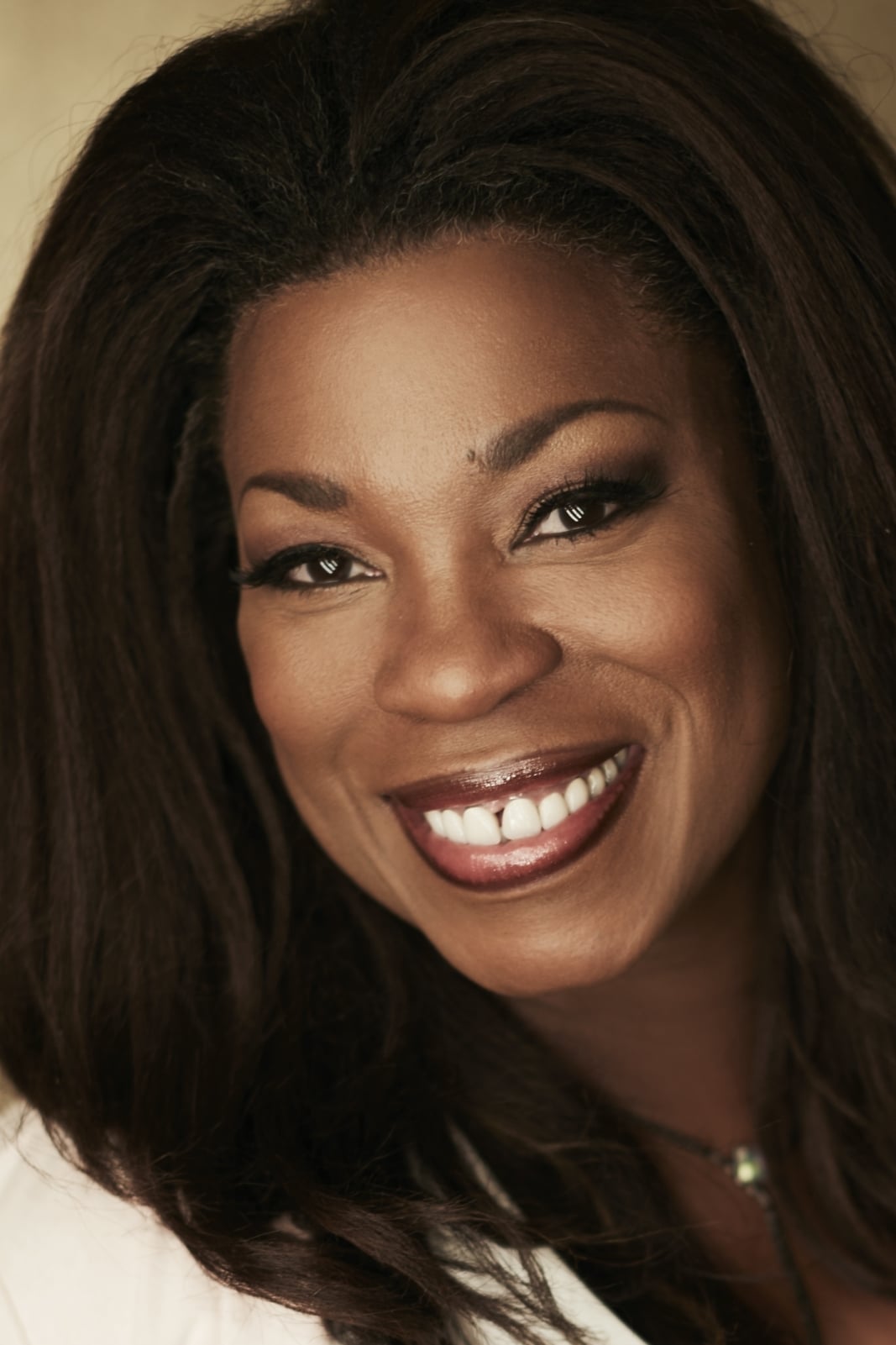
Lorraine Toussaint gained widespread attention as Vee in ‘Orange Is the New Black’ in her mid fifties, which led to awards recognition and a sharp increase in high visibility roles. The performance stood out in a series already crowded with memorable characters.
Since then she has appeared in projects like ‘Selma’, ‘The Equalizer’, and ‘The Glades’, balancing film and network television. Toussaint’s late breakthrough yielded steady starring and recurring roles that continued across genres.
S. Epatha Merkerson
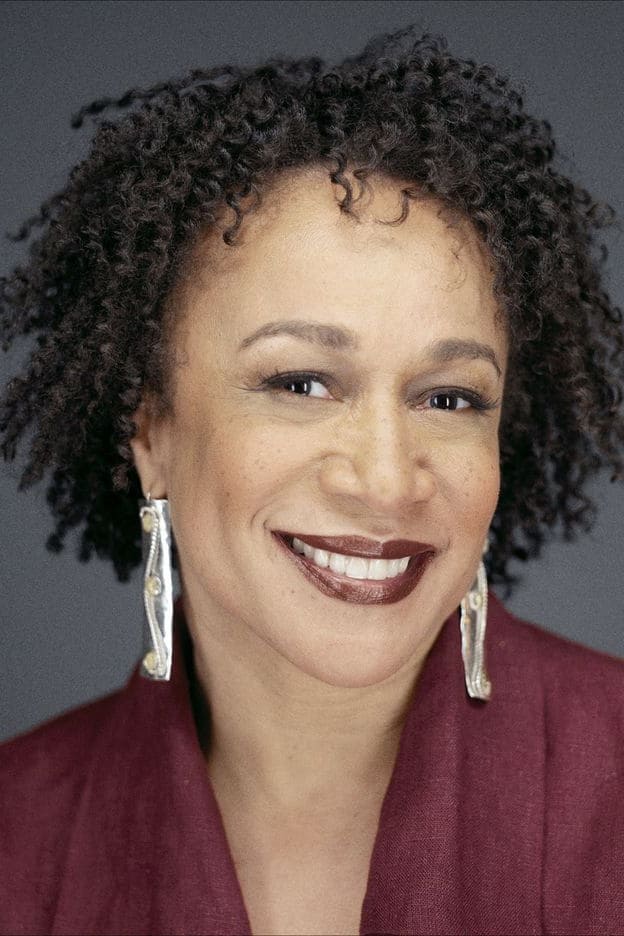
S. Epatha Merkerson stepped into nationwide visibility when she became a cornerstone of ‘Law & Order’ in her early forties, holding one of the longest running roles by a series regular in primetime. The part made her a familiar presence week after week.
She later headlined the HBO film ‘Lackawanna Blues’, earning Emmy, Golden Globe, and SAG honors, and continues to star in ‘Chicago Med’. Merkerson’s late start in marquee positions led to decades of continuous network work.
Marcia Gay Harden
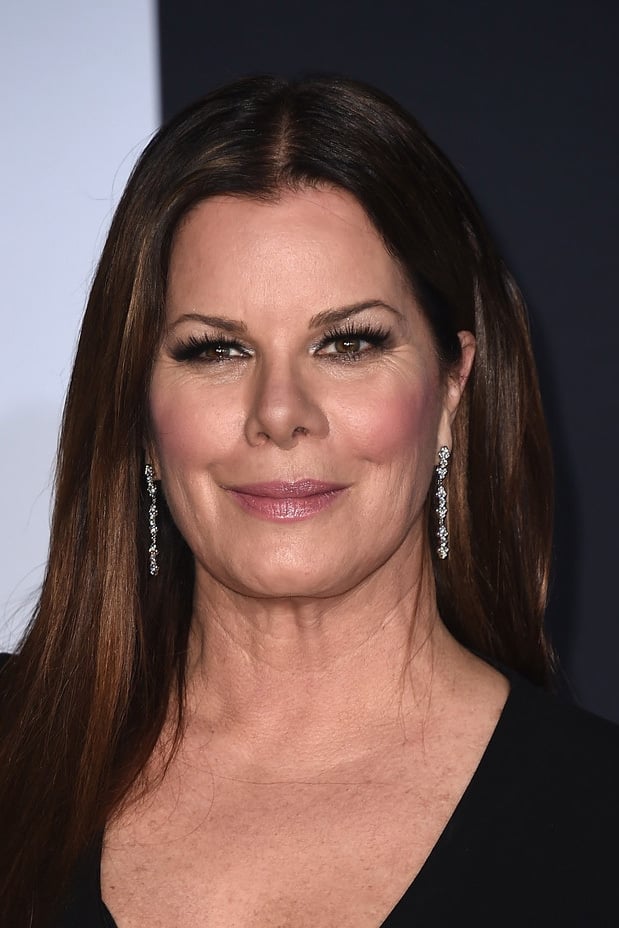
Marcia Gay Harden won the Academy Award for Best Supporting Actress for ‘Pollock’ at 41, which transformed her from a respected performer into an in demand dramatic presence. She followed with another Oscar nomination for ‘Mystic River’, reinforcing the breakthrough.
Harden continued with a blend of film, television, and stage, including ‘The Newsroom’, ‘Code Black’, and a Tony Award on Broadway. The recognition that began after 40 translated into a versatile career across formats.
Kim Cattrall
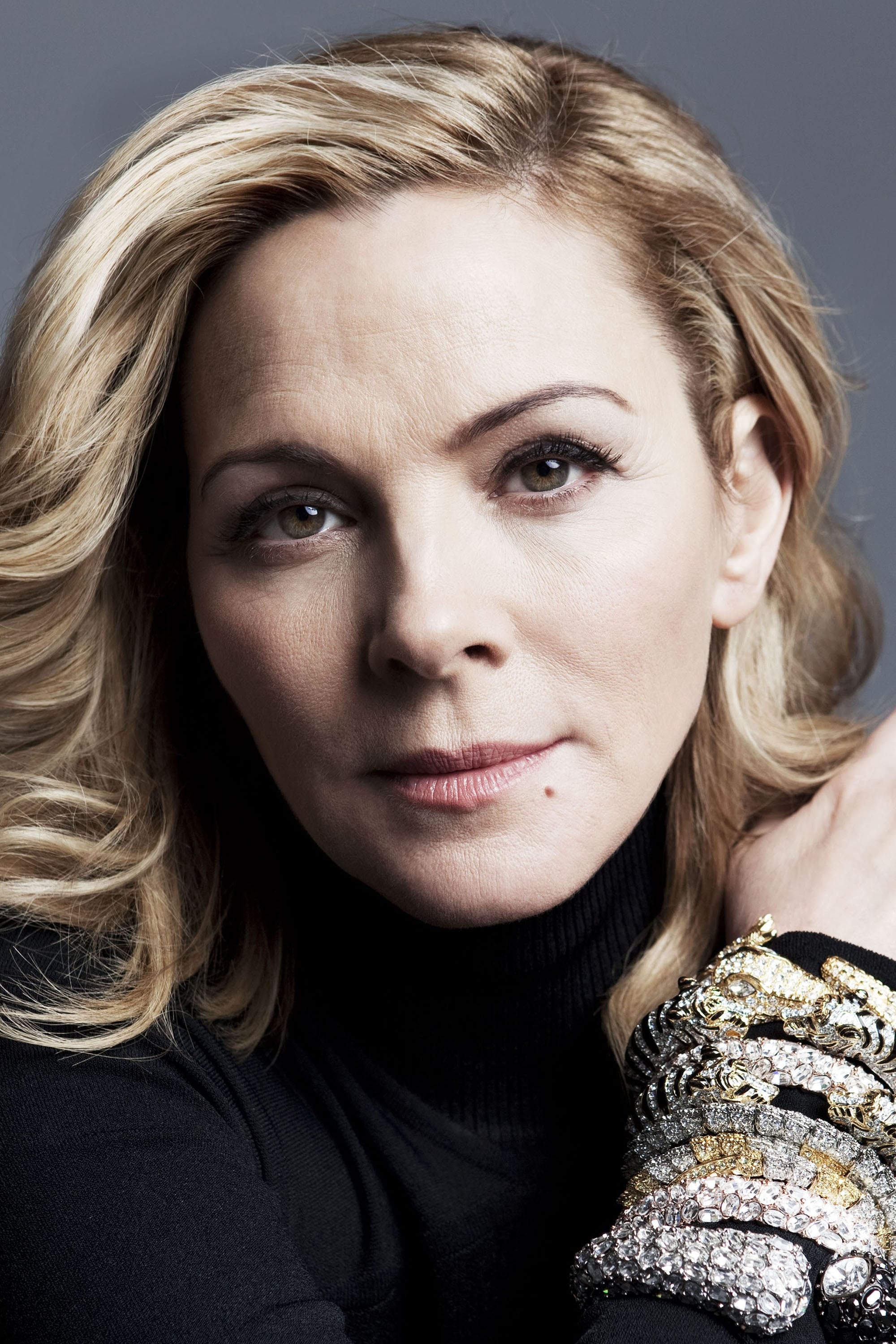
Kim Cattrall’s mainstream worldwide breakout came as Samantha Jones in ‘Sex and the City’ at 42, earning a Golden Globe and multiple Emmy nominations. The role cemented her as a lead in a franchise that expanded into films and revived interest years later.
She diversified with projects like ‘Sensitive Skin’ and appearances in high profile series while continuing film work. Cattrall’s post breakthrough career demonstrates staying power built on a character that first arrived after 40.
Taraji P. Henson

Taraji P. Henson became a household name with ‘Empire’ in her mid forties, winning a Golden Globe for her portrayal of Cookie Lyon. The series shifted her from acclaimed supporting work to top billed star across television and film.
She leveraged that success into leading roles in projects such as ‘Hidden Figures’ and ‘What Men Want’, along with producing and advocacy work. The move into mainstream leadership roles began after 40 and continued with new franchises and partnerships.
Tracee Ellis Ross
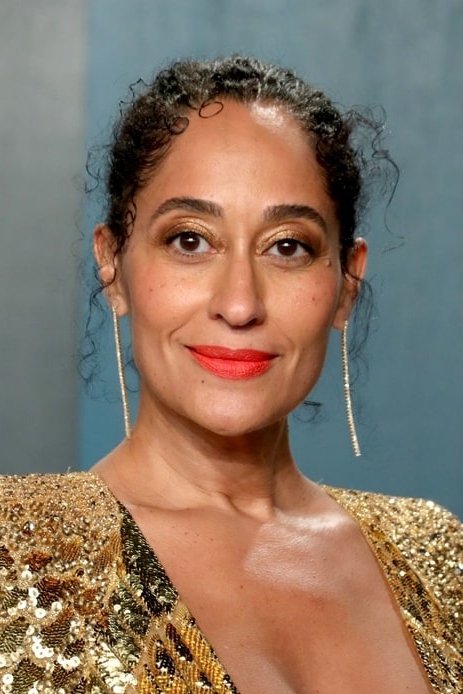
Tracee Ellis Ross achieved her widest recognition as the lead of ‘Black-ish’ at 42, a role that brought a Golden Globe and multiple Emmy nominations. The show positioned her as a central figure in a long running network comedy.
She expanded her portfolio with the film ‘The High Note’, voice work, and executive producing spin offs and unscripted projects tied to the ‘Black-ish’ universe. Ross’s major awards and industry influence accelerated after that late breakthrough.
Christine Baranski

Christine Baranski’s on screen spotlight hit with ‘Cybill’ at 42, earning multiple Emmys and fixing her as a television standout. That success paved the way for a pivotal supporting role in ‘The Good Wife’.
She then led ‘The Good Fight’, carrying a spinoff as number one on the call sheet and collecting further nominations. Baranski’s peak visibility and leadership in prestige legal dramas arrived well after 40 and has continued across streaming and stage.
Melissa McCarthy
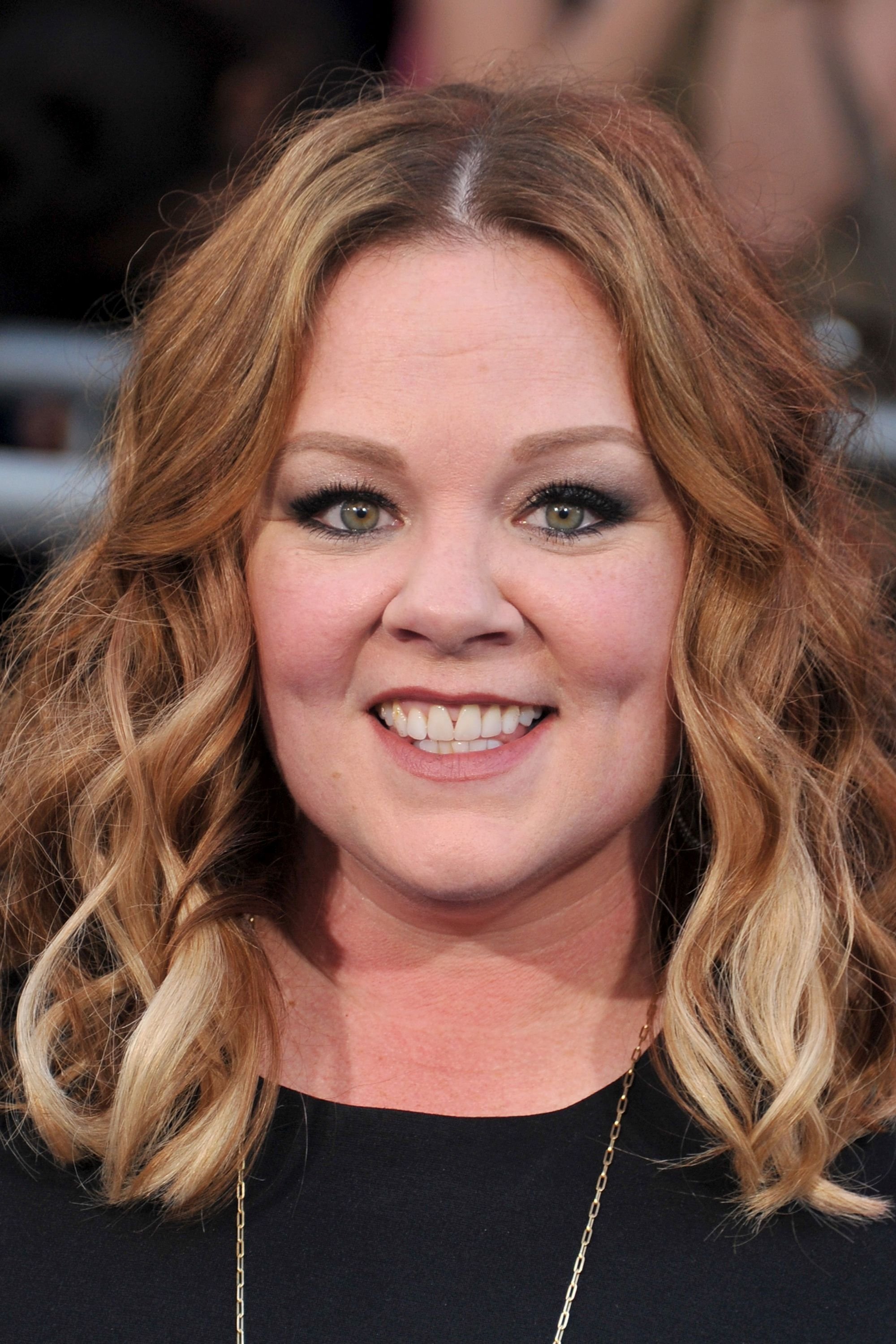
Melissa McCarthy’s profile surged with ‘Mike & Molly’ at 40 and jumped again with an Academy Award nomination for ‘Bridesmaids’ at 41. Those back to back hits turned a long run of supporting work into bankable star status.
She has since headlined comedies and dramas, earned additional Oscar recognition for ‘Can You Ever Forgive Me’, and launched producing ventures with frequent creative partner Ben Falcone. McCarthy’s late blooming success established a sustained presence as both star and producer.
Kathryn Hahn

Kathryn Hahn became widely known to mainstream audiences after 40 with scene stealing turns that led to an Emmy nomination for ‘WandaVision’. The character’s popularity spun off further opportunities within a major franchise.
Her film work in ‘Private Life’ and series like ‘I Love Dick’ and ‘Tiny Beautiful Things’ showcased dramatic range and secured more leading roles. Hahn’s breakthrough phase began in her mid forties and continues with headline projects.
Sarah Lancashire
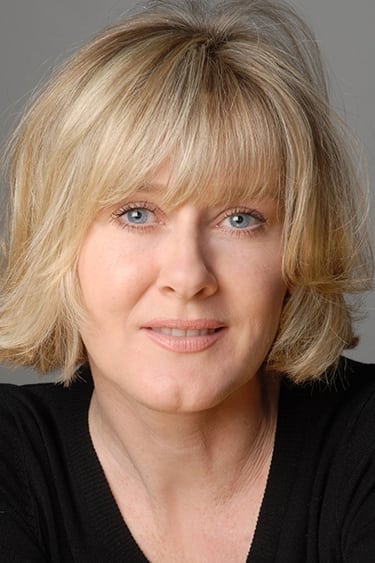
Sarah Lancashire reached international prominence in her late forties with ‘Happy Valley’, earning top awards and renewed attention to her earlier UK career. The series demonstrated sustained command of a leading role across multiple seasons.
She followed with ‘Julia’, winning an Emmy for portraying Julia Child and broadening her reach to American audiences. Lancashire’s post forty portfolio solidified her status as a lead in both British and U.S. prestige television.
Pamela Adlon
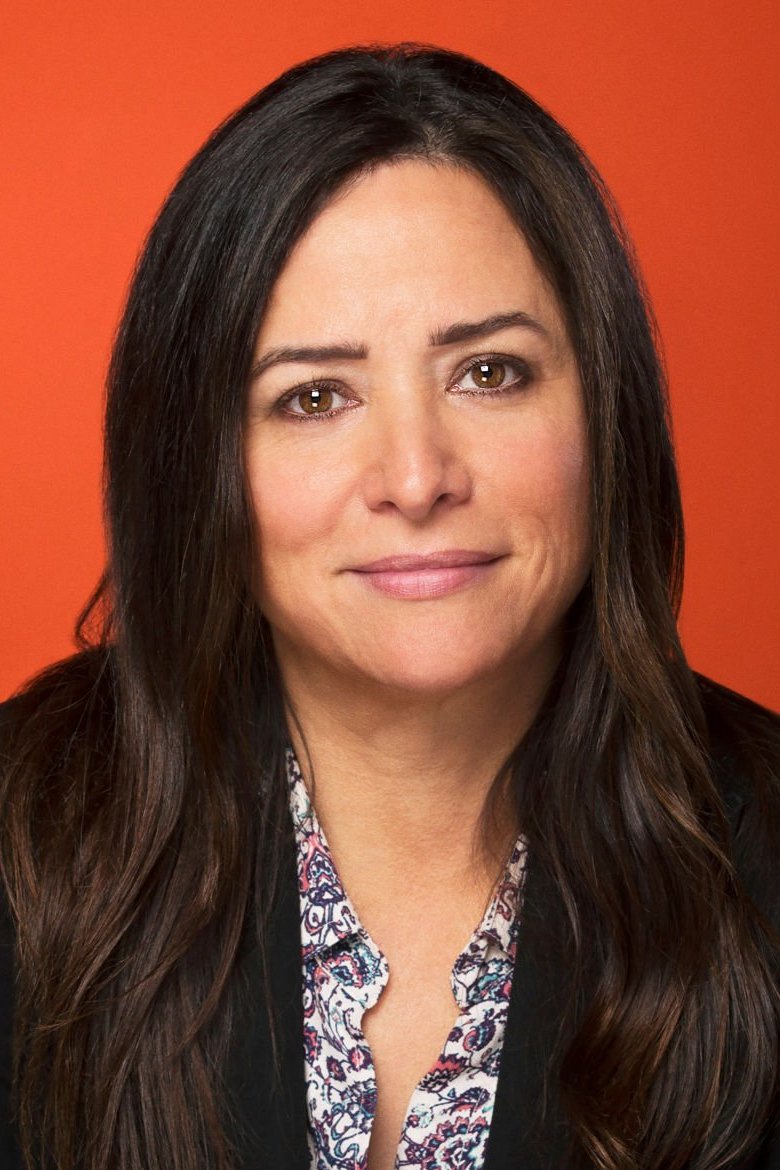
Pamela Adlon shifted from acclaimed voice work to mainstream on camera recognition when she created and starred in ‘Better Things’ at 50, earning multiple Emmy nominations. The series showcased her range as writer, director, and actor.
She built on that visibility with roles in ‘Louie’ and additional directing and producing credits that kept her at the center of creative decision making. Adlon’s industry profile as a multi hyphenate rose significantly after 40.
Jessica Walter
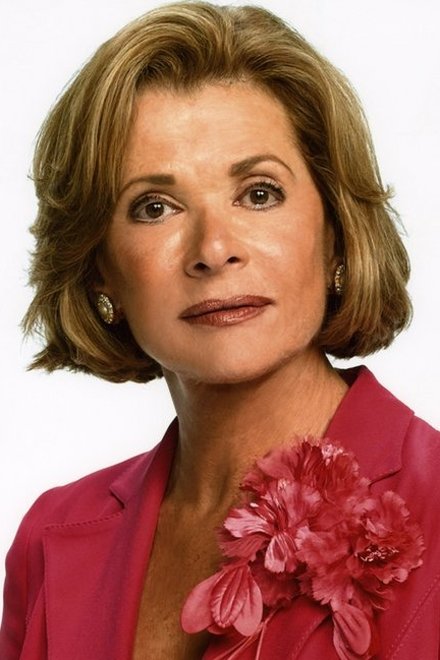
Jessica Walter experienced a late career surge with ‘Arrested Development’ in her early sixties, earning Emmy nominations and a new generation of fans. The series reframed her legacy for audiences who had not seen her earlier work.
She added a long running voice role in ‘Archer’, maintaining weekly visibility for years. Walter’s most sustained period of mainstream attention arrived long after her forties and remained strong through the end of her career.
Share your favorites and any late bloomers we missed in the comments so other readers can discover them too.

