


Latina Actresses Who Are Against AI Usage

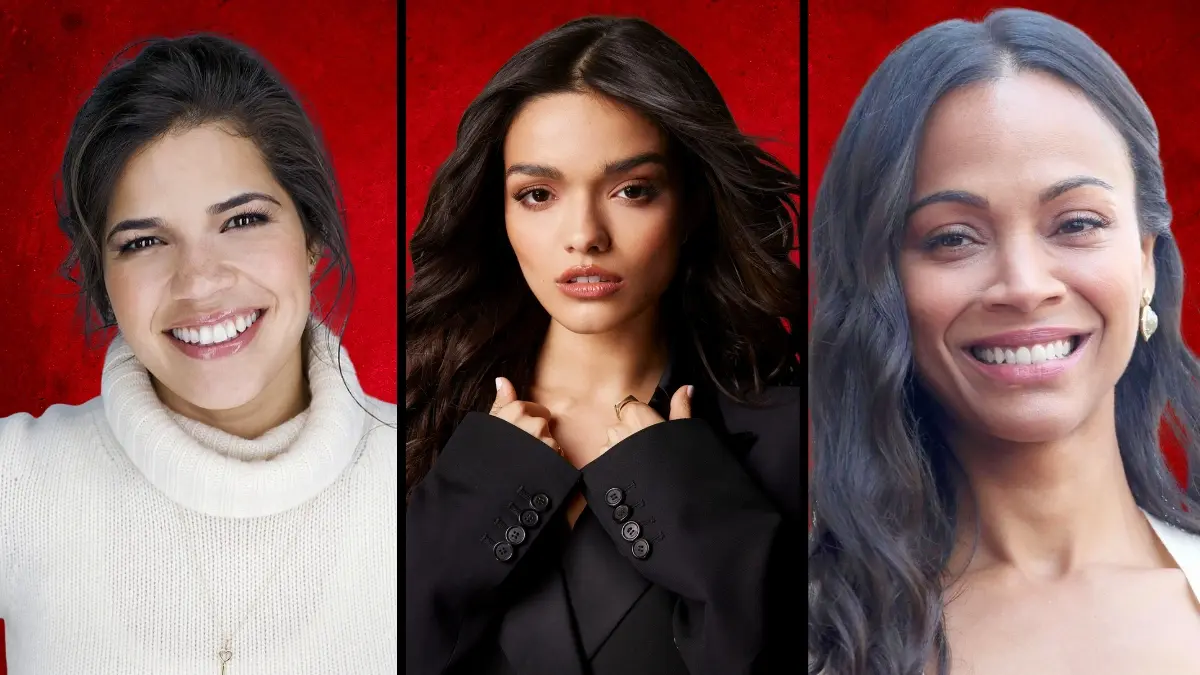


The integration of artificial intelligence in Hollywood has sparked significant controversy and fear regarding the displacement of human creativity. During the historic SAG-AFTRA strike of 2023 the protection of actors against digital replicas became a central negotiation point. Many performers voiced concerns that studios might use their likenesses in perpetuity without adequate compensation or consent. Latina actresses were among the most vocal advocates for strict regulations on this emerging technology. They used their platforms to demand that human artistry remain the heart of the entertainment industry.
Salma Hayek
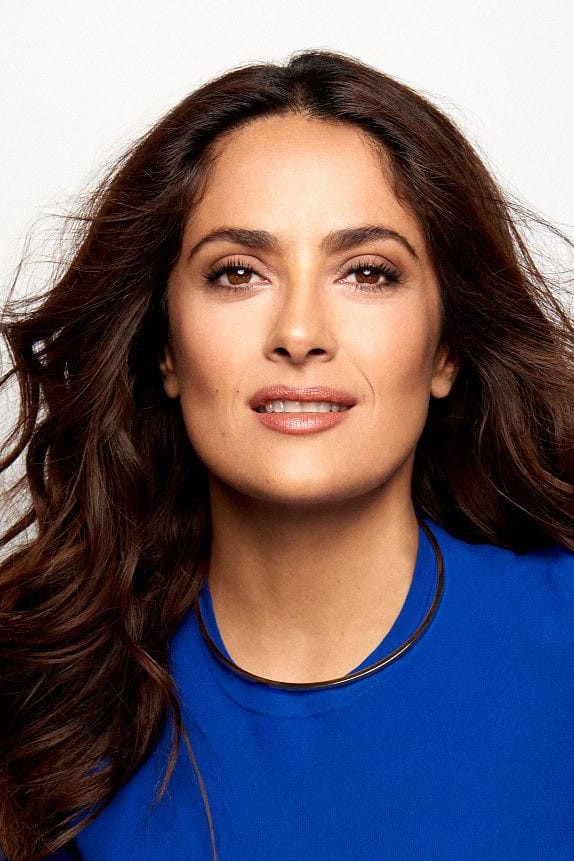
Salma Hayek experienced the potential horrors of artificial intelligence firsthand while filming the ‘Black Mirror’ episode titled ‘Joan Is Awful’. The episode depicts a woman whose life is turned into a television show by a streaming service using a digital avatar. Hayek noted in interviews that the script shocked her because it mirrored the real fears actors have regarding their image rights. She has since been a vocal proponent of establishing clear boundaries for how studios utilize digital likenesses. Her participation in the project served as a warning about the unregulated use of technology in media.
Rosario Dawson
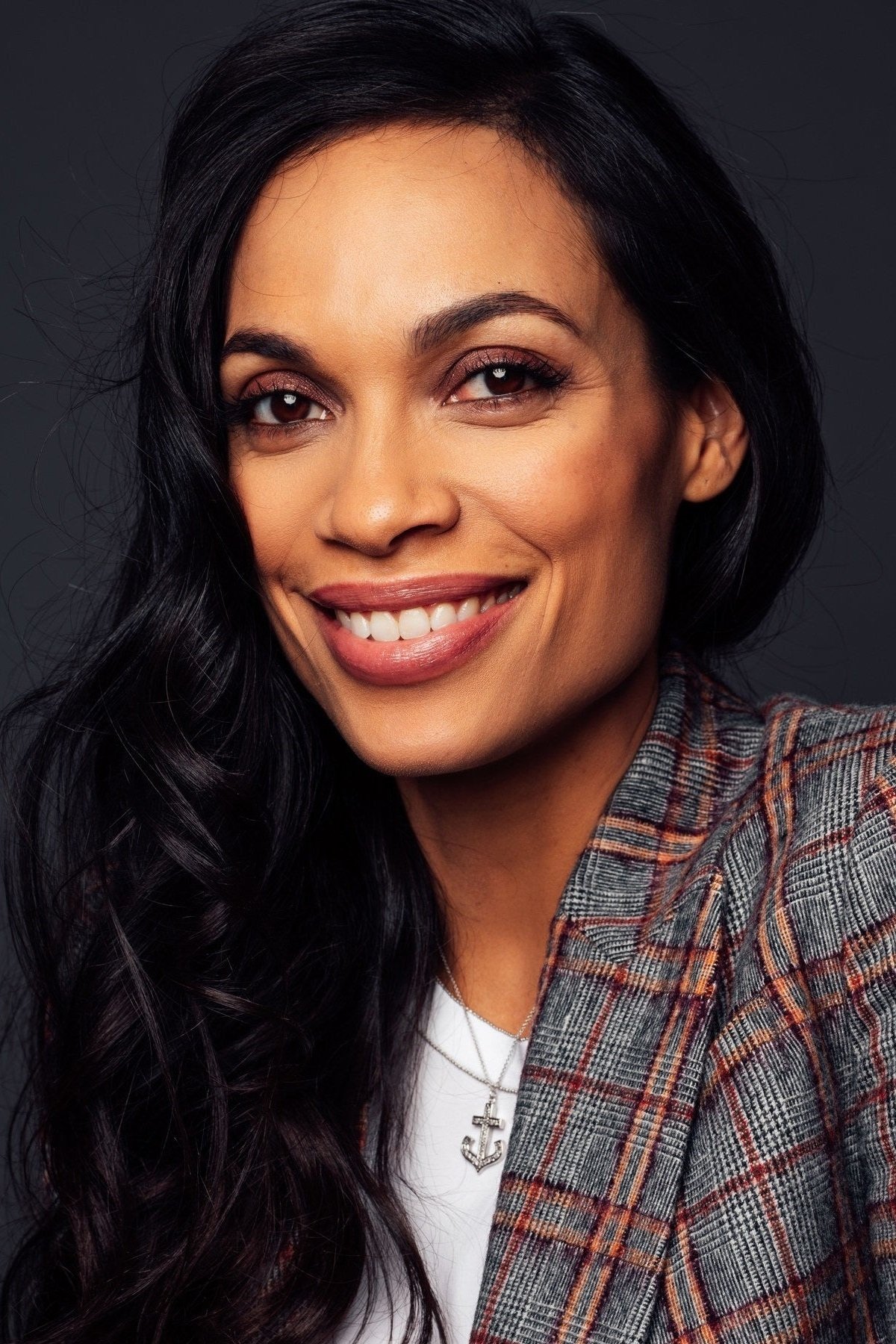
Rosario Dawson was a frequent presence on the picket lines during the labor disputes that halted Hollywood production. She argued passionately that AI should not be used to bypass the hiring of background actors or to manipulate performances without permission. The actress emphasized that the soul of storytelling comes from human experience which a machine cannot replicate. Dawson utilized social media to educate her followers on why digital protections were necessary for the survival of the profession. Her advocacy highlighted the economic threat automation poses to working-class performers.
Rachel Zegler
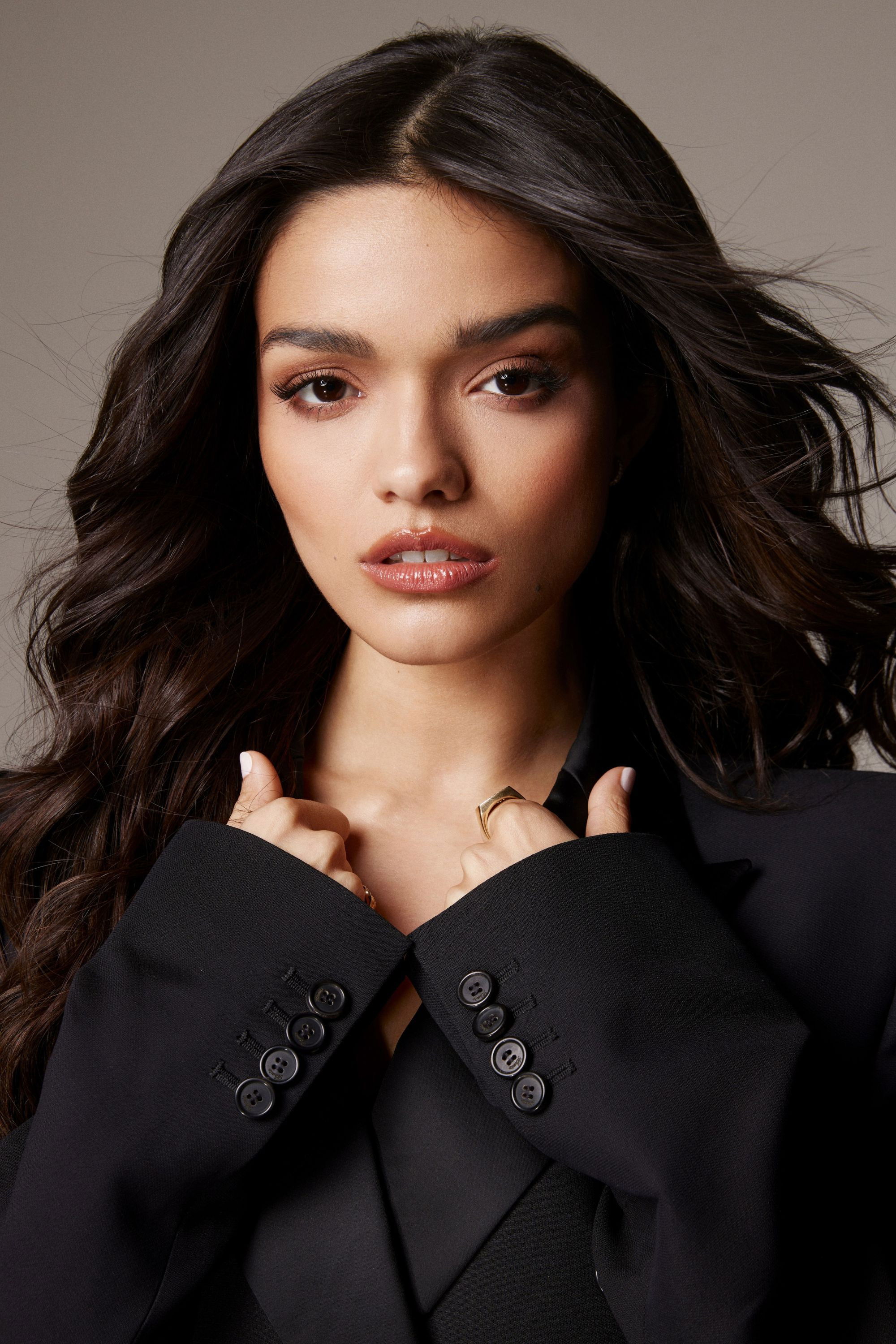
Rachel Zegler spoke out candidly about the fear of having her body scanned for digital use during action sequences. She revealed that she had been scanned for previous projects and worried about how those files might be utilized in the future. The star of ‘West Side Story’ stressed that actors deserve to be paid for every moment their likeness appears on screen. Zegler argued that studios want to own the rights to an actor’s face forever to save money on future productions. Her comments went viral and helped illustrate the specific technical dangers facing modern performers.
America Ferrera
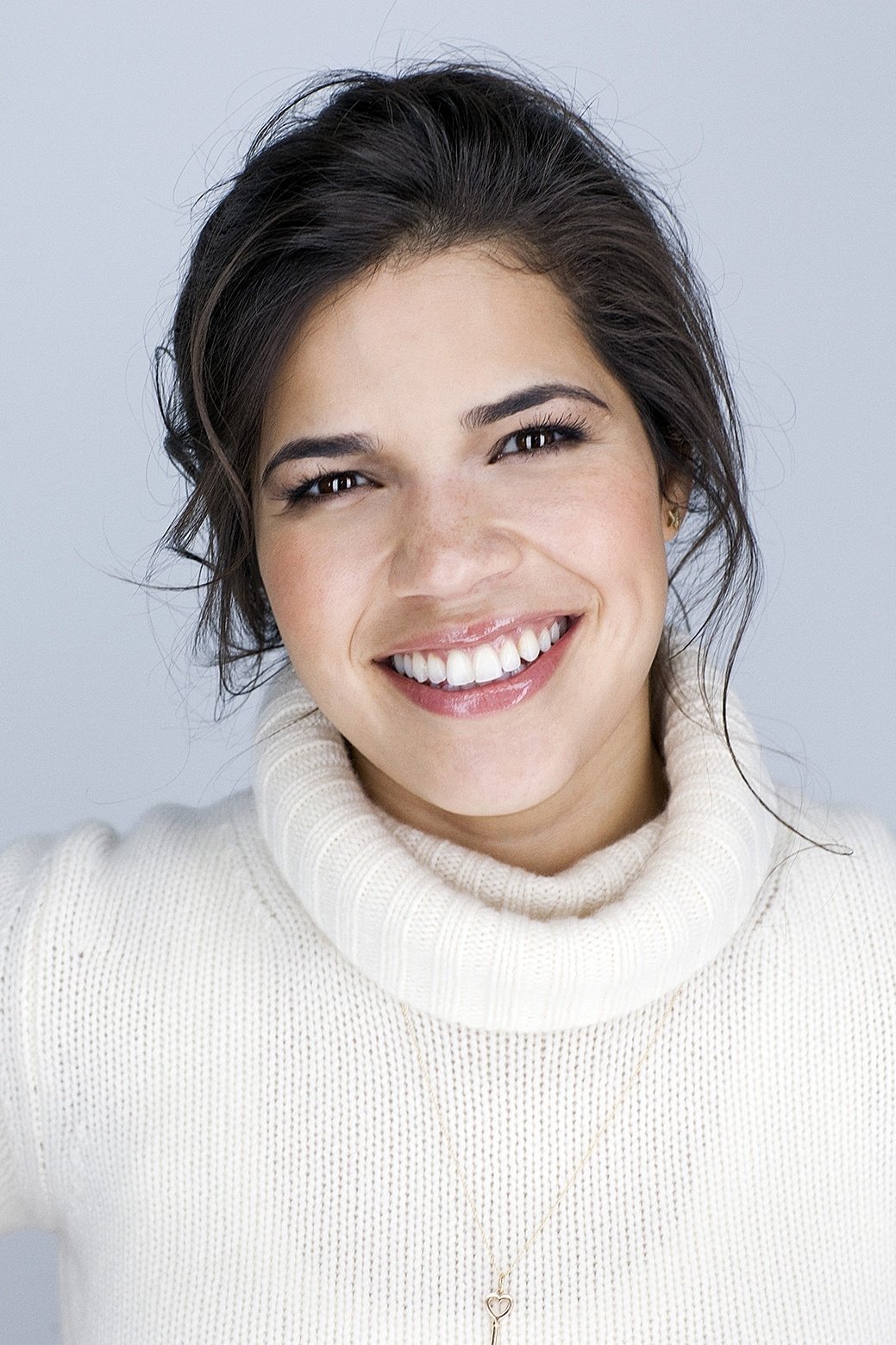
America Ferrera has long been an advocate for workers rights and brought that same energy to the conversation surrounding artificial intelligence. The ‘Barbie’ actress stated that the human element is what makes cinema connect with audiences on an emotional level. She supported the union leadership in their refusal to accept a contract that did not offer ironclad protections against AI encroachment. Ferrera urged the industry to value the contributions of actual people over cost-cutting algorithms. Her stance reinforced the idea that technology should support artists rather than replace them.
Eva Longoria
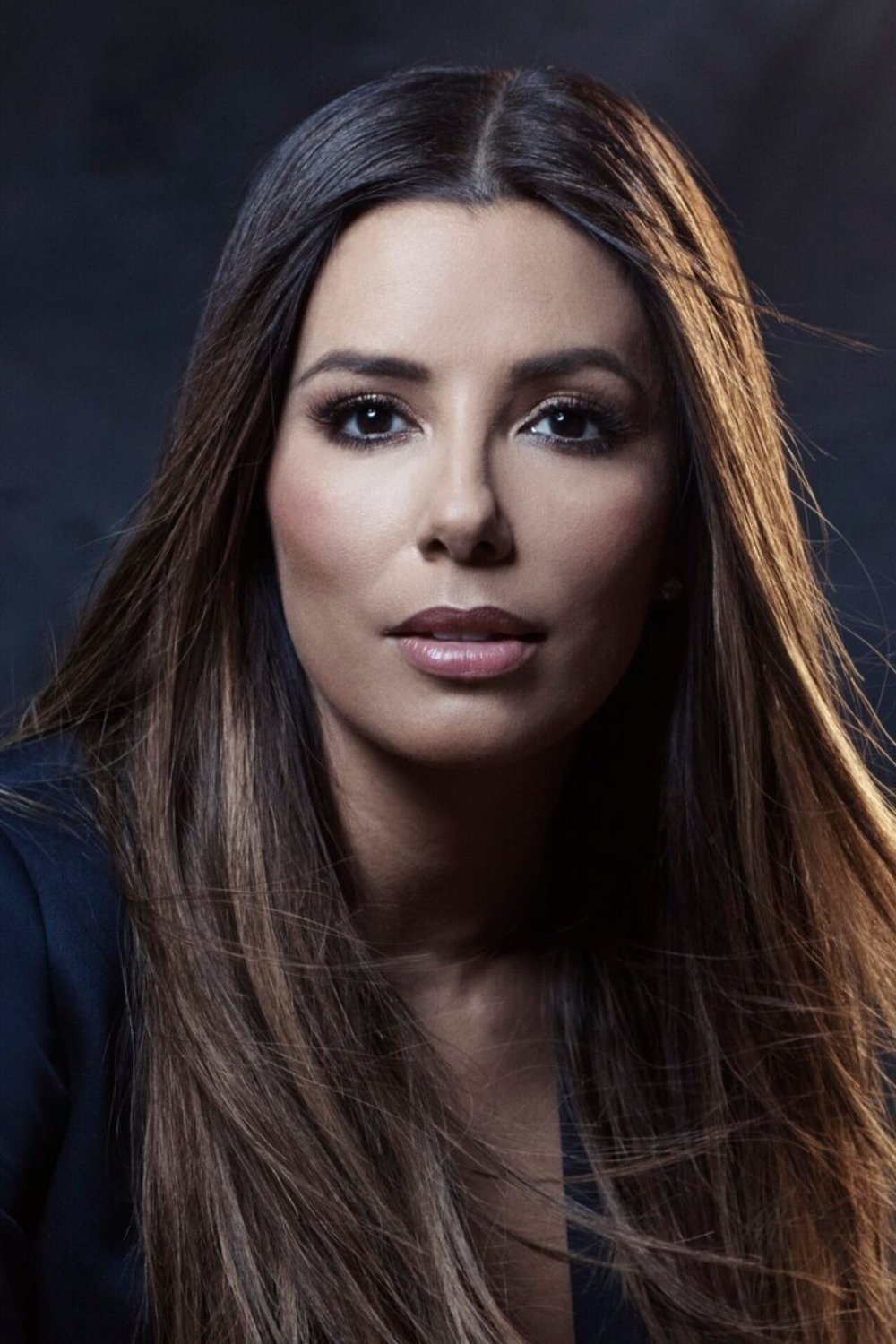
Eva Longoria used her influence as a producer and director to champion the rights of actors during the contract negotiations. She noted that the rise of generative AI poses an existential threat to the sustainability of acting as a career. Longoria argued that without regulation executives would prioritize digital efficiency over authentic storytelling. She helped organize support among the Latino community in Hollywood to present a united front against these changes. Her multifaceted perspective provided insight into how AI affects both those in front of and behind the camera.
Justina Machado
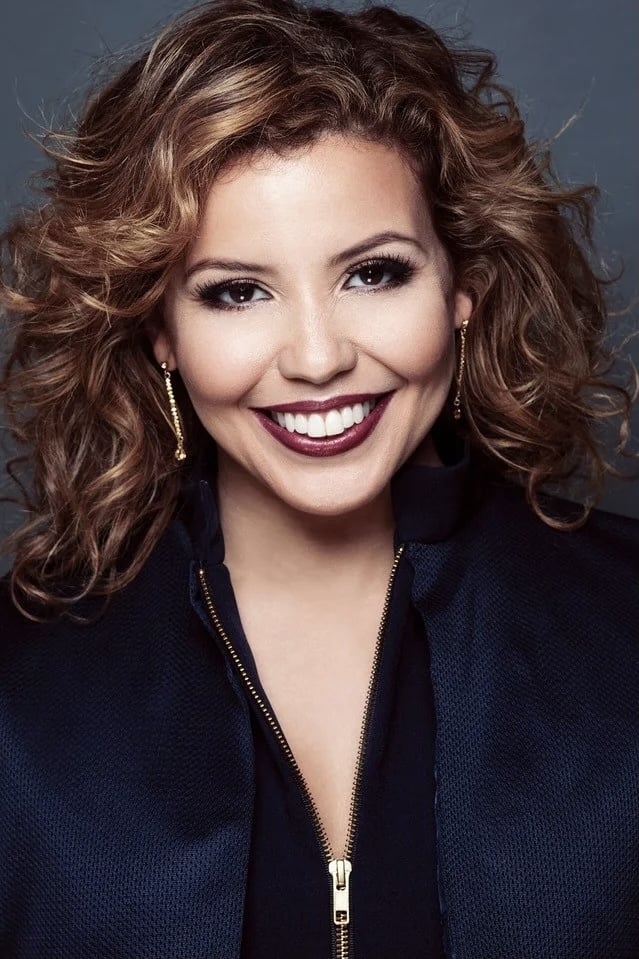
Justina Machado was a consistent voice at rallies and pickets where she spoke about the dignity of human labor. The lead of ‘One Day at a Time’ expressed concern that AI would be used to erase the nuance that actors bring to their roles. She highlighted that the technology threatens not just wealthy stars but primarily the day players who rely on residual checks. Machado insisted that a computer cannot replicate the lived experience that informs a dramatic performance. Her advocacy focused on protecting the future of the industry for the next generation of Latino talent.
Gina Rodriguez
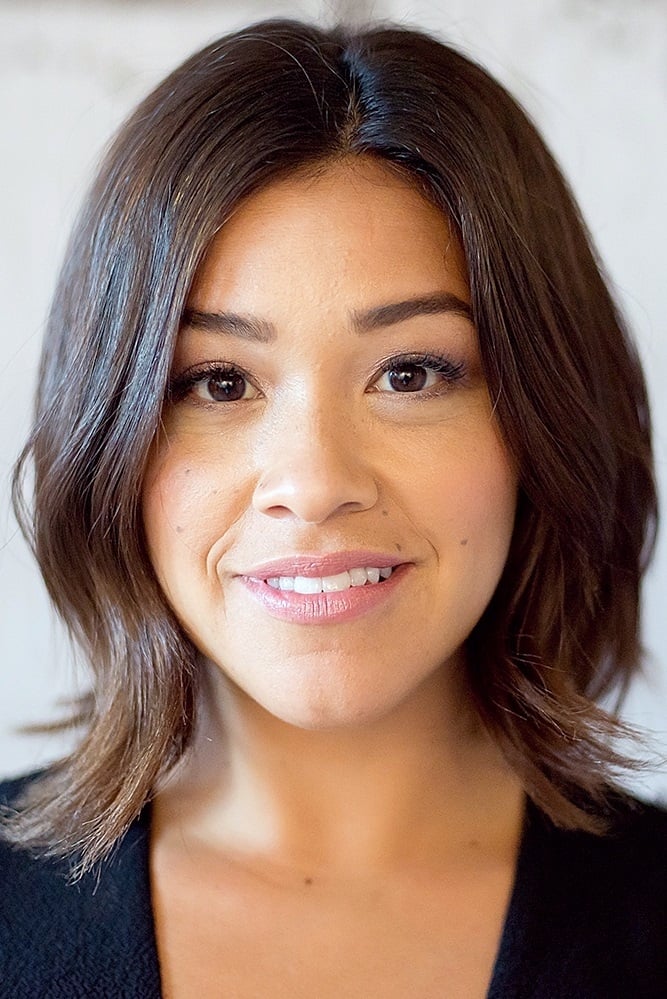
Gina Rodriguez joined her colleagues in demanding that studios restrict the use of artificial intelligence in casting and production. The ‘Jane the Virgin’ star emphasized that the fight was about maintaining control over one’s own identity and artistic output. She argued that allowing studios to create digital zombies of actors sets a dangerous precedent for all workers. Rodriguez used her platform to amplify the stories of background actors who were being pressured to sign away their digital rights. Her solidarity helped keep the issue of AI at the forefront of the public discourse.
Stephanie Beatriz
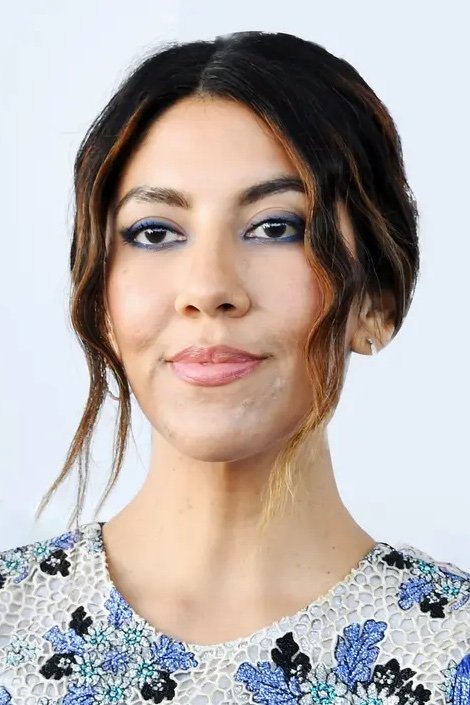
Stephanie Beatriz was vocal about the need for a contract that specifically addressed the rapid advancements in generative technology. The ‘Brooklyn Nine-Nine’ actress feared that voice actors and physical performers would be the first to be made obsolete. She pointed out that animation and dubbing are particularly vulnerable sectors that require strict safeguards. Beatriz supported the union’s demand for consent and compensation whenever a digital replica is employed. Her background in voice work gave her a unique perspective on the dangers of synthetic audio synthesis.
Melissa Barrera
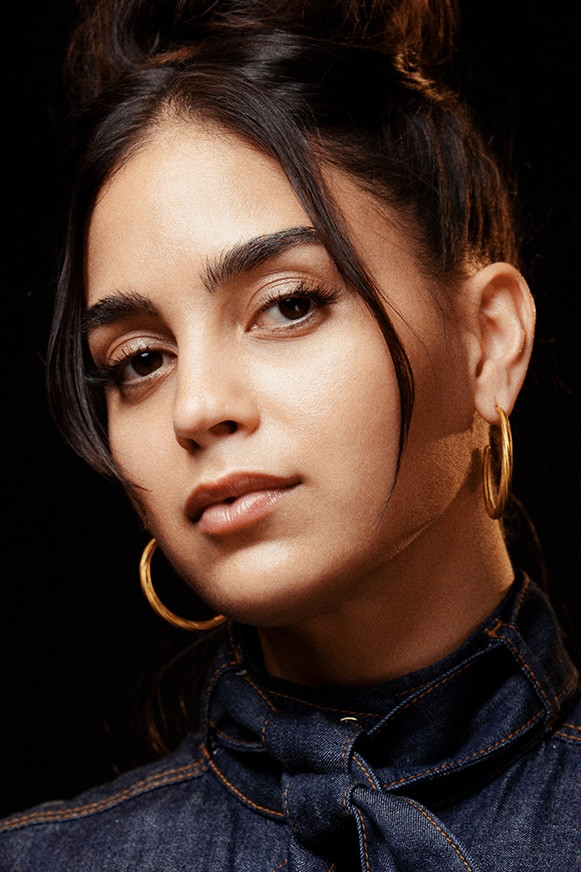
Melissa Barrera took a strong stance against the use of AI to generate scripts or performances during the industry stoppage. The star of ‘In the Heights’ argued that writing and acting are deeply human pursuits that require empathy and soul. She warned that relying on algorithms would lead to a homogenization of culture and a decline in artistic quality. Barrera stood with writers and actors alike to demand that human creators remain the primary source of entertainment content. She believes that the audience can tell the difference between a generated product and a genuine performance.
Aubrey Plaza

Aubrey Plaza expressed her skepticism regarding the increasing reliance on digital effects and artificial intelligence in filmmaking. The ‘The White Lotus’ actress stated that she prefers practical effects and human interactions over green screens and algorithms. She supported the strike mandates that sought to limit how much technology could infringe upon the actor’s craft. Plaza argued that the imperfections and spontaneity of a human performance are what make movies magical. Her comments reflected a broader desire among indie film actors to preserve the traditional methods of storytelling.
Jenna Ortega
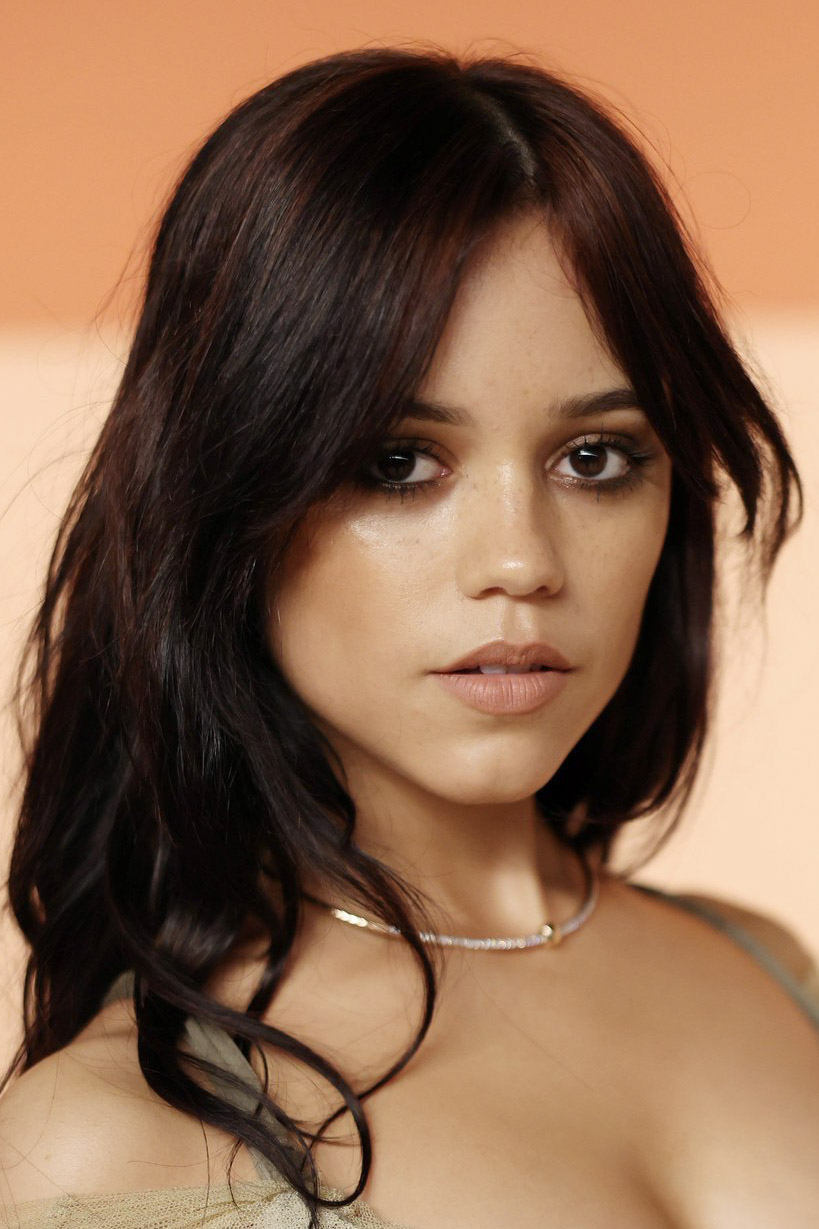
Jenna Ortega supported the movement to regulate AI tools that could potentially mimic an actor’s voice or appearance. The ‘Wednesday’ star recognized that her distinct look and style could be targets for unauthorized digital replication. She joined her peers in asserting that an actor’s face and voice are their property and livelihood. Ortega advocated for terms that would require specific payment for any use of digital twins. Her massive popularity with younger audiences helped bring attention to the technical aspects of the labor dispute.
Zoe Saldaña
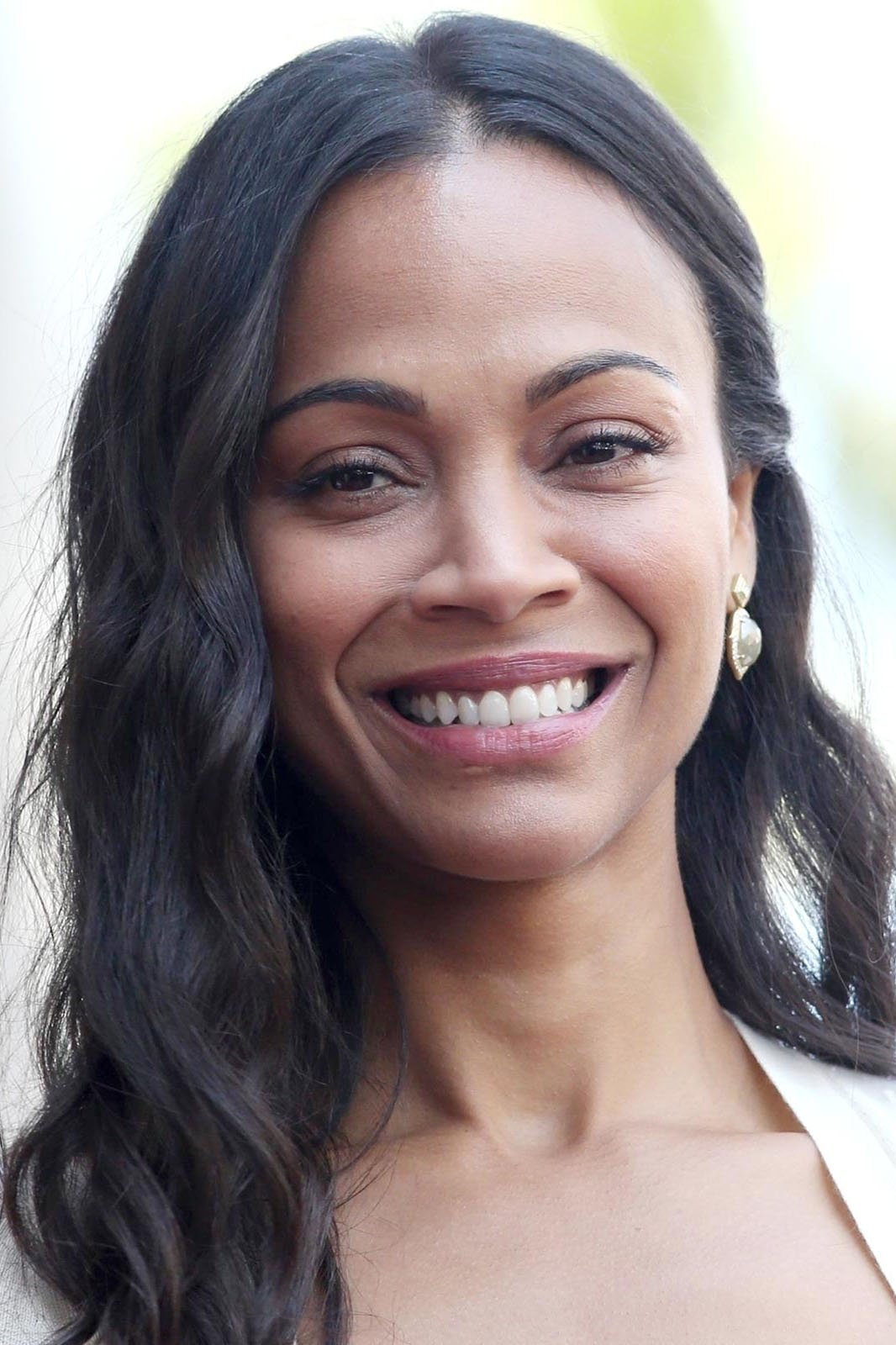
Zoe Saldaña has starred in heavily digital films like ‘Avatar’ but draws a sharp line between motion capture and AI replacement. She argued that motion capture still relies entirely on the performance and choices of the human actor. Saldaña expressed concern that studios might eventually try to bypass the actor entirely to save on production costs. She supported strict contract language that differentiates between performance capture and generative AI creation. Her experience in sci-fi blockbusters made her a credible voice on the nuances of digital production.
Penélope Cruz
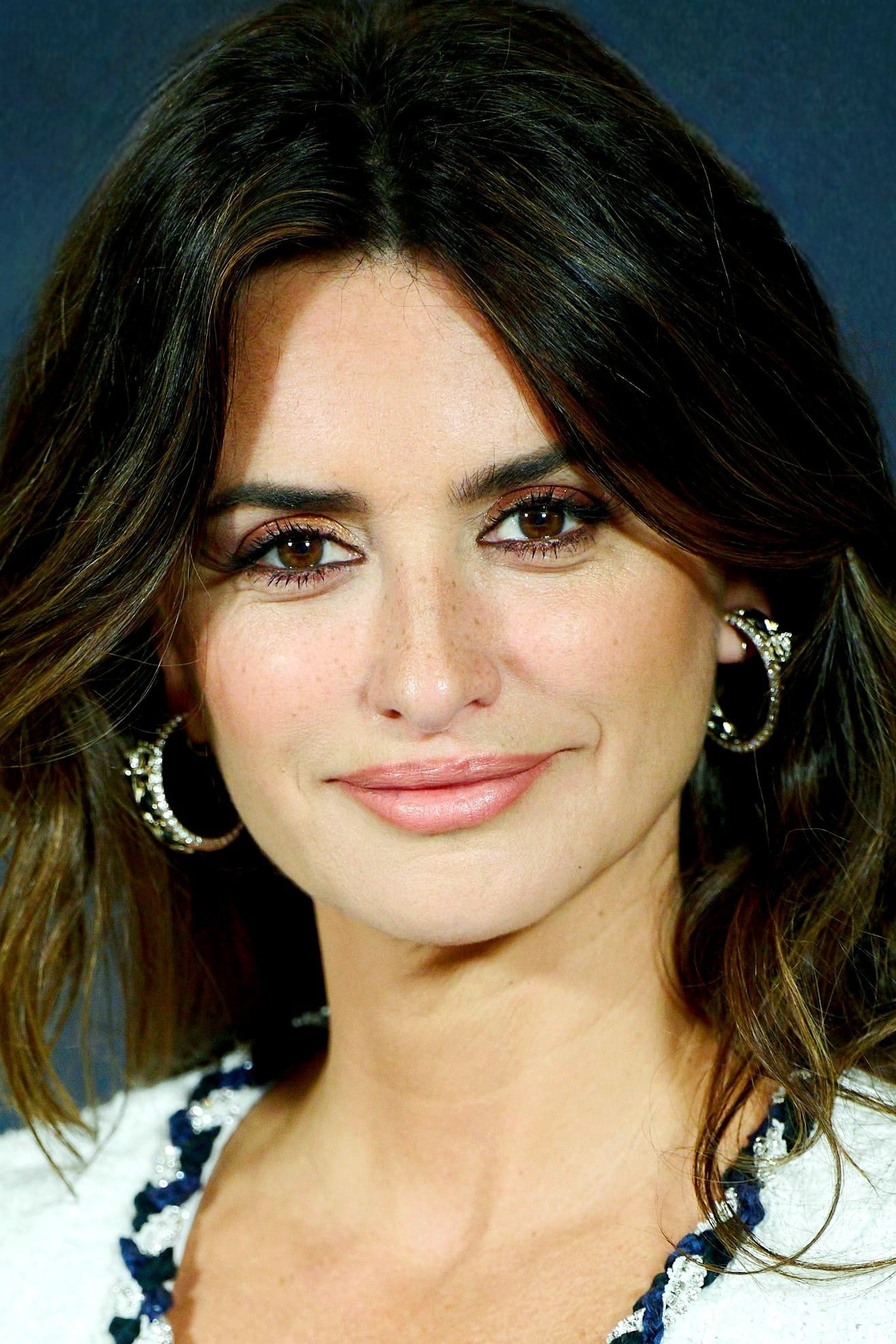
Penélope Cruz joined the chorus of international stars calling for global standards regarding artificial intelligence in media. The Academy Award winner emphasized that the protection of likeness rights is a matter of personal privacy as well as labor law. She argued that an actor should have the absolute right to say no to a digital simulation of themselves. Cruz supported the union’s efforts to ensure that AI could not be used to manipulate a performance in post-production. She believes that the integrity of the actor’s work must be preserved against digital tampering.
Ariana DeBose
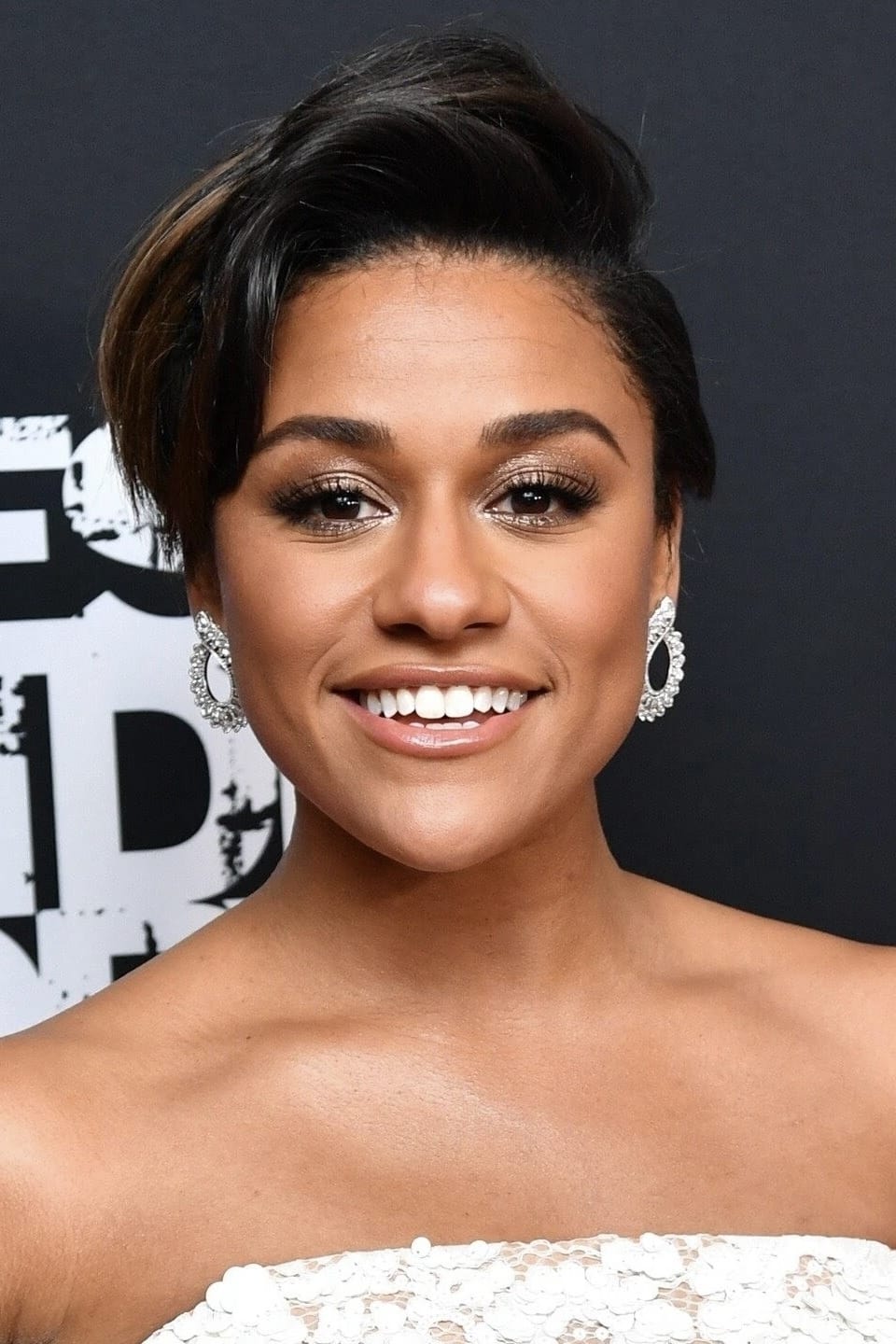
Ariana DeBose used her visibility as a triple threat performer to highlight the dangers AI poses to dancers and singers. The ‘West Side Story’ actress noted that choreography and vocal style are unique signatures that machines should not be allowed to copy. She argued that the industry must not allow technology to devalue the years of training required to become a professional performer. DeBose stood on the picket lines to demand that generative tools be used only as tools and not as replacements. Her advocacy underscored the threat AI poses to the physical aspects of performance.
Anya Taylor-Joy

Anya Taylor-Joy supported the collective action to secure protections against the unauthorized use of an actor’s image. The star of ‘The Queen’s Gambit’ has a distinct aesthetic that makes her particularly vulnerable to style mimicry by AI generators. She argued that the unique qualities an actor brings to a role cannot be programmed into a computer. Taylor-Joy aligned herself with the guild’s position that human consent must be obtained for any digital manipulation. She believes that the emotional depth of a character comes from the human soul.
Michelle Rodriguez
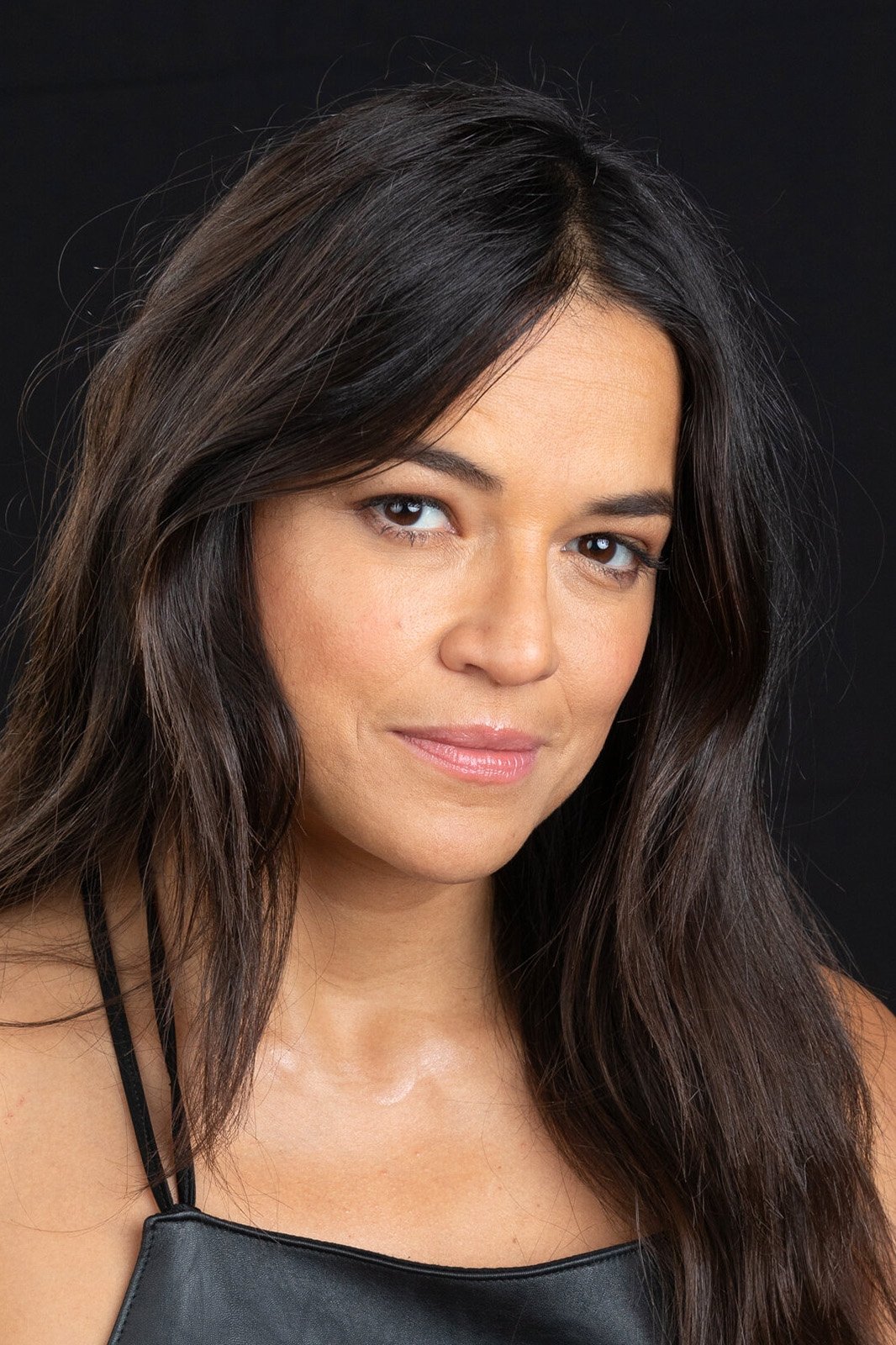
Michelle Rodriguez has always been a fierce advocate for maintaining the gritty reality of action cinema. The ‘Fast & Furious’ star criticized the idea that digital doubles could ever replace the adrenaline of real stunt work. She argued that audiences pay to see real humans taking risks and expressing genuine emotions. Rodriguez supported the strike to ensure that action stars and stunt performers were not made obsolete by CGI and AI. Her stance is rooted in a desire to keep the physicality of filmmaking alive.
Dania Ramirez
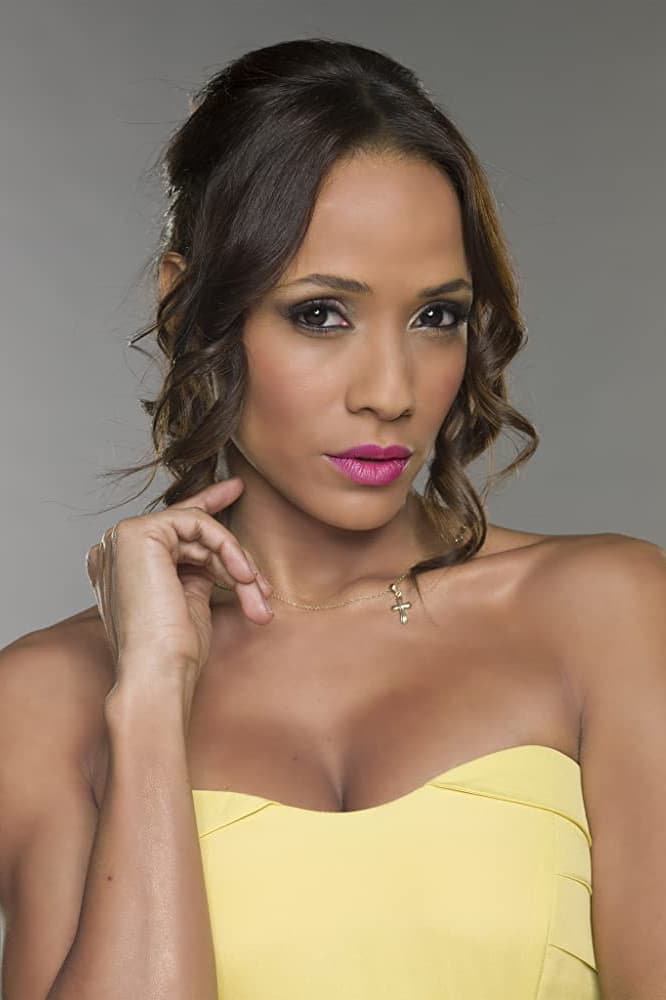
Dania Ramirez was an active participant in the labor movement and frequently spoke about the dangers of unchecked corporate greed. The ‘Sweet Tooth’ actress highlighted that AI was being used as a wedge to drive down wages for working actors. She argued that without strong union contracts the industry would turn into a digital sweatshop. Ramirez emphasized that the fight was for the preservation of acting as a viable middle-class profession. She urged fans to support the human beings who create the shows they love.
Judy Reyes
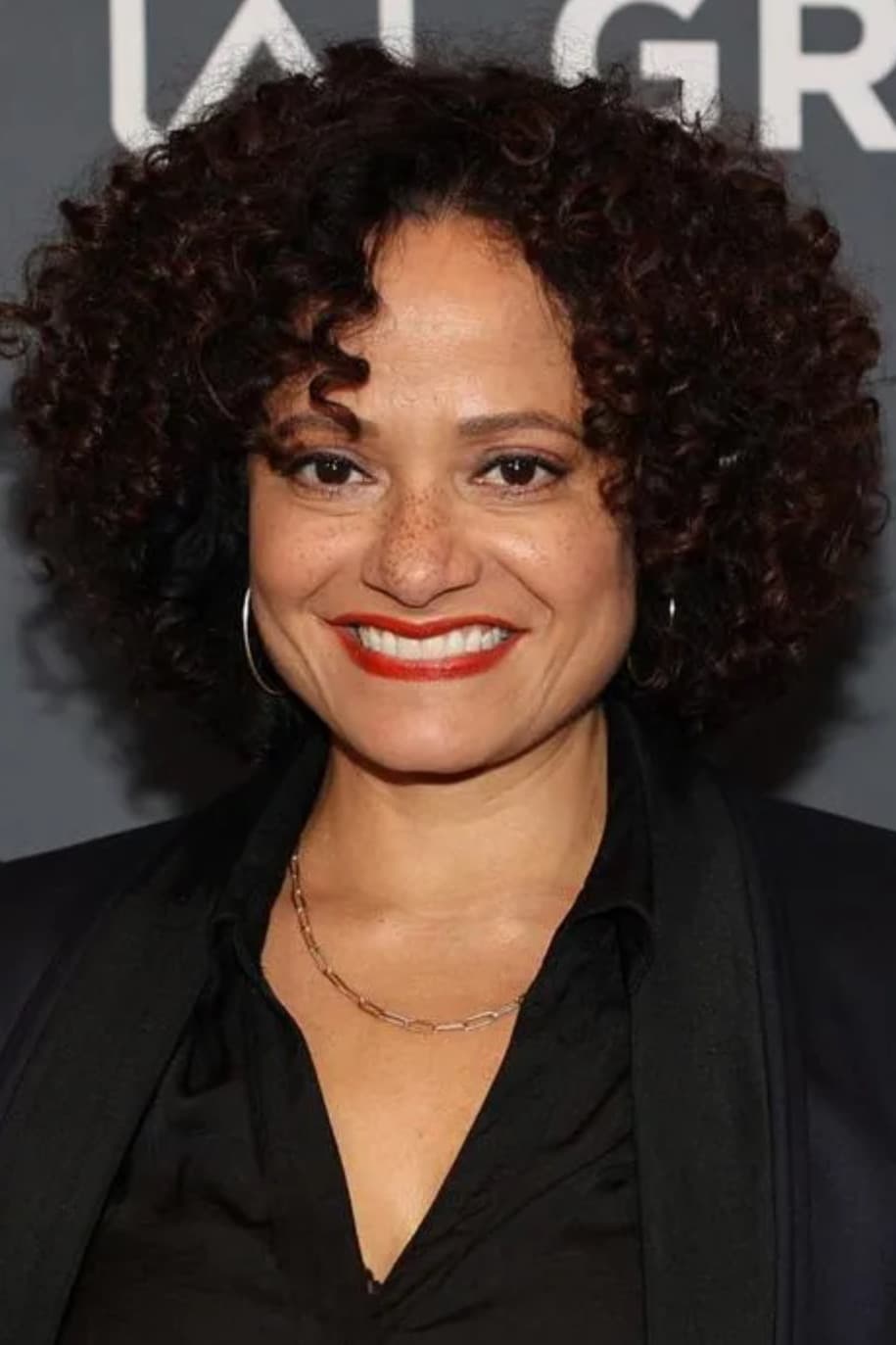
Judy Reyes brought her experience from long-running television shows to the discussion on residuals and digital rights. The ‘Scrubs’ actress expressed fear that AI could be used to generate endless content without paying the original actors. She argued that the use of a performer’s data to train AI models constitutes a theft of their intellectual property. Reyes stood with her union to demand transparency regarding what data studios were collecting. Her focus was on ensuring that veteran actors are not exploited by new technologies.
Ana Ortiz
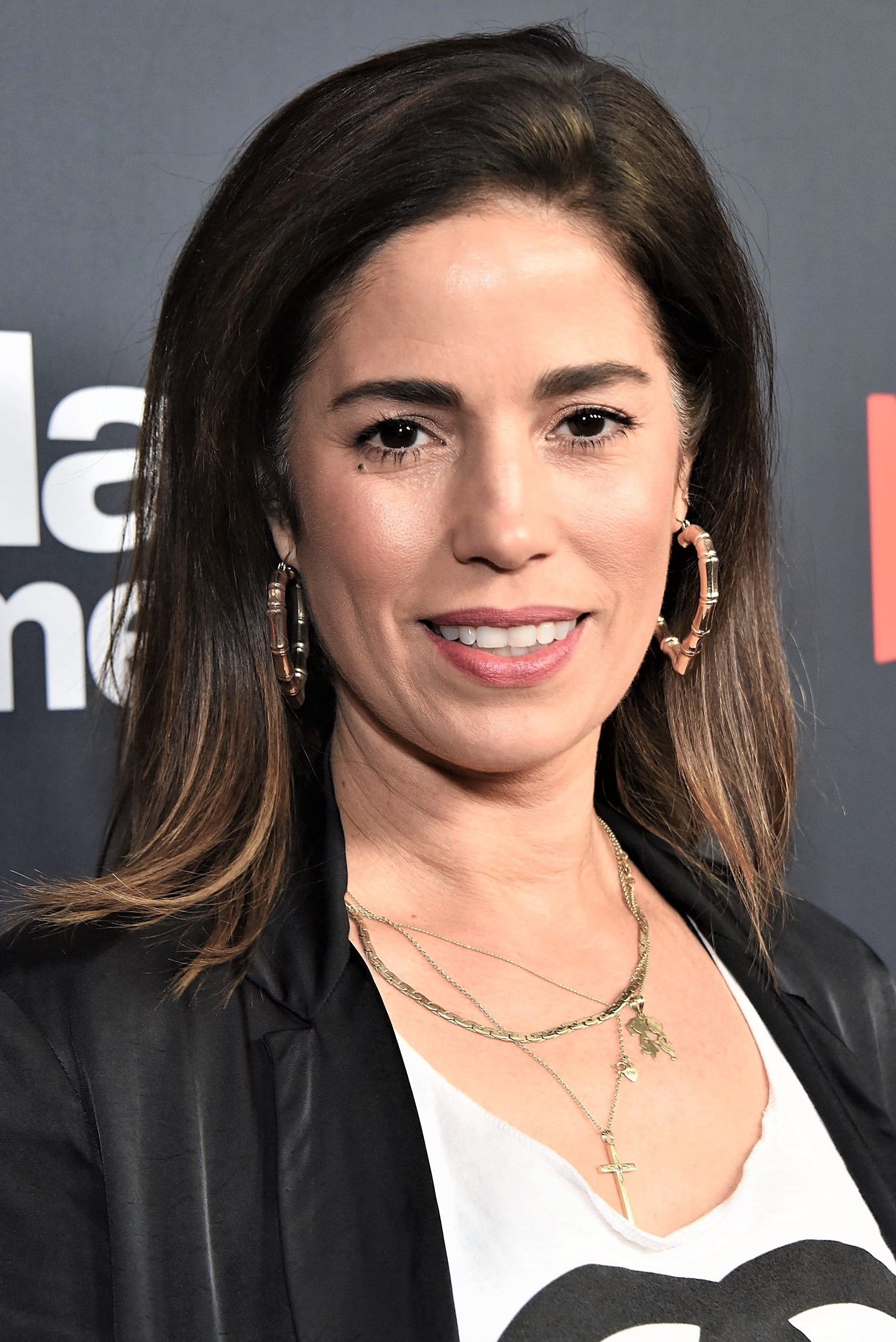
Ana Ortiz was a vocal critic of the studio proposals that offered insufficient protections against digital replication. The ‘Ugly Betty’ star argued that the “one day of pay for a lifetime of likeness use” proposal was insulting and dangerous. She emphasized that actors are not raw materials to be mined for data but creative partners. Ortiz rallied her fellow Latino actors to stand firm until a fair deal was reached. She believed that accepting the initial terms would have destroyed the profession for future generations.
Constance Marie

Constance Marie utilized her social media presence to explain the specific threat of “synthetic performers” to the general public. The ‘George Lopez’ actress broke down how AI could be used to fill background scenes and eliminate entry-level jobs. She argued that every actor starts as an extra and eliminating those roles destroys the talent pipeline. Marie was adamant that the human connection in comedy and drama cannot be synthesized. Her educational approach helped fans understand why the strike was necessary.
Lisa Vidal
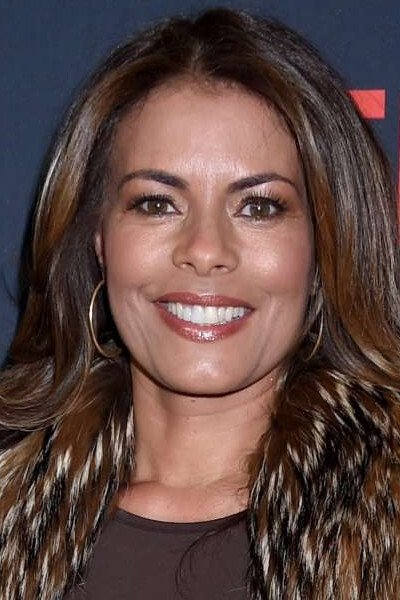
Lisa Vidal spoke passionately about the need to preserve the human essence of storytelling against corporate automation. The ‘Being Mary Jane’ actress argued that AI lacks the ability to understand the subtext and emotion that drive a scene. She supported the demand for a “human creator” clause in all future contracts. Vidal emphasized that the diverse stories of the Latino community need human storytellers to be told authentically. She rejected the notion that efficiency should ever supersede artistic integrity.
Dascha Polanco
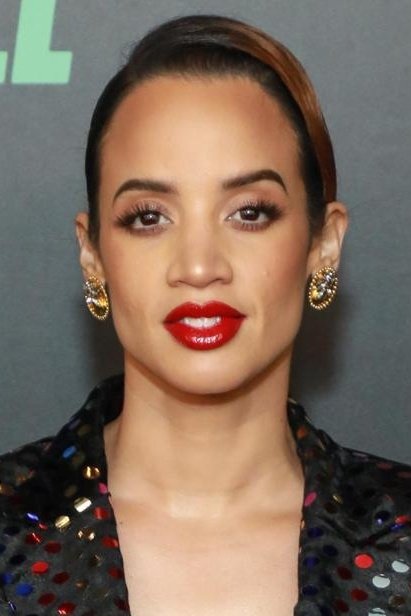
Dascha Polanco joined the picket lines to protest the potential use of AI to modify actors’ bodies or faces without consent. The ‘Orange Is the New Black’ star argued that this technology could be used to enforce unrealistic beauty standards. She demanded that performers retain full control over how their physical image is presented on screen. Polanco emphasized that diversity and representation are at risk if studios rely on generated avatars. Her advocacy focused on the intersection of body image rights and digital technology.
Selenis Leyva
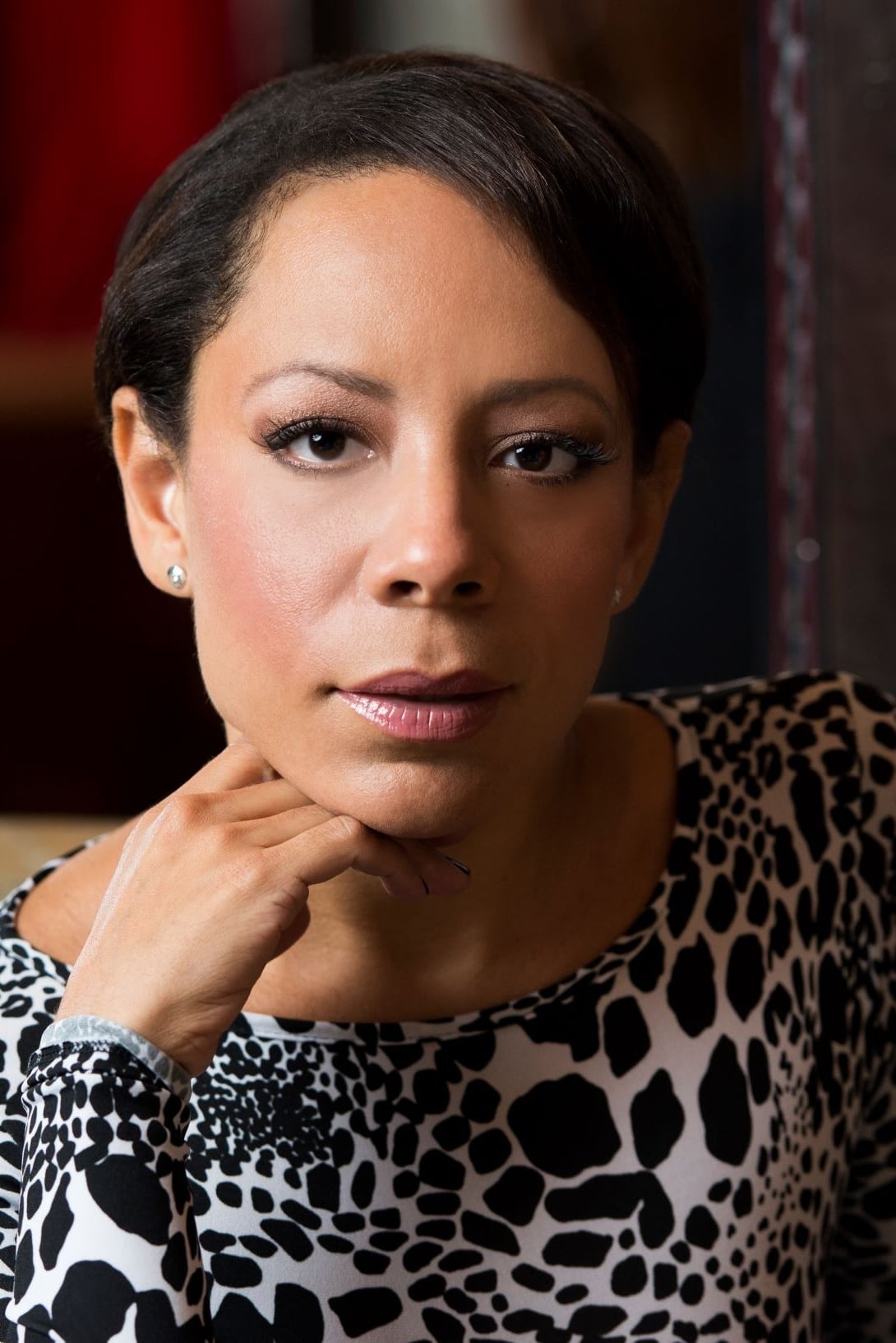
Selenis Leyva was a fierce advocate for the rights of character actors who are often the most vulnerable to displacement. The ‘Orange Is the New Black’ actress argued that AI would be used to cut costs by eliminating supporting roles. She stated that the richness of a story comes from the ensemble of human players interacting with one another. Leyva supported the union’s refusal to allow studios to train AI on protected performances. She believes that every actor contributes something unique that code cannot replicate.
Elizabeth Rodriguez
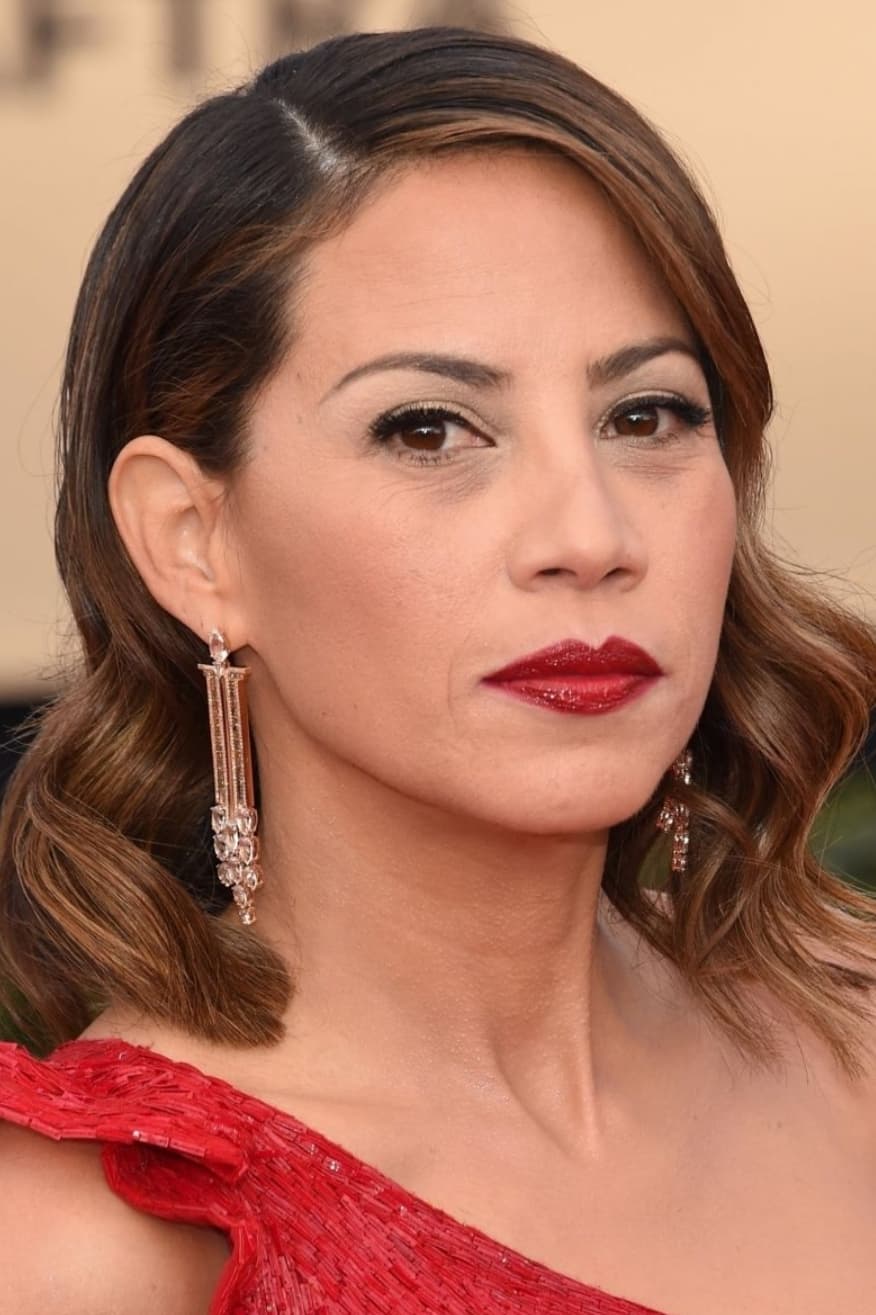
Elizabeth Rodriguez spoke out against the dehumanization of the acting profession through digital means. The ‘Logan’ actress argued that reducing an actor to a set of data points insults the craft. She supported strict regulations that would prevent studios from using AI to patch together performances in the editing room. Rodriguez emphasized that the actor’s choices on set must be respected and preserved. Her stance highlighted the importance of artistic agency in the digital age.
Diane Guerrero
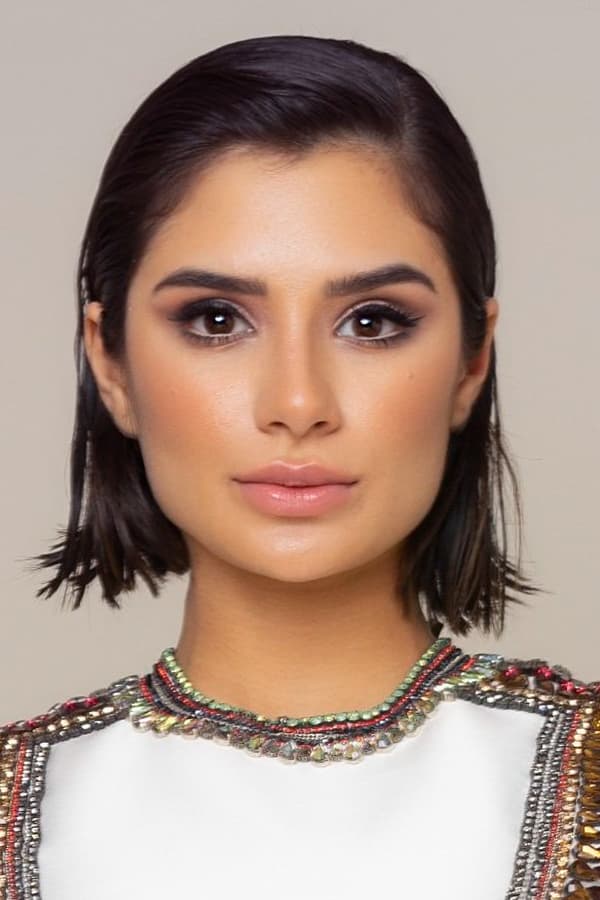
Diane Guerrero used her platform to discuss the ethical implications of using artificial intelligence in the arts. The ‘Doom Patrol’ star argued that true art requires human suffering and joy which machines cannot experience. She supported the strike as a necessary stand to define the boundaries between tools and creators. Guerrero expressed concern that AI would be used to recycle old ideas rather than create new and diverse stories. She advocated for a future where technology amplifies human creativity rather than silencing it.
Cote de Pablo
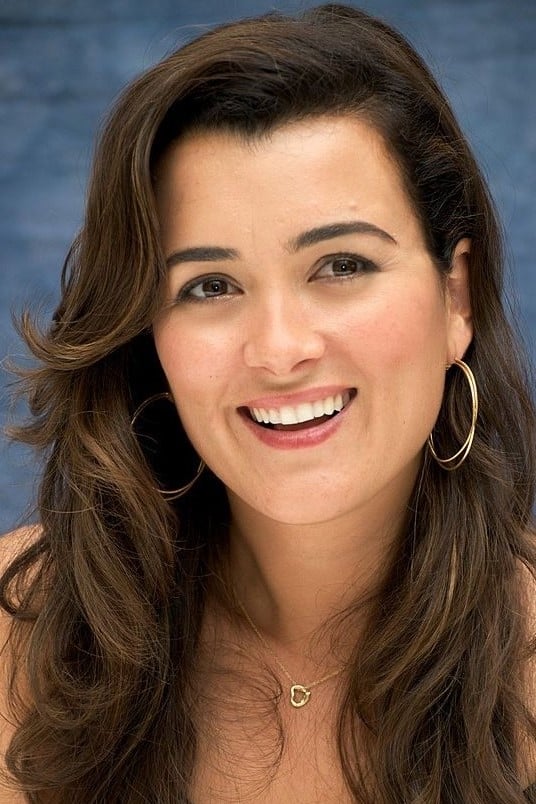
Cote de Pablo has maintained a private life but supported the collective action of her union regarding digital rights. The ‘NCIS’ star recognized that the procedural genre is particularly susceptible to automation and digital replication. She supported the move to ensure that actors are compensated fairly if their digital likeness is ever employed. de Pablo believes that the chemistry between cast members is the secret to a show’s success. She argued that no algorithm can calculate the spark that happens between two actors.
Roselyn Sánchez
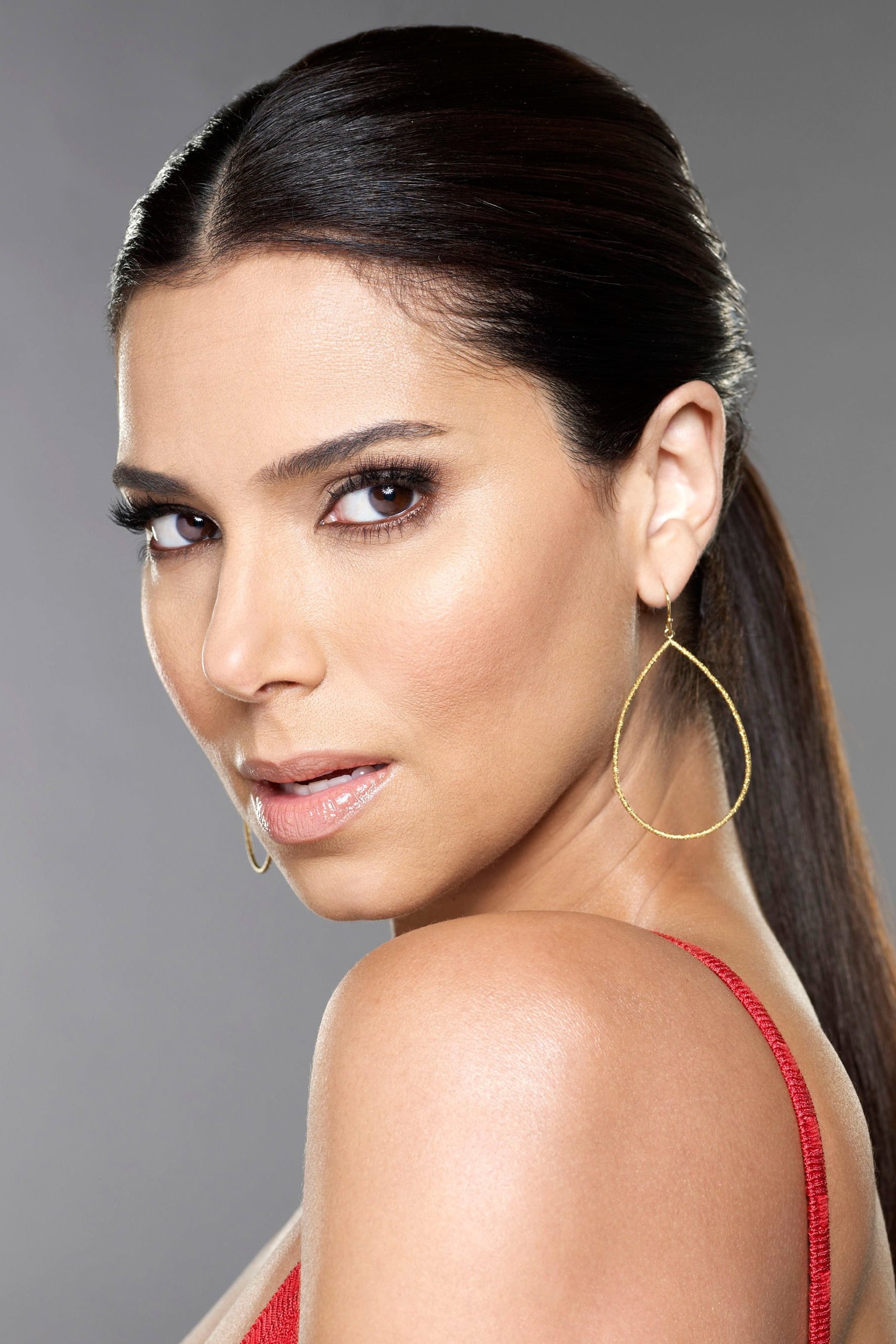
Roselyn Sánchez was active during the strike and spoke about the importance of protecting the image of the actor. The ‘Fantasy Island’ star argued that an actor’s brand is built on their face and voice. She feared that unregulated AI could dilute that brand by creating unauthorized content. Sánchez supported the establishment of legal precedents that confirm an actor owns their digital self. Her focus was on the long-term commercial implications of deepfake technology.
Adria Arjona
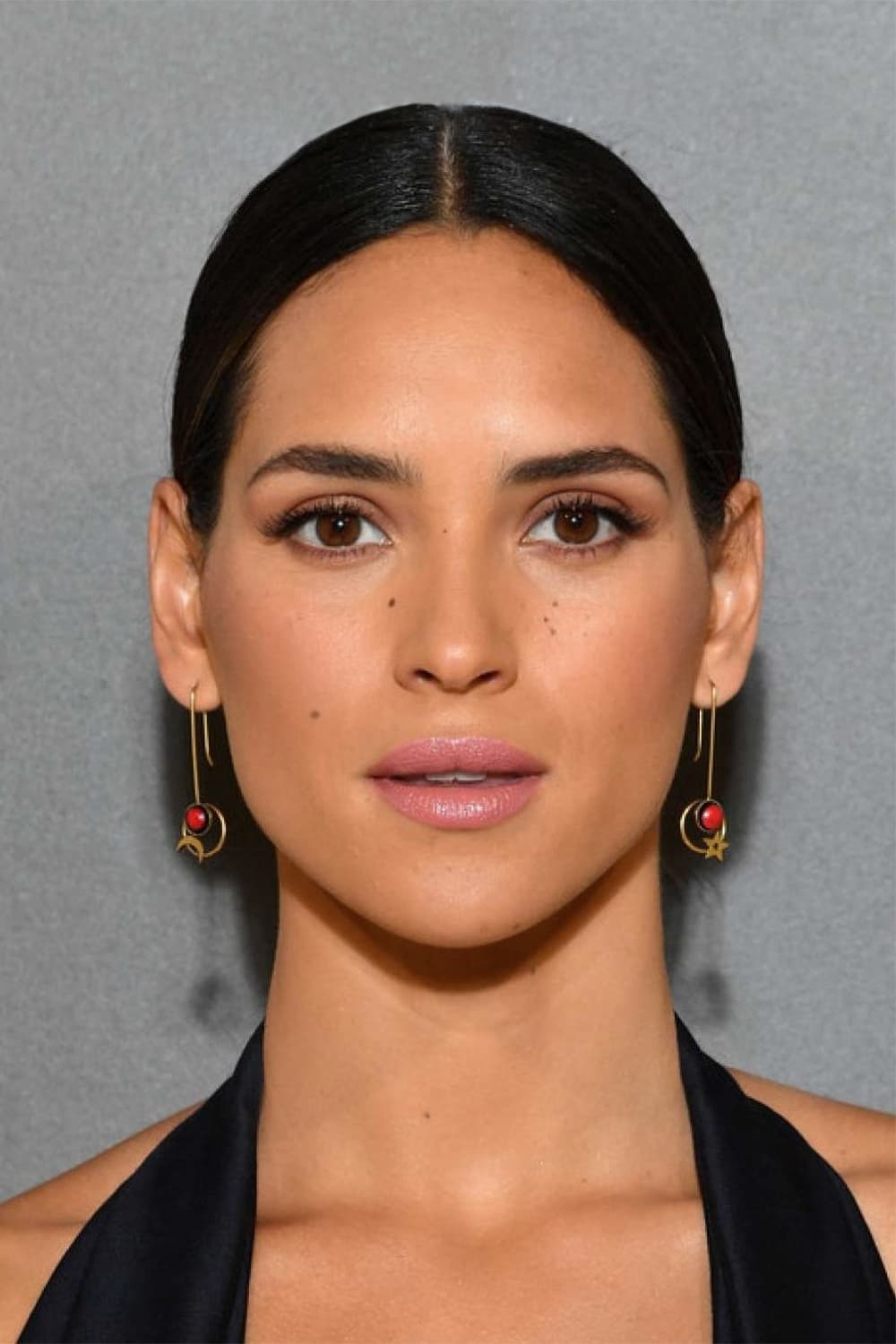
Adria Arjona supported the fight against the unauthorized use of an actor’s likeness in merchandise and video games. The ‘Andor’ actress noted that the Star Wars franchise often utilizes advanced technology but argued it must be done consensually. She emphasized that actors should share in the profits whenever their digital avatar generates revenue. Arjona stood with the guild in demanding specific compensation structures for digital rights. She believes that the future of the industry depends on fair compensation for all forms of performance.
Eiza González
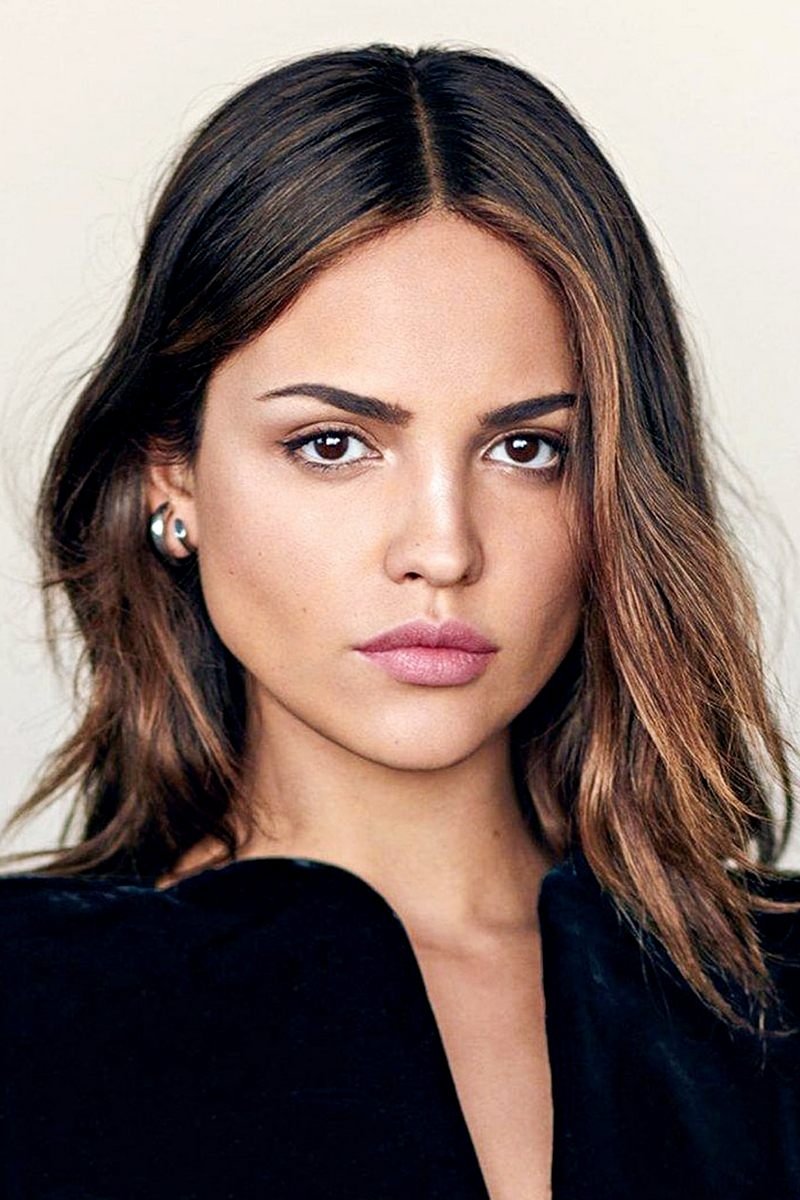
Eiza González has been vocal about the challenges Latinas face in Hollywood and added AI to that list of obstacles. The ‘Baby Driver’ actress argued that AI generation could lead to more stereotyping and less authentic representation. She supported the strike to ensure that human casting directors continue to make decisions based on talent. González emphasized that cultural nuance is often lost when machines attempt to replicate human behavior. She advocated for preserving the human touch in all aspects of filmmaking.
Karla Souza
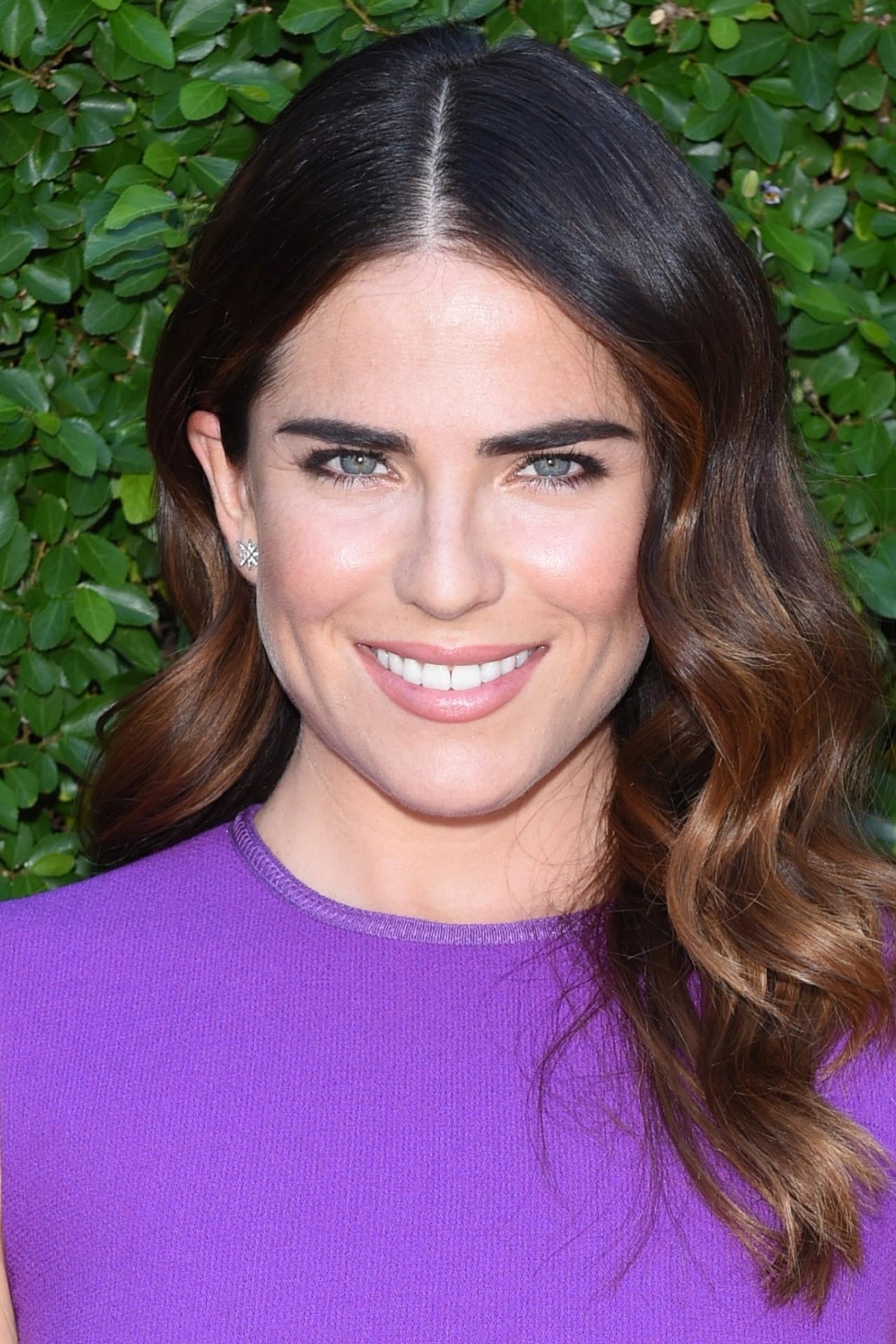
Karla Souza joined the movement to protect the intellectual property rights of performers in the streaming era. The ‘How to Get Away with Murder’ star argued that AI scraping of past performances creates a derivative work that infringes on copyright. She supported the union’s efforts to block studios from using archival footage to train generative models. Souza emphasized that an actor’s body of work is their legacy and should not be exploited. Her legal background informed her strong stance on the contractual aspects of AI usage.
Please share your thoughts on how AI might impact the future of your favorite movies and TV shows in the comments.

