


Latino Actors Who Withdrew From Movies Because of Political Reasons

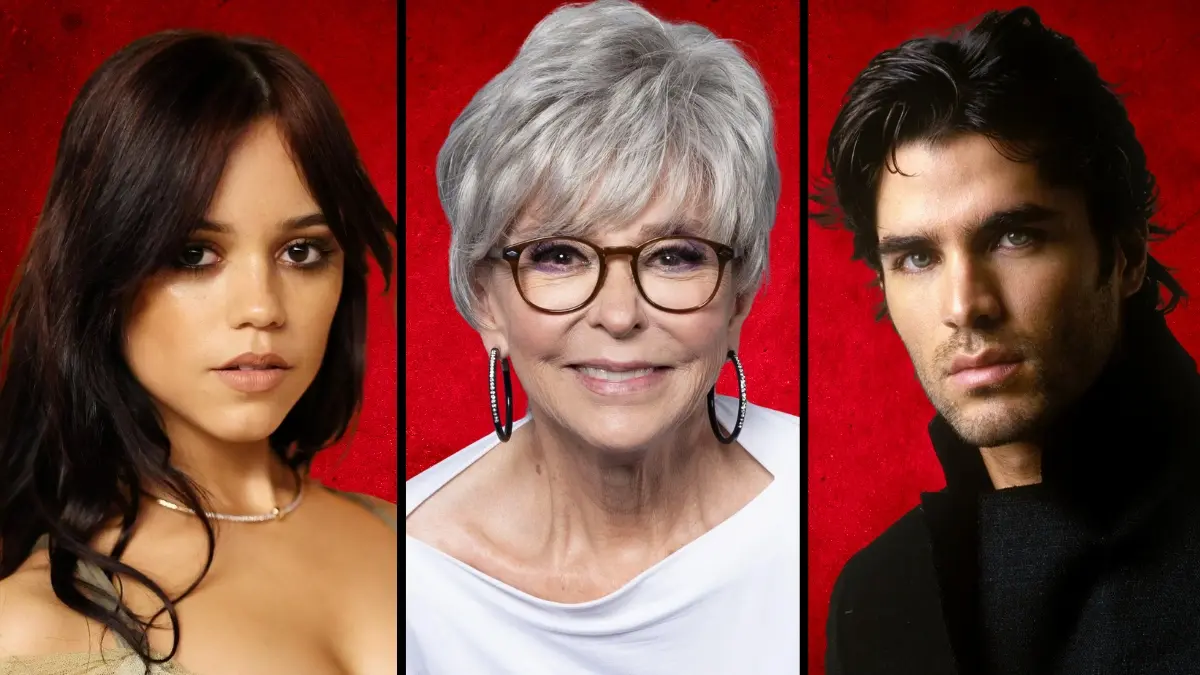


The intersection of entertainment and politics has frequently placed Latino actors in difficult positions, forcing them to choose between their careers and their principles. From the Golden Age of cinema to modern Hollywood blockbusters, performers have stepped away from the screen due to government persecution, stereotypical casting, or a desire to serve in public office. This list explores twenty figures who withdrew from film projects or the industry entirely for political reasons.
Rita Moreno
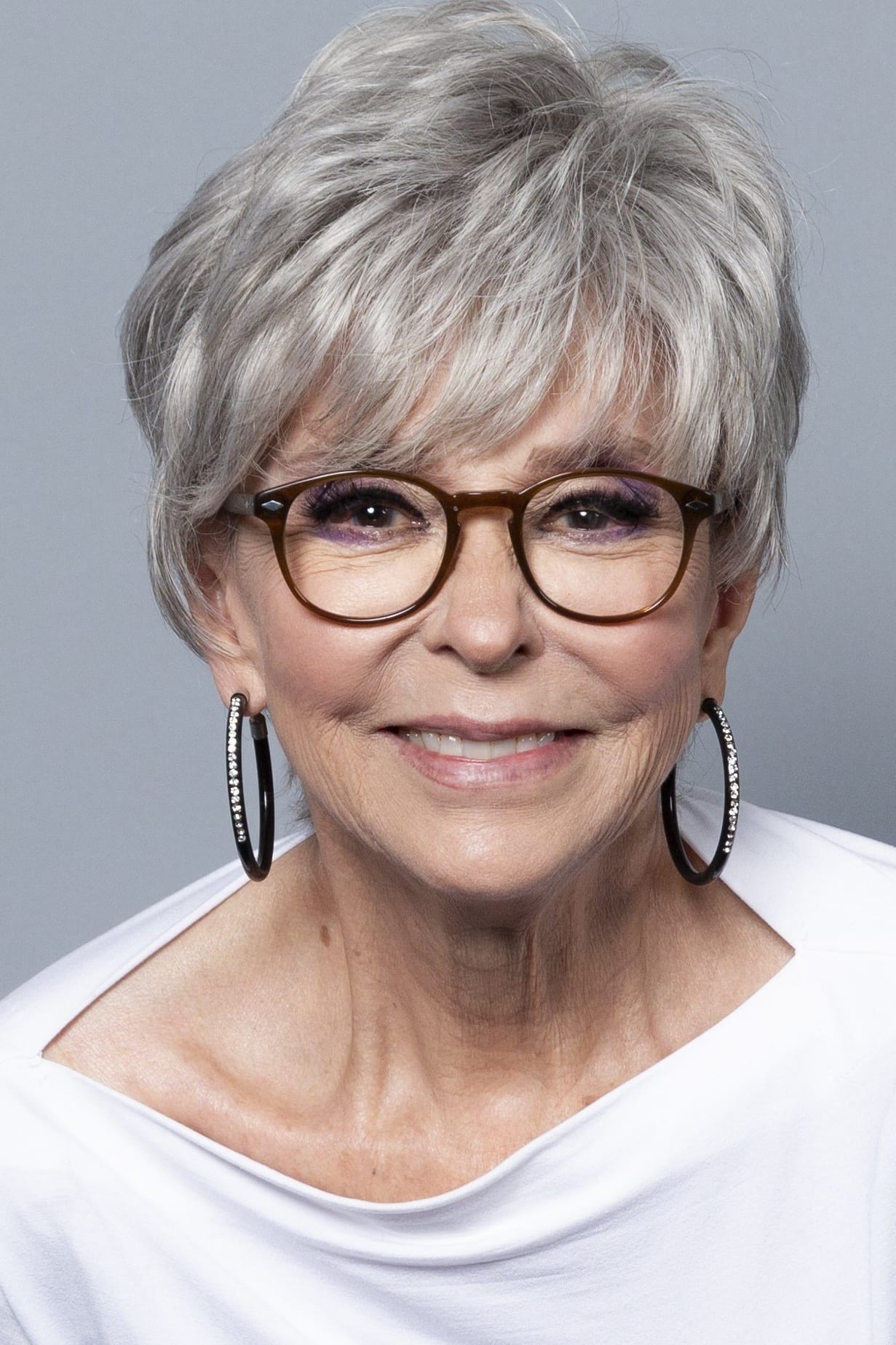
After making history as the first Latina to win an Oscar for her role in ‘West Side Story’ (1961), Rita Moreno essentially withdrew from Hollywood films for seven years. This hiatus was a political and personal protest against the industry’s racism, as she was only offered stereotypical roles that she found demeaning. She refused to play the “spitfire” or the “exotic” caricature anymore, preferring to focus on theater and other work rather than perpetuate harmful images of Hispanics. Her withdrawal was a stand for dignity and better representation in the media.
Carmen Salinas
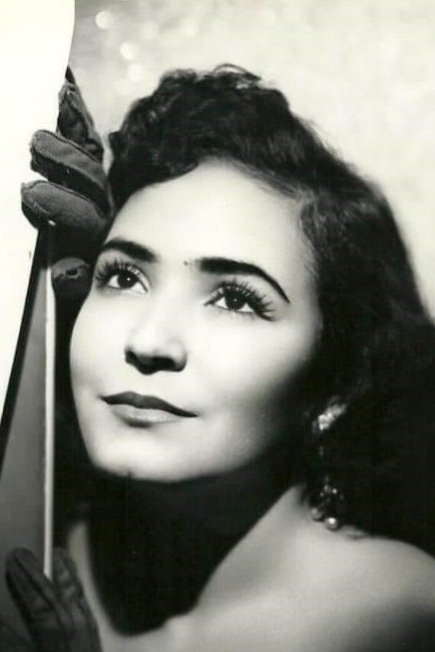
Carmen Salinas was a beloved Mexican actress and comedian who appeared in over 100 movies and telenovelas. Late in her career, she withdrew from her rigorous acting schedule to serve as a proportional representation deputy for the PRI party from 2015 to 2018. During her tenure in the Chamber of Deputies, her acting work was largely put on hold as she navigated the world of politics. She eventually returned to television before her death, but her time in office was a clear political interlude in an otherwise continuous acting career.
Eduardo Verástegui
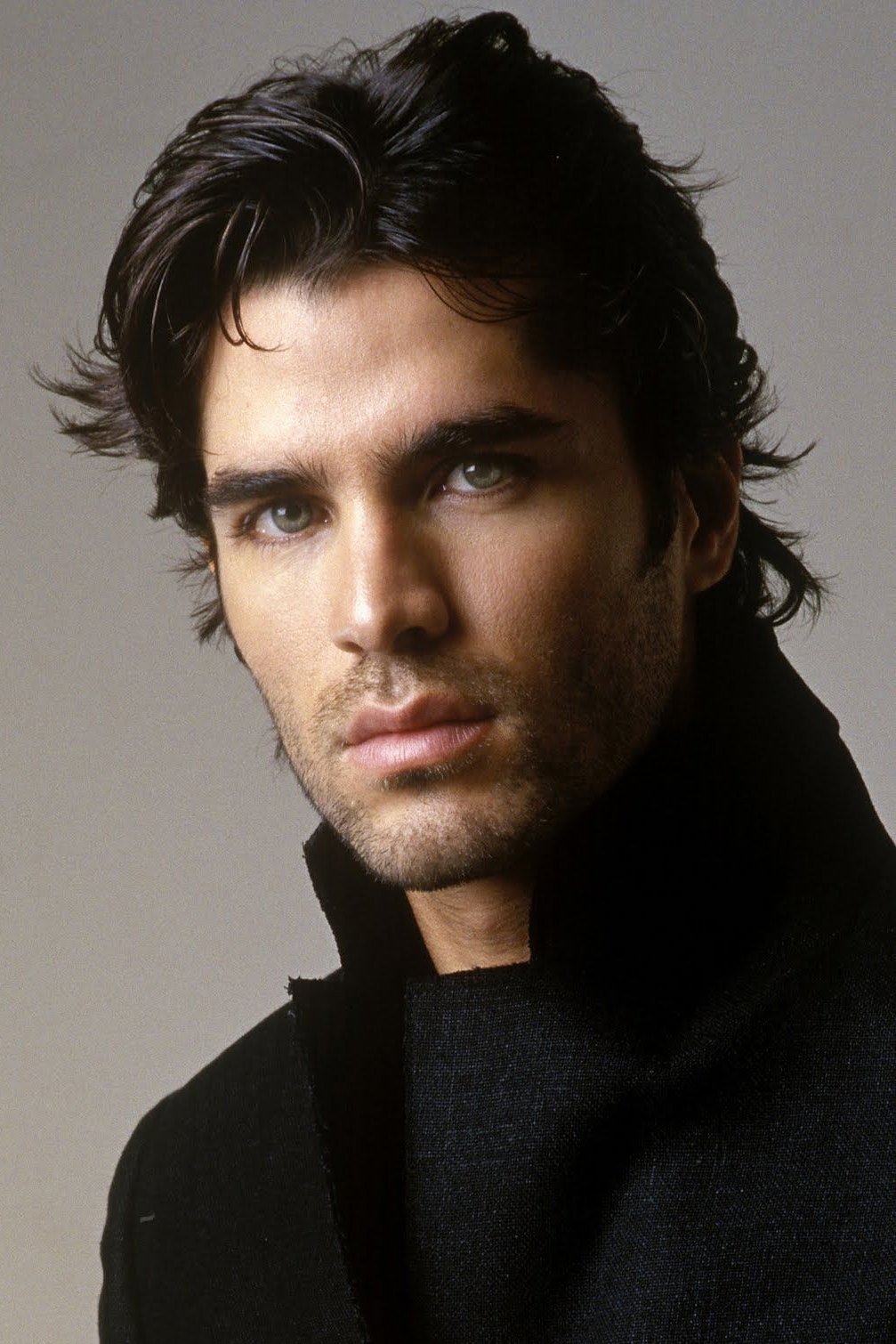
Once a popular telenovela star and Hollywood hopeful, Eduardo Verástegui left mainstream commercial cinema to pursue a career aligned with his conservative political and religious values. He stopped taking roles that conflicted with his faith and eventually shifted to producing politically charged films like ‘Sound of Freedom’. In 2023, he formally registered as an independent candidate for the presidency of Mexico, stepping away from acting to focus entirely on his political campaign. His departure from traditional entertainment was a deliberate move to use media as a tool for his ideological platform.
Dolores del Río

Dolores del Río was a major Hollywood star in the 1920s and 30s who eventually quit the American film industry to return to Mexico. She felt restricted by the exoticized roles available to her in the U.S. and chose to pursue her interest in building a national cinema in her home country. Her return was motivated by a desire to portray authentic Mexican characters rather than Hollywood stereotypes. This move allowed her to become a legendary figure in the Golden Age of Mexican cinema, free from the political and cultural constraints of the American studio system.
Rubén Blades
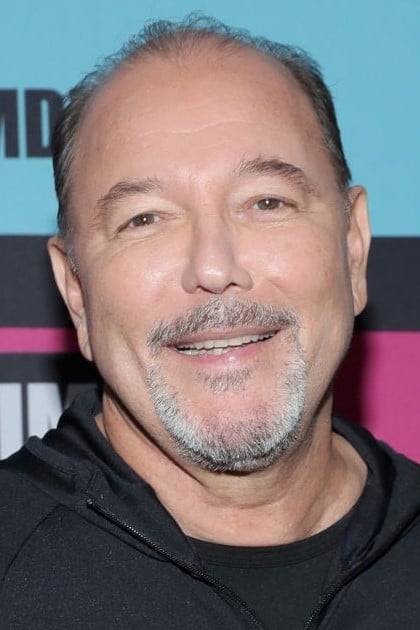
Rubén Blades is a celebrated salsa singer and actor who put his entertainment career on pause to run for President of Panama in 1994. Although he did not win the election, he later withdrew from acting again to serve as the country’s Minister of Tourism from 2004 to 2009. During these periods, he declined film roles to dedicate himself fully to public service and political administration. His ability to navigate both Hollywood and high-level government positions makes him a unique figure in the intersection of arts and politics.
Melissa Barrera

Melissa Barrera’s exit from the ‘Scream’ franchise in 2023 is a prominent modern example of an involuntary withdrawal due to political expression. The actress was fired from ‘Scream 7’ by Spyglass Media Group after she posted social media comments supporting Palestine during the conflict in Gaza. The studio characterized her posts as hate speech, leading to her immediate removal from the high-profile sequel. Barrera stood by her statements, prioritizing her political voice over her role in the blockbuster horror series.
Jenna Ortega

Following the firing of her co-star Melissa Barrera, Jenna Ortega also departed the cast of ‘Scream 7’. While official statements initially cited scheduling conflicts with her show ‘Wednesday’, widely circulated reports and industry speculation suggested her exit was a show of solidarity. Ortega had previously expressed support for similar political causes, and her departure left the production without its two main leads. This move was interpreted by many as a refusal to work with a studio that had penalized political speech.
Ofelia Medina
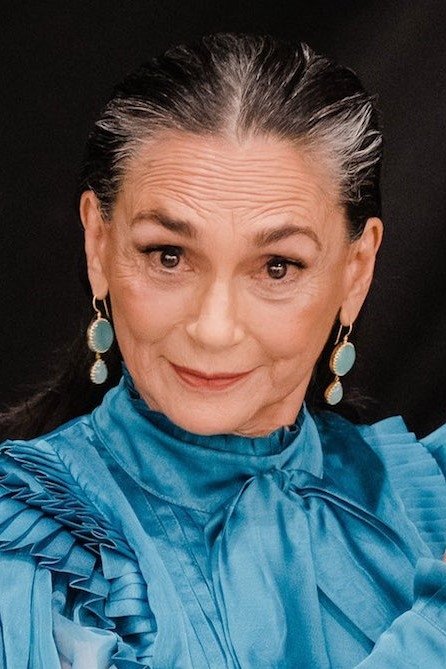
Ofelia Medina is a famous Mexican actress who famously played Frida Kahlo in ‘Frida, naturaleza viva’ (1983). Over the years, she has largely withdrawn from commercial filmmaking to dedicate her life to political activism, specifically supporting the indigenous peoples of Chiapas and the Zapatista movement. She has often turned down roles or stepped away from the spotlight to focus on human rights work, considering her activism more important than her acting career. Her semi-retirement from the screen is a conscious political choice to serve marginalized communities.
Silvia Pinal
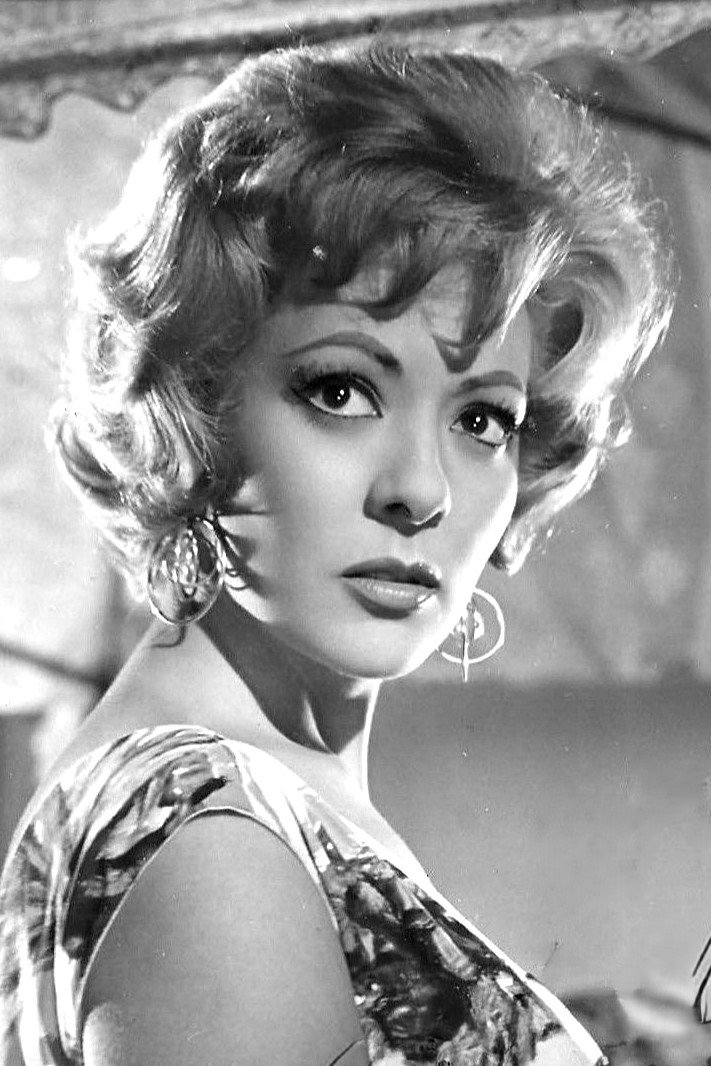
Silvia Pinal is a legend of Mexican cinema and the muse of director Luis Buñuel, but she also stepped away from acting to pursue politics. She served as the First Lady of the state of Tlaxcala and later became a federal deputy and senator for the Institutional Revolutionary Party (PRI). During her years in political office, her film and television output diminished significantly as she focused on governance and political affairs. Her withdrawal was temporary but marked a major shift from artistic to civic life.
Rosaura Revueltas
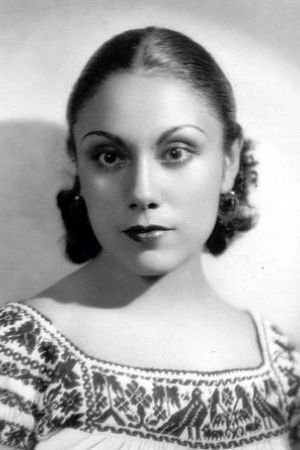
Rosaura Revueltas was a celebrated Mexican actress whose career was destroyed by the anti-communist hysteria of the Cold War. After starring in the politically charged film ‘Salt of the Earth’ (1954), which depicted a zinc miners’ strike in New Mexico, she was arrested by immigration officials and deported back to Mexico. The film was blacklisted in the United States for decades, and Revueltas found herself unable to work in Hollywood again. She was also effectively blacklisted in the Mexican film industry due to political pressure, forcing her to turn to theater and teaching. Her withdrawal from cinema remains one of the most prominent examples of political censorship in film history.
Angélica Rivera

Angélica Rivera was one of Mexico’s most popular telenovela actresses, starring in hits like ‘Destilando Amor’ (2007), which earned her the nickname “La Gaviota.” Her career in entertainment came to an abrupt halt when she married Enrique Peña Nieto, who would soon become the President of Mexico. As First Lady, she withdrew completely from acting to fulfill her ceremonial and political duties, a move that was viewed as necessary for her husband’s political image. Although she divorced him after his term ended, she has not returned to the screen, with her withdrawal intimately tied to the highest level of national politics.
María Conchita Alonso
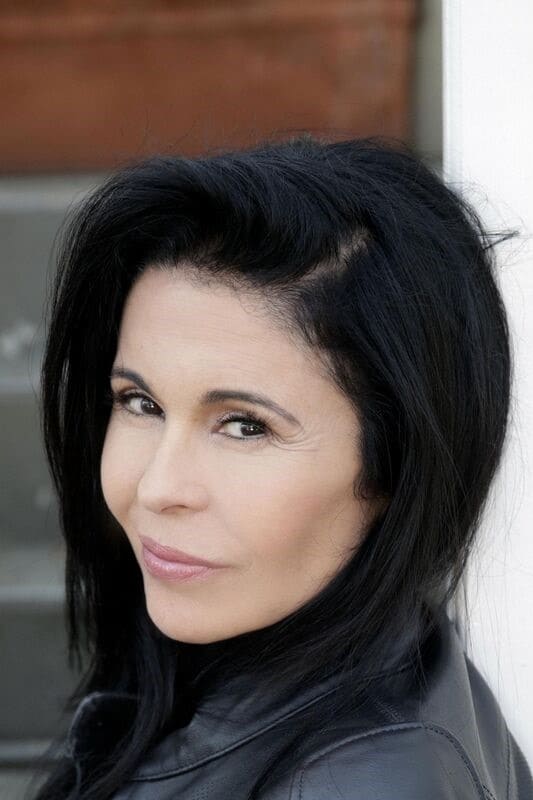
Maria Conchita Alonso withdrew from a production of ‘The Vagina Monologues’ in San Francisco in 2014 due to intense political backlash. The Venezuelan-Cuban actress faced boycotts and protests after she appeared in a campaign video supporting a Tea Party candidate for California governor. Facing pressure from the theater community and threats of disruption, she resigned from the play to prevent damage to the production. This incident highlighted the polarization within the industry, where political views could lead to a forced withdrawal from artistic projects.
Sergio Mayer
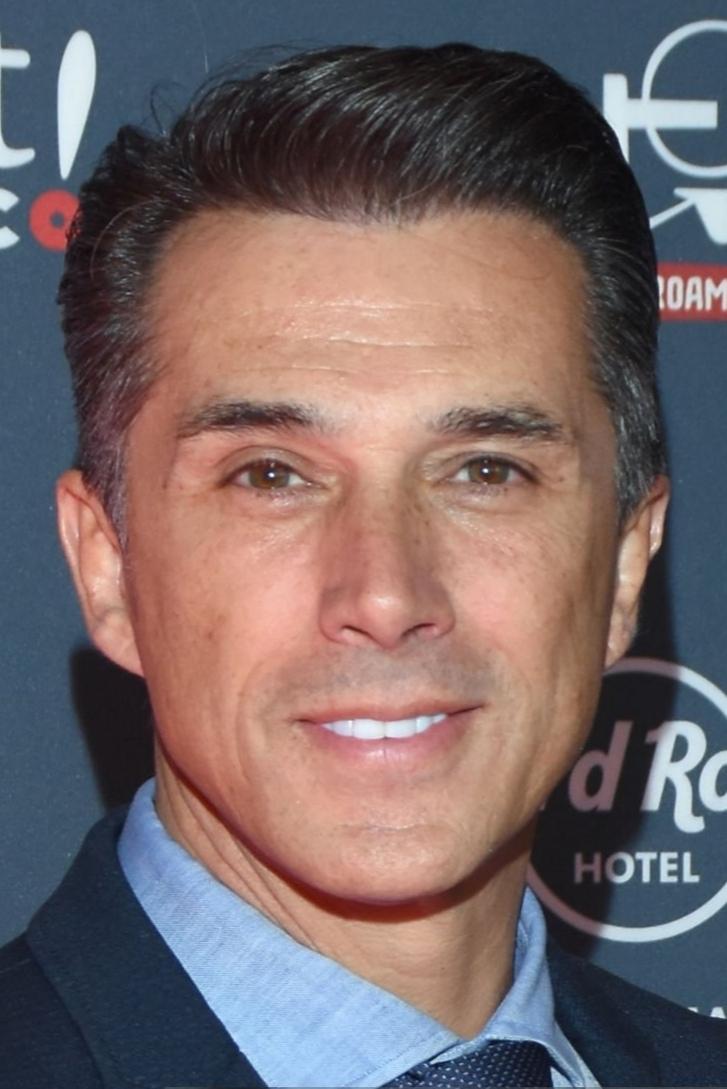
Sergio Mayer began his career as a singer in the group Garibaldi and a telenovela actor in Mexico. He eventually retired from the entertainment industry to pursue a serious career in politics, becoming a federal deputy in the Mexican Congress. His transition involved a complete withdrawal from acting roles to focus on legislative work and public administration. Mayer’s move from the stage to the political arena required him to leave behind his celebrity persona to be taken seriously as a policymaker.
Eva Duarte de Perón
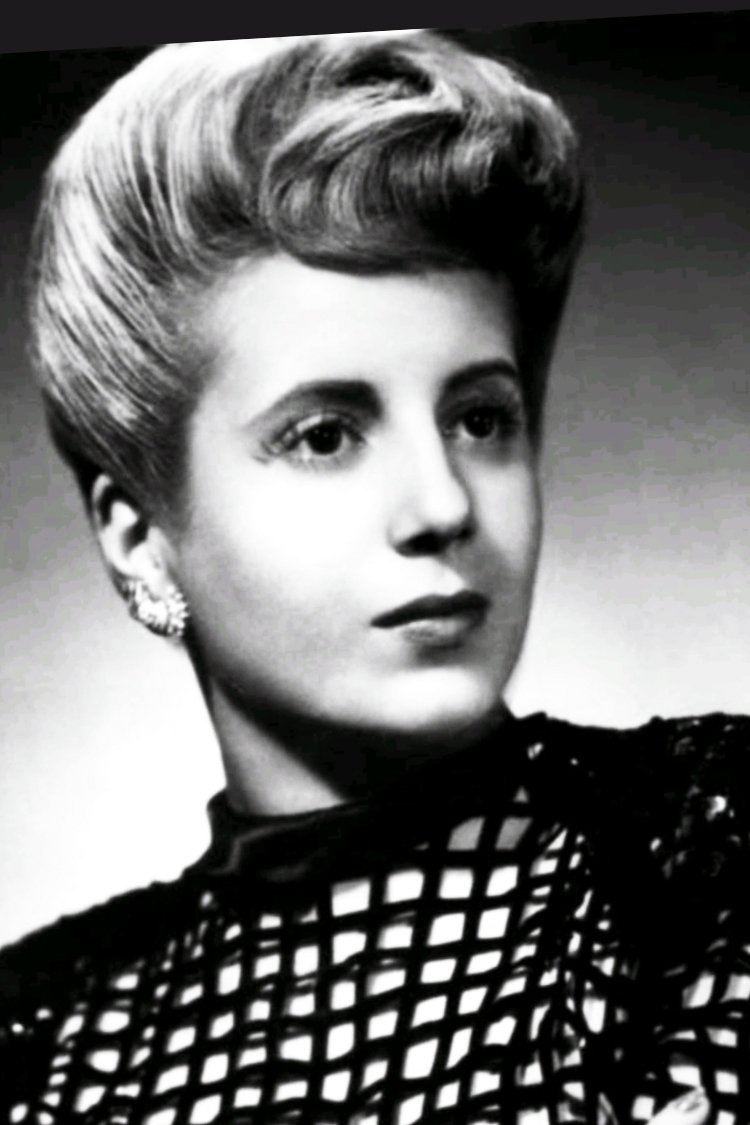
Before she became the First Lady of Argentina, Eva Perón was a radio and film actress with a growing career. She appeared in several films, such as ‘La pródiga’ (1945), but her marriage to Juan Perón and her subsequent rise to political power marked the end of her acting days. She completely withdrew from the entertainment industry to focus on her role as a political leader and social activist for the “descamisados.” Her past as an actress was often scrutinized or hidden by her political opponents, but her transition from screen to statehouse is the most famous example of a political withdrawal in Latin America.
Delia Garcés

Delia Garcés was a star of the Golden Age of Argentine cinema, often compared to Bette Davis for her dramatic range. Like many of her contemporaries, she fell out of favor with the Perón administration, which maintained a blacklist of artists who did not publicly support the regime. Feeling the pressure and lack of work opportunities, she withdrew from the Argentine film industry and went into voluntary exile in Mexico and Spain. She made very few films during this period, effectively sacrificing her stardom at home for political freedom abroad. She returned to Argentina later in life but her film career never fully recovered.
Libertad Lamarque
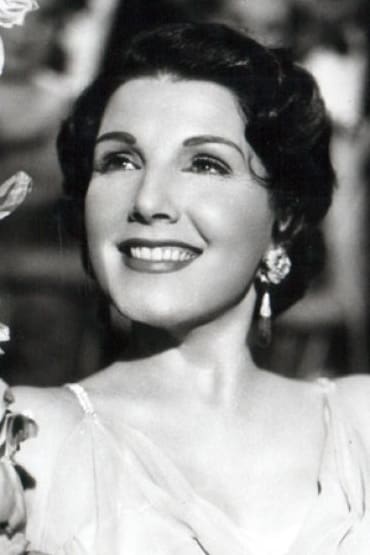
Known as “La Novia de América,” Libertad Lamarque was one of Argentina’s biggest stars until a personal and political feud with Eva Perón forced her into exile. Legend has it that the two actresses clashed on the set of ‘La cabalgata del circo’ (1945), and once Perón rose to power as First Lady, Lamarque found herself blacklisted from the Argentine entertainment industry. Unable to find work in her own country, she moved to Mexico, where she revitalized her career and became a massive star of the Golden Age of Mexican cinema. She never returned to live permanently in Argentina, making her withdrawal from her home country’s film industry a direct result of the Peronist political climate.
Nacha Guevara
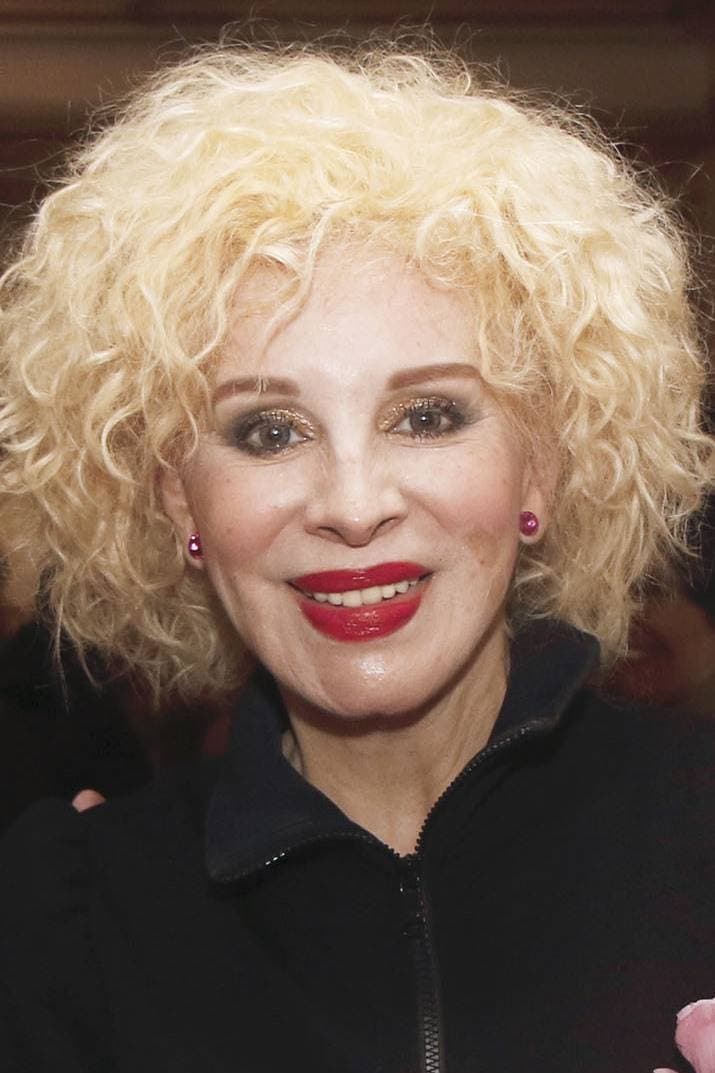
Nacha Guevara is an Argentine actress, singer, and dancer known for her avant-garde style and political outspokenness. In the mid-1970s, her theater was bombed by right-wing paramilitaries, and she received death threats that gave her forty-eight hours to leave the country. She withdrew from the Argentine entertainment scene and went into exile in Mexico, Spain, and Brazil for several years. Her career in film and theater was interrupted by political violence, and her work in exile often reflected her resistance to the regime. She returned to Argentina only after the return of democracy.
Niní Marshall

Niní Marshall was a beloved Argentine comedian and actress known for her characters that satirized various social classes and immigrants. However, her distinct use of language and slang drew the ire of the Perón government, which sought to standardize the Spanish language and viewed her humor as “deforming” the culture. Facing censorship and a ban on her radio and film work, she was forced to leave Argentina in 1950. She lived and worked in Mexico and Spain for several years, only returning to Argentine cinema after the political situation changed. Her exile was a direct consequence of government interference in cultural expression.
Irma Serrano
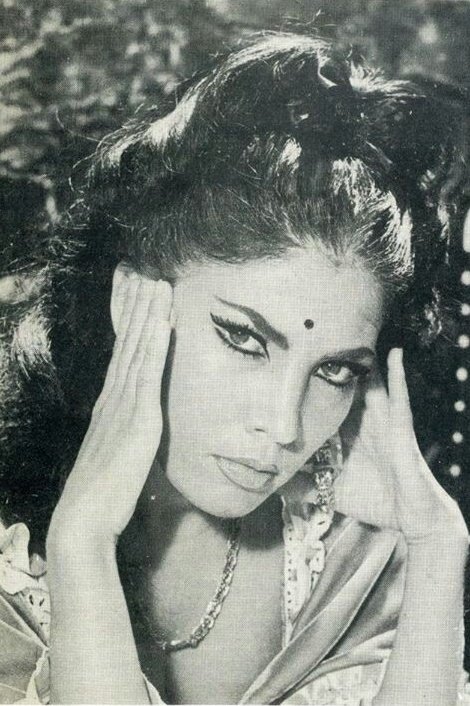
Irma Serrano, known as “La Tigresa,” was a famous Mexican actress and singer who transitioned from a controversial entertainment career to politics. She withdrew from acting in the 1990s to serve as a senator for the state of Chiapas, representing the Party of the Democratic Revolution (PRD). Her political career was marked by her outspoken nature, but it required her to step back from the films and cabaret shows that had made her famous. Her withdrawal from the screen was a definitive move to establish authority in the political sphere.
Luis Brandoni
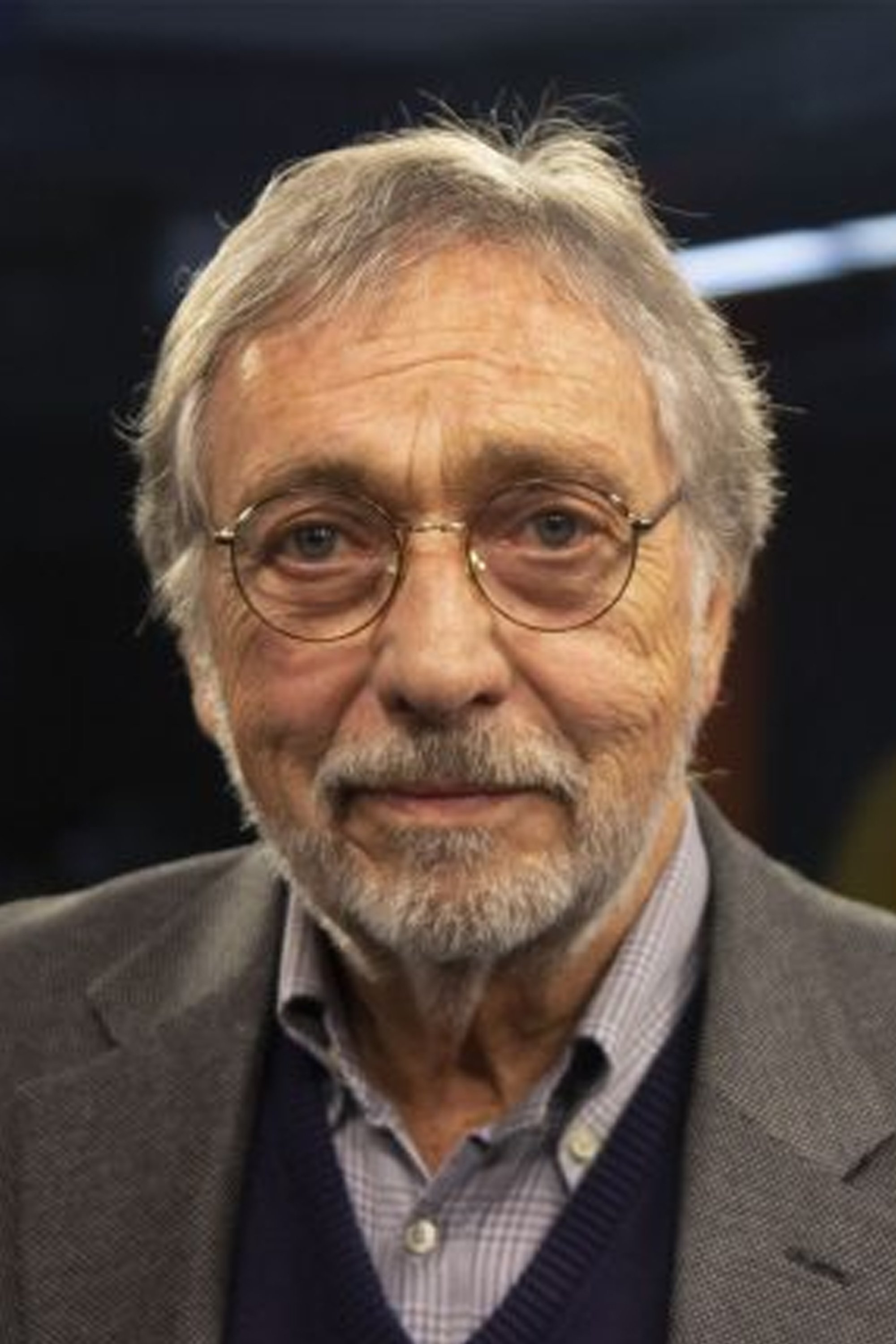
Luis Brandoni is a prominent Argentine actor who has balanced a prolific acting career with active political engagement in the Radical Civic Union (UCR). During the military dictatorship in the 1970s, he was blacklisted and forced to withdraw from film and television work due to his political affiliation and leadership in the actors’ union. He went into exile in Mexico for a period to escape persecution and threats to his life. Although he later returned to acting and politics, his career was forcibly interrupted by state terrorism and political repression.
Share your thoughts on these actors’ decisions to prioritize their political convictions over their film careers in the comments!

