


League of Legends Champions Inspired by Comic Book Characters

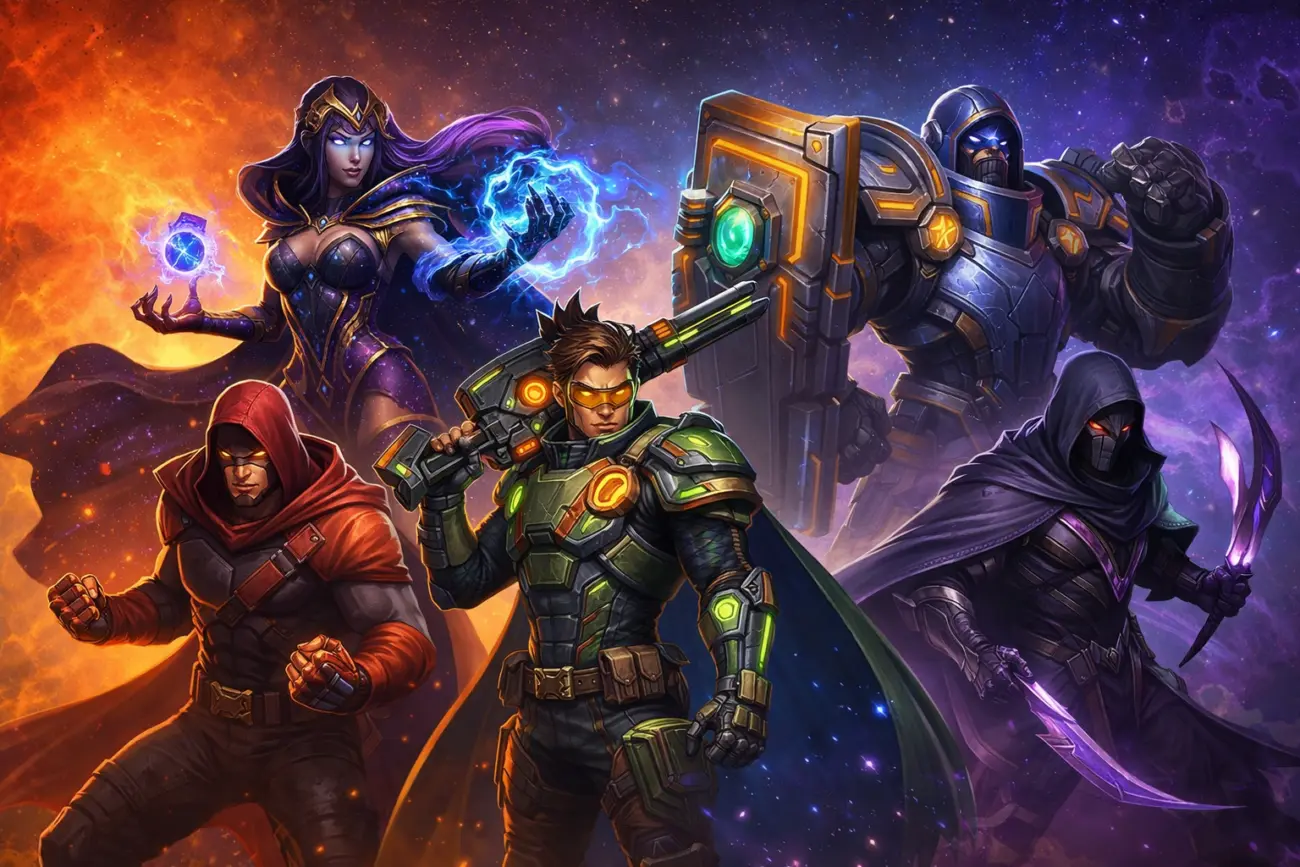
League of Legends has spent over a decade building a roster of 160+ champions, each with unique abilities, backstories, and visual designs. What many players don’t realize is how deeply comic book DNA runs through Summoner’s Rift. From obvious homages to subtle nods, Riot Games has created champions that feel ripped straight from Marvel and DC pages, reimagined for MOBA gameplay.
Just as dedicated players invest years building their accounts and mastering champions, some explore marketplaces for lol accounts options in other competitive games when seeking to experience high-level play without repeating extensive early progression. The commitment to competitive gaming transcends individual titles, creating communities as passionate as any comic book fandom.
The Superhero Archetypes
Comic books established character archetypes that gaming has borrowed extensively. League of Legends didn’t just copy these templates. The designers understood what made Spider-Man, Batman, and Wonder Woman iconic, then translated those qualities into champions that work within a competitive multiplayer framework.
Take Vi, the Piltover Enforcer. Her giant hextech gauntlets, rebellious attitude, and punch-first mentality mirror characters like Marvel’s She-Hulk or DC’s Power Girl. She’s the brawler archetype, someone who solves problems with overwhelming physical force wrapped in a personality that refuses authority. Vi’s design captures that comic book energy where strength becomes both weapon and identity.
Jinx represents the chaotic villain turned anti-hero. Her visual design screams Harley Quinn, from the pigtails to the manic personality to the obsession with explosives. But Riot went deeper than surface aesthetics. Jinx’s rivalry with Vi, her backstory of trauma and chaos, her inability to fit society’s rules, these narrative beats come straight from the comic villain playbook. She’s what happens when you give the Joker’s girlfriend her own franchise and let her be the star.
Dark and Brooding Vigilantes
Batman’s influence on gaming is impossible to overstate, and League of Legends has multiple champions who channel the Dark Knight’s essence. Zed, the Master of Shadows, embodies Batman’s aesthetic if Bruce Wayne had chosen assassination over justice. The shadow manipulation, the ninja training, the tragic origin story involving a murdered mentor, Zed is Batman’s methods without his moral code.
Talon takes the concept further. He’s literally an assassin who strikes from darkness, uses blades, and operates outside the law. His connection to the Noxian underworld, his cold efficiency, his refusal to speak unnecessarily, these traits mirror Batman’s rogues gallery as much as Batman himself. He’s what happens when you create a champion around the question: what if Batman was the villain?
Even Nocturne draws from Batman’s playbook. The fear tactics, the dramatic entrances from darkness, the psychological warfare. Nocturne weaponizes nightmares the way Batman weaponizes fear. Different execution, same comic book foundation.
Godlike Power and Cosmic Threats
Marvel’s cosmic heroes and DC’s New Gods clearly influenced League’s more powerful champions. Aurelion Sol, the Star Forger, channels Galactus energy. He’s a cosmic entity so powerful that reality itself bends around him, forced into servitude but never truly controlled. His contempt for mortals, his immense power barely contained, his role as both creator and destroyer, these are beats straight from cosmic Marvel comics.
Pantheon represents the opposite approach to godhood. He’s mortal ambition challenging divine power, similar to how characters like Thor or Wonder Woman navigate their dual nature as both god and hero. Pantheon’s story, a human baker elevated to godhood only to reject it in favor of mortal determination, mirrors the best “man becomes god” arcs in comics.
The Tragic Villain Origin
Comics perfected the tragic villain, and League of Legends has built entire champion identities around this concept. Viego, the Ruined King, is a love-obsessed villain whose grief destroys kingdoms. His motivation, saving his dead wife at any cost, mirrors Mr. Freeze’s tragic devotion or Magneto’s traumatic past driving destructive present actions.
Sylas breaks the mold differently. He’s the revolutionary villain, the Magneto or Killmonger archetype who has legitimate grievances but pursues them through violence. His ability to steal magic from others creates interesting gameplay, but narratively, he’s the sympathetic extremist who makes you question if the heroes are really right.
The Mentor Figure
Professor X, Nick Fury, Alfred Pennyworth, comics love the wise mentor. League has Ryze, the ancient mage collecting dangerous artifacts to prevent catastrophe. His endless quest, his burden of knowledge, his isolation from normal society, these traits define the mentor archetype. Ryze can’t be the hero because his responsibilities are too vast, but he guides others toward heroism while carrying impossible weight.
Why This Matters
Understanding League’s comic book influences enriches the experience. When you play Jinx, you’re not just controlling a marksman. You’re embodying decades of chaotic villain tropes refined through Harley Quinn and given MOBA mechanics. When Zed shadows across the battlefield, you’re channeling Batman’s fear tactics reimagined as ninja assassination.
This cross-pollination between gaming and comics isn’t accidental. Many Riot designers grew up reading Marvel and DC. They understand what makes characters memorable isn’t just abilities or stats. It’s personality, motivation, visual identity, all the elements comics mastered over 80+ years.
The dedication gamers show to competitive titles mirrors comic fandom intensity. Whether grinding ranked in League or building bases in mobile strategy games, players invest years into their progression. Services like Gameboost have emerged to serve players across multiple gaming communities, recognizing that time investment and account value transcends any single title.
The Future of Comic Influence
As League continues expanding its universe through games like Legends of Runeterra and shows like Arcane, the comic book DNA becomes more apparent. Arcane succeeded partly because it understood comic storytelling, the character-driven drama, the visual dynamism, the balance between action and emotion. It’s what happens when game developers who love comics get resources to tell stories properly.
The next generation of League champions will undoubtedly continue this tradition. As long as comics keep creating memorable characters, games will keep reimagining them. And players benefit from this exchange, experiencing familiar archetypes in fresh contexts, discovering that the champion they main shares DNA with heroes they’ve loved since childhood.

