


Lesser-Known Movies That Are Totally Worth Watching

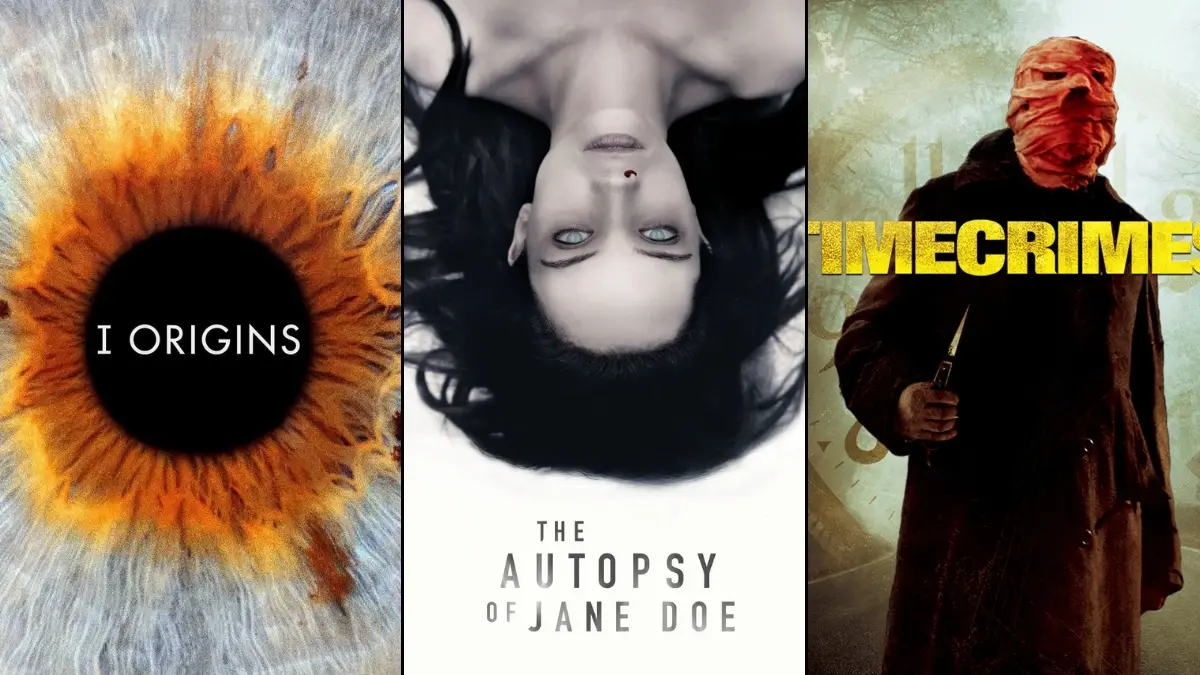


Looking to dig beyond the usual recommendations and find films that flew under the radar? This list pulls together distinctive titles from around the world—quiet character studies, ingenious thrillers, inventive sci-fi, and gripping genre blends—each with a clear hook, notable craft, or striking backstory. You’ll find details like directors, settings, key cast, production approaches, notable festival appearances, and historical context so you can quickly decide what to queue up next.
‘Coherence’ (2013)
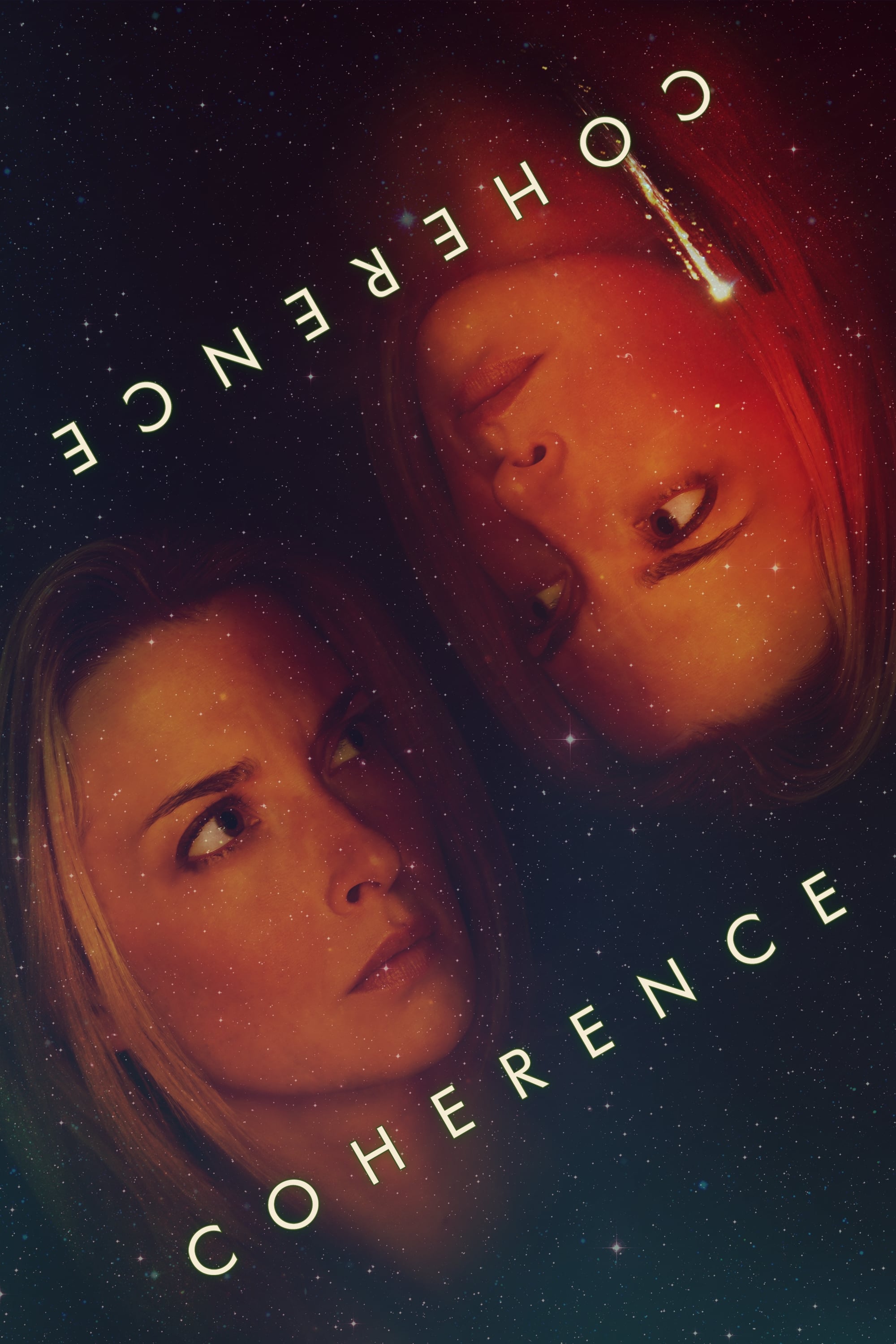
Written and directed by James Ward Byrkit, ‘Coherence’ is a chamber-sized science-fiction thriller set over a single evening as a group of friends gathers for dinner during a comet passing. The film was shot largely with improvised dialogue from scene outlines, allowing performances to determine the flow of revelations. It stars Emily Baldoni and Maury Sterling, with a narrative that explores parallel realities intersecting inside one neighborhood. The microbudget production relied on minimal locations and in-camera tricks rather than visual-effects-heavy sequences.
‘Timecrimes’ (2007)
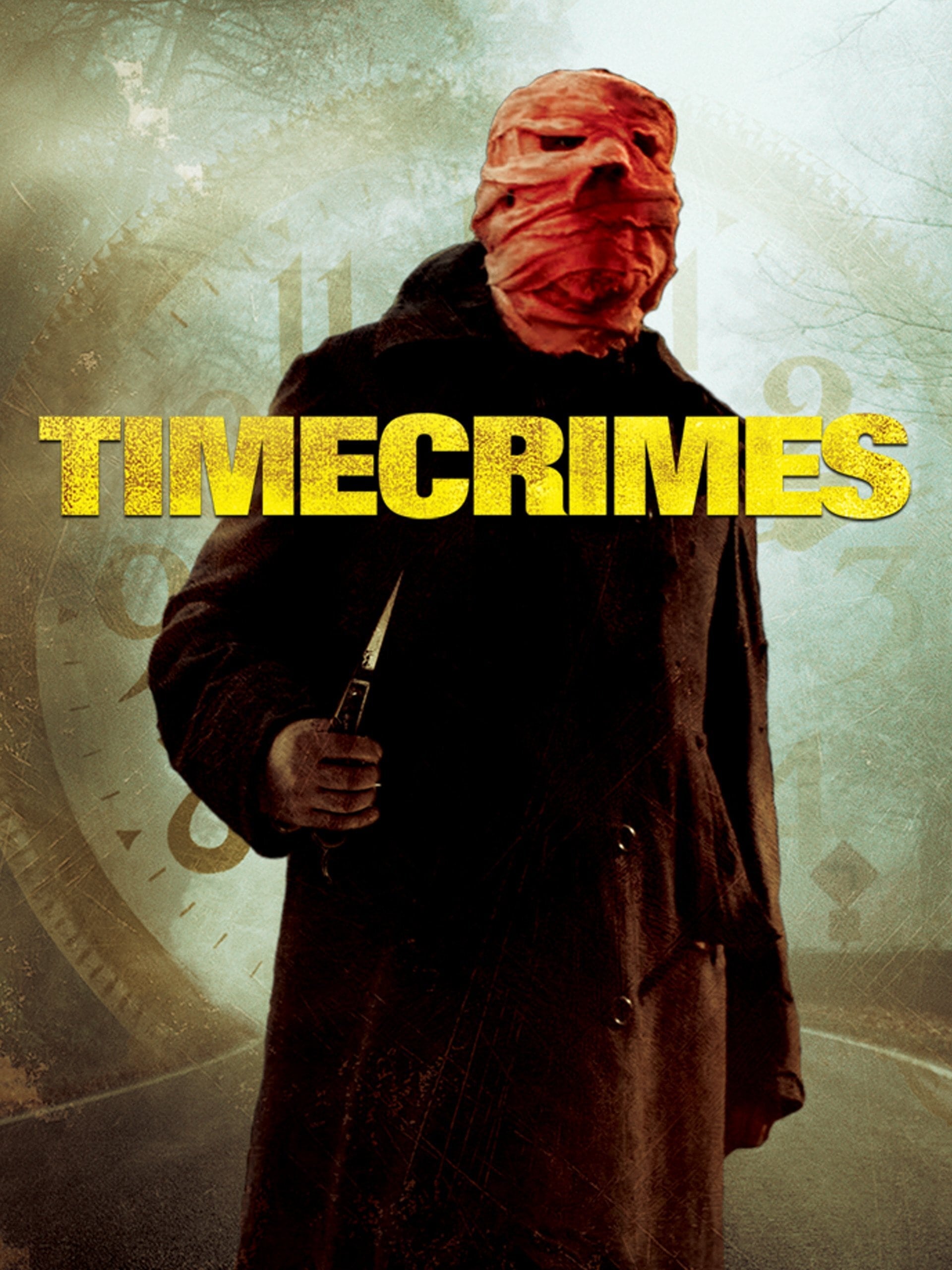
‘Timecrimes’ is a Spanish-language sci-fi thriller from writer-director Nacho Vigalondo that centers on a man who stumbles into a series of looping events after witnessing a disturbing incident. Karra Elejalde leads the cast, with Vigalondo appearing in a key supporting role tied to a research facility. The film builds its puzzle from a contained set of locations and a carefully structured timeline. It earned attention on the festival circuit for its tight plotting and economical filmmaking.
‘Blue Ruin’ (2013)
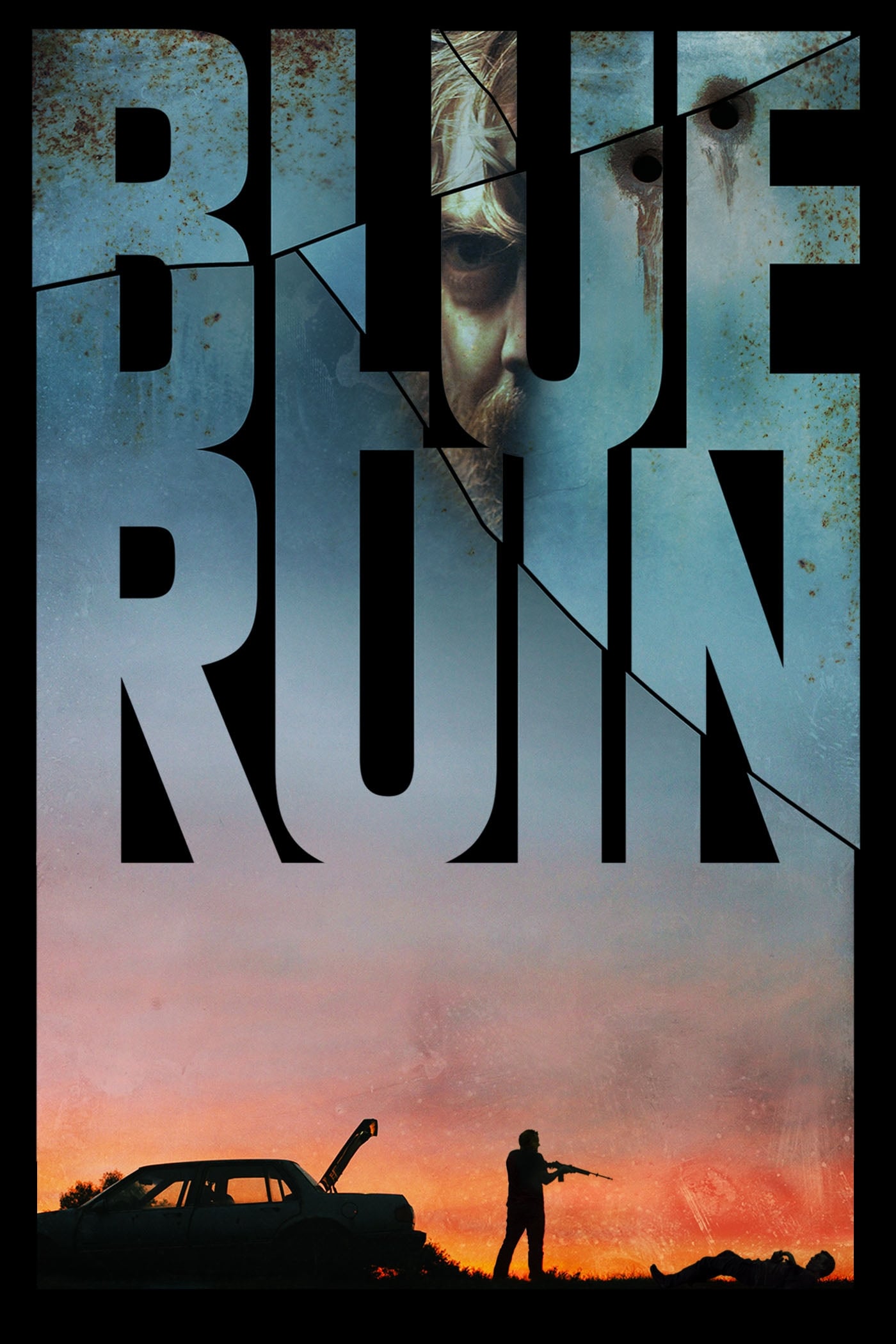
Directed by Jeremy Saulnier, ‘Blue Ruin’ follows an itinerant drifter whose life is upended by a violent act that pulls him back to his hometown. Macon Blair gives a central performance that anchors the story’s methodical momentum. The film premiered in the Directors’ Fortnight section at Cannes and won the FIPRESCI Prize there. It was funded in part through crowdfunding and showcases precise, natural-light cinematography and restrained dialogue.
‘The Invitation’ (2015)
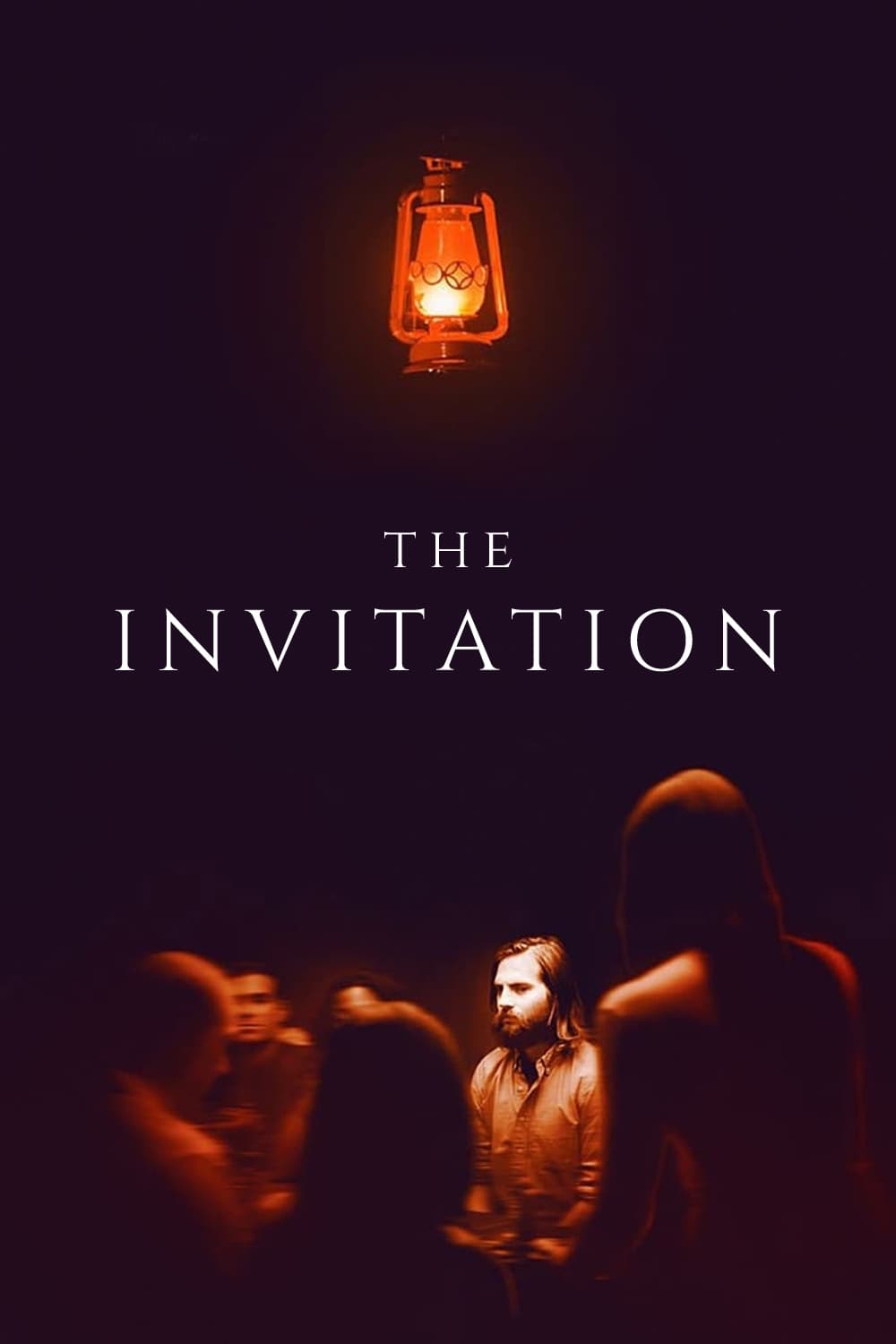
Karyn Kusama’s ‘The Invitation’ unfolds at a dinner party in the Hollywood Hills where old friends reunite after a long absence. Logan Marshall-Green and Tammy Blanchard star, with the ensemble dynamic emphasized through careful blocking and sound design. The screenplay by Phil Hay and Matt Manfredi layers grief, group psychology, and ritual into a slow-build narrative. The film premiered at SXSW and was noted for its controlled pacing and use of a single primary location.
‘Pontypool’ (2008)
‘Pontypool,’ directed by Bruce McDonald, adapts Tony Burgess’s novel ‘Pontypool Changes Everything’ into a radio-station-set horror story. Stephen McHattie plays a talk-radio host who reports on a mysterious outbreak while trapped in the studio. The narrative explores language as a transmission vector, using audio cues and caller reports instead of traditional monster visuals. Its contained setting and real-time structure emphasize performance, sound mixing, and script concepts.
‘Columbus’ (2017)
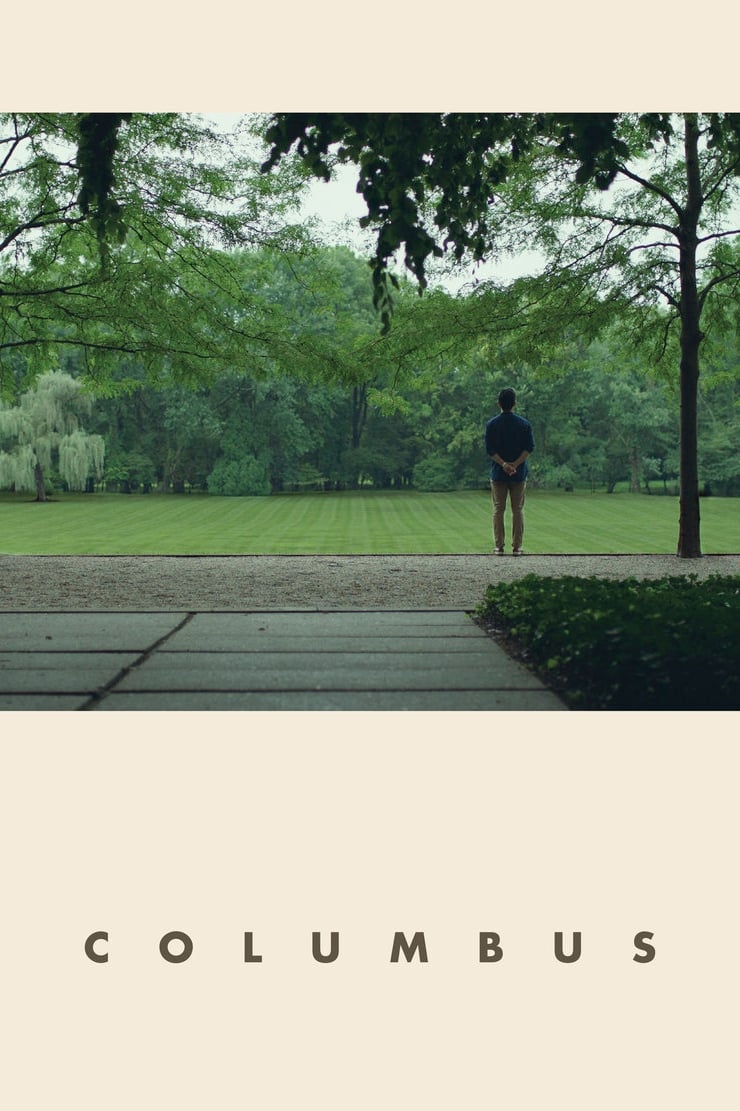
Written and directed by Kogonada, ‘Columbus’ is a quiet drama set in Columbus, Indiana, a small city known for its modernist architecture. John Cho and Haley Lu Richardson play strangers who connect while navigating family responsibilities and uncertain futures. The film’s compositions foreground buildings by designers like Eero Saarinen and I. M. Pei, integrating architecture into character framing. It premiered at Sundance and is recognized for precise editing, measured pacing, and an understated score by Hammock.
‘A Dark Song’ (2016)
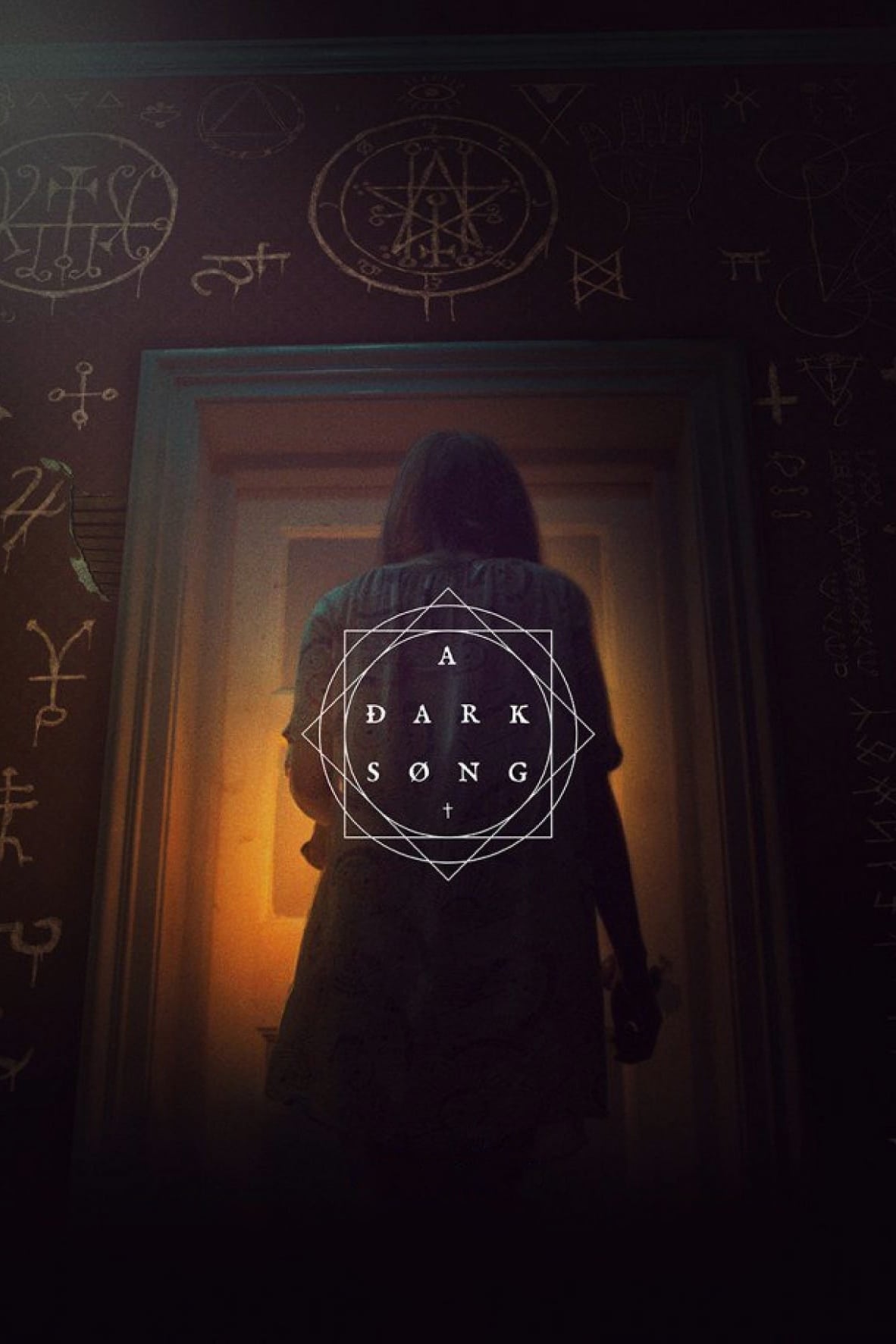
‘A Dark Song’ is an Irish independent horror film written and directed by Liam Gavin, centered on two people undertaking the complex Abramelin ritual in an isolated house. Catherine Walker and Steve Oram star as practitioner and guide, with the process unfolding across strict rules, symbolic diagrams, and prolonged preparation. Practical effects, low-light photography, and detailed production design carry the ritual’s physical demands. The film draws on Western esoteric traditions and emphasizes ritual procedure over jump scares.
‘The Endless’ (2017)
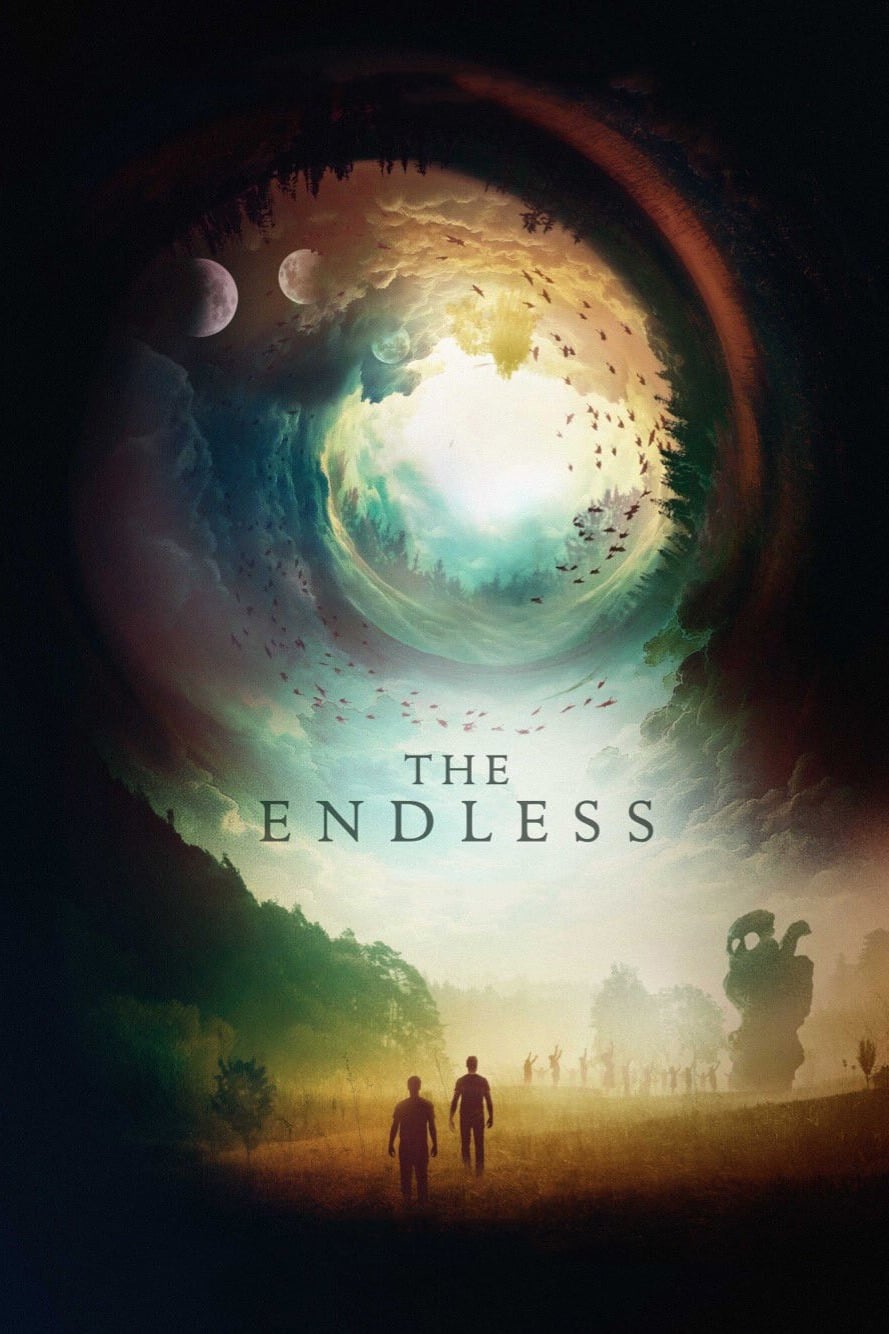
Co-directors Justin Benson and Aaron Moorhead star in ‘The Endless’ as brothers who return to a commune they left years before. The film links to the duo’s earlier feature ‘Resolution,’ expanding a shared mythology of time anomalies and nested narratives. It blends cosmic horror with indie drama, using natural locations, drone shots, and sparse visual effects to suggest large-scale phenomena. The production is noted for a lean crew, in-house editing, and a score that integrates ambient textures.
‘Victoria’ (2015)
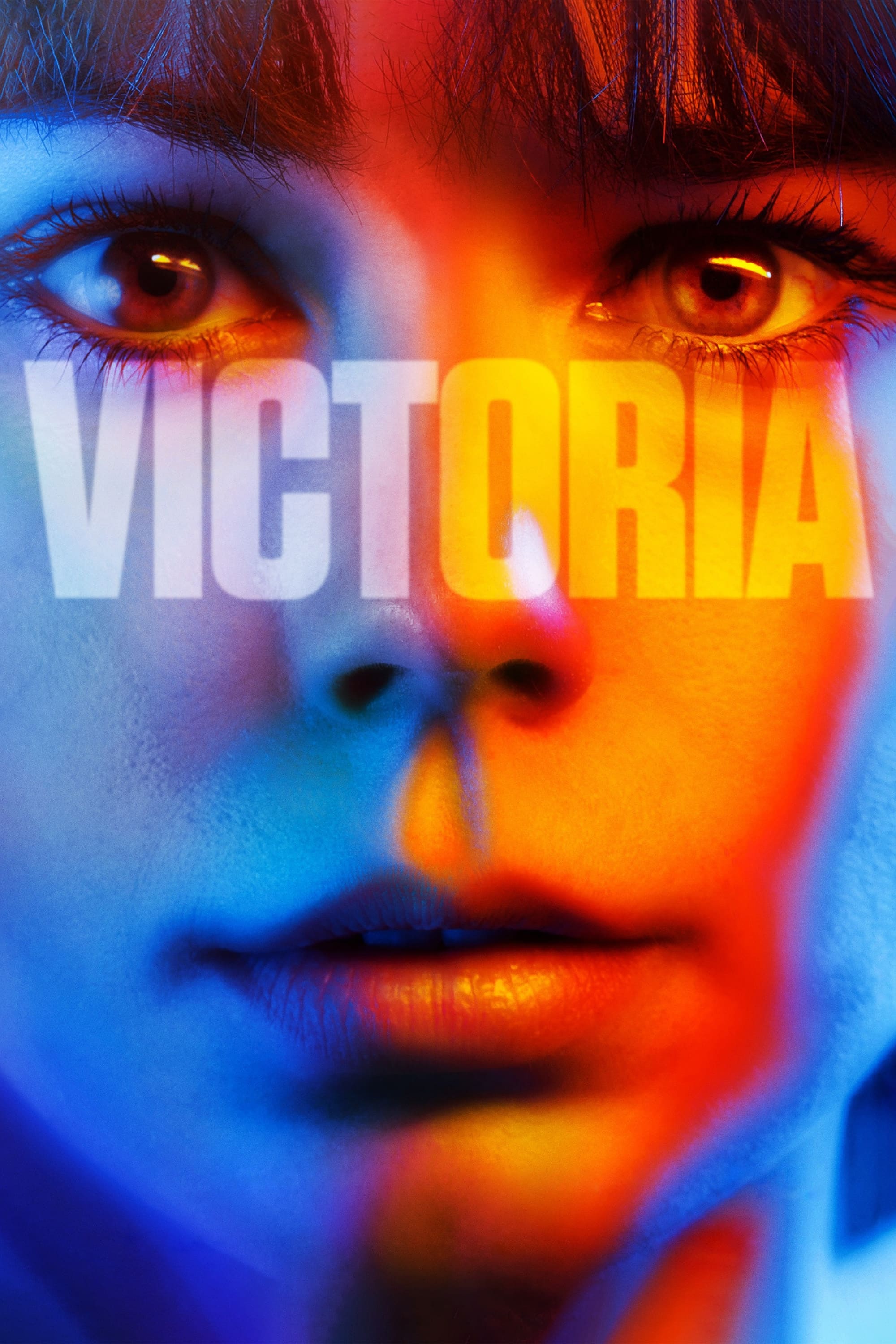
‘Victoria’ is a German crime thriller directed by Sebastian Schipper and filmed in a single continuous take across early-morning Berlin. Laia Costa and Frederick Lau lead the cast, with the camera following characters through nightclubs, rooftops, and streets without visible cuts. Cinematographer Sturla Brandth Grøvlen’s work earned the Silver Bear for Outstanding Artistic Contribution at the Berlin International Film Festival. The shoot required extensive rehearsal and logistical coordination across multiple city blocks.
‘The Man from Earth’ (2007)
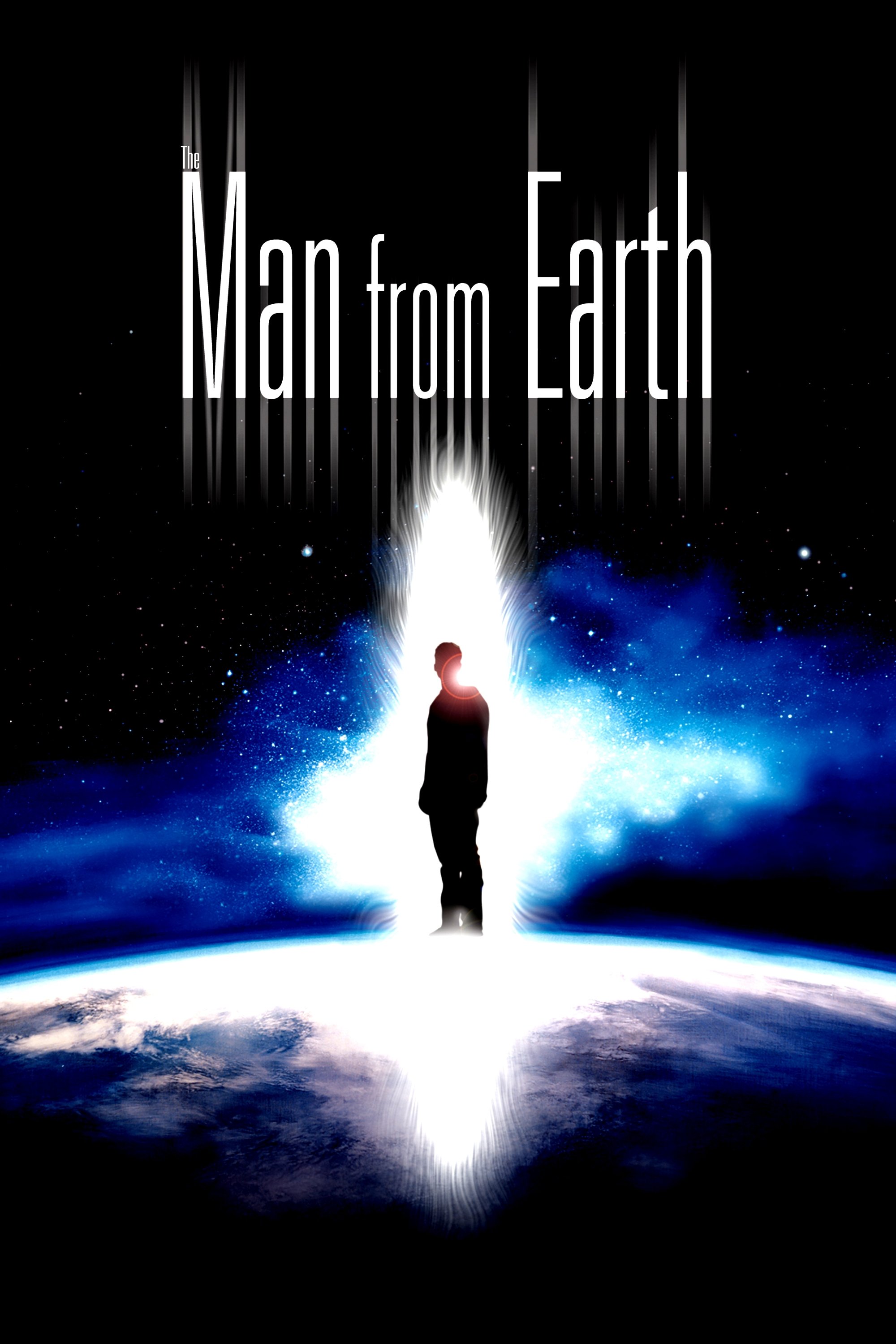
Written by renowned genre writer Jerome Bixby and directed by Richard Schenkman, ‘The Man from Earth’ is a single-location science-fiction drama. David Lee Smith plays a departing professor who tells colleagues an extraordinary personal history, prompting a night of philosophical debate. The script originated from Bixby’s long-developed concept completed near the end of his life. The film became a word-of-mouth favorite through grassroots distribution and academic discussions.
‘Cold Fish’ (2010)

Sion Sono’s ‘Cold Fish’ is a Japanese psychological thriller inspired by real criminal cases involving a pet-shop owner. The story follows a mild shopkeeper drawn into the orbit of a charismatic rival whose business hides brutal secrets. The film features bold color design, elaborate camera moves, and an unsettling score by Tomohide Harada. It premiered at the Venice Film Festival and continued on international festival circuits.
‘Wake in Fright’ (1971)
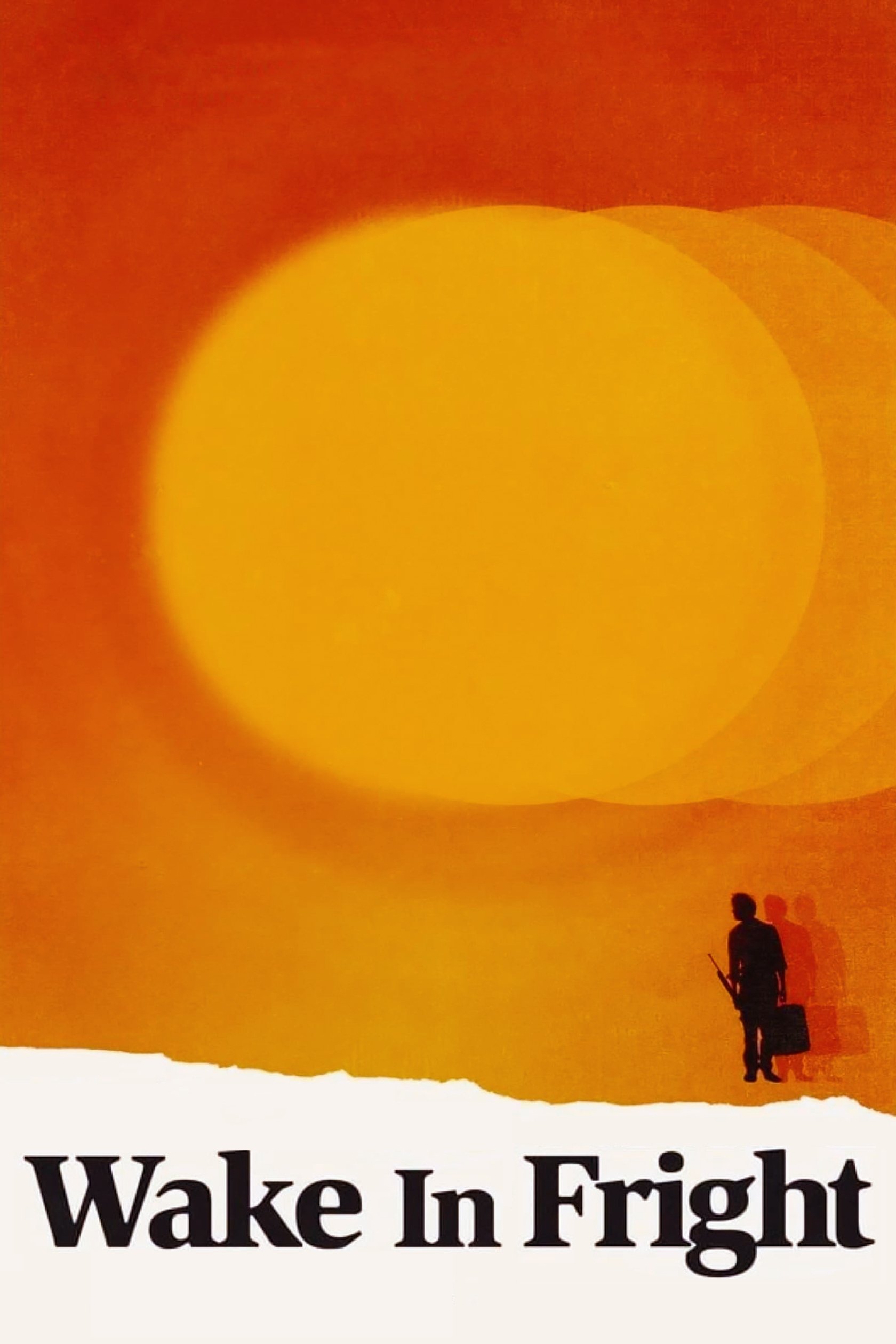
Directed by Ted Kotcheff and based on Kenneth Cook’s novel, ‘Wake in Fright’ follows a schoolteacher stranded in a remote outback town. The film examines isolation, gambling, and masculinity through encounters with locals played by Gary Bond and Donald Pleasence. Long considered difficult to see, it was restored from a rediscovered print, leading to renewed critical attention. Its documentation of outback rituals and locations makes it a landmark of Australian cinema history.
‘The Fits’ (2015)

‘The Fits’ is the debut feature from Anna Rose Holmer, set within a Cincinnati community center’s dance team. Royalty Hightower stars as a preteen who trains while a wave of unexplained fainting spells spreads among teammates. The production originated through the Biennale College Cinema program and later screened at Sundance. The film uses choreographed movement, ambient sound, and nonprofessional performers to explore group identity.
‘The Battery’ (2012)
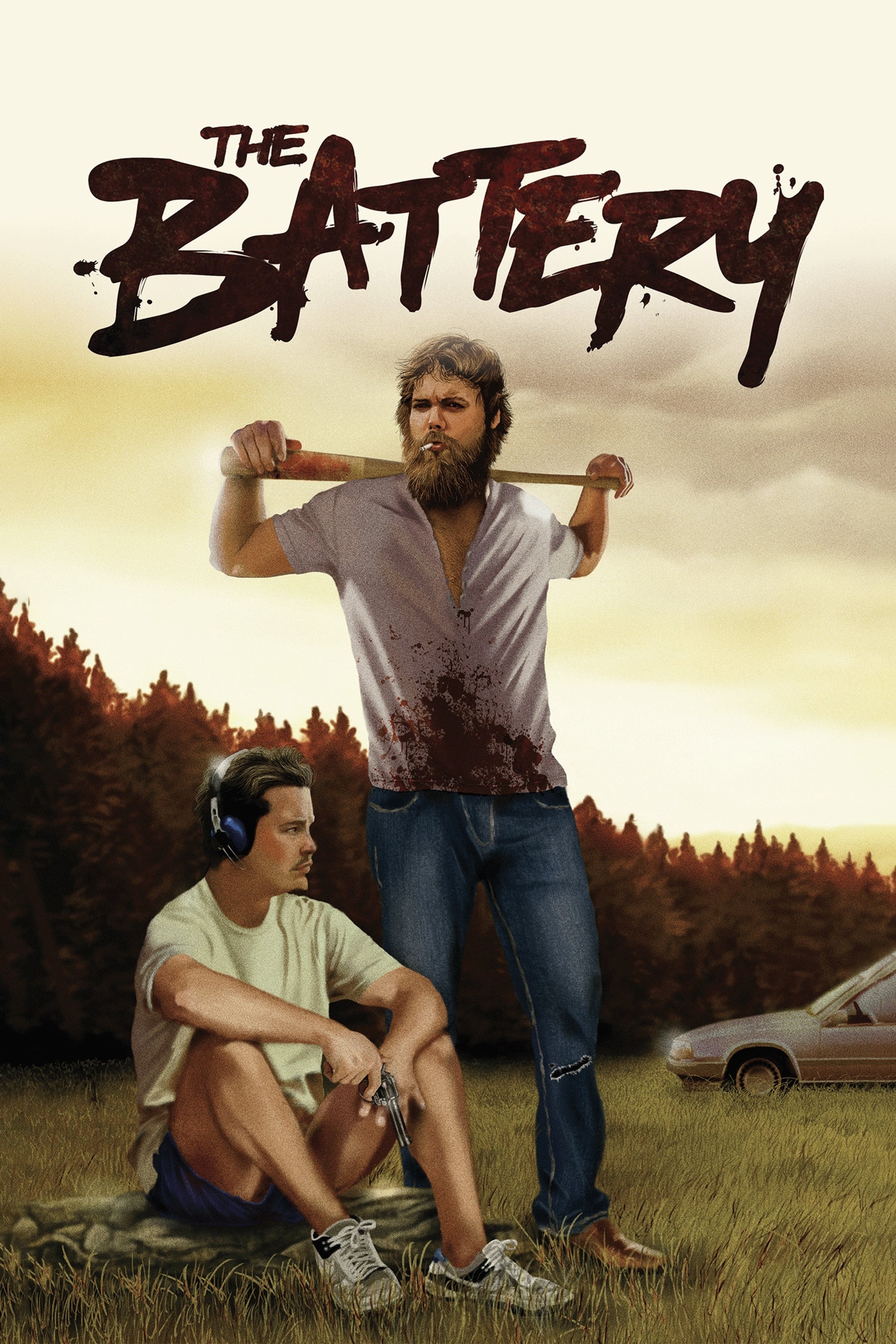
Written, directed by, and starring Jeremy Gardner, ‘The Battery’ is a microbudget post-apocalyptic road film centered on two former baseball players. Made for a reported few thousand dollars, it emphasizes character interactions, long takes, and natural locations. The production team handled multiple roles, including editing and distribution through small festivals and niche platforms. Its title refers to the pitcher-catcher pairing, reflected in the protagonists’ skill sets and survival tactics.
‘Under the Silver Lake’ (2018)
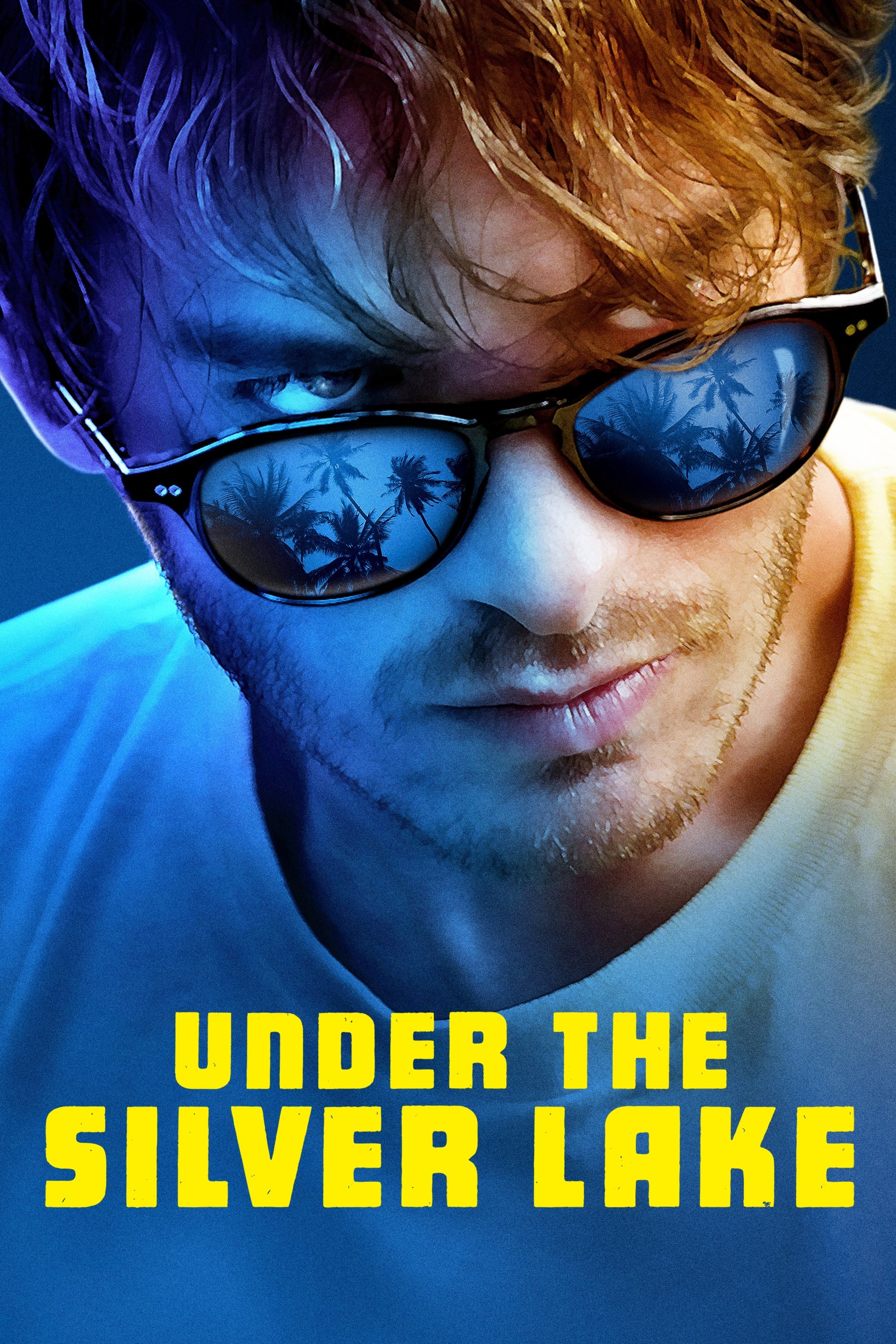
David Robert Mitchell’s ‘Under the Silver Lake’ is a neo-noir mystery set in Los Angeles that spins a web of disappearances, cryptic clues, and pop-culture ephemera. Andrew Garfield and Riley Keough lead the cast, with the city’s neighborhoods and landmarks used as narrative signposts. The film premiered in competition at the Cannes Film Festival and features a score by composer Disasterpeace. Its production design and editorial structure layer puzzles across billboards, music, and zines.
‘Primer’ (2004)
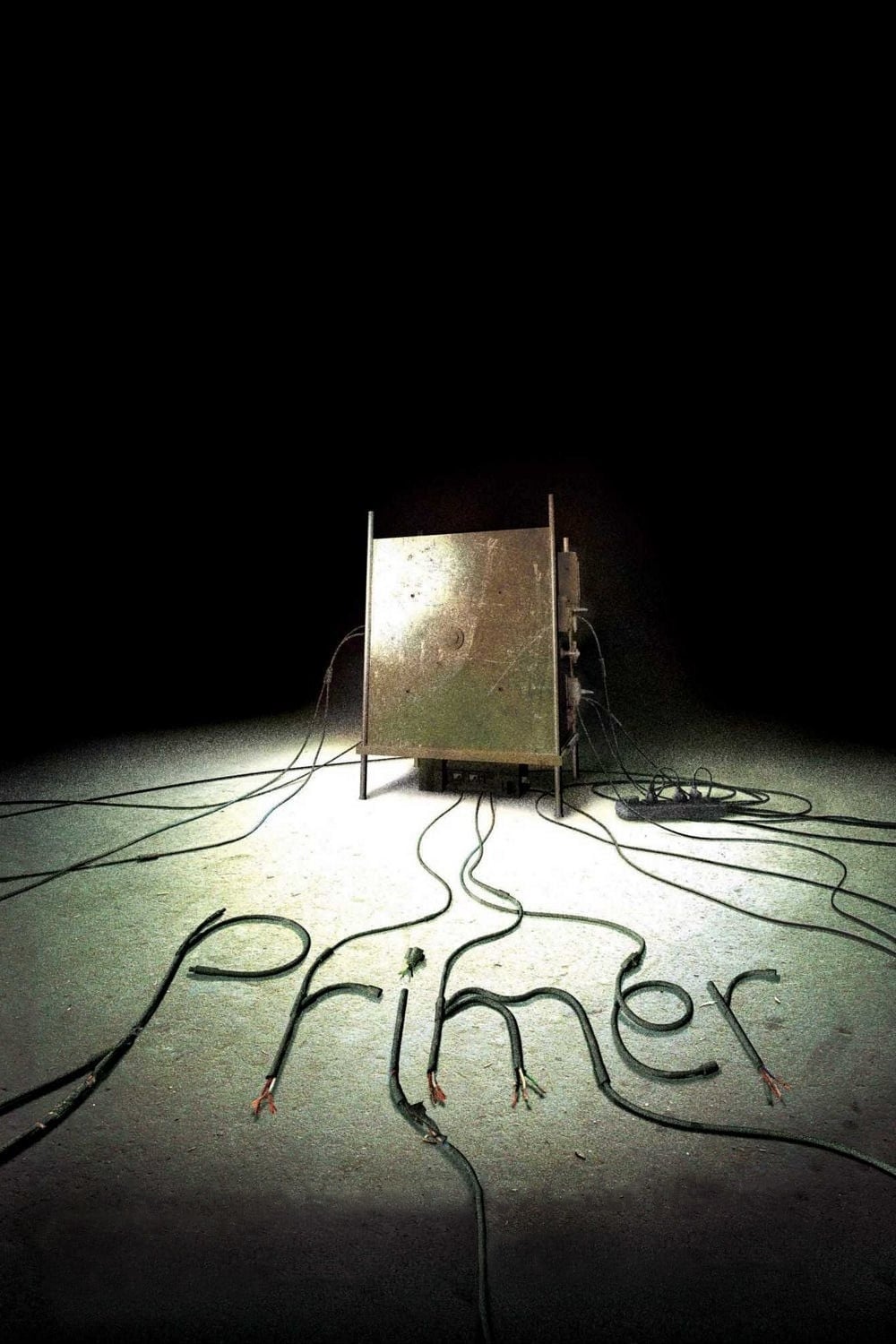
Written and directed by Shane Carruth, ‘Primer’ is a microbudget science-fiction drama built around two engineers who stumble onto a device with unexpected effects. The production used real engineering jargon and densely layered dialogue to mirror its characters’ technical mindset. It won the Grand Jury Prize at Sundance, launching Carruth’s career as an independent filmmaker. Principal photography took place in and around Dallas with a small crew and nonprofessional actors.
‘Bellflower’ (2011)
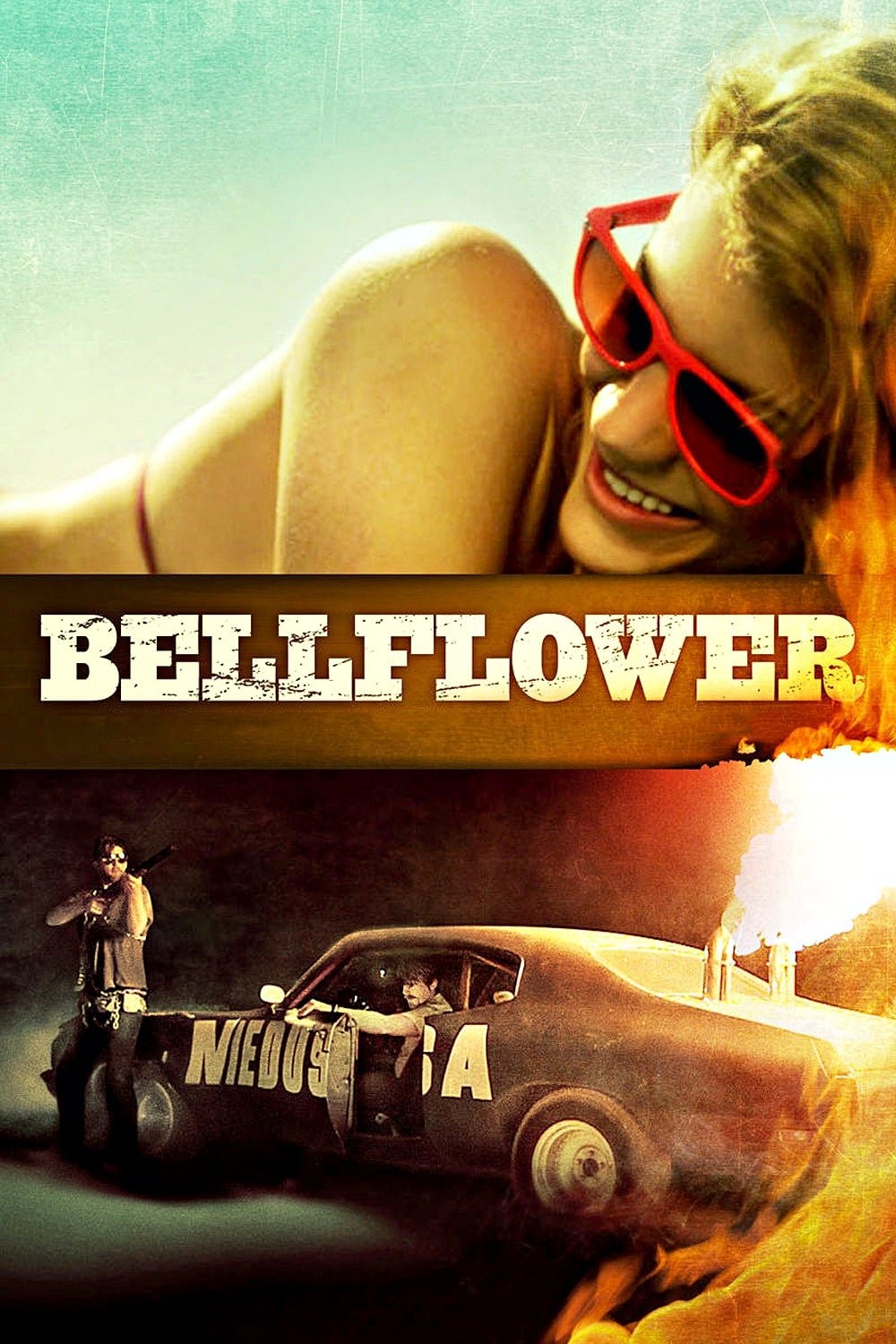
Evan Glodell’s ‘Bellflower’ follows two friends obsessed with DIY flamethrowers and apocalyptic car builds, created with handmade rigs and custom camera gear. The film was produced on a shoestring budget, with the director fabricating equipment like the “Mother Medusa” car and a unique camera system nicknamed the Coatwolf. It premiered in the NEXT section at Sundance, drawing attention for its industrial look and in-camera effects. Location work centered on Southern California neighborhoods and warehouses.
‘The Vast of Night’ (2019)
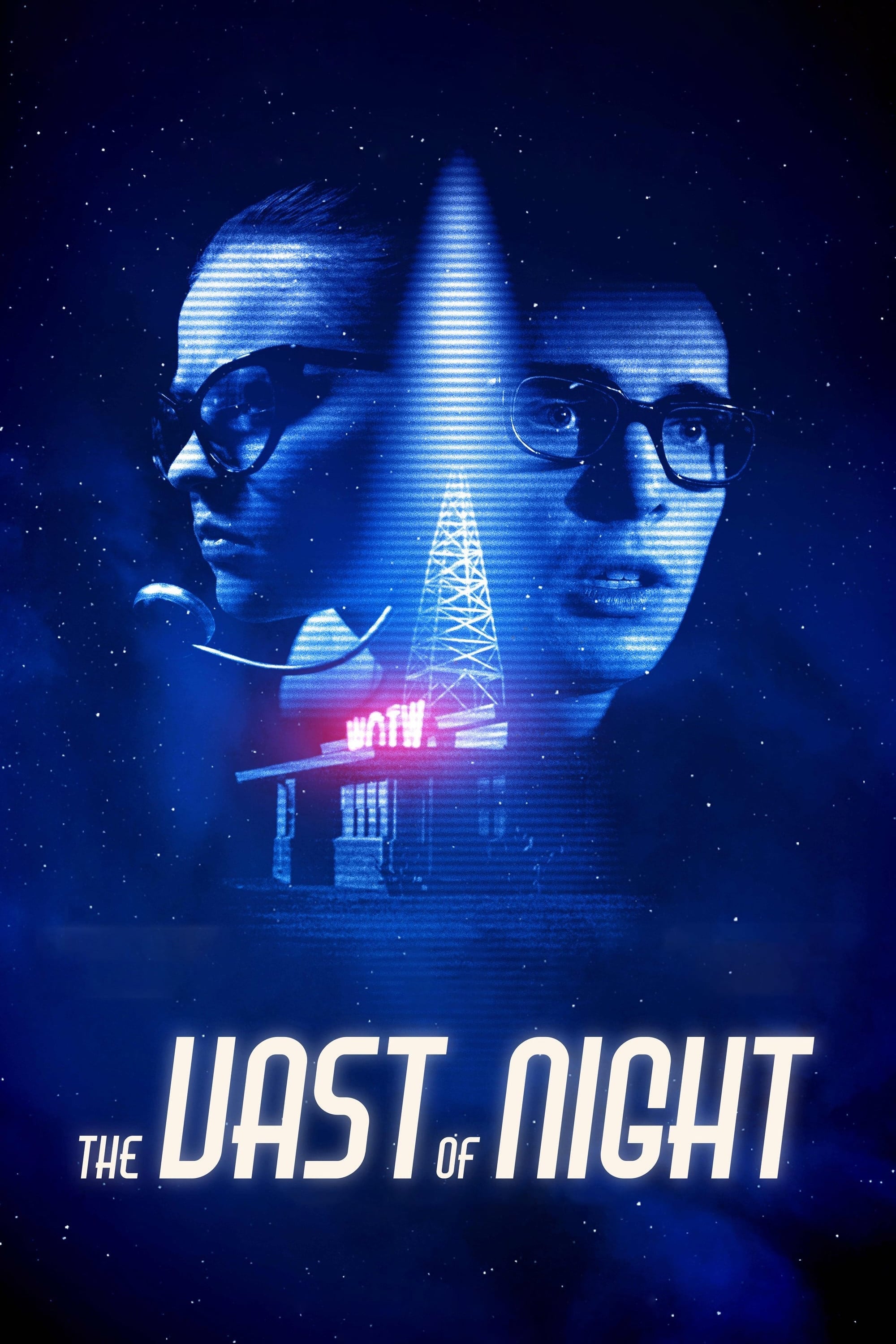
‘The Vast of Night,’ directed by Andrew Patterson, is a period mystery set in a small New Mexico town during a high-school basketball game. The story uses a radio switchboard, long dialogue takes, and extended tracking shots to unravel a strange audio frequency. It debuted on the festival circuit before being acquired and released by Amazon Studios. Production emphasized practical locations, vintage props, and analog-era sound design.
‘One Cut of the Dead’ (2017)
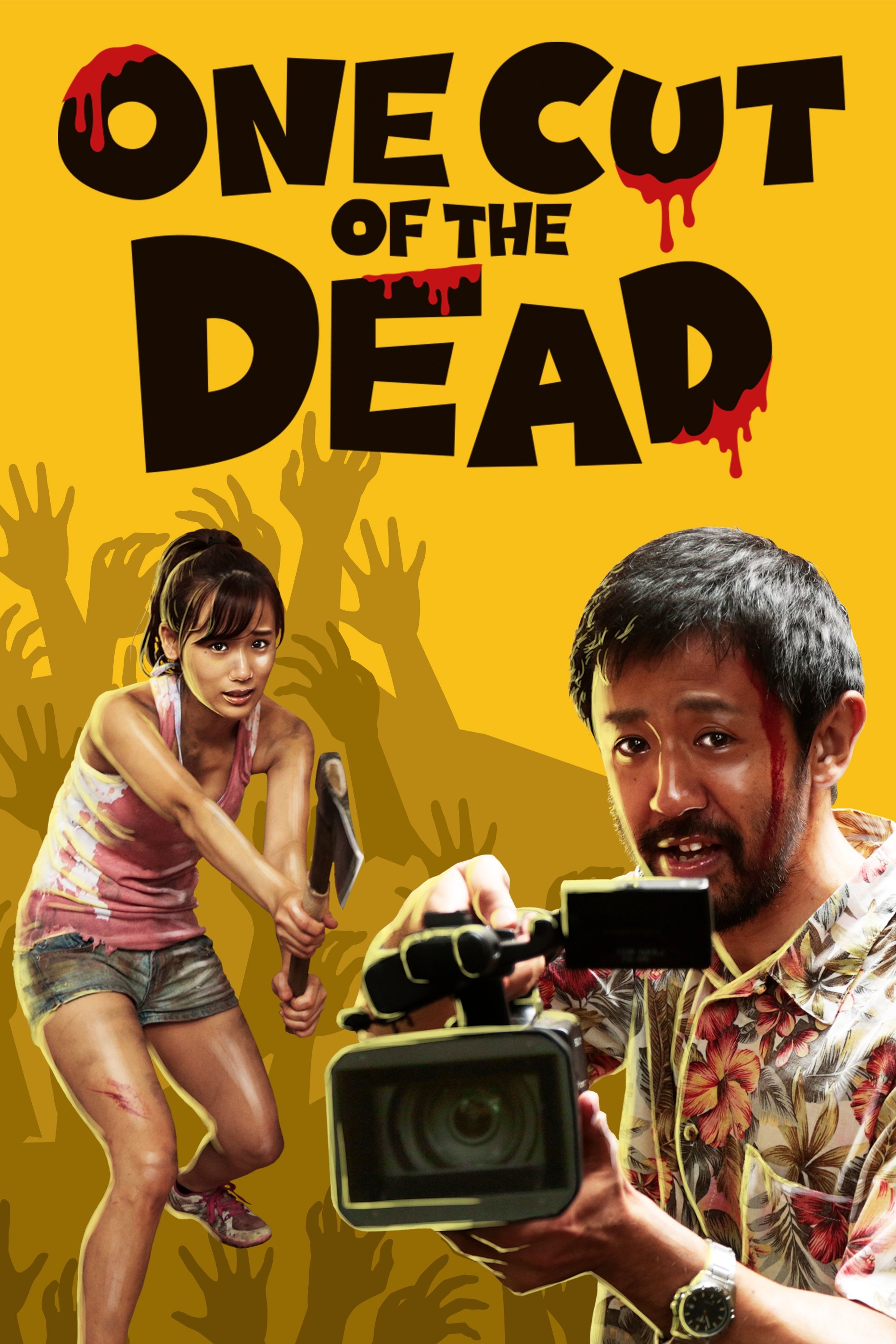
Shin’ichirō Ueda’s ‘One Cut of the Dead’ began as a tiny independent project with a cast of largely unknown performers. The film features a lengthy single-take opening that recontextualizes itself as the narrative unfolds. It grew from a modest release to a sleeper success through word-of-mouth and late-night screenings. The production originated from an acting workshop and leveraged resourceful, low-cost practical effects.
‘Borgman’ (2013)
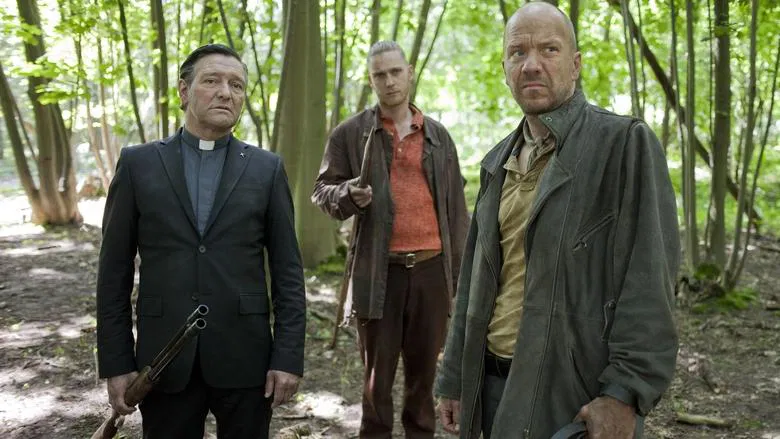
Directed by Alex van Warmerdam, ‘Borgman’ is a Dutch psychological thriller about a drifter who insinuates himself into an affluent household. The film premiered in competition at the Cannes Film Festival, a rare slot for a Dutch production. Its austere visuals, measured pacing, and precise blocking reflect van Warmerdam’s theatrical background. The narrative makes extensive use of suburban exteriors and stark interiors to create spatial unease.
‘Sound of My Voice’ (2011)
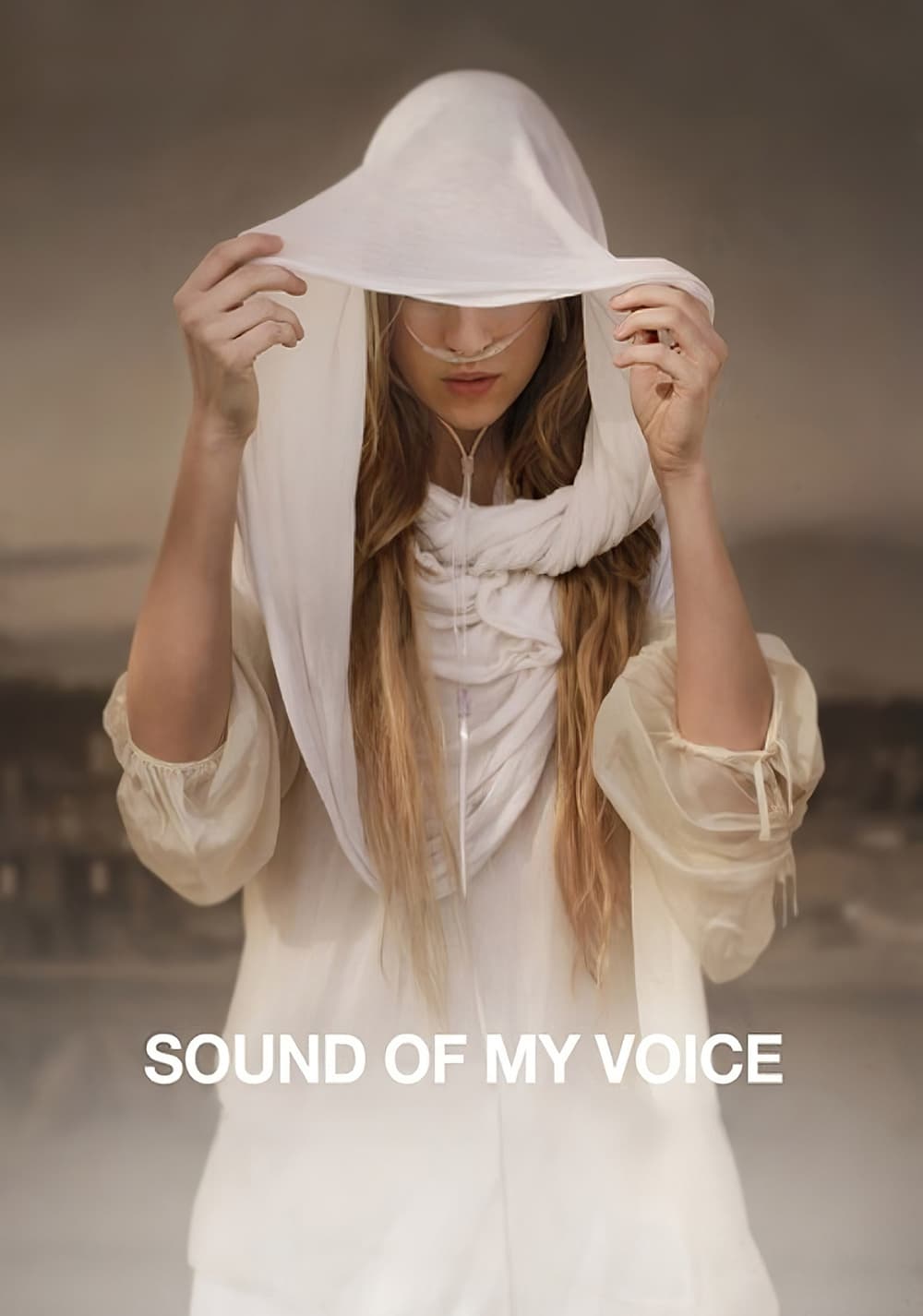
Co-written by Brit Marling and Zal Batmanglij, ‘Sound of My Voice’ centers on two documentarians infiltrating a secretive group led by a woman with unusual claims. The production favors intimate spaces, handheld camera work, and naturalistic performances. It premiered at Sundance and continued through independent distribution channels. The film marked an early collaboration that they expanded with later projects exploring belief and control.
‘The Guilty’ (2018)
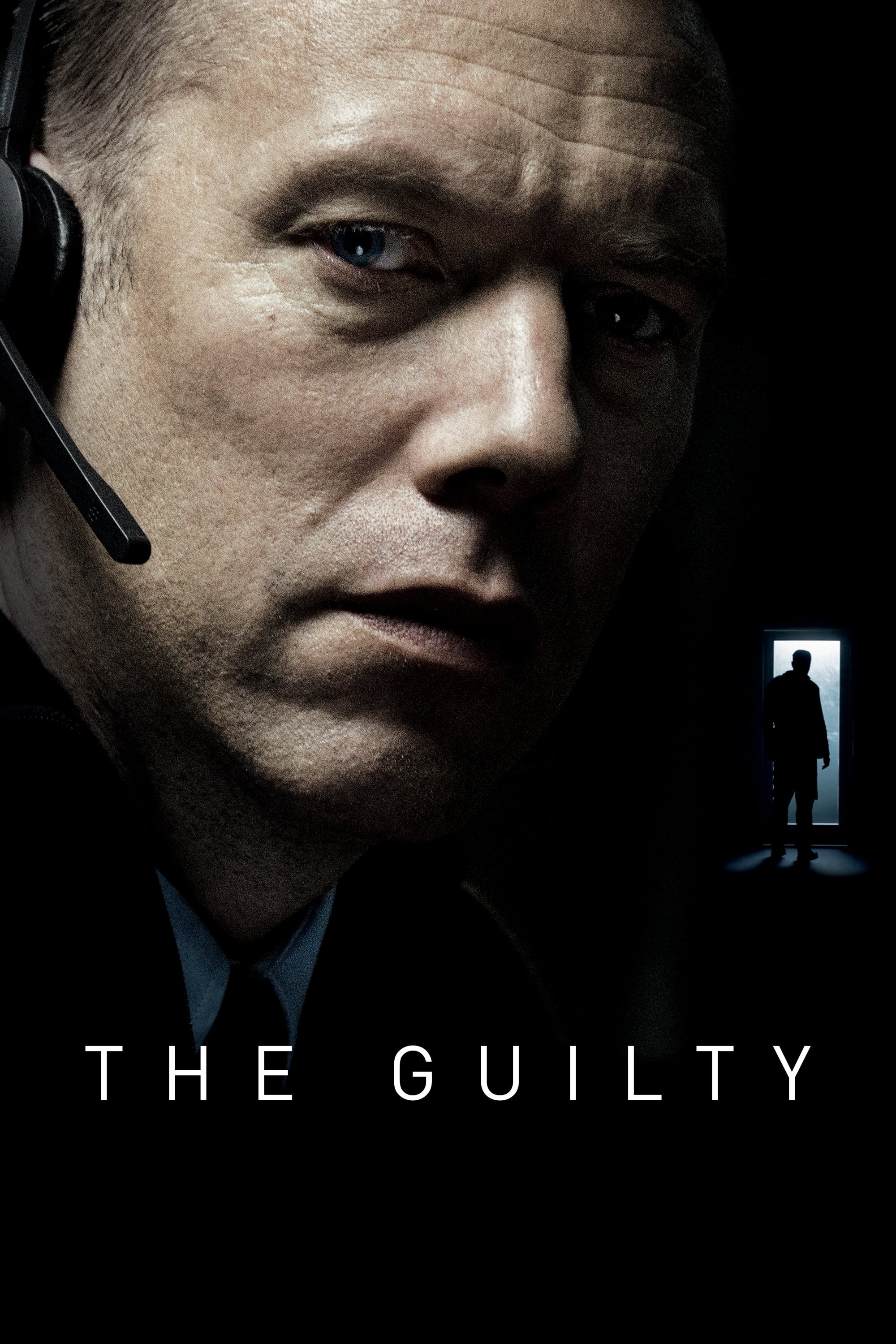
‘The Guilty,’ directed by Gustav Möller, is a Danish thriller set almost entirely within an emergency call center. The plot unfolds through phone conversations, relying on sound cues, vocal performance, and minimal visual information. It received audience awards at multiple festivals and became Denmark’s submission for major international honors. A later English-language remake introduced the same premise to a wider audience.
‘Calibre’ (2018)
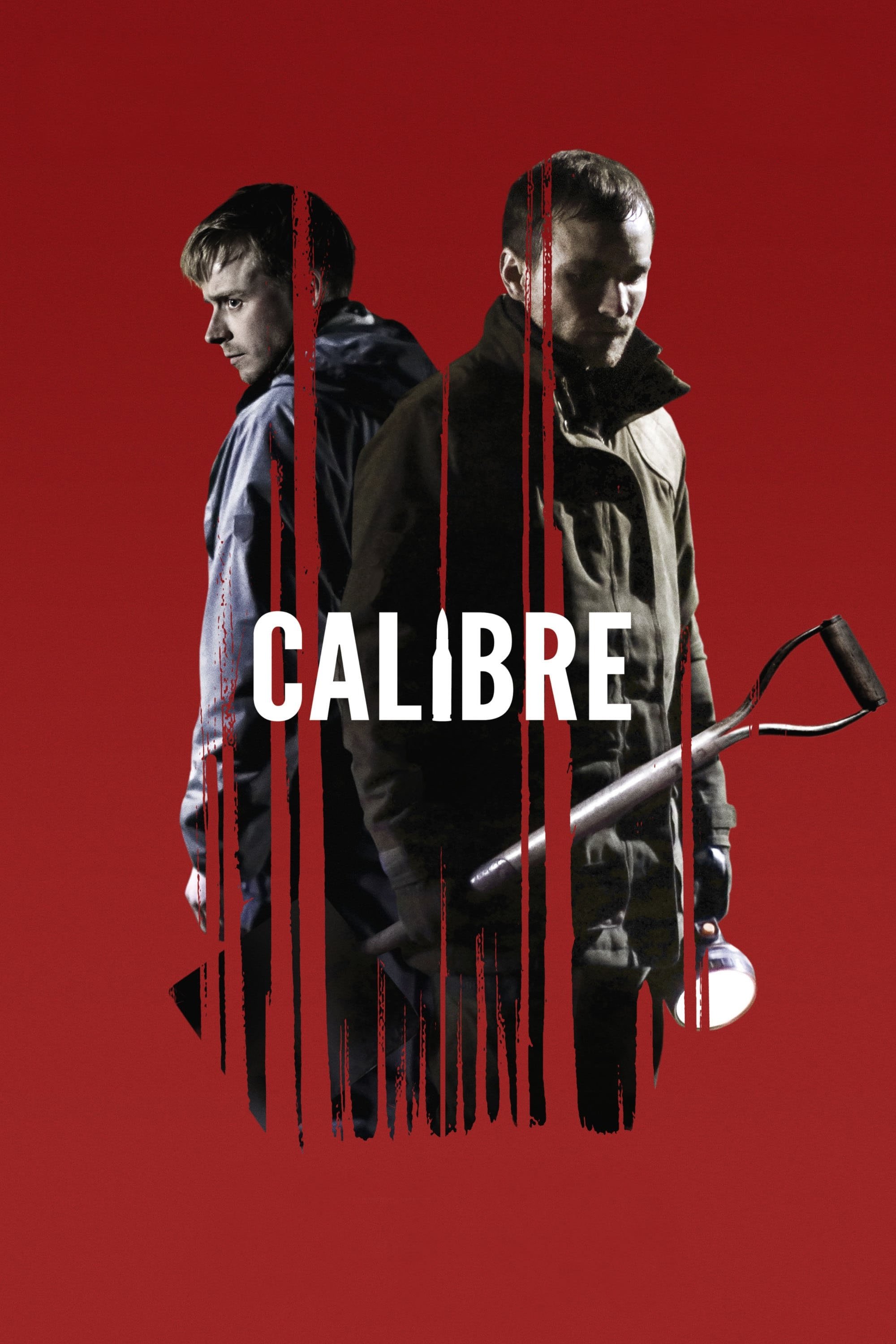
Written and directed by Matt Palmer, ‘Calibre’ is a tense drama set in the Scottish Highlands where a hunting trip goes wrong. The film was produced through a UK independent pipeline and released worldwide via Netflix. It won the Michael Powell Award for Best British Feature at the Edinburgh International Film Festival. Natural landscapes and village locations are central to its atmosphere and escalating stakes.
‘The Kid Detective’ (2020)
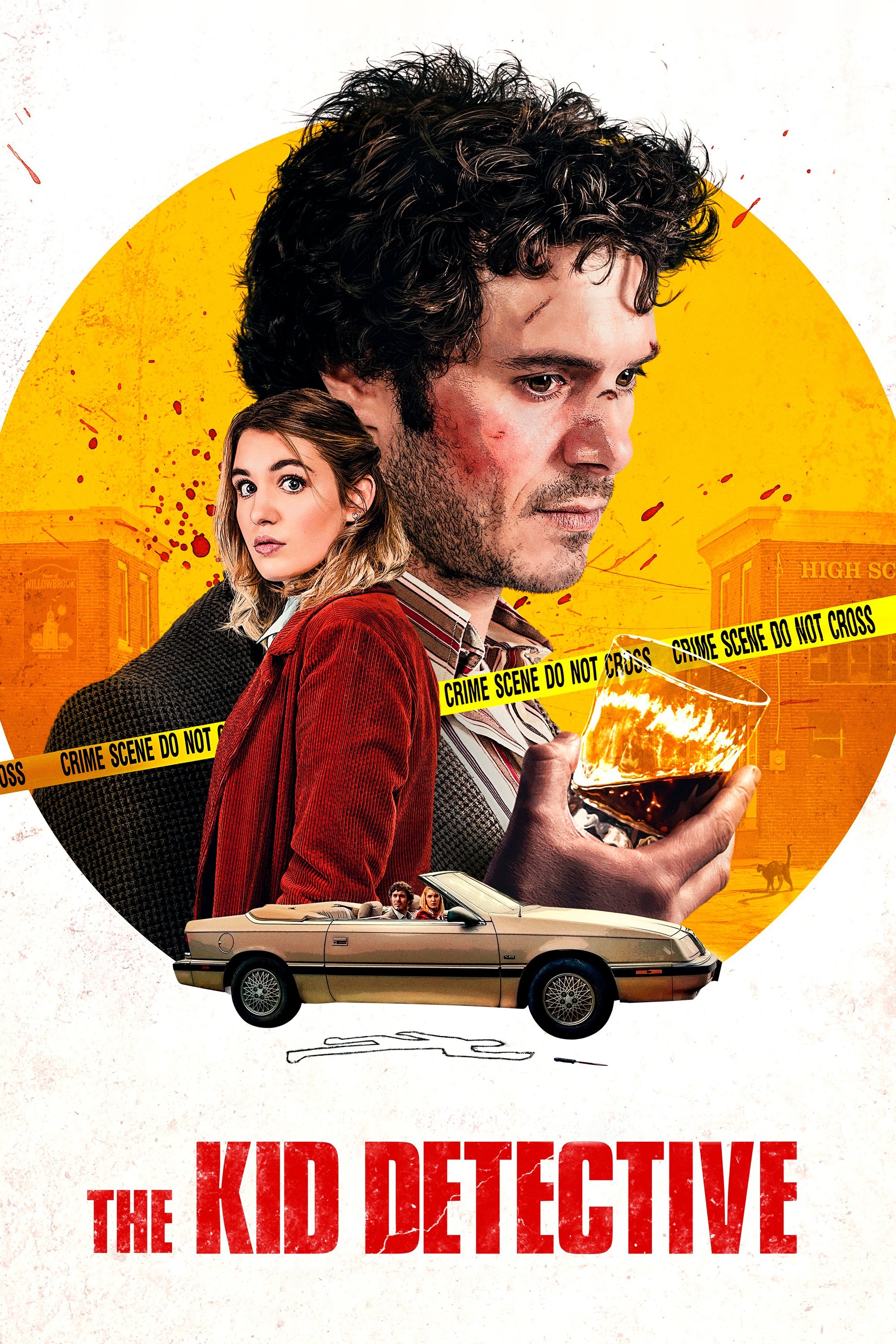
‘The Kid Detective’ is a Canadian mystery from writer-director Evan Morgan starring Adam Brody and Sophie Nélisse. The story follows a onetime child sleuth who takes on a serious case that tests his routine small-town investigations. Principal photography took place in Ontario communities, including North Bay and Hamilton. The film had a limited theatrical rollout before building a following on digital platforms.
‘The Night Eats the World’ (2018)
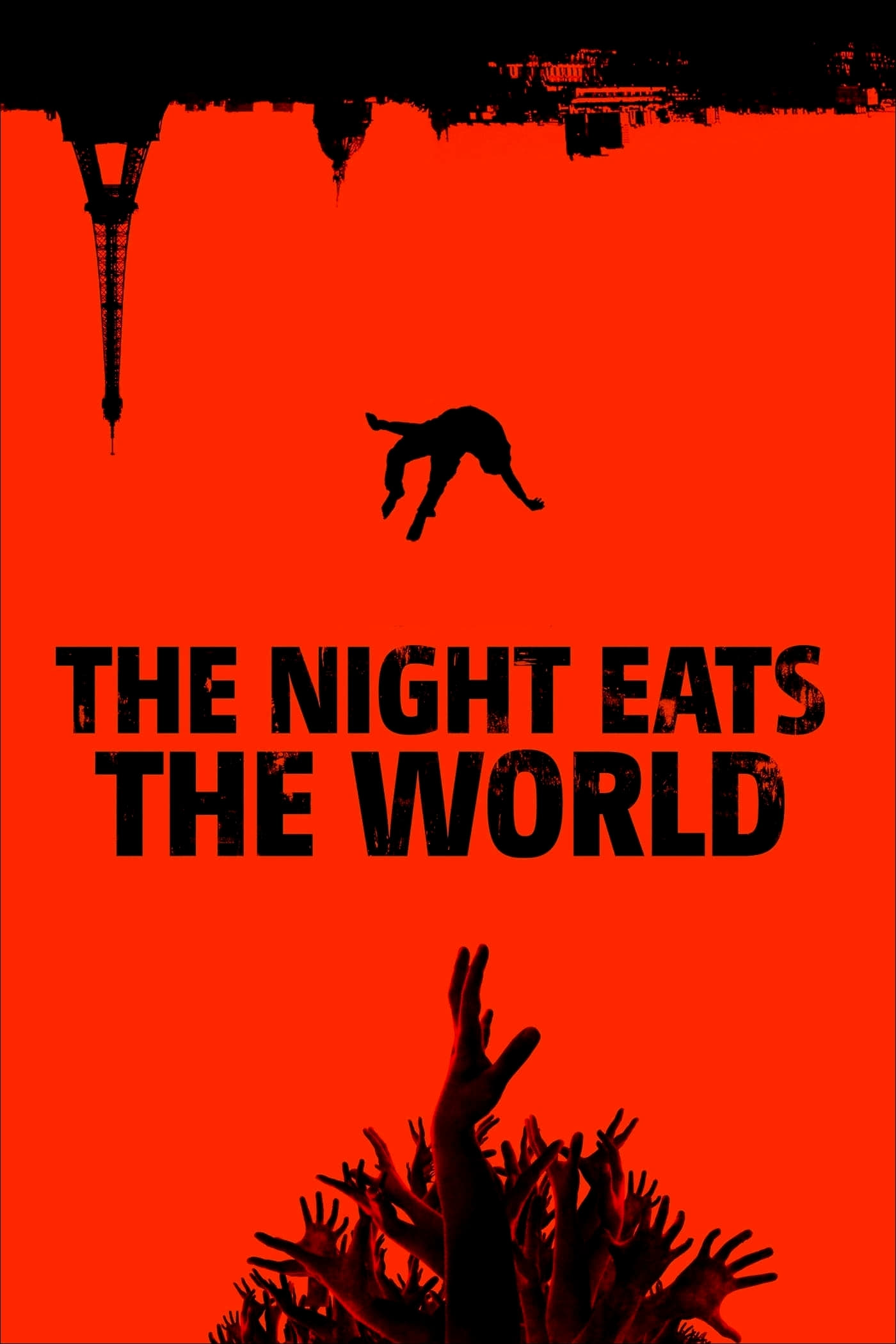
Directed by Dominique Rocher, ‘The Night Eats the World’ adapts Pit Agarmen’s novel about an artist trapped alone in a Paris apartment during an outbreak. The production emphasizes silence, practical make-up, and carefully choreographed encounters within one building. Location work uses central Paris streets and interiors to contrast emptiness with urban density. The film’s sound design underscores isolation and the passage of time.
‘I Origins’ (2014)
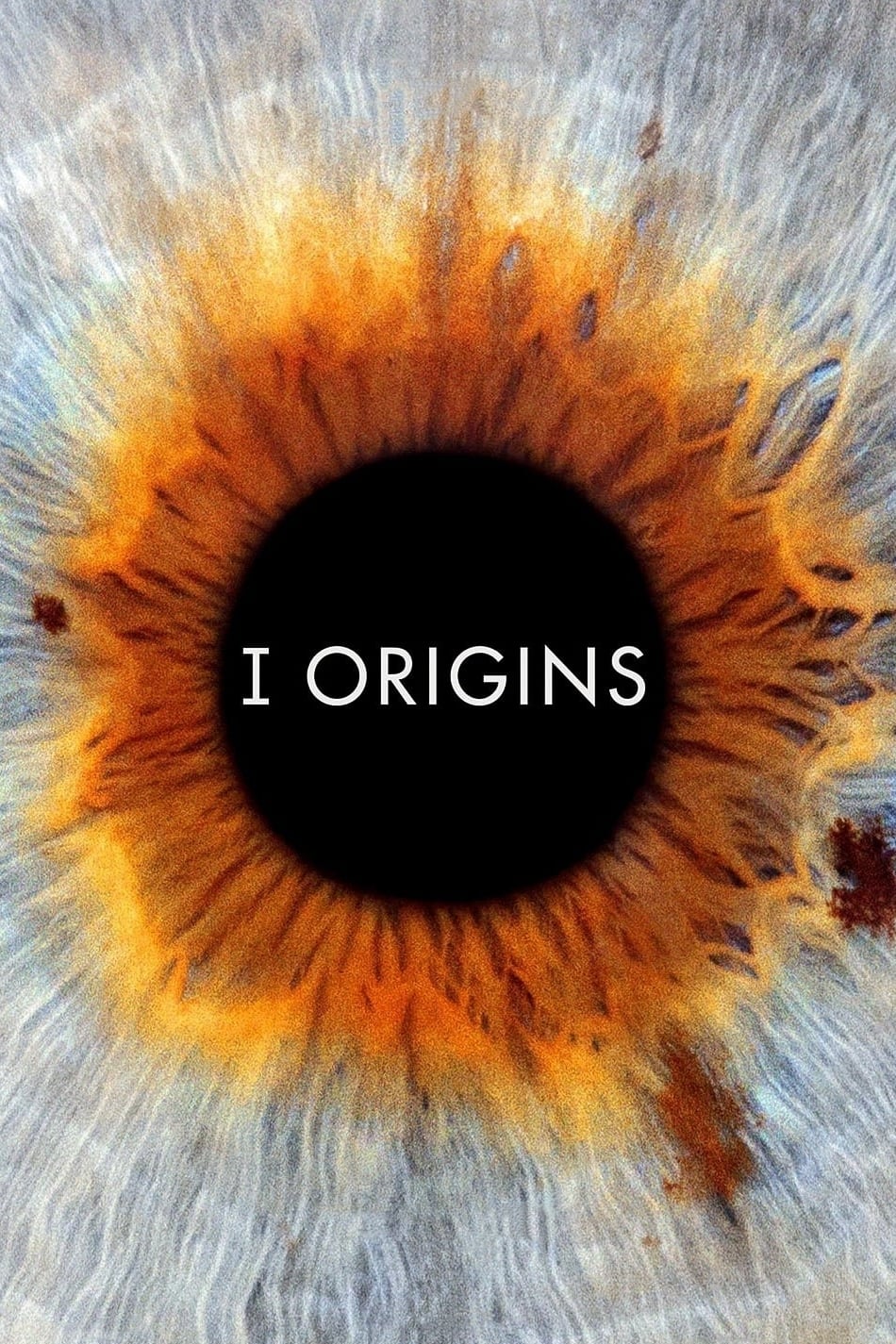
Mike Cahill’s ‘I Origins’ blends science fiction and drama through a story about biometrics, memory, and identity. The cast includes Michael Pitt, Brit Marling, and Astrid Bergès-Frisbey, with research settings spanning laboratories and international locations. It received the Alfred P. Sloan Prize at Sundance, recognizing its engagement with scientific themes. The production pairs macro photography of eyes with grounded character scenes.
‘Tigers Are Not Afraid’ (2017)
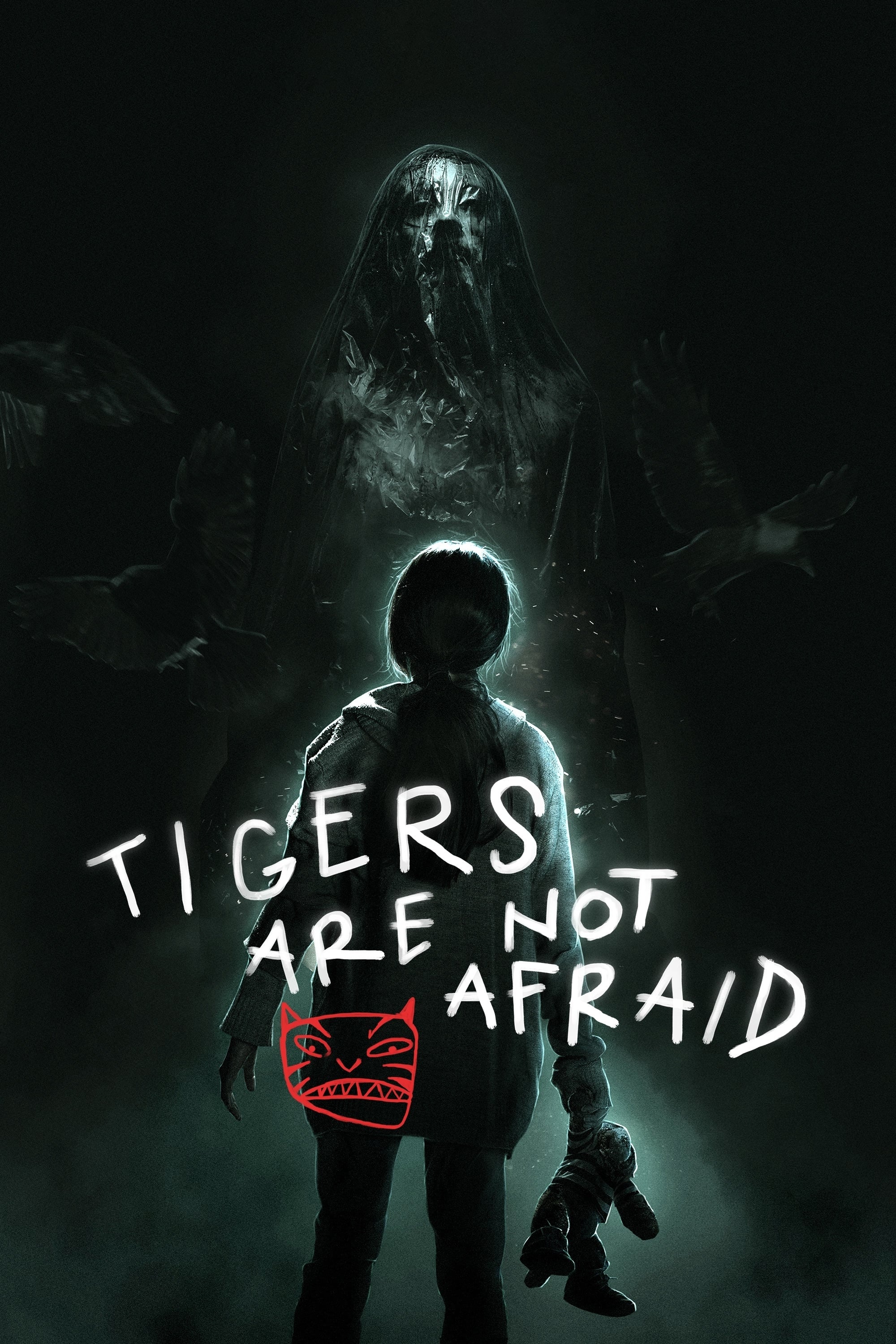
Written and directed by Issa López, ‘Tigers Are Not Afraid’ is a Mexican dark fantasy that follows children navigating cartel violence. The film mixes urban locations with fairy-tale imagery, using practical effects and graffiti motifs. It earned multiple festival awards and later found broader distribution through genre-focused streaming platforms. The production features a young ensemble cast guided through extensive rehearsal and on-location shooting.
‘Shadow of the Vampire’ (2000)
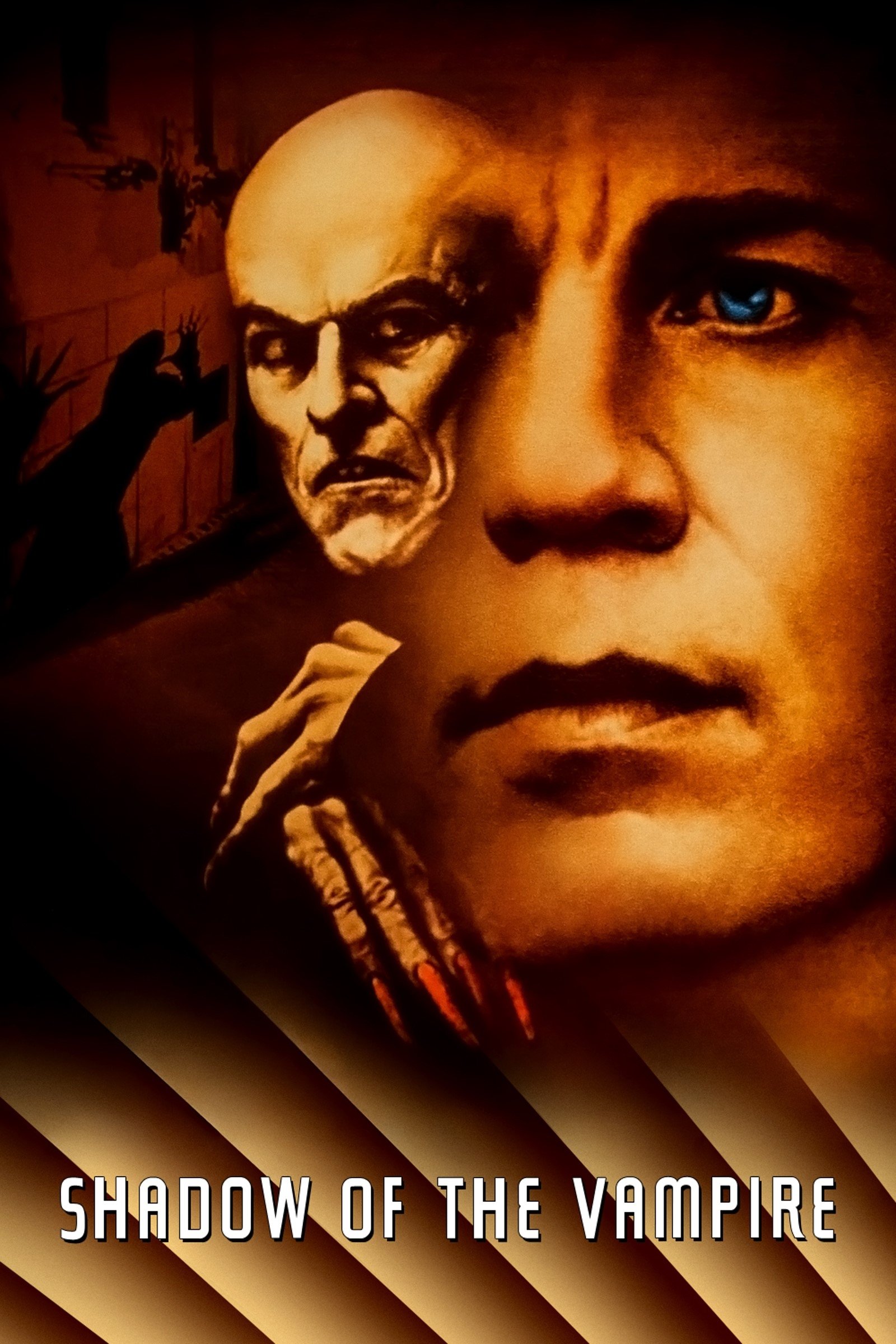
E. Elias Merhige’s ‘Shadow of the Vampire’ is a metafictional account of F. W. Murnau’s ‘Nosferatu’ shoot, starring Willem Dafoe and John Malkovich. Dafoe received major award nominations for his performance as the actor playing the vampire. The film was produced by Saturn Films and shot partly in Luxembourg, combining period sets with coastal exteriors. It uses recreated silent-era techniques to mirror early-cinema aesthetics.
‘Possession’ (1981)
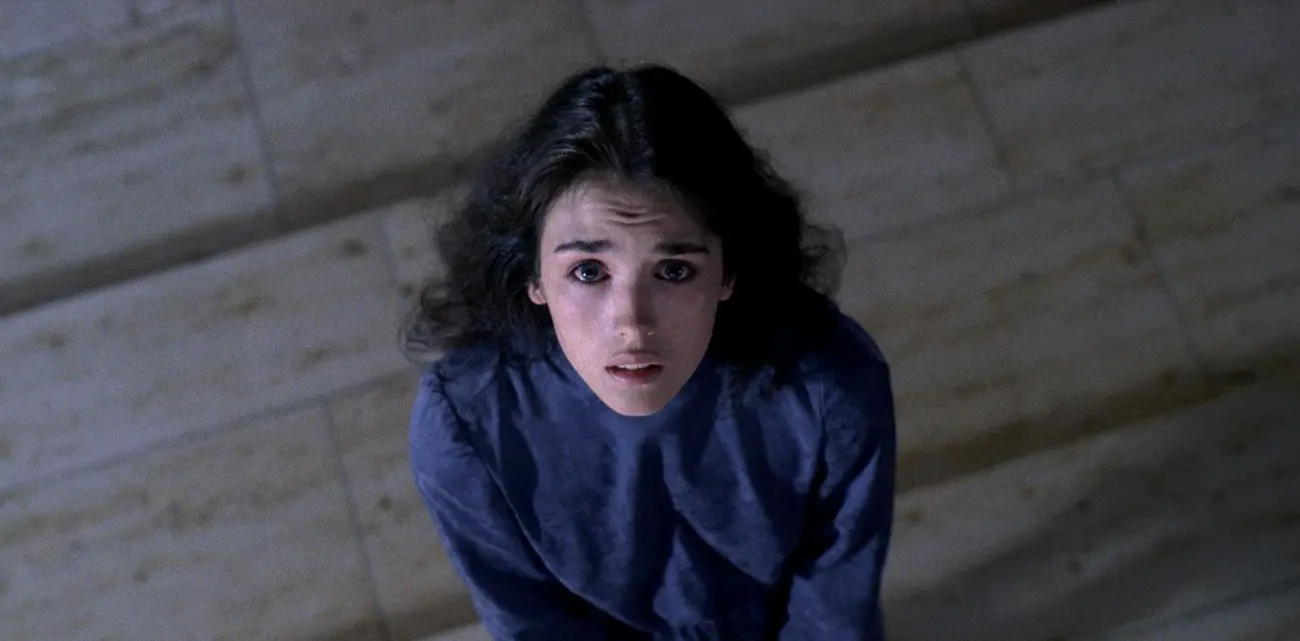
‘Possession,’ directed by Andrzej Żuławski, is a psychological-horror drama set in West Berlin, starring Isabelle Adjani and Sam Neill. Adjani won the Best Actress award at the Cannes Film Festival and later the César for the role. The film’s restoration and re-releases expanded access after periods of limited availability. Its production features extensive location work near the Berlin Wall and elaborate practical creature effects.
‘Let the Corpses Tan’ (2017)

Hélène Cattet and Bruno Forzani’s ‘Let the Corpses Tan’ adapts a Jean-Patrick Manchette crime novel into a kinetic daylight siege. The film was shot on Mediterranean cliffs and village ruins, emphasizing textured surfaces, extreme close-ups, and split-second montage. It premiered at Locarno and continued through genre festivals for broader exposure. The soundtrack and Foley work are designed with experimental precision to drive rhythm and mood.
‘Katalin Varga’ (2009)
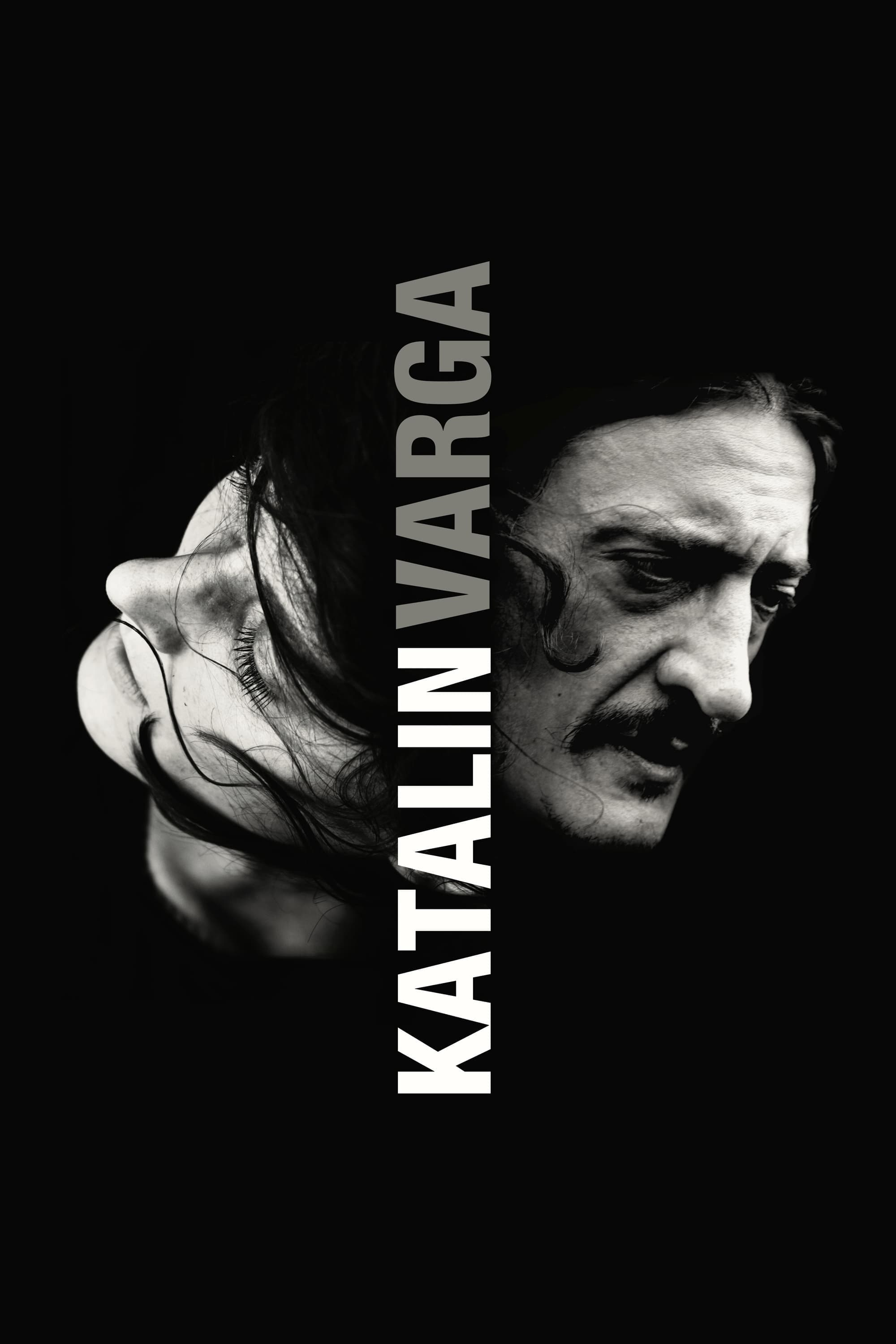
Directed by Peter Strickland, ‘Katalin Varga’ was shot on a microbudget in rural Romania with a largely local cast. The production used natural locations in Transylvania and an emphasis on ambient sound to shape mood. It premiered in the Panorama section at the Berlin International Film Festival and earned the European Film Award for Discovery. The story draws from folk-revenge traditions and relies on measured editing and sparse dialogue.
‘The Duke of Burgundy’ (2014)
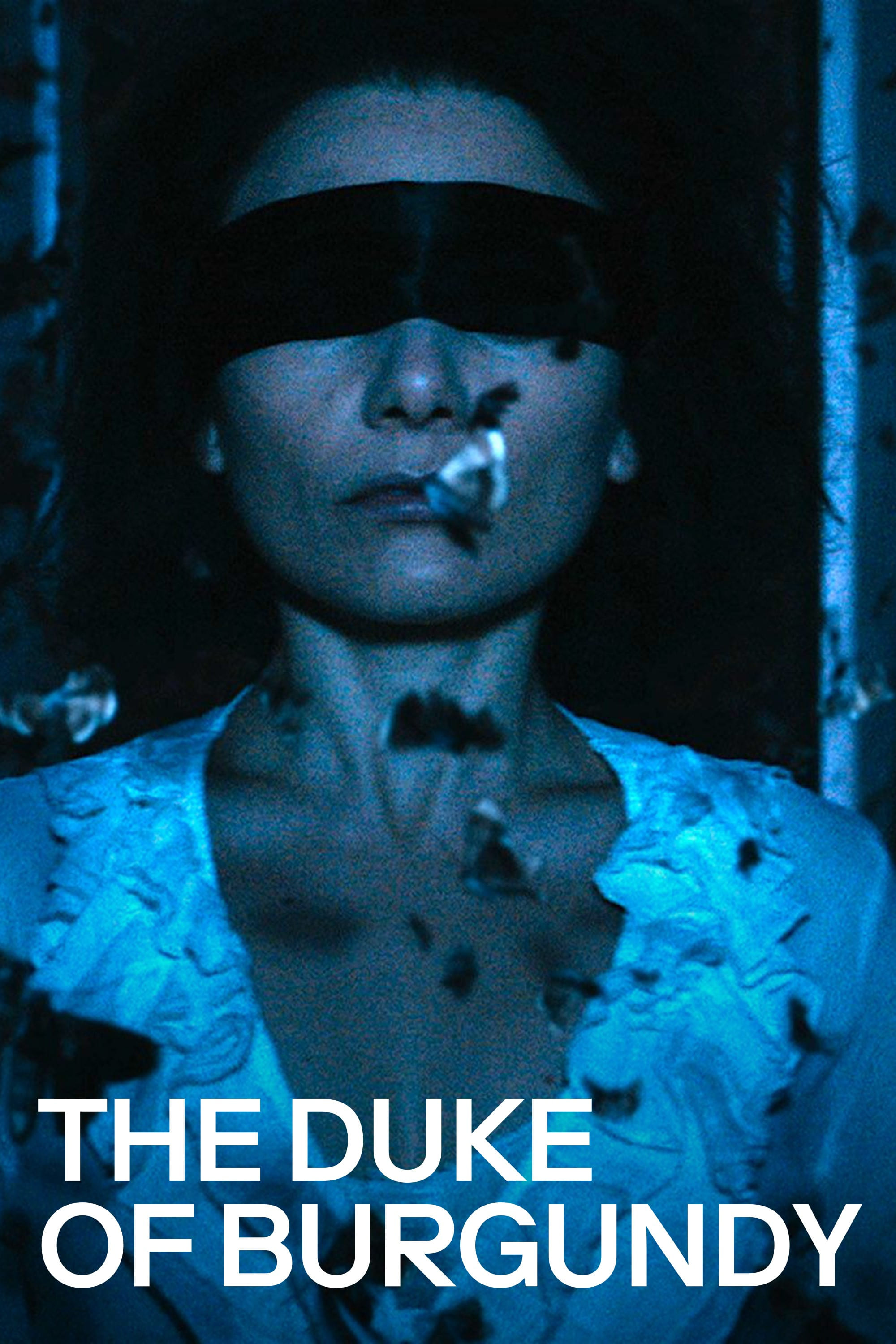
Peter Strickland’s ‘The Duke of Burgundy’ explores an intense relationship between two lepidopterists within a deliberately timeless European setting. The film features handcrafted production design, practical optical effects, and a score by Cat’s Eyes. It was financed through European co-production channels and filmed in Hungary with a compact crew. Costume and set details reference mid-century fashion and niche entomology culture to ground the world.
‘The Eyes of My Mother’ (2016)
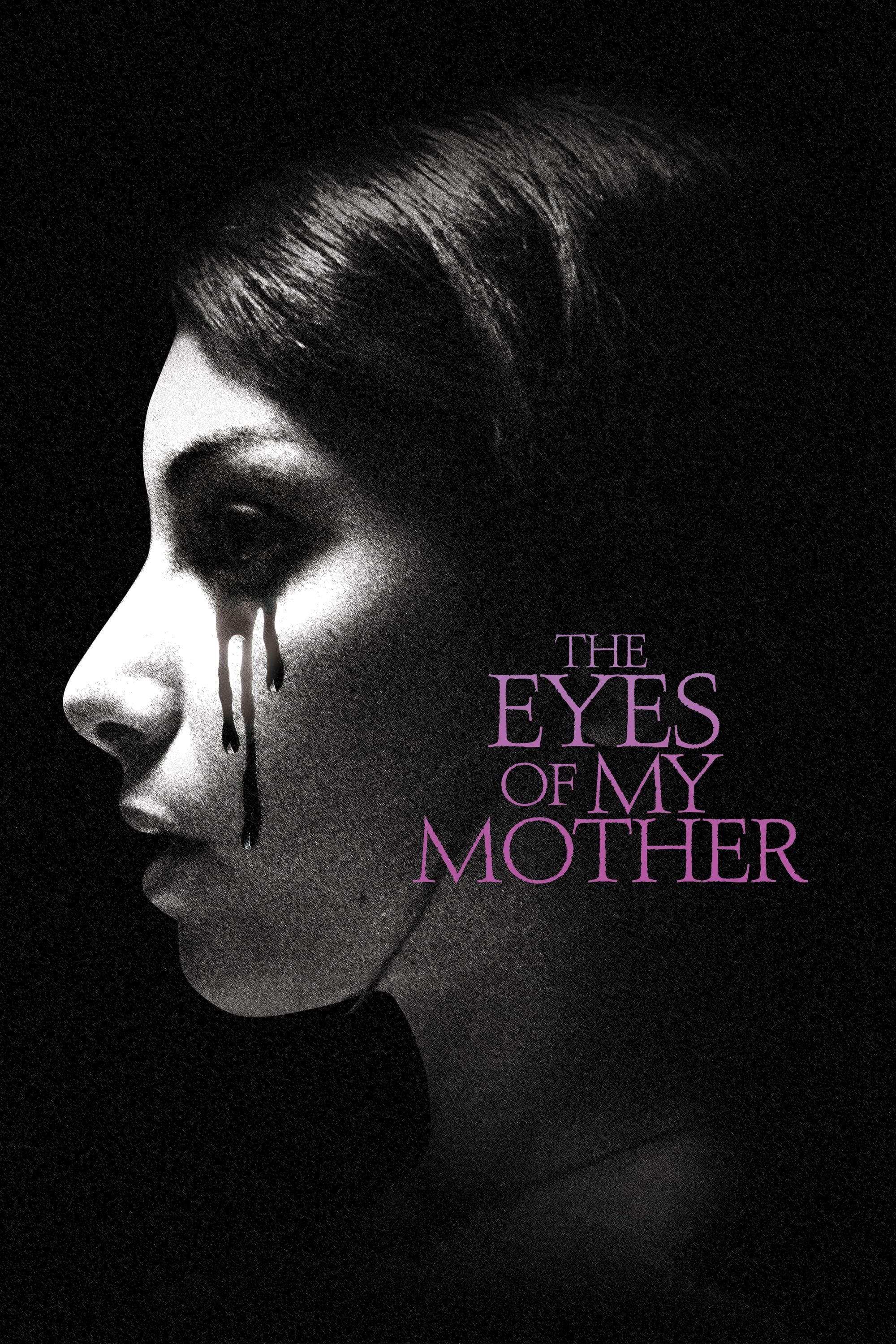
Written and directed by Nicolas Pesce, ‘The Eyes of My Mother’ is a black-and-white psychological horror feature anchored by Kika Magalhães. The film premiered in the NEXT section at Sundance and was distributed by Magnet Releasing. Cinematography favors high-contrast compositions and static frames to highlight isolation. Sound design and rural locations do heavy lifting, minimizing on-screen violence while maintaining tension.
‘Super Dark Times’ (2017)
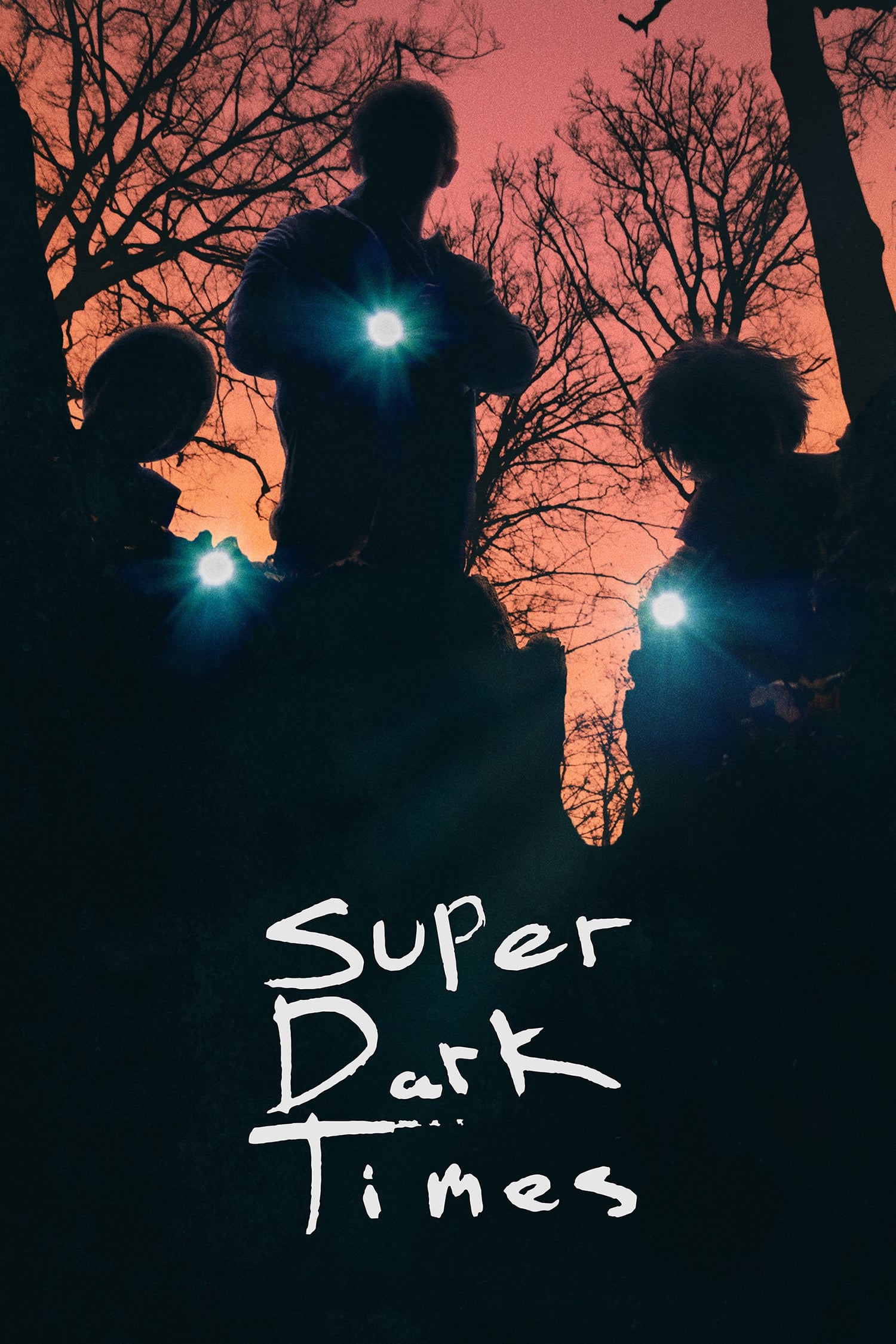
‘Super Dark Times’ is the debut of director Kevin Phillips, set in an American suburb during the late 1990s. The production recreates period detail through wardrobe, analog tech, and location choices rather than overt nostalgia markers. It premiered at Rotterdam and later screened at Tribeca, building attention through festival word-of-mouth. The film’s visual language uses shallow focus and muted palettes to emphasize perspective.
‘A Girl Walks Home Alone at Night’ (2014)
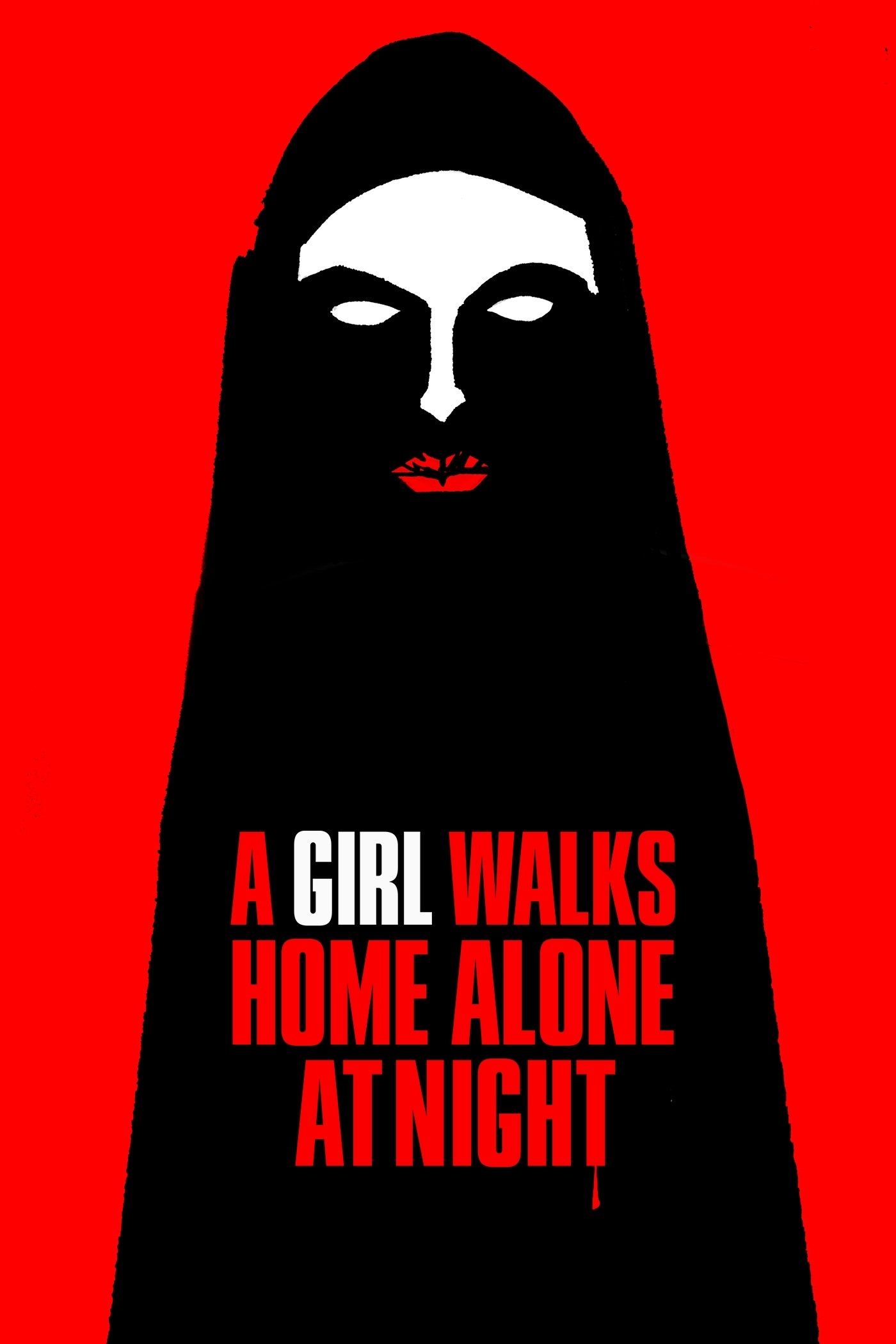
Ana Lily Amirpour’s ‘A Girl Walks Home Alone at Night’ is a Persian-language, black-and-white genre hybrid shot primarily in California and set in a fictional Iranian town. The film features skate culture motifs, a curated needle-drop soundtrack, and graphic-novel framing. It premiered at Sundance and was produced in part by a collective of independent backers. Practical sets and night exteriors give the minimalist locations a distinctive atmosphere.
‘The Autopsy of Jane Doe’ (2016)

Directed by André Øvredal, ‘The Autopsy of Jane Doe’ confines most of its runtime to a family-run morgue. Brian Cox and Emile Hirsch lead the cast as medical examiners whose case unfolds through forensic procedures and prop-driven clues. The production emphasizes practical prosthetics and contained set design to maintain focus on process. It premiered at the Toronto International Film Festival’s Midnight program and was later released by IFC Midnight.
‘Take Shelter’ (2011)
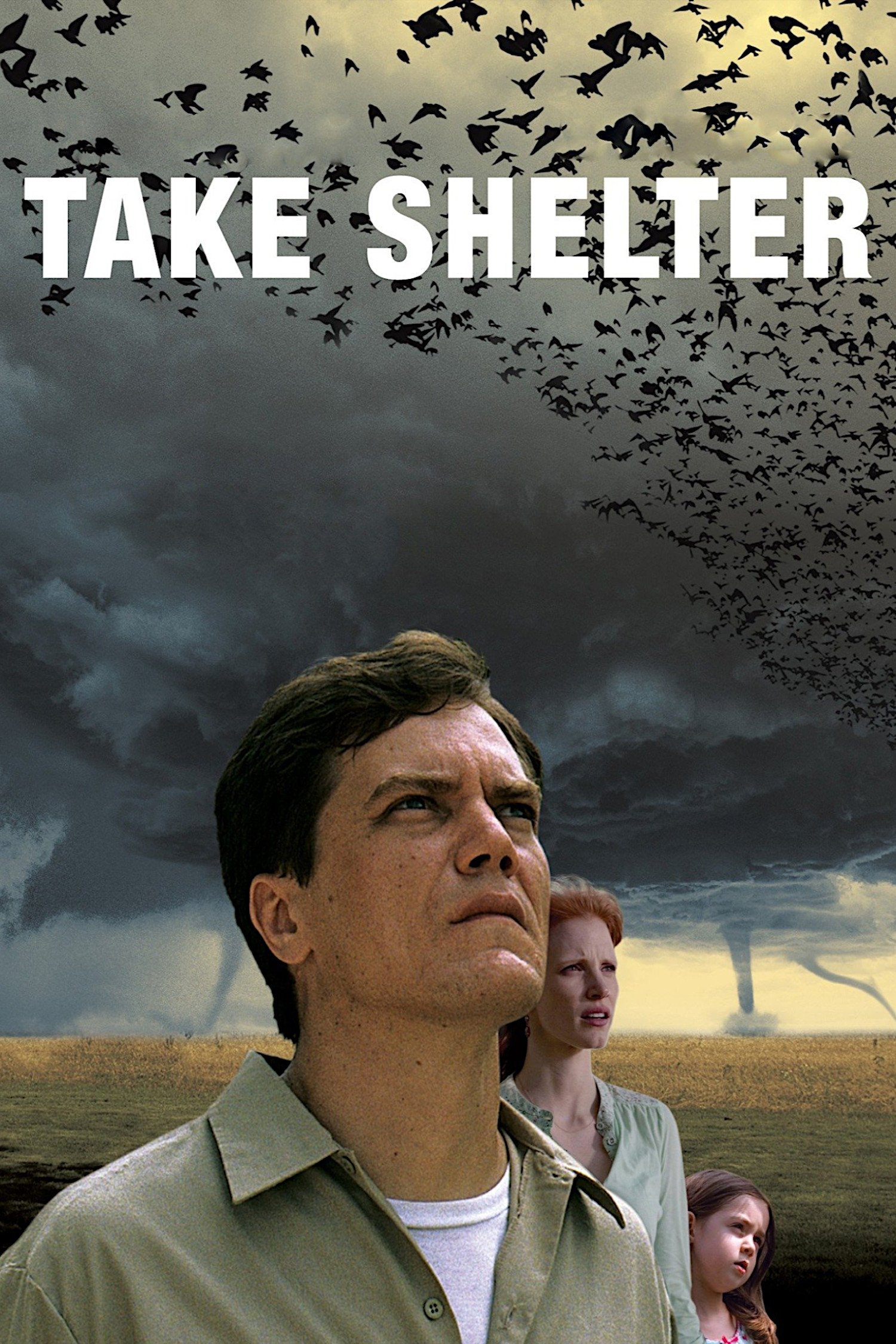
Jeff Nichols wrote and directed ‘Take Shelter,’ starring Michael Shannon and Jessica Chastain in a Midwestern setting. The film blends domestic drama with carefully staged weather and construction sequences executed on a modest budget. It won the Grand Prix at Cannes Critics’ Week and received multiple independent award nominations. Production took place in Ohio, with practical storm imagery augmented by restrained visual effects.
‘The Rider’ (2017)
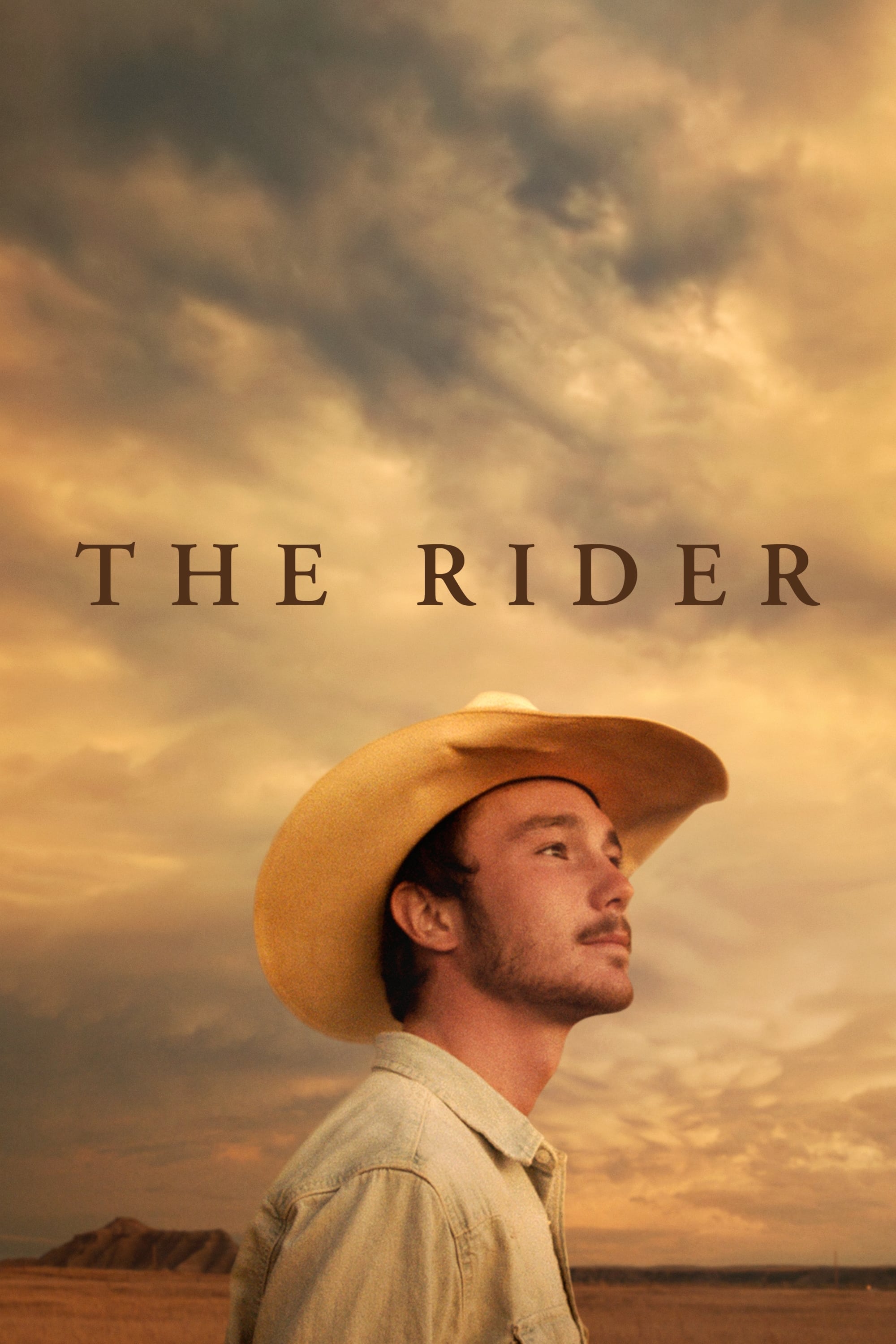
Chloé Zhao’s ‘The Rider’ casts real-life rodeo performers as versions of themselves, filming on the Pine Ridge Reservation and surrounding Badlands. The production’s hybrid approach mixes observational scenes with scripted moments. It premiered in Directors’ Fortnight at Cannes, where it won the Art Cinema Award. Natural light cinematography and nonprofessional performances anchor the film’s authenticity.
‘Phoenix’ (2014)
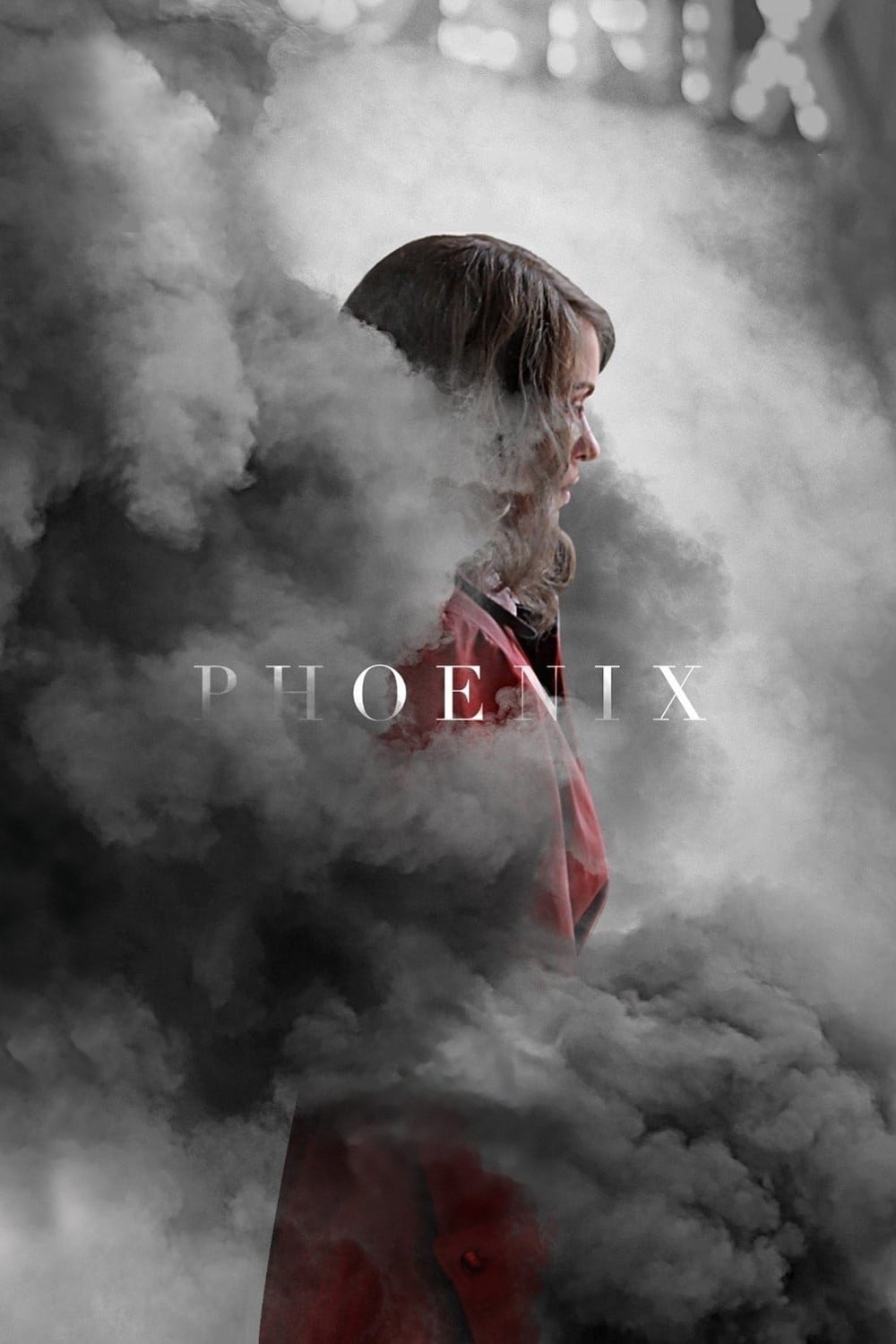
Directed by Christian Petzold and starring Nina Hoss, ‘Phoenix’ adapts themes from Hubert Monteilhet’s novel ‘Le Retour des cendres’ into a postwar Berlin narrative. The production uses studio sets and select urban locations to recreate rubble-era streets and cabarets. It premiered at Toronto and went on to win multiple German Film Awards. The score and visual motifs center on identity, memory, and performance.
‘The Fall’ (2006)
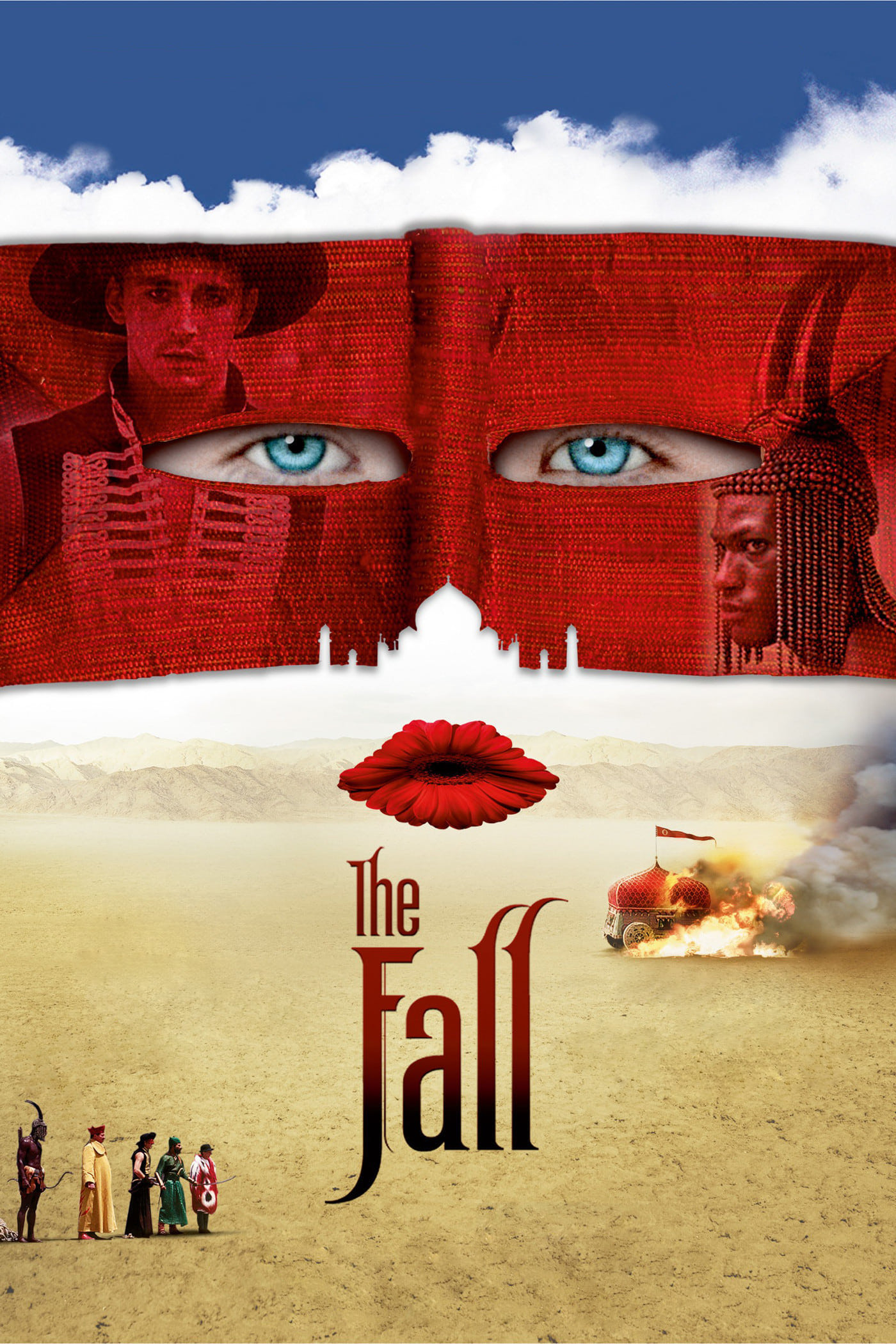
Tarsem Singh’s ‘The Fall’ was largely self-financed and filmed over several years across more than 20 countries. The production uses real architectural landmarks, deserts, and palaces rather than CGI backdrops. It expands a story concept from the Bulgarian film ‘Yo Ho Ho’ and features an international ensemble. The film is noted for elaborate costumes by Eiko Ishioka and location-driven spectacle.
‘Thelma’ (2017)
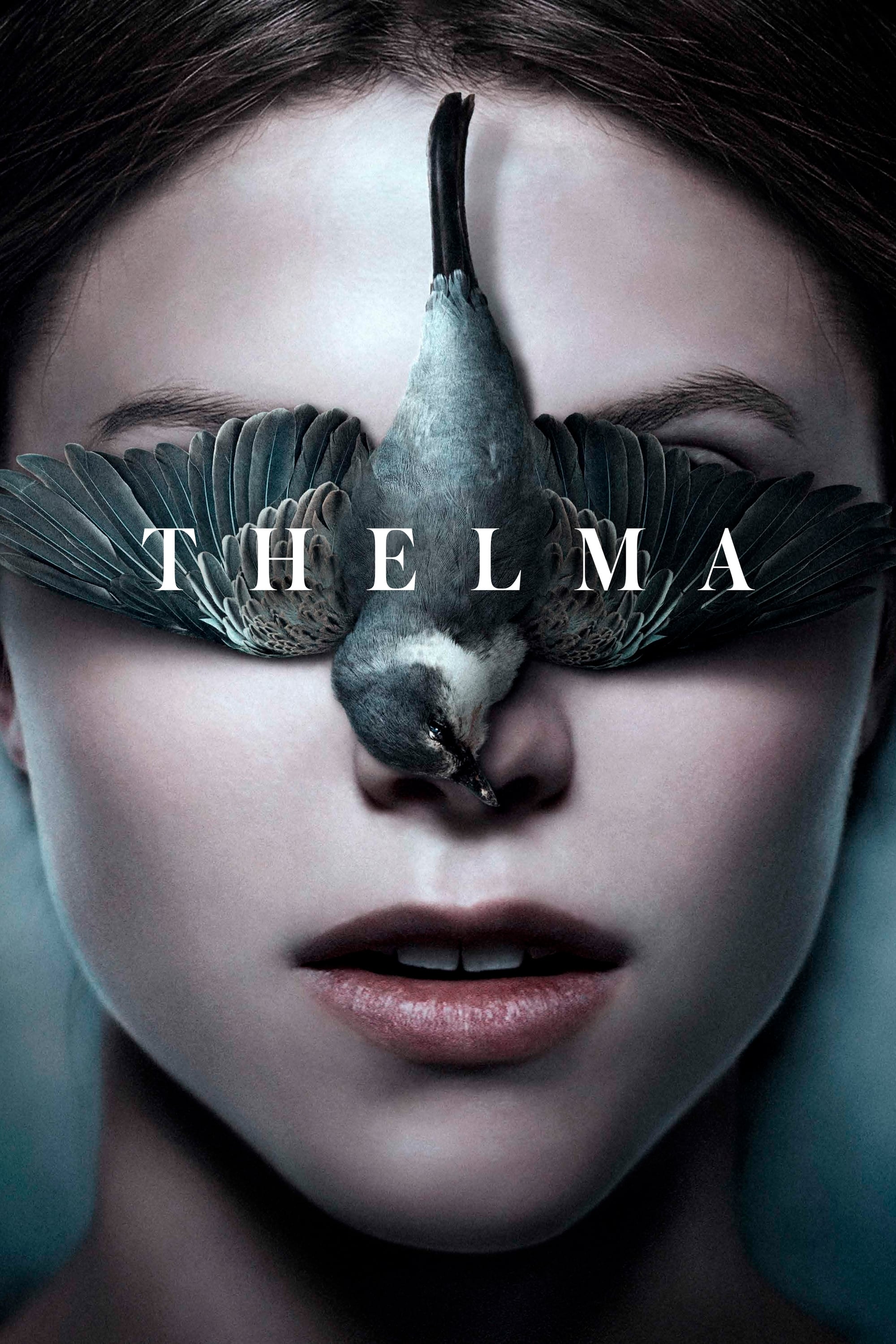
Joachim Trier’s ‘Thelma’ follows a university student in Oslo whose life intersects with unexplained phenomena. The film premiered at Toronto and was Norway’s submission for major international awards. It uses urban campuses, libraries, and coastal landscapes to anchor its setting. Sound cues and restrained visual effects support the story’s gradual escalation.
‘Blue Jay’ (2016)
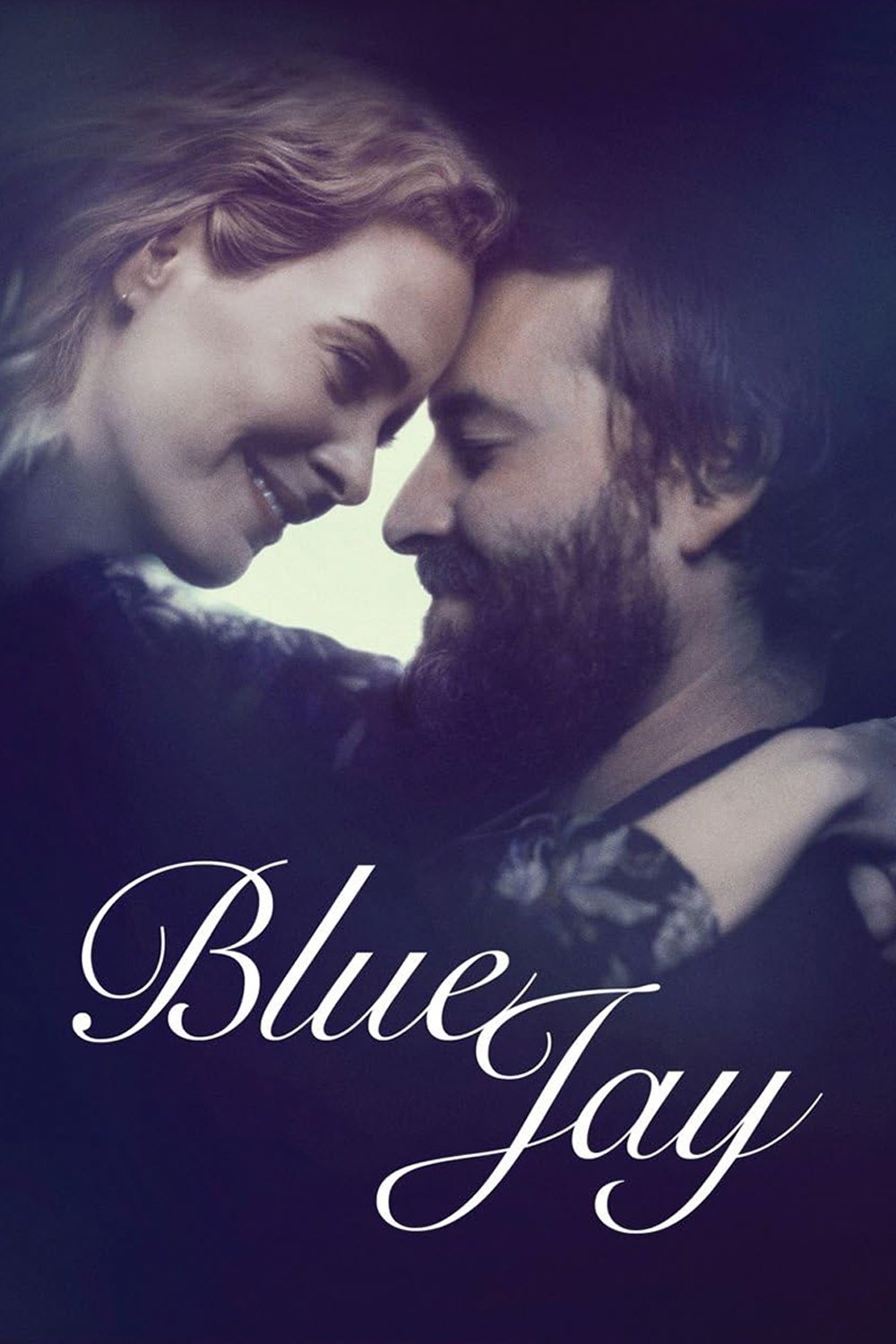
‘Blue Jay’ is an intimate black-and-white drama directed by Alex Lehmann and written by Mark Duplass, who stars opposite Sarah Paulson. The film was shot quickly with a minimal crew, relying on extended takes and improvisation within a structured outline. It premiered at the Toronto International Film Festival and was later released by The Orchard. The production concentrates on a handful of locations to keep focus on performance and dialogue.
‘Luz’ (2018)
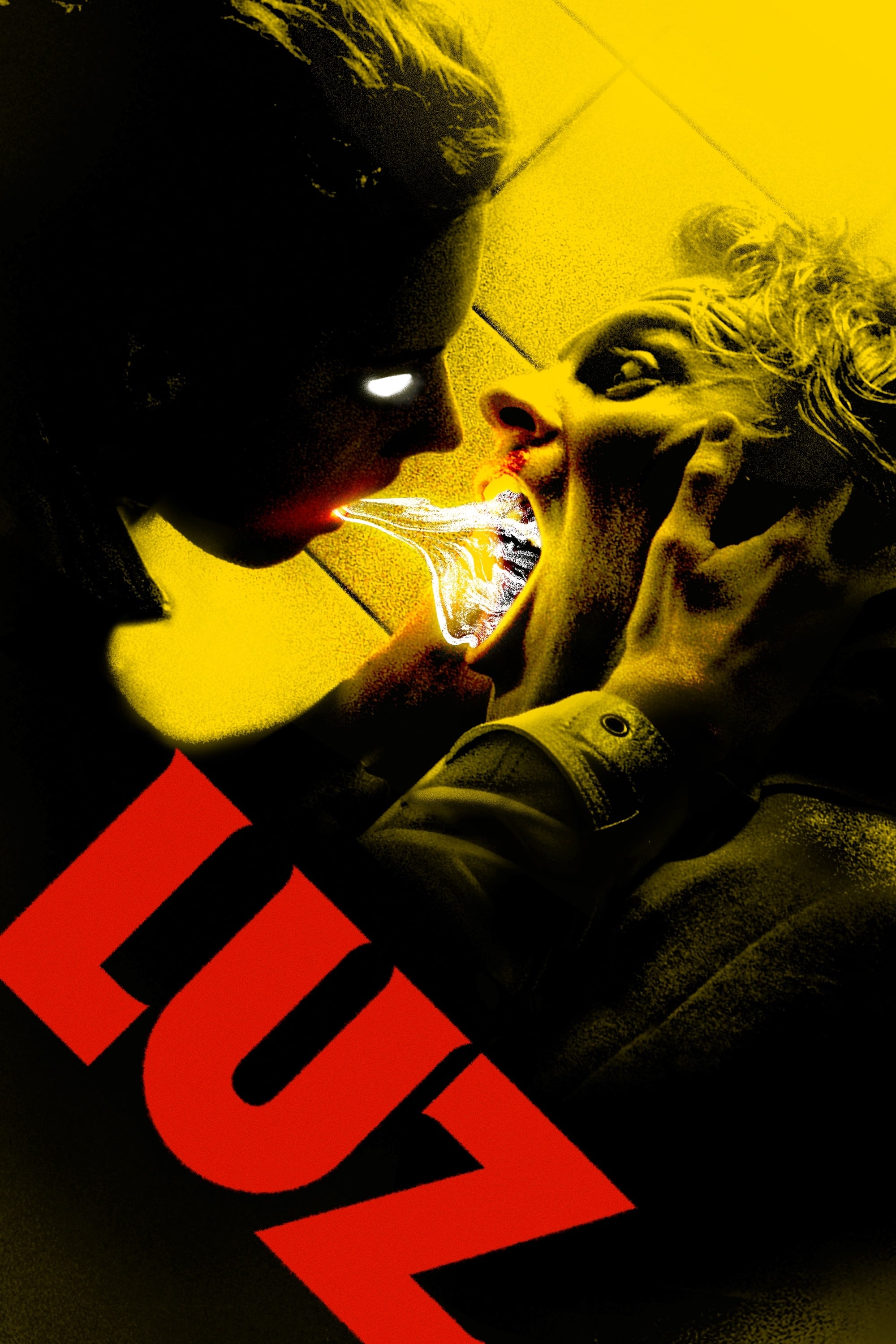
Tilman Singer’s ‘Luz’ is a German independent horror film shot on 16mm, emphasizing analog texture and experimental sound. The narrative unfolds through interrogation-room staging, practical effects, and dialogue-driven hypnosis sequences. It premiered at the Berlin Critics’ Week and circulated through genre festivals internationally. The score and sound mix play central roles in shaping the film’s disorienting rhythm.
‘The Transfiguration’ (2016)

Written and directed by Michael O’Shea, ‘The Transfiguration’ situates its story in New York public-housing neighborhoods and nearby coastal spots. It premiered in Un Certain Regard at Cannes and later screened at genre-focused festivals. The production favors handheld camerawork, naturalistic performances, and practical city locations. References to classic titles are embedded via diegetic media and prop choices.
‘Resolution’ (2012)
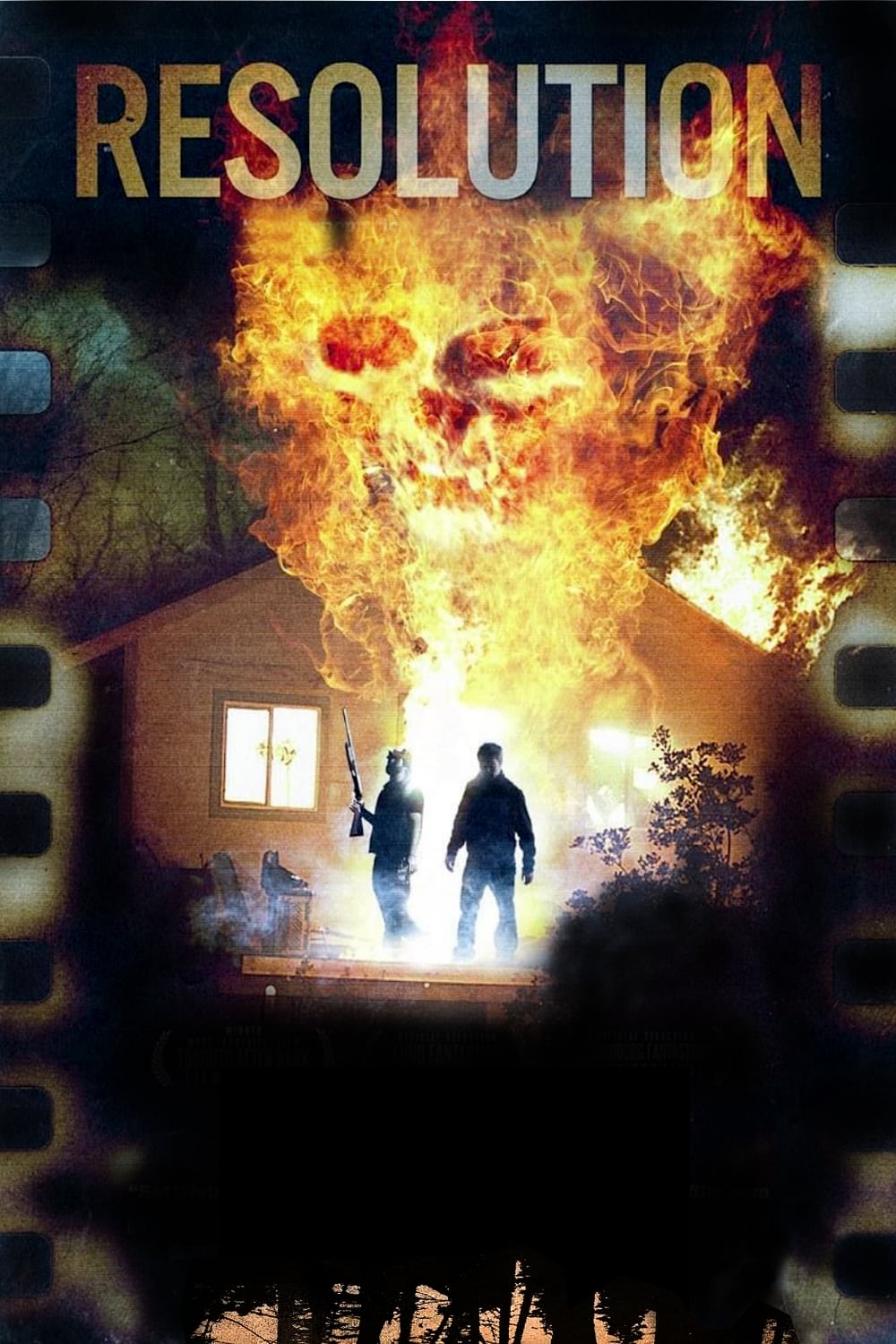
‘Resolution’ is an independent feature by Justin Benson and Aaron Moorhead that lays groundwork for a shared mythos revisited in later projects. The film was shot in and around a remote cabin with a small crew and a flexible schedule. It built its audience through festival play and video-on-demand distribution. The structure uses found media, environmental clues, and overlapping narratives to reveal its central conceit.
Share your own under-the-radar favorites in the comments so everyone can discover more hidden gems.

