


LGBTQ+ Actors Getting the Most Backlash on Social Media


Public figures still encounter intense online scrutiny, and LGBTQ+ male actors are no exception. The examples below highlight documented flare-ups—tweets that spiraled, casting controversies, hostile campaigns, or moments that drew large waves of harassment or criticism. Each entry notes what sparked the backlash, where it played out, and how the actor or platforms responded. The goal is context, not pile-ons, and a clearer picture of how quickly social media can turn on queer talent.
Elliot Page
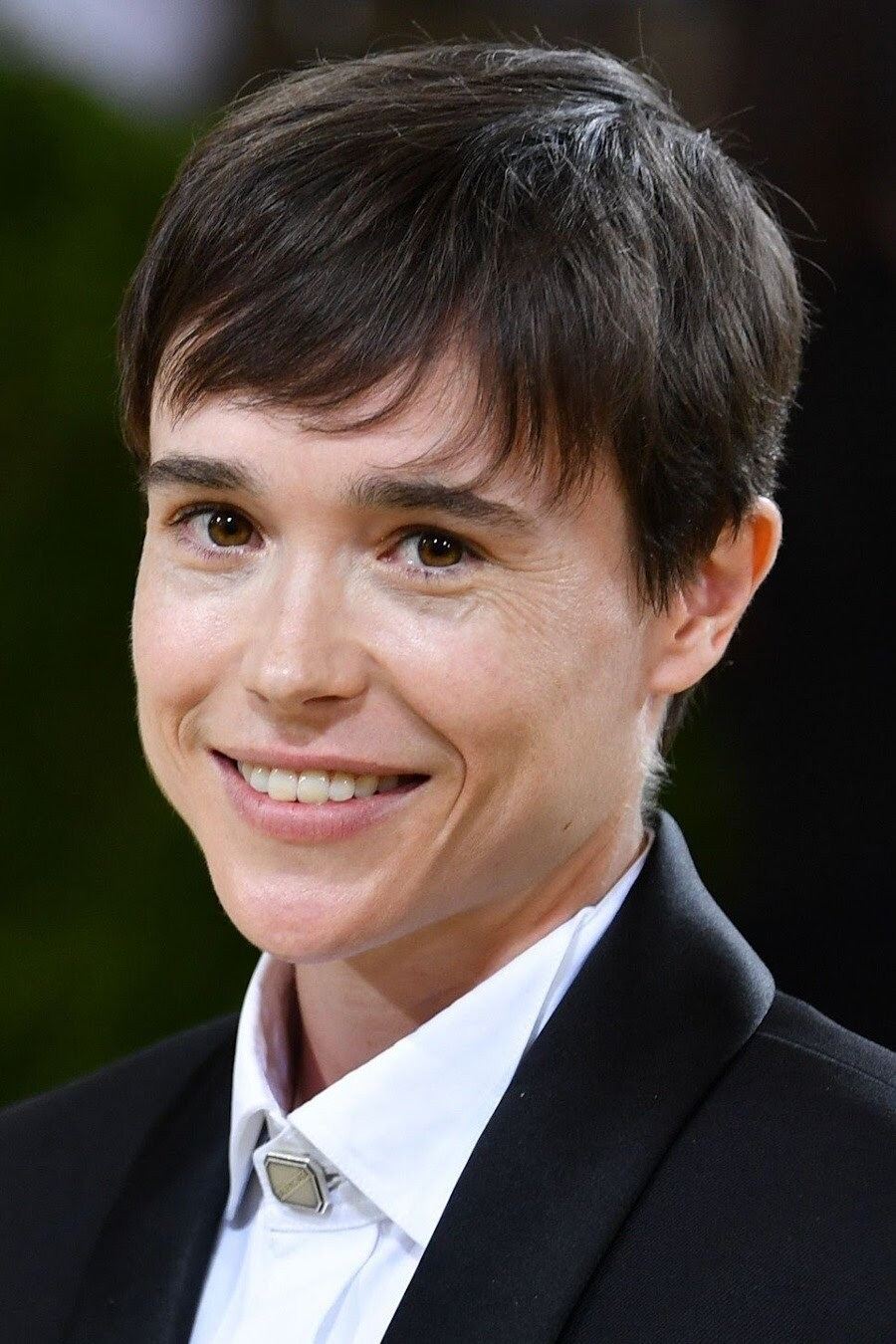
After coming out as transgender, Elliot Page became a frequent target of transphobic content online, including misgendering by high-profile commentators that drew widespread attention on social platforms. In December 2020, outlets documented a conservative YouTuber’s segment that deadnamed Page and was condemned across social media. Subsequently, platform actions were reported against videos misgendering Page, underscoring ongoing moderation debates around anti-trans content. Advocacy groups also publicly pressed major platforms to curb anti-trans hate and disinformation during this period.
Kit Connor

In late 2022, ‘Heartstopper’ star Kit Connor said he felt “forced” to come out as bisexual after months of social media speculation and accusations of queerbaiting. The disclosure followed sustained discourse on Twitter and other platforms, where fans and detractors debated his private life. Show creator Alice Oseman and many users rallied in support, criticizing the pressure placed on a teenager. Coverage at the time emphasized how online speculation about an actor’s identity can escalate into coercive behavior.
Billy Porter
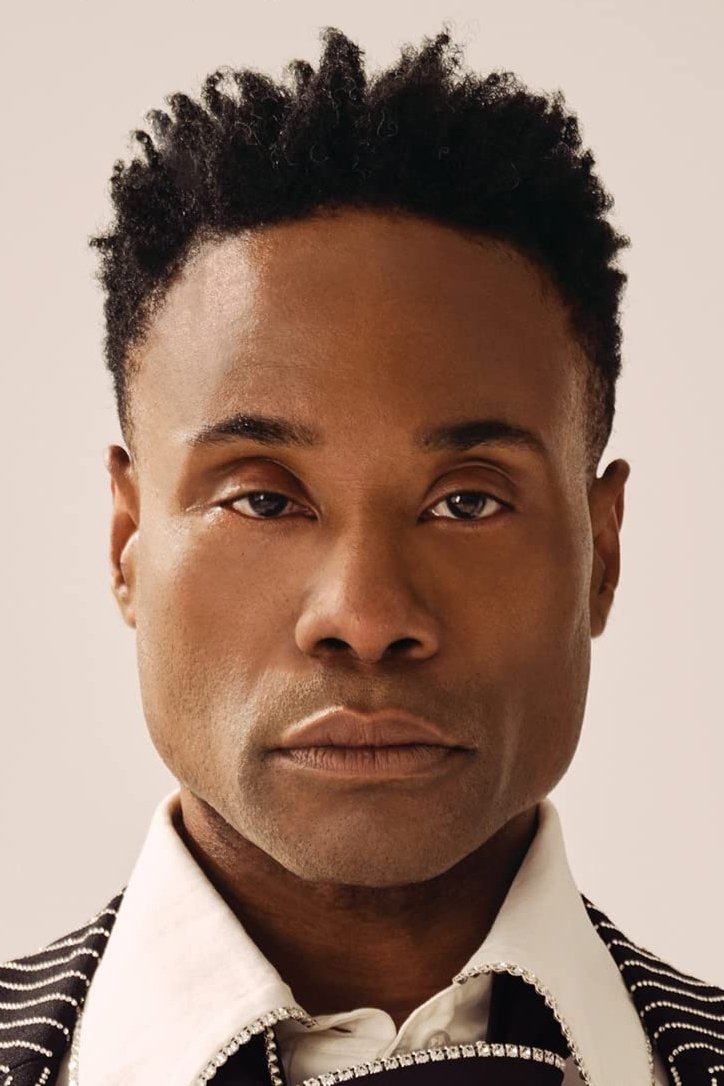
Billy Porter has repeatedly been at the center of social media storms, including criticism for kissing President Joe Biden’s hand during a White House Juneteenth event in June 2024. The moment circulated widely online and drew sharp commentary about respectability politics and proximity to power. Porter also faced later controversies tied to statements that were clipped and shared on social networks, prompting disputes over context. These incidents illustrate how brief clips and gestures can be reframed and amplified at scale.
Maulik Pancholy
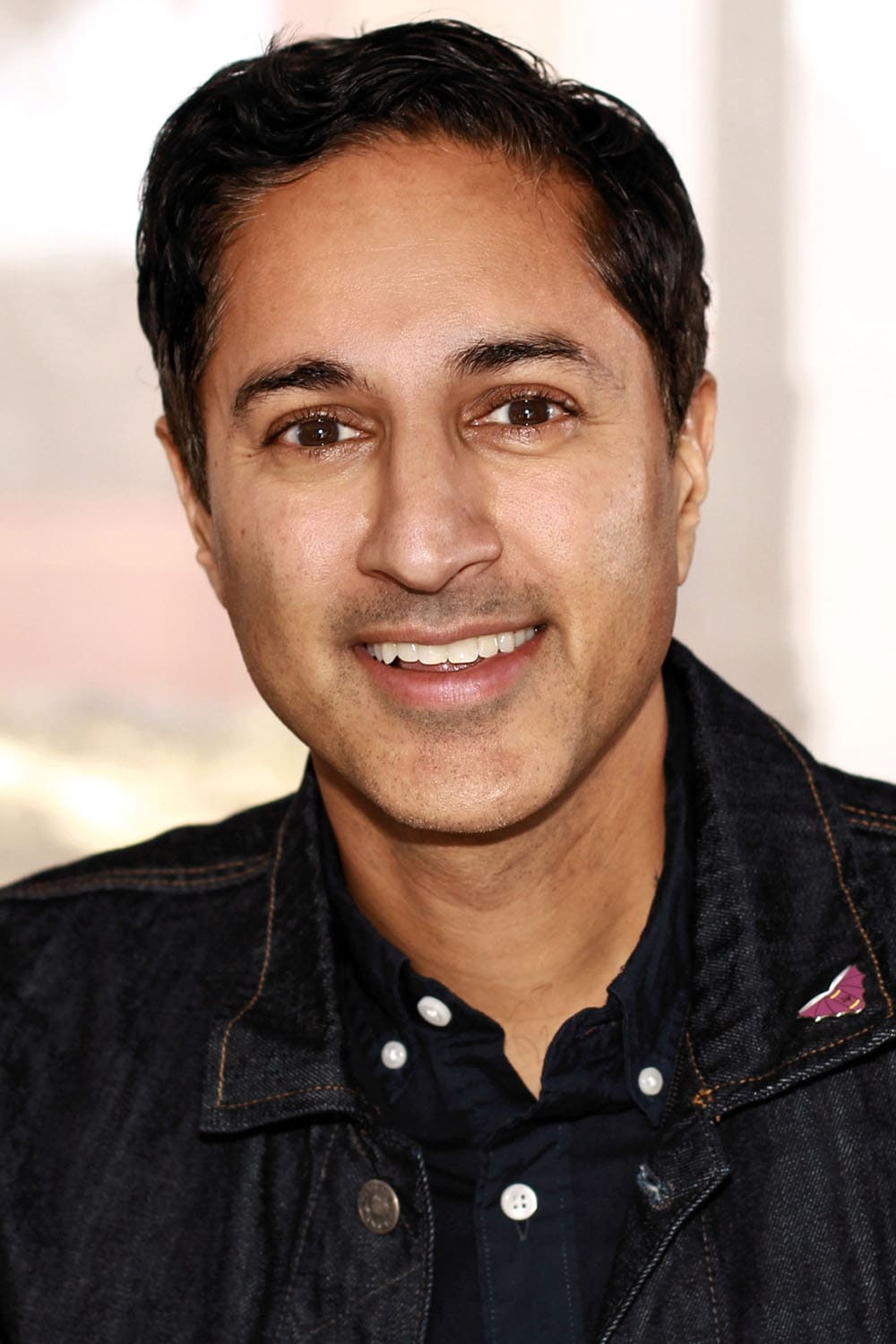
In April 2024, a Pennsylvania school district canceled Maulik Pancholy’s anti-bullying talk, citing concerns about his “activism” and “lifestyle,” which sparked immediate backlash across social media. News of the cancellation spread quickly online and prompted petitions, local coverage, and a tense public meeting. Within days, the board reversed its decision after community outcry, and Pancholy thanked supporters in posts acknowledging the role of public pressure. The episode shows how coordinated online response can push institutions to revisit decisions.
Neil Patrick Harris
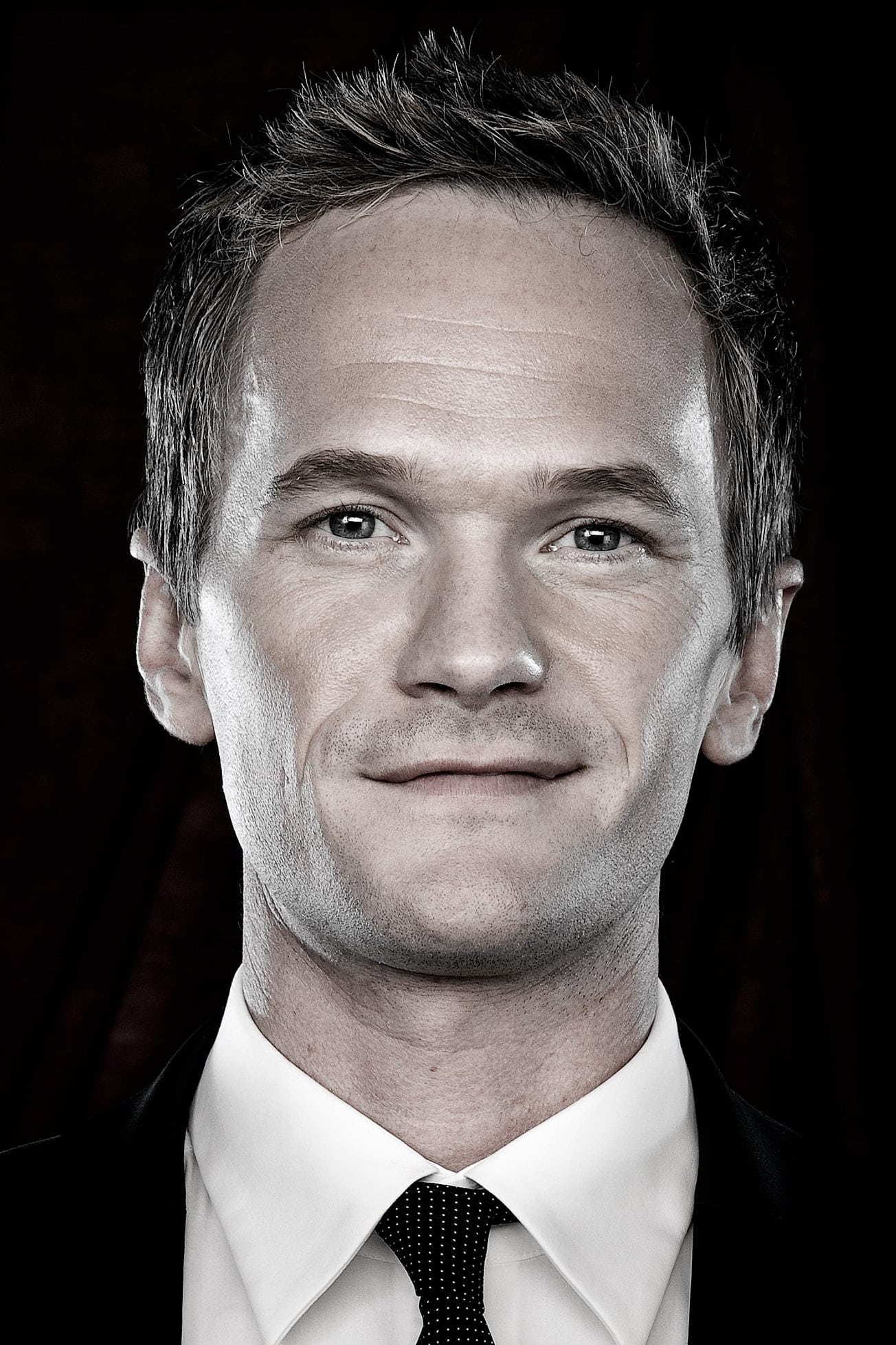
A photo from a 2011 Halloween party—depicting a platter styled to resemble Amy Winehouse—resurfaced on social media in 2022 and again in 2024, reigniting criticism of Neil Patrick Harris. As the image spread, Harris issued statements expressing regret, which were widely reported alongside the backlash. Coverage chronicled how the meme-like circulation of old material can trigger new waves of condemnation years later. The cycles highlighted the persistence of digital archives and the speed with which controversy can re-emerge.
Wentworth Miller
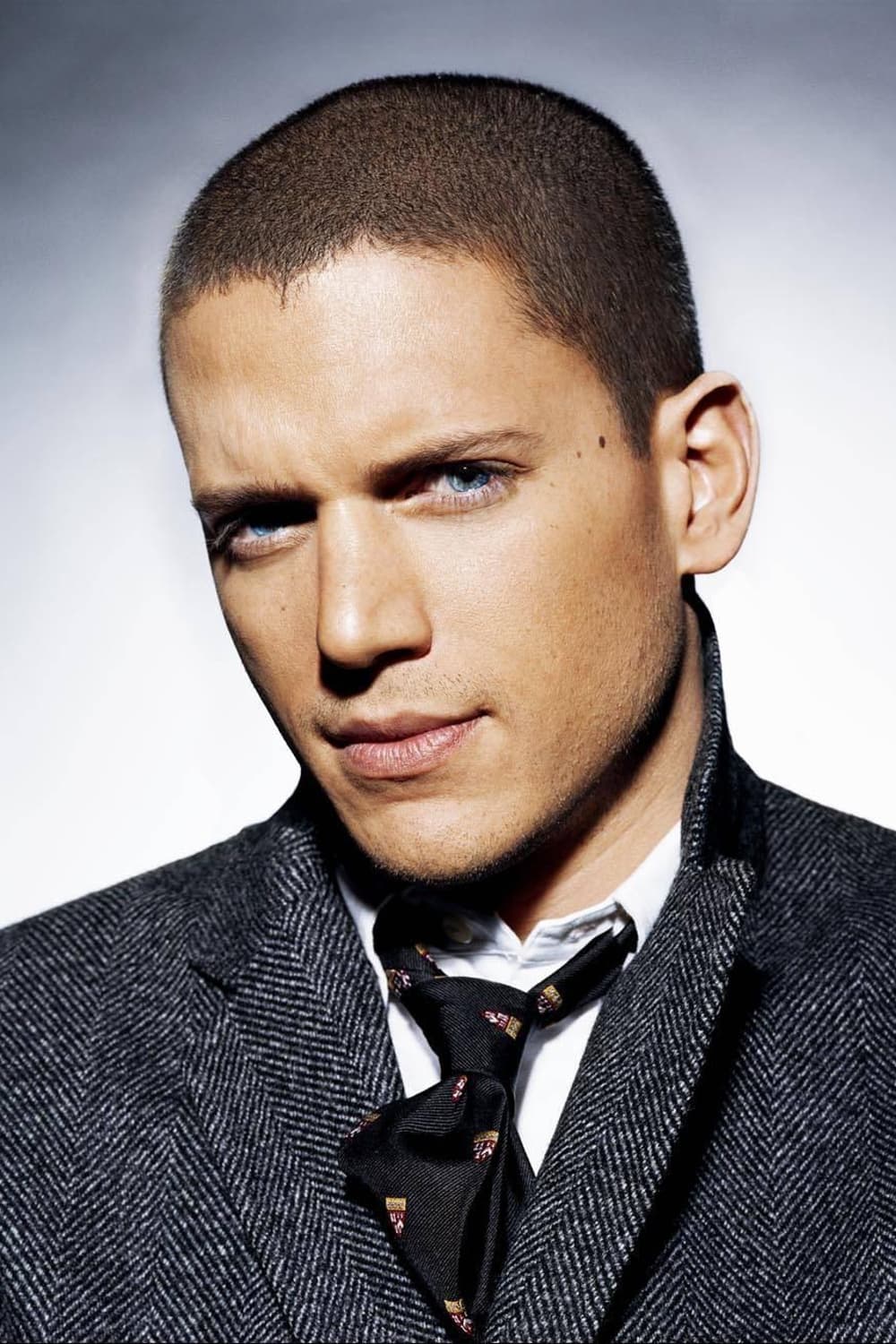
In 2016, Wentworth Miller addressed a viral meme that mocked his weight by writing a widely shared Facebook post explaining he had been struggling with depression at the time the photo was taken. The meme had proliferated across social media, prompting both harassment and, later, apologies from some publishers after Miller’s response. His statement became a case study in how public figures can reframe harmful viral content to raise awareness about mental health. Major outlets documented the sequence from meme to mea culpa.
Russell Tovey
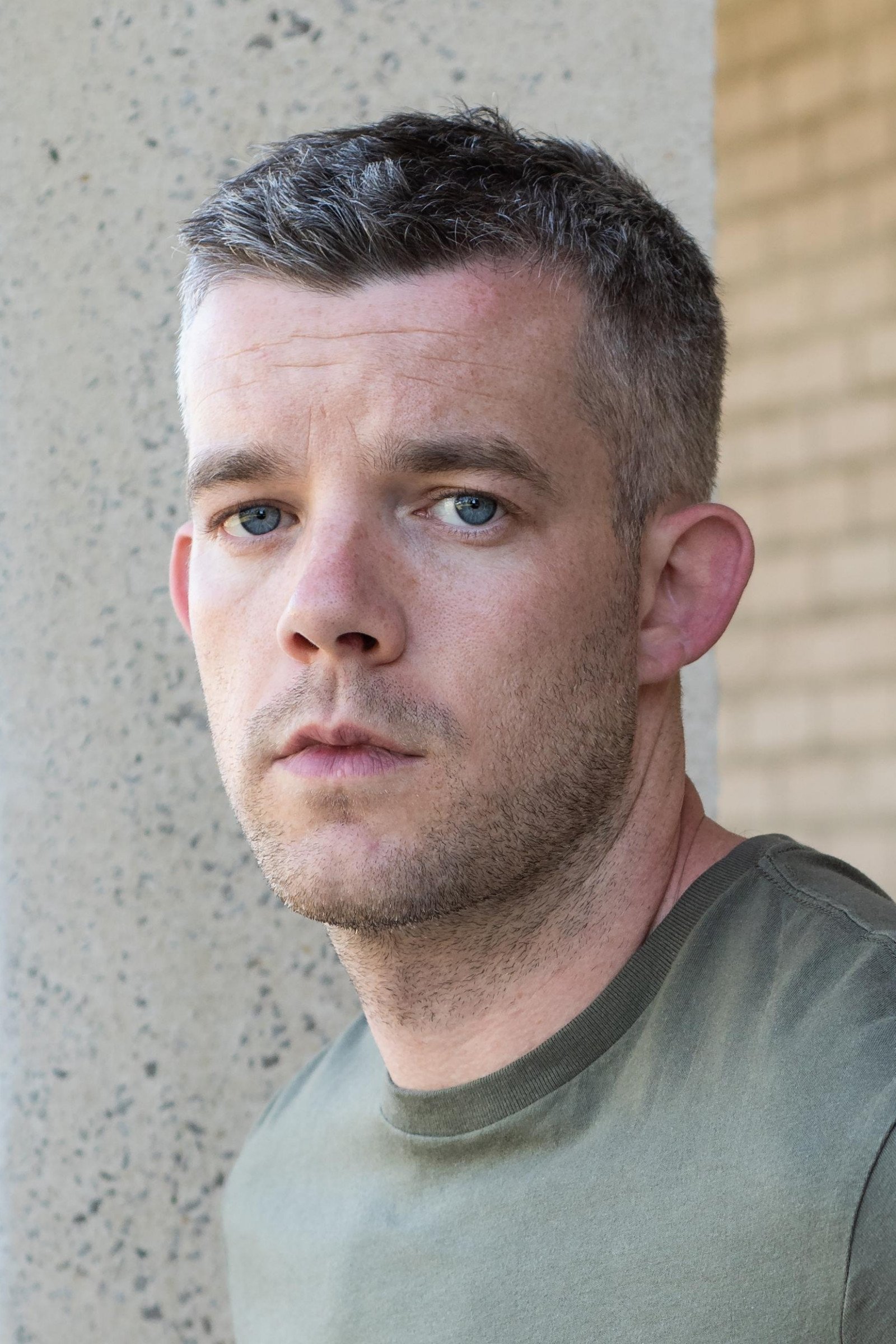
Russell Tovey faced significant online backlash in 2015 after remarks about being “glad” he hadn’t attended a school where he might have become more “effeminate.” The comments prompted critical coverage and waves of responses on Twitter, leading Tovey to issue apologies and clarifications. Media recaps at the time described the intensity and speed of the social response. The episode is often cited in discussions about intracommunity debates playing out publicly on social platforms.
Billy Eichner
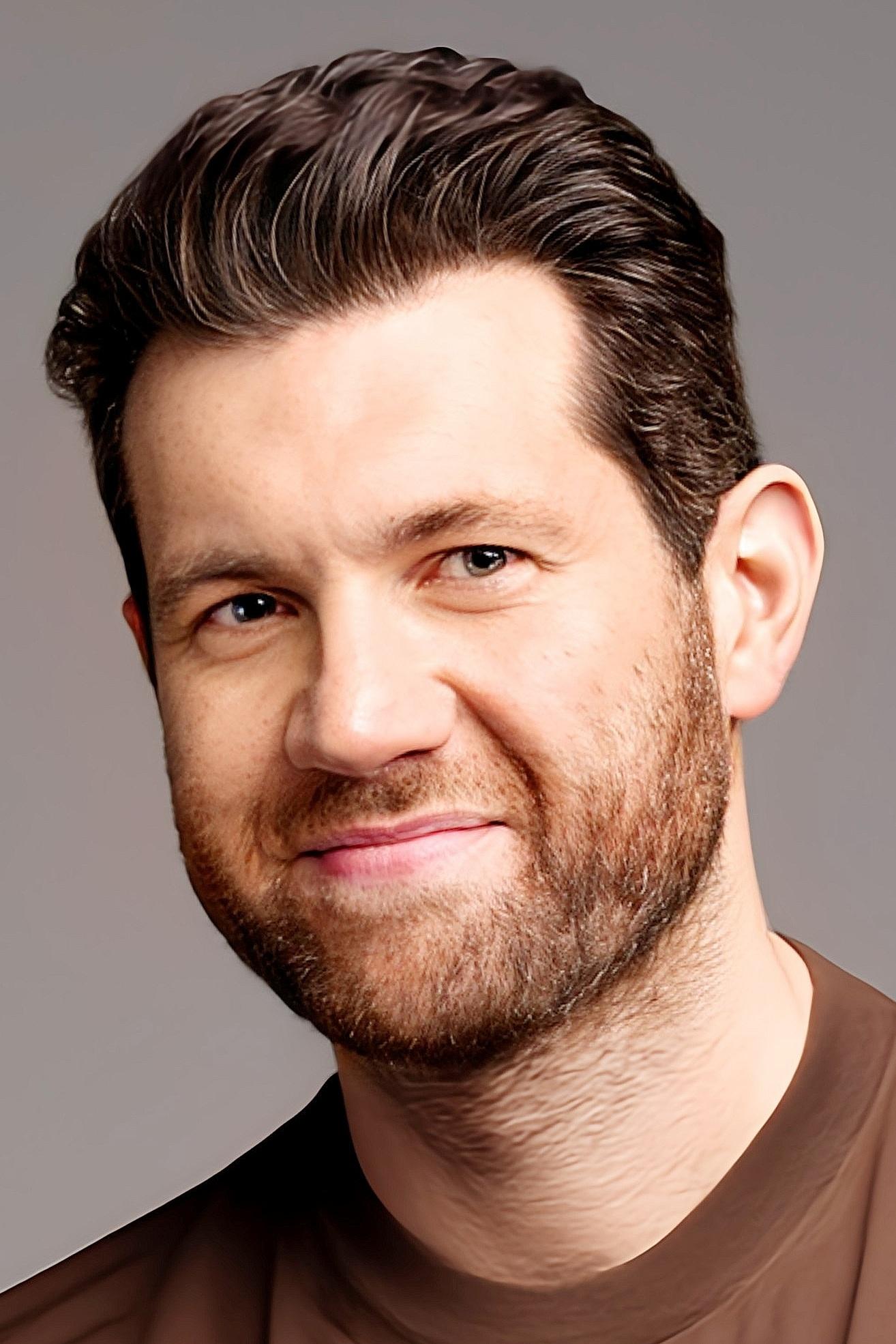
Following the 2022 theatrical release of ‘Bros,’ Billy Eichner’s posts attributing the film’s poor opening to the absence of straight audiences sparked heated exchanges online. Entertainment outlets chronicled his tweets, subsequent interviews, and the wave of commentary that followed. Reports also noted review-bombing and a briefly contested trailer placement, illustrating broader social-media dynamics around queer cinema. The discourse became a flashpoint about representation, marketing, and audience behavior.
Ben Platt
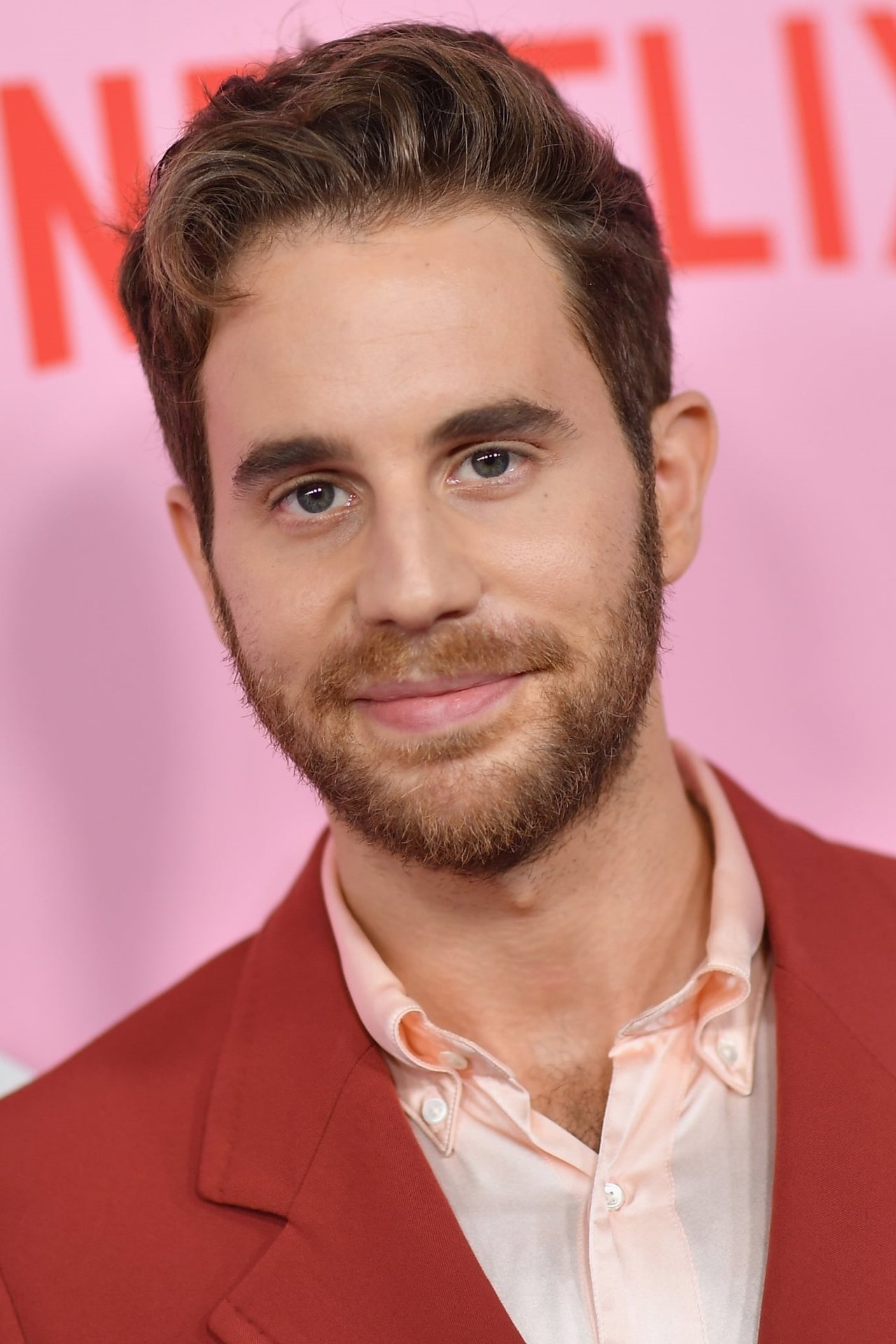
Ben Platt received sustained social media criticism over his casting and appearance in the 2021 film adaptation of ‘Dear Evan Hansen.’ Commentary focused on perceived age mismatch and nepotism claims, prompting Platt to step back from Twitter and later reflect on the experience in interviews. Trade and entertainment outlets documented the backlash arc from trailer release to box-office performance. Retrospectives continue to cite the film as an example of how online narratives can shape reception.
Matt Bomer
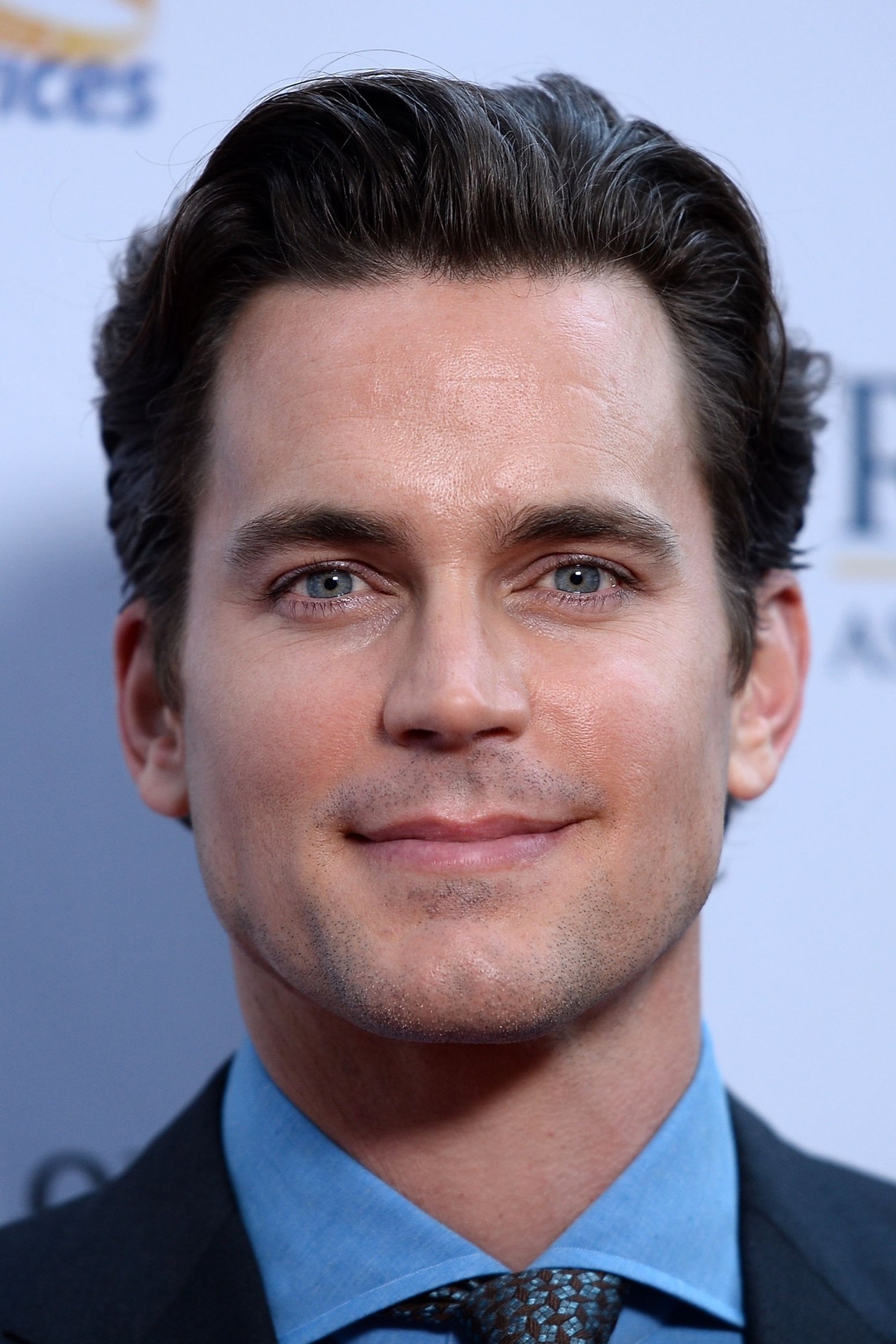
Matt Bomer’s casting as a transgender woman in the indie film ‘Anything’ prompted social media backlash from trans advocates and allies, who argued the role should have gone to a trans actor. Coverage tracked the criticism and industry debate around “cis-casting,” which intensified across Twitter and Facebook during the film’s promotion. In 2025, Bomer also criticized outlets for twisting later comments about his career and sexuality, fueling additional online discourse. Together, these moments illustrate recurring flashpoints where casting and identity collide online.

