


LGBTQ+ Actors Hollywood Failed to Understand

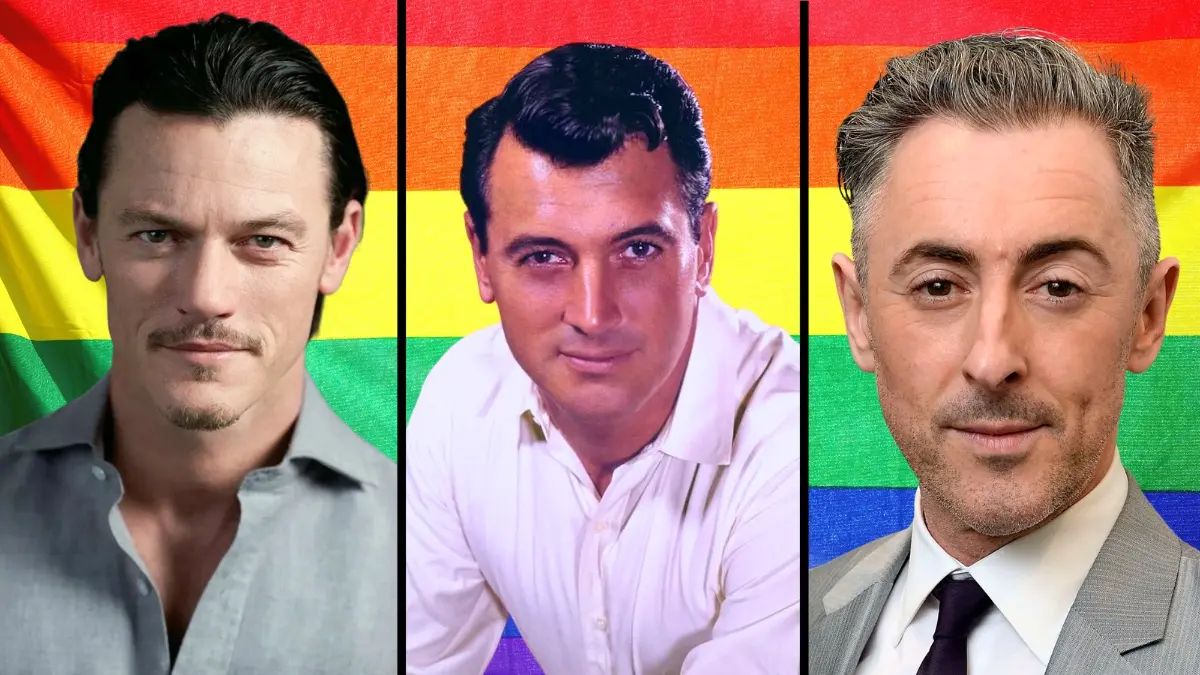


For decades, the entertainment industry has struggled to embrace LGBTQ+ talent without imposing restrictive labels or forcing them into the closet. Many gifted actors faced ultimatums between their authentic selves and their careers, often leading to tragic personal lives or stifled professional potential. While progress has been made, the history of Hollywood is filled with stories of heartthrobs, character actors, and leading men who were misunderstood or mistreated by the studio system. These individuals possessed immense talent that was frequently overshadowed by the industry’s inability to see past their sexuality.
Rock Hudson
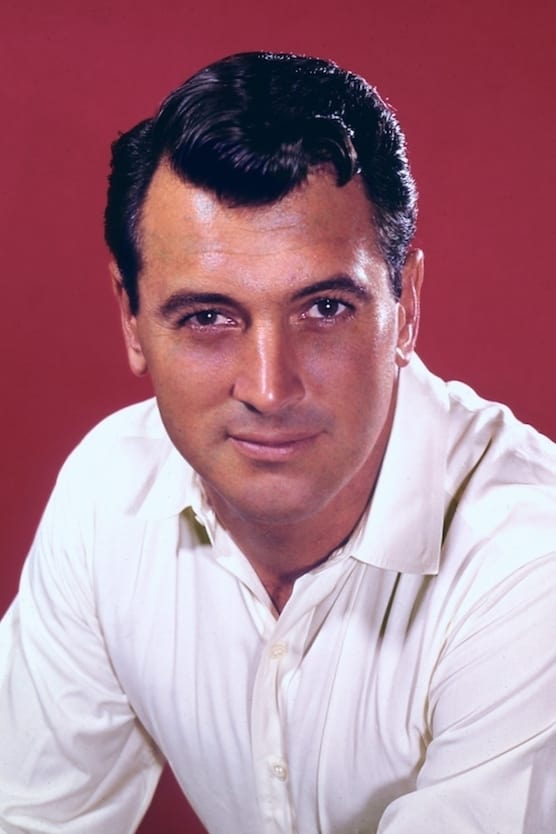
Hudson was the quintessential Hollywood leading man, yet he was forced to live a double life to maintain his box office appeal. Studios arranged public dates and a short-lived marriage to secretary Phyllis Gates to quell rumors about his sexuality. His agent, Henry Willson, worked tirelessly to kill stories that would have exposed Hudson and destroyed his career in the conservative 1950s. It was only after his AIDS diagnosis in the mid-1980s that the industry and the public were forced to reconcile the screen idol with his reality.
William Haines
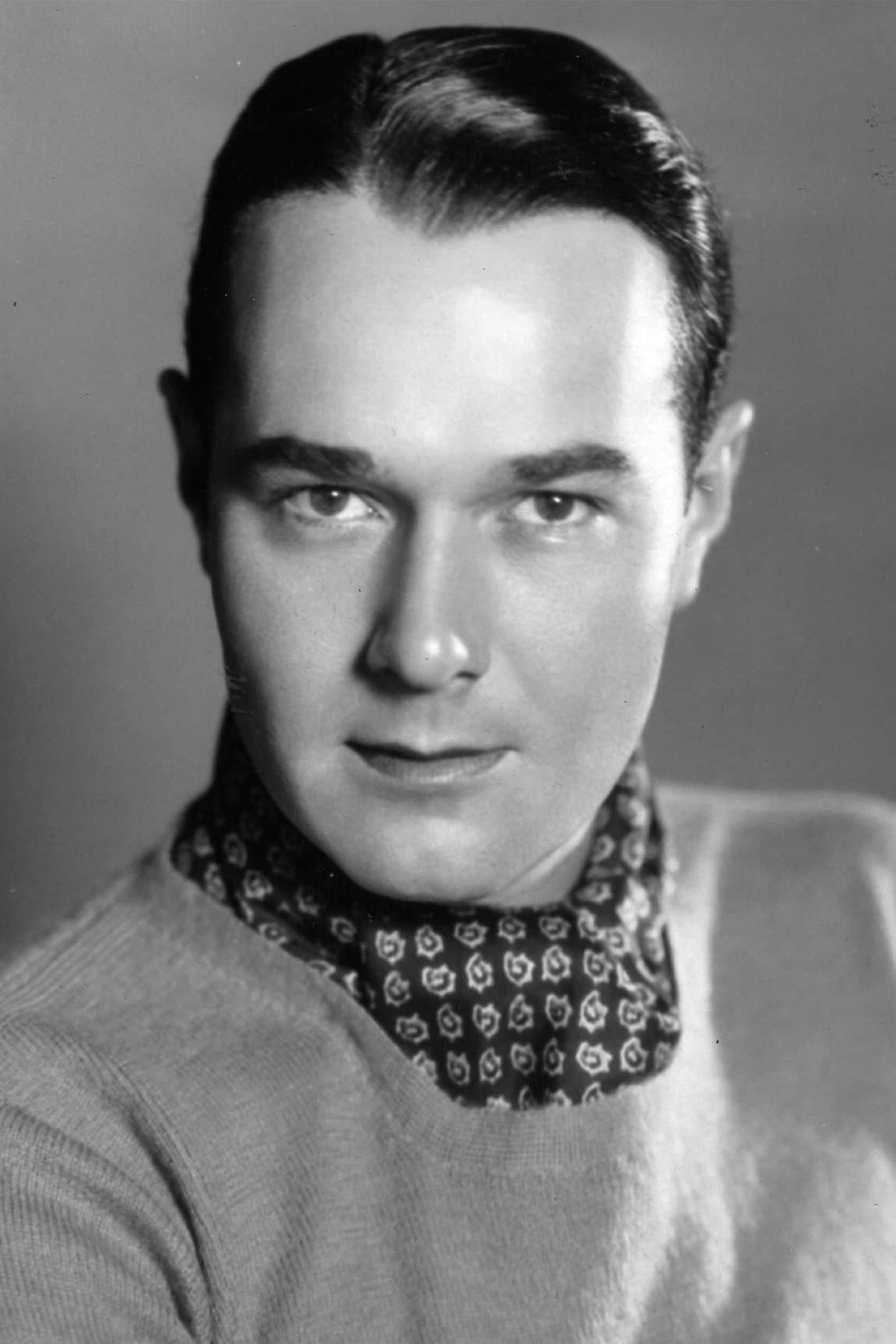
A top box office draw for MGM in the late 1920s, Haines was the first major casualty of the studio system’s morality clauses. When studio head Louis B. Mayer demanded he choose between a sham marriage or his boyfriend Jimmie Shields, Haines refused to compromise. He was promptly fired and effectively blacklisted from acting in motion pictures. Haines successfully reinvented himself as a prominent interior designer, proving his resilience despite Hollywood’s rejection.
Montgomery Clift

Clift was a method acting pioneer whose brooding intensity captivated audiences, but he was tormented by the pressure to hide his sexuality. He refused to sign a studio contract to maintain some independence, yet he still lived in constant fear of exposure. His struggles with identity and substance abuse were exacerbated by an industry that had no place for an openly gay romantic lead. Clift’s “longest suicide in Hollywood history,” as it was famously called, reflected the deep scars left by a repressively homophobic era.
Tab Hunter
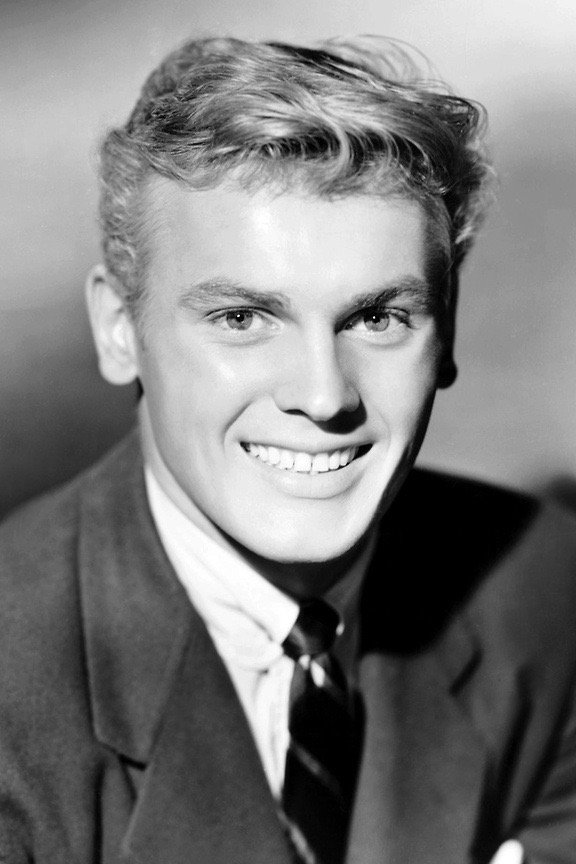
With his blond hair and all-American looks, Hunter was marketed as the ultimate teenage heartthrob of the 1950s. Behind the scenes, he was threatened with exposure by gossip rags like Confidential magazine, forcing his studio to engineer fake romances with actresses like Natalie Wood. Hunter eventually bought out his own contract to escape the stifling control of the studio system that treated him as a product rather than a person. His career suffered as he sought more complex roles that defied the shallow image Hollywood had constructed for him.
Anthony Perkins
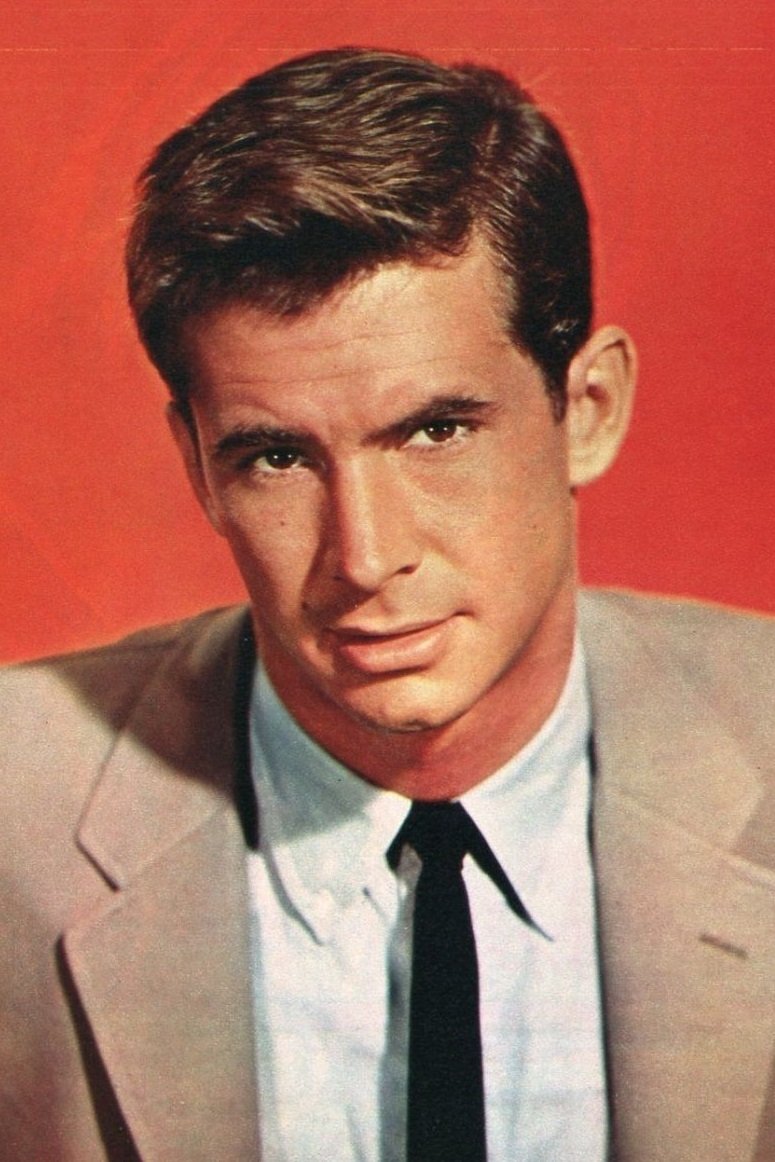
Best known for his chilling performance in ‘Psycho’ (1960), Perkins found himself typecast as a villain and unable to return to the romantic lead roles he played early in his career. To protect his image, he underwent conversion therapy and eventually married Berry Berenson in an attempt to conform to societal norms. The industry failed to see his range beyond the character of Norman Bates, trapping him in a specific niche. Perkins lived with the burden of maintaining a public heterosexual facade while privately navigating his attraction to men.
Sal Mineo
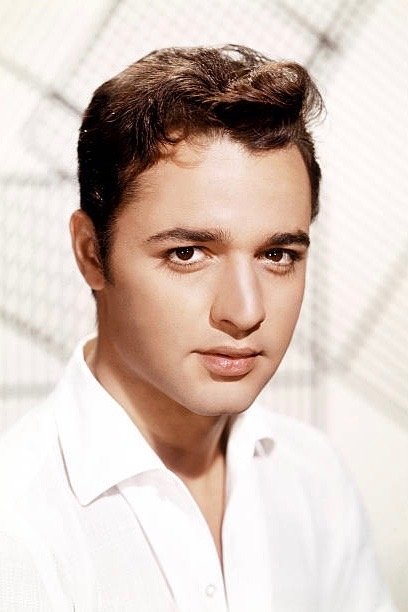
After his Oscar-nominated performance in ‘Rebel Without a Cause’ (1955), Mineo became a teen idol but struggled to transition into adult roles. As he grew older, his boyish looks and open bisexuality alienated him from casting directors who did not know how to place him. He lost out on major roles, including a part in ‘Lawrence of Arabia’ (1962), as rumors about his personal life swirled. Mineo’s career momentum halted significantly, and he was tragically murdered just as he was attempting a comeback in the theater.
Raymond Burr
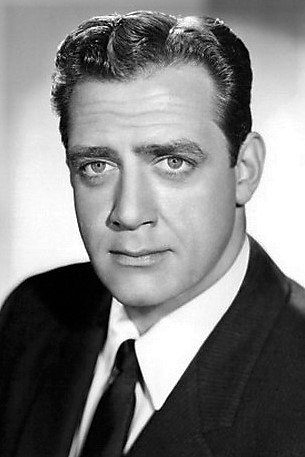
Burr played the iconic defense attorney in ‘Perry Mason’ (1957–1966), a role that required an unimpeachable public image. To deflect questions about his bachelorhood, he invented a tragic backstory involving a deceased wife and son who never existed. This fabrication allowed him to live with his longtime partner Robert Benevides in relative peace, though always under a veil of secrecy. Hollywood respected his talent but demanded a fictionalized heterosexuality as the price of his stardom.
Dirk Bogarde
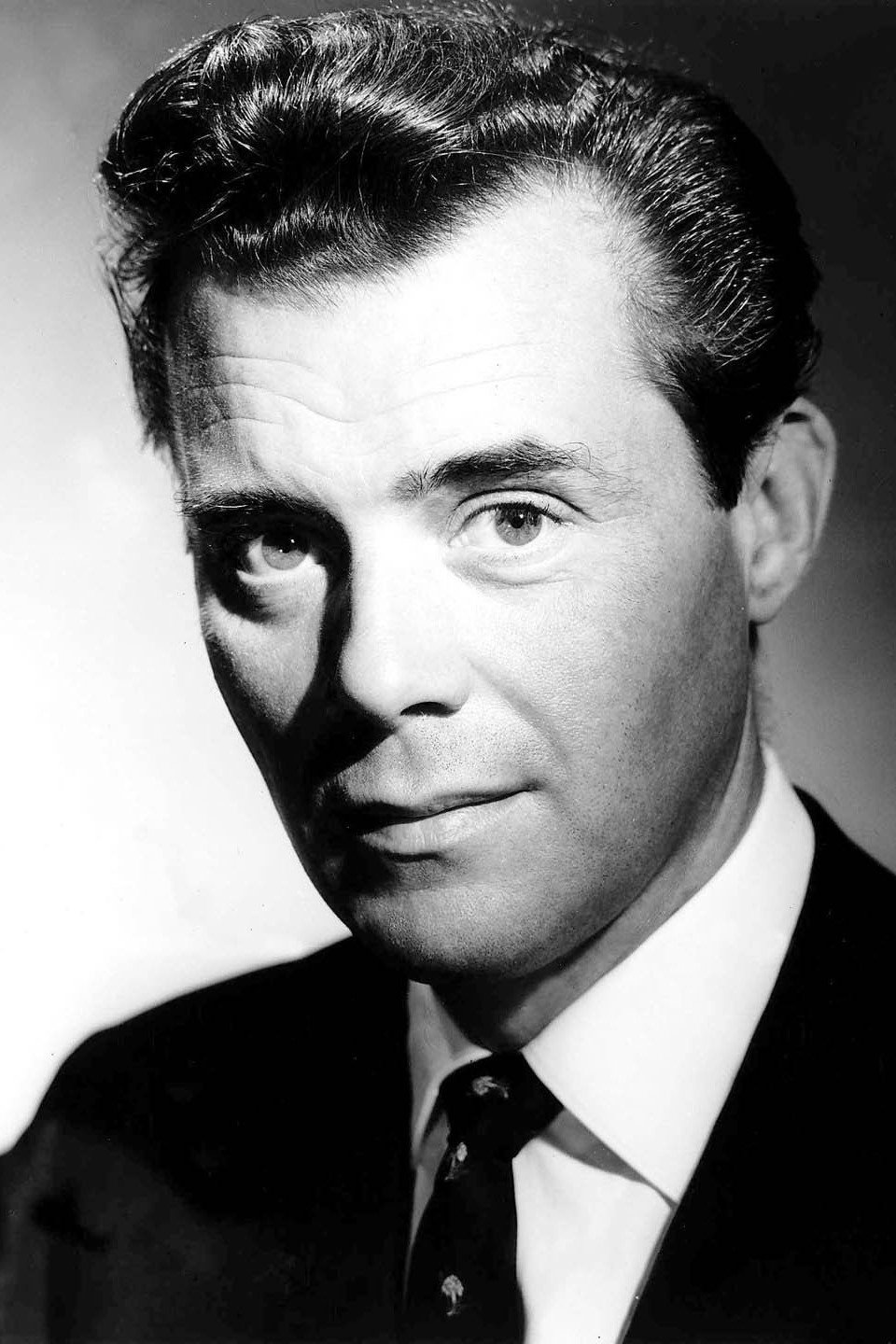
A superstar of British cinema, Bogarde was often cast as a matinee idol, a label he despised and eventually dismantled by taking on controversial roles. He famously starred in ‘Victim’ (1961), the first British film to sympathetically address homosexuality and blackmail, risking his career to challenge the status quo. Despite living with his partner Anthony Forwood for decades, Bogarde never publicly came out, maintaining a “private” persona to survive in the industry. His move to European art cinema was largely a reaction to the limitations placed on him by the commercial film world.
Richard Chamberlain
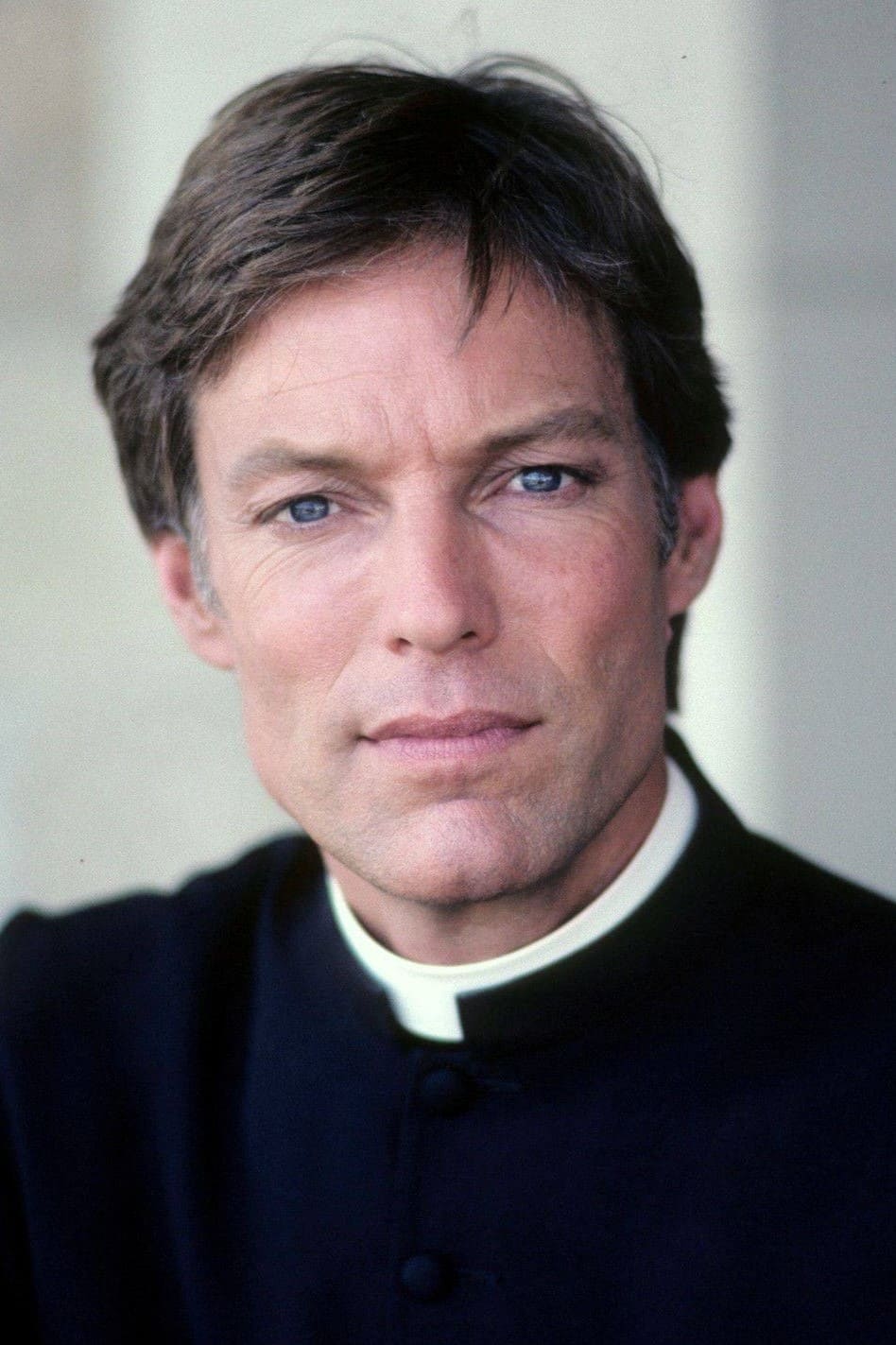
In the 1980s, Chamberlain was the undisputed king of the television miniseries, starring in hits like ‘The Thorn Birds’ (1983). He spent the majority of his career aggressively guarding his privacy, fearing that coming out would destroy his credibility as a romantic lead. It was not until 2003, in his memoir, that he finally confirmed he was gay, long after his peak stardom. The industry’s rigid refusal to accept an out leading man forced him to live in fear during his most successful years.
Farley Granger
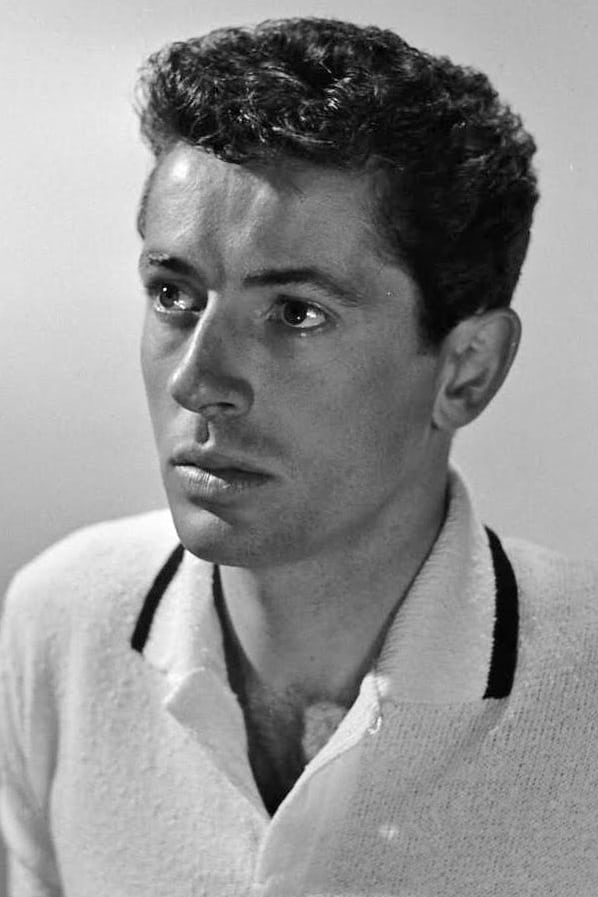
Granger starred in Alfred Hitchcock classics like ‘Rope’ (1948) and ‘Strangers on a Train’ (1951), films that crackled with homoerotic subtext. He chafed under the studio system’s control and refused to play the publicity game, often buying his way out of contracts to work in theater. Granger was bisexual and had relationships with both men and women, a nuance that the binary mindset of Golden Age Hollywood could not comprehend. He eventually left Hollywood for Italy to escape the suffocating scrutiny of his personal life.
Cesar Romero
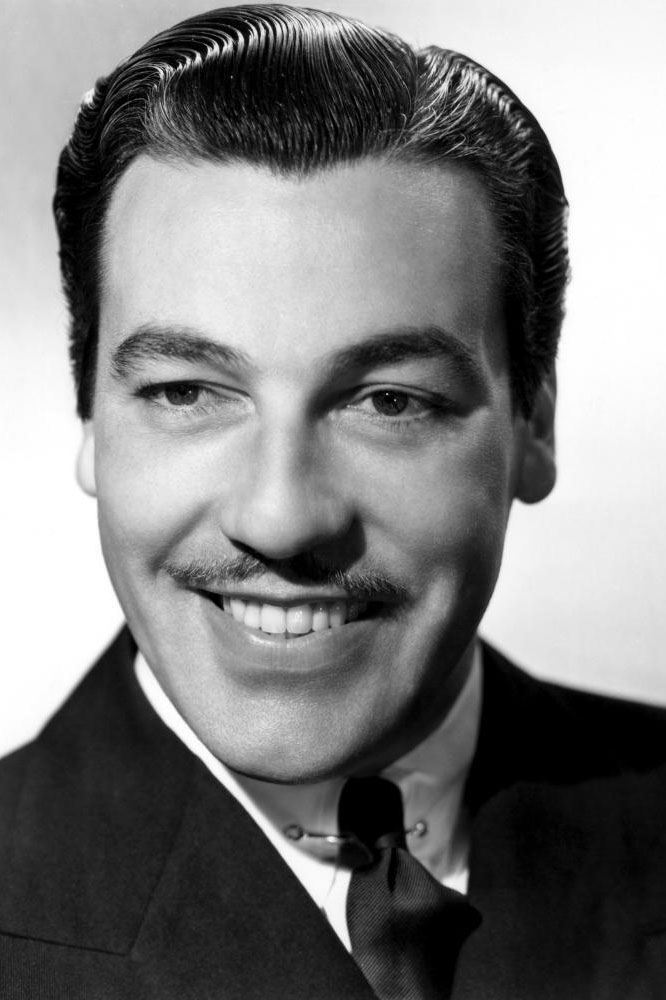
Romero, famous for playing the Joker in the 1960s ‘Batman’ series, was a lifelong bachelor known as a “confirmed bachelor” in the press. He maintained a consistent presence in Hollywood by adhering to the unwritten rule of discretion, never confirming rumors about his sexuality. The industry utilized his charisma and Latin lover image but never allowed him the freedom to be open. Romero’s ability to navigate the system allowed him a long career, but always at the cost of personal transparency.
Paul Lynde
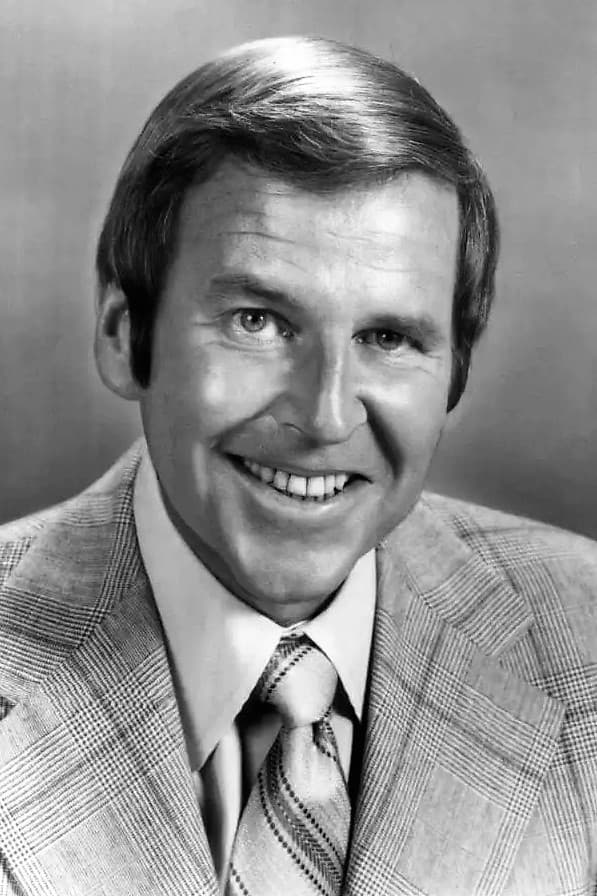
Lynde was a comedic genius whose campy persona was a staple of ‘Bewitched’ (1964–1972) and ‘Hollywood Squares’, yet he was perpetually relegated to the “funny uncle” archetype. Executives exploited his flamboyant humor while keeping him firmly in the closet, never offering him the leading roles his talent warranted. His frustration with being typecast and the need to hide his true self contributed to his well-documented struggles with alcoholism. Hollywood loved the laughter he provoked but refused to respect the man behind the punchlines.
George Takei
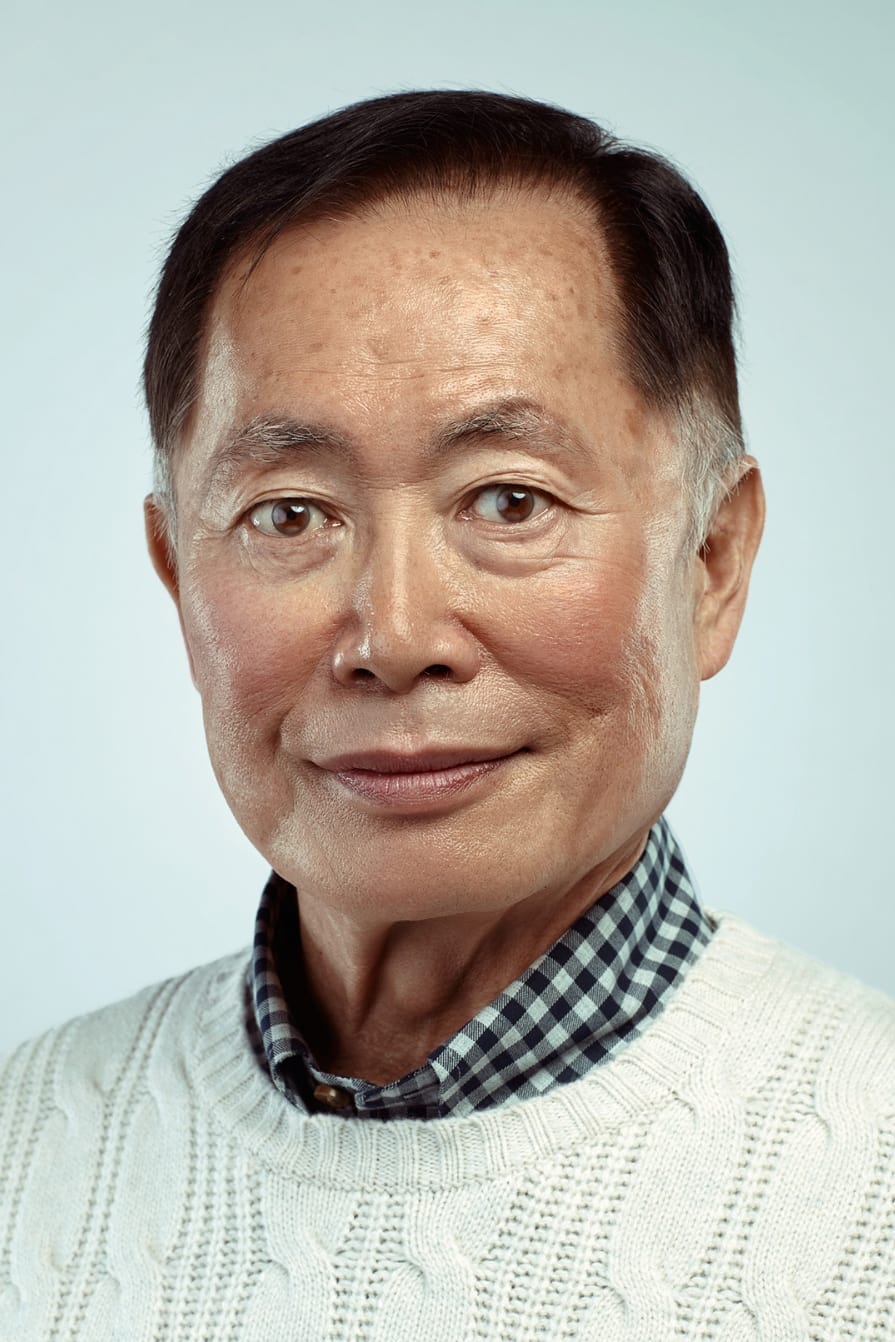
As Hikaru Sulu in ‘Star Trek’ (1966–1969), Takei broke racial barriers, but he remained silent about his sexuality to protect his career. He lived in fear that being gay would ruin his opportunities in an industry that was already difficult for Asian-American actors. Takei only came out publicly in 2005, reinventing himself as an activist and social media icon. His decades of silence highlight how Hollywood’s restrictive environment forced actors to choose between representation and livelihood.
Rupert Everett
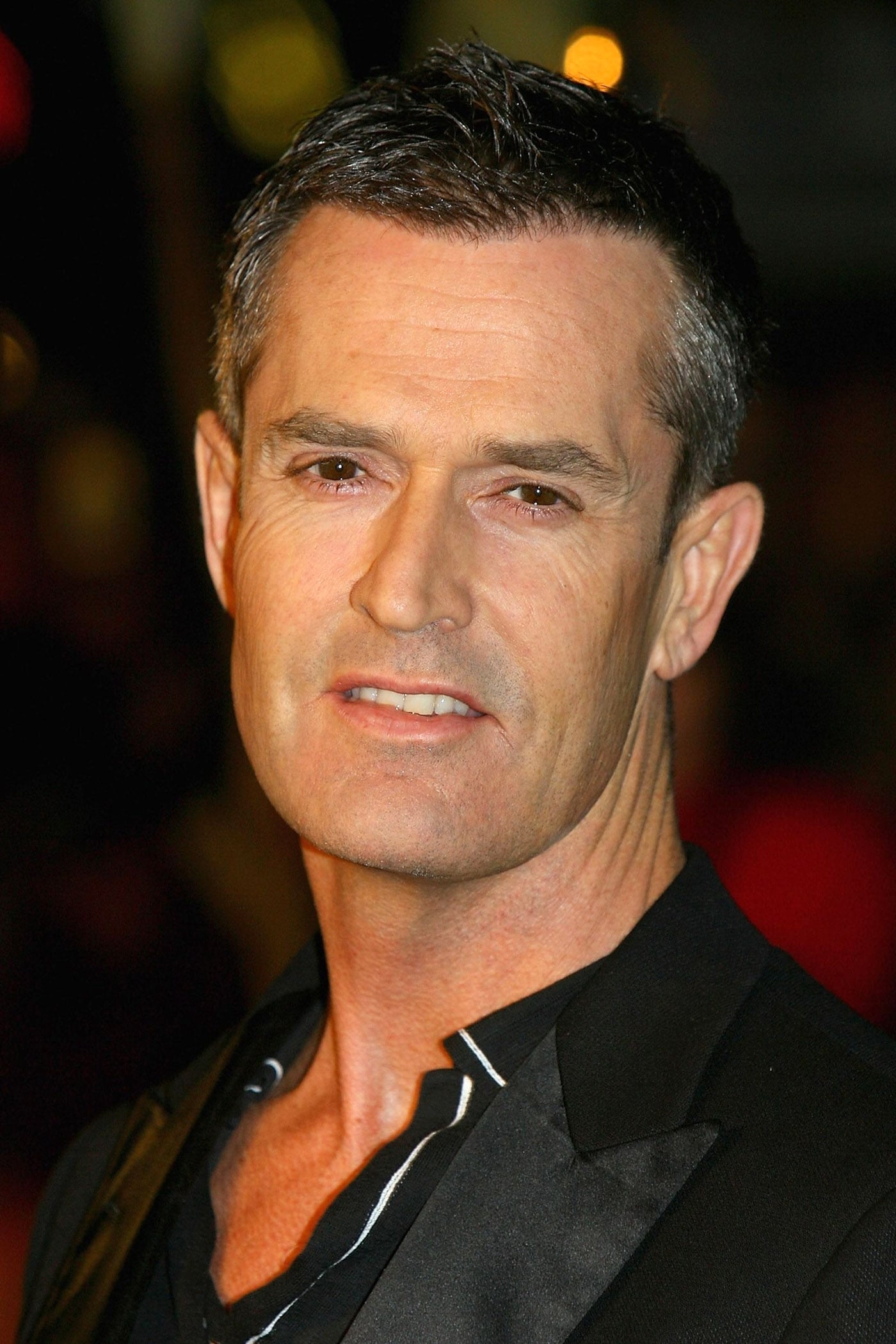
Everett was a rising star with hits like ‘My Best Friend’s Wedding’ (1997), but he has been vocal about how coming out damaged his trajectory as a leading man. He stated that after revealing his sexuality, the studio offers for romantic leads dried up, relegating him to supporting parts or gay-specific roles. Everett has frequently criticized the industry’s hypocrisy, noting that straight actors win awards for playing gay characters while gay actors are denied straight roles. His career stall serves as a modern example of the “glass closet” in action.
Nigel Hawthorne
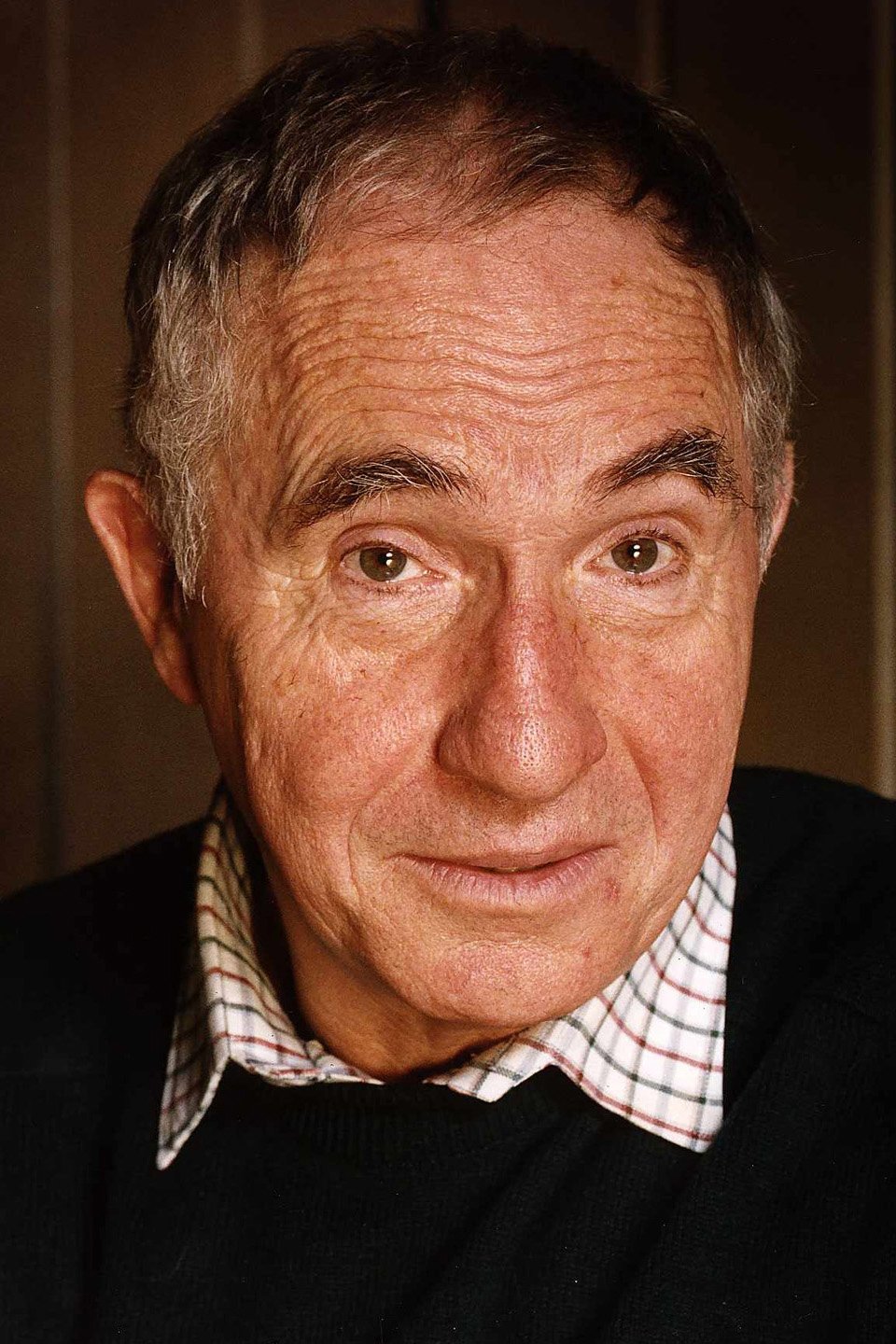
The esteemed British actor was involuntarily outed during the Oscar campaign for ‘The Madness of King George’ (1994). The media scrutiny overshadowed his brilliant performance, and he expressed frustration at his privacy being invaded for the sake of a narrative. Although he attended the Academy Awards with his partner, the incident revealed Hollywood’s obsession with an actor’s sexuality over their craft. Hawthorne continued to work, but the outing remained a sore point that colored the perception of his later years.
Ian McKellen
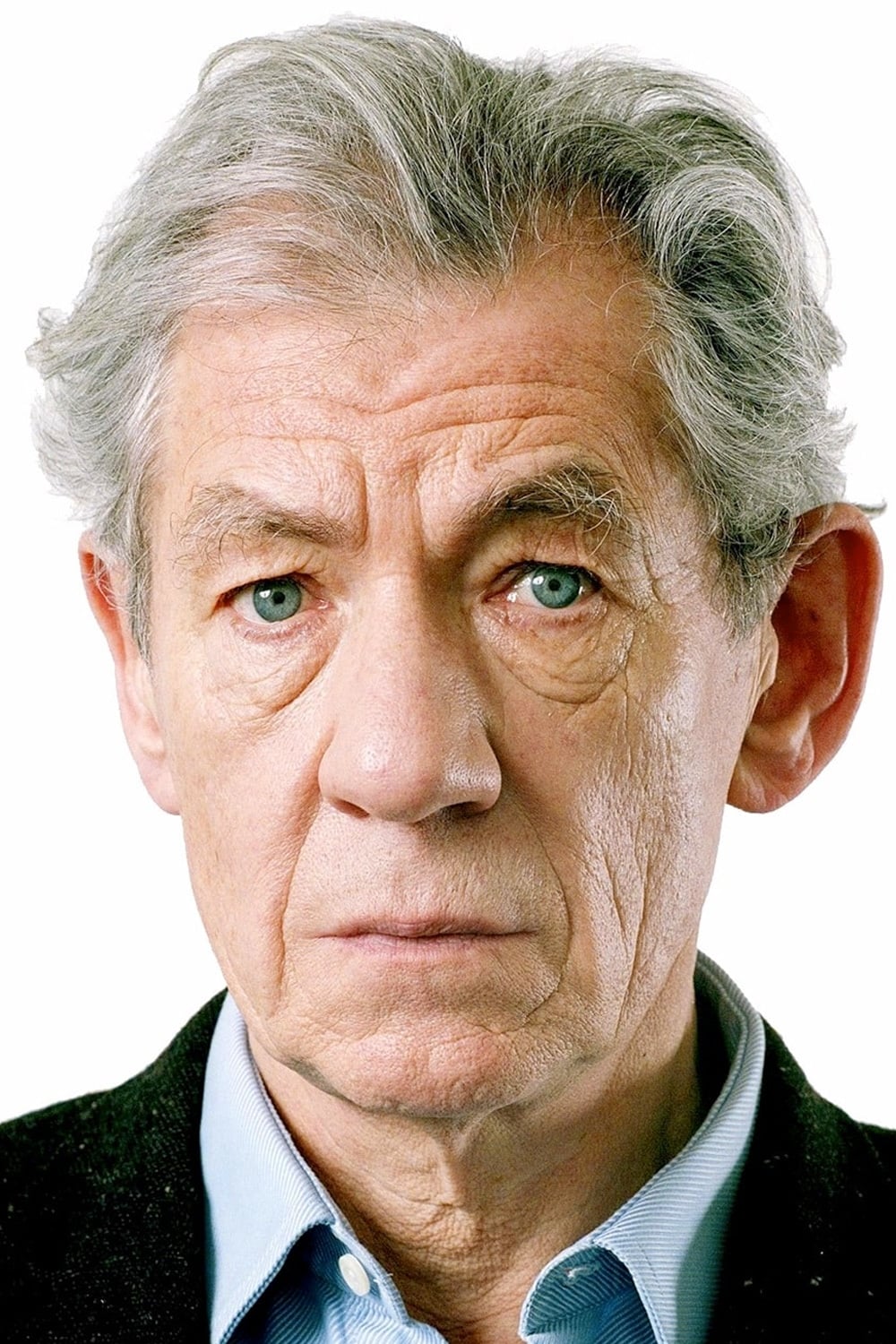
Before becoming a global icon as Gandalf and Magneto, McKellen focused largely on theater, partly because film roles for openly gay men were nonexistent in his youth. He came out publicly in 1988 to fight against Section 28, a British anti-gay law, risking his career at a pivotal moment. While he eventually found massive success, his earlier years in cinema were limited by an industry that would not have known what to do with an out actor. His late-career boom proves how much talent was potentially underutilized in his younger decades.
Nathan Lane
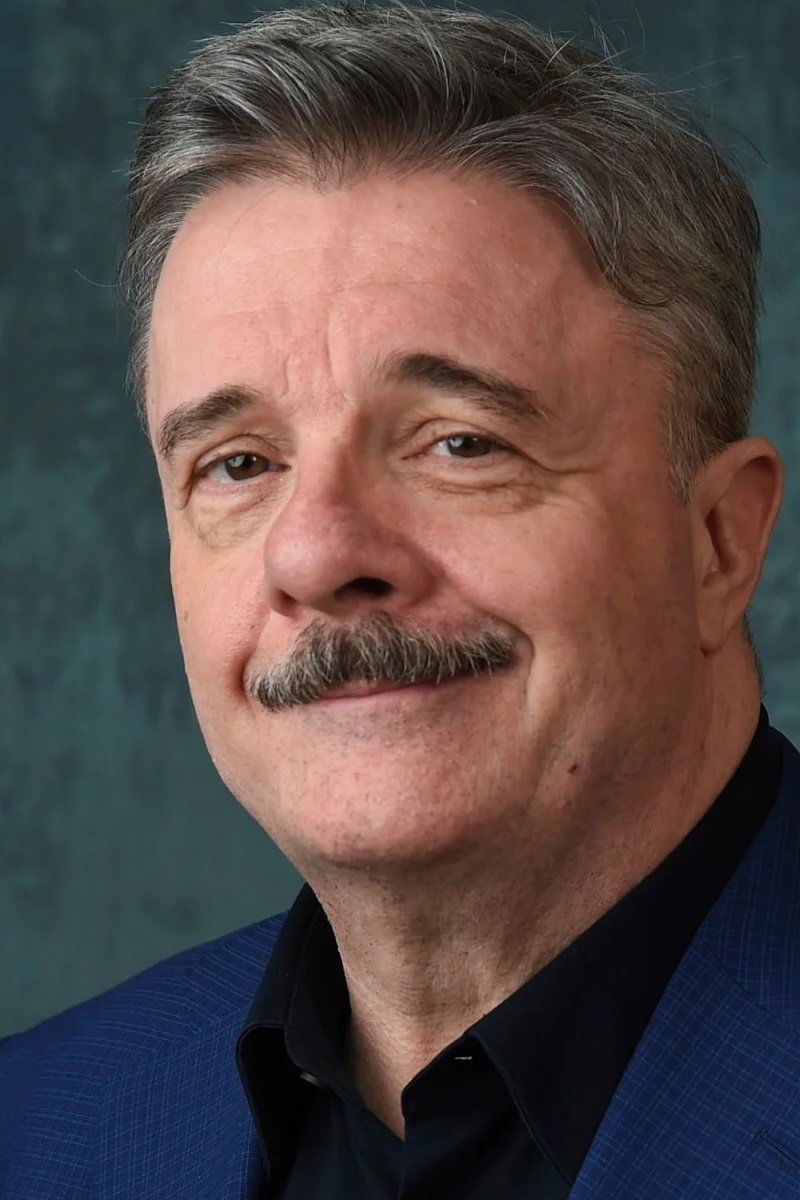
Lane is a titan of the theater, but in Hollywood, he struggled for years to break out of the comedic sidekick box. Despite the success of ‘The Birdcage’ (1996), he found it difficult to be considered for serious dramatic roles on screen. He famously hesitated to come out publicly during the early part of his fame, fearing it would confirm the industry’s bias and limit his casting opportunities further. Lane has since proven his dramatic chops, but only after decades of navigating narrow industry expectations.
Sean Hayes
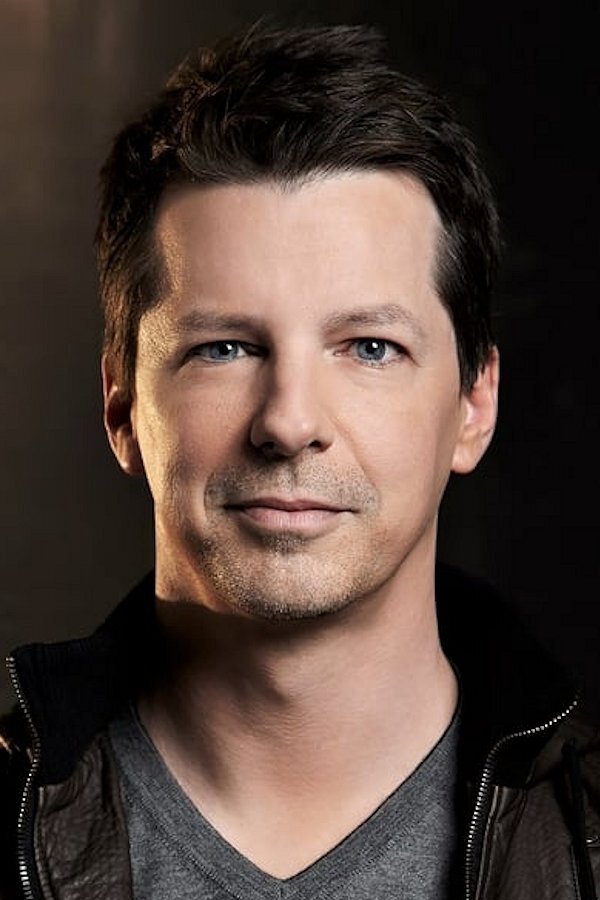
Hayes created an iconic character with Jack McFarland on ‘Will & Grace’ (1998–2006), but the role became a double-edged sword. He faced immense pressure to stay closeted during the show’s initial run to avoid alienating mainstream audiences. After the show ended, he found it difficult to shed the flamboyant persona in the eyes of casting directors, struggling to be seen as a versatile actor. It took years for him to return to prominence and be embraced for his full range of talent.
T. R. Knight
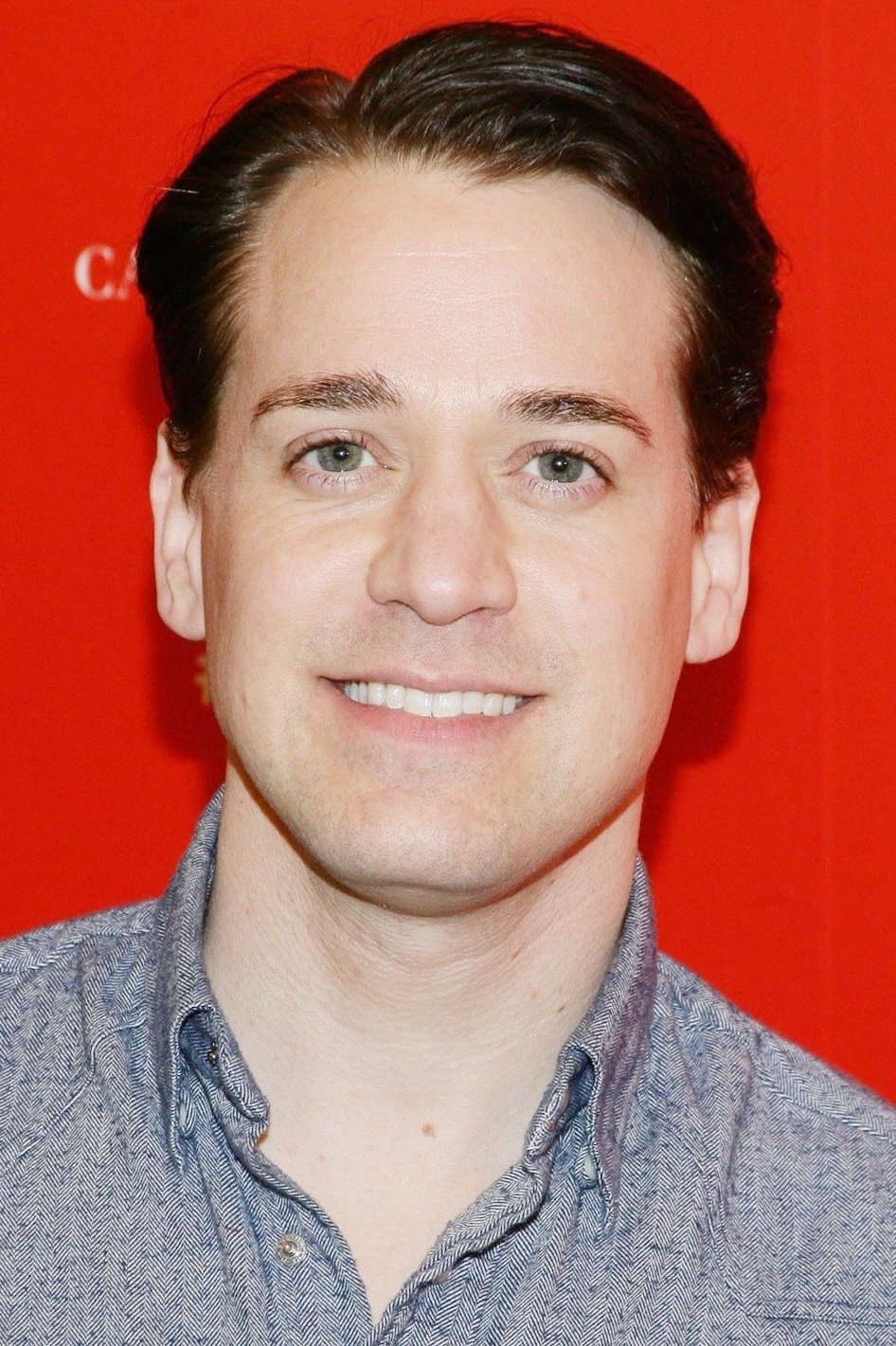
Knight’s exit from ‘Grey’s Anatomy’ (2005–present) was precipitated by a breakdown in communication with executives and a homophobic slur used by a castmate. He felt his character, George O’Malley, was being sidelined after he came out, leading him to ask for a release from his contract. The incident highlighted the lingering discomfort networks had with supporting actors who asserted their identity. Knight walked away from a hit show rather than endure a toxic work environment that failed to support him.
Matt Bomer
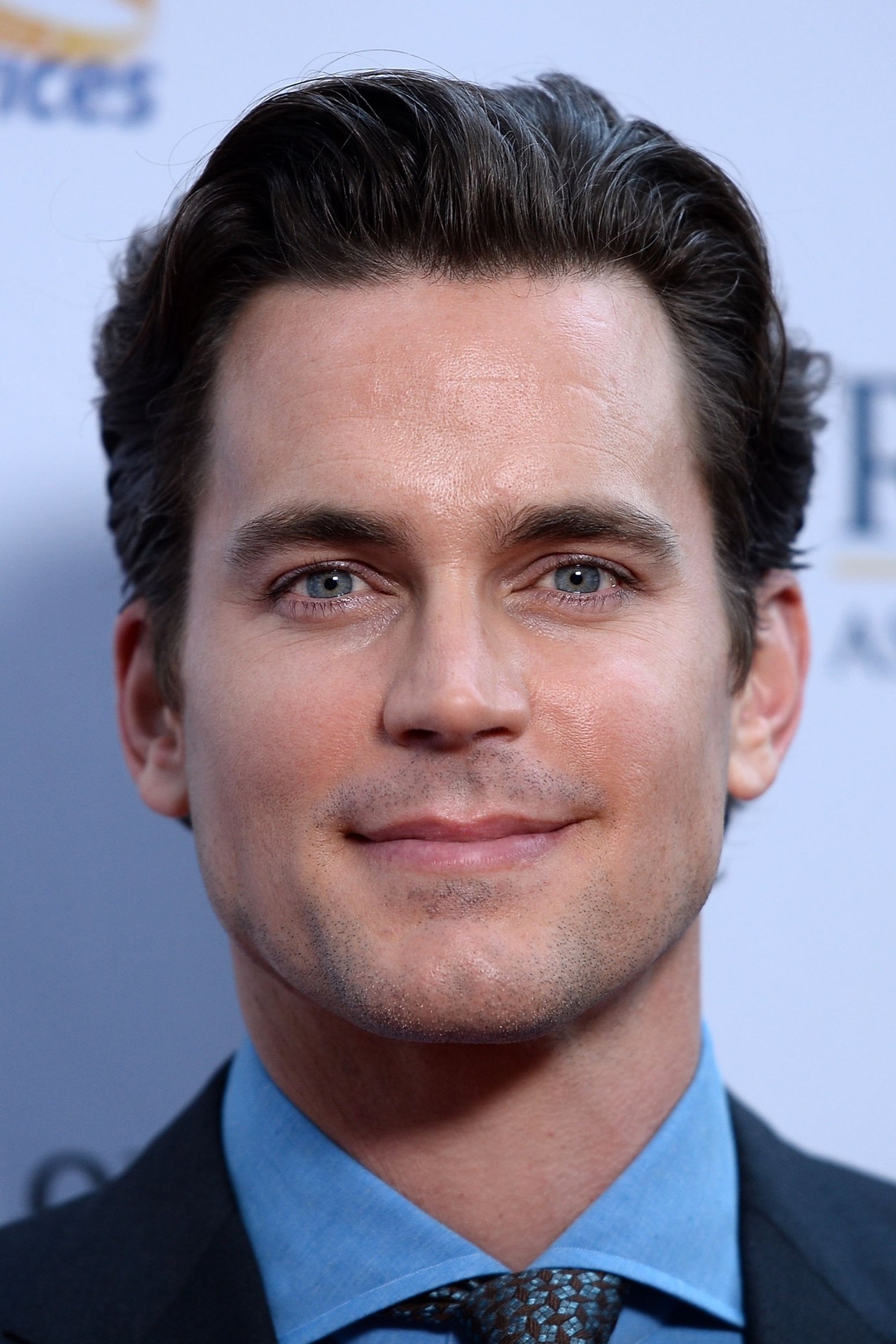
Bomer was a top contender to play Superman in the early 2000s, but he reportedly lost the role after being outed as gay to producers. Author Jackie Collins and Bomer himself have suggested that his sexuality was “weaponized” against him during the casting process for the unproduced film ‘Superman: Flyby’. He was forced to remain in the closet for years to secure leading roles in shows like ‘White Collar’. His experience underscores the industry’s long-standing belief that an openly gay man could not be an action hero.
Luke Evans
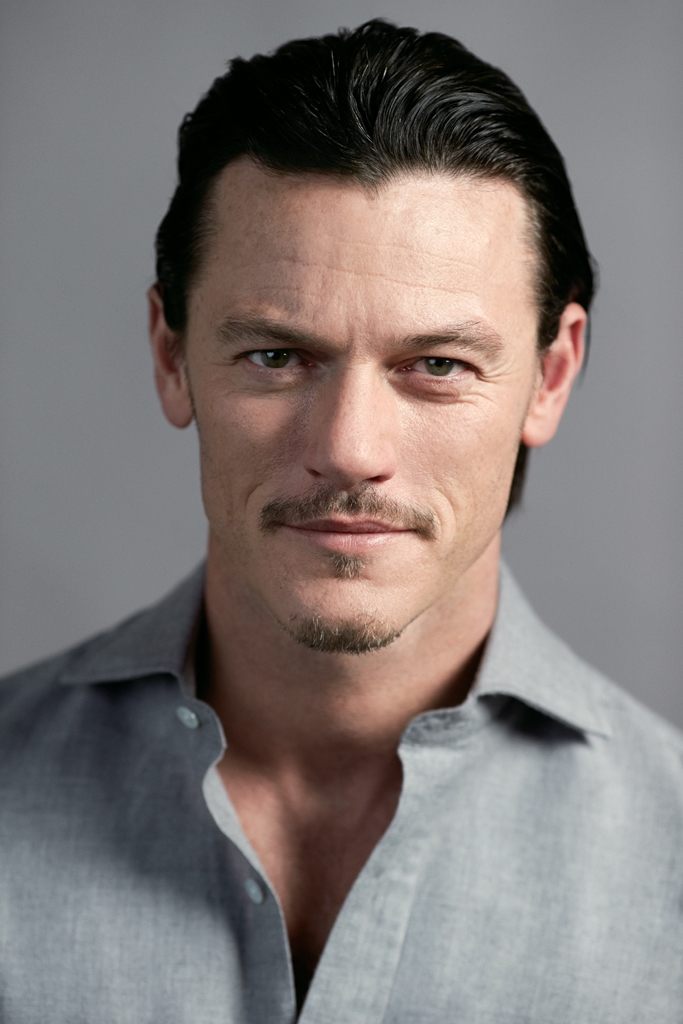
Evans has built a successful career as an action star in films like ‘The Hobbit’ and ‘Fast & Furious’, but his journey involved a complex dance with the closet. Early in his career, he was open about his sexuality in London theater circles, but he became more private and ambiguous as he transitioned to Hollywood blockbusters. The industry pressured him to soften his image to be palatable as a masculine action hero. He has since lived openly, but his path required a period of strategic silence to get his foot in the door.
Lee Pace
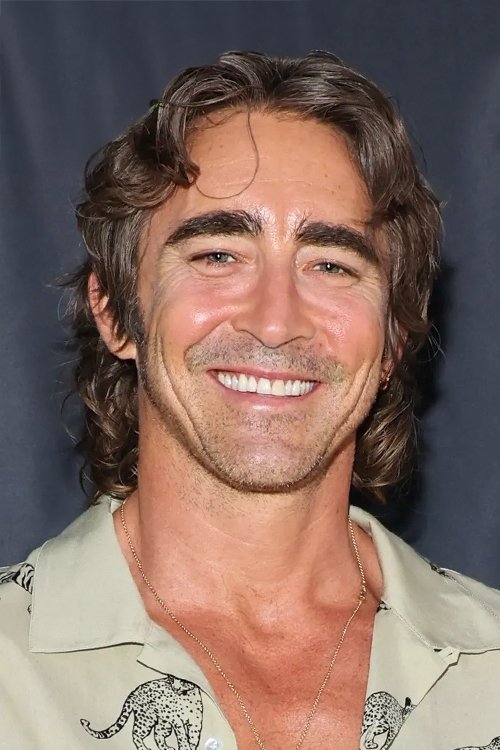
Pace was effectively outed by his co-star Ian McKellen during an interview in 2012, years before he addressed it himself. The actor felt pressured to maintain an air of mystery to preserve his ability to play diverse roles, including romantic leads in ‘Pushing Daisies’ and ‘Halt and Catch Fire’. When he finally spoke about it, he expressed frustration with the intrusive nature of the media’s questioning. Hollywood’s demand for actors to perform their sexuality for the press made his desire for privacy difficult to maintain.
Colton Haynes
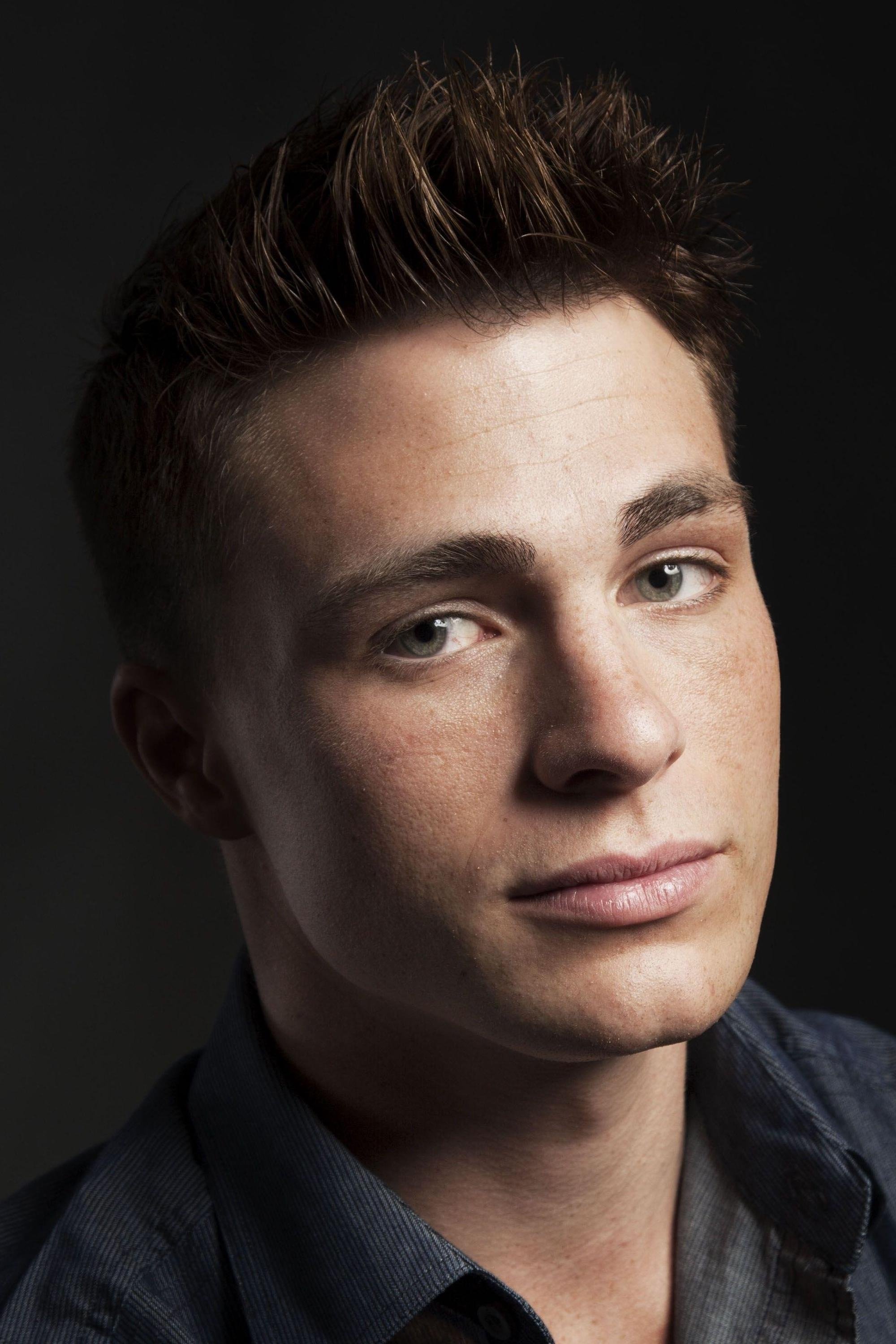
Haynes rose to fame on ‘Teen Wolf’ and ‘Arrow’, but behind the scenes, he was suffering from severe anxiety due to management’s instructions to stay closeted. He was told that coming out would end his career, leading him to check into rehab to cope with the mental toll. The pressure to maintain a facade for the sake of his teen heartthrob image nearly broke him. His story exposed the ruthless machinery that still operates to control young actors’ personal lives.
Billy Porter
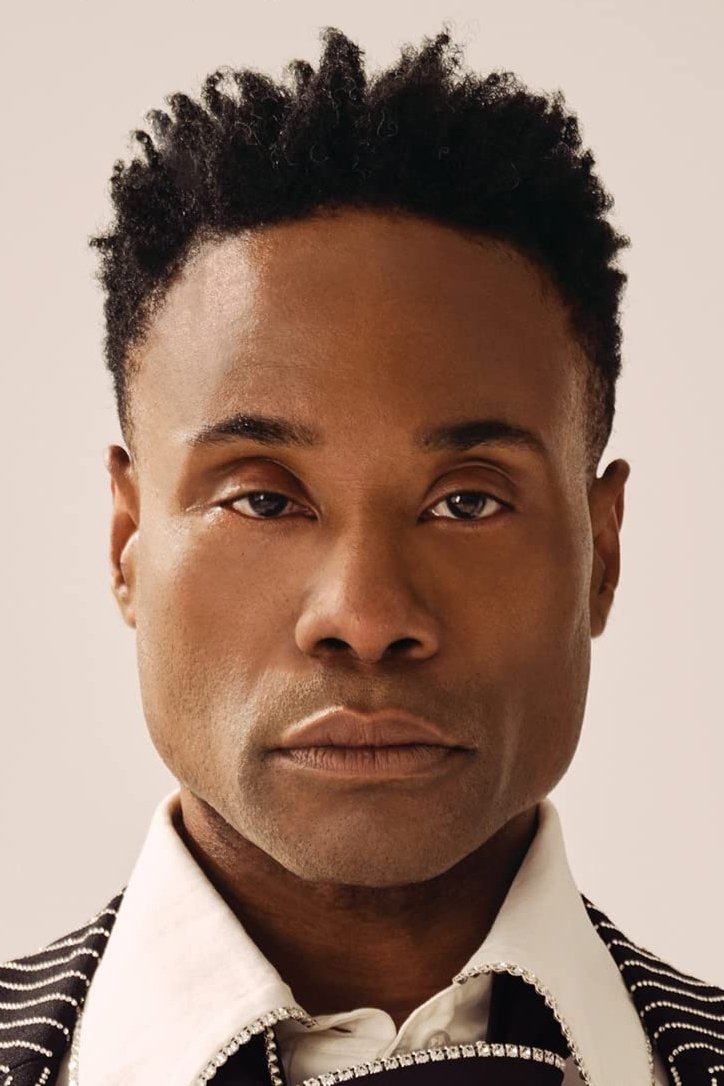
Porter spent decades on the periphery of the industry, told repeatedly that his flamboyant style and black, gay identity made him unmarketable. He struggled to find work that didn’t demand he tone down his natural persona, leading to a long period of stagnation and bankruptcy. It was not until ‘Pose’ (2018–2021) that a role finally celebrated his authenticity, launching him to stardom in his 50s. Hollywood’s failure to imagine a space for him sooner denied audiences his immense talent for years.
Elliot Page
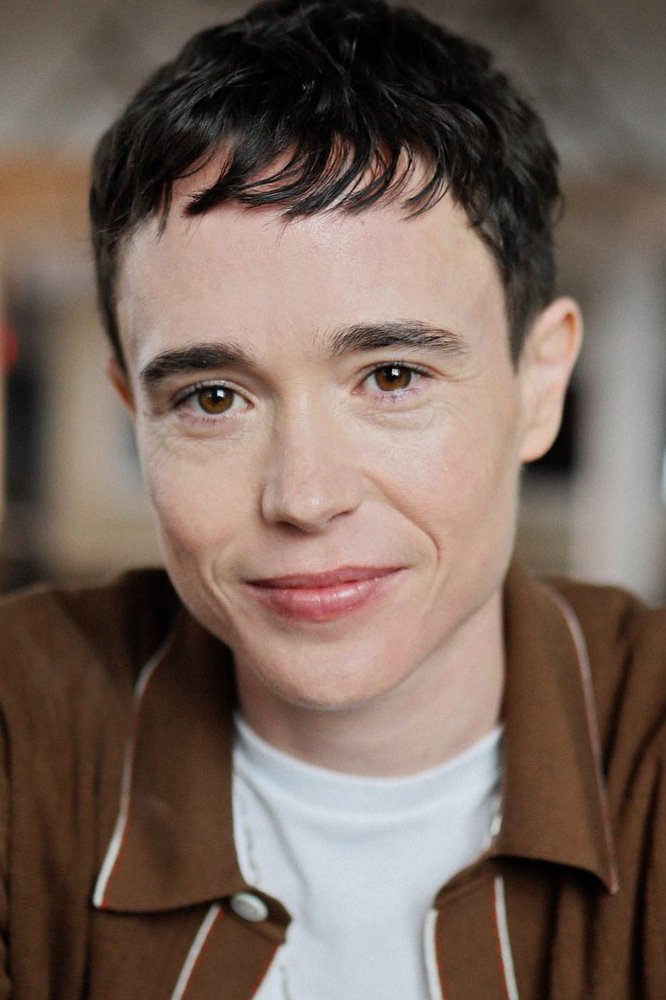
Before transitioning, Page was one of Hollywood’s brightest young stars, yet he suffered deeply under the industry’s rigid gender expectations. He was forced to wear dresses and heels for red carpet events, which caused him severe distress and panic attacks. The studio system’s insistence on marketing him as a traditional ingénue ignored his visible discomfort and true identity. Page’s eventual transition highlighted just how poorly the industry understands and supports gender-nonconforming talent.
Jonathan Groff
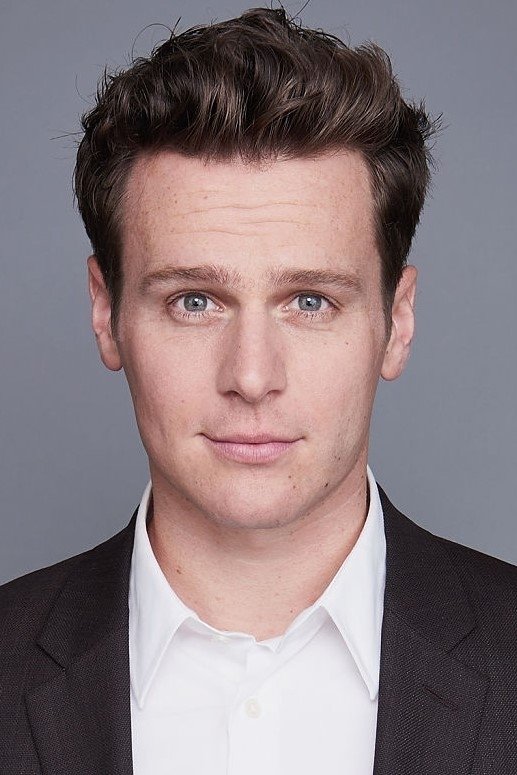
Groff gained fame in ‘Glee’ and ‘Looking’, but found himself typecast early on, with some critics even claiming he was unconvincing in straight roles. An infamous Newsweek article in 2010 asserted that gay actors like Groff could not play straight romantic leads effectively, a sentiment that reflected deep-seated industry bias. He has since defied this with his role in ‘Mindhunter’, but he had to fight against a narrative that sought to pigeonhole him. The industry initially struggled to see him as anything other than a musical theater performer.
Cheyenne Jackson
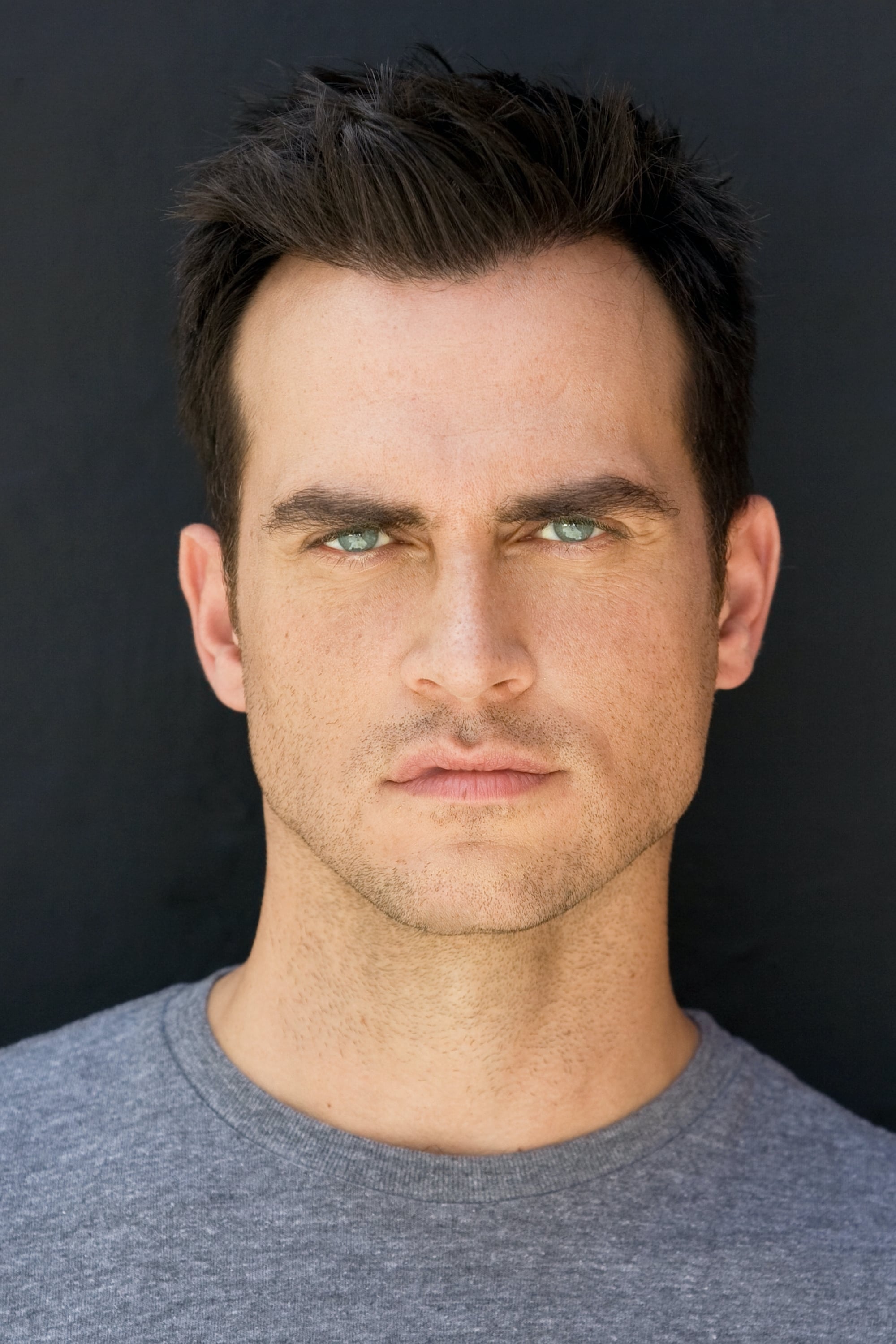
Jackson was advised by industry insiders to stay in the closet if he wanted to transition from Broadway to film and television. He chose to be open, which he admits likely cost him major blockbuster roles that went to straight actors or those still in the closet. He has carved out a successful career as a character actor, but the “leading man” opportunities were often withheld. Hollywood’s hesitation to cast him as a primary romantic lead reflects its lingering conservatism.
Wilson Cruz
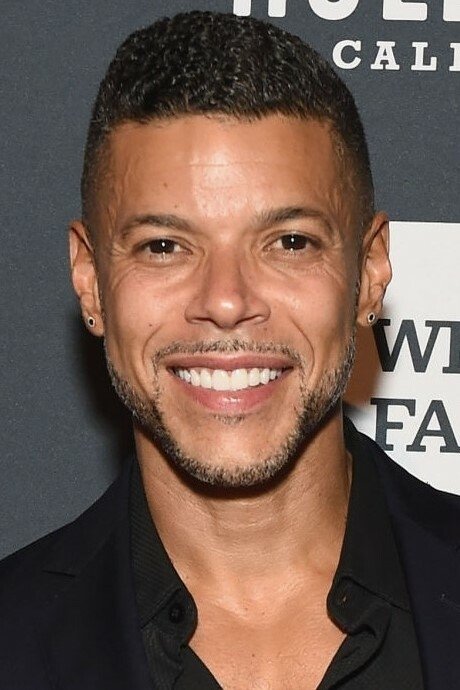
Cruz broke ground playing the gay teen Rickie Vasquez on ‘My So-Called Life’ (1994–1995), but found consistent work difficult to come by afterward. The industry celebrated the character’s historic nature but had few roles for the actor himself, leaving him to struggle for years. He often faced the dilemma of being “too gay” for straight roles and “not gay enough” for caricatures. It took the television landscape decades to catch up to the visibility he offered in the 90s.
Alan Cumming
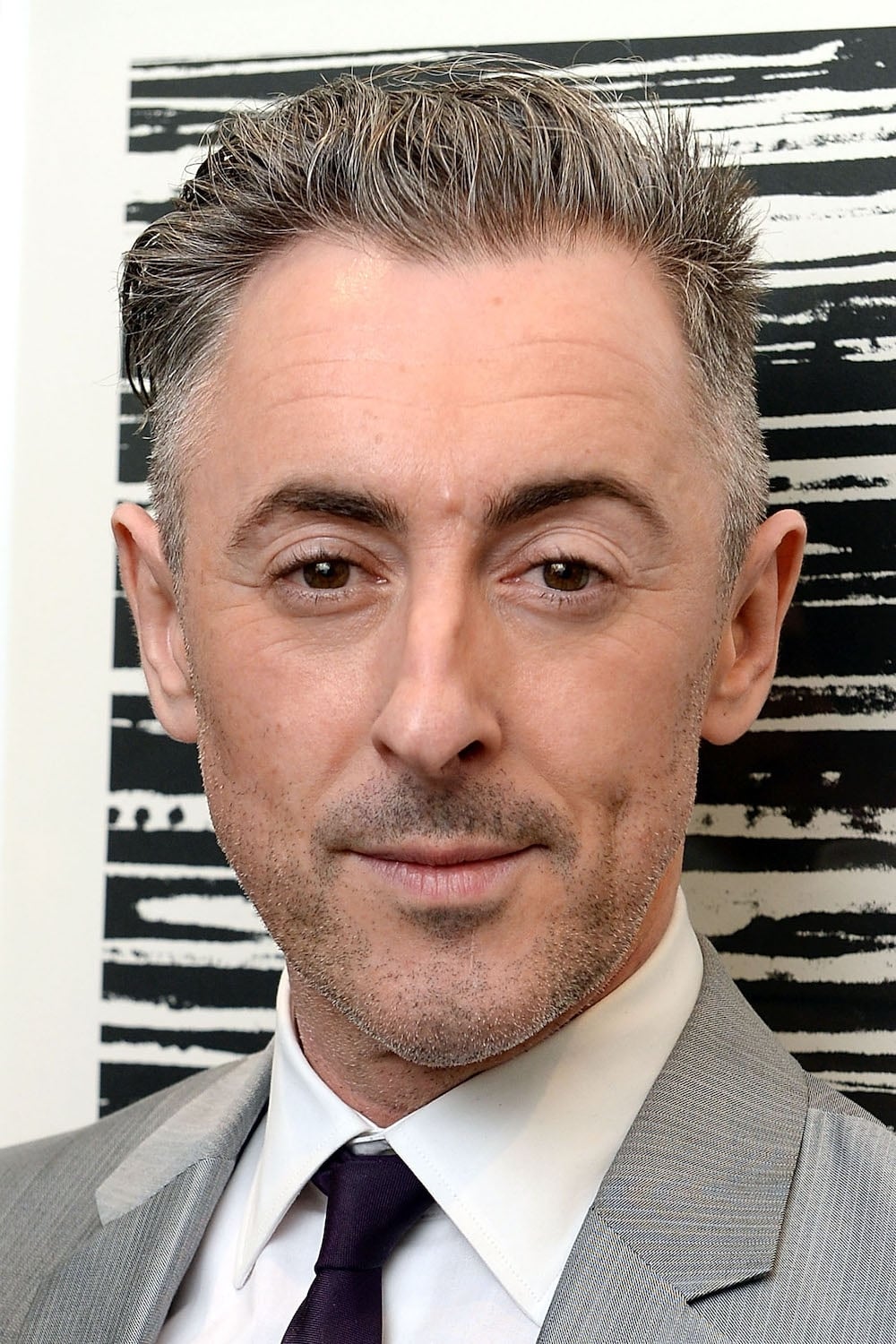
Cumming is a dynamo of talent, yet Hollywood has largely relegated him to roles as eccentric villains or comic relief. Despite his range, the industry rarely considered him for the traditional leading man parts that his straight peers received. He has spoken about the “weird” ambition of Hollywood to homogenize actors, something he actively resisted. His refusal to tone down his queerness meant he was often sidelined into niche categories.
Harvey Fierstein
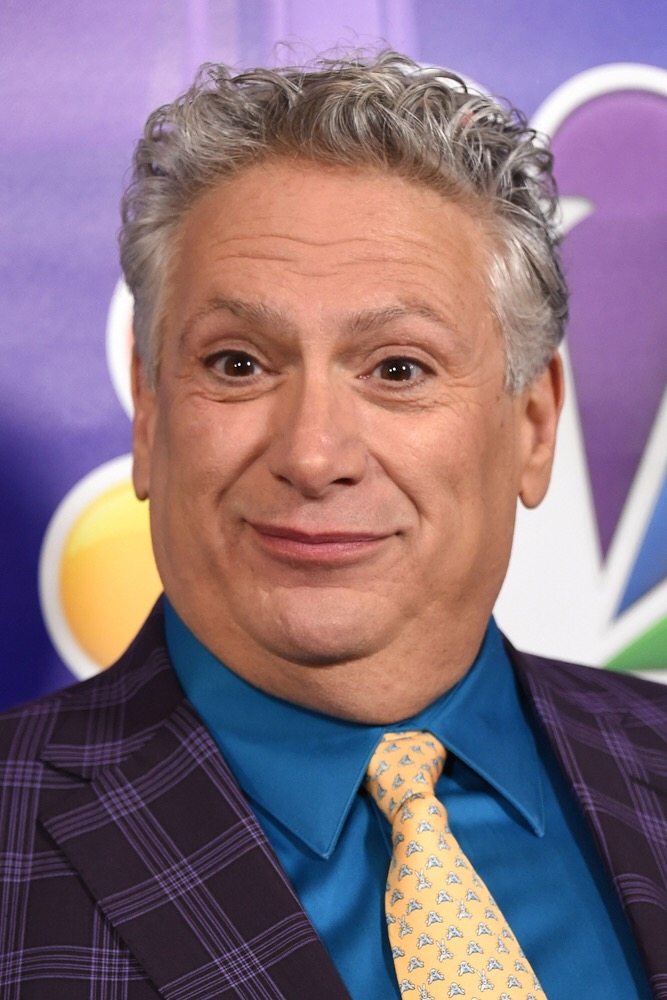
With his gravelly voice and larger-than-life persona, Fierstein was an icon of gay theater who found Hollywood largely inhospitable. Studios were happy to use him for voice work or exaggerated cameos, but rarely offered him substantial on-screen characters that weren’t punchlines. He had to write his own material, such as ‘Torch Song Trilogy’, to create roles that treated him with dignity. The industry’s inability to see him as a dramatic actor beyond his unique voice wasted his potential for years.
Share your thoughts on these actors and the industry’s history in the comments.

