


LGBTQ+ Actors Who Are Against AI Usage

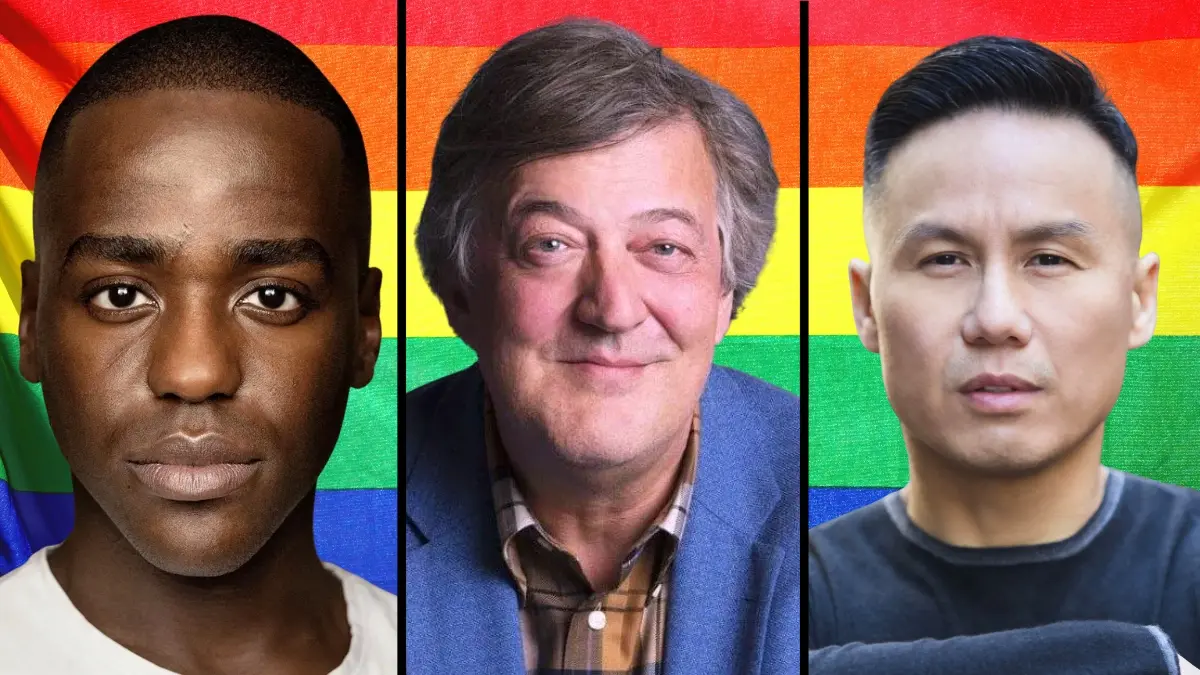


The 2023 SAG-AFTRA strike marked a turning point in Hollywood history, with artificial intelligence becoming a central battleground for performers’ rights. As studios proposed using digital replicas and generative AI to replace human creativity, actors across the industry rallied to protect their livelihoods and artistry. Many prominent LGBTQ+ male actors were at the forefront of this movement, using their platforms, walking picket lines, and signing open letters to demand strict regulations on AI usage. From legendary stage veterans to rising television stars, these performers have made it clear that they believe human emotion and lived experience cannot be replicated by an algorithm.
Stephen Fry
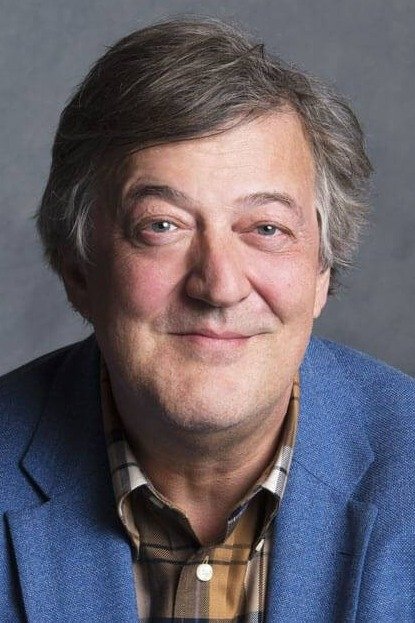
The celebrated British actor and narrator became a vocal critic of AI after discovering his voice from the ‘Harry Potter’ audiobooks had been stolen. Fry revealed at a technology festival that an AI system had been trained on his narration to create a synthetic voice for a documentary without his permission. He warned the industry that this unauthorized usage was just the beginning, describing the technology’s potential as a “weird time to be alive.” His experience highlighted the immediate dangers of voice cloning for voice-over artists and actors alike.
Billy Porter
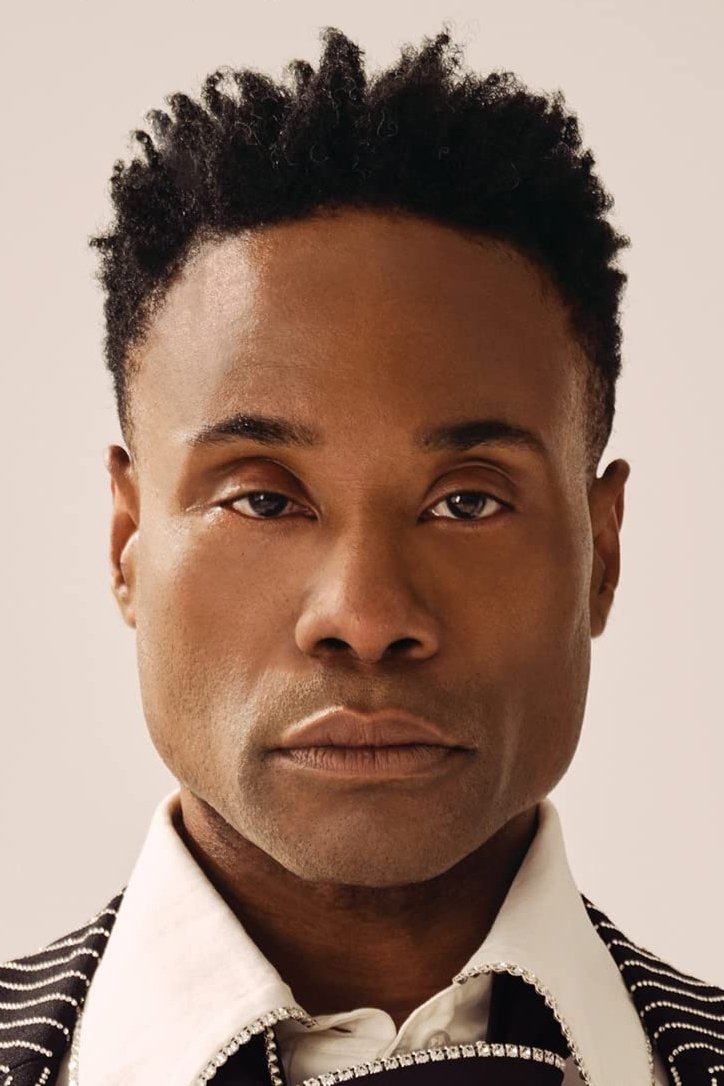
The ‘Pose’ star was one of the most impassioned voices during the SAG-AFTRA strike, specifically calling out studio executives for their stance on AI and residuals. Porter revealed in an interview that he had to sell his house due to the work stoppage, emphasizing that actors were fighting for their survival against corporate greed and technological replacement. He criticized the industry’s attempt to “starve out” performers while investing in AI technologies that could render them obsolete. His raw honesty brought national attention to the financial realities faced by working actors.
Zachary Quinto
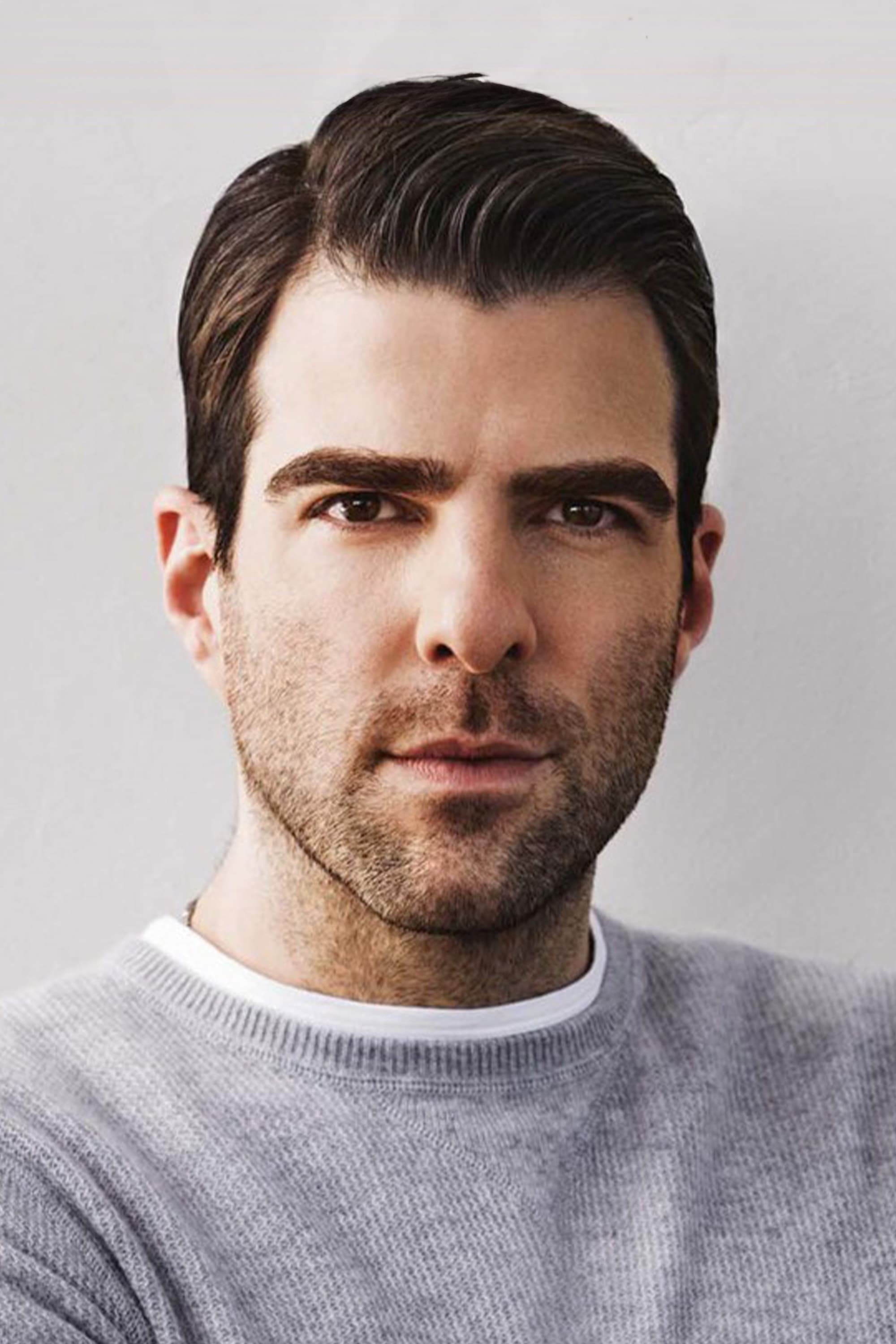
Known for his roles in ‘Star Trek’ and ‘American Horror Story’, Quinto was a staunch supporter of the union’s fight against unregulated AI. He signed a crucial open letter to SAG-AFTRA leadership, urging them not to settle for a deal that left actors vulnerable to digital exploitation. Quinto was frequently seen on the picket lines in New York, using his presence to amplify the message that human performance must be protected. He argued that the use of an actor’s likeness for machine learning without consent was a violation of their rights.
Matt Bomer
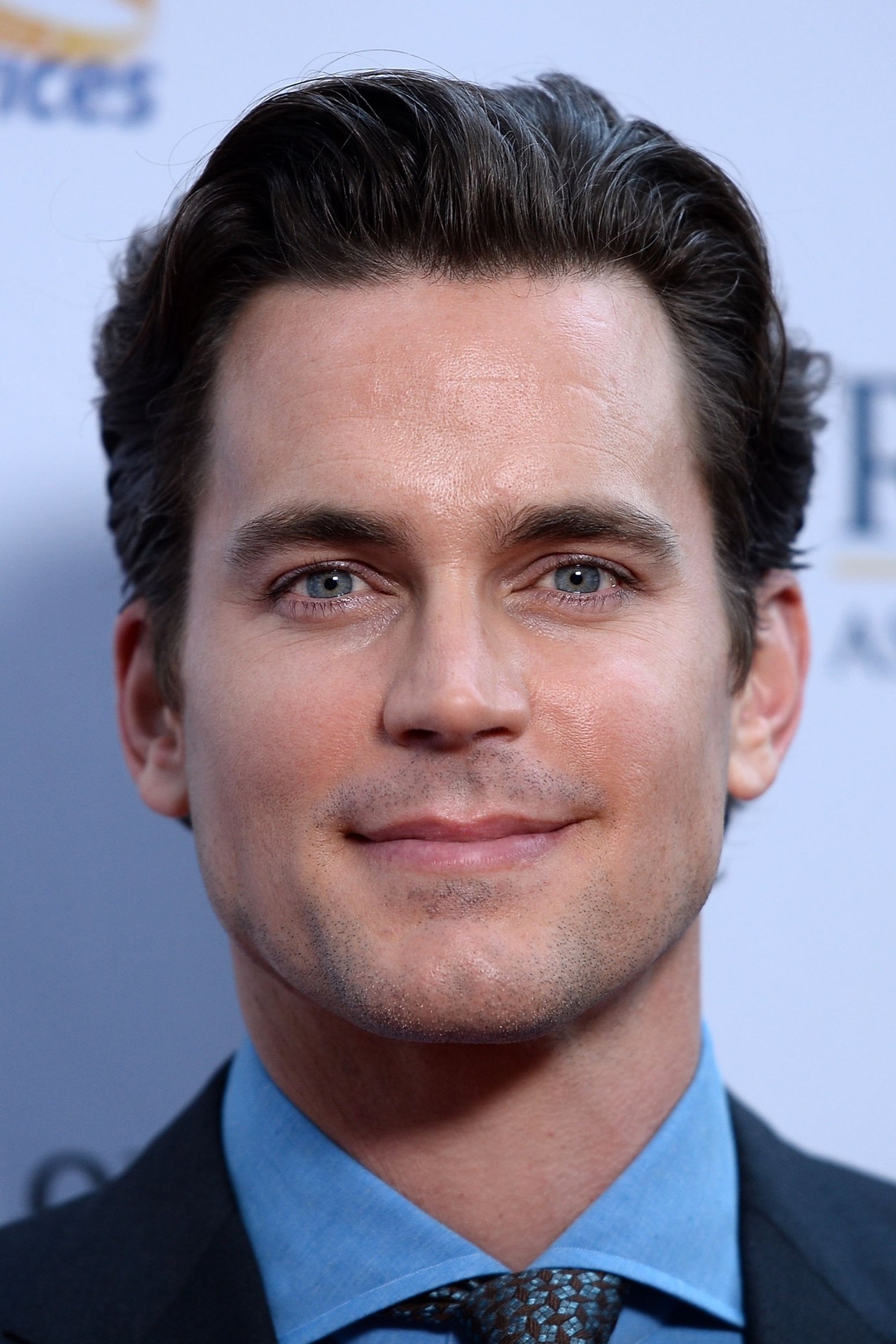
Bomer was a visible presence at strike rallies in Times Square, standing in solidarity with his peers against the encroachment of AI in entertainment. The ‘Fellow Travelers’ actor spoke about the importance of the strike in securing a future where actors own their digital identities. He joined fellow high-profile union members in demanding that studios provide clear compensation and consent frameworks for any use of digital replicas. His advocacy helped underscore that AI protections were a priority for actors at every level of fame.
Ncuti Gatwa
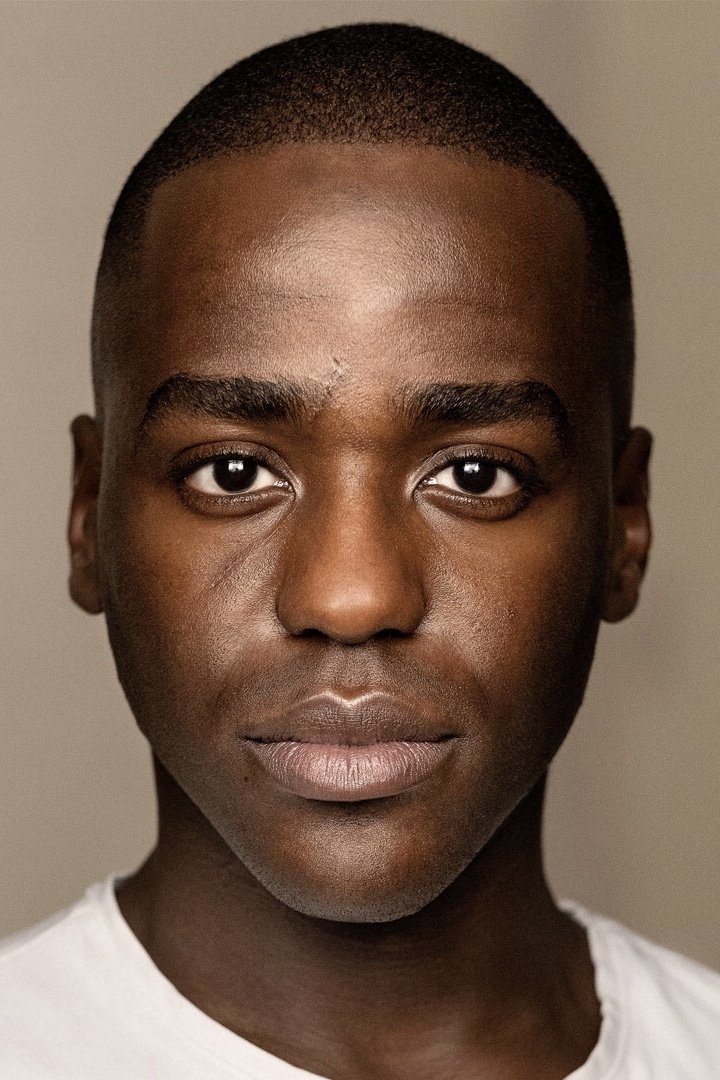
The ‘Doctor Who’ star has publicly expressed his distaste for the encroachment of AI into the creative arts. In interviews regarding the future of the industry, Gatwa labeled the use of AI to replicate human performances as “awful.” He has championed the necessity of human connection and soul in storytelling, arguing that machines cannot replicate the nuances of a real actor’s craft. His comments reflect a broader concern among the new generation of talent about preserving the integrity of their work.
Joel Kim Booster
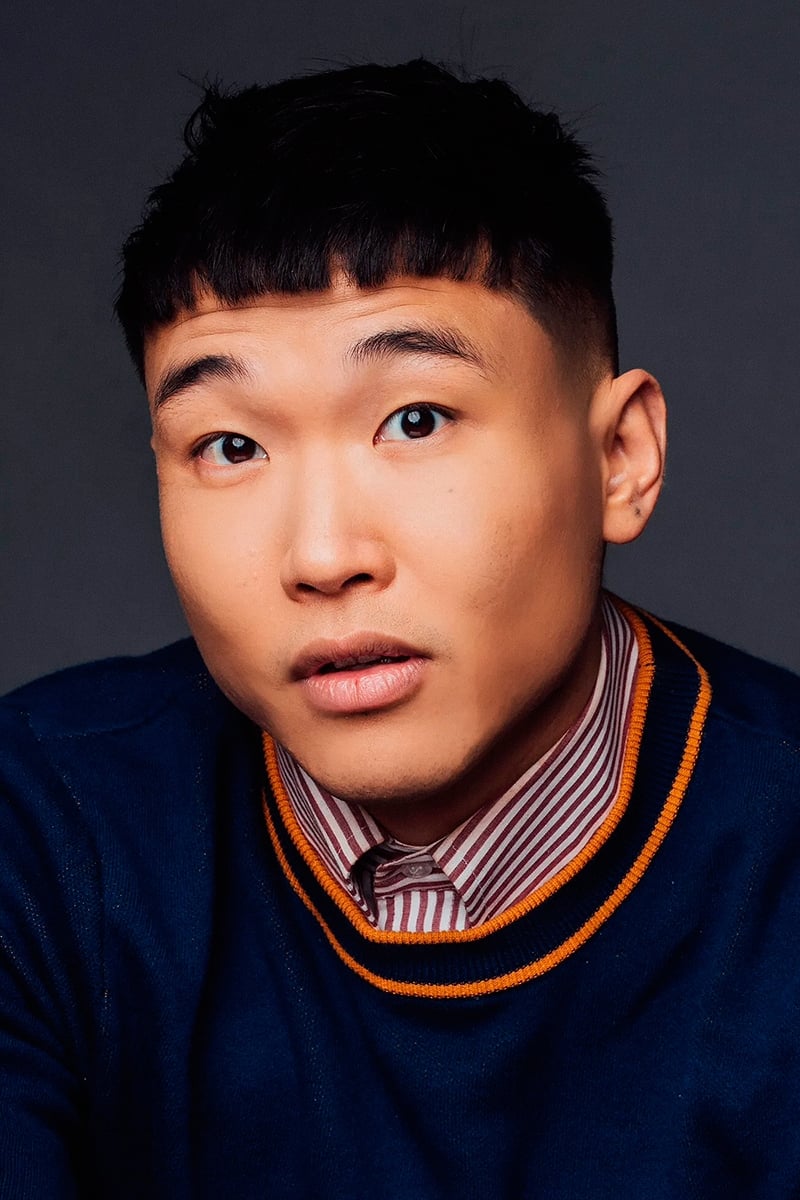
The comedian and star of ‘Fire Island’ used his sharp wit to criticize the industry’s pivot toward artificial intelligence. In red carpet interviews, Booster quipped that if any jobs in Hollywood should be replaced by AI, it should be the studio executives rather than the artists. He argued that while AI might be able to crunch numbers, it cannot replicate the specific, lived experiences that queer artists bring to their storytelling. His humorous but pointed remarks highlighted the absurdity of valuing algorithms over human creativity.
George Takei
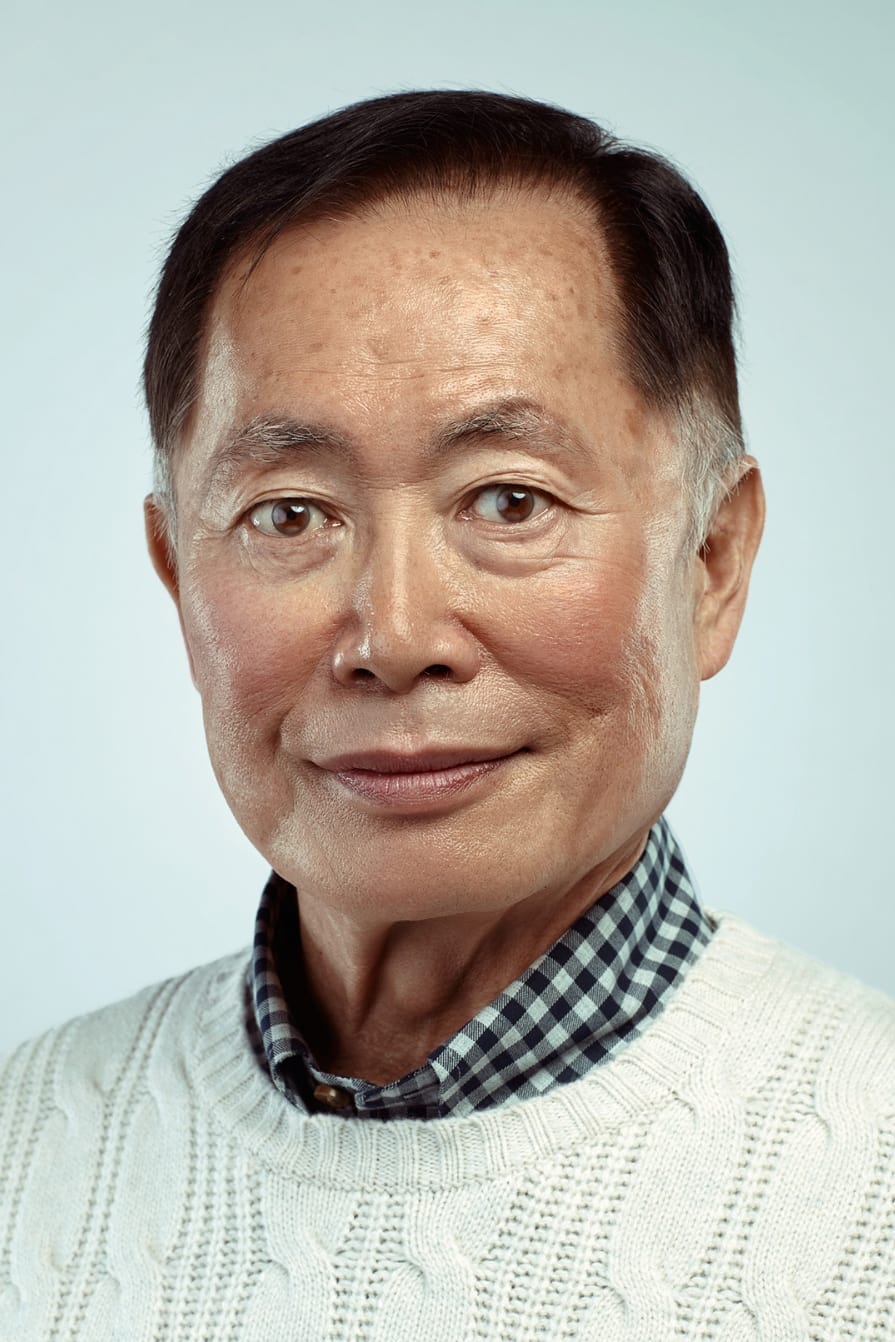
A long-time activist and ‘Star Trek’ legend, Takei has frequently used his massive social media platform to warn against the ethical pitfalls of unchecked technology. He supported the strike’s demands for AI regulation, drawing parallels between the futuristic warnings of science fiction and the current reality of the industry. Takei has consistently advocated for human dignity and rights, extending his activism to include the protection of artists’ voices and likenesses from corporate theft. He views the fight against AI as a necessary evolution of labor rights in the 21st century.
Neil Patrick Harris
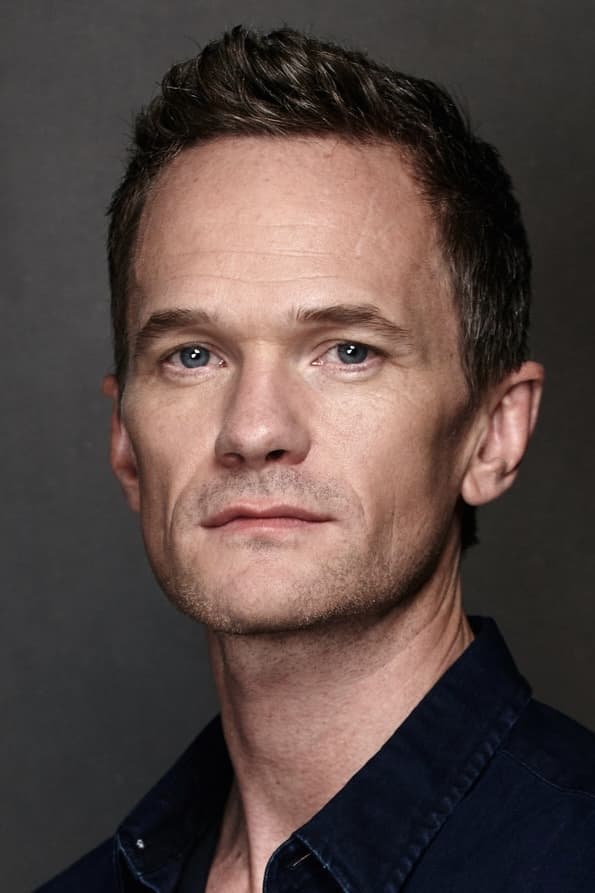
The multi-talented actor was among the high-profile signatories of the open letter to SAG-AFTRA leadership, declaring that he was prepared to strike to ensure a fair contract. This letter specifically cited the “existential threat” of AI and demanded that the union hold the line for robust protections. Harris’s willingness to put his name on the line demonstrated that established stars were united with background actors in the fight against digital replacement. His support helped galvanize the membership during the tense negotiation period.
Wilson Cruz
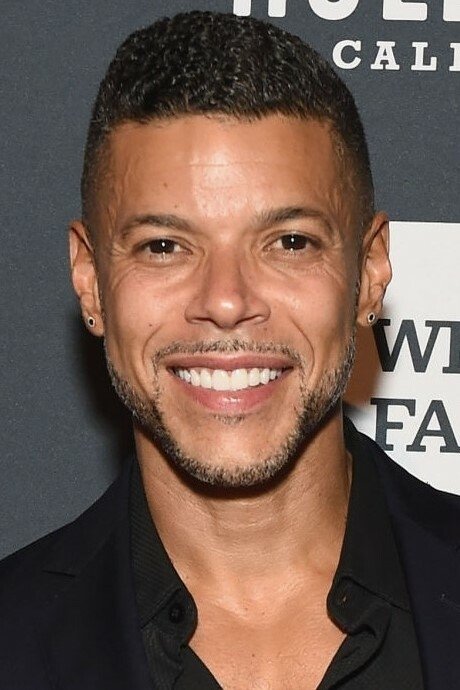
As a dedicated activist and former SAG-AFTRA board member, Cruz was instrumental in mobilizing support for the strike’s core issues, including AI regulation. The ‘Star Trek: Discovery’ actor was a constant presence on the picket lines, articulating how AI posed a unique threat to marginalized communities whose stories rely on authentic representation. Cruz argued that allowing machines to generate performances would strip the humanity from characters that require empathy and lived truth. He remains a leading voice in the intersection of LGBTQ+ advocacy and labor rights.
Bowen Yang
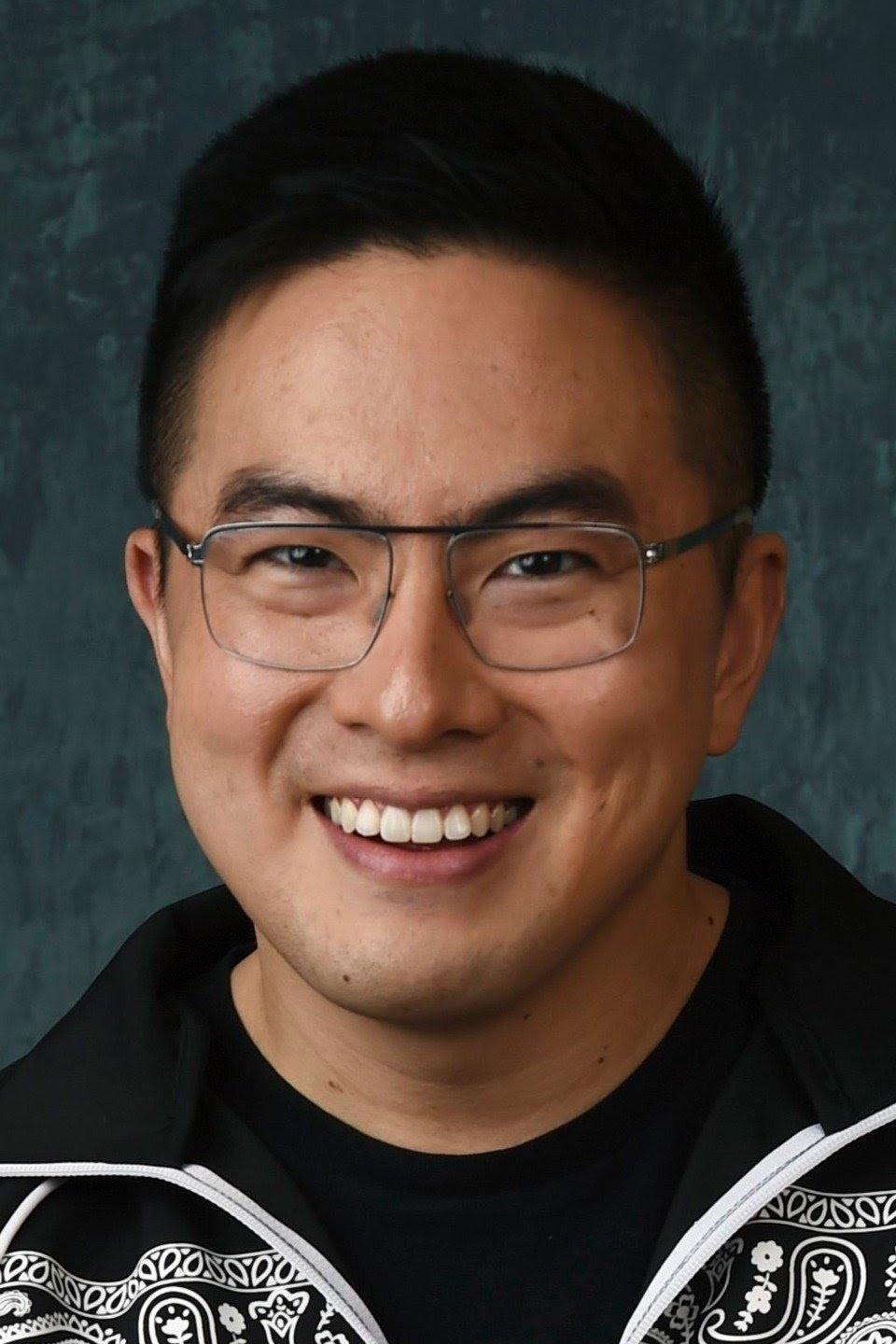
The ‘Saturday Night Live’ star spoke passionately at strike rallies, using his comedy background to highlight the absurdity of the studios’ proposals. Yang criticized the Alliance of Motion Picture and Television Producers (AMPTP) for failing to understand that human humor and timing cannot be algorthimically generated. He emphasized that the fight was not just about money, but about the “existential threat” of AI eroding the very nature of their profession. Yang’s energetic speeches helped maintain morale among striking writers and actors.
Tituss Burgess
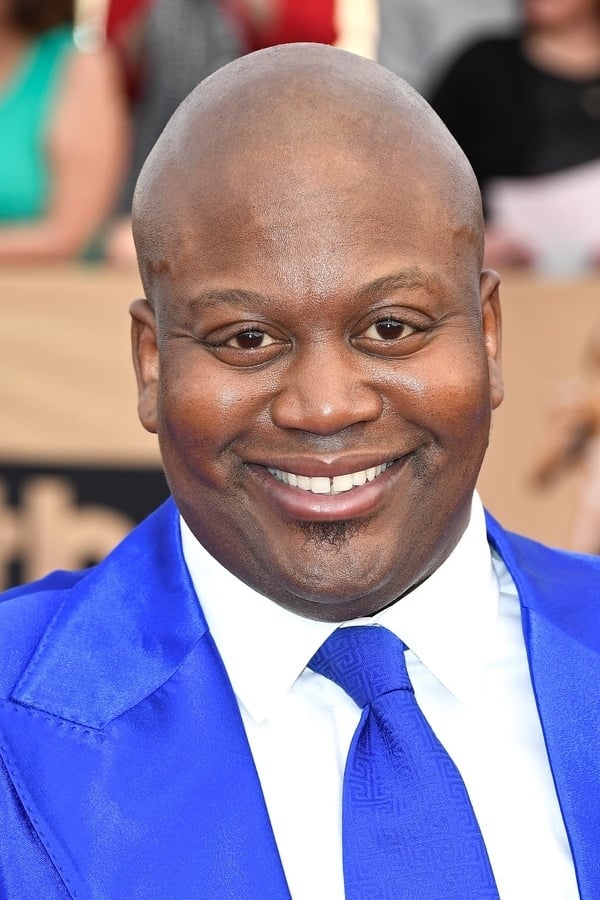
Burgess, known for his standout role in ‘Unbreakable Kimmy Schmidt’, was an active participant in the New York picket lines and rallies. He lent his voice to the chorus of actors demanding that studios abandon proposals to own digital scans of performers in perpetuity. Burgess highlighted the importance of consent, arguing that an actor’s likeness is their personal property and should not be exploited by AI systems. His presence served as a reminder that musical theater and comedy talents are equally threatened by voice and image cloning.
Billy Eichner
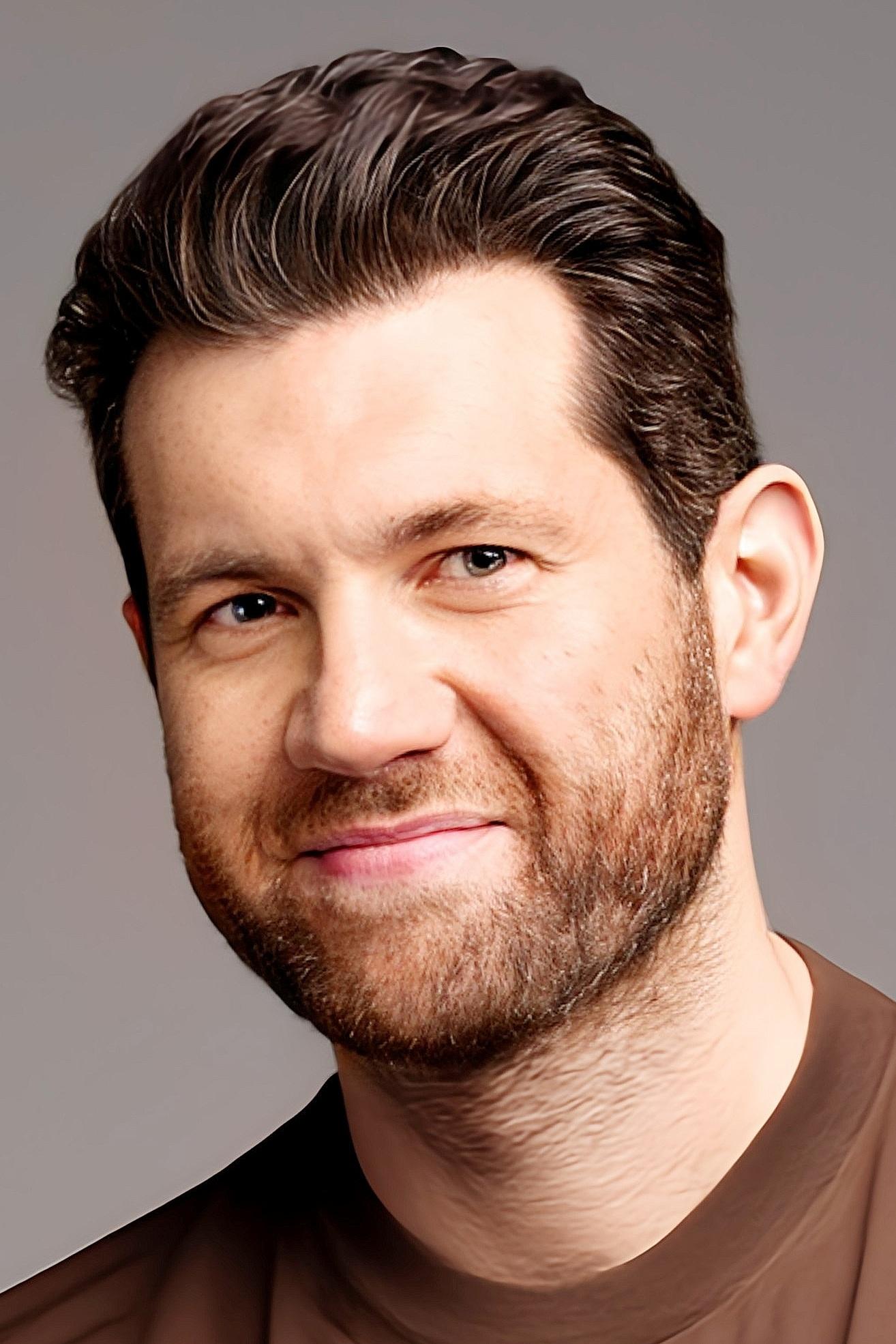
The creator and star of ‘Bros’ signed the decisive open letter that urged union leadership to prioritize AI protections over a quick settlement. Eichner has been vocal about the need for human-driven storytelling, particularly for queer narratives that require nuance and authenticity. By supporting the strike, he took a stand against the idea that AI could ever replace the specific comedic and dramatic voices of real people. His advocacy reinforces the belief that art is inherently a human endeavor.
Jesse Tyler Ferguson
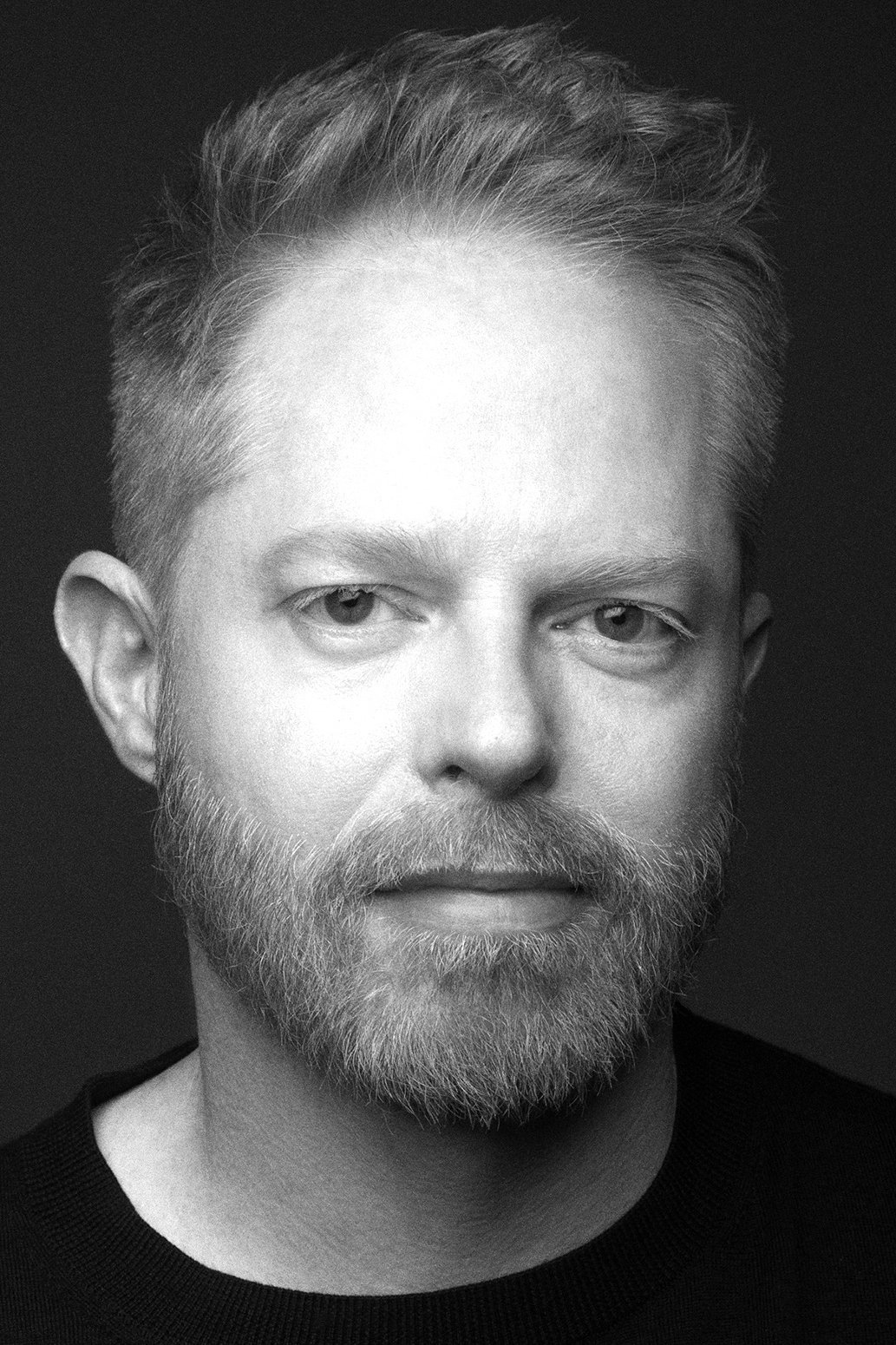
The ‘Modern Family’ alumnus was a regular fixture on the picket lines, marching in solidarity with writers and actors to secure a contract that addressed modern technological threats. Ferguson used his social media channels to document the strike and educate his followers on why AI regulation was a non-negotiable demand. He emphasized that the protections were crucial not just for stars, but for the working-class actors who keep the industry running. His visible support helped bridge the gap between television audiences and the labor dispute.
Anthony Rapp
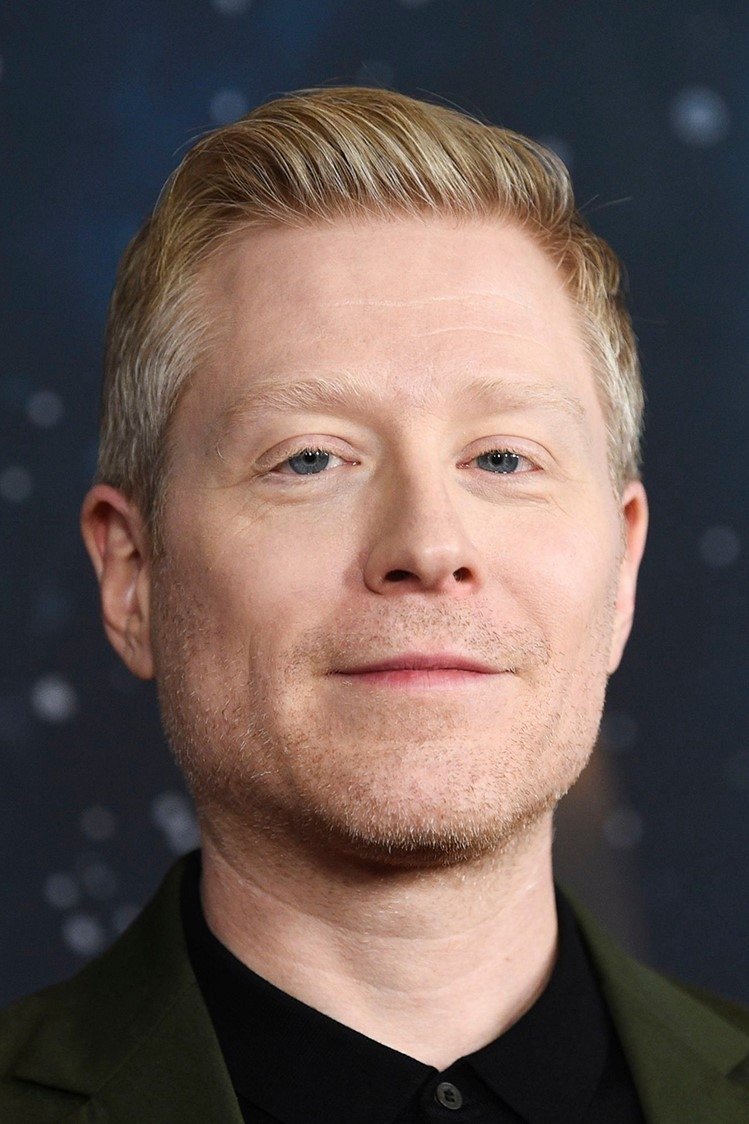
Rapp, a veteran of both Broadway and the ‘Star Trek’ franchise, has been a fierce advocate for union solidarity and the protection of actors’ rights. He spoke out about the dangers of AI in the context of the strike, noting that the technology threatened to undermine the careers of future generations of performers. Rapp’s involvement in sci-fi franchises gave him a unique perspective on the difference between technological special effects and the unethical replacement of human actors. He consistently pushed for a contract that would “future-proof” the profession.
Alan Cumming
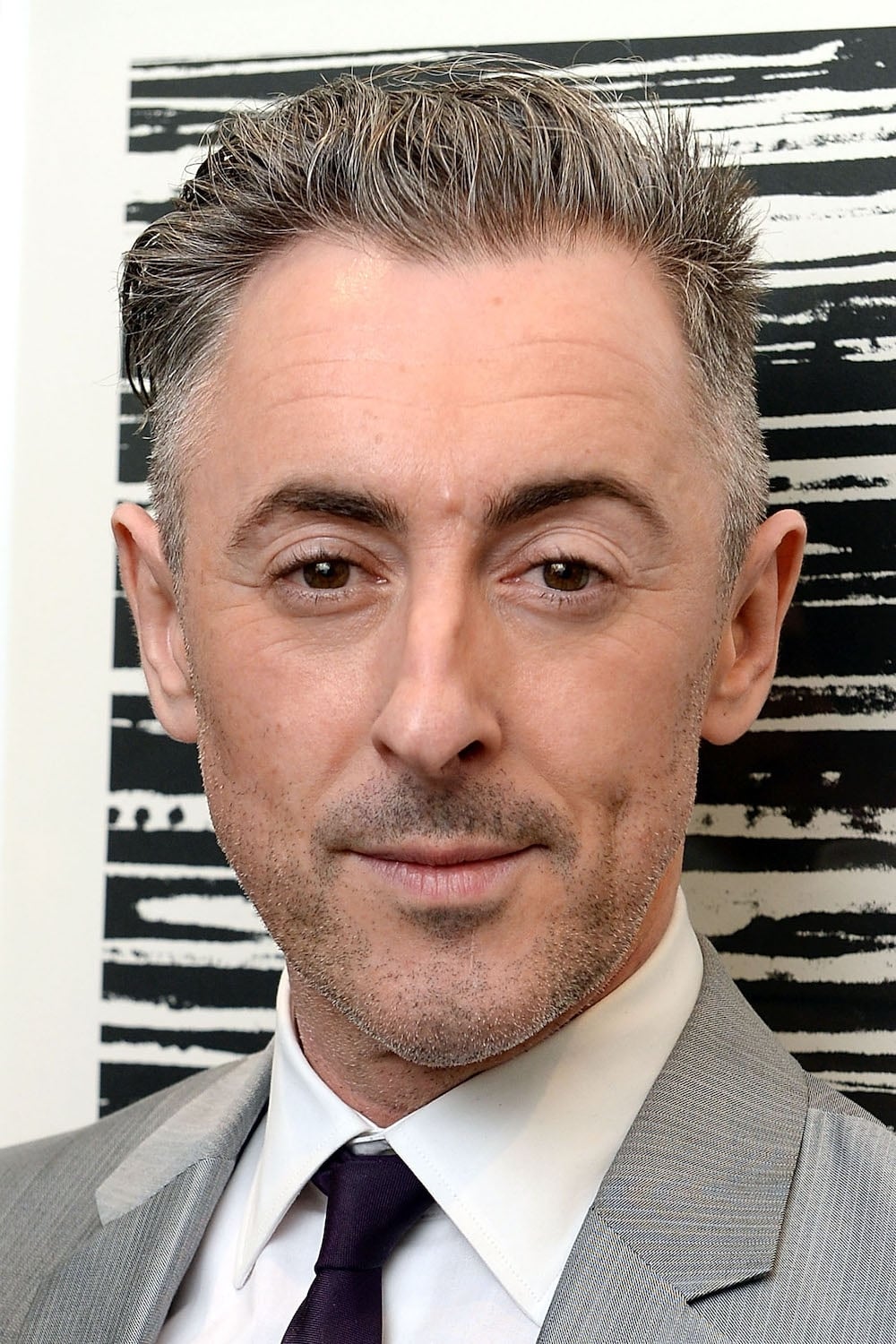
The Tony Award-winning actor joined the rallies in Times Square, lending his star power to the demand for fair treatment in the digital age. Cumming expressed concern that without strict guardrails, AI would be used to bypass the creative contributions of actors and writers. He championed the idea that the “human element” is what makes entertainment valuable and that audiences would reject synthetic performances. His support highlighted the global nature of the concern, as actors in the UK and US faced similar technological threats.
Colman Domingo
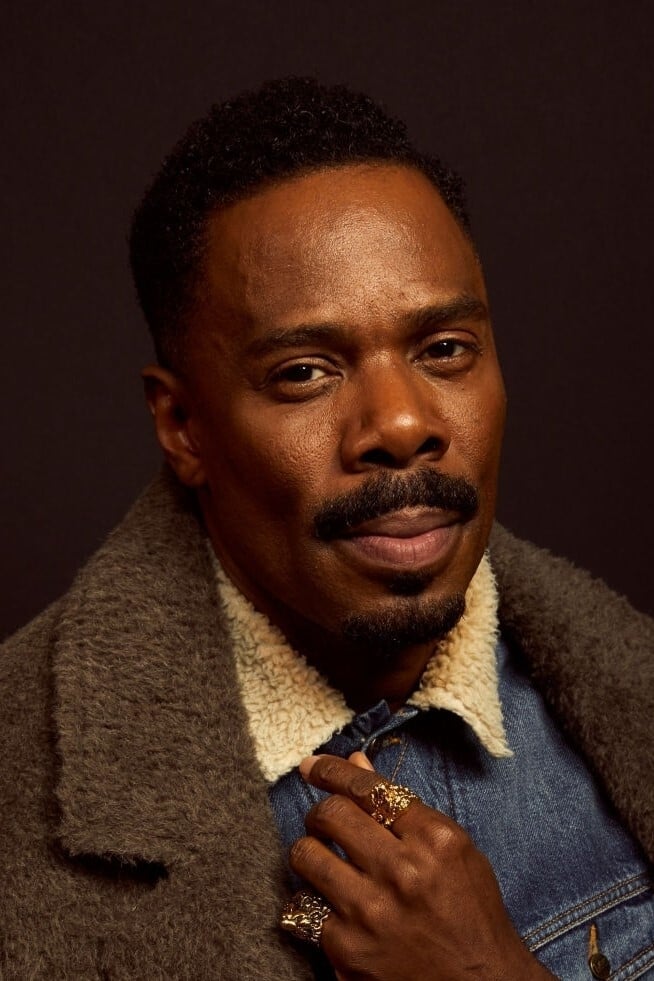
Following the conclusion of the strike, the ‘Rustin’ star spoke about the importance of the new contract’s AI protections during the ratification vote. Domingo acknowledged that while the deal was a compromise, establishing consent and compensation for digital replicas was a vital first step. He had previously voiced his support for the strike, emphasizing that the industry needed to pause and reset its relationship with technology. His measured approach focused on securing practical safeguards for actors’ digital likenesses.
Andrew Scott
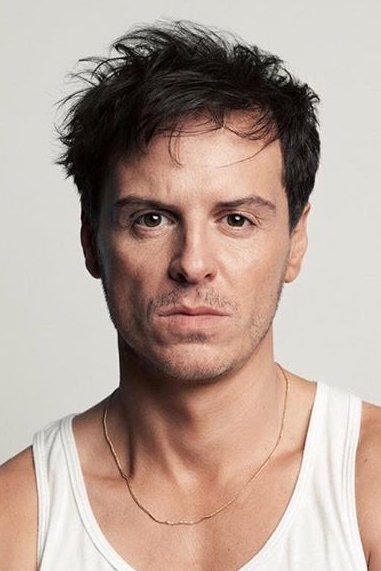
The ‘All of Us Strangers’ star supported the strike and the broader movement to protect acting as a craft. As a stage and screen actor known for intense emotional depth, Scott’s work stands in direct contrast to the capabilities of generative AI. While promoting his films, he has discussed the irreplaceable nature of human chemistry and vulnerability in performance. His solidarity with the union reflected a commitment to preserving the human soul of cinema.
Luke Evans
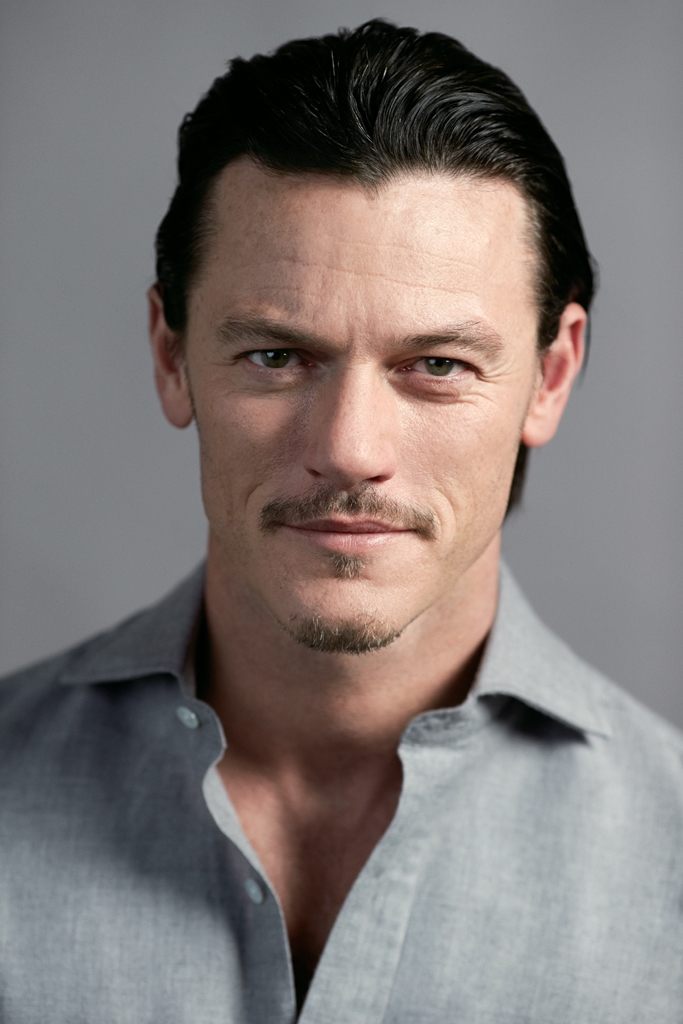
Evans was among the many actors who supported the strike’s objectives, which heavily featured the regulation of artificial intelligence. The ‘Beauty and the Beast’ actor recognized that the proposal to scan background actors and use their likenesses indefinitely was a dangerous precedent. By standing with his union, he opposed a future where digital doubles could be used to cut costs at the expense of human employment. His stance aligned with the broader push to ensure technology serves artists rather than replacing them.
Jonathan Bailey
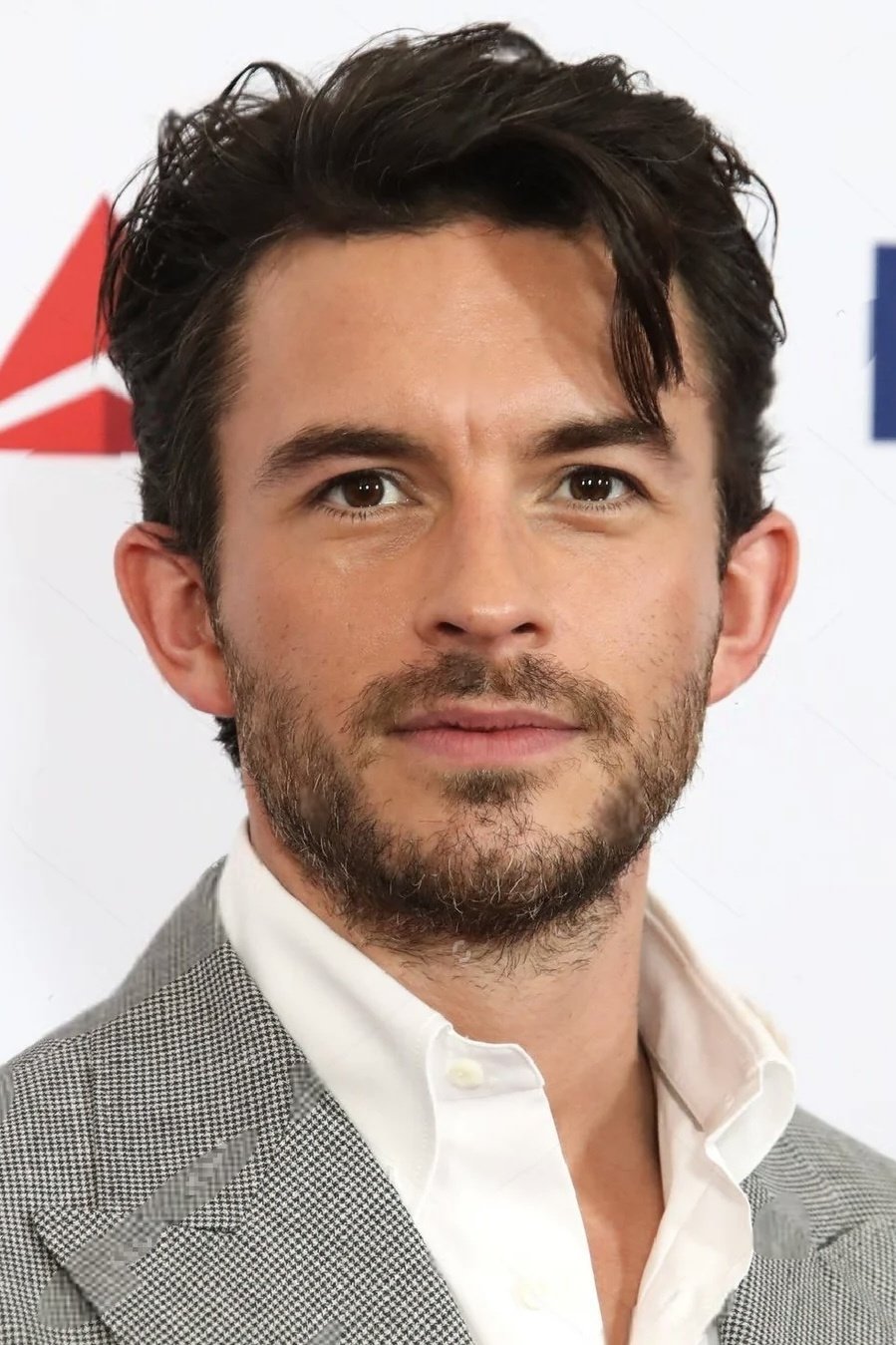
The ‘Bridgerton’ star participated in the movement to secure better protections for actors, including those related to AI usage. Bailey has spoken about the intensity of human connection required in acting, a quality that generative AI fails to replicate. His support for the union’s hard line on AI demonstrated that even actors in major streaming hits recognized the precarious nature of their digital rights. He remains an advocate for maintaining the human element in romantic and dramatic storytelling.
Russell Tovey
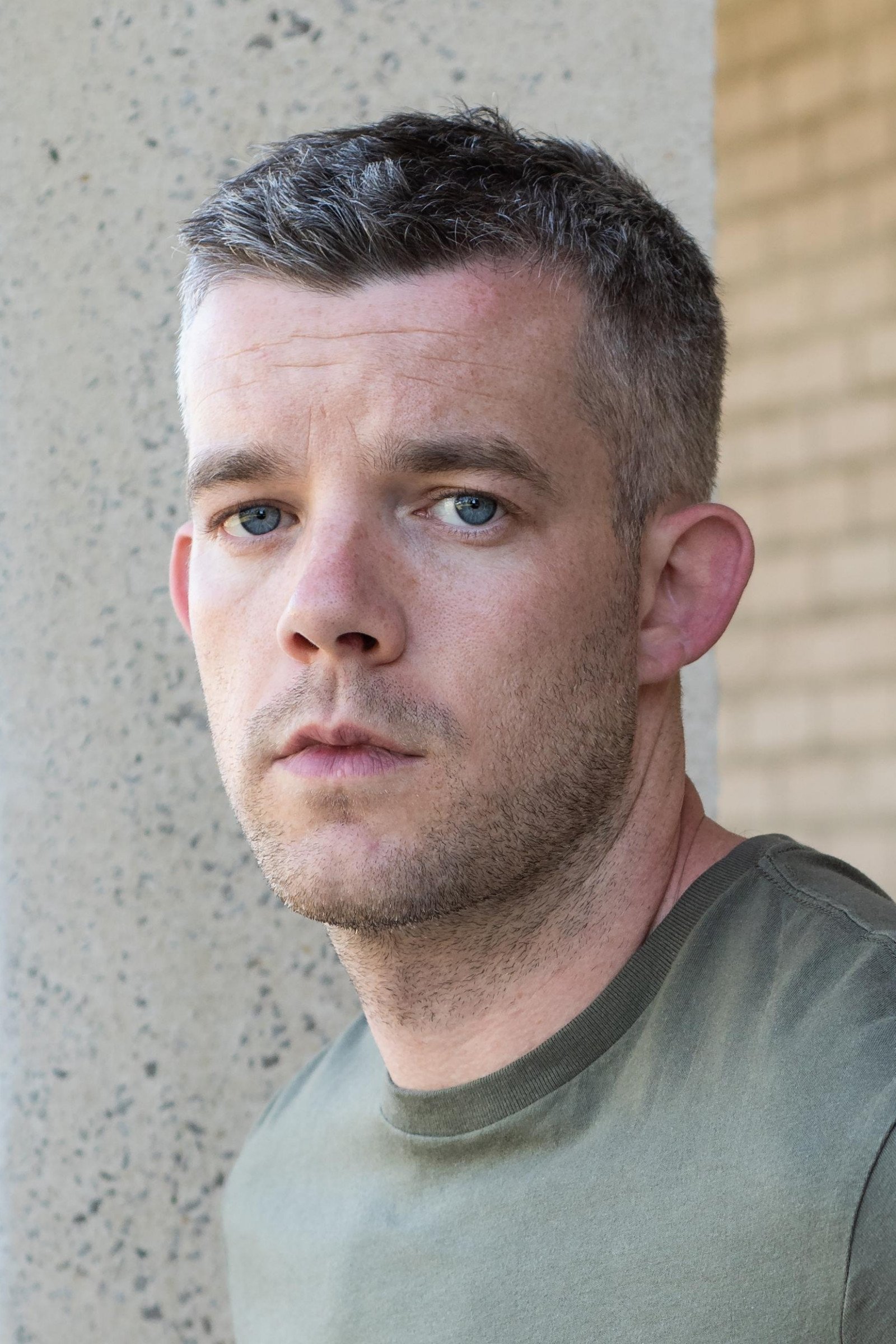
British actor Russell Tovey supported the strike’s goals, acknowledging the global impact of the fight against unregulated AI in entertainment. Tovey, who is also an art collector and podcaster, values the unique fingerprint of human creation in all mediums. He joined the chorus of international voices concerned that AI could homogenize culture and displace working artists. His advocacy highlights the intersection of visual art and performance in the age of algorithms.
Ben Whishaw
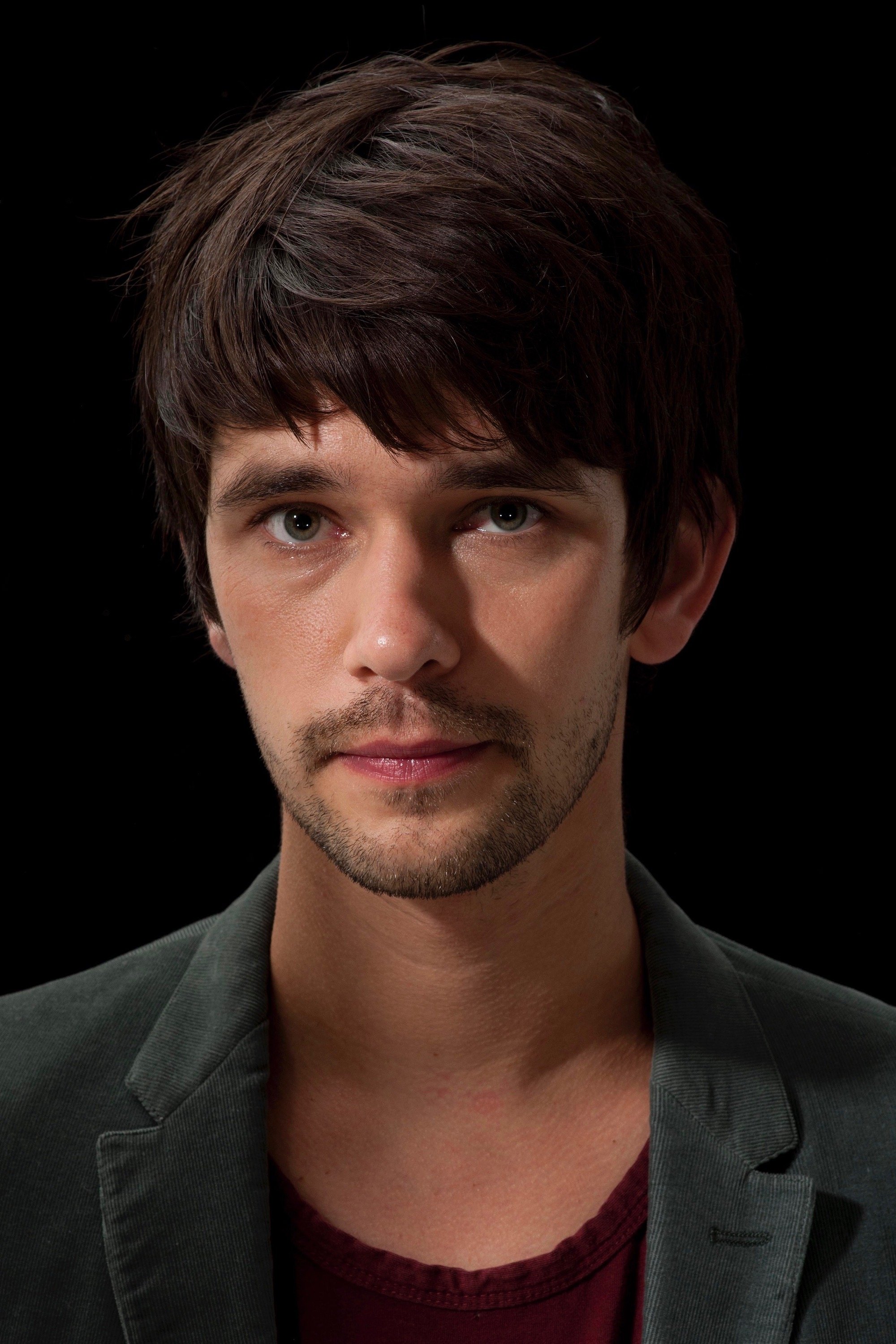
Known for voicing Paddington Bear, Whishaw has a specific stake in the protection of voice and performance against AI cloning. He supported the union’s efforts to ensure that voice actors are not replaced by synthetic approximations of their own work. Whishaw’s career, built on sensitive and idiosyncratic performances, represents the type of artistry that critics argue AI cannot duplicate. His quiet but firm support for the strike emphasized the need to value human distinctiveness.
BD Wong
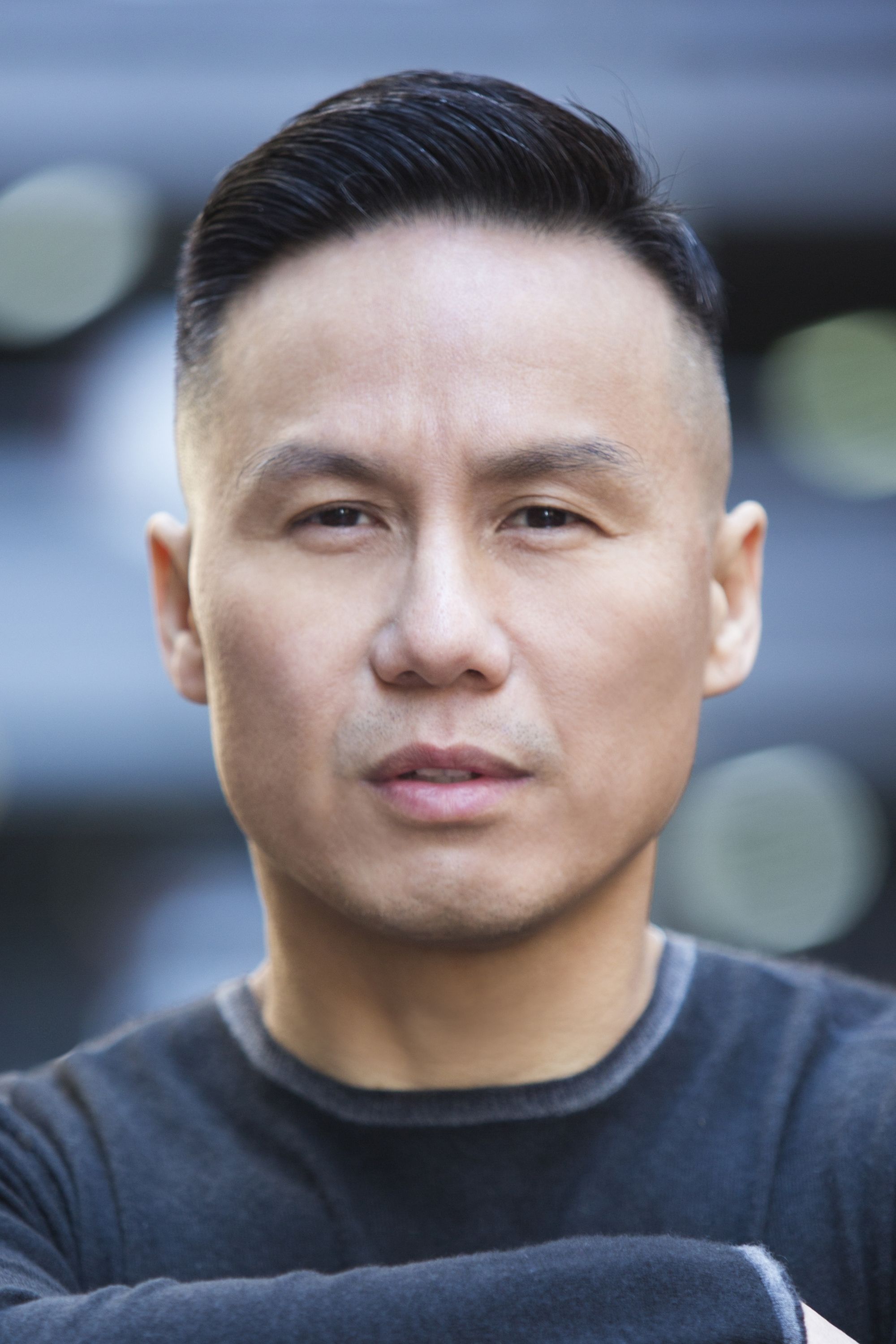
Wong starred in the play ‘Big Data’, which explicitly explored the intrusive and controlling nature of technology and artificial intelligence in modern life. Through his work in the production, he engaged with the themes of digital privacy and the erosion of human agency, mirroring the concerns of the SAG-AFTRA strike. By choosing material that critiques the tech industry, Wong amplified the conversation about how AI impacts relationships and creativity. His performance served as an artistic statement against the uncritical embrace of algorithms.
Brian Michael Smith
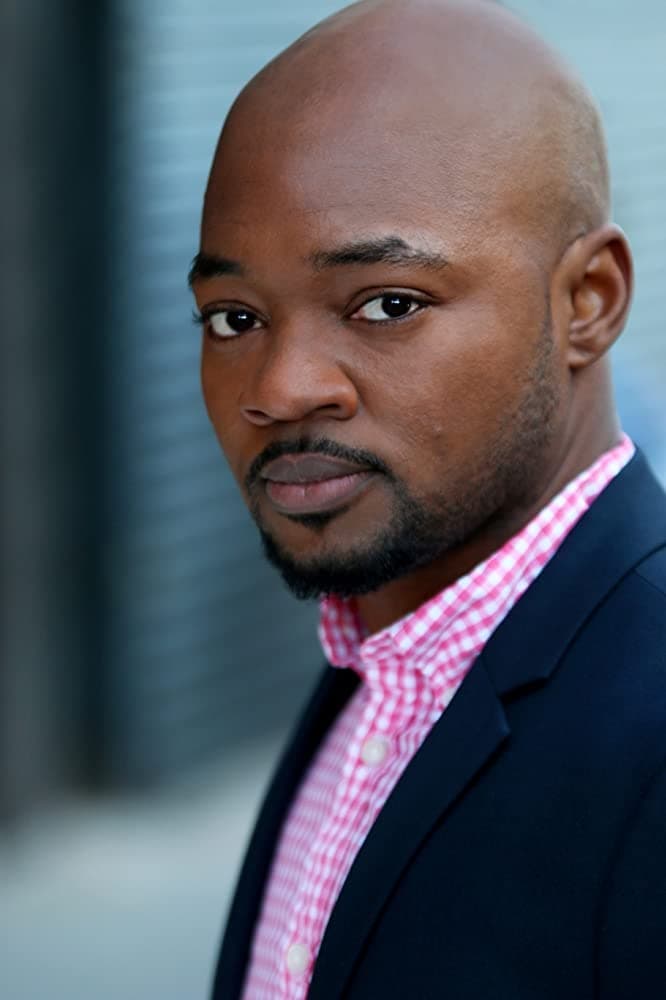
As the first out Black trans man in a series regular role on TV, Smith was a tireless advocate on the picket lines, fighting for a contract that protected all actors from digital erasure. He spoke about the specific vulnerabilities of minority actors, whose likenesses could be exploited by AI without proper consent or cultural context. Smith viewed the AI fight as an extension of the fight for visibility and ownership of one’s own body and image. His leadership helped ensure that diversity remained a part of the conversation around technology.
Murray Bartlett
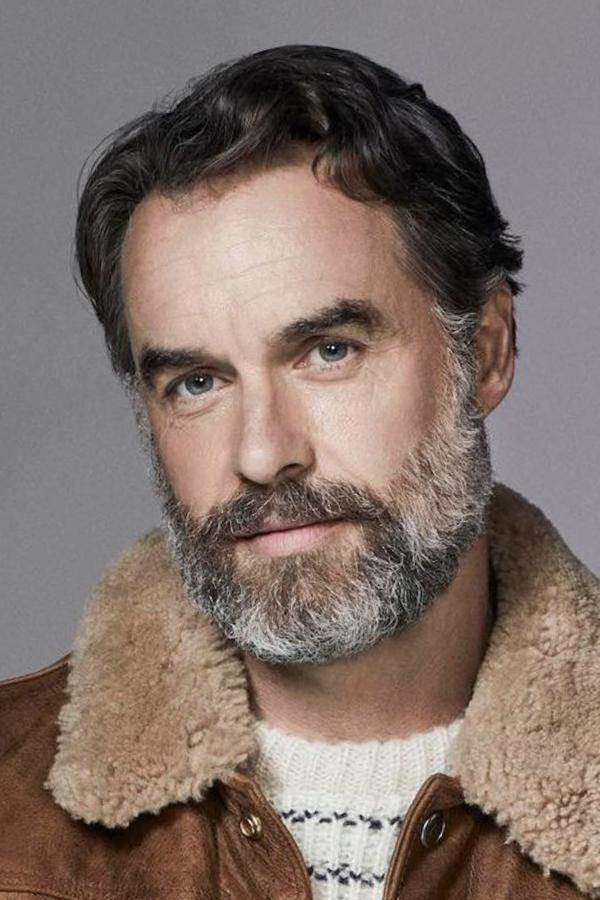
The ‘White Lotus’ star was seen marching on picket lines in New York, adding his voice to the collective demand for AI regulation. Bartlett’s recent career resurgence highlighted the value of experienced, nuanced human acting that algorithms cannot generate. By physically showing up to protest, he rejected the studios’ vision of a future where actors are mere data points for content generation. His support underscored that actors at all stages of their careers were united against the threat.
Cheyenne Jackson
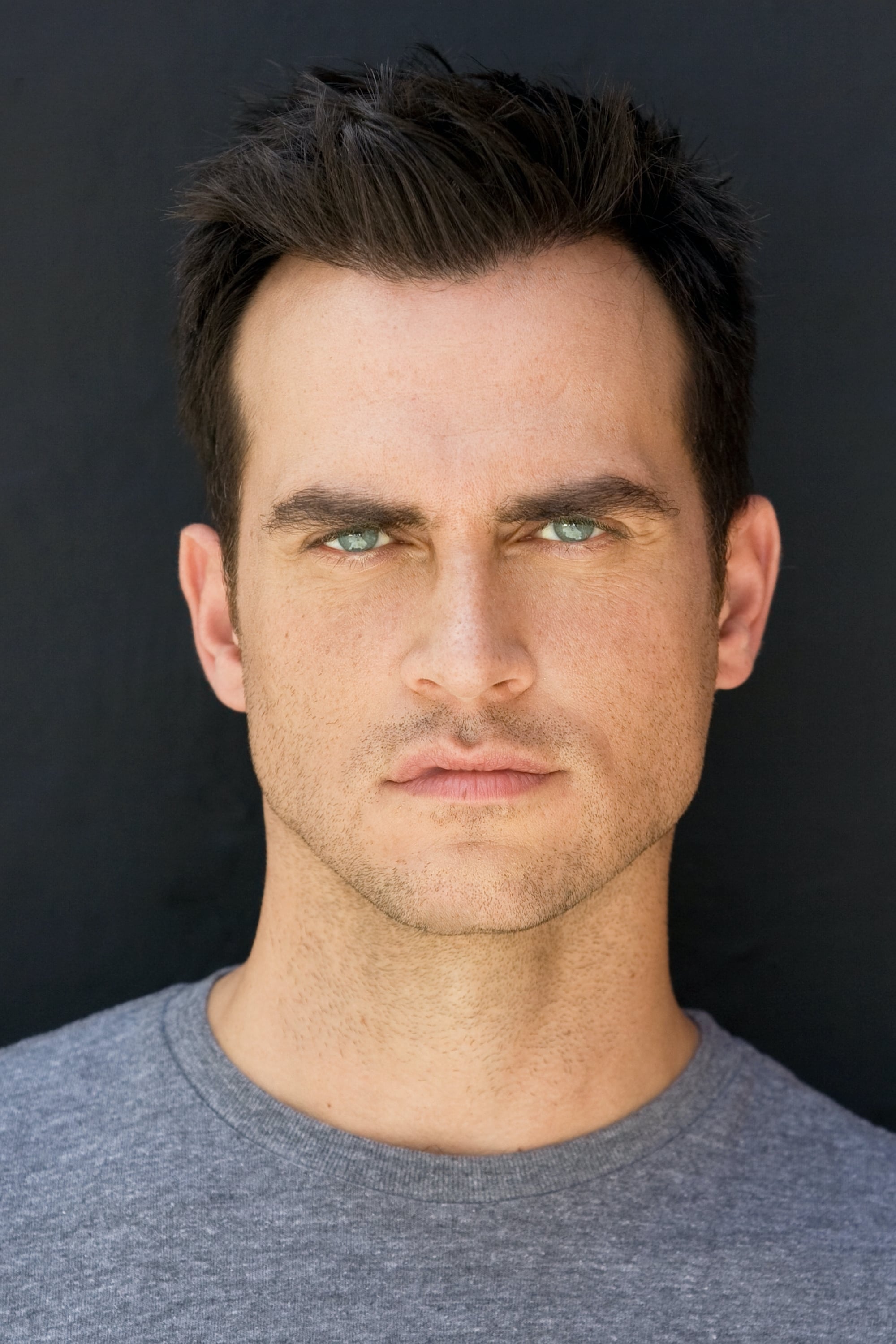
Jackson was an active participant in the strike, frequently documenting his time on the picket lines and encouraging others to hold the line. He spoke about the importance of residuals and the dangers of AI becoming a cost-cutting replacement for human talent. As a performer with a background in both theater and television, Jackson understands the irreplaceable energy of live and recorded human performance. His advocacy focused on ensuring that the industry remains a viable profession for future artists.
Nathan Lane
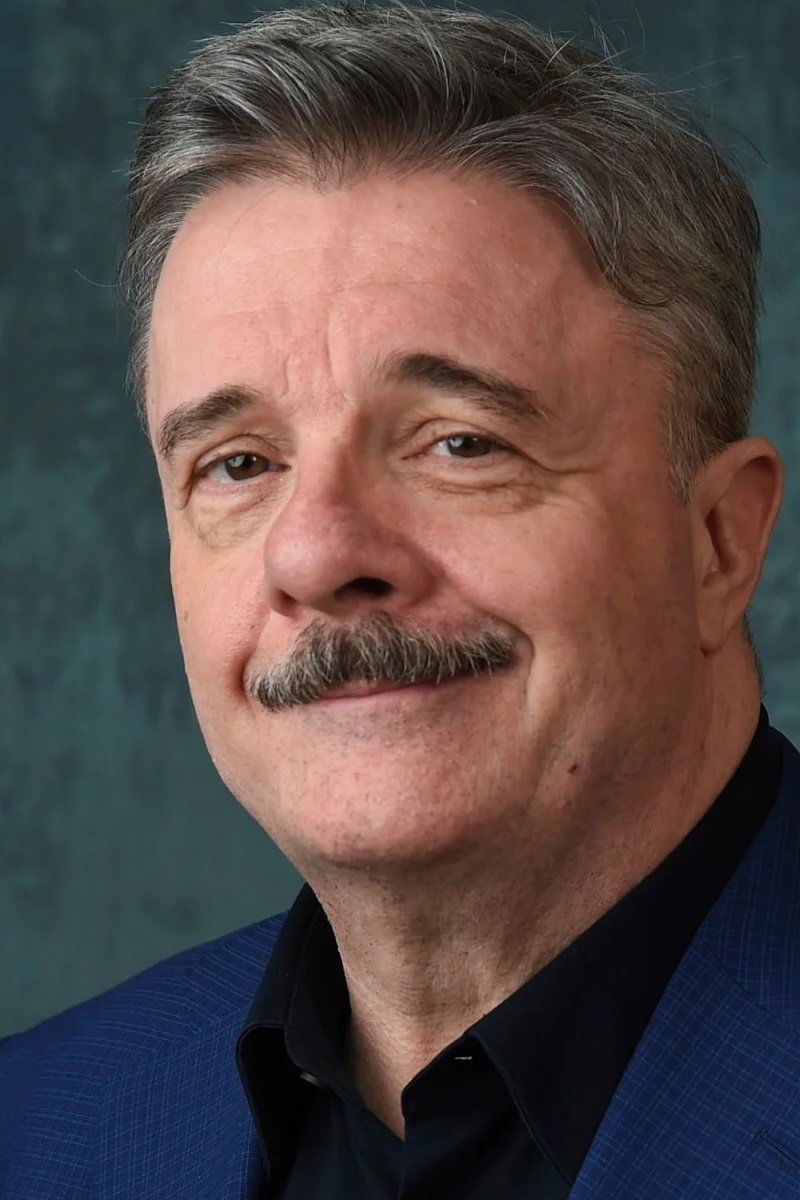
The legendary stage and screen actor supported the union’s strike, recognizing that the battle over AI was a battle for the soul of the profession. Lane’s career is defined by his distinctive voice and larger-than-life persona, qualities that are prime targets for unauthorized AI mimicry. His solidarity with the strike sent a message that even the most established icons were not safe from the reach of unregulated technology. Lane’s support added significant weight to the union’s moral argument.
Sean Hayes
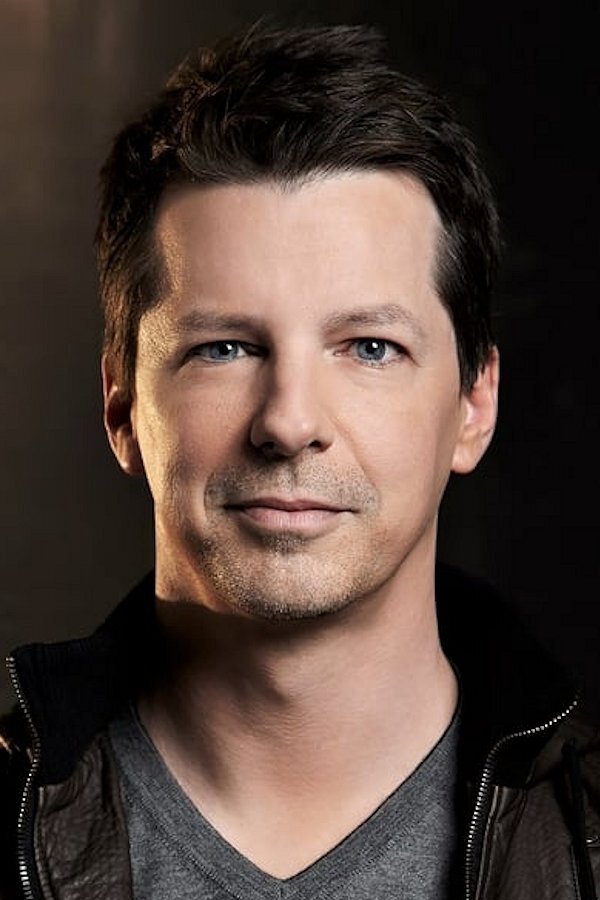
The ‘Will & Grace’ star and podcast host supported the strike’s demands, which included pivotal protections against the misuse of AI. Hayes has built a career on comedic timing and chemistry, two elements that are notoriously difficult for AI to replicate effectively. By backing the union, he advocated for a future where comedy remains a deeply human, spontaneous art form. His involvement highlighted that all genres of performance were at risk from the studios’ tech proposals.
Jim Parsons

Parsons, best known as Sheldon Cooper, supported the SAG-AFTRA strike and its mission to curb the unchecked power of studios to use AI. Having played an iconic character for over a decade, Parsons understands the value of an actor’s specific interpretation and likeness. His support for the strike implied a rejection of a future where characters could be indefinitely resurrected or generated by computers. He stood with his colleagues in demanding that actors retain control over their creative output.
Dan Levy
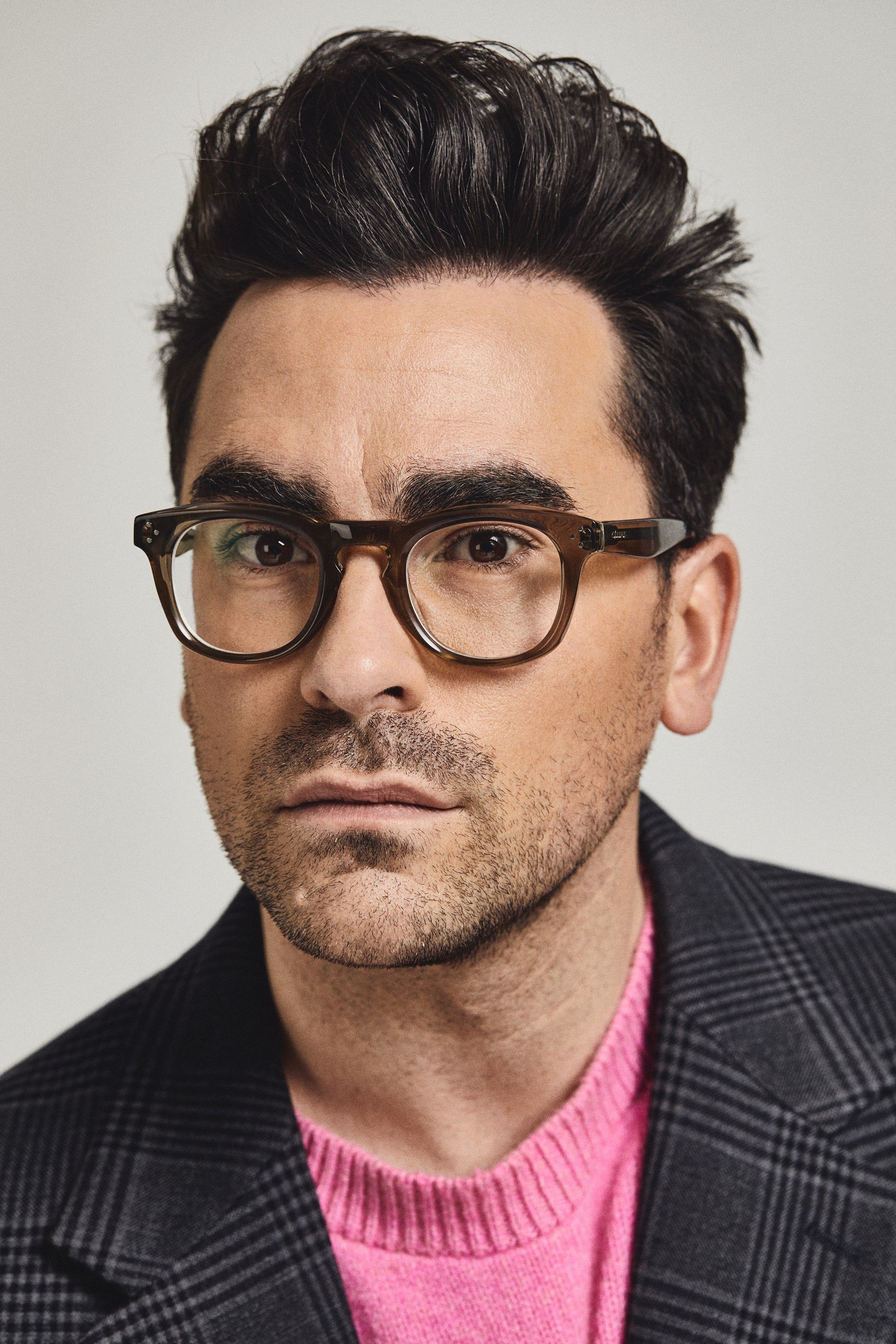
The ‘Schitt’s Creek’ creator and star expressed strong solidarity with both the writers’ and actors’ guilds, recognizing that AI poses a threat to the entire creative ecosystem. Levy has spoken about the importance of authentic, human-driven writing and acting in creating shows that resonate emotionally. He supported the fight to prevent AI from diluting the quality of storytelling and exploiting the work of artists. His stance reflects a commitment to maintaining the integrity of the creative process.
Victor Garber
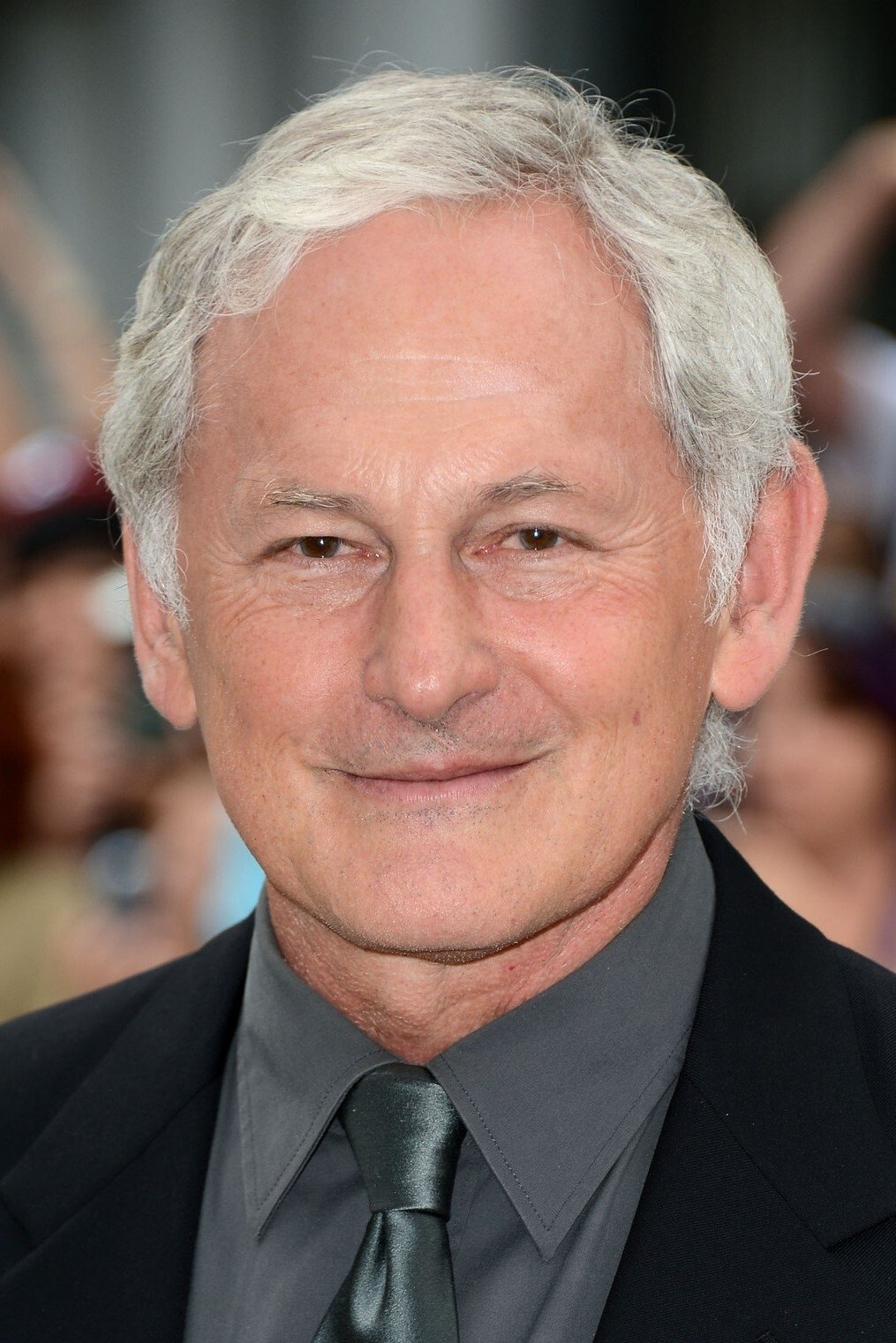
The veteran actor was present on the picket lines, lending his gravitas to the movement against studio greed and AI overreach. Garber’s long career in film, television, and theater has given him a perspective on how the industry values—or undervalues—talent. By protesting, he made it clear that the use of AI to replace or diminish actors was an unacceptable red line. His participation demonstrated that the resistance to AI was intergenerational.
How do you think the new regulations on AI in Hollywood will shape the movies and shows we watch in the coming years? Share your thoughts in the comments.

