


LGBTQ+ Actors Who Have Been Body Shamed


From paparazzi memes to casting-room comments and social media pile-ons, body shaming hits LGBTQ+ men in ways that intersect with sexuality, gender identity, race, and age. Below are male actors who’ve publicly addressed appearance-based harassment or pressure—whether from tabloids, online audiences, or industry gatekeepers—and what happened next. Each entry summarizes the specific incident and how the actor responded, so readers can see the patterns that keep repeating and the progress that’s possible.
Wentworth Miller
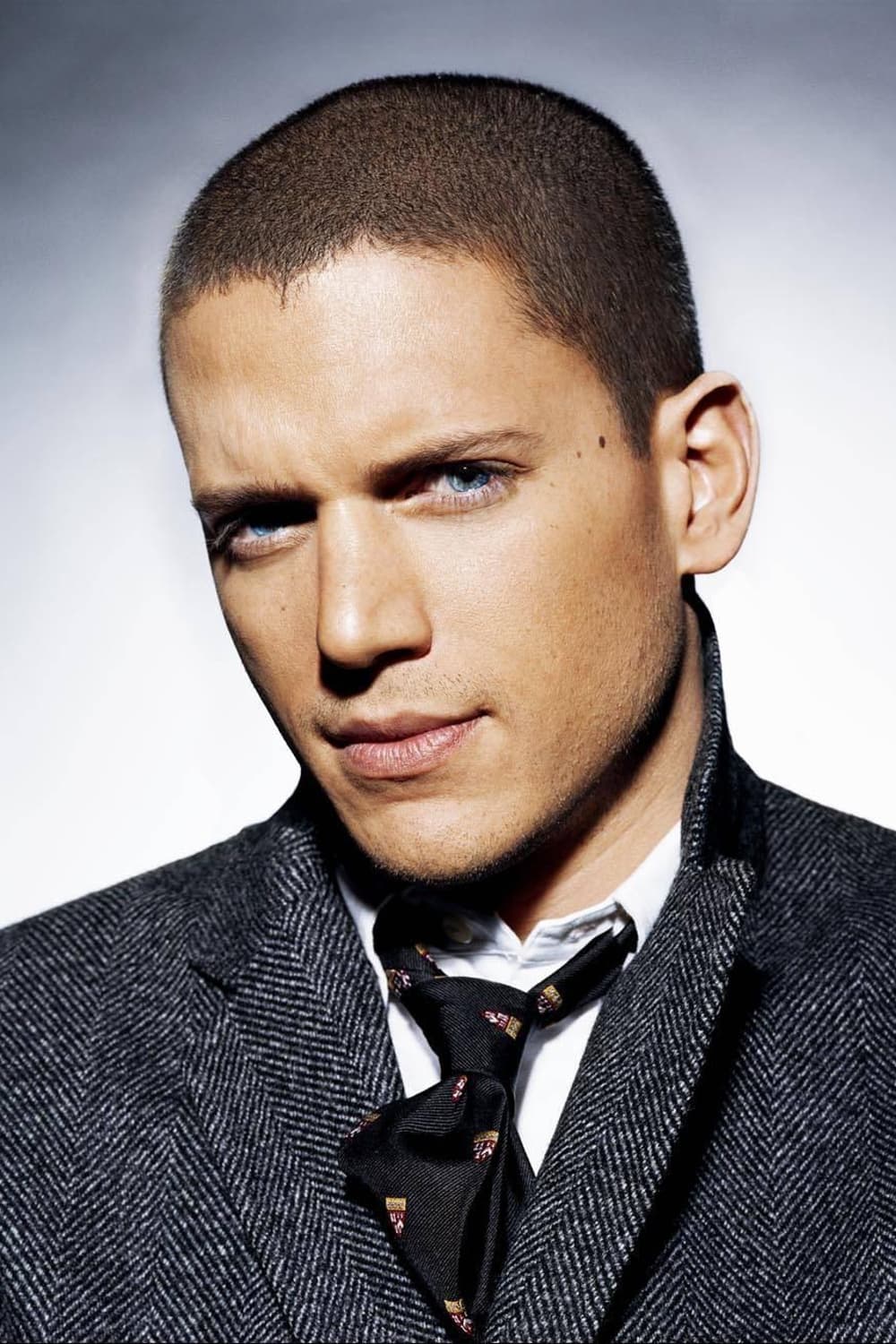
In 2016, a viral meme mocked Miller’s weight gain by placing a paparazzi photo next to a leaner image from ‘Prison Break.’ He responded with a widely shared statement explaining that the heavier photo was taken during a period of severe depression, when food was a coping mechanism. The site that promoted the meme apologized, and Miller used the moment to connect body shaming to mental health. His response has since been used in discussions about more responsible online behavior and media framing.
Daniel Franzese
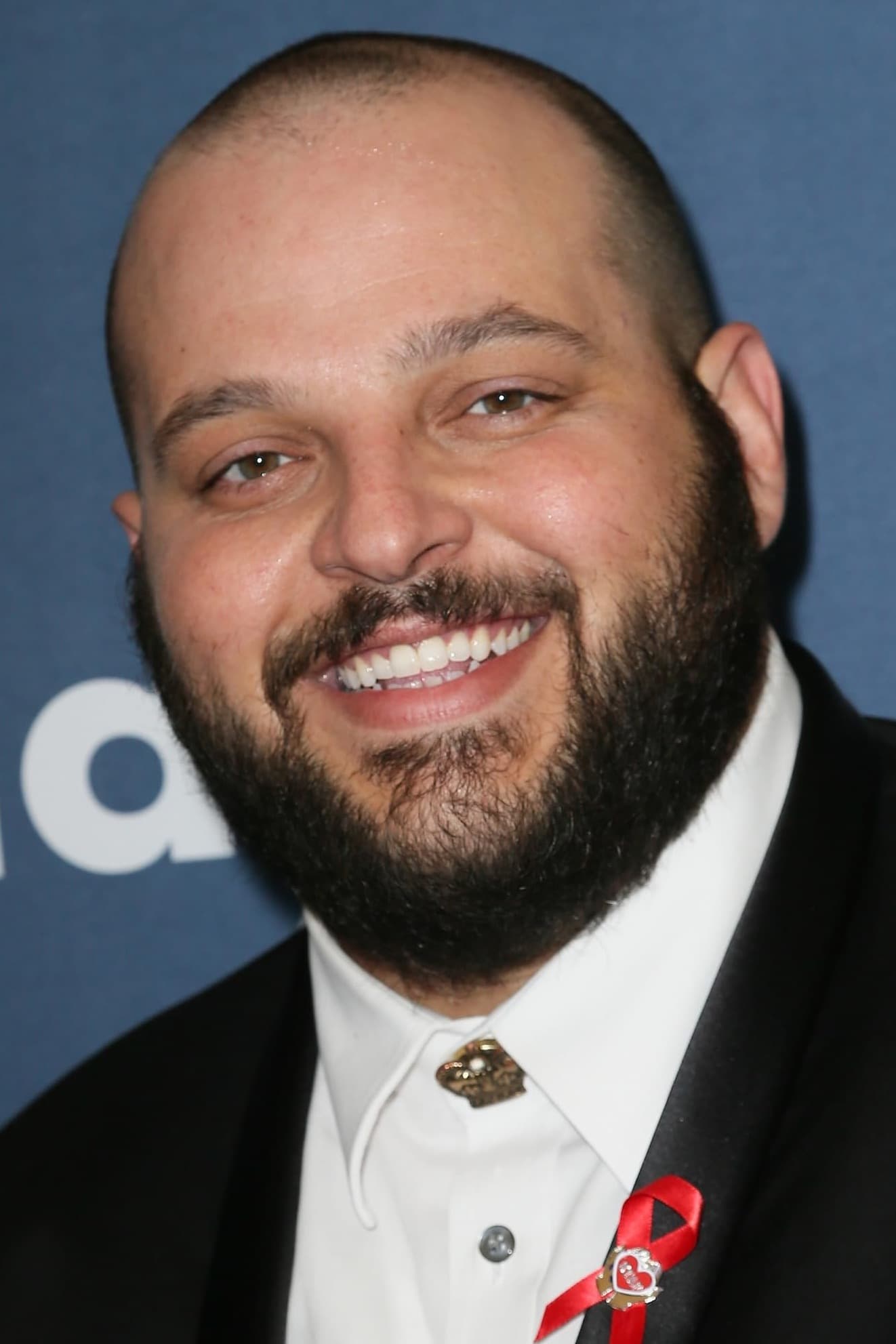
Franzese, known for ‘Mean Girls,’ has described being mocked about his weight by a co-star and said the harassment also targeted his sexuality. He went public with the experience years later, outlining the personal and professional impact. The account helped spotlight how larger queer men are stereotyped or sidelined for roles. His story has been referenced in calls for safer, more accountable set cultures.
Harvey Guillén
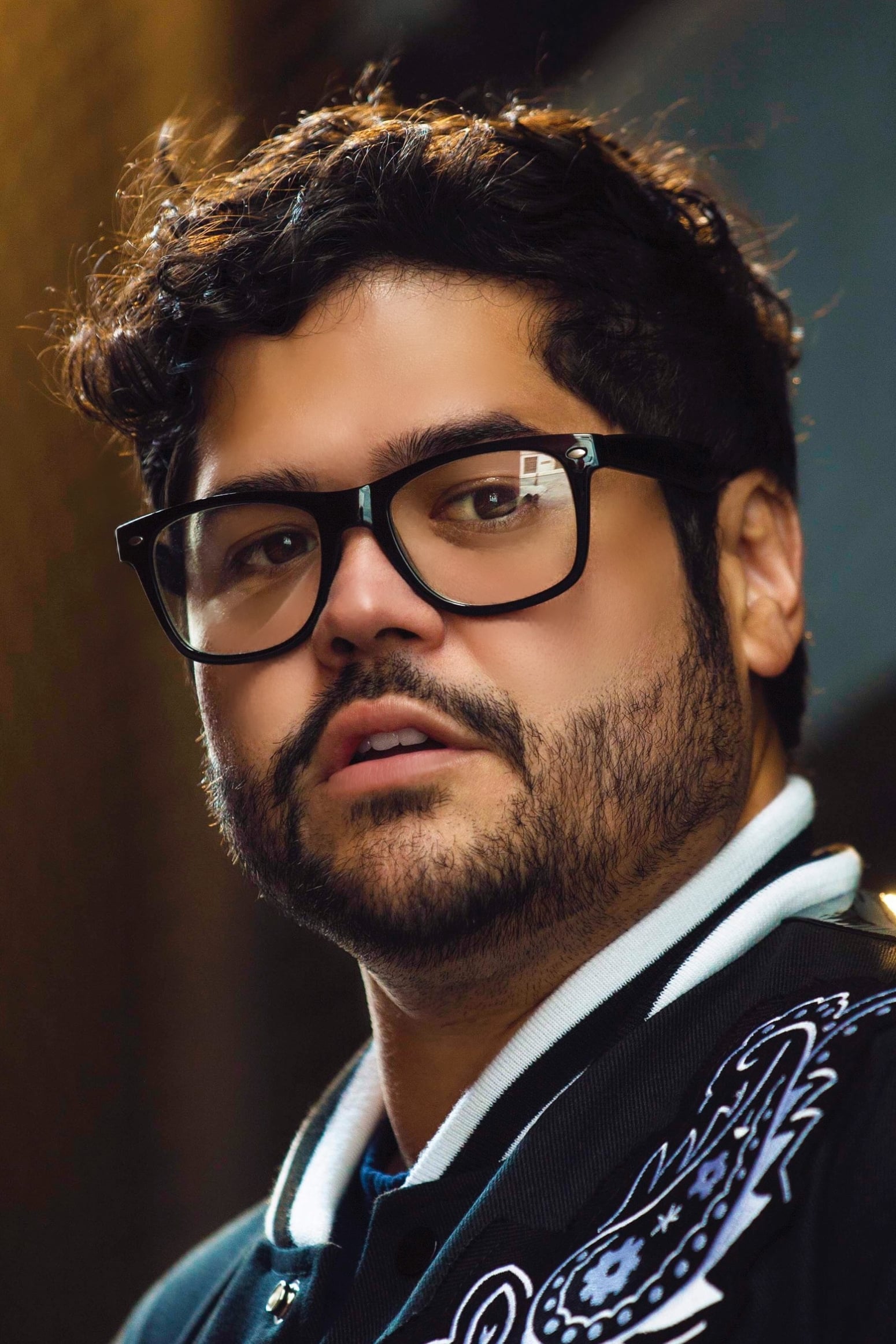
Before breaking out on ‘What We Do in the Shadows,’ Guillén said he was told he wouldn’t succeed because he was Latino, queer, and plus-size. He has since pushed back on assumptions that only a narrow body type can carry leading or comedic roles. Interviews chart how he reframed industry messaging, embraced visibility, and connected with fans who felt seen. His career trajectory is often cited as evidence that audience appetite is broader than old casting myths.
Ben Platt
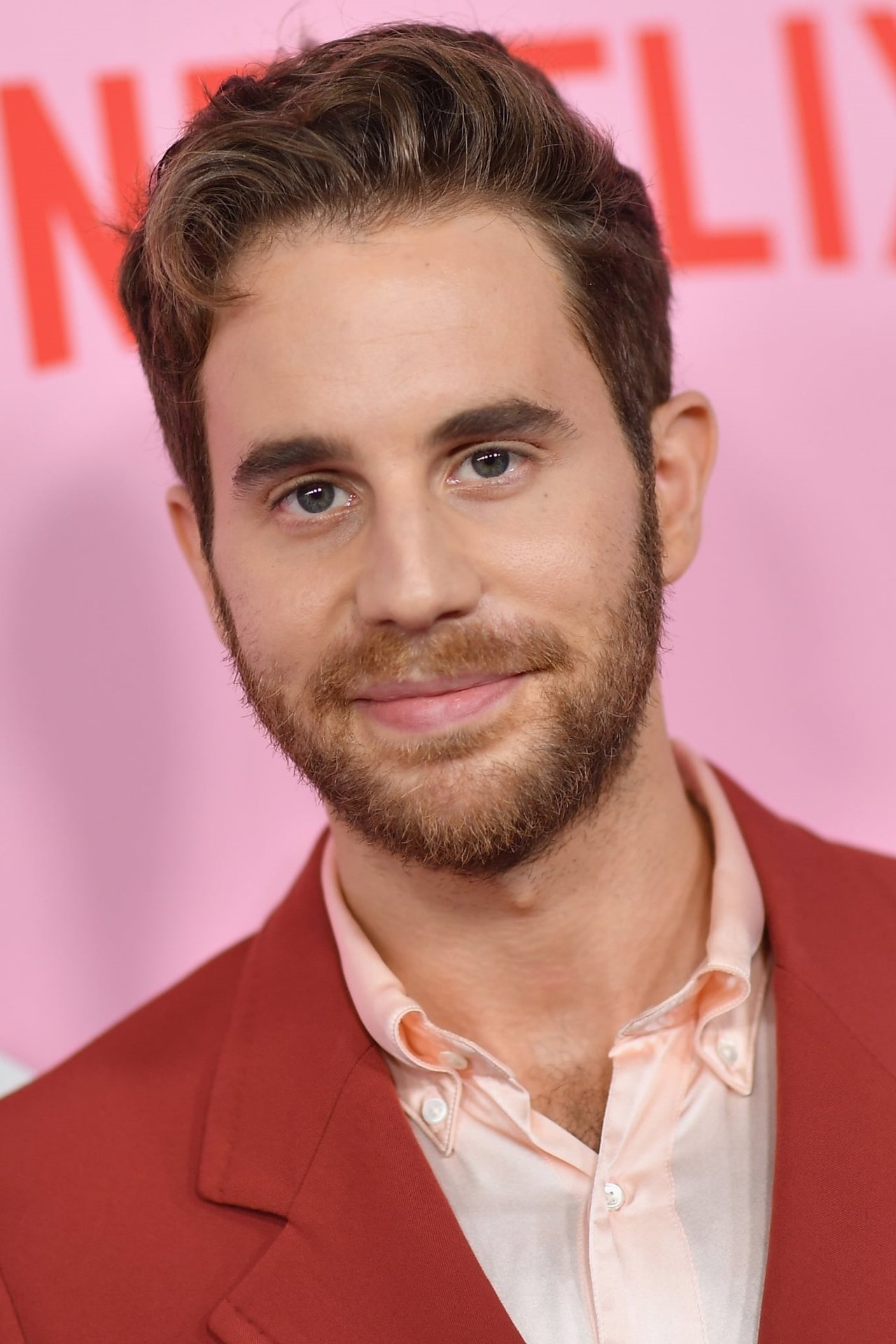
Platt has said the online reaction to his appearance in the ‘Dear Evan Hansen’ film slid from critique into body-focused mockery. He described the experience as emotionally taxing and a lesson in setting boundaries around social media. Subsequent interviews emphasized protecting mental health while navigating public scrutiny. The episode remains a case study in how commentary about craft can drift into appearance-based abuse.
Elliot Page
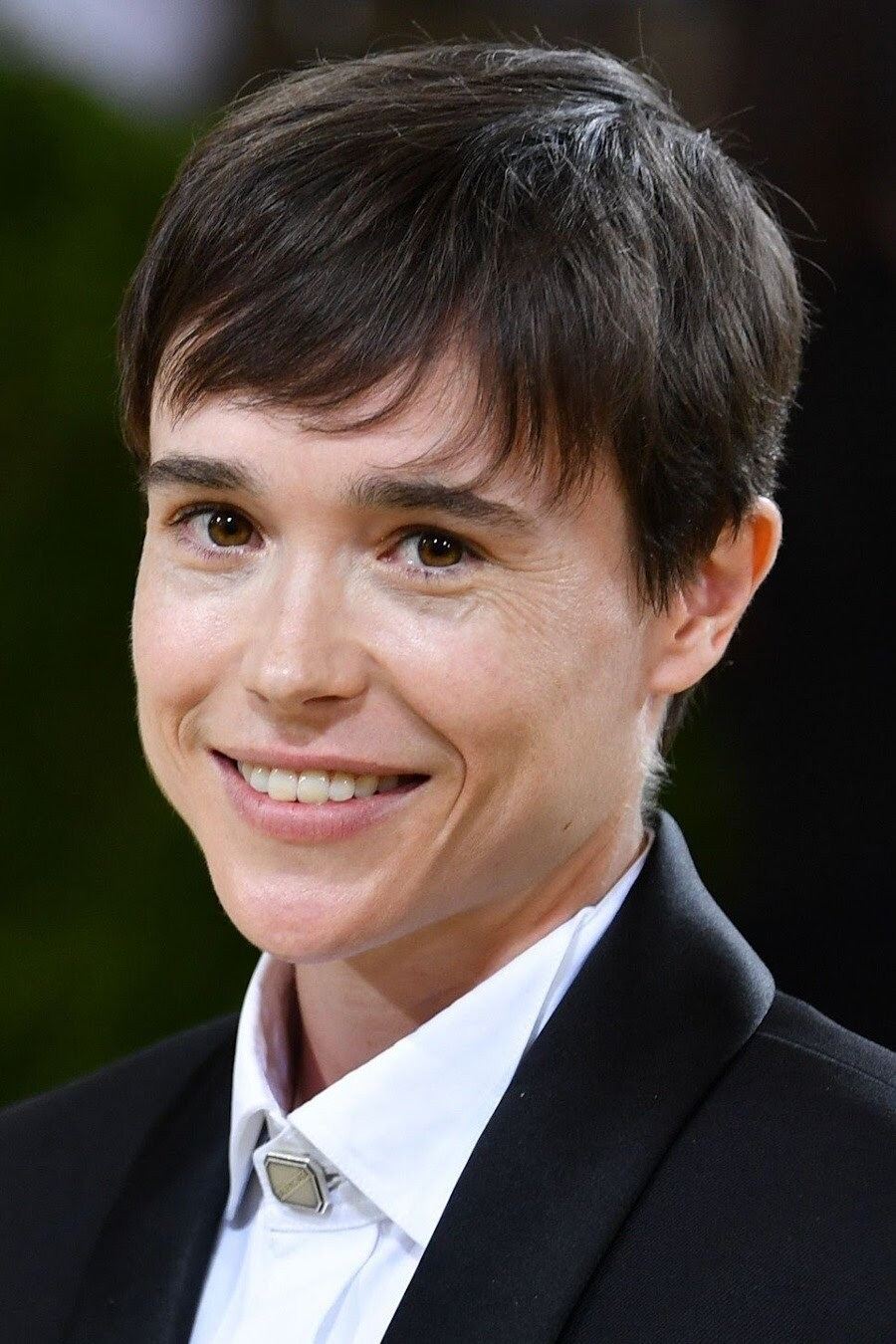
Page has discussed years of body-focused scrutiny tied to gender dysphoria and media attention, and how transition shifted that relationship. He has described moving from discomfort and self-disgust to embodied relief after receiving gender-affirming care. Public conversations have linked the shaming of trans bodies to misinformation and hostile rhetoric. His openness reframed body shaming to include misgendering and invasive fixation.
Luke Evans
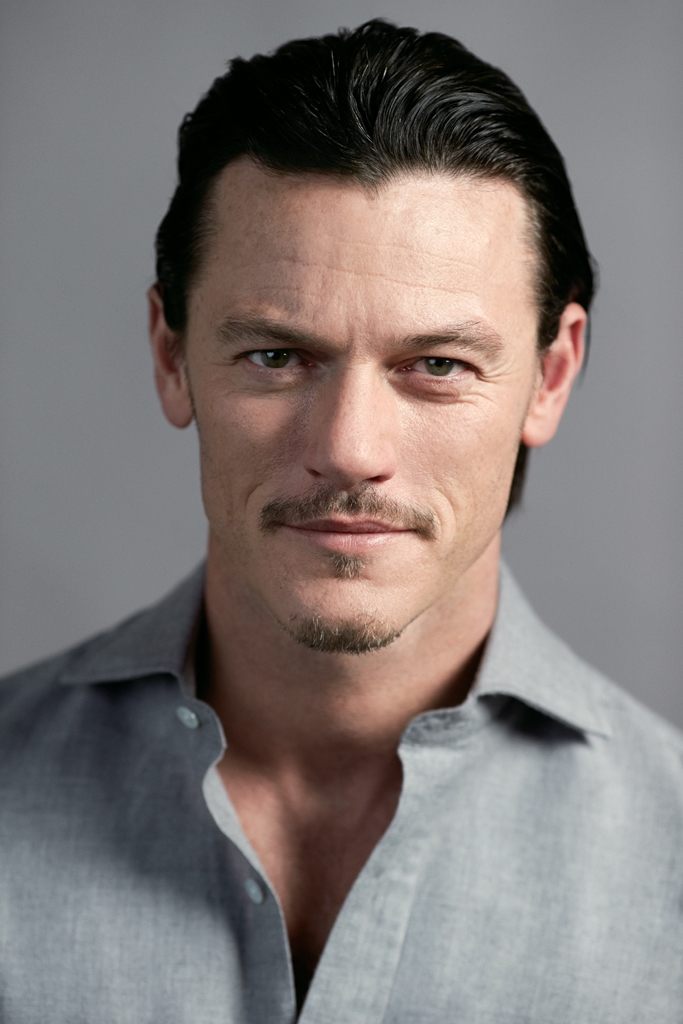
Evans has spoken about the anxiety of maintaining a “shirtless-ready” physique and how self-critique can intensify under industry expectations. He noted that strict regimens were often driven by roles rather than personal preference. Interviews show his shift toward kinder self-talk and more sustainable habits. The discussion broadened awareness that even visibly fit male stars face appearance policing.
Olly Alexander
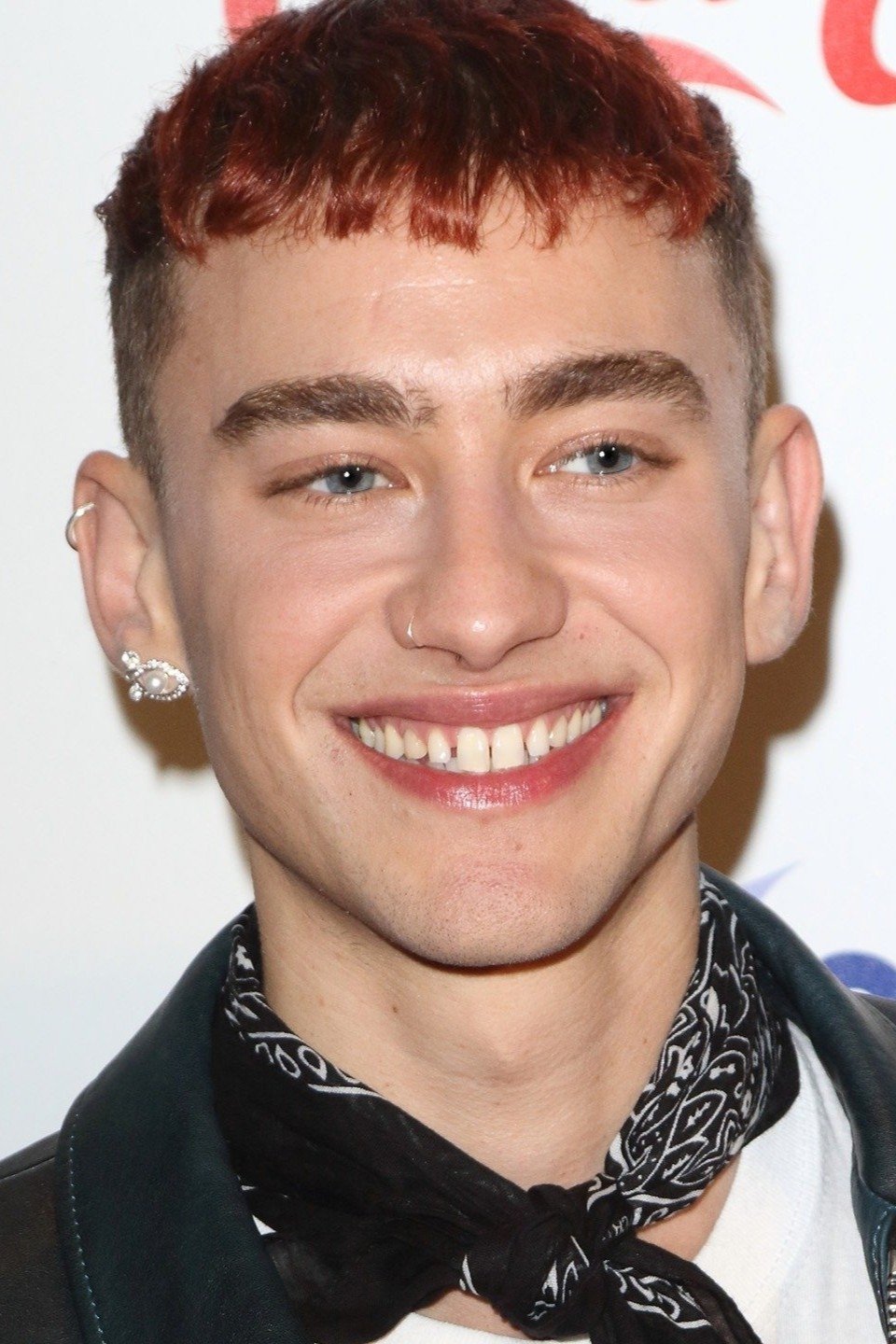
Alexander has been open about bullying and an eating disorder that began in his teens, connecting those struggles to body image pressures in entertainment and queer spaces. He’s discussed recovery alongside broader mental health work and self-acceptance. By speaking candidly in interviews and documentaries, he helped normalize conversations about disordered eating among men. His visibility challenges narrow expectations about how a leading queer performer “should” look.
Colton Haynes
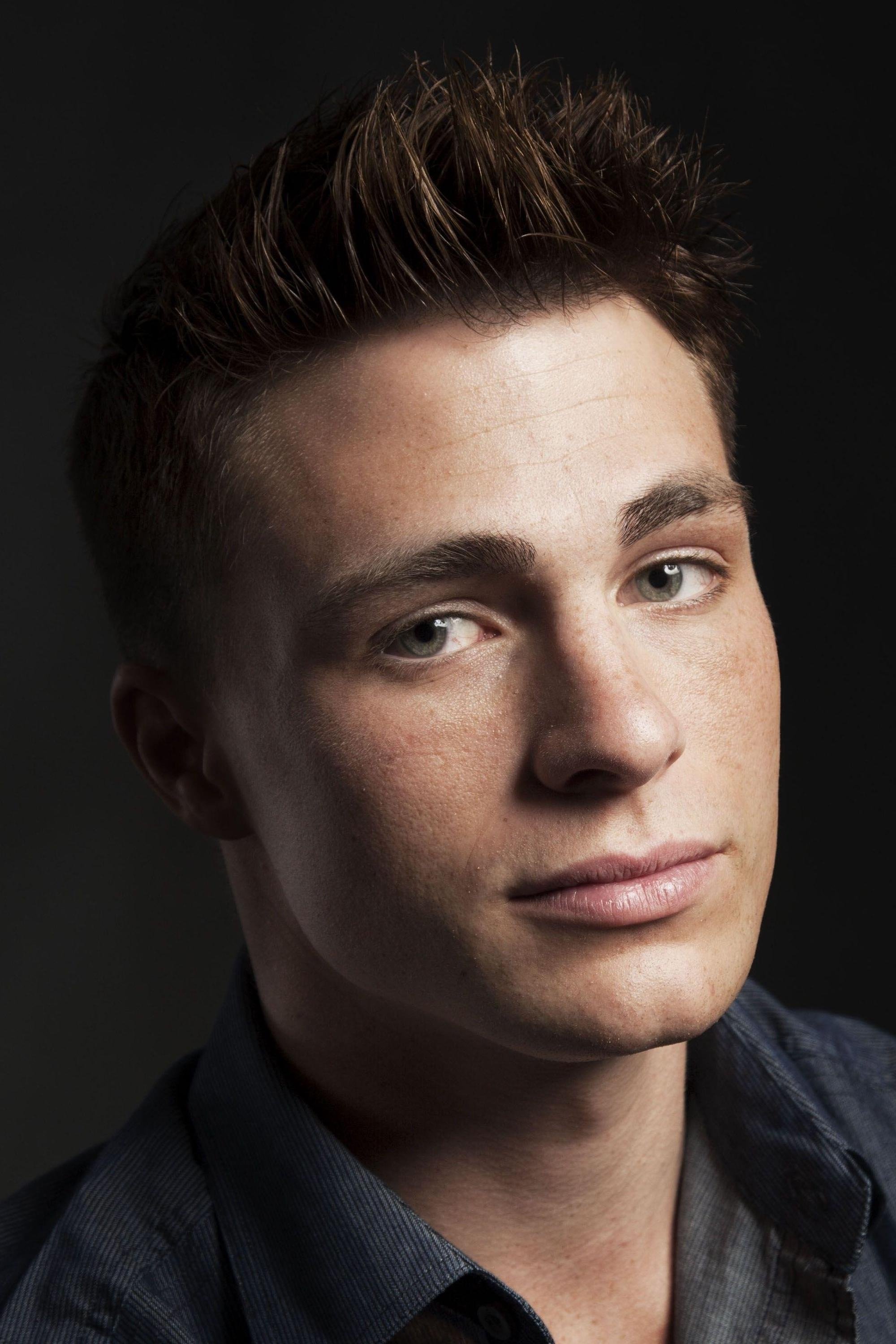
Haynes has described extreme pressure to maintain a specific physique and linked that pressure, alongside bullying over his sexuality, to anxiety and health issues. He took time away from high-profile work to focus on well-being and later detailed rebuilding healthier routines. His experience is frequently cited when discussing the costs of aesthetic standards for action-adjacent roles. Public interviews have helped audiences understand why some actors step back to prioritize health.
Bowen Yang
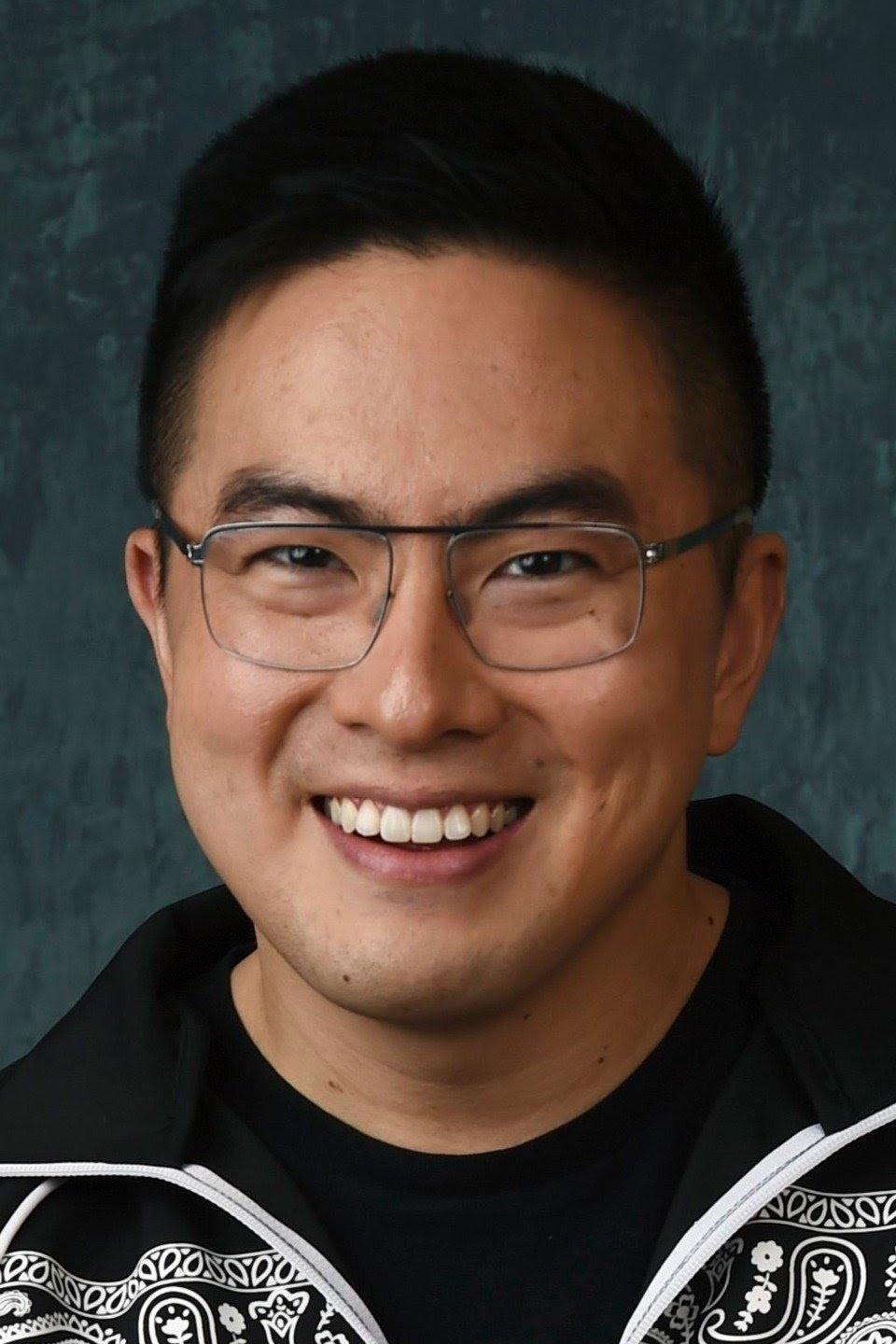
Yang has addressed how online harassment—including tags and threads about his appearance—can make platforms feel unusable. He’s also spoken about seeking mental health support while navigating visibility. His experiences highlight how body-focused comments often arrive with racialized stereotypes and other abuse. The conversations have encouraged fans to rethink what they post about performers’ looks.
Jonathan Bailey
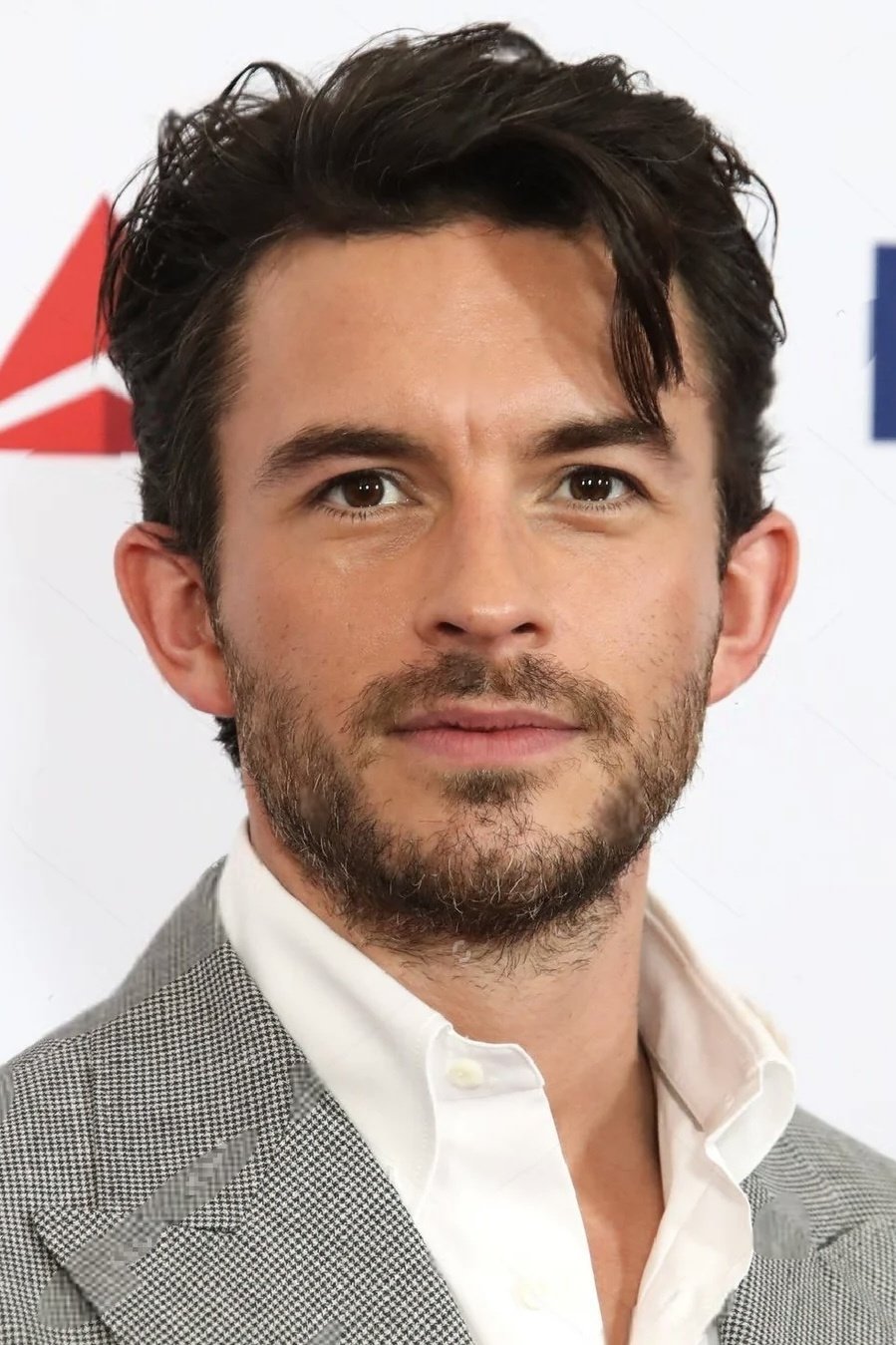
Bailey has noted constant pressure on male leads to present a certain body and said he’s frequently asked to undress for shoots or roles. He’s discussed juggling projects that demanded different physiques at the same time, adding logistical and mental strain. Interviews emphasize consent-forward practices when scenes involve nudity or body exposure. His comments contribute to calls for healthier, more respectful on-set norms.
Russell Tovey
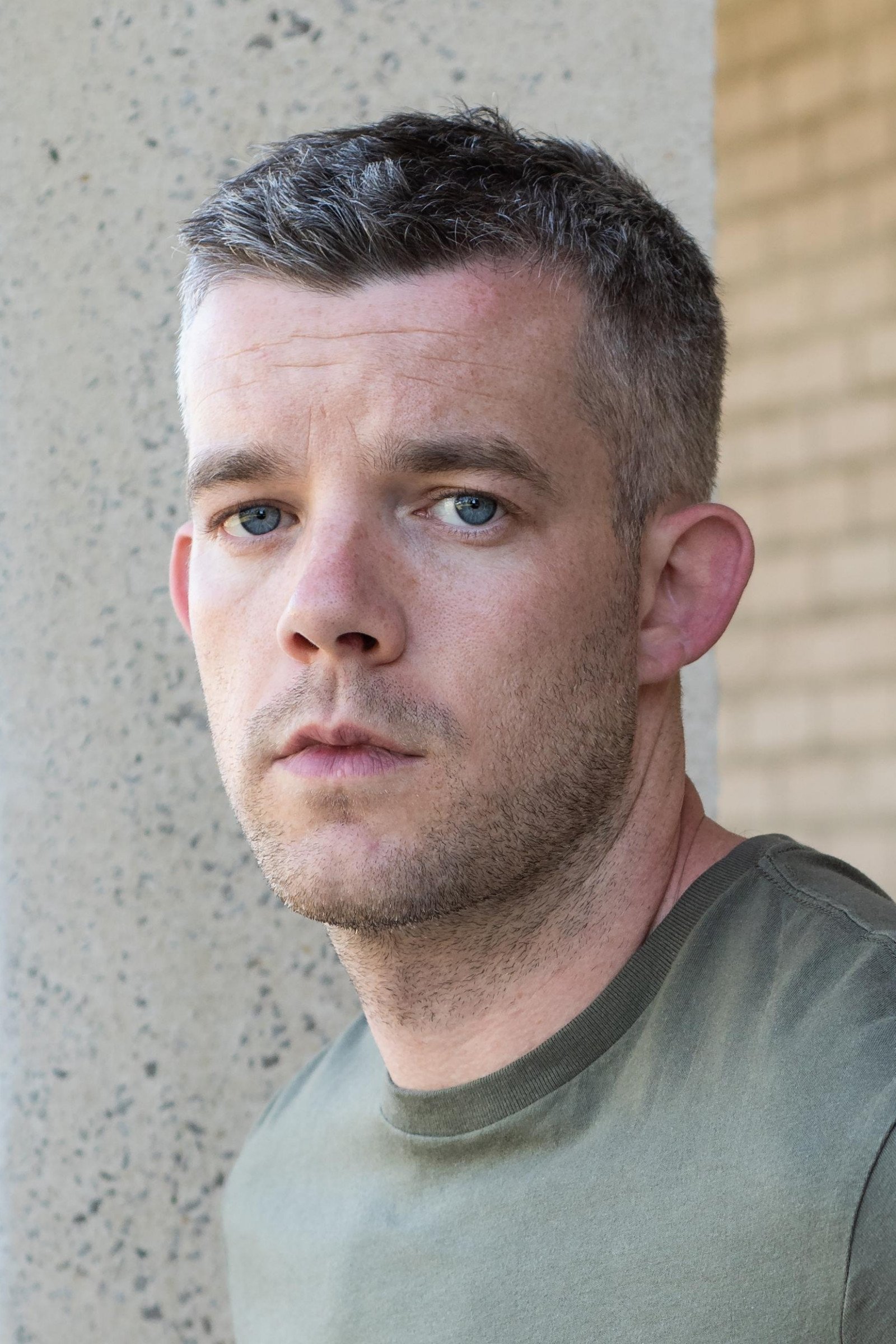
Tovey has described how shirtless roles and publicity stills invite commentary about being too big, too small, or not “cut” enough. He said the cycle of training, shooting, and then reading judgments online created anxiety about staying “camera-ready.” In interviews, he’s urged productions to plan realistic timelines for body-dependent scenes. He also encourages fans to be kinder about unposed, off-duty images.
Matt Bomer
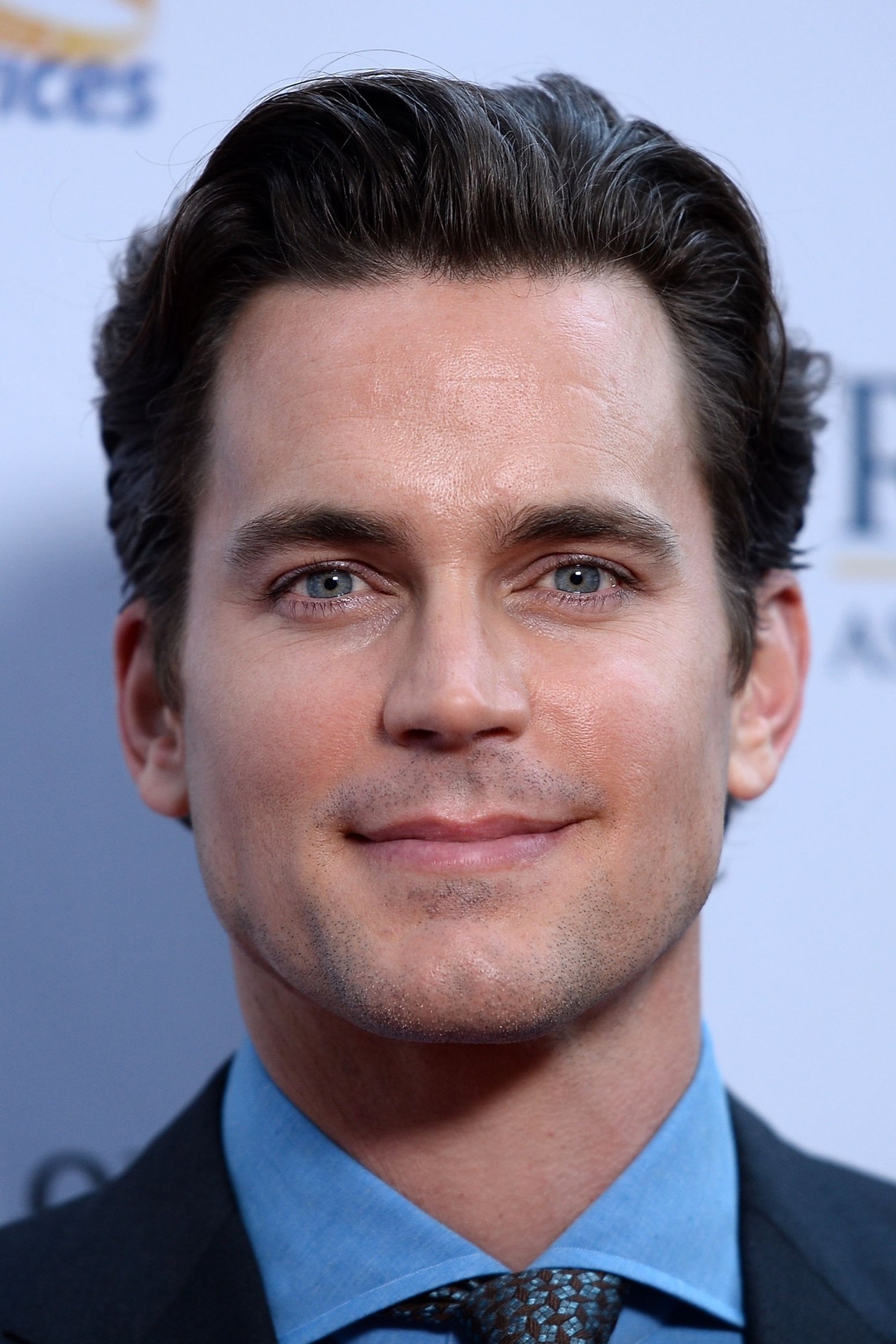
Bomer has talked about drastic weight shifts for roles and the flood of appearance commentary that follows. He’s highlighted how praise and ridicule can flip overnight, reinforcing unhealthy expectations about what a leading man “should” look like. He emphasizes medical supervision and sustainable methods over crash approaches. His message centers performance and health over paparazzi snapshots.
Charlie Carver
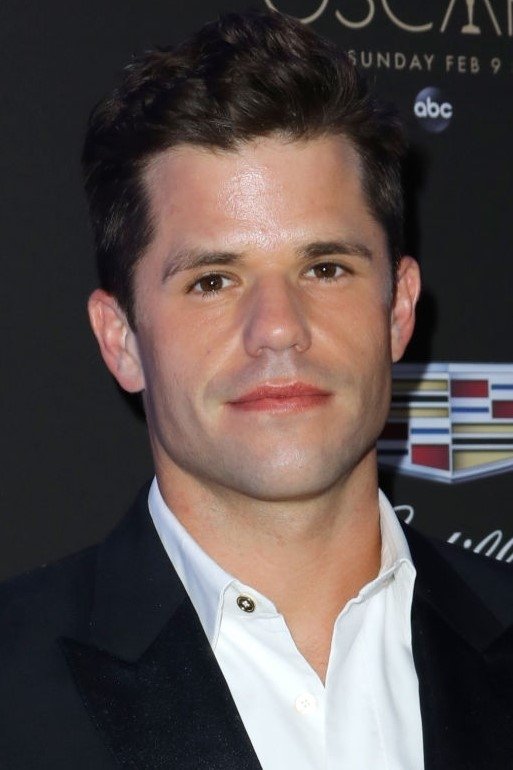
Carver has spoken about early-career pressure to conform to a single “marketable” body and how social media magnified nitpicking over muscle size. He’s worked to separate character preparation from personal worth, especially when feedback fixates on physique. Carver urges younger actors to push back when fittings or stills become shaming moments. He also advocates for coordinators who help frame bodies responsibly on screen.
Keiynan Lonsdale
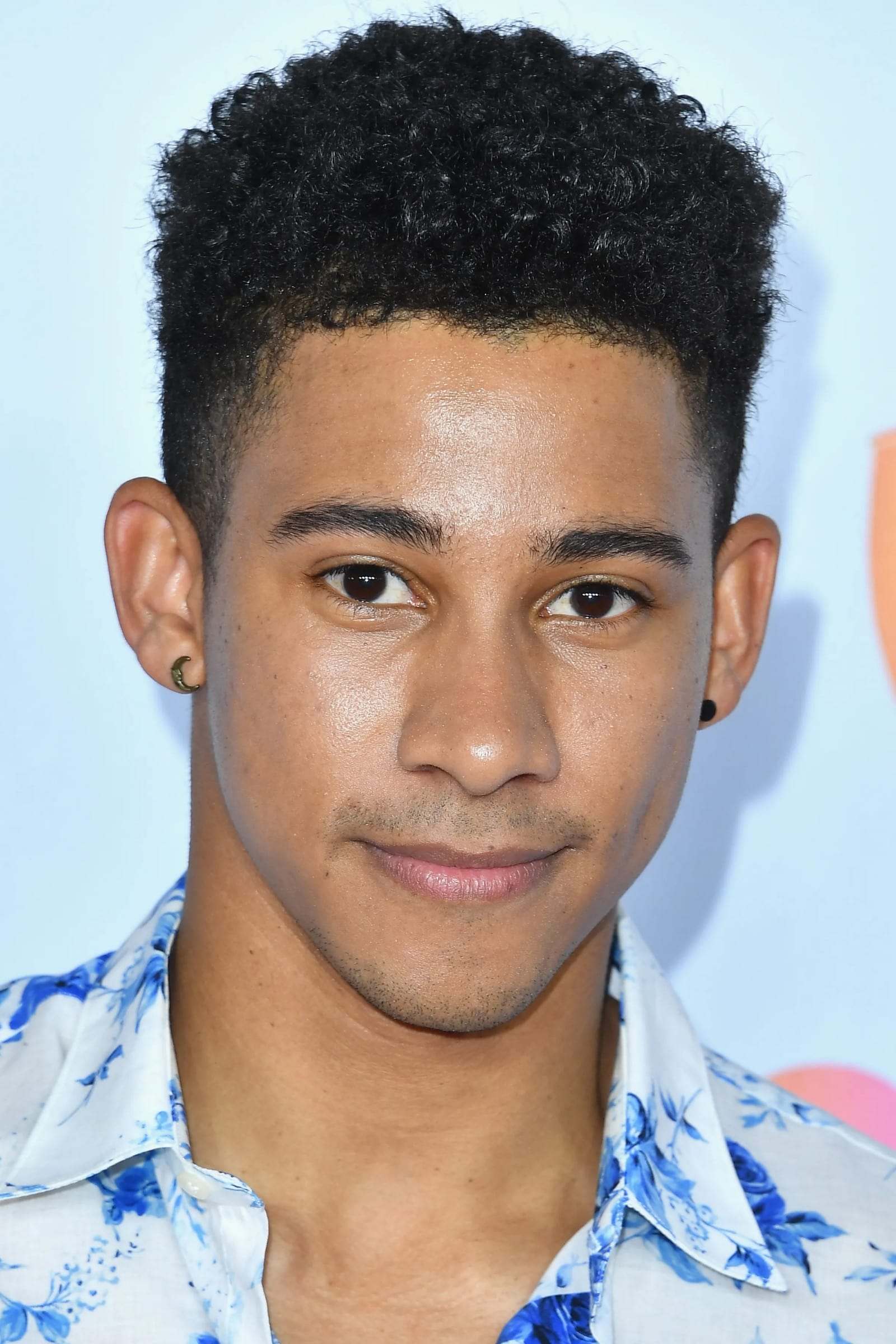
Lonsdale has been candid about disordered eating and body image struggles intensified by industry expectations and online remarks. He described cycles of restriction and over-training in pursuit of a perceived “ideal” for action roles. In recent years he’s focused on sustainable training and mental health support. Public messages remind fans that edited images don’t reflect day-to-day reality.
Wilson Cruz
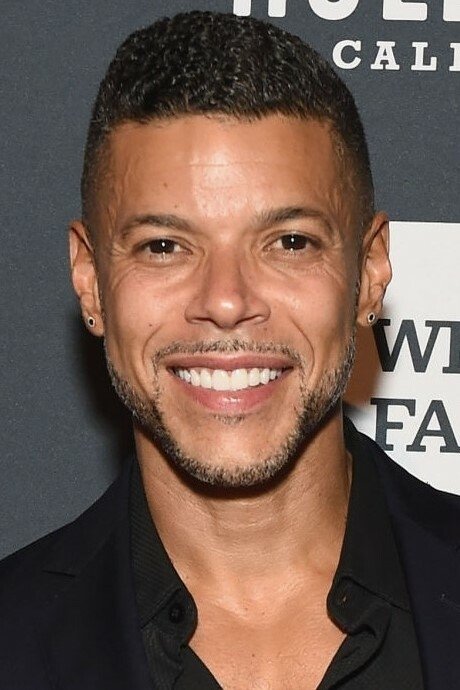
Cruz has discussed pressure on Latino gay men to present a hyper-fit image and how that spills into casting and fan chatter. He’s called out commentary that treats age or weight fluctuation as newsworthy. On panels and in interviews, he advocates for stories that don’t equate desirability with a single build. He also encourages productions to skip gratuitous shirtless scenes that function as body checks.
Joel Kim Booster
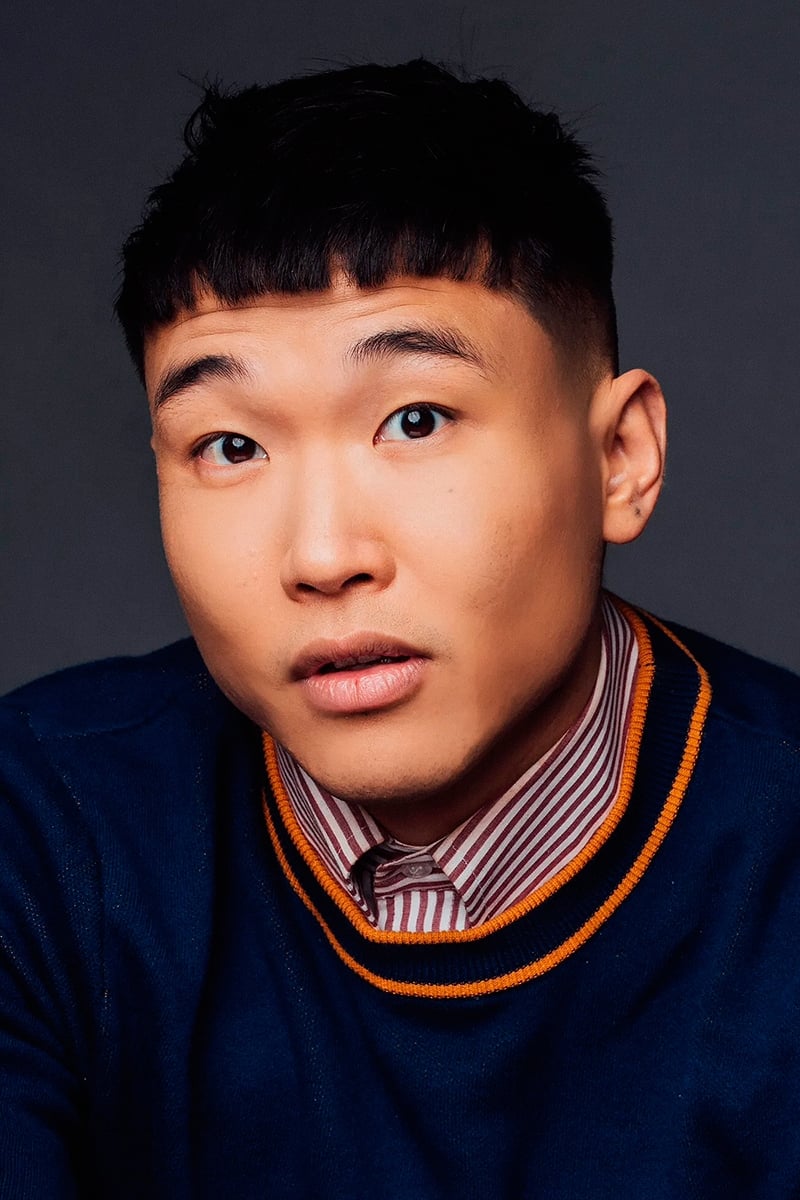
Booster has talked openly about body dysmorphia and how comparisons in fitness culture can distort self-image. He’s described periods of over-training and performance-linked dieting that were publicly rewarded despite being unhealthy. Booster has urged more nuanced conversations about fitness, enhancement, and safety. He notes that comedic performers face physique policing just as dramatic leads do.
Nico Santos
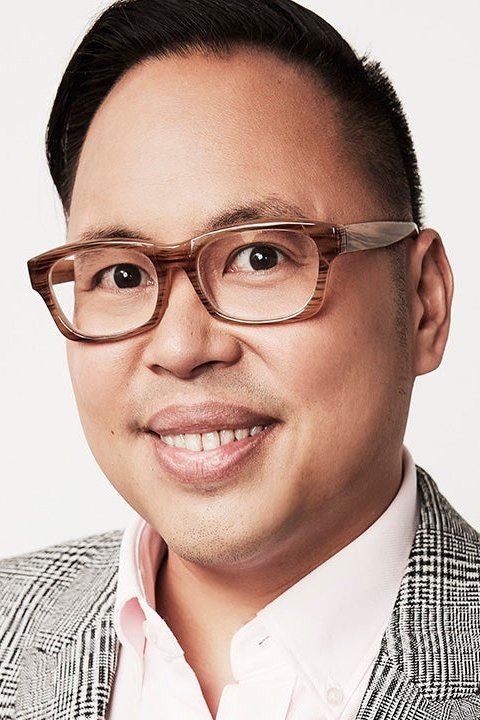
Santos has shared experiences with fat-shaming, from offhand remarks during fittings to comment-section ridicule tied to publicity stills. He emphasizes how such behavior narrows the range of roles offered to plus-size actors. Santos argues for wardrobe and camera practices that respect diverse bodies rather than trying to “camouflage” them. He links inclusive casting to stronger audience identification.
Omar Ayuso
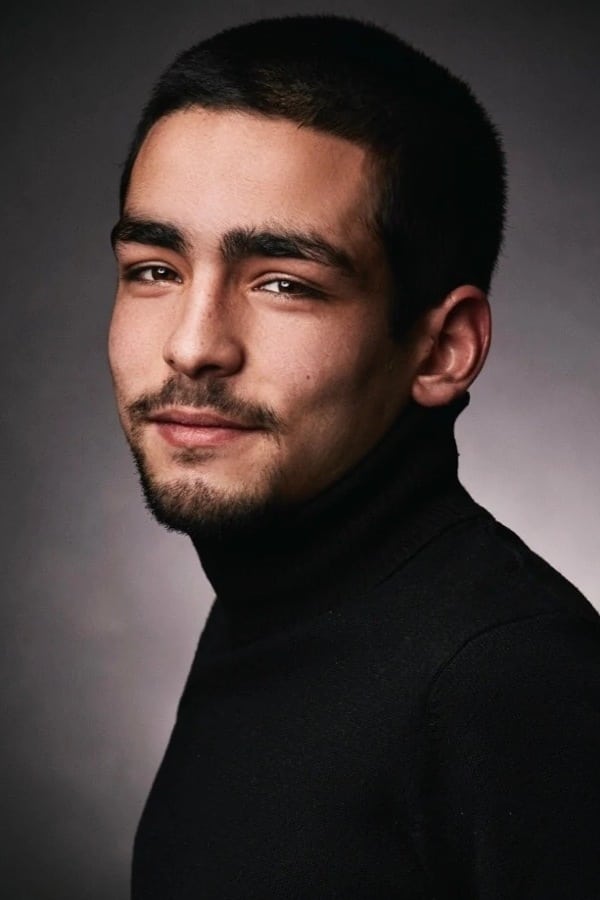
Ayuso has pushed back on trolling that fixates on minor weight changes between seasons. He’s said that scrutiny can erode confidence and distract from creative work. Ayuso encourages audiences to focus on performance rather than gym metrics. He has praised productions that resist homogenizing young men’s bodies on screen.
Elliot Fletcher
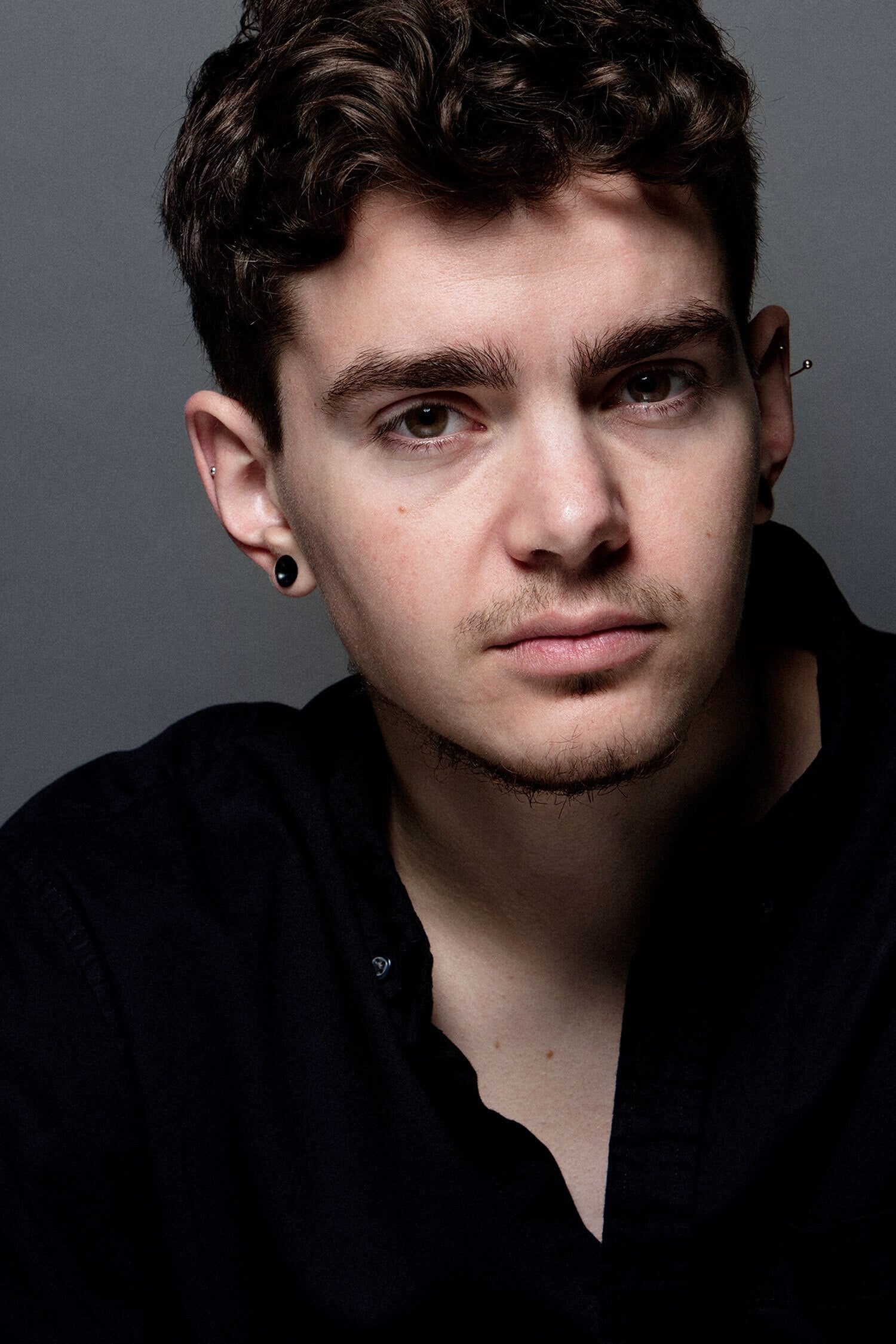
Fletcher, a trans male actor, has described invasive questions and commentary about his body, especially when press conflates identity with anatomy. He urges interviewers to center craft over prying. Fletcher points out how trans men are held to contradictory standards—told to “prove” masculinity yet punished for not matching a single template. He supports set policies that protect boundaries and dignity.
Brian Michael Smith
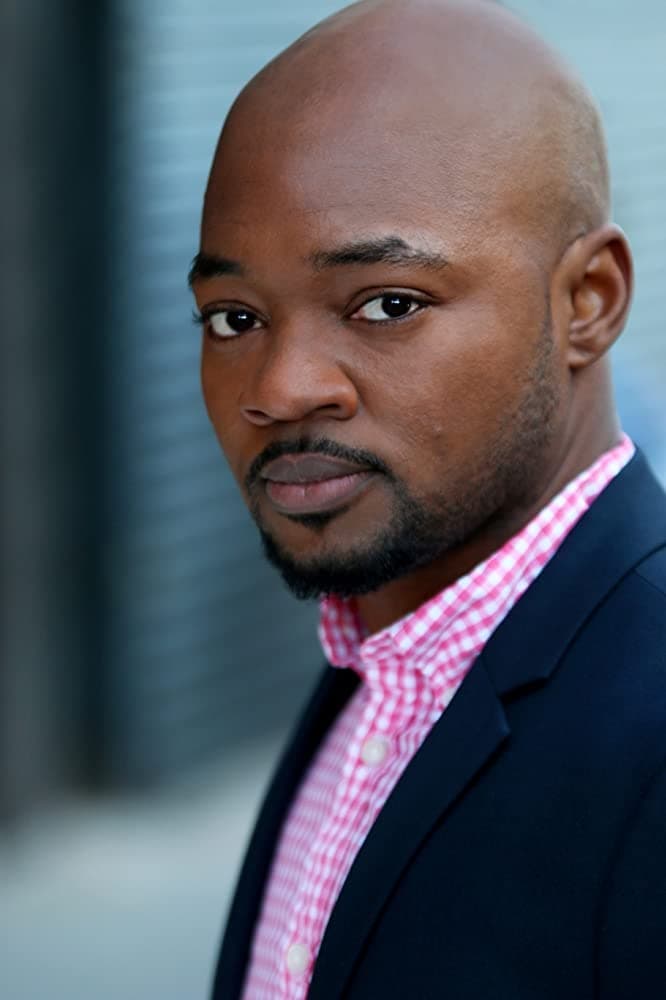
Smith has addressed objectification and body-checking that followed high-visibility roles and photo features. He outlines training that prioritizes function and longevity, not just aesthetics. Smith distinguishes between a character’s requirements and a person’s private life. He supports media guidelines that avoid sensationalizing trans bodies.
Leo Sheng
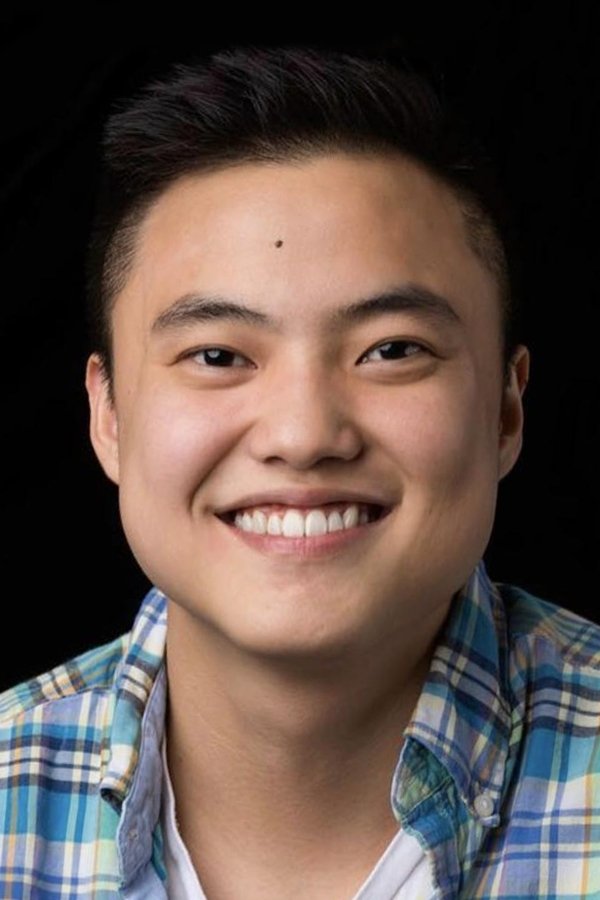
Sheng has spoken about pressure to meet narrow expectations for trans masculinity, magnified by casting notes and social media. He explains how even supportive audiences can slip into surveillance language about bodies. Sheng promotes mental health resources and peer networks to navigate visibility. He asks productions to avoid storylines that hinge on physique “validation.”
Johnny Sibilly
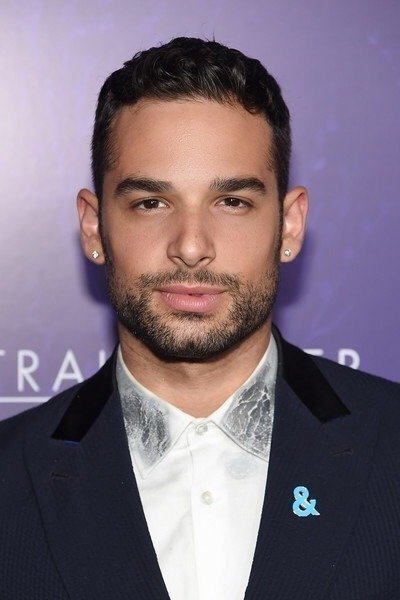
Sibilly has discussed comments policing weight, definition, and body hair, especially around swimsuit or club scenes. He notes that those remarks often carry coded messages about race and desirability. Sibilly encourages framing intimacy with a range of bodies, not just the gym-hardened stereotype. He also reminds followers that lighting, angles, and retouching create illusions that shouldn’t become standards.
Brandon Flynn
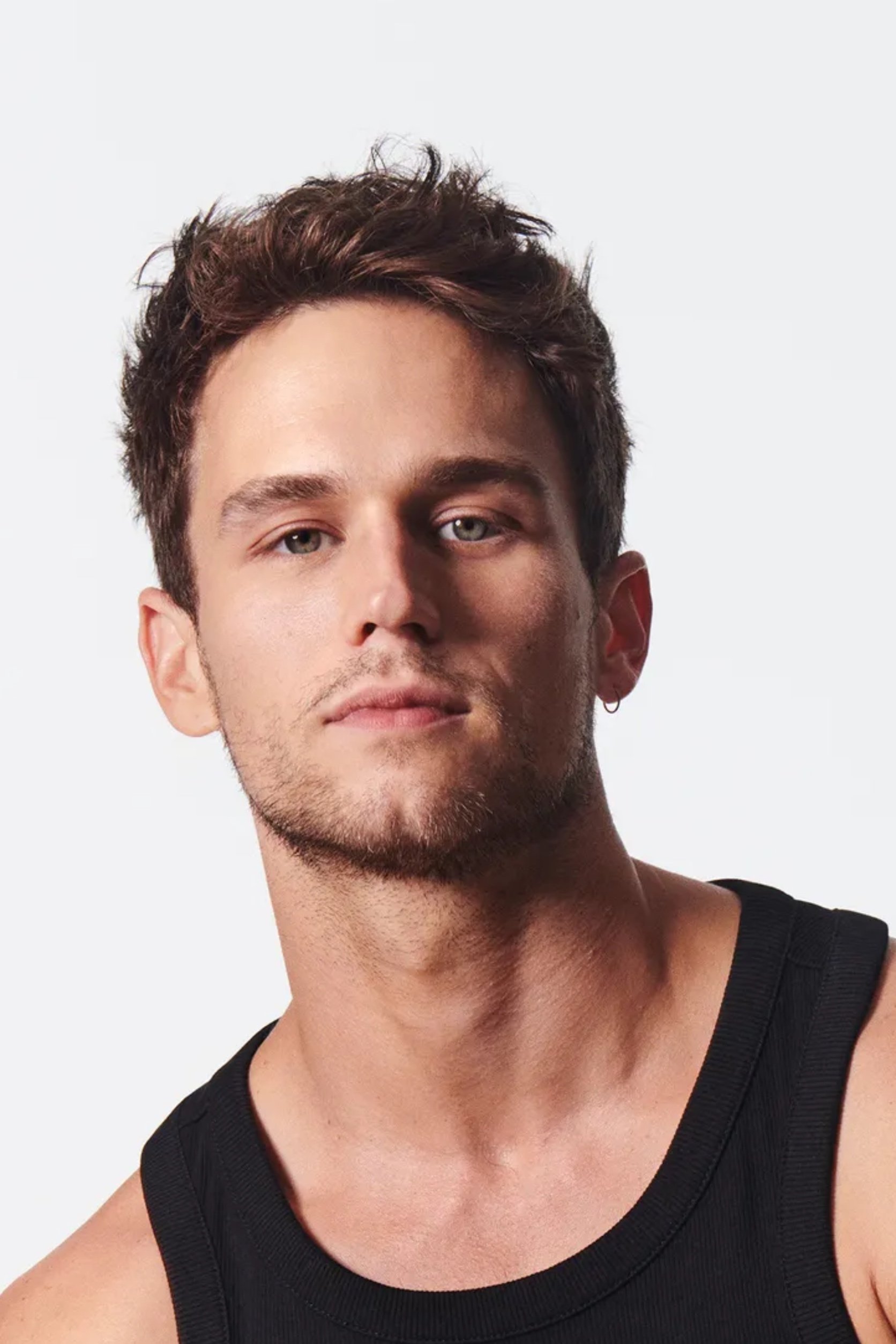
Flynn has described how candid beach and paparazzi photos triggered waves of criticism that spilled into DMs and casting rumors. He emphasizes the need for firmer boundaries between private life and public consumption. Flynn supports moderation tools to tamp down abusive comments. He encourages fans to challenge body-shaming within their own circles.
Tituss Burgess
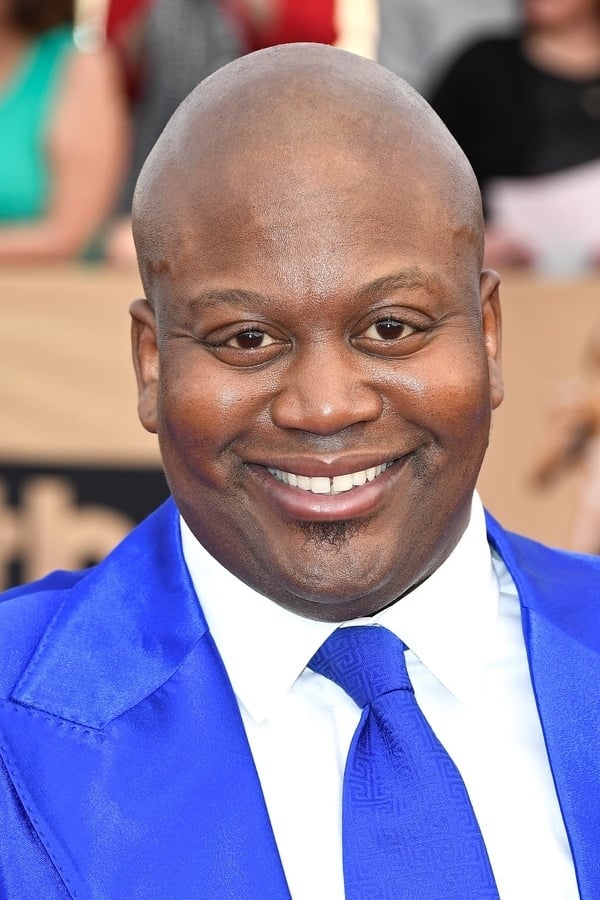
Burgess has recounted moments when body-centric jokes or wardrobe gags crossed into shaming rather than serving character. He asks collaborators to test whether a gag targets a body or advances the story. Burgess champions writers’ rooms that interrogate dated tropes about “acceptable” male shapes. He also underscores the value of comfort-first costuming that avoids weaponizing tight fits.
Jake Borelli
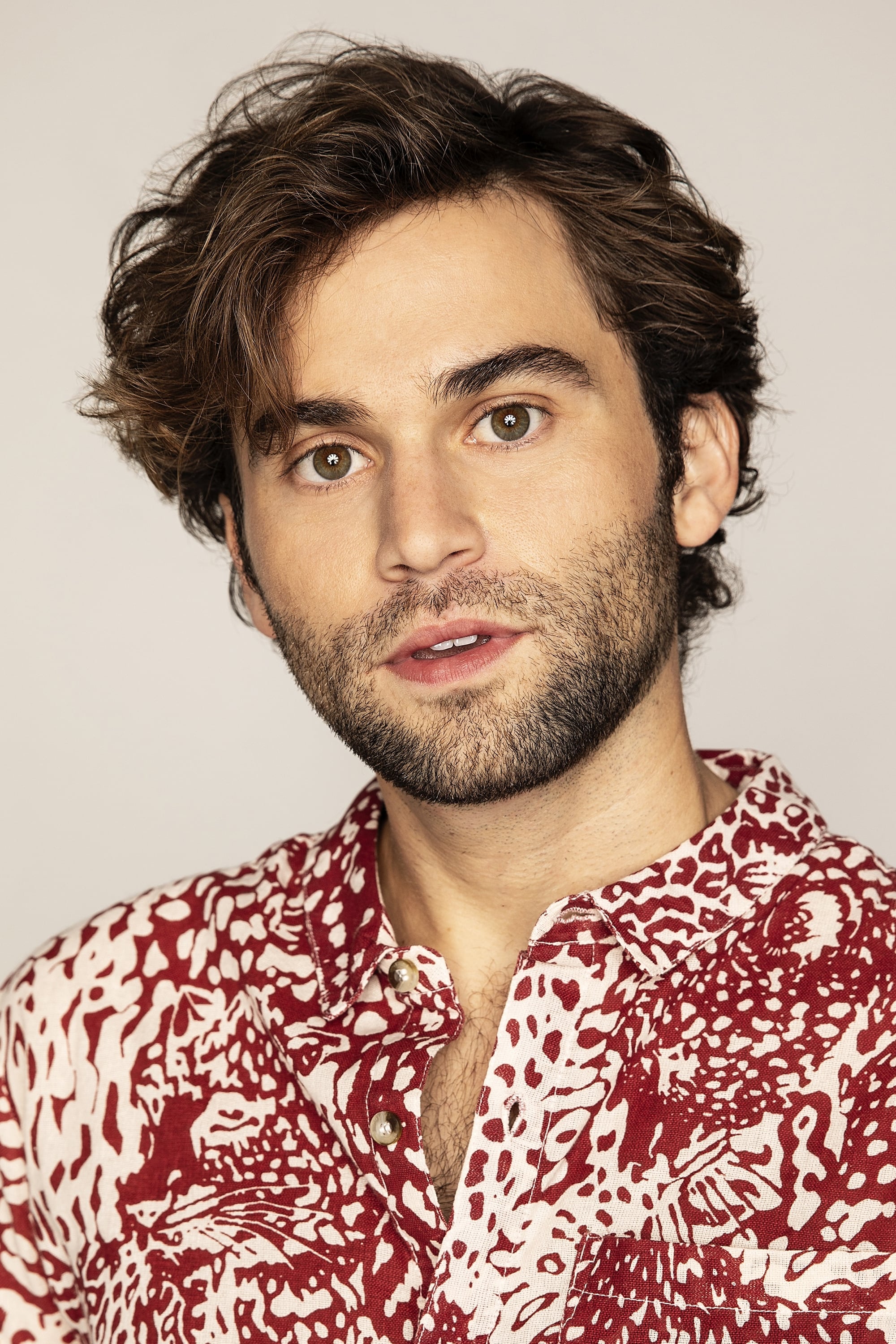
Borelli has discussed pressure to fluctuate for roles and the harsh reactions when off-season looks appeared in candid photos. He advocates for healthier timelines and better nutritional support on long-running series. Borelli reminds viewers that character continuity does not require a permanent six-pack. He promotes digital literacy about the real impact of comments on performers’ well-being.
Share your thoughts below: whose story resonated with you, and what practical changes would you like to see in how audiences and the industry talk about men’s bodies?

