


LGBTQ+ Actors Who Roles Because of Their Reputation

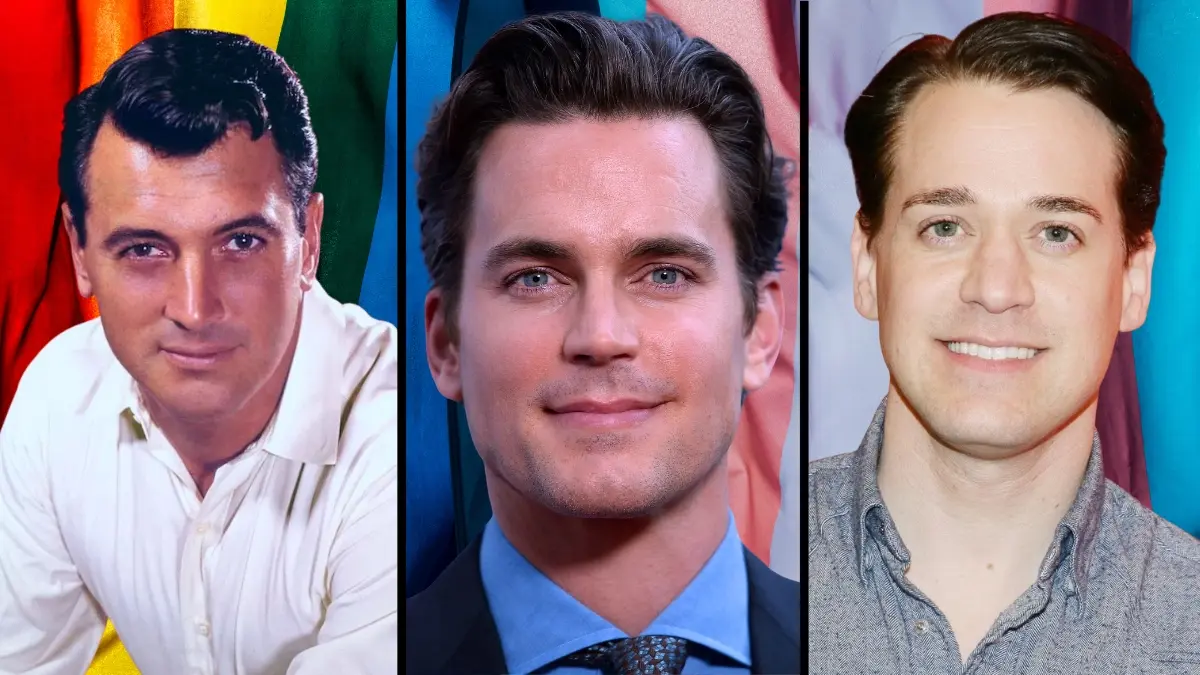


The history of Hollywood has often been marked by a complex relationship between an actor’s public persona and their private identity. For many LGBTQ+ male performers, the “reputation” of being gay or queer was historically viewed by studios as a liability for leading men. This often resulted in lost roles, the cooling of once-promising careers, or the necessity of living behind a carefully constructed facade. While the industry has made significant strides toward inclusivity, the accounts of these actors highlight the professional risks many faced when their true identities clashed with industry expectations.
Rupert Everett
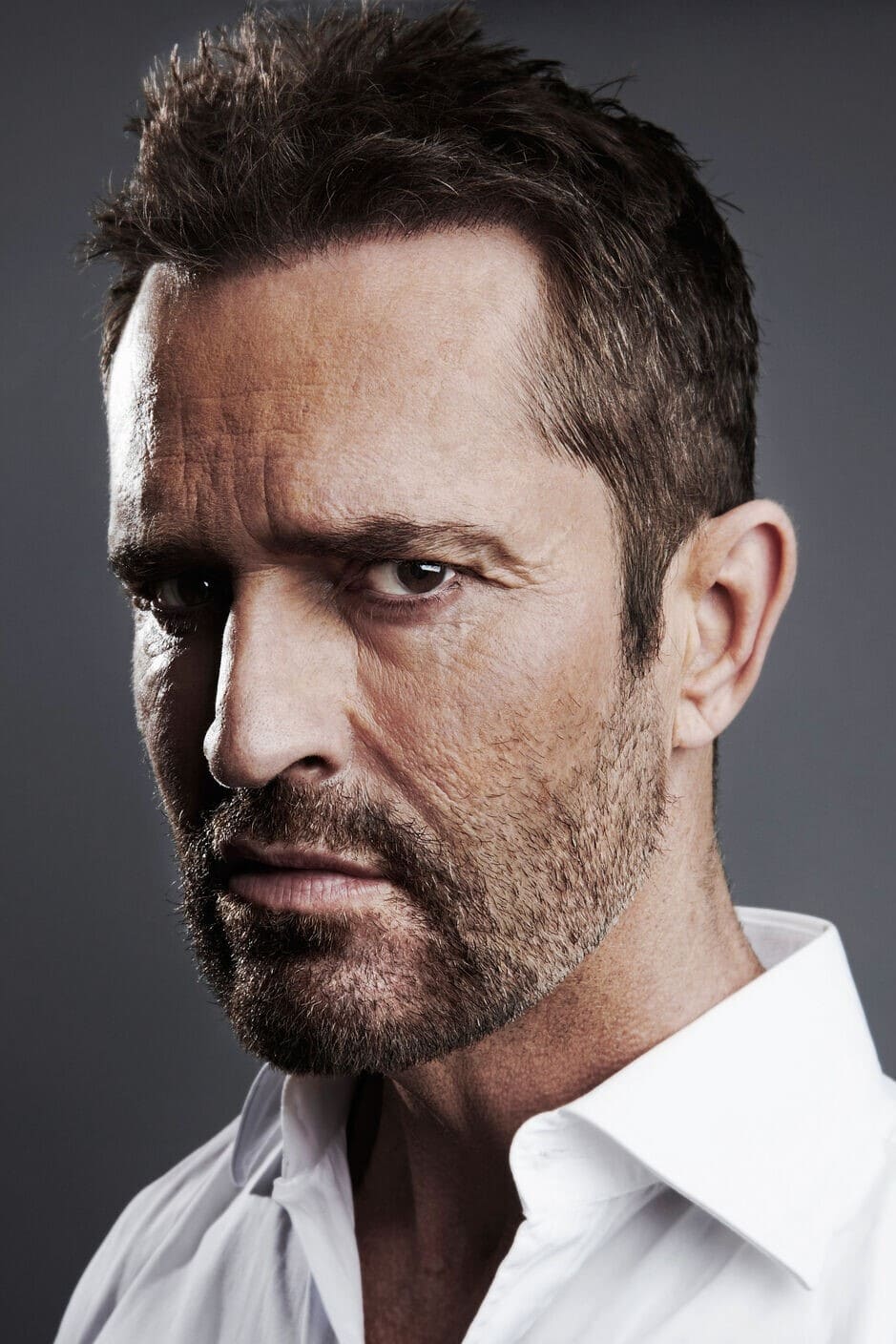
Rupert Everett has been candid about how coming out as gay in 1989 significantly impacted his trajectory as a Hollywood leading man. He has stated in multiple interviews that he lost out on several major film roles because the industry could no longer envision him in traditional heterosexual romantic leads. Despite a high-profile resurgence following his performance in ‘My Best Friend’s Wedding’, Everett noted that the offers for big-budget studio films eventually dried up. He observed that his reputation as an out actor made him a “safe” choice only for specific supporting roles rather than the protagonist. Everett eventually moved back to Europe to pursue more diverse opportunities in theater and independent cinema.
Matt Bomer
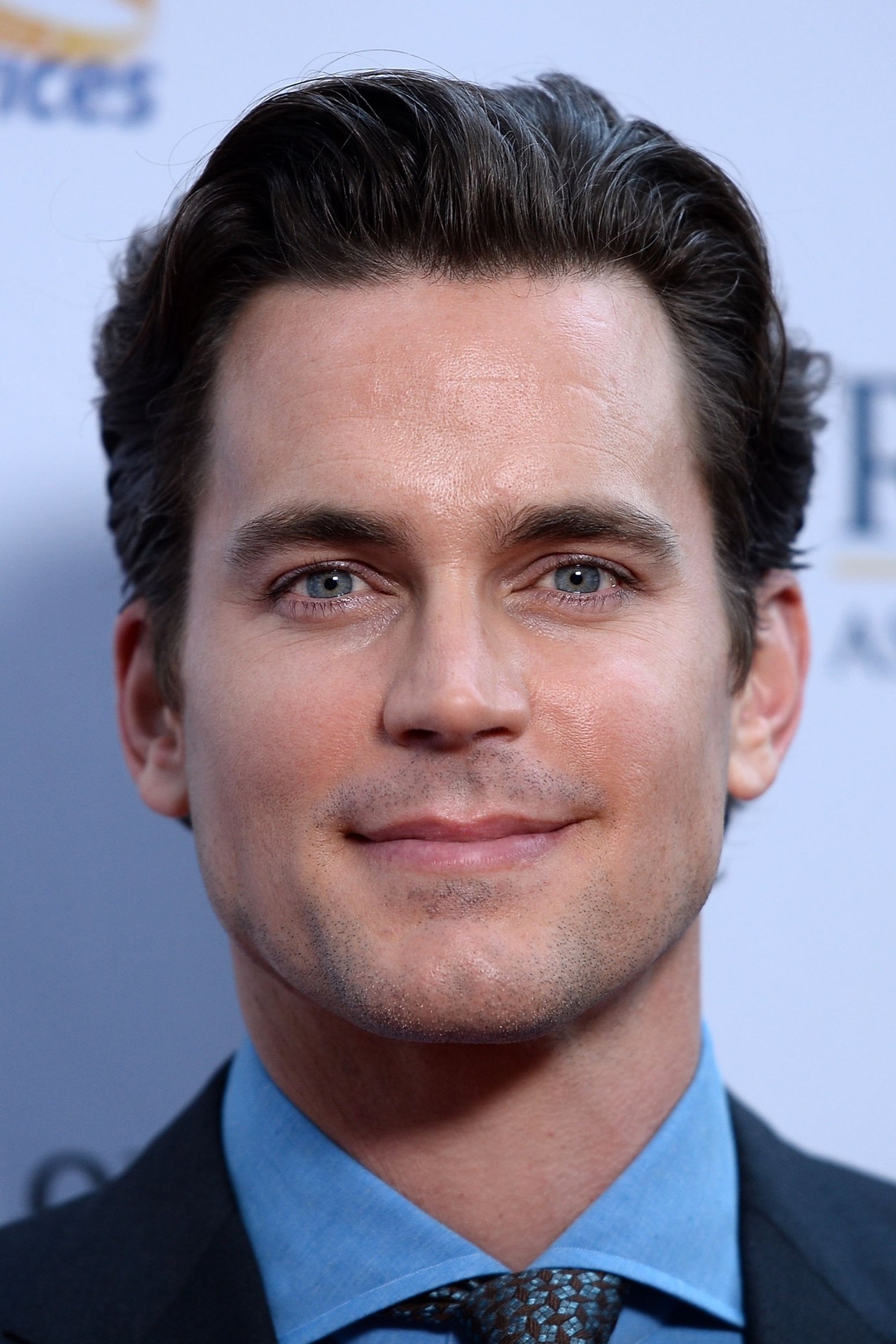
Matt Bomer was a top contender for the lead role in the early 2000s project ‘Superman: Flyby’, which was being developed by J.J. Abrams. According to author Jackie Collins and later corroborated by Bomer himself, his sexual orientation was a factor in him losing the iconic role. Bomer had not yet publicly come out at the time, but rumors regarding his personal life reportedly reached the producers and influenced the casting decision. The actor has since reflected on the incident, noting that it was a different era in the film industry regarding the visibility of gay actors. Despite this early setback, Bomer has built a prolific career in projects like ‘White Collar’ and ‘Fellow Travelers’.
Richard Chamberlain
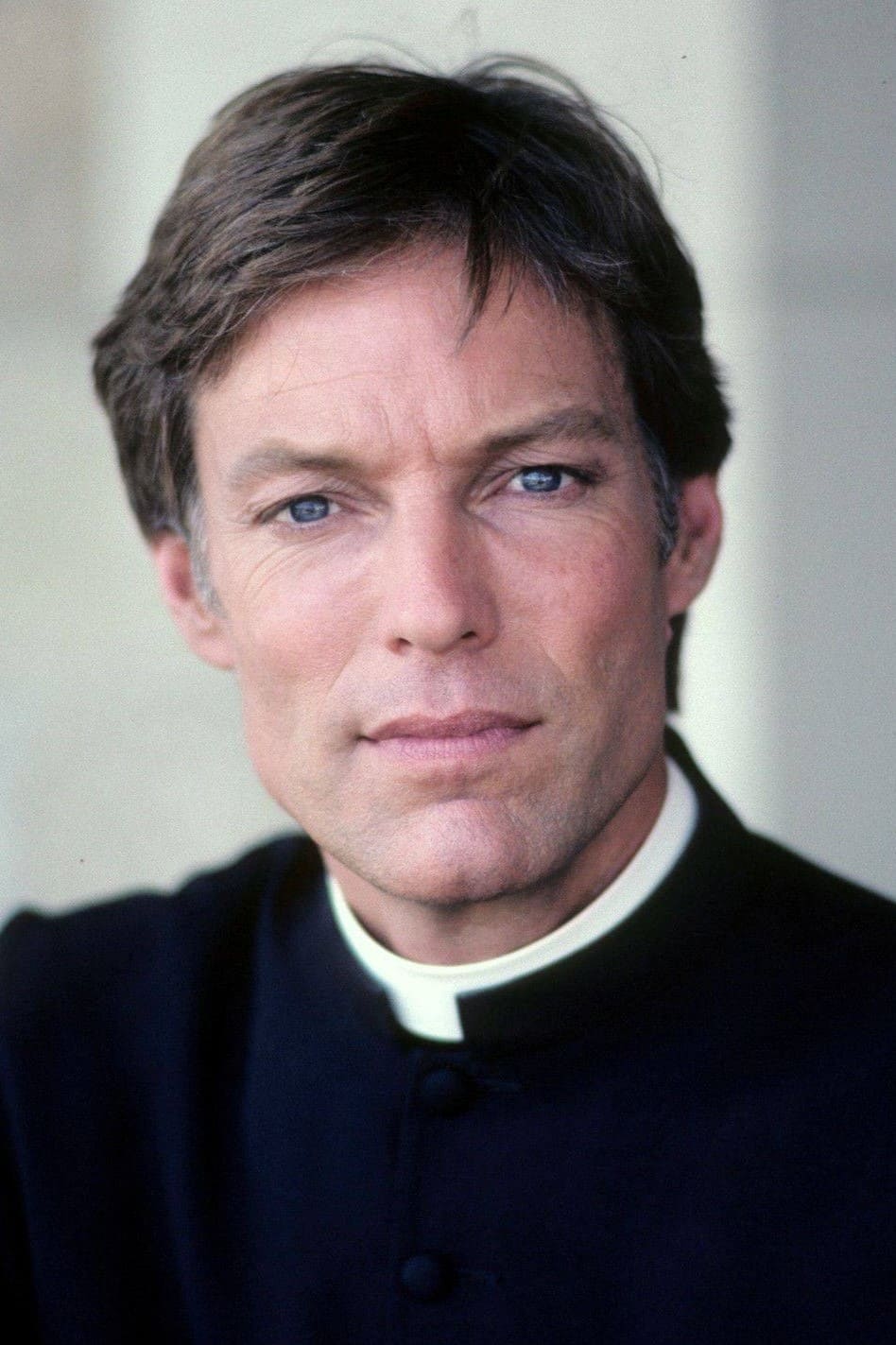
Richard Chamberlain became a household name and a major heartthrob during the 1960s as the star of the medical drama ‘Dr. Kildare’. In his 2003 memoir ‘Shattered Love’, Chamberlain revealed that he spent decades hiding his sexuality to protect his reputation as a romantic lead. He believed that coming out during his prime would have immediately ended his career and resulted in the loss of his “leading man” status. Chamberlain famously advised younger actors to remain in the closet if they wished to continue being cast in traditional masculine roles. After he eventually came out, he noted a distinct shift in the types of characters he was offered by major studios.
Colton Haynes

Colton Haynes gained significant popularity through his roles in ‘Teen Wolf’ and ‘Arrow’, but his early career was managed by a team that insisted he hide his identity. Haynes has described how his management pressured him to date women publicly to curate a specific reputation that would appeal to a mainstream audience. He later revealed that refusing to continue this facade led to professional friction and a temporary decline in casting opportunities. Haynes felt that once he was no longer willing to play the “straight heartthrob” off-camera, the industry’s interest in him changed. He has since become a vocal advocate for mental health and authenticity in the entertainment business.
T. R. Knight
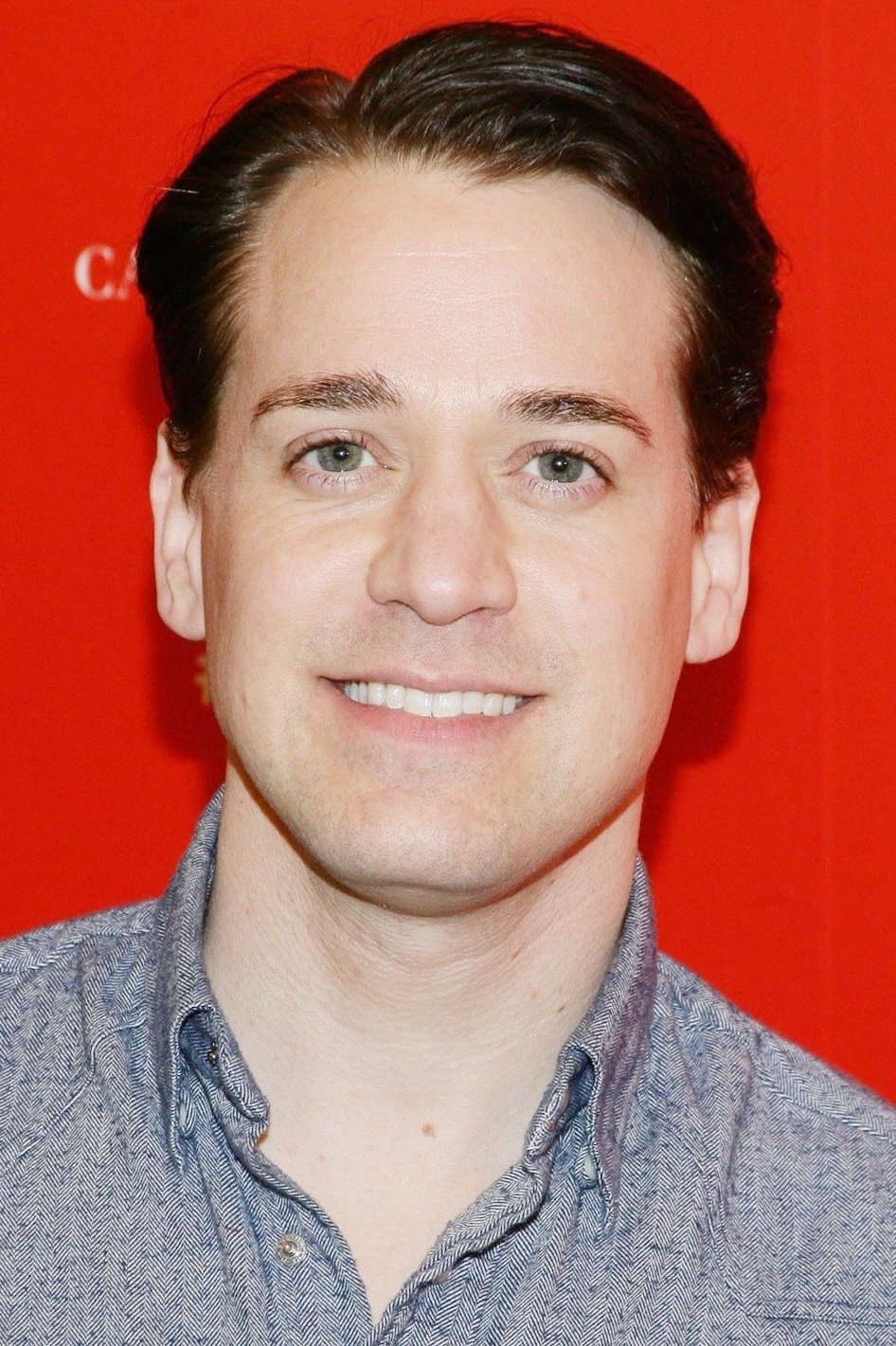
T.R. Knight faced a highly publicized career transition following a workplace incident on the set of ‘Grey’s Anatomy’ involving a homophobic slur. After the conflict and his subsequent decision to come out publicly, Knight observed that his character’s presence on the show began to diminish. He eventually requested to be released from his contract, feeling that his reputation as an out actor had negatively impacted how the writers and producers utilized him. Knight suggested that the “breakdown in communication” with the production team was directly tied to the fallout of his coming out. Following his exit, he shifted his focus back to the stage and characterized roles in television.
Rock Hudson
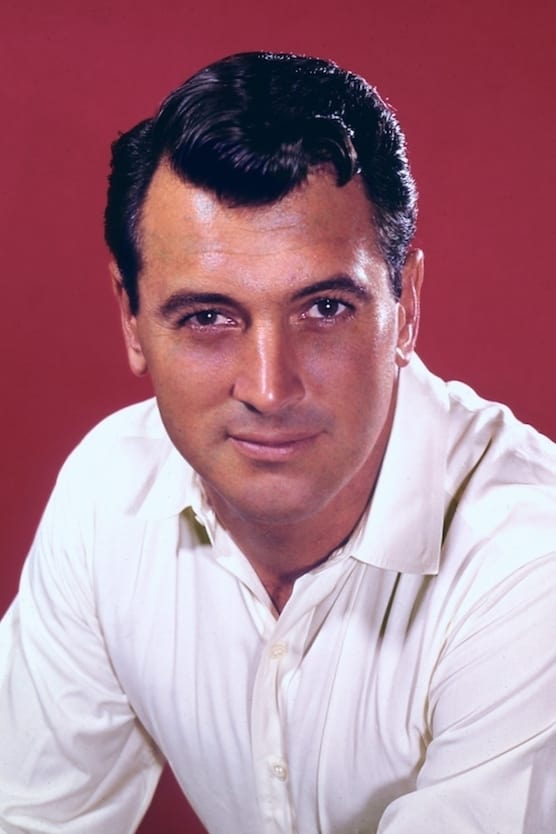
Rock Hudson was one of the most successful film stars of the 1950s and 1960s, but his entire career was built on maintaining a strictly heterosexual public reputation. During his peak, his agents and the studios went to great lengths, including arranging a marriage, to ensure that his personal life did not interfere with his marketability. The threat of losing his contract and his status as a romantic lead kept him from living authentically for the majority of his life. While he did not lose one specific role publicly, his biography confirms that his employment was entirely contingent on his secret remaining hidden. His life remains a poignant example of the professional cost of the “reputation” requirements of the classic studio system.
Jonathan Bennett

Jonathan Bennett became an international teen idol after starring as Aaron Samuels in the 2004 hit ‘Mean Girls’. Following the film’s success, Bennett was advised by industry professionals to stay in the closet to avoid damaging his reputation as a commercial leading man. He has since shared that he felt the pressure to hide his identity prevented him from pursuing certain high-profile roles that might have expanded his career. Bennett noted that the fear of being “pigeonholed” or losing his fan base dictated many of his professional choices for years. He has since transitioned into a successful career as a host and actor, often starring in and producing LGBTQ-inclusive projects.
Please share your thoughts on how the industry’s perception of LGBTQ+ actors has evolved over the years in the comments.

