


LGBTQ+ Actors Who Tragically Died by Suicide

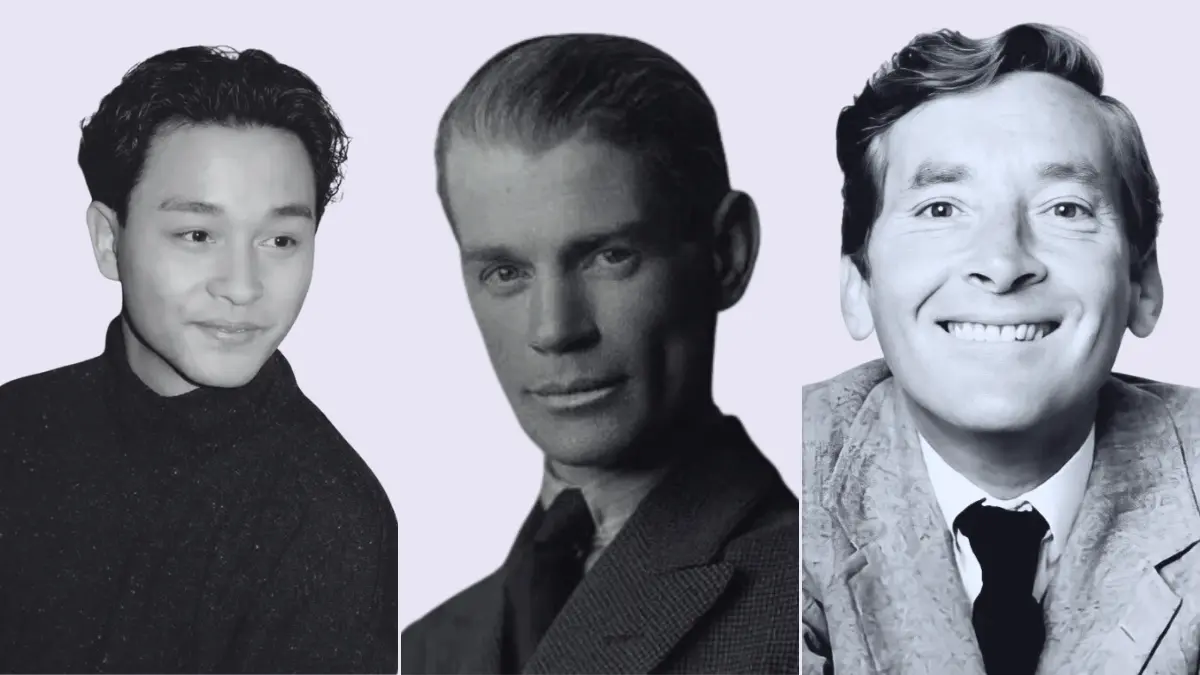


The entertainment industry has long served as a stage for immense talent, yet many performers have faced profound personal struggles behind the scenes. For LGBTQ+ male actors, these challenges were frequently intensified by societal stigma, the pressure to remain closeted, and the weight of high-profile careers. While their work continues to inspire audiences, their tragic departures serve as a somber reminder of the importance of mental health awareness and community support. This list remembers several confirmed LGBTQ+ actors whose lives were cut short by suicide.
Leslie Cheung
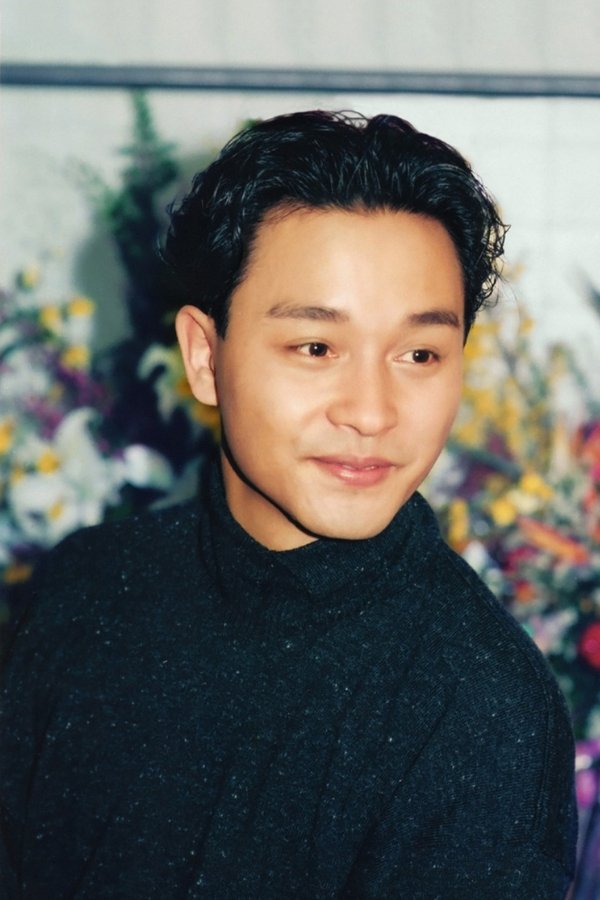
Hong Kong superstar Leslie Cheung was a pioneer for LGBTQ+ visibility in Asian cinema, famously starring in the 1993 film ‘Farewell My Concubine’. He was openly bisexual and maintained a long-term relationship with his partner, Daffy Tong, for many years. In 2003, Cheung tragically died by suicide after jumping from the Mandarin Oriental hotel in Hong Kong. He left a note citing depression, and his death led to an outpouring of grief from millions of fans worldwide. His legacy continues to be celebrated annually by the international film community.
James Whale
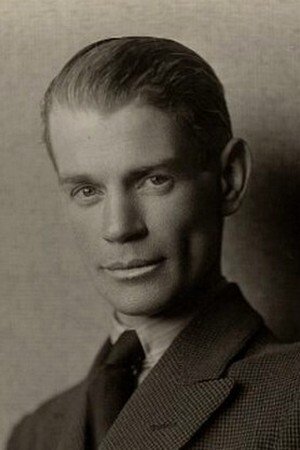
James Whale was a renowned British stage actor and director best known for helming horror classics like ‘Frankenstein’ and ‘The Invisible Man’. He lived openly as a gay man during the early 20th century, a time when Hollywood was largely closeted and restrictive. In 1957, after suffering from a series of strokes that left him in chronic pain and fearing the loss of his independence, he committed suicide by drowning. His life and career were later dramatized in the 1998 film ‘Gods and Monsters’, which explored his complex identity. He remains a foundational figure in the history of cinema and queer representation.
Brad Davis
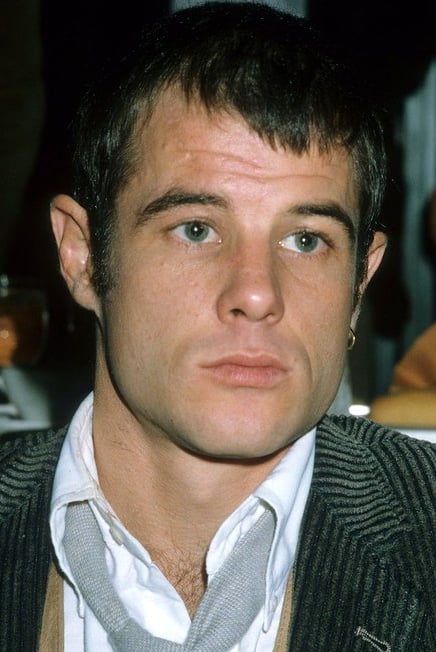
‘Midnight Express’ star Brad Davis was a prominent bisexual actor who became a symbol of the struggle with the HIV/AIDS epidemic in Hollywood. After being diagnosed in 1985, he kept his condition secret for years to ensure he could continue working in a highly discriminatory industry. In 1991, faced with the terminal stages of the illness, he chose to end his life through an assisted drug overdose. His death was later chronicled by his wife, Susan Bluestein, in her book ‘740 Days’ to raise awareness about the stigma surrounding the disease. He is remembered for his intense performances and his final act of honesty regarding his health.
Kenneth Williams

Kenneth Williams was a beloved English actor and comedian, famous for his distinctive voice and roles in the ‘Carry On’ film series and ‘Around the Horne’. He was gay and often wrote in his private diaries about his struggles with loneliness and the intense societal pressures of his era. In 1988, he died from an overdose of barbiturates, with biographers frequently citing his personal writings as evidence of a long-term battle with depression. Although the coroner recorded an open verdict, his death is widely discussed within the context of the tragic pressures faced by LGBTQ+ entertainers of his time. His life remains a significant part of British cultural history, characterized by public humor and private difficulty.
Please share your memories of these talented performers or your thoughts on the importance of mental health awareness in the comments.

