


LGBTQ+ Actors Who Were Everywhere in the 2000s

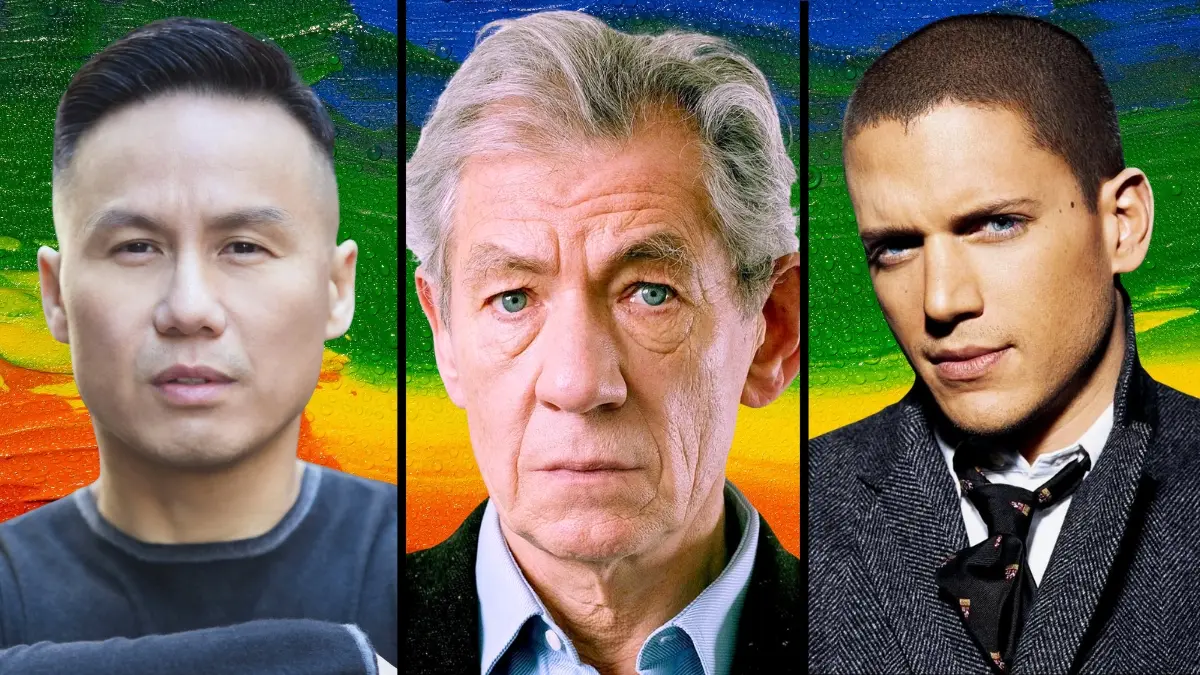


The 2000s marked a significant period of transition for LGBTQ+ representation in Hollywood, as more actors began to navigate the industry with greater openness about their identities. This decade saw a blend of established stars coming out publicly and new talents emerging through groundbreaking television series and blockbuster films. These performers were omnipresent in popular culture, starring in everything from record-breaking sitcoms to award-winning prestige dramas and massive film franchises. Their contributions during the 2000s were instrumental in changing public perceptions and ensuring that diverse identities were represented across all genres of media.
Neil Patrick Harris
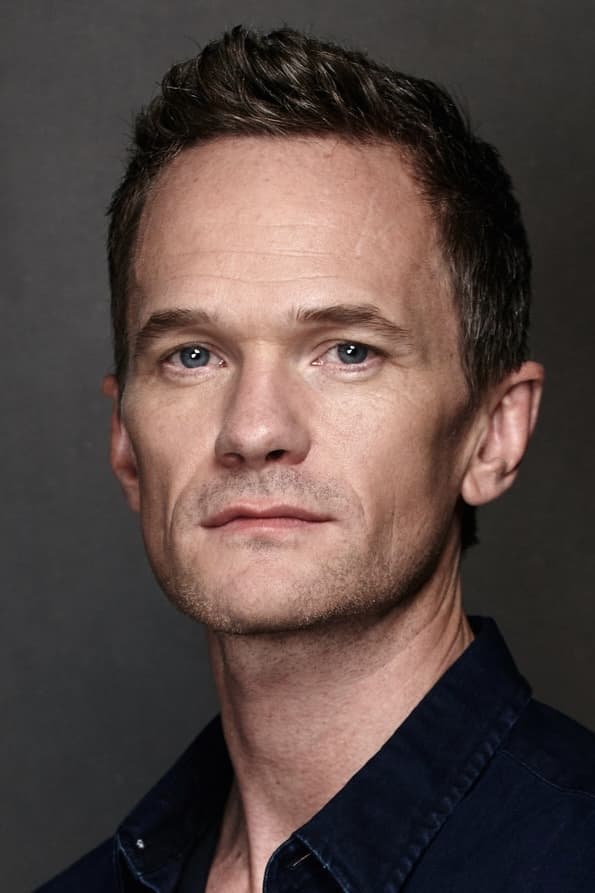
Neil Patrick Harris experienced a major career resurgence in the 2000s, most notably through his role as Barney Stinson in ‘How I Met Your Mother’ (2005–2014). This performance earned him multiple Emmy nominations and turned him into a primary television star of the decade. He also famously portrayed a fictional version of himself in ‘Harold & Kumar Go to White Castle’ (2004), which further elevated his popularity. Harris publicly came out as gay in 2006, becoming one of the most prominent out actors in Hollywood during the era.
Ian McKellen
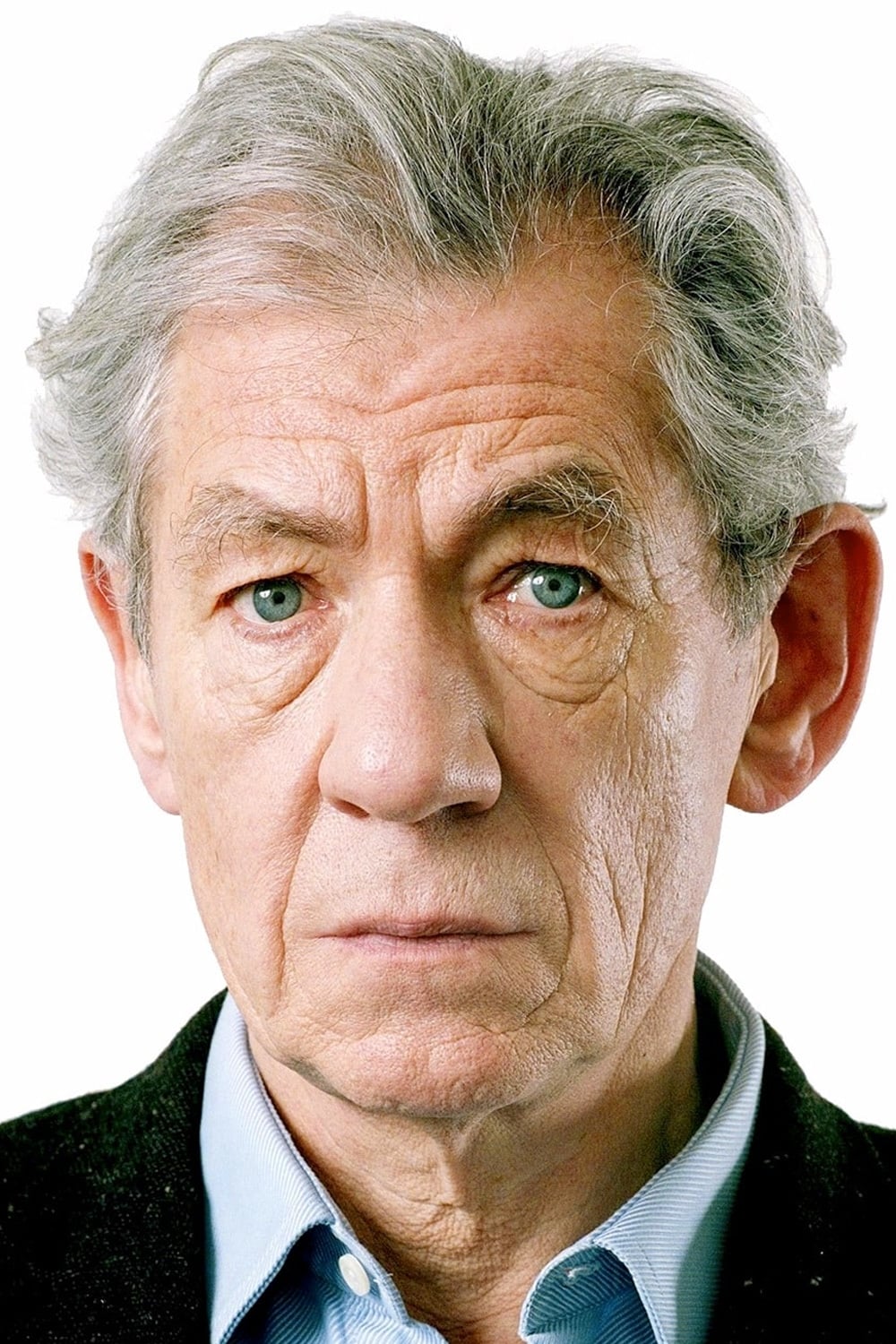
Ian McKellen became a household name for a new generation in the 2000s through his iconic roles in two major film franchises. He portrayed the wise wizard Gandalf in ‘The Lord of the Rings: The Fellowship of the Ring’ (2001) and its sequels, earning an Academy Award nomination for the performance. Simultaneously, he played the formidable Magneto in ‘X-Men’ (2000) and its subsequent follow-ups throughout the decade. His presence in these high-budget blockbusters made him one of the most recognizable and respected actors of the era.
Sean Hayes
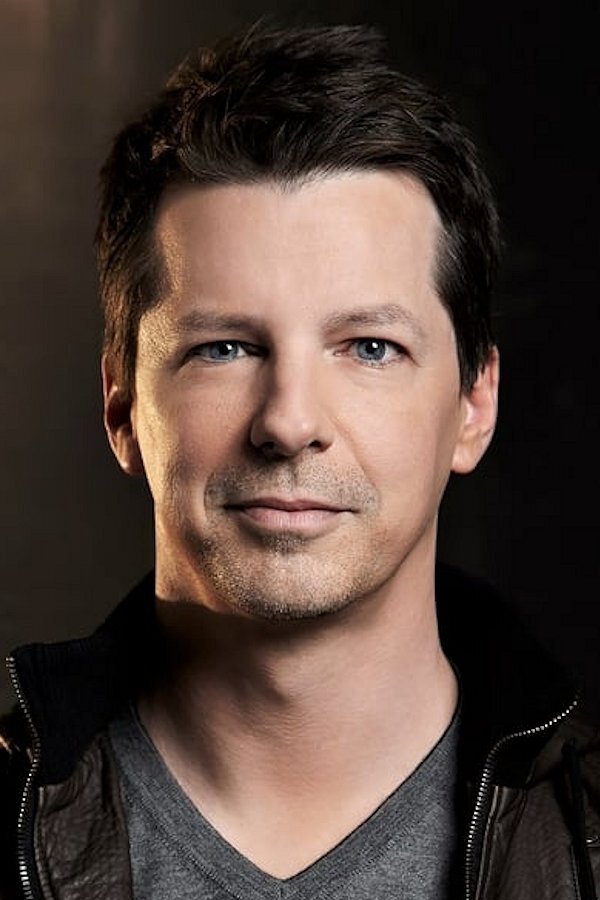
Sean Hayes rose to massive fame playing the character Jack McFarland on the sitcom ‘Will & Grace’ (1998–2006). His energetic and comedic performance earned him an Emmy Award in 2000 and several more nominations throughout the show’s original run. During this decade, he also transitioned into film with roles in ‘Cats & Dogs’ (2001) and ‘The Cat in the Hat’ (2003). Hayes was a staple of early 2000s television, representing one of the few lead gay characters on a major network.
Wentworth Miller
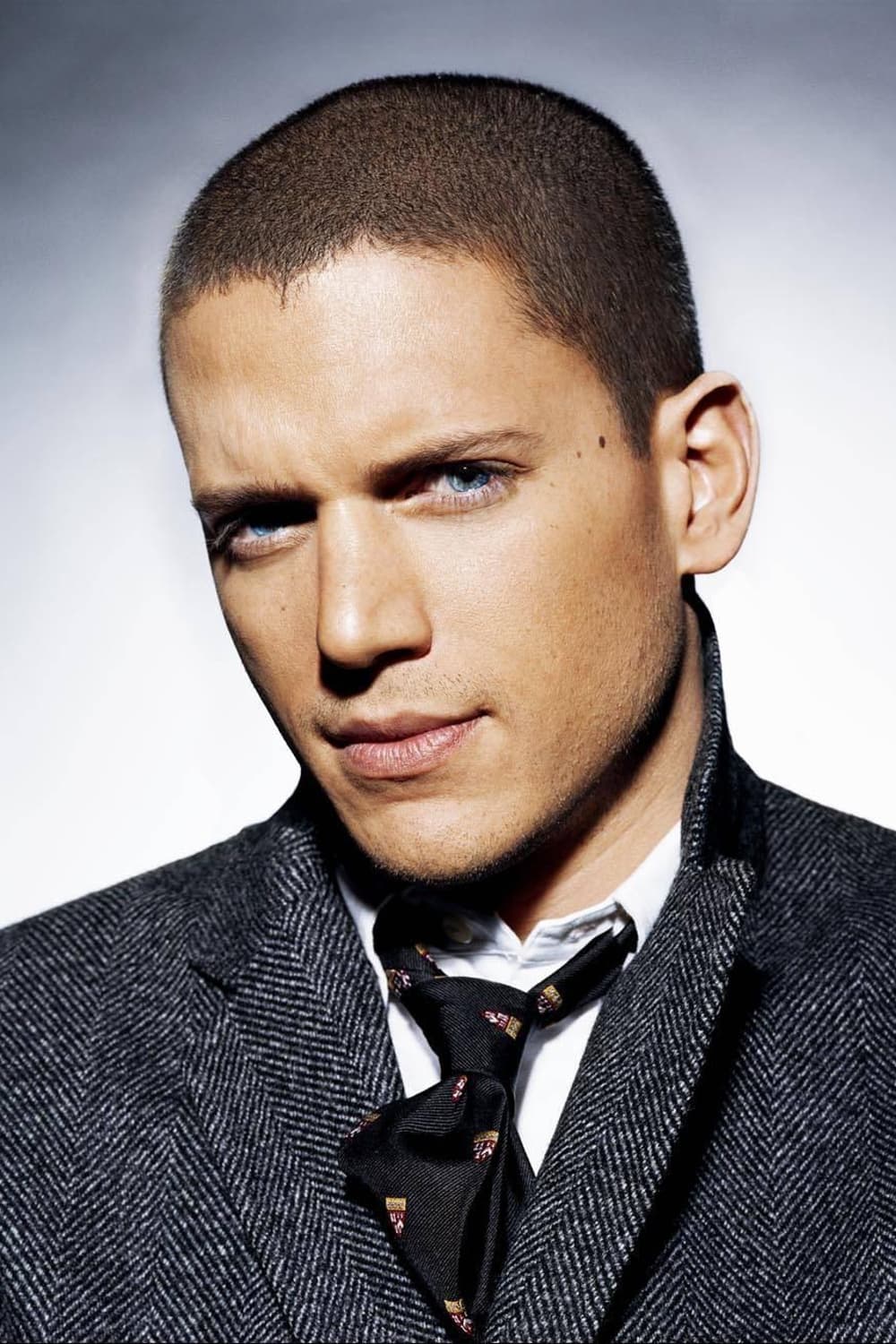
Wentworth Miller achieved international stardom as the lead actor in the hit series ‘Prison Break’ (2005–2009). His portrayal of Michael Scofield, a man who enters prison to save his brother, made him a global heartthrob and a fixture of action television. Before his breakout role, he appeared in ‘The Human Stain’ (2003) and guest-starred in popular shows like ‘Buffy the Vampire Slayer’ (1997–2003). While Miller did not publicly come out until 2013, he was undeniably a dominant figure in the mid-to-late 2000s entertainment landscape.
Zachary Quinto
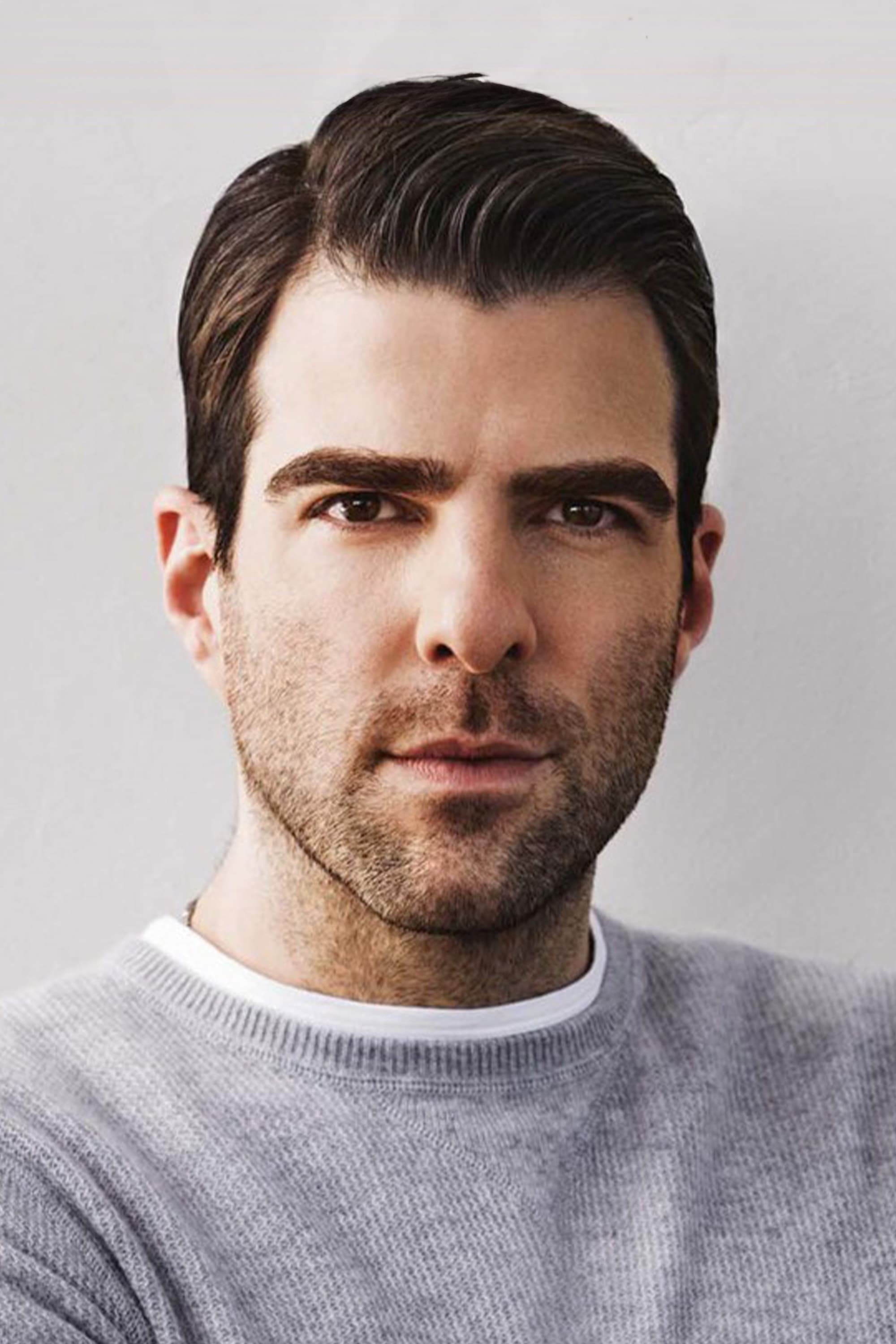
Zachary Quinto became a breakout star in the mid-2000s, first gaining major attention as the villainous Sylar in ‘Heroes’ (2006–2010). His performance as the power-hungry antagonist made him one of the most talked-about actors on television. He solidified his status as a film star by taking on the role of Spock in the ‘Star Trek’ (2009) reboot directed by J.J. Abrams. During this time, he also appeared in smaller television roles in shows like ’24’ (2001–2010) and ‘So NoTORIous’ (2006).
Jim Parsons

Jim Parsons reached superstition in the late 2000s after being cast as Sheldon Cooper in ‘The Big Bang Theory’ (2007–2019). His unique comedic timing and portrayal of the socially awkward physicist quickly became the centerpiece of the series. By 2009, he had already received his first Emmy nomination for the role, marking the beginning of a dominant award-winning streak. Before his sitcom success, he appeared in the film ‘Garden State’ (2004) and several television commercials.
T. R. Knight
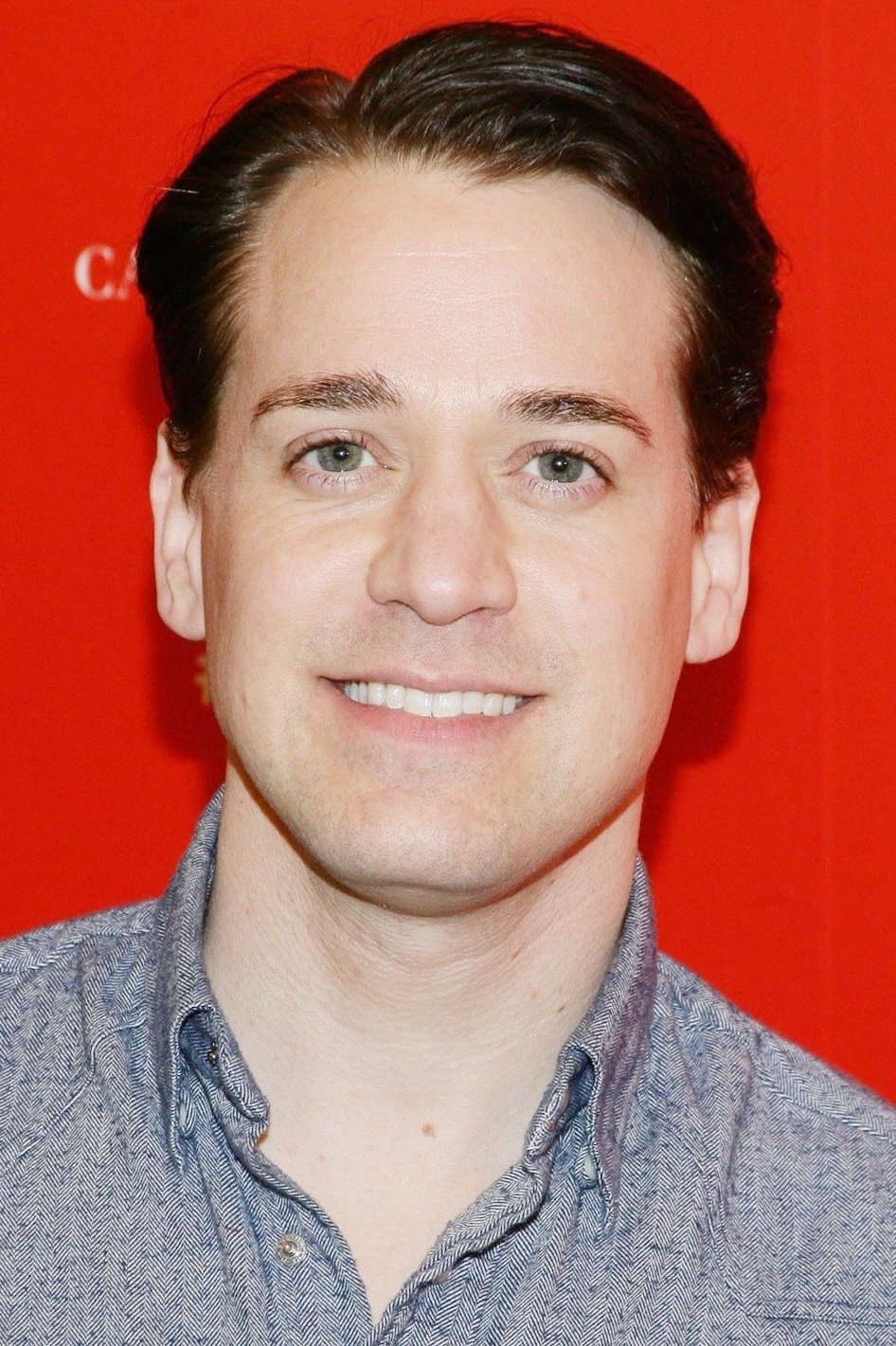
T.R. Knight became a household name as Dr. George O’Malley on the medical drama ‘Grey’s Anatomy’ (2005–present). His character was a fan favorite, and Knight received an Emmy nomination for his performance in 2007. He was at the center of significant media attention when he publicly came out as gay in 2006 following an on-set incident. Knight’s presence on one of the decade’s most popular shows made him a visible and important figure for LGBTQ+ representation.
David Hyde Pierce
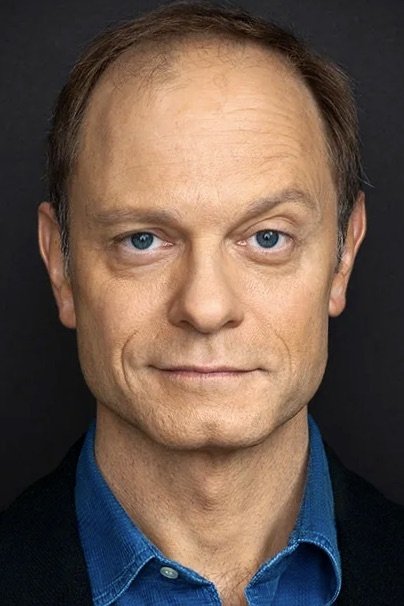
David Hyde Pierce continued his legendary run as Niles Crane on ‘Frasier’ (1993–2004) well into the 2000s, winning his fourth Emmy for the role in 2004. After the series ended, he transitioned back to his roots in theater, starring in the Broadway musical ‘Spamalot’ (2005). He won a Tony Award for his work in the musical ‘Curtains’ (2007), proving his versatility beyond the sitcom world. Although he was private about his personal life for years, he confirmed he was gay in 2007.
Alan Cumming
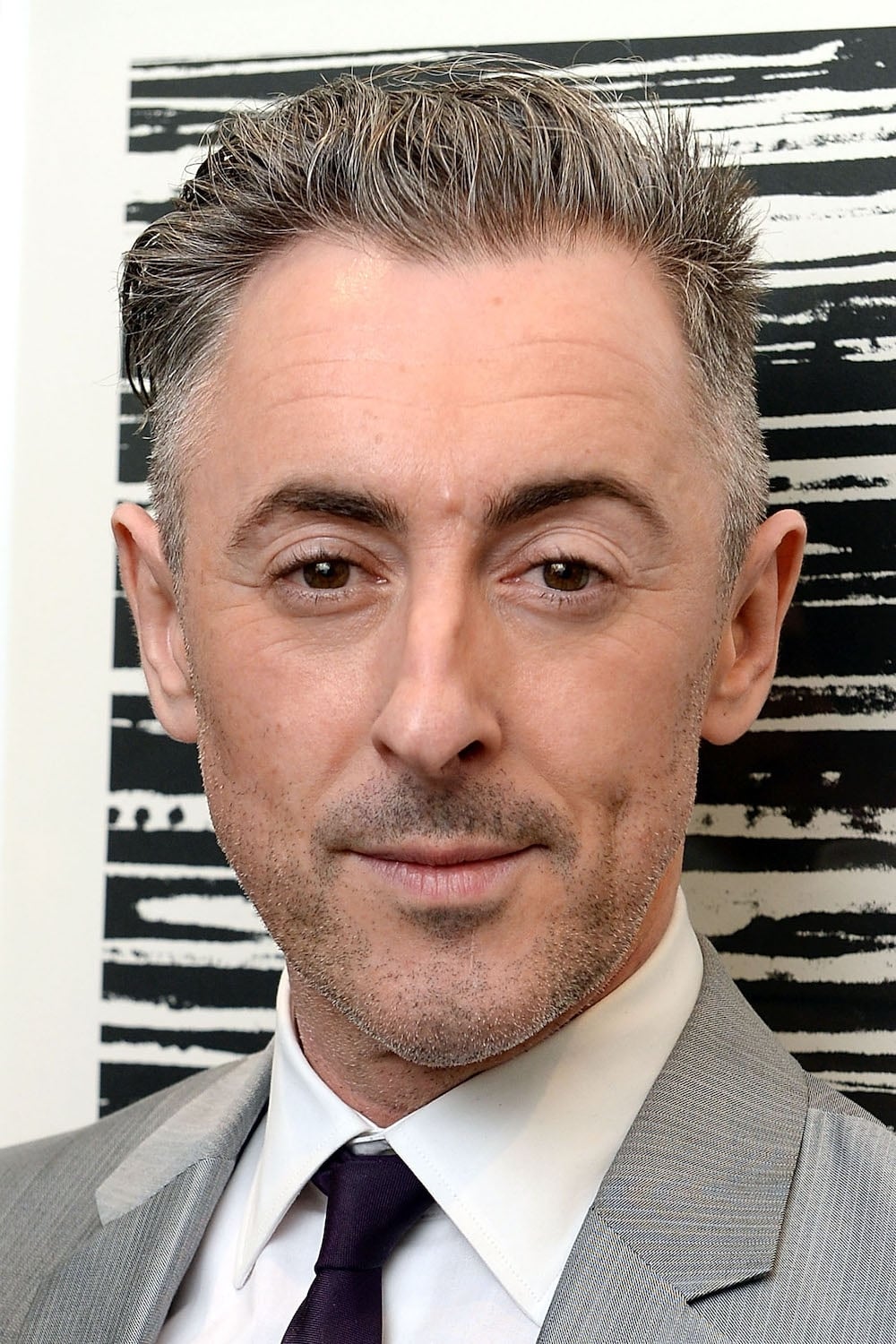
Alan Cumming was a prolific presence in 2000s cinema, appearing in a wide variety of genres. He played the blue-skinned mutant Nightcrawler in ‘X2’ (2003) and the eccentric Fegan Floop in the ‘Spy Kids’ (2001) trilogy. Cumming also co-wrote, co-directed, and starred in ‘The Anniversary Party’ (2001) alongside Jennifer Jason Leigh. His career during this decade was characterized by a mix of high-concept blockbusters and thoughtful independent films.
Nathan Lane
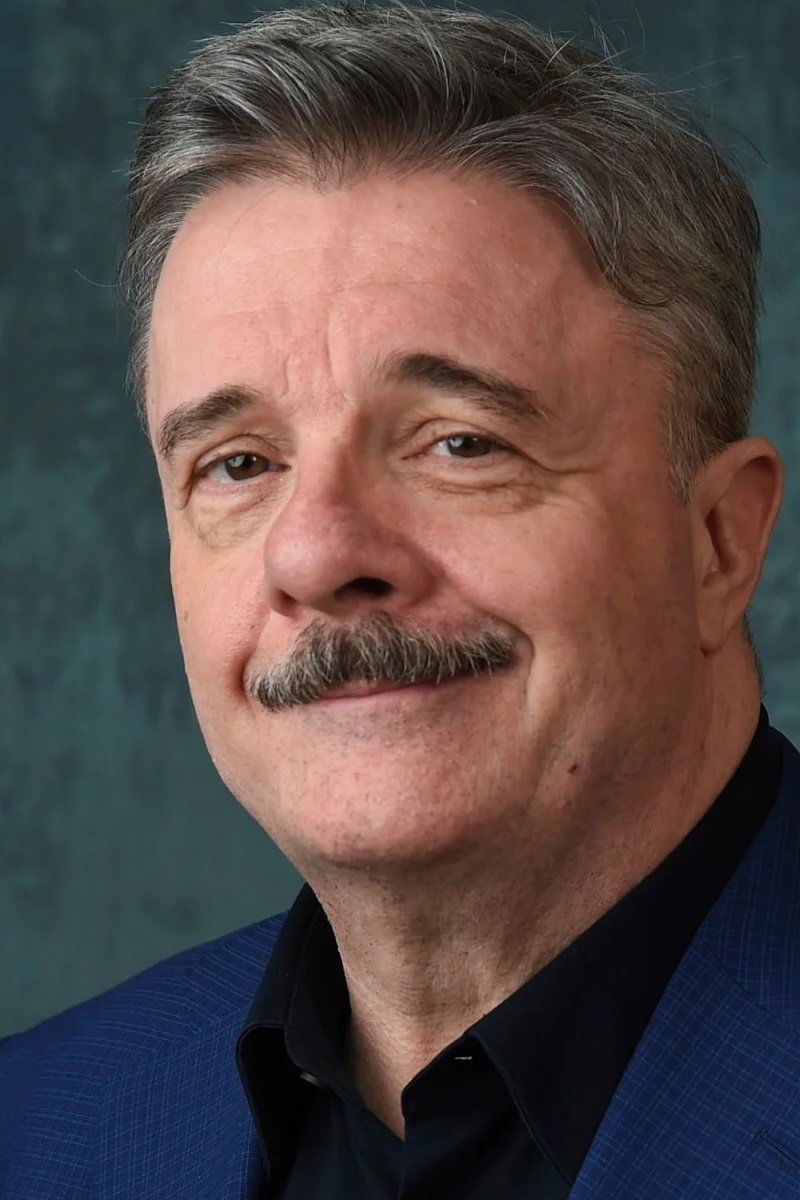
Nathan Lane remained one of the most prominent figures in entertainment during the 2000s, primarily through the massive success of ‘The Producers’. He starred in the Broadway musical starting in 2001 and later reprised his role as Max Bialystock in the ‘The Producers’ (2005) film adaptation. Lane also lent his voice to ‘Stuart Little 2’ (2002) and guest-starred in popular television shows like ‘Sex and the City’ (1998–2004). His comedic brilliance and stage presence made him a defining performer of the era.
Victor Garber
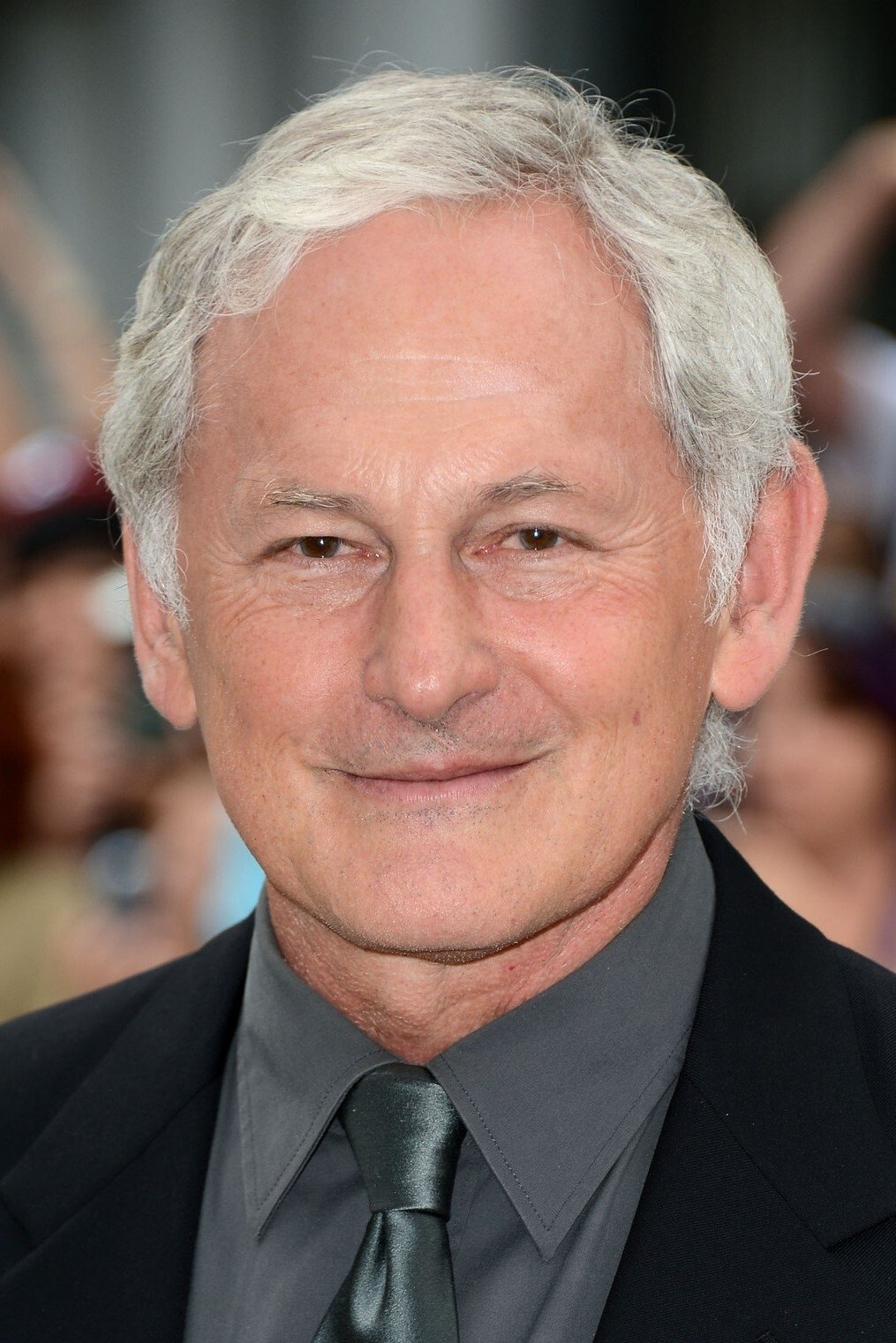
Victor Garber was a constant presence on television in the 2000s, most notably playing Jack Bristow on the spy thriller ‘Alias’ (2001–2006). His portrayal of the stern intelligence officer earned him three consecutive Emmy nominations. During this decade, he also appeared in the hit comedy ‘Legally Blonde’ (2001) and the biographical film ‘Milk’ (2008). Garber’s ability to balance intense dramatic roles with supporting comedic turns kept him highly visible throughout the decade.
BD Wong
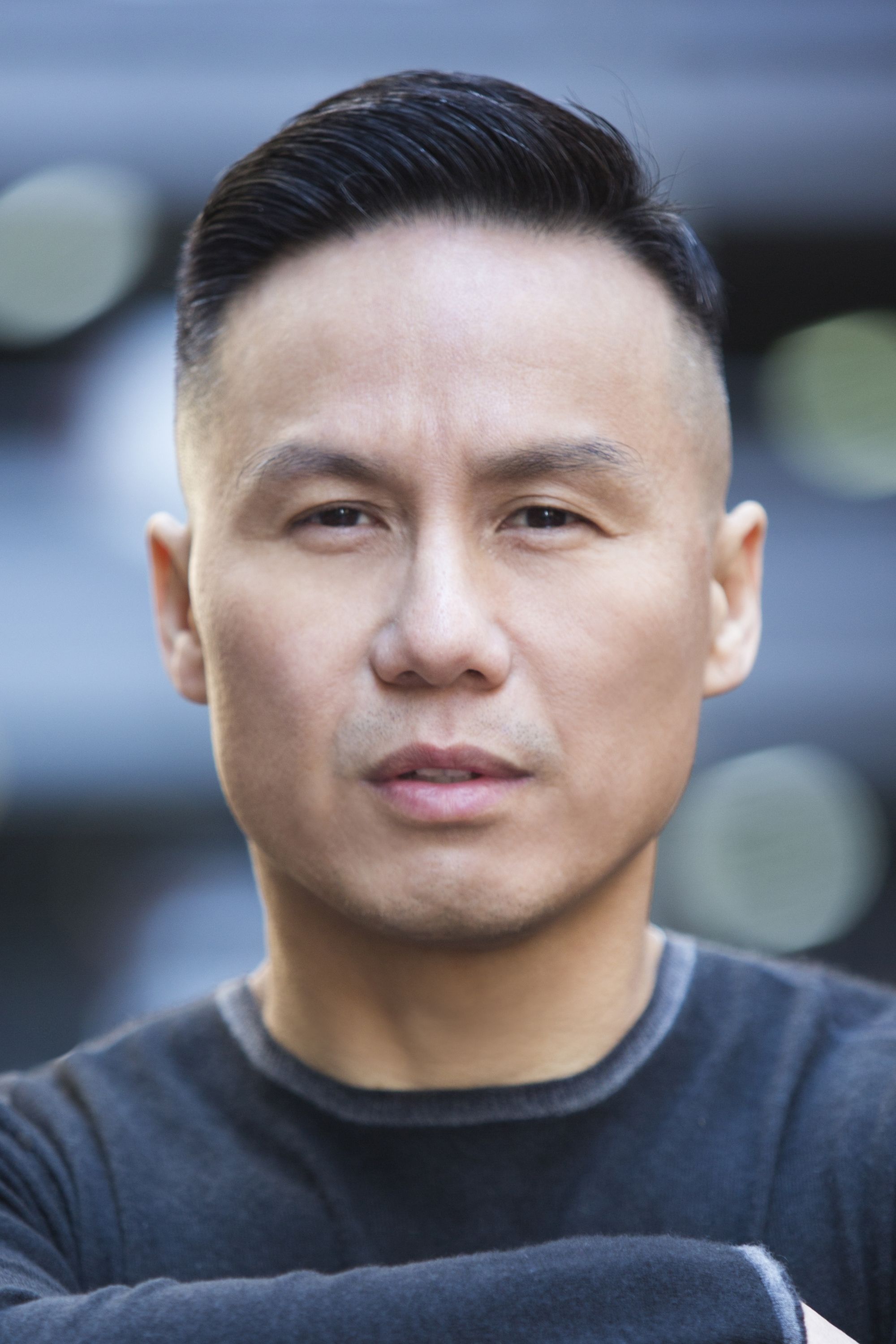
B.D. Wong was a mainstay of procedural television in the 2000s through his long-running role as Dr. George Huang on ‘Law & Order: Special Victims Unit’ (1999–present). He also starred in the short-lived but critically acclaimed series ‘Awake’ and appeared in films like ‘Stay’ (2005). Wong’s consistent work on television made him one of the most recognizable Asian-American and gay actors of the decade. He frequently utilized his platform to advocate for better representation of minority actors in Hollywood.
George Takei
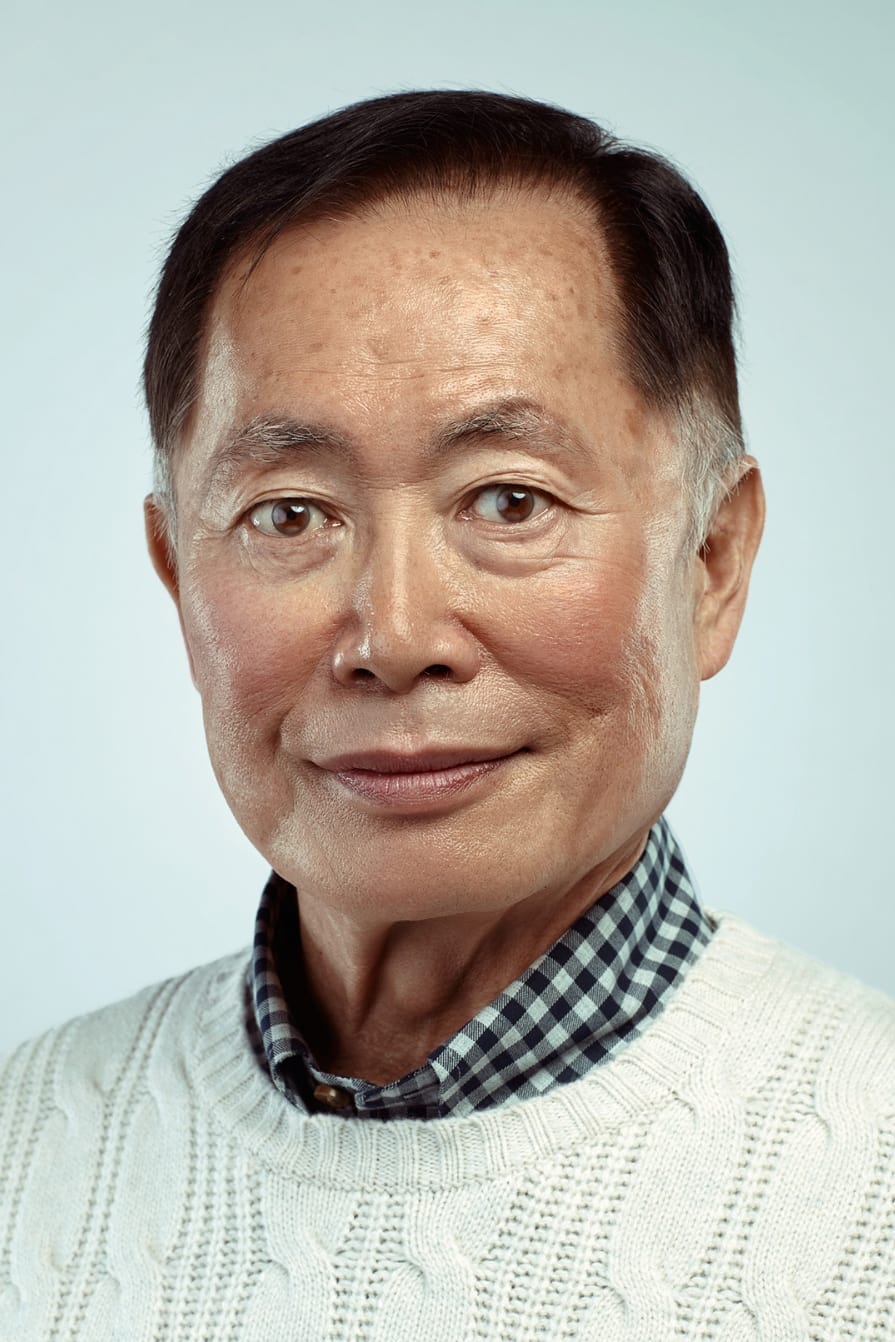
George Takei experienced a massive cultural resurgence in the 2000s, fueled by his frequent appearances on ‘The Howard Stern Show’. He reached a new generation of fans by playing Kaito Nakamura on the hit series ‘Heroes’ (2006–2010). Takei publicly came out as gay in 2005, which led to him becoming a leading activist for LGBTQ+ rights. His transition from a sci-fi icon to a prominent social media personality and activist began in earnest during this decade.
John Barrowman
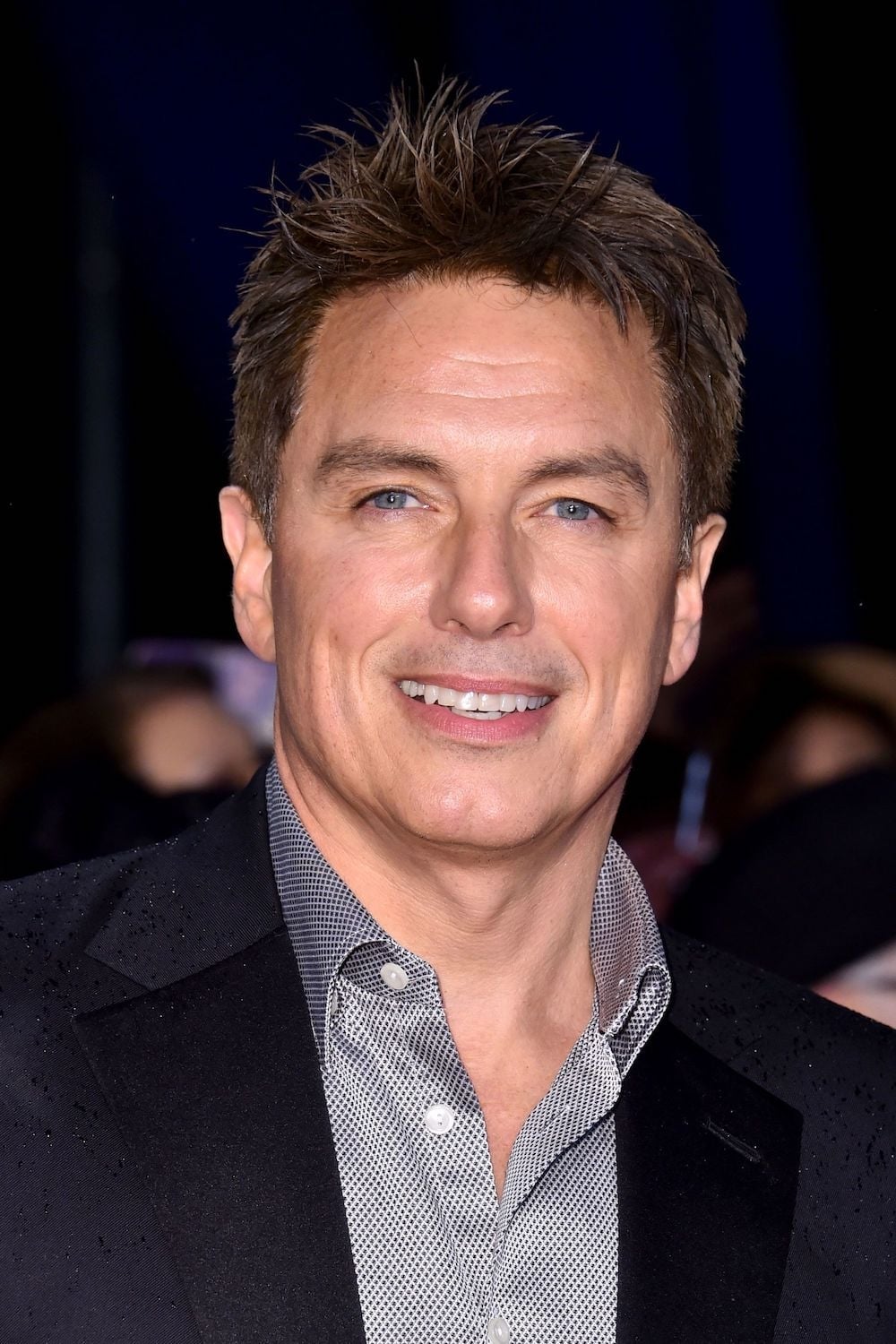
John Barrowman became a major star in the United Kingdom and internationally through his role as Captain Jack Harkness. He first appeared in ‘Doctor Who’ (2005–present) before leading the spin-off series ‘Torchwood’ (2006–2011). Barrowman was one of the most prominent openly gay actors on television, playing a character known for his fluid sexuality. He also appeared as a judge on various British musical theater talent shows throughout the late 2000s.
Stephen Fry
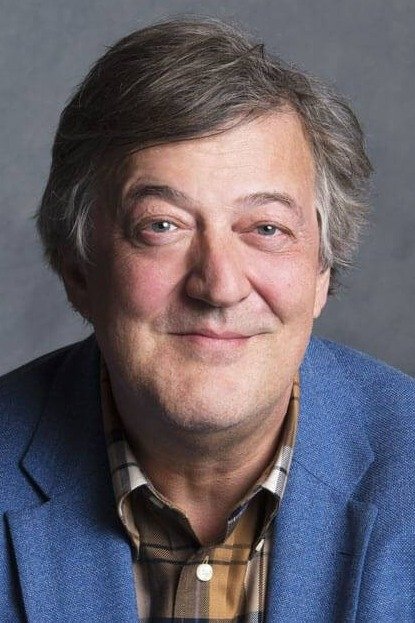
Stephen Fry was a ubiquitous figure in the 2000s, known for his acting, writing, and hosting duties. He appeared in the high-profile film ‘V for Vendetta’ (2005) and began his long-running role as Dr. Gordon Wyatt on ‘Bones’ (2005–2017). Fry also became the host of the beloved panel show ‘QI’ in 2003, which cemented his status as a British cultural icon. His openness about his sexuality and his struggles with bipolar disorder made him a respected public figure during this period.
Rupert Everett
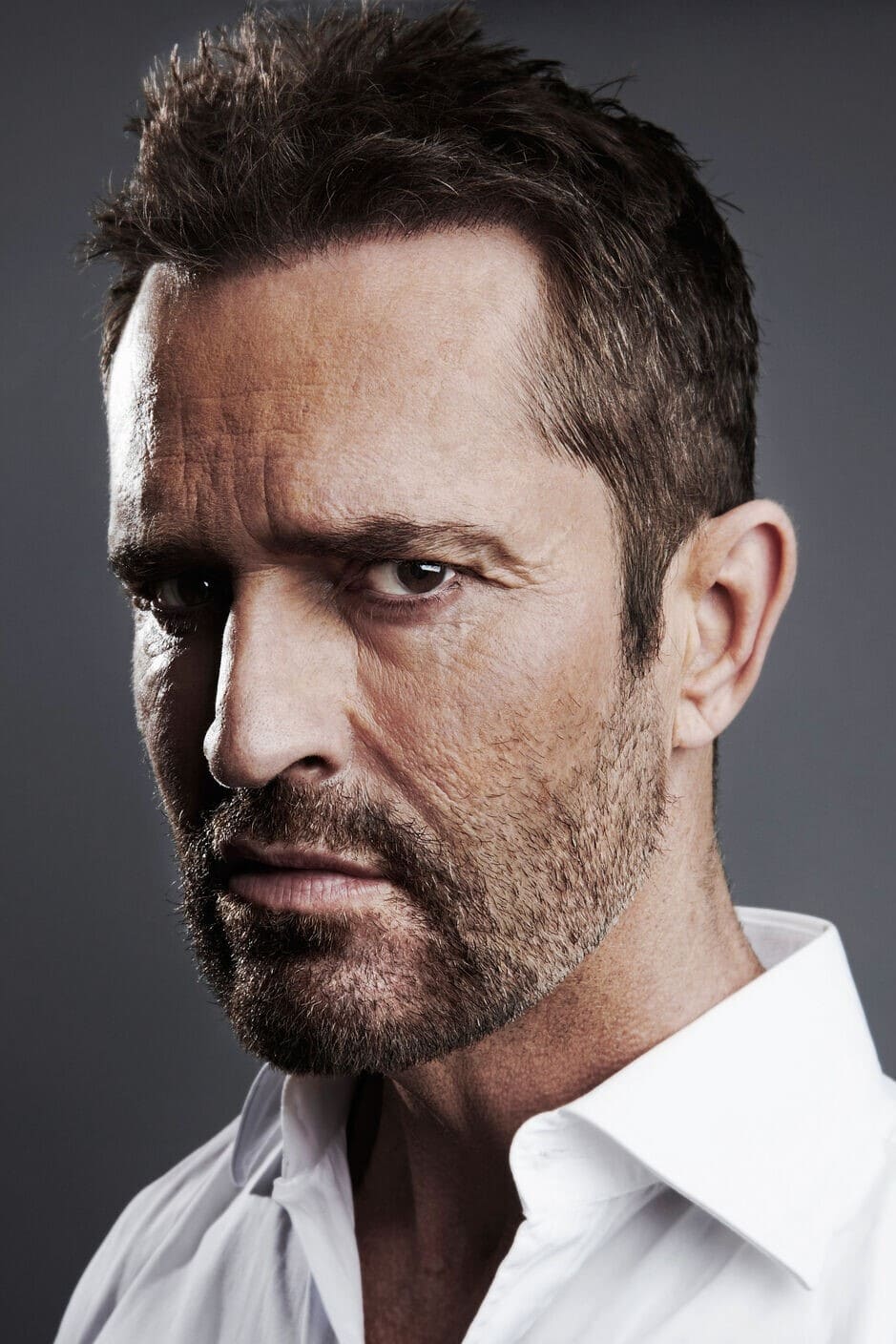
Rupert Everett was a prominent film actor in the early to mid-2000s, following his breakout in the late 90s. He provided the voice for Prince Charming in the blockbuster animated film ‘Shrek 2’ (2004) and its sequel. Everett also starred alongside Madonna in ‘The Next Best Thing’ (2000) and appeared in the period drama ‘Stage Beauty’ (2004). Despite being one of the few openly gay leading men at the time, he continued to land roles in major international productions.
Michael Urie
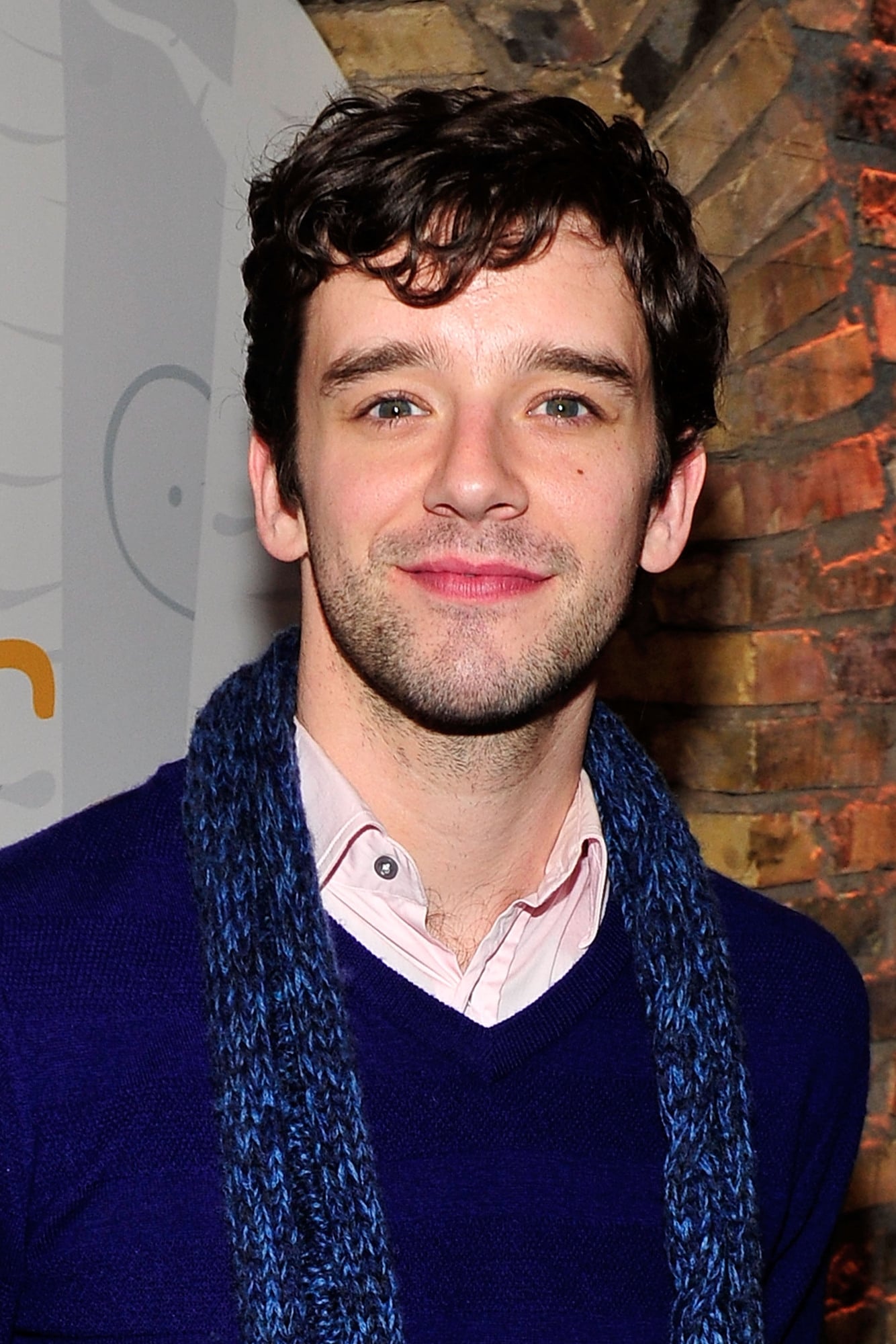
Michael Urie rose to prominence as Marc St. James, the comedic assistant to Vanessa Williams’ character on ‘Ugly Betty’ (2006–2010). His portrayal of the ambitious and fashion-forward Marc earned him several award nominations and made him a standout star of the show. During the 2000s, Urie was a vital part of one of the most LGBTQ-inclusive casts on network television. He also spent time performing in various off-Broadway productions during the show’s successful run.
Alec Mapa
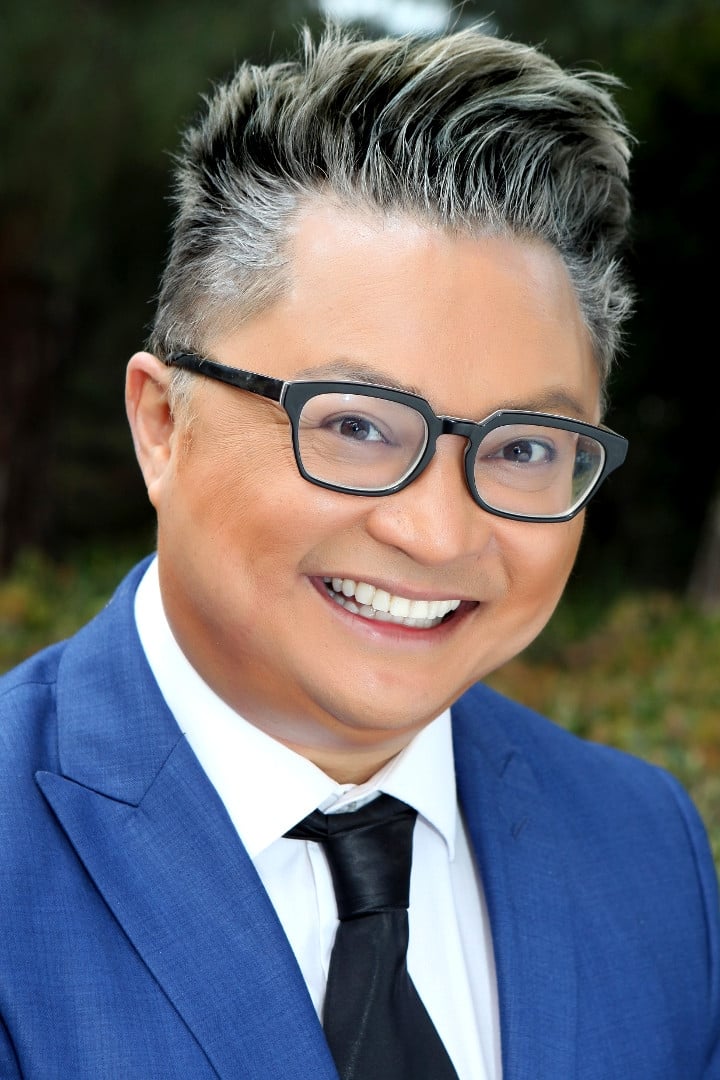
Alec Mapa was a frequent guest star and recurring actor on many of the 2000s’ biggest television hits. He had a memorable recurring role as Suzuki St. Pierre on ‘Ugly Betty’ (2006–2010) and played Vern on ‘Desperate Housewives’ (2004–2012). Mapa was also a regular on the sitcom ‘Half & Half’ (2002–2006) and appeared in numerous comedy specials. His energetic comedic style made him a go-to performer for supporting roles throughout the decade.
Mario Cantone
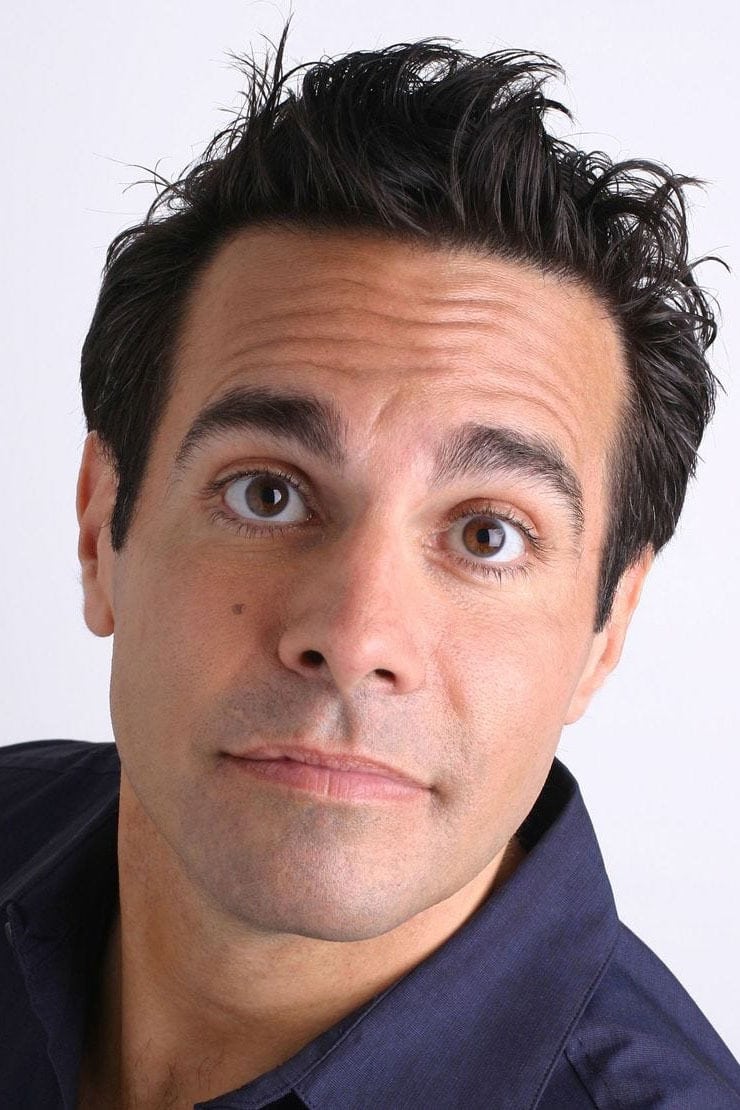
Mario Cantone became famous for his high-energy performance as Anthony Marentino on ‘Sex and the City’ (1998–2004). He reprised this role in the ‘Sex and the City’ (2008) feature film, which was a massive box-office hit. Cantone also appeared on Broadway in his one-man show ‘Laugh Whore’ (2004), which was later broadcast on television. His distinct voice and comedic persona were a staple of the decade’s pop culture landscape.
Rex Lee
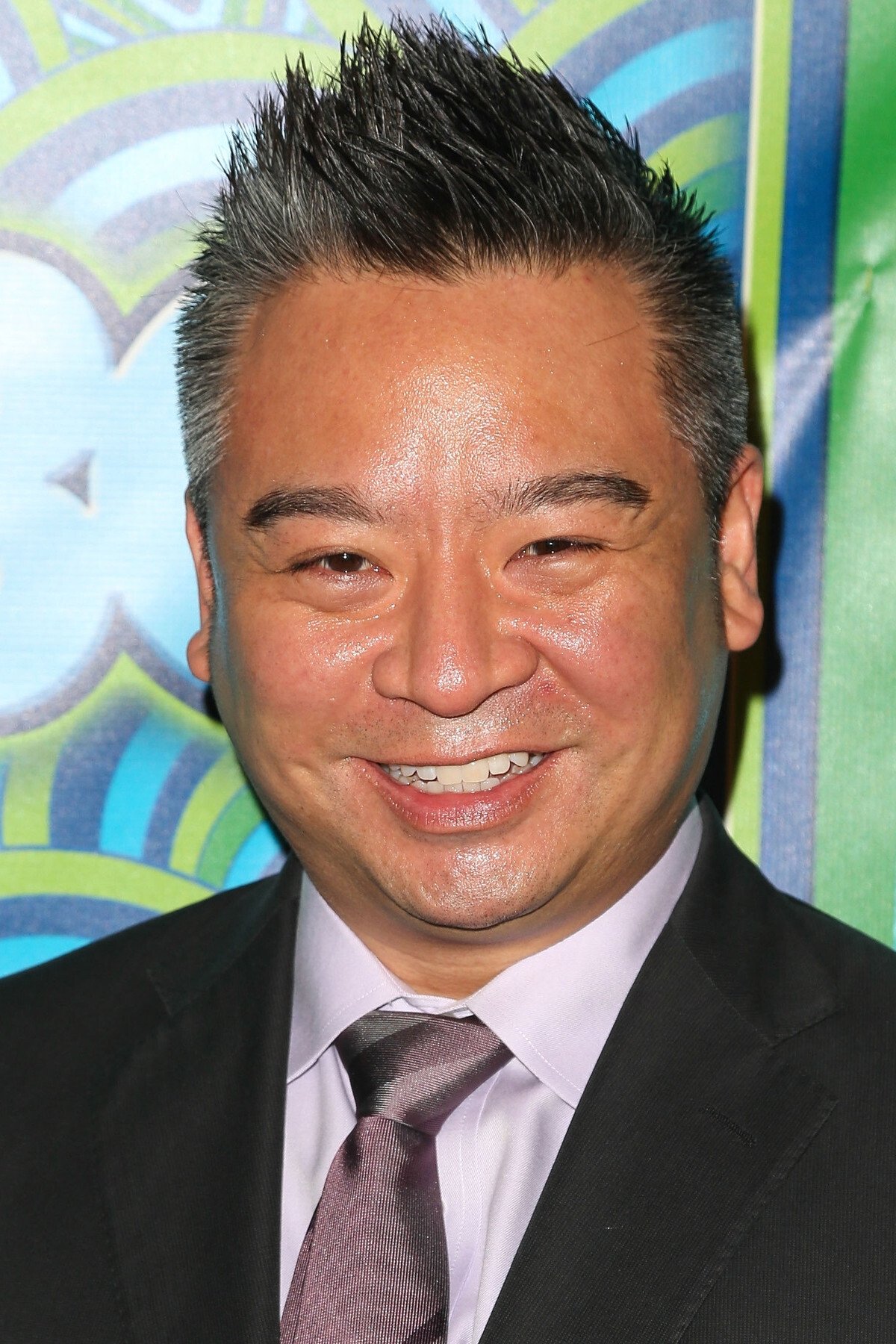
Rex Lee gained widespread recognition for his role as Lloyd Lee, the long-suffering assistant to Ari Gold on ‘Entourage’ (2004–2011). His character’s dynamic with Jeremy Piven was one of the highlights of the series and provided much of its heart. Lee’s presence on the show was significant as he played one of the few prominent gay Asian-American characters on television at the time. He remained with the series through its entire original run in the 2000s.
Maulik Pancholy
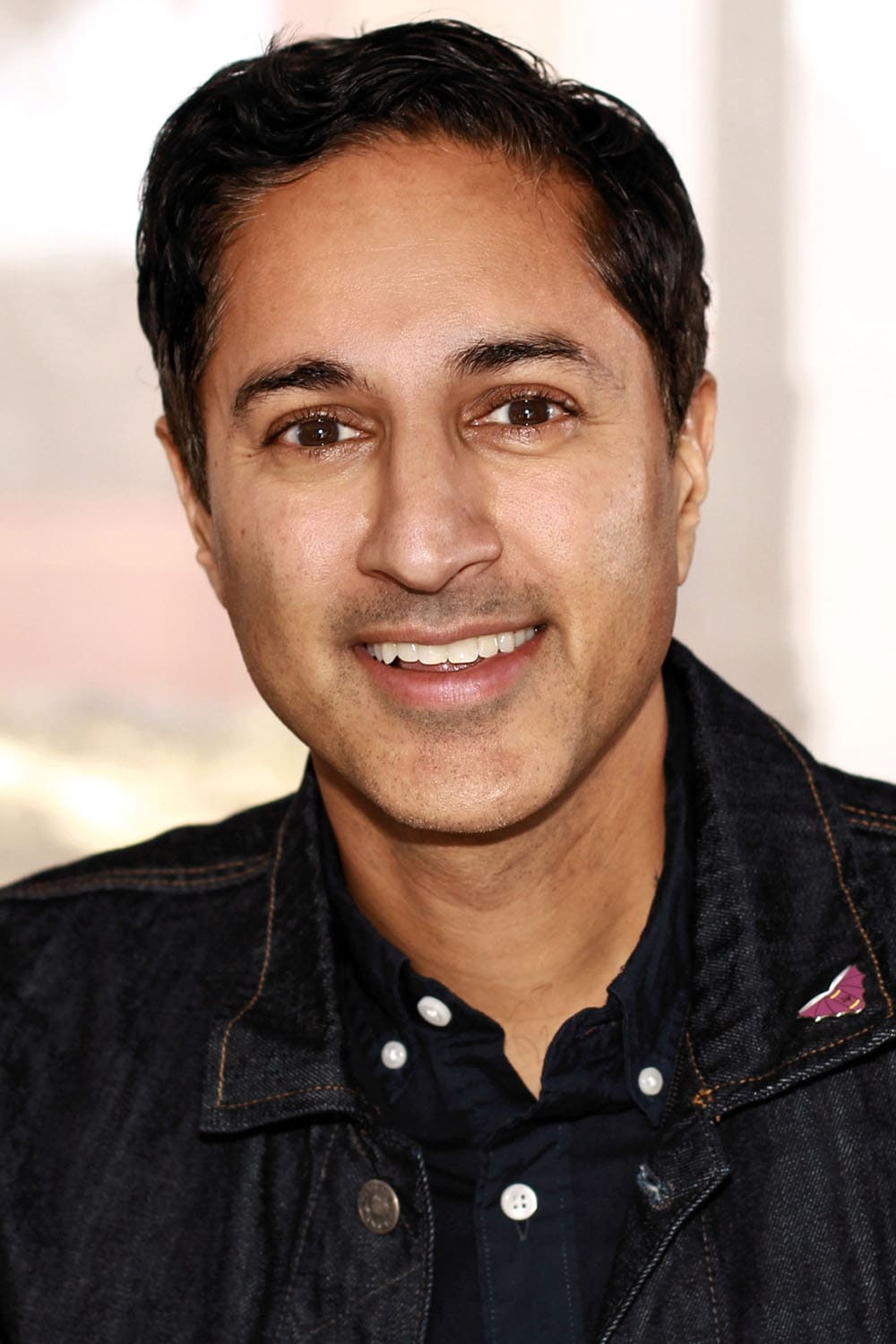
Maulik Pancholy was a familiar face in the 2000s thanks to his roles in two critically acclaimed series. He played Jonathan, the dedicated assistant to Jack Donaghy, on ’30 Rock’ (2006–2013) and Sanjay on the dark comedy ‘Weeds’ (2005–2012). Pancholy also provided the voice for Baljeet in the popular animated series ‘Phineas and Ferb’ (2007–2015). His ability to balance live-action comedy with voice acting kept him very busy throughout the decade.
Wilson Cruz
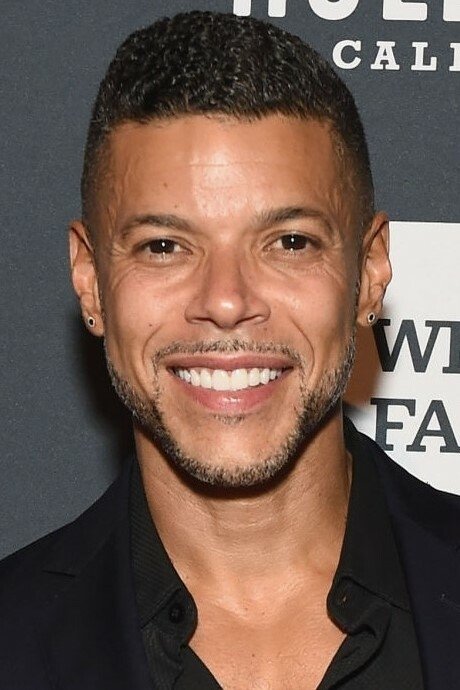
Wilson Cruz continued to be a trailblazer in the 2000s, following his groundbreaking work in the 90s. He starred as Junito in the series ‘Noah’s Arc’ (2005–2006), which was the first scripted television series to feature black gay men as lead characters. Cruz also appeared in the film ‘Party Monster’ (2003) and guest-starred on ‘The West Wing’ (1999–2006). He has long been an advocate for LGBTQ+ youth and remained a visible figure in both acting and activism.
Darryl Stephens
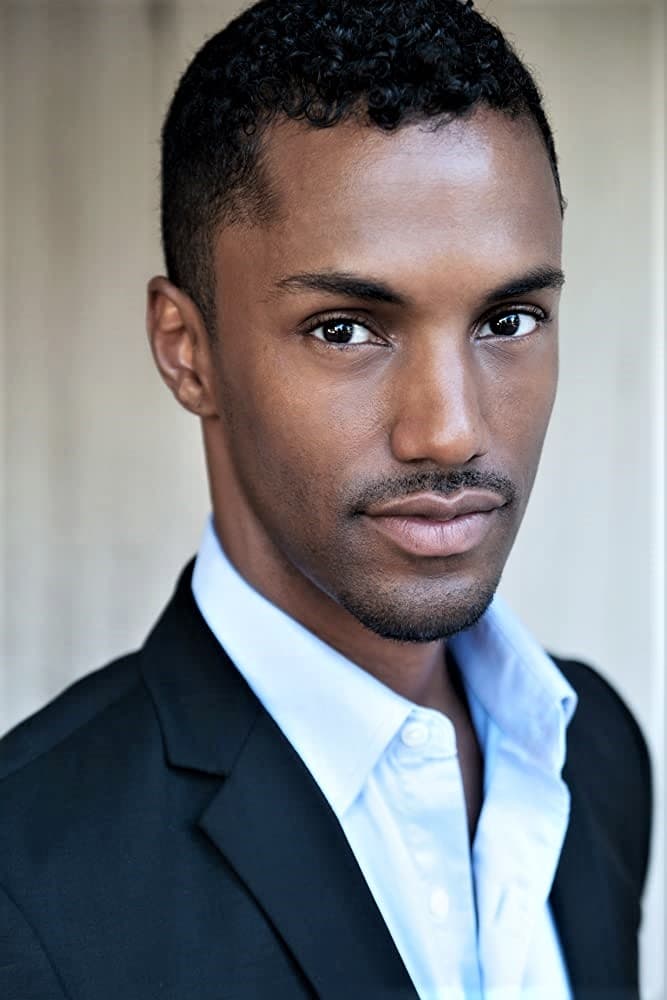
Darryl Stephens became a star of the indie television world as the lead character in ‘Noah’s Arc’ (2005–2006). His portrayal of Noah Beausejour helped provide much-needed visibility for black queer men during the mid-2000s. He later reprised the role in the feature film ‘Noah’s Arc: Jumping the Broom’ (2008). Stephens also appeared in several independent films and guest-starred in shows like ‘Boy Culture’ (2006).
Guillermo Díaz
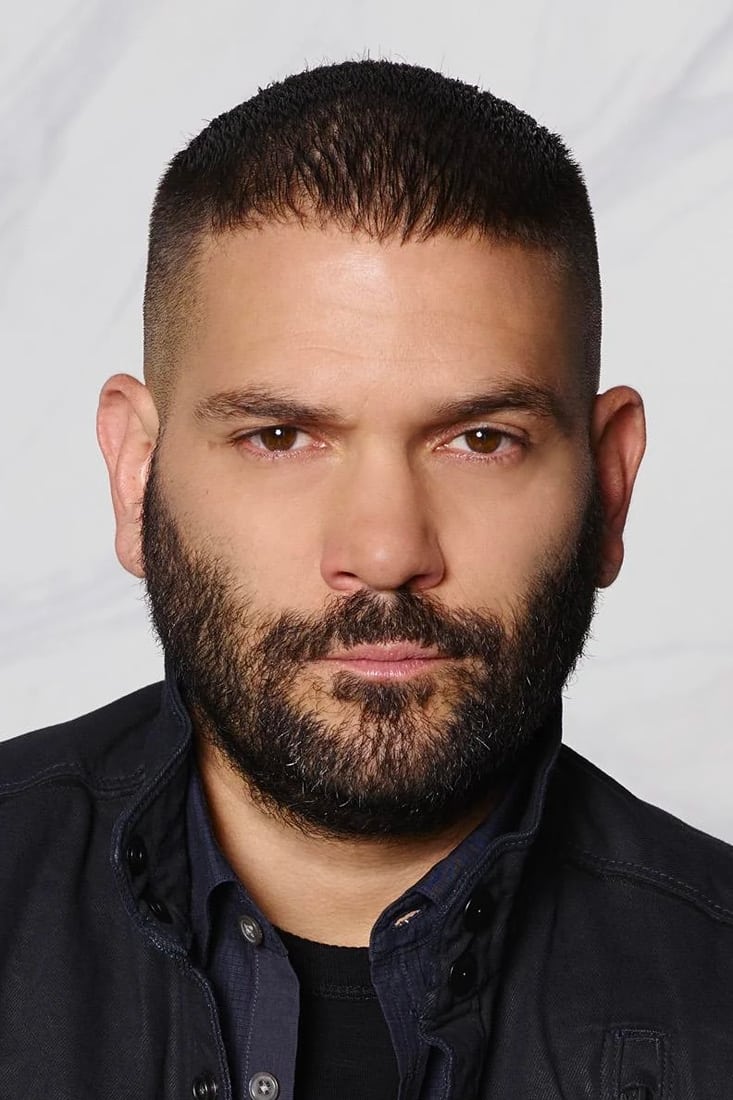
Guillermo Diaz was a prominent character actor in the 2000s, often playing tough or complex roles. He gained significant attention for his role as Guillermo, a high-ranking drug cartel member, in ‘Weeds’ (2005–2012). Diaz also appeared in the film ‘Stonewall’ (1995) earlier in his career and guest-starred in ‘The Shield’ (2002–2008) and ‘ER’ (1994–2009). His work in the 2000s showcased his range before he found even greater fame in the following decade.
Randy Harrison
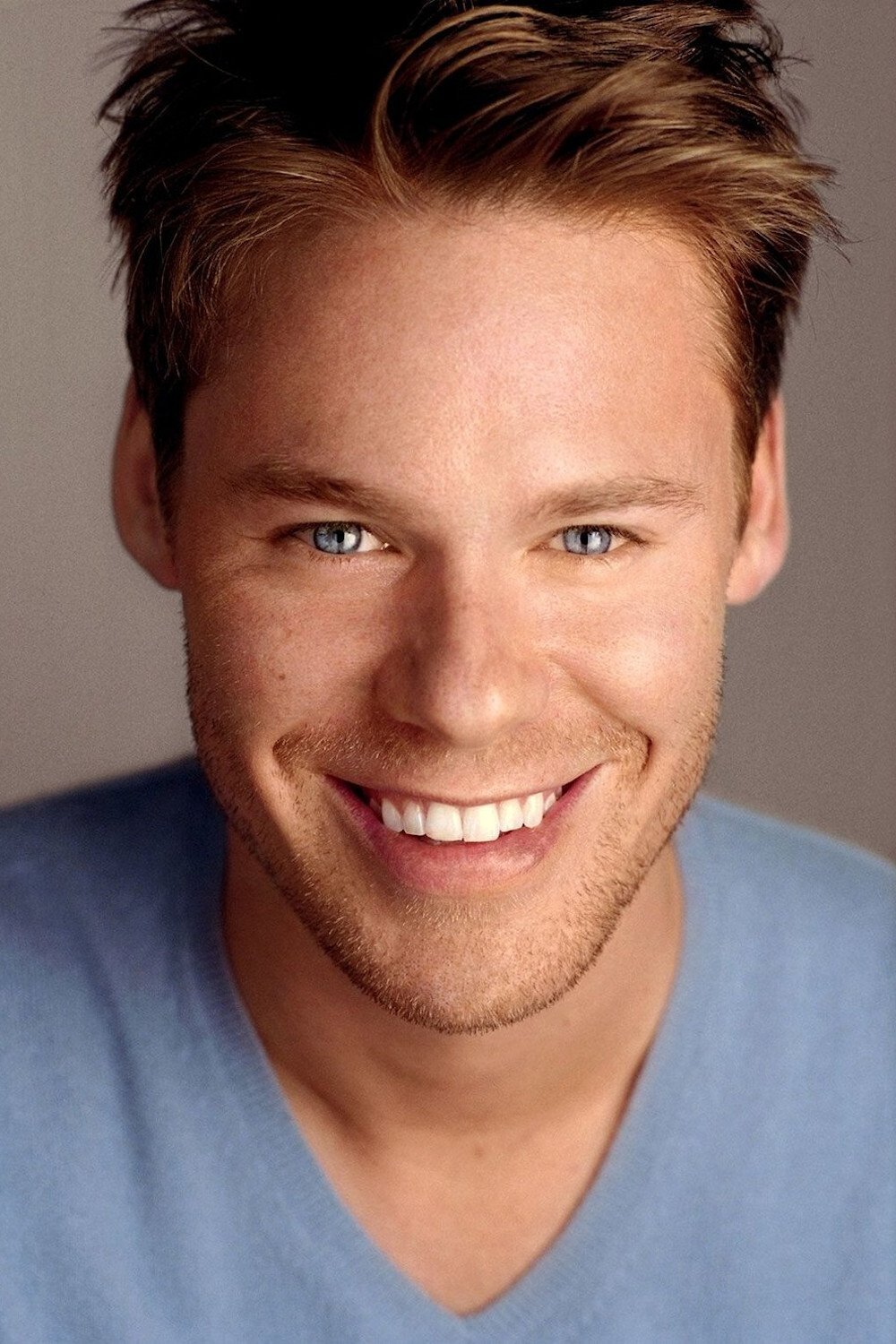
Randy Harrison became an LGBTQ+ icon as Justin Taylor on the North American version of ‘Queer as Folk’ (2000–2005). The show was a massive cultural touchstone and one of the first to depict the lives of gay men and women in a frank and explicit manner. Harrison’s character arc from a teenager coming out to a self-assured adult was a central focus of the series. After the show ended, he primarily focused on theater work, appearing in various prestigious productions.
Peter Paige
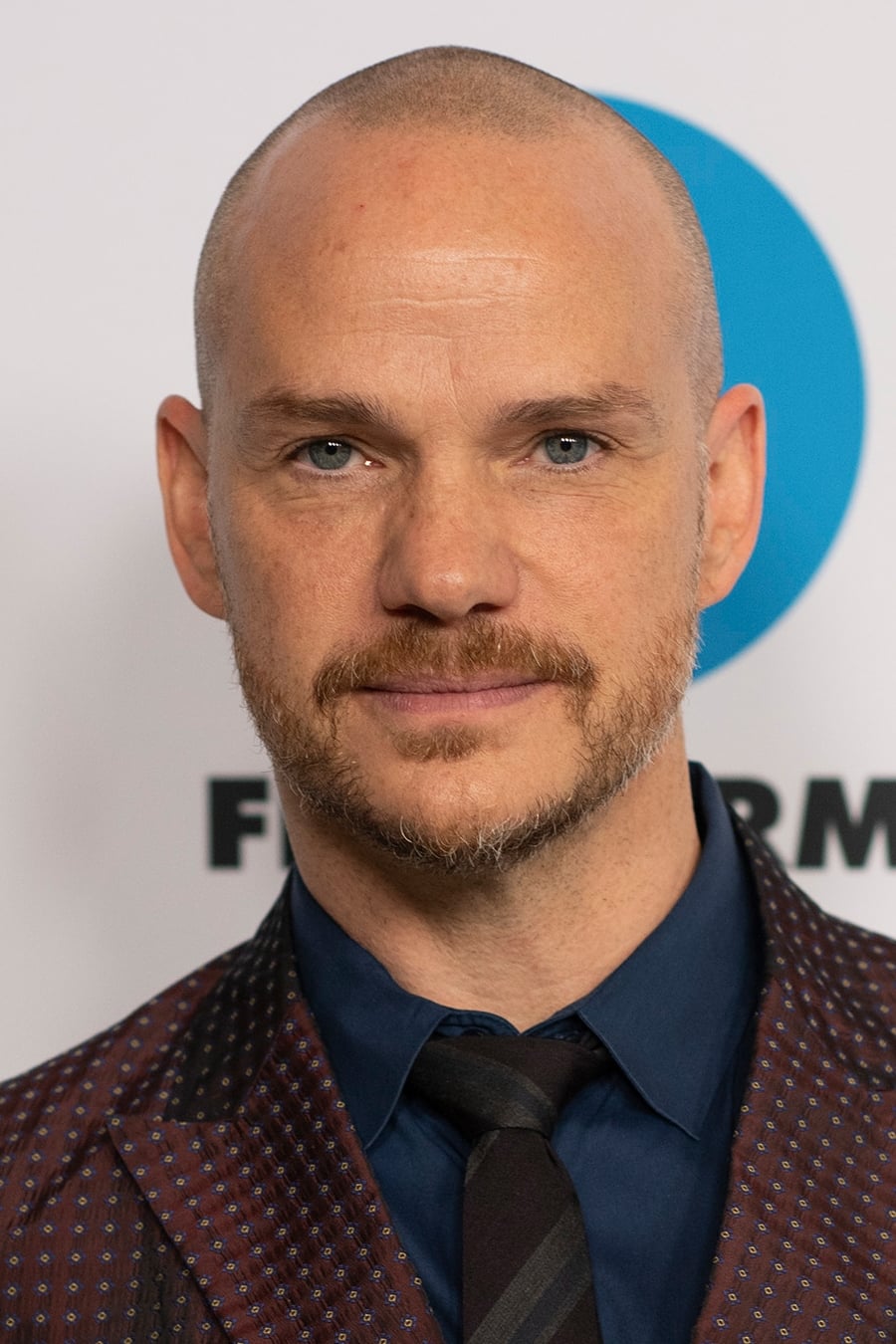
Peter Paige played the flamboyant and outspoken Emmett Honeycutt on ‘Queer as Folk’ (2000–2005) throughout its five-season run. His performance was lauded for its humor and heart, making him one of the most beloved characters on the show. During the 2000s, Paige also began transitioning into writing and directing, with his directorial debut ‘Say Uncle’ (2005). He remained a visible advocate for the community throughout the decade.
Robert Gant
Robert Gant joined the cast of ‘Queer as Folk’ (2000–2005) in its second season as Ben Bruckner, a professor living with HIV. His character’s relationship with Michael Novotny was one of the most significant depictions of a long-term gay couple on television at the time. Gant was one of the few actors on the show who was also openly gay in real life during its production. He continued to work steadily in television movies and guest roles after the series concluded.
Chad Allen
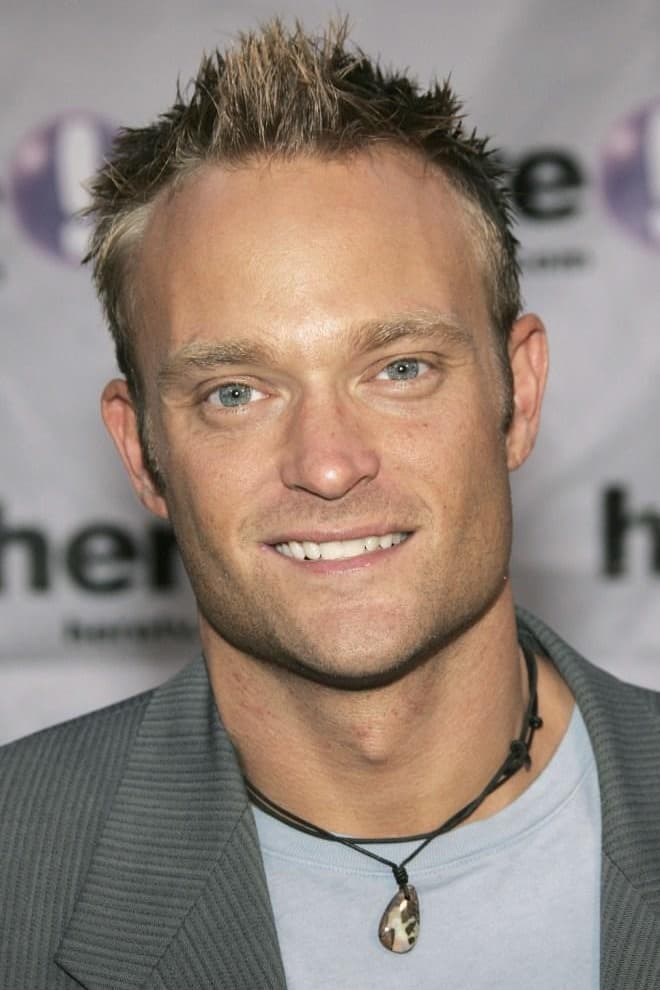
Chad Allen was a former child star who successfully transitioned into adult roles while being openly gay in the 2000s. He starred in several ‘Donald Strachey’ mystery films, playing one of the first gay detectives in a film series. Allen also appeared in the film ‘Save Me’ (2007), which explored the world of conversion therapy. He was a very active public figure, often speaking out on LGBTQ+ issues and representation in the media.
Tuc Watkins
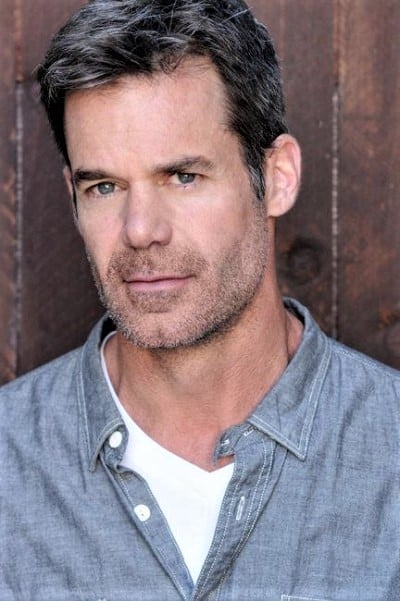
Tuc Watkins was a familiar face on daytime and primetime television throughout the 2000s. He played David Vickers on the soap opera ‘One Life to Live’ (1968–2012) on and off for many years, becoming a fan favorite. In the late 2000s, he joined the cast of ‘Desperate Housewives’ (2004–2012) as Bob Hunter, one half of the neighborhood’s gay couple. His ability to navigate between daytime drama and primetime comedy made him a versatile presence.
Bryan Batt
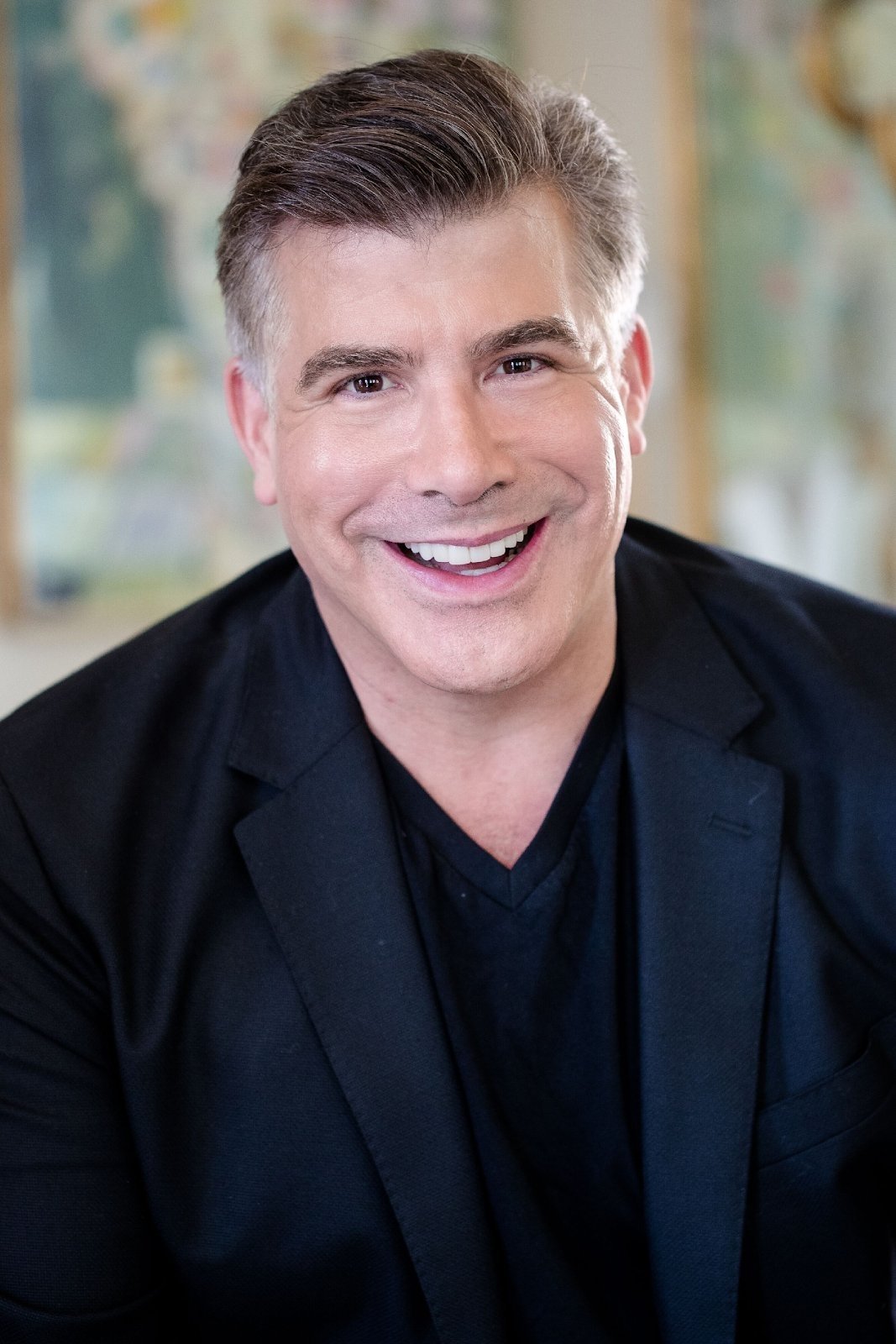
Bryan Batt gained widespread acclaim for his role as Salvatore Romano on the period drama ‘Mad Men’ (2007–2015). His character was a closeted art director in the 1960s, and his storyline provided a poignant look at the era’s social constraints. Batt, who is openly gay, brought a nuanced performance to the role during the show’s early seasons. He also continued to work in theater and published several books during this period.
Chris Colfer
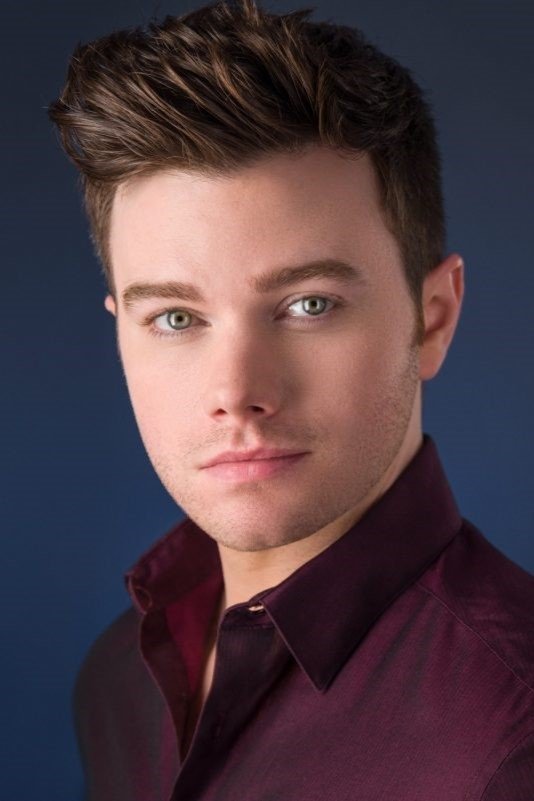
Chris Colfer became a breakout star at the very end of the decade when ‘Glee’ (2009–2015) premiered. His role as Kurt Hummel, a fashion-conscious high school student dealing with bullying and coming out, made him an instant icon. Colfer’s performance was praised for its emotional depth and vocal ability, earning him a Golden Globe Award. His rise to fame in 2009 set the stage for him to become one of the most influential young LGBTQ+ actors.
Matt Bomer
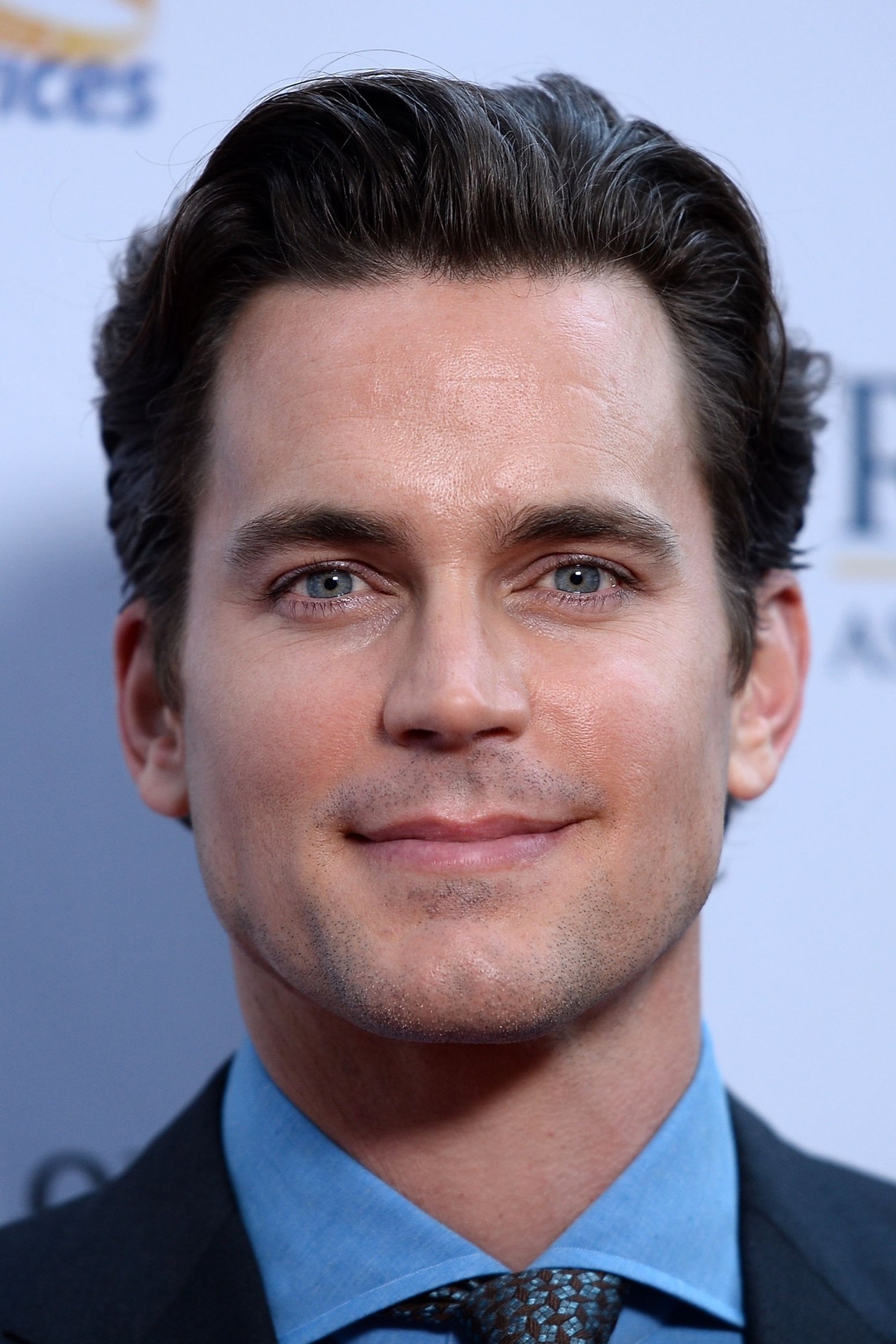
Matt Bomer began his rise to stardom in the 2000s with roles in various television series. He starred in the supernatural drama ‘Tru Calling’ (2003–2005) and had a recurring role in the spy comedy ‘Chuck’ (2007–2012). In 2009, he landed the lead role of Neal Caffrey in ‘White Collar’ (2009–2014), which turned him into a major television star. Although he did not publicly come out until 2012, he was a highly visible and rising talent throughout the late 2000s.
Luke Macfarlane
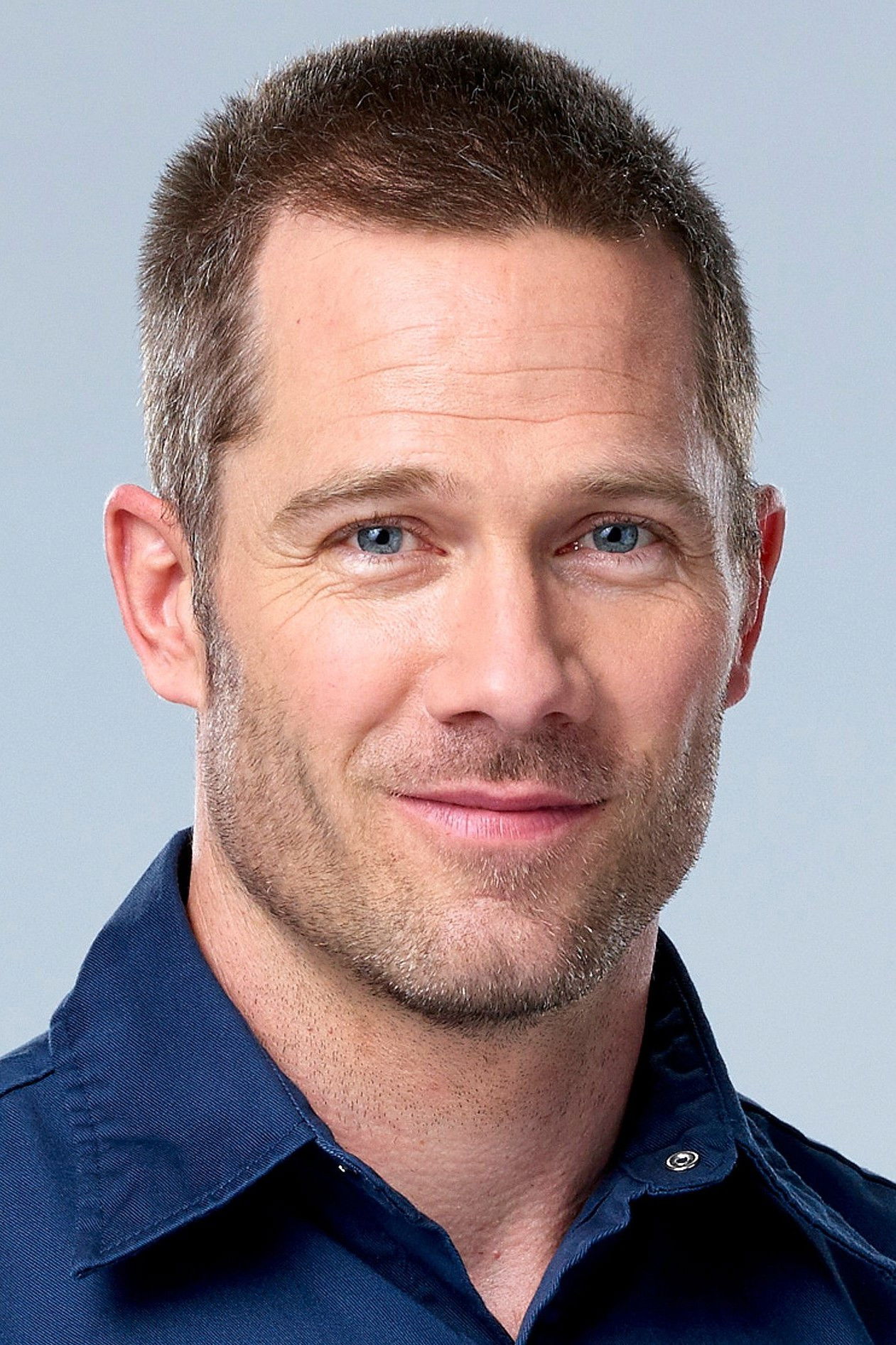
Luke Macfarlane was a prominent television actor in the late 2000s, primarily known for his role on ‘Brothers & Sisters’ (2006–2011). He played Scotty Wandell, who eventually married one of the show’s lead characters in one of television’s first high-profile same-sex weddings. Macfarlane publicly came out in 2008, during the height of the show’s popularity. His work on the series was significant for providing a stable and positive depiction of a gay relationship.
Ben Whishaw
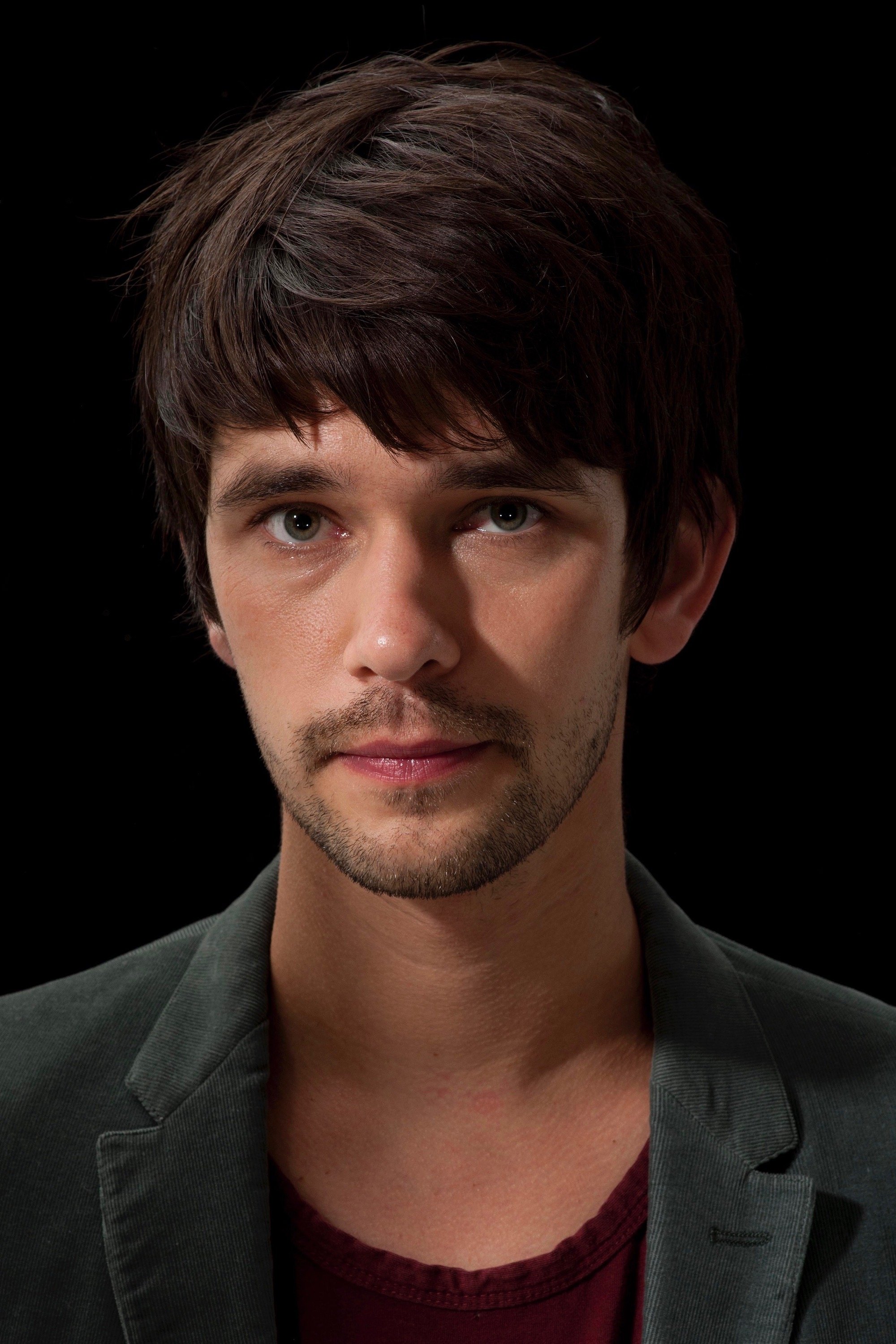
Ben Whishaw emerged as a major talent in the 2000s, beginning with his critically acclaimed stage performance in ‘Hamlet’ (2004). He transitioned to film with a lead role in the thriller ‘Perfume: The Story of a Murderer’ (2006). Whishaw also appeared in the Bob Dylan biopic ‘I’m Not There’ (2007) and the romantic drama ‘Bright Star’ (2009). His work during this decade established him as one of the most versatile and gifted actors of his generation.
Jonathan Groff
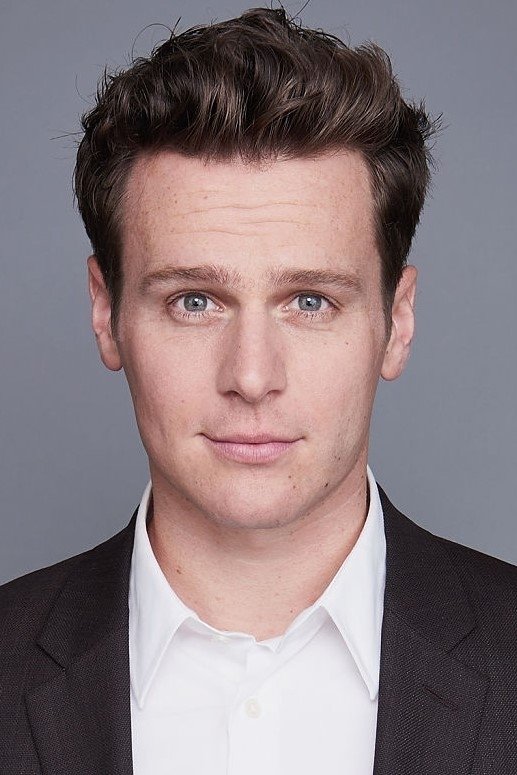
Jonathan Groff became a star of the Broadway stage in the 2000s, most notably for his role in ‘Spring Awakening’ (2006). This performance earned him a Tony Award nomination and brought him to the attention of television producers. At the very end of the decade, he made a memorable entrance into television with a recurring role on ‘Glee’ (2009–2015). Groff’s transition from theater to screen was just beginning as the decade closed.
Cheyenne Jackson
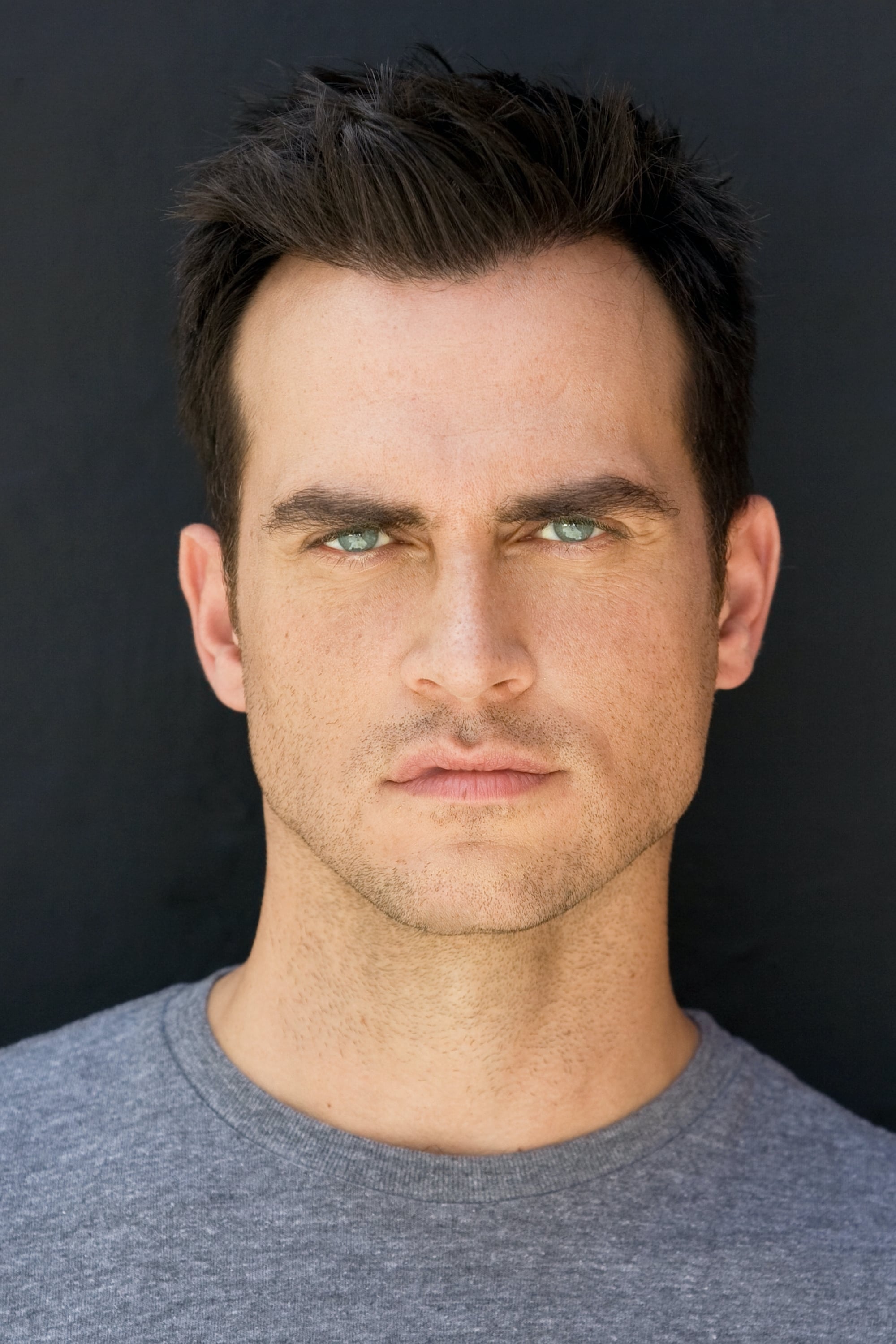
Cheyenne Jackson was a major star of the Broadway stage throughout the 2000s, appearing in hits like ‘All Shook Up’ (2005) and ‘Xanadu’ (2007). He also began making significant appearances in film and television, including a role in the 9/11 drama ‘United 93′ (2006). Toward the end of the decade, he landed a recurring role as Danny Baker on ’30 Rock’ (2006–2013). Jackson was one of the few openly gay leading men working successfully across stage and screen during this era.
Jesse Tyler Ferguson
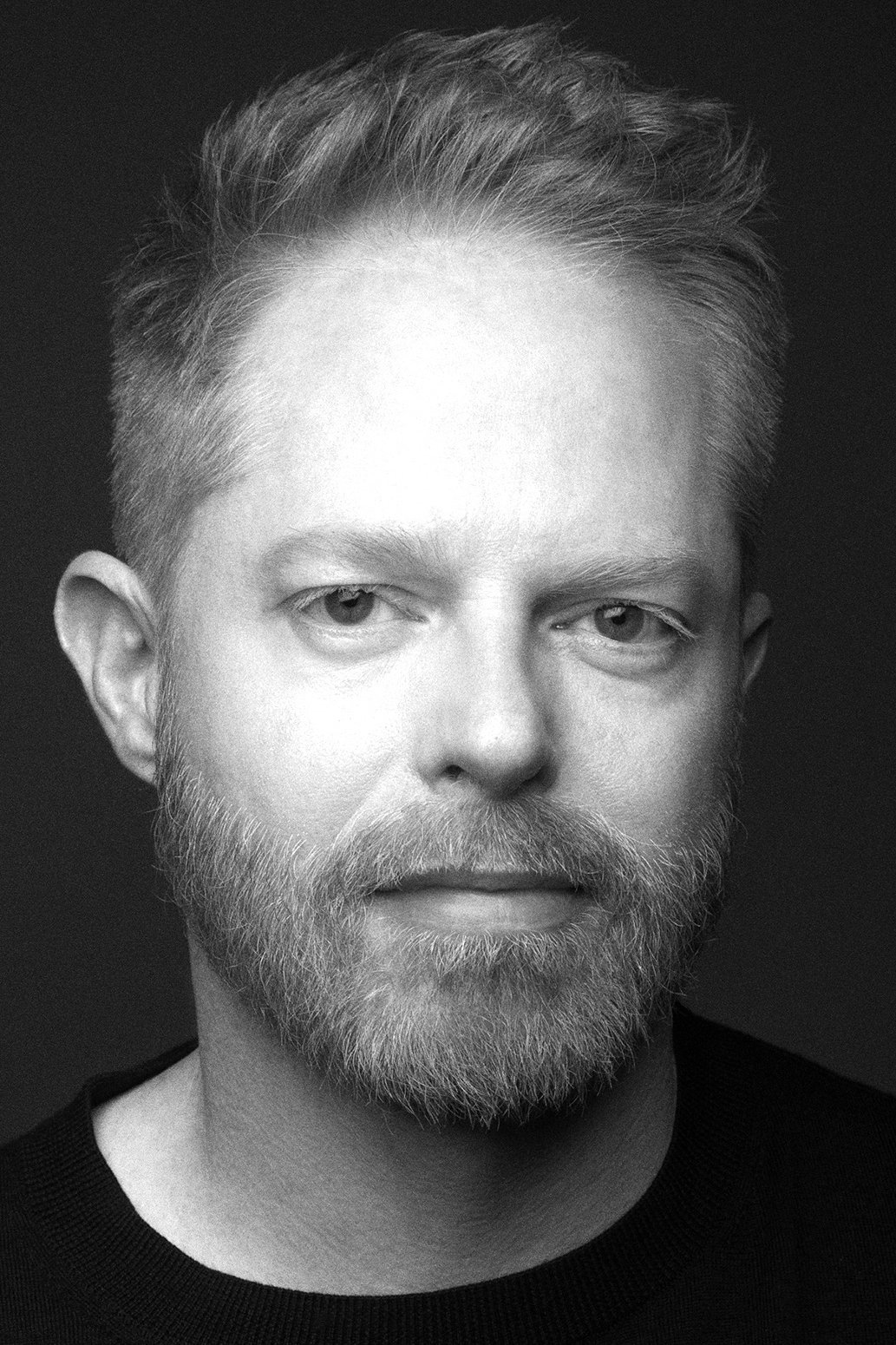
Jesse Tyler Ferguson spent much of the 2000s working in theater before finding mainstream television success. He starred in the Broadway musical ‘The 25th Annual Putnam County Spelling Bee’ (2005) and the short-lived sitcom ‘The Class’ (2006–2007). In 2009, he was cast as Mitchell Pritchett on the hit mockumentary ‘Modern Family’ (2009–2020). This role would make him one of the most famous gay actors on television for the next decade.
Denis O’Hare
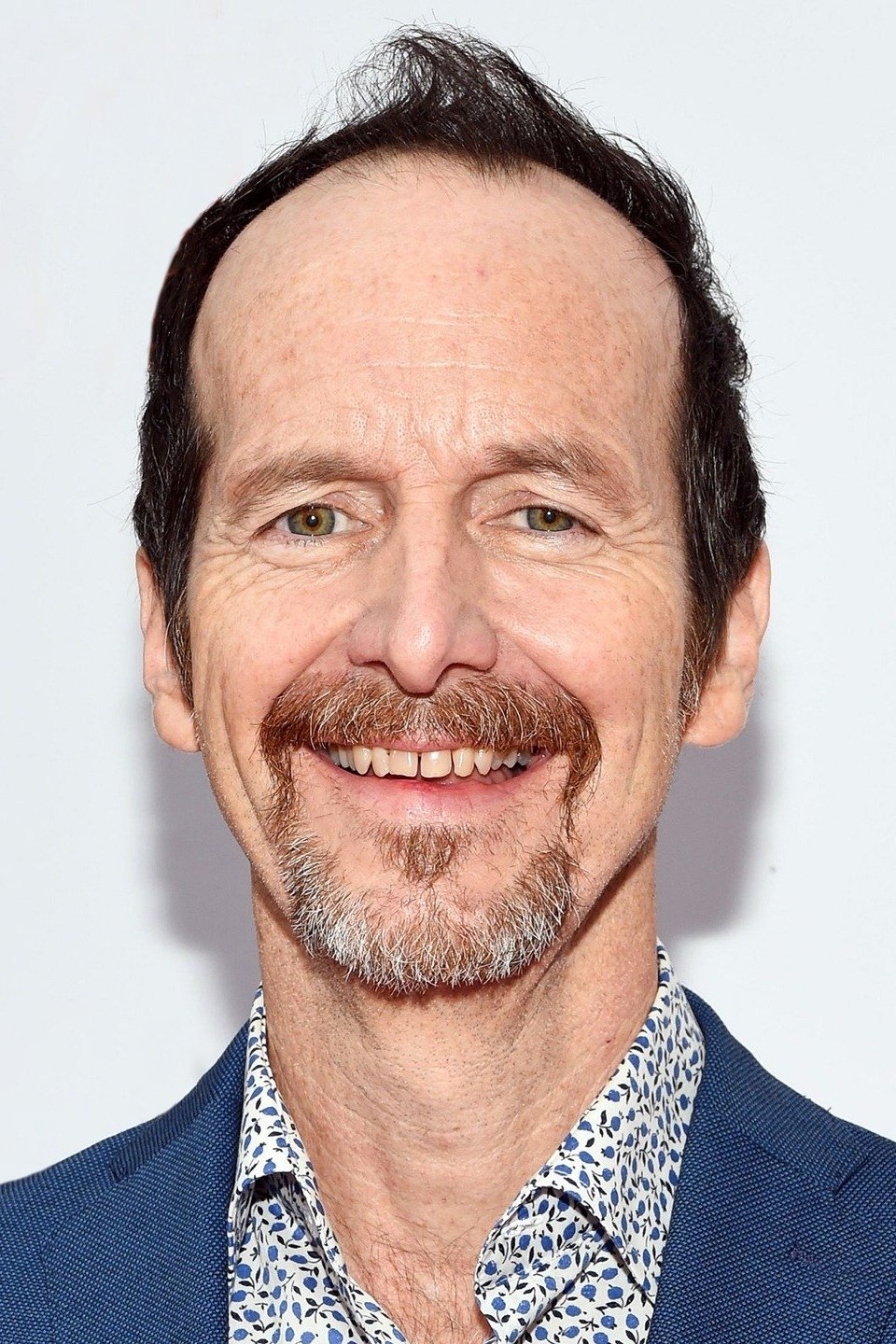
Denis O’Hare was a highly respected character actor who appeared in numerous films and television shows in the 2000s. He won a Tony Award for his work in the play ‘Take Me Out’ (2003) and appeared in films like ‘Michael Clayton’ (2007) and ‘Milk’ (2008). In 2009, he began his memorable role as the vampire king Russell Edgington on ‘True Blood’ (2008–2014). O’Hare’s ability to disappear into a wide variety of roles made him a sought-after performer.
Russell Tovey
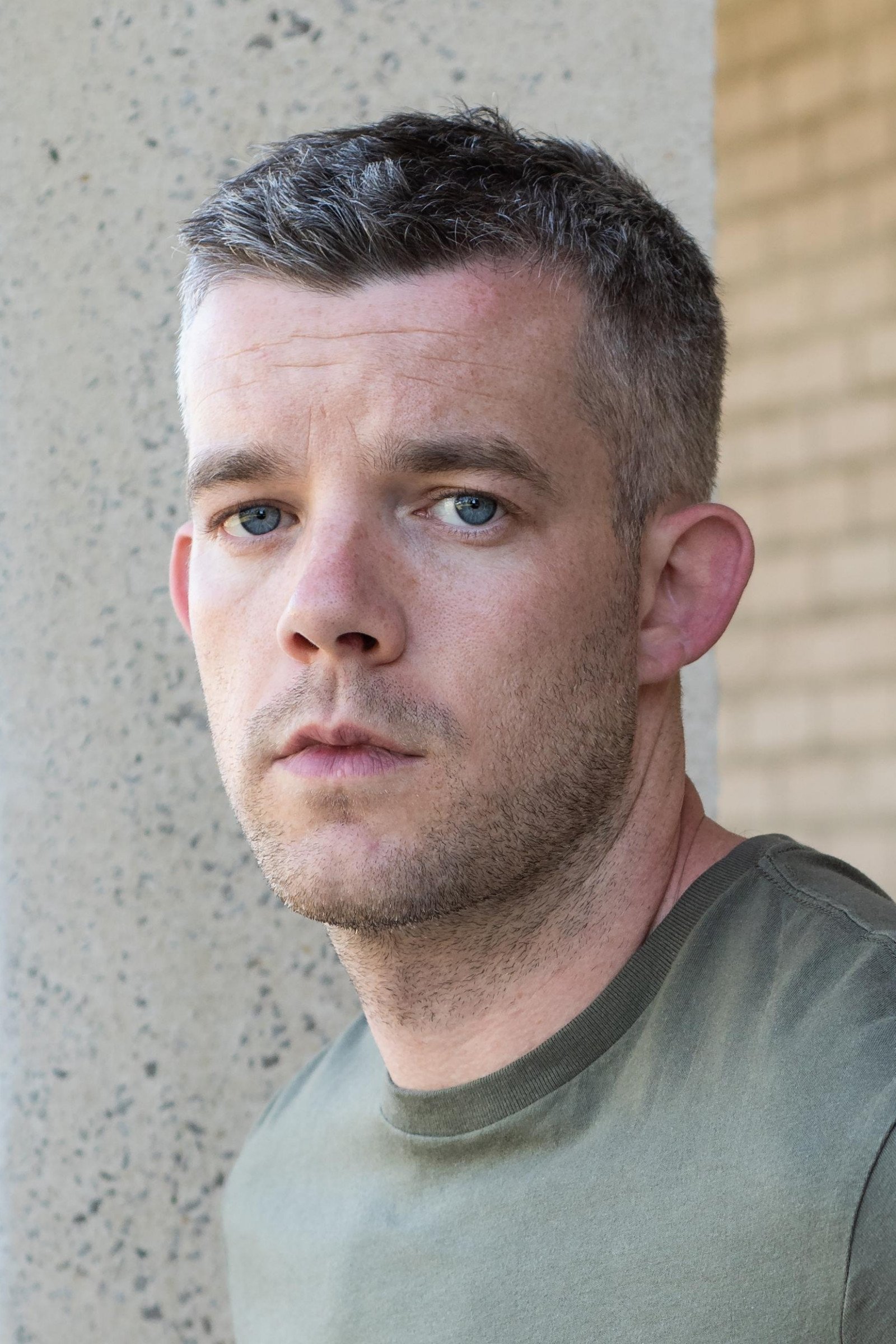
Russell Tovey gained early fame in the 2000s as part of the original cast of the play ‘The History Boys’ (2004). He reprised his role in the successful 2006 film adaptation, which brought him international attention. Tovey also appeared in the long-running series ‘Doctor Who’ (2005–present) and began starring in the supernatural drama ‘Being Human’ (2008–2013). He was one of the few young British actors to be openly gay from the start of his career.
Mark Indelicato
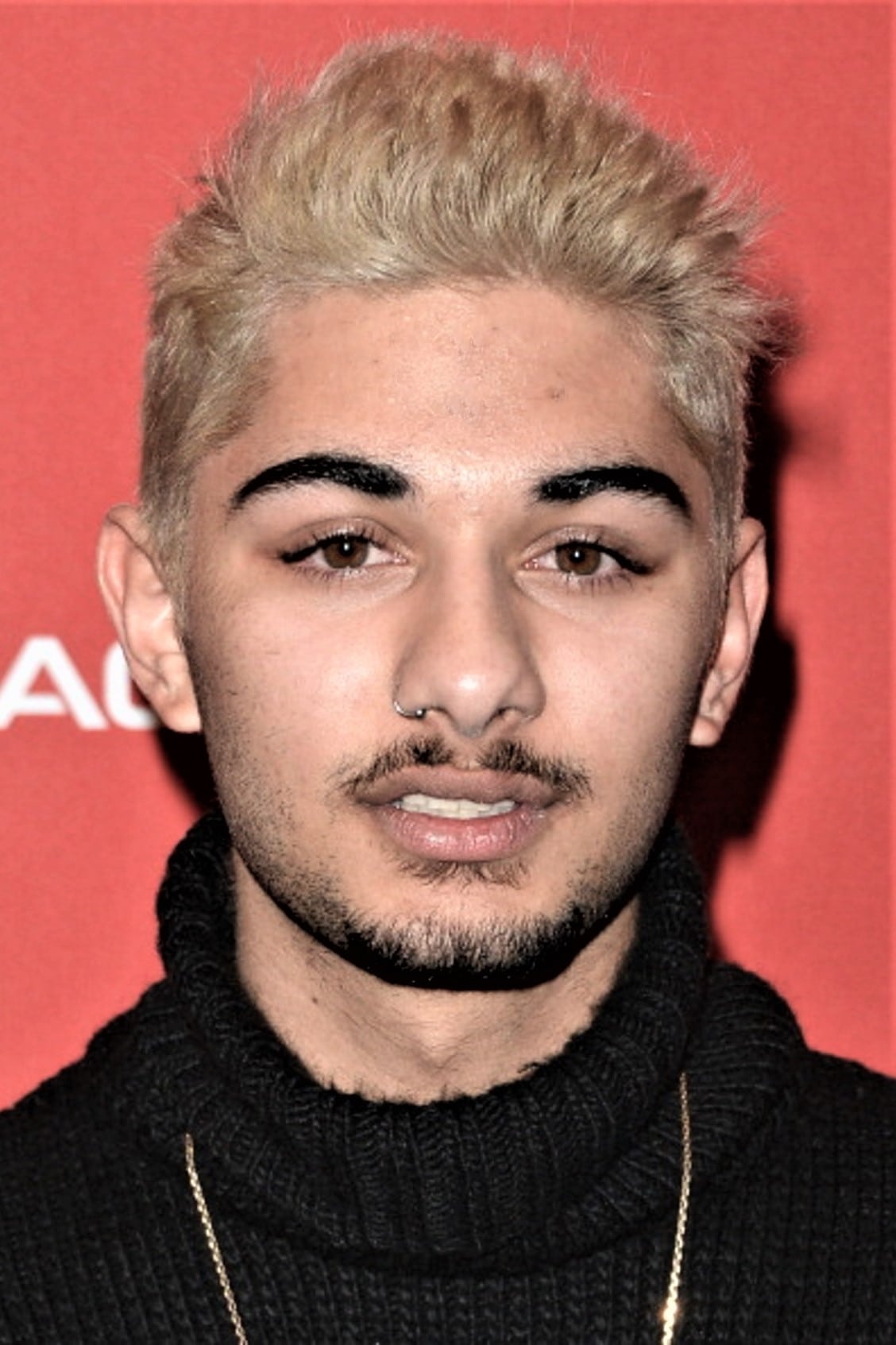
Mark Indelicato became a young star in the mid-2000s playing Justin Suarez on ‘Ugly Betty’ (2006–2010). His character was notable for being a young boy who was comfortable with his passion for fashion and musical theater. Indelicato’s performance was praised for its sensitivity and helped provide a rare depiction of a queer youth on network television. He grew up on the screen during the show’s four-season run.
Harvey Fierstein
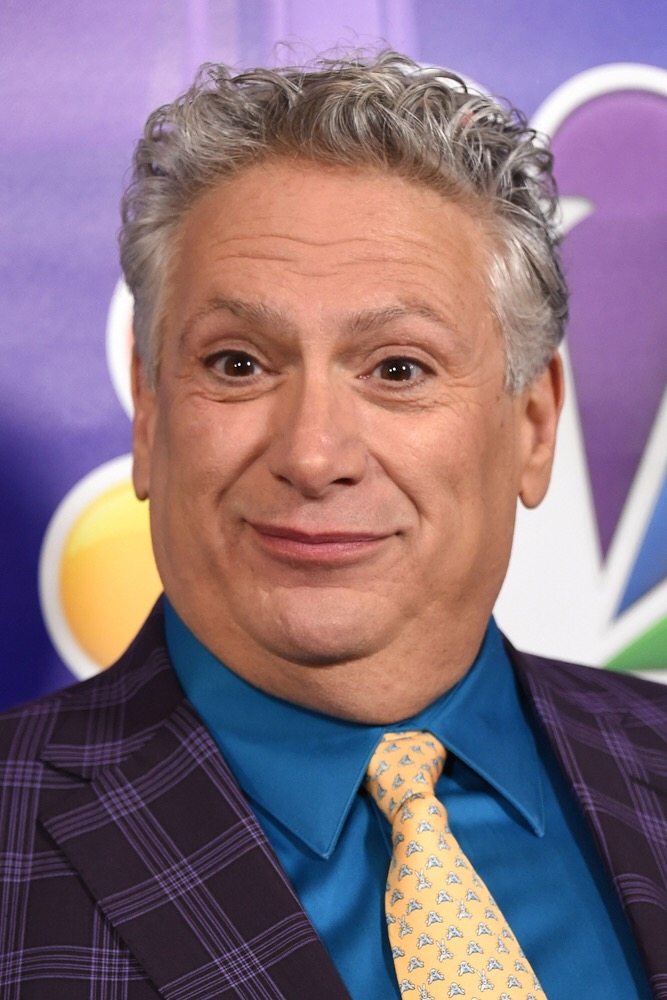
Harvey Fierstein remained a titan of the entertainment industry in the 2000s, primarily through his work in theater. He won a Tony Award for his iconic performance as Edna Turnblad in the musical ‘Hairspray’ (2002). Fierstein also appeared in films like ‘Death to Smoochy’ (2002) and guest-starred in several television series. His gravelly voice and legendary status as a queer pioneer made him a respected figure throughout the decade.
Dan Bucatinsky
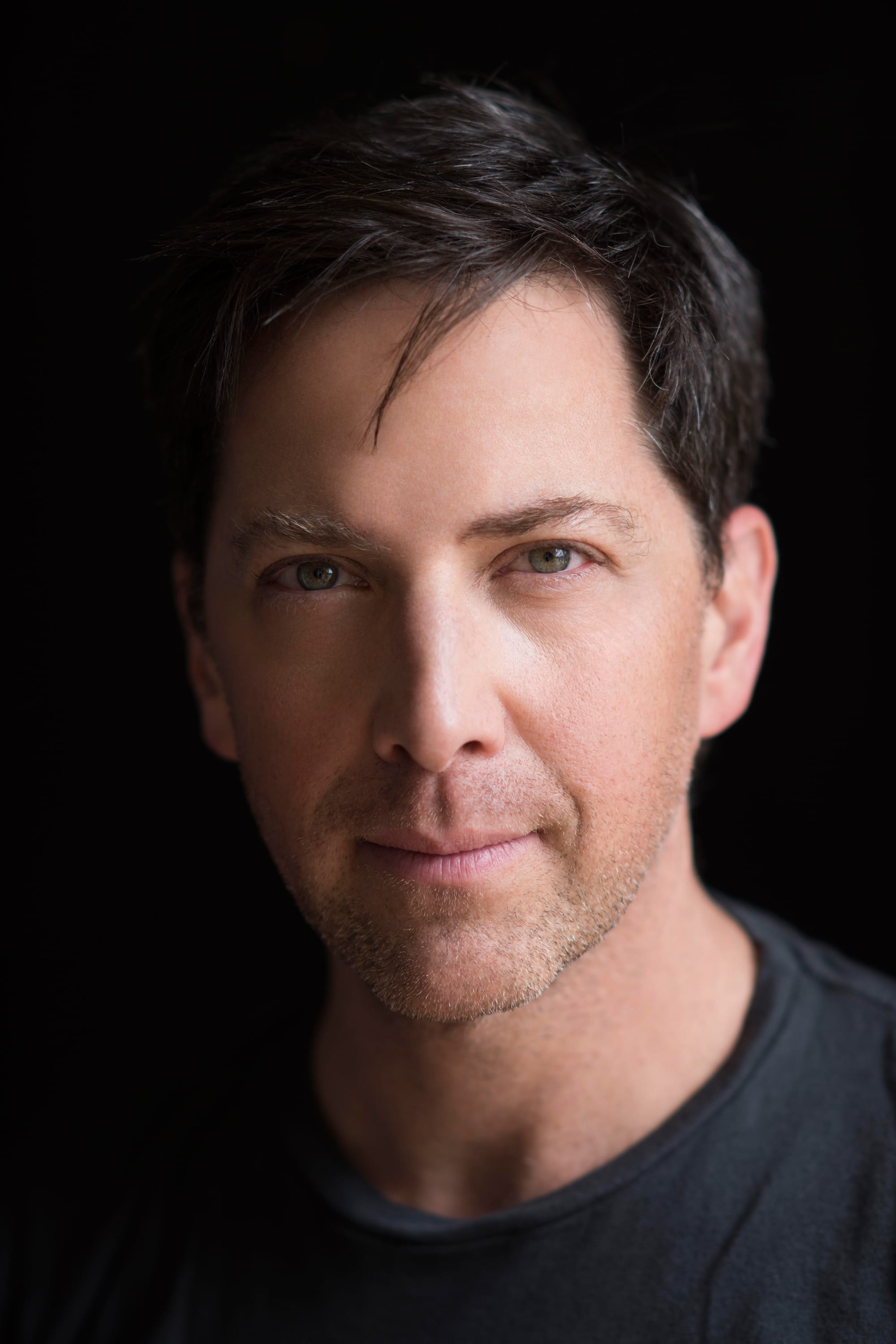
Dan Bucatinsky was a multitalented actor, writer, and producer who was active throughout the 2000s. He wrote and starred in the indie film ‘All Over the Guy’ (2001) and co-executive produced the series ‘The Comeback’ (2005) with Lisa Kudrow. Bucatinsky also appeared in various guest roles on shows like ‘Will & Grace’ (1998–2006) and ‘Friends’ (1994–2004). His work behind the scenes was as influential as his onscreen performances during this period.
David Burtka
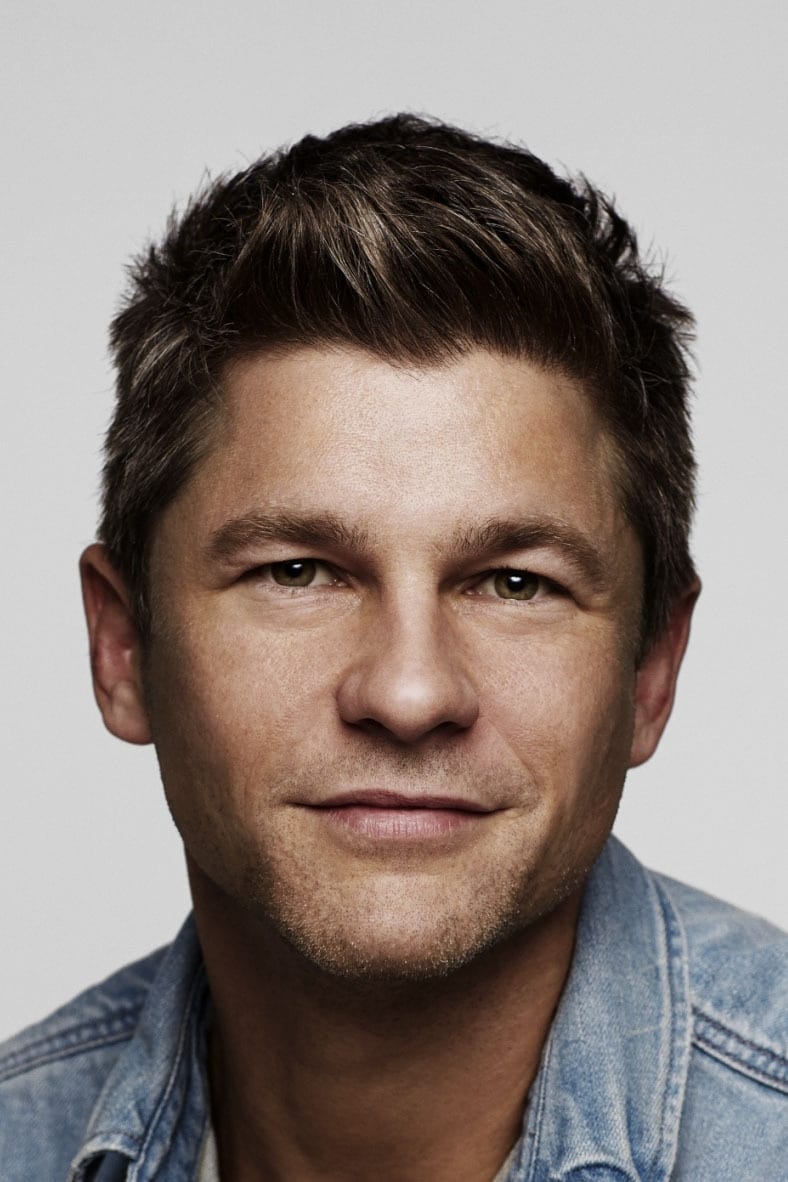
David Burtka appeared in several television shows and theater productions during the 2000s. He had a recurring role as Scooter, the former high school boyfriend of Lily Aldrin, on ‘How I Met Your Mother’ (2005–2014). Burtka also appeared on Broadway in the 2003 revival of ‘Gypsy’. His relationship with Neil Patrick Harris, which became public in the mid-2000s, made them one of the most visible gay couples in Hollywood.
Richard Chamberlain
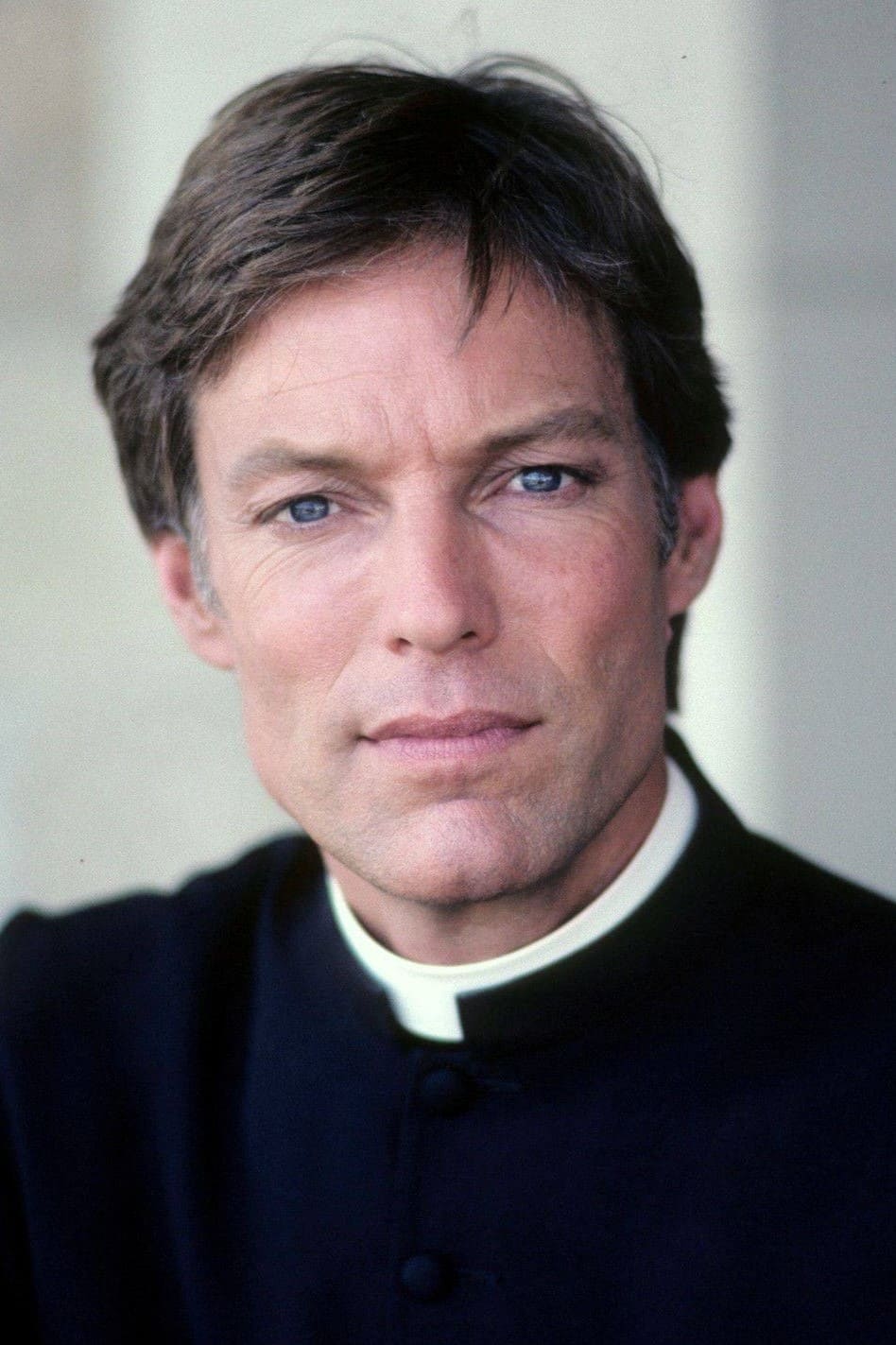
Richard Chamberlain, a legendary actor from the 1960s and 70s, remained active in the 2000s after publicly coming out in 2003. He guest-starred in popular series such as ‘Will & Grace’ (1998–2006) and ‘Desperate Housewives’ (2004–2012). Chamberlain also appeared in the television movie ‘The Pavilion’ (2004) and continued to perform on stage. His decision to come out later in life was a significant moment for the LGBTQ+ community during that decade.
Anthony Rapp
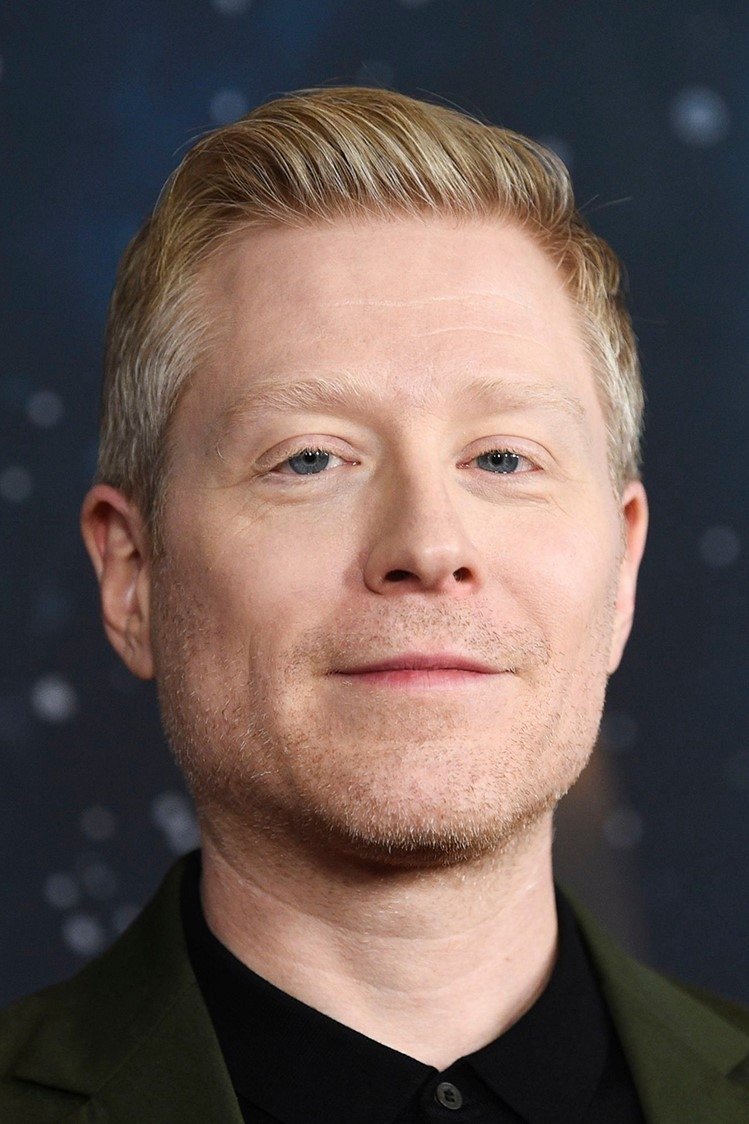
Anthony Rapp was a prominent figure in the 2000s, especially following the 2005 film adaptation of the musical ‘Rent’. He reprised his role as Mark Cohen, a character he originated on Broadway in the 1990s. Rapp also appeared in the film ‘A Beautiful Mind’ (2001) and guest-starred in several television procedurals. He remained a vocal advocate for LGBTQ+ rights and theater throughout the decade.
Jai Rodriguez
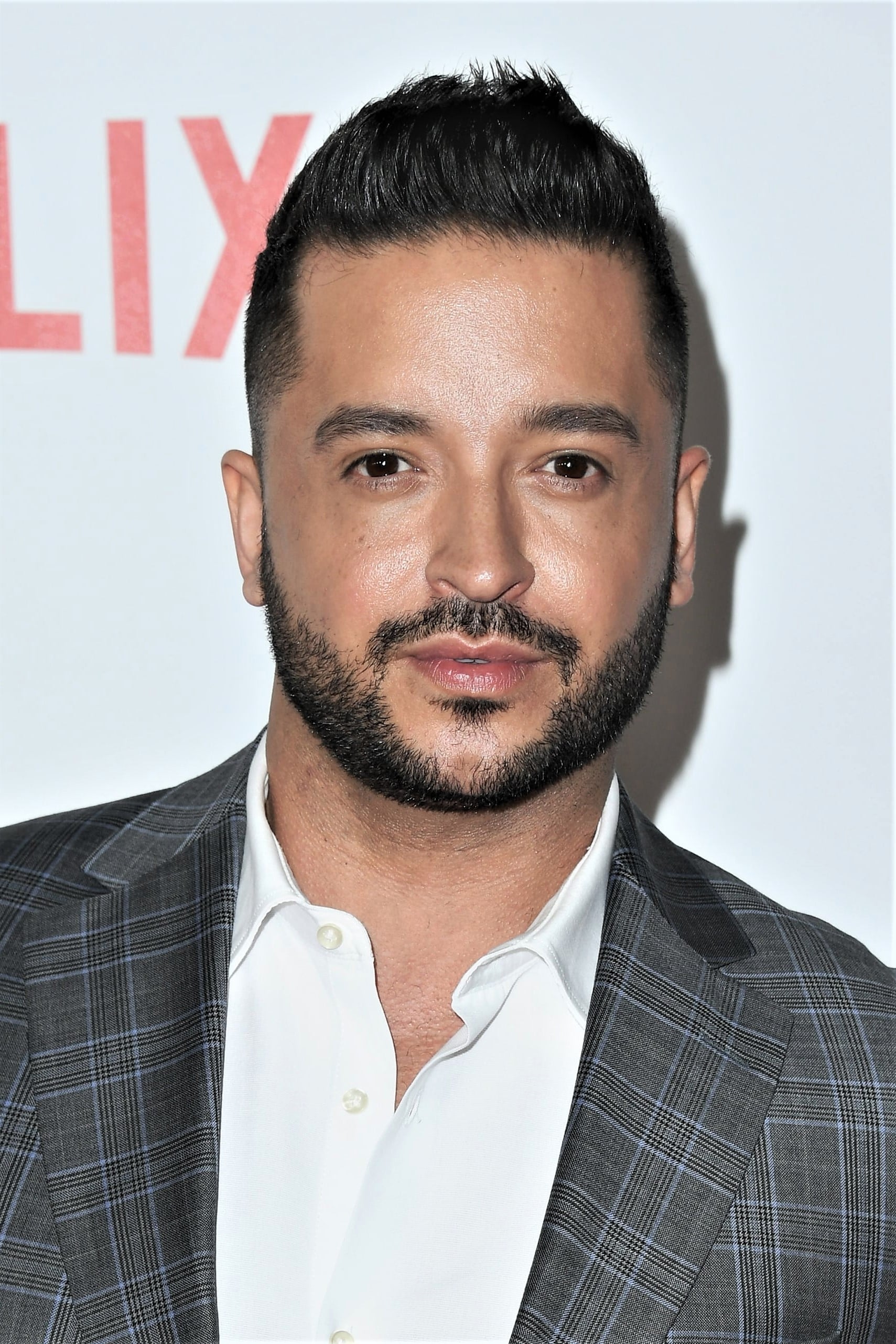
Jai Rodriguez became a household name as the “Culture Vulture” on the hit reality series ‘Queer Eye for the Straight Guy’ (2003–2007). While the show was his biggest claim to fame, he was also an accomplished actor who appeared on Broadway in ‘Rent’ and ‘The Producers’. Rodriguez guest-starred in several sitcoms and dramas during the mid-2000s, utilizing his ‘Queer Eye’ fame to further his acting career. He was one of the most visible gay Latino performers of the era.
Scott Evans
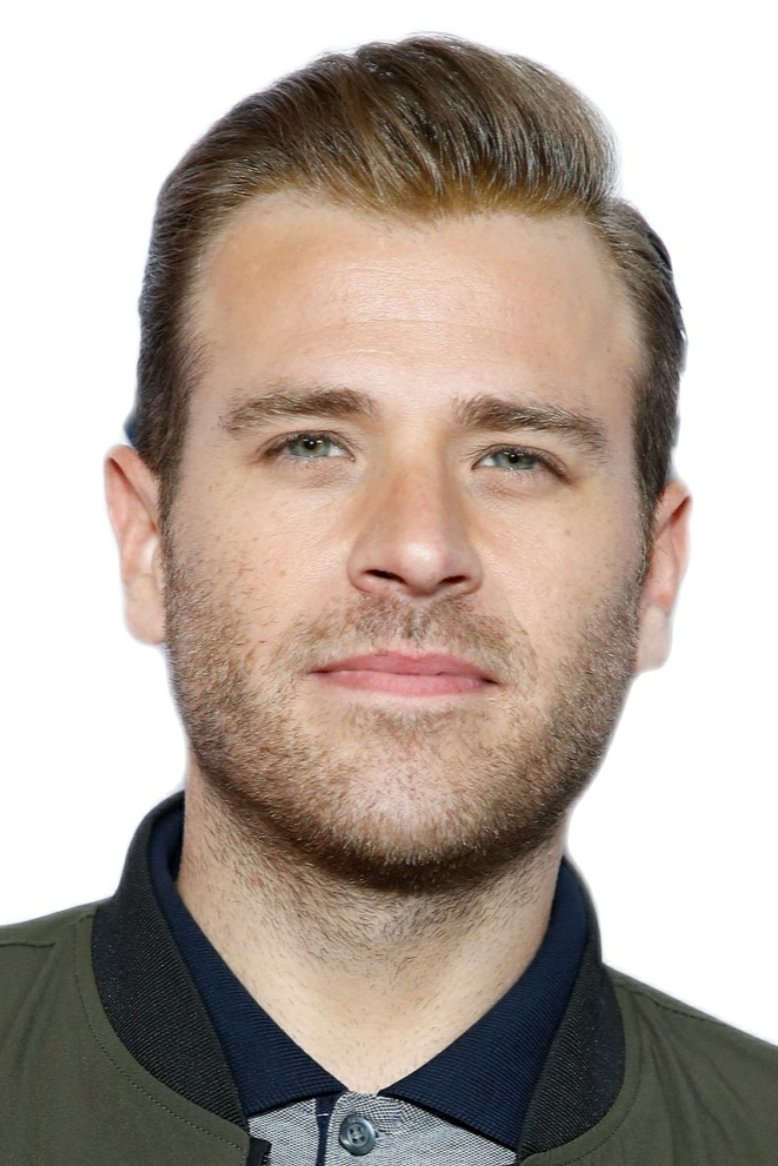
Scott Evans began his career in the late 2000s, most notably on the soap opera ‘One Life to Live’ (1968–2012). He played the role of Oliver Fish, a character who went through a high-profile coming-out storyline that was groundbreaking for daytime television. Evans, who is the younger brother of actor Chris Evans, was openly gay from the start of his public career. His work on the soap opera earned him a dedicated following toward the end of the decade.
Mike Doyle
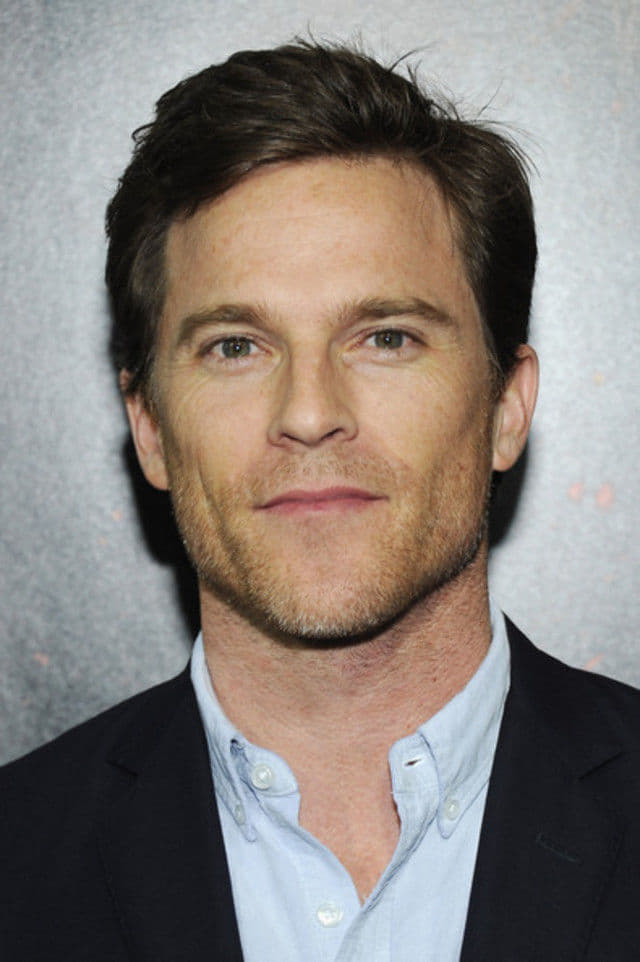
Mike Doyle was a frequent presence on 2000s television, appearing in several long-running series. He had a recurring role as forensic technician Ryan O’Halloran on ‘Law & Order: Special Victims Unit’ (1999–present). Doyle also appeared in the gritty prison drama ‘Oz’ (1997–2003) and guest-starred in numerous other shows like ‘In Treatment’ (2008–2010). His consistent work in television drama made him a recognizable character actor throughout the decade.
Christian Campbell
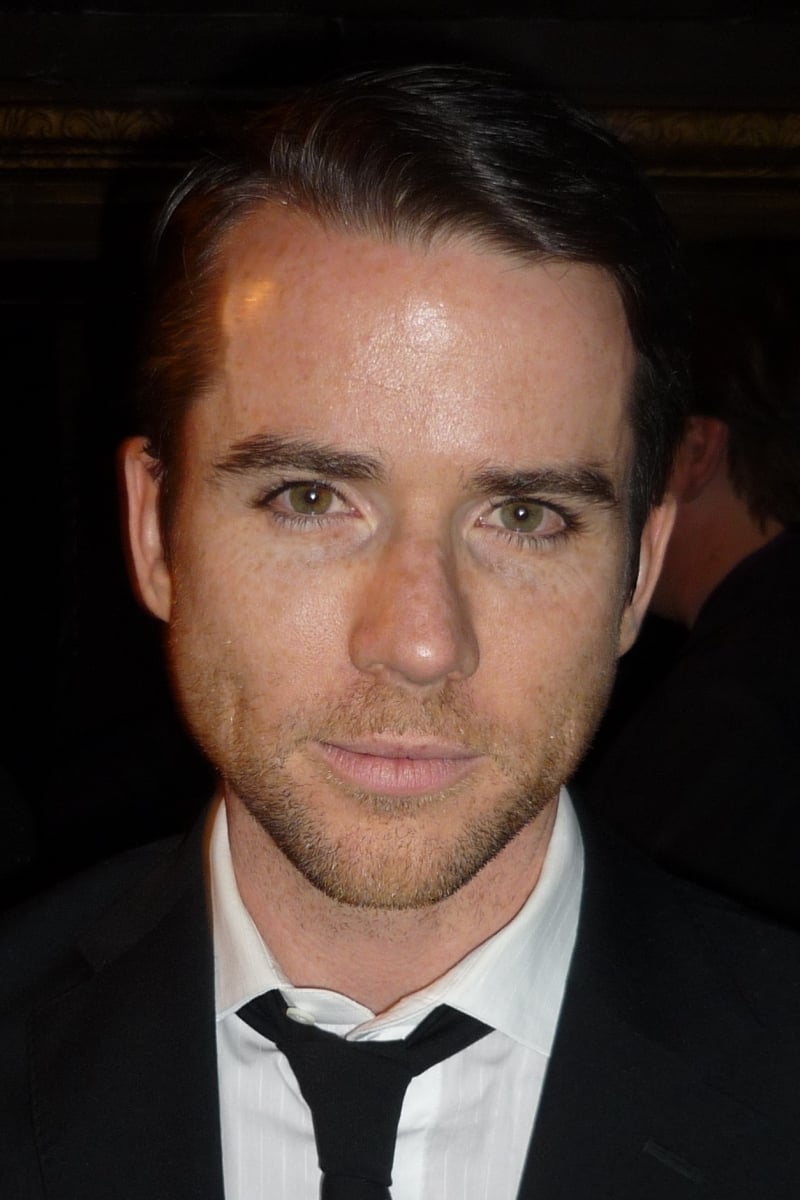
Christian Campbell followed his 1999 breakout in ‘Trick’ with steady work in the 2000s. He appeared in the television series ‘The Book of Daniel’ (2006) and had a recurring role on the soap opera ‘All My Children’ (1970–2011). Campbell also worked in various independent films and theater productions during this period. He remained a visible out actor, balancing work in both the U.S. and Canadian entertainment industries.
John Cameron Mitchell

John Cameron Mitchell was a major force in independent cinema and theater in the 2000s. He wrote, directed, and starred in the film adaptation of ‘Hedwig and the Angry Inch’ (2001), which became a massive cult hit. Mitchell also directed the sexually explicit and critically discussed film ‘Shortbus’ (2006). His work during this decade pushed the boundaries of queer cinema and cemented his reputation as a visionary filmmaker.
Tell us which of these iconic performances was your favorite by sharing your thoughts in the comments.

