


LGBTQ+ Actors Who Withdrew from Movies Because of Political Reasons

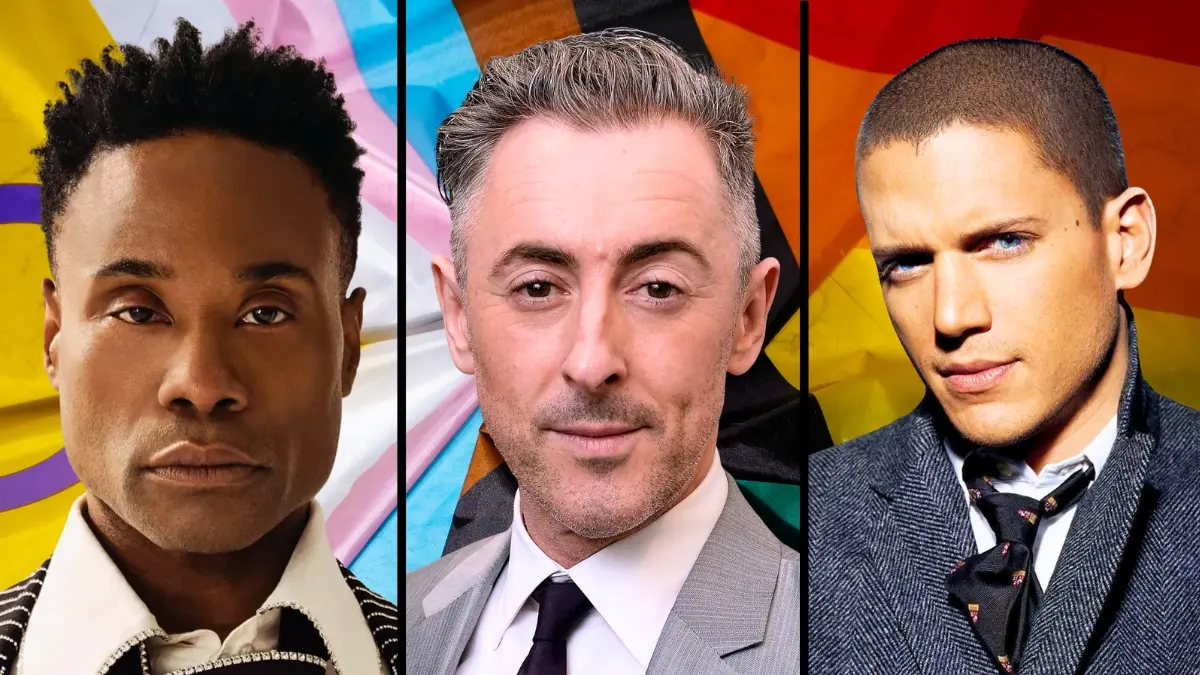


When politics collides with entertainment, some performers choose to step back from film work or film-related appearances on principle. Below are cases where male LGBTQ+ actors publicly declined participation, canceled film-adjacent commitments, or exited projects in response to laws, policies, or industry actions they opposed.
Wentworth Miller
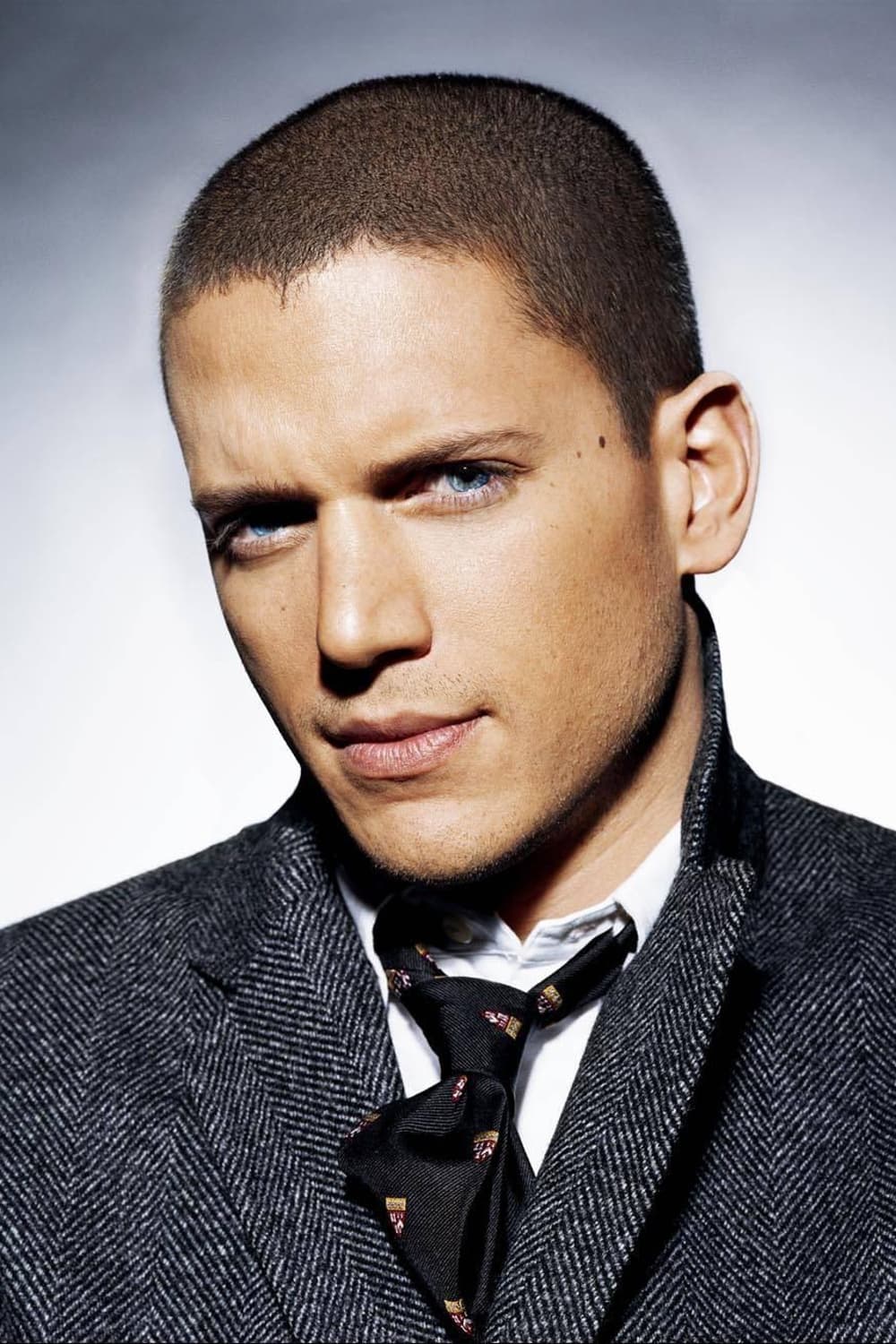
In August 2013, Wentworth Miller declined an invitation to the St. Petersburg International Film Festival, citing Russia’s “anti-gay propaganda” law and stating he could not “in good conscience” participate while people were denied the right “to live and love openly.” His open letter—released via GLAAD and reported widely—both announced that decision and marked his public coming-out. The choice drew attention to Russia’s legal climate for LGBTQ+ people and prompted additional international scrutiny of the festival’s host city. Miller’s stance is frequently referenced as an example of an actor using film-industry visibility to protest anti-LGBTQ legislation.
Ian McKellen
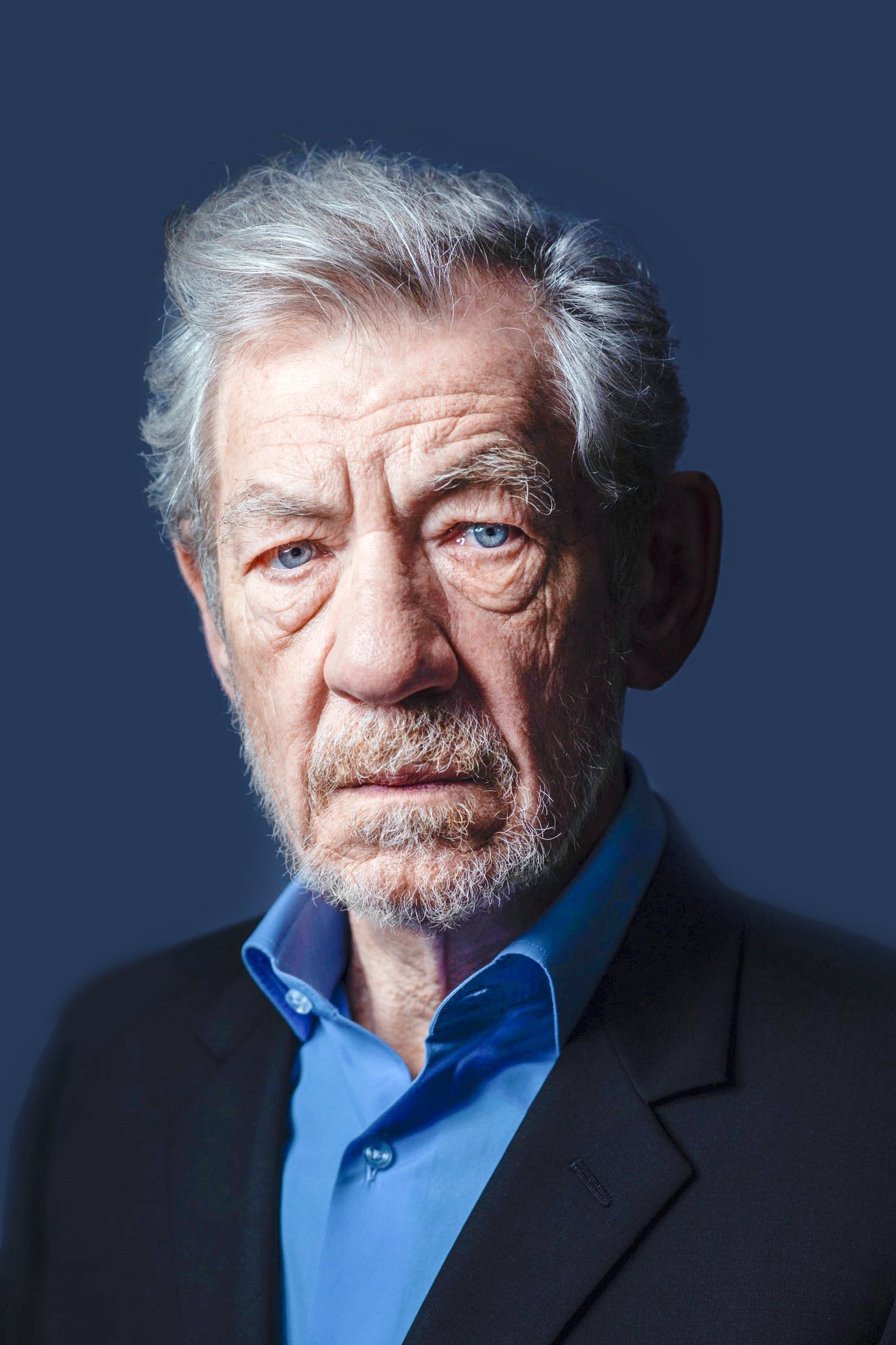
In 2019, Sir Ian McKellen supported the Hollywood-wide boycott of venues in the Dorchester Collection, whose ultimate ownership is linked to Brunei, after the country announced laws that would have imposed death by stoning for same-sex relations. The boycott led to cancellations of industry events and press gatherings tied to film releases at those hotels; McKellen publicly aligned with activists pressing the screen-world to move business elsewhere until the policy shift was reversed. The sustained pressure contributed to Brunei’s subsequent statement of a de facto moratorium on executions under the new penal provisions, though campaigners continued urging caution.
Alan Cumming
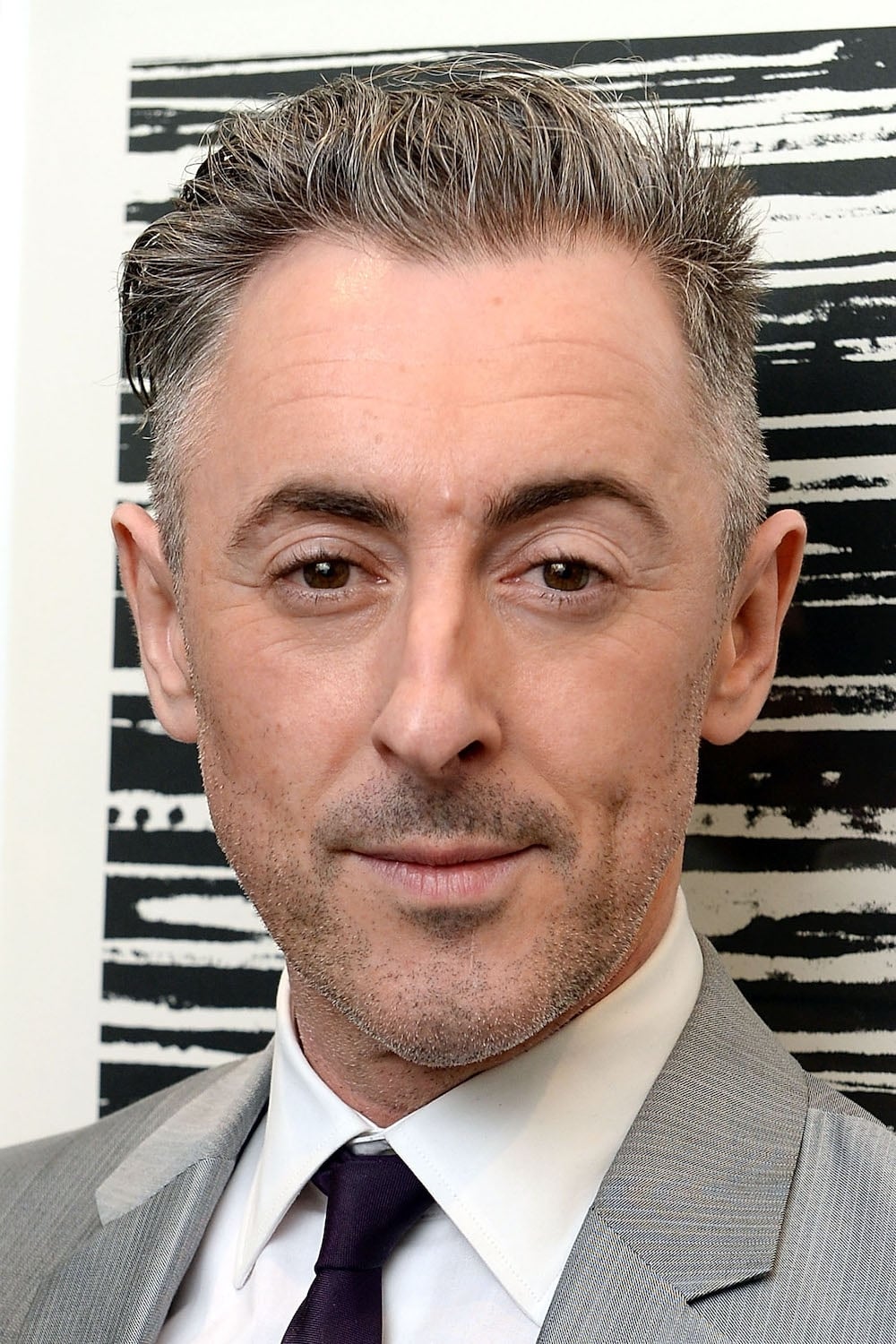
Alan Cumming—an actor with extensive film credits alongside his stage and TV work—threw his weight behind the Dorchester boycott as well, canceling participation at affected venues and amplifying calls for the screen industry to relocate events. His advocacy dovetailed with broader entertainment-sector actions aimed at denying publicity space and hospitality deals to properties connected with Brunei’s policy. The effort helped push studios, guild events, and press junkets to seek alternative locations during the height of the campaign. Cumming’s interventions were covered in LGBTQ+ media alongside other high-profile supporters.
George Takei
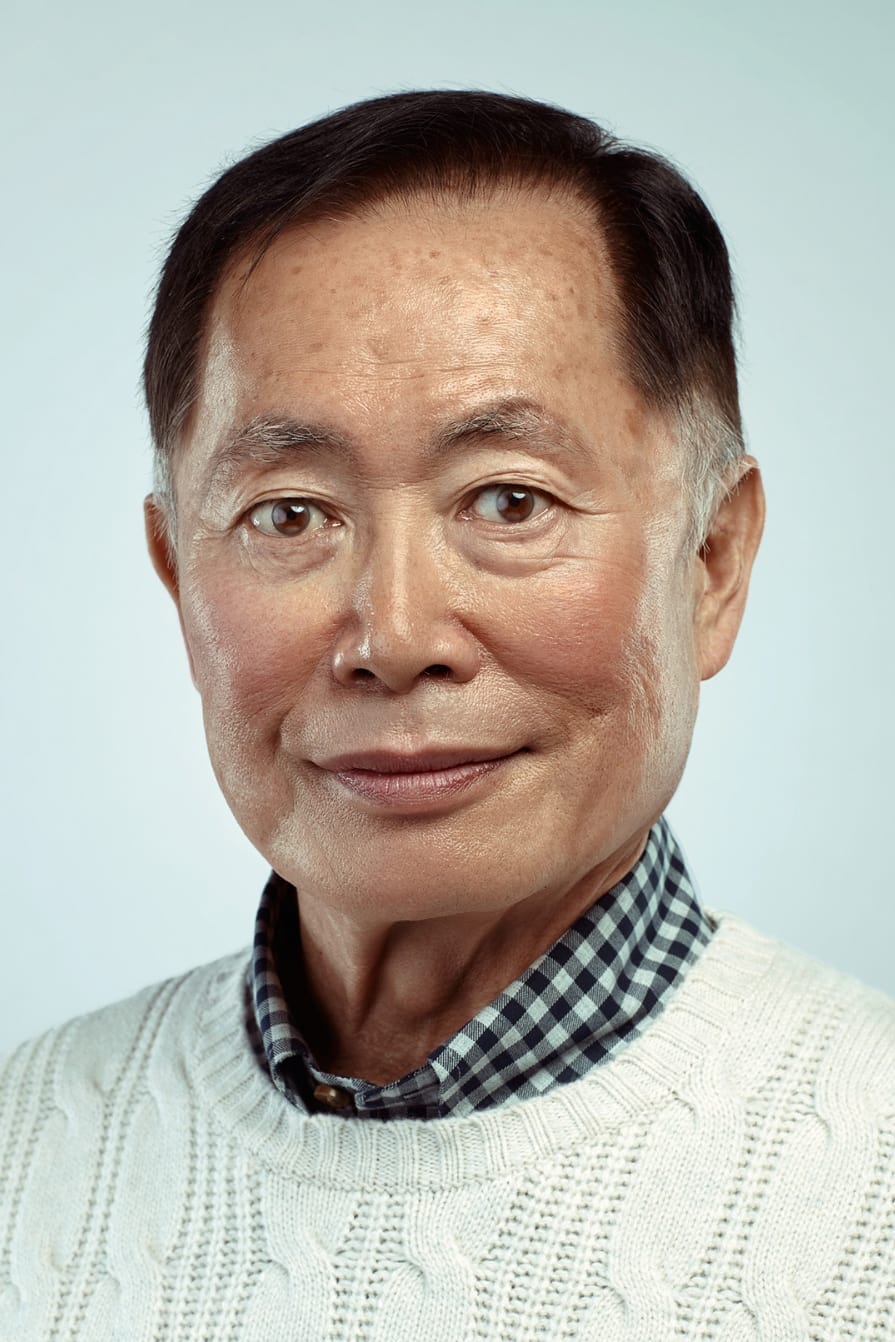
While not tied to a specific film shoot, George Takei repeatedly used film-promotional platforms and public appearances to protest anti-LGBTQ laws—most notably North Carolina’s 2016 HB2. During that period, he urged boycotts, redirected appearances, and leveraged media tied to his screen legacy to call attention to the issue. His activism intersected with the film world’s location-shoot debates and festival planning, as creatives weighed whether to work in jurisdictions with laws seen as discriminatory. Takei’s messaging around HB2 was widely reported and became part of the industry’s broader conversation on filming choices.
Billy Porter
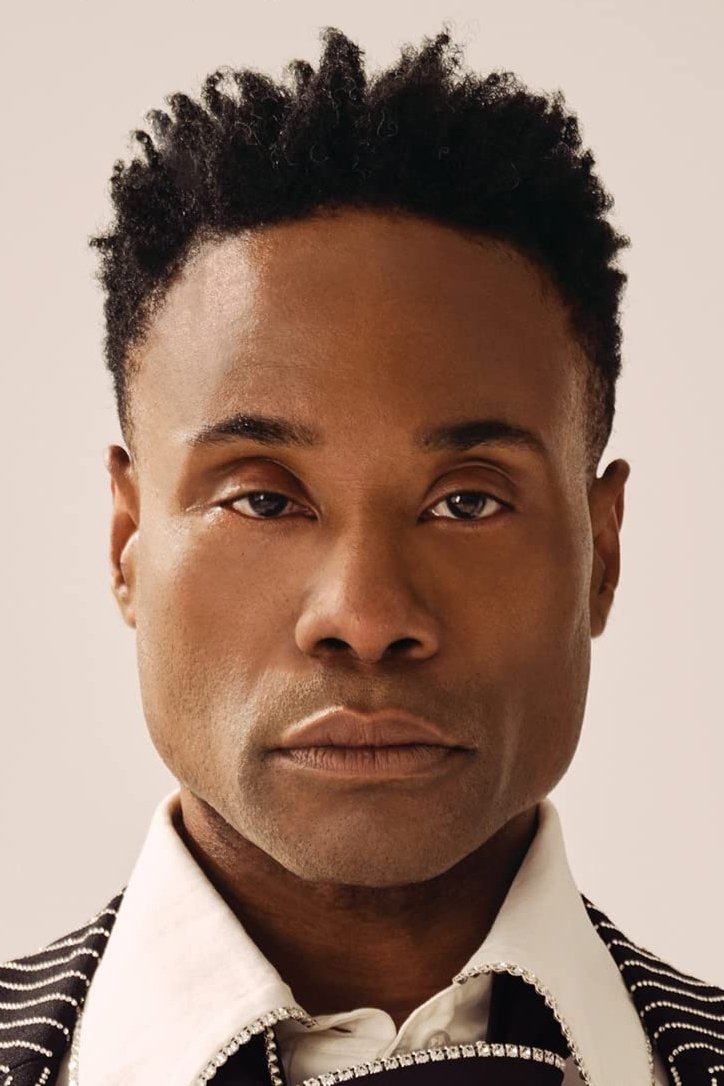
In 2023, amid the SAG-AFTRA and WGA labor actions, Billy Porter said multiple screen projects—including a feature slated for that autumn—were halted, and he stepped away from work while publicly criticizing studio leadership over contract terms and streaming transparency. Although strike participation is a labor action rather than a content-policy protest, it’s inherently political: Porter framed his withdrawal from upcoming film commitments as part of a fight for fair compensation and data disclosure in the modern distribution landscape. His remarks underscored how labor politics can prompt actors to pause or exit film work on principle.
Have more examples in mind or a specific case you’d like added? Share your thoughts in the comments!

