


LGBTQ+ Actors Who’ve Faced Ageism




Ageism in entertainment shows up in casting decisions, marketing priorities, and the kinds of stories that get financed, and LGBTQ+ performers often feel that squeeze alongside other biases. The men below have navigated an industry that tends to prize youth, speaking openly about getting older, taking age-coded roles, or pushing for opportunities that don’t vanish past a certain birthday. Their careers show how persistence, stage work, and selective film and TV choices can counter a youth-obsessed system—while also pointing out how much change is still needed.
Ian McKellen
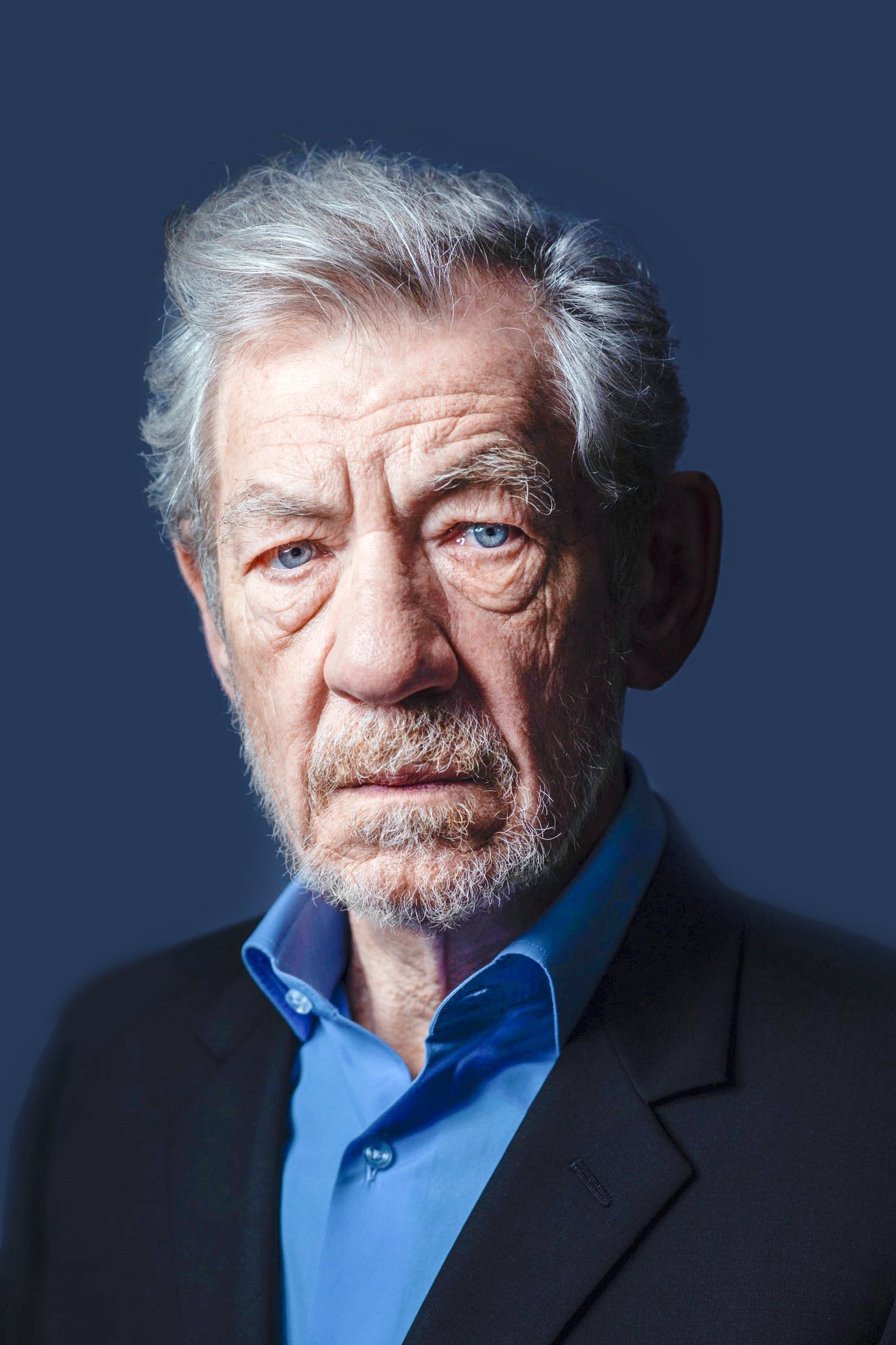
A legendary stage and screen actor, Ian McKellen has repeatedly taken on age-blind roles, most notably playing Hamlet late in life and sparking discussion about older performers leading classic parts. He has long used theatre as a space to demonstrate that range does not diminish with age, shifting between Shakespeare, modern drama, and fantasy blockbusters. McKellen’s continued presence in West End and Broadway productions illustrates how seasoned actors can headline prestigious runs without being sidelined. His public comments and career choices have kept ageism in the arts a visible topic rather than a quiet, accepted norm.
Rupert Everett
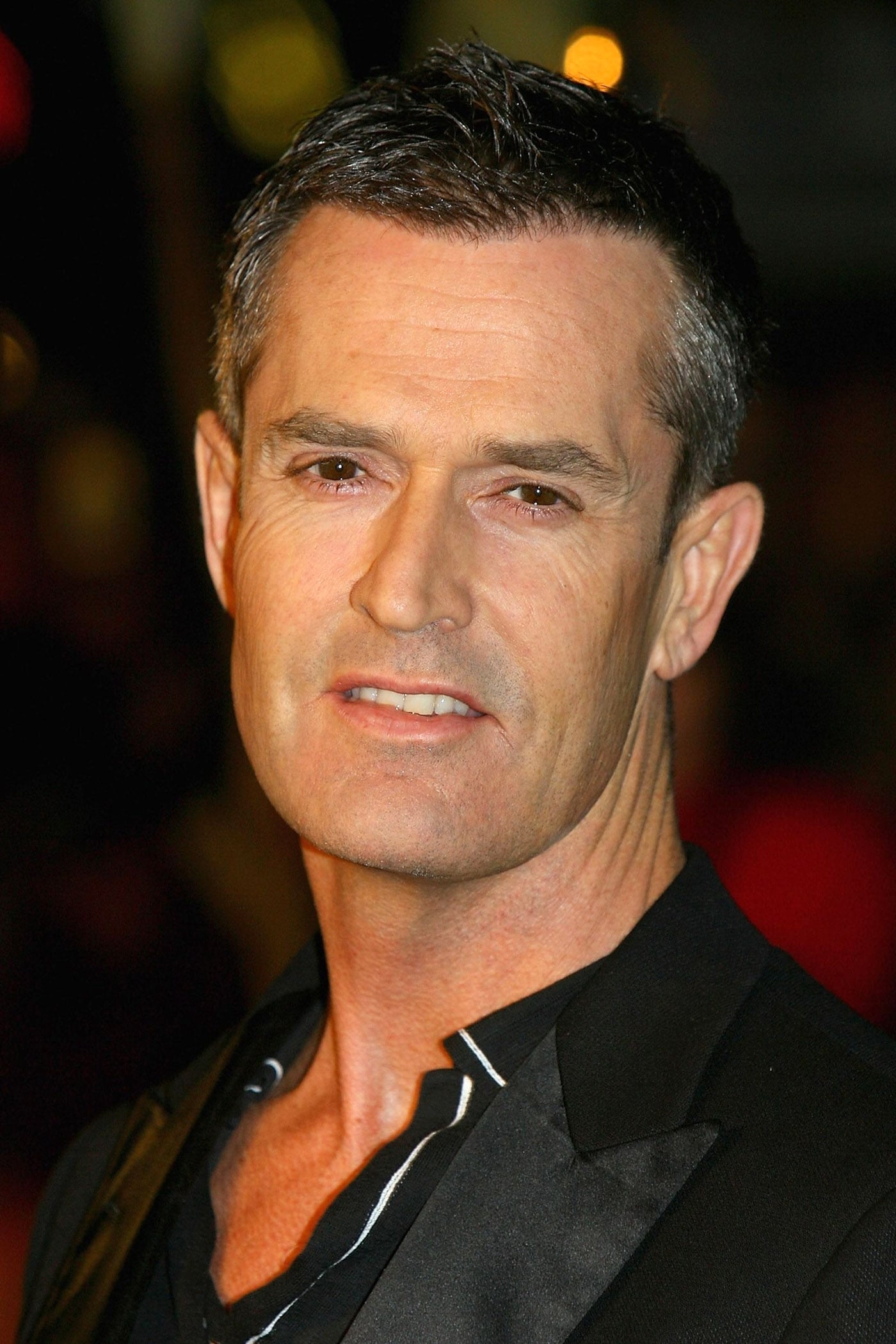
Rupert Everett has spoken candidly about hitting barriers as he grew older, noting how casting interest and leading-man offers changed over time. He pivoted into writing and directing in addition to acting, carving space for roles that better reflect midlife and later-life experiences. Theatre work and character-driven films have allowed him to showcase longevity beyond studio-age thresholds. His outspokenness has helped frame the conversation about how age and sexuality intersect in career opportunities.
George Takei

George Takei’s later-career renaissance—in media, stage, and advocacy—has highlighted both the scarcity and the value of roles for older actors. He has discussed the limited parts available to older Asian American performers and the importance of telling intergenerational stories. Takei’s projects, including stage musicals and voice work, show how performers can expand into formats that respect mature characters rather than reduce them to background. His visibility underscores that audiences respond to veteran actors when the roles exist.
Richard Chamberlain
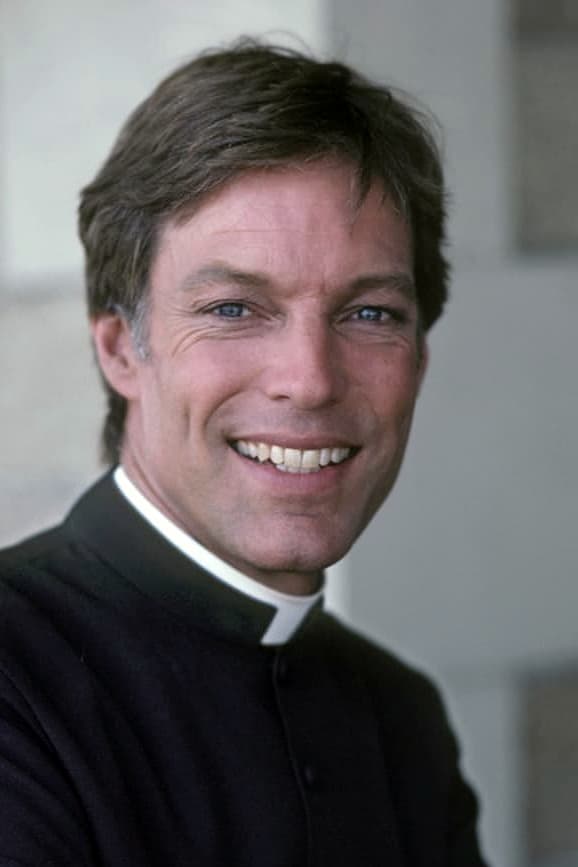
A major television star earlier in his career, Richard Chamberlain has described how industry perceptions shifted with age and how that affected parts offered to him. He continued to work on stage and in television guest roles, illustrating a common pattern for older actors who transition from leads to prestige character turns. His memoirs and interviews have mapped the pressures of image, sexuality, and aging across decades in the business. Chamberlain’s trajectory shows how sustained craft and reputation can carry a career even as age-coded casting narrows.
Derek Jacobi
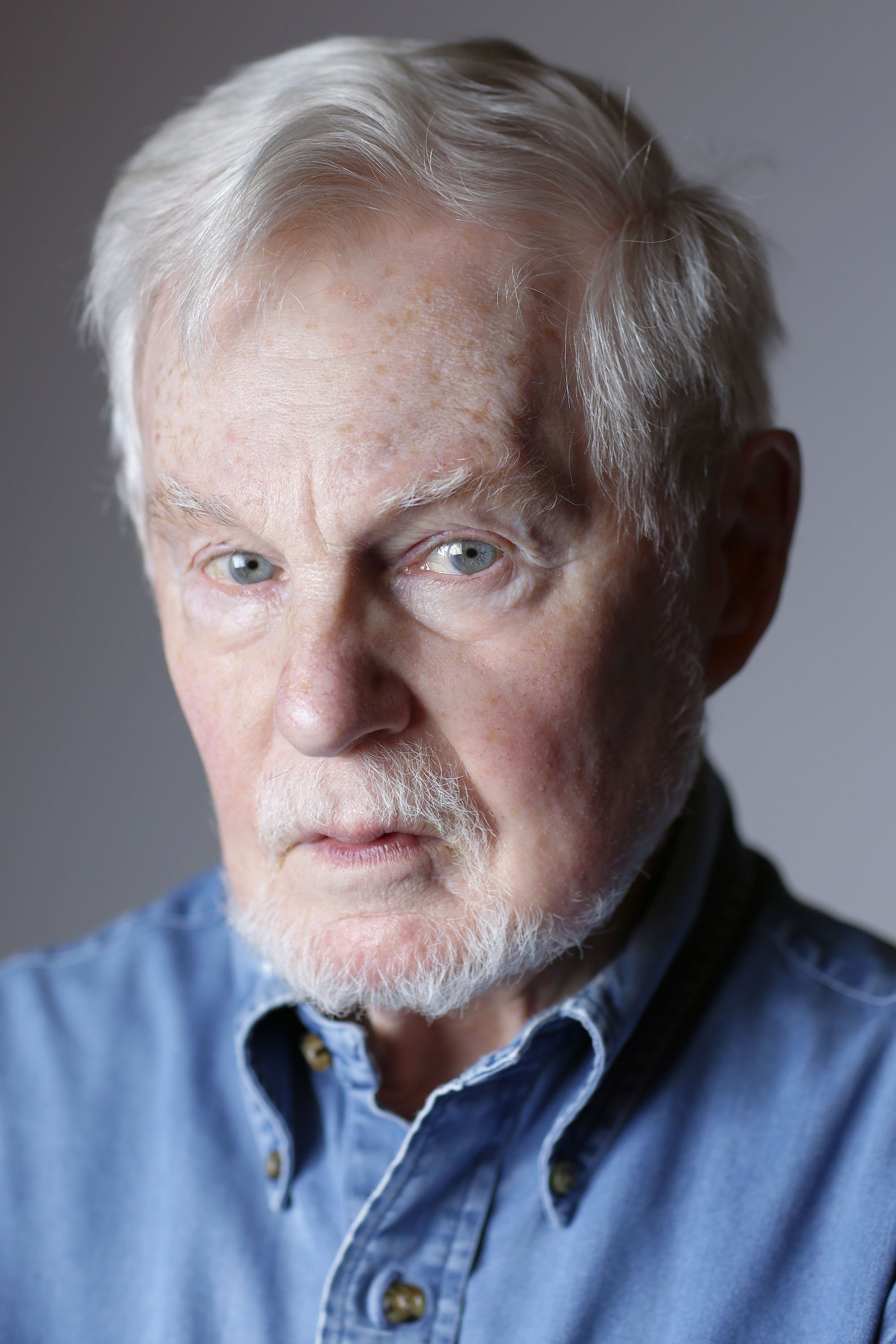
Derek Jacobi’s body of work demonstrates how classical training can shield—though not eliminate—age-related typecasting. He has consistently anchored high-profile theatre productions while taking selective film and TV roles that lean on gravitas instead of youth. Jacobi’s success in ensemble dramas and historical pieces shows one route older actors take when contemporary leads skew younger. His continued demand for challenging parts helps argue against the idea that age reduces artistic range.
Victor Garber
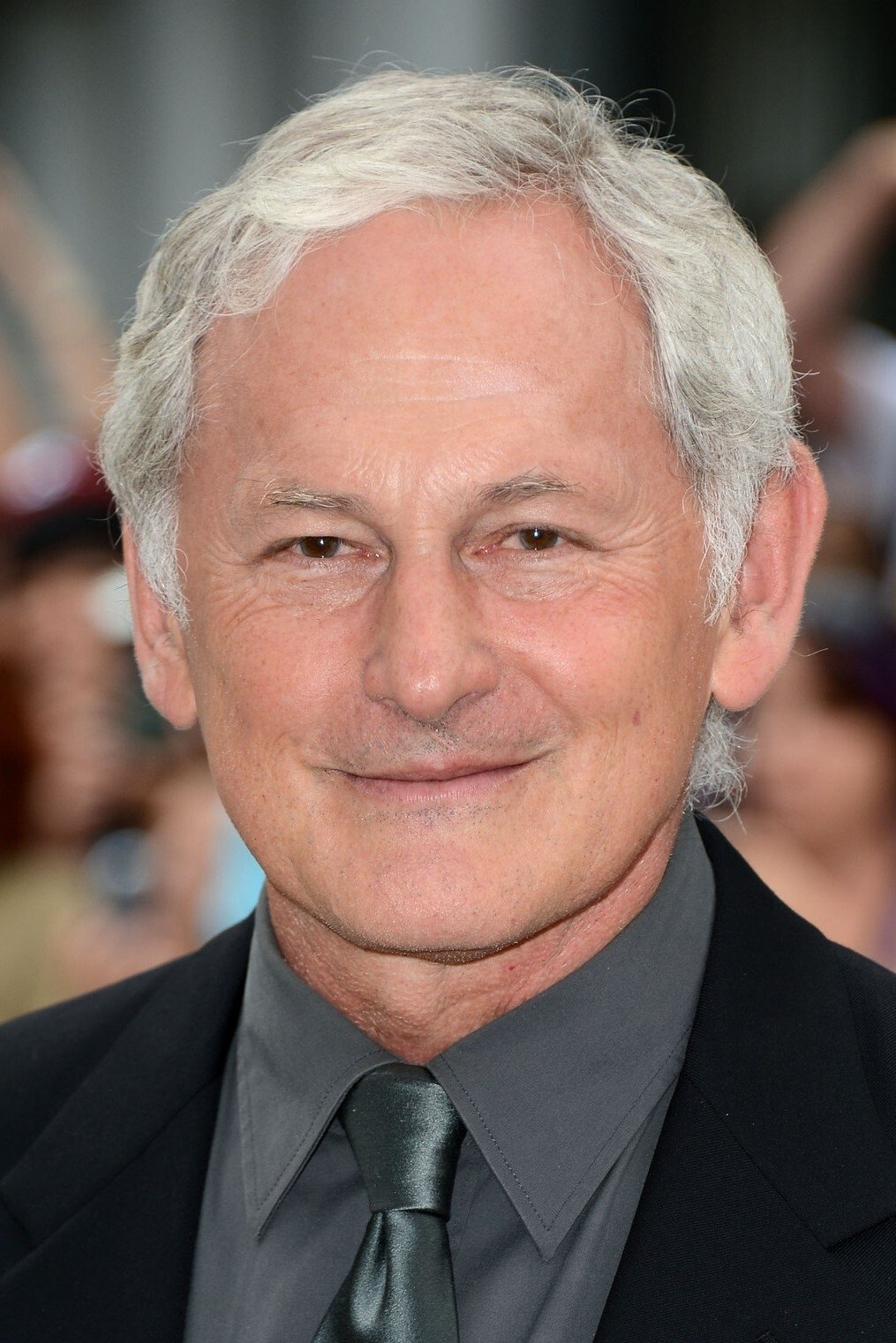
Victor Garber’s career, spanning Broadway, network television, and film, reflects how older actors often find steadier opportunities in ensembles and recurring TV roles. He has played mentors, executives, and authority figures—roles that exist precisely because of an actor’s maturity but can also become age-bound. Garber’s movement between stage musicals and dramatic series demonstrates how diversification keeps veteran performers on screens and stages. He has also spoken in support of inclusive casting practices that create space for older LGBTQ+ artists.
Nathan Lane
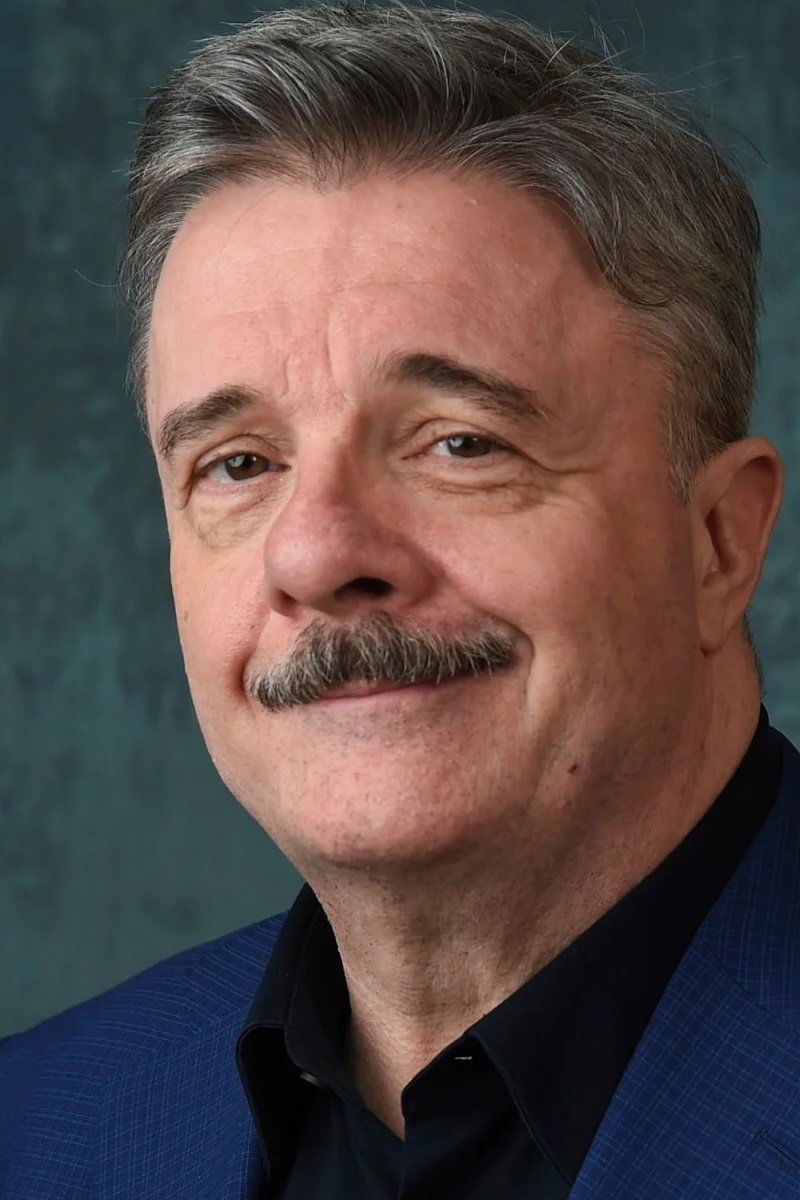
Nathan Lane’s shift from comedic leads to nuanced dramatic parts later in life illustrates how older actors can reset expectations. Television limited series and serious stage work have given him roles that match experience rather than youth, expanding the narratives available to mature performers. Lane’s awards-season recognition in later years shows that quality opportunities do exist when writers and producers invest in them. His path highlights how reputation and range can outlast industry age preferences.
Alan Cumming

Alan Cumming has navigated age in the industry by embracing multifaceted work—film, television, theatre, cabaret, and audiobook narration. He has addressed how show business fixates on youth and appearance, while championing projects that put lived experience at the center. Cumming’s role choices often subvert stereotypes, allowing him to play characters whose complexity depends on maturity. His cross-medium approach offers a blueprint for longevity when age makes traditional leading roles rarer.
Ben Daniels

Ben Daniels has built a career anchored in stage prestige and television drama, a combination that frequently offers richer roles to seasoned actors. As he’s grown older, his parts have tended toward morally complicated figures, judges, and officials—characters written with depth rather than youthful flash. Daniels’ continued prominence shows how British theatre-to-TV pipelines can sustain actors beyond the industry’s youth bias. His film and series work demonstrates that audiences readily accept older leads when scripts are built for them.
Zachary Quinto

While not yet in the “veteran” bracket, Zachary Quinto has talked about how the industry’s youth-centric marketing shapes opportunities over time. He has balanced franchise work, independent films, and theatre to avoid aging into a single type. Quinto’s producing efforts and stage roles help counter the narrowing effect of age-coded screen parts. His choices signal how midcareer actors can plan for longevity before ageism becomes a more direct obstacle.
Cheyenne Jackson
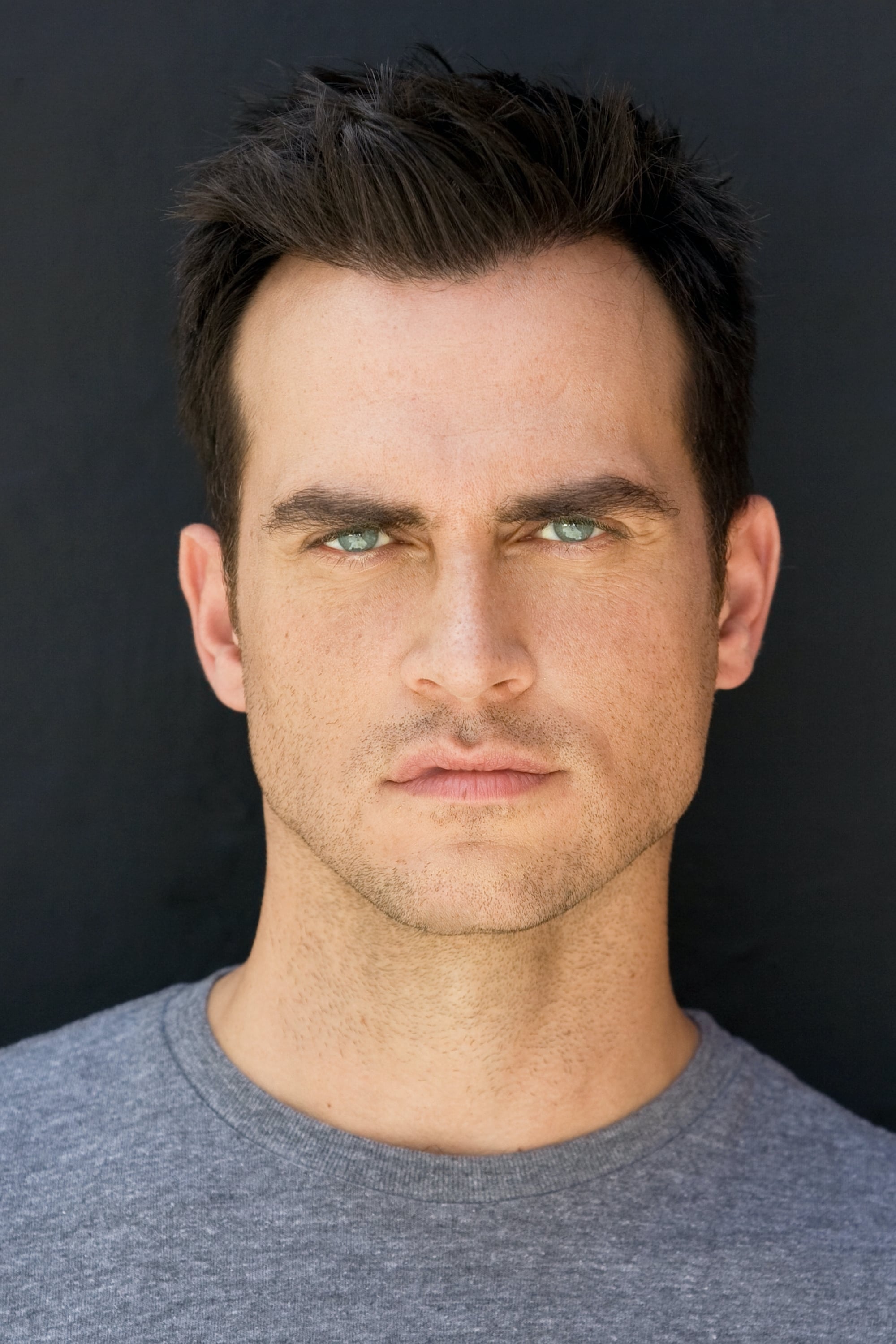
Cheyenne Jackson’s trajectory—from musical theatre to television anthologies and sitcoms—shows how singers-actors pivot as they age into roles that leverage voice, presence, and timing. As casting trends move away from youth-only leads, he has found steady work in parts that rely on maturity. Jackson’s mix of guest arcs, voice roles, and stage returns demonstrates a common strategy for staying visible past the industry’s most age-fixated years. His career underscores the value of versatility when age narrows traditional casting lanes.
Ben Whishaw

Ben Whishaw’s career illustrates how an actor can move from youthful leads into complex middle-aged roles without losing momentum. As he’s grown older, he has continued to land material that privileges interiority and craft—often in limited series and literary adaptations. Whishaw’s choices suggest a path where aging expands character options rather than closes them off. His work supports the case that strong writing—not youth—is what keeps audiences engaged.
Stephen Fry

Stephen Fry’s later screen roles often lean on authority figures, academics, and narrators—parts that align with an industry tendency to route older actors into gravitas-heavy slots. He has sustained visibility through panel shows, documentaries, and voice work, which offer steadier opportunities beyond youth-focused casting. Stage appearances and audiobook narration have complemented film and TV, keeping his workload diversified. His career shows how cross-media work helps counter age-limited leads.
Simon Callow
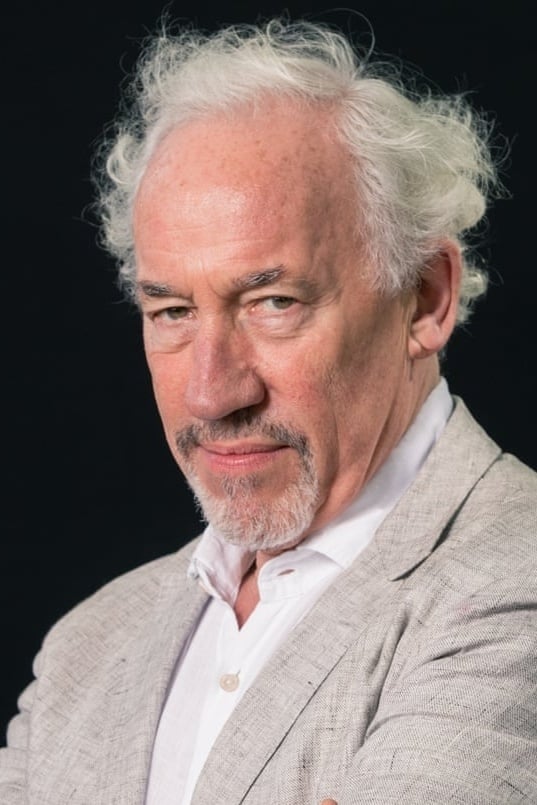
Simon Callow has balanced classical theatre with film and television character roles that increasingly rely on experience over youth. As he moved into later decades, parts as judges, critics, and elder mentors became more common, reflecting casting patterns for older men. He has maintained a strong presence through one-man shows and literary adaptations, formats that value mature performers. Publishing and directing work have further expanded the opportunities available beyond age-filtered screen leads.
David Hyde Pierce
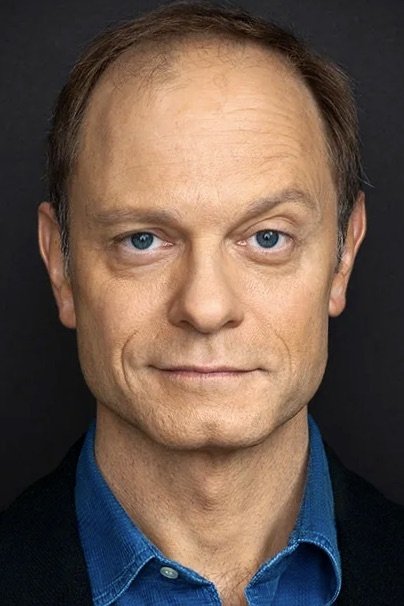
David Hyde Pierce’s post-sitcom career shifted toward stage leads, prestige guest arcs, and voice roles that reward timing and craft. As he aged into authority figures and fathers, his parts tracked a broader pattern of mature actors anchoring ensembles rather than fronting youth-driven vehicles. Broadway revivals and limited-series appearances provided steady, well-written material. His trajectory shows how theatre can sustain complex roles when film casting narrows.
Harvey Fierstein

Harvey Fierstein has continued to work across stage, television, and film, often portraying characters defined by life experience rather than youth. Writing and originating roles have given him a direct path to substantial parts when casting trends skew younger. Guest appearances and voice roles have offered consistent screen presence in later years. His dual identity as playwright and performer demonstrates a practical hedge against age-limited casting.
Billy Porter
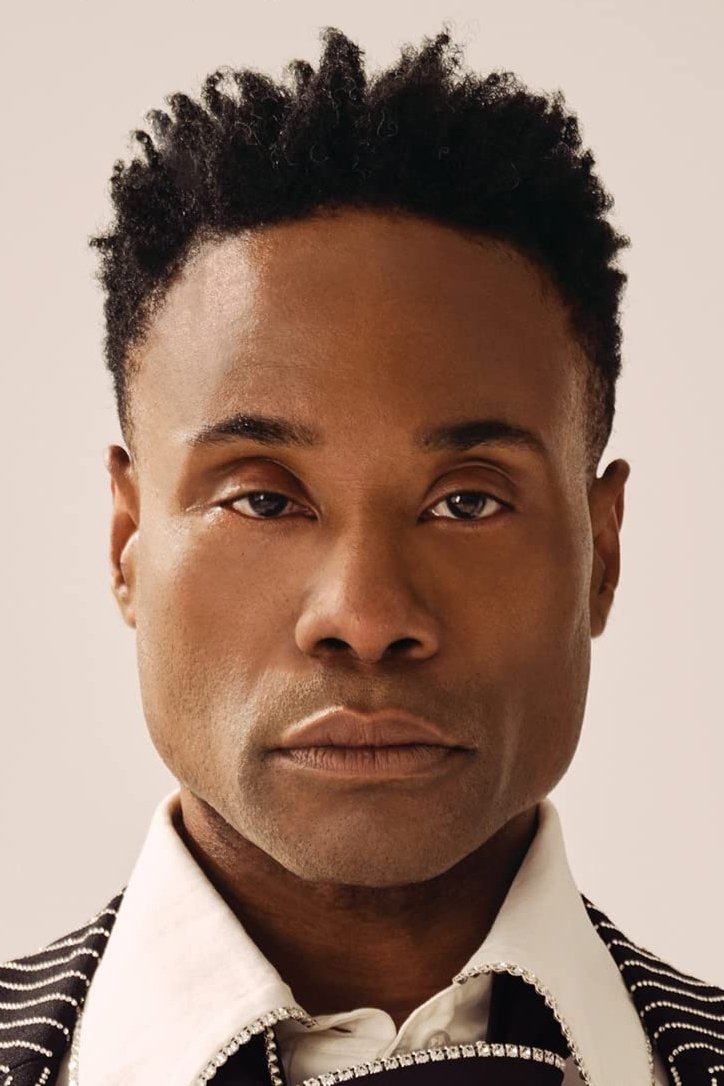
Billy Porter expanded from Broadway into television and film, where later-career visibility has centered on mentors, creatives, and scene-stealing ensemble players. He has leveraged music, hosting, and fashion to maintain a high profile when conventional leads trend younger. Producing and directing have created additional avenues to meaningful work beyond age-coded roles. His path illustrates how multi-hyphenate careers widen the lane for mature performers.
Colman Domingo
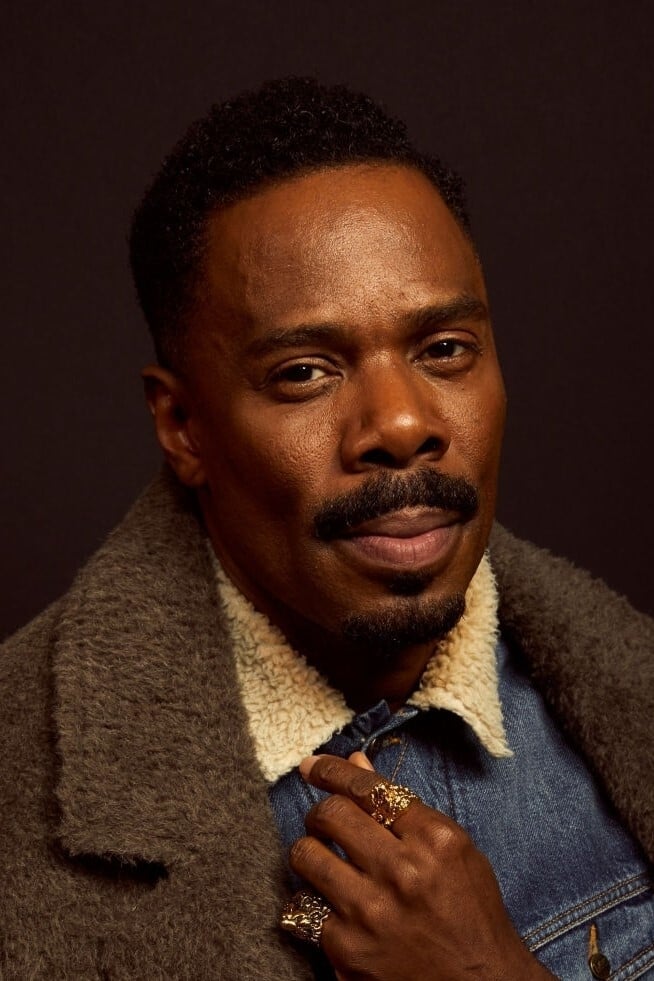
Colman Domingo’s rise in his fifties underscores how strong writing in limited series and independent films can foreground a mature lead. He has moved among theatre, television, and cinema, often playing complex professionals and historical figures. Teaching, writing, and producing have supported a steady flow of projects. His career shows how late-blooming recognition can coincide with more layered roles for older actors.
BD Wong

BD Wong’s screen work has long emphasized precise, professional characters—doctors, investigators, and executives—roles that remain available as actors age. He has supplemented those parts with stage leads and voice acting, which broaden casting beyond on-camera age expectations. Recurring television arcs have provided stability when film leads skew younger. Directing and advocacy have further diversified his later-career portfolio.
Lee Pace
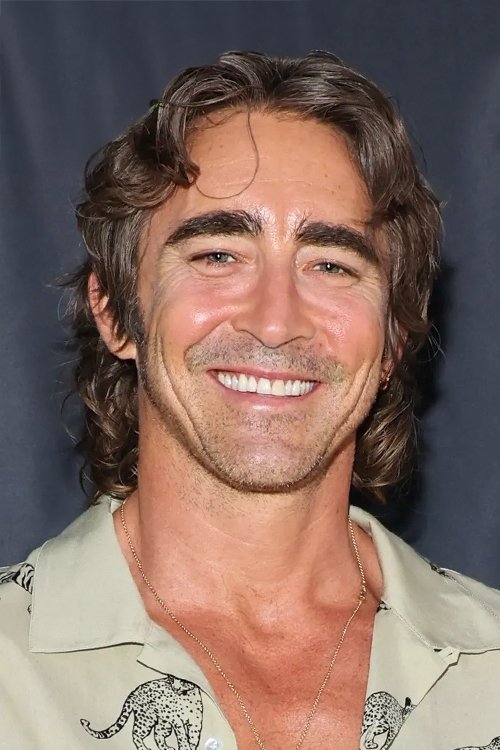
Lee Pace’s mid-career choices have moved from romantic and genre leads toward statesmen, commanders, and layered antagonists—parts that often expand with age. Theatre returns and limited-series roles have provided character depth outside blockbuster cycles. Voice and narration work add longevity when on-camera roles narrow. His mix of franchises and prestige TV demonstrates planning for sustained visibility over time.
Luke Evans
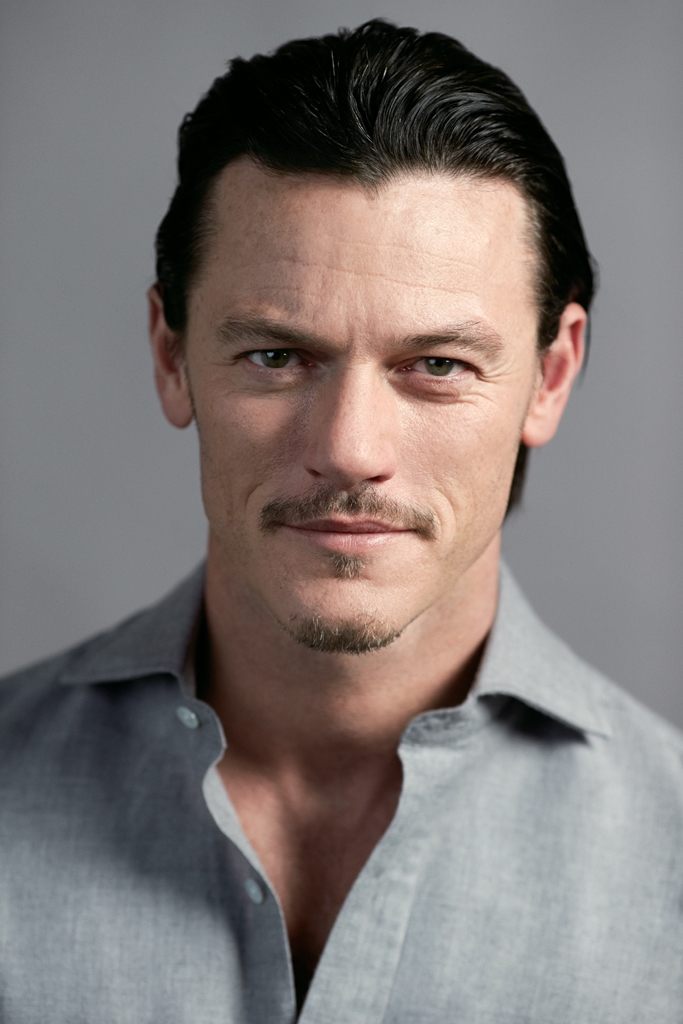
Luke Evans has transitioned from youthful adventurers to seasoned commanders, detectives, and conflicted professionals as he’s grown older. International co-productions and streaming series have offered lead parts that traditional studio pipelines reserve for younger actors. Music releases and stage work have kept his profile broad between screen projects. His recent roles reflect how midlife performers often anchor crime, thriller, and historical dramas.
Murray Bartlett
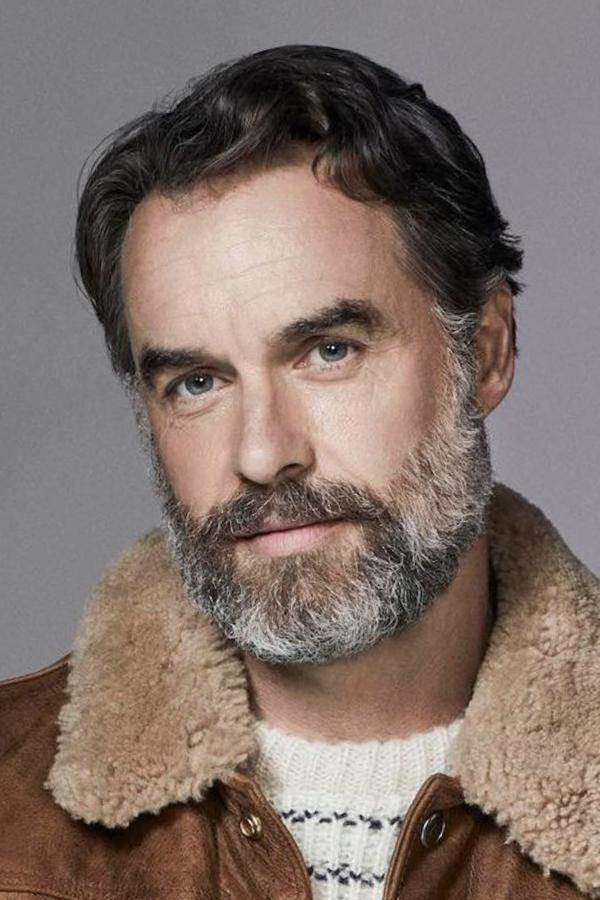
Murray Bartlett’s breakout in middle age led to a run of roles that center on maturity—hospitality managers, executives, and community leaders. Limited series and anthology formats have provided nuanced arcs not dependent on youth casting. He continues to balance television with independent features, where character studies favor experienced actors. Awards attention at this stage underscores demand for layered, age-appropriate leads.
Andrew Scott
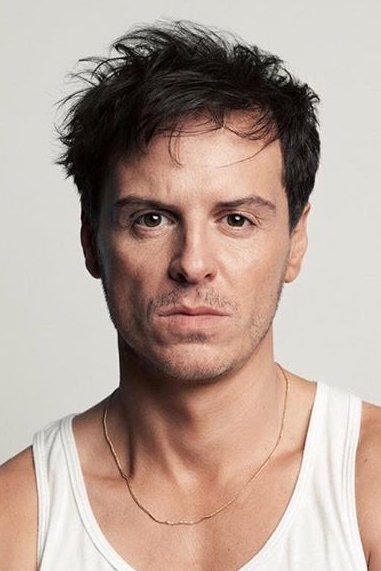
Andrew Scott’s post-theatre screen work increasingly features complex professionals, artists, and morally ambiguous figures rather than youthful archetypes. He has alternated between limited series and literary adaptations, where character depth outweighs age considerations. Stage returns keep him attached to roles written for seasoned performers. His choices illustrate how prestige drama can counteract age-skewed mainstream casting.
Jonathan Groff
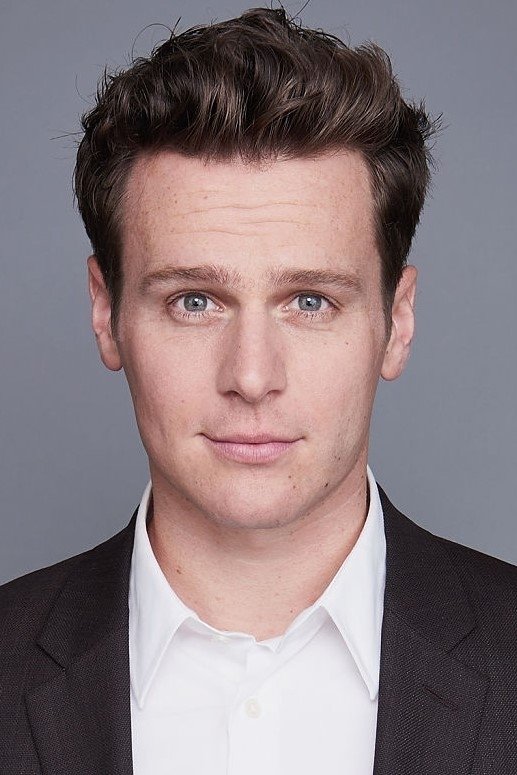
Jonathan Groff’s later roles have emphasized investigators, mentors, and seasoned performers across television, film, and Broadway. Voice acting and concert work have provided continuity between screen projects. Limited-series appearances and revivals supply material that prizes technique over youth. His trajectory shows how multi-platform work sustains opportunity as casting trends shift with age.
Matt Bomer

Matt Bomer has moved from youthful con-artist and romantic roles toward fathers, lawyers, and period-piece leads as he’s aged. Television miniseries and cable dramas have supplied substantial arcs when film leads lean younger. Stage work and producing have expanded control over role selection. His career demonstrates how strategic choices keep visibility high in midlife.
Neil Patrick Harris
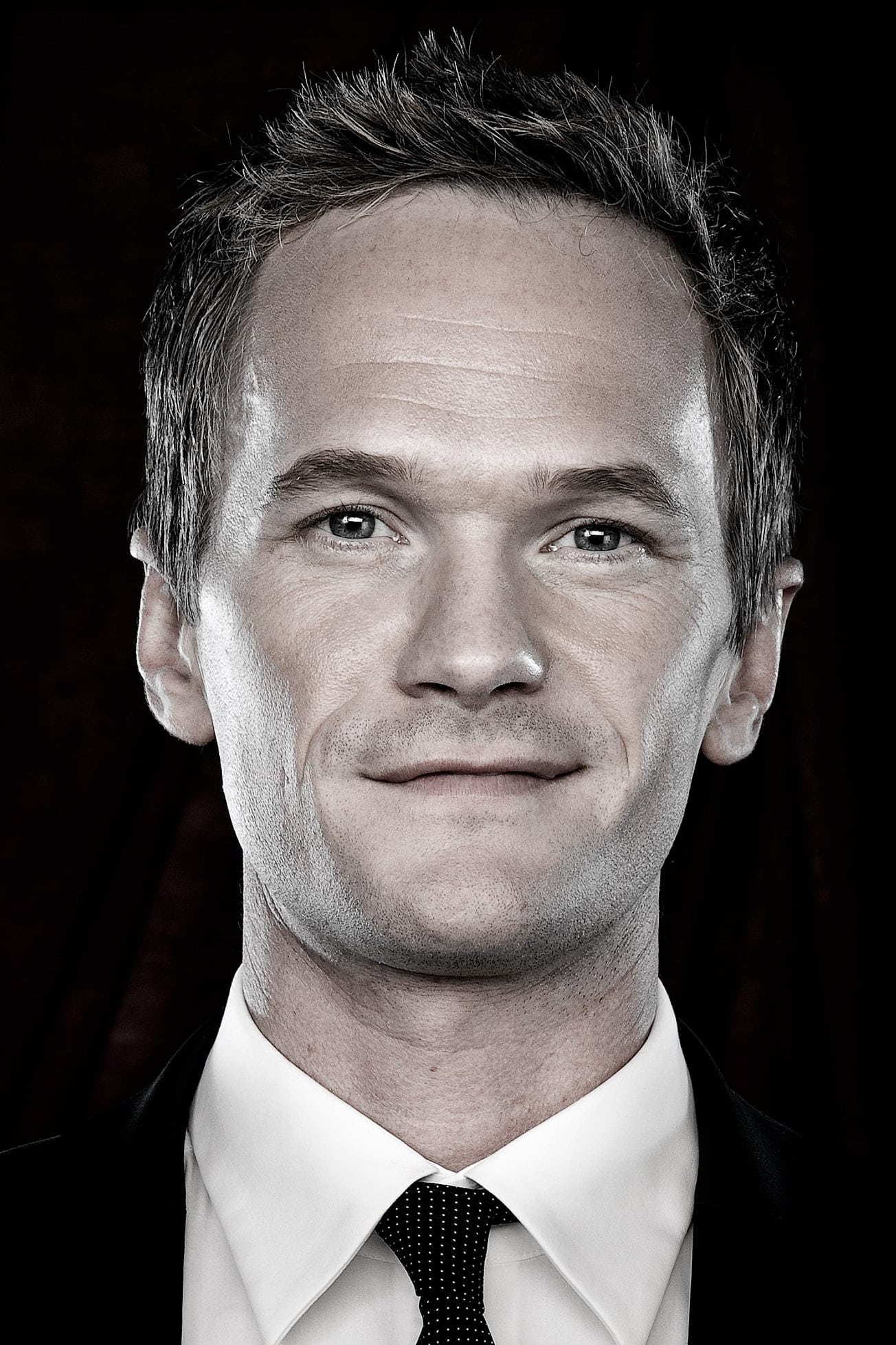
Neil Patrick Harris transitioned from early-career sitcom notoriety to later-career hosting, stage leads, and scene-stealing television roles. As he aged into authority and mentor parts, variety hosting and voice roles maintained a broad audience connection. Limited-series appearances offered complex characters beyond age-filtered casting. He has used theatre revivals and cameos to bridge gaps between larger projects.
Russell Tovey

Russell Tovey’s screen work has shifted toward detectives, critics, and middle-management professionals—roles that rely on lived-in credibility. British theatre and audio drama have provided steady, age-agnostic parts between television runs. International co-productions widened the pool of characters beyond youth-centric ensembles. His path reflects the UK model of sustaining careers through stage-screen rotation.
John Barrowman
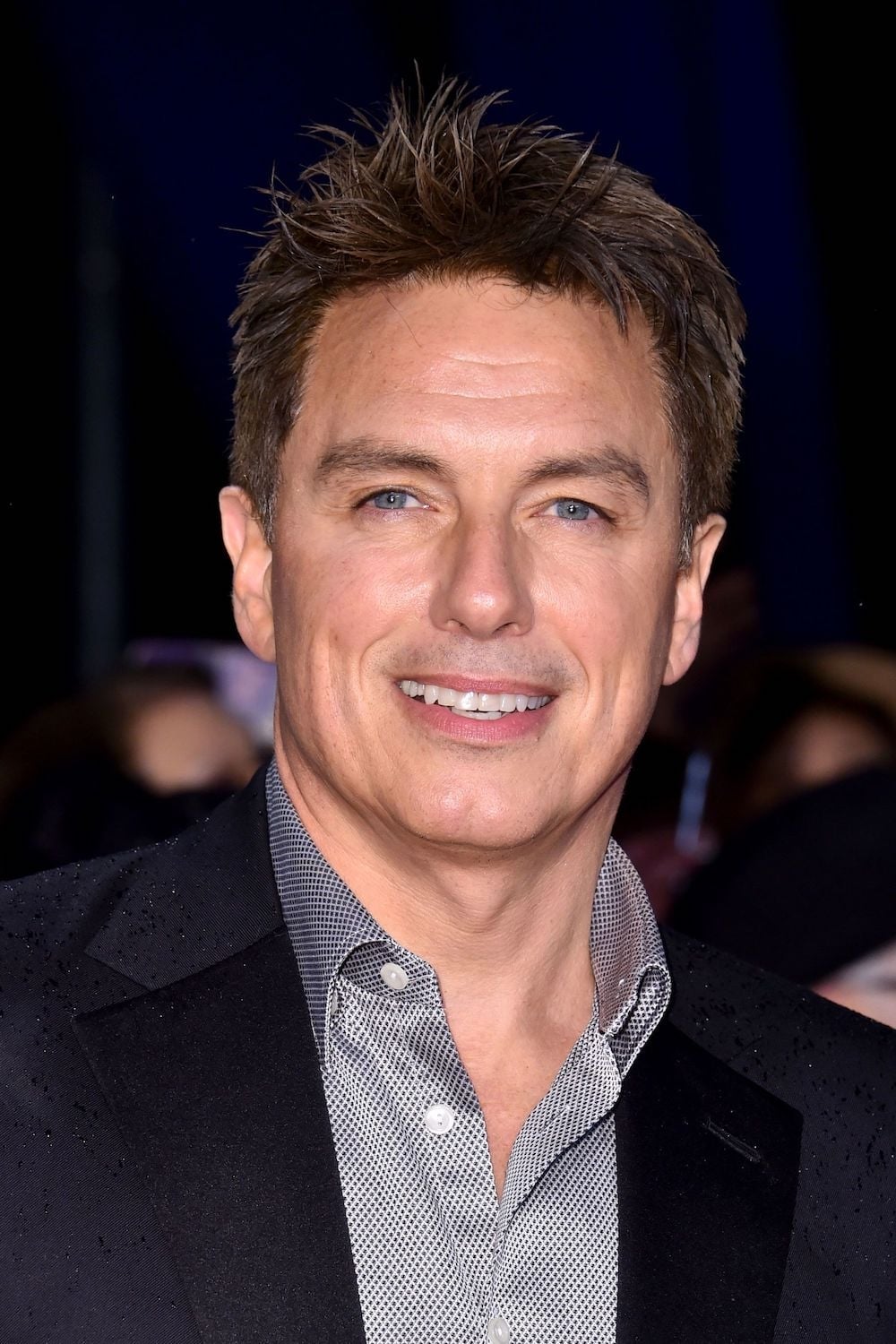
John Barrowman’s later career has focused on hosting, touring, and recurring television roles that lean on charisma over youth. Reality judging and event programming created steady visibility when scripted leads narrowed. Stage musicals and concert work filled in with parts written for mature performers. His portfolio shows how variety formats can mitigate age-biased casting cycles.
Denis O’Hare
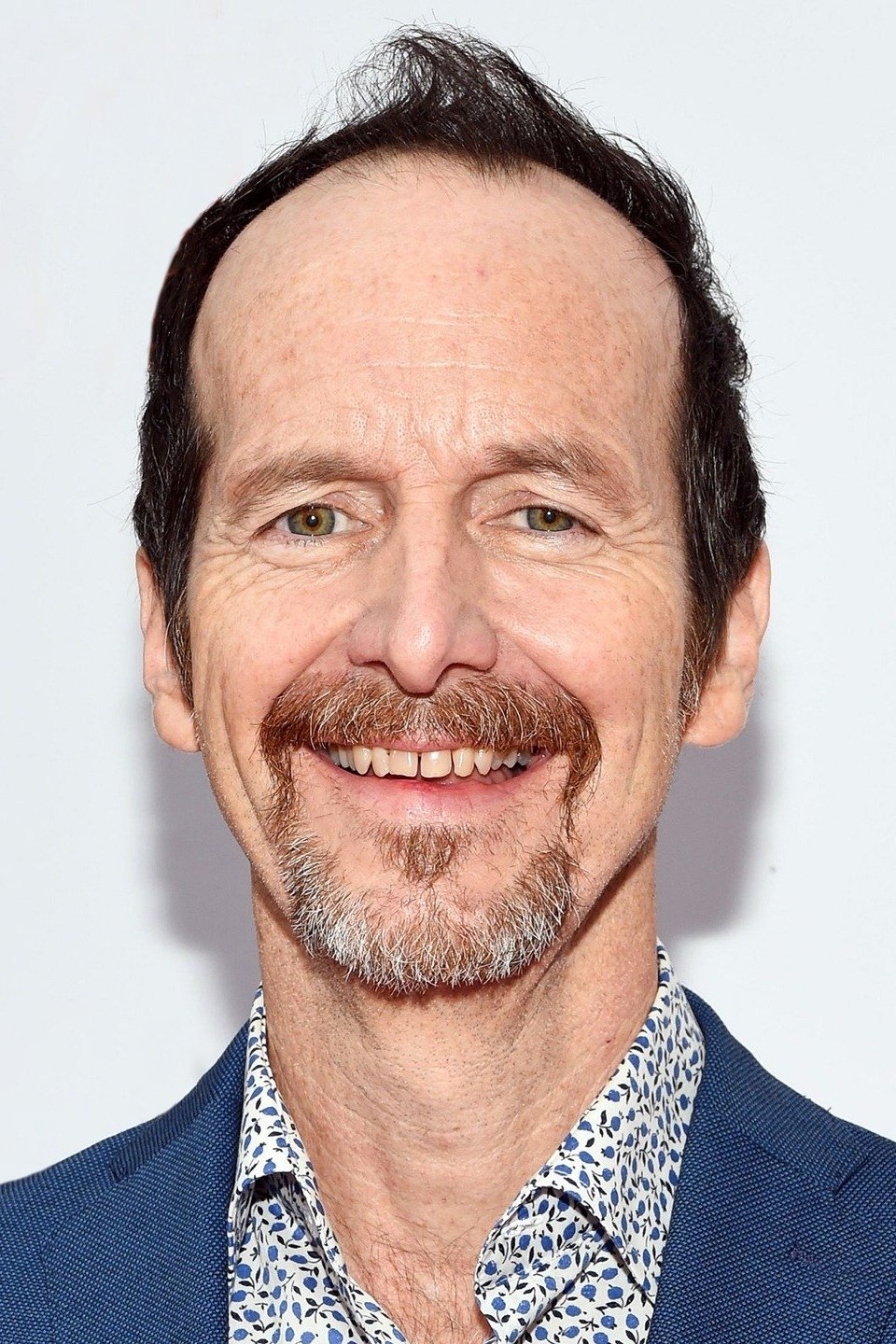
Denis O’Hare has specialized in complex character roles—lawyers, aristocrats, and eccentrics—that remain plentiful as actors age. Anthology television has provided recurring opportunities for substantial, standalone parts. Stage commitments continue to deliver leads calibrated for experienced performers. His steady presence demonstrates how character actors navigate ageism through versatility.
Jesse Tyler Ferguson

Jesse Tyler Ferguson’s post-ensemble work has emphasized stage projects, hosting, and guest appearances that suit a mature performer. Cookbook and advocacy ventures have kept his public profile active between scripted roles. Theatre revivals supply leads where age fits the material rather than limits it. His mix of mediums reflects a practical approach to age-conscious casting.
John Cameron Mitchell

John Cameron Mitchell has combined directing, writing, and acting to secure roles that foreground seasoned artists and outsiders. As on-camera leads trend younger, he has found substantial parts in limited series, voice work, and auteur projects. Cabaret and music keep performance opportunities open across ages. His multi-disciplinary approach counters the narrowing effect of age-coded casting.
Leslie Jordan
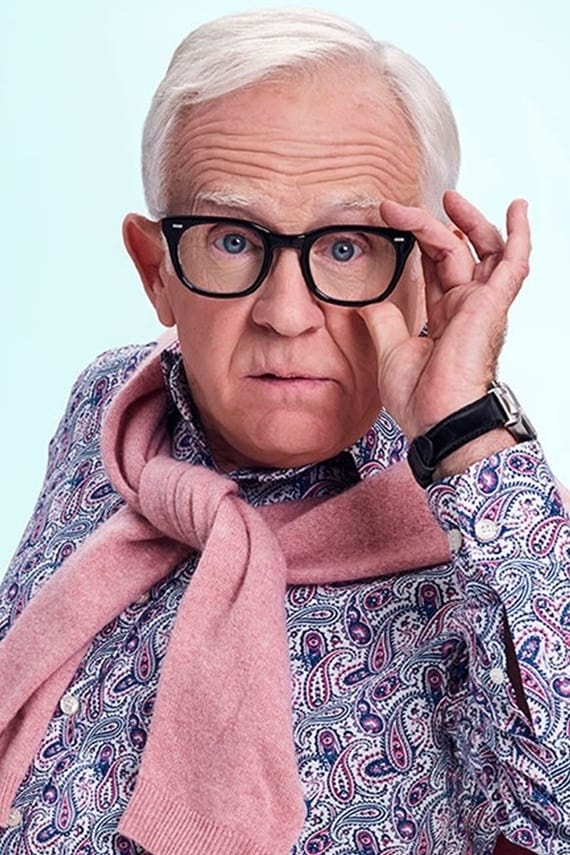
Leslie Jordan experienced a late-career surge with recurring television roles and viral social media presence that showcased mature comedic timing. Guest arcs and hosting slots provided consistent work even as age limited traditional leads. Touring and audiobook narration expanded his reach beyond on-camera parts. His trajectory highlighted audience appetite for veteran performers given the opportunity to shine.
Share the LGBTQ+ male performers you think have challenged age bias the most—and which roles proved it—in the comments.

