


LGBTQ+ Actors with Military Backgrounds

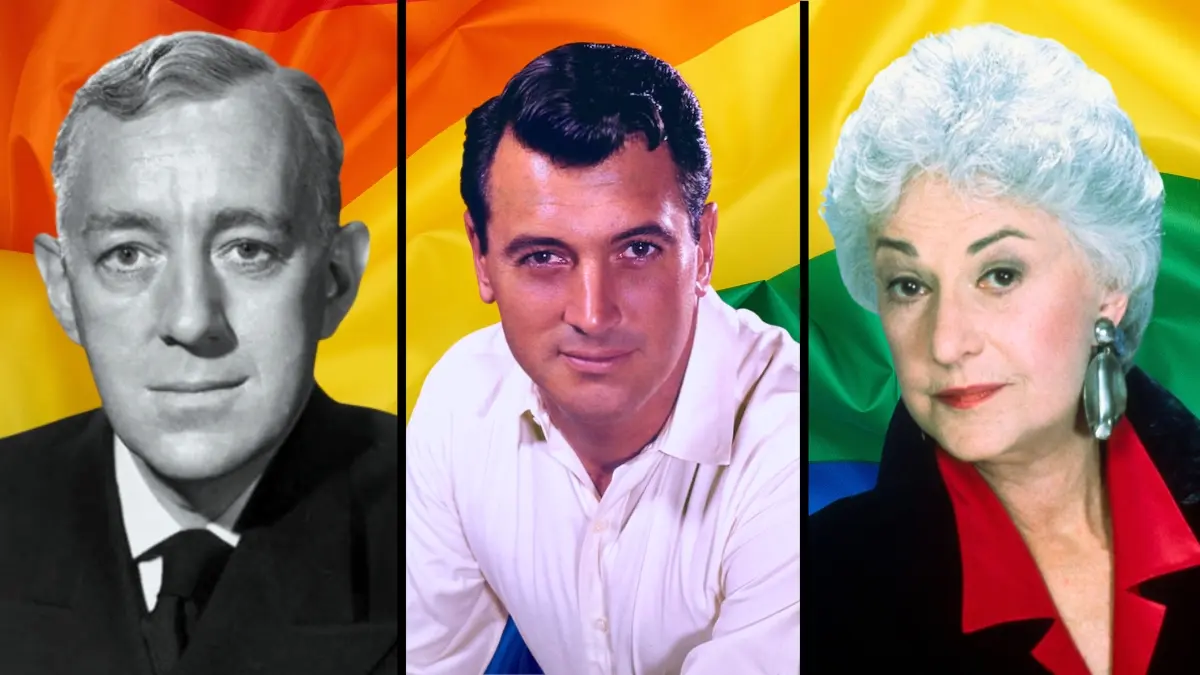


The history of the entertainment industry is filled with individuals who balanced the demands of a public-facing career with the discipline of military service. For many LGBTQ+ actors, this journey was often complicated by the social and legal constraints of their time, requiring them to navigate their identities while serving their countries. From the battlefields of World War II to the intelligence corps of various nations, these performers demonstrated resilience and dedication before ever stepping onto a film set or stage. Highlighting these figures offers a deeper look at the diverse backgrounds of some of Hollywood’s and international cinema’s most recognizable stars.
Bea Arthur
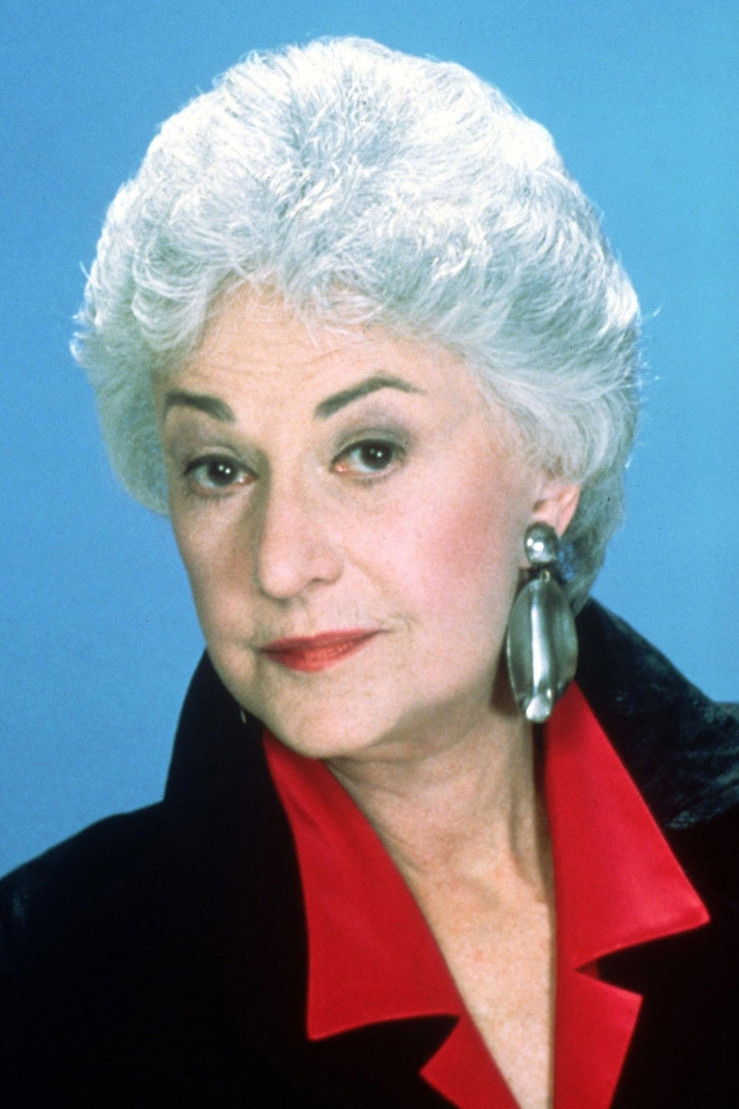
Before she became a television icon, Bea Arthur served in the United States Marine Corps Women’s Reserve during World War II. Enlisting under her birth name, Bernice Frankel, she worked as a truck driver and a typist while stationed at various bases. She eventually attained the rank of Staff Sergeant before receiving an honorable discharge in 1945. Arthur later achieved stardom in the sitcoms ‘Maude’ and ‘The Golden Girls’, where she became a beloved figure in the LGBTQ+ community. Her military service remained largely unknown to the public until her records were released years after her death.
Rock Hudson
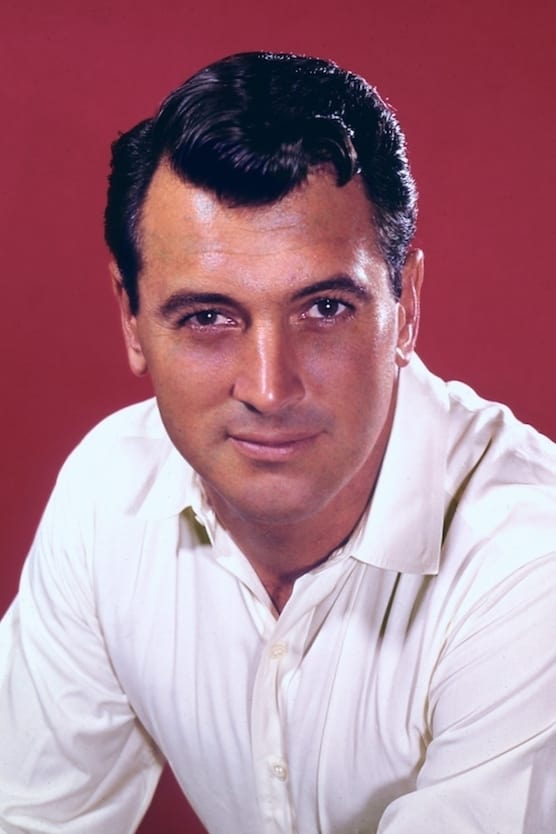
During World War II, Rock Hudson served in the United States Navy as an aircraft mechanic’s helper and a laundryman in the Philippines. After his discharge in 1946, he moved to Los Angeles to pursue an acting career, eventually becoming one of the most prominent leading men of Hollywood’s Golden Age. He earned an Academy Award nomination for his role in ‘Giant’ and starred in several successful romantic comedies like ‘Pillow Talk’. Hudson’s public battle with AIDS in the 1980s became a turning point for public awareness of the epidemic. He is remembered today as a significant figure in gay cinematic history.
Tab Hunter
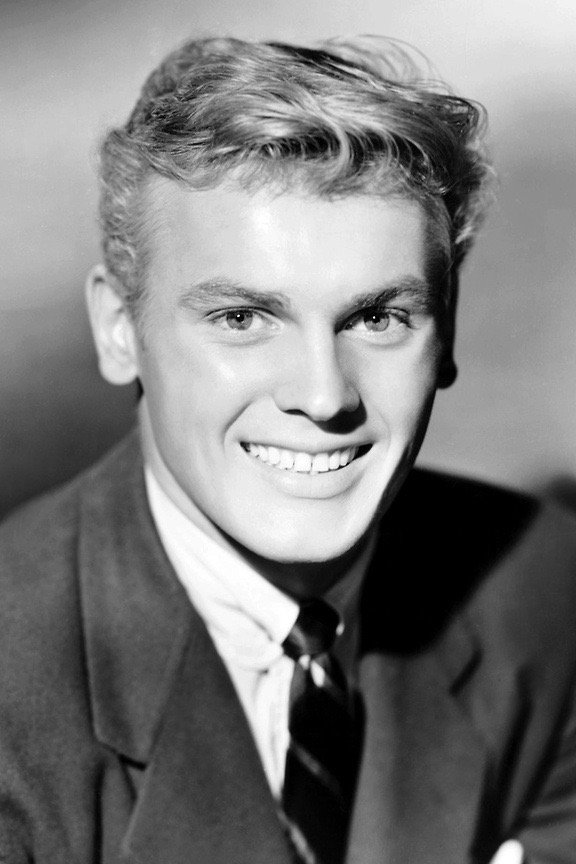
Tab Hunter began his service to his country early by enlisting in the United States Coast Guard at the age of 15 after lying about his age. He served for a brief period before his true age was discovered, leading to his discharge from the service. Hunter eventually transitioned into a career as a teenage heartthrob and film star, appearing in hits such as ‘Battle Cry’ and ‘Damn Yankees’. Though he spent years in the closet to protect his career, he later came out in his 2005 autobiography. His life and career were further explored in the documentary ‘Tab Hunter Confidential’ which reached a wide audience.
Dick Sargent
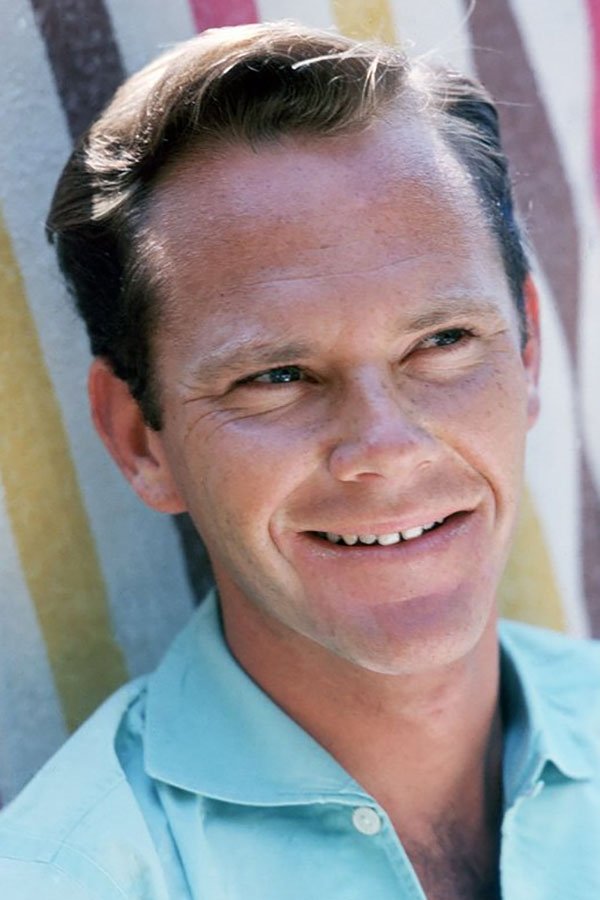
Best known for playing the second Darrin Stephens on the sitcom ‘Bewitched’, Dick Sargent served in the United States Army before finding fame. During his time in the military, he was involved in the Signal Corps and was stationed at various locations. After completing his service, he pursued acting and appeared in films like ‘Operation Petticoat’ and ‘That Touch of Mink’. Sargent came out as gay in 1991, coincidentally on National Coming Out Day, and became a high-profile advocate for LGBTQ+ rights. He often spoke about the challenges of being a closeted actor in the mid-20th century entertainment industry.
Raymond Burr
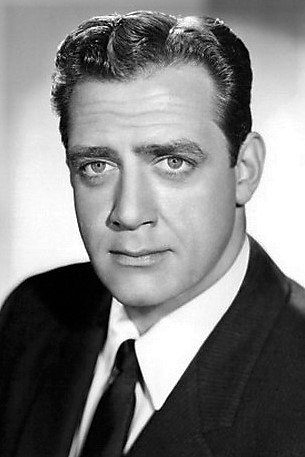
Raymond Burr served in the United States Navy during World War II and was reportedly wounded in action during the Battle of Okinawa. Following his military service, he established himself as a versatile character actor, often playing villains in films like ‘Rear Window’. He achieved massive television success in the title role of ‘Perry Mason’ and later as the lead in ‘Ironside’. While Burr maintained a private personal life, it was well-known within industry circles that he shared a long-term partnership with actor Robert Benevides. He remains an enduring figure in the history of legal and crime dramas.
Alec Guinness
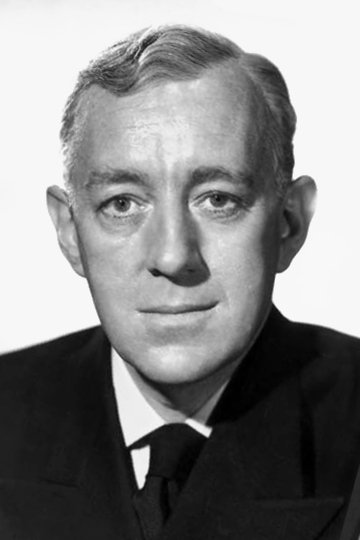
Renowned British actor Alec Guinness served in the Royal Navy Volunteer Reserve during World War II. He commanded a motor landing craft during the invasion of Sicily and the invasion of Elba, demonstrating significant bravery and leadership. After the war, he resumed his acting career and won an Academy Award for his role in ‘The Bridge on the River Kwai’. Modern audiences recognize him as Obi-Wan Kenobi in ‘Star Wars’, a role that introduced him to a new generation of fans. Though he lived a private life, his bisexual identity was confirmed in biographies and personal letters released after his passing.
Dirk Bogarde
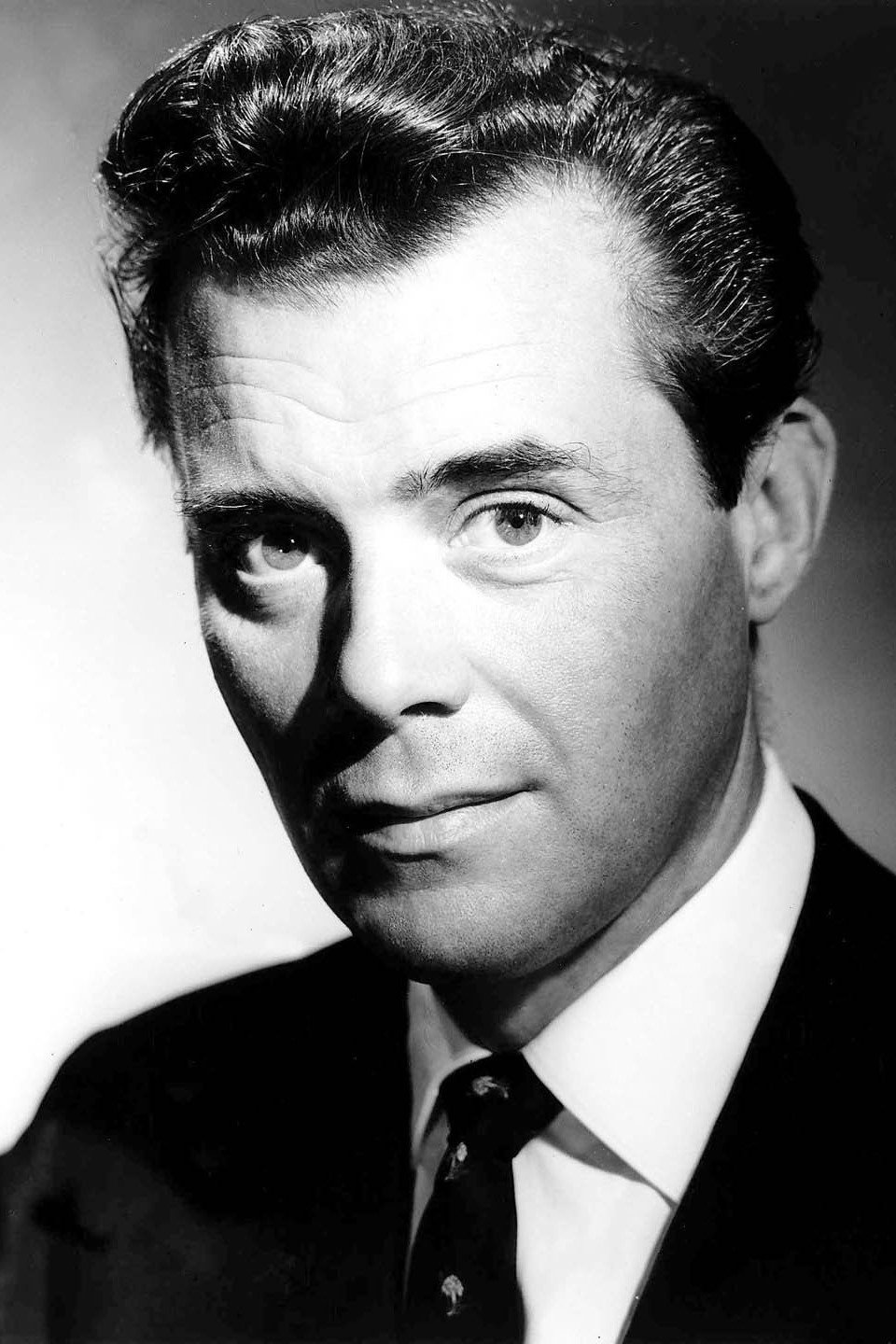
Dirk Bogarde served as an officer in the British Army’s Intelligence Corps during World War II and was one of the first Allied officers to enter the Bergen-Belsen concentration camp. The horrors he witnessed during the liberation of the camp deeply influenced his later work and personal worldview. He became a major film star in the 1950s but chose to challenge his matinee idol image by starring in ‘Victim’, the first British film to treat homosexuality seriously. Bogarde continued to take complex roles in films like ‘Death in Venice’ and ‘The Servant’. He lived for decades with his partner and manager, Anthony Forwood.
Denholm Elliott
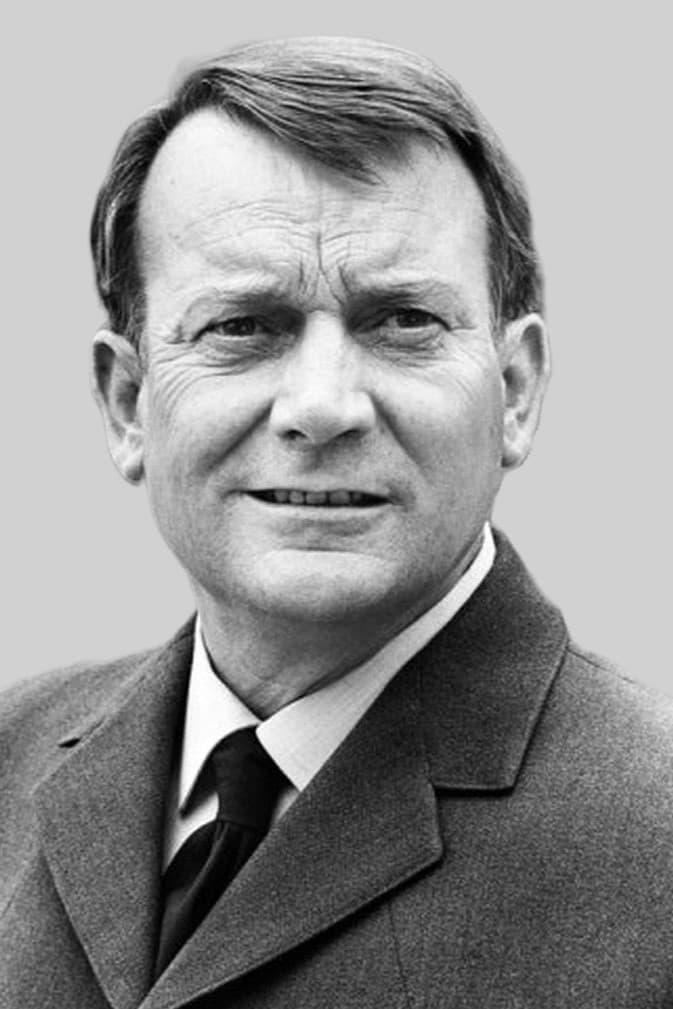
Character actor Denholm Elliott joined the Royal Air Force during World War II and served as a radio operator and gunner. In 1942, his plane was shot down over Germany, leading to his capture and three years as a prisoner of war. During his internment, he participated in amateur theatricals, which solidified his desire to pursue acting. He went on to have a prolific career, winning three consecutive BAFTA Awards and starring in films like ‘Raiders of the Lost Ark’ and ‘Trading Places’. Elliott was bisexual and remained open about his life with his family and close colleagues until his death.
George Maharis
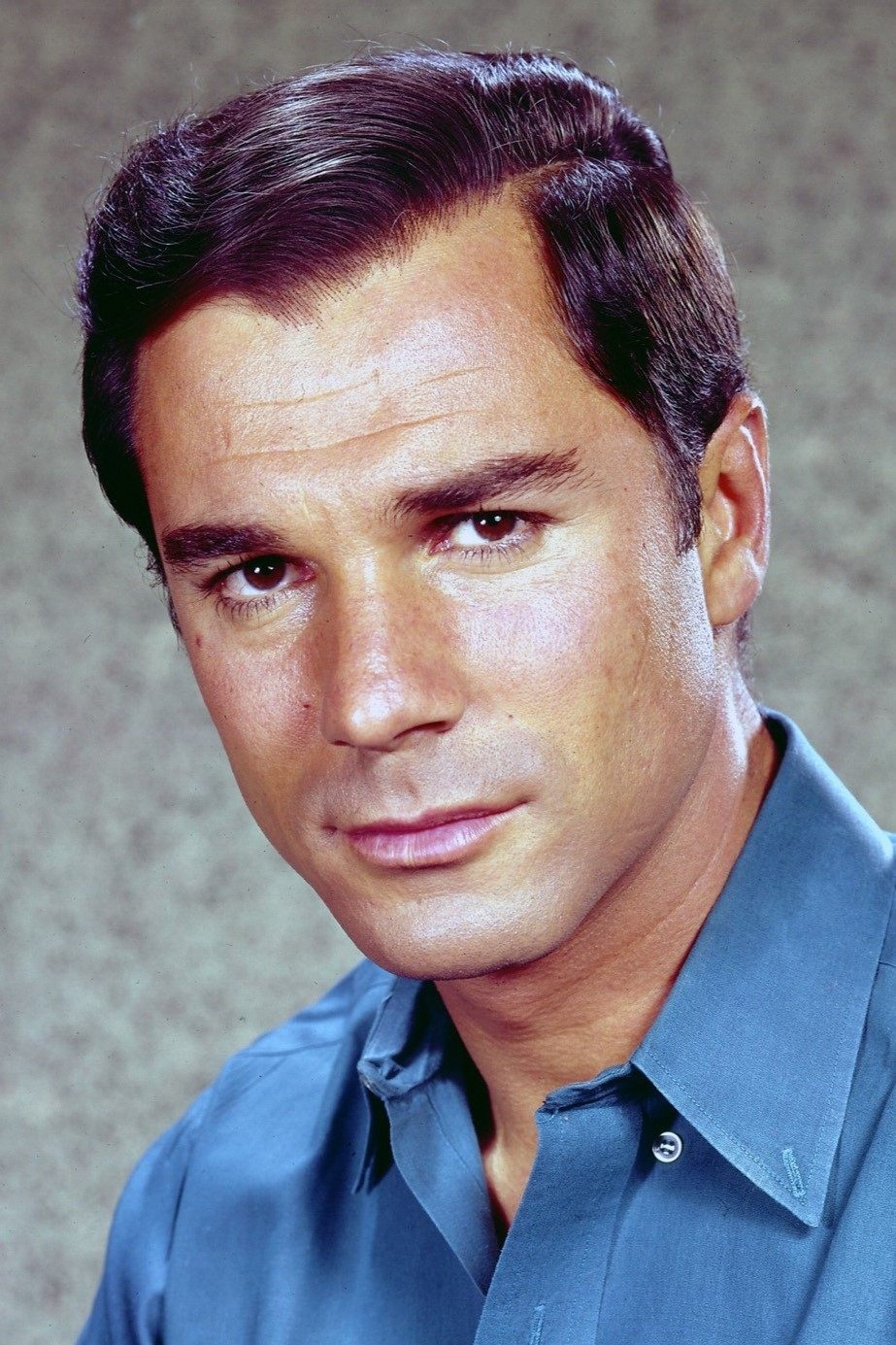
George Maharis served in the United States Marine Corps before rising to fame as a television and film actor. He is perhaps best remembered for his role as Buz Murdock in the popular 1960s series ‘Route 66’, which showcased his rugged charisma. His career faced significant hurdles after he was involved in legal issues related to his sexuality in the late 1960s and 1970s. Despite these challenges, he continued to work in the industry, appearing in films like ‘The Satan Bug’ and the television series ‘The Most Deadly Game’. Maharis passed away in 2023, leaving behind a legacy as a mid-century television icon.
Rip Taylor
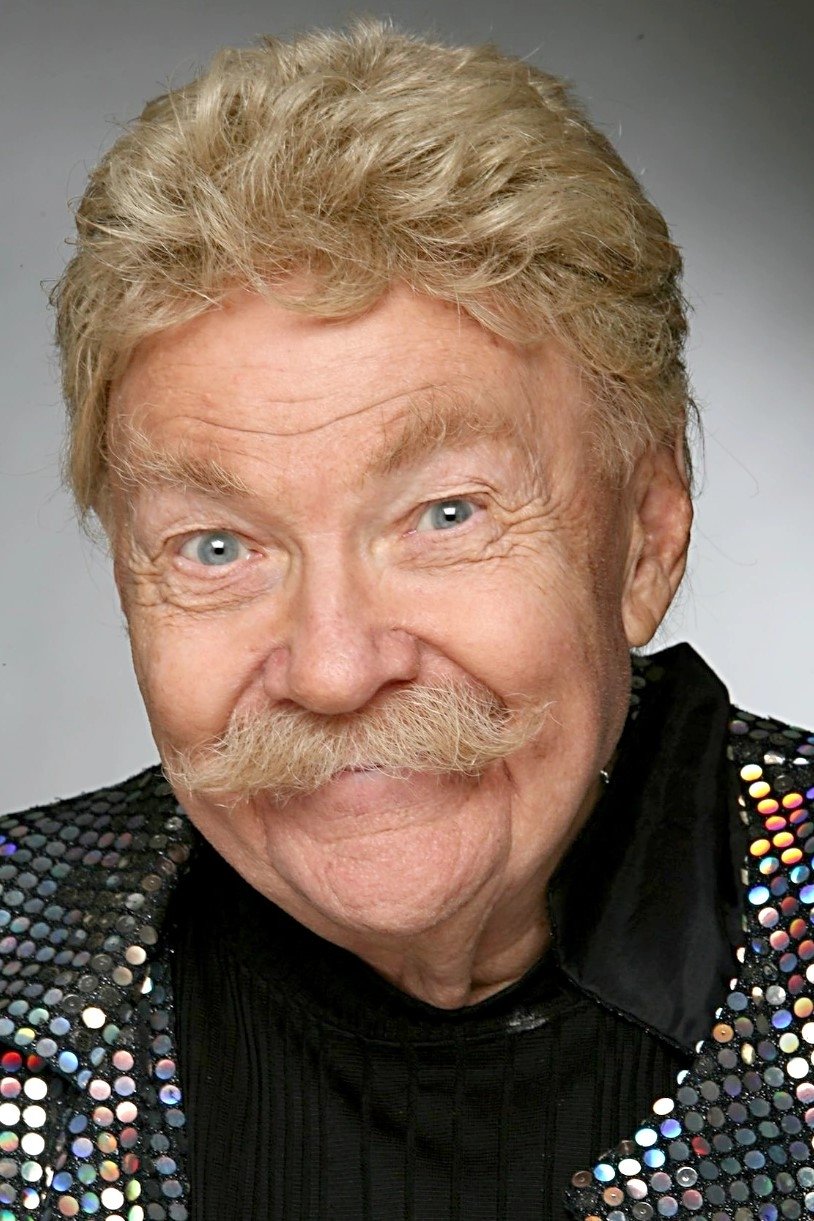
Known for his flamboyant persona and his signature habit of throwing confetti, Rip Taylor served in the United States Army during the Korean War. He was assigned to the Signal Corps and spent time entertaining troops as part of special services, which helped develop his comedic timing. After his service, he became a fixture on television variety shows and game shows like ‘The Gong Show’. His unique style also led to voice roles in ‘DuckTales the Movie: Treasure of the Lost Lamp’ and ‘The Addams Family’ animated series. Taylor was a long-time member of the LGBTQ+ community and was known for his vibrant personality both on and off the screen.
Laurence Olivier
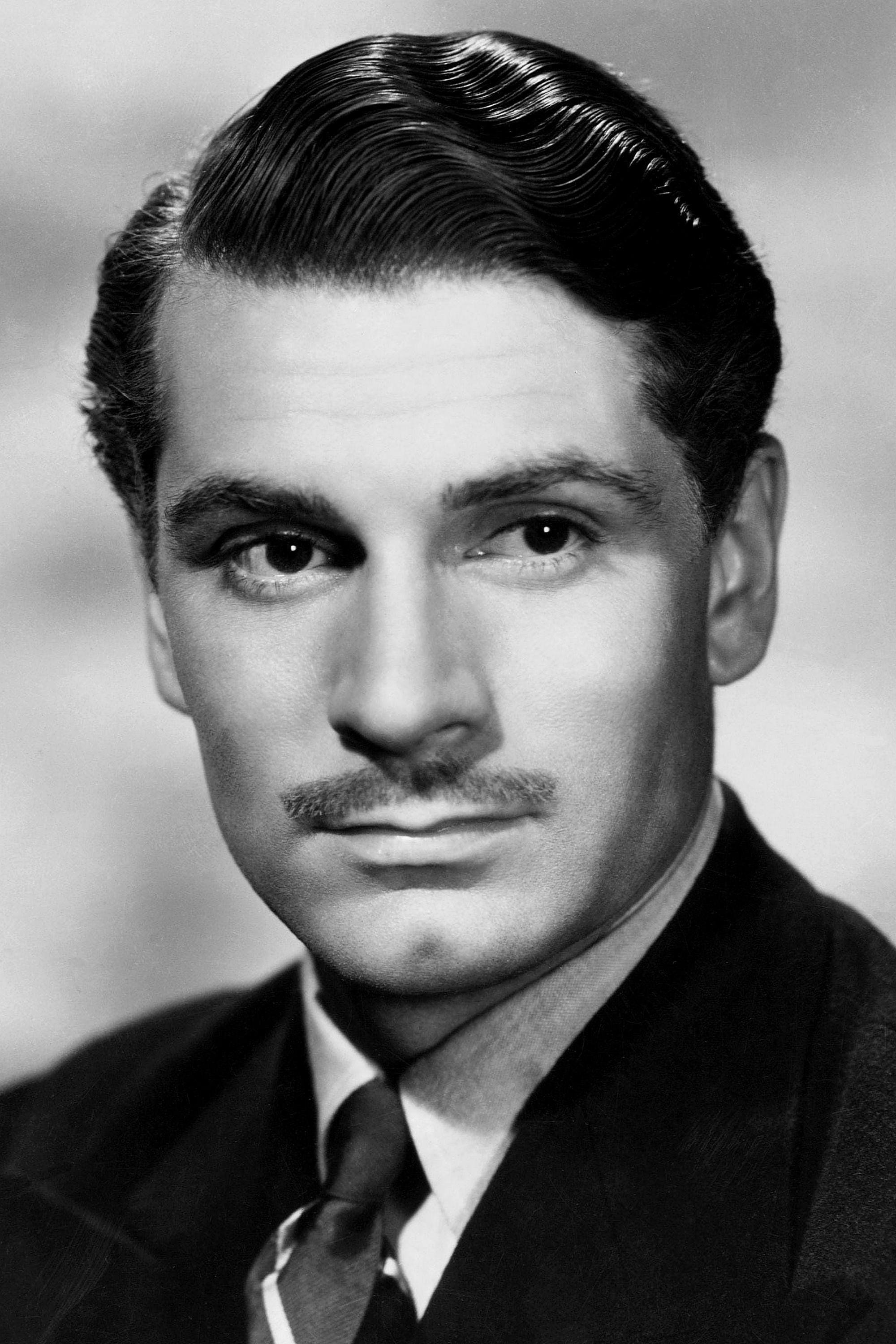
Laurence Olivier served in the Fleet Air Arm of the Royal Navy during World War II. He attained the rank of Lieutenant and spent much of his service time training as a pilot and performing for the troops. His military experience coincided with his work on patriotic films like ‘Henry V’, which he also directed. Throughout his legendary career, he starred in classics such as ‘Rebecca’ and ‘Hamlet’, winning multiple Academy Awards. While he was married three times, his bisexual identity and relationships with men have been documented in various biographies.
Cesar Romero
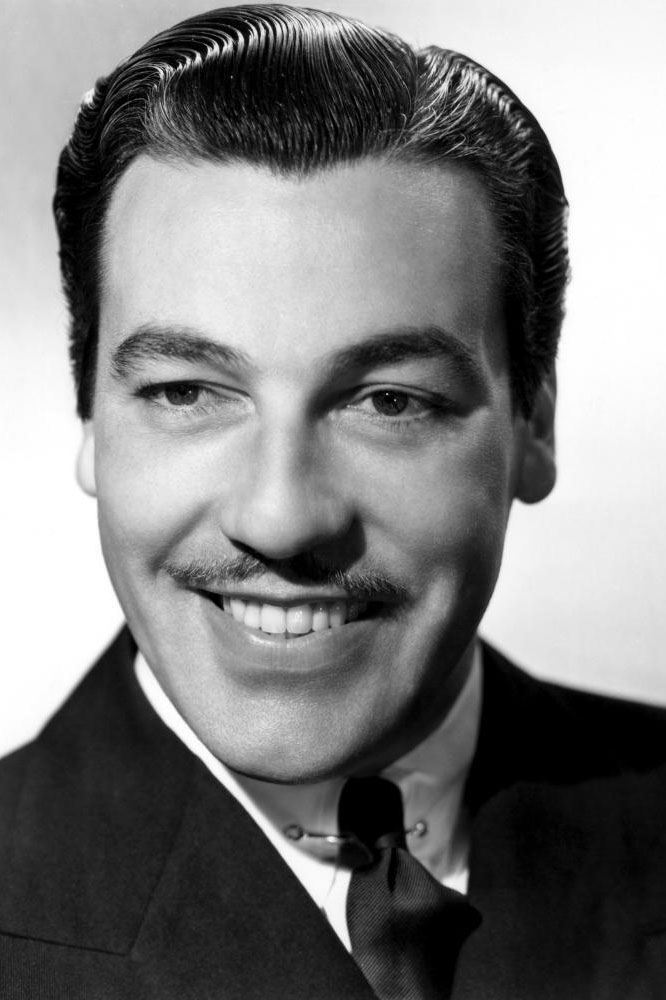
Cesar Romero, famous for his role as the Joker in the 1960s ‘Batman’ television series, served in the United States Coast Guard during World War II. He enlisted as a private and saw action during the invasions of Tinian and Saipan, where he served on the USS Cavalier. Even while in uniform, he remained a popular figure, often appearing in recruitment materials for the service. After the war, he returned to Hollywood and continued his long career in films like ‘Ocean’s 11’ and ‘Captain from Castile’. Romero was a lifelong bachelor and a well-known member of the gay community within Hollywood social circles.
Tyrone Power
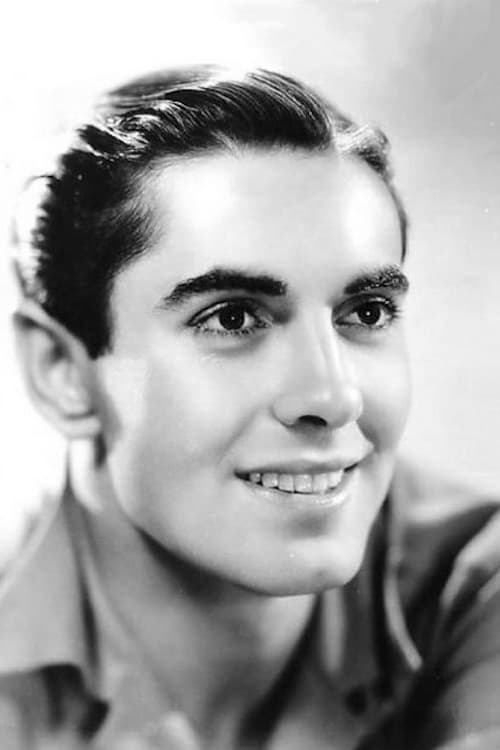
Tyrone Power was a major film star who paused his Hollywood career to serve in the United States Marine Corps during World War II. He became a transport pilot and flew missions in the Pacific theater, including during the battles of Iwo Jima and Okinawa. His service was characterized by genuine dedication, and he earned the rank of Captain in the Marine Corps Reserve. Power was celebrated for his roles in swashbucklers like ‘The Mark of Zorro’ and dramas such as ‘Witness for the Prosecution’. While he was a popular romantic lead with female audiences, his bisexual identity was a known aspect of his personal life among his peers.
Charles Laughton
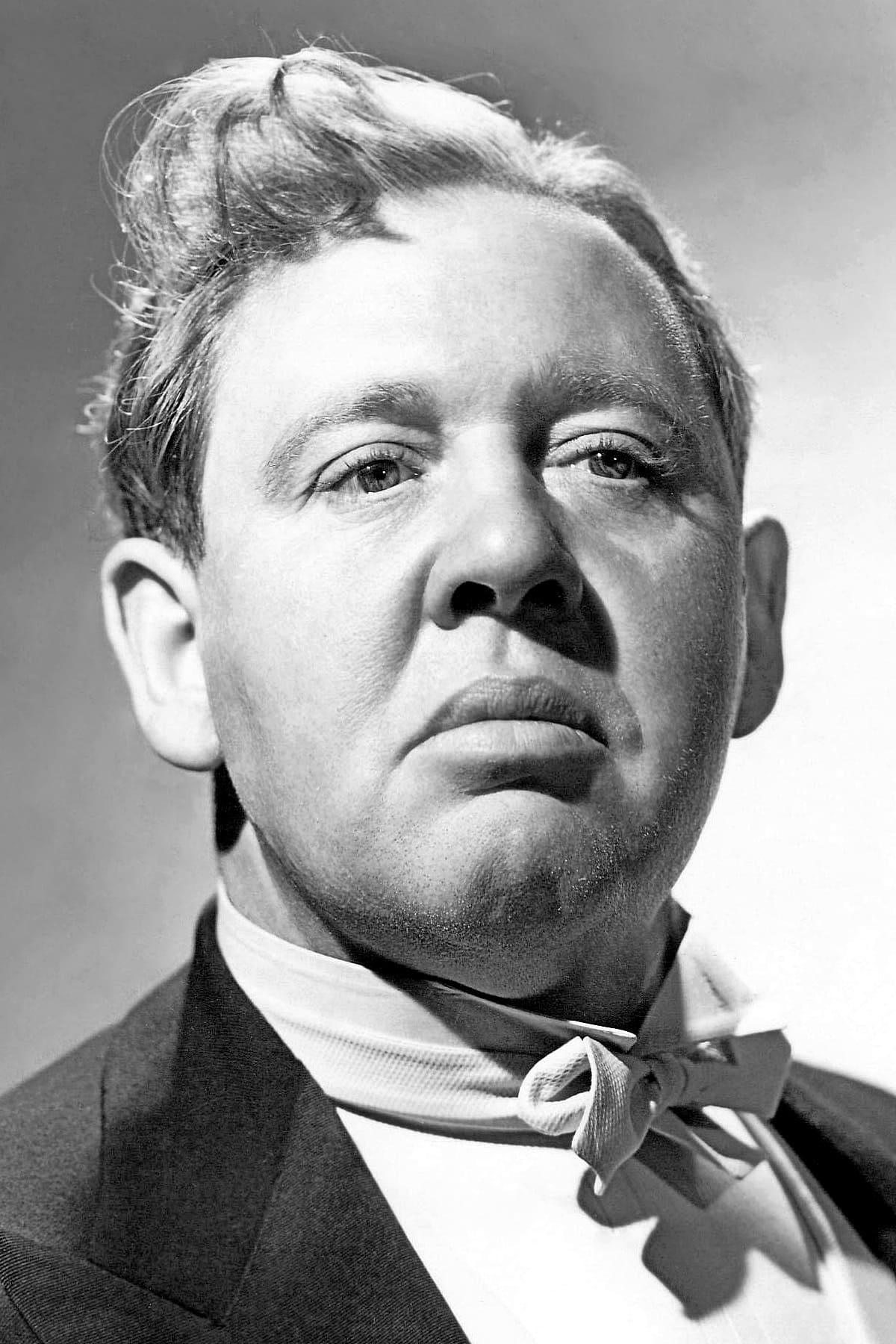
Iconic actor Charles Laughton served in the British Army during World War I and was caught in a gas attack shortly before the armistice. The physical and emotional toll of the war stayed with him throughout his life and career. He became a powerhouse performer on both stage and screen, winning an Academy Award for ‘The Private Life of Henry VIII’. His memorable roles include Quasimodo in ‘The Hunchback of Notre Dame’ and the prosecutor in ‘Witness for the Prosecution’. Laughton was gay and remained in a long-term, supportive marriage with actress Elsa Lanchester, who was aware of his orientation.
Jean Marais
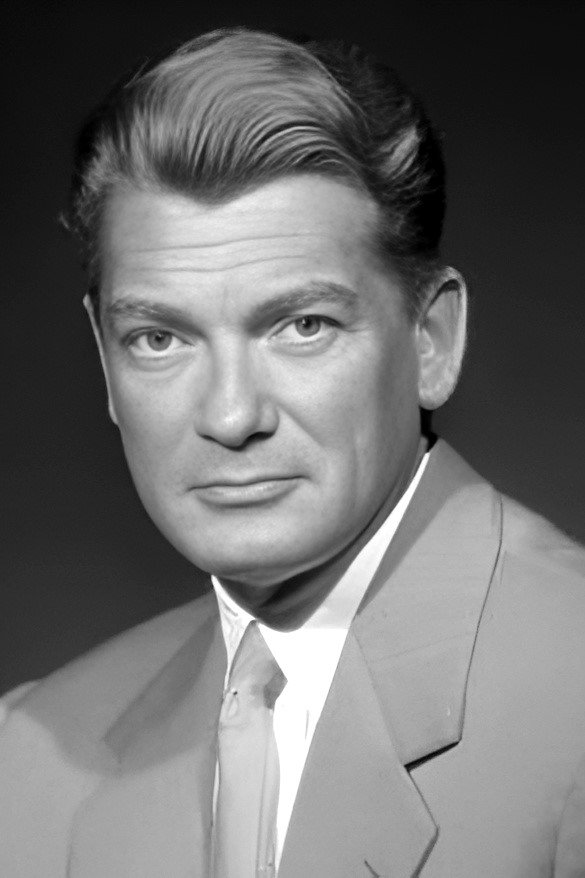
Jean Marais was a legendary French actor who served in the French Army during World War II after the liberation of Paris. He worked as a truck driver and was recognized for his courage during the conflict, eventually receiving the Croix de Guerre. Marais was the muse and long-time partner of filmmaker Jean Cocteau, starring in iconic films such as ‘Beauty and the Beast’ and ‘Orpheus’. His athletic ability and striking looks made him one of France’s most popular stars of the mid-20th century. He remained an open and influential figure in the LGBTQ+ community in Europe until his death in 1998.
Nigel Hawthorne
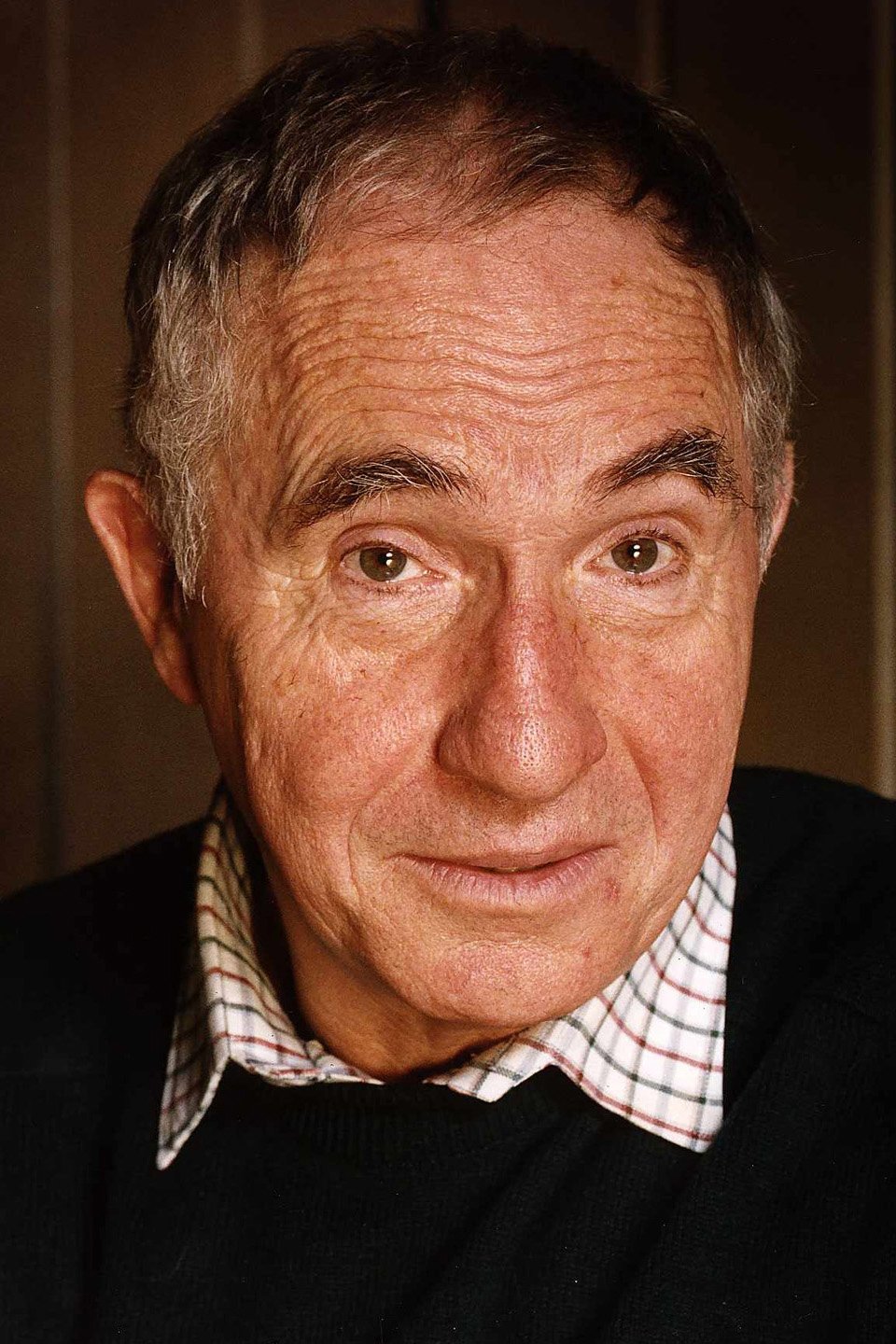
Nigel Hawthorne served in the British Army during the early 1950s, performing his national service in South Africa. This period of his life was marked by a sense of isolation before he returned to the United Kingdom to pursue his passion for the stage. He eventually became a powerhouse of British acting, earning fame for his role as Sir Humphrey Appleby in the sitcom ‘Yes Minister’. He received an Academy Award nomination for his performance in ‘The Madness of King George’ and was knighted for his services to drama. Hawthorne was gay and shared a long-term partnership with writer Trevor Bentham.
Please share your thoughts on these trailblazing performers in the comments.

