


LGBTQ+ Actresses Who Are Against AI Usage

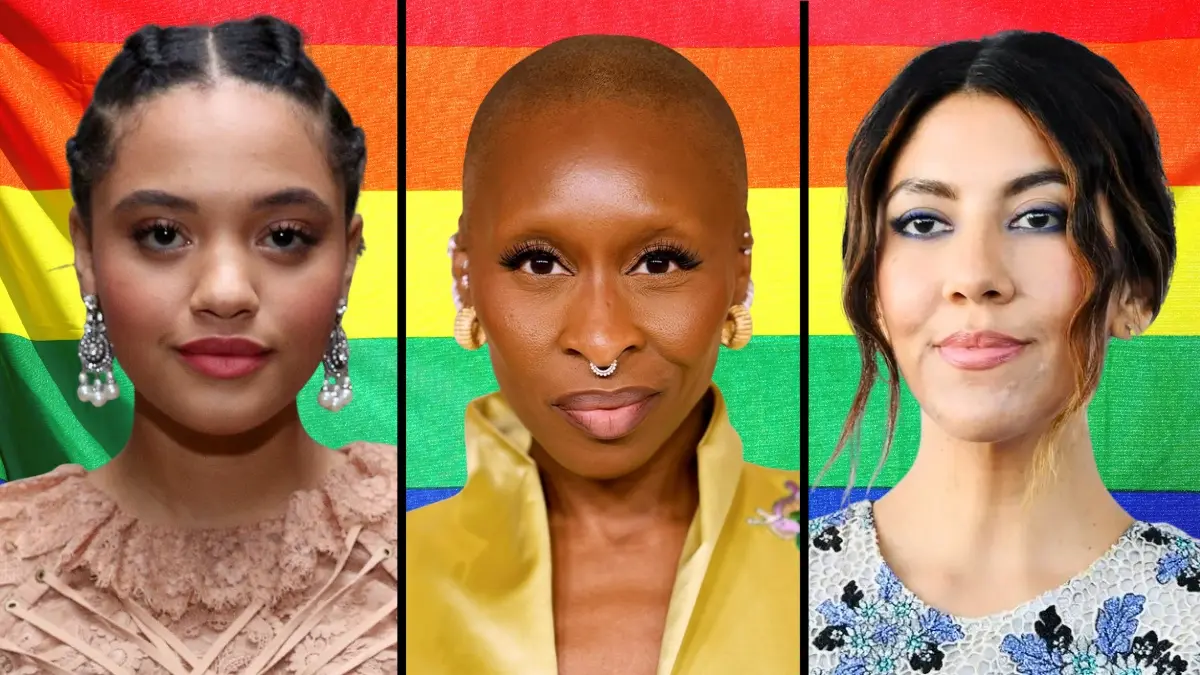


The integration of artificial intelligence into the entertainment industry has sparked intense debate among creative professionals. Many performers fear that unregulated AI could threaten their livelihoods, compromise their artistic integrity, or lead to the unauthorized use of their likenesses. LGBT actresses have been particularly vocal in this movement, leveraging their platforms to advocate for stronger protections and human-centered storytelling. From signing open letters to picketing during the SAG-AFTRA strike, these thirty women have taken a firm stand against the unethical usage of AI in Hollywood.
Rosario Dawson
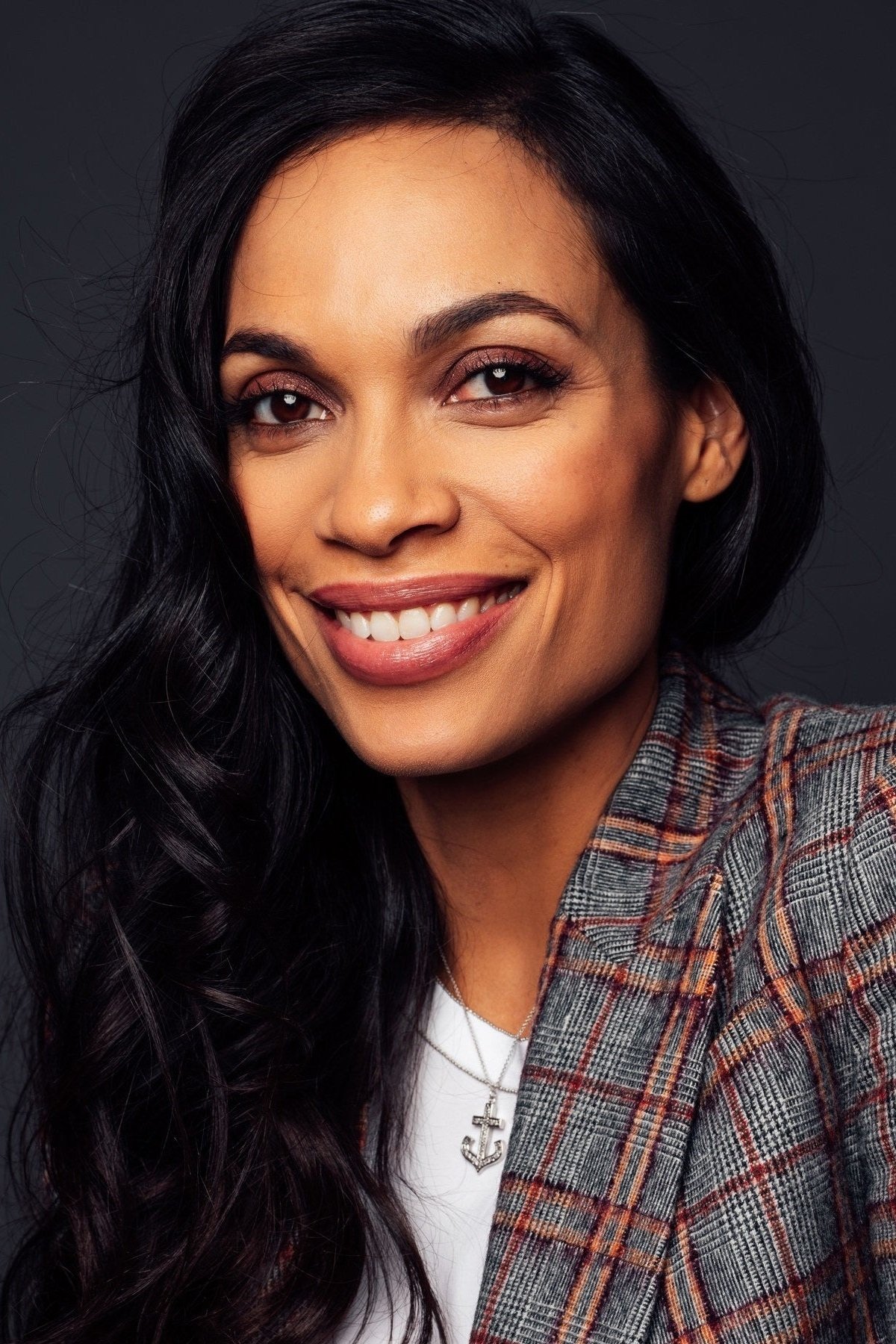
Rosario Dawson has been a fierce advocate for creative rights and was one of the high-profile signatories of the “Statement on AI Training.” The open letter, signed by thousands of artists, explicitly warns that the unlicensed use of creative works for training generative AI poses a major, unjust threat to livelihoods. Dawson, who identifies as part of the LGBTQ+ community, has consistently used her voice to champion labor rights and intersectional justice. Her participation in this collective action highlights her commitment to ensuring that technology serves artists rather than replacing them.
Kate McKinnon
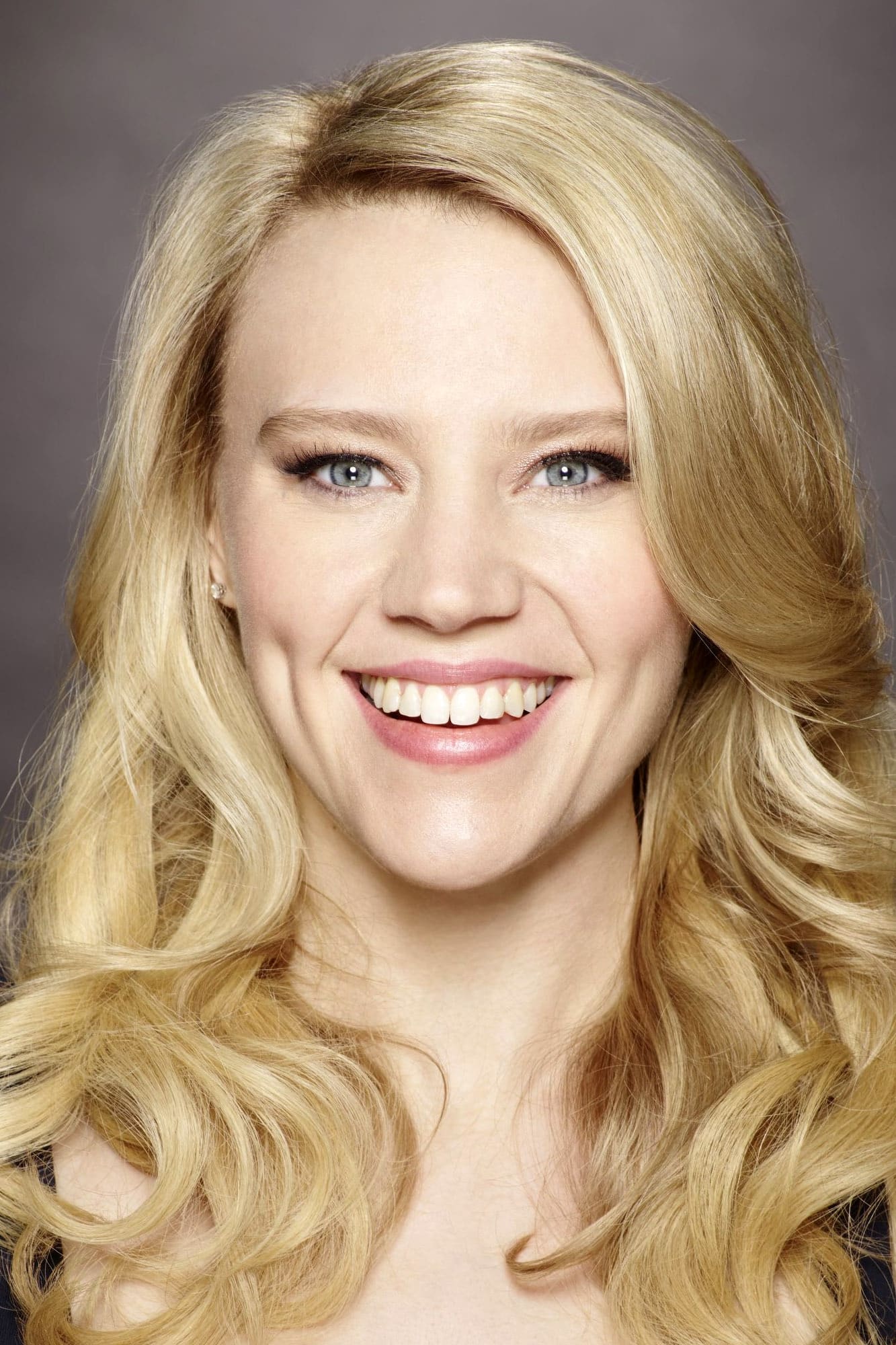
‘Saturday Night Live’ alumna Kate McKinnon joined fellow creatives in signing the “Statement on AI Training,” taking a public stance against the unauthorized use of artists’ work. As a prominent lesbian actress and comedian, McKinnon’s endorsement of the statement underscores the widespread concern among top-tier talent regarding AI’s encroachment on comedy and performance. She has supported union efforts to regulate digital replicas, emphasizing the unique value of human spontaneity in humor. Her involvement demonstrates that even established stars view unregulated AI as a critical issue for the industry’s future.
Rosie O’Donnell
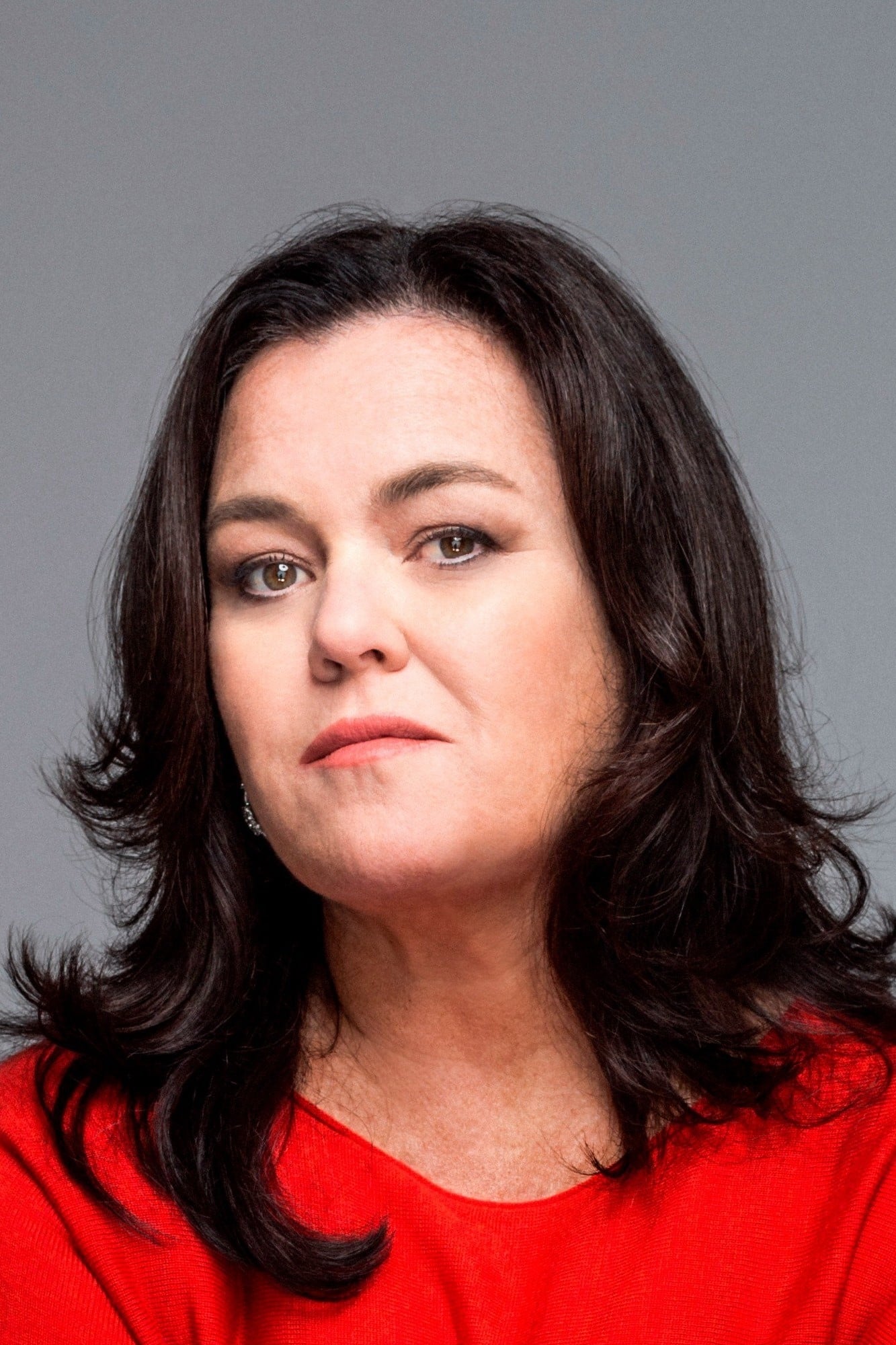
Longtime activist and actress Rosie O’Donnell also added her name to the “Statement on AI Training,” aligning herself with thousands of musicians, authors, and actors. O’Donnell, who has been a trailblazer for lesbian visibility in Hollywood, views the protection of creative intellectual property as a fundamental labor right. By signing the statement, she reinforced the message that the human element of storytelling must be preserved against algorithmic mimicry. Her career has been built on authentic connection, a quality she believes machines cannot replicate.
Mara Wilson
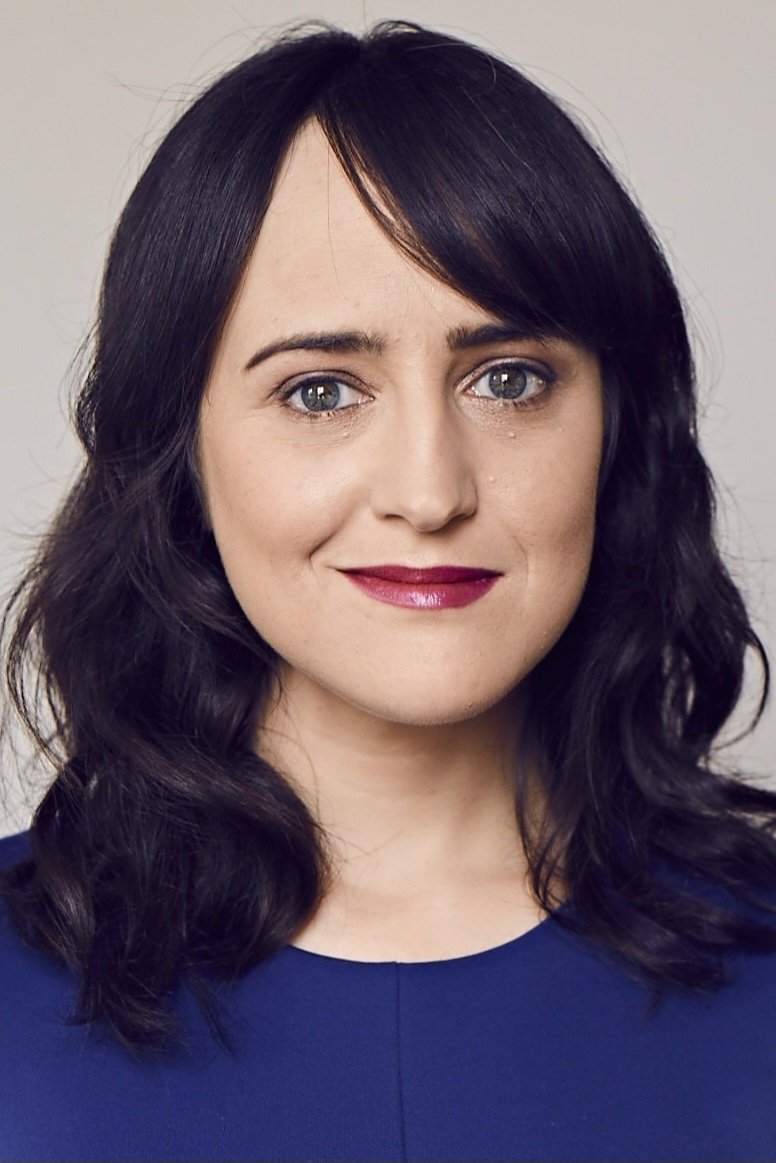
Mara Wilson, known for her childhood roles in ‘Matilda’ and ‘Mrs. Doubtfire’, reacted strongly to the unveiling of an “AI actress” named Tilly Norwood. Wilson, who is bisexual, took to social media to condemn the project, calling the creators “identity thieves” for compositing the faces of real women to create the digital avatar. She pointedly asked about the hundreds of living young women whose likenesses were stolen to manufacture the character. Her comments went viral, sparking a broader conversation about the ethics of synthesizing human performances.
Kiersey Clemons
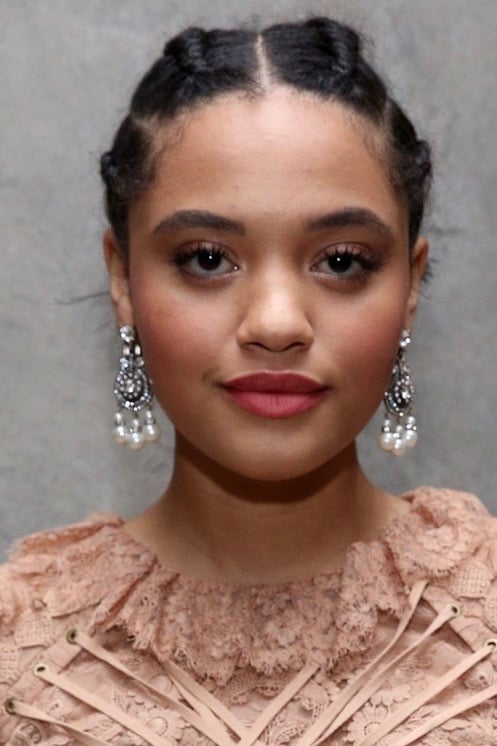
Queer actress Kiersey Clemons joined the chorus of disapproval regarding the AI-generated figure Tilly Norwood. Clemons demanded accountability from the industry, posting comments that urged for the exposure of any talent agents willing to represent a digital avatar over a human client. Her outspoken stance reflects a refusal to normalize the replacement of flesh-and-blood actors with synthetic creations. Clemons has consistently advocated for authentic representation, and her opposition to AI actors aligns with her broader push for equity in casting.
Stephanie Beatriz
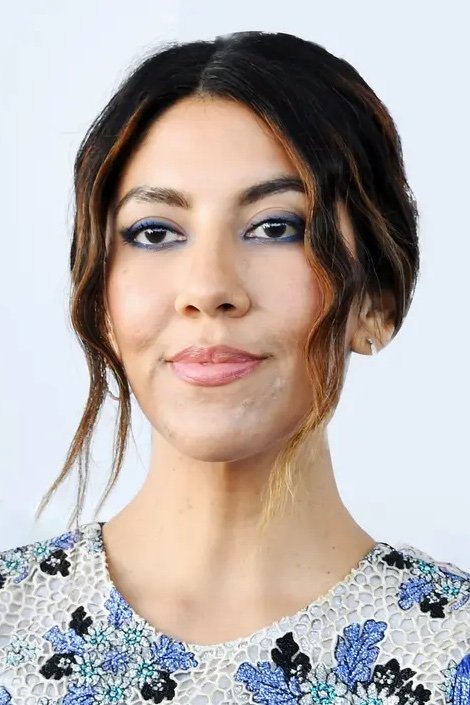
Stephanie Beatriz, best known for ‘Brooklyn Nine-Nine’, has actively debunked AI-generated misinformation about her career and supported strict regulations during the SAG-AFTRA strike. The bisexual actress participated in interviews where she corrected AI hallucinations about her roles, illustrating the technology’s current lack of reliability. During the 2023 strike, Beatriz was vocal about the need for consent and compensation regarding digital replicas. She argues that the nuances of comedic and dramatic performance require a human soul that software cannot simulate.
Wanda Sykes
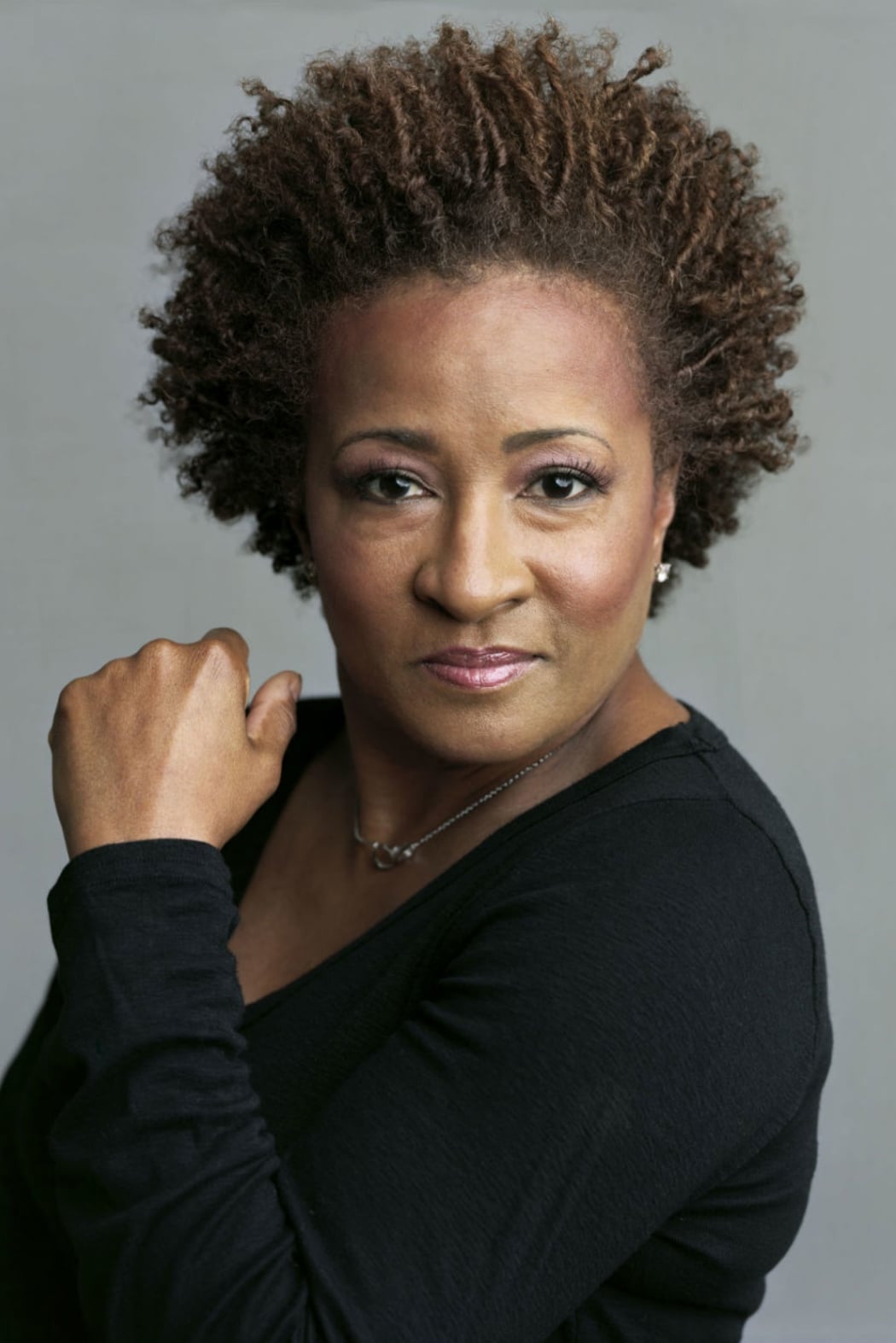
Lesbian comedian and actress Wanda Sykes used her signature wit to criticize studios’ reluctance to regulate AI during the labor disputes. Sykes posted sarcastic comments on social media, mocking the idea that executives needed time to “schedule a meeting” to discuss AI while simultaneously claiming the technology was urgent and inevitable. Her sharp humor highlighted the absurdity of stalling on protections that would safeguard human jobs. Sykes has been a staunch union supporter, recognizing that AI threatens writers and comedians as much as on-camera actors.
Niecy Nash-Betts
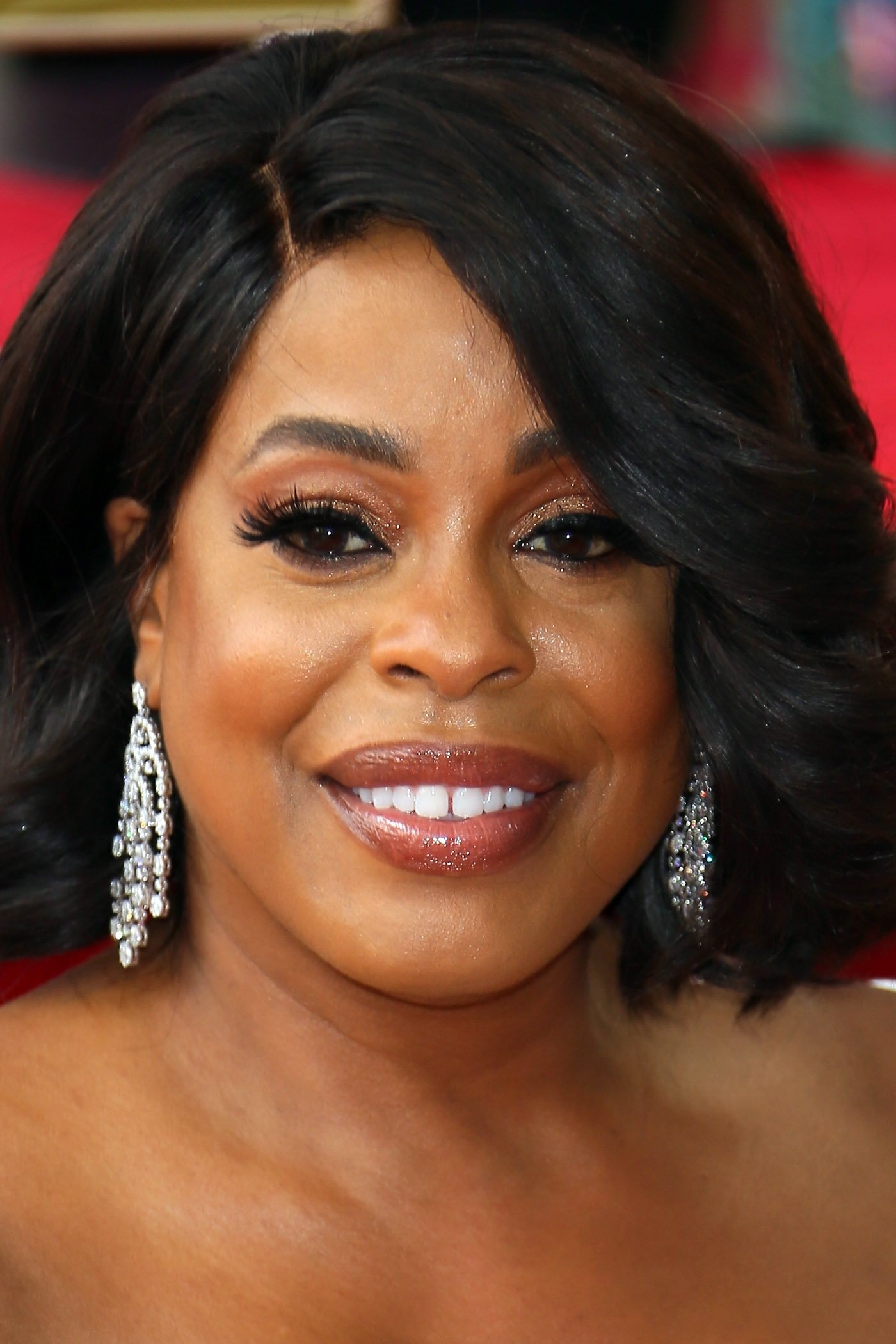
Niecy Nash-Betts was an enthusiastic presence on the picket lines during the SAG-AFTRA strike, rallying support for the union’s fight against AI overreach. The lesbian actress emphasized that the battle was about respect for the craft and ensuring that background actors were not exploited for permanent digital use. Nash-Betts argued that the industry’s shift toward AI was a cost-cutting measure that devalued the contributions of working-class performers. Her advocacy focused on the tangible economic impact that unchecked technology would have on her community.
Megan Fox
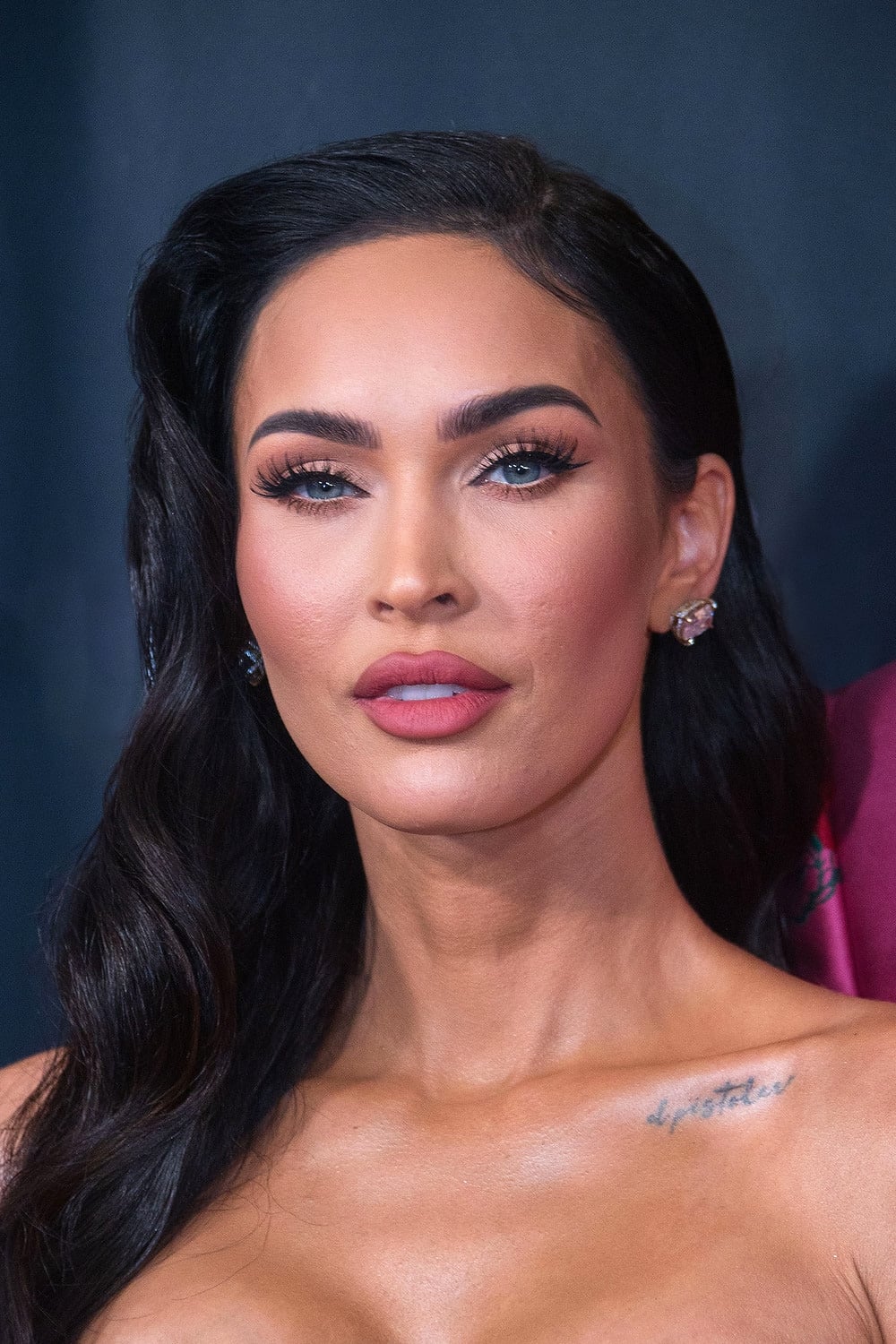
Megan Fox, who has starred in the AI-themed thriller ‘Subservience’, has expressed deep concerns about the technology’s impact on human creativity. The bisexual actress stated in interviews that she worries society will “lose a piece of our soul” as it relies more heavily on machines for art. despite taking a role that explores these themes, Fox distinguishes between exploring AI in fiction and allowing it to usurp human expression in reality. She warns that the efficiency of AI cannot replace the spark of genuine biological emotion.
Evan Rachel Wood
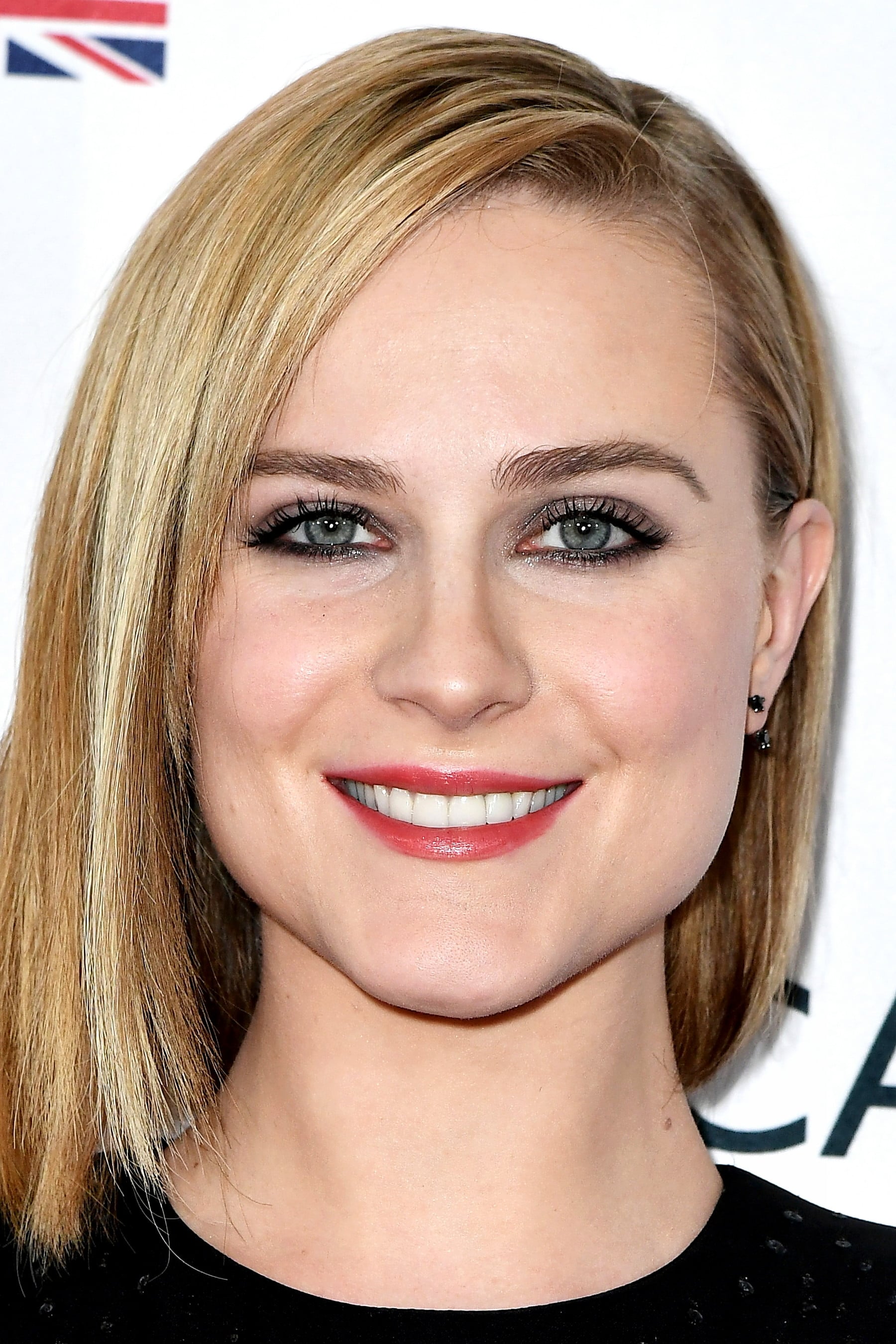
‘Westworld’ star Evan Rachel Wood has a profound skepticism of artificial intelligence, influenced in part by her role as an android in the hit sci-fi series. The bisexual actress has stated that working on the show made her hyper-aware of technology’s dangers, leading her to disable voice assistants like Siri and Alexa in her personal life. Wood views the rapid advancement of AI without ethical guardrails as a loss of control and privacy. Her stance is one of caution, urging society to question the trade-offs between convenience and autonomy.
Trace Lysette
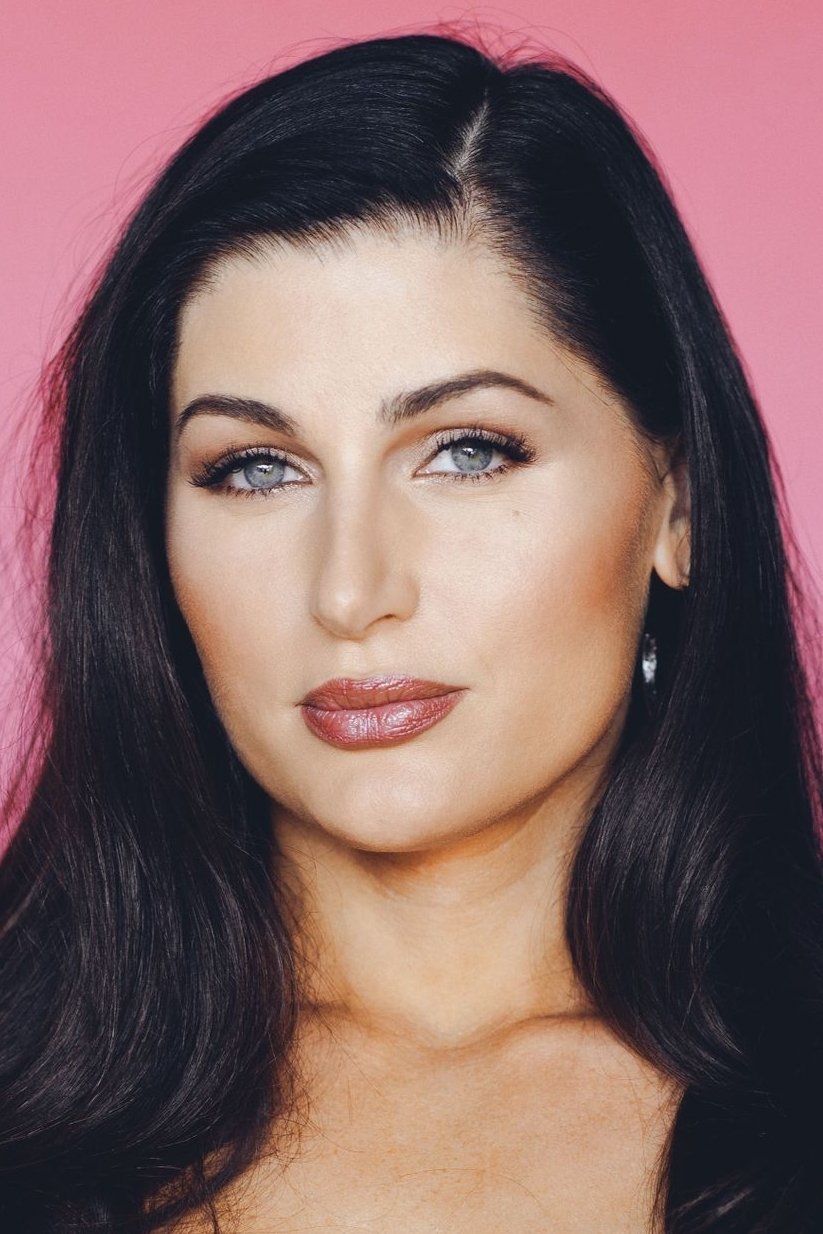
Trans actress Trace Lysette joined the backlash against the “AI actress” Tilly Norwood, using her platform to criticize the normalization of synthetic performers. Lysette, known for her work in ‘Transparent’ and ‘Hustlers’, shared posts calling out the industry for entertaining the idea of non-human talent. She views the push for AI actors as an insult to the thousands of trained, diverse human actors fighting for opportunities. Her opposition is rooted in the belief that marginalized communities, who are already underrepresented, would be the first to suffer from AI displacement.
Drew Barrymore
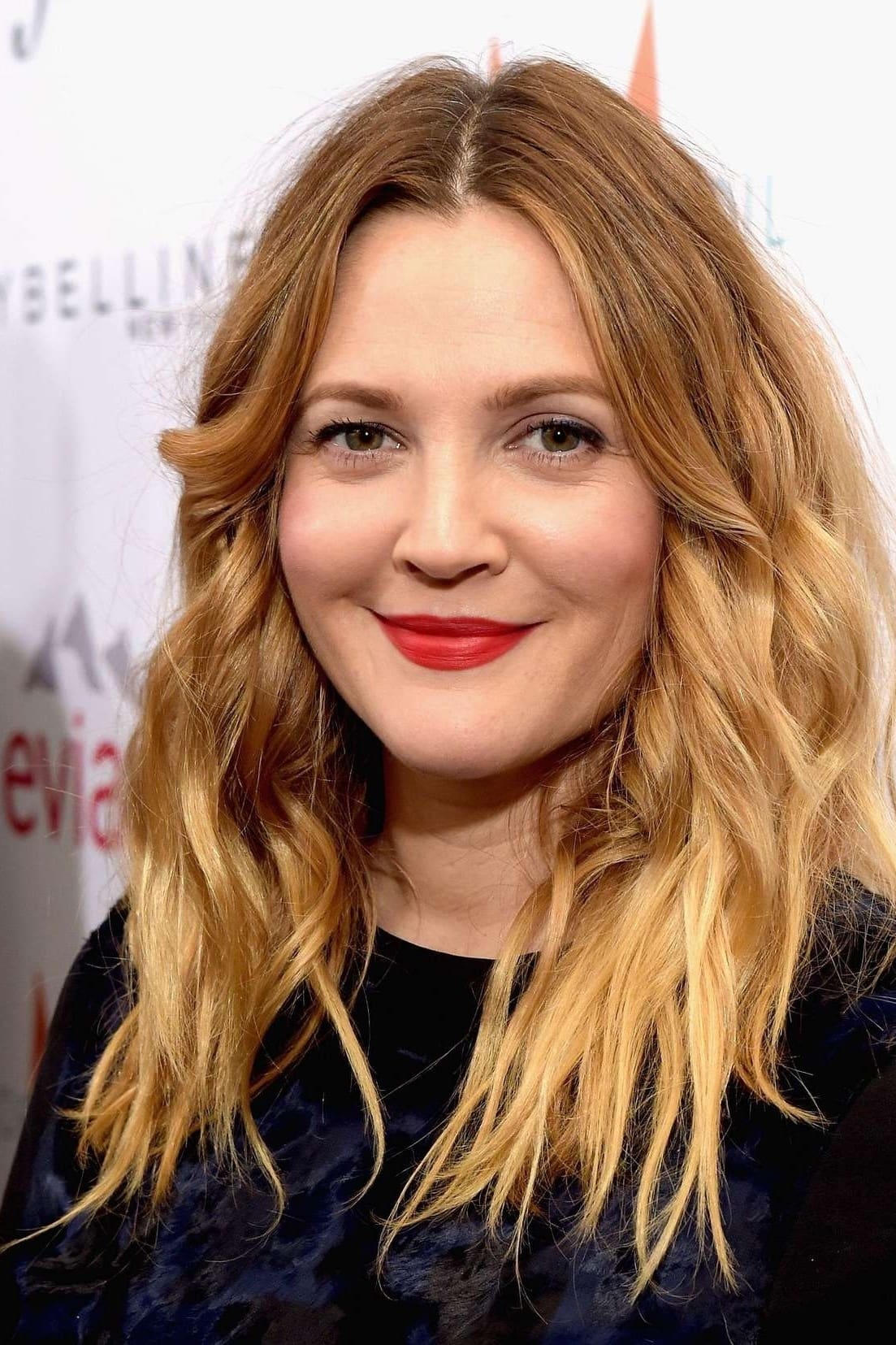
Bisexual actress and host Drew Barrymore took a significant stand of solidarity during the strikes by stepping down as the host of the MTV Movie & TV Awards. Her decision was a high-profile gesture of support for the writers and actors fighting for contract protections, including those against AI. Barrymore acknowledged that the issues at stake, particularly the ownership of one’s likeness, were existential for the profession. By sacrificing a hosting gig, she amplified the union’s message that human creators must come before corporate algorithms.
Cynthia Nixon
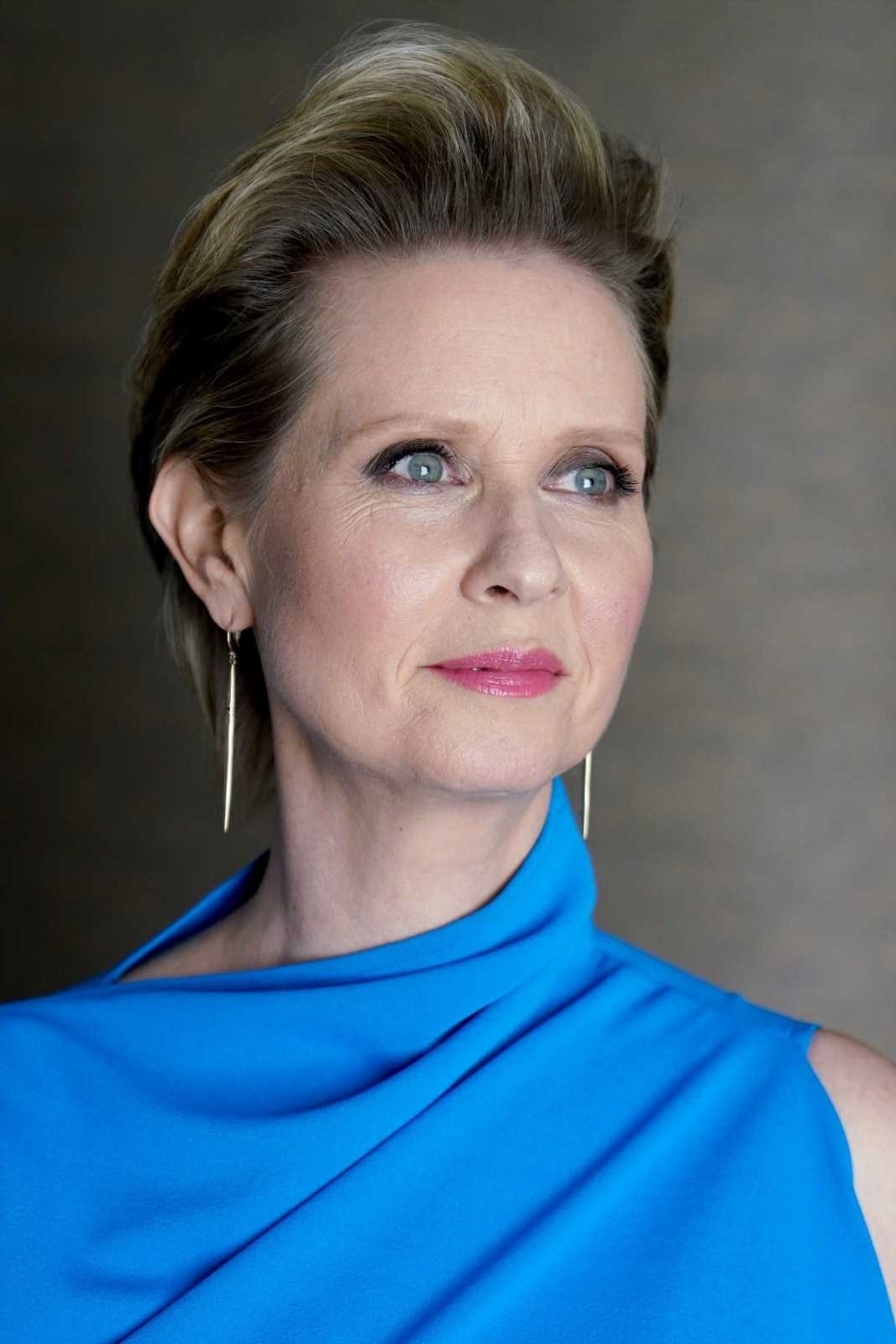
‘Sex and the City’ star and lesbian activist Cynthia Nixon was a visible leader during the SAG-AFTRA strike, frequently picketing and speaking to the press about the union’s demands. Nixon emphasized that the protections against AI were not just for A-list stars but were crucial for the survival of working actors. She argued that without strict contract language, studios would exploit digital scans to cut costs and eliminate jobs. Her political background helped her articulate the labor implications of AI to a broader audience.
Sarah Paulson
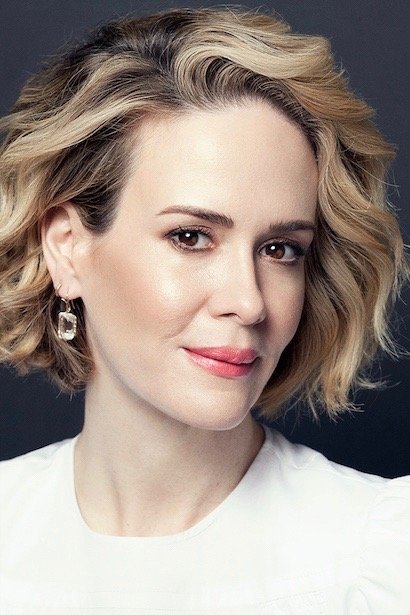
Sarah Paulson, a celebrated lesbian actress known for ‘American Horror Story’, was a staunch supporter of the strike and its anti-AI objectives. Paulson joined her colleagues on the picket lines, using her visibility to draw attention to the stalemate between actors and studios. She has spoken about the importance of preserving the “human error” and vulnerability in acting, which AI seeks to smooth over or fabricate. Paulson believes that the imperfections of a human performance are what create true connection with an audience.
Lily Tomlin
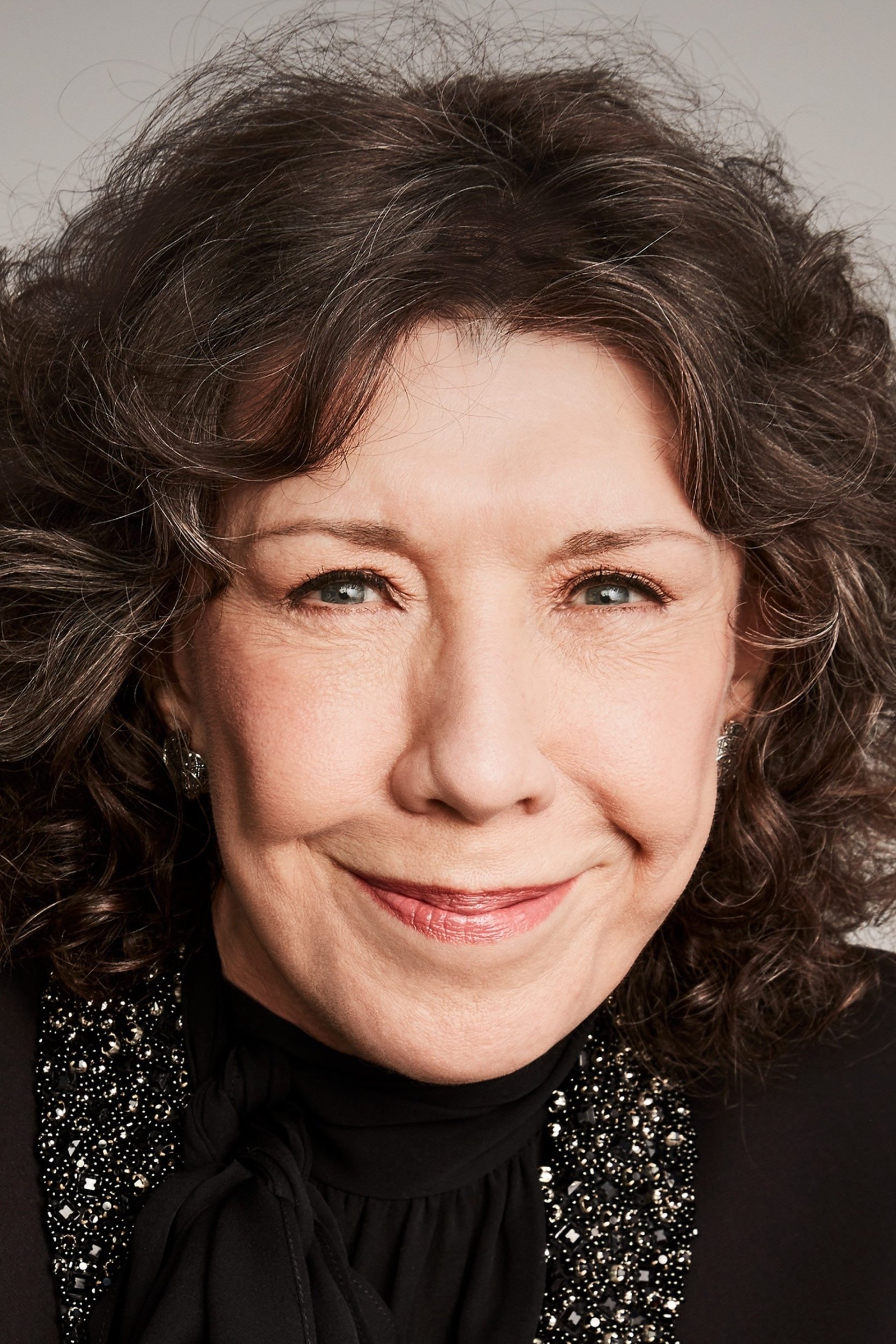
Legendary comedian and lesbian icon Lily Tomlin has been a vocal supporter of union strength and the fight against technological displacement. Tomlin, whose career spans decades of industry changes, picketed alongside her co-stars to demand fair contracts that addressed the AI threat. She has expressed disbelief at the greed driving the desire to replace human background actors with digital clones. Tomlin’s presence on the line served as a reminder that the fight for artistic protection spans all generations of performers.
Jane Lynch
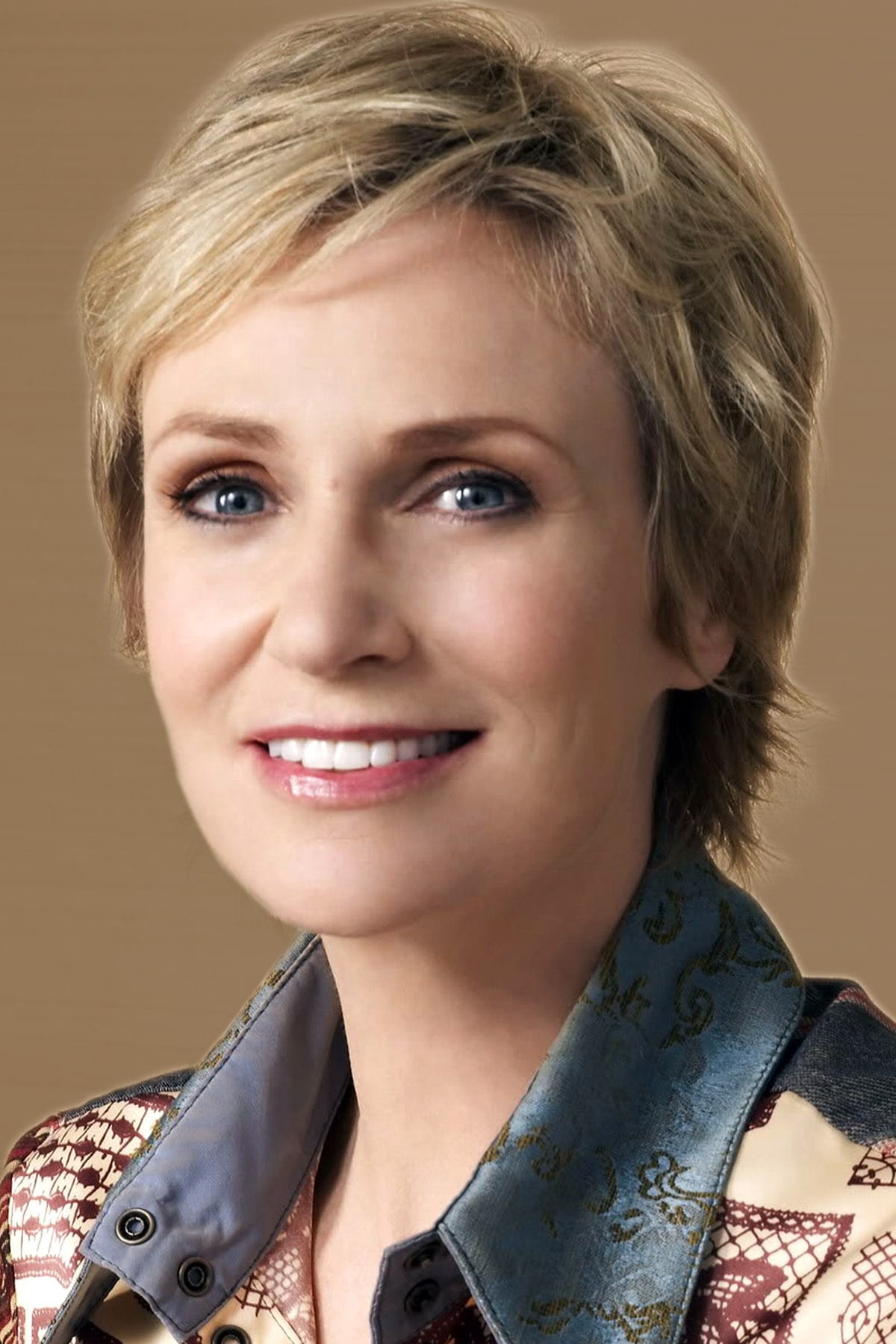
Jane Lynch, the lesbian comedian and ‘Glee’ star, brought her trademark energy to the picket lines, advocating for the protection of voice actors and physical performers alike. Lynch has criticized the idea that AI can replicate the timing and intuition of a comedic actor. She supported the union’s hard line on “digital replicas,” arguing that an actor’s voice and face are their property and livelihood. Her advocacy highlights the specific dangers AI poses to voice-over work, a significant part of her own career.
Holland Taylor
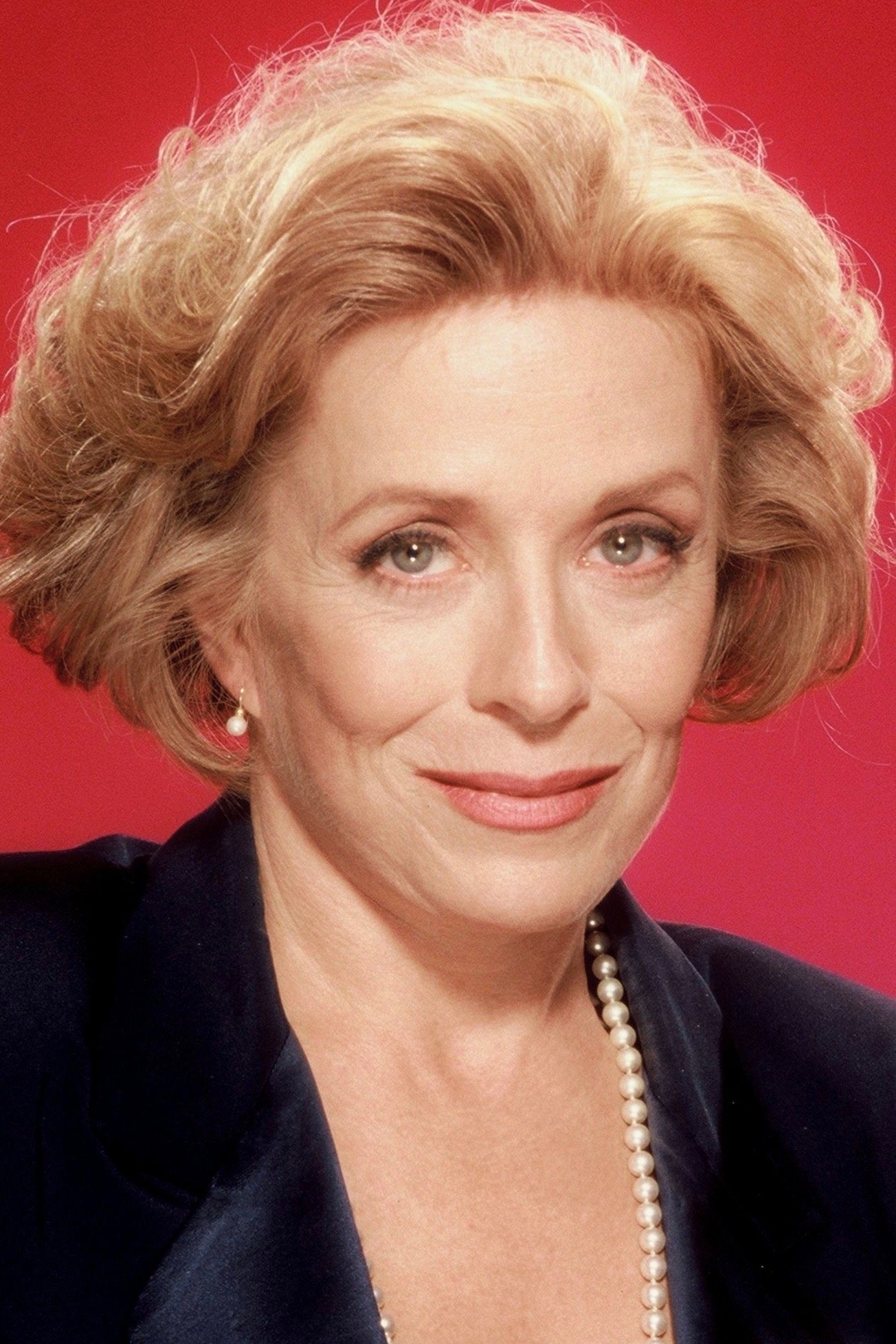
Holland Taylor, an accomplished actress and partner to Sarah Paulson, joined the protests to safeguard the future of the acting profession. Taylor expressed concern that the industry was moving toward a model where human input was minimized in favor of generated content. She views the proposal to scan actors for perpetual use as a violation of personal rights and dignity. Taylor’s participation demonstrated that veteran actors are just as invested in stopping AI overreach as newcomers.
Laverne Cox
Laverne Cox, a trailblazing trans actress, was a vocal advocate for the SAG-AFTRA strike, framing the AI issue as a matter of civil rights and bodily autonomy. Cox argued that the unauthorized scanning and use of an actor’s body is a violation of consent, a concept she has championed in various social justice contexts. She utilized her social media platforms to educate fans on why the union could not settle without AI protections. Cox believes that technology should assist production, not render the human artist obsolete.
Michaela Jaé Rodriguez
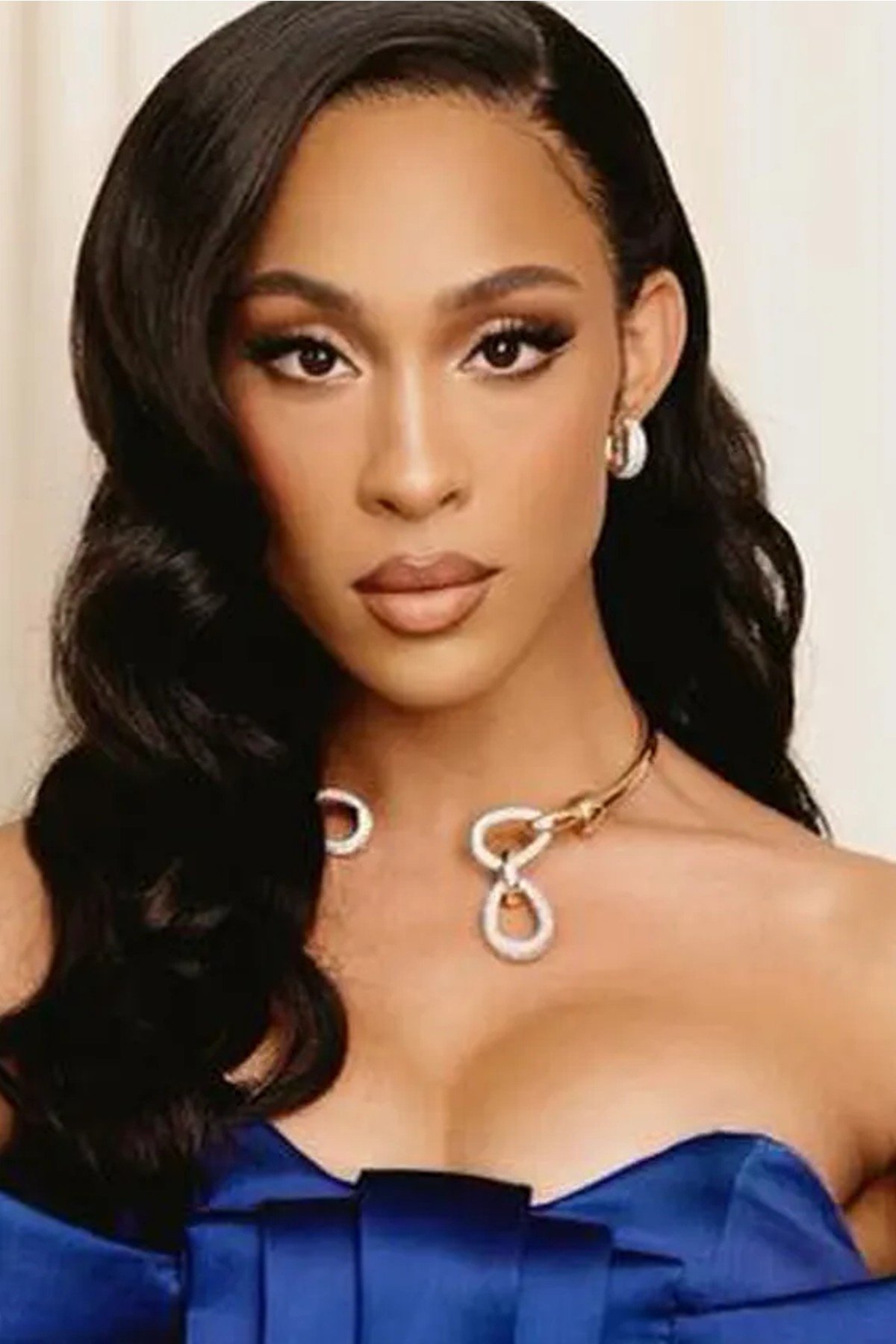
‘Pose’ star Michaela Jaé Rodriguez stood firmly with her union, emphasizing the need to protect diverse voices from being drowned out by algorithmic content. As a trans woman of color, Rodriguez highlighted that AI models are often trained on biased data, which could erase the progress made in representation. She supported the strike’s goals to prevent studios from using AI to bypass hiring marginalized actors. Her stance reflects a concern that AI will homogenize storytelling and reduce opportunities for unique human experiences.
Ariana DeBose
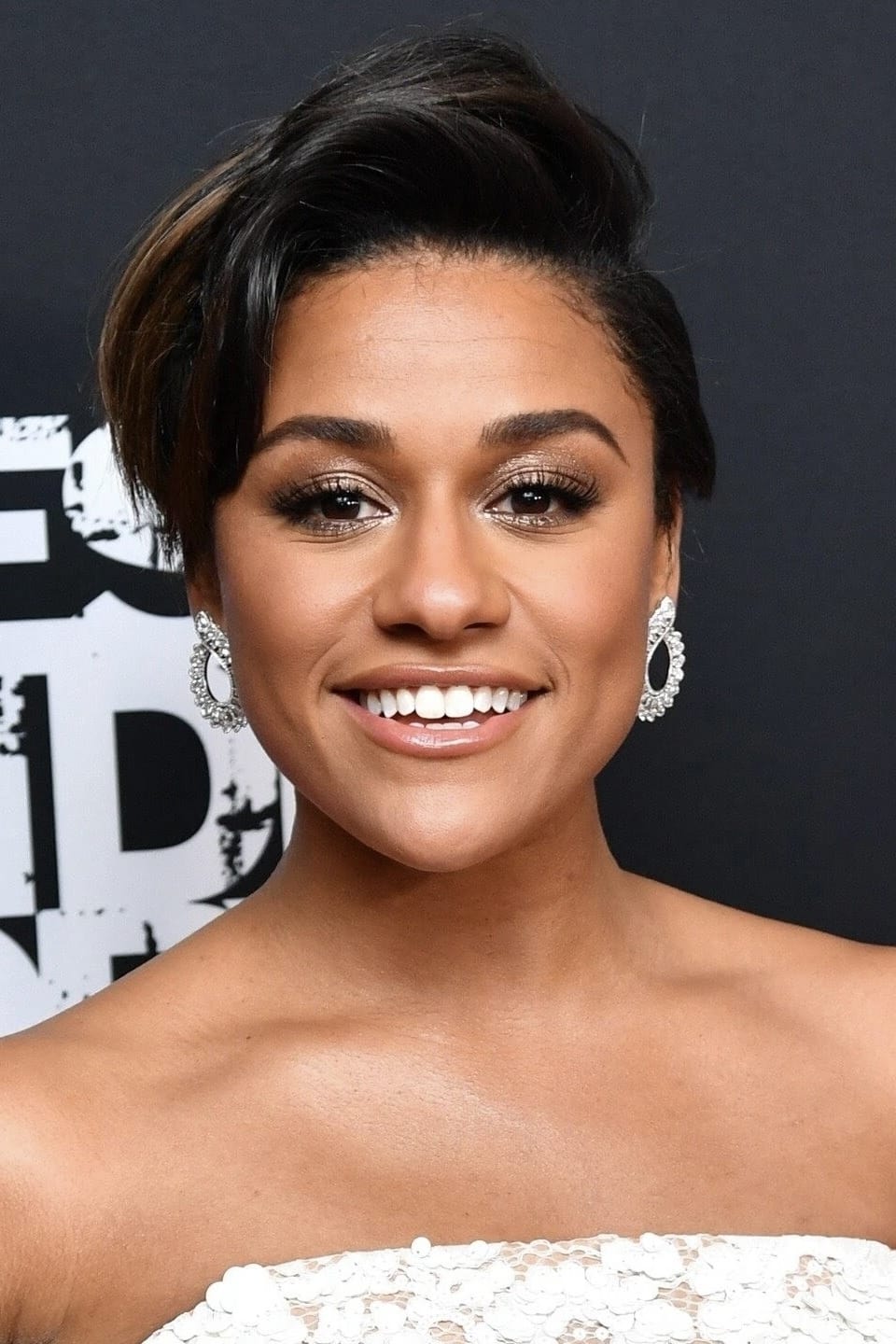
Oscar-winner Ariana DeBose, who identifies as queer, used her visibility to support the strike’s demands for AI regulation. DeBose spoke about the importance of human connection in musical theater and film, arguing that a machine cannot replicate the soul of a live performance. She rallied with fellow actors to ensure that future contracts would prevent the unauthorized use of their voices for AI singing or speaking. DeBose’s advocacy underscores the threat AI poses specifically to triple-threat performers whose diverse skills are targets for emulation.
Aubrey Plaza

Bisexual actress Aubrey Plaza was active on the picket lines, showing solidarity with the writers and actors demanding protection from AI replacement. Plaza, known for her deadpan delivery and unique screen presence, represents the kind of specific, idiosyncratic talent that AI struggles to replicate but seeks to mimic. She supported the union’s stance that studios must not be allowed to train models on actors’ past work without consent. Her involvement highlighted that even highly distinct performers are at risk from generative technologies.
Keke Palmer

Keke Palmer, who has described her sexuality as fluid, has been a vocal proponent of ownership and agency in the digital age. Palmer championed the strike’s focus on AI, recognizing that the technology threatens to exploit Black artists’ likenesses without fair compensation. She has launched her own digital network to maintain creative control, implicitly critiquing the studio model that seeks to automate content creation. Palmer’s actions demonstrate a commitment to building a future where artists, not algorithms, own their output.
Janelle Monáe
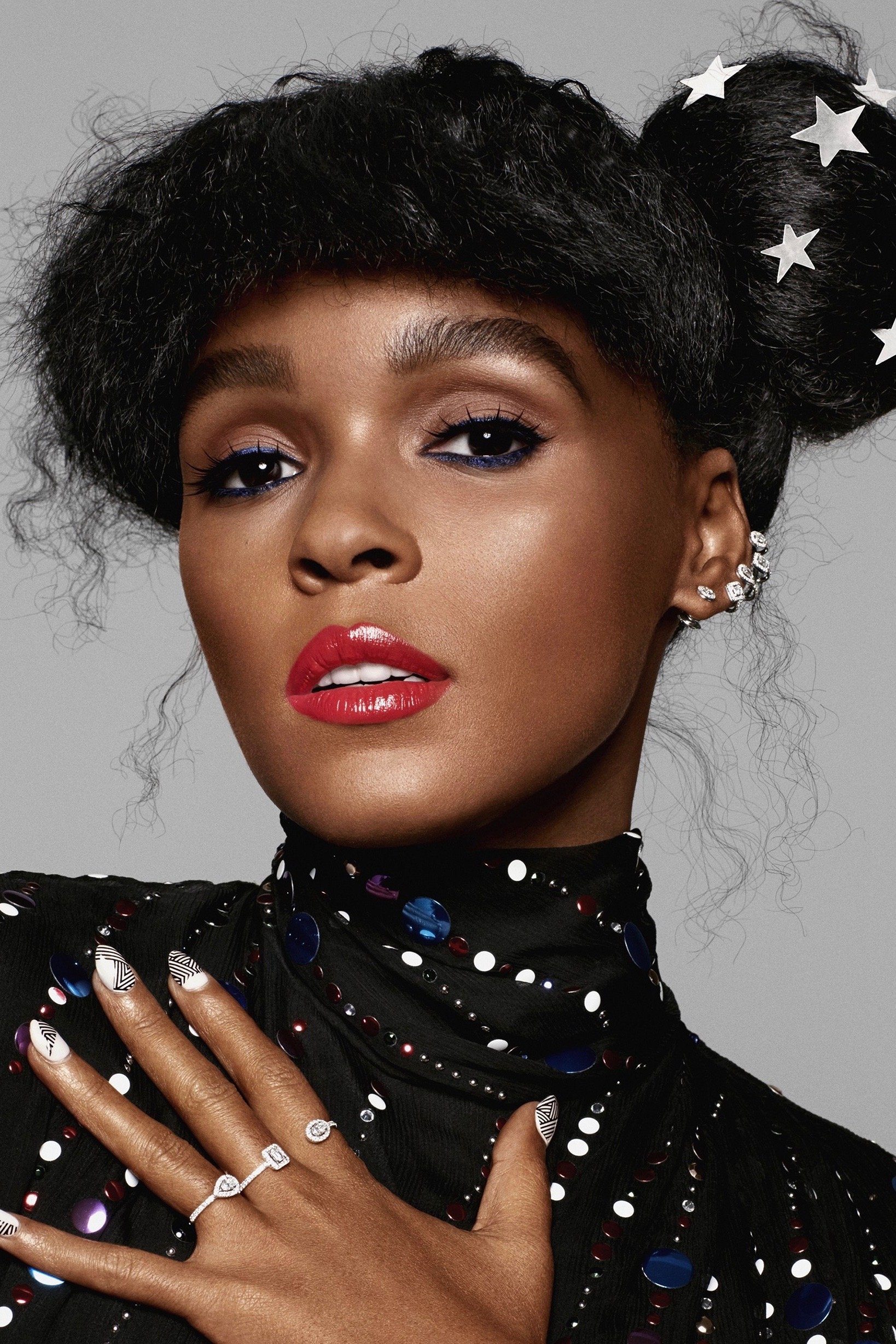
Janelle Monáe, a non-binary and pansexual artist, has long explored themes of androids and technology in her work, but maintains a staunchly pro-human stance in reality. While her “Cindy Mayweather” alter-ego is an android, Monáe uses the metaphor to critique the marginalization of “the other,” equating the potential exploitation of AI entities with historical oppression. In the real world, she supports the protection of human artists from being strip-mined for data. She has spoken about the necessity of feeling a role viscerally, a biological process she asserts machines cannot experience.
Cara Delevingne
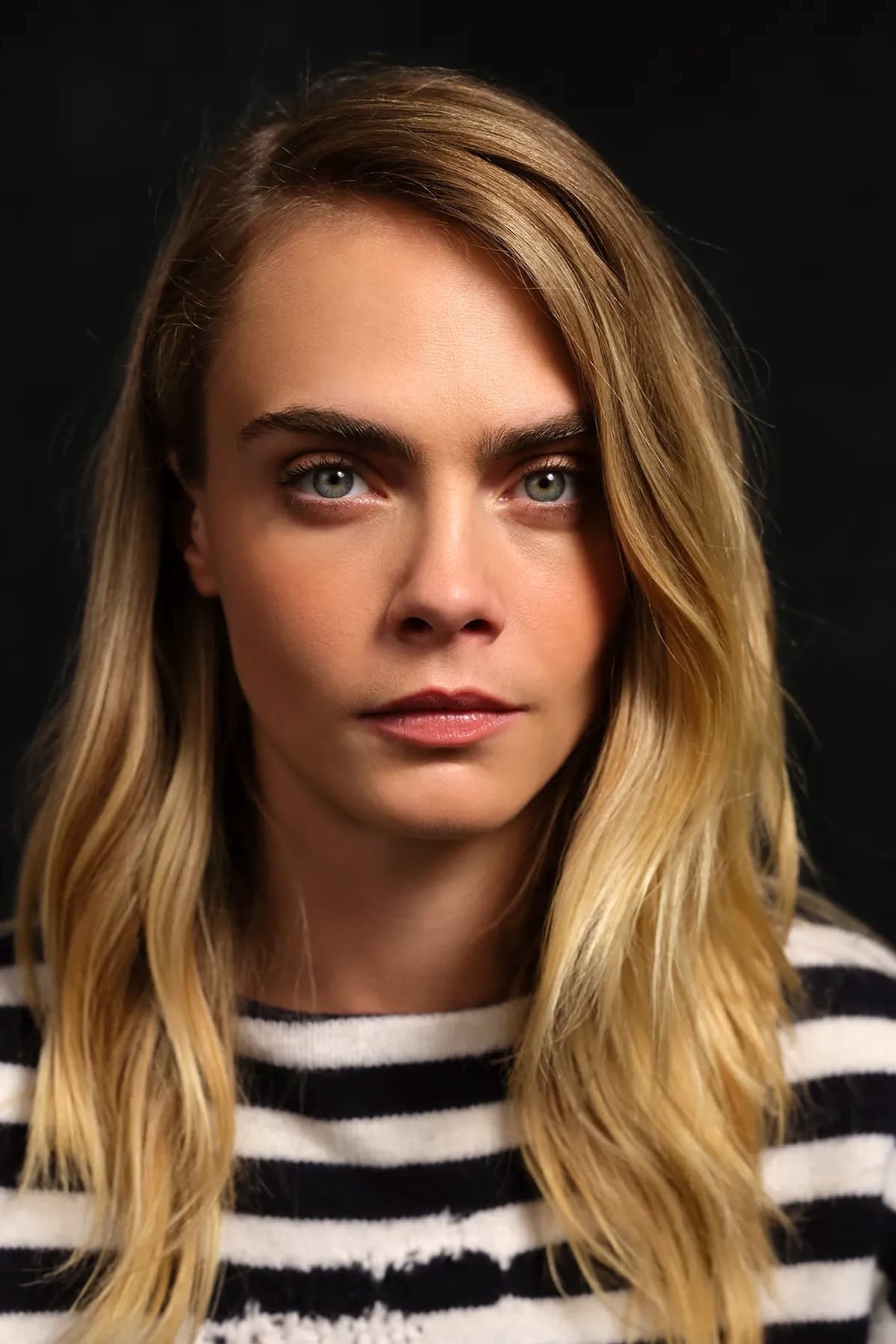
Pansexual model and actress Cara Delevingne joined the protests in the UK and US, advocating for the rights of talent in the face of technological disruption. Delevingne has spoken about the pressure to conform in the industry and views AI as a tool that could further standardize and sterilize beauty and performance standards. She supported the union’s fight to ensure that digital doubles are not used to bypass the hiring of real models and actresses. Her stance reflects a broader concern about the commodification of the female image.
Kristen Stewart
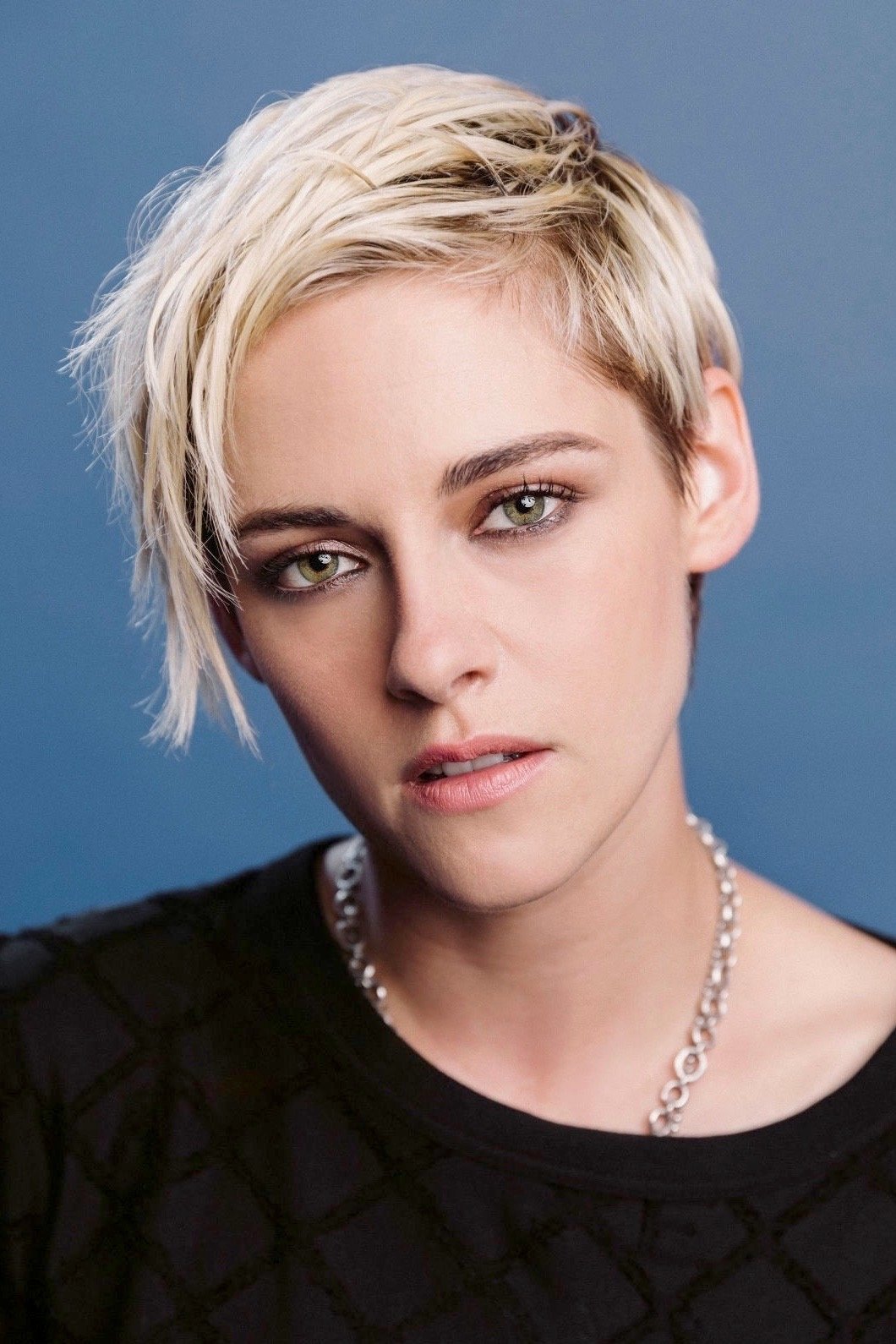
Kristen Stewart, a queer icon and indie film darling, has consistently prioritized raw, authentic storytelling over commercial polish. Stewart supported the strike’s mission to prevent the sanitization of cinema through AI interference. She has expressed a preference for the “messiness” of human emotion, which she believes generative AI smooths over to the detriment of art. Stewart’s career choices reflect a rejection of the algorithmic blockbuster model that AI is poised to accelerate.
Amandla Stenberg
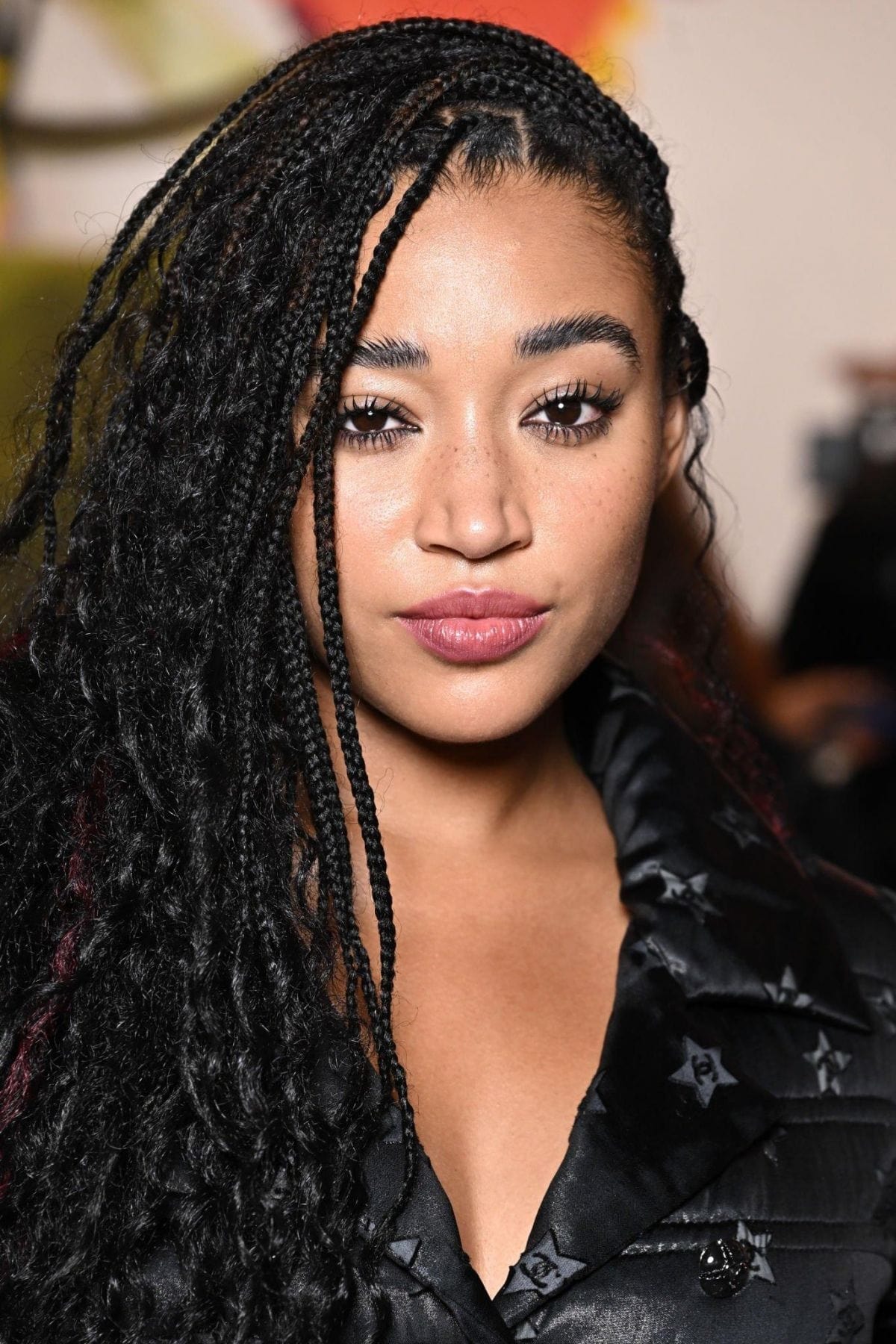
Amandla Stenberg, who identifies as gay and non-binary, has faced the dark side of digital fandom and understands the toxicity that can arise from online dehumanization. While not always explicitly discussing industry contracts, Stenberg has been the target of AI-generated harassment campaigns and diss tracks. This experience places her firmly in opposition to the unchecked proliferation of generative content that can be weaponized against performers. Her resilience in the face of digital vitriol serves as a testament to the importance of protecting human dignity online.
Fiona Shaw
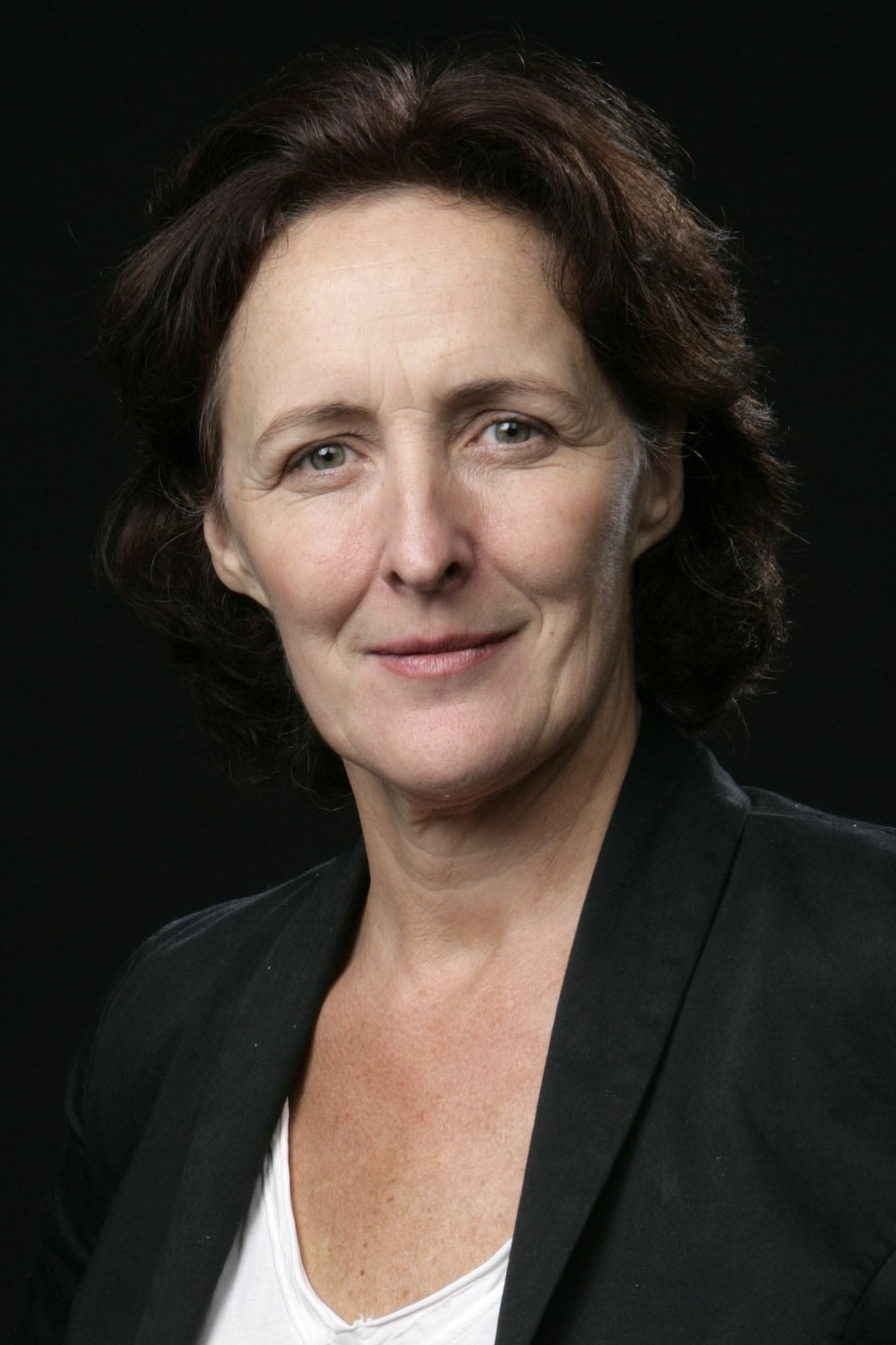
Acclaimed lesbian actress Fiona Shaw, known for ‘Killing Eve’ and ‘Harry Potter’, brought her gravitas to the discussion on actor rights. Shaw supported the union’s efforts to ensure that the theater and film traditions are not eroded by cost-cutting AI measures. She has spoken about the spiritual transmission that occurs between an actor and an audience, a connection she deems impossible with a digital avatar. Shaw’s defense of the craft is rooted in a deep respect for the history of performance.
Abbi Jacobson
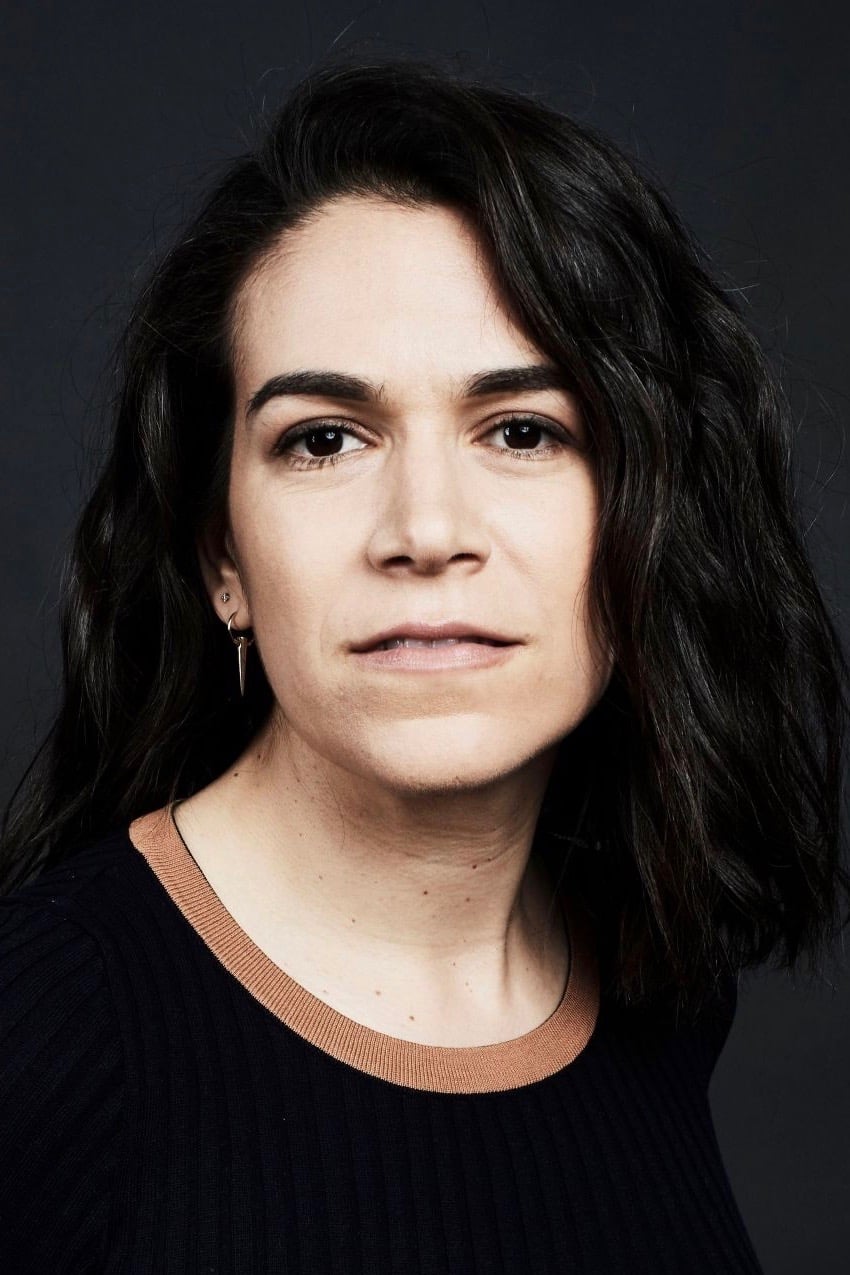
‘Broad City’ co-creator and queer actress Abbi Jacobson was a vocal presence during the labor disputes, advocating for both writers and actors. Jacobson emphasized that AI threatens the collaborative, improvisational nature of comedy that defined her own success. She argued that the specific, lived experiences of queer creators cannot be generated by a language model trained on existing data. Her fight was for the preservation of original, human-generated queer narratives.
Bella Ramsey
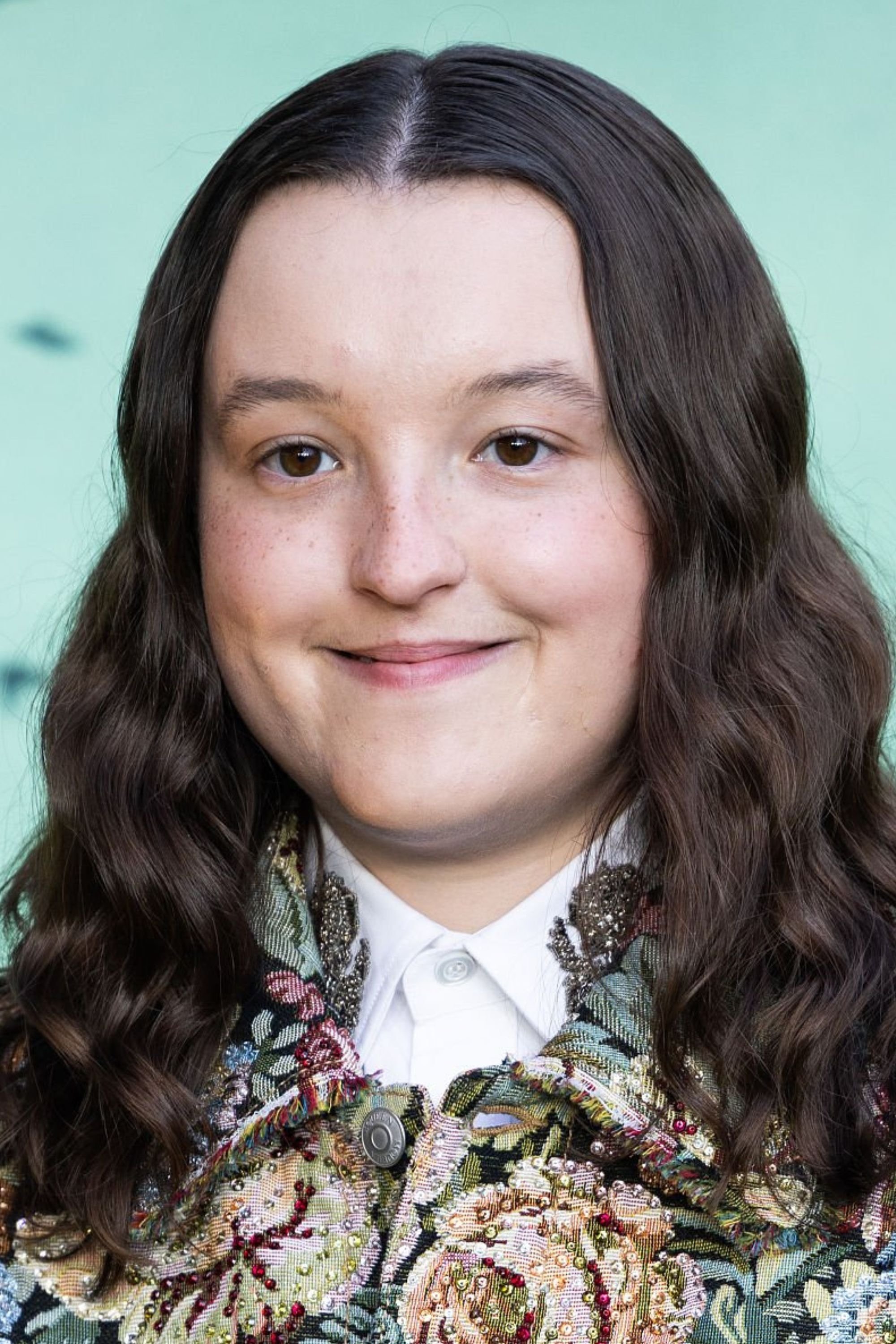
Non-binary actor Bella Ramsey, the breakout star of ‘The Last of Us’, supported the strike actions that sought to limit AI’s role in production. Ramsey has spoken about the importance of authentic casting and the visibility of gender-non-conforming bodies on screen. They view the potential for AI to “fix” or alter an actor’s appearance as a threat to trans and non-binary representation. Ramsey’s advocacy aligns with a generation of young actors refusing to let technology dictate their self-presentation.
Cynthia Erivo
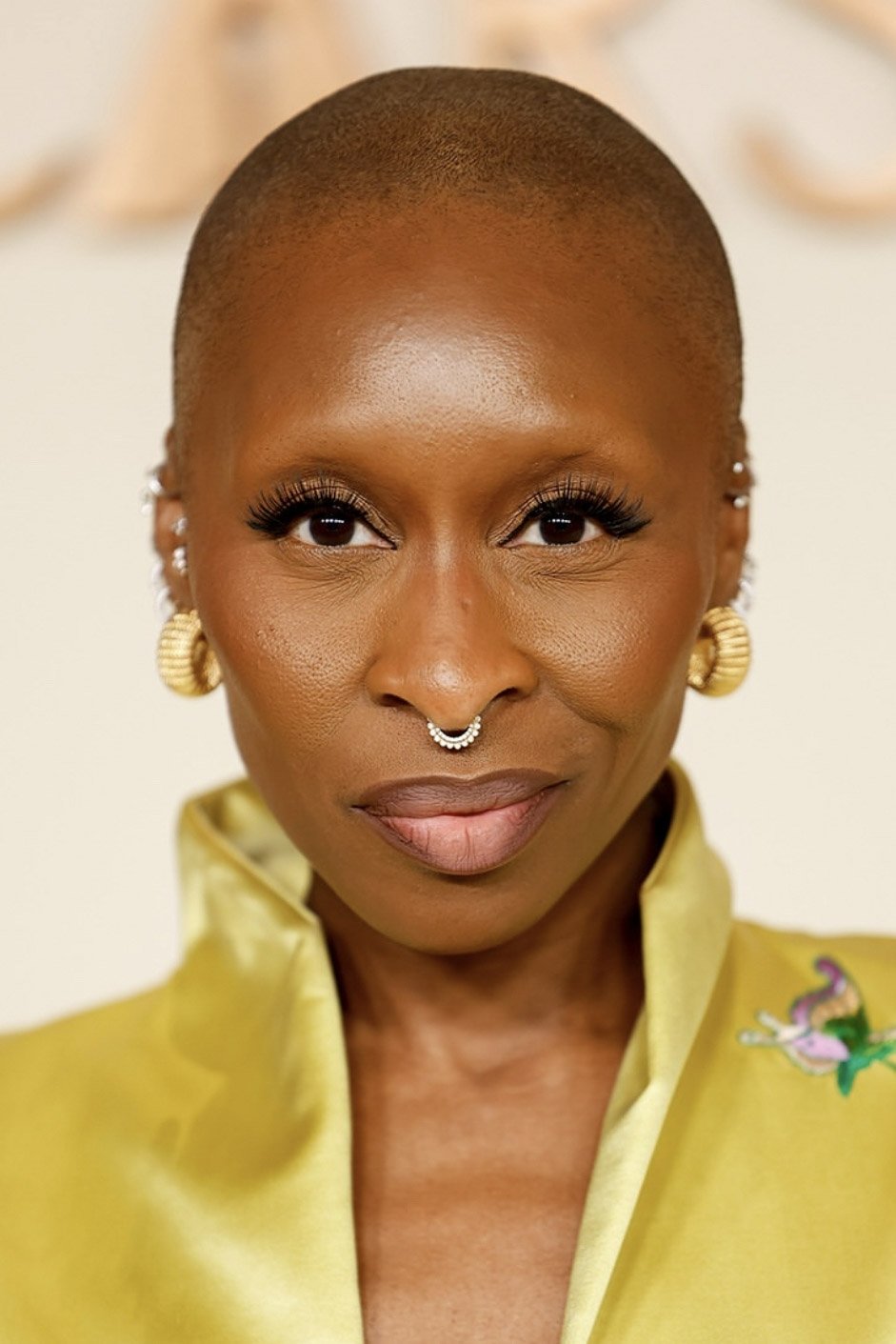
Cynthia Erivo, the bisexual powerhouse vocalist and actress, stood with her union to demand that the unique instrument of the human voice be protected. Erivo supported the strike’s specific provisions regarding the synthesis of vocal performances, a key issue for musical artists. She argues that the emotional resonance of a song comes from the singer’s life experience, not data processing. Erivo’s stance highlights the intersection of the music and film industries in the battle against generative AI.
The entertainment industry stands at a crossroads, and these voices are ensuring the path forward remains human. Share your thoughts on how AI should be regulated in Hollywood in the comments.

