


LGBTQ+ Actresses Who Quit Hollywood

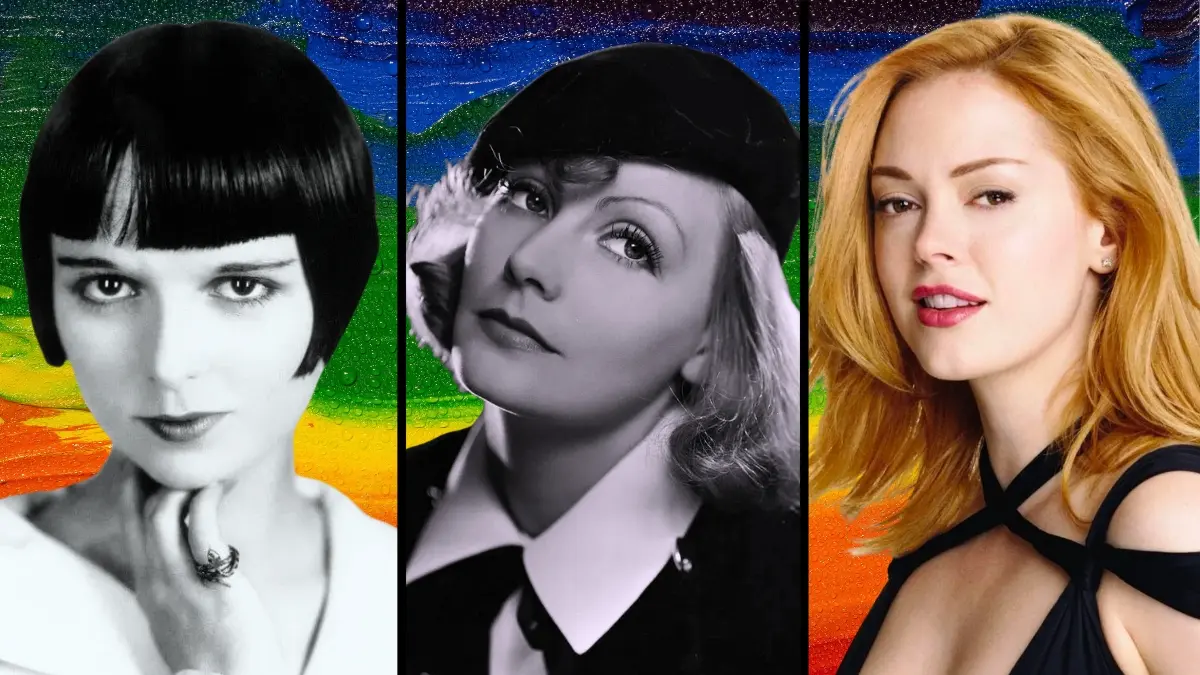


Leaving Hollywood can mean stepping away from studio films, turning down TV roles, or choosing a completely different life after fame. For some LGBTQ+ actresses, that decision came with clear pivots into writing, business, stage work, or simply privacy. Below are notable women whose careers show how—and why—walking away from the industry took many forms, from sudden retirements to deliberate moves into new chapters.
Greta Garbo
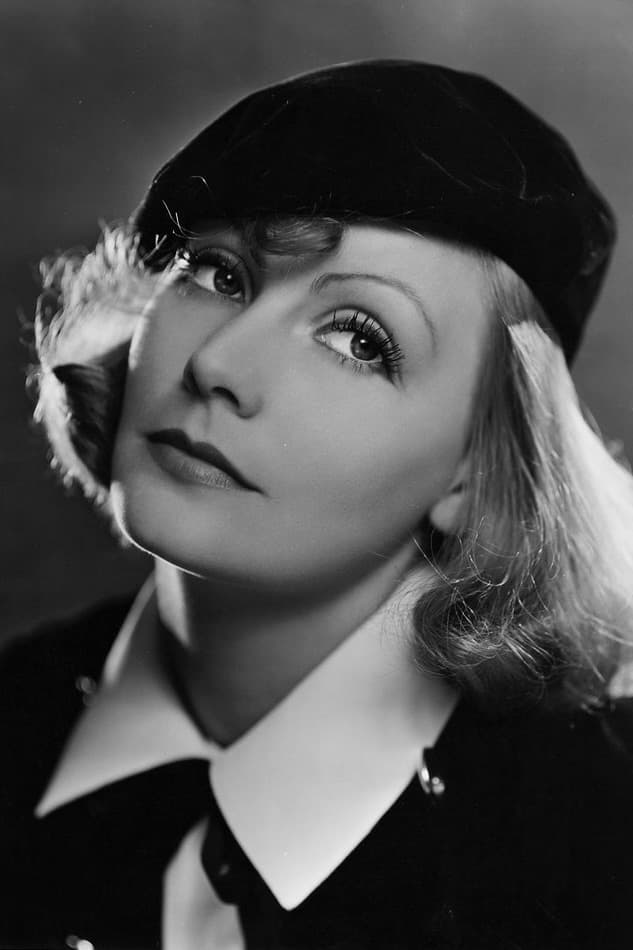
Greta Garbo made her final screen appearance in ‘Two-Faced Woman’ and then declined all subsequent film offers, ultimately choosing a private life in New York. Contemporary accounts and later biographies describe her as having relationships with both men and women, including a close, long-running connection with writer Mercedes de Acosta. Garbo repeatedly stated she was tired of the studio grind and avoided publicity after stepping back. Despite periodic comeback rumors, she never returned to film.
Louise Brooks
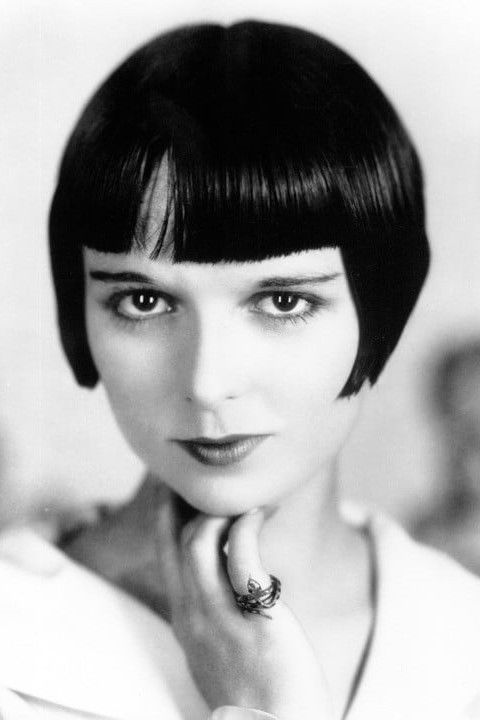
Silent-era icon Louise Brooks left Hollywood after clashes with studios, heading to Europe for films like ‘Pandora’s Box’ and later exiting screen acting altogether. Her refusal to record dialogue retakes for a Paramount picture effectively blacklisted her in the sound era. Brooks’s personal life and letters have long informed accounts that she had relationships with both men and women, and she eventually reinvented herself as a respected film essayist, publishing ‘Lulu in Hollywood’. She spent later years writing and corresponding with archivists and critics rather than seeking a comeback.
Portia de Rossi
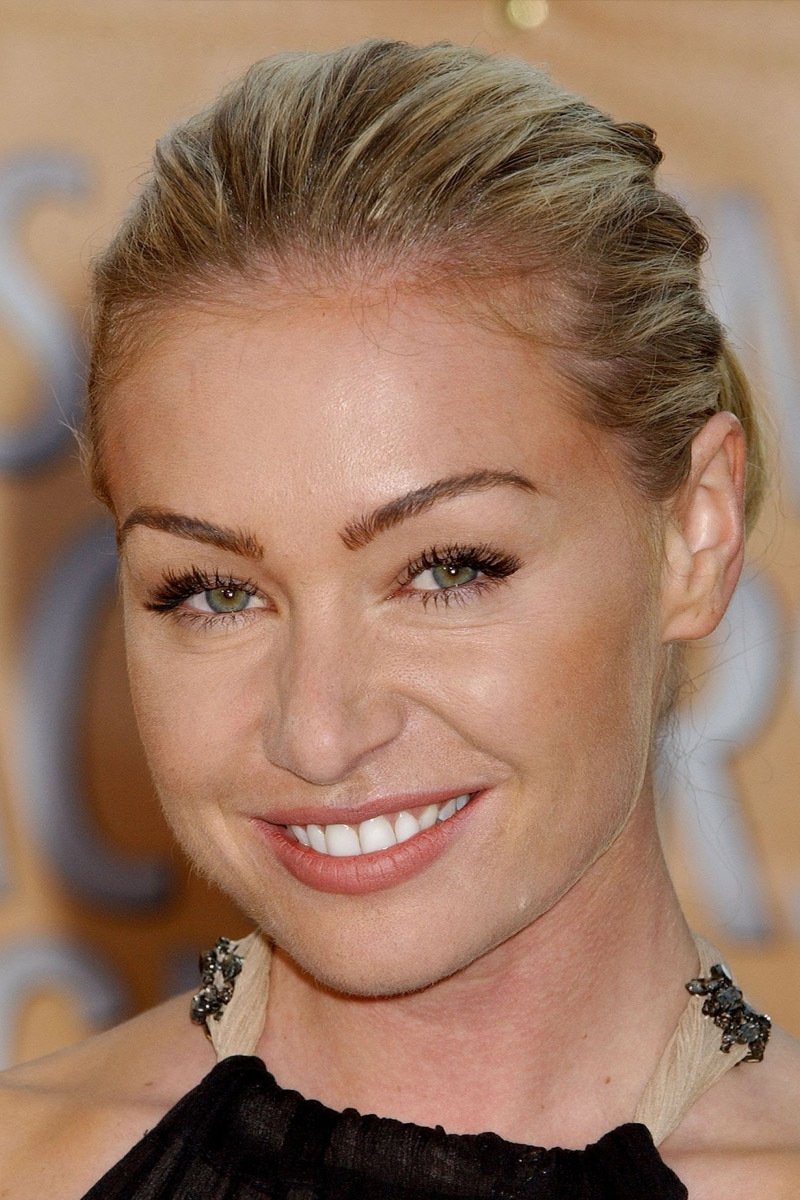
Portia de Rossi publicly announced she was retiring from acting, explaining that she wanted to build and run General Public, an art curation and publishing company. She discussed disliking the publicity circuit and said the new venture matched her interests better than returning to sets. Although she made a brief appearance on ‘Arrested Development’ after the announcement, she emphasized that she considered herself retired. Her decision has been consistent in interviews focused on her business and life outside acting.
Mara Wilson
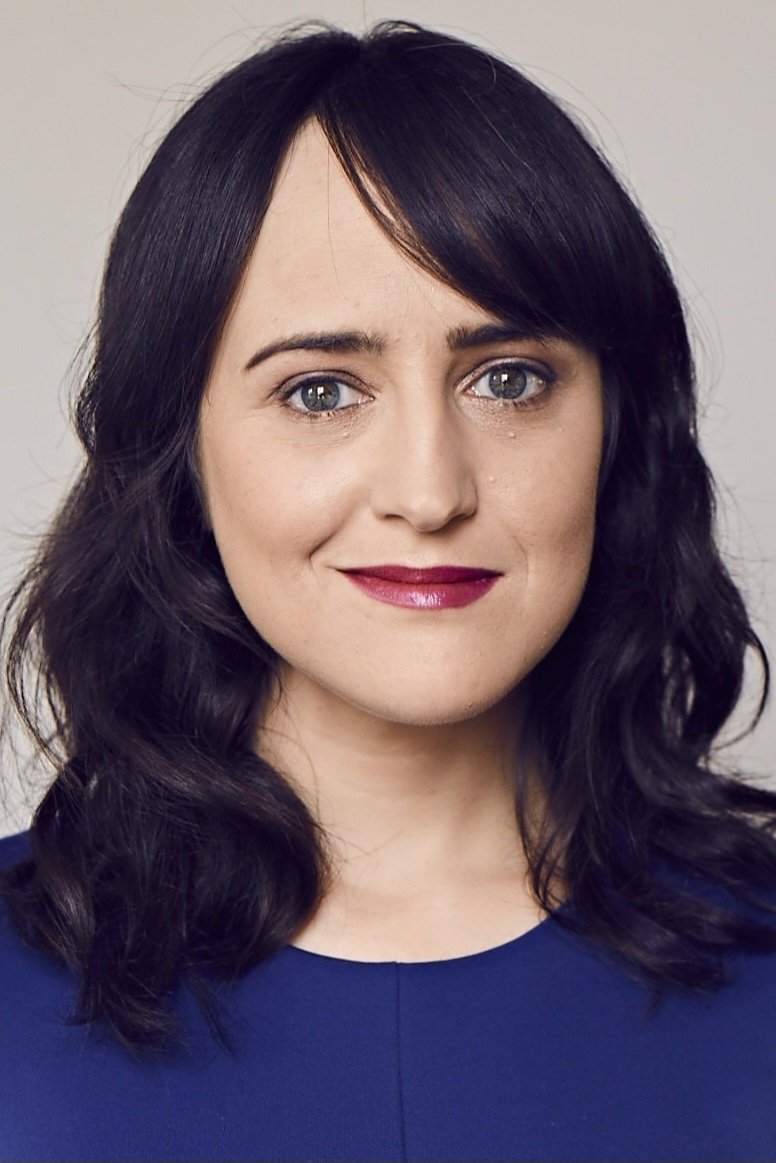
Former child star Mara Wilson stepped away from on-camera acting, later describing the pressures of early fame and why the industry wasn’t a healthy fit for her. She has identified as bisexual/queer and moved into writing, publishing the memoir ‘Where Am I Now?’ and contributing essays to major outlets. Wilson still performs voice roles and appears at literary and fan events, but she does not pursue the Hollywood career path she had as a kid. Her own accounts detail the choice to leave and what came next.
Tallulah Bankhead

Tallulah Bankhead was primarily a stage star who sampled screen roles, then largely returned to theater rather than building a long-term Hollywood career. Biographical sources describe her as openly involved with partners of multiple genders, and her celebrity persona often overshadowed her intermittent film work. After making select movies such as Alfred Hitchcock’s ‘Lifeboat’, she spent most of her later career on stage, radio, and television. Her legacy is tied more to Broadway and touring productions than to the studio system.
Alla Nazimova
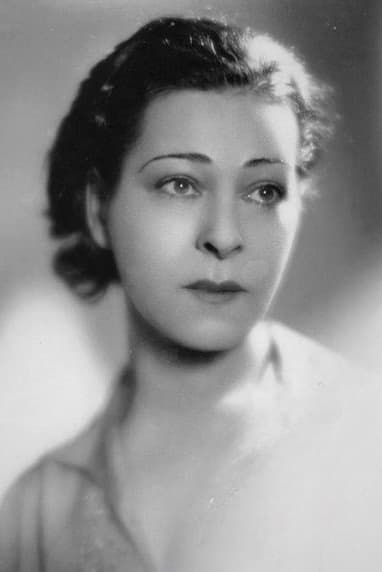
A trailblazing star of stage and silent film, Alla Nazimova was openly involved with women within Hollywood circles while married to a man, and she later shifted her focus away from the studios. After ambitious projects like ‘Salomé’, she faced financial and industry setbacks and moved back toward theater work and producing. Her Sunset Boulevard estate, the Garden of Alla, became a legendary hub for artists and actors. Nazimova’s later years were devoted more to stage and teaching than to film lots.
Rose McGowan

Rose McGowan has said she quit acting and moved out of Los Angeles, describing a conscious break from Hollywood following years of activism and critique of the industry. She relocated to Mexico and has spoken about finding a different pace of life, while occasionally pursuing creative projects outside mainstream film and TV. McGowan has discussed past relationships with women and has been public about dating across genders. In interviews and appearances, she frames the move as a permanent step away from the Hollywood system.
Enjoyed this roundup? Share your thoughts—and who else you’d add—in the comments!

