


LGBTQ+ Actresses Who Were Quietly Blacklisted by Hollywood

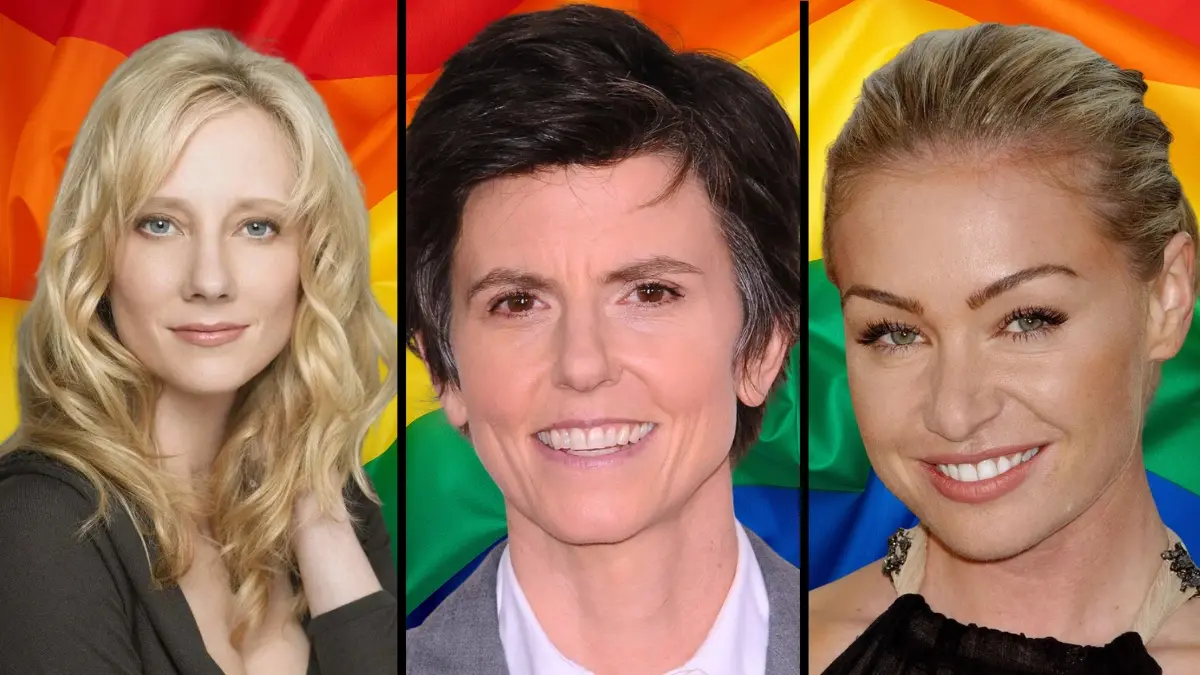


The history of Hollywood is marked by a complex relationship with the LGBTQ+ community, where visibility often came at a high professional cost. For decades, many actresses faced a “quiet” form of blacklisting, where opportunities simply vanished or casting calls stopped after they came out or were outed by the press. While the industry has made significant strides toward inclusivity, the stories of those who navigated the era of exclusion reveal a pattern of systemic bias. These performers often saw their mainstream trajectories stalled or redirected as they chose to live their truths in a landscape that prioritized a specific, heteronormative image of a leading lady.
Ellen DeGeneres
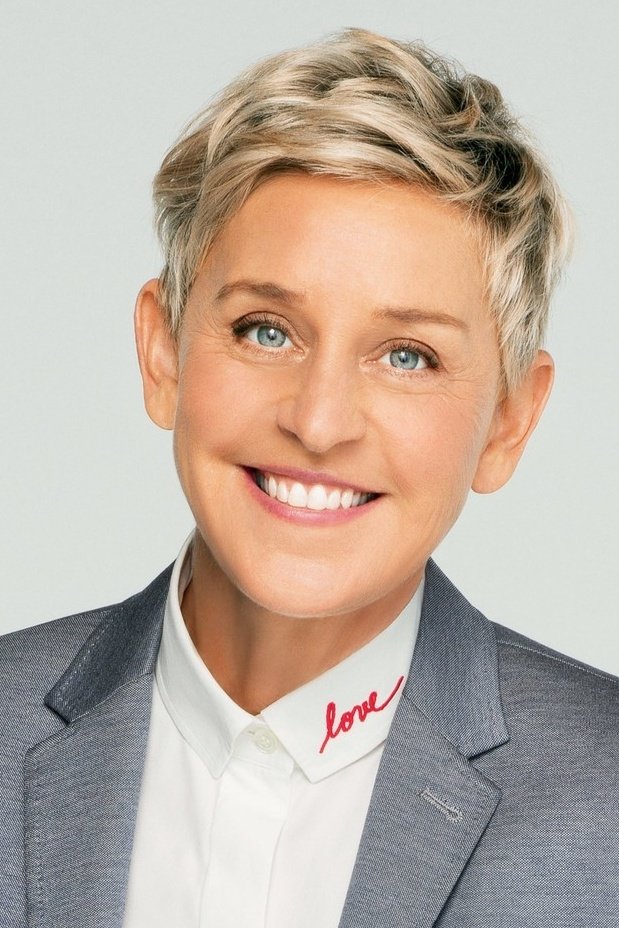
Ellen DeGeneres made television history in 1997 when she came out both personally and as her character on the sitcom ‘Ellen’. Following the announcement, the show faced a significant backlash from advertisers and was ultimately canceled a year later. She has publicly stated that she was “quietly” blacklisted and could not find work for several years because she was deemed “too gay” for mainstream audiences. It was not until the launch of ‘The Ellen DeGeneres Show’ in 2003 that she was able to fully reclaim her status in the industry. Her experience remains one of the most cited examples of the professional risks associated with LGBTQ+ visibility in the 1990s.
Anne Heche
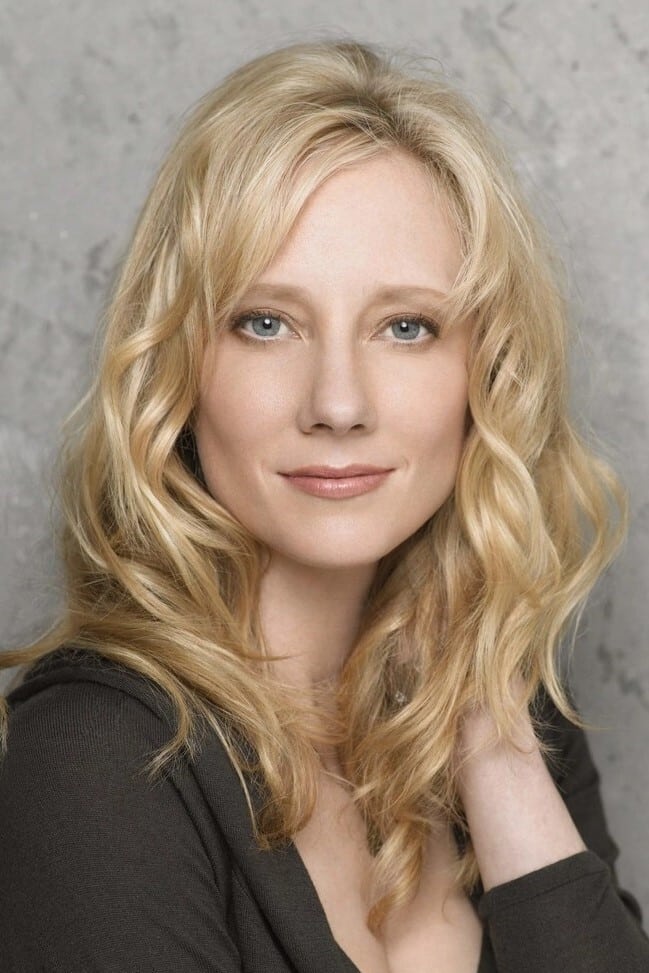
Anne Heche frequently discussed the immediate negative impact her relationship with Ellen DeGeneres had on her film career. Shortly after the relationship became public, she was reportedly told by studio executives that her contract would be terminated and she was escorted out of her own premiere for ‘Volcano’. She claimed that she did not work on a major studio film for ten years following the controversy. Despite starring in hits like ‘Six Days, Seven Nights’, the industry’s perception of her shifted overnight. Her career eventually transitioned into more independent work and television roles, away from the big-budget studio system.
Heather Matarazzo
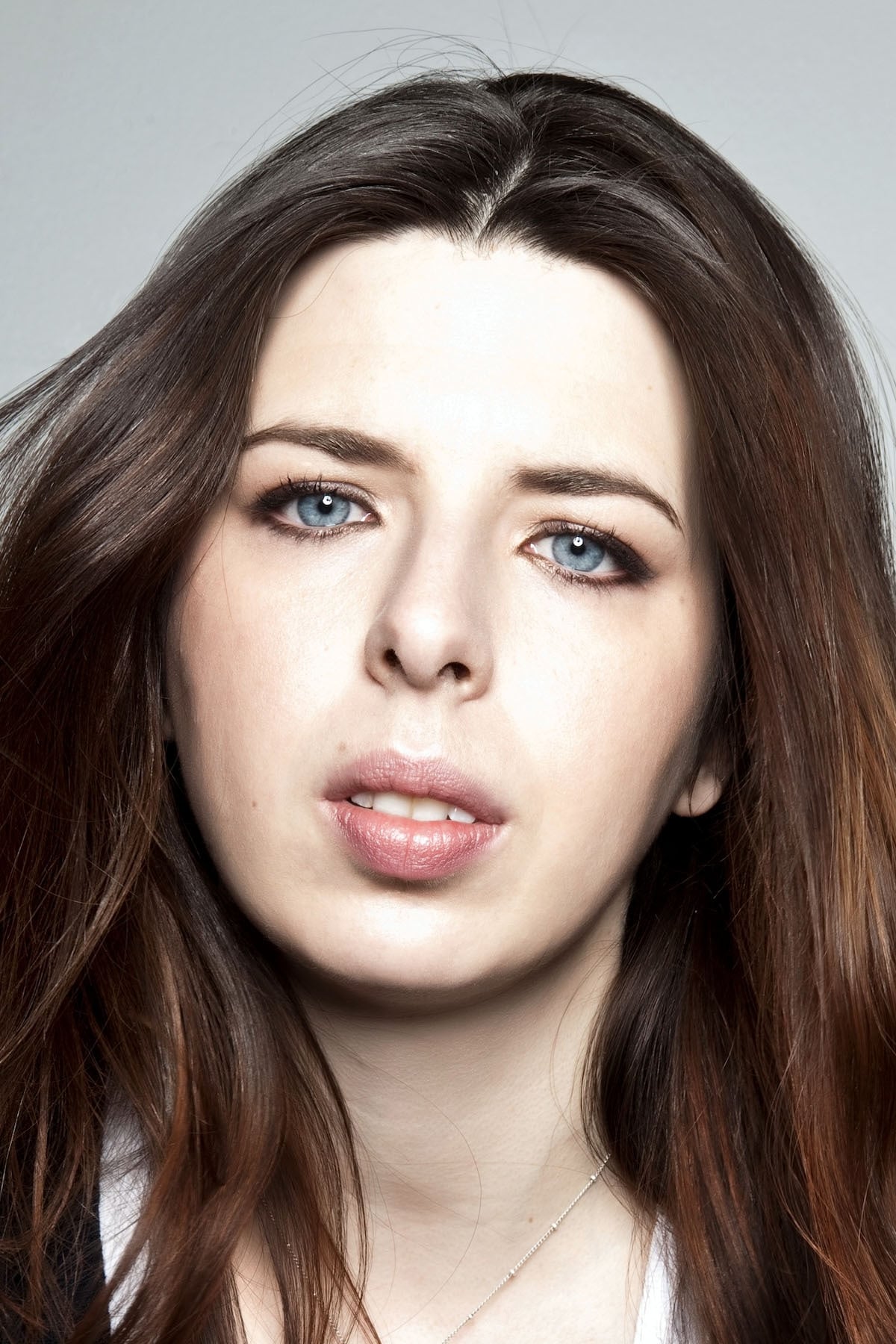
Heather Matarazzo, known for her breakout role in ‘Welcome to the Dollhouse’, has been vocal about the “quiet blacklisting” she experienced after coming out. She noted that despite her talent and previous success in films like ‘The Princess Diaries’, the phone simply stopped ringing. Casting directors who once sought her out began to overlook her for roles that were not specifically written as queer. She has spoken about the frustration of being told she was “not right” for parts she was more than qualified for. This professional lull forced her to navigate the industry with a focus on smaller, more inclusive projects.
Amanda Bearse
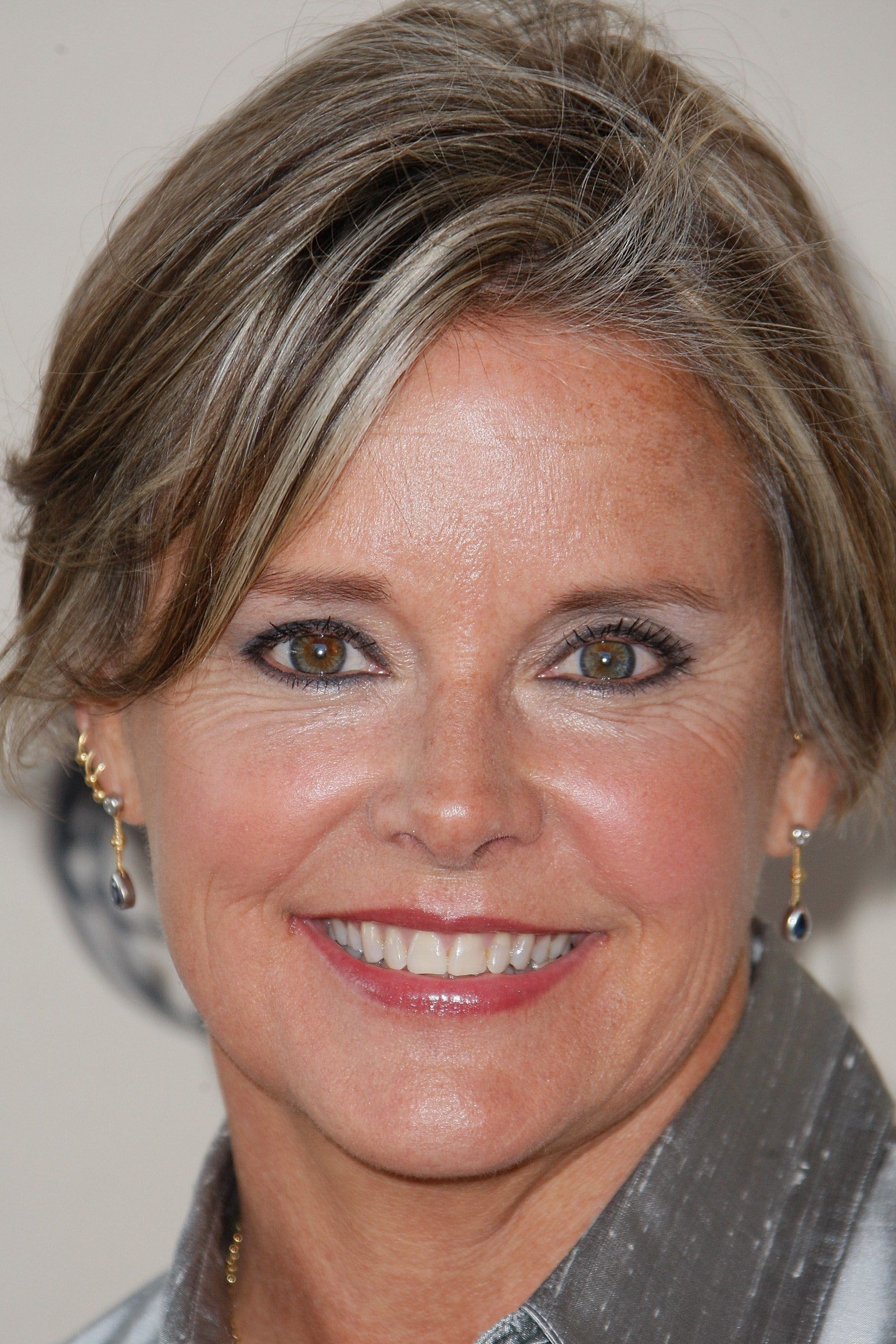
Amanda Bearse was a household name during her long run on the hit sitcom ‘Married… with Children’. After coming out in 1993, she noticed a distinct shift in how she was treated within the acting community. While she remained on the show until its conclusion, her opportunities for other major acting roles became increasingly scarce. She eventually transitioned her focus toward directing, where she found a more sustainable path behind the camera. She has since reflected on the era as one where being an “out” actress was a definitive career-killer for mainstream leading roles.
Kelly McGillis
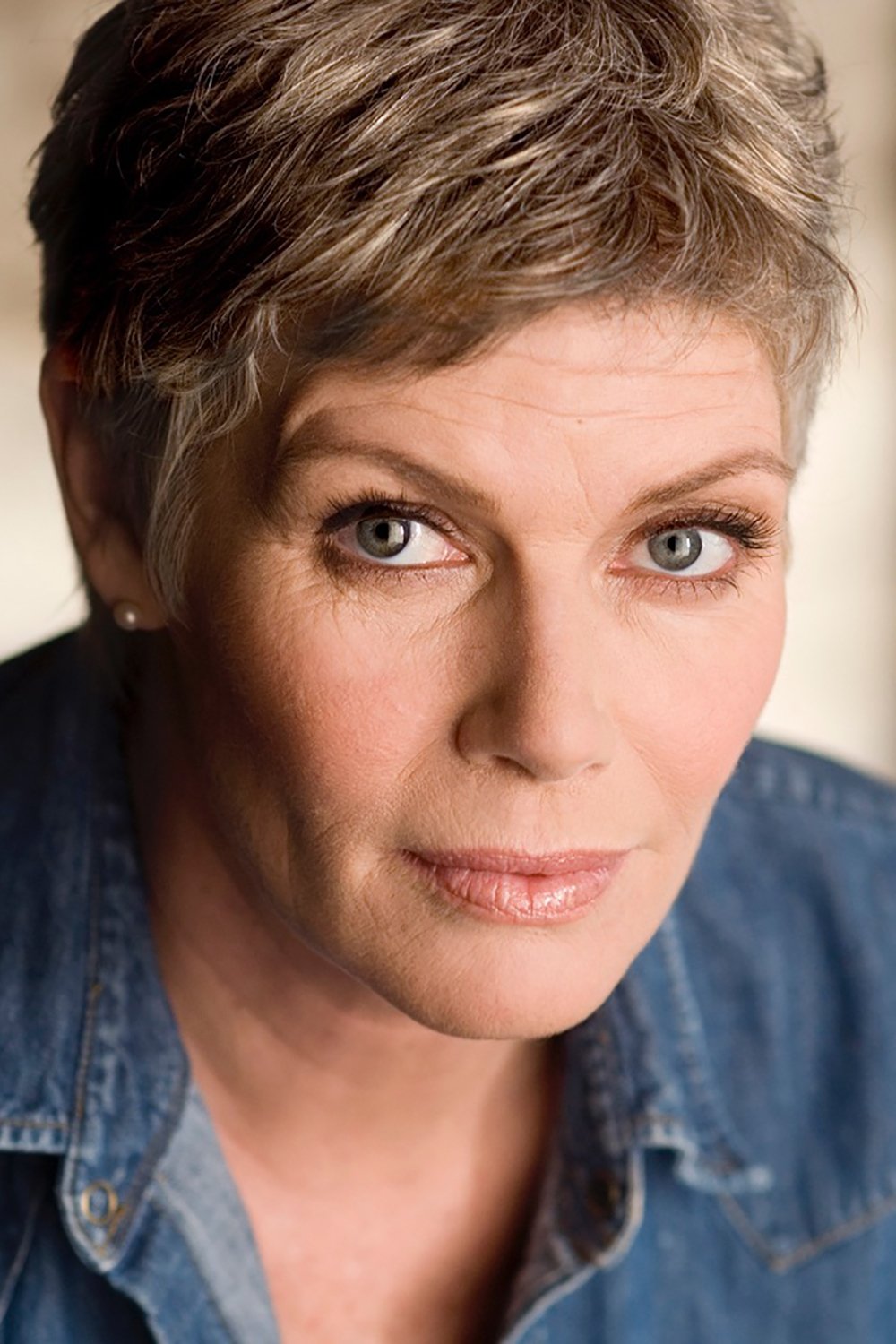
The star of ‘Top Gun’ and ‘Witness’ was once one of the most sought-after actresses in Hollywood. Kelly McGillis eventually took a step back from the spotlight, and when she came out in 2009, she acknowledged that her career had already been affected by her private life. She noted that as she aged and became more open about her identity, the industry’s interest in her as a leading lady evaporated. She felt that Hollywood had little room for a woman who did not fit the traditional mold of the female love interest. Her later work has been primarily in theater and independent cinema.
Kristy McNichol

Kristy McNichol was a major star in the 1970s and 80s, winning two Emmy Awards for her role in ‘Family’. She left the sitcom ‘Empty Nest’ in the early 1990s, citing personal reasons and a need for privacy. It was later revealed that the pressure of living in the closet contributed to her decision to walk away from a thriving career. She officially came out in 2012 to support LGBTQ+ youth, long after she had effectively been retired from acting. Her departure from Hollywood is seen by many as a result of the stifling environment that forced queer stars to choose between their careers and their identities.
Sarah Paulson
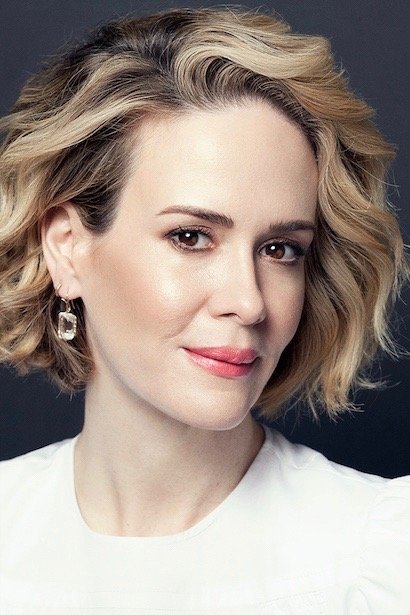
While Sarah Paulson is currently a mainstay of modern television, she was once warned that her sexuality would ruin her career. Before her success on ‘American Horror Story’, her relationship with actress Cherry Jones led to warnings from agents and colleagues. She was told that being public about her partnership would make her “uncastable” in romantic lead roles. For a period, she found it difficult to secure high-profile projects that weren’t niche or supporting characters. Her eventual rise to superstardom proved the critics wrong, but the early pressure to remain closeted was a significant hurdle.
Holland Taylor
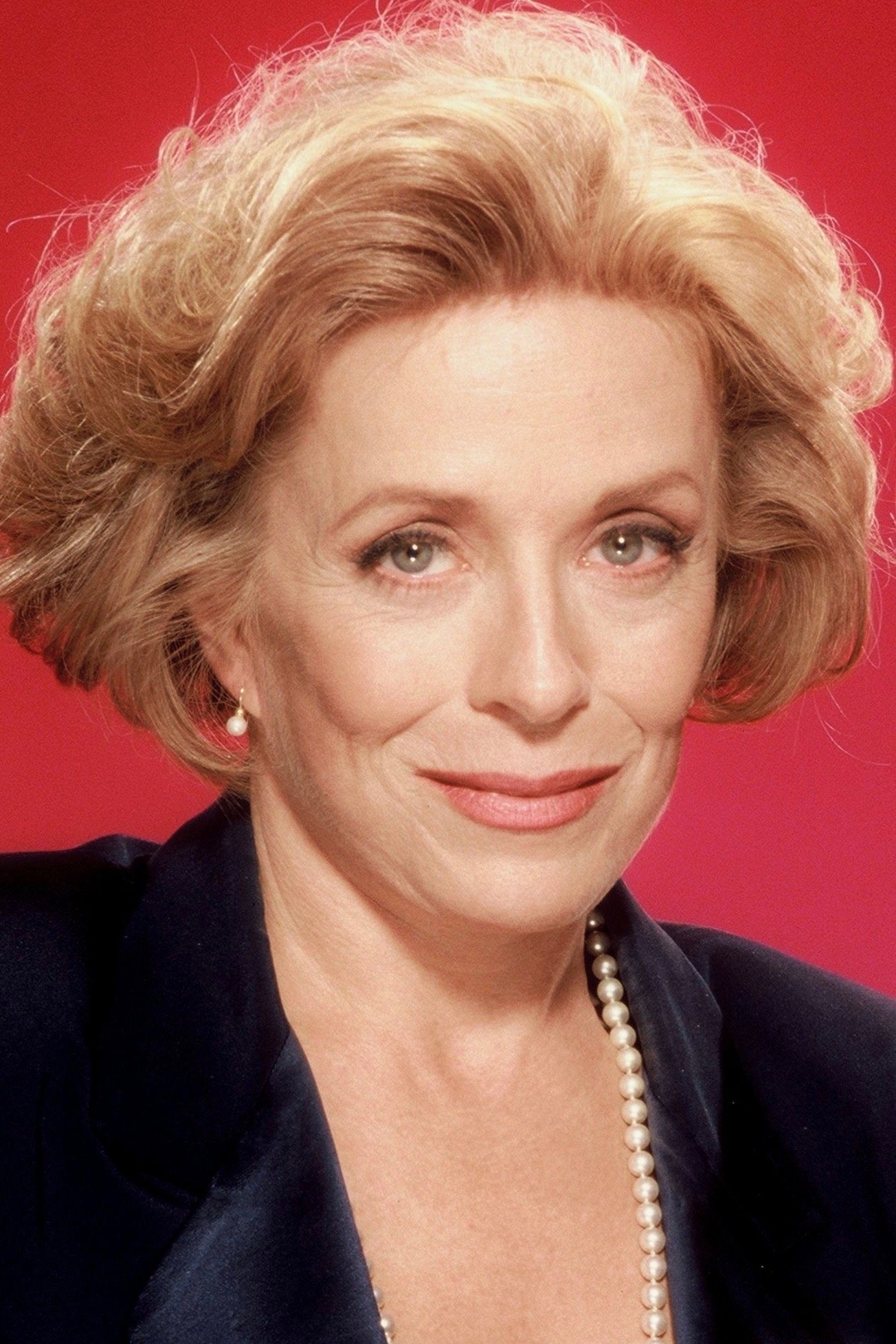
Holland Taylor has enjoyed a long and distinguished career, but she remained intensely private about her personal life for decades to avoid professional repercussions. She has spoken about how she navigated the industry by keeping her relationships out of the press to ensure she would continue to be cast in prestigious roles. It was only much later in life, during her relationship with Sarah Paulson, that she became more public about her identity. She recognized that the climate of her early career was one where “out” actresses were often marginalized or relegated to character roles. This long-term privacy was a strategic move to survive an era of quiet exclusion.
Cynthia Nixon
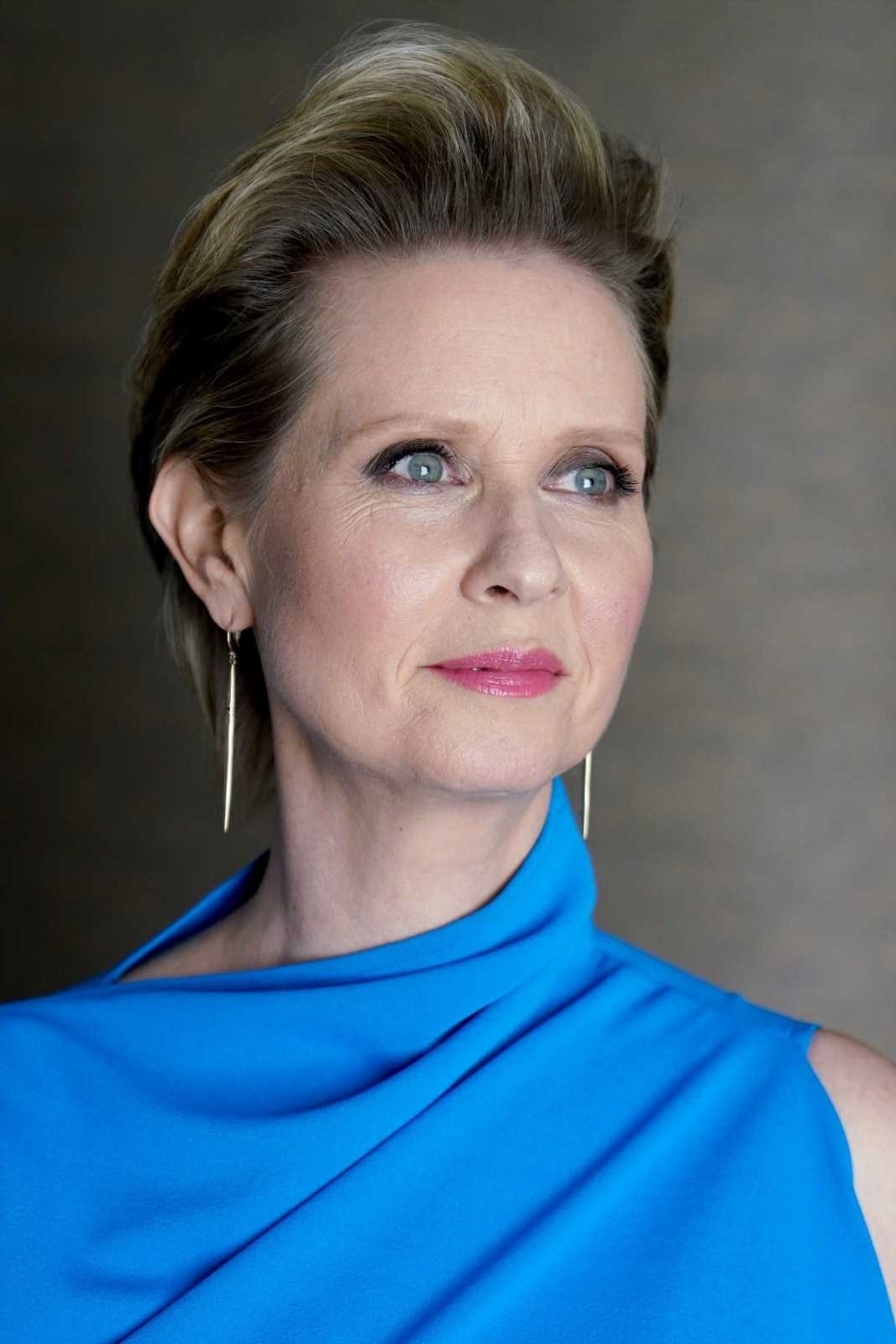
Cynthia Nixon gained international fame as Miranda Hobbes on ‘Sex and the City’. When she began her relationship with her now-wife in 2004, she faced immediate scrutiny regarding her marketability. There were concerns within the industry about whether she could still be seen as a “straight” romantic lead following her public coming out. She noticed that the types of scripts she was sent shifted, often focusing more on her identity than her acting range. Despite this, she pivoted toward political activism and theater, where she found more acceptance for her authentic self.
Maria Bello
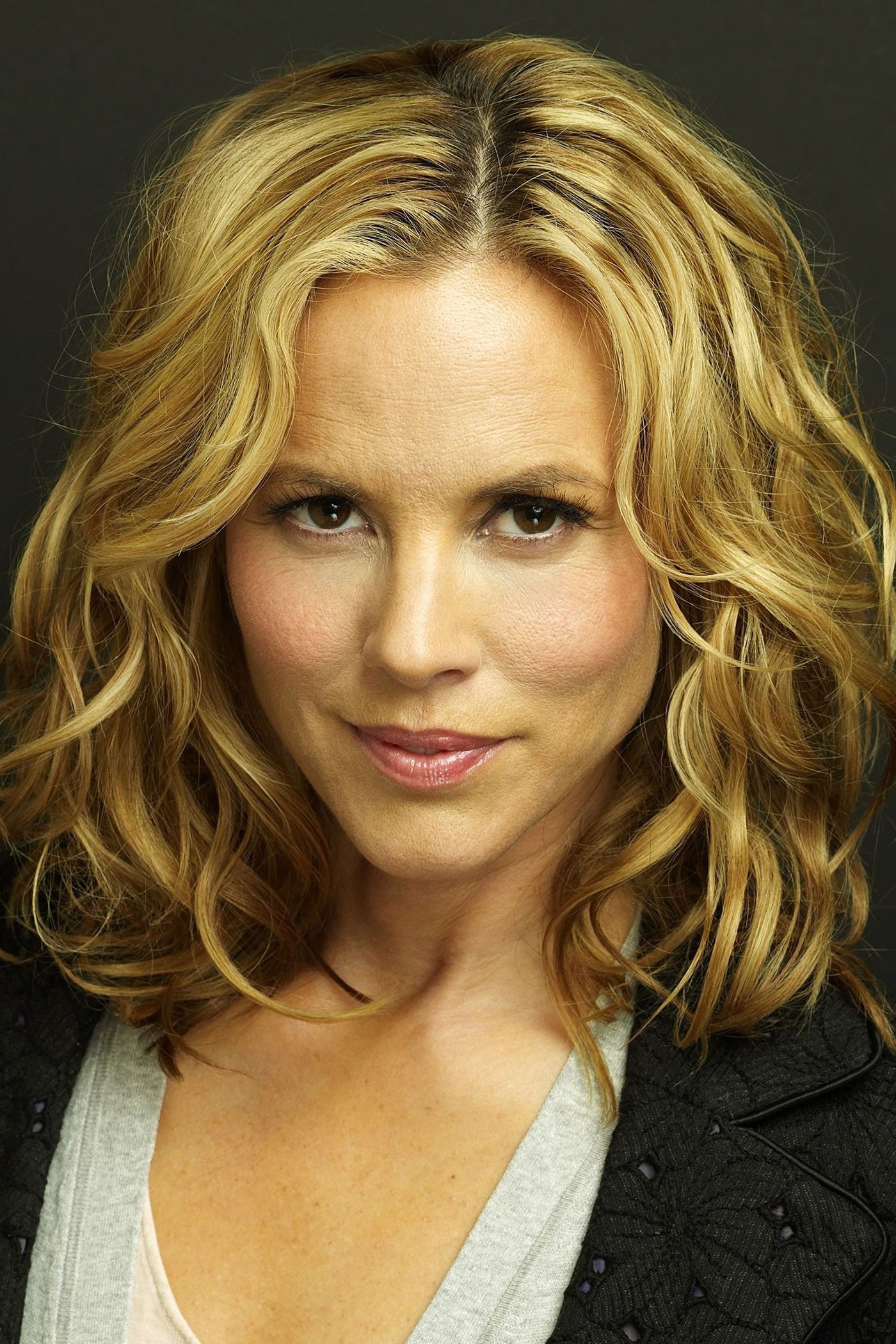
Maria Bello has had a successful career in films like ‘A History of Violence’, but she has spoken about the shifts that occurred after she wrote about her fluid identity. In her book and various interviews, she described how the industry often struggles to categorize actresses who do not adhere to traditional labels. She noted that while she didn’t face an overt ban, the “quiet” response involved being considered for fewer mainstream studio projects. She eventually embraced more independent and producer roles to maintain her creative agency. Her openness has made her a role model, even as it changed her professional standing in Hollywood.
Portia de Rossi
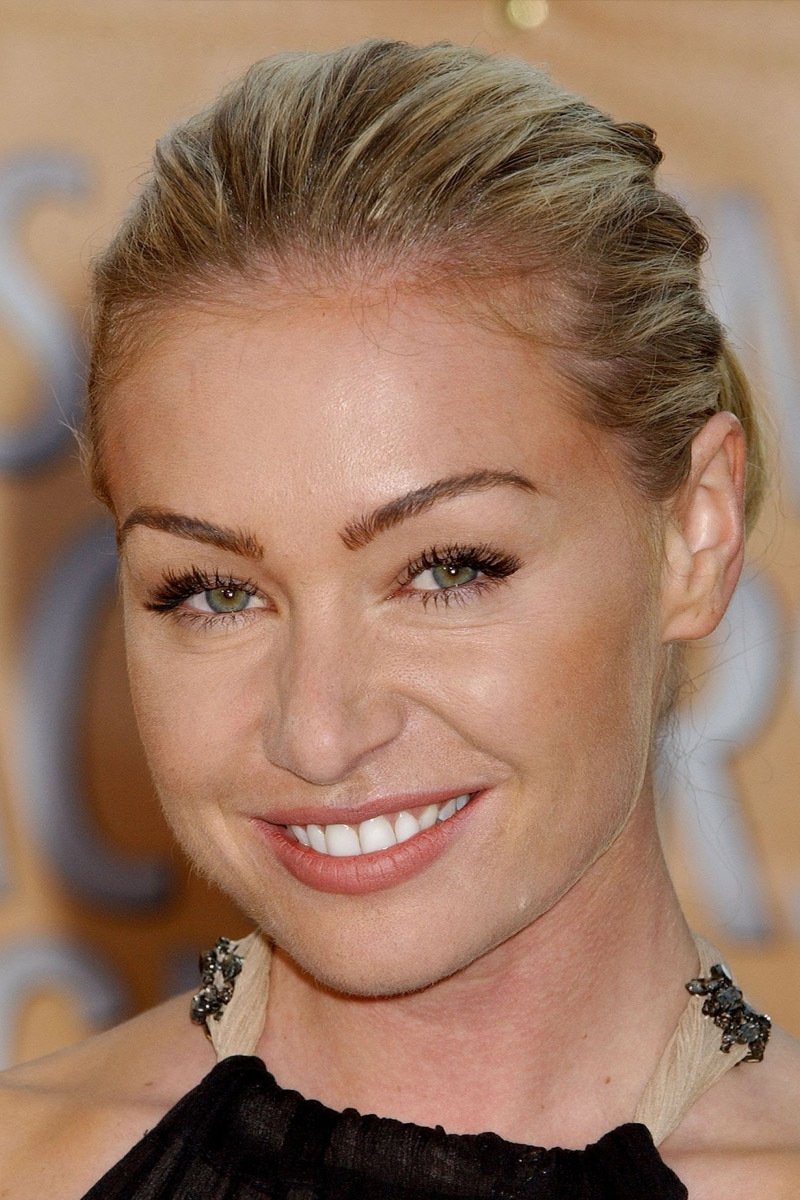
Portia de Rossi became a star on ‘Ally McBeal’, but she has admitted to living in constant fear that her sexuality would end her career. During the height of the show’s popularity, she struggled with an eating disorder and the stress of staying in the closet. She believed that if the public knew she was gay, she would never work again in a major capacity. After a period of professional uncertainty, she found success again in ‘Arrested Development’, but only after the industry began to slowly change its stance. She eventually chose to step away from acting entirely to pursue other business ventures.
Lily Tomlin
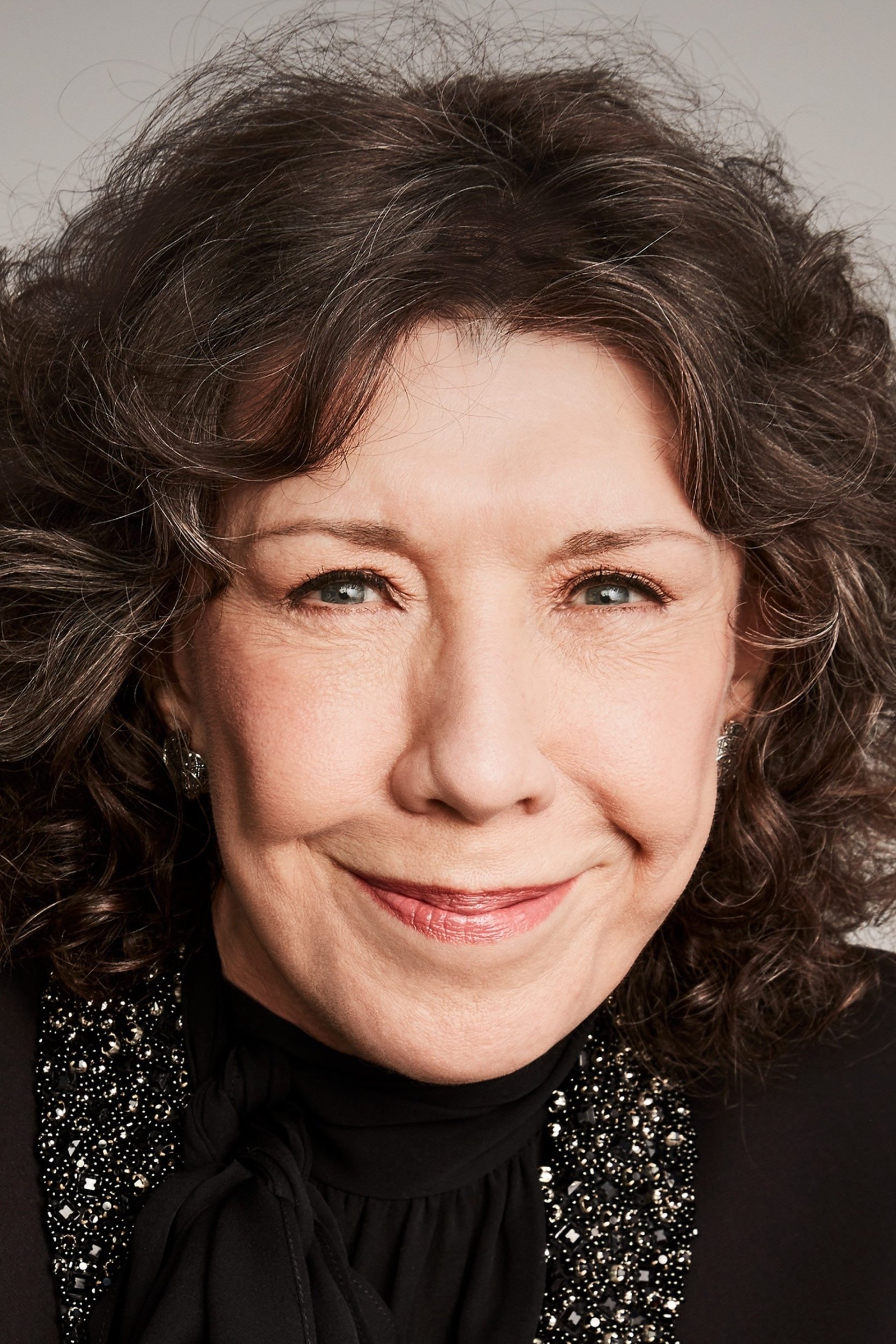
Lily Tomlin has been a comedic icon for decades, yet she lived a very private life for most of her career to protect her professional viability. In the 1970s, she famously declined to come out on the cover of ‘Time’, knowing that such a move would likely end her mainstream film opportunities. She and her partner, Jane Wagner, worked together for years while maintaining a professional distance in the eyes of the public. This careful navigation allowed her to build a legendary career, but it was born out of a necessity to avoid the blacklisting that had claimed others. She is now one of the most celebrated out actresses in the world.
Jodie Foster
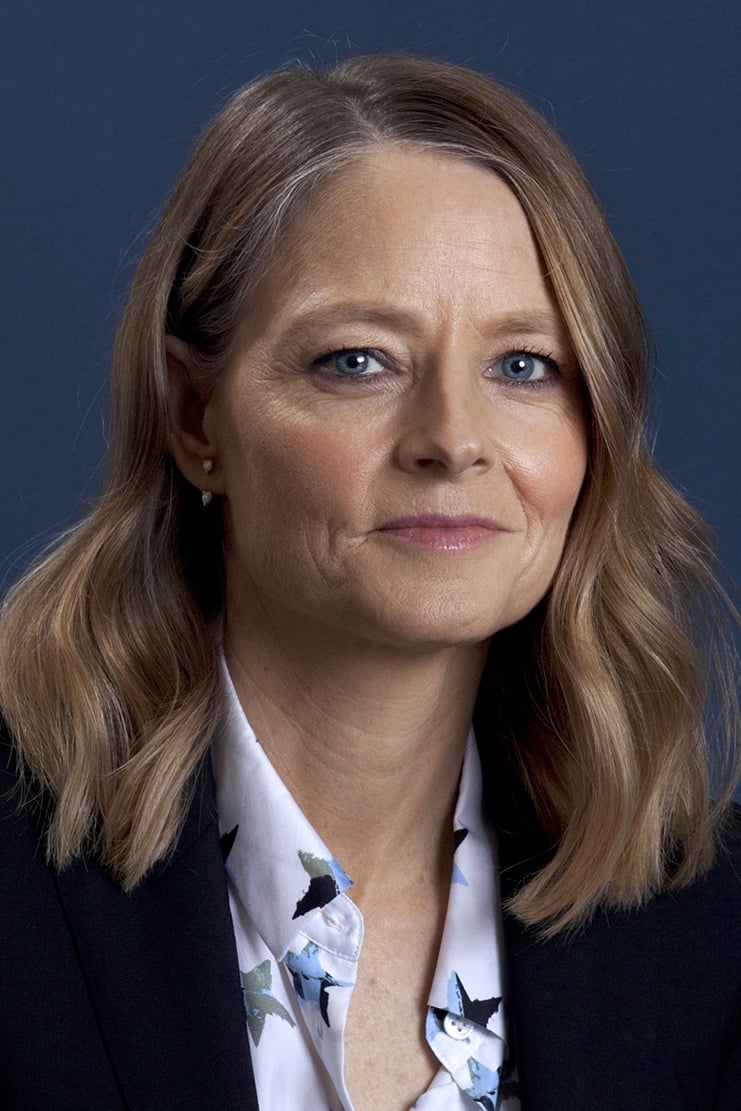
Jodie Foster started her career as a child star and grew into an Oscar-winning actress and director. For the majority of her high-profile years, she maintained a strict policy of privacy regarding her personal life to avoid the industry’s bias. Insiders knew of her orientation, but public confirmation was avoided to ensure she remained a viable choice for the biggest roles in ‘The Silence of the Lambs’ and ‘Contact’. She did not formally address her identity until a 2013 speech at ‘The Golden Globes’. Her career trajectory illustrates the intense pressure top-tier stars felt to remain closeted to stay at the top of the Hollywood hierarchy.
Cherry Jones
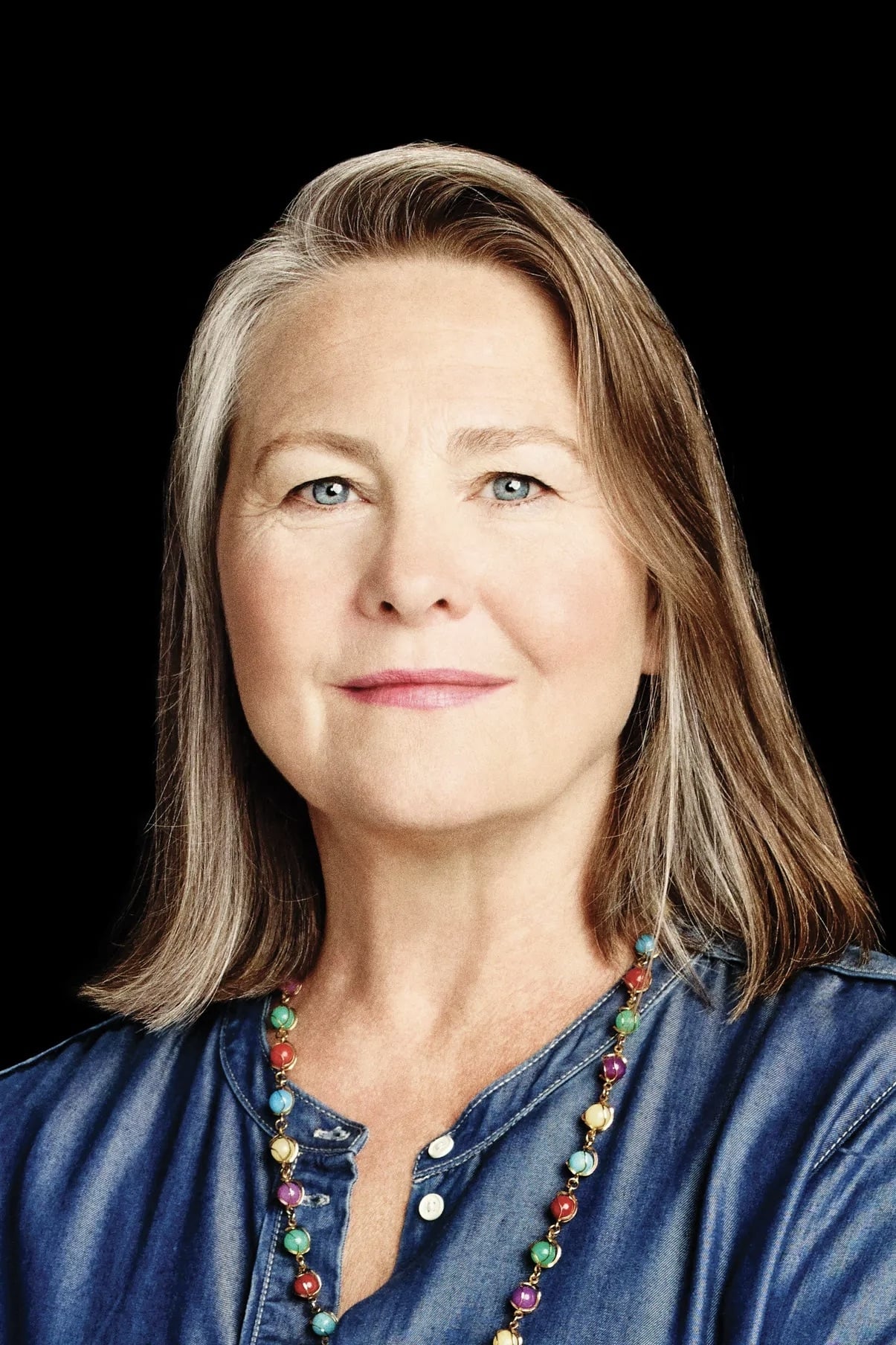
Cherry Jones is one of the most respected figures in American theater, but her film and television career faced more obstacles. She was often advised to keep her personal life out of the spotlight to avoid being pigeonholed as a “lesbian actress.” Because she chose to be open, she found that many mainstream Hollywood roles were simply not offered to her during the 1990s. She eventually gained broader television fame with her Emmy-winning role in ’24’. Her experience highlights the divide between the more progressive theater world and the conservative casting rooms of Hollywood.
Leisha Hailey
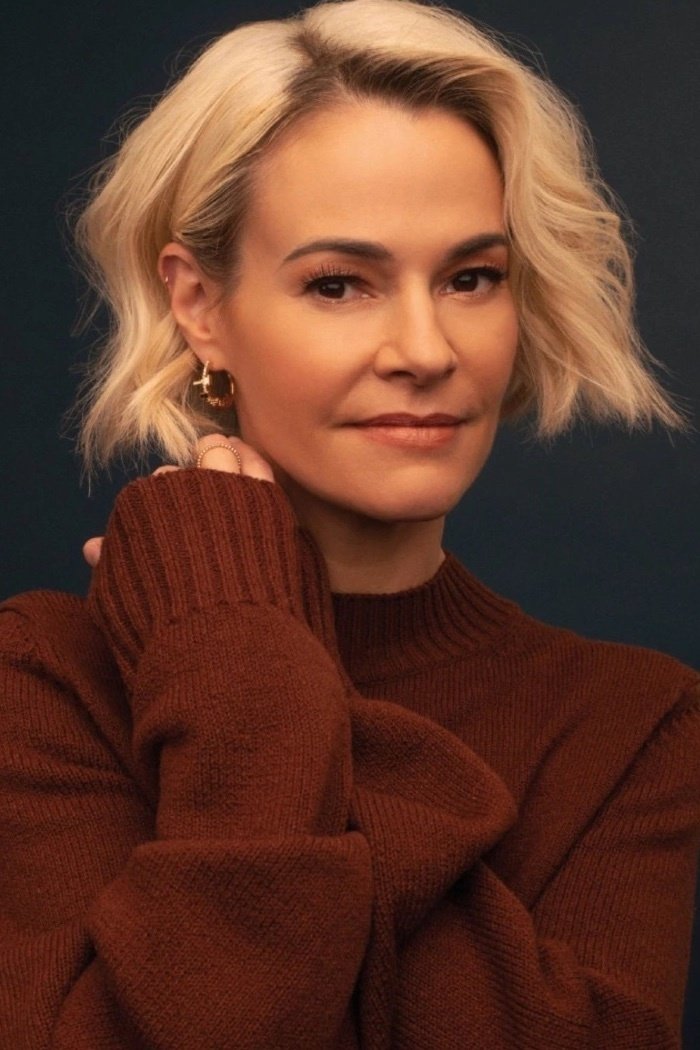
Leisha Hailey rose to fame as a musician and later as a star of the groundbreaking series ‘The L Word’. Early in her acting career, her openness about her sexuality was seen as a hindrance by many casting directors. She found that outside of queer-centric media, the opportunities to play diverse characters were limited. She was often viewed through a narrow lens that prioritized her identity over her versatility as a performer. While she has maintained a loyal following, she has spoken about the difficulty of breaking into the broader studio system while being an out performer.
Meredith Baxter

Meredith Baxter, the beloved mother on ‘Family Ties’, did not come out until much later in her life. She admitted that during the peak of her fame, she lived in constant fear of her secret being discovered by the press or her employers. She believed that her “wholesome” image, which was central to her success, would be instantly destroyed by the truth. The internal pressure she felt was a direct reflection of a Hollywood culture that quietly discarded anyone who broke the traditional family-mold image. Her eventual coming out was met with support, but only after she had largely moved away from the spotlight.
Sara Gilbert

Sara Gilbert, known for her role on ‘Roseanne’, kept her sexuality private for many years while working in the industry. She later revealed on ‘The Talk’ that she was terrified her career would end if people knew the truth. During her relationship with Johnny Galecki, they kept their status as a “straight” couple in the public eye to protect her professional image. She experienced the silent pressure to conform to industry standards to keep her job on a major network sitcom. Her career has since transitioned into producing and hosting, where she can be more authentic.
Wanda Sykes
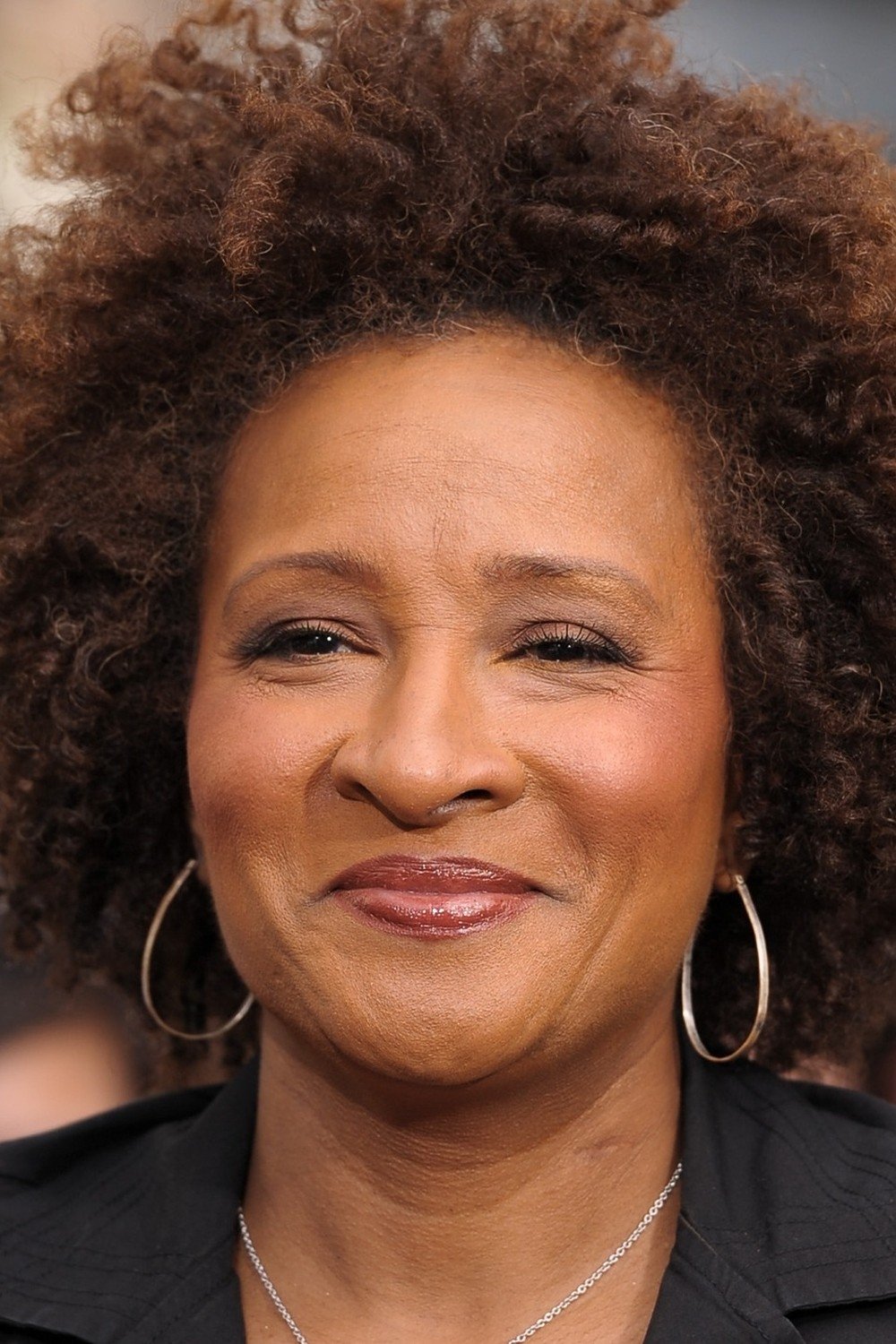
Wanda Sykes is a highly successful comedian and actress who came out publicly in 2008 during a rally against Proposition 8. Following this, she noted a shift in the way some corporate and mainstream entities viewed her brand. While she remained successful in the comedy world, she has alluded to the fact that certain high-level opportunities became harder to secure. She has managed to maintain a robust career through her own specials and voice work, bypassing traditional gatekeepers. Her resilience has made her one of the most prominent out Black women in the entertainment industry.
Jane Lynch
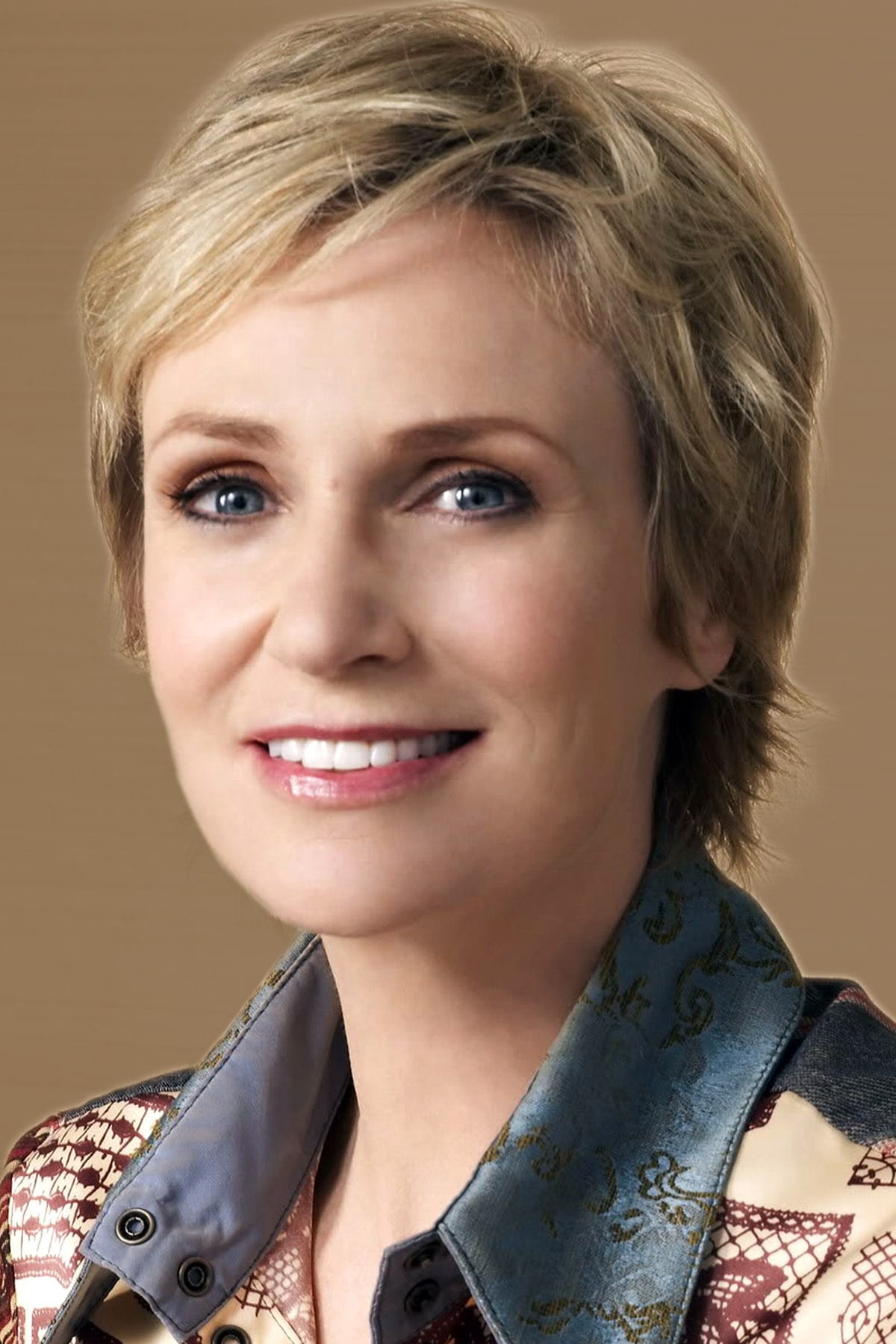
Jane Lynch spent many years as a character actress, often playing roles where her sexuality was not a factor or was kept ambiguous. She has mentioned that coming out earlier in her career might have prevented her from getting the steady work she needed to survive. It was not until she was older and the industry climate began to shift that she found her breakout role in ‘Glee’. Before that, she navigated a “quiet” period where she was often cast in very specific, non-romantic roles. Her success later in life is a testament to her perseverance in a changing industry.
Amber Heard
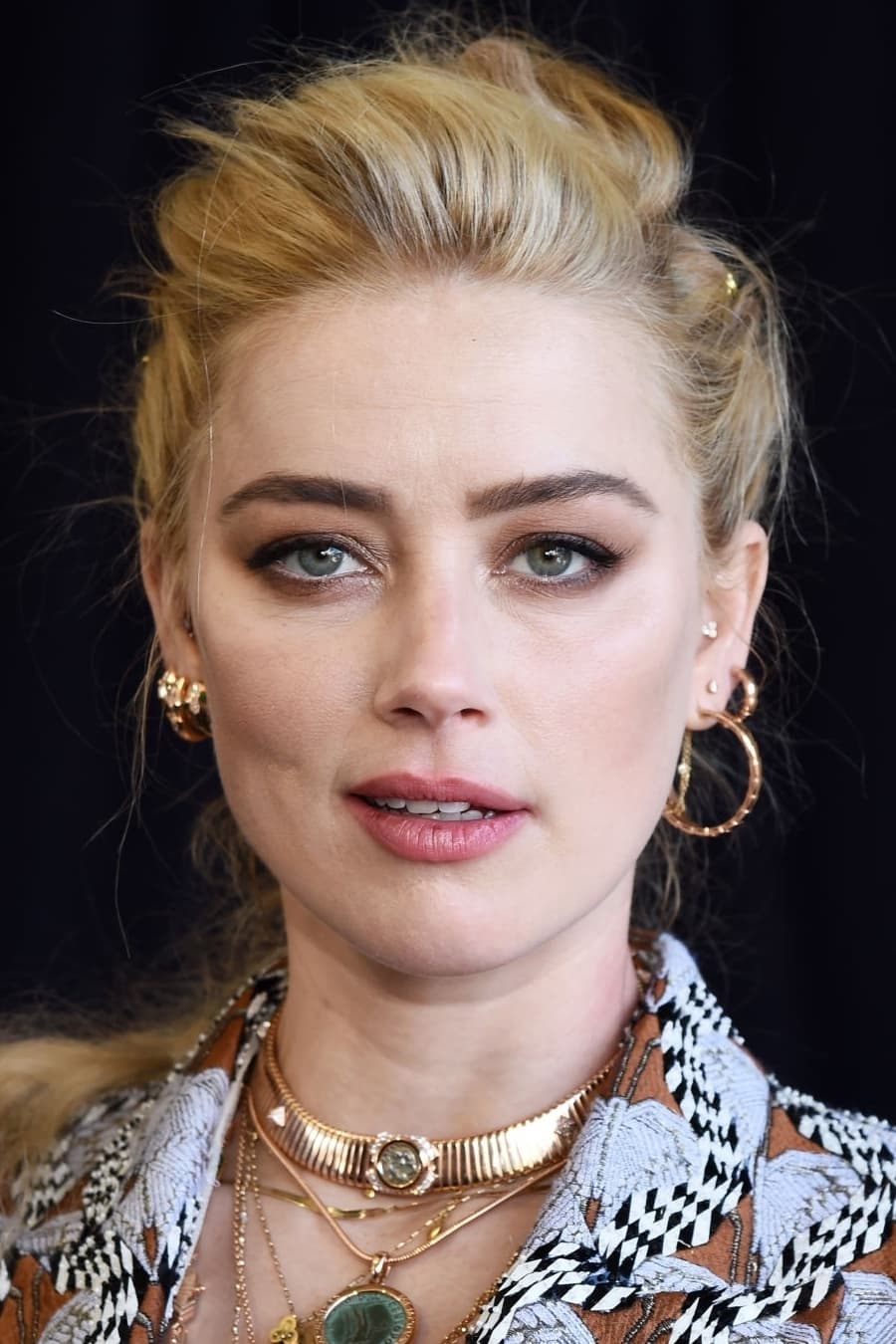
Amber Heard has claimed that she was directly told that coming out as bisexual would ruin her career. According to her, she was warned by several industry professionals that she would lose her status as a leading lady and would no longer be considered for romantic roles opposite men. She alleged that following her openness about her identity, she saw a decrease in the number of scripts she received from major studios. While her later legal battles dominated the headlines, her initial struggle with her identity and the industry’s reaction remains a significant part of her history. She has been a vocal advocate for queer representation despite the professional pushback she described.
Michelle Rodriguez
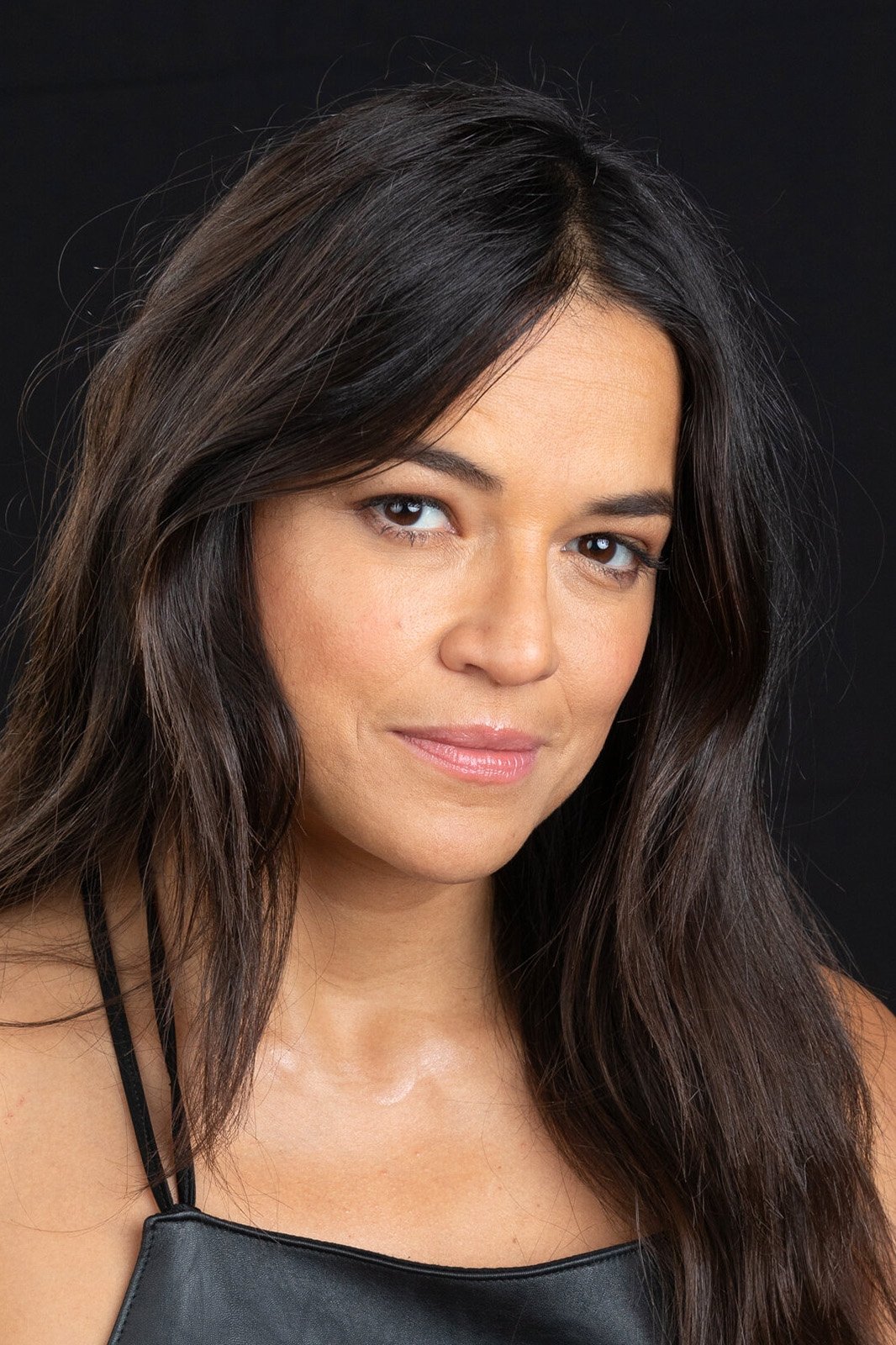
Michelle Rodriguez has often been vocal about the typecasting she faces in Hollywood as a “tough girl.” She has suggested that her fluid identity and refusal to conform to feminine stereotypes have limited the roles she is offered. While she has found massive success in franchises like ‘Fast & Furious’, she has expressed frustration with the industry’s inability to see her in more diverse, romantic, or softer roles. She has navigated a career where she is often sidelined from traditional “leading lady” parts in favor of action-heavy roles. This “quiet” pigeonholing is a common experience for actresses who do not fit the traditional Hollywood mold.
Clea DuVall
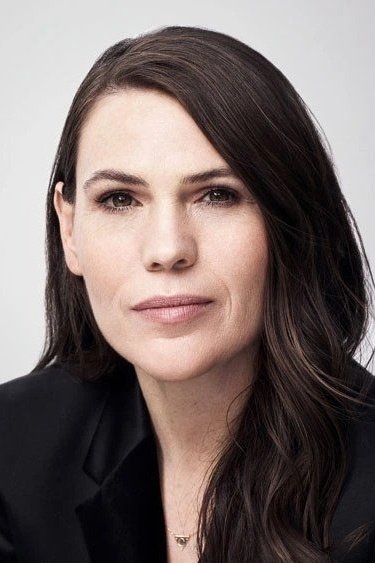
Clea DuVall became an indie icon in the 1990s with films like ‘But I’m a Cheerleader’. She has spoken about the fear that being associated with queer cinema so early in her career would prevent her from being taken seriously in mainstream Hollywood. For a period, she felt the industry only saw her for a very specific type of role, leading to a slowdown in major film offers. She eventually decided to take control of her career by moving into writing and directing, where she could tell her own stories. Her directorial debut and subsequent work have allowed her to thrive outside the narrow confines of traditional casting.
Gaby Hoffmann
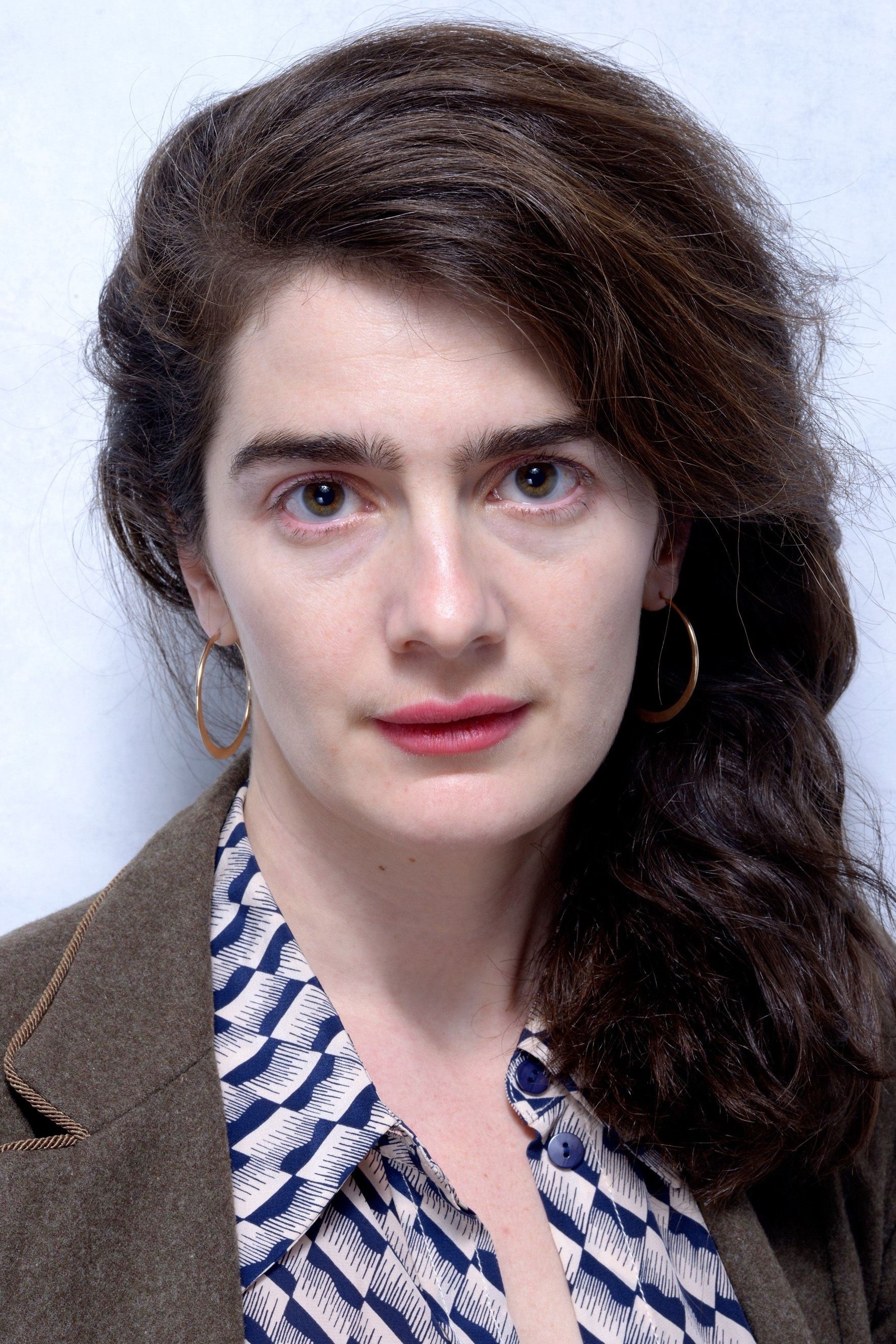
Gaby Hoffmann, a former child star who returned to acting with hits like ‘Transparent’ and ‘Girls’, has been critical of Hollywood’s treatment of queer and non-conforming performers. She has described the industry as one that often lacks imagination when it comes to casting actresses who are open about their lives. She found that during her transition back into acting as an adult, the mainstream studio system was less welcoming than the independent scene. By focusing on projects that value authenticity over traditional marketability, she has built a respected career on her own terms. She remains a vocal advocate for more radical inclusion in the industry.
Tig Notaro
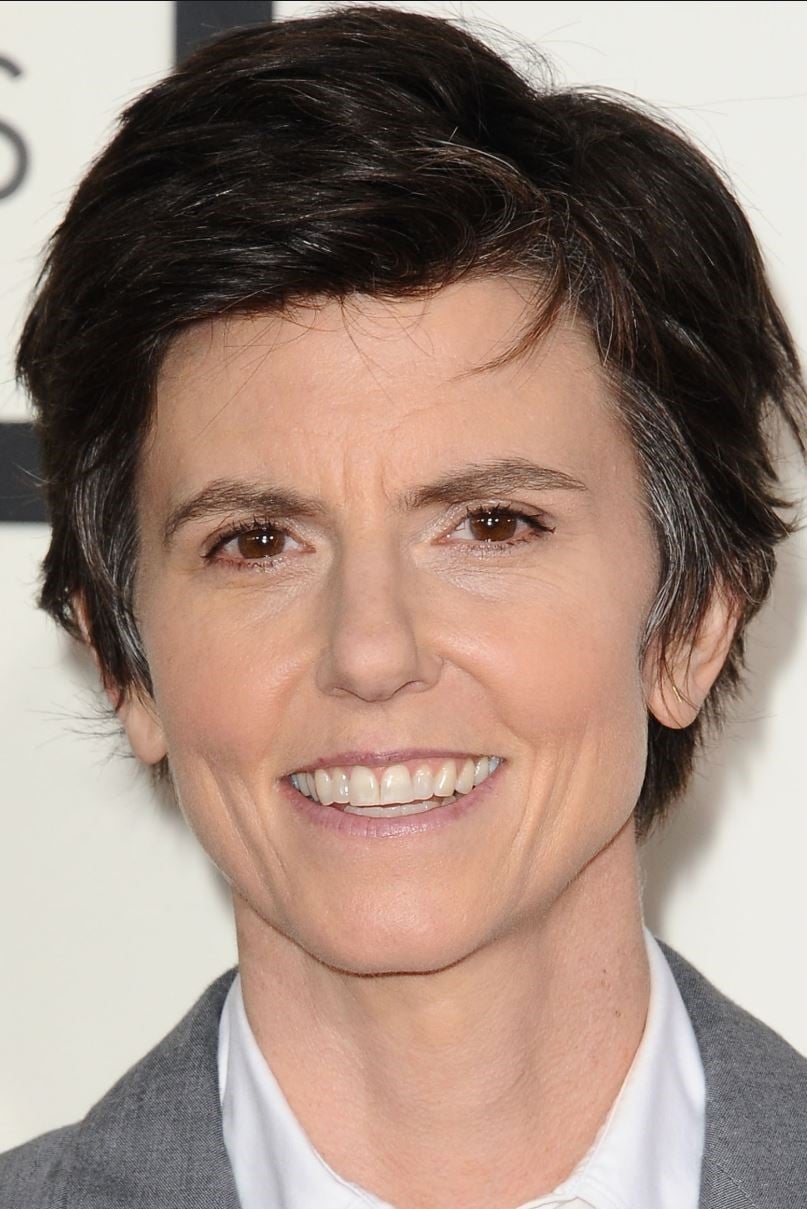
Tig Notaro’s career followed a non-traditional path, largely due to her unique comedic voice and her openness about her life. She faced significant hurdles early on, as traditional casting directors often didn’t know how to place her in mainstream projects. Her breakthrough came through her own stand-up and self-produced content rather than through the traditional Hollywood machine. She has noted that the “quiet” exclusion she felt was often a lack of understanding of how to market a queer woman with her specific style. Today, she is a celebrated actress and writer, often creating the very roles she plays.
Jasika Nicole
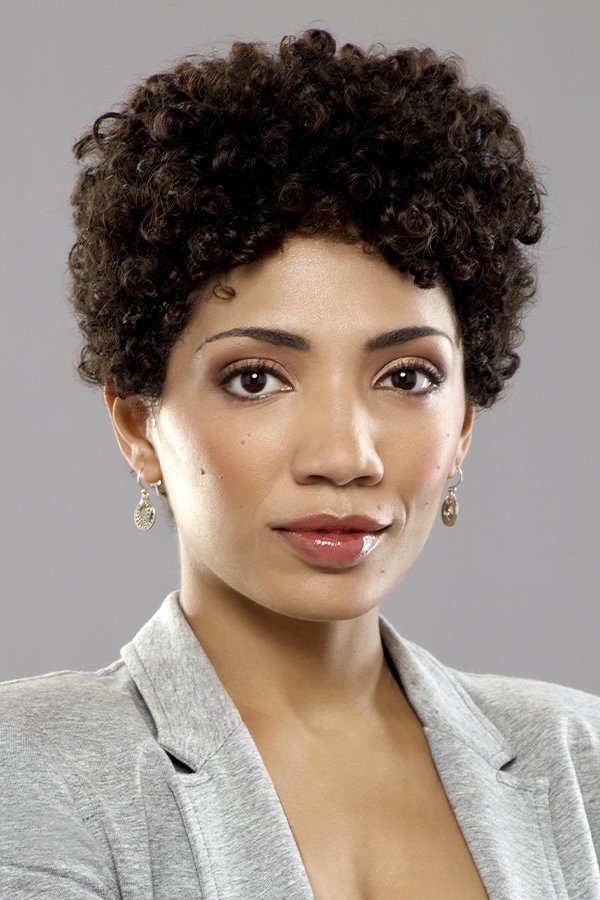
Jasika Nicole, known for her roles in ‘Fringe’ and ‘The Good Doctor’, has spoken out about the intersectional challenges of being a queer woman of color in Hollywood. She has observed that while the industry claims to be more inclusive, “out” actresses still face a different set of standards in casting. She has mentioned instances where she was overlooked for roles that were not specifically written for LGBTQ+ individuals. Her experiences highlight the ongoing “quiet” barriers that still exist for those who do not fit a very specific, marketable image. She continues to use her platform to push for more genuine diversity in front of and behind the camera.
Anna Paquin
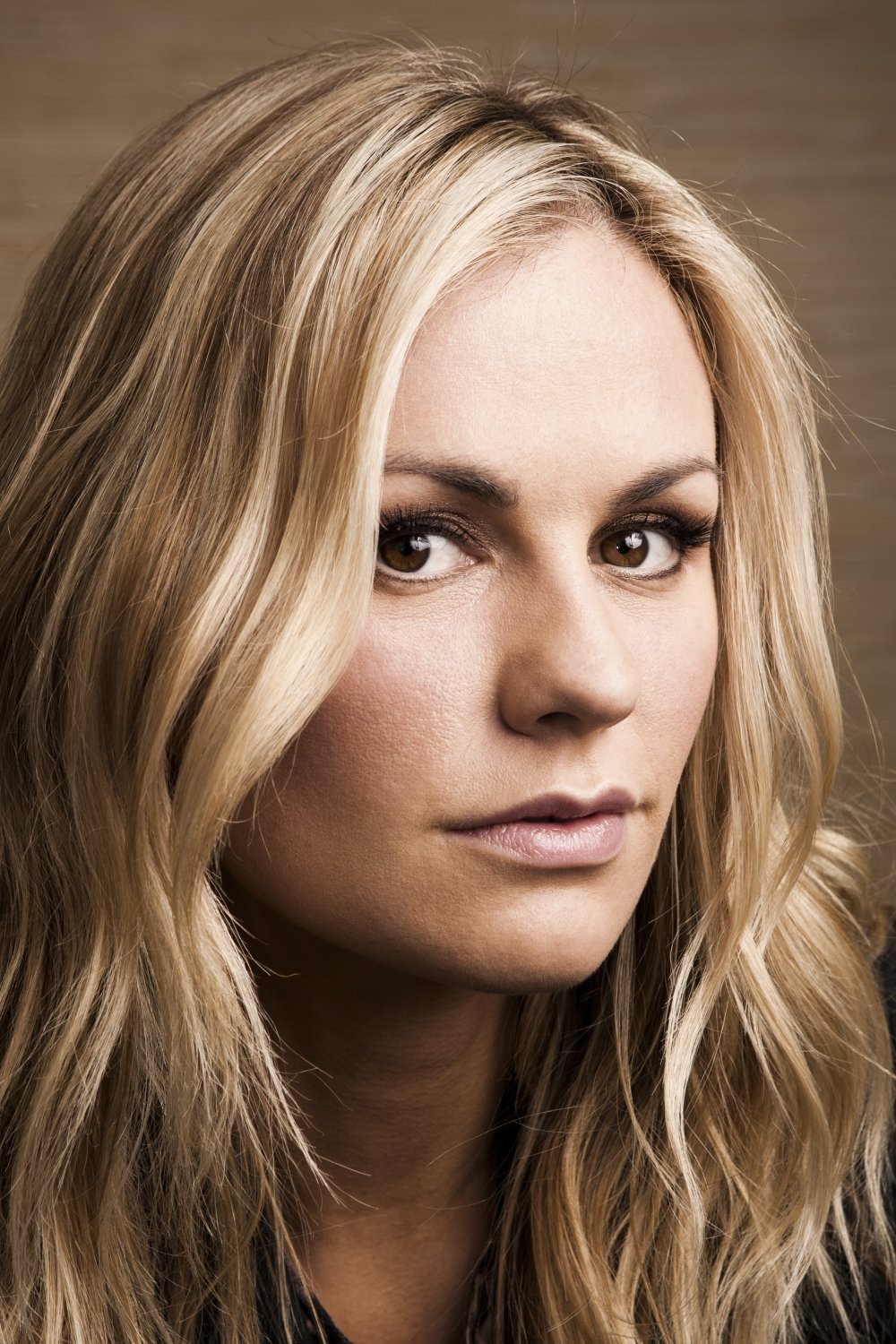
Anna Paquin, who won an Oscar at a young age and starred in ‘True Blood’, came out as bisexual in 2010. While she remained a successful actress, she noted that the public perception of her changed, often leading to intrusive questions about her private life. She has been vocal about the “erasure” of bisexual identities in the industry and how it can affect the types of roles one is considered for. While she did not face a total blacklist, she has acknowledged the subtle shifts in how she was marketed and perceived by the media. She continues to be a strong advocate for bisexual visibility in entertainment.
Ruby Rose
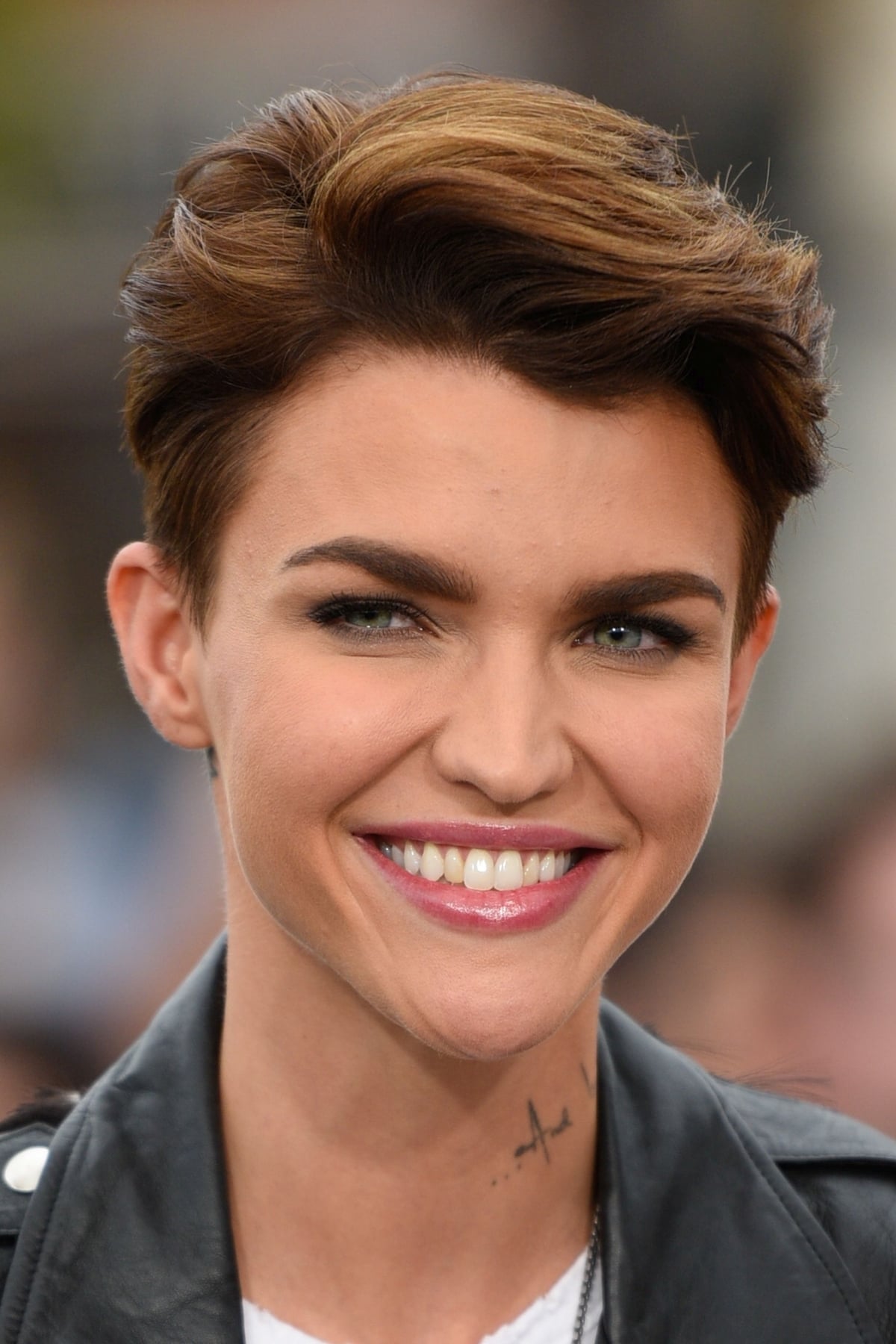
Ruby Rose experienced a rapid rise to fame followed by a significant amount of public and professional scrutiny. After starring in ‘Orange Is the New Black’ and ‘Batwoman’, she faced a backlash that some have argued was amplified by her identity. Following her departure from her superhero role, she saw a dip in the high-profile offers she was receiving from major studios. She has spoken about the immense pressure of being a visible LGBTQ+ lead in a major franchise and the professional toll it took. Her career has since moved toward more independent and international projects.
Tatum O’Neal
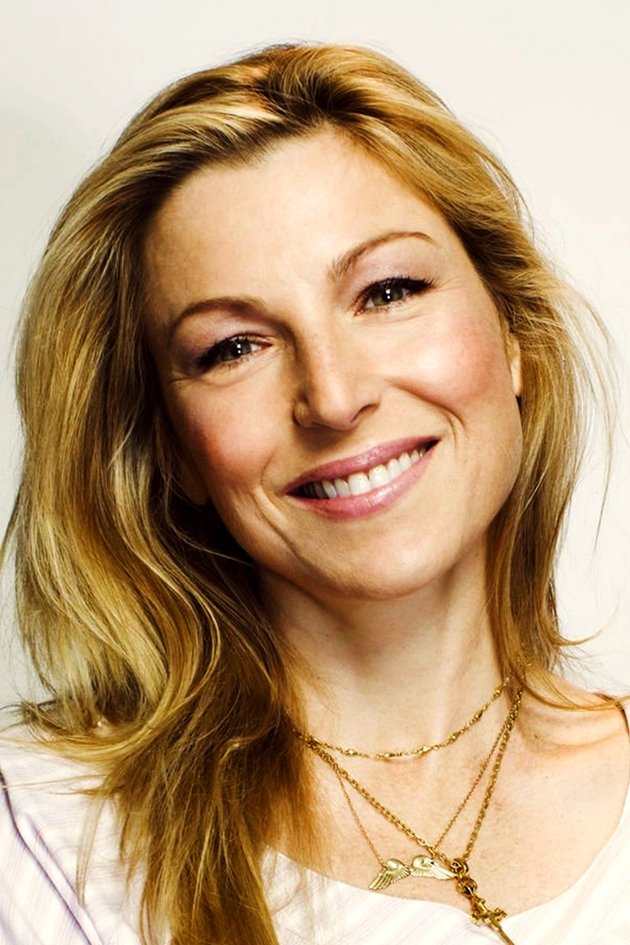
Tatum O’Neal, the youngest person ever to win a competitive Academy Award, has discussed her fluid sexuality later in her life. She noted that the industry’s perception of her shifted as she became more open about her personal struggles and her identity. She felt that Hollywood often has a “short memory” for those who do not adhere to the expected path of a child star turned leading lady. The quiet exclusion she felt was part of a larger pattern of the industry distancing itself from performers who become “complicated” in the public eye. She remains a legendary figure, though her later career has been more focused on memoirs and specific guest roles.
Daniela Vega
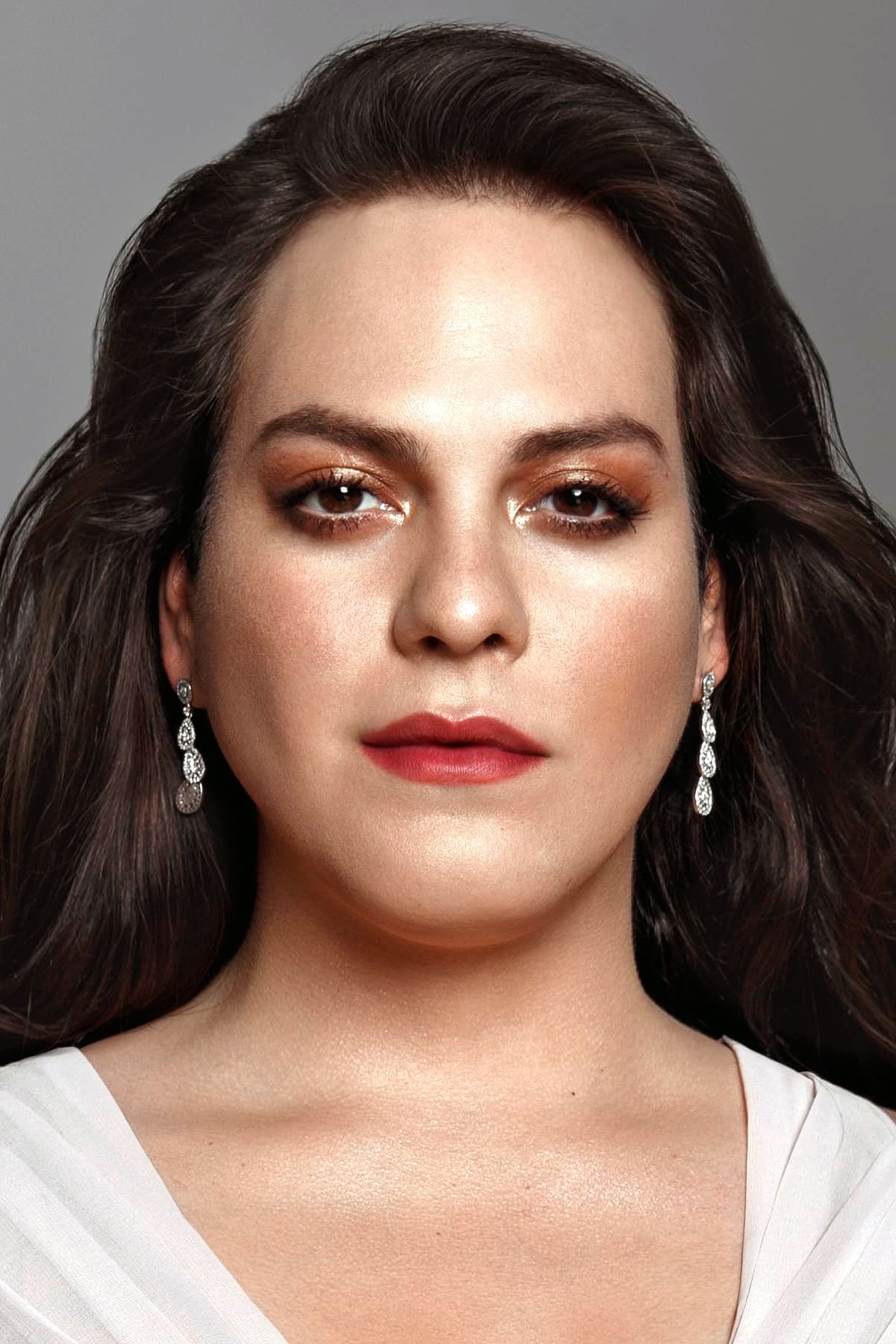
Daniela Vega, the star of the Oscar-winning ‘A Fantastic Woman’, faced significant barriers as a trans actress entering the global film industry. While she received critical acclaim, the “quiet” challenge was the industry’s reluctance to cast her in roles that were not defined by her gender identity. She has spoken about the need for Hollywood to see trans performers as capable of playing any character, rather than just those in “trans stories.” Her professional journey illustrates the modern version of the blacklist, where inclusion is often limited to a very specific, narrow category. She continues to work internationally, pushing for broader representation in every role she takes.
Please share your thoughts on these actresses and their impact on the industry in the comments.

