


LGBTQ+ Movies You Are Sleeping On (but Shouldn’t)



There’s a huge world of LGBTQ+ cinema beyond the same few classics people bring up, spanning countries, languages, and genres—from intimate coming-of-age stories to historical epics and sharp comedies. The titles below spotlight queer lives with specificity: you’ll find films grounded in real communities, built around nuanced performances, and shaped by directors with distinct voices. Many of them earned major festival prizes or stirred cultural conversations, and several broke ground for representation behind the camera as well. Use this list to discover new favorites, expand your watchlist, and catch up on films that shaped queer storytelling in ways both subtle and seismic.
‘Pariah’ (2011)

Directed by Dee Rees, ‘Pariah’ follows a Brooklyn teenager navigating family expectations, church culture, and the search for self as she explores her sexuality. The film draws on Rees’s own short of the same name and features powerhouse performances by Adepero Oduye and Kim Wayans. It premiered at Sundance, where it drew acclaim for its vérité realism and sound design that mirrors the character’s inner world. Bradford Young’s cinematography uses color and light to mark shifts in identity and belonging.
‘God’s Own Country’ (2017)

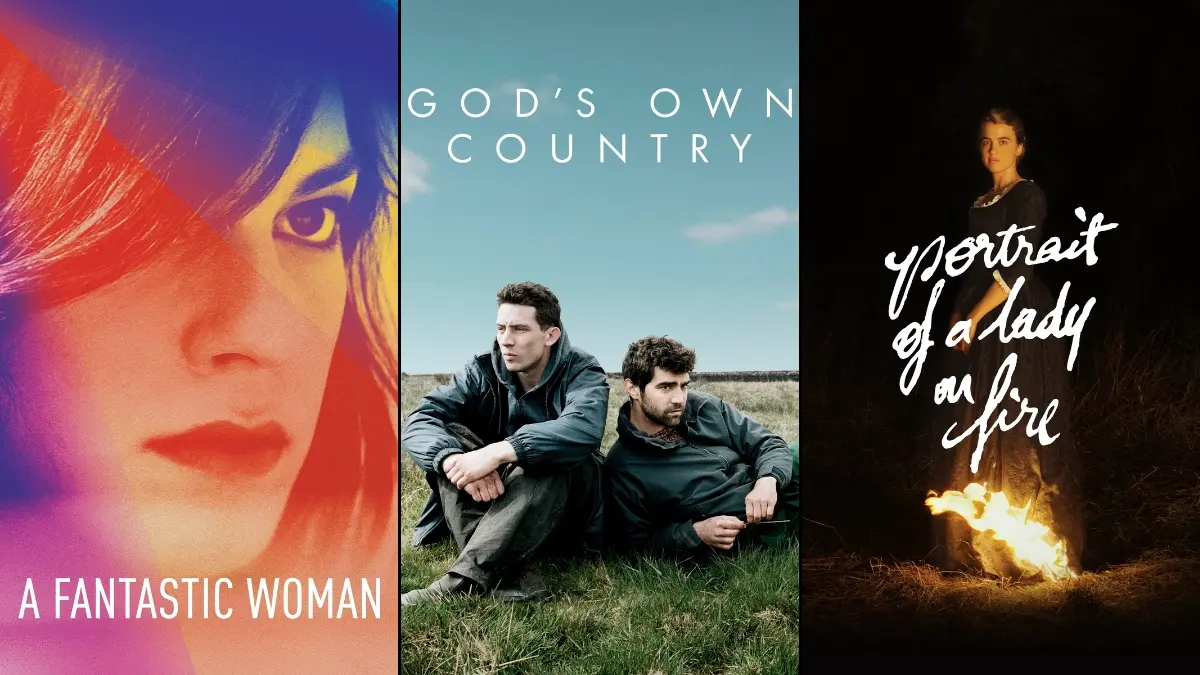
Set on a Yorkshire sheep farm, ‘God’s Own Country’ centers on a young farmer and a Romanian migrant worker whose relationship develops through labor and shared isolation. Writer-director Francis Lee grounds the story in tactile detail—mud, weather, and animal care—so the romance grows from routine and trust. The film’s rural setting reframes queer intimacy against economic precarity and immigration. It debuted at Sundance and later won multiple British independent film awards.
‘A Fantastic Woman’ (2017)

Sebastián Lelio’s ‘A Fantastic Woman’ stars Daniela Vega as a trans singer confronting legal, medical, and social obstacles after her partner’s death. The production worked closely with Chilean trans communities, and Vega served as a key creative voice in shaping the character. Its blend of realism and magical-surreal flourishes underscores how grief and resilience coexist. The film won the Academy Award for Best International Feature, marking a milestone for trans representation on a global stage.
‘The Handmaiden’ (2016)
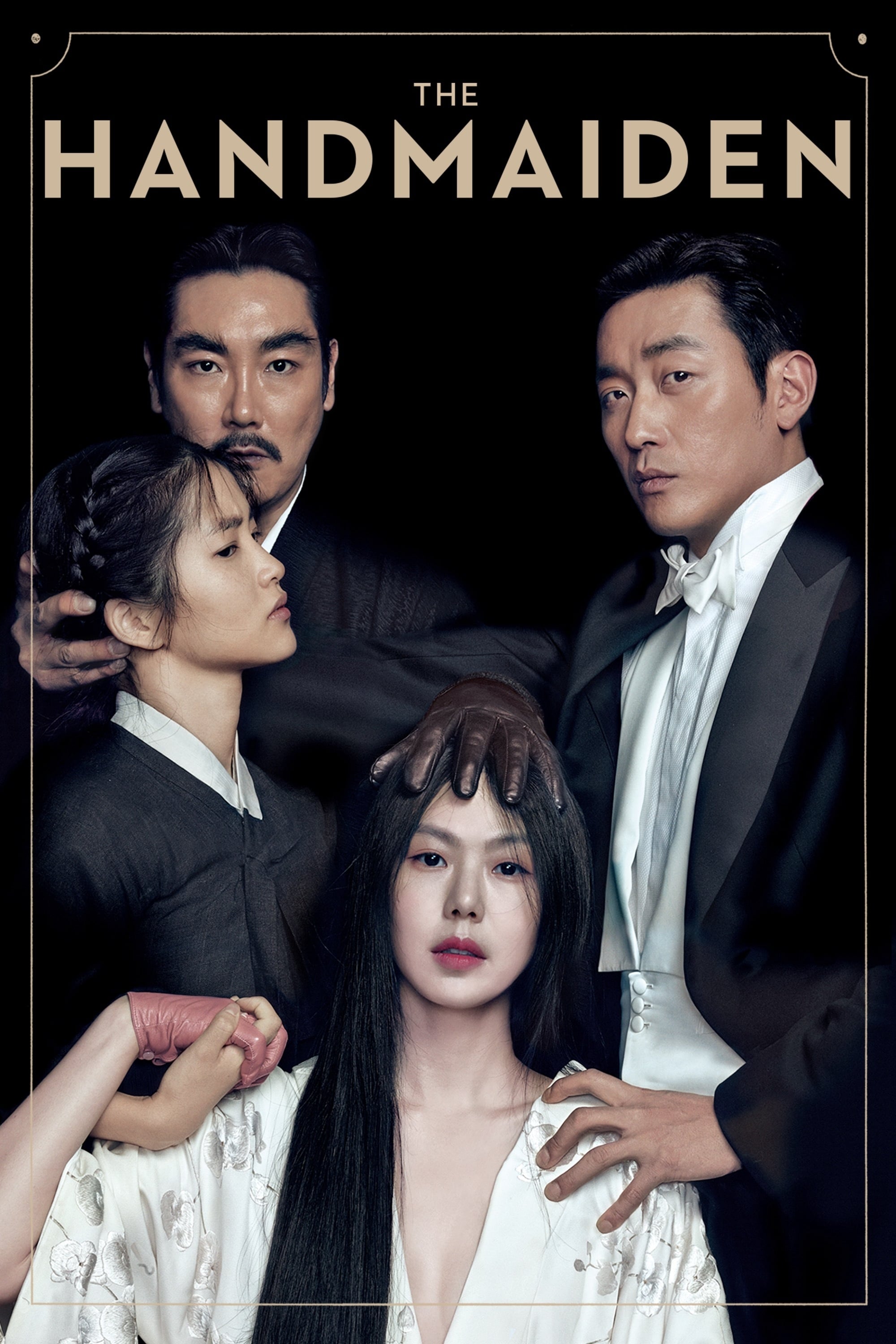
Park Chan-wook adapts Sarah Waters’s novel into ‘The Handmaiden’, relocating the plot to colonial-era Korea and Japan and structuring it in three twisting parts. The film meticulously recreates period interiors, calligraphy, and bookbinding to build a world of forgery and surveillance. Its shifting points of view expose how class, gender, and empire shape desire and power. The production’s attention to language—Korean and Japanese used strategically—adds a layer of social code-switching to the drama.
‘Tangerine’ (2015)
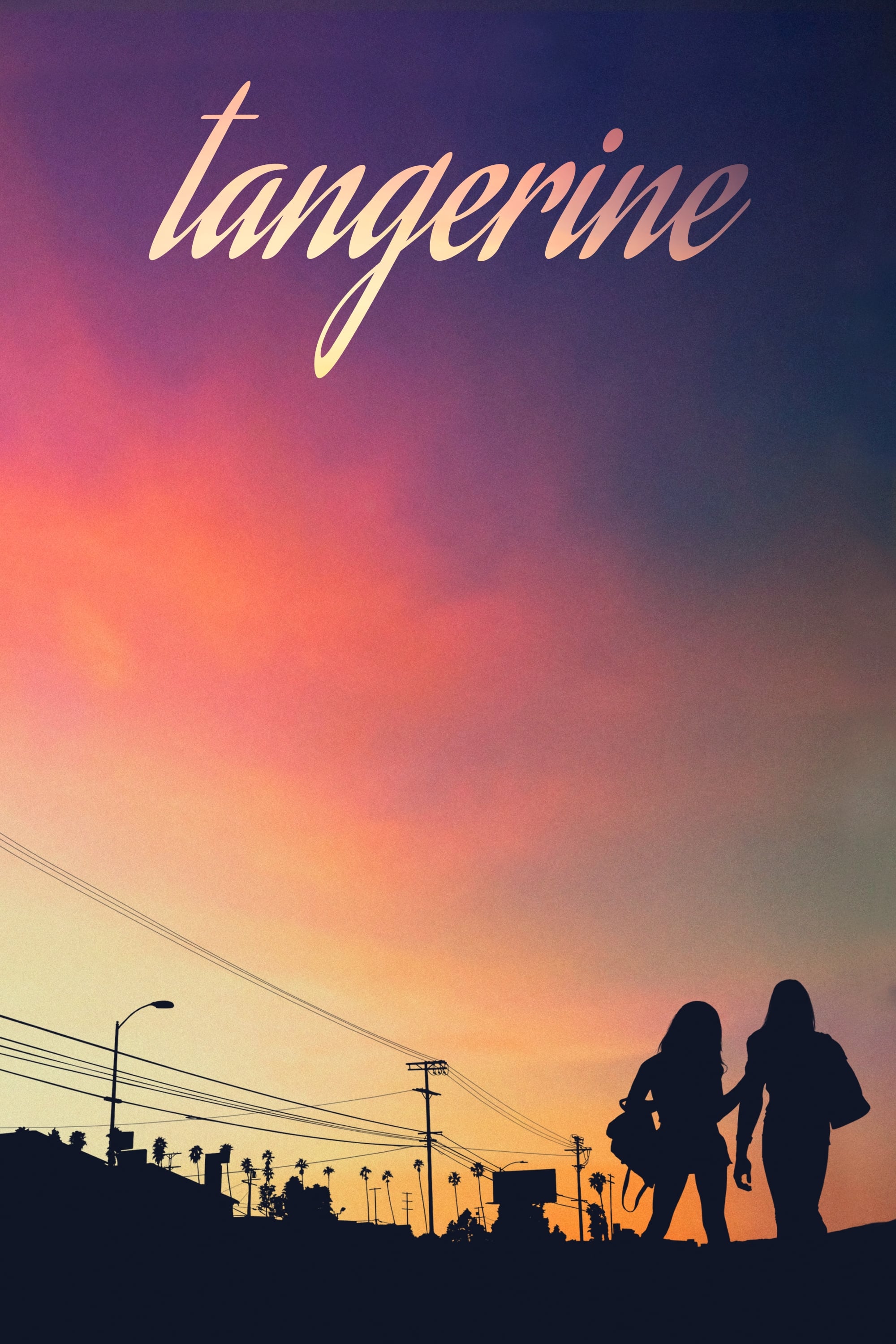
Shot entirely on iPhones, ‘Tangerine’ follows two trans sex workers over one frantic Christmas Eve in Los Angeles. Director Sean Baker cast nonprofessional trans actors Kitana Kiki Rodriguez and Mya Taylor and collaborated with them on character and dialogue. The film’s mobile shooting methods allowed for guerrilla-style access to real streets, diners, and bus routes. Its soundtrack and color-saturated grade mirror the pulsing energy of the city’s informal economies.
‘The Watermelon Woman’ (1996)
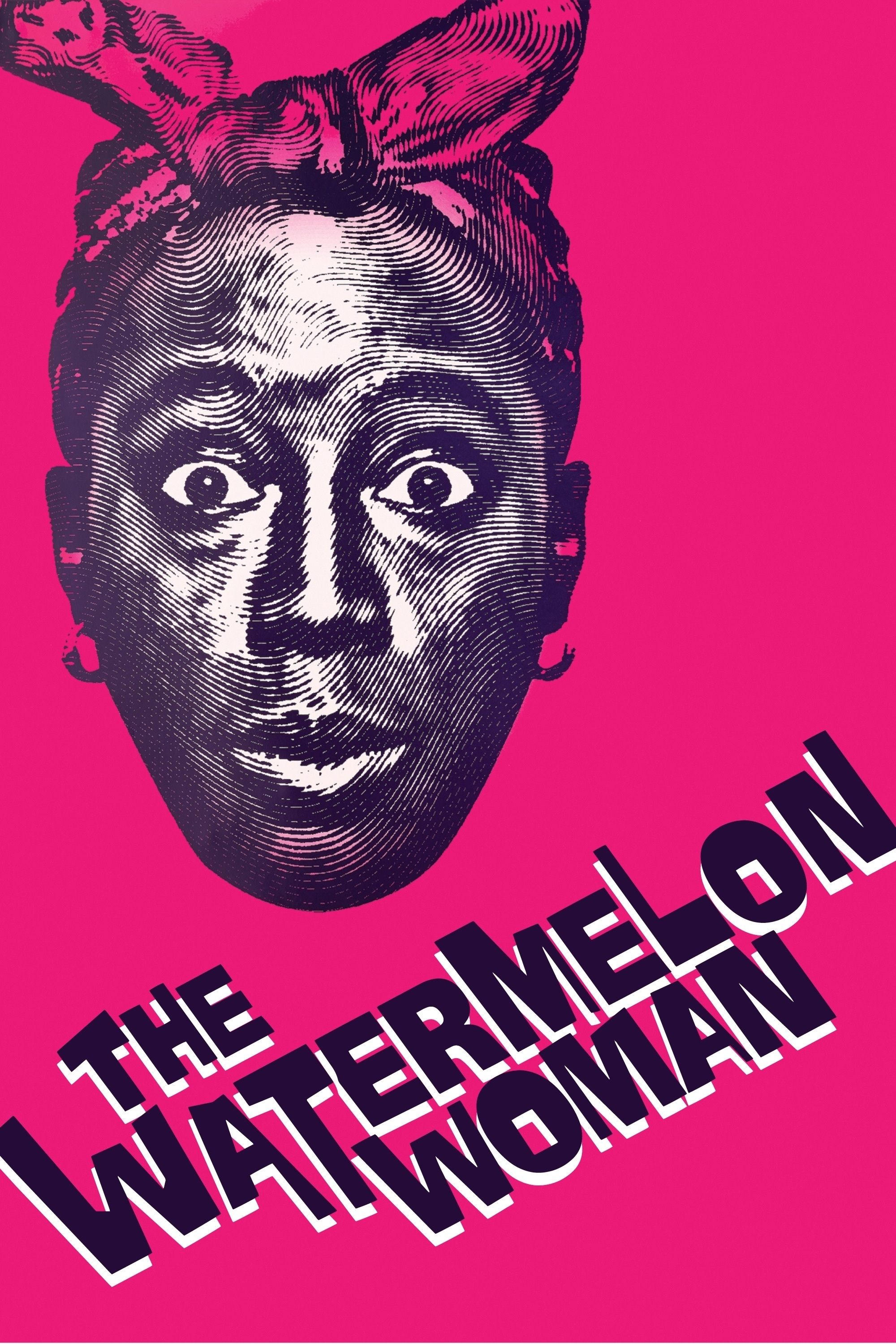
Cheryl Dunye’s ‘The Watermelon Woman’ blends mock-archival research and romance as a young filmmaker searches for a forgotten Black actress from early Hollywood. The movie is widely recognized as the first feature directed by a Black lesbian to receive theatrical distribution in the United States. Dunye uses playful docu-fiction techniques—fabricated clips, on-camera addresses—to critique how archives exclude Black queer histories. It has since been preserved and taught widely in film and media studies.
‘Desert Hearts’ (1985)
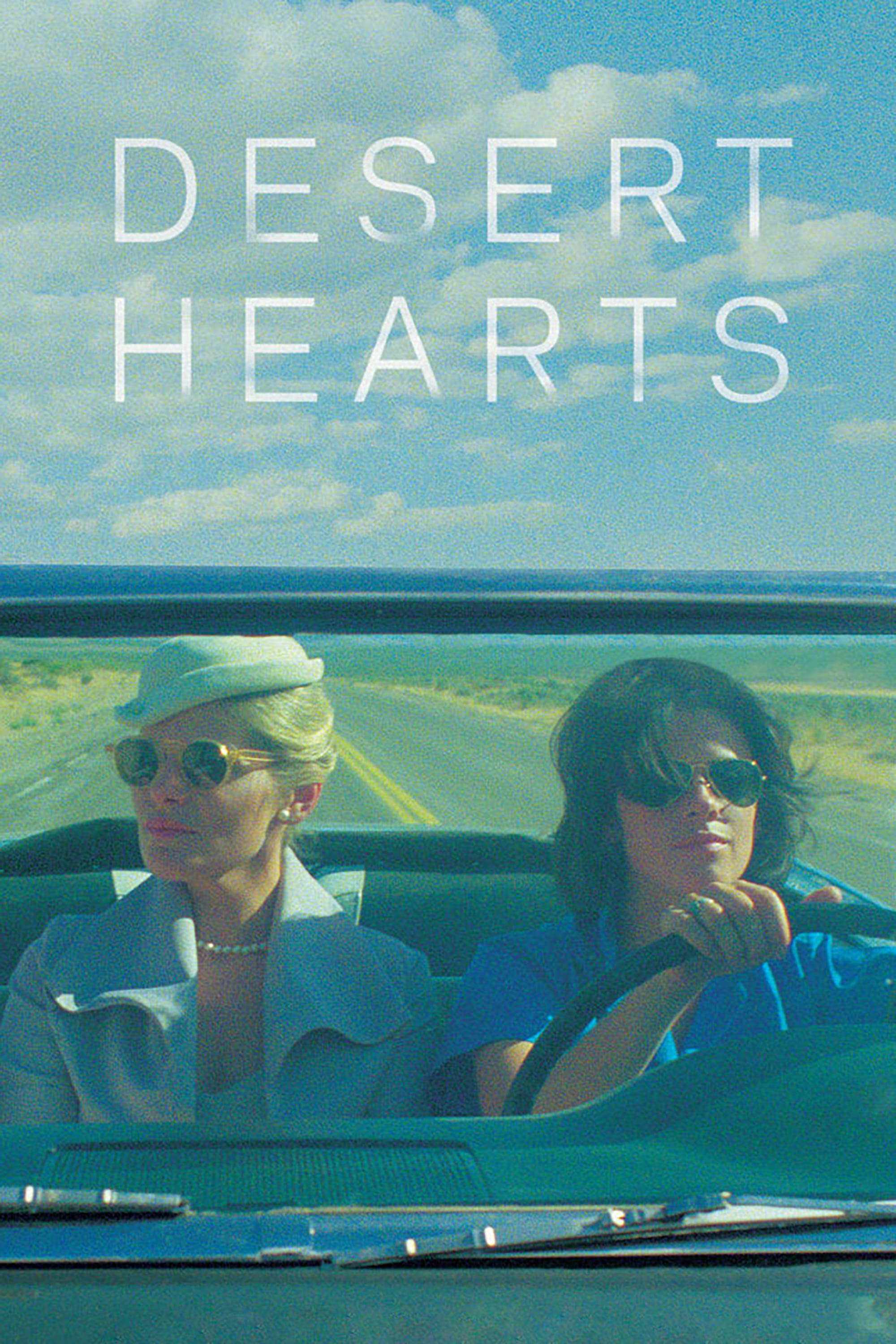
Set in Nevada, ‘Desert Hearts’ follows a New York professor who forms a connection with a free-spirited woman while seeking a divorce. Director Donna Deitch adapted Jane Rule’s novel and insisted on a romantic ending at a time when such stories were often tragic. The film is noted for its careful period design—from roadside motels to jukebox selections—that situates desire in everyday spaces. Its intimate framing and choreography foreground consent and mutual curiosity.
‘Portrait of a Lady on Fire’ (2019)
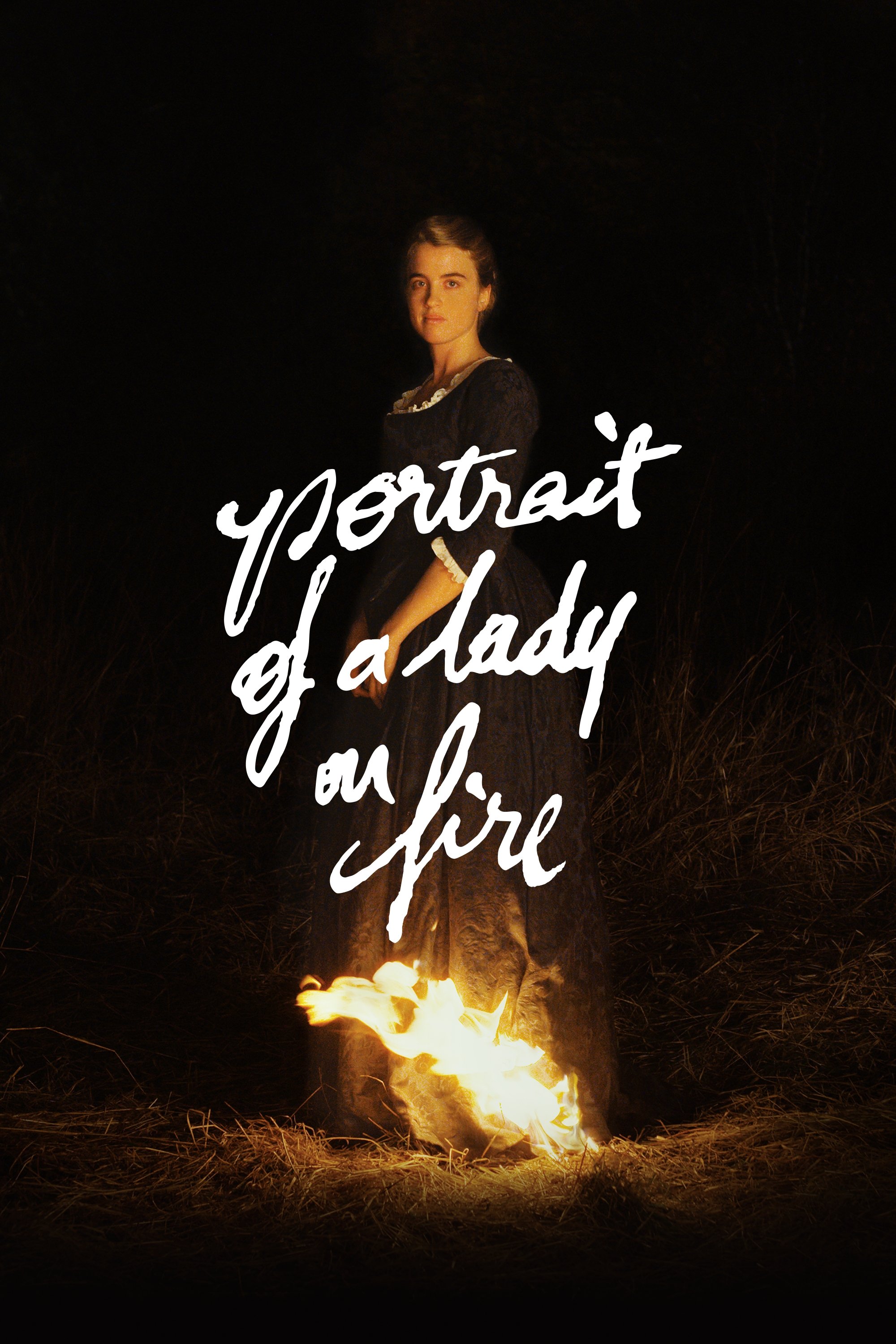
In ‘Portrait of a Lady on Fire’, Céline Sciamma stages a painter and her subject on a remote Brittany island, turning portrait sittings into a coded dialogue. The film’s production design strips away men from the household, letting women’s work, rituals, and storytelling take center stage. Music is used sparingly so that a single choral piece and a beachside rhythm become pivotal to memory. The script treats looking—who looks and who is looked at—as the engine of romance and authorship.
‘The Half of It’ (2020)
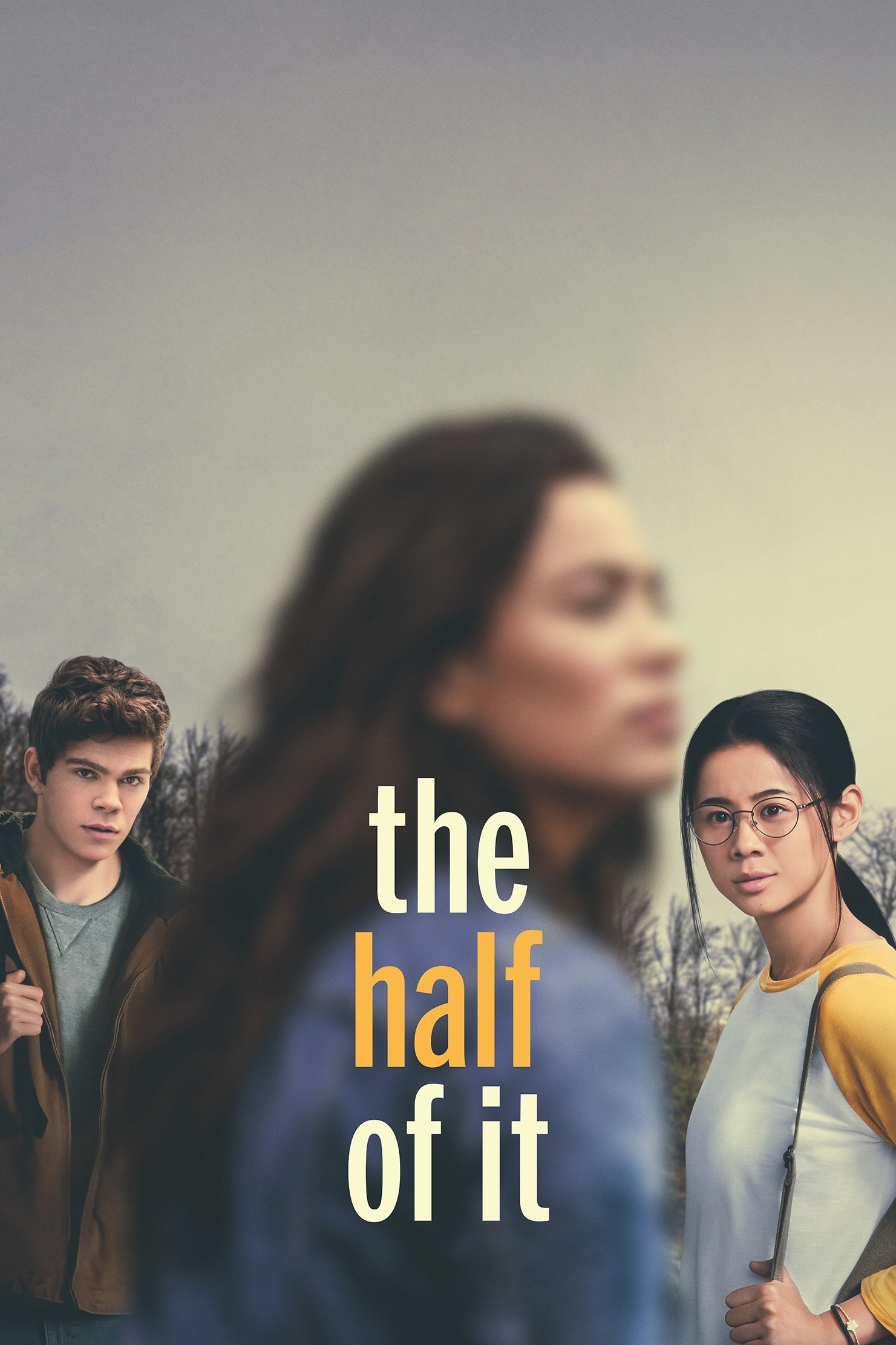
Alice Wu’s ‘The Half of It’ reframes the Cyrano premise through a shy, bookish student who ghostwrites love letters for a jock, only to fall for the same girl. The film explores immigrant family dynamics, small-town religious life, and the pressure to translate for parents. Its humor grows from text messages, homework exchanges, and awkward band practices, rather than broad caricature. Wu crafts friendships and crushes with equal weight, emphasizing how connection precedes labels.
‘Shiva Baby’ (2020)

Set over one chaotic afternoon, ‘Shiva Baby’ traps a bisexual college student at a family mourning ritual while secrets collide. Director Emma Seligman uses claustrophobic framing, fast-paced dialogue, and an anxious score to amplify social pressure. The story maps a web of expectations—career, marriage, money—onto a single house packed with relatives and acquaintances. It began as a short and expanded into a feature with much of the original creative team intact.
‘And Then We Danced’ (2019)

Levan Akin’s ‘And Then We Danced’ follows a dedicated dancer in the Georgian National Ensemble who develops feelings for a rival, challenging tradition in a conservative milieu. The production worked with nonprofessional performers and rehearsed extensively to integrate folk choreography into character arcs. Filming took place in Tbilisi under heightened security, and the release sparked public debate about artistic freedom. Its dance sequences function as both cultural heritage and personal rebellion.
‘Weekend’ (2011)
‘Weekend’, directed by Andrew Haigh, traces the brief connection between two men who meet in a Nottingham nightclub and spend the next two days together. The film favors long takes and naturalistic conversation recorded with unobtrusive sound design. Haigh’s script touches on archives, public affection, and coming-out timelines without grand speeches. Its minimalist approach has made it a touchstone for contemporary queer realism.
‘Maurice’ (1987)
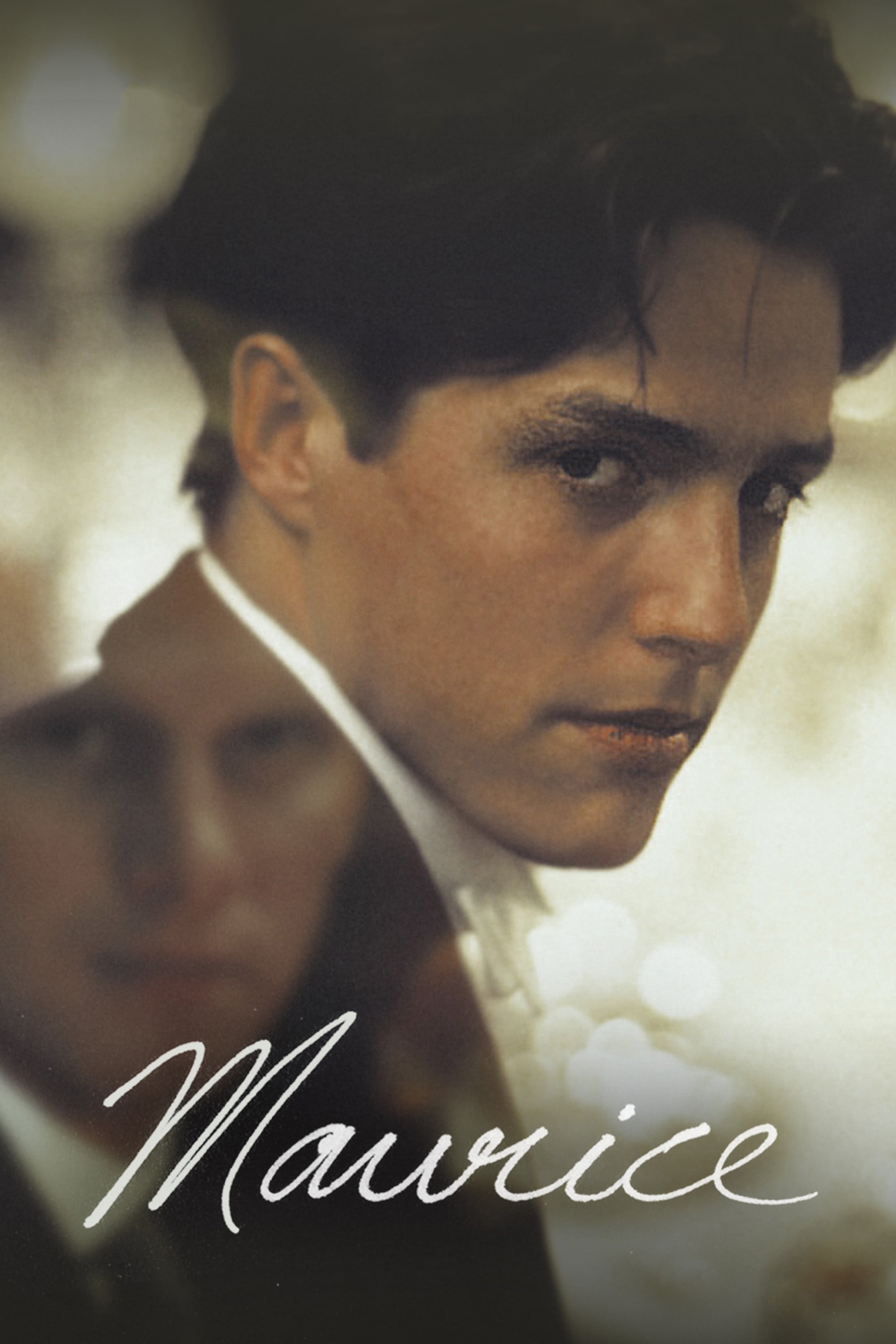
Adapted from E. M. Forster’s once-posthumous novel, ‘Maurice’ portrays love across class lines at Cambridge and in the English countryside. Merchant Ivory’s production emphasizes period detail—tailoring, college rituals, and cricket—as social architecture. James Wilby and Hugh Grant lead a cast that captures shifting codes of masculinity. The film’s restoration work has kept its lush cinematography and score in circulation for new audiences.
‘Happy Together’ (1997)
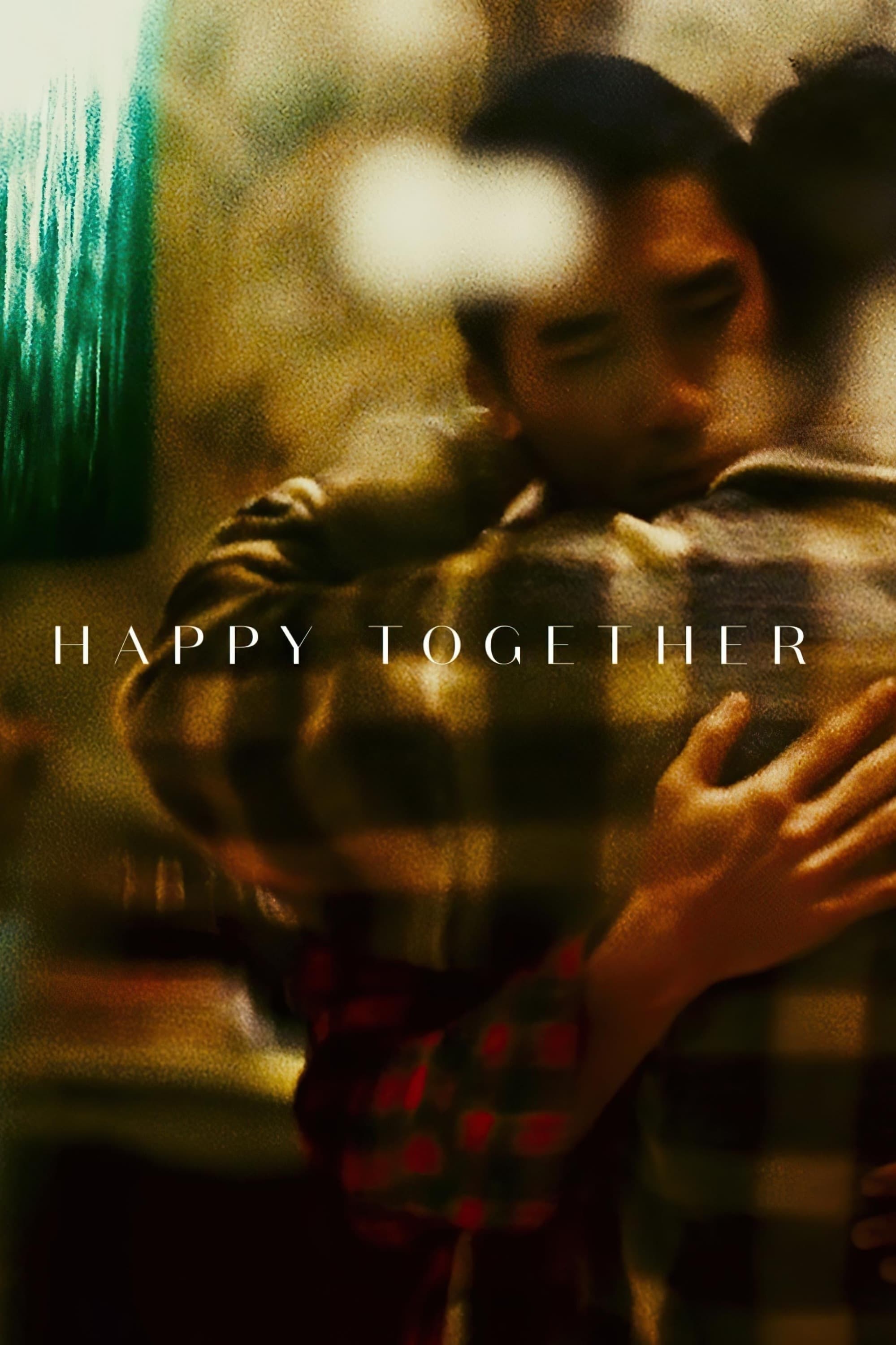
Wong Kar-wai’s ‘Happy Together’ chronicles an on-again-off-again couple from Hong Kong adrift in Buenos Aires. Christopher Doyle’s cinematography swings between handheld intimacy and neon-lit melancholy, while Latin music tracks anchor the setting. The film’s fractured structure mirrors the pair’s cycles of breakup and reunion. It premiered at Cannes, where its lead performance and visual style were singled out for praise.
‘The Way He Looks’ (2014)
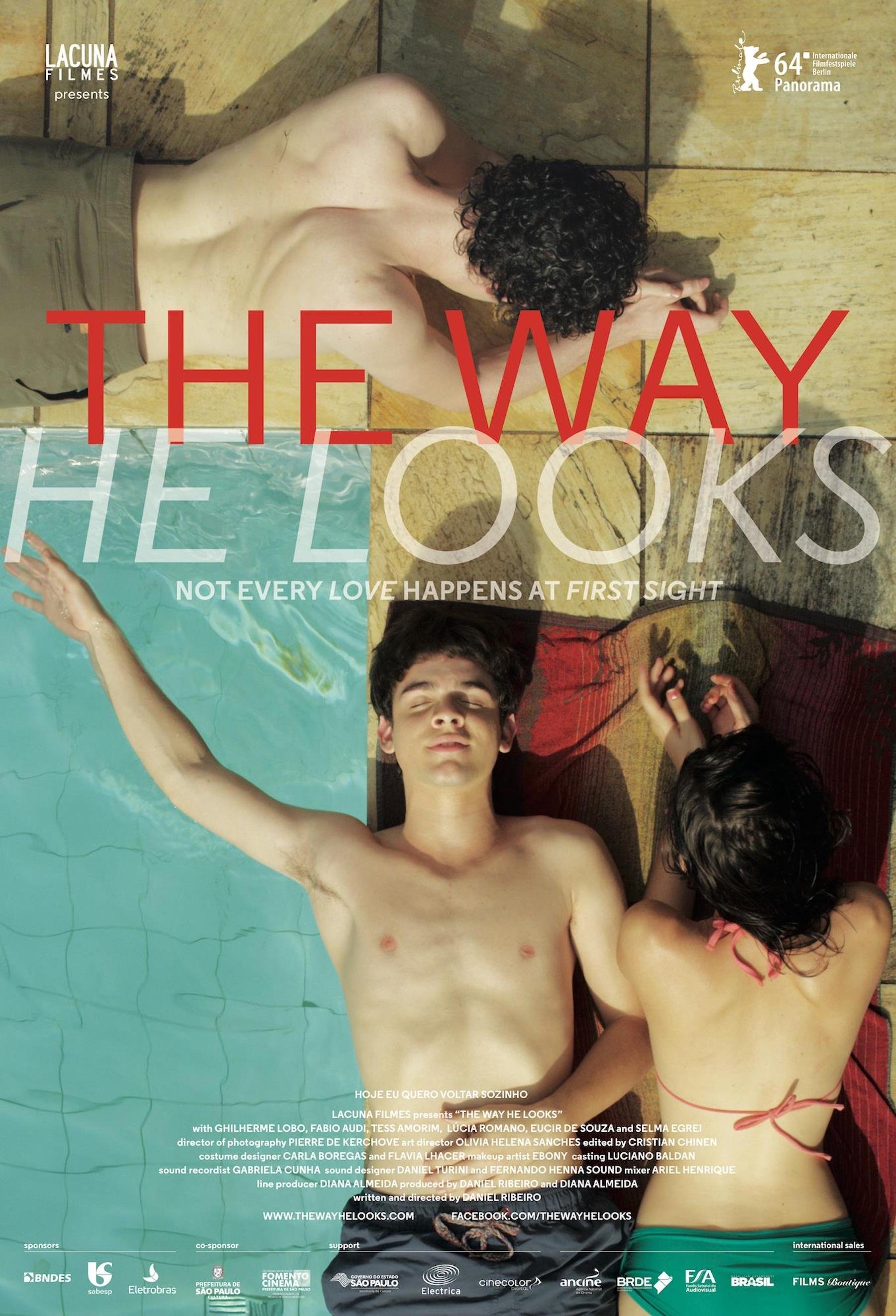
Set in São Paulo, ‘The Way He Looks’ follows a blind teenager whose independence expands when a new student arrives. Director Daniel Ribeiro builds on his earlier short, carrying over the same lead actors to deepen the chemistry. The film foregrounds accessibility in classrooms, sidewalks, and transit, making mobility a core theme. Its gentle humor and tactile soundscape emphasize how friendship becomes a route to autonomy.
‘Paris Is Burning’ (1990)
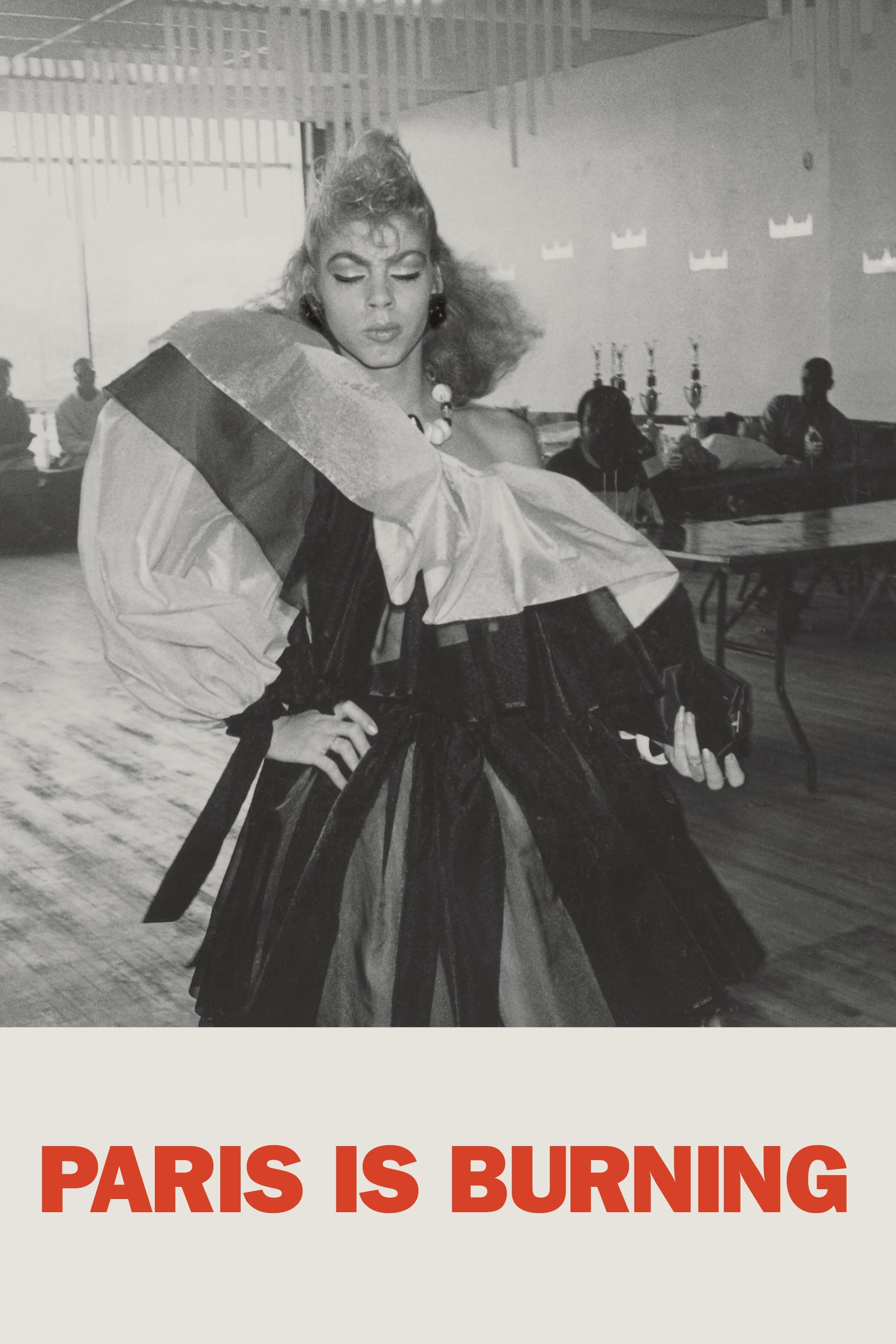
Jennie Livingston’s ‘Paris Is Burning’ documents New York’s ballroom culture, spotlighting houses, voguing, and chosen family. The film introduced mainstream audiences to terms and practices that later influenced music, fashion, and television. It centers voices from Black and Latinx queer communities, letting participants define categories and stakes. Preservation and rights discussions around the film have become part of its legacy in media ethics.
‘The Miseducation of Cameron Post’ (2018)

Based on Emily M. Danforth’s novel, ‘The Miseducation of Cameron Post’ observes a teen sent to a religious conversion camp. Director Desiree Akhavan frames group therapy sessions, chores, and rule-bound routines to show how control operates. The ensemble cast maps different coping strategies, from compliance to quiet resistance. It won the Grand Jury Prize at Sundance and prompted renewed scrutiny of such programs.
‘BPM (Beats per Minute)’ (2017)
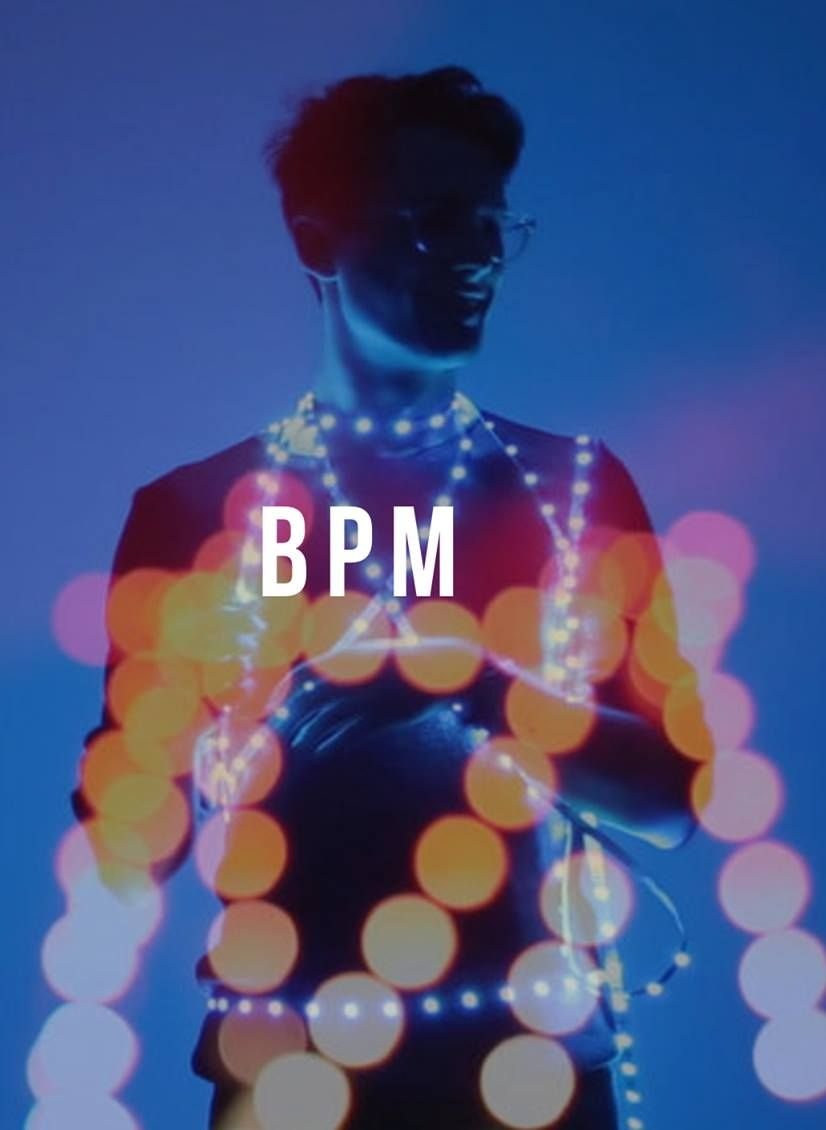
‘BPM (Beats per Minute)’ follows ACT UP Paris organizers as they strategize, debate, and execute direct actions during the height of the HIV/AIDS crisis. The film interweaves meeting minutes, club sequences, and hospital visits to show activism as a full-body commitment. Its structure moves between collective process and an intimate romance without softening political detail. The production consulted former activists, integrating real tactics, slogans, and internal disagreements.
‘Rafiki’ (2018)

Set in Nairobi, ‘Rafiki’ depicts two young women whose fathers are political rivals, charting their attraction amid community scrutiny. Director Wanuri Kahiu brings her “Afrobubblegum” sensibility—bright color palettes and vibrant music—to a story about choice and safety. The film faced a domestic ban that was temporarily lifted for limited screenings, drawing international attention to censorship. It adapts Monica Arac de Nyeko’s short story and centers contemporary Kenyan youth culture.
‘Hedwig and the Angry Inch’ (2001)
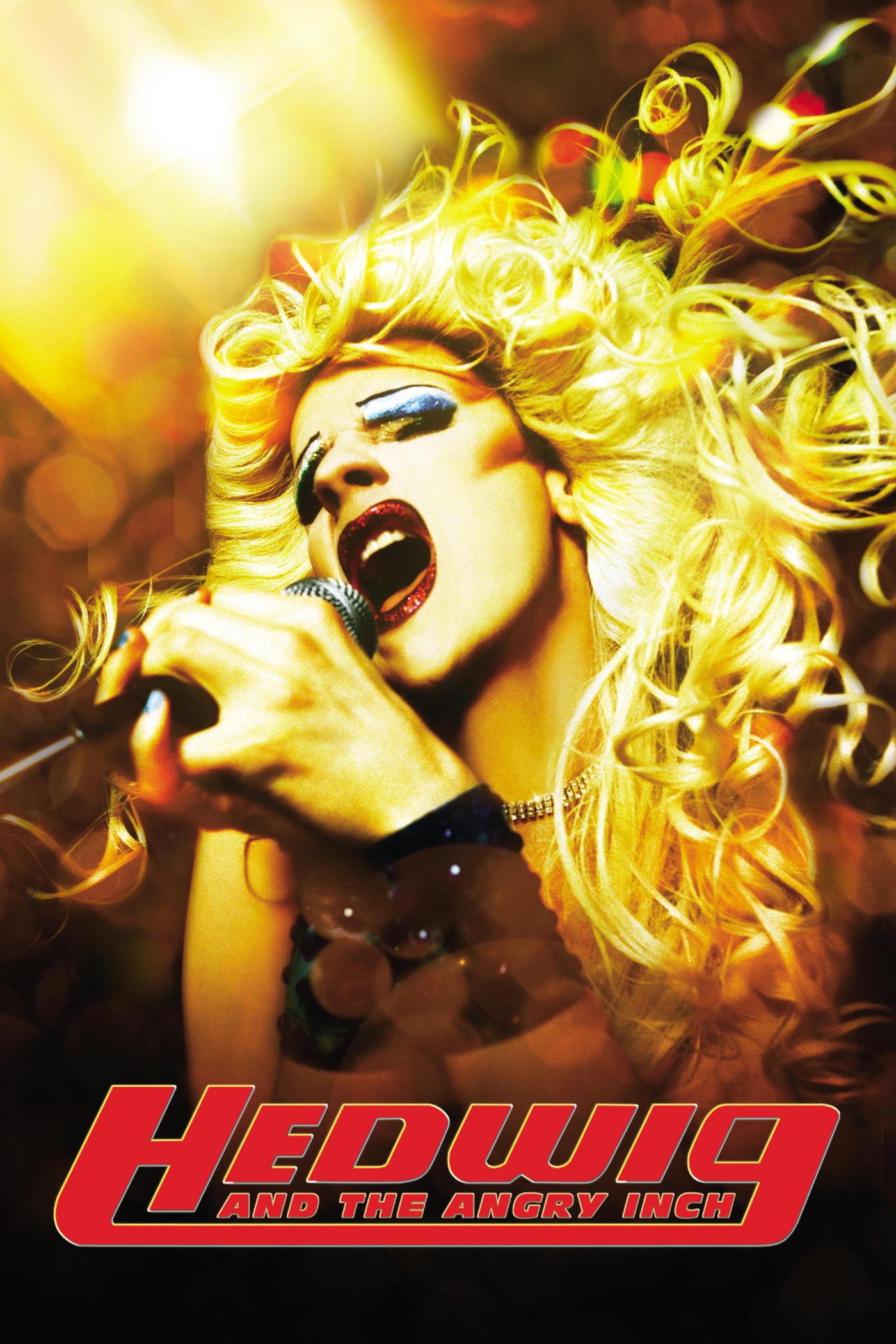
John Cameron Mitchell’s ‘Hedwig and the Angry Inch’ translates the stage musical to screen with concert sequences, animated interludes, and fourth-wall breaks. The narrative follows a genderqueer rock singer’s tour through diners and dive bars, stitching autobiography to myth. Original songs drive the plot, and costume design tracks Hedwig’s evolving persona. The film has built a long afterlife through midnight screenings and touring productions.
‘Bound’ (1996)
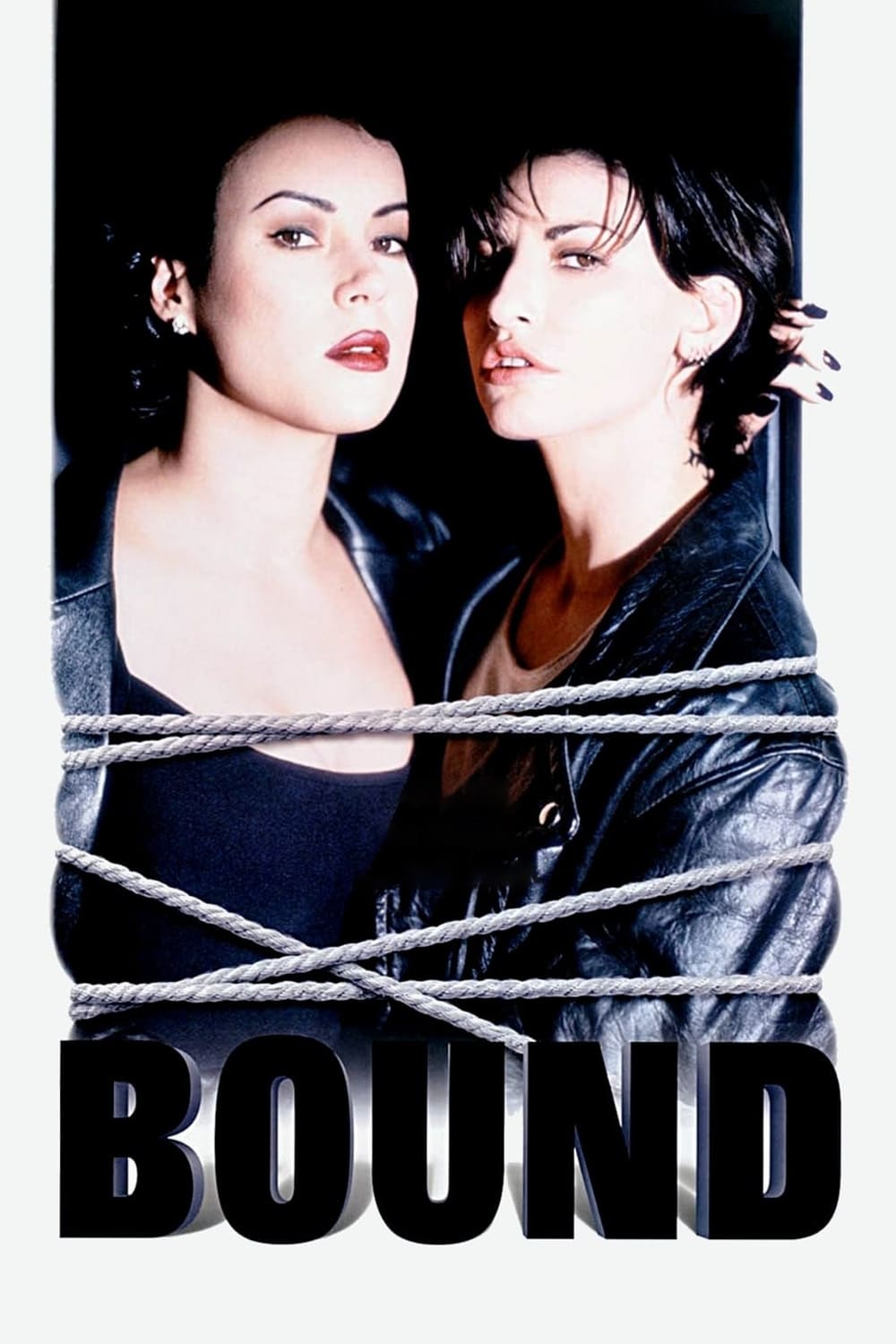
The Wachowskis’ ‘Bound’ is a neo-noir heist set mostly inside a Chicago apartment building, focusing on an ex-con and a mobster’s girlfriend. Choreographed intimacy scenes—developed with consultants—prioritized consent and character psychology. The film’s bold sound cues and tight framing generate tension from plumbing pipes, paint cans, and folding money. Its success paved the way for the directors’ larger projects while marking a milestone for lesbian representation in genre cinema.
‘My Own Private Idaho’ (1991)
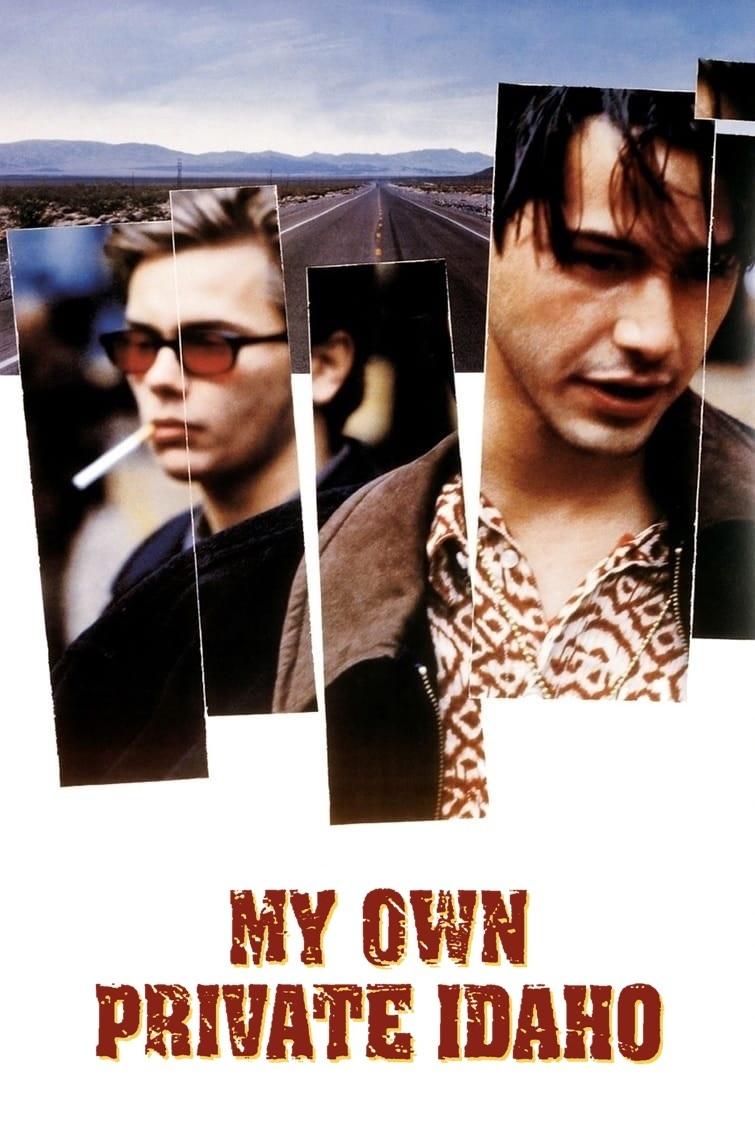
Gus Van Sant’s ‘My Own Private Idaho’ follows two friends on a drifting journey across the American West and Europe. The film blends Shakespearean dialogue, narcoleptic dreamscapes, and documentary-style encounters. River Phoenix’s performance anchors the story’s tenderness and volatility, while Keanu Reeves embodies a class-crossing foil. Production spanned multiple locations and a collage of visual textures, from Super 8 to 35mm.
‘North Sea Texas’ (2011)
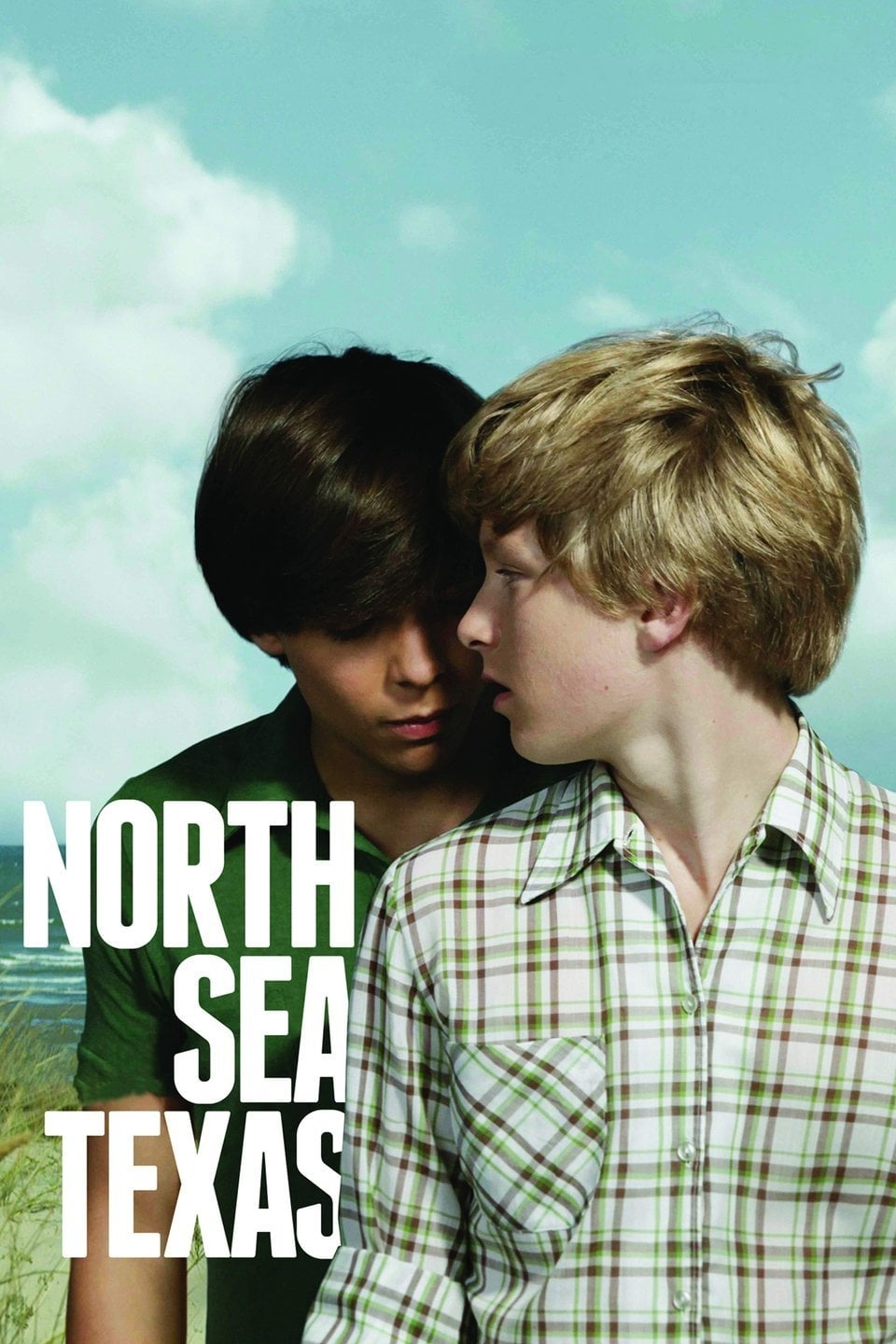
‘North Sea Texas’ centers on a shy boy in a Belgian coastal town who develops feelings for his neighbor amid a household of drifters and performers. Director Bavo Defurne adapts André Sollie’s novel and leans into seaside fairs, brass bands, and caravans for atmosphere. The film’s measured pacing mirrors a character learning to name desire. It showcases Flemish regional details rarely seen in international releases.
‘A Moment in the Reeds’ (2017)
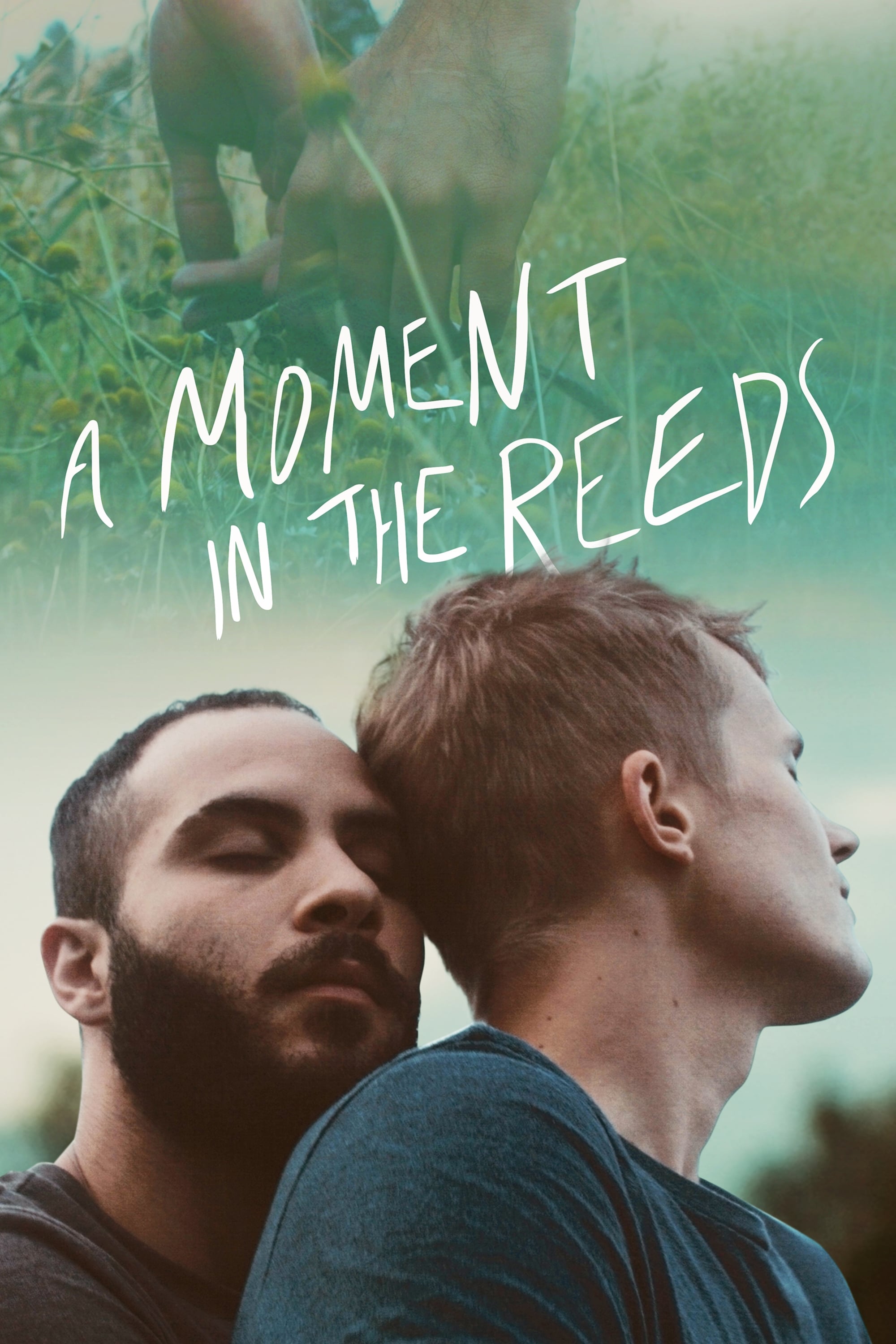
Set at a lakeside summer cottage, Mikko Mäkelä’s ‘A Moment in the Reeds’ explores the bond between a Finnish student and a Syrian refugee hired to renovate the house. The production emphasizes bilingual communication and the practicalities of work—paint trays, ladders, and meal prep—as intimacy forms. Natural light cinematography and long takes ground the story in observation rather than melodrama. It stands out for addressing migration, language, and queer connection within the same frame.
‘Blue Is the Warmest Color’ (2013)
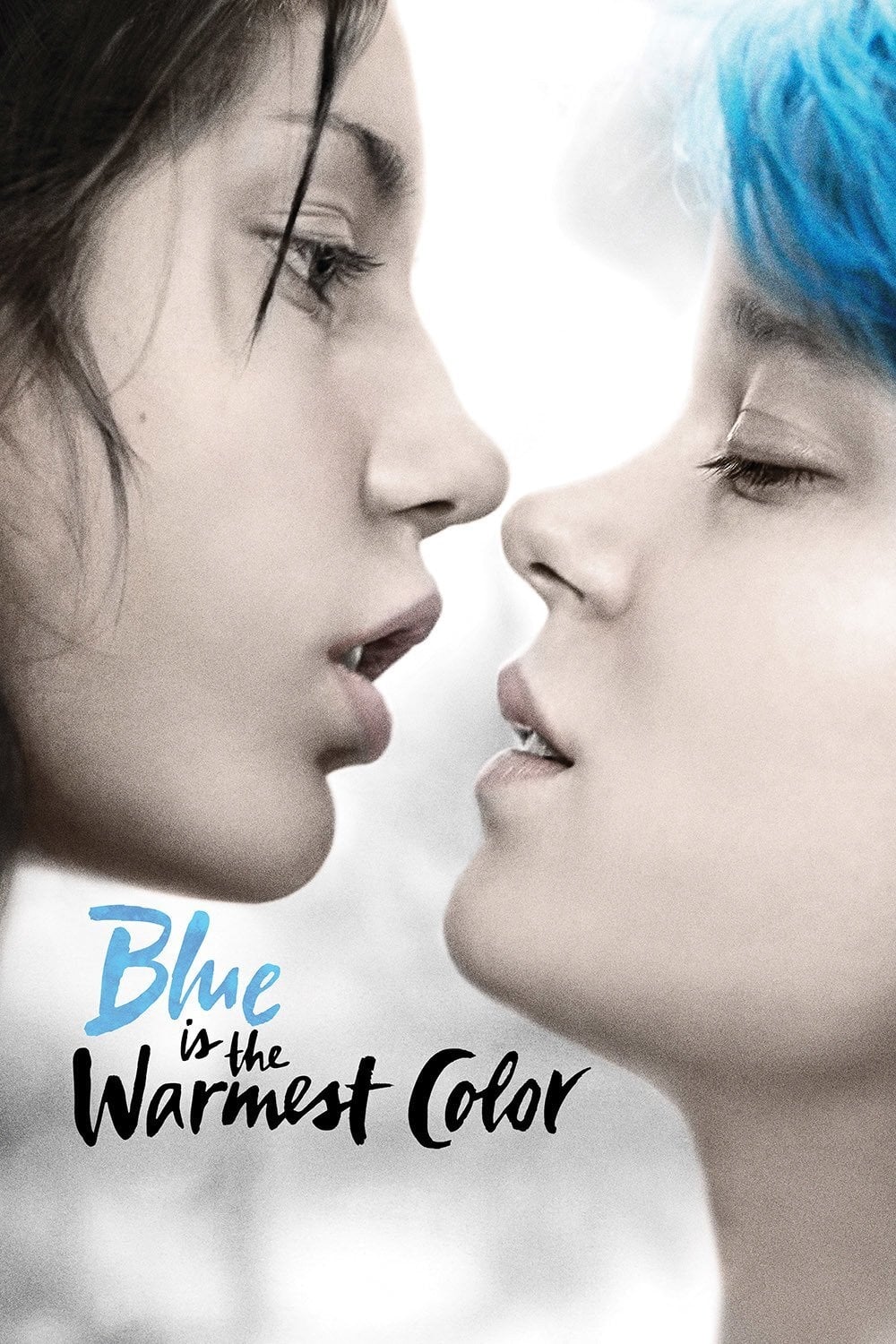
‘Blue Is the Warmest Color’ follows a young woman’s formative relationship from first crush to aftermath, based on Julie Maroh’s graphic novel. The film is known for its extended close-ups, capturing micro-expressions and the textures of daily life—classrooms, cafés, and parties. Its Palme d’Or win included recognition of the lead actors alongside the director, a rare festival decision. Conversations around production methods and authorship have become part of the film’s ongoing discourse.
‘The Cakemaker’ (2017)

Directed by Ofir Raul Graizer, ‘The Cakemaker’ follows a Berlin baker who travels to Jerusalem to quietly connect with the widow of his late lover. The film weaves German and Hebrew dialogue, using pastries and a small café kitchen as recurring settings. It explores cross-border mourning, kosher rules, and workplace dynamics inside a family business. The production was a German–Israeli collaboration and won multiple prizes at international festivals.
‘XXY’ (2007)
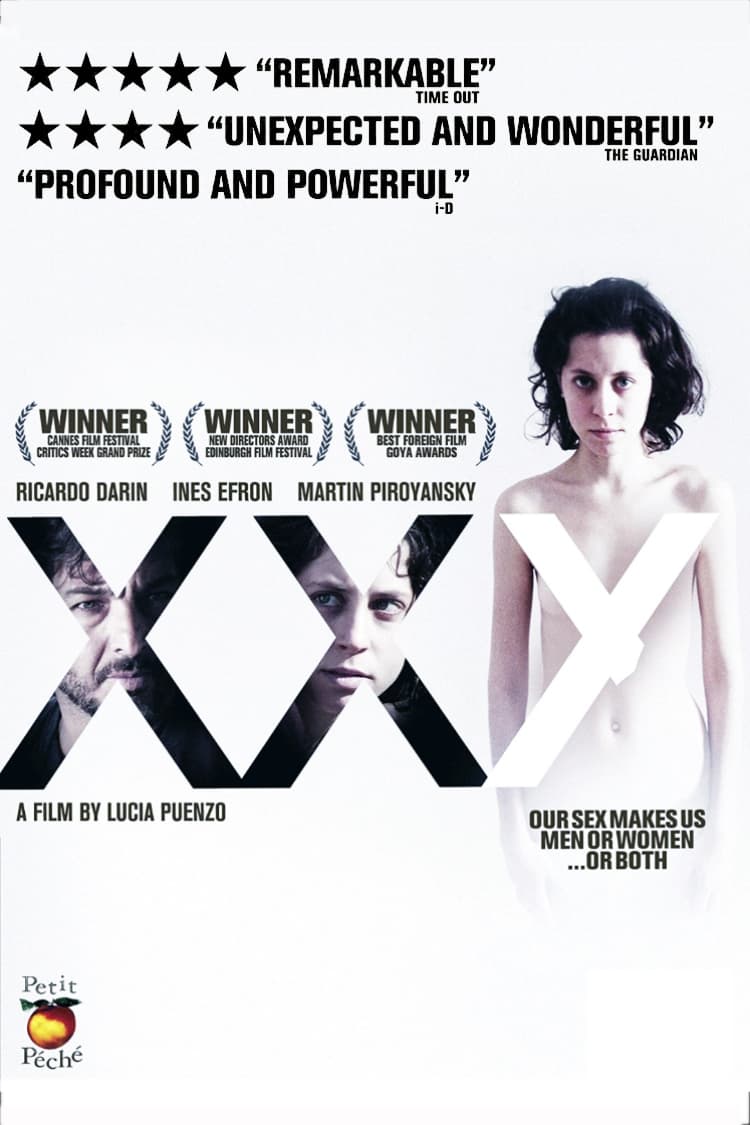
Lucía Puenzo’s ‘XXY’ centers on an intersex teenager living on the Uruguayan coast with parents who are navigating medical and social pressures. The story unfolds around a visiting surgeon’s family, bringing questions of bodily autonomy into a domestic space. Natural locations—dunes, tidal flats, and wooden houses—anchor the narrative in everyday routines. The film prompted widespread discussion about intersex representation in Spanish-language cinema.
‘The Wound’ (2017)
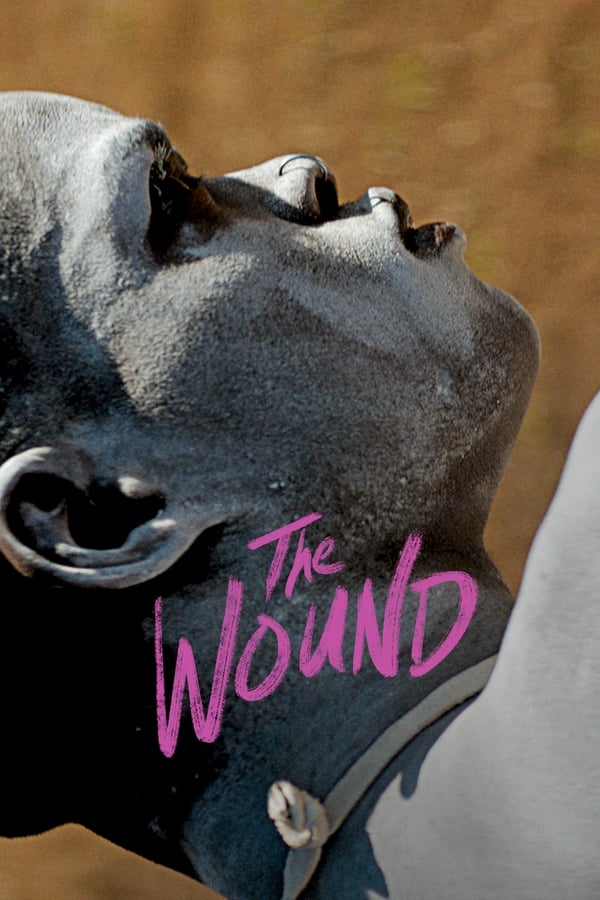
Set among the Xhosa community in South Africa, ‘The Wound’ (‘Inxeba’) follows initiates and caregivers during a traditional coming-of-age ritual. Director John Trengove collaborated with cultural advisors to depict ceremony protocols while focusing on a secret relationship. The film’s use of isiXhosa and remote mountain landscapes emphasizes isolation and surveillance. Its release sparked intense public debate and legal challenges around classification and screenings.
‘Heartstone’ (2016)
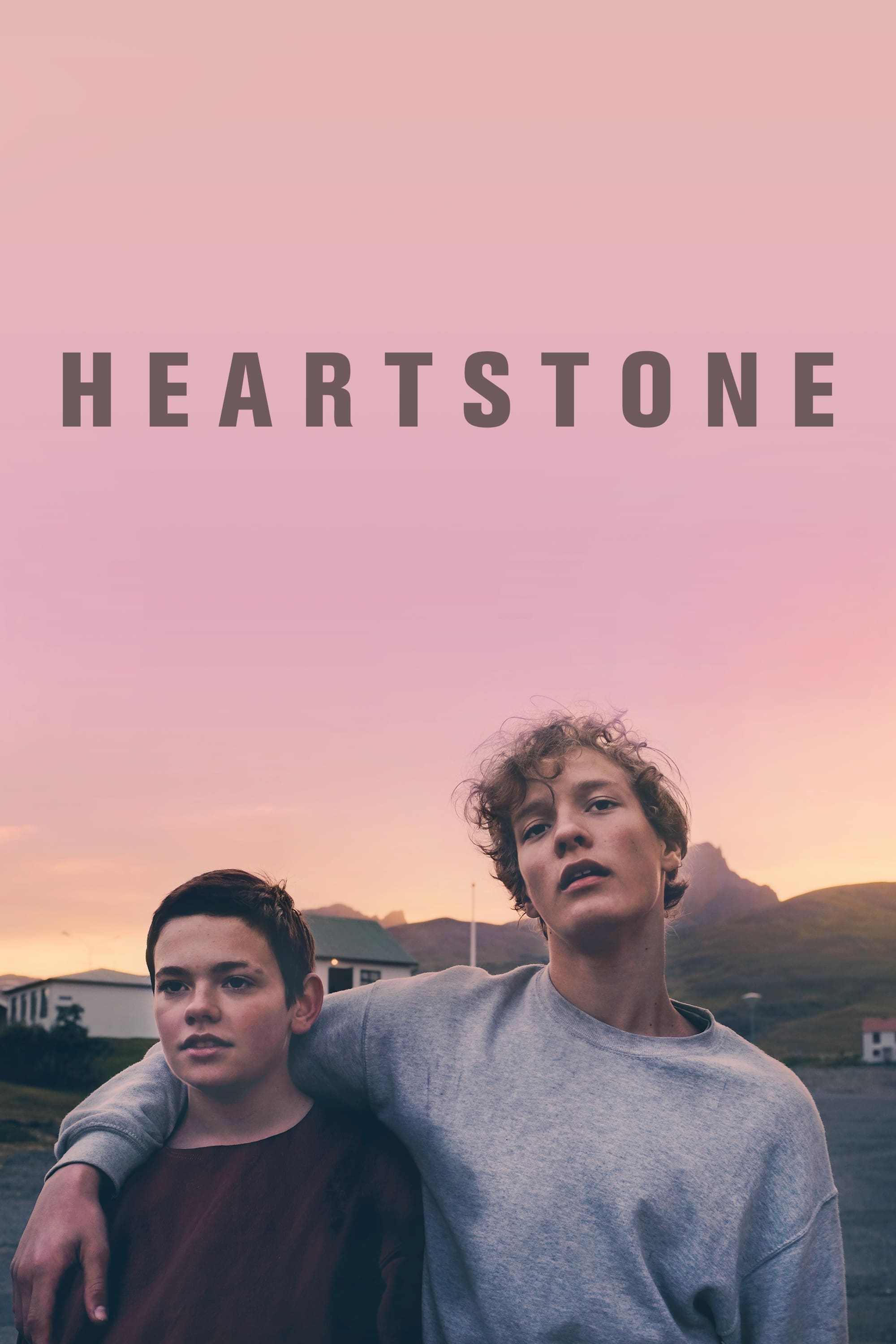
‘Heartstone’, directed by Guðmundur Arnar Guðmundsson, portrays two boys in a remote Icelandic fishing village as friendship shifts under social scrutiny. Shooting on the Snæfellsnes Peninsula, the production uses cliffs, quarries, and harbor spaces to mirror emotional scale. Nonprofessional actors bring local dialects and textures into the dialogue. The film collected awards across European festivals for its performances and cinematography.
‘The Strong Ones’ (2019)
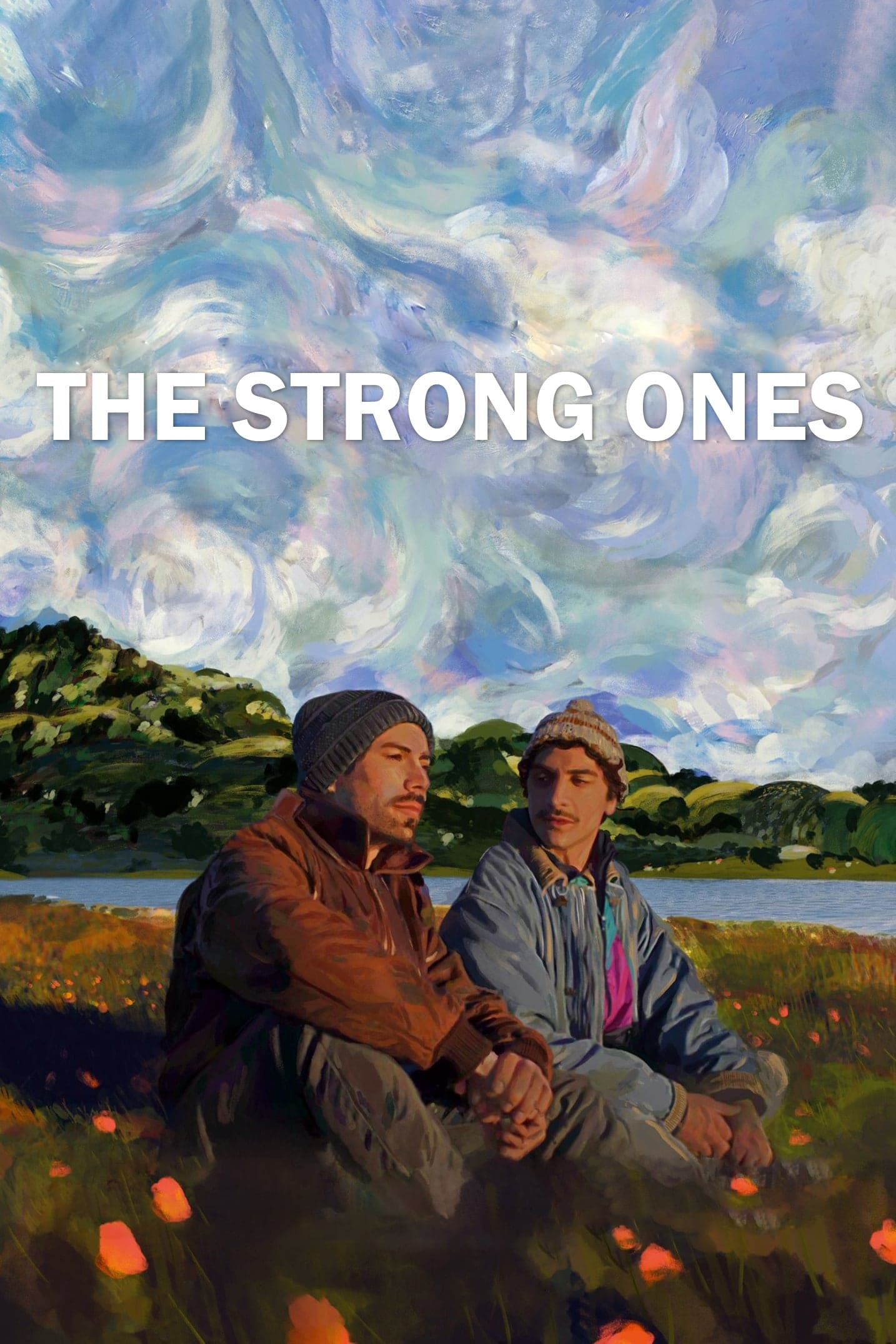
Set in southern Chile, ‘The Strong Ones’ (‘Los fuertes’) follows a visiting architect and a local fisherman who meet in a port town. The narrative integrates naval reenactments, tides, and boat repair into its depiction of work and community. Filming in Valdivia and Niebla gives the story fog-shrouded piers and historical fortifications as backdrops. It became a breakout LGBTQ+ hit in Chilean theaters and on the festival circuit.
‘Hard Paint’ (2018)
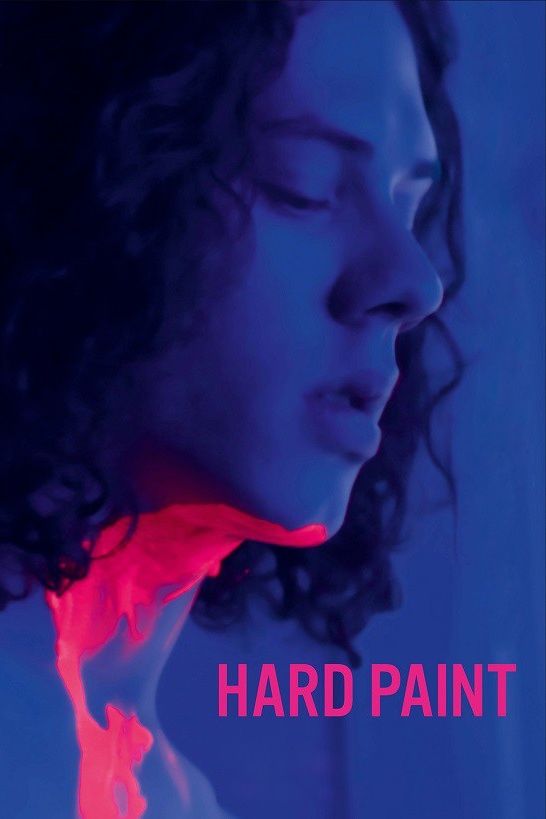
From Brazilian directors Filipe Matzembacher and Marcio Reolon, ‘Hard Paint’ (‘Tinta Bruta’) tracks a webcam performer whose neon-drenched shows intersect with offline conflicts. The film situates queer nightlife and digital labor within Porto Alegre’s apartment blocks and clubs. Sound design and black-light aesthetics turn performance into a defensive strategy. It won a major prize in Berlin’s Panorama section and several regional awards.
‘End of the Century’ (2019)
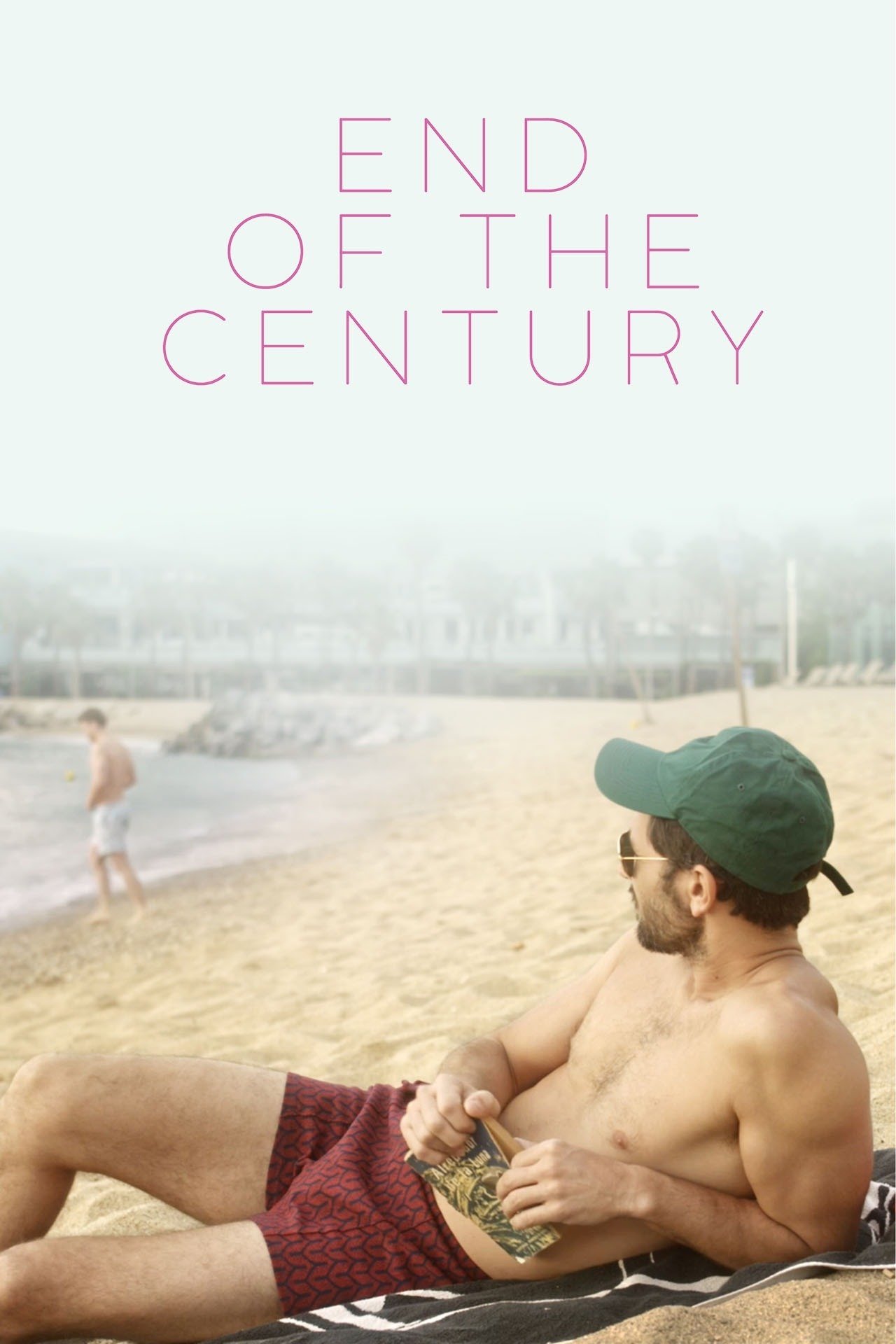
Lucio Castro’s ‘End of the Century’ (‘Fin de siglo’) brings two men together in Barcelona, then layers time shifts to revisit earlier encounters. The film uses apartments, rooftops, and beach walks to anchor memory against a specific urban grid. Minimalist dialogue and long takes encourage viewers to track subtle changes across parallel versions of events. It premiered at key LGBTQ+ festivals and expanded through arthouse distribution.
‘Song Lang’ (2018)
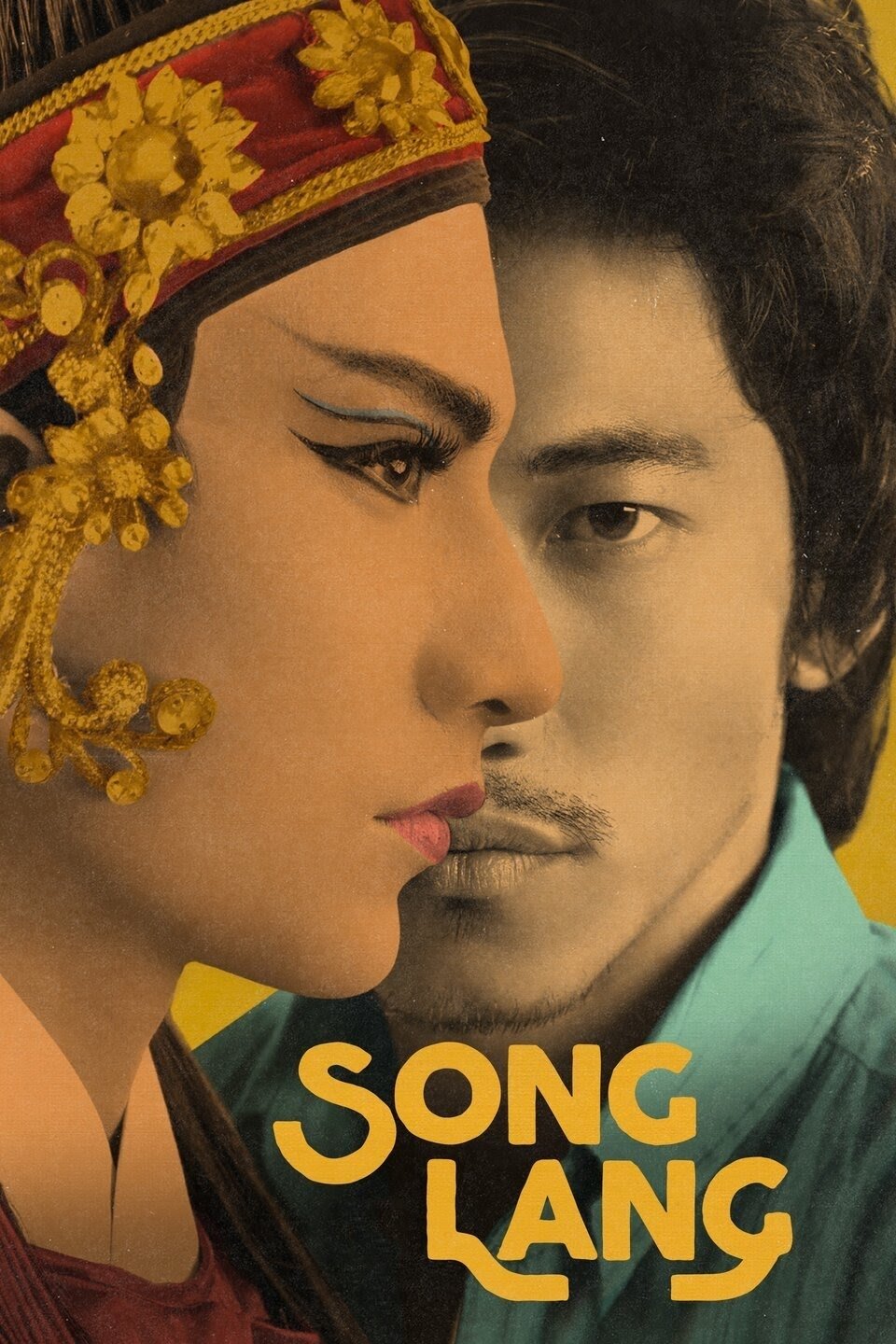
Set in 1980s Ho Chi Minh City, ‘Song Lang’ pairs a debt collector with a performer from a cải lương opera troupe. Director Leon Le reconstructs backstage routines—makeup tables, rehearsal cues, and prop storage—to frame their connection. The film features extensive musical performance sequences that document a traditional art form. It received awards from Asian and LGBTQ+ film festivals for production design and acting.
‘Lingua Franca’ (2019)
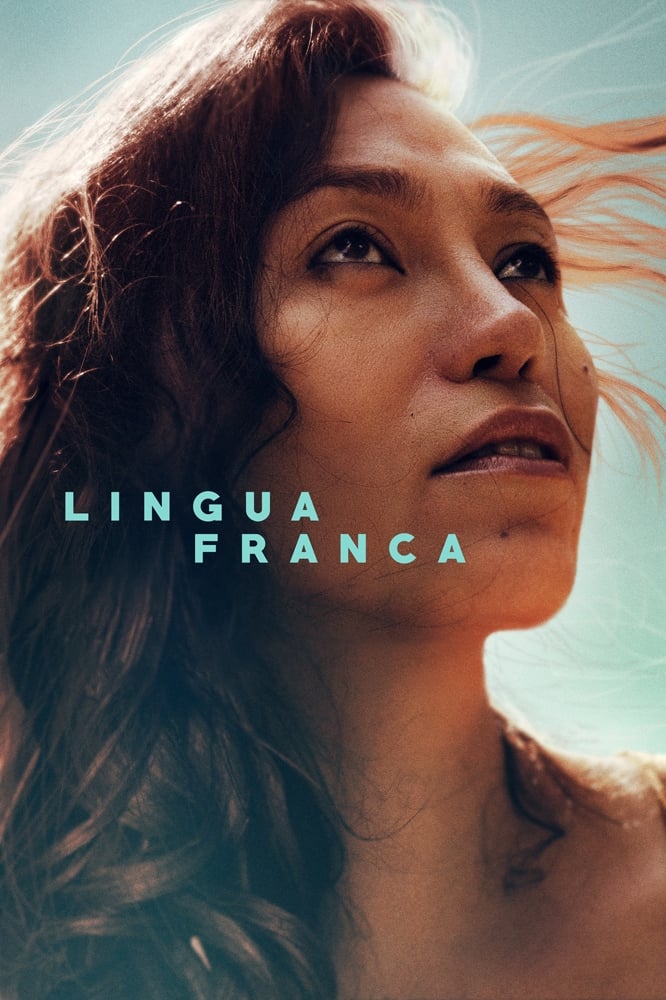
Isabel Sandoval’s ‘Lingua Franca’ follows an undocumented trans caregiver in Brooklyn balancing remittances, legal risks, and a fragile romance. The production highlights immigrant networks, check-cashing counters, and home-care shifts as everyday infrastructure. Sandoval directs and stars, shaping a viewpoint rare in U.S. independent cinema. The film was acquired by a major streaming platform and earned critical recognition for its intimate approach.
‘Mutt’ (2023)
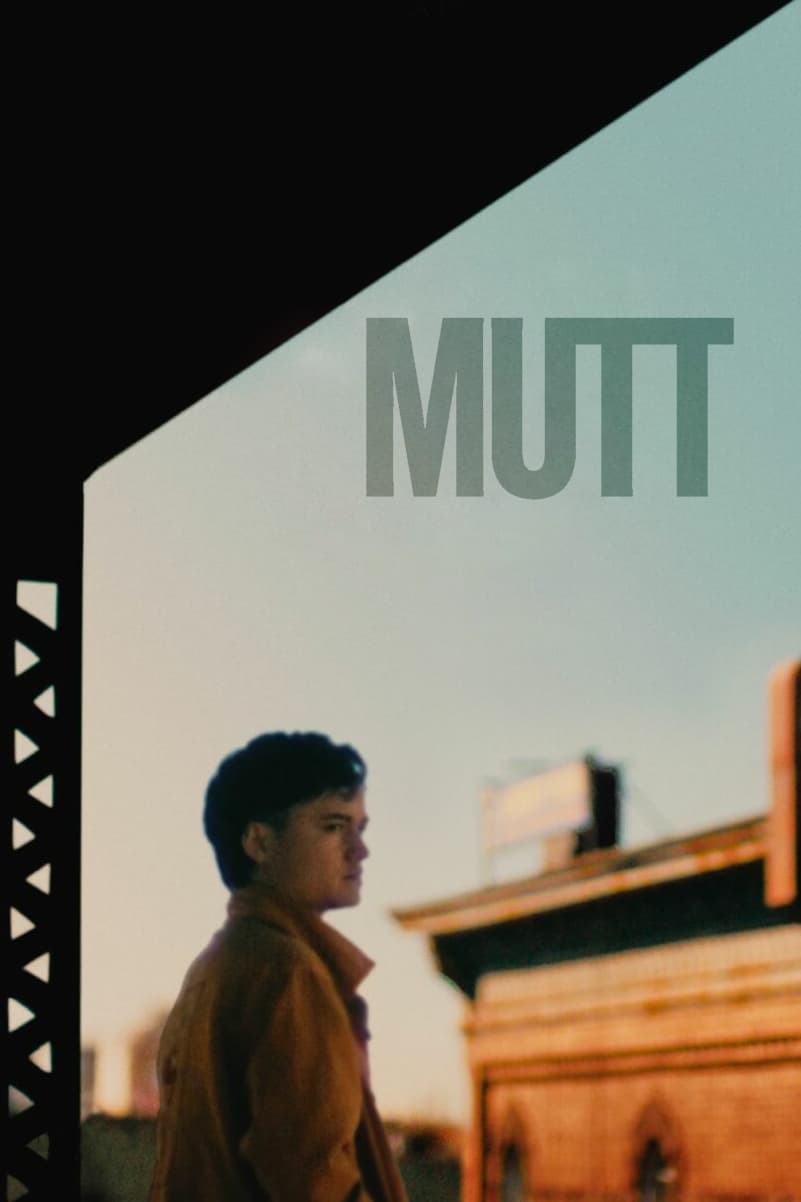
‘Mutt’, directed by Vuk Lungulov-Klotz, unfolds over a single day as a young trans man crisscrosses New York City to reconnect with family and an ex. Handheld camerawork and practical locations—bodegas, outer-borough streets, and late-night rides—give the film a lived-in momentum. The script places paperwork, IDs, and name records at the center of logistical hurdles. It premiered at Sundance, where lead actor Lío Mehiel was recognized for their performance.
‘Great Freedom’ (2021)
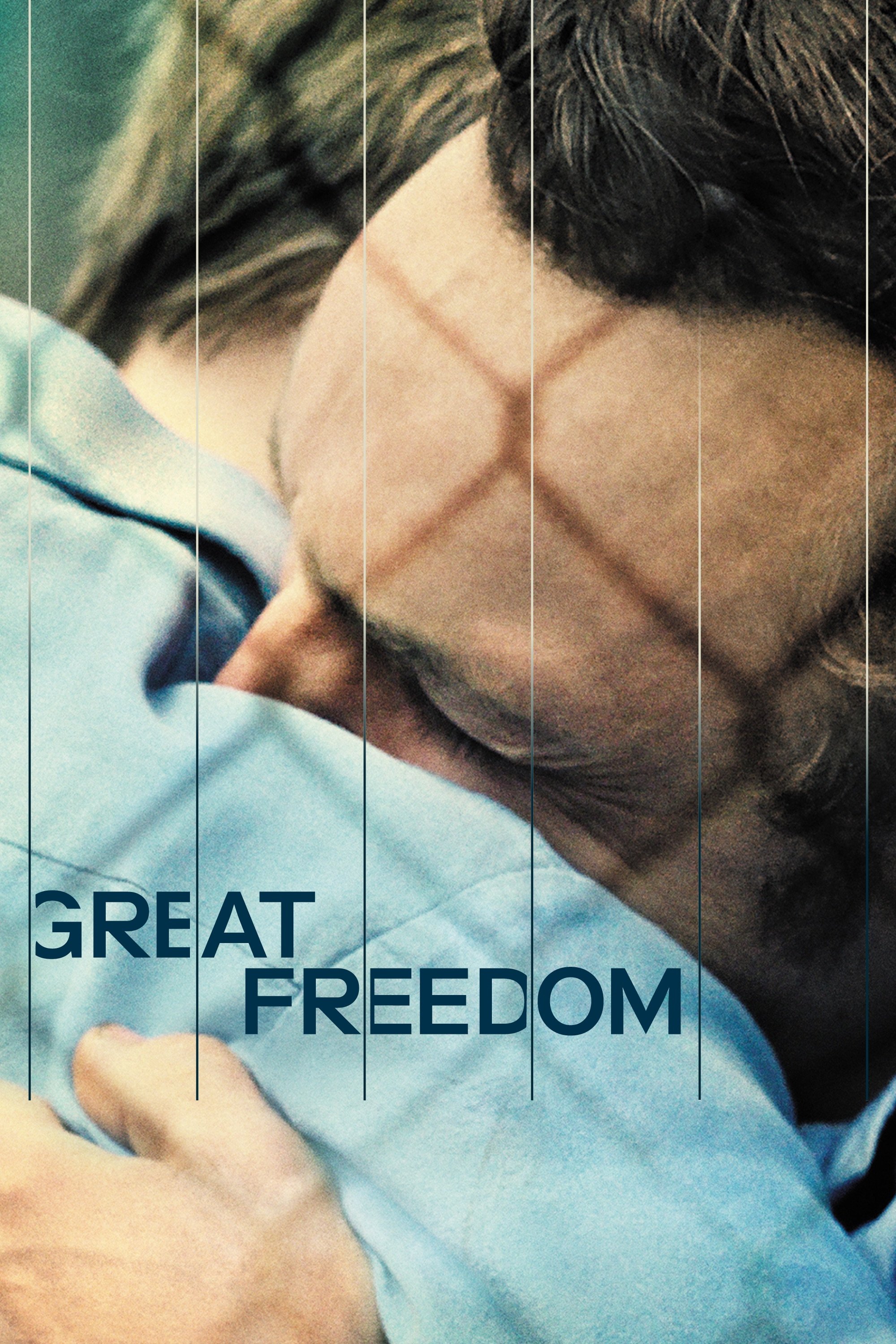
Sebastian Meise’s ‘Great Freedom’ (‘Große Freiheit’) examines postwar Germany’s enforcement of Paragraph 175 through a decades-spanning prison relationship. The film intercuts different incarceration periods within the same cell blocks, using tattoos and light quality to mark time. Production design reconstructs archival penal architecture and bureaucratic records. It won the Jury Prize in Cannes’ Un Certain Regard and became Austria’s submission for international awards.
‘The Blonde One’ (2019)
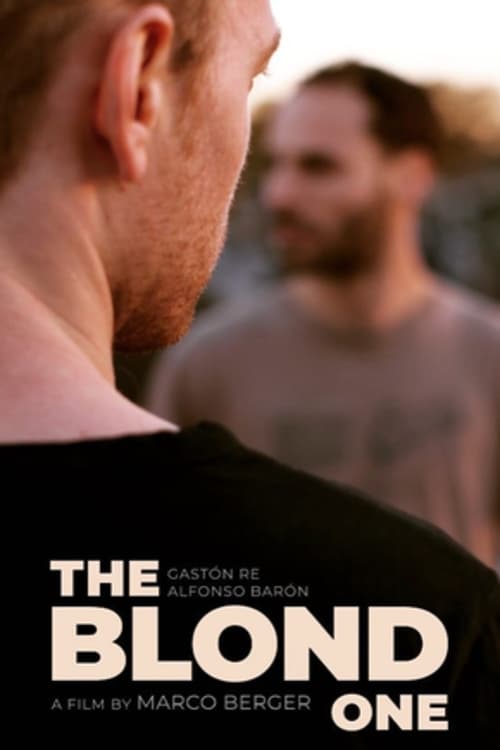
From Argentine director Marco Berger, ‘The Blonde One’ (‘Un rubio’) observes two coworkers sharing an apartment as boundaries blur. Static framing, off-screen space, and workplace routines shape the film’s slow-burn structure. The narrative engages housing precarity, parenting schedules, and office gossip as external pressures. Berger’s signature gaze logic—what is shown and withheld—drives tension without melodrama.
‘Princess Cyd’ (2017)

Stephen Cone’s ‘Princess Cyd’ follows a Chicago teenager spending a summer with her novelist aunt, where new friendships and a neighborhood romance unfold. The film maps city spaces—block parties, coffee shops, and a local church—onto gentle conversations about belief and desire. Dialogue foregrounds consent, curiosity, and boundaries across age and experience. It became a word-of-mouth favorite on the U.S. micro-budget festival circuit.
‘The Heiresses’ (2018)
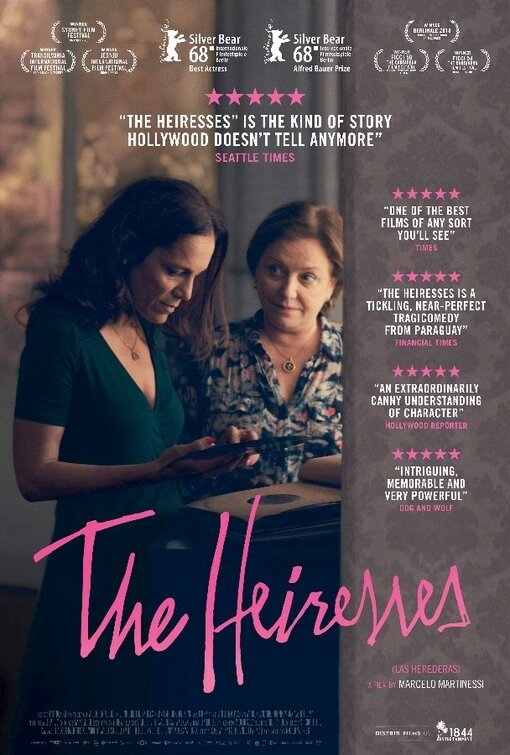
Marcelo Martinessi’s ‘The Heiresses’ (‘Las herederas’) centers on two women from an old Asunción family whose finances collapse, changing class status and routines. The story uses estate sales, card games, and car-sharing to show shifting social hierarchies. Nonprofessional actors mix with seasoned performers to create a precise, quiet register. The film won multiple awards in Berlin, including ensemble recognition.
‘Monsoon’ (2019)
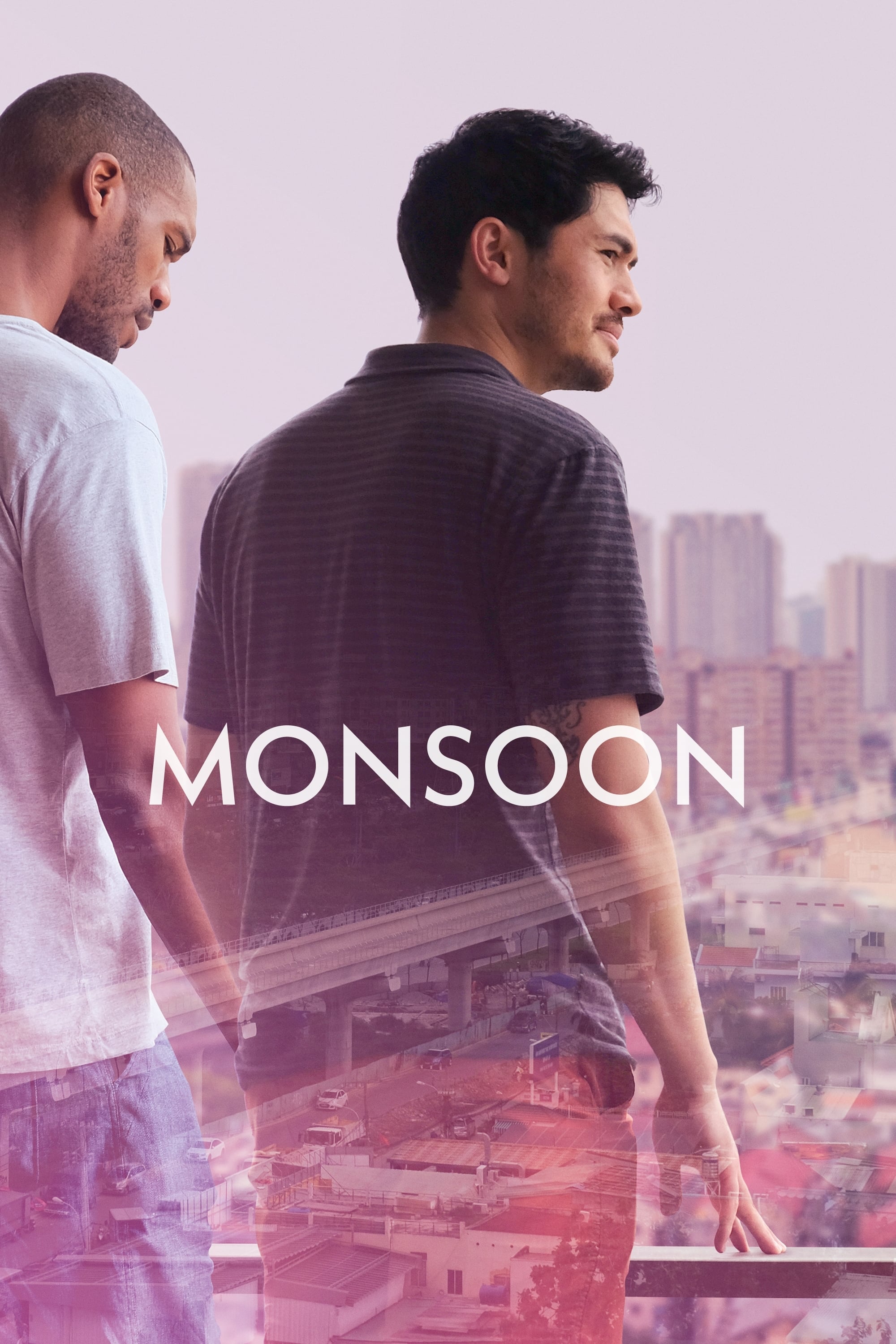
Directed by Hong Khaou, ‘Monsoon’ follows a British-Vietnamese man returning to Saigon and Hanoi to handle family ashes and reconnect with roots. The production moves through apartment towers, cafés, and riverside construction sites to capture rapid urban change. Multilingual exchanges—English and Vietnamese—mirror layered identity and diaspora. It features Henry Golding in a rare dramatic lead outside franchise work.
Share the titles you’d add—or the ones you’re planning to watch first—in the comments!

