


LGTBQ+ Actors Hollywood Pushed—But Audiences Didn’t Bite


Studios sometimes pour marketing, money, and marquee projects into talented performers, only to watch the numbers come in below expectations. The reasons vary—release timing, genre fatigue, shifting strategies at streamers—but the pattern is easy to spot when a well-backed title stalls at the box office or a prestige series fades in the ratings. Below are male LGBTQ+ actors attached to high-profile projects that underperformed commercially or were cut short despite strong visibility. The focus here is on verifiable outcomes like grosses, budgets, ratings, and cancellations—not talent or potential.
Ezra Miller

Warner Bros. positioned Miller at the center of DC’s rollout with ‘The Flash’, a film with a production budget widely reported around the $200 million range that opened to a soft domestic weekend and finished with a muted global haul for a modern superhero tentpole. Industry coverage tracked the movie’s lackluster momentum even as it topped its opening frame. The film ultimately became a case study in expensive IP failing to translate to sustained turnout. Trade analysis broadly characterized the performance as disappointing relative to expectations for a project of its size.
Ben Platt
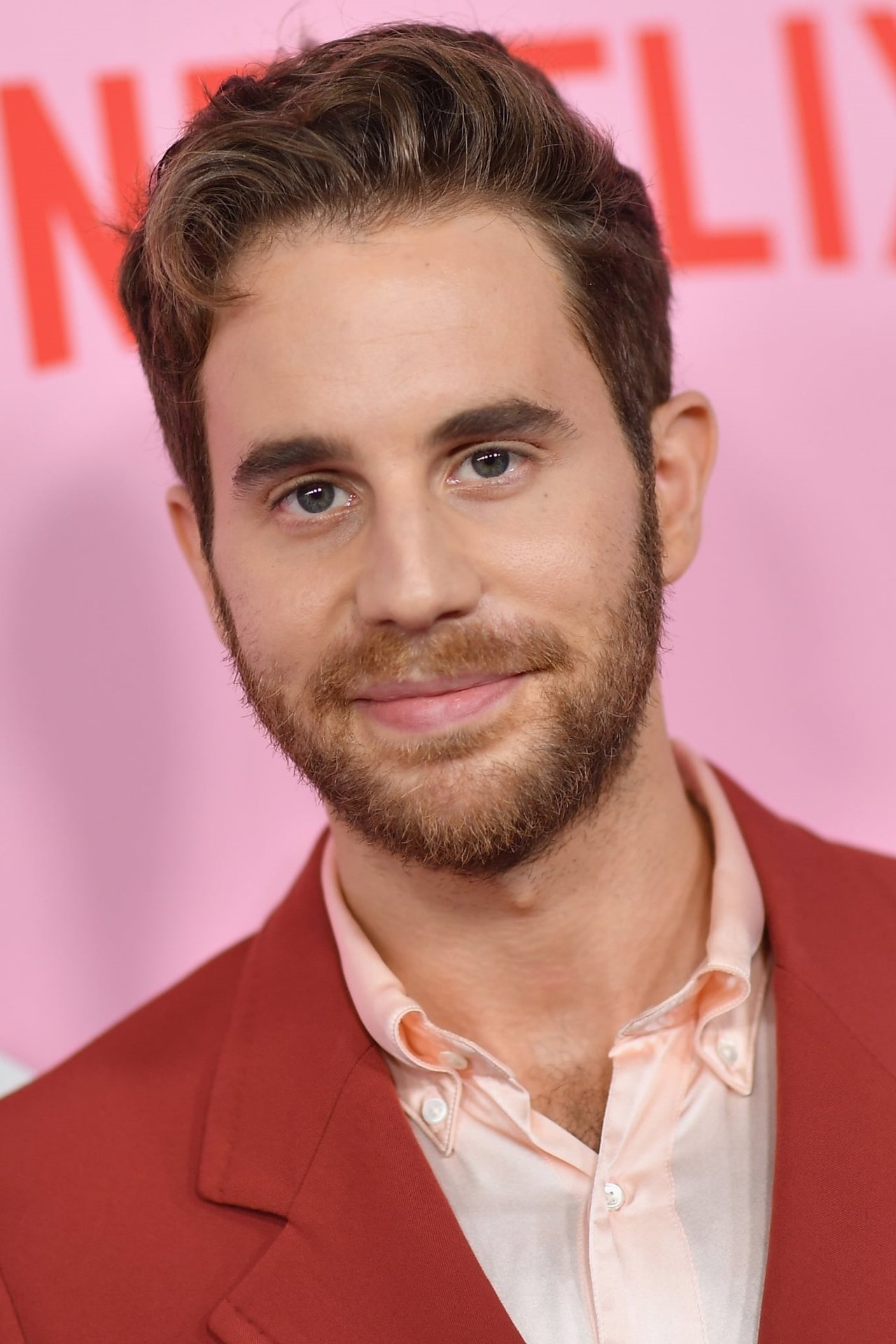
Universal’s adaptation of ‘Dear Evan Hansen’ arrived with awards pedigree and an established fanbase but earned a domestic total below its reported production budget. The platform-to-wide strategy didn’t create a significant expansion, and per-theater averages stayed modest. Critical discussion generated visibility without material conversion at the box office. The film’s quick shift to home platforms reflected its limited theatrical legs.
Rupert Everett
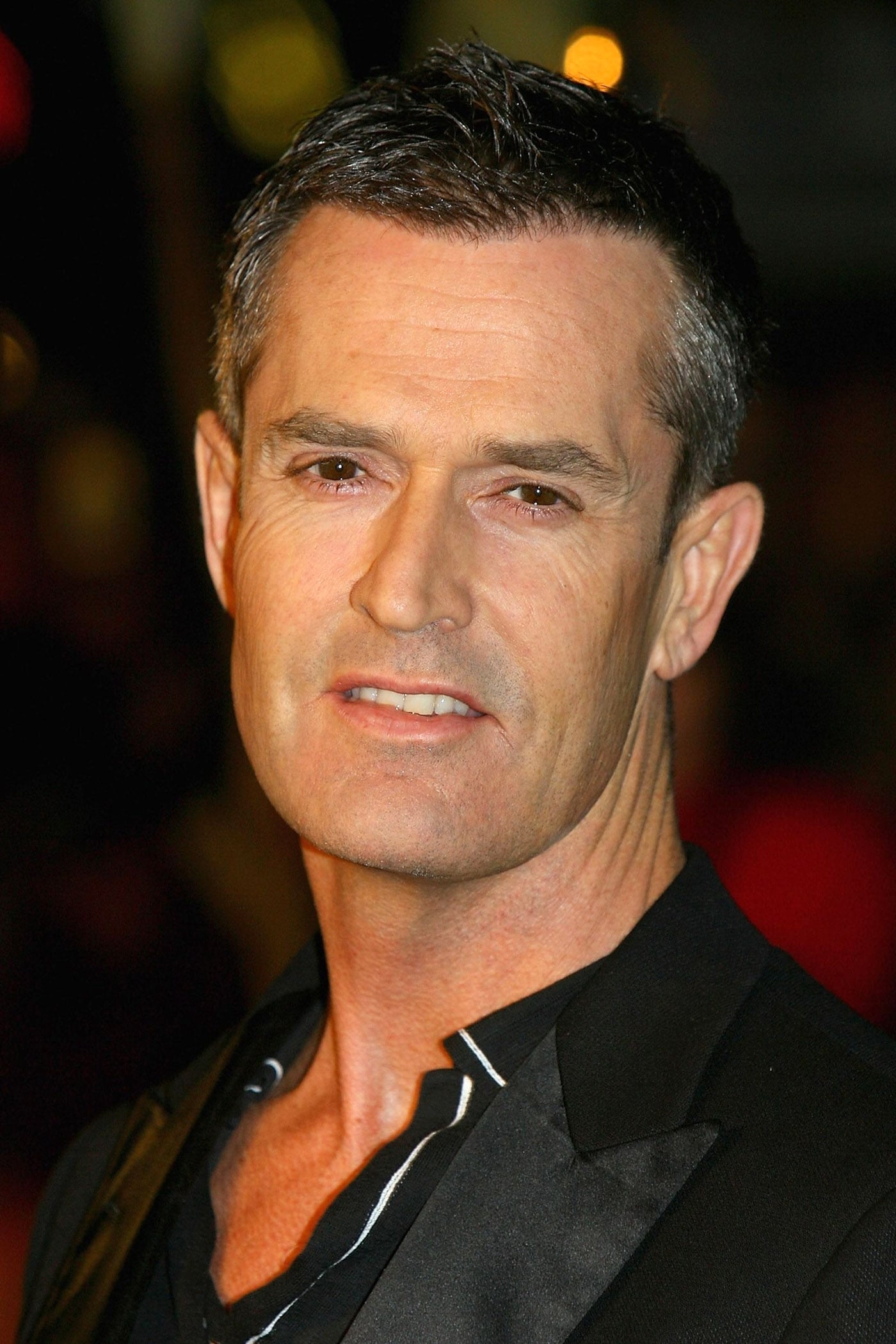
After a breakout run in late-1990s studio comedies, Everett headlined ‘The Next Best Thing’ opposite Madonna, a well-publicized release that was met with poor reviews and underwhelming attendance. The film’s domestic performance fell short of expectations for a star-driven romantic drama. Everett later described the project’s outcome as a setback for his studio trajectory. The title remains a frequently cited example when charting the arc of his mainstream prospects.
Luke Evans
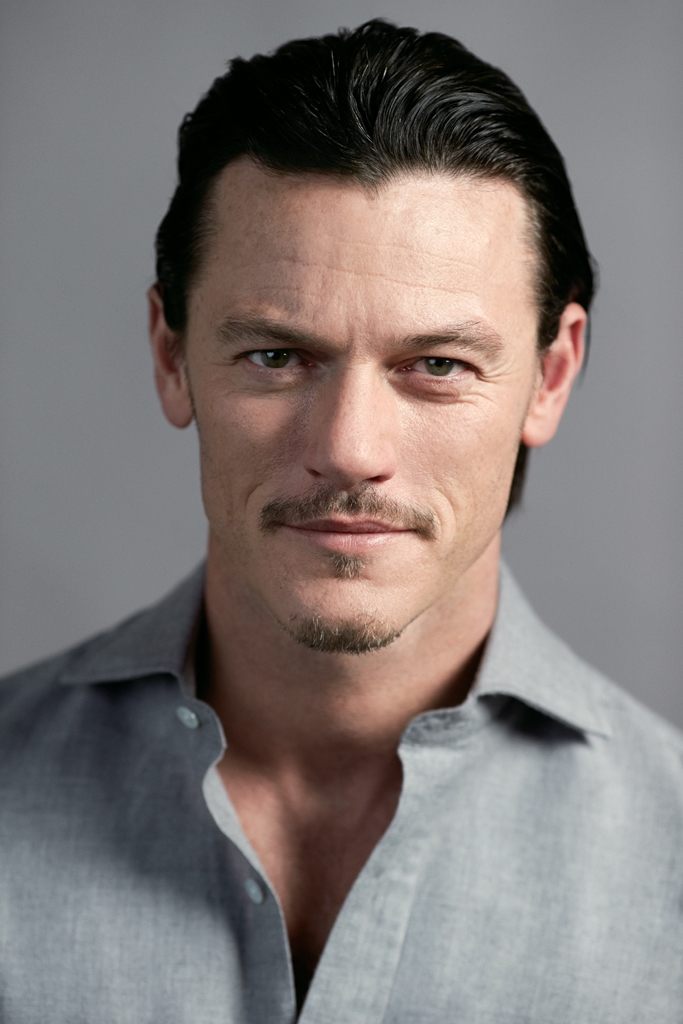
Universal built ‘Dracula Untold’ as an origin story fronted by Evans; it drew mixed reviews and, despite a respectable global total, didn’t launch a durable franchise. Domestic turnout was modest compared with the studio’s ambitions for a monster-movie revival. Subsequent attempts at a shared “monster universe” pivoted away from this approach. The film is often referenced as a one-off rather than a springboard.
Jonathan Groff
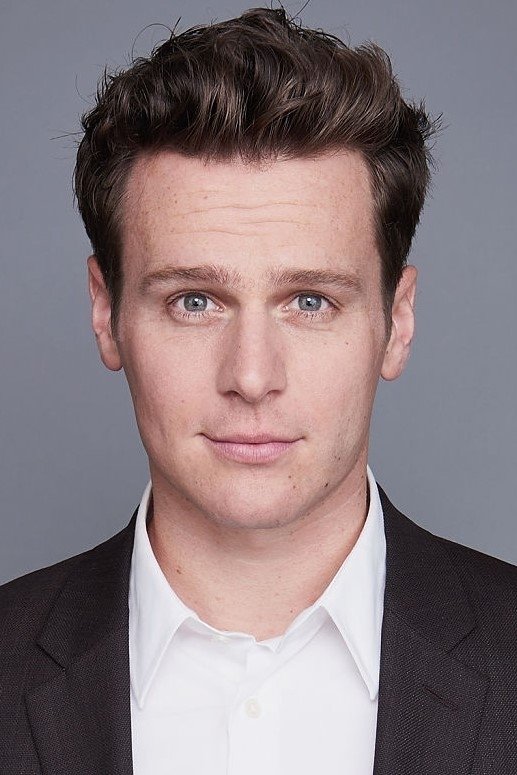
HBO gave Groff a lead platform with ‘Looking’, a critically discussed series that nevertheless struggled to build live viewership. Season-two averages remained low by the network’s standards. The series was canceled and later concluded with a wrap-up movie to finish the story. The trajectory shows how prestige backing doesn’t always secure sustained audience scale.
Lee Pace
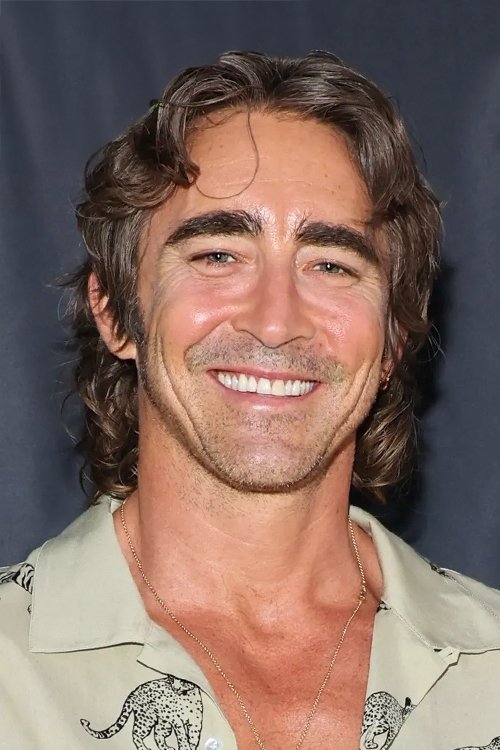
‘Pushing Daisies’ put Pace at the center of a distinctive network fantasy series that premiered strong and then slid sharply in viewers during its second season. Scheduling disruptions and the writers’ strike period complicated momentum. Despite awards recognition, ABC canceled the show before it could stabilize. The viewing drop from early peaks to late-season levels was a key factor.
Matt Bomer
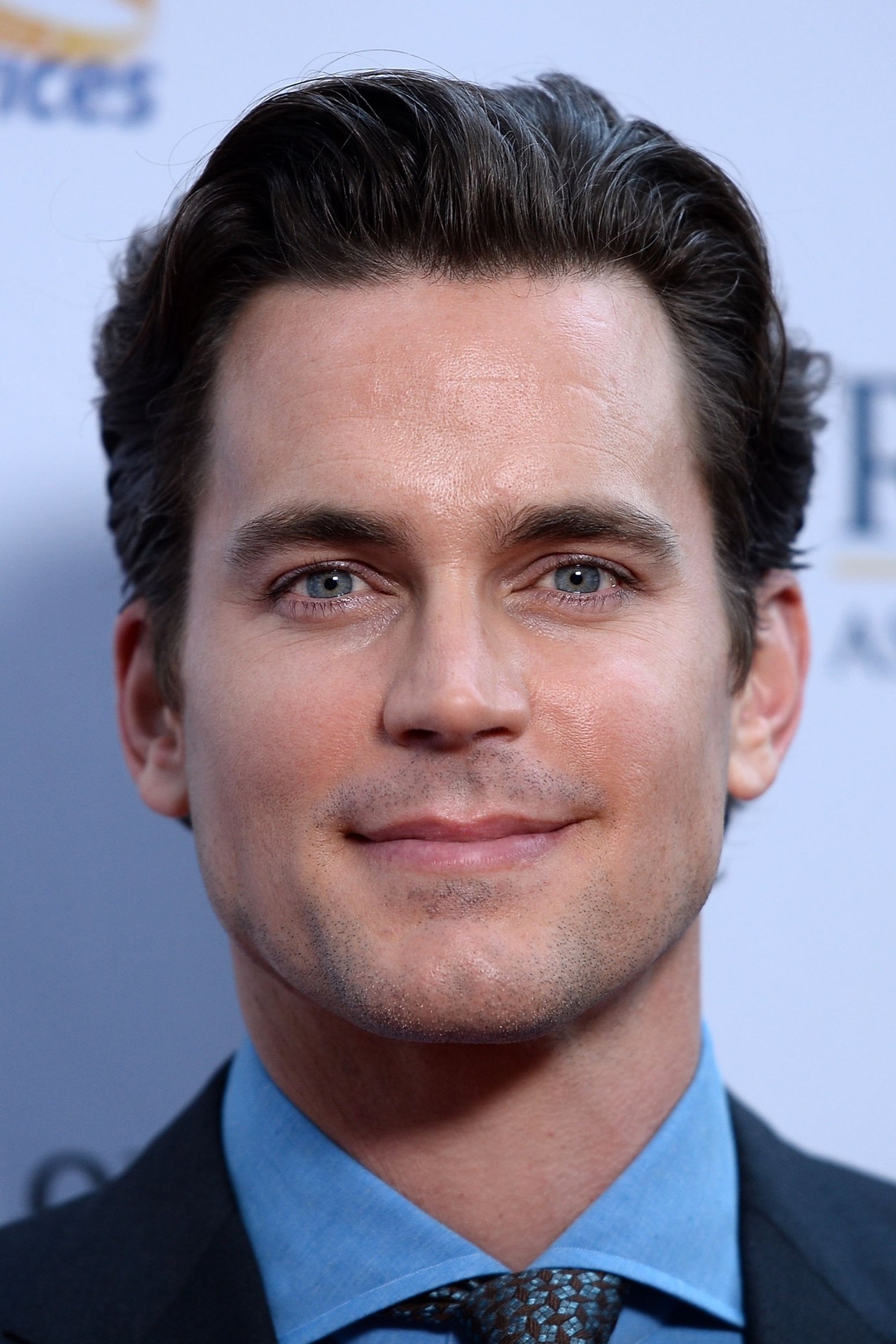
Amazon positioned Bomer as the marquee star of ‘The Last Tycoon’, an expensive Fitzgerald adaptation that premiered with fanfare. Within weeks, the streamer canceled the series amid a broader shift in originals strategy. Performance relative to cost was a recurring point in industry coverage. The show ended without a second season despite its scale and production values.
Zachary Quinto

Quinto’s studio outing in ‘Hitman: Agent 47’ arrived with a recognizable game IP and a wide release but delivered a modest worldwide total for an action property expected to seed a series. Critical reception was poor, and no follow-up materialized. The film’s short theatrical legs limited its franchise potential. It stands as a cautionary example from the mid-2010s wave of video-game adaptations.
Billy Eichner
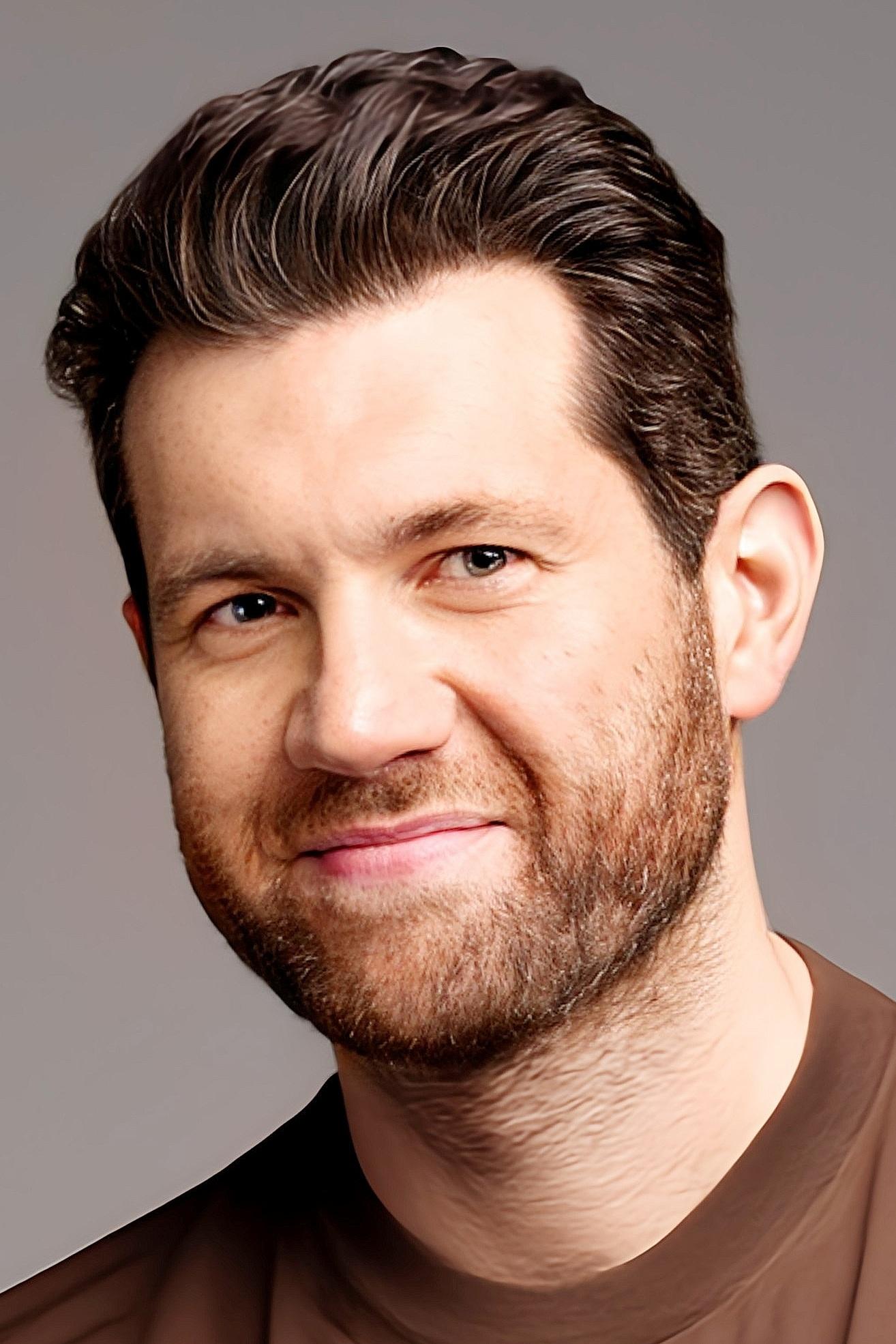
Universal positioned Eichner as the face of the theatrical rom-com ‘Bros’, mounting a wide release with an extensive marketing campaign across late-night, social, and in-theater promotions. Despite the push, opening-week attendance was soft and word-of-mouth did not expand the audience in subsequent frames. The film shifted to digital and streaming windows quickly compared to other studio comedies of the period. No sequel or direct follow-up in the same franchise space was developed after the run.
Jim Parsons

Focus Features rolled out ‘Spoiler Alert’ with festival play and targeted promotions, then expanded nationally during the holiday corridor. The drama’s per-theater averages remained modest and the platform strategy didn’t yield a major breakout. Ancillary and streaming windows followed soon after to capture niche interest and awards-season visibility. The title served more as a specialty release than a mainstream performer.
Andrew Rannells

NBC launched ‘The New Normal’ with a high-profile producer, strong fall promotion, and a prime schedule slot. Live-plus-same-day ratings settled below network averages, and delayed viewing did not materially change renewal calculus. After one season, the network ended the series rather than ordering additional episodes. International sales and digital availability did not reverse the domestic outcome.
Alan Cumming
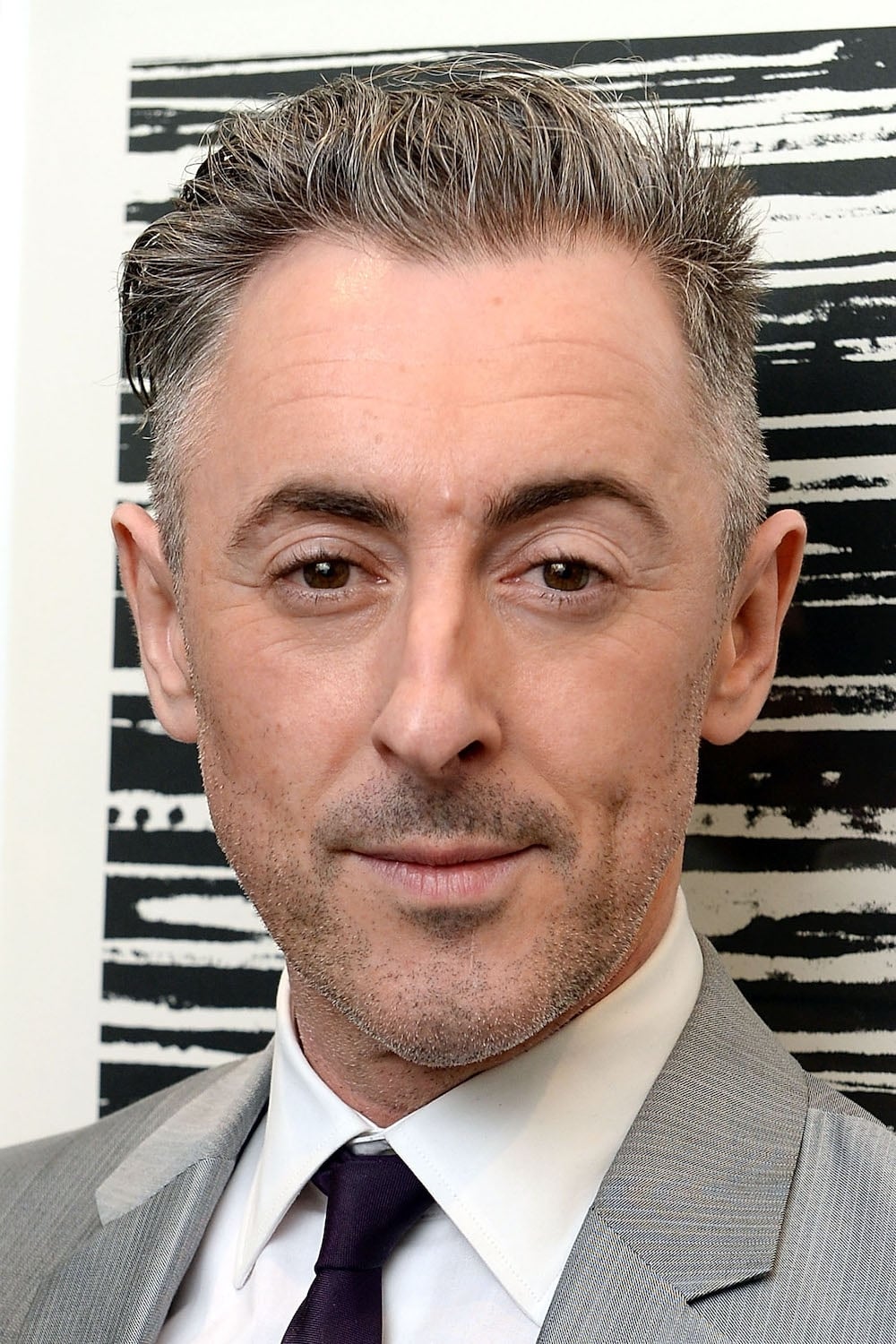
CBS’s ‘Instinct’ arrived as a network procedural with summer marketing and a recognizable lead. Initial sampling tapered as the season progressed, and time-period competitiveness limited weekly growth. After two seasons, the network canceled the series amid broader lineup changes. Syndication thresholds were not reached, and no spinoff was commissioned.
Neil Patrick Harris
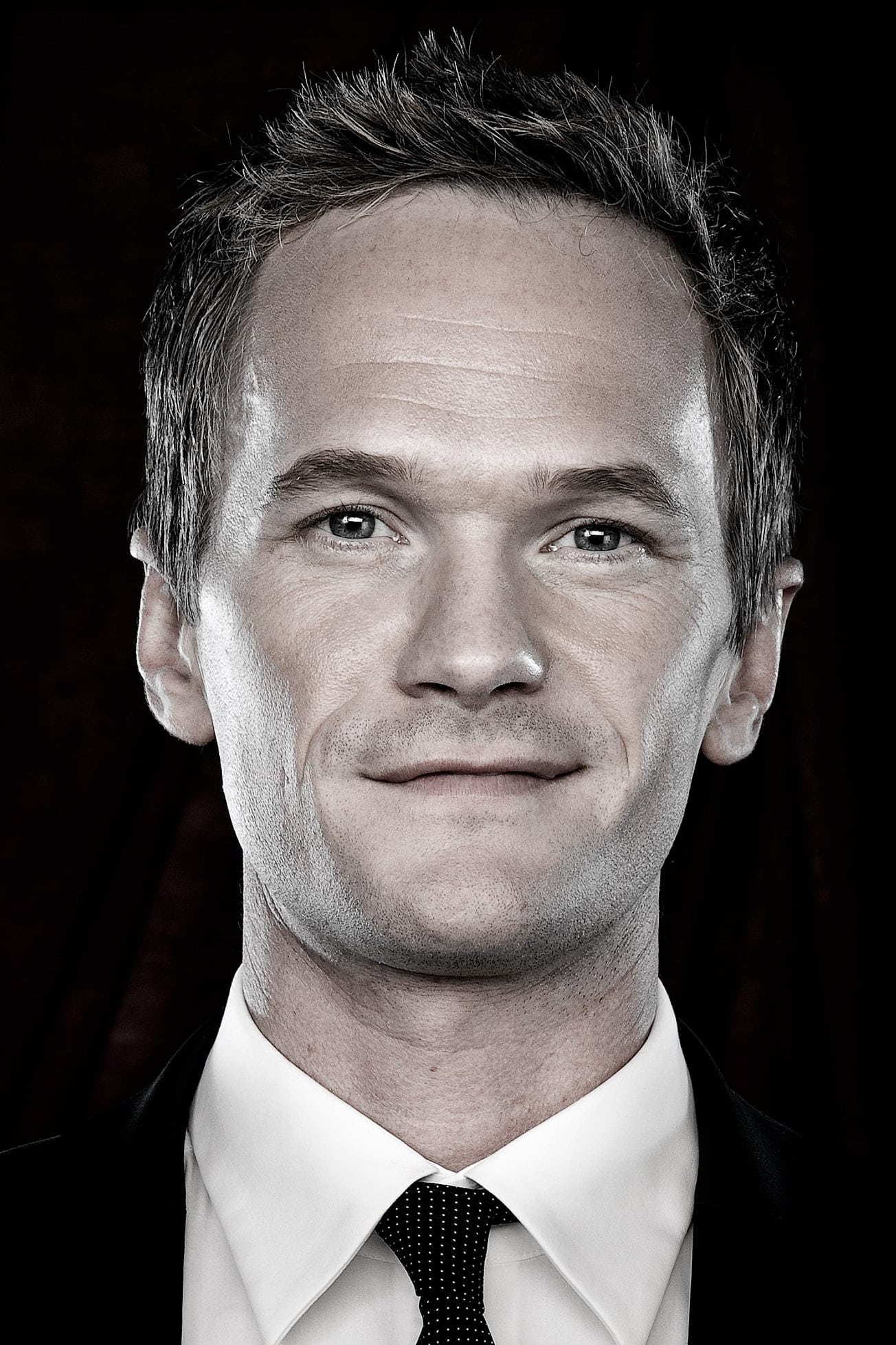
Netflix premiered ‘Uncoupled’ with substantial front-page placement, trailer rotation, and global availability. Completion metrics and retention did not meet the service’s internal benchmarks for immediate renewal. The series was canceled after one season, with later efforts to relocate it not yielding additional episodes. The project remains a single-season entry in Harris’s streaming work.
Ben Aldridge
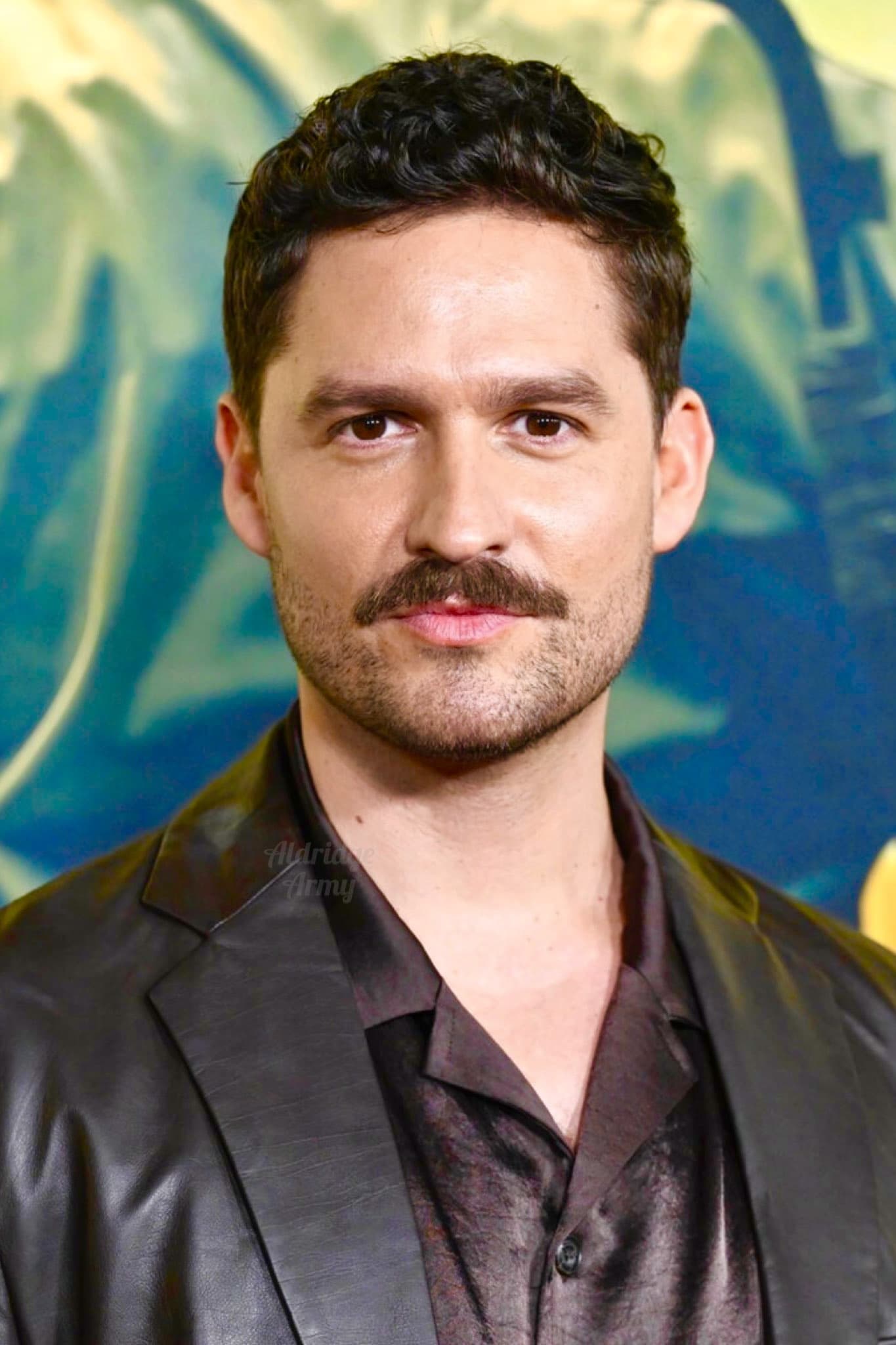
‘Pennyworth’ launched as a DC-branded prequel on premium platforms and later rebranded to emphasize its Batman-universe connection. Even with the IP association and relaunch marketing, viewership stayed concentrated within a small core audience. After three seasons, the series ended as part of a larger strategic reset. No direct continuation was ordered under the rebranded title.
Russell Tovey
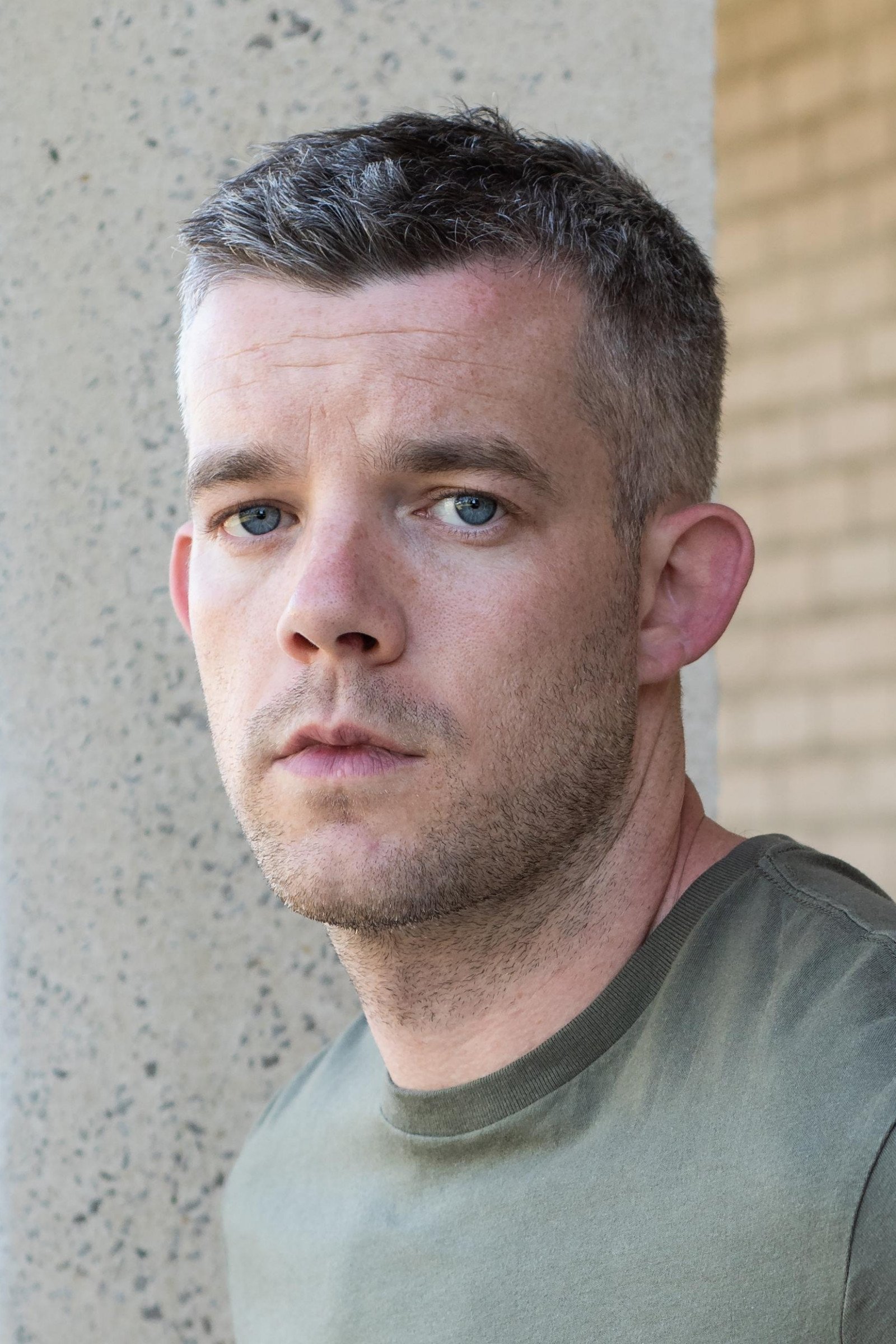
ABC’s ‘Quantico’ underwent format changes and cast additions, including Tovey, to stabilize ratings in later seasons. Despite the adjustments and promotional pushes, live viewing continued to trend downward. The network concluded the series after its third season. Streaming availability helped catalog discovery but did not revive production.
Brian J. Smith
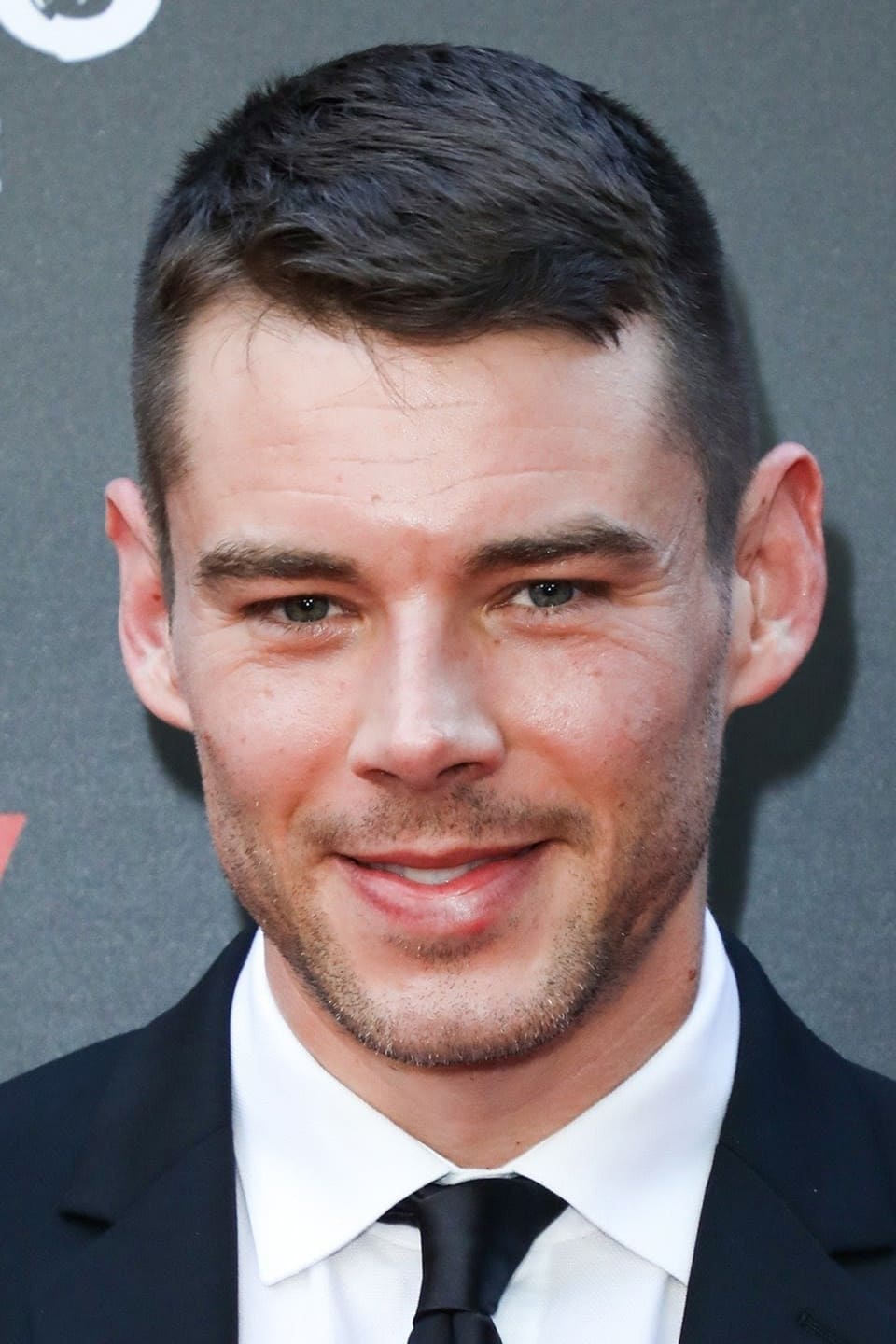
Netflix invested heavily in ‘Sense8’ with international locations, a large ensemble, and prominent placement on the service. While the show built a passionate fanbase, overall cost-to-audience ratios were not aligned with renewal thresholds. The series was canceled after two seasons, with a feature-length special later produced to conclude the narrative. The decision was framed around performance metrics rather than critical response.
Thomas Dekker
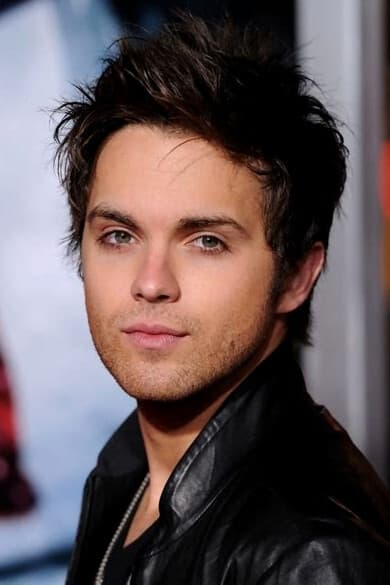
Fox positioned ‘Terminator: The Sarah Connor Chronicles’ as a franchise extension with crossover promotion from the film brand. Strong early sampling declined through its second season amid schedule shifts and genre competition. The series was canceled before reaching episode counts typical for long-term syndication. Home video and streaming later sustained interest without prompting a revival.
Sean Hayes
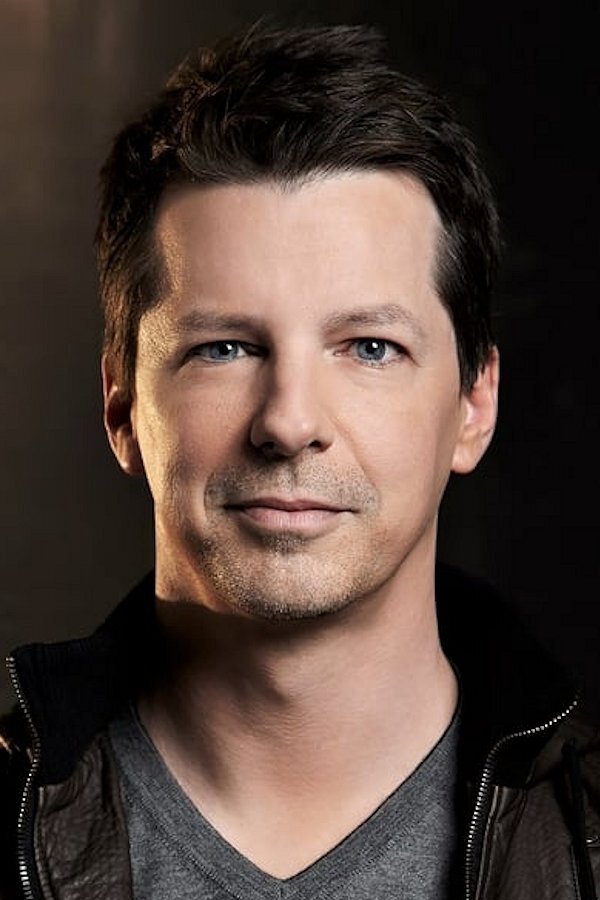
‘Sean Saves the World’ was introduced by NBC with significant advertising, a multi-camera format familiar to network audiences, and a mid-season push. Ratings did not reach targets, and time-slot moves reduced consistency for weekly viewers. The network canceled the series during its initial season. Remaining episodes were aired or released without a renewal order.
John Cameron Mitchell

‘How to Talk to Girls at Parties’ entered theaters after festival exposure and a campaign leveraging Mitchell’s ‘Hedwig’ reputation. The U.S. theatrical run remained limited, with a quick pivot to on-demand and digital platforms. Despite recognizable source material and cast, the film did not secure a broad audience. Subsequent discussion of the title has largely occurred within niche and home-viewing contexts.
Billy Porter
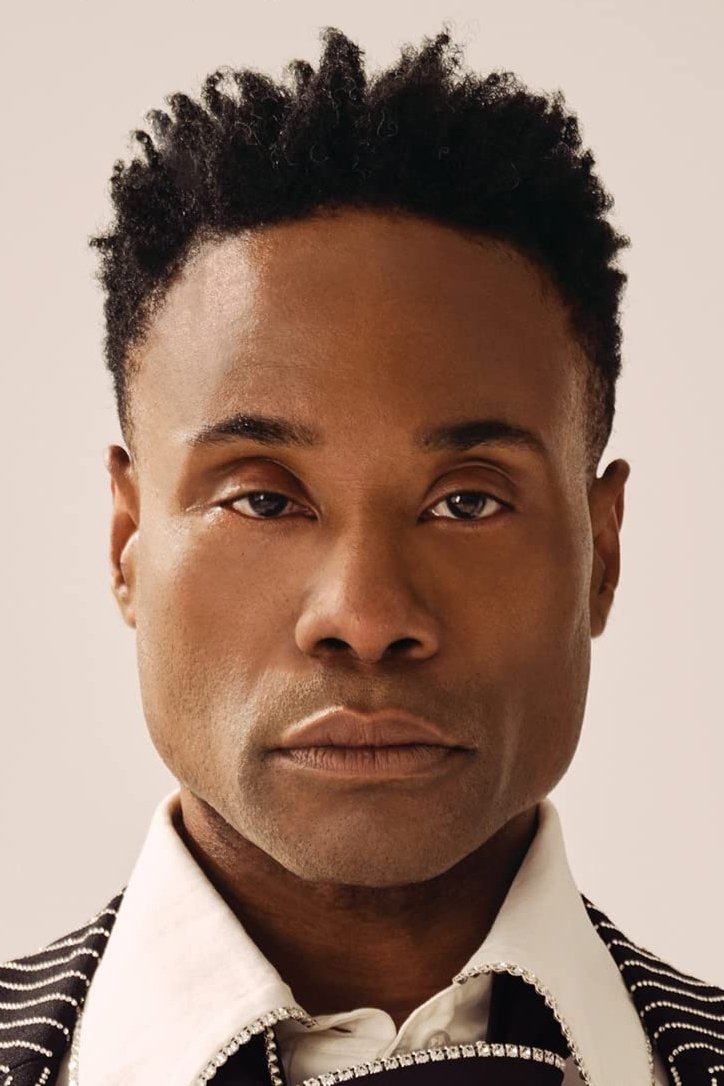
Amazon’s ‘Cinderella’ premiered as a streamer-led musical with global availability and extensive promotional tie-ins. Viewer conversation peaked near release but faded quickly relative to other branded musicals. Critical response was mixed, and the project did not generate sequel development. The film’s performance informed later programming choices within the genre.
Anthony Rapp

The film adaptation of ‘Rent’ arrived with a built-in Broadway audience and a national marketing effort. The movie’s theatrical turnout fell below expectations for a well-known stage property, particularly beyond initial fans. Ancillary sales and later airings expanded reach but did not alter its theatrical standing. The adaptation did not lead to a continuing film series.
Ben Daniels

Fox launched ‘The Exorcist’ as an IP-driven horror drama with network promotion and favorable initial reviews. Audience levels remained modest for broadcast, and year-over-year retention did not meet renewal goals. After two seasons, the network ended the show amid schedule and portfolio changes. The brand did not continue on the same platform with the same cast.
George Takei

AMC’s ‘The Terror: Infamy’ highlighted Takei in both a featured role and as a historical consultant during its campaign. The season maintained a smaller linear audience compared with the anthology’s first outing. While the show received critical notice, it did not break through to mass viewership. The anthology concluded its run without extending the ‘Infamy’ storyline.
Got more examples that fit this pattern? Share your picks—and the projects you’d cite—in the comments.

