


Marketing Flops that Doomed Good Movies

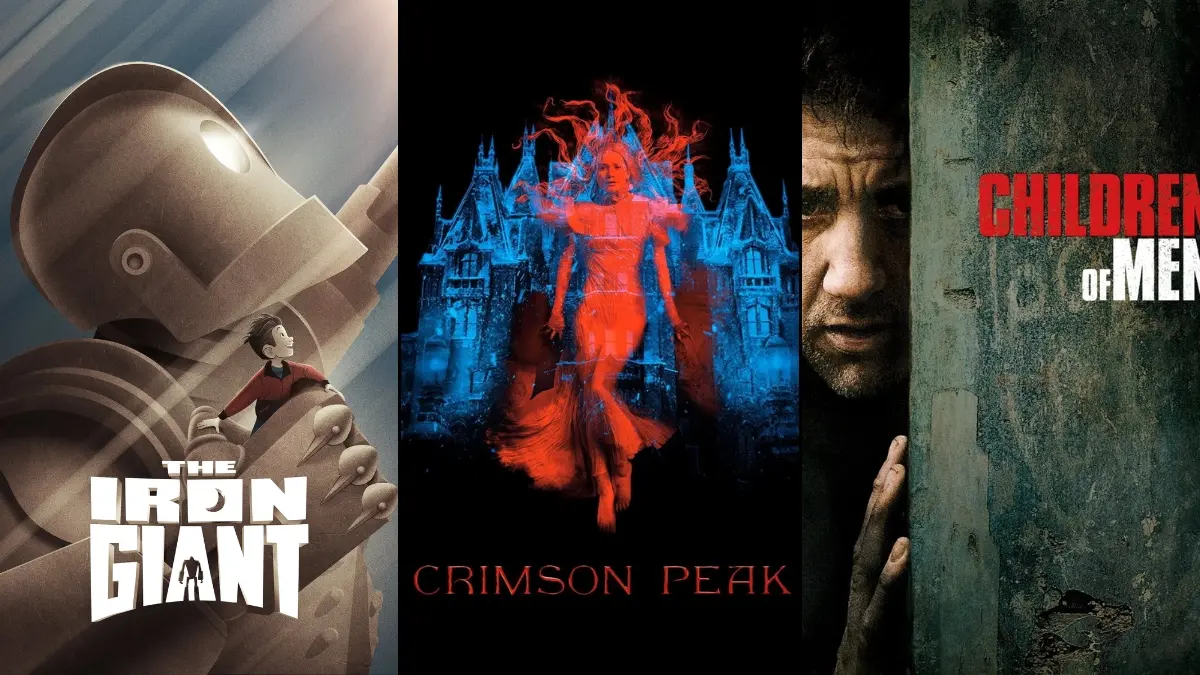


Film marketing often determines financial success regardless of the actual quality of the motion picture. Studios sometimes struggle to define a genre or target the wrong demographic entirely. This disconnect leads to empty theaters and significant financial losses for productions that deserved better reception. The following films stand as examples of high quality cinema that suffered due to poor promotional strategies.
‘John Carter’ (2012)
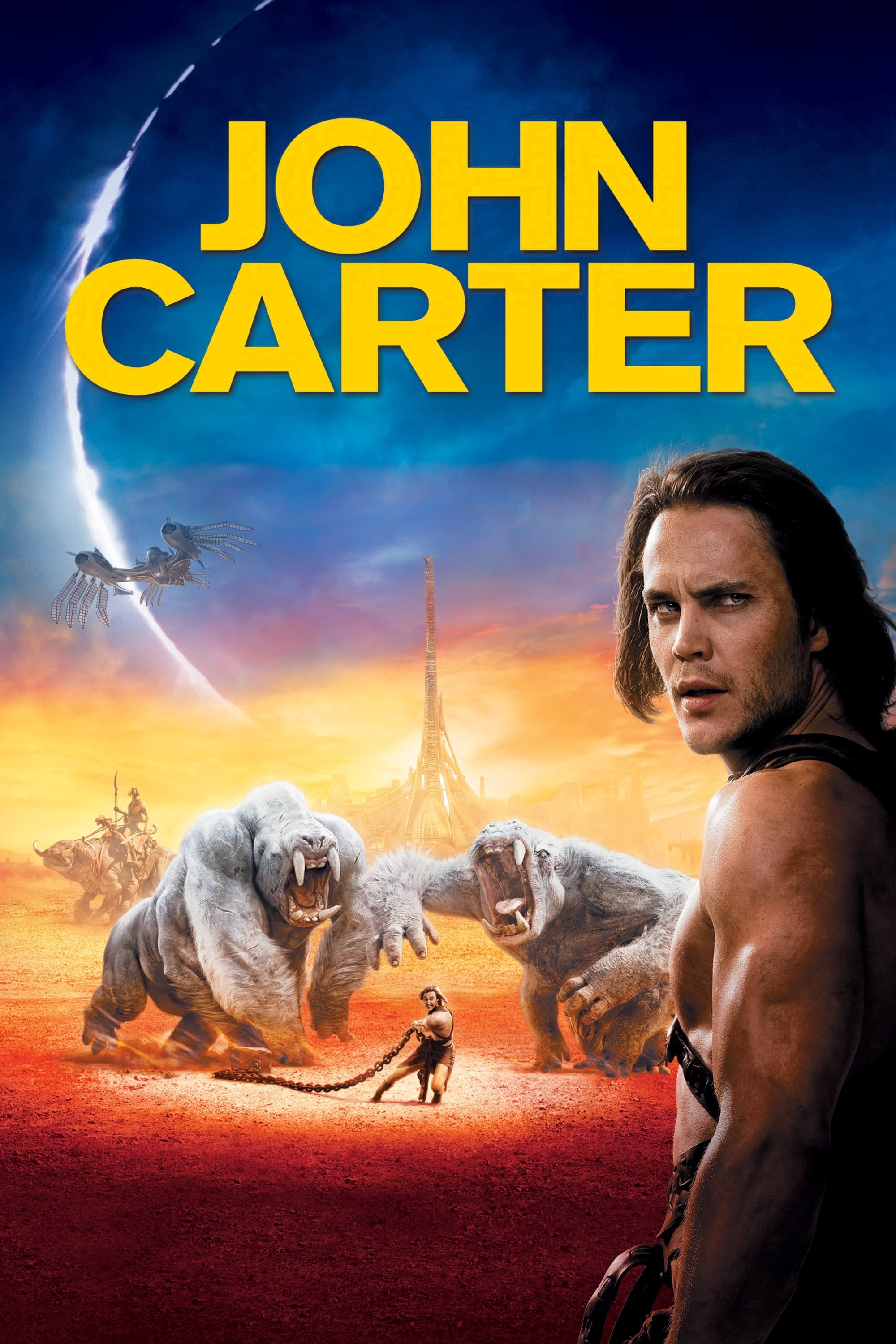
Disney executives decided to shorten the title from the original source material to a generic name that conveyed nothing about the setting. The trailers focused on standard action sequences without highlighting the rich history of the sci-fi story. Audiences dismissed the movie as a derivative blockbuster rather than the influential space opera it actually adapted. This lack of clear branding resulted in a historic box office bomb despite the impressive visual effects.
‘The Iron Giant’ (1999)
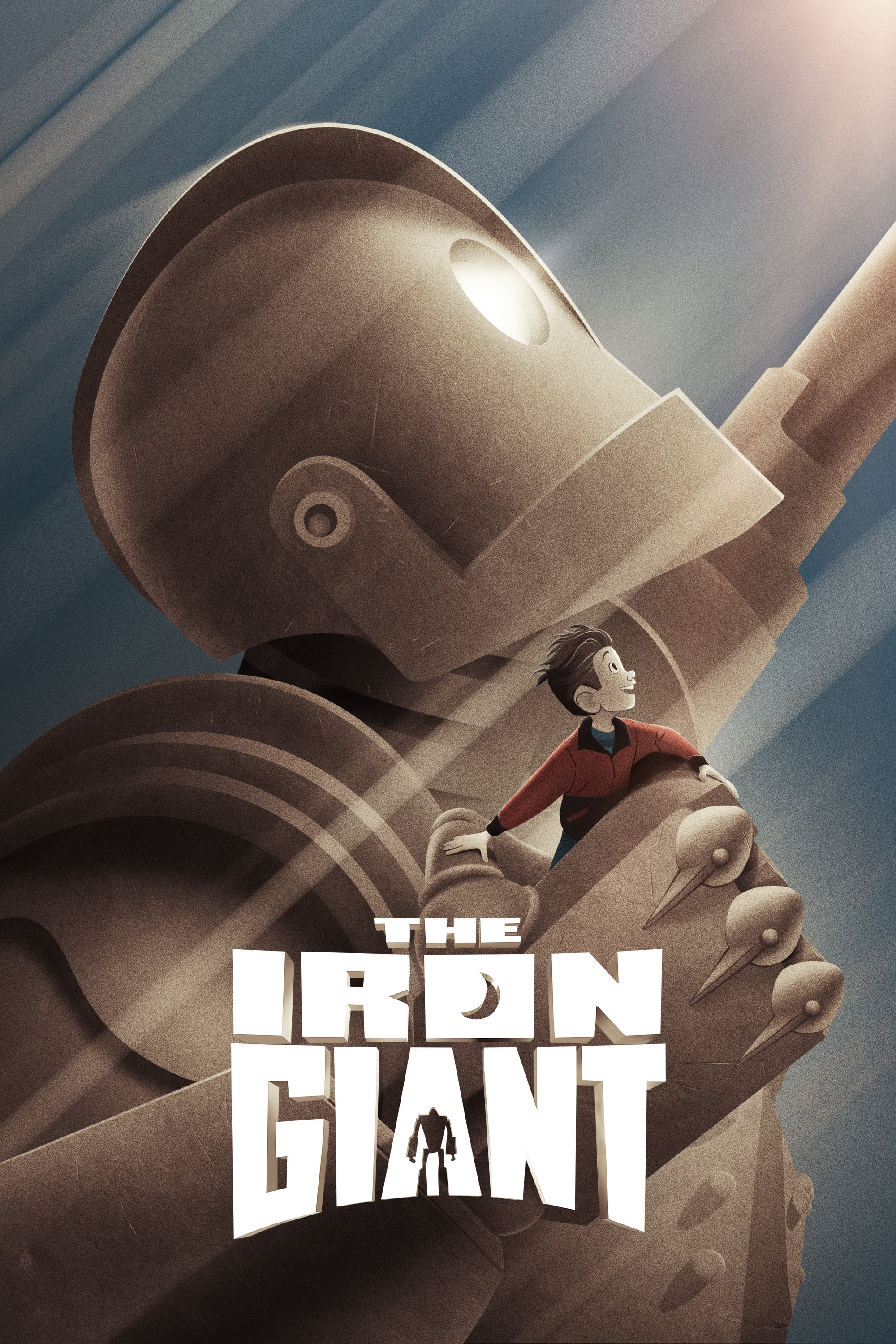
Warner Bros produced this animated classic but failed to provide adequate promotional support during its theatrical release. The studio misunderstood the target audience and assumed an animated film set in the Cold War would not appeal to children. Marketing materials were scarce and trailers appeared on television with very little frequency. The movie eventually found a massive following on home video after leaving theaters.
‘Edge of Tomorrow’ (2014)
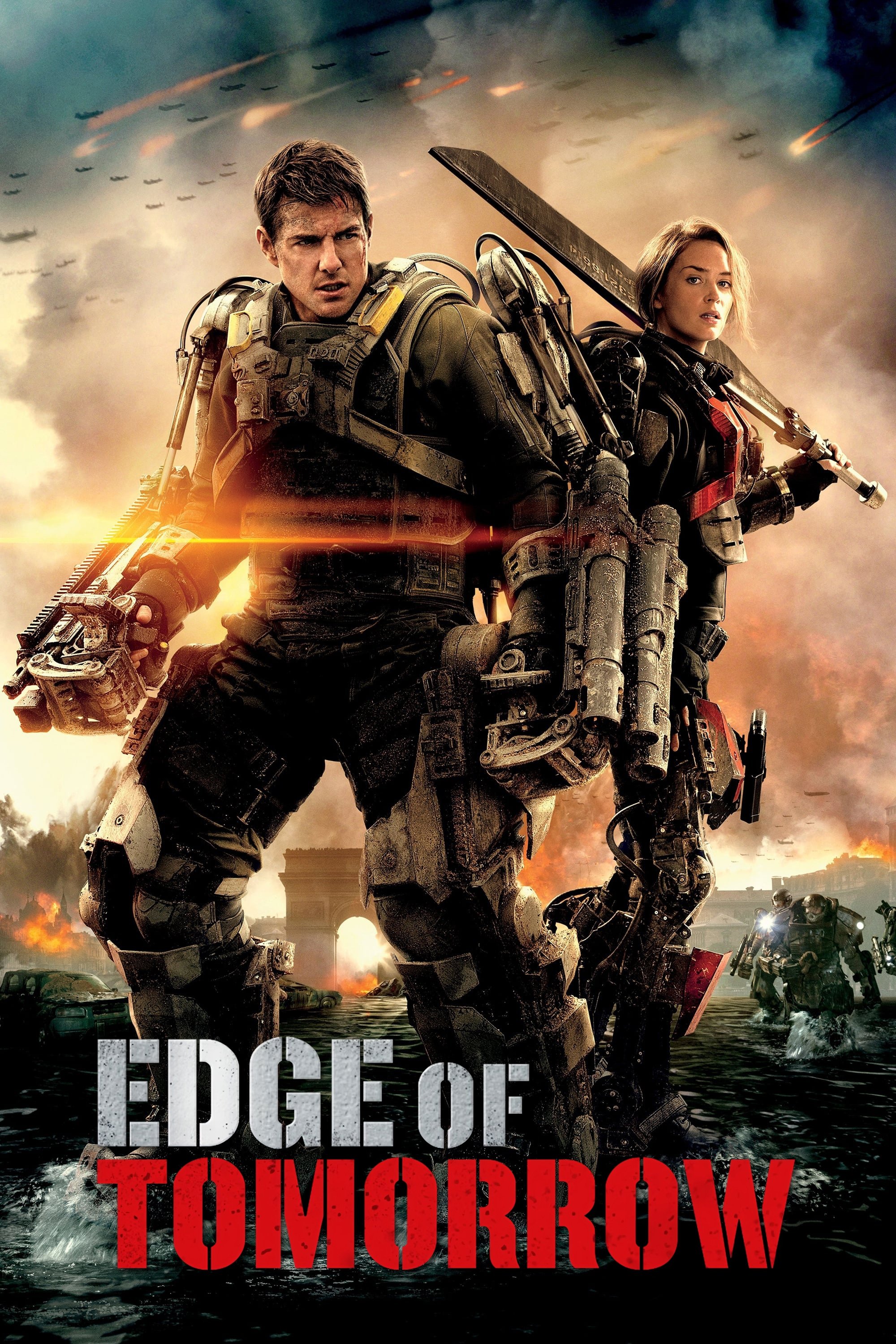
The promotional campaign for this sci-fi thriller suffered from a confusing identity crisis regarding its title. Posters prominently featured the tagline Live Die Repeat which many audiences mistook for the actual name of the film. The initial trailers failed to communicate the unique time loop mechanic that made the story compelling. This branding confusion led to a soft box office opening despite excellent reviews from critics.
‘Office Space’ (1999)
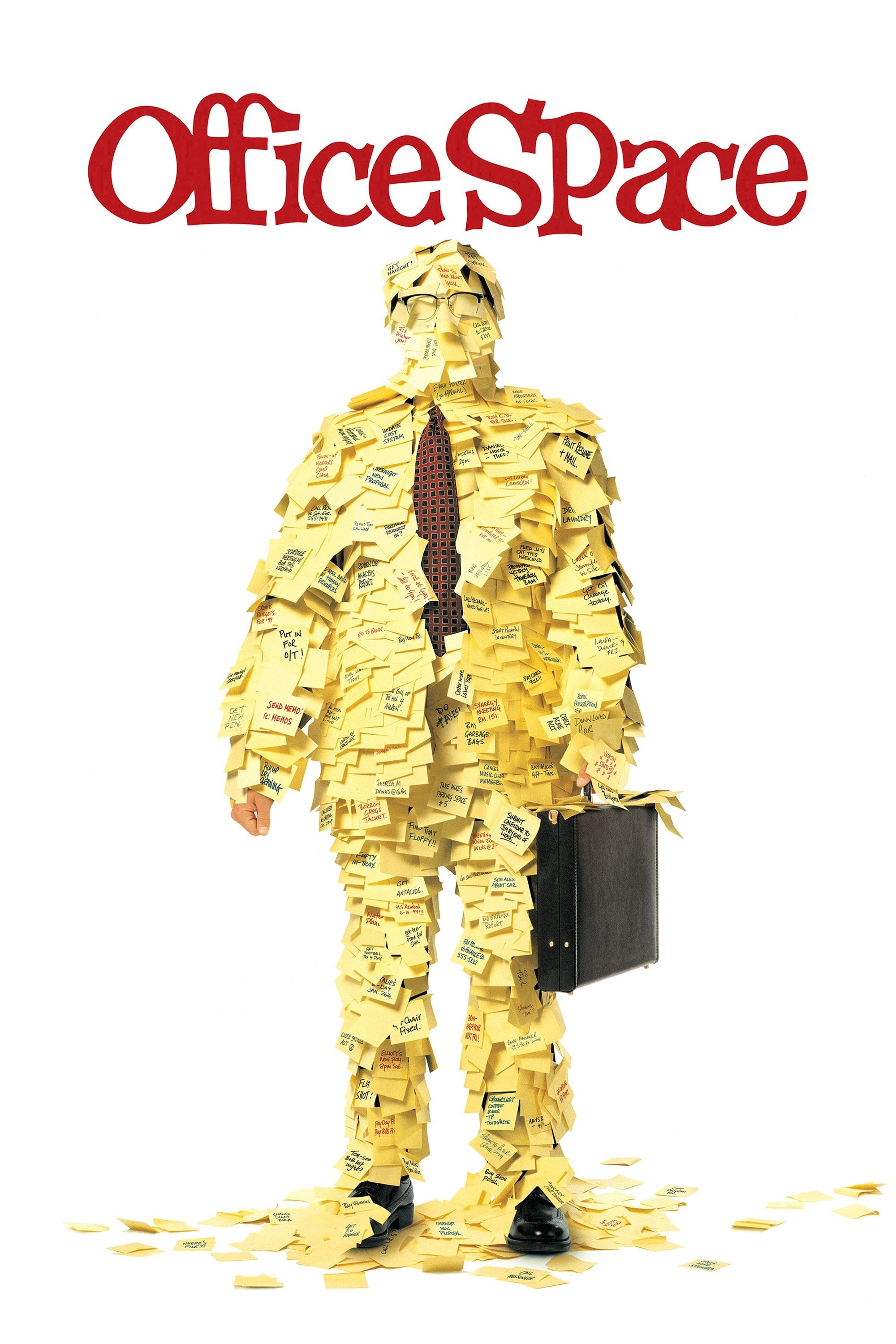
The promotional team at the studio struggled to sell a dry satire about corporate drudgery to a mainstream audience. Advertisements featured strange clips involving a man covered in sticky notes that misrepresented the tone of the film. Audiences expected a standard slapstick comedy rather than the witty observational humor Mike Judge created. It became a cult classic only after people discovered it on DVD and cable television.
‘Dredd’ (2012)
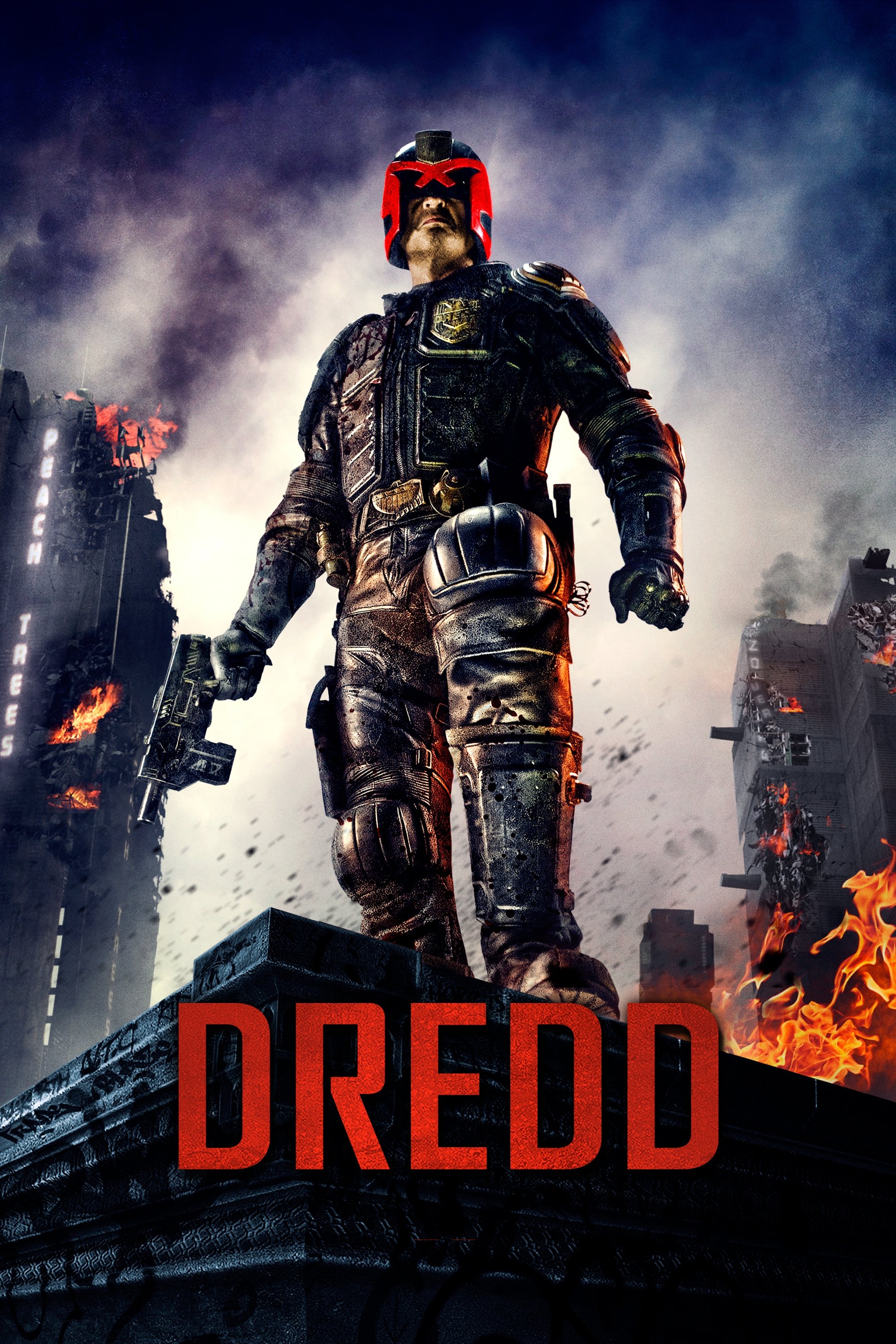
Marketing for this comic book adaptation leaned too heavily on the 3D gimmick which was losing popularity at the time. The trailers utilized slow motion effects that made the action look stylistic but lacked narrative context. Many viewers assumed it was a sequel to the poorly received Sylvester Stallone version from the nineties. The film failed to attract a large audience despite being praised later for its gritty faithfulness to the source material.
‘Jennifer’s Body’ (2009)
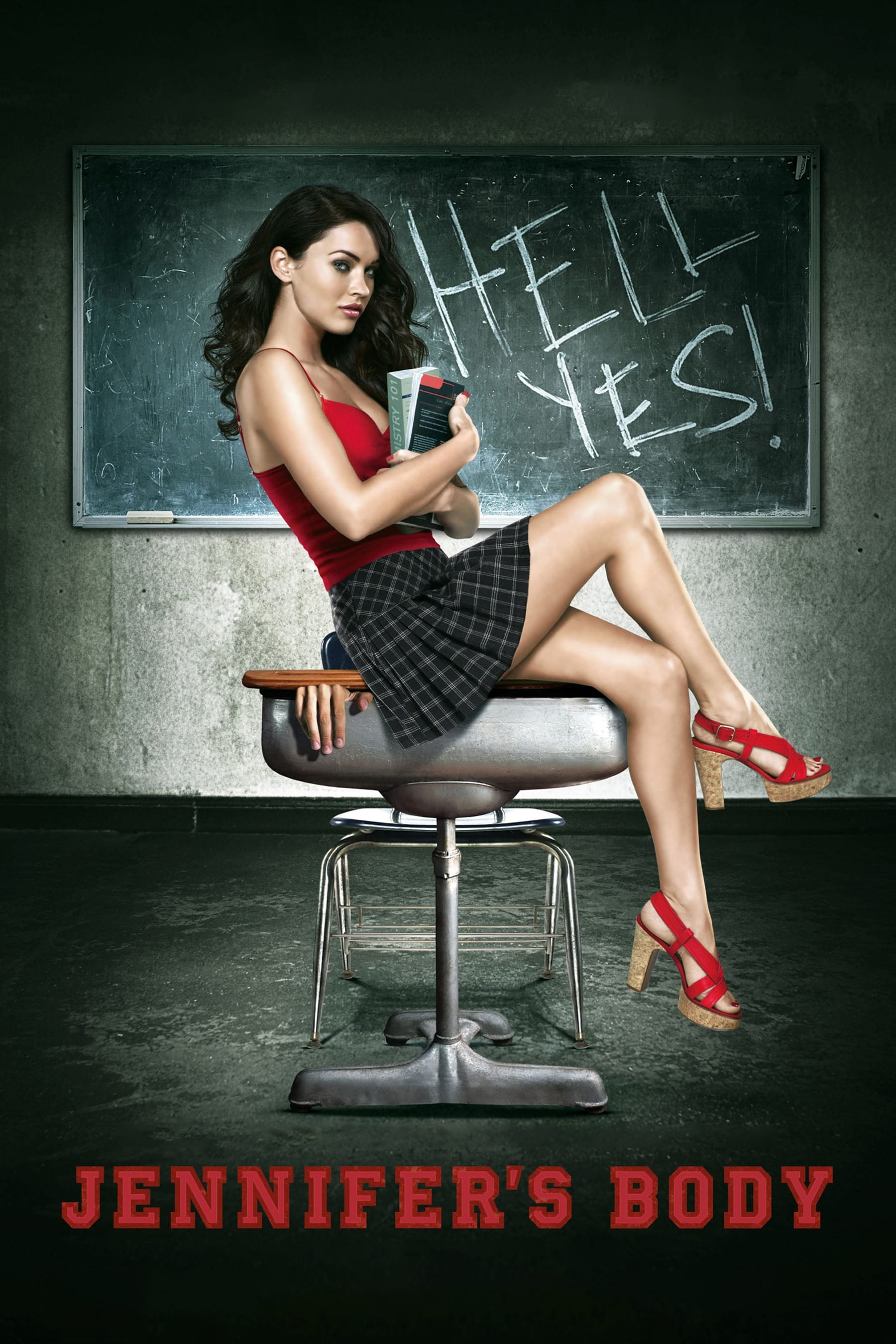
The marketing department positioned this film as a sexy teen thriller targeted primarily at young men. This approach completely ignored the feminist themes and dark humor that were central to the script written by Diablo Cody. Young women who were the actual target demographic avoided the film because the advertisements made it look exploitative. The movie has since undergone a critical reevaluation as a smart horror comedy.
‘Treasure Planet’ (2002)
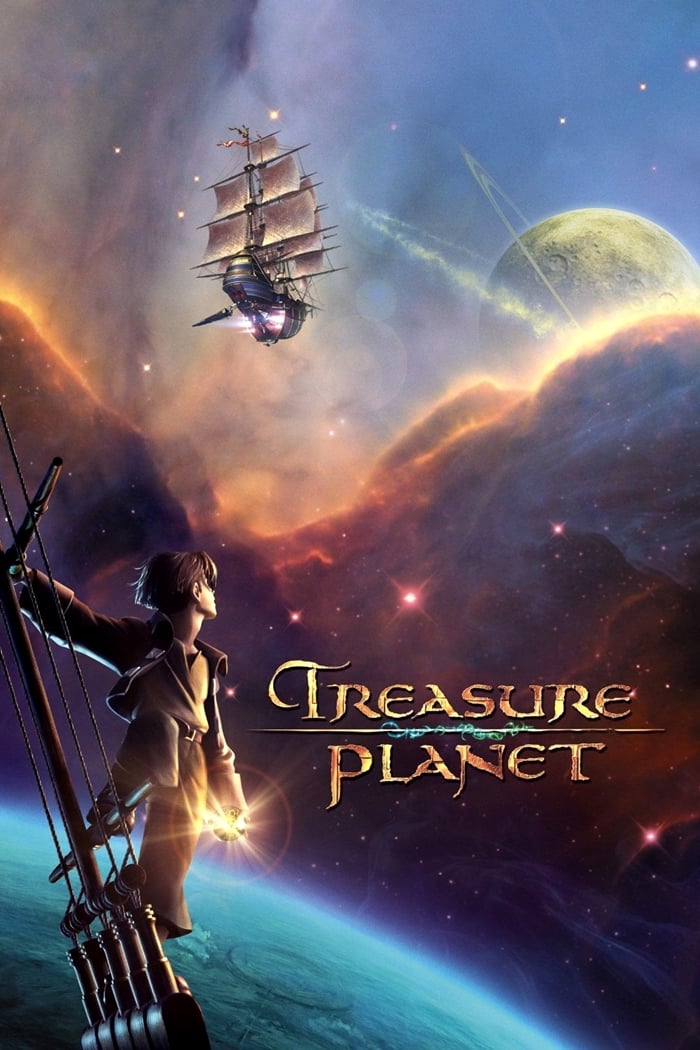
Disney released trailers that revealed the biggest plot twist of the movie well before it hit theaters. The marketing campaign also featured a confusing mix of rock music and traditional animation that alienated purists. The release date coincided with a major franchise competitor which buried its chances at the box office. This expensive failure signaled the end of traditional hand drawn animation at the studio for several years.
‘Fight Club’ (1999)

Promotional materials depicted this satirical drama as a mindless movie about men brawling in basements. The studio bought advertising slots during wrestling matches to target an audience looking for physical violence rather than psychological depth. This strategy repelled the intellectual crowd that would have appreciated the anti-consumerist message. The film underperformed significantly before becoming a cultural phenomenon in the home video market.
‘Children of Men’ (2006)
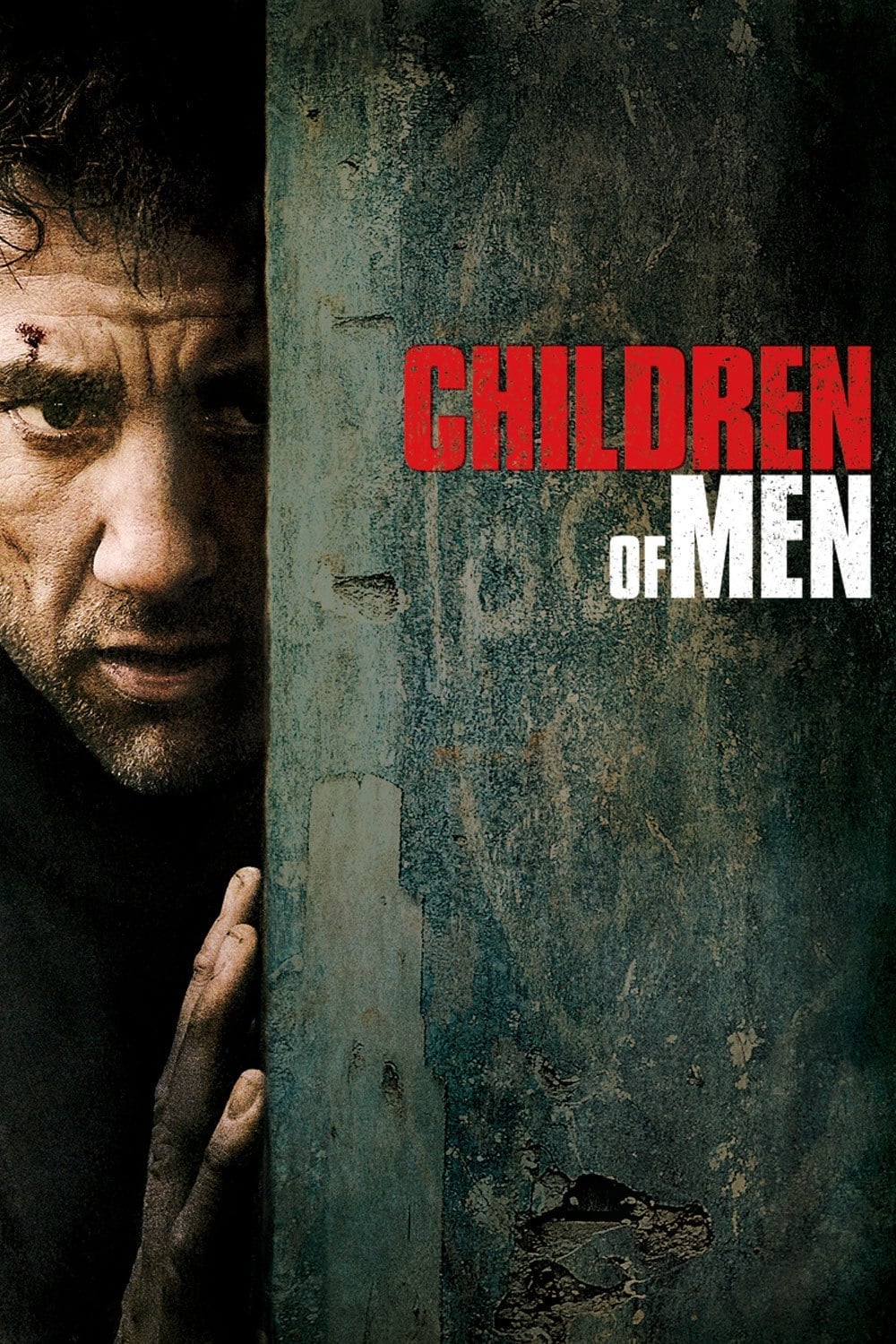
Universal Pictures gave this dystopian masterpiece a very limited promotional push and a disjointed release schedule. The trailers struggled to explain the premise of a world without human fertility without making it seem overly depressing. Many theaters did not even screen the film until weeks after the initial limited release. It remains one of the most acclaimed science fiction films of the century despite its quiet arrival.
‘Hugo’ (2011)

Paramount marketed this Martin Scorsese film as a whimsical children’s adventure similar to Harry Potter. Families were confused by the slow pacing and the heavy focus on film history preservation. The advertisements failed to signal that the movie was actually a love letter to cinema for older audiences. The result was a financial disappointment that failed to recoup its massive production budget.
‘Scott Pilgrim vs. the World’ (2010)
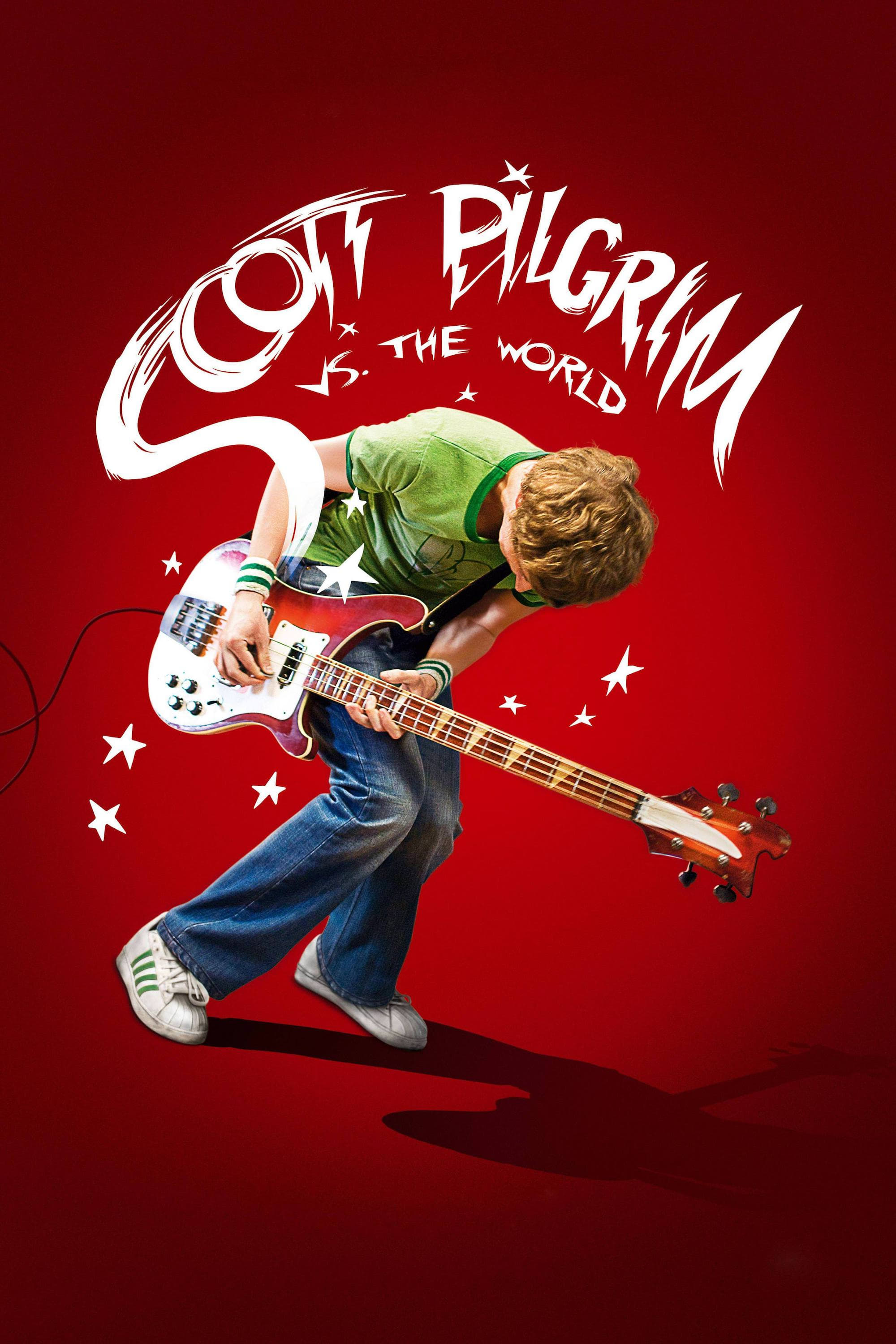
The marketing campaign for this adaptation focused intensely on video game aesthetics and indie rock culture. This niche approach alienated general audiences who did not understand the visual language or the specific humor. The trailers made the film appear too chaotic for older viewers and too quirky for mainstream action fans. It found a devoted cult following years later but failed to connect during its initial run.
‘Blade Runner 2049’ (2017)
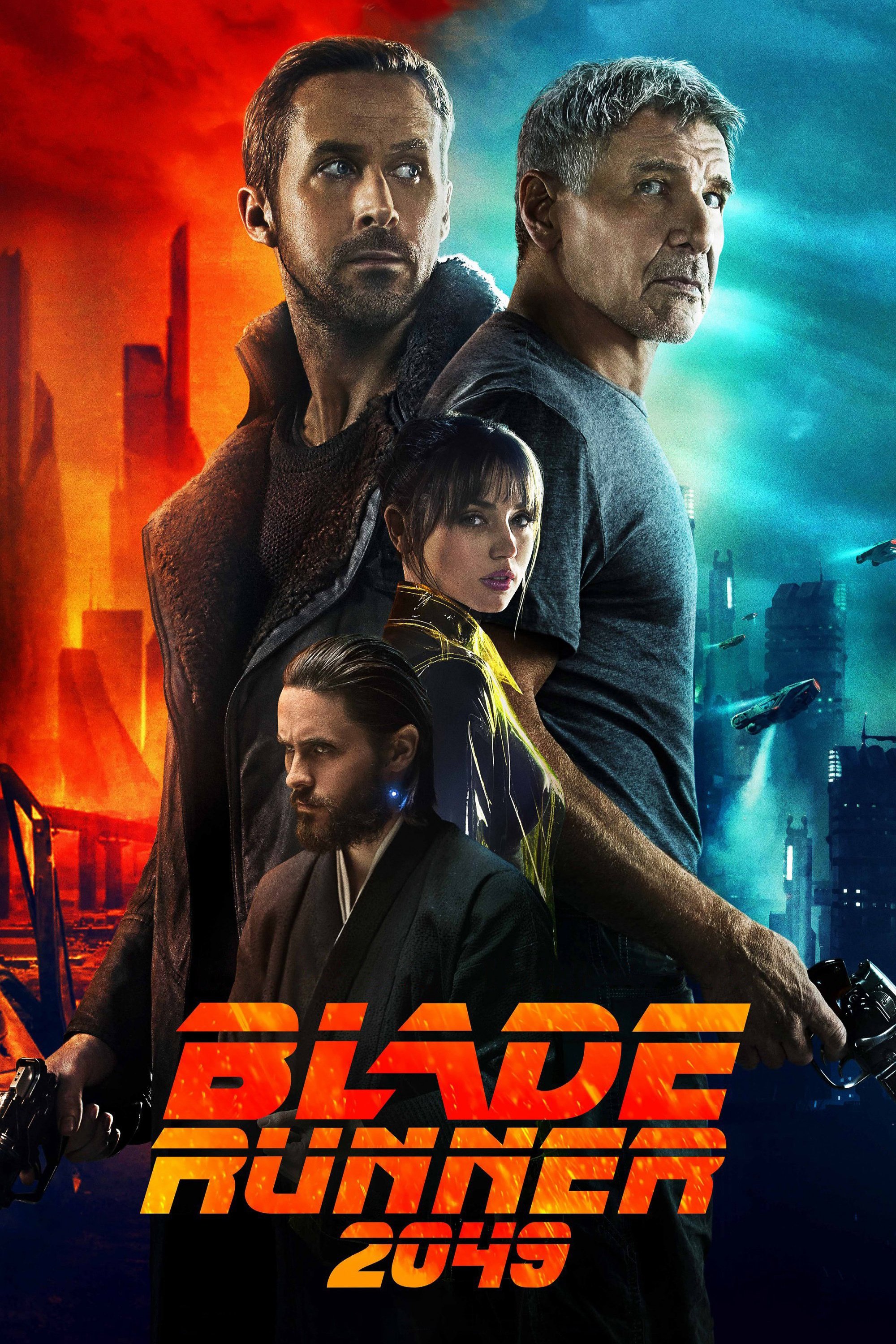
The trailers for this long awaited sequel deliberately hid the plot to preserve surprises for the audience. This secrecy backfired because casual moviegoers had no idea what the story was actually about. The slow pacing and long runtime of the film were also not communicated in the fast paced teasers. The movie received critical acclaim but failed to draw the massive crowds needed to justify its budget.
‘Popstar: Never Stop Never Stopping’ (2016)
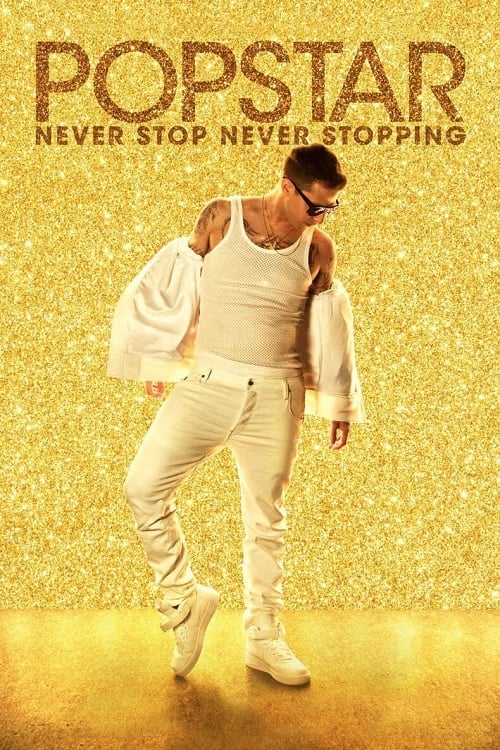
Advertisements for this mockumentary were so convincing that some people thought it was a genuine Justin Bieber documentary. Other trailers made the film look like a collection of digital shorts rather than a cohesive cinematic story. The studio failed to communicate the satire effectively to audiences outside the existing fan base of The Lonely Island. The film vanished from theaters quickly despite being one of the funniest comedies of that year.
‘The Nice Guys’ (2016)
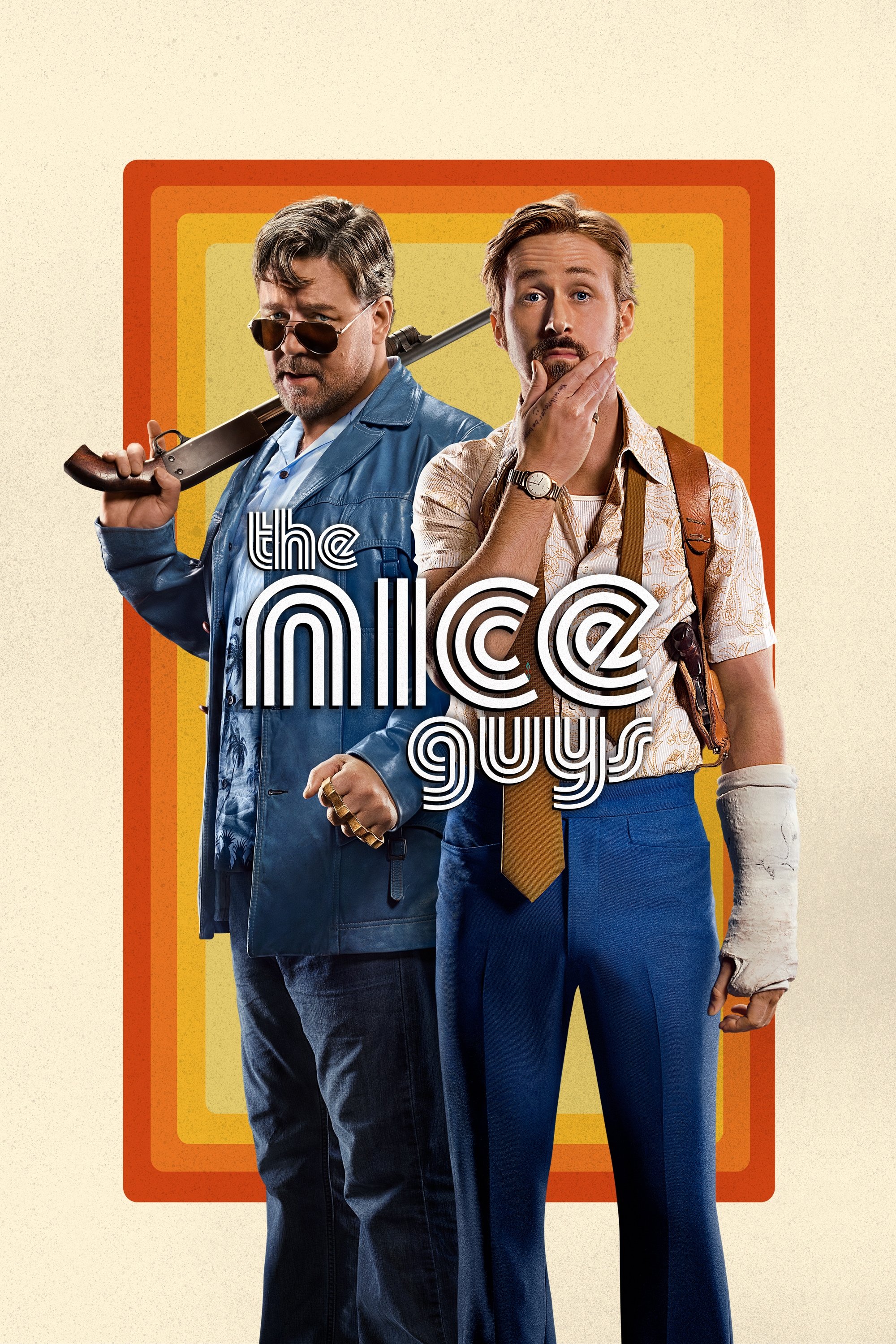
This buddy comedy released directly between two massive superhero blockbusters with very little fanfare. The marketing made the film look like a generic period piece rather than a sharp and subversive mystery. Warner Bros relied on the star power of the leads but did not give the film enough visibility in a crowded summer season. It remains a prime example of a great movie getting buried by poor scheduling.
‘Crimson Peak’ (2015)
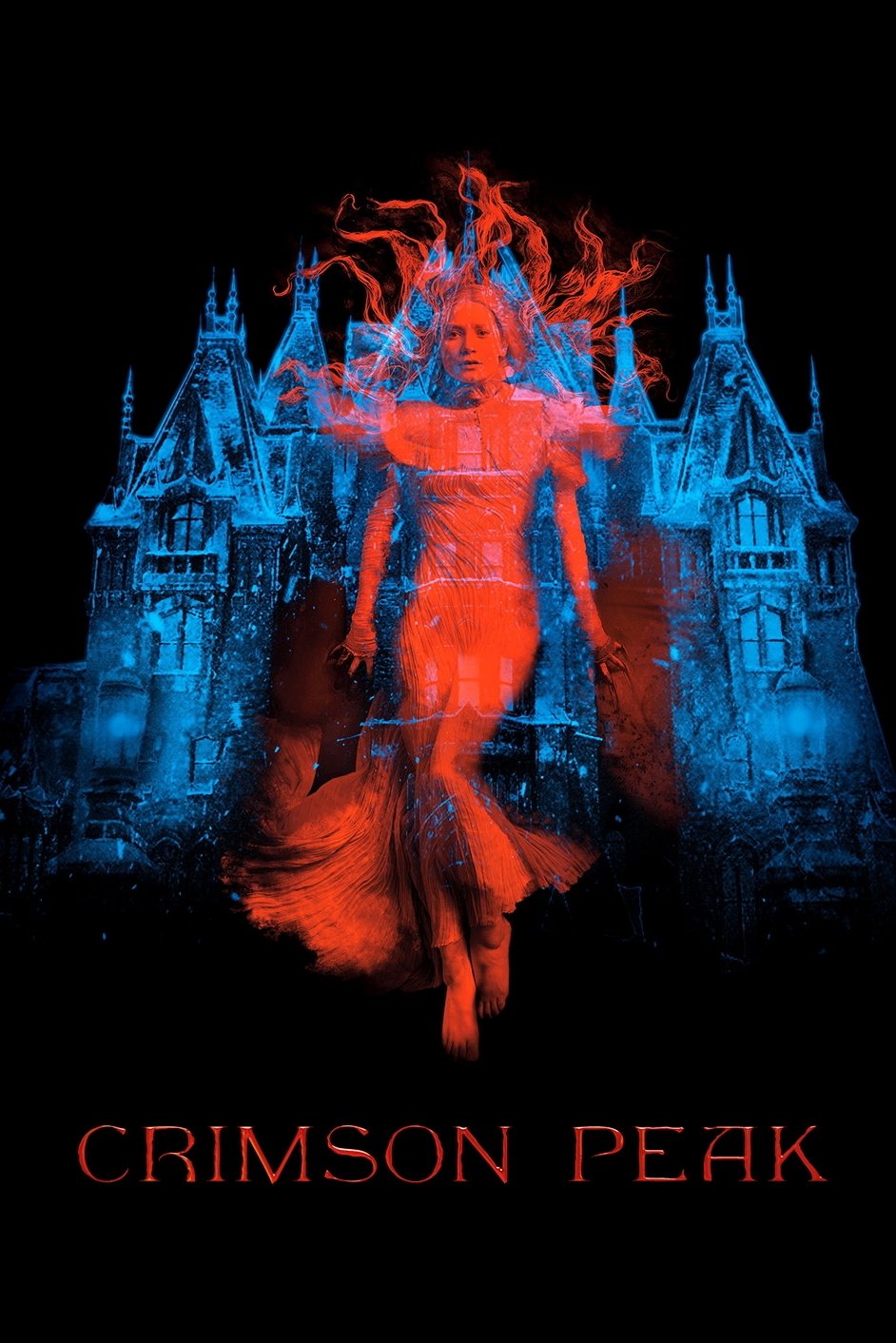
Universal Pictures sold this film as a terrifying jump scare horror movie to capitalize on the Halloween season. Audiences were disappointed to find a gothic romance that focused on atmosphere rather than terror. Director Guillermo del Toro famously stated that the marketing was misleading and set the wrong expectations. The mismatch between the trailer and the final product resulted in poor word of mouth.
‘Kiss Kiss Bang Bang’ (2005)
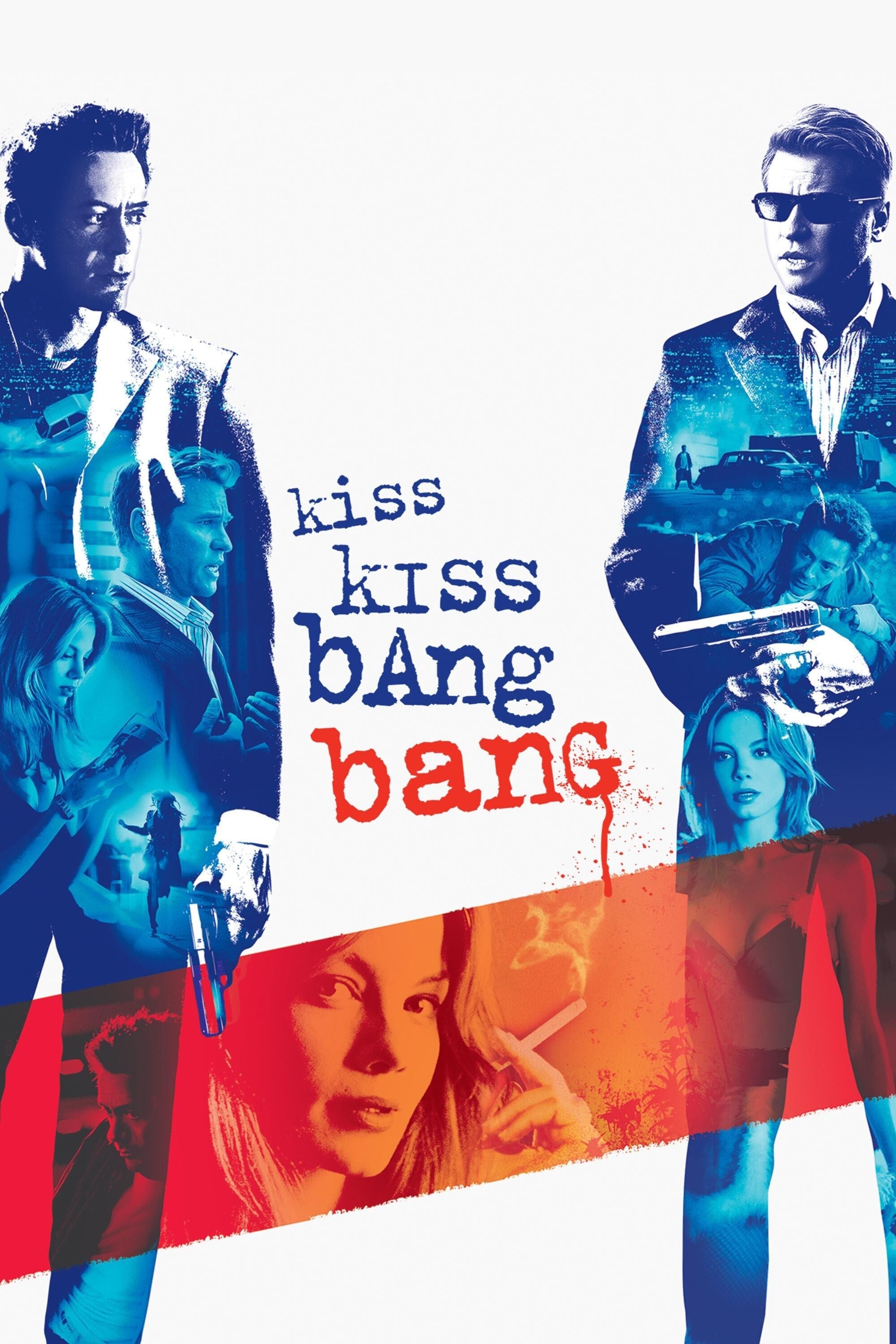
The poster for this film was a confusing photoshop disaster that told audiences nothing about the plot. Trailers struggled to balance the murder mystery elements with the sharp comedic dialogue. The studio gave it a very limited release which prevented it from building any real momentum. It is now considered the film that launched the career resurgence of Robert Downey Jr.
‘The Shawshank Redemption’ (1994)
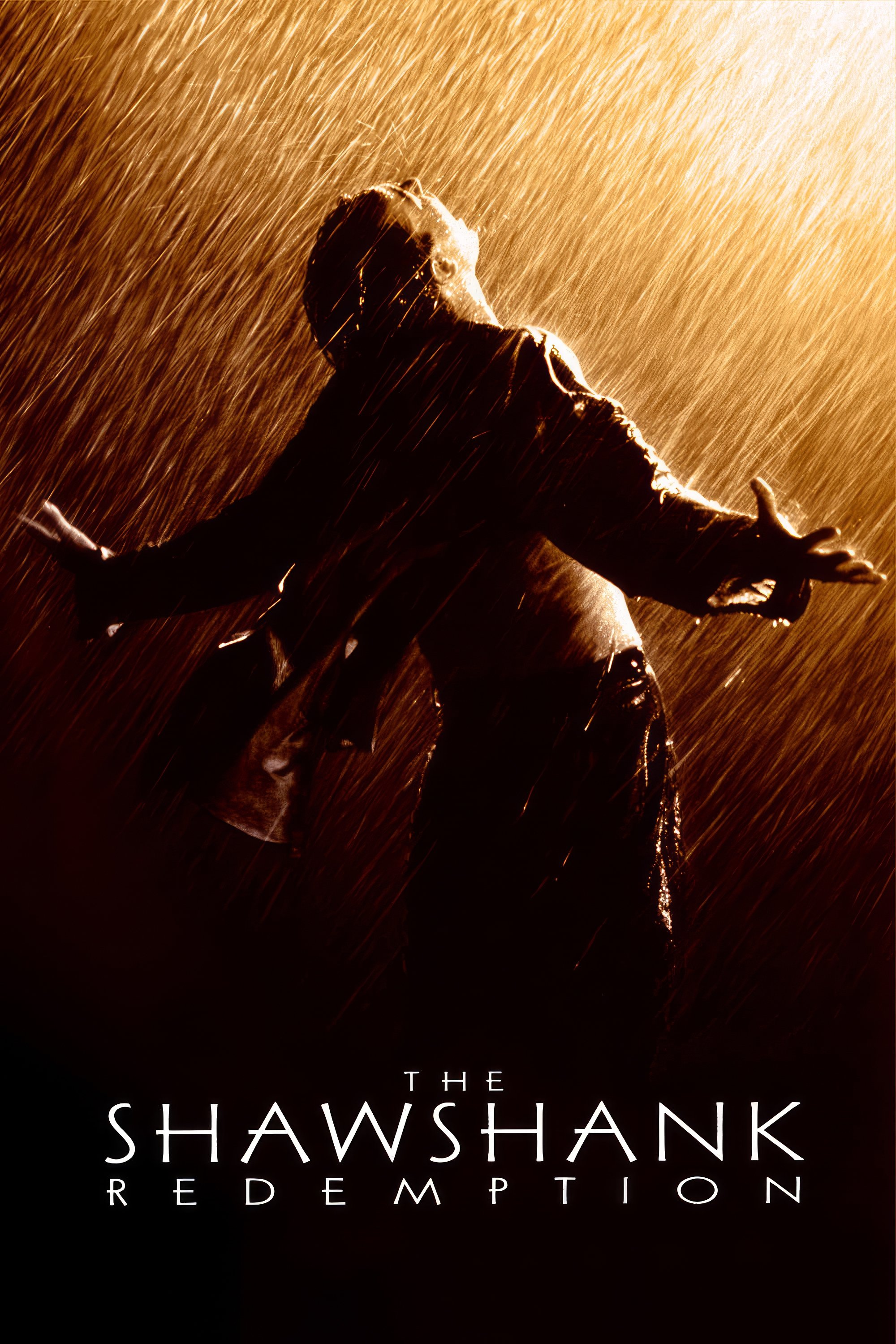
The title of the film was considered unappealing and difficult for audiences to remember. The trailer was a somber montage that made the movie appear intensely depressing without showing the themes of hope. Marketing executives struggled to define a selling point for a prison drama with no action sequences. It barely made a blip at the box office before becoming the highest rated movie on the internet.
‘Steve Jobs’ (2015)

The marketing for this biopic focused heavily on the backstage drama and the intense dialogue. General audiences found the premise of three long conversations to be too abstract for a theatrical experience. The posters were minimalist and failed to convey the emotional stakes of the narrative. It earned high praise for the acting and writing but failed to attract a wide audience.
‘Sunshine’ (2007)
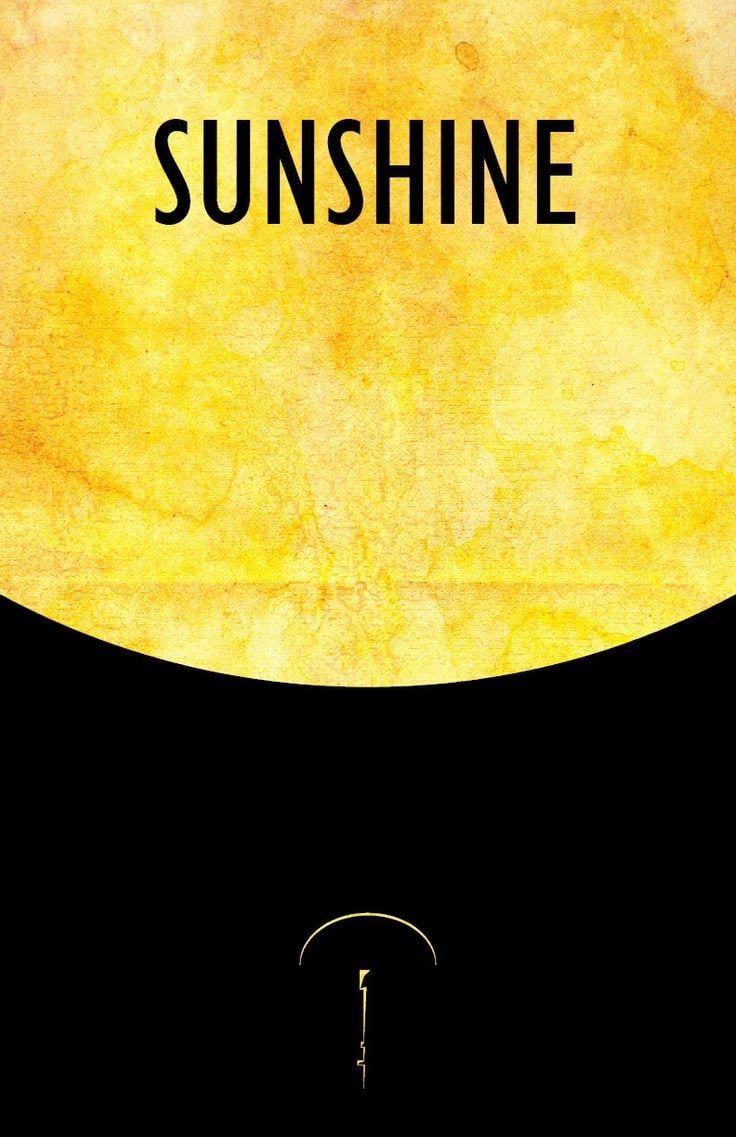
Fox Searchlight promoted this thoughtful sci-fi film as a slasher movie set in space. The trailers utilized a jarring editing style that misrepresented the slow and philosophical nature of the first two acts. Sci-fi fans were skeptical of the horror elements while horror fans were bored by the science. This compromised marketing strategy satisfied neither demographic and doomed the theatrical run.
‘Warrior’ (2011)
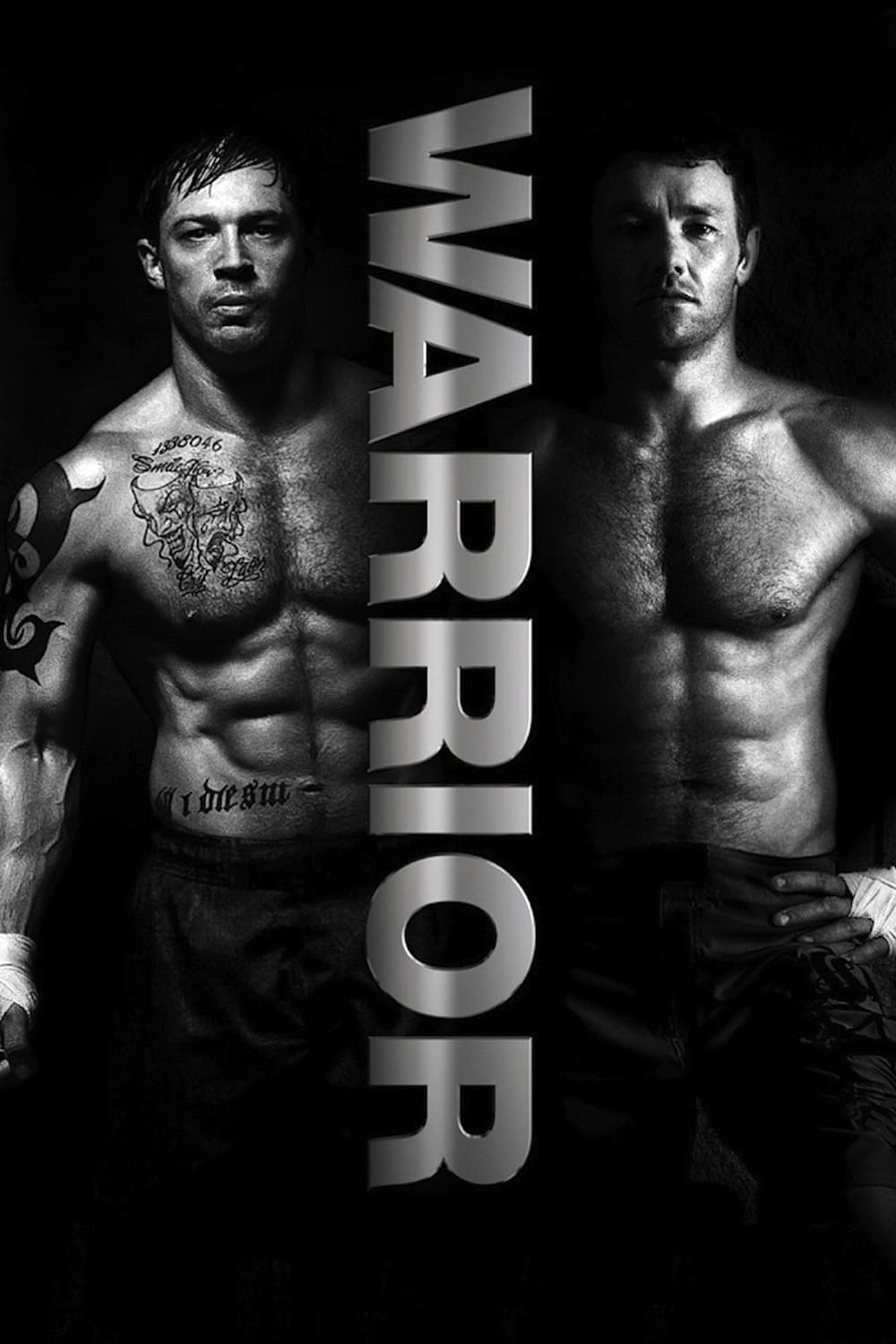
Lionsgate marketed this film as a generic mixed martial arts action movie similar to others in the genre. The promotional materials completely ignored the emotional family drama that formed the core of the story. Audiences expected a mindless fight film and missed out on one of the most moving sports dramas of the decade. The generic posters and trailers did a disservice to the strong performances within the film.
‘Solo: A Star Wars Story’ (2018)
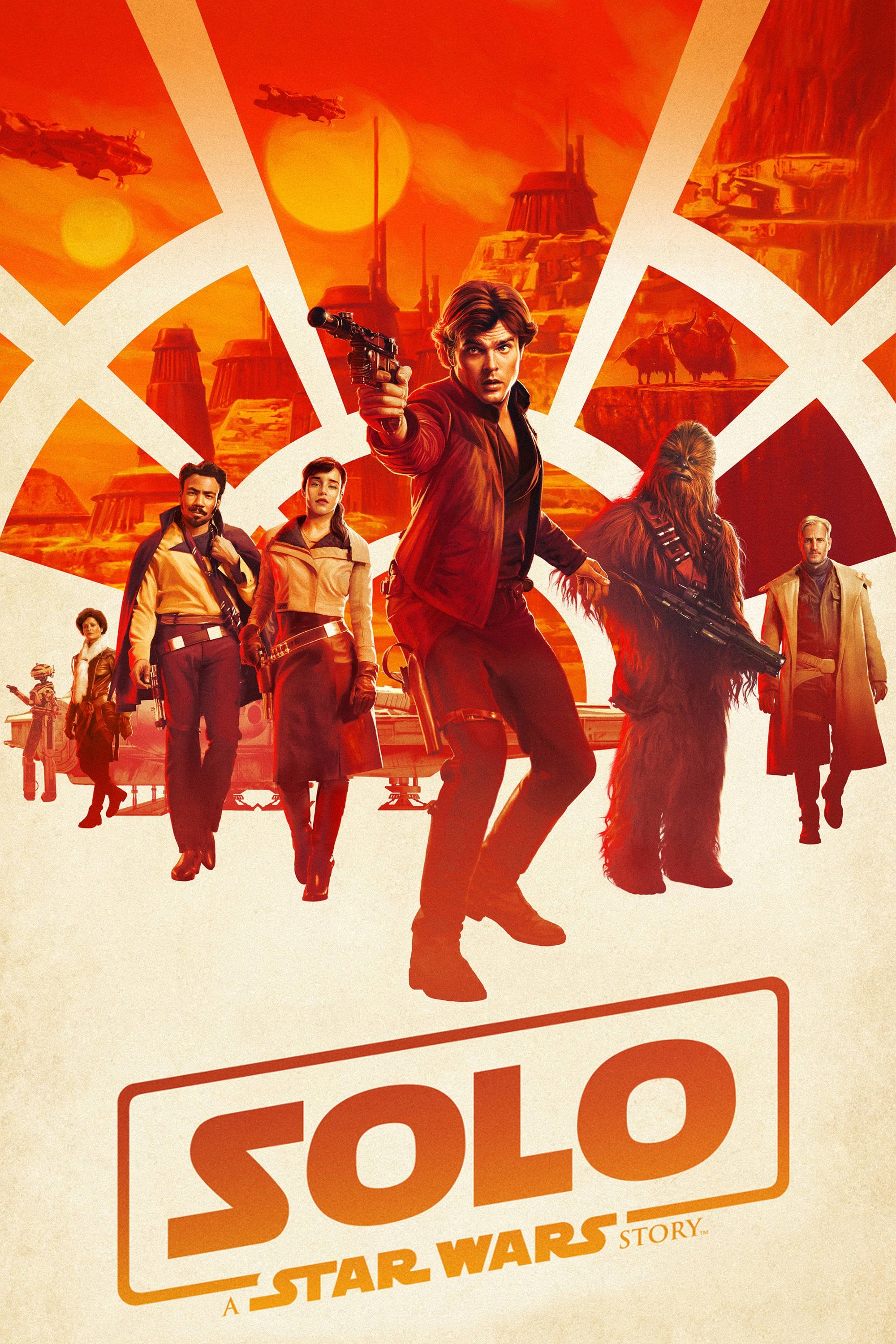
Disney released this film only five months after another divisive entry in the franchise. The first teaser trailer did not appear until three months before the release date which caused concern among fans. Marketing materials were underwhelming and failed to convince viewers that this backstory was necessary. The film became the first box office bomb in the history of the franchise due to this fatigue and poor timing.
‘Titan A.E.’ (2000)
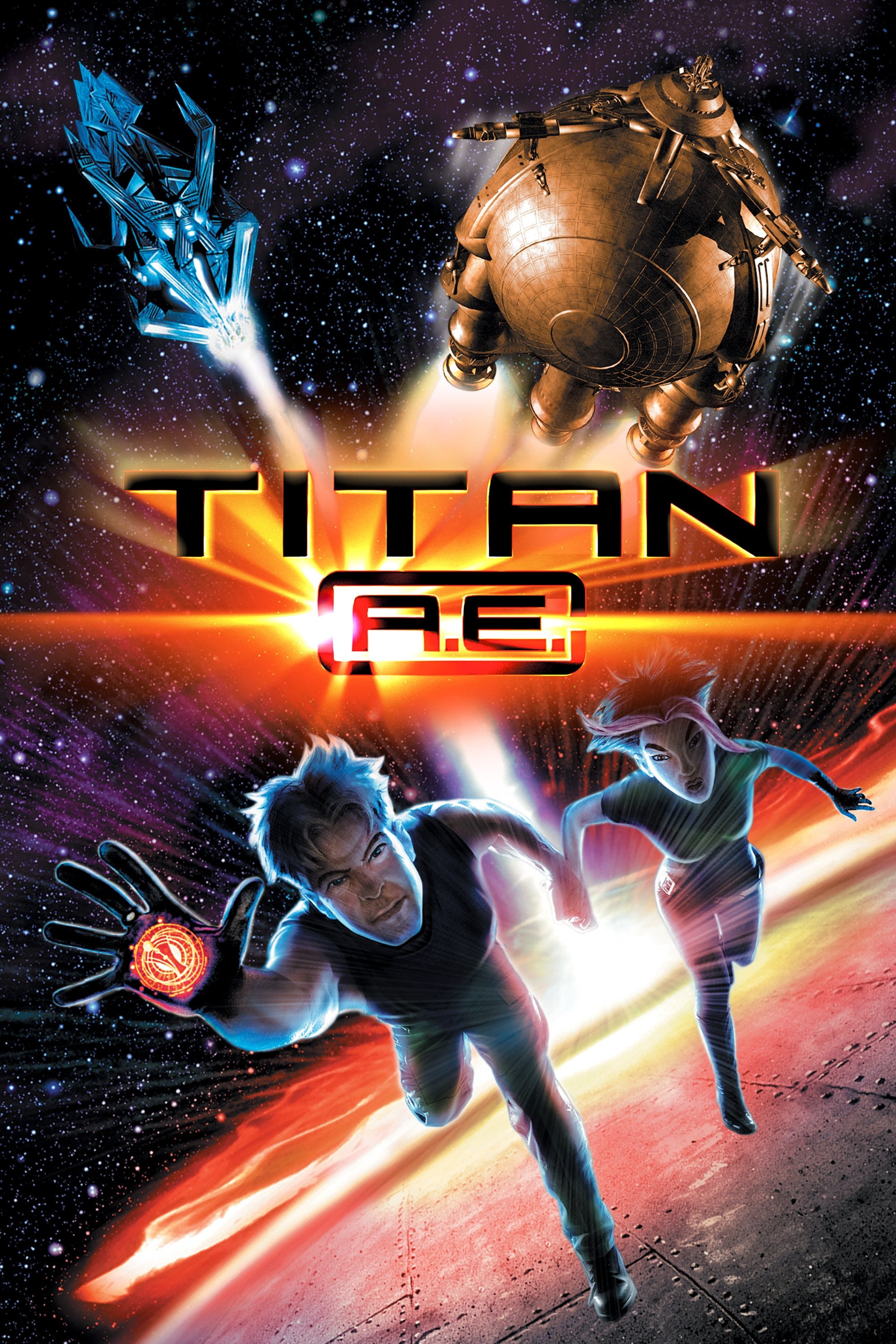
The marketing campaign featured a confusing soundtrack choice that paired serious animation with Creed and Limp Bizkit songs. Fox Animation Studios was closing down during the production which led to a lack of internal support. The trailers could not decide if the movie was a serious space opera or an edgy teen comedy. The resulting tone deafness kept audiences away and the film lost millions.
‘Strange Days’ (1995)
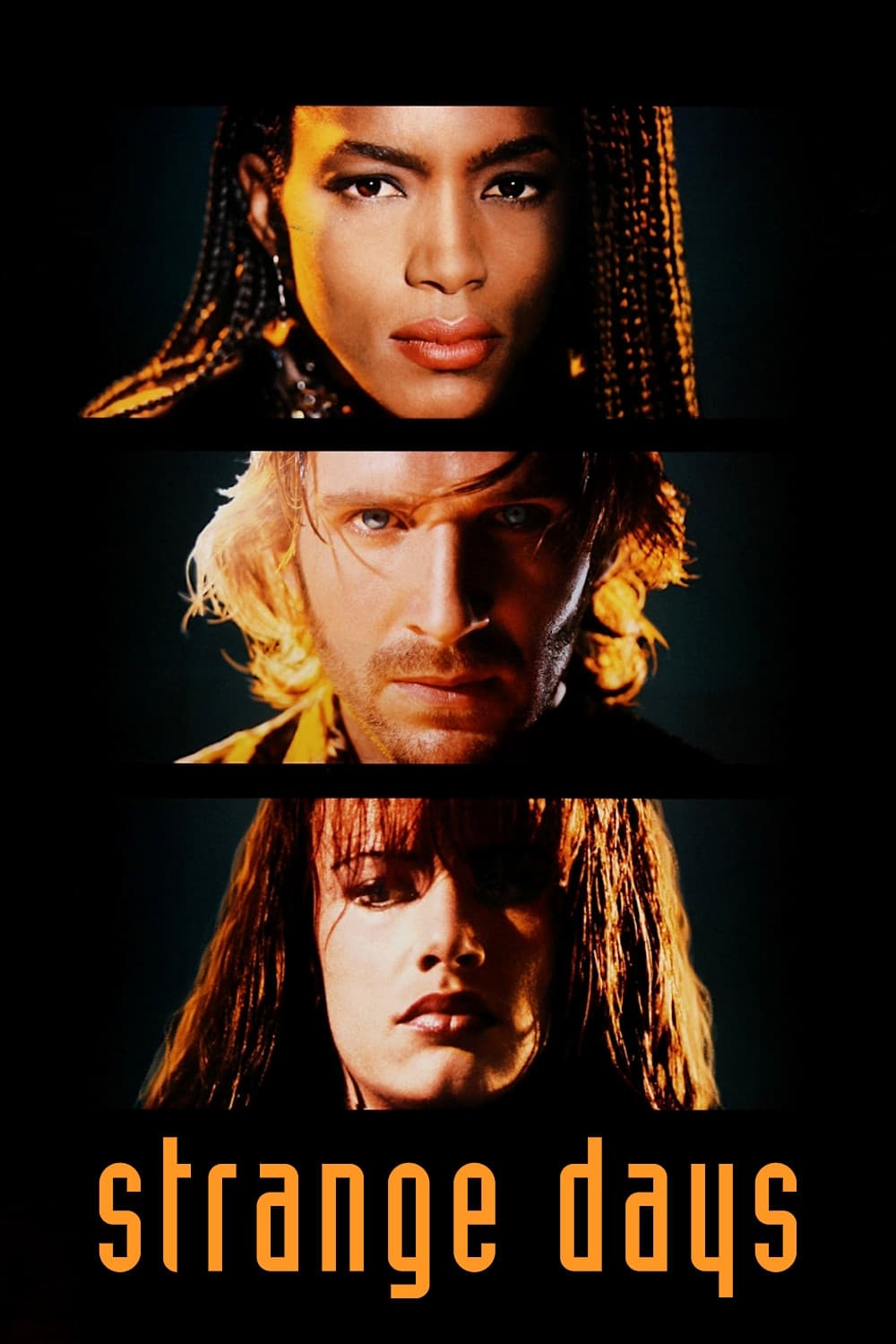
The trailers for this cyberpunk thriller were visually stimulating but narratively incoherent. Distributors did not know how to sell a movie that combined virtual reality with police procedural elements and social commentary. The futuristic setting looked bleak and uninviting in the promotional clips. It flopped hard upon release but is now recognized for its prescient themes and direction.
‘Grindhouse’ (2007)

The Weinstein Company marketed this double feature as a tribute to seventies exploitation cinema. General audiences were confused by the format and did not understand that they were paying for two movies. The runtime was excessive for casual viewers who were not in on the joke or the homage. The film split into two separate releases later but the initial theatrical experiment was a financial failure.
‘Annihilation’ (2018)
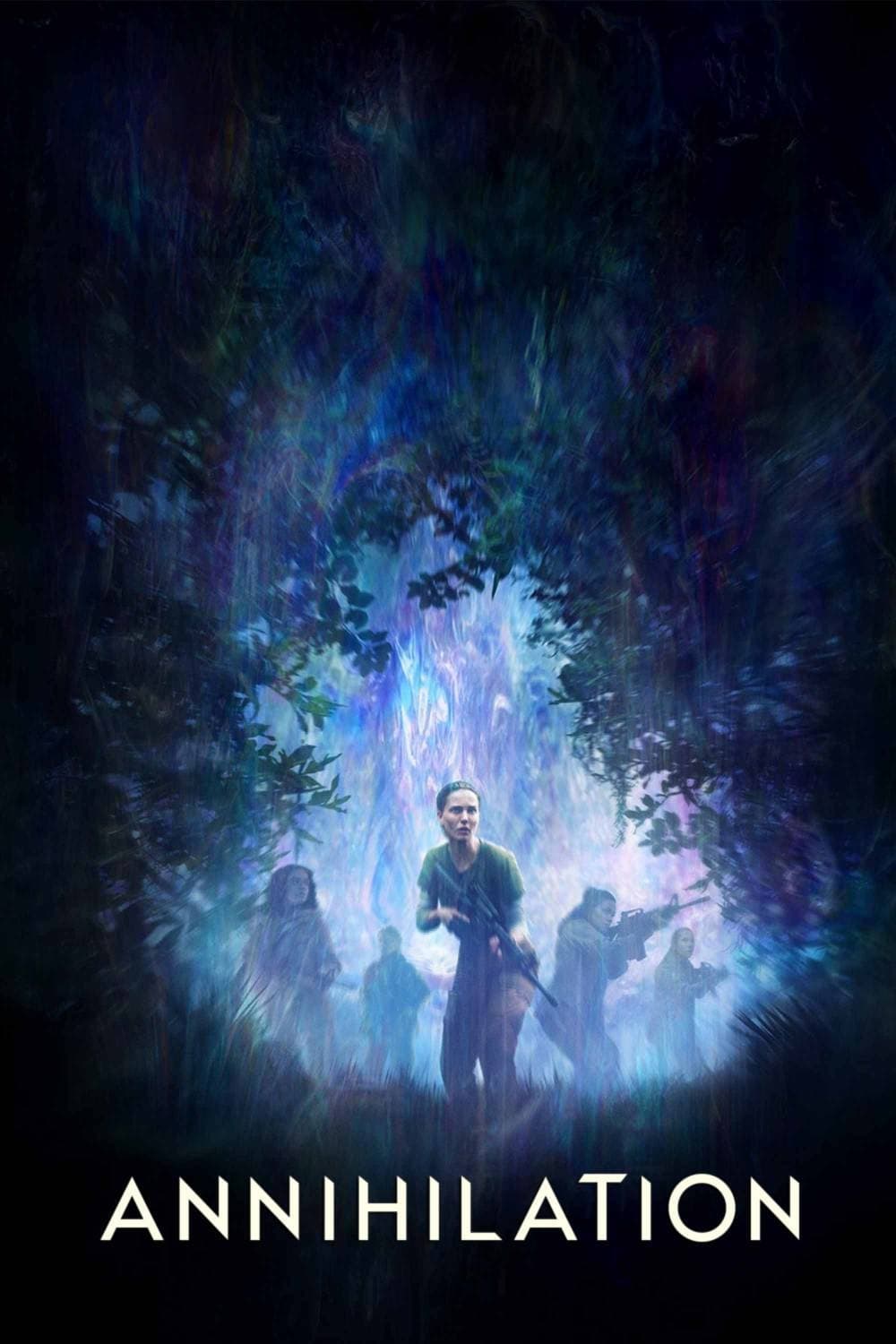
Paramount Pictures deemed this sci-fi film too intellectual for general audiences and sold the international rights to Netflix. The domestic theatrical marketing was minimal and failed to capture the surreal horror of the story. The studio openly clashed with the director regarding the complex ending of the film. This lack of faith from the distributor ensured that few people saw the film on the big screen.
Please share which of these movies you think deserved a better marketing campaign in the comments.

