


Martin Scorsese Reveals the Two Blockbusters He Said No To

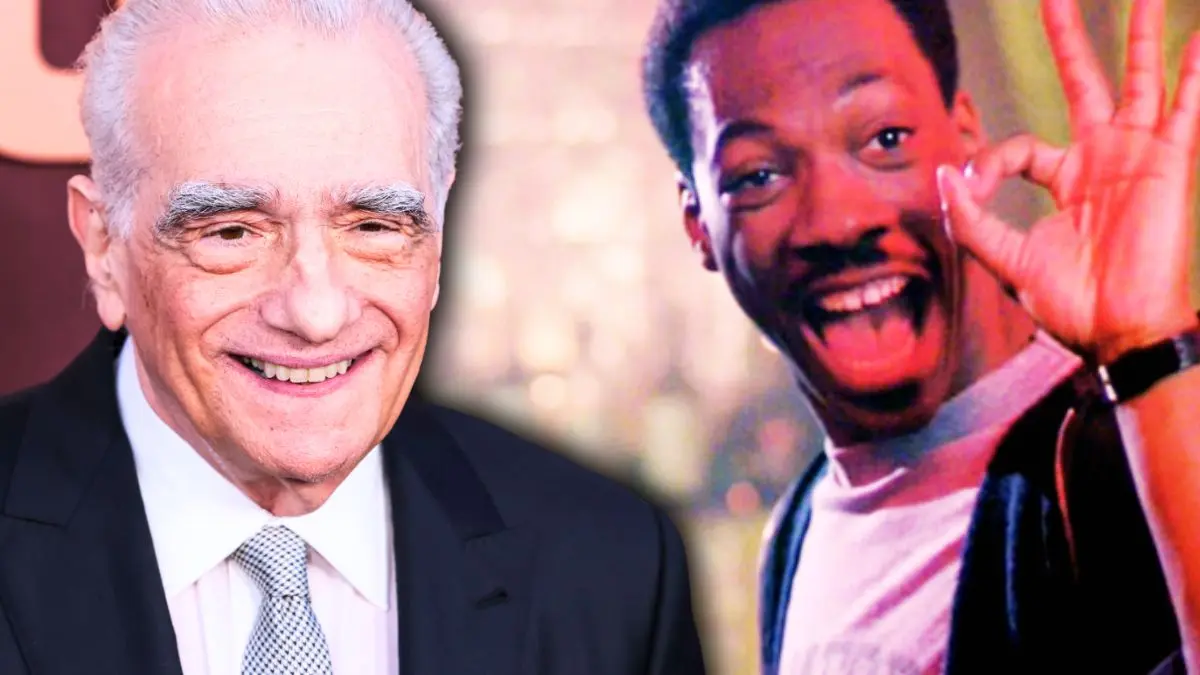


Martin Scorsese recently opened up about two major films he chose not to direct, revealing a side of his career that many fans may not know.
In a 2020 interview with Deadline, the legendary filmmaker explained that during the early part of his career, he received a flood of scripts, including Peter Weir’s 1985 thriller Witness and the 1984 action comedy Beverly Hills Cop, starring Eddie Murphy.
“I was getting many scripts. Witness, Beverly Hills Cop – there were a lot. But I didn’t want to make those. Then you choose your course. It’s a harder course,” Scorsese said.
Witness, directed by Peter Weir, tells the story of a police detective protecting an Amish woman and her young son after the boy witnesses a murder at a Philadelphia railway station.
Released in 1985, the film was a critical and commercial success, grossing over $117 million worldwide. It earned eight Academy Award nominations, including Best Picture and Best Actor for Harrison Ford, and won Best Original Screenplay and Best Film Editing.
The film was widely praised, with Ford’s performance highlighted as surprisingly emotive. Rotten Tomatoes currently gives Witness a 94% approval rating based on 47 reviews, and Metacritic lists a score of 76 out of 100, signaling generally favorable reviews. The film is considered a neo-noir classic, blending tension, drama, and an unusual Amish setting.
Beverly Hills Cop, on the other hand, was the film that catapulted Eddie Murphy to international stardom. Released in December 1984, the film was a massive box office hit, earning $320 million worldwide at the time, and adjusted for inflation, it is one of the highest-grossing R-rated films in U.S. history.
Critics also embraced the movie, giving it an 83% approval rating on Rotten Tomatoes. Janet Maslin of The New York Times praised Murphy, writing, “Beverly Hills Cop finds Eddie Murphy doing what he does best: playing the shrewdest, hippest, fastest-talking underdog in a rich man’s world. Eddie Murphy knows exactly what he’s doing, and he wins at every turn.”
The film was nominated for an Academy Award for Best Original Screenplay and a Golden Globe for Best Motion Picture – Musical or Comedy, and it won the People’s Choice Award for Favorite Motion Picture.
In the same conversation, Scorsese also revealed an interesting behind-the-scenes fact about his 1988 film The Last Temptation of Christ. Before Willem Dafoe was cast as Jesus, Robert De Niro had offered to take on the role.
Scorsese respectfully turned him down, explaining that while De Niro was an exceptional actor, the part of Christ was not the right fit for him. “Out of respect for everyone, including Bob, we did have a conversation, but I knew that was not his kind of role,” Scorsese said. “He did tell me, listen, if you have trouble getting it made, I’ll do it for you.”
Scorsese’s choices highlight his careful consideration in selecting projects and his dedication to following his own path in filmmaking. While Witness and Beverly Hills Cop became iconic films without him, Scorsese stayed true to his artistic vision, shaping the career that has made him one of the most respected directors in cinema history.
The insight reminds us that even legendary filmmakers make tough choices, sometimes turning down big opportunities in favor of the projects that truly resonate with them. What do you think about Scorsese passing on these classic films? Share your thoughts in the comments.

