


Matt Damon Claims This Is the Biggest Mistake of His Career

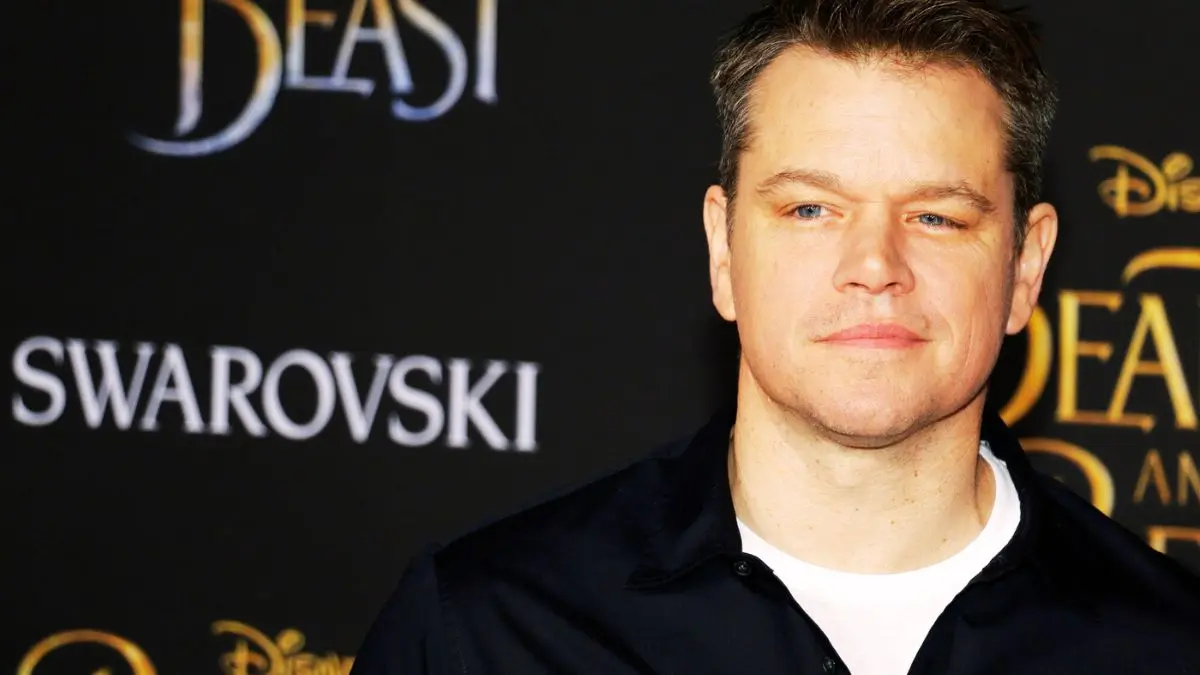


During a 2021 masterclass at the Cannes Film Festival, Matt Damon reflected on a major career decision he now regrets.
The actor revealed that he had turned down the lead role in James Cameron’s blockbuster film Avatar, even though Cameron offered him a 10 percent cut of the movie’s profits.
The film went on to earn an astonishing $2.8 billion worldwide. Damon told Deadline, “I was offered a little movie called Avatar. James Cameron offered me 10% of it. I will go down in history… you will never meet an actor who turned down more money.”
Damon explained that he passed on the role because he was committed to filming the Jason Bourne trilogy at the time. He described it as a “moral” choice, not wanting to break his contract or abandon the franchise.
The part of Jake Sully eventually went to then-unknown actor Sam Worthington, who did not receive the same lucrative offer Damon had turned down.
Despite Avatar’s massive financial success, some critics have debated its cultural impact. In 2014, Forbes writer Scott Mendelson argued that the film had been “all but forgotten” in popular culture, noting the lack of merchandising, a dedicated fanbase, or a lasting media franchise.
Mendelson credited Avatar mainly for popularizing 3D cinema but still called it a quality film, saying, “A great blockbuster movie can just be a great blockbuster movie without capturing the lunchbox market.” By 2022, after the movie’s re-release, Mendelson revised his view, acknowledging renewed appreciation:
“The very things that made Avatar sometimes feel like a ‘forgotten blockbuster’ have inspired a skewed renewed nostalgia for its singular existence. It was just a movie, an original auteur-specific movie that prioritized top-shelf filmmaking and clockwork plotting over quotable dialogue and memes.”
Some critics remain skeptical about the relevance of the planned Avatar sequels, questioning whether audiences are still engaged after years of delays. Writing for The Escapist, Darren Mooney noted that the film hadn’t left a deep pop culture footprint or developed a strong fandom, but argued this was not necessarily negative, saying, “its defining legacy is the insistence that it lacks a legacy.”
Patrick Ryan of USA Today remarked that Avatar had “curiously left almost no pop-culture footprint,” while Bilge Ebiri of Vulture countered that these opinions were “narrow-minded” and that the film still held up well.
The New York Times provided a detailed look at the franchise later that year, and in 2025, Avatar was included in the “Readers’ Choice” edition of The New York Times’ list of The 100 Best Movies of the 21st Century, placing at number 143.
In my view, Damon’s decision shows how timing and loyalty can shape an actor’s career in ways they might later regret.
Even though Avatar was a financial and technical milestone, Damon’s choice to honor his Bourne contract reflects the challenges of balancing opportunity with ethics in Hollywood. What do you think, would you have taken the role if you were in Damon’s shoes? Share your thoughts in the comments.

