‘Maul: Shadow Lord’ Is Absolutely Canon, and It’s Already Rewriting Star Wars History


Few animated series arrive with the weight of expectation that followed ‘Star Wars: Maul, Shadow Lord’ onto Disney+. Darth Maul has been one of the franchise’s most compelling figures ever since his terrifying debut in ‘The Phantom Menace’ back in 1999, and the idea of a full series built around him, set during the murky early days of the Galactic Empire, was enough to send fans into a frenzy long before a single frame was screened.
The show is very much official Star Wars canon, produced by Lucasfilm Animation and streaming exclusively on Disney+. Created by Dave Filoni and developed alongside head writer Matt Michnovetz, with Brad Rau serving as supervising director, the series carries the full weight of Lucasfilm’s creative apparatus behind it.
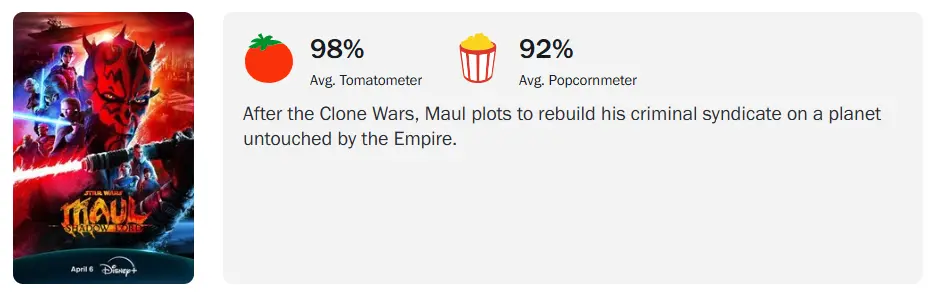
The ten-episode first season ran from April 6 through May 4, 2026, and is set during the Imperial Era, a few short years after Order 66. A prequel comic miniseries, ‘Star Wars: Shadow of Maul,’ published by Marvel Comics, further extended the canon footprint of the project before the show even aired its opening episode.
The series picks up around a year after Maul’s defeat at the hands of Ahsoka Tano at the end of the Clone Wars, bridging the gap between that beloved animated saga and the events of ‘Star Wars Rebels.’ Sam Witwer, who has voiced the character for over a decade across animation, film, and video games, returns to lead the cast. Speaking to StarWars.com ahead of the premiere, Witwer described it as “the most psychologically satisfying version of the character that we’ve ever done.”
Rewriting the Rulebook on Canon
What makes ‘Shadow Lord’ particularly fascinating from a continuity standpoint is its willingness to challenge established Star Wars lore head-on rather than tip-toe around it. In Episode 8, Maul finds himself alone following a confrontation with Inquisitors Marrok and the Eleventh Brother, and he begins experiencing visions of the past. Those visions, however, are not accurate representations of events.
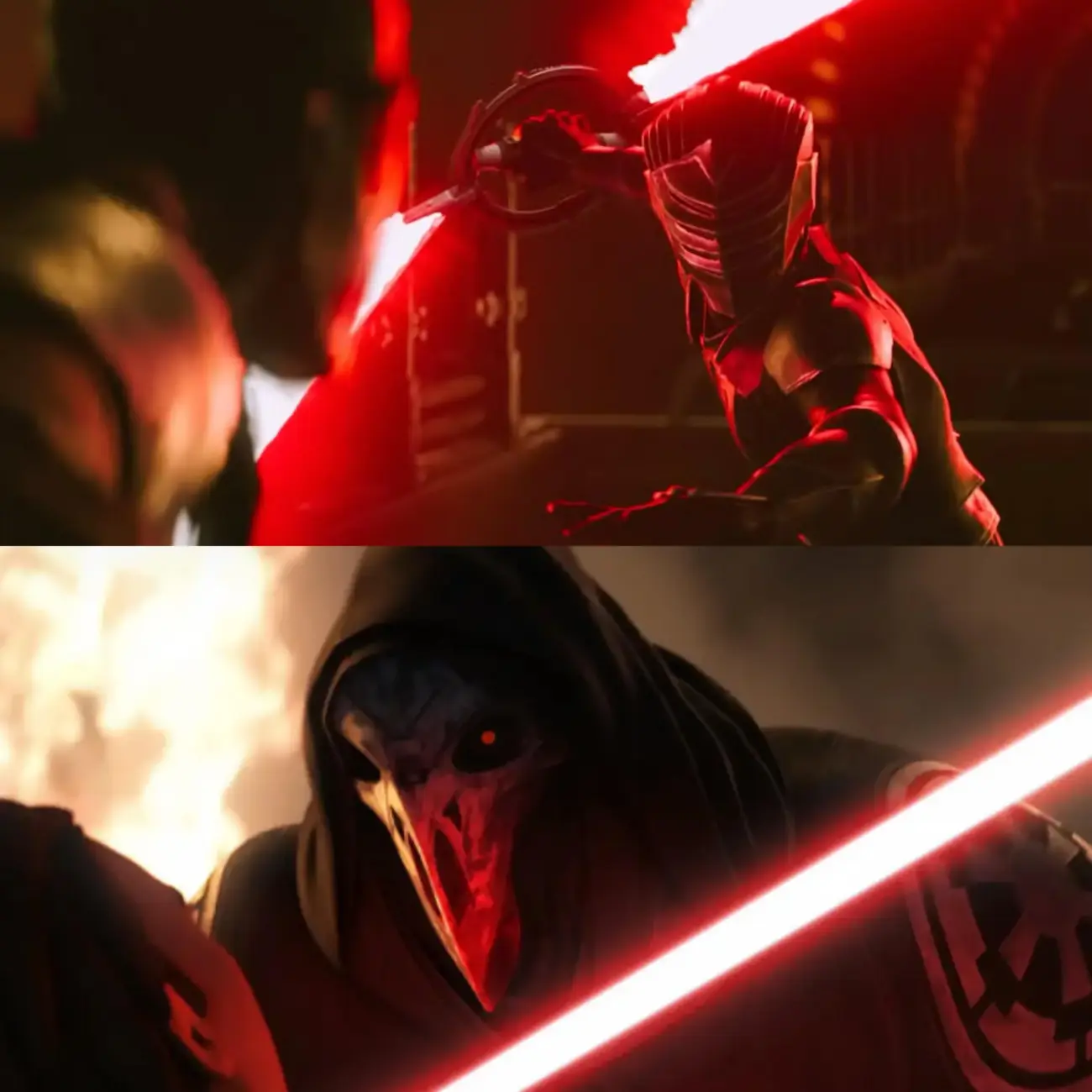
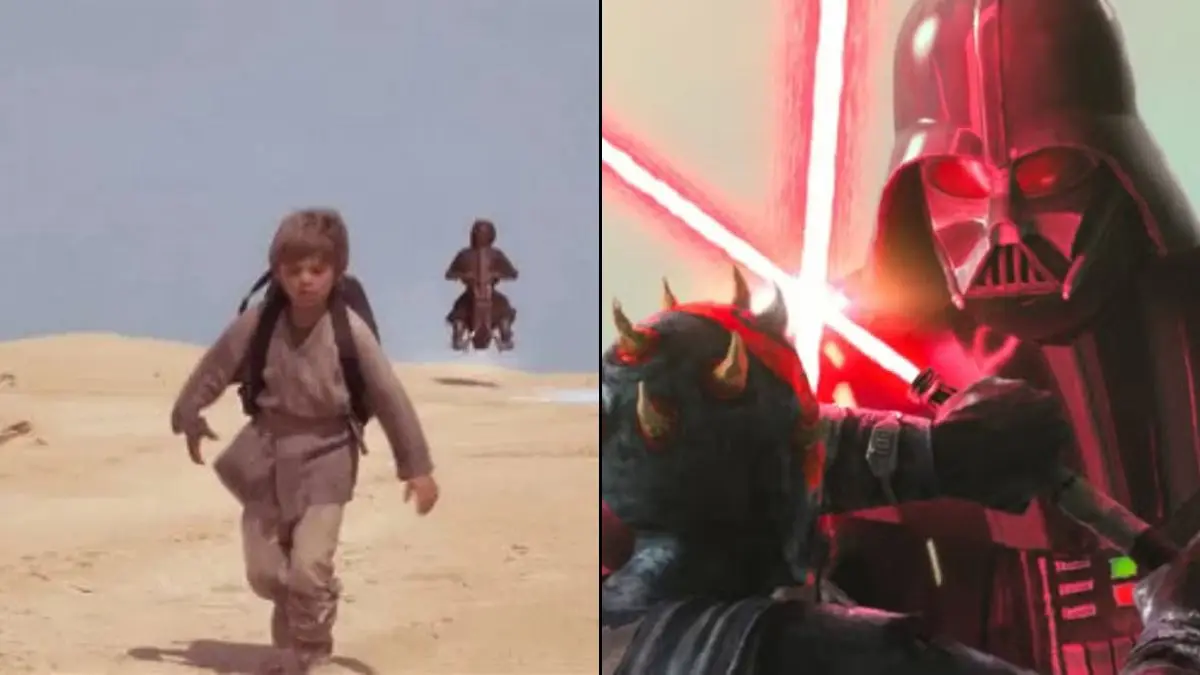
In one, Maul watches Darth Sidious take his younger self away from his brother Savage Opress. The problem is that this never actually happened that way, as Maul did not meet Savage until he was much older in ‘The Clone Wars,’ and Savage never knew Maul was his brother at all.
Rather than being a continuity error, the creative team treated this as a deliberate and meaningful storytelling choice. The visions are presented through the lens of Maul’s trauma, meaning audiences are seeing events as he misremembers them rather than as they objectively occurred.
It is a remarkably grounded representation of how traumatic memory actually functions, where the subconscious reshapes and distorts the past according to deeply buried emotional wounds. The show did not break canon so much as it used a character’s unreliable perspective to deepen it.
Witwer himself, when asked about canon consistency, noted that he believes “Star Wars belongs to all of us,” and that the most important answer when audiences encounter seemingly inconsistent moments is the one they arrive at themselves.
A Canonical Duel 25 Years in the Making
Beyond the psychological storytelling, ‘Shadow Lord’ delivered one of the most hotly anticipated moments in Star Wars history by finally making a Maul versus Darth Vader fight part of official canon. A version of this duel appeared in a 2001 Star Wars Legends comic from Dark Horse Comics, but since it existed outside the official canon, it had never carried any real weight within the broader Star Wars story.
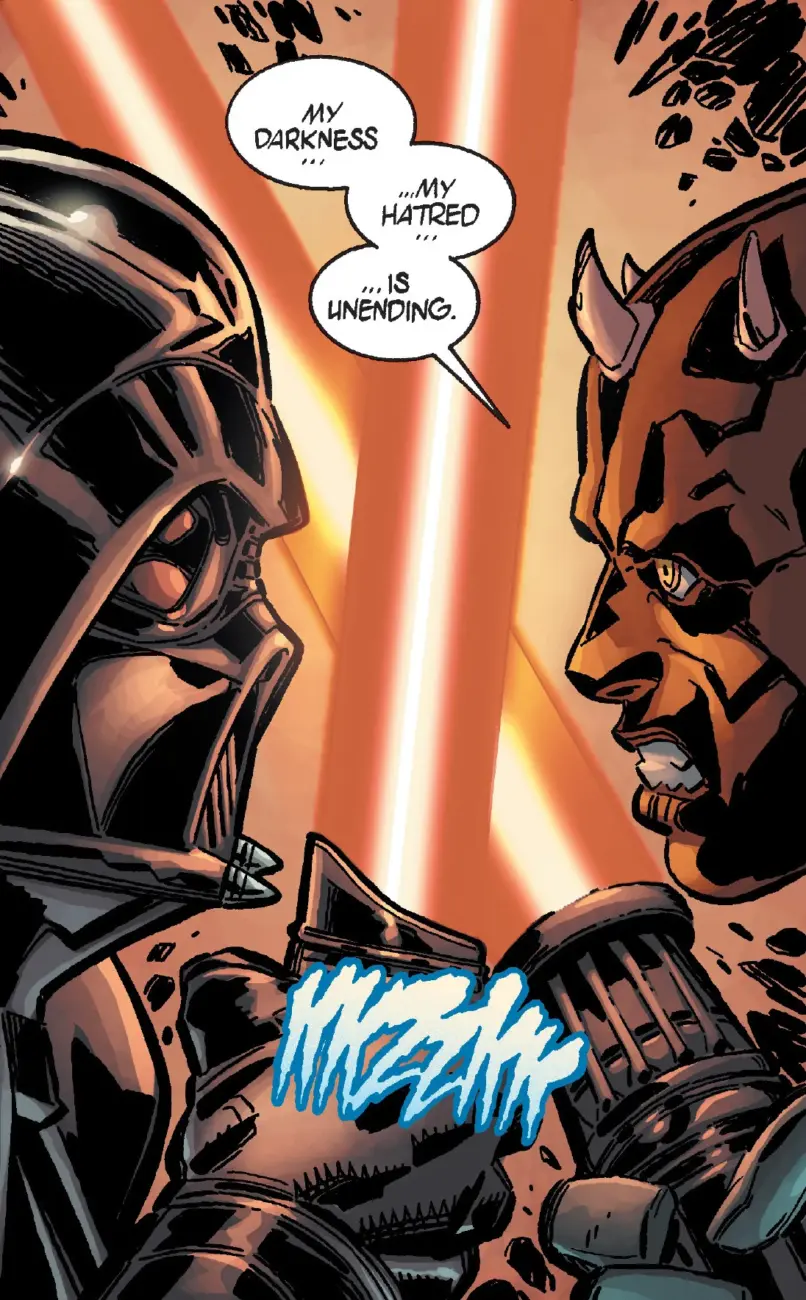
In the Season 1 finale, Maul encounters Vader for the first time and reacts with visible fear, asking “What are you?” Neither he nor Jedi Master Eeko-Dio Daki can quite name what they are sensing, though both suspect Vader was once a Jedi. Vader is depicted throughout the fight as an almost unstoppable force, handling Maul with effortless ease, grabbing him in a telekinetic grip and crushing him before tossing him aside. Maul survives only because he is not fighting alone.
The finale also delivered on a broader narrative ambition that traces back decades. George Lucas had reportedly intended the Star Wars sequel trilogy to tell a story about the galaxy falling to crime bosses after the collapse of the Empire, with Maul serving as the ultimate villain. ‘Shadow Lord’ brings elements of that vision into official canon for the first time.
The Verdict From Fans and Critics
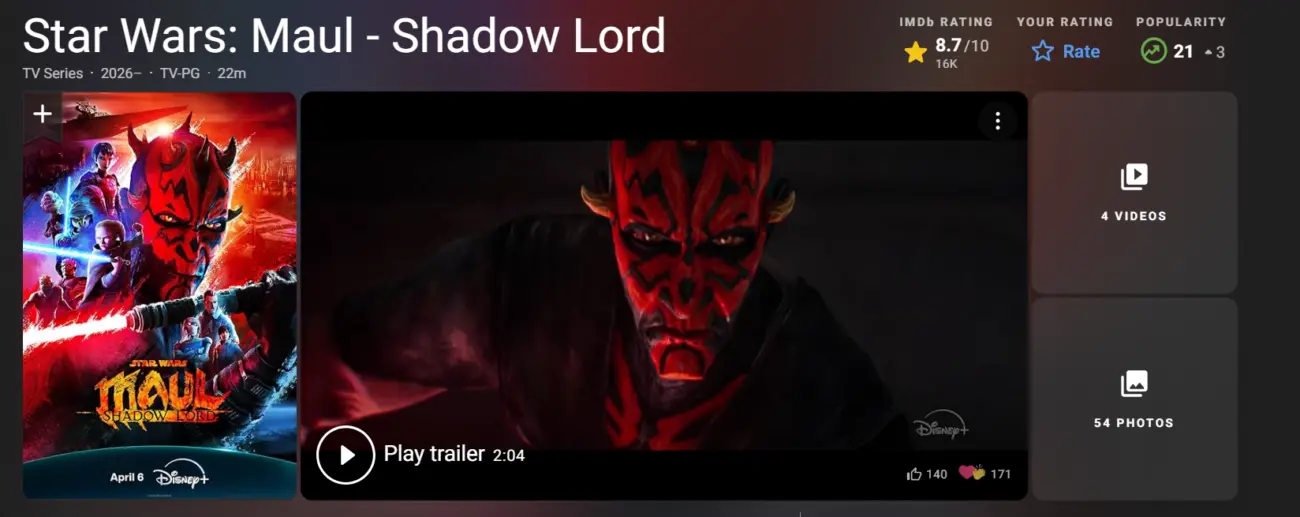
The response from audiences has been emphatic. The series earned an 8.7 out of 10 on IMDb and a 98% score on Rotten Tomatoes, representing some of the strongest critical and audience marks of any Star Wars project to date. Disney+ greenlit a second season before the first episode had even aired, with Lucasfilm expressing strong confidence in the show’s direction.
Witwer was brought into the production a full year before it was announced, contributing to scripts and providing input on early animation, resulting in a creative partnership far deeper than his involvement with any previous Star Wars project. That investment shows in every frame of the series, which pushes the boundaries of Star Wars storytelling in ways that feel earned rather than forced.
‘Maul: Shadow Lord’ is not just canon, it is becoming one of the defining entries in the entire franchise. Drop your thoughts in the comments and let us know where it ranks among the best Star Wars has ever given us.