


Most Famous Actors Who Went Broke


Fame and fortune do not always travel together. Many well known actors have faced heavy debts, tax problems, bad investments, or long stretches without work. Some filed for bankruptcy to reorganize what they owed. Others sold homes and memorabilia or took every job they could find just to balance the books.
These stories stretch from classic Hollywood to modern blockbusters. You will see tax liens, courtroom fights with managers, divorces that drained bank accounts, and careers that went quiet for years. You will also see how many of these men kept working, rebuilt income streams, and found their way back to stability through persistence and new roles.
Nicolas Cage
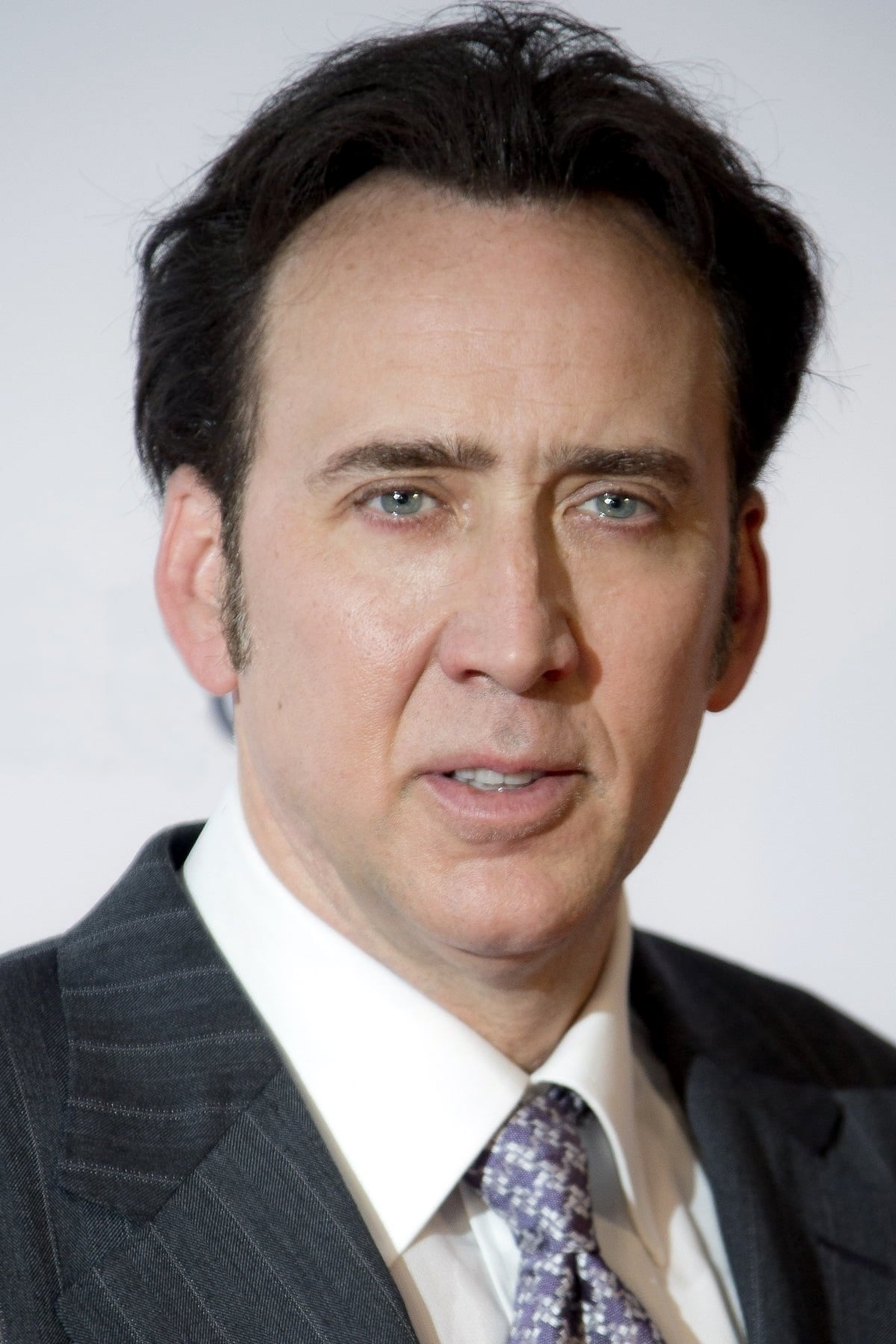
The tax authorities filed liens for millions and he liquidated real estate across several states, including properties that had appreciated during the housing boom. He also sued his former business manager over alleged mismanagement, while the manager countersued, and the dispute outlined the scale of his liabilities.
To generate cash he sold rare collectibles and accepted a high volume of roles across genres. Big studio titles like ‘National Treasure’ and ‘Ghost Rider’ are often mentioned alongside smaller films from independent producers, reflecting a period when income diversification became the plan to cover outstanding obligations.
Johnny Depp
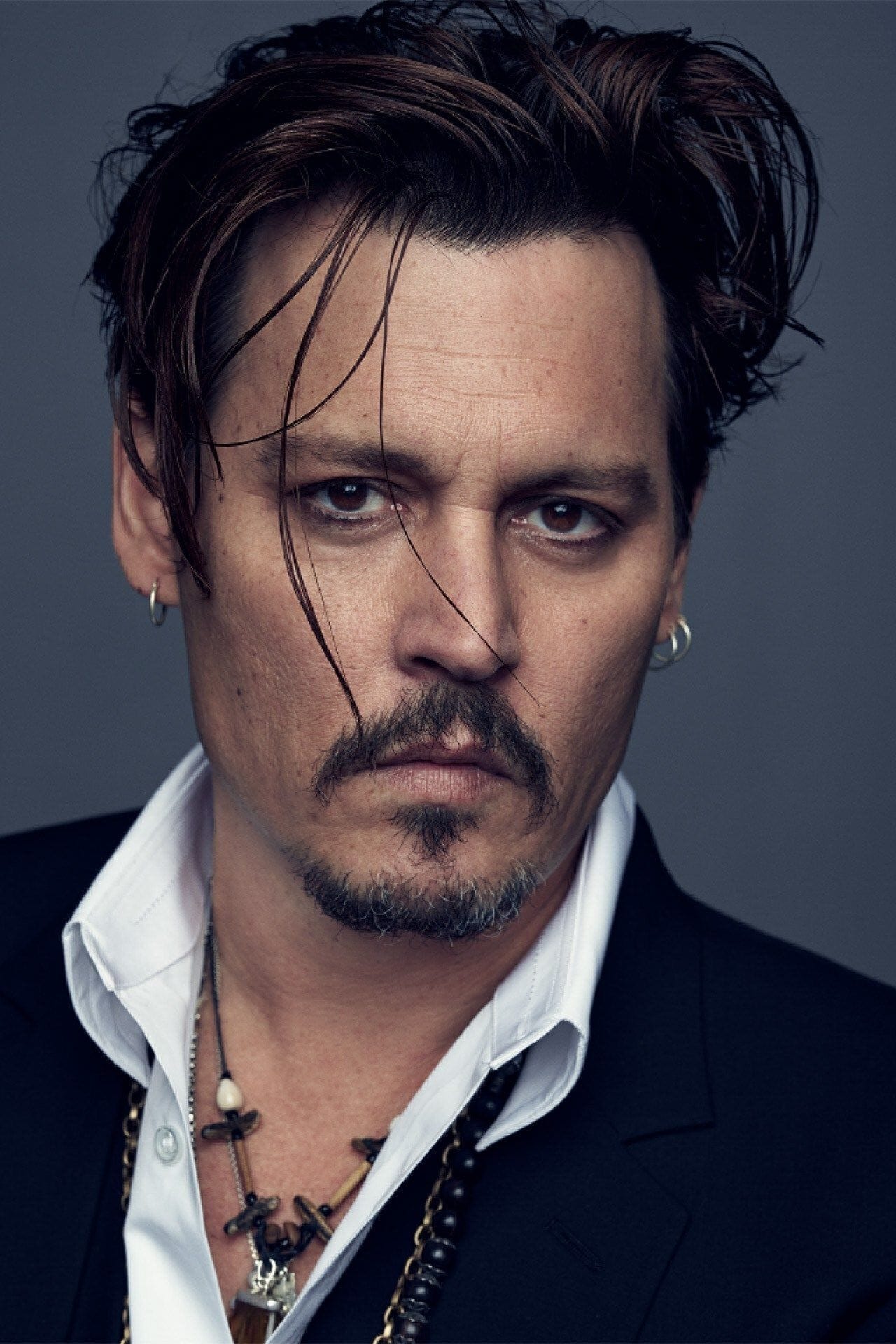
Court filings from a high profile lawsuit with his former management company detailed large debts and complex cash flow issues. Asset sales included art and real estate, and settlement costs from personal matters added to the financial strain.
He continued to work on major projects and international tours while addressing liabilities. Franchises such as ‘Pirates of the Caribbean’ remained central to revenue, and subsequent legal outcomes also influenced how future earnings would be allocated toward obligations.
Wesley Snipes
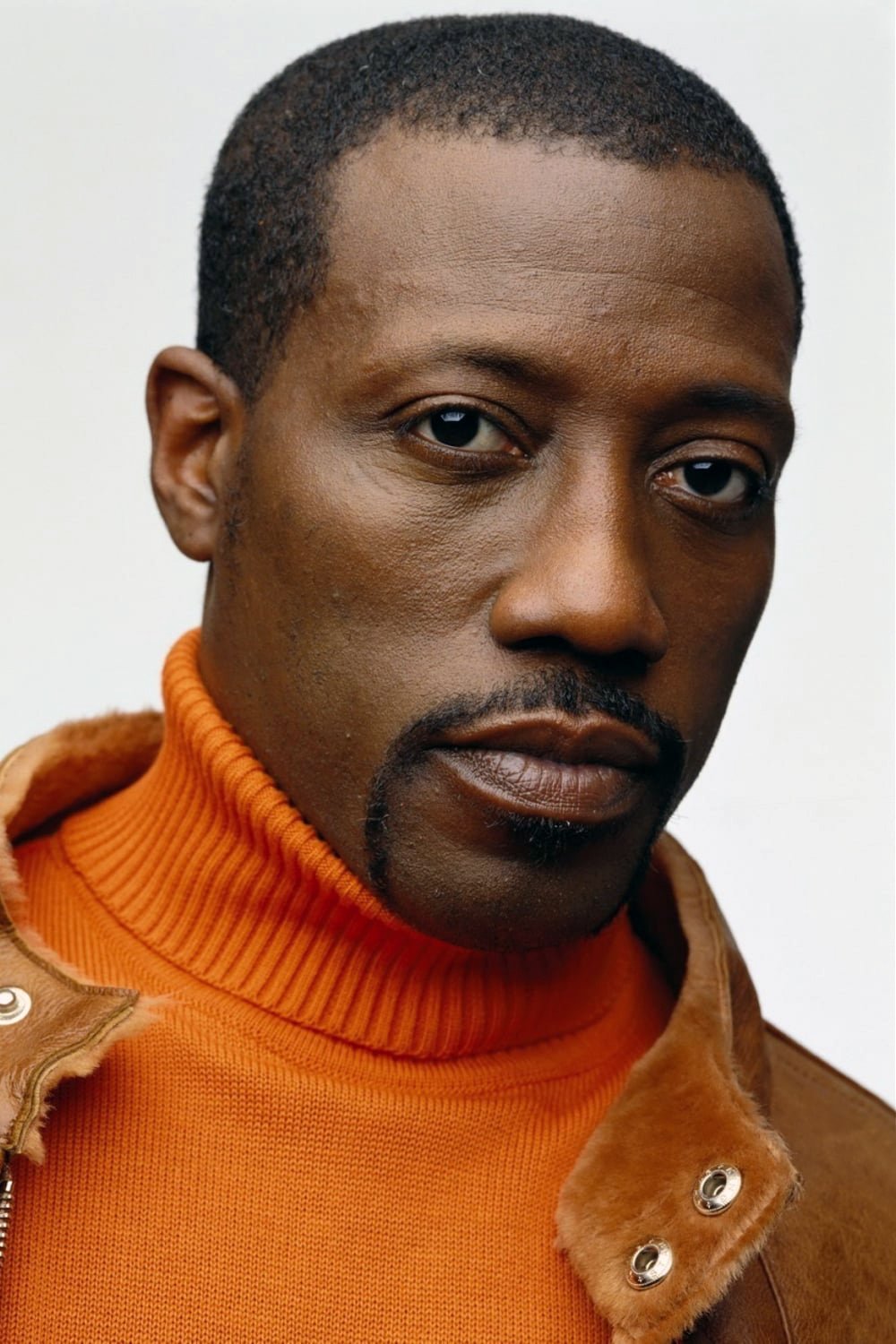
He was convicted for failing to file federal tax returns and served time, which paused his career and compounded interest and penalties on what he owed. The government pursued collection after his release, keeping the matter in the public record.
He returned to sets and fan events to rebuild income, appearing in new films and revisiting action roles that audiences knew from ‘Blade’. These projects created predictable earnings that helped with repayment plans and professional rehabilitation.
Burt Reynolds
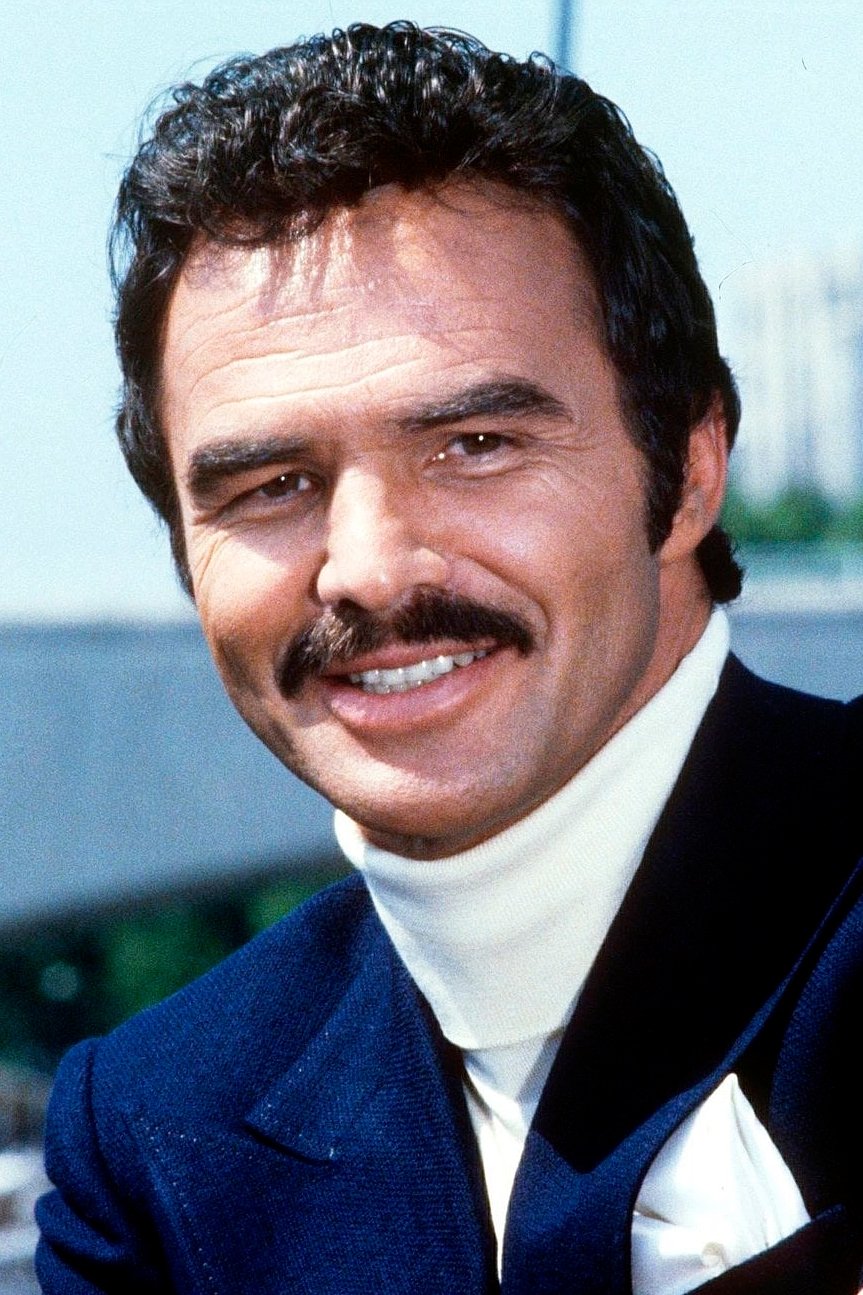
He filed for Chapter 11 protection after years of high spending, a costly divorce, and underperforming business ventures. Creditors included banks, former partners, and service providers tied to his properties.
He sold memorabilia and faced foreclosures while continuing to act and make public appearances. Television work on ‘Evening Shade’ and later roles provided steady checks, and negotiated settlements allowed him to keep working while paying creditors over time.
Gary Busey

He filed for Chapter 7 bankruptcy listing unsecured debts that exceeded his assets, including medical bills and taxes. Court documents showed limited cash on hand and a short list of valuables.
He kept his career moving through television guest spots, reality appearances, and supporting film roles. Residuals and appearance fees became practical tools to address obligations as trustee processes sorted creditor claims.
Stephen Baldwin
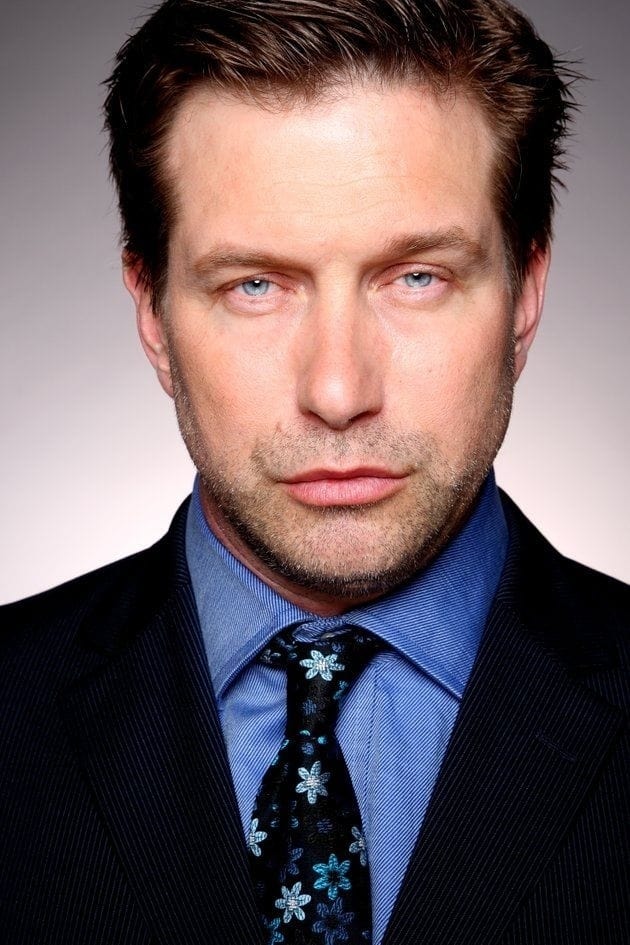
He petitioned for bankruptcy after defaulting on mortgages tied to his home and other loans. Later he entered a plea over unpaid state taxes and completed a court ordered repayment plan.
He continued acting in independent productions and faith based projects while arranging payment schedules. Event speaking and media work added revenue streams that matched the structured obligations set out by the courts.
Mickey Rooney
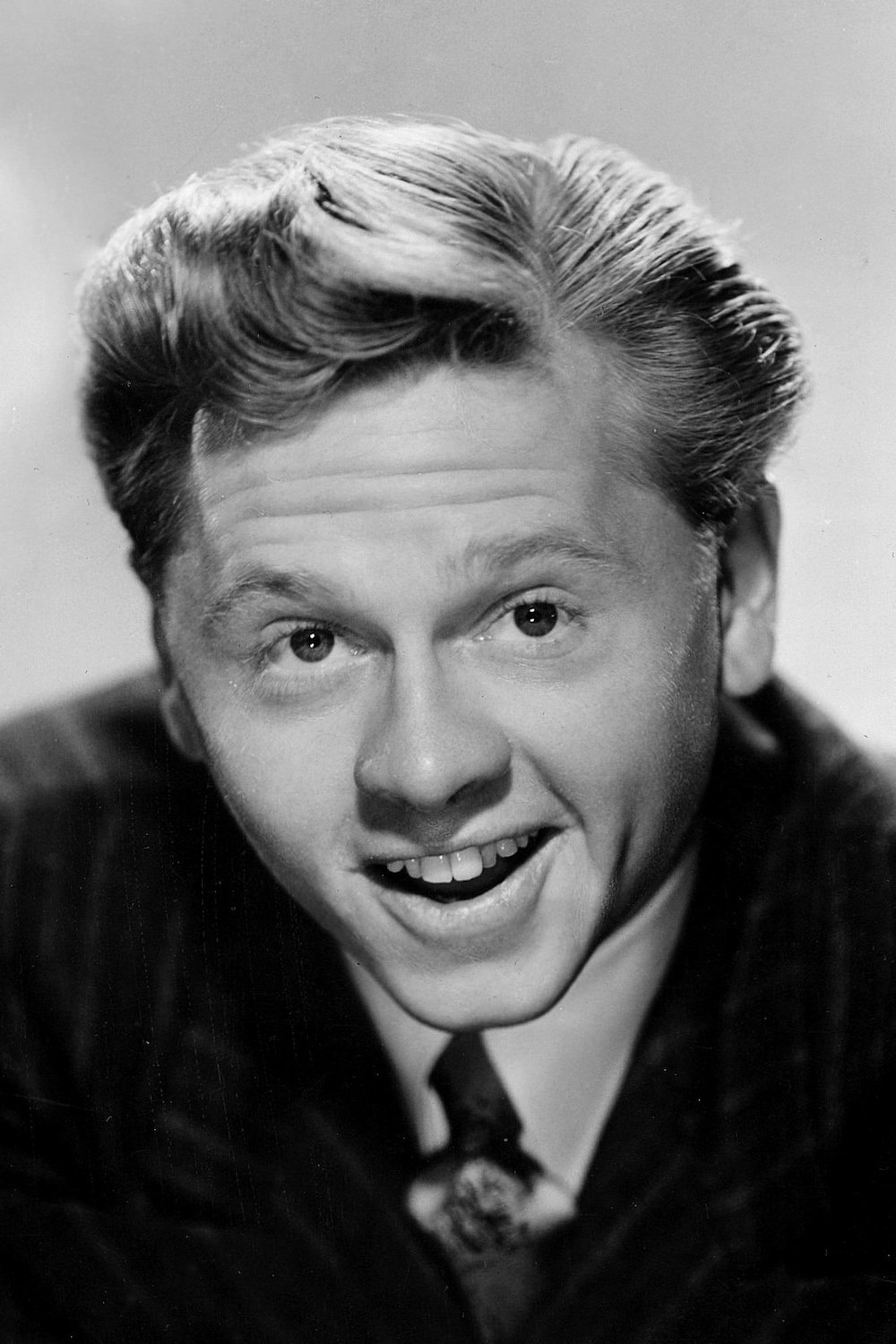
He endured multiple financial collapses across a long career, including mismanagement by people he trusted. Late in life the courts approved a conservatorship to protect him after allegations of financial abuse.
He worked on stage and screen well into his eighties to support himself. Classic credits like ‘National Velvet’ remained valuable for legacy income, while new appearances kept royalties and pension contributions flowing.
Bela Lugosi
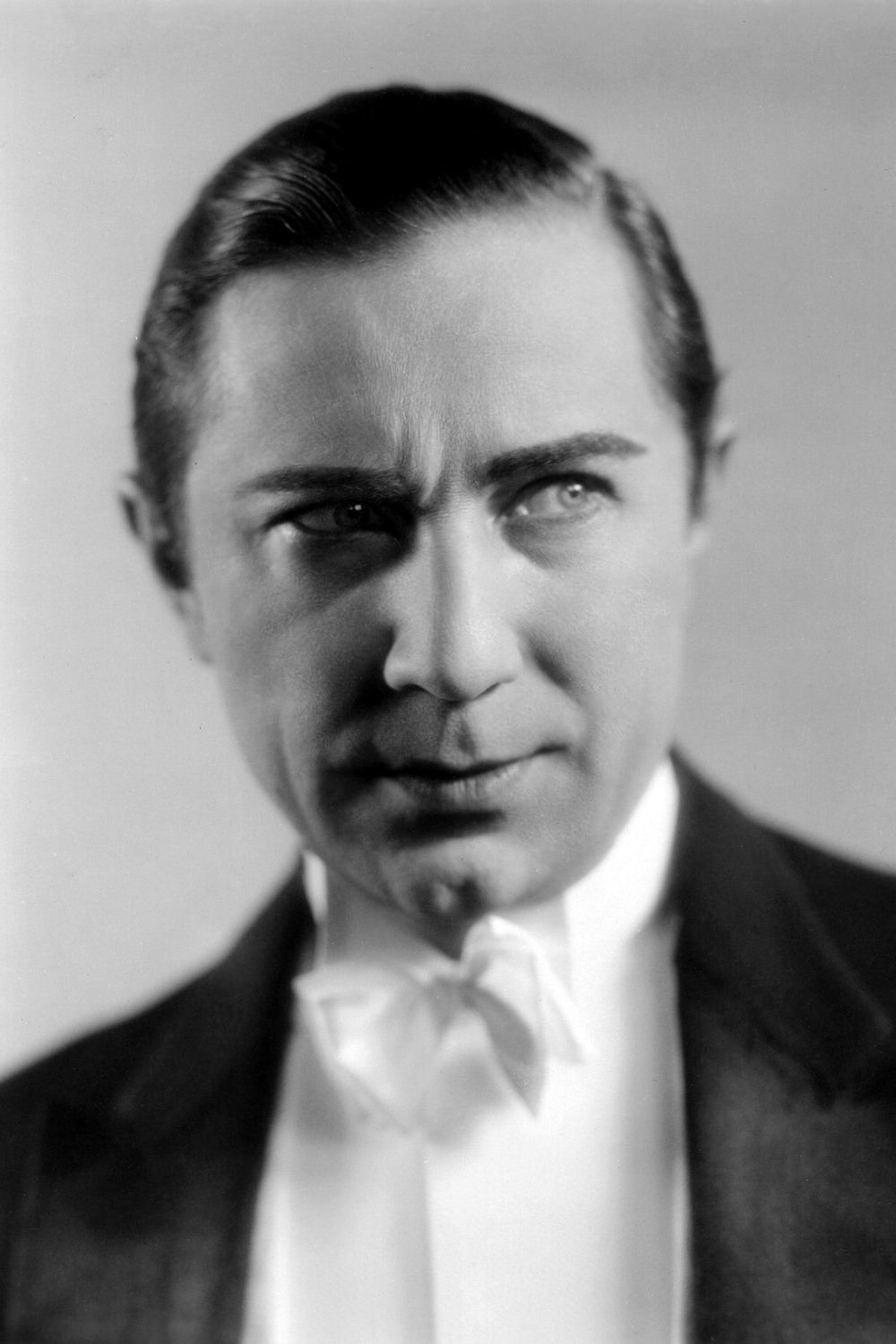
After ‘Dracula’ he faced typecasting that limited high paying roles, and addiction treatment costs and divorce expenses added pressure. He filed for bankruptcy during a period when offers had fallen sharply.
He took small parts with low day rates and collaborated with independent producers when studio work dried up. Late career projects with Ed Wood kept him active and provided income while he managed medical and personal debts.
Errol Flynn
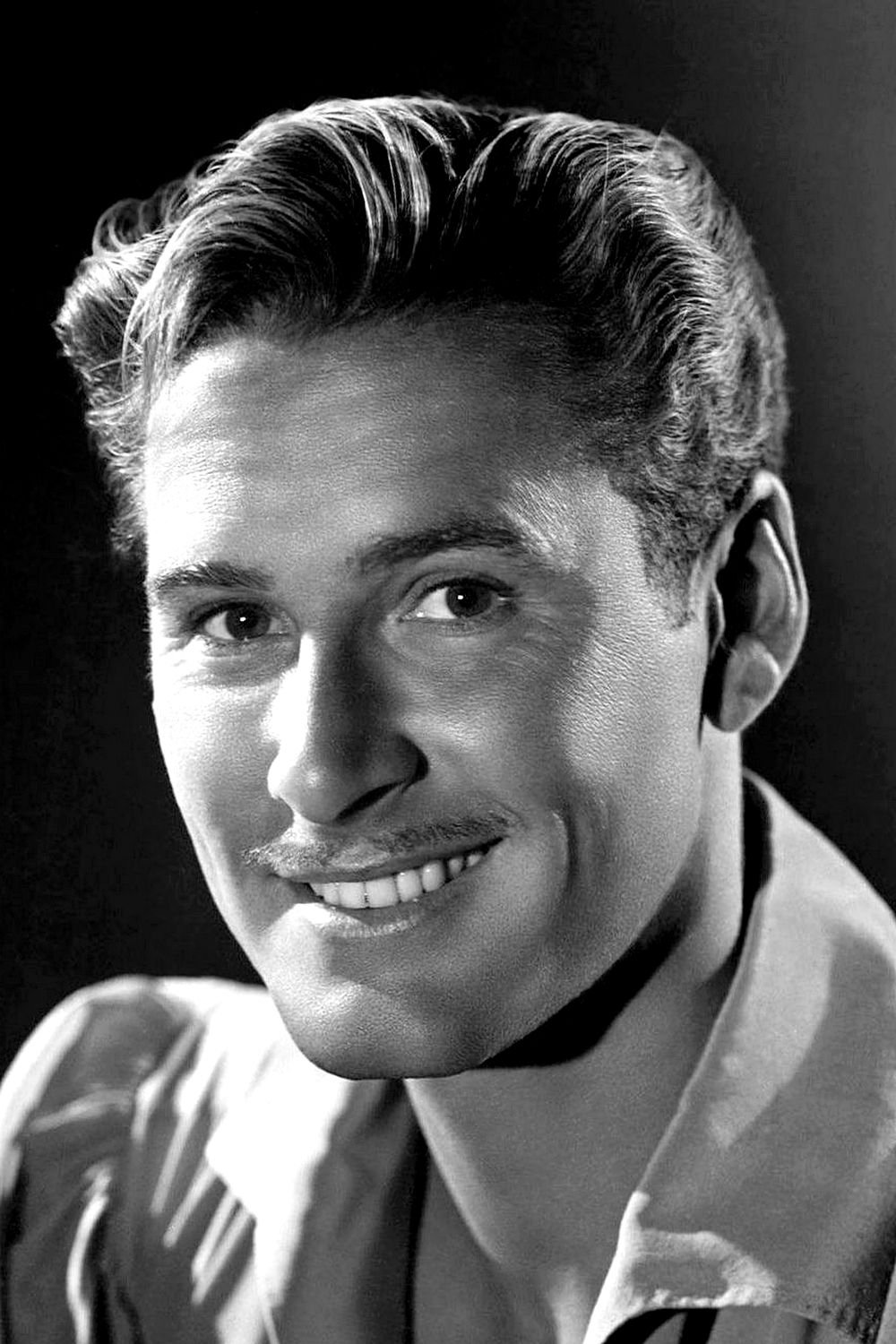
Lavish living, legal bills, and unpaid taxes left him with mounting obligations near the end of his life. The government pursued back taxes, and creditors attached claims to his remaining assets.
He worked overseas and took quick turnaround films to maintain cash flow. Earlier swashbucklers like ‘The Adventures of Robin Hood’ still anchored his reputation, but residual structures of the time yielded modest income compared with his debts.
Gary Coleman
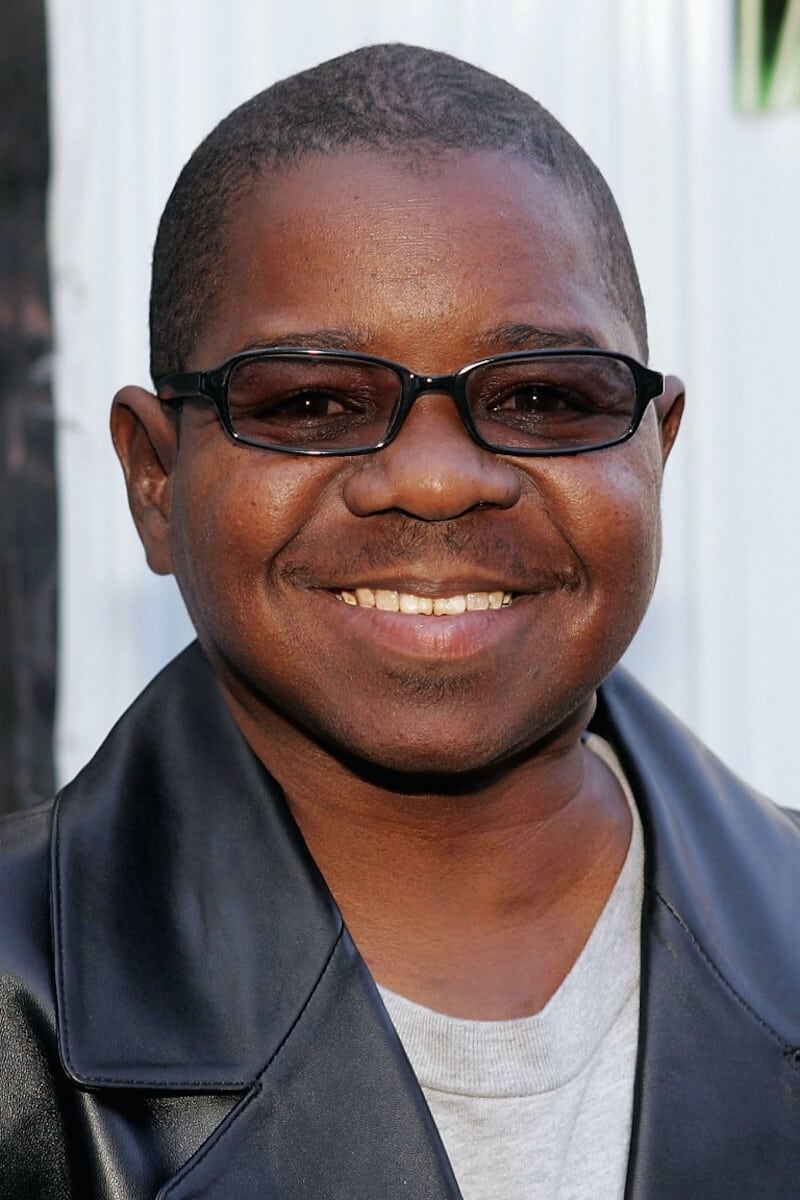
He sued his parents and former manager over trust funds from ‘Diff’rent Strokes’ and later filed for bankruptcy when adult income did not match childhood earnings. Medical costs and legal fees worsened the shortfall.
He took security jobs, commercial work, and reality appearances to cover living expenses. Autograph shows and conventions provided steady, trackable income that could be applied to outstanding obligations.
Corey Haim
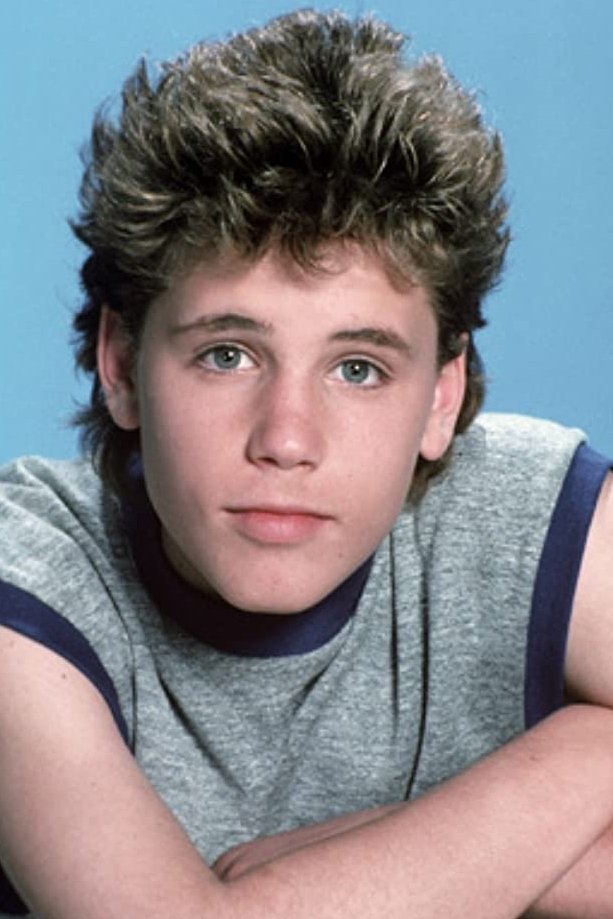
He filed for bankruptcy after a rapid career decline and addiction related expenses. Court papers listed medical debts, taxes, and credit card balances far beyond his available cash.
He sold memorabilia and sought roles in low budget productions to generate immediate funds. Collaborations with Corey Feldman and convention circuits became part of a survival plan focused on quick, reliable paydays.
Tom Sizemore
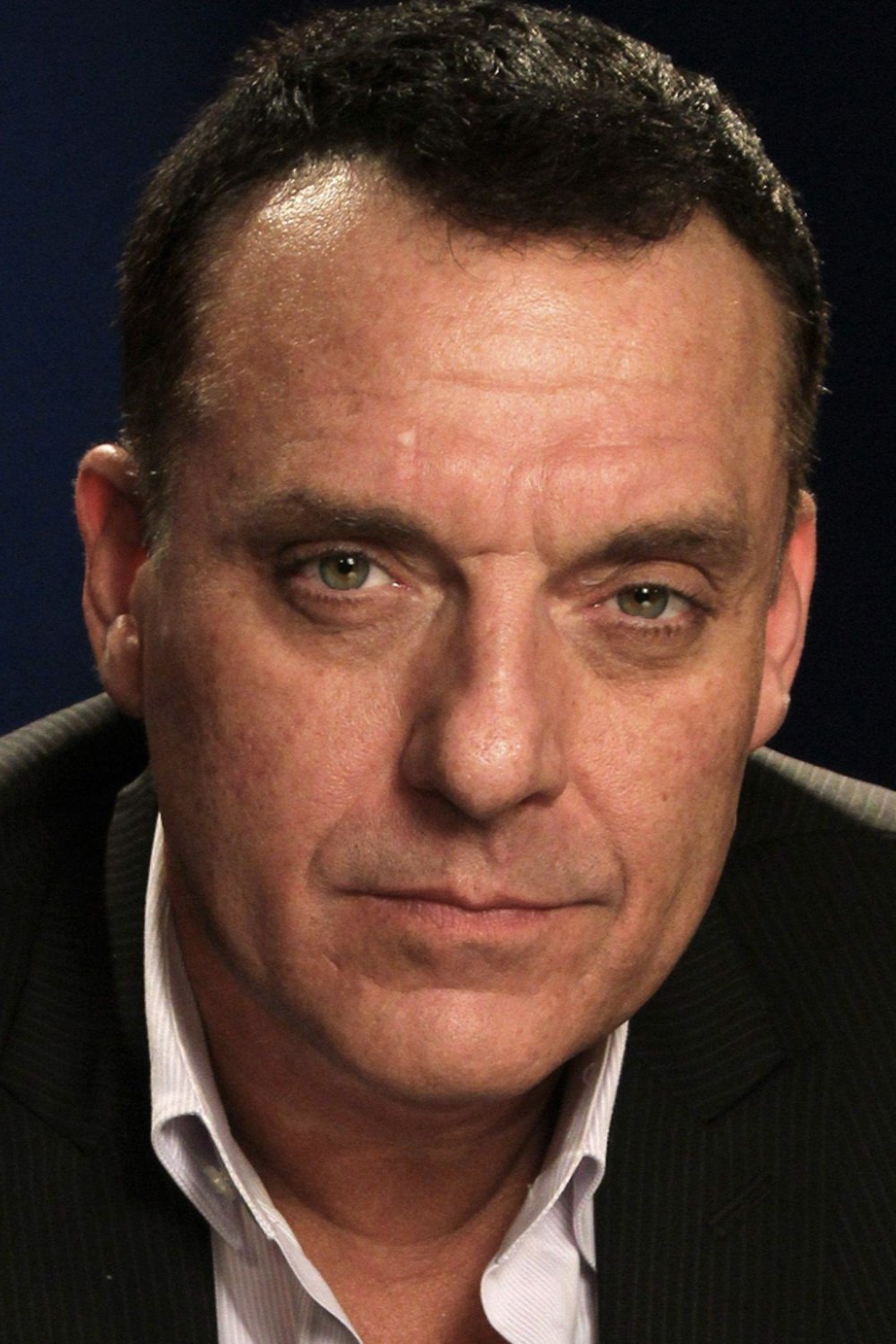
He sought bankruptcy protection after years of legal troubles, restitution orders, and child support arrears. Public records showed more liabilities than assets and little liquidity.
He continued working in independent films and streaming projects with short schedules and fast payments. Documentaries and memoir related appearances supplemented earnings aimed at meeting court supervised obligations.
Michael Madsen

A foreclosure on his home and unpaid taxes signaled serious financial strain, followed by bankruptcy filings that organized creditor claims. Entertainment income varied widely year to year, which complicated repayment.
He stabilized cash flow with character roles, voice work, and festival appearances. Catalog titles such as ‘Reservoir Dogs’ kept his name marketable, helping him secure steady contracts while addressing back debts.
Randy Quaid
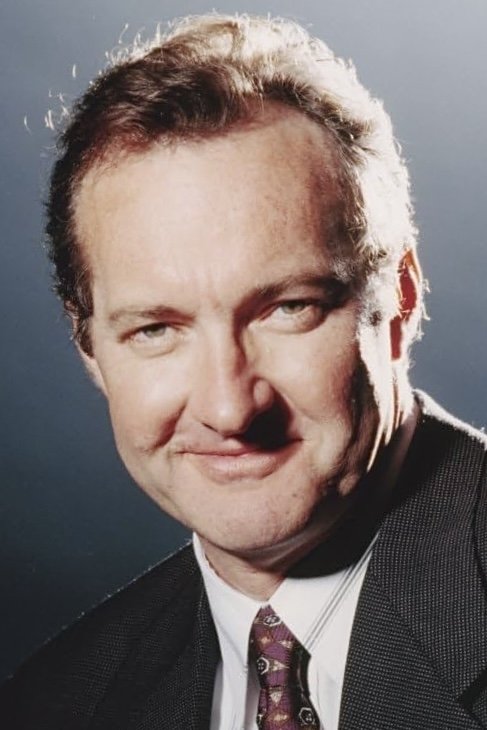
Unpaid hotel bills and civil claims led to a string of legal disputes that coincided with reports of financial instability. Property issues and travel complications made consistent work difficult.
He relied on occasional acting jobs and public appearances while contesting cases. Earlier hits like ‘National Lampoon’s Vacation’ and ‘Independence Day’ supported ongoing residuals, but those checks did not erase mounting obligations.
Chris Tucker

Large federal and state tax liens accumulated during a period when he took few roles. He sold real estate to raise cash and negotiated with revenue agencies to resolve balances.
He returned to stand up tours and explored new film opportunities beyond ‘Rush Hour’. Ticketed events provided predictable payouts that fit structured repayment schedules and allowed him to reduce outstanding liens.
Val Kilmer
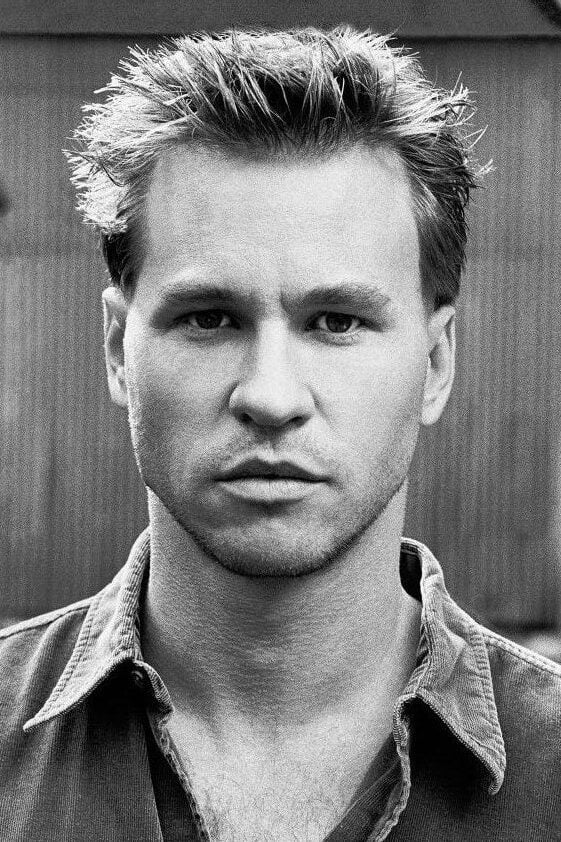
Tax liens and medical costs arrived as his workload decreased, and attempts to sell or subdivide property became part of a plan to raise funds. Health challenges limited long shoots and travel.
Voice roles, art sales, and documentary projects offered income flexibility. Earlier films like ‘Top Gun’ and ‘Heat’ sustained his visibility and helped secure engagements that matched his capacities while obligations remained in place.
Brendan Fraser
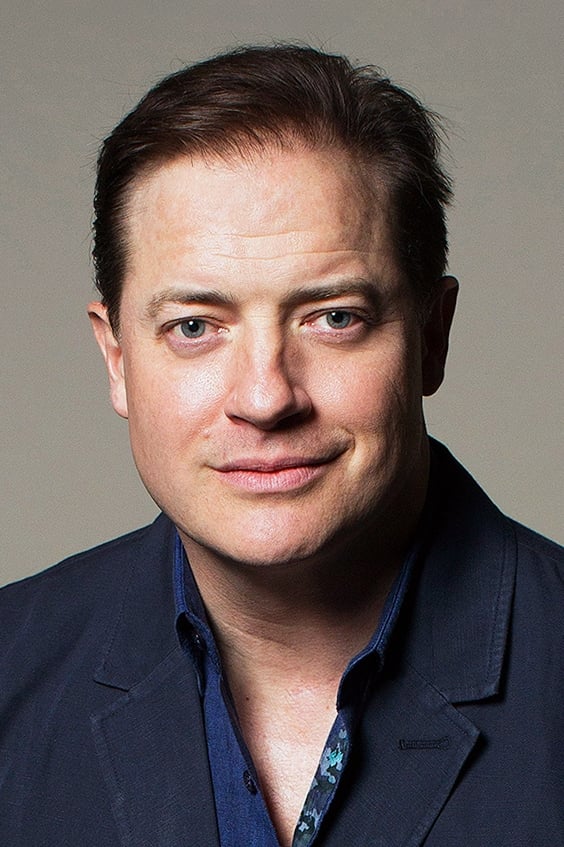
After injuries and surgeries from action work he petitioned a court to reduce alimony based on lower income. Legal filings showed a gap between earnings and recurring obligations.
He rebuilt with supporting and prestige roles that fit his recovery. The success of ‘The Whale’ brought new offers and raised quotes, which improved cash flow and reduced pressure from earlier commitments tied to ‘The Mummy’ era expectations.
Mickey Rourke
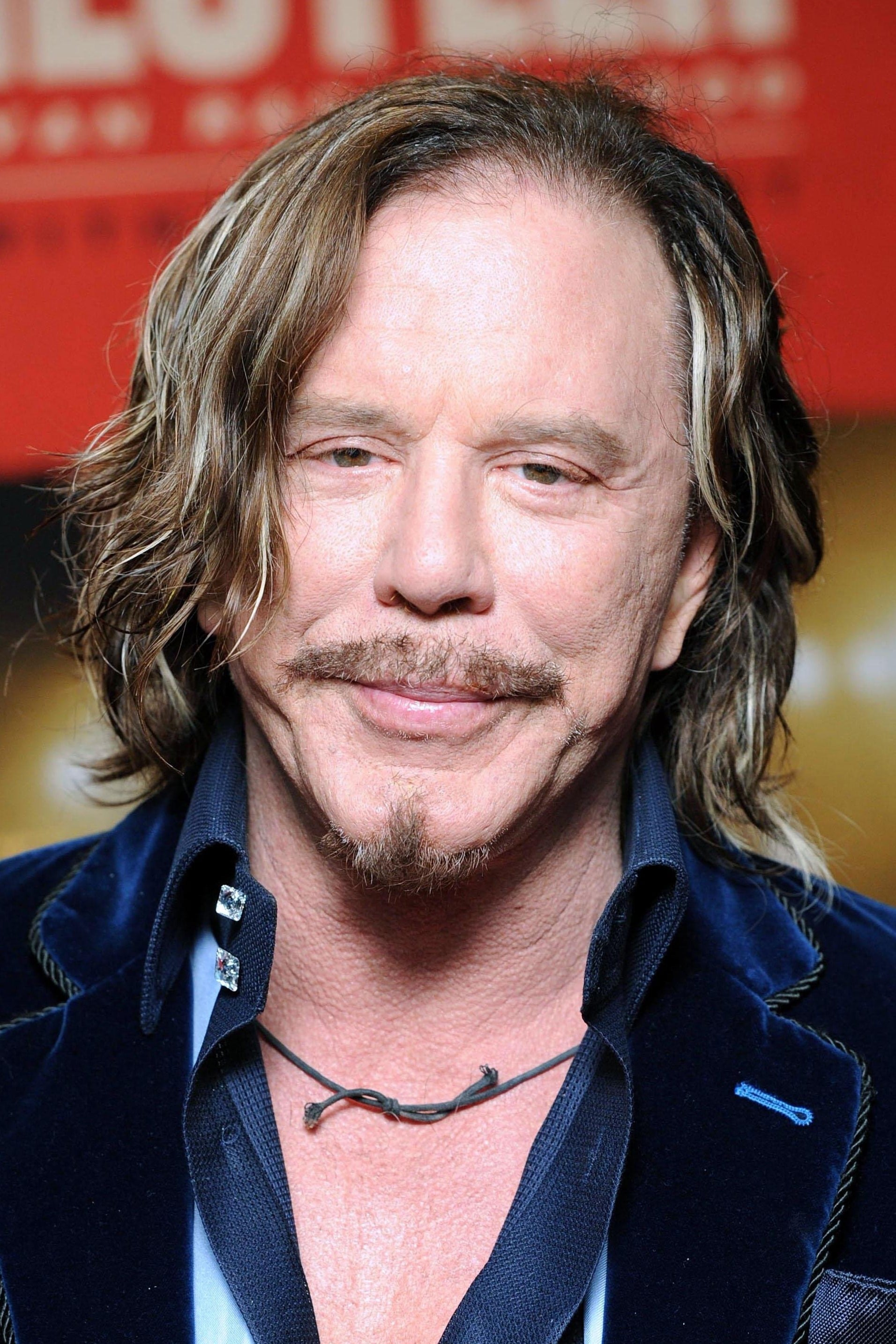
He stepped away from acting to box, which caused injuries and a long break from high paying roles. Divorce costs and years without steady film work left him juggling debts.
His return in ‘The Wrestler’ revitalized demand and opened better paying parts. Fashion campaigns, European films, and fight related appearances added immediate income that could be applied to overdue balances.
Kevin Bacon
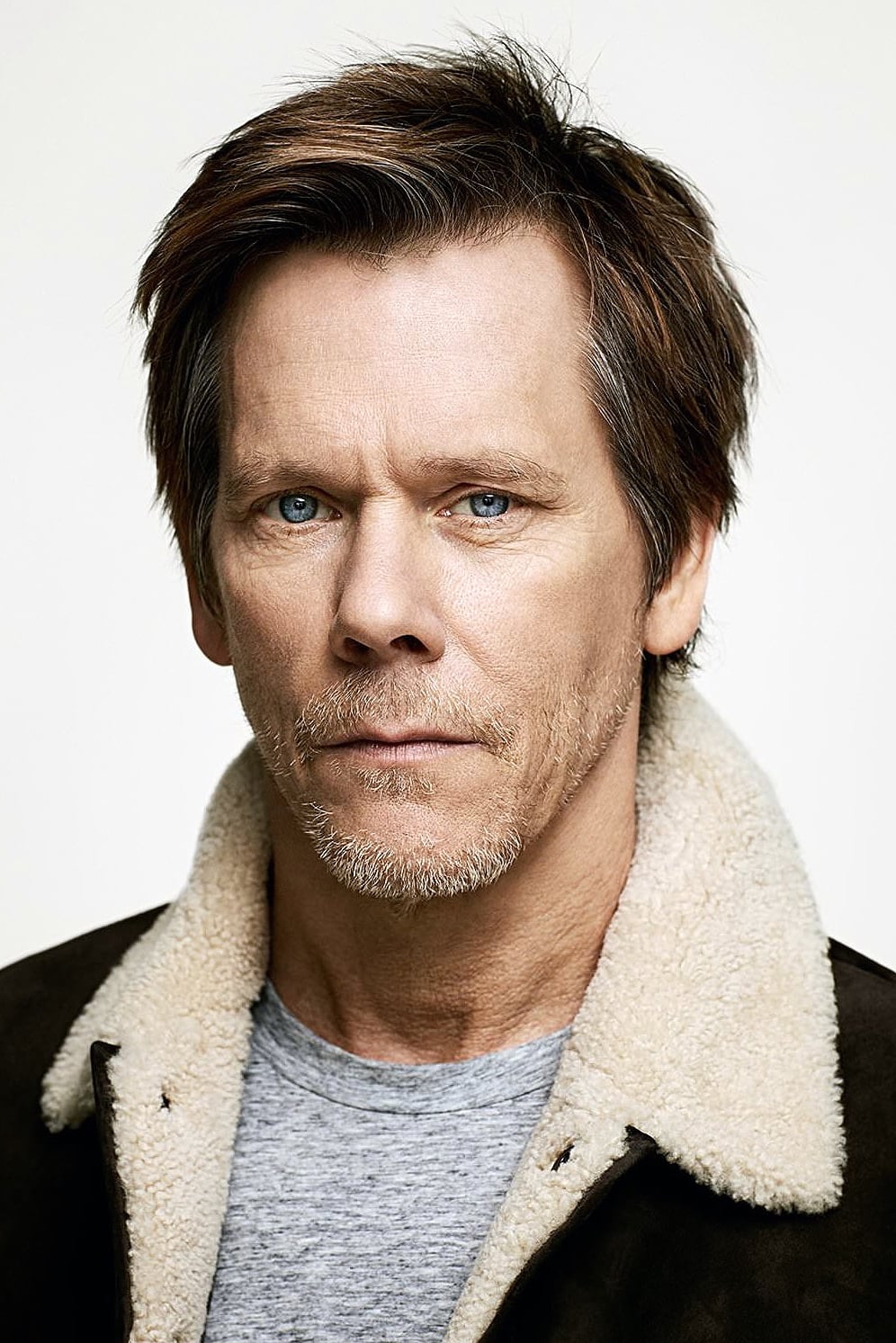
He and his wife were major victims of the Madoff fraud and lost a significant portion of their savings. The collapse forced them to rethink retirement timelines and cash management.
He increased output through television and film, including work on ‘The Following’. Touring with his band and commercial campaigns diversified income to rebuild long term reserves after the investment losses.
Danny Trejo
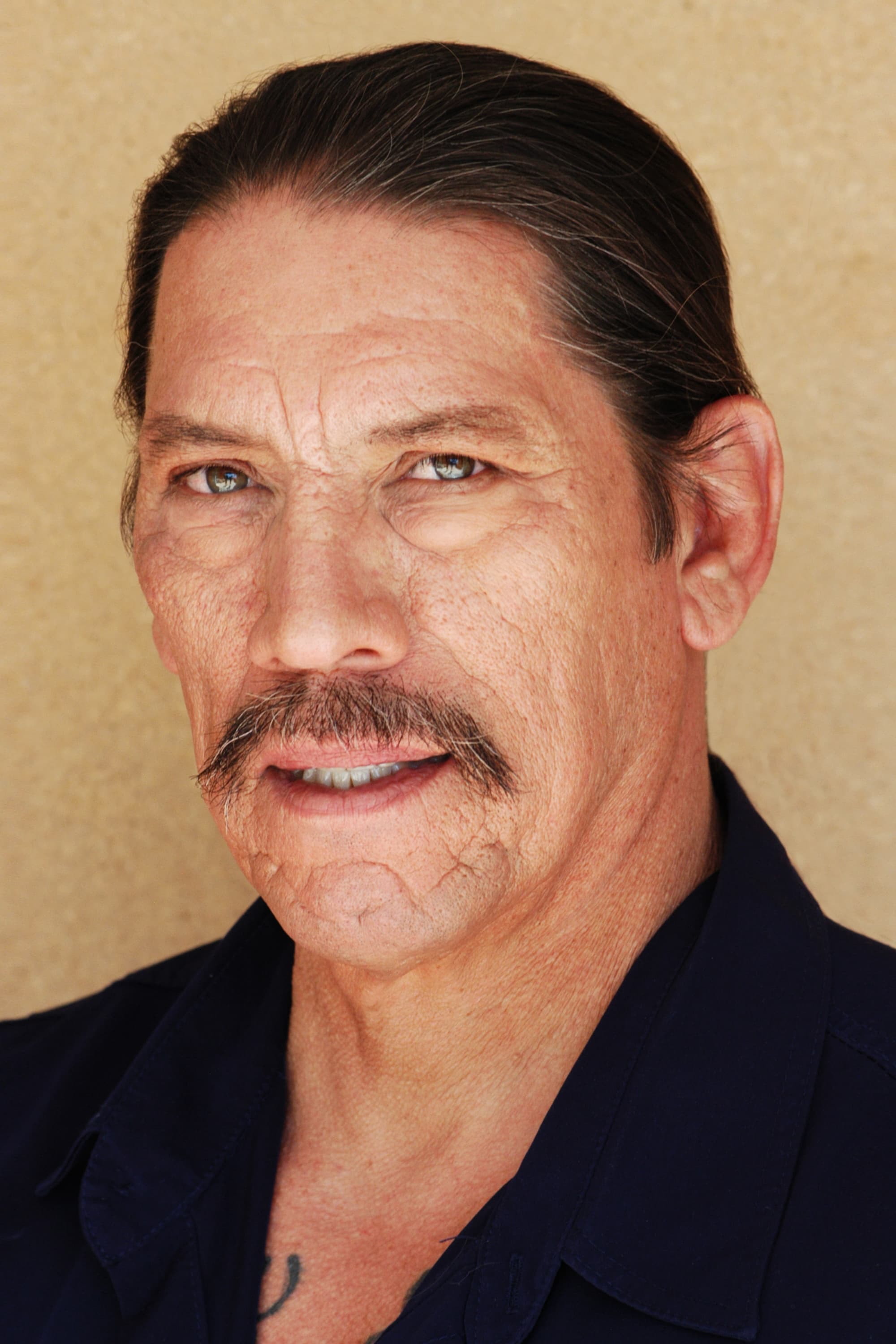
He filed for bankruptcy to reorganize tax debts after improper deductions were flagged. Court records described a plan focused on repayment while protecting active businesses.
He maintained acting schedules and expanded his food brand while the case proceeded. Appearances linked to ‘Machete’ and other fan favorite roles kept revenue steady enough to meet the plan’s milestones.
Terrence Howard
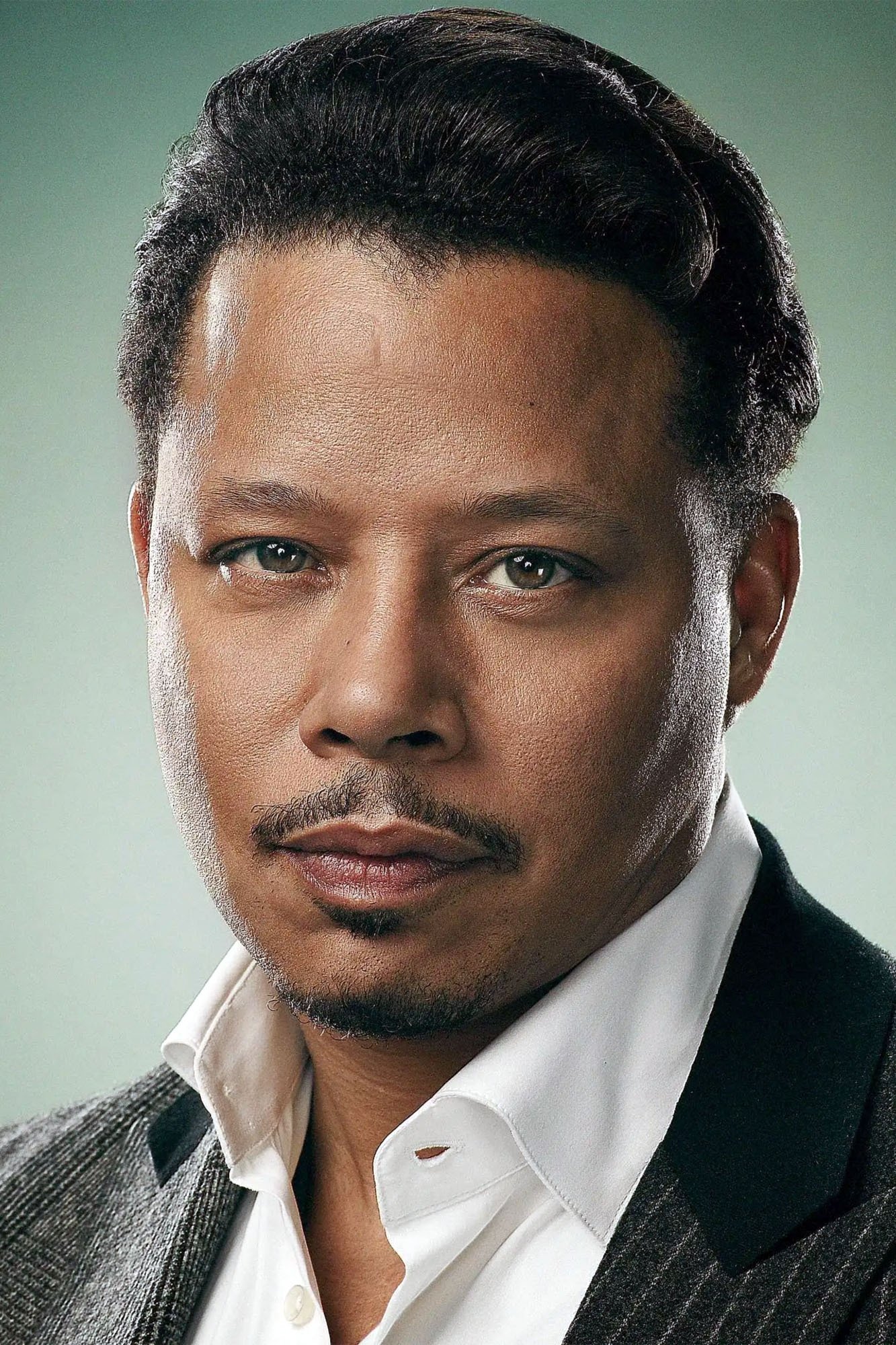
Court filings during divorce proceedings documented arrears and limited savings relative to support obligations. Tax authorities also recorded liens that required settlement.
A leading role on ‘Empire’ restored consistent income through salary and residuals. Music and technology ventures provided additional cash, which helped resolve past due amounts and stabilize monthly budgets.
Katt Williams
He faced multiple tax liens and legal costs tied to arrests and civil suits, and tour interruptions hurt cash flow. Properties were sold or lost, and creditors pursued judgments.
He returned to stand up specials and film cameos to reestablish income. Streaming platforms and packaged tours delivered reliable payouts that could be directed toward liens and negotiated settlements.
Paul Hogan
The Australian Tax Office froze accounts and restricted travel during a long running tax investigation. The dispute limited access to cash and complicated international work.
He reached arrangements that allowed him to resume projects while addressing the claims. The enduring popularity of ‘Crocodile Dundee’ supported appearances and brand deals that generated funds during the dispute.
Charlie Sheen
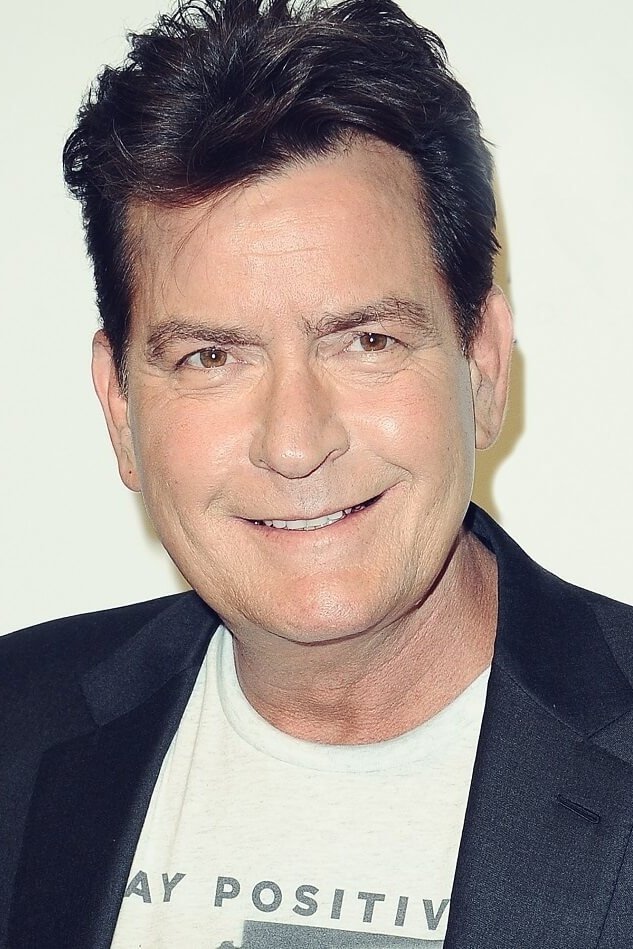
He accumulated tax debt and sold high value real estate while resolving multiple settlements. The loss of his lead role on ‘Two and a Half Men’ interrupted a major paycheck that had supported a high expense lifestyle.
He pursued touring shows and new television ventures to recover income. Syndication from earlier seasons and back end deals provided continuing revenue while he negotiated with tax authorities and private creditors.
Don Johnson
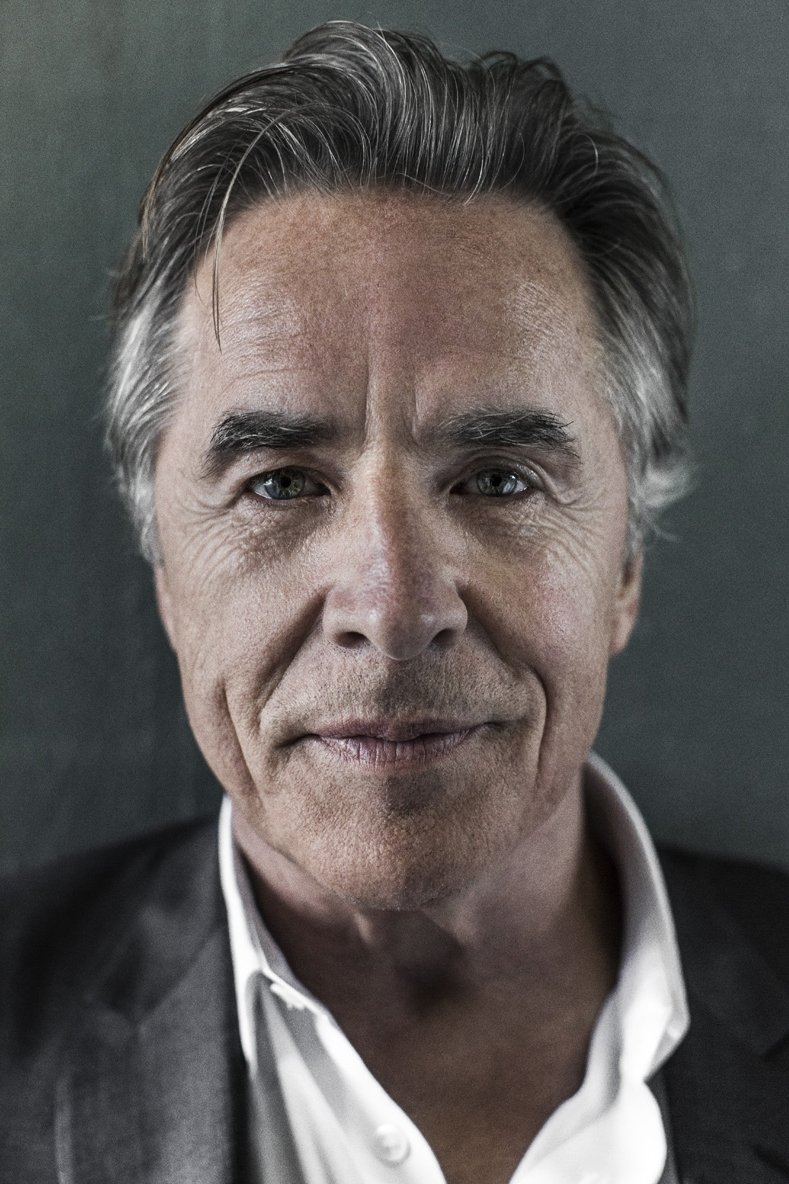
He nearly lost his Colorado ranch after default notices, then secured short term financing to halt the sale. Later he won a substantial judgment over profits from ‘Nash Bridges’, which transformed his balance sheet.
He continued acting and producing, using the court award to clear debts and invest in work. The case became a prominent example of how contract enforcement can resolve financial distress for performers.
Robert De Niro
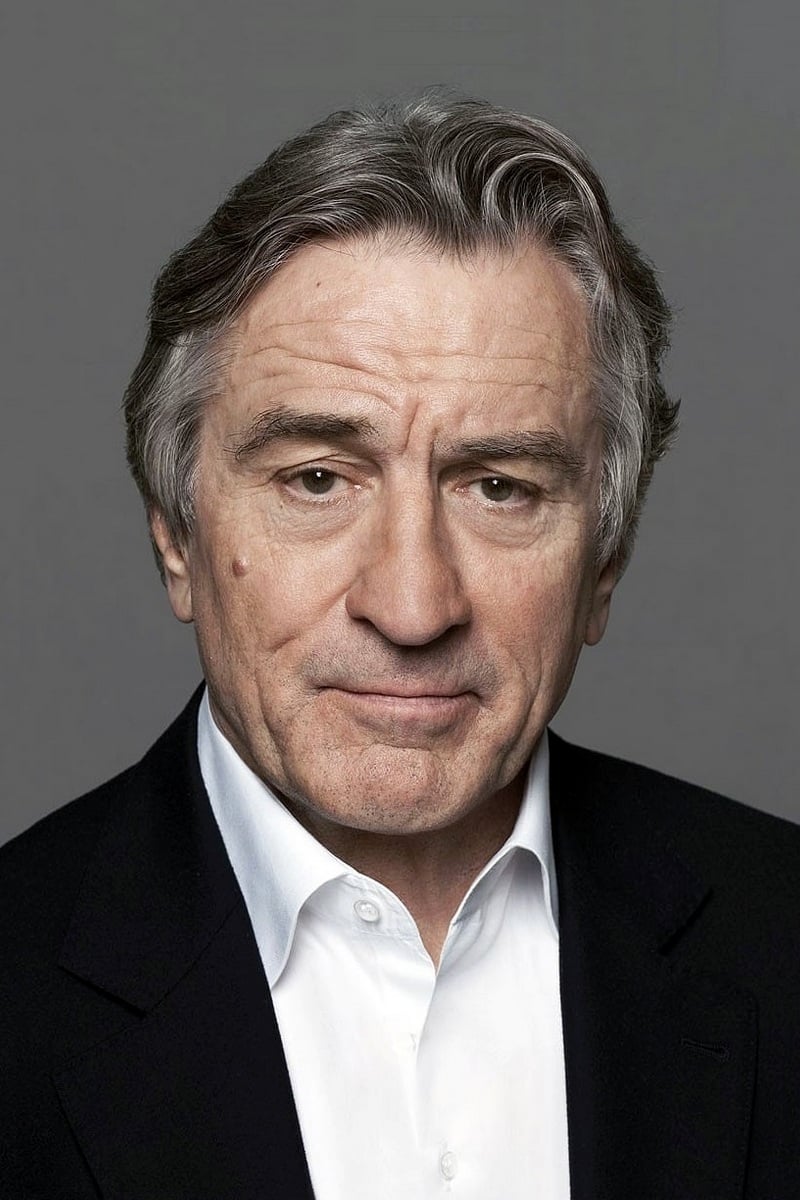
A federal lien showed significant unpaid taxes, and divorce filings described high fixed costs and large support obligations. Business expansions in hospitality required capital at the same time liabilities came due.
He booked more films and commercial campaigns to increase cash flow. Partnerships tied to ‘Nobu’ and the Tribeca enterprises remained valuable, and payment plans with tax authorities mapped a route out of arrears.
Buster Keaton
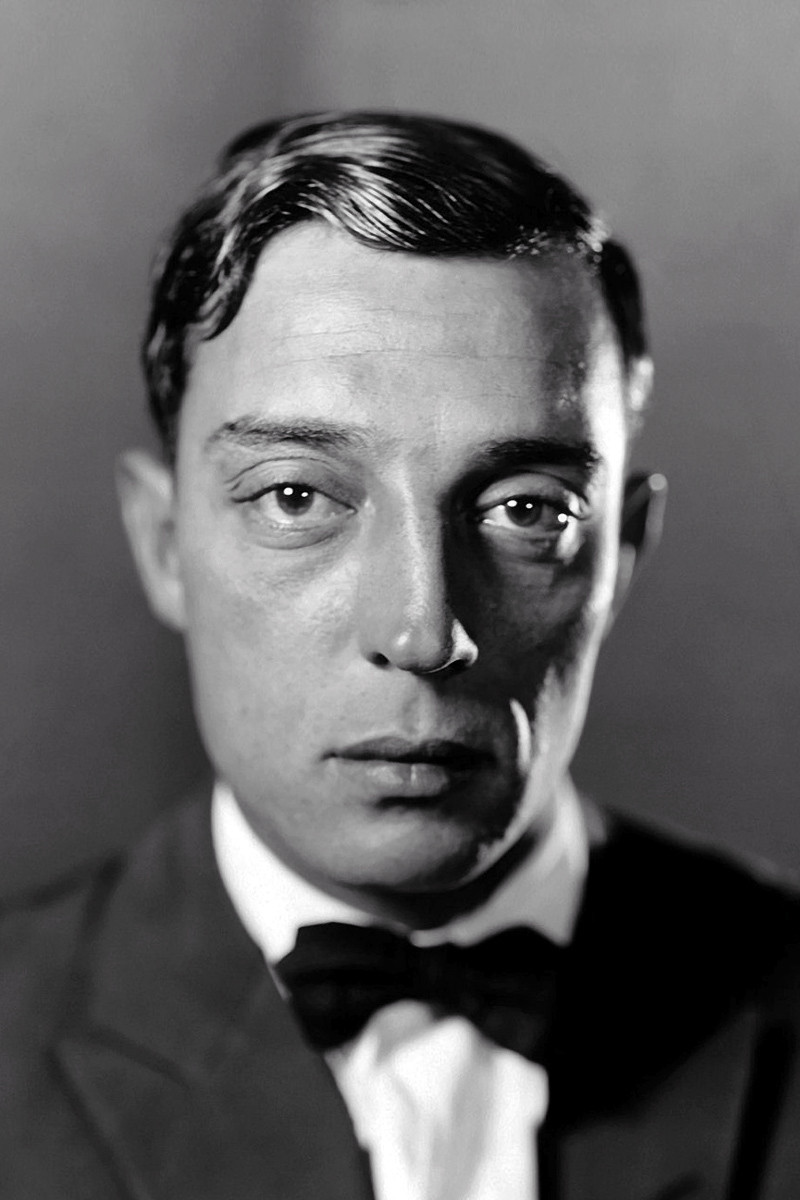
He lost creative control at a major studio and saw income plunge during the early sound era. Divorce and alcohol related problems pushed him toward financial collapse.
He rebuilt through television, commercials, and live appearances. Reissues of silent classics like ‘The General’ restored his reputation and created steady work that supported him later in life.
John Barrymore

Lavish spending, multiple divorces, and health issues exhausted his fortune faster than new roles arrived. Creditors pursued him for unpaid bills during his final years.
He continued on stage and in films whenever possible to pay down debts. Classic turns such as ‘Dr. Jekyll and Mr. Hyde’ maintained his stature, which helped him secure engagements even as finances deteriorated.
Lou Costello
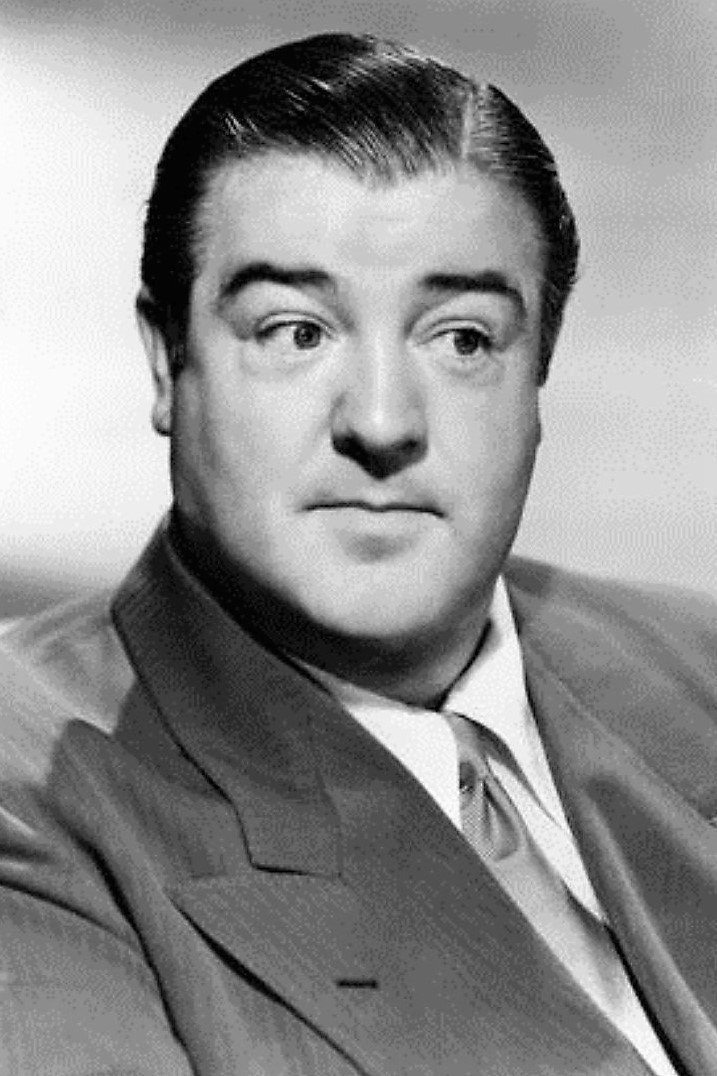
Tax problems and poor accounting led to large government claims during the decline of his partnership years. Asset sales covered immediate needs but did not eliminate obligations.
He worked club dates and occasional film and television spots to generate cash. The legacy of ‘Abbott and Costello’ kept audiences interested, which meant reliable booking fees when he needed them most.
Bud Abbott
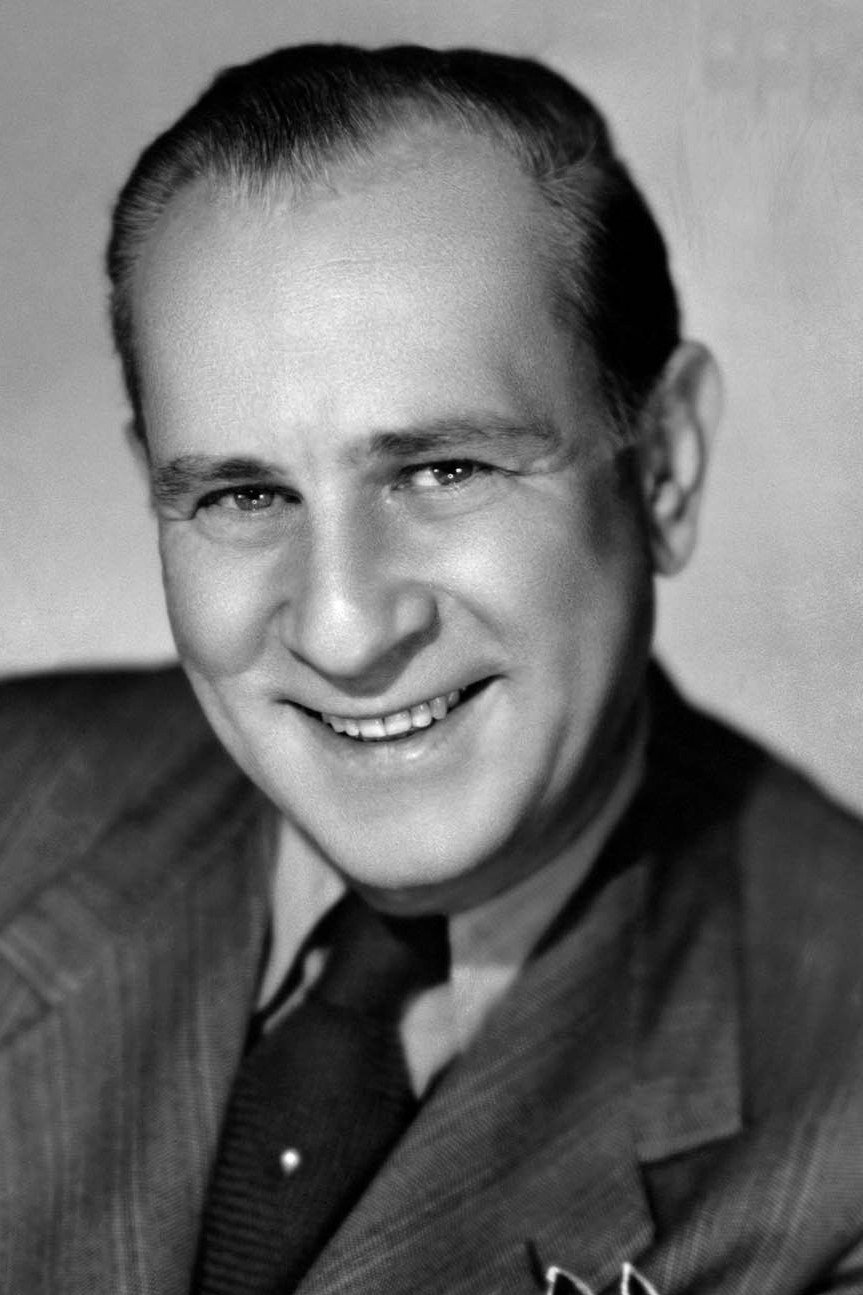
He faced massive tax bills that left him close to penniless after years at the top. Bankruptcy proceedings and creditor negotiations documented how little remained after collections.
He performed in smaller venues and voice roles to keep money coming in. The enduring draw of ‘Abbott and Costello’ provided appearance opportunities that helped him manage day to day expenses.
Share your thoughts in the comments and tell us which story surprised you and what lessons you think Hollywood can learn from these hard earned experiences.

