


Most Famous Actresses Ordered to Rehab by the Court

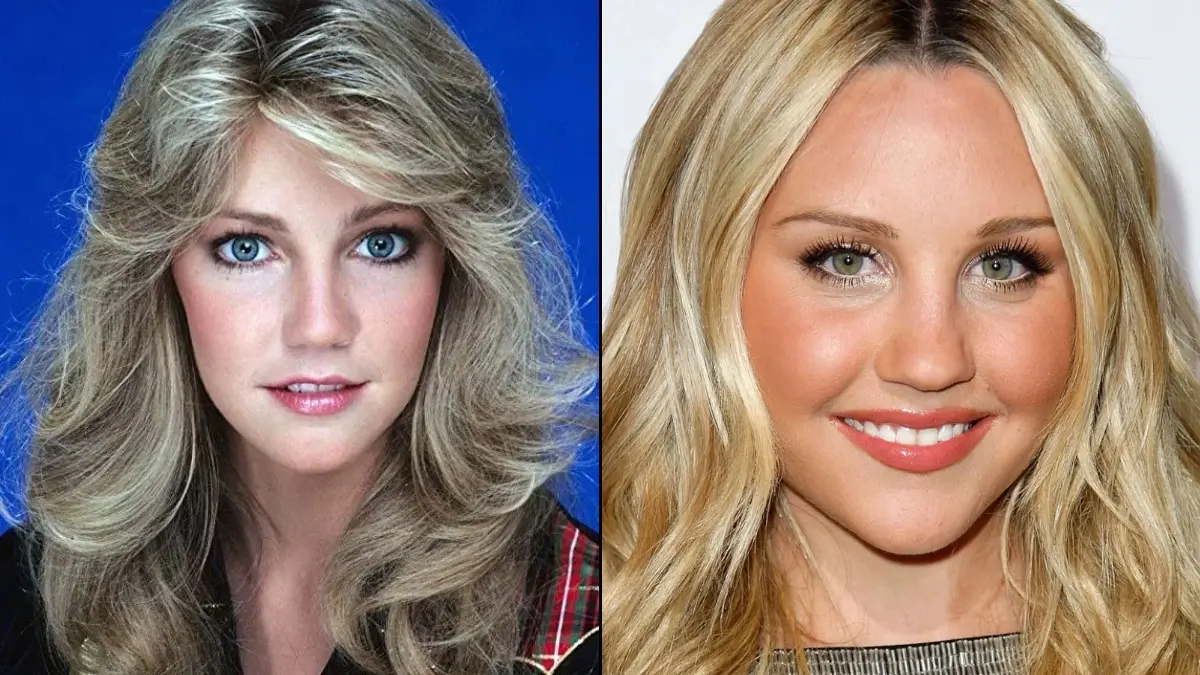


The intersection of celebrity and the legal system often results in high-profile sentencing that prioritizes rehabilitation over incarceration. For many actresses, court-ordered treatment has served as a mandatory step in resolving criminal charges or managing public health crises. These mandates are typically issued following incidents such as driving under the influence, drug possession, or behavior that necessitates psychiatric intervention. While some stars successfully use these programs to rebuild their careers, others face a more difficult road toward long-term recovery under the watchful eye of the judiciary.
Lindsay Lohan

In 2010, a judge ordered the actress to serve 90 days in jail followed by 90 days in inpatient rehab after she violated her probation. The ‘Mean Girls’ star had previously failed to attend court-mandated alcohol education classes stemming from a 2007 DUI case. Lohan later entered the Betty Ford Center to comply with the legal requirements of her sentencing. This period marked a significant turning point in her public image and legal history. Her career, which began with ‘The Parent Trap’, faced numerous interruptions due to these recurring legal mandates.
Drew Barrymore
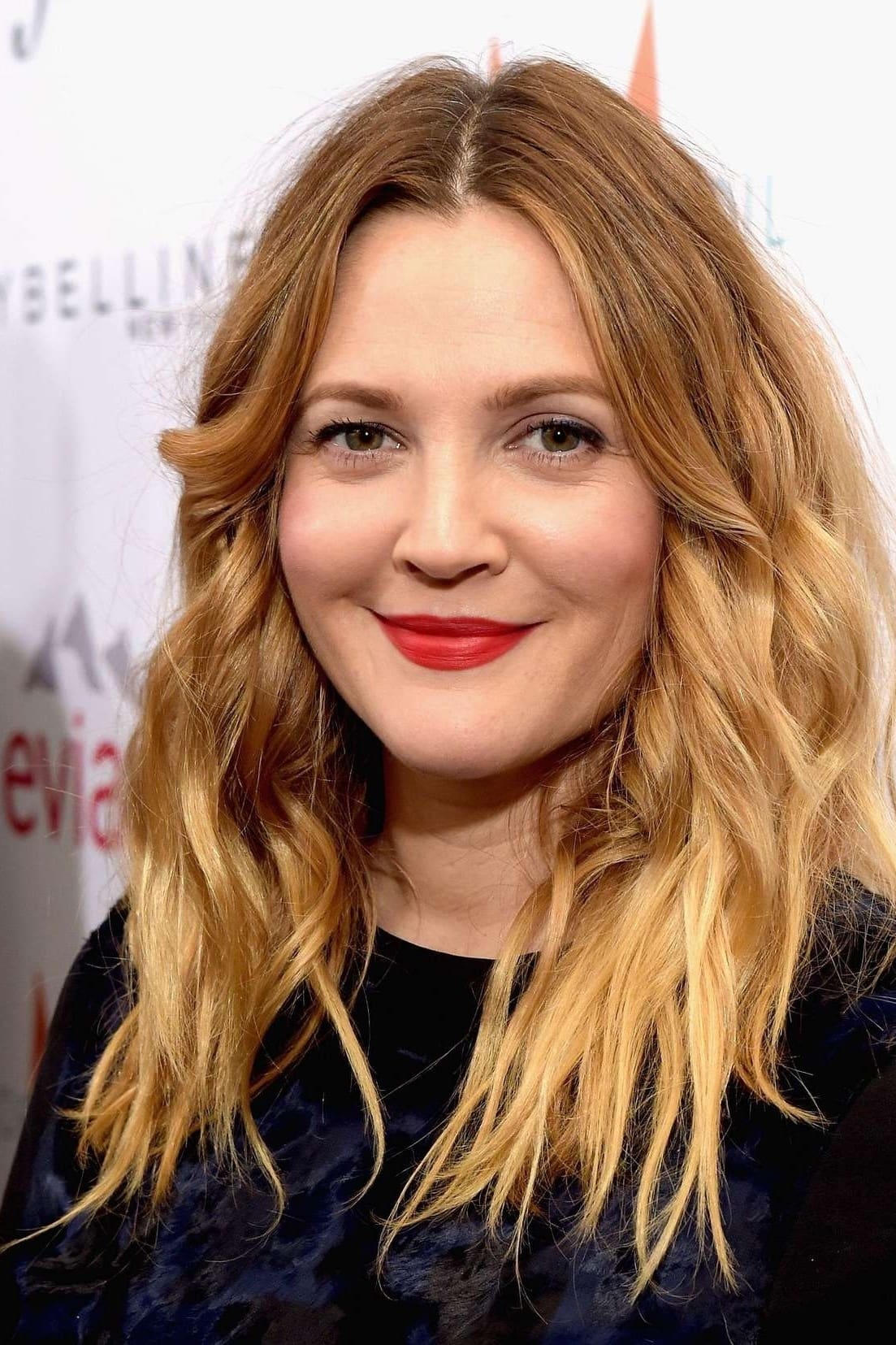
As a child star known for ‘E.T. the Extra-Terrestrial’, Barrymore experienced a high-profile struggle with substance abuse at a very young age. At 13, she was placed in a treatment center for drug and alcohol addiction, a situation that eventually led to her legal emancipation from her parents. The court supported her move for independence while ensuring she completed the necessary rehabilitation programs. Her transition from a troubled teen to a successful producer and talk show host is often cited as a major Hollywood comeback. She has since been open about how her memoir ‘Little Girl Lost’ detailed her experiences during that era.
Courtney Love
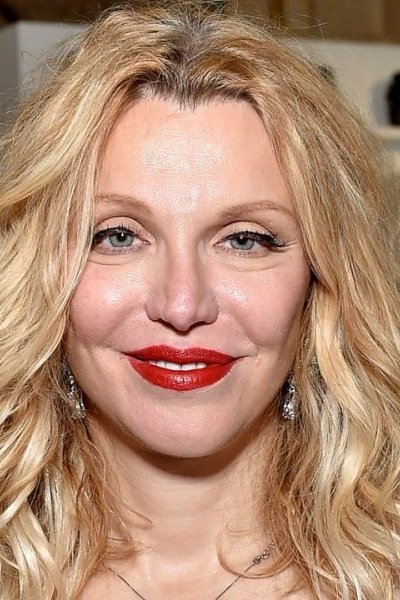
The ‘The People vs. Larry Flynt’ actress was ordered by a Los Angeles judge to enter a lockdown rehab facility for six months in 2005. This mandate followed her admission of violating probation in three separate criminal cases, including those involving drug possession and assault. Love was required to complete the program as an alternative to a state prison sentence. Her legal team worked closely with the court to ensure the facility met the requirements for her specific recovery needs. This period was one of the most publicized legal battles for the Hole frontwoman and actress.
Amanda Bynes
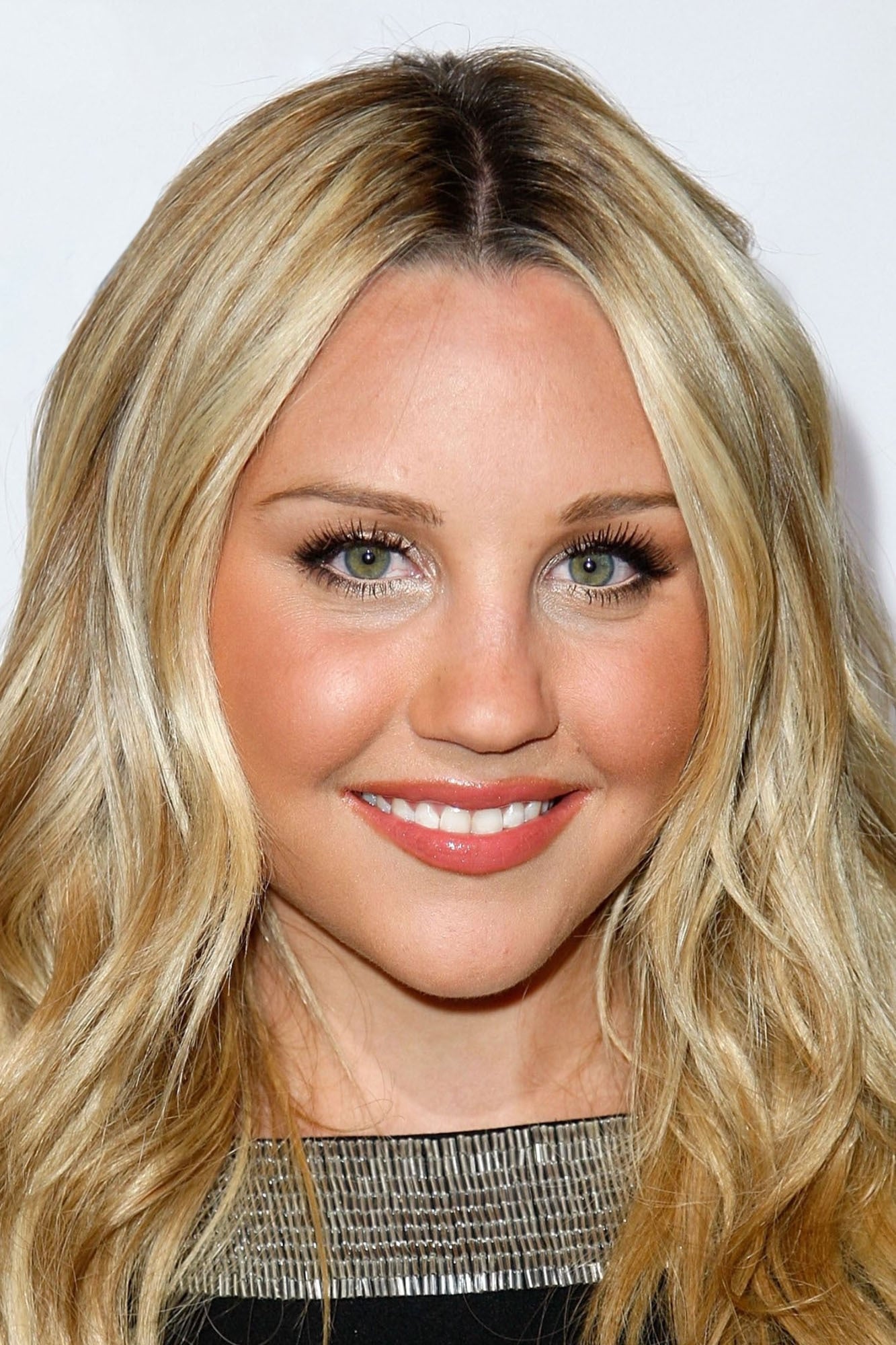
After a series of legal incidents and erratic behavior in 2013, the ‘She’s the Man’ star was placed under a court-ordered psychiatric hold. This eventually transitioned into a mandate for long-term treatment at a specialized facility to address both mental health and substance issues. The court oversaw her progress as part of a conservatorship arrangement that lasted for several years. Bynes, who rose to fame on ‘The Amanda Show’, largely stepped away from the spotlight during this intensive recovery period. The legal oversight was designed to provide her with a stable environment for long-term health.
Heather Locklear

In 2019, the ‘Melrose Place’ star was ordered to spend 30 days in a mental health facility as part of a sentencing agreement. This court order came after Locklear pleaded no contest to eight misdemeanor counts, including battery on police officers and emergency personnel. The judge stayed a 120-day jail sentence on the condition that she successfully complete the residential treatment program. Locklear had faced several legal challenges and medical emergencies leading up to this judicial intervention. Her history on ‘Dynasty’ and other major television hits made her legal struggles a significant focus of entertainment news.
Nicole Richie

Following a 2007 DUI arrest where she was caught driving the wrong way on a Los Angeles freeway, Richie was sentenced to four days in jail and three years of probation. Part of her court-mandated sentence included the requirement to enroll in an 18-month alcohol education program and treatment. The ‘The Simple Life’ star served a very brief portion of her jail time but remained under strict court supervision for the duration of her probation. This incident served as a catalyst for her to move away from her previous socialite lifestyle. She later successfully transitioned into a career as a fashion designer and television personality.
Natasha Lyonne

The ‘Orange Is the New Black’ actress faced a series of legal hurdles in the mid-2000s that led to a court-mandated treatment program. In 2006, a judge ordered her to enter a drug diversion program following a missed court date related to a previous arrest. This legal intervention was intended to help her manage substance use issues that had begun to overshadow her acting career. Lyonne eventually achieved long-term sobriety and experienced a massive career resurgence with ‘Russian Doll’. Her journey is frequently highlighted as a successful example of recovery through the judicial system.
Mischa Barton

Known for her role in ‘The O.C.’, Barton was arrested in 2007 for driving under the influence and possession of marijuana. As part of her plea deal, the court ordered her to undergo treatment and attend alcohol education classes. She was also placed on 36 months of summary probation to ensure her compliance with the law. While she avoided jail time, the legal mandate required her to actively participate in recovery efforts. This period coincided with the height of her television fame and significantly impacted her public persona.
Kelly Osbourne
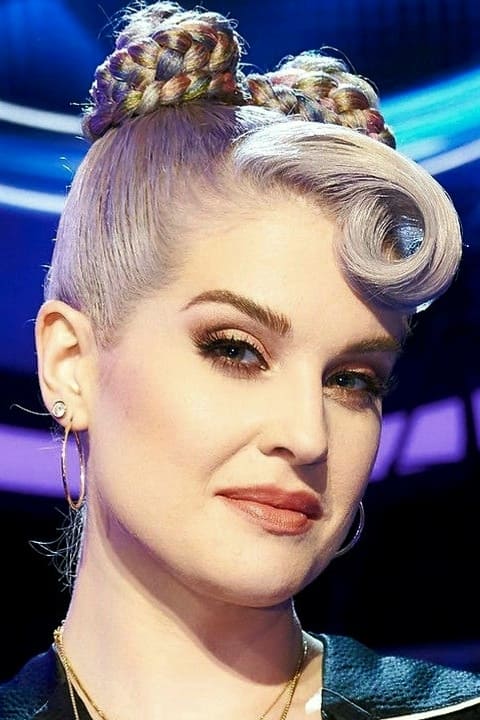
In 2005, the actress and singer was ordered by a judge to enter a rehab facility following an arrest for assaulting a journalist. The court mandated the treatment after considering her ongoing struggles with substance abuse, which had been documented during her time on ‘The Osbournes’. The mandate was part of a broader effort to provide her with the tools needed to maintain sobriety and manage her legal obligations. Osbourne has since become a prominent voice in the recovery community, often discussing her experiences with ‘The 7D’ and other projects. Her time in court-ordered care is often cited as a pivotal moment in her personal life.
Tatum O’Neal

The youngest-ever Oscar winner for ‘Paper Moon’ was arrested in 2008 for attempting to buy crack cocaine in Manhattan. During her arraignment, the judge ordered her to participate in a two-day drug treatment program and pay a small fine. This court-mandated intervention was part of a plea deal that allowed her to avoid more severe legal consequences. O’Neal has been transparent about her decades-long battle with addiction in her memoirs. This specific legal incident underscored the ongoing challenges she faced despite her early professional success.
Mackenzie Phillips
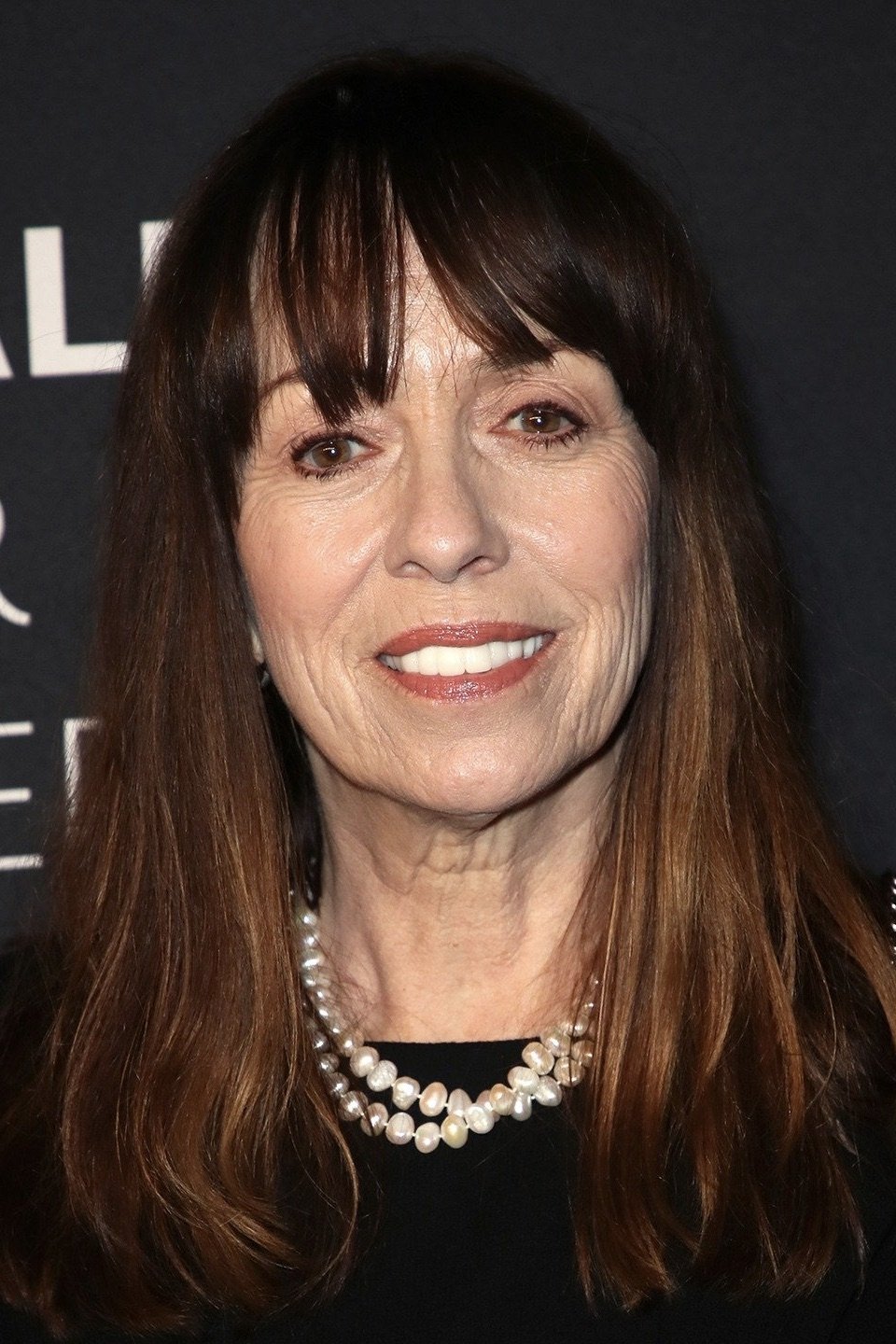
In 2008, the ‘One Day at a Time’ actress was arrested at Los Angeles International Airport for possession of controlled substances. A judge later allowed her to enter a court-ordered drug diversion program, which she successfully completed to have the charges dismissed. This judicial mandate was a critical step in her long-term recovery journey. Phillips eventually became a drug counselor herself, using her experiences to help others in similar situations. Her story remains a prominent example of how the legal system can facilitate rehabilitation for long-term addicts.
Yasmine Bleeth
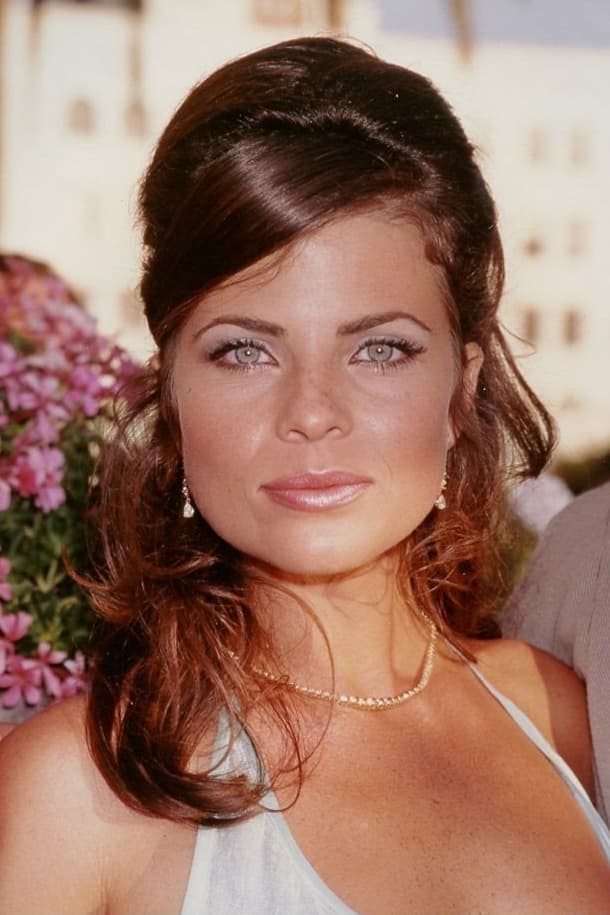
The ‘Baywatch’ star faced serious legal trouble in 2001 after being arrested for cocaine possession following a car accident. A Michigan judge sentenced her to two years of probation and ordered her to undergo regular drug testing and treatment. The court-mandated program was part of a plea bargain that helped her avoid incarceration. Bleeth subsequently retreated from the public eye to focus on her health and personal life. Her legal case was widely reported due to her high-profile status on one of the world’s most popular television shows.
Lisa Robin Kelly
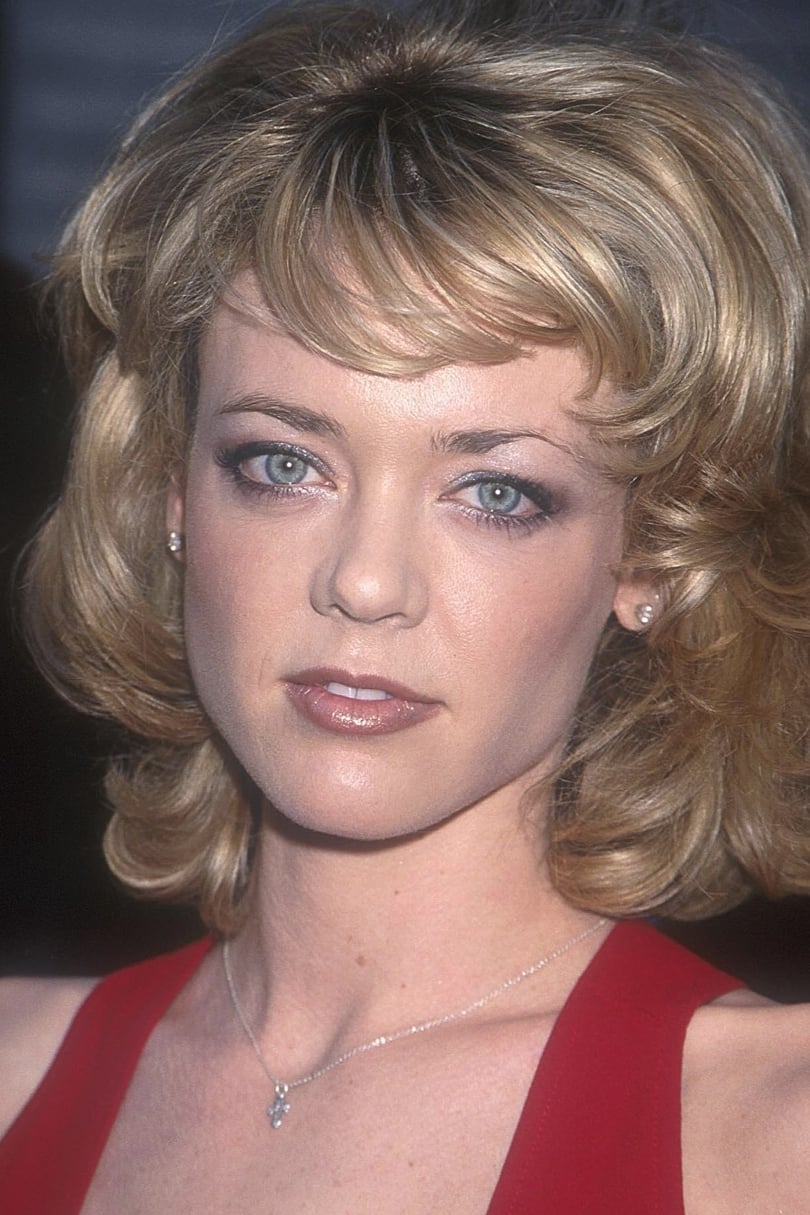
Best known for her role as Laurie Forman on ‘That ’70s Show’, Kelly faced several legal challenges involving DUI and domestic battery arrests. In 2012, following a DUI conviction, she was ordered by the court to serve time on probation and attend alcohol treatment programs. Her recurring legal issues eventually led to her departure from the hit sitcom and significantly hindered her career. The court’s mandates were part of multiple attempts to provide her with a structured path to recovery. Tragically, she passed away in 2013 while seeking treatment at a private facility.
Maia Campbell
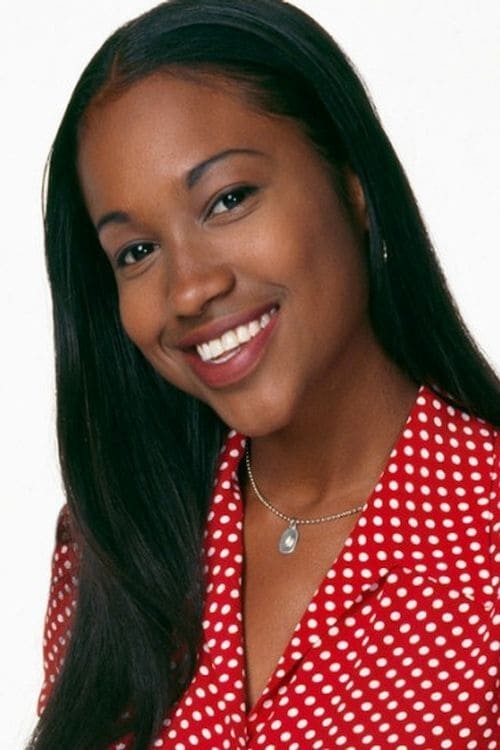
The ‘In the House’ actress struggled with bipolar disorder and substance abuse, leading to several public incidents and arrests. In 2010, after being arrested for theft and loitering, a judge ordered her to enter a mandatory residential treatment program. The court aimed to address her mental health needs as well as her substance use issues through this judicial intervention. Campbell’s struggles were highly publicized, drawing attention to the intersection of mental health and the legal system. Following her time in court-ordered care, she made various efforts to return to the entertainment industry.
Amy Locane
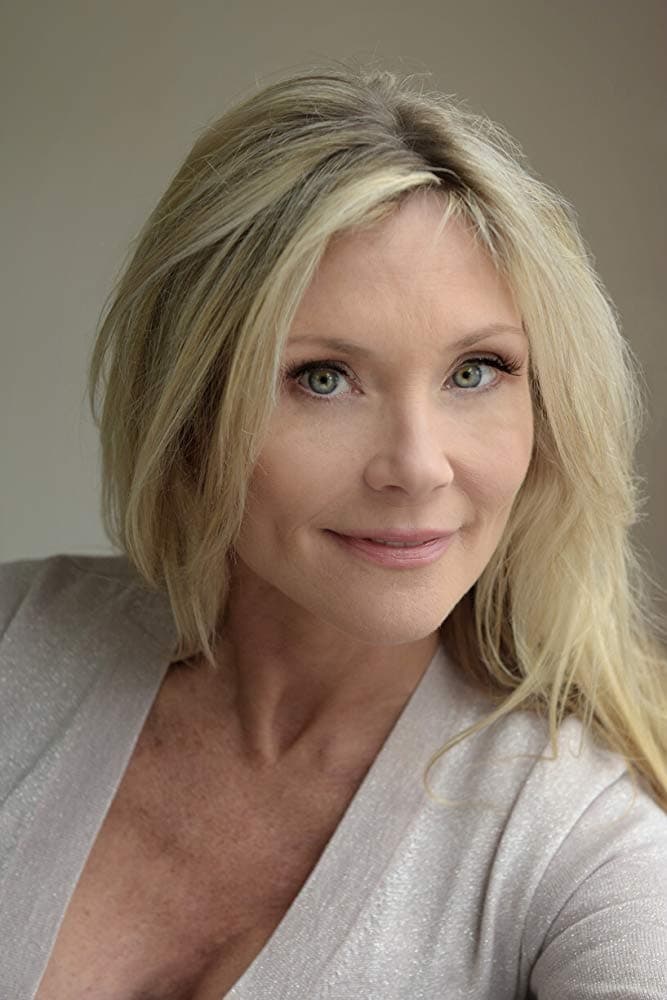
After a tragic 2010 accident that resulted in a fatality, the ‘Cry-Baby’ actress faced a lengthy legal process and multiple trials. While she eventually served a prison sentence, her initial sentencing included court-mandated treatment programs to address her alcohol consumption. The legal battle focused heavily on her levels of intoxication at the time of the incident, which led to a mandate for clinical intervention. Locane, who also appeared in ‘Melrose Place’, has since discussed the impact of her actions and the role of her recovery in the years following the crash. Her case remains one of the most severe legal situations involving a Hollywood actress and substance abuse.
Share your thoughts on these high-profile court mandates in the comments.

