


Most Famous Actresses with Dissabilites

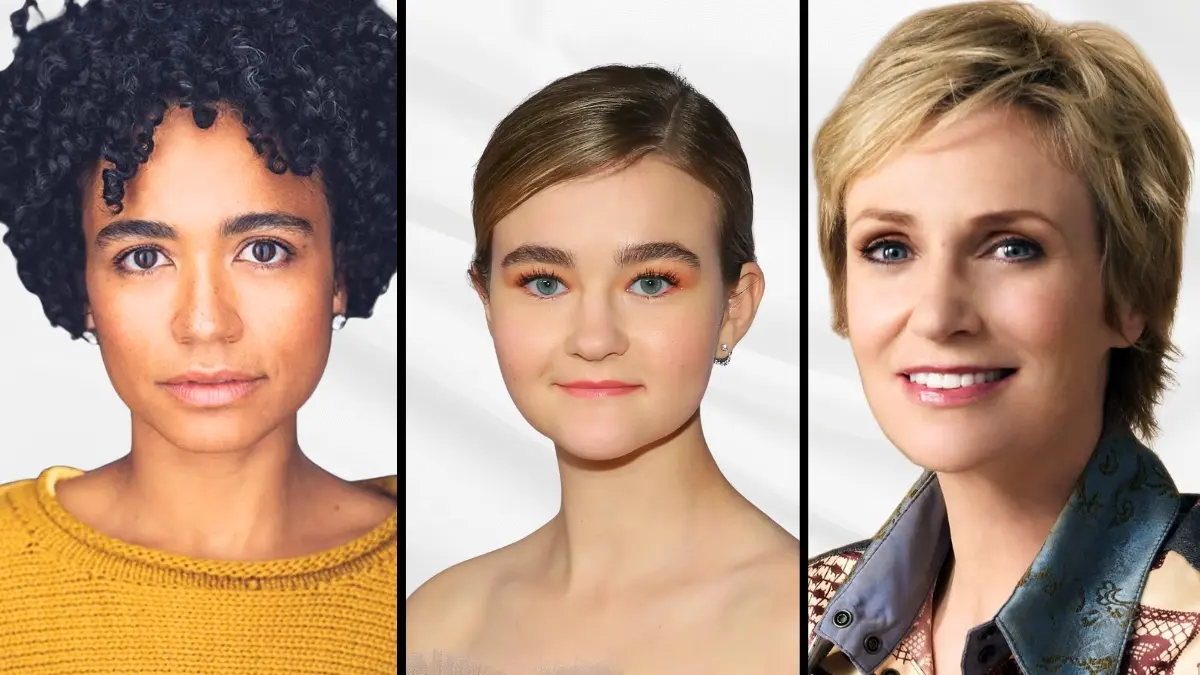


Representation doesn’t just change storylines—it changes what audiences assume is possible. Across film, TV, theater, and beyond, these actresses have broadened the spotlight by working while living with disabilities or long-term health conditions, and by pushing for better access and authentic casting behind the scenes. What follows is a verifiable, sourced list—no fluff—highlighting the work, milestones, and advocacy that make their careers notable.
Each entry includes concrete credits or achievements. It’s a tour through the performers most associated—by impact and visibility—with disability representation in popular entertainment today.
Lauren Ridloff
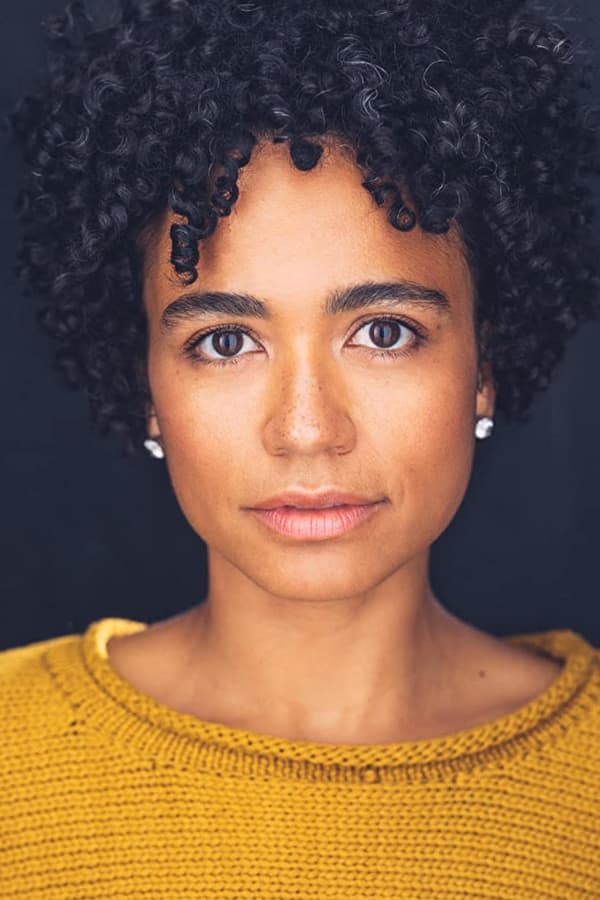
Ridloff portrayed the MCU’s first Deaf superhero, Makkari, in ‘Eternals’, a change from the comics that made the speedster Deaf on-screen and in-universe. Interviews and coverage at the time underscored how her casting raised the profile of ASL and Deaf talent in blockbuster filmmaking.
She’s also spoken publicly about learning to assert needs on major sets—from interpreters to hair care—framing accommodation as basic professionalism rather than special treatment.
Millicent Simmonds
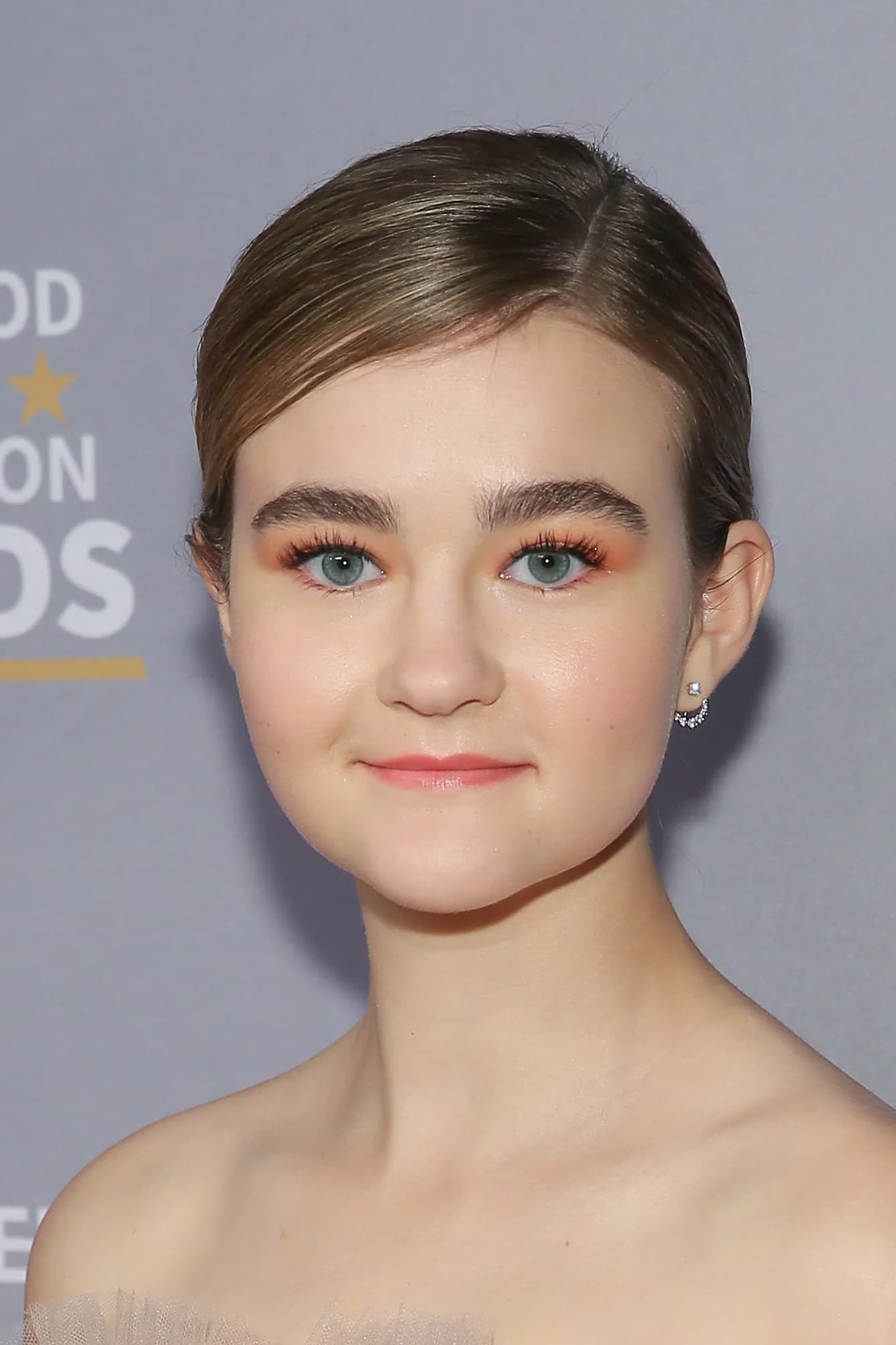
Simmonds, a Deaf actress, broke out in ‘Wonderstruck’ and led both ‘A Quiet Place’ films, where the family’s use of sign language is central to the story.
During the pandemic, she worked with a company to create clear “Millie Smile” masks to improve accessibility for Deaf and hard-of-hearing people; AP and Teen Vogue documented her push for more inclusive sets and screenings.
Ali Stroker
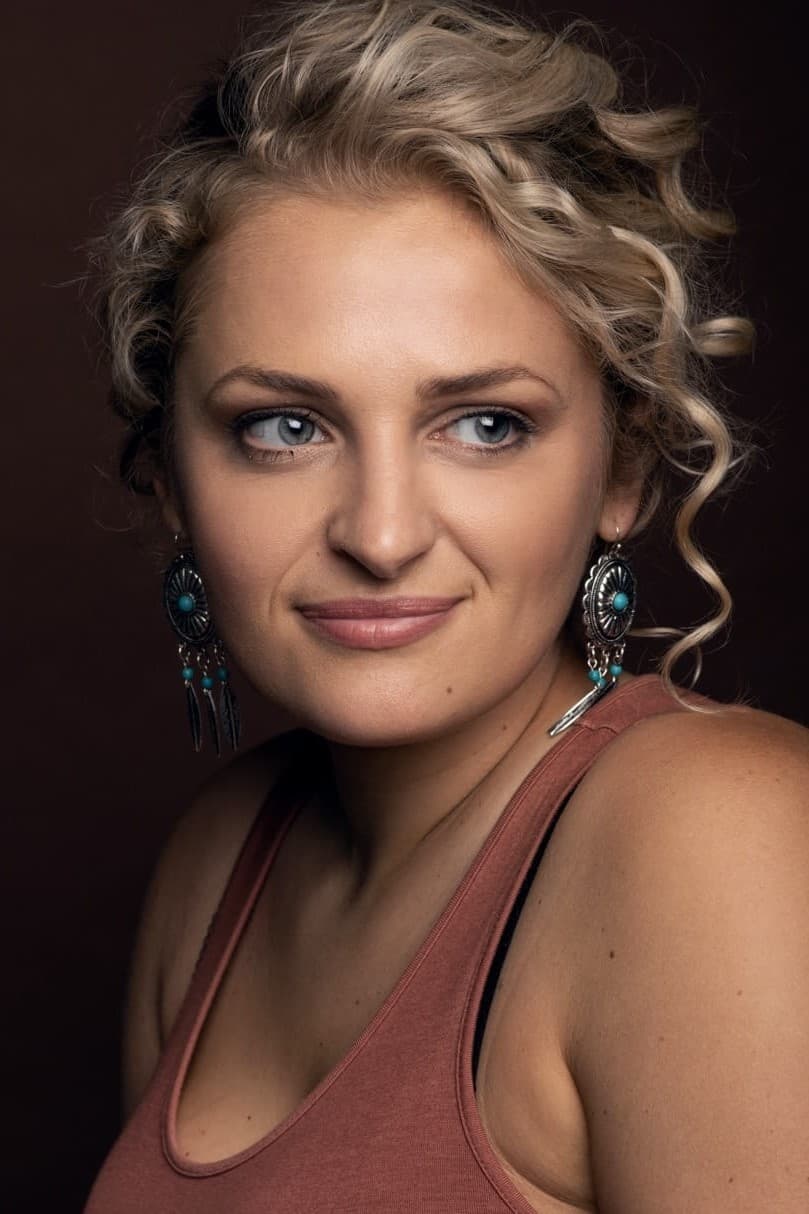
Stroker became the first wheelchair user to win a Tony Award, taking Best Featured Actress in a Musical for ‘Oklahoma!’. Multiple outlets and the Tony organization documented the milestone.
Her broader stage career includes being the first wheelchair user cast in a Broadway production and continuing TV work in shows like ‘Blue Bloods’—coverage often highlighting persistent backstage access gaps she has called out.
Selma Blair
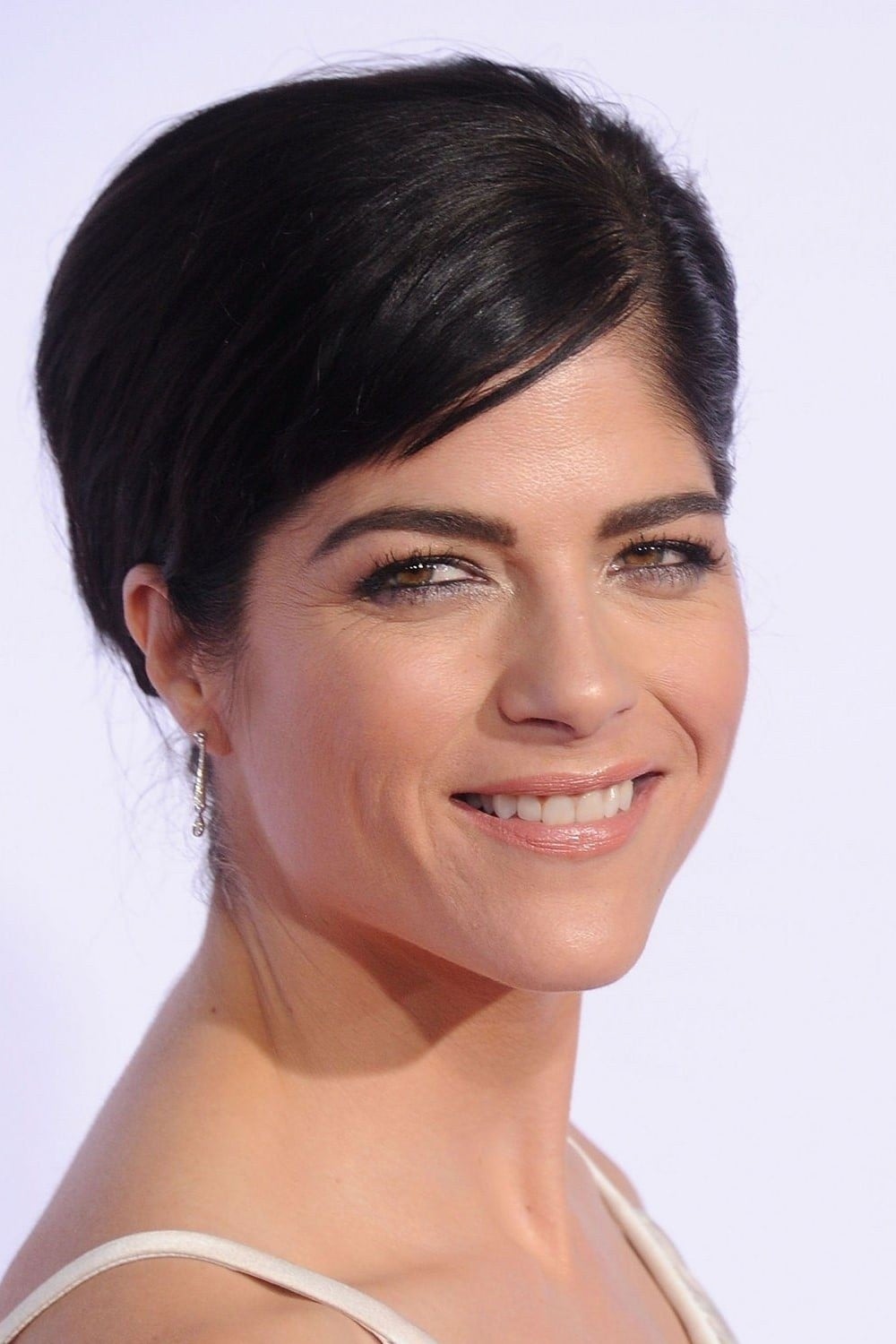
Blair publicly disclosed her multiple sclerosis (MS) diagnosis in 2018 and later withdrew from ‘Dancing with the Stars’ on medical advice, a moment widely covered and explained by her and the show.
She has since shared remission updates and detailed how she navigates work and mobility aids, using her platform to normalize MS.
Christina Applegate
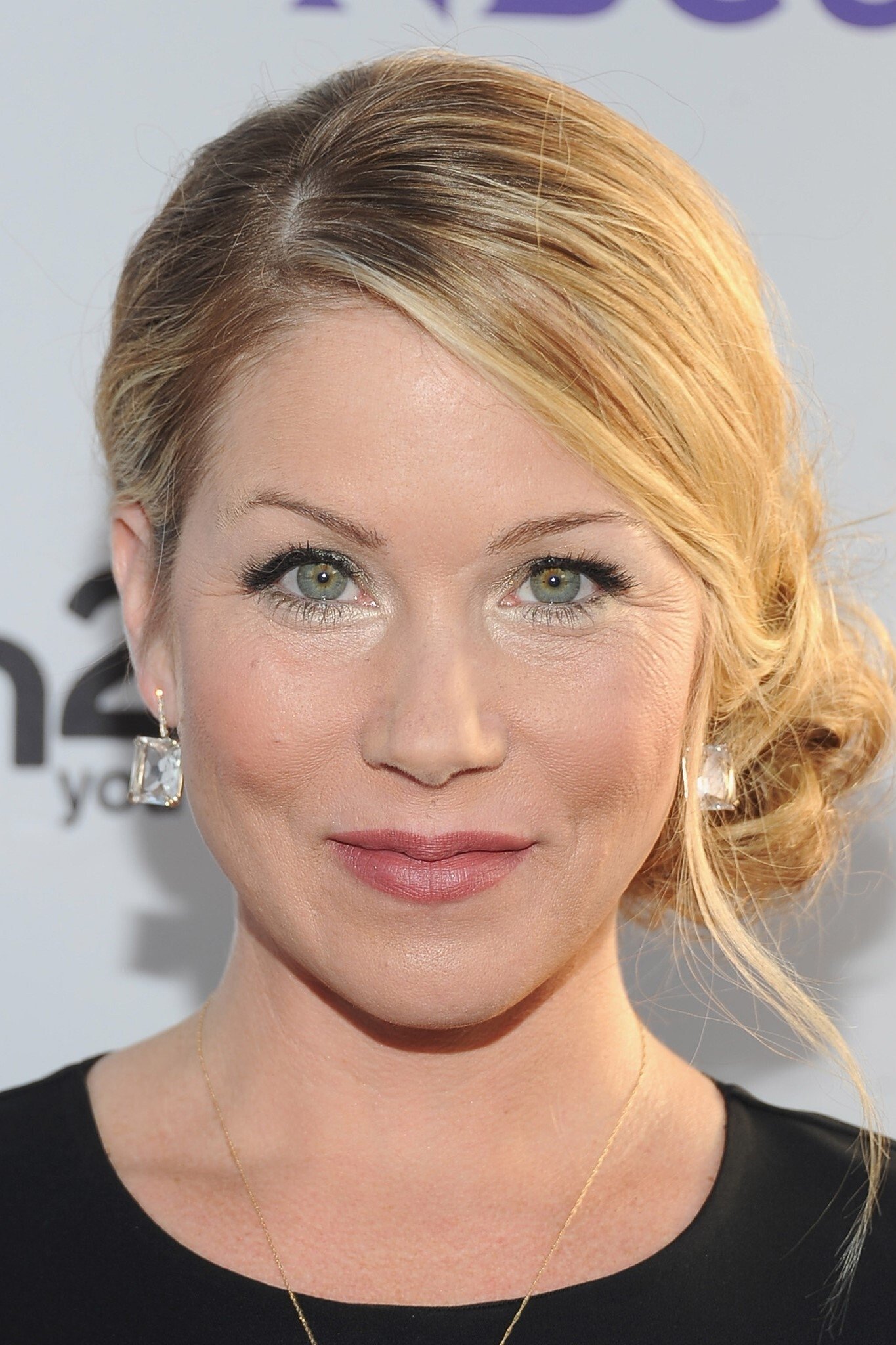
Applegate revealed her MS diagnosis in 2021, saying later that symptoms likely preceded formal diagnosis by six to seven years.
She has continued public appearances and interviews discussing living and working with MS, framing humor as a coping tool.
Jamie-Lynn Sigler
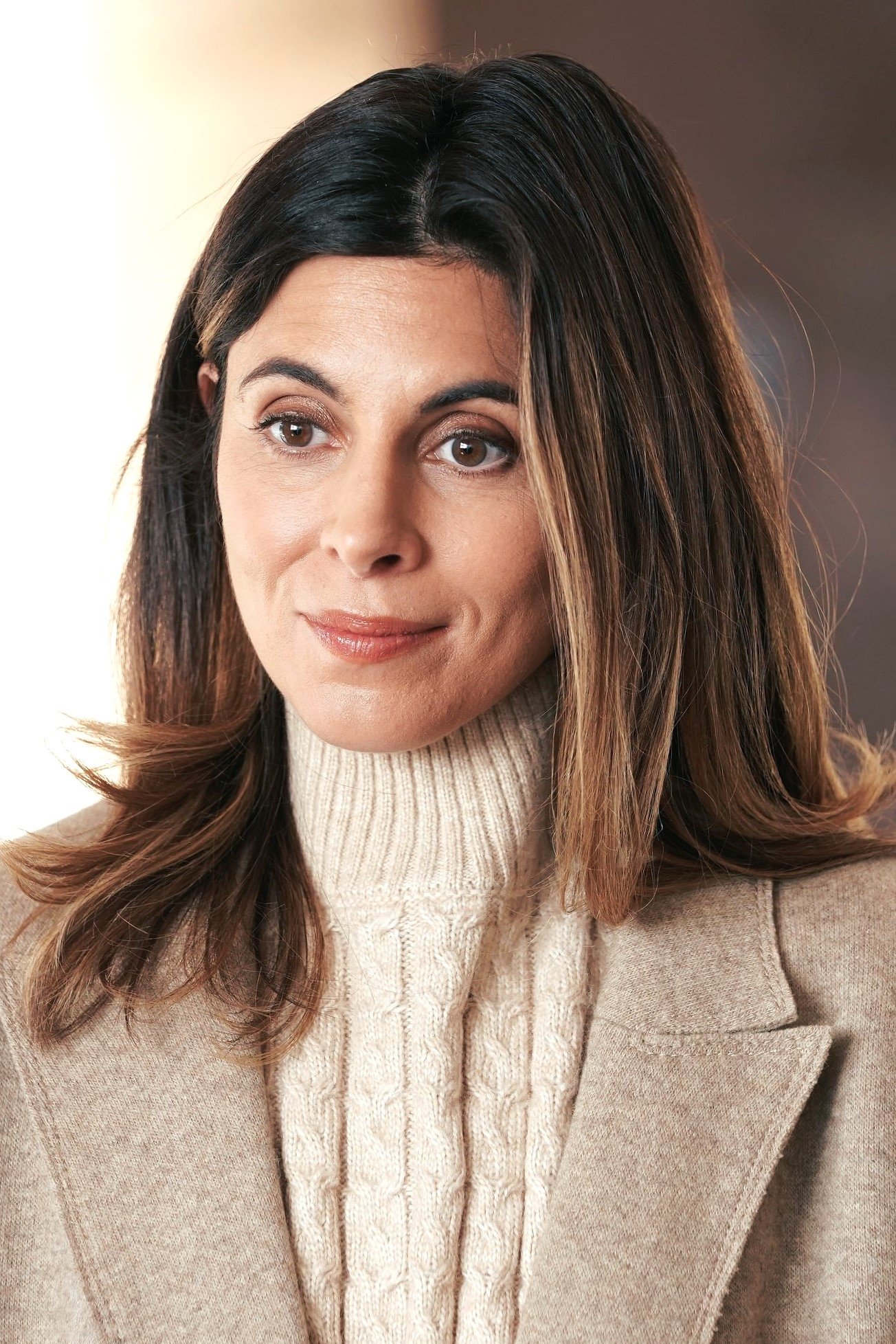
Sigler disclosed in 2016 that she had been living with MS for years, later expanding on how she kept the condition private and how she works now with boundaries in place.
More recently, she co-launched ‘MeSsy’, a podcast she hosts with Christina Applegate, openly discussing MS and work-life realities.
Geri Jewell
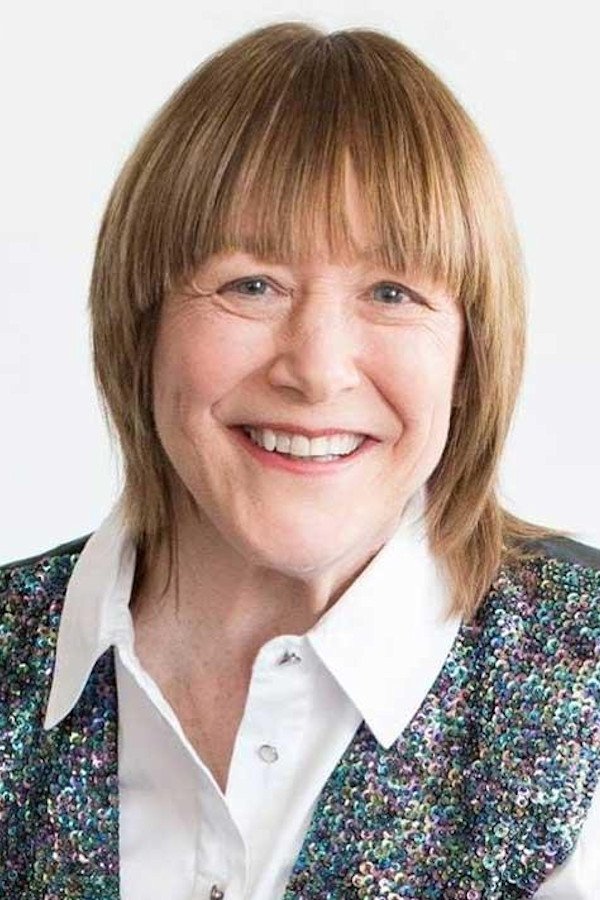
Jewell—who has cerebral palsy—made U.S. TV history with a recurring role on ‘The Facts of Life’, recognized by the Television Academy and other histories as the first performer with a visible disability to do so on a primetime series.
Her later work, including ‘Deadwood’, and public speaking reflect decades of advocacy for authentic disability portrayals.
Lauren Potter
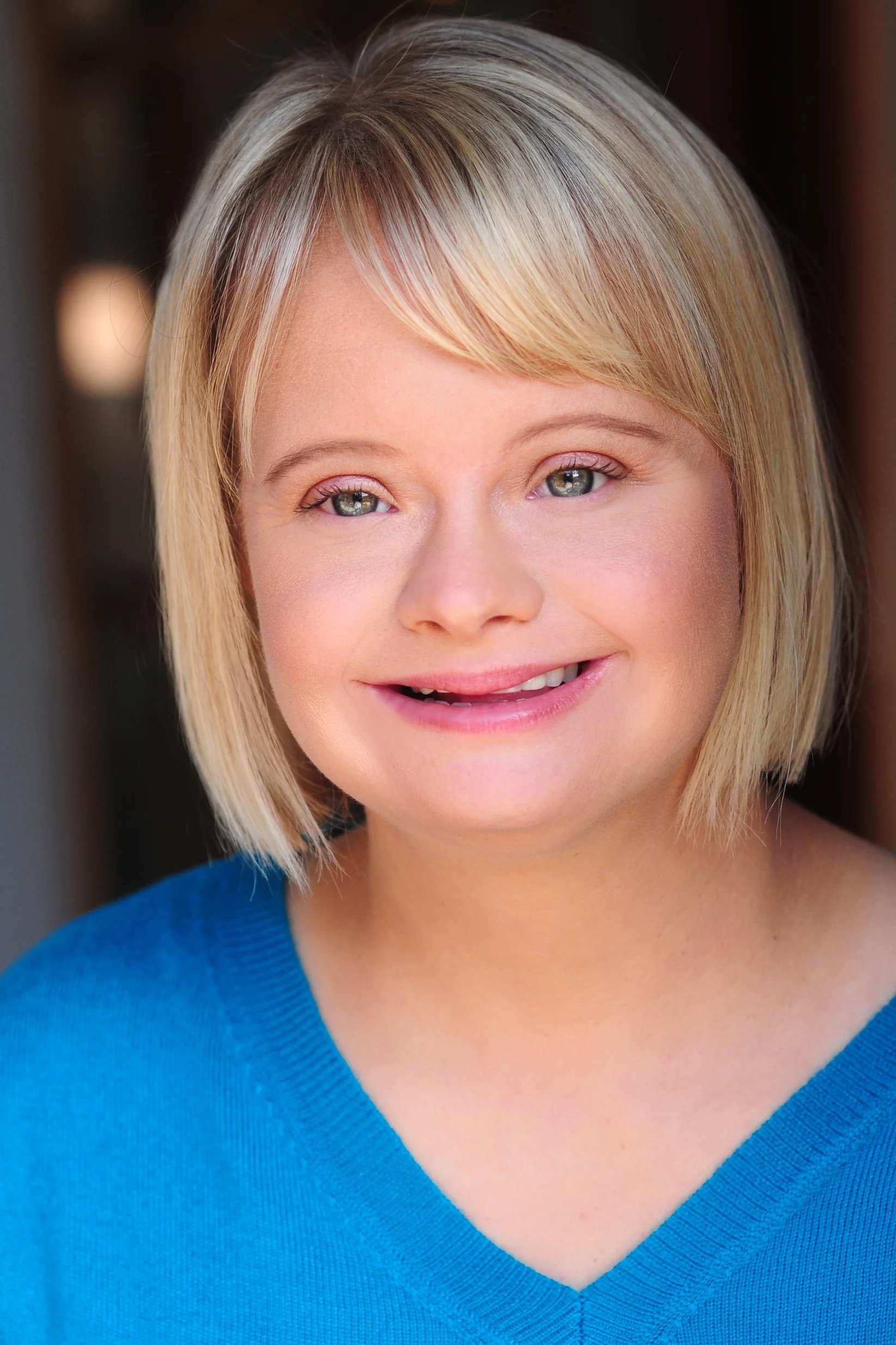
Known for ‘Glee’, Potter was appointed to the U.S. President’s Committee for People with Intellectual Disabilities during the Obama administration, formalizing her advocacy alongside her acting.
Coverage at the time emphasized her public-facing work on inclusion and anti-bullying in addition to screen credits.
Jamie Brewer
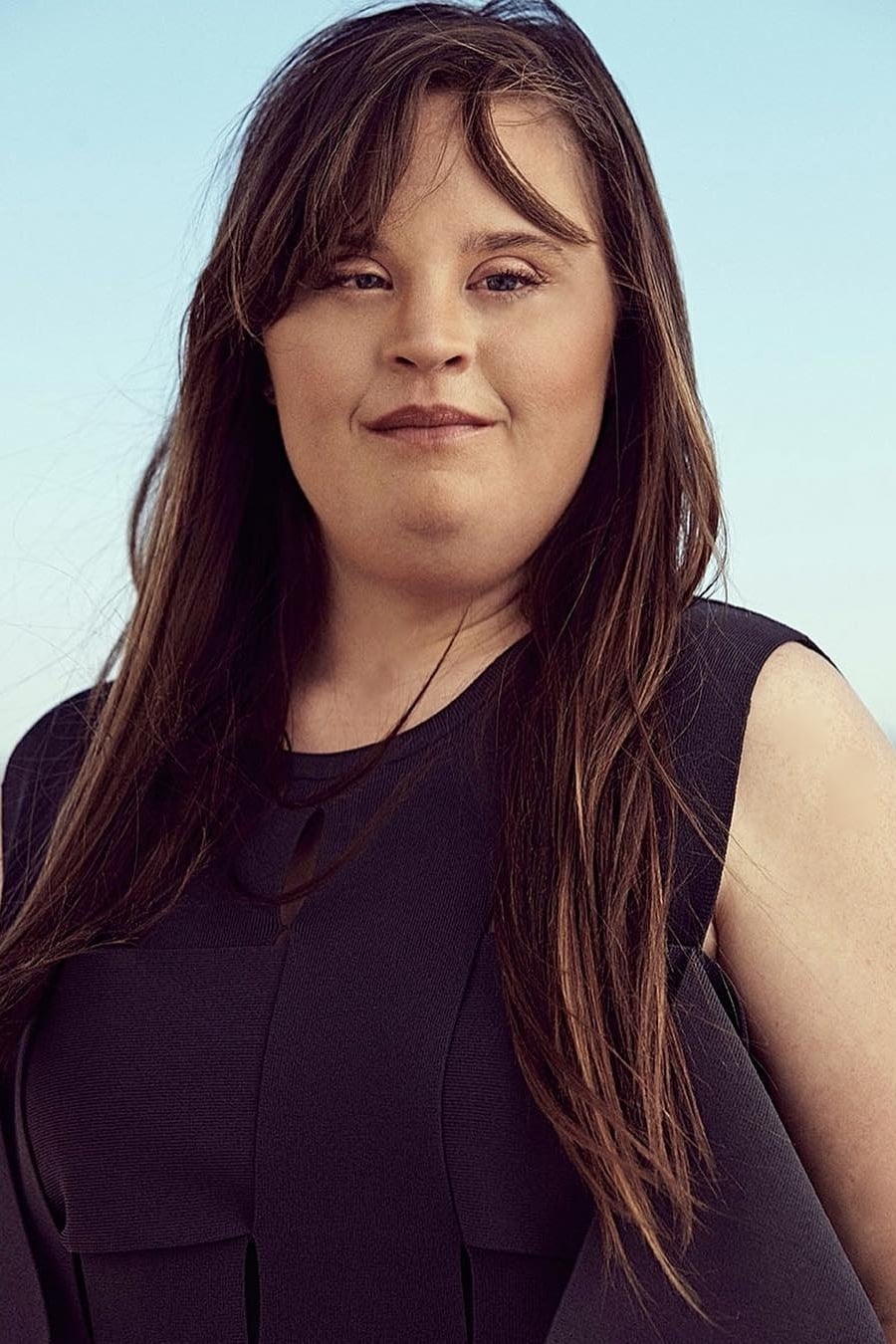
Brewer’s roles across multiple seasons of ‘American Horror Story’ brought a performer with Down syndrome into a high-profile anthology series.
She also made runway history as the first model with Down syndrome to walk at New York Fashion Week, widely reported by Time and People.
Aimee Mullins
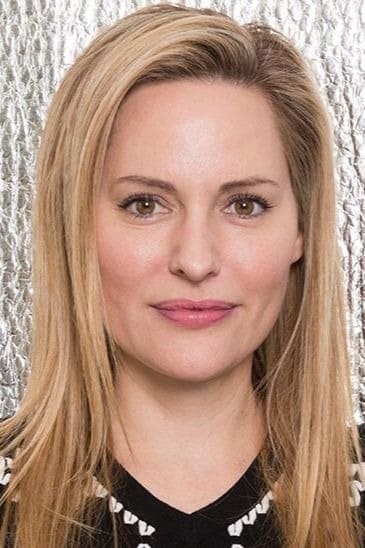
A double below-knee amputee and former Paralympian, Mullins has an established acting career, including portraying Terry Ives in ‘Stranger Things’.
Her widely viewed TED Talk reframed language about disability and showcased how design and prosthetics intersect with identity and performance.
Maysoon Zayid
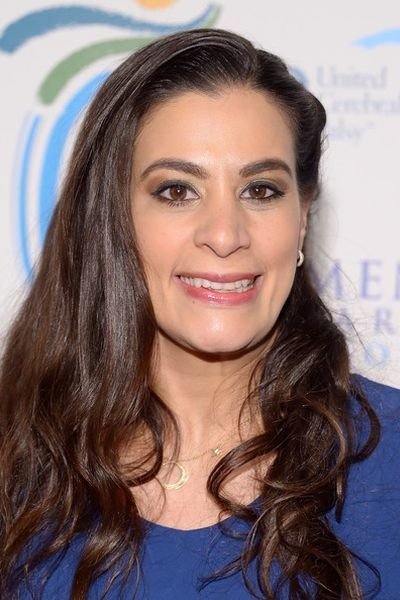
An actress and comedian with cerebral palsy, Zayid’s TED Talk ‘I got 99 problems… palsy is just one’ remains a landmark explanation—by a working performer—of disability and representation.
Beyond stand-up and acting, official bios note her festival cofounding and regular media commentary on disability and culture.
Rose Ayling-Ellis
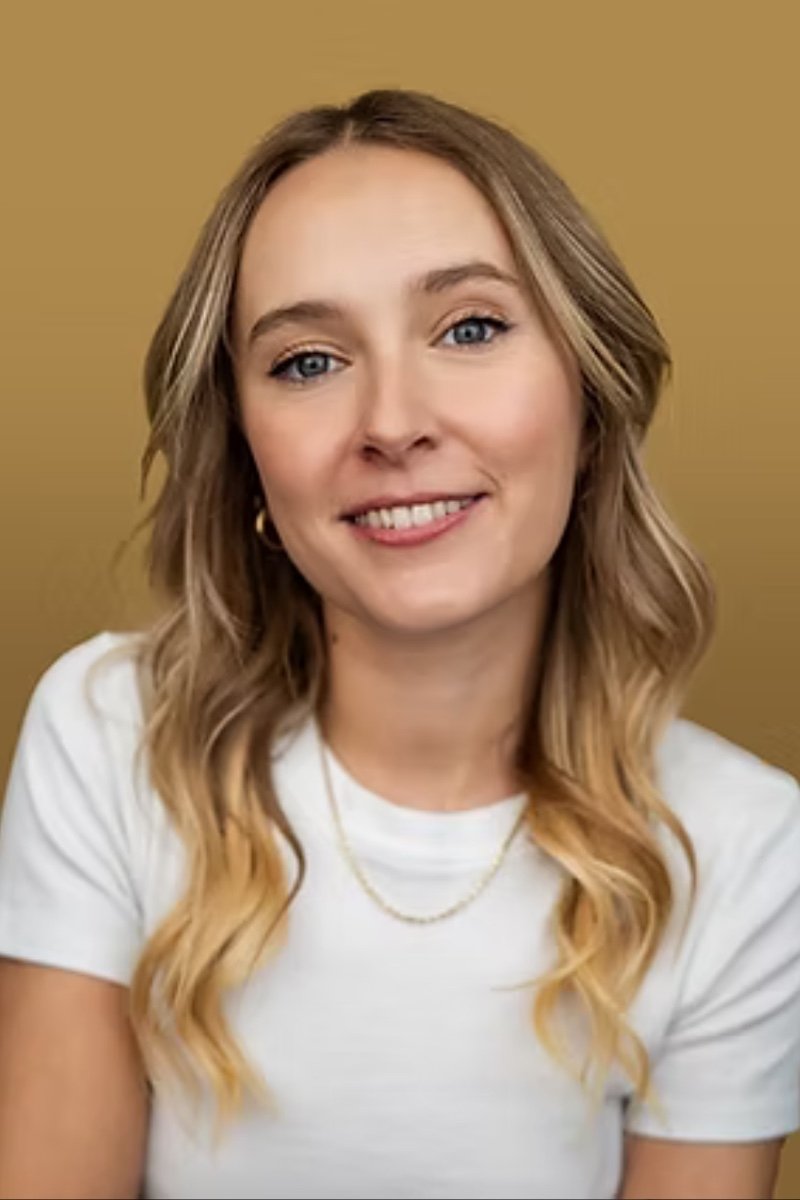
The ‘EastEnders’ alum became the first Deaf winner of ‘Strictly Come Dancing’, and her now-famous “silent” section with partner Giovanni Pernice later won BAFTA’s Virgin Media Must-See Moment.
Her on-screen work and presenting roles have continued, with reporting emphasizing how her success accelerated UK conversations about access and captioned content.
Sophie Stone
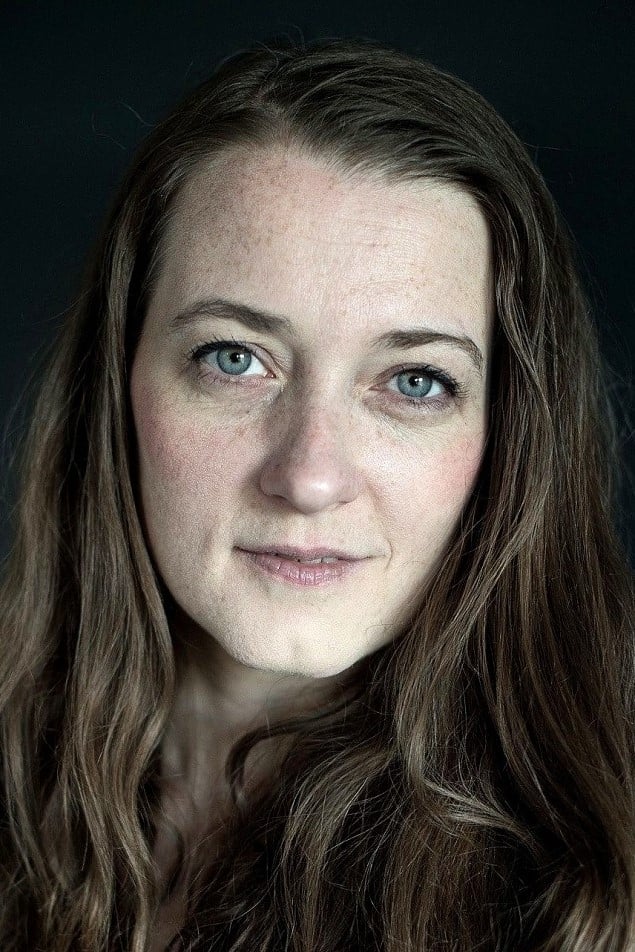
Stone is widely cited as the first Deaf student to win a place at RADA; she has since appeared in ‘Doctor Who’ and other UK productions while advocating for deaf-led storytelling.
Interviews and coverage describe how training and casting practices adapted—and still need to adapt—to include Deaf actors.
Meredith Eaton
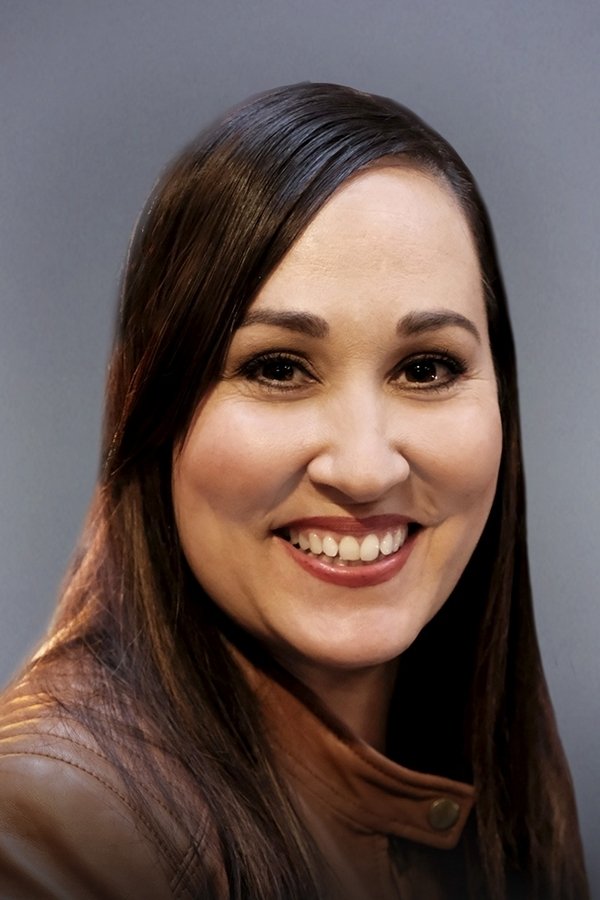
Eaton, a short-stature actress, became the first woman with dwarfism to have a series-regular role in American primetime via ‘Family Law’, later recurring on ‘Boston Legal’ and starring on ‘MacGyver’.
Industry profiles and databases track her consistent work in legal and procedural series, reinforcing how regular visibility matters.
Jennifer Aniston
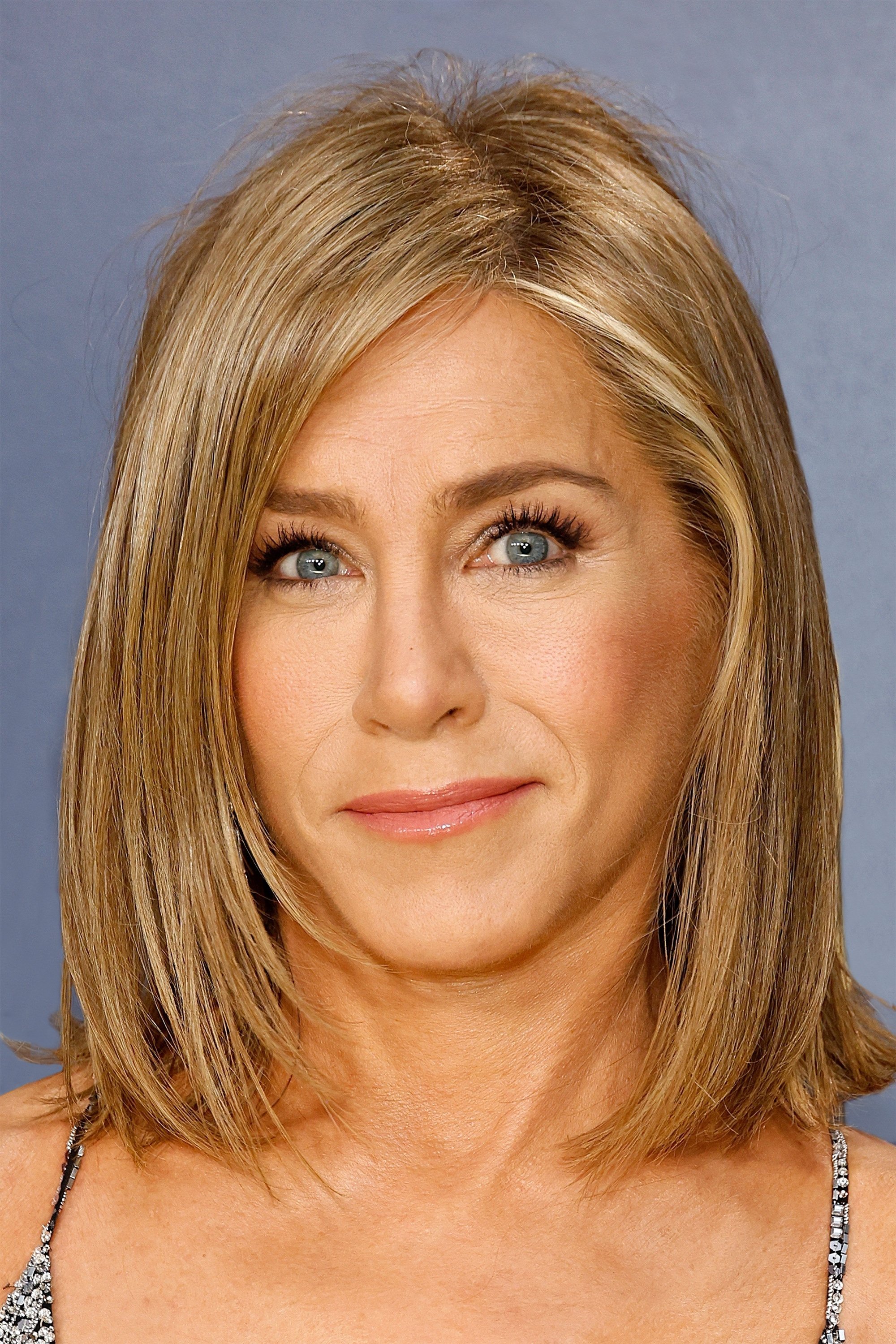
Aniston has discussed being diagnosed with dyslexia in her 20s, describing how the discovery reframed her school experience and reading.
Contemporary reporting summarized the core details—late diagnosis, impact on self-esteem, and how she navigates work.
Whoopi Goldberg
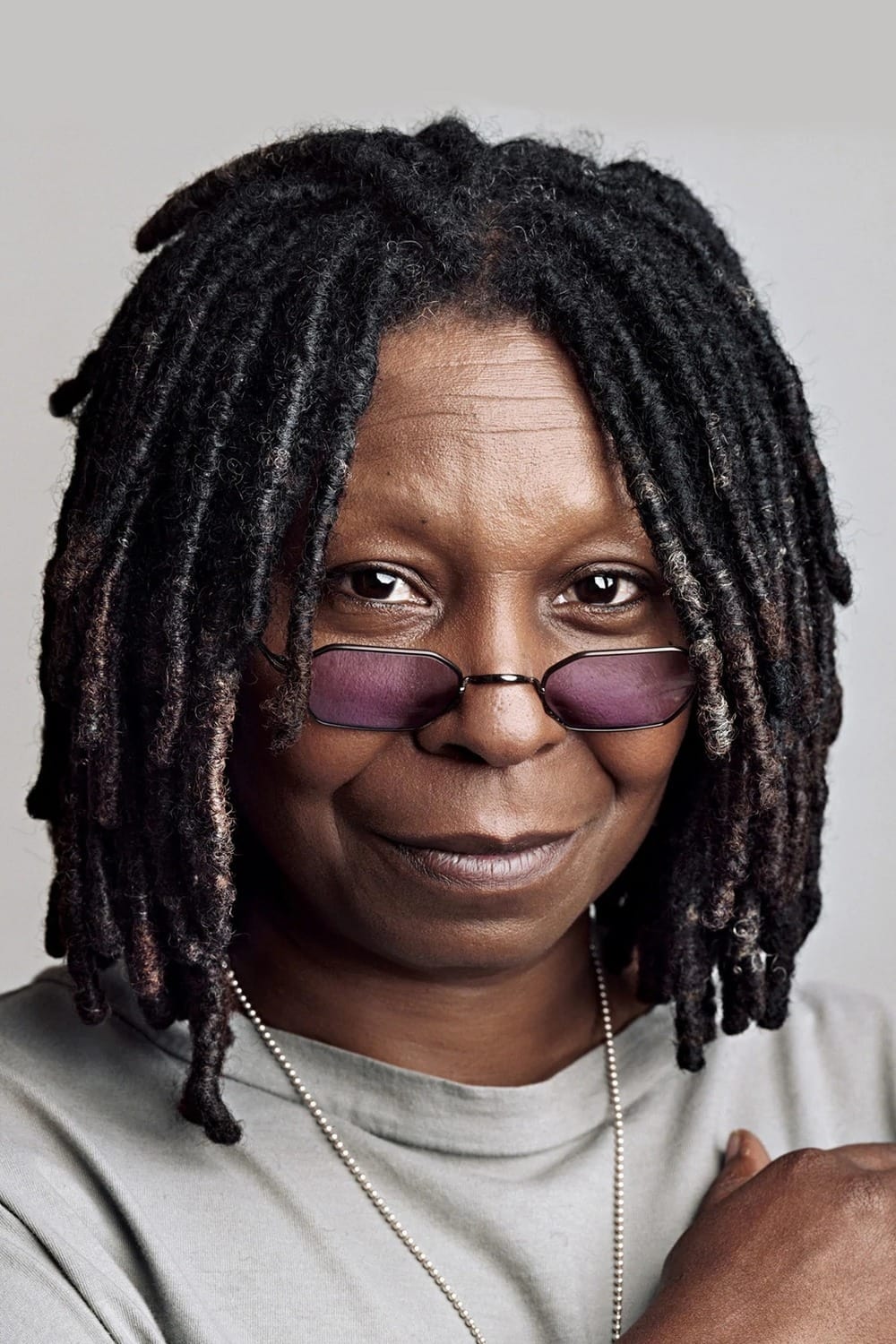
Goldberg has spoken openly about growing up with undiagnosed dyslexia and later embracing support—stories documented by organizations focused on learning differences.
Public conversations and institute events further detail how she frames dyslexia as part of her creative toolkit, not a limitation.
Keira Knightley
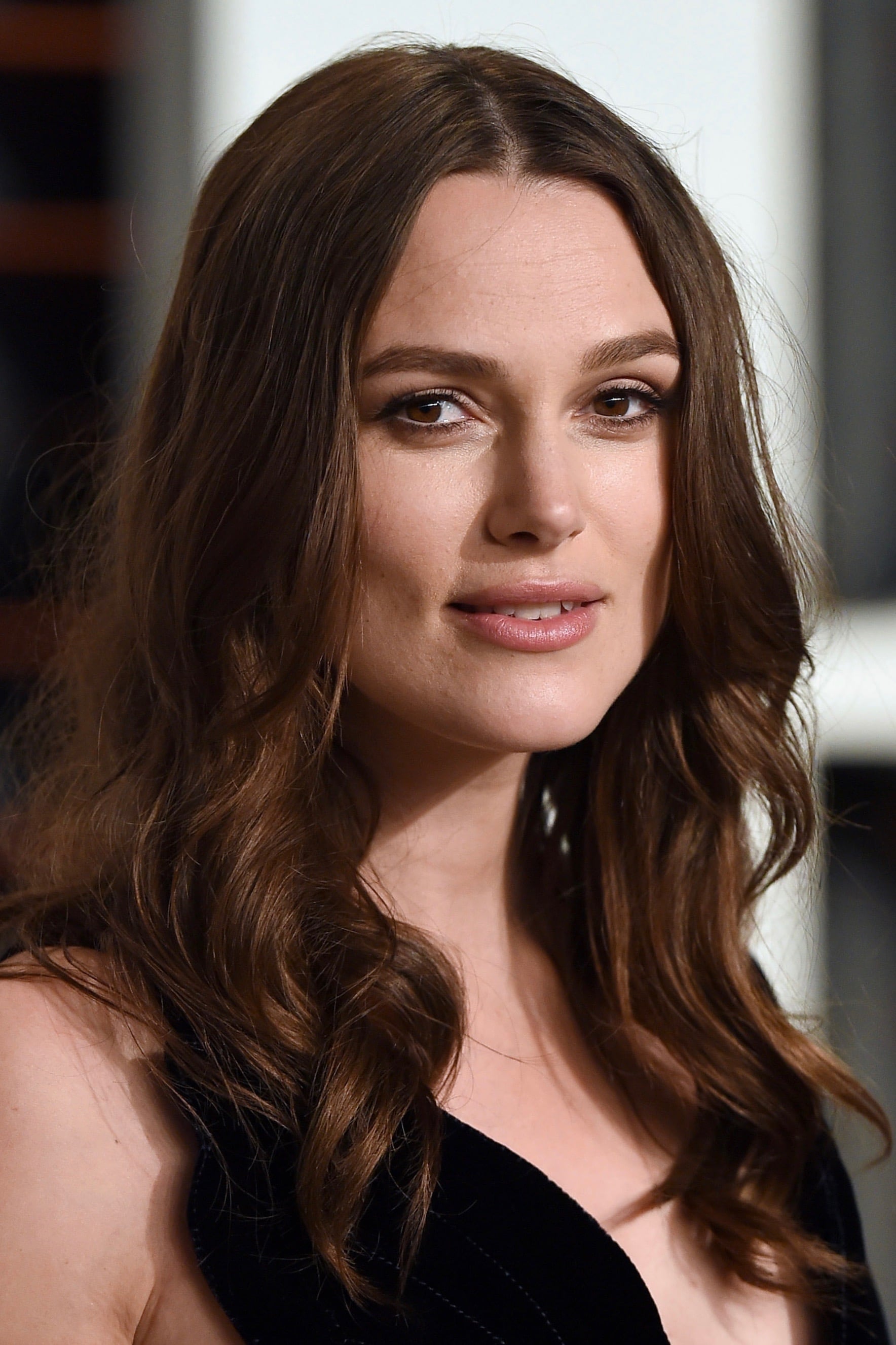
Knightley has discussed childhood dyslexia and how reading the screenplay for ‘Sense and Sensibility’ helped her engage deeply with text while pursuing acting.
Later interviews and profiles have revisited the subject as she balances creative work and family life.
Salma Hayek
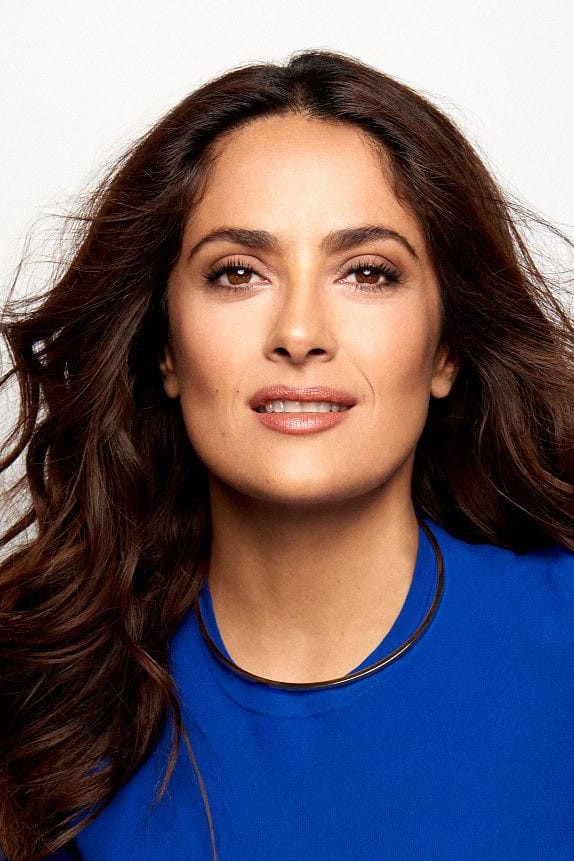
Hayek has publicly addressed living with dyslexia, recounting schooling and language-learning experiences as her career expanded from Mexico to Hollywood.
Profiles and interviews note that she strategized around reading and lines while continuing to act and direct.
Emily Blunt
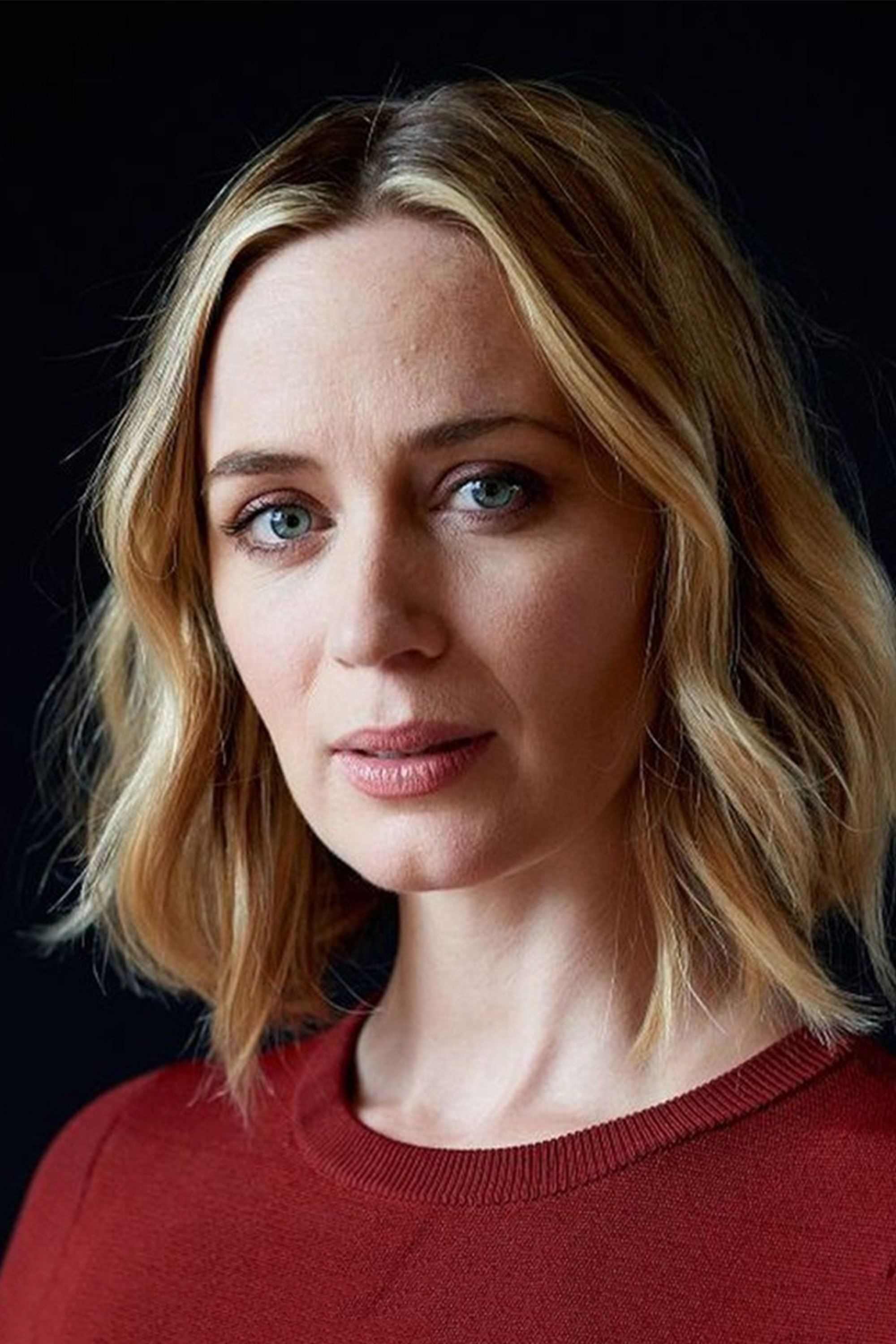
Blunt has long spoken about a childhood stutter, crediting a teacher’s suggestion to try acting (and even accents) as a turning point; she remains active with the American Institute for Stuttering.
She regularly uses major appearances to demystify stuttering and to highlight therapy access.
Daryl Hannah
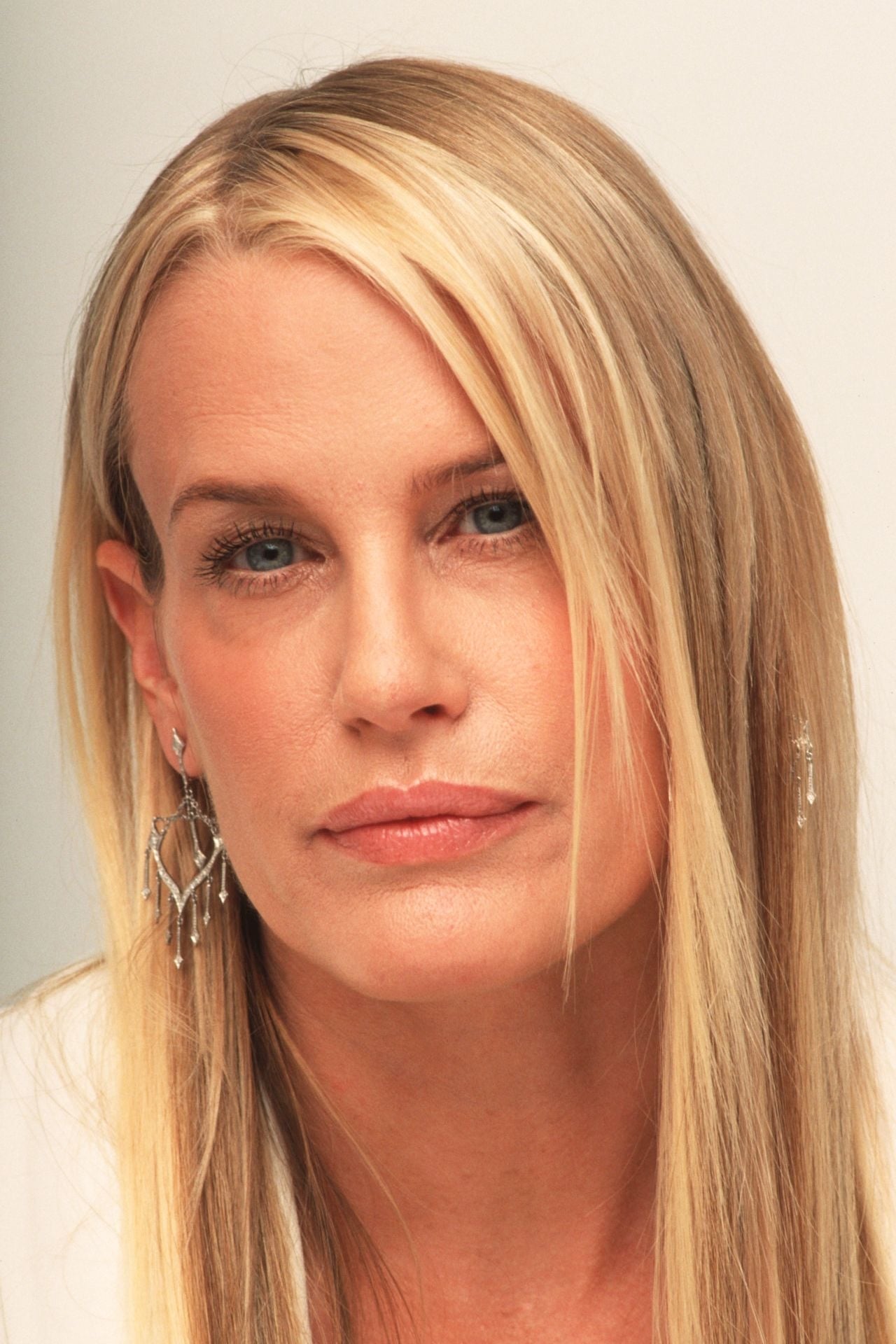
Hannah has discussed being autistic since childhood and how that shaped how she navigated publicity and certain job demands, a disclosure covered in 2013 by outlets like Child Mind Institute and Forbes.
Subsequent interviews reiterated the diagnosis and her preference for limiting high-exposure press while continuing to act.
Teri Garr

Garr revealed her MS diagnosis on ‘Larry King Live’ in 2002; contemporaneous transcripts and reporting confirm the announcement and her subsequent advocacy.
She later remained a public voice on MS even as health needs limited appearances, as noted in medical and entertainment press.
Madison Ferris
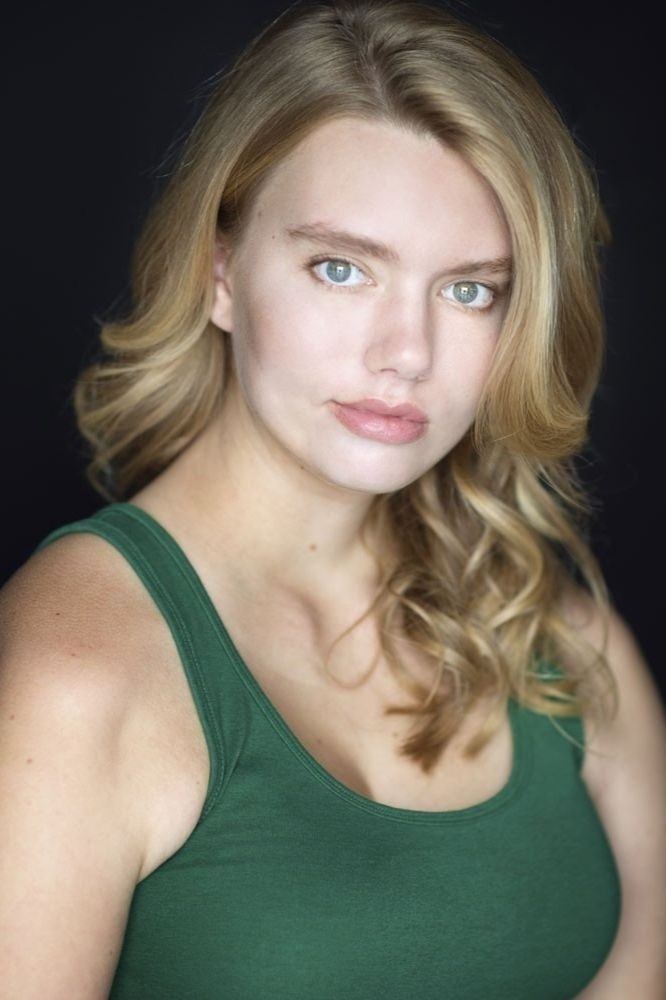
Ferris, who has muscular dystrophy, starred as Laura in Broadway’s ‘The Glass Menagerie’; coverage marked her as the first wheelchair user to perform a major role on Broadway and detailed the production’s access choices.
The casting sparked industry debate about realism, staging, and disability on stage—documented in theater criticism and essays.
Jane Lynch
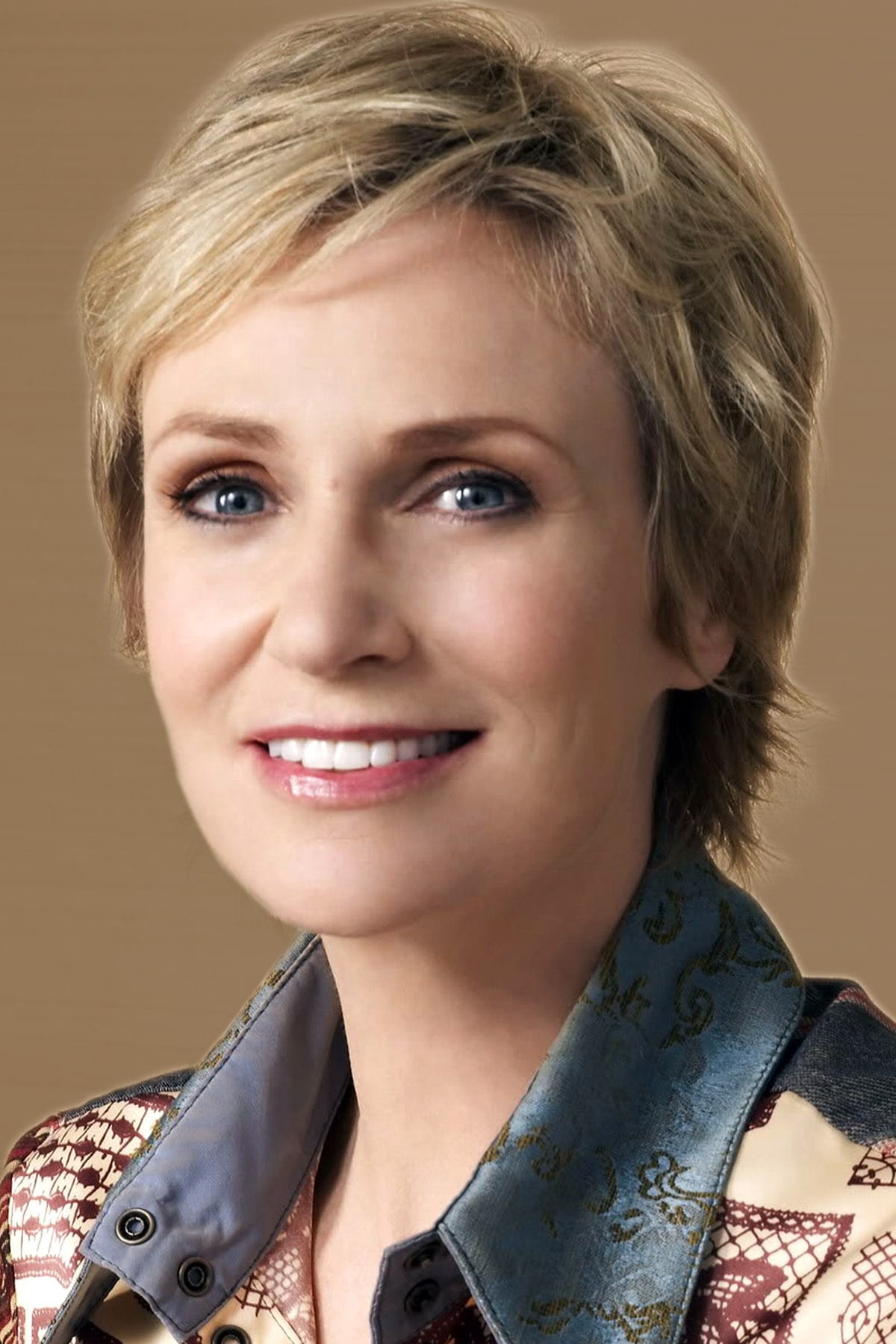
Lynch has said she is deaf in her right ear, likely due to a high fever in infancy; she’s described how she works around single-sided hearing in interviews and memoir coverage.
Entertainment outlets and profiles have repeated the core details, helping normalize hearing loss in performance contexts.
Halle Berry
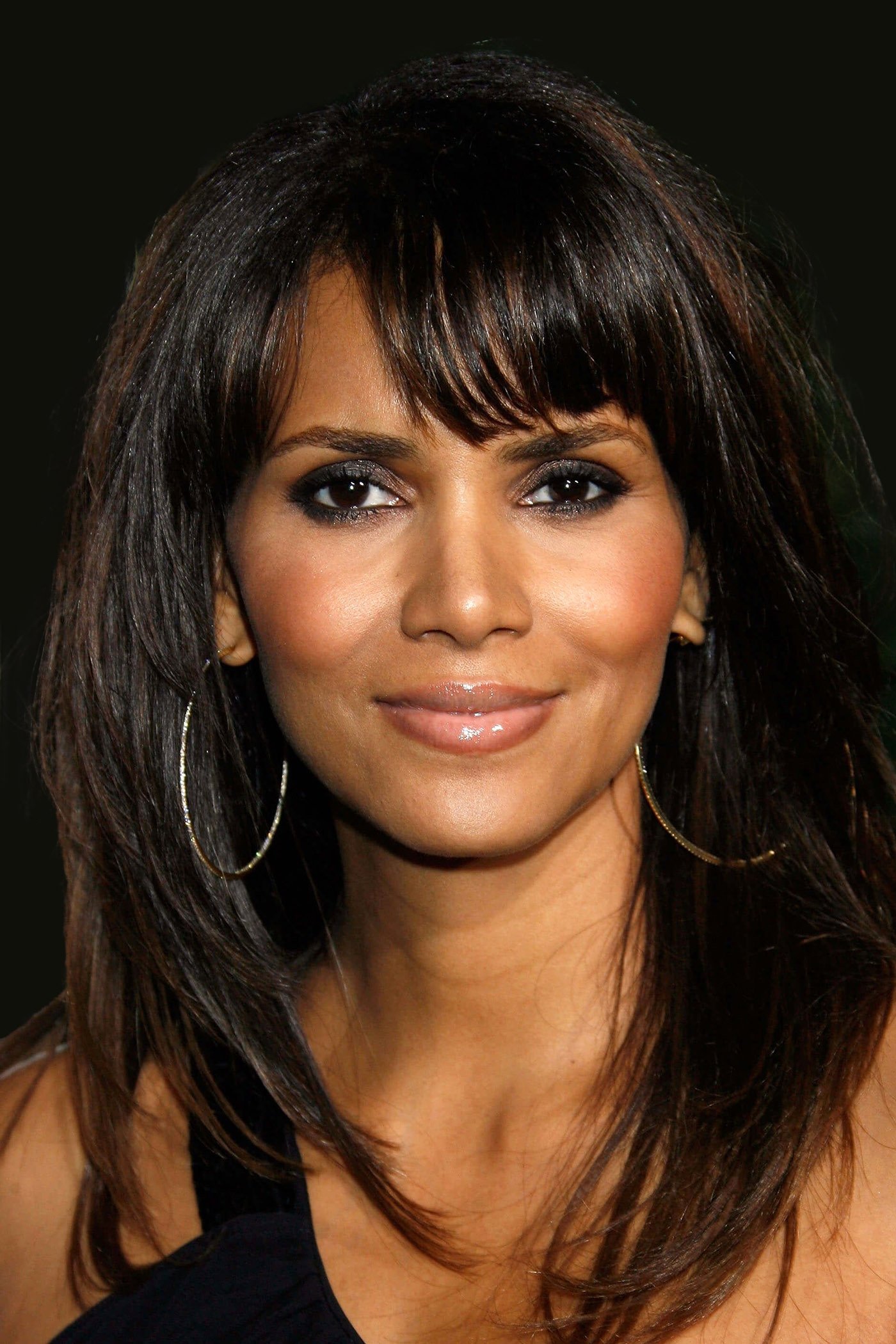
Berry has discussed being in an abusive relationship in which she lost significant hearing in one ear—coverage has reiterated that she never publicly named the abuser while speaking about breaking cycles of violence.
Profiles and advocacy pieces often cite the hearing loss episode when covering her broader work and public statements.
Share the actresses you think belong on a future edition of this list in the comments—we’d love to hear your picks and the roles that resonated with you.

