


Most Famous Black Actors of the 1980s

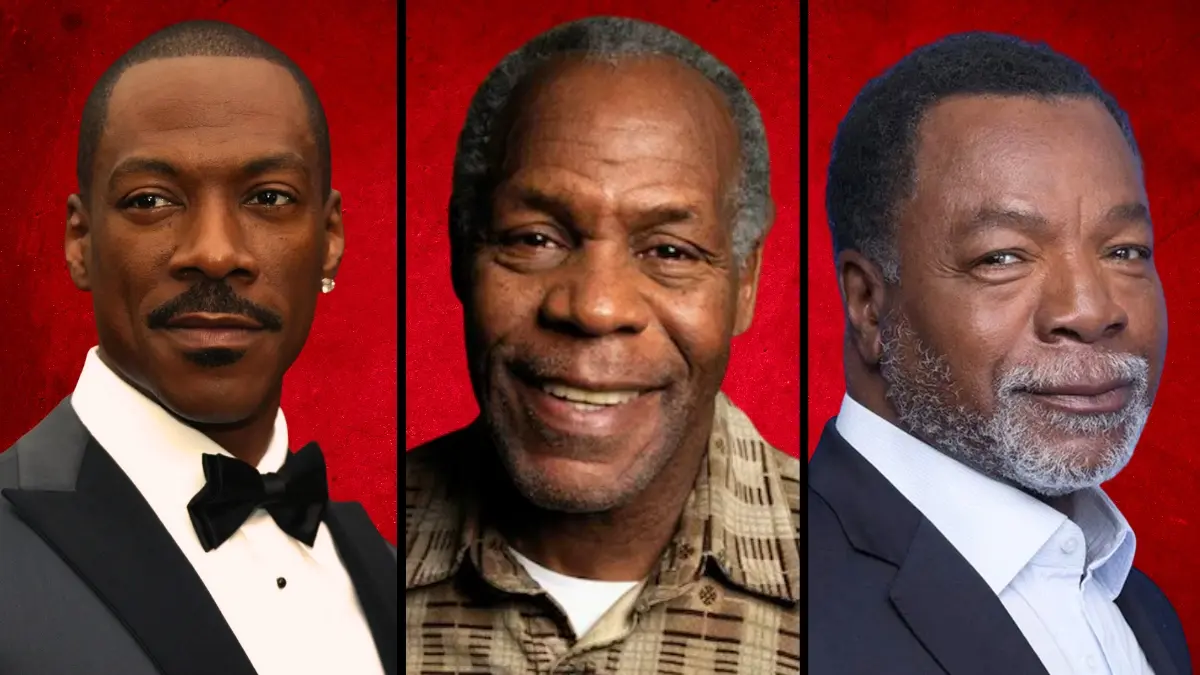


The 1980s brought a wave of Black talent to the front of film and television, reshaping what leading men could look like and the stories they could tell. From box-office powerhouses to acclaimed character actors, these performers anchored hit comedies, action franchises, prestige dramas, and groundbreaking TV. Many earned major awards, launched long-running careers, and opened doors for the next generation. Here are forty-five standouts whose work defined that decade on screens big and small.
Eddie Murphy
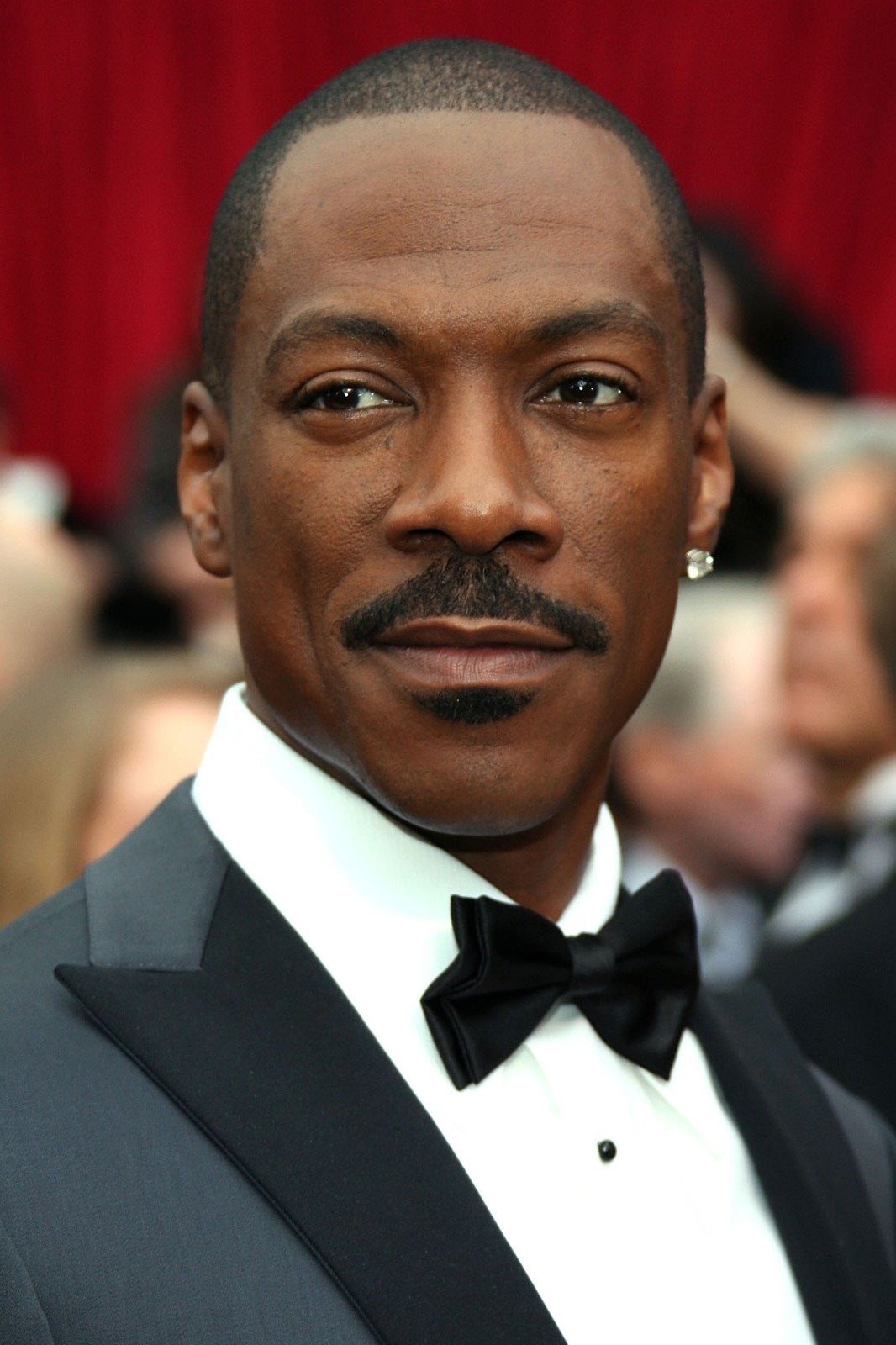
Eddie Murphy exploded from ‘Saturday Night Live’ into a string of hit films that turned him into a global star. His wisecracking charisma powered blockbusters like ’48 Hrs.’, ‘Beverly Hills Cop’, and ‘Coming to America’. He also released concert films tied to his stand-up that became cultural touchstones and influenced comedy for years. By the end of the decade, he was one of Hollywood’s most reliable box-office draws and a defining voice in screen comedy.
Denzel Washington

Denzel Washington broke through on the medical drama ‘St. Elsewhere’, where he became a household name over multiple seasons. He transitioned to prestige films with roles in ‘Cry Freedom’ and capped the decade with an Academy Award for ‘Glory’. His emerging reputation rested on rigorous preparation, controlled intensity, and a knack for quiet authority. The 1980s set the stage for his run as one of the most lauded leading men in modern cinema.
Morgan Freeman
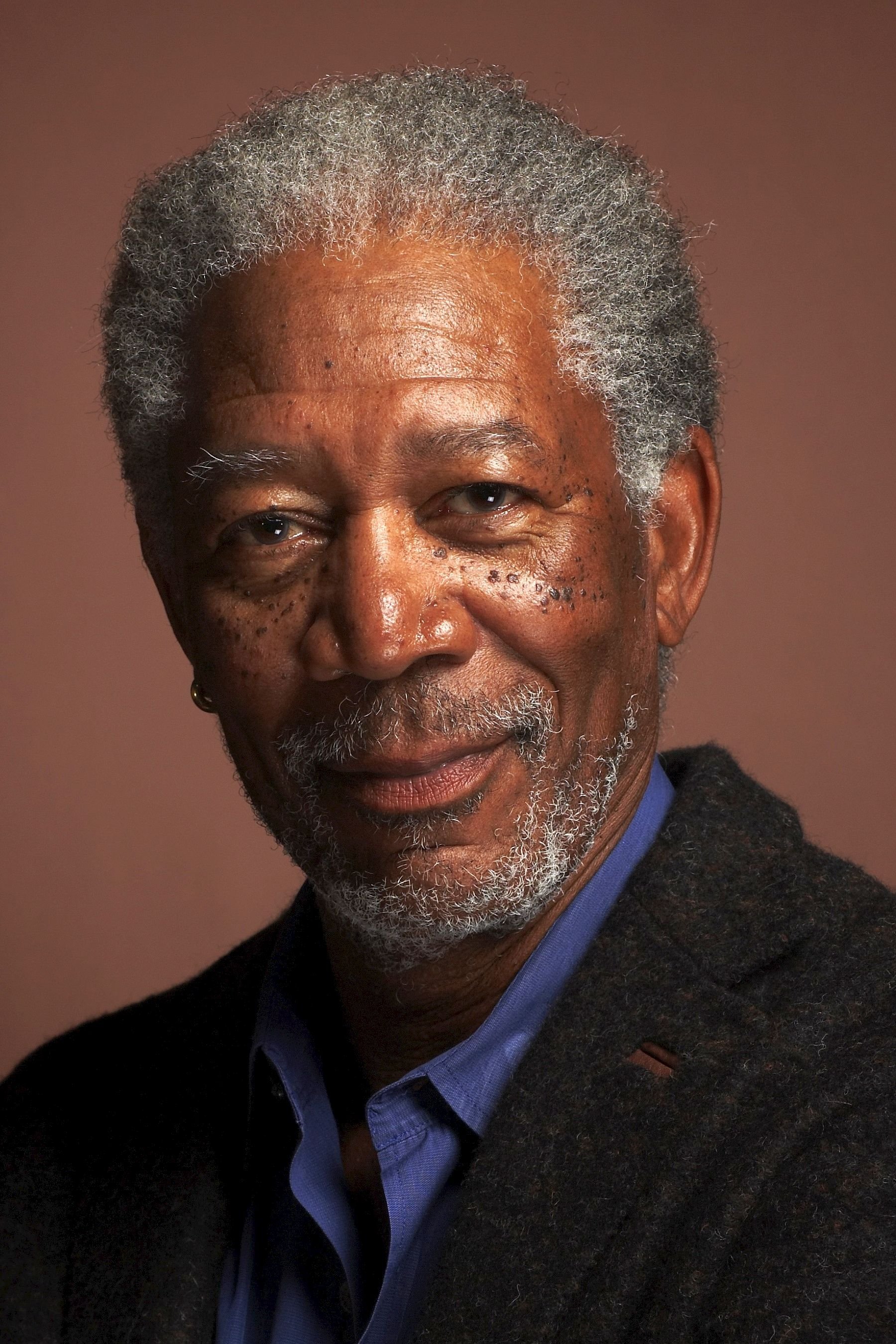
Morgan Freeman earned wide recognition with ‘Street Smart’, which brought him major award nominations and industry attention. He followed with acclaimed work in ‘Lean on Me’ and ‘Driving Miss Daisy’, showcasing range from tough realism to gentle humor. Earlier television and stage roles gave him a seasoned presence that translated powerfully to film. The decade established his signature gravitas and made him a go-to actor for complex, grounded characters.
Samuel L. Jackson
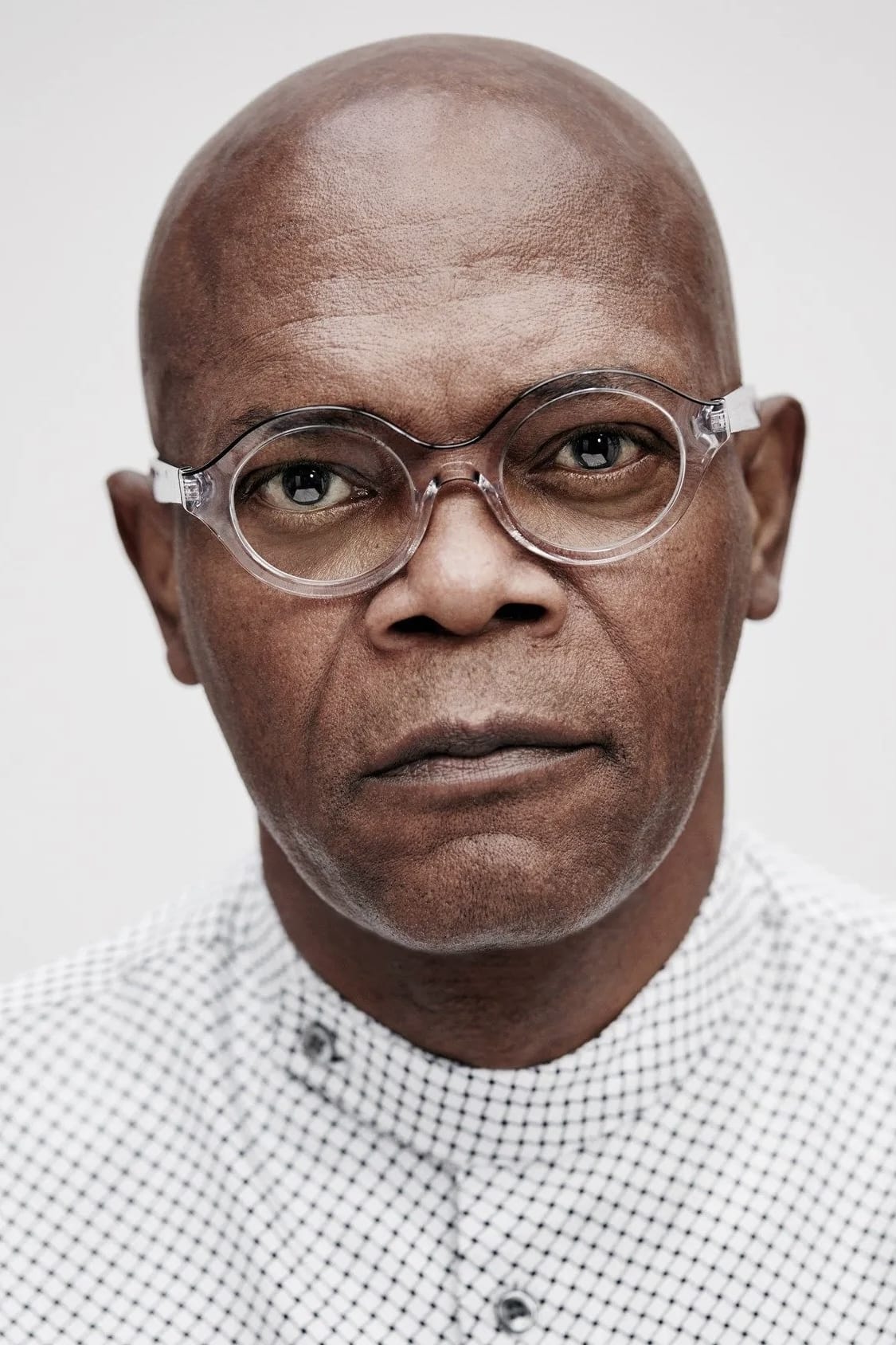
Samuel L. Jackson built his foundation with theater and small but memorable film roles in ‘School Daze’, ‘Coming to America’, and ‘Do the Right Thing’. Collaborations with Spike Lee began in this period, sharpening his screen persona and expanding his network. He also worked steadily in television movies and supporting parts that displayed his versatility and timing. These steps set up his star-making breakthroughs in the 1990s while marking him as a rising force.
Danny Glover
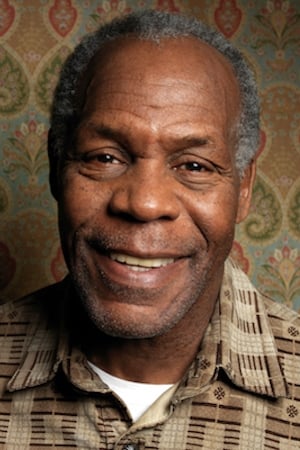
Danny Glover balanced prestige dramas and action hits throughout the 1980s. He drew acclaim in ‘Places in the Heart’ and ‘The Color Purple’, then reached wide audiences as Roger Murtaugh in ‘Lethal Weapon’. His steady, empathetic approach made him a natural anchor for ensembles across genres. The combination of critical respect and franchise success defined his impact during the era.
Sidney Poitier
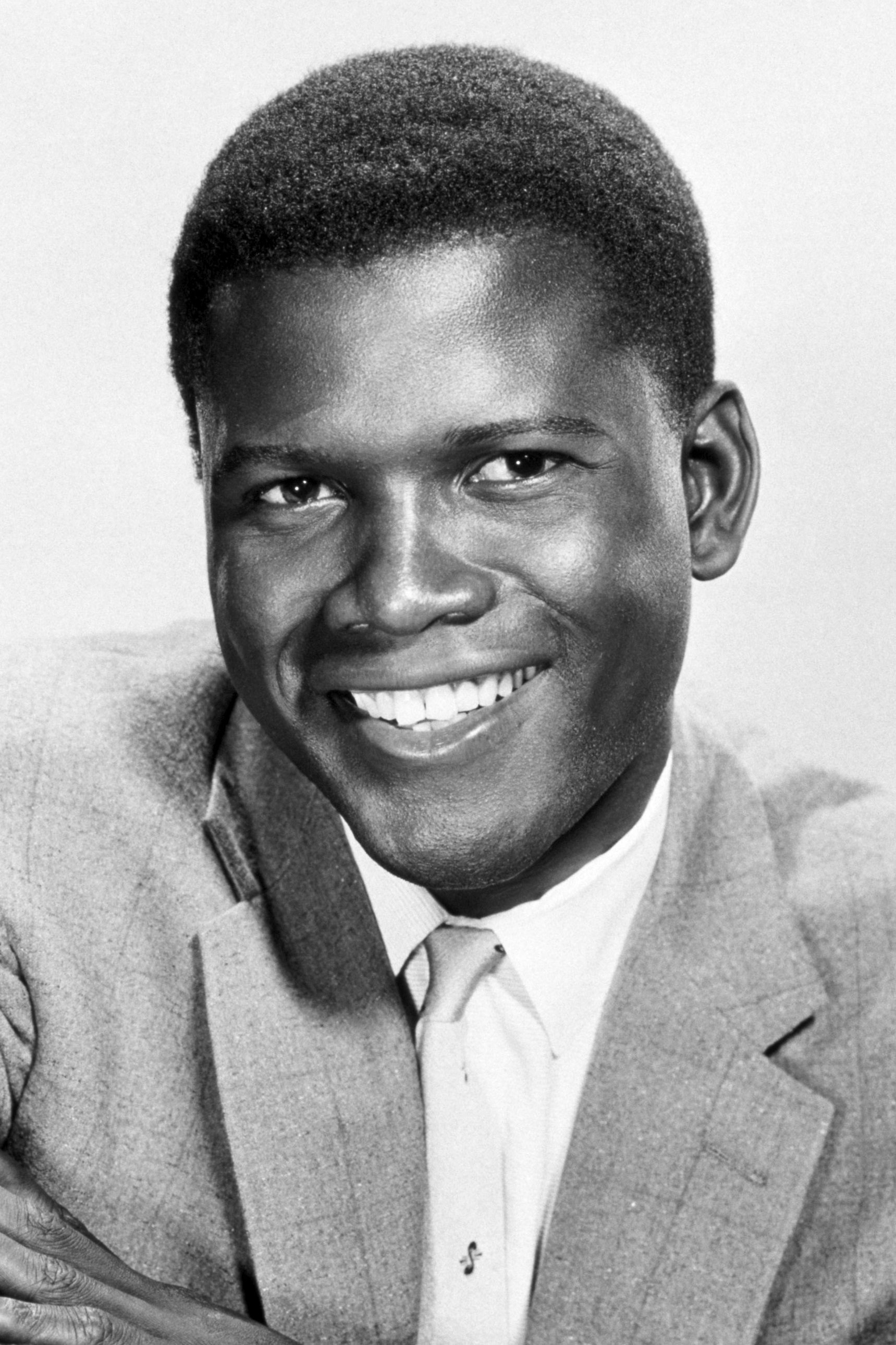
Already a trailblazer, Sidney Poitier remained influential in the 1980s as both actor and director. He directed popular comedies such as ‘Stir Crazy’ and ‘Hanky Panky’, demonstrating a deft commercial touch and box-office instincts. On screen, he returned to suspense and adventure with projects like ‘Shoot to Kill’. His presence connected earlier breakthroughs to the mainstream expansions of the decade and mentored emerging talent.
Richard Pryor
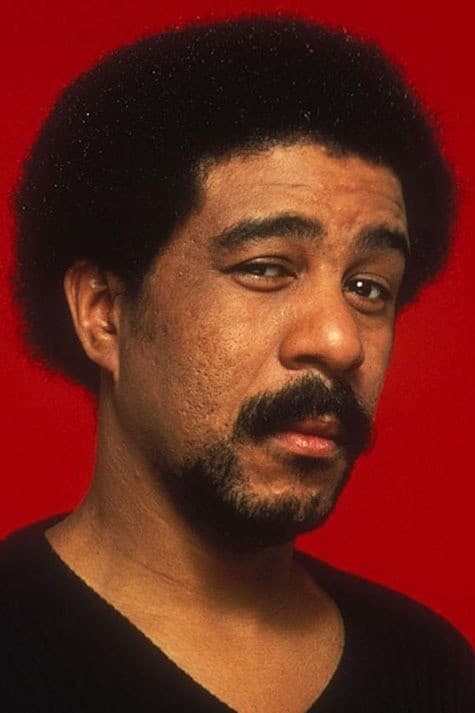
Richard Pryor translated boundary-pushing stand-up into a prolific film career in the 1980s. He headlined comedies including ‘Brewster’s Millions’ and ‘Hear No Evil, See No Evil’, often pairing sharp wit with physical humor. Frequent collaborations with Gene Wilder proved a reliable draw and broadened his audience. Despite personal challenges, his comedic voice remained unmistakable and shaped the tone of many studio comedies.
James Earl Jones
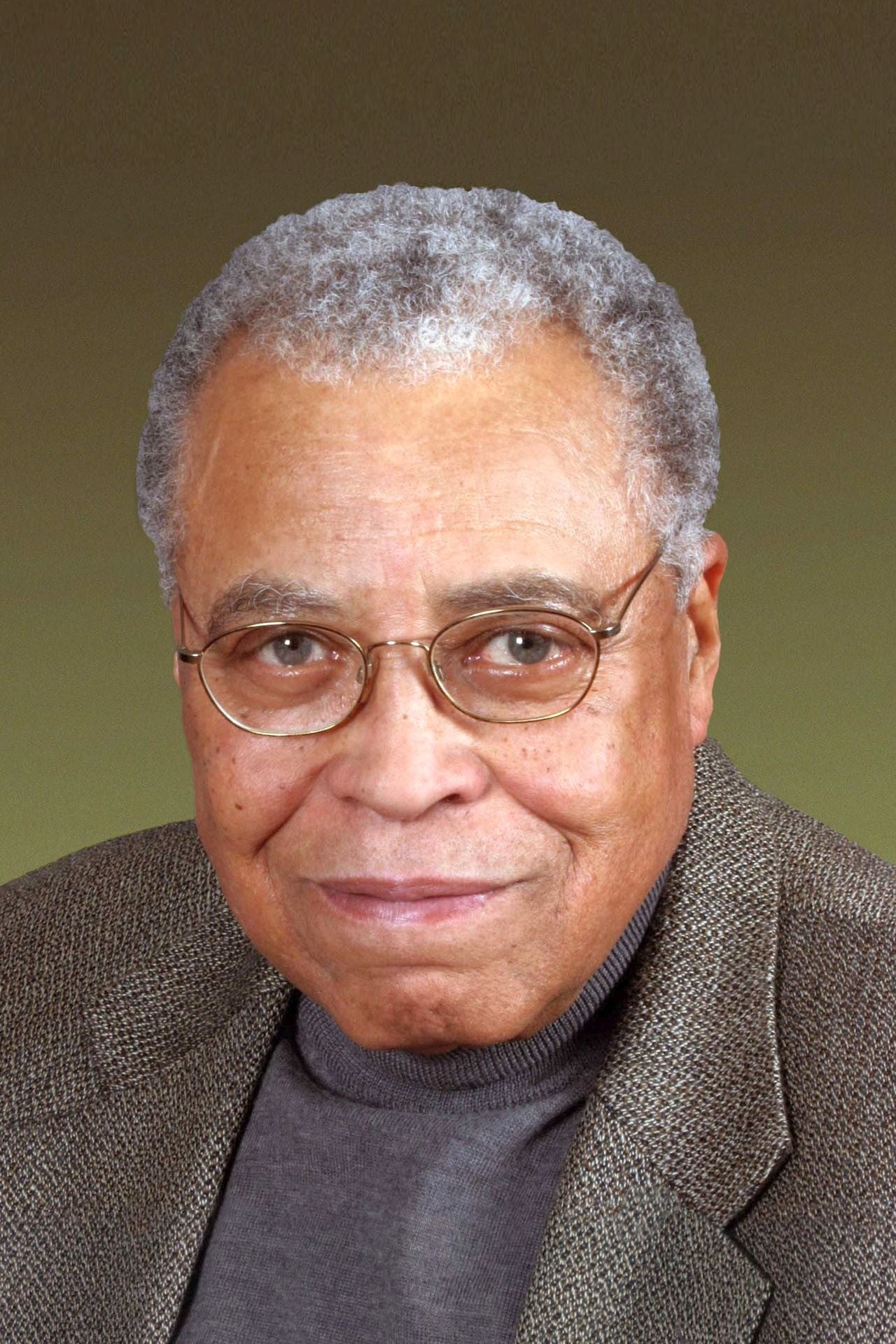
James Earl Jones brought commanding authority to roles across stage, film, and TV. His voice performance as Darth Vader in ‘Star Wars’ remained culturally dominant through re-releases and ongoing popularity, while he shone in comedies like ‘Coming to America’. He also delivered acclaimed dramatic turns in films and television projects with equal ease. The decade underscored his stature as a classically trained actor with mainstream appeal and versatility.
Louis Gossett Jr.
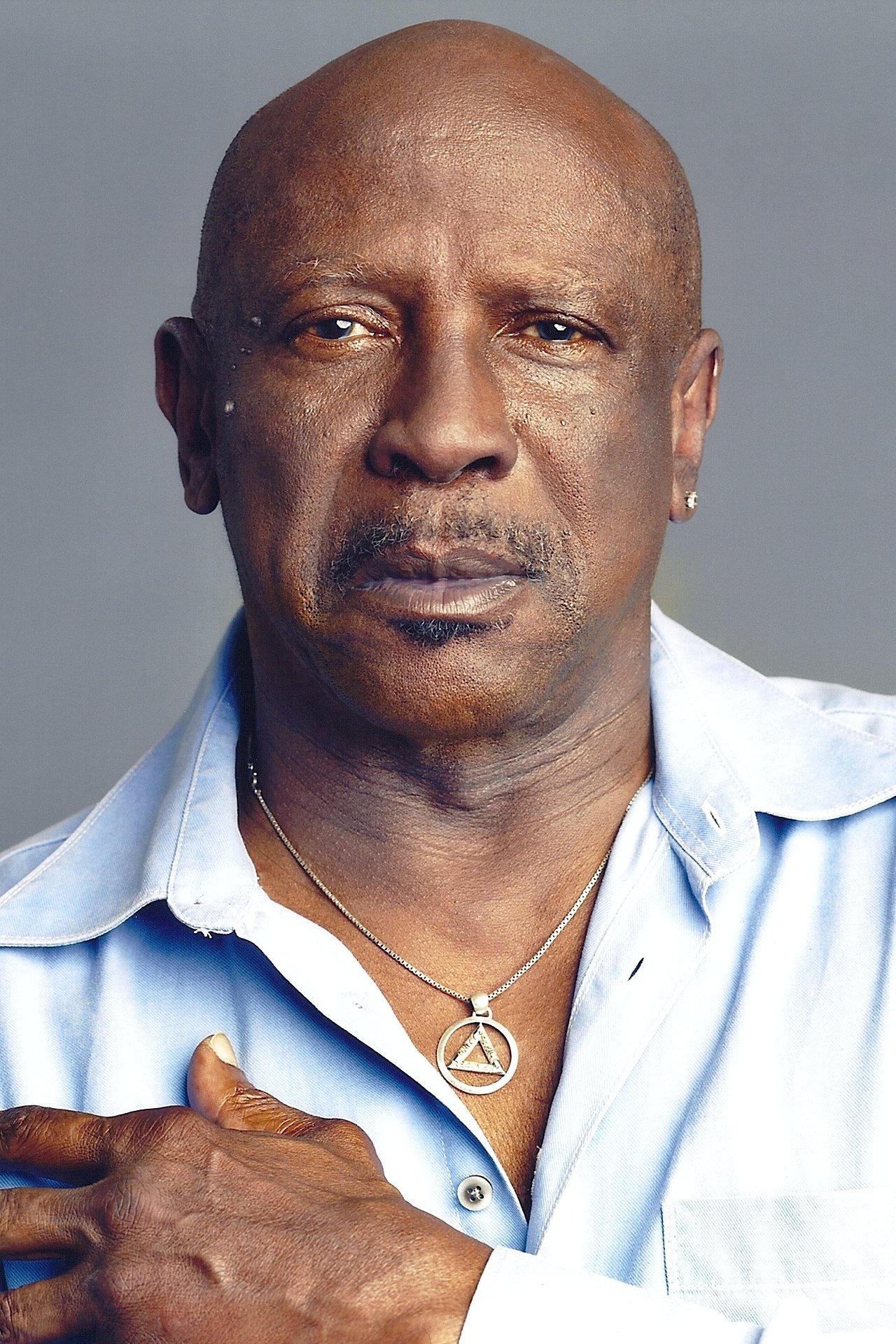
Louis Gossett Jr. made history by winning the Academy Award for Best Supporting Actor for ‘An Officer and a Gentleman’. He followed that milestone with leading roles in action and drama, including the aviation adventure ‘Iron Eagle’. Television miniseries appearances further expanded his profile and showcased his range. His mix of discipline and intensity made him one of the decade’s most respected performers.
Billy Dee Williams
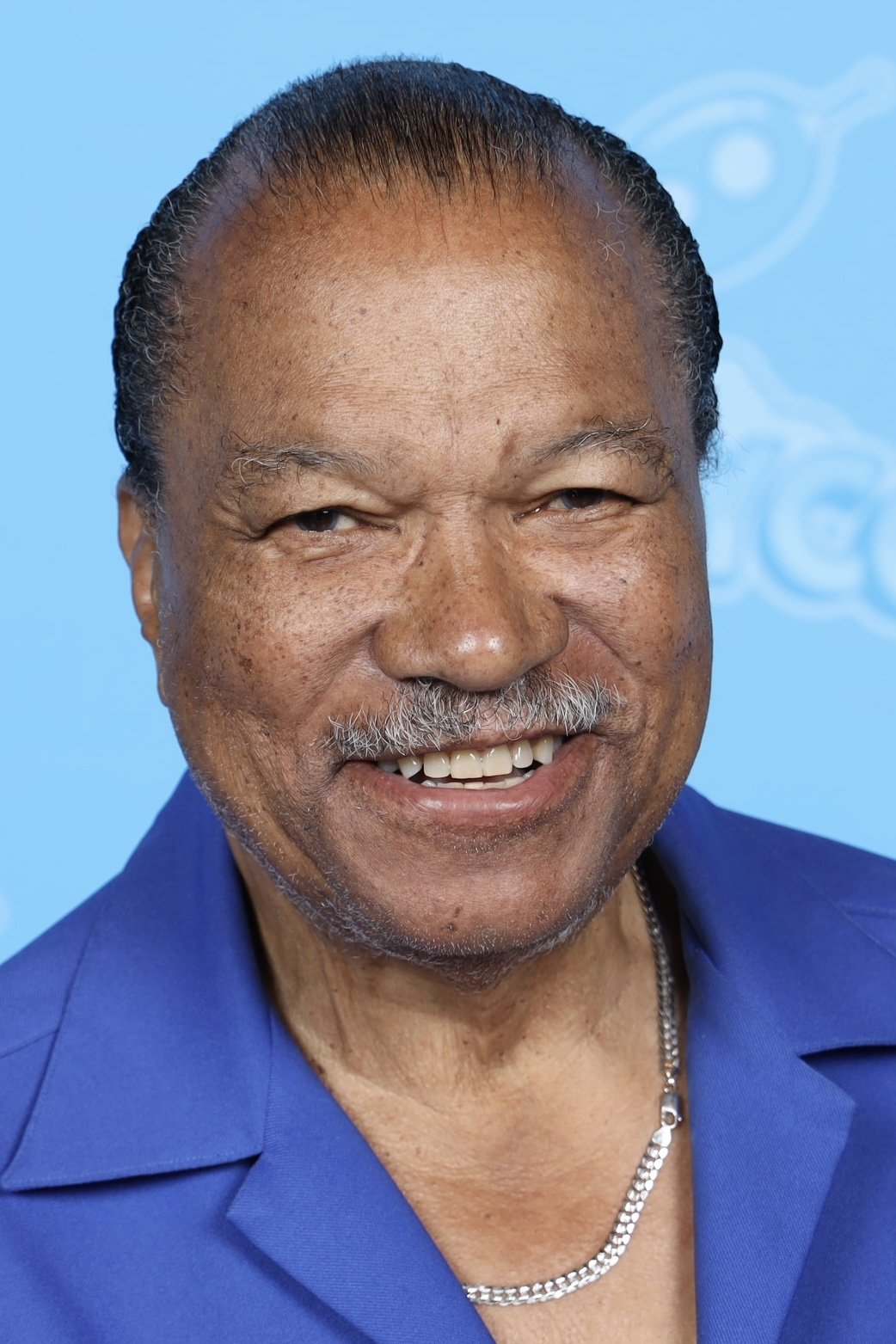
Billy Dee Williams cemented pop-culture immortality as Lando Calrissian in ‘Star Wars’, becoming a fan favorite across the franchise. He also appeared in high-profile films like ‘Batman’, adding suave presence to major studio projects. Television movies and guest roles kept him visible between blockbuster appearances and broadened his repertoire. His effortless charm made him a go-to for charismatic, influential figures on screen.
Carl Weathers
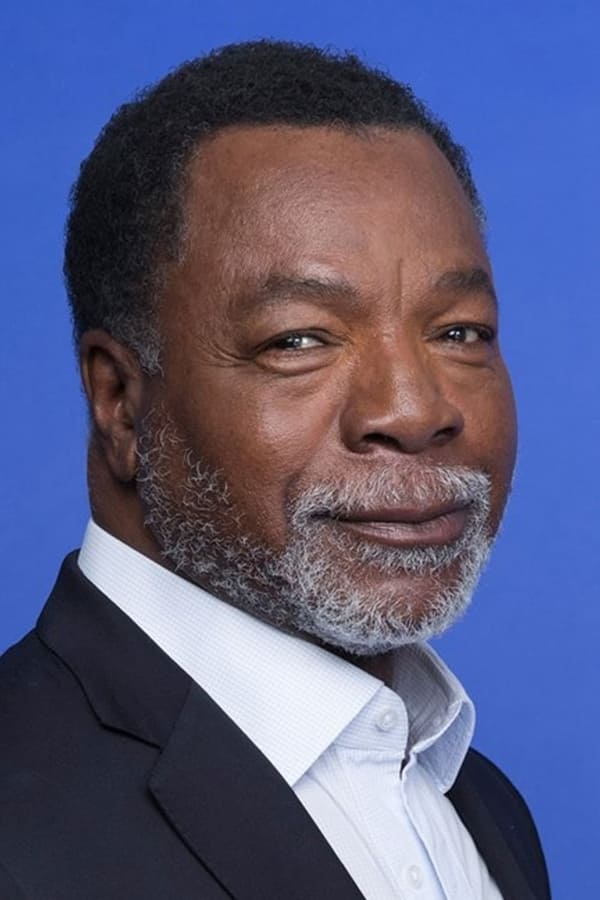
Carl Weathers brought athletic power and charisma to action cinema. As Apollo Creed in the ‘Rocky’ series, he delivered a defining boxing-movie persona that audiences embraced. He expanded into ensemble action with ‘Predator’ and headlined the cop thriller ‘Action Jackson’. The 1980s were his prime years as a marquee tough-guy star with memorable screen presence.
Yaphet Kotto
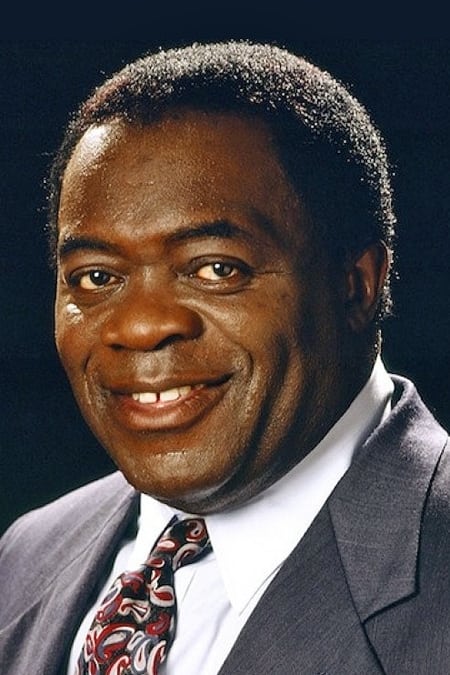
Yaphet Kotto’s deep voice and imposing presence made him a standout character actor throughout the decade. He appeared in science-fiction and action hits such as ‘Alien’ and ‘The Running Man’, anchoring ensembles with grounded intensity. He was also memorable in crime and thriller projects across film and television that leveraged his gravitas. The era highlighted his skill at making supporting roles feel essential and unforgettable.
Laurence Fishburne
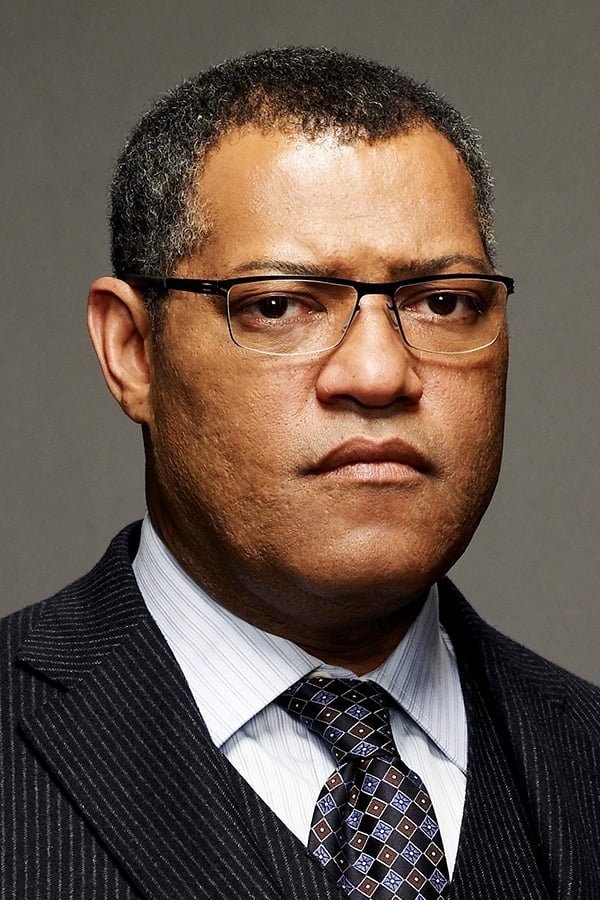
Credited early on as Larry Fishburne, he worked steadily across film and TV, building a reputation for commitment and range. He appeared in projects like ‘School Daze’, ‘A Nightmare on Elm Street 3’, and the kids’ series ‘Pee-wee’s Playhouse’. These varied roles showed an actor equally at home in comedy, horror, and social drama. The 1980s laid the groundwork for his later leading-man status and acclaimed dramatic turns.
Wesley Snipes
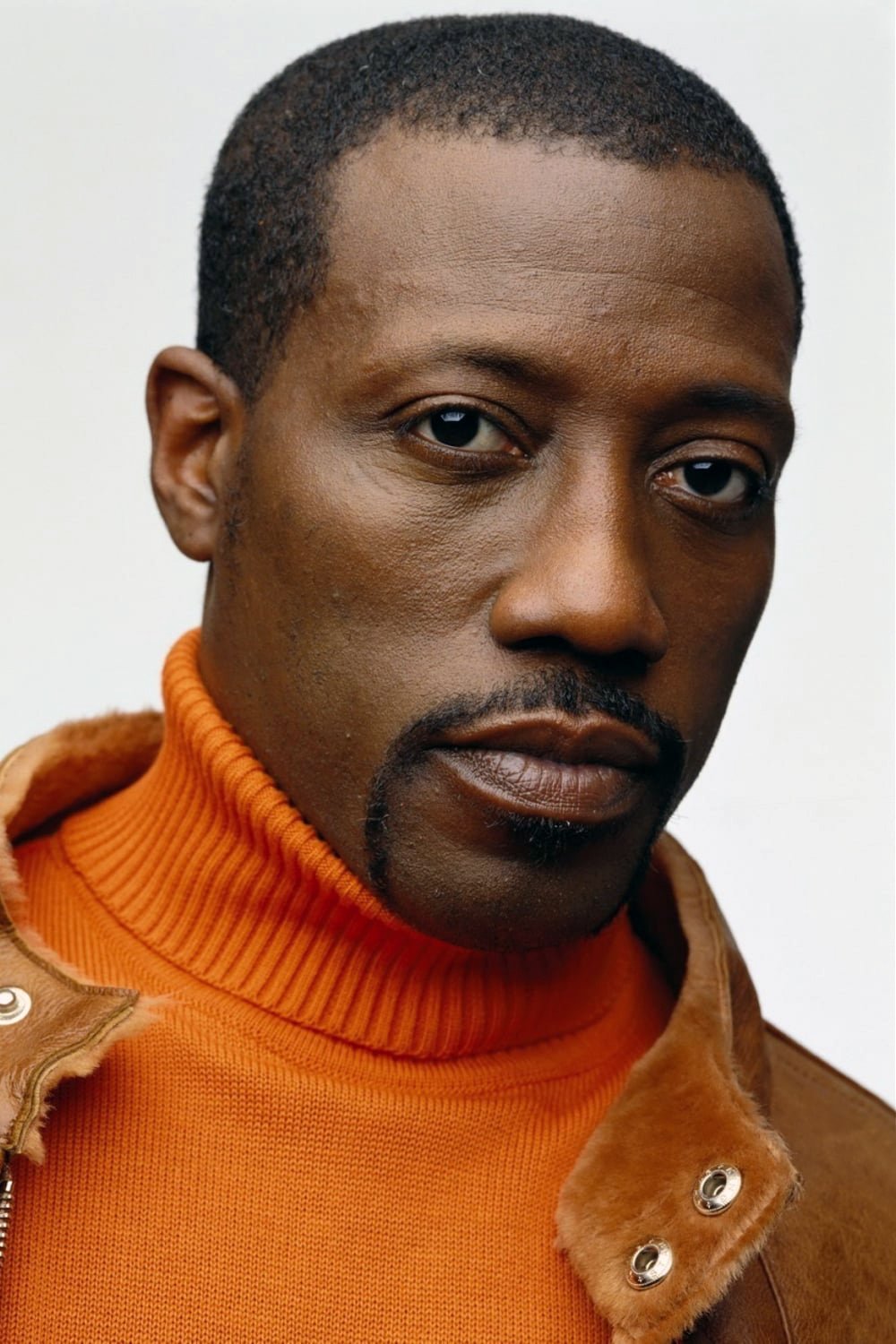
Wesley Snipes arrived near the end of the decade with a breakout in ‘Major League’. Casting directors quickly took notice, leading to substantial roles in dramas and action films soon after. His background in dance and martial arts added a distinctive physicality and precision to his performances. The late-decade momentum propelled him into major stardom in the years that followed.
Forest Whitaker
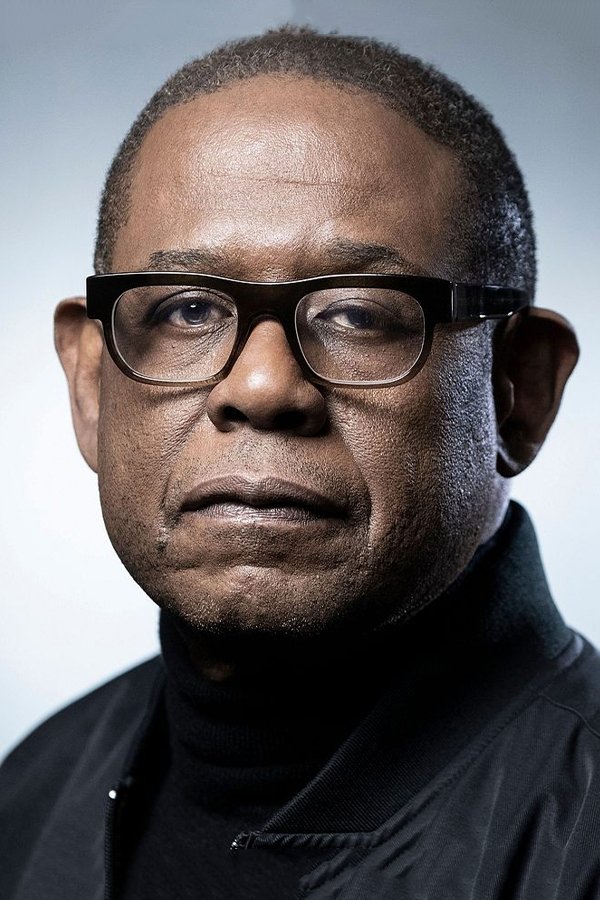
Forest Whitaker emerged as a compelling screen presence in prestige and mainstream projects. He appeared in ‘Platoon’ and ‘Good Morning, Vietnam’, then earned widespread praise for portraying Charlie Parker in ‘Bird’. His nuanced, introspective style distinguished him from many contemporaries and drew critical acclaim. The 1980s marked the rise of a uniquely sensitive and powerful actor with lasting influence.
Bill Cosby
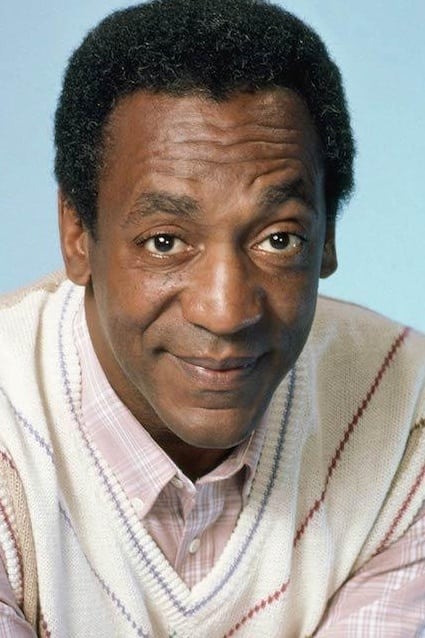
Bill Cosby became one of television’s most visible figures through the family-sitcom juggernaut ‘The Cosby Show’. He also helped launch ‘A Different World’ as a producer and frequent on-screen presence, expanding the franchise’s cultural reach. Beyond scripted TV, he maintained a high profile with comedy albums and high-visibility commercials. His success reshaped network programming strategies around family-centered comedies during the decade.
Gregory Hines
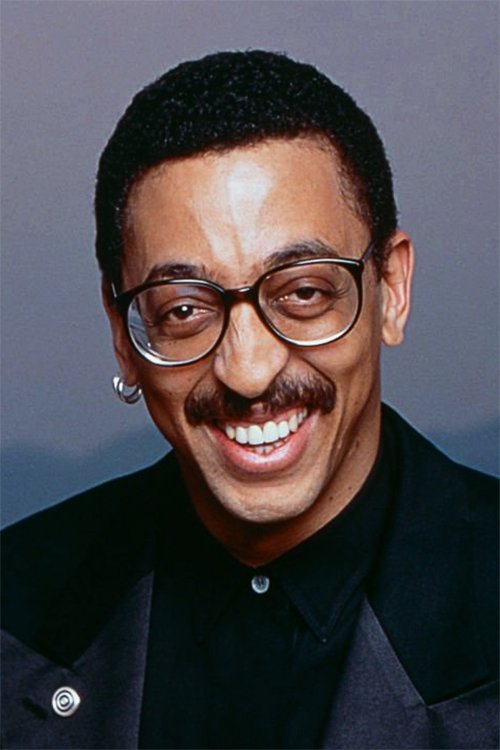
Gregory Hines brought tap-dance virtuosity to mainstream film and television while establishing himself as a charismatic screen actor. He drew attention with stylish period crime in ‘The Cotton Club’ and followed with dance-centered features like ‘White Nights’. He showed easy comic timing in the buddy-cop favorite ‘Running Scared’ alongside his musical talents. Stage-trained and innovative, he helped spark a broader revival of tap in popular culture.
LeVar Burton
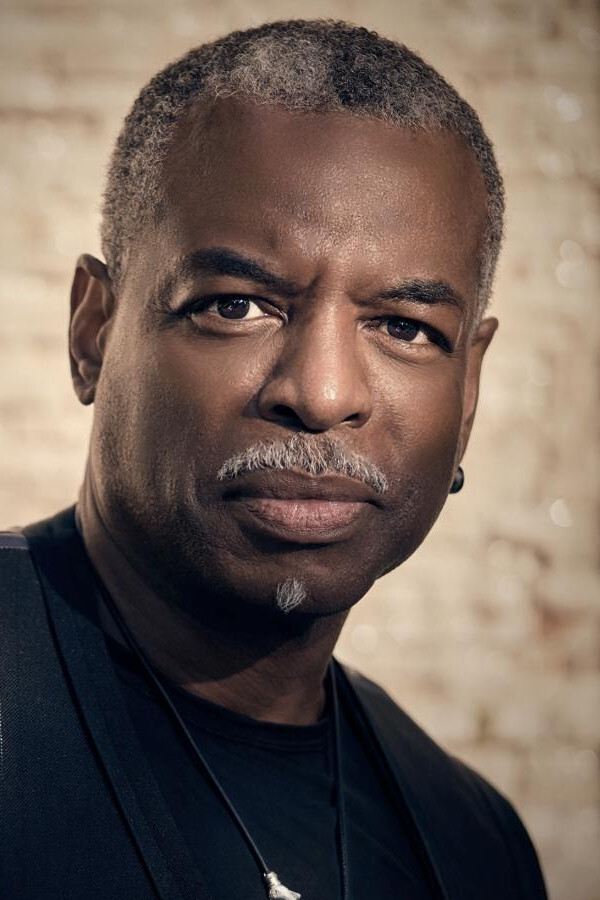
LeVar Burton anchored two influential shows, balancing sci-fi stardom on ‘Star Trek: The Next Generation’ with educational leadership on ‘Reading Rainbow’. His portrayal of Geordi La Forge connected technophile storytelling with quietly inspirational representation in prime time. As host and executive producer, he turned ‘Reading Rainbow’ into a long-running literacy platform with classroom impact. The dual visibility made him a cross-generational favorite across schools and living rooms.
Ernie Hudson
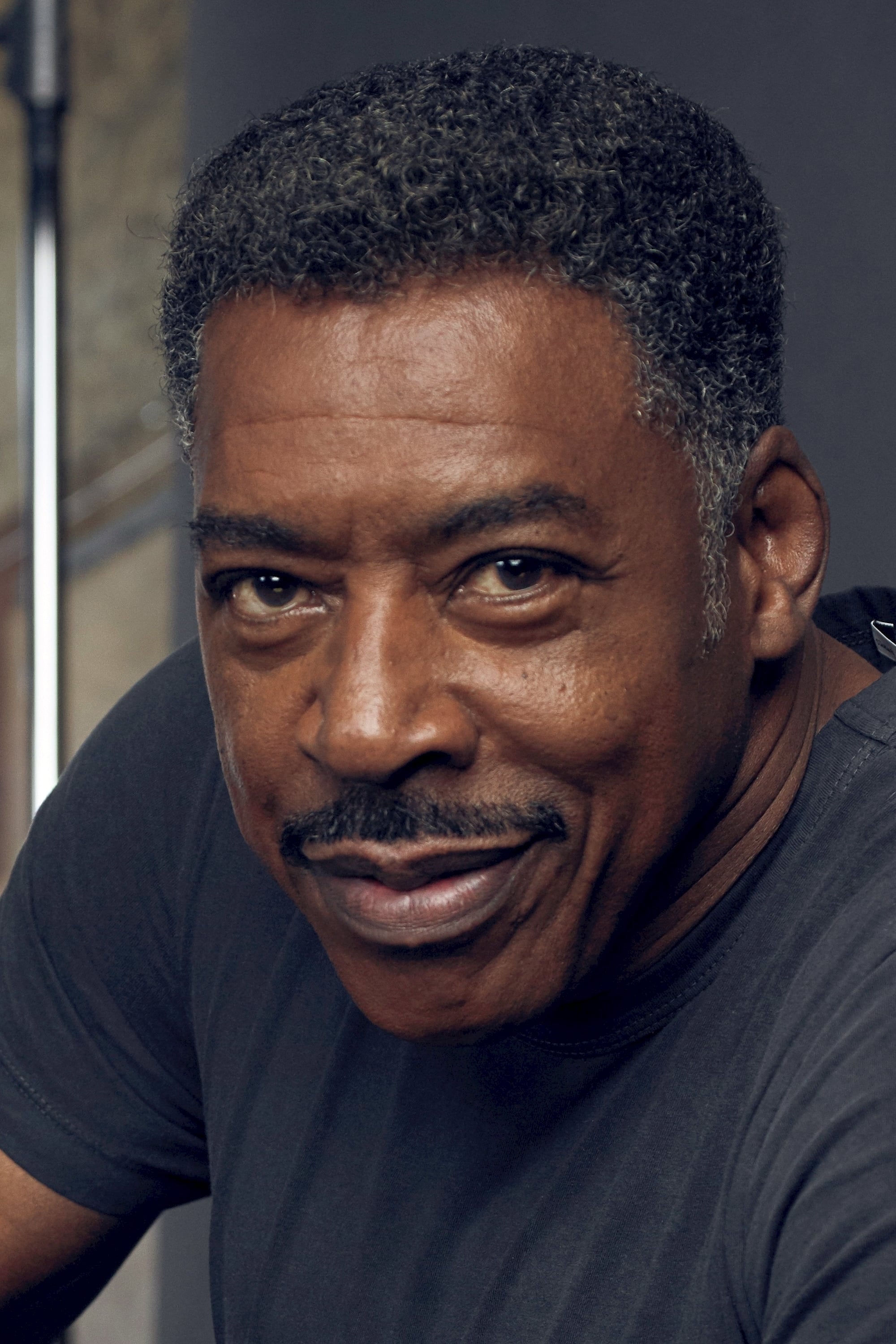
Ernie Hudson became a household name with his ensemble role in the supernatural comedy hit ‘Ghostbusters’. He returned for the sequel and continued building a steady résumé of thrillers and dramas on film and television. His grounded presence provided a counterweight to broader comedic performances, strengthening ensemble chemistry. Offscreen, he cultivated a reputation for reliability that kept him in demand across genres.
Avery Brooks
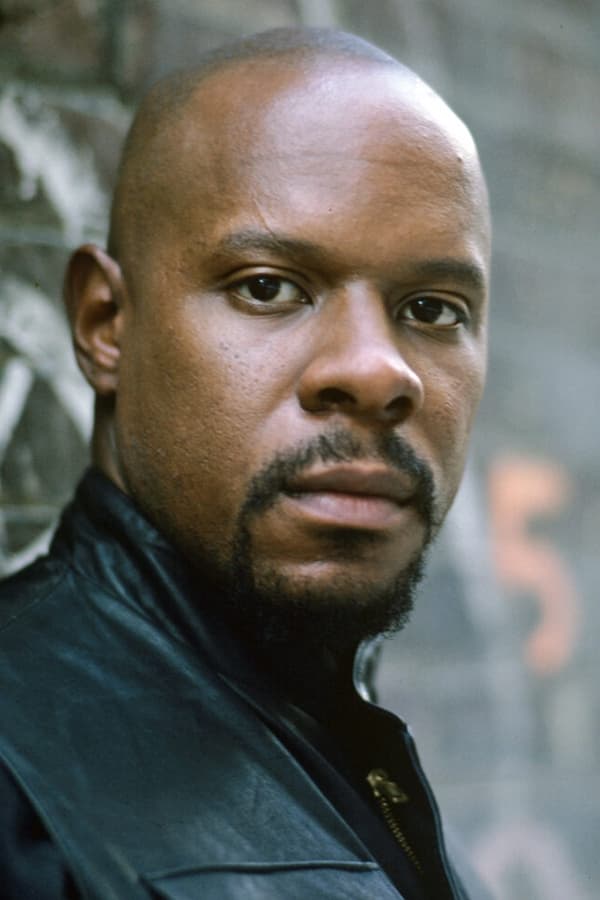
Avery Brooks stood out on crime television as the cool, formidable Hawk in ‘Spenser: For Hire’. The character’s popularity led to the spin-off ‘A Man Called Hawk’, cementing his small-screen impact and fan following. Brooks brought classical training and a commanding baritone to his roles, blending intensity with introspection. His work expanded the visibility of Black leads in prime-time crime dramas and action-oriented storytelling.
Philip Michael Thomas
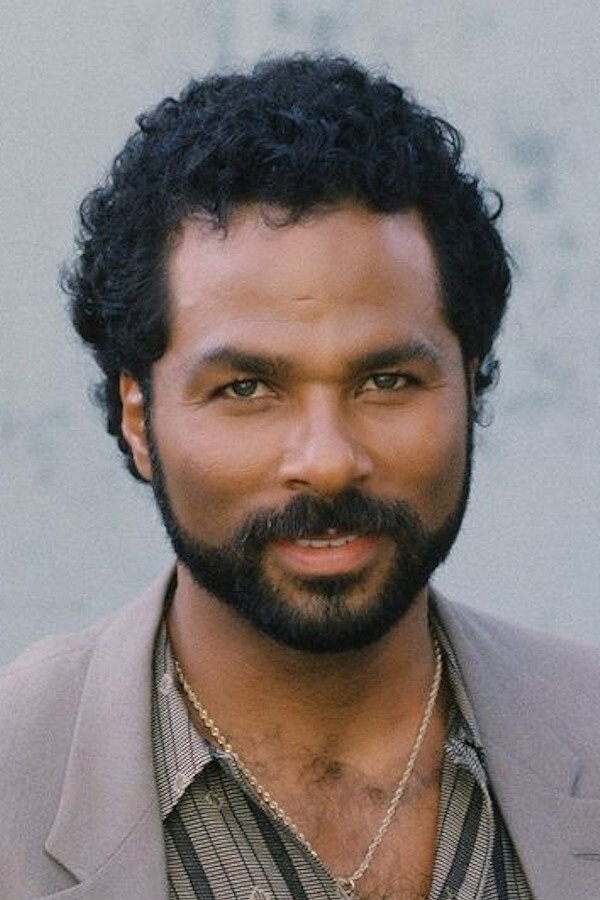
Philip Michael Thomas achieved international fame as Ricardo Tubbs on ‘Miami Vice’. The show’s stylish blend of music, fashion, and crime storytelling turned him into a trendsetting icon of the decade. He parlayed the exposure into TV movies and recording projects, broadening his media footprint beyond the series. The role remains closely associated with the neon-soaked aesthetic that defined much of 1980s television.
Malcolm-Jamal Warner
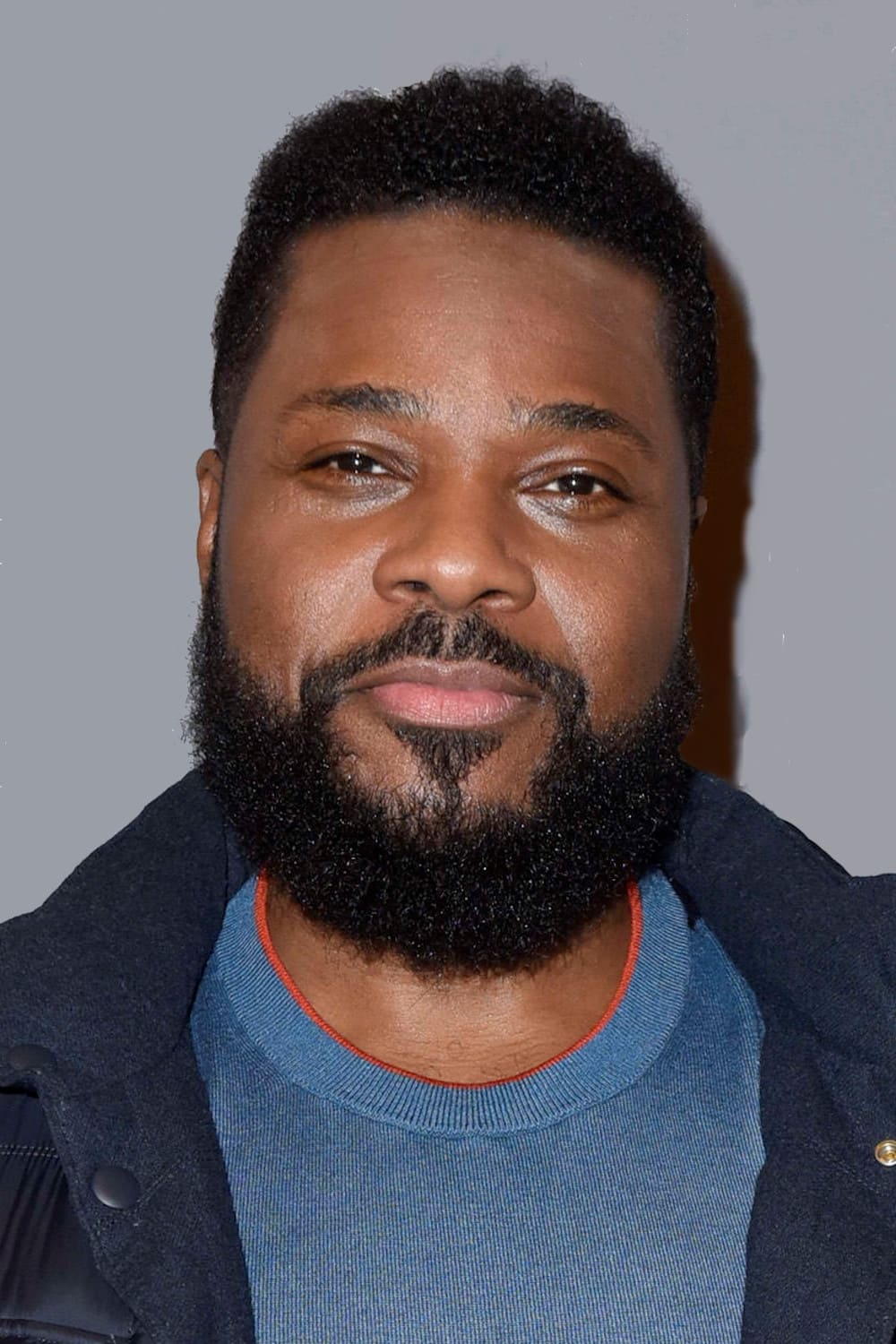
Malcolm-Jamal Warner rose to prominence as Theo Huxtable on ‘The Cosby Show’. His performance helped anchor storylines about adolescence, education, and family dynamics that resonated with wide audiences. He added behind-the-camera skills, directing episodes and exploring music projects as his profile grew. The sustained visibility made him one of the decade’s most recognized young actors on network TV.
Gary Coleman
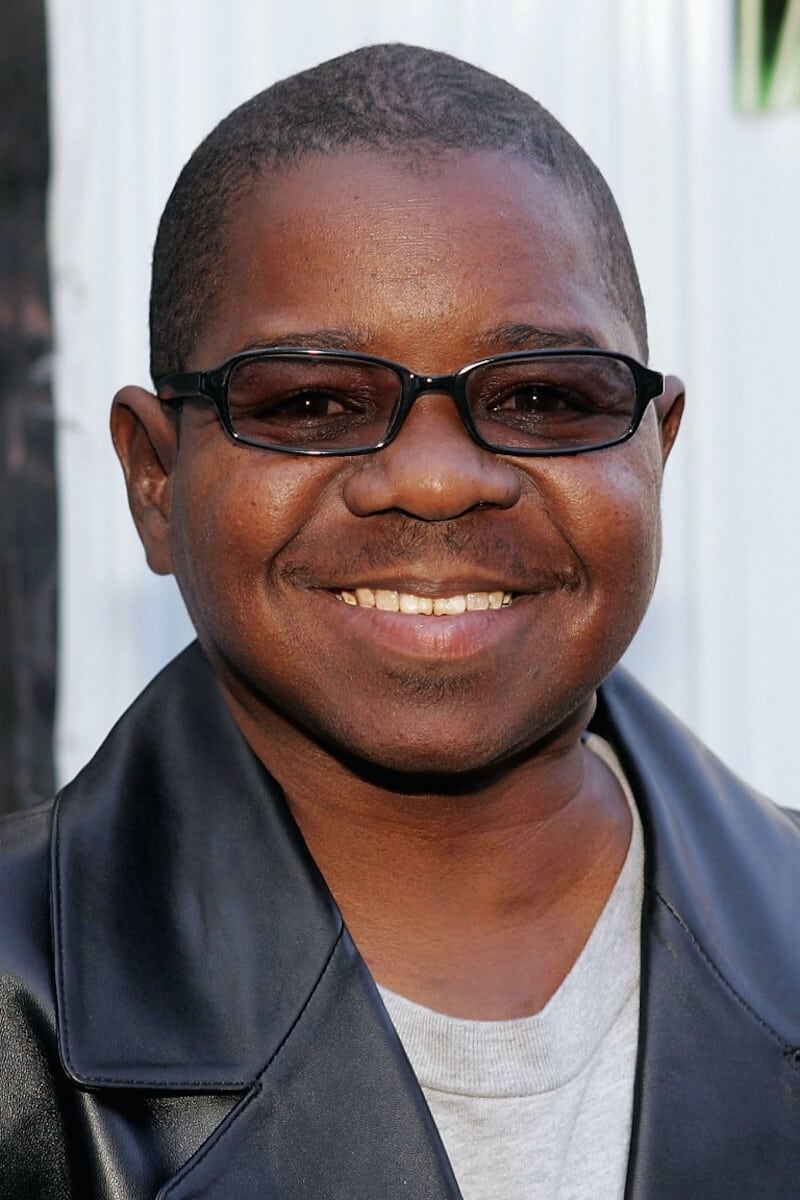
Gary Coleman’s quick wit and distinctive charm made him the breakout star of ‘Diff’rent Strokes’. He carried a slate of TV movies and specials that capitalized on his popularity beyond the flagship series. Extensive merchandising and frequent talk-show appearances kept him at the center of pop culture. His sitcom catchphrases entered everyday conversation and defined his screen persona.
Todd Bridges
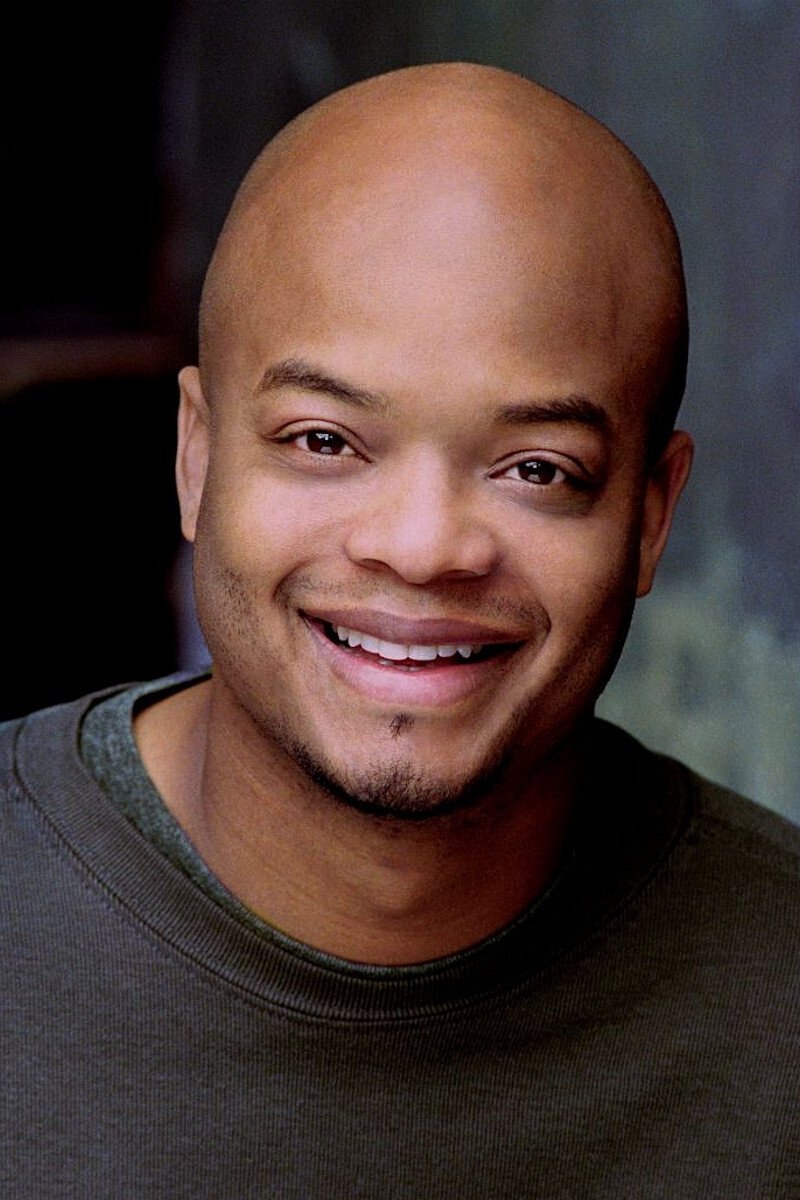
Todd Bridges brought warmth and teenage realism to Willis Jackson on ‘Diff’rent Strokes’. The series often tackled topical subjects, giving him material that blended humor with social themes. He supplemented the flagship role with guest spots across popular shows, maintaining steady visibility. His work helped sustain the ensemble chemistry that made the sitcom a long-running hit with audiences.
Paul Winfield
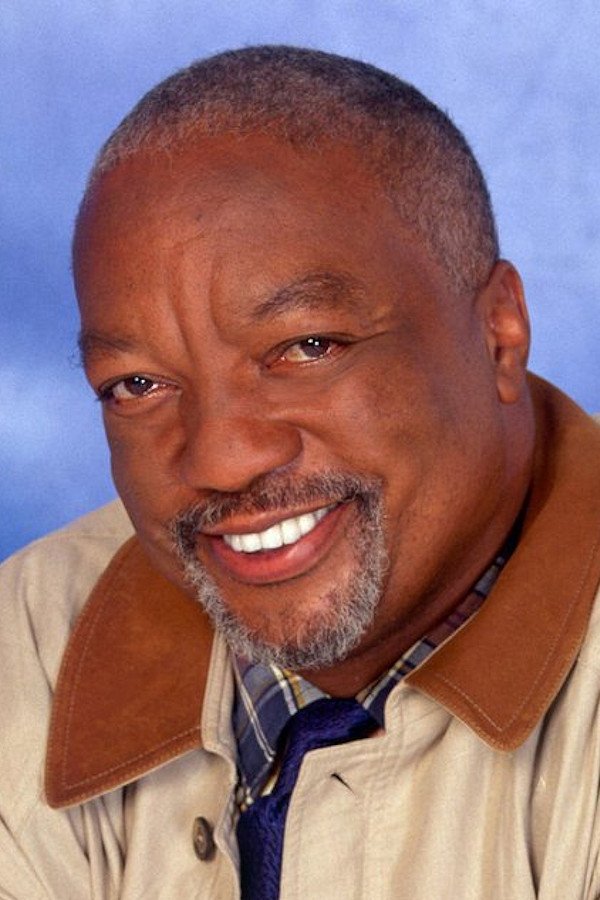
Paul Winfield delivered authoritative performances across genres, including a key turn in the sci-fi thriller ‘The Terminator’. He balanced film roles with prestige television projects and miniseries work that showcased his range. Known for poise and precise diction, he often portrayed leaders, professionals, and mentors. His versatility kept him in demand with both studio features and television producers throughout the decade.
Howard Rollins
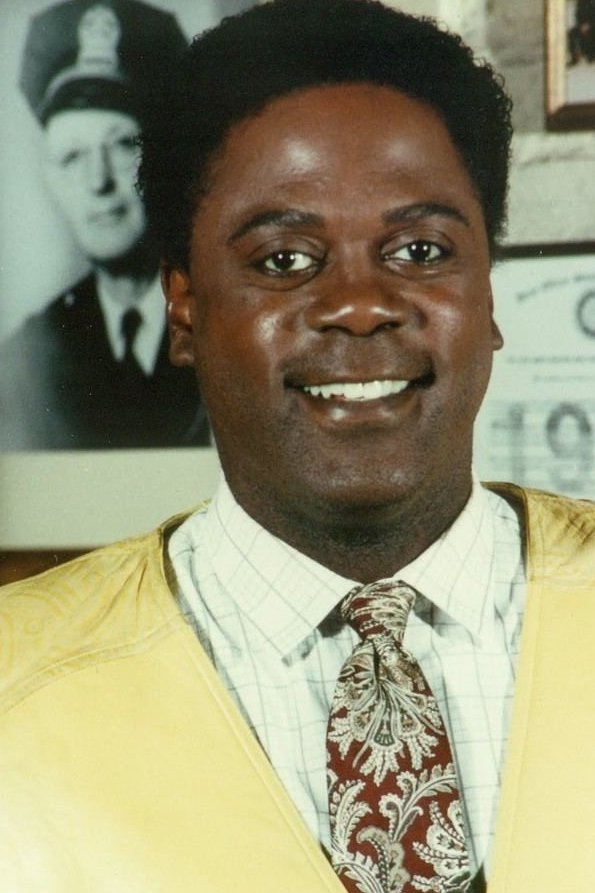
Howard E. Rollins Jr. earned major attention with acclaimed film roles in ‘Ragtime’ and ‘A Soldier’s Story’. He later transitioned to series television with ‘In the Heat of the Night’, extending the impact of that story world. Trained on stage, he brought meticulous preparation and emotional clarity to his characters. His projects connected historical narratives with contemporary crime drama in ways that resonated widely.
Blair Underwood
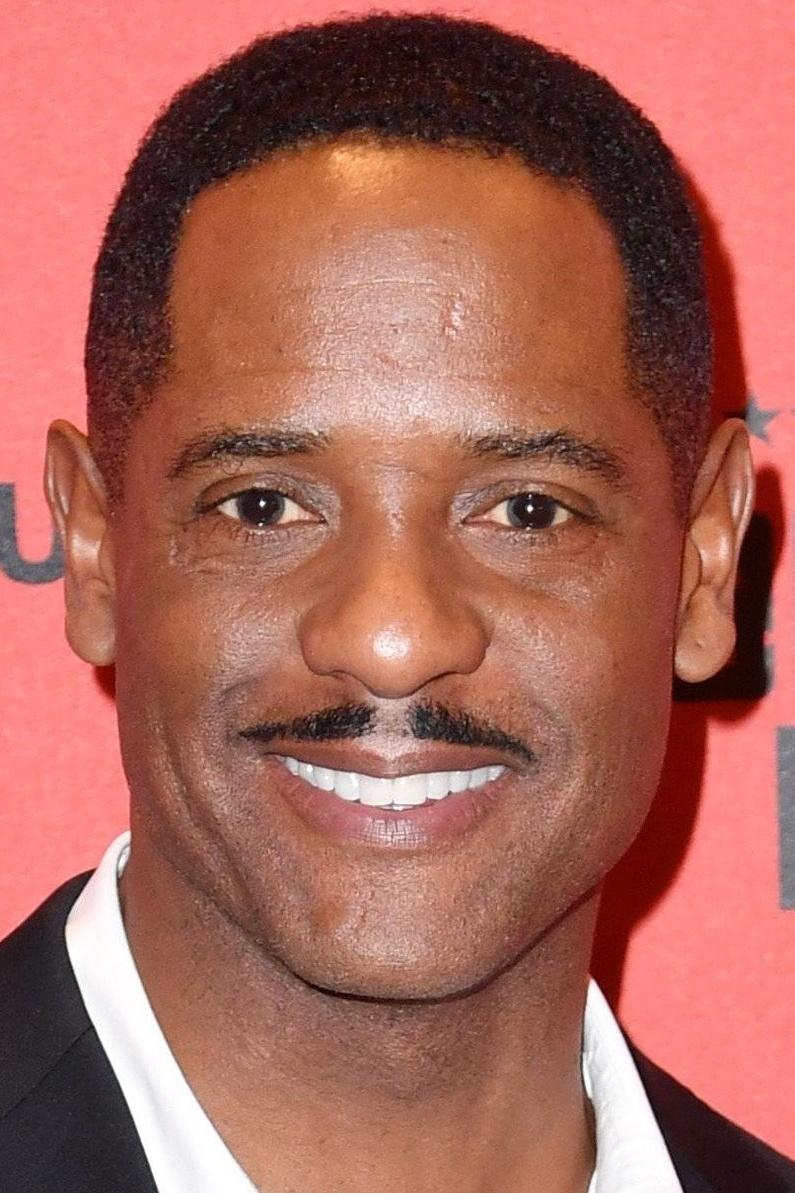
Blair Underwood broke through on the ensemble legal drama ‘L.A. Law’. His role introduced him to a broad prime-time audience and led to TV movies and feature opportunities. He became known for portraying ambitious, sharp-minded professionals with ease and nuance. The exposure positioned him as a rising leading man as the decade closed and opportunities expanded.
Carl Lumbly

Carl Lumbly made his mark as Detective Marcus Petrie on ‘Cagney & Lacey’. He also appeared in cult-favorite science fiction with ‘The Adventures of Buckaroo Banzai Across the 8th Dimension’, showcasing range beyond police procedurals. His steady television presence included dramatic guest roles that highlighted quiet intensity and focus. The breadth of his work underscored a career built on reliability, craft, and subtlety.
Meshach Taylor
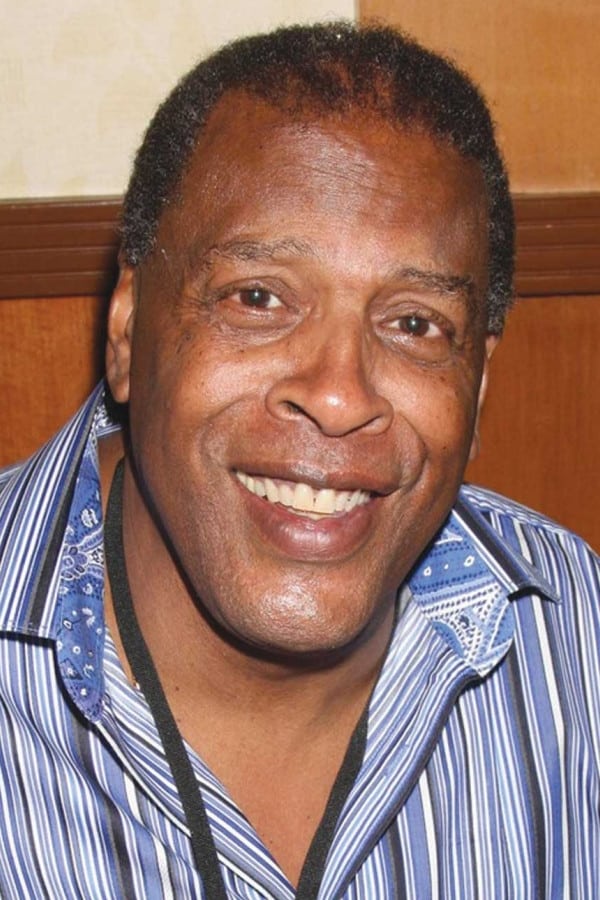
Meshach Taylor became a sitcom favorite as Anthony Bouvier on ‘Designing Women’. He blended comedic timing with gentle pathos, turning a supporting role into a fan-beloved fixture. Film appearances such as ‘Mannequin’ added to his mainstream recognition and visibility. His easy rapport with ensemble casts made him a key contributor to the show’s long-term appeal.
Michael Dorn
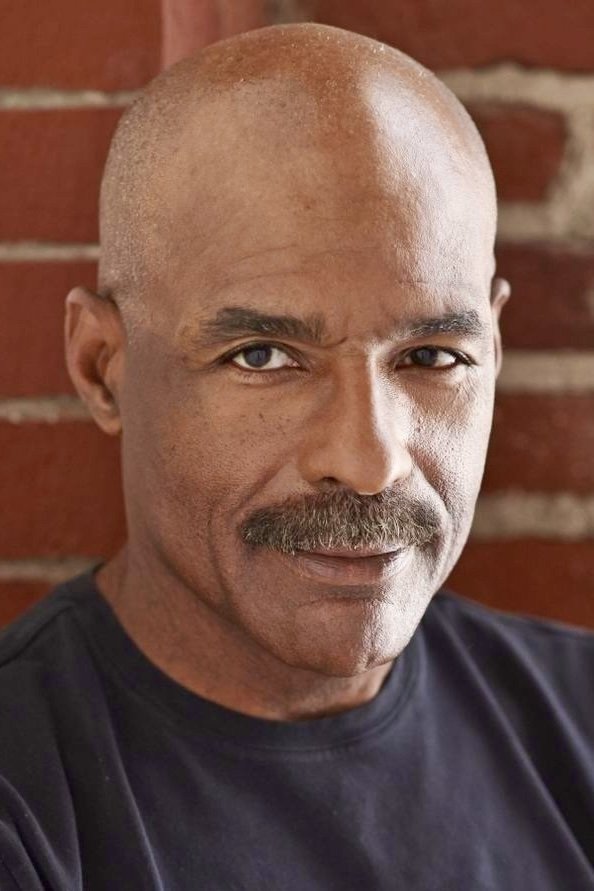
Michael Dorn introduced audiences to the stoic, complex Klingon Worf on ‘Star Trek: The Next Generation’. The role demanded a distinct physical presence, nuanced vocal work, and comfort under heavy prosthetics. He quickly became one of the franchise’s most enduring characters, spanning films and cross-series appearances later on. Offscreen, he cultivated interests like aviation while maintaining a prolific television résumé.
Mario Van Peebles
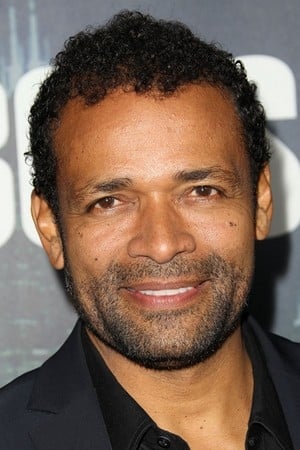
Mario Van Peebles gained wide visibility with a key role in ‘Heartbreak Ridge’ and followed it with steady television work. He moved behind the camera with early directing projects that showcased a sharp eye for socially aware stories. His versatility across acting, writing, and directing set him apart among rising Black talent of the decade. The momentum he built here positioned him for higher-profile films and series in the next era.
Robert Townsend
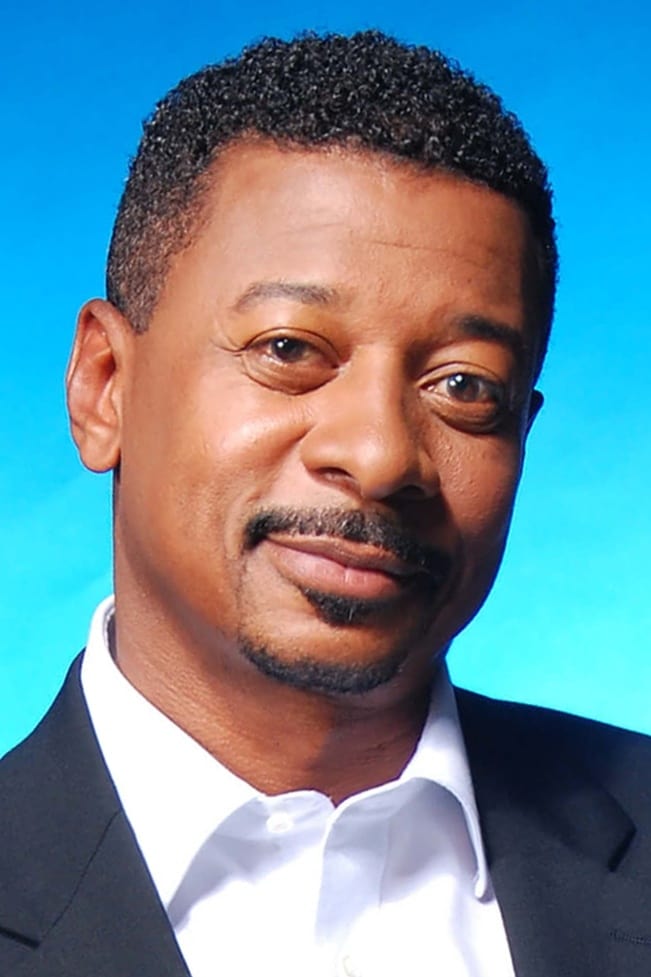
Robert Townsend broke through by independently mounting ‘Hollywood Shuffle’, a satire about typecasting that became a cult success. He parlayed that buzz into further filmmaking, creating opportunities for other performers through production and directing. His stand-up background informed quick, character-driven humor on screen and behind the camera. The do-it-yourself model he championed became a blueprint for many Black filmmakers and actors.
Giancarlo Esposito
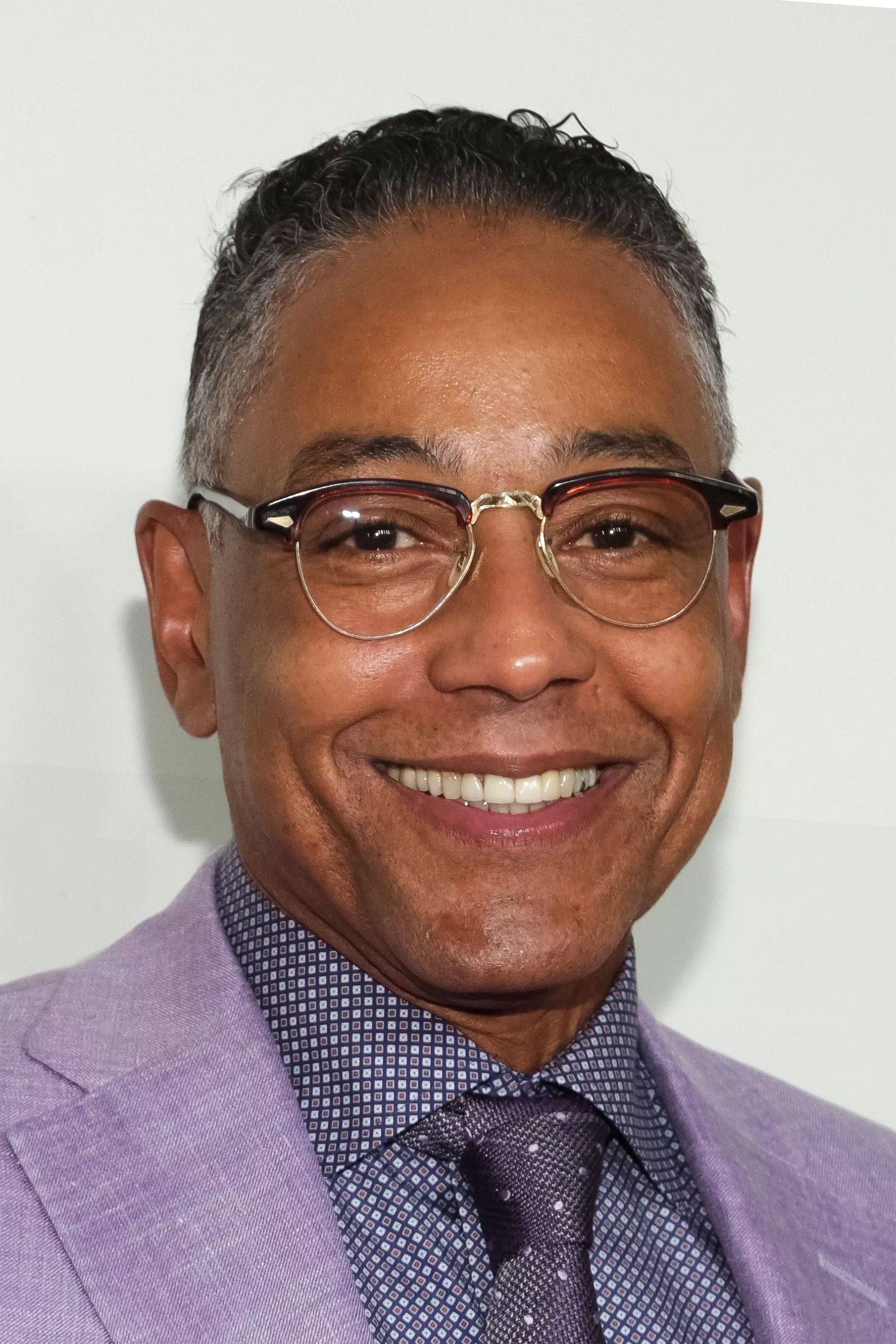
Giancarlo Esposito emerged in ensemble films like ‘School Daze’ and ‘Do the Right Thing’, delivering sharp, tightly calibrated performances. He balanced feature work with recurring television roles that broadened his range and visibility. Early collaborations with Spike Lee helped define a screen persona of intelligence and controlled intensity. These appearances laid the foundation for his later prominence across prestige TV and film projects.
Keith David
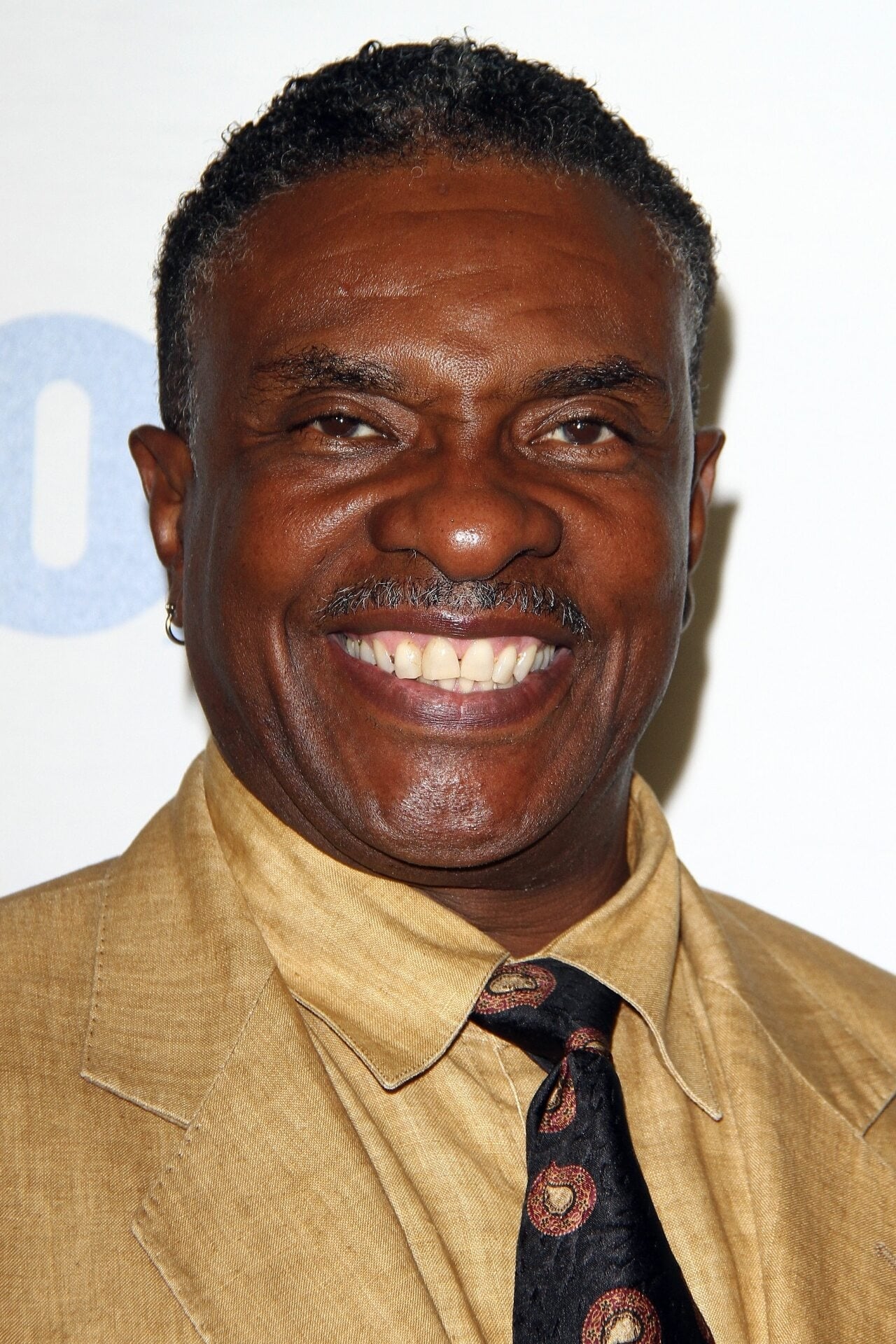
Keith David brought a commanding baritone and physical presence to standout turns in ‘Platoon’ and ‘They Live’. He worked constantly across genres, from war dramas to science fiction and horror, and began landing voiceover work. Directors relied on his precision and ability to elevate supporting roles with memorable beats. The breadth of his credits made him one of the era’s most dependable character actors.
Don Cheadle
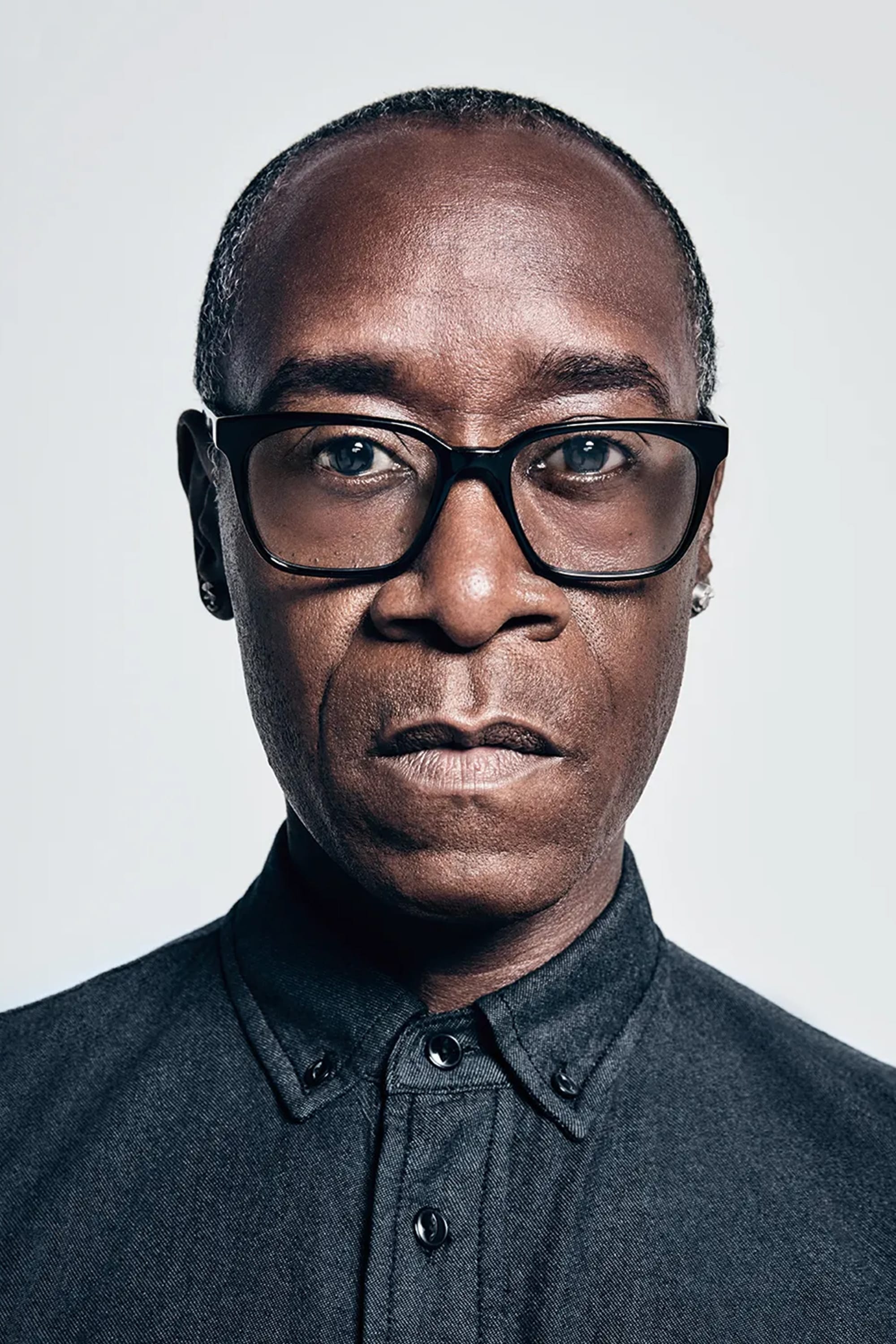
Don Cheadle started attracting attention with supporting roles in ‘Colors’ and television projects that showcased quicksilver adaptability. He moved comfortably between crime stories, comedies, and dramas while honing a precise, alert acting style. Theater training underpinned his screen work, giving even small roles unusual depth and clarity. The late-decade traction set up a major run in the years ahead across film and TV.
Dennis Haysbert
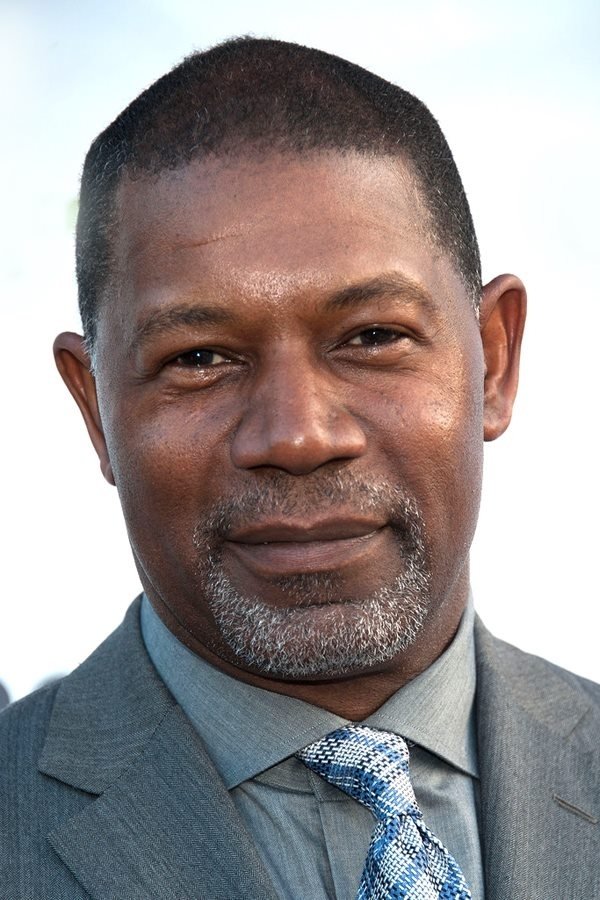
Dennis Haysbert made a memorable impression in ‘Major League’ and followed with steady guest roles across prime-time television. Casting directors favored his calm authority and athletic poise, which translated well to both comedy and drama. He developed a niche for grounded professionals, athletes, and leaders in ensemble settings. The visibility he earned here expanded into prominent film and television work later on.
Joe Morton
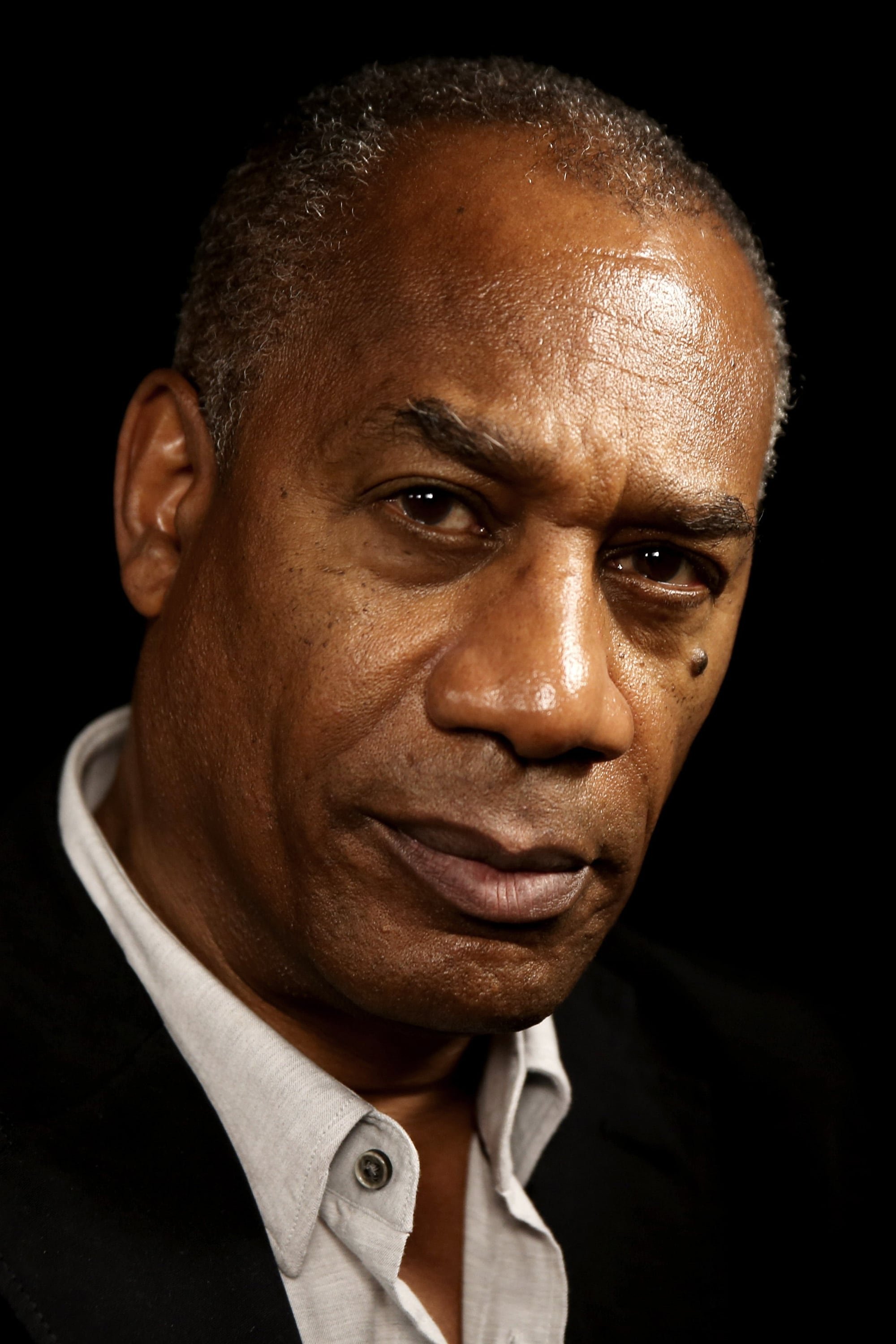
Joe Morton drew critical notice with the indie landmark ‘The Brother from Another Planet’, delivering a nearly silent performance with striking emotional weight. He built on that success with varied roles across science fiction, drama, and television movies. His stage experience contributed to a precise, economical screen presence that directors valued. The decade cemented him as an actor trusted with unconventional material and innovative storytelling.
Clarence Gilyard Jr.
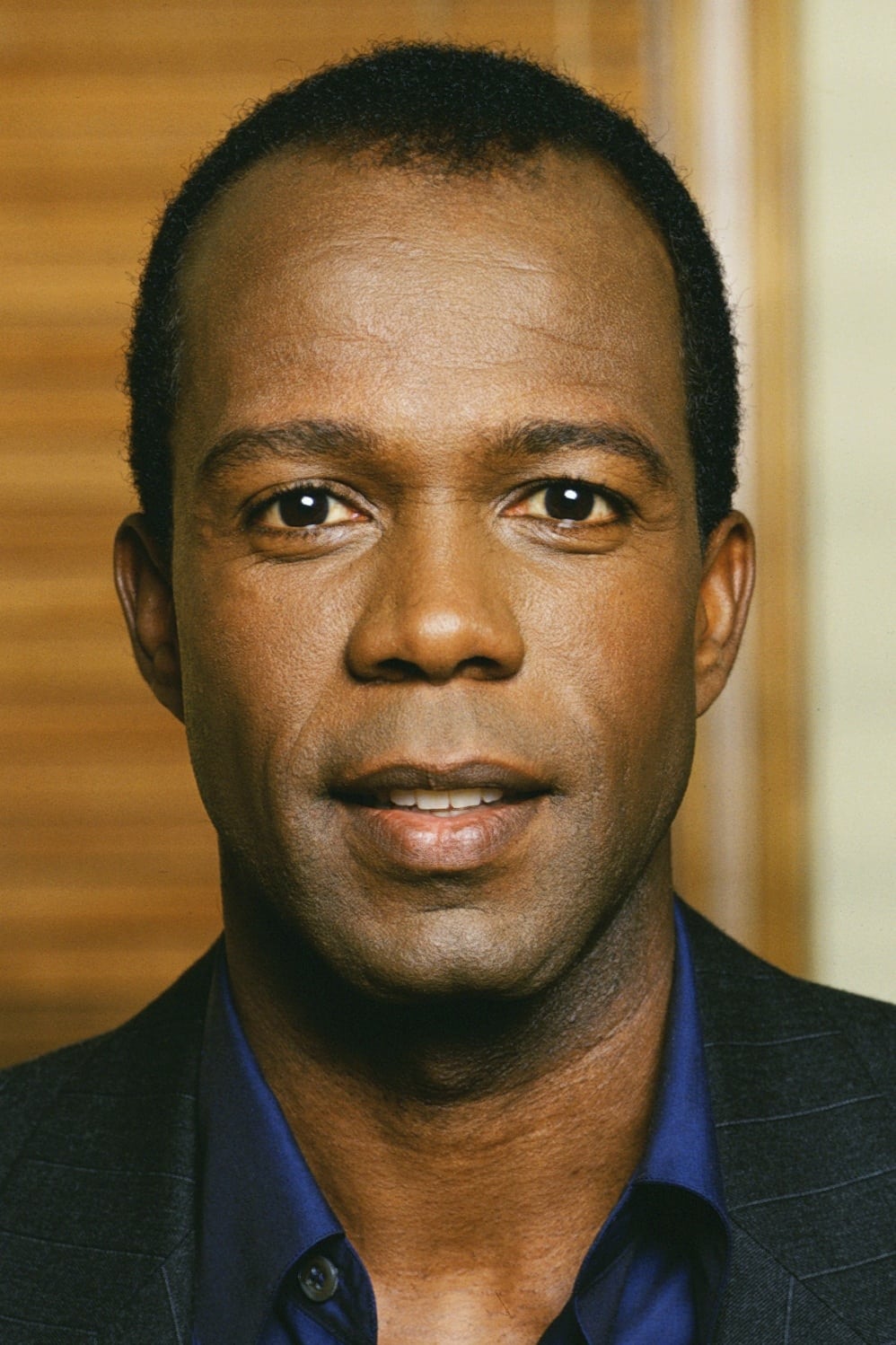
Clarence Gilyard Jr. popped on screen in ‘Top Gun’ and became instantly recognizable as the tech-savvy thief in ‘Die Hard’. He moved fluidly into television ensembles that showcased approachable charm and crisp timing. Producers leaned on his ability to make supporting roles feel memorable without overshadowing leads. These parts formed the springboard for long-running series work in the following decade.
Reginald VelJohnson
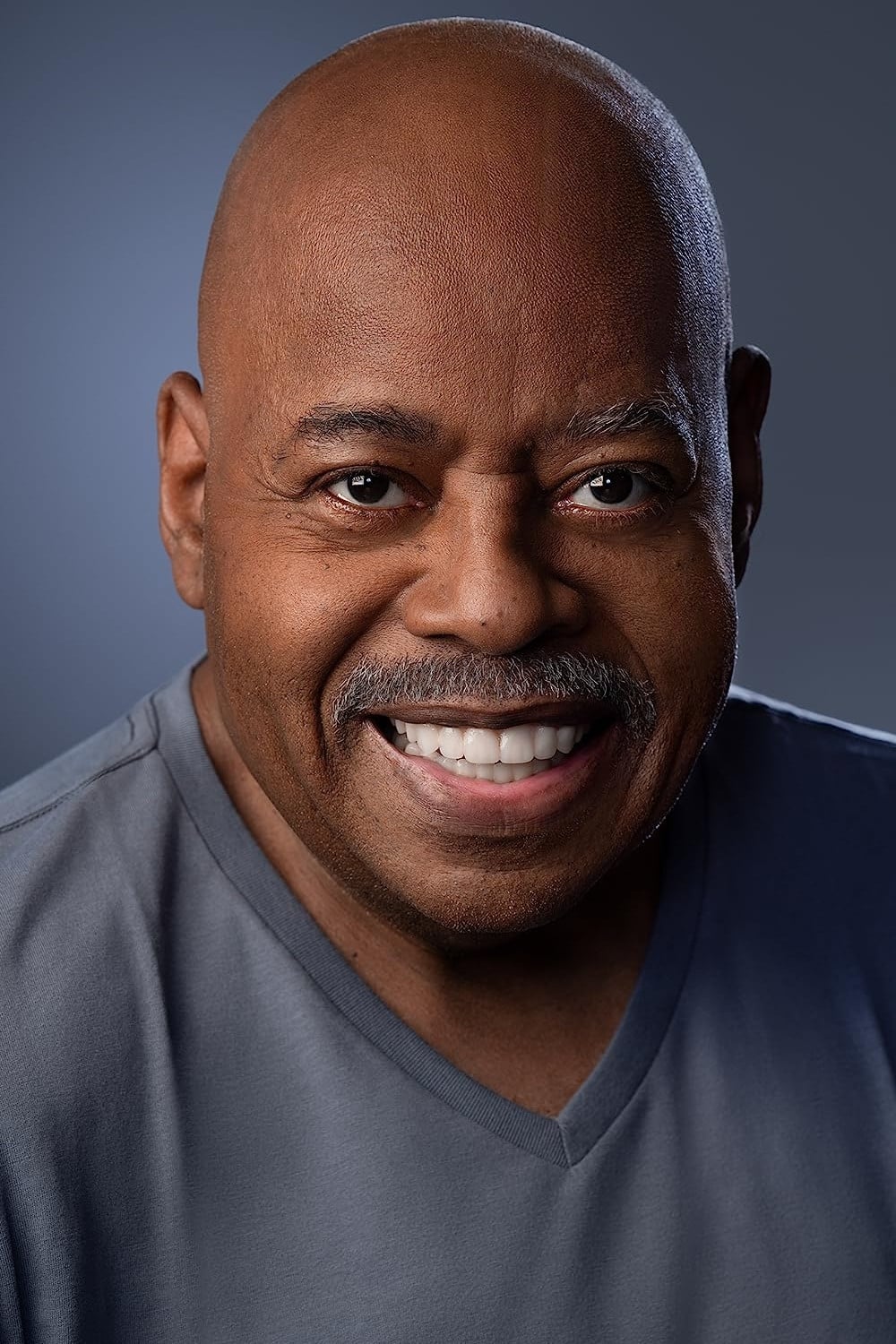
Reginald VelJohnson’s warm, everyman authority stood out in ‘Die Hard’, where he played a pivotal supporting role. He soon anchored family-sitcom territory with ‘Family Matters’, becoming a staple of Friday-night television. His comedic instincts paired well with grounded sincerity, making him a natural for domestic and workplace settings. This period established one of TV’s most enduring dad figures and broadened his cultural footprint.
Kadeem Hardison
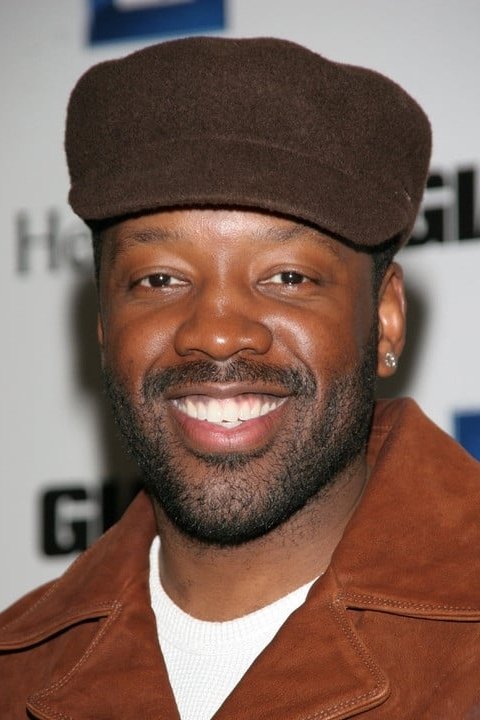
Kadeem Hardison became a defining face of late-decade television through ‘A Different World’. He balanced humor with thoughtful takes on campus life, friendships, and social issues in a lively ensemble. Film appearances and guest spots kept his profile high beyond the flagship series and showcased versatility. The combination of youthful charisma and sharp comic timing made him a generational favorite.
Emmanuel Lewis

Emmanuel Lewis captured audiences as the title character of ‘Webster’, where expressive reactions and gentle humor carried numerous storylines. He became a frequent guest on talk shows and specials, extending his reach beyond the sitcom. Merchandising and public appearances turned him into a pop-culture fixture for families. His visibility helped broaden the landscape for young Black leads on network television.
Alfonso Ribeiro
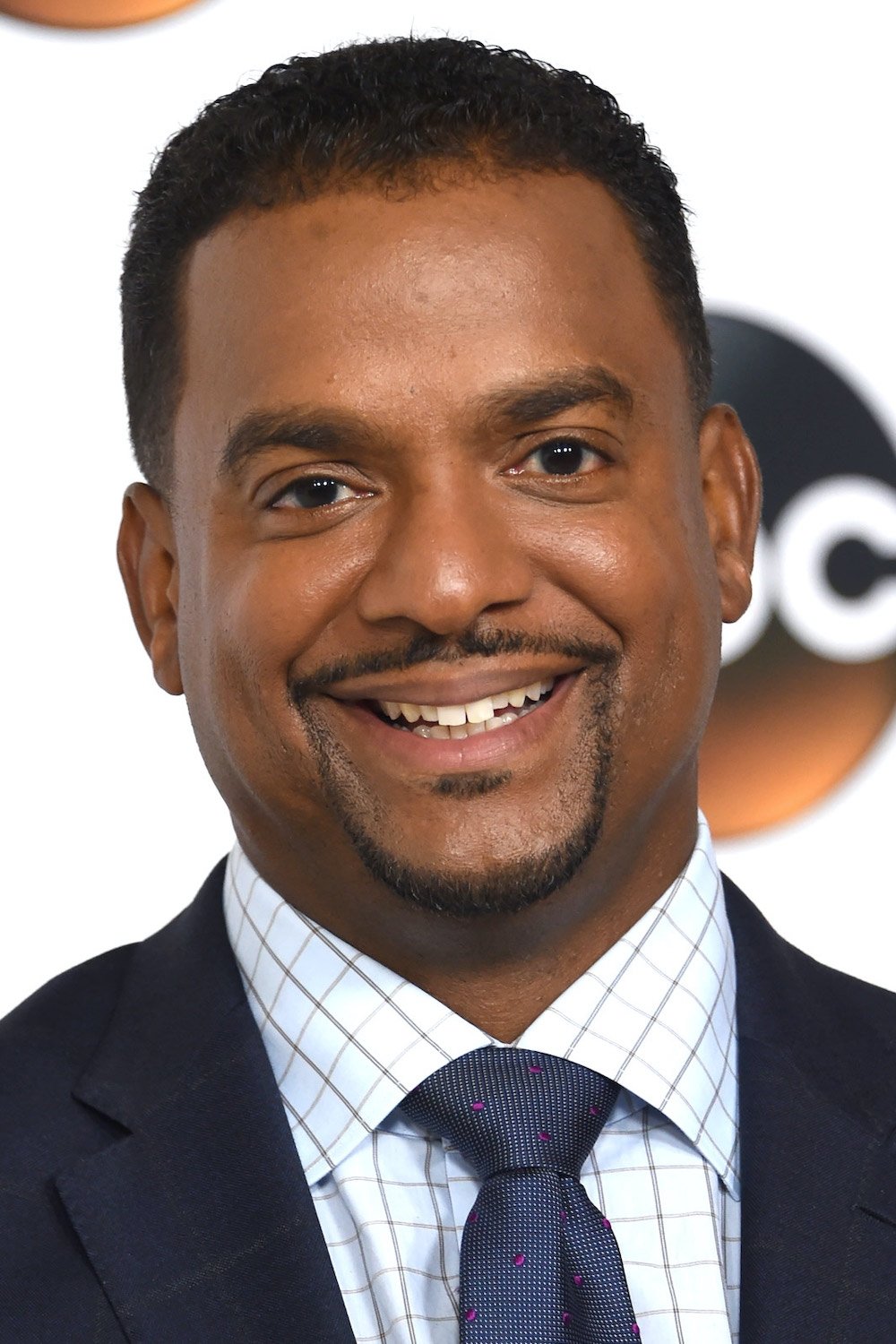
Alfonso Ribeiro showcased singing and dancing talent early, then moved into sitcom fame with ‘Silver Spoons’. Commercials and specials boosted his profile, including a well-known dance-centered appearance that followed him into later roles. He transitioned smoothly into ensemble comedy, proving adept with physical bits and quick punchlines. The groundwork he laid here preceded a breakout on another hit sitcom soon after.
Ben Vereen
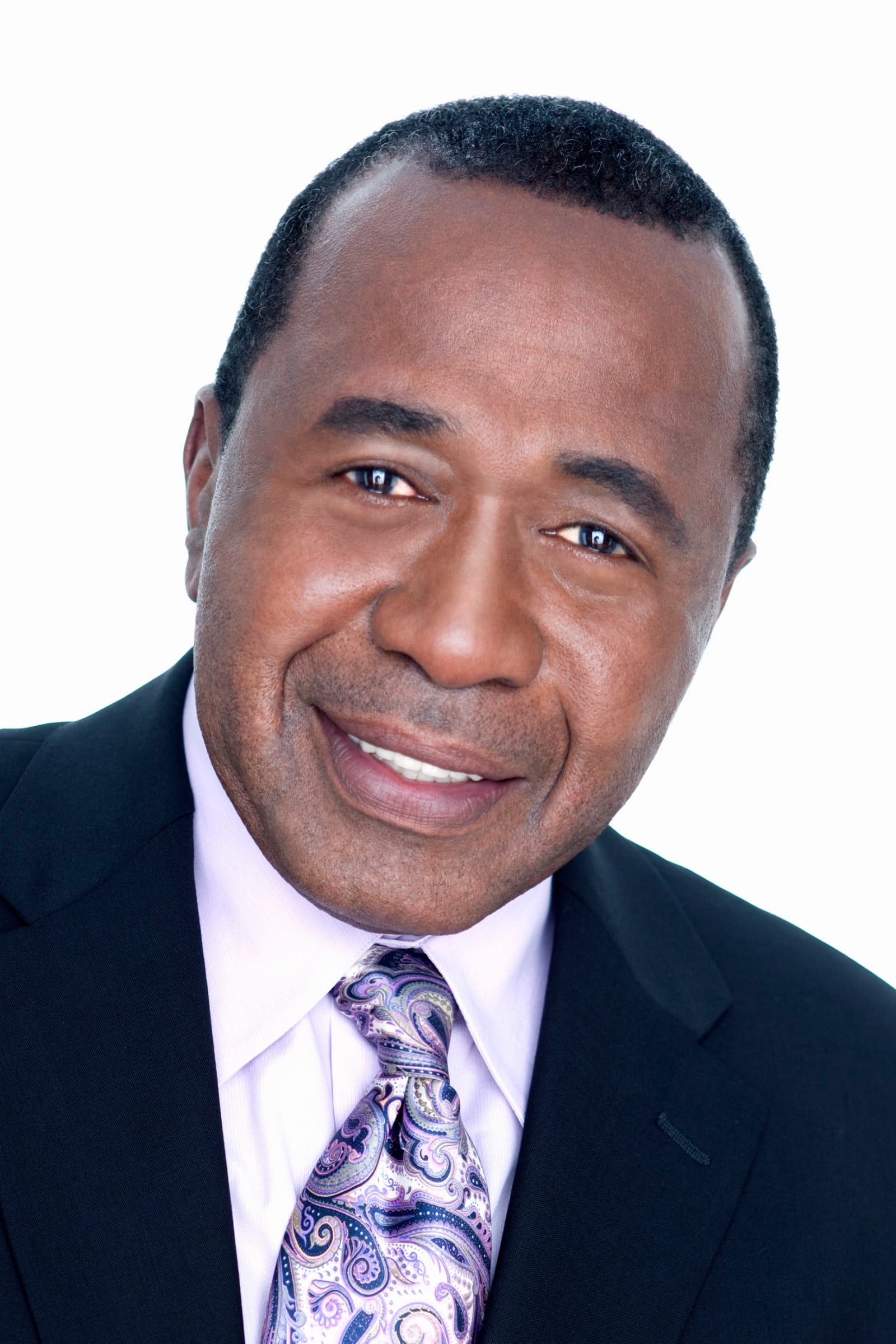
Ben Vereen brought Broadway polish to television variety, drama, and children’s programming with projects like ‘Zoobilee Zoo’. He appeared in miniseries and guest roles that highlighted his versatility as a singer, dancer, and actor. His presence lent theatrical flair and mentorship energy to small-screen productions across the decade. The 1980s affirmed him as a multitalented performer who could anchor diverse formats.
Richard Roundtree
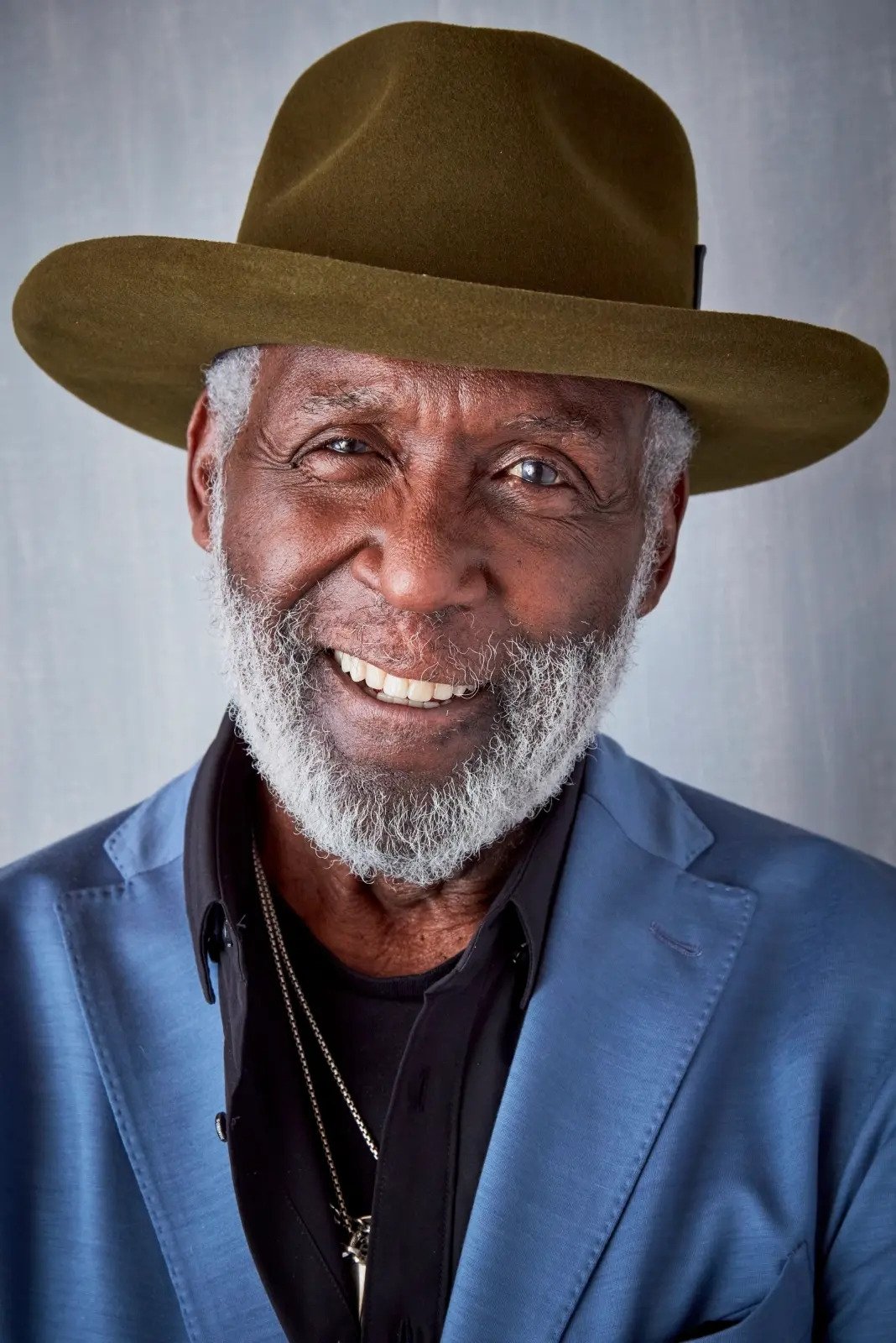
Richard Roundtree, already iconic from earlier action roles, worked steadily in thrillers, dramas, and television movies throughout the 1980s. He brought suave confidence and veteran ease to authority figures and mentors in new contexts. Guest spots on network series kept him visible to younger audiences discovering his work. The decade extended his legacy while broadening the kinds of characters he portrayed with sophistication.
Courtney B. Vance
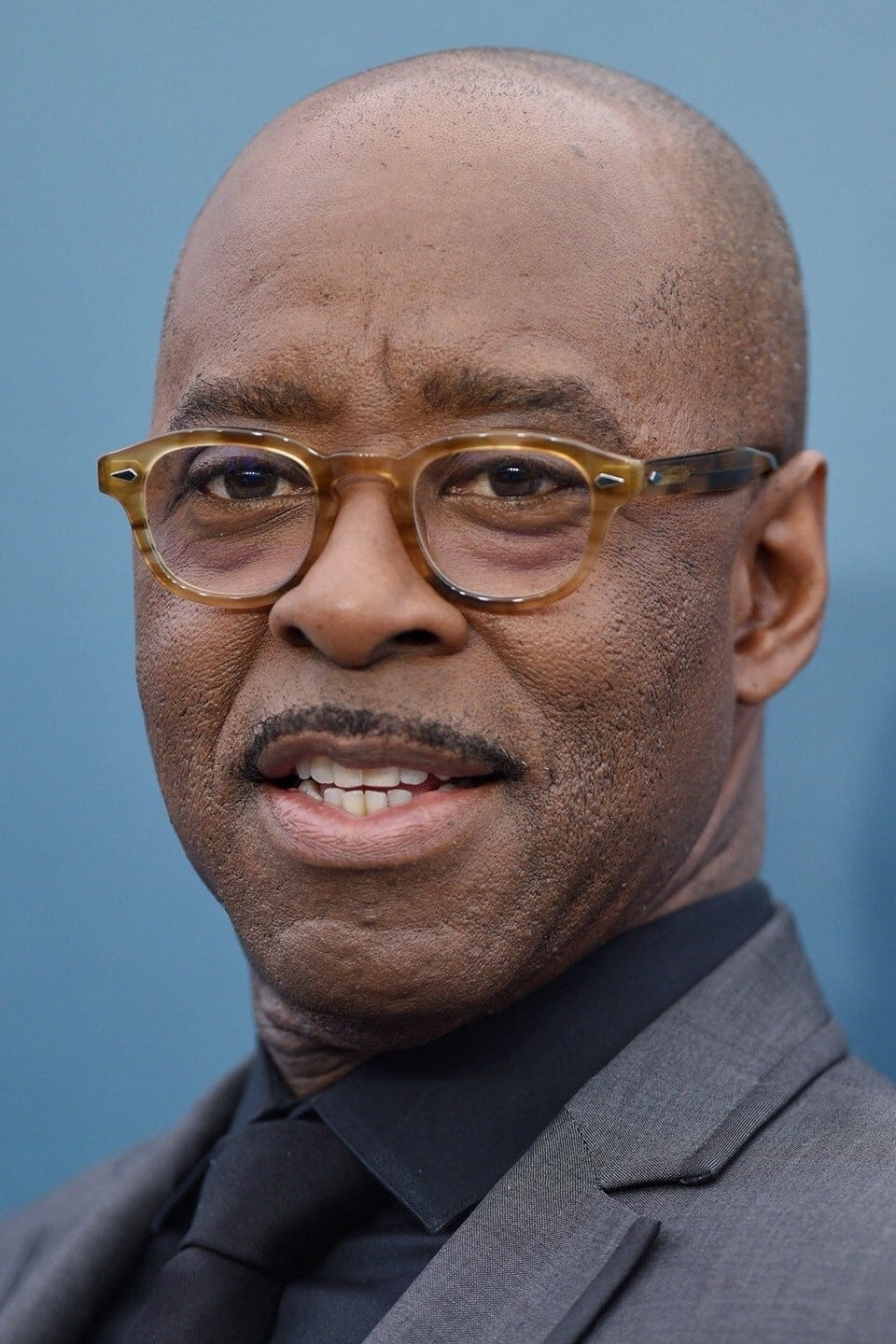
Courtney B. Vance earned attention with a disciplined turn in ‘Hamburger Hill’ and kept building a résumé across film and television. His stage credentials translated into meticulous, text-driven screen performances that resonated with directors. He often portrayed principled professionals, soldiers, and investigators with understated conviction and clarity. This early screen work set up a long career in prestige projects across multiple mediums.
Share your favorite 1980s performances from these legends—and the names you think we missed—in the comments!

