


Most Famous Black Actors of the 1990s

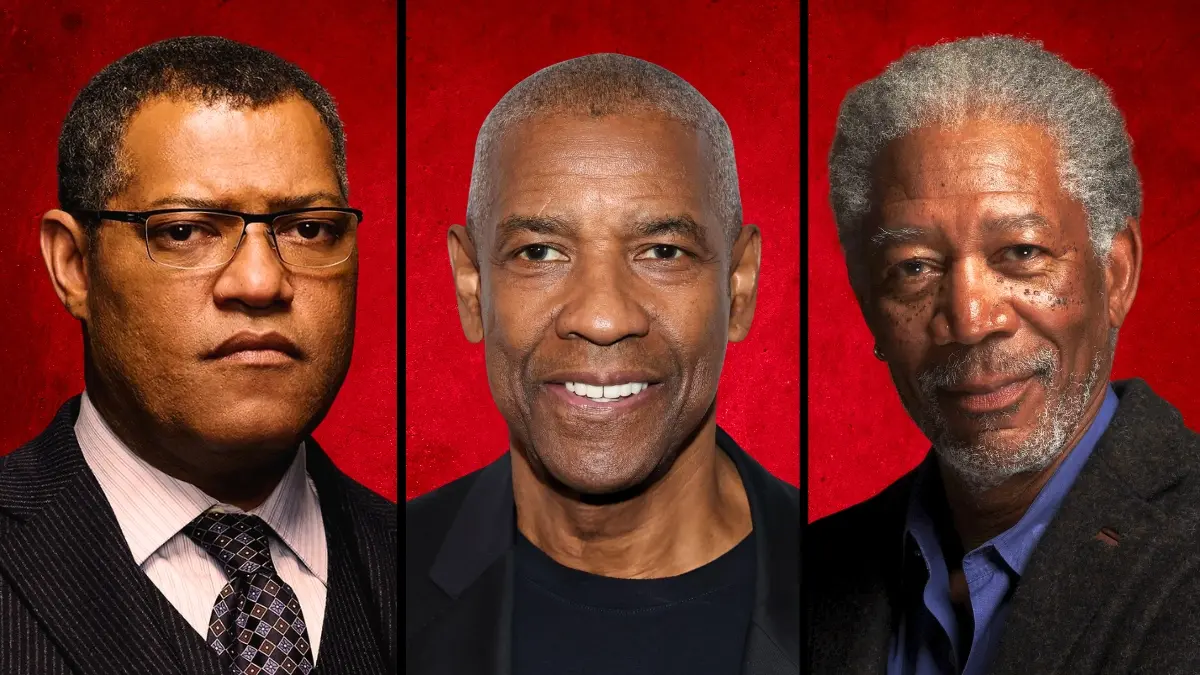


The 1990s brought a wave of era-defining performances across film and television, and a generation of Black male actors led the charge in dramas, comedies, action hits, and culture-shifting series. They carried studio blockbusters, anchored prestige projects, and expanded what audiences saw on screen by taking on complex heroes, antiheroes, and everyday people. Many moved fluidly between TV and film, picking up major awards and franchise roles while opening doors for new voices. Here are 45 of the decade’s most famous Black actors and the roles that made their names essential viewing.
Denzel Washington

Denzel Washington became a marquee star through acclaimed biographical dramas and high-stakes thrillers. His portrayal of Malcolm X remains a benchmark in screen biographies, while films like ‘Philadelphia’, ‘The Pelican Brief’, and ‘Courage Under Fire’ showcased range and command. He earned top industry recognition during this period, including multiple Academy Award honors across his career. Washington’s mix of gravitas and box-office power defined 1990s prestige entertainment.
Will Smith
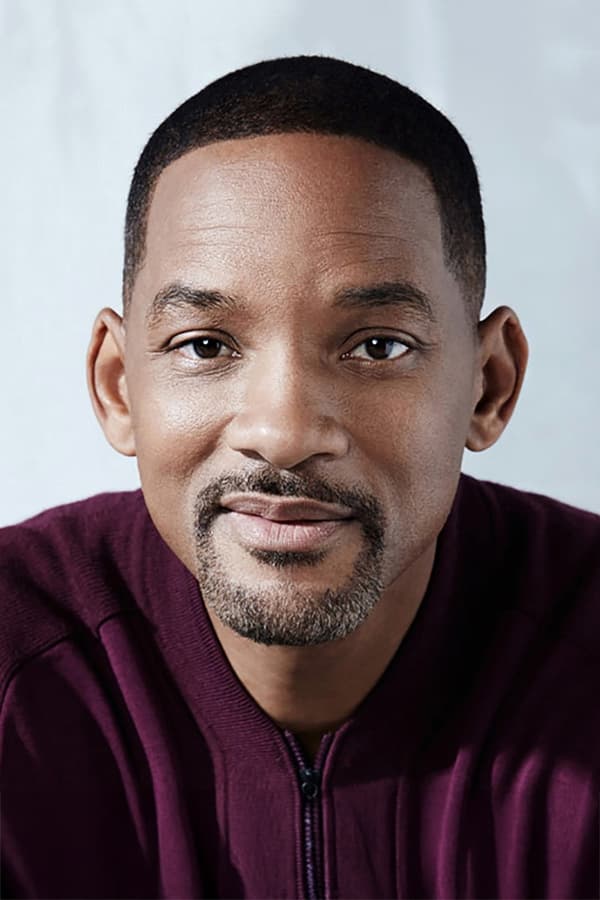
Will Smith transitioned from music to television and then to film, anchoring the hit sitcom ‘The Fresh Prince of Bel-Air’ before leading major blockbusters. He headlined smash hits such as ‘Bad Boys’, ‘Independence Day’, and ‘Men in Black’. Smith also took on techno-thrillers like ‘Enemy of the State’, demonstrating versatility beyond comedy. His cross-platform success made him one of the decade’s most commercially reliable stars.
Samuel L. Jackson
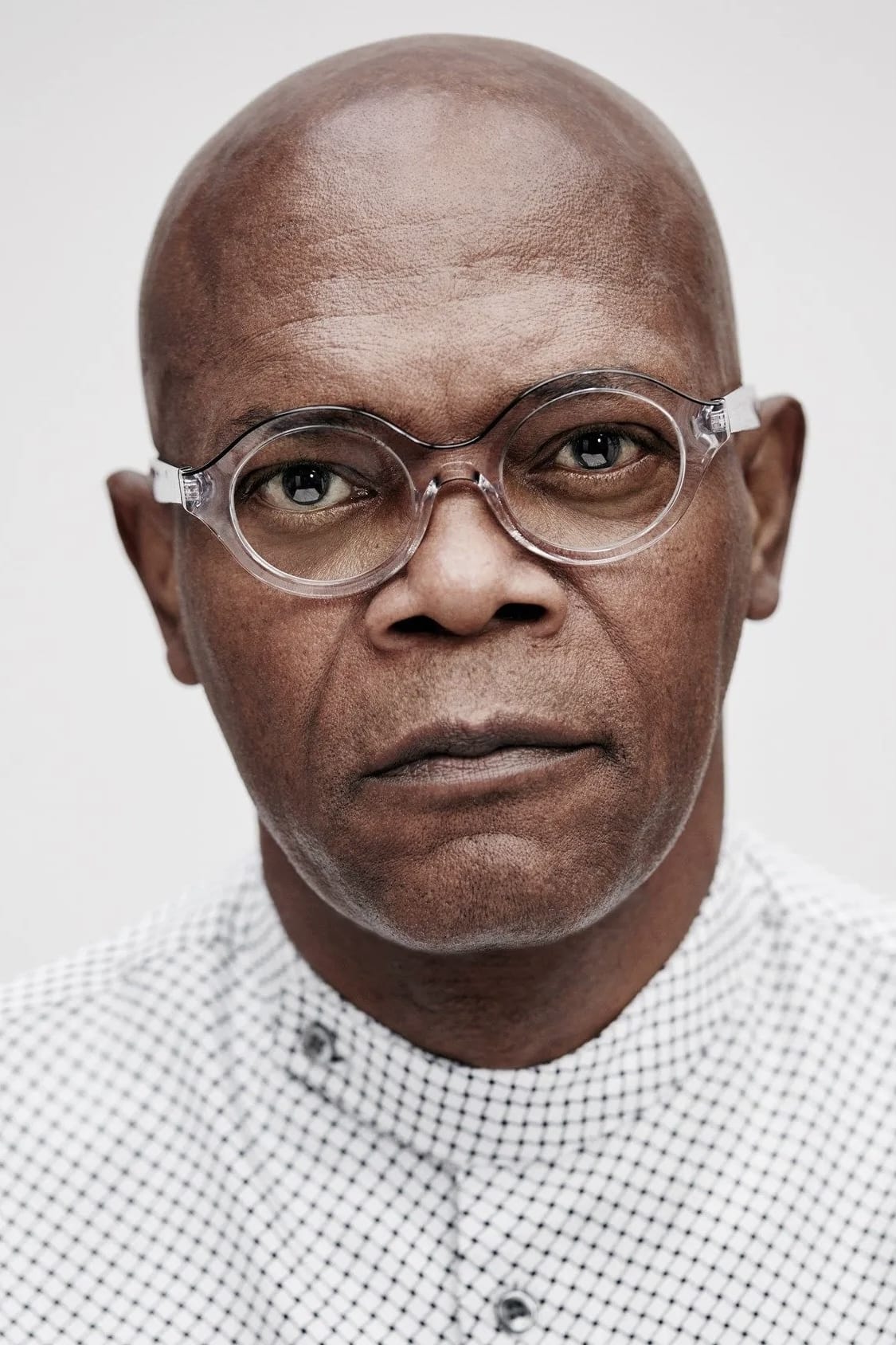
Samuel L. Jackson’s breakout in ‘Pulp Fiction’ propelled a run of prominent roles across action, crime, and drama. He brought intensity and wit to films like ‘Die Hard with a Vengeance’, ‘A Time to Kill’, and ‘Jackie Brown’. Jackson also appeared in franchise and event films such as ‘Jurassic Park’ and ‘Star Wars: Episode I – The Phantom Menace’. His prolific output and scene-stealing turns made him a ubiquitous presence throughout the decade.
Eddie Murphy
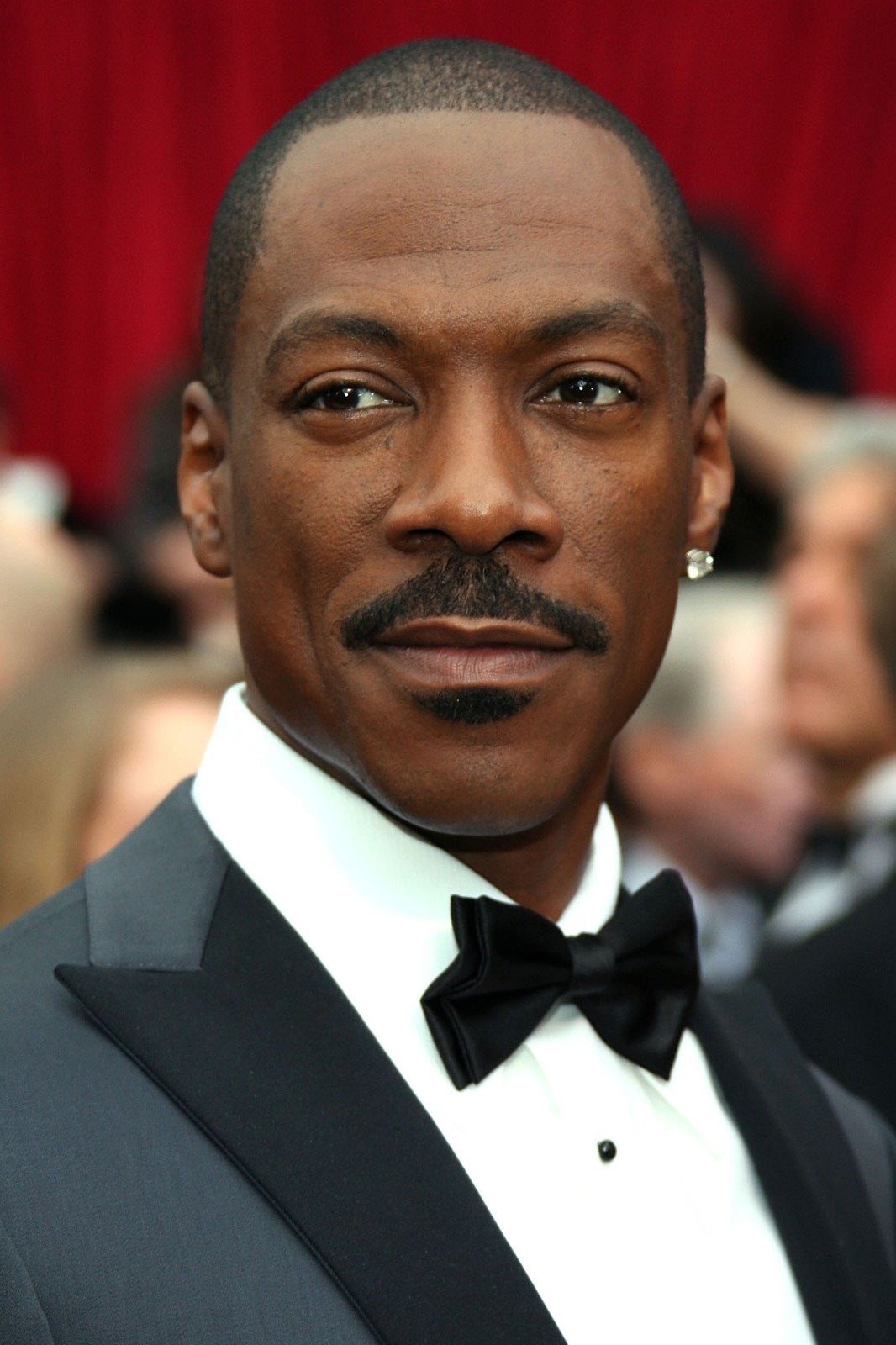
Eddie Murphy, already a star from earlier hits, reinvented his screen persona in the 1990s with a string of crowd-pleasing comedies. He led ‘Boomerang’, headlined the effects-driven ‘The Nutty Professor’, and brought family appeal with ‘Doctor Dolittle’. Murphy continued franchise work with ‘Beverly Hills Cop III’ while maintaining his stand-up and sketch influence on film roles. His adaptability kept him central to mainstream comedy across the era.
Morgan Freeman
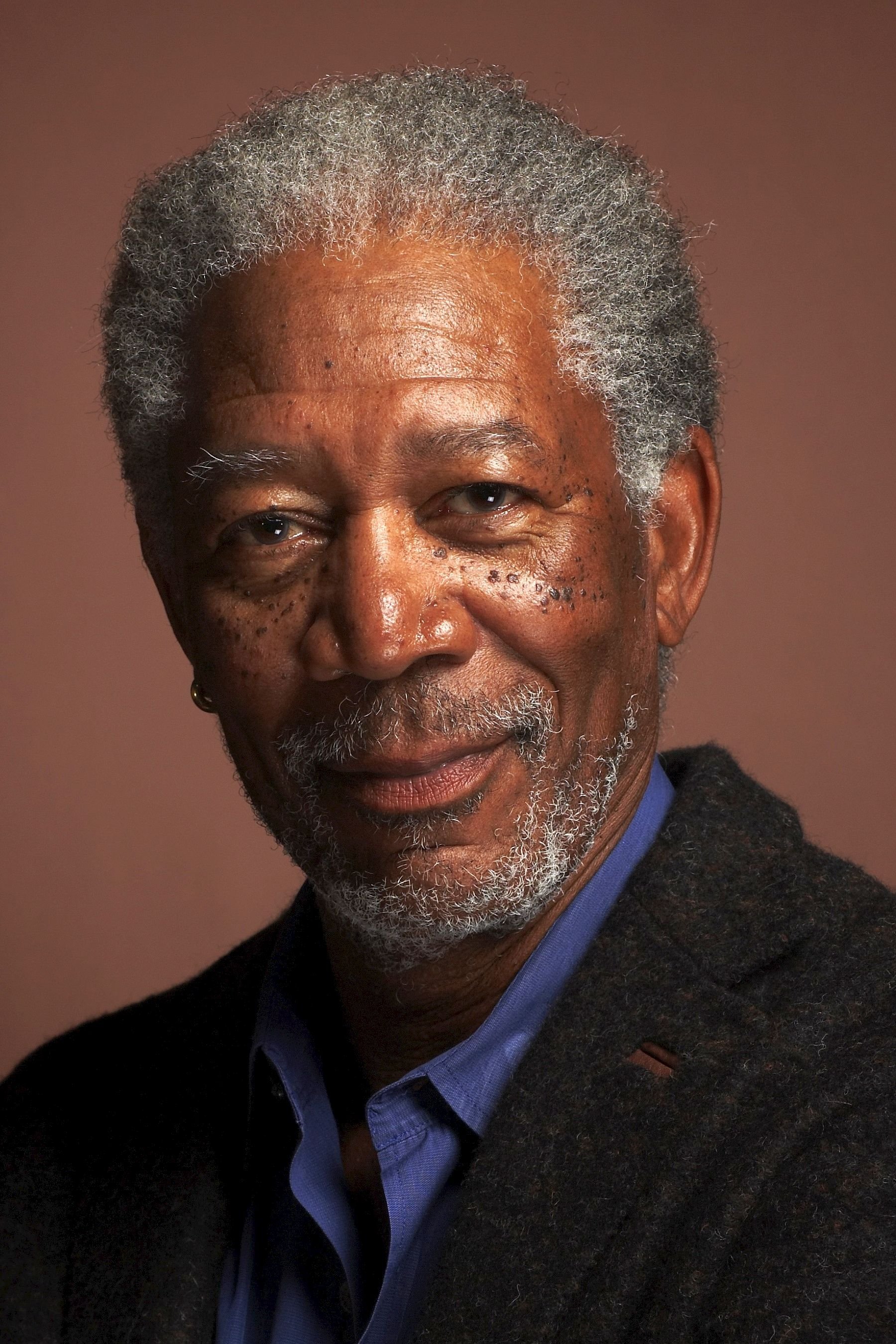
Morgan Freeman’s authoritative presence anchored acclaimed dramas and thrillers. He delivered memorable roles in ‘The Shawshank Redemption’ and ‘Se7en’, pairing prestige with broad audience appeal. Freeman also contributed key performances to ‘Unforgiven’ and large-scale projects like ‘Deep Impact’. His work during this period solidified a reputation for calm intensity and narrative gravitas.
Wesley Snipes
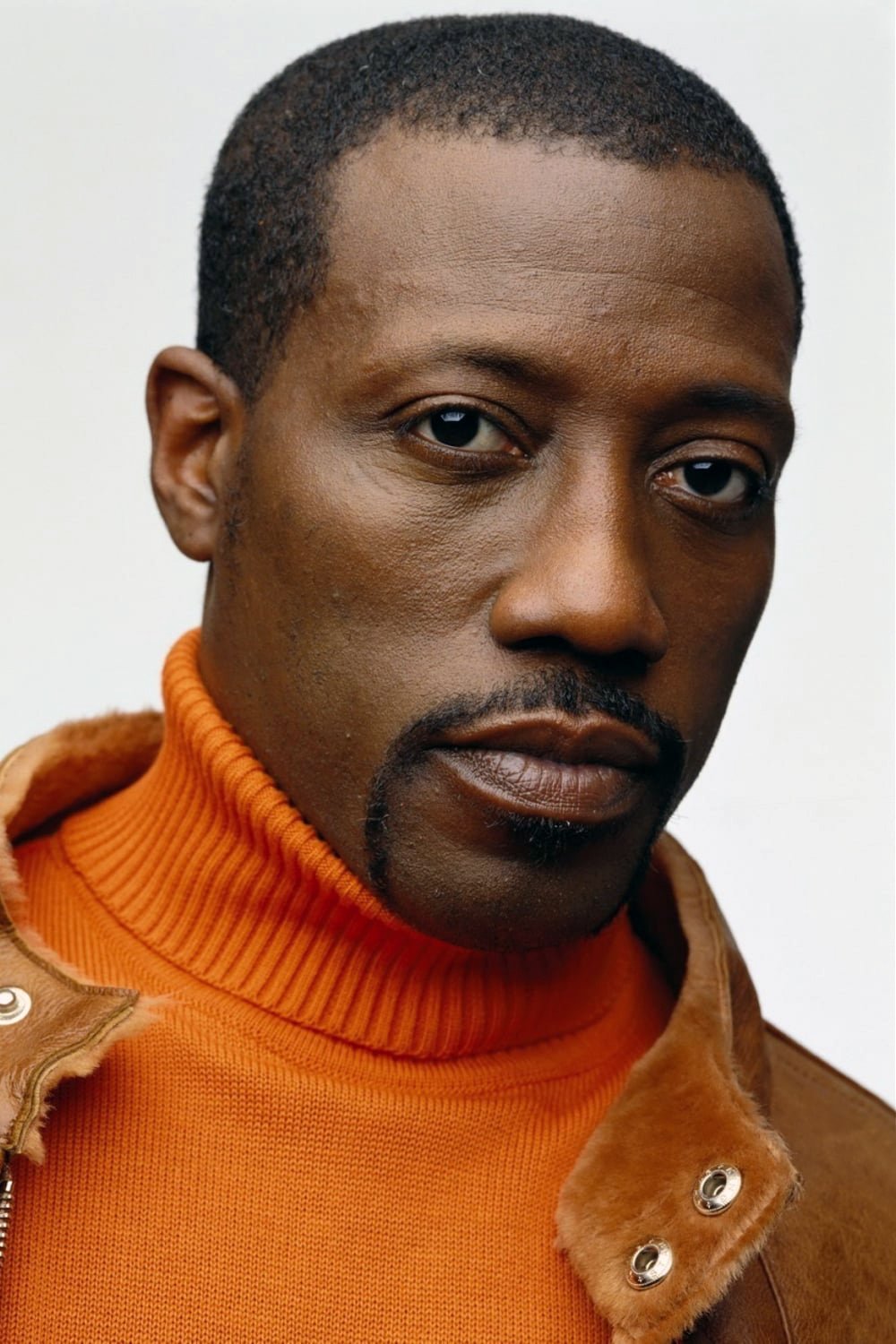
Wesley Snipes emerged as a leading action and dramatic star, mixing martial-arts-driven set pieces with character work. He fronted urban crime dramas like ‘New Jack City’ and sports comedy ‘White Men Can’t Jump’, then shifted to high-octane hits such as ‘Passenger 57’ and ‘Demolition Man’. Snipes capped the decade by launching the Marvel-adjacent franchise ‘Blade’. His combination of athleticism and charisma helped define 1990s action cinema.
Laurence Fishburne
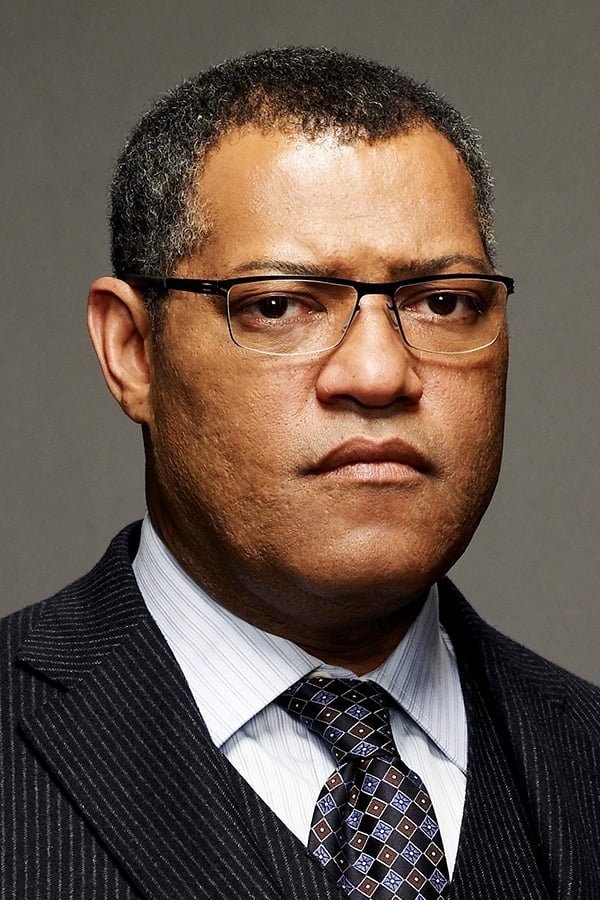
Laurence Fishburne delivered acclaimed performances that spanned intimate dramas and groundbreaking sci-fi. He earned awards recognition for portraying Ike Turner in ‘What’s Love Got to Do with It’, highlighting his dramatic range. Fishburne’s roles in ‘Boyz n the Hood’, ‘Deep Cover’, and ‘The Matrix’ showcased command as both leading man and ensemble anchor. His stage background and film choices gave his characters distinctive intensity and authority.
Cuba Gooding Jr.
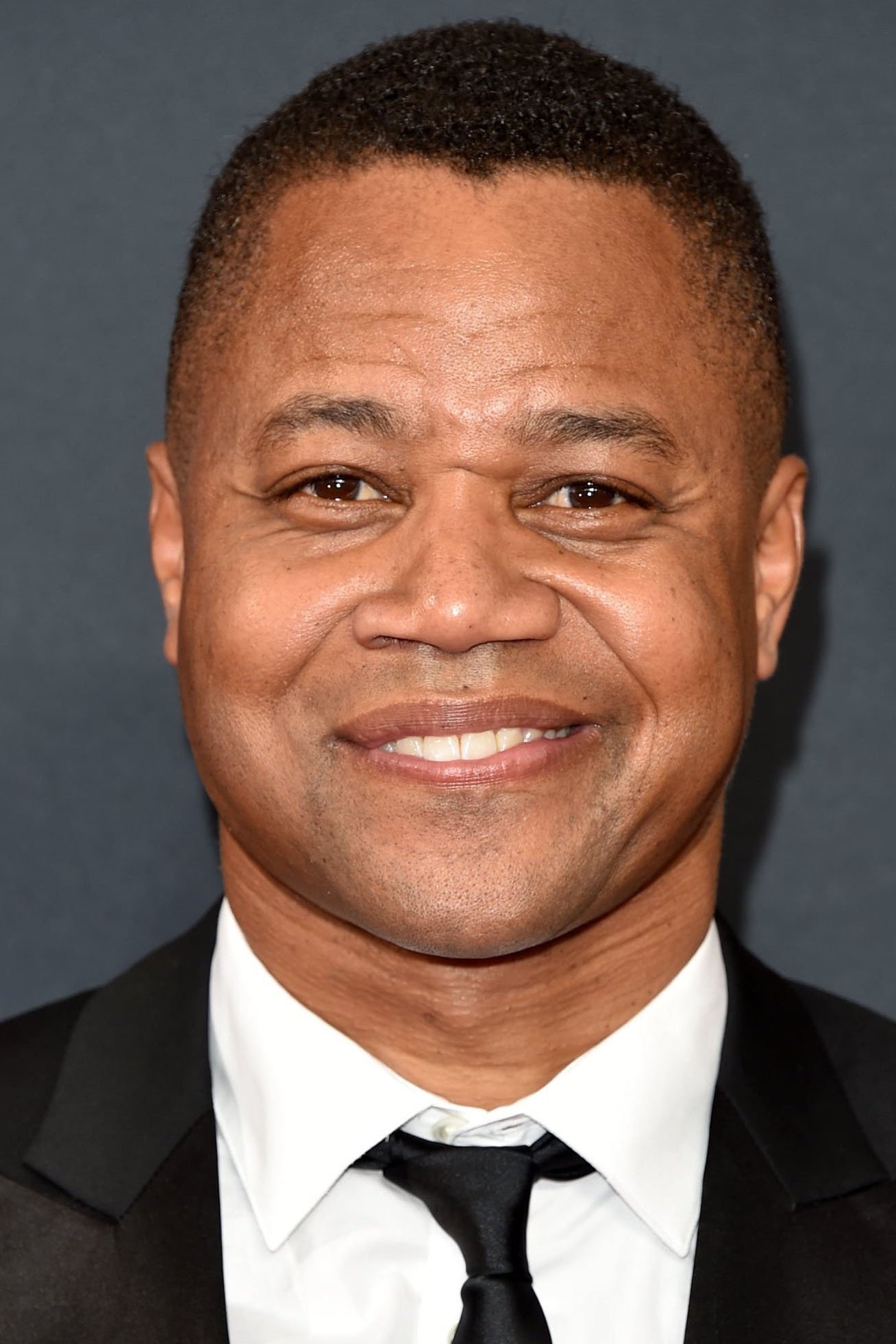
Cuba Gooding Jr. became a household name with an Academy Award-winning turn in ‘Jerry Maguire’. He first drew attention in ‘Boyz n the Hood’ and added high-profile credits like ‘A Few Good Men’ and ‘Outbreak’. Gooding balanced comedy and drama, appearing in ensemble pieces such as ‘As Good as It Gets’. His energetic screen presence and awards profile made him one of the decade’s most visible young stars.
Forest Whitaker
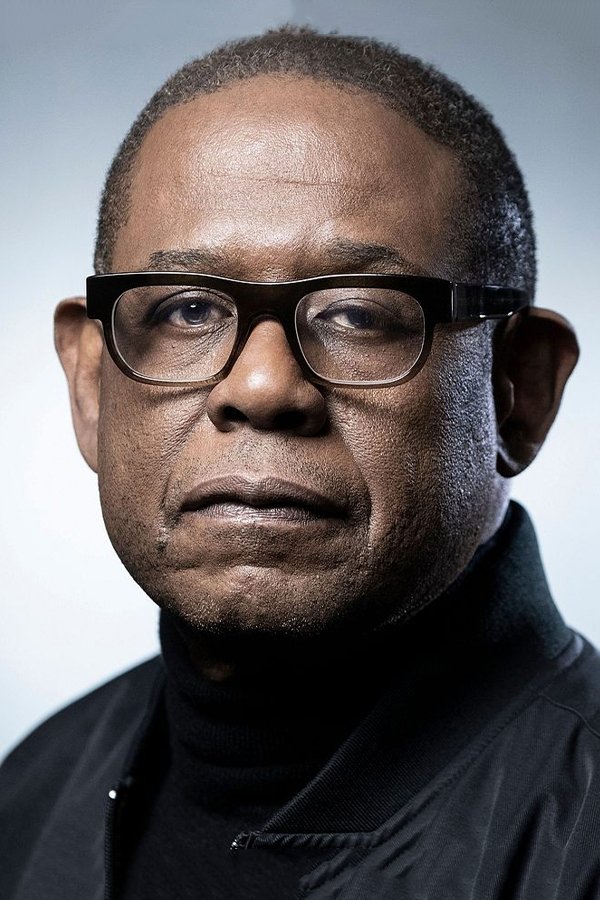
Forest Whitaker brought quiet power to roles across independent and studio films. He contributed pivotal performances to ‘The Crying Game’ and ‘Smoke’, and delivered a cult-favorite lead turn in ‘Ghost Dog: The Way of the Samurai’. Whitaker’s filmography also included mainstream hits like ‘Phenomenon’. His thoughtful character work made him a respected figure among filmmakers and audiences.
Jamie Foxx
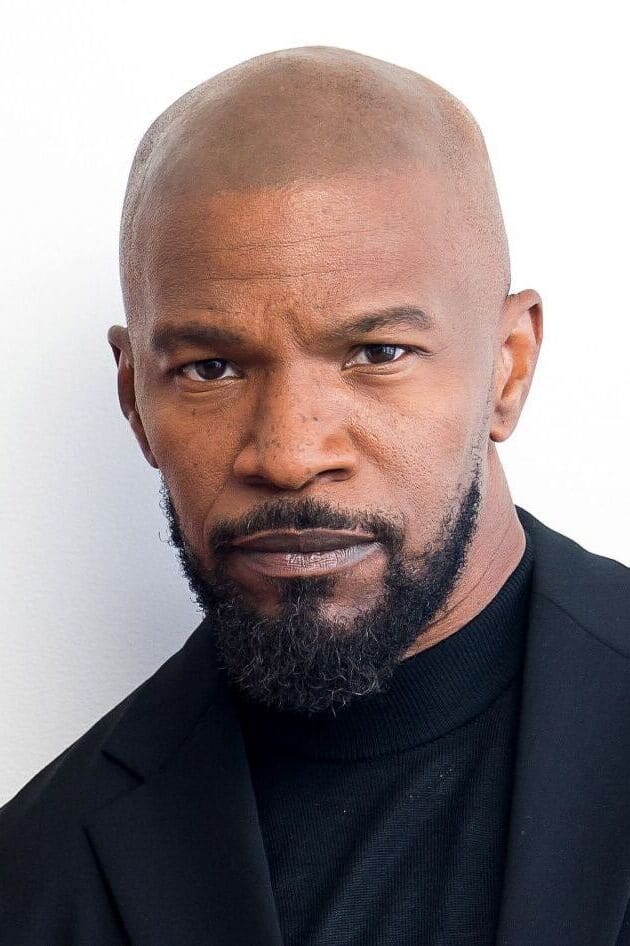
Jamie Foxx built his profile on television before transitioning to significant film roles by the decade’s end. He was a standout on ‘In Living Color’ and headlined ‘The Jamie Foxx Show’, showcasing musical talent and sharp comedic timing. Foxx moved into films with projects like ‘Booty Call’ and a dramatic turn in ‘Any Given Sunday’. This foundation set the stage for his later awards-winning dramatic work.
Don Cheadle
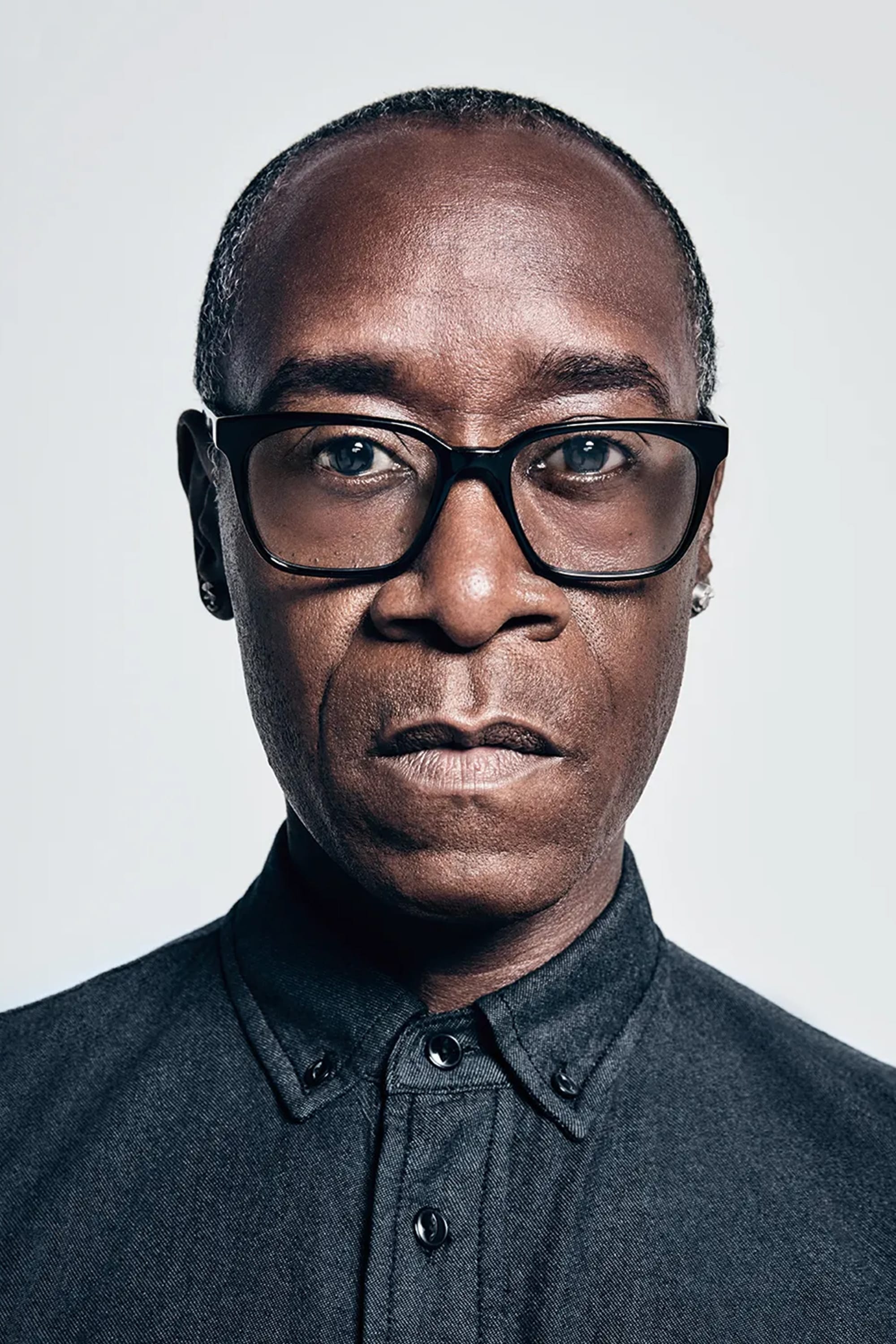
Don Cheadle rose through acclaimed supporting and leading performances in crime dramas and ensemble hits. He delivered a breakout role in ‘Devil in a Blue Dress’ and joined notable ensembles in ‘Boogie Nights’ and ‘Out of Sight’. Cheadle also headlined the historical drama ‘Rosewood’ and appeared in political satire with ‘Bulworth’. His sharp character portrayals established him as a critical favorite throughout the decade.
Ice Cube
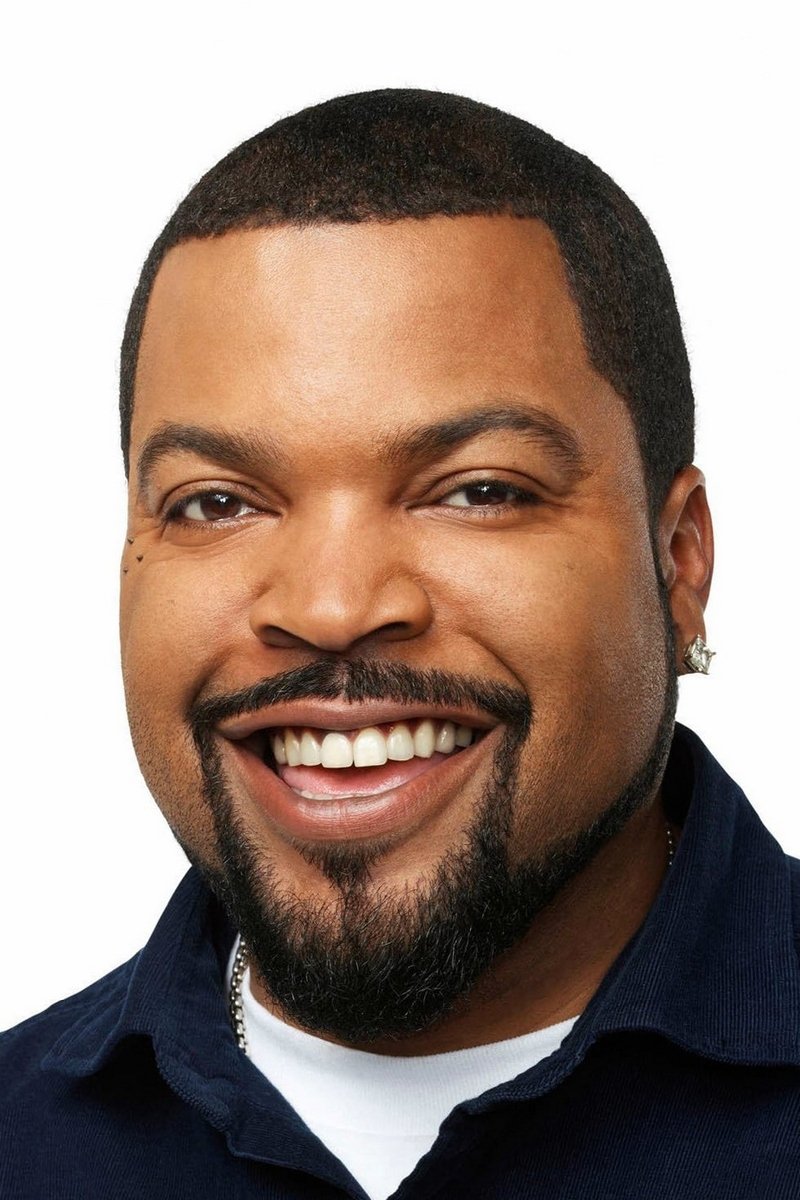
Ice Cube successfully crossed from music into acting with a series of influential roles. He debuted in ‘Boyz n the Hood’ and co-wrote and starred in the comedy ‘Friday’, which launched a lasting franchise. Cube also appeared in campus drama ‘Higher Learning’ and the Gulf War film ‘Three Kings’. His contributions behind and in front of the camera broadened the scope of Black storytelling in mainstream cinema.
Chris Tucker

Chris Tucker became a big-screen fixture with high-energy performances in comedy and sci-fi. He broke out with ‘Friday’, then reached international audiences through ‘The Fifth Element’. Tucker’s pairing with Jackie Chan in ‘Rush Hour’ created one of the decade’s most successful buddy-cop franchises. His rapid-fire delivery and charismatic screen presence made him a late-decade standout.
Martin Lawrence
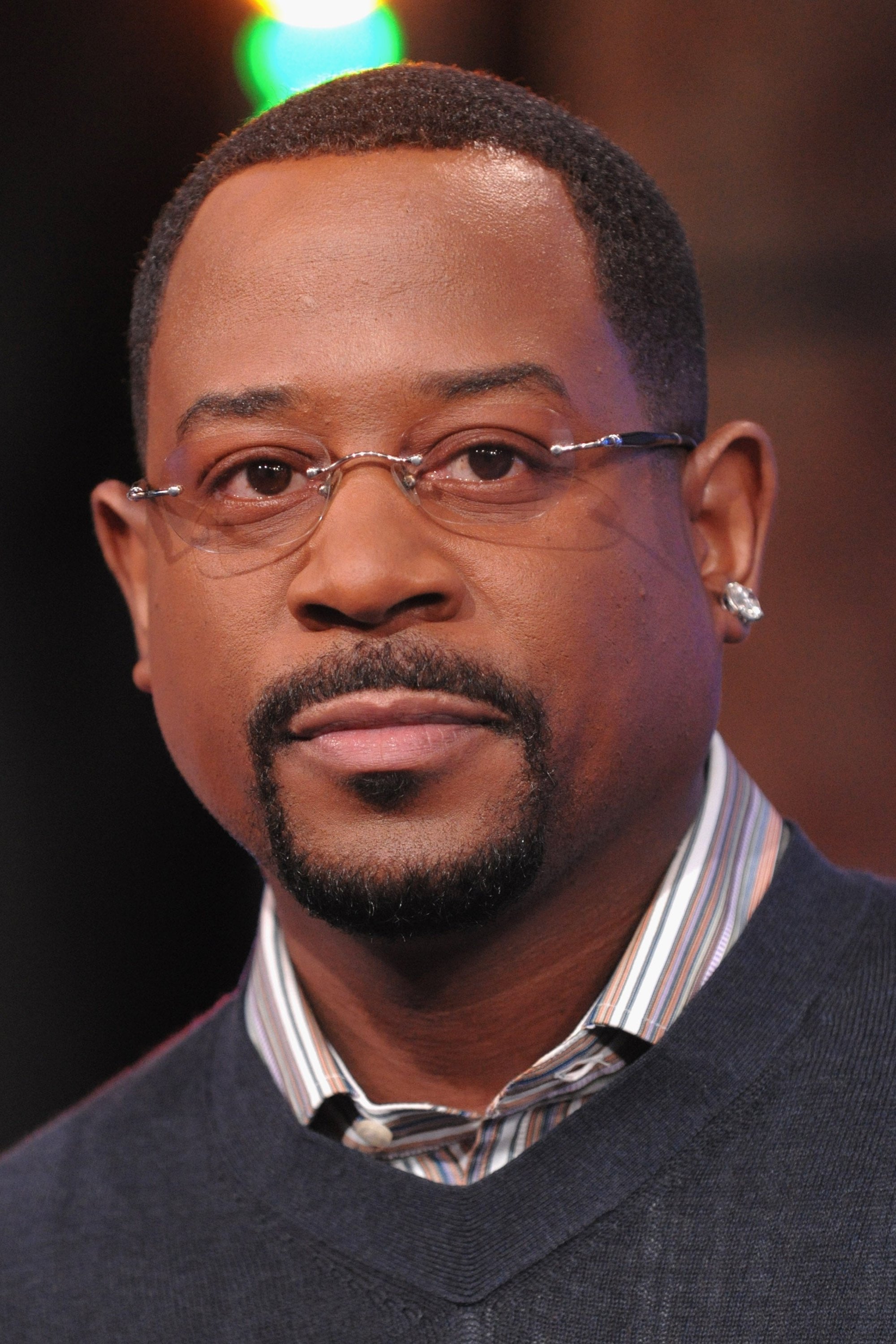
Martin Lawrence parlayed stand-up and sketch comedy into television and film stardom. He headlined the sitcom ‘Martin’, a staple of 1990s TV, and co-led the action hit ‘Bad Boys’. Lawrence also starred in comedies like ‘Nothing to Lose’ and ‘Blue Streak’. His work bridged TV audiences and multiplex crowds with consistent success.
Delroy Lindo
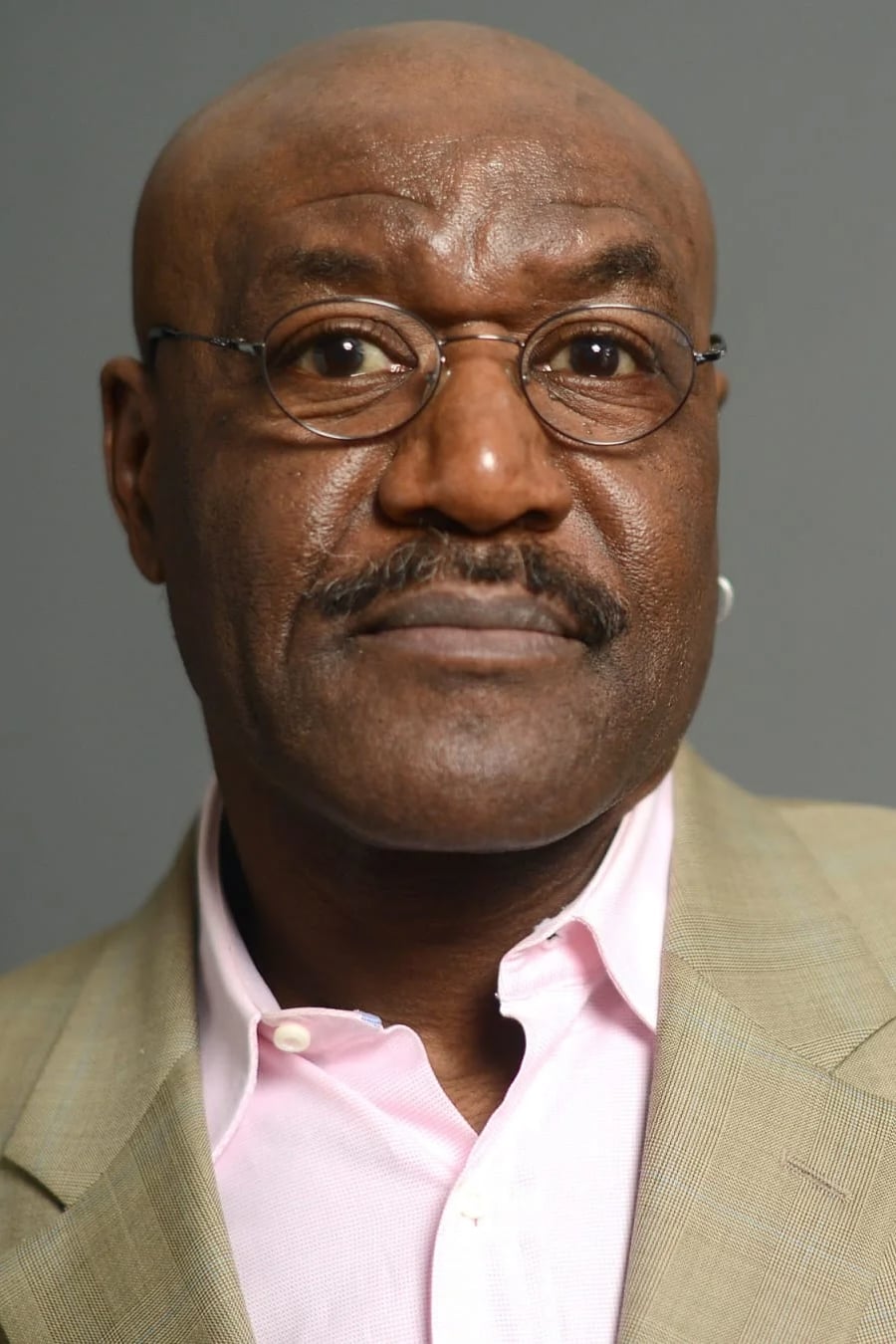
Delroy Lindo delivered commanding performances across crime dramas, thrillers, and comedies. He collaborated with Spike Lee on ‘Malcolm X’ and ‘Clockers’, bringing layered intensity to complex roles. Lindo also appeared in ‘Get Shorty’ and ‘Ransom’, adding memorable turns to major studio projects. His presence and versatility made him a go-to actor for depth in ensemble casts.
Ving Rhames
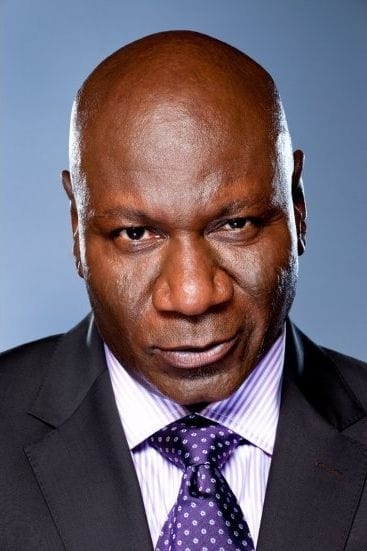
Ving Rhames became widely recognized for commanding roles in action and crime dramas. He broke through with the heist thriller ‘Mission: Impossible’, returning as a key team member in subsequent entries. Rhames also earned awards attention for the character study ‘Don King: Only in America’. Memorable turns in ‘Pulp Fiction’ and ‘Con Air’ cemented his status as a magnetic, dependable presence.
Omar Epps
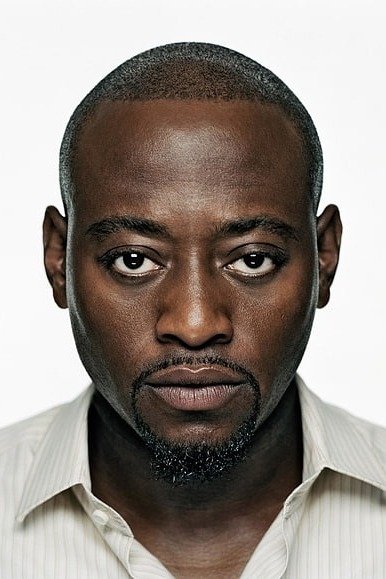
Omar Epps rose quickly with standout performances across sports dramas, crime films, and ensemble pieces. He drew attention with ‘Juice’ and followed with key roles in ‘Major League II’ and ‘Higher Learning’. Epps showed range by moving between youthful leads and grounded supporting parts. His early film work set up later success on television, including long-running medical and crime series.
Mekhi Phifer
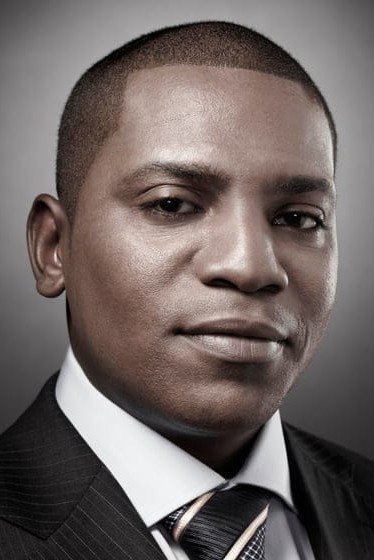
Mekhi Phifer arrived with a major debut in ‘Clockers’ and kept momentum through character-driven projects. He appeared in campus drama ‘Higher Learning’ and later branched into horror with ‘I Still Know What You Did Last Summer’. Phifer balanced film work with television arcs that expanded his audience. His early choices highlighted a knack for intense, street-level storytelling.
Morris Chestnut

Morris Chestnut made a strong impression with ‘Boyz n the Hood’ and steadily added leading and ensemble roles. He brought charisma to romantic dramas like ‘The Best Man’ and dramatic thrillers such as ‘G.I. Jane’. Chestnut also worked in action and comedy, keeping a broad portfolio throughout the decade. His reliability across genres built a durable career into the next era.
Taye Diggs
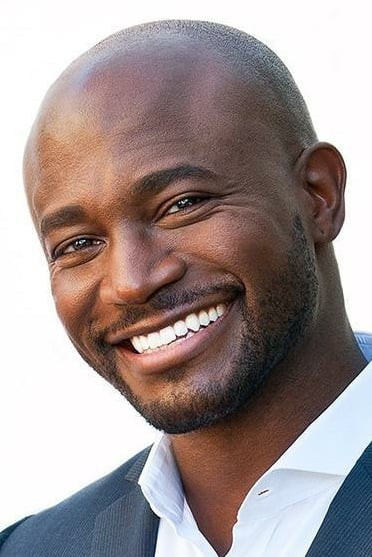
Taye Diggs became a go-to leading man for romantic comedies and ensemble dramas. He broke out in ‘How Stella Got Her Groove Back’ and anchored ‘The Best Man’, a touchstone for contemporary Black ensemble storytelling. Diggs also showed versatility in the ensemble crime dramedy ‘Go’. His stage background and smooth screen presence fit sophisticated, character-driven stories.
Terrence Howard
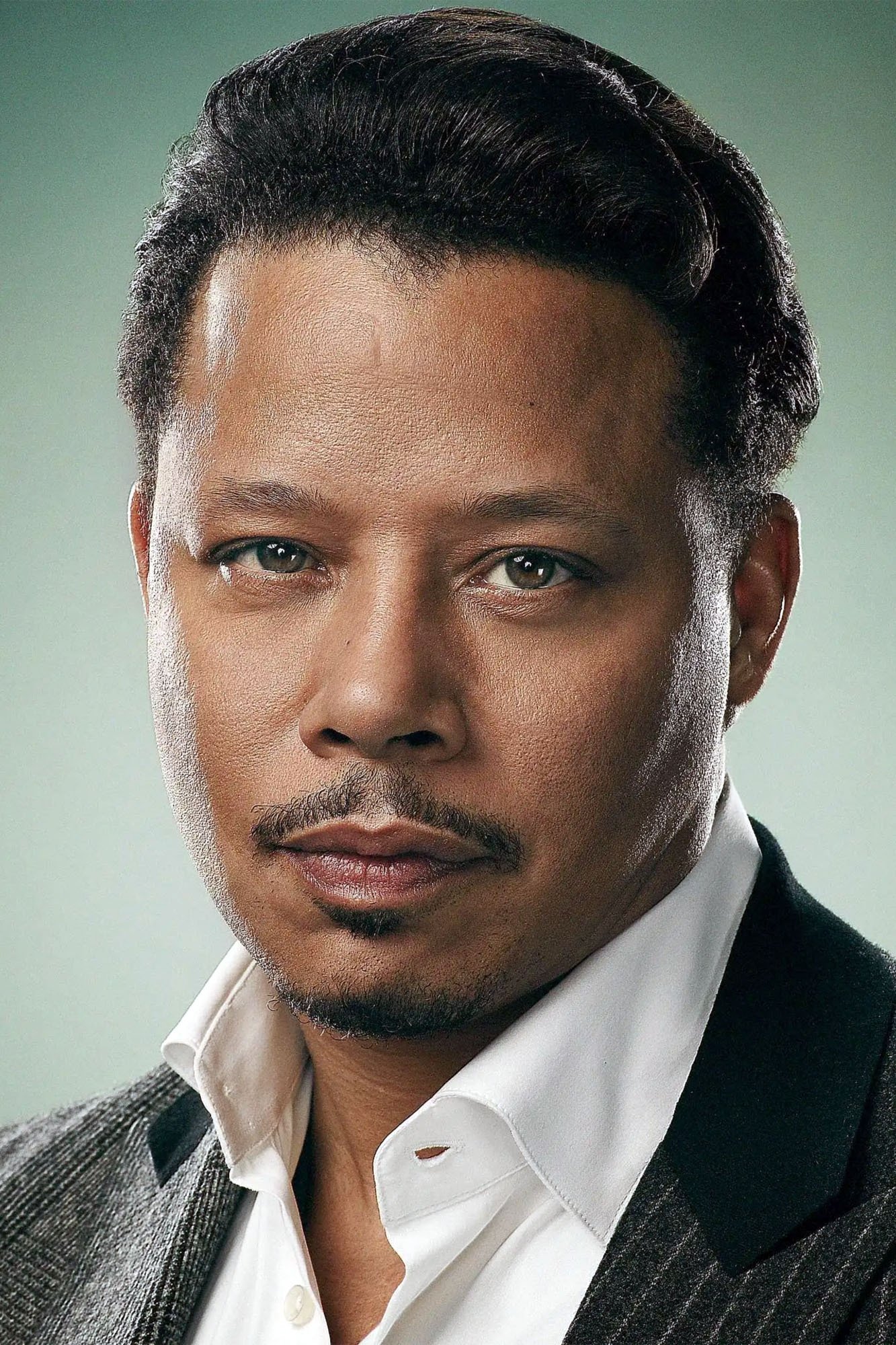
Terrence Howard gained notice with nuanced supporting roles before stepping into higher-profile leads. He appeared in ‘Mr. Holland’s Opus’ and delivered a memorable turn in ‘The Best Man’. Howard’s mix of vulnerability and intensity set him apart in dramas and thrillers. Work from this period paved the way for his later acclaimed performances.
Blair Underwood
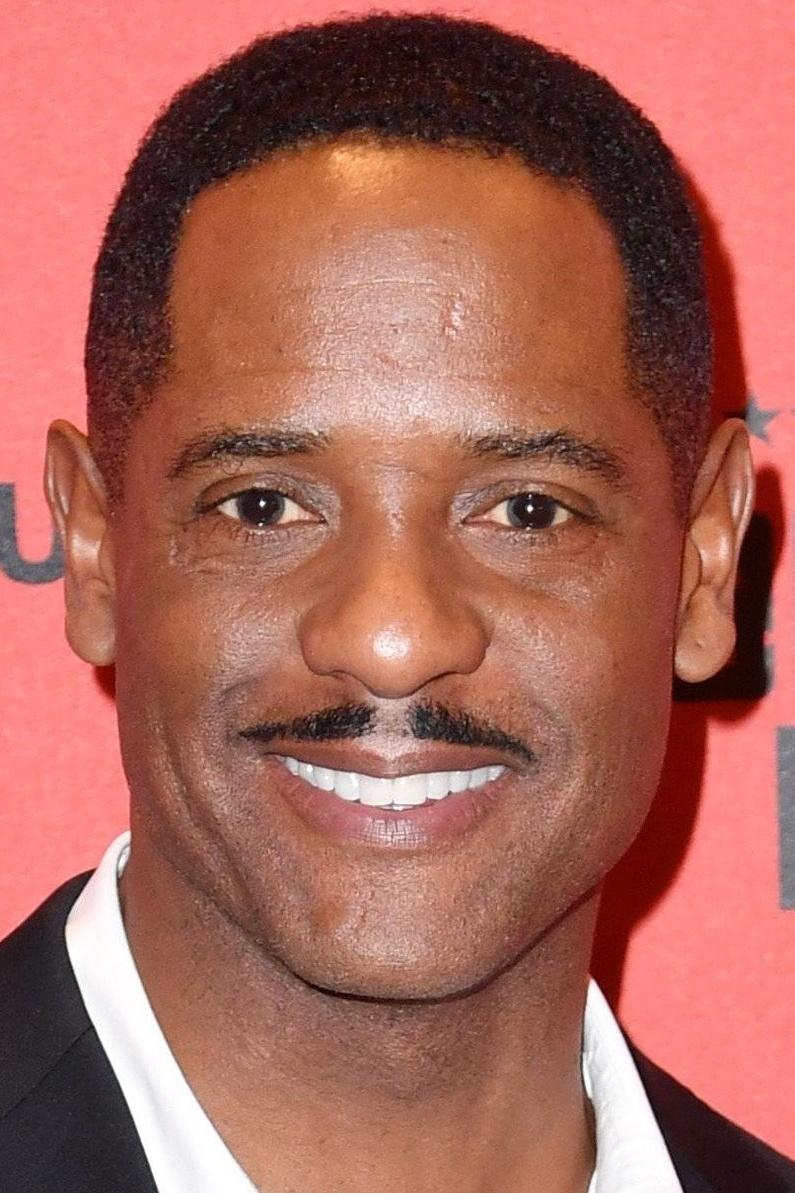
Blair Underwood balanced television stardom with notable film appearances, often portraying ambitious, complex professionals. He drew a wide audience on the legal drama ‘L.A. Law’ and transitioned into lead roles in romantic and suspense titles. Underwood appeared in projects like ‘Set It Off’ and ‘Deep Impact’, adding mainstream visibility. His steady presence helped widen the range of roles available to Black leading men.
Charles S. Dutton
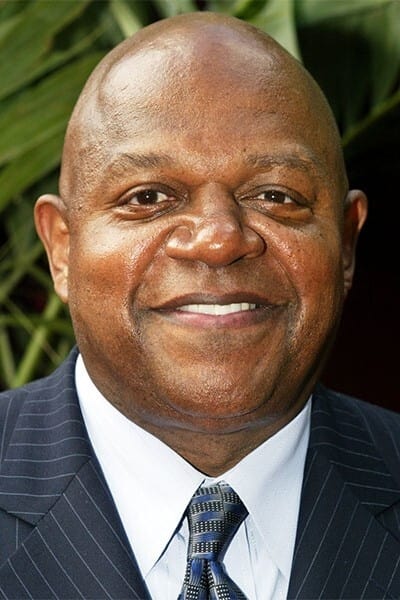
Charles S. Dutton brought stage-honed gravitas to television and film. He headlined the sitcom ‘Roc’, which tackled working-class life with humor and heart. Dutton delivered memorable performances in ‘Alien 3’ and the prison drama ‘The Shawshank Redemption’. His authoritative screen presence made him a frequent choice for mentors, leaders, and principled figures.
Mario Van Peebles
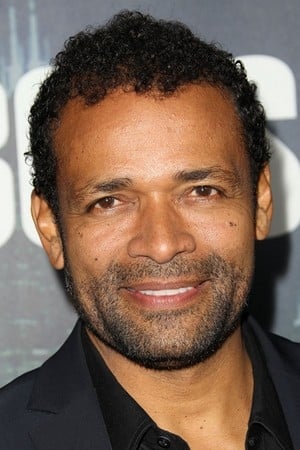
Mario Van Peebles made a major impact as both actor and filmmaker. He starred in and directed ‘New Jack City’, a landmark in urban crime cinema that influenced a wave of street dramas. Van Peebles continued acting in action and historical projects, including ‘Posse’ and ‘Panther’. His work helped open doors for Black stories across multiple genres.
Bernie Mac
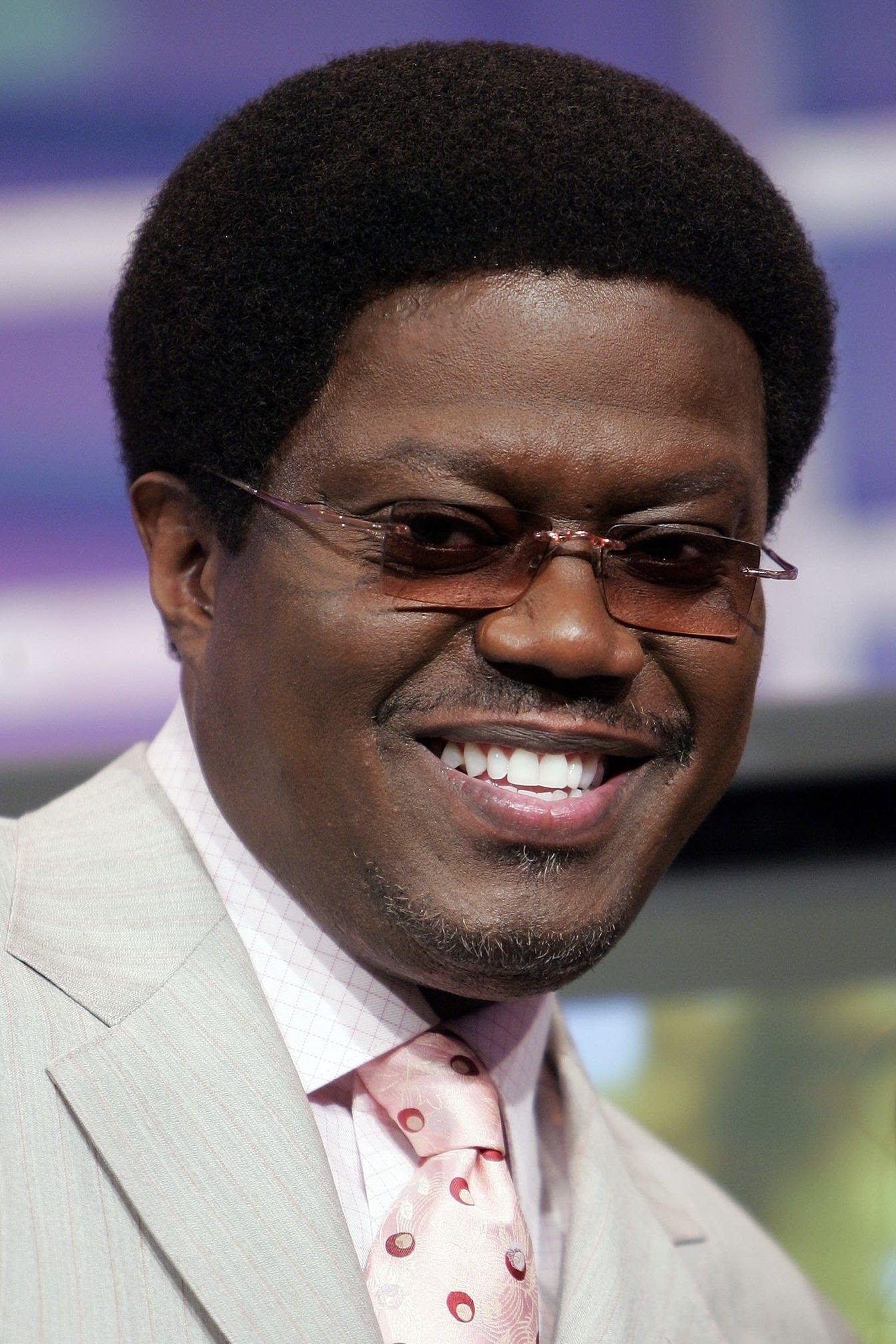
Bernie Mac parlayed stand-up fame into scene-stealing film roles and ensemble comedies. He appeared in ‘House Party 3’ and brought unforgettable energy to ‘Friday’. Mac’s comedic authority led to film headlining opportunities and, soon after, his own successful sitcom. His rise showcased the crossover power of comedy to film and television stardom.
Damon Wayans
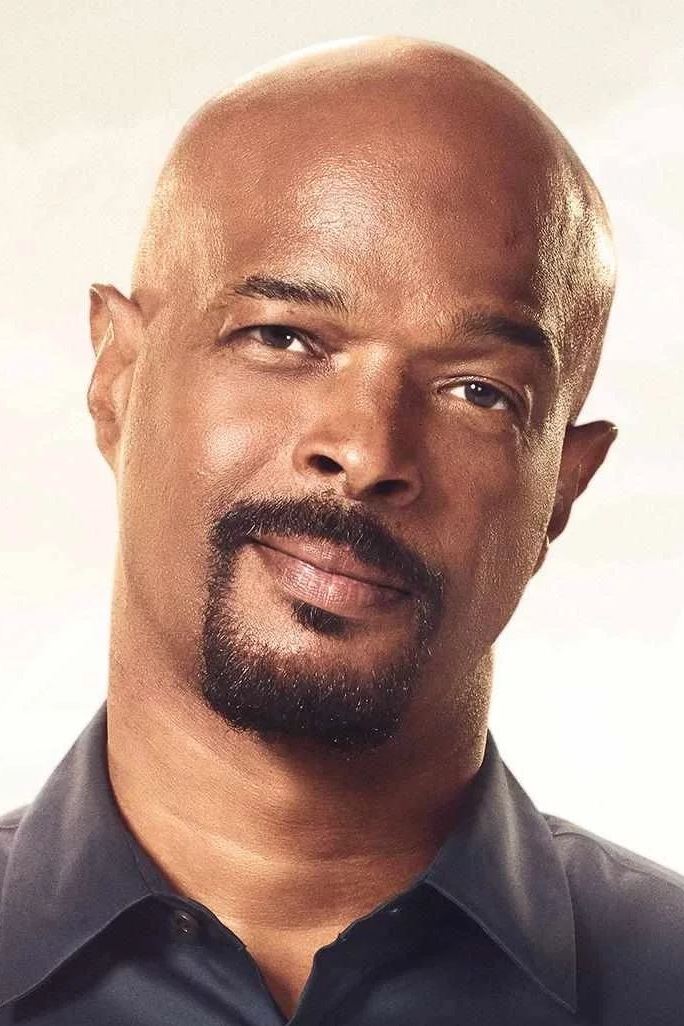
Damon Wayans moved from sketch-comedy breakthrough to film leads and television success. He helped define ‘In Living Color’ and then fronted action-comedy vehicles like ‘The Last Boy Scout’ and ‘Major Payne’. Wayans also created and starred in ‘My Wife & Kids’, building on earlier momentum. His sharp timing and physical comedy made him a reliable lead across formats.
Marlon Wayans
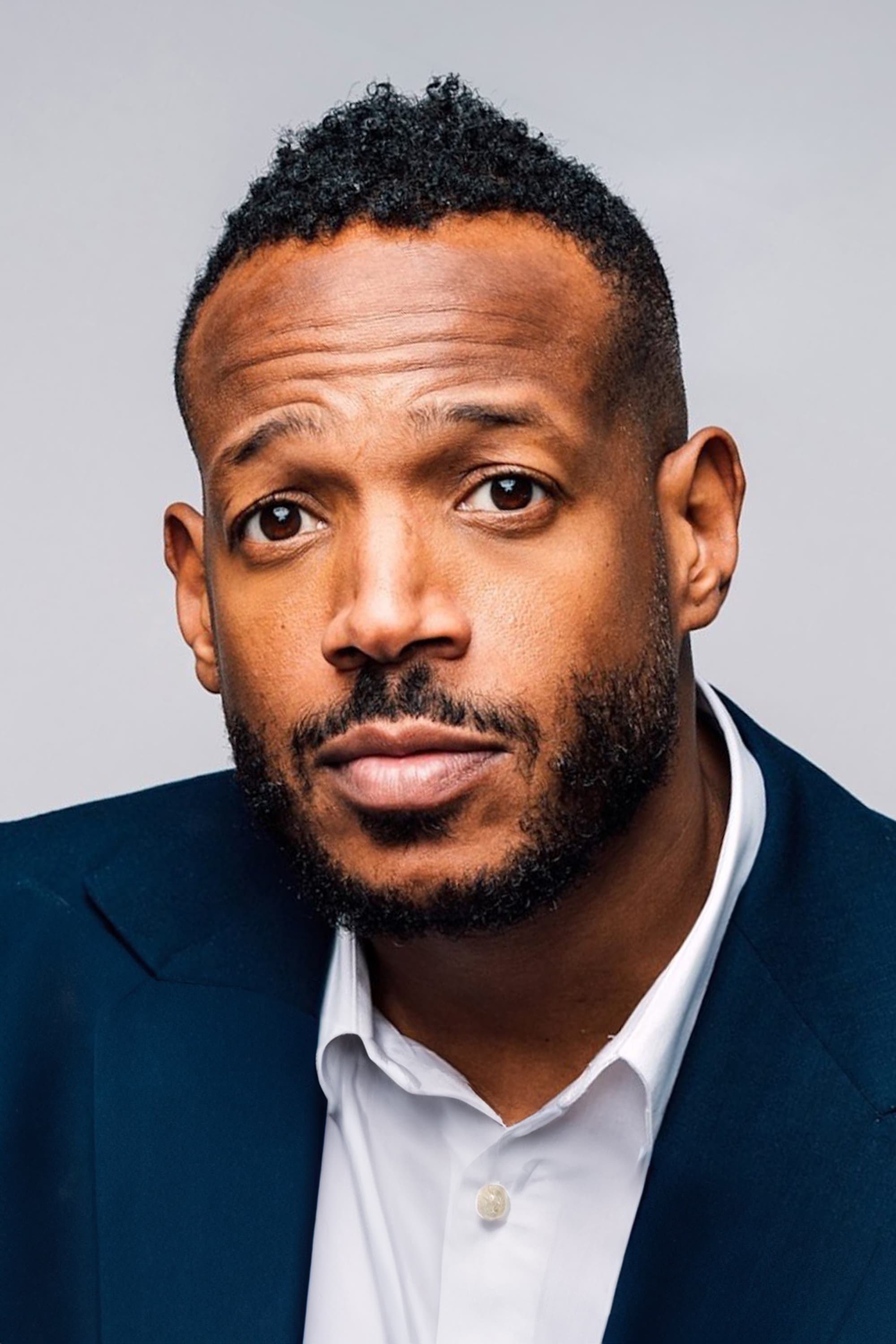
Marlon Wayans emerged with roles that mixed offbeat humor and mainstream appeal. He co-starred in ‘Above the Rim’ and delivered fan-favorite performances in ‘Don’t Be a Menace to South Central While Drinking Your Juice in the Hood’. Wayans also joined sports-fantasy comedy ‘The Sixth Man’ and other titles that built his profile. His later pivot to parody franchises grew from the comedic identity he shaped in the decade.
Andre Braugher
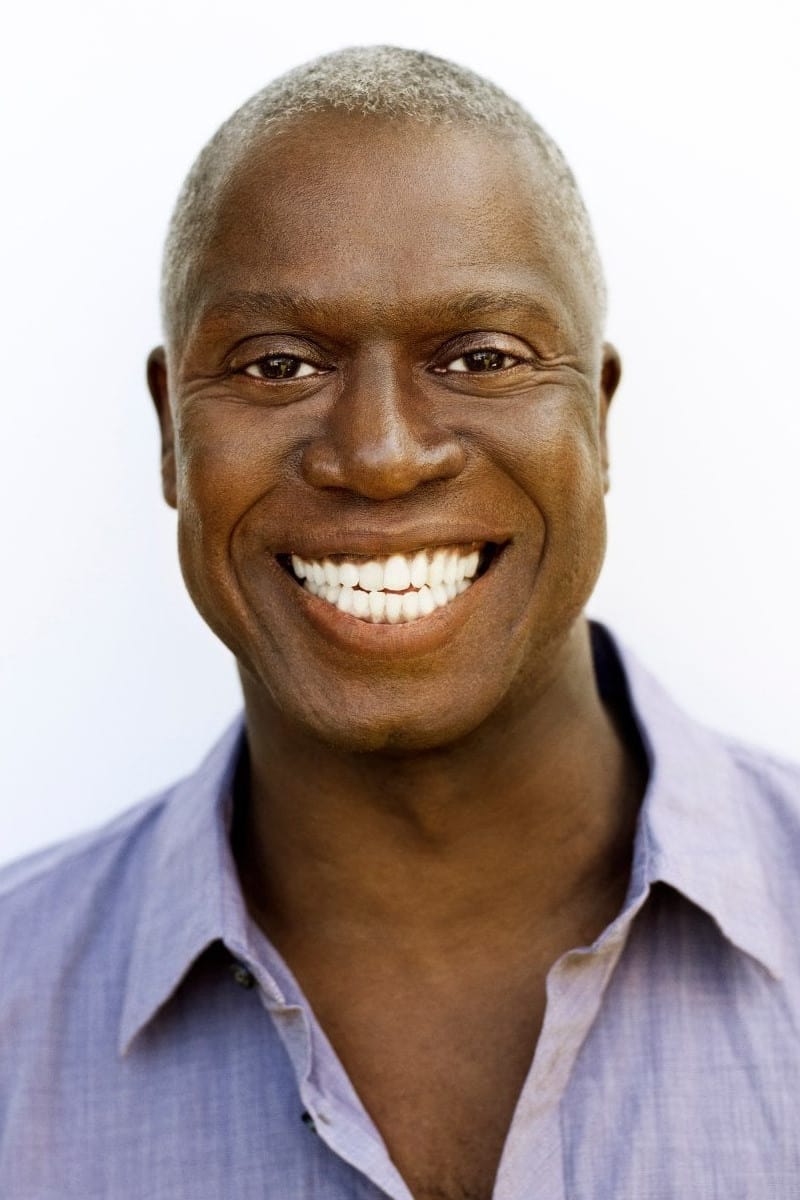
Andre Braugher earned critical acclaim for his layered portrayal of Detective Frank Pembleton on ‘Homicide: Life on the Street’. The role brought major awards recognition and established him as a premier dramatic actor. Braugher also worked in historical and war dramas, demonstrating range beyond police procedurals. His precise, cerebral style influenced a generation of TV crime storytelling.
Dennis Haysbert
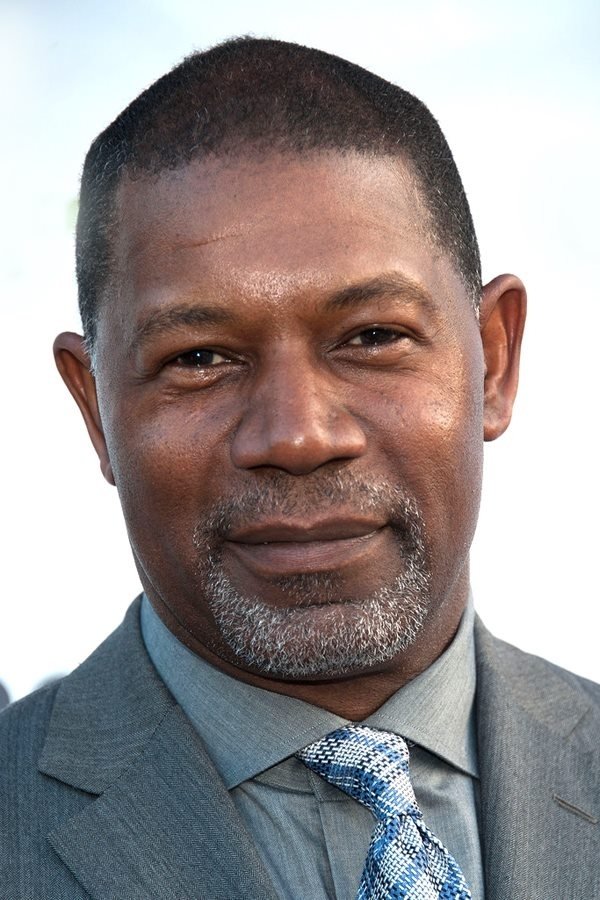
Dennis Haysbert stood out with authoritative and empathetic roles across drama and action. He contributed key performances to ‘Heat’ and ‘Waiting to Exhale’, showing equal comfort in ensemble crime and romantic drama. Haysbert’s rich voice and calm intensity led to frequent casting as leaders and mentors. This foundation set up major television leadership roles in later years.
Michael Clarke Duncan
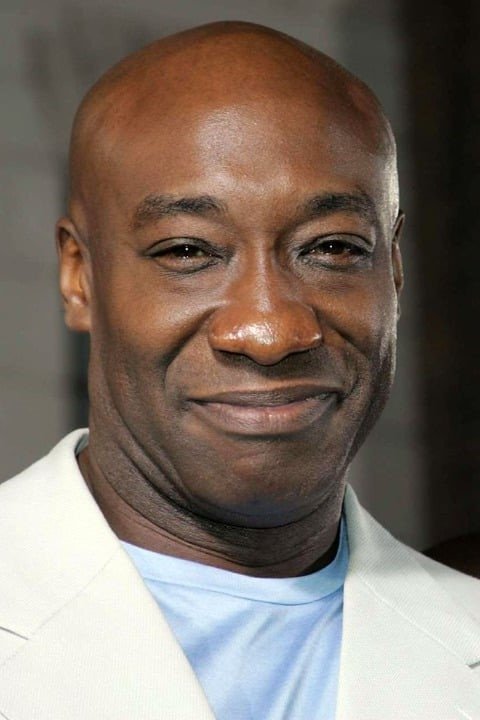
Michael Clarke Duncan broke through with a towering, heartfelt performance in ‘The Green Mile’, earning widespread awards recognition. He had already appeared in large-scale projects like ‘Armageddon’, showcasing physical presence and warmth. Duncan balanced blockbuster work with quieter, character-focused films. His late-decade emergence made him one of the era’s most memorable new faces.
Tupac Shakur
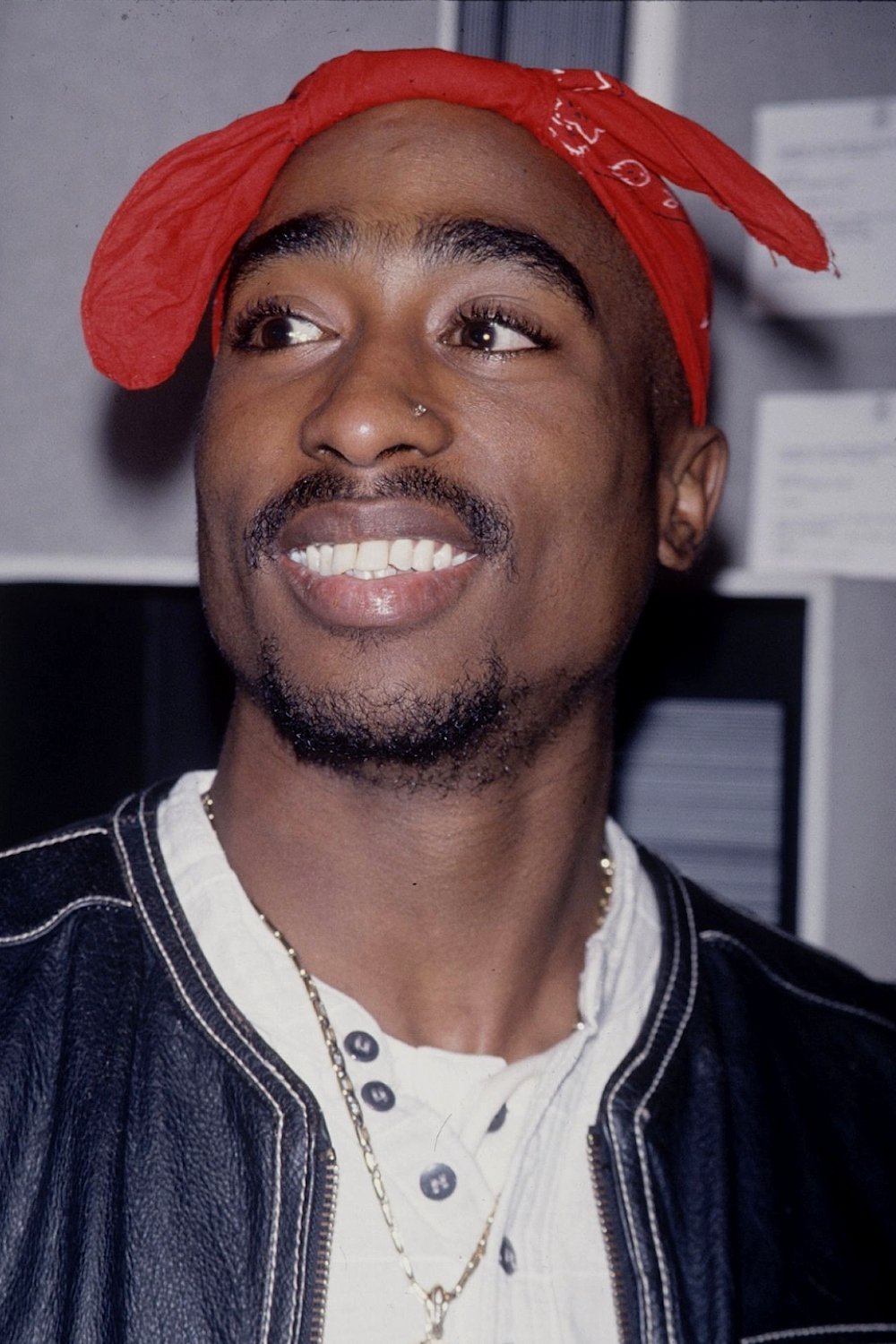
Tupac Shakur made a lasting mark as a rapper-turned-actor with a string of compelling film roles. He headlined gritty dramas like ‘Juice’ and ‘Gridlock’d’, and showed romantic range in ‘Poetic Justice’. Shakur also took on sports and ensemble stories with ‘Above the Rim’ and ‘Gang Related’. His screen presence combined vulnerability and edge, shaping a key strand of 1990s hip-hop cinema.
LL Cool J
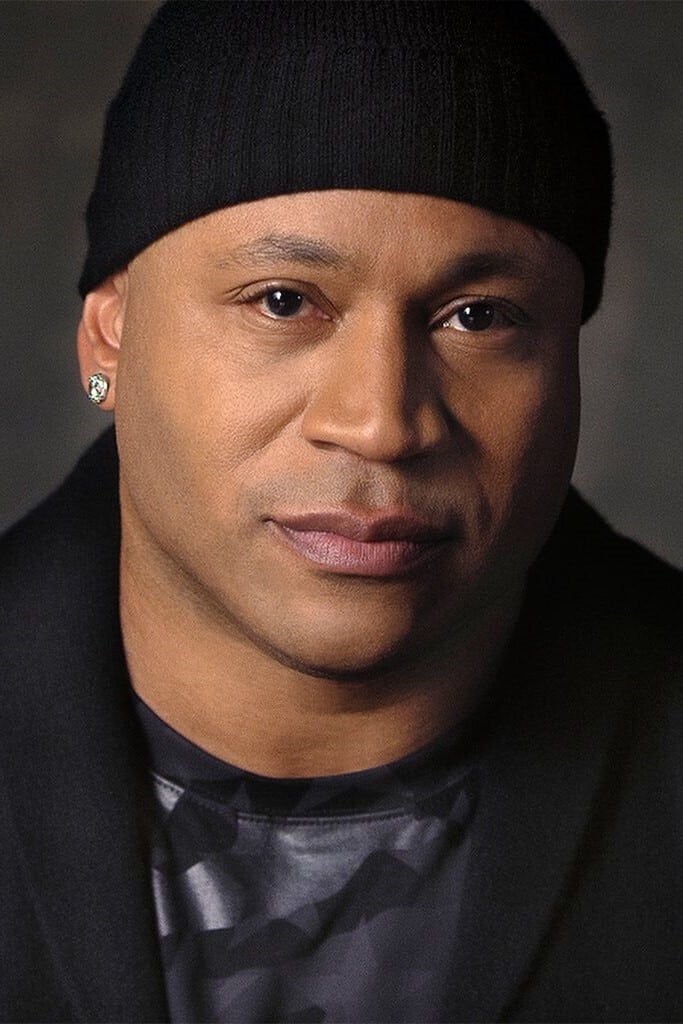
LL Cool J successfully bridged music and acting with steady work in action, thriller, and comedy projects. He appeared in ‘Toys’ and built mainstream momentum with ‘Deep Blue Sea’ and ‘Any Given Sunday’. On television, he added visibility through guest roles and specials that highlighted versatility. His move into film cemented him as one of the decade’s most effective multi-hyphenate performers.
Giancarlo Esposito
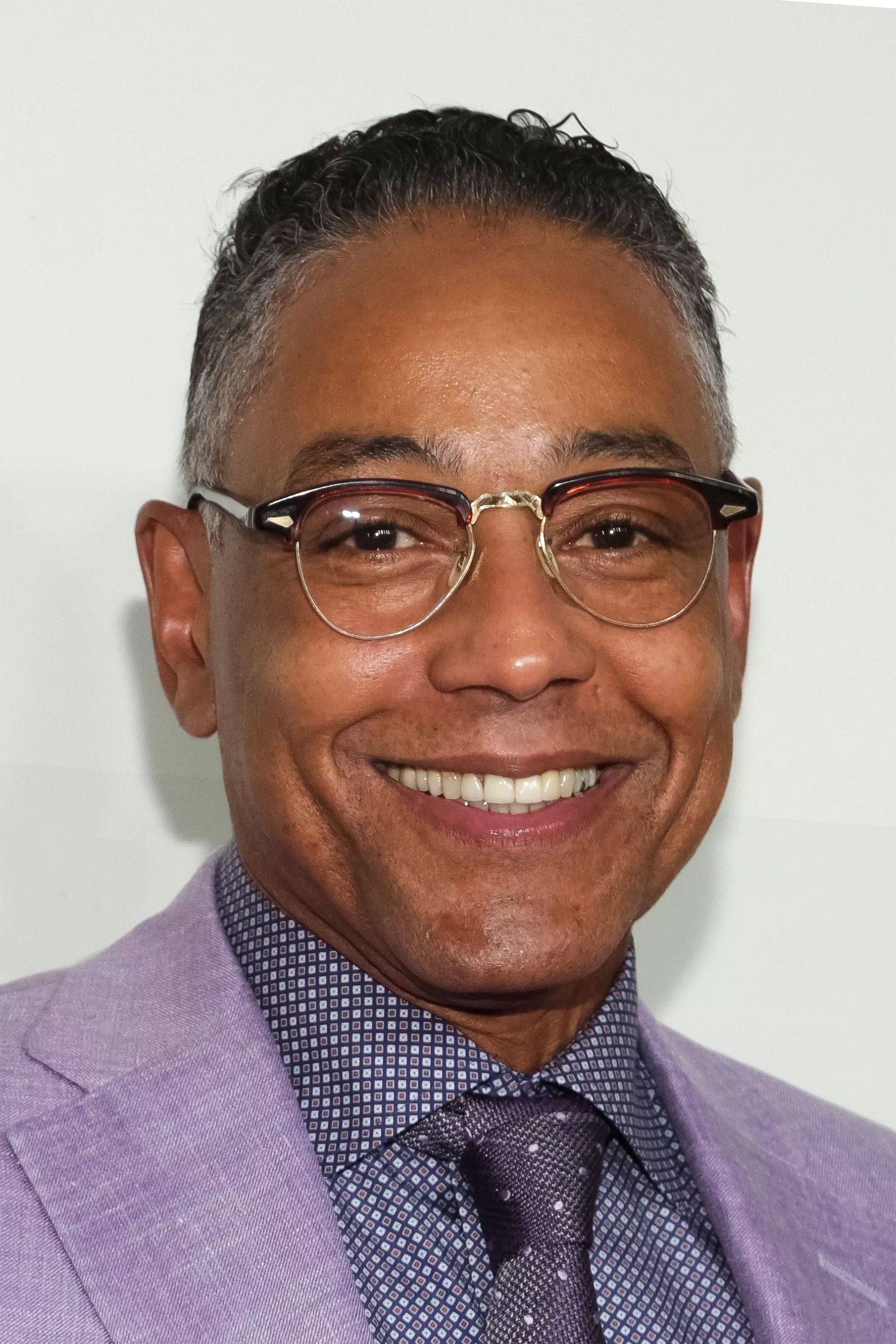
Giancarlo Esposito brought sharp intensity to crime, drama, and indie films. He delivered memorable turns in ‘Do the Right Thing’, ‘Mo’ Better Blues’, and ‘Fresh’. Esposito also worked frequently in television movies and series, showcasing a precise, controlled acting style. Collaborations with acclaimed directors gave him a strong critical reputation.
Jeffrey Wright
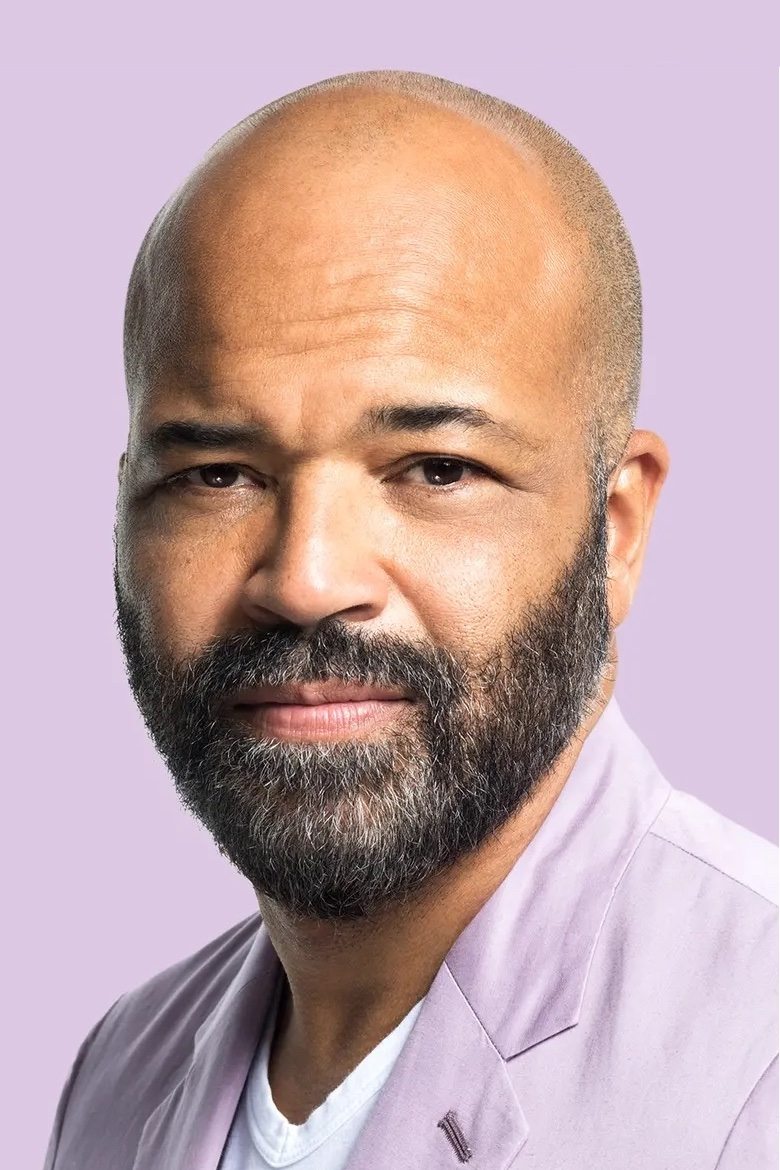
Jeffrey Wright broke through with transformative performances in biographical and dramatic roles. He earned wide recognition for portraying the artist in ‘Basquiat’, blending charisma with emotional nuance. Wright moved between independent films like ‘Ride with the Devil’ and studio projects with equal confidence. His meticulous character work set the stage for a long run of acclaimed roles.
Isaiah Washington
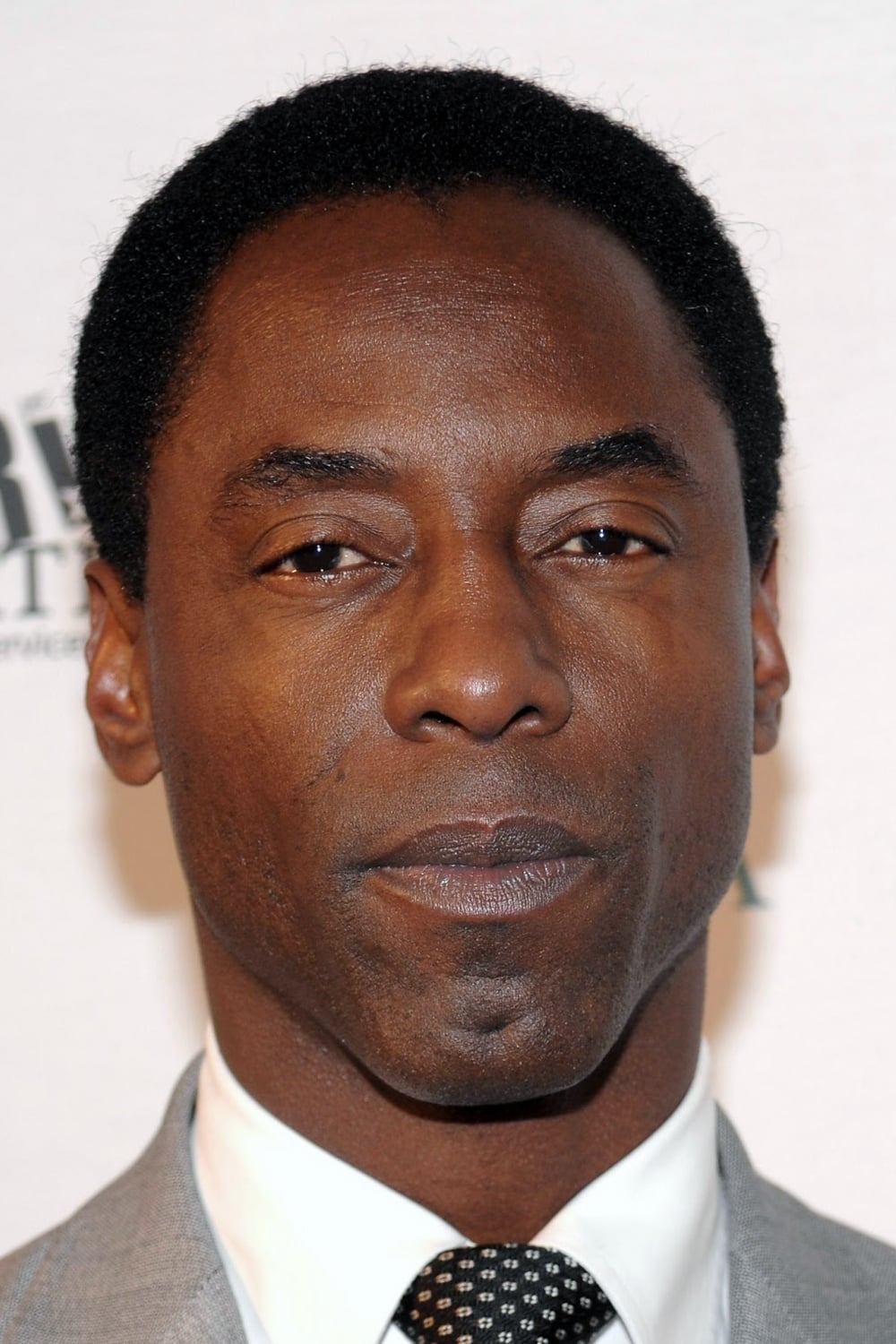
Isaiah Washington built a solid résumé across ensemble dramas and thrillers. He appeared in ‘Clockers’ and ‘Girl 6’, deepening ties with notable filmmakers. Washington added mainstream visibility with ‘Out of Sight’ and other studio titles. His performances often emphasized layered, conflicted characters who grounded tense narratives.
Harold Perrineau
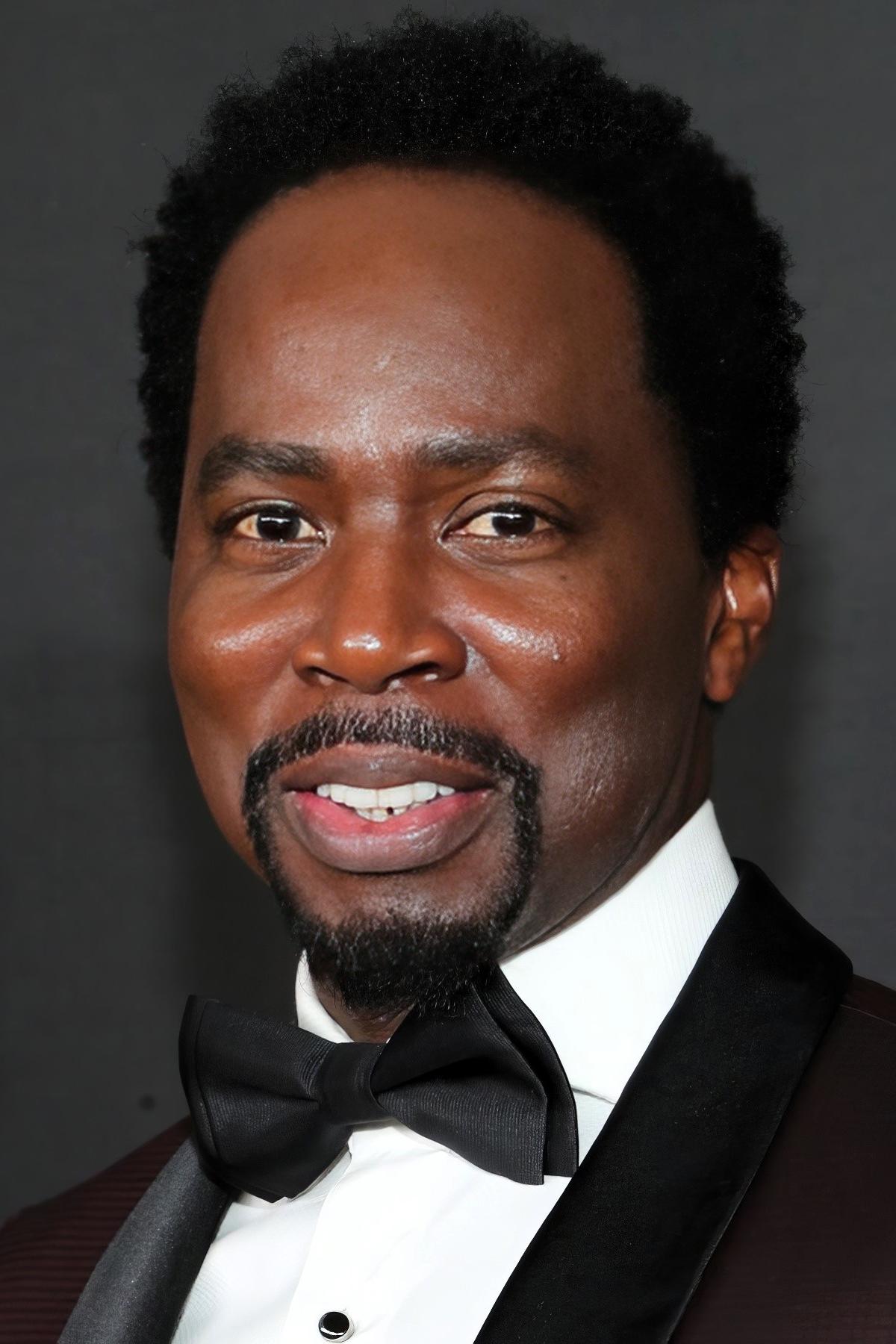
Harold Perrineau stood out in ensemble casts with a mix of vulnerability and volatility. He made an impact in ‘Romeo + Juliet’ and brought scene-stealing energy to ‘The Matrix’. Perrineau also contributed to acclaimed television dramas, expanding his profile beyond film. His ability to inhabit both sensitive and explosive roles made him a key presence in late-decade projects.
Tony Todd
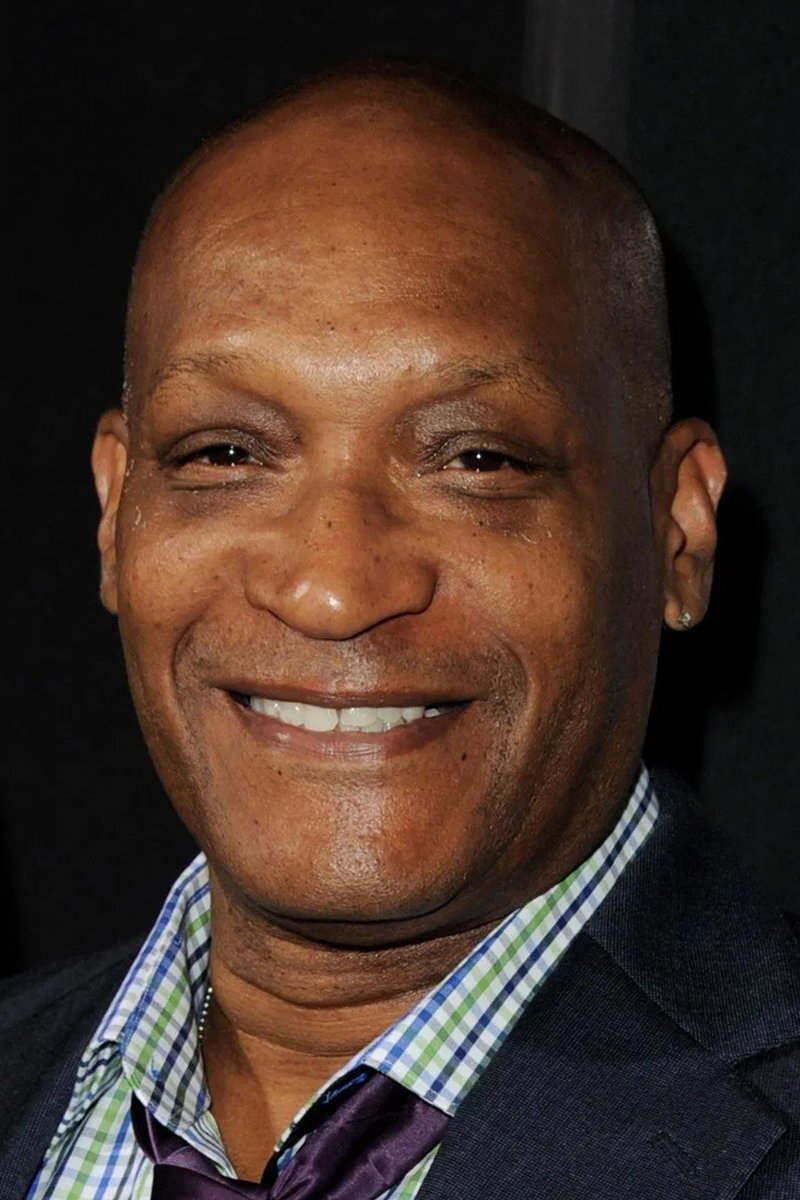
Tony Todd became a cult favorite through horror and thriller roles while maintaining a broad character-actor career. He defined a horror icon in ‘Candyman’ and appeared in ‘The Crow’ and ‘The Rock’. Todd’s imposing voice and stature translated effectively to television guest spots and stage work. His 1990s output cemented a legacy that spans genre and medium.
Ernie Hudson
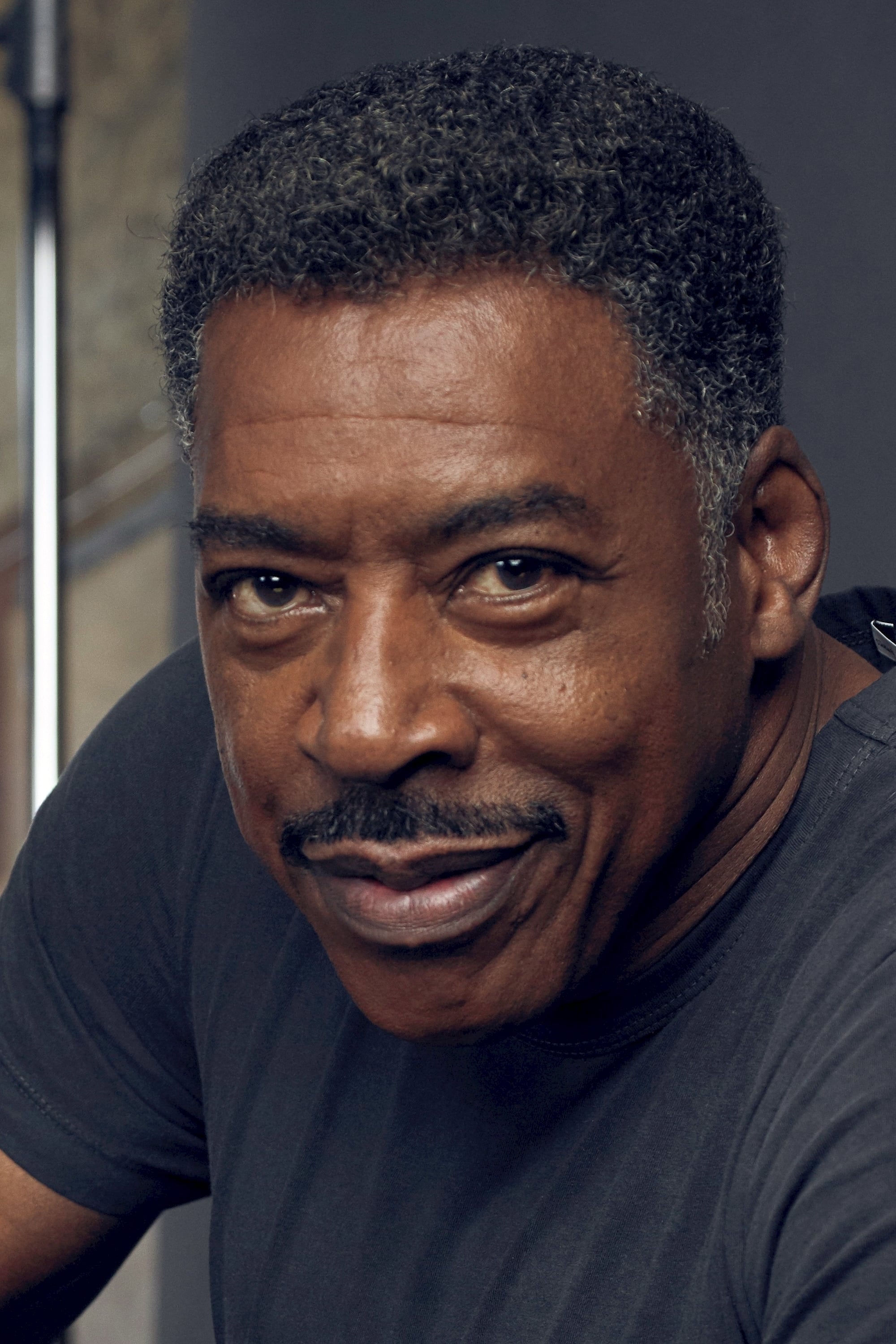
Ernie Hudson maintained steady visibility with roles across action, comedy, and television. Building on earlier franchise fame, he appeared in titles such as ‘The Hand That Rocks the Cradle’ and ‘The Crow’. Hudson also anchored numerous TV movies and series, bringing warmth and authority to mentors and leaders. His dependable presence made him a frequent choice for ensemble casts.
Keith David
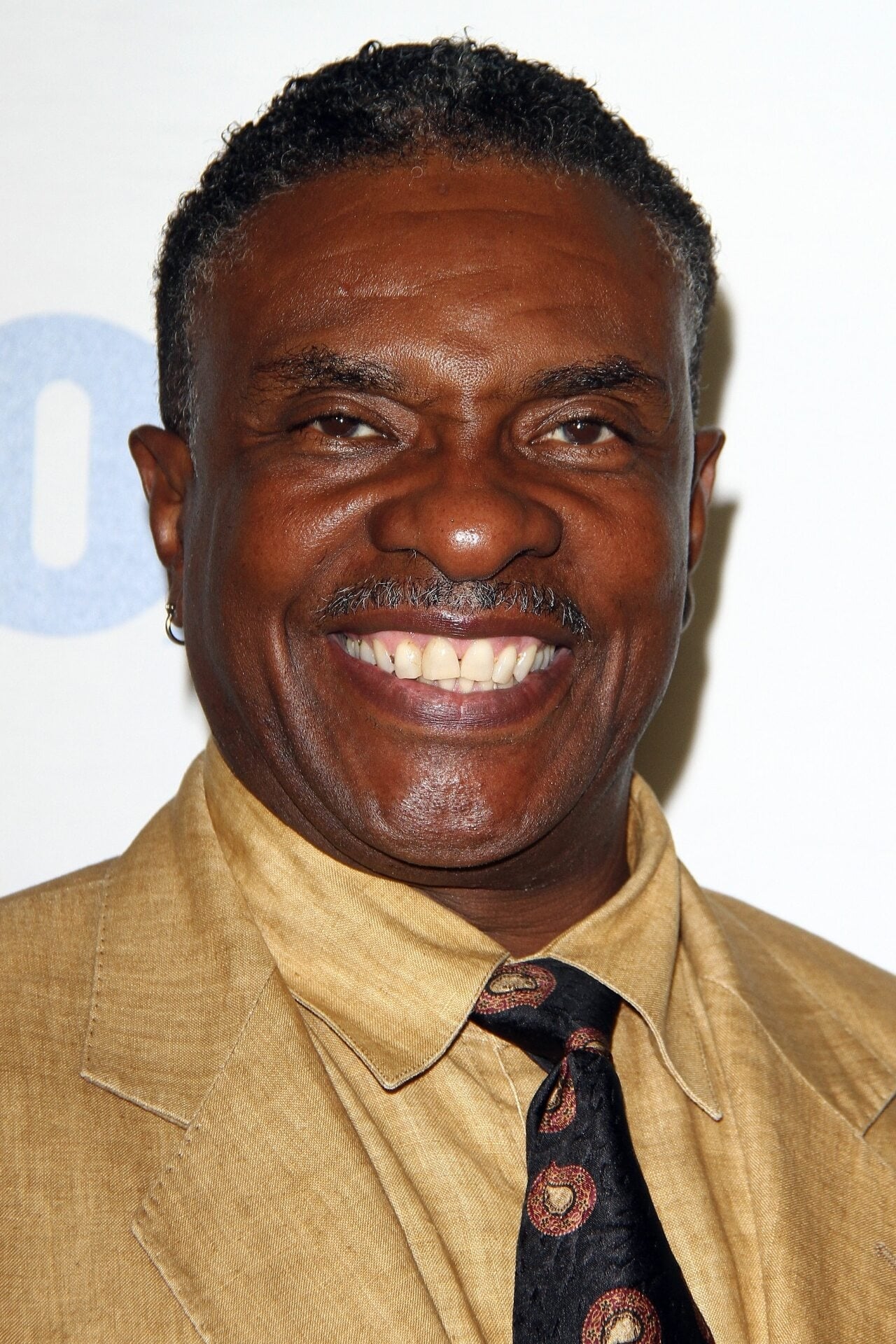
Keith David brought one of the most recognizable voices and a commanding presence to film and TV. He contributed to acclaimed dramas and action films including ‘Dead Presidents’ and ‘Clockers’. David’s voice work in animation and narration broadened his reach to mainstream audiences. His mix of gravitas and versatility kept him in constant demand.
Michael Jai White
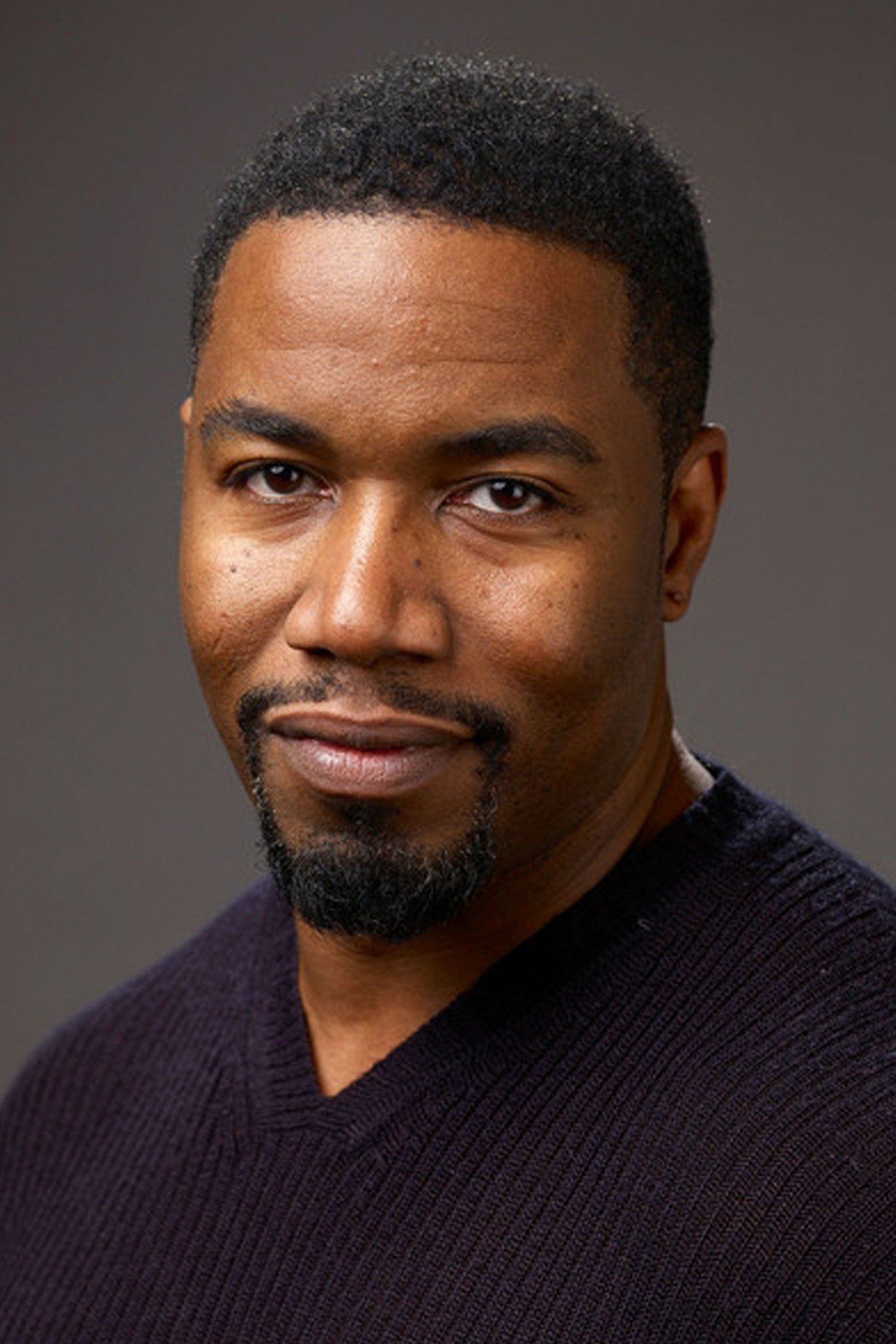
Michael Jai White emerged as a martial-arts-savvy leading man and dependable action star. He headlined ‘Spawn’ and delivered tightly choreographed performances in entries like ‘Universal Soldier: The Return’. White also appeared in dramas and television, proving effective beyond pure action. His athleticism and discipline made him a standout in late-decade genre cinema.
Djimon Hounsou
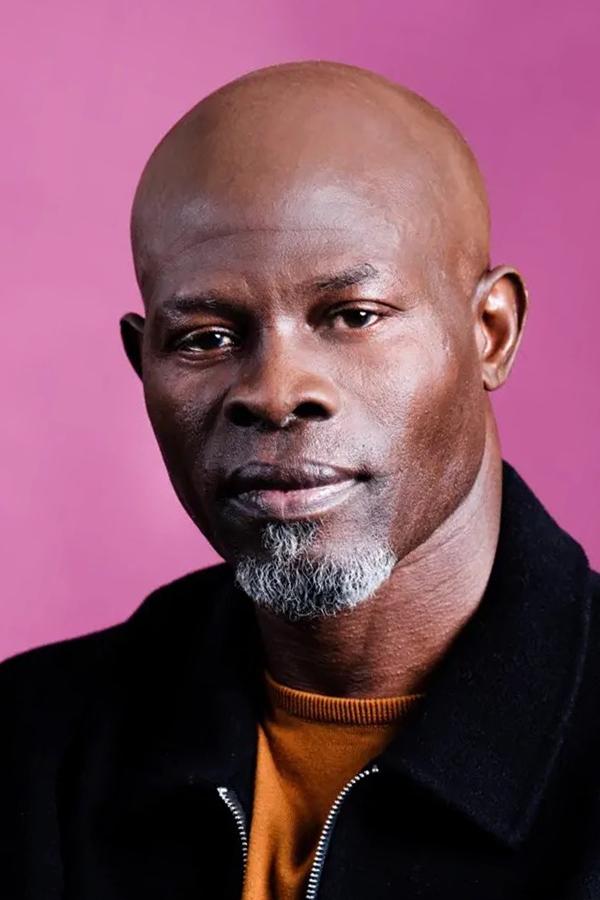
Djimon Hounsou earned major attention with a powerful debut in ‘Amistad’. He followed with roles in adventure and thriller projects that showcased physicality and poise. Hounsou’s expressive, grounded performances quickly led to international recognition. The decade established him as a compelling dramatic force with global appeal.
Avery Brooks
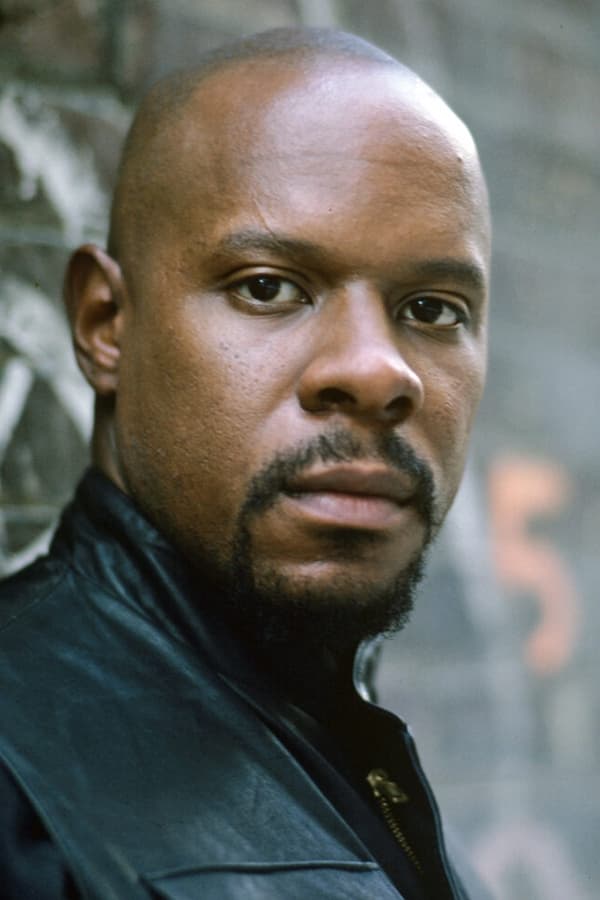
Avery Brooks led one of science fiction’s landmark series as Captain Benjamin Sisko in ‘Star Trek: Deep Space Nine’. He balanced command authority with complex arcs exploring family, duty, and leadership. Brooks also worked in theater and television movies, bringing a resonant baritone and stagecraft to every role. His portrayal expanded representation in a flagship franchise and remains widely celebrated.
Robert Guillaume
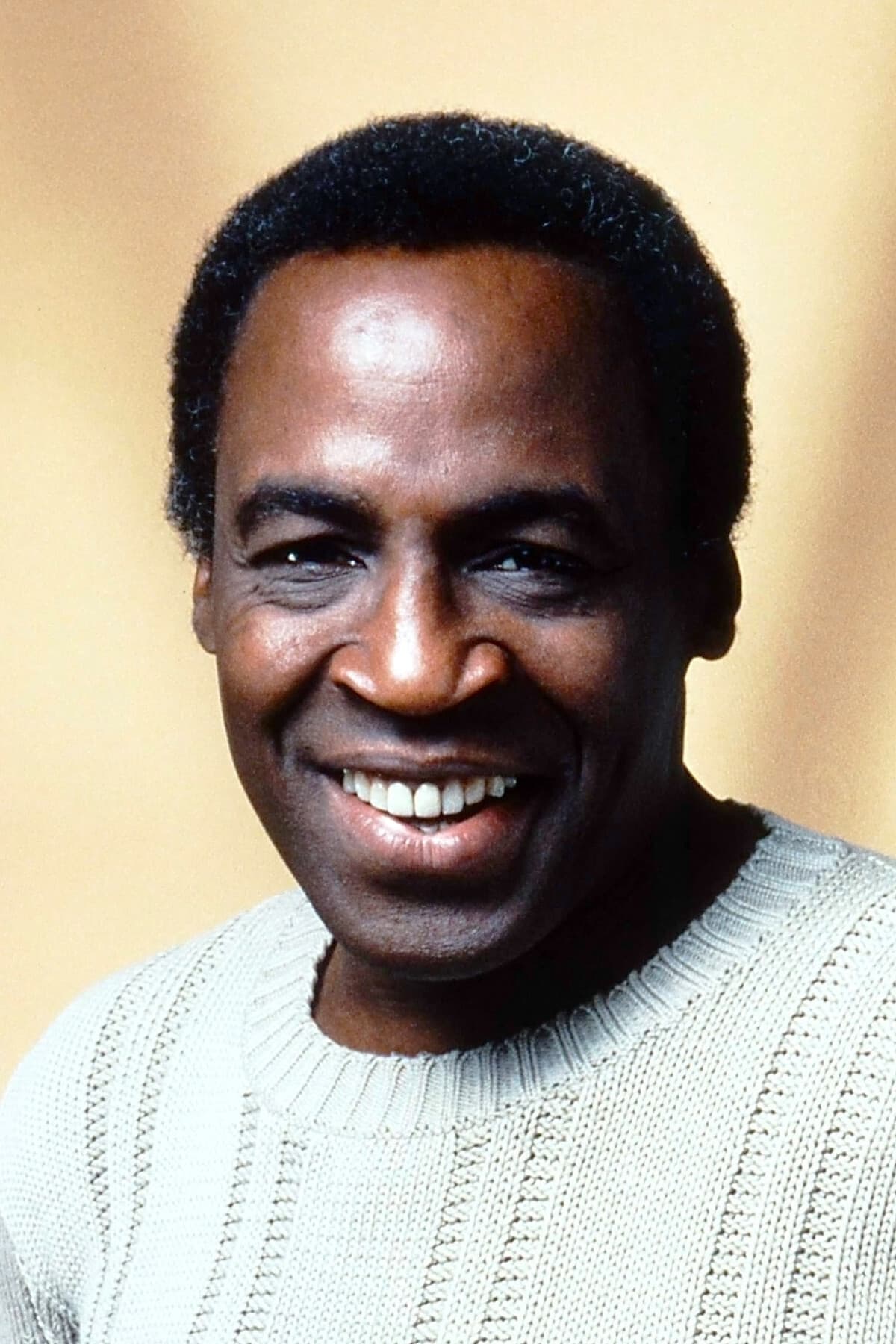
Robert Guillaume blended prestige television and voice acting into a distinctive 1990s run. He co-starred in newsroom dramedy ‘Sports Night’ and voiced a beloved character in ‘The Lion King’. Guillaume’s earlier sitcom success carried into the decade through guest roles and TV films. His dignified screen persona made him a respected figure across generations.
Leon
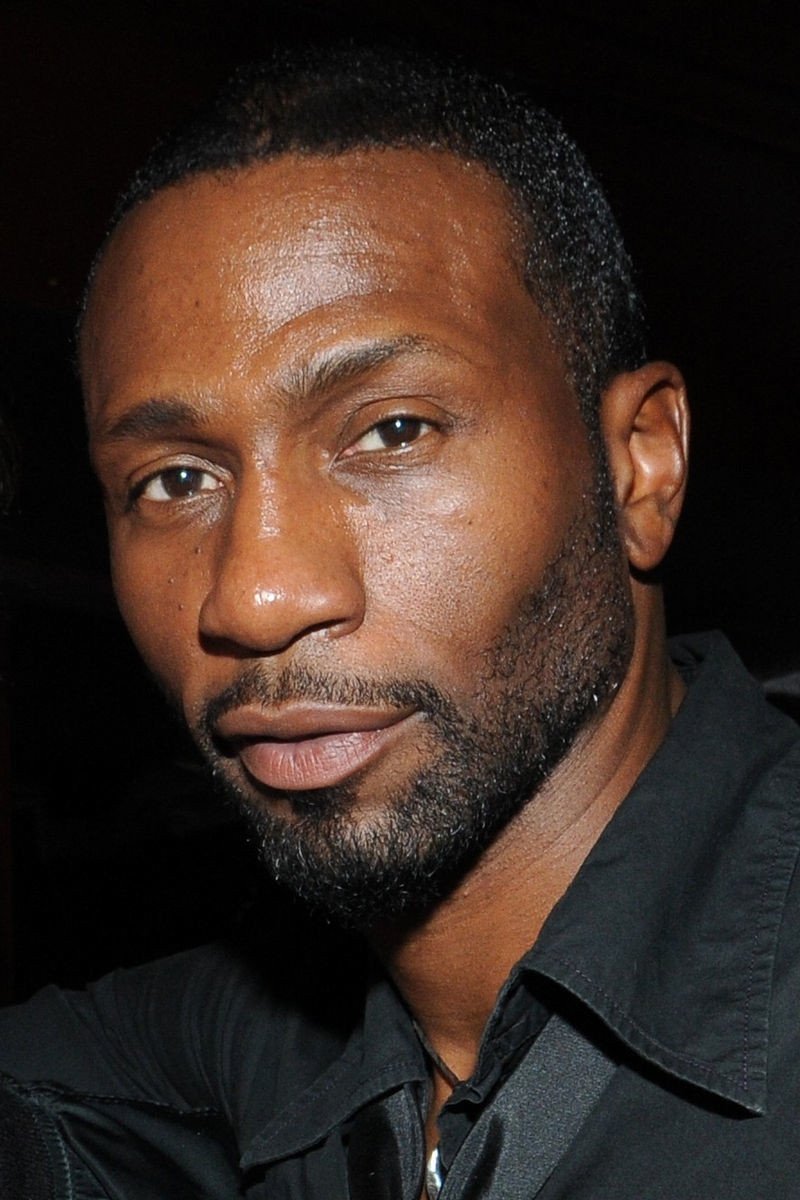
Credited professionally as Leon, he delivered memorable performances in music-themed and sports dramas. He portrayed David Ruffin in ‘The Temptations’ miniseries and starred in ‘The Five Heartbeats’. Leon also appeared in ‘Cool Runnings’, adding comic timing to an inspirational story. His work showcased versatility across biographical, comedic, and ensemble pieces.
Michael Beach
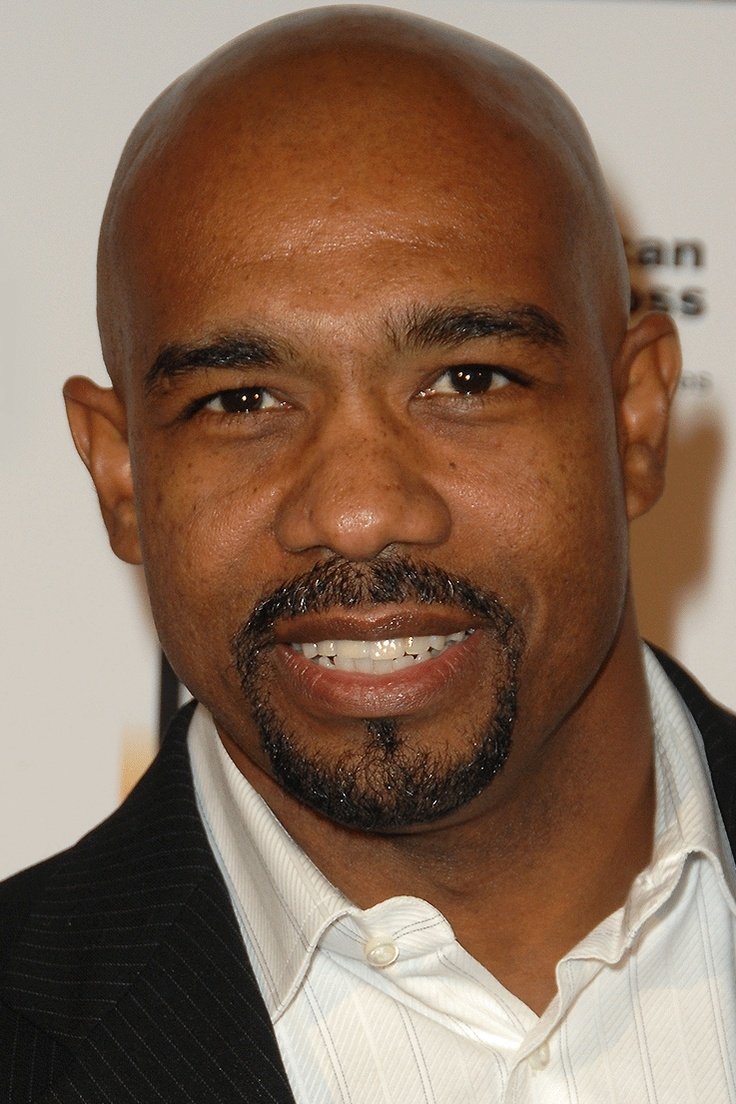
Michael Beach became a familiar face in dramas and thrillers with steady film and television work. He appeared in ‘Waiting to Exhale’, ‘Lean on Me’, and ‘One False Move’, bringing layered support to ensemble stories. Beach also joined ongoing TV series that highlighted his reliability and range. His consistent output made him a go-to performer for grounded, everyday characters.
Share your picks and favorite 1990s performances in the comments!

