


Most Famous Black Actors of the 2000s

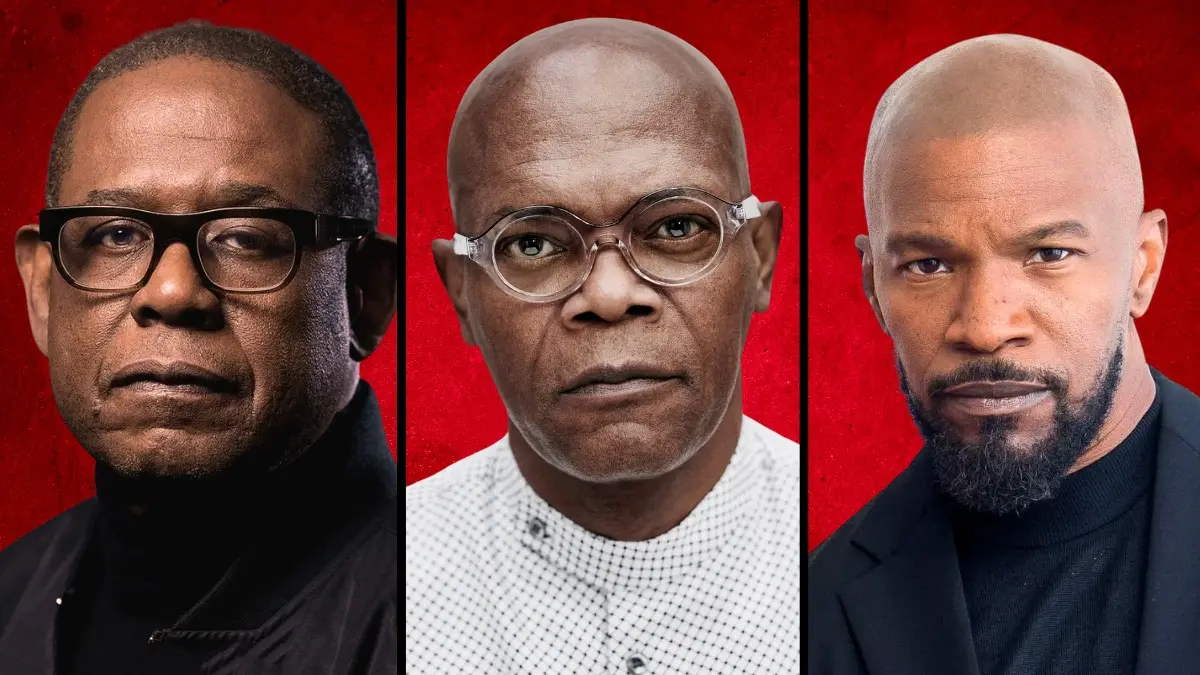


The 2000s saw a wave of Black actors headline blockbusters, anchor prestige dramas, and shape television in lasting ways. Across genres—crime, sci-fi, biographical films, comedy, and groundbreaking TV—these performers delivered roles that drew huge audiences and critical recognition. Their projects ranged from studio tentpoles to indies that expanded the decade’s storytelling range. Here are 45 men whose work helped define that era on screens big and small.
Denzel Washington

Denzel Washington solidified his leading-man stature with crime and thriller turns like ‘Training Day’ and ‘Man on Fire’. He paired marquee projects with character-driven dramas such as ‘Inside Man’ and the educator story ‘The Great Debaters’, which he also directed. His decade included collaborations with top filmmakers and consistent box-office results. The range of roles showcased authority figures, tacticians, and morally complex protagonists.
Will Smith
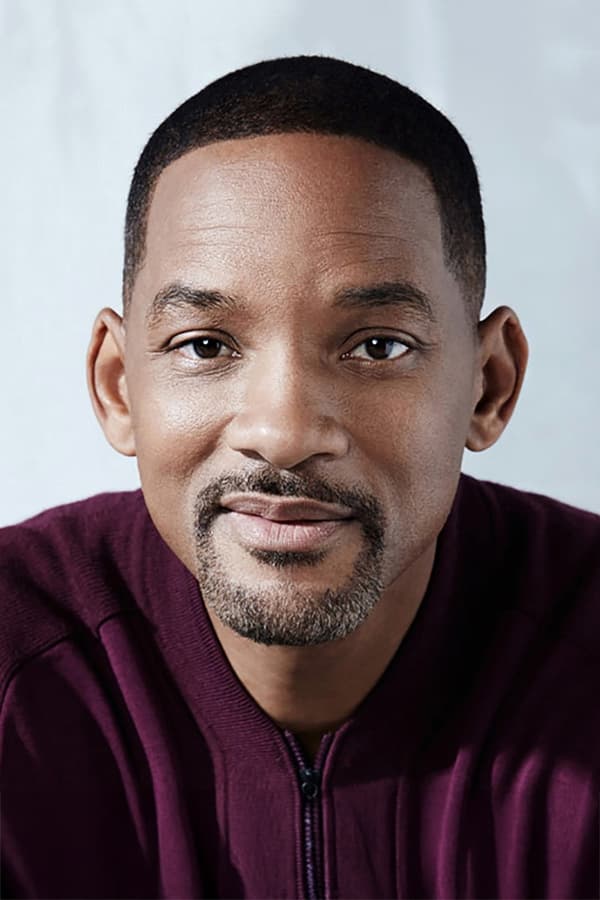
Will Smith led crowd-pleasing blockbusters like ‘I, Robot’ and ‘I Am Legend’ while taking on dramatic material in ‘Ali’ and ‘The Pursuit of Happyness’. He moved between sci-fi spectacle and intimate character studies with steady commercial impact. Smith’s star power helped position diverse stories for global audiences. His choices in the decade balanced franchise potential with awards-minded dramas.
Jamie Foxx
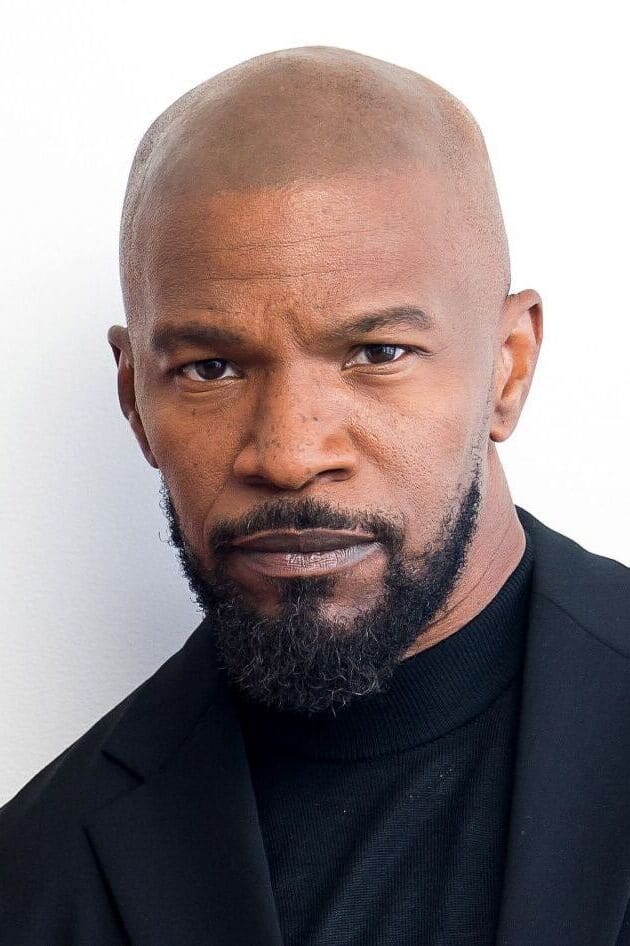
Jamie Foxx earned major awards for ‘Ray’ and delivered acclaimed work in ‘Collateral’ opposite a high-profile ensemble. He added musical and comedy credentials to dramatic roles with projects like ‘Dreamgirls’. Foxx also explored action and crime narratives in ‘Miami Vice’. The 2000s cemented his reputation for biographical portrayals and genre versatility.
Morgan Freeman
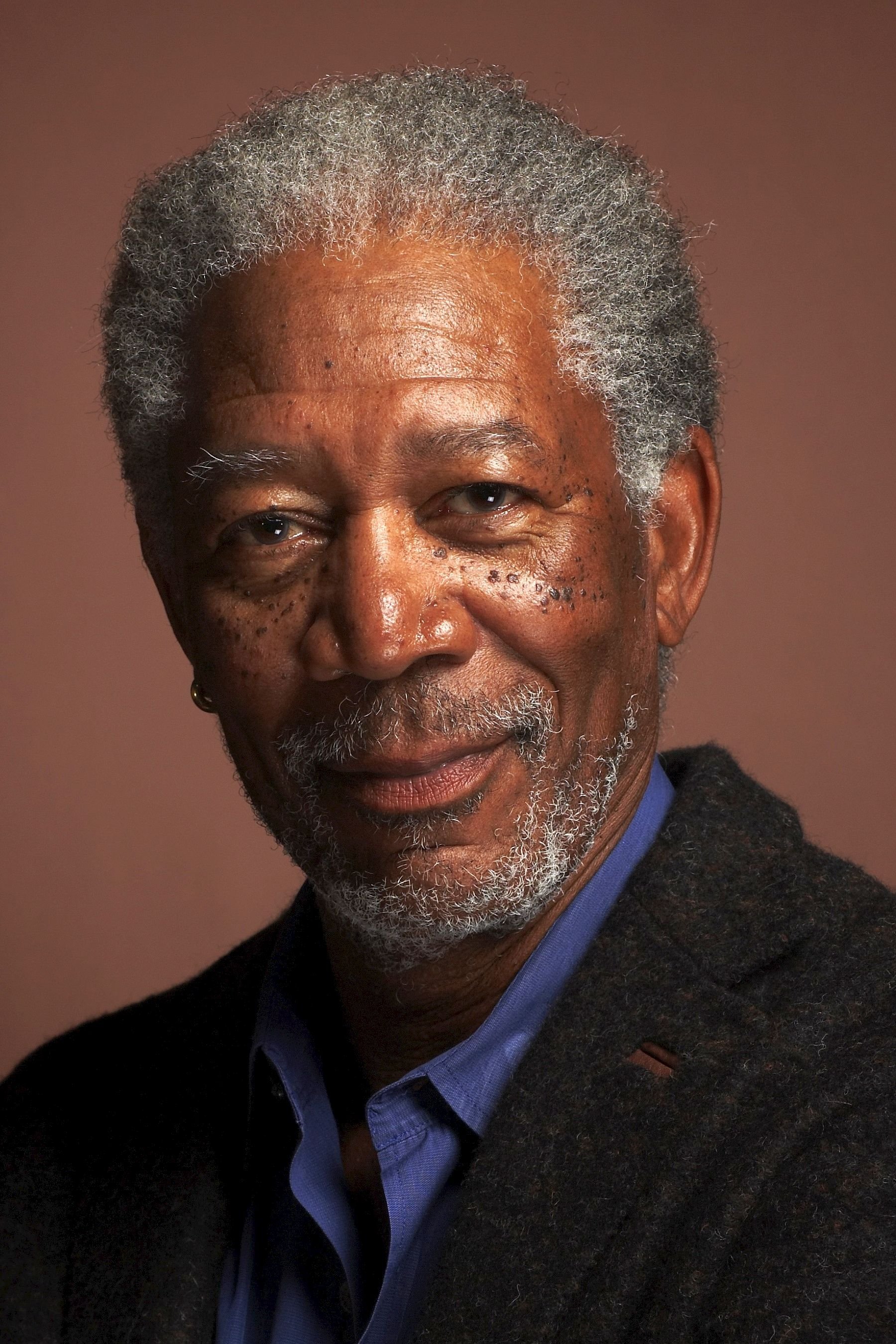
Morgan Freeman brought gravitas to ‘Million Dollar Baby’ and joined the Batman saga with ‘The Dark Knight’. He mixed prestige dramas with broad comedies such as ‘Bruce Almighty’. Freeman’s narration and supporting turns anchored ensemble storytelling. Throughout the decade he remained a go-to presence for mentors, strategists, and institutional leaders.
Samuel L. Jackson
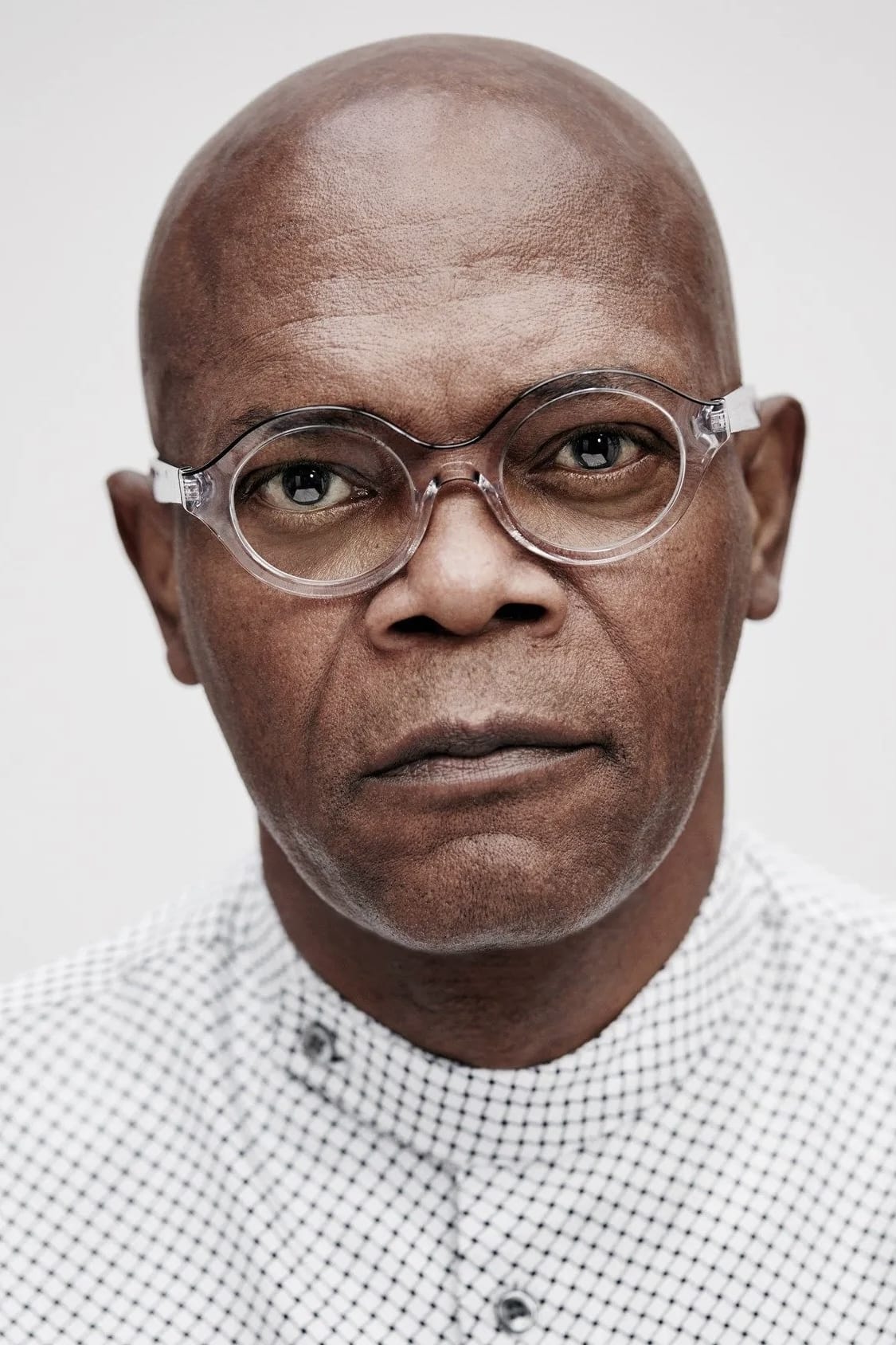
Samuel L. Jackson bridged franchises with appearances spanning ‘Star Wars: Episode III – Revenge of the Sith’ and early Marvel entries. He headlined grounded dramas like ‘Coach Carter’ and tense thrillers such as ‘Unbreakable’. Jackson also supported indies while sustaining a high volume of releases. His roles often explored authority, resolve, and razor-edged wit.
Don Cheadle
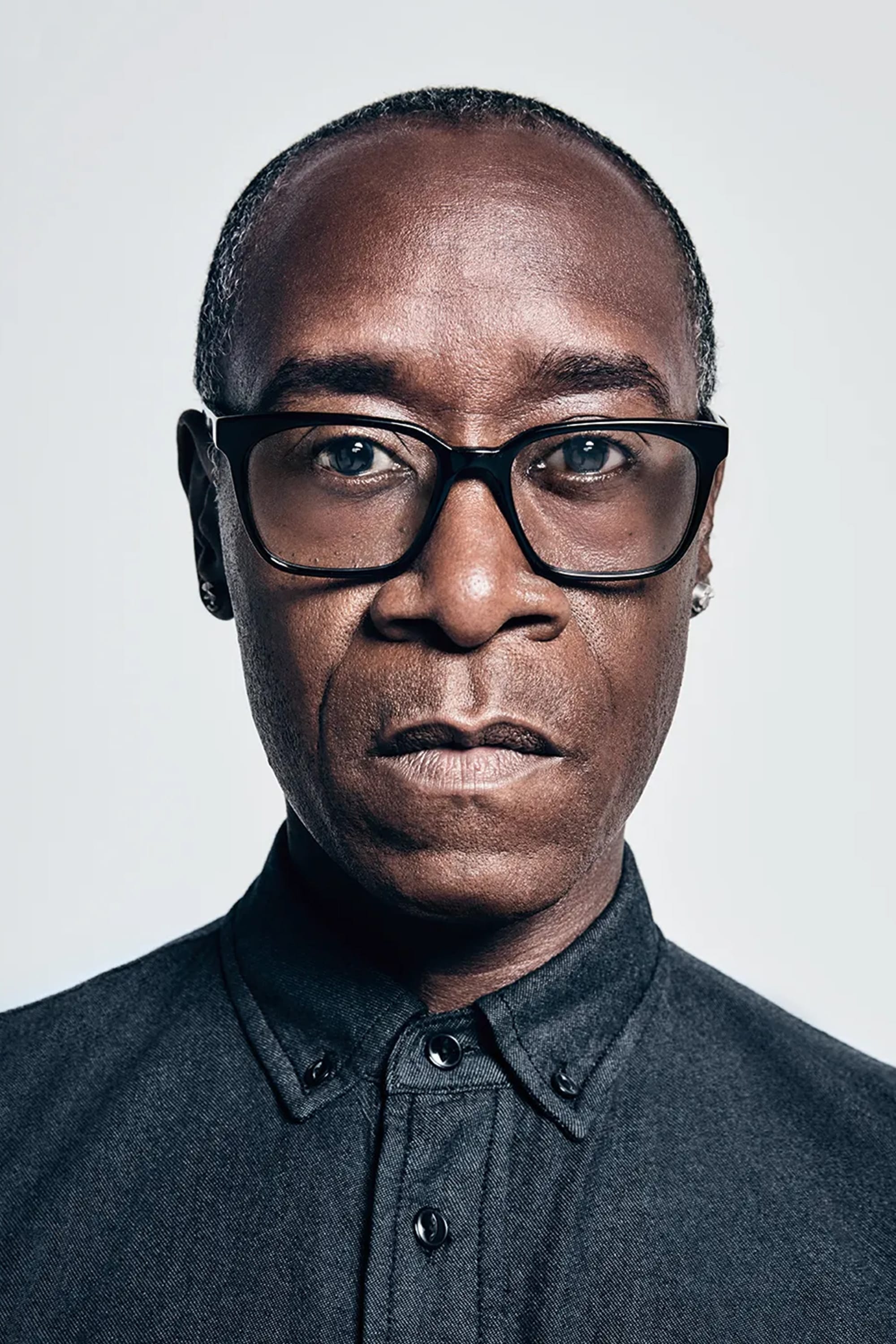
Don Cheadle delivered a widely acclaimed performance in ‘Hotel Rwanda’ and joined ensemble hits like ‘Crash’ and the ‘Ocean’s’ series. He navigated biographical and political terrain in ‘Talk to Me’ and the espionage-tinged ‘Traitor’. Late in the decade he stepped into a superhero role that continued into the next era. Cheadle’s filmography combined social resonance with mainstream appeal.
Forest Whitaker
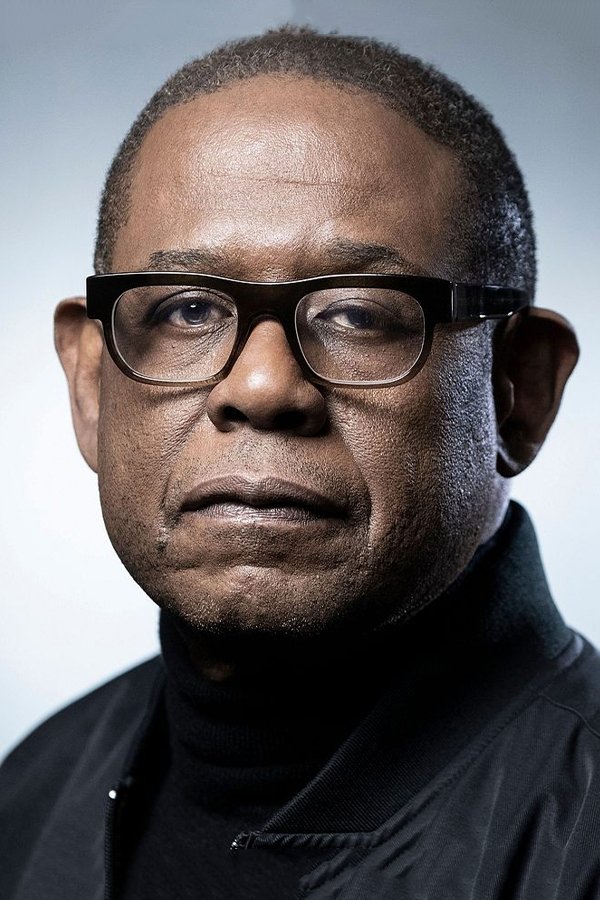
Forest Whitaker earned top honors for ‘The Last King of Scotland’. He balanced thrillers like ‘Panic Room’ with educator-driven drama in ‘The Great Debaters’. Whitaker also produced and directed, broadening his impact behind the camera. The period highlighted immersive character work and transformative leads.
Idris Elba
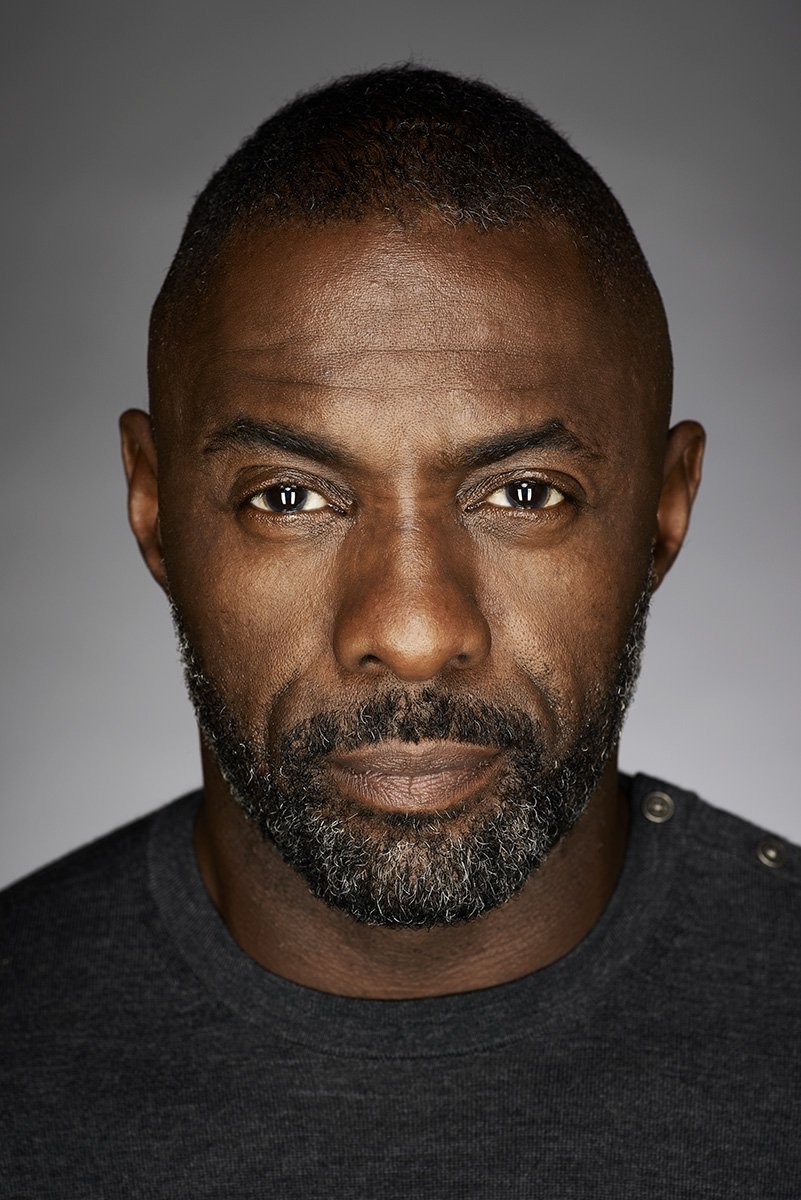
Idris Elba broke out for many viewers with ‘The Wire’ while adding film credits such as ‘American Gangster’ and ‘RocknRolla’. He shifted between British and American productions across crime, heist, and urban drama. Elba began stacking genre credentials that led to later franchise prominence. The decade positioned him as a durable cross-platform star.
Chiwetel Ejiofor
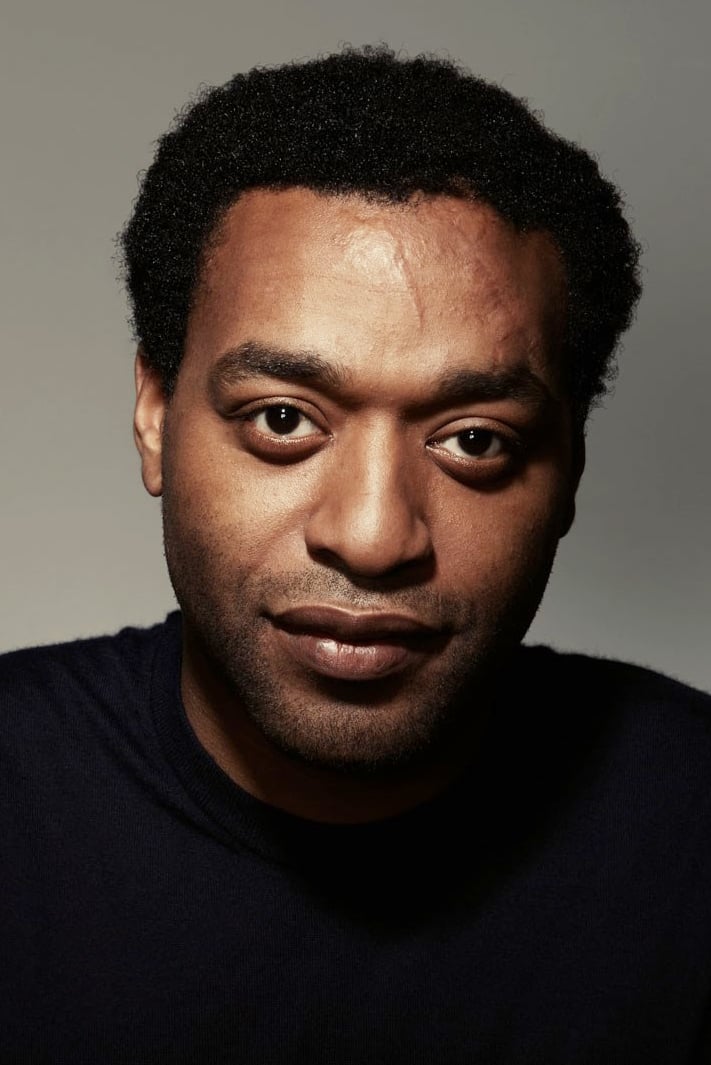
Chiwetel Ejiofor drew acclaim for ‘Dirty Pretty Things’ and showed range with ‘Kinky Boots’ and ‘Children of Men’. He sustained a strong stage profile alongside film work. His roles emphasized precision, emotional depth, and linguistic versatility. The 2000s set the base for later global leads and awards recognition.
Terrence Howard
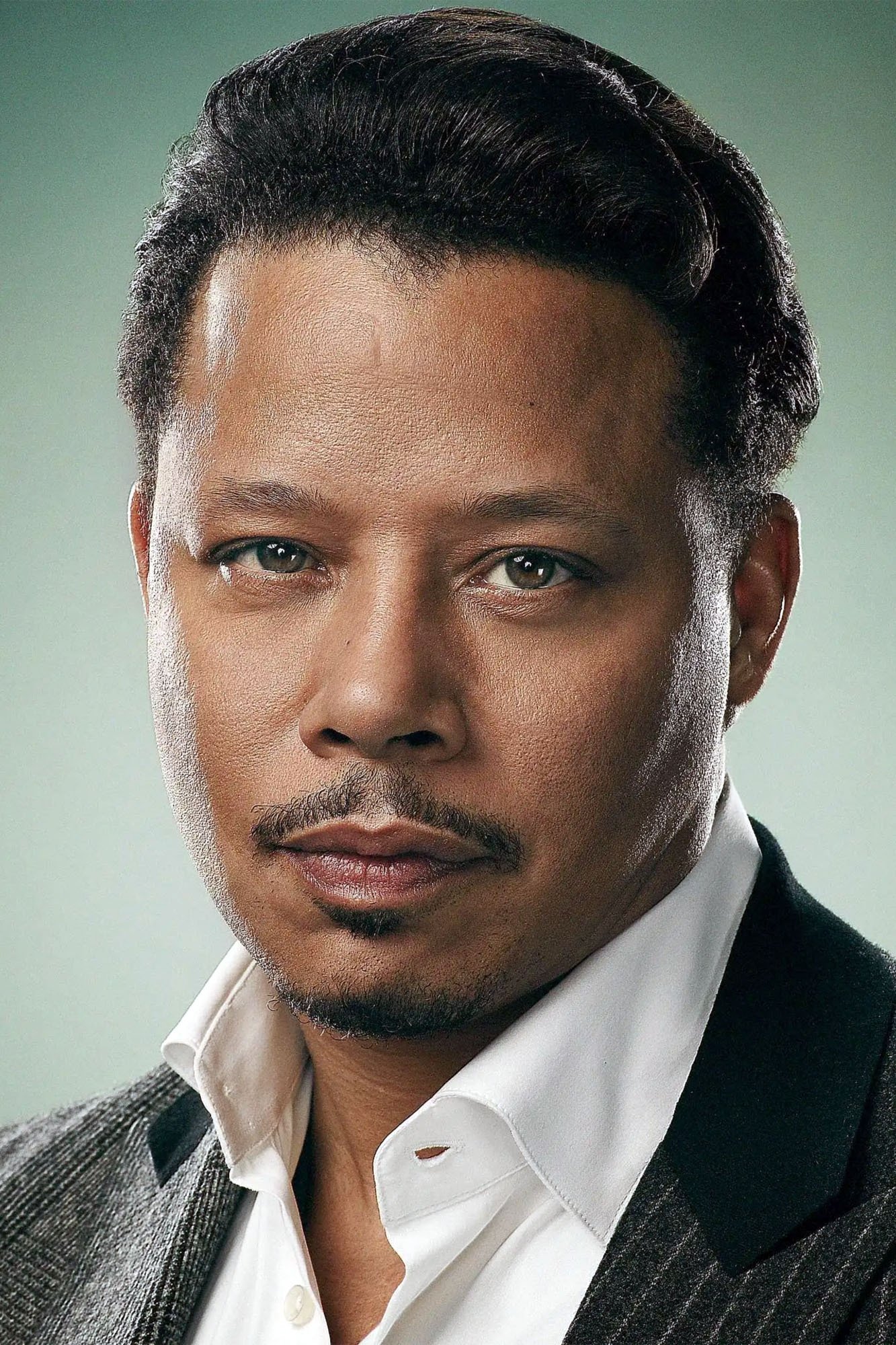
Terrence Howard earned major notice with ‘Hustle & Flow’ and contributed to ensemble drama in ‘Crash’. He entered the burgeoning superhero landscape with ‘Iron Man’. Howard continued mixing music-touched roles with crime and biographical stories. The decade captured his shift from supporting parts to leading turns.
Laurence Fishburne
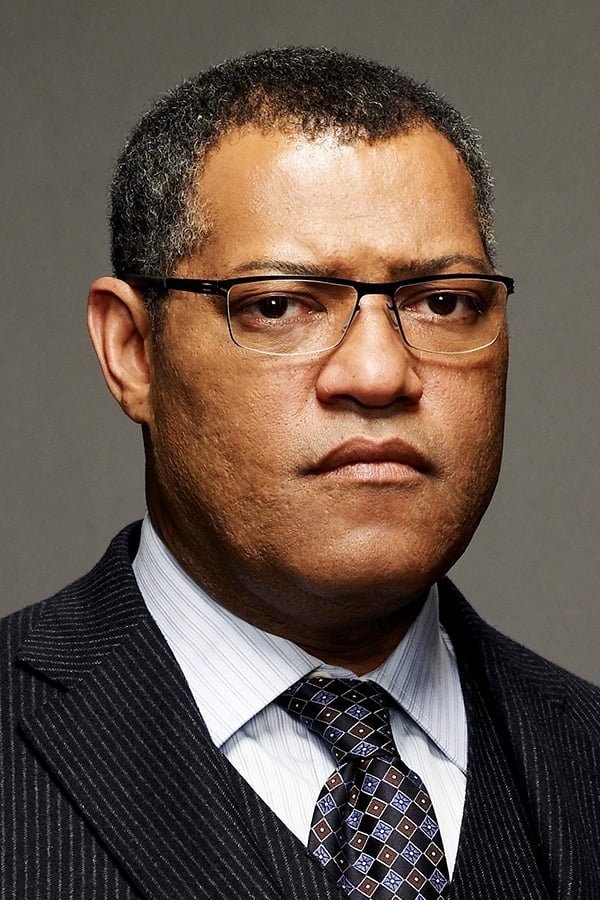
Laurence Fishburne returned to a signature role in ‘The Matrix Reloaded’ and ‘The Matrix Revolutions’. He broadened his reach on network TV with ‘CSI: Crime Scene Investigation’. Films such as ‘Akeelah and the Bee’ spotlighted mentor dynamics and measured intensity. His 2000s slate spanned sci-fi, crime procedure, and family-centered drama.
Wesley Snipes
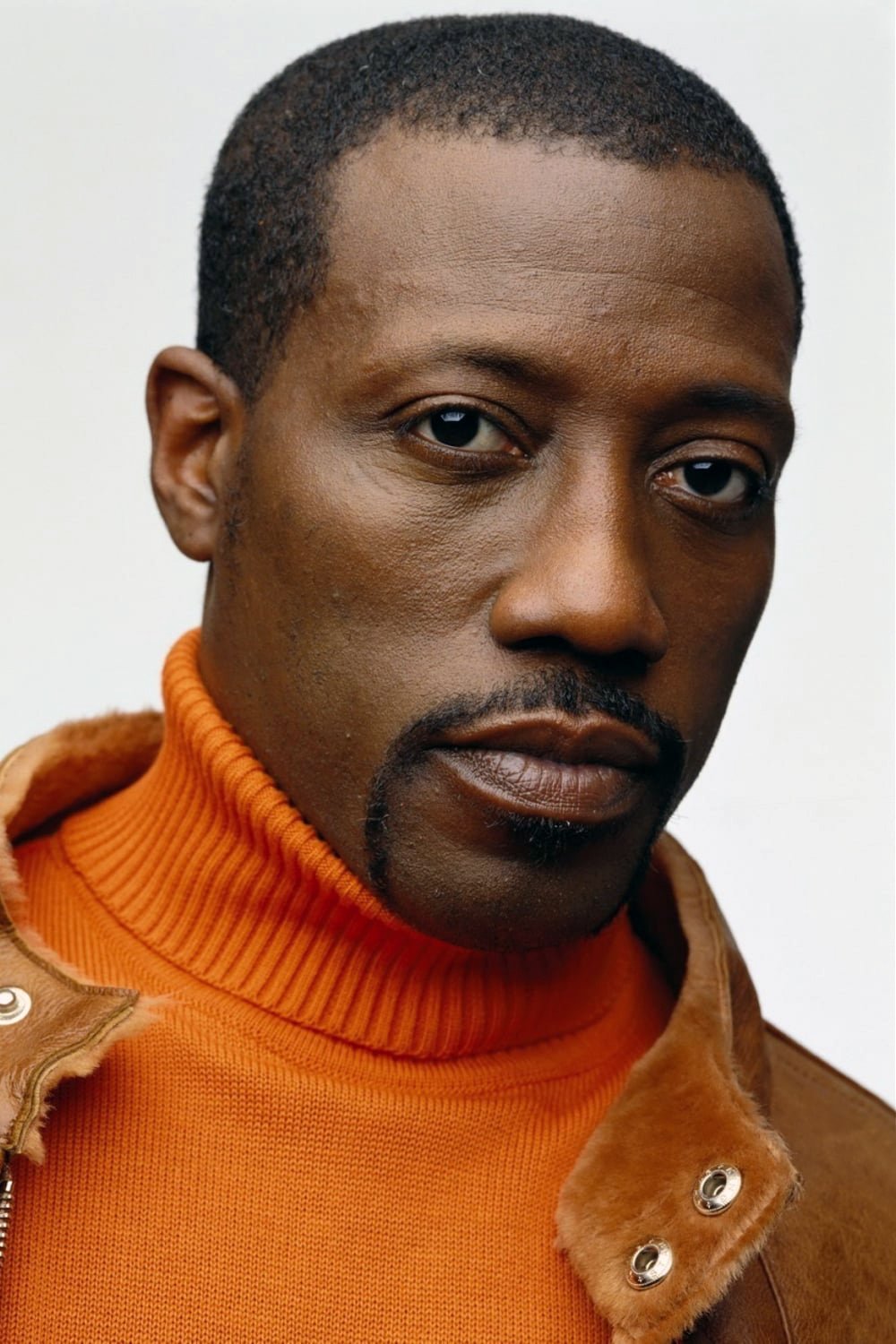
Wesley Snipes drove the ‘Blade’ franchise into the 2000s, shaping modern comic-book cinema’s tone. He coupled action work with thrillers like ‘The Art of War’ and ‘Unstoppable’. Snipes’ screen fighting style and presence remained a genre hallmark. His output influenced later effects-driven blockbusters with Black leads.
Chris Rock
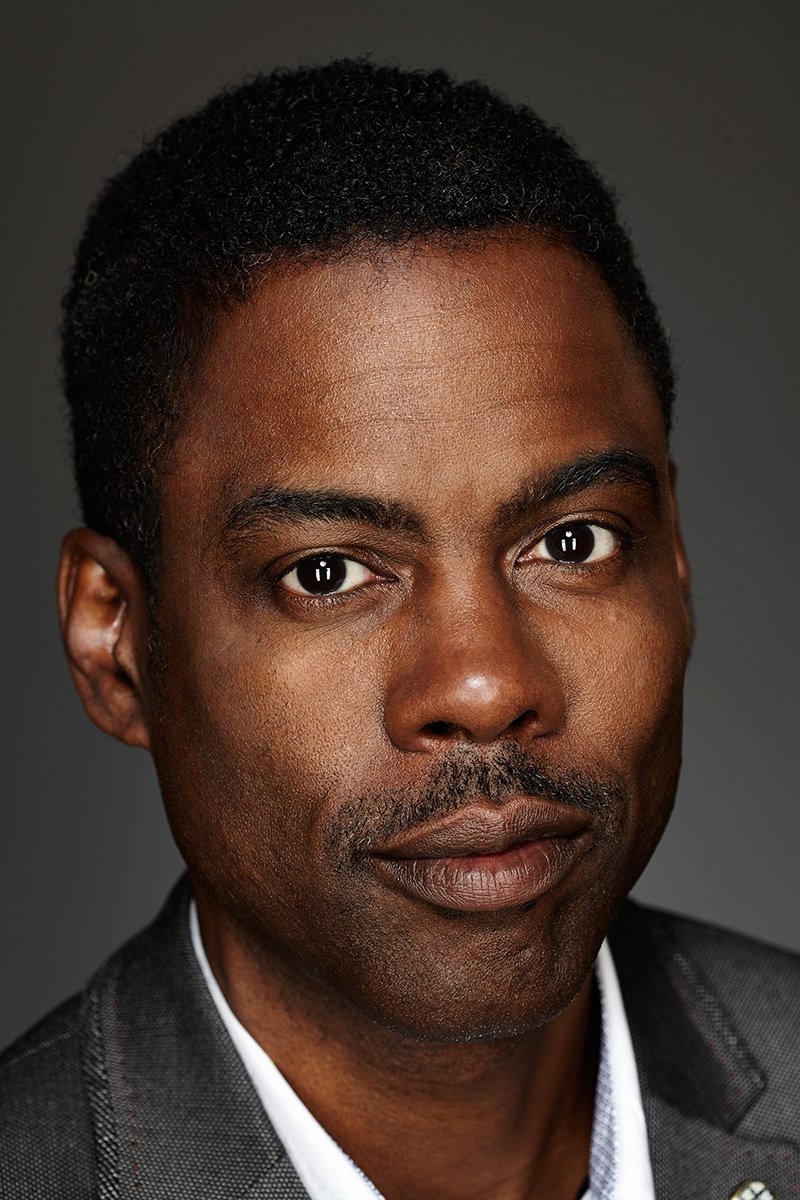
Chris Rock translated stand-up voice into television with ‘Everybody Hates Chris’, crafting a sharp, semi-autobiographical sitcom. He appeared in comedies like ‘Down to Earth’ and ‘Head of State’ while voicing a central role in ‘Madagascar’. Rock also wrote and directed, expanding his creative footprint. The decade showcased multi-hyphenate work across TV, film, and animation.
Cuba Gooding Jr.
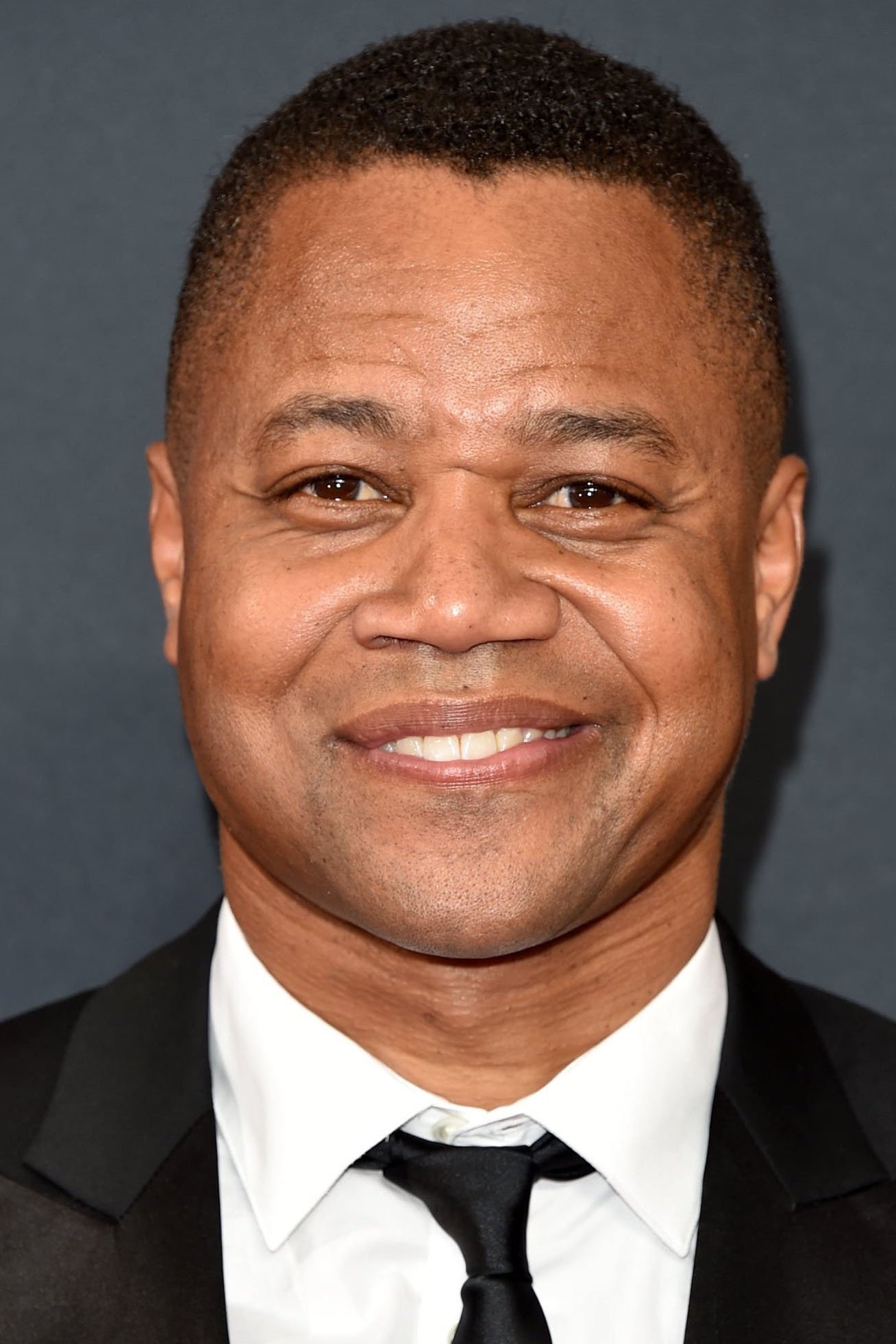
Cuba Gooding Jr. took on sports, war, and crime stories with ‘Radio’, ‘Pearl Harbor’, and ‘American Gangster’. He alternated between leads and ensembles in studio releases. Gooding navigated inspirational drama and action-tinged narratives. The 2000s emphasized his adaptability in varied genres.
Mos Def (Yasiin Bey)
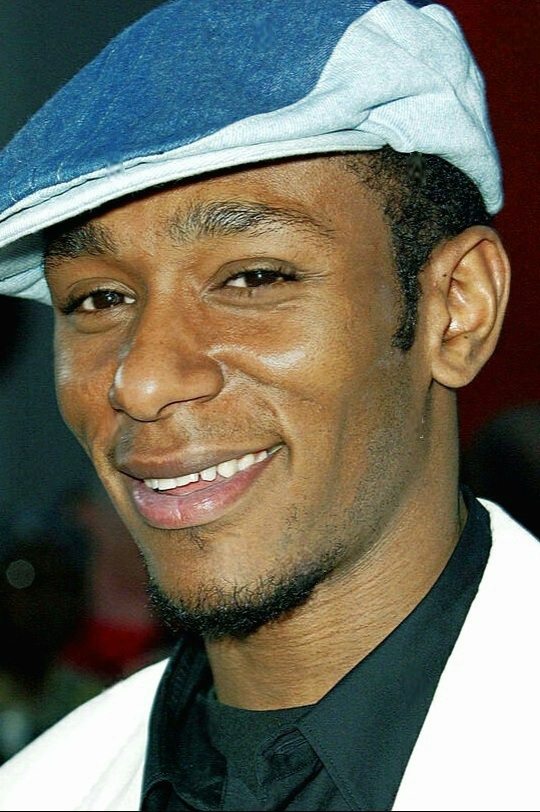
Credited as Mos Def during the decade, he balanced music with screen work in ‘The Italian Job’ and ’16 Blocks’. He headlined cult-favorite sci-fi with ‘The Hitchhiker’s Guide to the Galaxy’. Television arcs added medical and legal drama to his portfolio. His naturalistic approach traveled well across comedy, crime, and adventure.
Djimon Hounsou
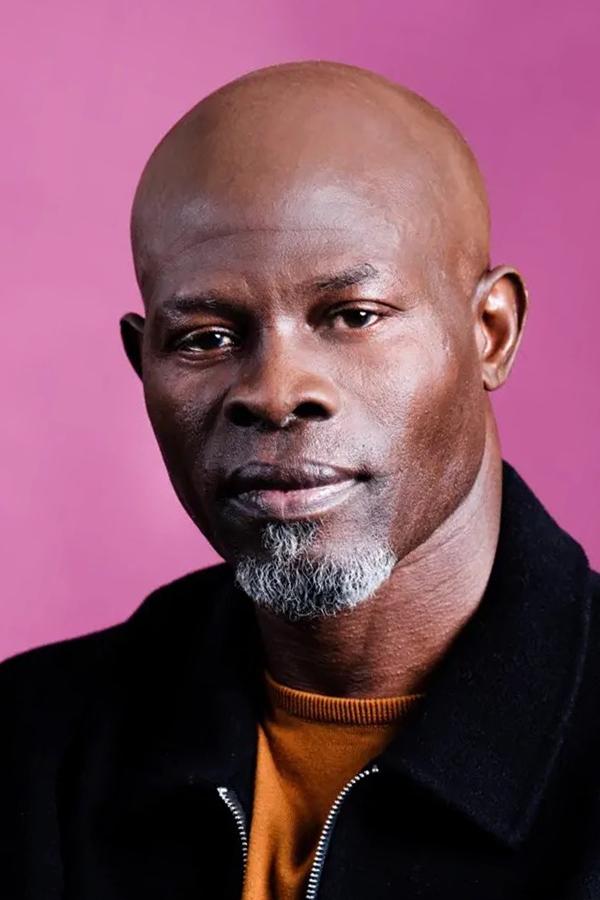
Djimon Hounsou earned recognition for emotional drama in ‘In America’ and appeared in large-scale epics like ‘Gladiator’ and ‘Blood Diamond’. He moved between prestige projects and action fare including ‘The Island’. Hounsou often portrayed characters facing moral urgency under extreme stakes. His commanding presence made him a standout in ensembles.
Jeffrey Wright
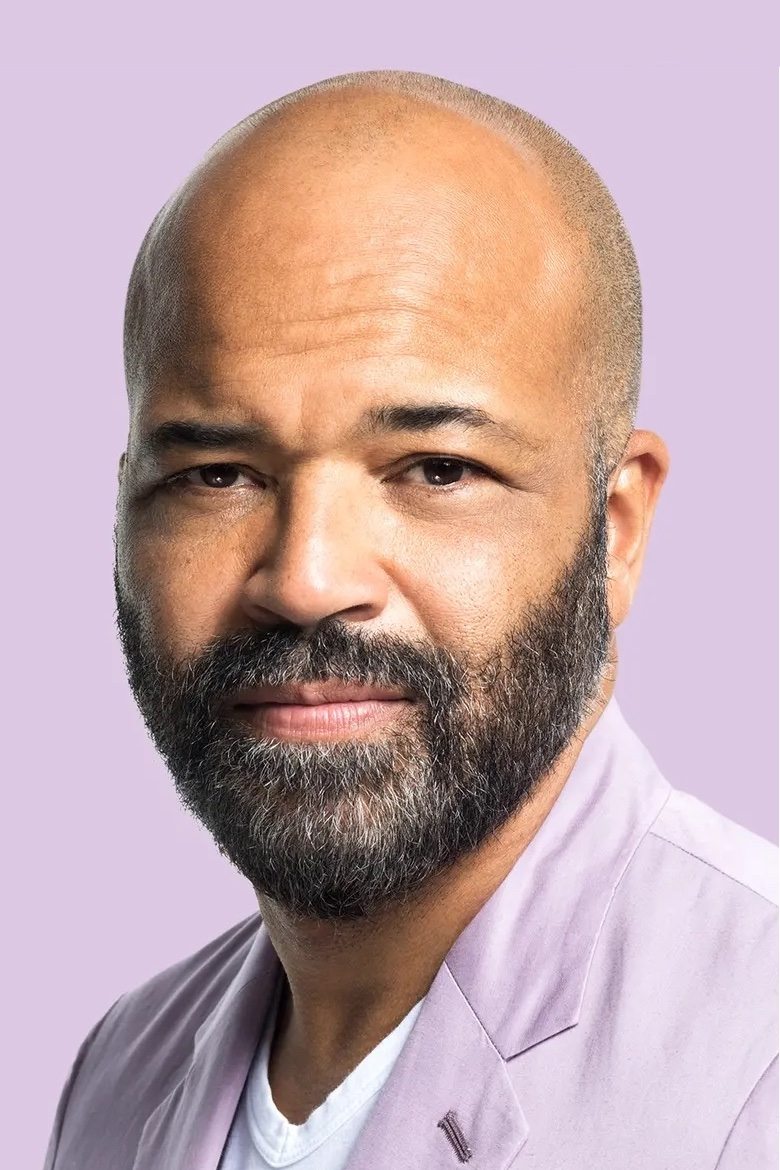
Jeffrey Wright delivered meticulous character work in ‘Syriana’ and political biography with ‘W.’. He joined a major spy franchise as Felix Leiter in ‘Casino Royale’ and ‘Quantum of Solace’. His television turn in ‘Angels in America’ drew significant acclaim. Stage roots informed his precise film and TV performances across the decade.
Anthony Mackie
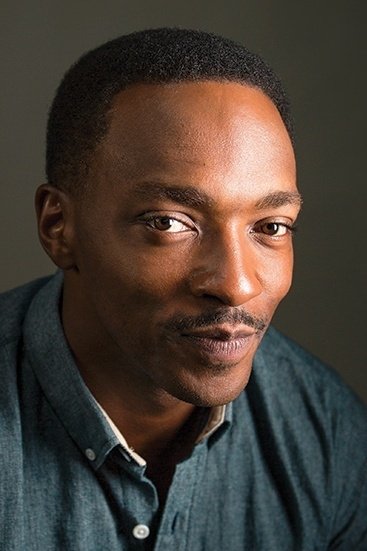
Anthony Mackie emerged with roles in ‘8 Mile’ and the indie ‘Brother to Brother’, then expanded his range in ‘The Hurt Locker’ and ‘Half Nelson’. He consistently explored contemporary American life, friendship, and identity. Mackie collaborated with notable directors on both studio and indie sets. Those credits set the stage for later franchise leadership.
Michael Clarke Duncan
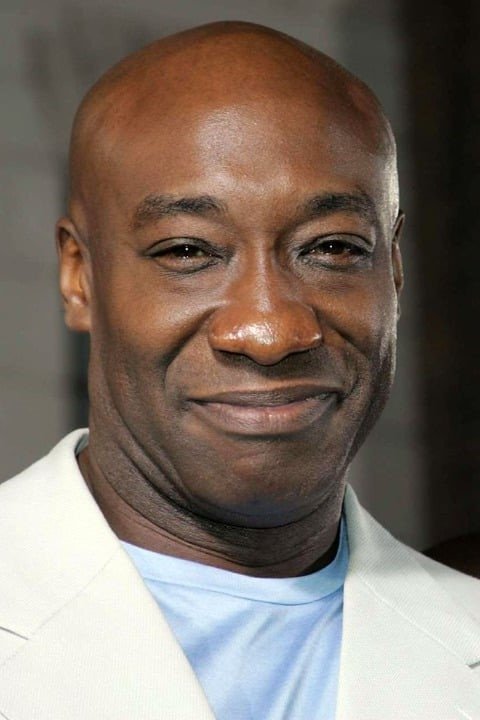
Michael Clarke Duncan followed his breakout with ‘The Whole Nine Yards’, comic-book fare like ‘Daredevil’, and the noir ensemble ‘Sin City’. He brought warmth and power to both comedic and action roles. Voice work in animation and games broadened his reach. The 2000s highlighted his blend of gentleness and imposing strength.
Eddie Murphy
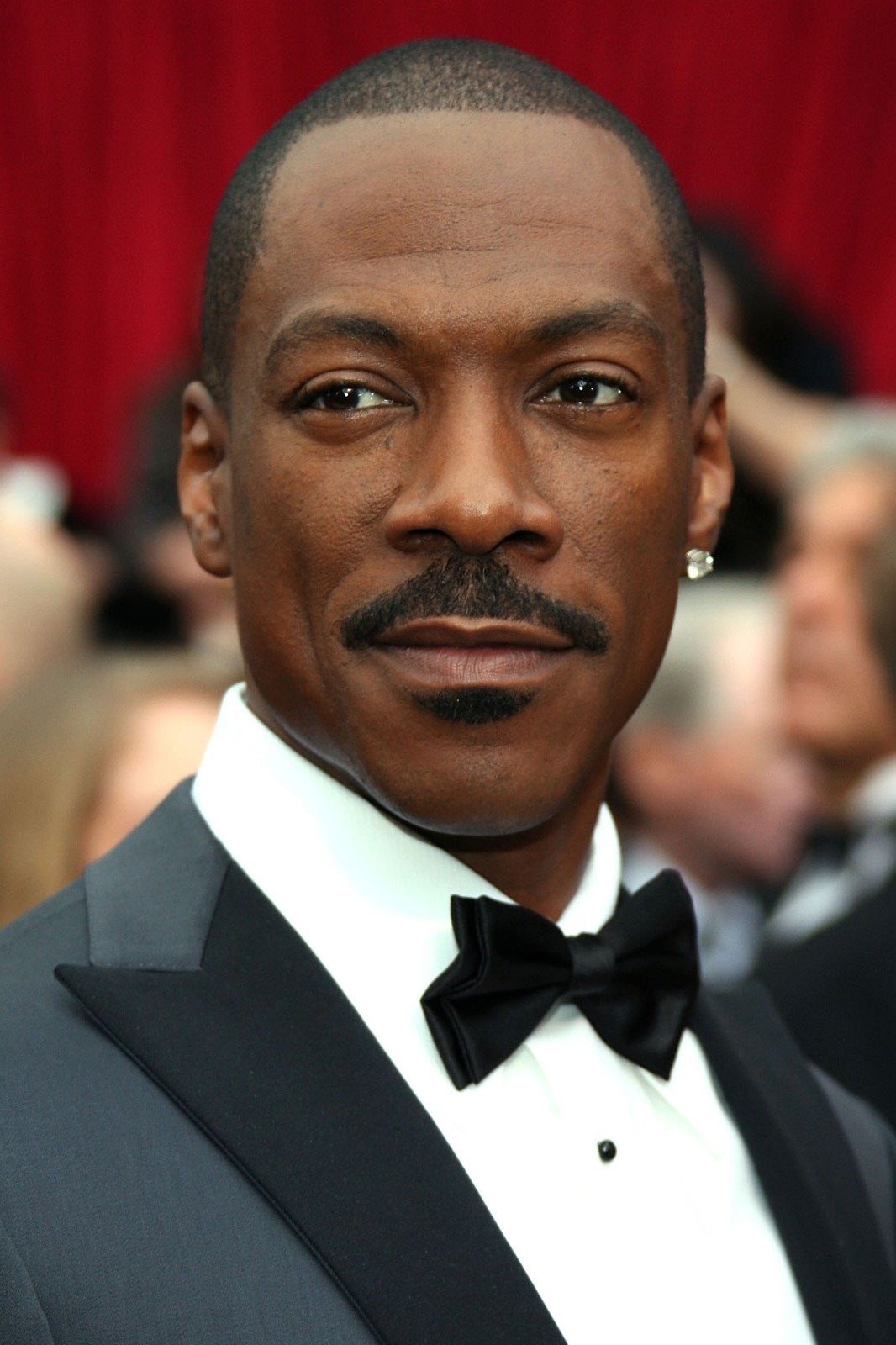
Eddie Murphy remained a top draw with family comedies such as ‘Daddy Day Care’ and ‘The Haunted Mansion’. He earned major awards attention for ‘Dreamgirls’. Murphy’s voice role across the ‘Shrek’ films reinforced global visibility. His decade bridged musical drama, animation, and live-action comedy.
Martin Lawrence
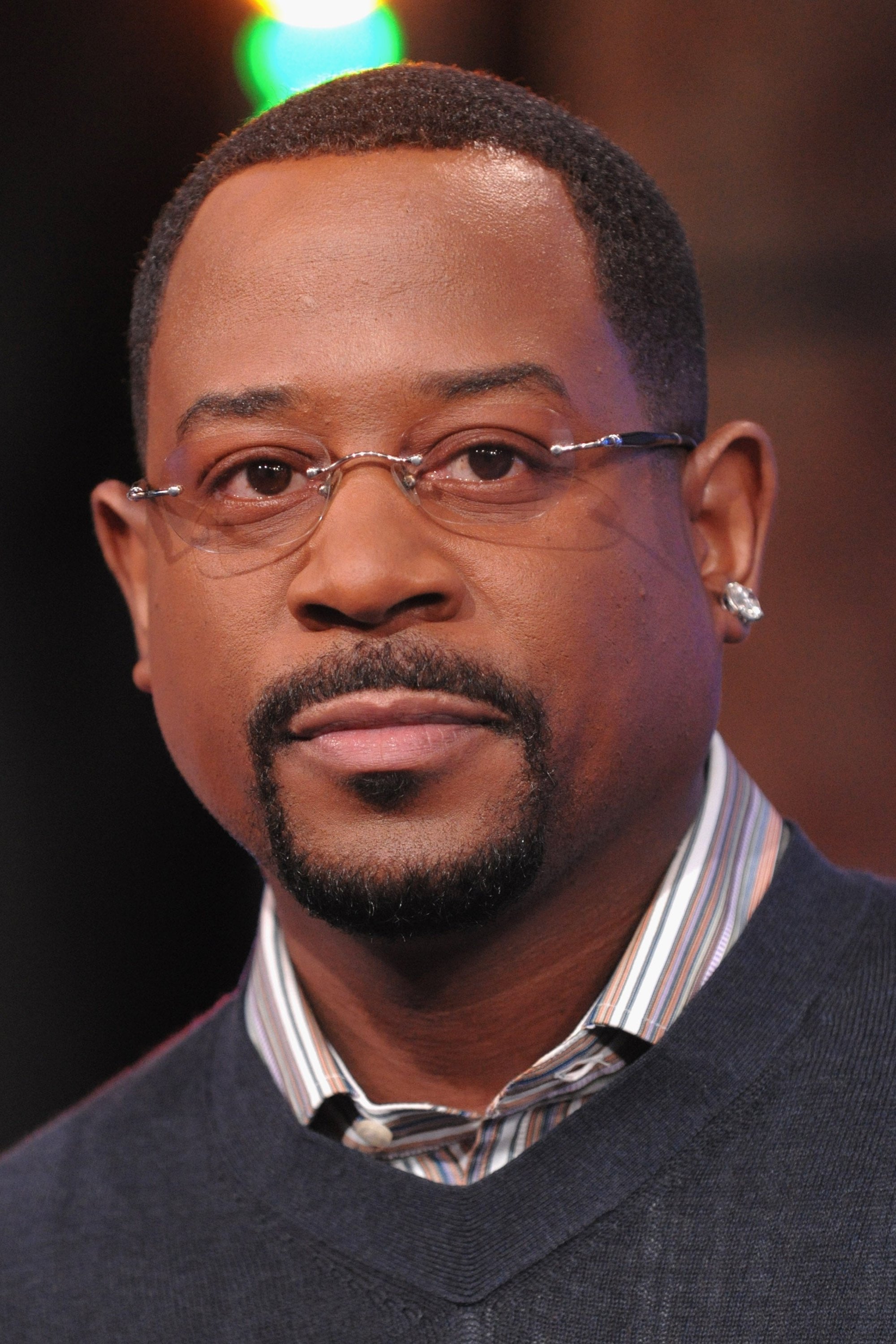
Martin Lawrence kept momentum with action-comedy in ‘Bad Boys II’ and studio comedies tied to the ‘Big Momma’s House’ run. He balanced box-office-friendly laughs with occasional dramatic beats. Lawrence also returned to stand-up projects that complemented screen work. The 2000s sustained his status as a reliable headliner.
Bernie Mac
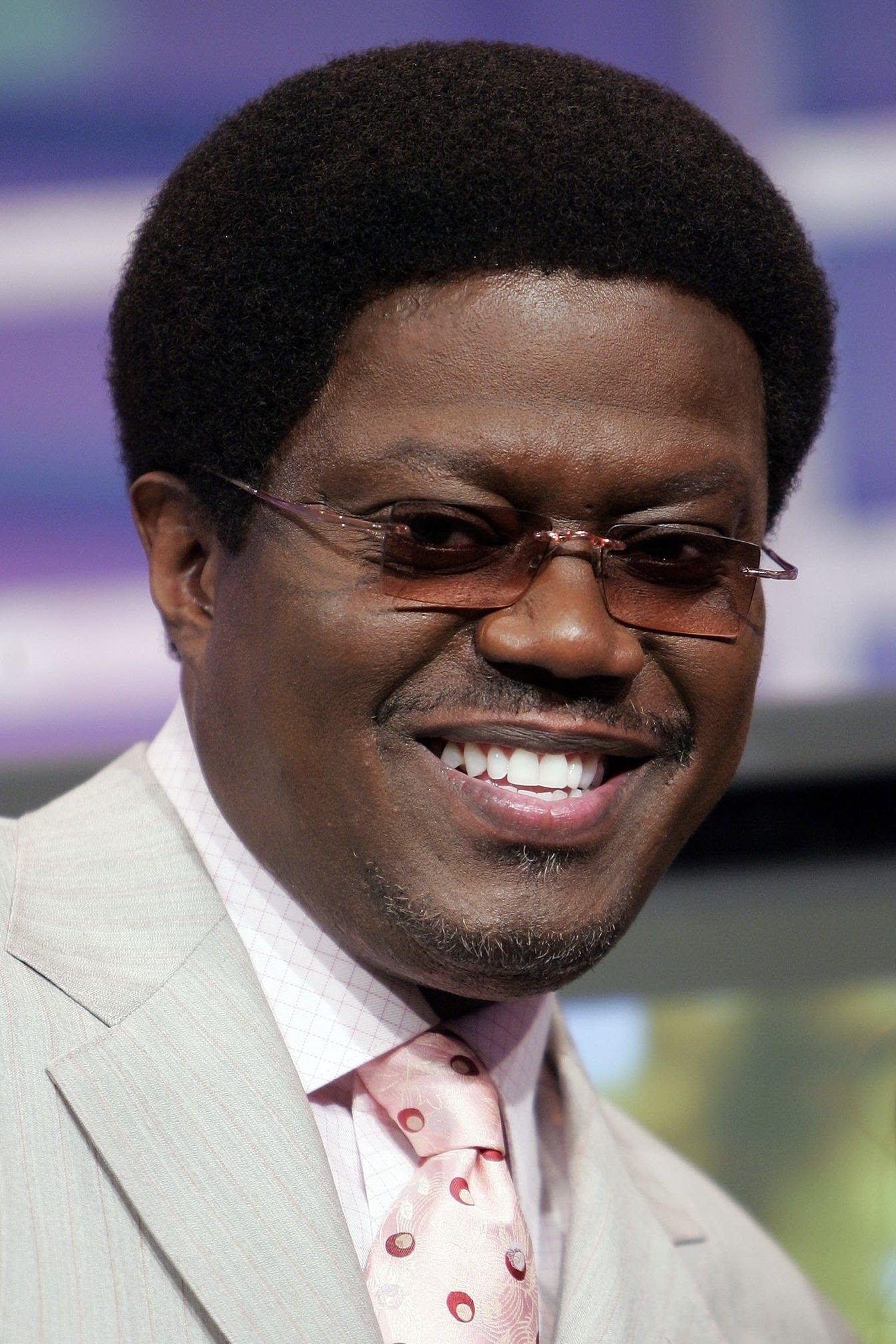
Bernie Mac fronted ‘The Bernie Mac Show’, blending mockumentary style with family storytelling. On film, he joined the ‘Ocean’s Eleven’ ensemble and comedies like ‘Guess Who’. He brought a distinct voice that translated from stand-up to screen. The decade affirmed his range across television and ensemble features.
Tyrese Gibson
Tyrese Gibson transitioned from music to action franchises with ‘2 Fast 2 Furious’ and the effects-driven ‘Transformers’. He also took on intense drama in ‘Baby Boy’. Gibson’s screen persona combined humor, loyalty, and physicality. His roles made him a dependable presence in high-octane projects.
Omar Epps
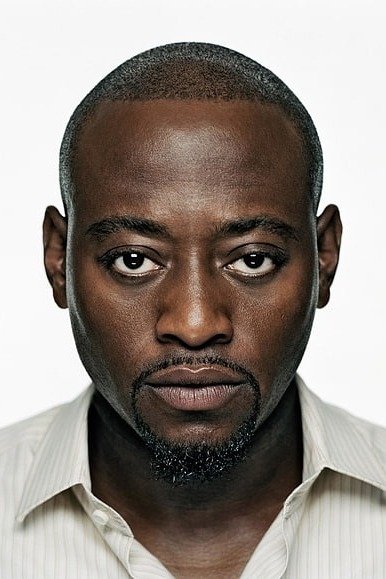
Omar Epps anchored a long run on ‘House’ while appearing in sports and fight-world stories like ‘Against the Ropes’. He often portrayed professionals navigating pressure and ethics. Epps balanced series regular work with film visibility. The period emphasized grounded realism and team-driven narratives.
Mekhi Phifer
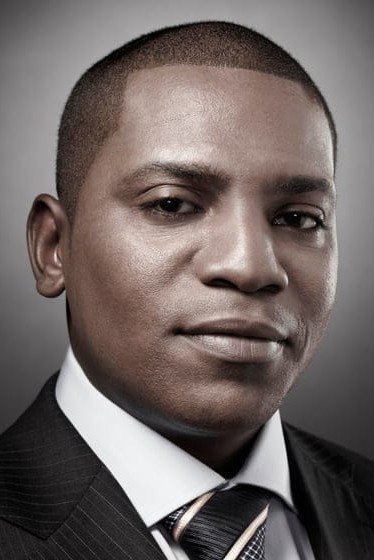
Mekhi Phifer carried major arcs on ‘ER’ and starred in genre pieces like ‘Dawn of the Dead’. He frequently played doctors, detectives, and survivors under duress. Film and television roles reflected broad casting appeal. The 2000s kept him central in ensemble-heavy, character-focused stories.
Dennis Haysbert
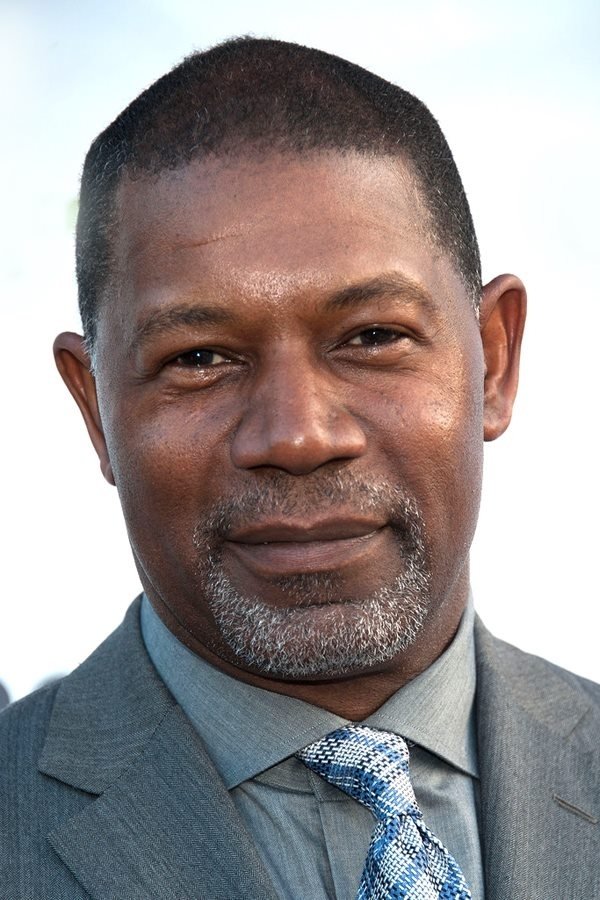
Dennis Haysbert became closely associated with leadership roles on ’24’ and military drama in ‘The Unit’. His distinctive voice anchored narration and commercial work. Haysbert’s characters often embodied steadiness and trust. The decade consolidated his image as a composed authority figure.
Michael Ealy
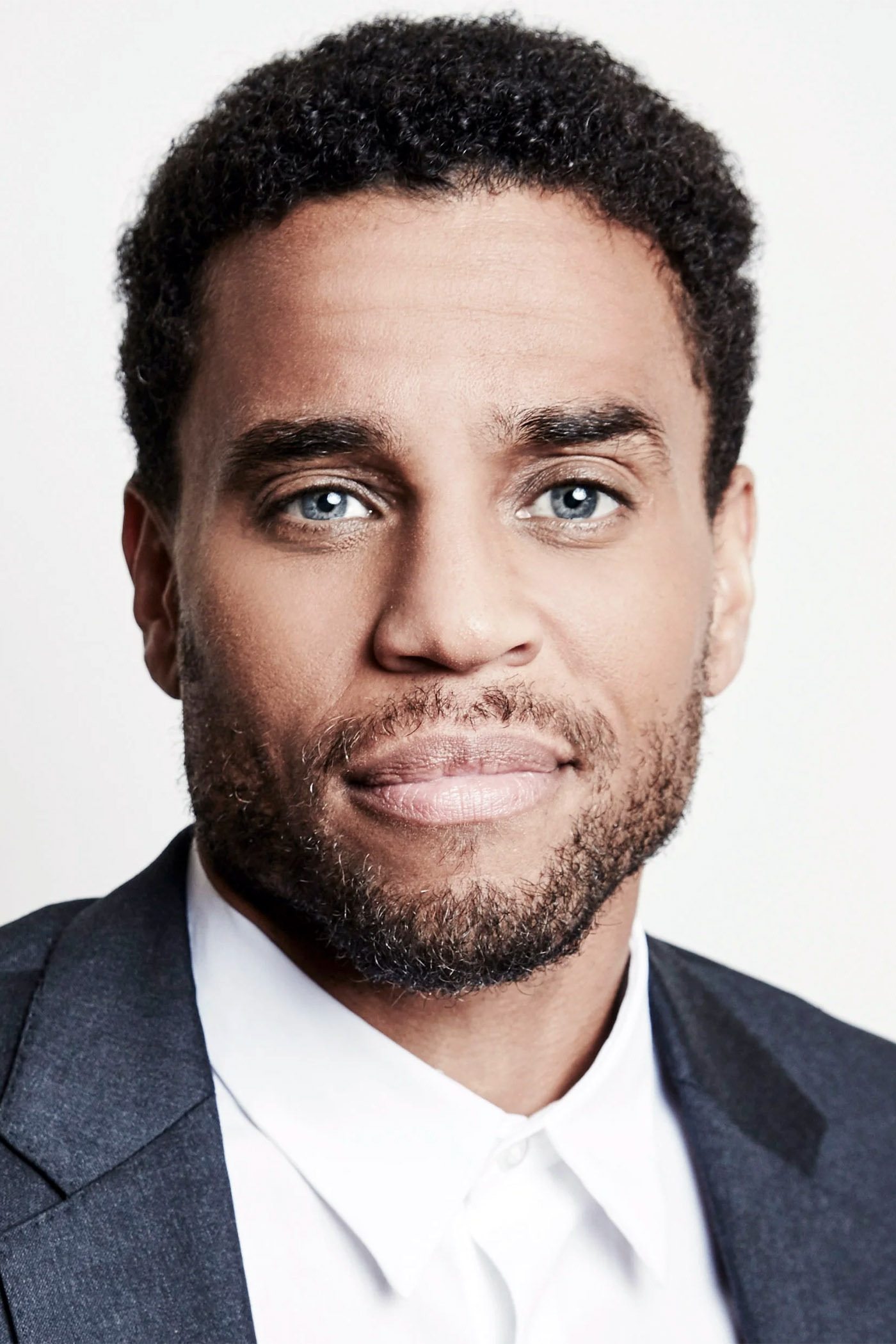
Michael Ealy drew attention in ‘Barbershop’ and expanded with crime and romantic drama in ‘Takers’ and ‘Seven Pounds’. He toggled between charismatic support and nuanced leads. Television appearances broadened suspense and relationship-driven credentials. His 2000s work introduced a versatile presence able to shift tone smoothly.
Taye Diggs
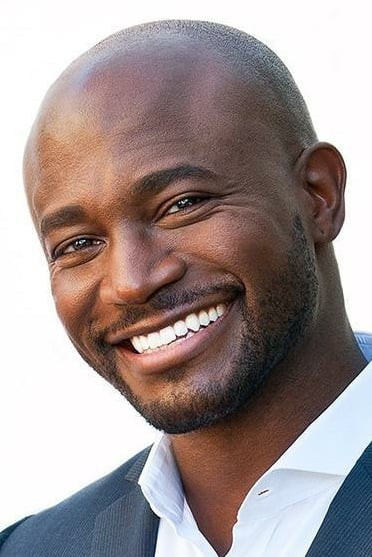
Taye Diggs moved into network prominence with ‘Private Practice’ while maintaining film turns in ‘Brown Sugar’ and ‘Chicago’. Stage experience informed polished screen performances. He navigated romantic drama, musical storytelling, and ensemble TV. The decade balanced procedural arcs with stylish big-screen roles.
Isaiah Washington
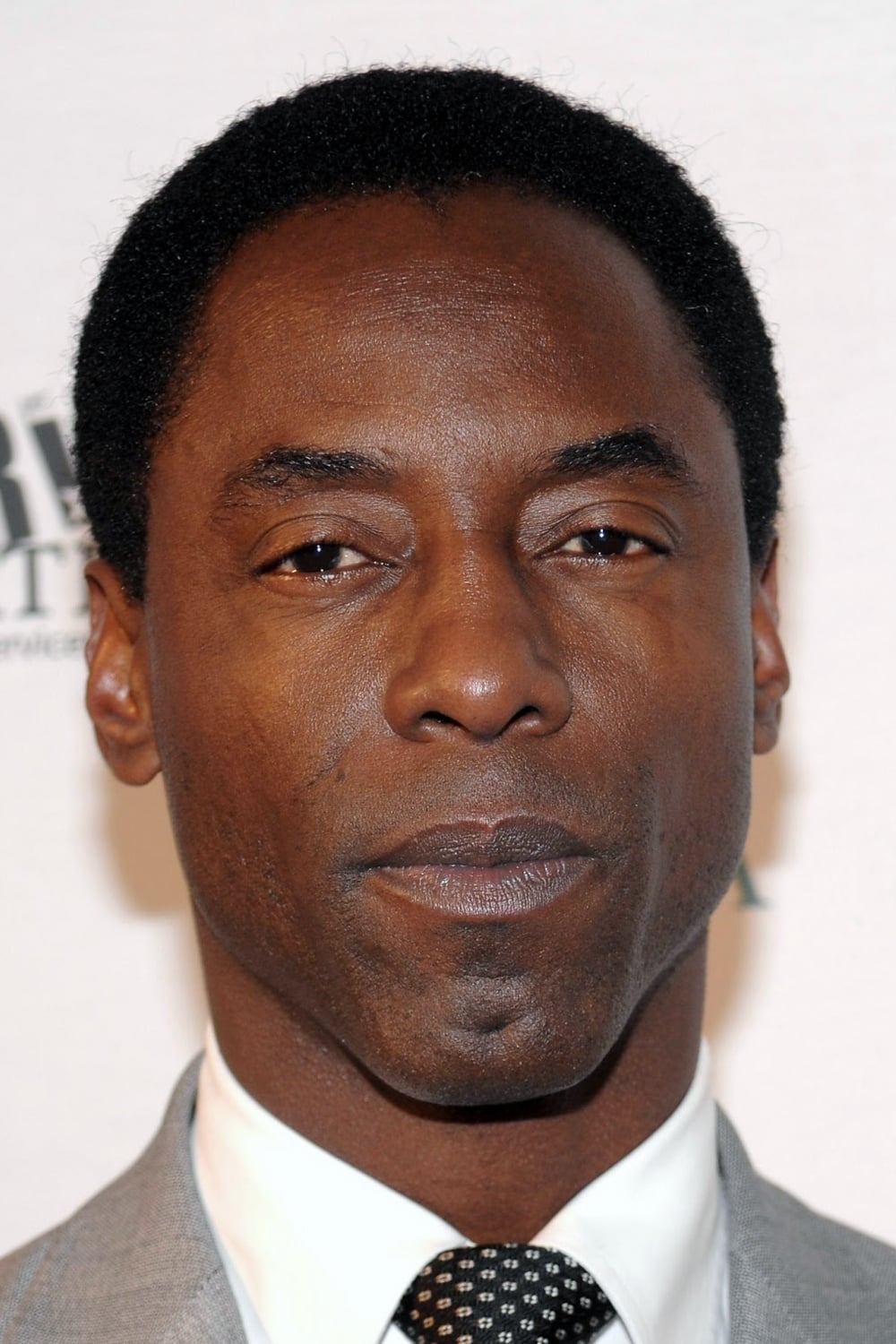
Isaiah Washington became widely recognized for his role on ‘Grey’s Anatomy’. He also took parts in thrillers and indies that leaned into intensity and conflict. Television anchored his visibility while film roles continued. His performances often examined ambition, consequence, and redemption.
Adewale Akinnuoye-Agbaje
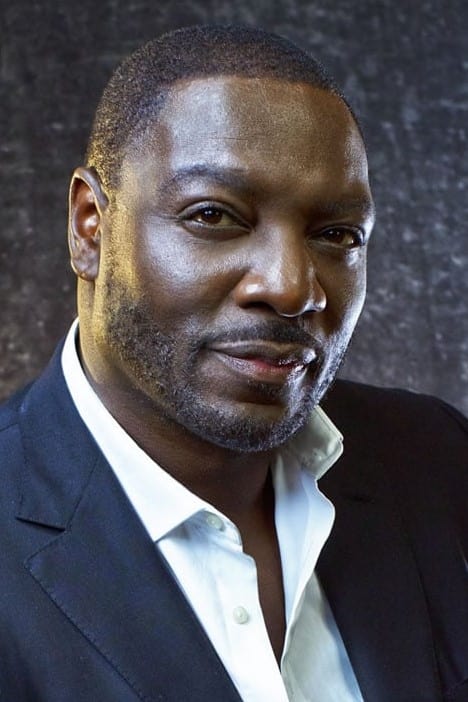
Adewale Akinnuoye-Agbaje made a striking impact on ‘Lost’ and brought presence to ‘The Mummy Returns’ and ‘Get Rich or Die Tryin”. He often portrayed characters wrestling with loyalty, survival, and identity. Work across historical and contemporary settings highlighted multilingual range. The 2000s secured him as a memorable ensemble player.
Giancarlo Esposito
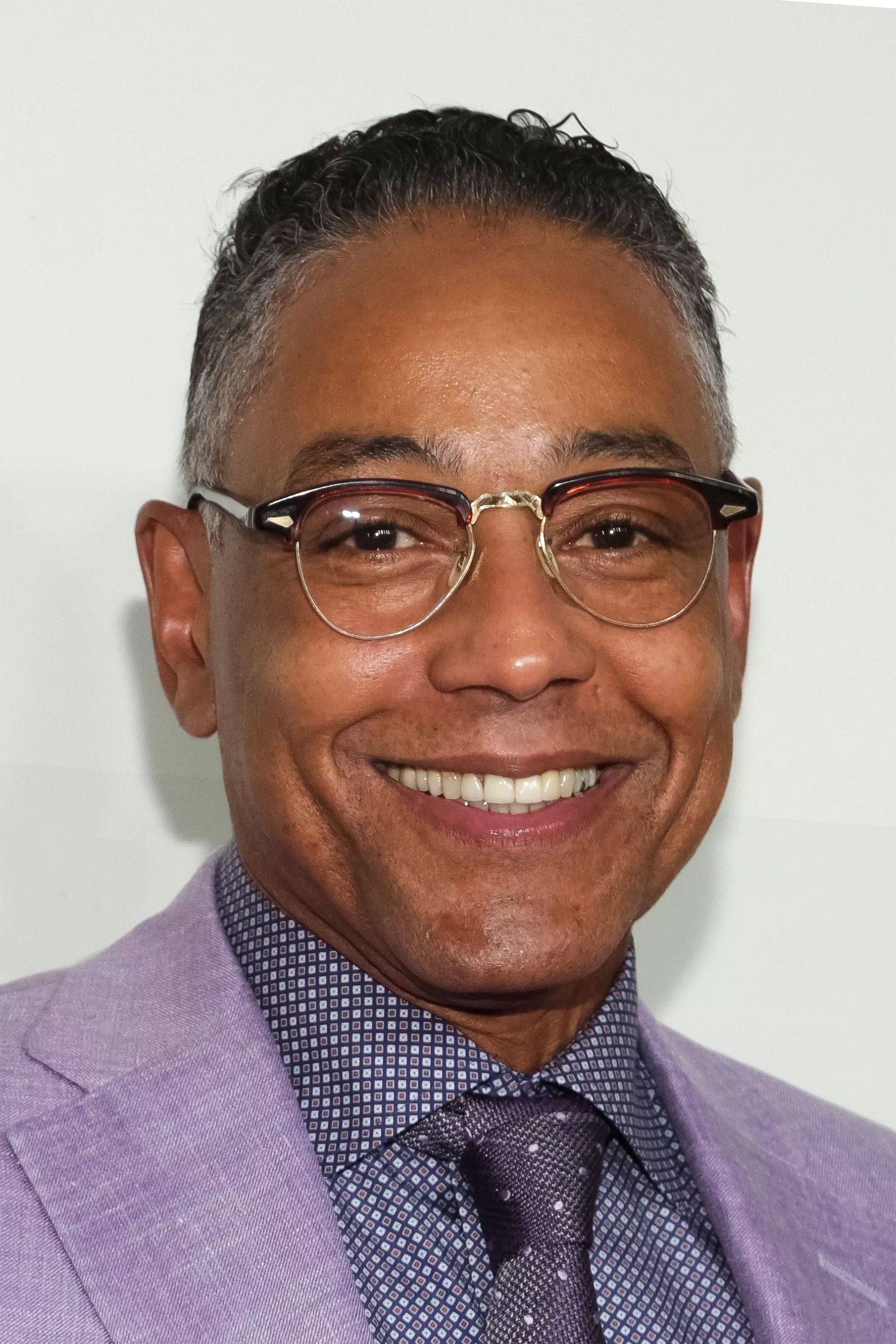
Giancarlo Esposito earned wide recognition for his meticulous turn in ‘Breaking Bad’. Earlier and alongside that role, he appeared in crime dramas and indies including ‘Ali’. He maintained a steady TV presence with arcs centered on intelligence and control. His characters frequently shaped the moral stakes of complex narratives.
Lance Reddick
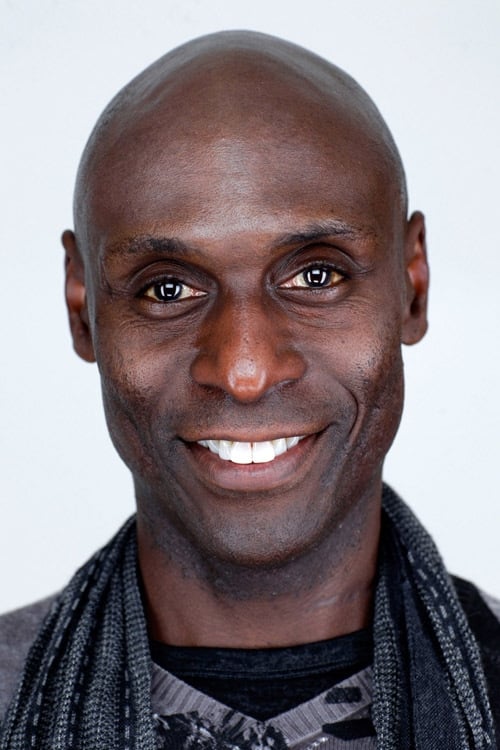
Lance Reddick became a prestige-TV fixture through ‘The Wire’ and the sci-fi procedural ‘Fringe’. He specialized in command roles under institutional pressure. Reddick added film and voice credits that extended his reach. His performances combined discipline with underlying empathy.
Wendell Pierce
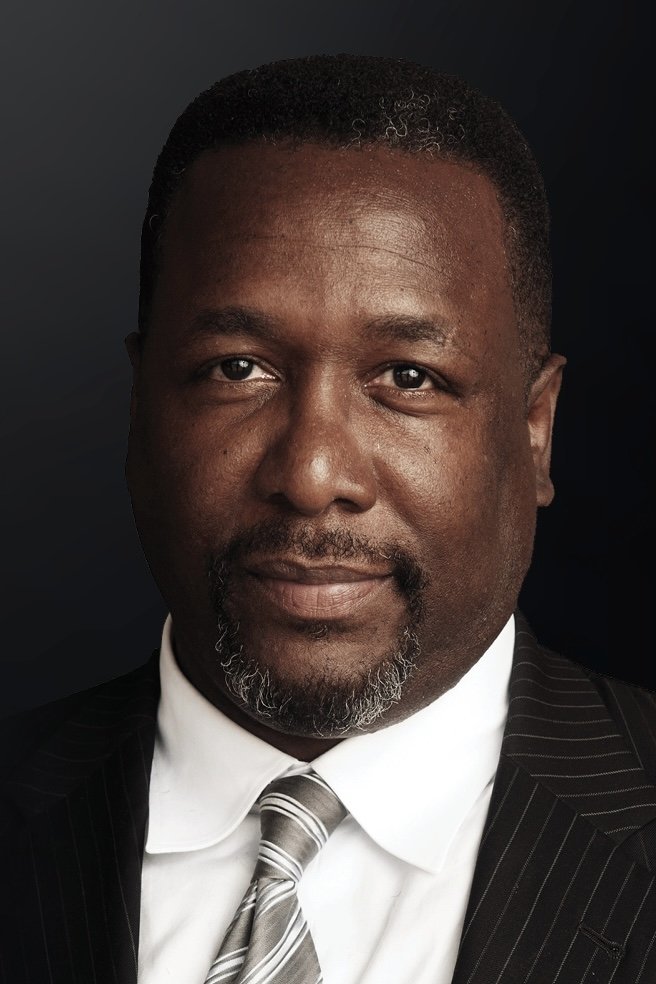
Wendell Pierce delivered nuanced police-work storytelling in ‘The Wire’ and later explored culture and recovery in ‘Treme’. Stage and film contributions rounded out a varied decade. Pierce’s characters often navigated systems, loyalty, and community ties. His work emphasized grounded, lived-in authenticity.
Wood Harris

Wood Harris stood out in ‘The Wire’ as a calculating figure at the center of the show’s social portrait. He appeared in sports and biographical dramas including ‘Remember the Titans’ and other ensemble projects. Harris’ calm intensity gave weight to characters under constant threat. The 2000s showcased quiet command and layered vulnerability.
Ving Rhames
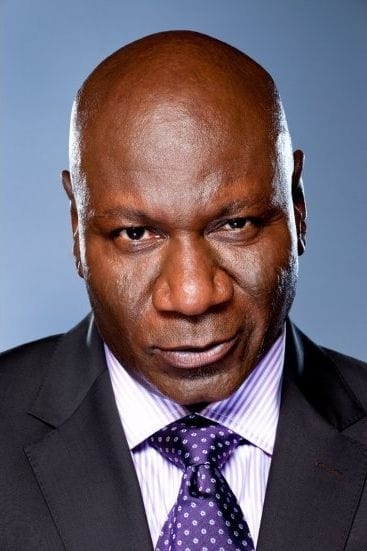
Ving Rhames continued as a key player in the ‘Mission: Impossible’ franchise while tackling crime dramas and indies like ‘Animal’. He brought deep voice and physical presence to allies, enforcers, and strategists. Rhames remained a reliable anchor in ensembles across action and thriller spaces. His decade linked franchise continuity with gritty stand-alone roles.
Derek Luke
Derek Luke broke through with ‘Antwone Fisher’ and followed with ‘Friday Night Lights’ and ‘Catch a Fire’. His roles emphasized perseverance, identity, and community impact. Luke mixed sports drama, political thriller, and intimate character pieces. The period formed a firm base for sustained film and TV work.
Michael B. Jordan
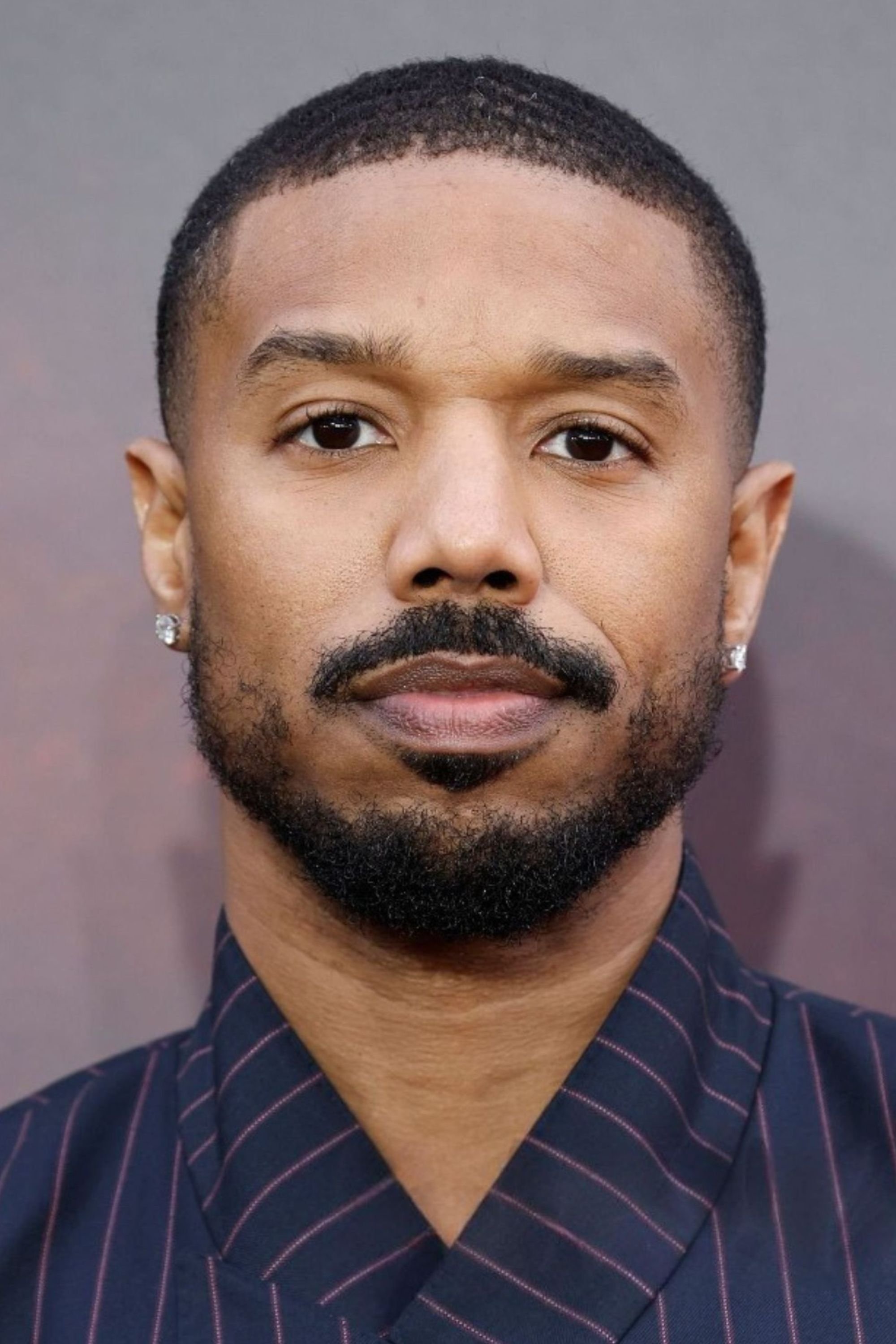
Michael B. Jordan drew early attention on ‘The Wire’ and expanded visibility with ‘Friday Night Lights’. He took on teen drama and sports arcs demanding emotional precision. Additional TV roles sharpened his skills in grounded storytelling. The decade mapped the start of his rise toward major film headliners.
Chadwick Boseman
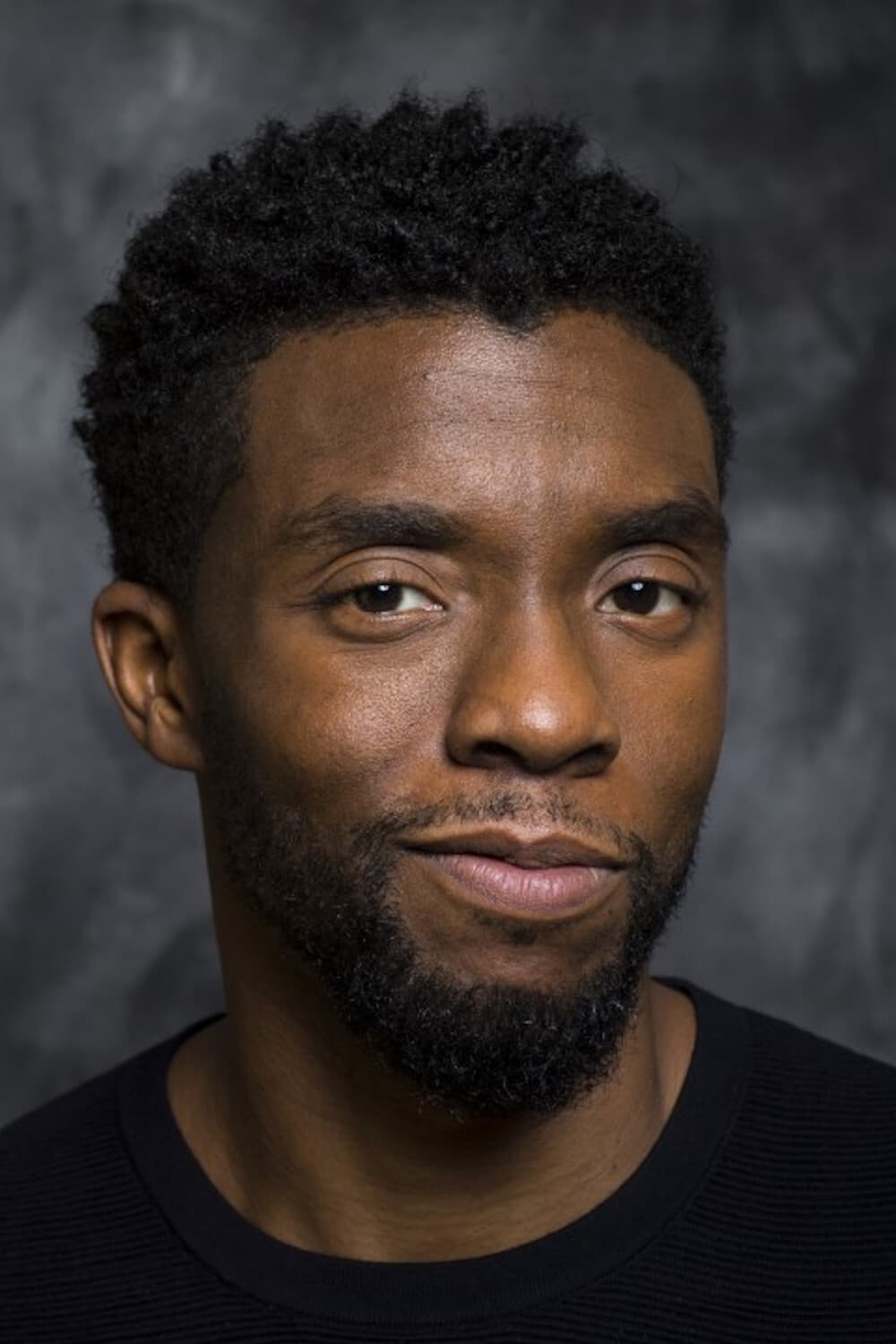
Chadwick Boseman began with television and early biographical portrayals that foreshadowed later cultural landmarks. He focused on athletes and historical figures with disciplined detail. His screen work blended physical preparation with careful vocal choices. Those foundations led to significant leading roles in the following decade.
David Oyelowo
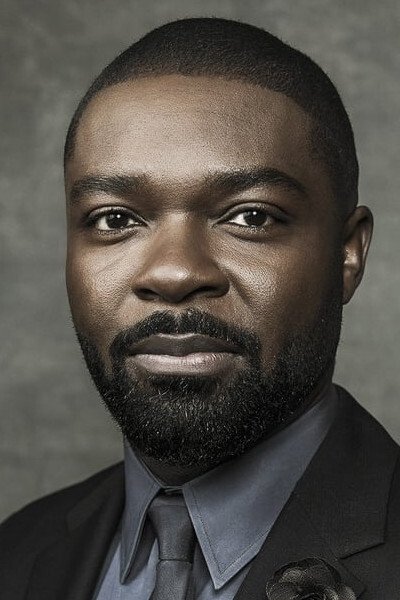
David Oyelowo established himself in the UK with ‘Spooks’ and transitioned to international features and TV. He navigated political thrillers, romance, and biographical narratives. Stage training informed articulate, focused screen performances. The 2000s positioned him for major historical and leadership roles.
Keith David
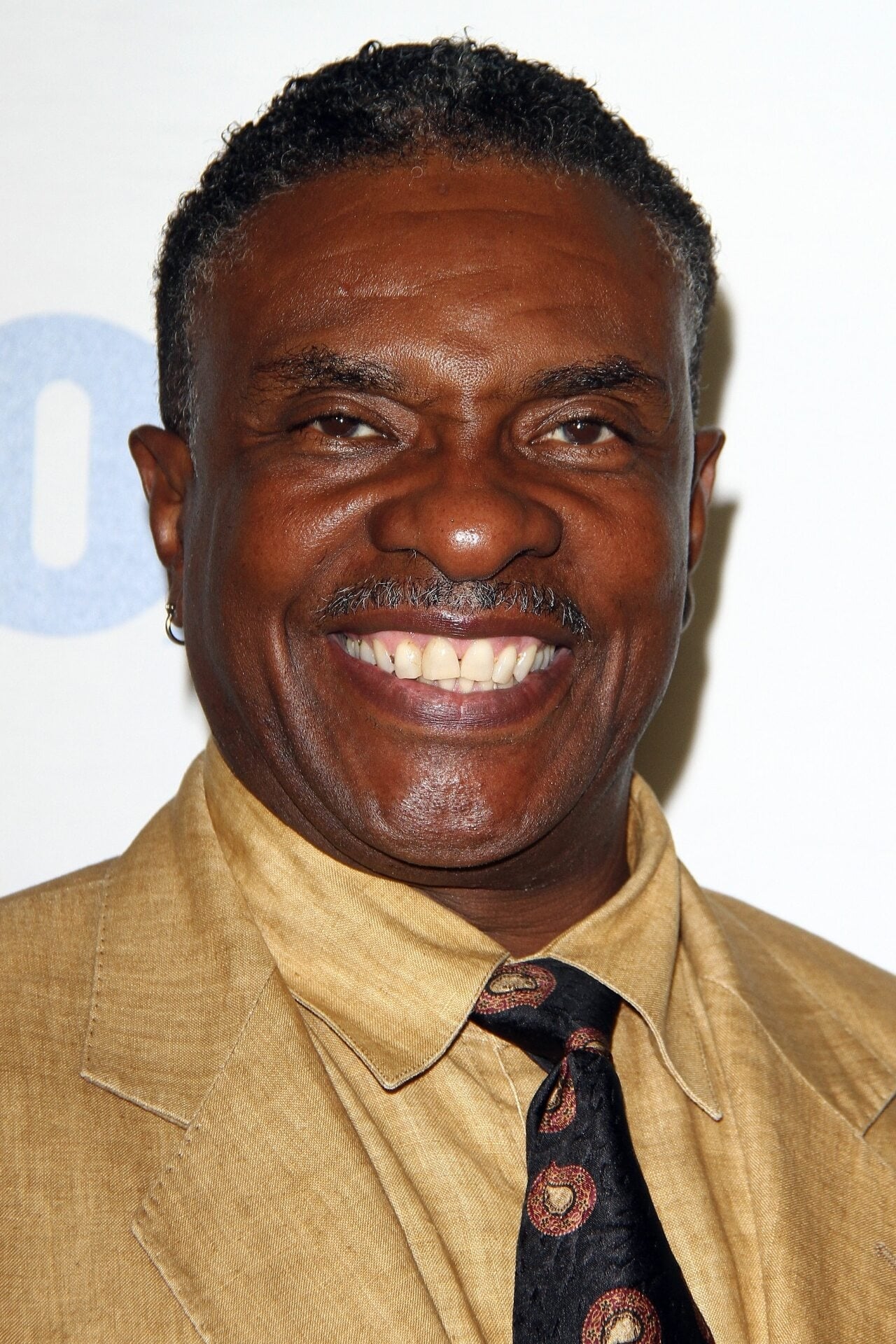
Keith David contributed to ensemble drama in ‘Crash’ and sustained a strong profile in genre titles like ‘Pitch Black’. He worked steadily across film, television, and voice acting. David often embodied mentorship, command, and moral reckoning. His decade underscored consistency and scene-stealing gravitas.
Michael Jai White
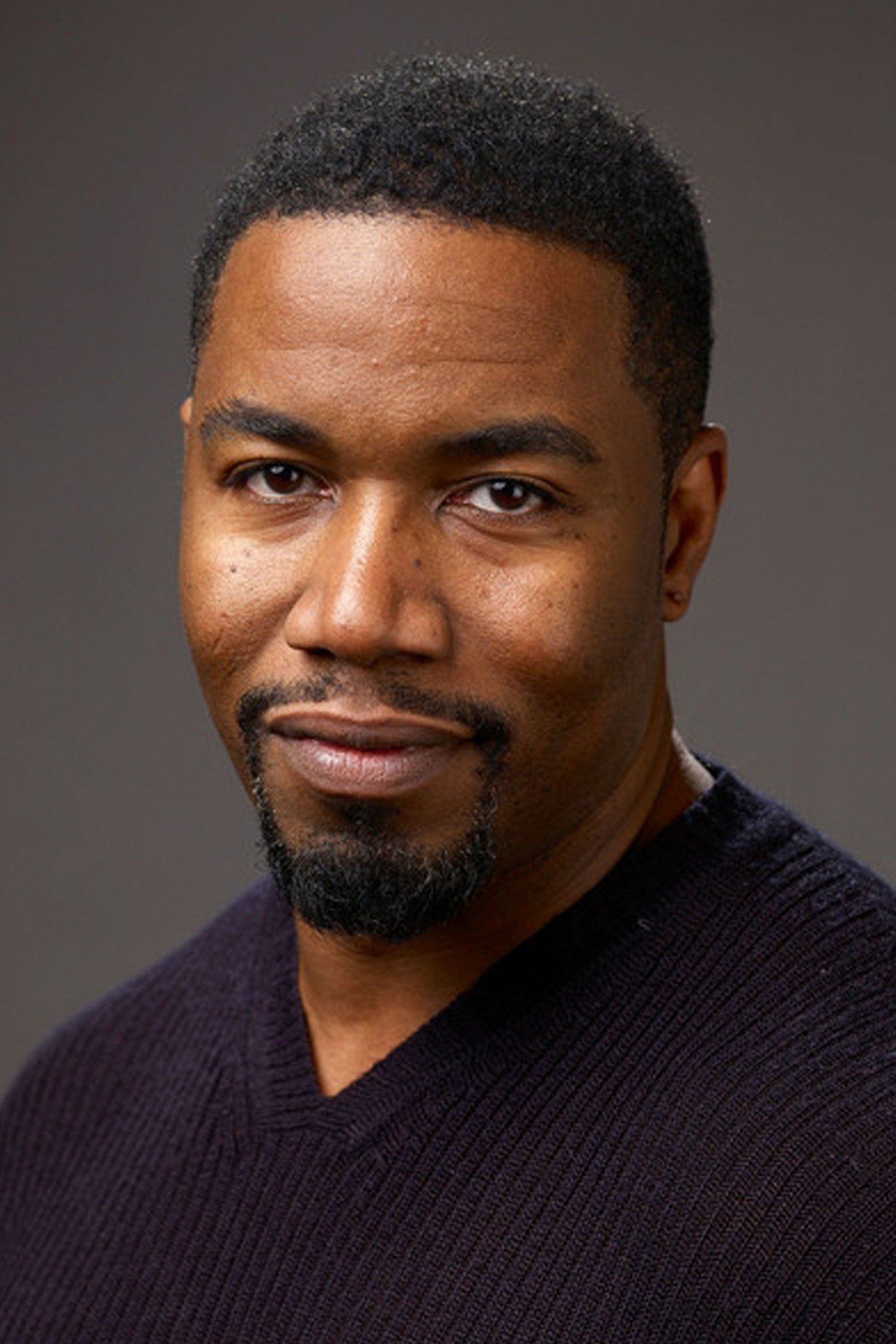
Michael Jai White combined martial-arts precision with deadpan humor in ‘Undisputed II’ and the cult send-up ‘Black Dynamite’. He moved between theatrical action and television guest turns. Fight choreography expertise defined much of his screen identity. The 2000s solidified him as a cult-favorite action presence.
LL Cool J
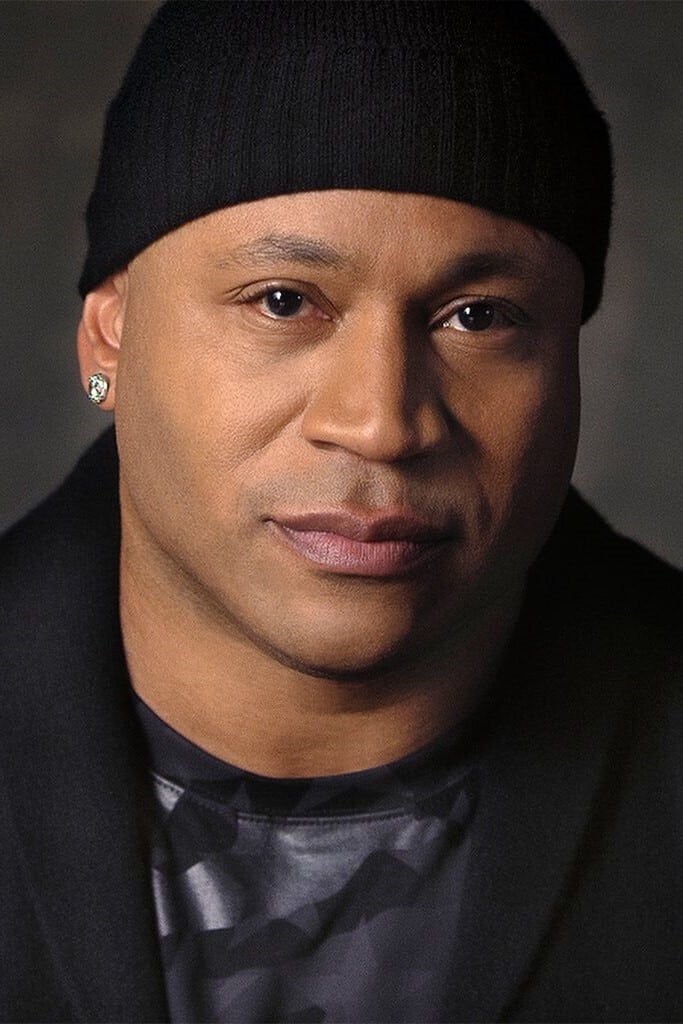
LL Cool J sustained primetime success on ‘NCIS: Los Angeles’ while maintaining film appearances. He balanced action, crime, and comedy with an easygoing charisma. Hosting and public work broadened his mainstream profile. The decade confirmed durable network leadership alongside big-screen roles.
Anthony Anderson
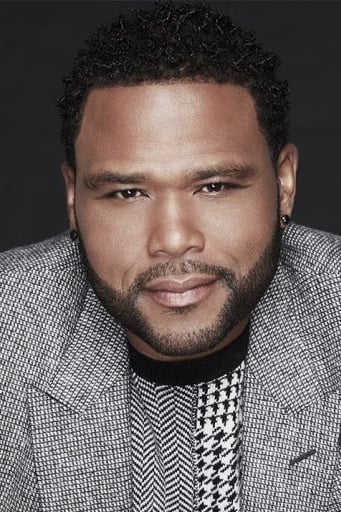
Anthony Anderson stacked sitcom leads with crime-procedural arcs, including time on ‘Law & Order’. He headlined comedies and took dramatic turns that expanded his range. Anderson’s work blended quick wit with family and workplace dynamics. The period laid groundwork for later long-running network success.
Tracy Morgan
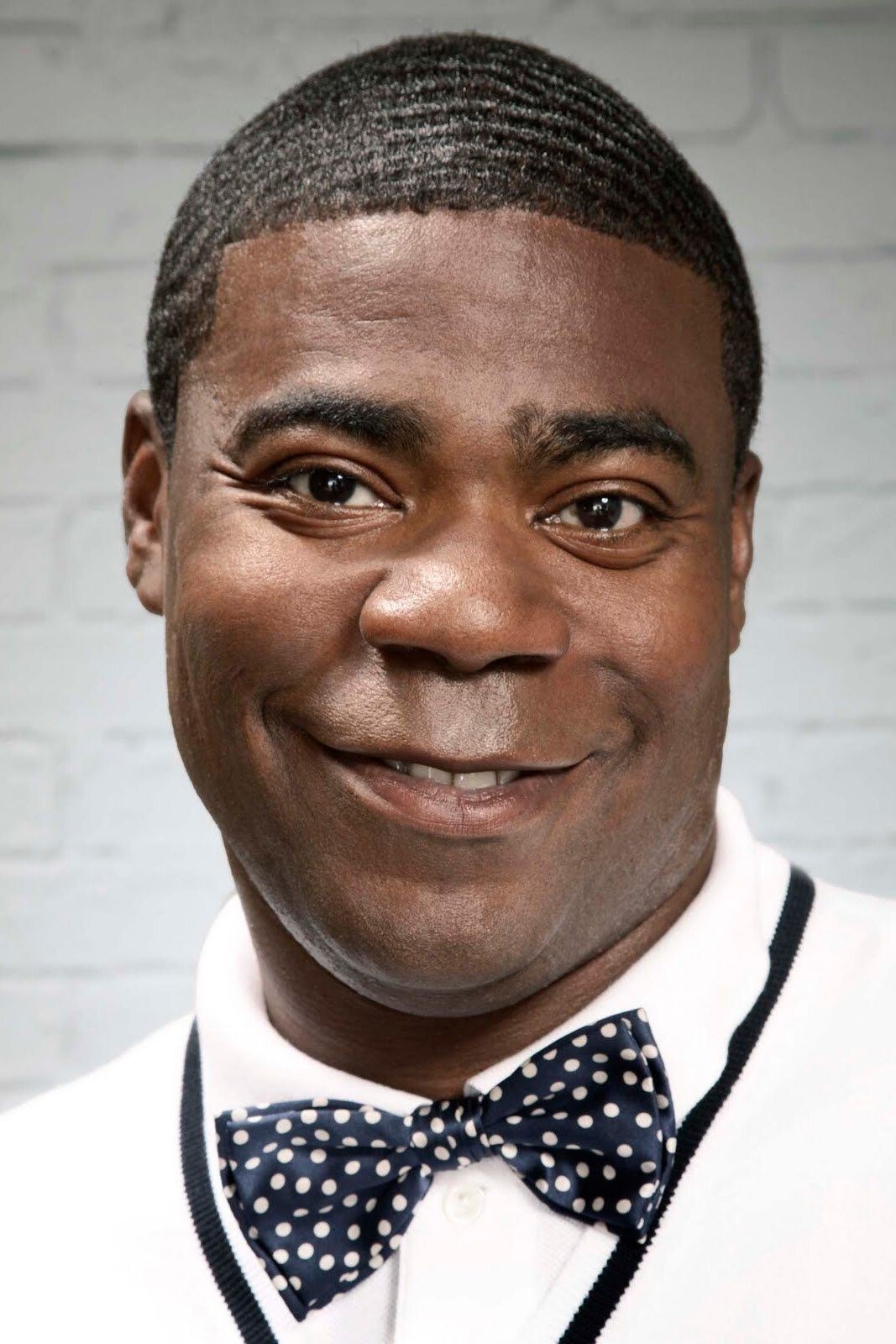
Tracy Morgan became a standout on ’30 Rock’, shaping a meta-showbiz character within a celebrated ensemble. He continued appearing in studio comedies and sustained sketch roots. Morgan’s roles fused absurdist humor with underlying warmth. The decade cemented him as a key figure in TV comedy.
Shemar Moore
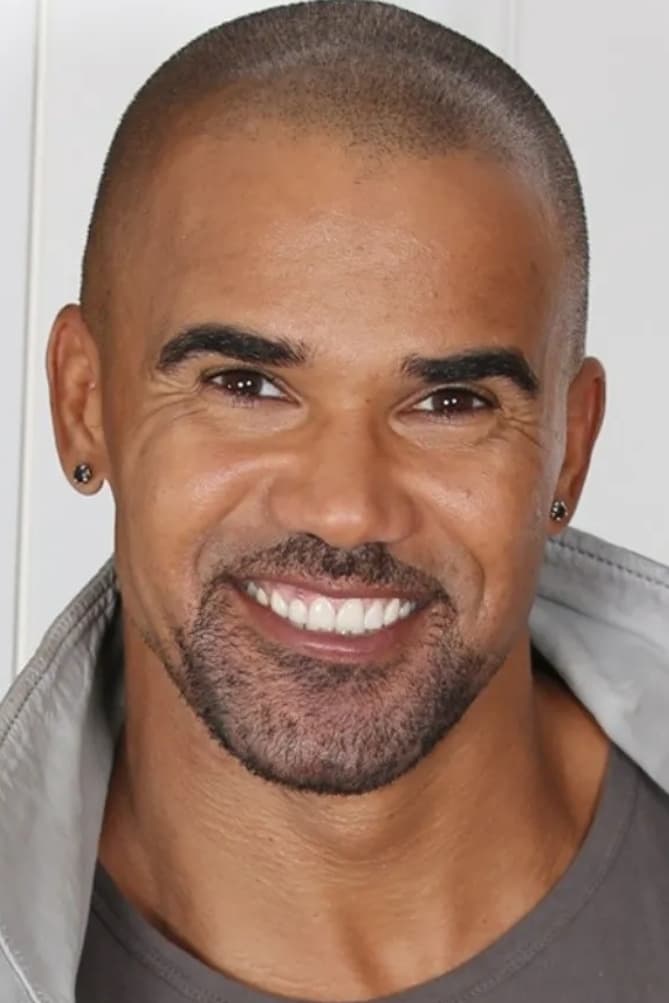
Shemar Moore maintained high visibility on ‘Criminal Minds’, contributing to one of television’s most-watched procedurals. He balanced action-oriented sequences with team-driven character beats. Earlier daytime work helped build a dedicated fan base that followed into primetime. The 2000s demonstrated staying power in long-running ensemble storytelling.
Share your favorite performances from these actors—and the names you’d add—to the comments!

