


Most Famous Black Bisexual Actresses

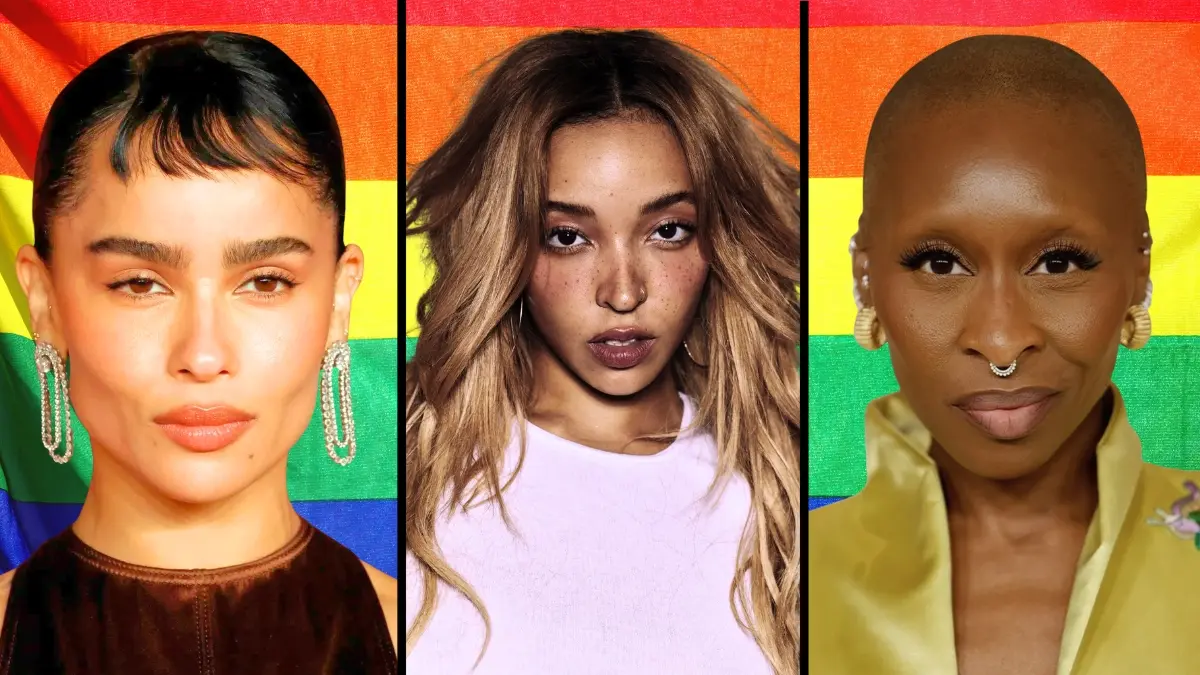


Black bisexual actresses have helped push on-screen storytelling forward while widening who gets seen, heard, and centered. Their careers span studio blockbusters, boundary-pushing TV, Broadway, and indie film—often alongside advocacy for LGBTQ+ communities and more inclusive hiring, writers’ rooms, and sets.
This list spotlights women who have publicly identified as bisexual (or explicitly described attraction to more than one gender) and whose film, TV, and stage work has made a measurable cultural impact. You’ll see superhero leads, Oscar nominees, music-to-screen multihyphenates, and a Jazz-Age legend whose legacy still shapes modern performance.
Cynthia Erivo
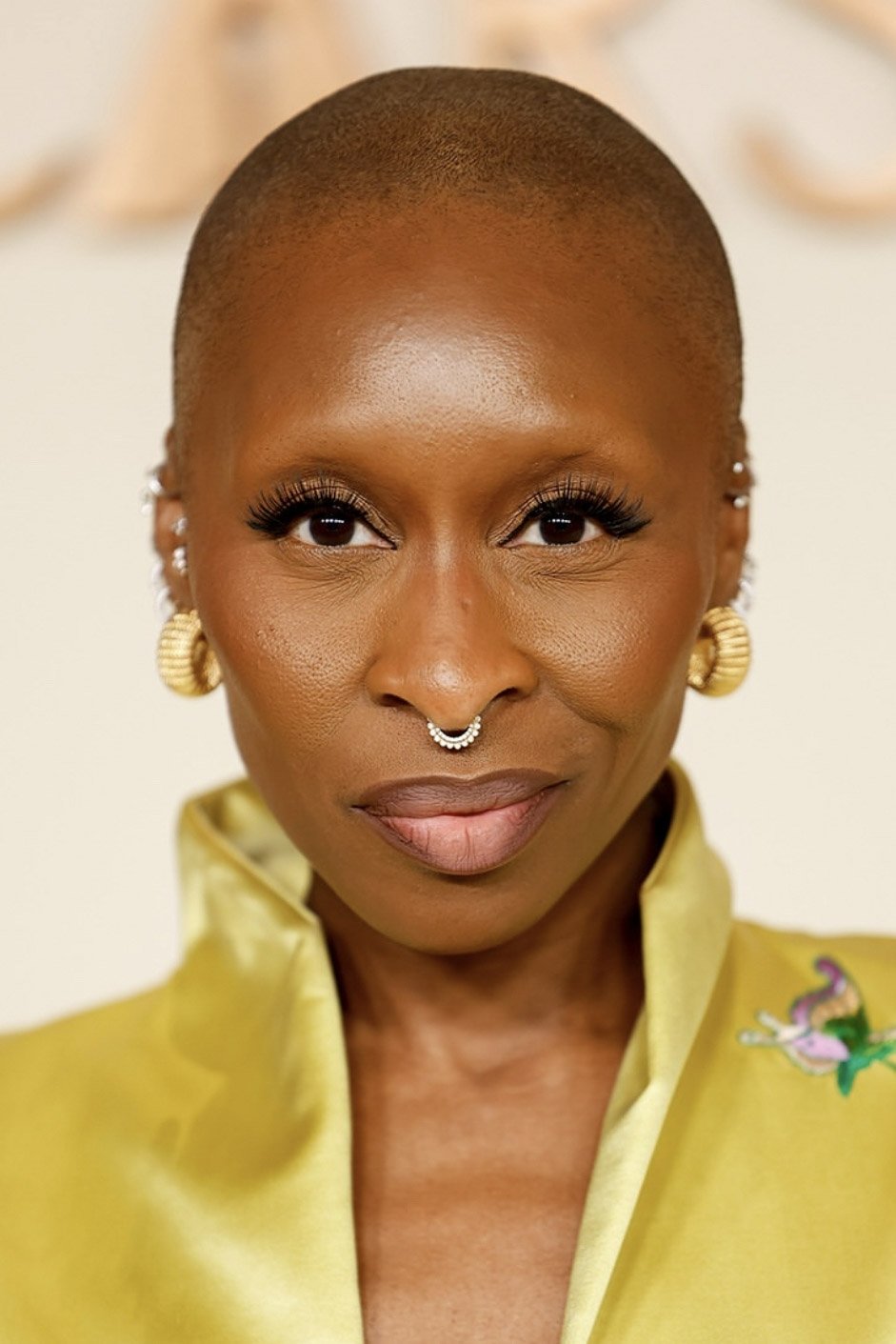
Cynthia Erivo is an Emmy, Grammy, and Tony winner who transitioned from acclaimed stage turns to major film and television roles while continuing to develop new projects as a producer and songwriter. She has portrayed historical figures, headlined prestige dramas, and collaborated with top directors across studio and independent productions.
Erivo has stated publicly that she is bisexual and has discussed the importance of representation and complexity in queer roles during interviews with major outlets. She frequently appears at LGBTQ+ initiatives and panels, emphasizing the link between visibility, industry access, and broader opportunities for queer creatives.
Aunjanue Ellis-Taylor
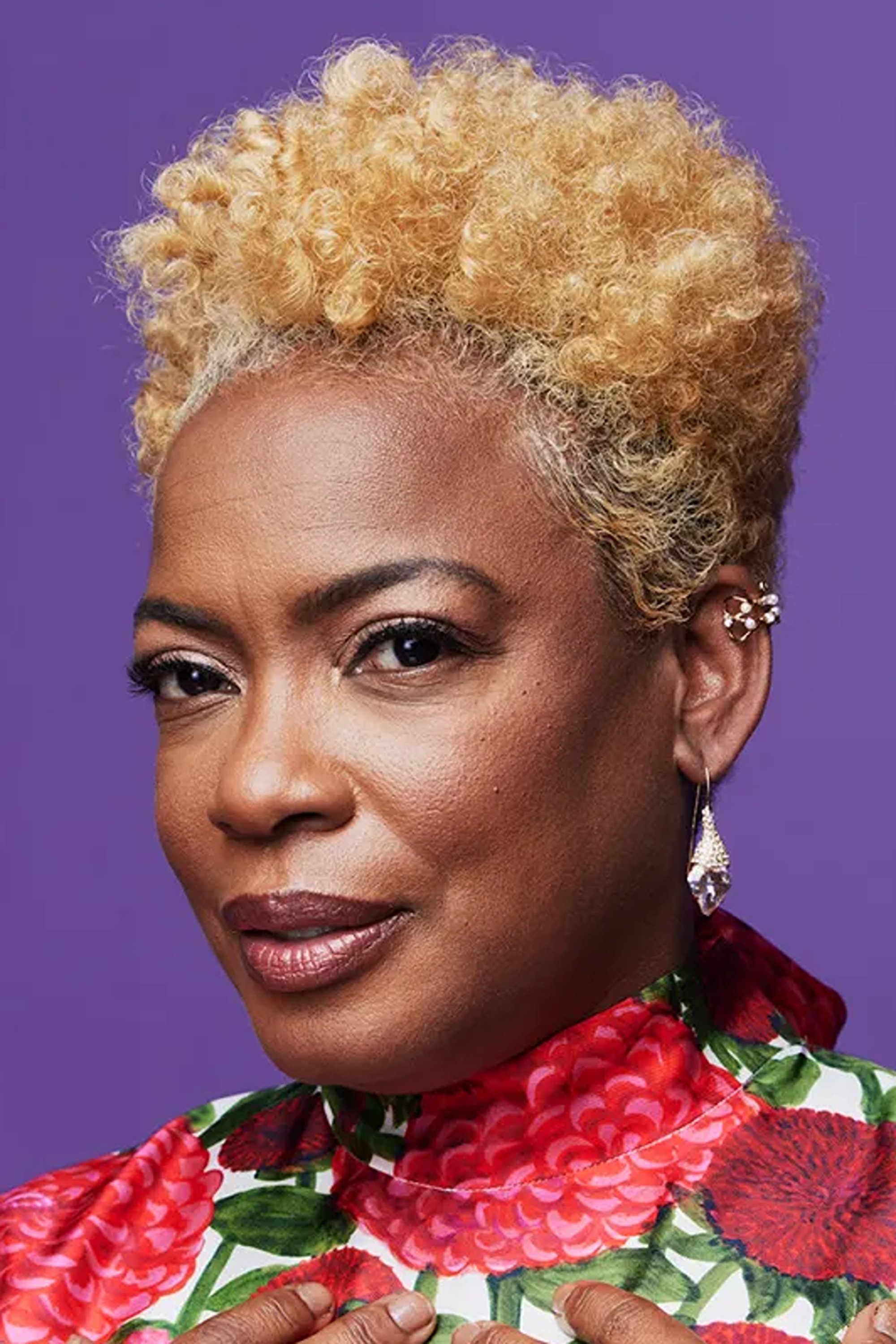
Aunjanue Ellis-Taylor earned widespread recognition for high-profile performances in biographical drama and ensemble television, building on decades of steady work in film, limited series, and theater. She is known for selecting projects that foreground layered, socially engaged storytelling and for mentoring emerging talent.
Ellis-Taylor has said clearly that she is bisexual and has spoken about the difference between private identity and public acknowledgment in the entertainment industry. She has used press opportunities to underscore how open identification by established performers can reduce stigma and create safer sets for younger artists.
Tessa Thompson
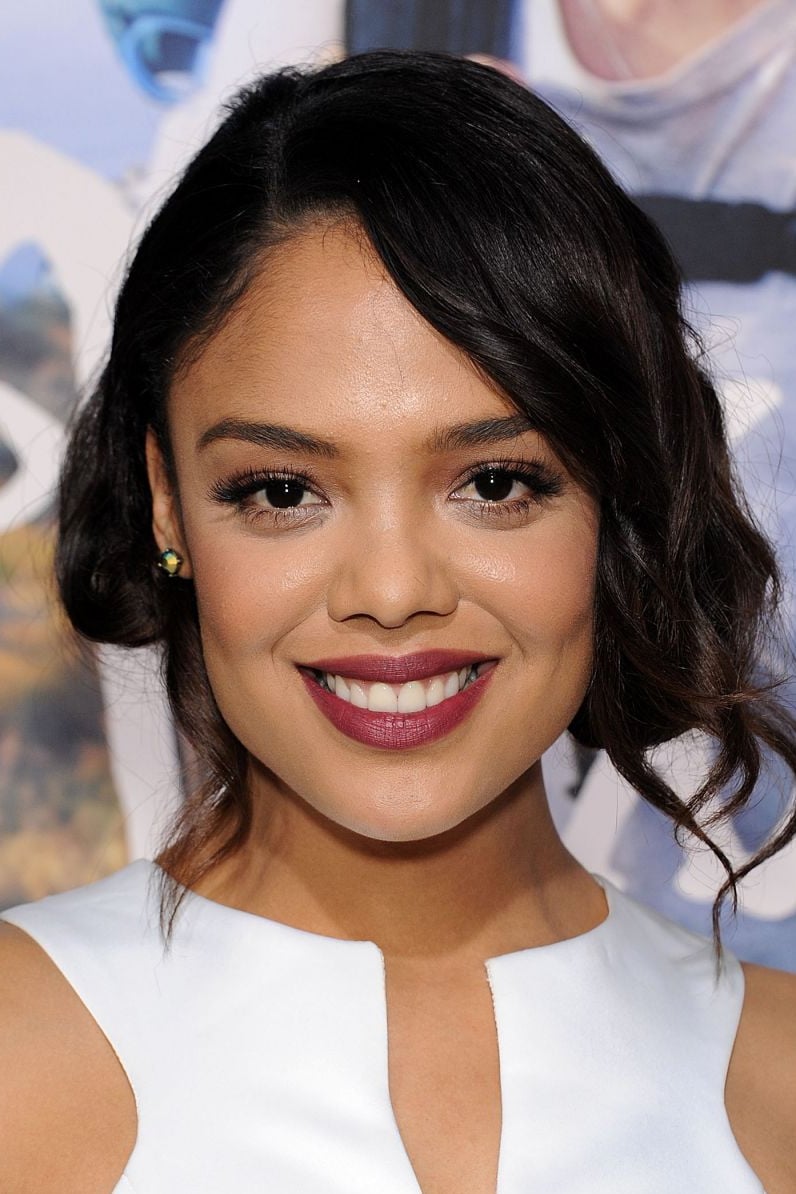
Tessa Thompson balances franchise work with independent features and prestige television, anchoring projects that range from superhero epics and sci-fi world-building to music-driven dramas. She has produced and developed material highlighting underrepresented voices, often collaborating with filmmakers who center Black and queer perspectives.
Thompson has described being attracted to more than one gender and has addressed how that perspective informs her approach to roles and public life. She has also discussed advocating for authentic queer characters on major productions, including pushing for storylines that move beyond stereotypes and token arcs.
Javicia Leslie
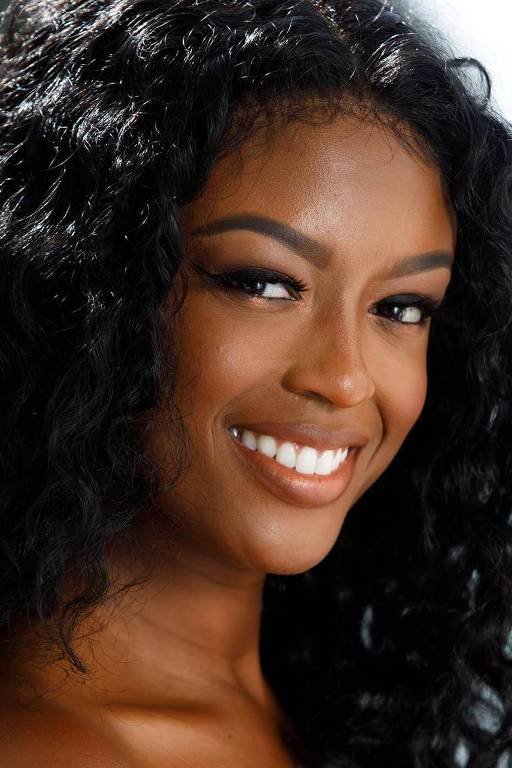
Javicia Leslie became the first Black woman to lead a live-action ‘Batwoman’ series on U.S. network television, bringing a queer Black superhero to prime-time. Beyond action work, she has appeared in drama and comedy projects and has participated in conventions and community events that connect comics fandom with LGBTQ+ advocacy.
Leslie has identified herself as bisexual in interviews and has spoken about the significance of playing a hero who shares her character’s sexuality. She frequently highlights how inclusive casting can affect off-screen hiring, noting that queer leads help open the door for more LGBTQ+ writers, directors, and crew.
Tinashe
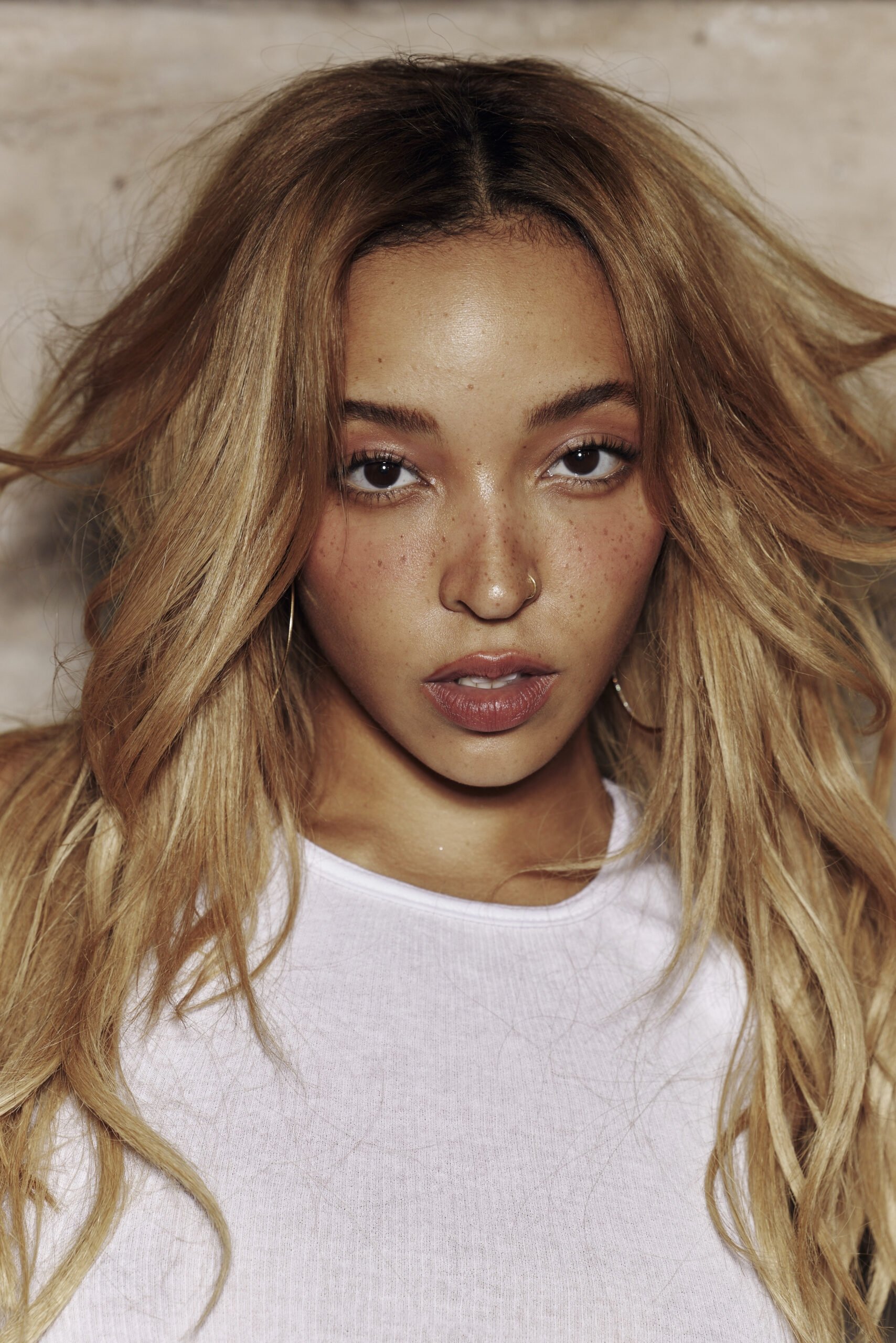
Tinashe is a charting singer-songwriter who has built a parallel screen career with television appearances, live musical television productions such as ‘Rent: Live,’ and guest roles that showcase dance and performance. She continues to cross between the studio, the stage, and the camera, expanding a multiform portfolio.
Tinashe has said she identifies as bisexual and has discussed labels, attraction, and visibility in interviews with LGBTQ+ media and mainstream outlets. She regularly performs at Pride events and collaborates with queer creators, positioning her screen work within a broader commitment to community engagement.
Josephine Baker
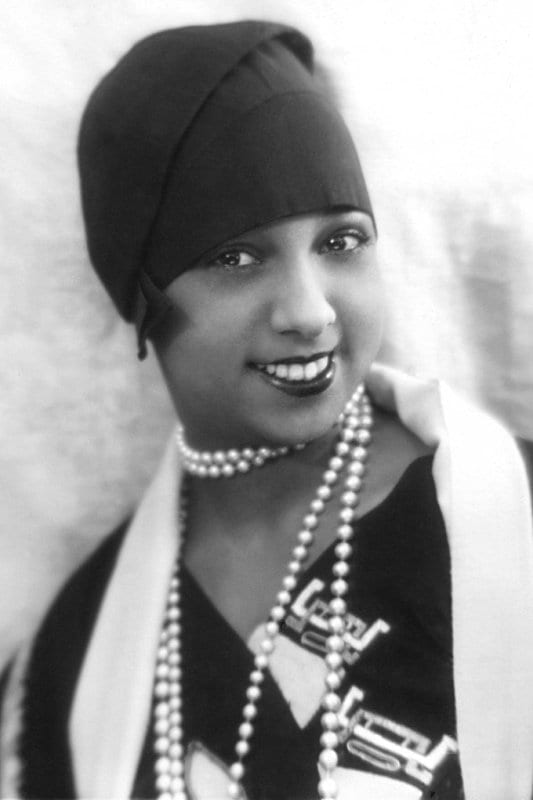
Josephine Baker was an American-born French entertainer and actress whose film work, cabaret stardom, and civil-rights activism made her one of the 20th century’s most recognizable performers. She also served as a World War II resistance courier and later adopted twelve children in what she called her “Rainbow Tribe.”
Historical accounts and biographies document Baker’s relationships with both men and women, and she is widely recognized as a bisexual pioneer. Her career challenged racial and gender barriers in Europe and the United States, and her image—on film, in photographs, and on stage—continues to influence fashion, music videos, and cinema.
Zoë Kravitz
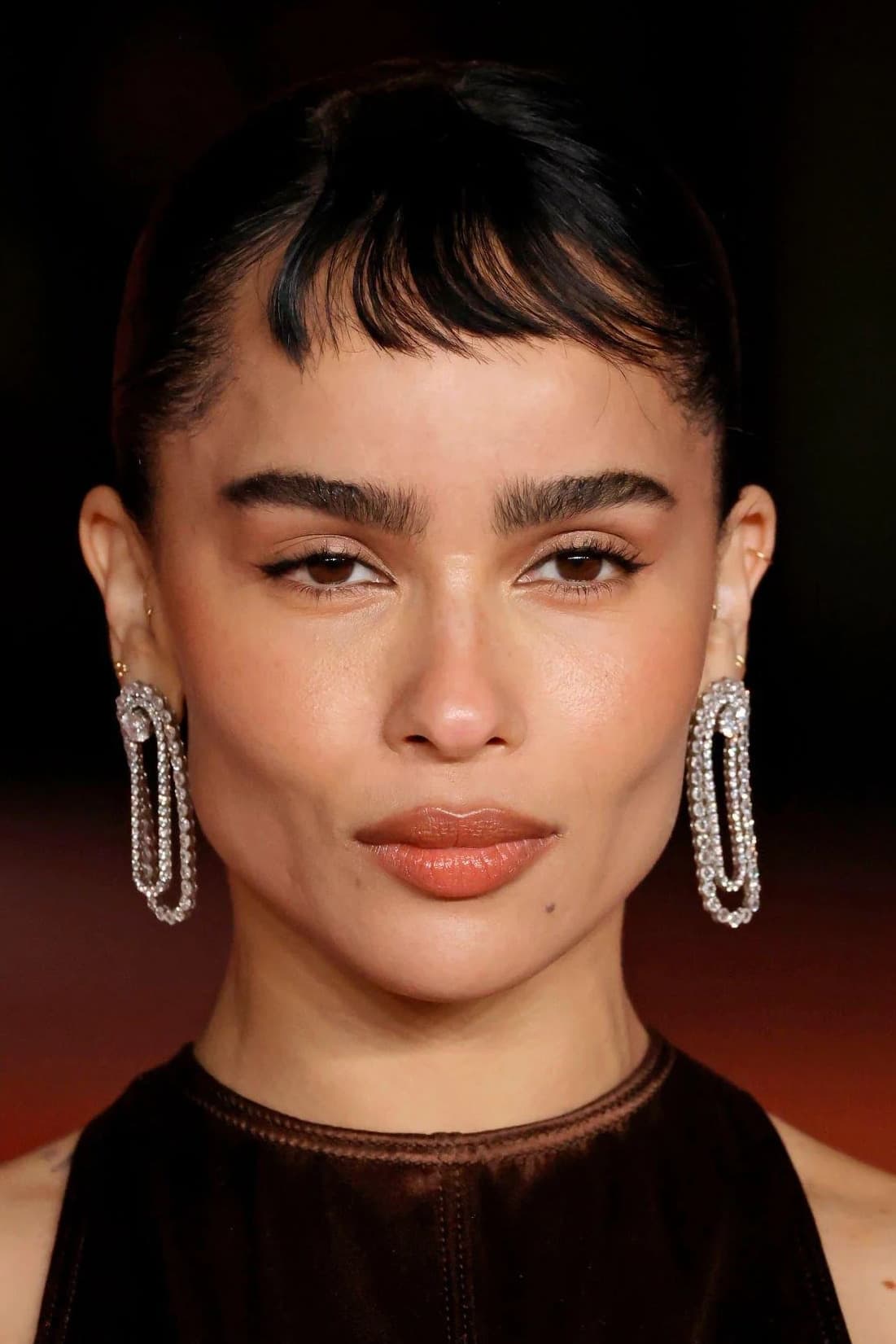
Zoë Kravitz has moved fluidly between indie cinema, studio franchises, and serialized television, in addition to producing and directing. She has portrayed musicians, anti-heroes, and complex leads, and she often pairs screen work with fashion and cultural projects that highlight creative control for women of color.
Kravitz has acknowledged attraction to more than one gender in interviews and has been featured in profiles discussing bisexual visibility in Hollywood. She has used her platform to advocate for inclusive casting, equitable pay, and safer working conditions, linking on-screen diversity with structural change behind the camera.
Janelle Monáe
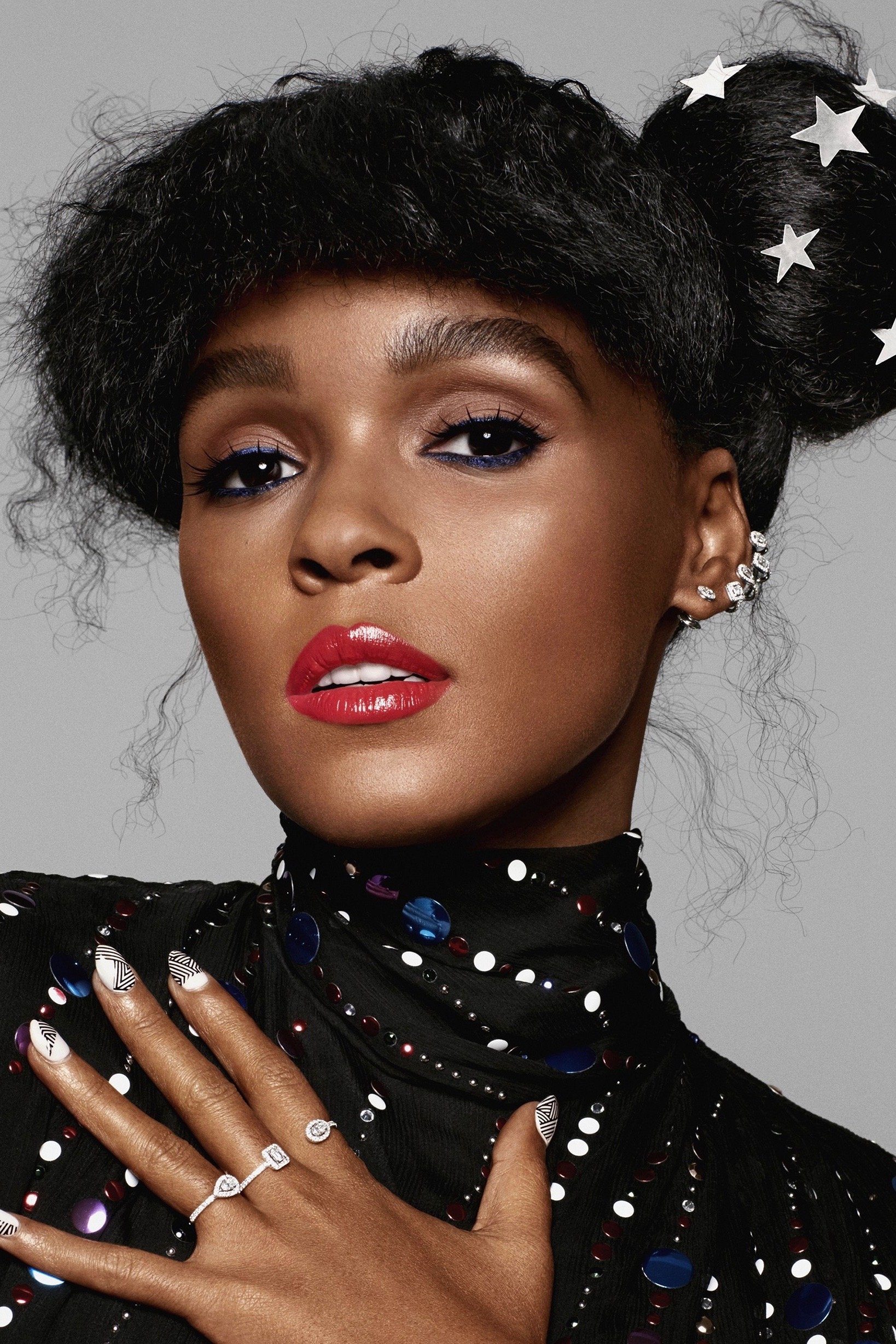
Janelle Monáe is a recording artist and actress whose filmography includes acclaimed ensemble dramas and sci-fi features, alongside high-concept albums and tours. They have expanded into producing books and screen projects, frequently centering speculative fiction and Afrofuturist themes that foreground liberation and identity.
Monáe has publicly identified across the spectrum of multisexual labels, including bisexual and pansexual, and has spoken about non-binary gender identity. Their interviews and speeches often connect personal visibility to industry practice—urging studios to hire queer creatives across departments and to support stories that reflect real community diversity.
Share the names and roles you’d add to this list in the comments—we’d love to hear your picks.

